








Buying wholesale office chairs is closer to planning a supply line. Retail buying is more like grabbing one finished chair off a shelf. Wholesale buyers have to worry about consistency, quantity, documents, packaging, delivery, spare parts, and supplier support. Retail buyers usually weigh one model, one price, and one return policy.

Neither option is automatically better. Retail is fine for a small, urgent need. Wholesale makes sense when you need repeat supply, several locations, matched specs, channel margin, branded packaging, or support for your own customers. The real question is plain: what job does this order have to do?
Wholesale vs retail, side by side
| Decision area | Wholesale office chairs | Retail buying |
| Best use | Distribution, projects, repeated procurement | Small quantities, immediate local needs |
| Price basis | Quantity, setup, terms, packaging | Listed unit price |
| Product choice | Category or assortment planning | Individual finished models |
| Samples | Often part of supplier evaluation | Store display or standard return process |
| Customization | May be available subject to quantity | Usually limited to listed options |
| Documentation | Requested for import, project, or compliance needs | Consumer product information |
| Delivery | Production and freight planning | Parcel or local delivery |
| After-sales | Buyer and supplier process | Consumer warranty/return policy |
| Relationship | Ongoing supply and partnership | Transactional purchase |
You end up asking different questions, counting costs differently, and watching different risks.
When retail buying is the practical call
Retail is usually easier when the need is small and immediate. If a local office needs two chairs by tomorrow, a factory quote and a sample process may be more than the situation requires.
Retail tends to be the better route when:
- The order is only a few units
- The chairs are needed right now
- Local delivery and assembly matter more than unit cost
- No custom packaging or labeling is required
- You don’t need repeat supply
- A local consumer warranty is preferred
- The business can’t or won’t manage freight or import documents
That higher listed unit price can still be the cheaper option once you factor in freight complexity.
When wholesale actually pays off
Wholesale starts to make sense when you need scale, repeat supply, a clear market position, or a supplier relationship that outlasts one order.
Typical fits:
- An importer building a regional office-chair catalog
- A distributor feeding dealers or project contractors
- A company fitting out several offices with coordinated seating
- A furniture integrator delivering complete workplace projects
- A retailer needing recurring inventory and channel margin
- A brand wanting packaging, labels, manuals, or selected product options
In these cases the decision reaches past a single chair. You’re choosing a supplier, a product system, and a support process.
Before you request quotations, use the office chairs wholesale procurement checklist to build a complete brief.
Unit price is not total cost
Retail prices usually bundle in local inventory, marketing, distribution, and consumer service. Wholesale quotations may leave out freight, destination charges, inspection, customization, sample shipping, or local handling.
To compare the two routes honestly, work through:
- Product cost
- Sample and approval costs
- Packaging or customization charges
- Freight and destination costs
- Duties, taxes, and customs-related costs where applicable
- Warehouse and handling costs
- Assembly or installation
- Spare parts and after-sales administration
- Expected replacement or claim costs
Don’t line up a factory unit price against a delivered retail price as if they mean the same thing. Put both options on one table first: same destination, same service level, same risk.
MOQ changes the whole logic
Minimum order quantity can run by model, color, component, packaging option, or total order. Ask how the MOQ is structured instead of assuming one number covers everything.
Useful questions:
- Is the MOQ set per model or per order?
- Can several colors or chair families be combined?
- Does customized packaging need a separate quantity?
- Can the first order use standard packaging?
- Is a smaller trial order possible?
- Which options shift the production schedule?
The answers hit your cash flow and inventory risk. A low unit price isn’t attractive if the required quantity overshoots what you can realistically sell or use.
Samples do a different job in wholesale
Retail buyers can often sit in the chair or use a return window. Wholesale buyers need to know whether a sample represents the production order and whether it fits the target market.
A B2B sample review should cover:
- Product dimensions and adjustment range
- Assembly and instructions
- Mechanism and control usability
- Mesh, upholstery, frame, and finish
- Carton protection and labeling
- Parts identification
- Commercial positioning
- Consistency with the supplier’s spec sheet
Ask the supplier to confirm which parts of the sample stay unchanged in production, and write down the approved materials, colors, packaging, and accessories.
Wholesale buyers need documents retail buyers don’t
Importers and project buyers often need information that simply isn’t part of a retail purchase. The exact list depends on country, product, customer, and project.
You might request:
- Product specs and dimensions
- Test reports applicable to the selected model
- Material or component information
- Packaging details
- Assembly instructions
- Warranty policy
- Spare-parts list
- Care and maintenance guidance
Delivery planning is a different animal
Retail delivery is usually measured in days. Wholesale delivery can include sample approval, production scheduling, inspection, export prep, freight, customs, and final distribution.
A workable wholesale timeline breaks into:
- Product selection
- Quotation confirmation
- Sample approval
- Packaging or artwork approval
- Production
- Inspection and shipment preparation
- International or regional transport
- Destination handling
Don’t treat a general factory lead-time statement as your project date. Confirm timing for your selected models, order volume, customization, and current production window.
Warranty is a process, not a sentence
A retail warranty normally gives the end user a direct line to the seller. A wholesale program needs a process running between manufacturer, importer, distributor, dealer, project client, and final user.
Before ordering, define:
- Who receives claims from end users
- What evidence is required
- Which parts can be replaced
- Who pays the relevant shipping
- How parts are identified
- How long service parts stay available
- How repeated issues get reviewed
Get the policy in writing from the supplier, then build your own downstream process around it to match your local channel.
Choosing a wholesale product range
Retail buyers pick a chair for one known user. Wholesale buyers pick models for several buyer groups.
A balanced assortment might combine:
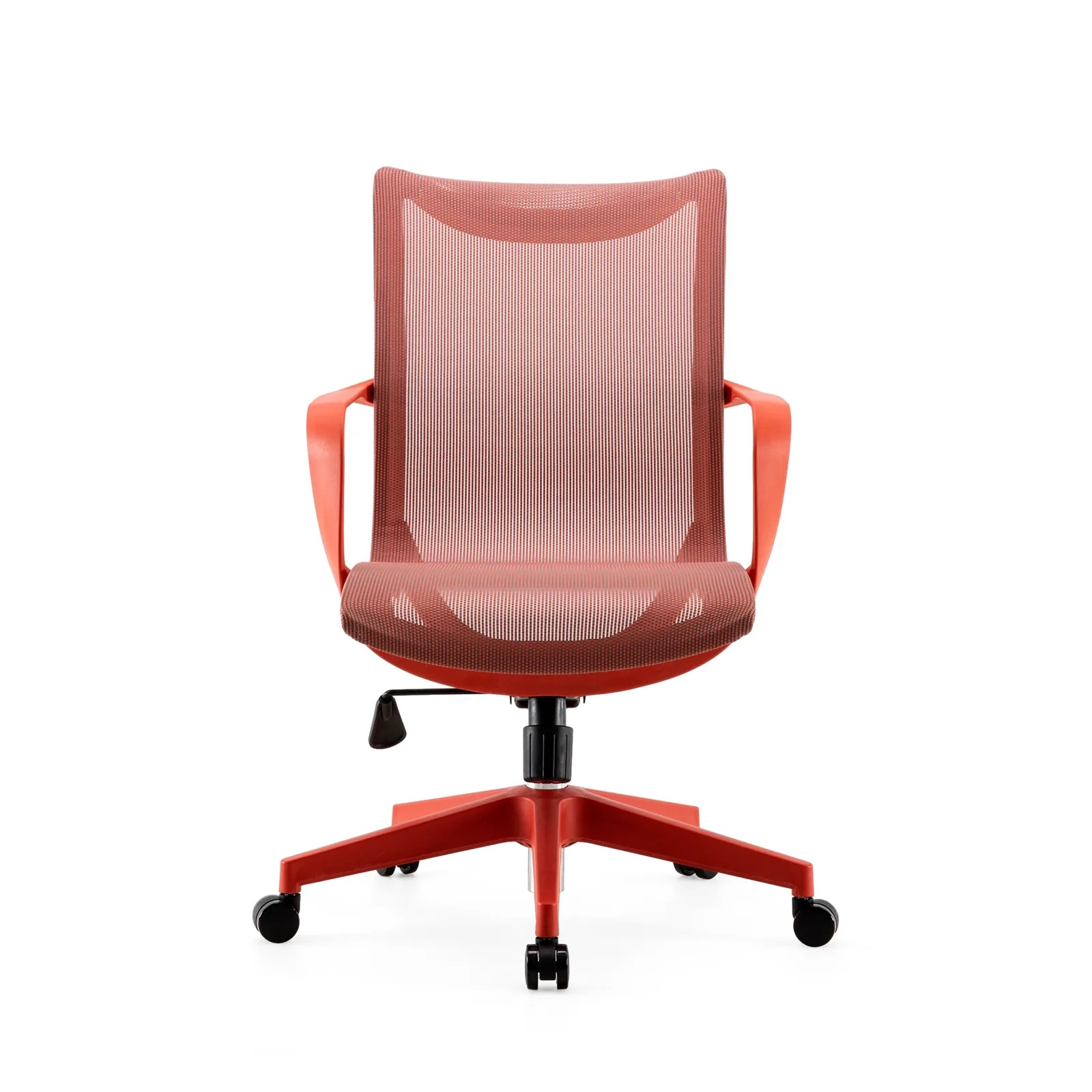
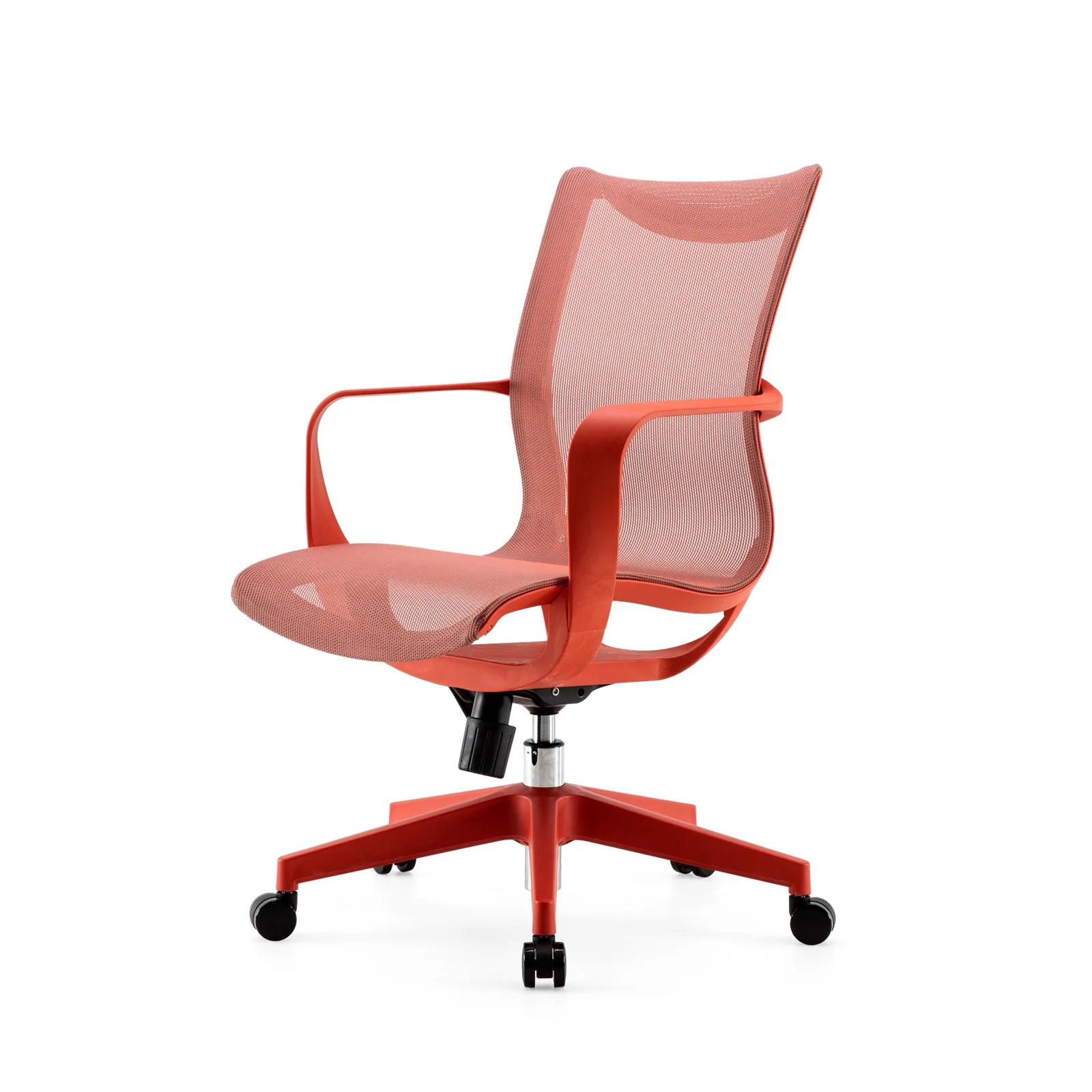
- A value-oriented staff chair
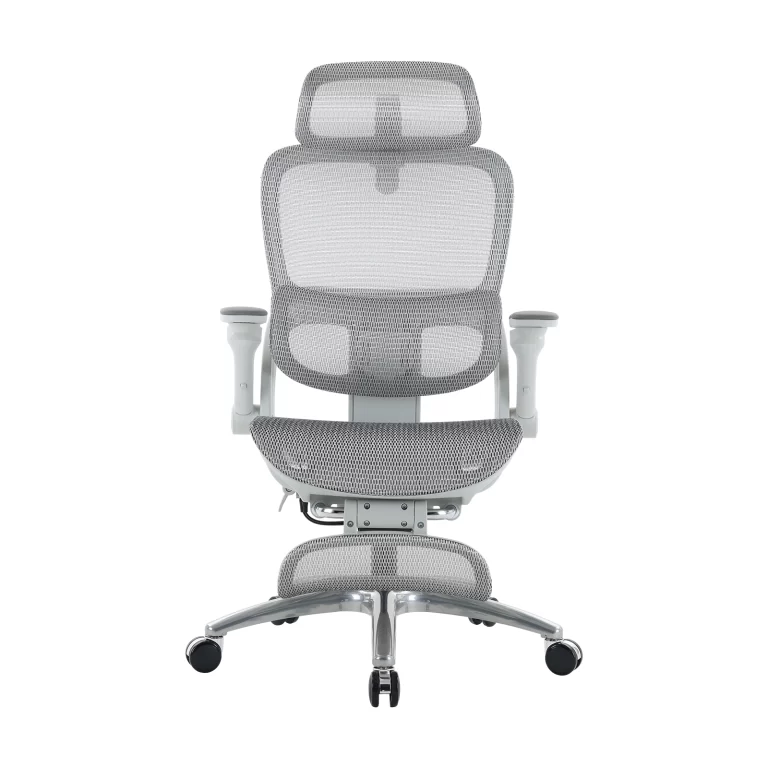
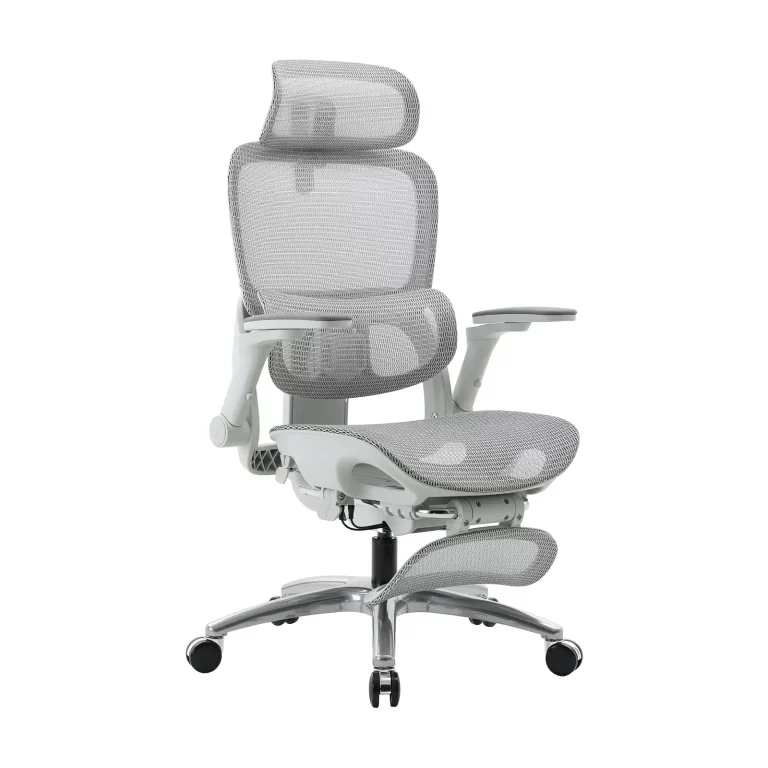
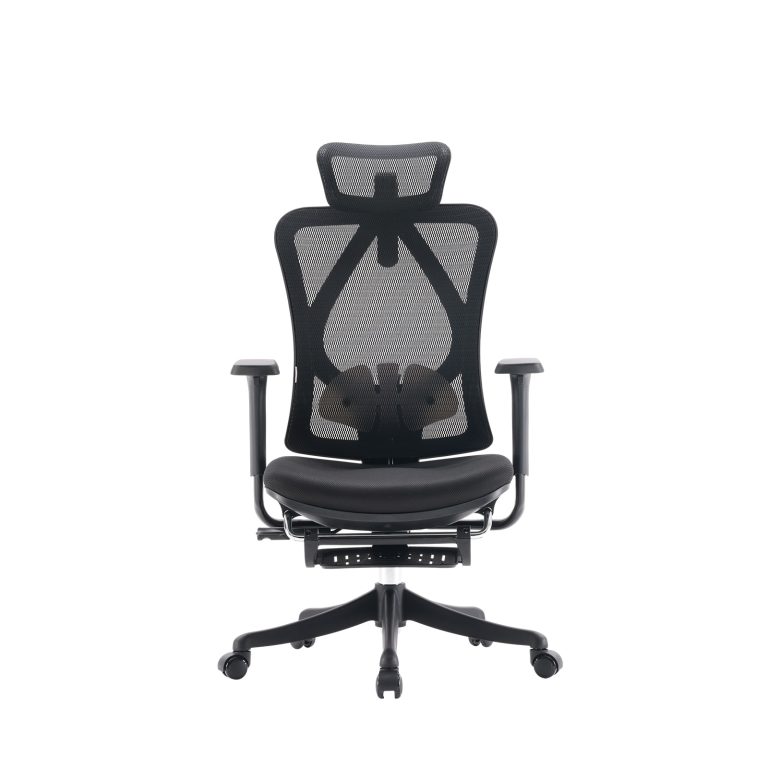
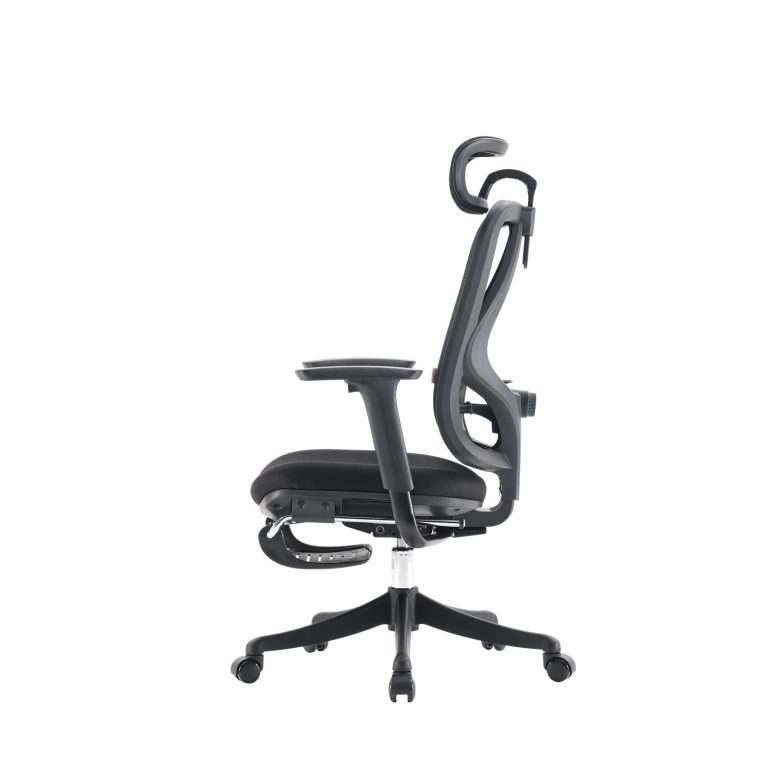
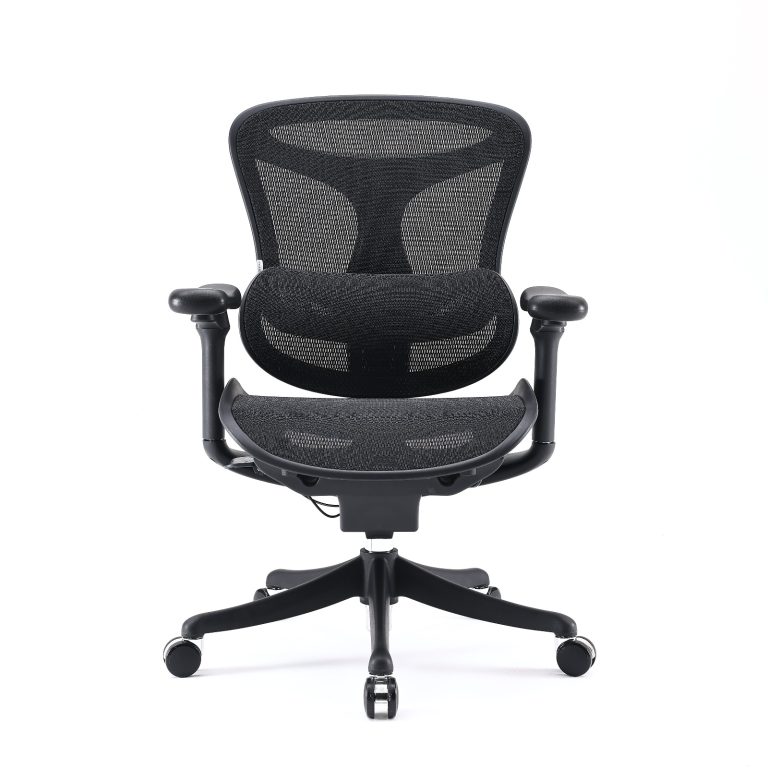
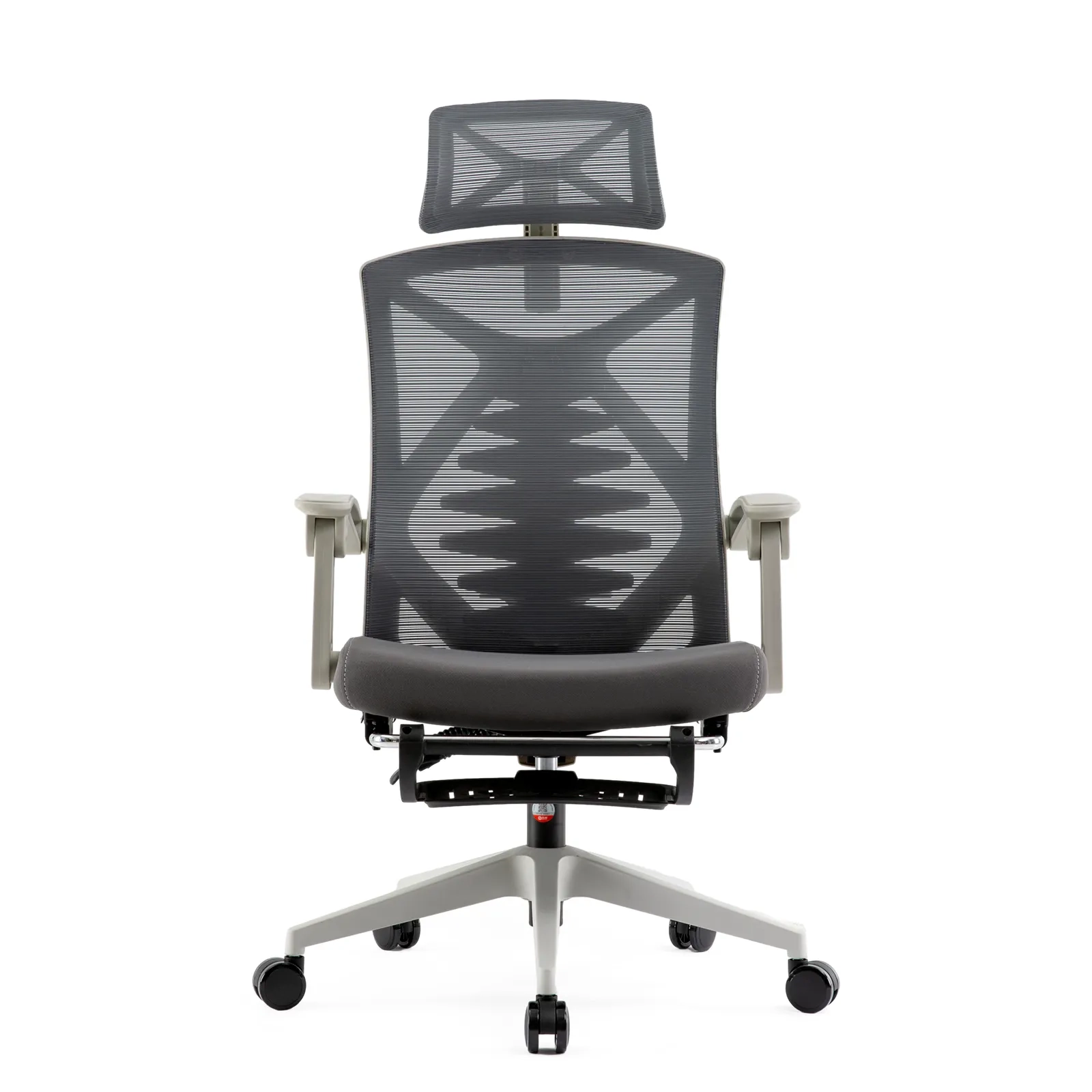
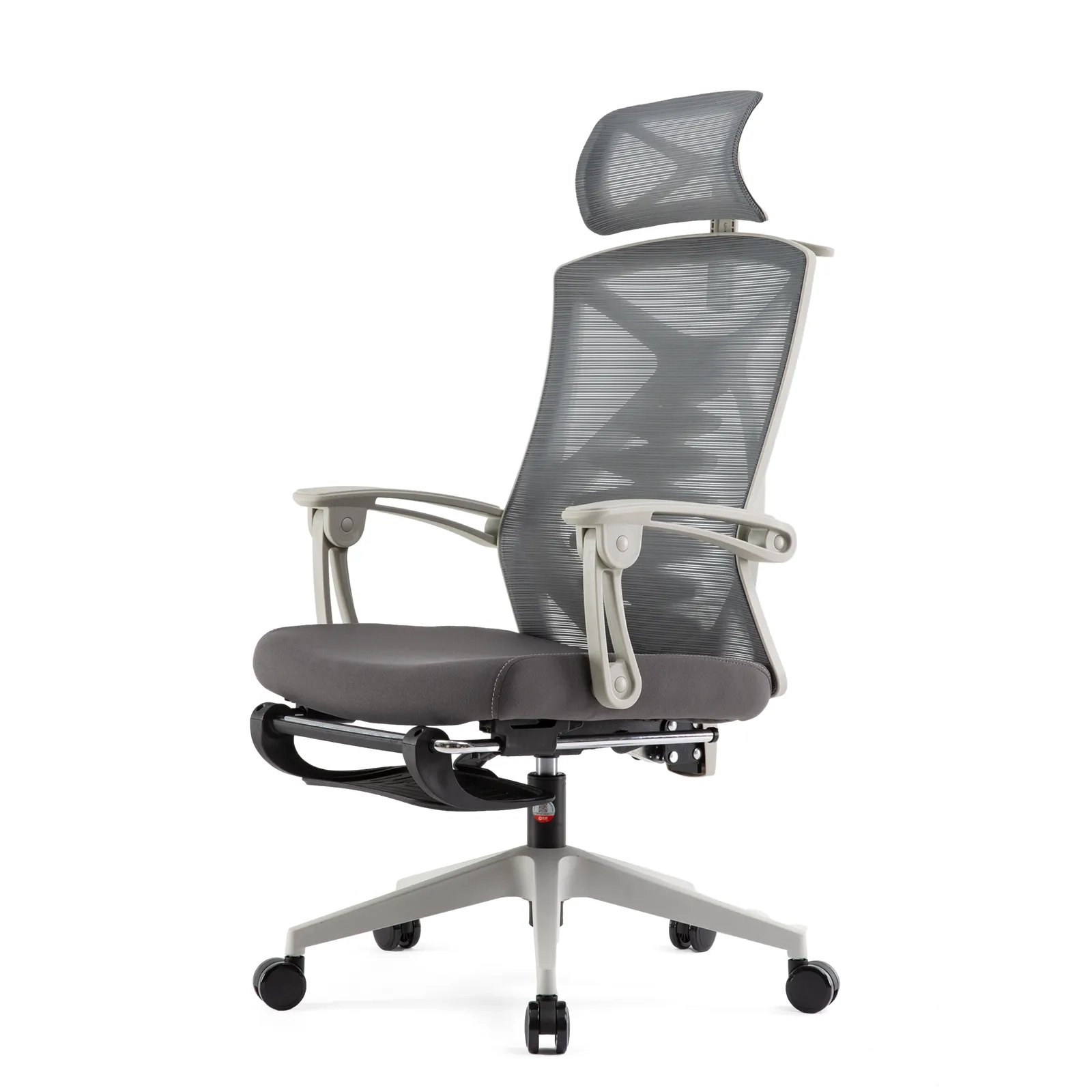
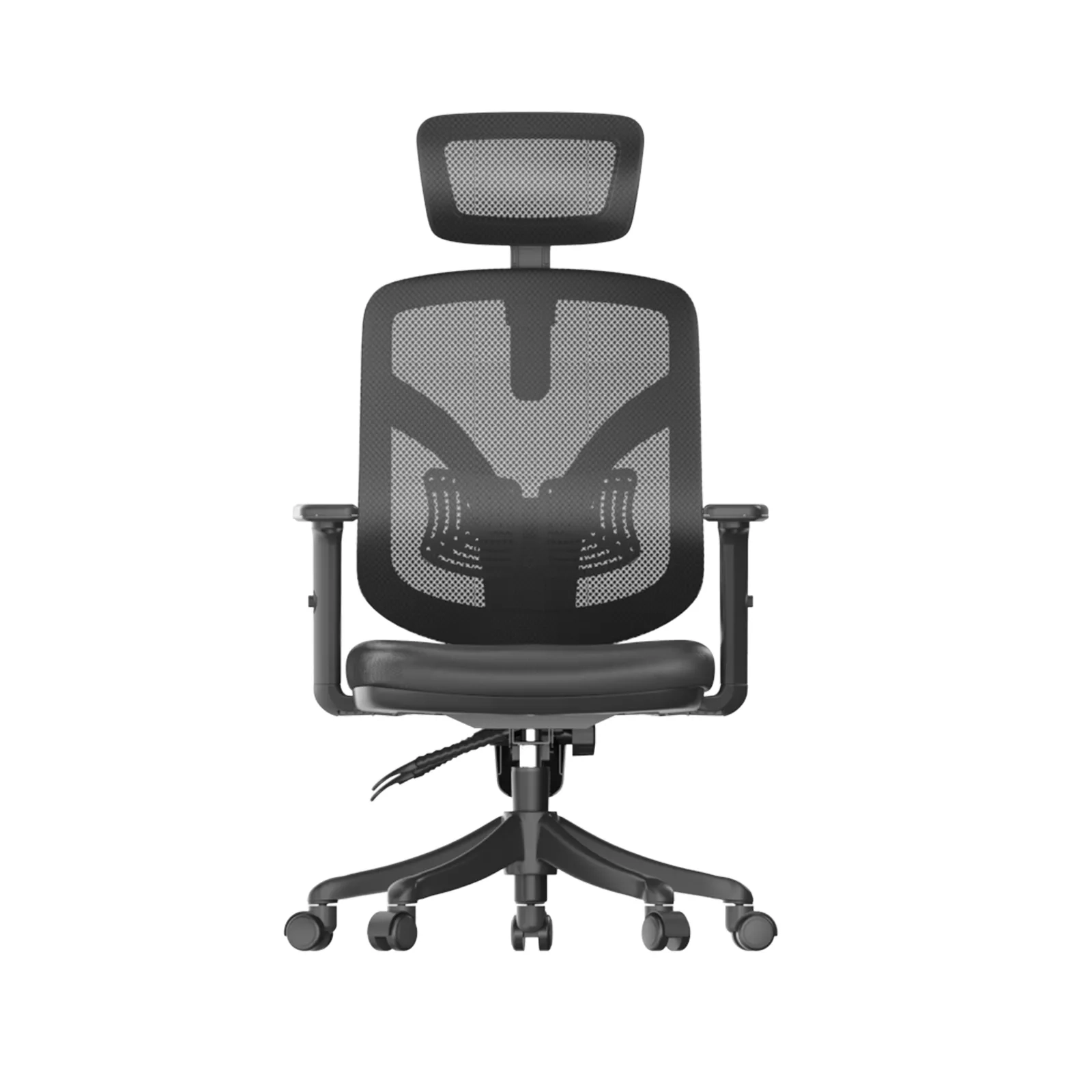
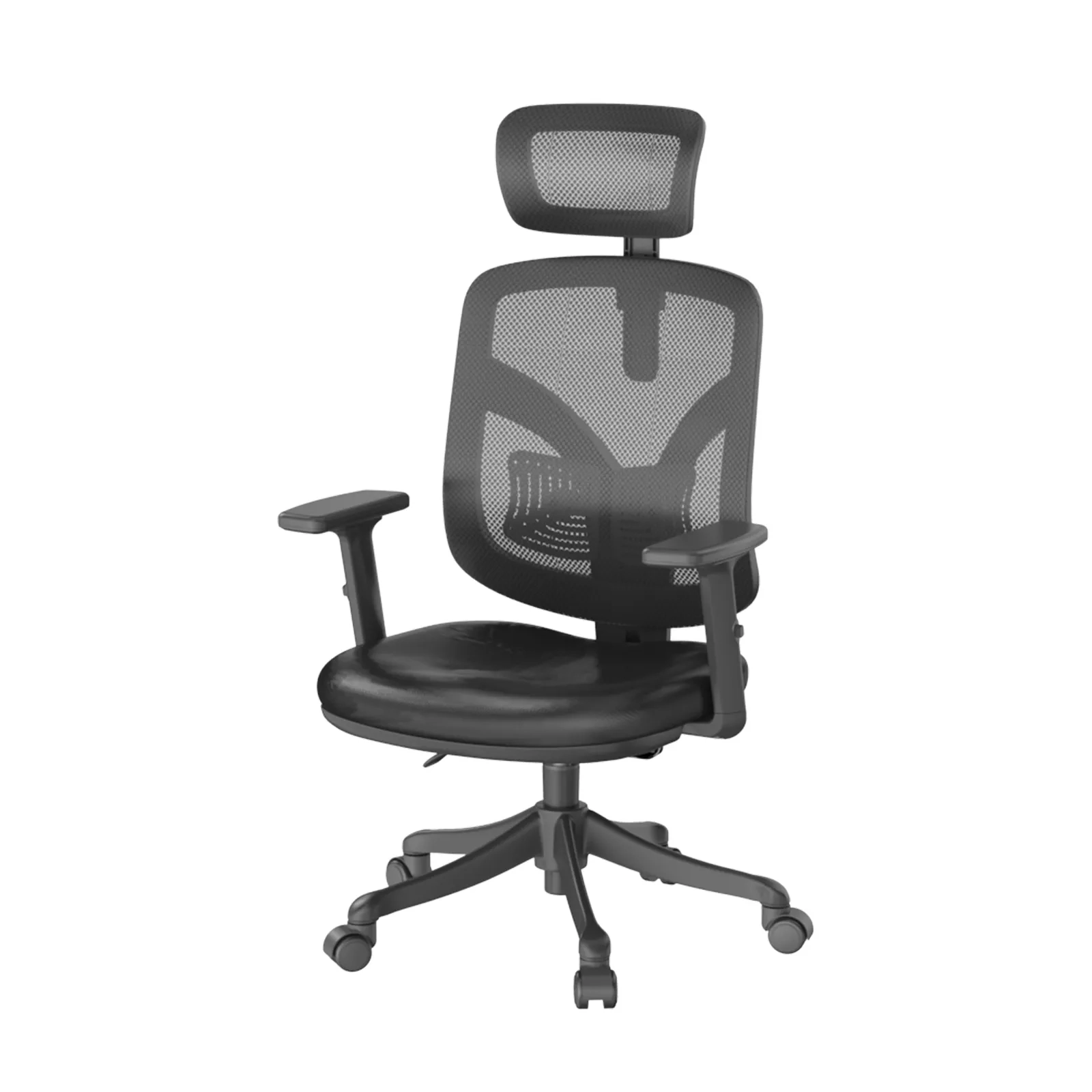
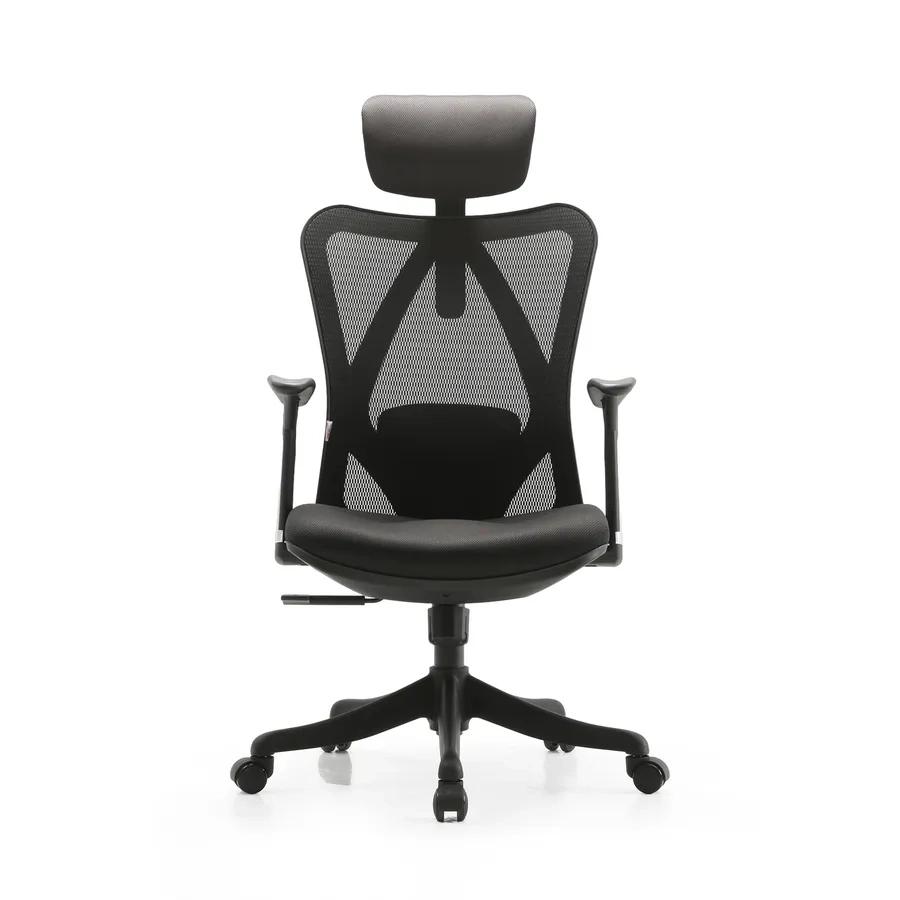
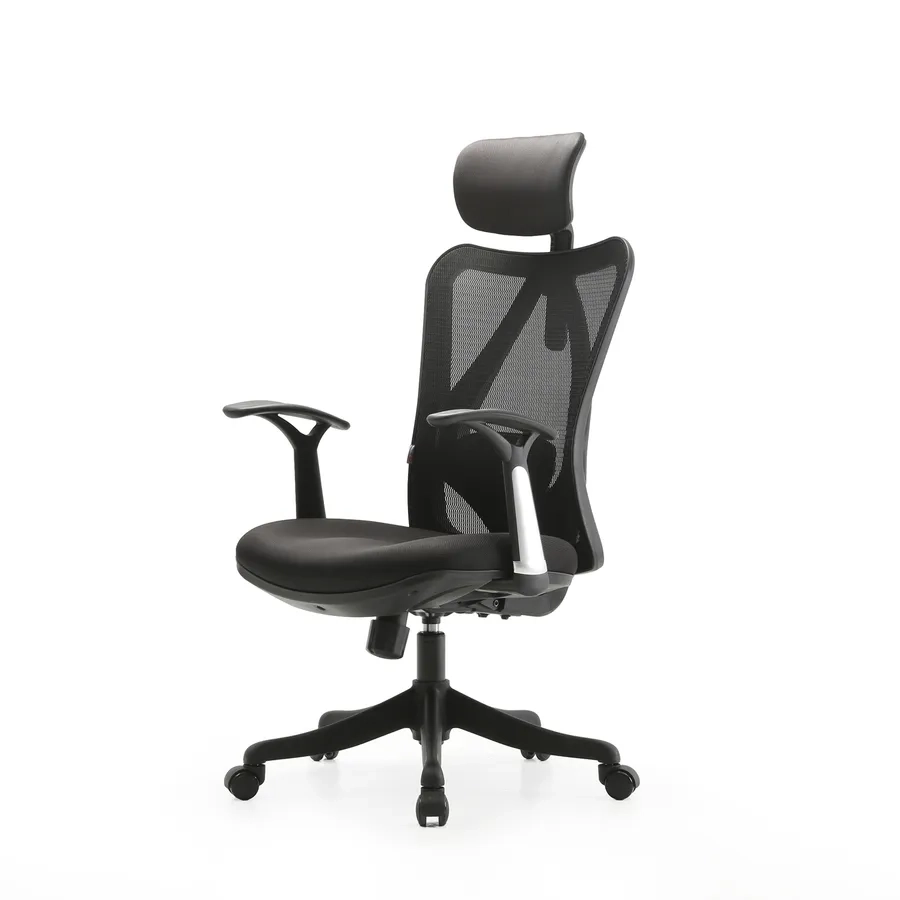
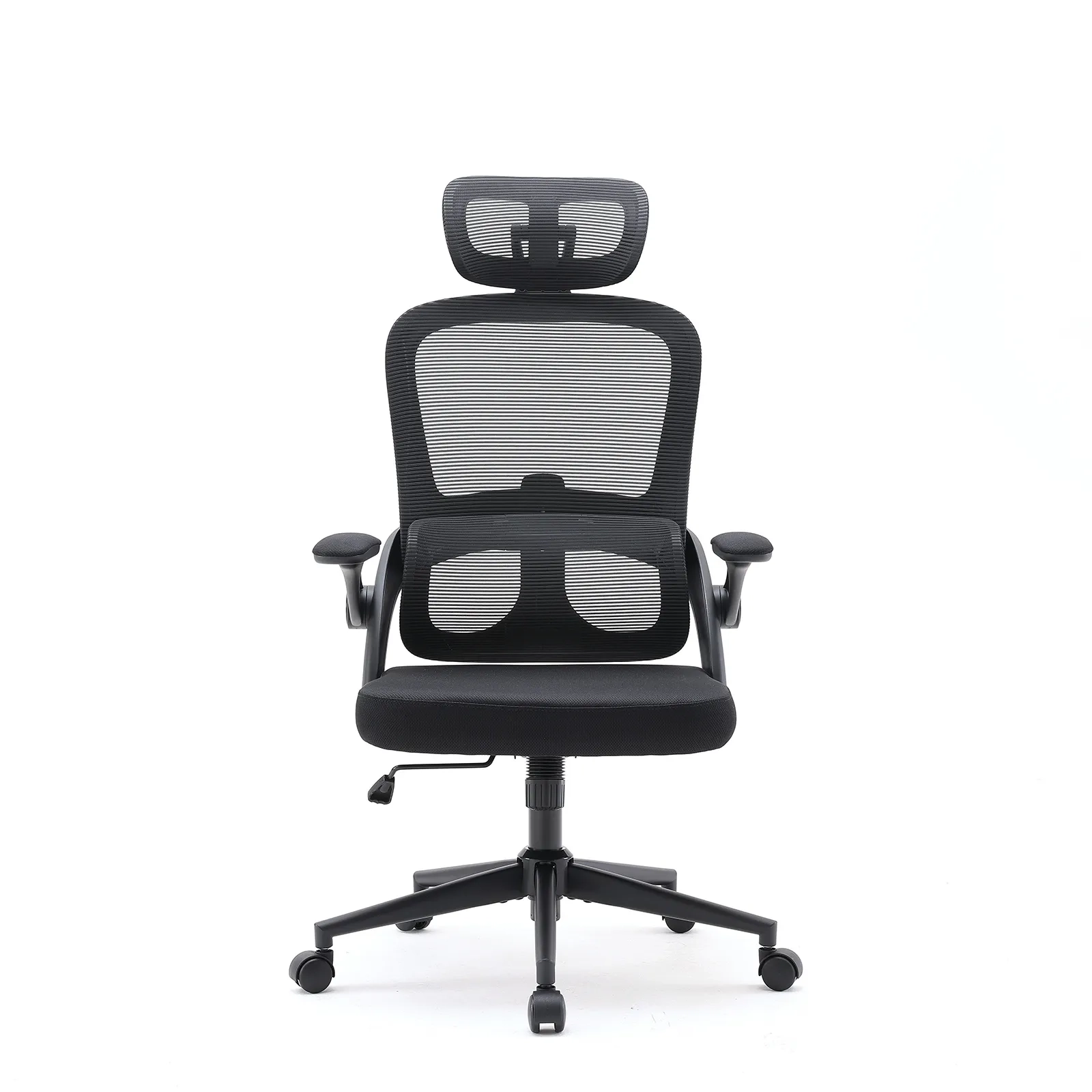
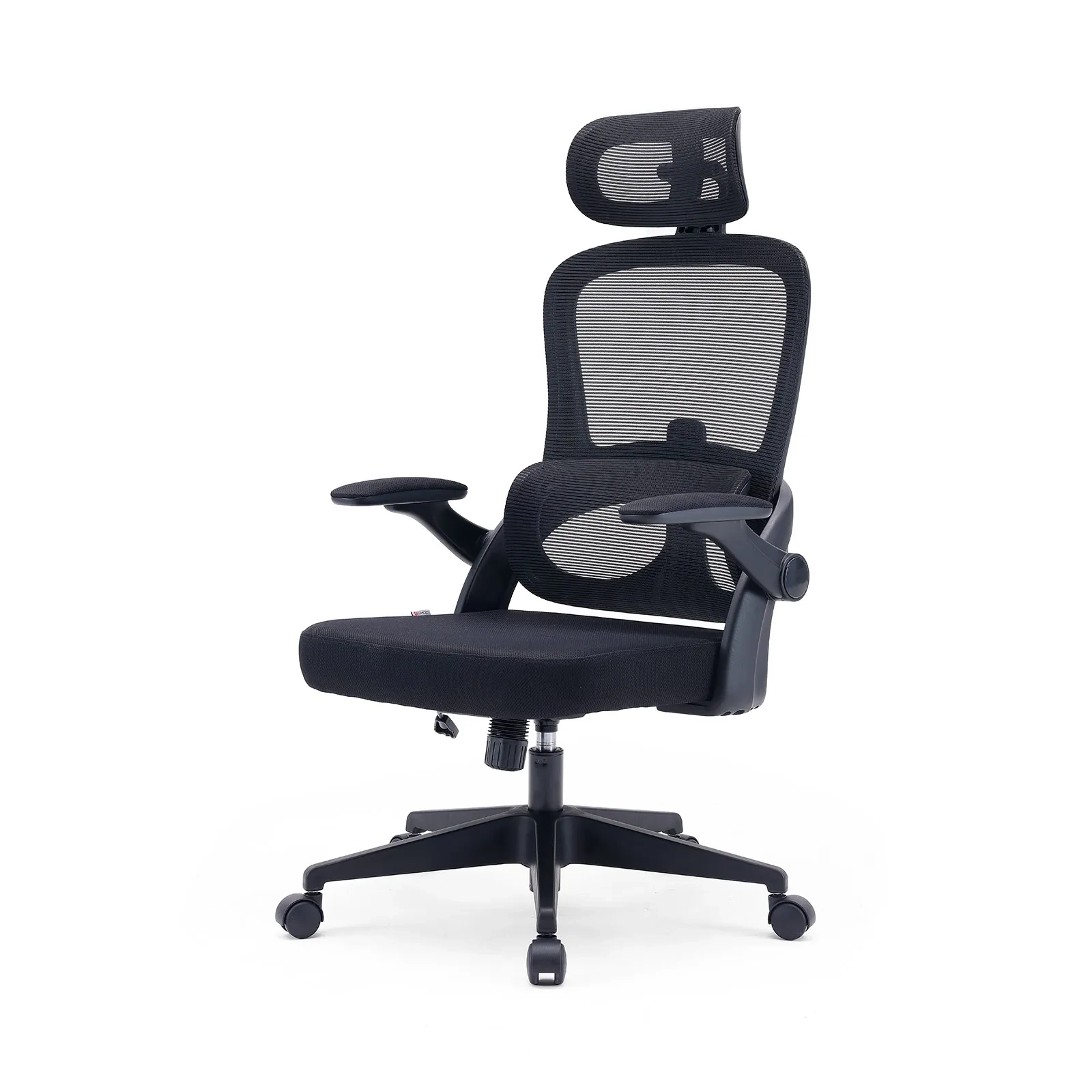
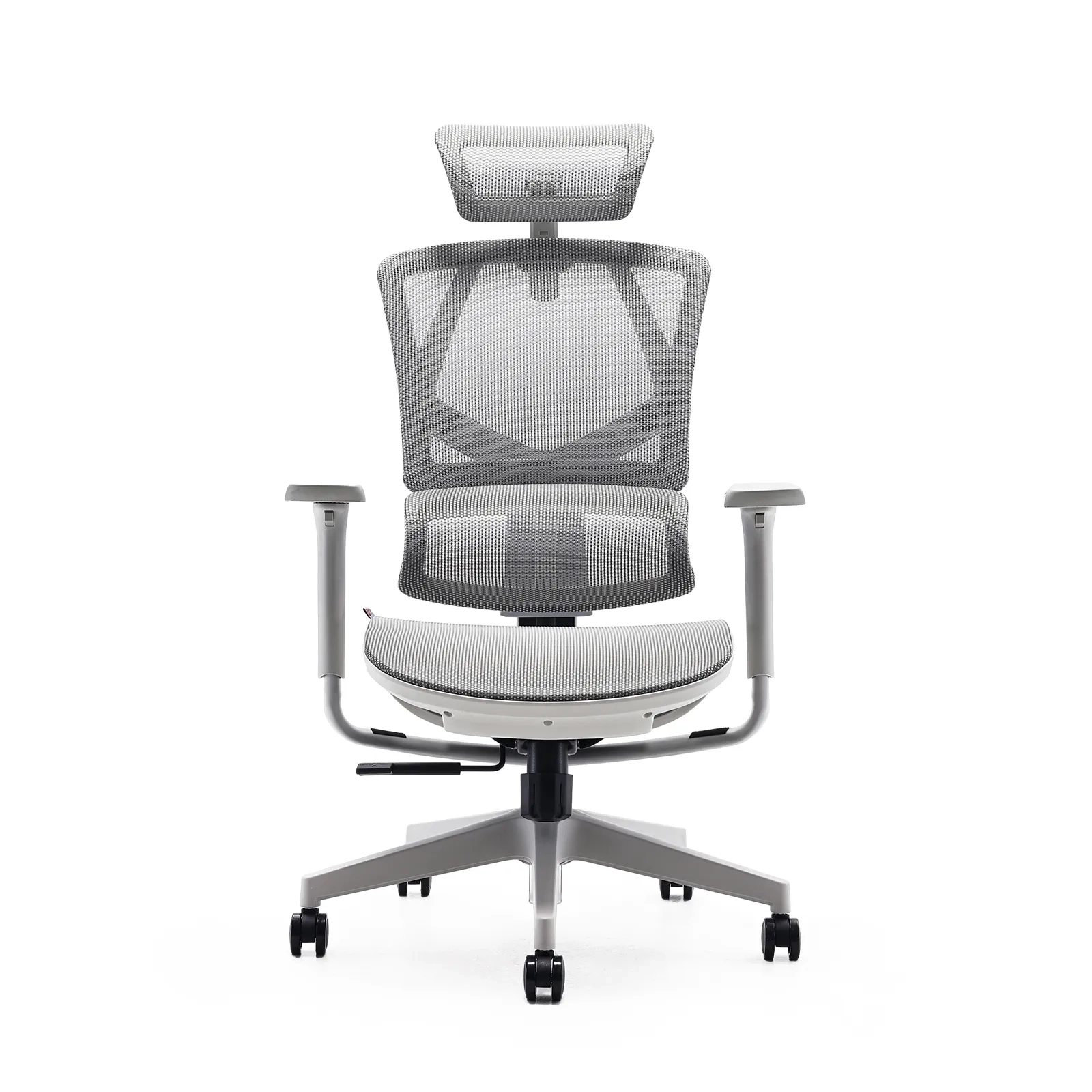
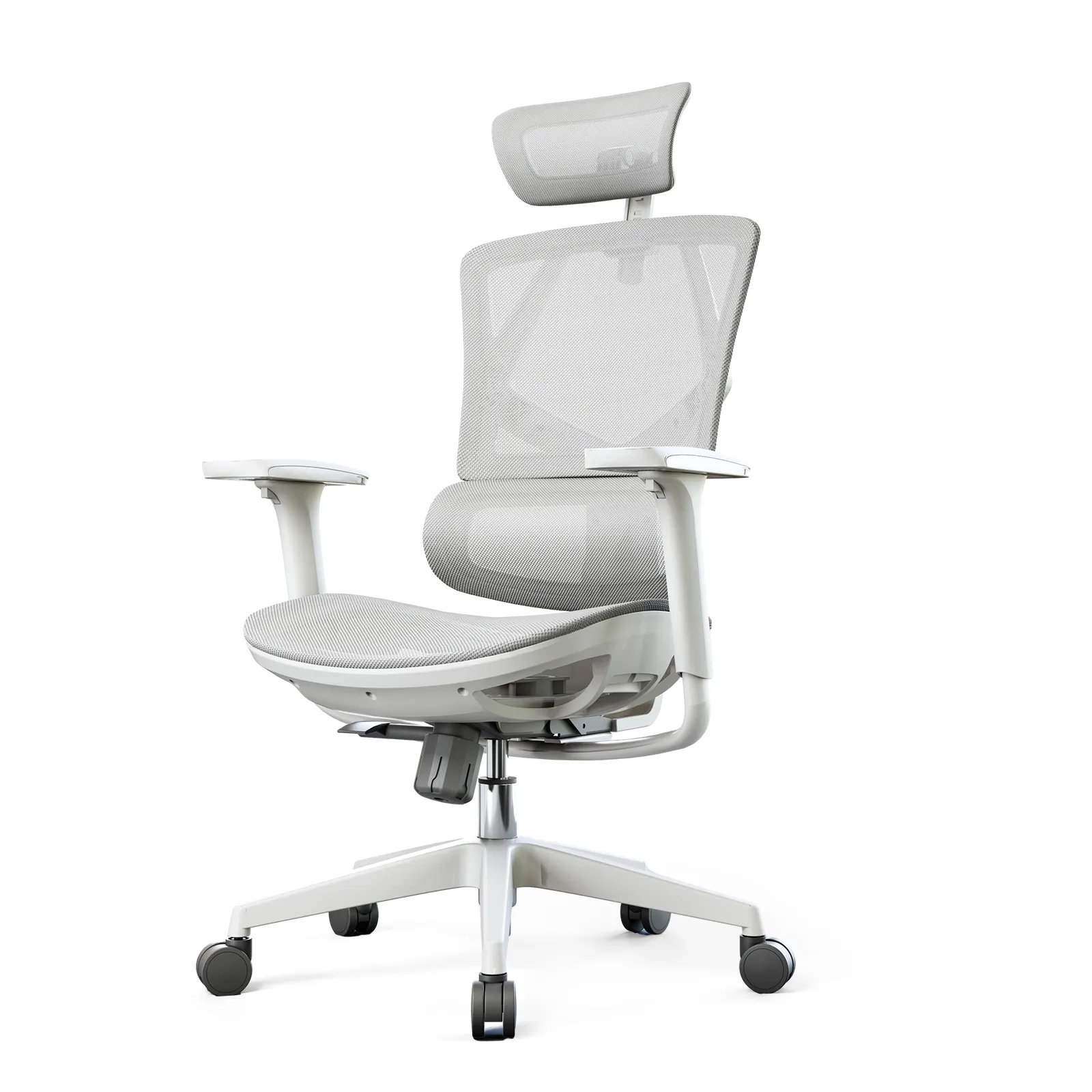
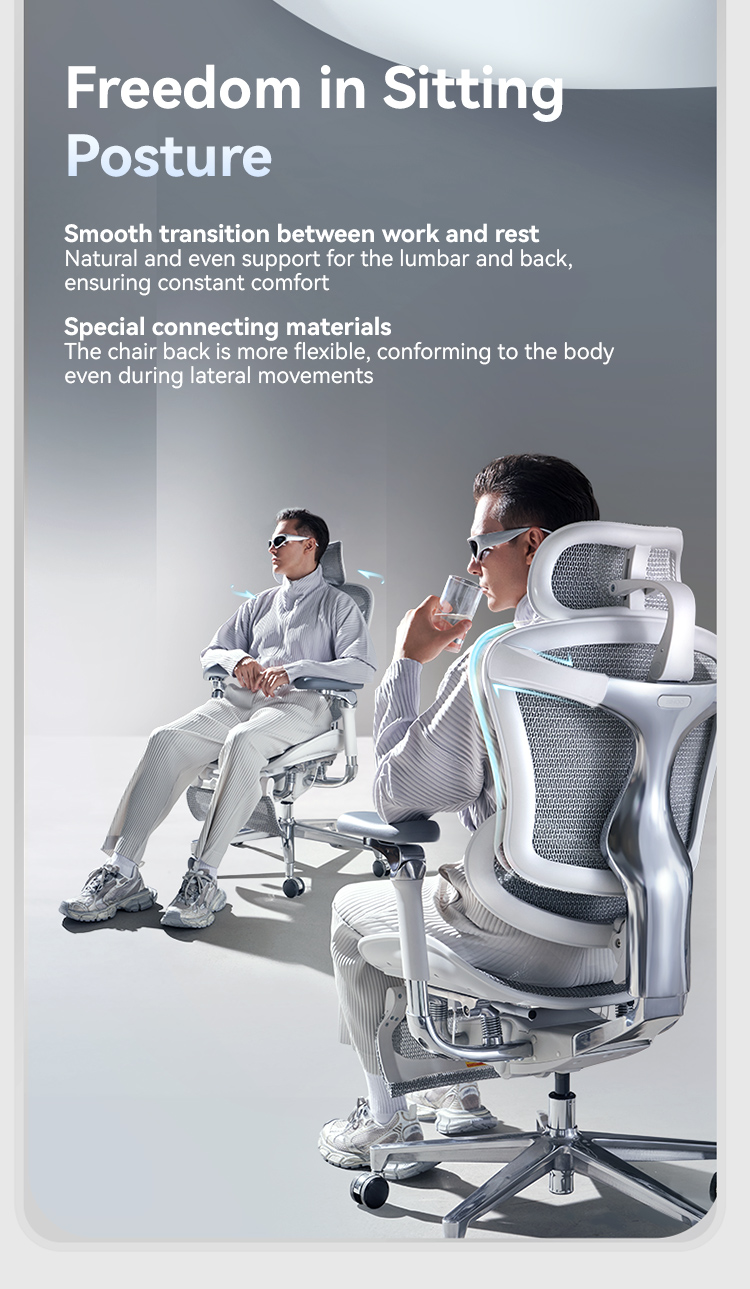
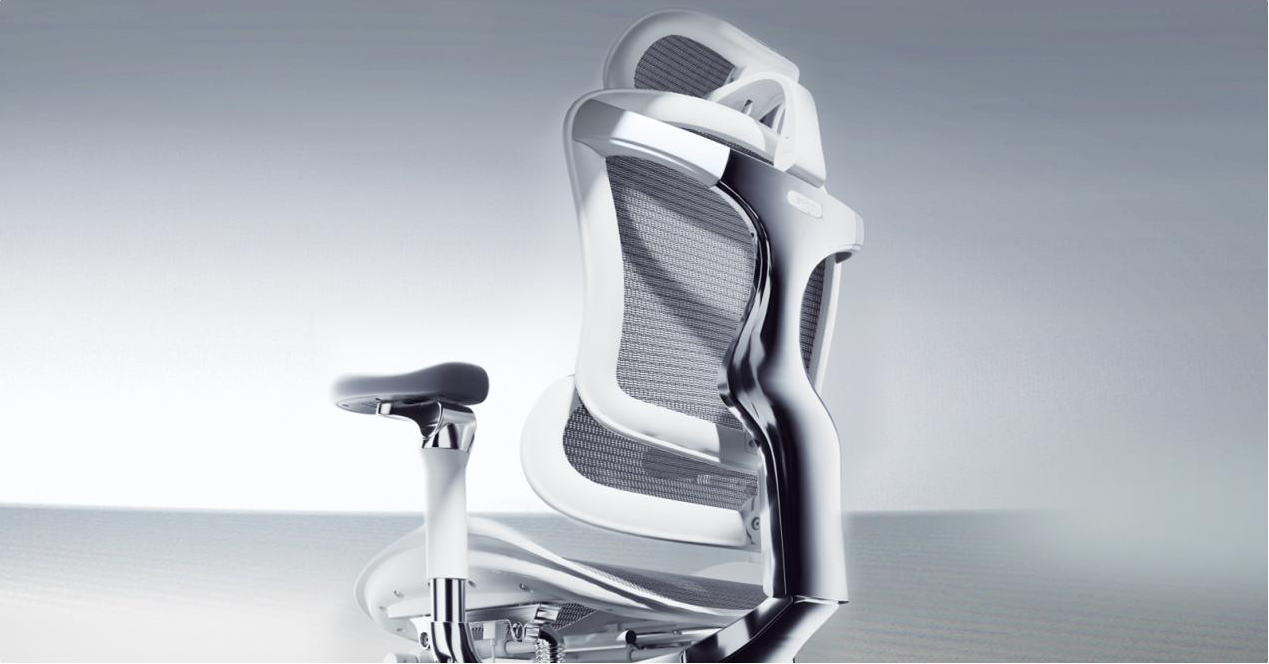
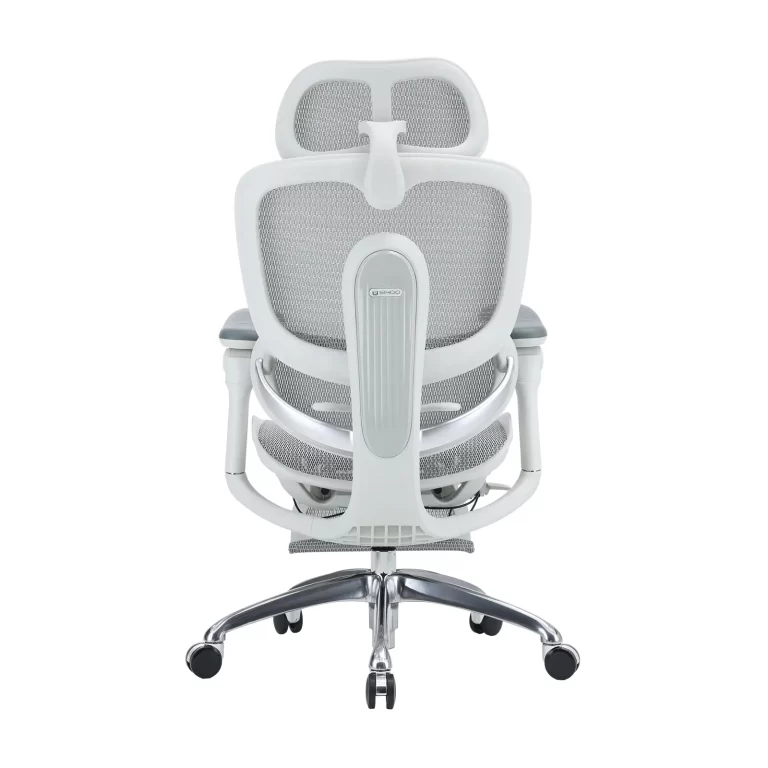
- A mesh ergonomic chair for long-hour work
- A high-back or executive model
- A meeting-room chair
- A compact model for smaller workspaces
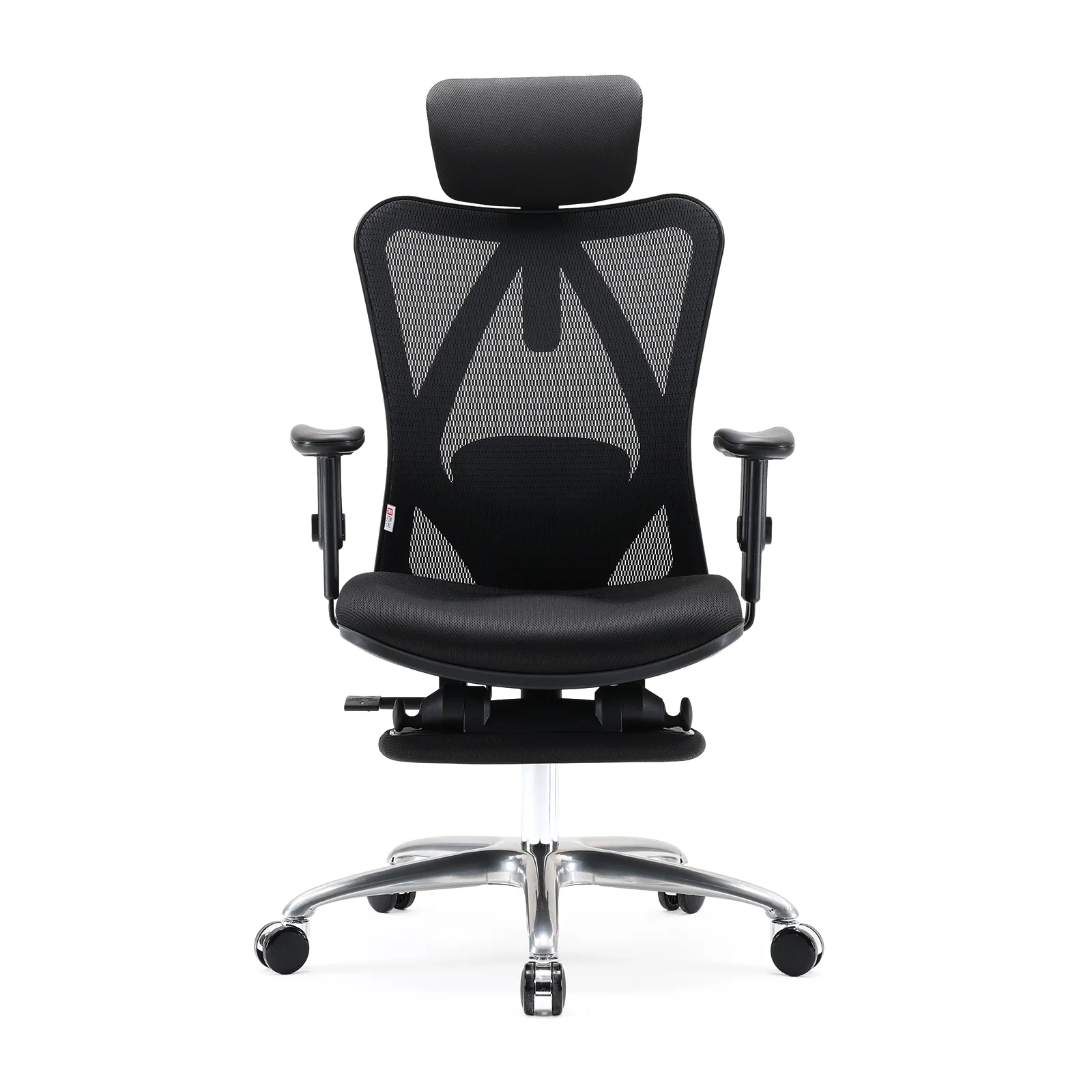
- A specialist model for gaming or reclined use
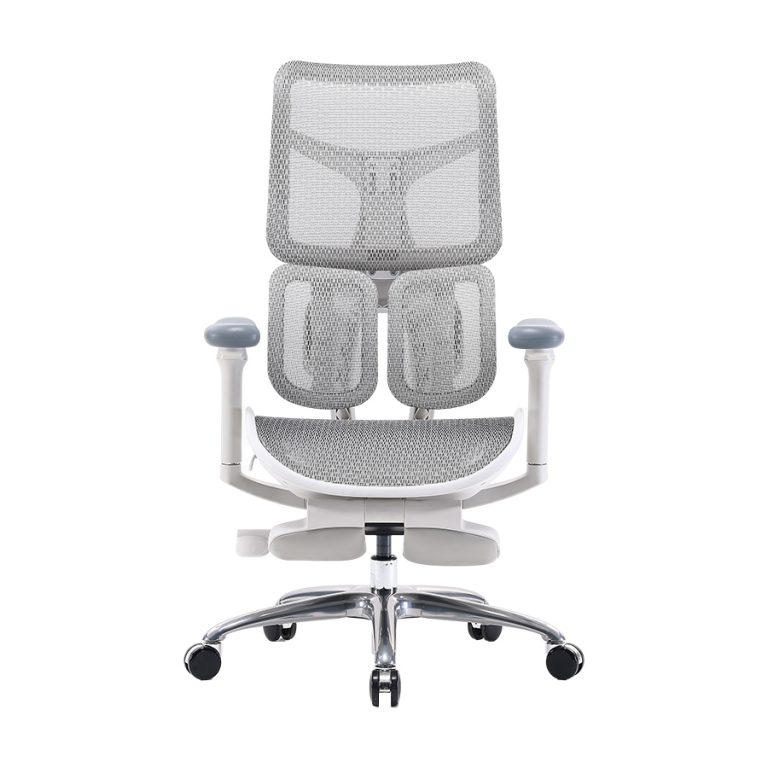
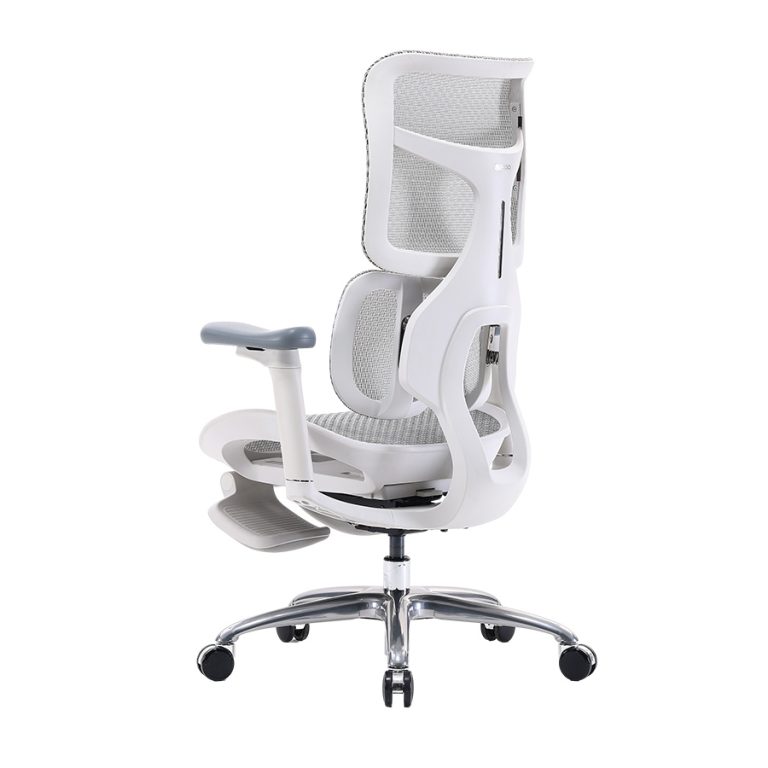
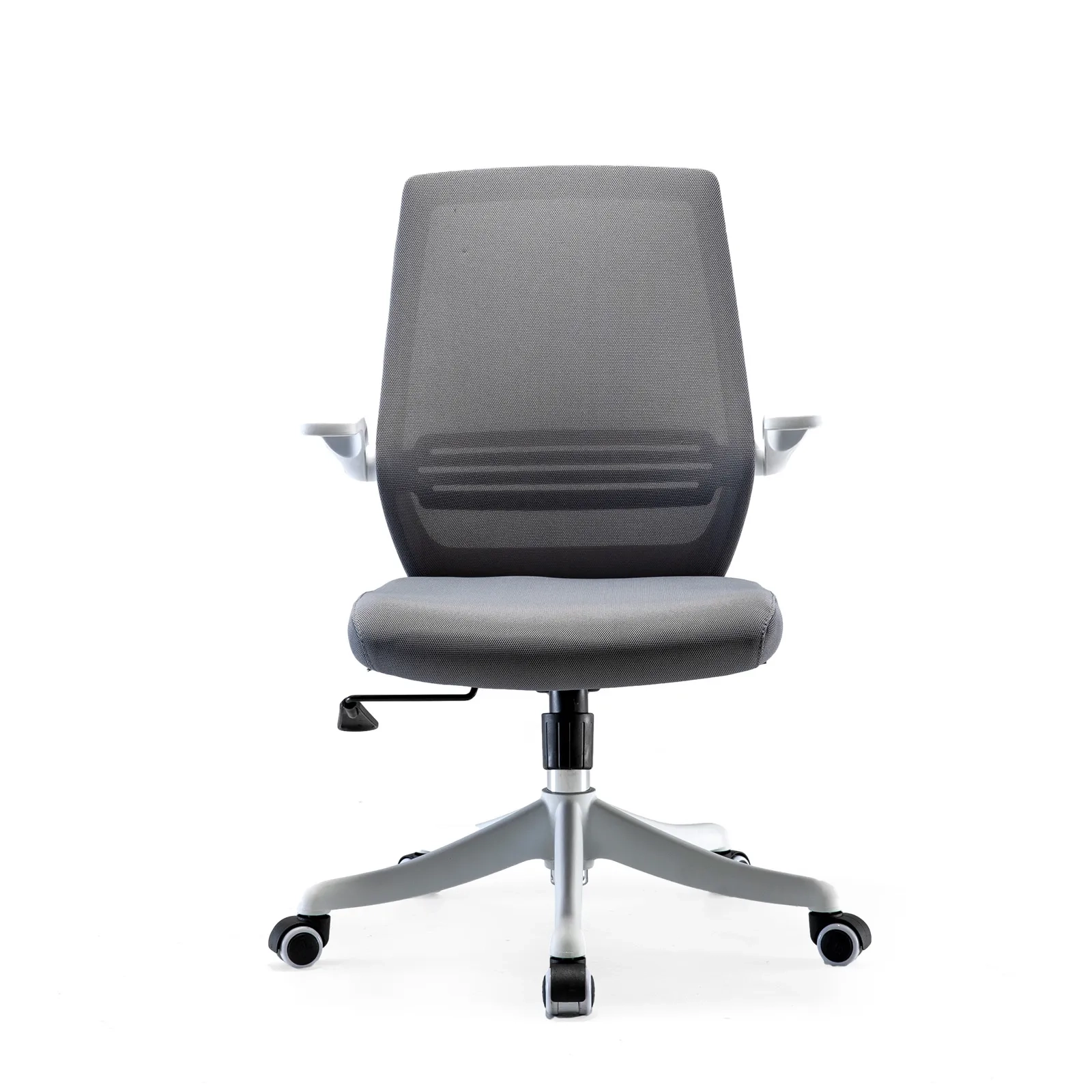
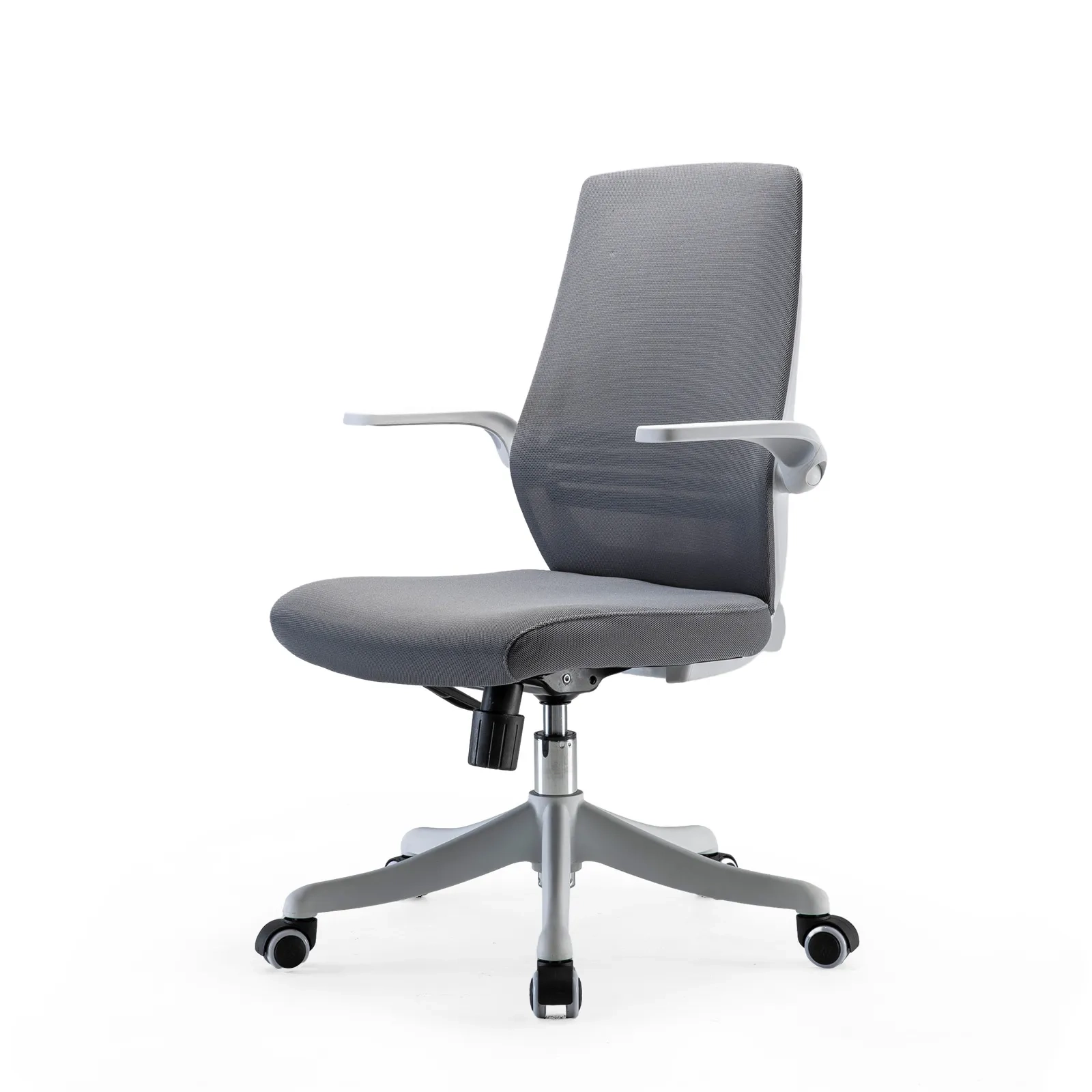
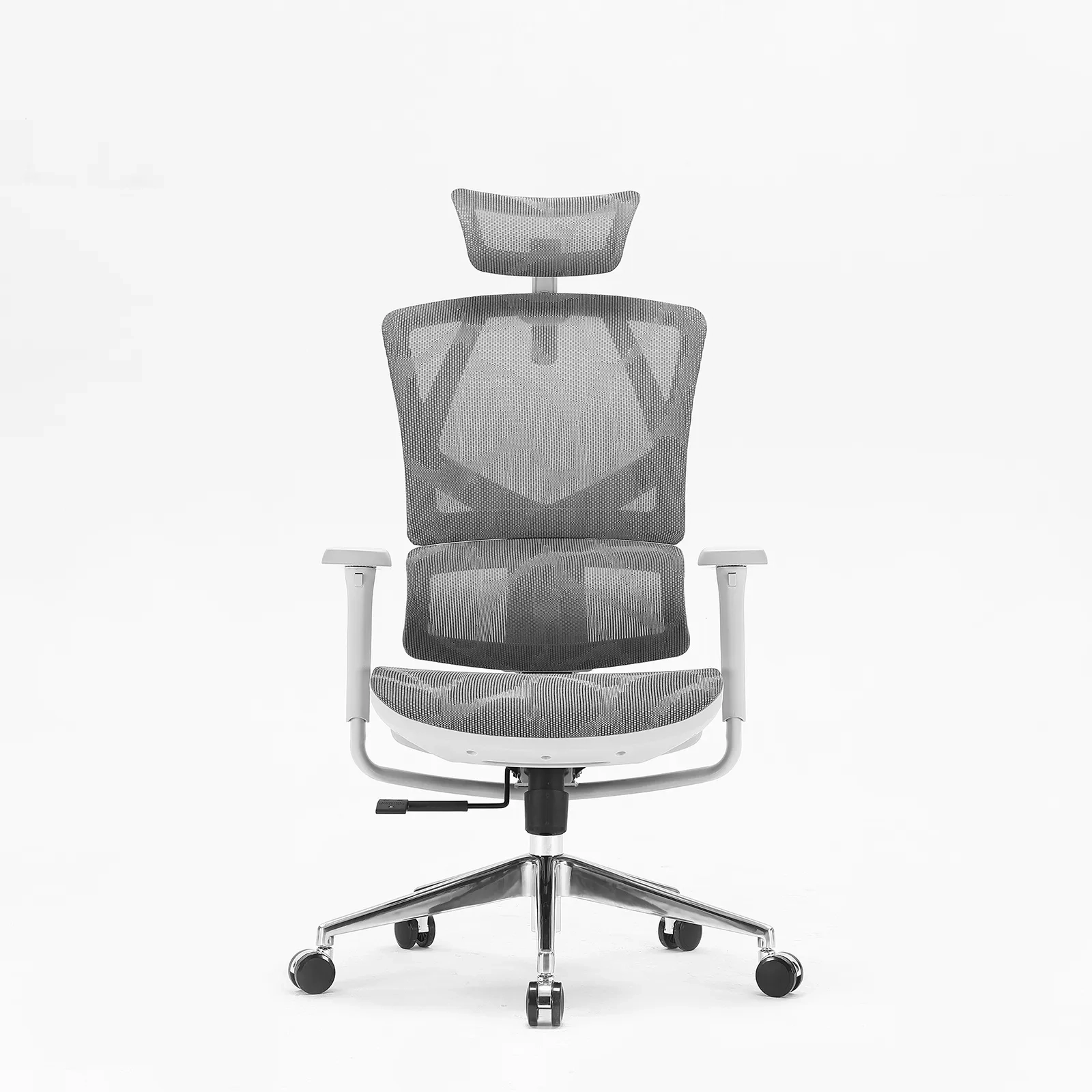
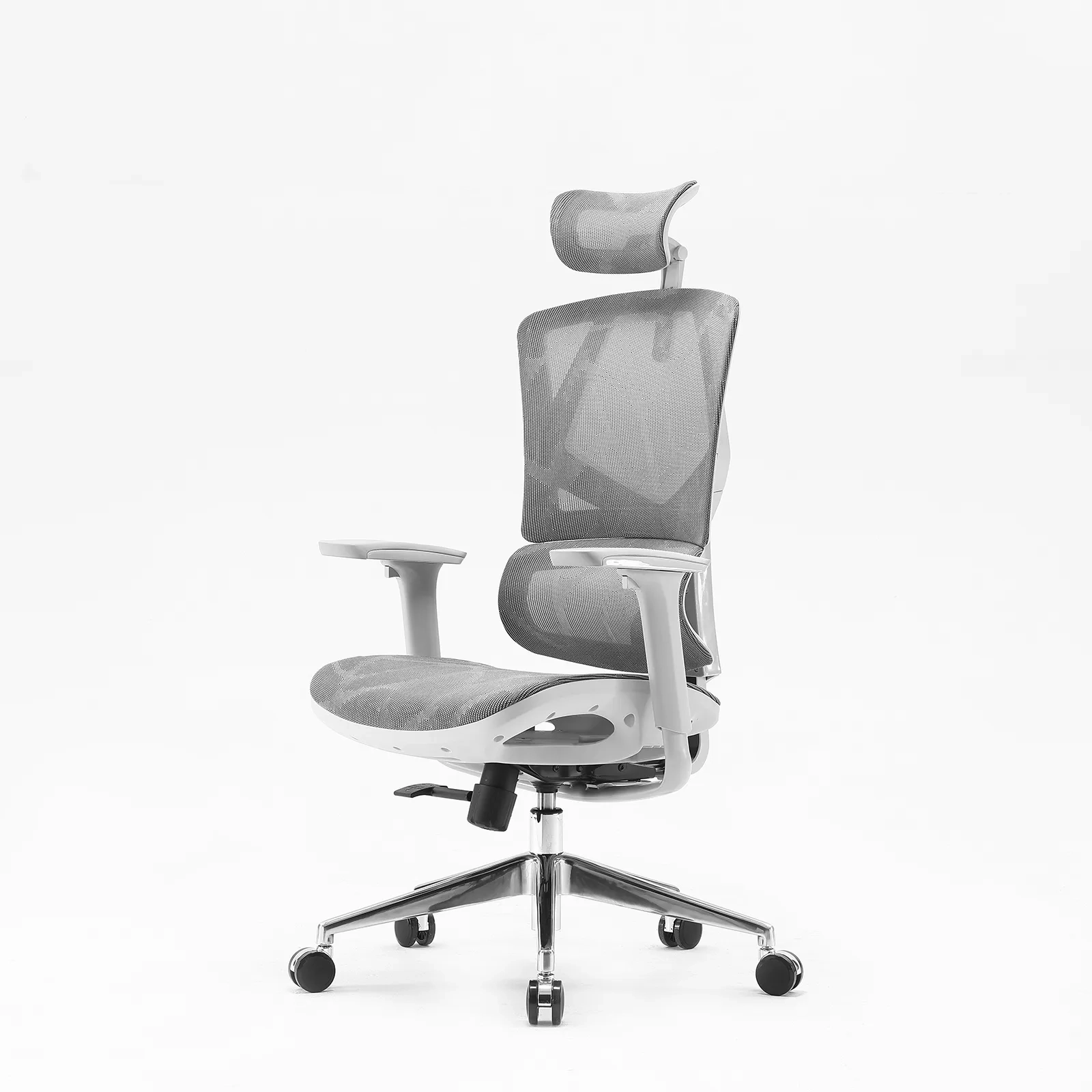
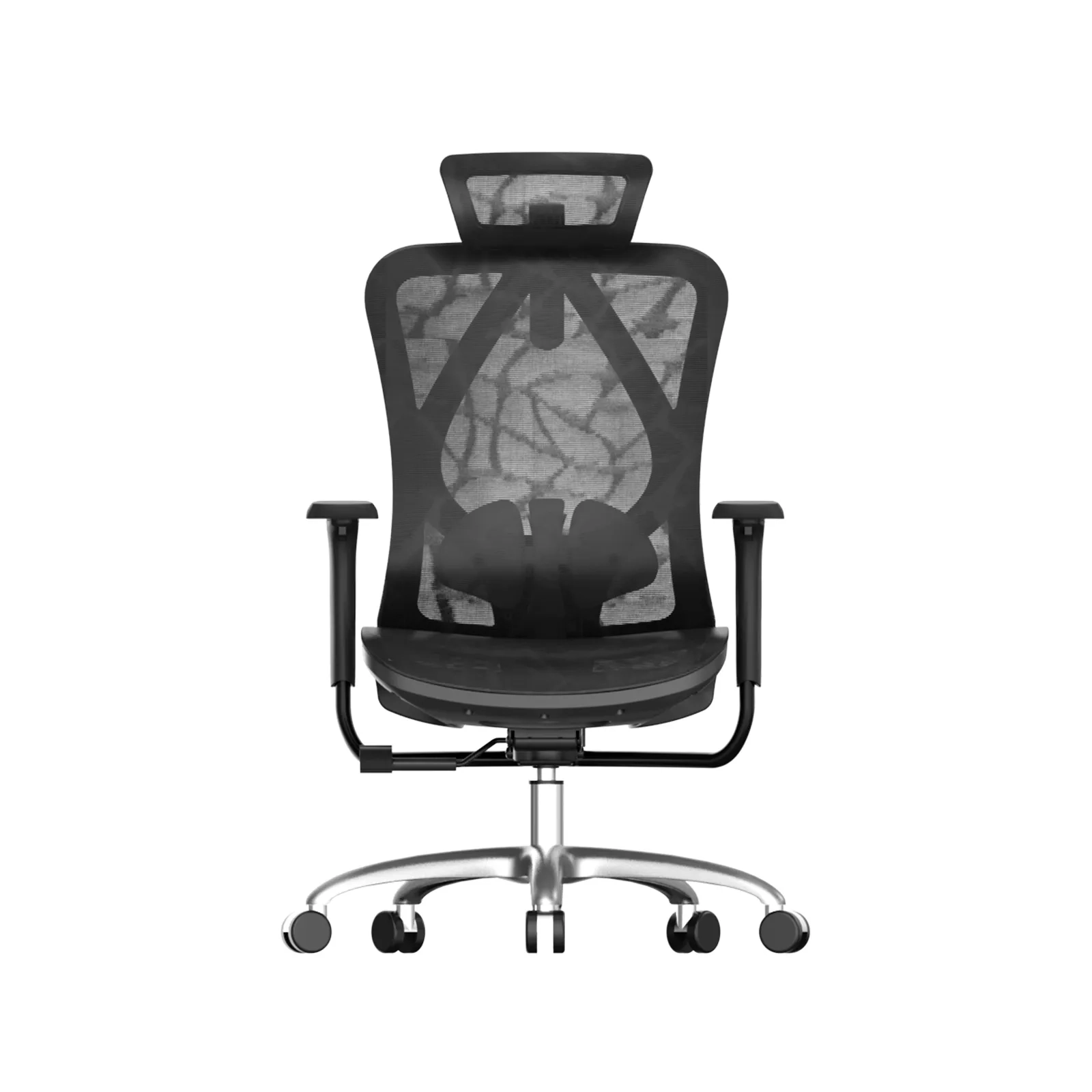
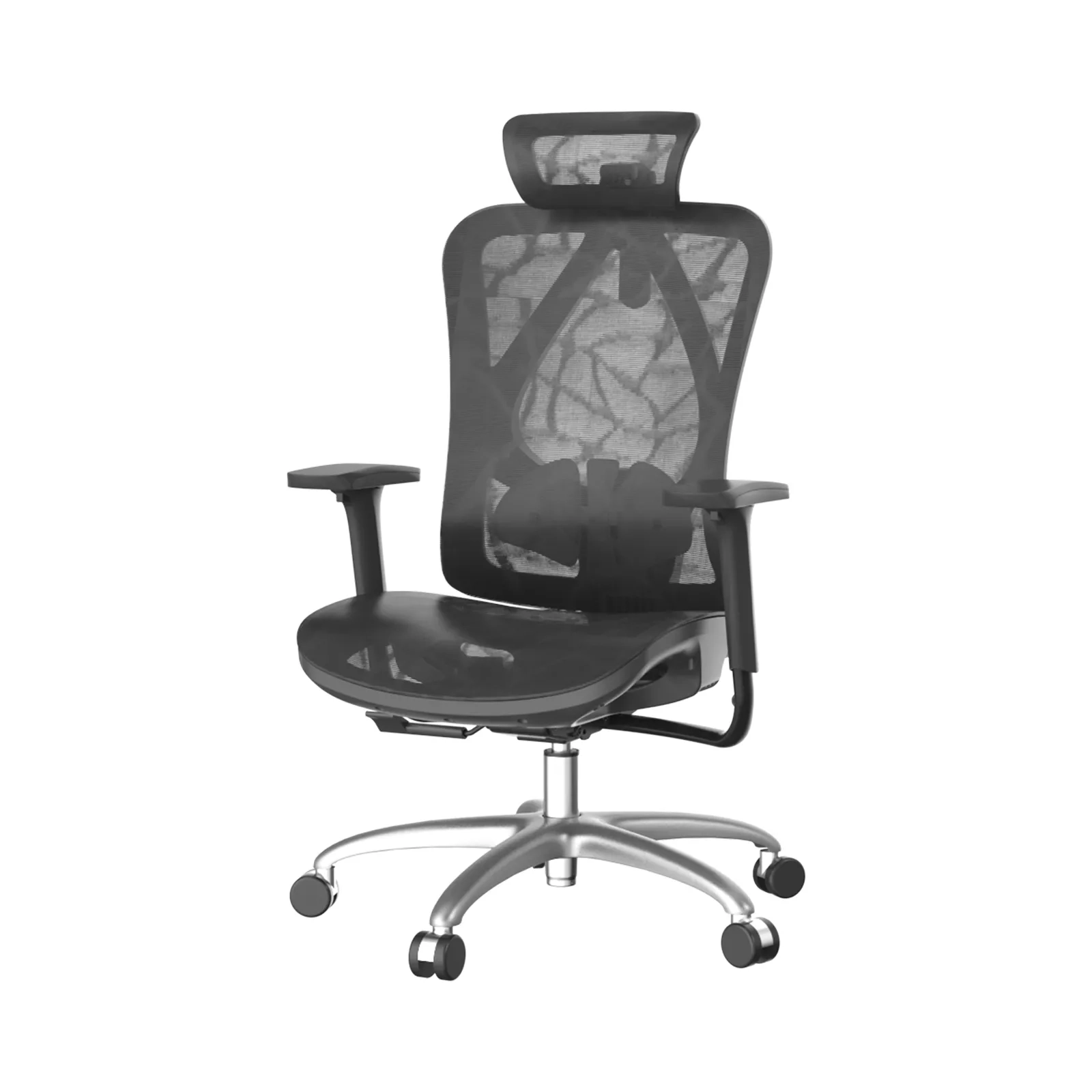
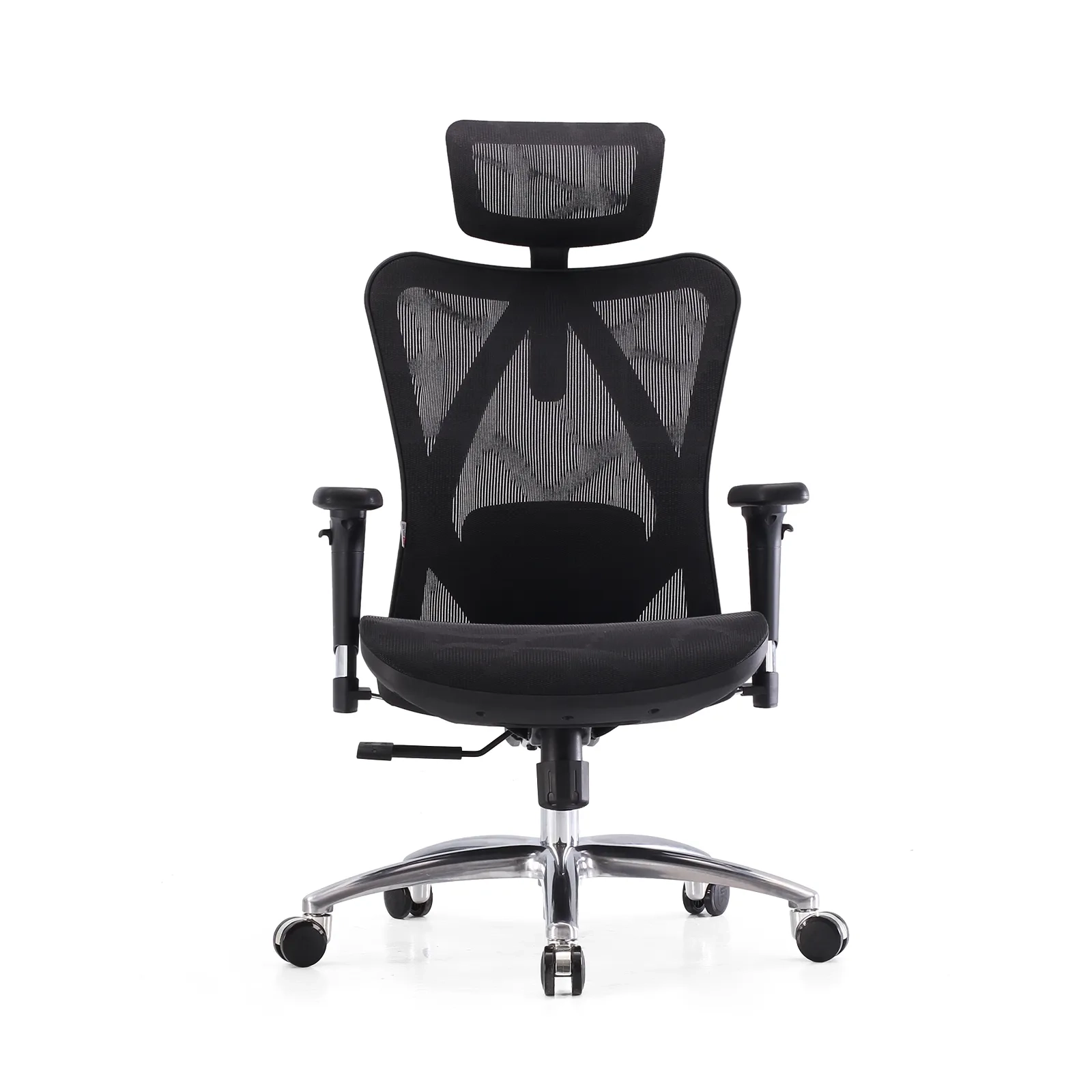
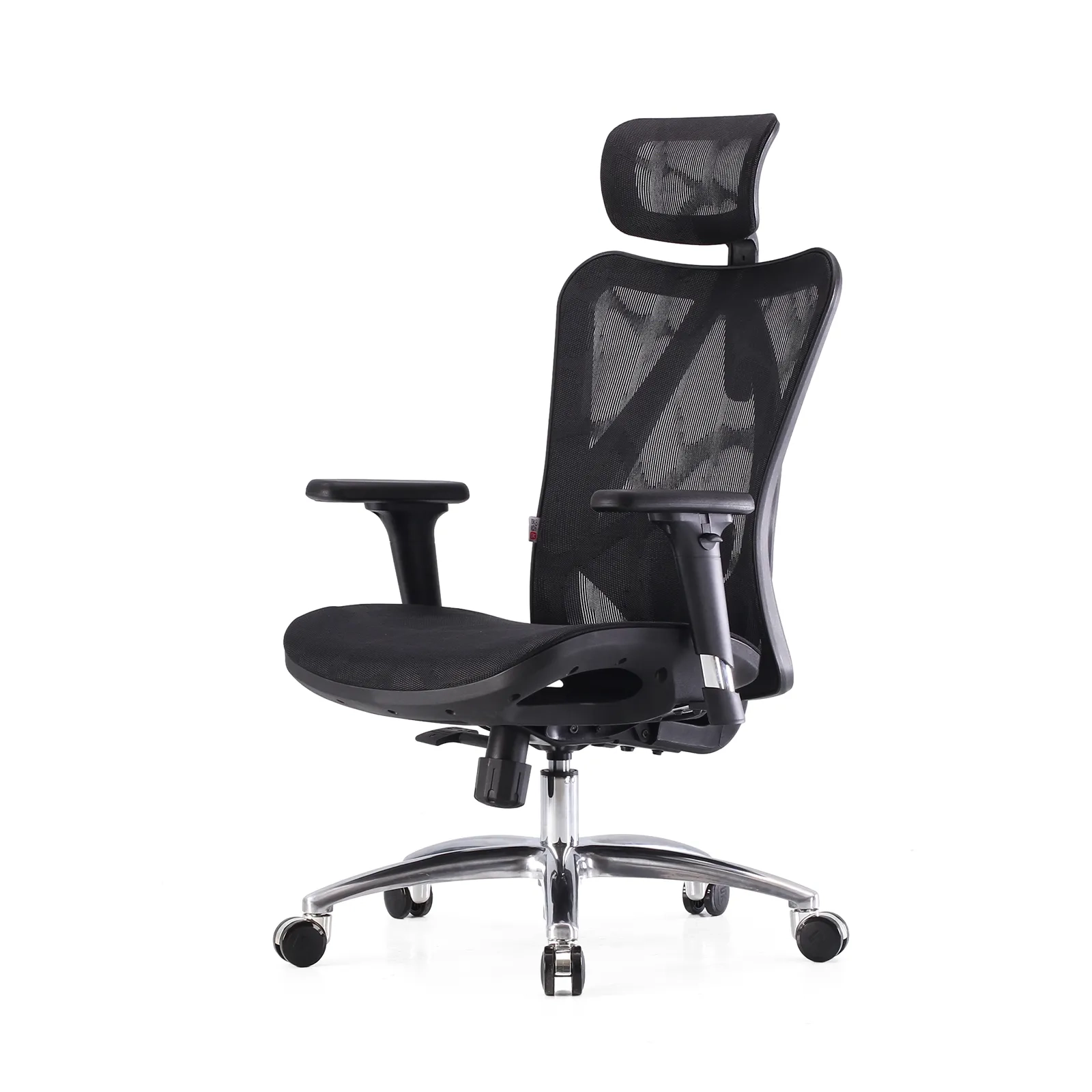
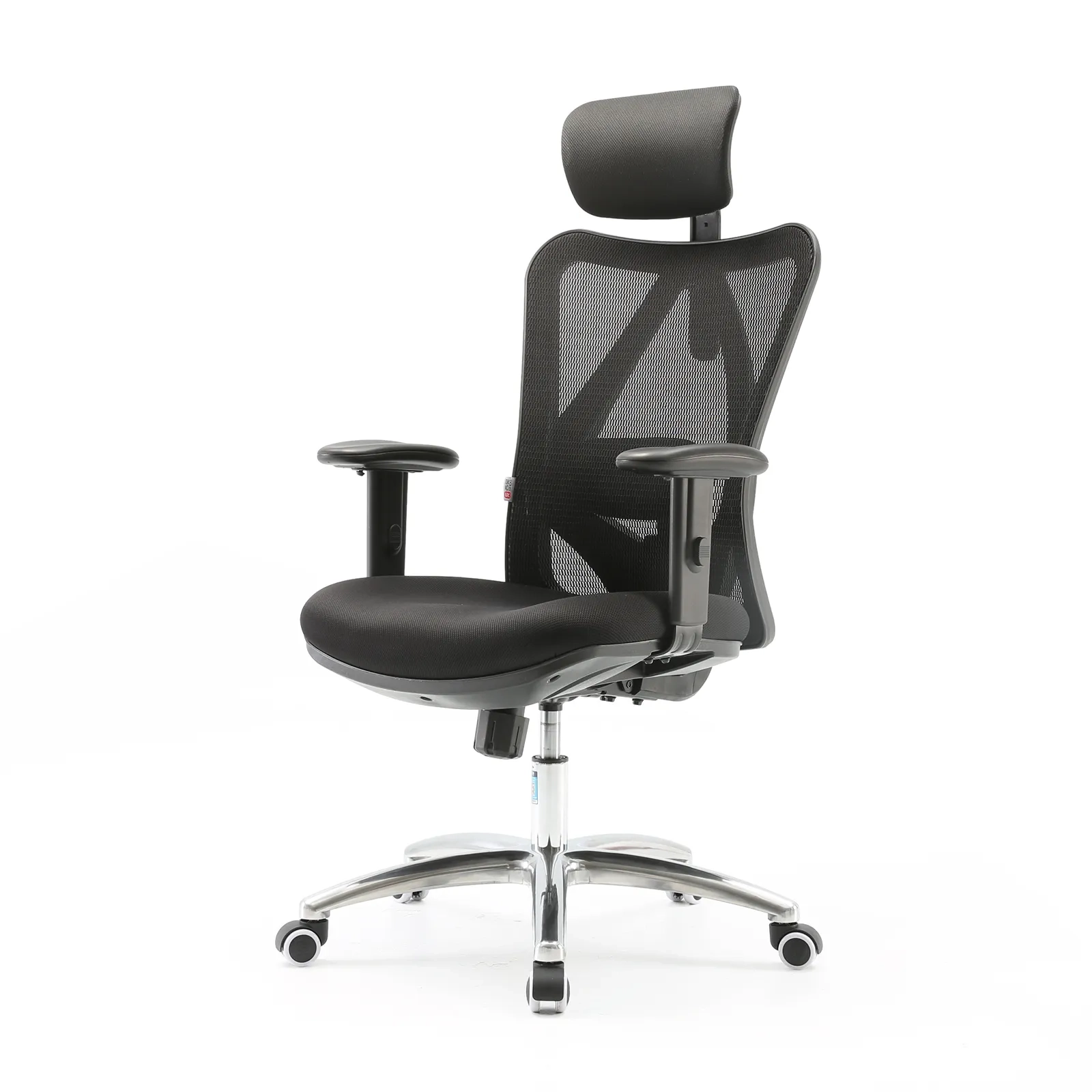
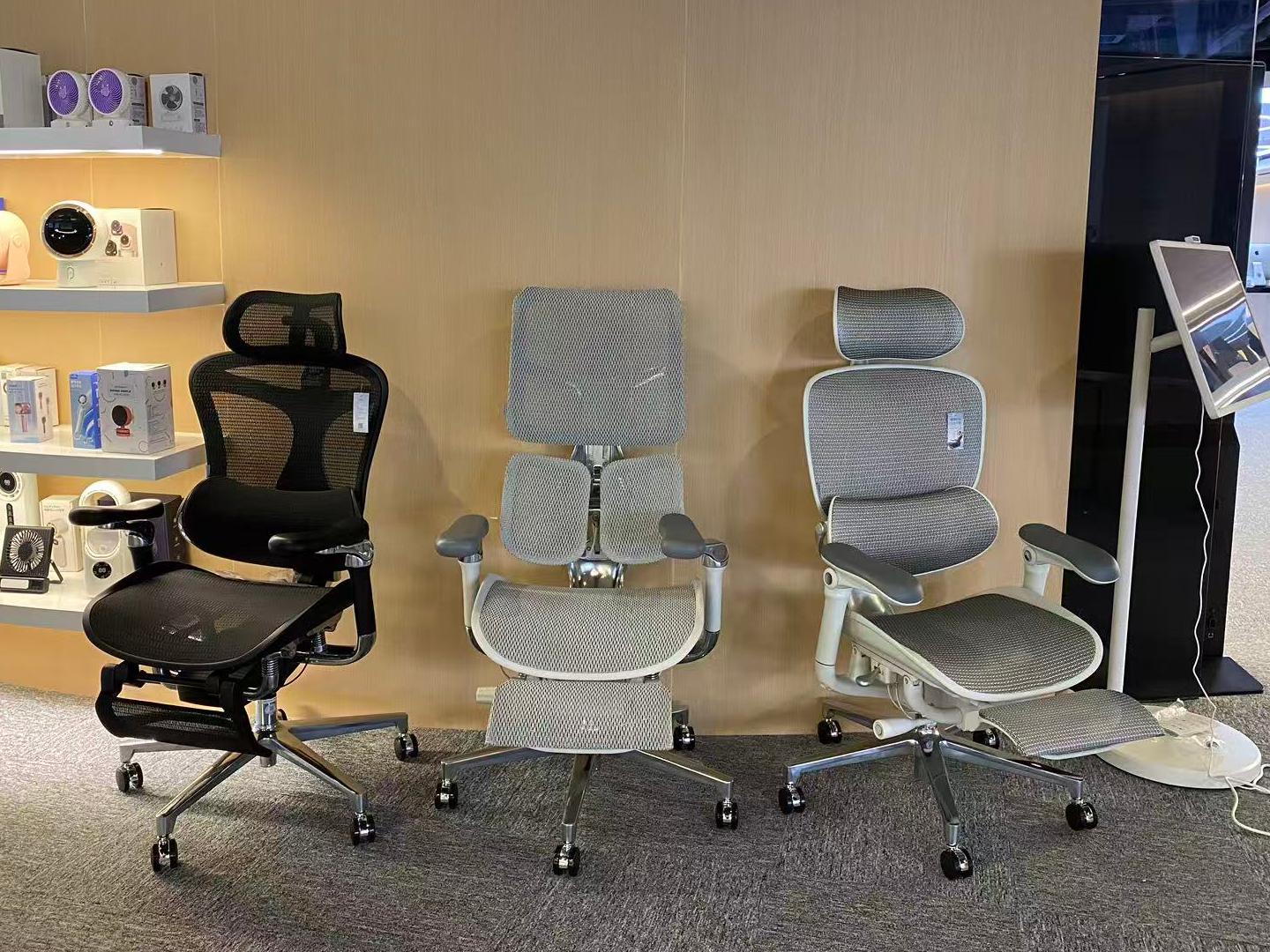
Explore the SIHOO ergonomic chairs wholesale category to compare broad product directions. For office projects, the SIHOO office seating solution is another route to match products to team and workspace needs.
A better quotation request
When you contact a wholesale supplier, include:
- Company and business type
- Destination country
- Sales channel or project type
- Estimated quantity
- Product categories or shortlisted models
- Required features
- Target price tier or budget range
- Documentation needs
- Sample request
- Customization needs
- Delivery timing
This helps the supplier recommend a range that fits your market. Without it, you’ll likely get a generic catalog and a price that’s hard to act on.
Before you commit to a supplier, the office chair supplier audit guide helps you check company info, product documents, samples, quality process, packaging, and after-sales support.
Making the call
Pick retail when speed and simplicity matter most. Pick wholesale office chairs for scale, consistency, channel support, planned logistics, and a supplier relationship that keeps going.
Stop asking only “which chair looks cheaper?” Ask instead: “which route gives us the right products, documents, service, and risk?” Then the choice gets easier.
Send SIHOO your bulk order needs with destination market, quantity, chair categories, required documents, and sample needs. You can also review the ergonomic chairs wholesale category before you write the inquiry.
1600x1600-4-768x768.jpg)
1600x1600-8-768x768.jpg)