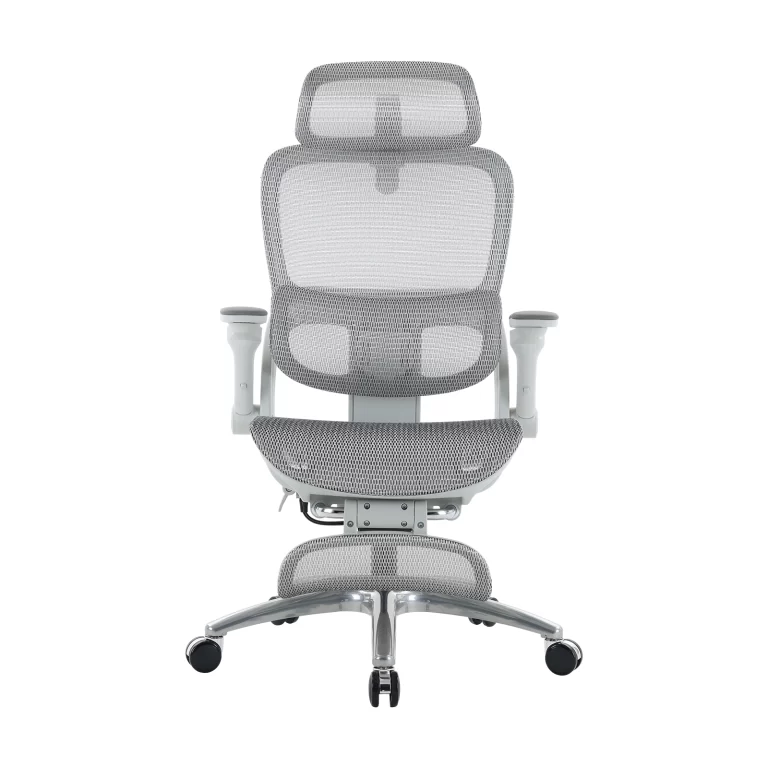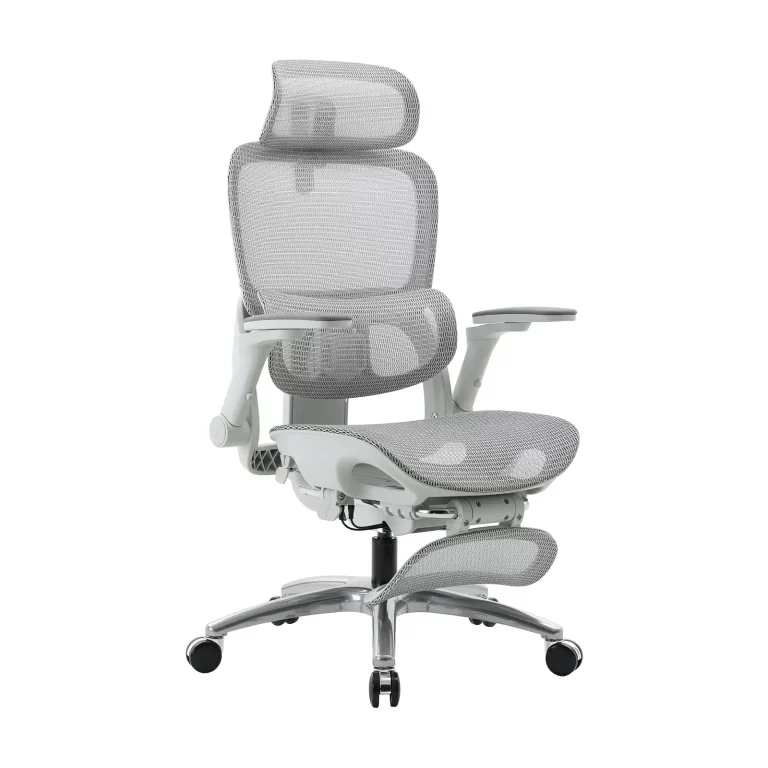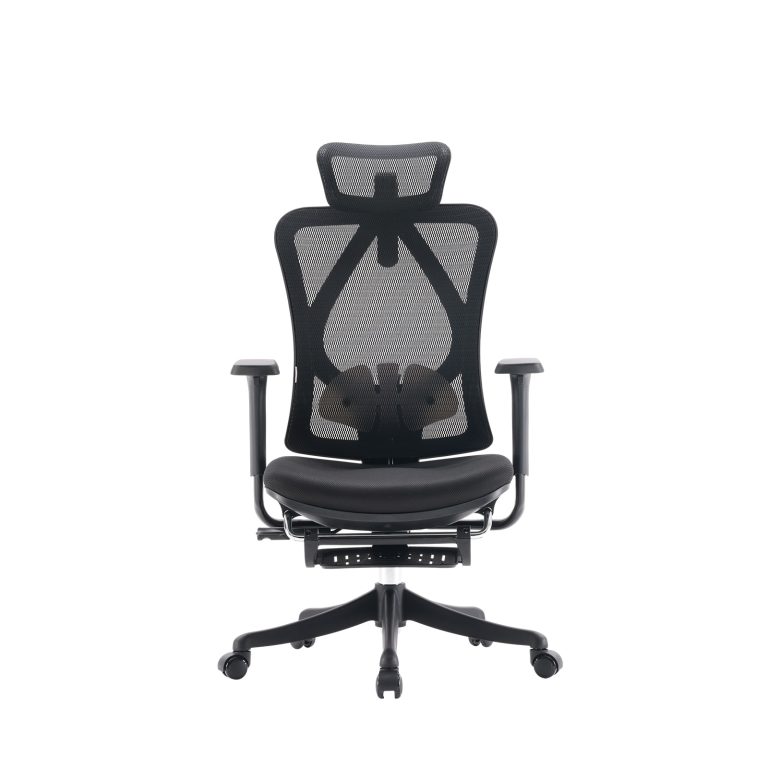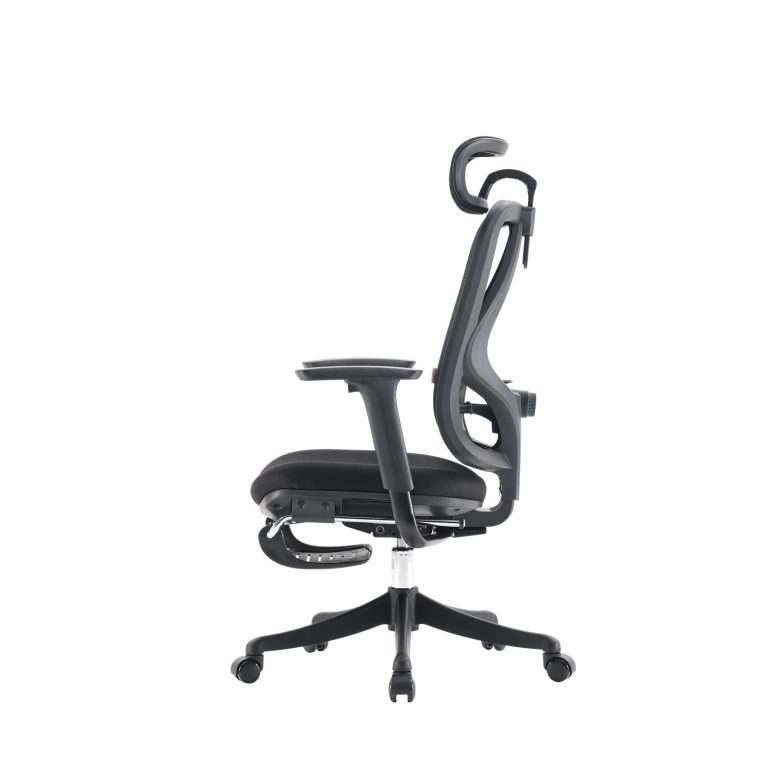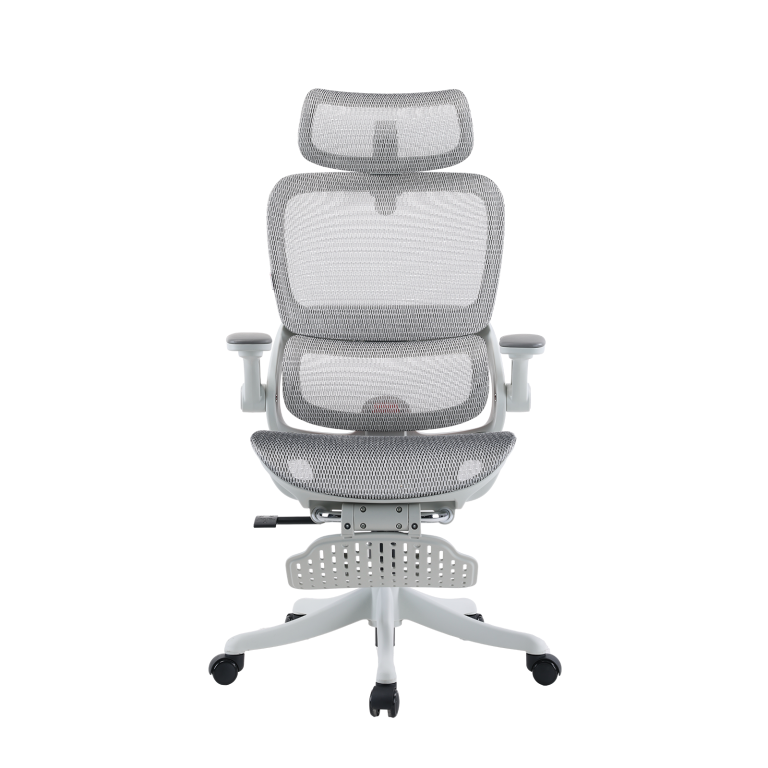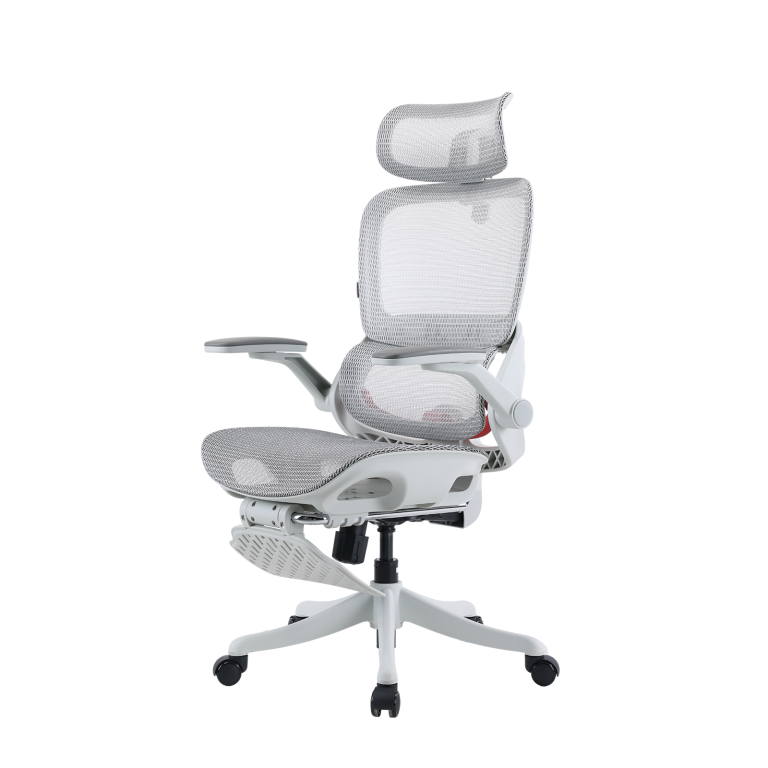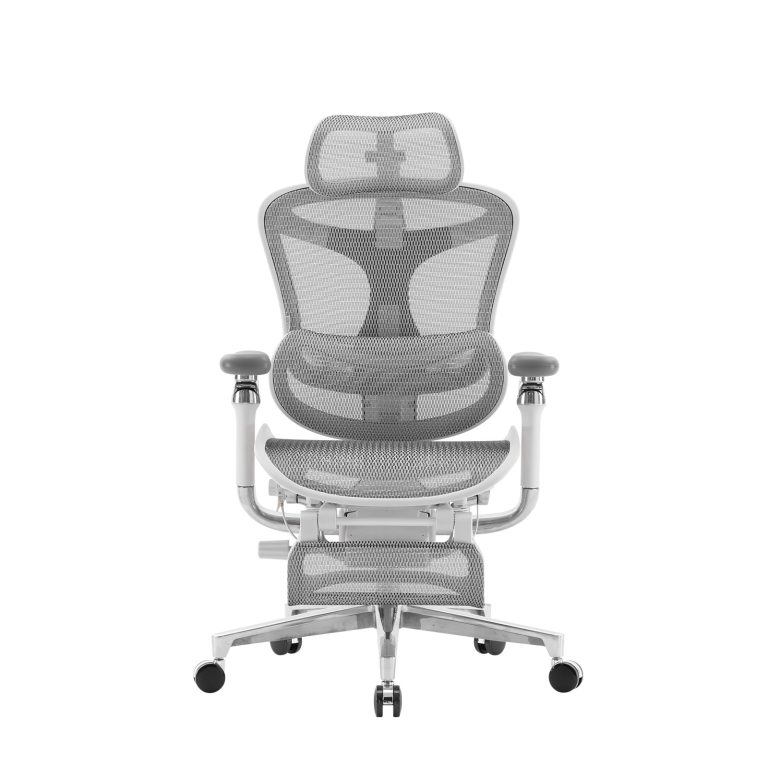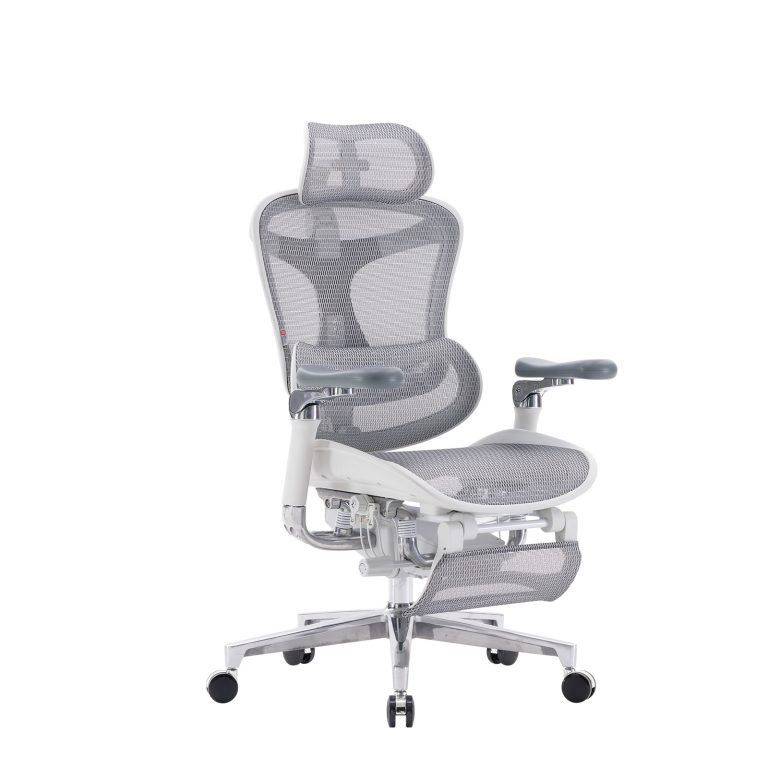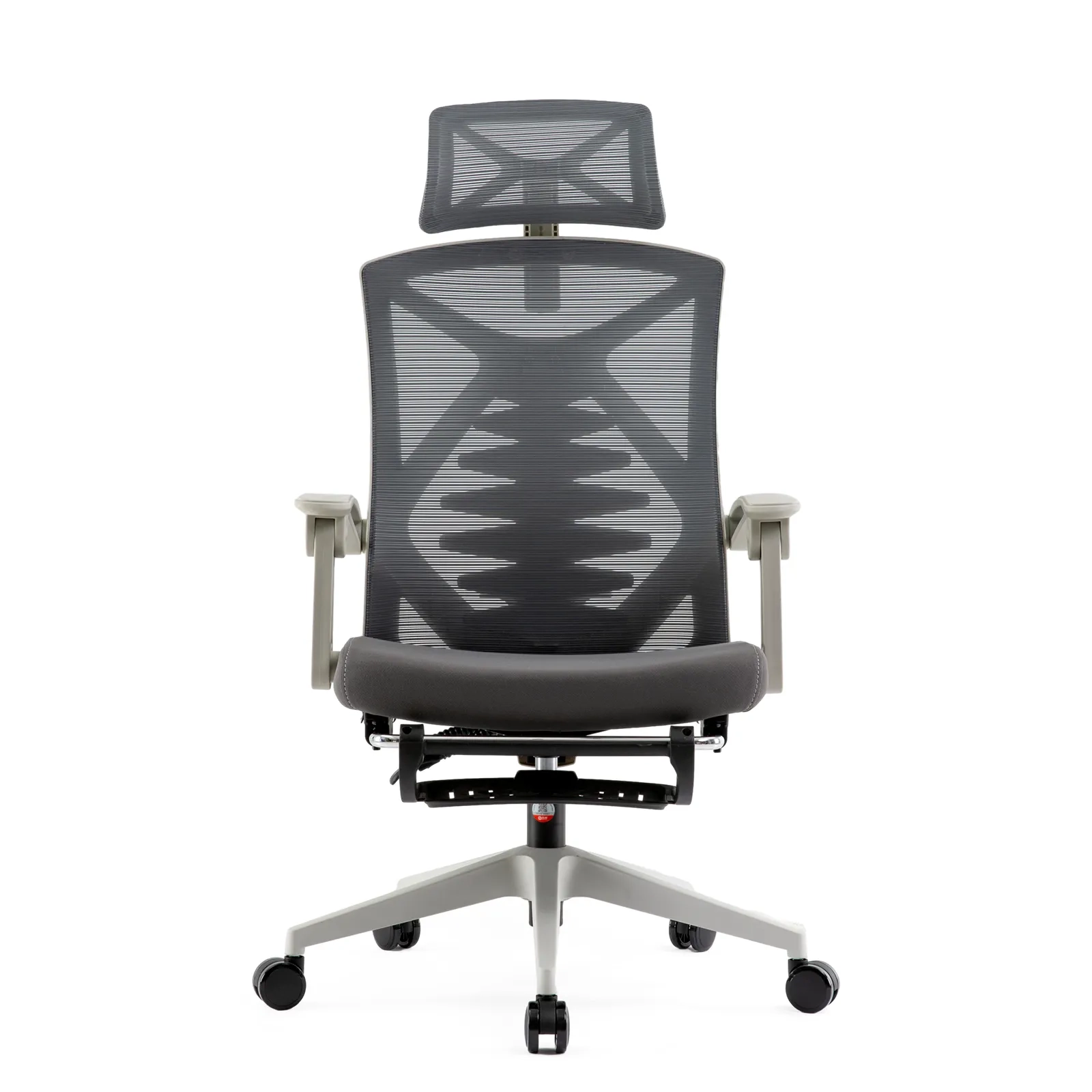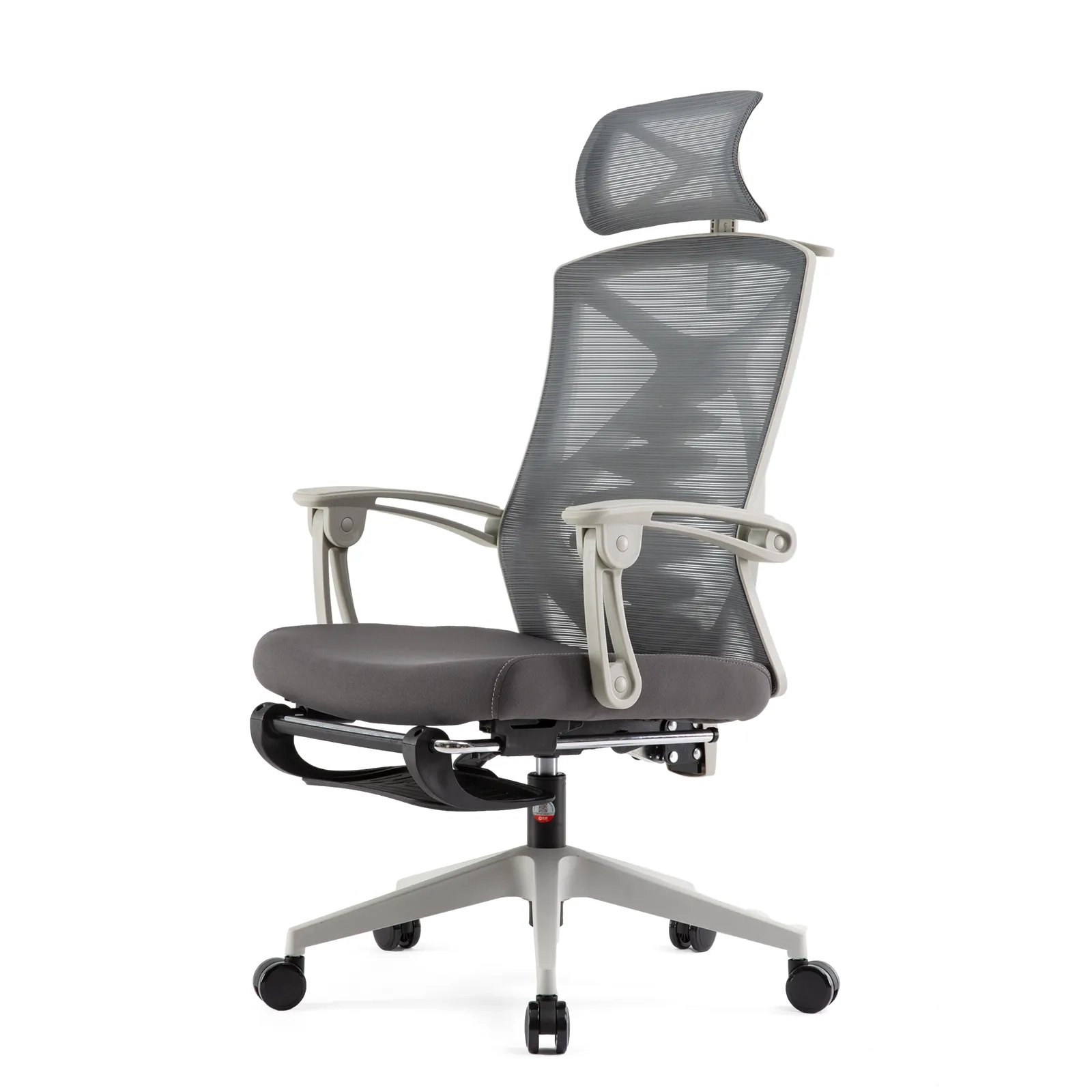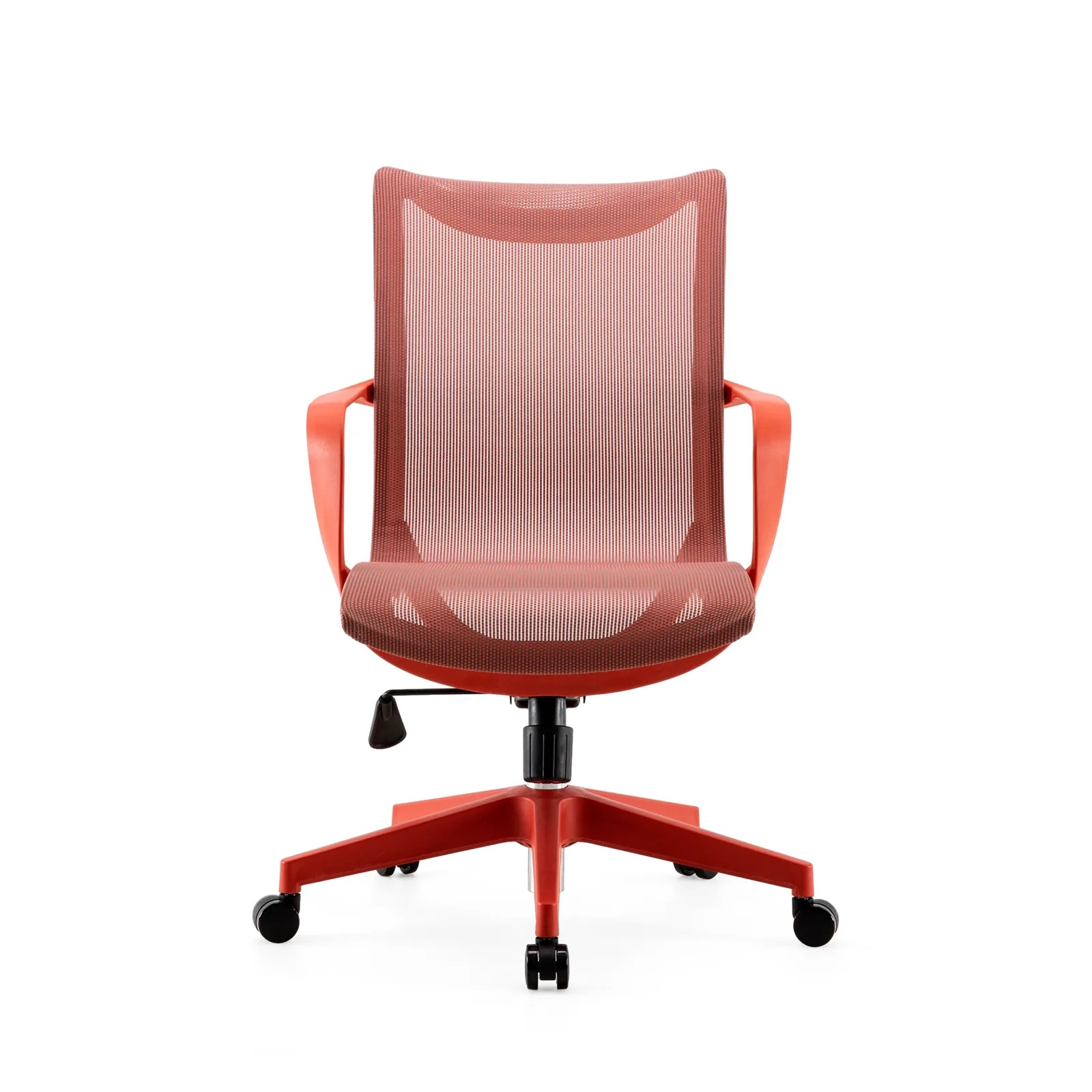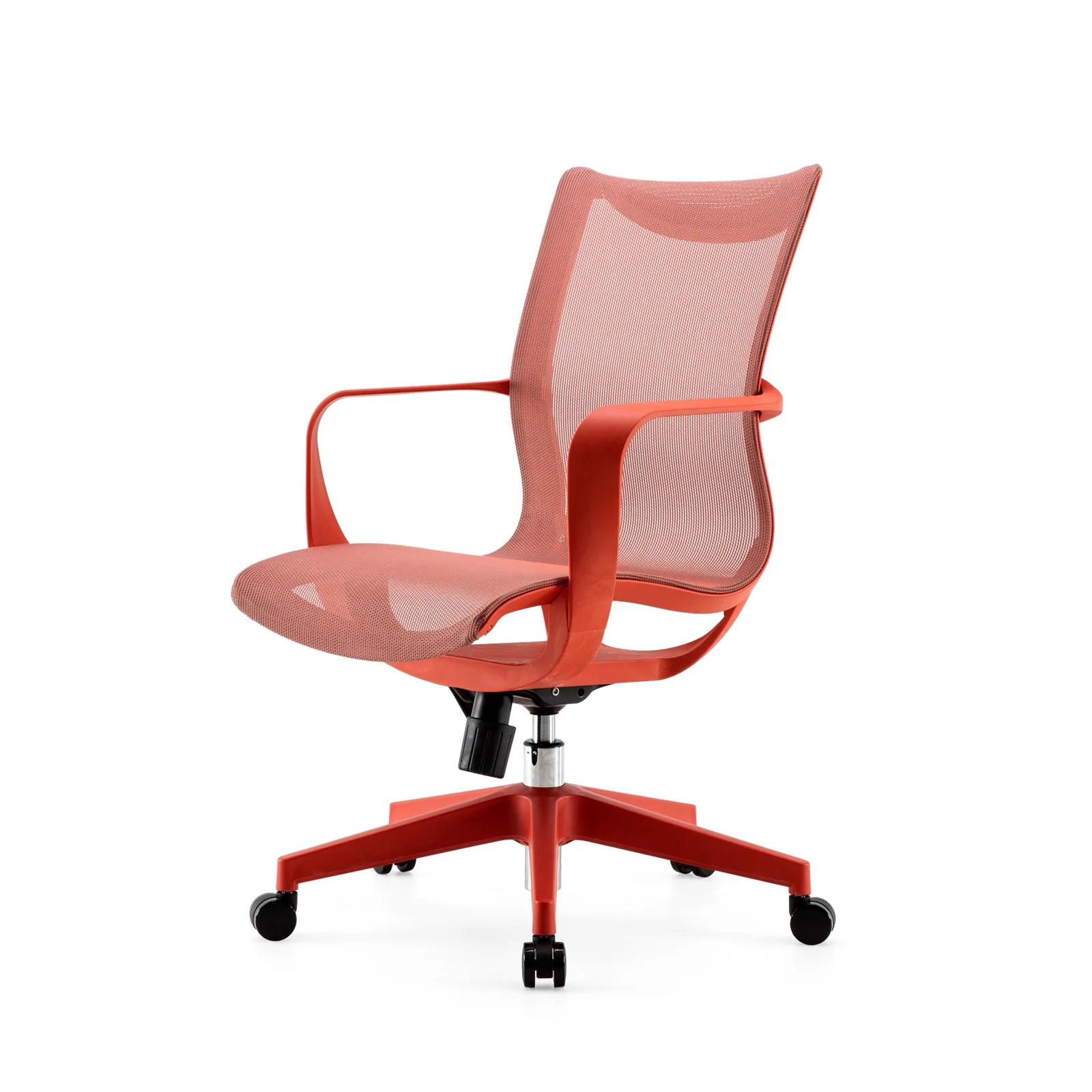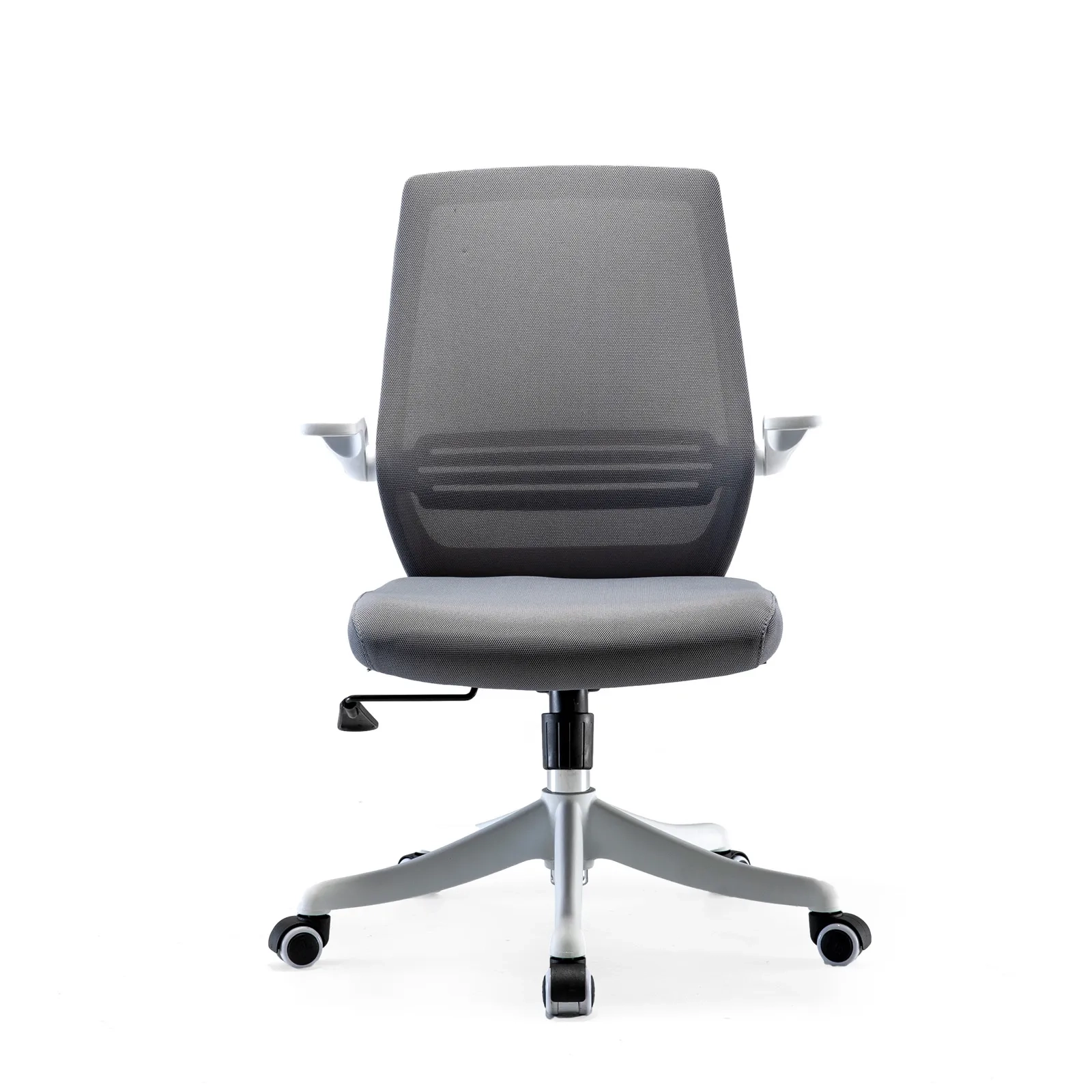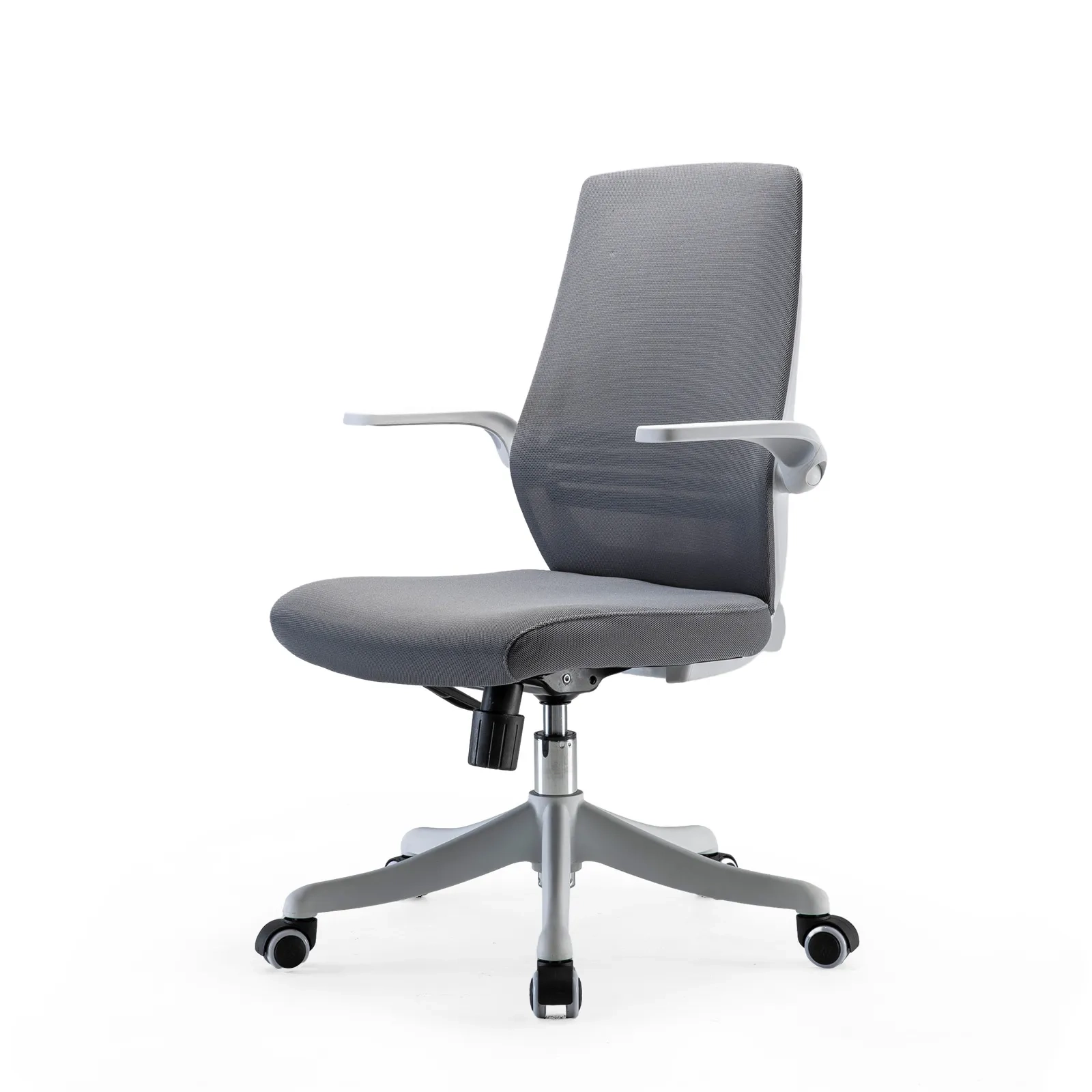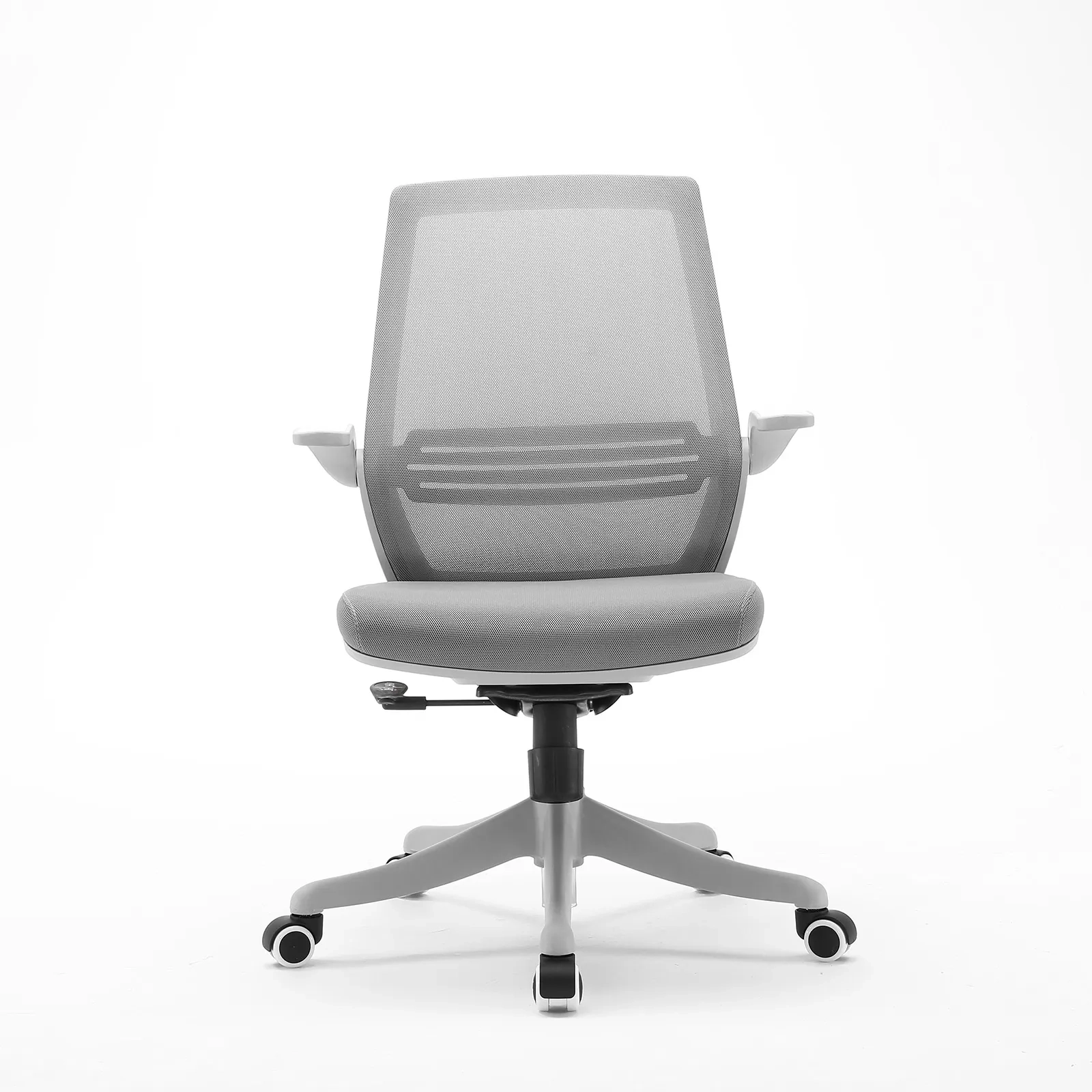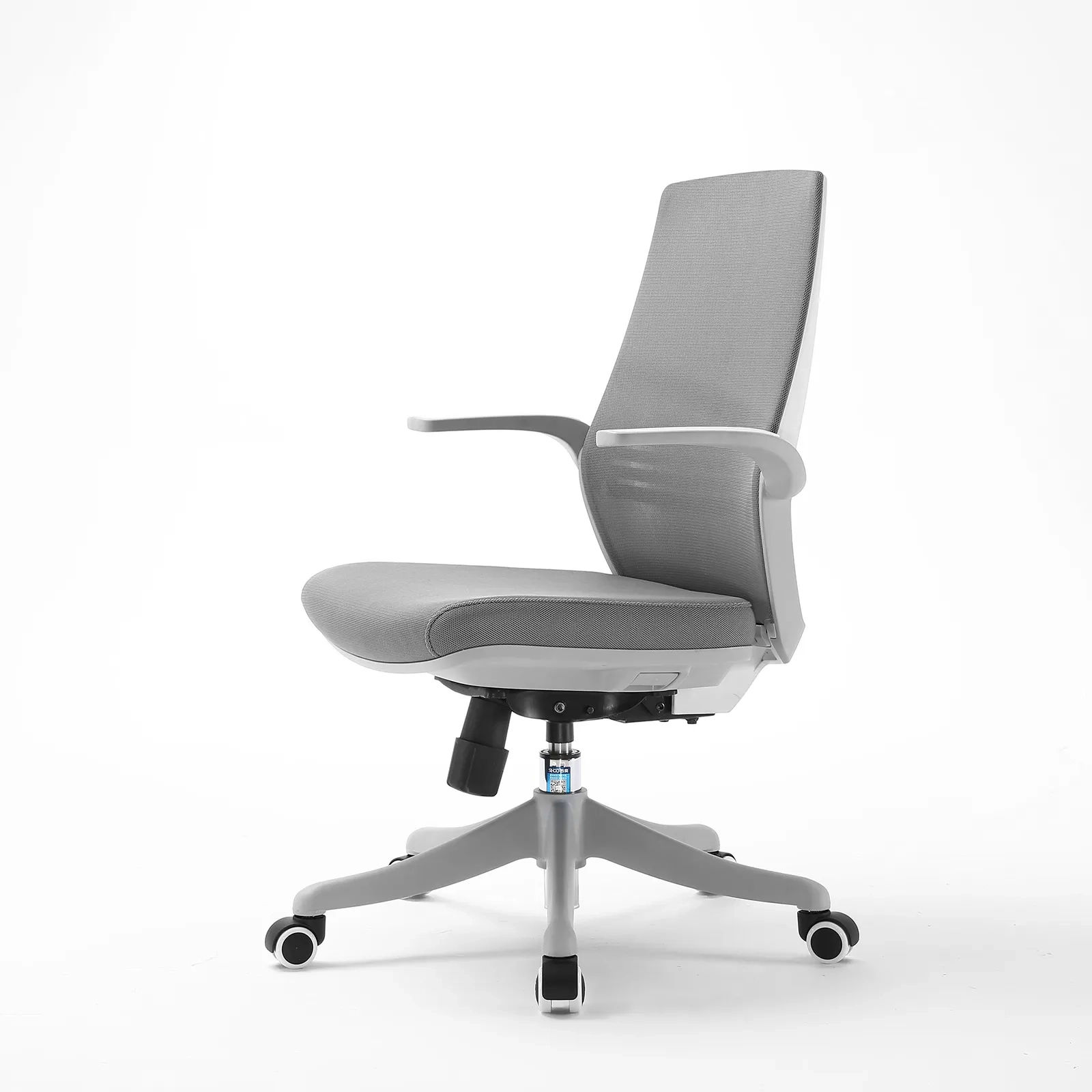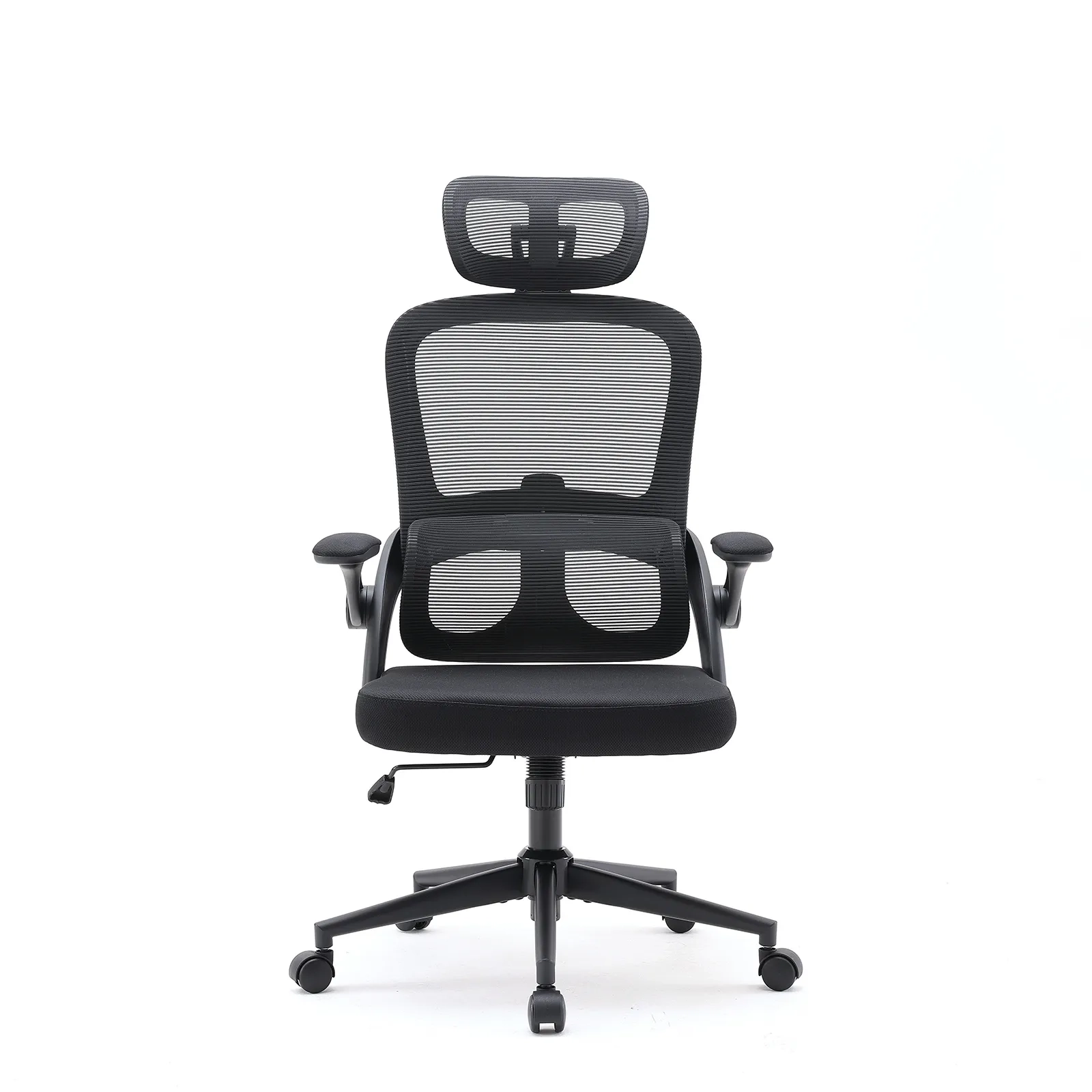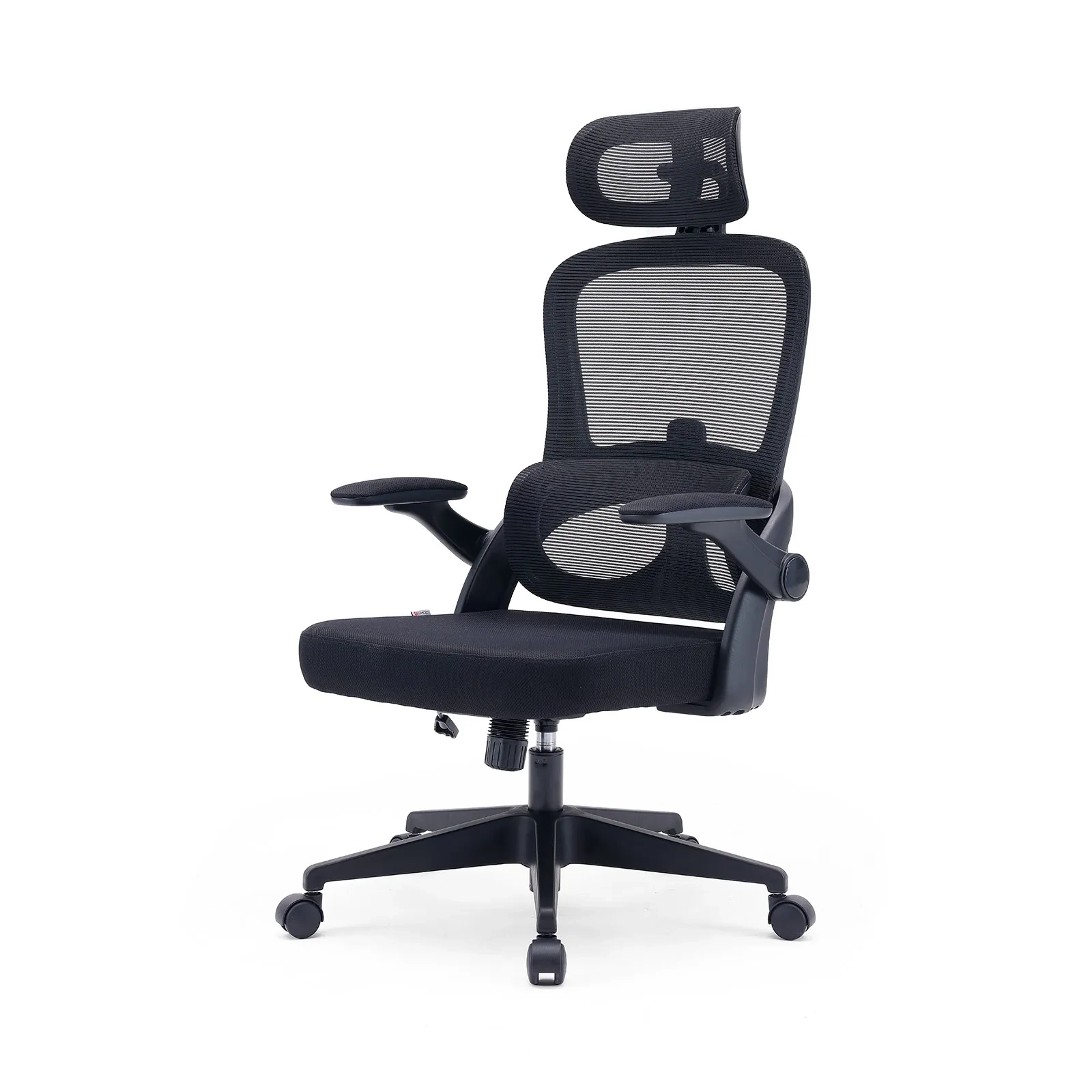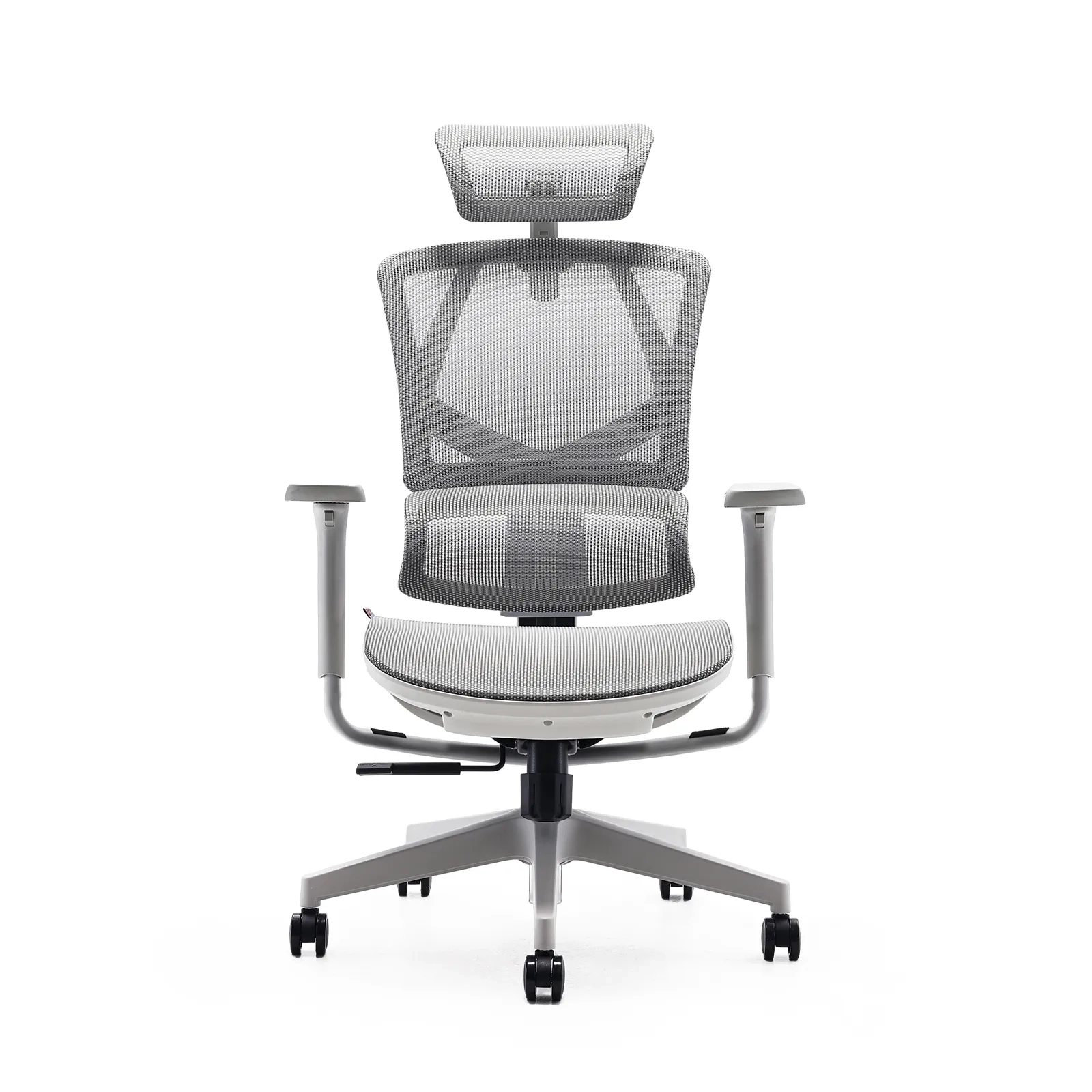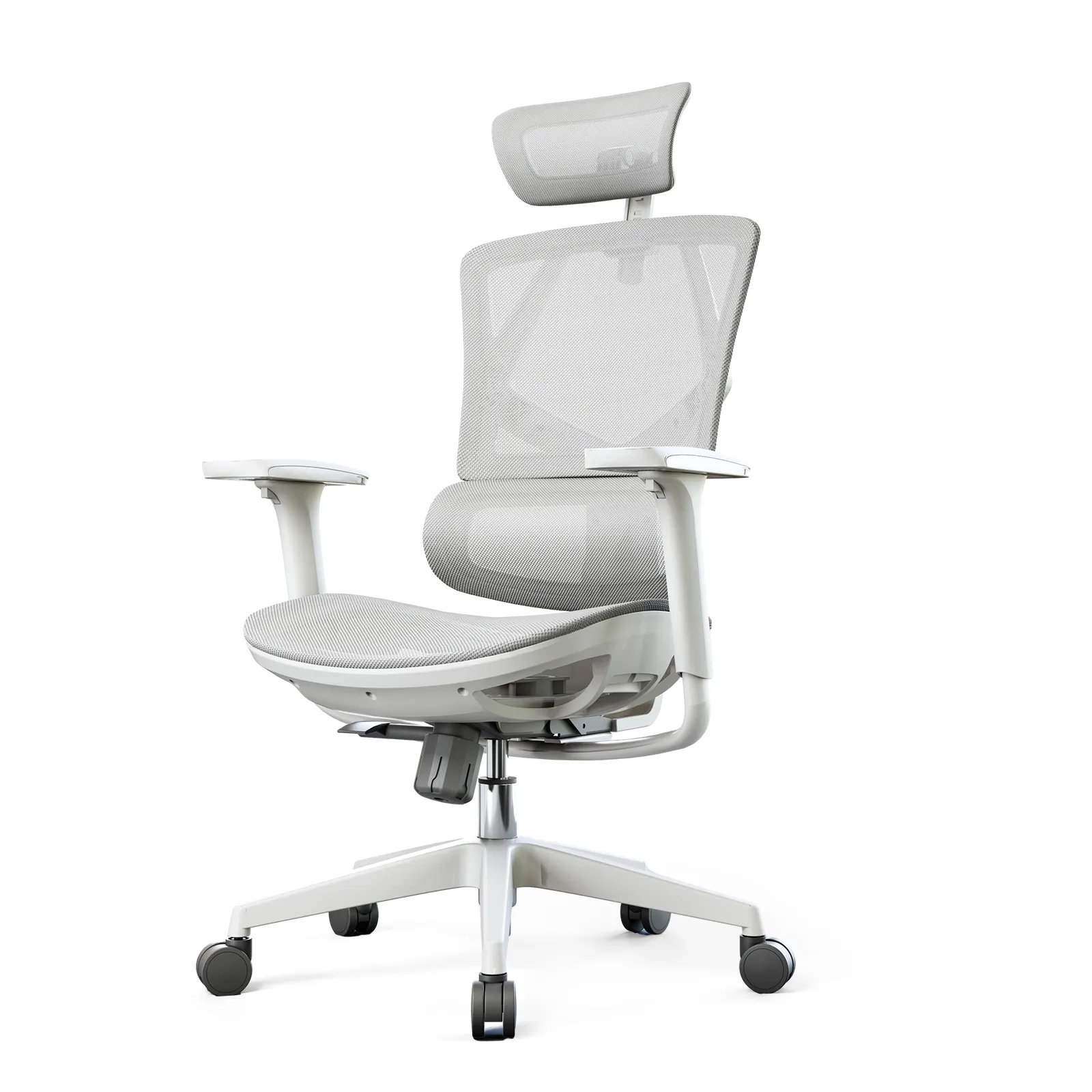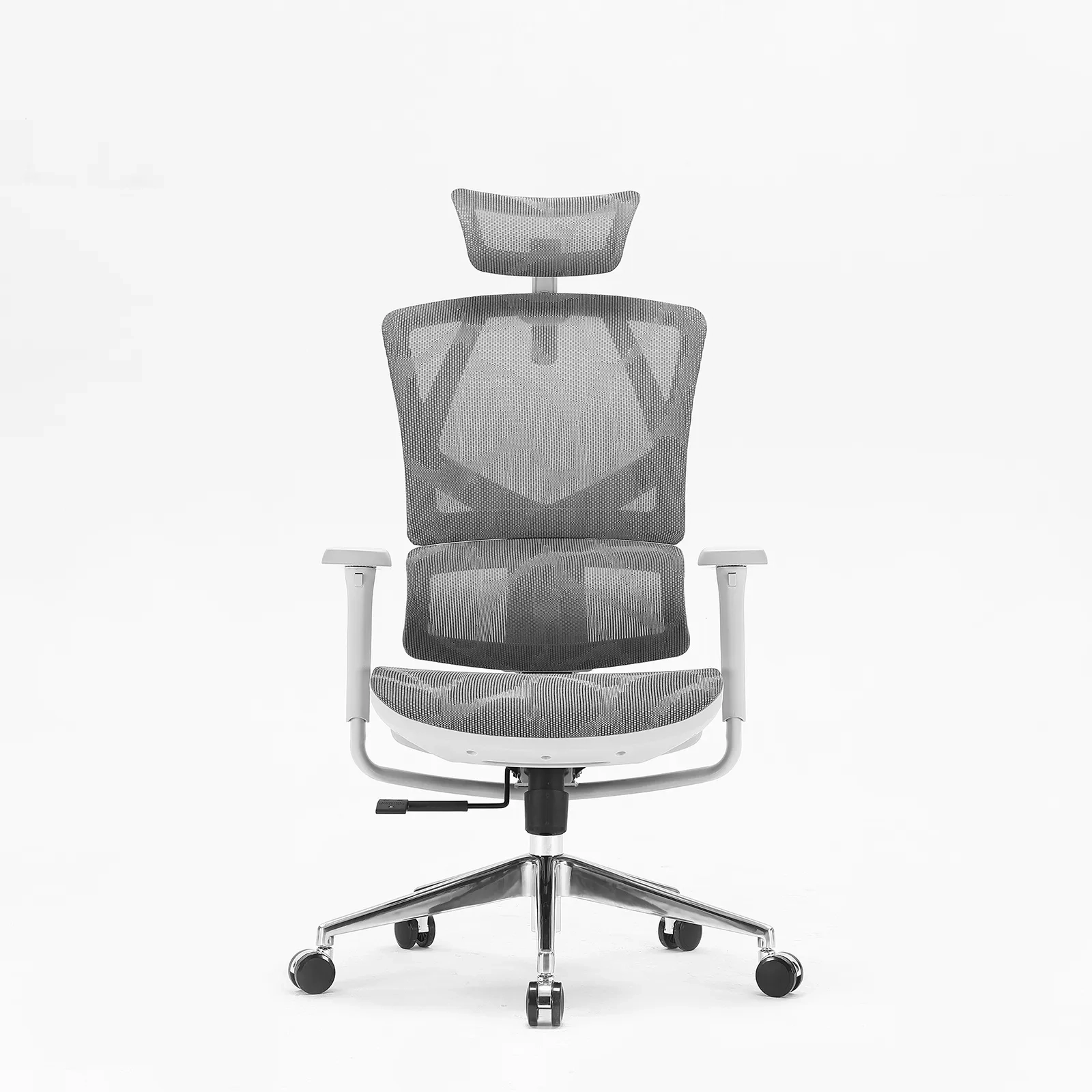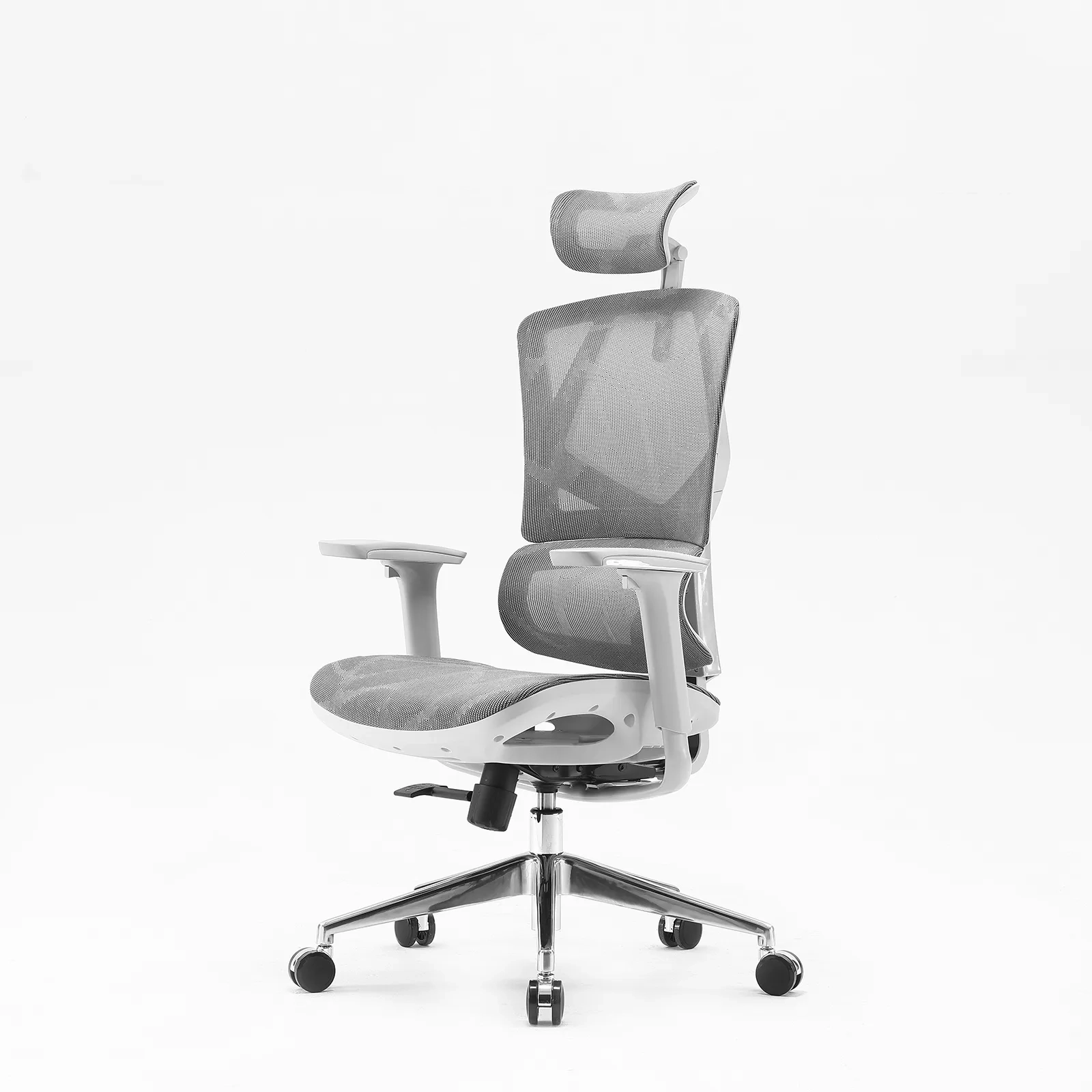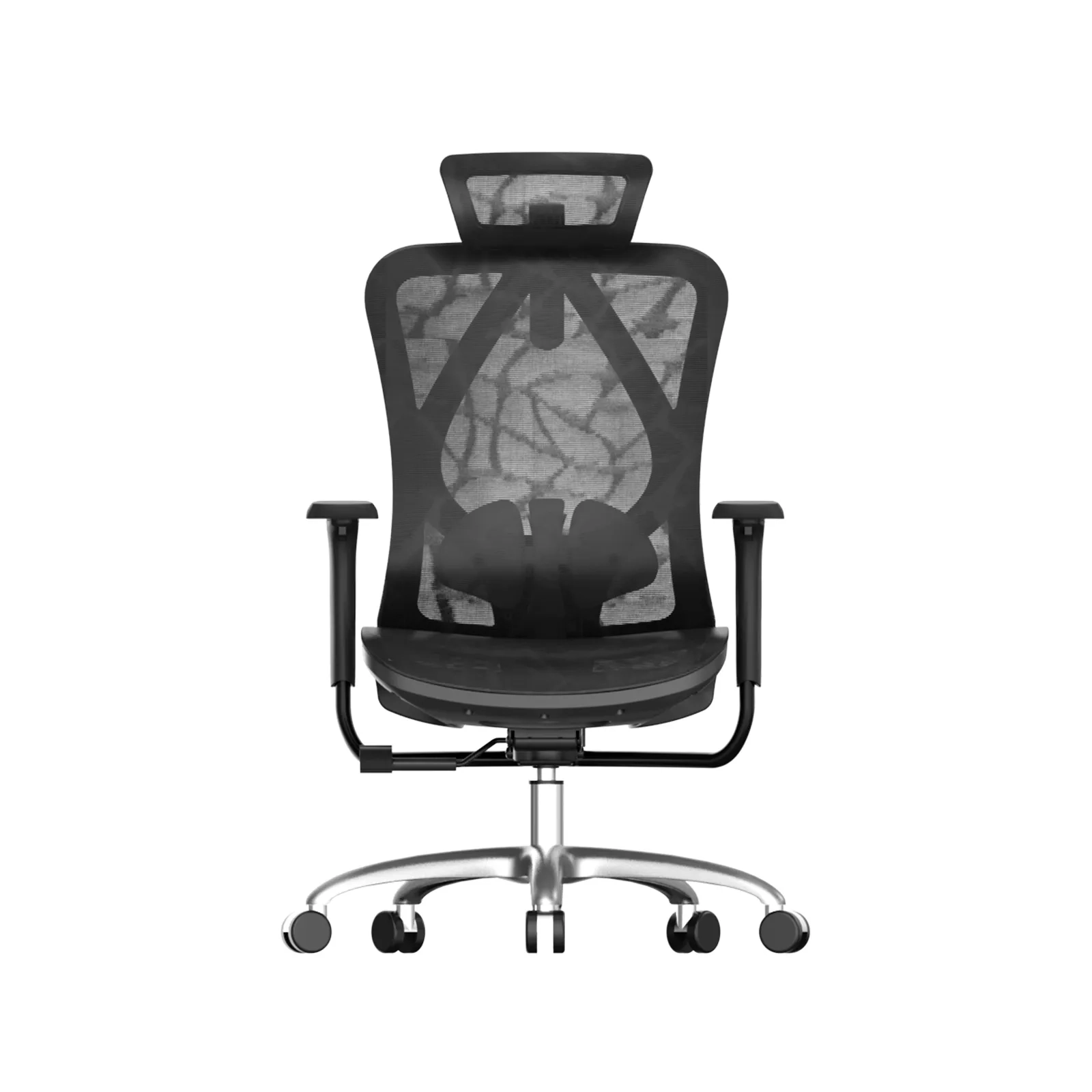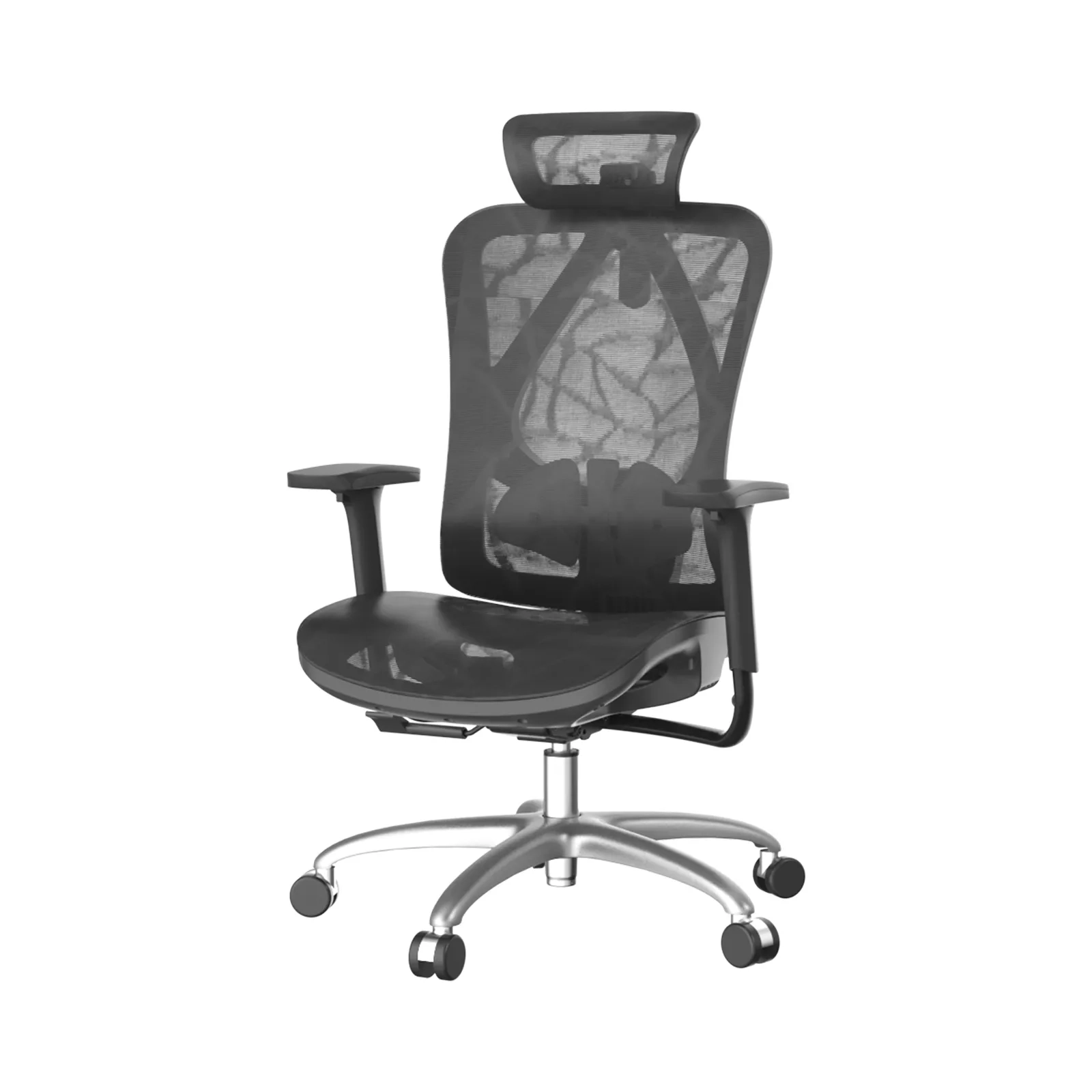









The most comfortable office chair for all-day sitting is not the softest one. It is the one that supports your spine while letting you move, so your muscles do not tire by 3 p.m. Comfort comes from fit plus adjustability, not from extra padding. This guide covers eight situations and the chair traits that keep you comfortable from clock-in to clock-out.
How We Ranked Comfort
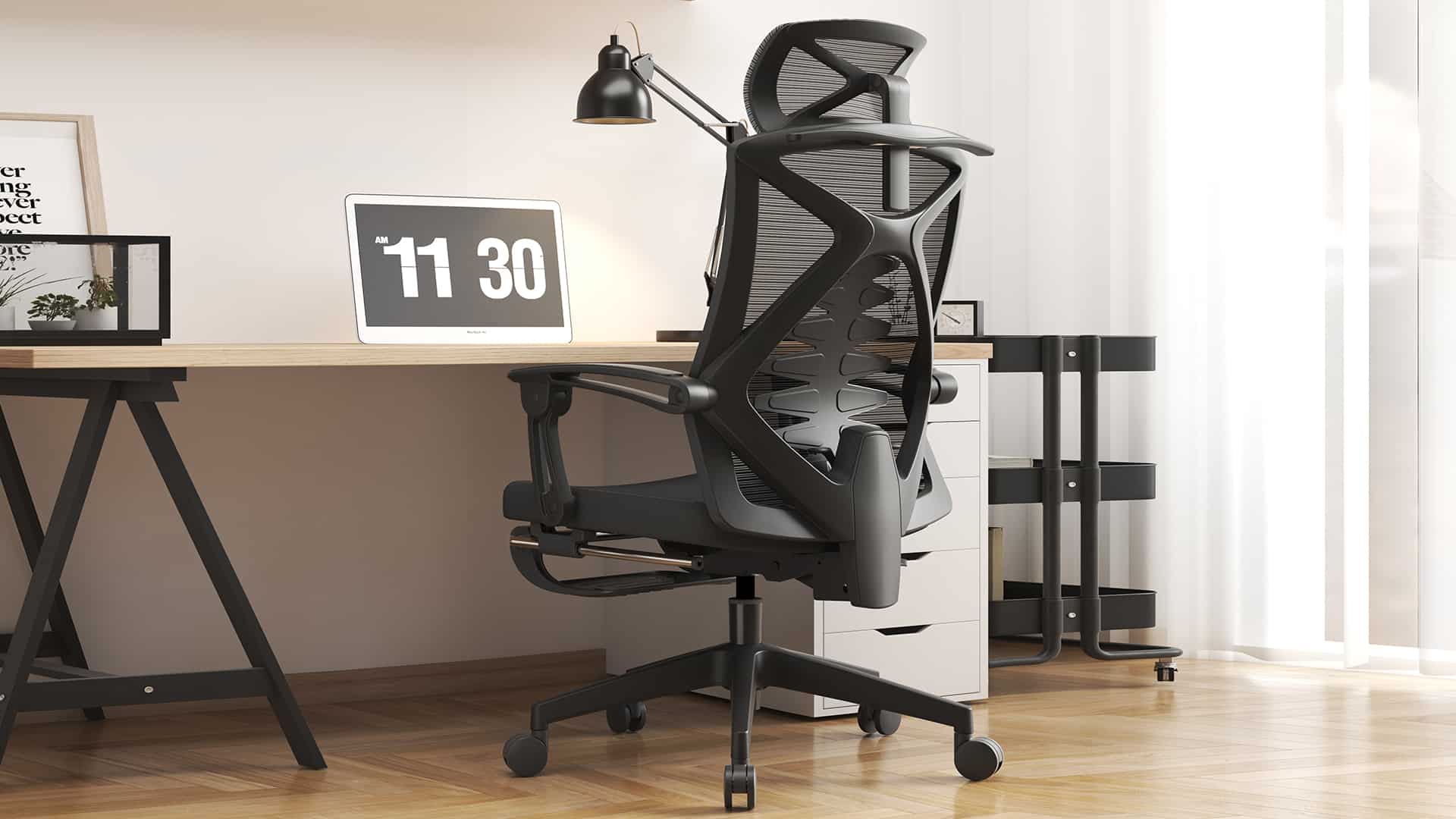
Comfort for a chair is not a feeling you guess in a showroom for thirty seconds. We ranked these picks by how they perform across a full workday, because that is where comfort is won or lost. The signals we used: does the lumbar keep contact as you move, does the seat support thighs without numbing them, does the back stay cool, and can two different people reset it quickly. A chair that scores on all four tends to feel right at hour eight, not just hour one.
Why “Soft” and “Comfortable” Are Different
A thick cushion feels nice for ten minutes, then lets your pelvis tilt and your lower back round. A chair that holds your posture feels firmer at first but stays comfortable for hours. Look for pressure relief and support together, because one without the other fades fast.
Picks by Sitting Situation
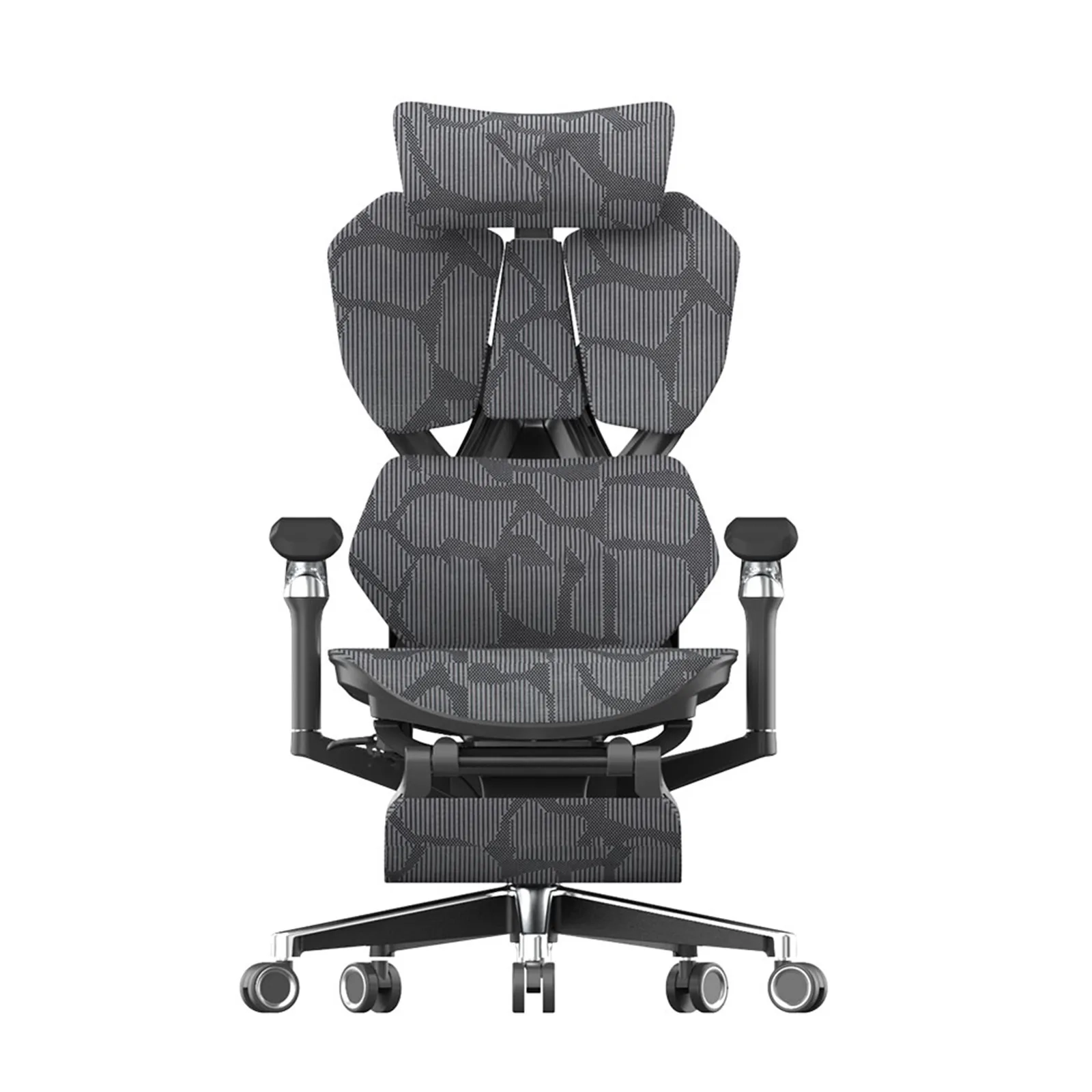
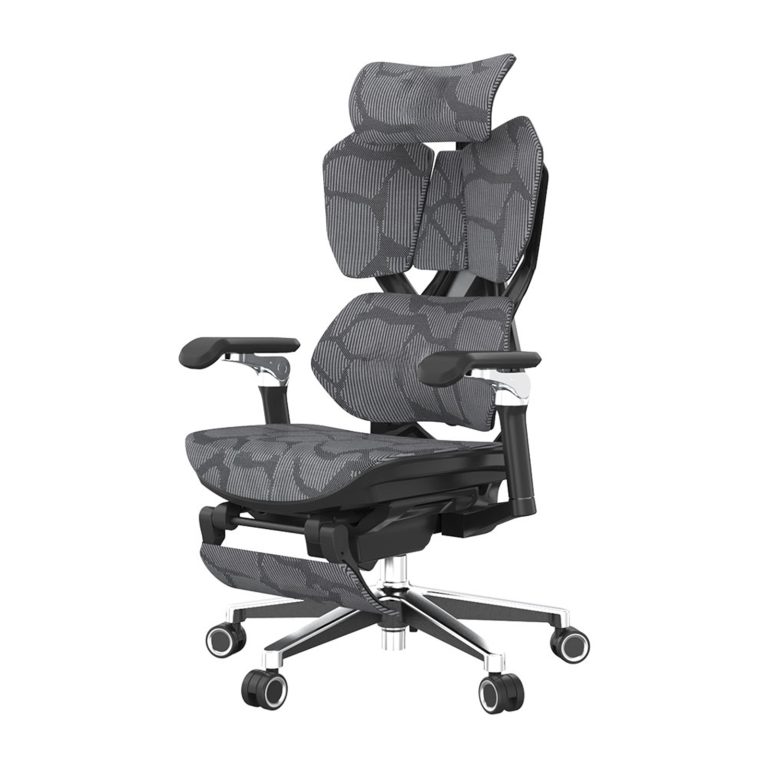
- Long remote workdays – Sihoo Doro C300: dynamic lumbar tracks your spine as you shift.
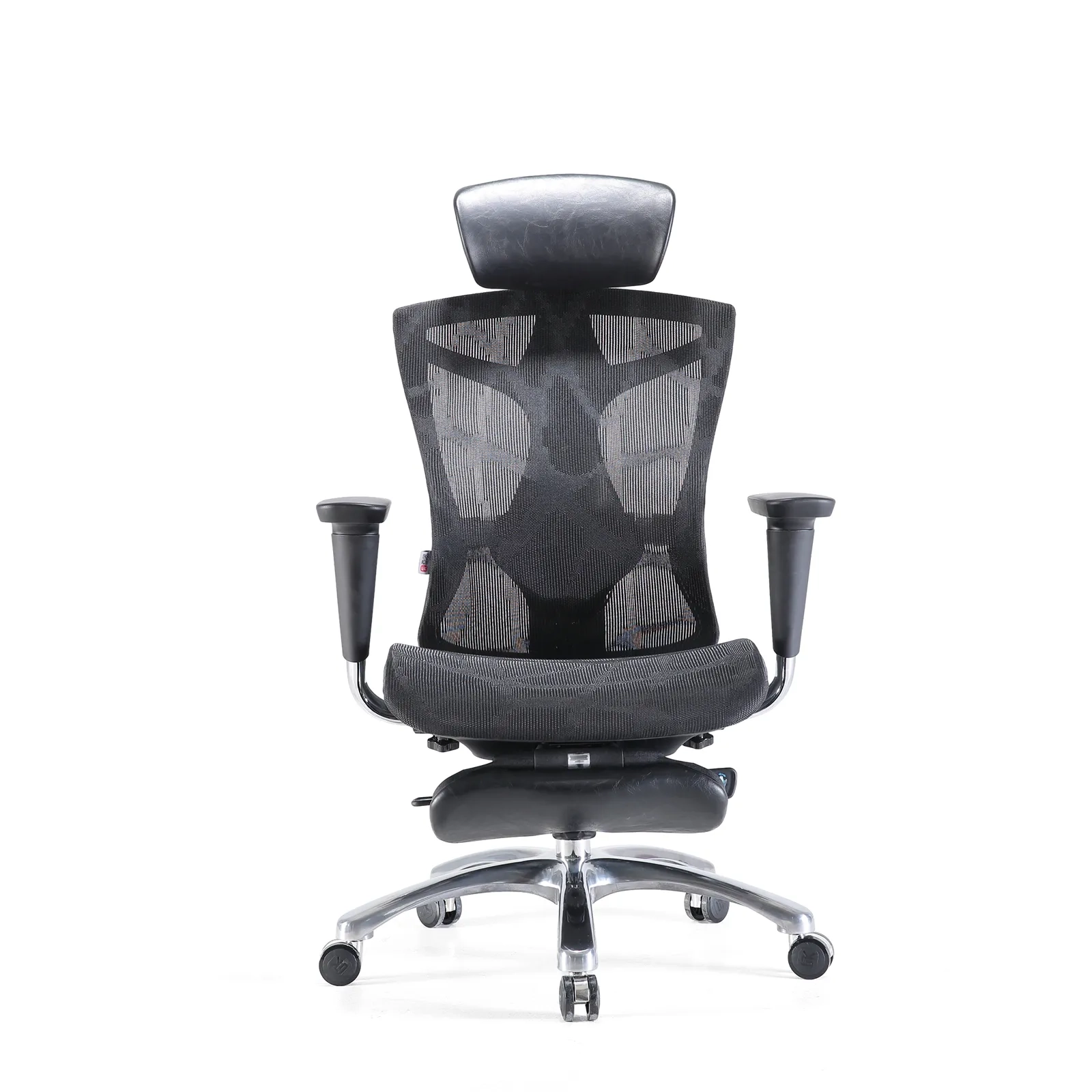
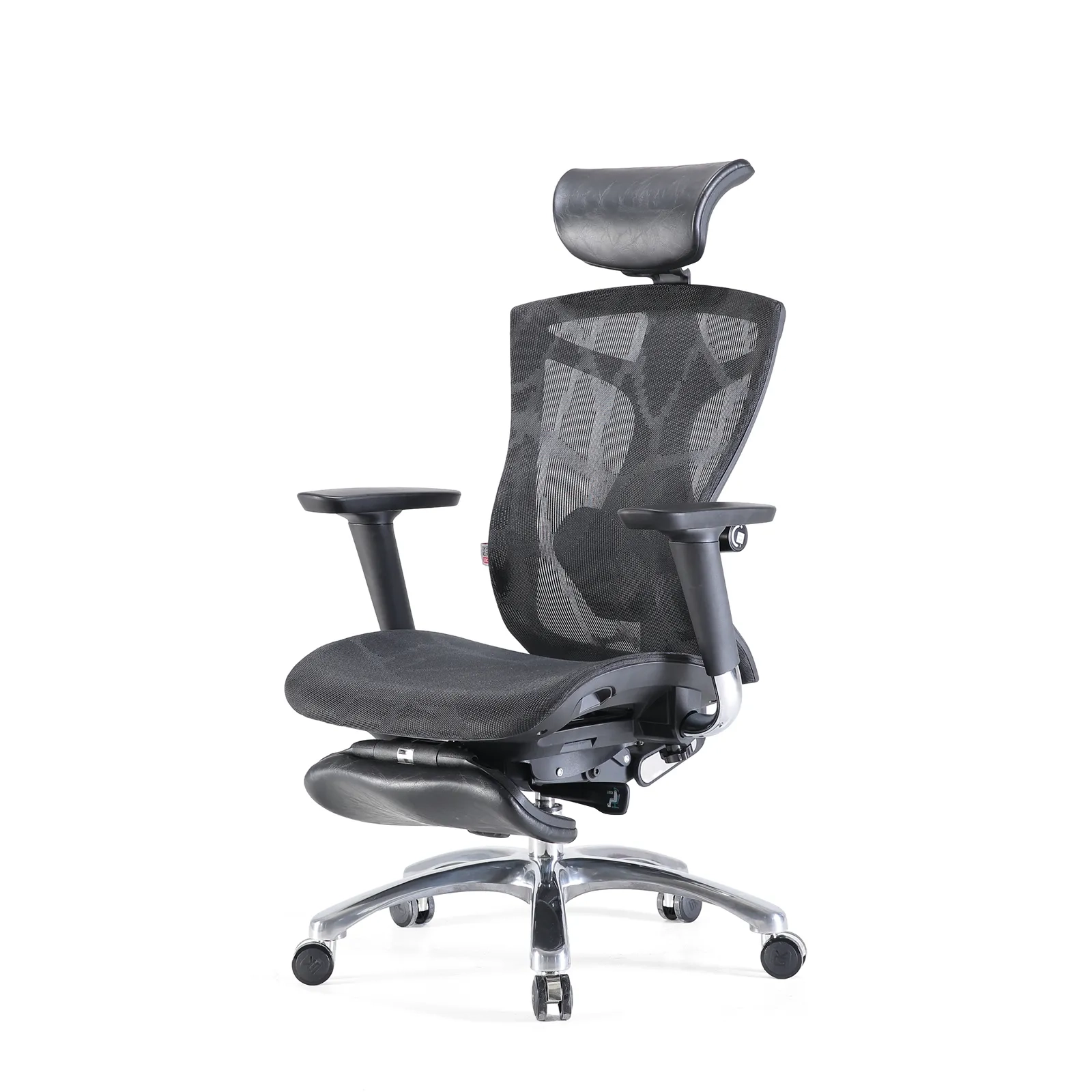
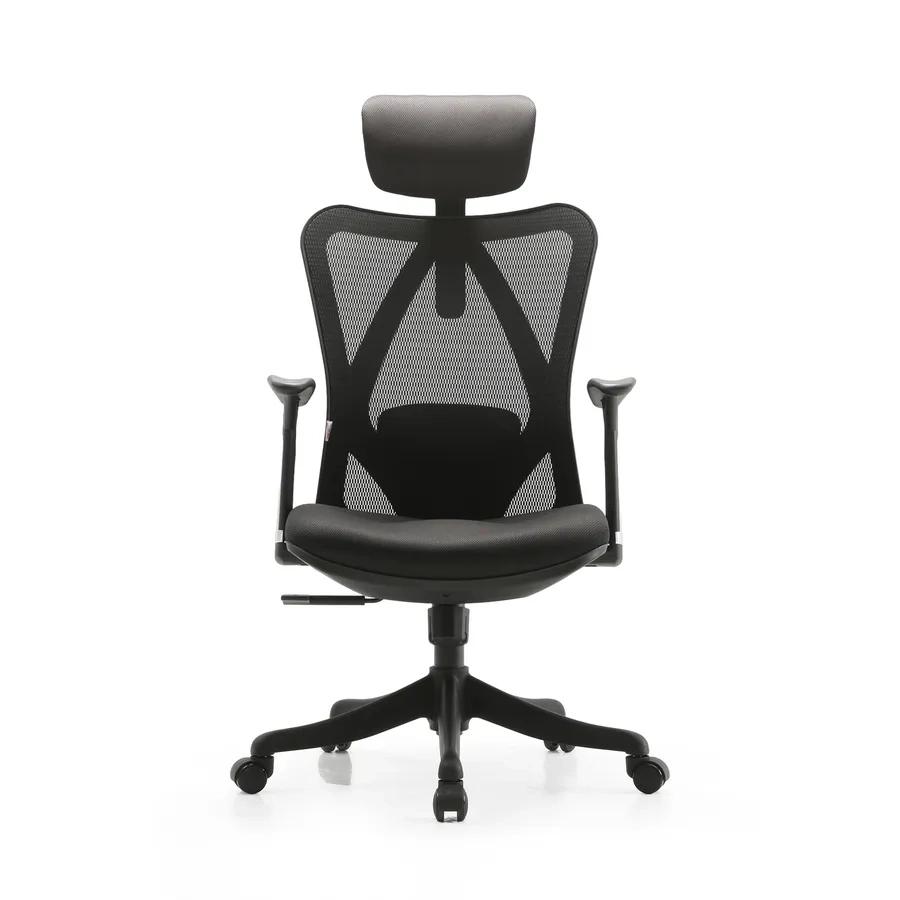
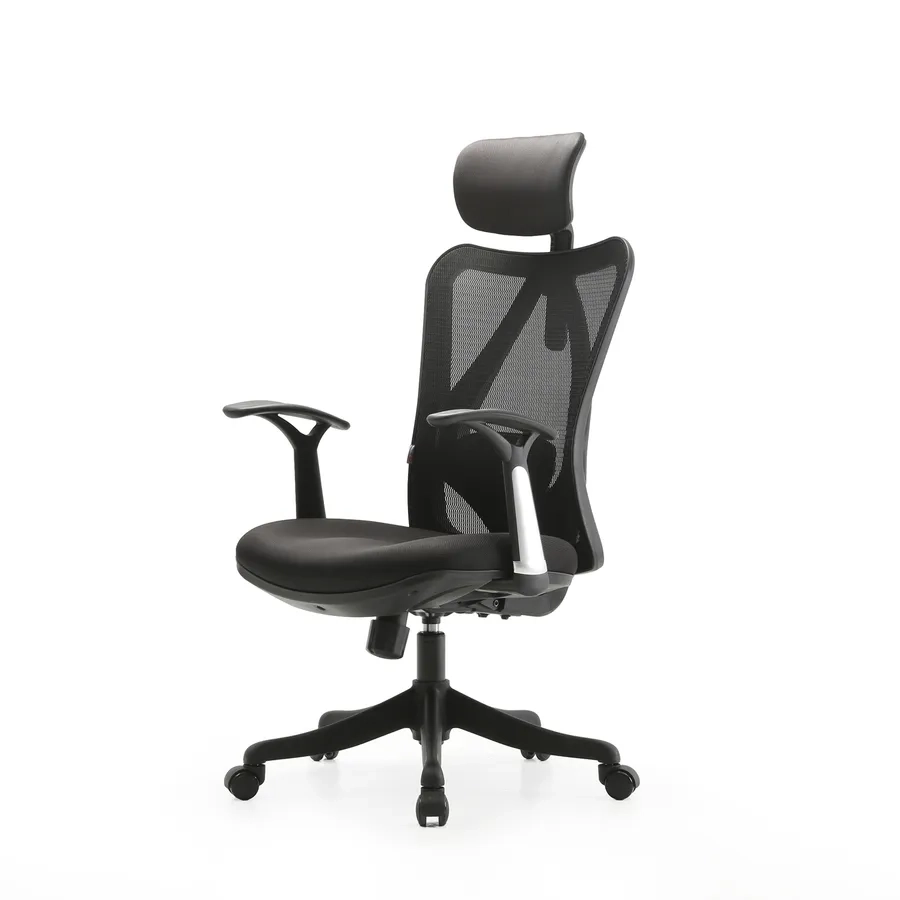
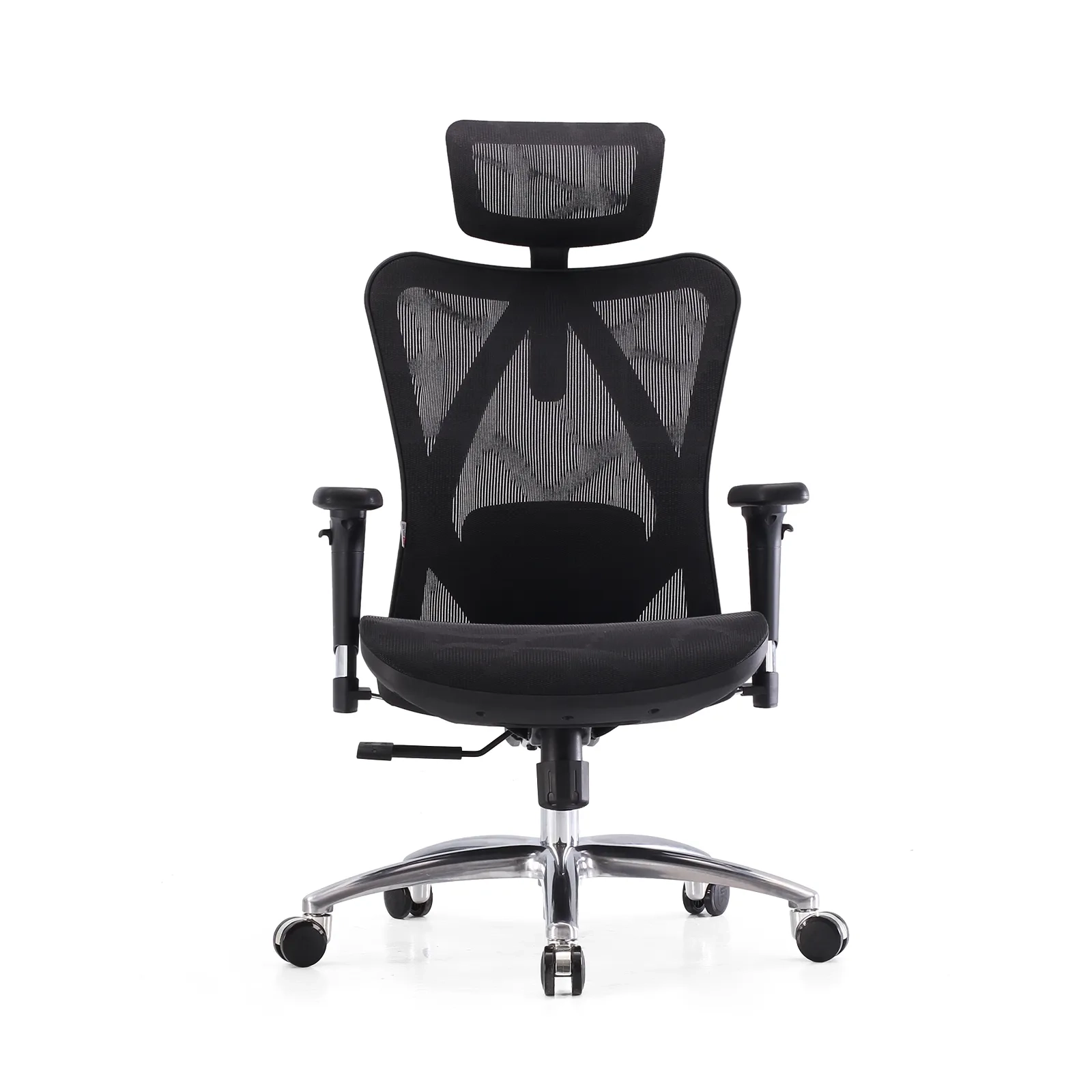
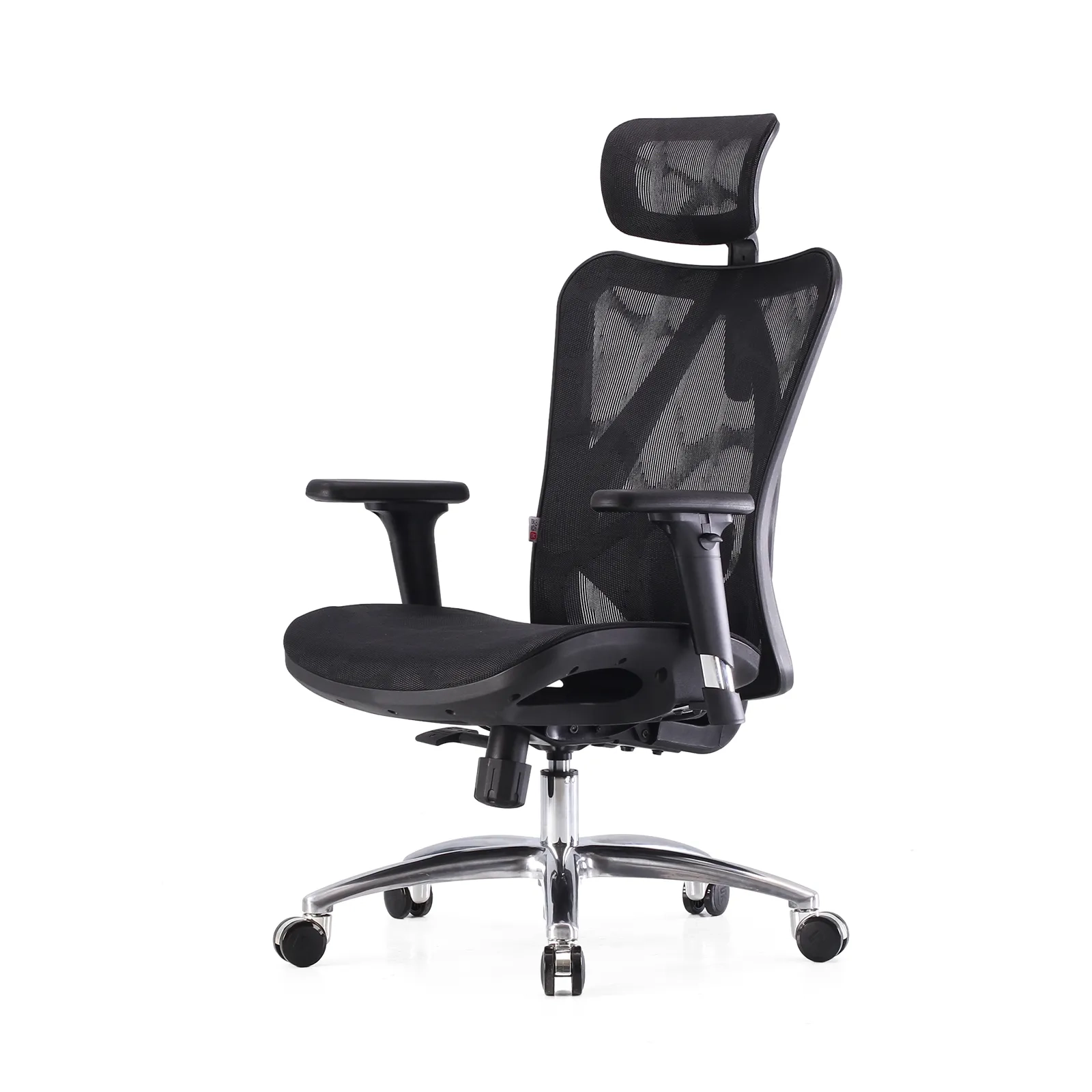
- Hot climate, long hours – Sihoo M57: full mesh keeps you cool and supported.
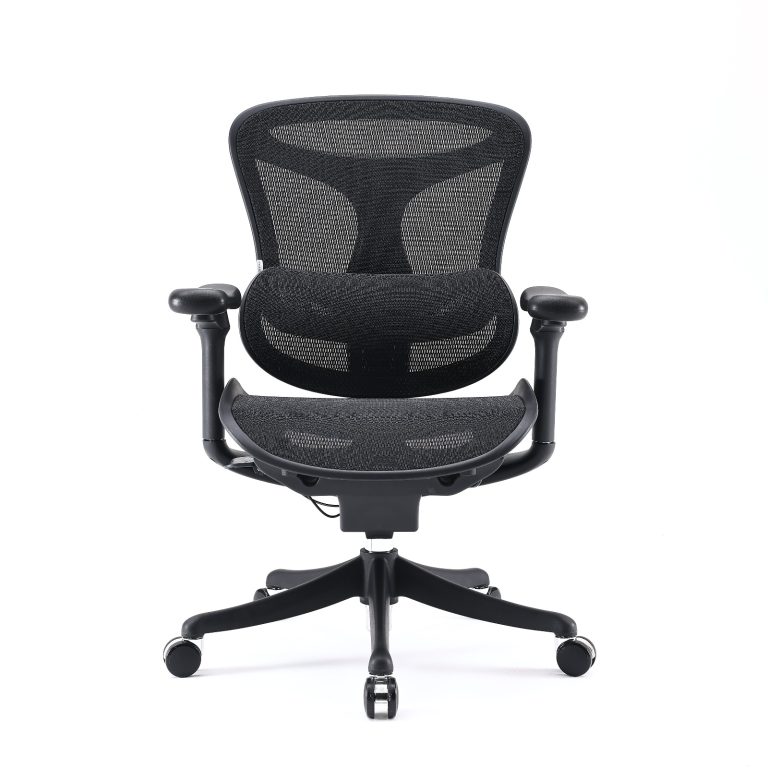
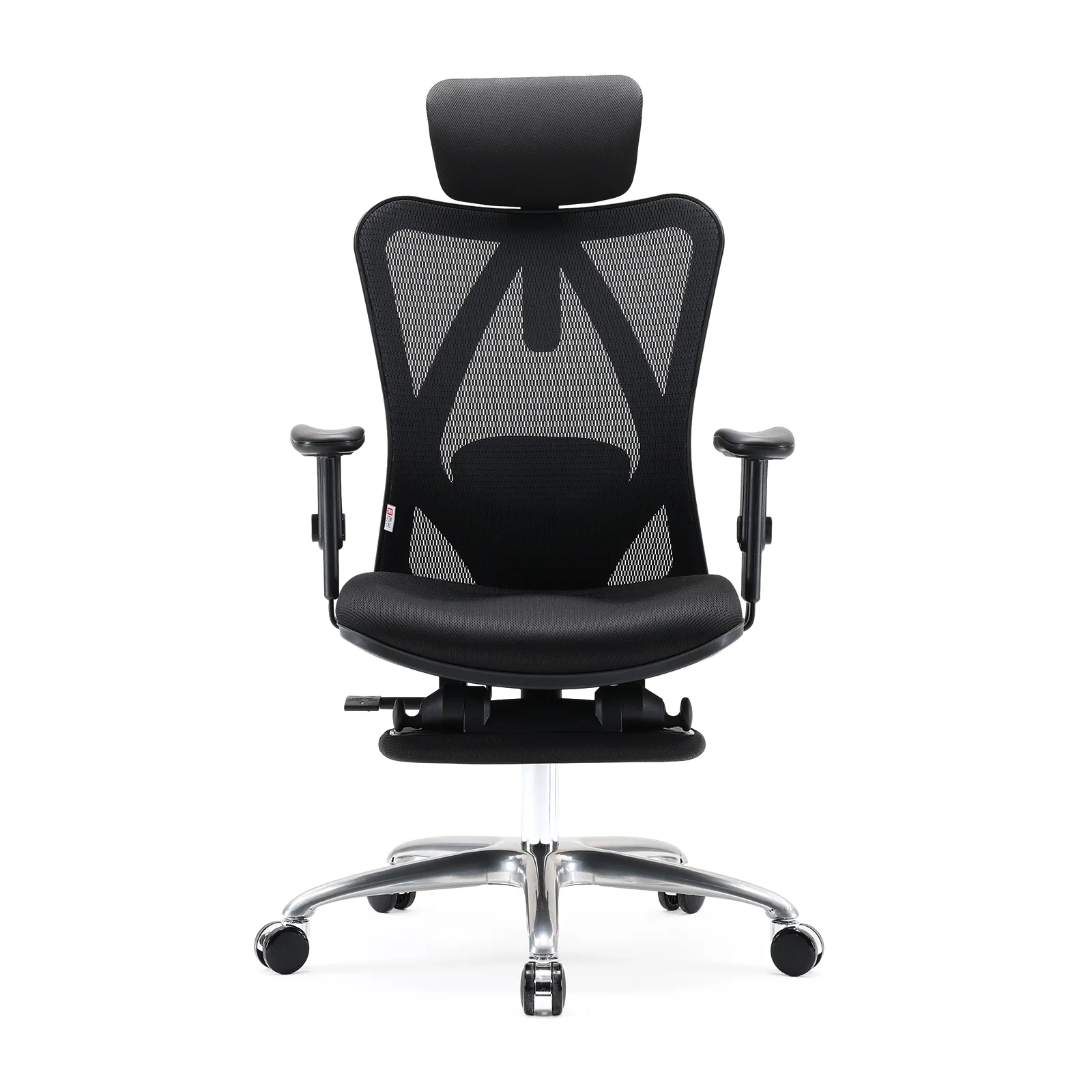
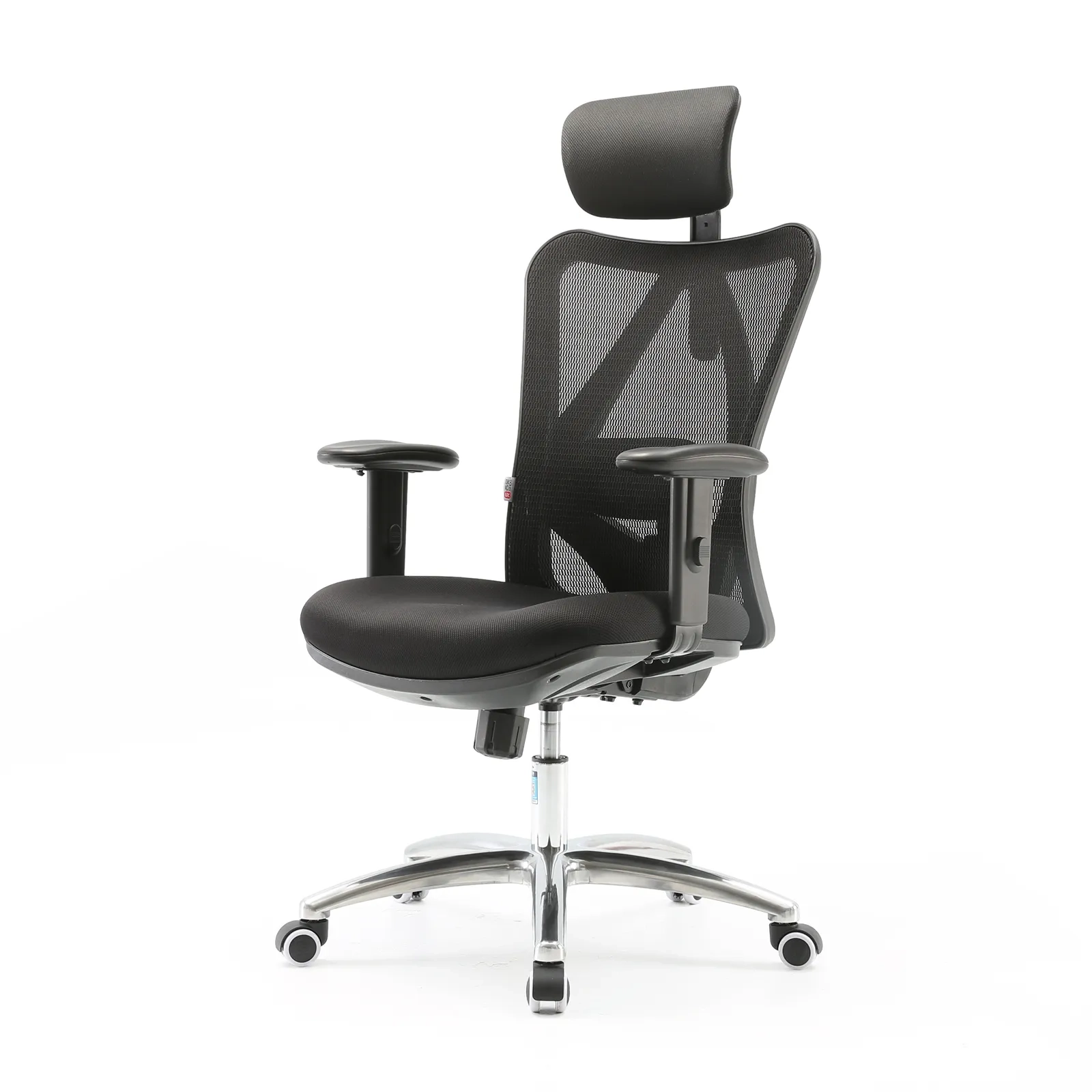
- Tight budget, still comfy – Sihoo M18: mesh back with a padded seat for softness.
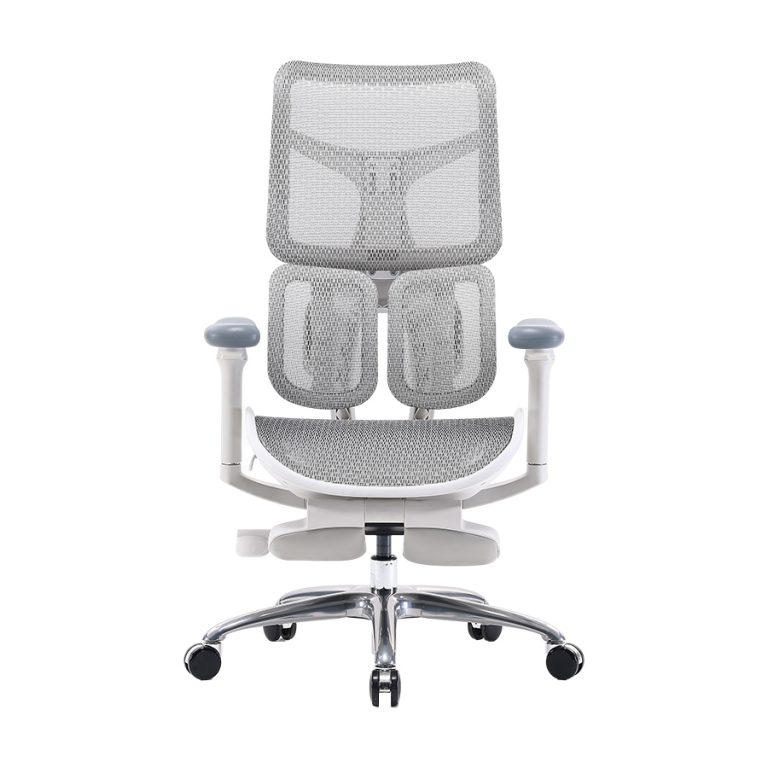
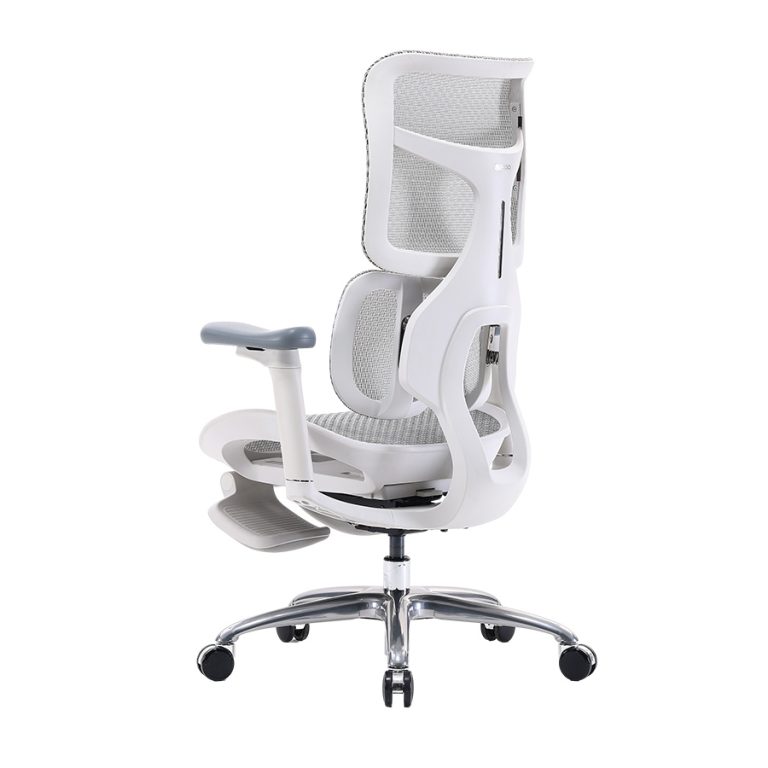
- Long sitting – Sihoo C50: pressure-relief split seat and Domino 3D lumbar for long sessions.
- Executive comfort – Sihoo C500: executive support with a formal look.
- Small home office – Sihoo M57: slim profile, full adjustability.
- Big and tall users – Sihoo Doro C300: wide fit range and high capacity.
- Shared desk – Sihoo M57: easy for different users to reset.
Closer Look at the Comfort Leaders
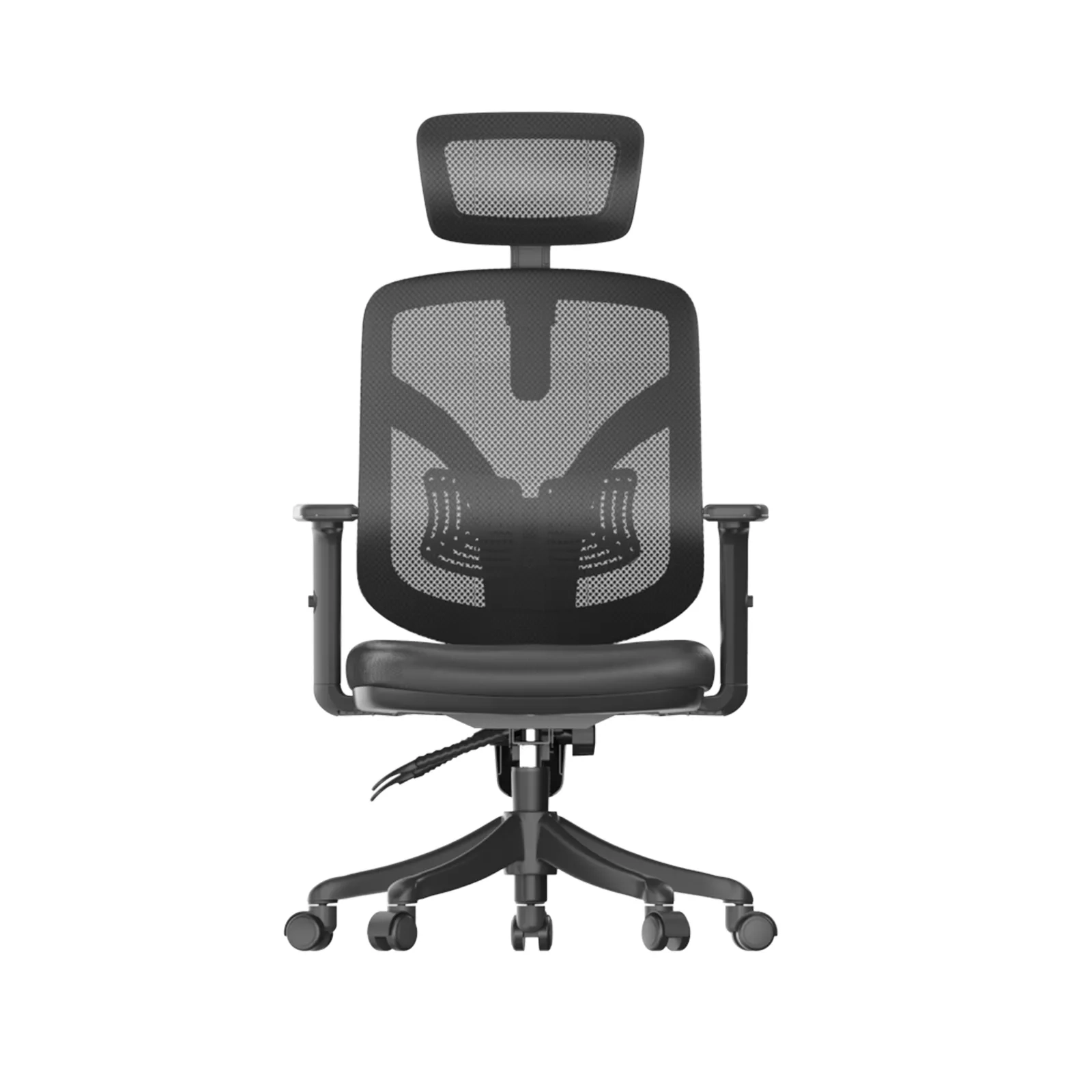
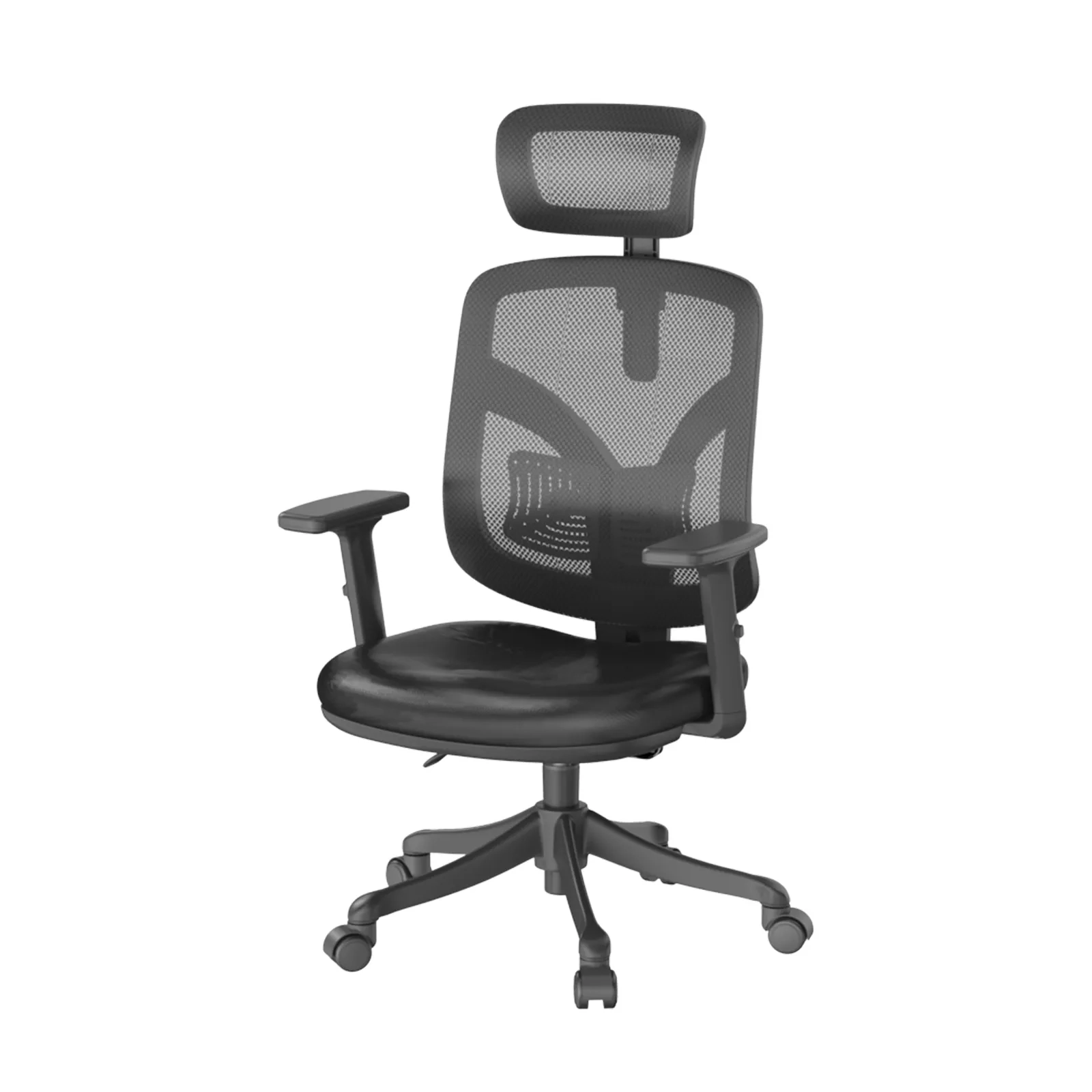
Sihoo Doro C300 leads for long remote days because its dynamic lumbar tracks the spine through every shift, so the lower back never loses contact. Sihoo M57 is the cool all-rounder: full mesh keeps heat down while 3D armrests settle the shoulders. Sihoo M18 keeps comfort affordable with a mesh back and padded seat that softens contact without losing support. Sihoo C50 targets long sitting with a pressure-relief split seat and Domino 3D lumbar, and the C500 brings the same comfort under a more formal executive shell.

What “Comfortable” Should Include
| Feature | Why it matters for all-day sitting |
| Dynamic lumbar | Maintains lower-back contact as you move |
| Seat depth adjust | Supports thighs without cutting circulation |
| Armrest adjust | Relaxes shoulders and wrists |
| Recline tension | Lets you shift posture without slumping |
| Breathable back | Prevents heat and sweat buildup |
Each of these works only when set to your body. A chair with great specs but wrong settings will still feel off by mid-afternoon.
Signs Your Chair Is Failing You
If you stand up at the end of the day with a stiff lower back, if your thighs fall asleep, or if you shift constantly looking for a position you never find, the chair is not supporting you. Another clear sign is reaching for a pillow behind your back, which means the built-in lumbar is missing or misplaced. None of this means you are physically unfit — it simply means the chair is not adjusted for your body.
Comfort by Body Type
Shorter users should weigh seat depth and height range first, because a too-deep pan cuts circulation. Taller and heavier users should weigh the stated capacity and lumbar strength. People with neck strain should weigh the headrest and recline. Rank your own top three before reading product pages, and you will skip the marketing that does not apply to you.
Suitable For / Not Suitable For
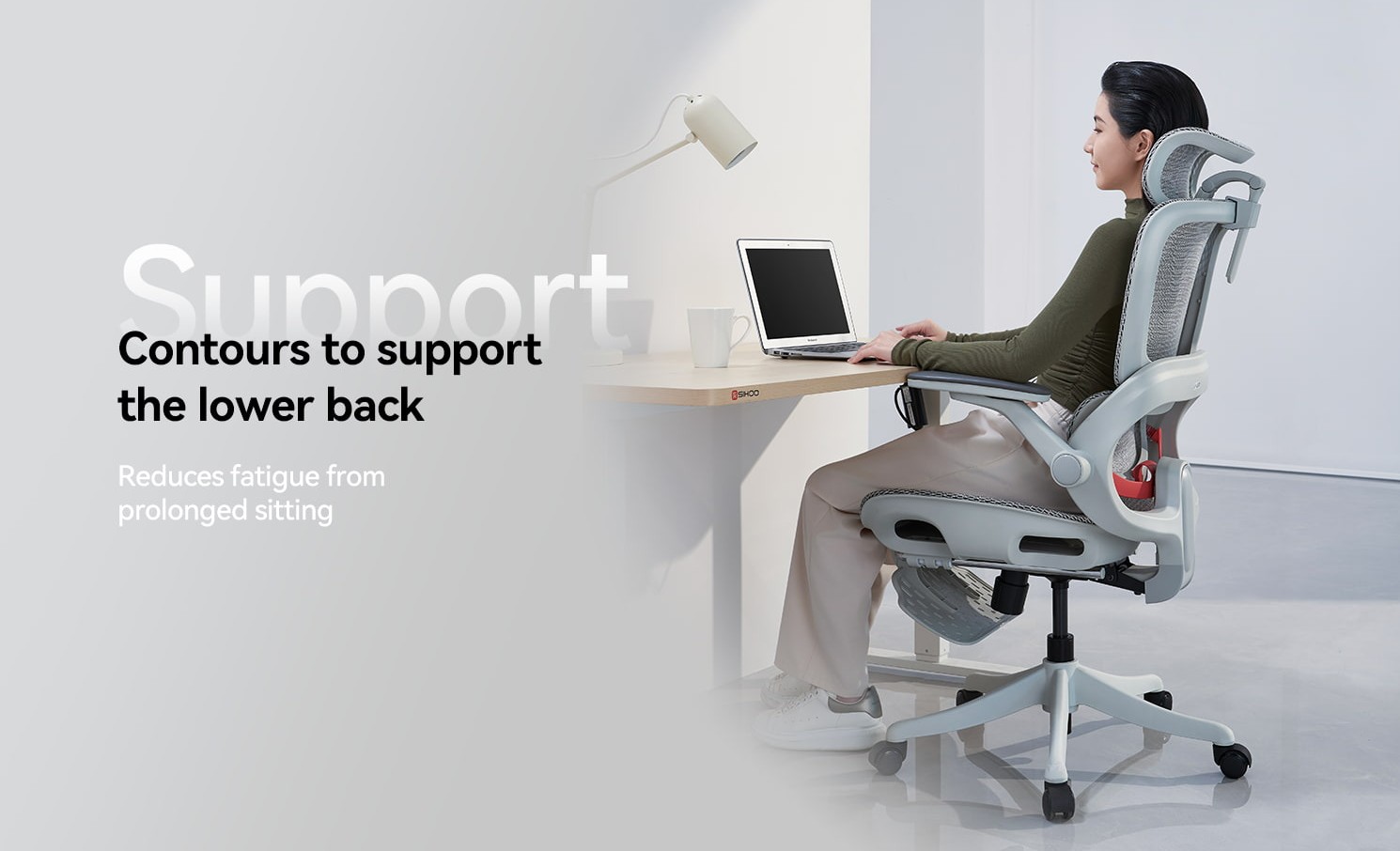
Suitable for: people at a desk 6+ hours a day, hot-climate workers, anyone with mild back or neck fatigue who wants to prevent it, not fix it.
Not suitable for: users who need medical-grade posture correction, who should see a clinician, or anyone who will not adjust the chair. An unadjusted ergonomic chair loses most of its comfort advantage.
Mesh, Padding, and Heat
Heat is the quiet enemy of long-sit comfort. A padded back traps warmth against your back until you start shifting to find relief that never comes. Mesh moves air and delays that moment. The M18 blends a mesh back with a padded seat so people who dislike all-mesh seating still get cooling where it matters most. Choose material by your room temperature and your daily hours, not by which photo you prefer.
Material and Comfort
Mesh leads for long sits because it controls heat. A padded seat with a mesh back blends softness and cooling, which is why the M18 works for many home users. Leather looks smart but warms quickly, so reserve it for cool rooms and short sessions.
Why Setup Beats Specs
Two people can buy the same chair and report opposite comfort if only one adjusts it. The features above do nothing at factory default. Set seat height, lumbar, armrests, and recline to your body before you judge the chair. Most comfort complaints trace back to a ten-minute setup step that never happened, not to the chair itself.
Setup Tips for Maximum Comfort
- Set seat height so feet are flat and knees near 90 degrees.
- Position lumbar support at the curve of your lower back.
- Set armrests so shoulders stay relaxed, elbows near 90 to 100 degrees.
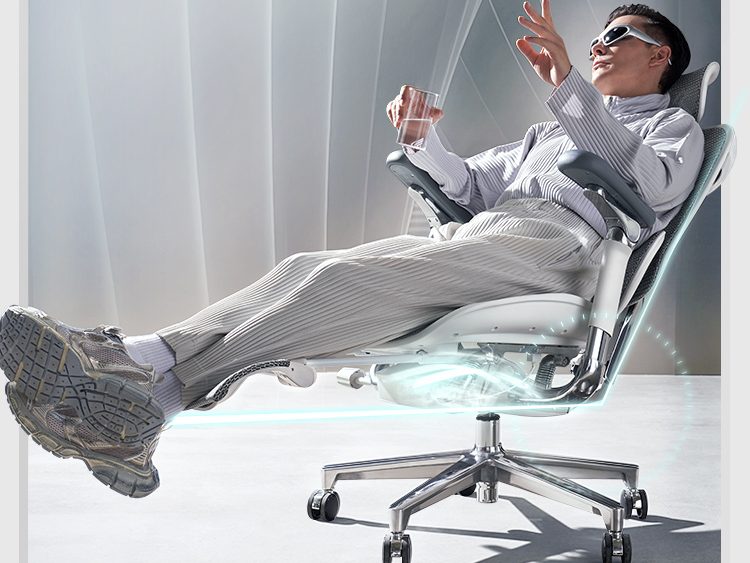
- Adjust recline tension: firmer for focus, looser for breaks.
- Take a 2-minute stand or walk every hour to reset circulation.
Common Comfort Mistakes
Assuming softer means better. Extra foam feels nice briefly, then lets posture collapse. Firm support lasts longer.
Leaving everything at default. Adjustable chairs need adjusting. Spend the first ten minutes on fit.
Buying for the wrong climate. A padded leather back in a warm room turns uncomfortable fast. Match material to your space.
Expecting a chair to cure pain. Comfort supports posture; it is not a medical fix. Persistent pain needs a clinician.
The Most Comfortable SIHOO Chairs We Recommend
Comfort comes down to lumbar tracking, seat pressure relief, and breathable mesh. These three SIHOO models lead on those points and are the ones we suggest first.
| Model | Comfort highlight | Lumbar support | Seat | Recline |
| SIHOO Doro C300 | Tracks your spine as you move | Domino dynamic 3D lumbar | Waterfall seat, adjustable depth | Weight-sensing synchro |
| SIHOO C50 | Built for long sitting | Domino 3D lumbar | Pressure-relief split seat | 135 degrees |
| SIHOO M91 | Soft, adaptive support | Adaptive dynamic lumbar | Curved breathable cushion | 130 degrees |
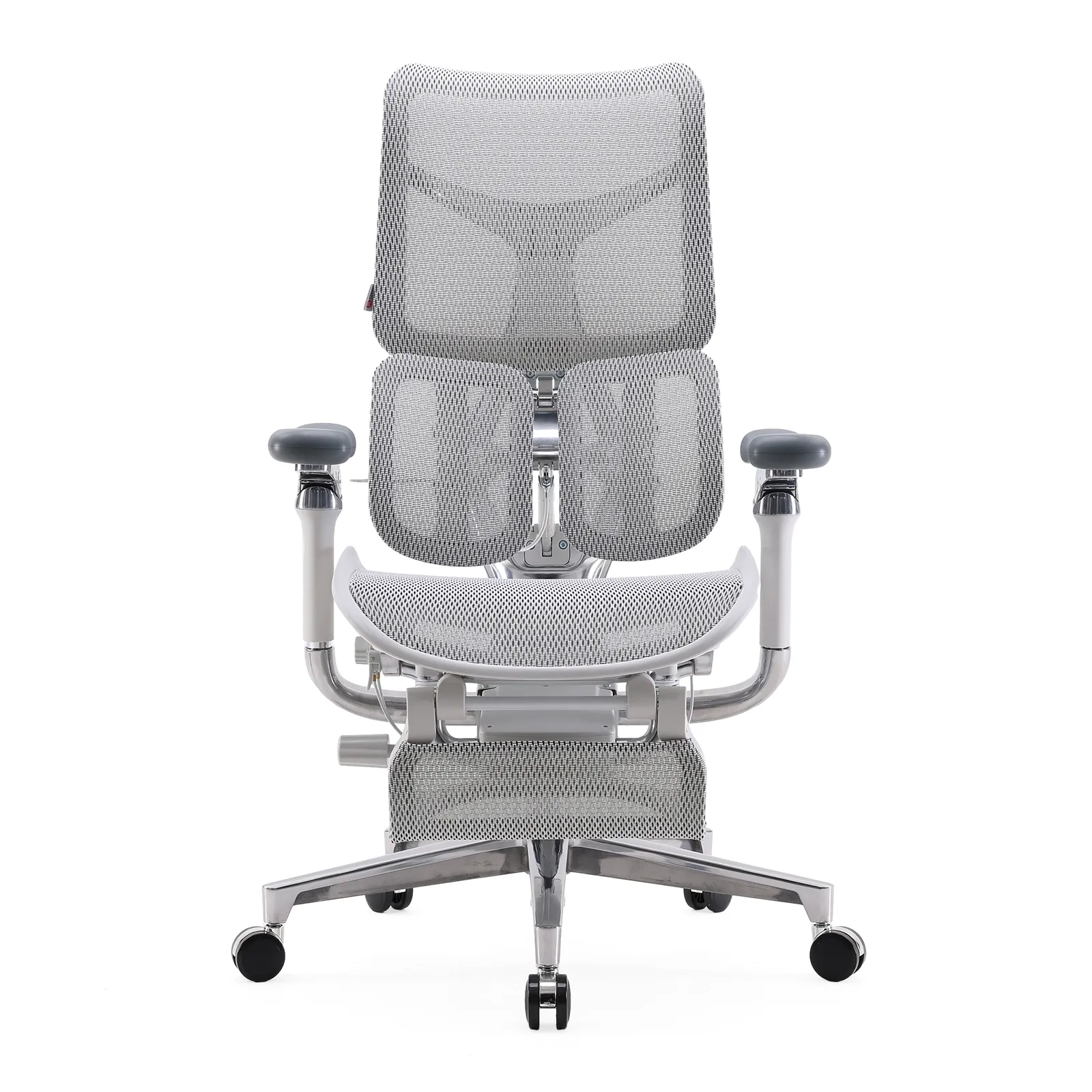
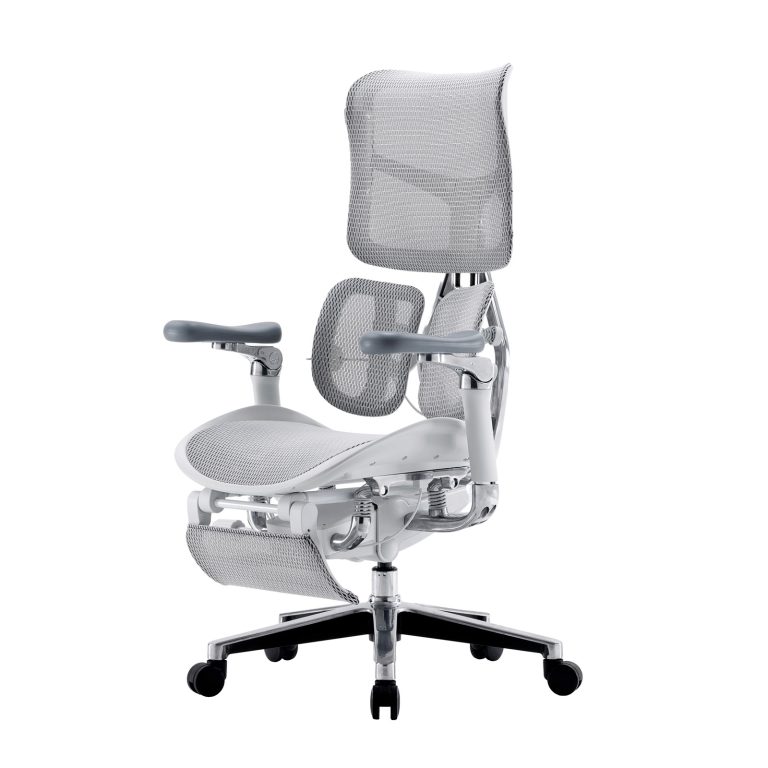
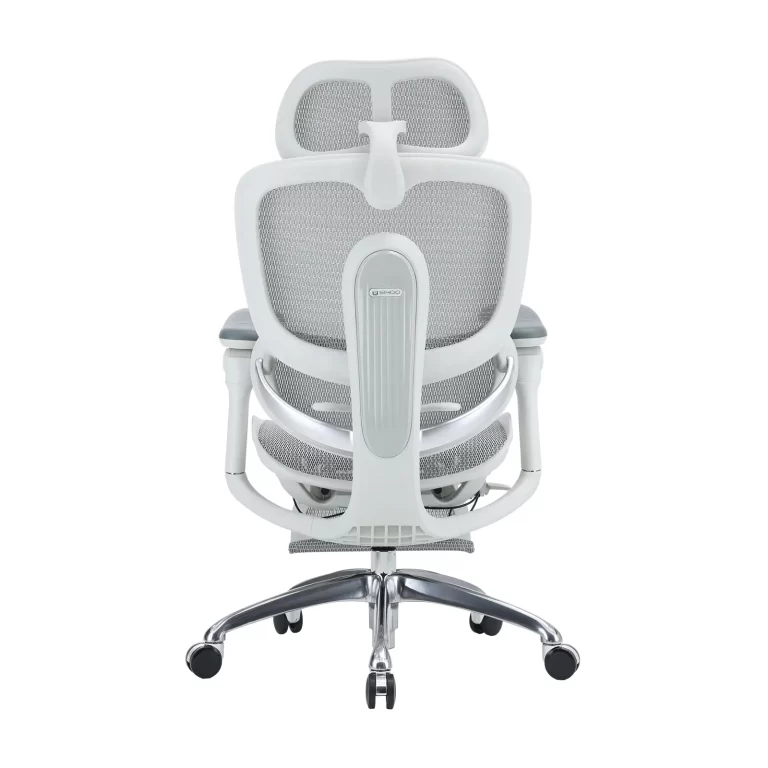
SIHOO Doro C300 – The most comfortable seat in the SIHOO range for most people. The dynamic lumbar and 6D armrest remove the small aches that build up during long sessions.
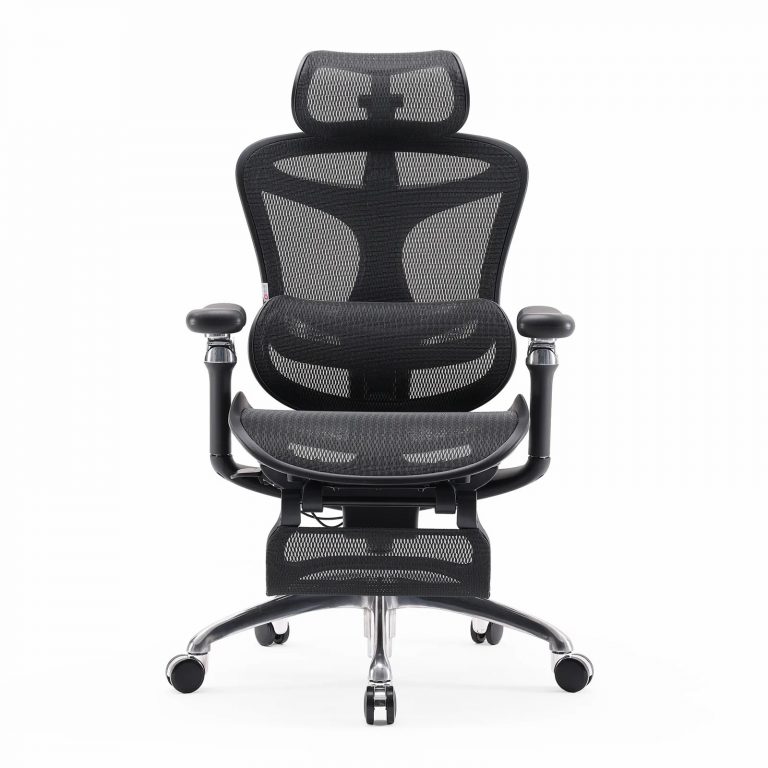
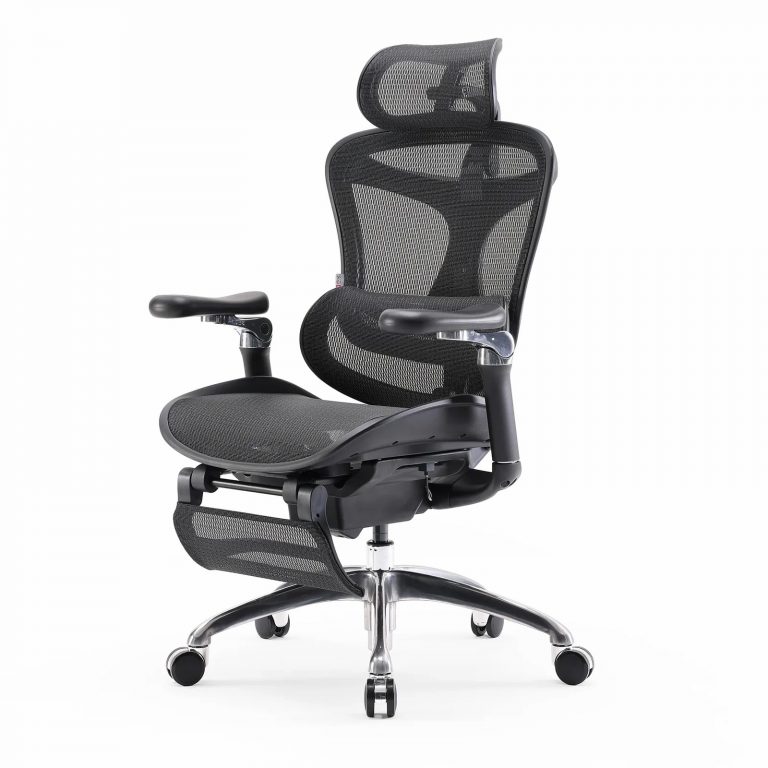
SIHOO C50 – Designed around long sitting. The split seat spreads pressure away from the hips and thighs, and DuPont elastic mesh stays cool through a full workday.
The SIHOO M91 is a high-back chair with adaptive lumbar that changes support with your weight and recline angle, and the double-joint headrest is a plus for neck relief. All three are available for wholesale.
FAQs
Is mesh or padded more comfortable?
For long days, mesh usually wins because it stays cool. A padded seat with a mesh back blends both and suits people who dislike all-mesh seating.
Why does my new chair feel hard?
Ergonomic chairs are firmer by design. Comfort builds over a few days as your posture improves and your muscles adapt to real support.
How do I know the fit is right?
Your lower back should feel supported without pressure, and your thighs should be supported without numbness. If either fails, adjust lumbar and seat depth first.
Can one chair suit two very different people?
Choose a model with wide adjustability, like the M57, and save each person’s settings if the chair allows it. Otherwise expect a short reset when you switch users.
Do I need a footrest for comfort?
Only if your feet do not reach the floor after height adjustment. Most adults fit with standard height range; a footrest is a secondary fix.
How long until a new chair feels comfortable?
Give it three to five days. Your muscles adapt to real support, and the initial firmness fades as posture improves.
Comfort and Your Daily Routine
Comfort is not only about the chair; it is about the loop around it. Pair your setup with a simple routine: stand for two minutes each hour, roll your shoulders at the top of each call, and reset your recline tension when you switch from focus to break. The chair does the hard work, but these small habits extend its effect across the day. Readers who combine a good chair with a light routine report the steadiest end-of-day comfort, because support and movement help each other instead of working against each other.
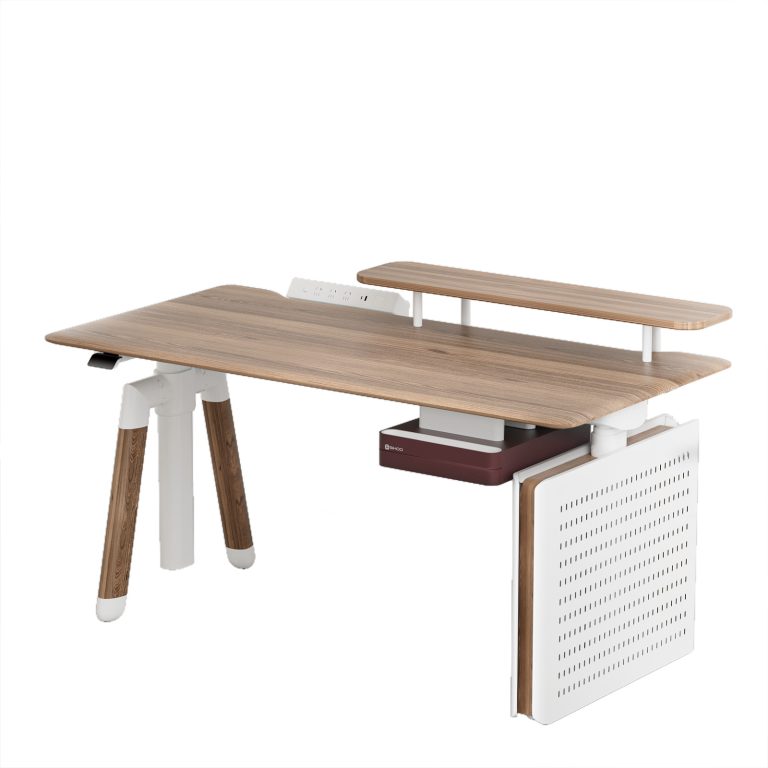
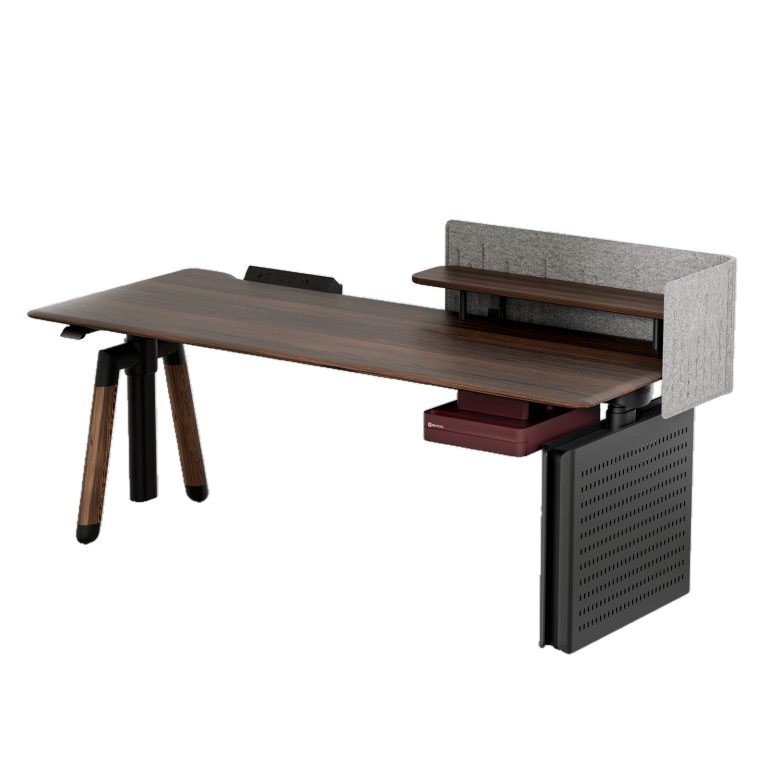
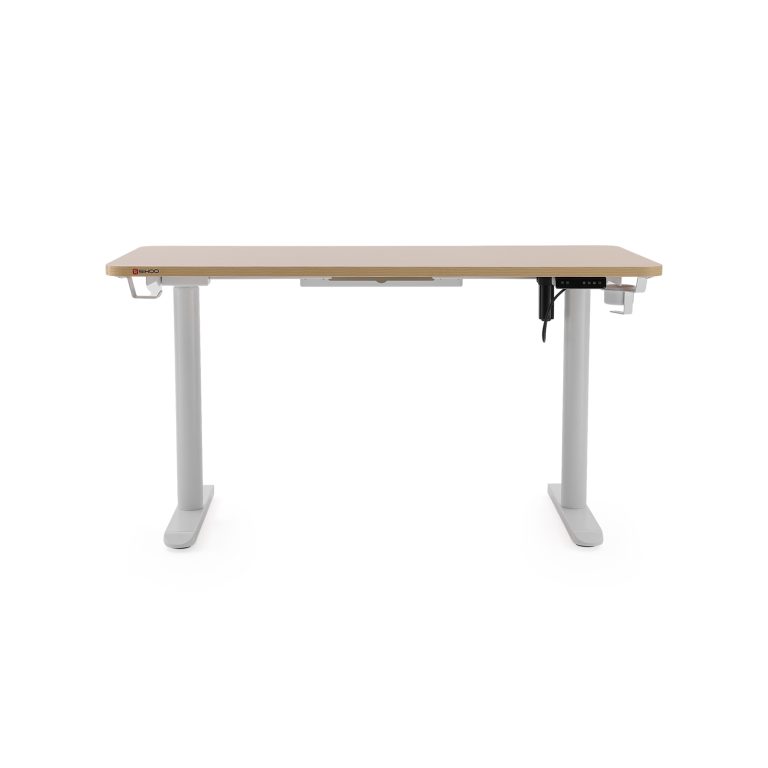
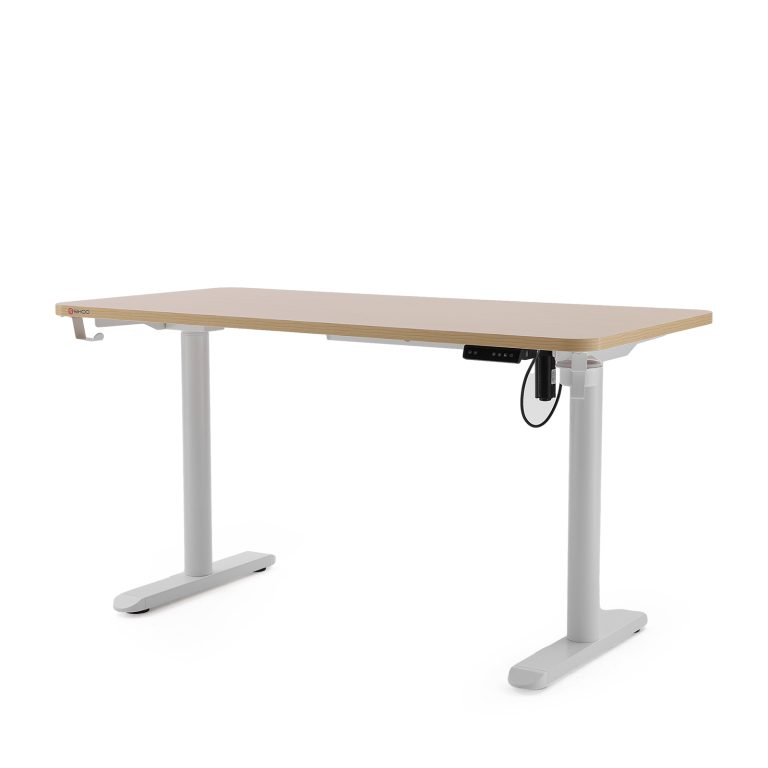
A standing desk does not replace a good chair, but the two work well together. A good chair handles seated hours while a standing desk breaks them up, so use both if your space allows.
Related guide: what makes a good office chair.
Final Thoughts
When you shop, think of the best office chair as the one that fits your body and your daily hours first.
Comfort for long sitting is support plus movement, guided by ergonomic standards such as BIFMA. The Sihoo Doro C300 and M57 cover most all-day scenarios, while the M18 keeps comfort affordable for home and study use.
Browse our best office chairs of 2026 roundup or request the wholesale catalog for your business.
1600x1600-4-768x768.jpg)
1600x1600-8-768x768.jpg)