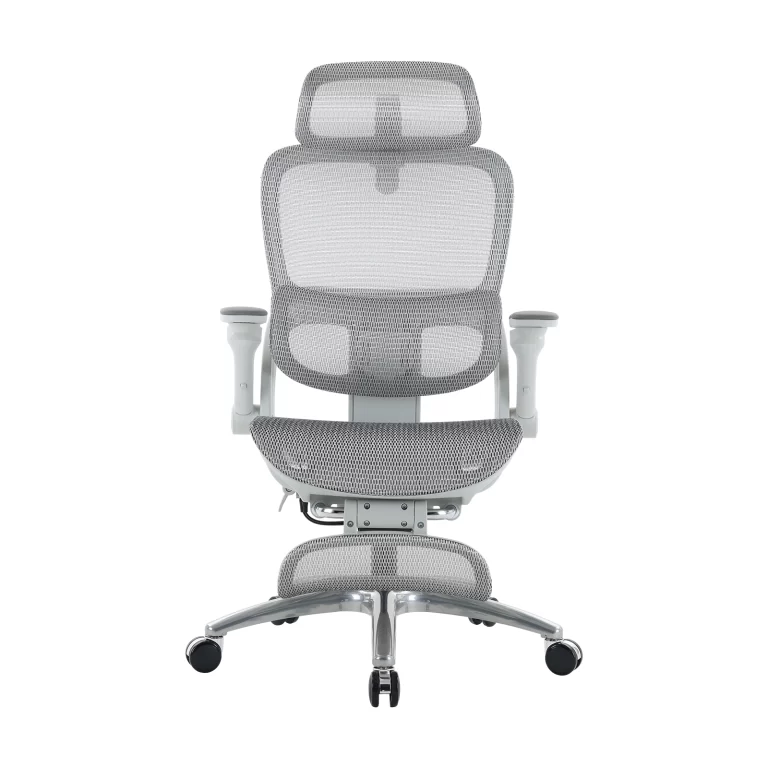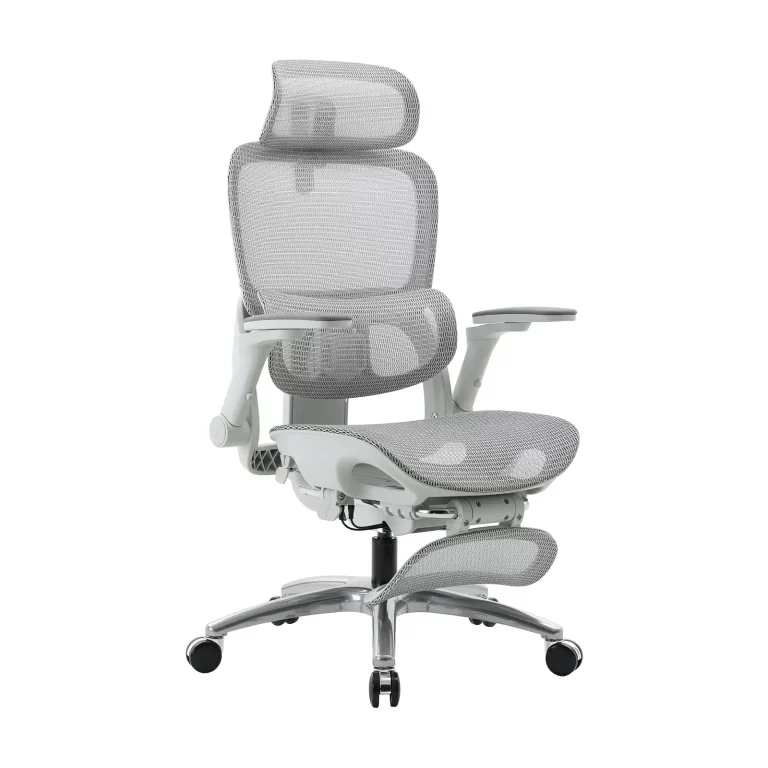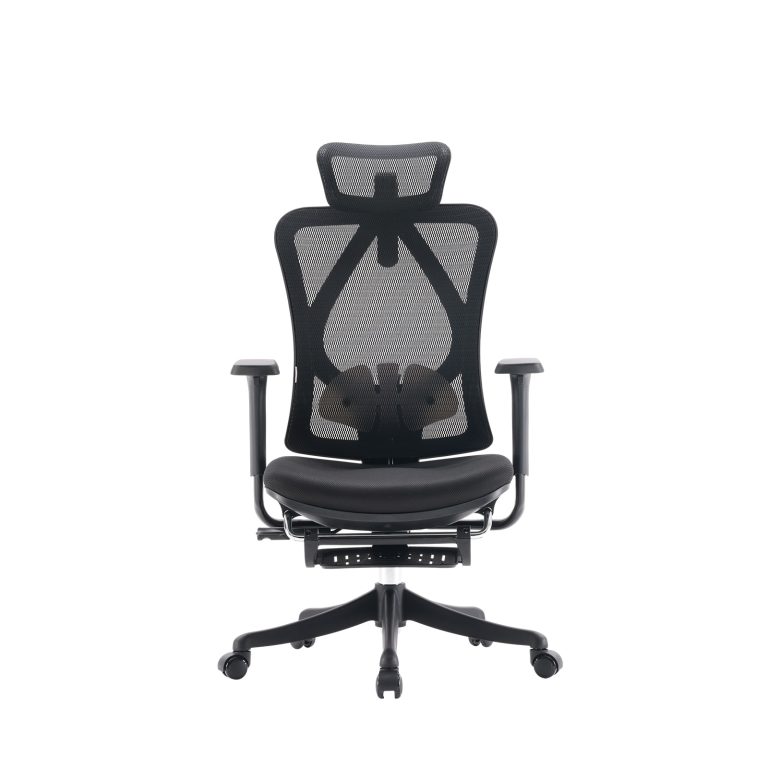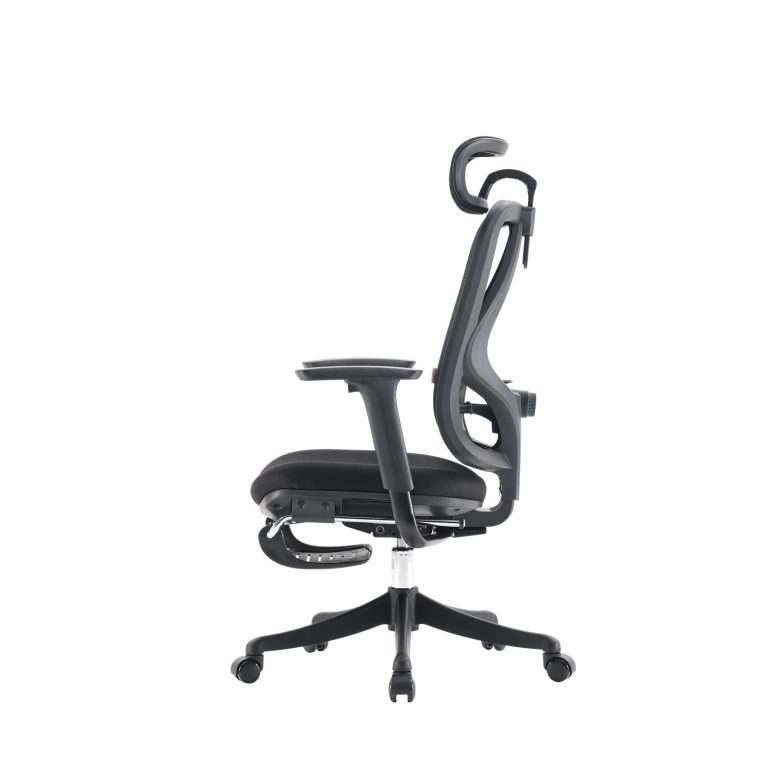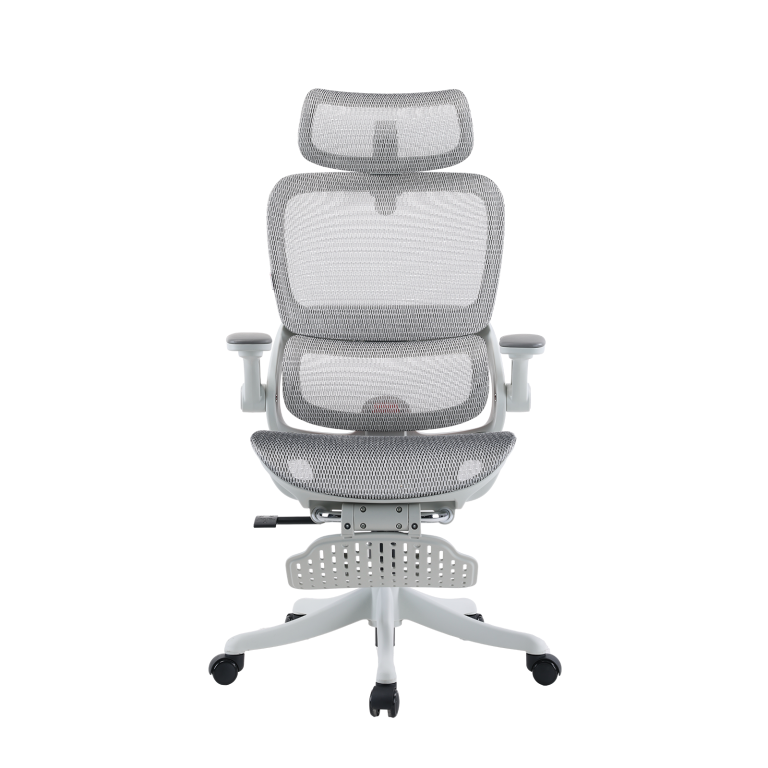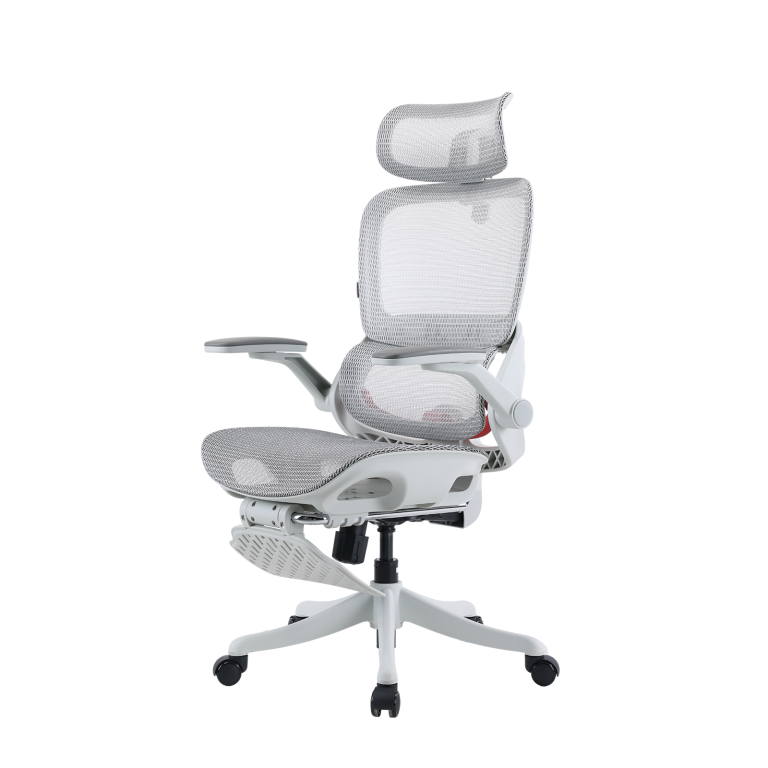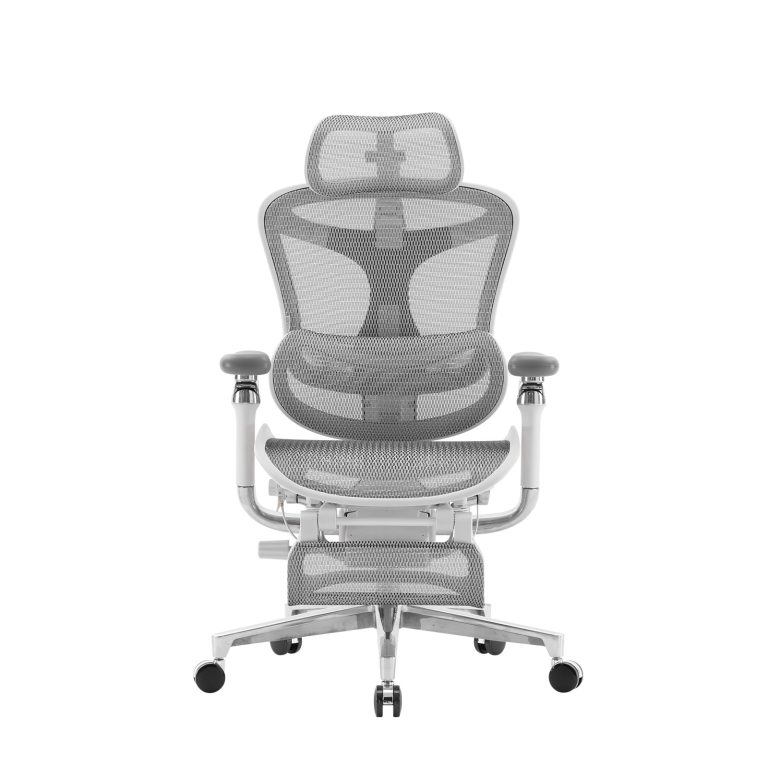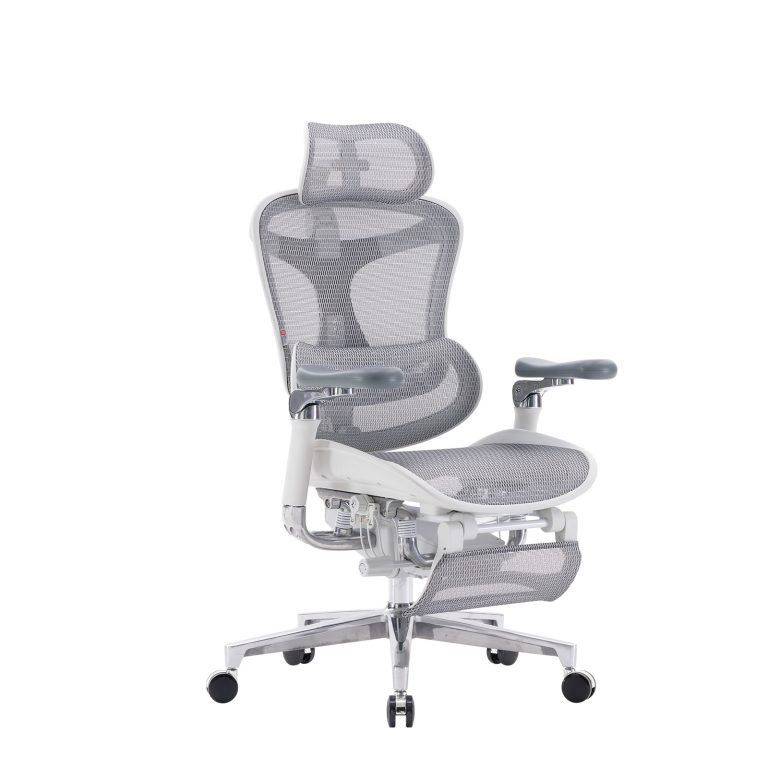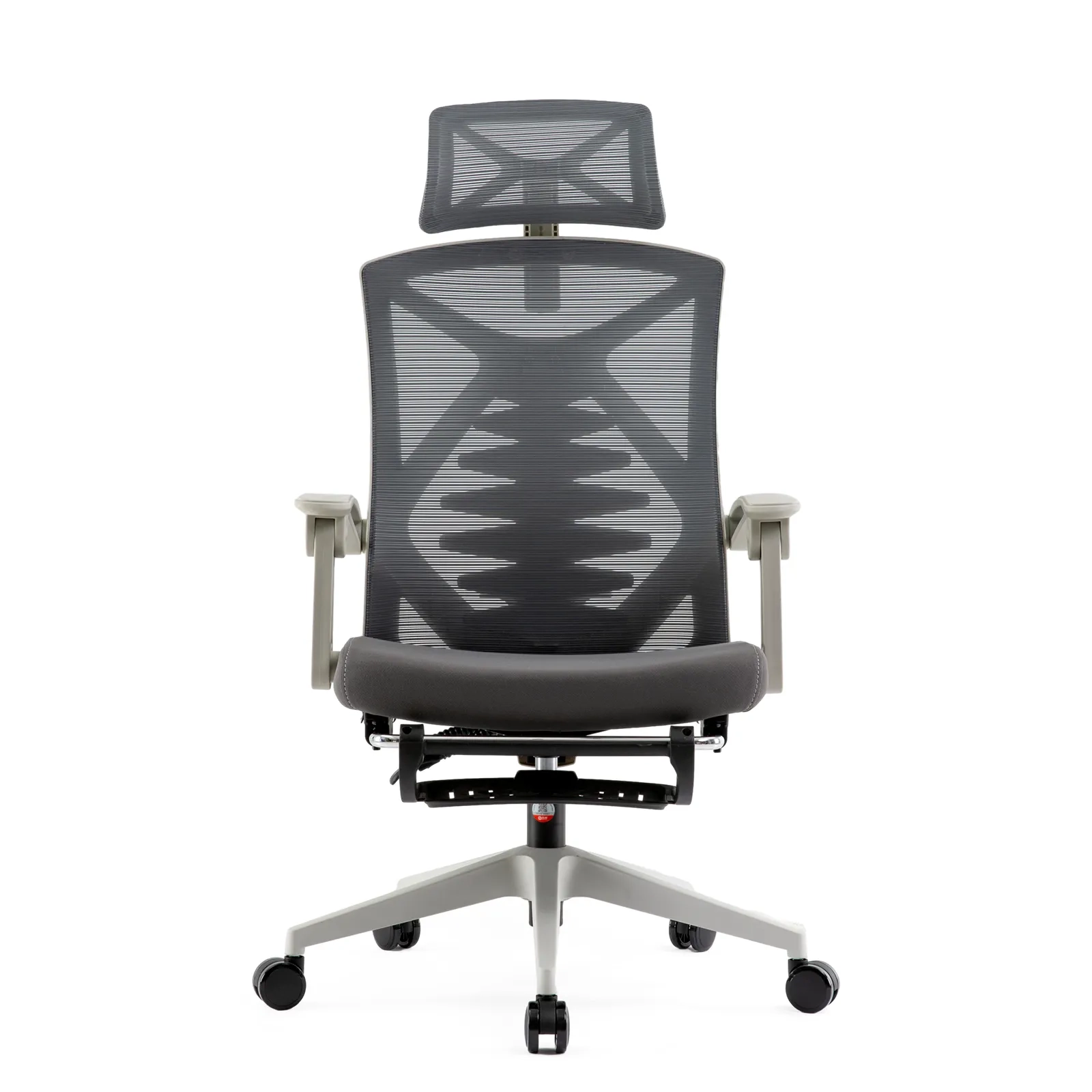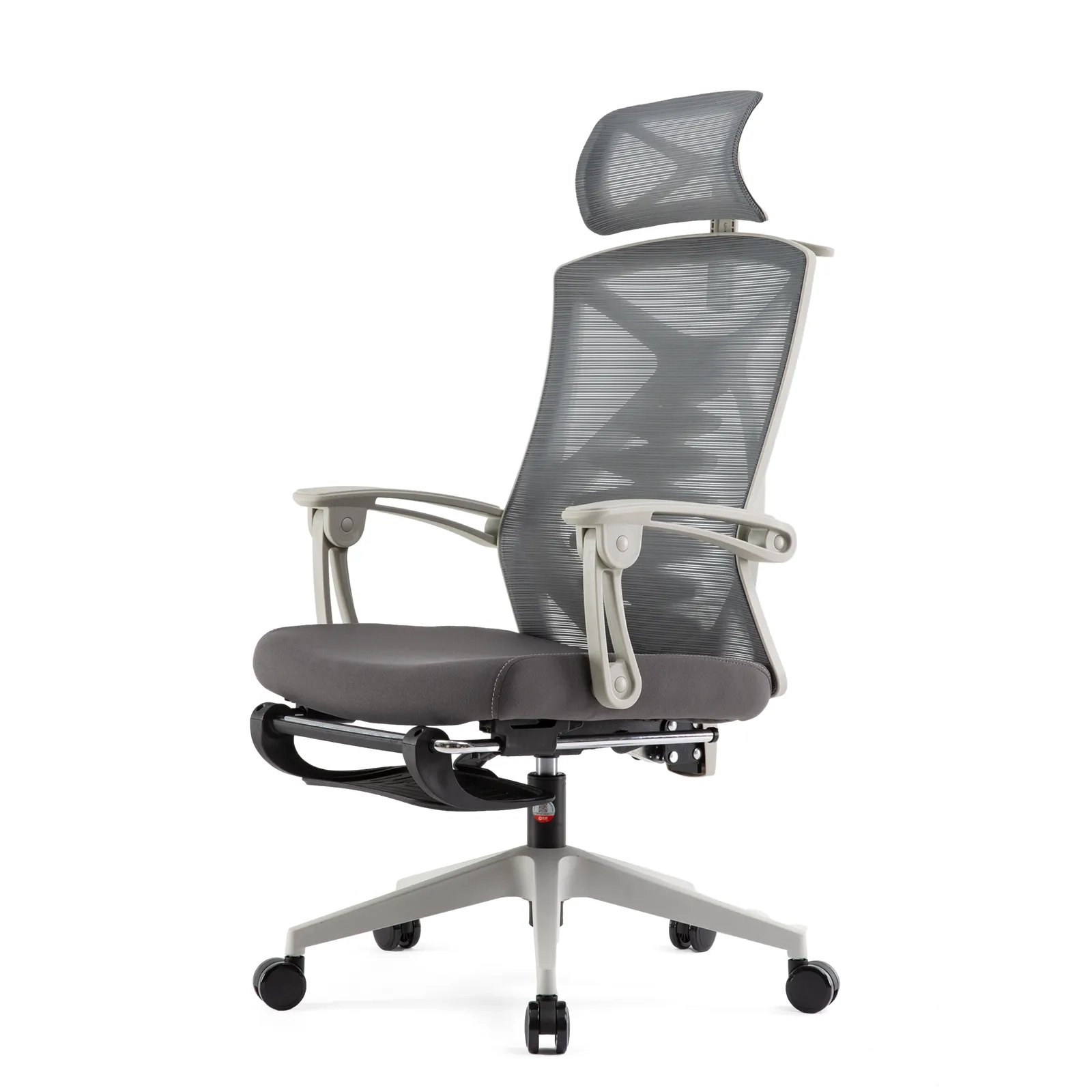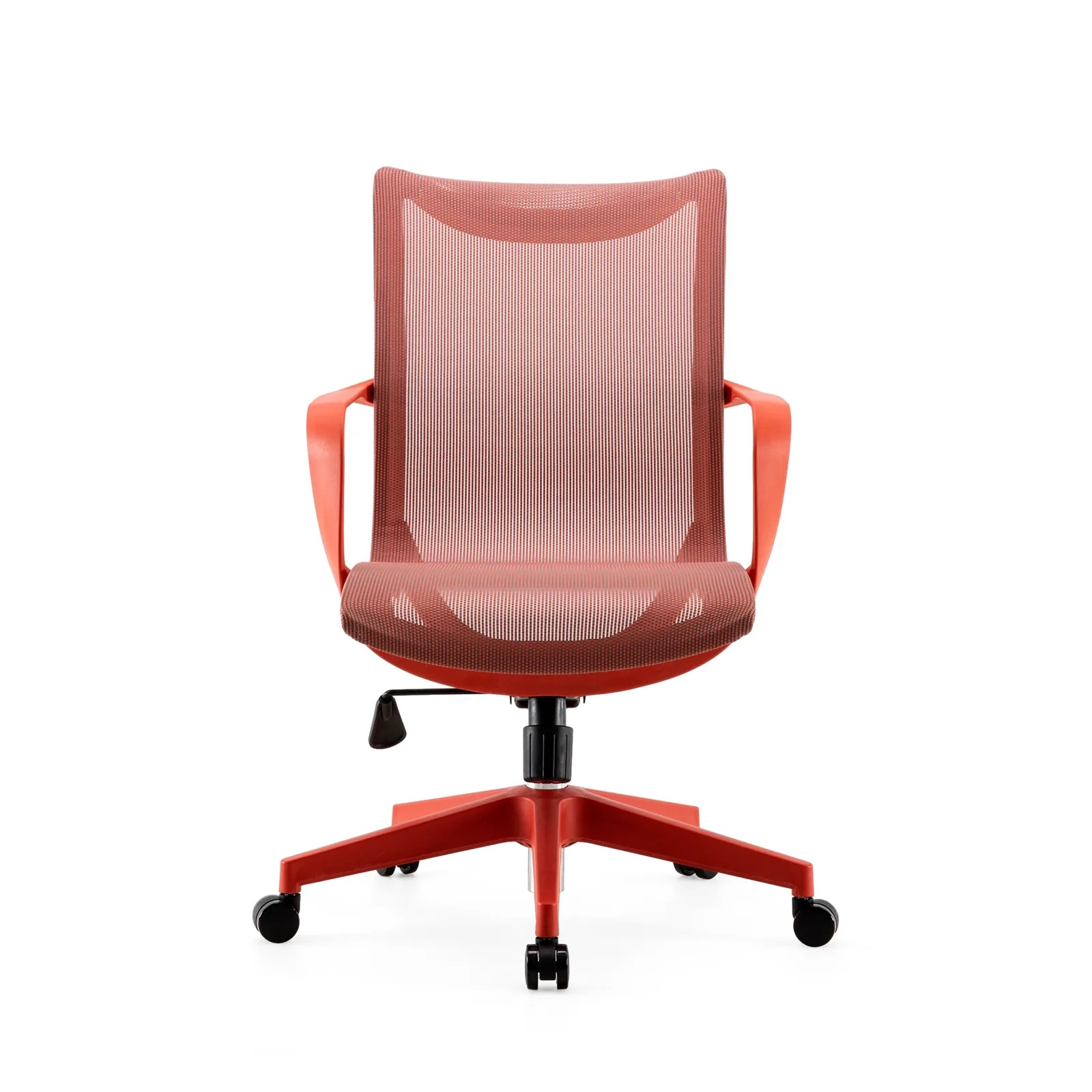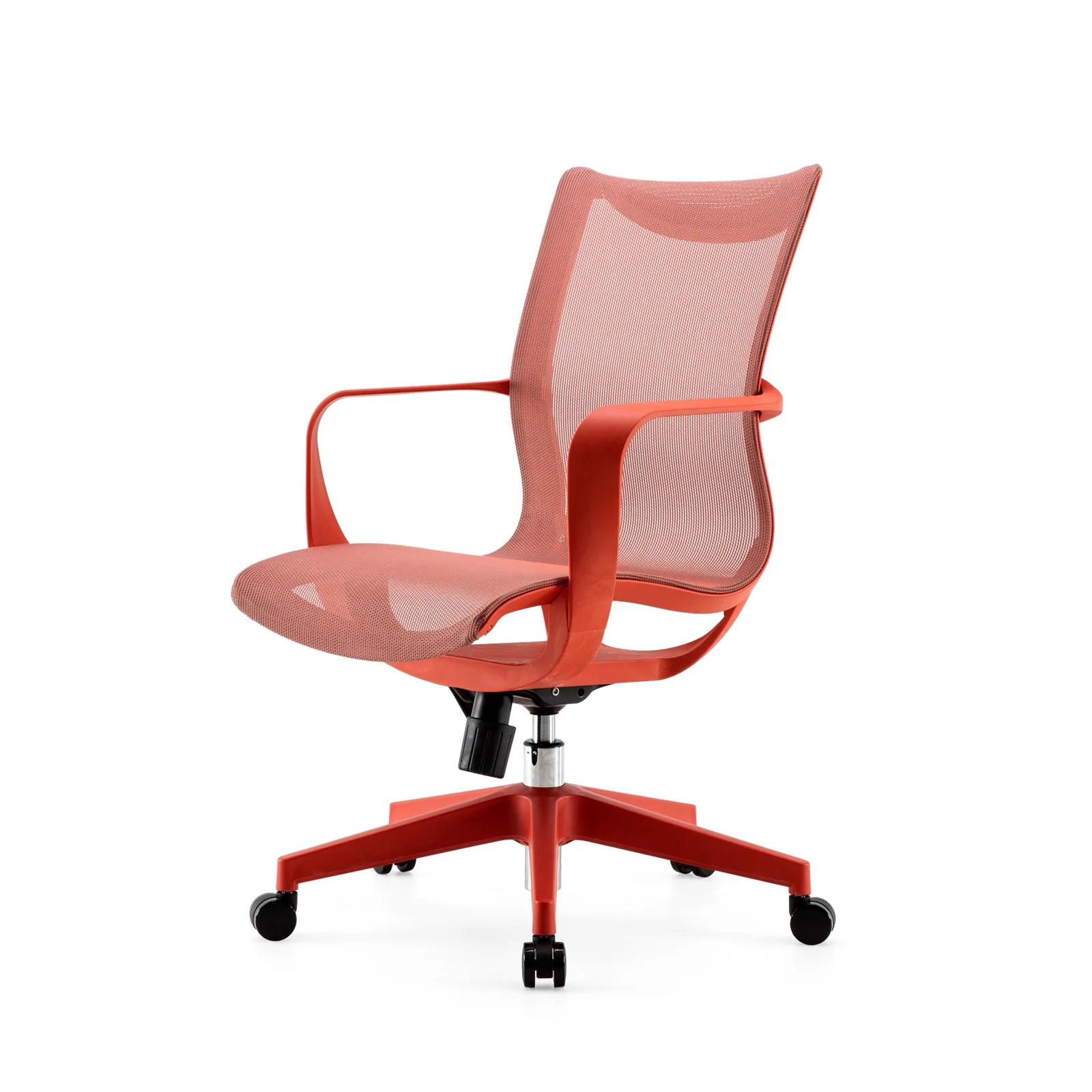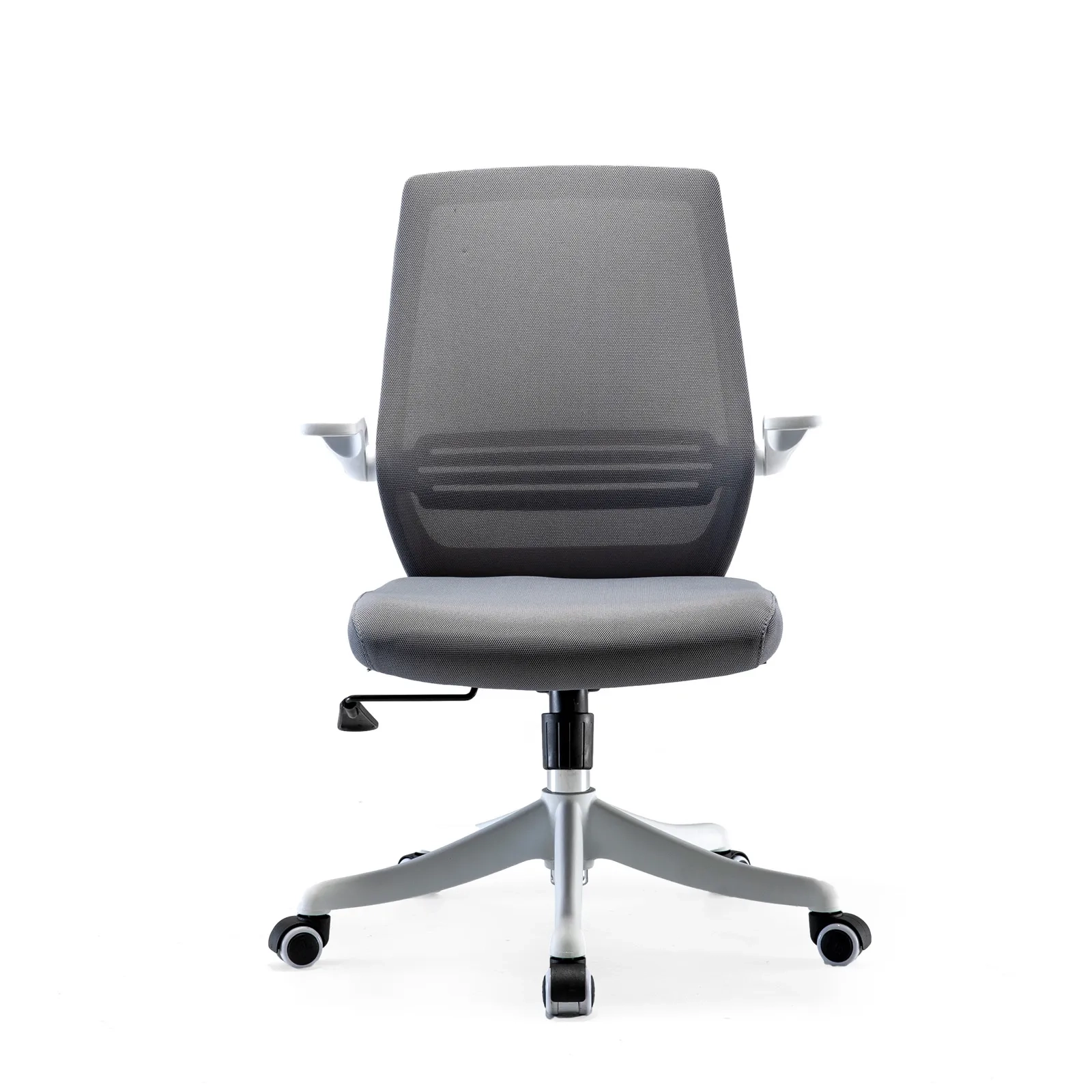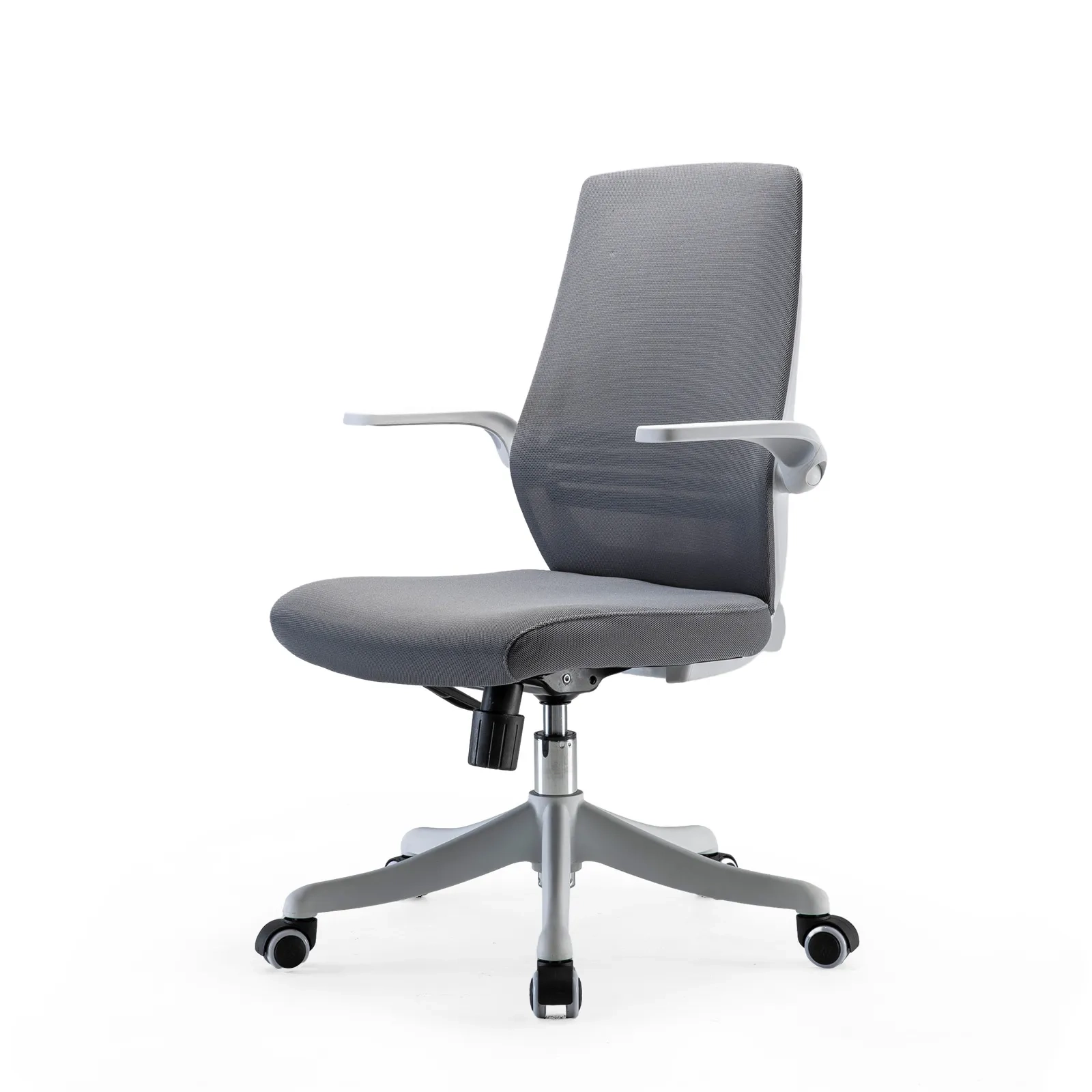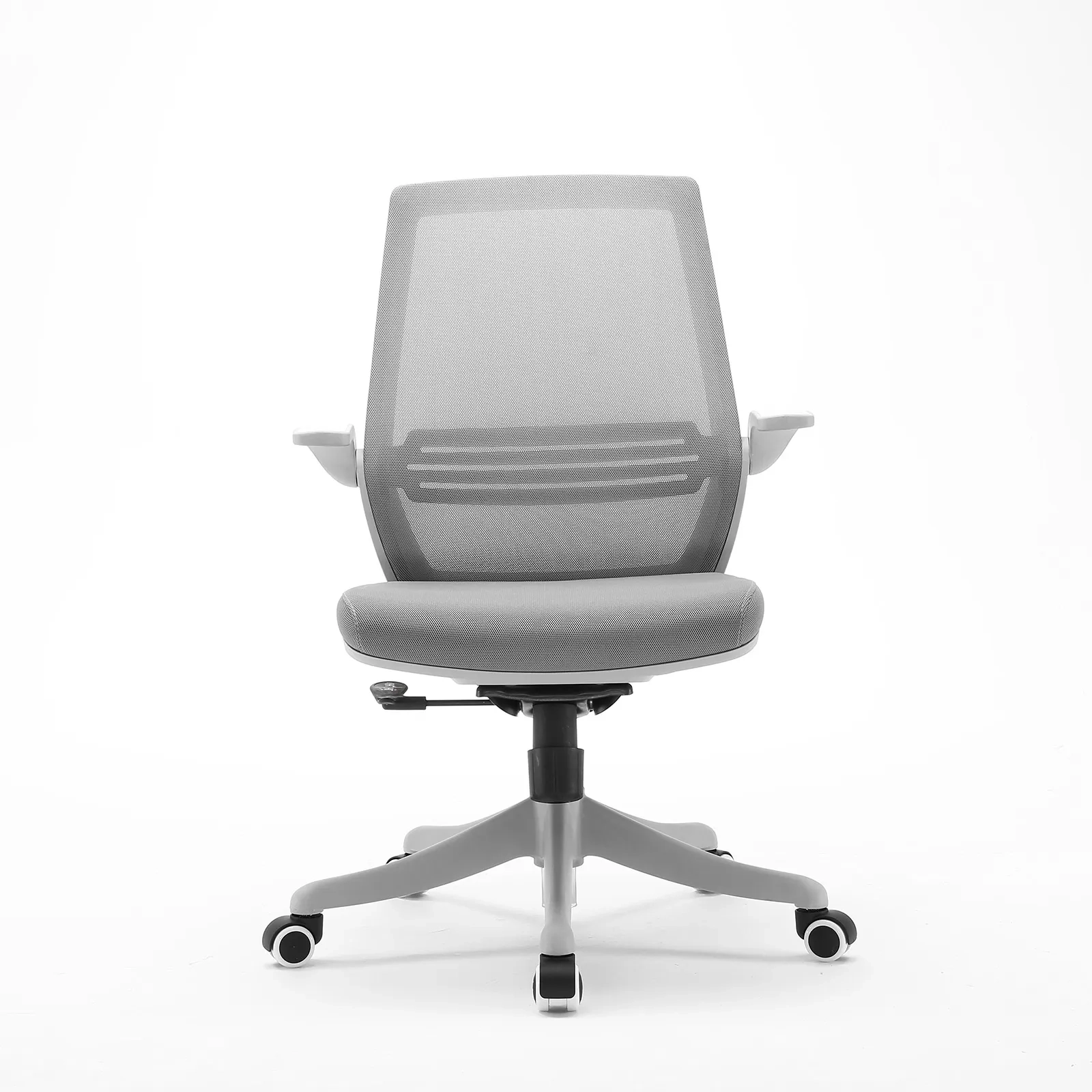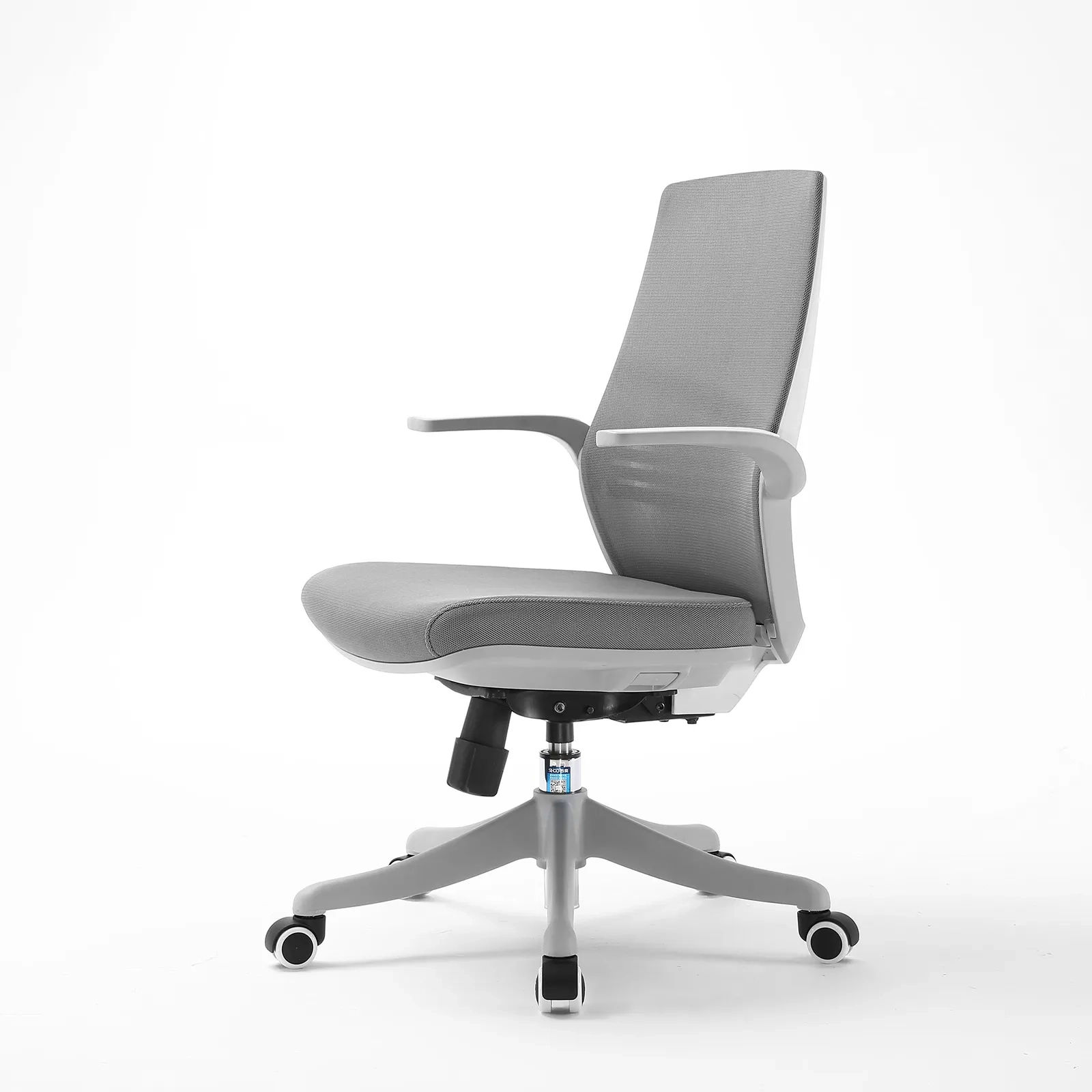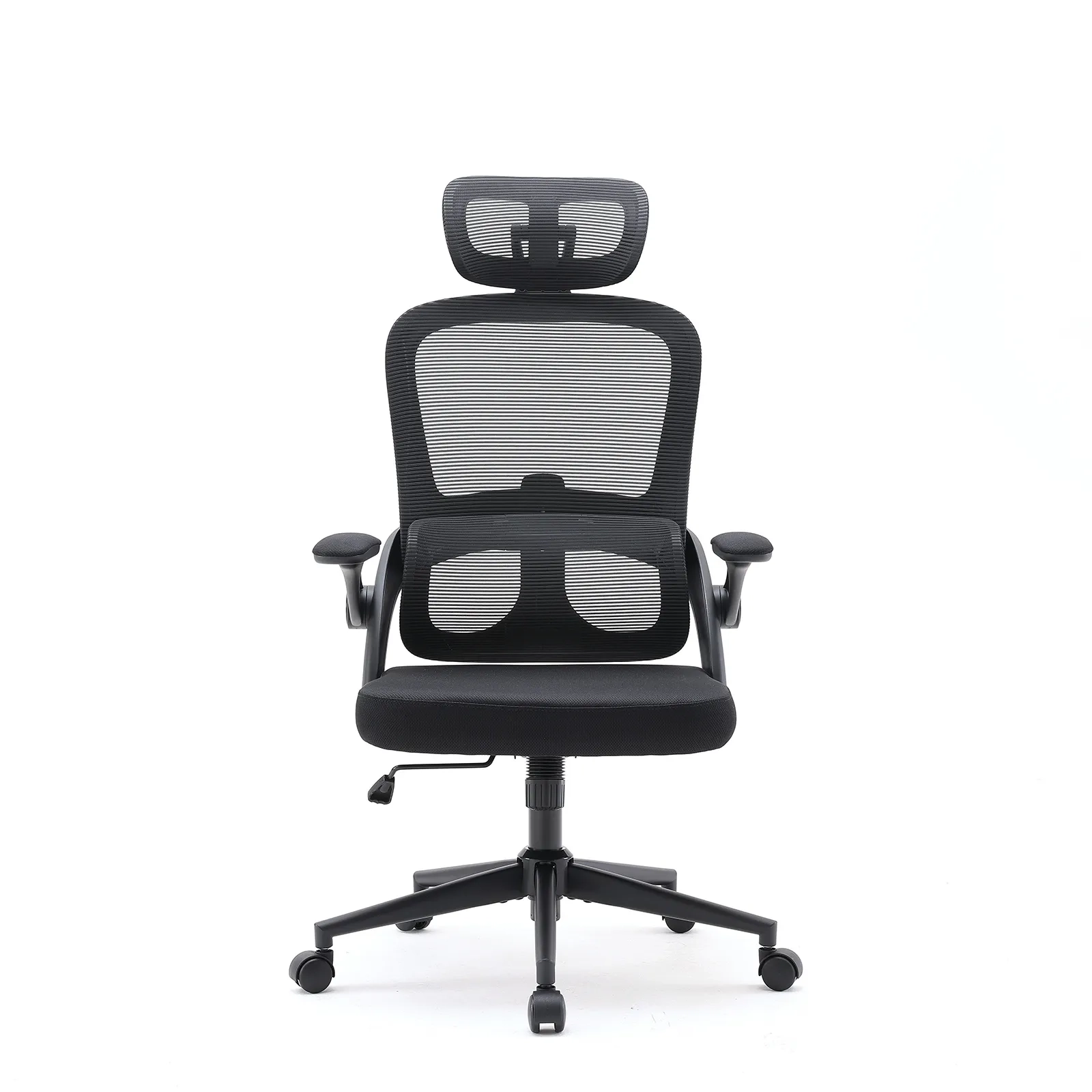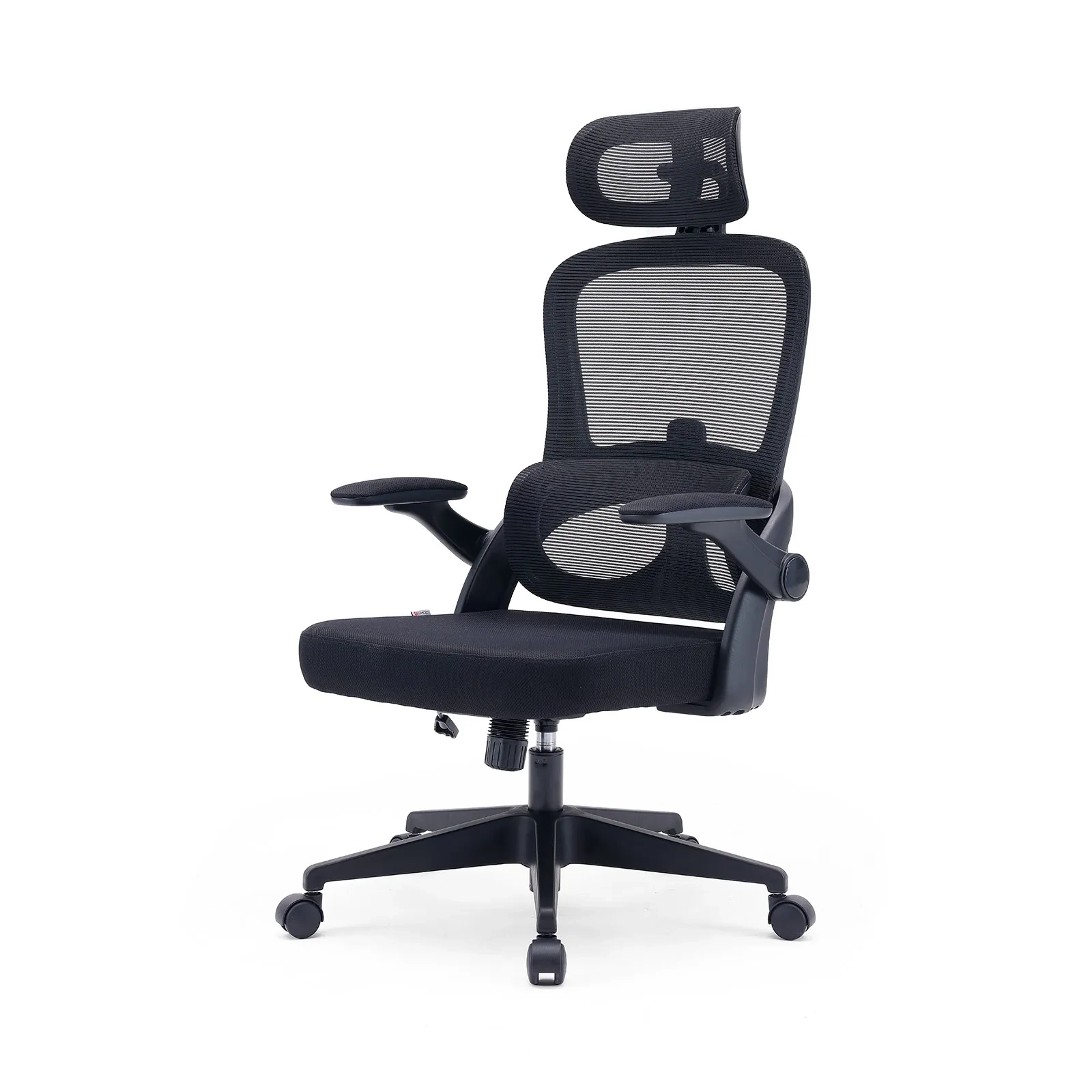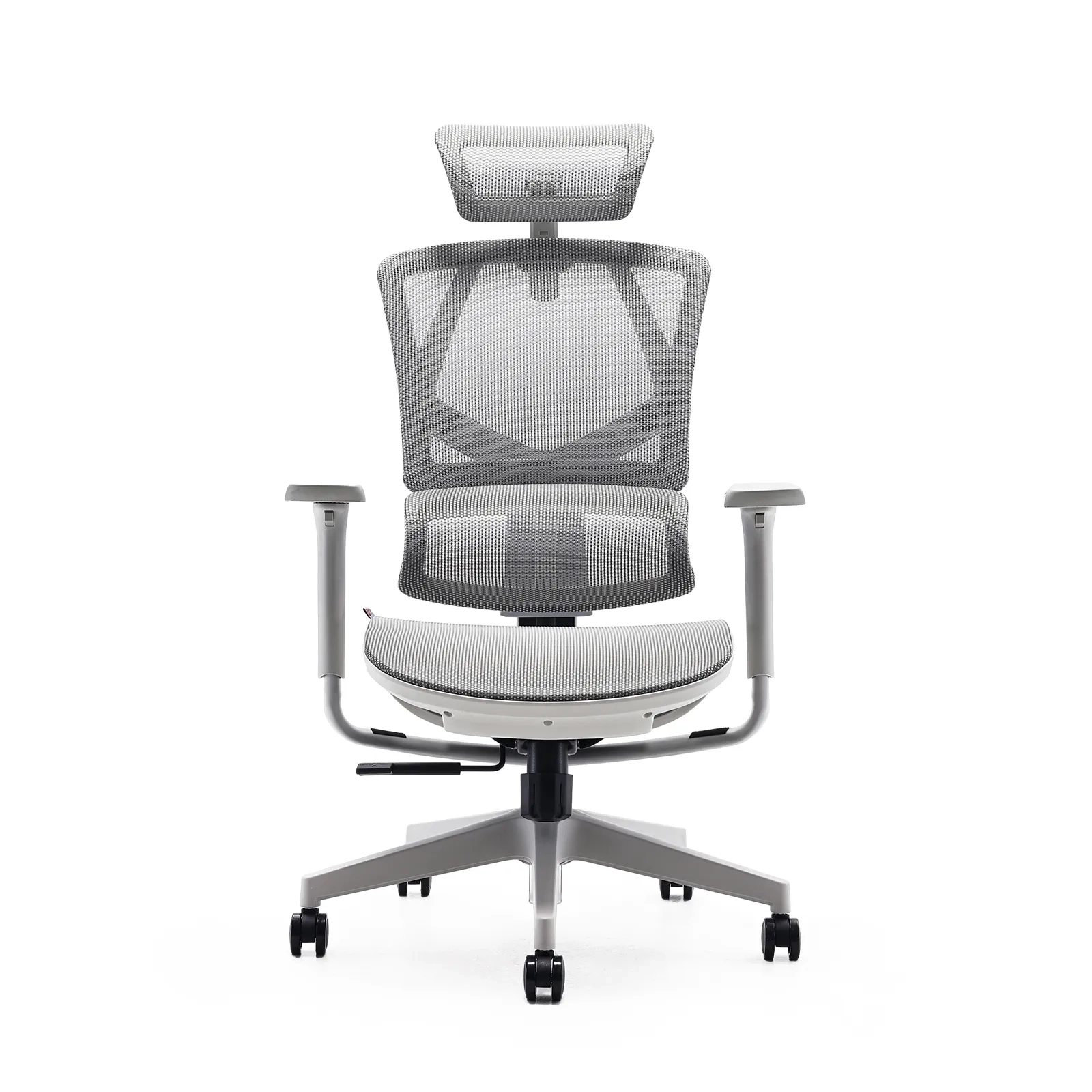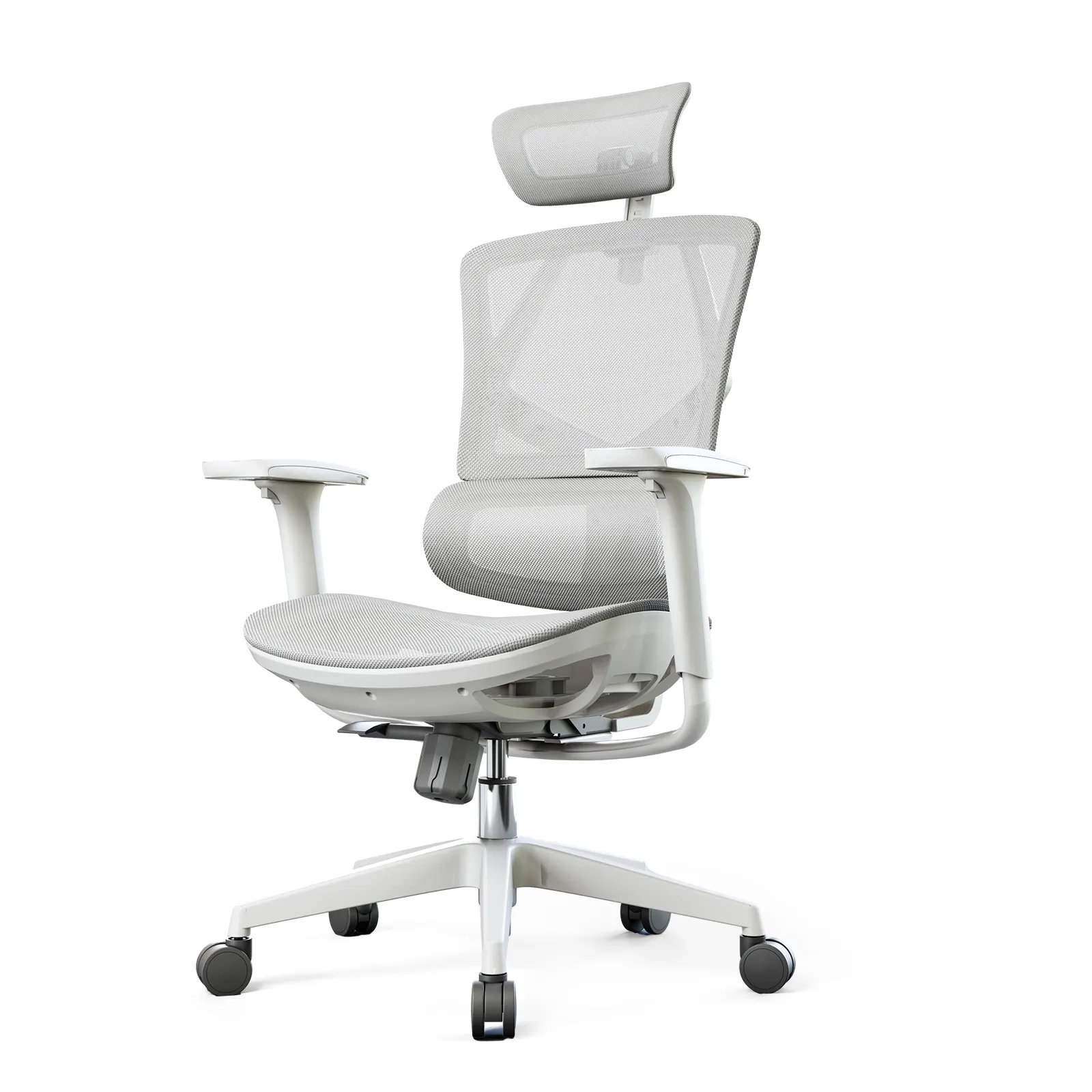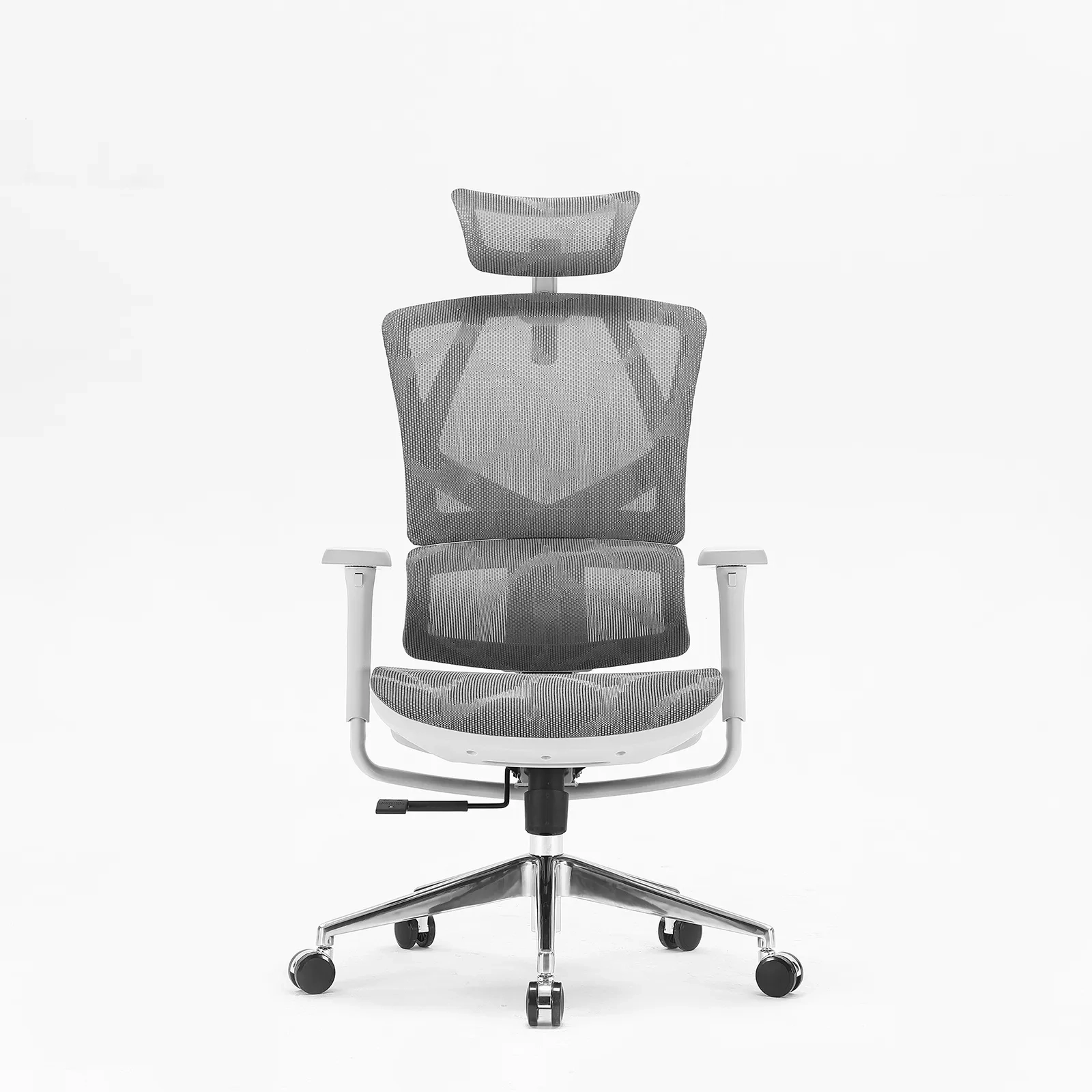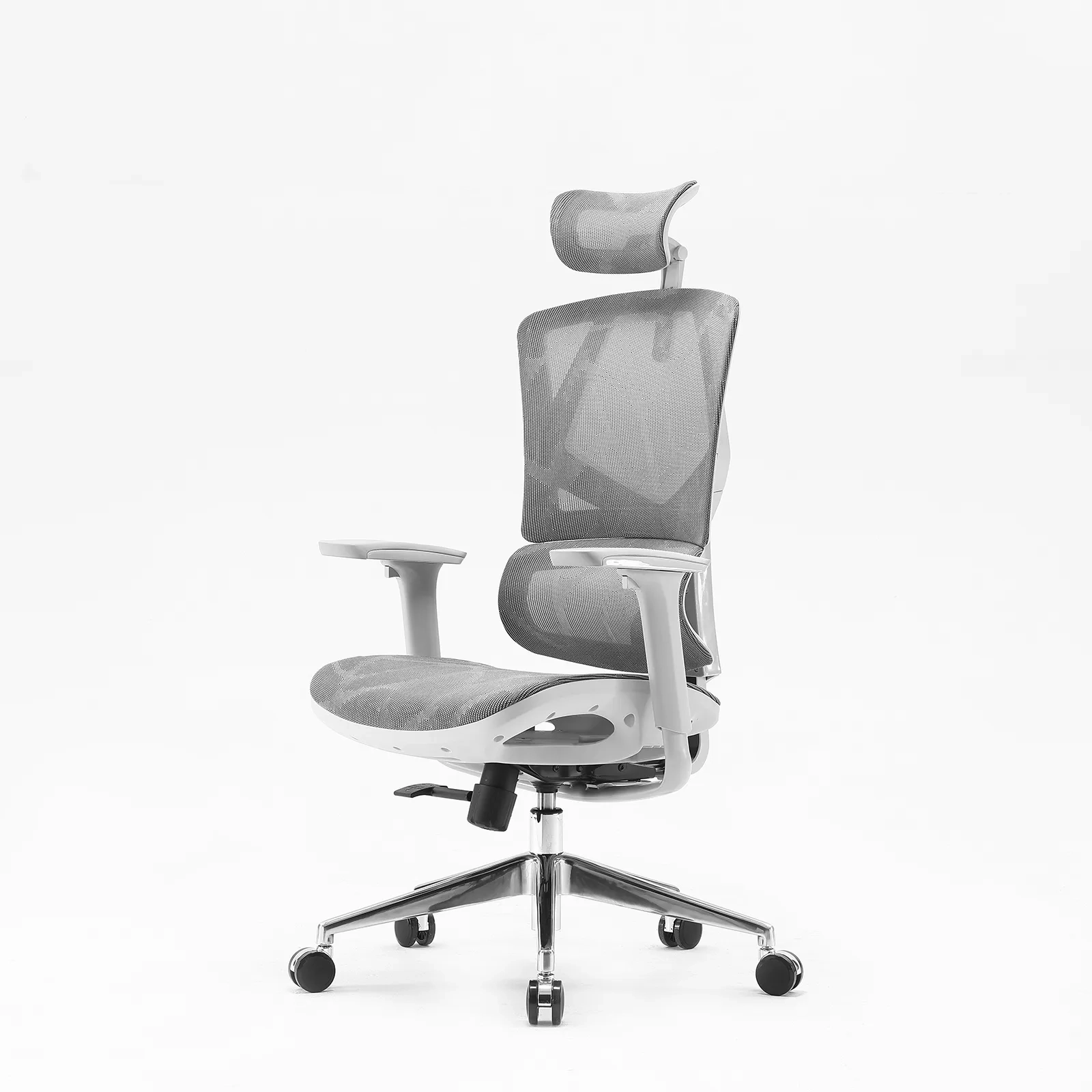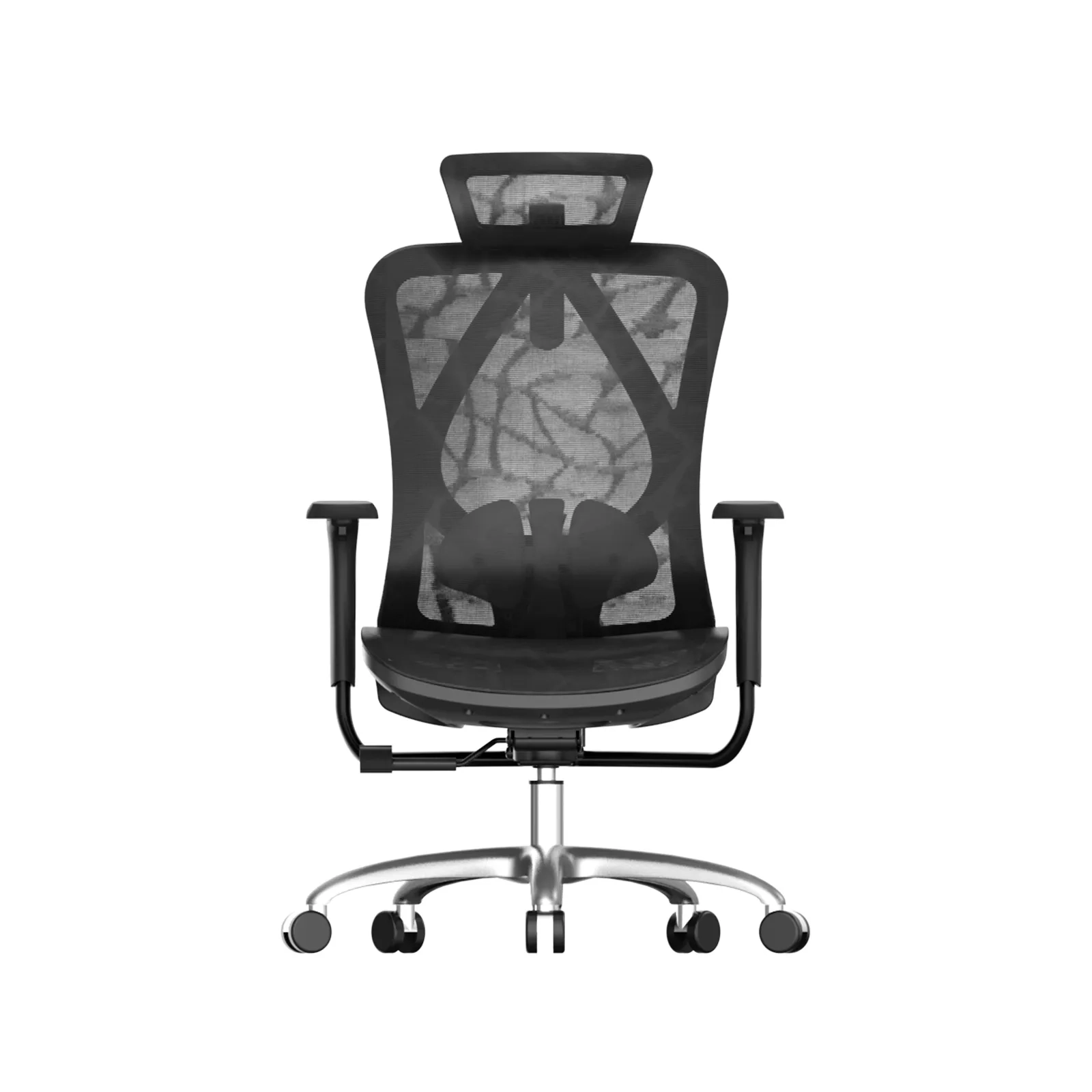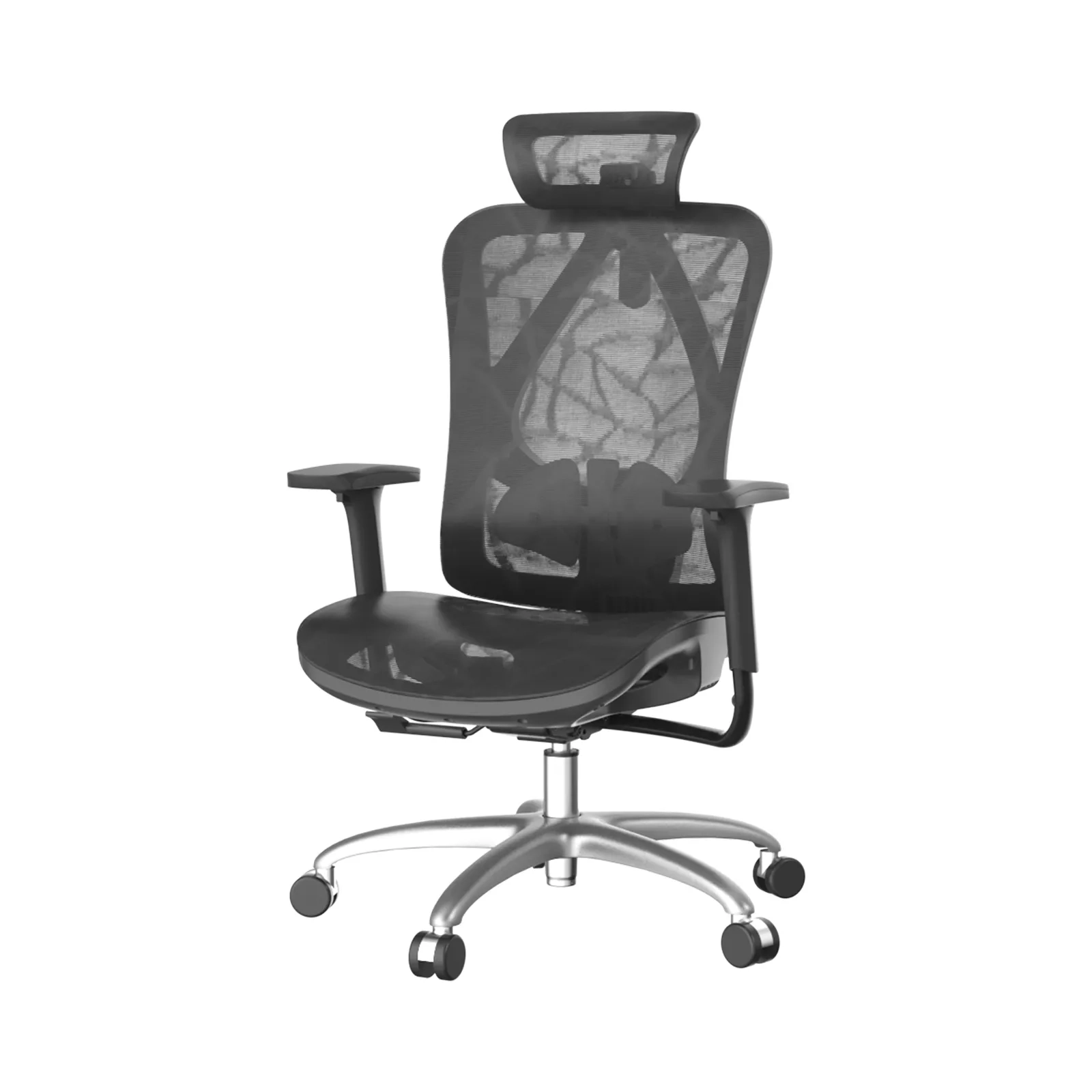









A good office chair supports your natural posture, fits your body, and adjusts to how you actually work. It is not defined by price alone. Seven features decide whether a chair helps you through a long day or just looks the part. This guide explains each one in plain terms.
How to Read a Chair Before You Buy
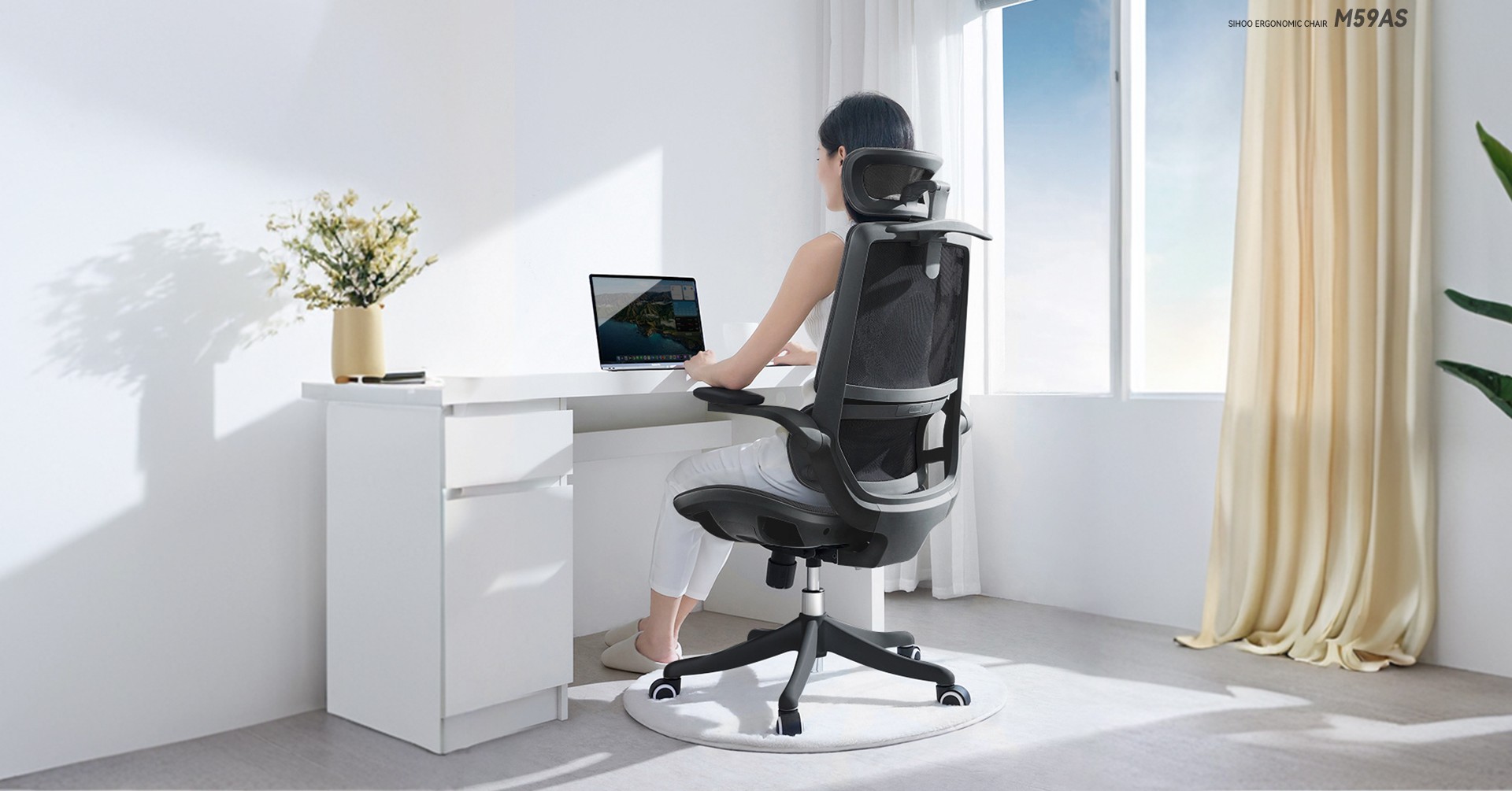
Before you study any feature list, decide what your body actually needs. A 5-foot-2 student and a 6-foot programmer need different seat depths and height ranges, even though both want a good chair. The seven features below are the language every honest chair spec should speak. Learn them once and you can judge any model, not just the ones in a single brand catalog. This guide stays neutral in principle and uses Sihoo examples only because their models show each feature clearly.
Lumbar Support
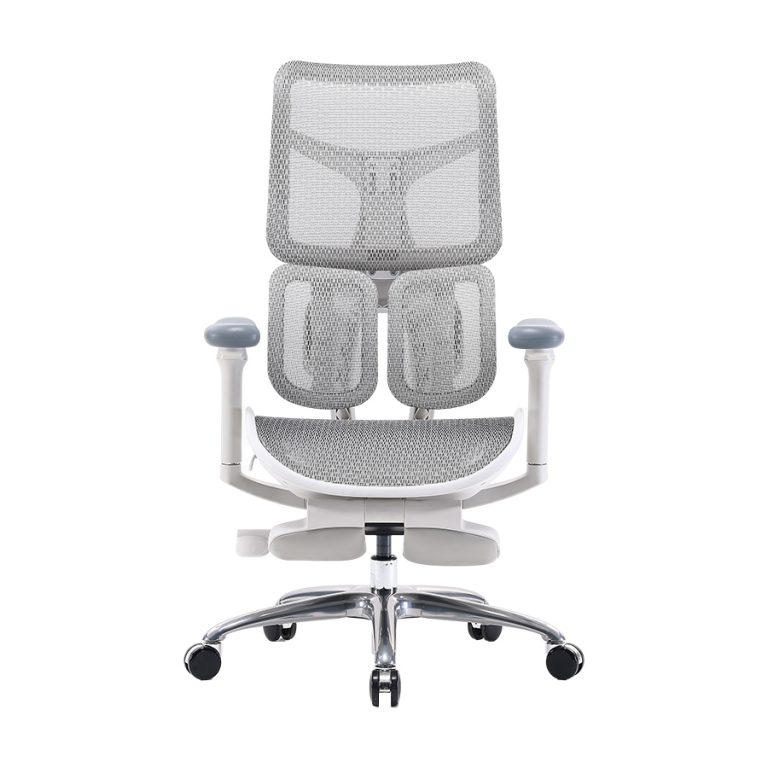
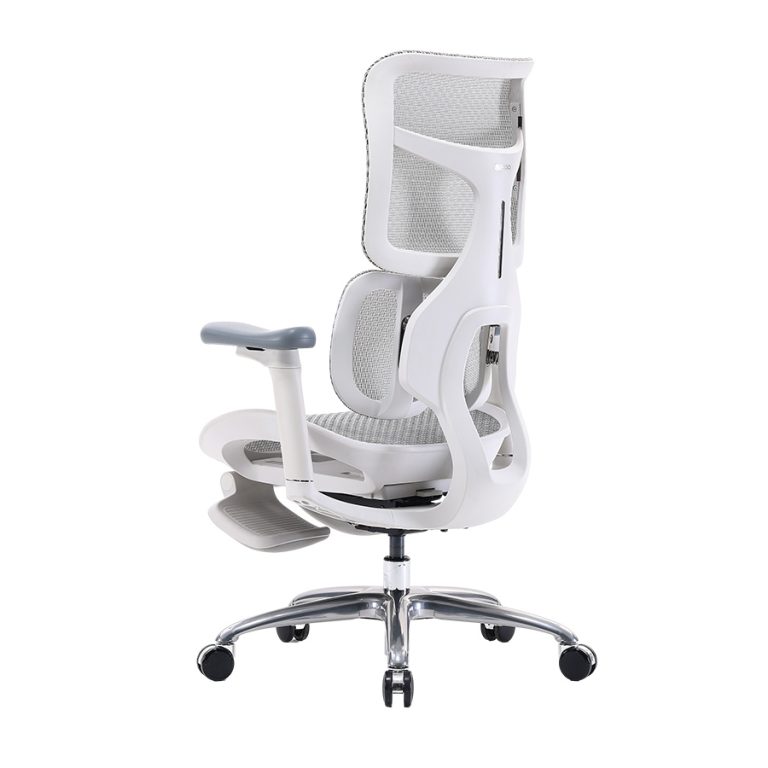
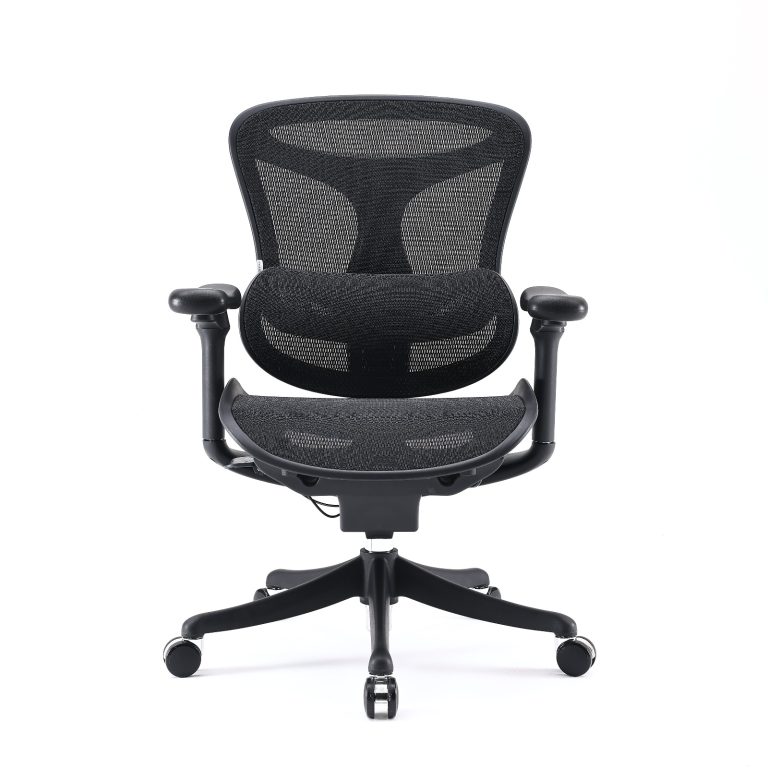
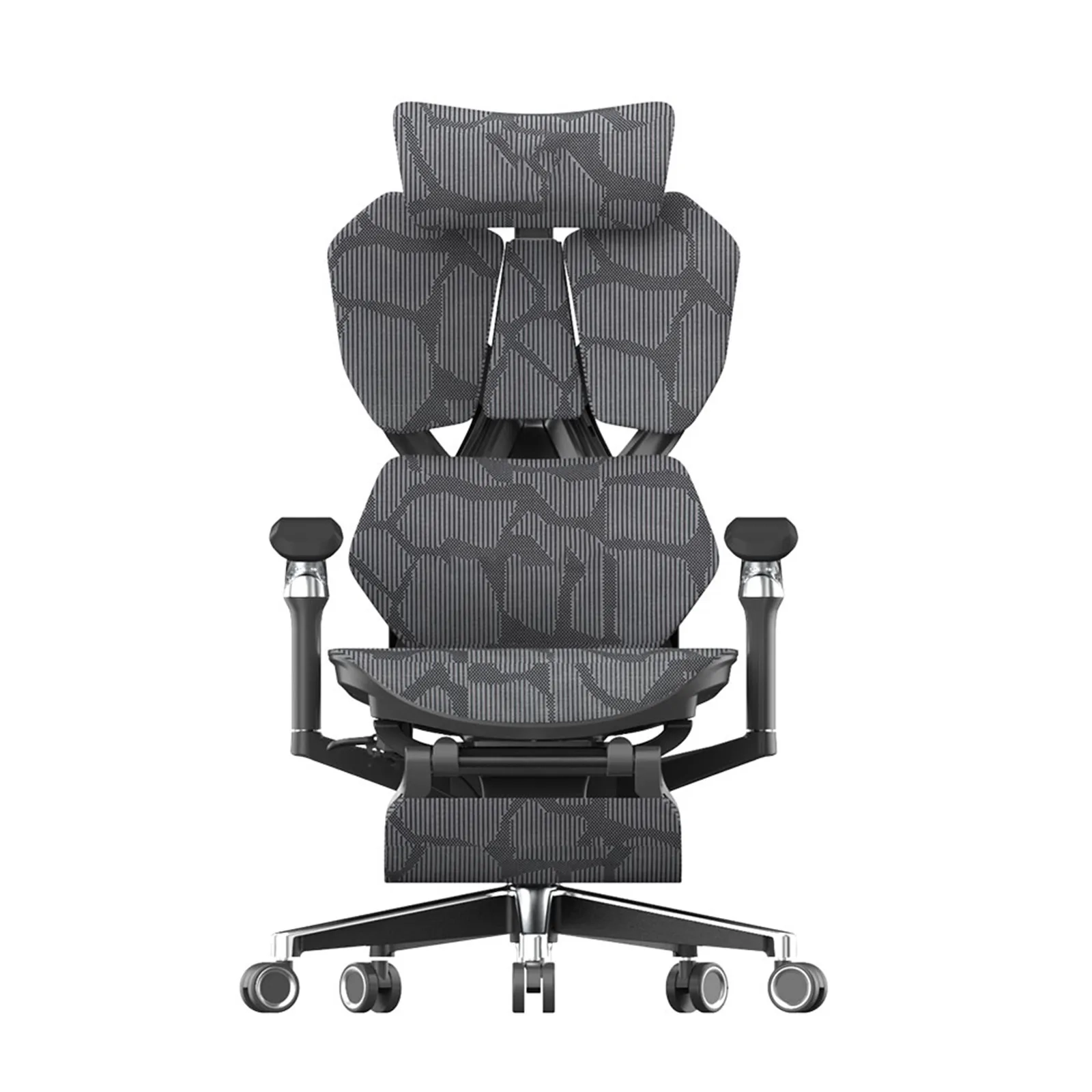
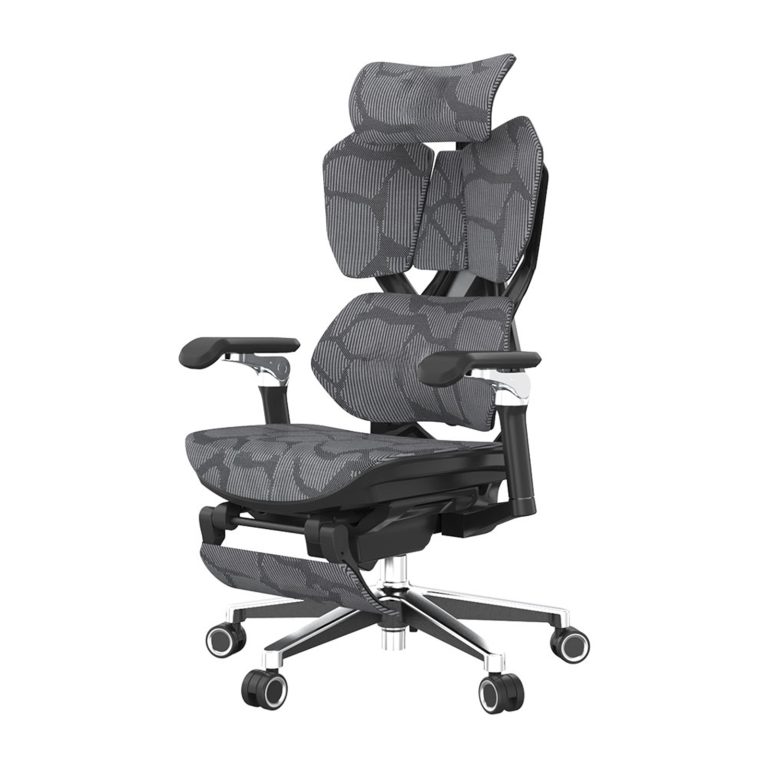
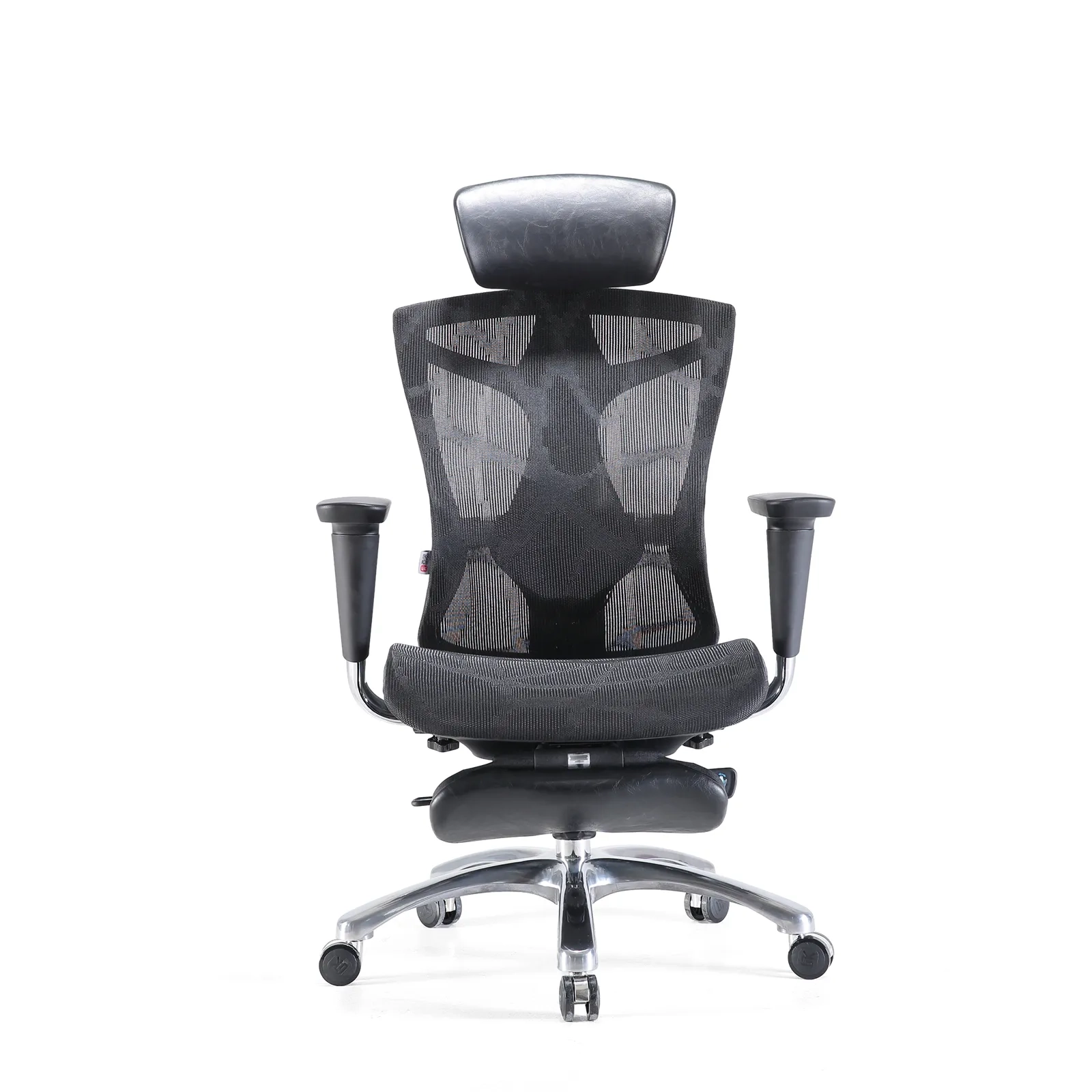
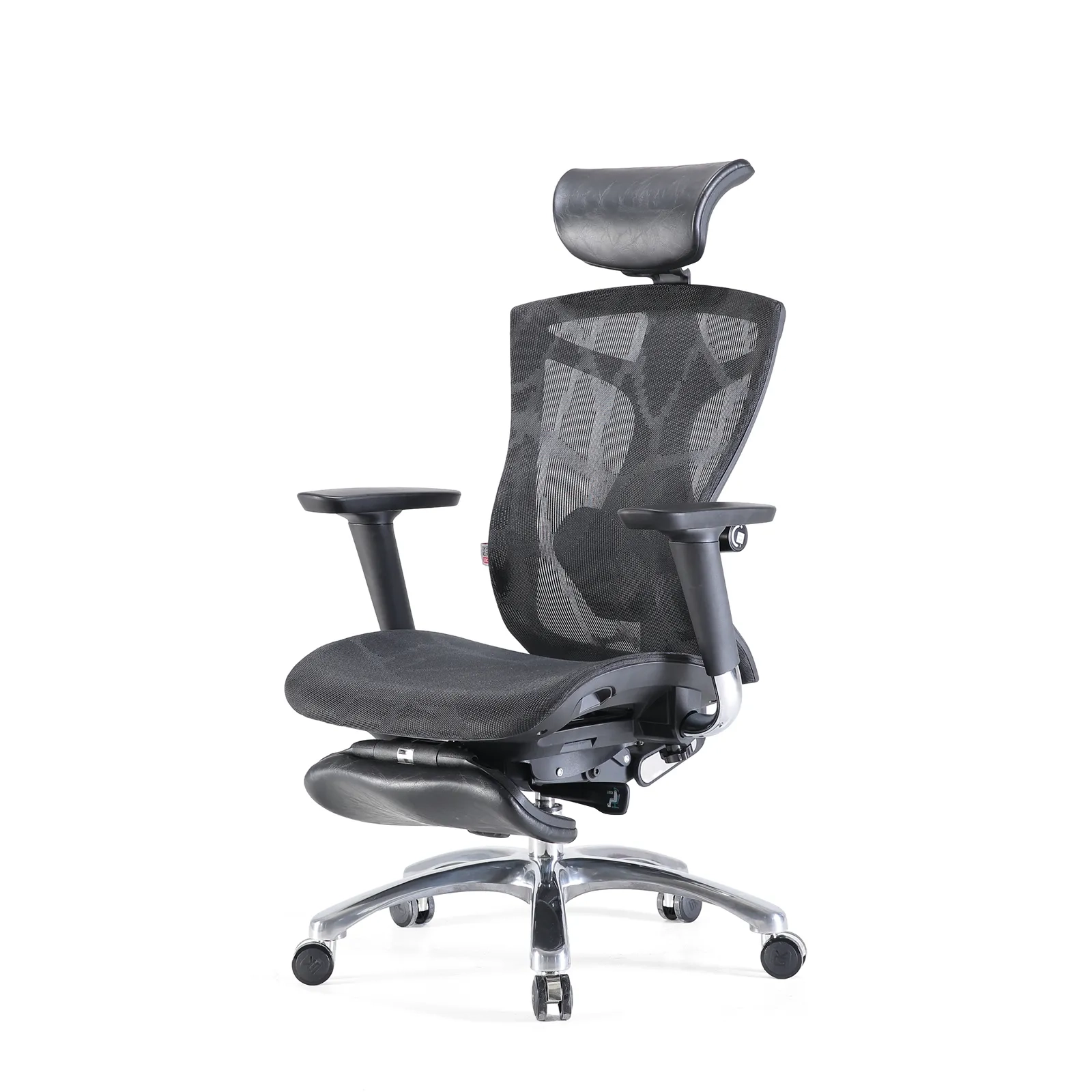
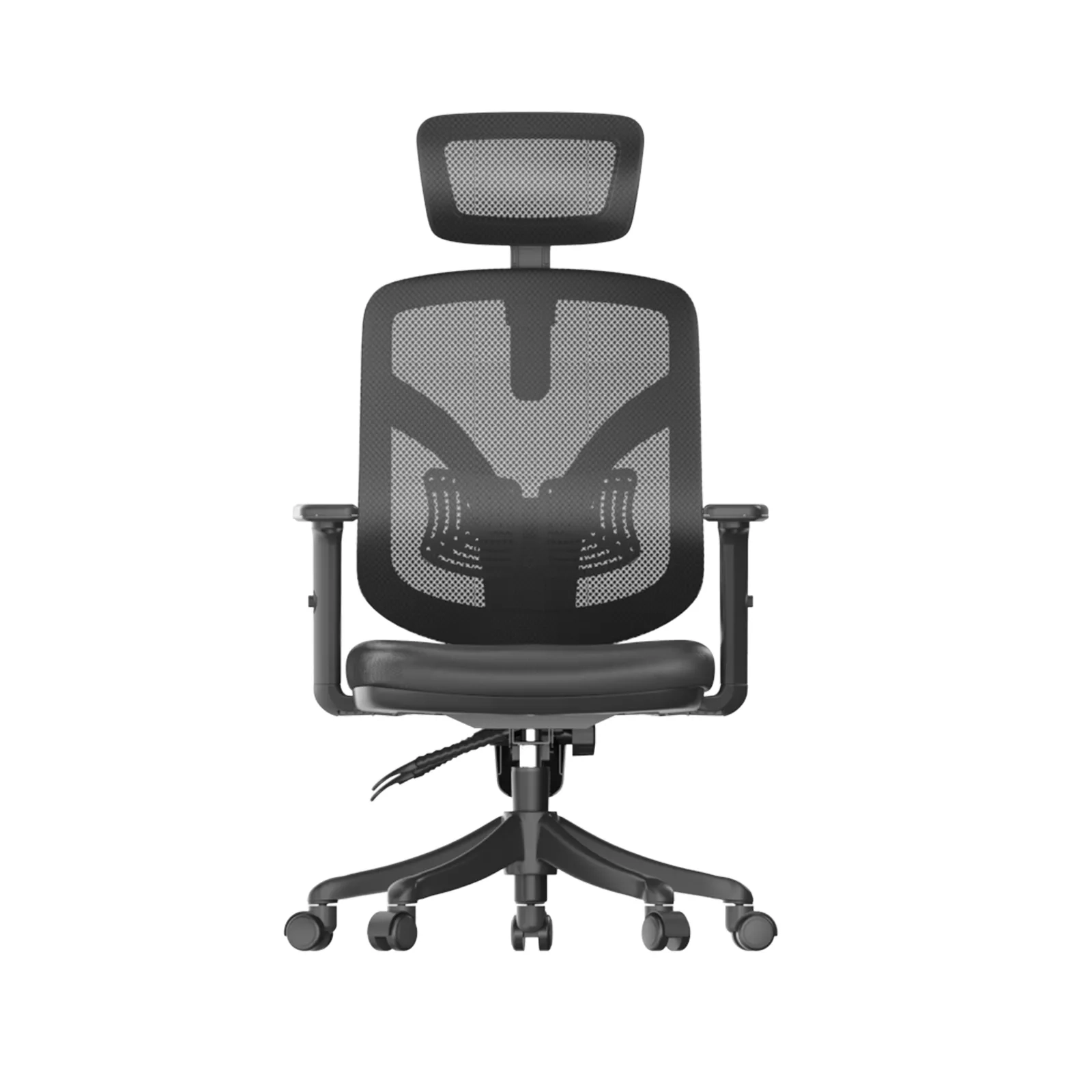
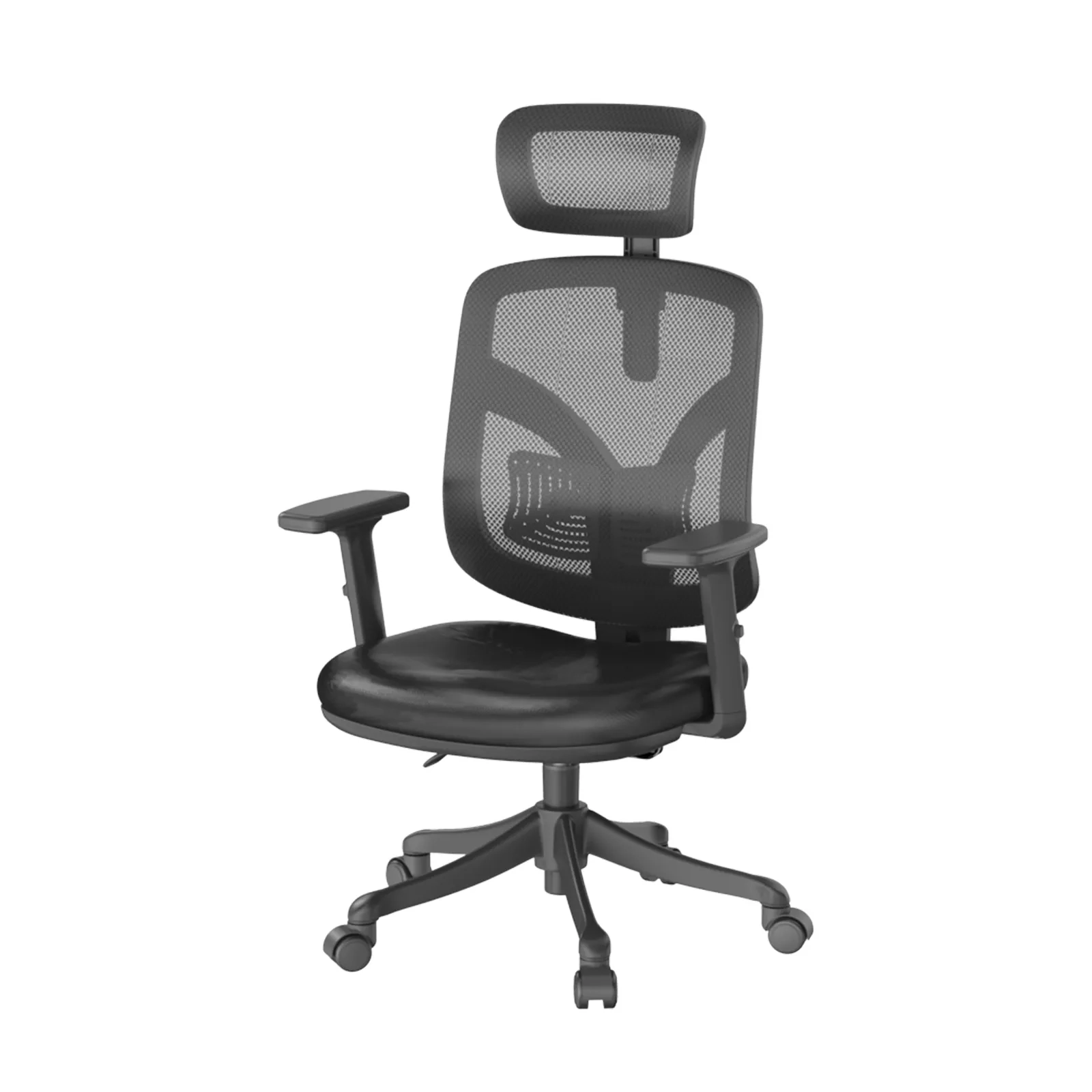
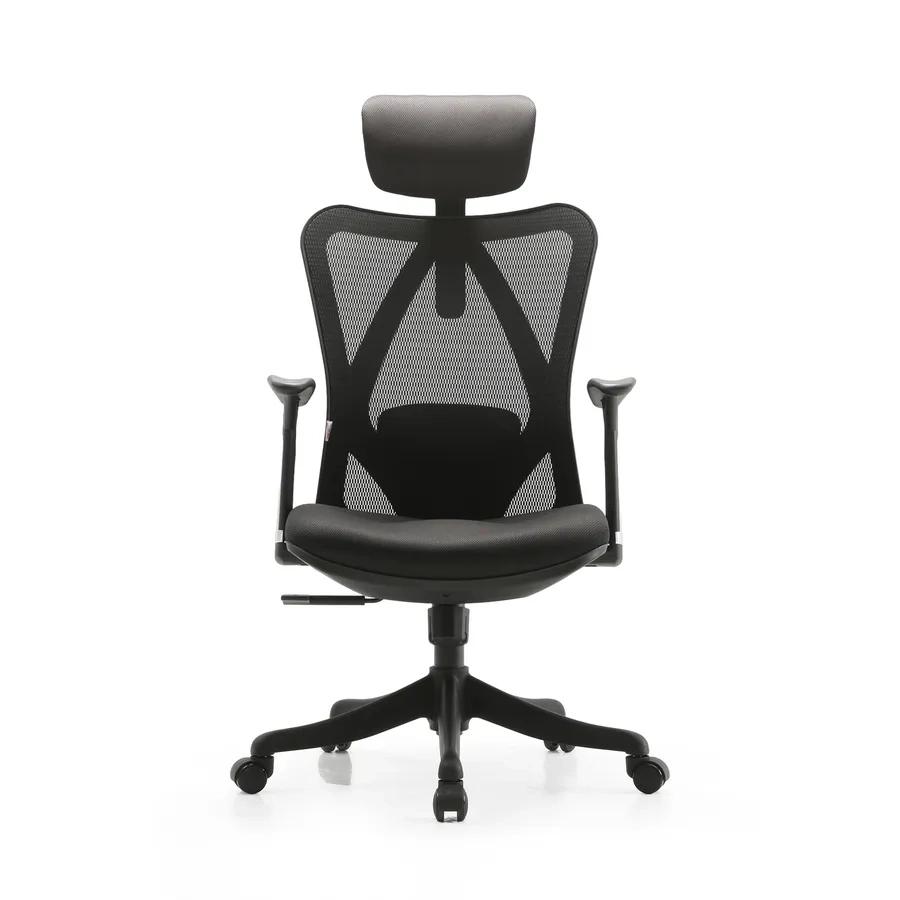
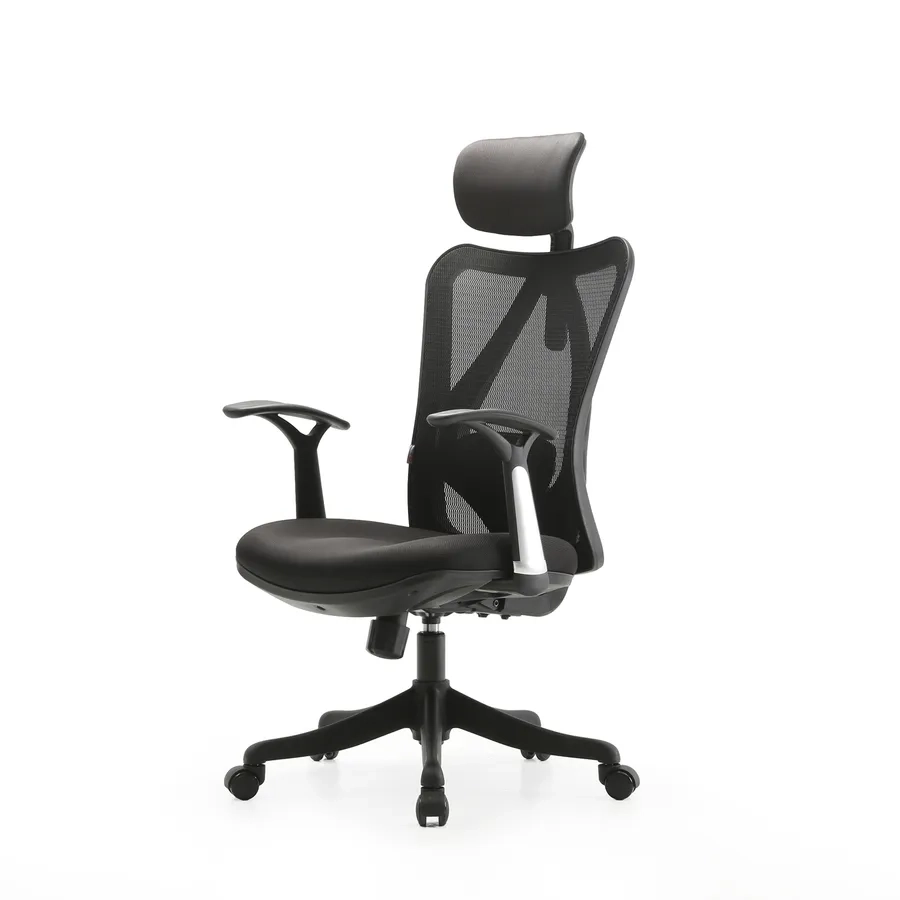
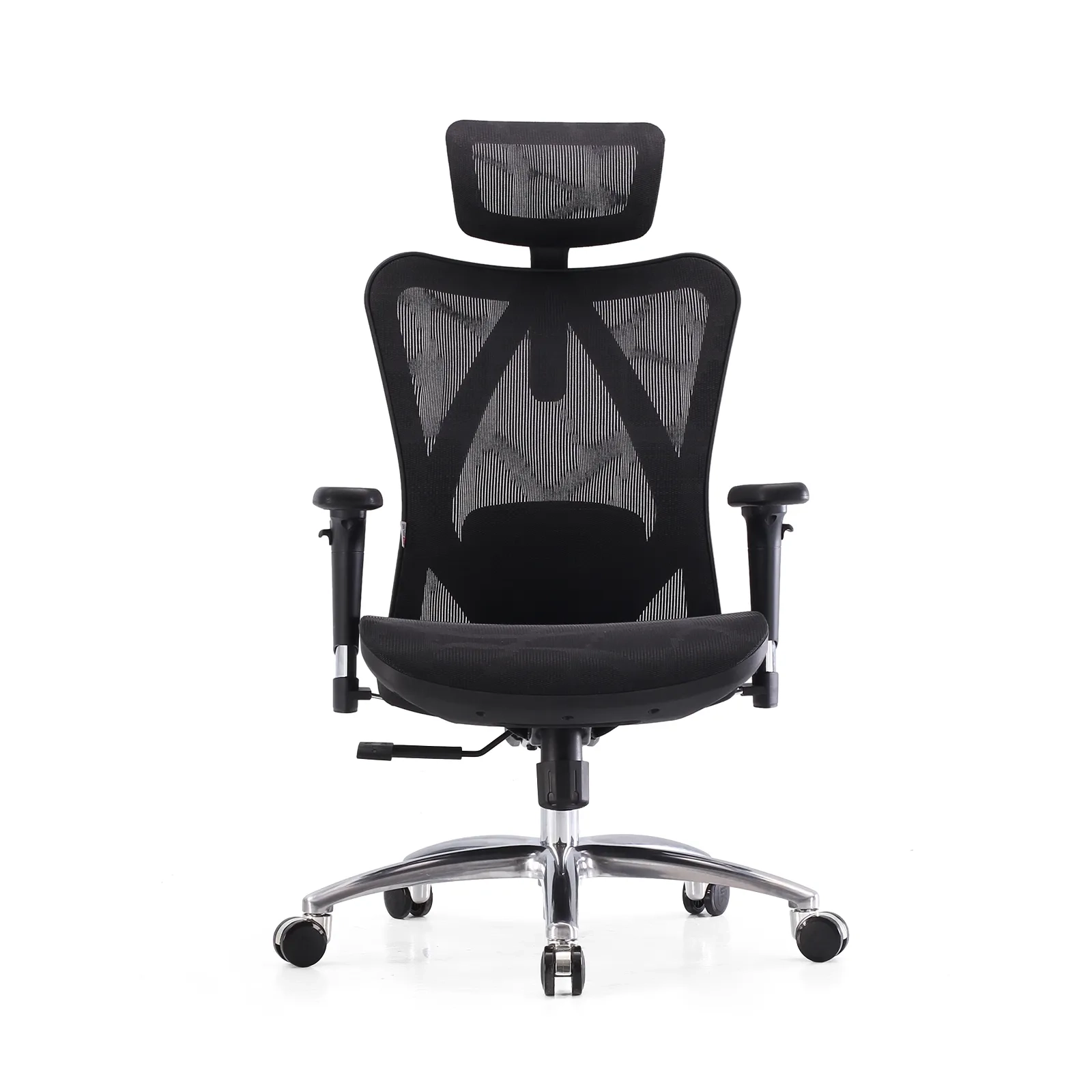
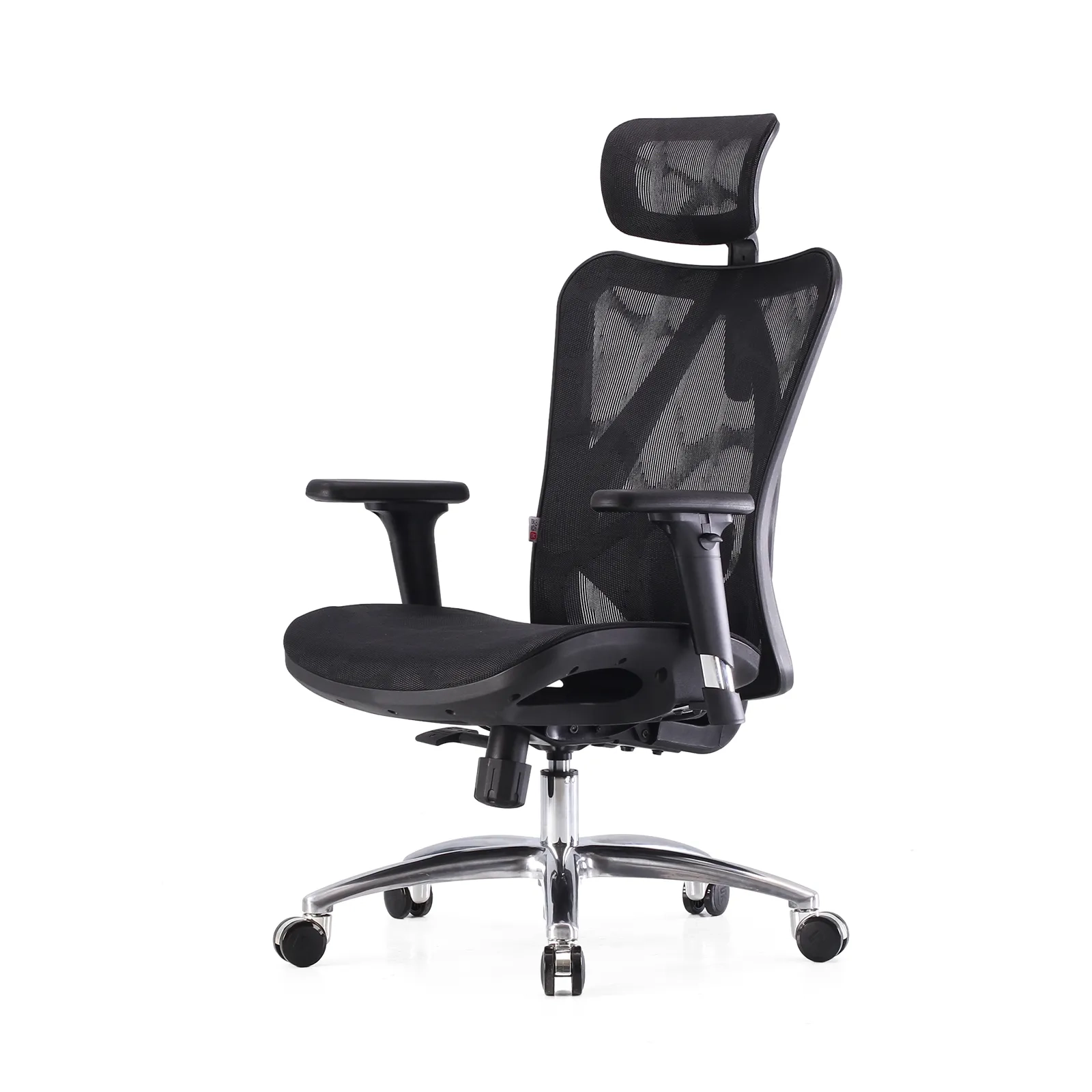
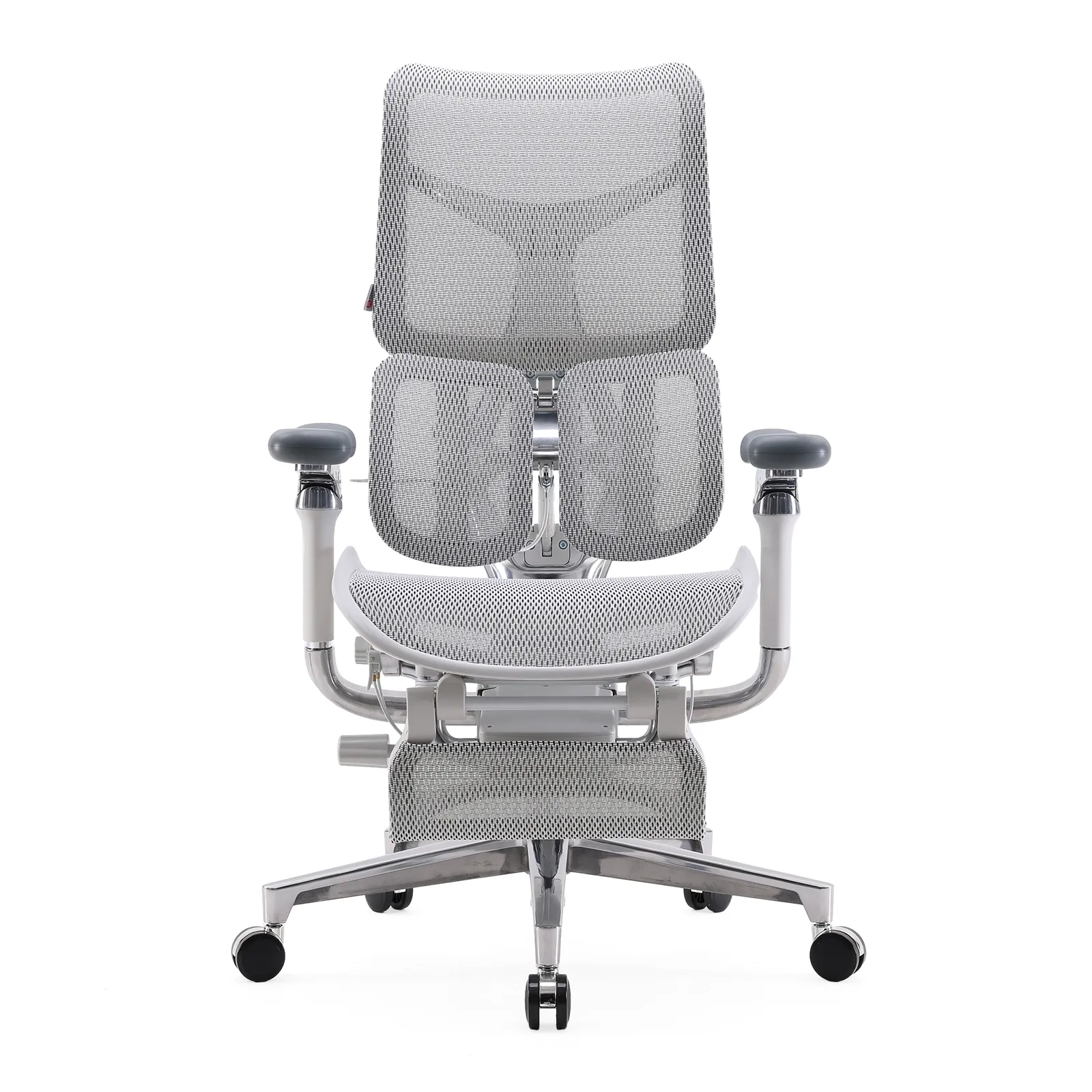
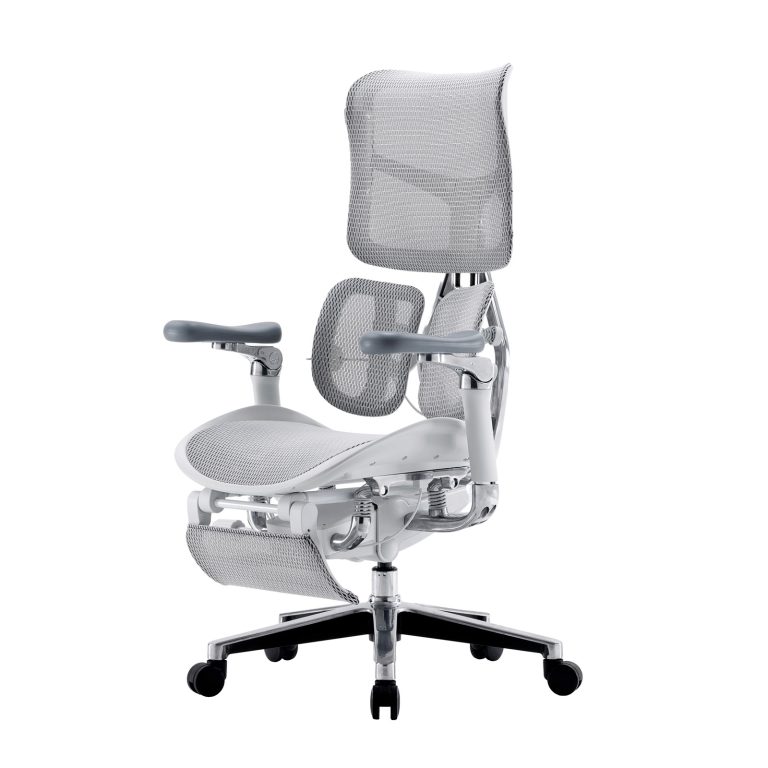
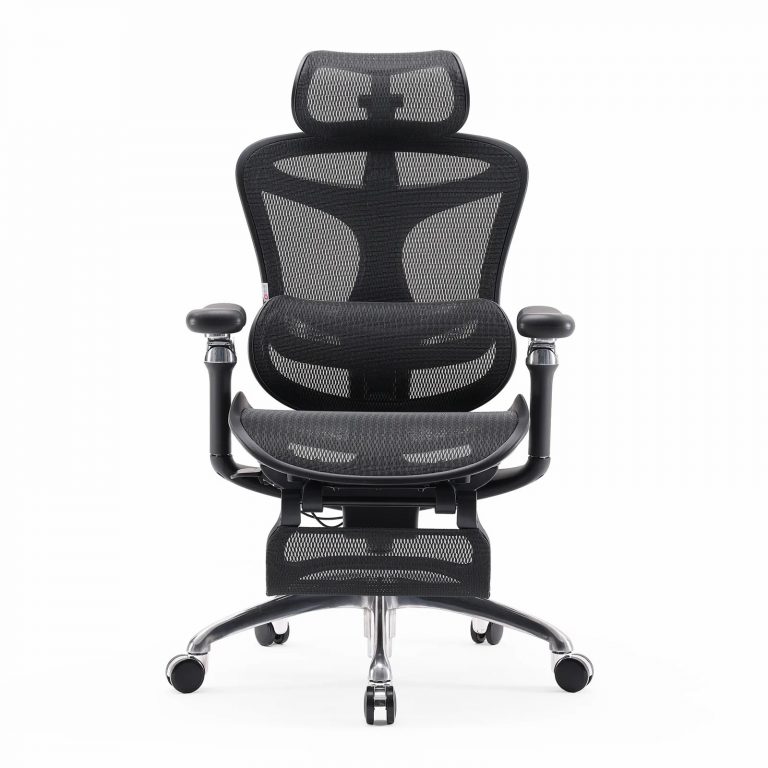
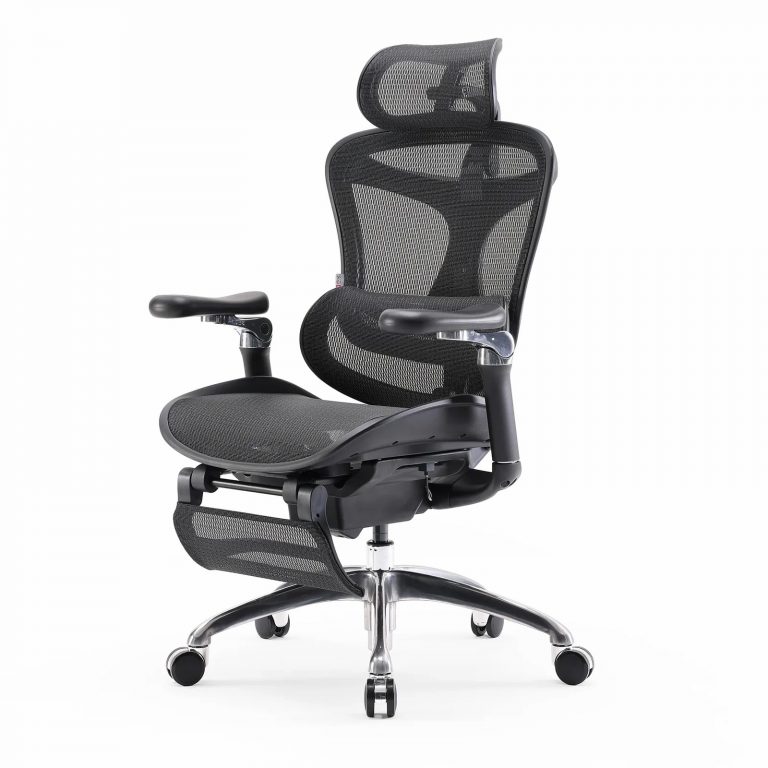
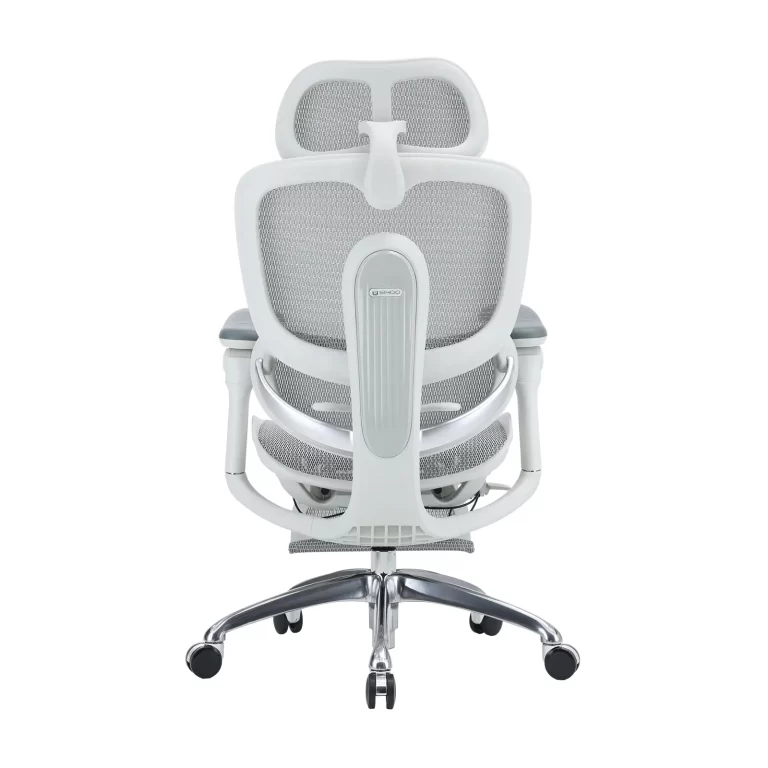
The lower spine has an inward curve that flat seats erase. Good chairs support that curve. Dynamic lumbar, as in the Sihoo Doro C300, follows you as you move. Adjustable pads, found on the M57 and M18, let you set the height and depth. Without lumbar support, the lower back muscles work all day to hold you upright.
Why Fit Comes Before Features
No feature compensates for a wrong fit. A chair with perfect lumbar still fails if your feet dangle or your thighs lose circulation. Check the stated height and weight range before anything else, because that is the one thing adjustment cannot fix. Once fit is confirmed, the features below decide whether the chair is merely acceptable or genuinely good.
Seat Height and Depth
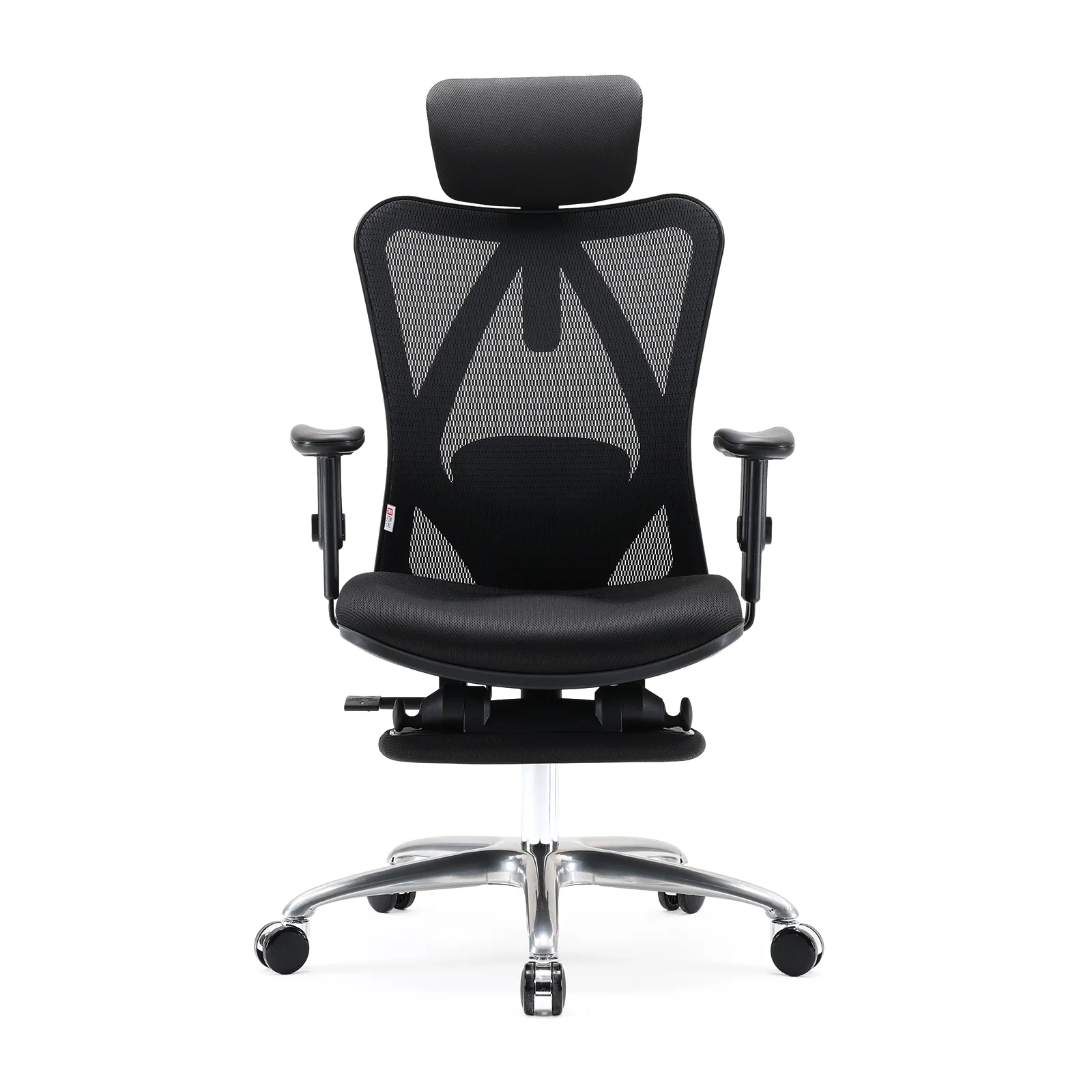
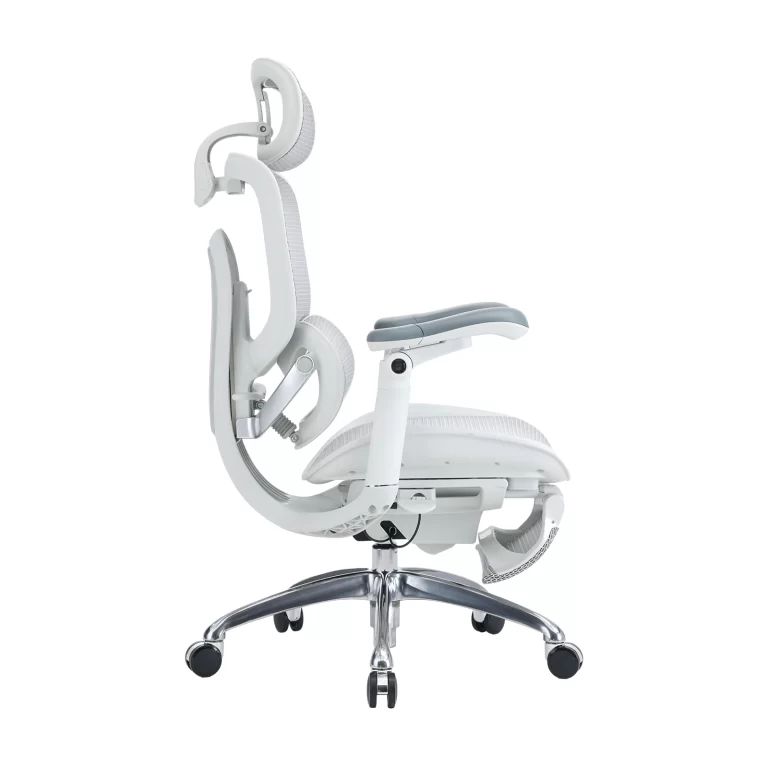
Feet should rest flat with knees near 90 degrees. Seat depth matters too: short users need a shallower pan, tall users need more thigh support. Adjustable depth, as on the Doro C300, solves both by letting the seat slide. Fixed depth forces a compromise that one group will always feel.
Backrest Recline and Tension
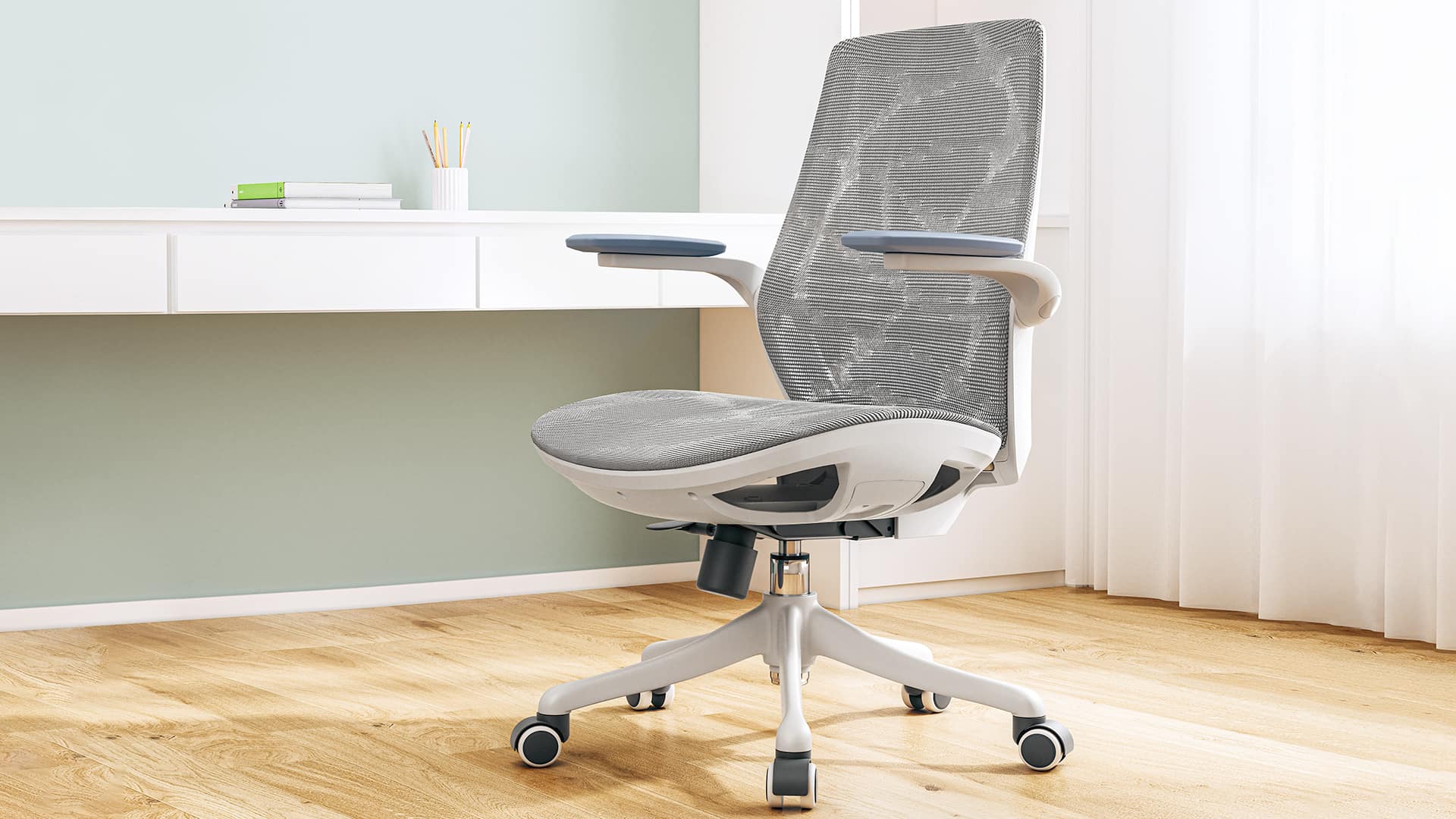
A fixed upright back forces static posture. A recline with tension control lets you shift load between muscle groups. Target around 95 to 126 degrees for desk work. Tension should hold you without pitching forward when you lean back.
How Adjustments Work Together
The features do not work alone; they support each other. Proper seat height lets armrests sit at the right level, which lets your shoulders drop, which reduces neck strain. Lumbar only works if the seat depth supports your thighs. When you evaluate a chair, test the set as a whole rather than praising one impressive control in isolation.
Armrests
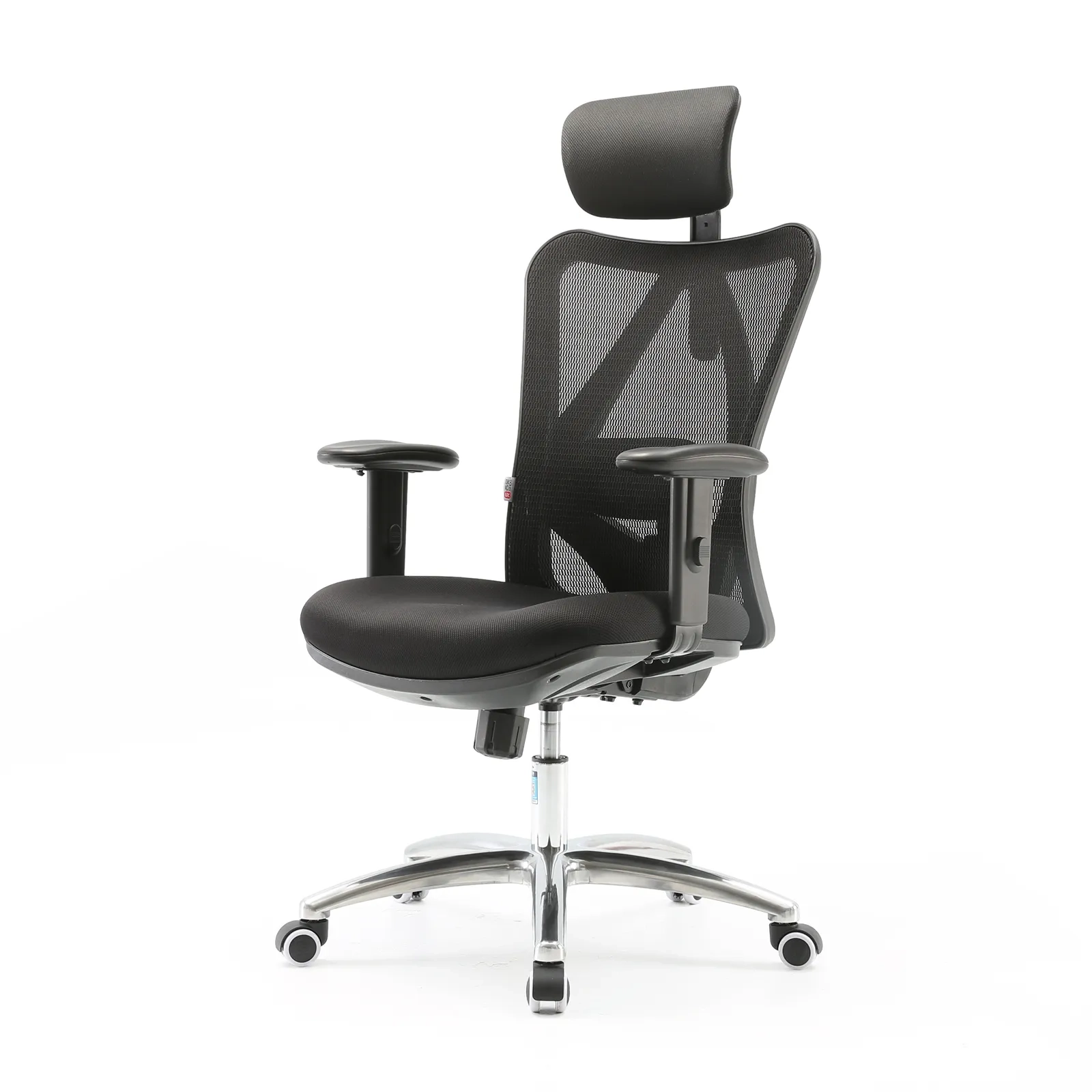
Fixed arms force shoulders up or inward. Adjustable armrests, 3D on the M57 and 6D on the Doro C300, let wrists stay neutral and shoulders drop. This reduces neck and shoulder strain that builds during long typing sessions.
Headrest Myths
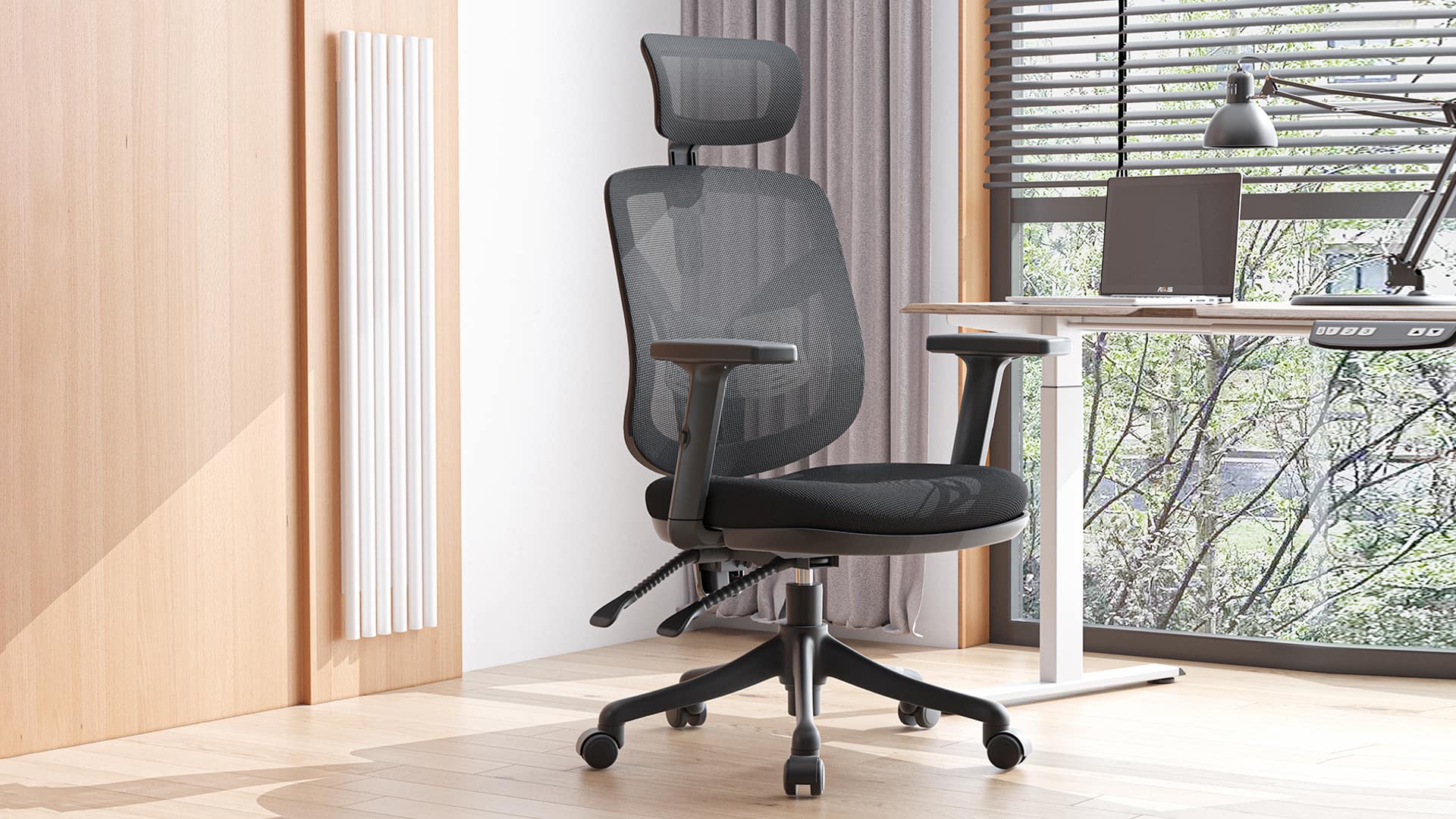
A headrest is not a sign of a better chair, and its absence is not a flaw. It helps people who recline or carry neck tension, and it gets in the way for people who sit upright all day. Treat it as a targeted tool, not a scoreboard point. The Doro C300, M57, M18, M91, V1, and C500 include adjustable headrest versions; the C50 targets long-sitting comfort instead.
Headrest (When Needed)
If you recline or have neck strain, an adjustable headrest, as on the Doro C300, M57, M18, M91, V1, and C500, supports the skull base. The C50 skips a headrest and targets lower-back comfort with its Domino 3D lumbar. Not everyone needs one, but it helps long reclined sessions and people with neck tension.
Material in Real Rooms
Spec sheets praise material as if cooler is always better, but the right choice depends on your room. A cool, air-conditioned office can suit a padded seat with a mesh back, which feels softer than all-mesh. A warm, unventilated room makes mesh the safer pick. Match the material to where you actually sit, not to a generic ranking.
Material and Breathability
Mesh breathes and stays cool. Padded fabric is soft but warms. Leather is formal and easy to clean but least breathable. Match the material to your climate and your daily hours rather than to looks alone.
Build, Certification, Warranty
BIFMA or SGS marks, a stated weight capacity, and a clear warranty signal a chair built to last. Three years is a reasonable baseline. Certifications matter because they reflect testing, not marketing.
Feature Priority by Body Type
Not everyone needs every feature at the same level. Shorter users should weigh seat depth and height range first. Taller and heavier users should weigh the stated capacity and lumbar strength. People with neck strain should weigh the headrest and recline. Rank your own top three before reading product pages, and you will ignore the marketing that does not apply to you.
Good Chair vs Average Chair
| Trait | Good chair | Average chair |
| Lumbar | Adjustable or dynamic | Fixed or absent |
| Armrests | Multi-axis adjustable | Fixed |
| Fit | Height and depth range | One-size |
| Build | Certified, warranted | Unknown |
If comfort is your priority,our most comfortable office chairs of 2026 show which traits matter most over a full workday.
Why Certification Matters
BIFMA and SGS are not decorations. They mean the chair passed load, cycle, and material tests that a no-name seat never faces. A certified chair is less likely to crack at the base or sag at the mesh after a year of daily use. When two chairs look alike, certification is often the difference you cannot see in a photo but will feel in year two.
Who Should Prioritize Which Feature
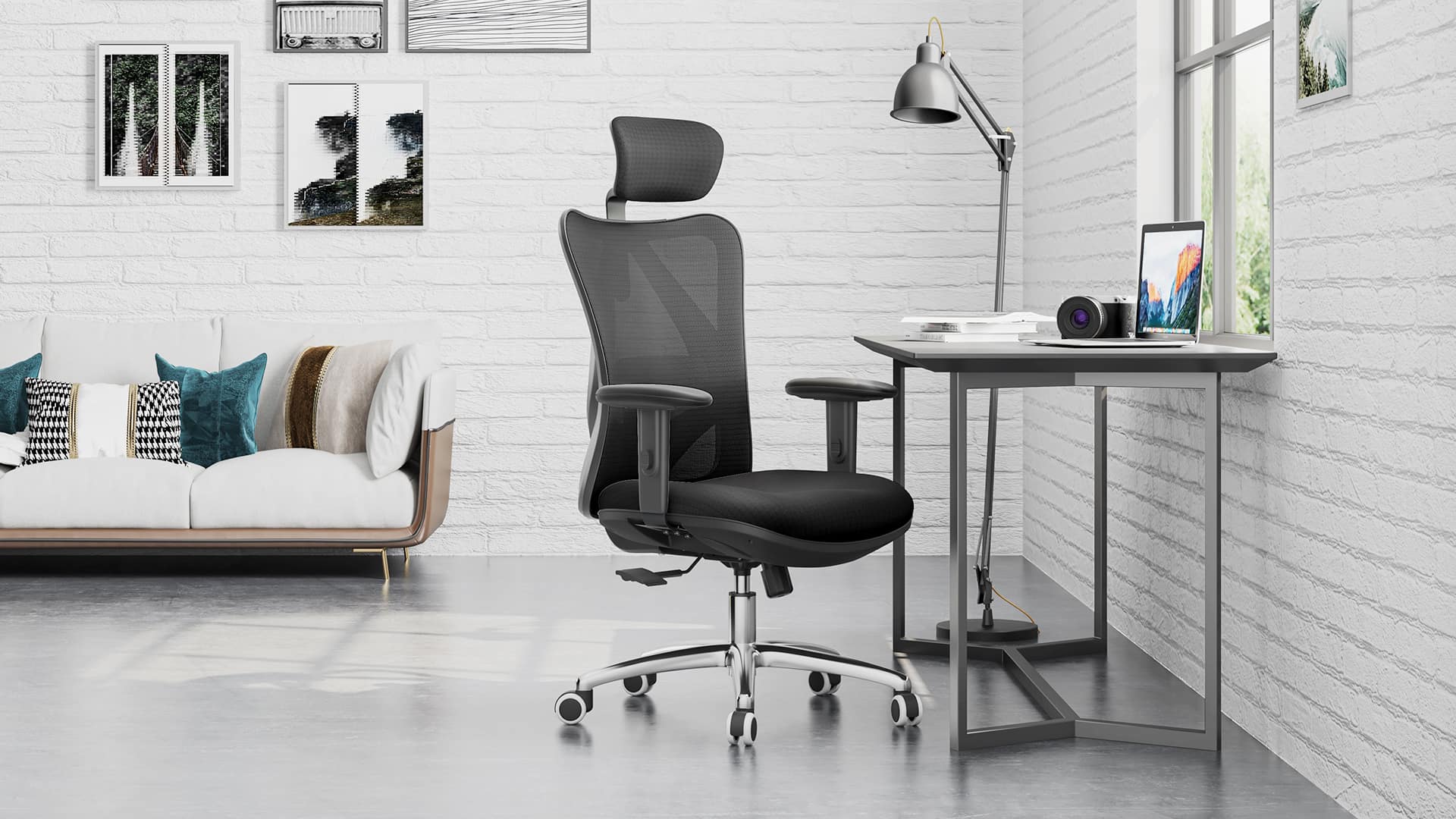
- Back pain history – lumbar and seat depth first.
- Long hot days – mesh material first.
- Neck strain – headrest and recline first.
- Shared desk – easy, wide adjustability first.
Priorities change with your body and your day, so rank these before you read any product list.
Common Feature Traps
Counting adjustments as quality. Six sliders mean nothing if you never touch them or if they feel loose. Feel and range beat number.
Trusting “ergonomic” as a label. The word is not regulated. Look for the specific features above, plus certification.
Buying the prettiest mesh. Color and weave do not support your back. Match material to climate and hours.
Skipping the warranty check. A good chair is an investment; a weak warranty signals weak confidence in the build.
FAQs
Can a cheap chair be good?
Yes, if it has real lumbar, adjustable height, and certified build. The Sihoo M18 is an example of a low-cost chair that still covers the basics.
Is more adjustment always better?
More helps if you use it. Unused controls add cost and complexity, not comfort, so buy the adjustments you will touch.
Do I need mesh?
Only if you run warm or sit long hours. Otherwise a padded seat with mesh back works well and feels softer.
How long should a good chair last?
With certified build and care, five years or more is realistic for daily use.
Should I buy online without trying?
Yes, if the spec sheet lists height, weight range, lumbar type, and warranty. Read numbers, not photos, and keep the return window open for the first week.
How much should a good chair cost?
Entry ergonomic starts around the M18 price, full-day support around the M57, and all-day premium at the Doro C300 tier. Pay for the features your hours require, not a round number.
Keeping a Good Chair Good
A good chair stays good with light care. Wipe the mesh with a damp cloth, check the base screws every few months, and avoid leaning on the armrests when you stand, which loosens the joints over time. Keep the warranty card and note the purchase date so a claim is painless in year two or three. Small habits like these protect the support you paid for and stretch the chair’s useful life well past the discount-seat average, where a certified build proves its value.
Most ergonomic chairs sell lumbar pads, casters, and armrests separately, and SIHOO supports common spares so you can extend a chair’s life without a full replacement. Color does not change support either, but a neutral finish works better in shared office settings and keeps the chair in use longer, which indirectly protects your investment.
Related guide: best office chairs of 2026.
Final Thoughts
A comfortable office chair is the one that keeps small aches away during long days. The best office desk chair is the one matched to your body and your hours.
Skip the features that impress and keep the seven that support. Start with lumbar and fit, then layer adjustability. See how these map to real models in our 2026 office chair roundup.
Buyers evaluating a bulk rollout can contact SIHOO for wholesale cooperation.
1600x1600-4-768x768.jpg)
1600x1600-8-768x768.jpg)