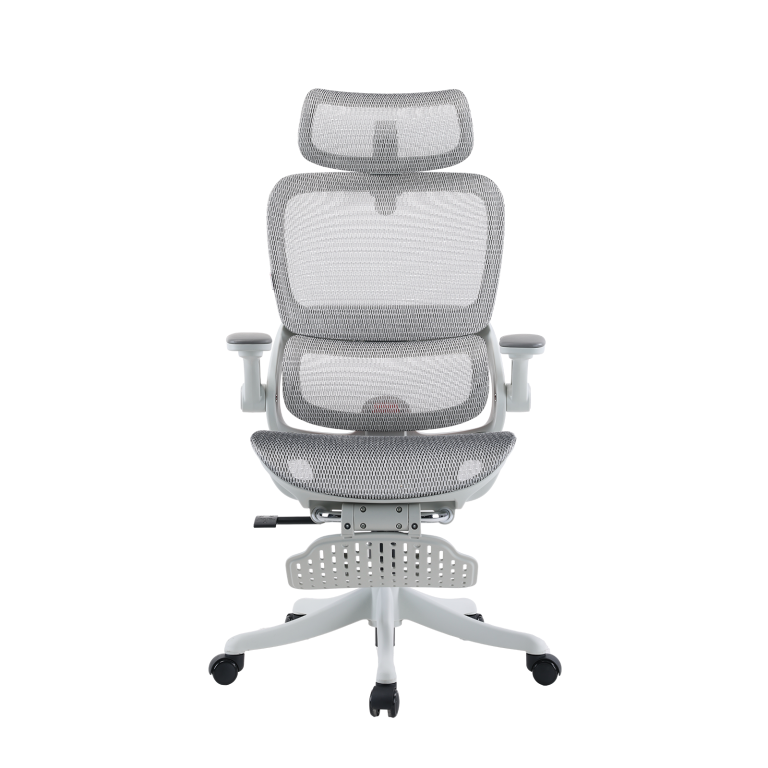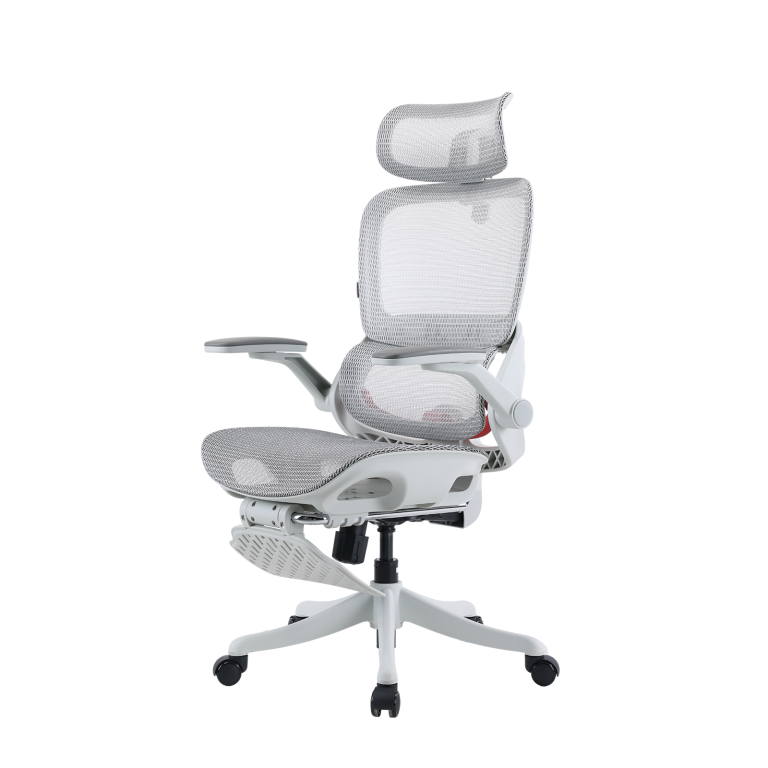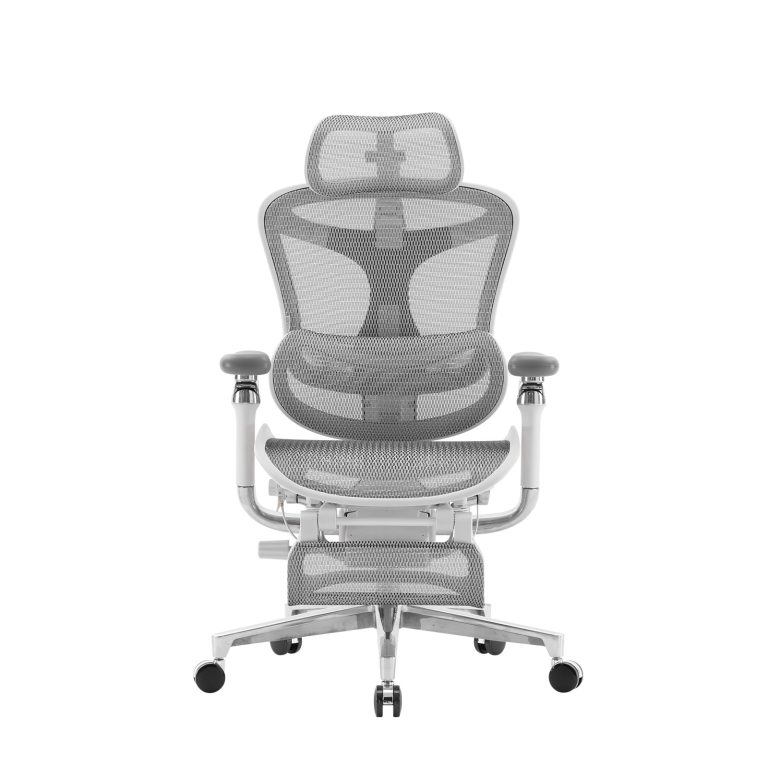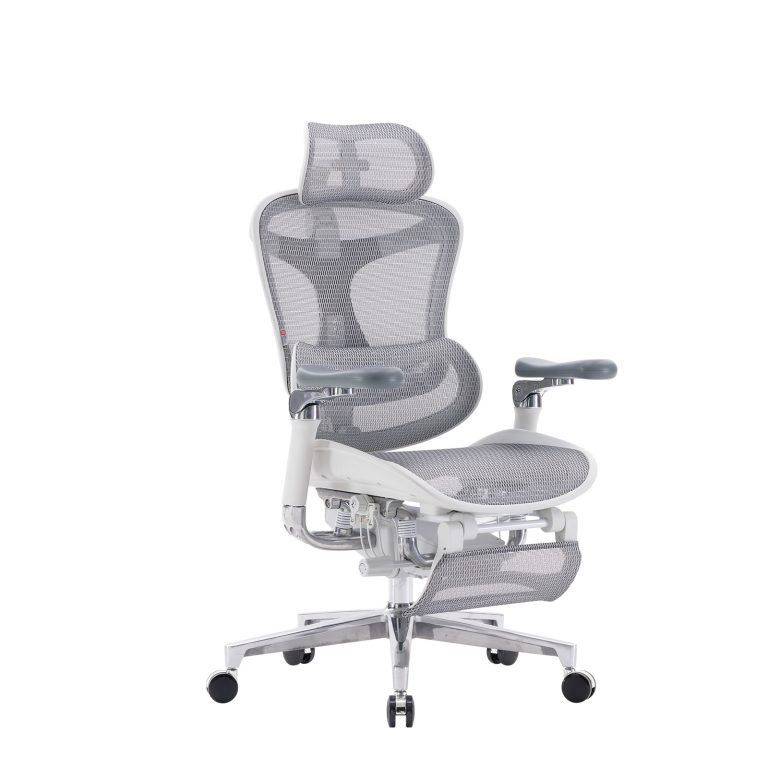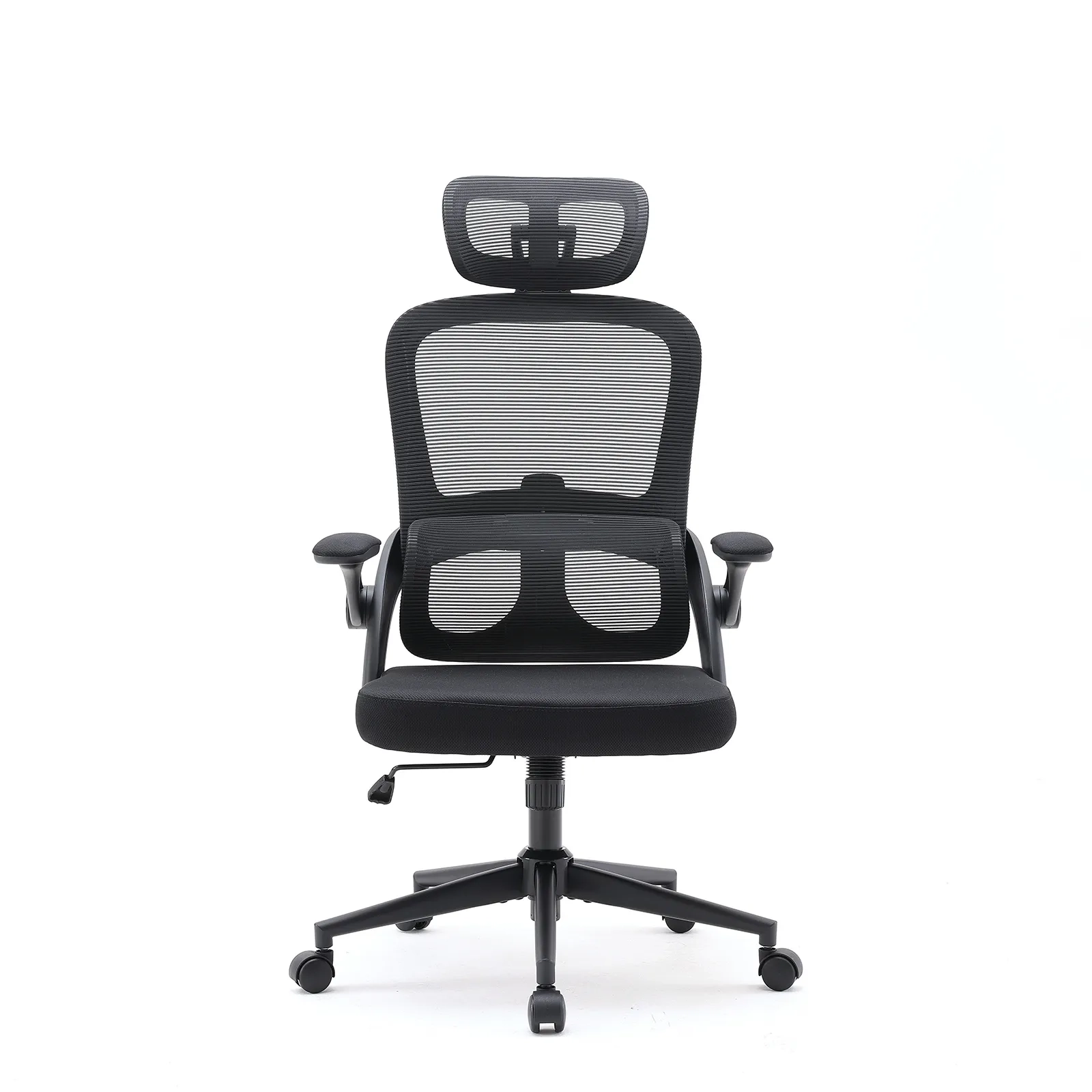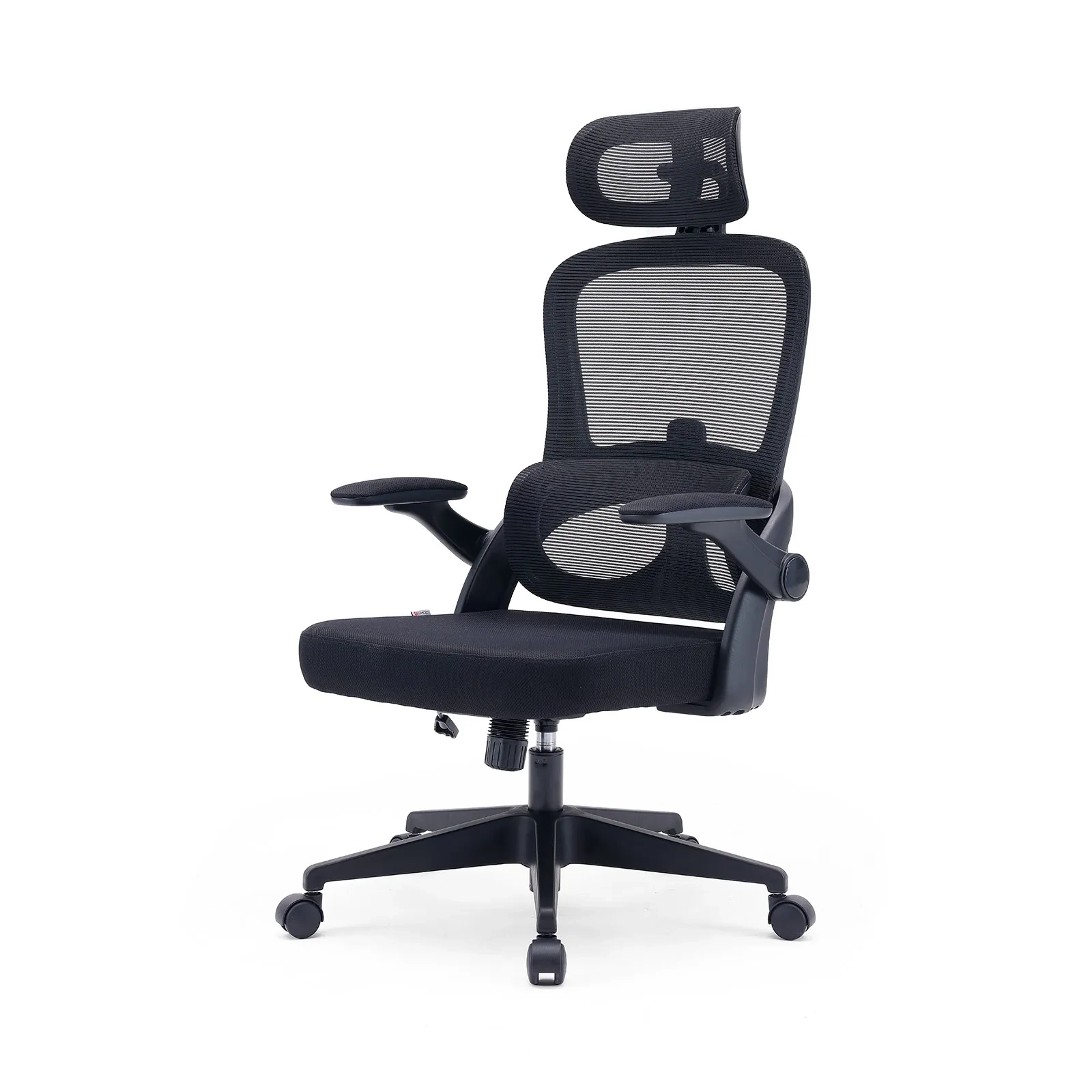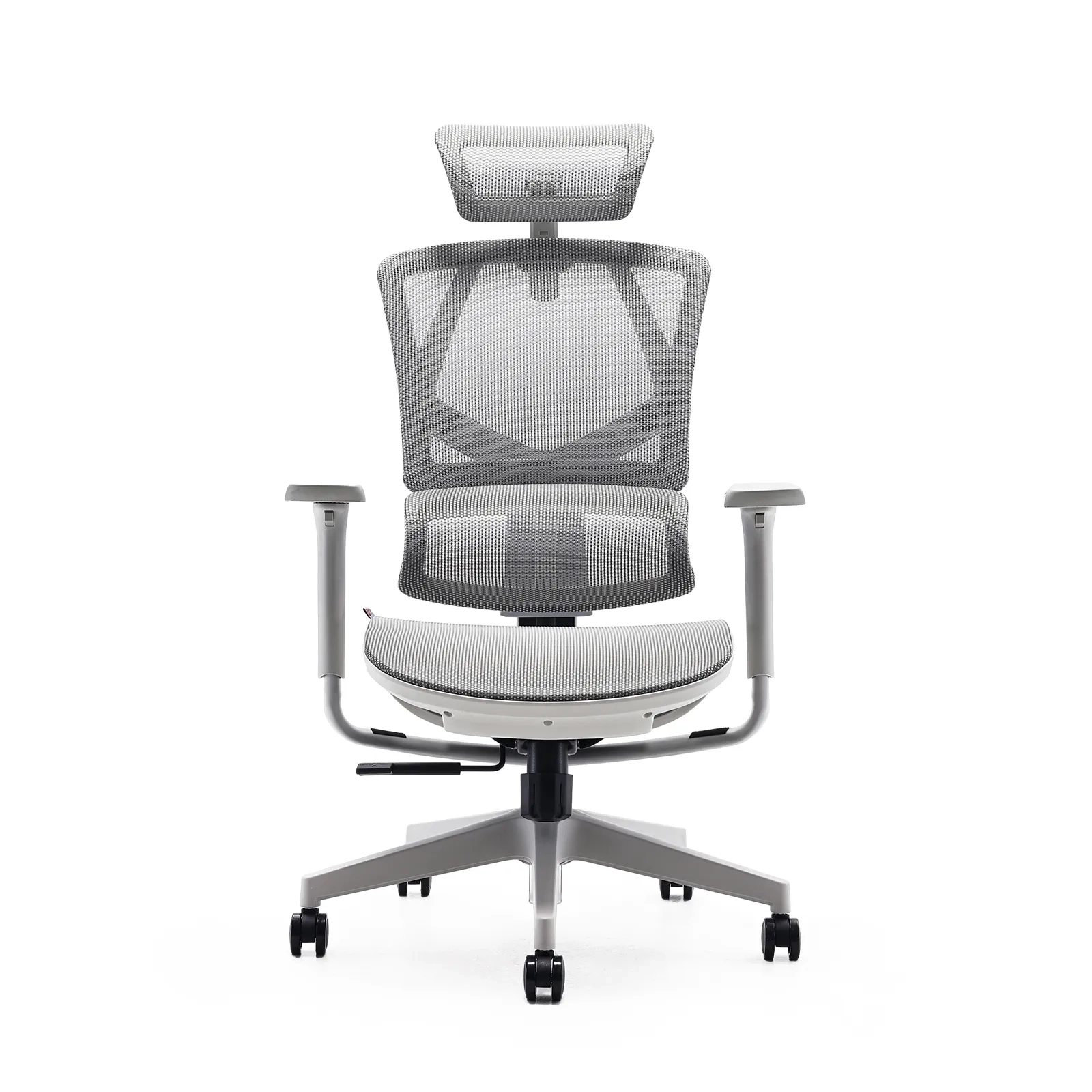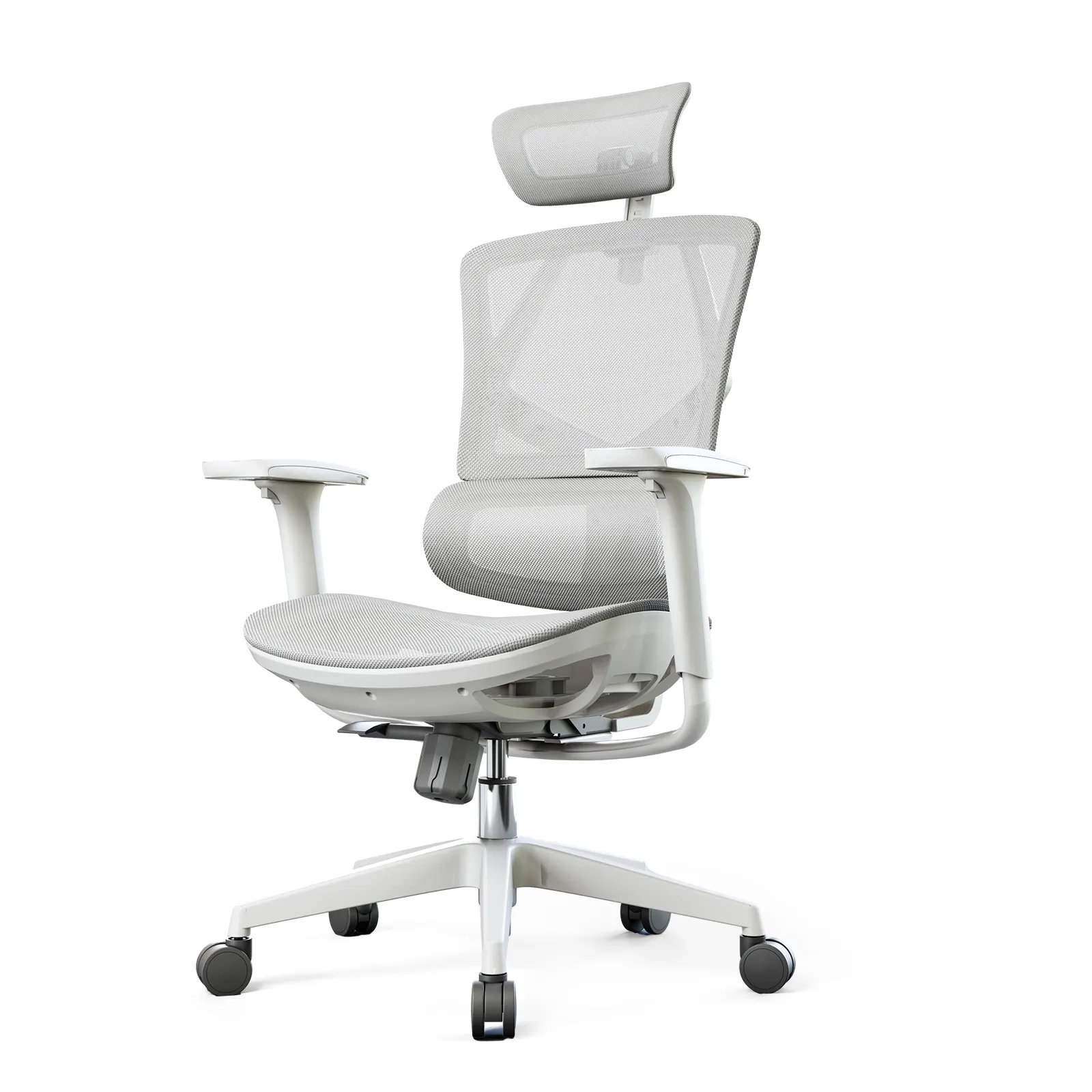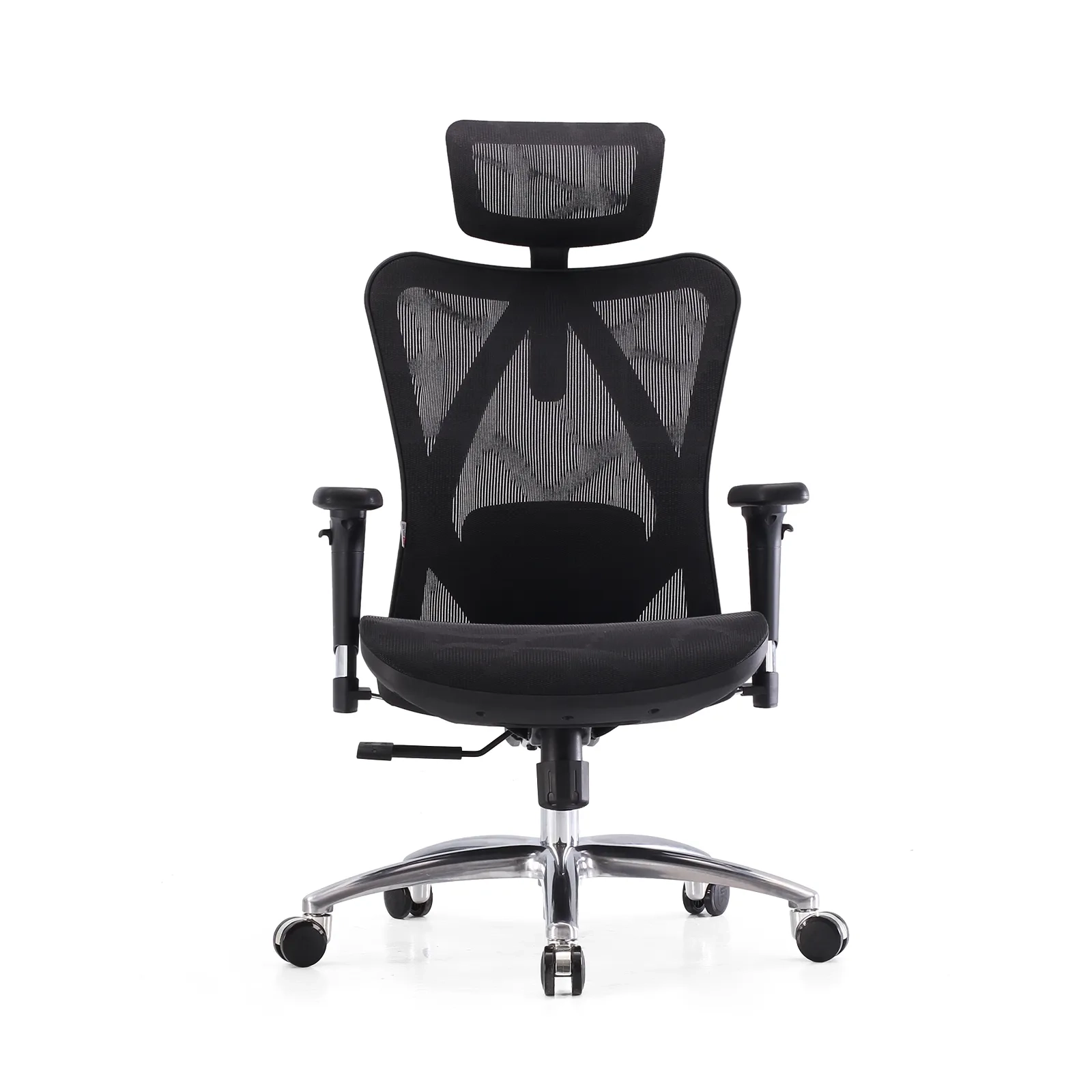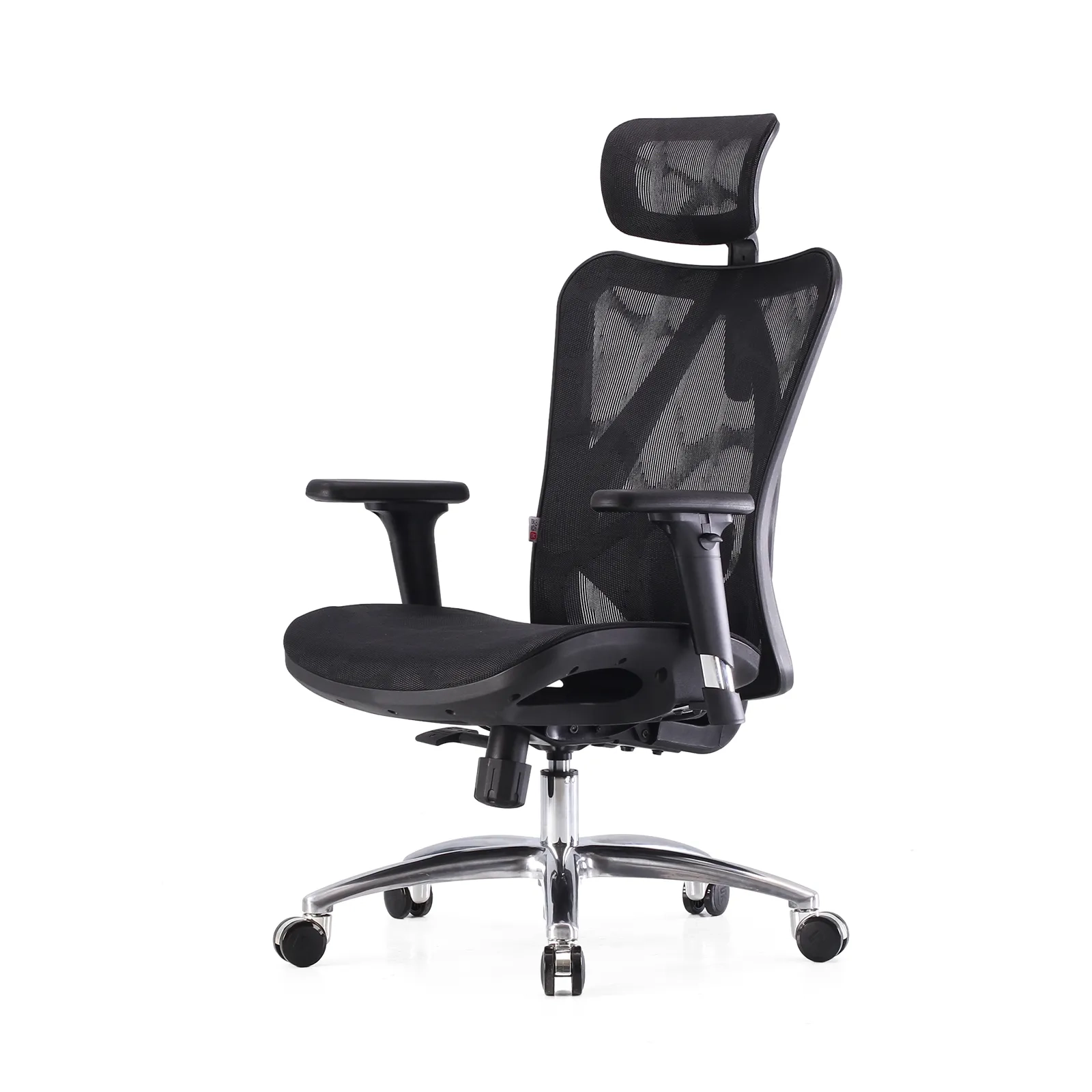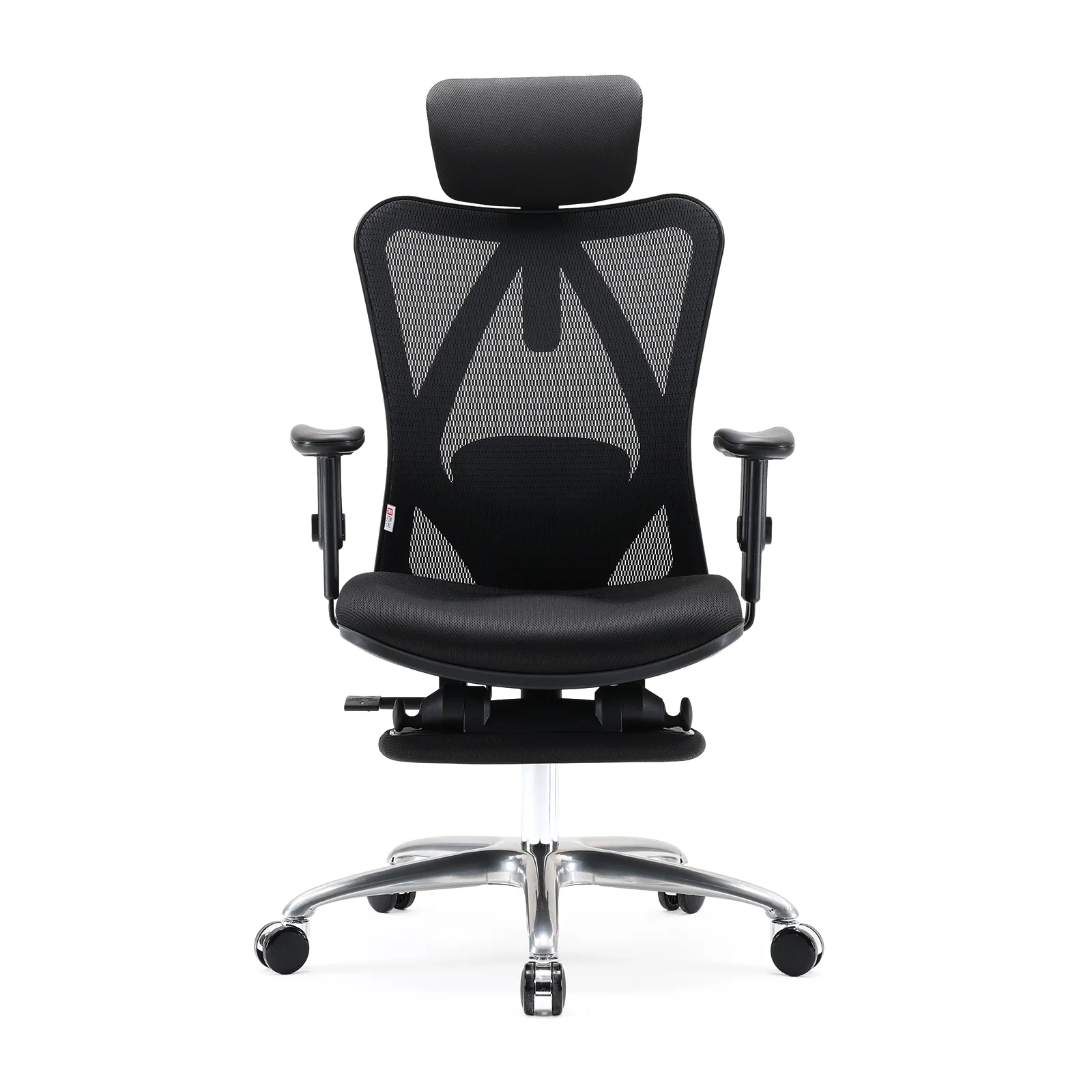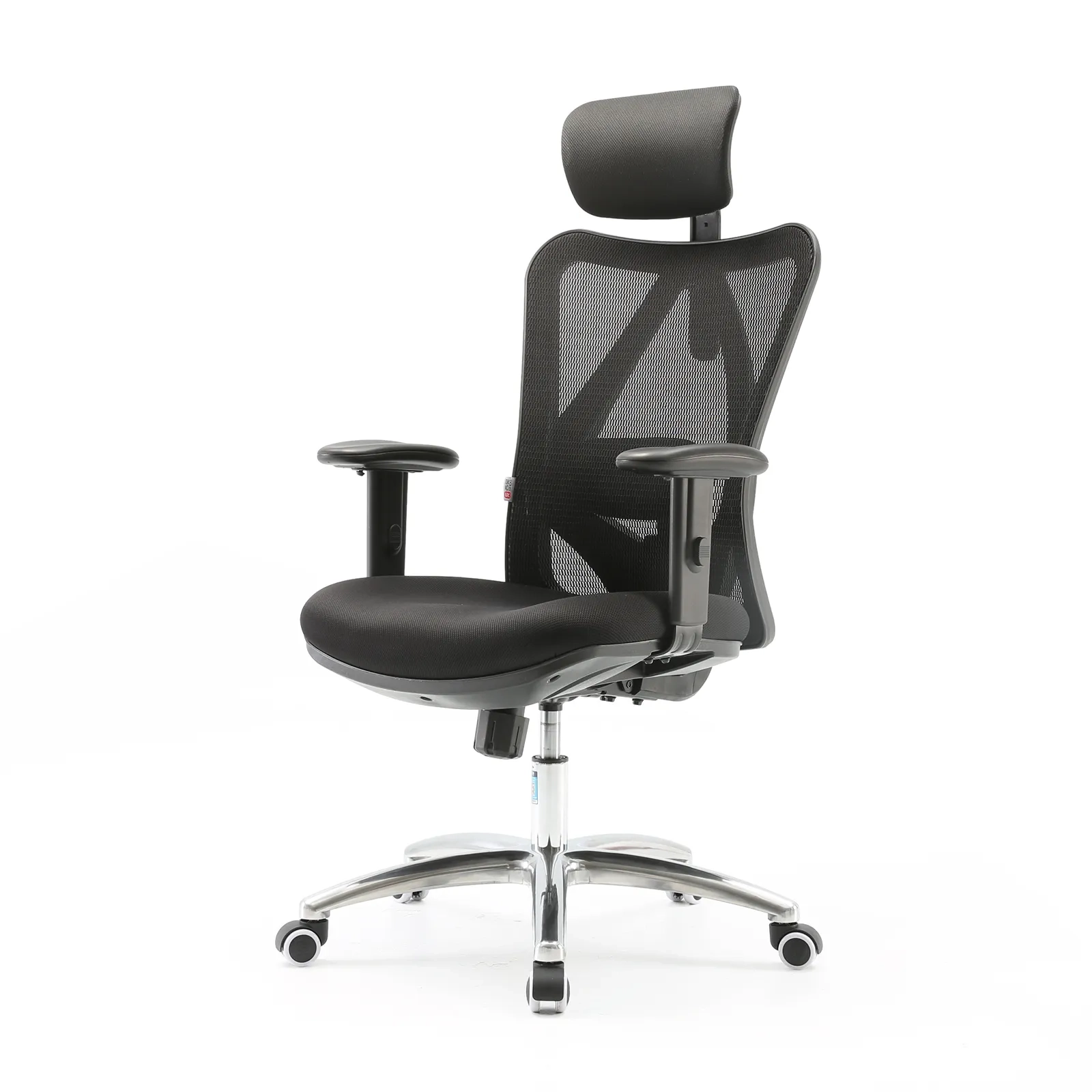









A proper ergonomic office chair is worth the upgrade if you sit for several hours a day. A cheap chair costs less now but usually lacks lumbar support, real adjustability, and certified build. The gap shows up as fatigue, not just price. A quality office chair earns the upgrade by keeping you comfortable through long days, while a cheap seat saves money now but costs you later in strain. Below is a straight comparison to help you decide.
Why This Comparison Matters
Most buyers frame the question as “spend more or save now,” which misses the point. The real question is whether the chair supports your body through the hours you actually sit. A cheap chair and an ergonomic chair cost different amounts today, but they cost very different amounts in comfort, replacement, and posture over three years. The comparison below keeps the focus on that gap.
Verdict First
If you work at a desk more than four hours daily, the upgrade pays for itself in comfort and fewer posture problems. If you sit briefly and rarely, a basic chair may be fine. The decision is about hours, not just budget. The best office chairs pay off only when your daily sit time is high enough to use the support.
Comparison Table
| Dimension | Ergonomic office chair | Cheap chair |
| Lower-back support | Adjustable or dynamic lumbar | Usually flat or minimal |
| Adjustability | Height, lumbar, arms, recline | Height only, sometimes |
| Material | Mesh or certified padding | Thin fixed foam |
| Durability | BIFMA/SGS, multi-year warranty | Uncertified, short life |
| Fit range | Clear height and weight range | One-size |
| Long-day comfort | Holds posture, reduces fatigue | Encourages slouching |
What “Support” Actually Buys You
Support is not a luxury feature; it is load management for your spine. A chair with real lumbar and adjustable geometry spreads the work of sitting across the right muscles instead of dumping it on the lower back. That is why the same person feels fine in an ergonomic chair at hour six and sore in a cheap one at hour three. You are not weaker; the chair is doing different work.
By Use Case
Under 2 hours a day. A cheap chair may be acceptable. You are not under load long enough for support to matter much, so the saving is real.
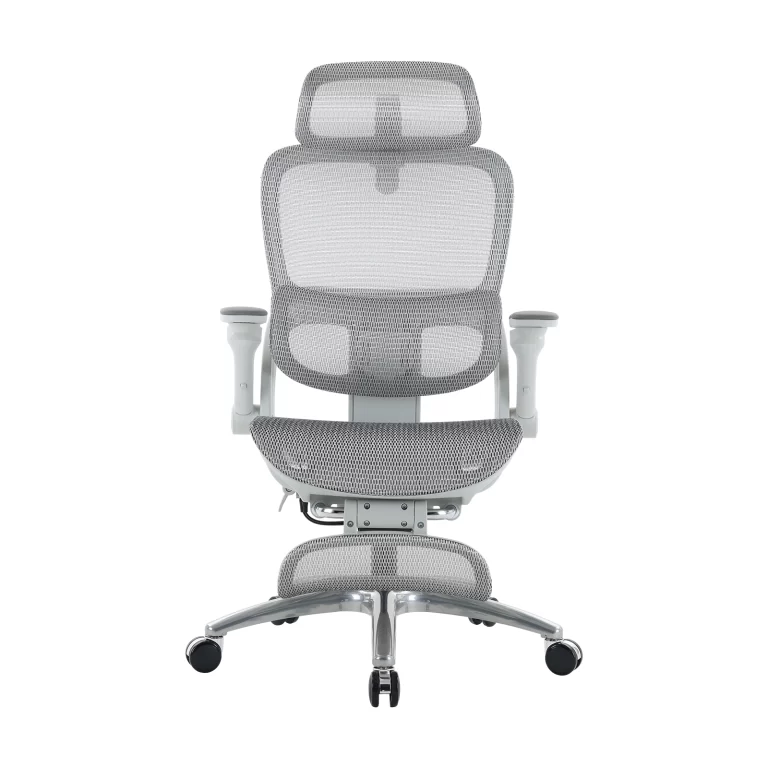
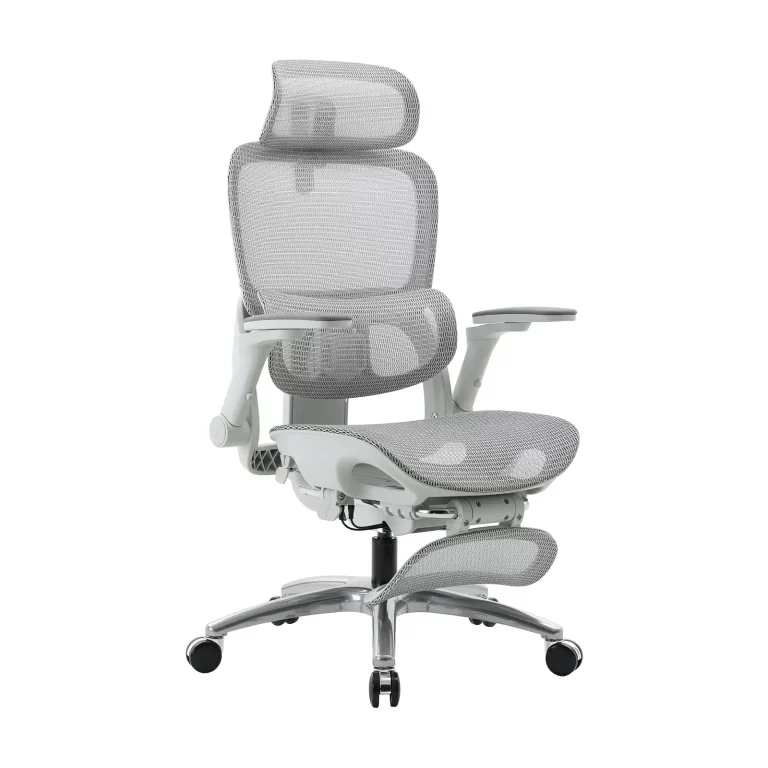
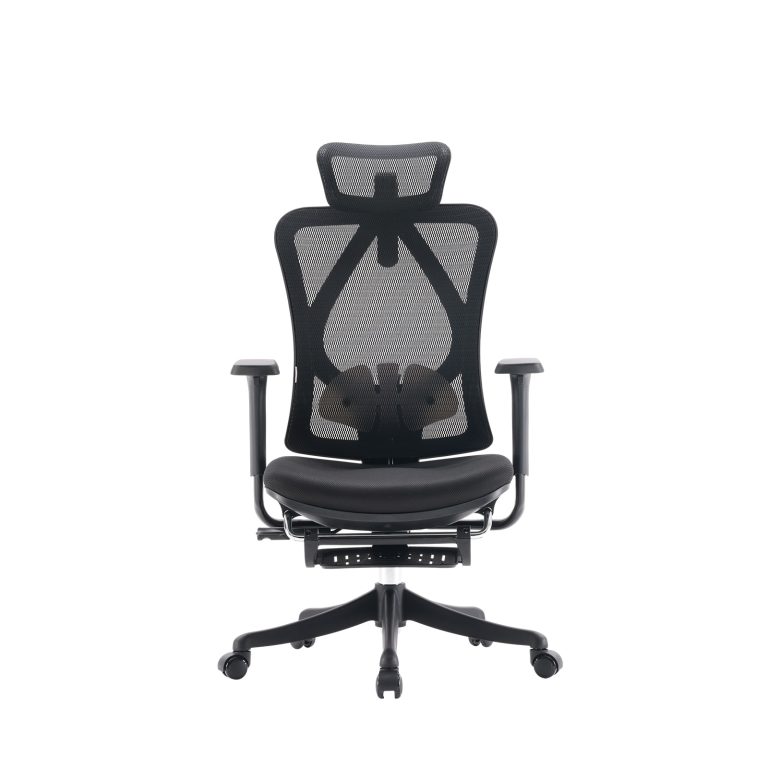
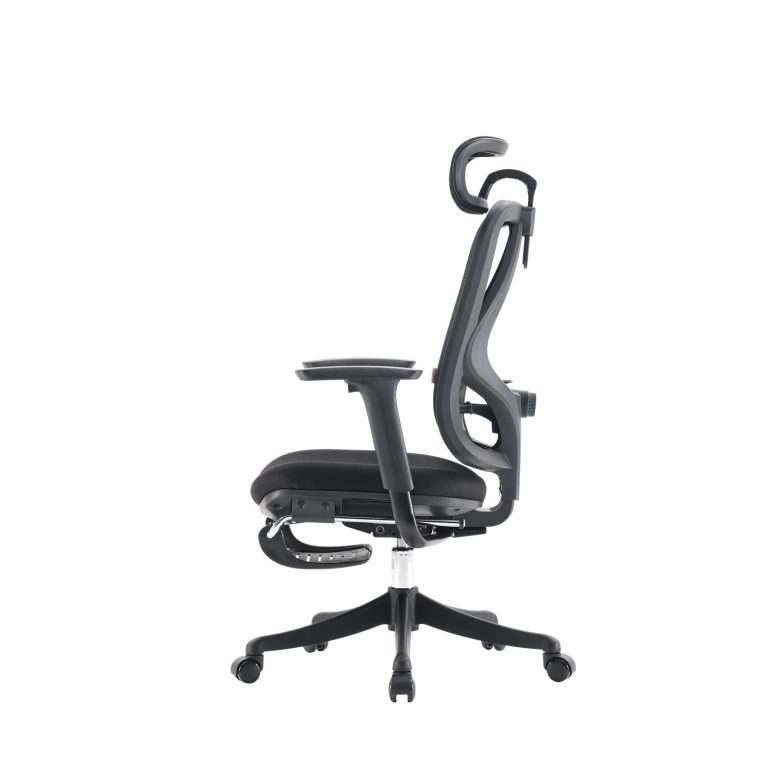
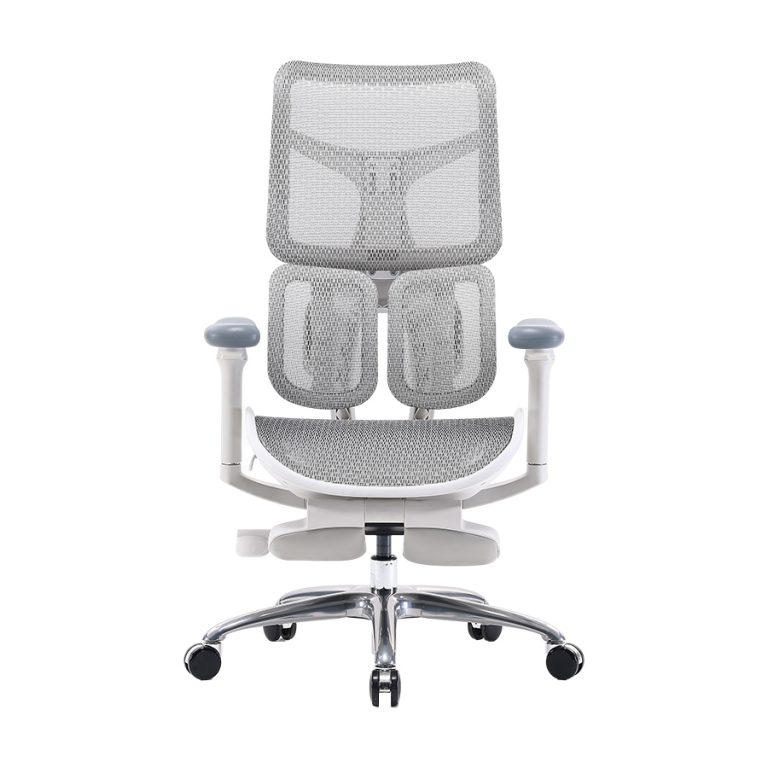
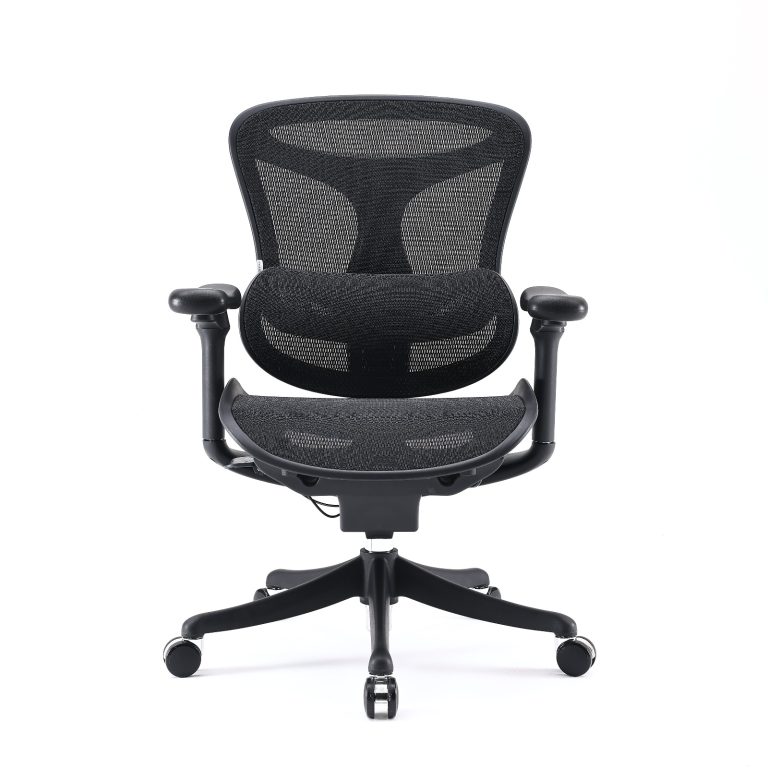
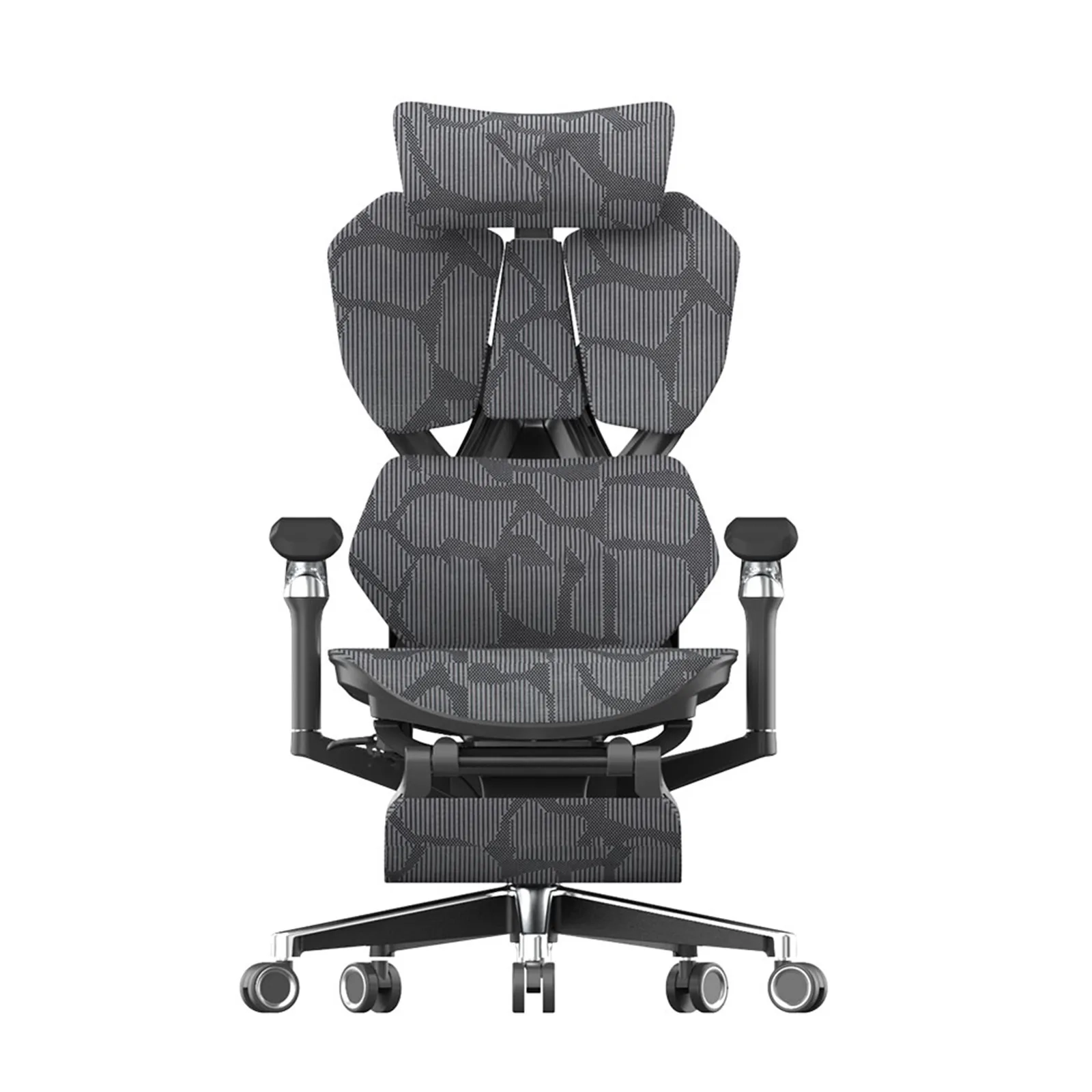
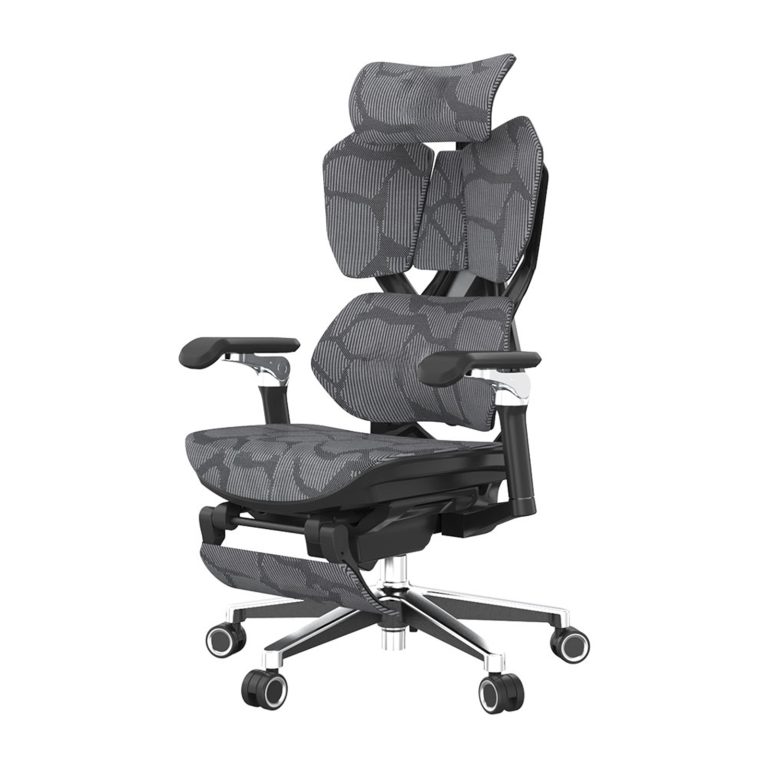
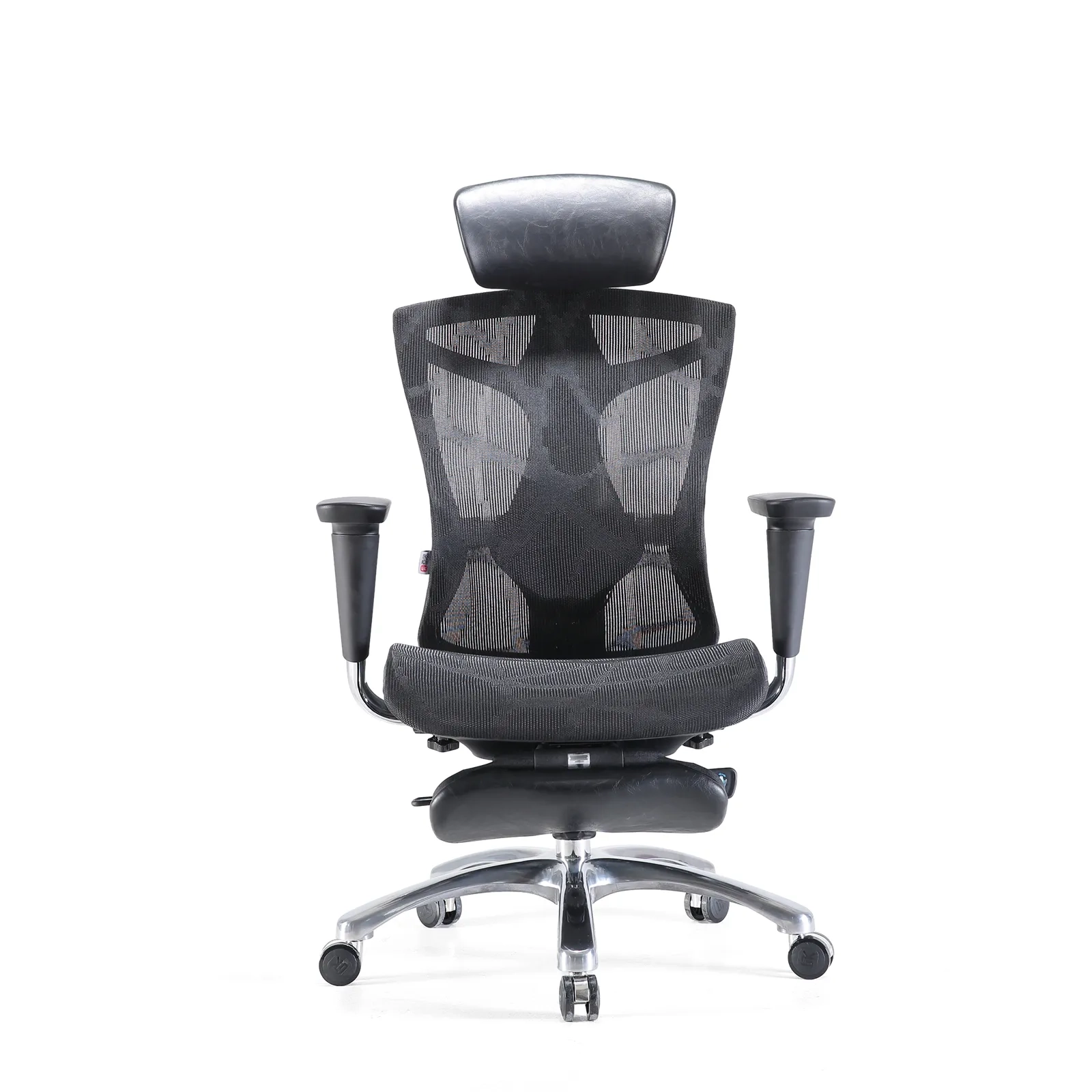
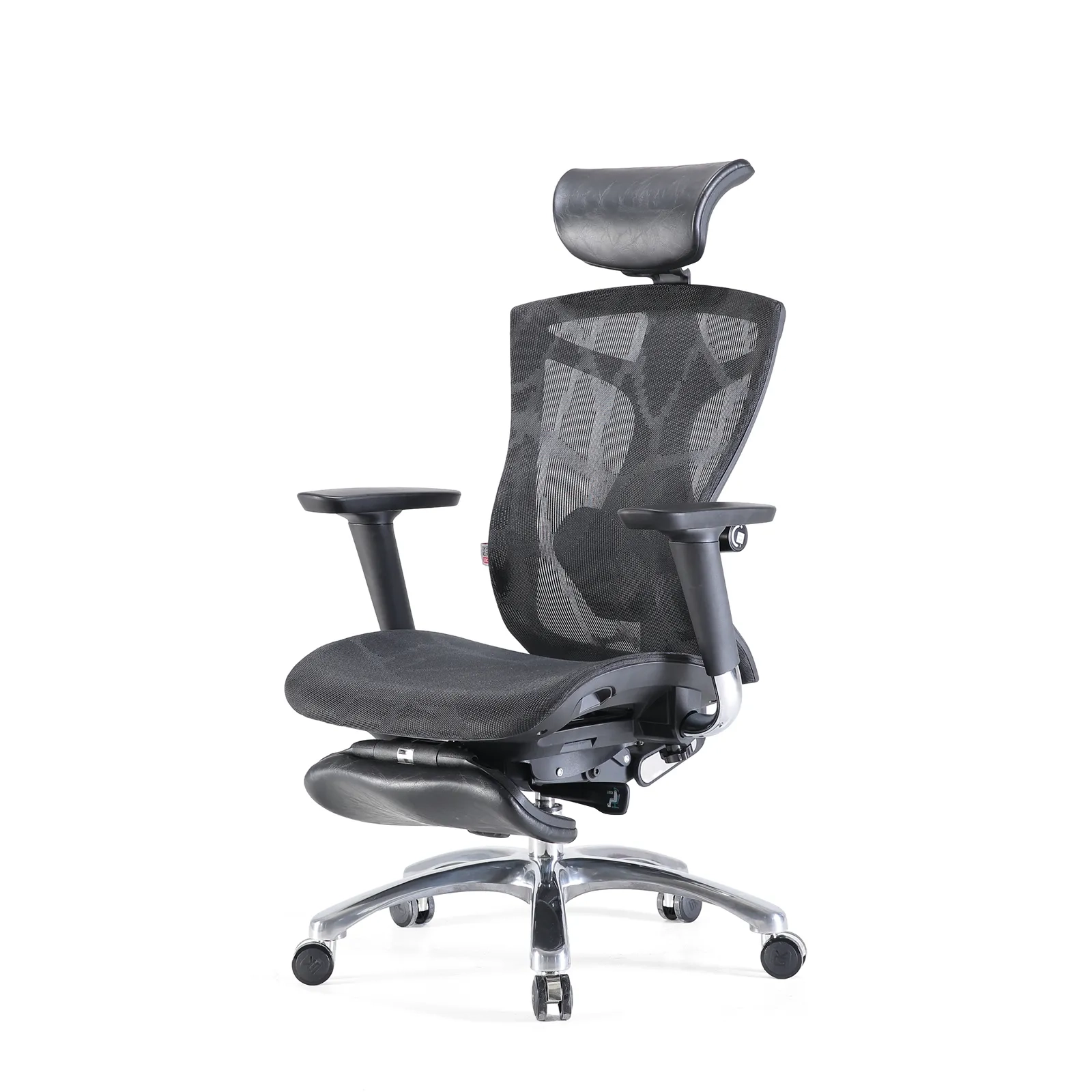
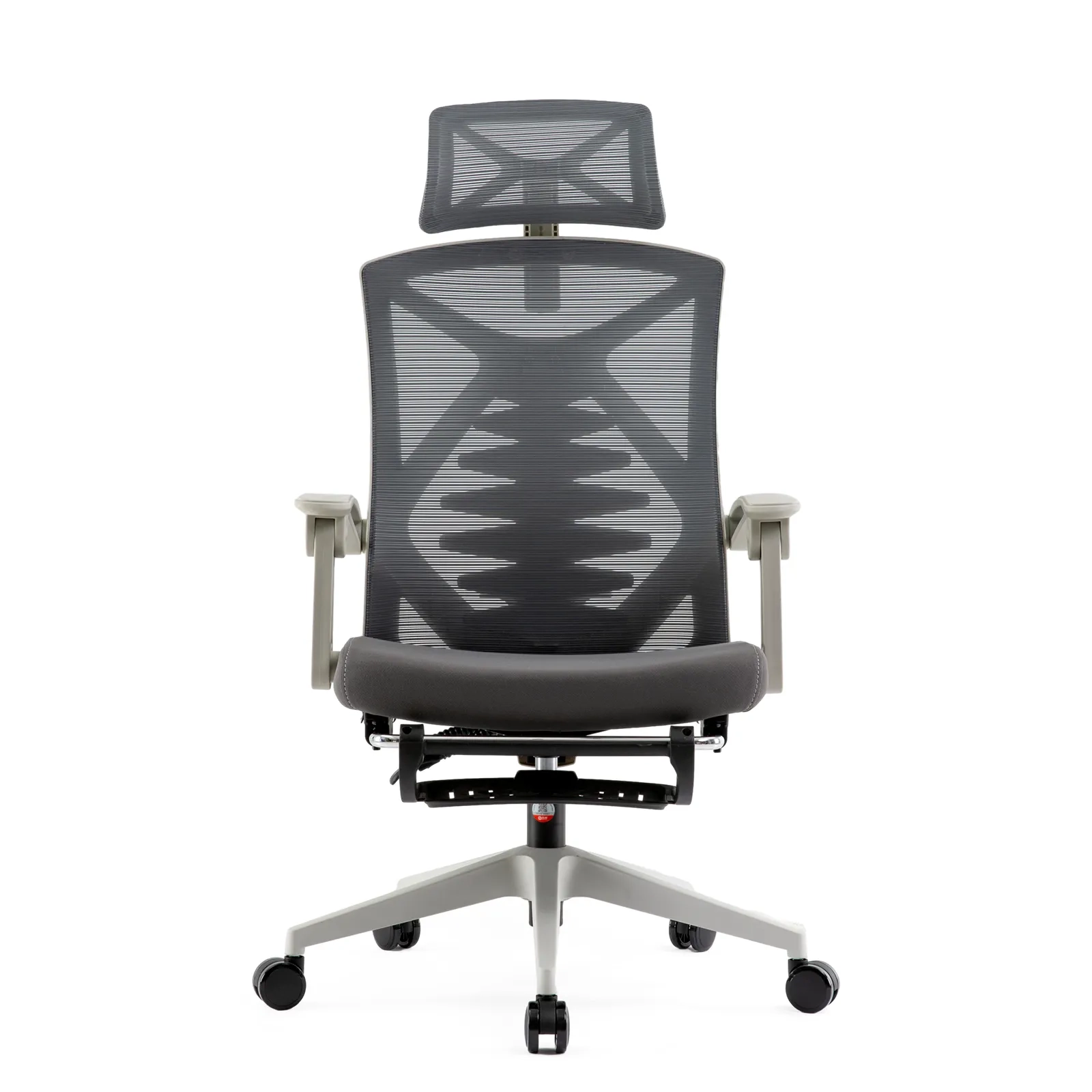
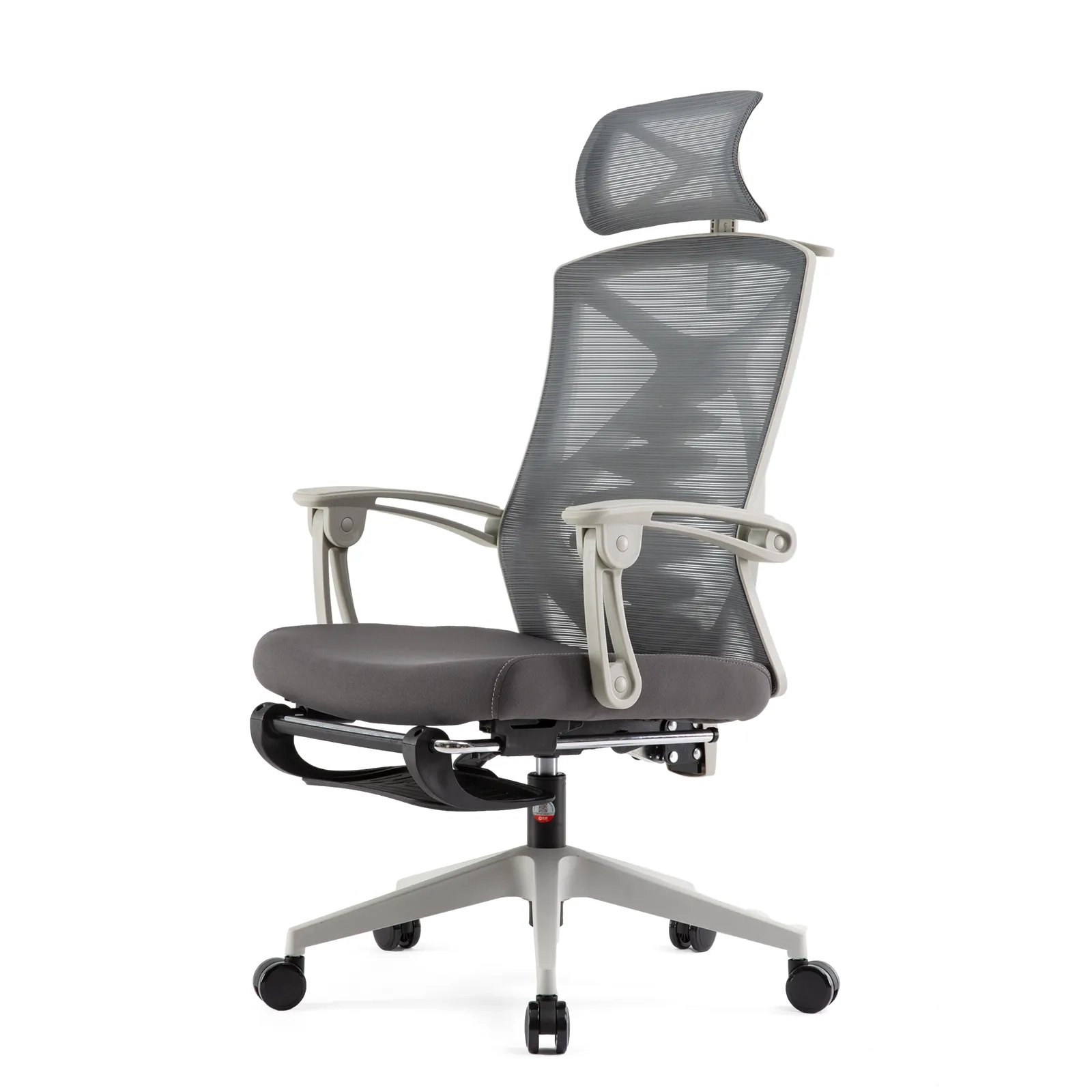
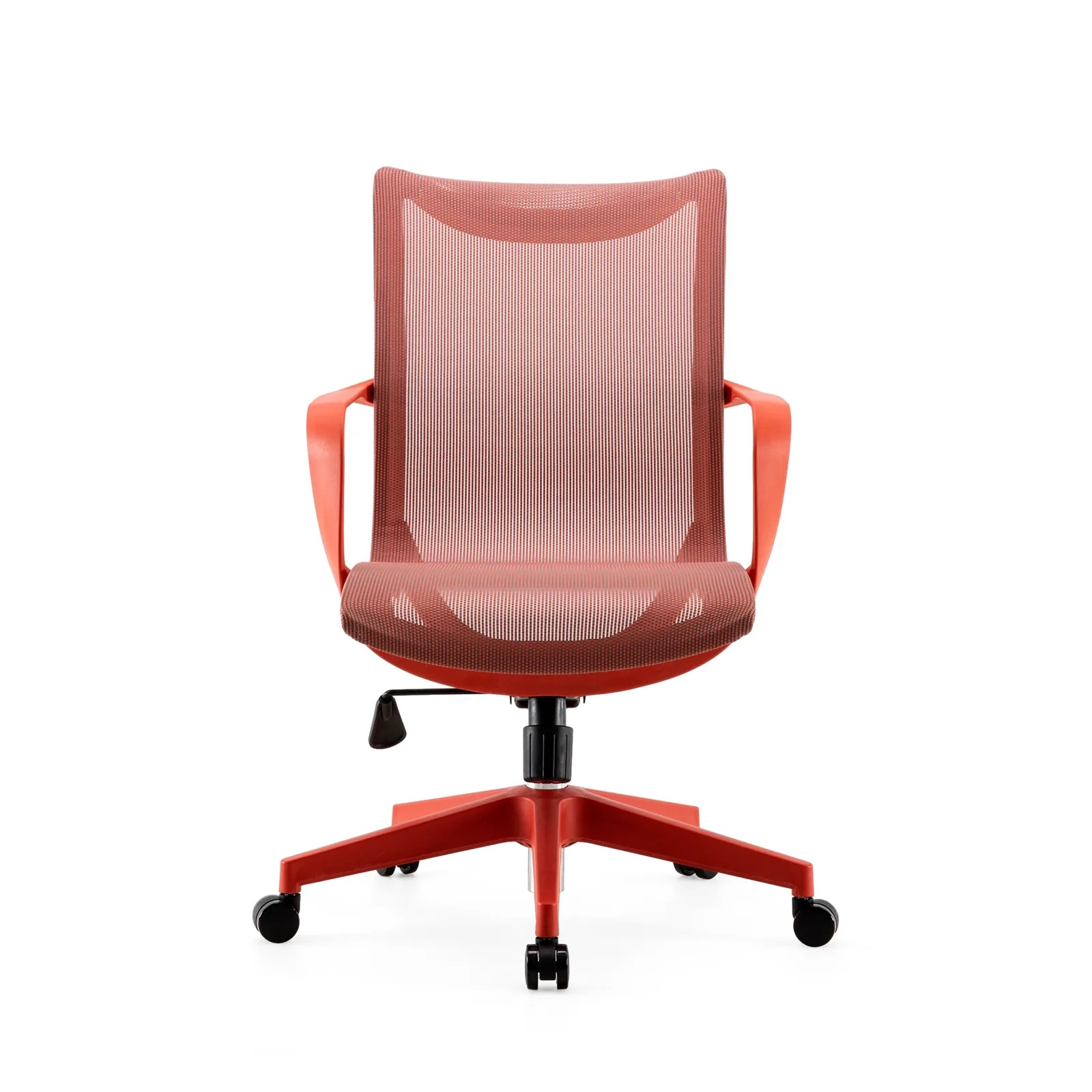
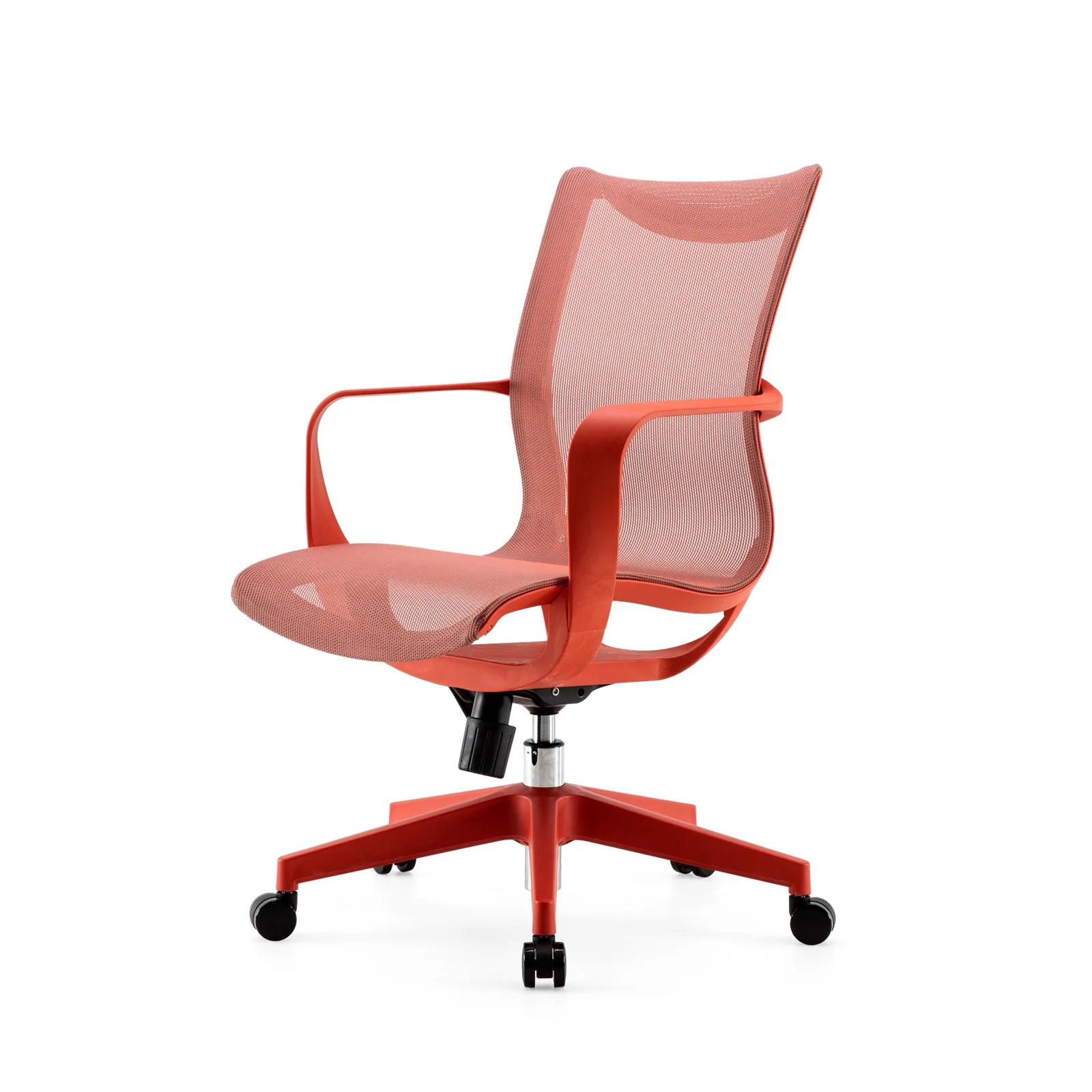
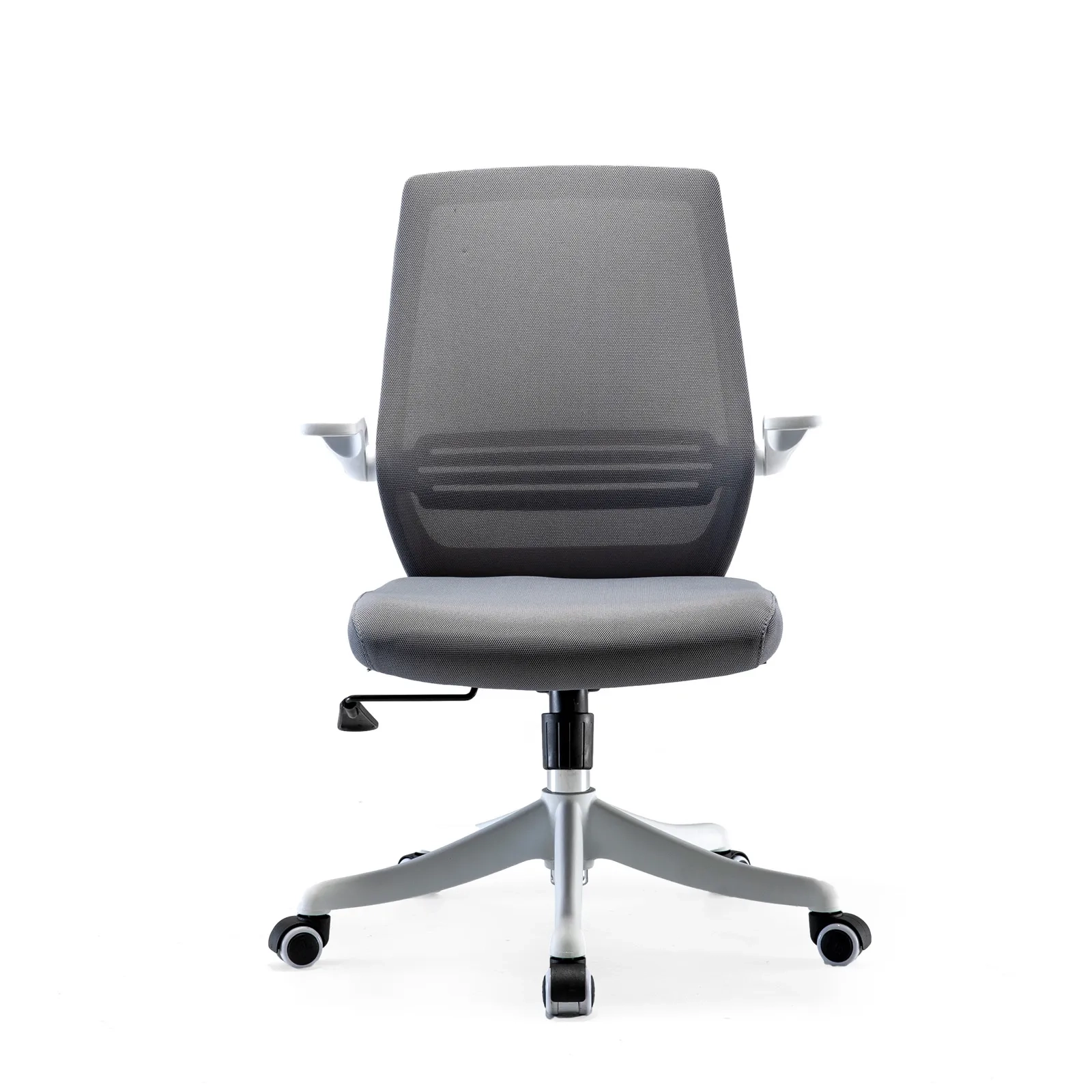
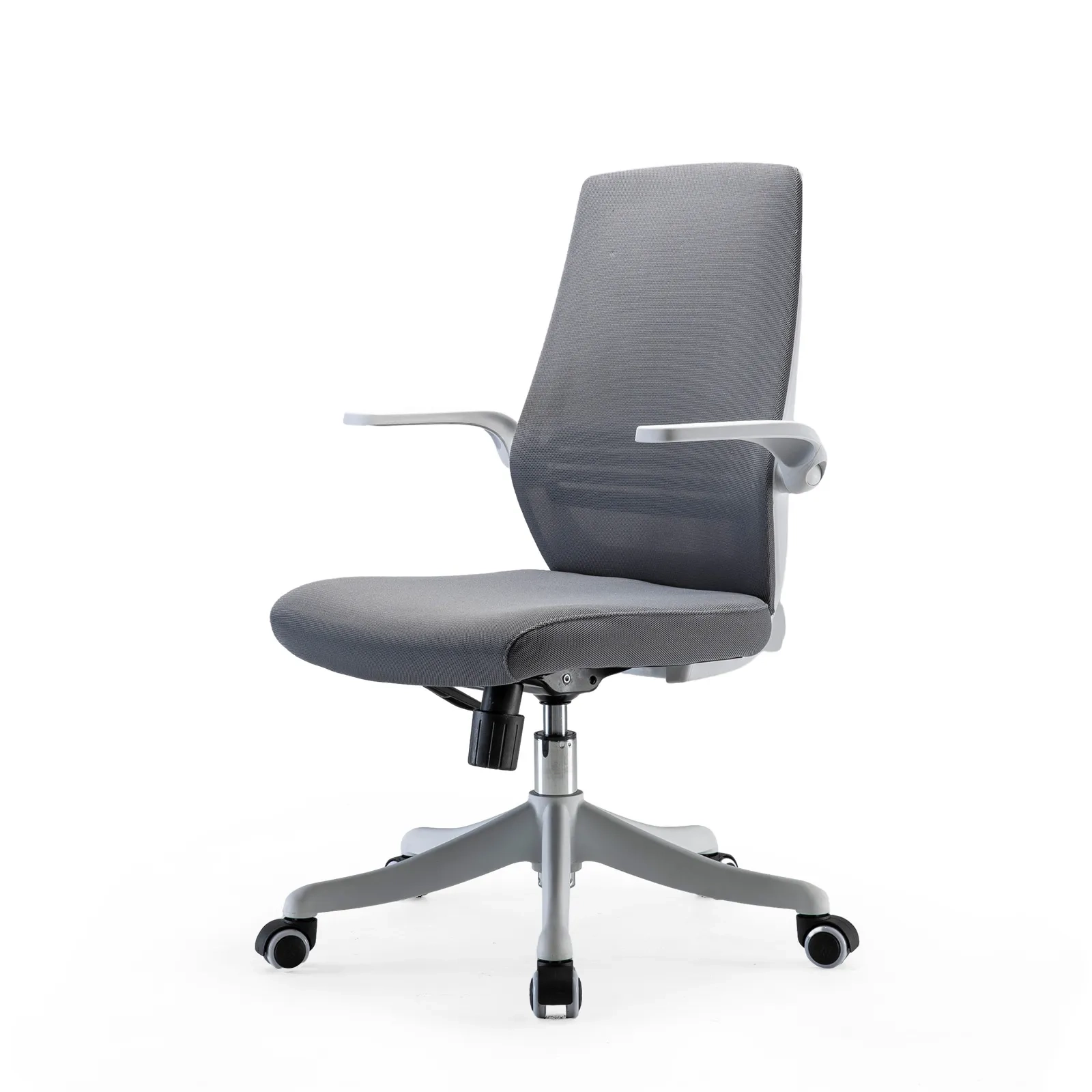
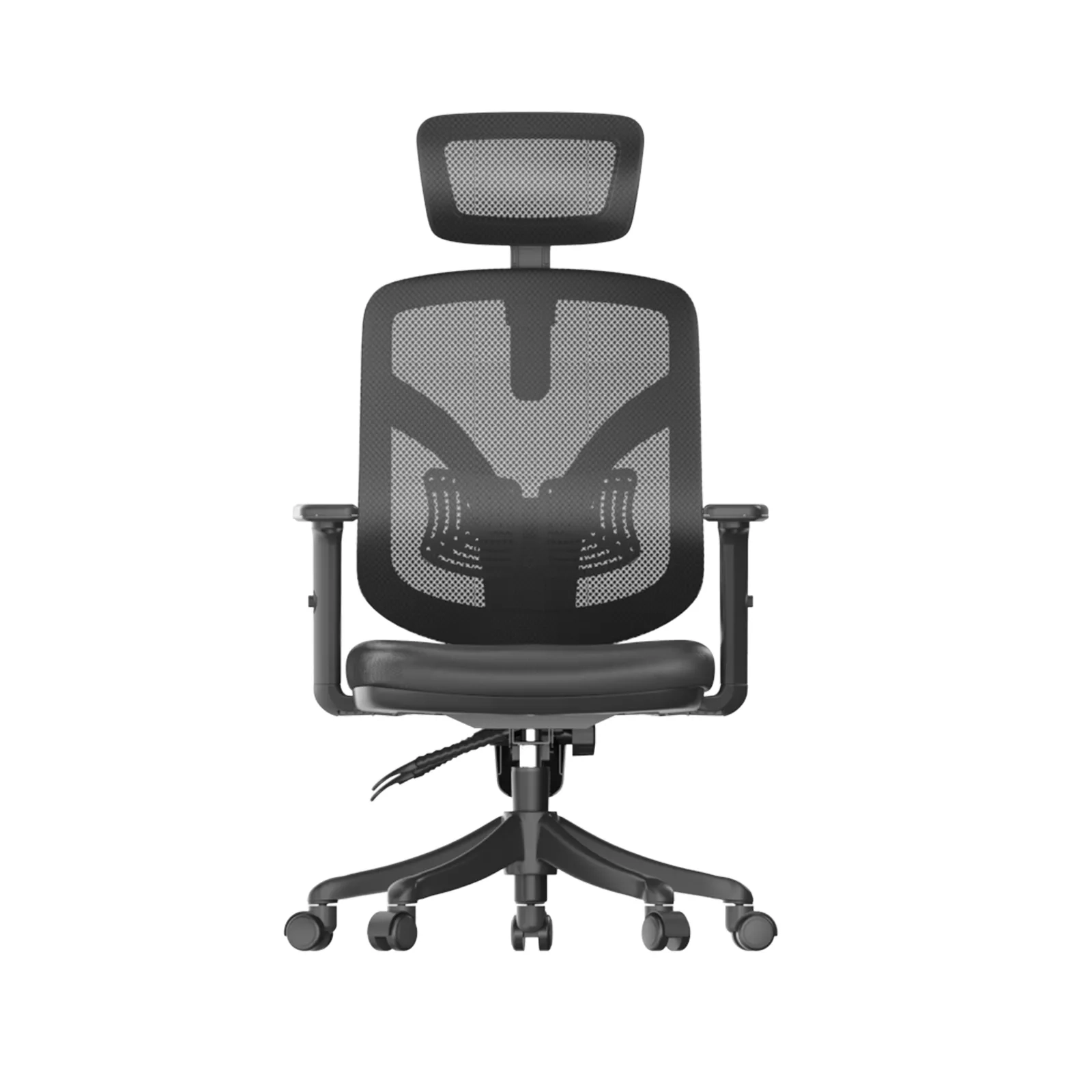
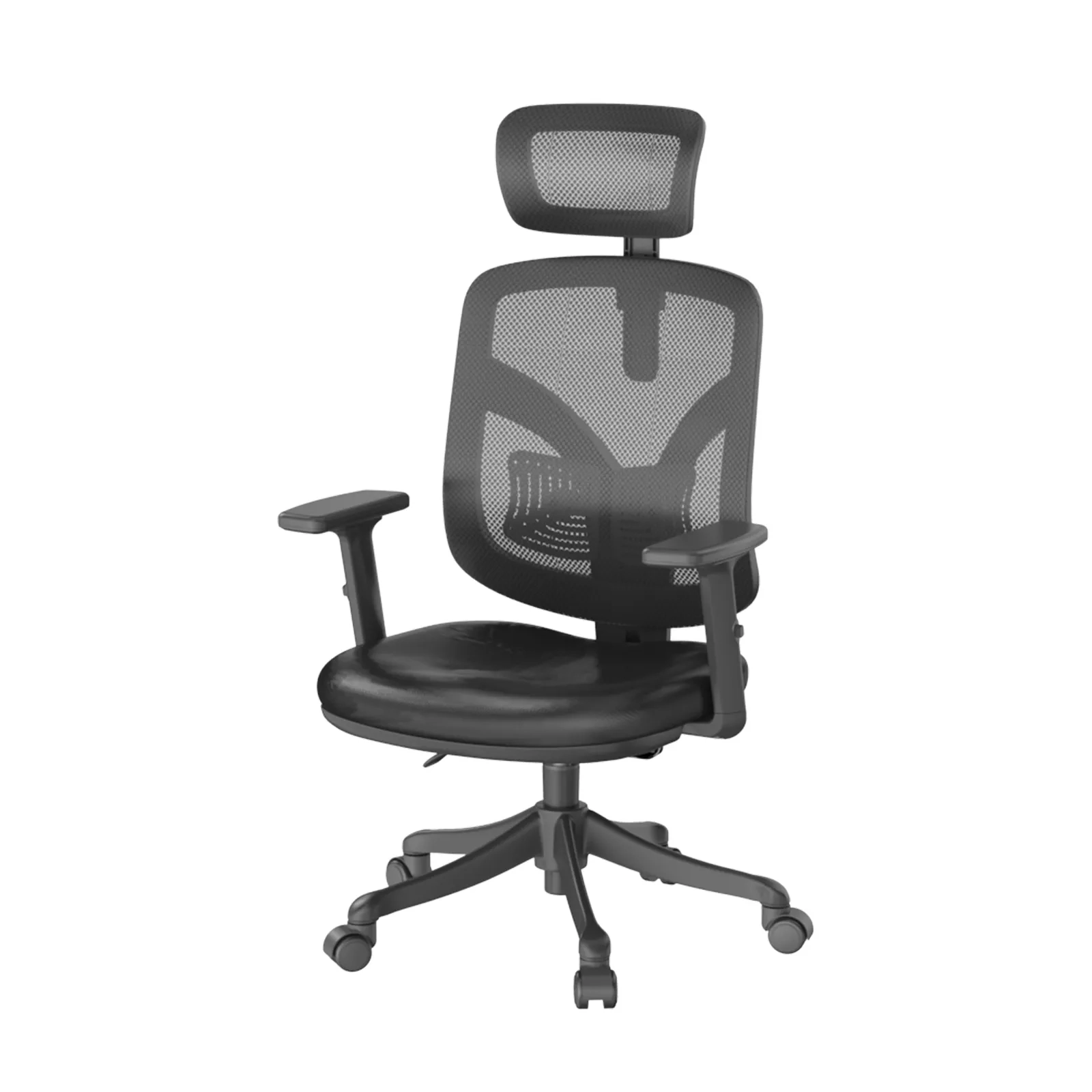
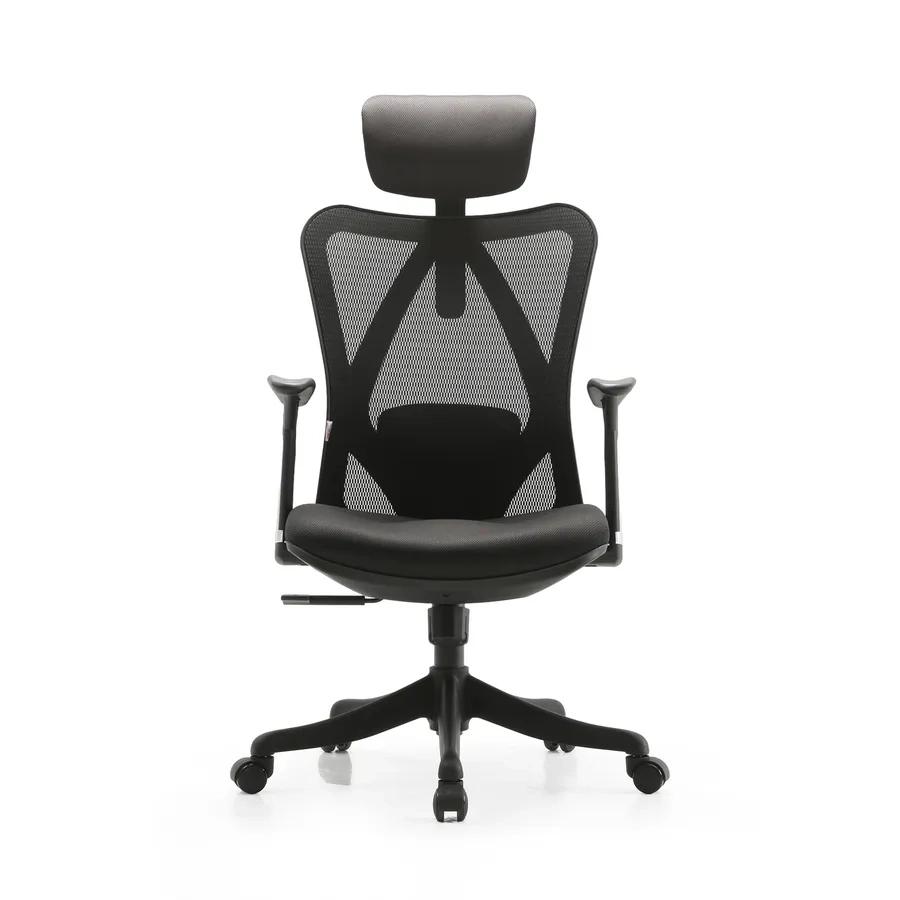
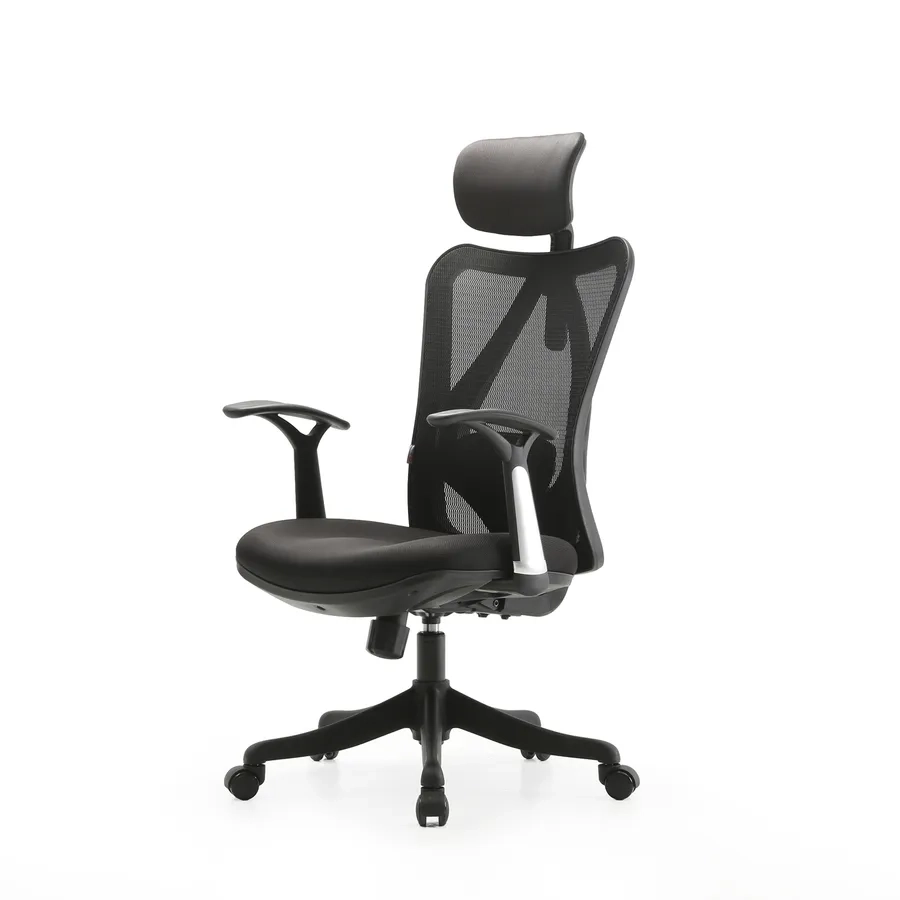
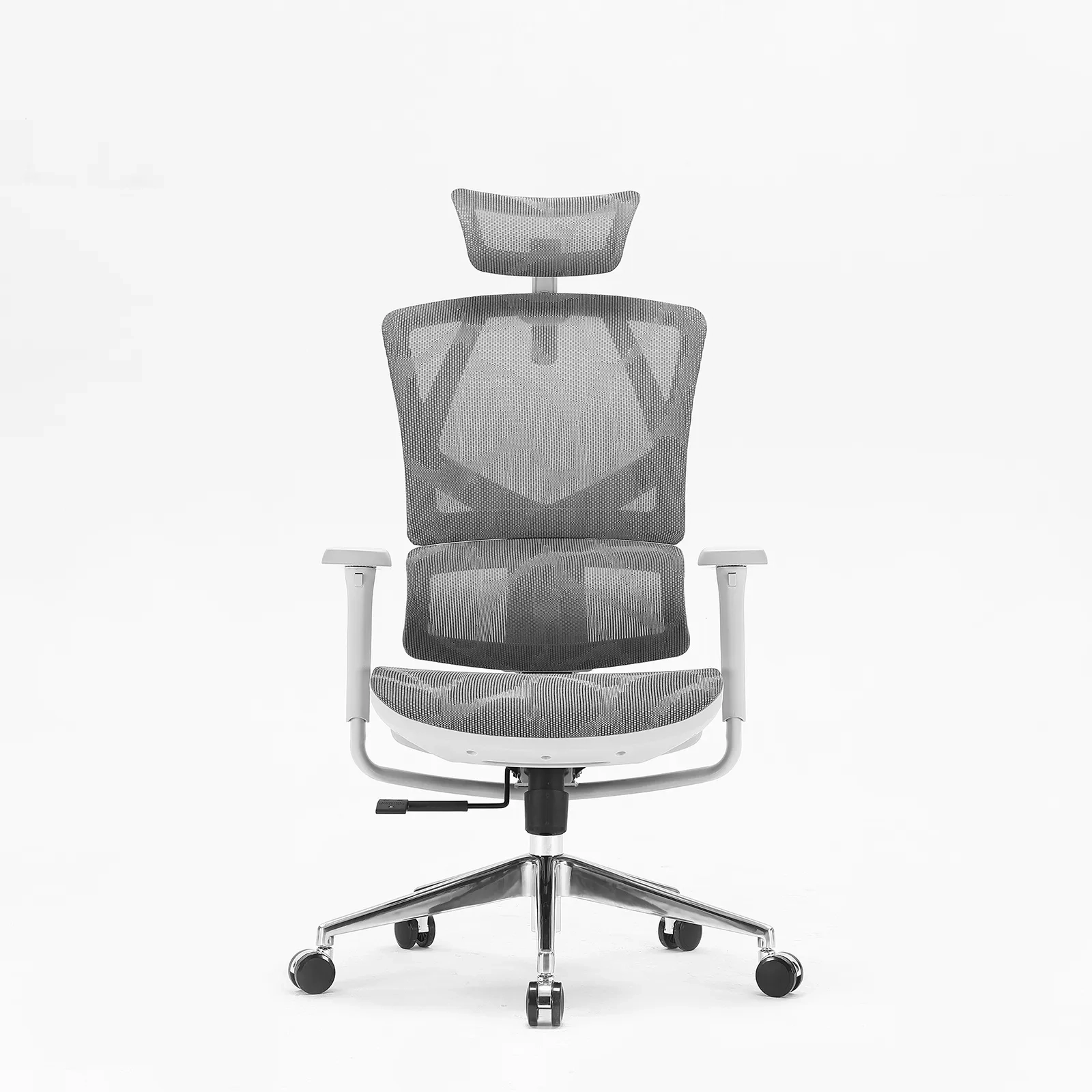
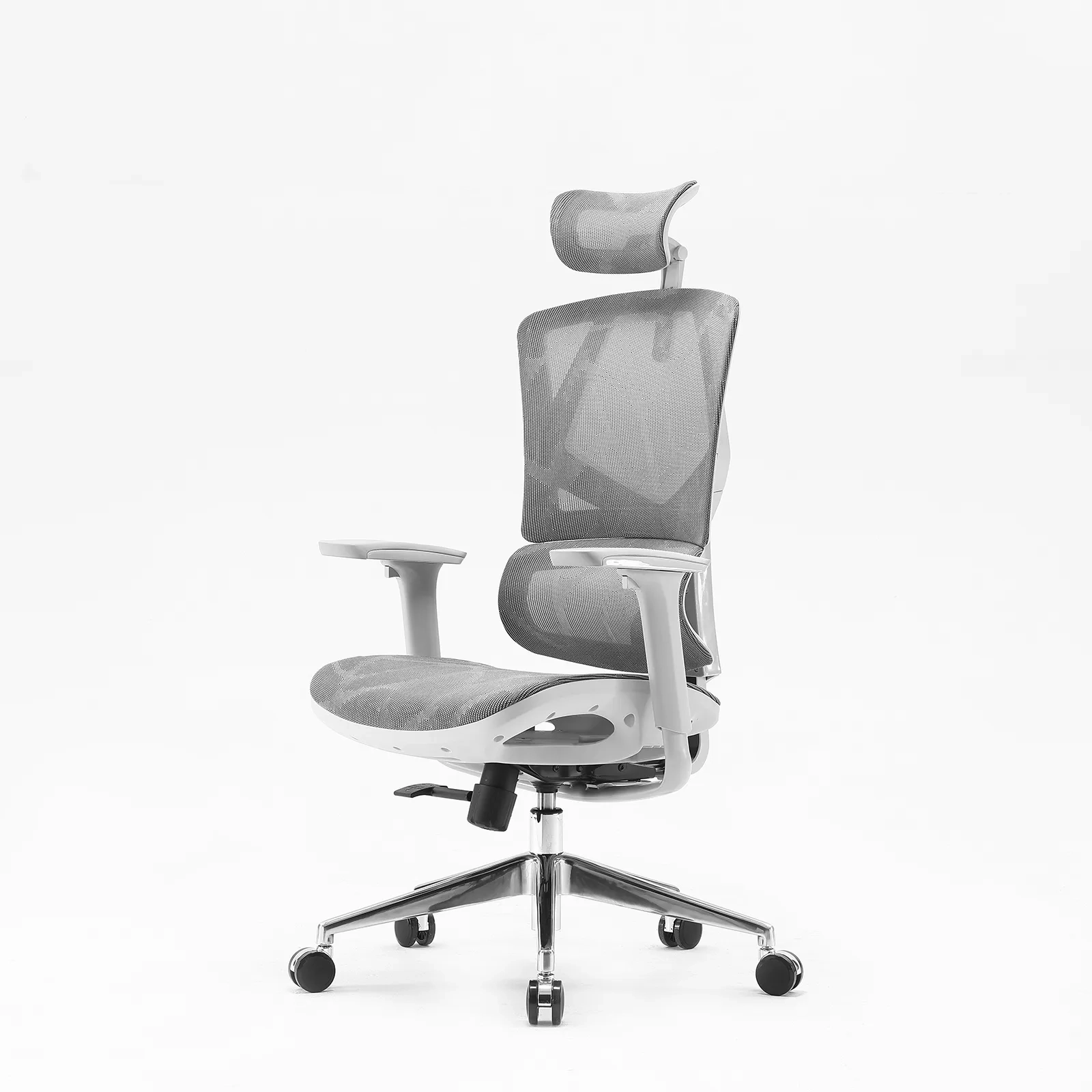
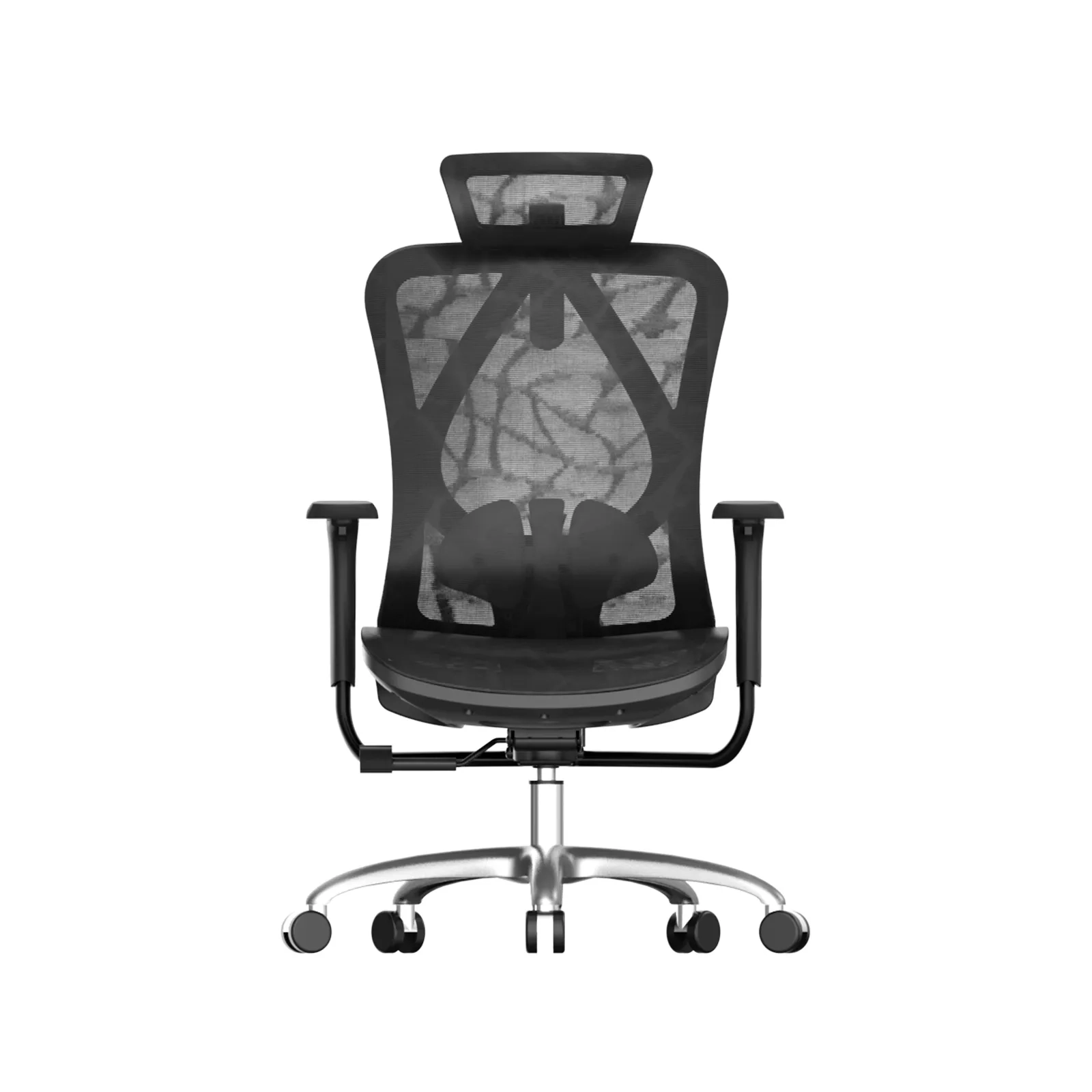
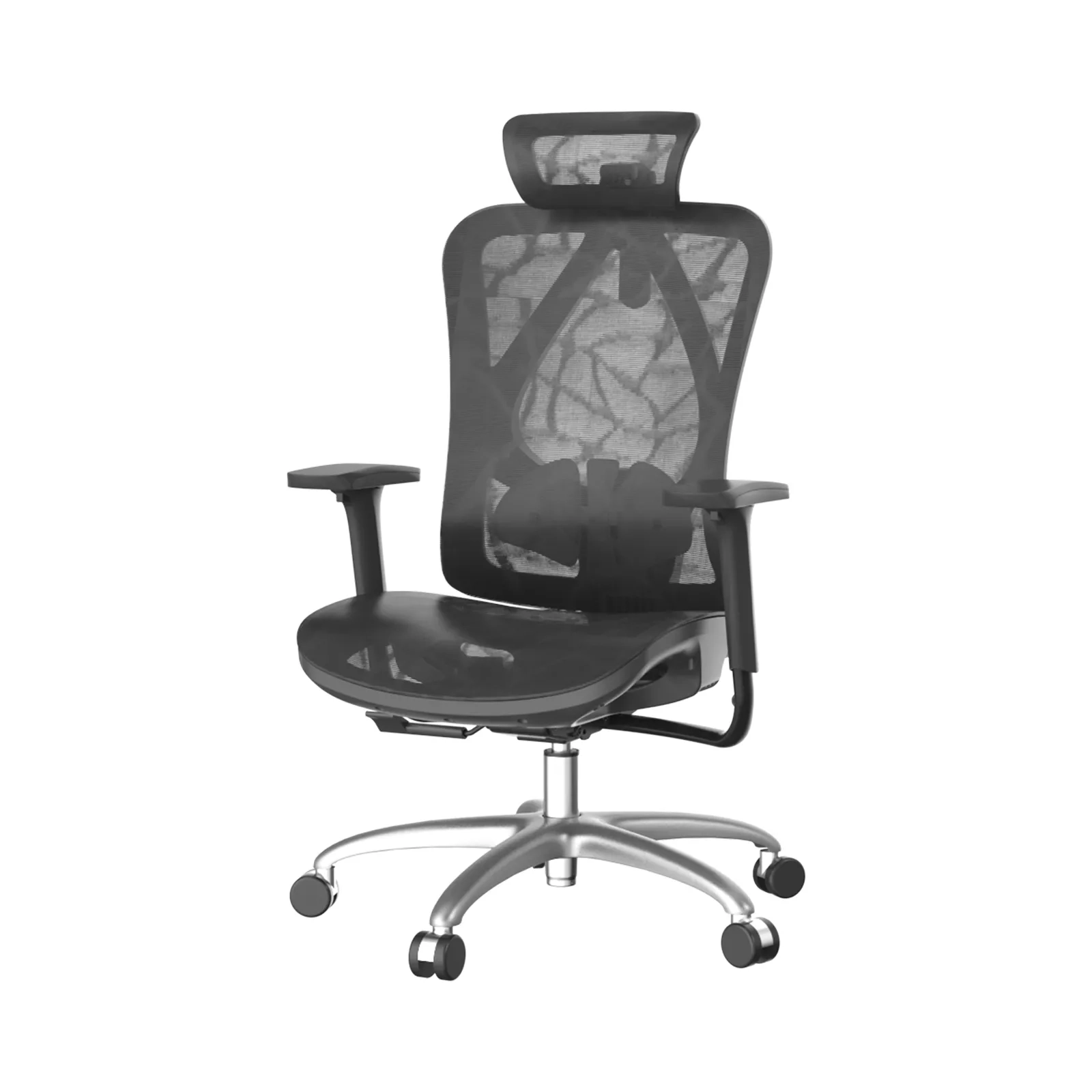
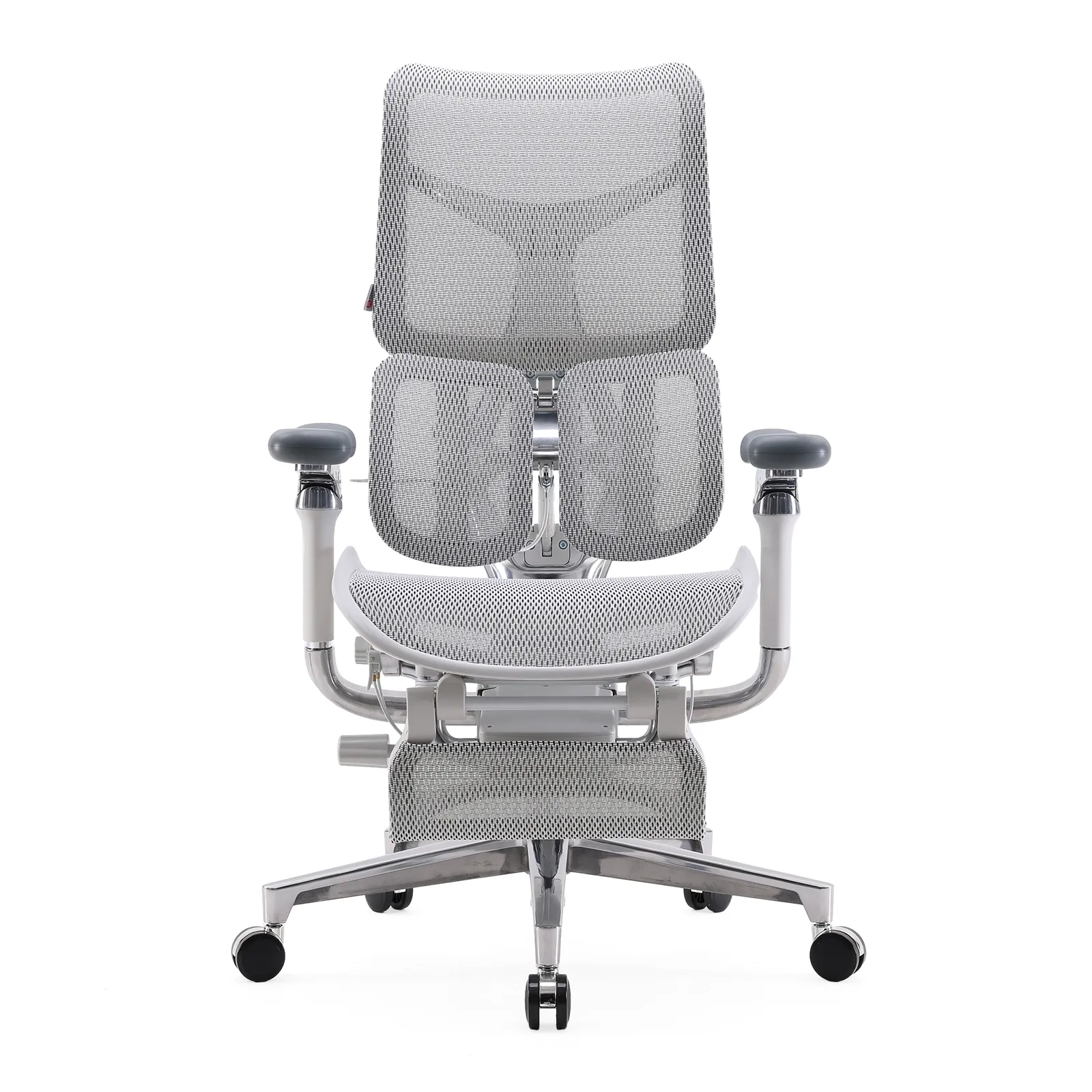
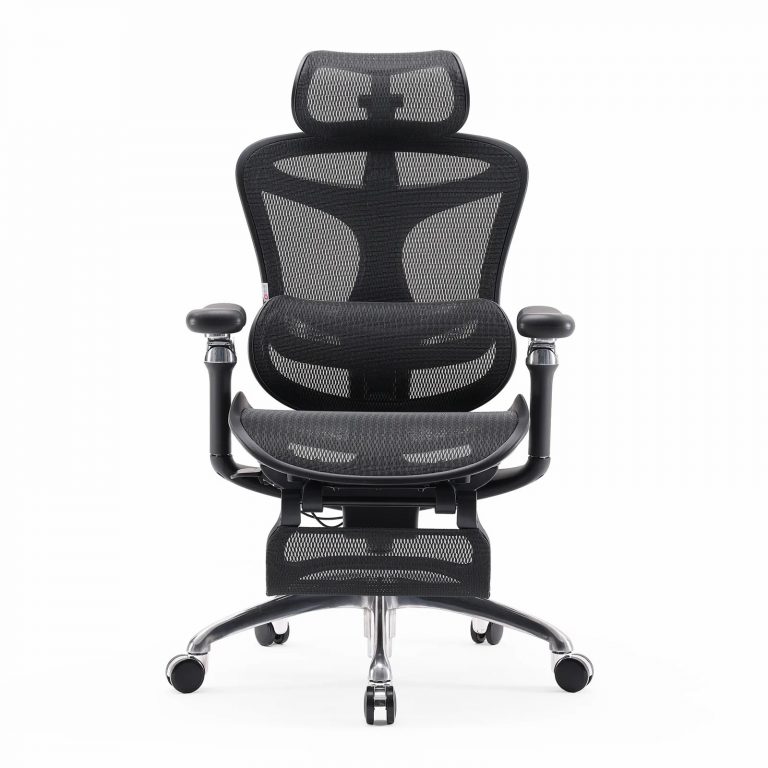
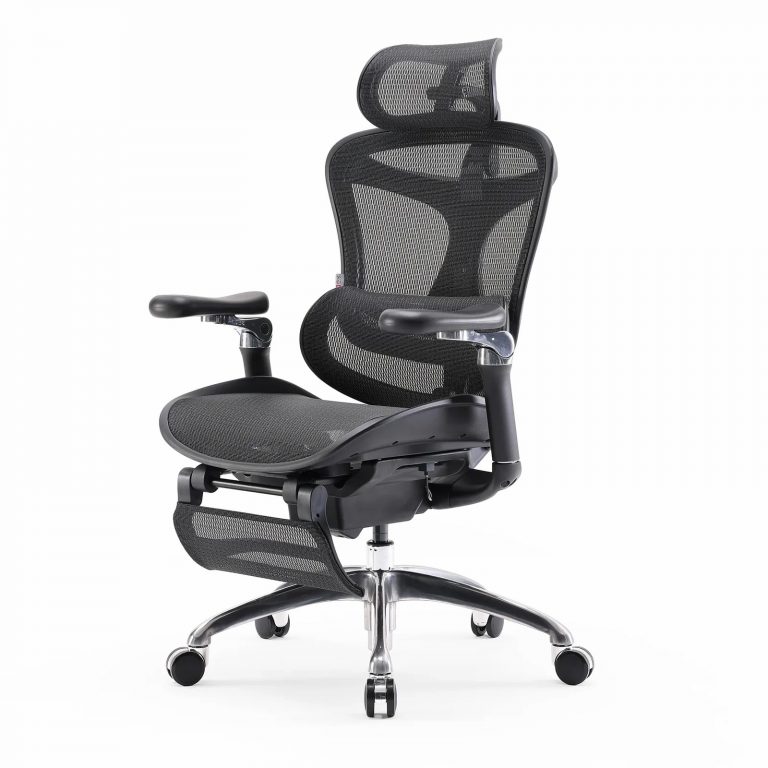
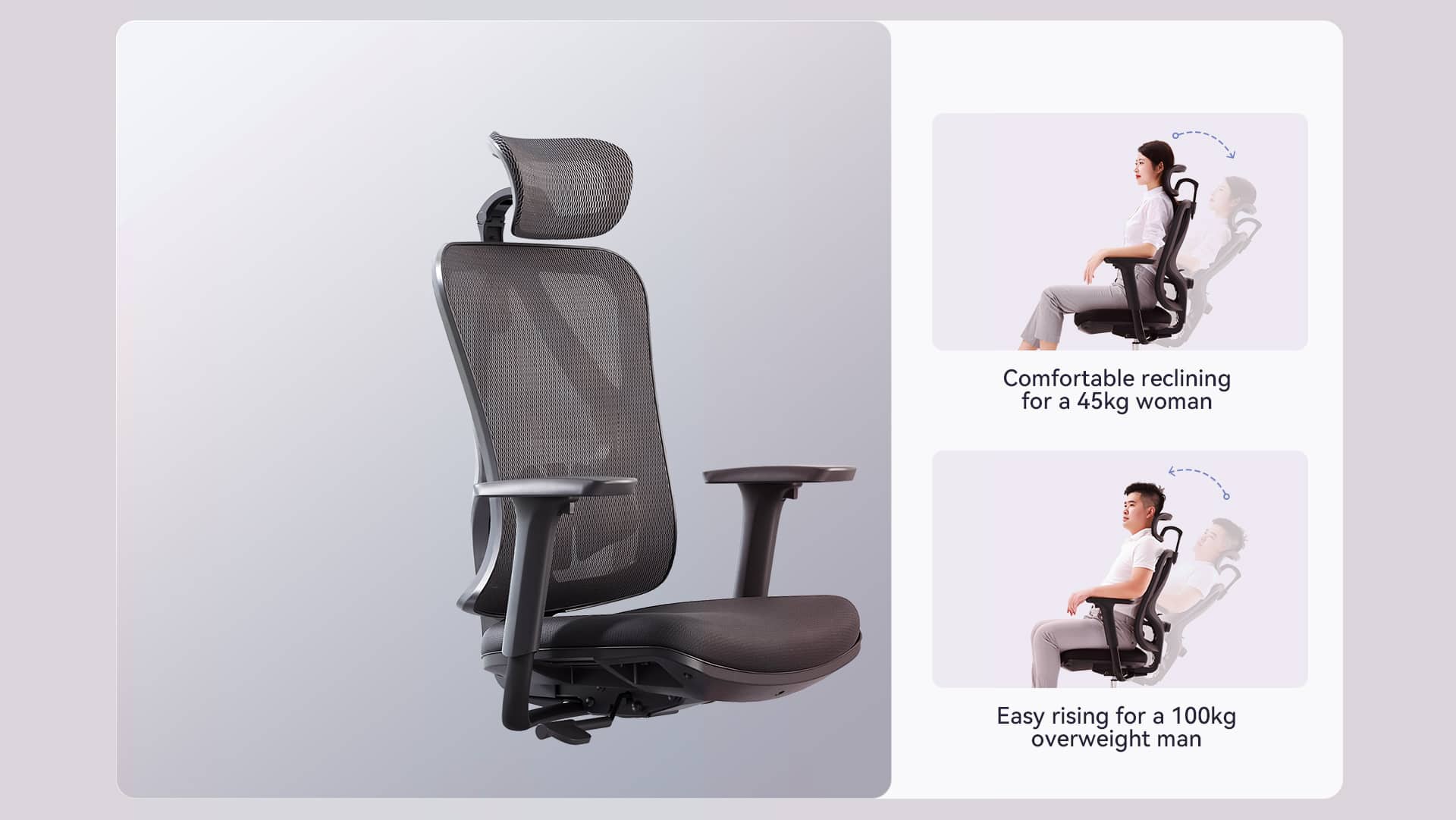
2 to 4 hours a day. The difference becomes noticeable. An entry ergonomic chair like the Sihoo M18 already helps and costs little more than a decent cheap chair. A comfortable office chair at this tier closes the gap for most home workers.
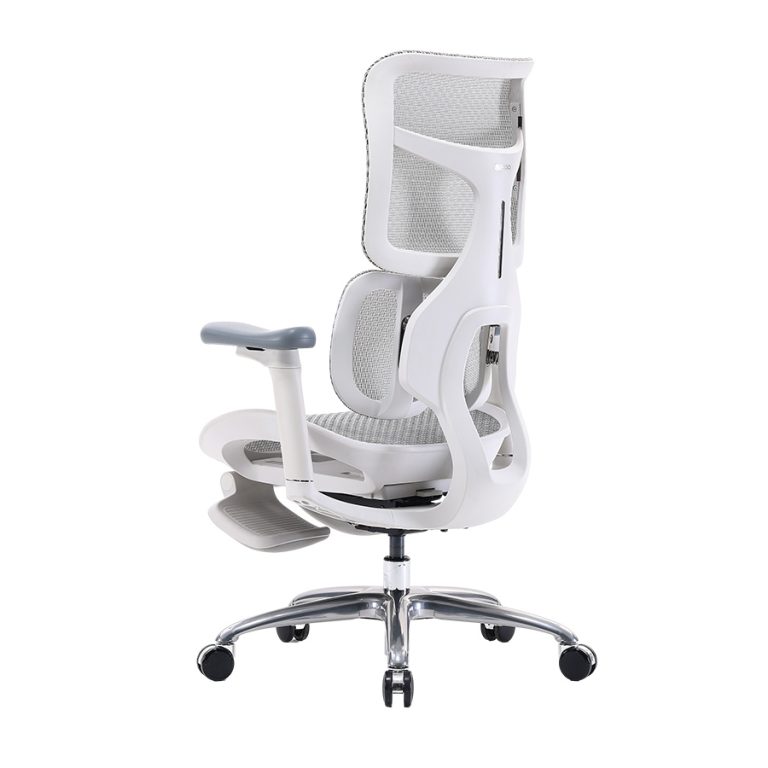
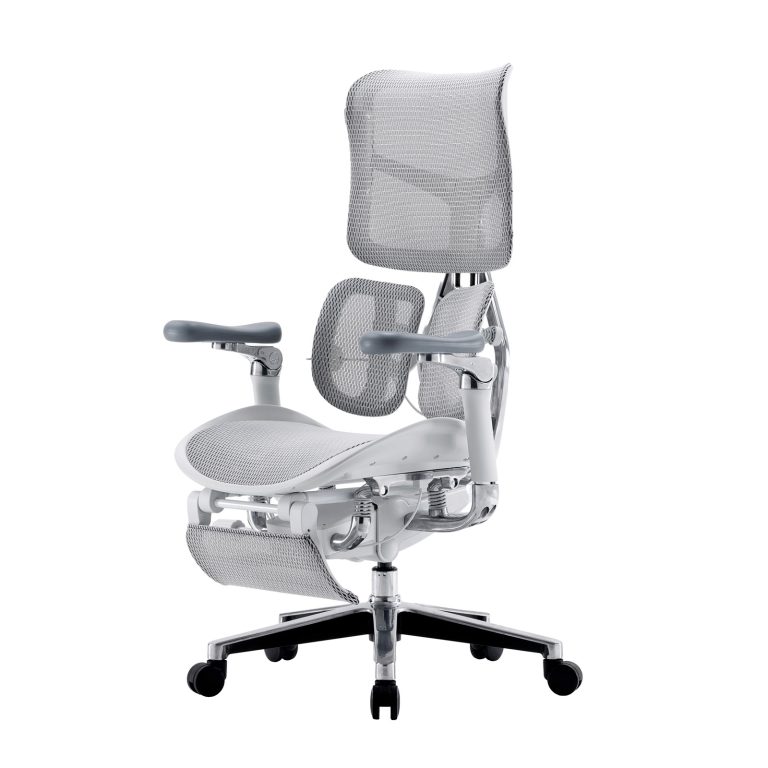
4 to 8 hours a day. The upgrade is clearly worth it. The Sihoo M57 or Doro C300 prevents the afternoon slump that cheap seats create.
8+ hours or back issues. A proper chair is not optional. Dynamic lumbar and seat depth, as on the Doro C300, matter most when the day is long.
A Closer Look at the Cheap Chair
Open a typical cheap chair and the savings are visible: a flat back with no lumbar shape, fixed arms, thin foam over a basic frame, and no certification mark. It feels acceptable on day one because any seat feels fine for a short sit. By month two the foam compresses, the tilt loosens, and the posture cost shows up as end-of-day stiffness. The lower price was borrowed from future comfort.
Where Cheap Chairs Cut Corners
Cheap models often skip lumbar shape, use fixed arms, and rely on uncertified foam. The result is a chair that feels okay for a month, then sags and creaks. The hidden cost is discomfort and earlier replacement.
When the Upgrade Is Not Worth It
- You rarely sit at the desk.
- Multiple very different users share one seat and cannot adjust it.
- You expect a chair to fix a medical posture problem, which needs a clinician.
In these cases, spend on fit range or a clinician visit rather than on chair features.
Cost Over Time
A $150 chair replaced every two years costs more than a $300 chair that lasts five. Factor lifespan, not just sticker price, because the cheap option recurs while the good one lasts.
Common Upgrade Myths
“I am tough, I do not need support.” Posture strain accumulates regardless of willpower; the chair does the physical work.
“A cushion fixes a bad chair.” A pillow masks a missing lumbar but does not restore adjustability or fit.
“Expensive equals ergonomic.” Price is not proof. Check lumbar, adjustability, and certification, not the tag.
“I will get used to it.” You adapt to discomfort by compensating, which often creates new strain elsewhere.
A fast way to settle the decision is to price your own discomfort. Note how much weekly productivity loss or lower-back discomfort costs you, then compare that against the price gap between a budget chair and an ergonomic alternative.. For most daily desk workers the gap closes within a few months, and after that the better chair is pure gain. The cheap option only wins when your sit time is genuinely low, so be honest about the hours before you let the sticker price make the call for you.
FAQs
Is a $200 chair “cheap”?
Not necessarily. The Sihoo M18 sits near that range with real ergonomic features and certification, so price alone does not define quality.
Can I upgrade later?
Yes. Start with M18, move to M57, then Doro C300 as needs grow. A staircase approach spreads cost.
Do cheap chairs hurt you?
They do not hurt directly, but poor support can worsen slouching over time, which is the slower cost.
What is the minimum worth buying?
Adjustable lumbar, height, and certified build. Without those, it is a cheap chair in nicer clothing.
Is financing a good chair worth it?
If it lets you reach the M57 or Doro C300 tier for daily use, the comfort you gain usually outweighs the small financing cost. That is how a good office chair becomes affordable for daily use.
Can I justify a cheap chair at home and a good one at work?
Yes, if your home sit time is brief. Match the chair tier to the hours, and you will not overspend or under-support.
The Hidden Math of Chair Cost
Sticker price hides the real number. A $120 chair replaced every two years costs $360 over six years, plus the comfort and posture cost in between. A $320 certified chair that lasts six years costs less per year and spares you the afternoon slump. When you compare, divide price by expected years and add the value of fewer aches. Seen this way, the expensive chair is often the bargain, and the cheap one just keeps costing you.
How to Trial an Upgrade Safely
You do not have to commit blind. Buy from a seller with a return window, then use the new chair for real workdays before judging it. Adjust lumbar, height, and recline fully; most disappointments come from factory-default settings. If the fit range matches and setup is correct but comfort still fails, return it without guilt. A trial turns a risky purchase into a careful one, which is exactly how a smart upgrade should feel.
Key Takeaways
The upgrade question is really a hours question, not a budget question. Keep three points in view and the decision gets simple.
- Hours decide the upgrade – Past four hours a day, an ergonomic chair pays back in comfort and fewer posture problems.
- Cost is per year, not sticker – A certified chair often wins the long math over a seat you replace every two years.
- Trial removes the risk – Use the return window and adjust fully before you judge the chair.
- Support is load management – Real lumbar and adjustability spread sitting work across the right muscles instead of the lower back.
Seen this way, the expensive chair is often the bargain and the cheap one just keeps costing you. If your hours change with a new role, redo the comparison rather than assuming last year’s answer still holds, since the right tier shifts with workload.
Making the Call
Making the call comes down to one question: how many hours do you actually sit? Under four, keep the saving. Over four, the ergonomic chair pays for itself in comfort and fewer posture problems. Be honest about the number and the decision makes itself, without overthinking features you will never use.
Related guide: best office chairs of 2026.
Final Thoughts
The upgrade is worth it for daily desk work. The best office chairs are not defined by price but by the hours they support, so match the tier to your day. Start at the Sihoo M18, step up to the M57, and choose the Doro C300 for all-day use.
See the full 2026 office chair roundup. Teams can explore wholesale cooperation with SIHOO.
1600x1600-4-768x768.jpg)
1600x1600-8-768x768.jpg)