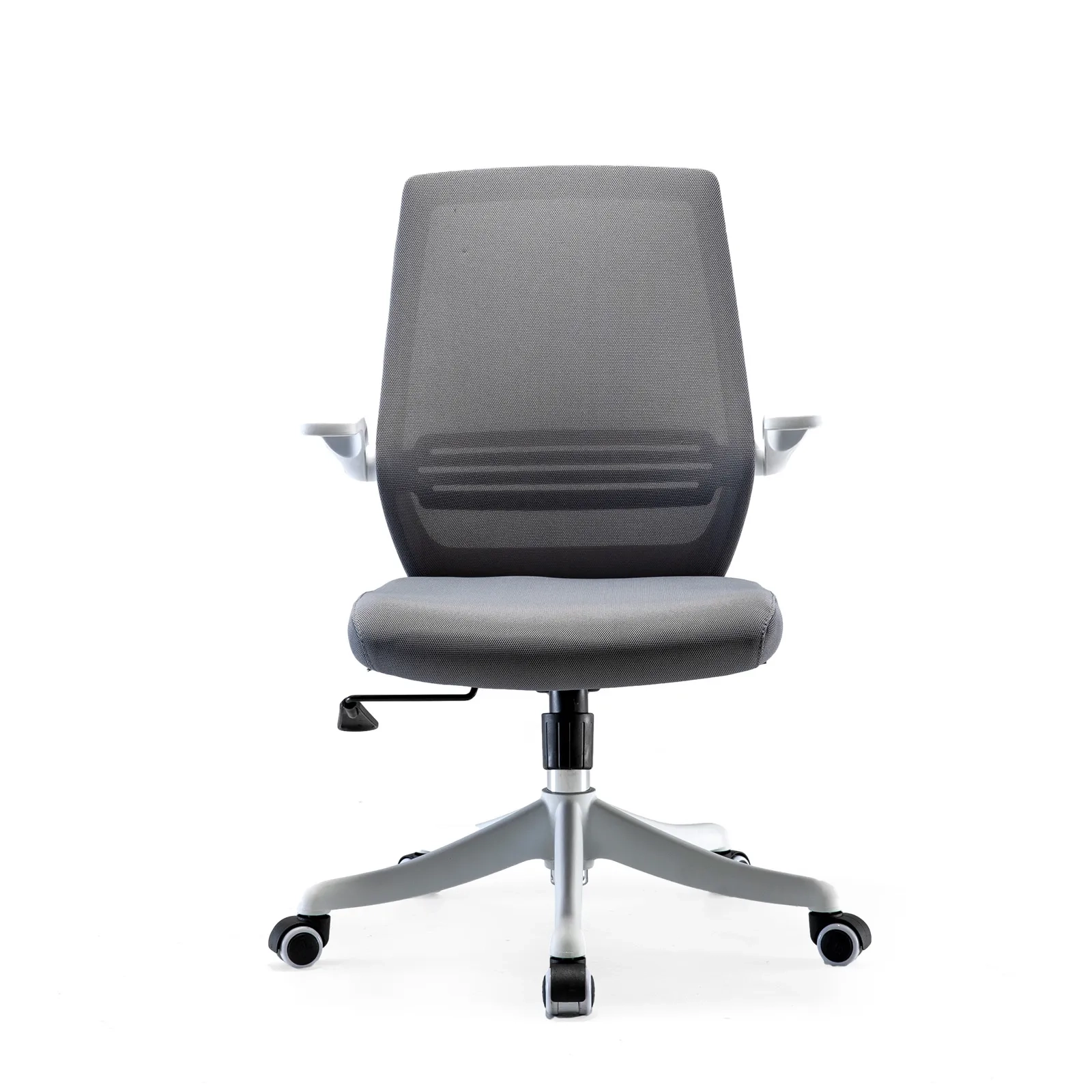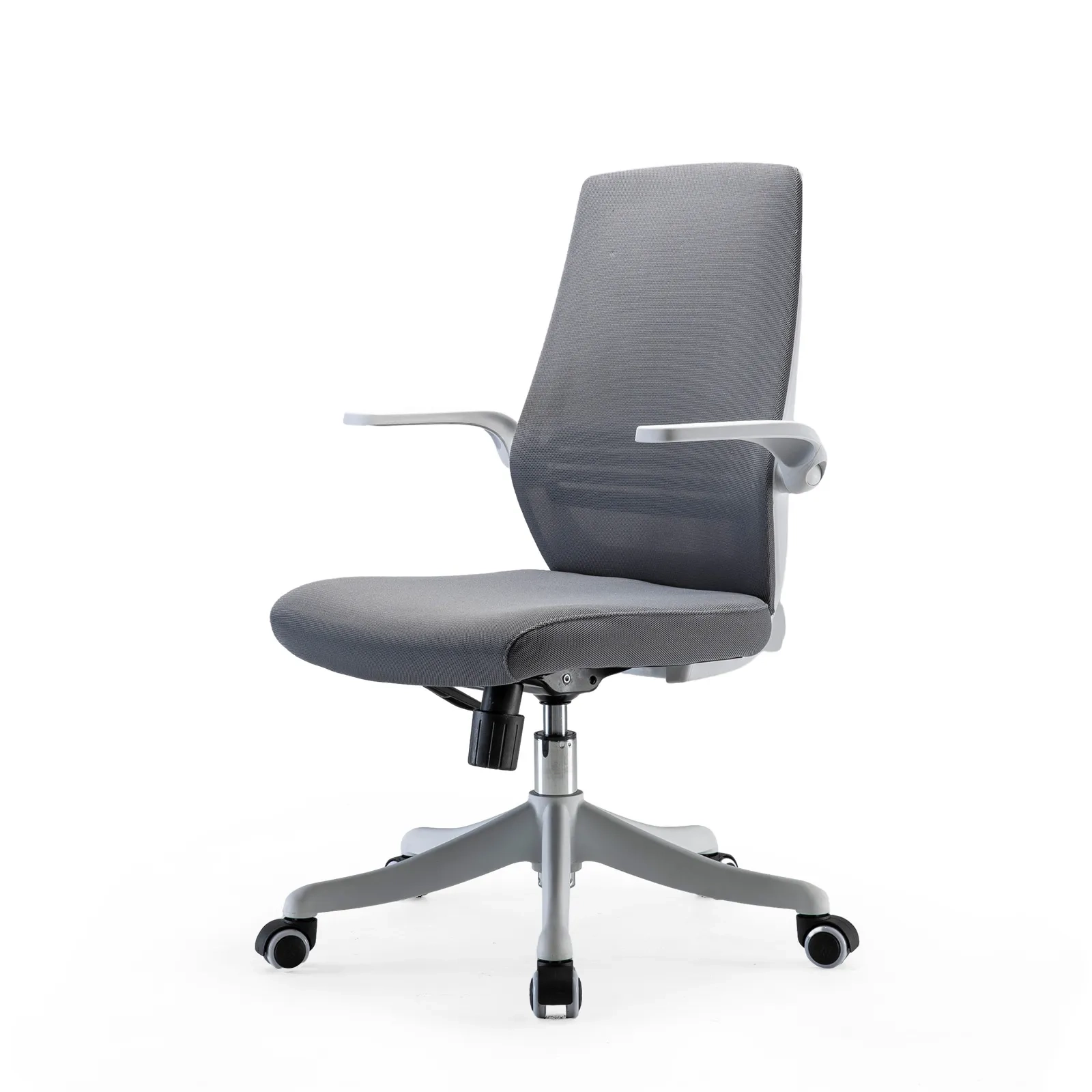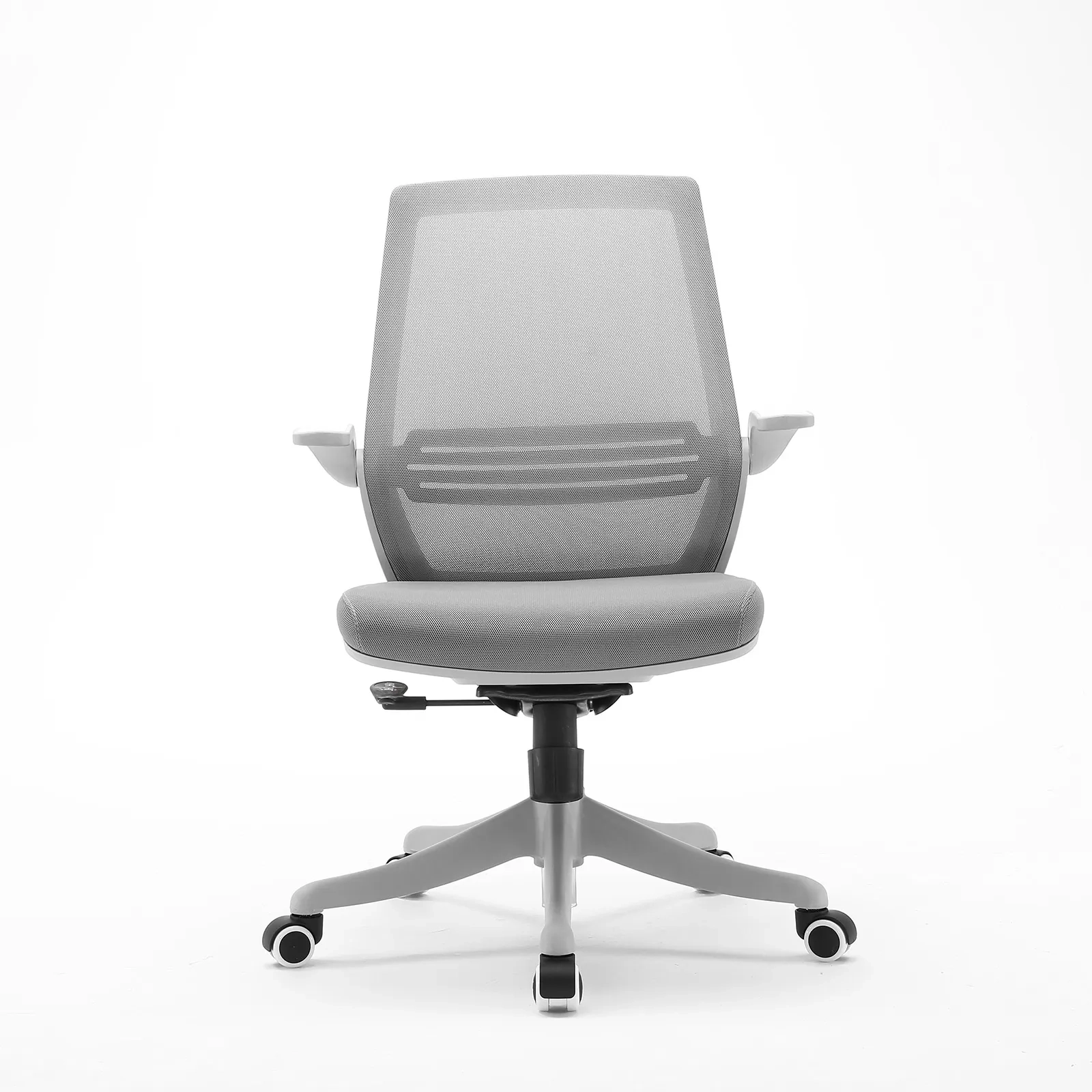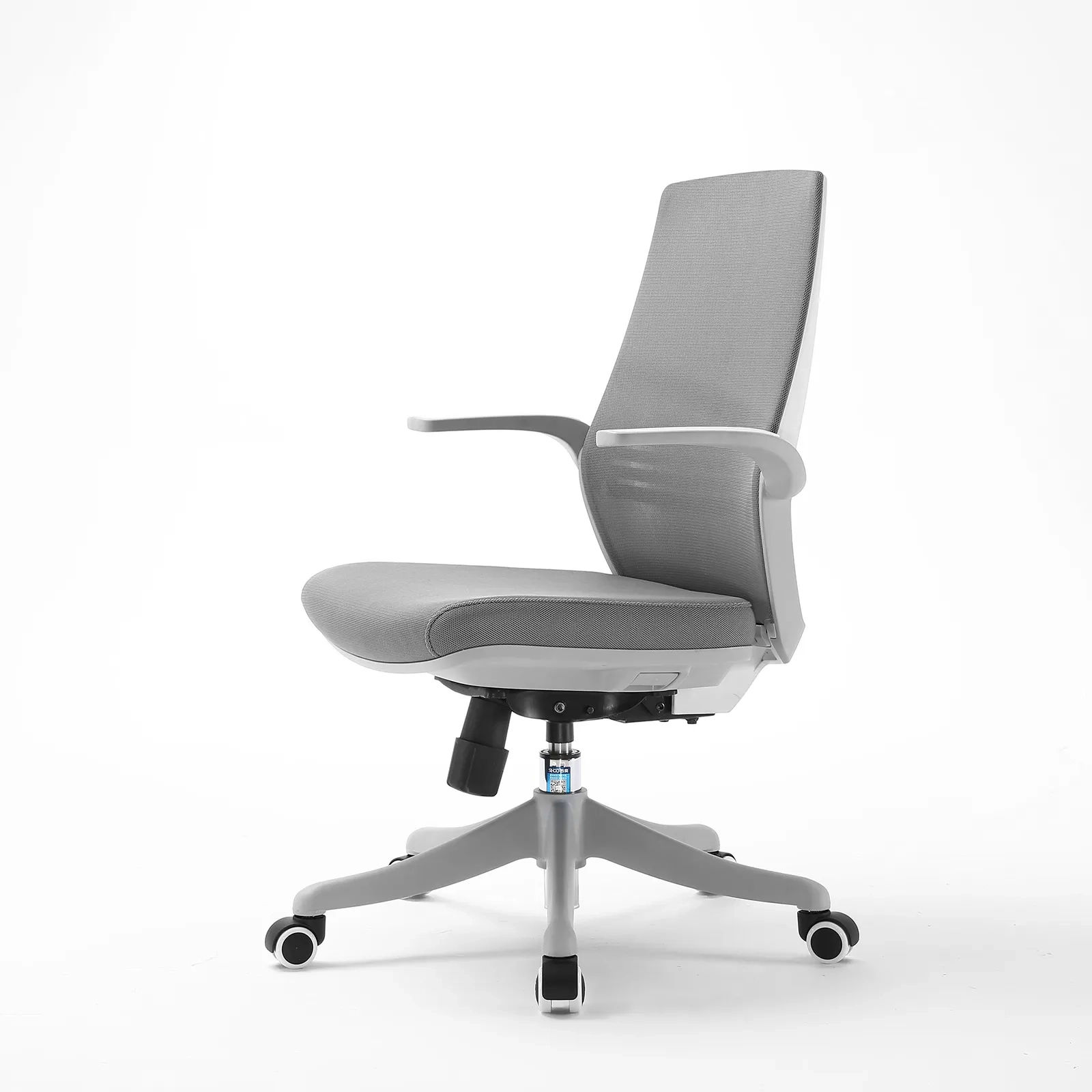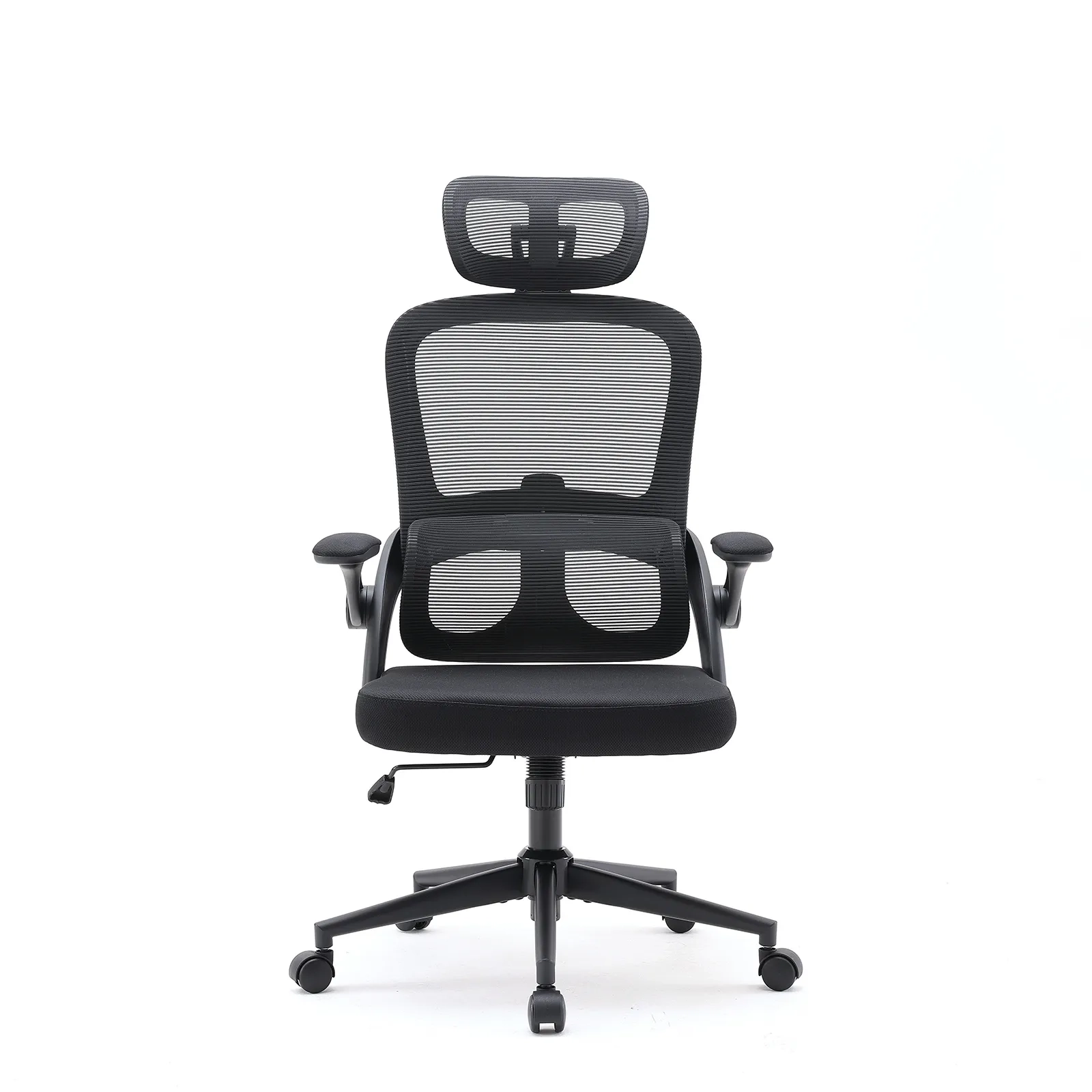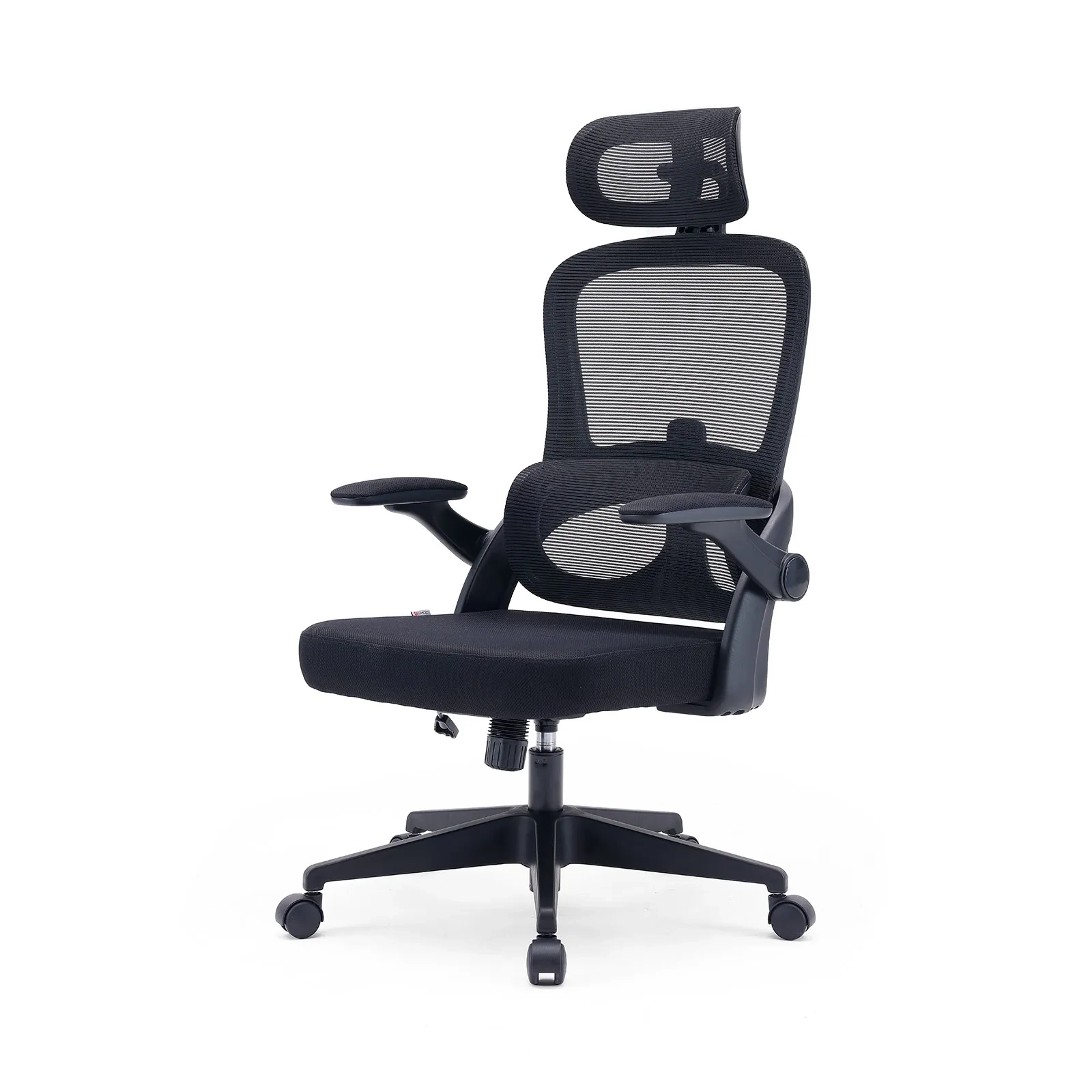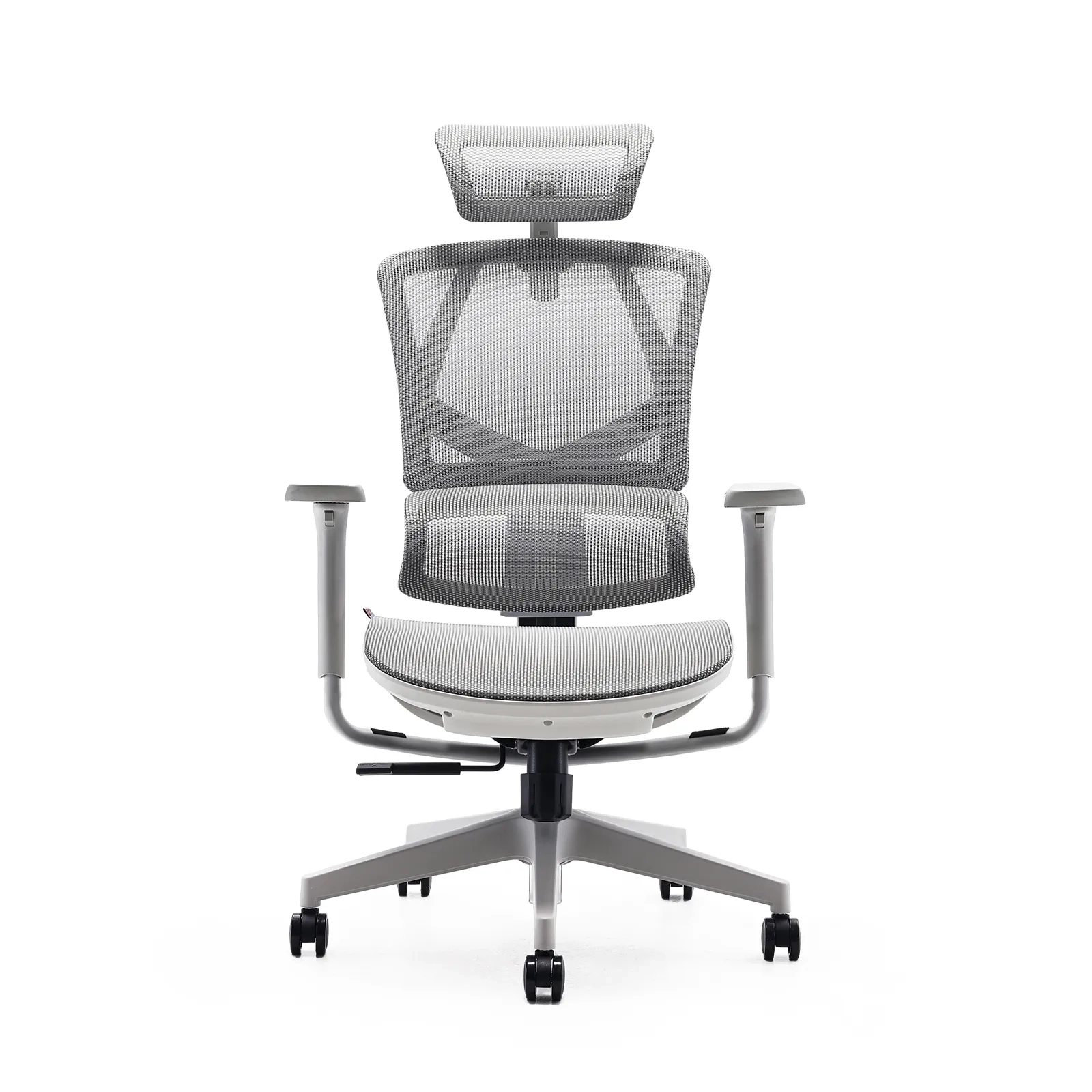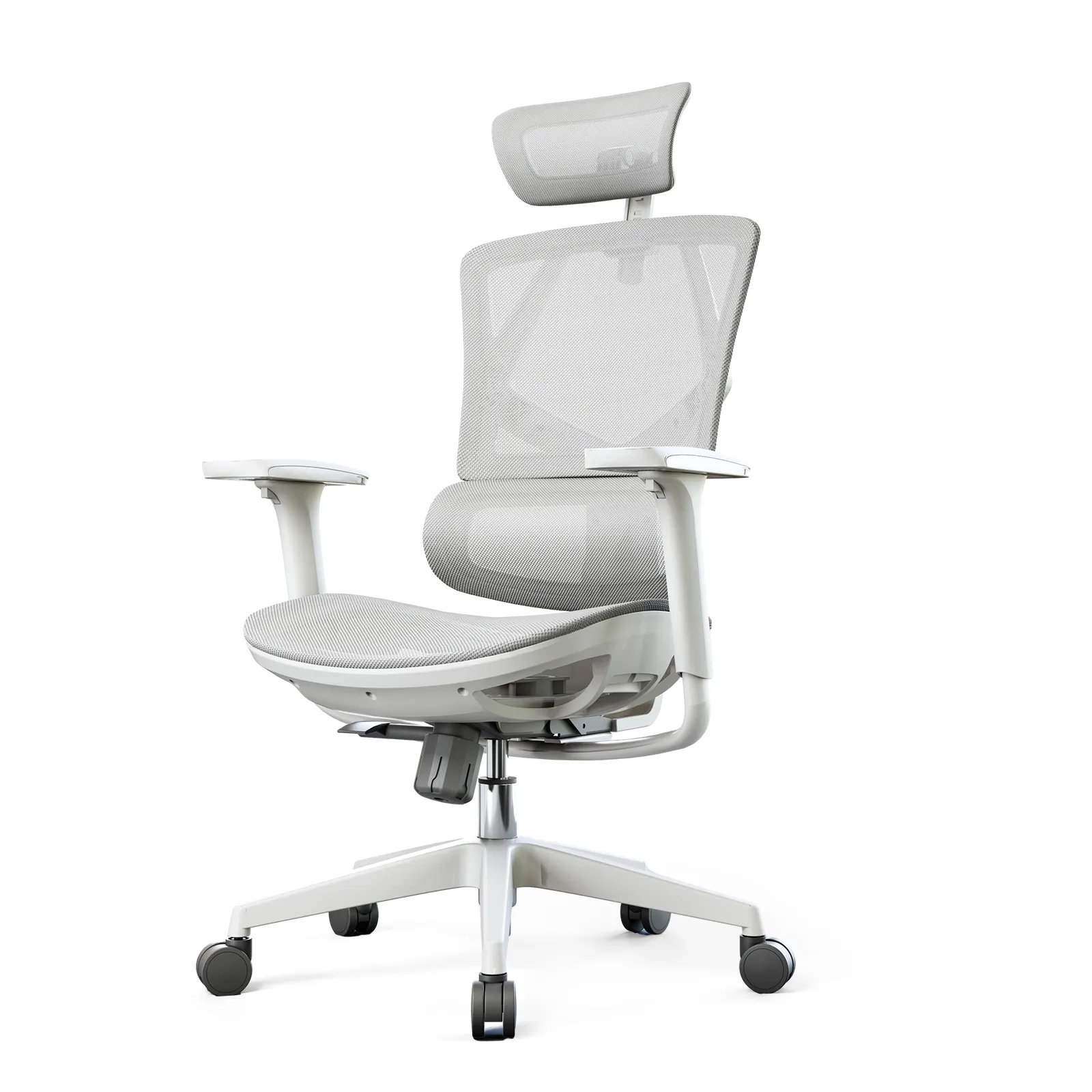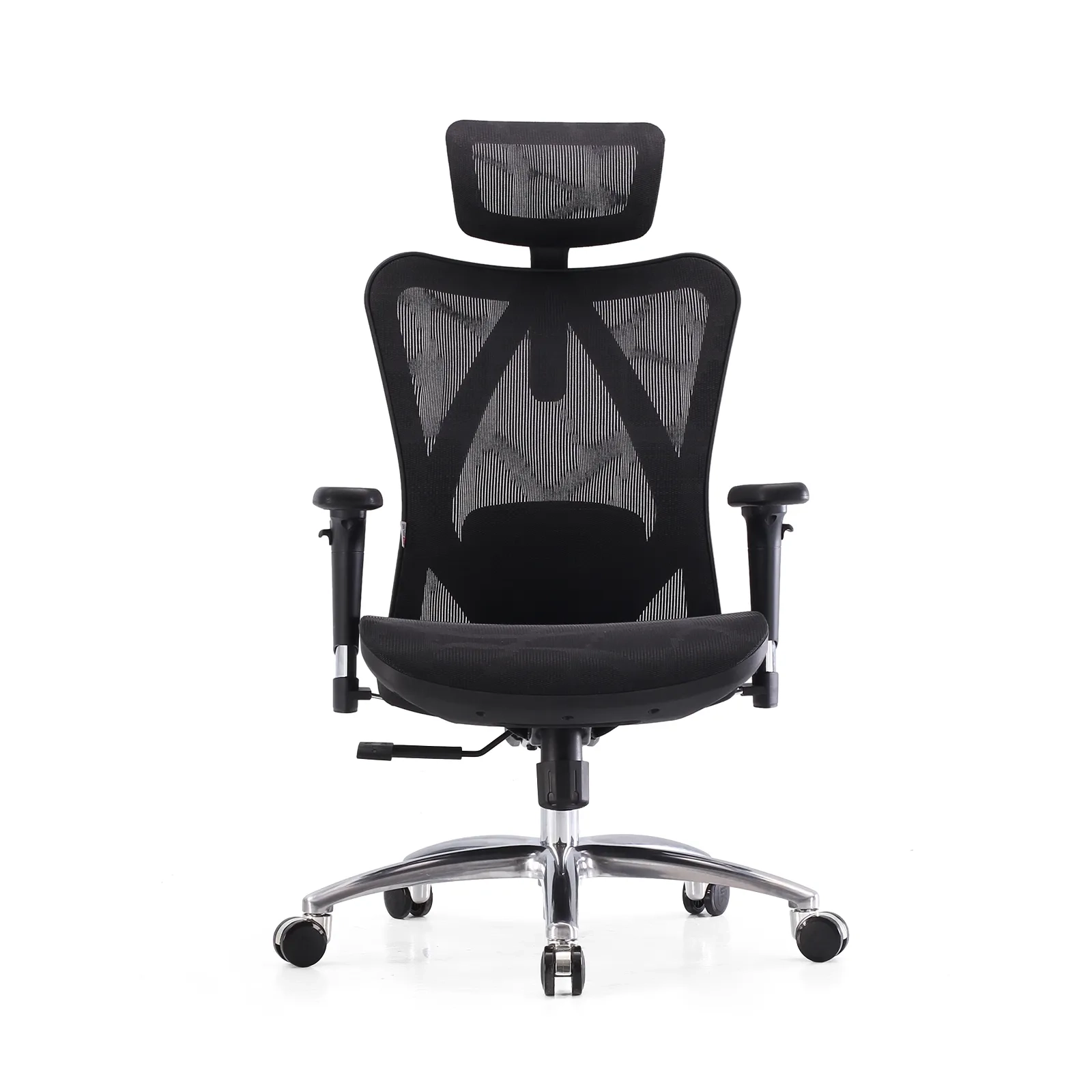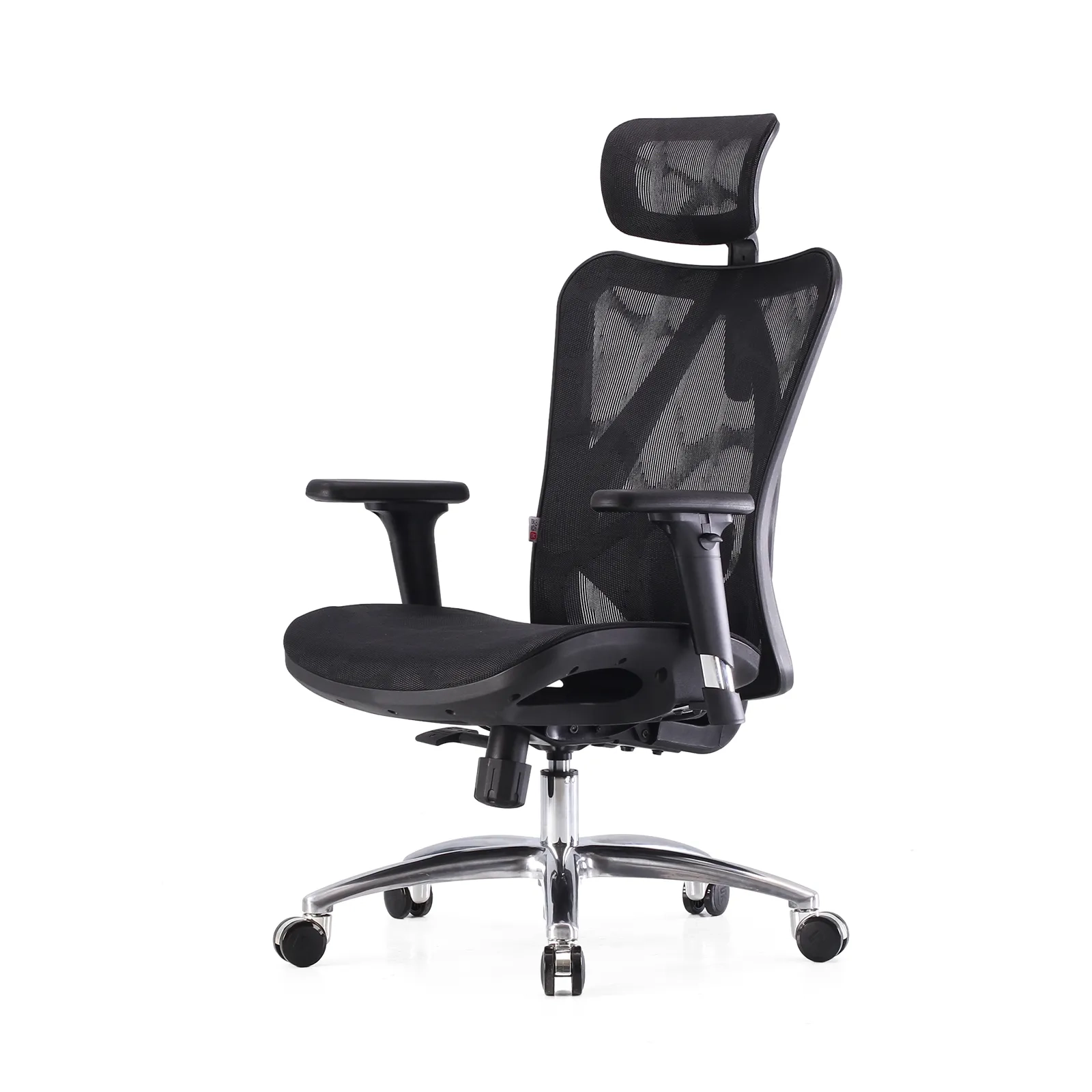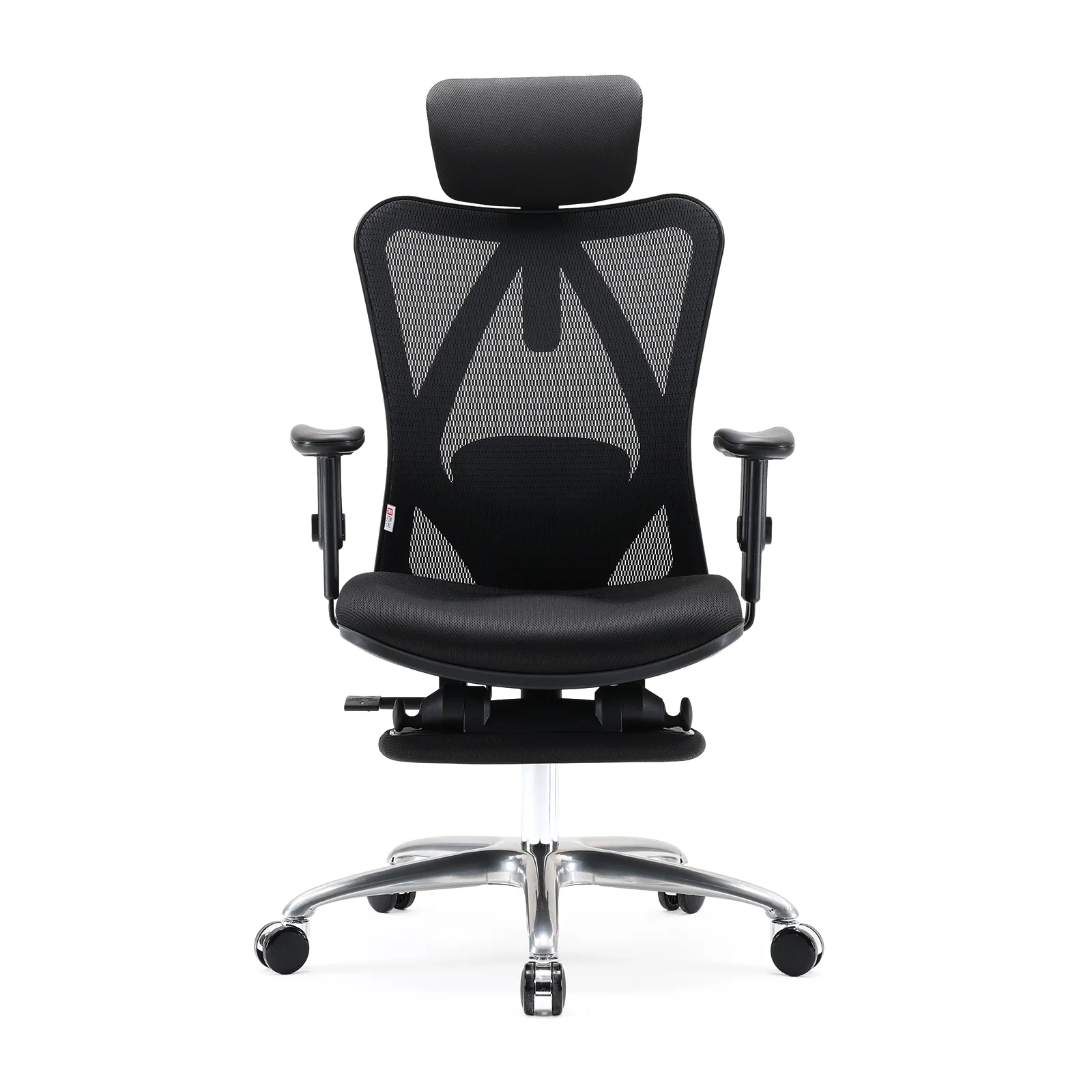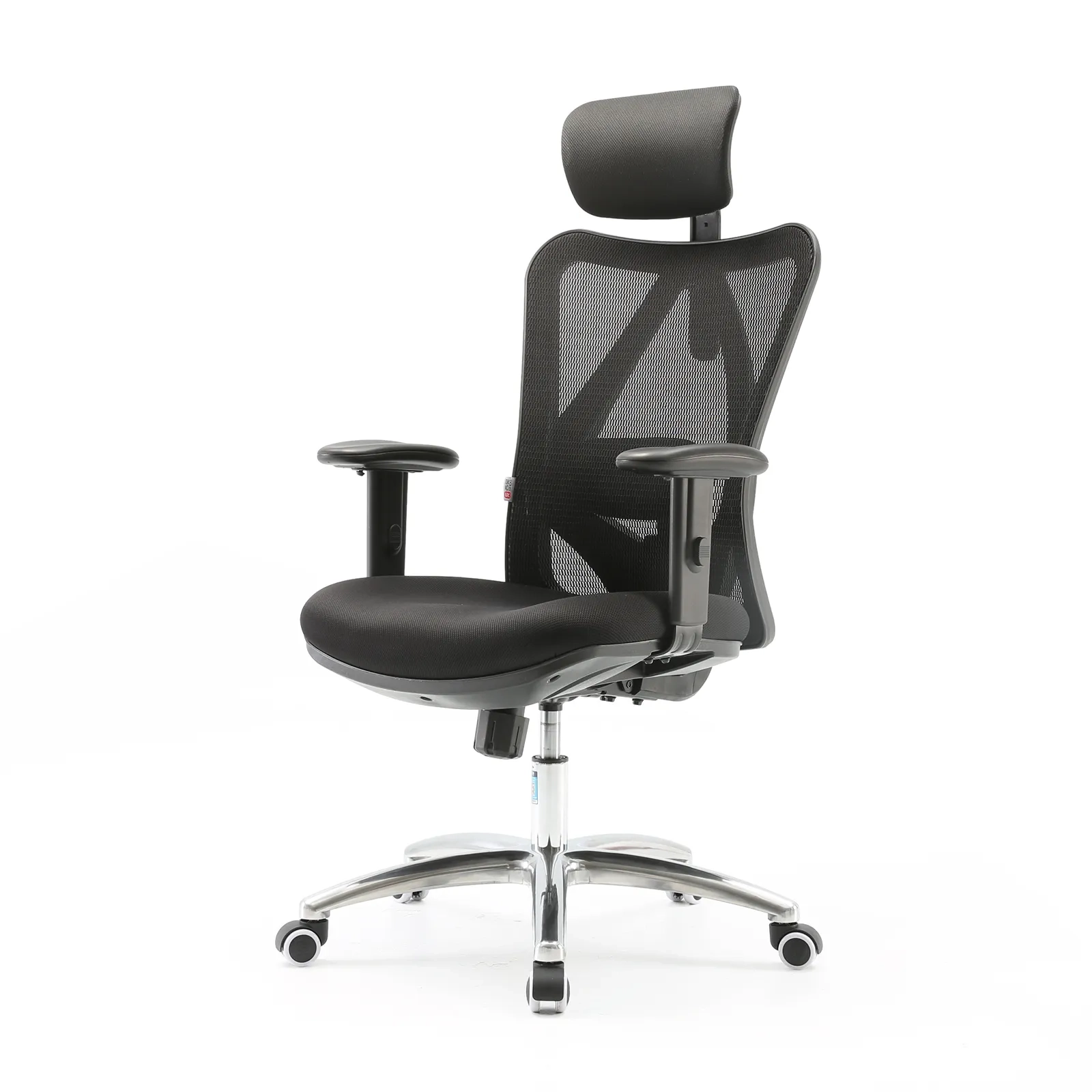








From Ergonomics to Hygiene: The Evolving Standard in Office Seating
For years, office chair selection centered on ergonomics, aesthetics, and upfront cost. But as workplace hygiene and employee well-being take center stage, cleanability has emerged as a non-negotiable factor in procurement decisions.
According to the Office Environment Management Report 2024, over 68% of organizations now factor in cleaning and maintenance effort when evaluating seating options. In open-plan environments, traditional fabric upholstery absorbs sweat, skin cells, and airborne particles—not just compromising visual cleanliness, but potentially impacting long-term health.
As a result, the hygiene performance of office chairs is no longer an afterthought. It’s becoming a measurable indicator of how thoughtfully a company manages its physical workspace. Chairs with stain-resistant, waterproof, or antimicrobial surfaces are no longer “nice-to-haves”—they’re baseline requirements for modern, health-conscious environments.
What Makes an Office Chair Truly Easy to Clean
Defining Cleanability
A truly cleanable chair isn’t just one you can wipe down—it’s one designed to minimize the need for deep cleaning in the first place. This means combining durable materials with smart construction to maintain both comfort and hygiene over time.
Material Performance in Real-World Use
Different materials respond differently to daily use and cleaning:
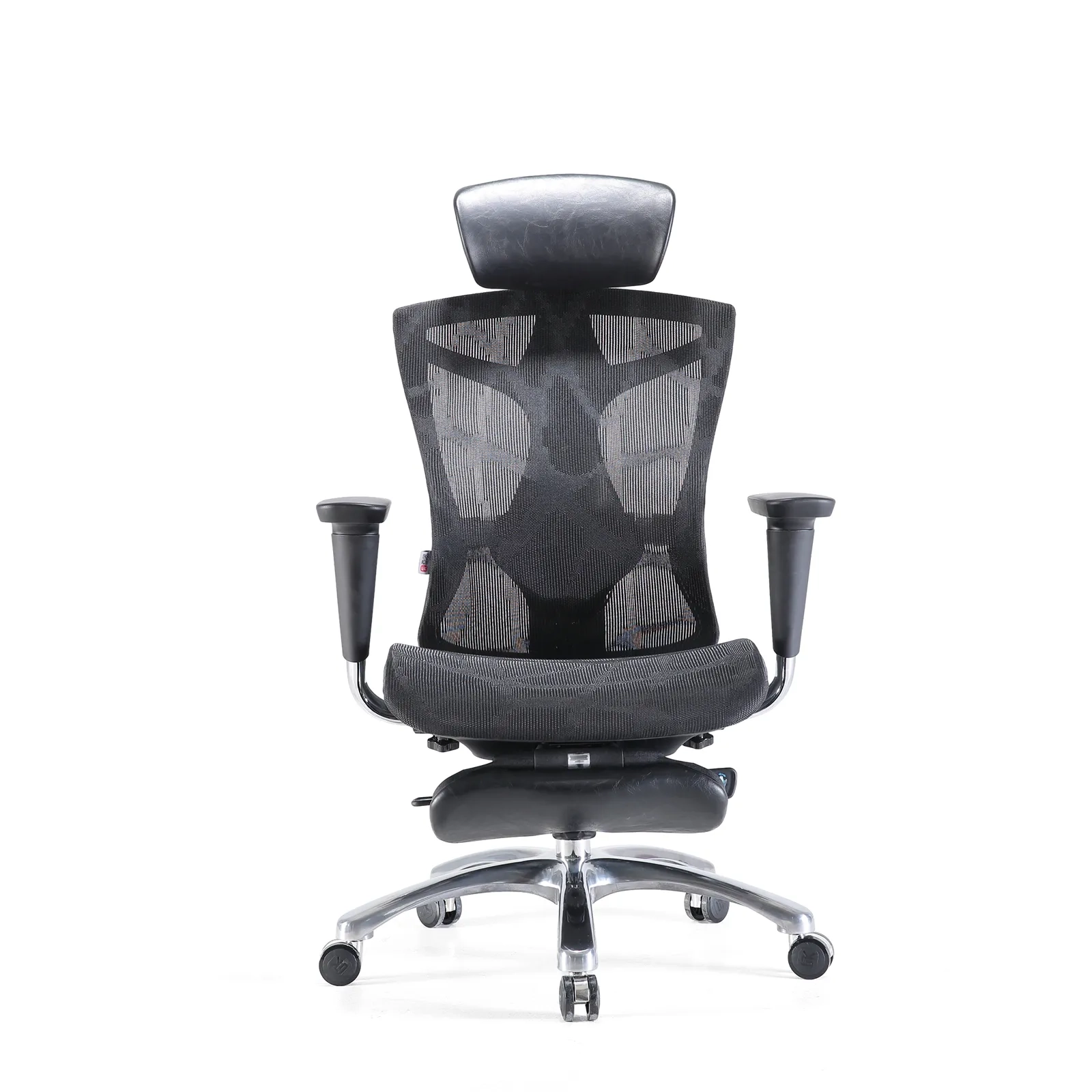
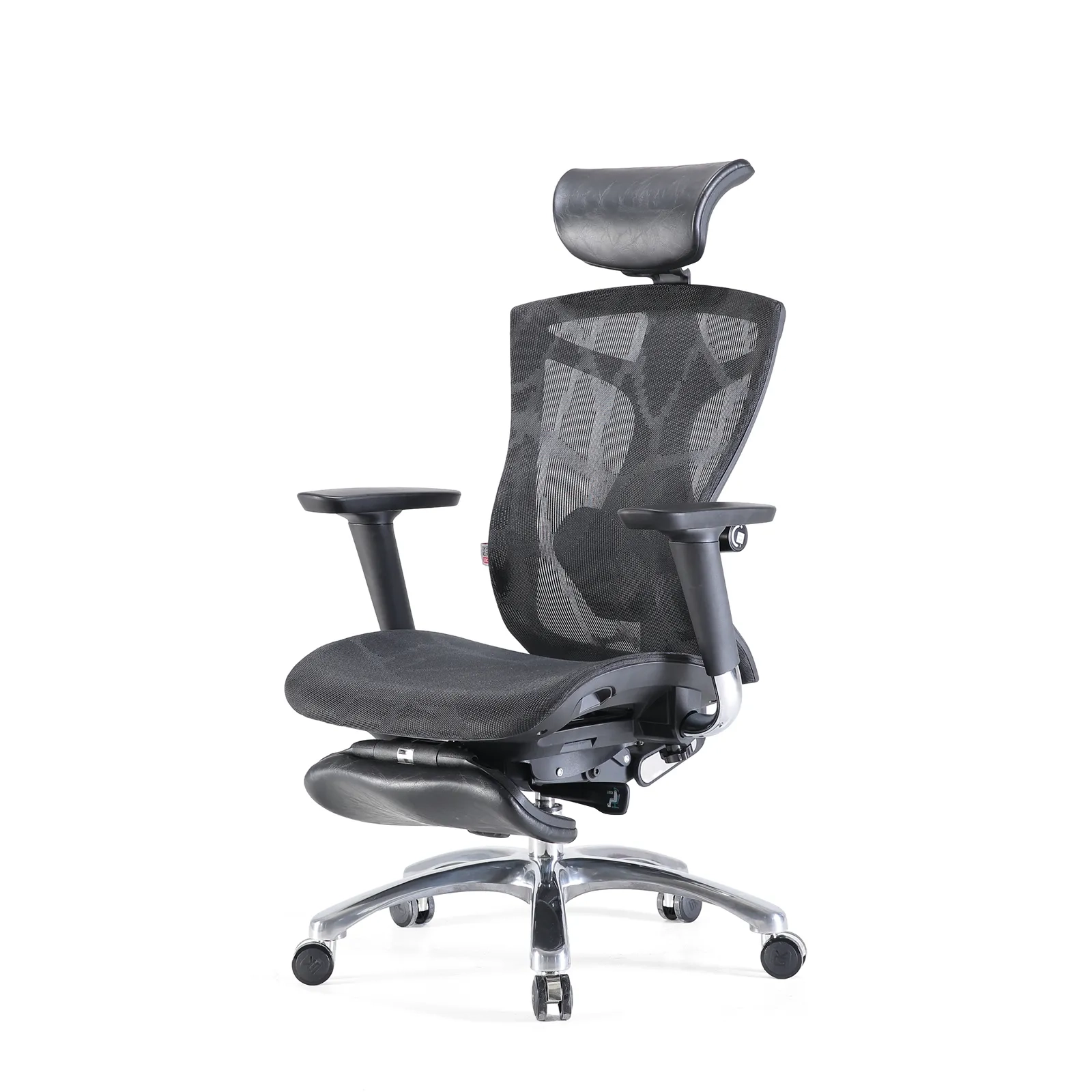
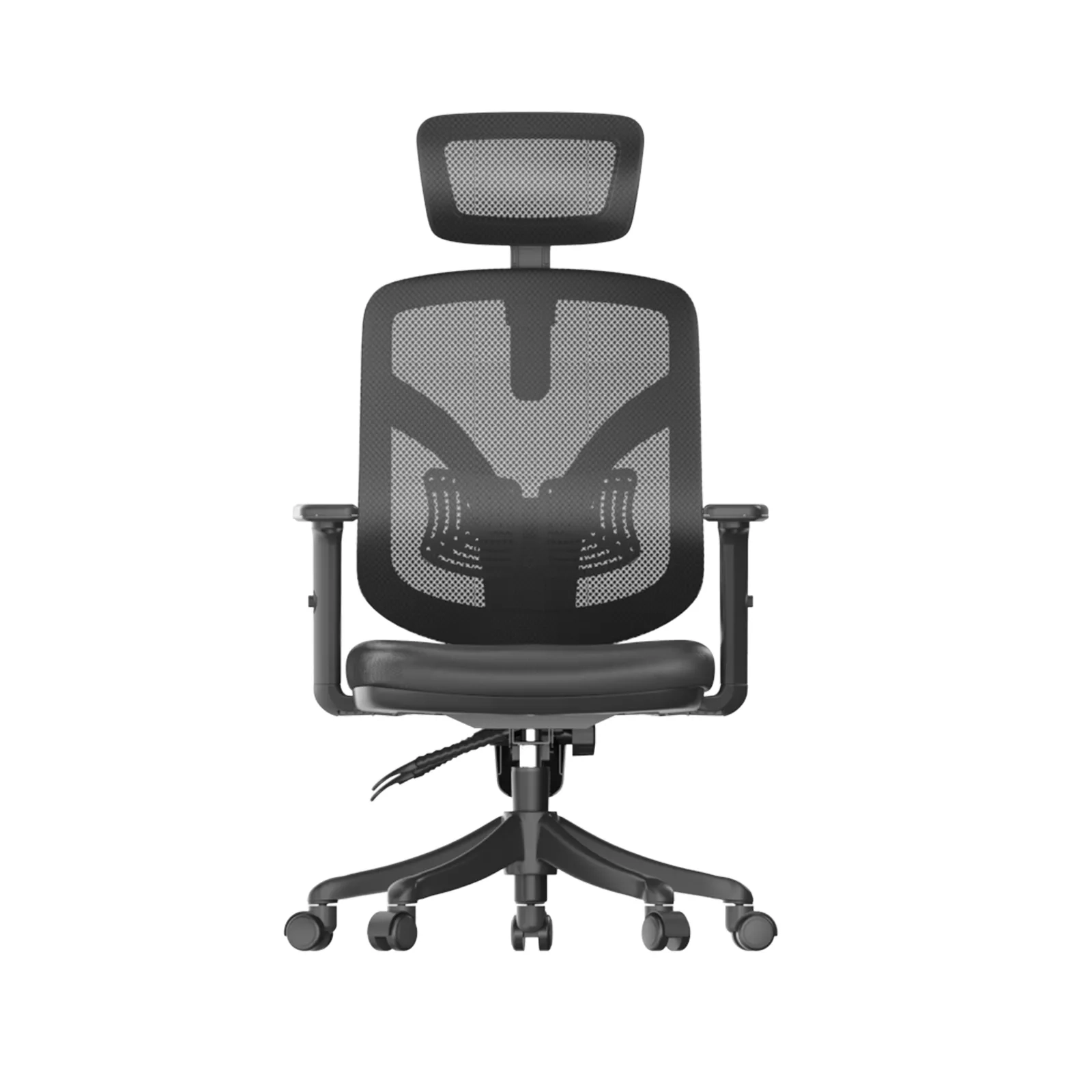
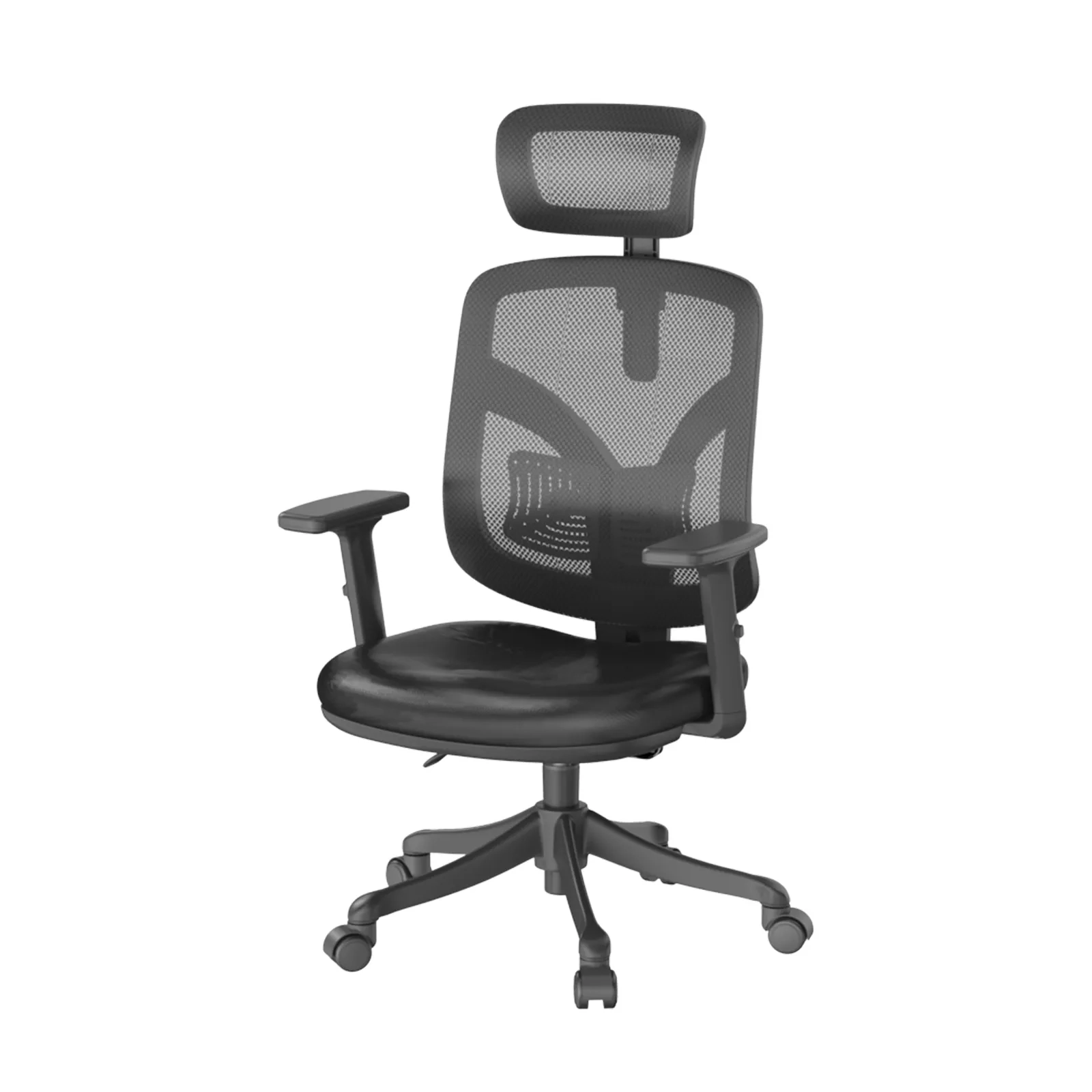
- High-density PU leather: Non-porous and liquid-repellent, ideal for high-touch areas like meeting rooms and executive desks.
- PVC synthetic leather: Offers strong resistance to stains and chemicals, making it practical for labs, training rooms, or industrial support spaces.
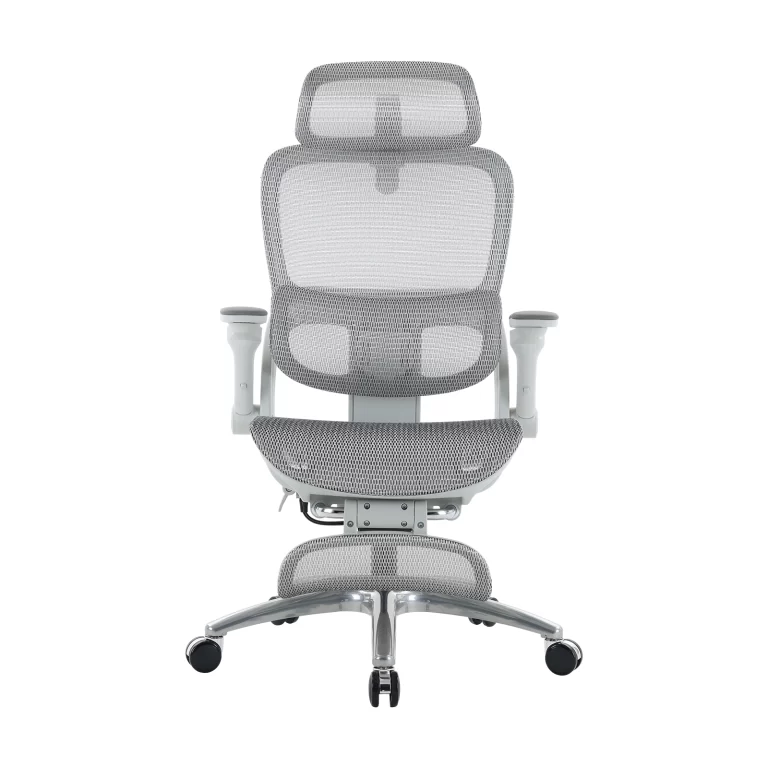
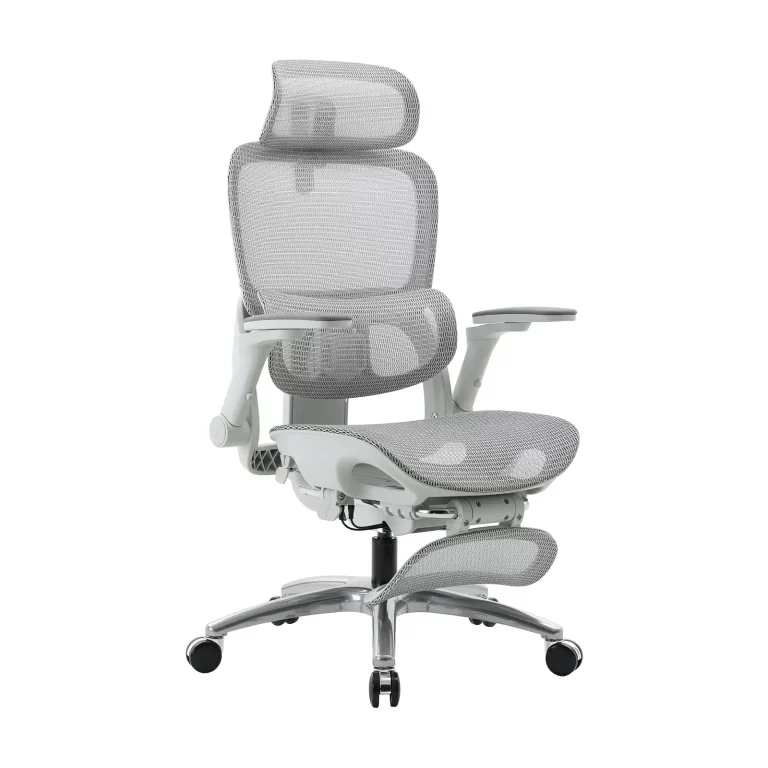
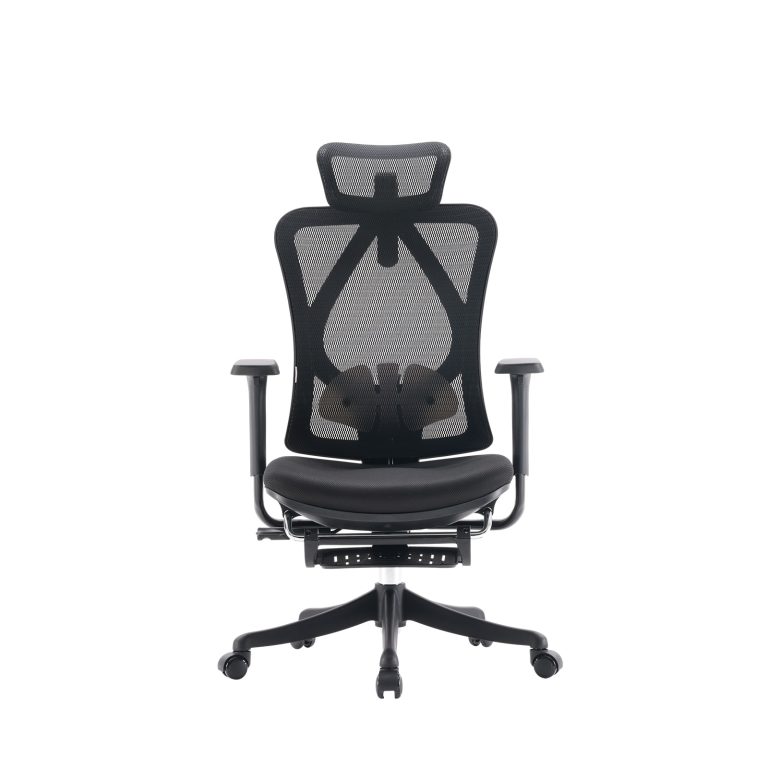
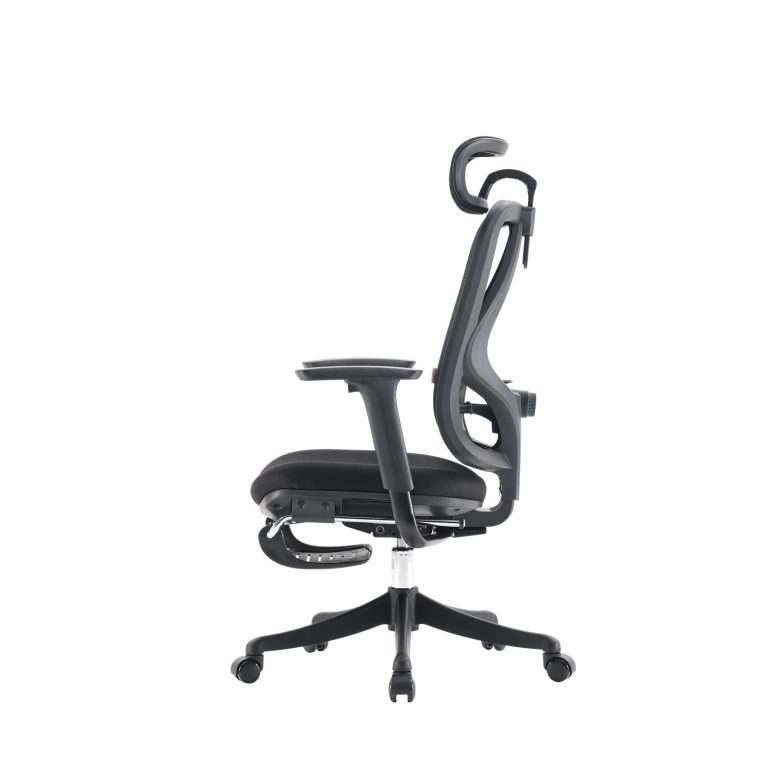
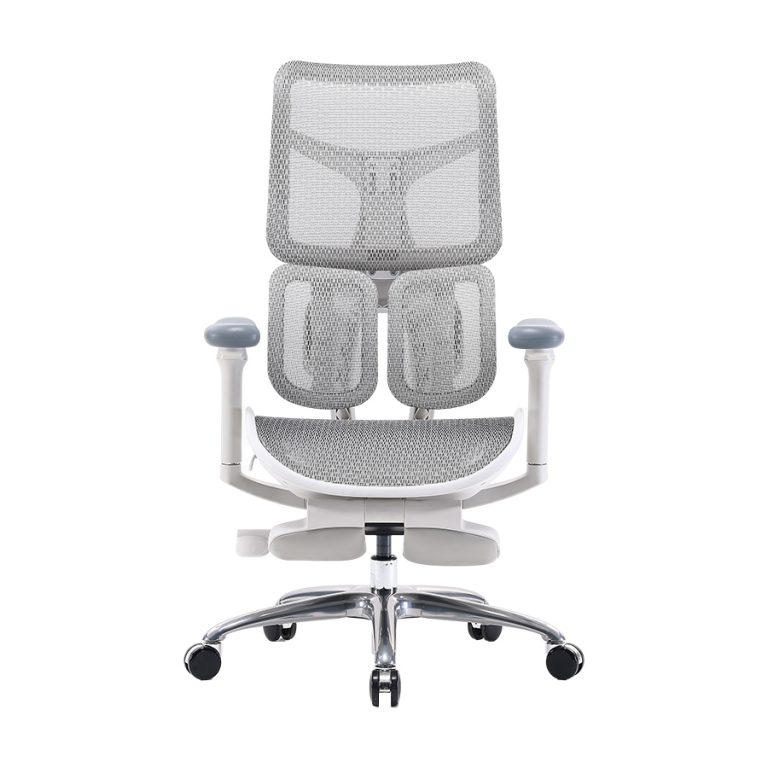
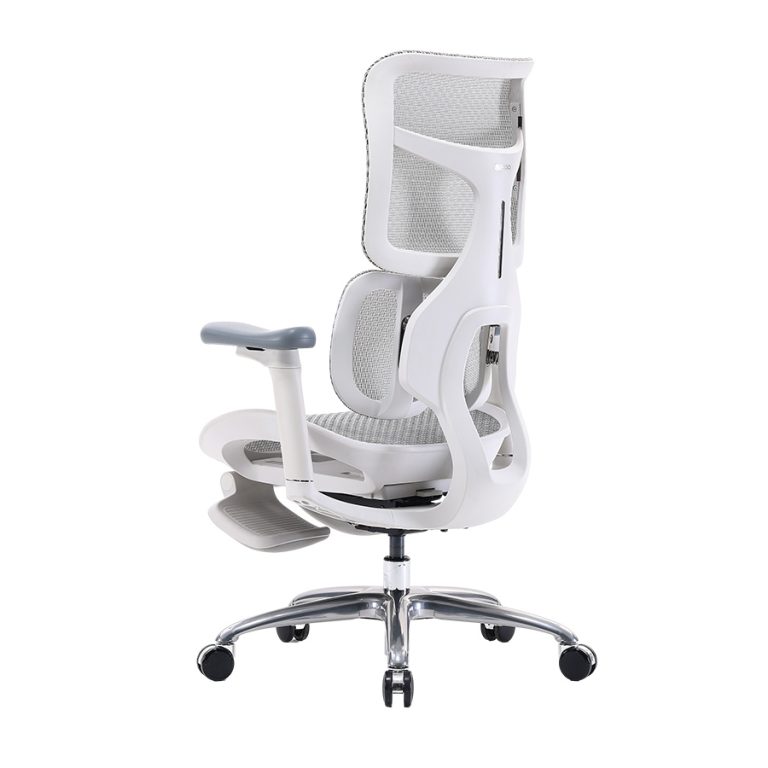
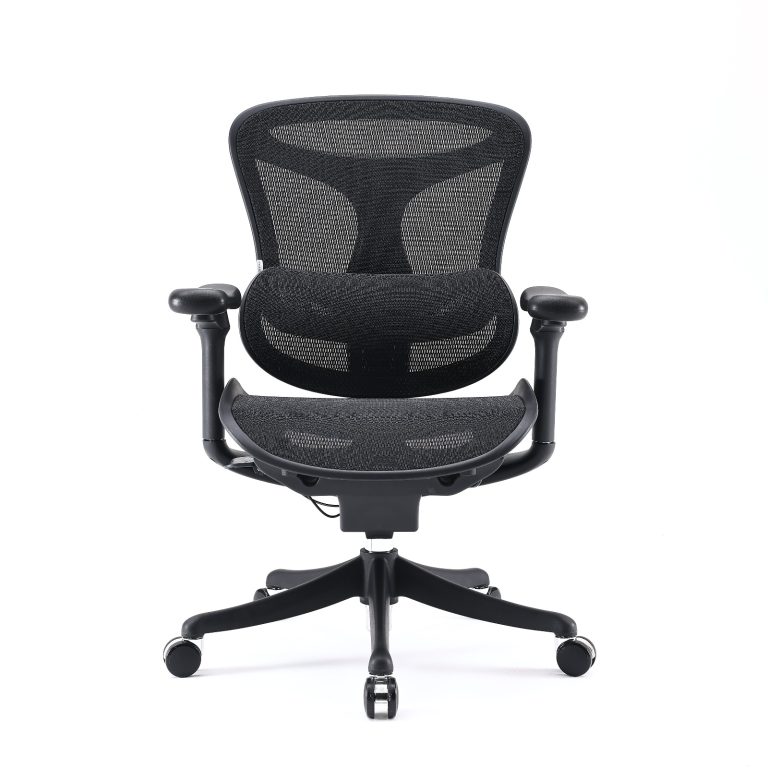
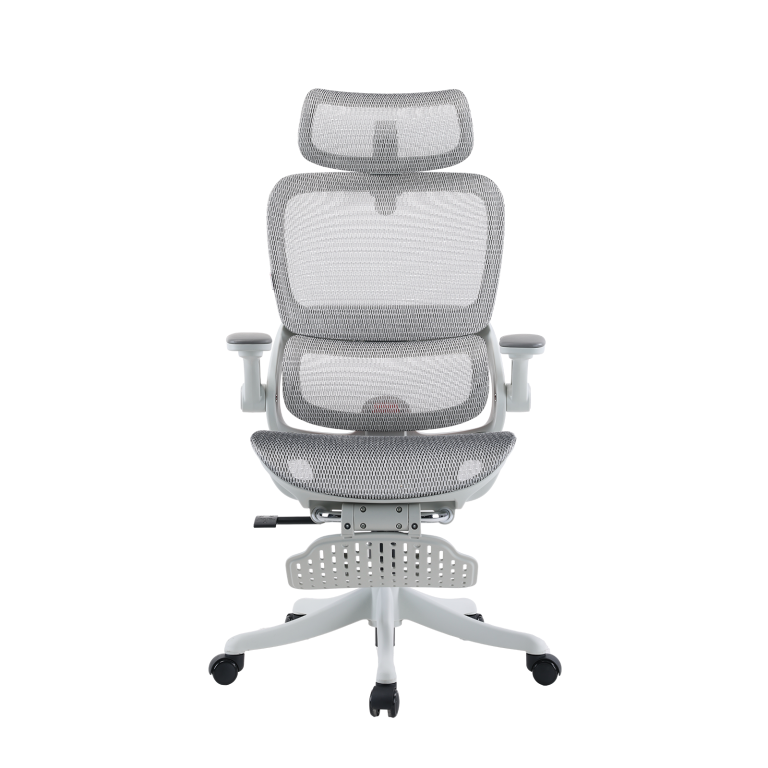
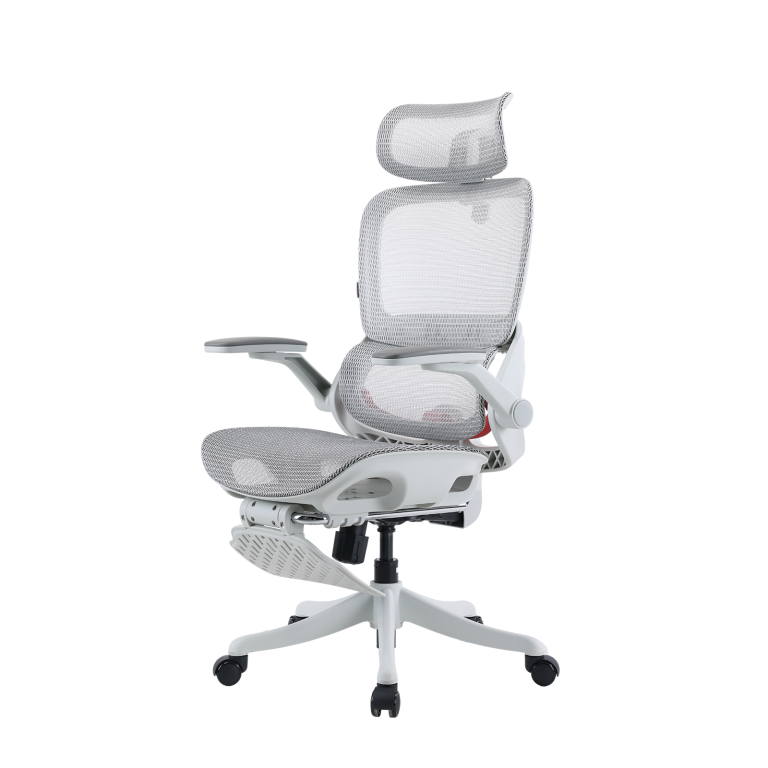
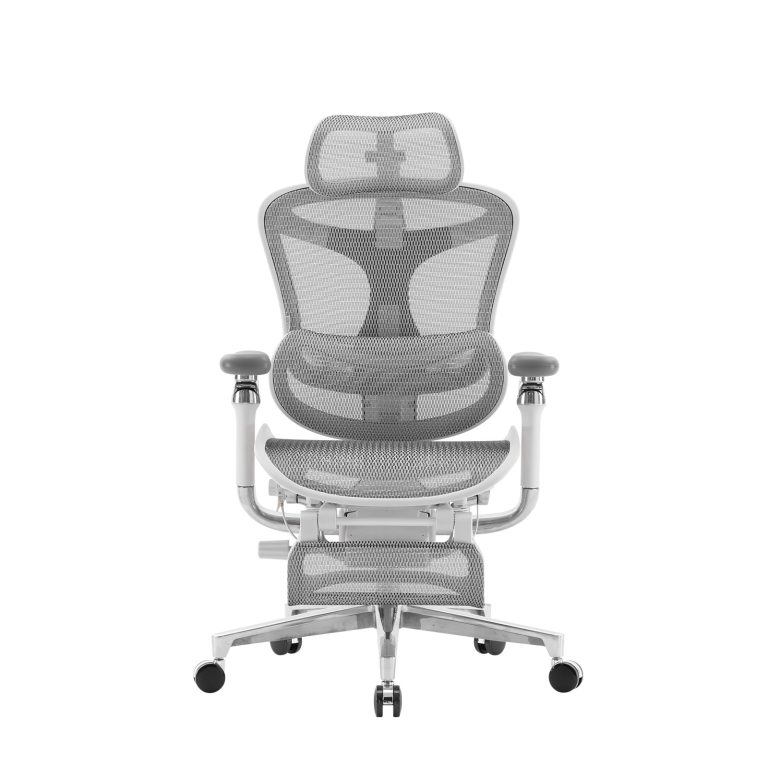
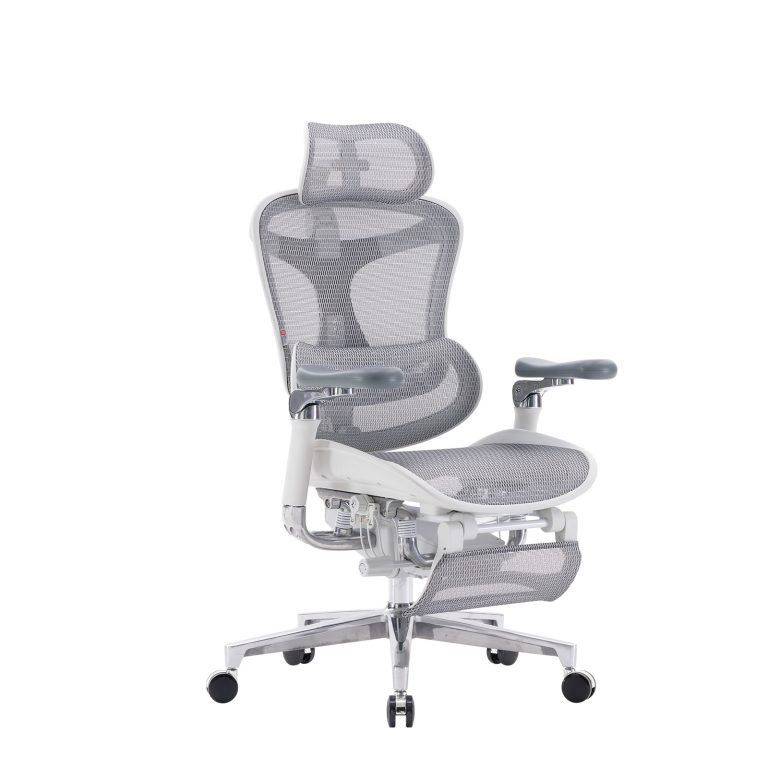
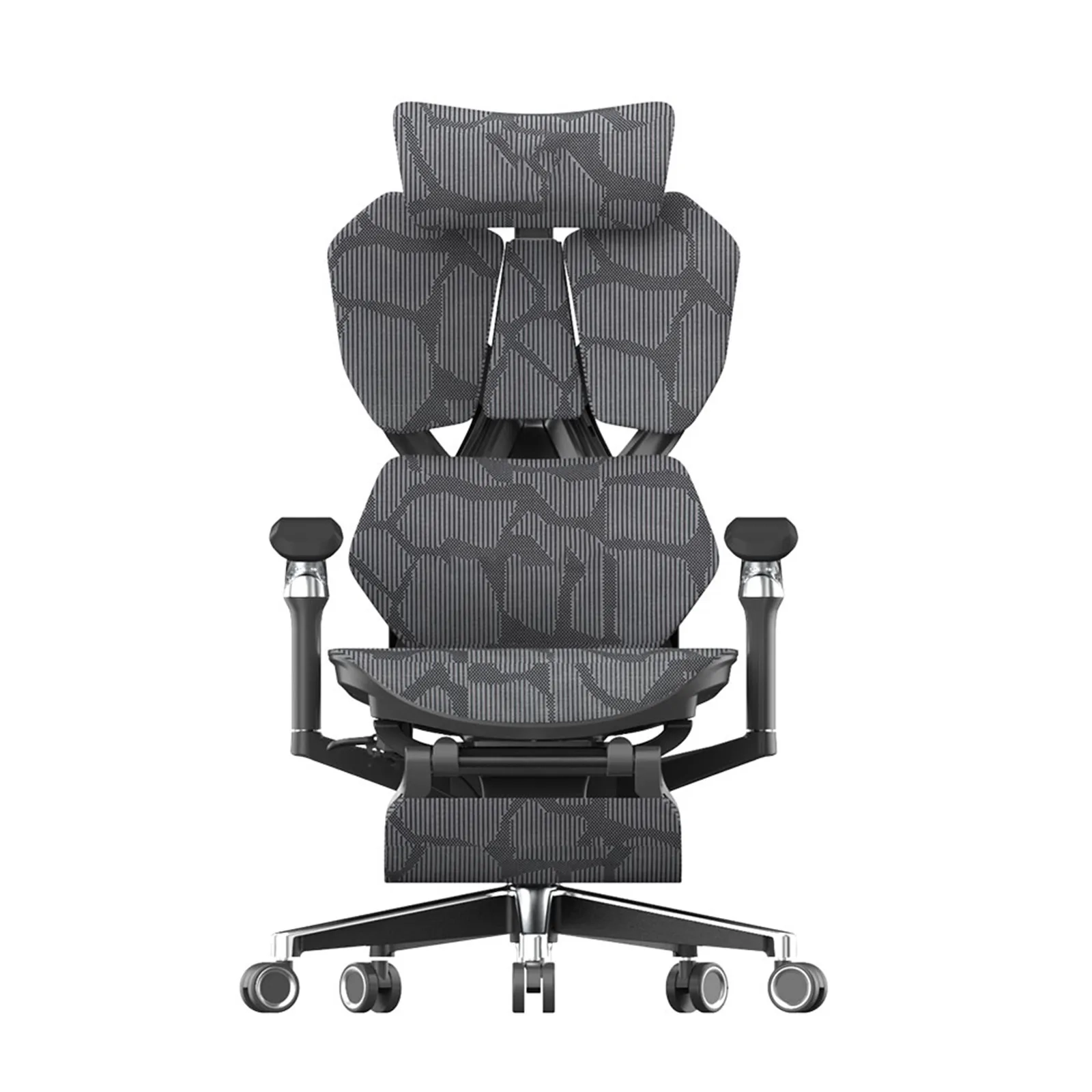
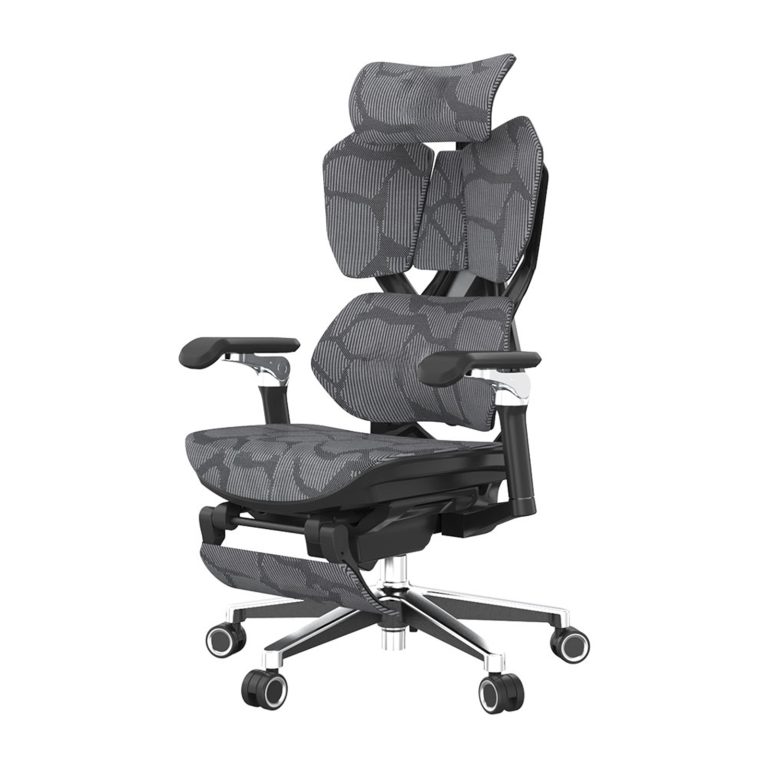
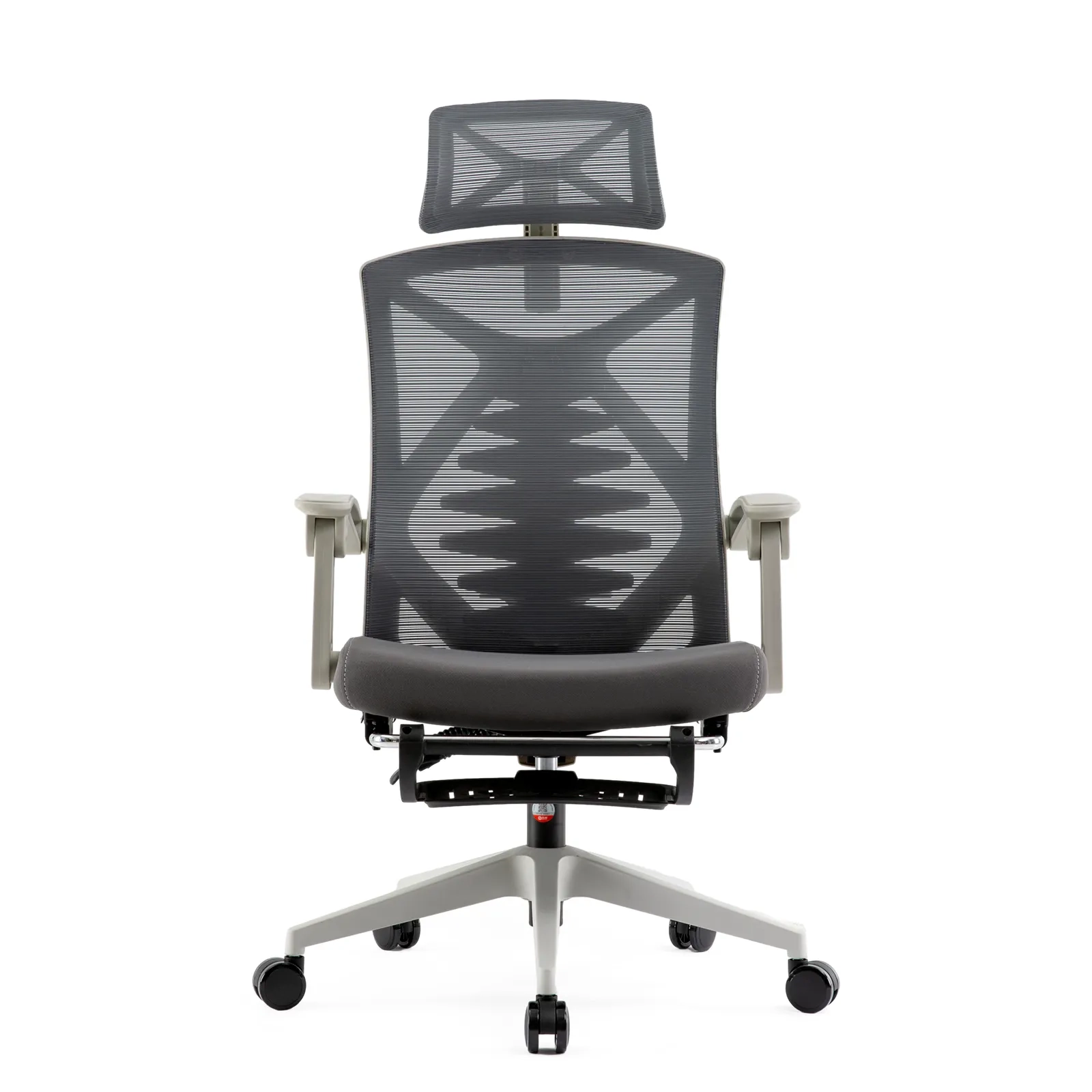
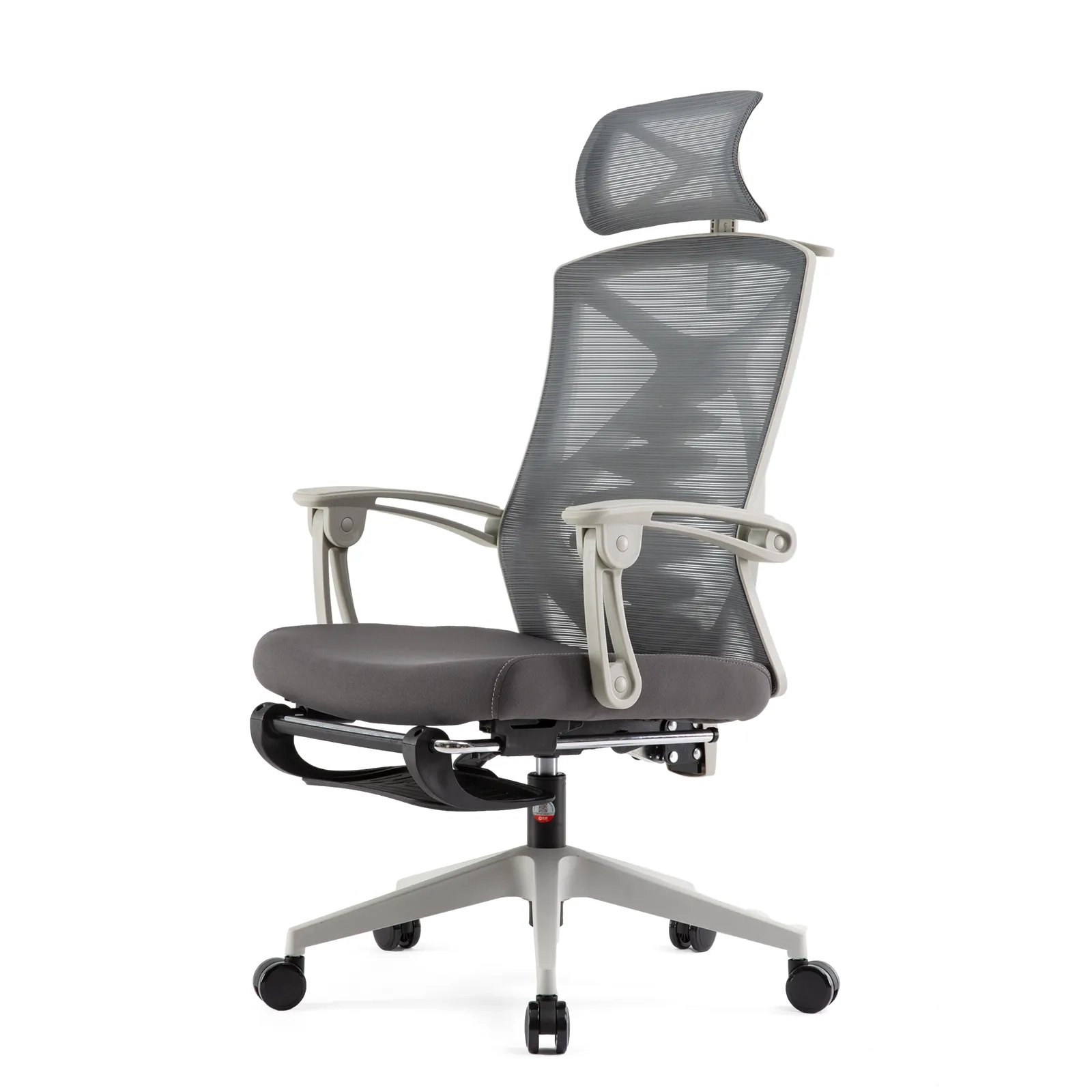
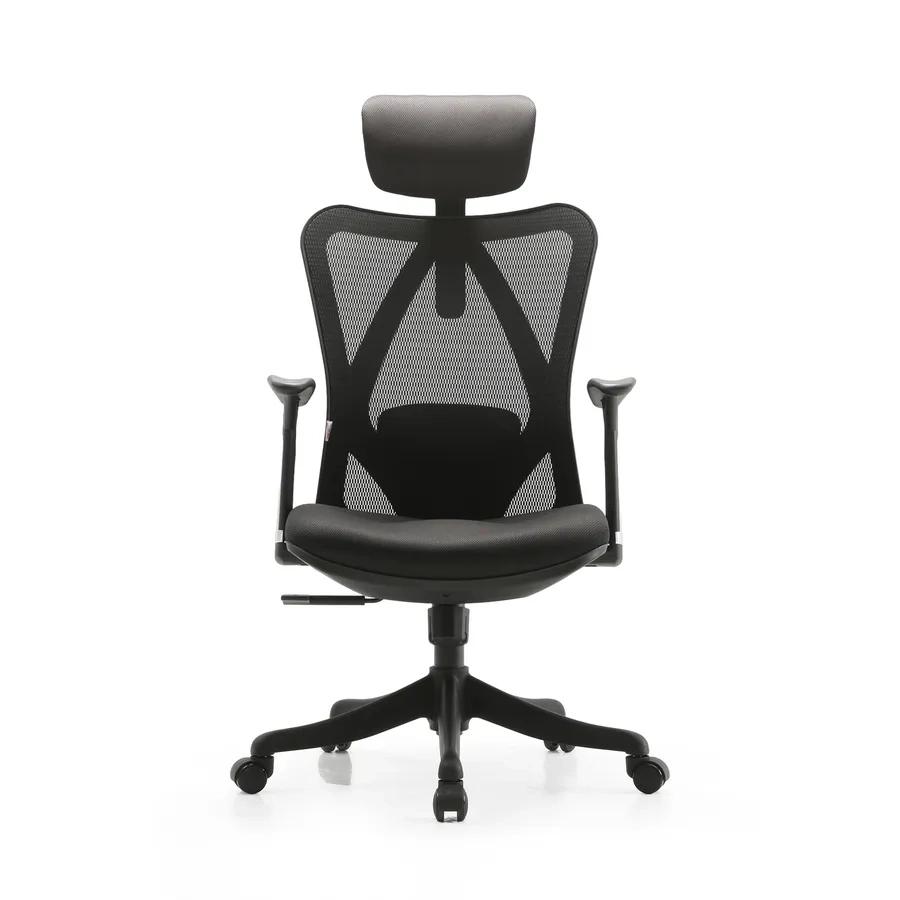
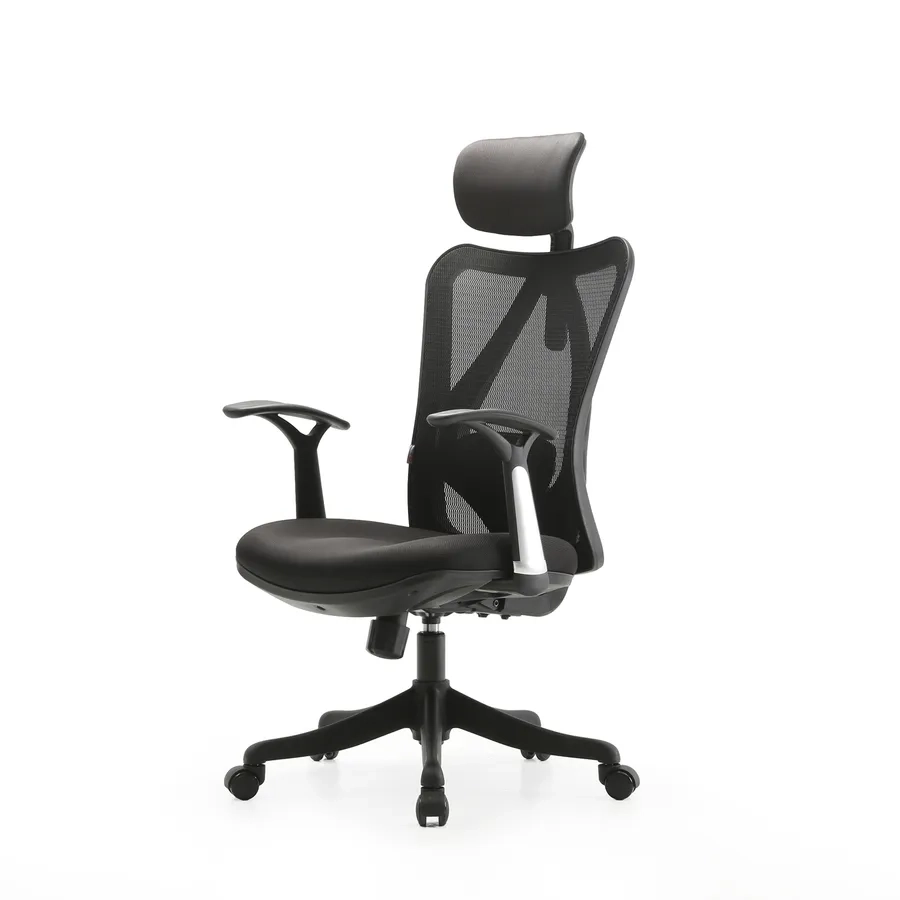
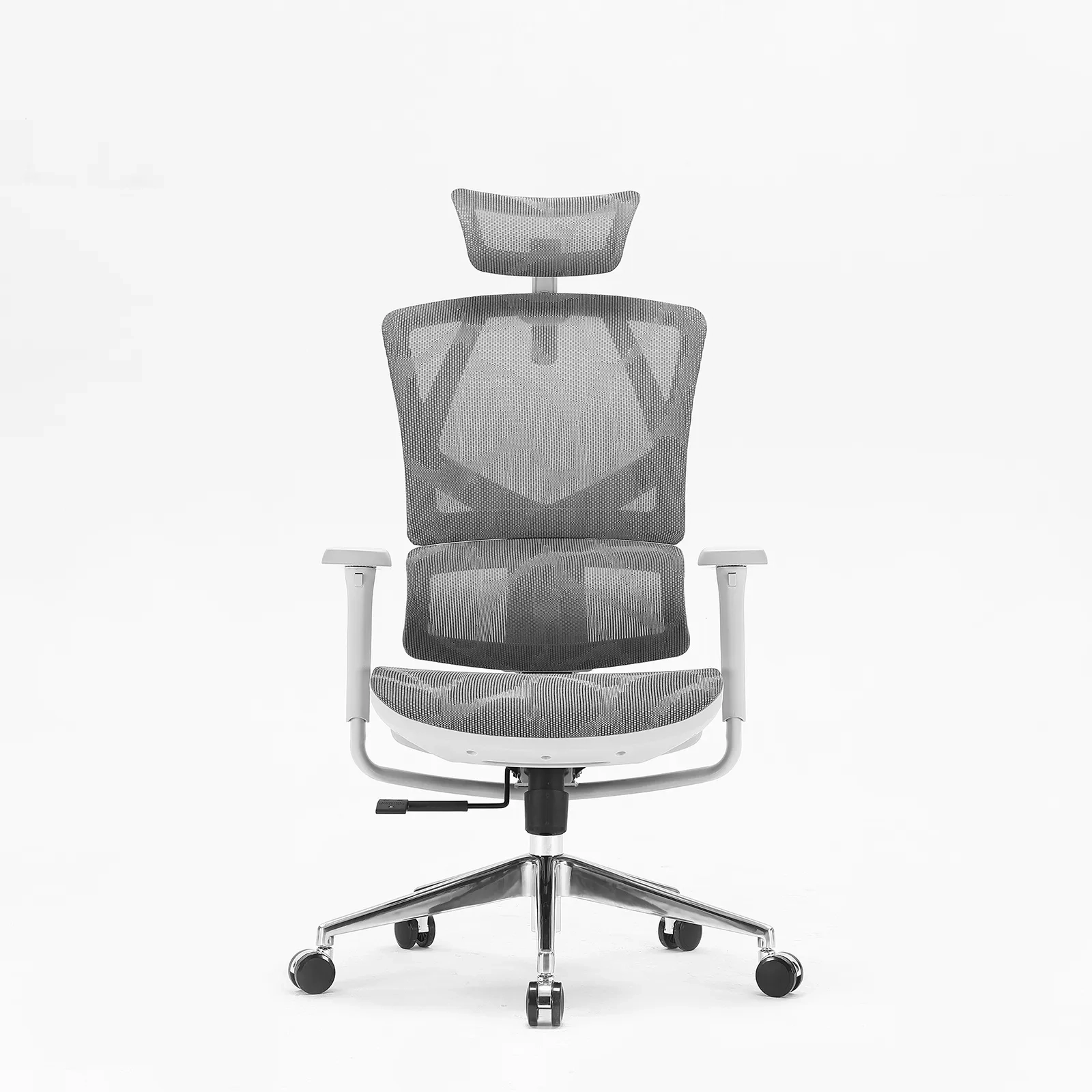
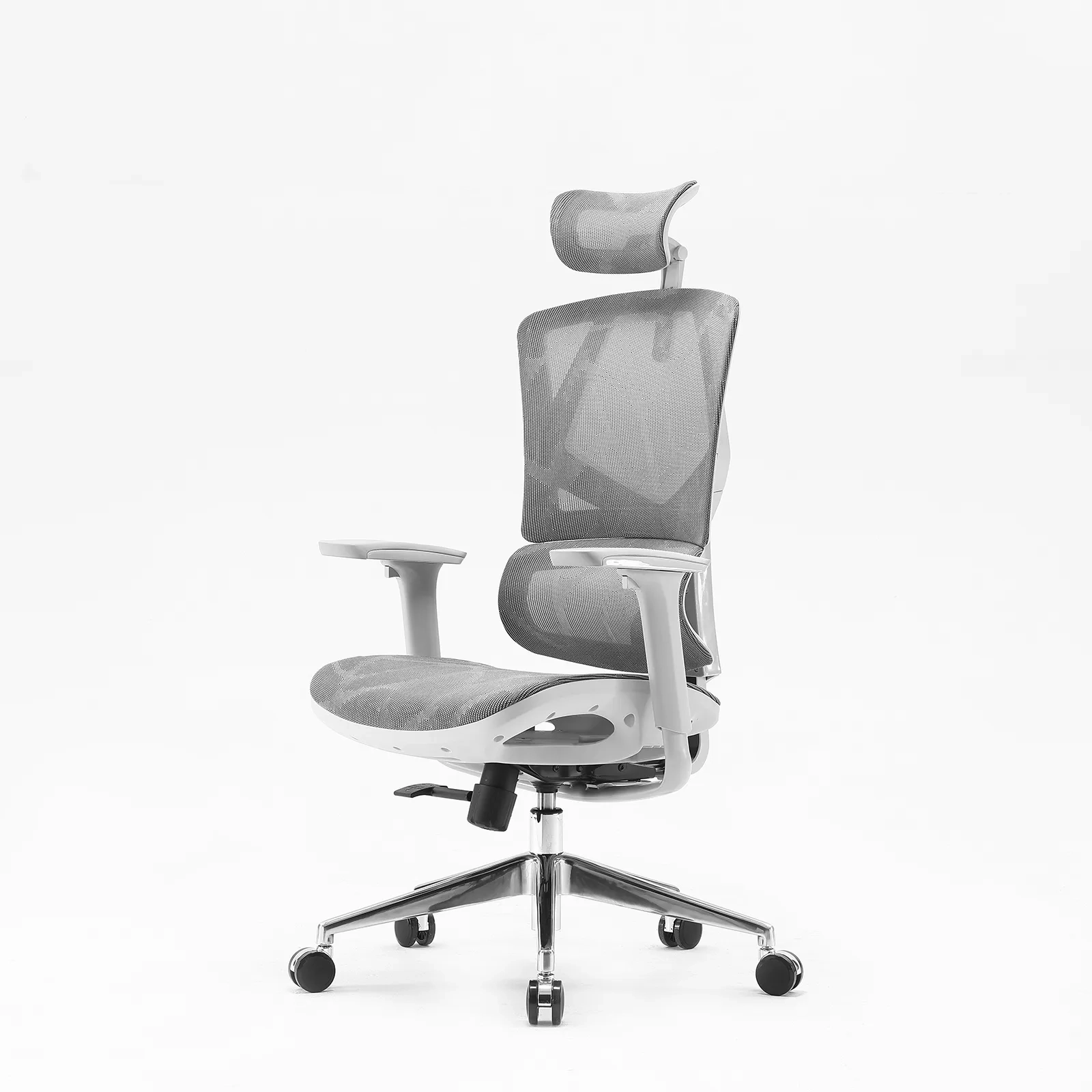
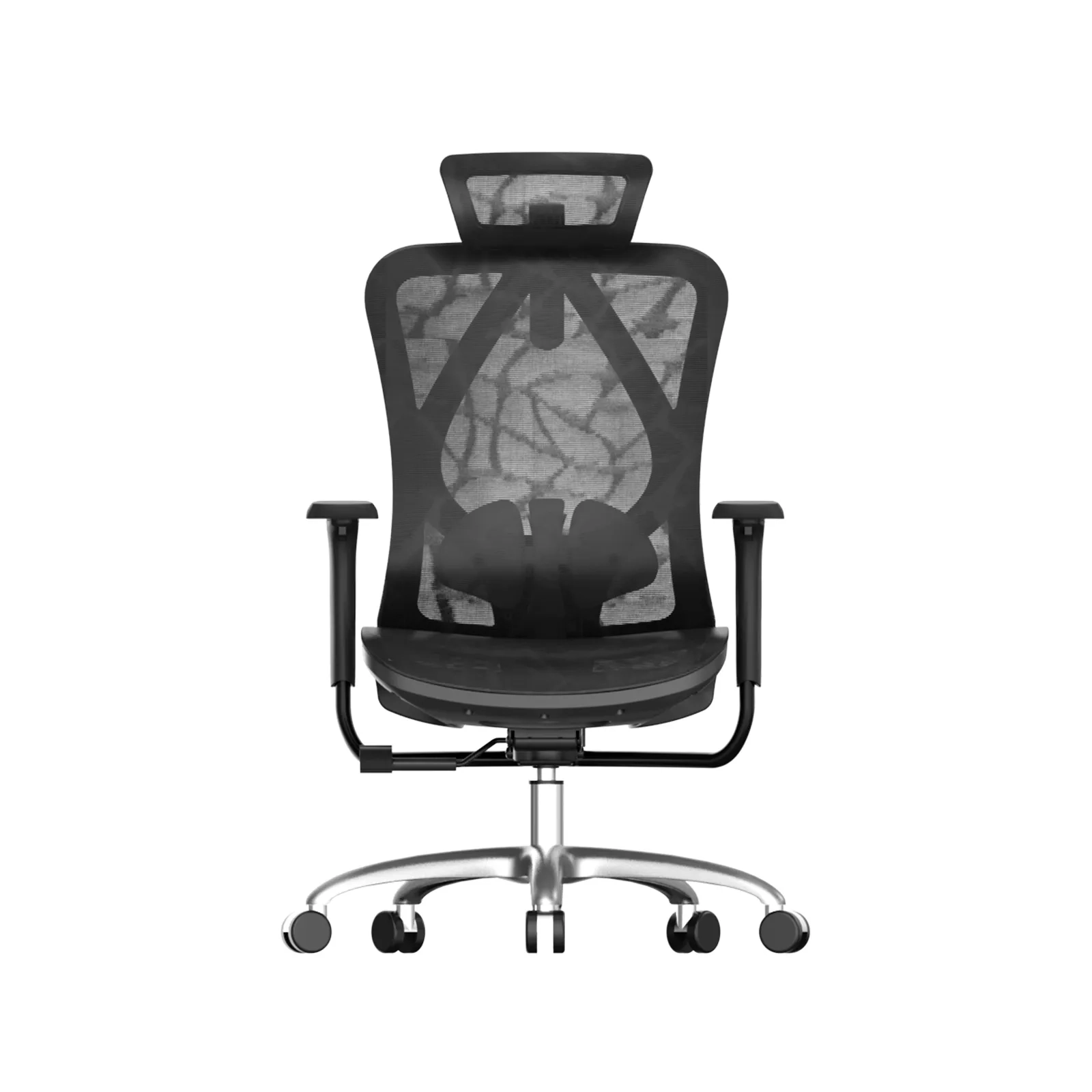
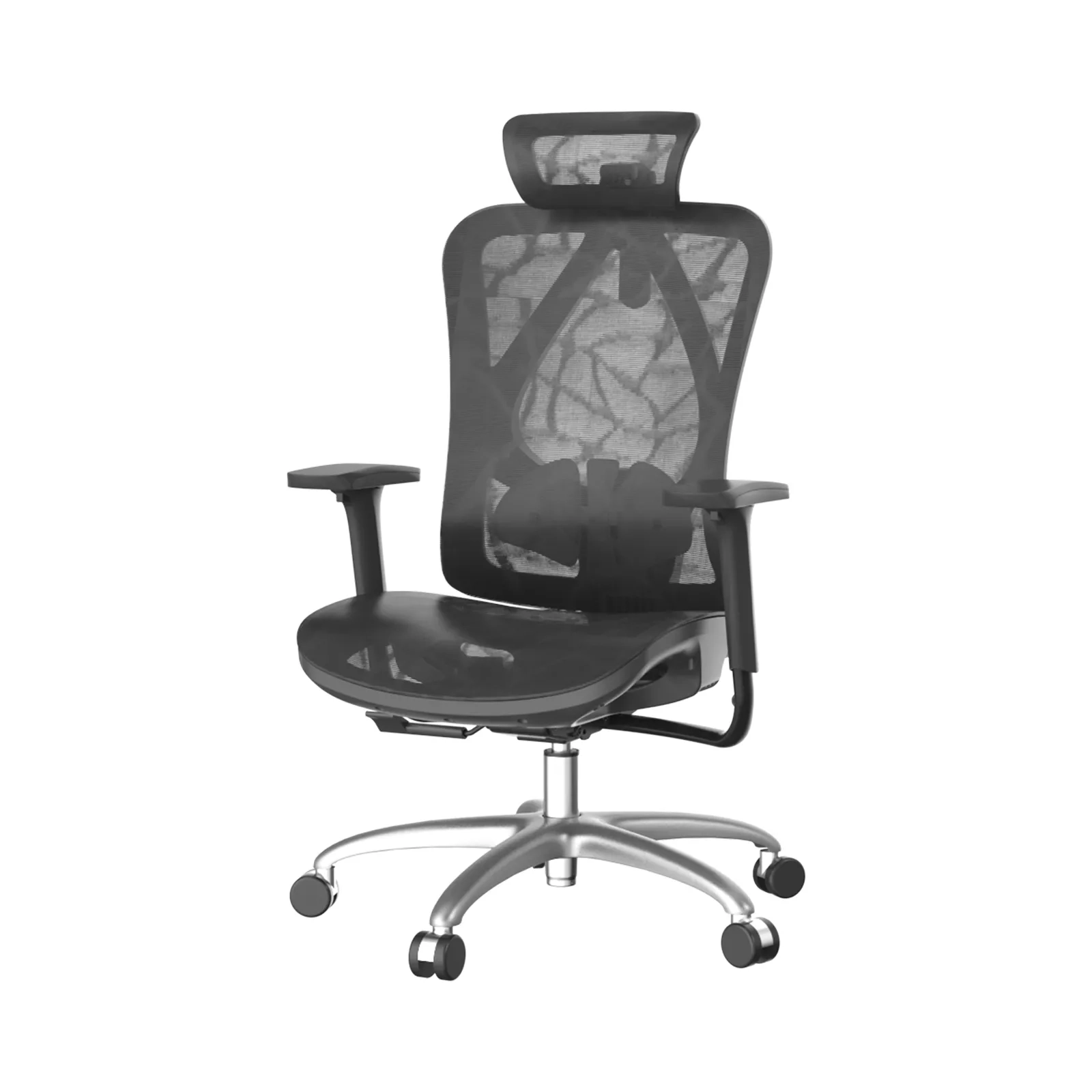
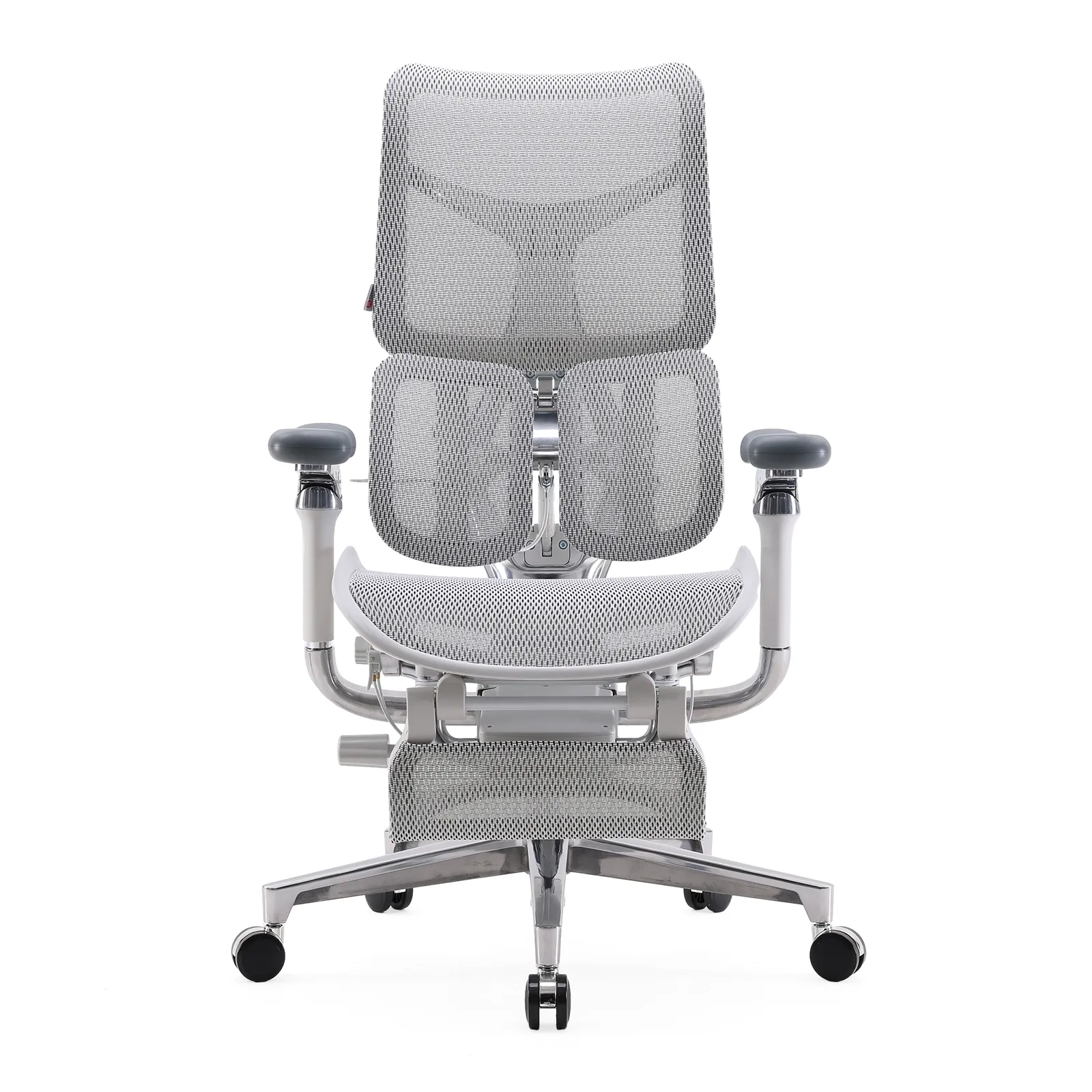
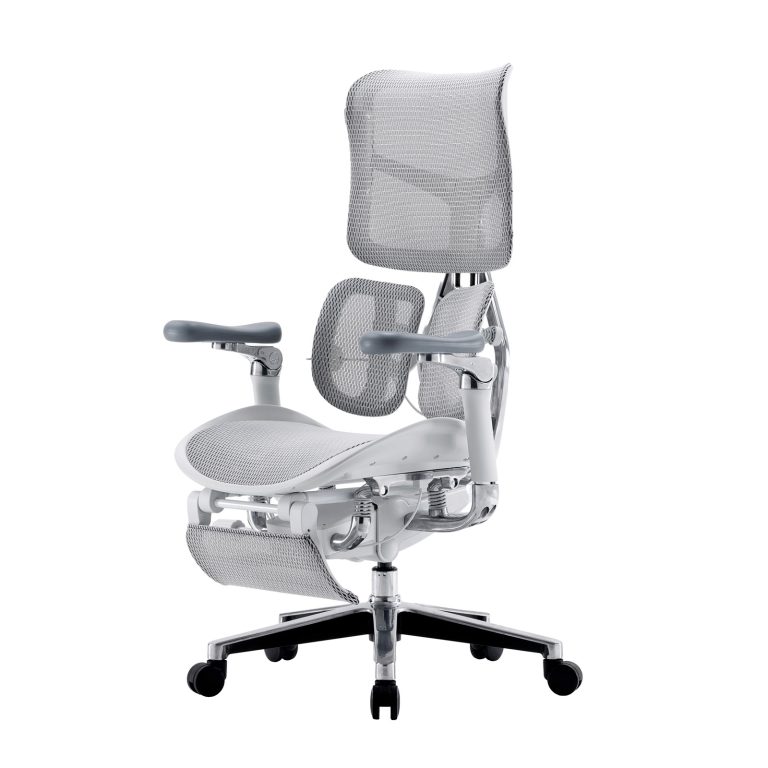
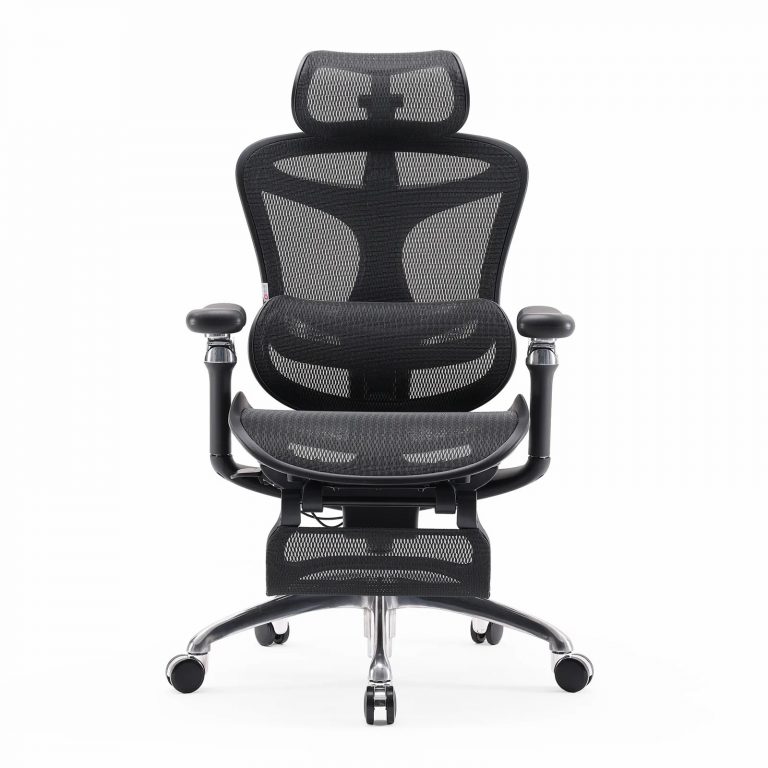
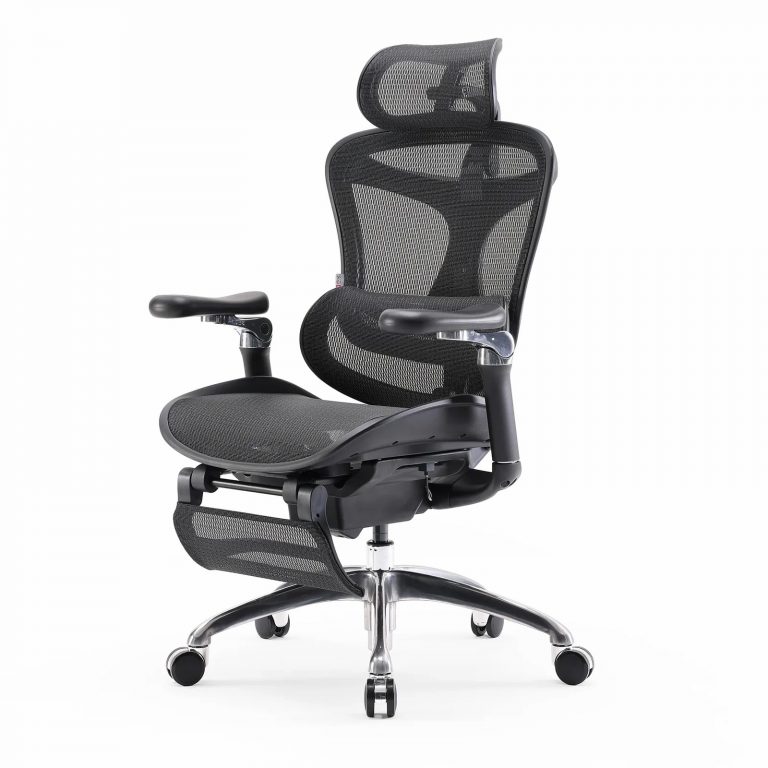
- Antibacterial mesh: Engineered with antimicrobial agents to inhibit bacterial growth—without sacrificing breathability. Ideal for hot climates or shared workstations.
- Modular mesh panels: Some designs allow for partial disassembly, enabling targeted cleaning where dirt accumulates most.
Design That Simplifies Maintenance
The best cleanable chairs aren’t just made from the right materials—they’re built the right way:
- Modular components: Seats and backs that detach easily for thorough cleaning or replacement.
- Sealed seams: Eliminate hidden crevices where liquids and debris can collect.
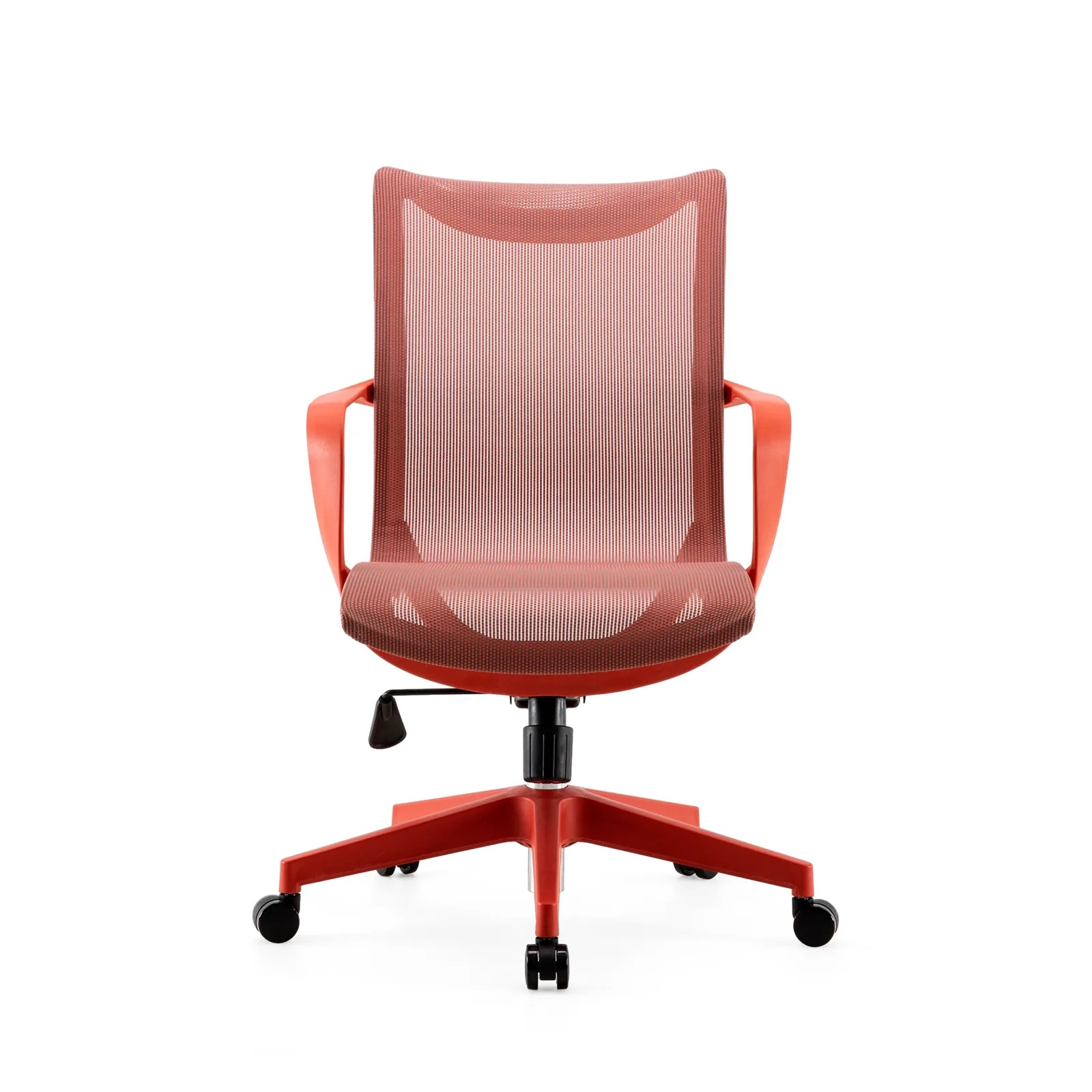
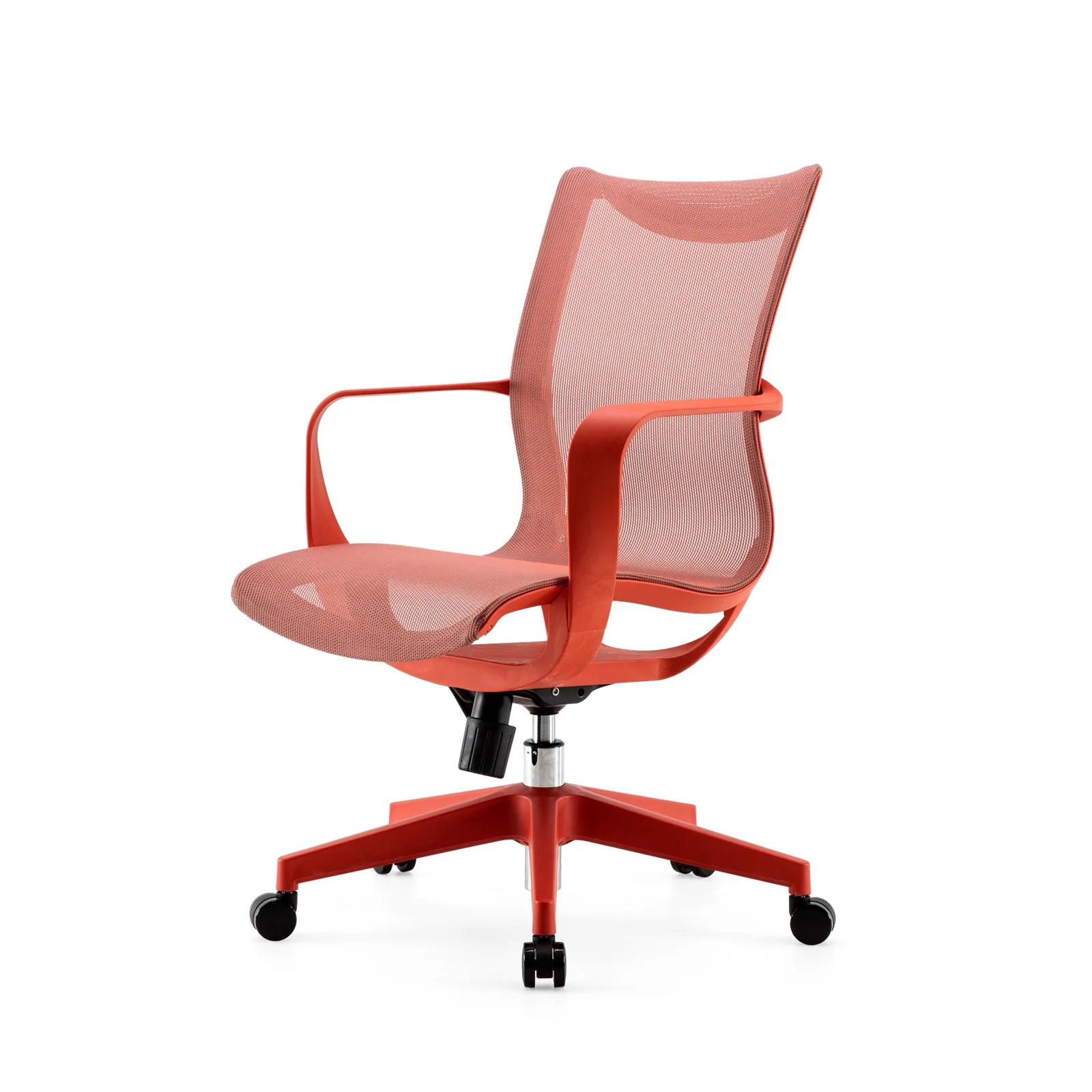
- One-piece molded shells: Reduce surface joints where dust and grime tend to accumulate.
- Anti-static finishes: Minimize static-driven dust attraction, keeping surfaces cleaner between cleanings.
Surface Technology That Lasts
Advanced nano-coatings are increasingly used to repel oils, water, and particulates. Studies show these treatments can reduce surface residue by up to 85%, significantly cutting cleaning frequency while preserving the chair’s appearance over years of use.
How Cleanability Drives Real Cost Savings
Lower Cleaning Burden, Less Labor
Traditional fabric chairs typically require professional deep cleaning every three months—costing roughly $4.50 per unit per session. Chairs with cleanable surfaces, however, only need routine wiping. This extends deep-cleaning cycles to six or even nine months.
For a company with 500 employees, that shift translates to a 60% reduction in annual cleaning costs—roughly $3,000 saved per year. Fewer harsh chemicals also mean better indoor air quality, supporting broader sustainability goals.
Longer Lifespan, Better Asset Value
From a total cost of ownership perspective, durability and cleanability go hand in hand. While standard fabric chairs last 3–4 years on average, high-quality PU leather or molded plastic chairs often exceed five years—reducing depreciation by around 25%.
Chairs that resist stains, odors, and wear retain higher resale or reassignment value. For enterprises managing thousands of seats, this isn’t just efficiency—it’s strategic asset management.
Hygiene, Health, and the Unseen Risks of Office Seating
The Microbial Reality
Office chairs are among the most frequently touched surfaces in any workspace. Research from the Indoor Surface Microbial Study found that a typical chair cushion can harbor up to 5,000 bacteria per square centimeter—a mix of skin oils, sweat, and environmental particles.
Without regular maintenance, these microorganisms can contribute to skin irritation, allergies, or respiratory discomfort. The solution? Clear, documented cleaning protocols that define frequency, responsibility, and method.
Post-Pandemic Expectations
Since 2020, workplace hygiene standards have permanently shifted. Surfaces that tolerate alcohol-based cleaners (up to 75% ethanol) or quaternary ammonium compounds without degradation are now preferred. These materials can reduce microbial load by over 50% more effectively than untreated fabrics.
Digital Accountability
Leading organizations now integrate furniture maintenance into their Facility Management Information Systems (FMIS). These platforms track cleaning schedules, assign tasks, and log compliance—ensuring accountability and helping meet standards like ISO 16890 (indoor air quality) and ISO 45001 (occupational health and safety).
Comparing Common Cleanable Chair Materials
| MATERIAL TYPE | KEY FEATURES | CLEANABILITY | COMFORT | DURABILITY | BEST FOR |
| High-Density PU Leather | Waterproof, stain-resistant, easy to wipe | ★★★★★ | ★★★★☆ | ★★★★☆ | Executive offices, meeting rooms |
| PVC Synthetic Leather | Highly stain-resistant, budget-friendly | ★★★★★ | ★★★☆☆ | ★★★★☆ | Labs, training rooms, support areas |
| Antibacterial Mesh | Breathable, antimicrobial, eco-conscious | ★★★★☆ | ★★★★☆ | ★★★★☆ | Open-plan workstations |
| Modular Mesh | Removable panels, excellent airflow | ★★★★☆ | ★★★★★ | ★★★☆☆ | Shared desks, hot-desking zones |
| One-Piece Molded Plastic | Seamless, non-porous, chemical-resistant | ★★★★★ | ★★★☆☆ | ★★★★★ | Training centers, public areas |
This comparison makes one thing clear: cleanability isn’t about one material being “better.” It’s about matching the right surface to the right environment—balancing hygiene, comfort, and longevity.
How to Evaluate Cleanable Office Chairs: A Practical Framework
Key Performance Indicators for Procurement
Before purchasing, assess these technical benchmarks:
| EVALUATION CRITERION | RECOMMENDED STANDARD | TESTING METHOD |
| Water Resistance | ≥ IPX3 | Water penetration test |
| مقاومة البقع | Residue ≤ 0.5% | Synthetic stain test |
| Antimicrobial Efficacy | ≥ 99% reduction (24h exposure) | ASTM E2149 |
| Abrasion Resistance | ≥ 30,000 cycles | Martindale abrasion test |
| Disassembly Ease | < 2 minutes (single person) | Manual disassembly test |
Meeting these benchmarks ensures the chair will hold up under daily use—and remain clean, functional, and professional-looking over time.
Best Practices for Implementation
Procurement Strategy
- Use modular, washable mesh chairs in high-traffic work zones.
- Reserve PU leather for areas that require durability and a polished aesthetic.
- Always request a manufacturer-provided cleaning guide—not just a marketing claim.
Ongoing Management
- Integrate chair maintenance into your asset management policy.
- Train cleaning staff on proper techniques—avoiding abrasive tools or incorrect chemicals.
- Conduct quarterly visual and functional inspections to ensure compliance and longevity.
Conclusion: Cleanability as a Signal of Mature Workplace Management
In today’s workplaces, an office chair is more than a seat. It’s a reflection of how seriously an organization values health, efficiency, and long-term responsibility.
A chair designed for cleanability doesn’t just make cleaning easier—it reduces costs, extends asset life, and supports a healthier, more professional environment.
For forward-thinking companies, cleanability isn’t a feature; it’s a necessity. It’s a signal—of thoughtful design, operational discipline, and a commitment to the people who use the space every day.
1600x1600-4-768x768.jpg)
1600x1600-8-768x768.jpg)