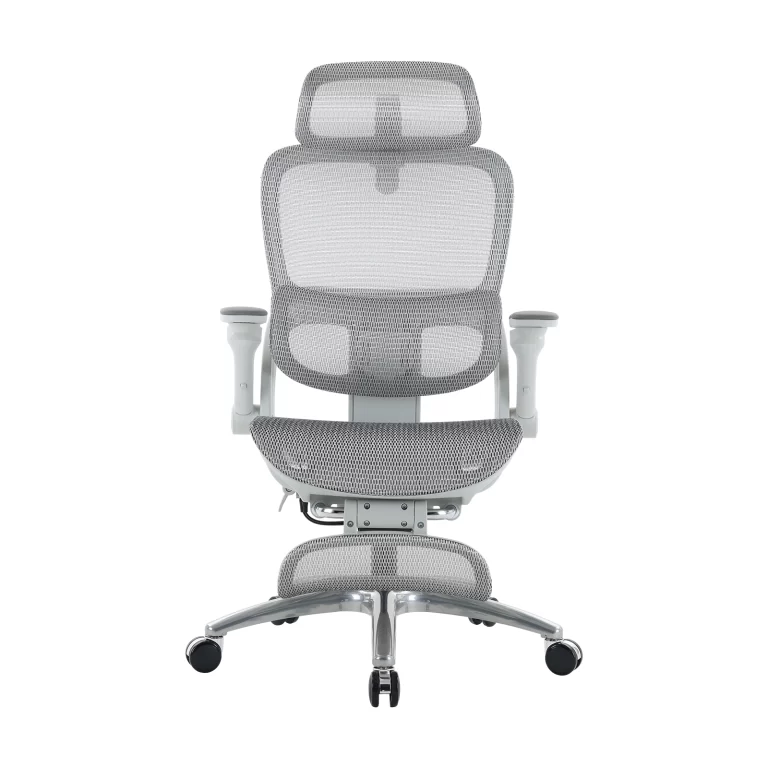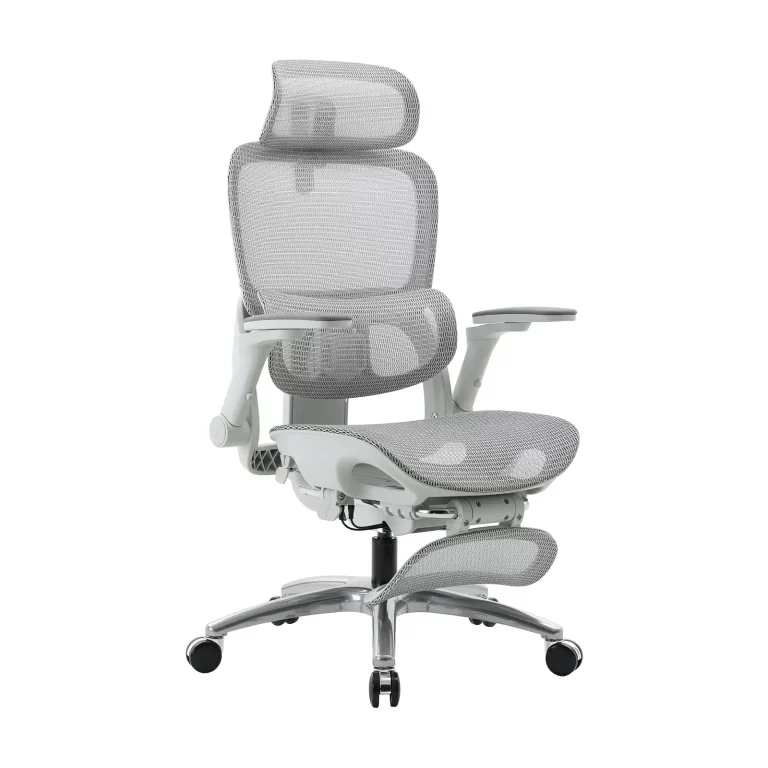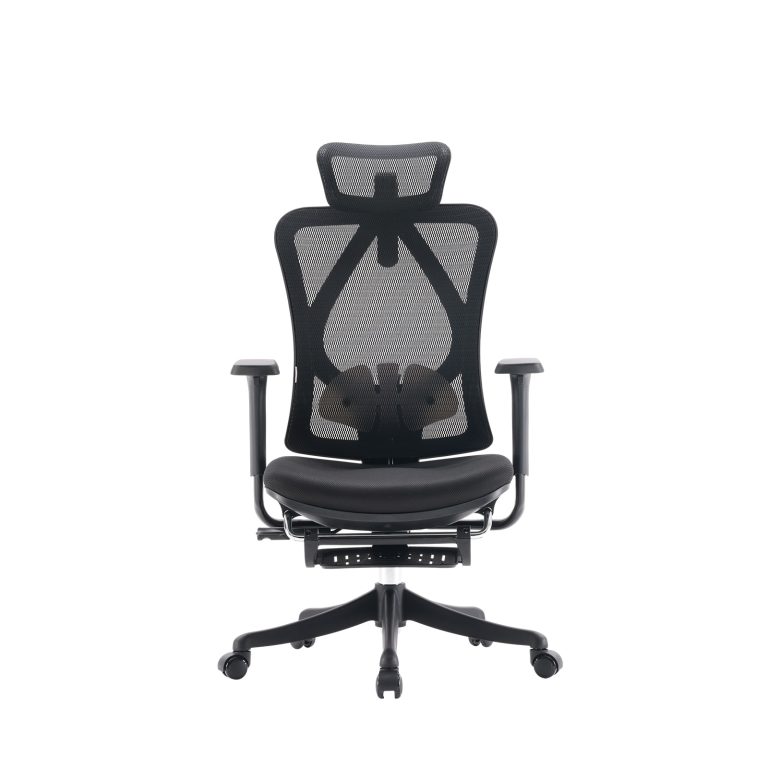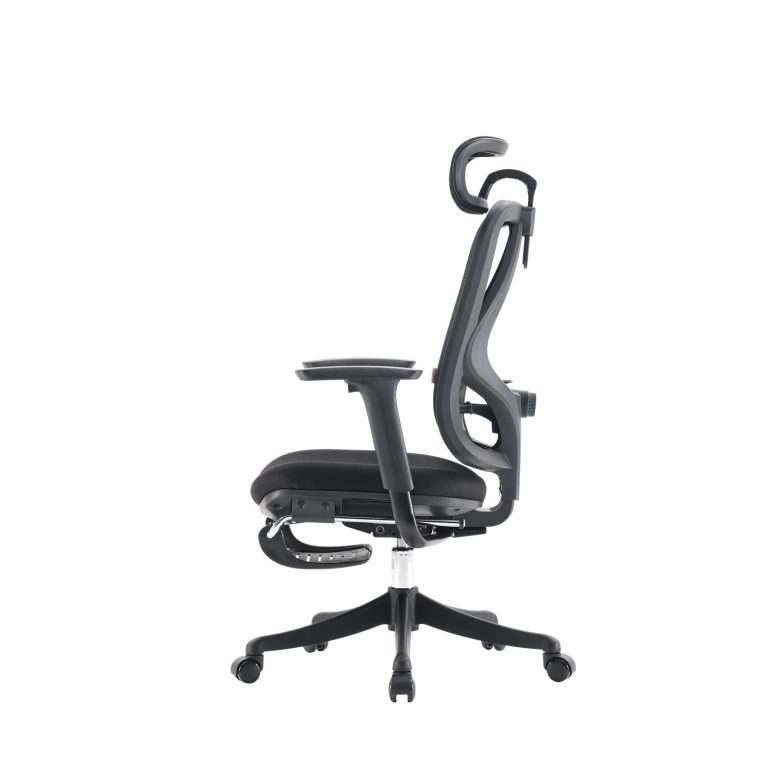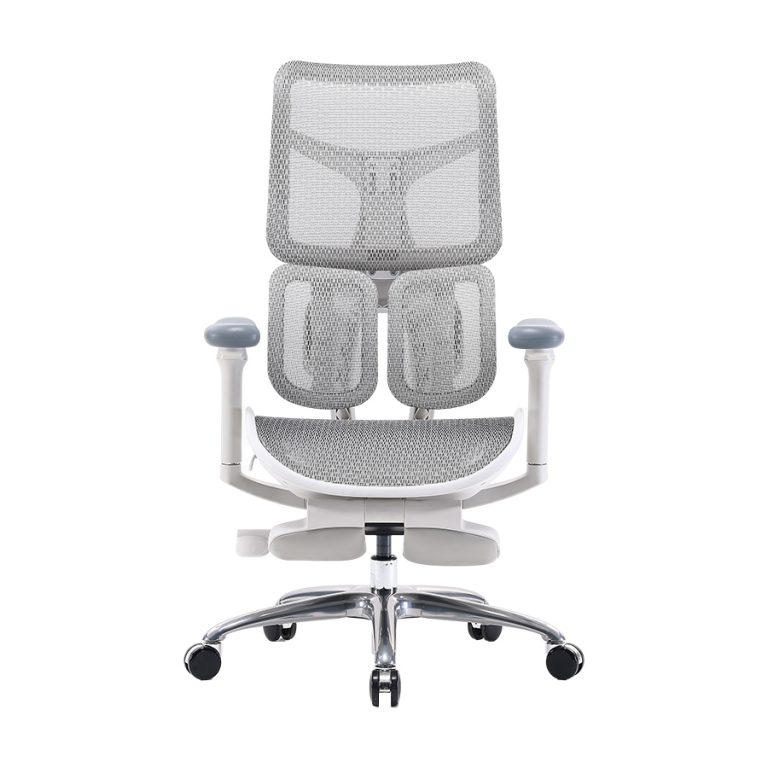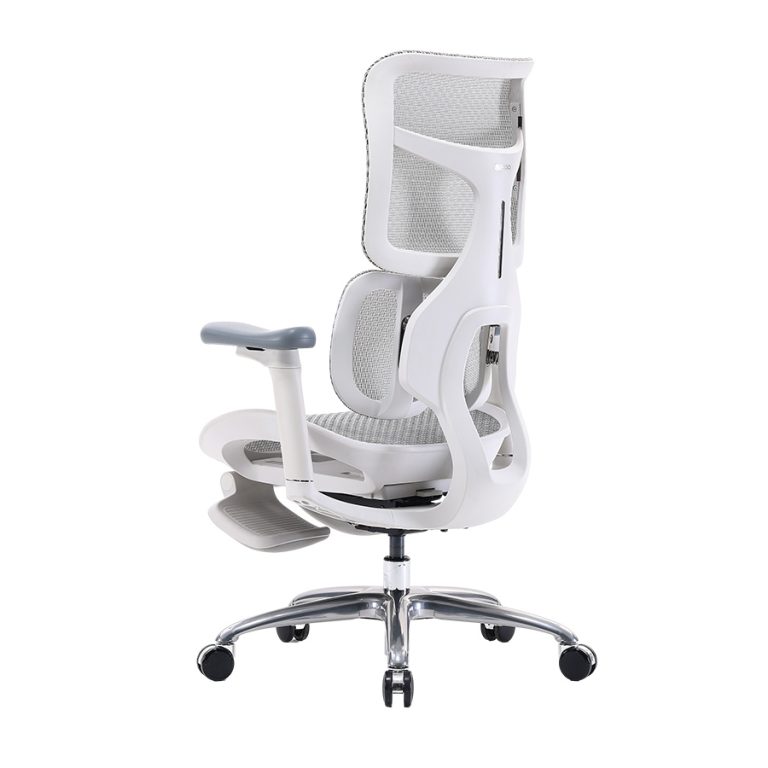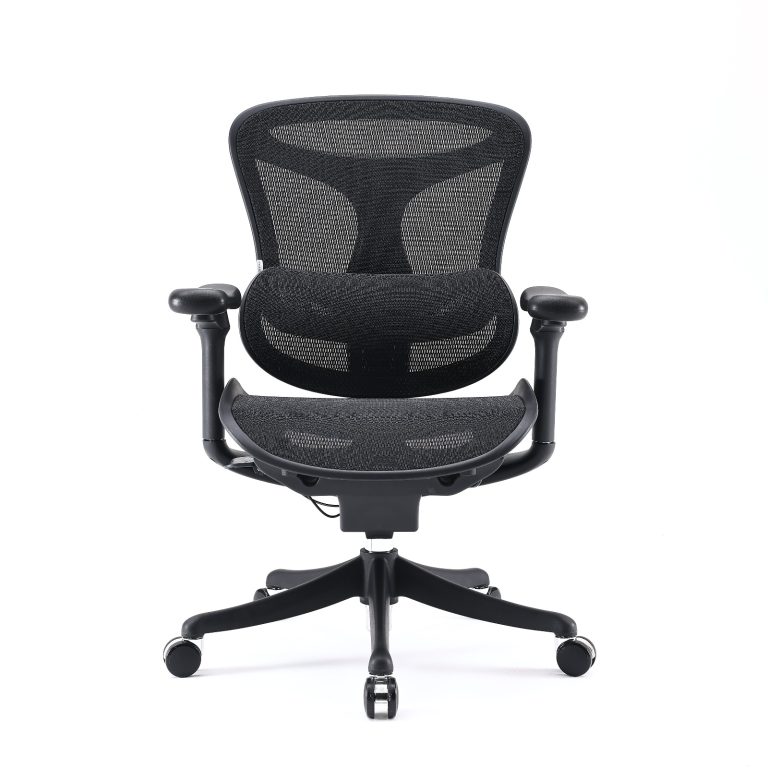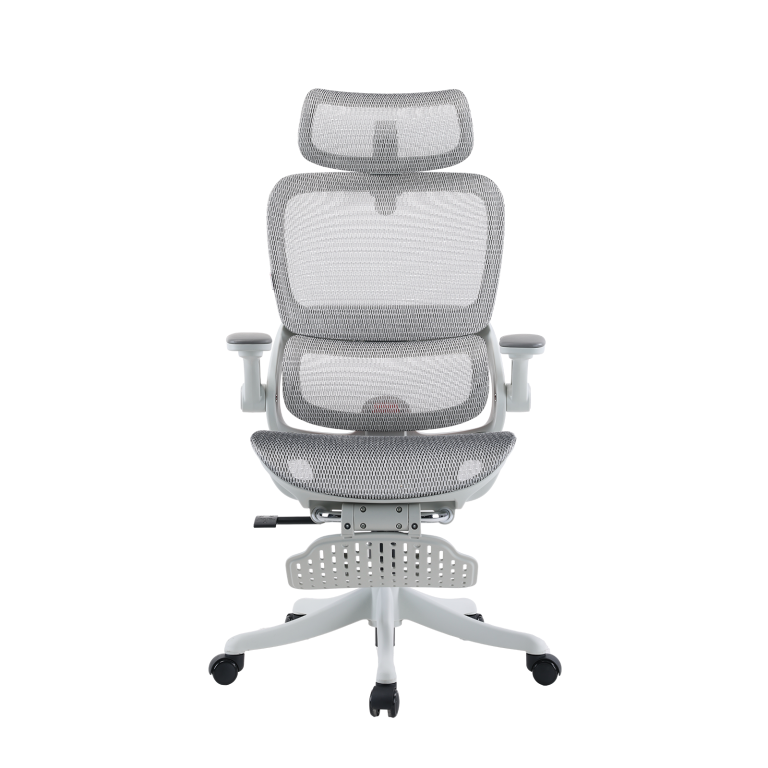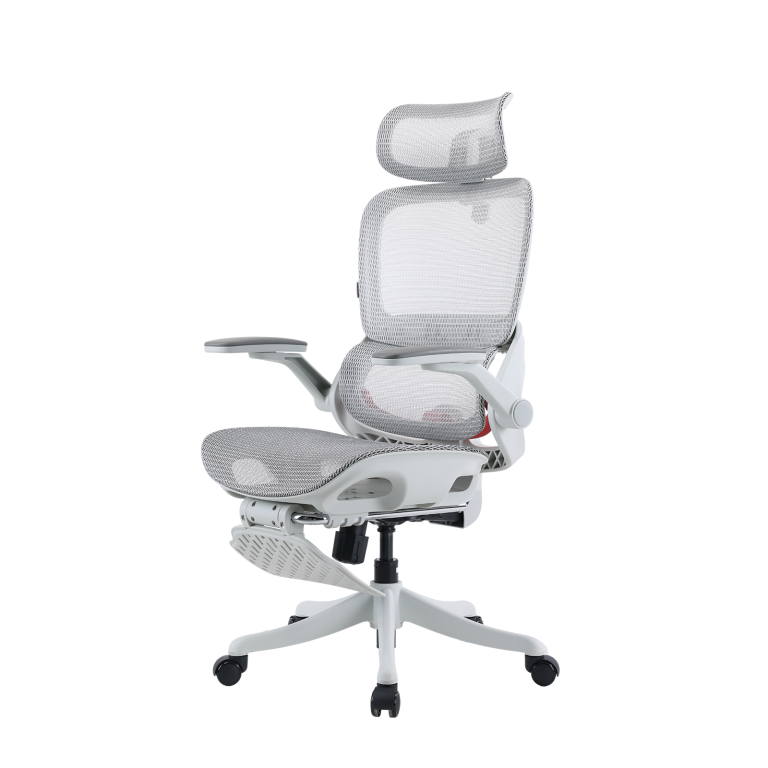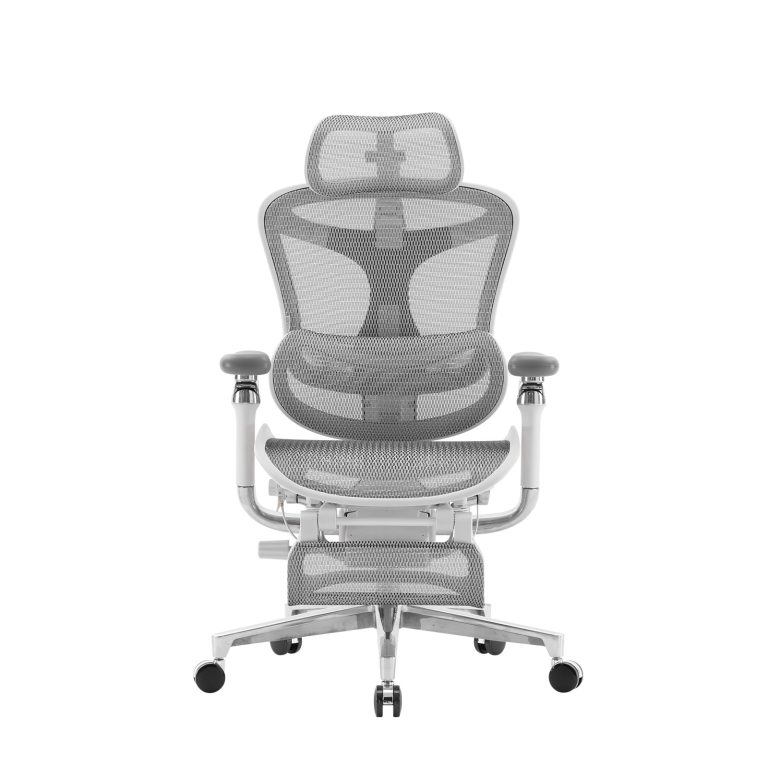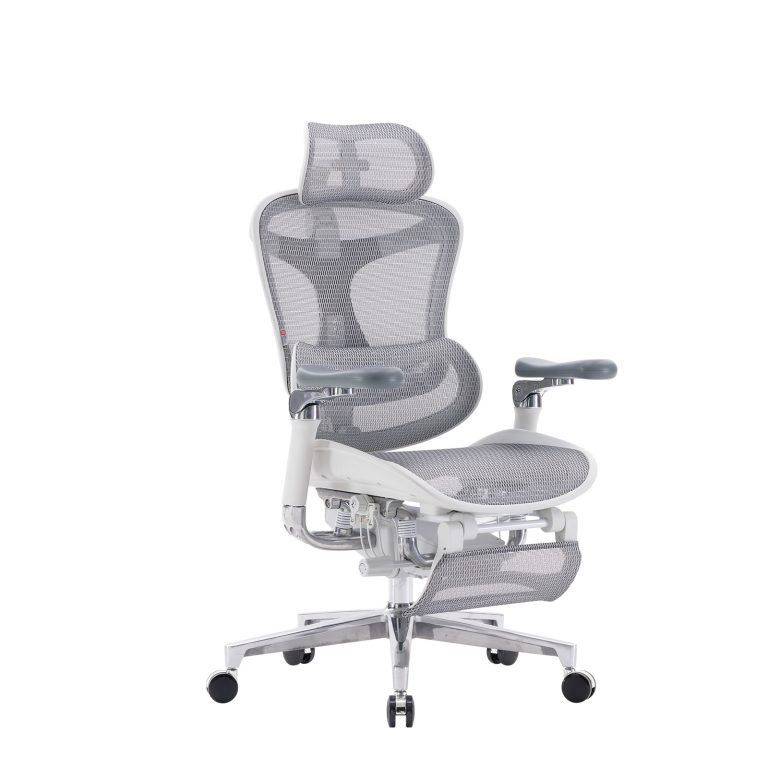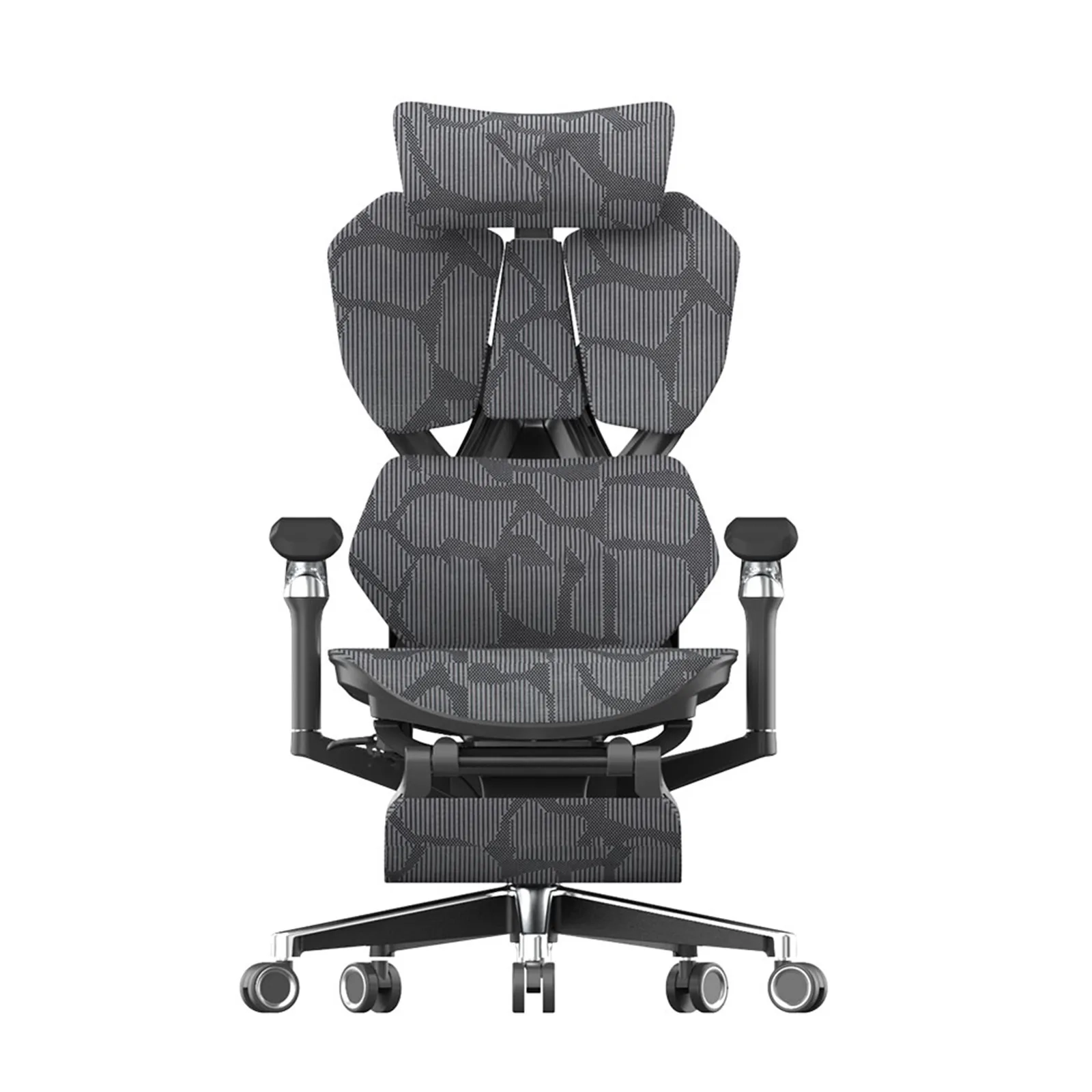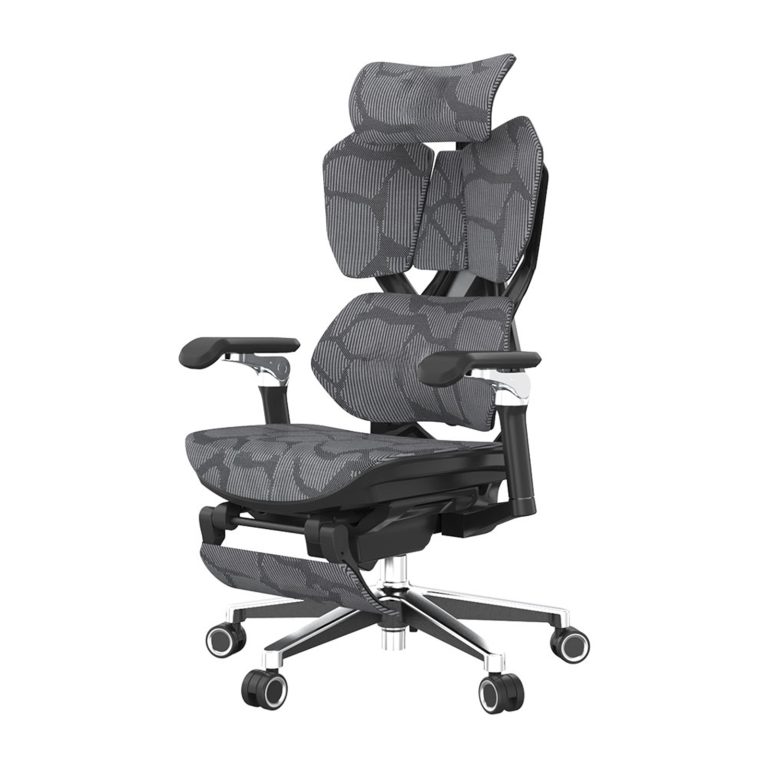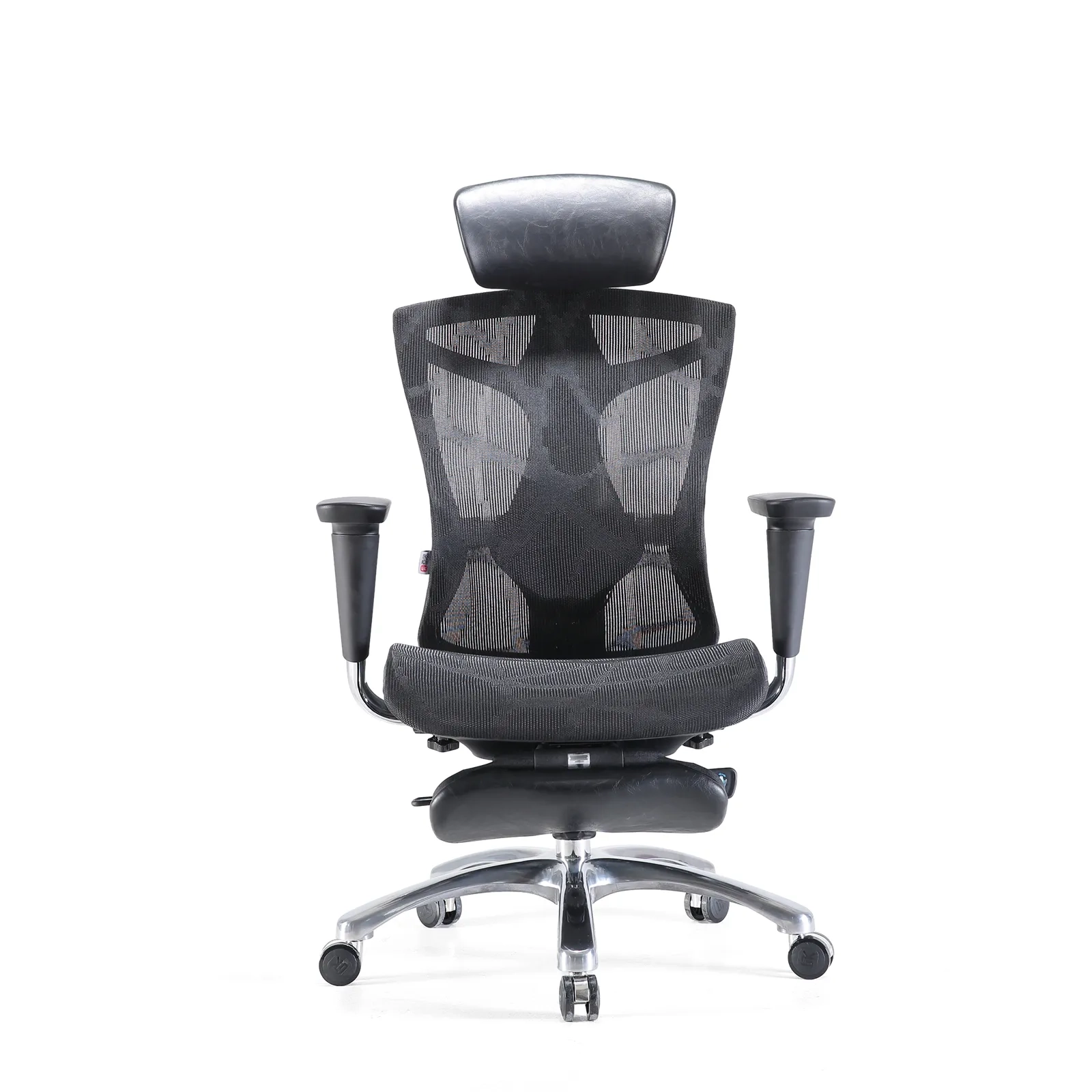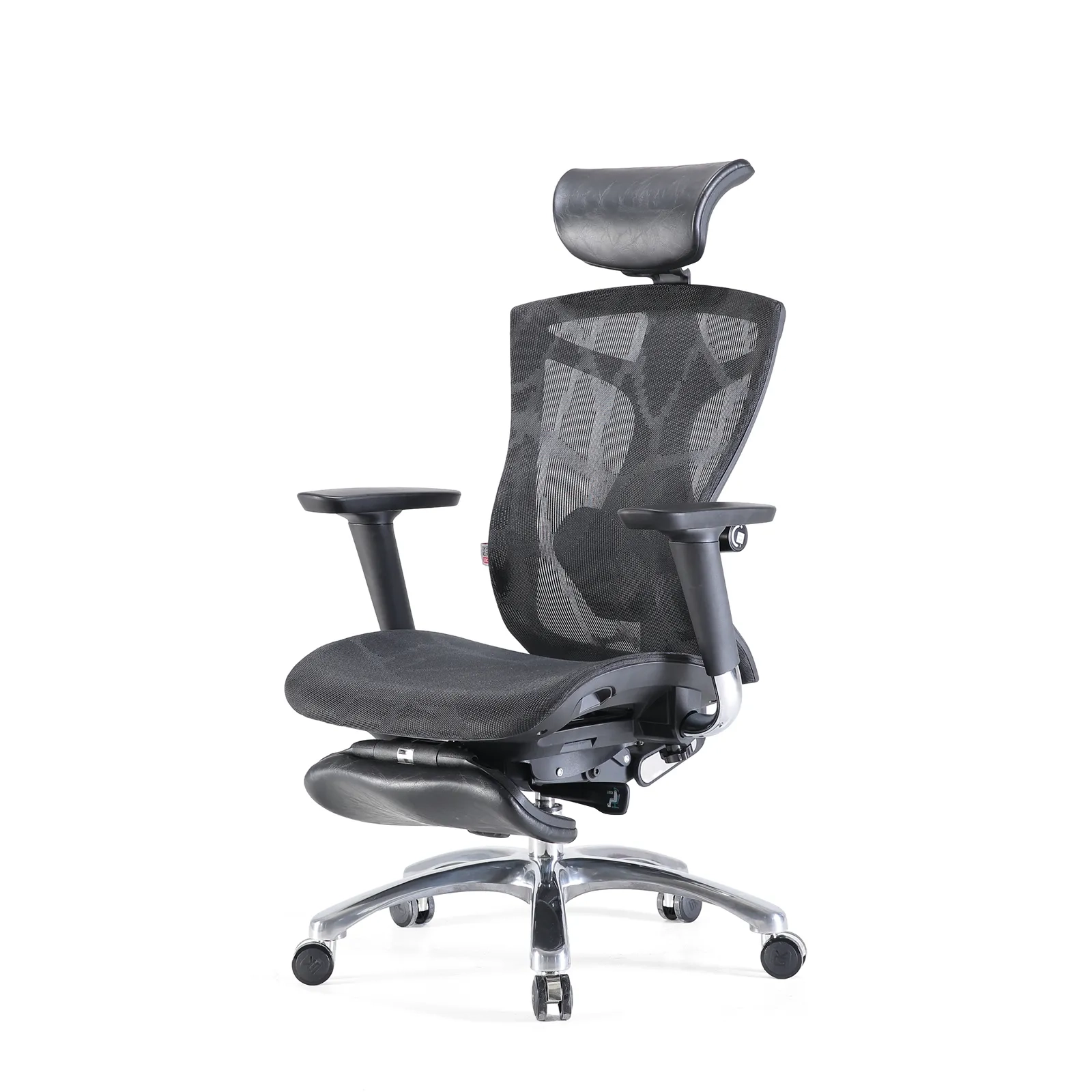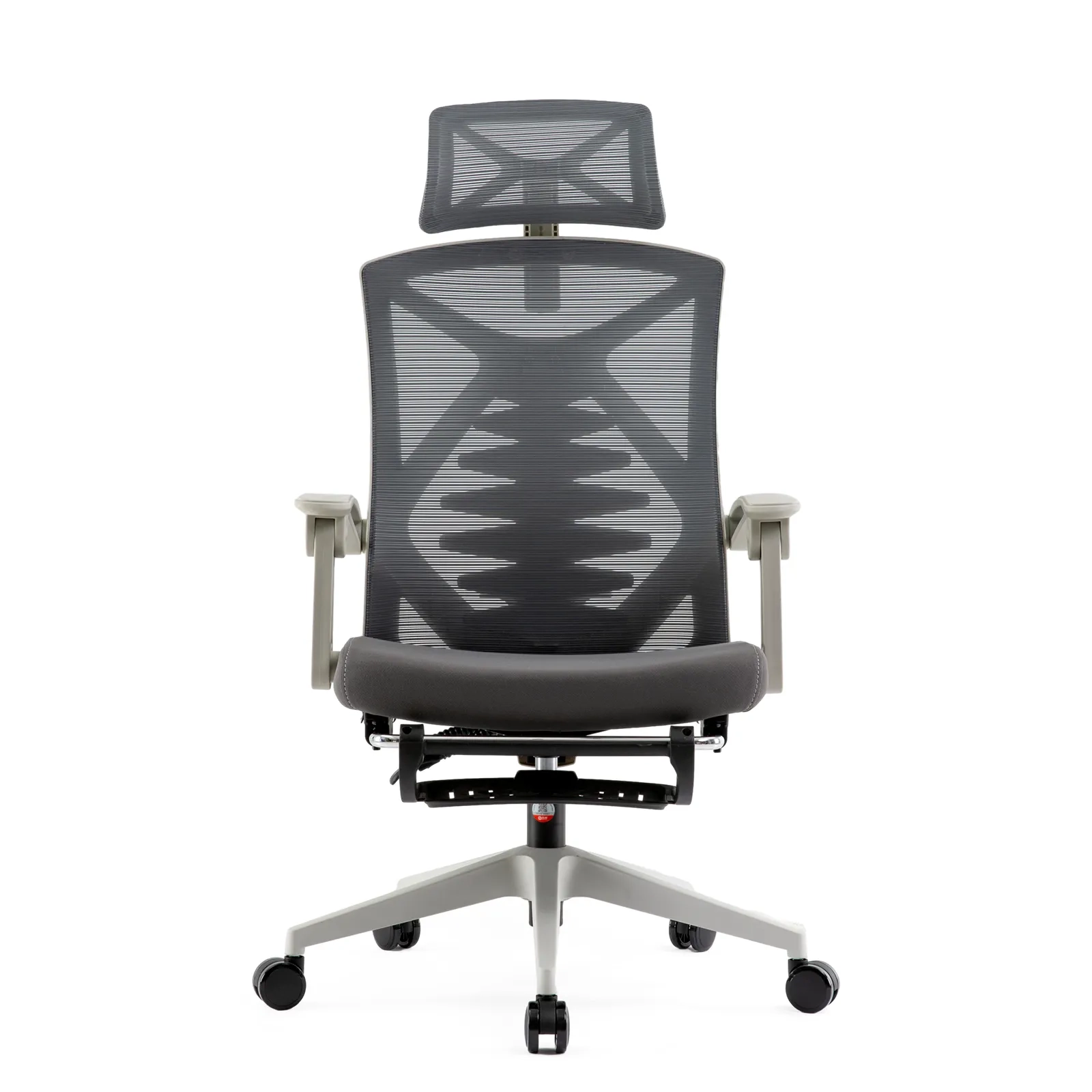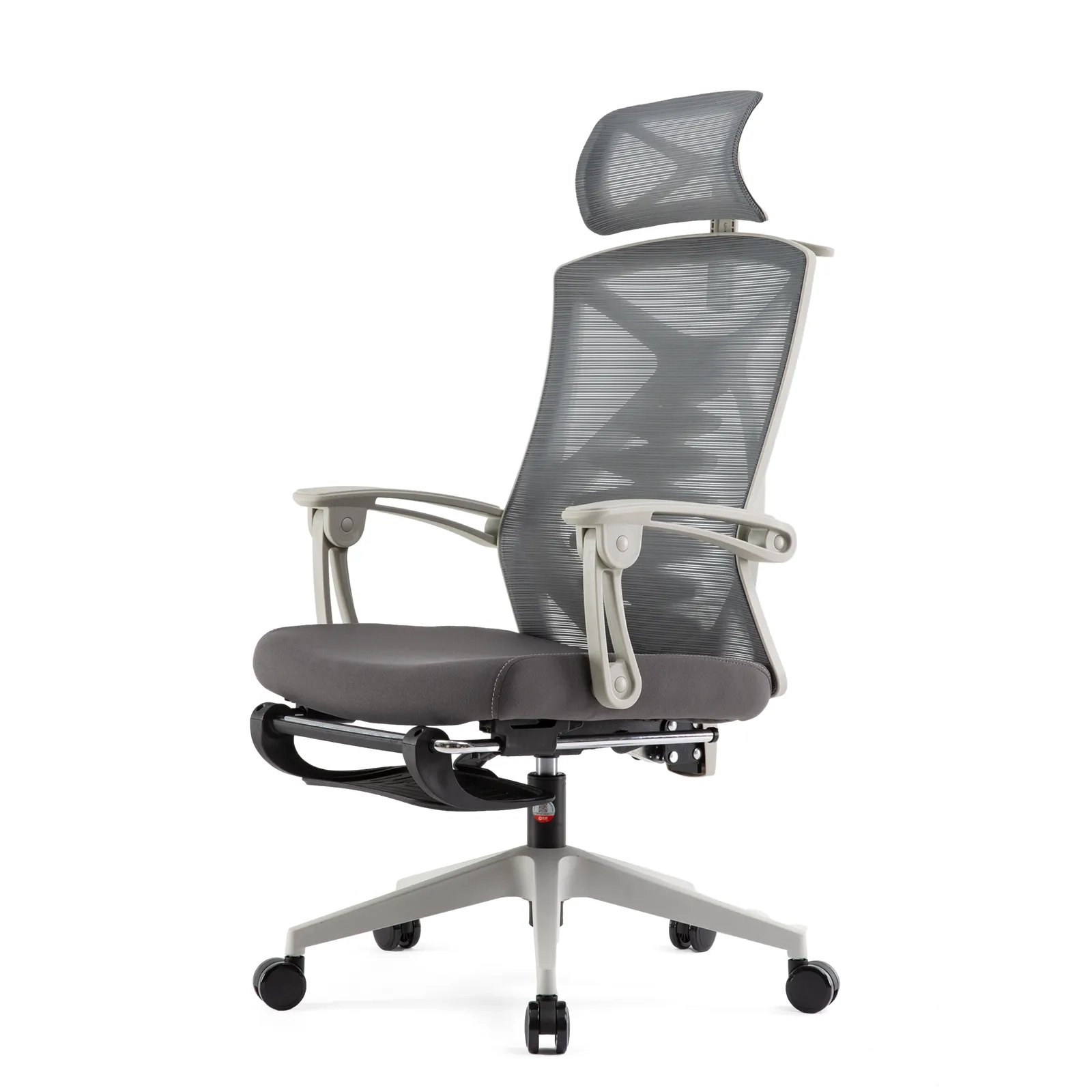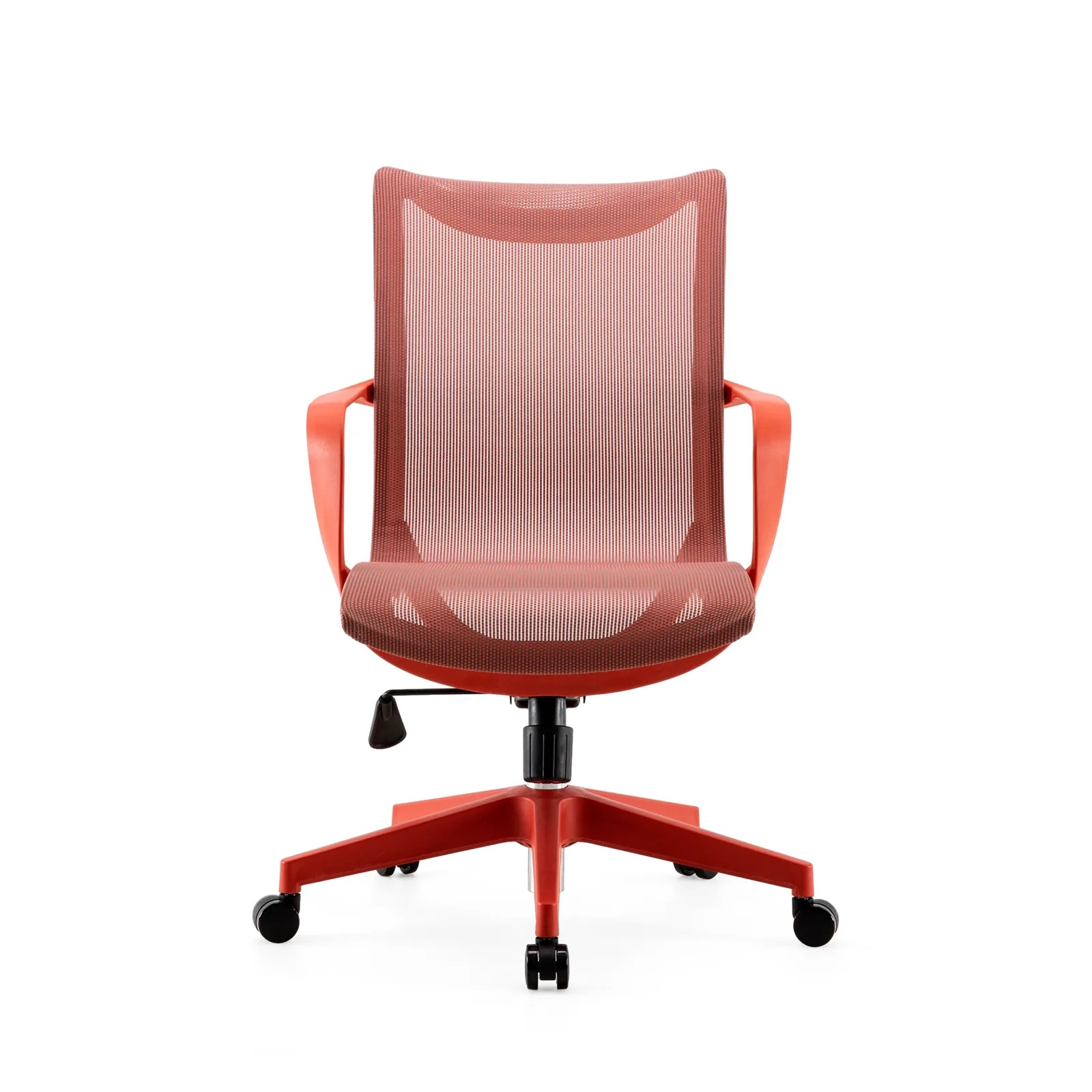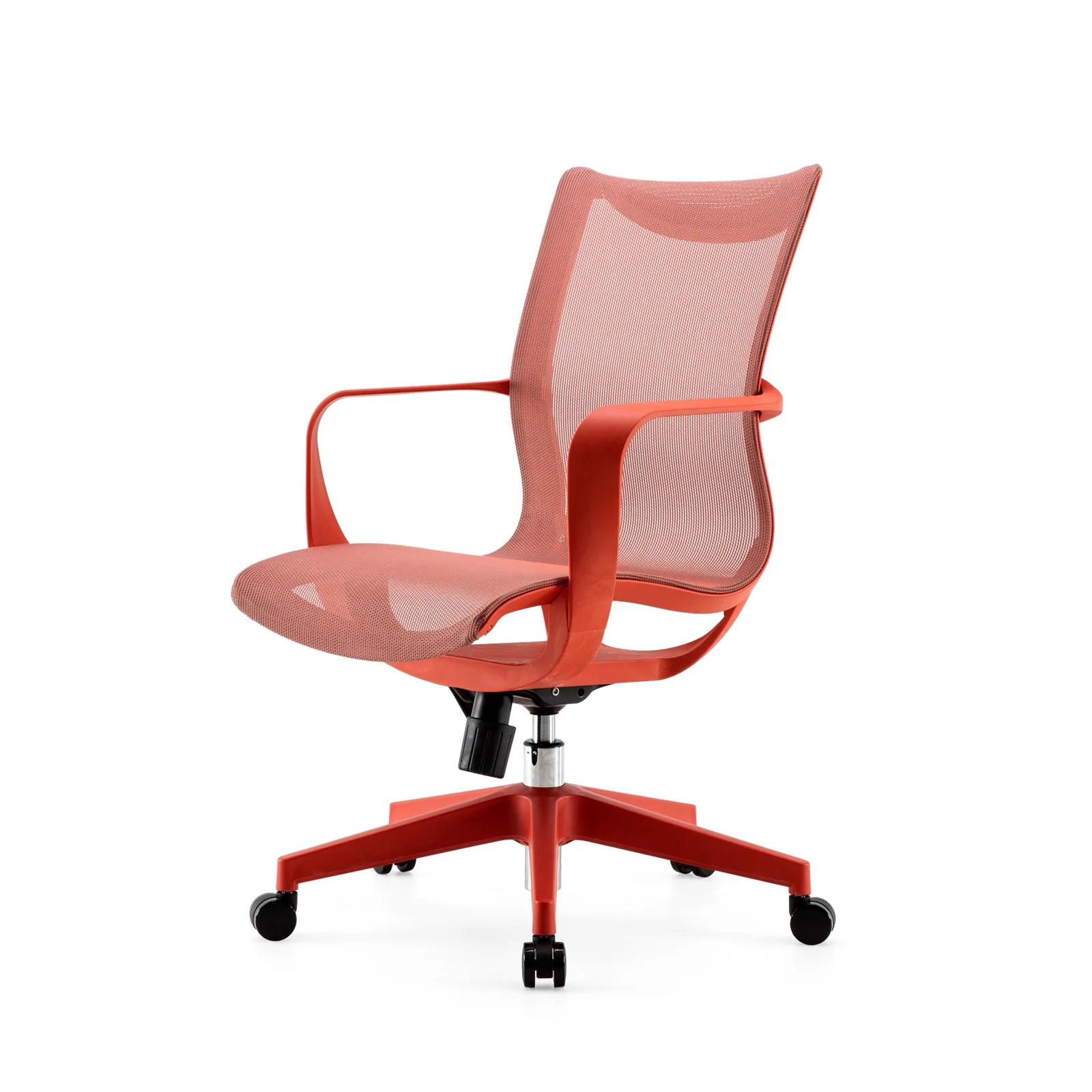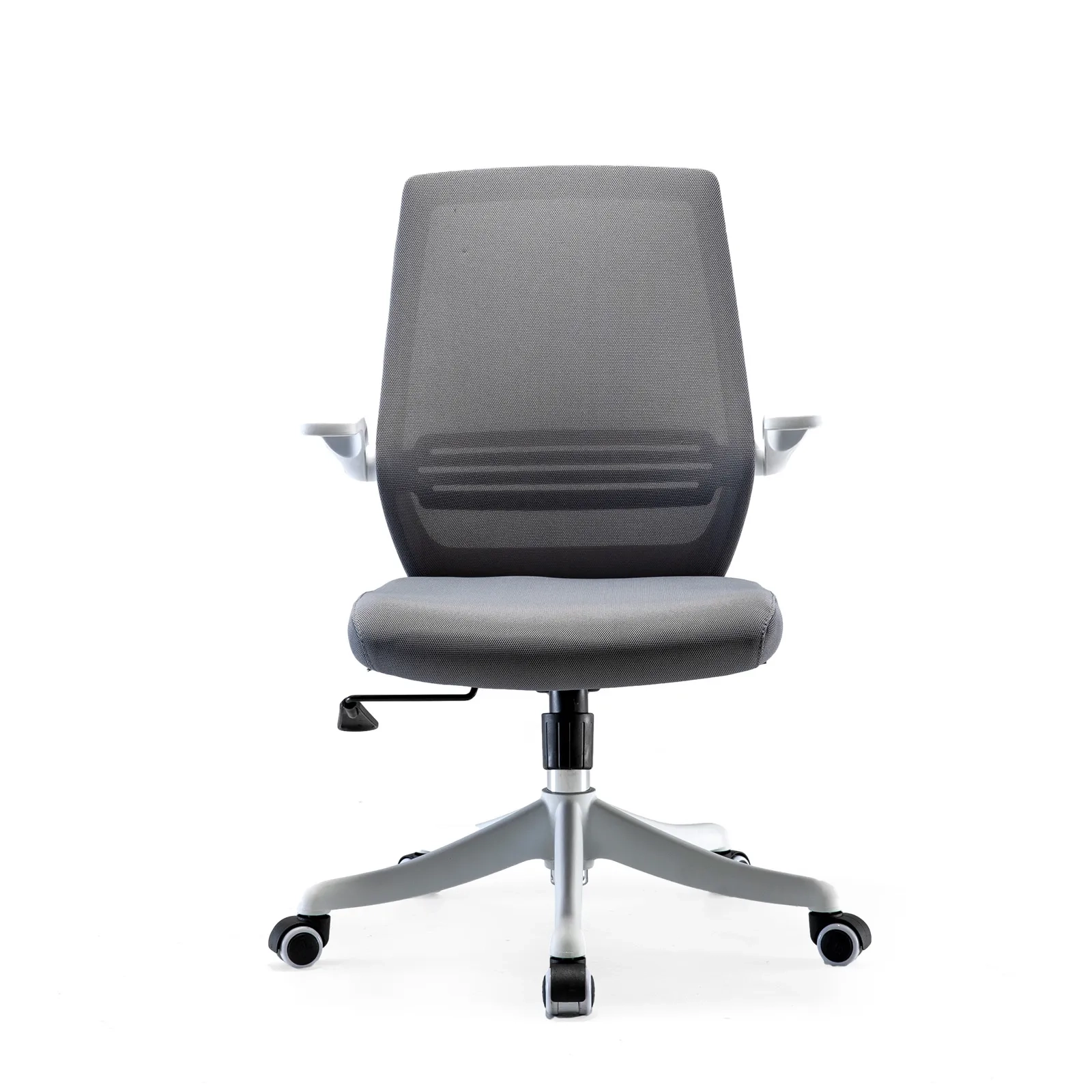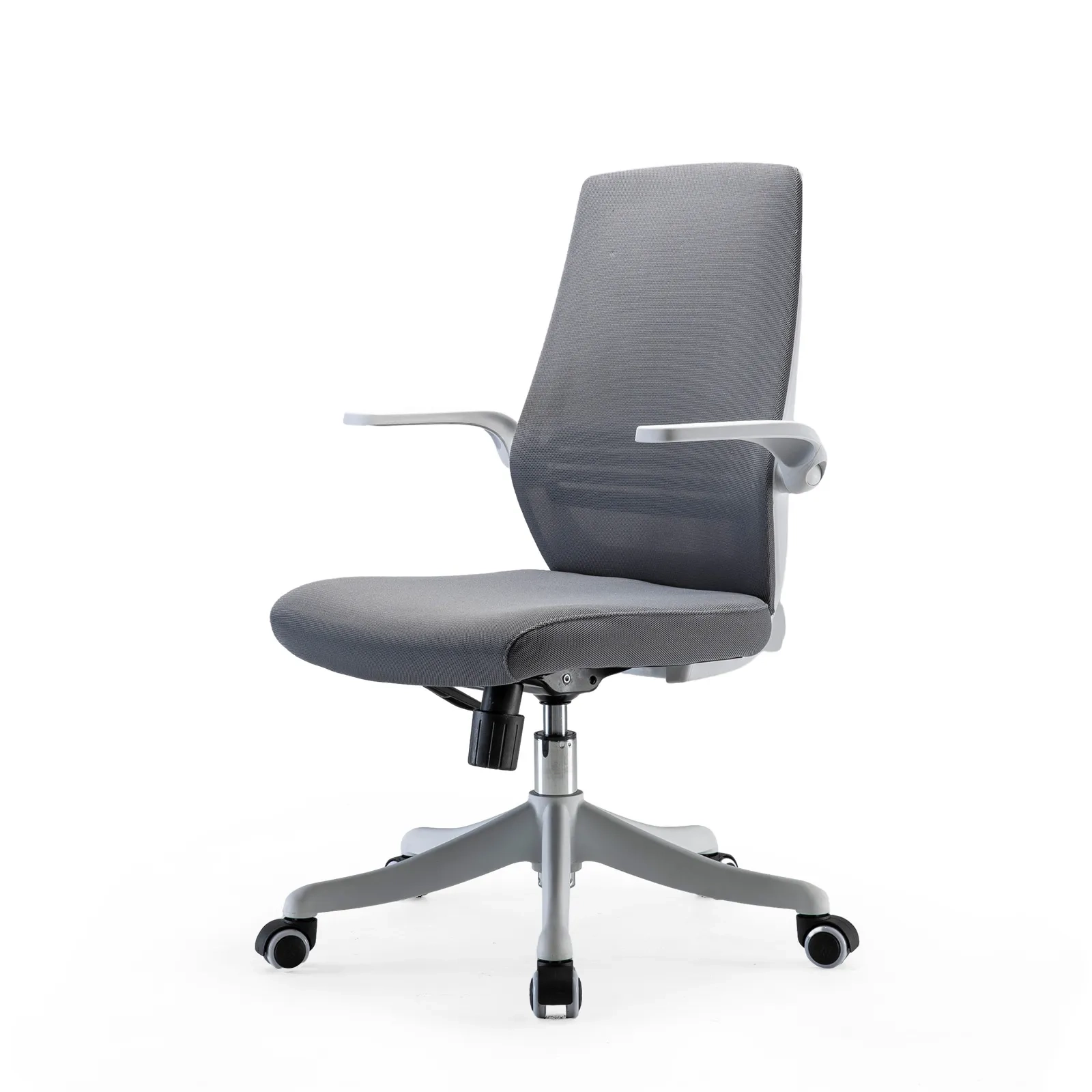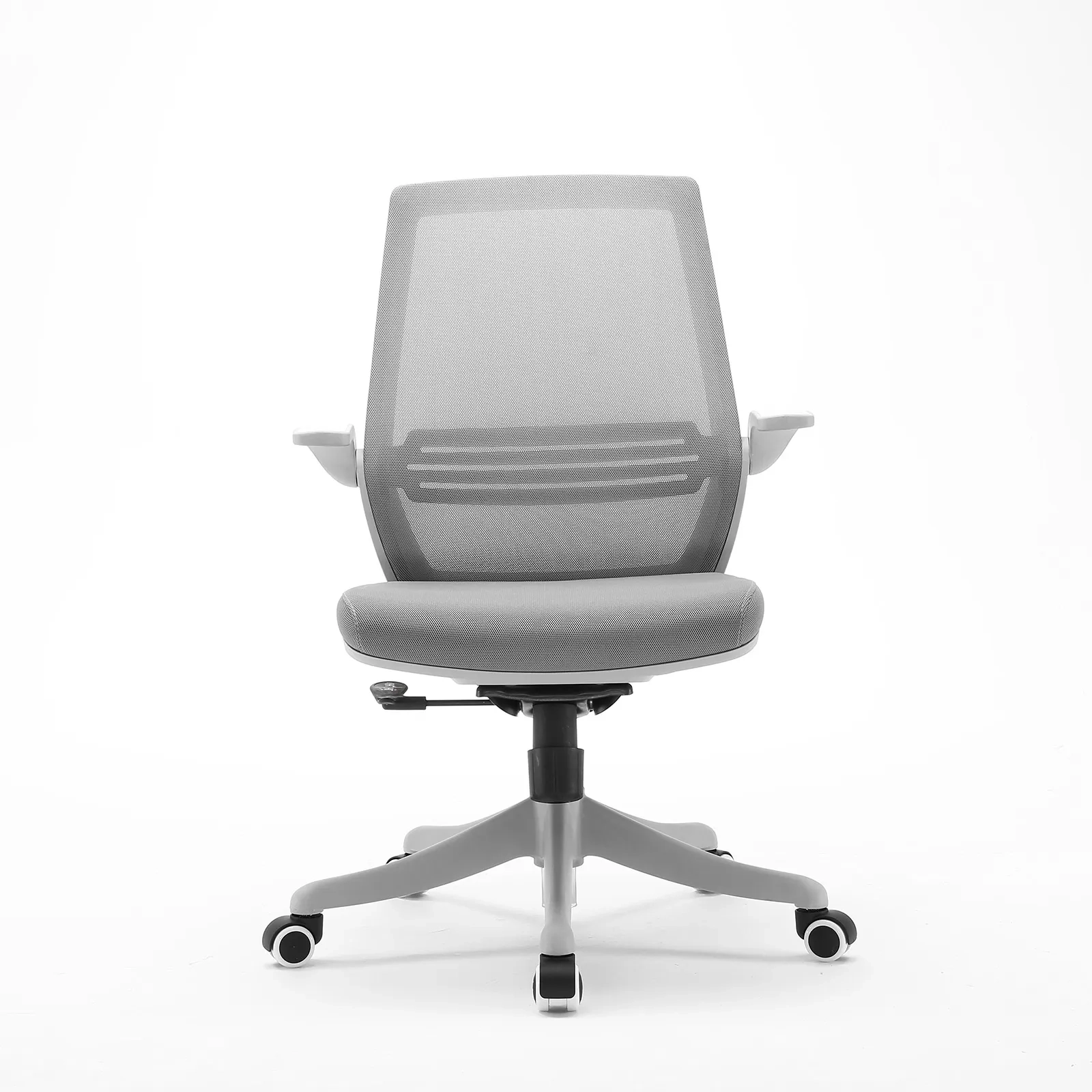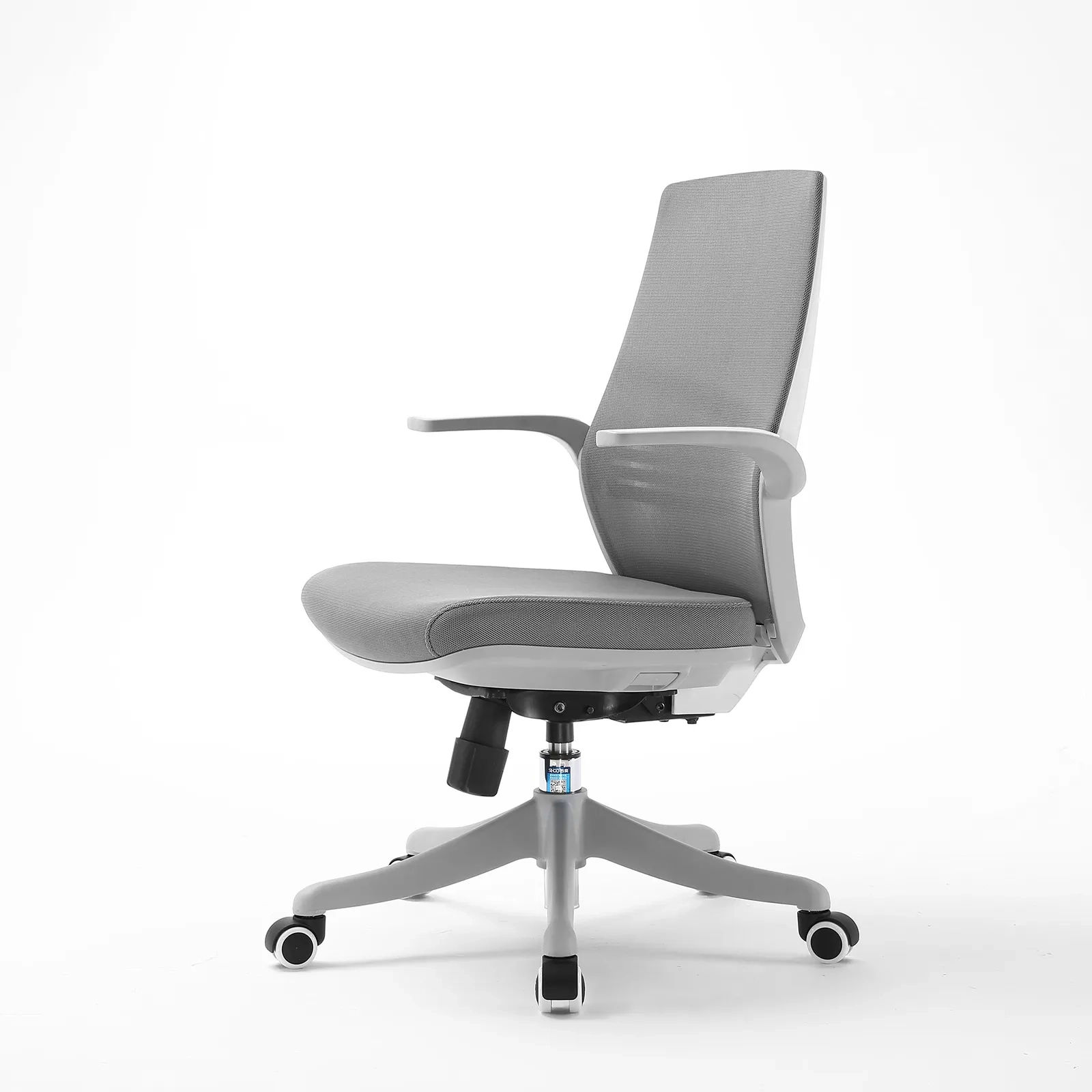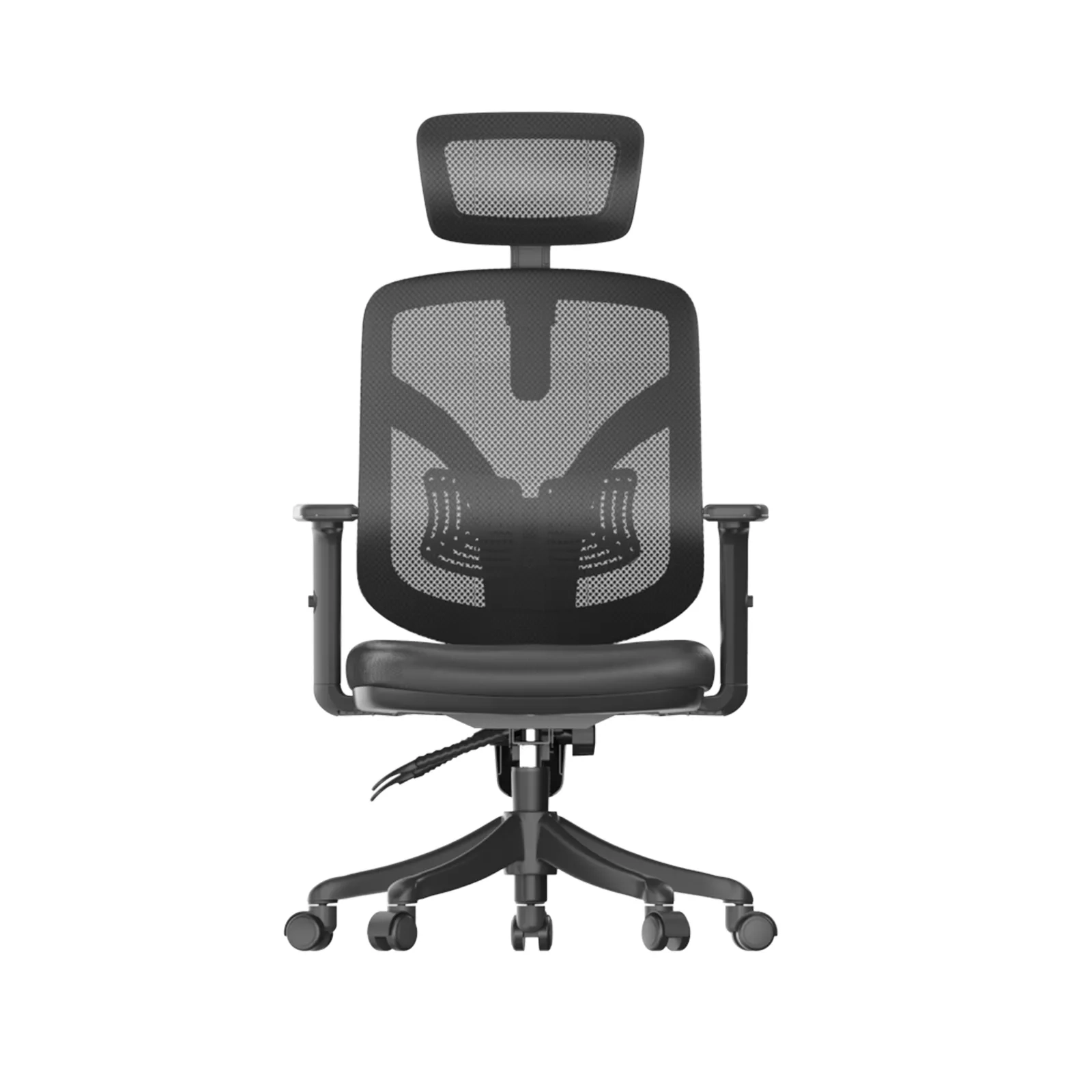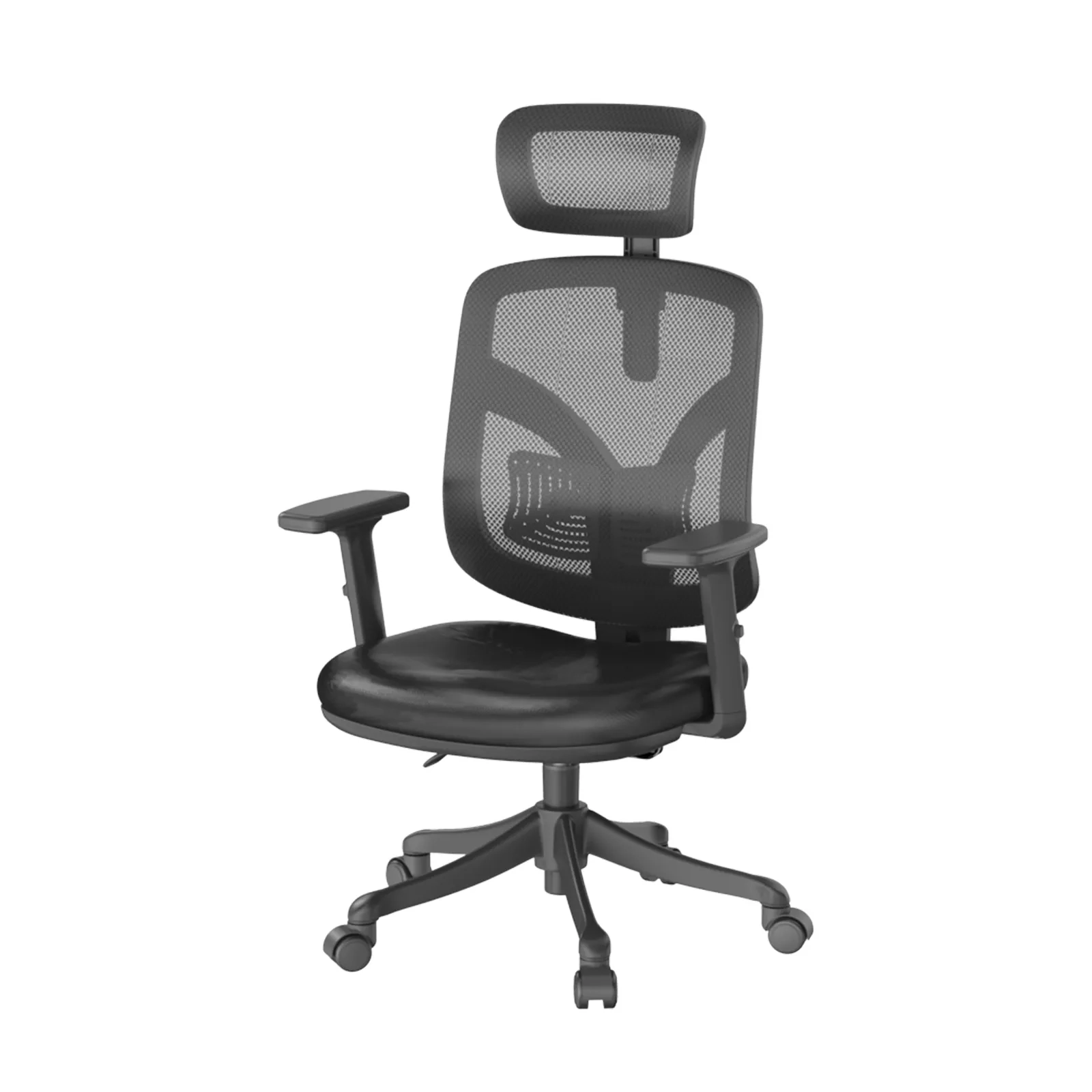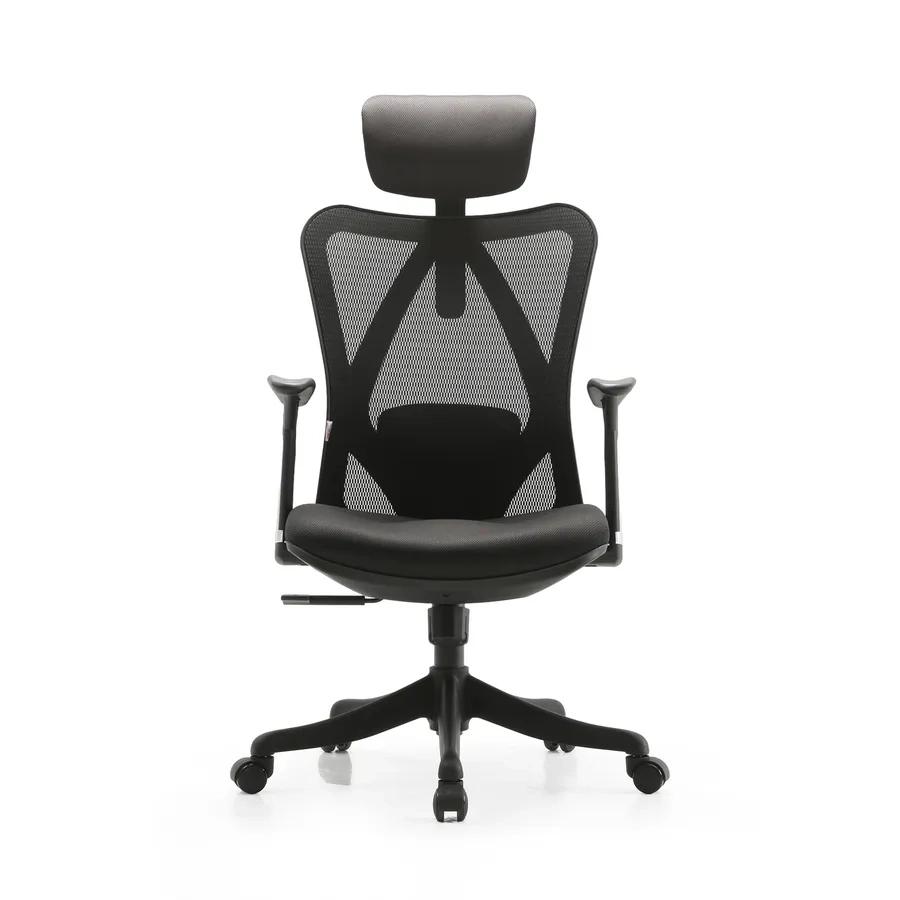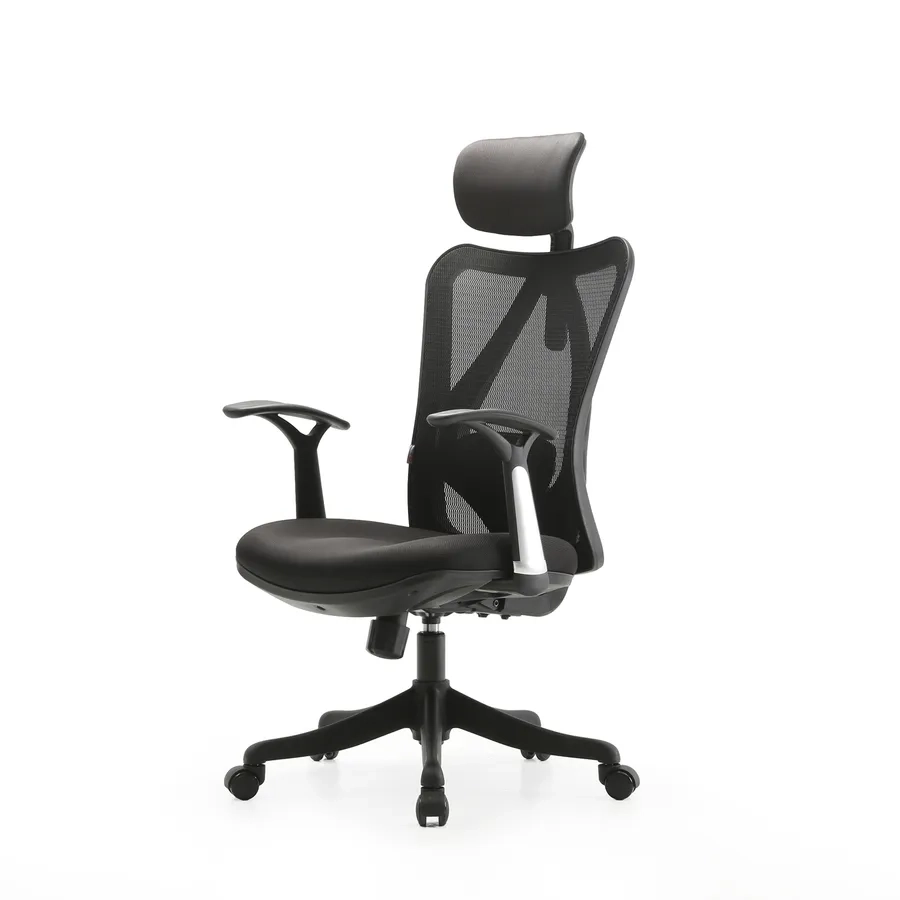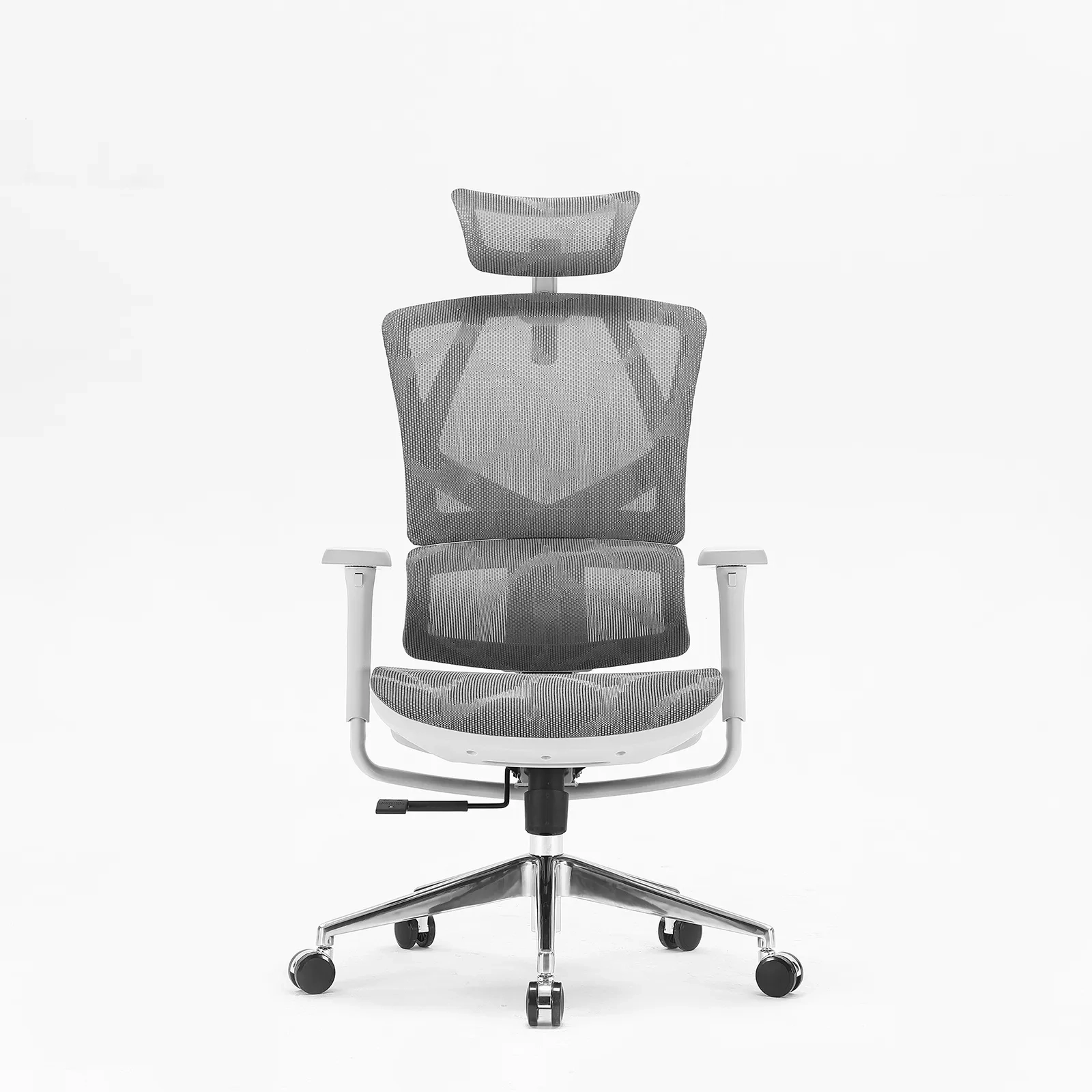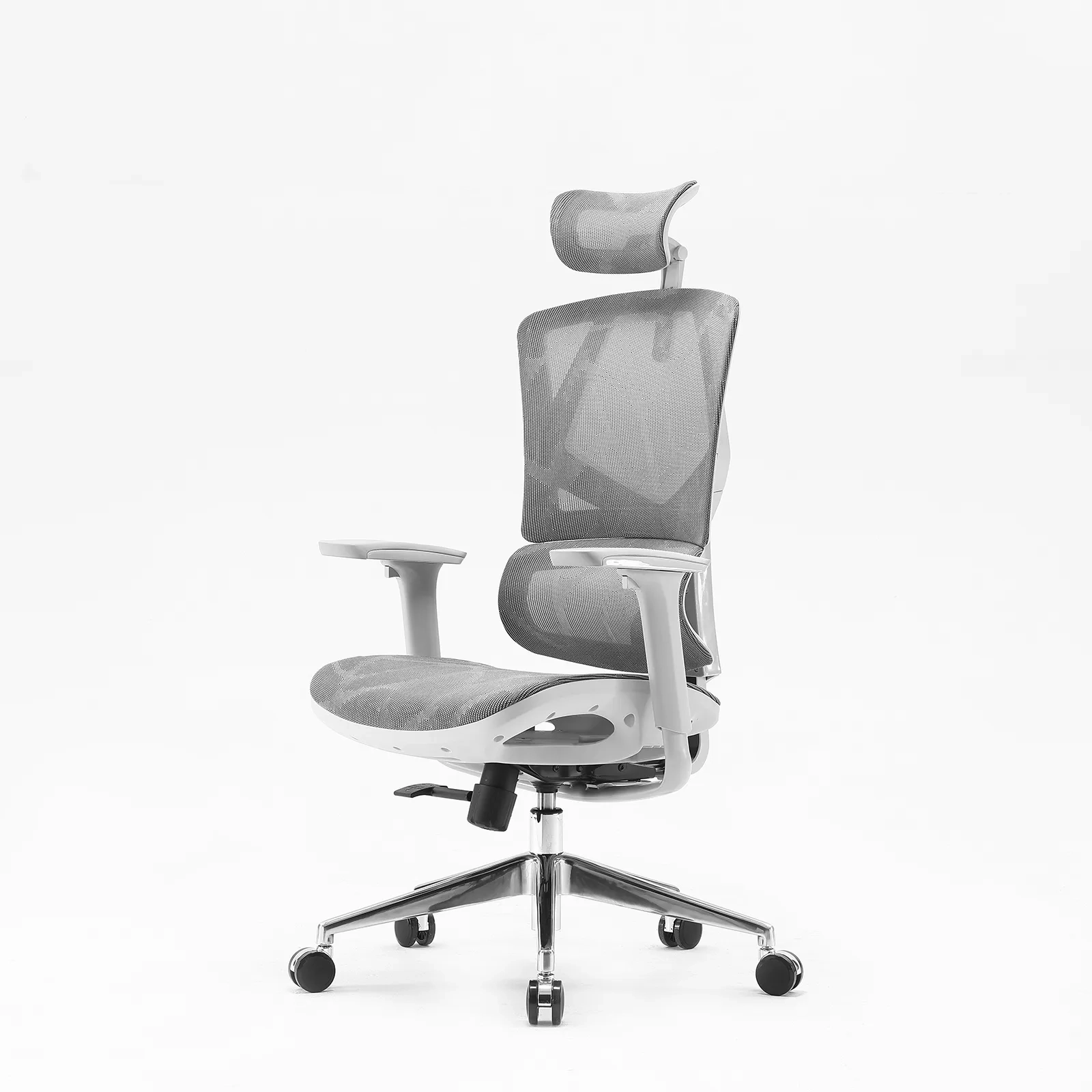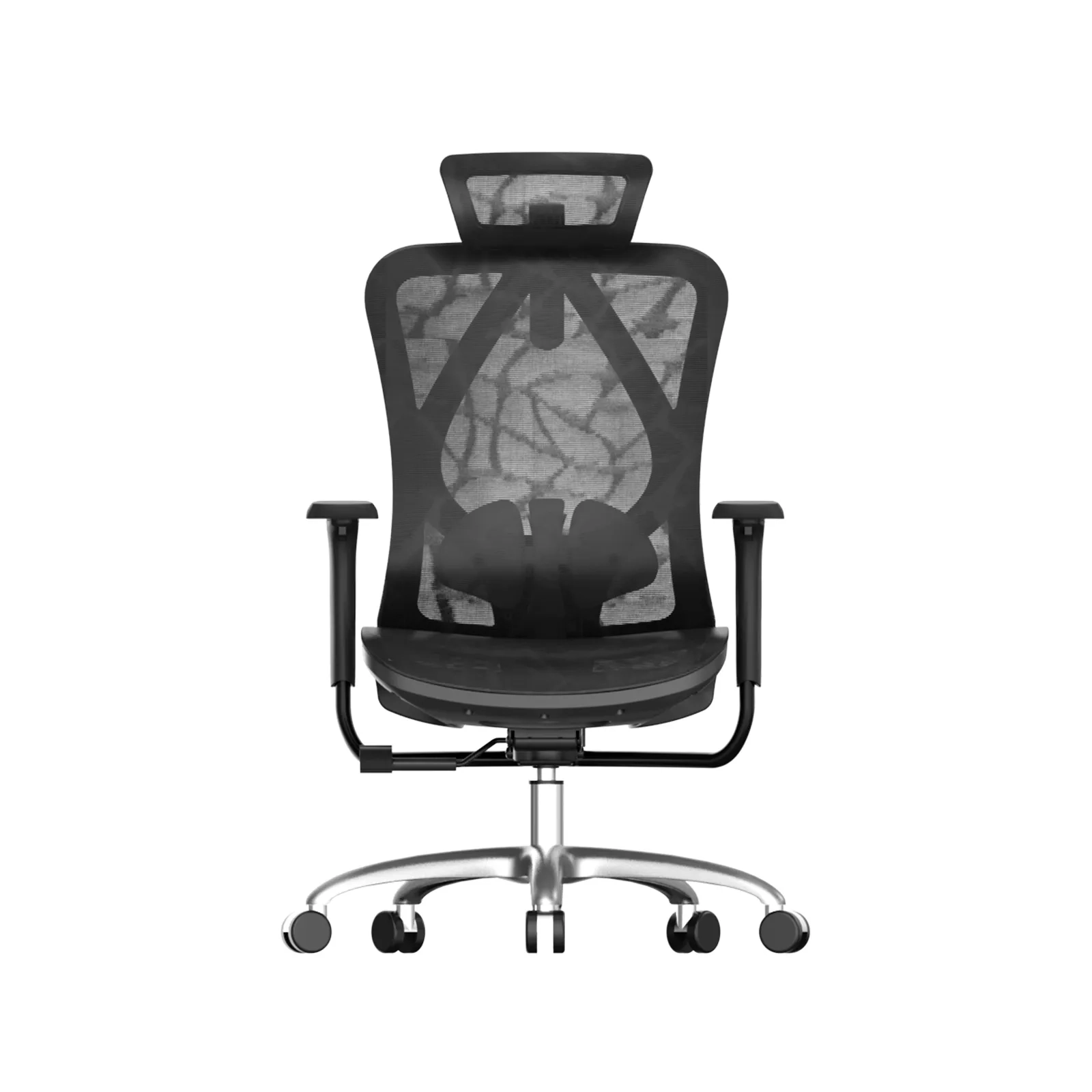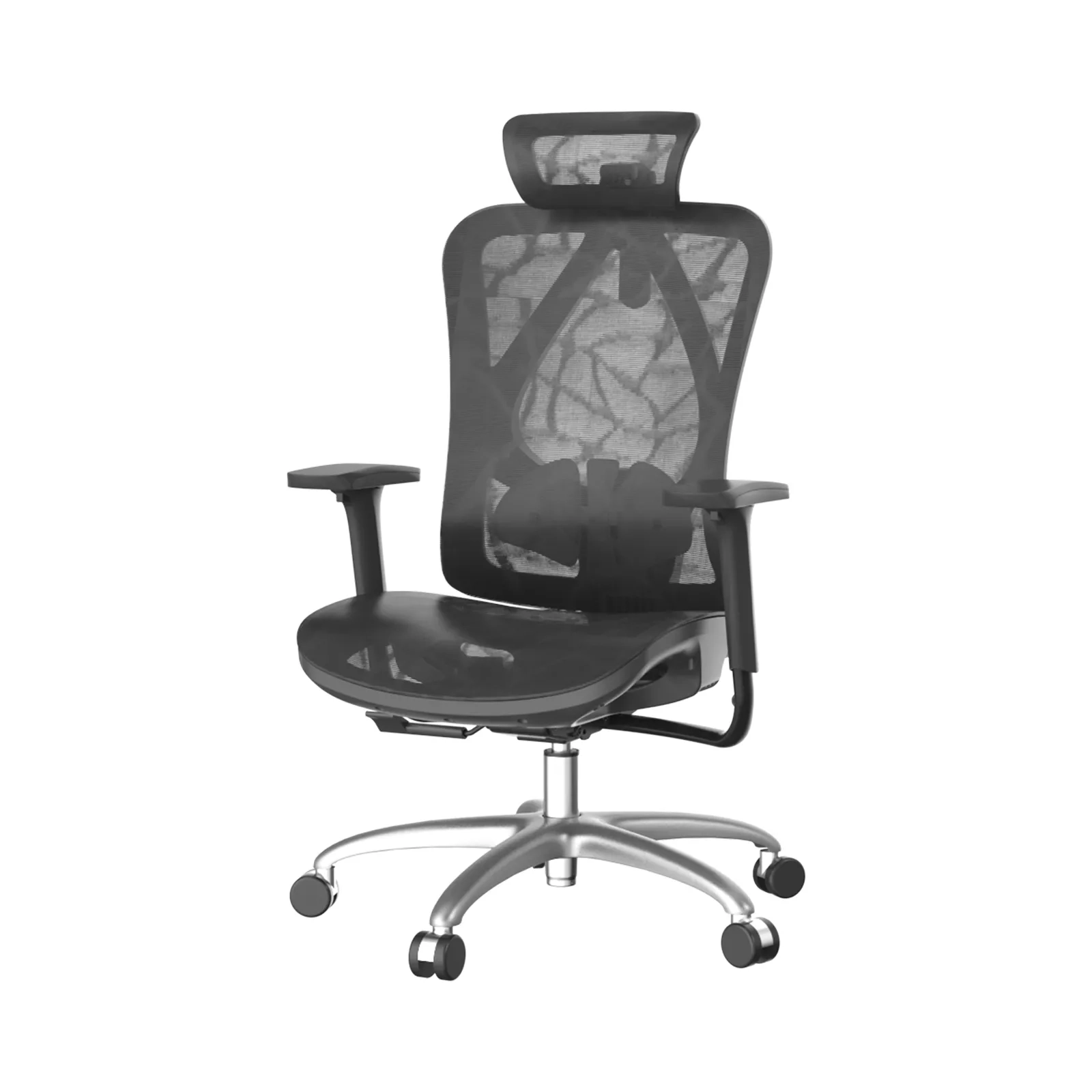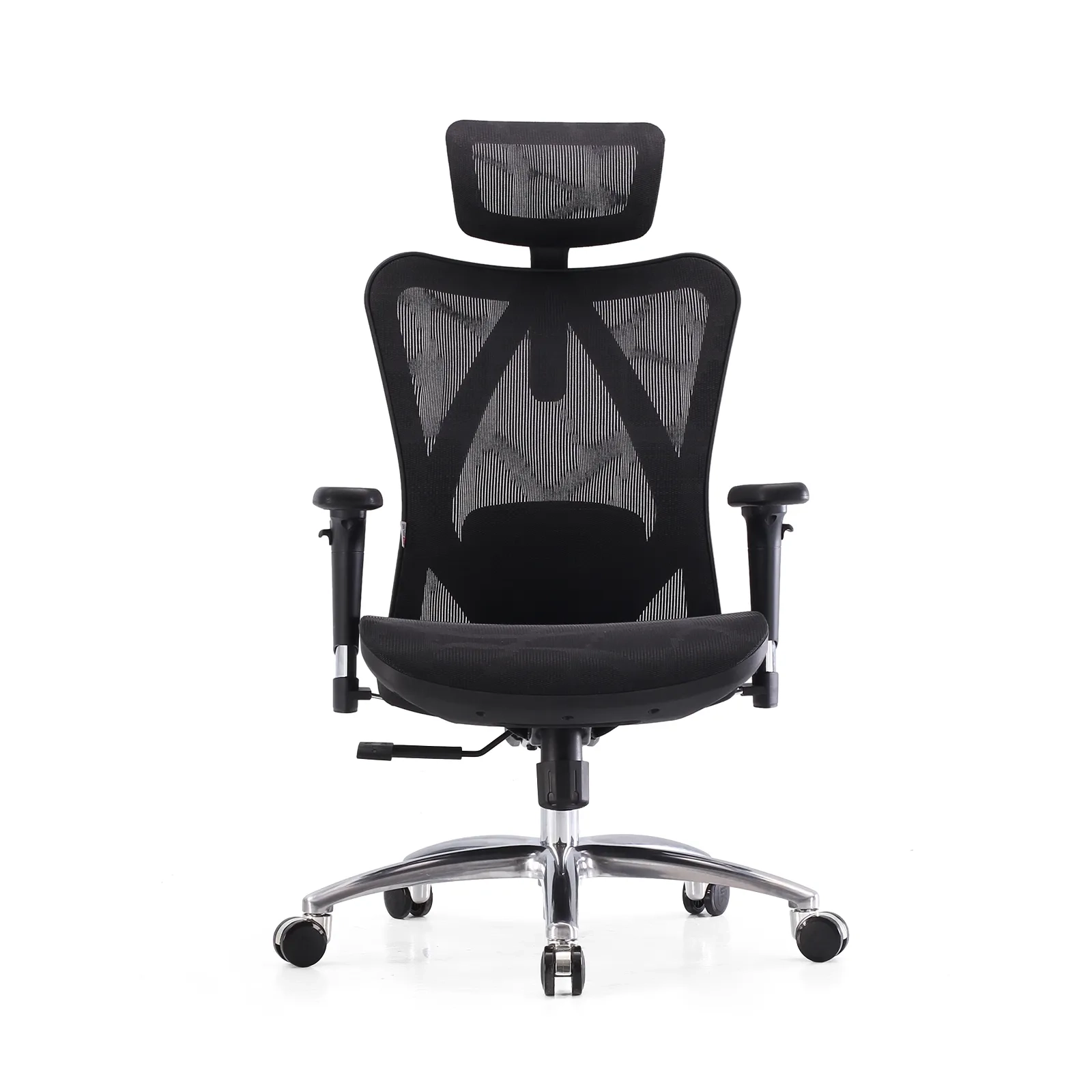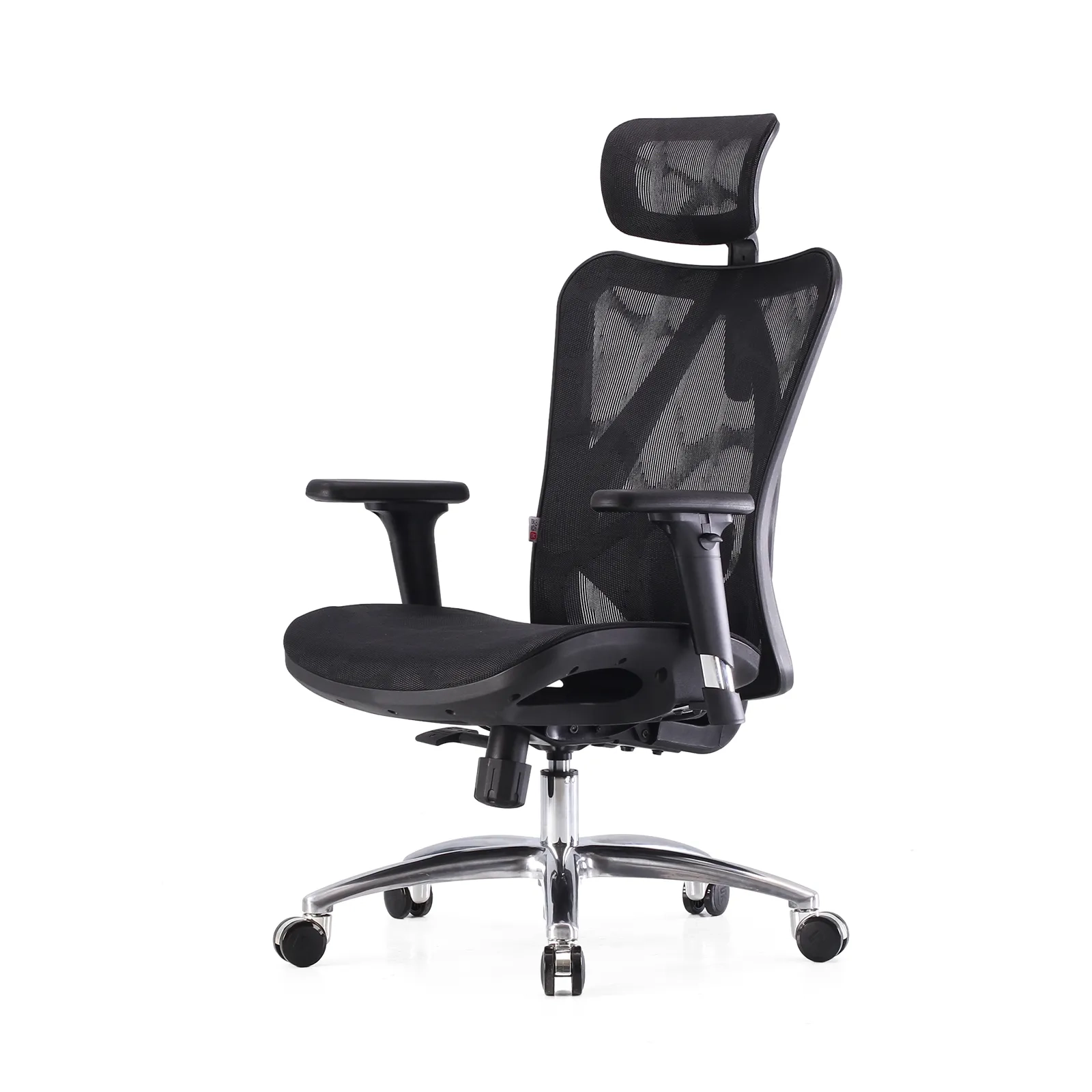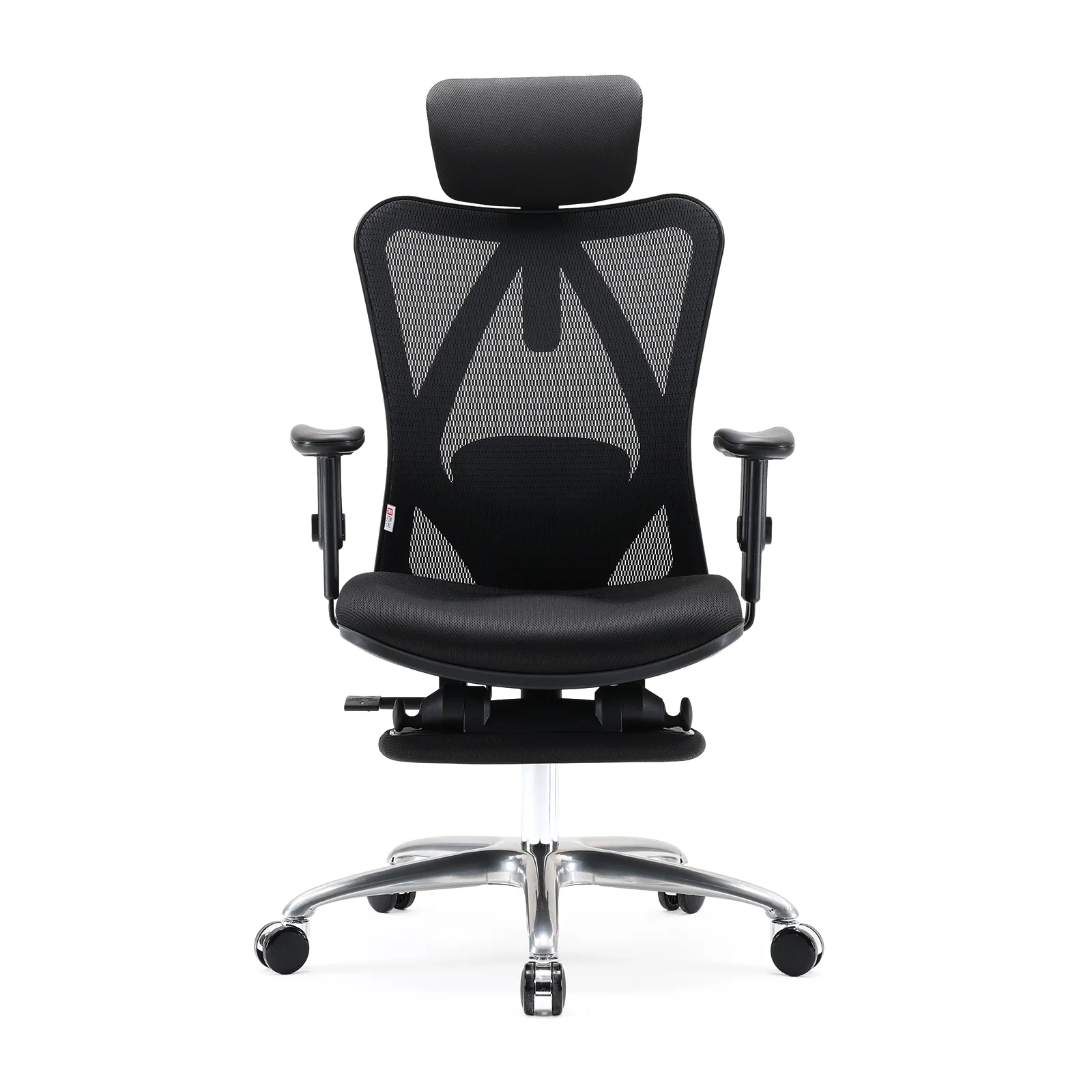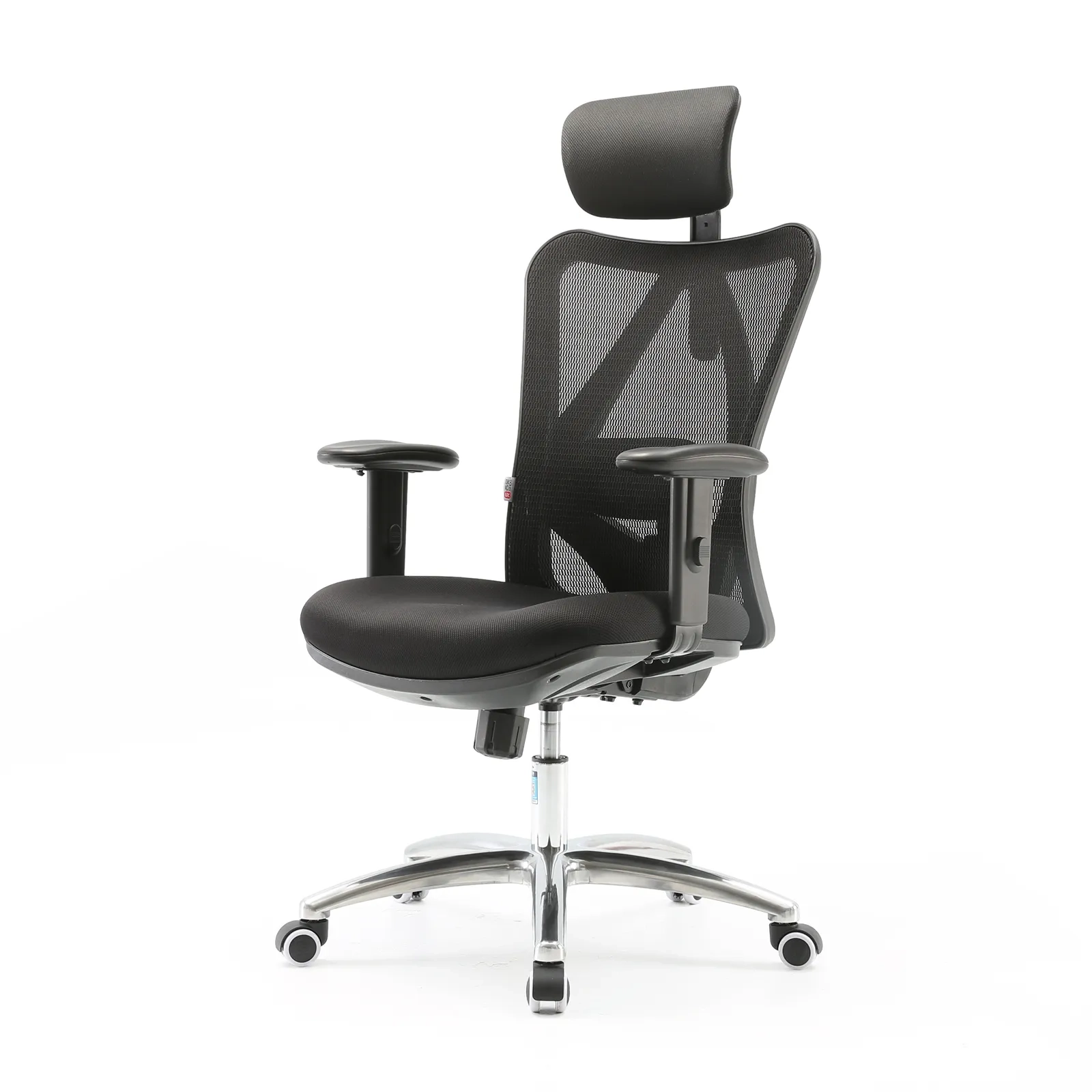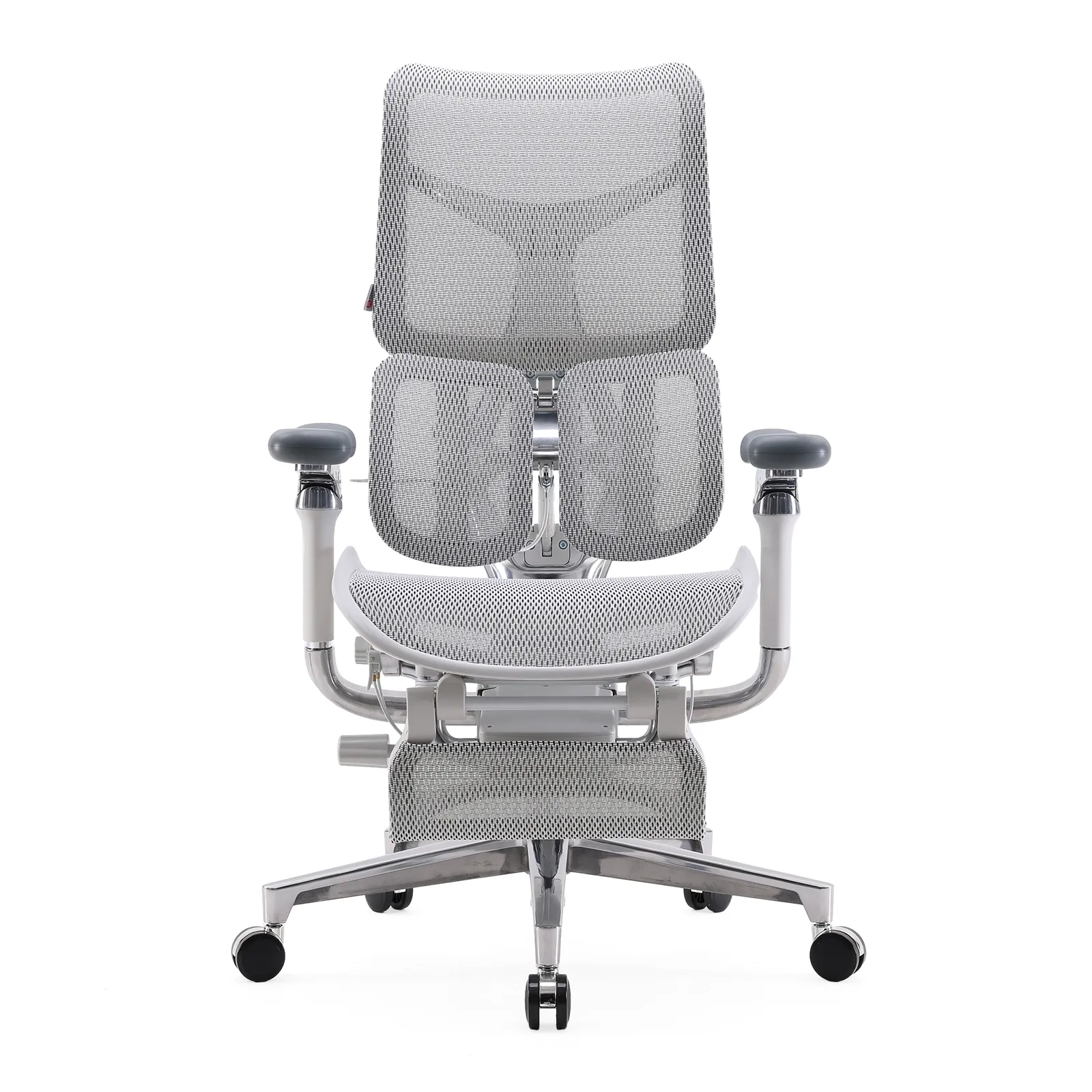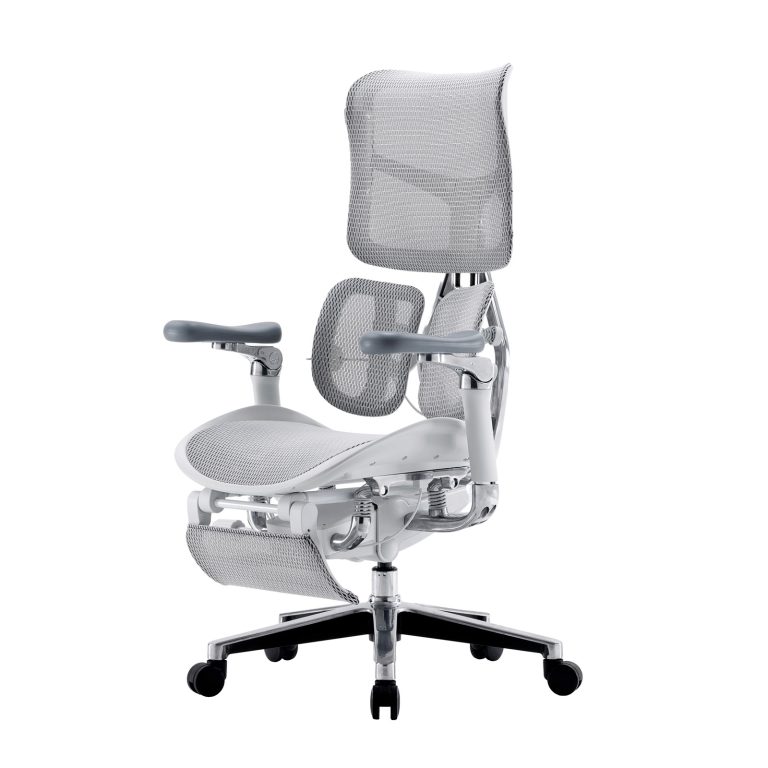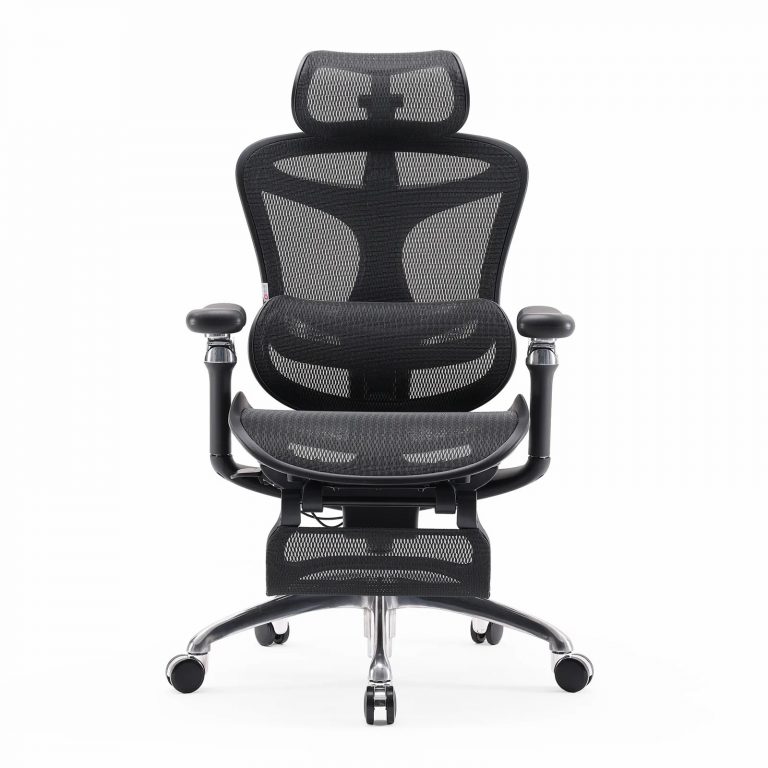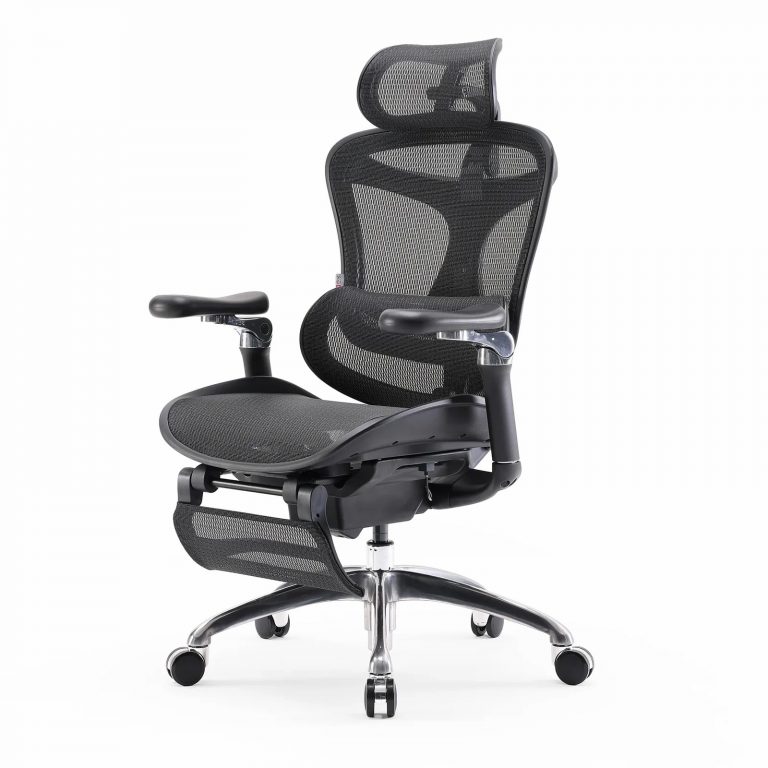









A real ergonomic chair manufacturer should be able to describe its chair in plain language. Who’s it for? How was it developed? How do the adjustments work? How is quality checked? Which documents actually match this exact model? B2B buyers should weigh those answers alongside price, MOQ, packaging, delivery, and after-sales support.

The word “ergonomic” shows up on plenty of chairs, but the word alone proves nothing. Use this checklist to tell whether a supplier has genuine product-development and quality steps, or just a pile of generic descriptions.
What to check at a glance
| Area | Evidence to request | Procurement question |
| Product focus | Category history and current range | Is seating a core business? |
| User research | Study or development methodology | Which users and tasks informed the design? |
| R&D | Drawings, prototypes, engineering workflow | How are features validated before release? |
| Patents | Patent references where relevant | Which product or mechanism does each patent cover? |
| Ergonomic functions | Mechanism explanations | How do lumbar, recline, seat, and arms interact? |
| Testing | Model-specific reports | What setup was checked? |
| Quality control | Inspection process | How is production consistency managed? |
| Samples | Approval process | What controls the final production version? |
| Service | Warranty and spare parts | How will overseas claims be handled? |
1. Confirm seating is a core capability
A manufacturer that focuses on office seating should show more than a mixed catalog. Look at its product history, the chair categories it actually builds, the technical language it uses, and whether it can explain why one model differs from another.
Ask:
- How long has the company worked with office or ergonomic seating?
- Which chair categories are core?
- Which models are developed in-house?
- Which components are made, sourced, or assembled by partners?
- Who owns the product spec?
- Who approves changes?
The point is clarity. Modern manufacturing leans on specialist component suppliers, and that’s normal — you just need to know who controls the final product.
إن SIHOO company page و brand story give public background for a first pass. Still confirm order-specific capability directly.
2. Ask how user needs reach product development
Ergonomic features should answer a defined use case. Ask how the manufacturer finds its target users and turns their needs into dimensions, mechanisms, and adjustments.
Worth asking:
- Which user-height ranges were considered?
- Is this for shared or assigned seating?
- What daily use time is assumed?
- What desk or work setting was in mind?
- How were lumbar, seat, armrest, and recline needs defined?
- Were prototypes checked, and how?
SIHOO publishes a دراسة الشعور بالجلوس page describing its interest in evaluating chair experience. Ask which methods or findings relate to the model on the table, and which claims distributors are cleared to use.
3. Walk through the R&D workflow
A good R&D story shows how an idea becomes a production model.
The manufacturer may describe:
- User or market requirement
- Concept and industrial design
- Engineering design
- Prototype
- Functional evaluation
- Component selection
- Product testing
- Pilot production
- Quality criteria
- Release and change management
Ask who signs off each stage and what happens when a component or material changes after release. A mature workflow keeps one controlled product spec.
4. Tie patents to real functions
A patent count alone won’t tell you if a chair is right. Ask:
- What does the patent cover?
- Is it a design patent, utility patent, or something else?
- Which model uses the patented element?
- Is the feature standard or optional?
- What user or manufacturing problem does it solve?
- Can the distributor reference it in approved content?
Review SIHOO’s seating patent information as a starting point, then ask for model-specific clarification. Don’t imply a patent proves a medical benefit or that the whole product is “better.”

5. Look at the whole ergonomic system
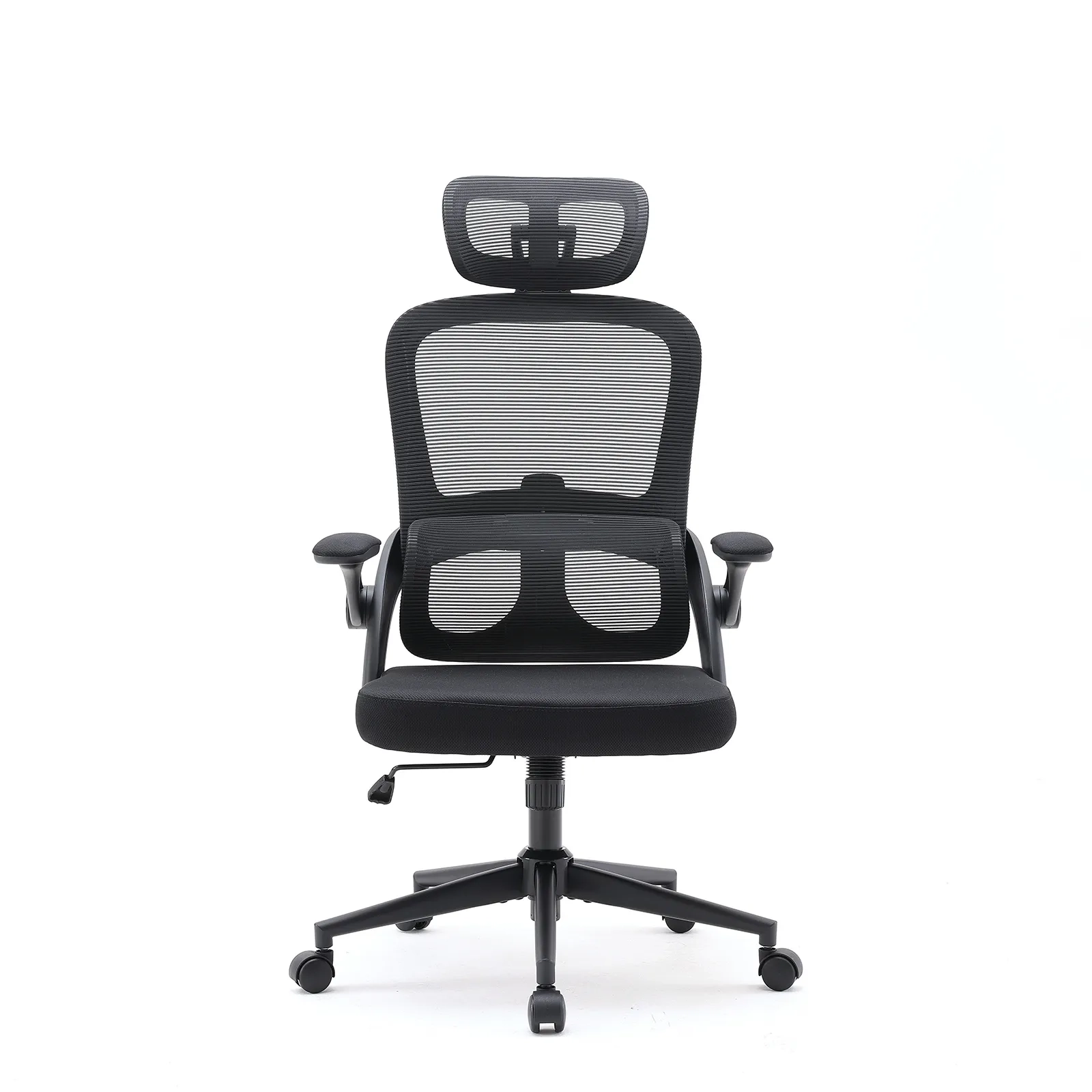
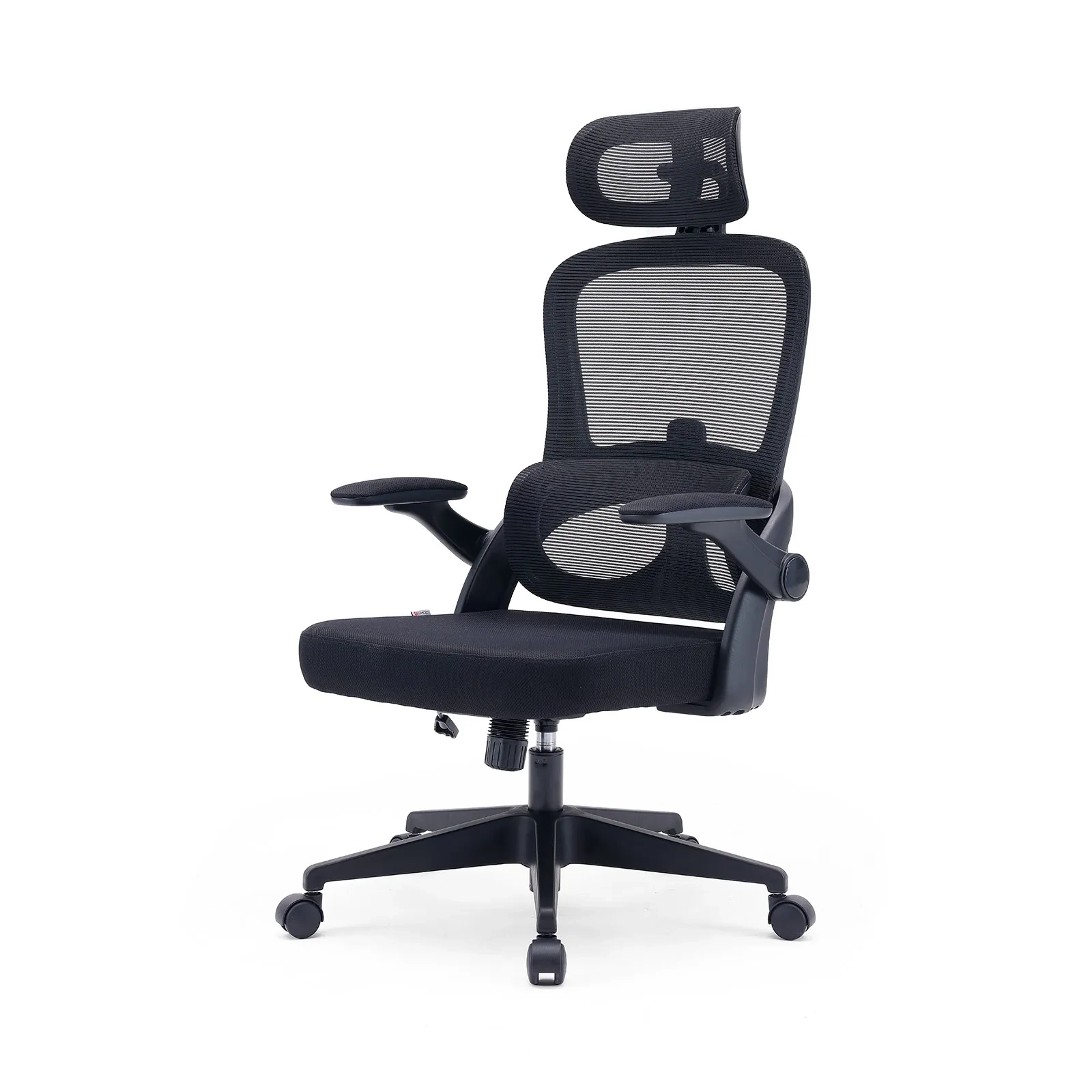
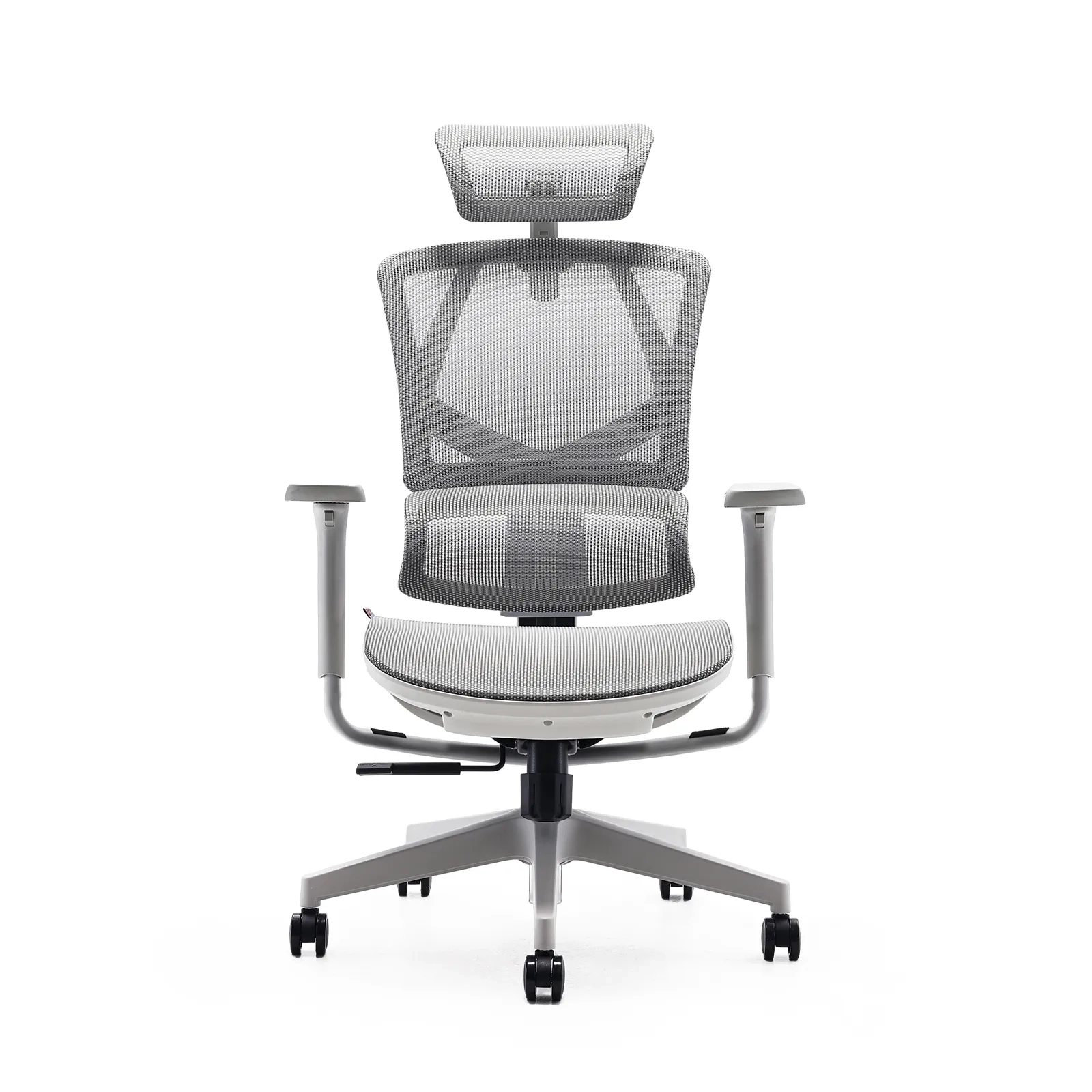
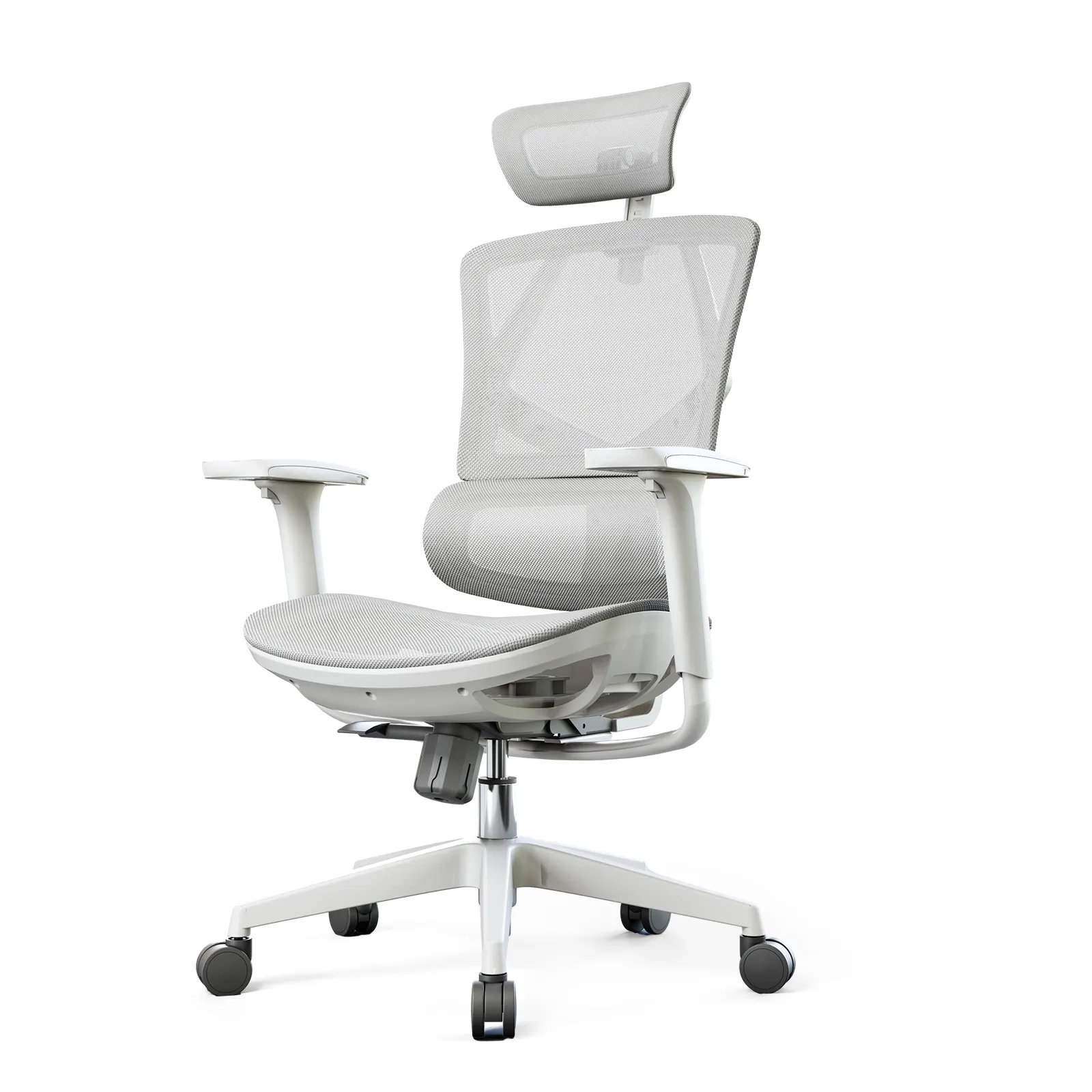
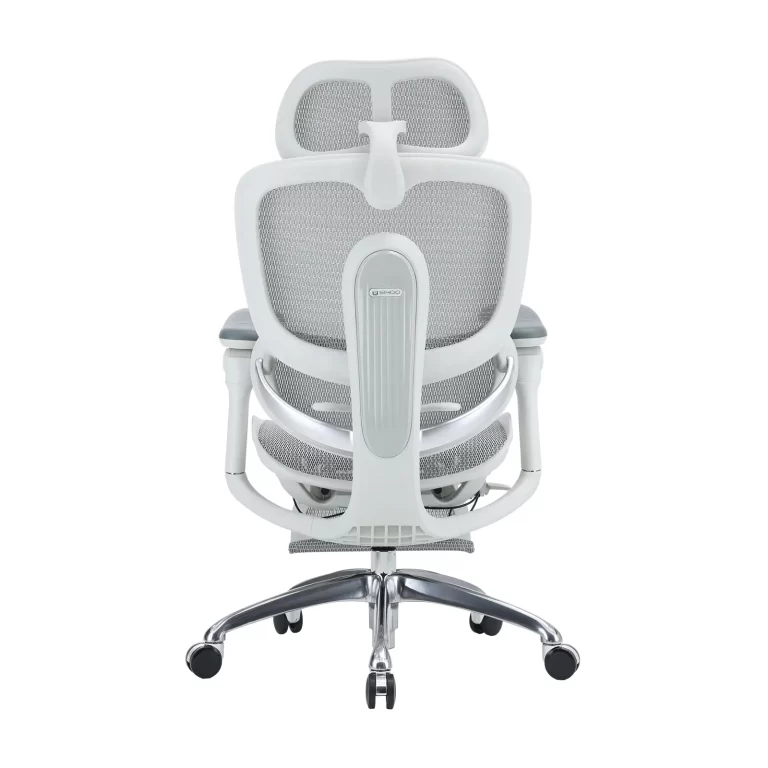
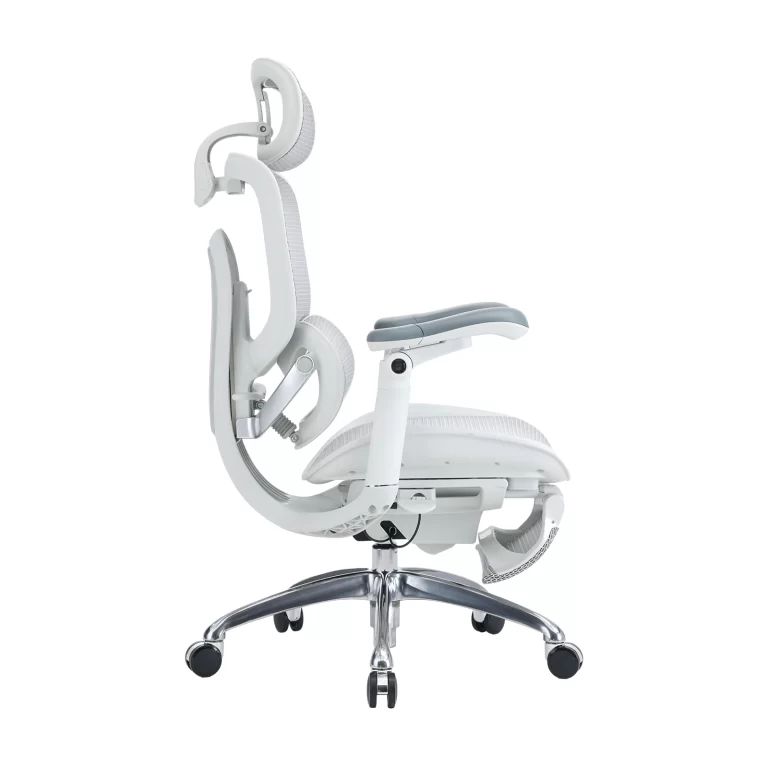
An ergonomic chair is a system. Lumbar support can behave differently depending on backrest movement, seat depth, recline, and where the user sits.
Ask the manufacturer to explain:
- Backrest shape and movement
- Lumbar-support type
- Seat dimensions and adjustment
- Armrest directions and range
- Recline mechanism and locks
- Headrest adjustment
- Control layout
- Intended user-fit range
إن SIHOO Sitting Sense Technology page can anchor the technical discussion. Keep the rule simple, though: confirm which technology applies to the selected model, and don’t paste the same brand language into every product listing.
When planning the range, start from the public product pages and use them to write sharper model questions.
6. Check spec discipline
Compare the quotation, technical sheet, product page, catalog, sample, and packaging label. Model names and features should line up.
Keep a discrepancy log for:
- الأبعاد
- المواد
- Adjustment directions
- Recline angle
- Component class or type
- Included accessories
- اللون
- Carton information
- الضمان
Ask the manufacturer to fix conflicts and issue one approved spec. That protects both sides whenever sales material or production details get updated.
7. Read the test reports carefully
For every report, check:
- Model reference
- Configuration
- Standard and edition
- Testing organization
- التاريخ
- Scope
- Result
- Limitations
Ask for the exact evidence your destination market or project requires, and confirm the document covers the setup you chose. A report for one model shouldn’t be quietly applied to another. A report for a standard setup may not cover a customized version.
8. Understand quality control and change control
Ask where quality is checked and how results are recorded. The process may include incoming, in-process, final, and packaging inspection.
Also ask:
- How are approved suppliers managed?
- What happens when a component runs out?
- Who approves substitutions?
- How are production issues traced?
- How are recurring claims analyzed?
- Can the buyer add inspection criteria?
Change control matters most on repeat orders. The second shipment shouldn’t quietly swap in a different component or material without approval.
9. Use samples to check the claims
The sample should match the proposed spec. Evaluate:
- Fit and dimensions
- Adjustment function
- Control clarity
- Mechanism stability
- Material and finish
- Assembly
- Packaging
- Parts identification
- Approved marketing claims
Write down every change you ask for, and ask how the final approval gets recorded. If you’re comparing several models, use the same scorecard.
For a full chair-spec process, see Ergonomic Office Chair Wholesale: Specs Buyers Should Define.
10. Check manufacturing readiness for your order
Don’t just ask for general capacity. Ask whether the manufacturer can actually support your assortment, quantity, options, documents, and timing.
Talk through:
- Quantity by model
- Mixed-model orders
- Component availability
- Custom colors or packaging
- Approval deadlines
- Production schedule
- Inspection timing
- Shipment preparation
Any capacity or lead-time figure used in the final article must be approved by SIHOO. For procurement, ask for a current order-specific confirmation.
11. Review export and document support
A product can be well made and still cause headaches if the documents, labels, cartons, or communication don’t fit the destination market.
Ask about:
- Commercial documents
- Product specs
- Packing lists and carton data
- Manuals and labels
- Shipping marks
- Test reports
- Product images and approved copy
- Destination-specific needs
Assign someone responsibility for translations and local compliance review. The manufacturer can supply product information; the importer still owns the job of understanding destination-market needs.
12. Plan warranty and spare parts
An ergonomic chair has moving parts. Before you distribute, define:
- Warranty coverage
- Claim evidence
- Parts list
- Part numbers
- Replacement procedure
- Technical guidance
- Response responsibilities
- Repeated-issue escalation
Ask whether common service parts can ship with the order or later. Confirm the policy instead of assuming a long warranty statement covers every shipping or labor cost.
13. Review partnership support
For a distributor or brand, manufacturing is only one slice of the relationship. Other needs may include:
- Catalogs and technical sheets
- Product images and videos
- Training materials
- Sample guidance
- Approved brand assets
- Launch planning
- New-product information
- Exhibition support
Ask what’s available and under what agreement. SIHOO provides a resources download route and a contact page for direct questions.
Red flags
Dig deeper when:
- “Ergonomic” can’t be explained beyond the shape
- Patents are listed with no product relevance
- Reports don’t match the model
- Documents conflict with the sample
- Changes aren’t recorded
- Quality control is described as final inspection only
- The supplier dodges claims and spare parts
- Capacity and timing are promised without reviewing the order
Making the final call
Pick an ergonomic chair manufacturer that can connect the dots: user needs, design choices, product specs, testing, quality control, and after-sales support. The evidence should match the model and be useful for procurement, sales, compliance, and service teams.
The right manufacturer doesn’t need to claim one chair fits every user. It should explain which model fits which market, what proof backs it up, what still needs checking, and how the order is controlled from sample to shipment.
For product-level evaluation, use the mesh office chair wholesale buyer checklist and the office chair lumbar-support spec guide.
Contact SIHOO for ergonomic chair manufacturer cooperation with your company, target market, product categories, estimated quantity, required documents, and sample plan. For technical background, explore SIHOO Sitting Sense Technology.
1600x1600-4-768x768.jpg)
1600x1600-8-768x768.jpg)