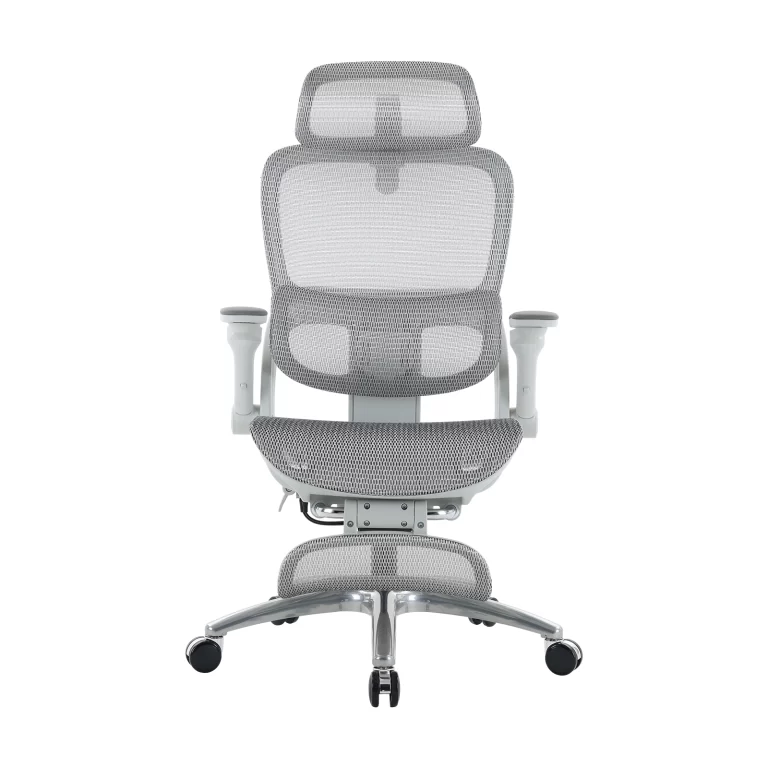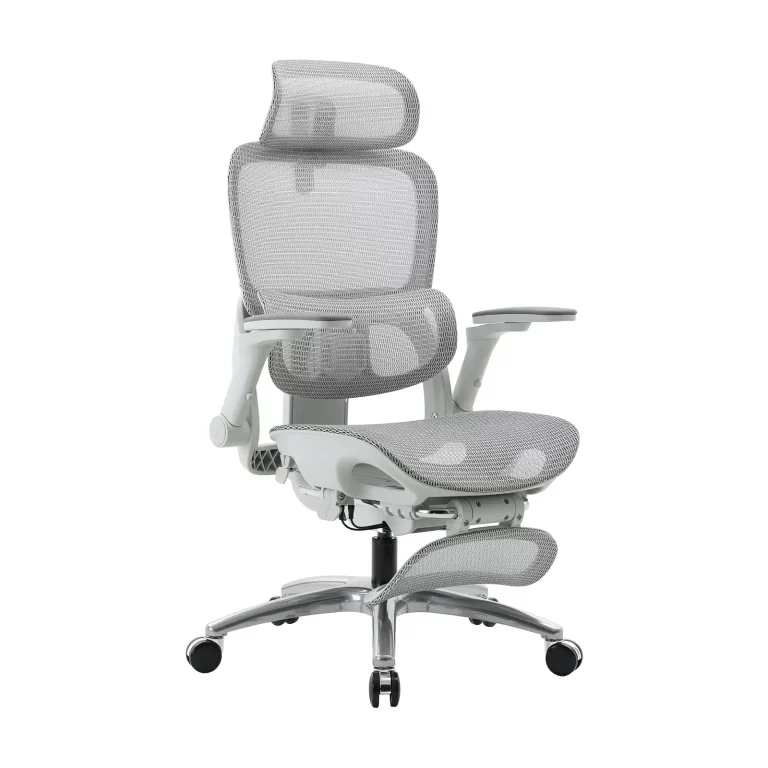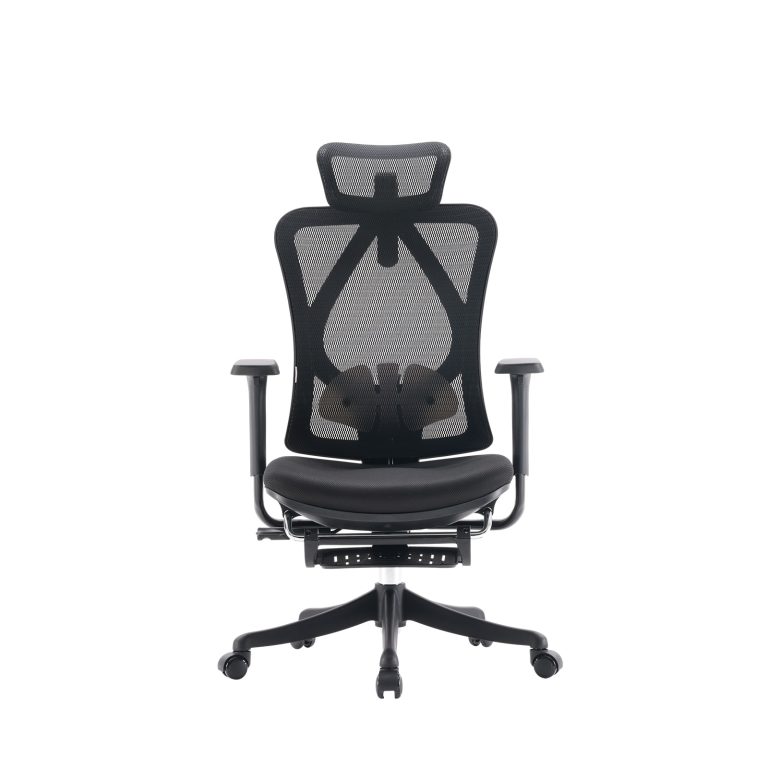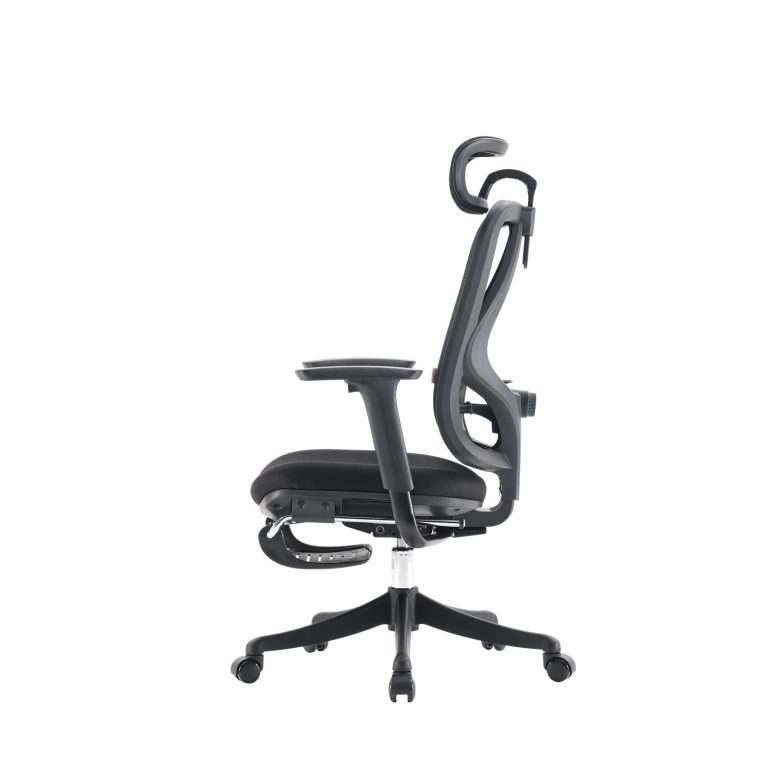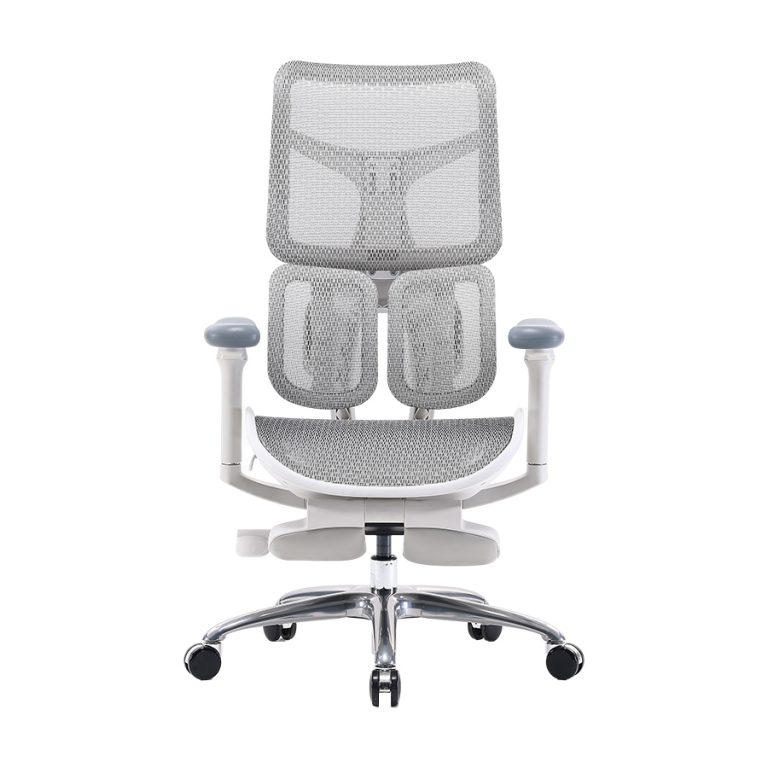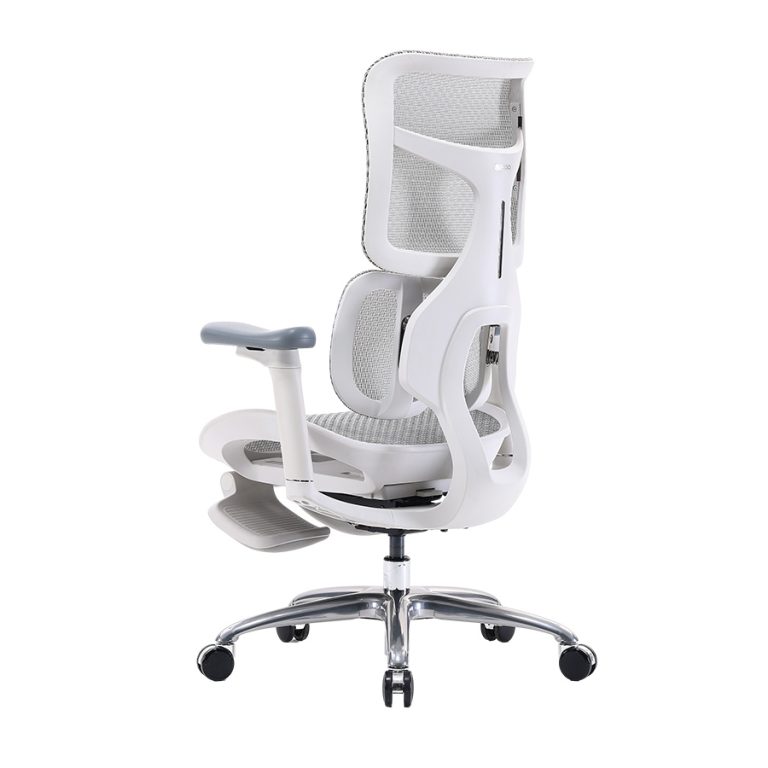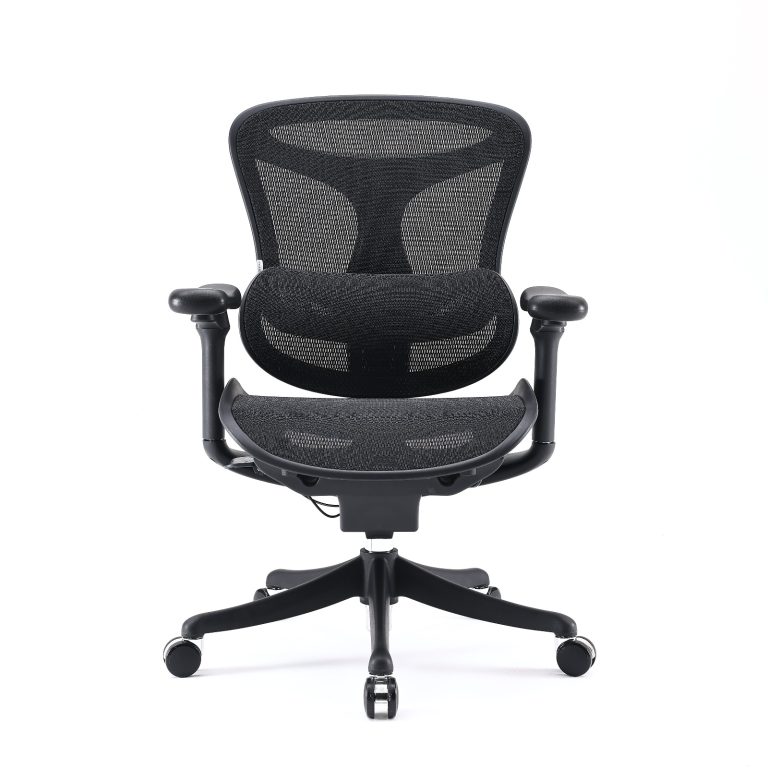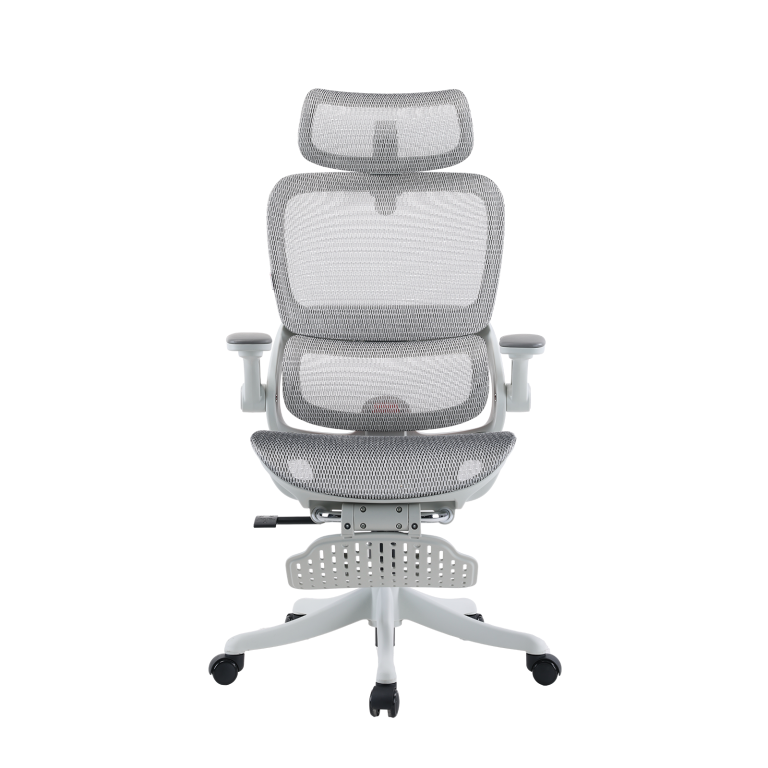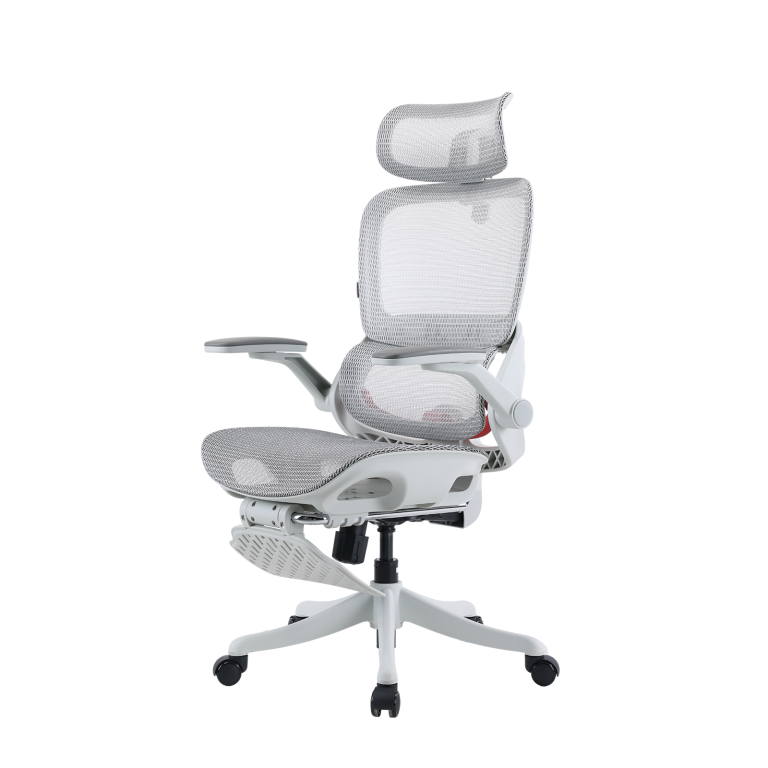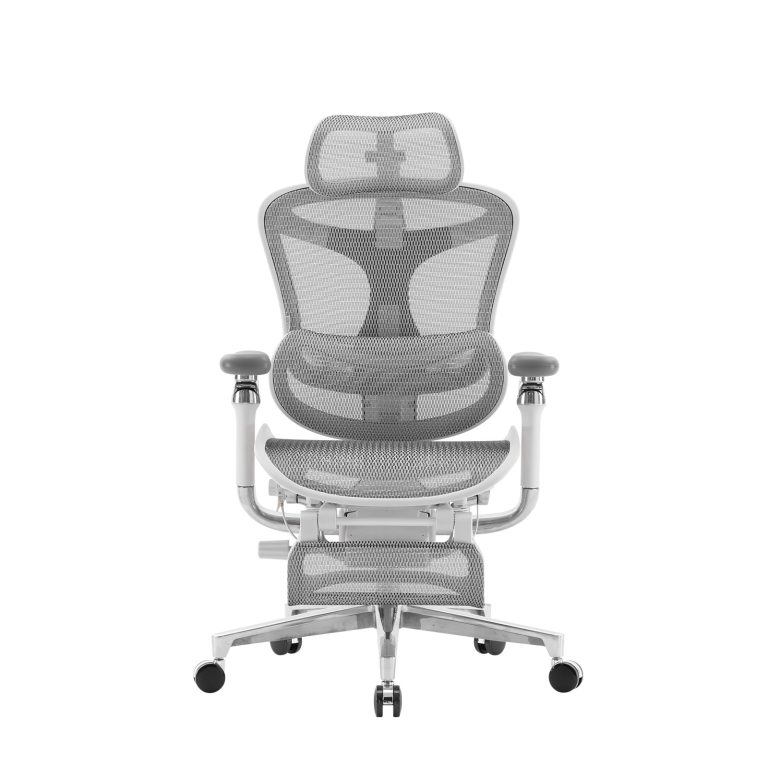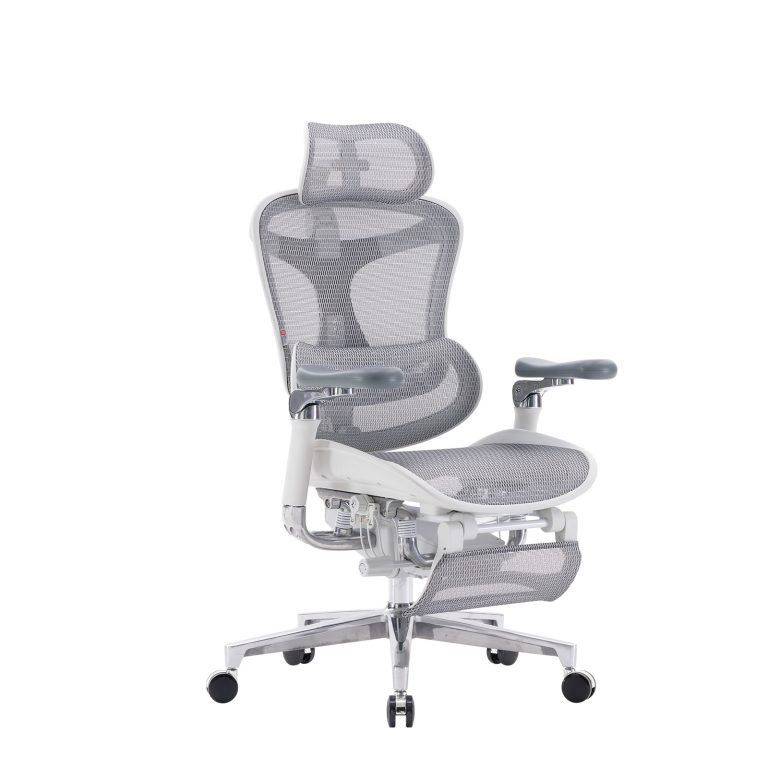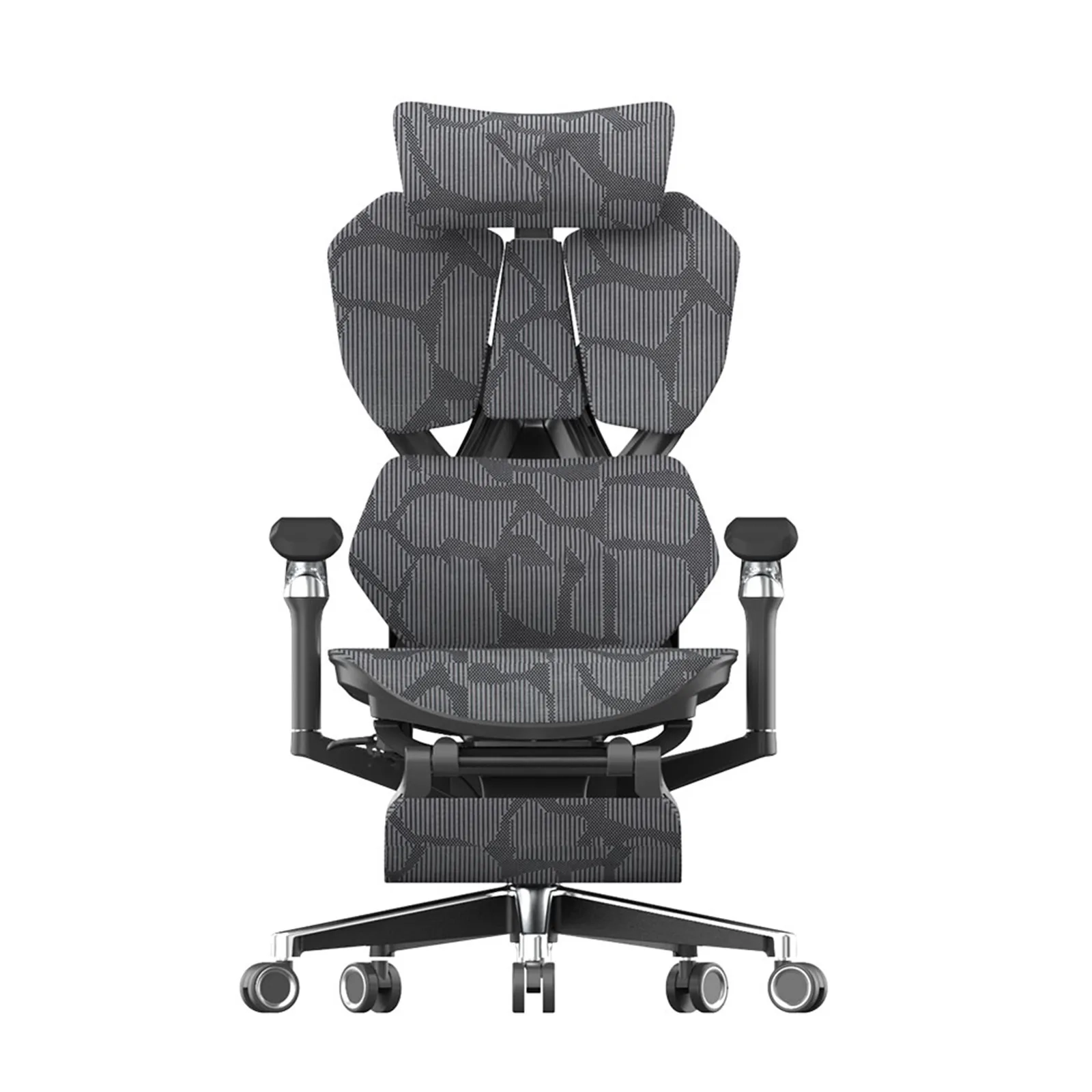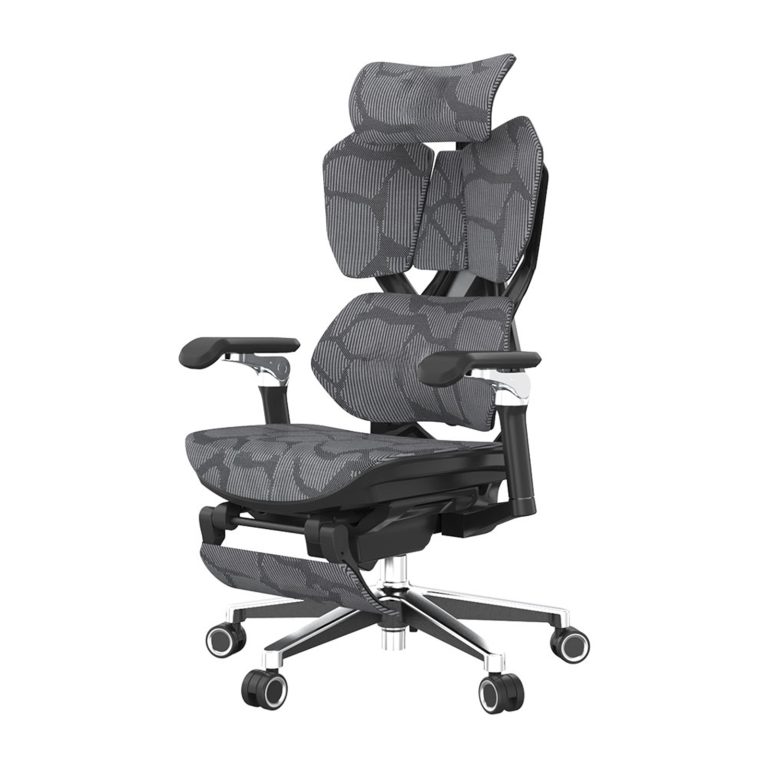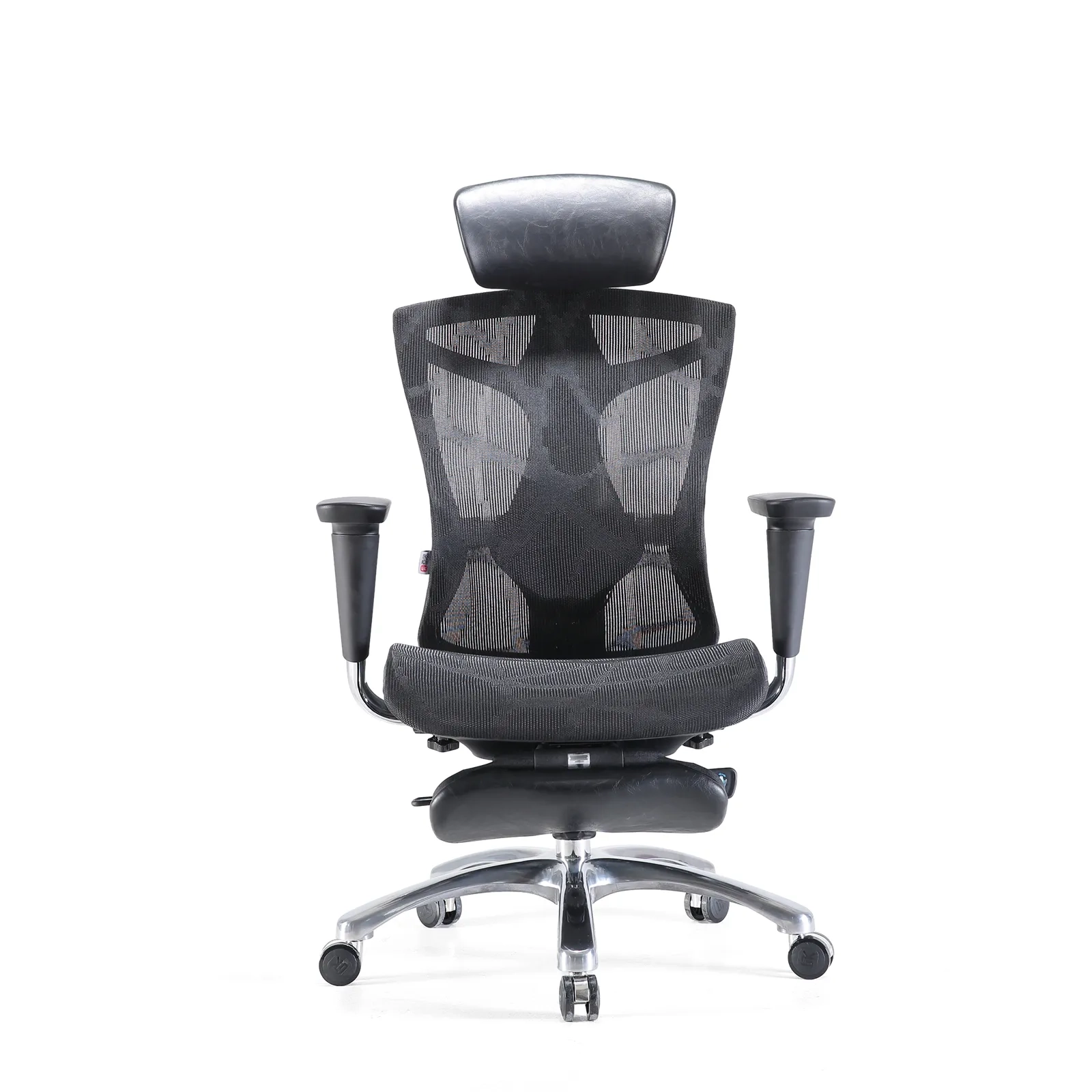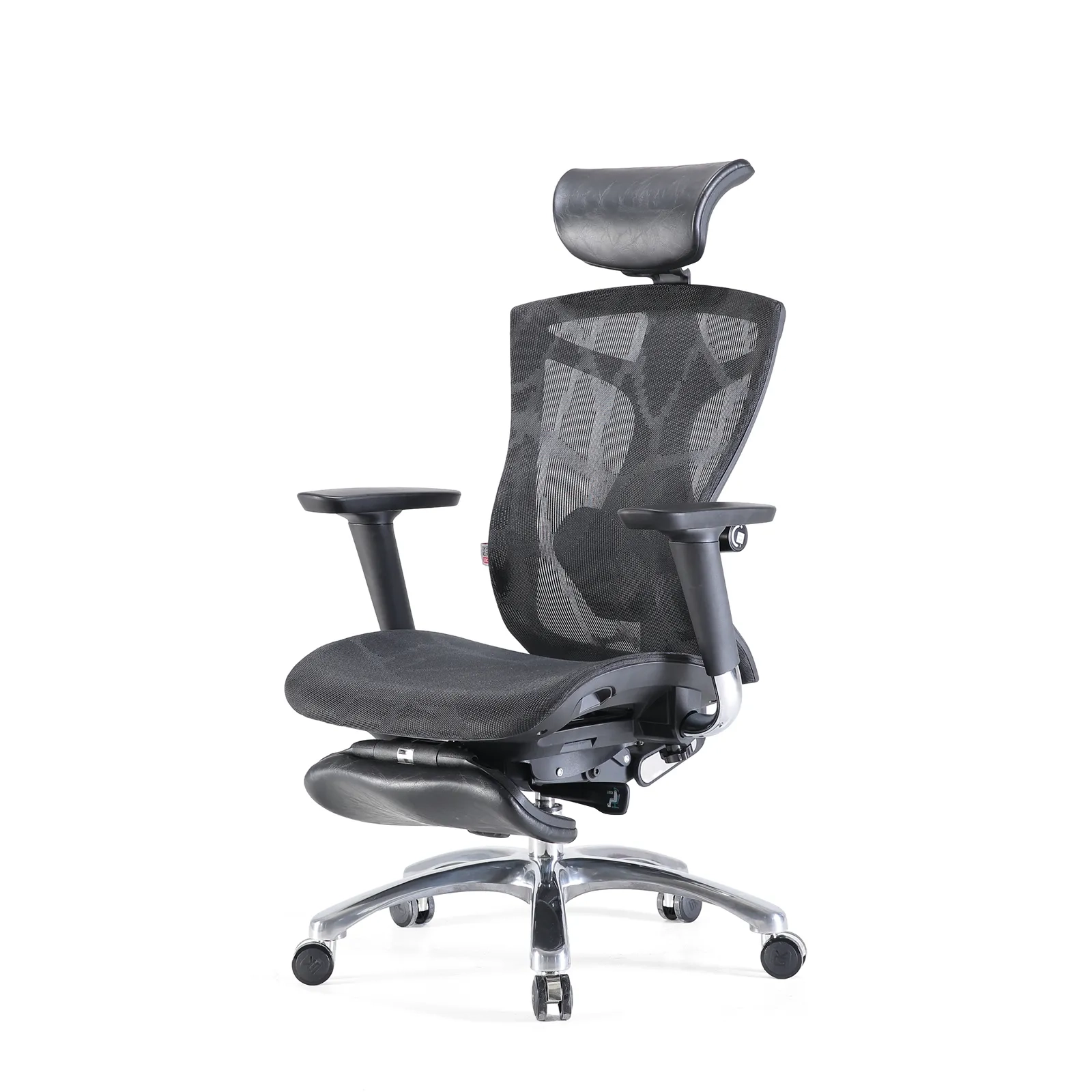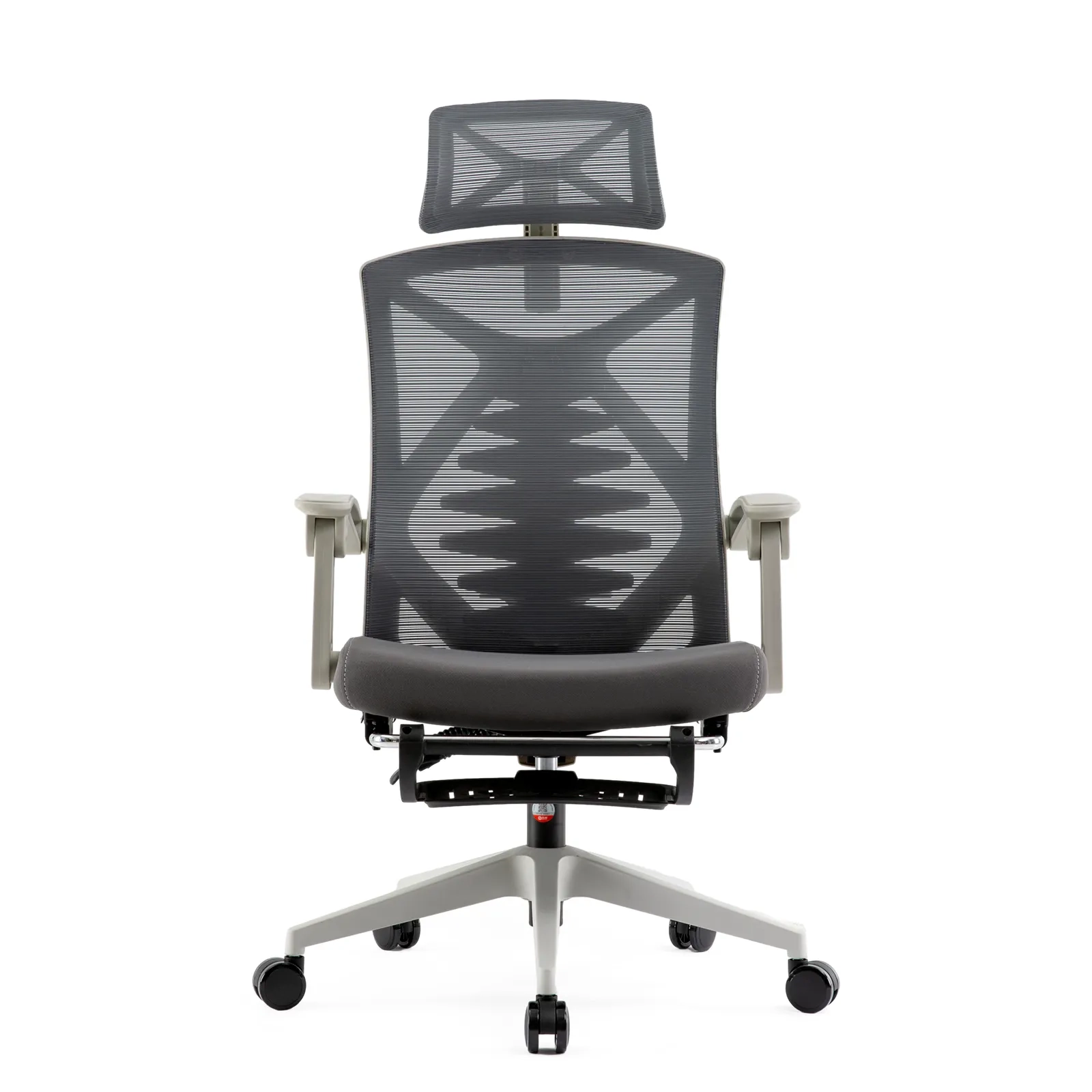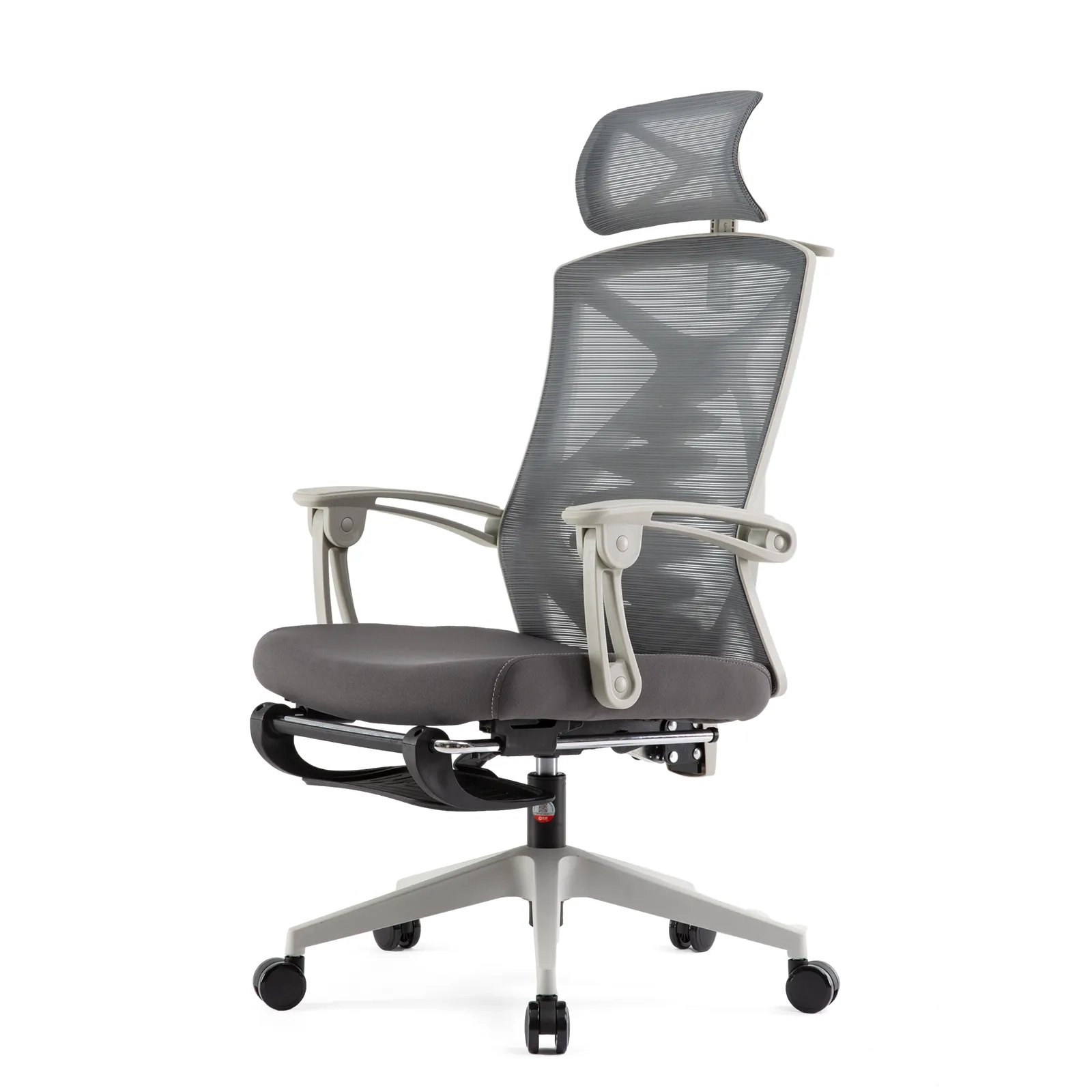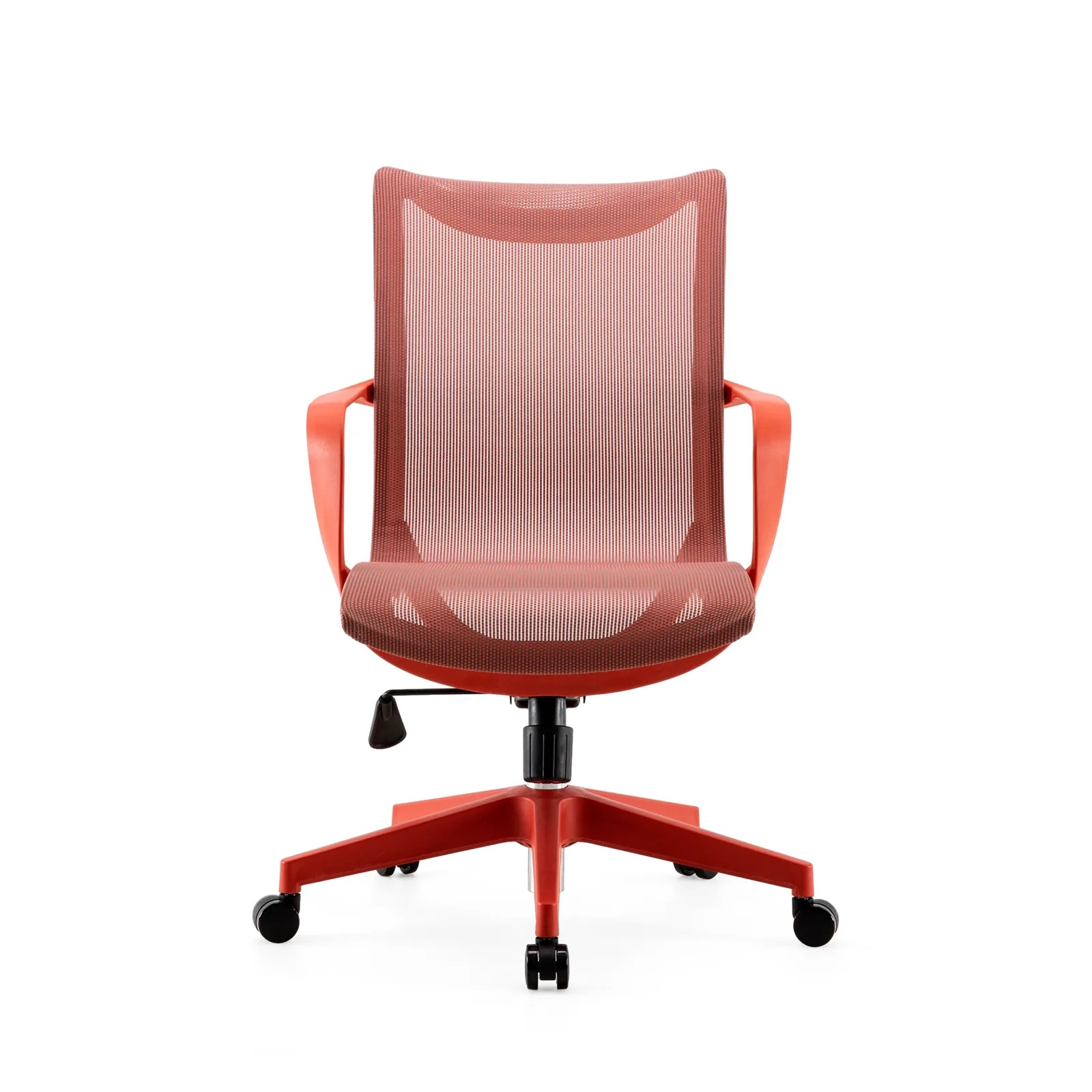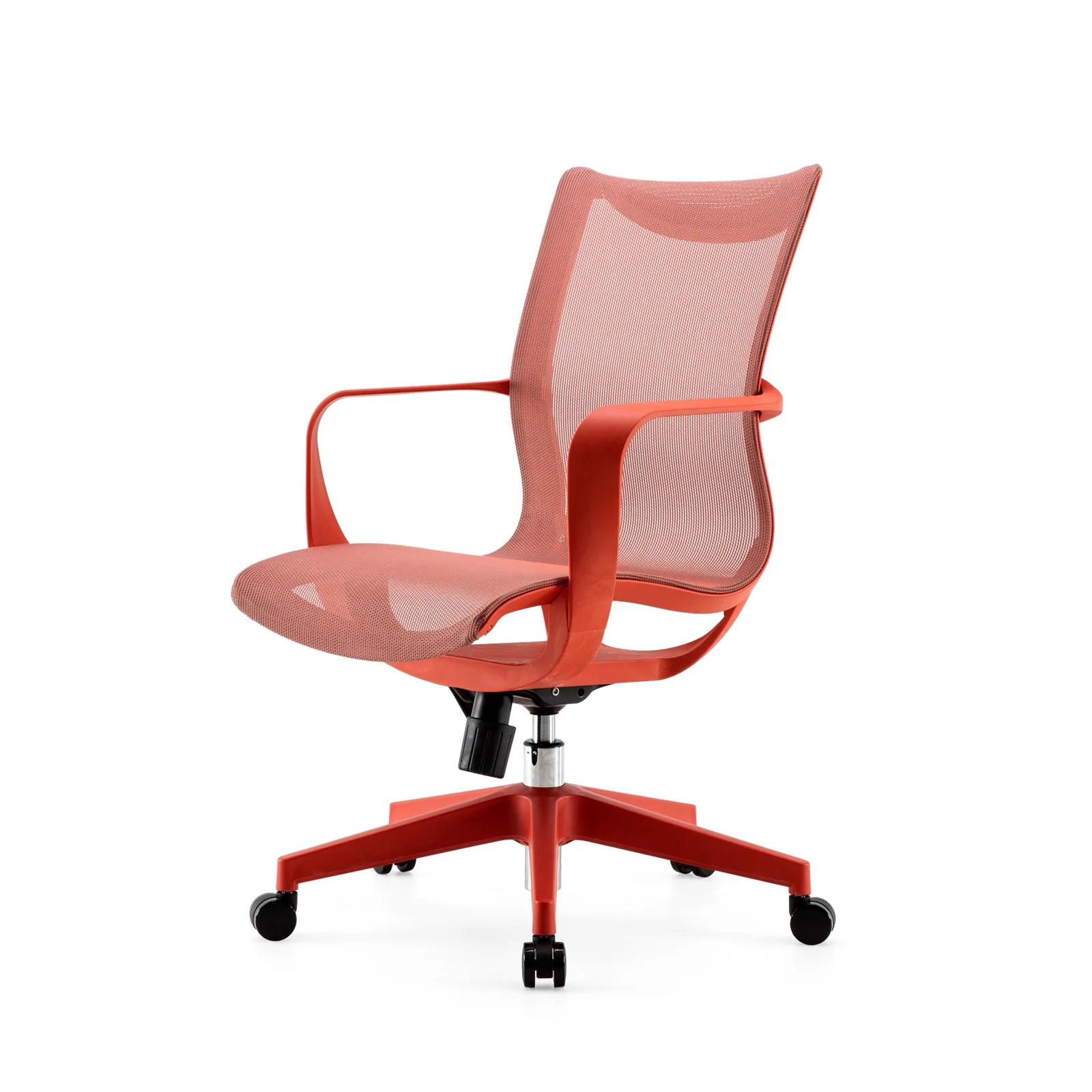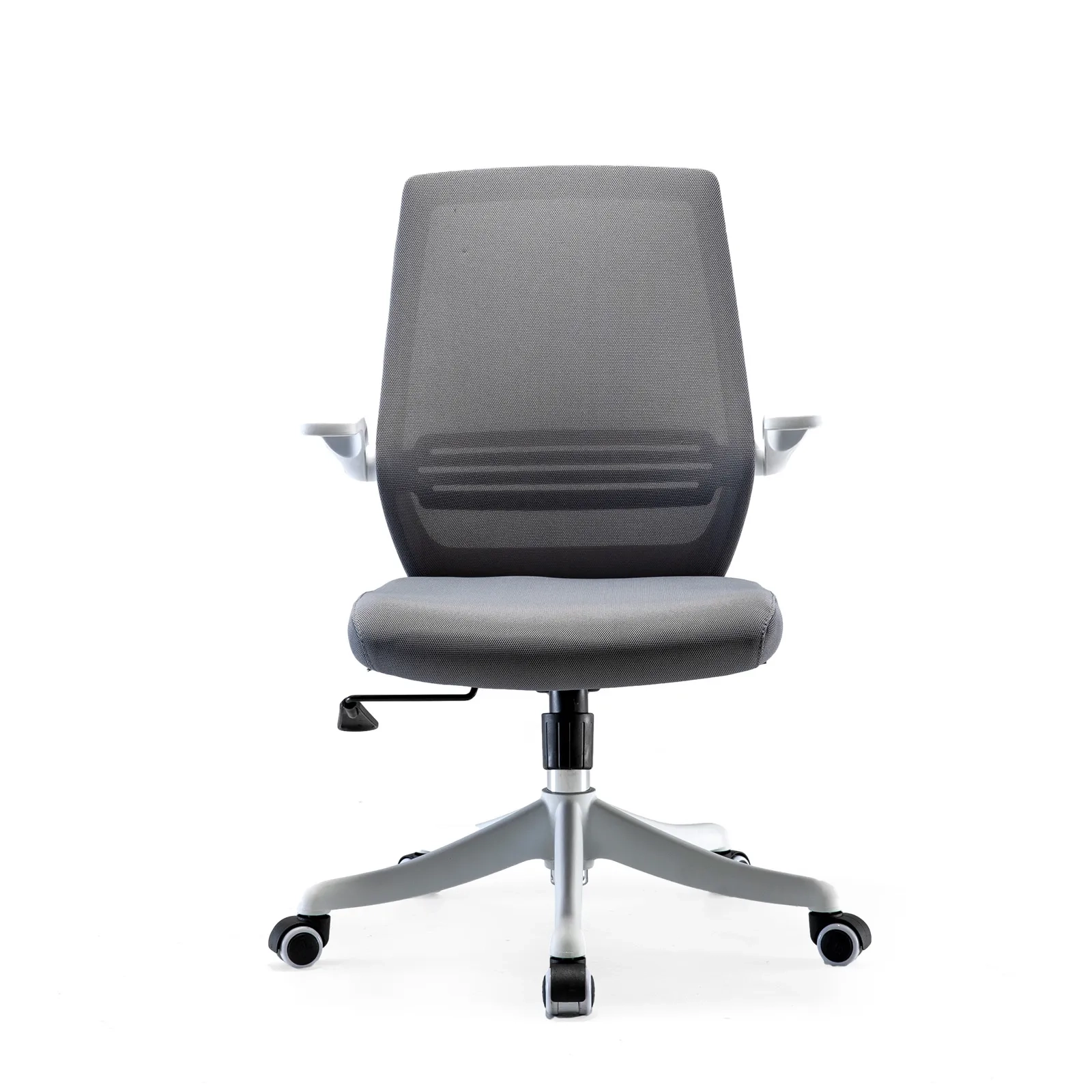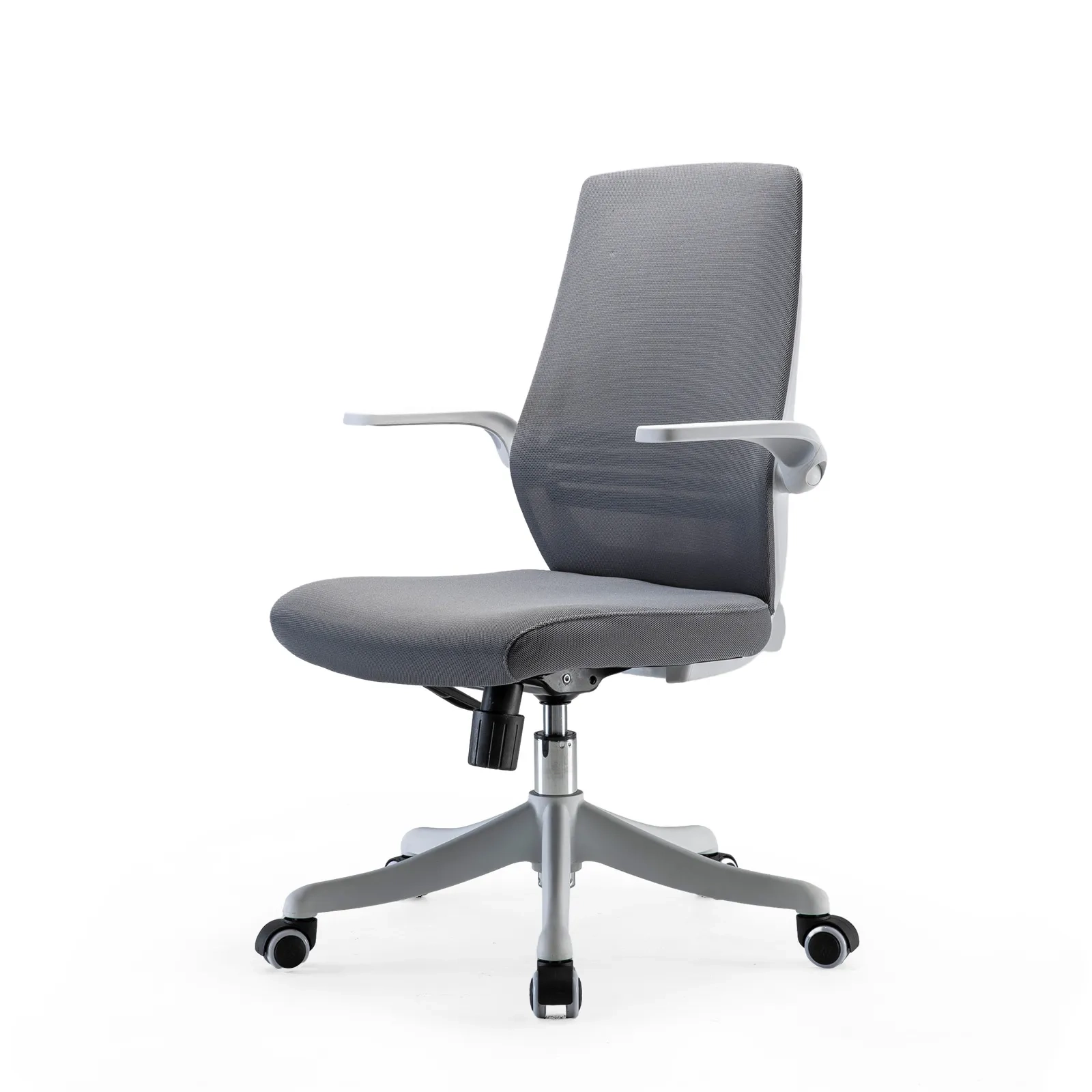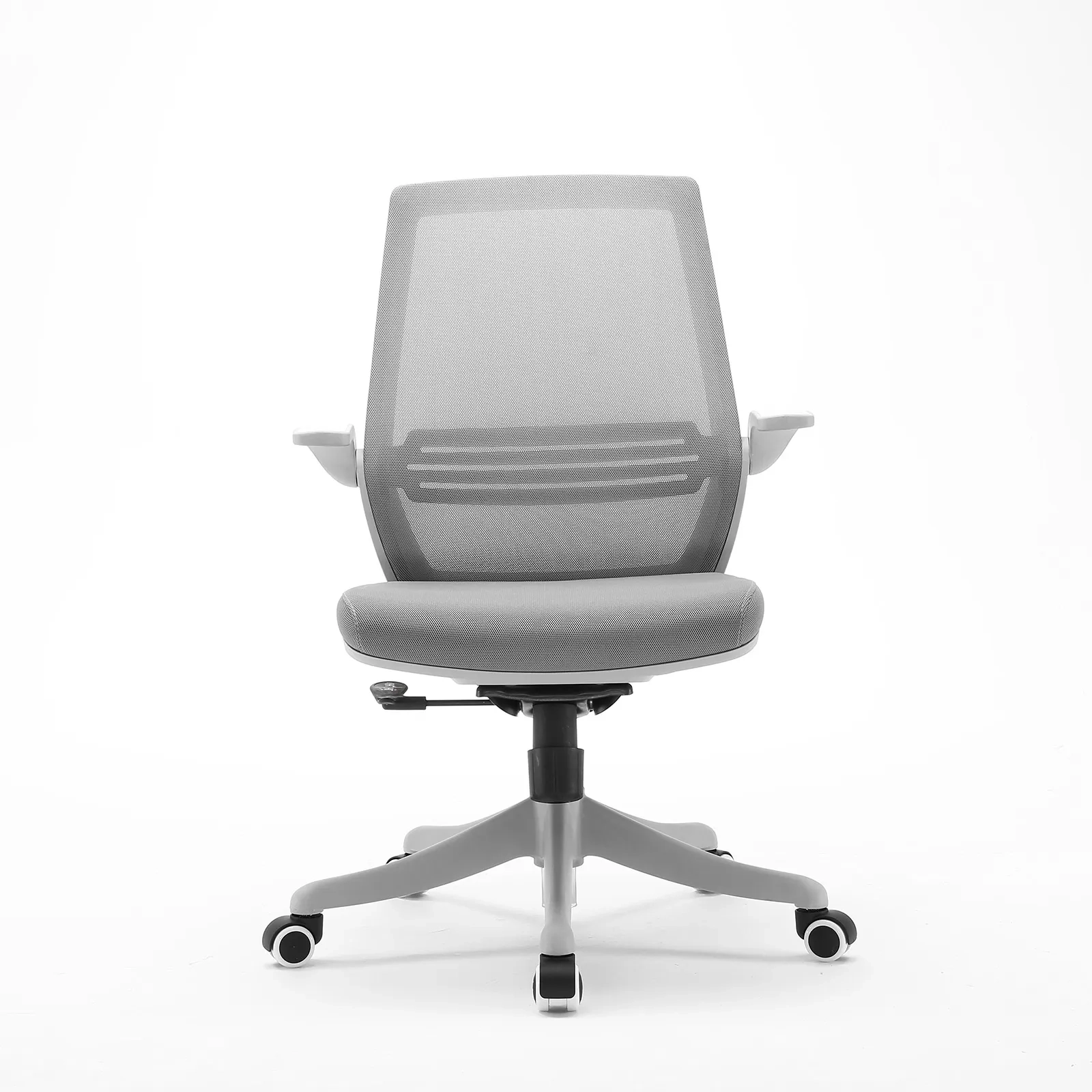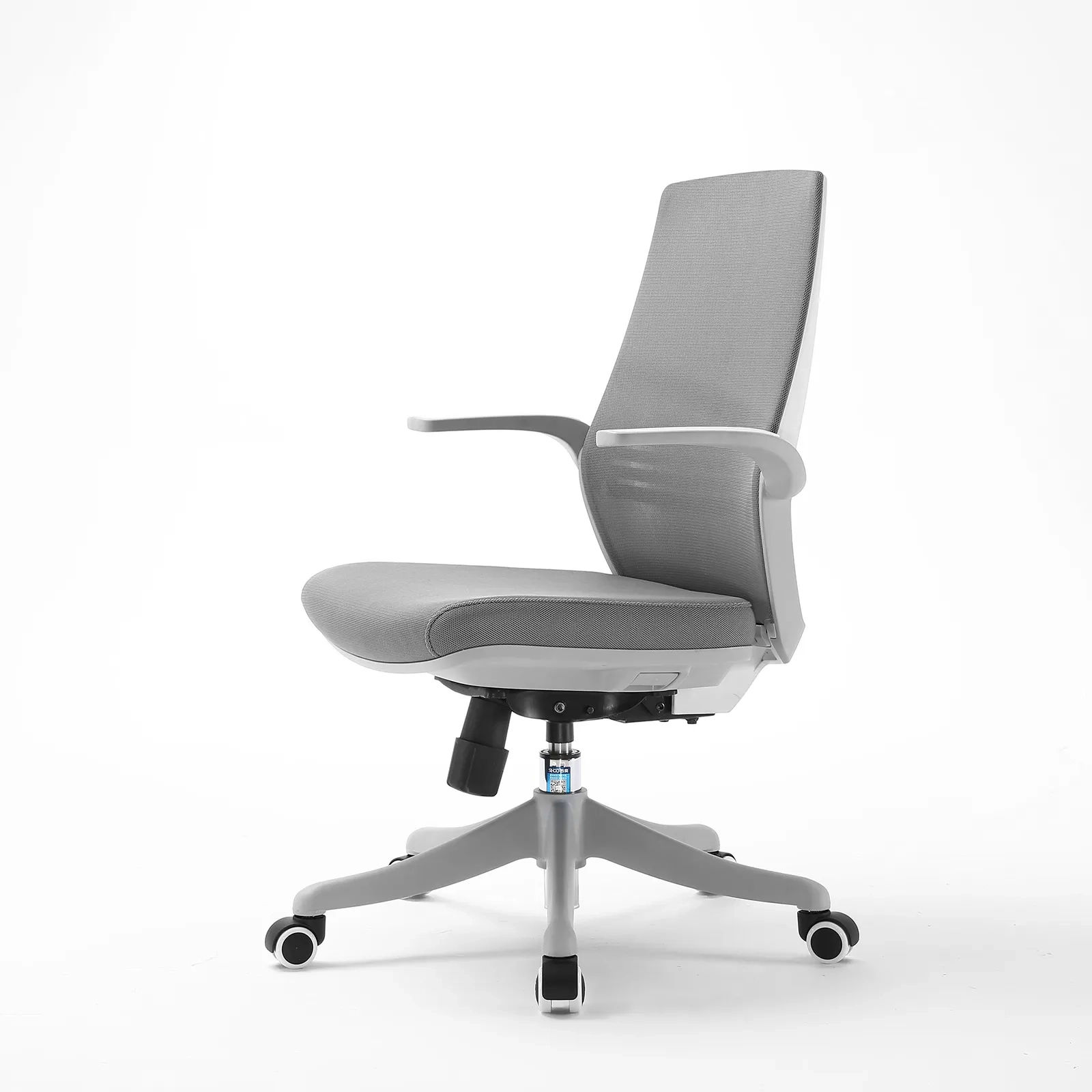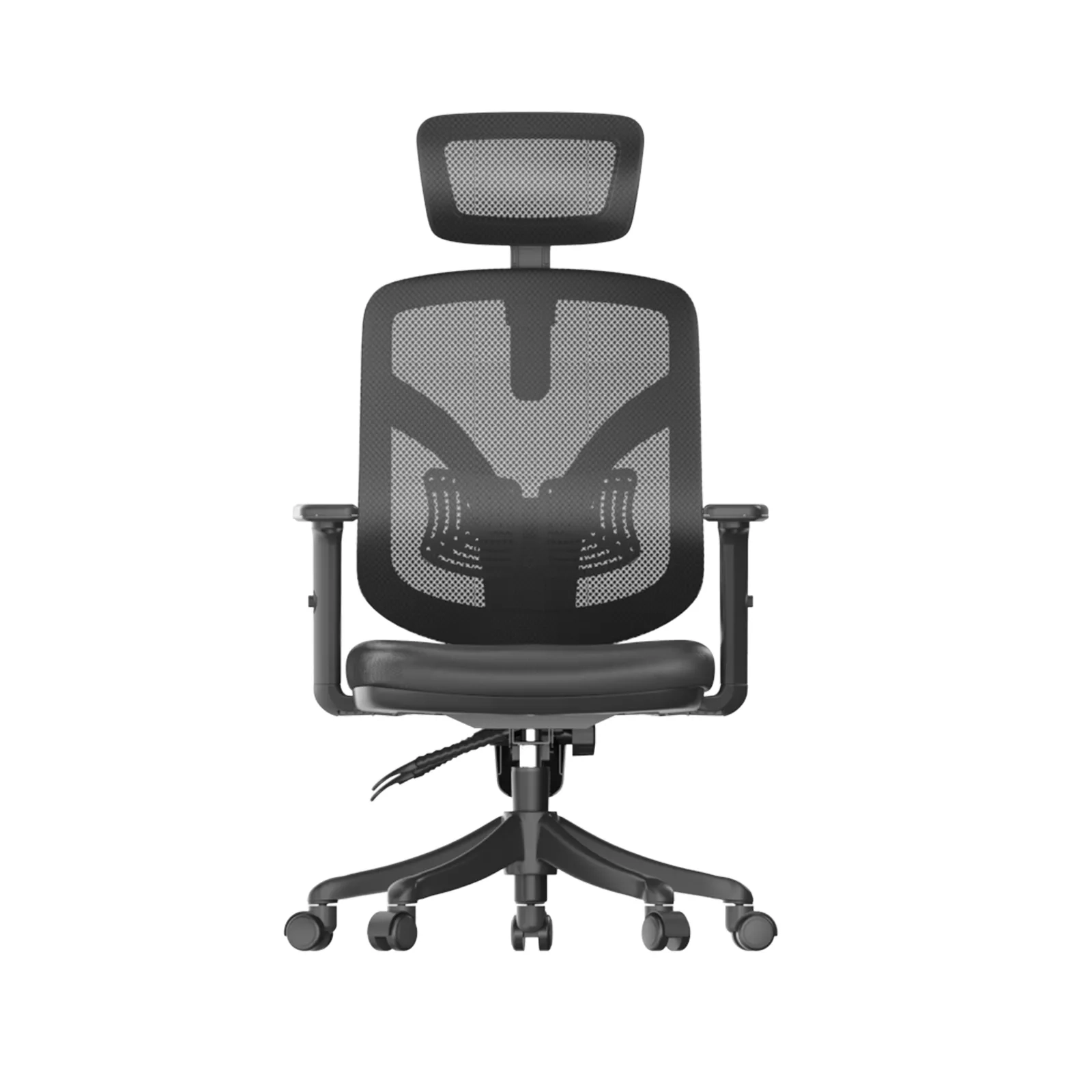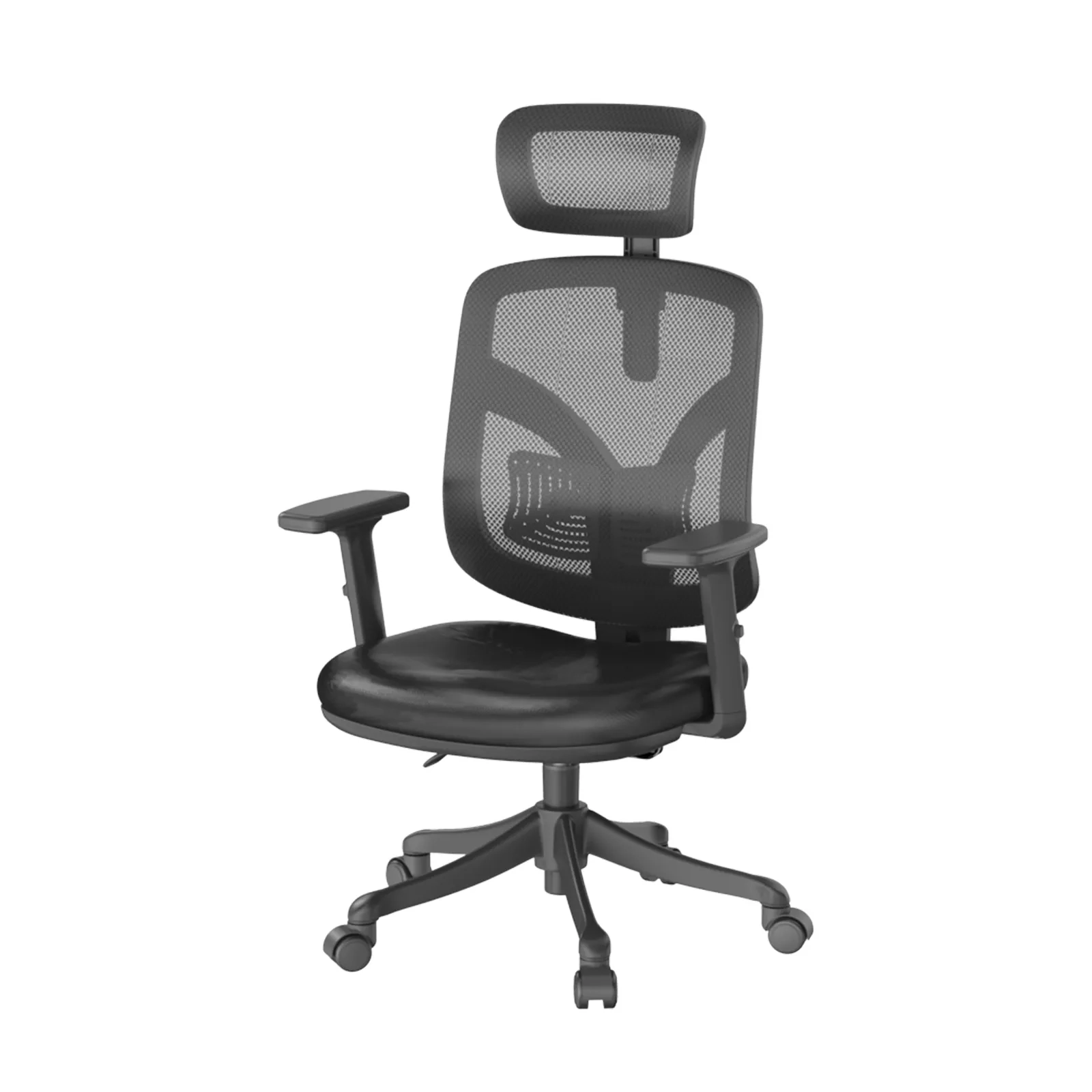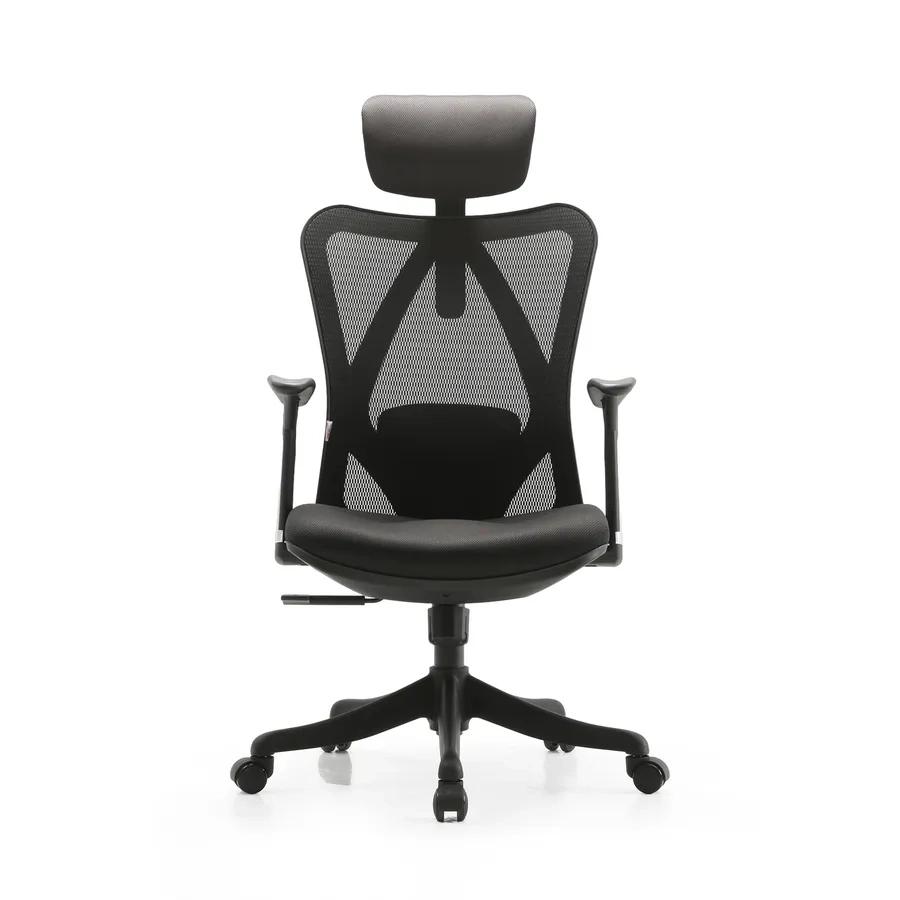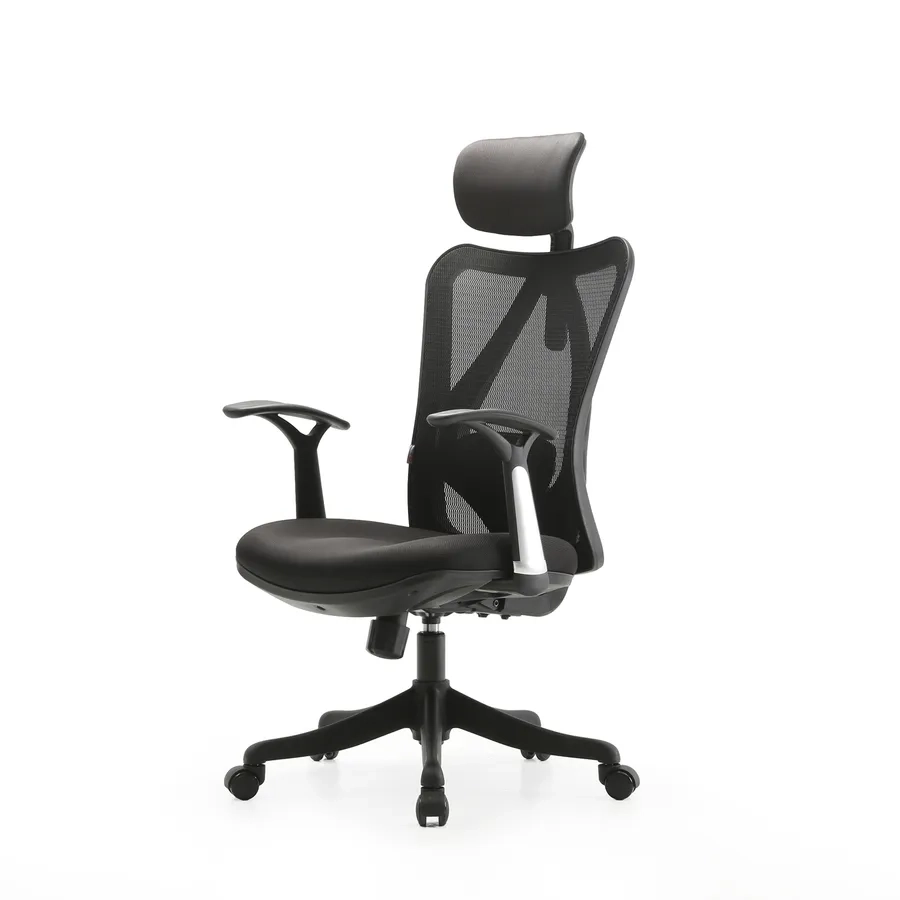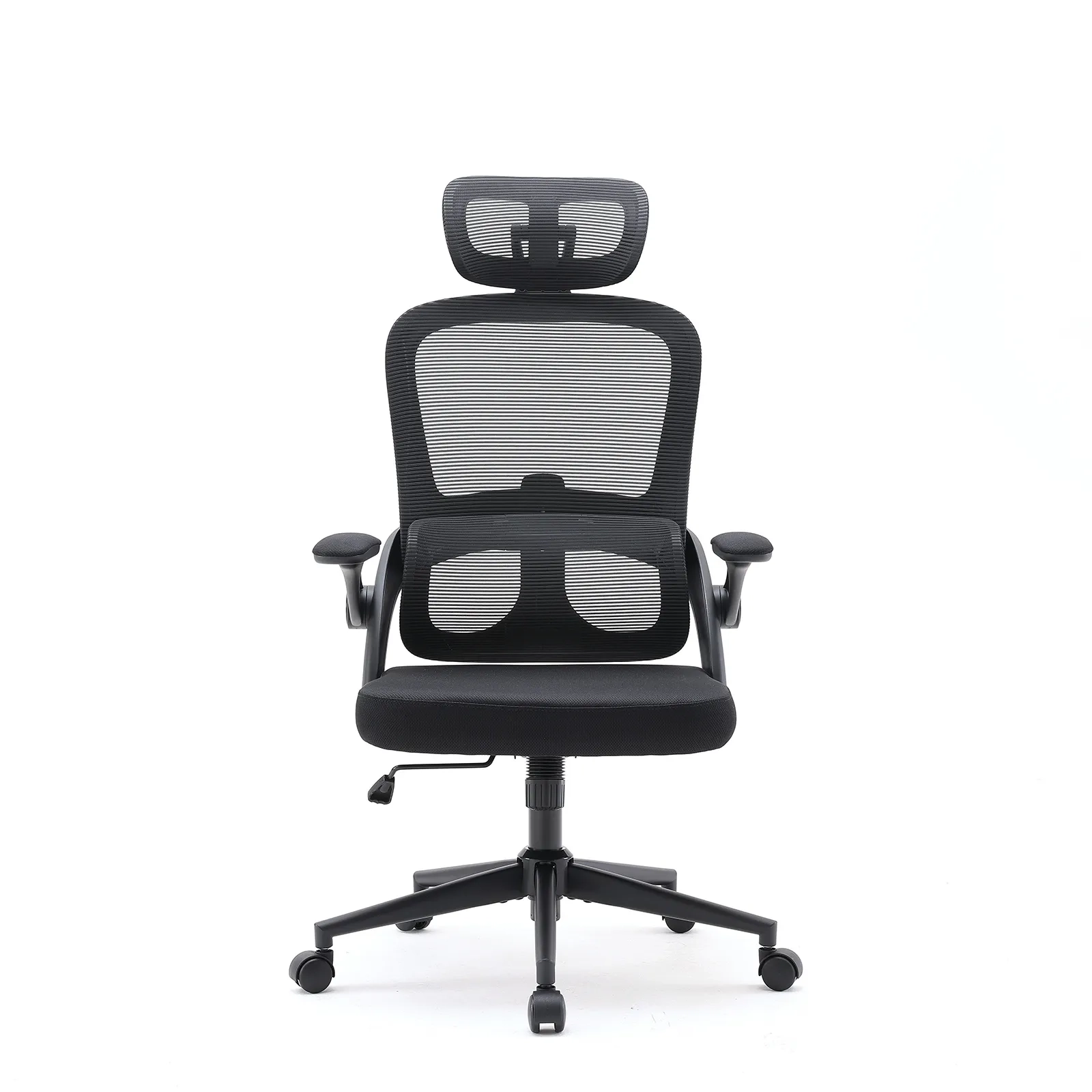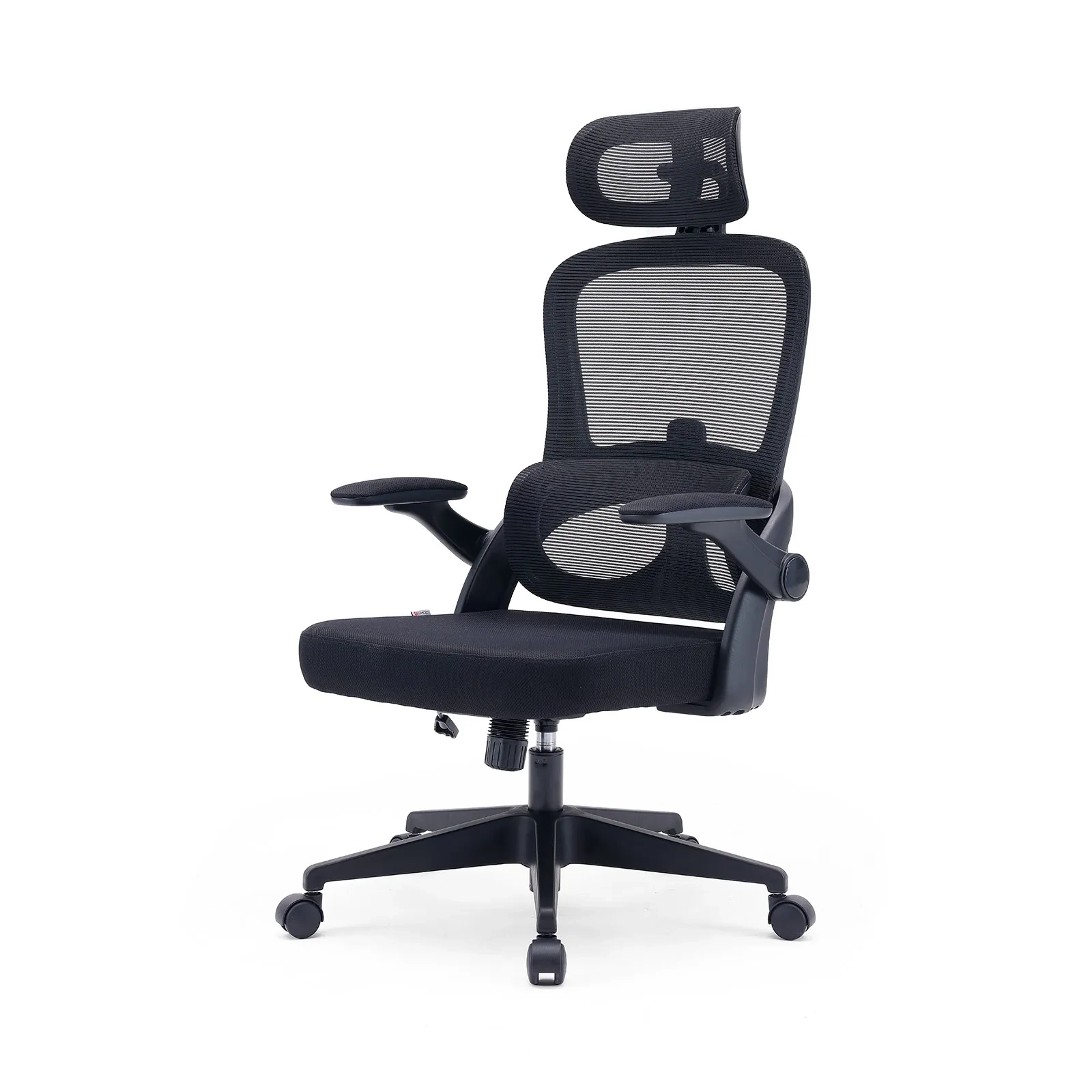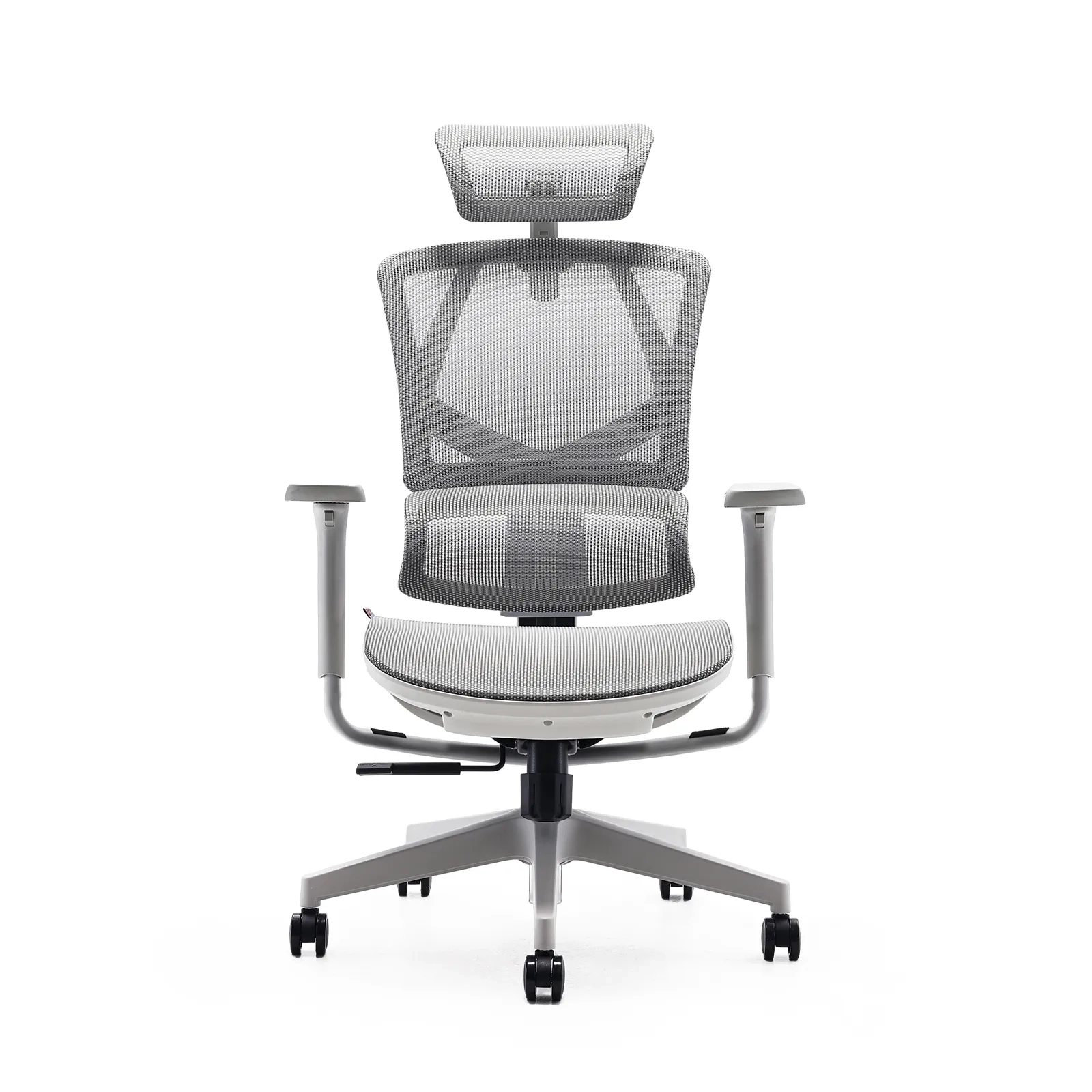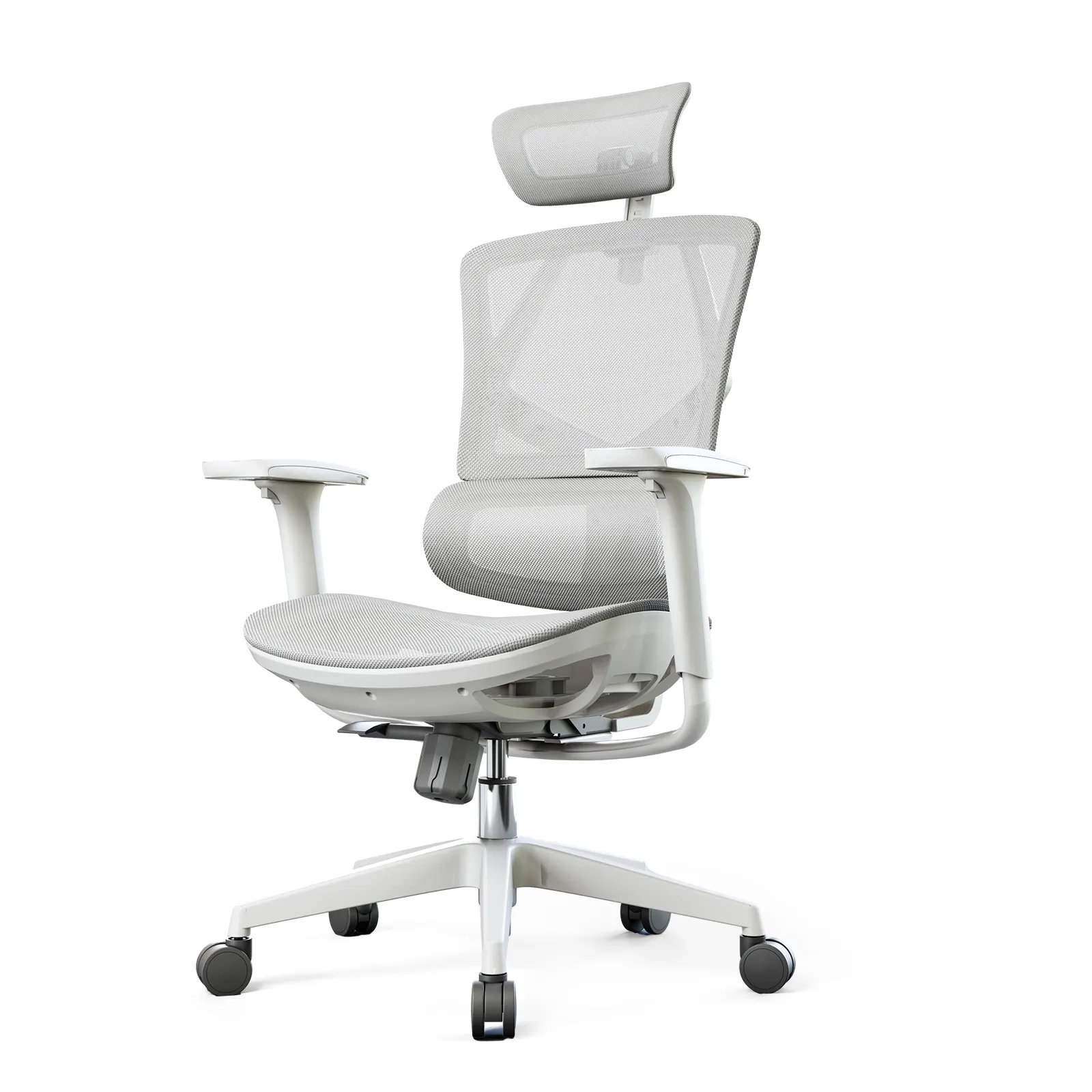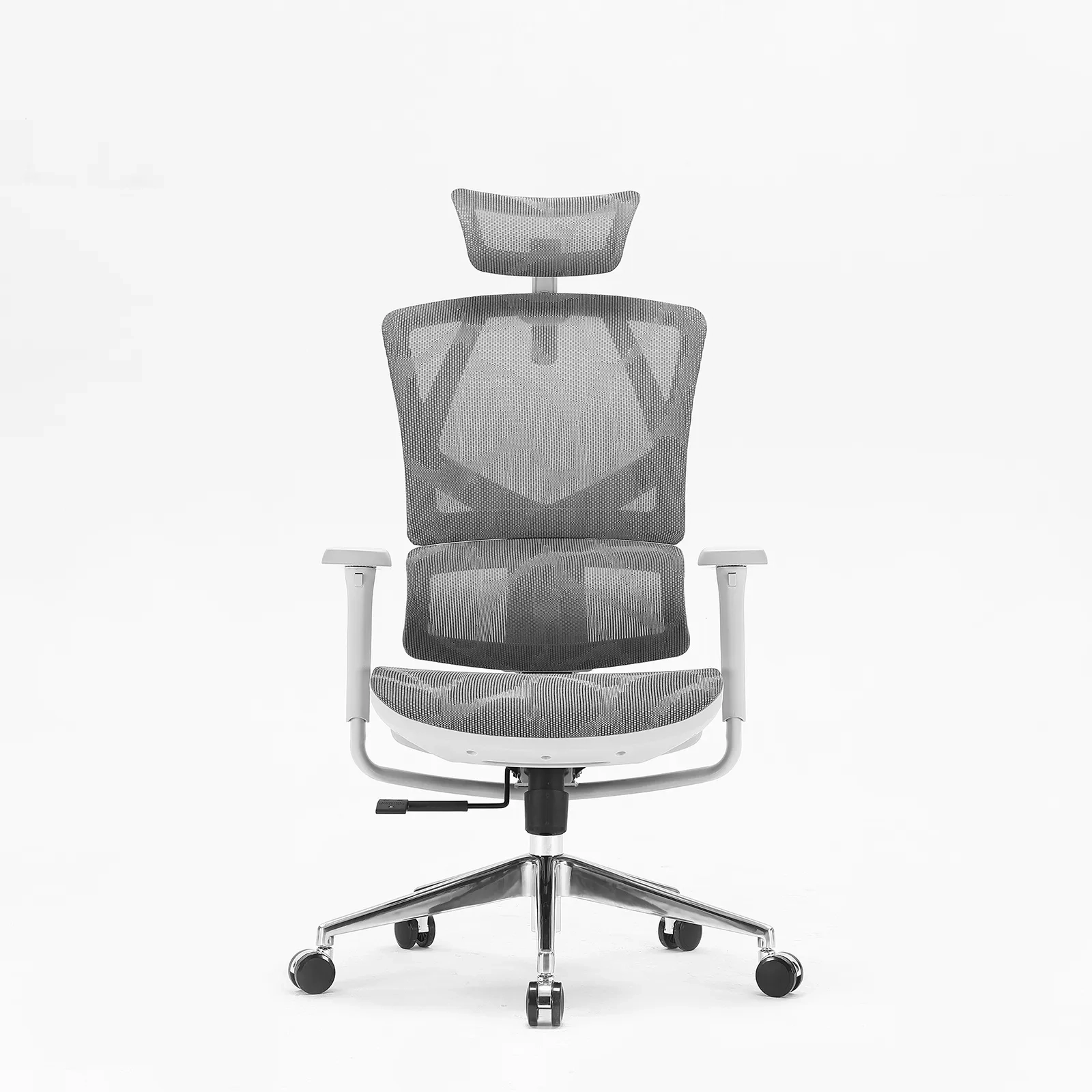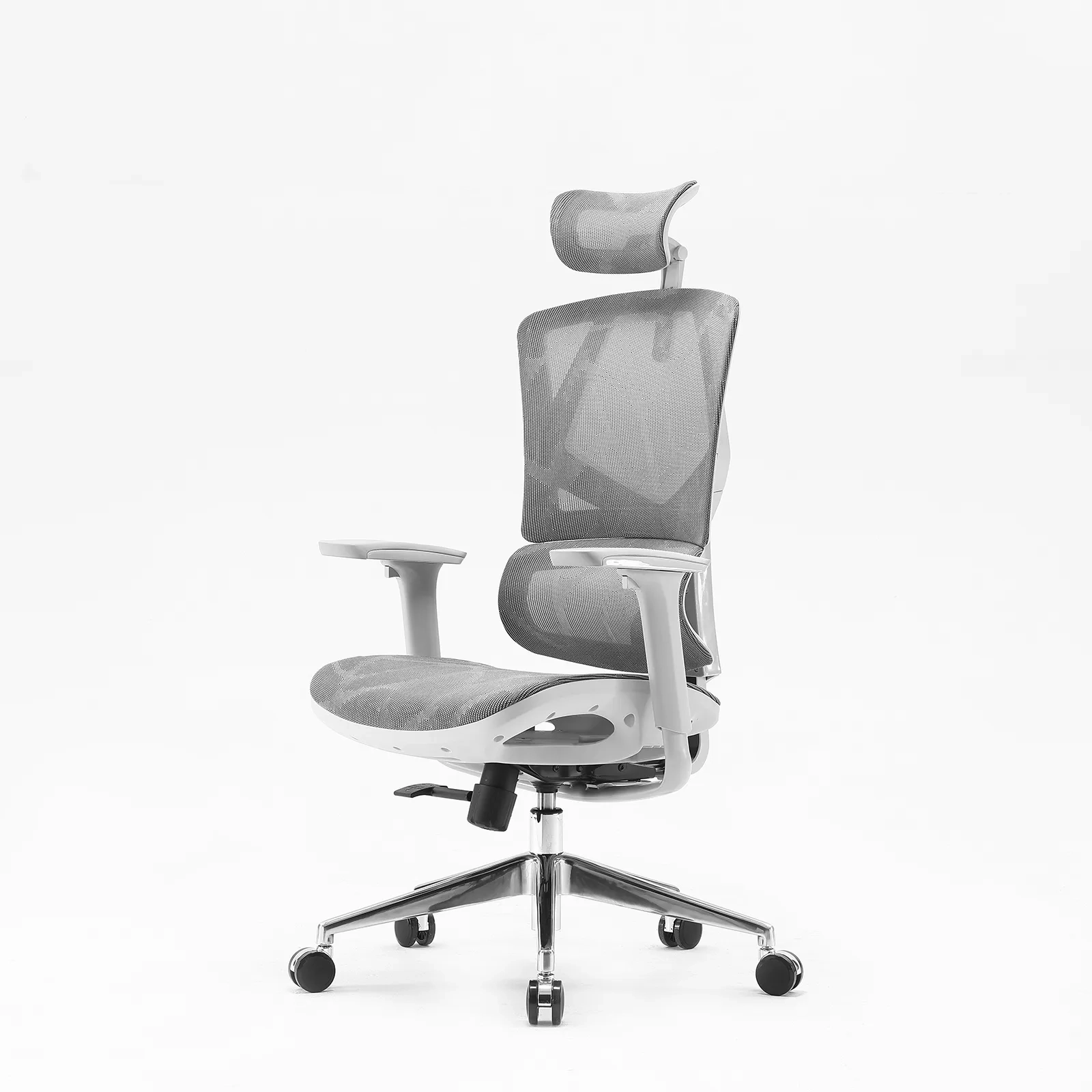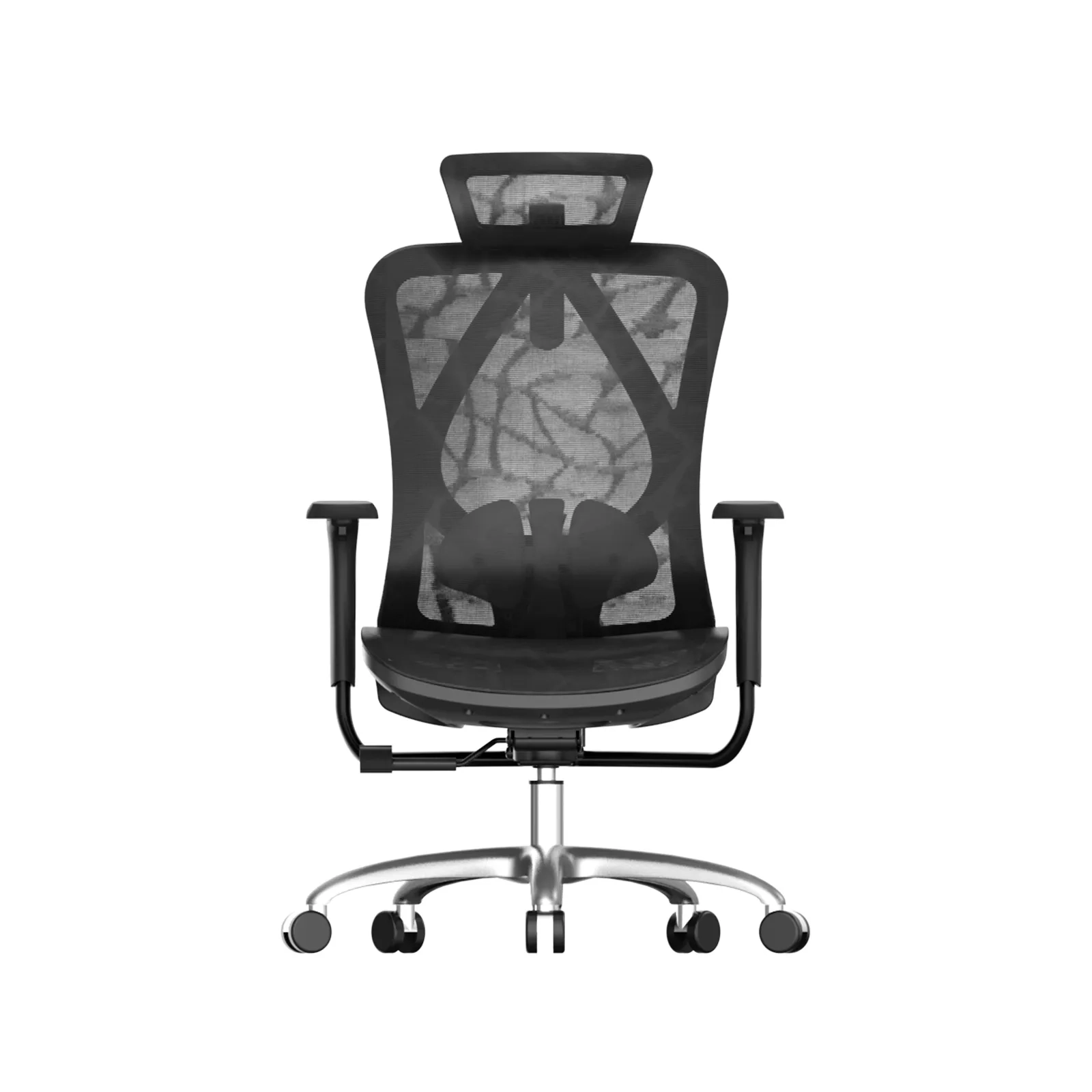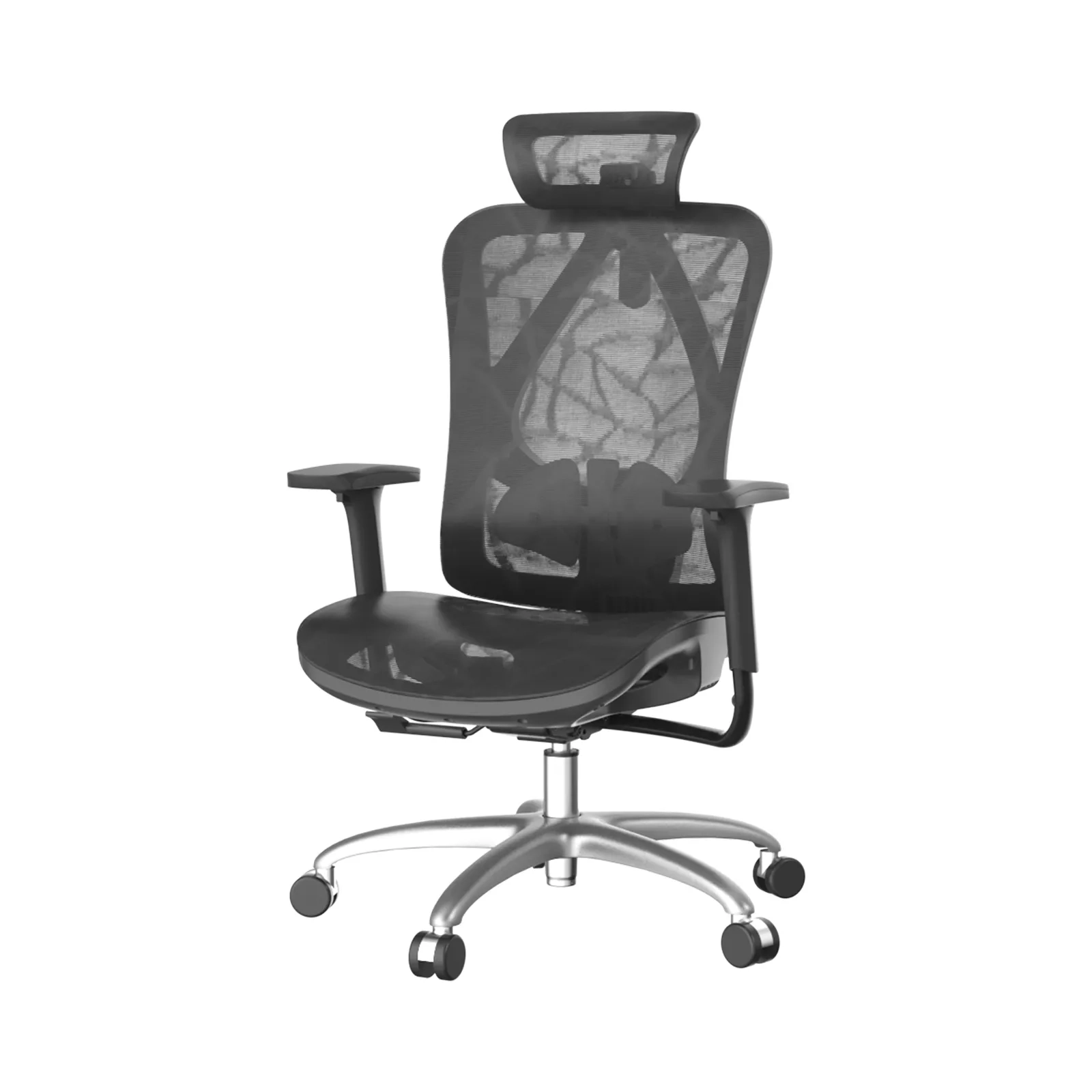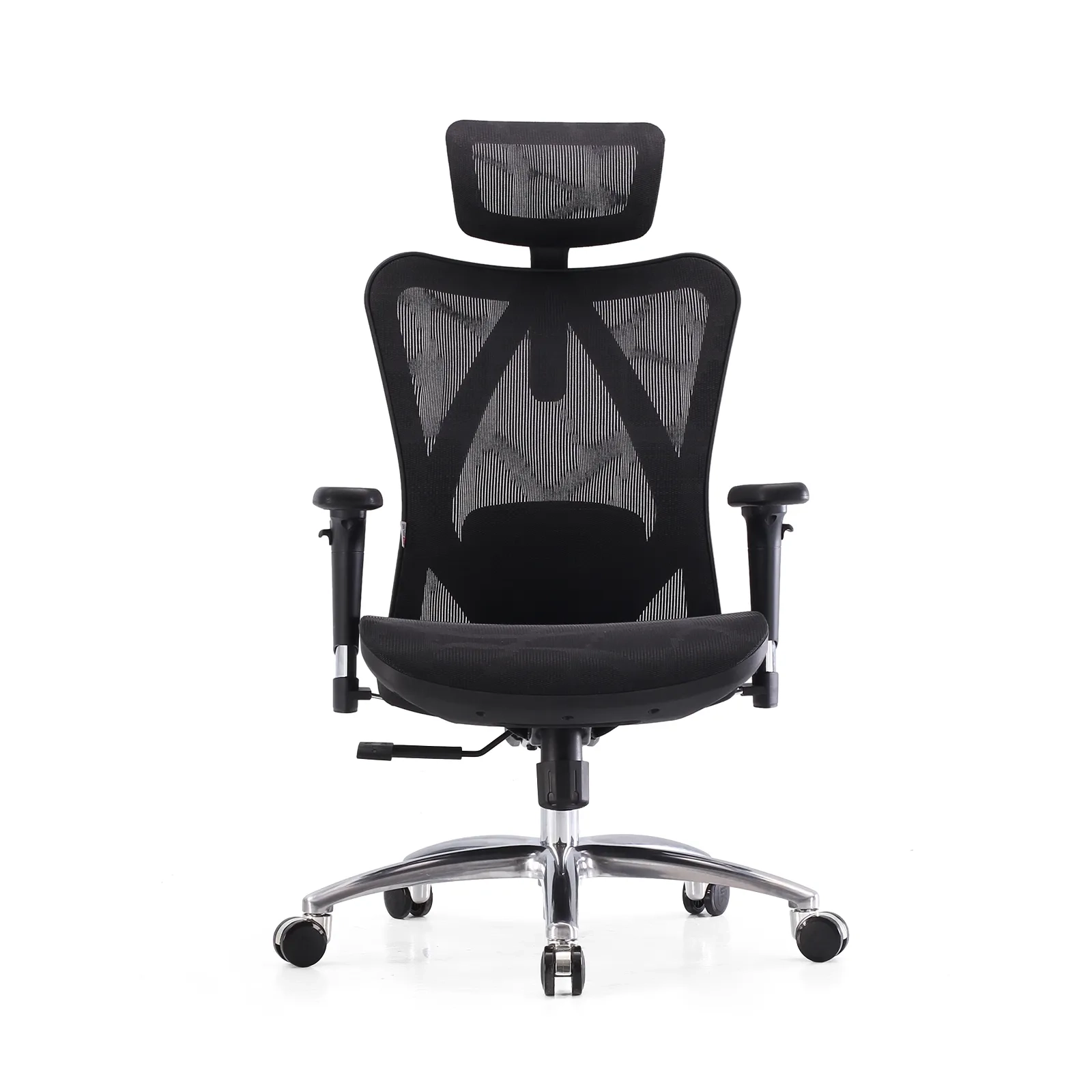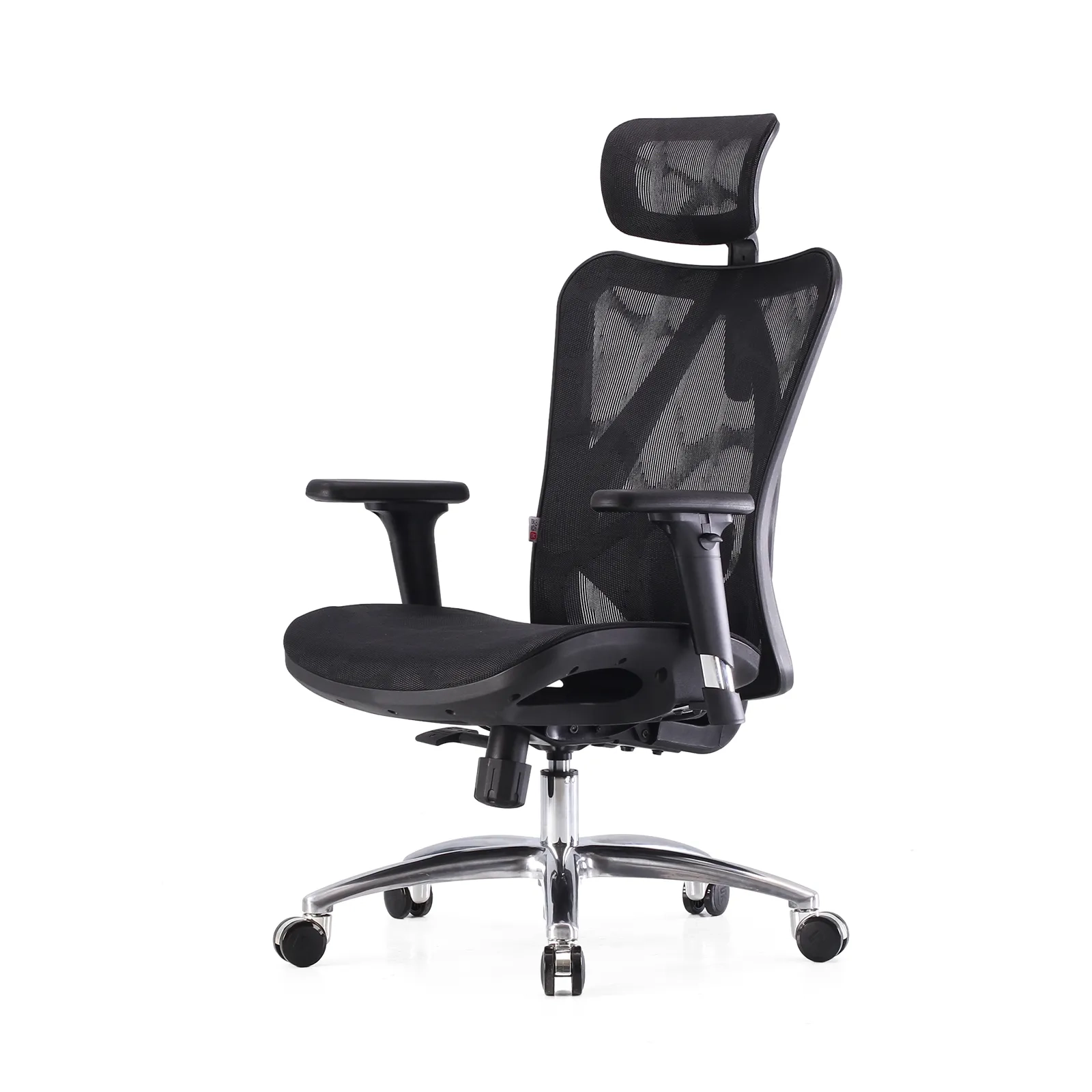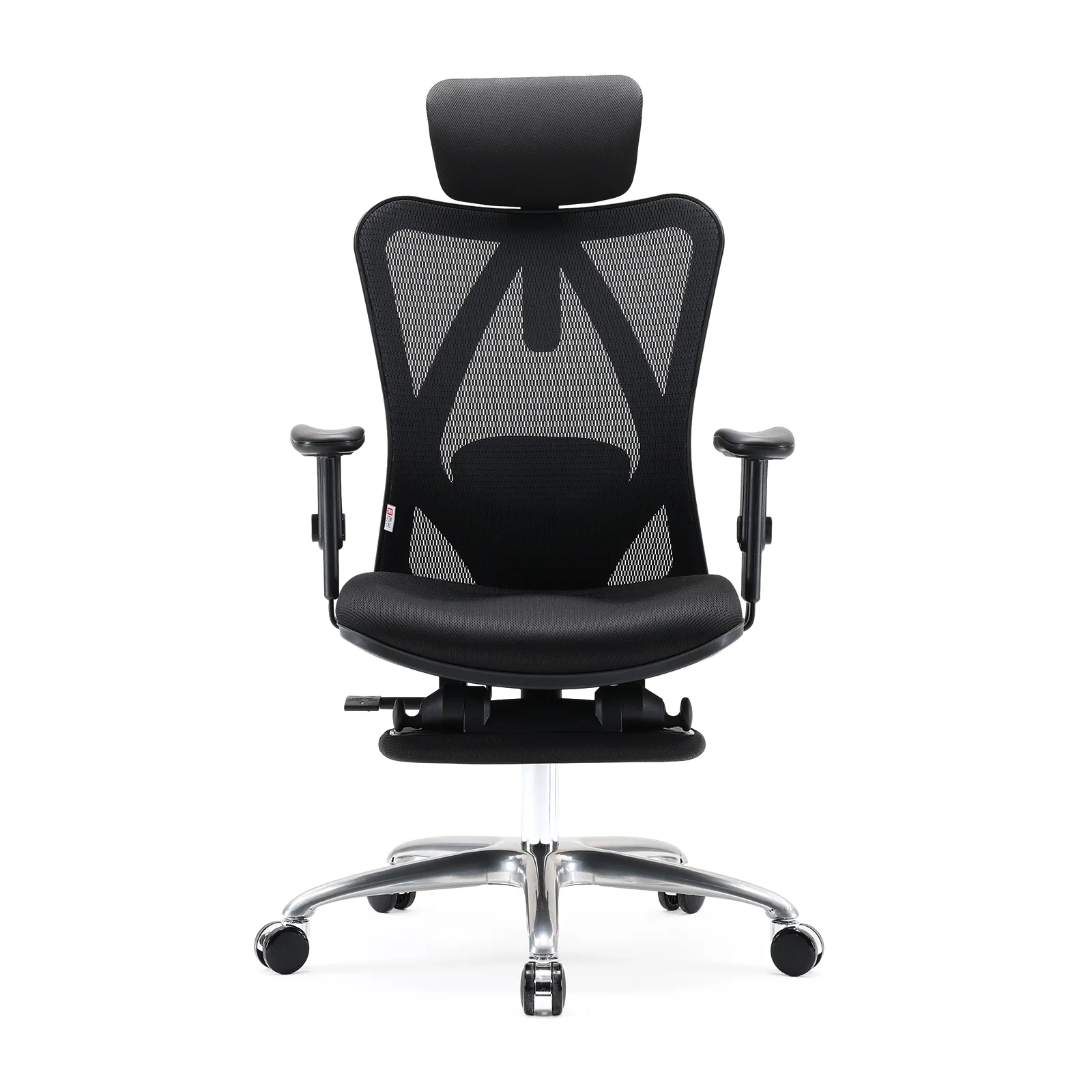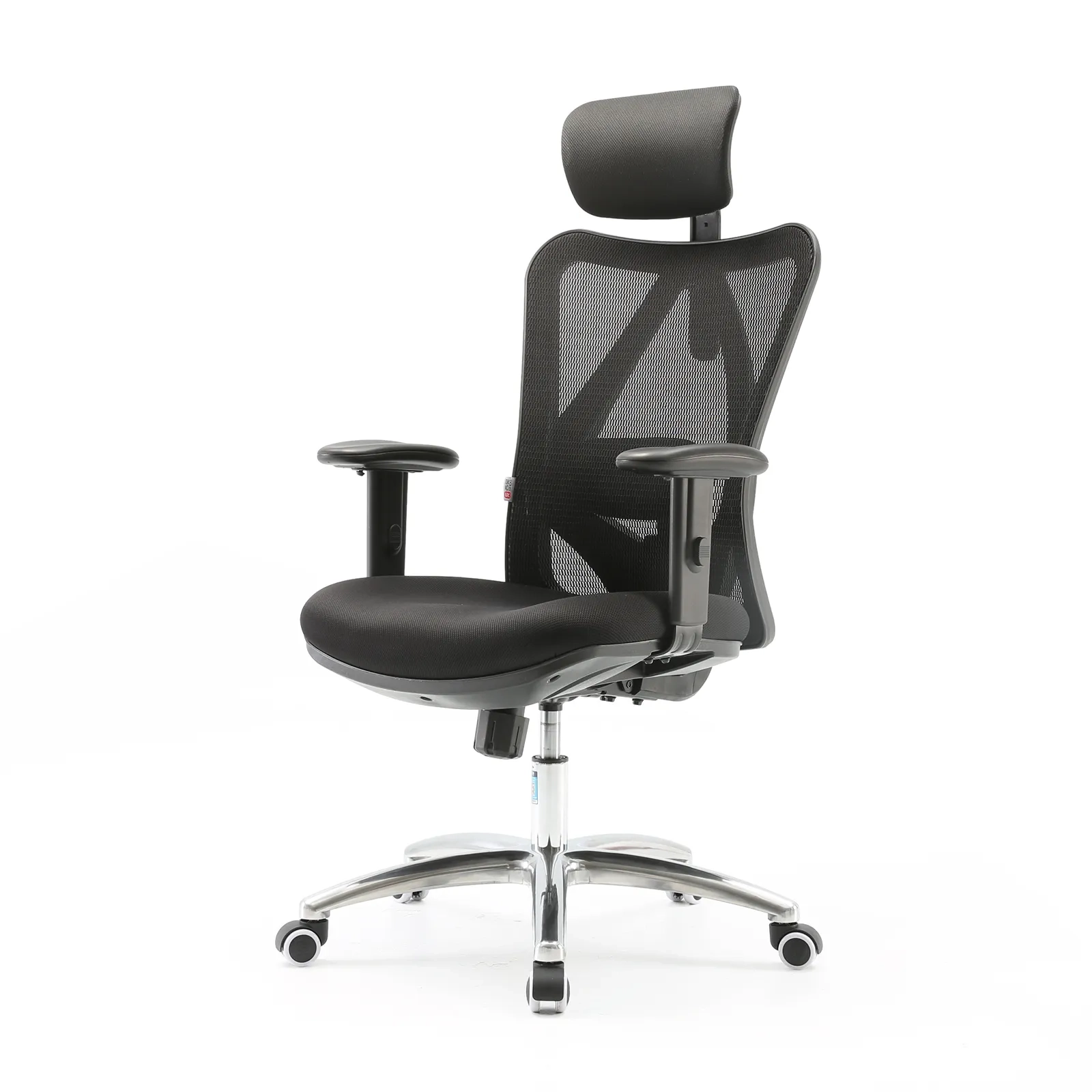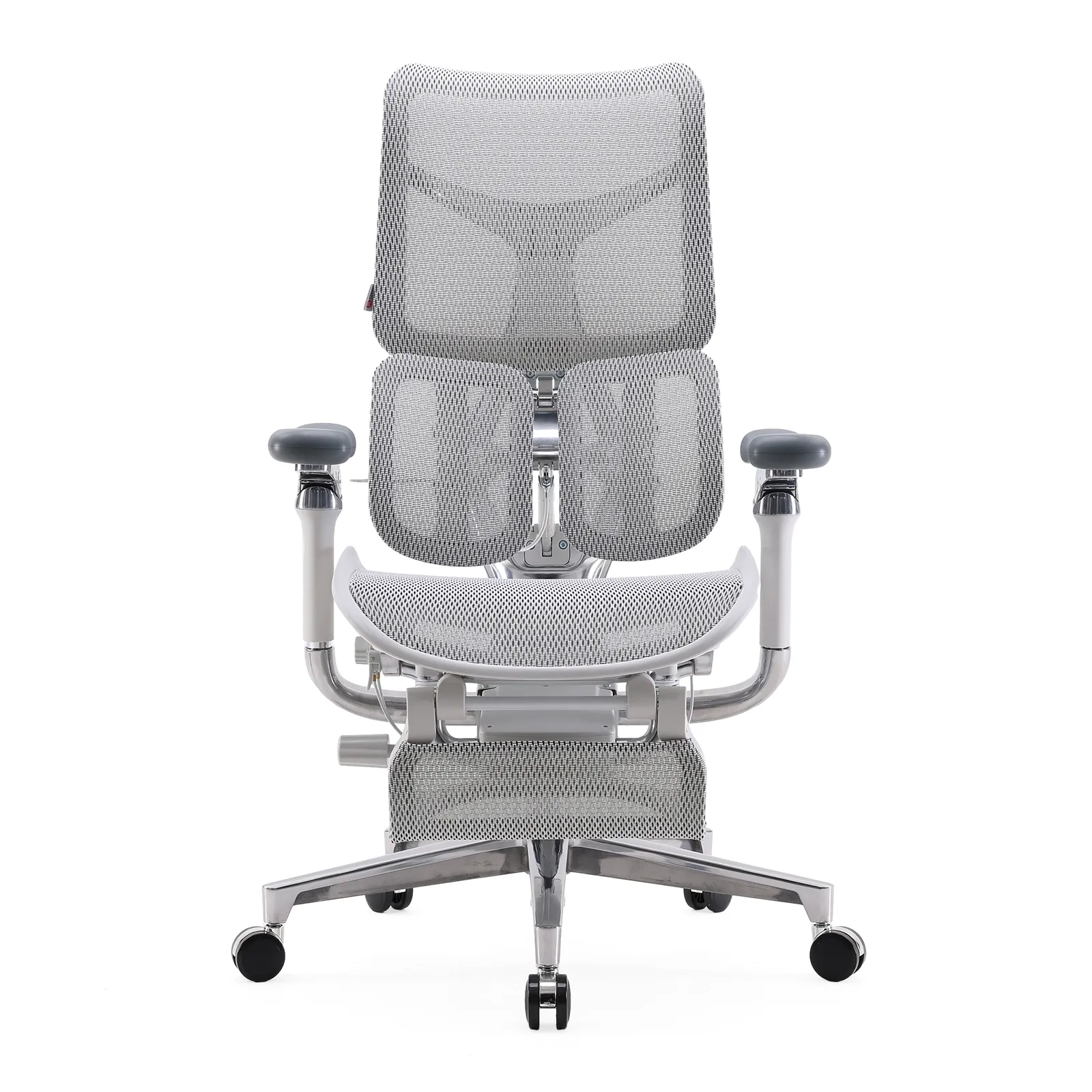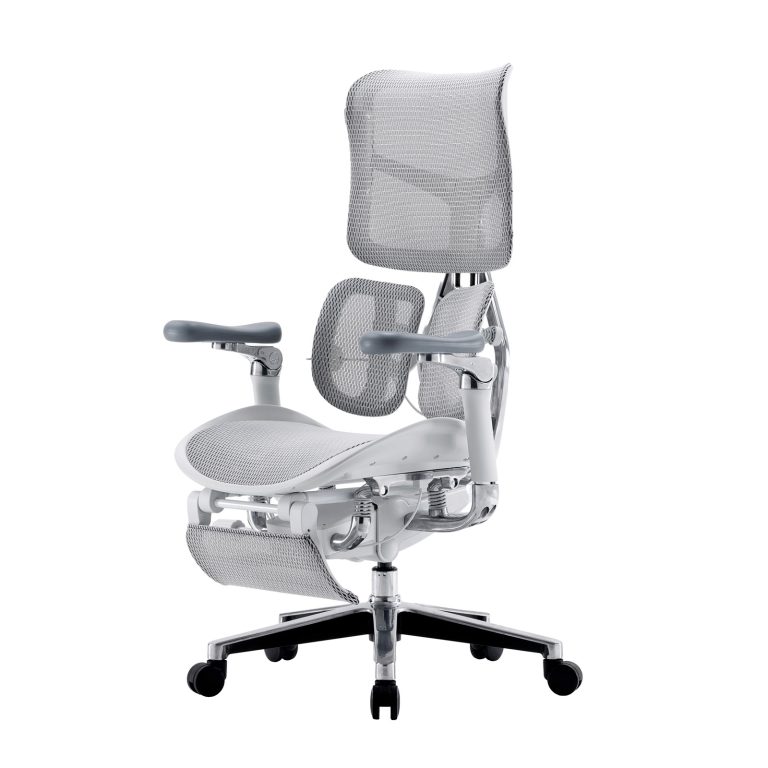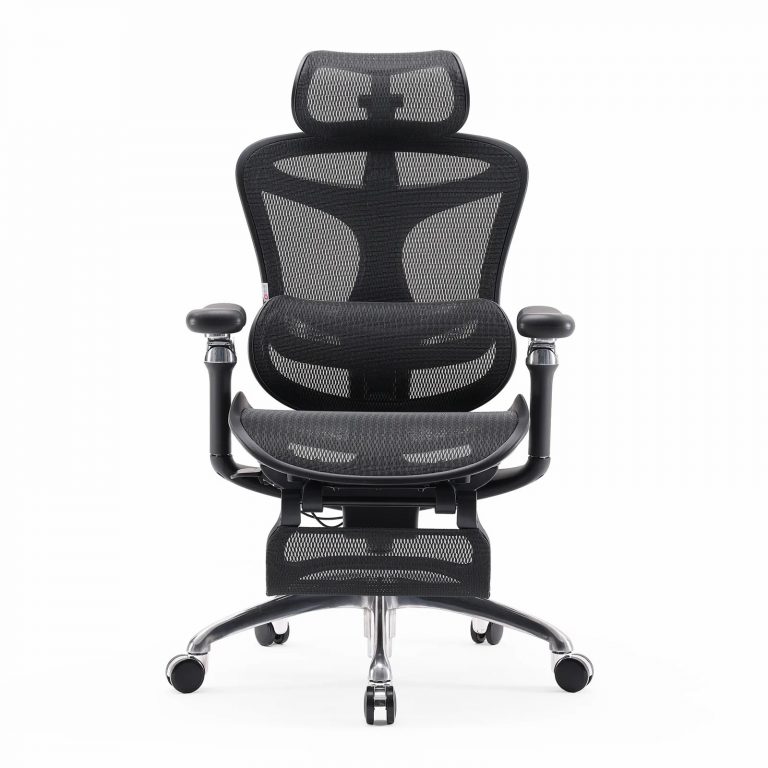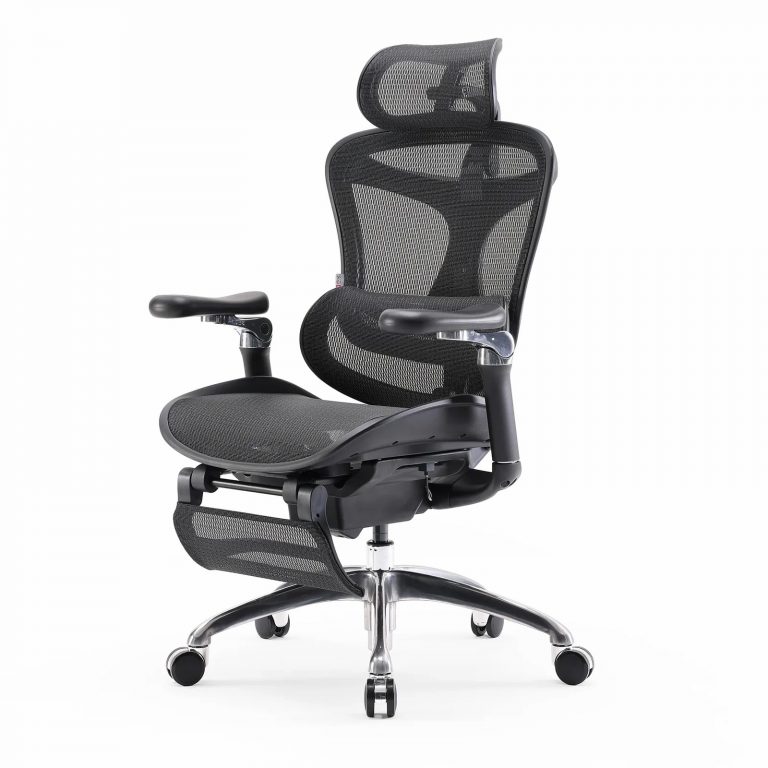









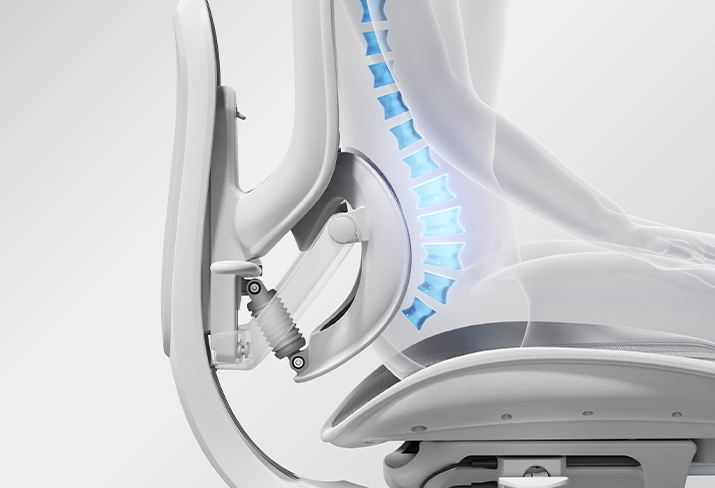
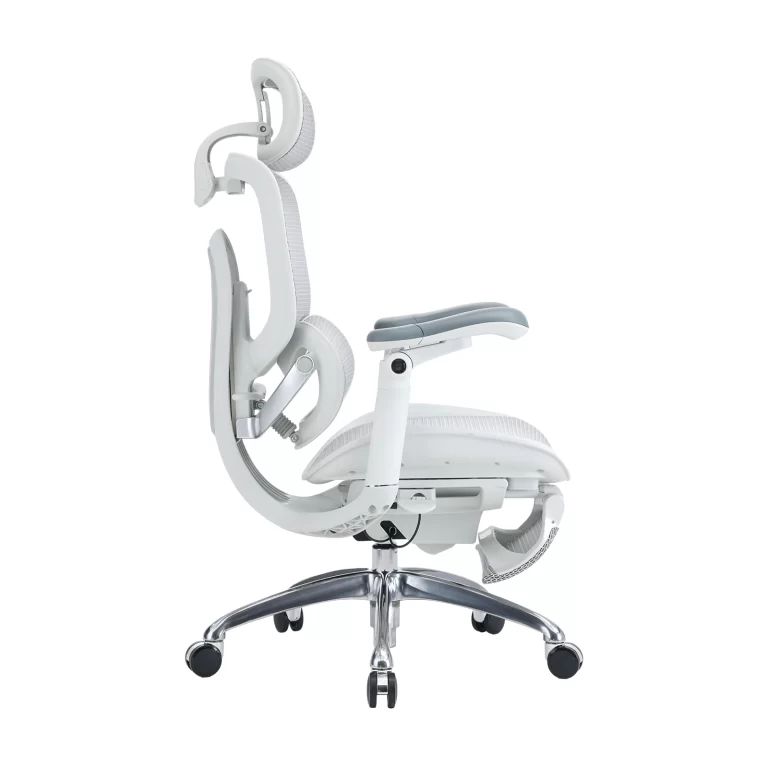
A chair with built-in lumbar support shapes the lower back into a healthy curve without a separate cushion. For distributors, this matters because built-in support survives daily use better than add-on pads that slide, flatten, or get lost. If you are qualifying models, our lumbar support explainer breaks down how each design works. This guide lists twelve chair types we see requested most in B2B orders.
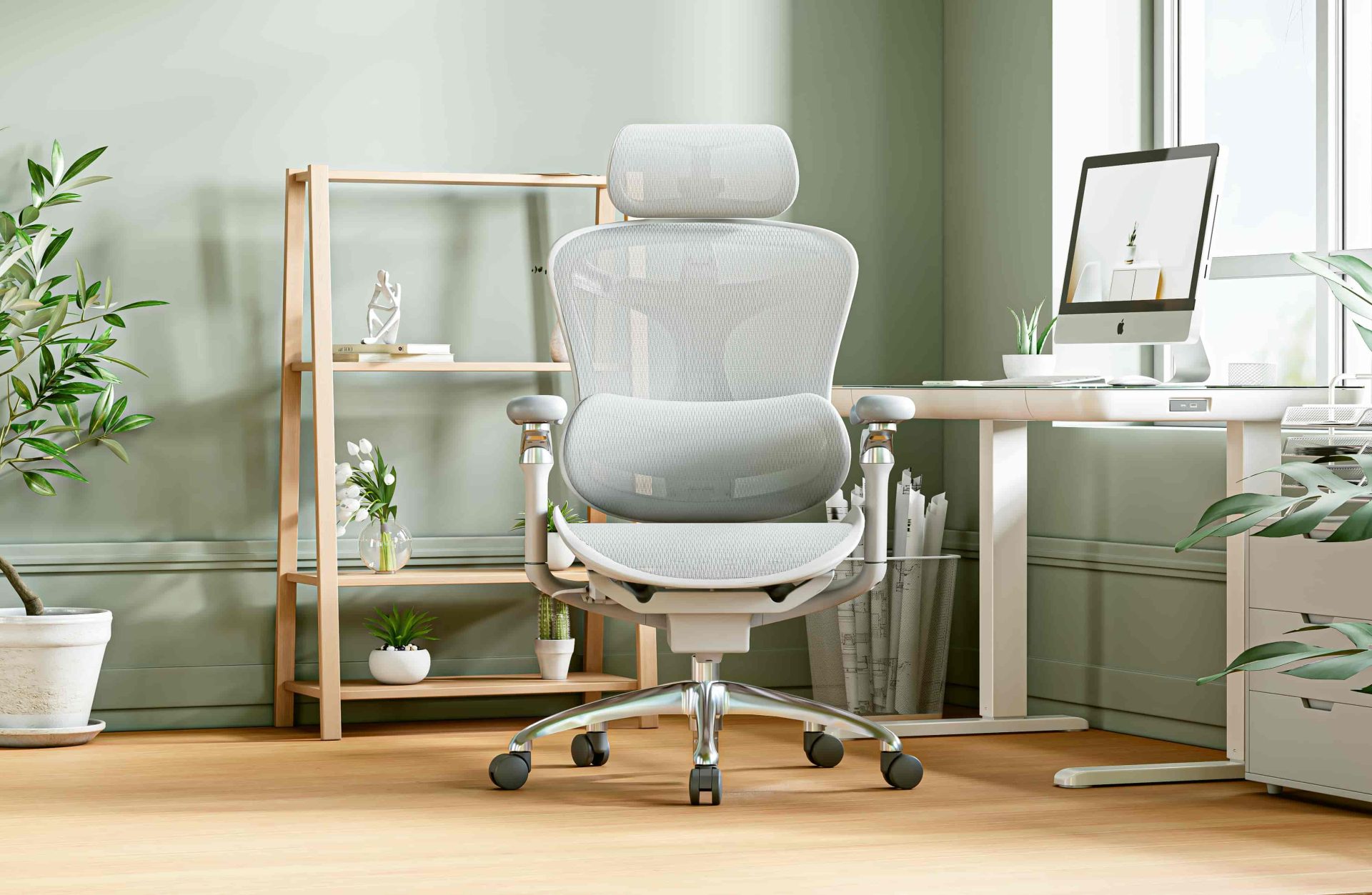
The twelve types
These are curated by function and buyer need, not lab-tested rankings. Focus on which segment each one serves.
| # | Type | Best for |
|---|---|---|
| 1 | Dynamic lumbar task chair | All-day desk work |
| 2 | High-back executive with lumbar | Leadership roles |
| 3 | Mesh back with built-in lumbar | Warm climates |
| 4 | Big-and-tall with reinforced lumbar | Tall and heavy users |
| 5 | Adjustable-depth lumbar chair | Mixed body types |
| 6 | Synchro-tilt with lumbar | Reclined pressure relief |
| 7 | Forward-tilt chair | Keyboard-intensive work |
| 8 | Visitors’ lumbar chair | Reception areas |
| 9 | Training chair with light lumbar | Training rooms |
| 10 | Meeting-room high-back | Boardrooms |
| 11 | Drafting chair with lumbar | High desks and counters |
| 12 | Multi-shift chair | 24-hour operations |
Why built-in beats add-on for bulk
Add-on lumbar cushions are a patch. They need straps, they shift when the user moves, and they flatten over time. Built-in support is part of the frame or the back, so it stays put through years of use. For a distributor, that means fewer returns and fewer “the cushion broke” tickets. Our removable vs integrated comparison covers the buyer trade-offs.
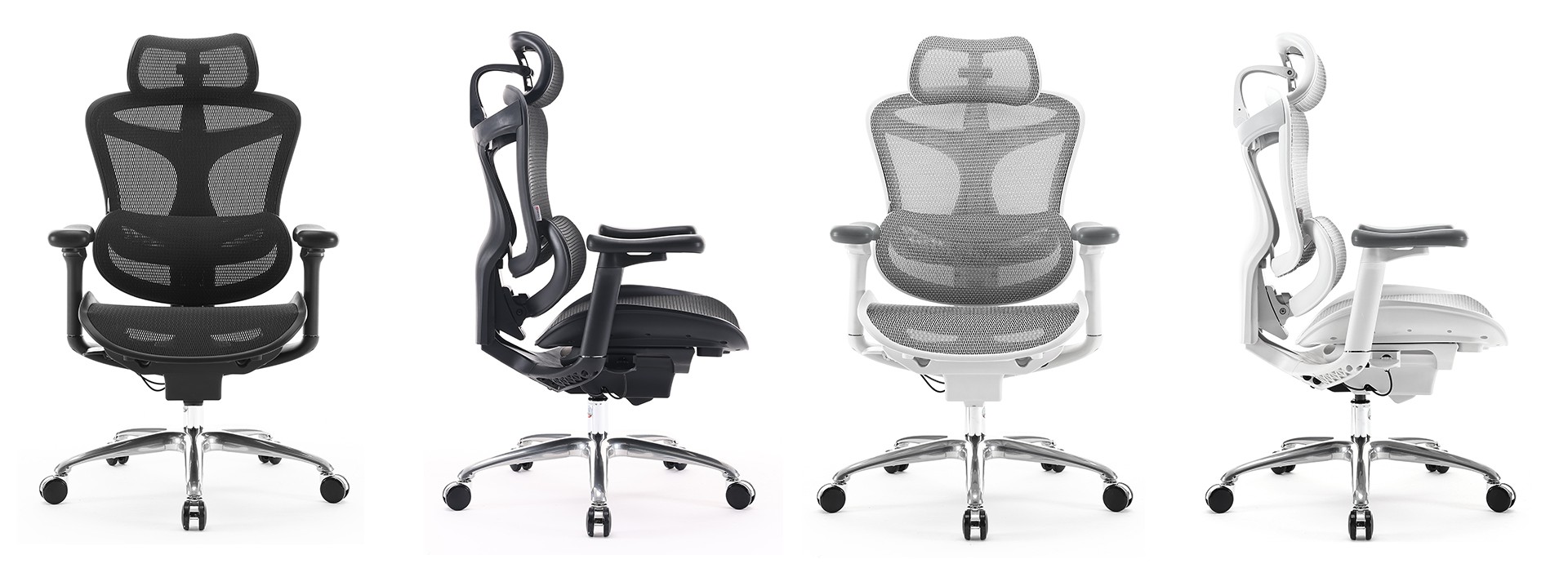
The twelve, by buyer need
1. Dynamic lumbar task chair
The C300 targets long-hour executive use with dynamic lumbar that tracks the spine. For all-day desk roles, this is the core SKU.
2. High-back executive with lumbar
Leadership fit-outs want upper-back and shoulder support plus lumbar. A high-back frame with shaped lower support fits corner offices.
3. Mesh back with built-in lumbar
Warm regions need airflow and support together. The S300 serves warm-climate all-day sitters with a breathable back that still holds the lumbar curve. See كرسي مكتب شبكي مريح for the support layer.
4. Big-and-tall with reinforced lumbar
Tall and heavy users need a rated frame and stronger lumbar. The V1 covers tall users and meeting rooms with the range that role needs.
5. Adjustable-depth lumbar chair
Mixed teams benefit from lumbar the user can push in or out. Broader fit means fewer complaints across a buyer’s staff.
6. Synchro-tilt with lumbar
A recline that moves the back and seat together shifts load off the lower back. Pair it with lumbar so the curve holds while reclined.
7. Forward-tilt chair
Keyboard-intensive users tilt the seat forward to open the hip angle. Built-in lumbar keeps the lower back supported in that posture.
8. Visitors’ lumbar chair
Reception areas rarely get lumbar chairs, but a light version improves short waits. A professional look matters more than deep adjustment here.
9. Training chair with light lumbar
Training rooms cycle chairs daily. A light lumbar curve helps without adding weight or cost.
10. Meeting-room high-back
Boardrooms need presence and support. A high-back with lumbar suits long sessions and tall occupants.
11. Drafting chair with lumbar
High desks and counters need a footring and lumbar. Niche but steady demand in labs and studios.
12. Multi-shift chair
Round-the-clock operations need durable lumbar that holds through successive users. Confirm warranty for 24-hour rated use.
Comparison: fixed vs adjustable lumbar
| حلل | Fixed built-in | Adjustable built-in |
|---|---|---|
| Fit breadth | Narrow | Broad |
| Cost | Lower | Higher |
| User control | None | High |
| Best use | Single body type | Mixed teams |
Neither is wrong. Fixed suits a known user; adjustable suits a mixed or unknown buyer base.
How to choose for a catalog
- Know the buyer’s climate. Hot → mesh back with lumbar (S300).
- Know the role. Executives → high-back (C300). Tall → big-and-tall (V1).
- Know the team mix. Mixed → adjustable-depth lumbar.
- Confirm ratings. Weight and height per SKU before quoting.
- Sample and sit. One unit per model, full workday, before scaling.
Raise MOQ, certifications, and spare parts on the SIHOO partnership page rather than a retail path.
Materials and certifications
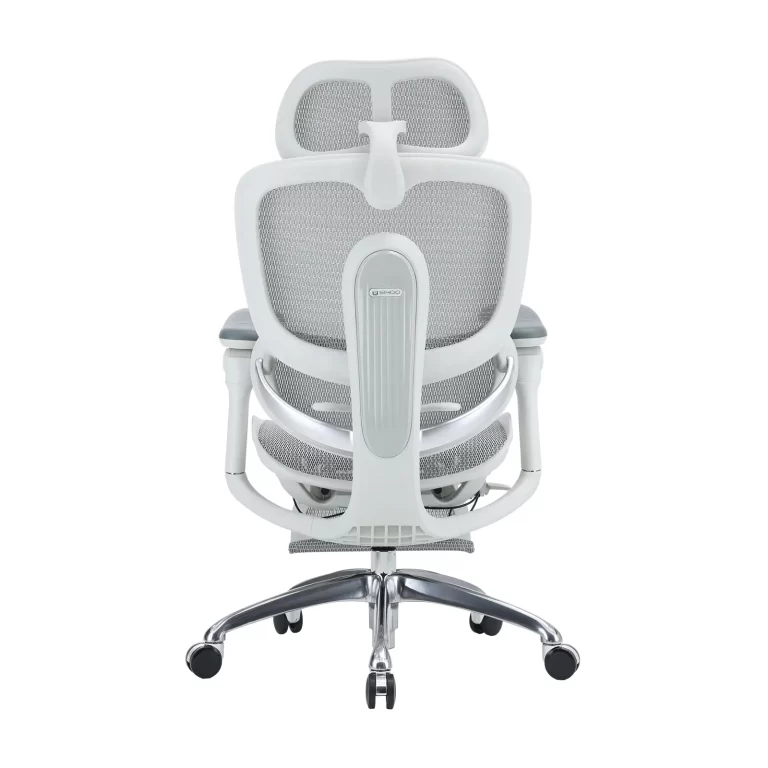
Built-in lumbar lives inside the back, so the materials around it decide lifespan. The back shell is usually glass-filled nylon or polypropylene; the former holds shape longer under load. The lumbar element itself may be a molded pad, an elastic band, or a moving panel. Each is fine; what matters is that it is fixed to the frame, not stuck on. For export, confirm the certification set the destination market expects and ask for the documents before the first shipment. Do not assume a general certificate covers every region, because customs and buyers check specifics.
Regional allocation
Demand for lumbar support is steady everywhere, but the surrounding features vary by market. Warm regions pair lumbar with mesh backs, so the S300 leads there. Executive-heavy markets want high-back lumbar, which points to the C300. Tall-user and meeting-room demand calls for the V1. Mixed SMB markets do well with adjustable-depth lumbar to cover different bodies. A balanced container might run 30 percent mesh-back lumbar, 30 percent high-back, 25 percent adjustable, and 15 percent big-and-tall, then shift with reorder data.
QC on arrival
A receiving check protects the lumbar feature specifically:
- Press the lumbar area; it should hold shape and return, not stay dented.
- Move the user through a recline; the lumbar should track, not pop or rattle.
- Check adjustable models across their full range; both ends should hold.
- Compare the lot to the benchmark unit kept from the approved sample.
Any unit that feels different from the benchmark is a reason to hold the lot and ask the supplier. Lumbar complaints are hard to fix after chairs reach end users, so catch them at the dock.
Warranty and spare parts
Lumbar support is part of the frame, so the frame warranty is the lumbar warranty in practice. Confirm the period in writing and keep it visible in your catalog. Spare parts matter for the pieces around the lumbar: arms, casters, and any mounted pad wear first. Ask the supplier to list orderable parts per model so a worn component does not retire a whole chair. For distributors, this is also a service revenue line: selling parts keeps chairs in use and buyers loyal.
How to present lumbar to different buyer roles
Procurement teams respond to durability and fewer returns, so lead with built-in consistency. Facility managers respond to user comfort tickets, so lead with posture support. Executive buyers respond to presence and upper-back support, so lead with high-back models. Tailoring the message to the role shortens the sales cycle more than a generic “ergonomic” pitch.
الأسئلة الشائعة
Is built-in lumbar better than a cushion? For durability and consistency, yes. A cushion can shift or flatten; built-in stays part of the chair. See the full comparison.
Does lumbar support cure back pain? No. It supports healthier sitting. For a posture-and-pain view, see our ergonomic chair for back pain guide. This is educational, not medical advice.
Can lumbar be too aggressive? Yes, if it pushes the spine forward unnaturally. Adjustable depth solves this for mixed teams.
Are these chairs available for bulk with branding? OEM scope depends on tooling and MOQ. Discuss it on the partnership page so lead times are realistic.
A note for distributors
Lumbar support is an easy feature to overpromise and underdeliver. The fix is education, not hype. Train sales staff to demonstrate the lumbar on a demo unit: press it, recline through it, show the curve tracking the back. Buyers who feel it understand the value faster than those who read “ergonomic” on a box. Pair the demo with the spec sheet so the experience backs the claim. Keep one benchmark unit per model to settle any “this lot feels different” dispute before it reaches a buyer. A short training session for new sales hires pays for itself, because a confident explanation converts more than a discount ever will. Distributors who treat lumbar as a consultative sale, rather than a box tick, build accounts that reorder. The chair is the opening; the relationship is the margin. Measure the result by tracking comfort tickets before and after a lumbar rollout, then use that data in the next account review. Procurement teams remember suppliers who quantified the win, not just described the chair.
Also prepare a short comparison one-pager: built-in versus add-on, with the three-year cost math. Procurement teams share it internally, which extends your pitch beyond the meeting. Include the weight and height ratings, the warranty term, and the spare-part list so the page answers the questions finance and facilities ask. A one-pager that survives a buyer’s internal review is worth more than a polished deck that does not.
Finally, set expectations on lead time. Integrated lumbar chairs are model-specific, so stock the core types before peak season rather than promising fast custom turns. Buyers plan fit-outs months ahead; aligning your inventory to that calendar turns a one-off order into a recurring relationship.
Follow-up after the sale
After the chairs land, the work continues. Schedule a check-in at 30 and 90 days to hear how the lumbar holds up in real use. Those calls surface a worn caster or a mis-set height before it becomes a complaint, and they remind the buyer you sell support, not just furniture. Distributors who run this cadence turn a one-time order into a managed account with steady parts and reorder revenue. Keep a short note per account on which model went where, so the next conversation starts from facts, not a cold pitch. That memory is hard for a low-touch competitor to match.
Final thoughts
Built-in lumbar support is the more durable choice for B2B orders because it does not rely on a separate pad. For 2026, cover dynamic lumbar for all-day roles, mesh-back lumbar for warm markets, and big-and-tall lumbar for tall users. Compare the twelve types against your buyer list, then request samples through the SIHOO partnership page.
1600x1600-4-768x768.jpg)
1600x1600-8-768x768.jpg)