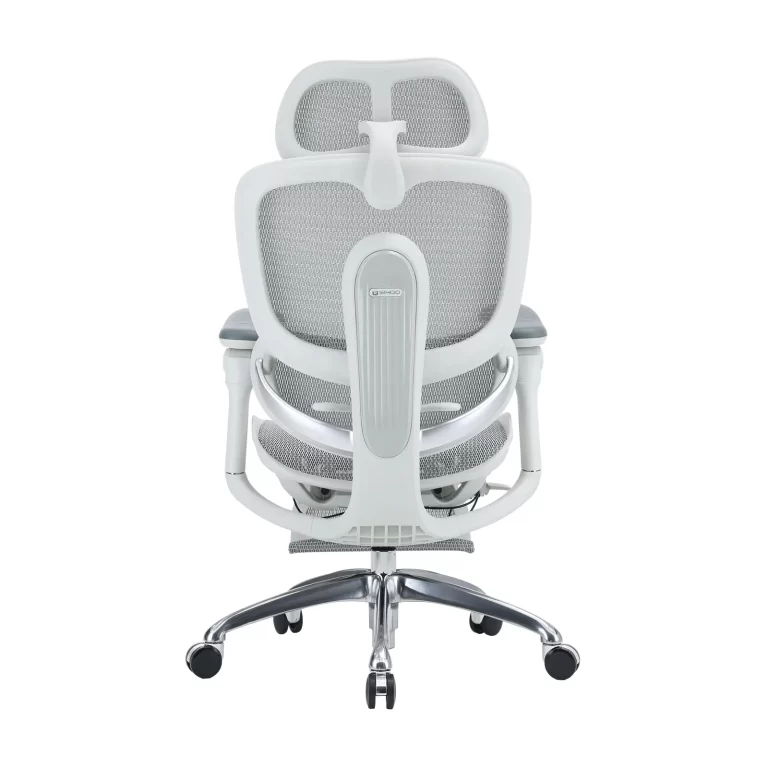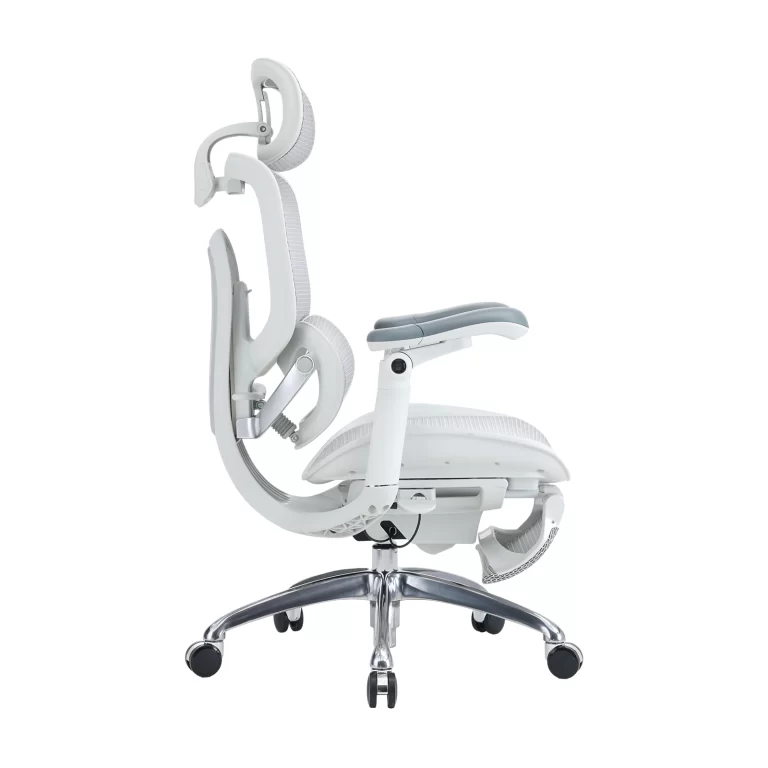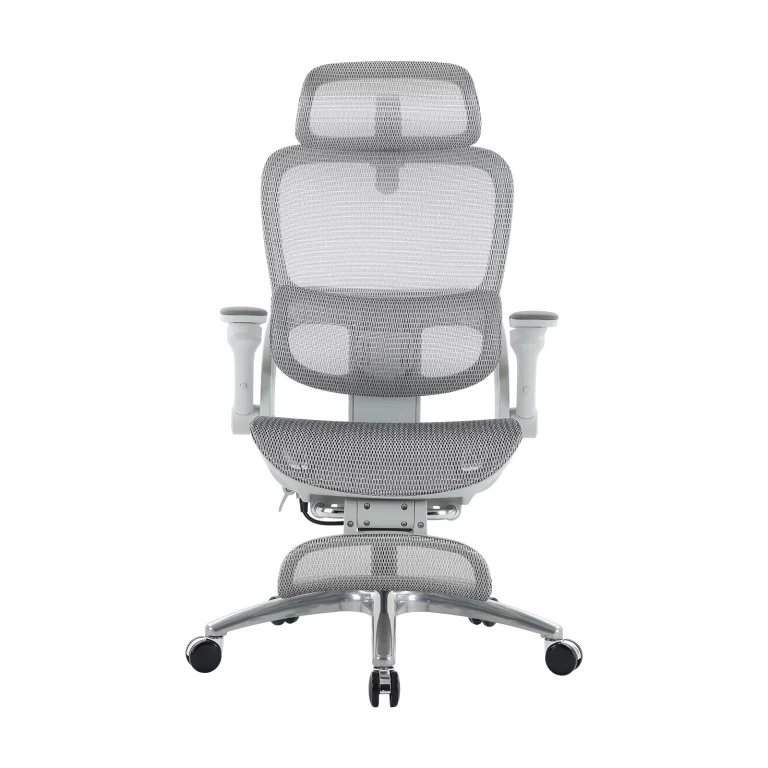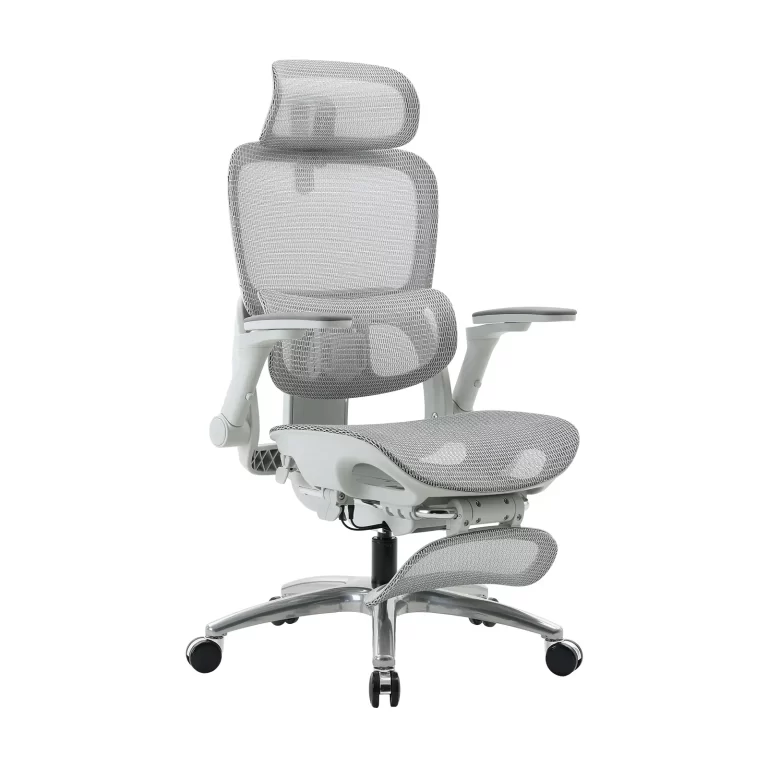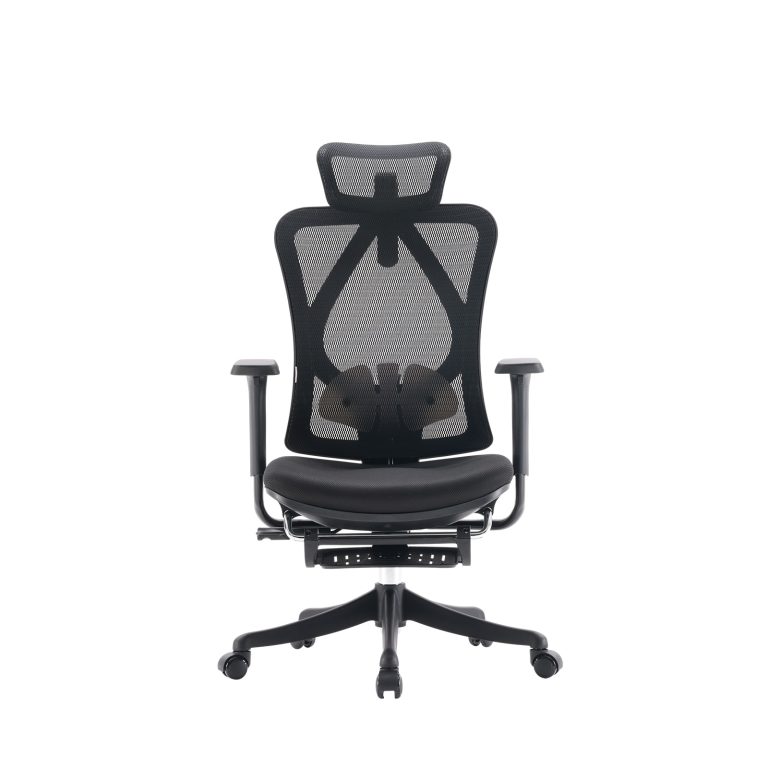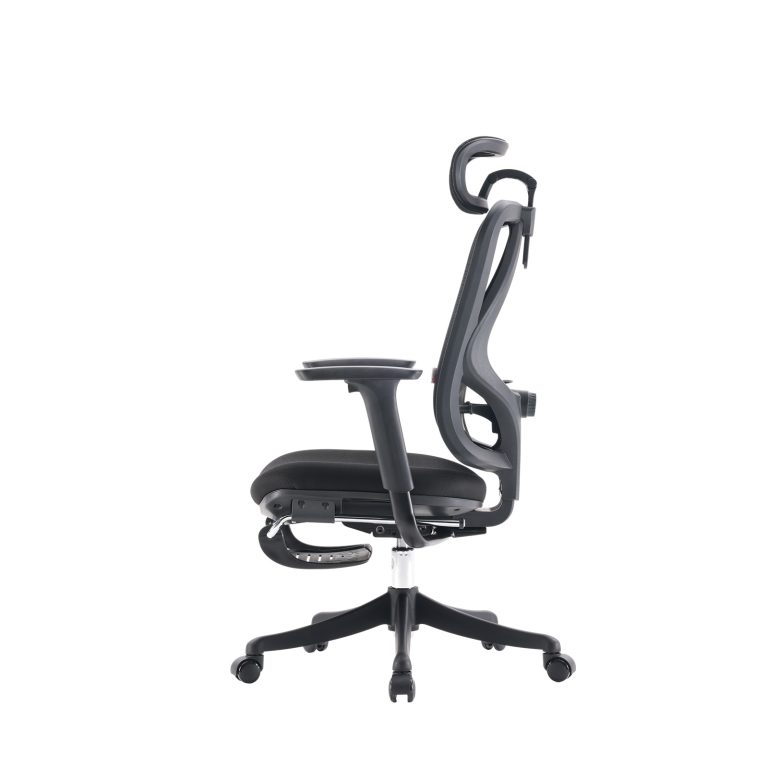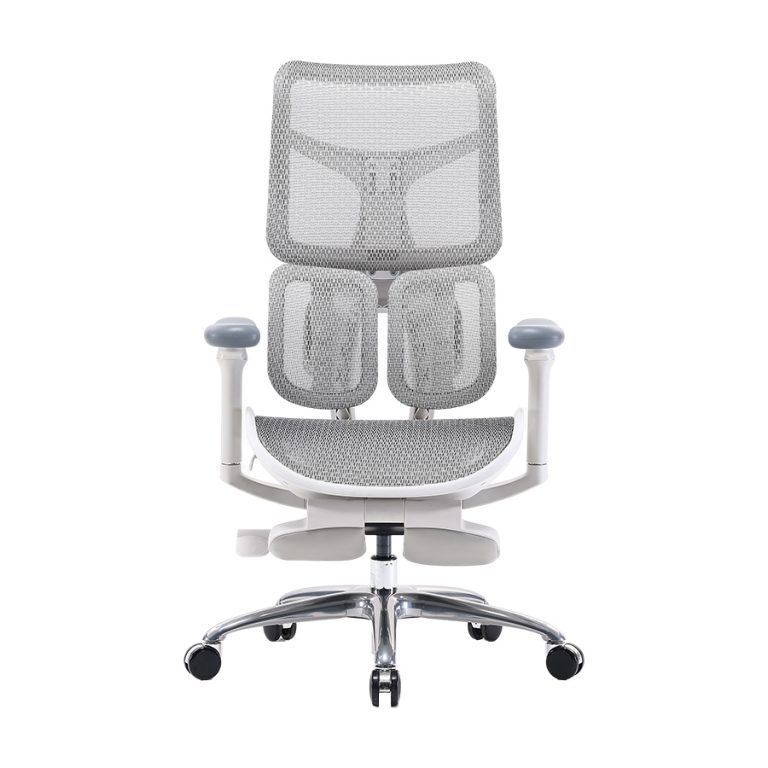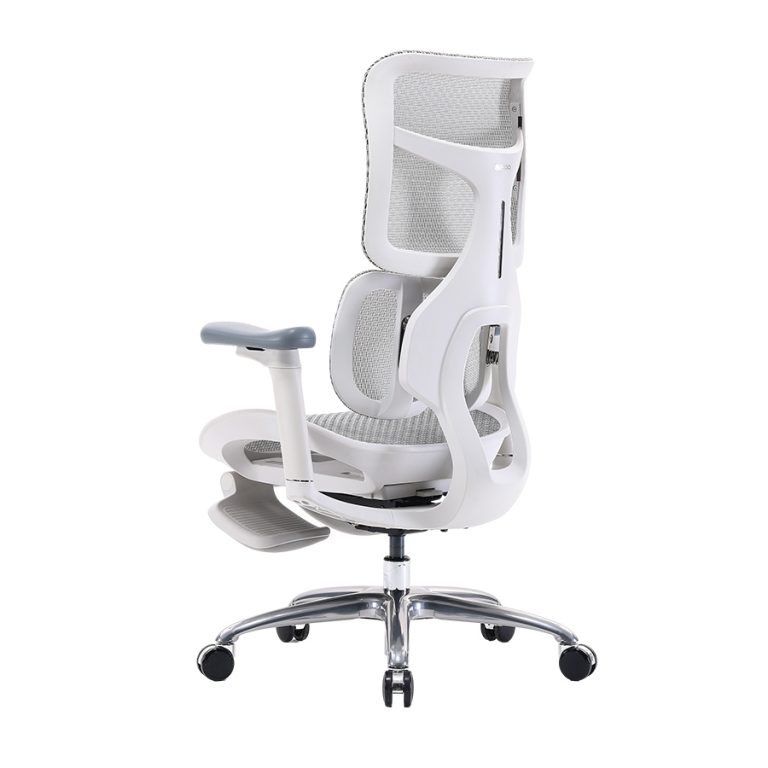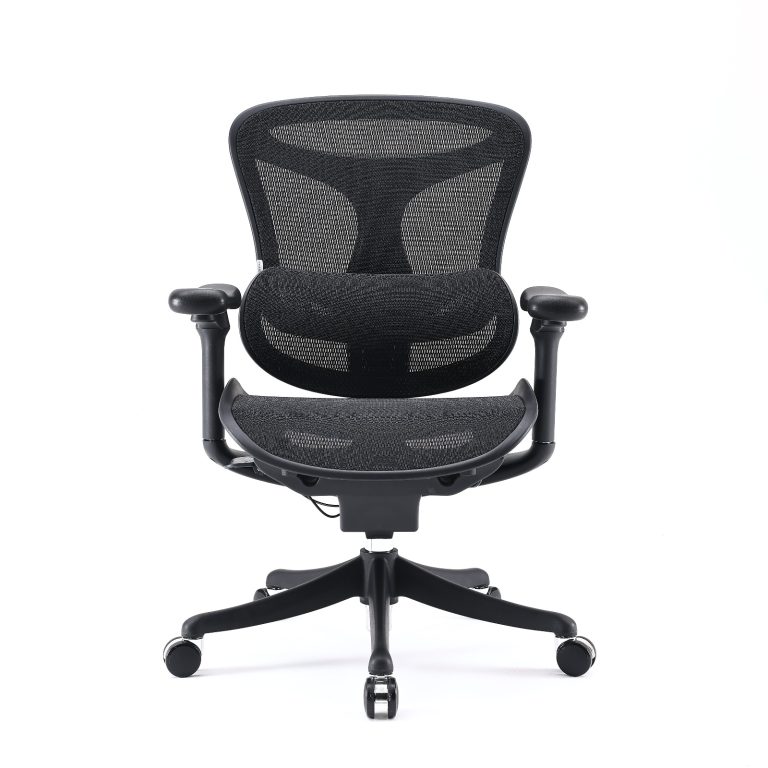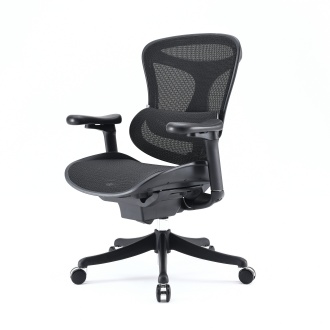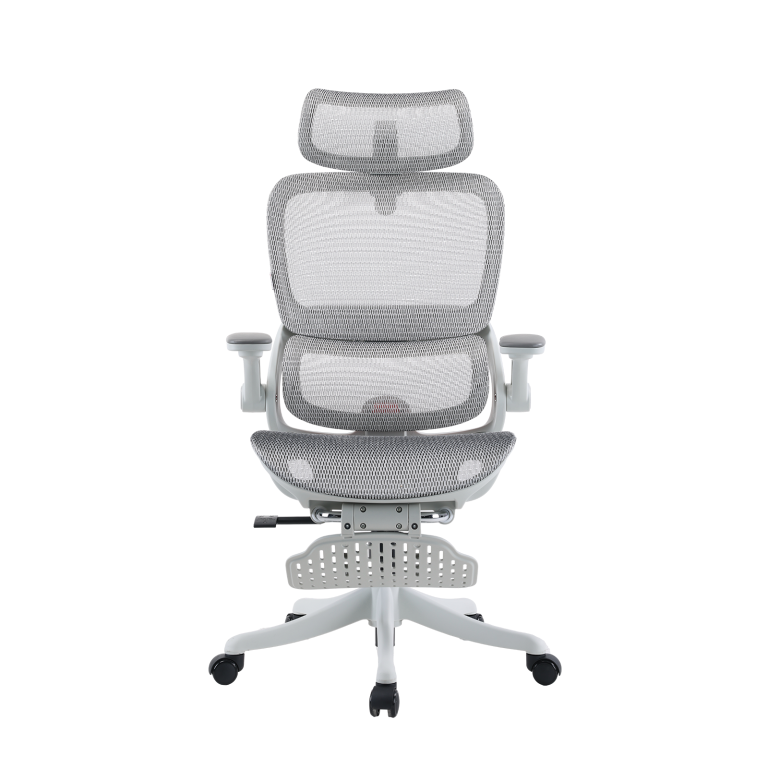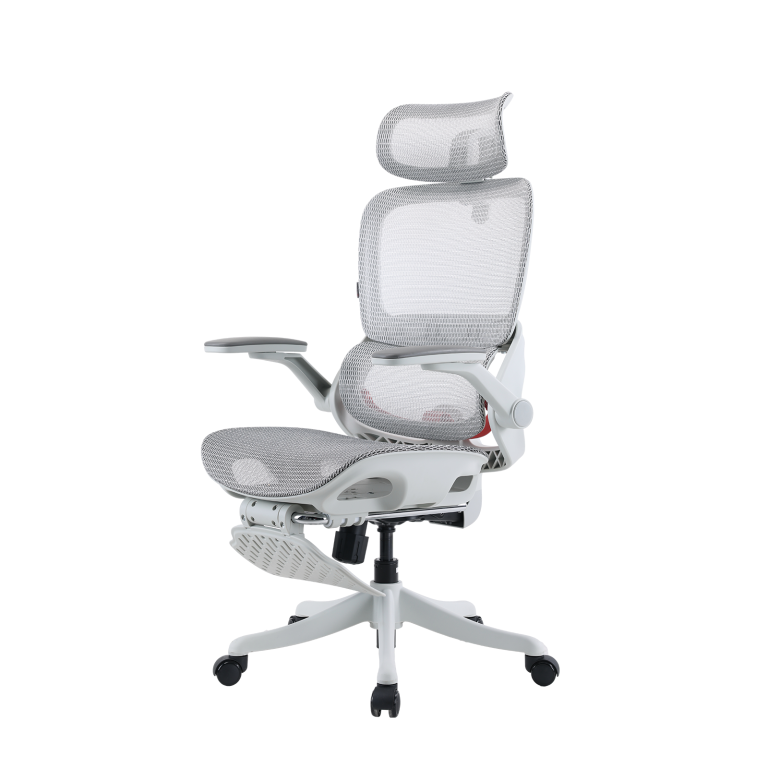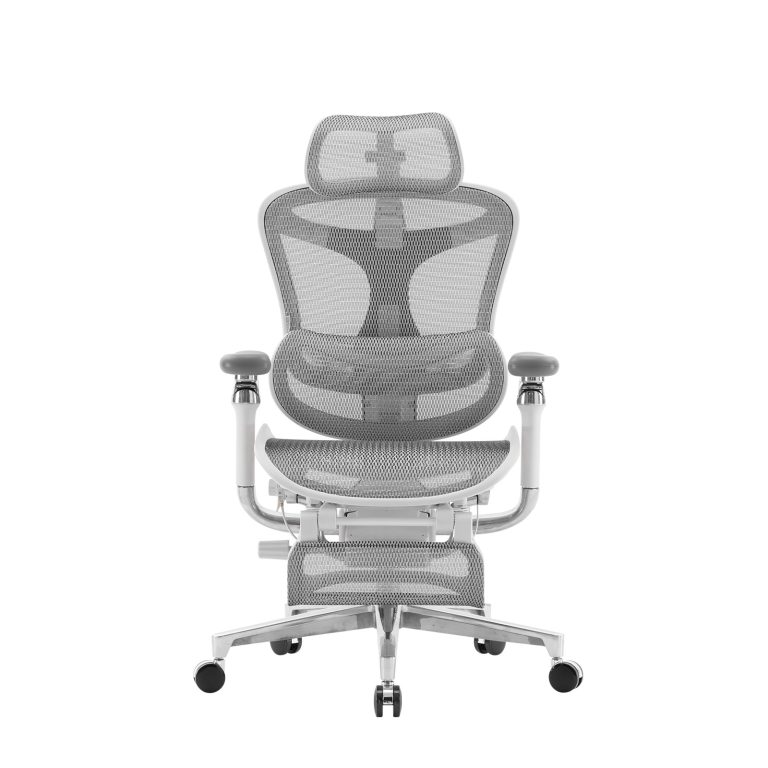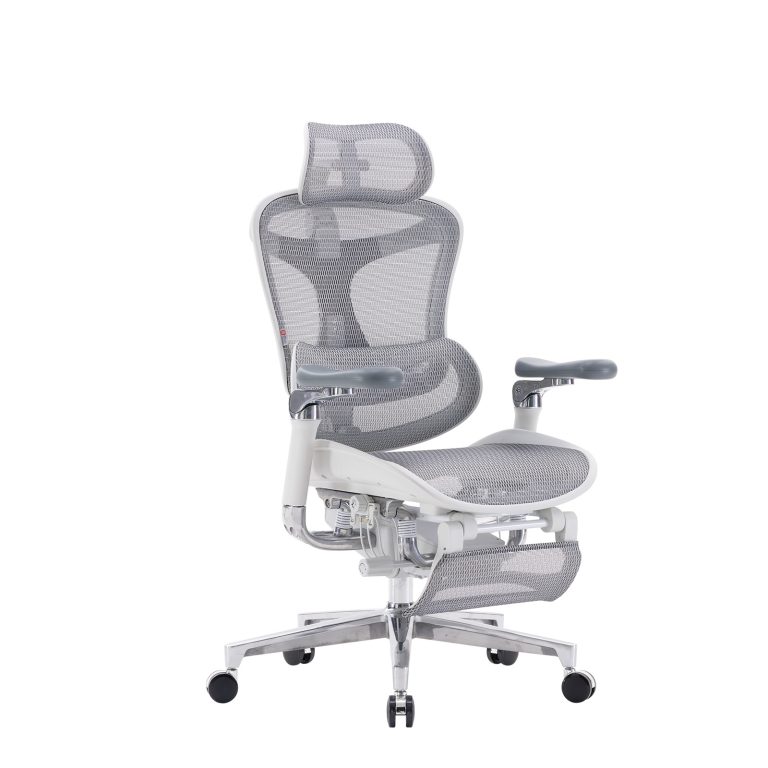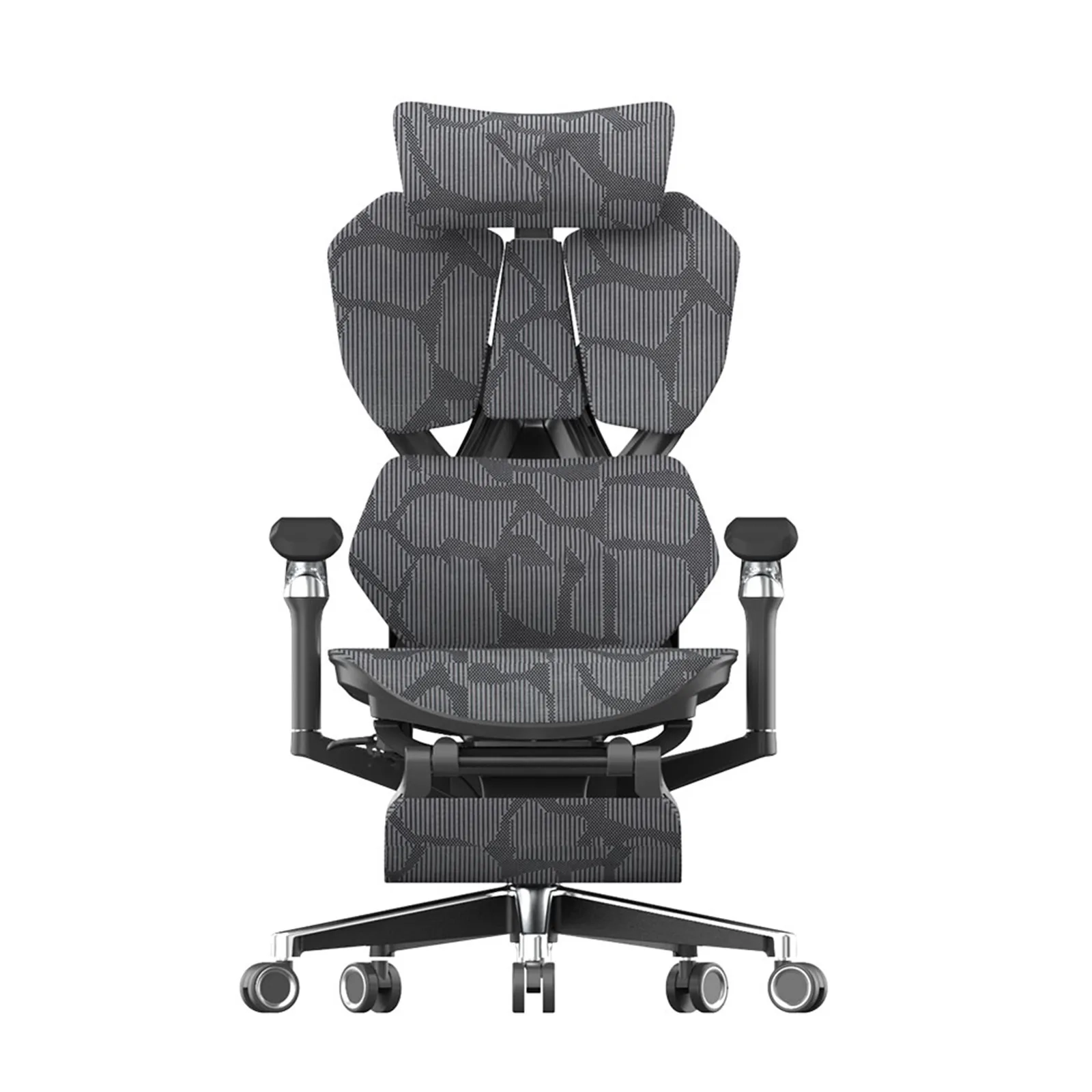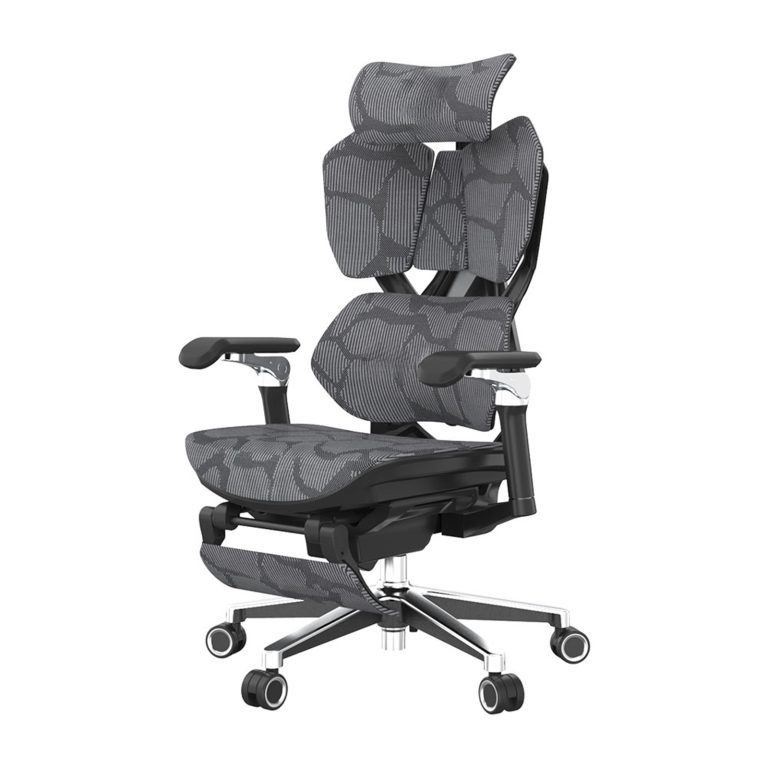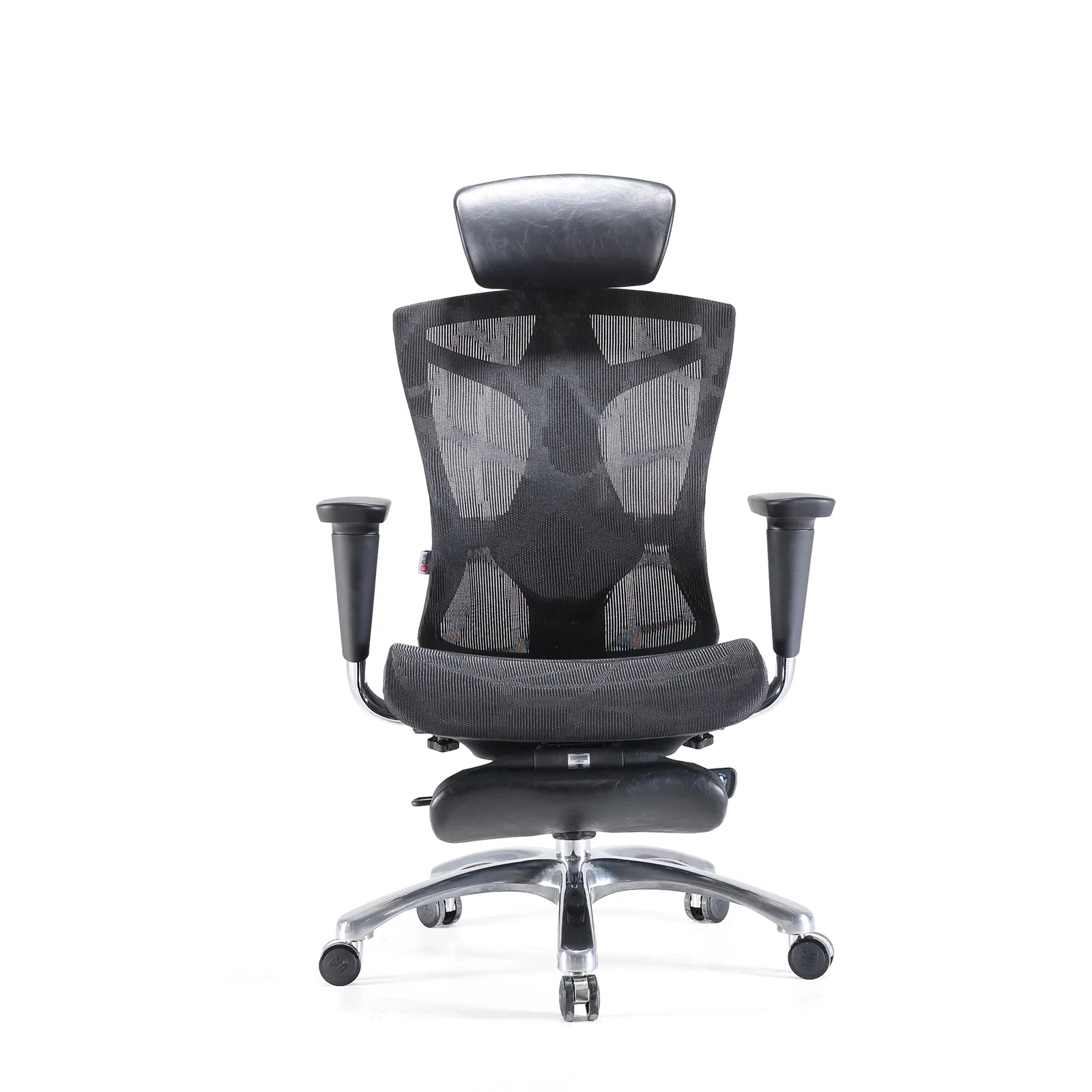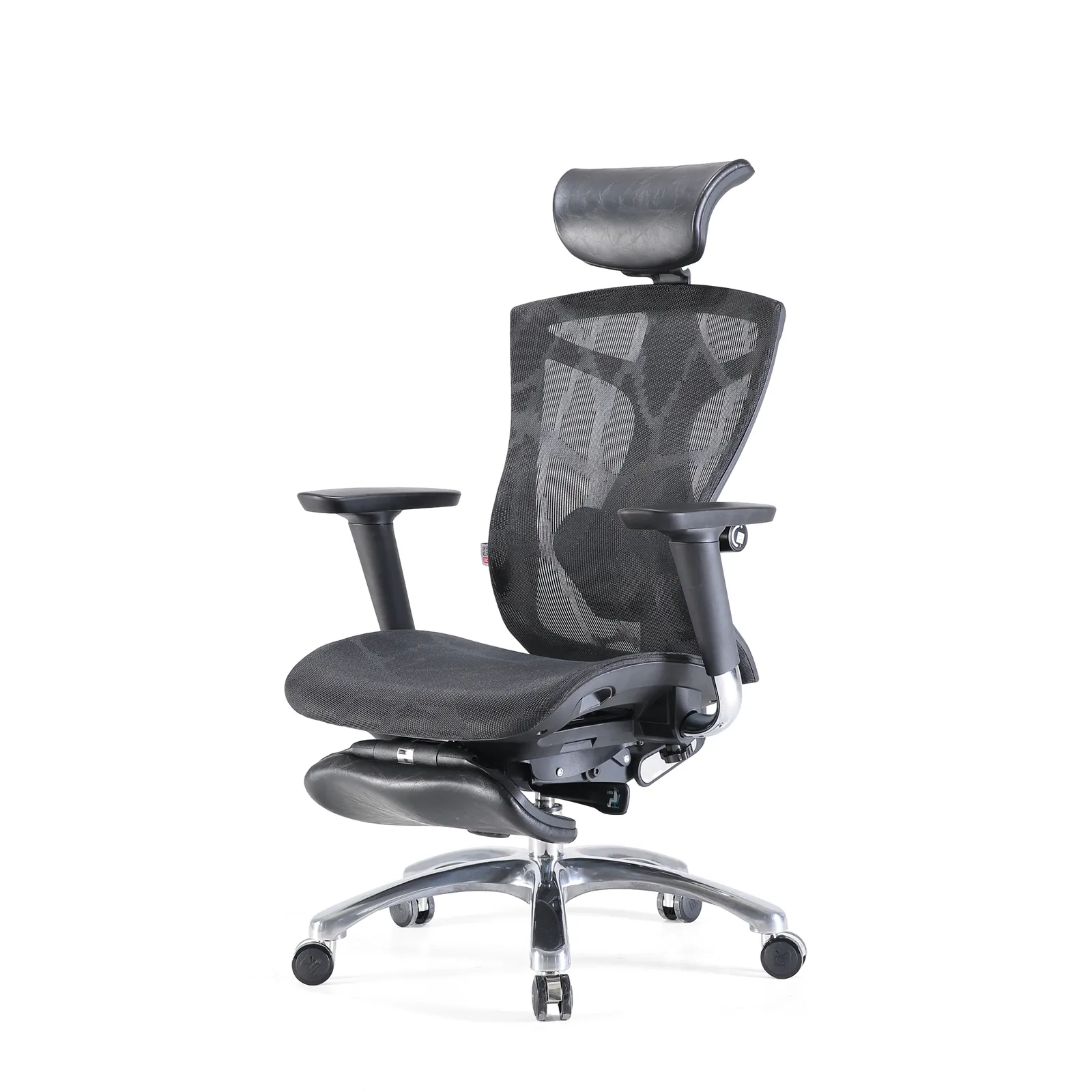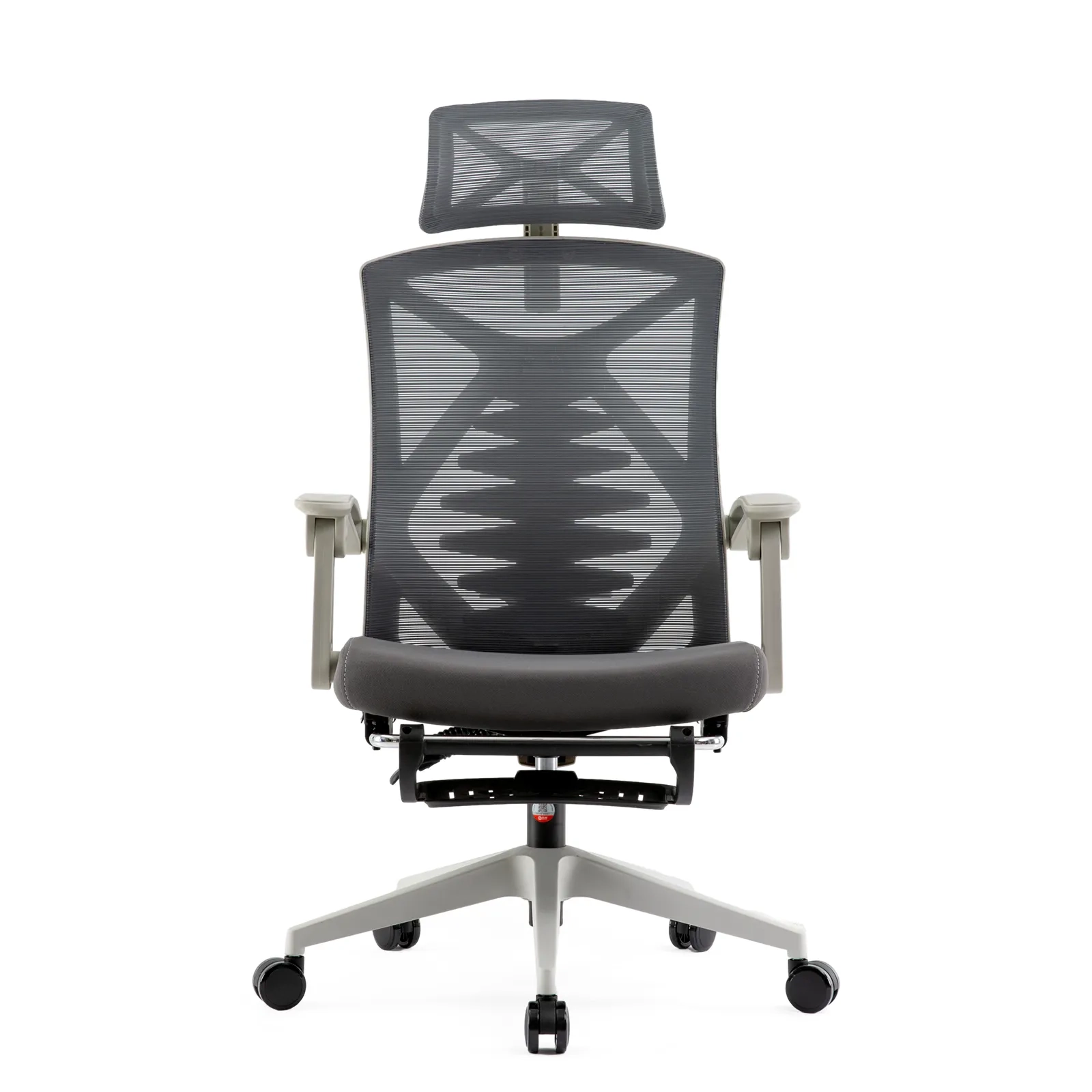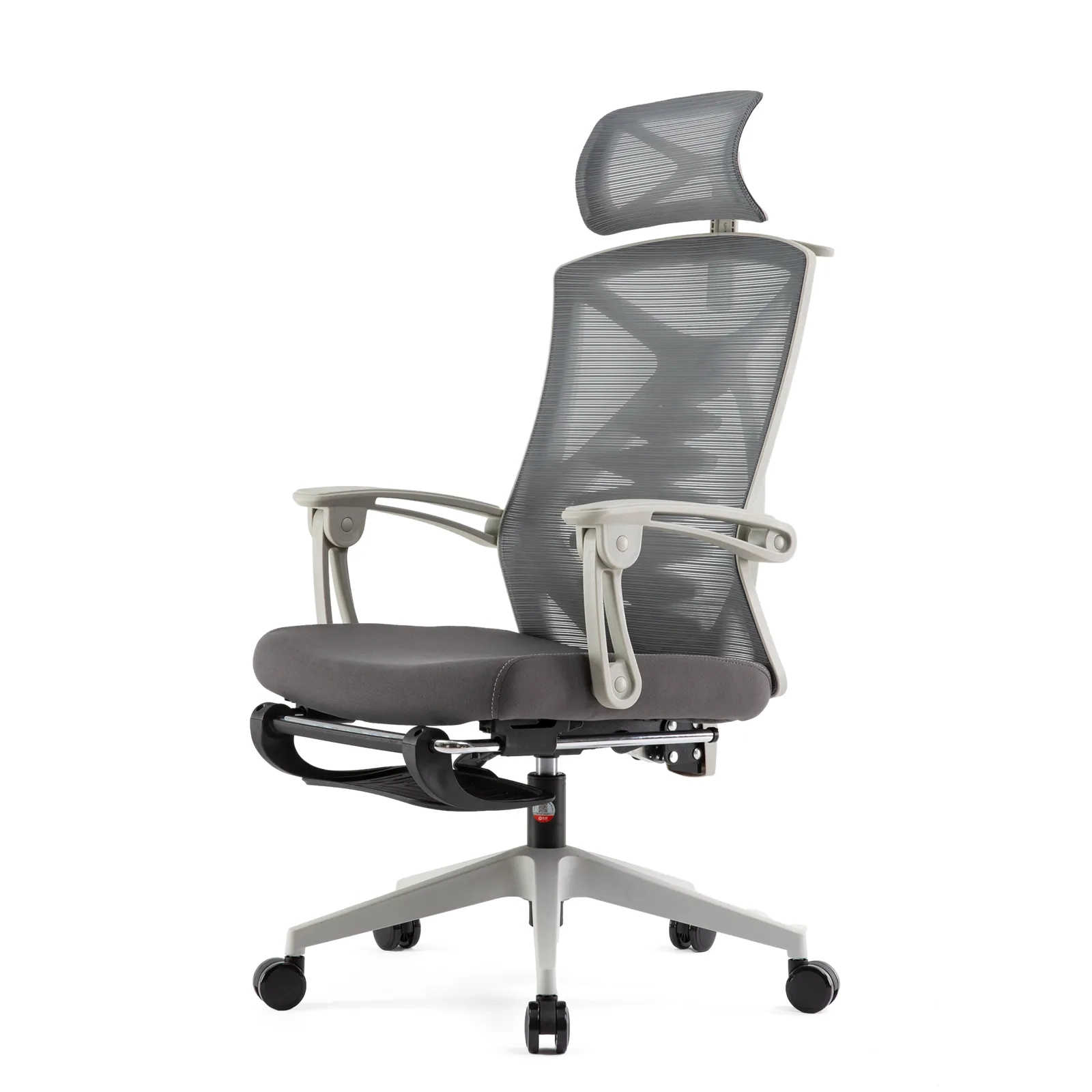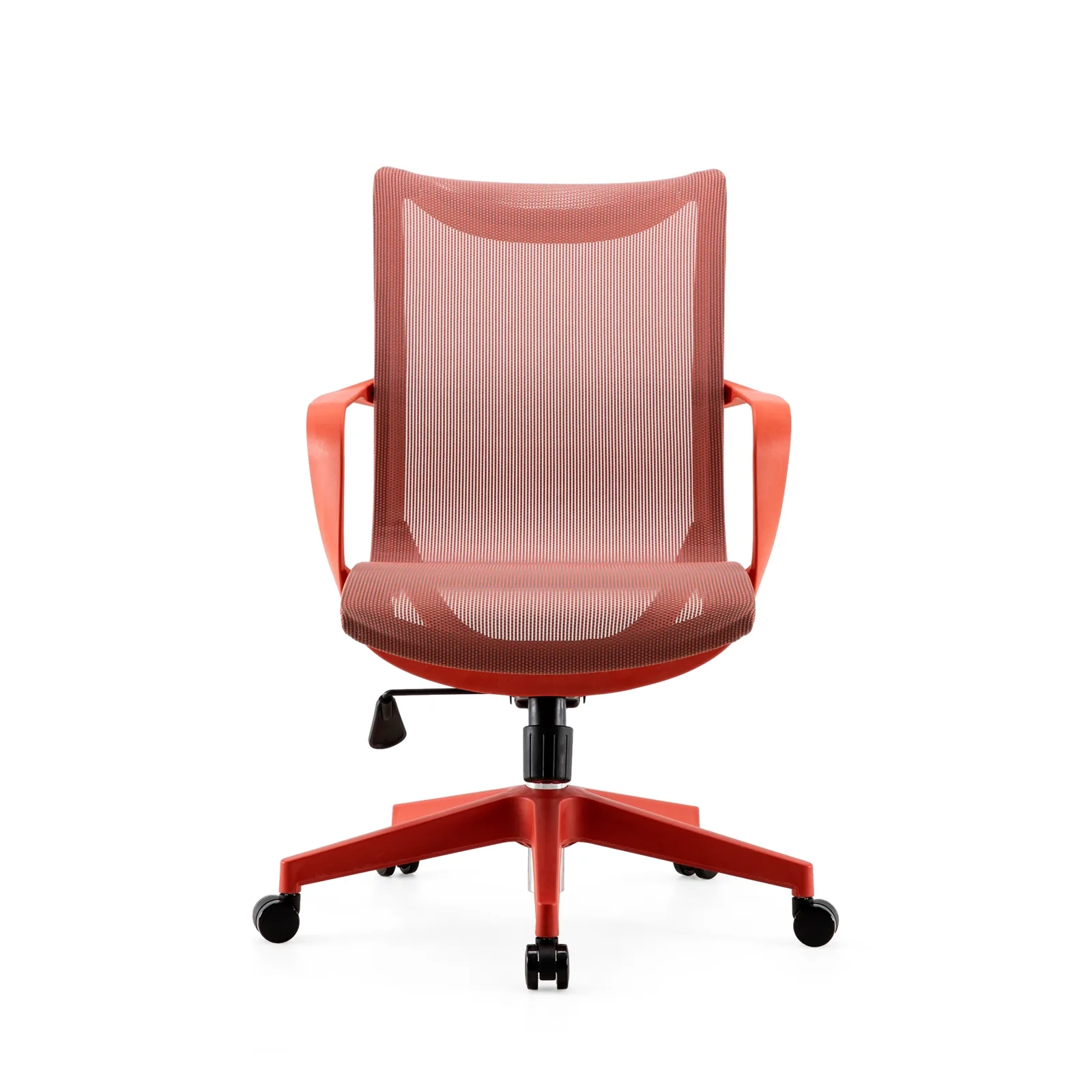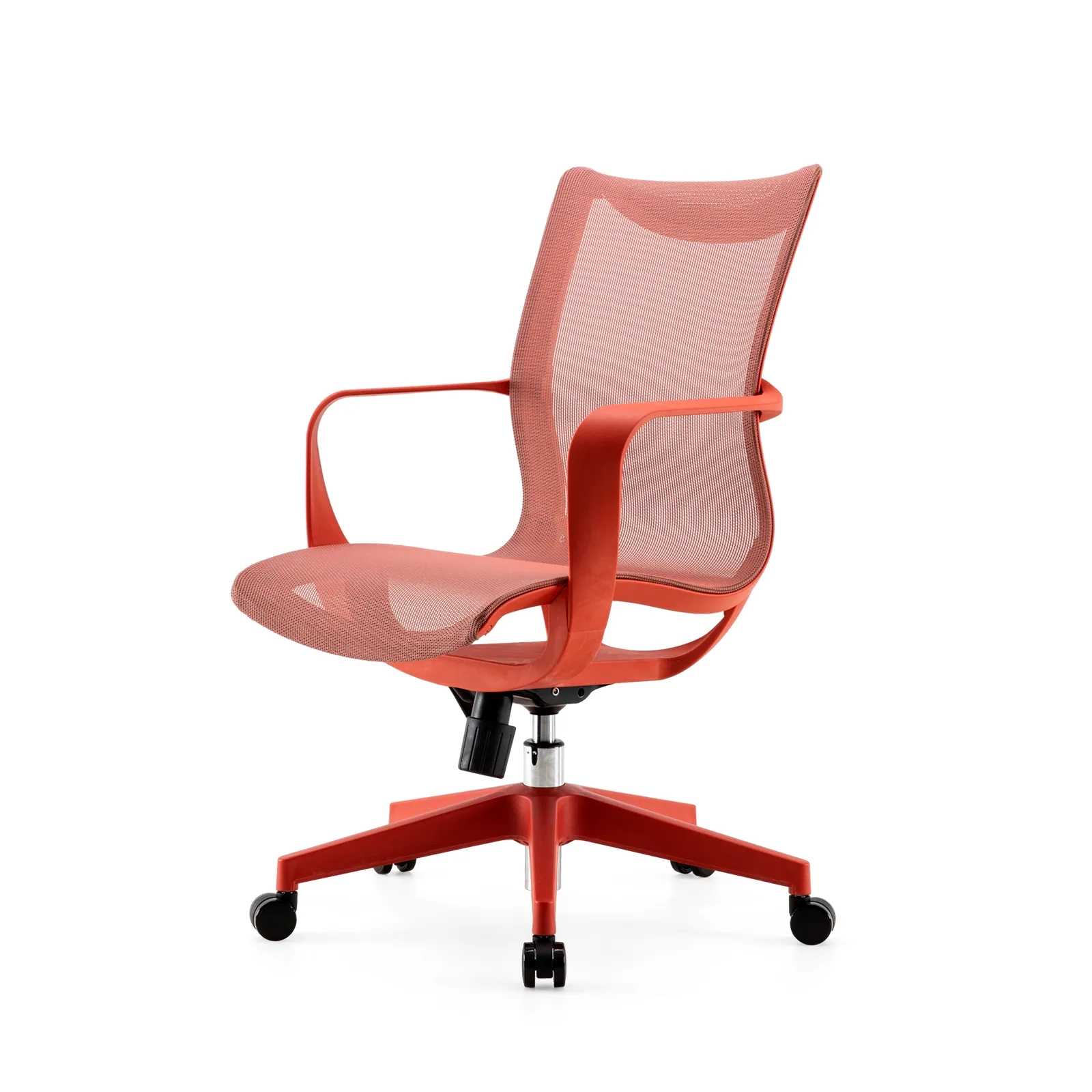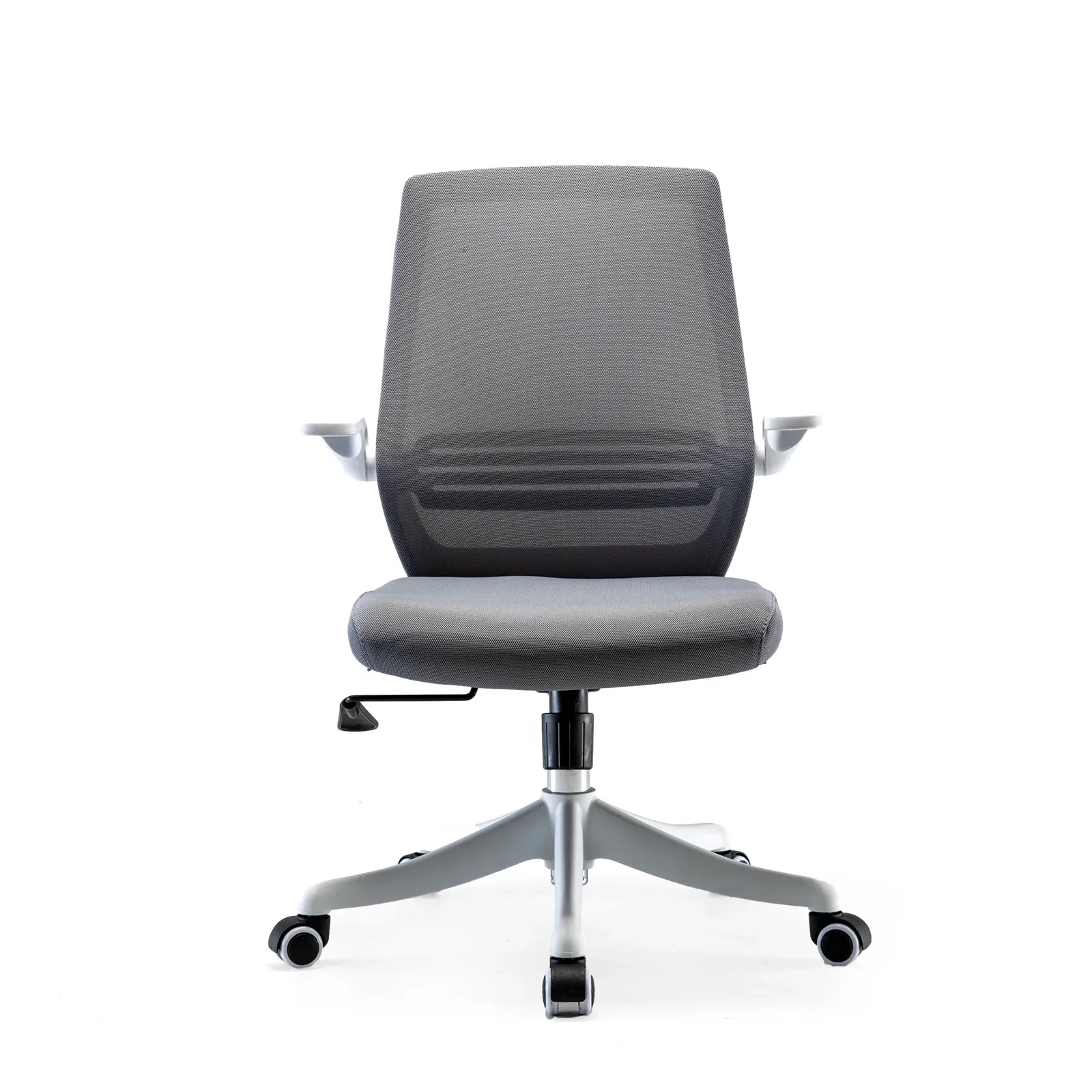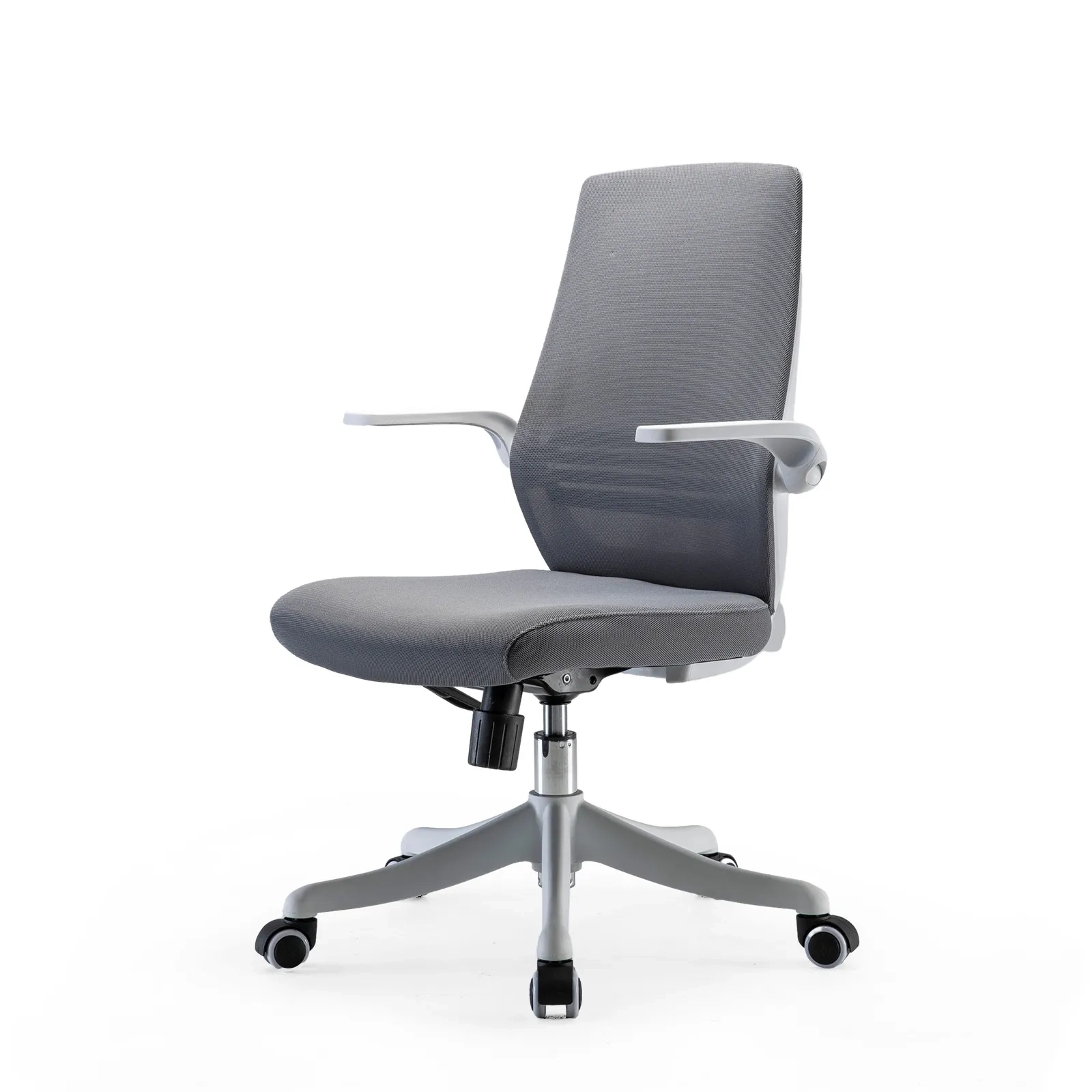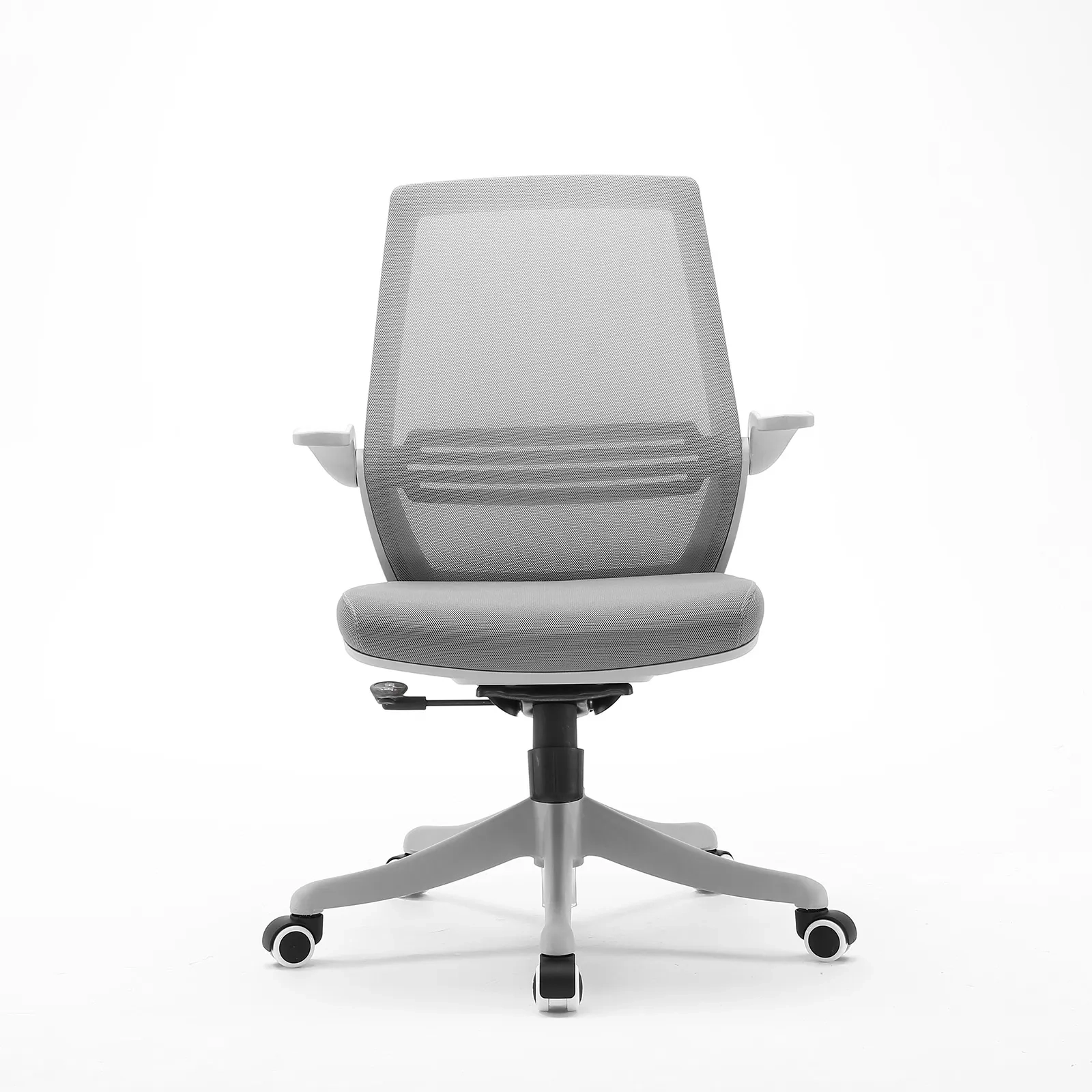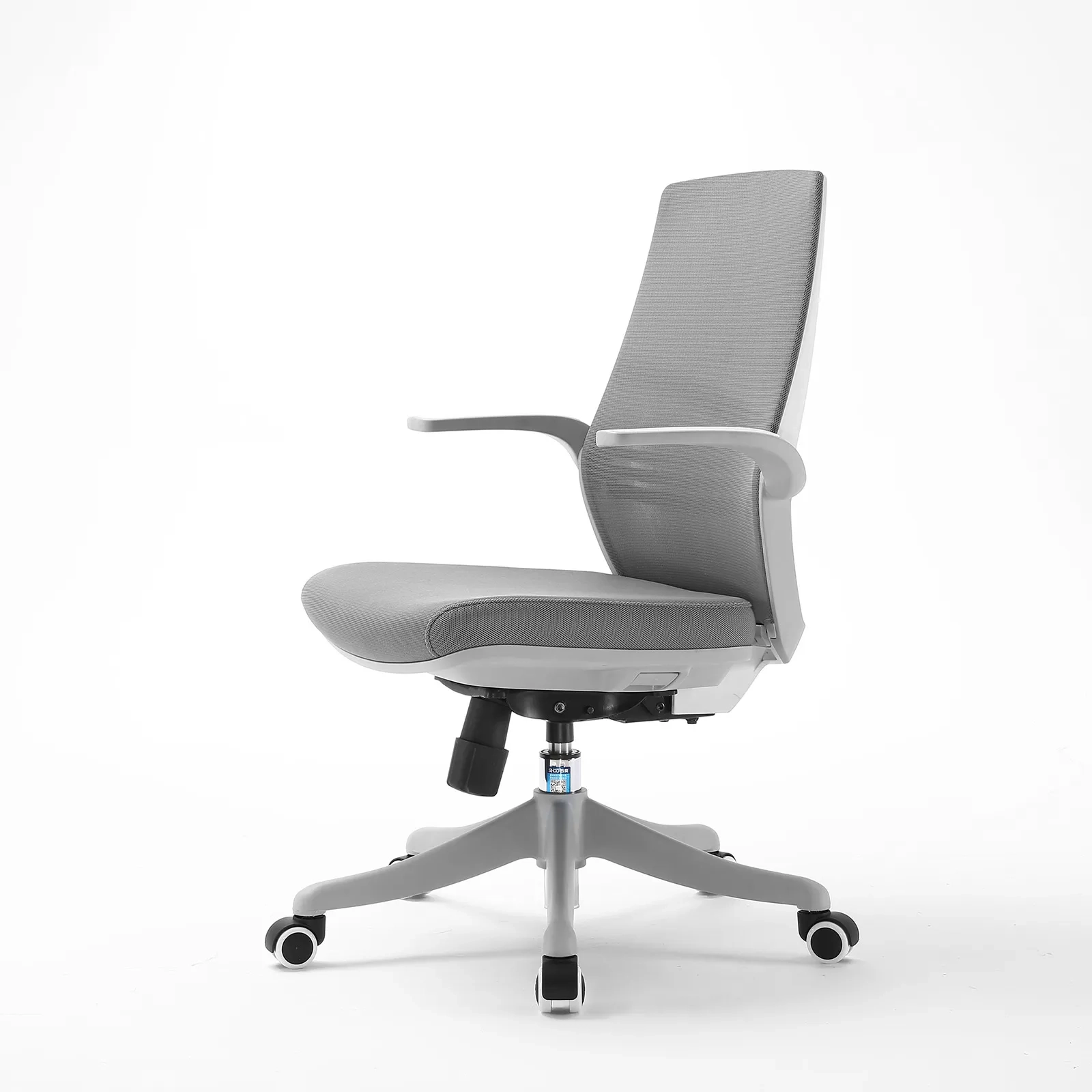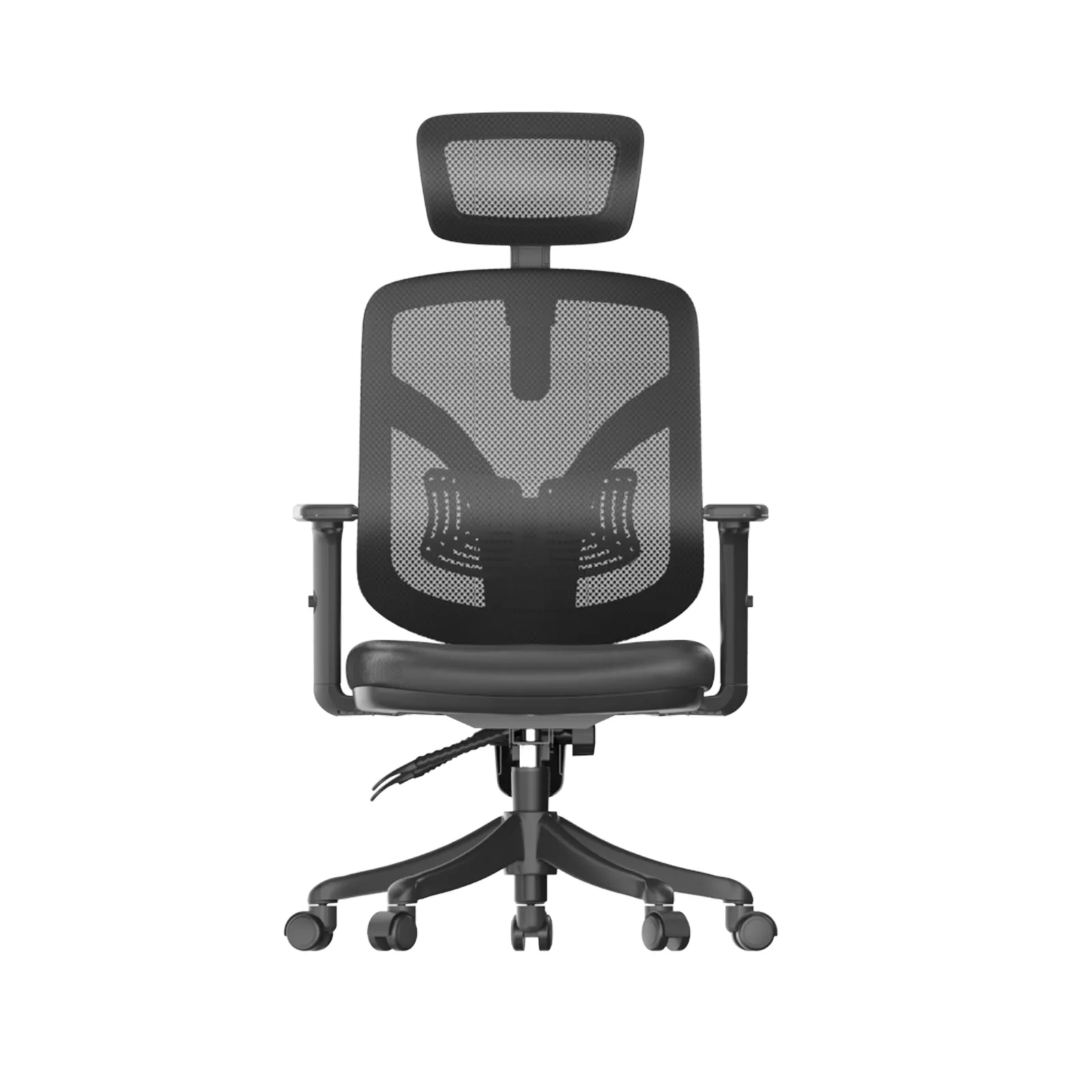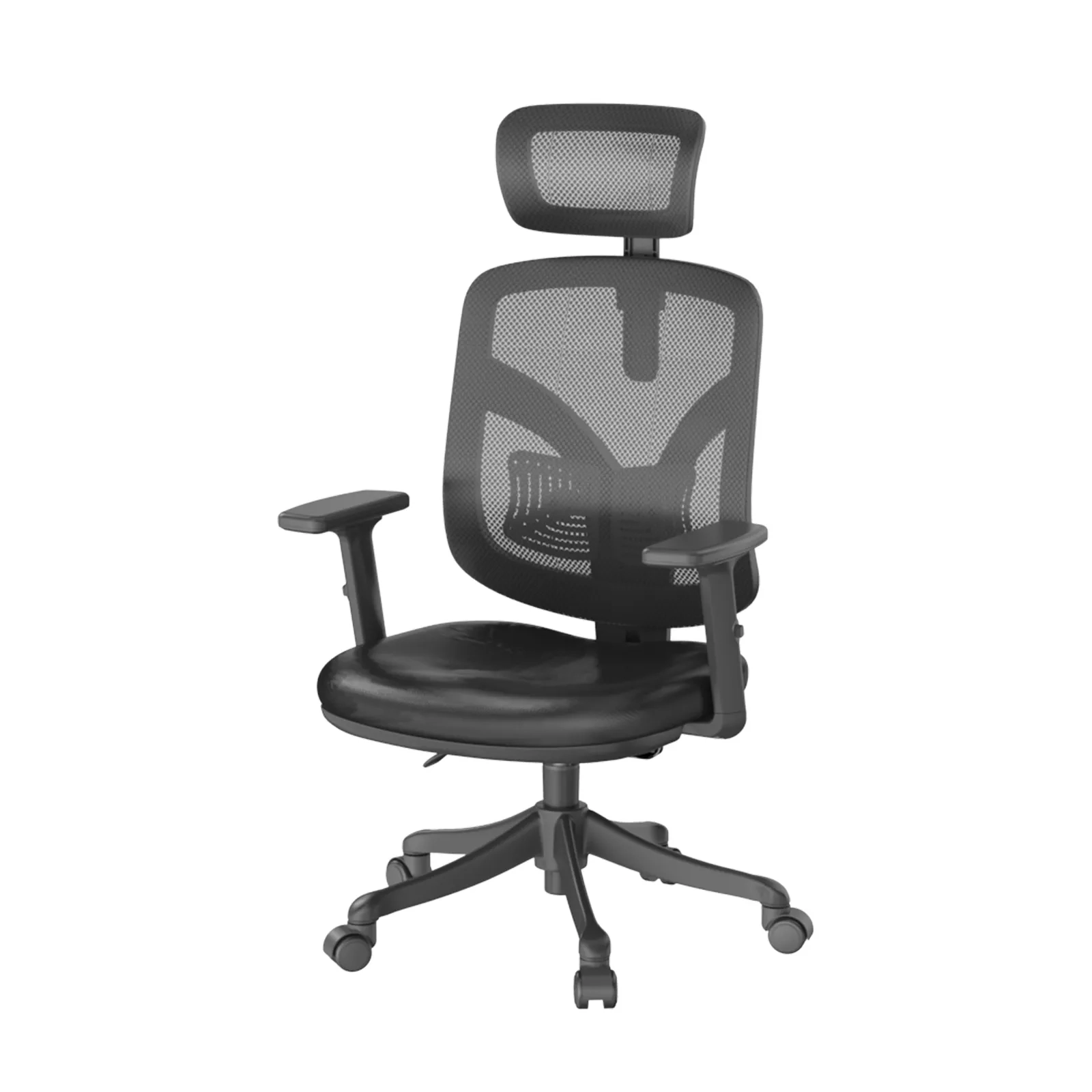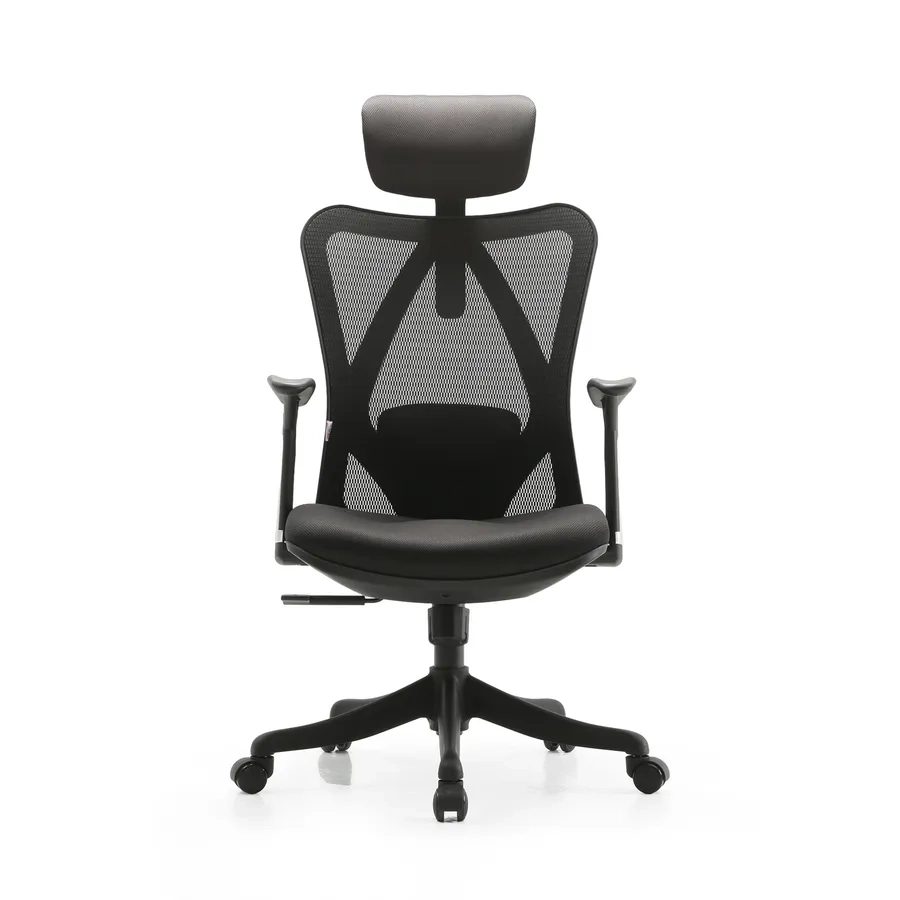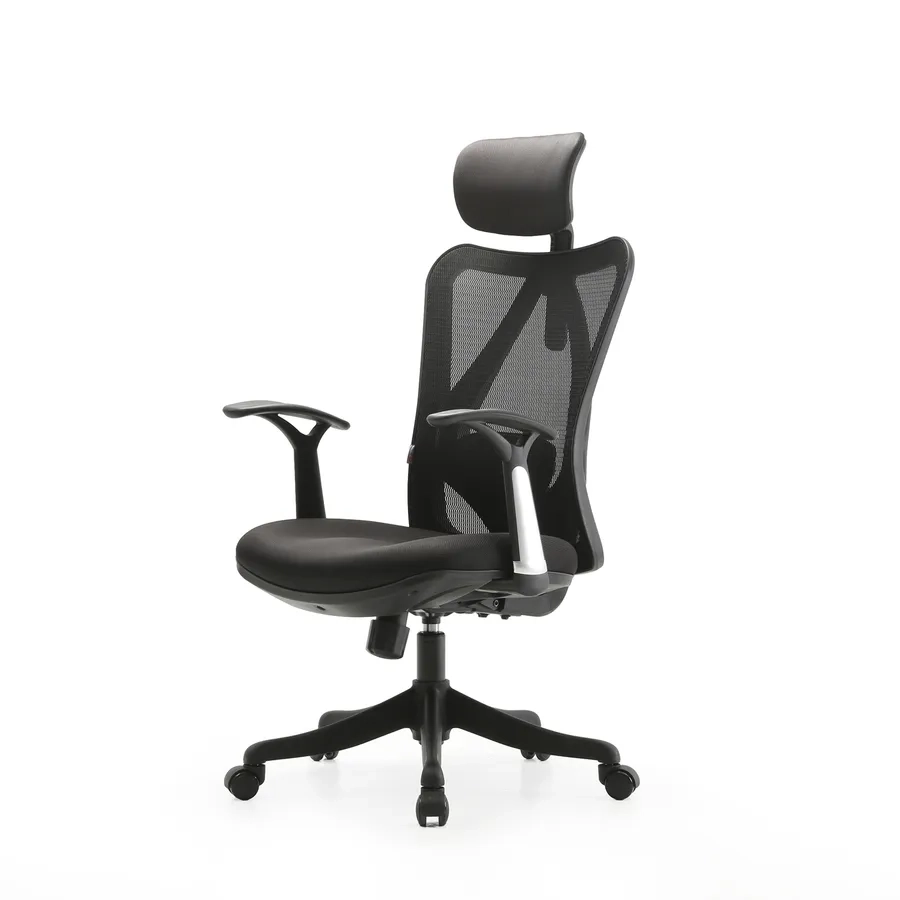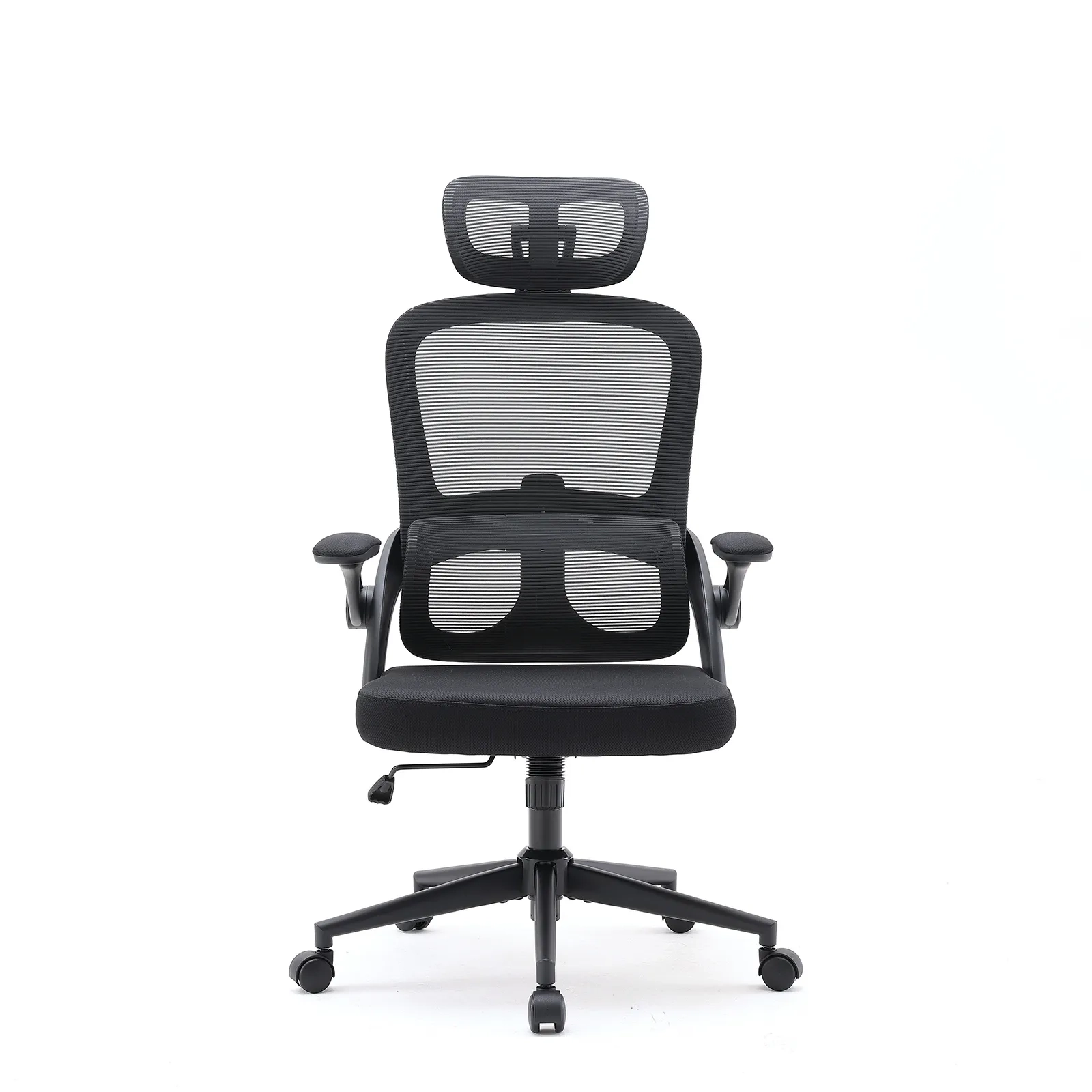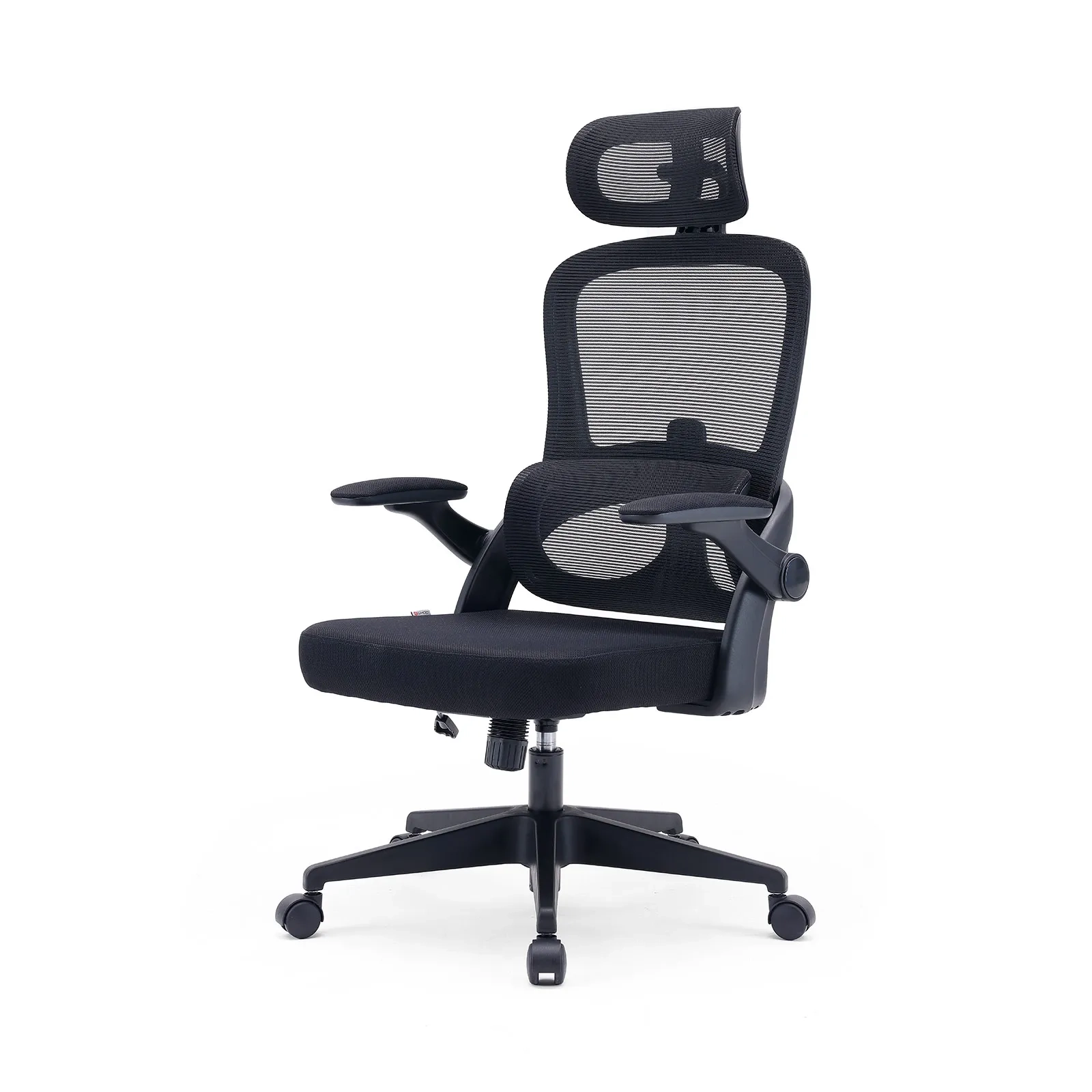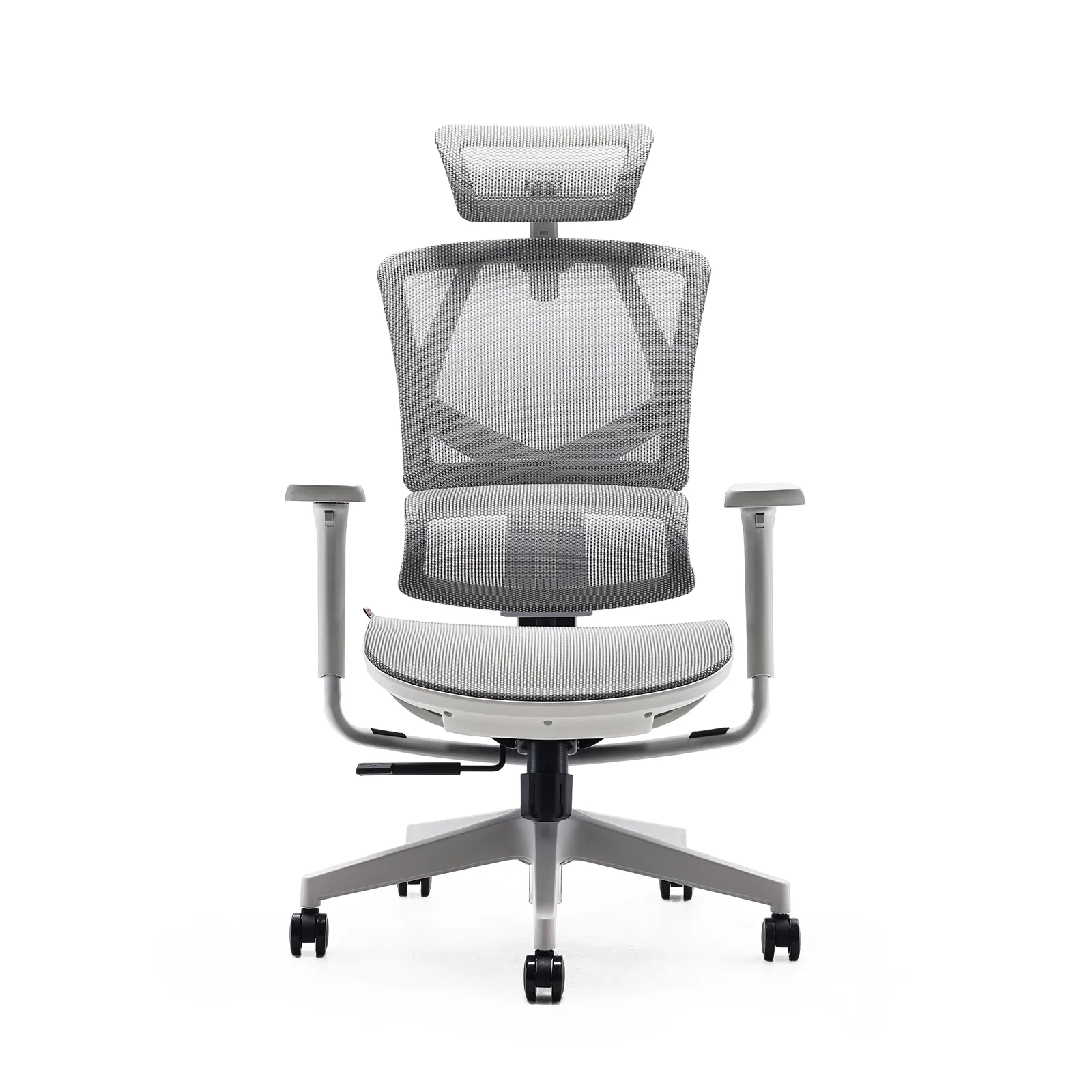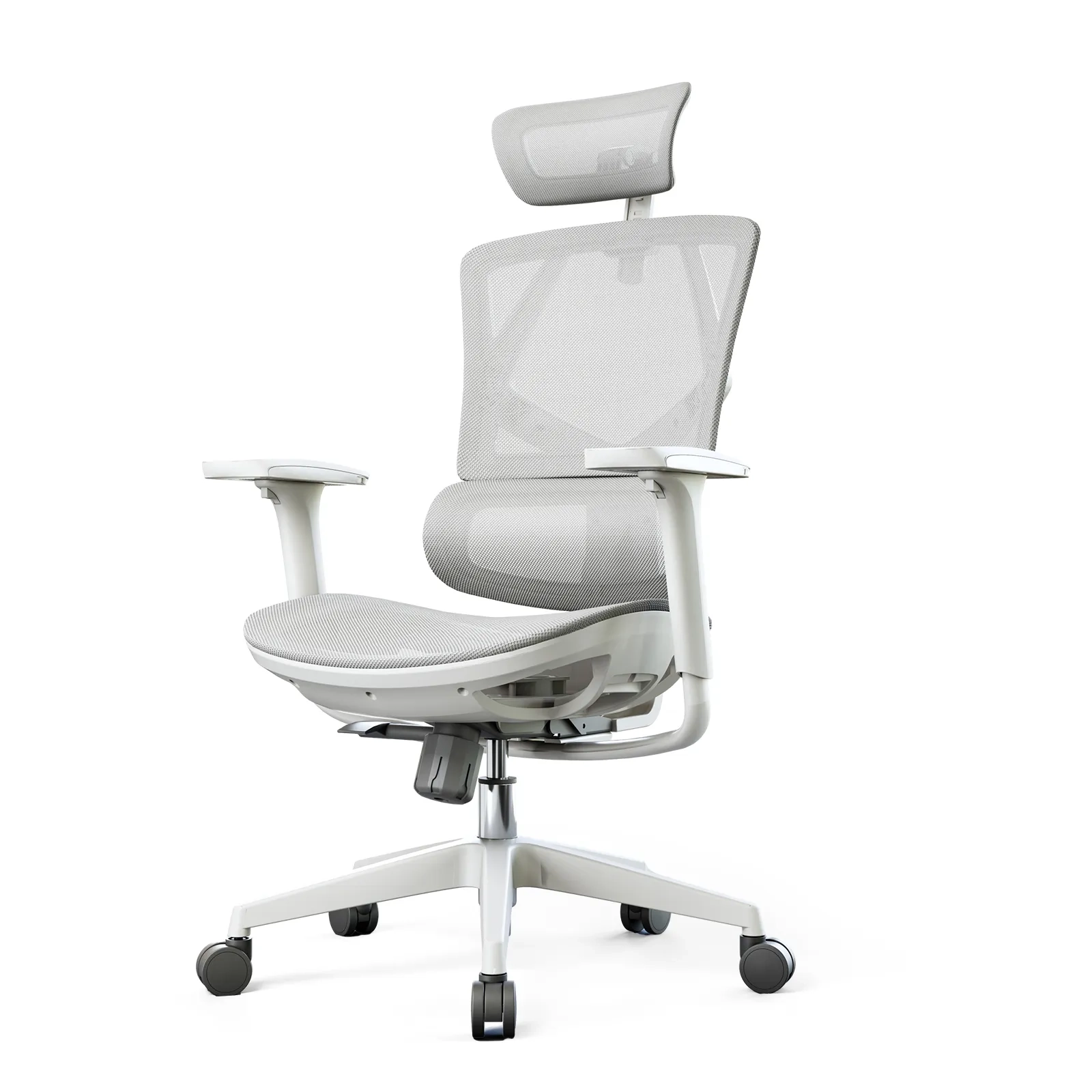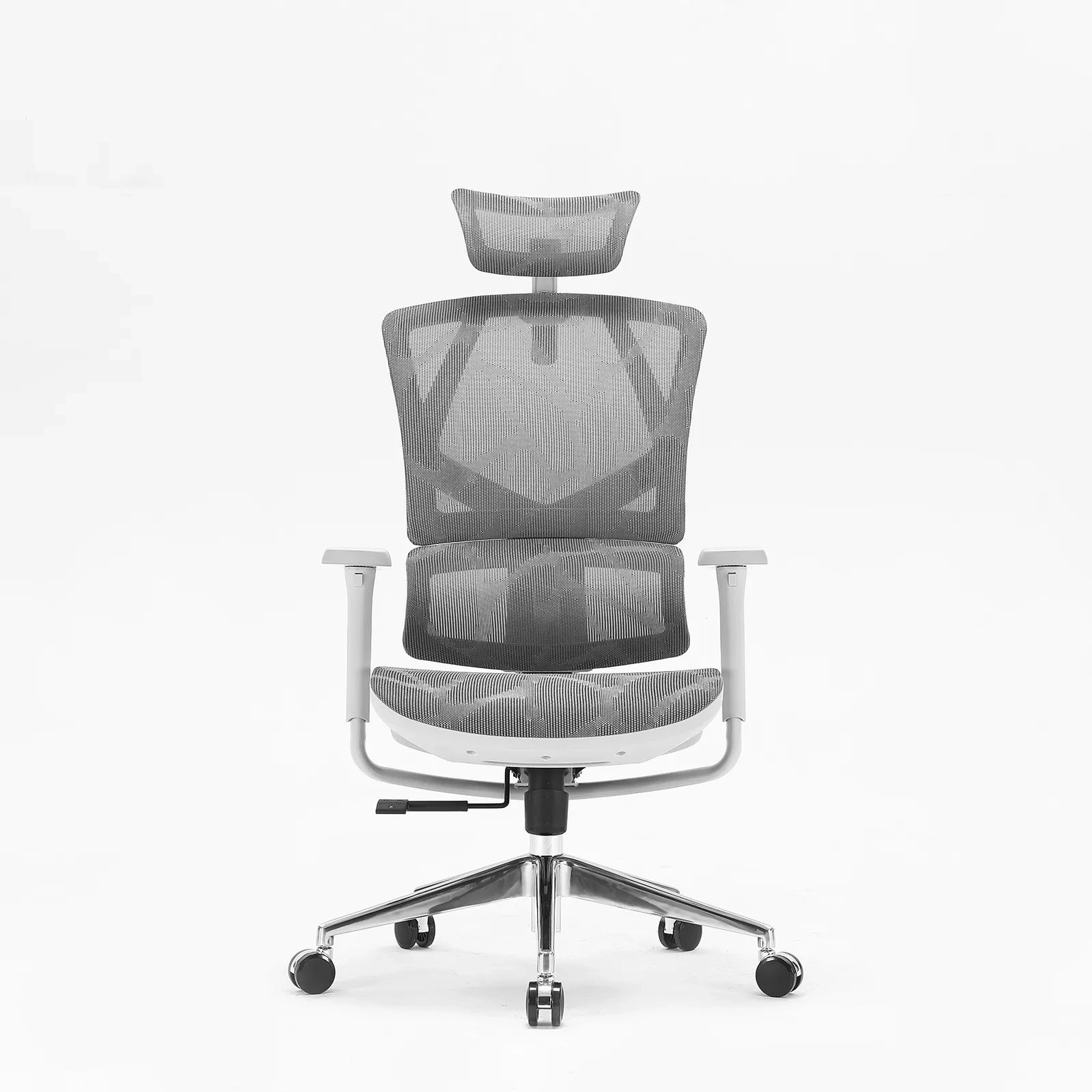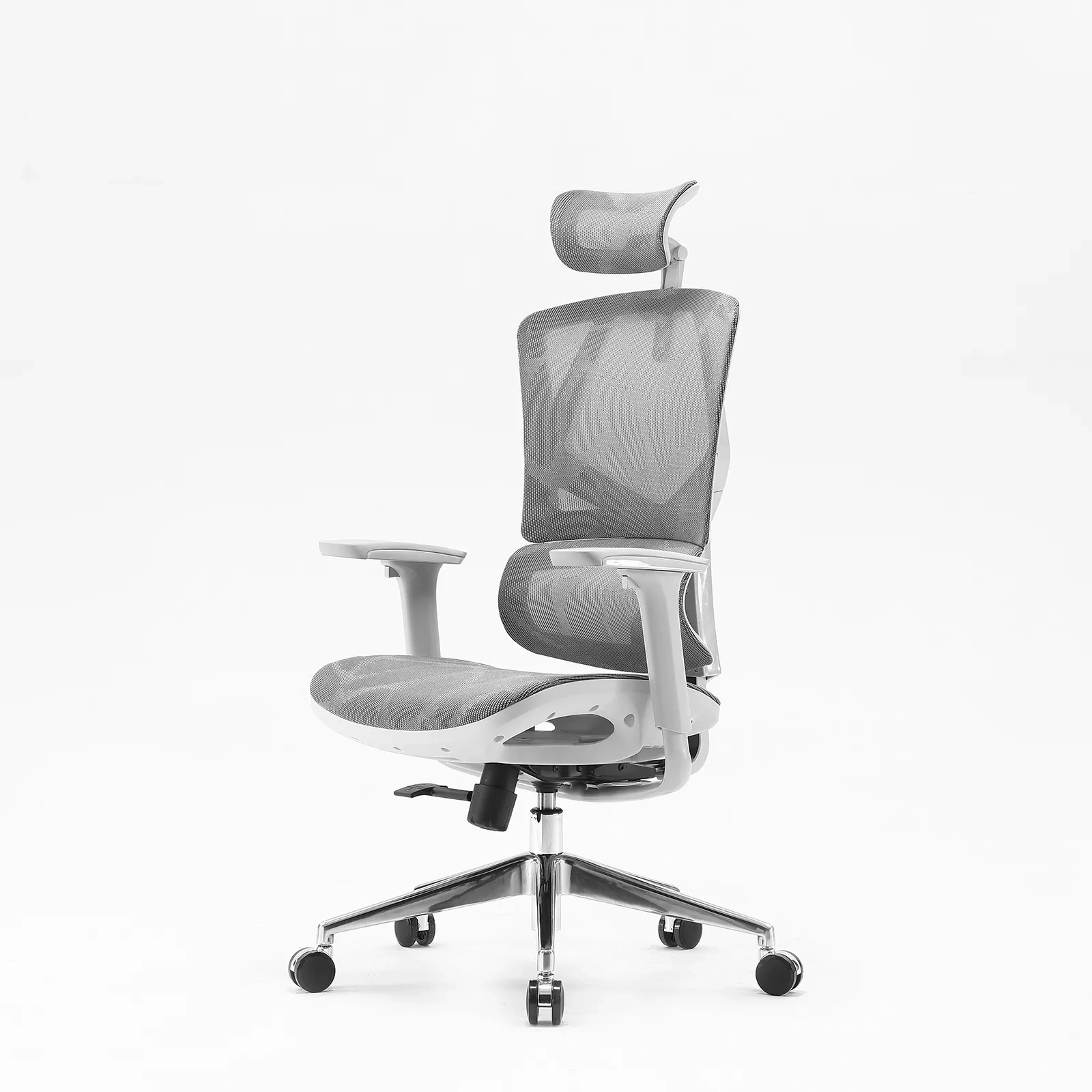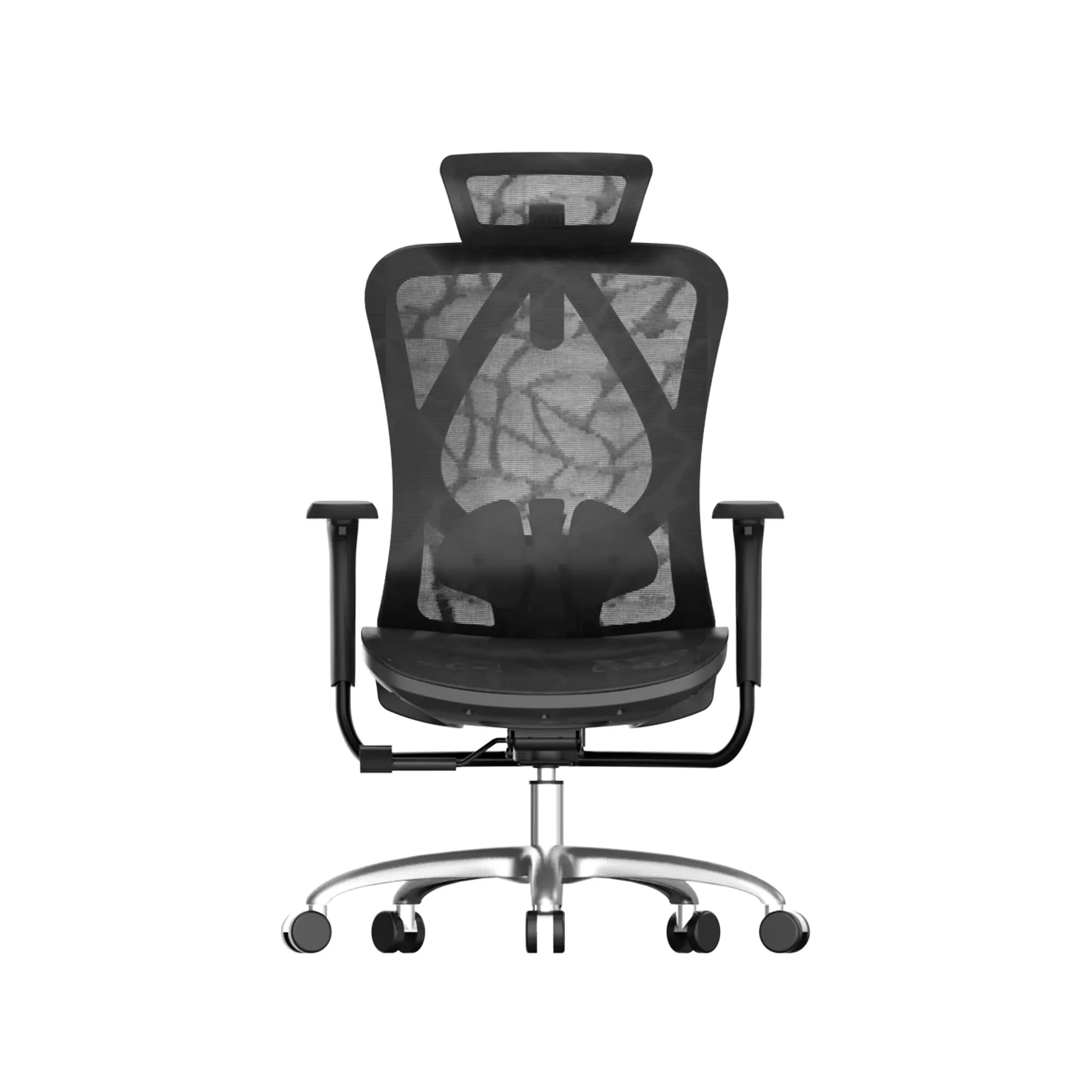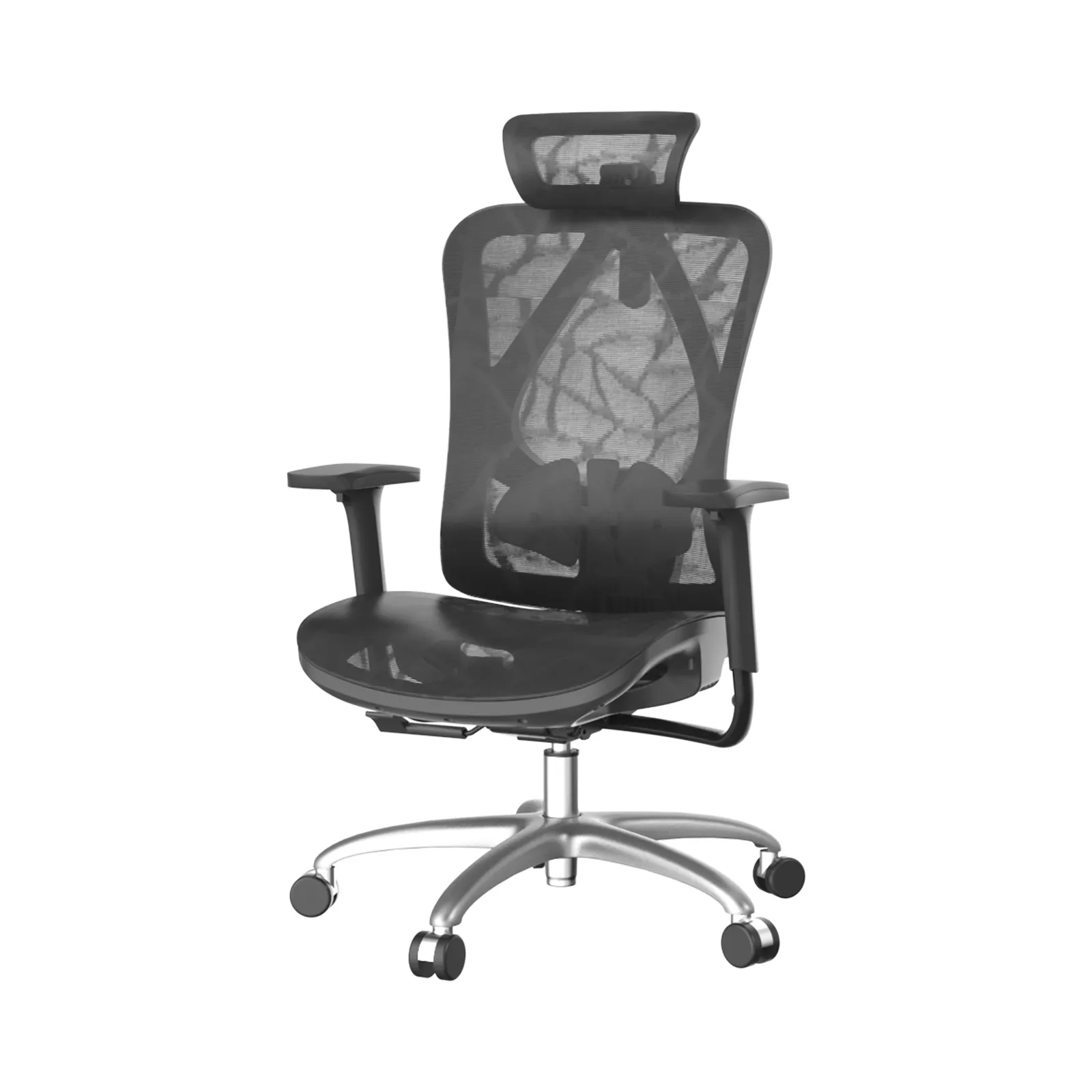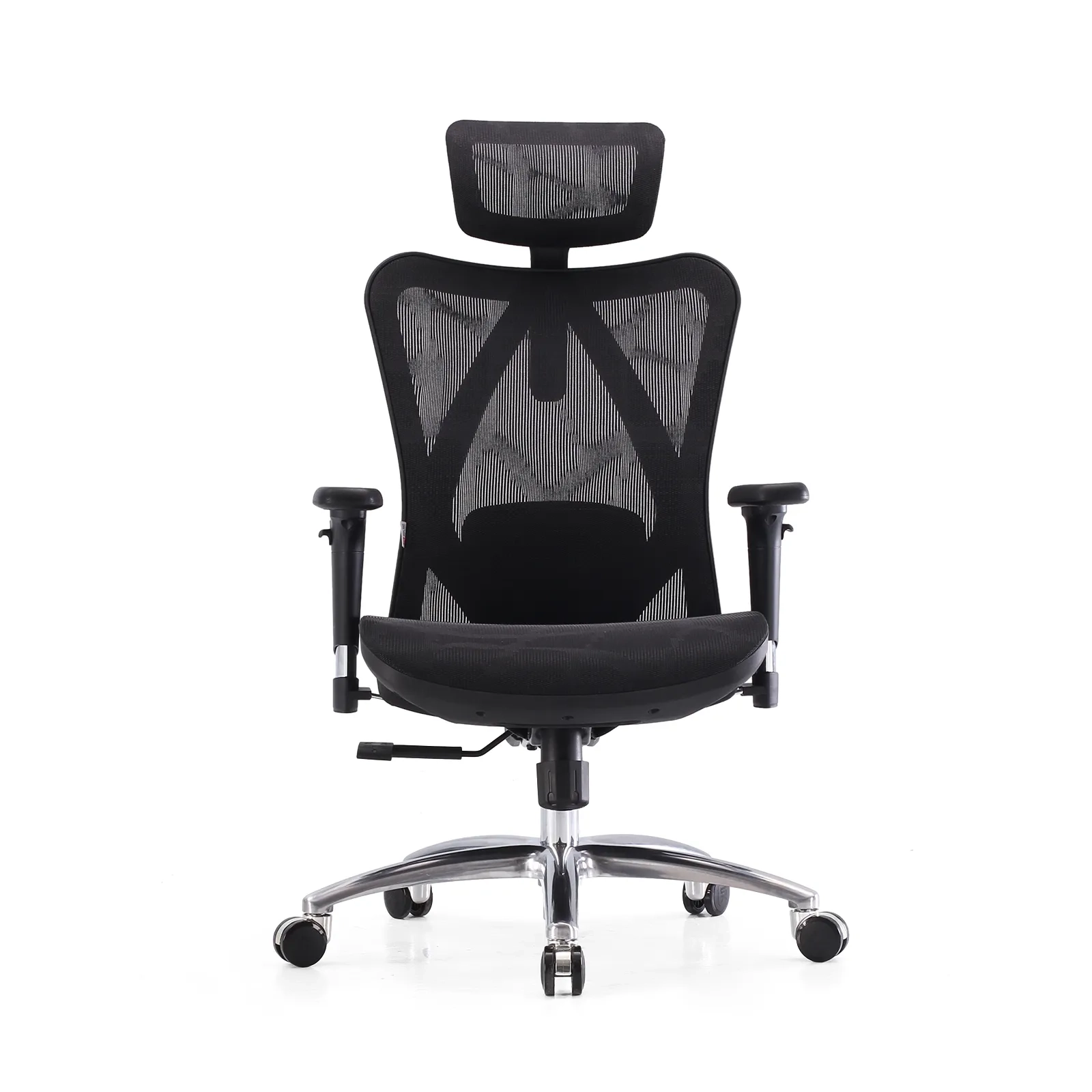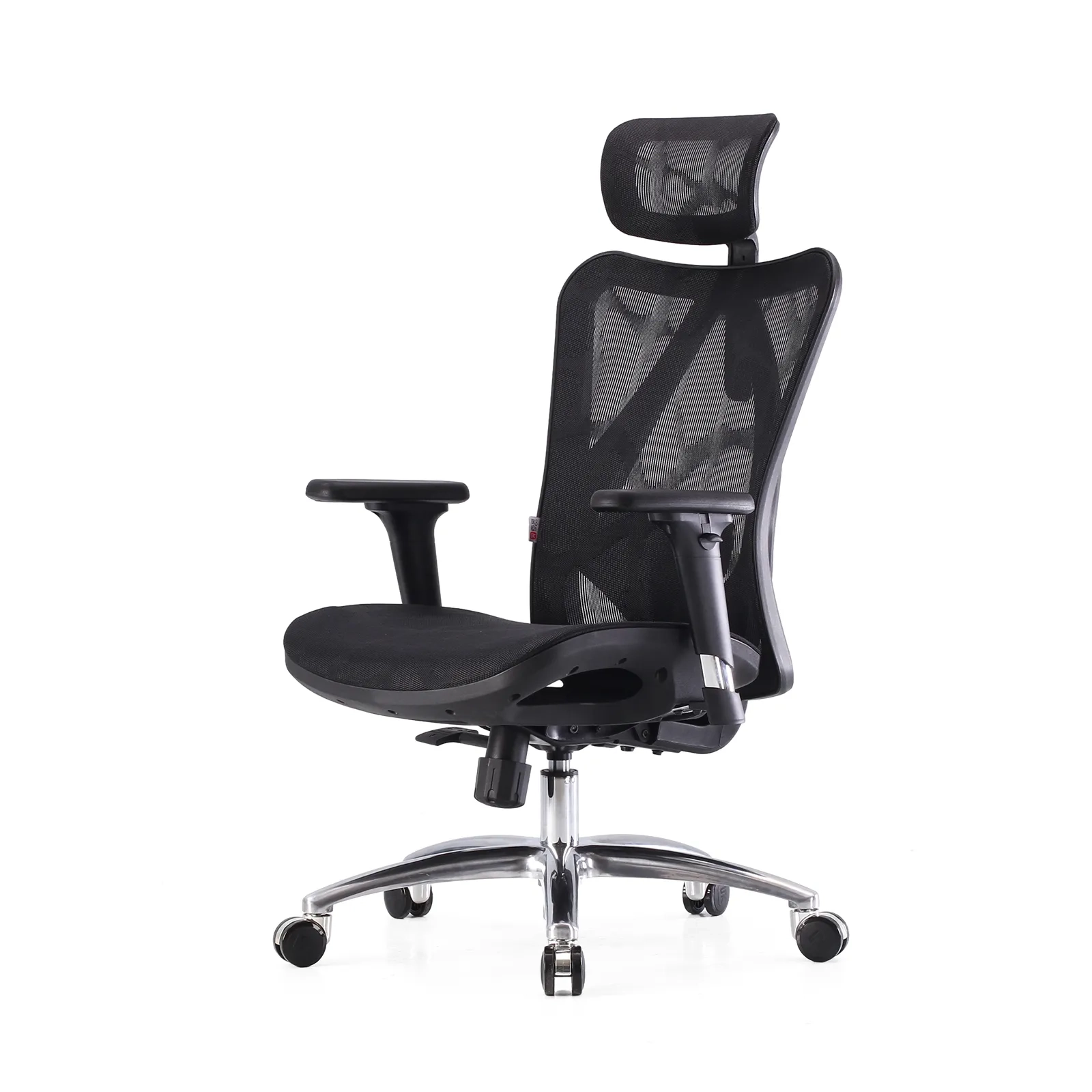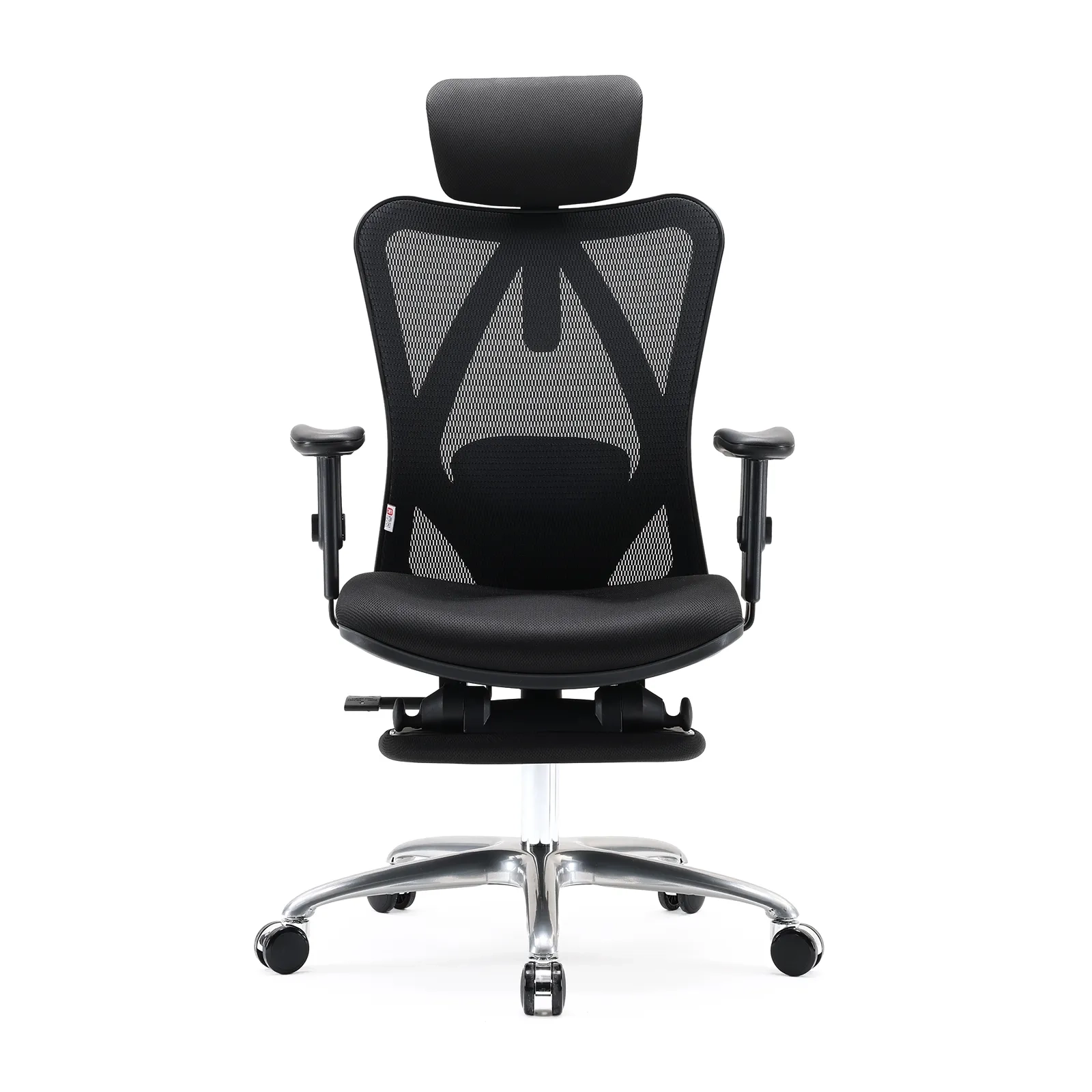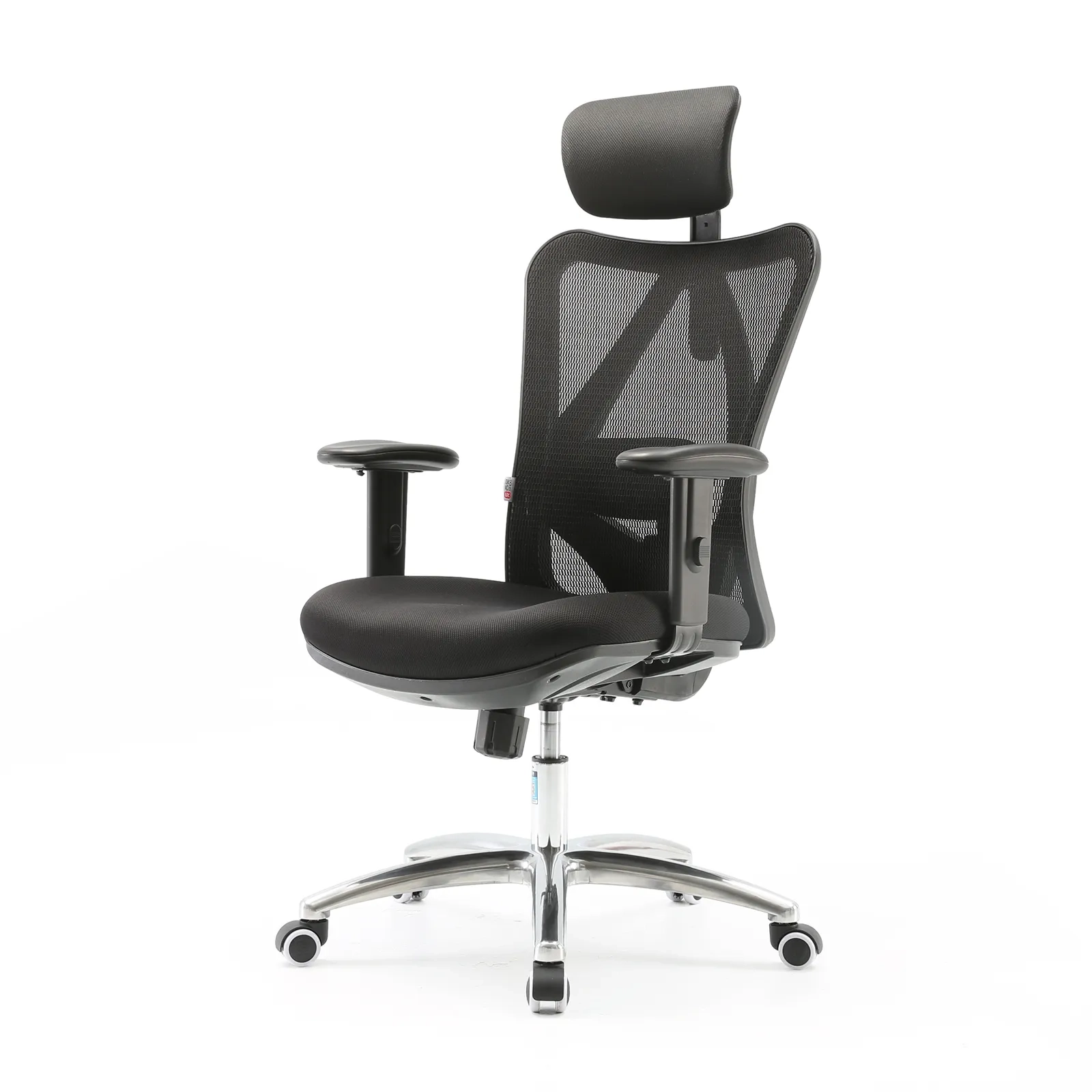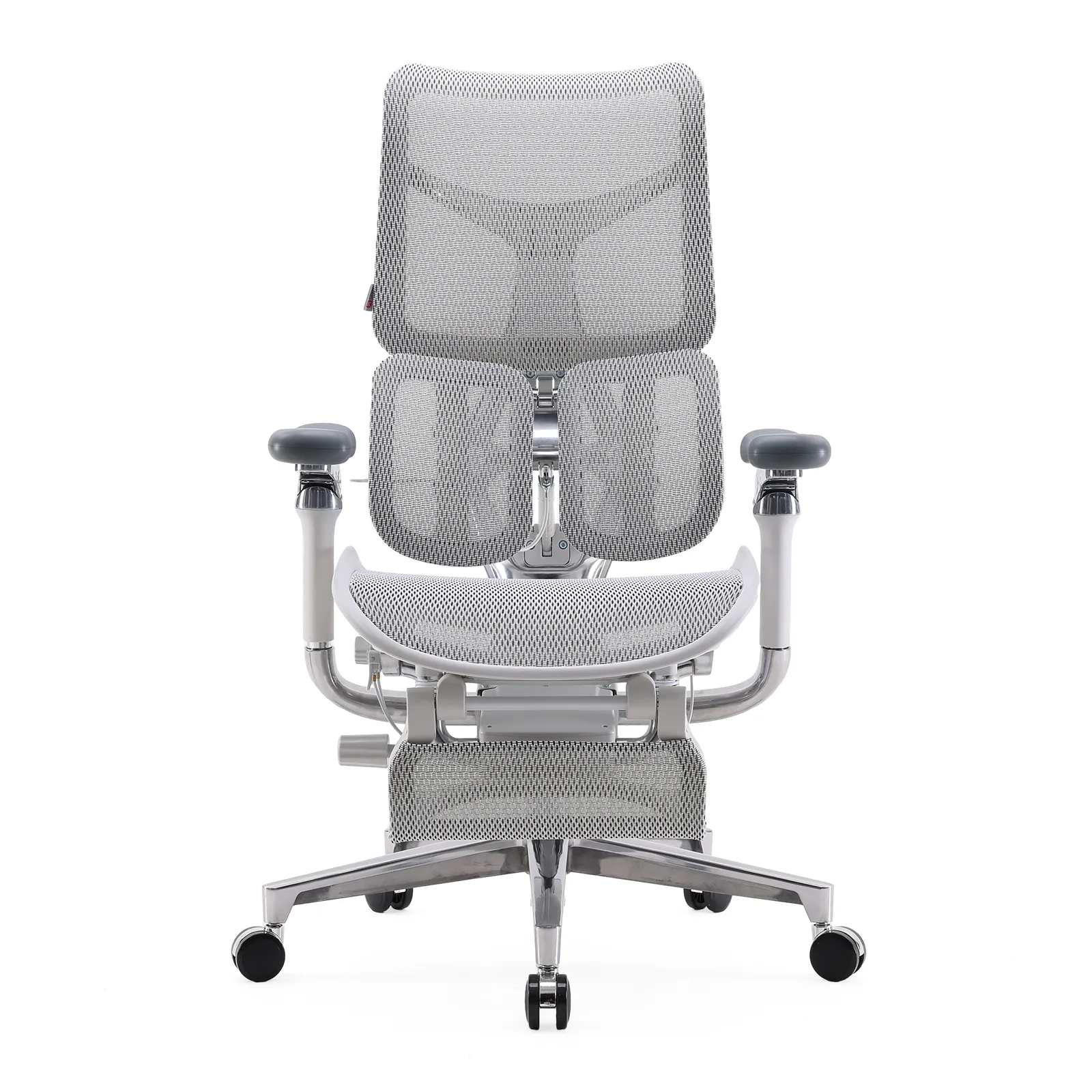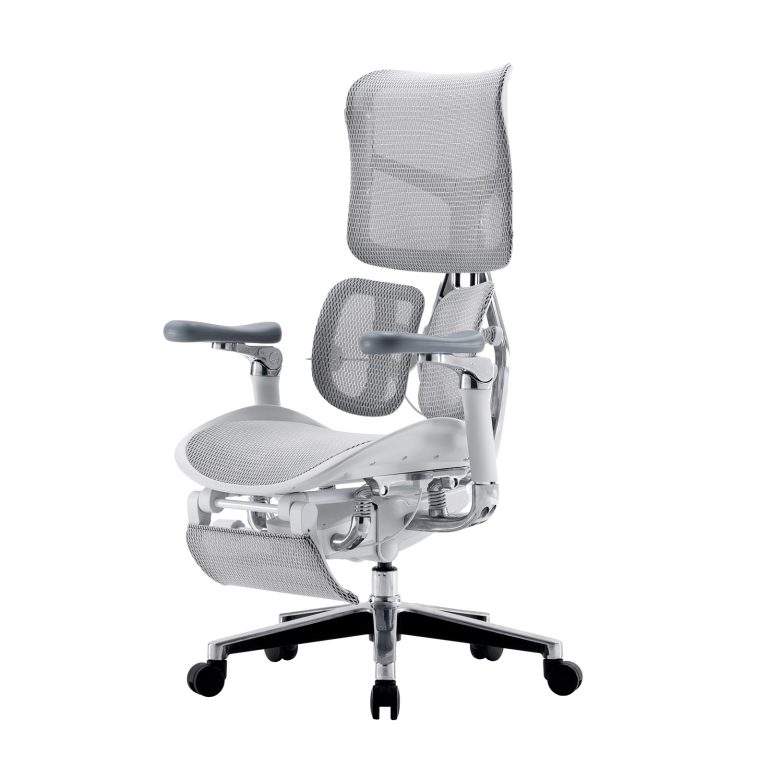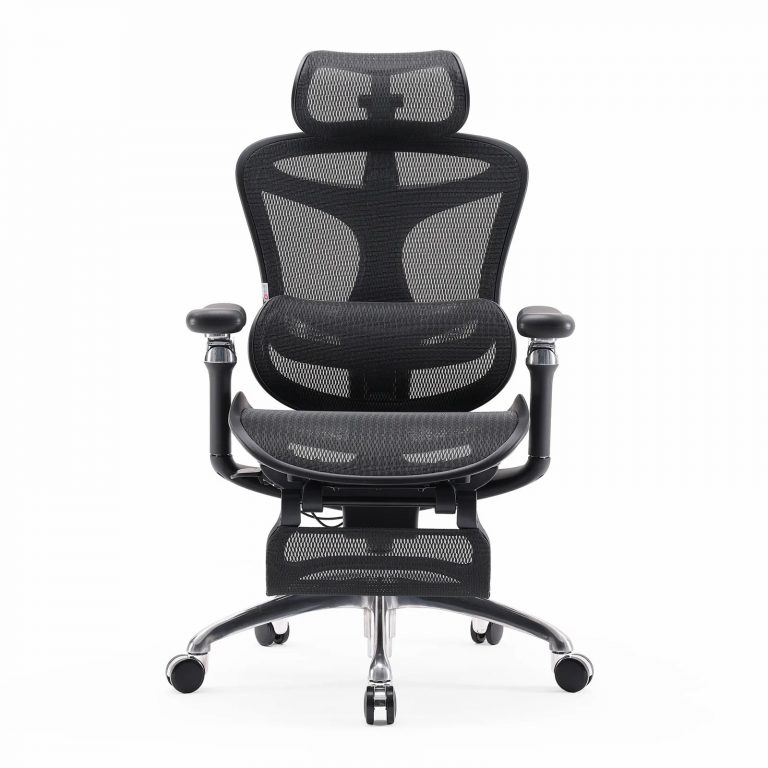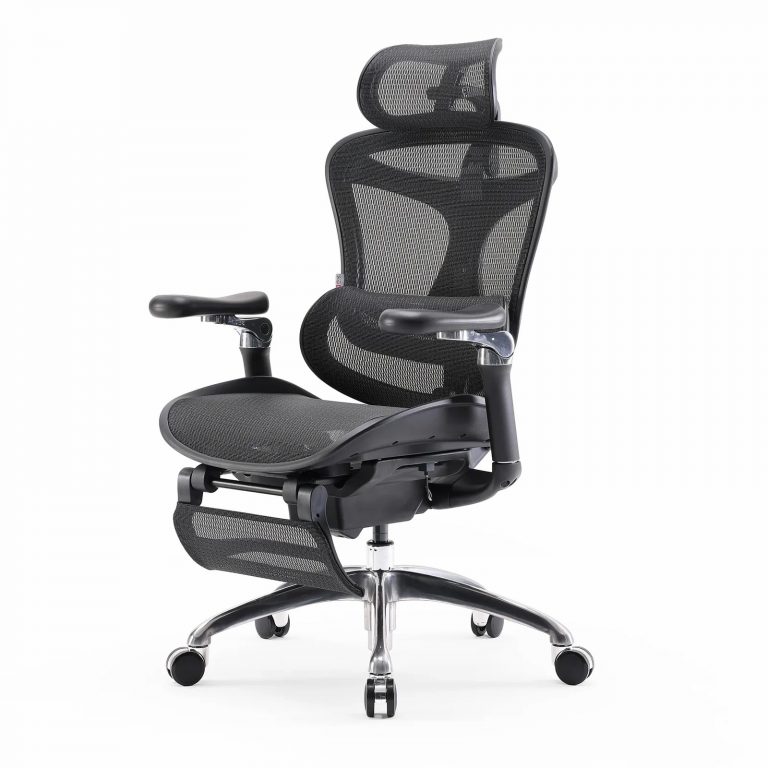









An ergonomic lounge chair supports relaxed postures for reading, waiting, or unwinding without the slumped, unsupported feel of a basic recliner or floor cushion. For B2B buyers, the real question is fit: where the chair goes, who uses it, and how it performs across hundreds of units. If your project also needs desk seating, our cheap versus quality office chairs comparison explains how to spec that side of the order. This guide covers the ergonomic features that matter, the specifications to verify, and the steps to order with confidence.
What Is an Ergonomic Lounge Chair?
An ergonomic lounge chair is a relaxed-seating piece built to keep the body supported in a reclined or semi-reclined position. Unlike a task chair made for desks, it is built for pauses: reading, waiting, or informal meetings. The “ergonomic” part means the shape and support follow natural posture instead of forcing one fixed position.
That distinction matters for buyers. A lounge chair and an office chair solve different problems, and mixing them up leads to the wrong spec. A lounge chair trades the full adjustability of a desk chair for a fixed, cushioned form that suits lower-activity spaces.
Key Ergonomic Features to Look for in a Lounge Chair
“Ergonomic” is a claim on the label, not a guarantee. Check the support where the body actually meets the chair.
Lumbar and Back Support
A lounge chair supports the back through its overall back shape, not a single movable lumbar pad. The curve should follow the spine’s natural line so the lower back is not left floating or pushed forward. Office chairs often rely on an adjustable lumbar block, but many lounge chairs build support into a fixed contoured shell. Buyers should judge how the backrest meets the body, because a good lounge chair can support posture without copying the office chair design.
Seat Depth and Seat Height
Seat height sets how easily a person sits down and stands up, which matters in reception and senior-care settings. Seat depth decides whether the thighs are supported without pressure behind the knees. A chair that is too deep forces a slump; too shallow leaves the legs unsupported. Look for dimensions that fit your shortest and tallest expected users, not just an average body.
Reclining Angle and Adjustability
Lounge chairs come in fixed, adjustable, and zero-gravity styles. A fixed chair holds one reclined angle and suits quiet reading. An adjustable chair changes recline and tilt to match the activity. A zero-gravity chair lifts the legs above the heart to spread load during long rest. Pick the style by how the space is actually used, not by which looks most advanced.
Armrest and Headrest Support
Armrests give the arms a place to rest and help a person push up when standing. The right height keeps shoulders relaxed rather than hunched. A headrest matters for reclined reading or napping, but only if it lines up with the user’s head. A headrest set too low can push the chin down, so check its range before specifying.
Lounge Chair Types for Commercial Spaces
Most contract and hospitality projects draw from a short list of lounge styles. Pick by activity, not by look alone.
| Type | Ideal para | Watch-outs |
|---|---|---|
| Chaise lounge | Lobbies, spas, quiet zones | Large footprint; measure door and elevator access |
| Recliner or zero-gravity chair | Waiting rooms, senior living | Moving parts add service needs; check cycle rating |
| Reading or accent chair | Break rooms, hotel rooms | Seat height and arm support affect easy entry and exit |
| Floor lounge chair | Youth spaces, casual nooks | Low seat makes standing up harder for some users |
| Swivel or rocker | Lounges, family areas | Base stability and weight rating matter in busy rooms |
An adjustable chaise lounge chair or an adjustable lounge chair adds a recline or tilt option, which helps when one model must serve several postures. An ergonomic living room chair is the residential label for the same idea; commercial buyers should look for contract-grade build rather than home-grade framing.
Lounge Chair Specification Checklist
The claim “ergonomic” means little without numbers. Use this table when you review a supplier’s spec sheet.
| Specification | What Buyers Should Check | Why It Matters |
|---|---|---|
| Altura del asiento | Actual seat height in mm | Affects sitting and standing comfort |
| Profundidad del asiento | Usable seat depth | Supports different body sizes |
| Weight Capacity | Tested load rating | Determines suitability for shared use |
| Frame Material | Steel, wood or reinforced structure | Affects durability |
| Upholstery | Fabric, leather or faux leather | Determines cleaning and maintenance |
| Foam Density | Supplier-provided density data | Helps evaluate cushioning performance |
| Reclining Mechanism | Fixed or adjustable positions | Determines seating flexibility |
| Warranty | Coverage and replacement parts | Reduces long-term maintenance risks |
Check the tested load rating and design for your heaviest expected user, not the average. A clear weight capacity tells you whether the chair suits shared or public use. Pair the rating with frame material and foam density, because those three decide how the chair holds up after months of daily use.
What to Check Before You Buy in Bulk
Specifying lounge chairs for a floor, a hotel, or a reception area has its own rules. Run this checklist before you commit.
- Contract grade, not home grade. Hospitality and office furniture face heavier, more varied use. Confirm the frame, joints, and foam are rated for commercial duty cycles.
- Cleanable materials. Upholstery in shared spaces collects dust, spills, and wear. Choose fabrics or faux leather that wipe down and resist pilling.
- Footprint and access. Reclining and chaise models need clearance for the open position, plus a path through doors and stairs.
- Warranty and spare parts. Across hundreds of units, one weak caster or a torn seam spreads fast. Confirm replacement covers and lead times.
- Lead time and MOQ. Bulk orders live or die on delivery dates. Lock the production window and the minimum order quantity before you promise a client.
- Samples first. One physical chair settles more arguments than a spec sheet, especially for comfort and color.
How to Choose Lounge Chairs for a Commercial Project
A clear process beats guesswork when the order is large. Follow five steps from brief to purchase.
- Define the Application. Name the setting first: a hotel room, a corporate lobby, or a reception area. The space decides the style, durability level, and budget band.
- Determine User Requirements. Pin down who uses the chair, how often, and for how long. A lobby chair faces strangers all day; a break-room chair serves short resets.
- Set Product Specifications. Lock the dimensions, materials, weight capacity, color, and functions from the specification checklist above. Write them into the brief so suppliers quote the same chair.
- Evaluate Samples and Quality. Check the build, materials, and any test reports before committing. A sample shows comfort, finish, and color accuracy that a photo cannot.
- Confirm Bulk Order Details. Agree on MOQ, delivery time, packaging, and after-sales service in writing. These terms decide whether the project lands on schedule.
Lounge Chair or Office Chair: Which Does Your Project Need?
Many buyers ask this because the two get confused. The short answer: a lounge chair fits low-activity, relaxed spaces, while an office chair fits desks and focused work. A reception area, a hotel lobby, or a break room leans lounge. A call center, a desk floor, or a training room leans task.
If a project mixes both, treat them as two lines in one order. The lounge side handles the relaxed zones; the task side handles the desks. Keeping the two specs separate avoids forcing one chair to do both badly.
Matching Lounge Chairs to the Space
Use this as a quick map when shortlisting.
- Office break room: a sturdy reading or accent chair with easy entry and exit. Workers use it for short resets, not long sits.
- Lobby or reception: a chaise or accent chair that reads as designed, with a commercial frame and cleanable upholstery.
- Hotel room or lounge: a reading chair or small recliner built for guest turnover and frequent cleaning.
- Healthcare or senior living waiting: a higher seat with arm support for controlled standing, plus a stable base.
- Co-working or casual nook: a floor lounge chair only if your users can get down and up from low seating comfortably.
For the desk and task side of any of these projects, SIHOO’s ergonomic office chairs cover focused work areas, from the high-volume M57 to Doro C300 for long-hour use, S300 for warm, high-use rooms, V1 for taller users and meeting rooms, and M90 for home and study spaces.
How SIHOO Fits Your Seating Order
SIHOO’s catalog centers on ergonomic task and office seating, the desk-side half of most mixed projects. For the lounge-specific pieces, our team works with buyers on sourcing and spec so the relaxed zones match the task zones in quality and lead time. A single wholesale seating supplier keeps the look consistent and the paperwork simpler.
This guide describes general seating principles and is not a substitute for checking each model’s listed dimensions, ratings, and certifications against your local commercial requirements.
Preguntas frecuentes
What is the difference between a lounge chair and a recliner?
A lounge chair is a broad category of relaxed seating, while a recliner is a lounge chair with a mechanism that leans the back and raises a footrest. Not every lounge chair reclines, and not every recliner suits commercial use.
What materials are best for commercial lounge chairs?
Contract-grade upholstery such as tight-weave fabric or faux leather resists wear and wipes clean. The frame should be steel, reinforced wood, or a rated composite. Match the material to cleaning load and guest turnover, not just to color.
Are adjustable lounge chairs suitable for hotel use?
Yes, when the mechanism is rated for high-cycle commercial use. Adjustable and zero-gravity styles suit guest rooms and lounges where people rest for longer periods, provided the build and warranty support frequent use.
How do you evaluate lounge chair durability?
Check the tested weight capacity, frame construction, and foam density, then review any wear or cycle test reports the supplier provides. A sample in hand shows joint quality, fabric wear, and finish that a spec sheet cannot.
What is the difference between residential and contract-grade lounge chairs?
A residential lounge chair is designed primarily for household use, while a contract-grade lounge chair is specified for commercial environments such as hotels, offices, and reception areas. Buyers should compare frame construction, upholstery durability, tested weight capacity, maintenance requirements, and warranty coverage before selecting a model.
What should buyers include in a lounge chair RFQ?
List the application, expected users, required dimensions, materials, weight capacity, color, and functions, plus MOQ, delivery time, packaging, and after-sales terms. Clear specifications let suppliers quote the same chair and speed up comparison.
Final Thoughts
The right ergonomic lounge chair for a commercial or hospitality project is the one that fits the space, the user, and the duty cycle, not the one with the longest feature list. Match the type to the room, verify the specification checklist, and run the five-step selection process before you commit. If you are specifying seating for a workspace, lobby, or hotel, talk to our partnership team about samples, mixed orders, and lead times.