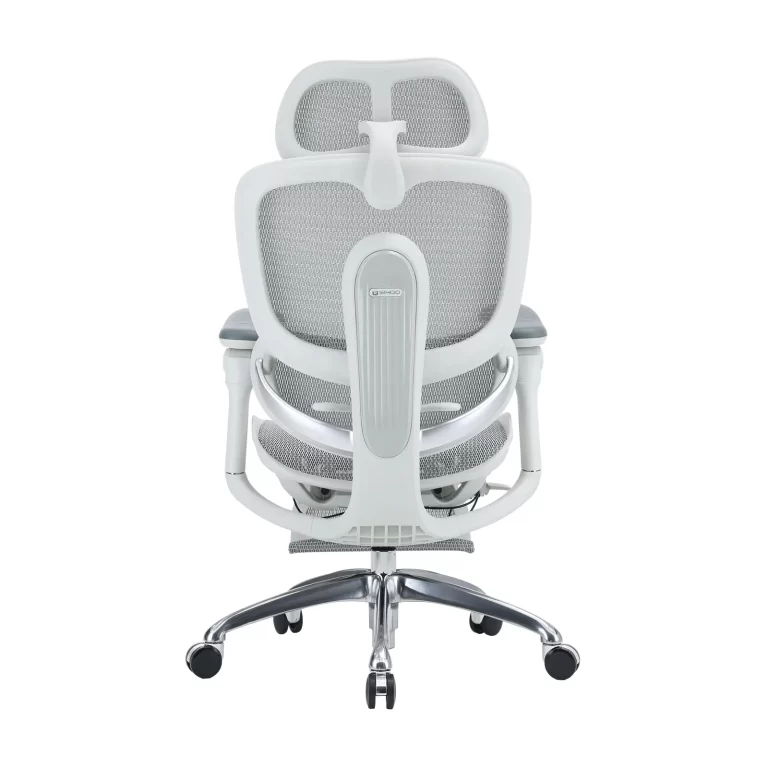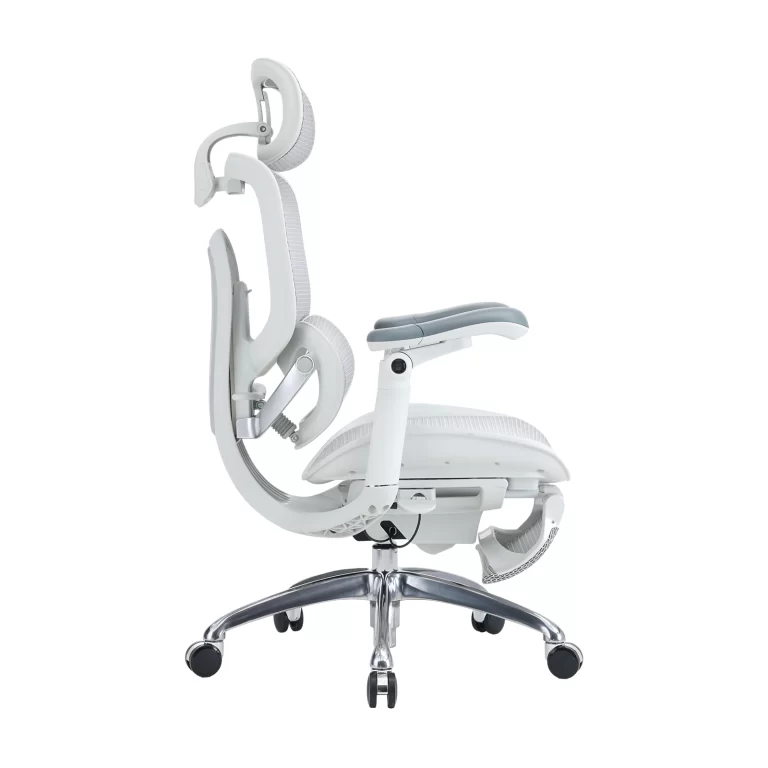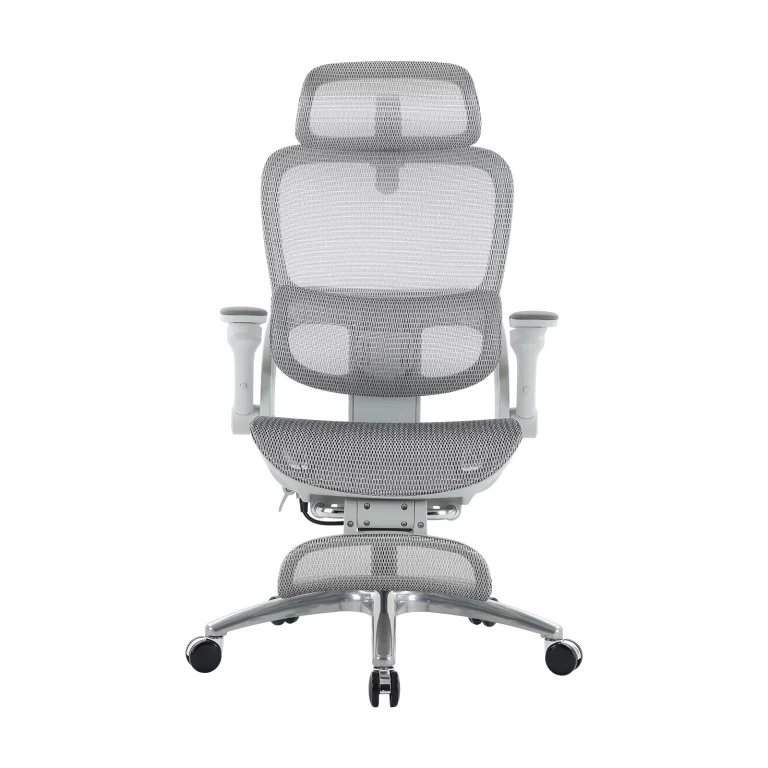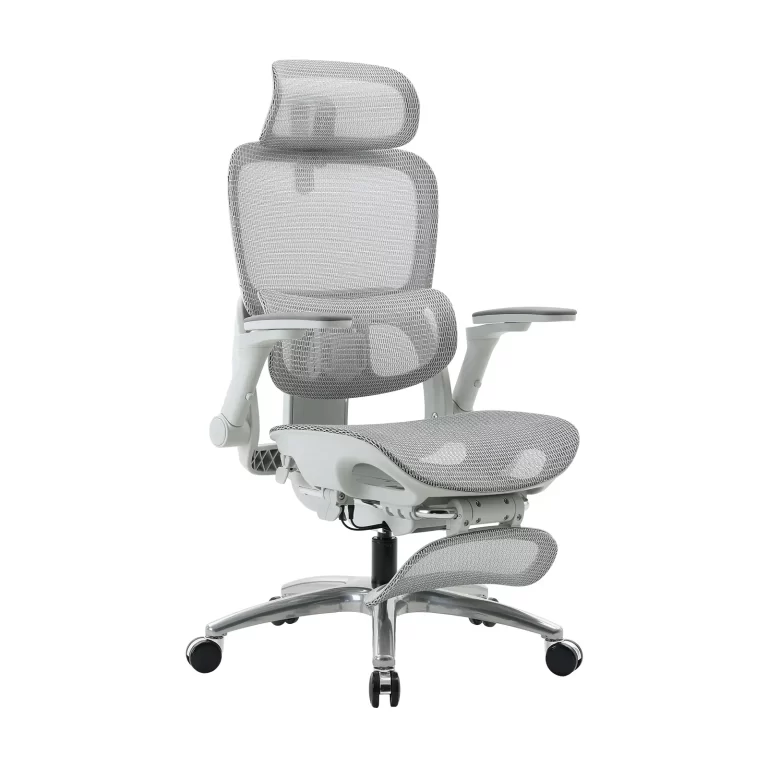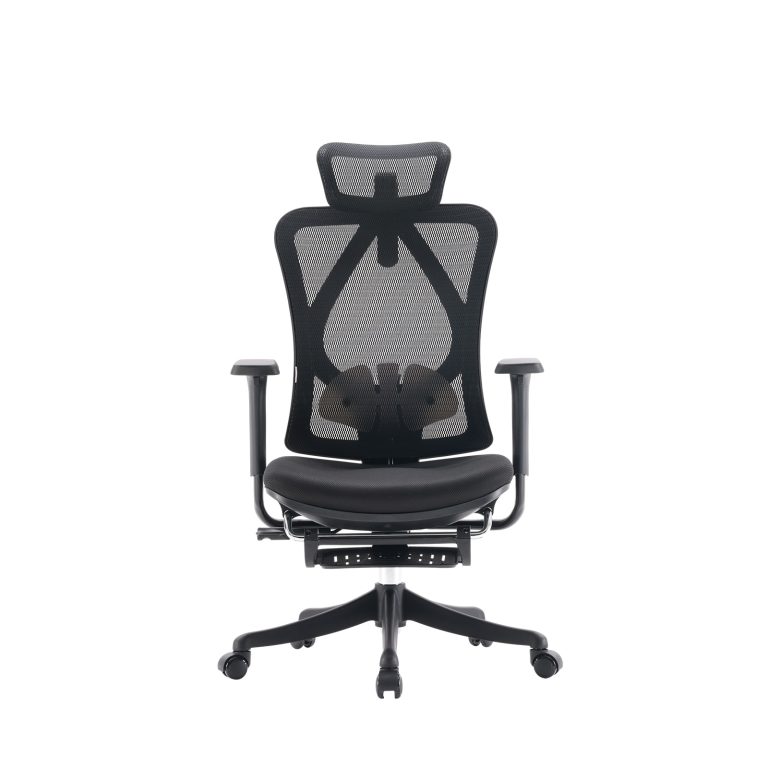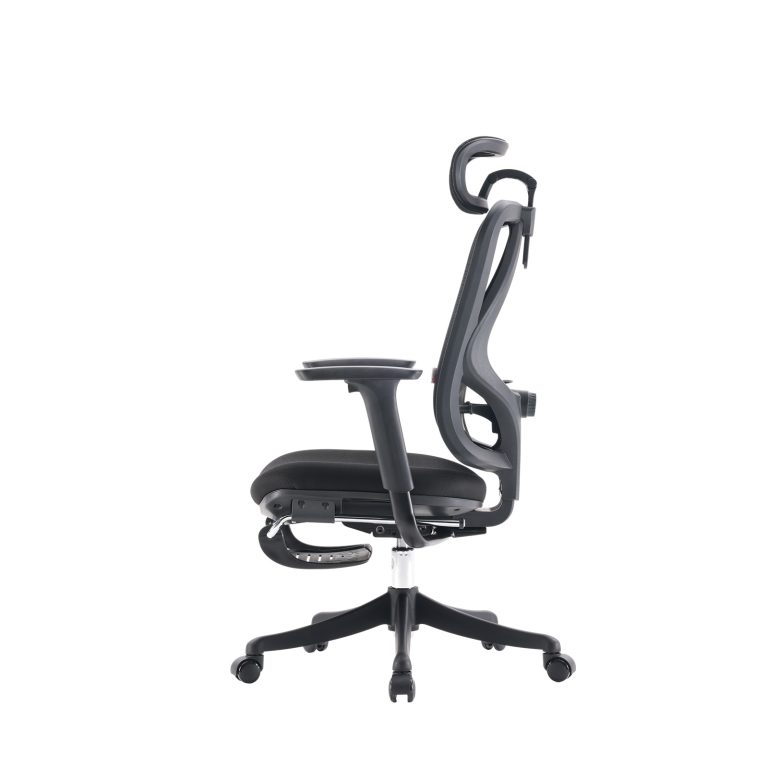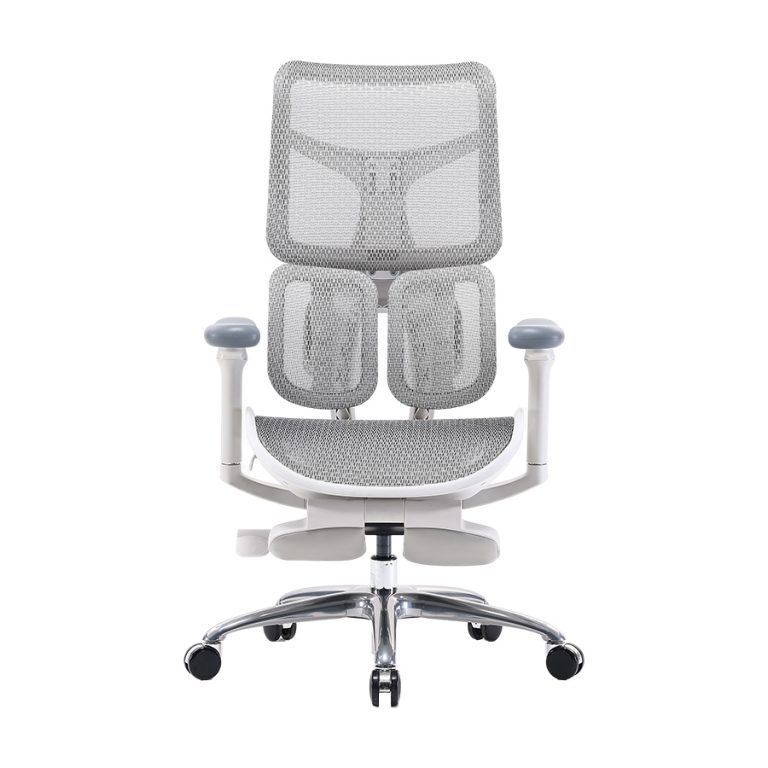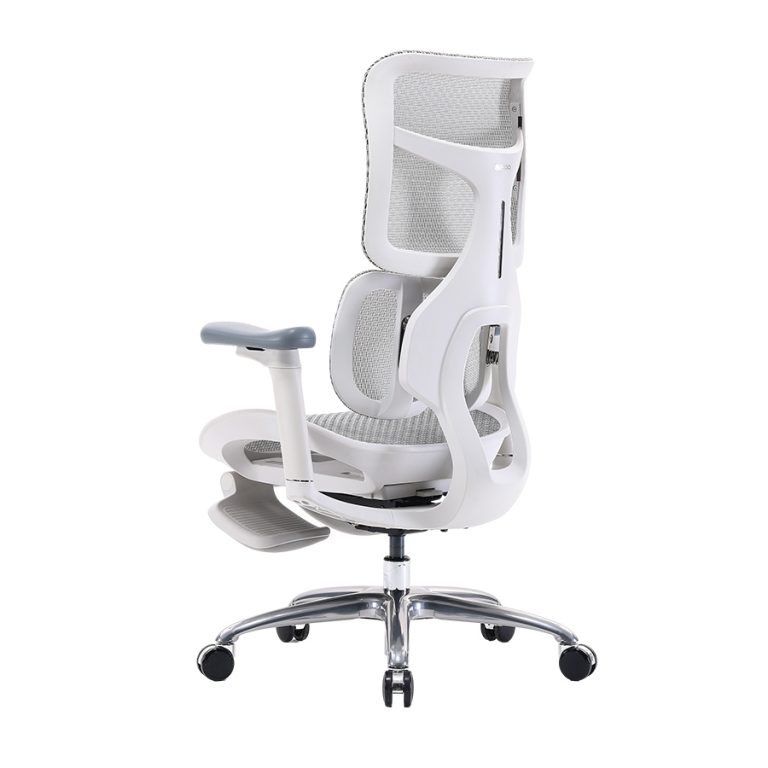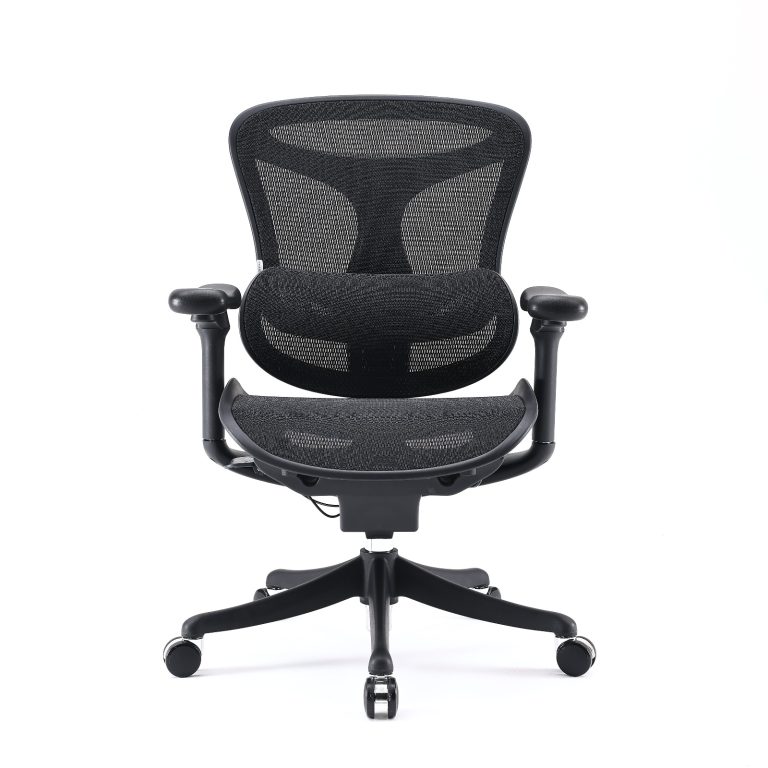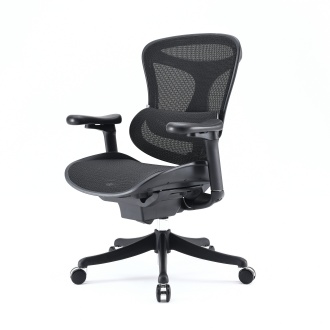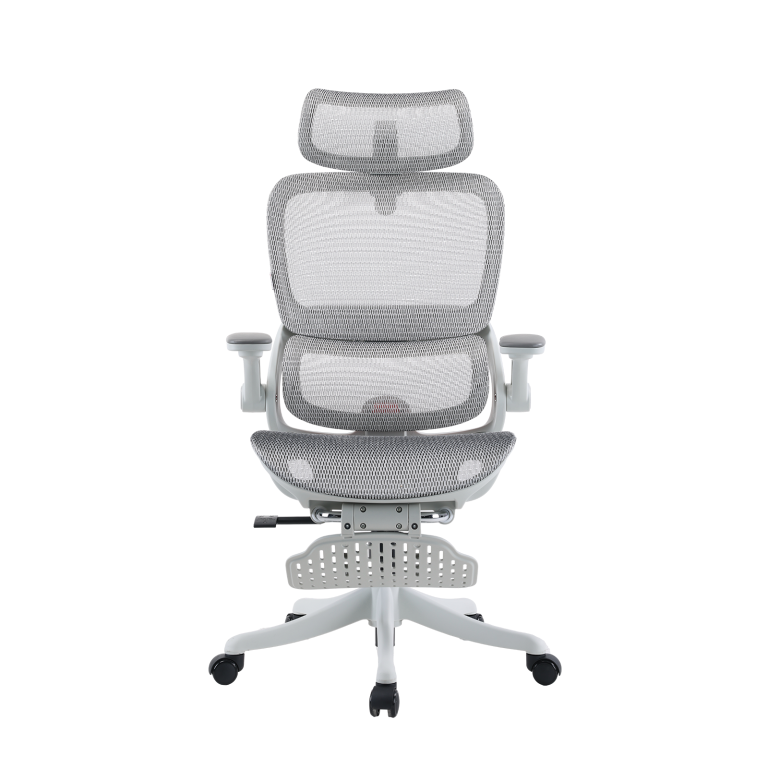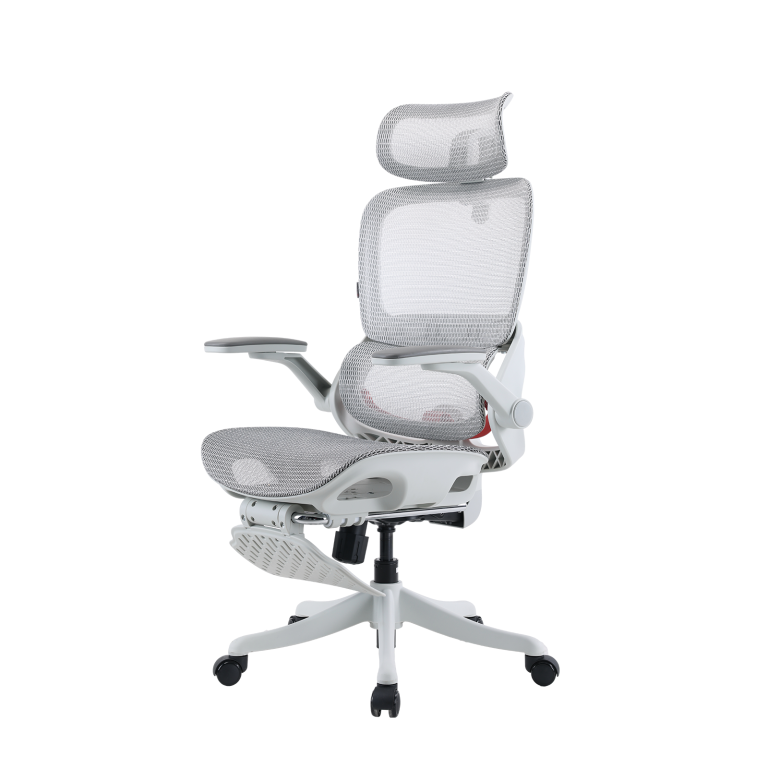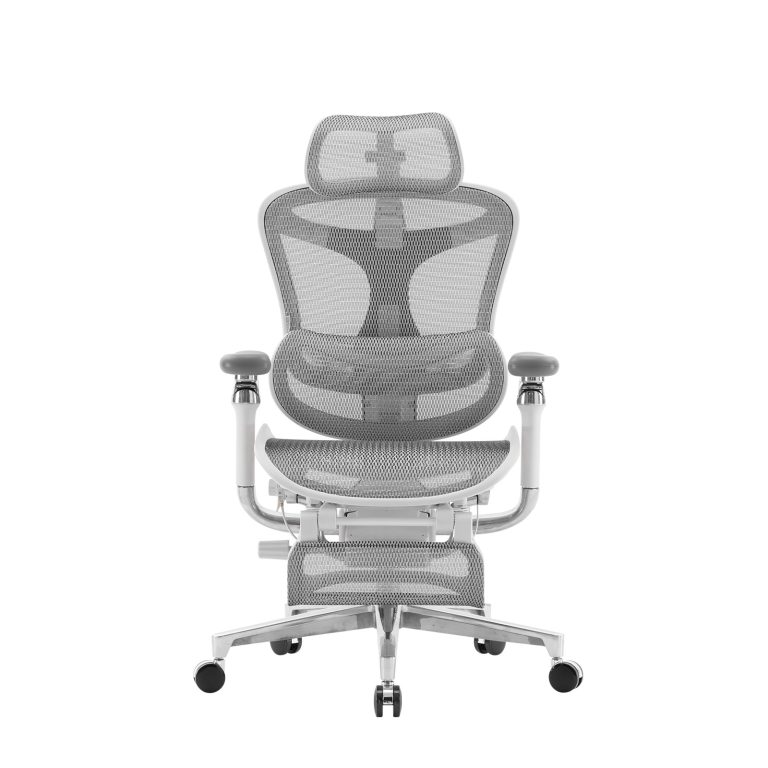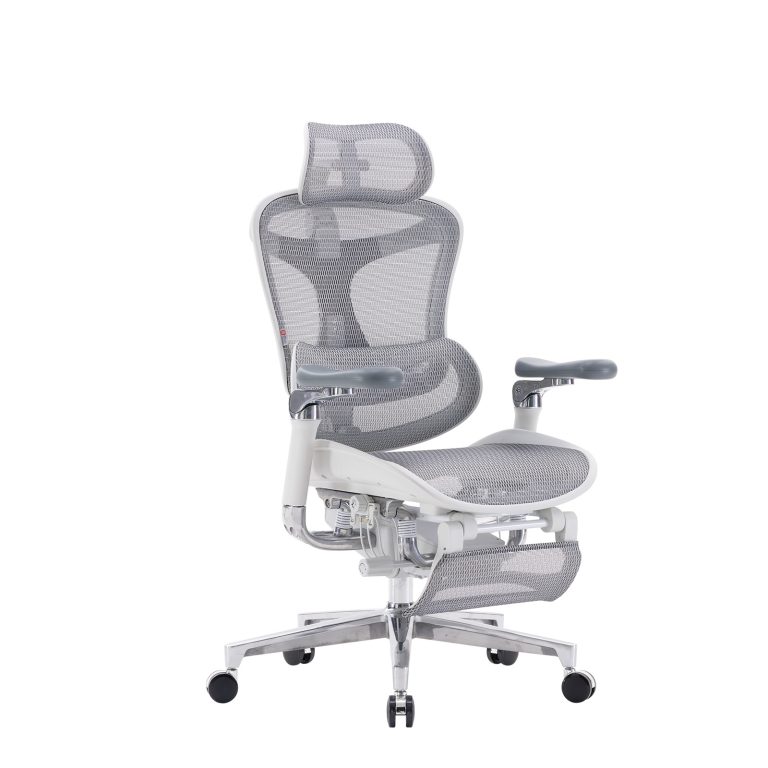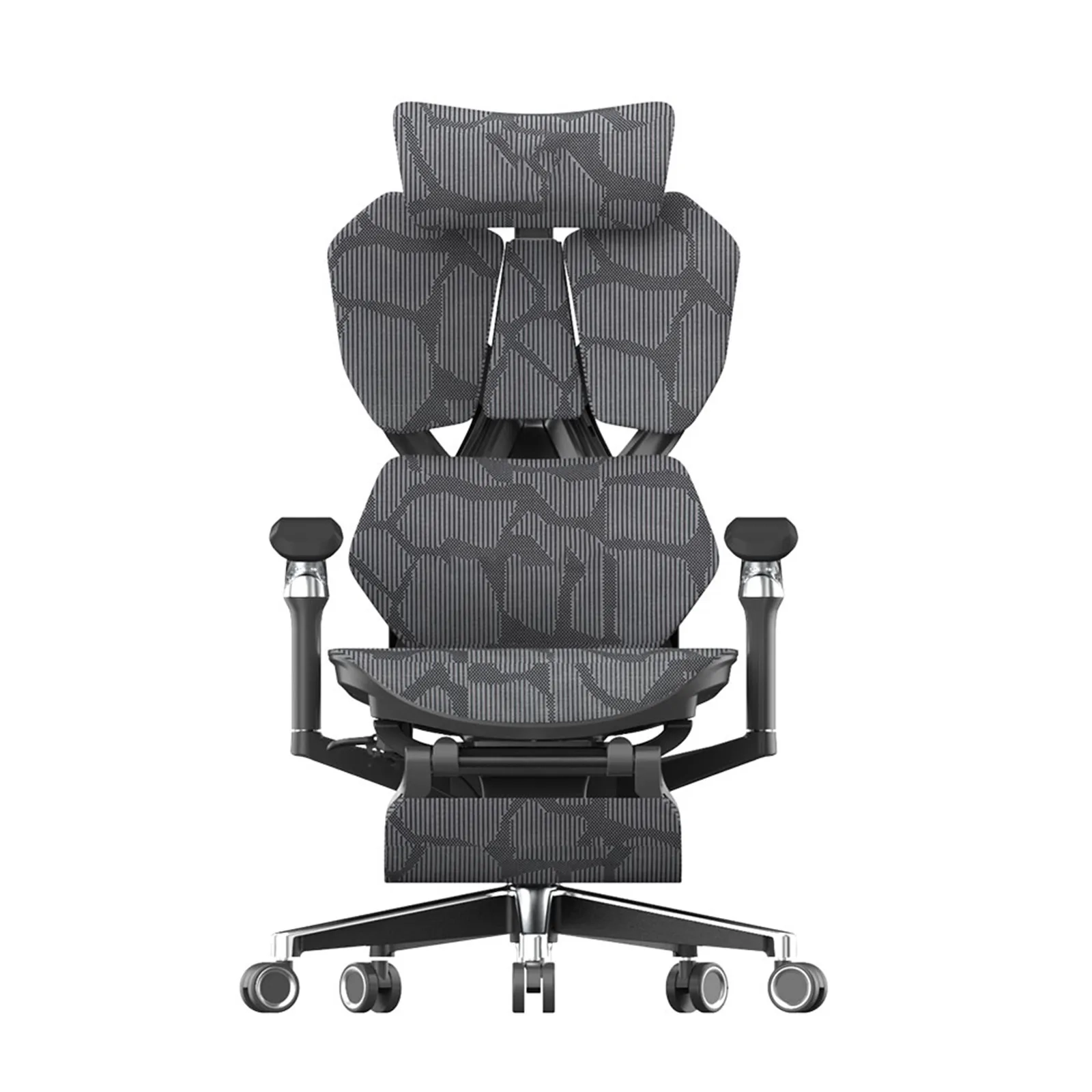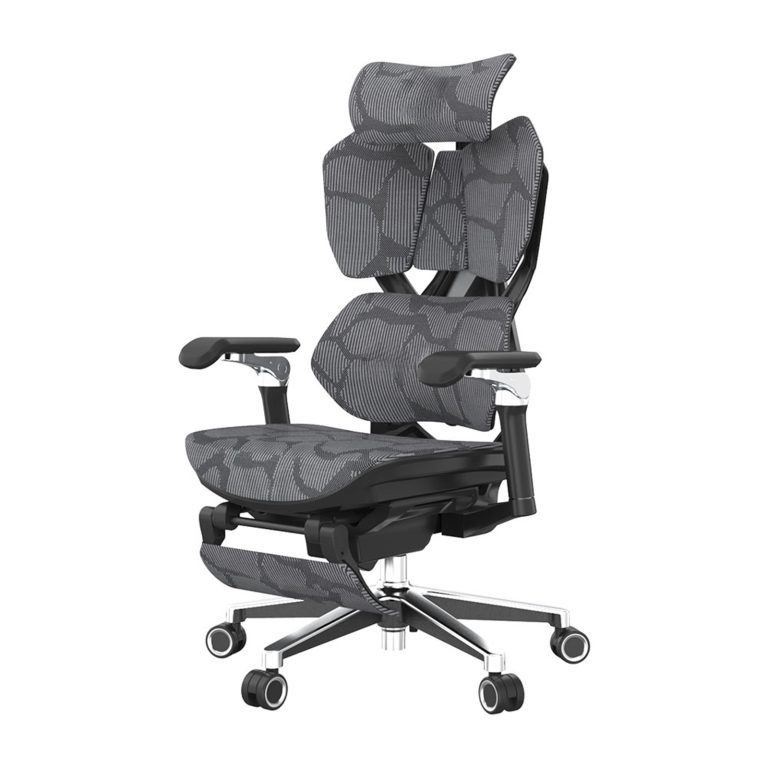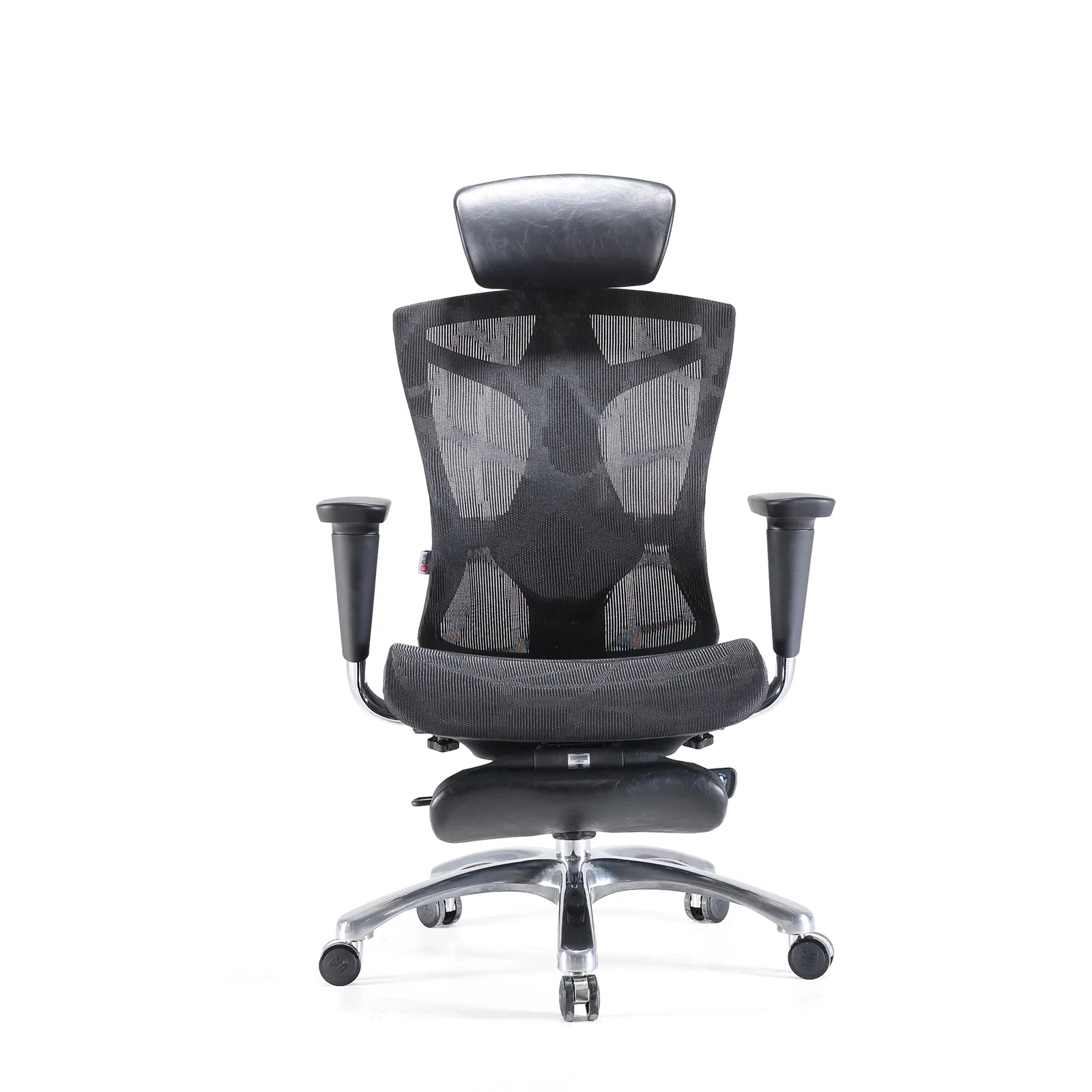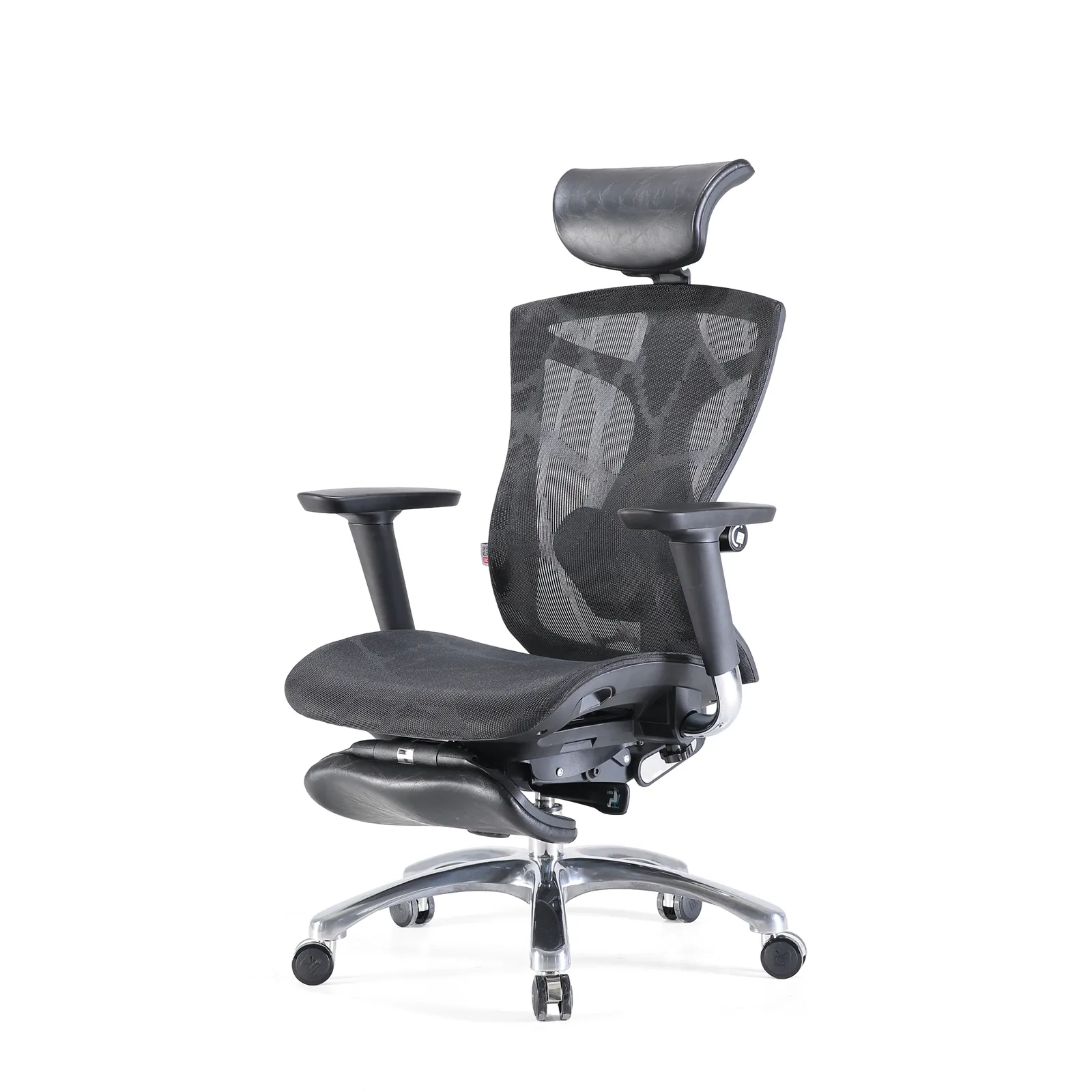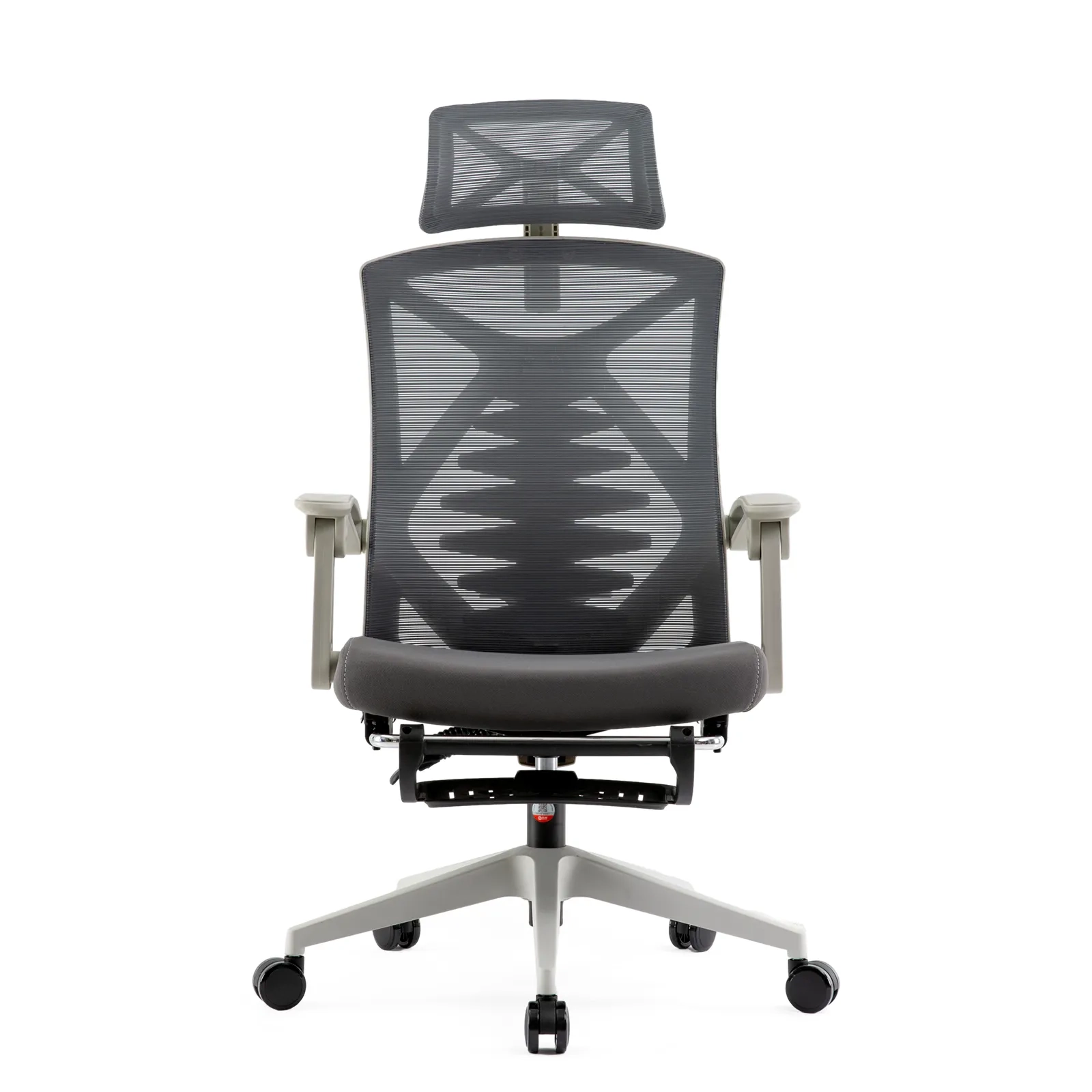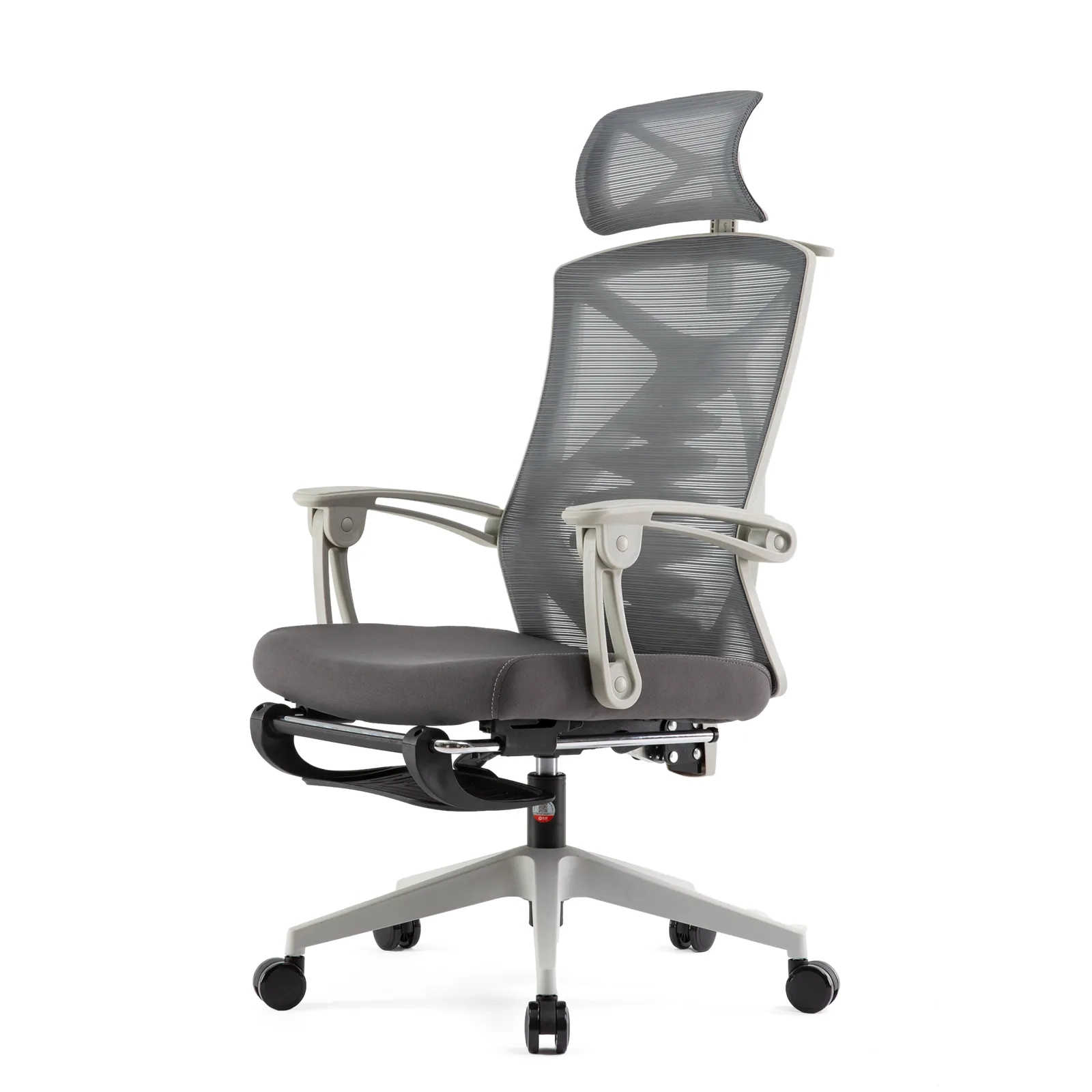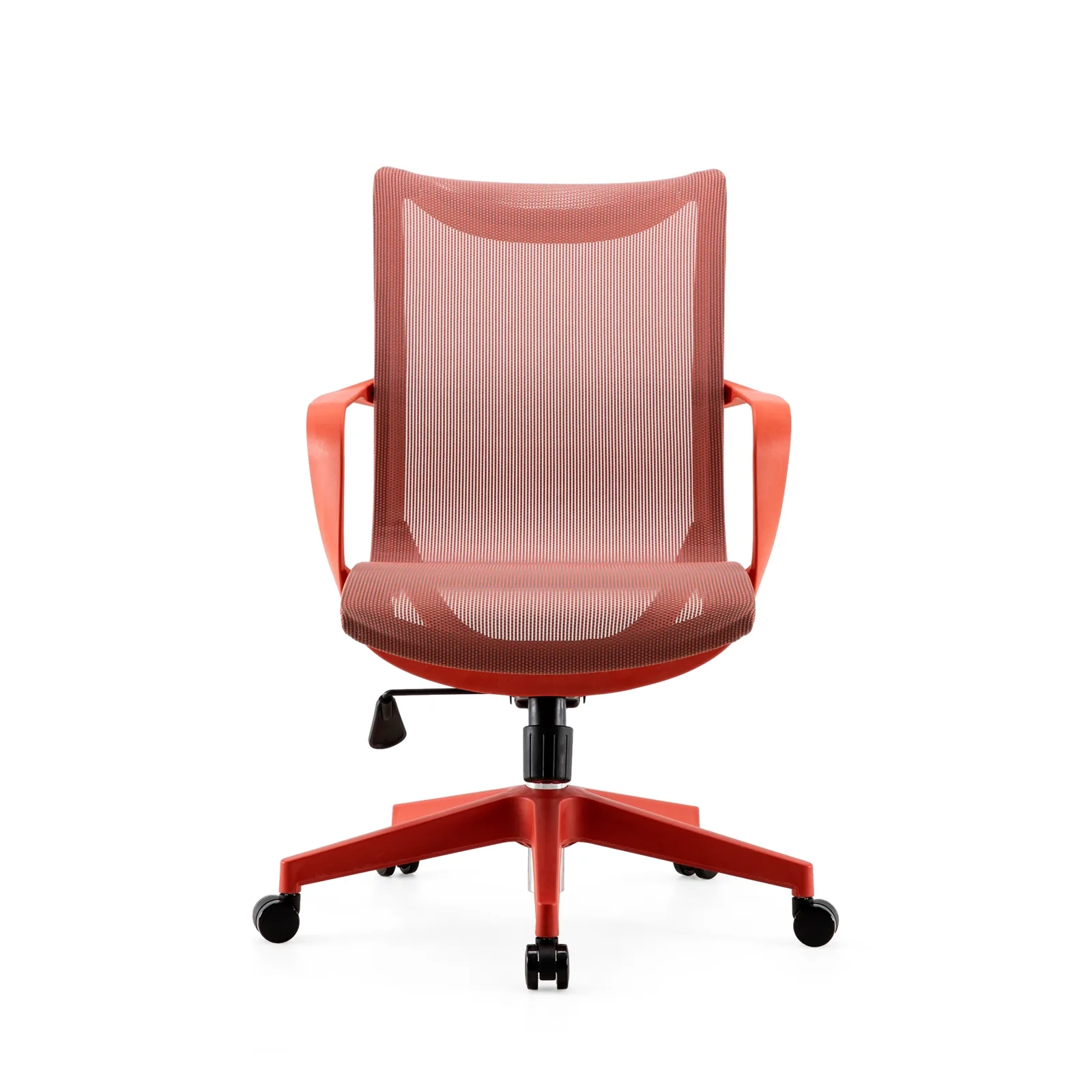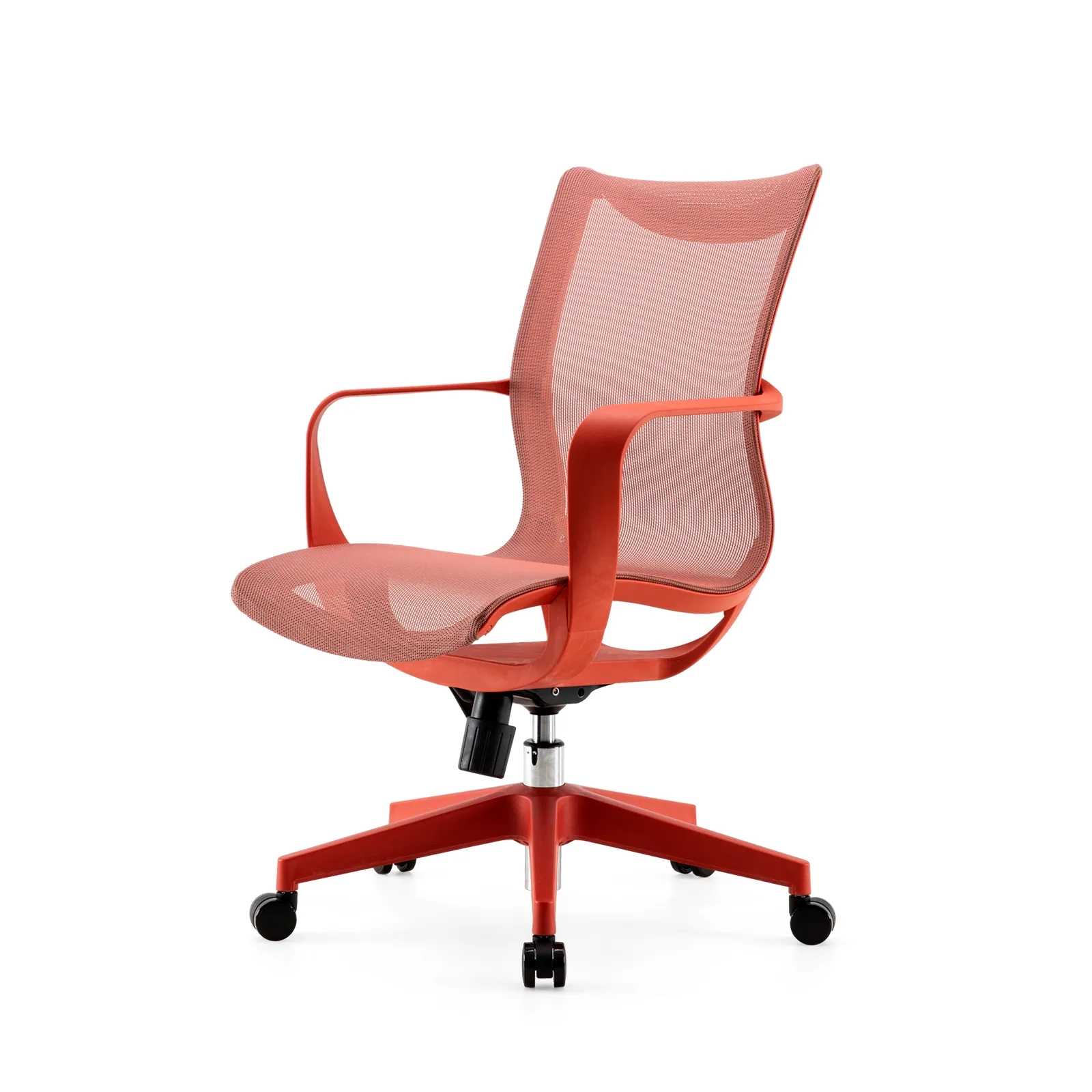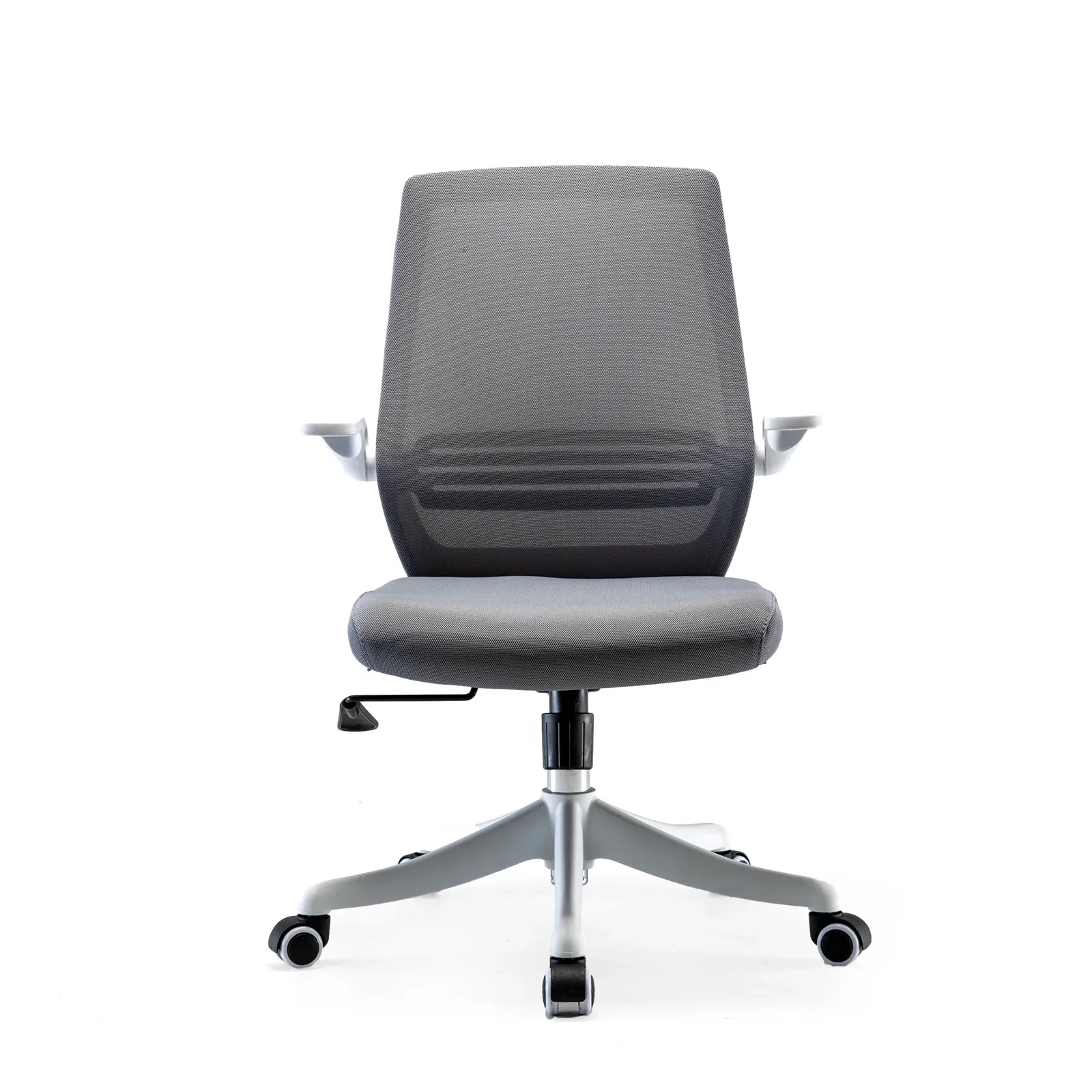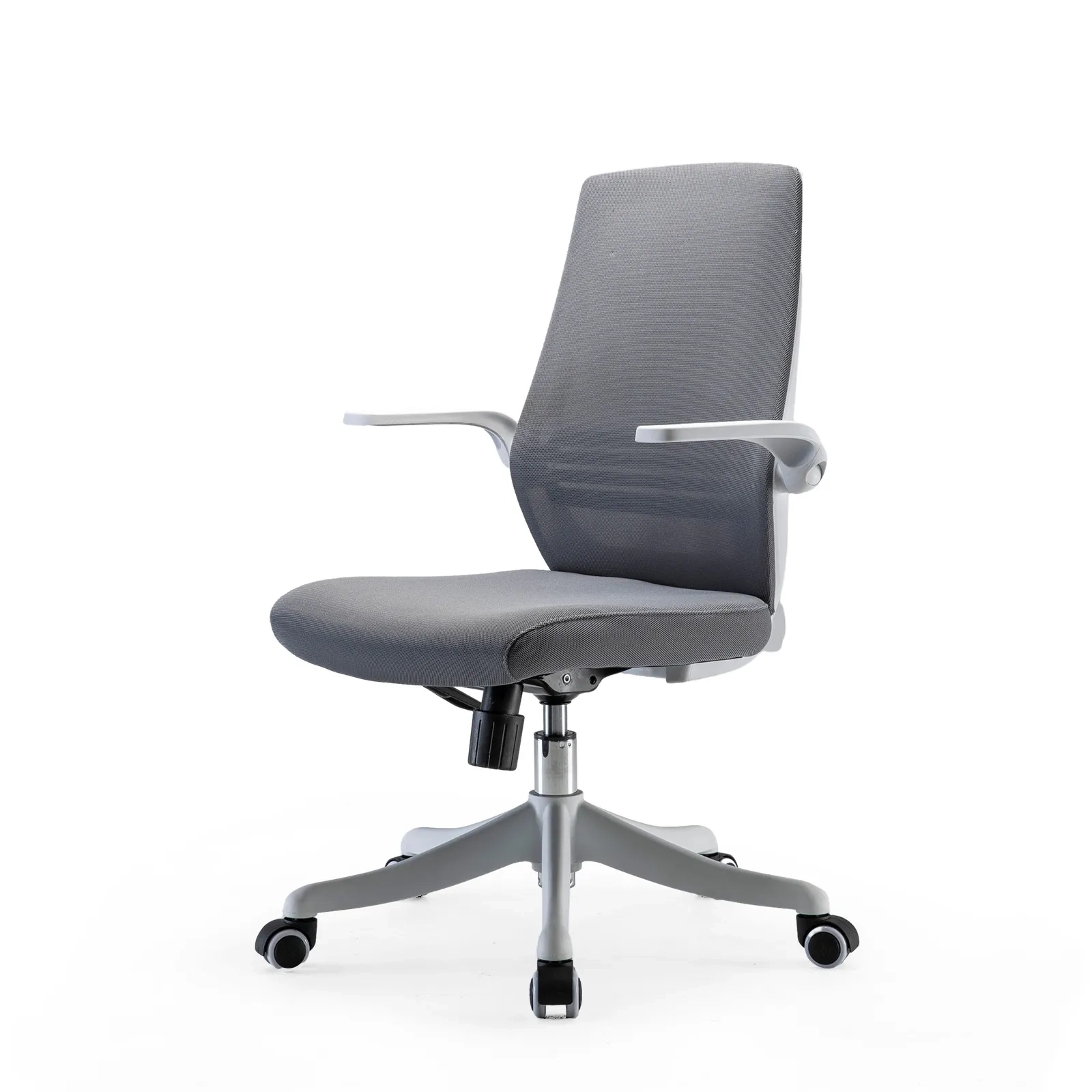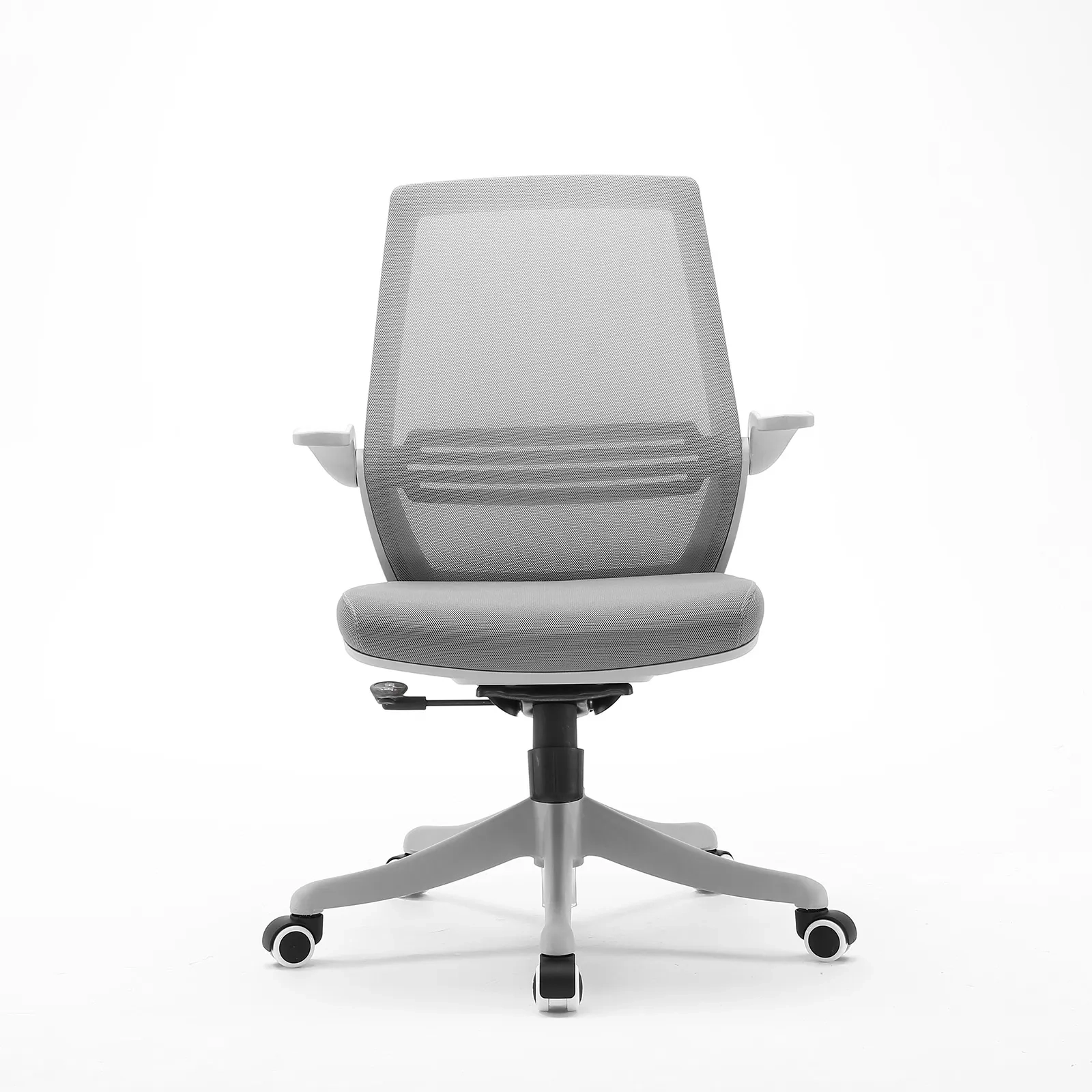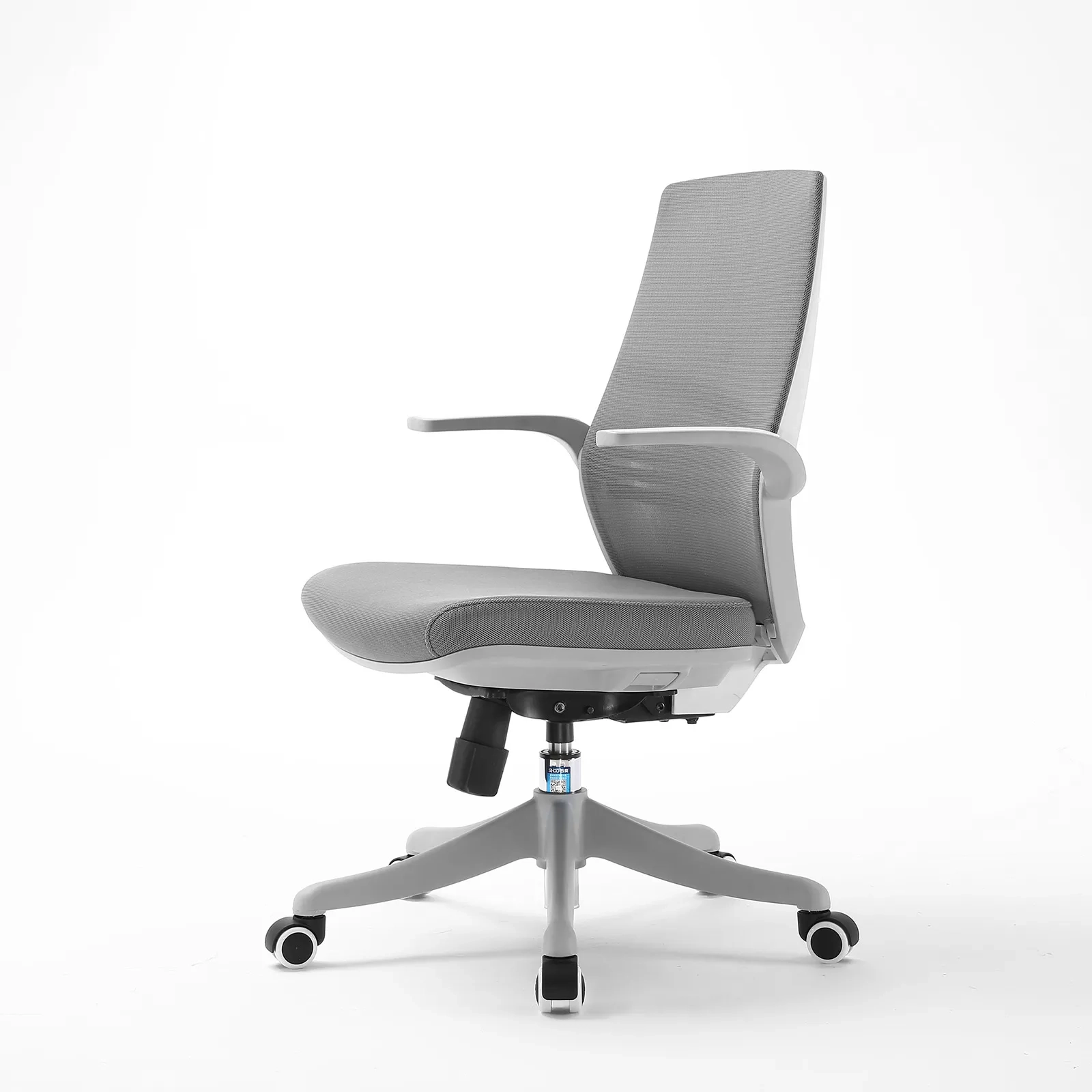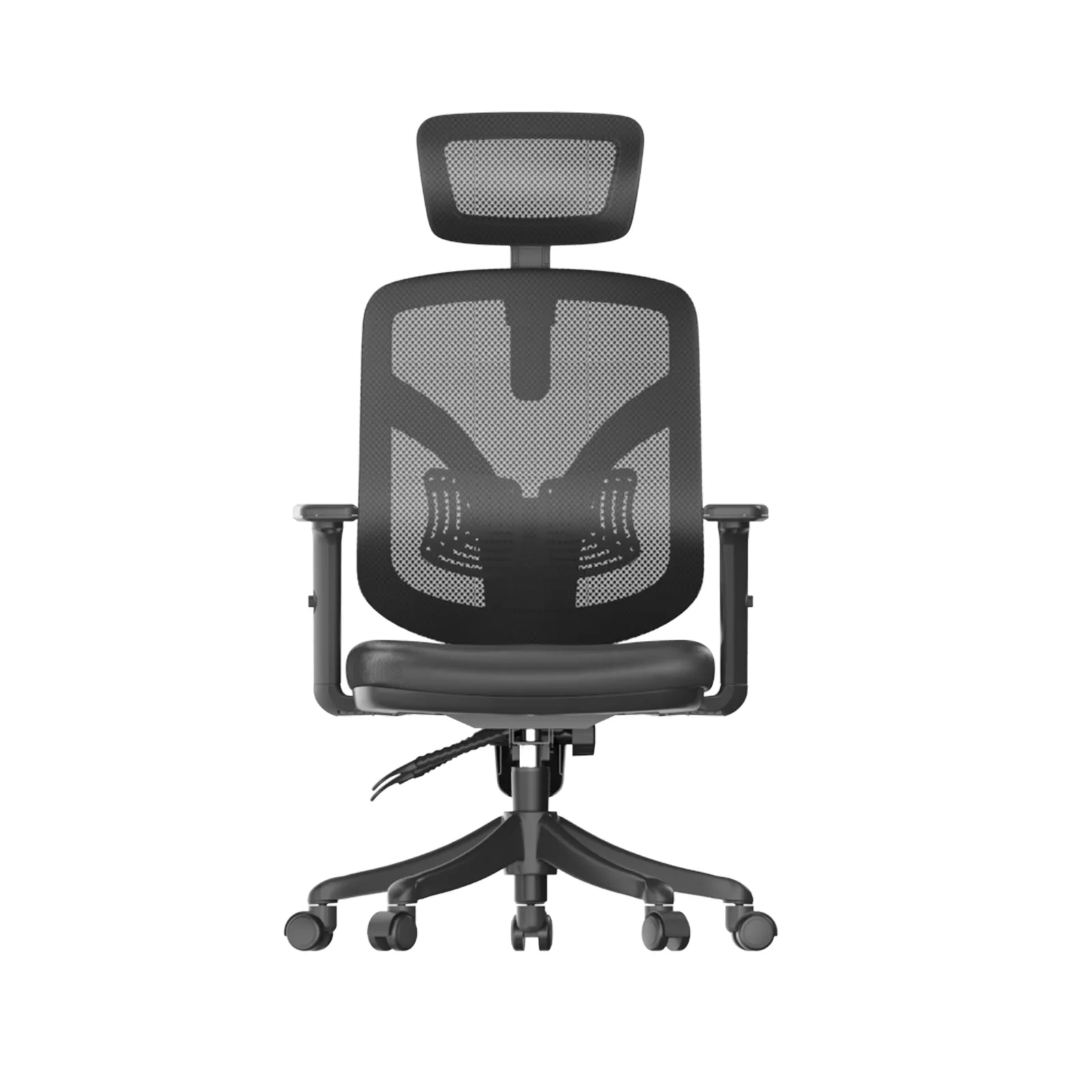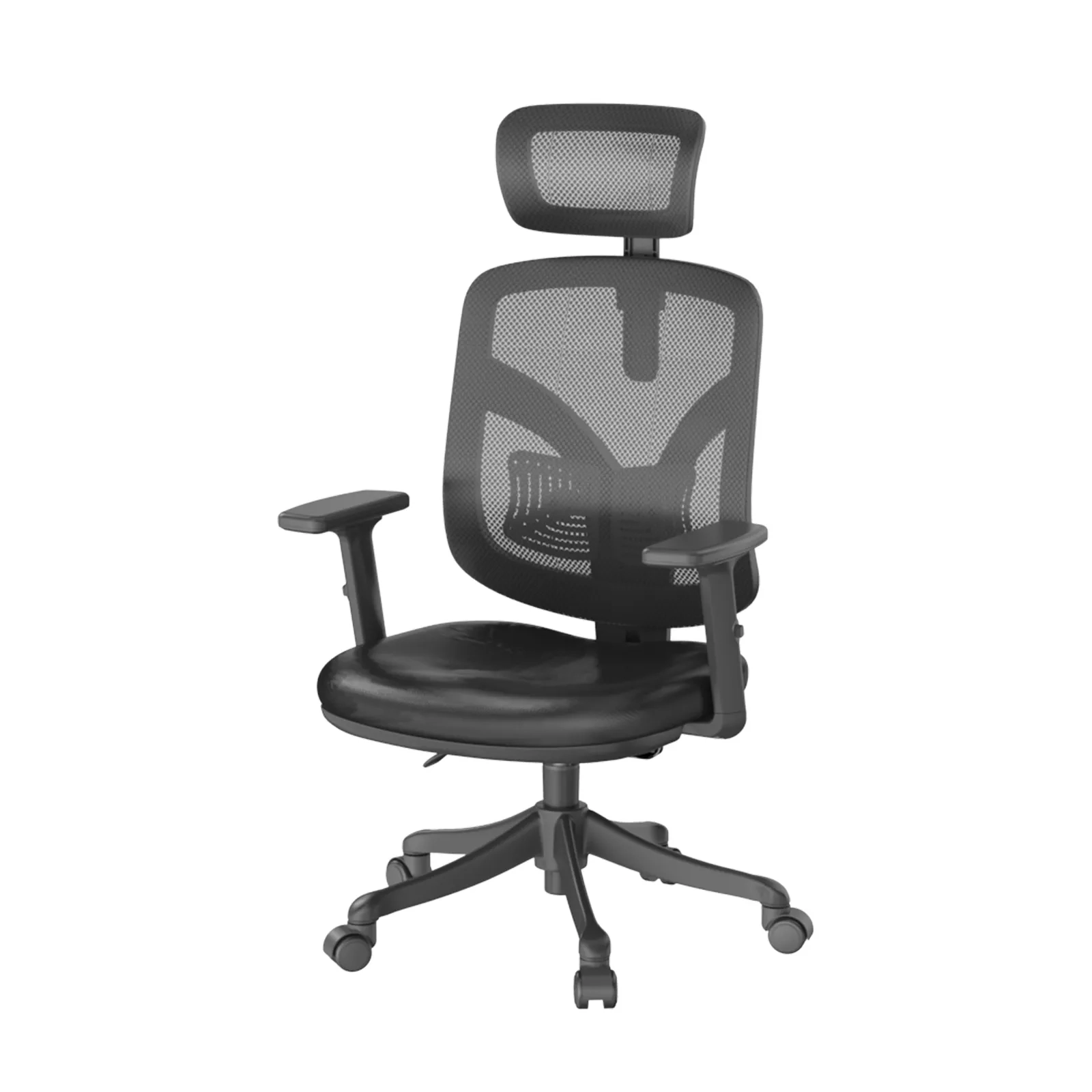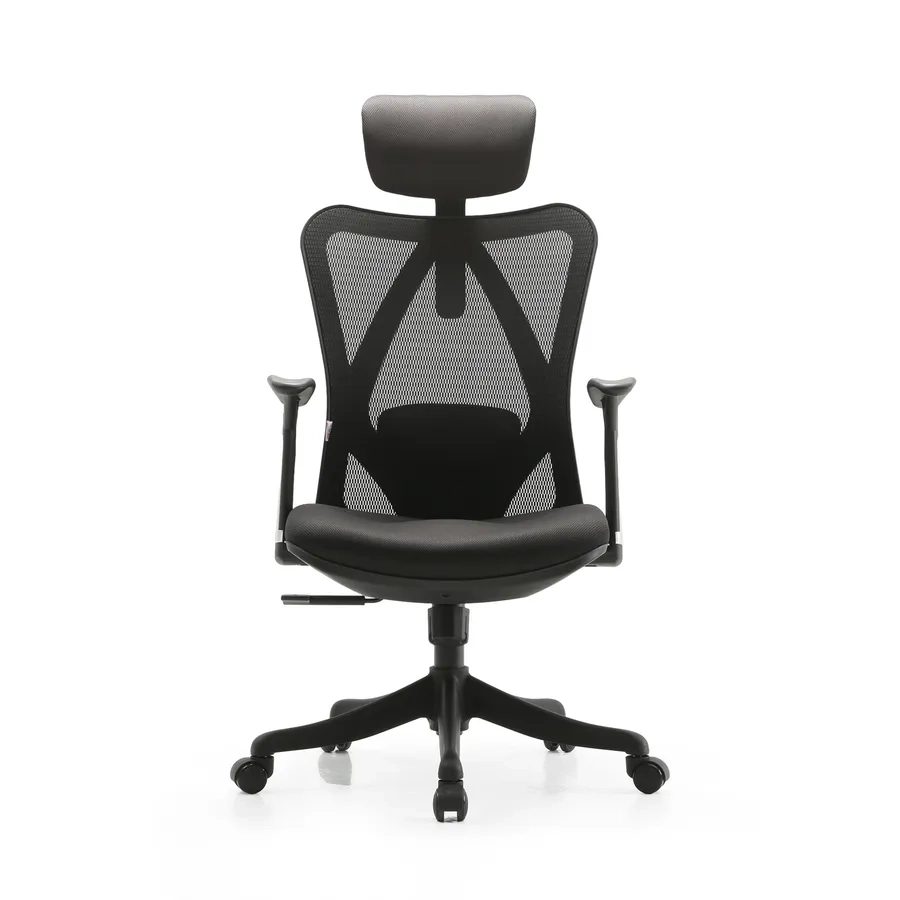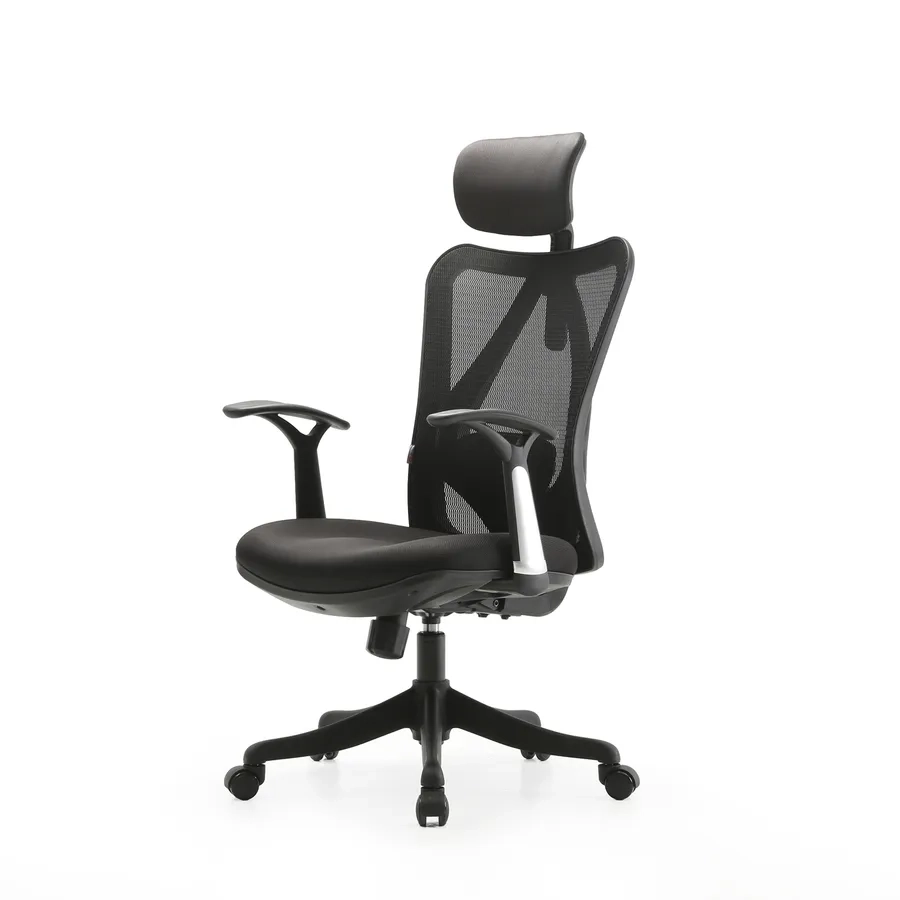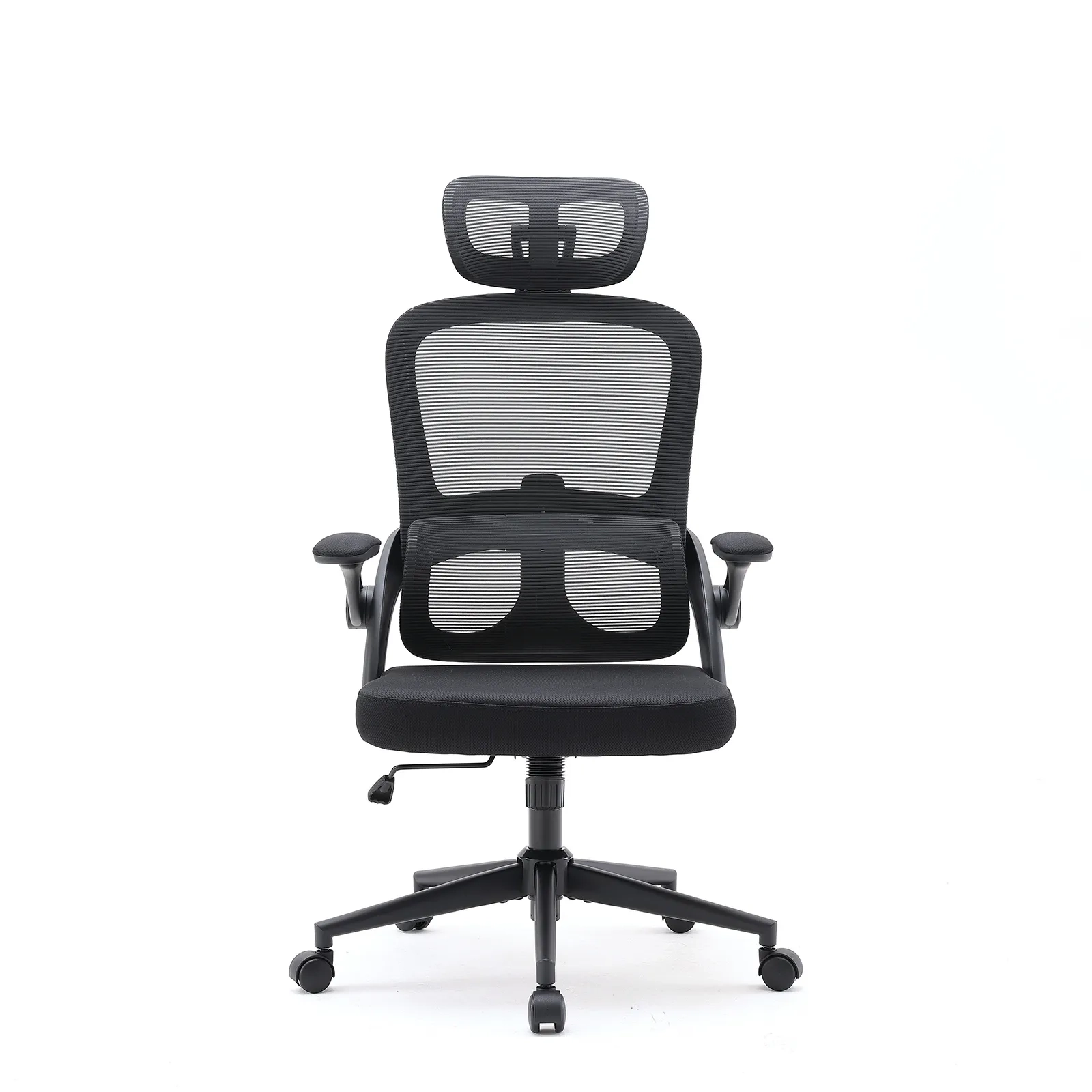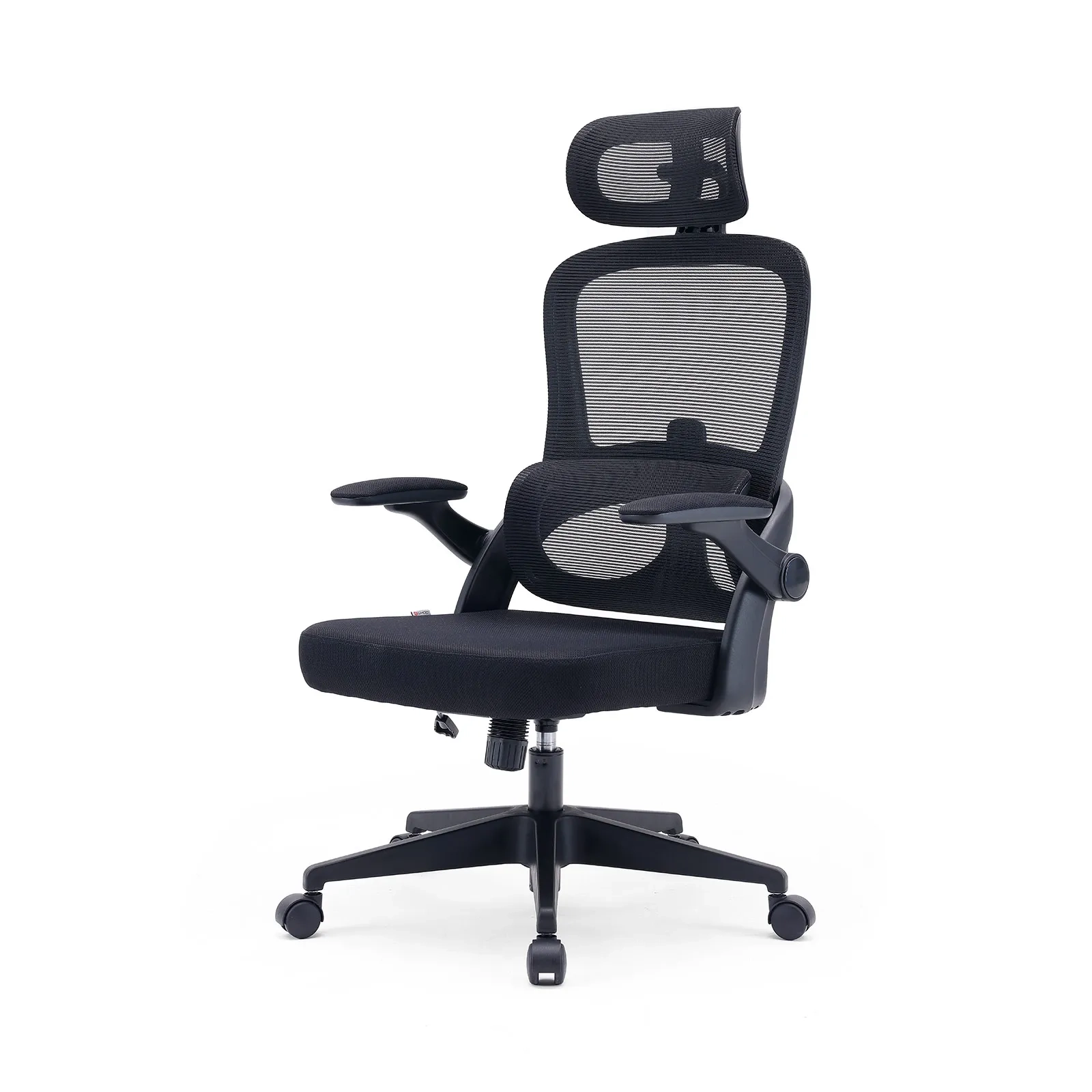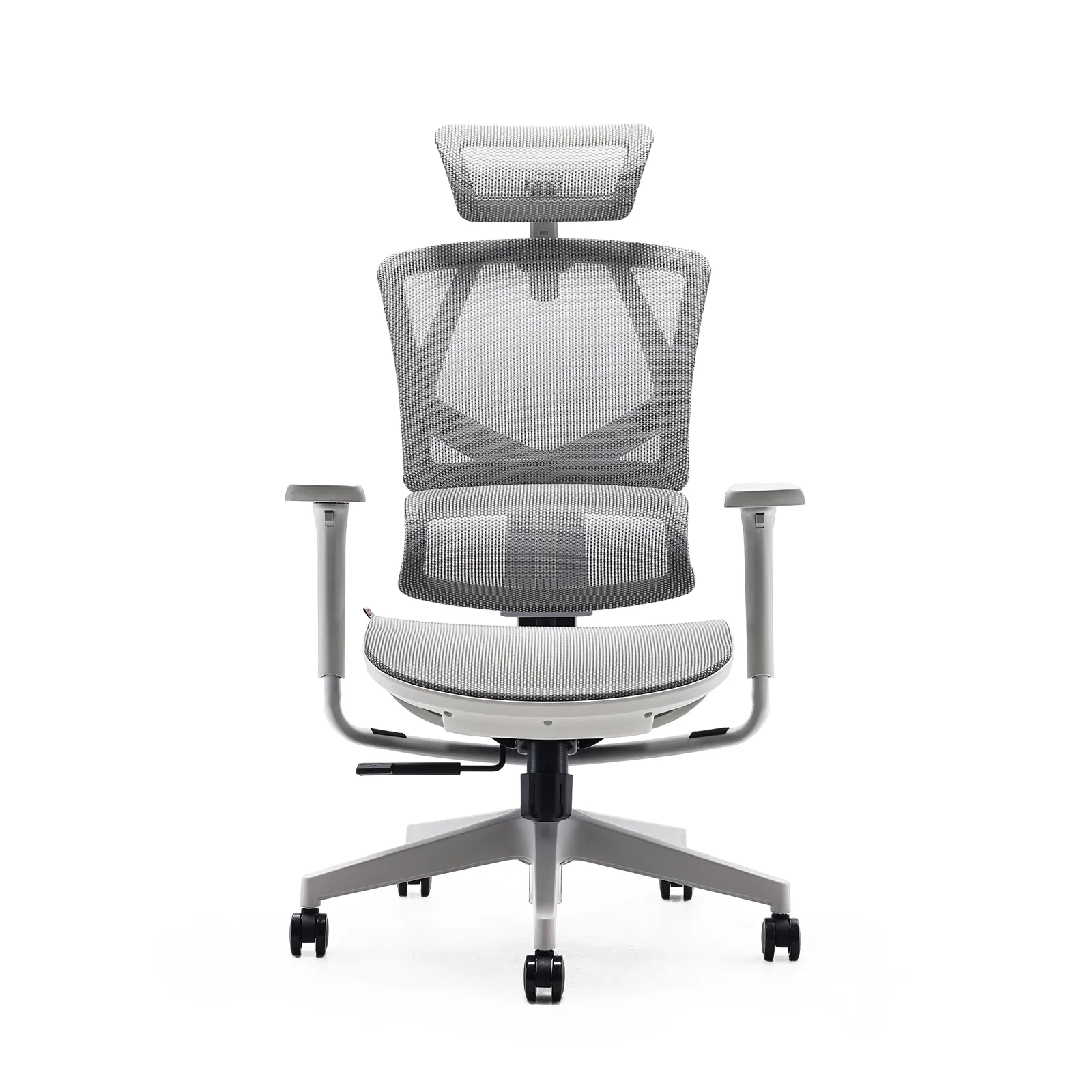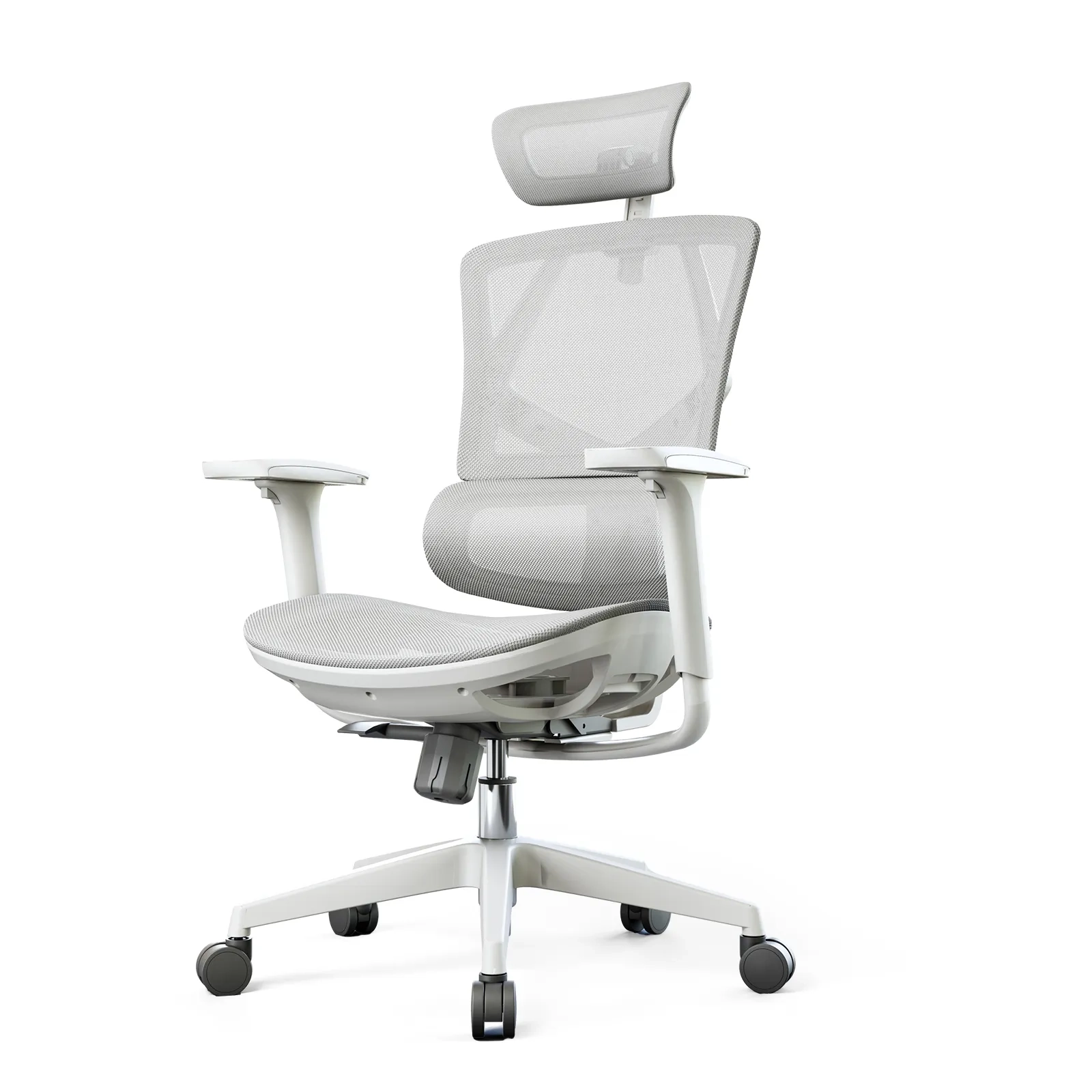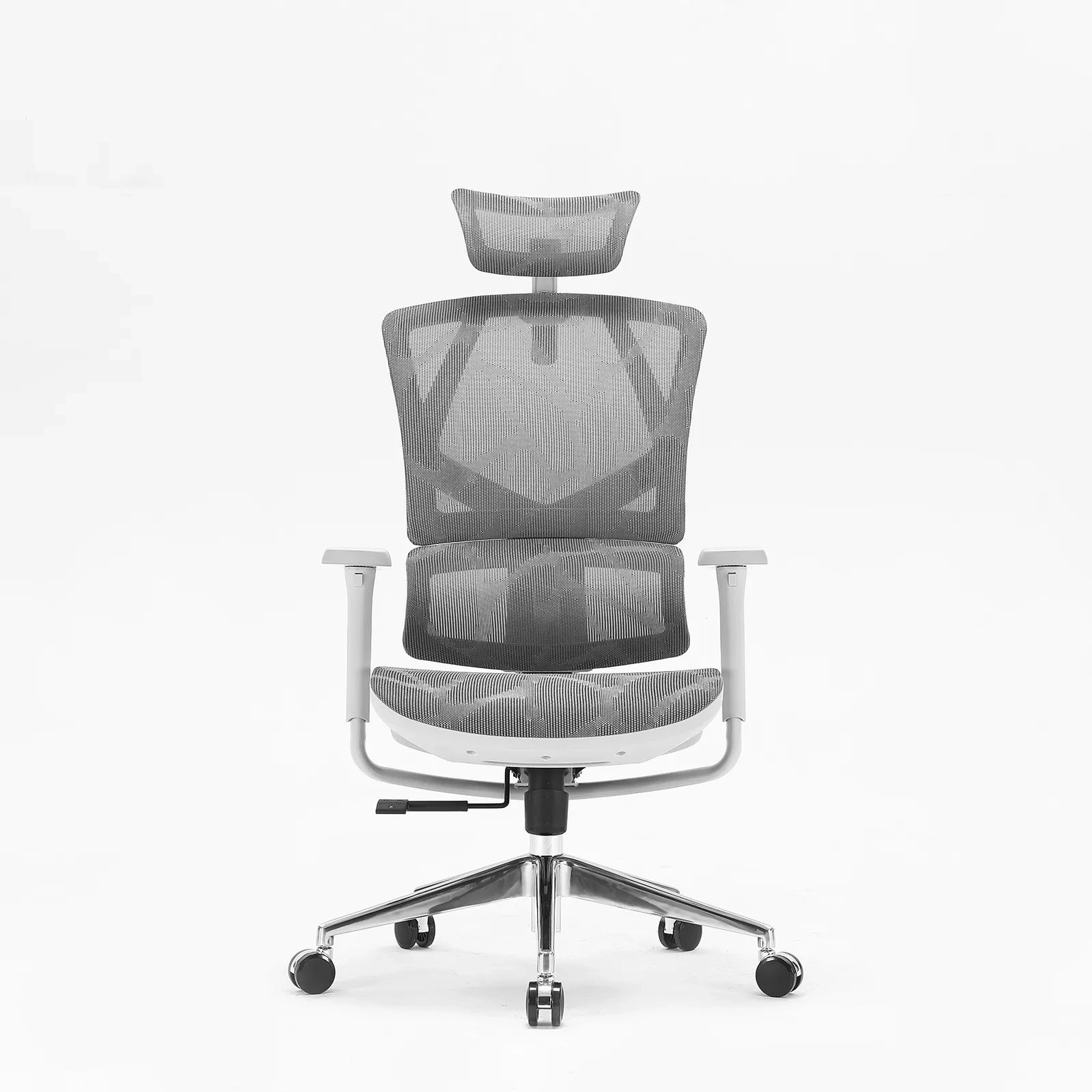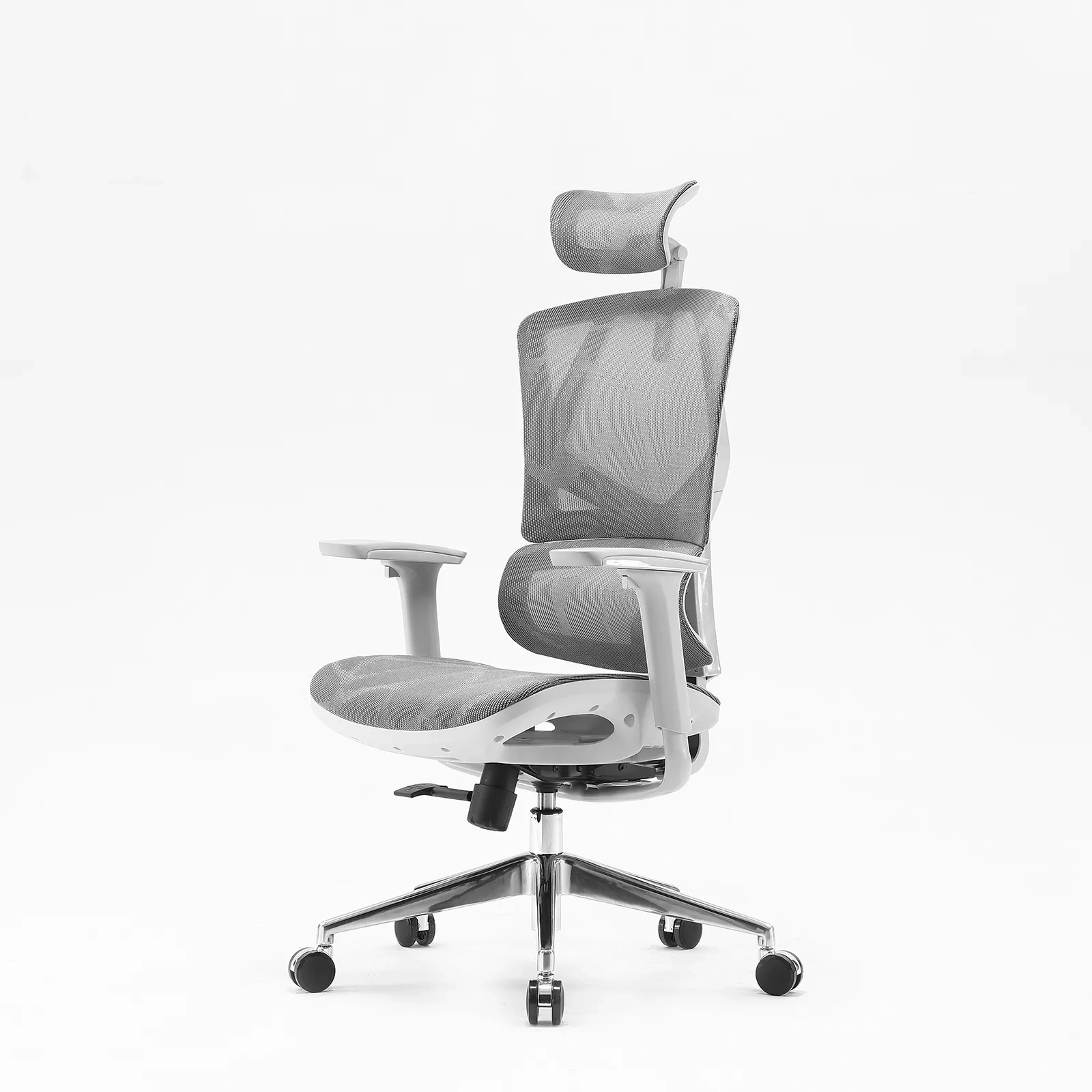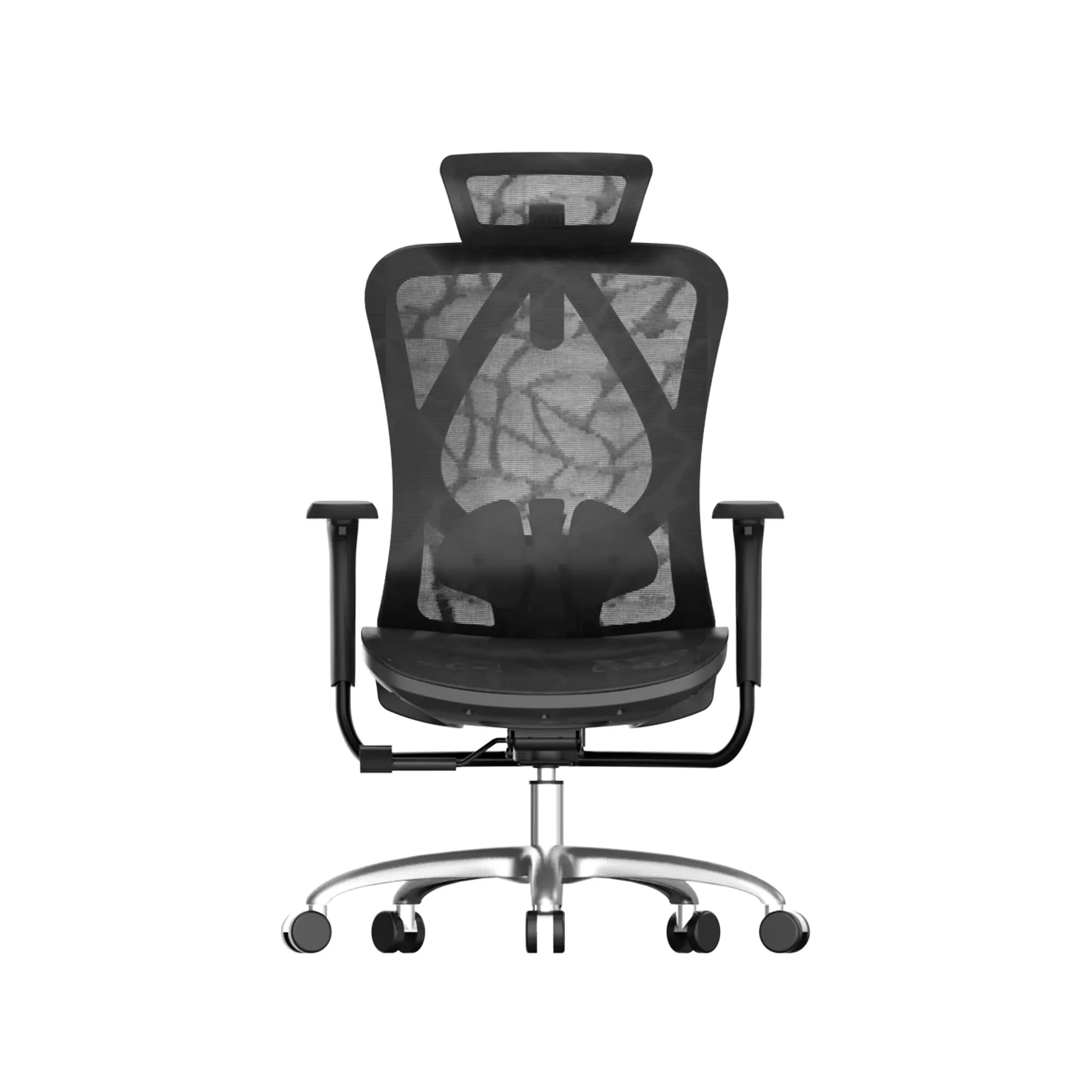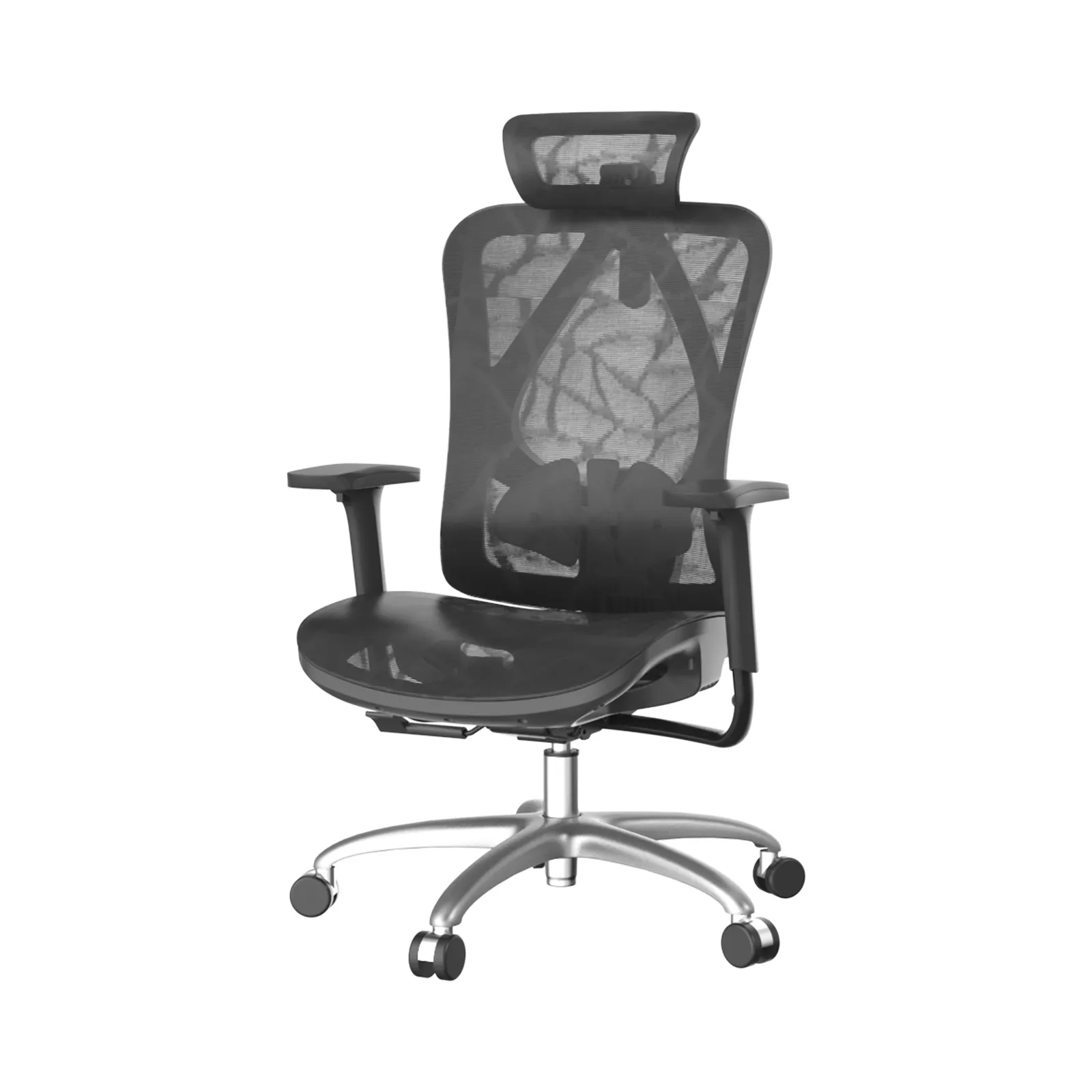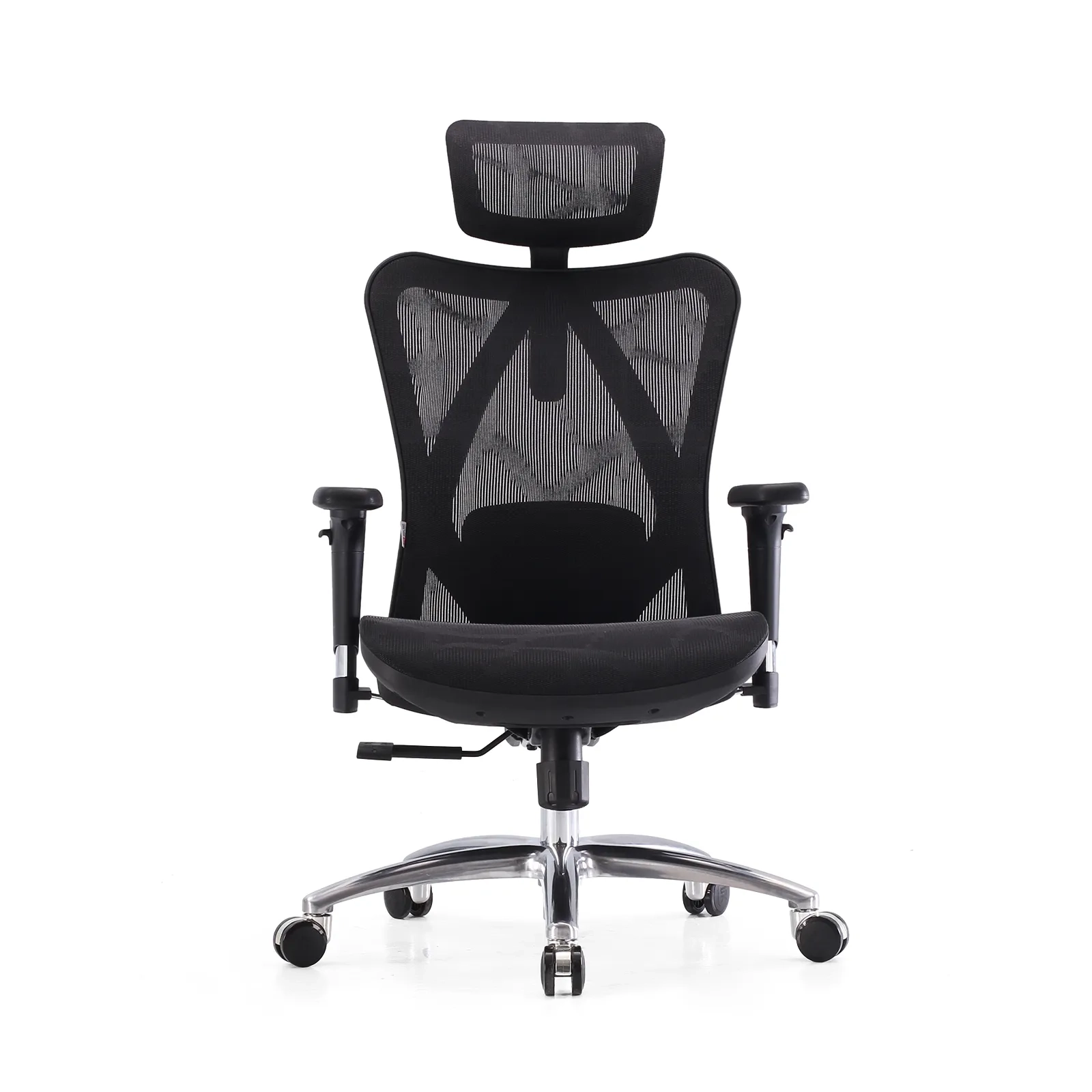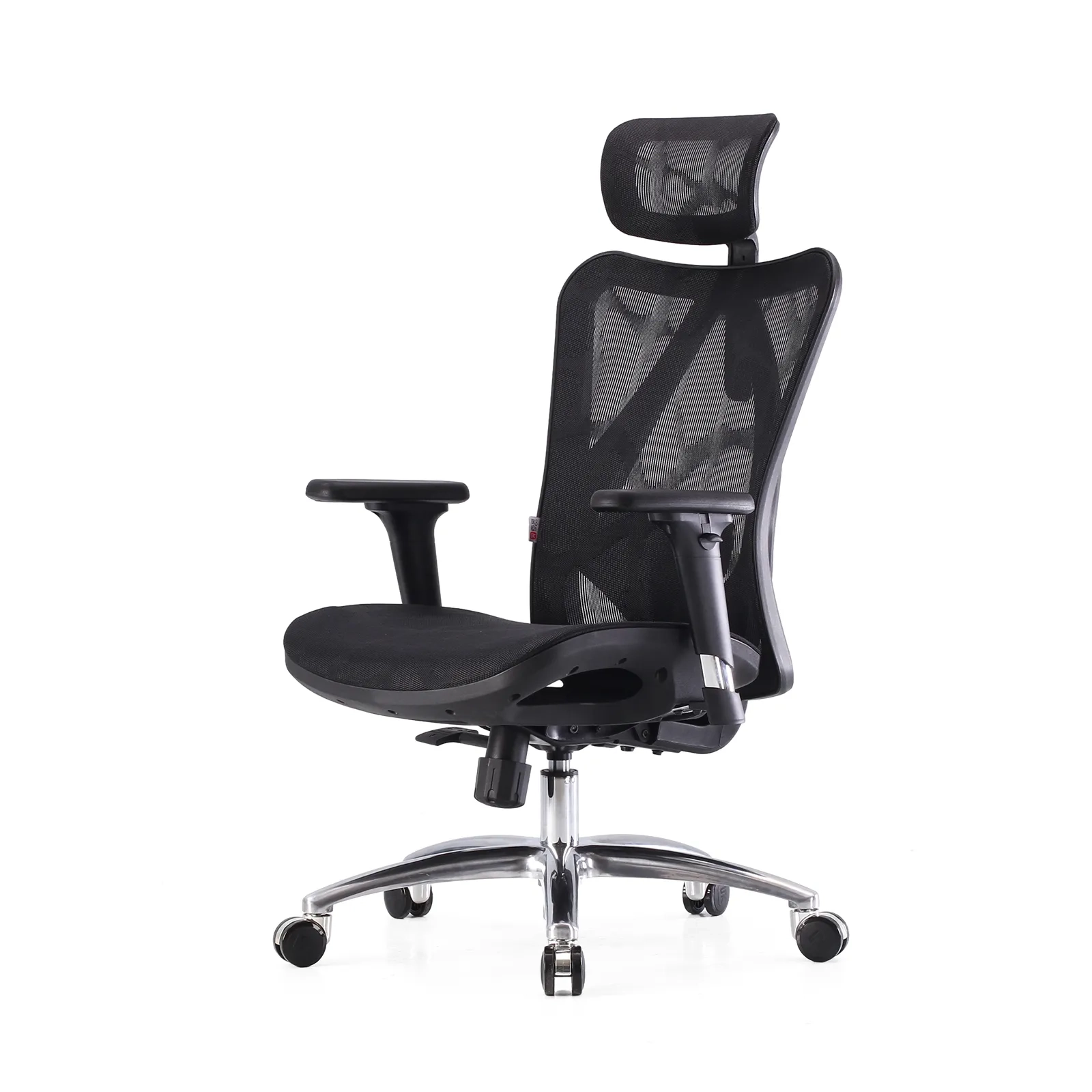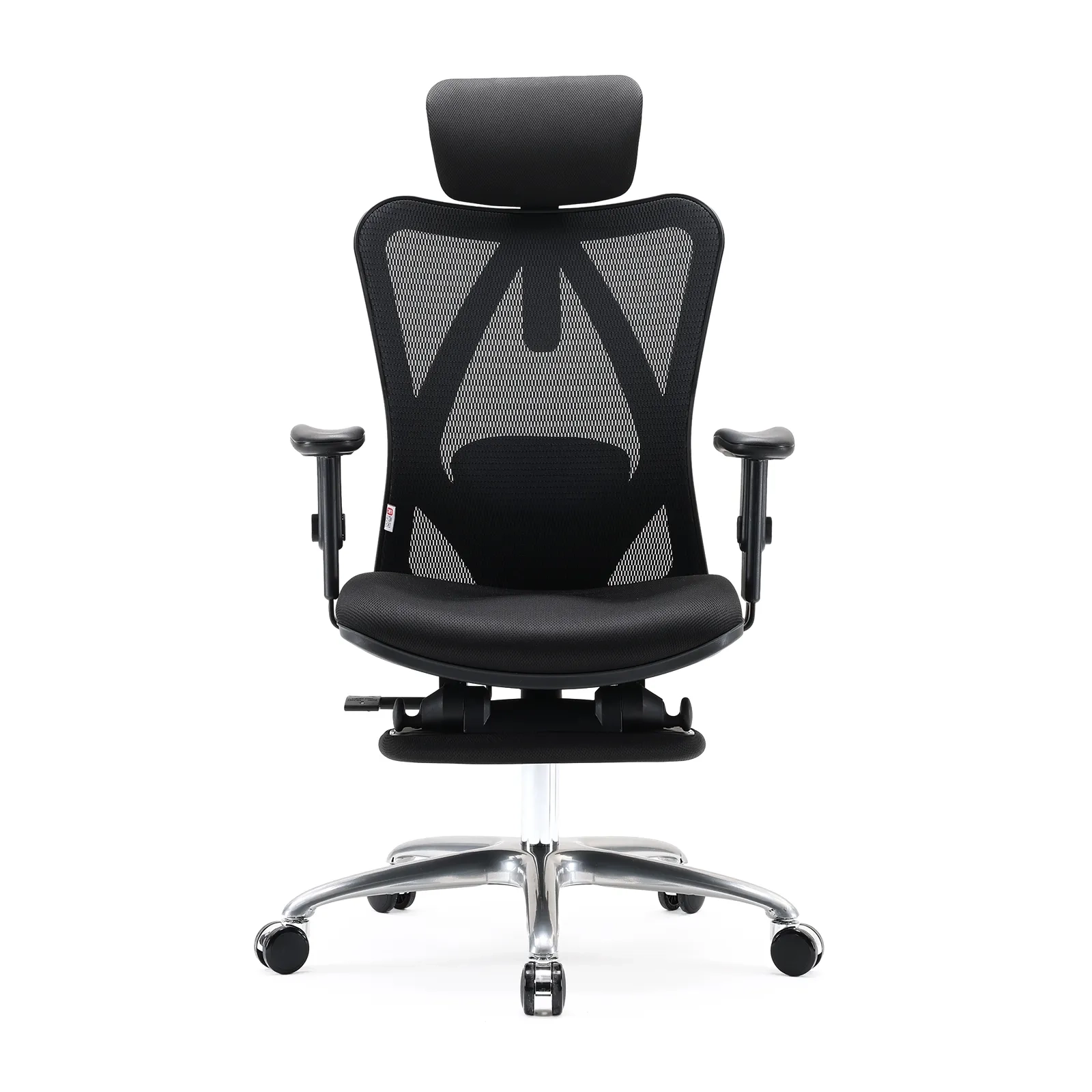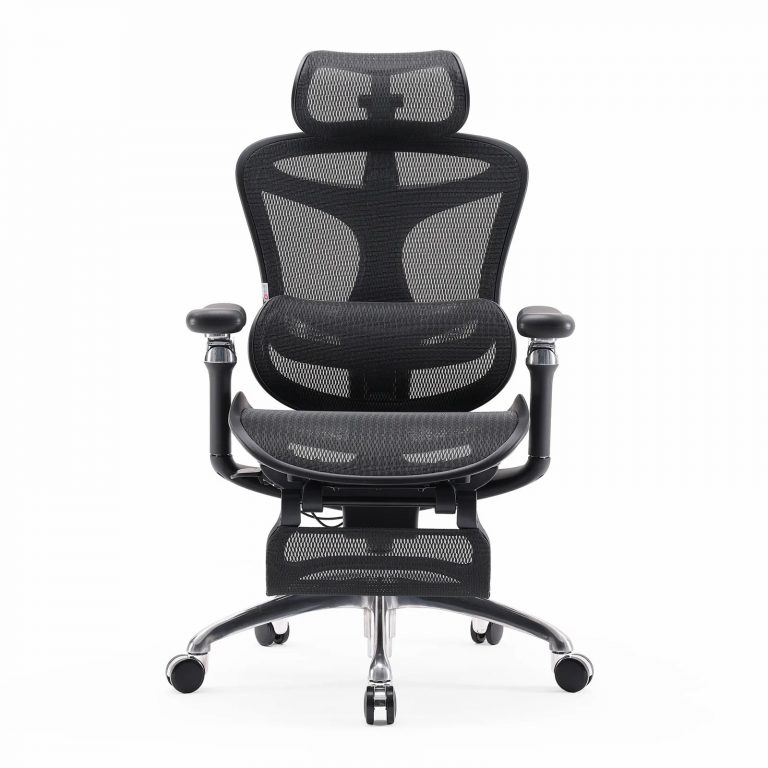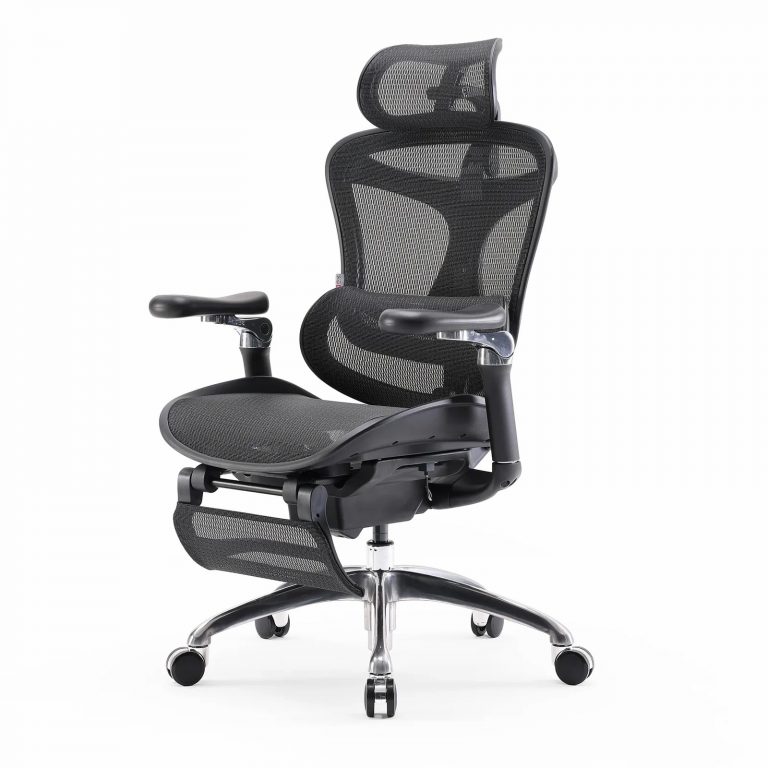









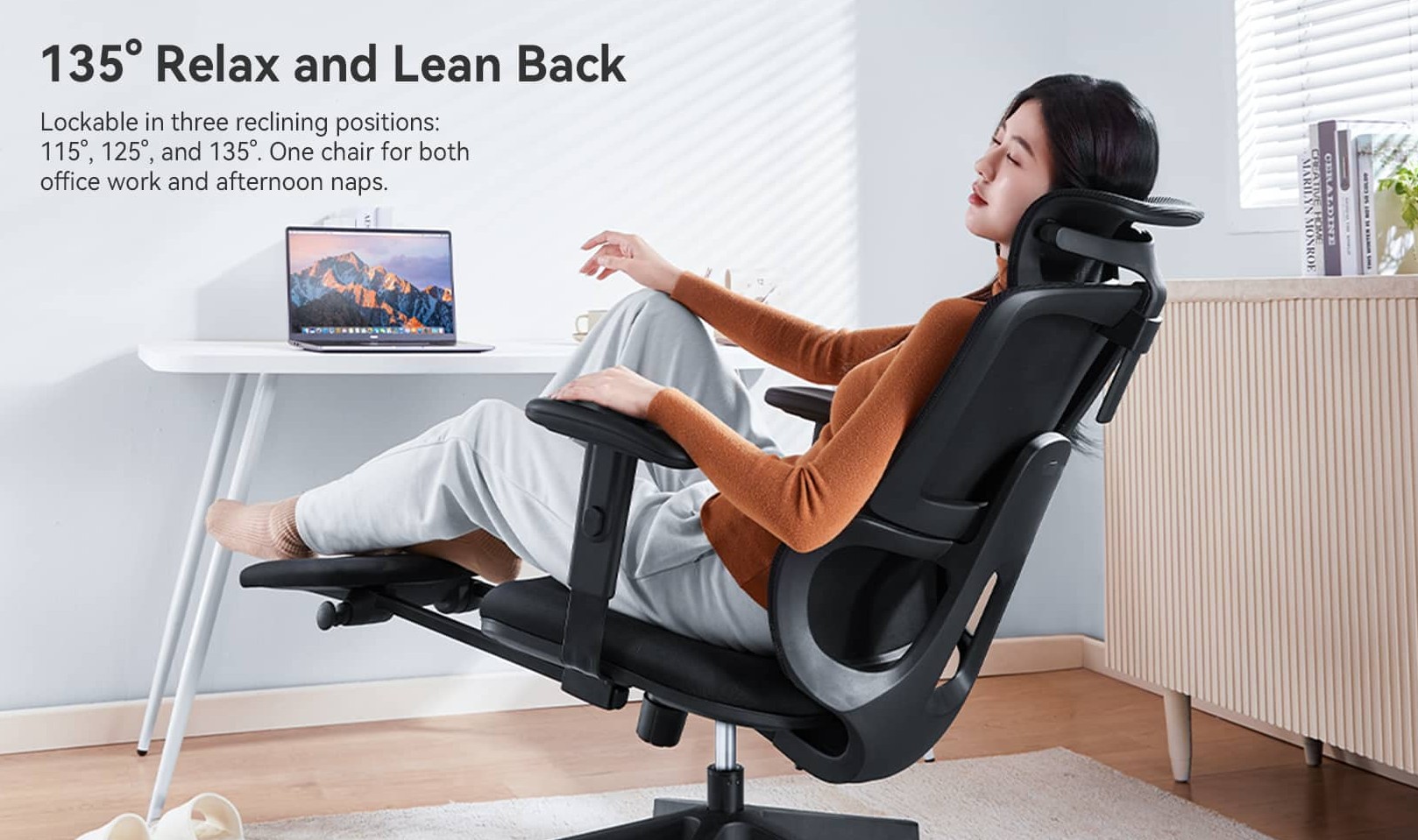
An office chair with footrest is a standard office or computer chair with a retractable leg rest built into the front of the seat. You pull it out when you want to lift your legs, and slide it back under when you don’t. What makes it worth choosing is what happens to your legs over a long day at the desk. Sitting with both feet flat loads the lower spine and lets fluid pool in the lower legs. A footrest lets you change that angle without standing up, which is why it shows up in more home and office setups now. This guide explains why people choose office chairs with footrest, who they help most, where they fit into a normal day, and how to set one up so your legs feel the difference.
Why More People Choose Office Chairs with Footrest
More desks now run longer than they used to. Remote and hybrid work blurred the line between the nine to five and the rest of the day, so a chair that only worked for focused typing stopped being enough. The office chair with footrest filled that gap because it serves more than the typed parts of the day.
A footrest chair gives the legs somewhere to go during the slower parts of the day: reading, calls, and the stretch between tasks. That shift alone explains a lot of the uptake. People also know more about sitting than they did a few years ago. The idea that you should move through the day instead of holding one pose is now common advice from workplace health sources. A footrest is a simple, low effort way to act on that advice without leaving the desk. The leg circulation guide covers the mechanics in more detail, and Wikipedia’s office chair overview tracks how recline and leg support evolved.
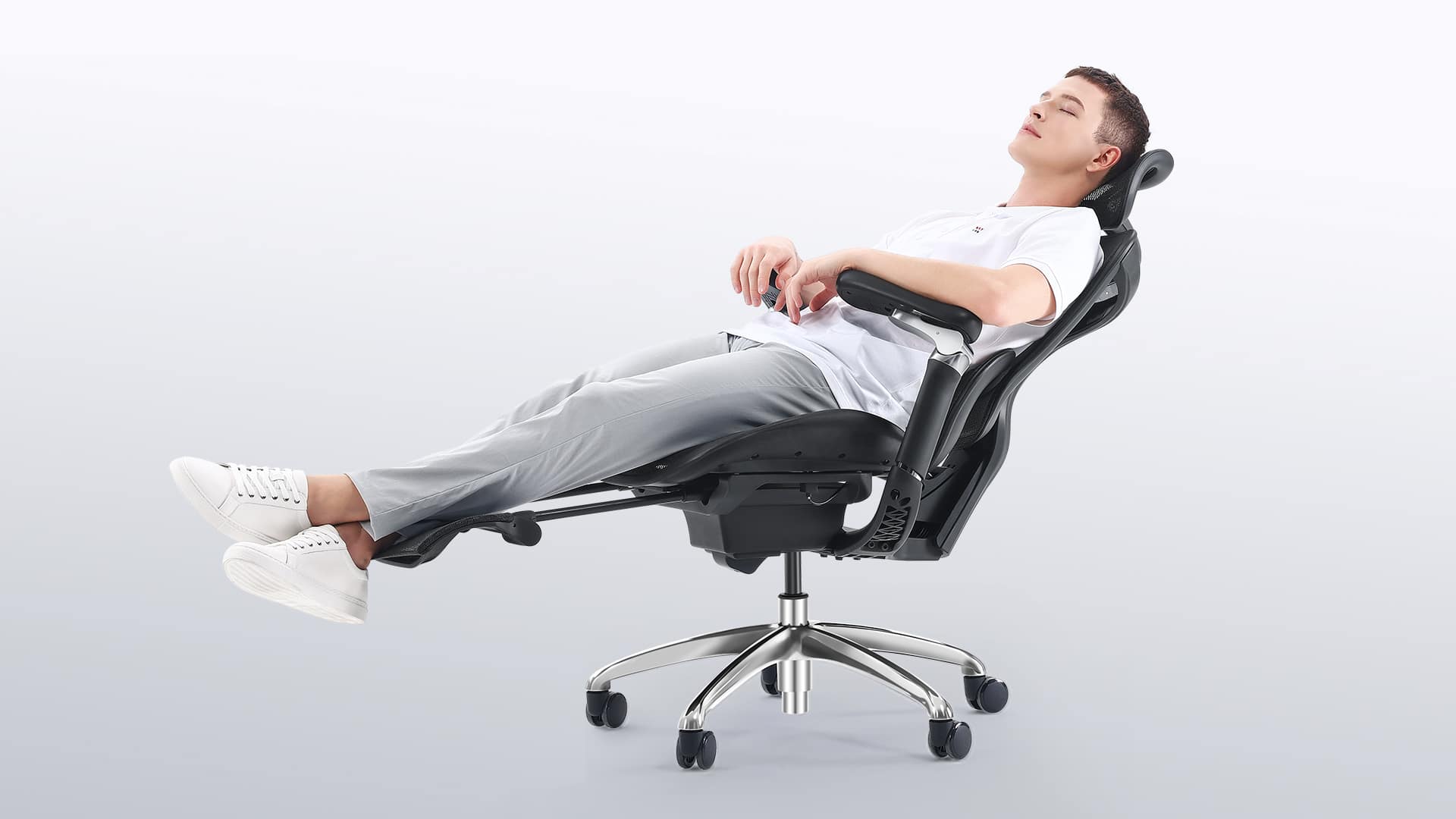
Tall users and anyone with long legs pushed the trend too. A standard chair leaves their feet barely reaching the floor, which rotates the pelvis and loads the lower back. A footrest gives the legs a stable rest, and once one person in an office or household tries it, the chair tends to stick. See how tall people can find a comfortable office chair for the fit side of this.
None of this means a footrest suits every desk. If you sit upright and type all day, the floor under your feet does the job. The piece on do you really need an office chair with a footrest lays out when to skip one. For everyone else, the chair is a small add on that changes how the slow parts of the day feel.
Who an Office Chair with Footrest Is For
An office chair with footrest is not for everyone, but these groups notice it most.
People who sit six or more hours a day. Long sitting lets fluid collect in the lower legs and tightens the hip flexors. A footrest lets you change leg angle through the day without leaving the desk. The piece on how the right office chair improves leg circulation goes deeper on this.
Taller users and anyone with long legs. If your knees sit higher than the seat or your feet only reach the floor on tiptoe, a footrest gives your legs a stable rest. It beats stacking a box under your desk. See how tall people can find a comfortable office chair for fit tips.
Anyone with end of day ankle or calf tightness. Lifting the legs a few inches during the afternoon takes load off the veins that return blood from the feet. This is the same idea behind why an office chair with footrest eases leg pressure. For persistent swelling, a clinician should weigh in, since it can point to other issues (Cleveland Clinic on circulation).
People who recline or nap at the desk. If you tilt back to read or reset between meetings, a footrest keeps you supported instead of sliding. The guide to choosing a reclining office chair for work and napping covers the recline side of the same setup.
Home computer users. A footrest chair for the home desk works the same in an office or a study, and it helps if your chair time spills into gaming or reading. The ergonomic chairs for programmers, designers, and writers piece maps chairs to long focused sessions.
Long sitting carries its own risks, and Mayo Clinic’s guide to sitting less lays out why movement breaks matter as much as the chair. If none of these groups describe your day, a standard ergonomic chair without a footrest may serve you better, and do you really need an office chair with a footrest explains when to skip one.
Where You’ll Use an Office Chair with Footrest
An office chair with footrest only pays off when the day mixes typing with slower tasks. The settings below are where it helps most.
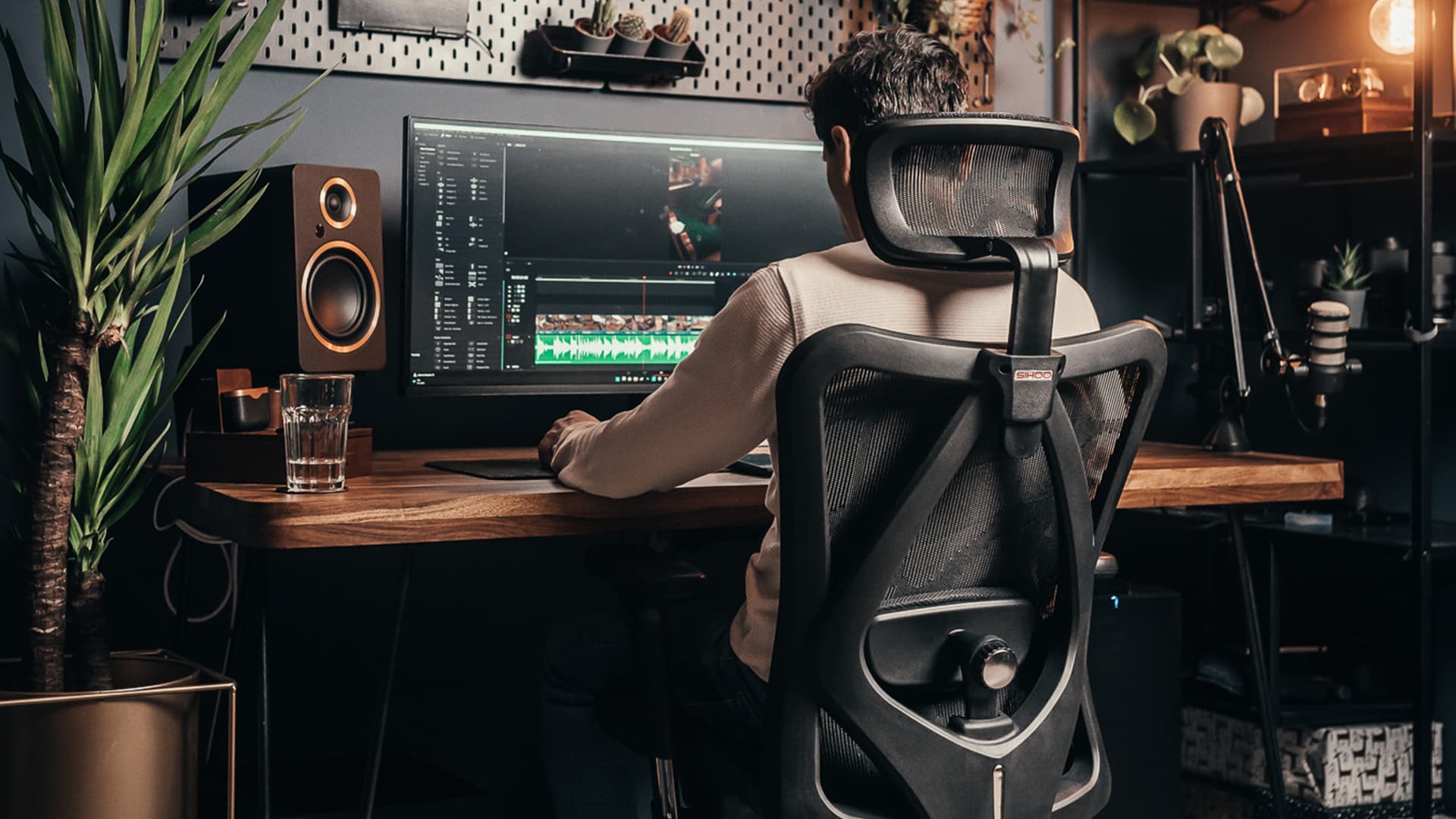
Home office. The most common spot. You sit longer at home because the desk is also where you read, take calls, and end the day. A footrest turns the recline you already do into something your legs benefit from. The ergonomic office chair range covers chairs built for this mix.
Reading and calls. When you are not on the keyboard, your feet do not need to be flat on the floor. Lift them onto the footrest, tilt back 10 to 20 degrees, and the lower spine stops carrying your full weight. This is the single biggest reason people keep the footrest out.
Short breaks and naps at the desk. If you reset between meetings by leaning back, a footrest keeps your legs from dangling and your pelvis from rotating. The reclining office chair guide goes deeper on the recline angle.
Gaming or study sessions. Long sessions in front of a screen blur work and rest the same way a home office does. A footrest helps during the slower stretches, then folds away when you lean in.
Shared or hot desk seating. In a space where several people share one chair, the footrest option matters less than adjustability. The SIHOO catalog lists which builds offer it, so you can check before you order.
In each of these, the footrest works only with a recline. Feet on the floor belong to active typing; feet on the footrest belong to everything slower. Splitting the day that way is why the footrest stays useful.
How to Set Up the Footrest for Real Relief
Getting the benefit takes a short routine. Do these in order.
1. Set the seat height first. Your thighs should run roughly level with the floor and your feet flat before you ever touch the footrest. Most footrest complaints start here: the seat is too low, so the footrest has to do the work the floor should. Adjust until your hips sit just above your knees.
2. Extend the footrest and rest your heels. Let the footrest take your heel weight, not your toes. Keep a soft bend at the knee, around 90 to 100 degrees. If your knees lock straight or fold past 100 degrees, the seat height is still off.
3. Recline 10 to 20 degrees. On an office chair with footrest, the recline and footrest work as a pair: tilt the back so your weight moves into the lumbar region instead of pinning your tailbone, and the footrest keeps your legs from sliding forward. Office ergonomics guidance from OSHA and CDC NIOSH backs frequent posture changes over one fixed pose.
4. Use it in intervals. Feet on the floor for focused typing, feet on the footrest for reading and calls. Swapping every 20 to 30 minutes keeps the legs from stiffening in either position.
5. Keep the lumbar support engaged. The footrest handles the legs; the chair’s lumbar pad handles the lower back. With both set, a short recline relaxes the spine instead of rounding it. Chairs built to BIFMA standards hold these adjustments through years of daily use.
SIHOO Doro C300: a Footrest You Can Skip or Keep
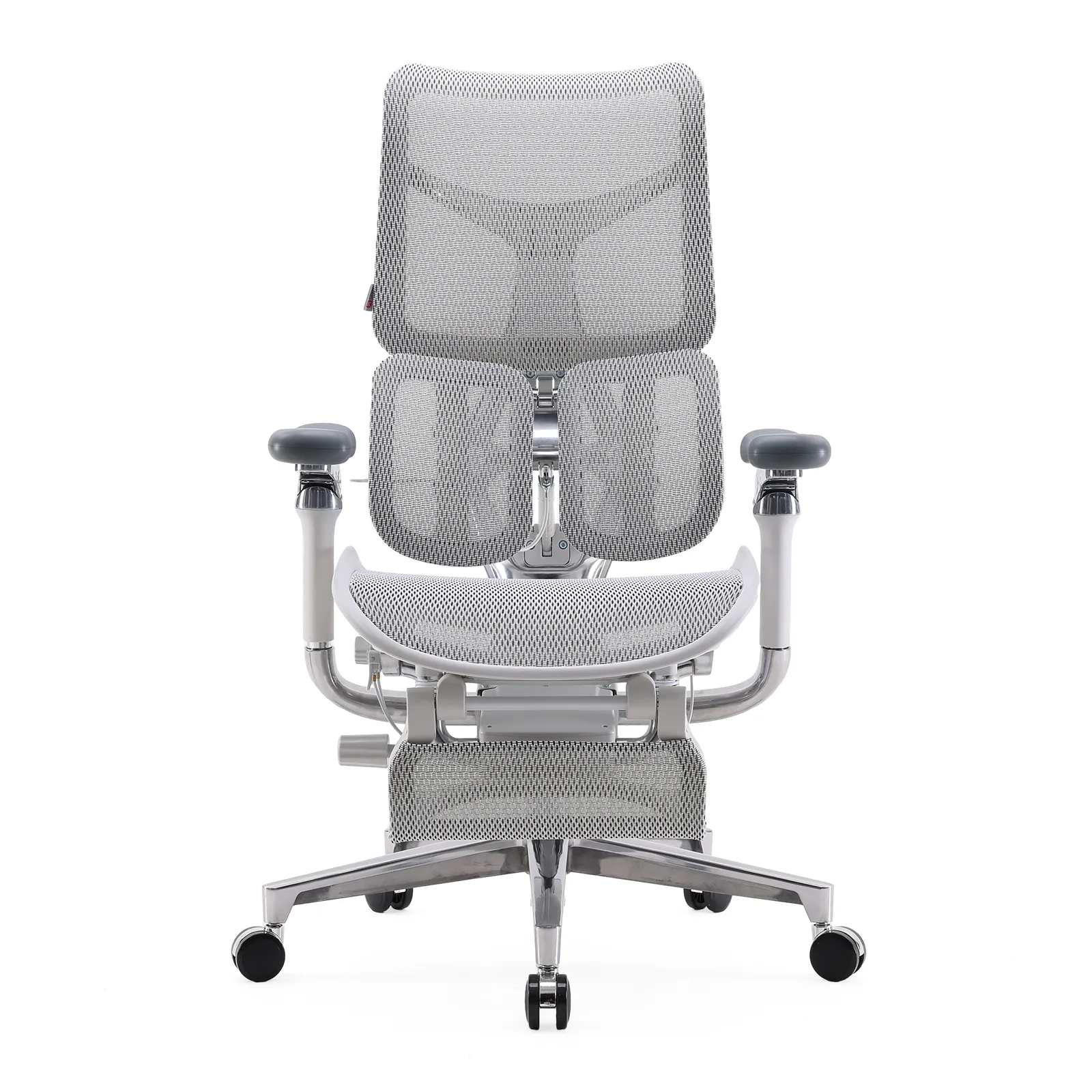
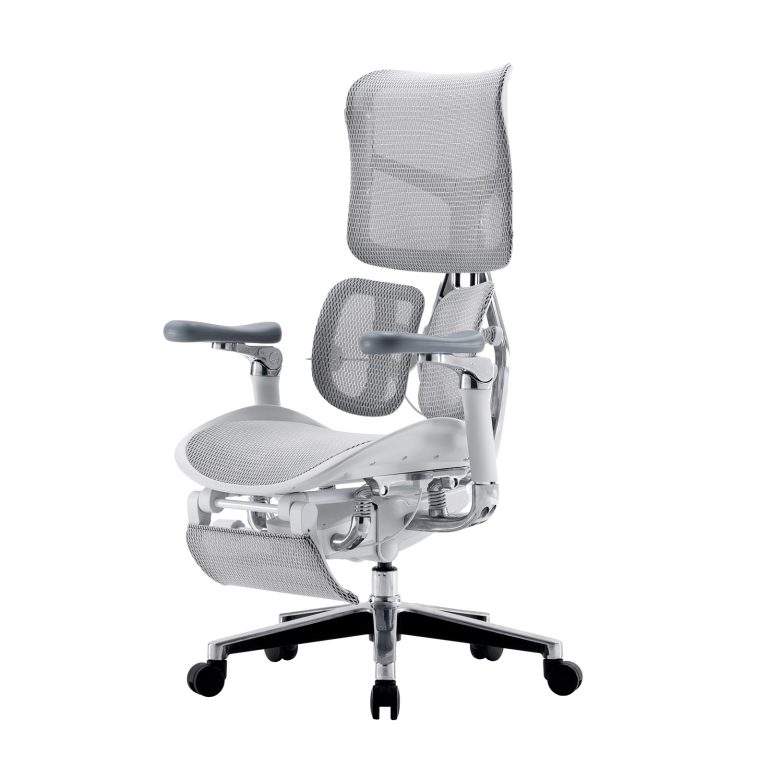
The SIHOO Doro C300 offers the footrest as an option, so you order the version that matches how you sit. With it, you get a chair built around three tier back support, a Domino dynamic lumbar pad that moves with your spine, and a Bionic 6D armrest. The weight sensing recline and waterfall seat keep pressure off the thighs when you lean back with the footrest out. If you would rather have the chair without the footrest, that version exists too. See the full SIHOO Doro C300 product page for the option list.
SIHOO M57: the Proven Model, Footrest Optional
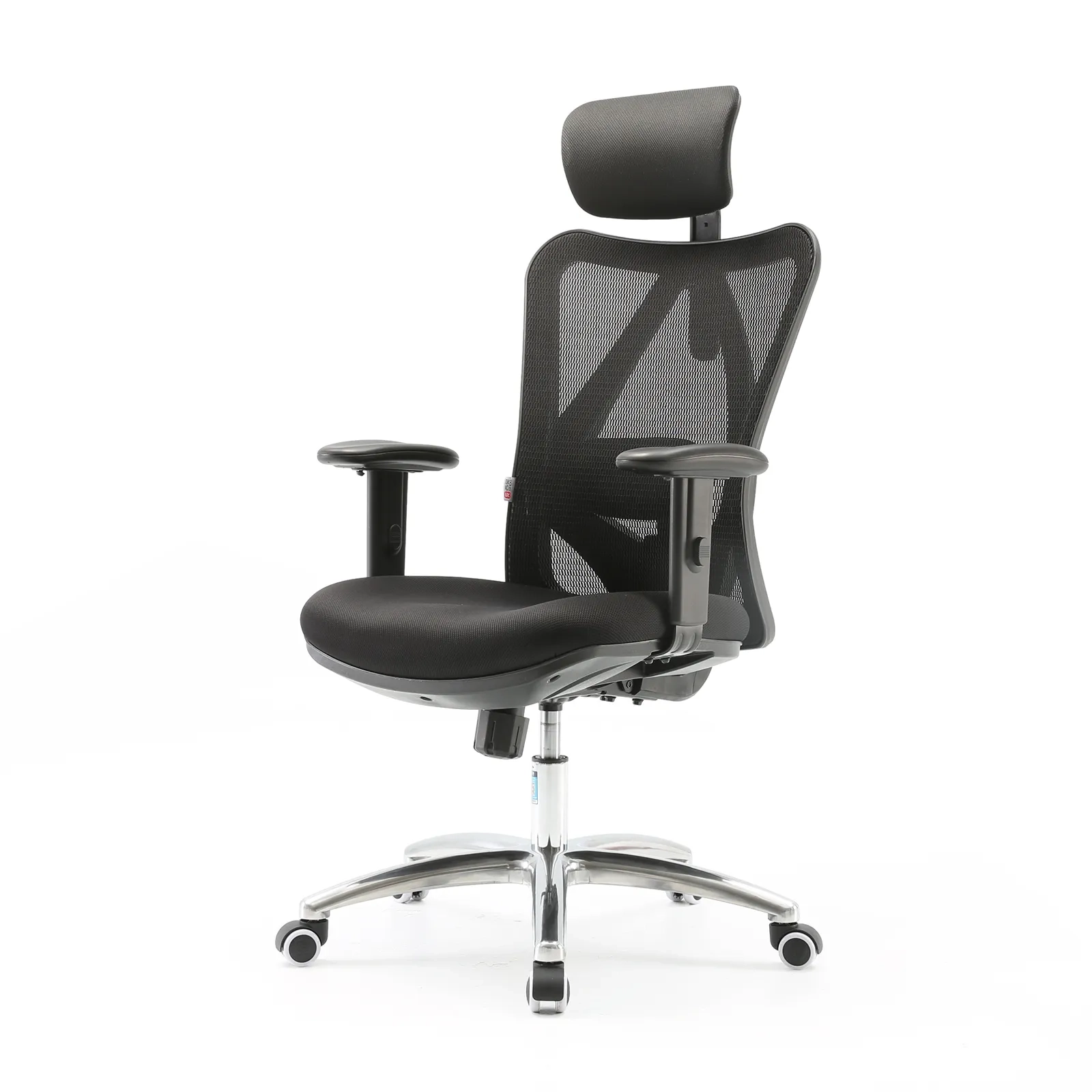
The SIHOO M57 ships with or without a footrest, and it carries a long track record: over 300,000 users and a high approval rate in the brand’s own surveys. Under the footrest, it runs an S shaped backrest, a 2D lumbar pad you move up and down and side to side, and a 110 to 130 degree three position tilt. The breathable mesh seat and adjustable headrest make it a steady pick for mixed home and office use. Order the M57 with the footrest if leg elevation is part of your day, or without it if you mostly sit upright. Details are on the SIHOO M57 product page.
SIHOO V1: High Back with a Footrest for Long Recline
The SIHOO V1 is a high back chair offered with or without a footrest, and it reclines to 140 degrees across four set angles. The footrest matters at that range: at a deep recline, it stops your legs from dangling. The V1 pairs a 4D lumbar pad, a multi adjustable headrest, and a saddle shaped seat you can slide to fit longer thighs. For tall users who want both a high back and a place to rest their legs, the V1 with footrest covers both. The SIHOO V1 product page lists the footrest option.
SIHOO S300: Deep Recline Without a Footrest
The SIHOO S300 does not offer a footrest, and that is fine for a specific user. It leans on an aviation grade weight sensing recline and a zero pressure seat with a four spring system, so the chair itself takes load off your body when you lean back. If you want recline relief but would rather keep the space under your desk clear, the S300 is the pick. It still pairs with a separate footstool if you later change your mind. See the SIHOO S300 product page for the full spec.
SIHOO Footrest Chairs at a Glance
| Modelo | Reposapiés | Recline | Standout support |
|---|---|---|---|
| SIHOO Doro C300 | With or without | Weight sensing synchro | Three tier back, dynamic lumbar |
| SIHOO M57 | With or without | 110 to 130 degrees | S shaped back, 2D lumbar |
| SIHOO V1 | With or without | Up to 140 degrees | High back, 4D lumbar |
| SIHOO S300 | Not offered | Weight sensing anti gravity | Zero pressure seat |
Browse the full ergonomic office chair range or the complete SIHOO catalog to compare footrest and non footrest builds side by side.
Preguntas frecuentes
Is an office chair with footrest good for leg circulation? It helps during the day by letting you lift your legs above the usual seated angle, which eases the venous return from the feet. It is a posture tool, not a treatment. Moving, stretching, and the leg circulation guide matter more over a full day.
Can a footrest chair reduce lower back pain? Indirectly. The footrest lets you recline without your legs sliding, and the recline takes pressure off the tailbone and lower spine. It will not replace a supportive lumbar system, which is why back pain and chair choice deserves its own read.
Should tall people use an office chair with footrest? Often yes. Tall users tend to sit with feet barely reaching the floor, which rotates the pelvis and loads the lower back. A footrest gives the legs a real rest. Start from how to choose an office chair by body type before locking the footrest height.
Is the footrest on SIHOO chairs removable? On the Doro C300, M57, and V1, the footrest is an order option: you pick the chair with or without it, rather than adding it later. The S300 does not offer a footrest at all, though a separate footstool works with it.
How high should I set the footrest? Rest your heels with a soft 90 to 100 degree knee bend. If your knees lock or fold past 100 degrees, lower or raise the seat first, then fine tune the footrest. The footrest follows the seat height, not the other way around.
Do I need a footrest if my chair already reclines? A recline helps your back, but without a footrest your legs hang and pull on the pelvis. The two work together: recline for the spine, footrest for the legs. You can also read do you really need an office chair with a footrest for the case against it.
Are office chairs with footrests good for computer work? For computer work they help most during reading, calls, and breaks rather than active typing, when your feet belong on the floor. A computer chair with footrest fits a home desk well if you mix focused typing with slower tasks.
Conclusion
Choose an office chair with footrest if you sit long hours, run tall, or end the day with tight legs, and use it with a recline of 10 to 20 degrees. Set the seat height first, extend the footrest for your heels, and use it in intervals rather than all day. Among the ergonomic office chair with footrest models from SIHOO, the Doro C300, M57, and V1 offer the footrest as an option, while the S300 skips it for a deeper weight sensing recline. Pick by how you sit, then see the ergonomic office chair category or any of the four product pages to check the footrest option before you order. A footrest is a small add on that changes how the chair feels for the slow parts of your day, so choose the build that matches your real routine.