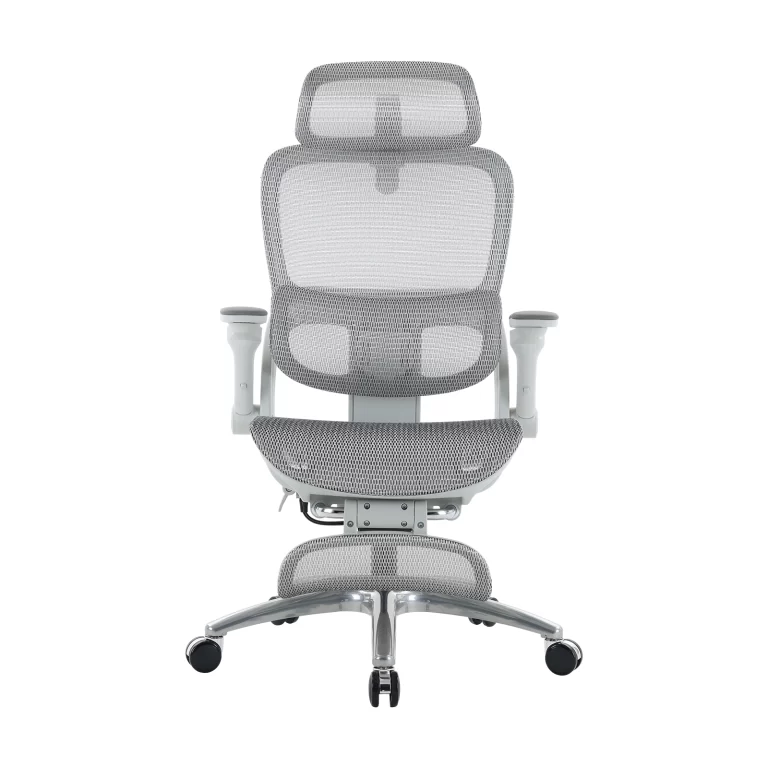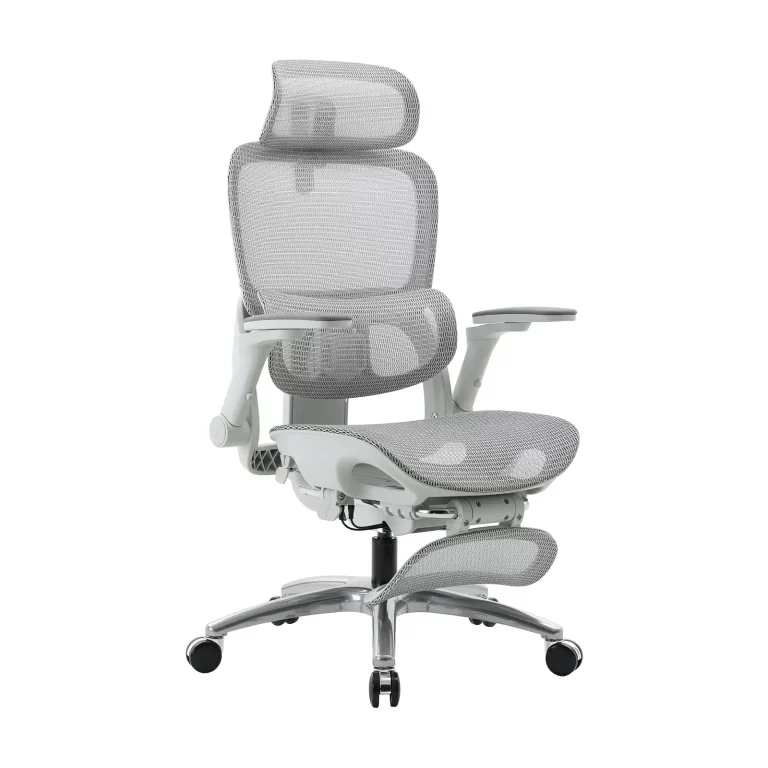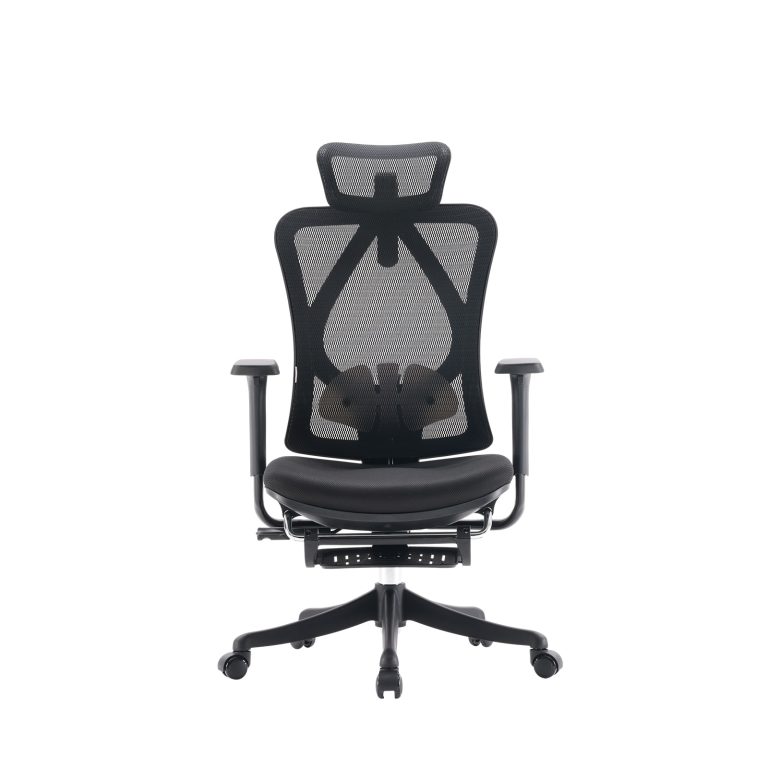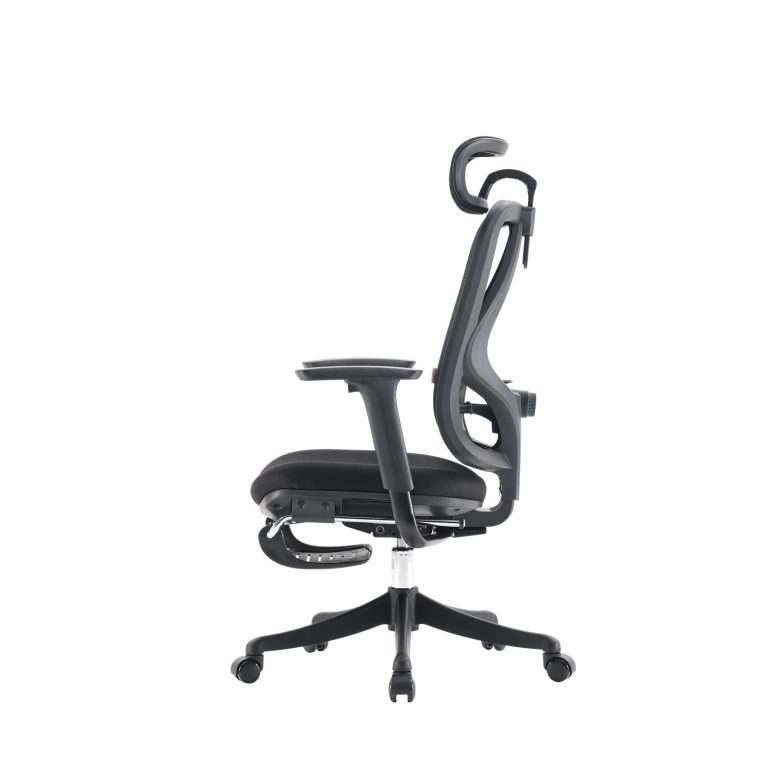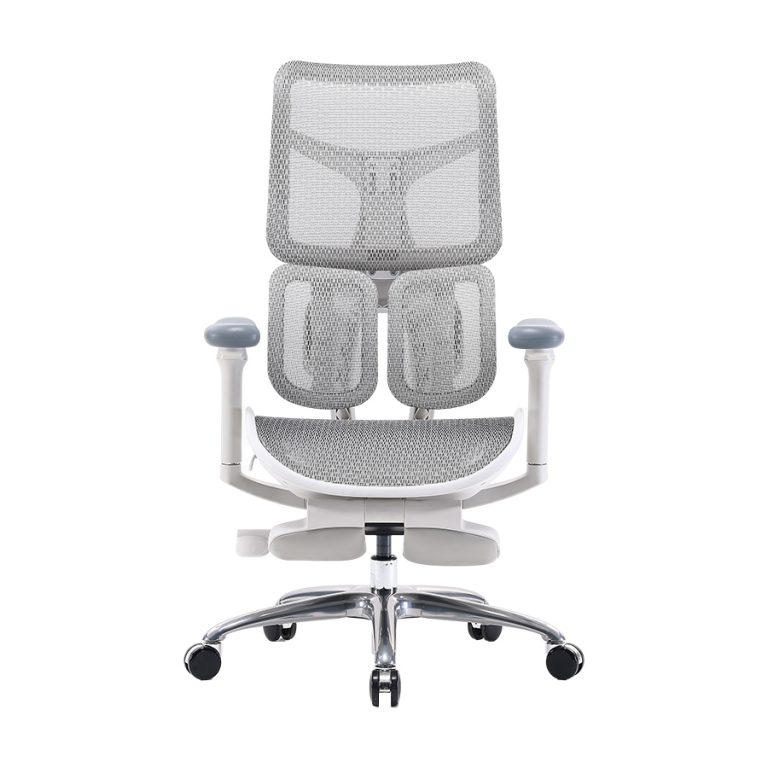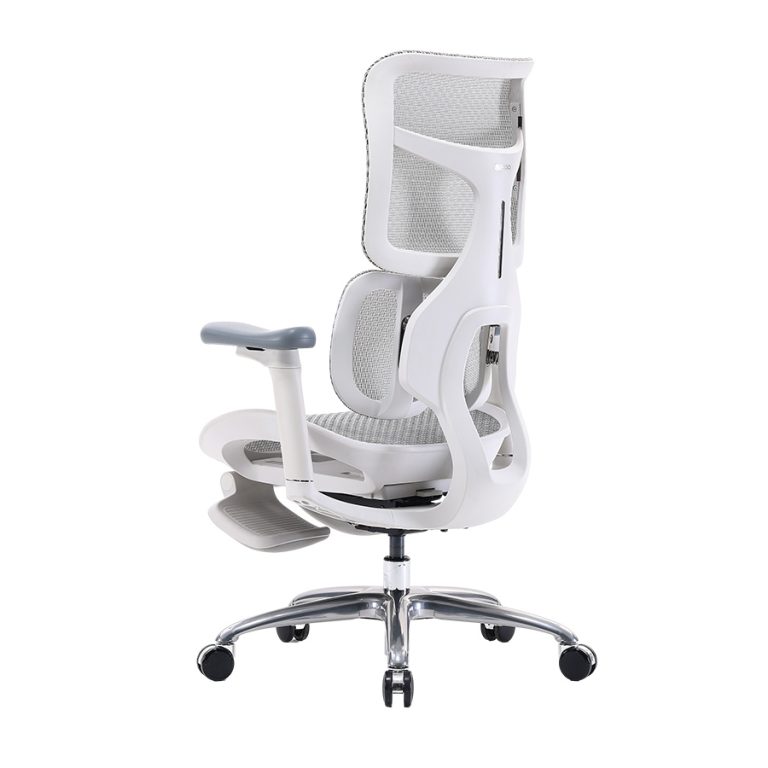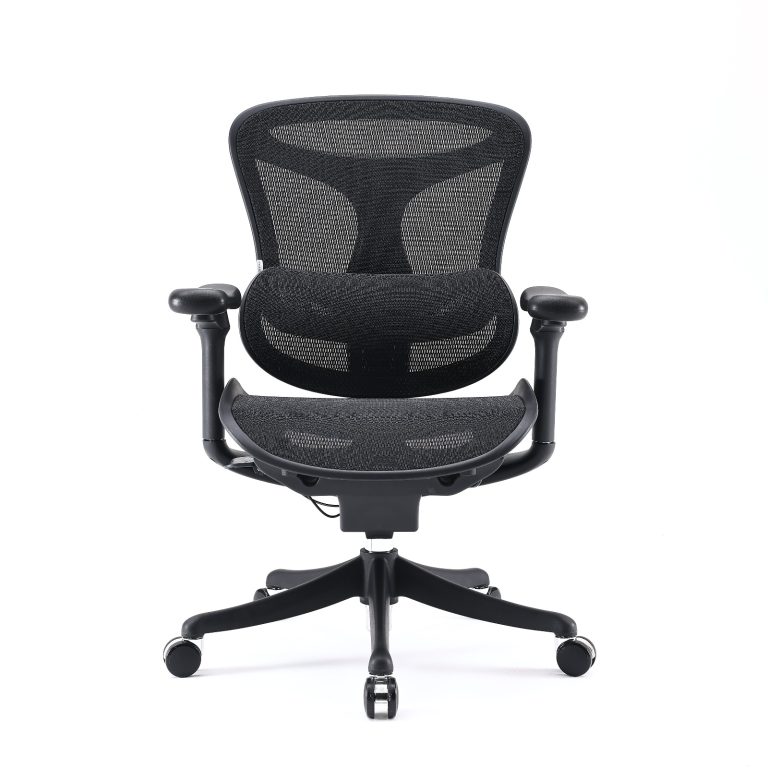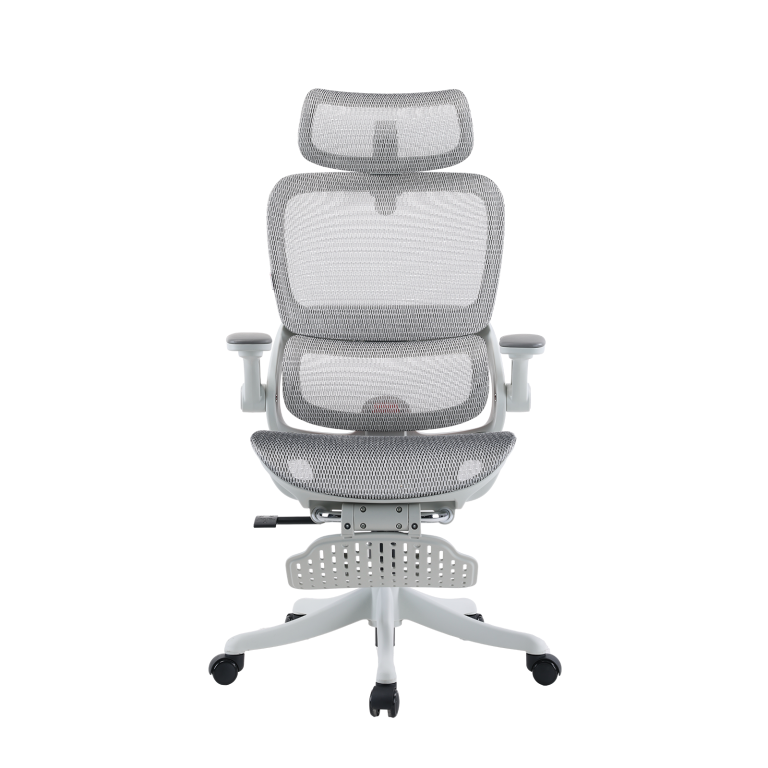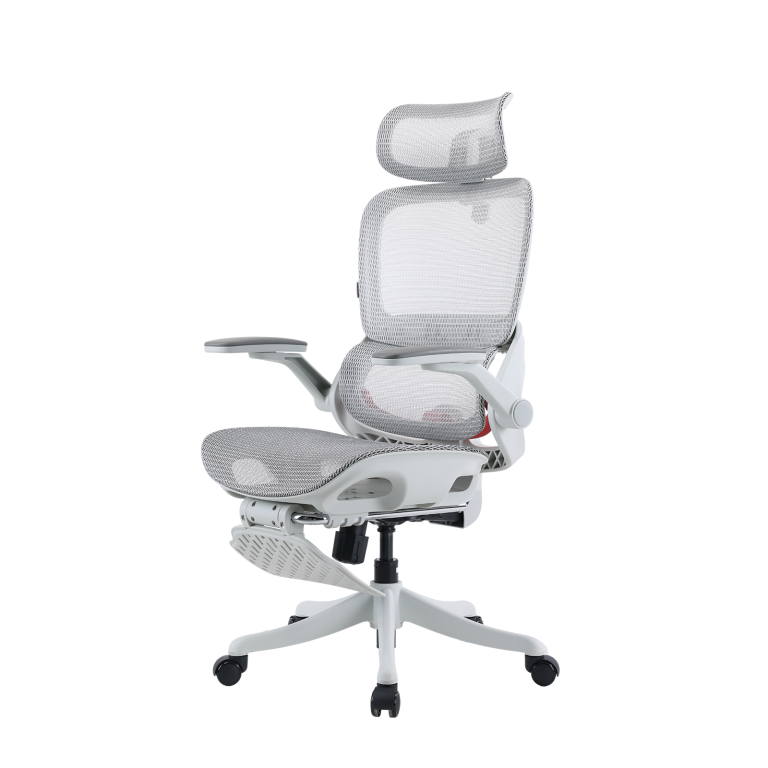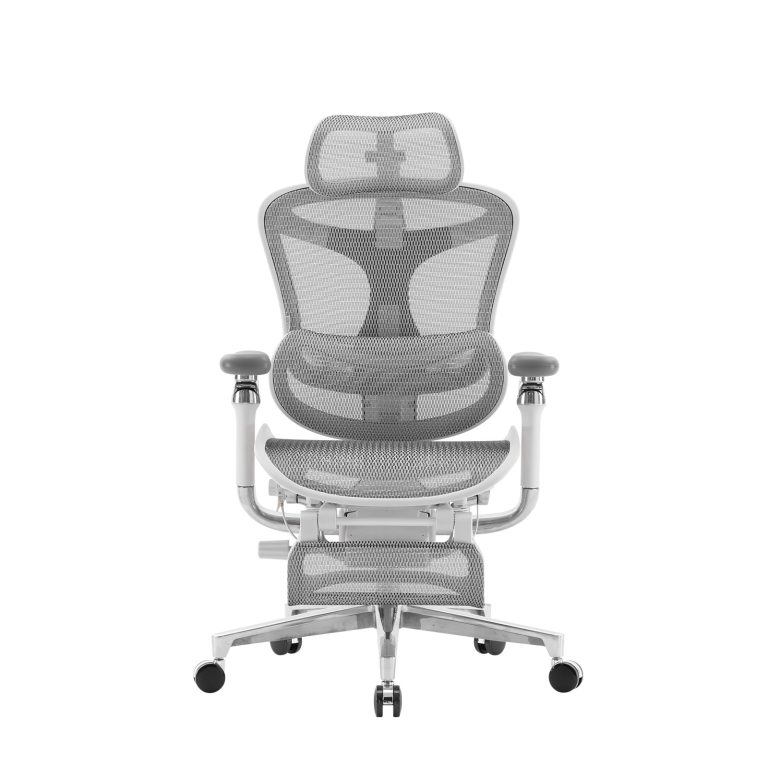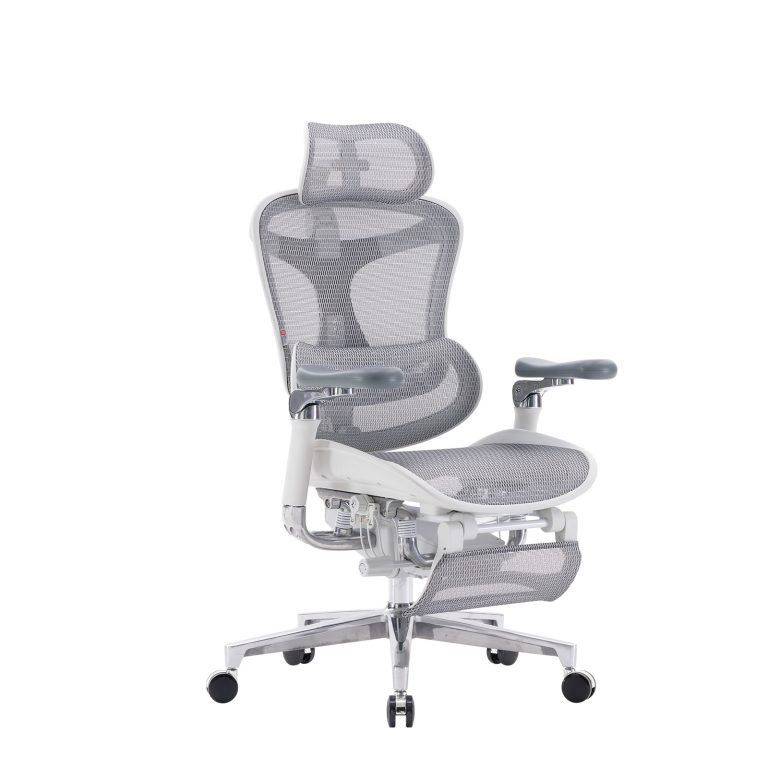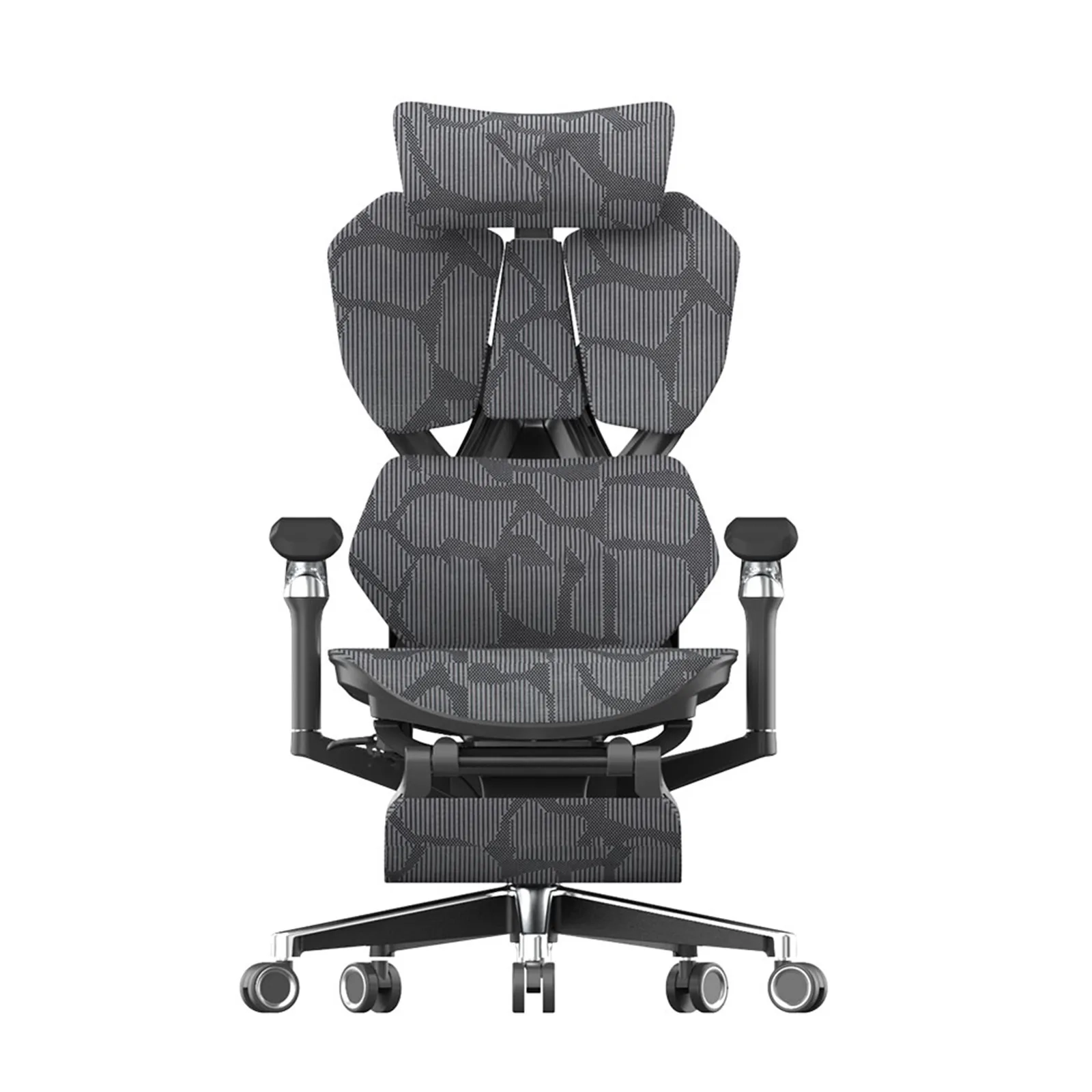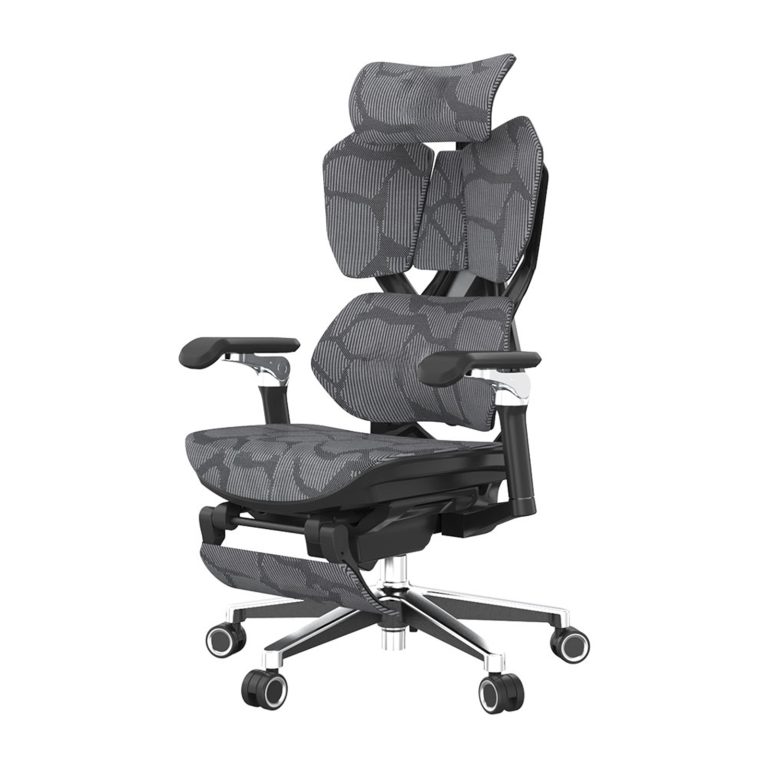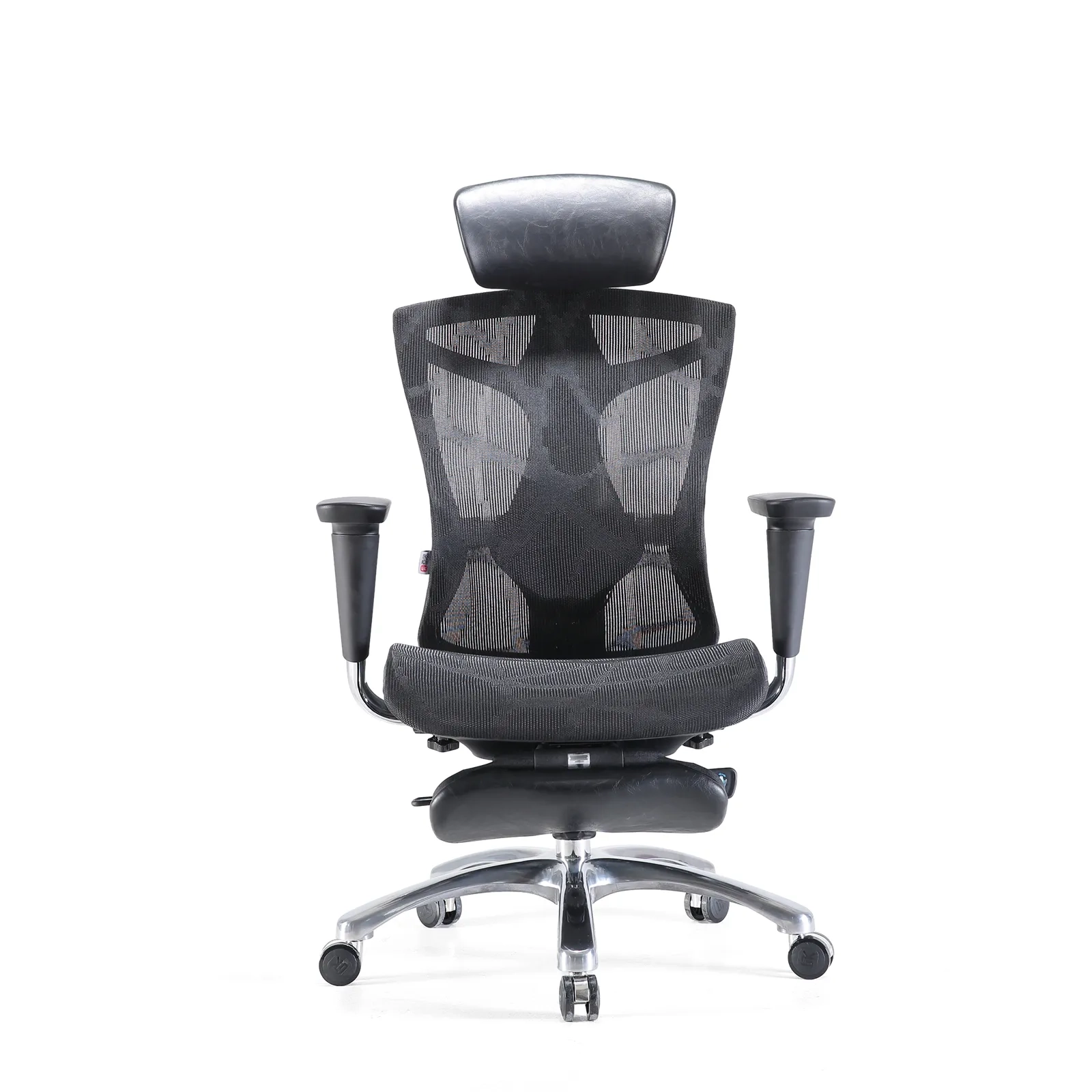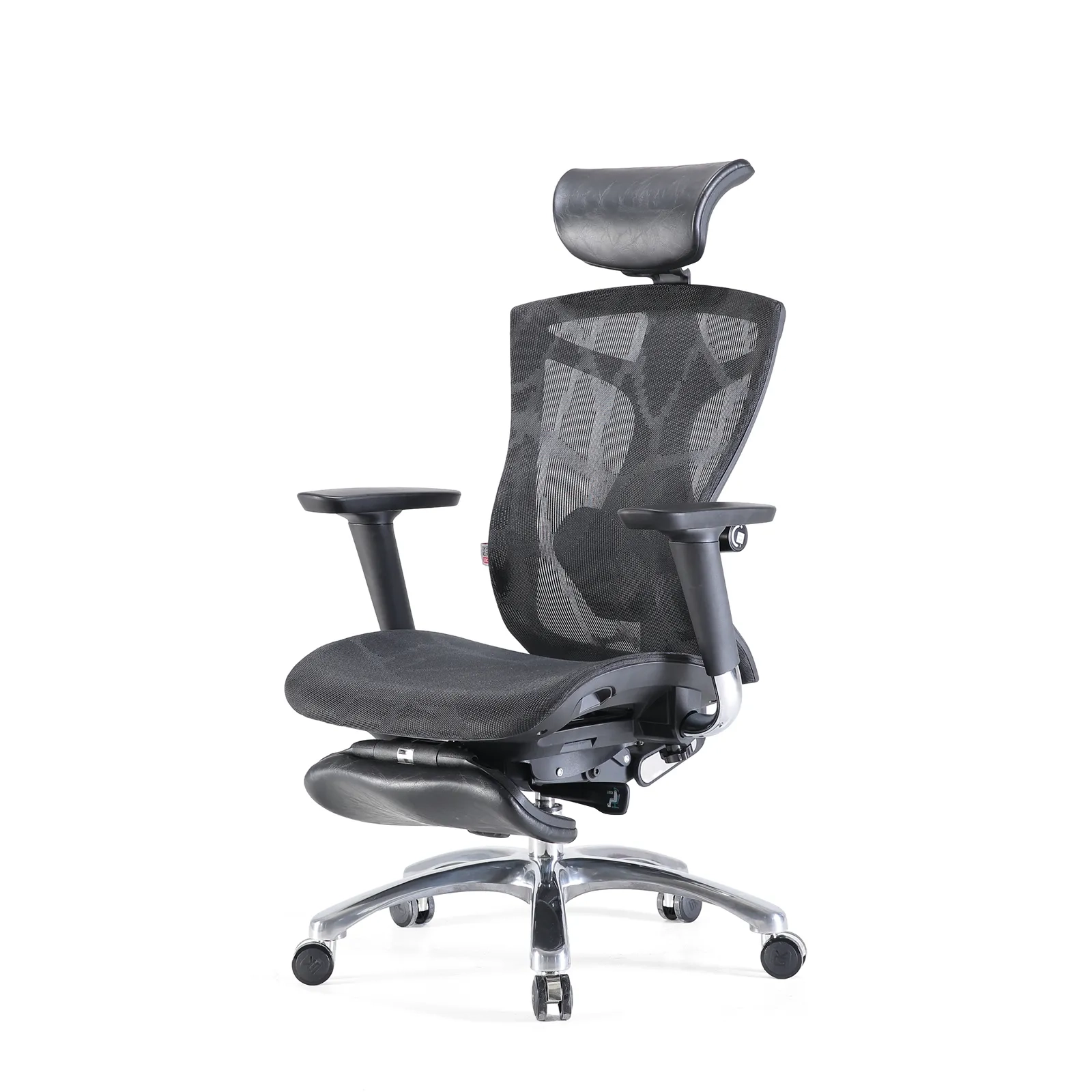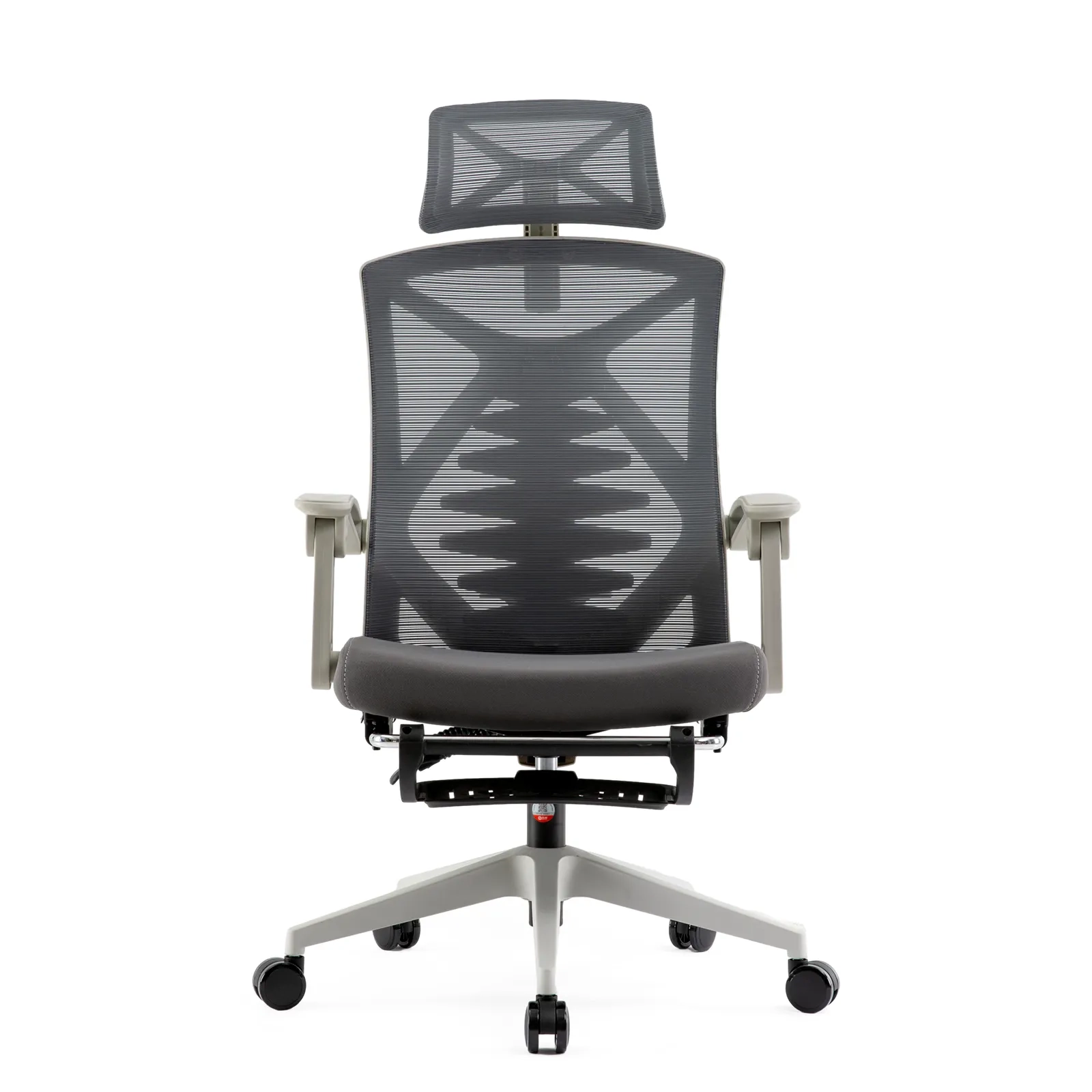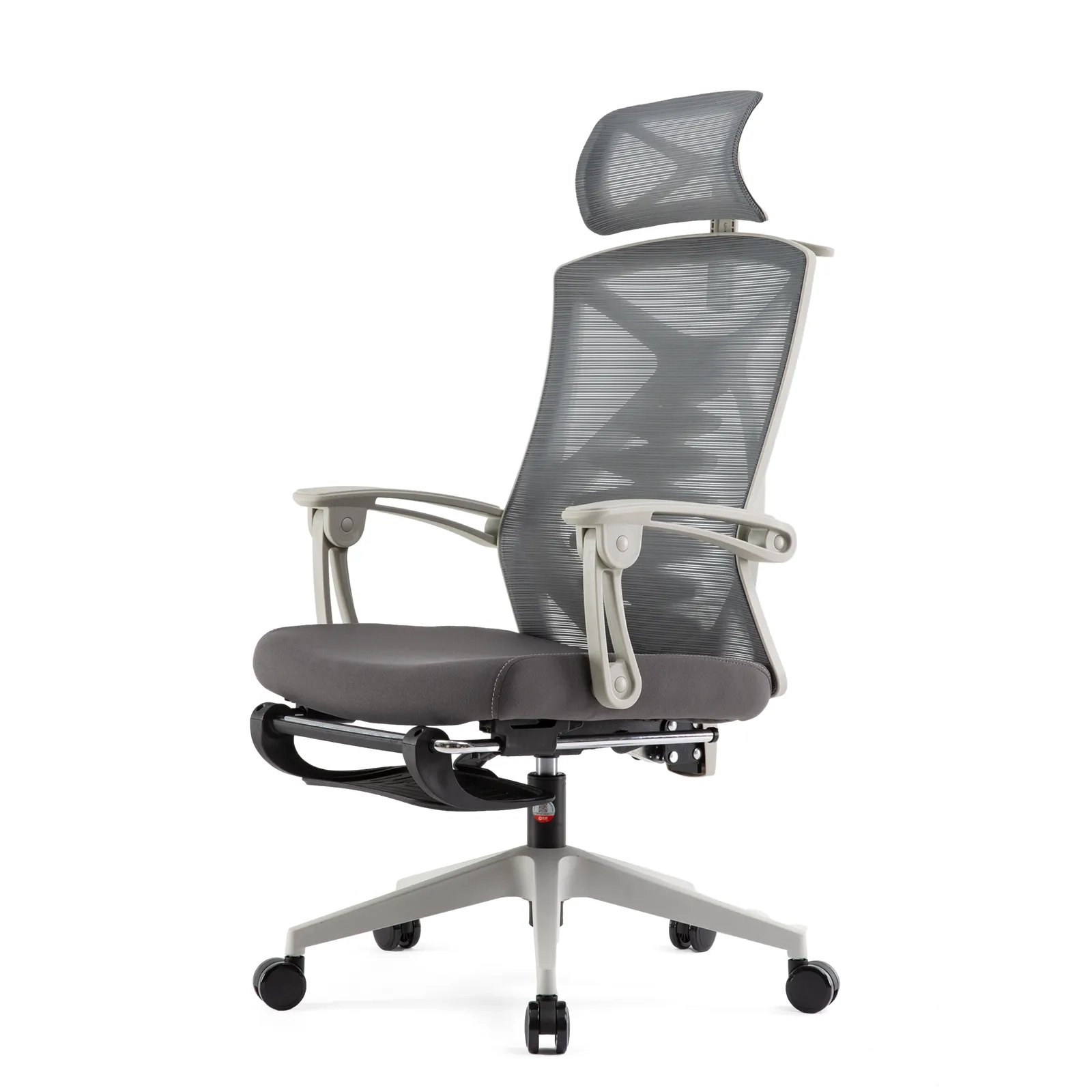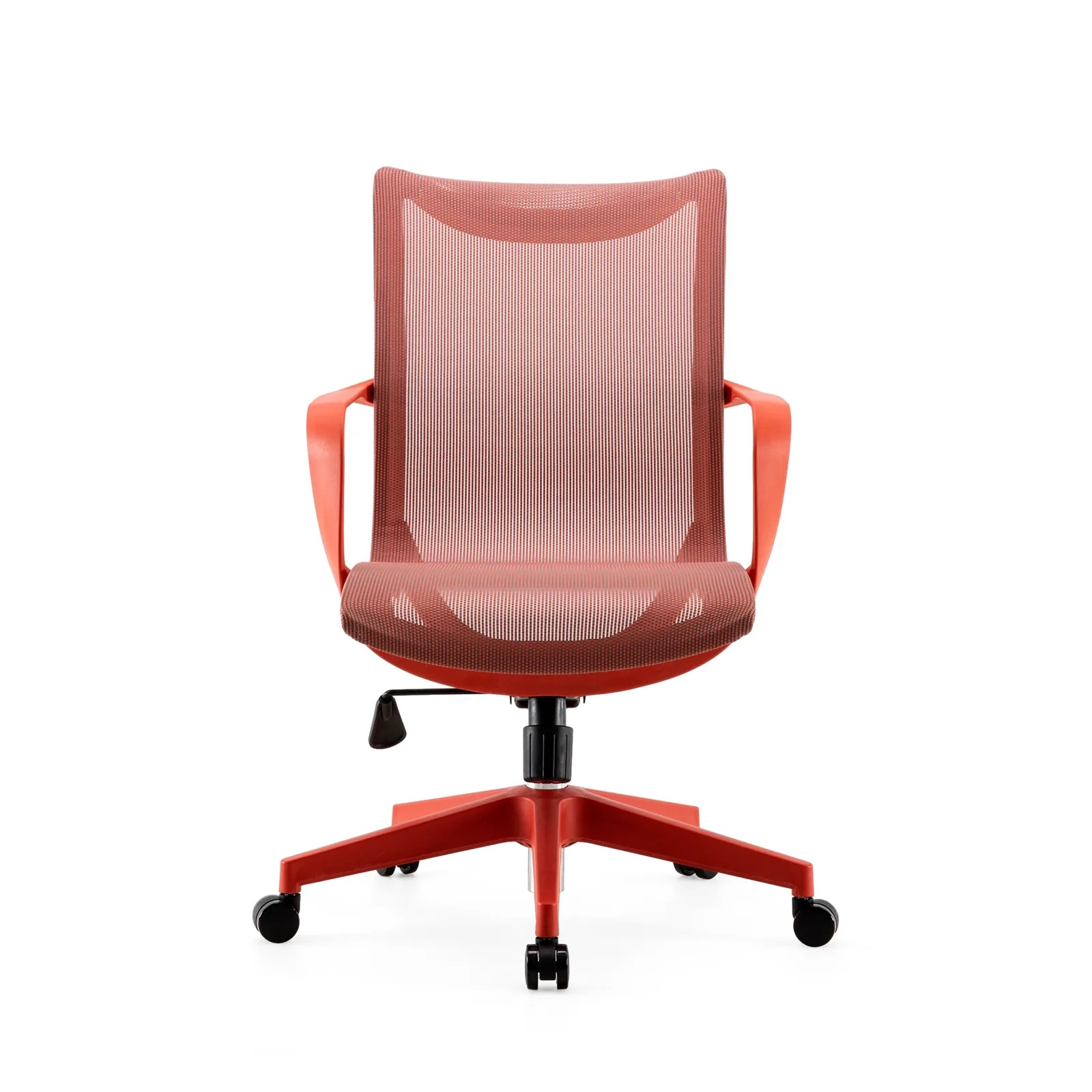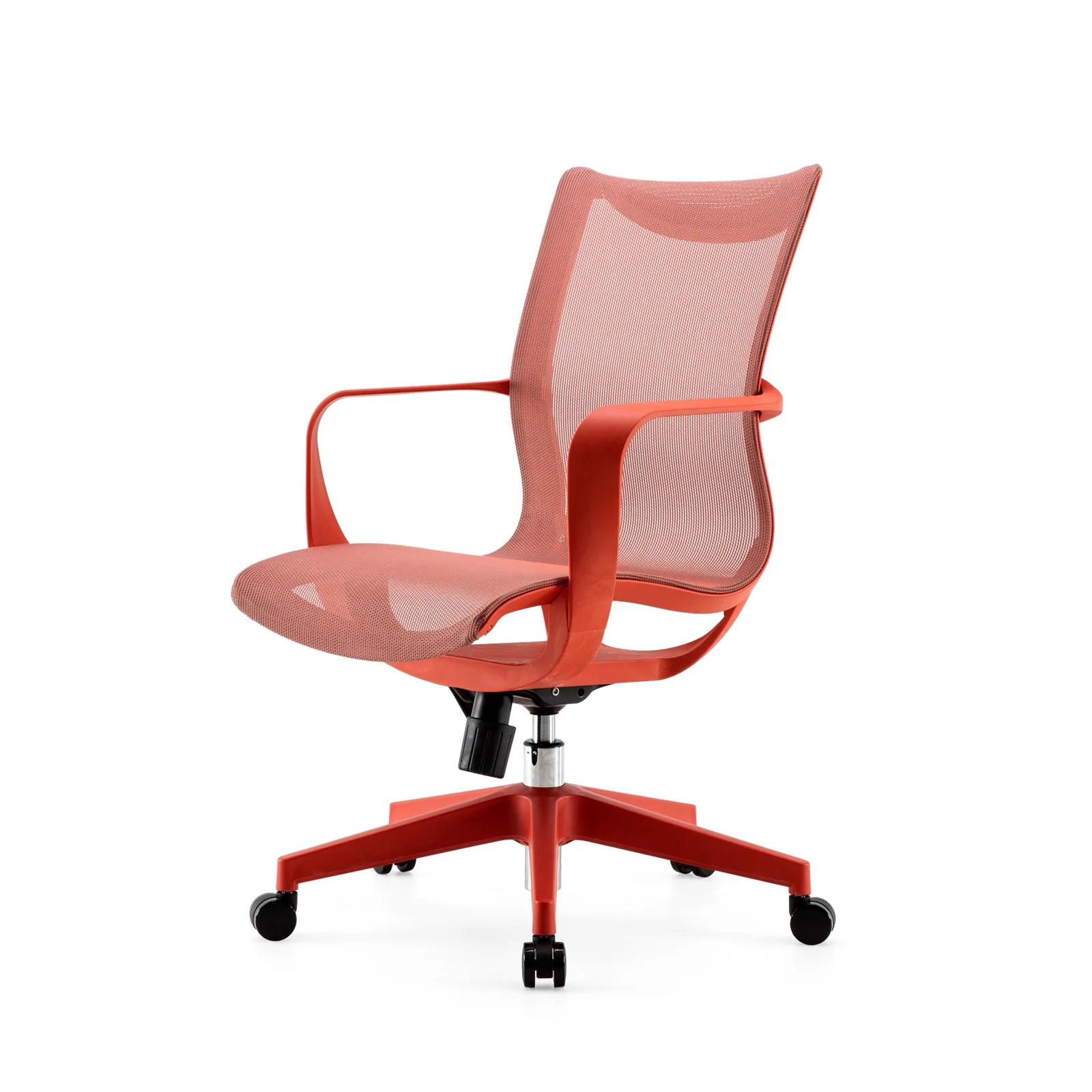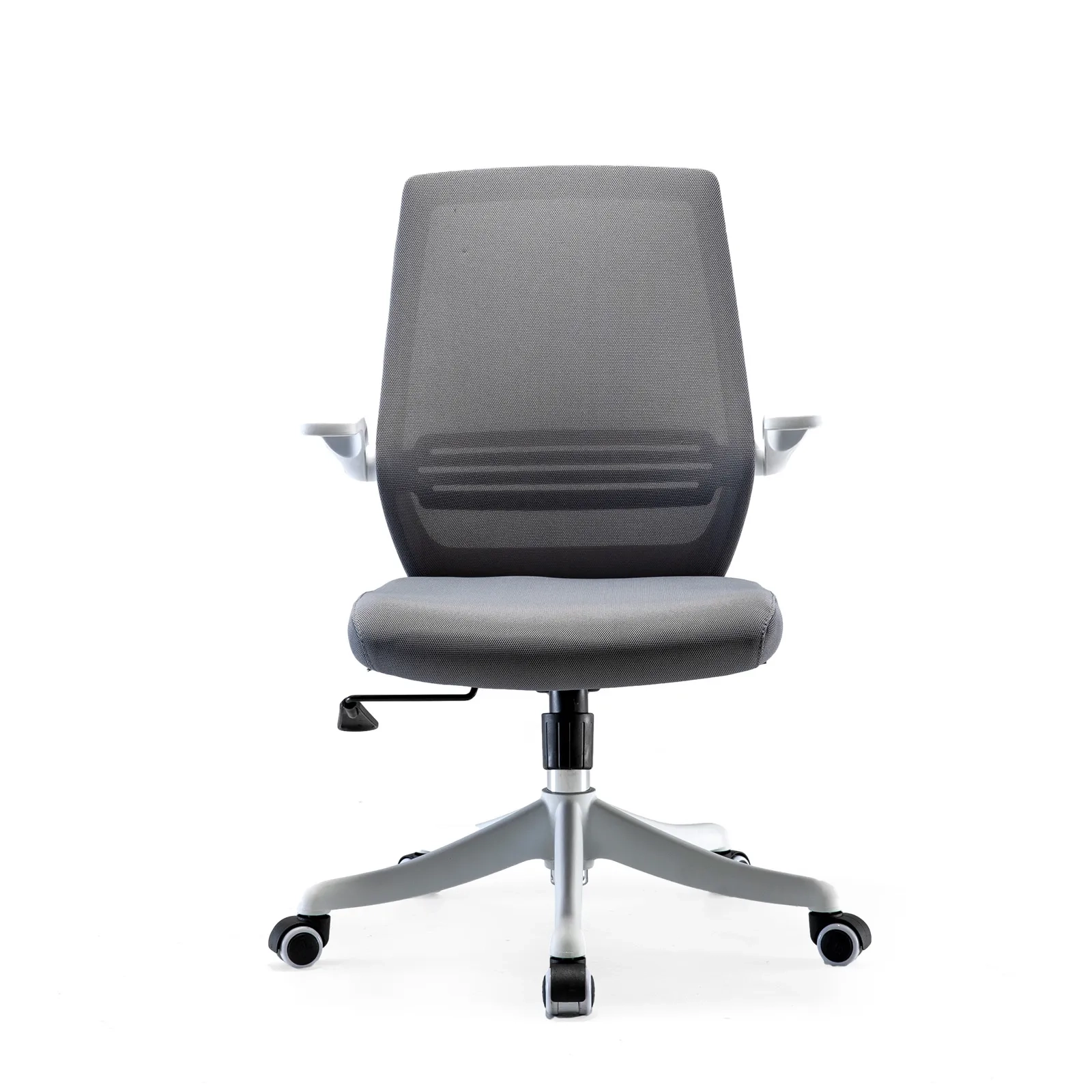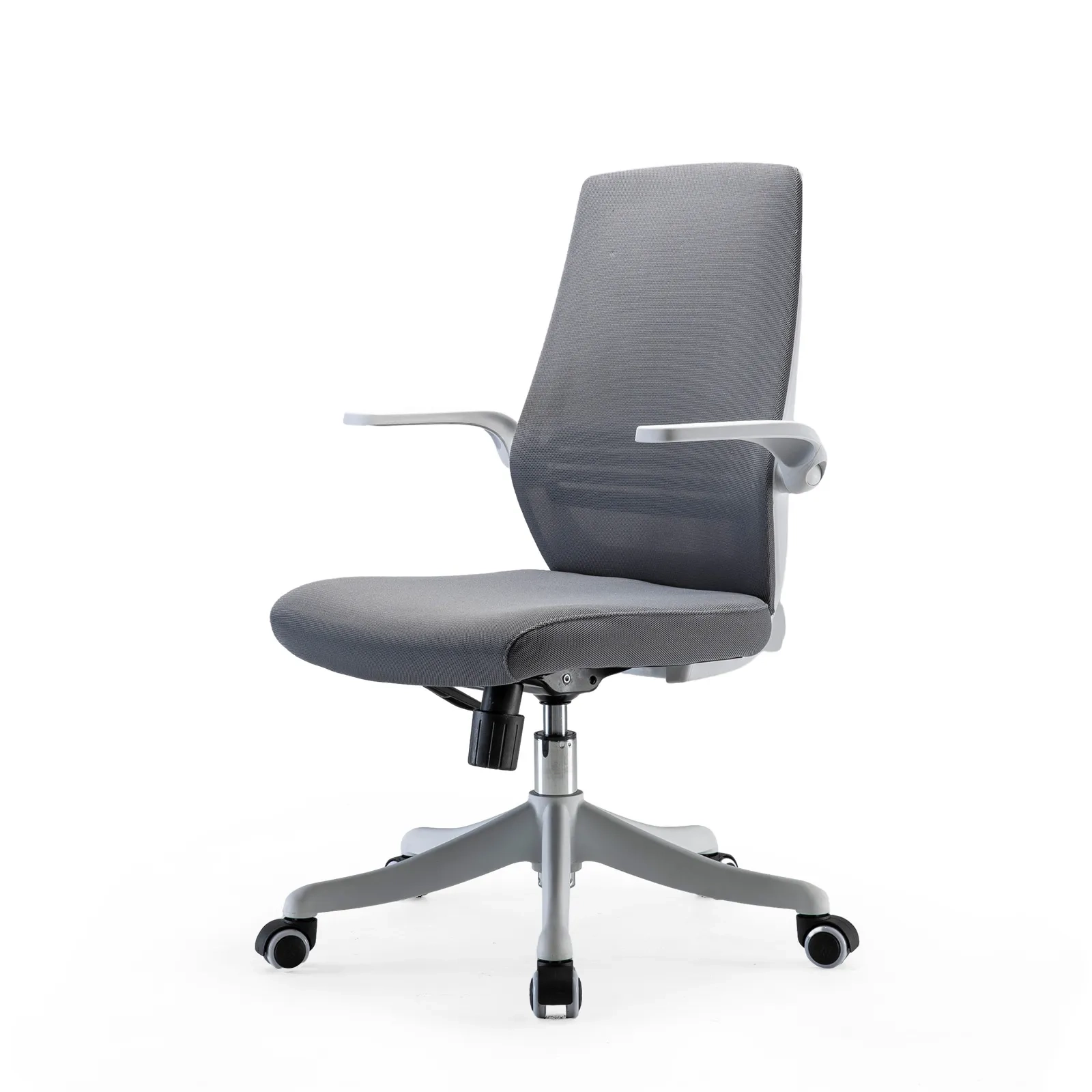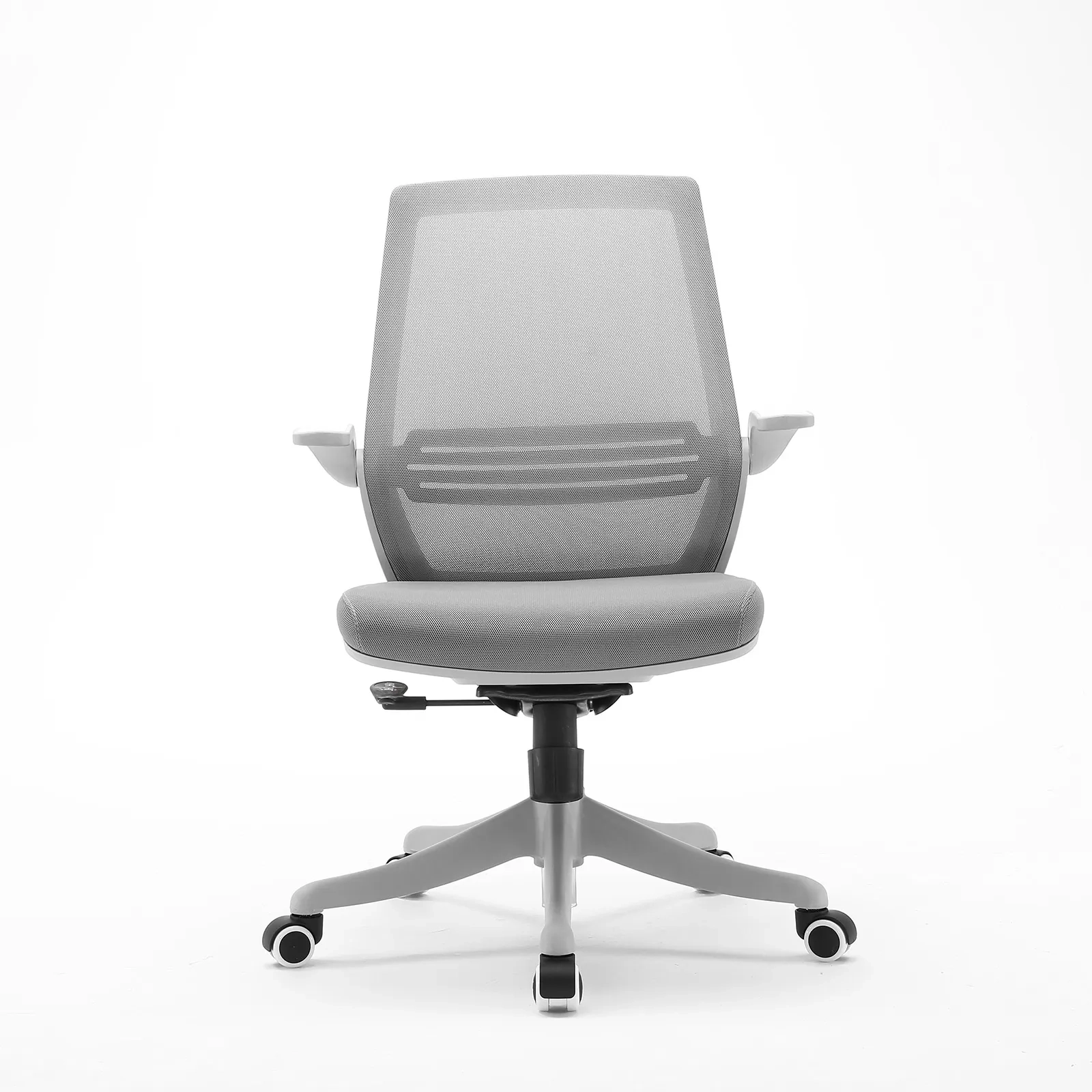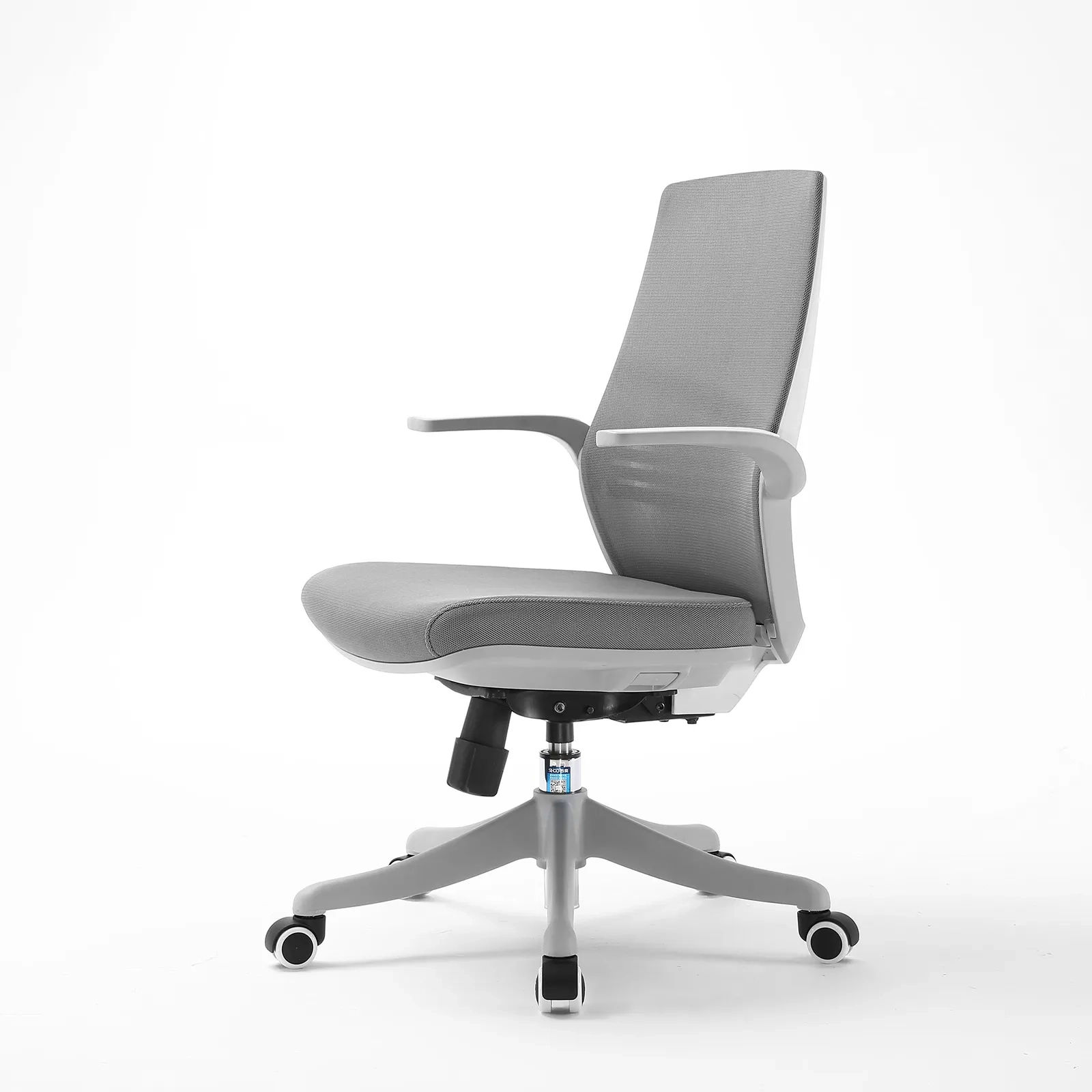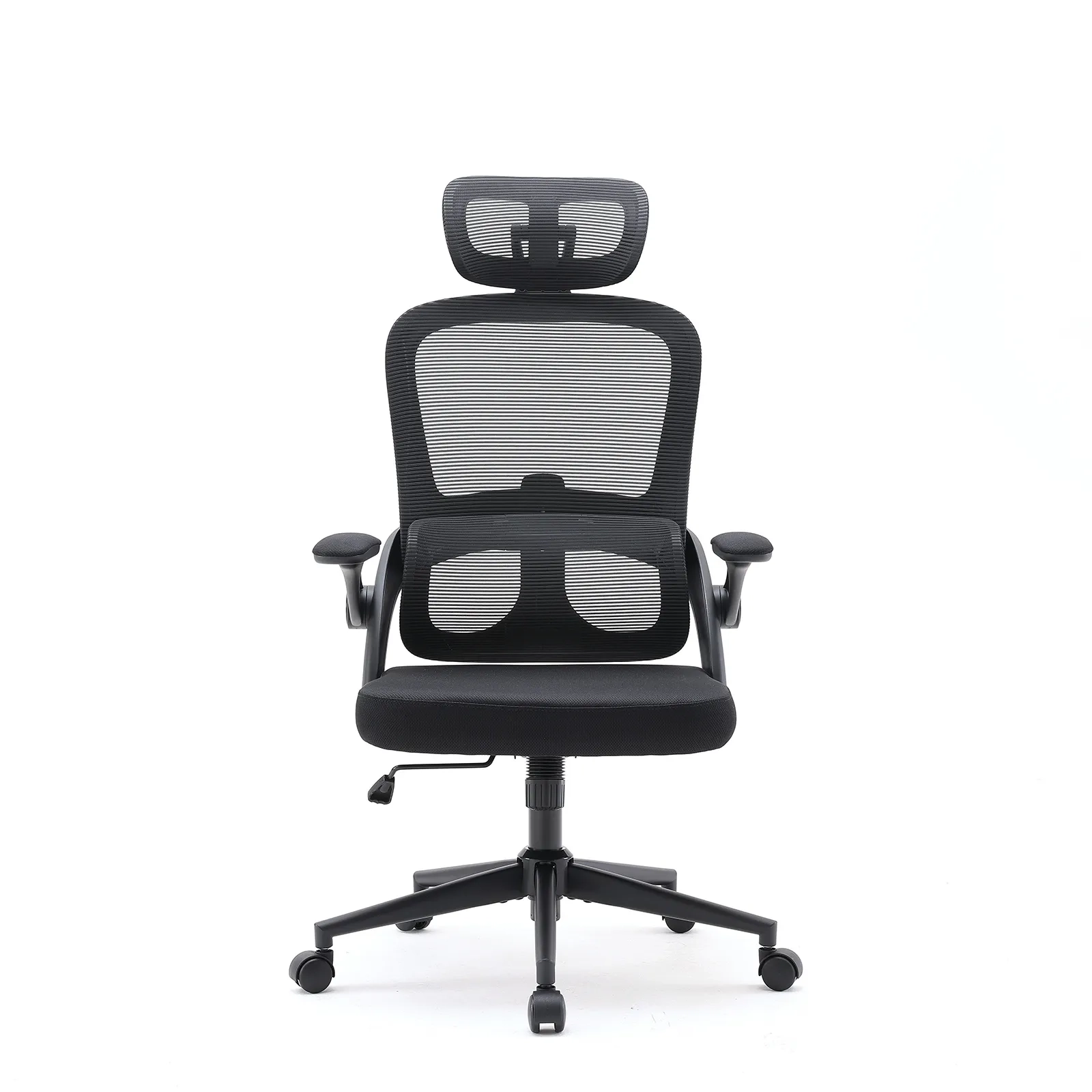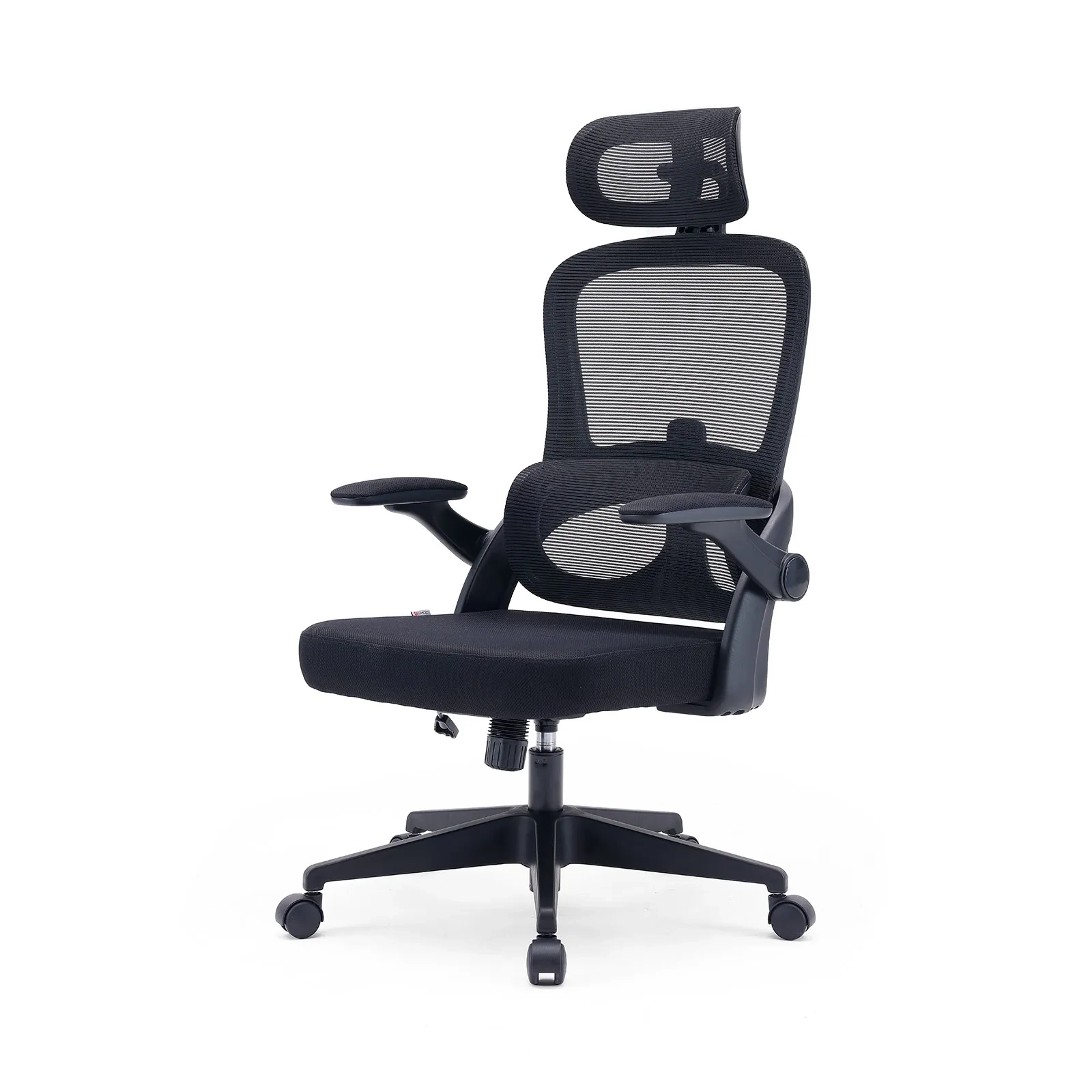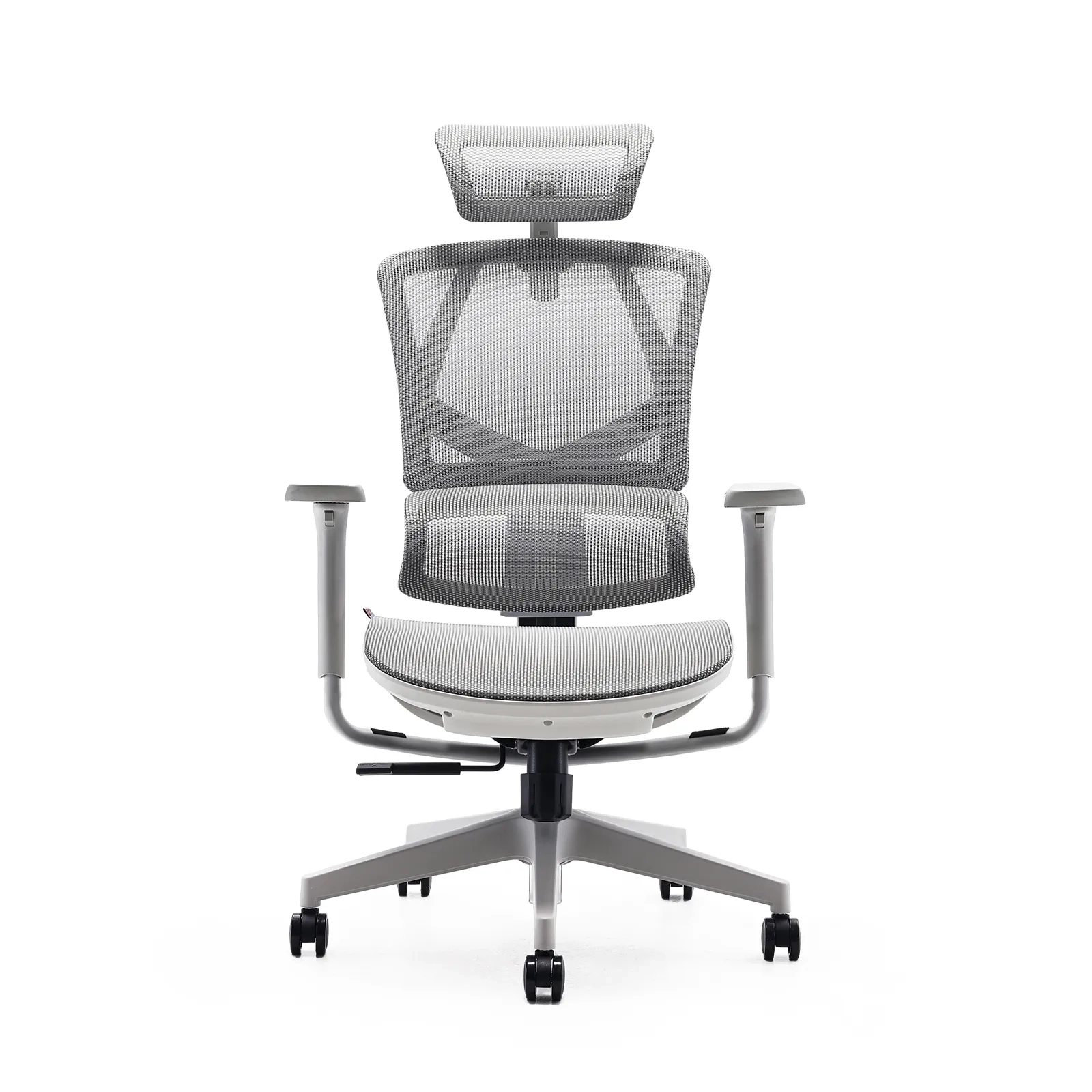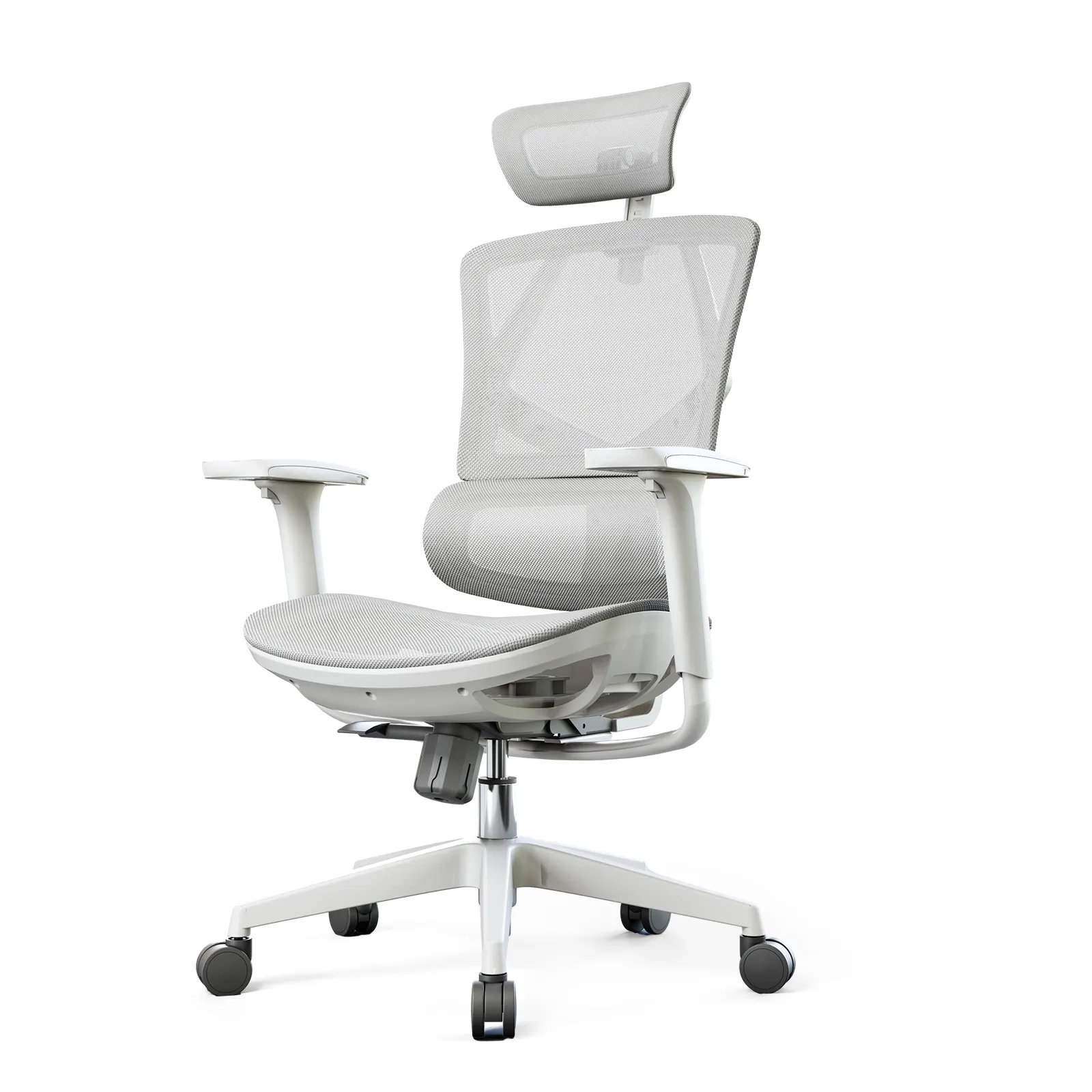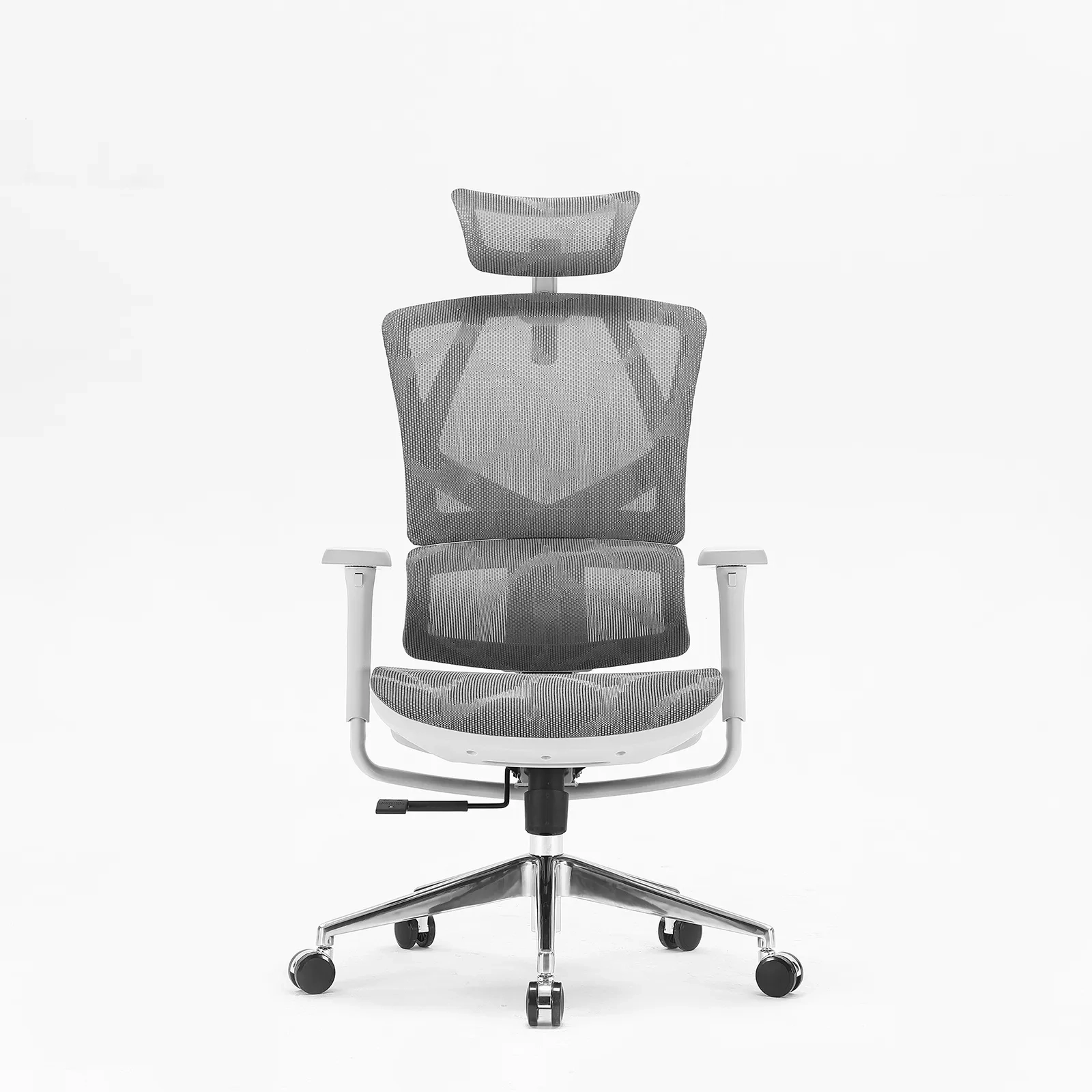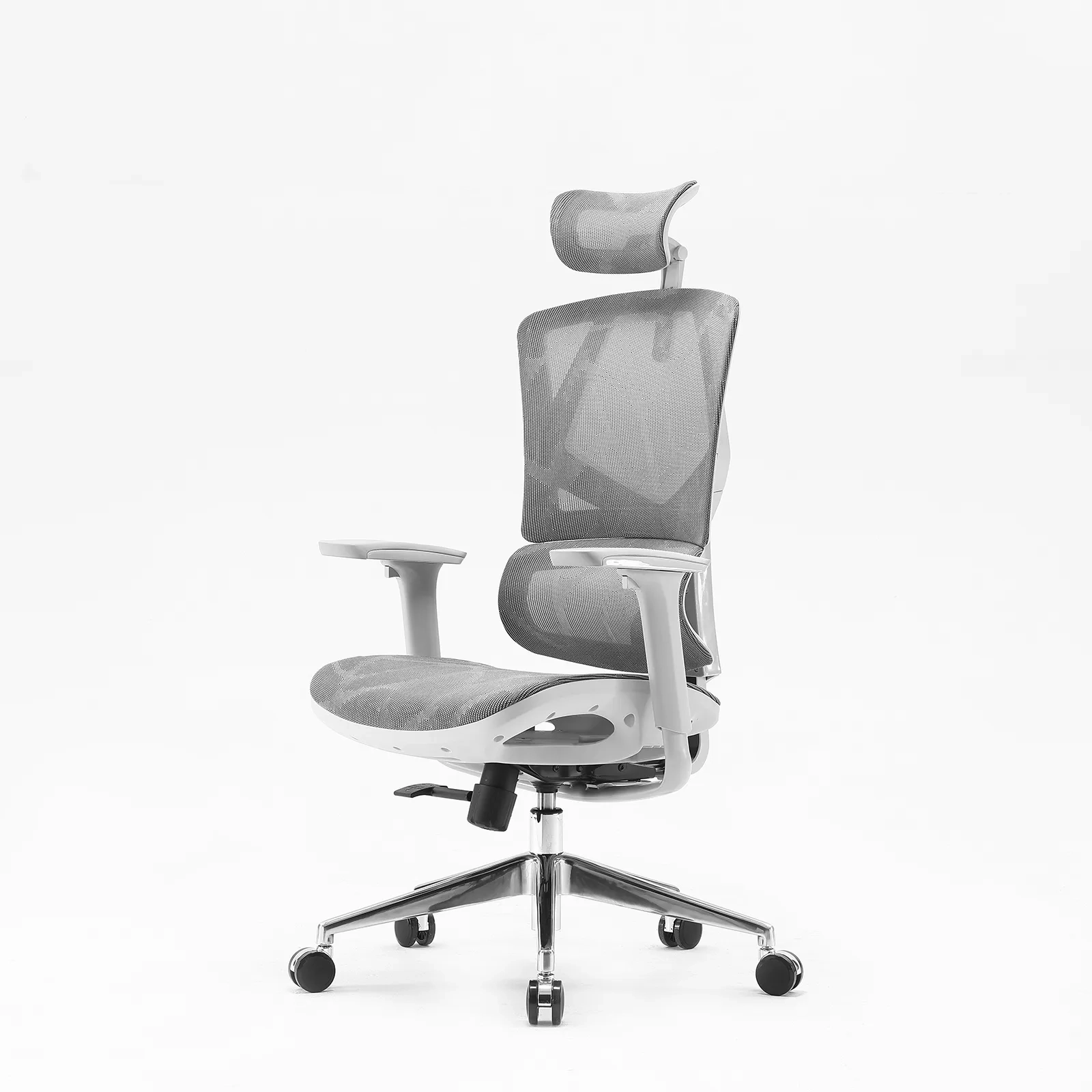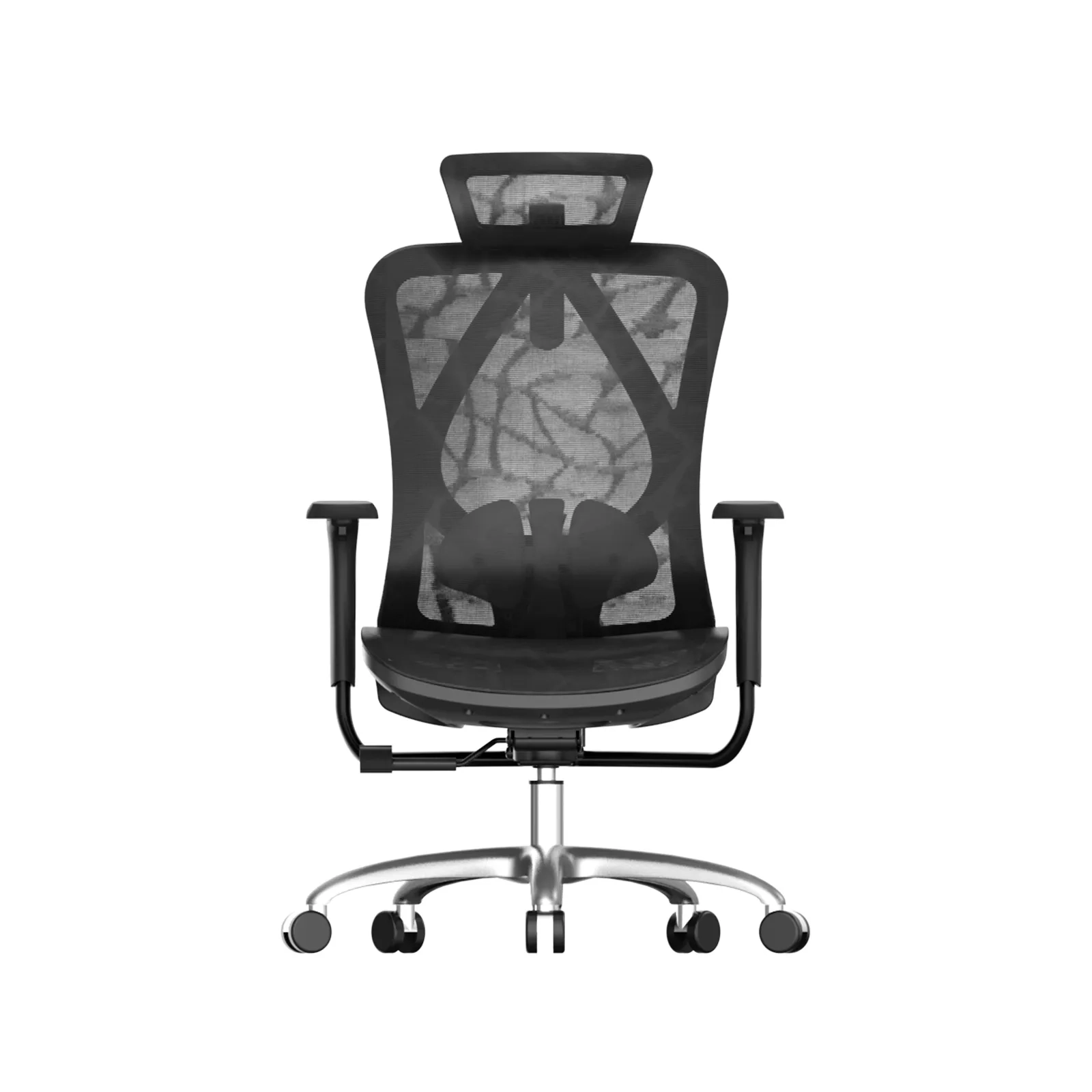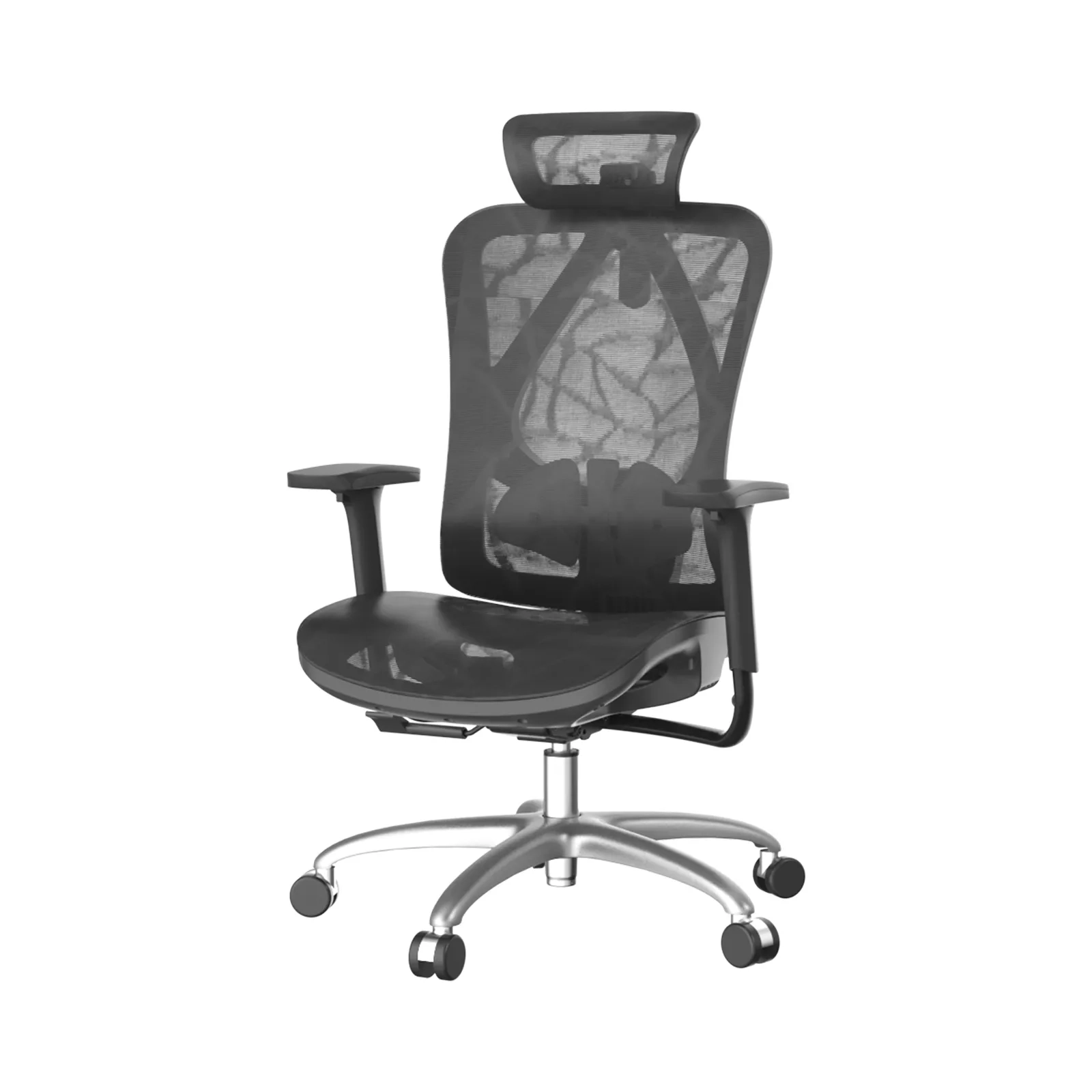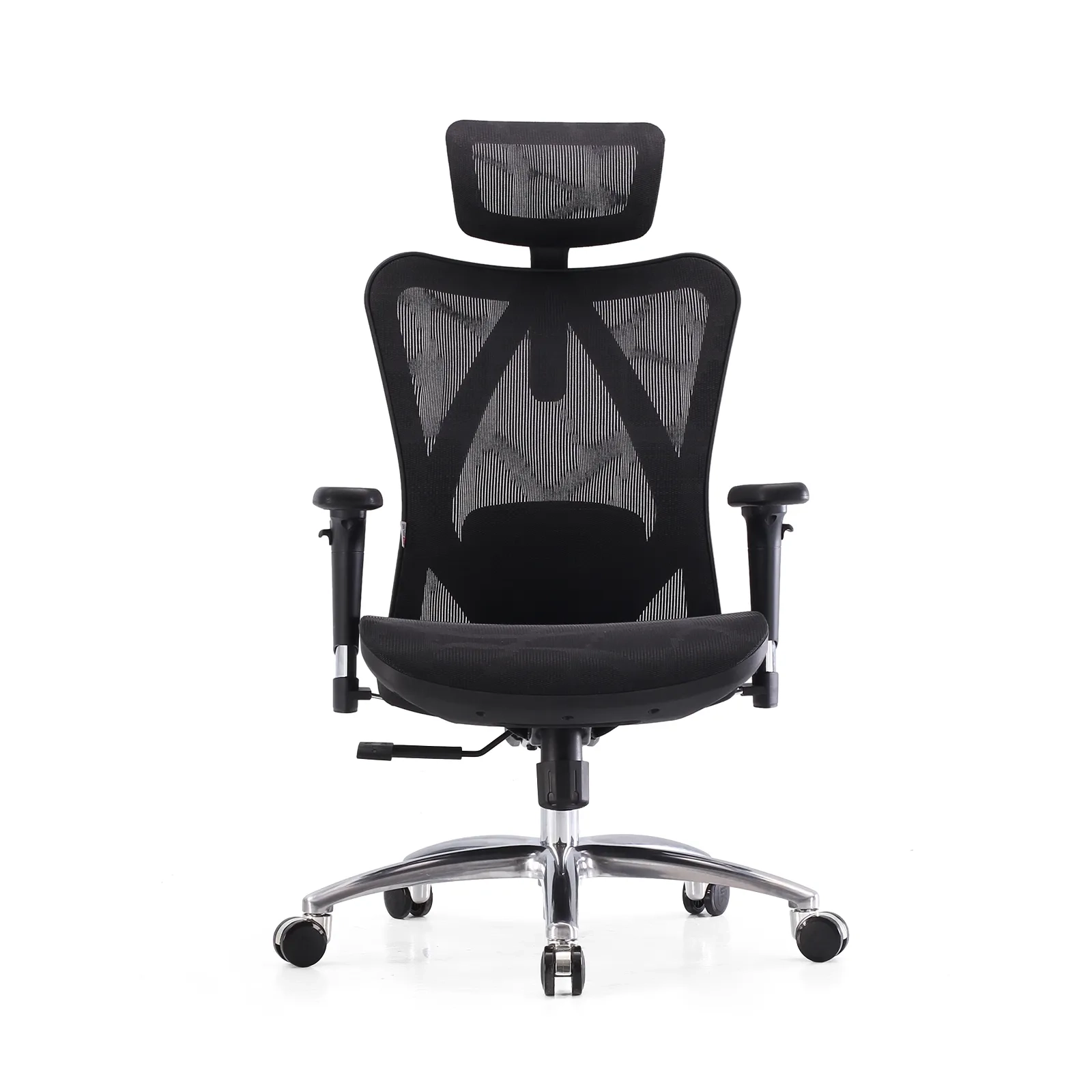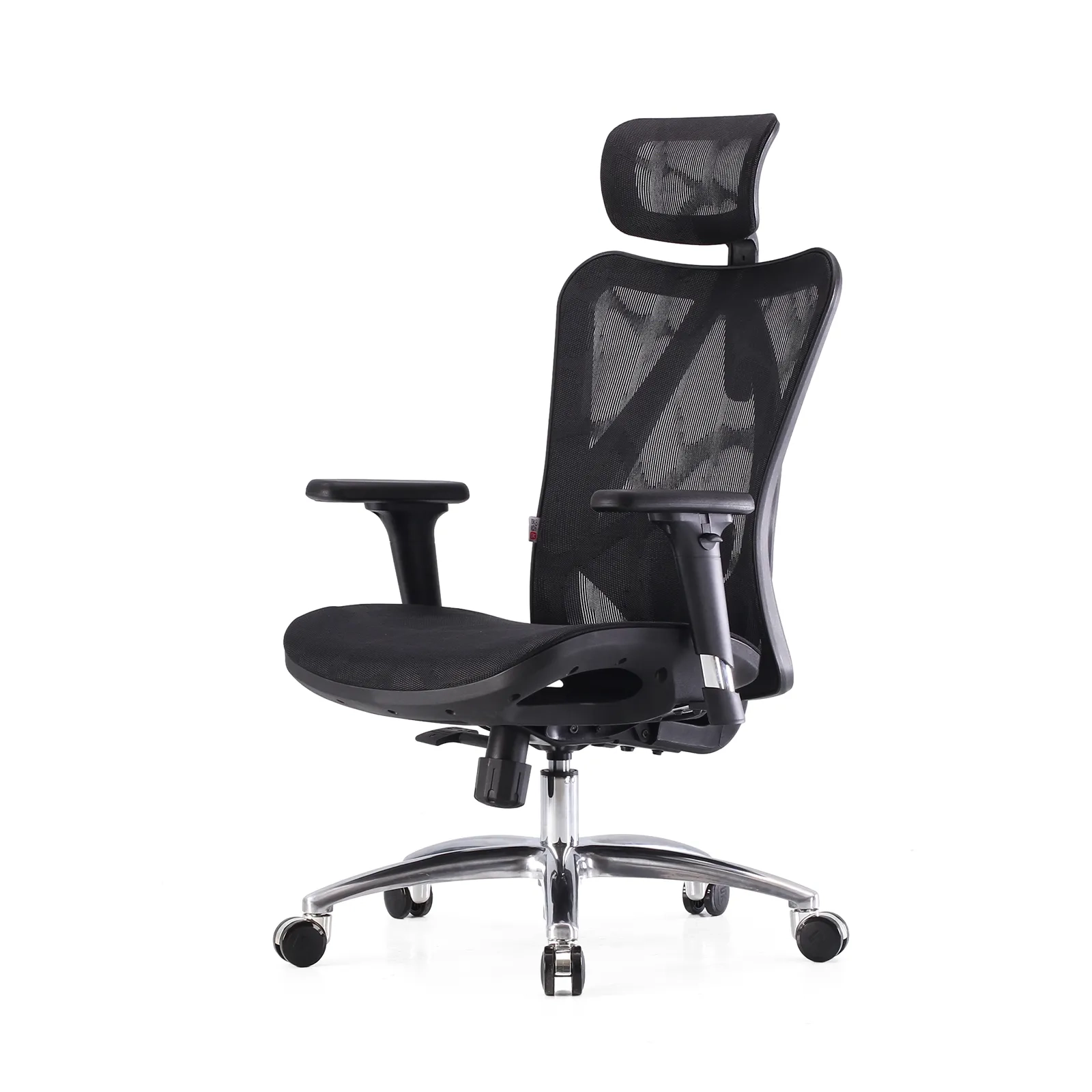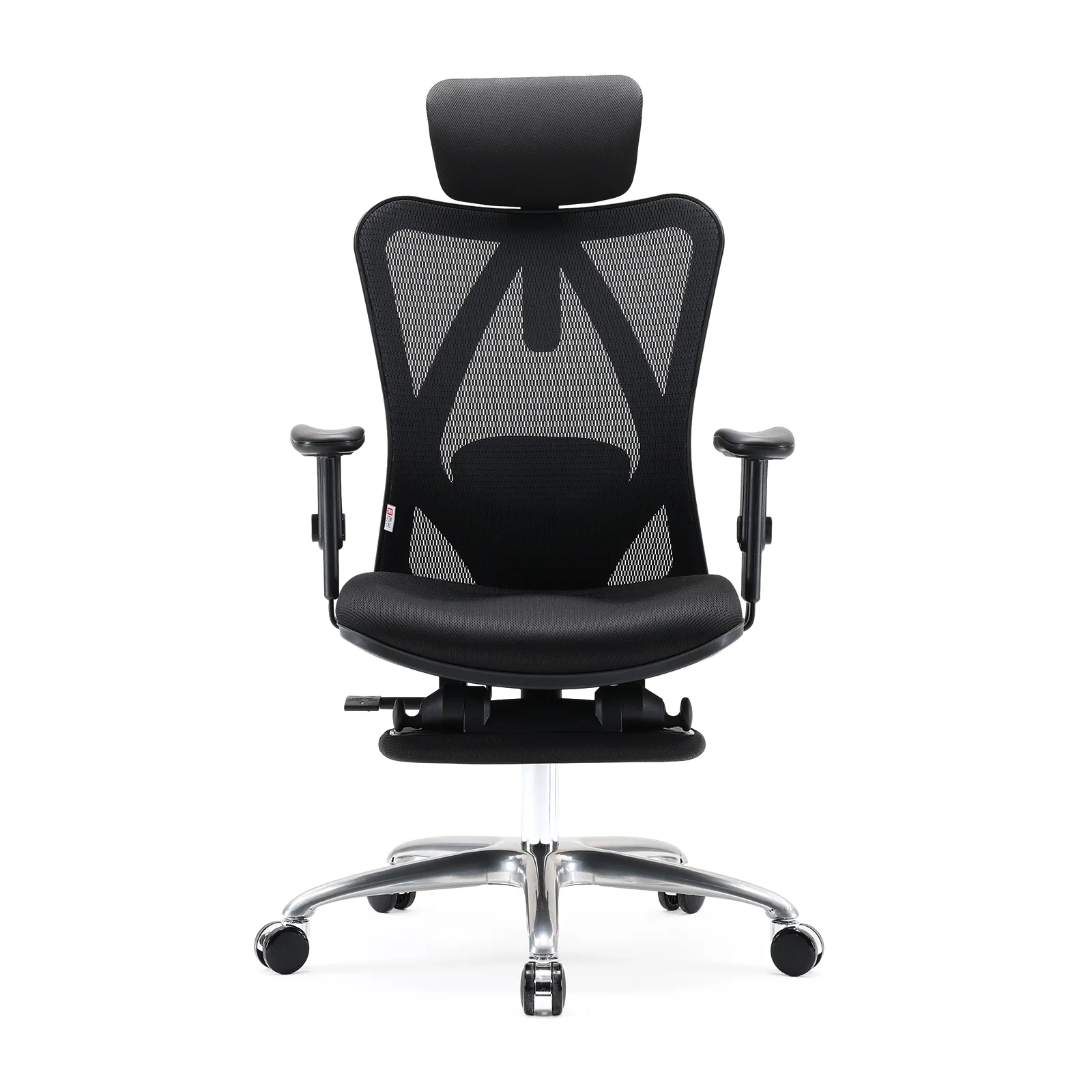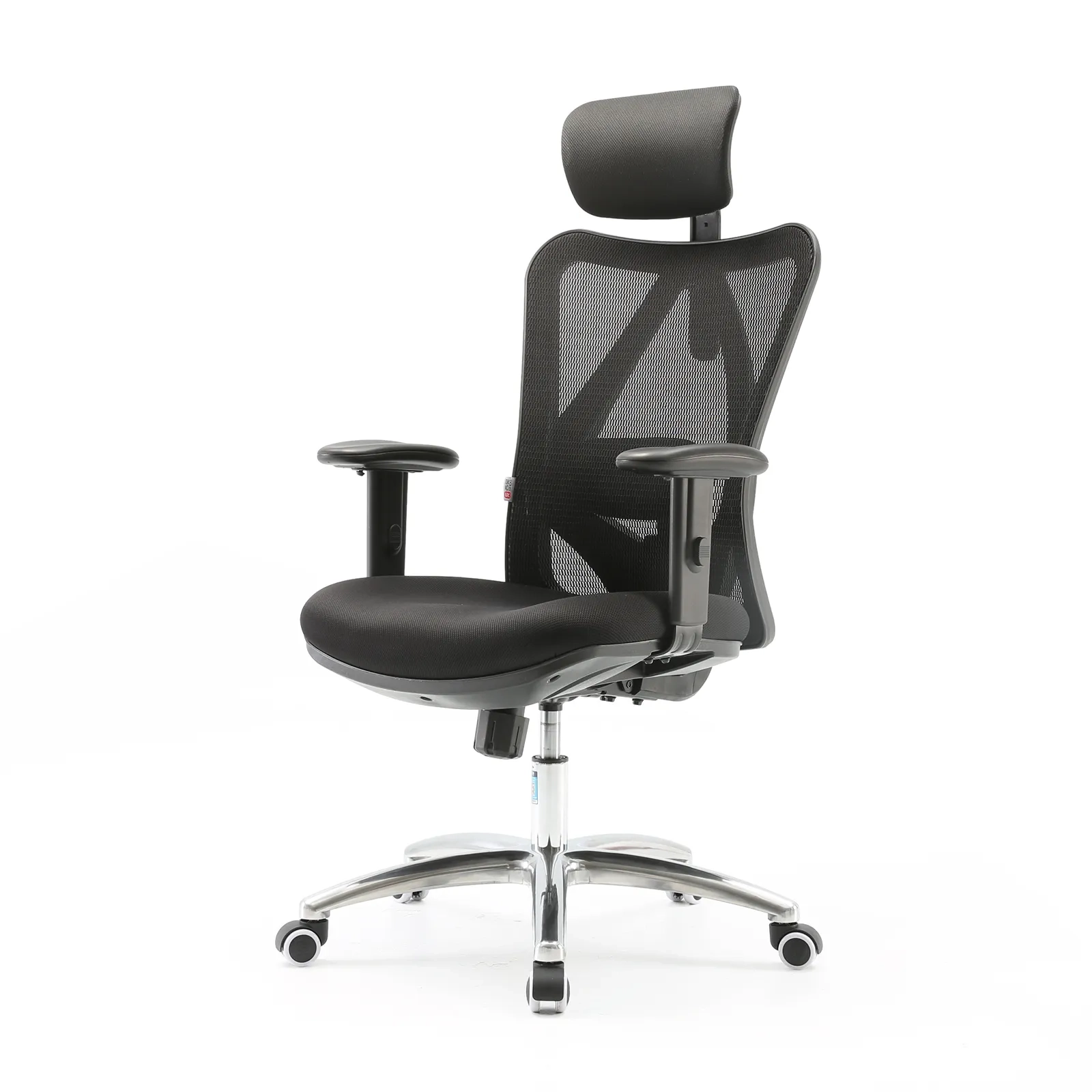









Spending nine hours a day in a chair is basically a slow-motion health crisis. If you’re stuck at a desk for most of your life, you’ve probably heard of “sitting disease,” but the reality is simpler: your body isn’t designed to stay still that long. To deal with this, mesh back office chairs have become the go-to for people who want to stay cool without losing back support. Brands like Sihoo have done well here by making high-end ergonomics actually affordable for normal people.
Understanding Mesh Back Office Chairs
What is a Mesh Chair
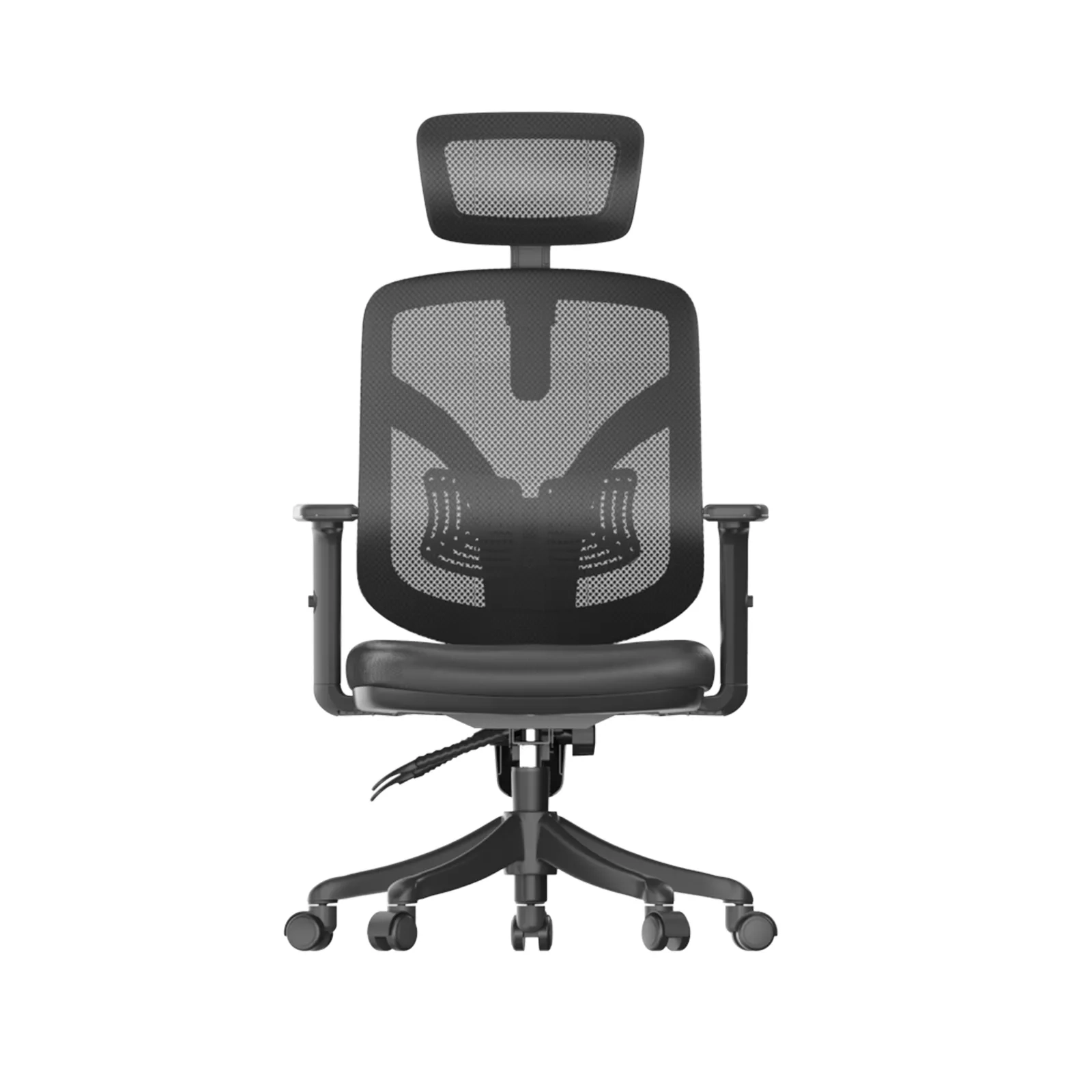
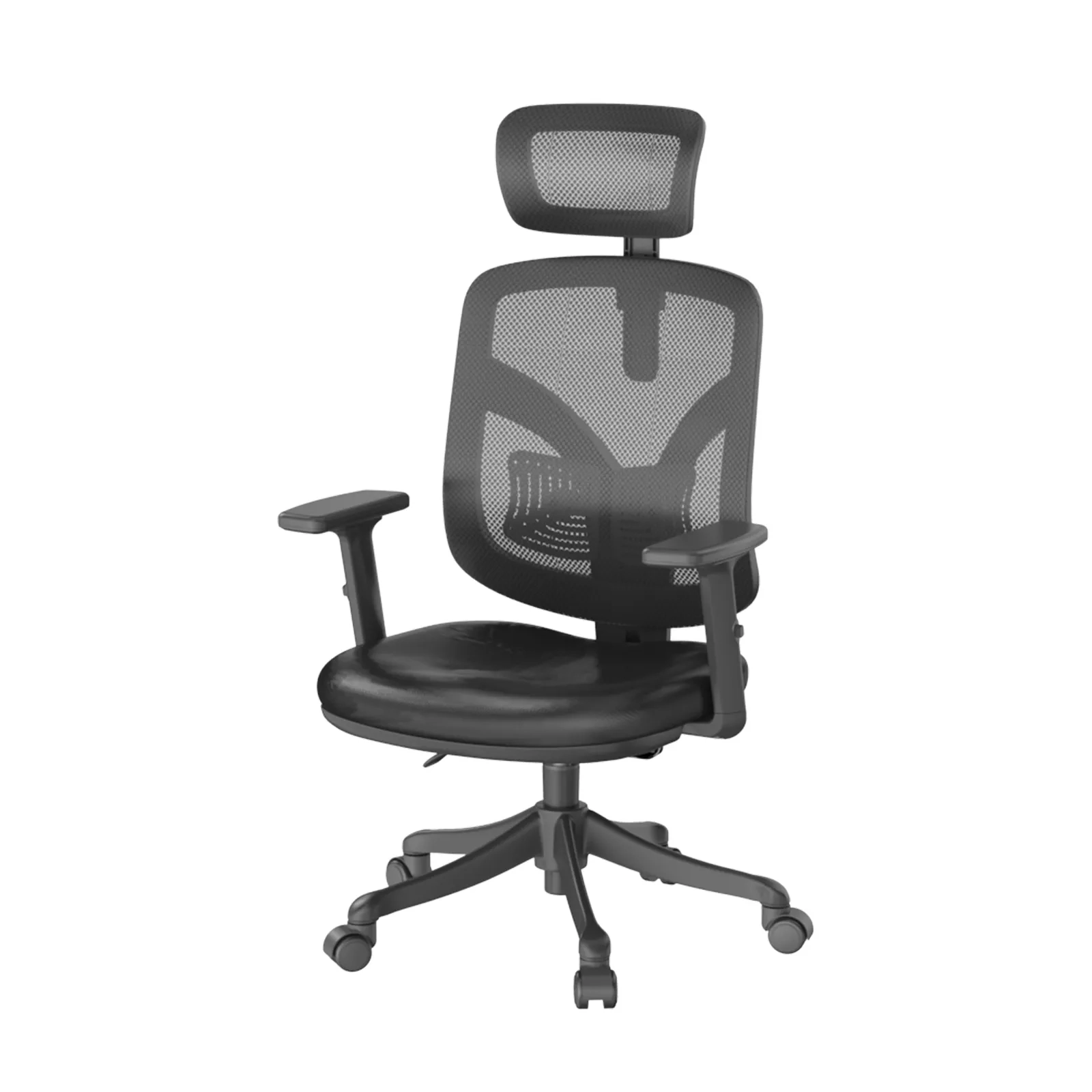
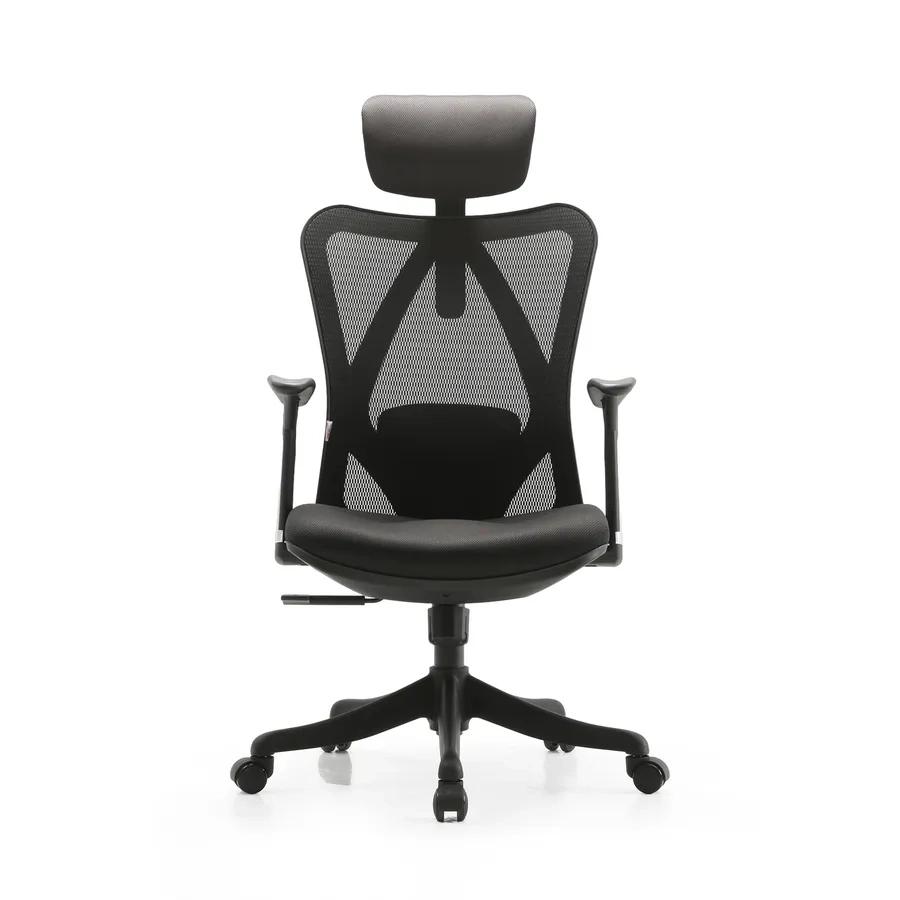
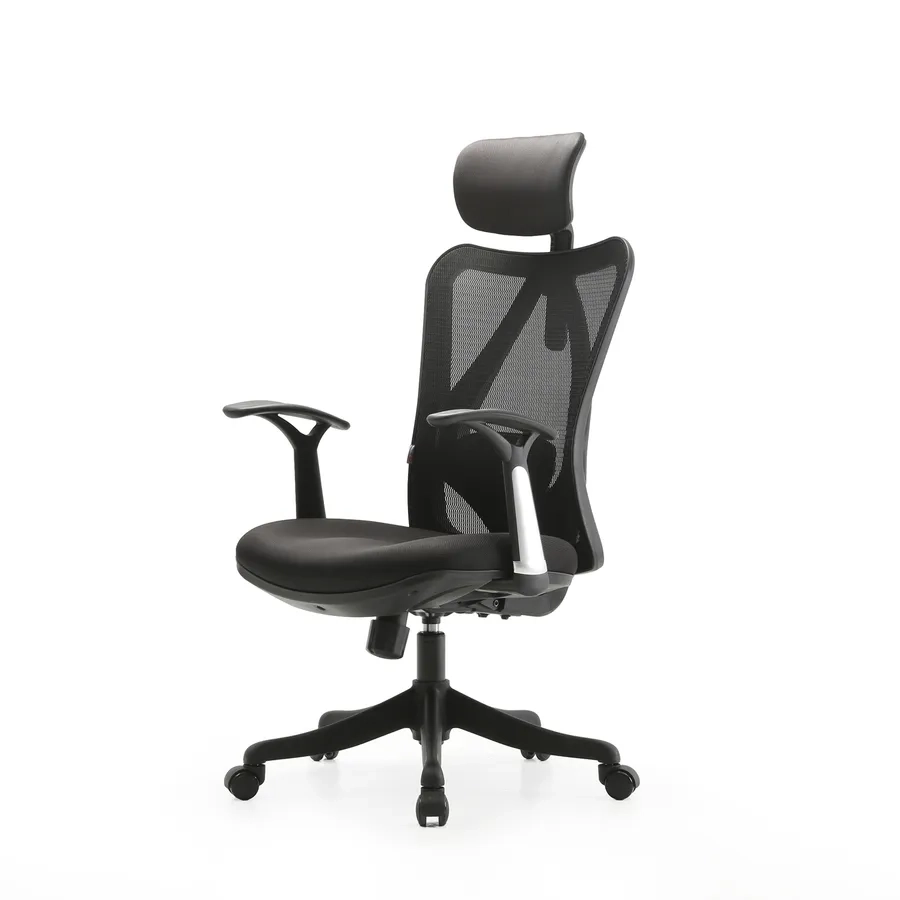
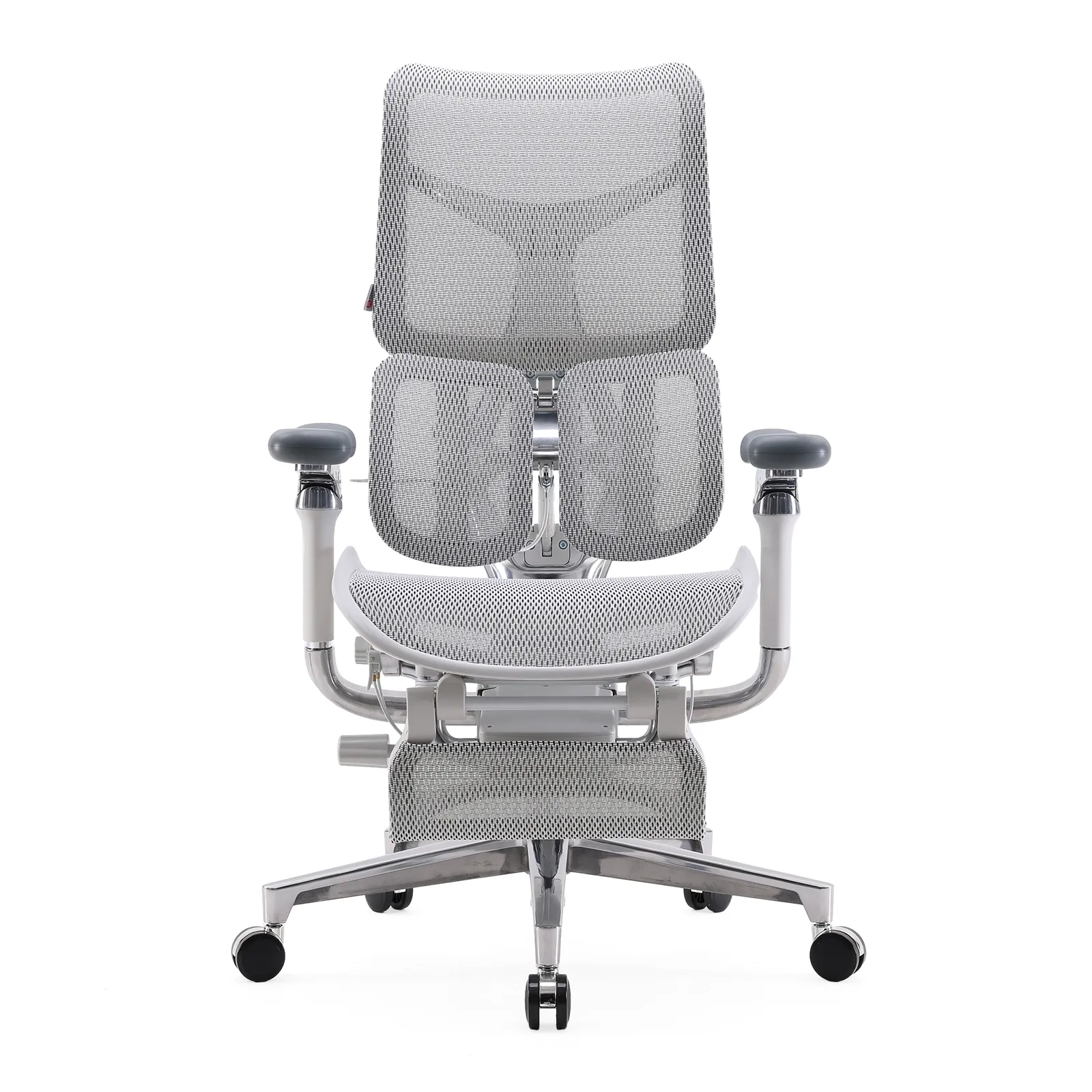
A mesh chair is defined by its breathable, open-weave upholstery, typically made from a blend of polyester, nylon, and sometimes TPE. Unlike leather chairs that act as thermal insulators, mesh acts as a thermal conductor.
- In a standard foam or leather chair, the surface temperature between the user’s back and the chair can rise by 2°C–4°C within just 30 minutes of sitting. Mesh chairs facilitate “convective cooling,” allowing air to pass through the fibers.
- High-quality mesh, like the elastomeric mesh used in Sihoo models, is designed to mimic the behavior of a suspension bridge. It distributes body weight across thousands of tiny “springs” (the weave), reducing peak pressure points on the sit-bones and shoulder blades.
Who Truly Needs Mesh
To understand the necessity of a mesh back, we look at specific lifestyle and environmental data:
The “Deep Work” Professional (8+ Hour Shifts)
For those in SEO, coding, or data analysis, “Deep Work” involves long periods of immobility.
- During concentrated work, humans subconsciously shift positions every 6–10 minutes to relieve pressure.
- A mesh backrest offers dynamic responsiveness. According to a study on dynamic sitting by the Journal of Occupational Health, chairs that adapt to micro-movements reduce the metabolic cost of sitting and delay the onset of muscle fatigue.
The Climate Factor
In regions with high humidity or in offices where AC is inconsistent, “back sweat” is a genuine productivity killer.
- Research in the International Journal of Industrial Ergonomics indicates that thermal discomfort is a leading cause of decreased cognitive performance.
- A mesh chair maintains a “neutral” microclimate. For users in non-ventilated home offices or shared workspaces, this prevents the “clammy” feeling that occurs when leather traps moisture against the skin.
The Ergonomic “S-Curve” Realist
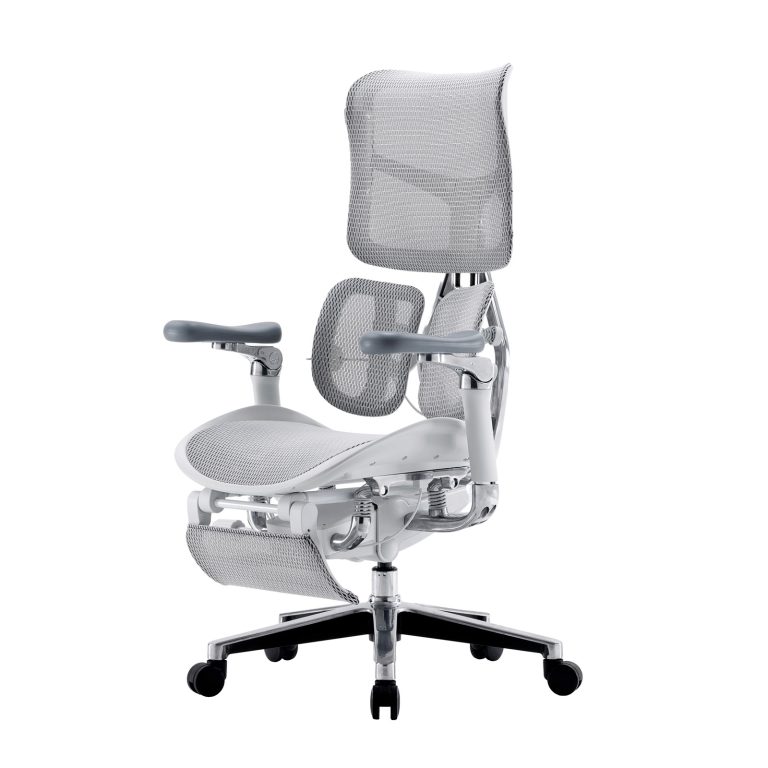
Most people suffer from “slumping” (C-posture) as the day progresses. Rigid chairs often have a fixed lumbar bump that may not align with your specific height. Real-world ergonomics requires adjustability. Sihoo chairs utilize a dual-backrest design or adjustable lumbar bridges. This is grounded in the principle that the lumbar spine (L1-L5) needs a specific outward force to maintain lordosis. By allowing the user to tighten or loosen the mesh tension or move the lumbar support vertically, the chair accommodates different heights.
Mesh vs Traditional Upholstery
| Característica | Mesh Back Chair | Leather/Fabric Executive Chair |
|---|---|---|
| Thermal Regulation | High; prevents perspiration. | Low; traps body heat. |
| __OPENROUTER_FAILED__ | High (if quality mesh is used). | Medium; leather can crack/peel. |
| Contour | Conforms to body shape. | Body must conform to the foam. |
If your workday involves high-intensity focus and your environment isn’t a perfect 22°C (72°F) year-round, a mesh back is a mechanical necessity. It transforms the chair from a piece of furniture into a performance tool that manages your body’s temperature and spinal alignment automatically.
Key Features to Consider When Buying
Ergonomic Back Support & Lumbar Health
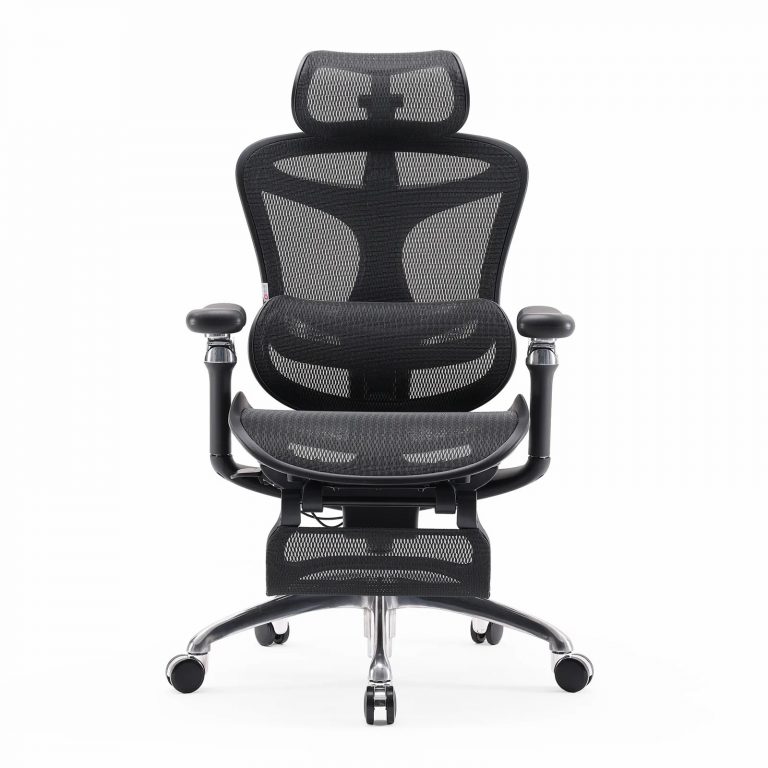
The primary goal of an ergonomic chair is to maintain the natural S-curve of the spine. According to research published by the National Center for Biotechnology Information, proper lumbar support is critical in reducing intradiscal pressure and preventing chronic lower back pain. Many Sihoo models feature an independent, 3D adjustable lumbar support system. Unlike static chairs, these allow you to adjust both the height and depth of the support, ensuring the “sweet spot” of your lower back is always braced.
Seat Comfort & Cushioning
While the back is mesh, the seat often varies. You typically choose between:
- Full Mesh Seats: Maximum breathability but can feel “firm.”
- High-Density Foam: Offers superior pressure distribution.
Sihoo typically utilizes high-density memory foam with a “waterfall” edge design. This shape reduces pressure on the back of the thighs, promoting better blood circulation in the legs during long sessions.
Comprehensive Adjustability (3D/4D Armrests)
A “one size fits all” approach fails in ergonomics. Look for:
- 3D/4D Armrests: Adjustable in height, depth, width, and angle to support your elbows and relieve shoulder strain.
- Seat Height: To ensure your feet remain flat on the floor with knees at a 90° angle.
Build Quality & Durability
Durability is determined by the frame and the mesh tension. Cheap mesh tends to sag over time. Professional-grade chairs use glass-fiber reinforced nylon or aluminum alloy frames.
- Certification Matters: Look for ISO 9001 or BIFMA standards. Sihoo products undergo rigorous tension and weight tests to ensure the mesh maintains its elasticity for years.
Advanced Features for Enhanced Wellbeing
Headrest & Neck Support
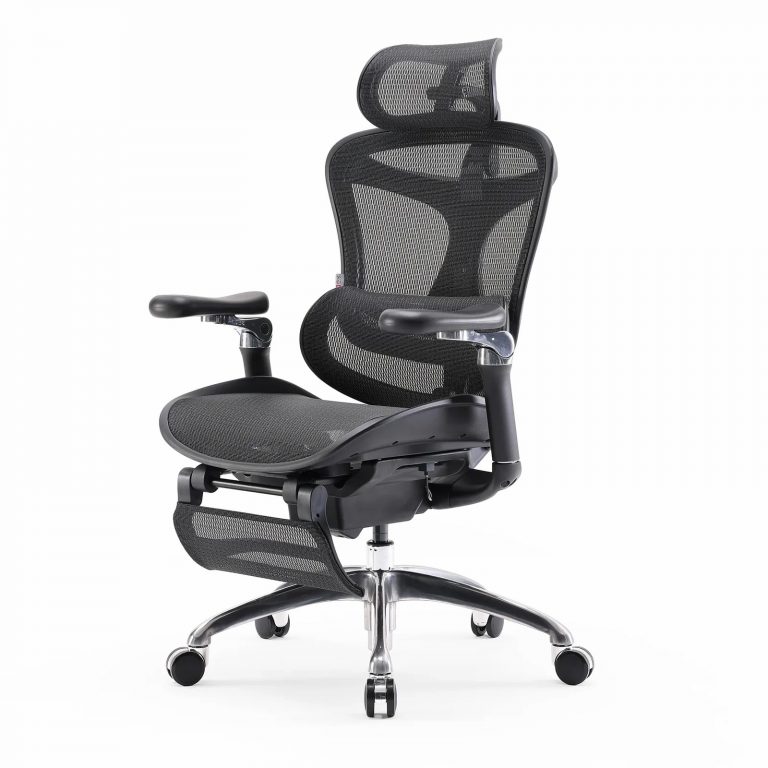
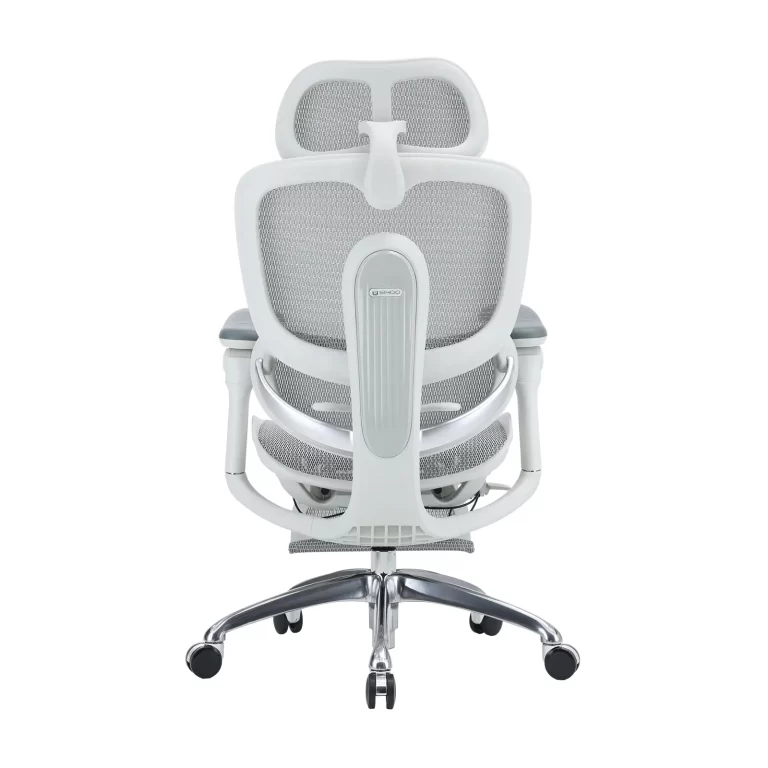
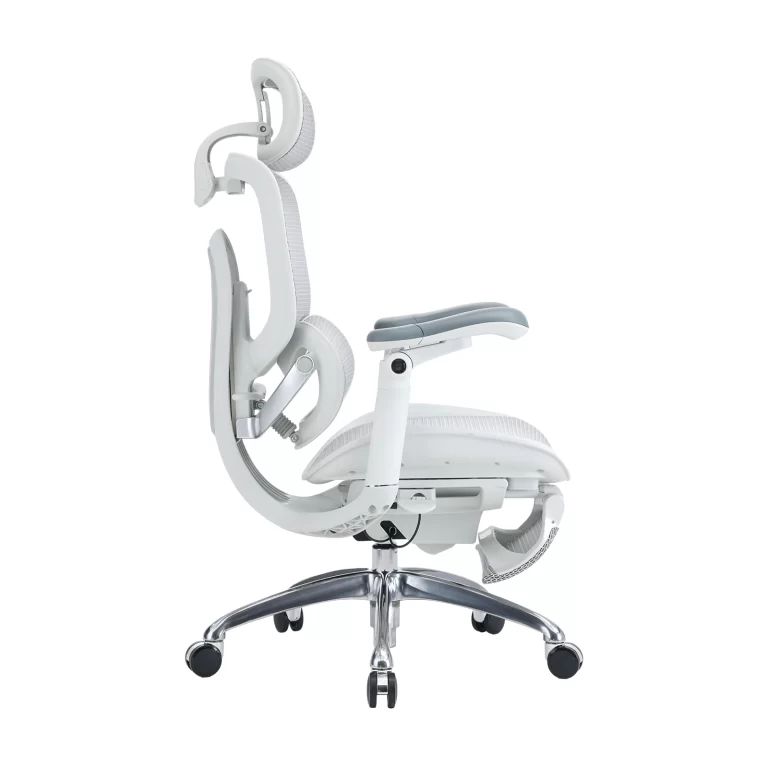
Prolonged computer work often leads to “tech neck.” An adjustable headrest supports the weight of your head (roughly 10–12 lbs), reducing the load on your cervical vertebrae. The Sihoo M57, for instance, includes a multi-dimensional headrest that pivots to match your neck’s angle whether upright or reclining.
Recline & Tilt Mechanisms
Movement is medicine. A high-quality chair should offer a tilt-lock mechanism.
- Work Mode: 90°–100° upright.
- Rest Mode: 120°+ recline.
Studies in ergonomics suggest that a slight recline (approx. 100°–110°) is actually better for spinal pressure than sitting perfectly vertical.
Temperature Control
Data from ergonomic material studies indicates that mesh backrests can keep a user’s back 2°C to 3°C cooler than foam alternatives. This “passive cooling” keeps the user focused and reduces the fatigue associated with overheating.
Top Sihoo Recommendations
| Característica | Sihoo M18 (Entry Level) | Sihoo M57 (All-Rounder) |
|---|---|---|
| Best For | Budget-conscious professionals | Serious home office/SEO pros |
| Soporte lumbar | Height Adjustable | 3D Adjustable |
| Reposabrazos | 1D (Height) | 3D (Multi-directional) |
| Material | Breathable Mesh + Foam | Full Mesh or Mesh/Foam Hybrid |
| Keyword | Affordable mesh back office chair | Ergonomic mesh back office chair |
Maintenance Tips for Longevity
To keep your mesh chair in top condition:
- Vacuum Regularly: Use a brush attachment to remove dust from the mesh pores.
- Spot Clean: Use a damp cloth with mild soap for the seat cushion; avoid harsh chemicals that might degrade the mesh fibers.
- Hardware Check: Every 6 months, tighten the bolts on the armrests and base to ensure structural integrity.
Conclusion
Selecting the right mesh back office chair is an investment in your health and professional output. By prioritizing features like adjustable lumbar support, breathable materials, and proven build quality, you can eliminate the distractions of physical discomfort. Sihoo continues to be a top recommendation for those seeking professional-grade ergonomics without the “designer” price tag. Whether you are auditing a site or writing a long-form report, your chair should be the last thing on your mind.
1600x1600-4-768x768.jpg)
1600x1600-8-768x768.jpg)