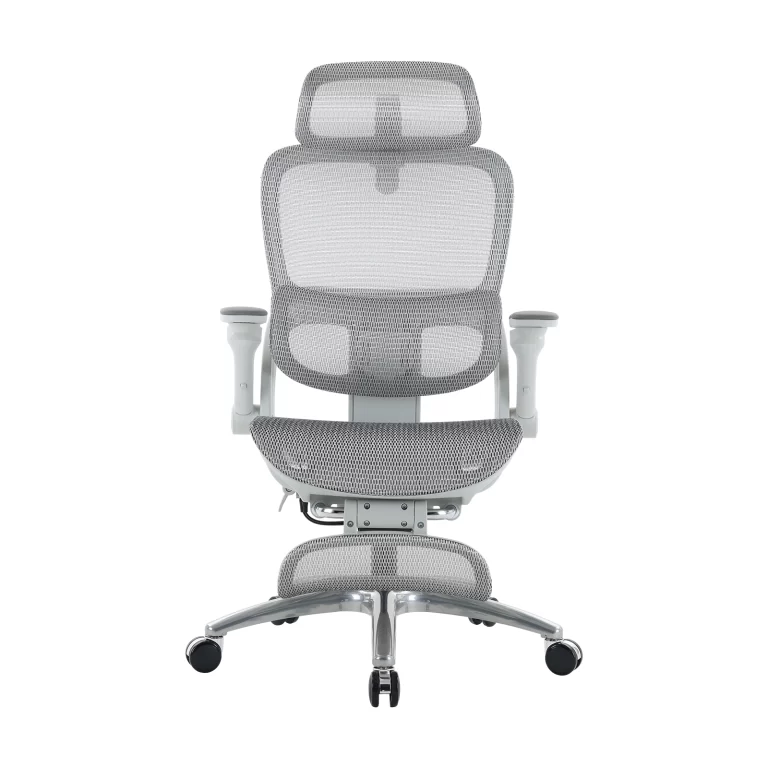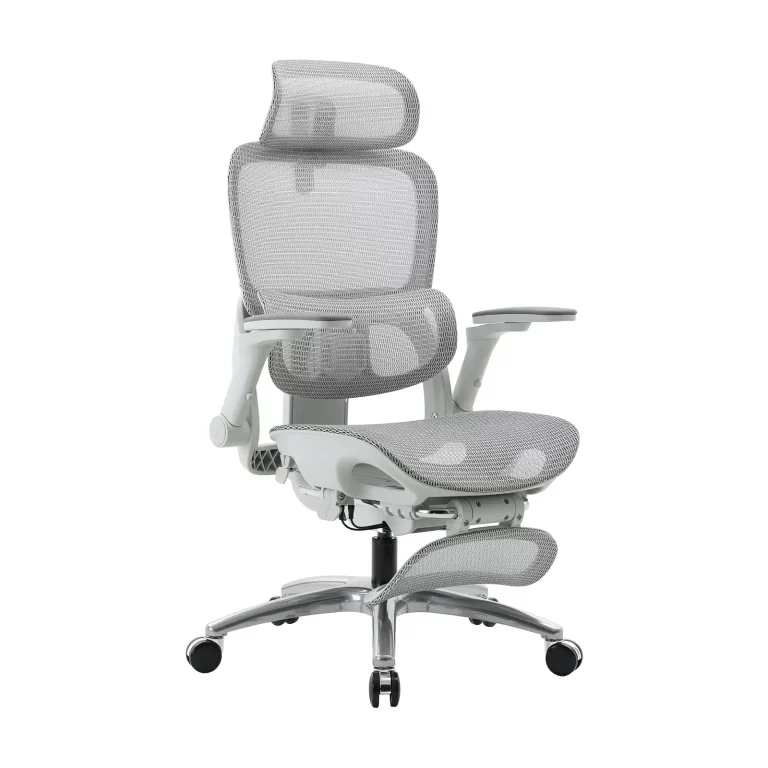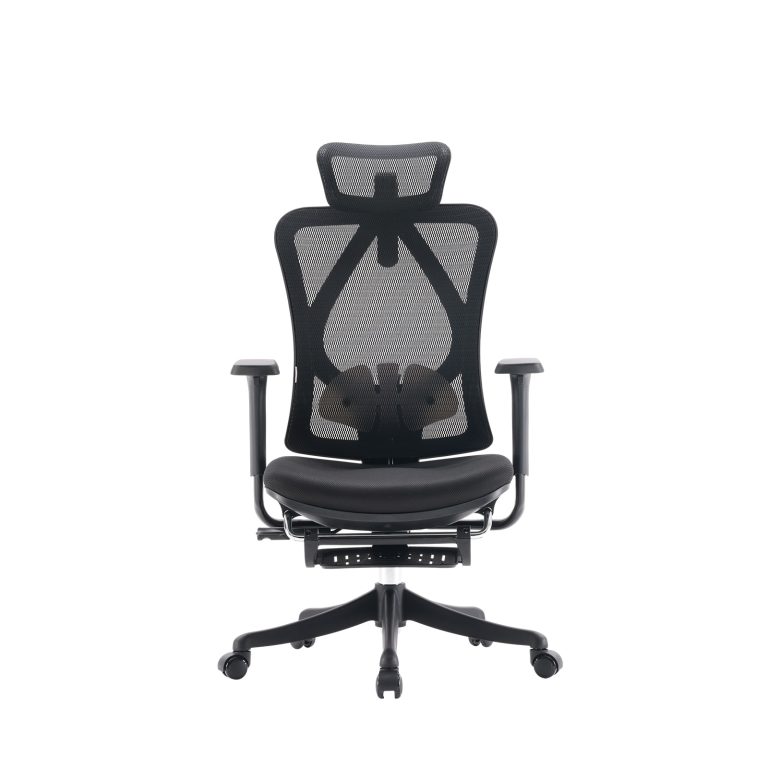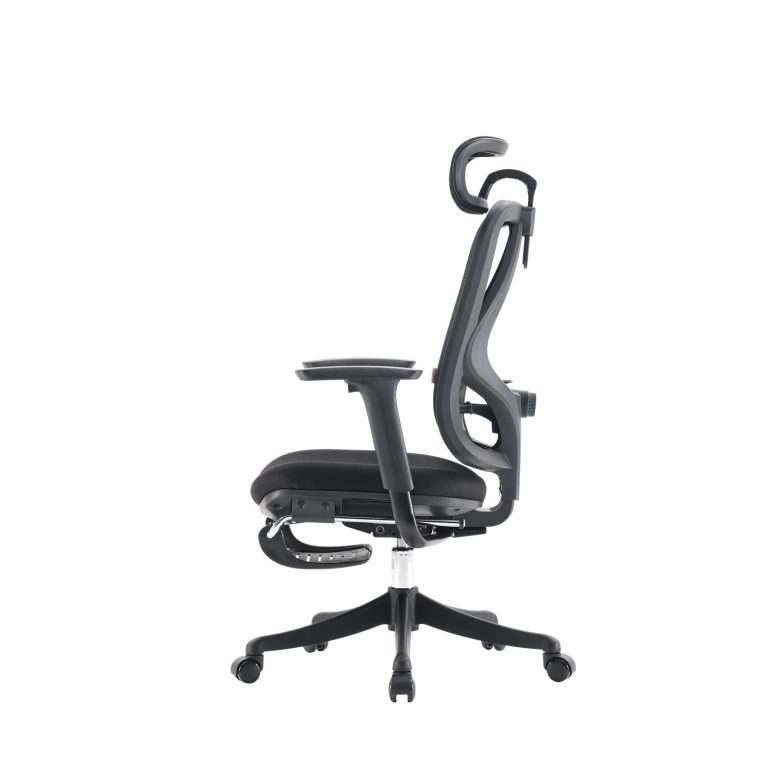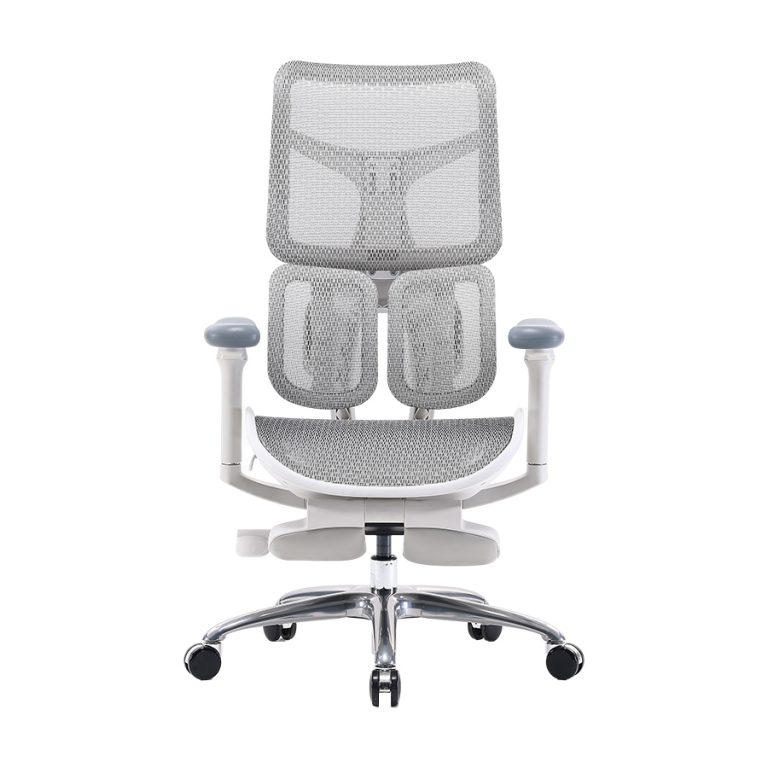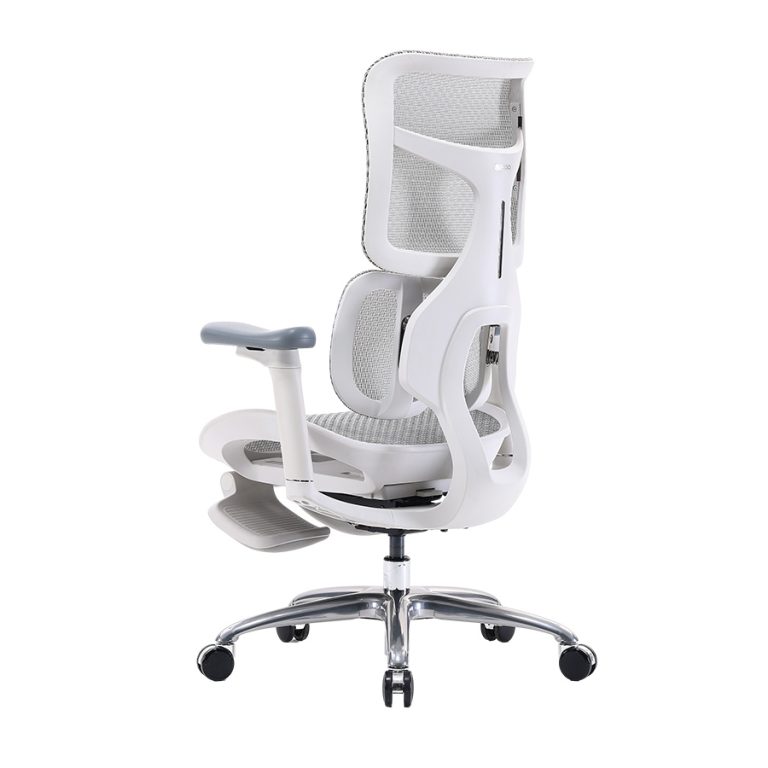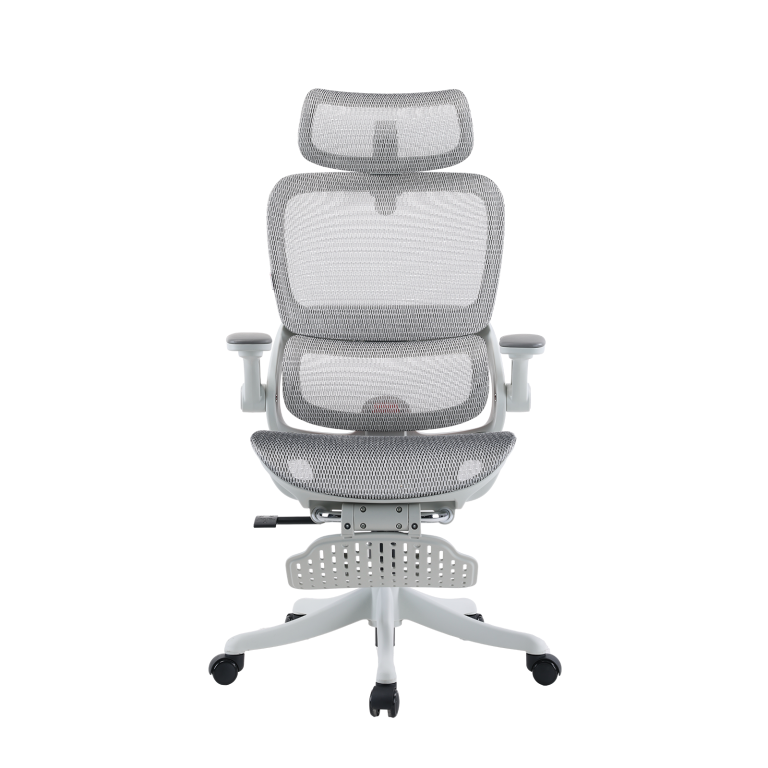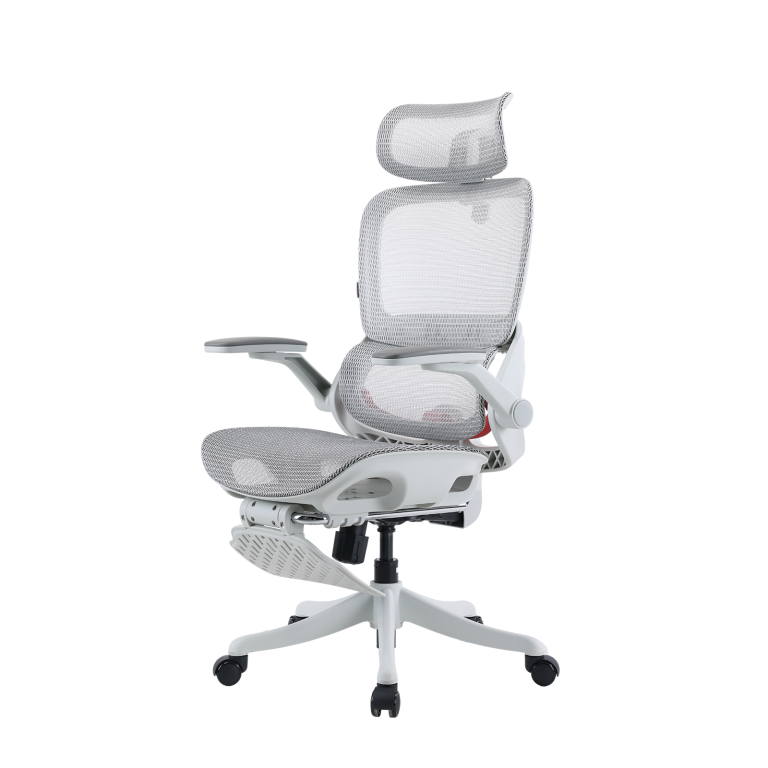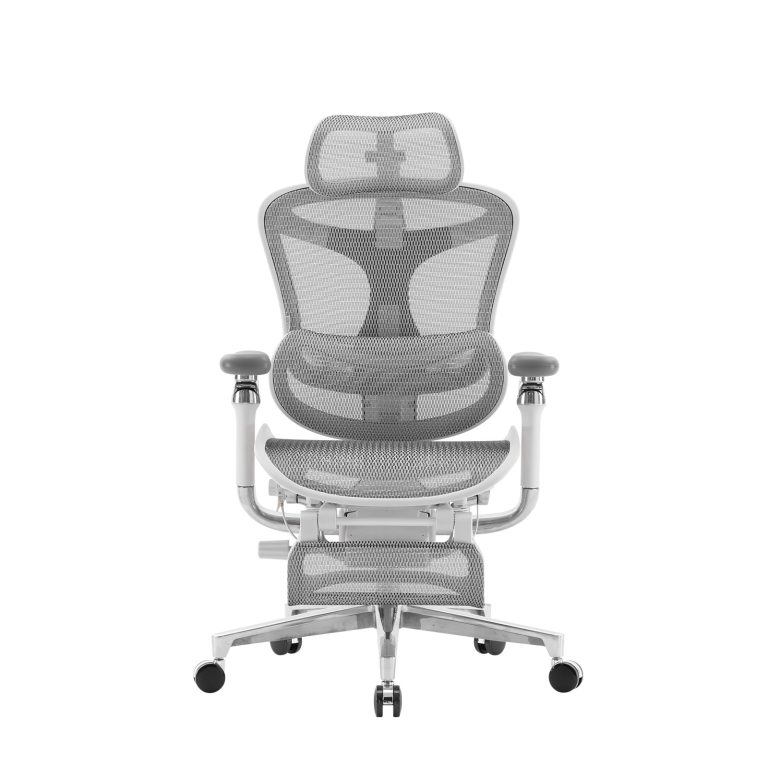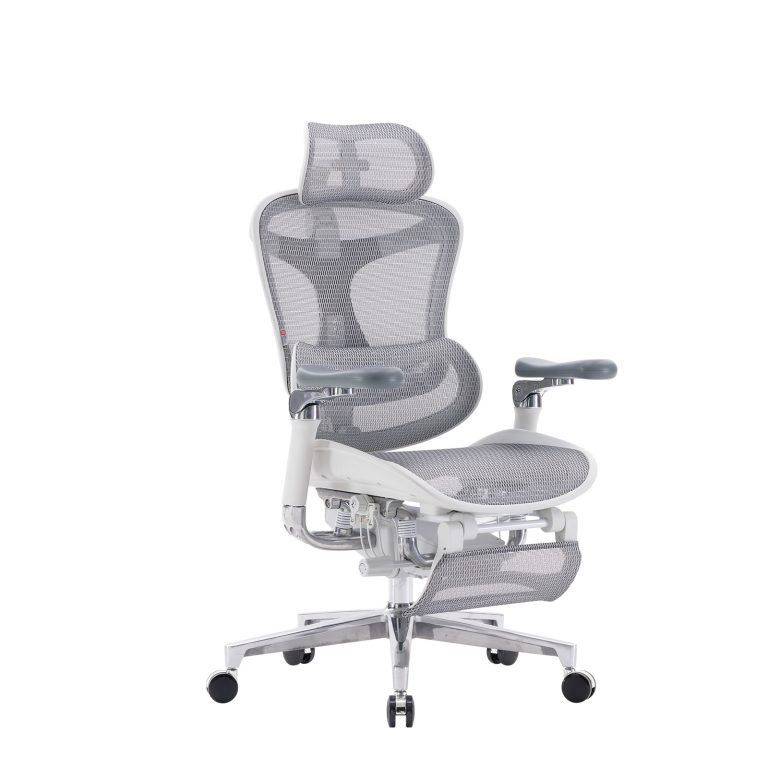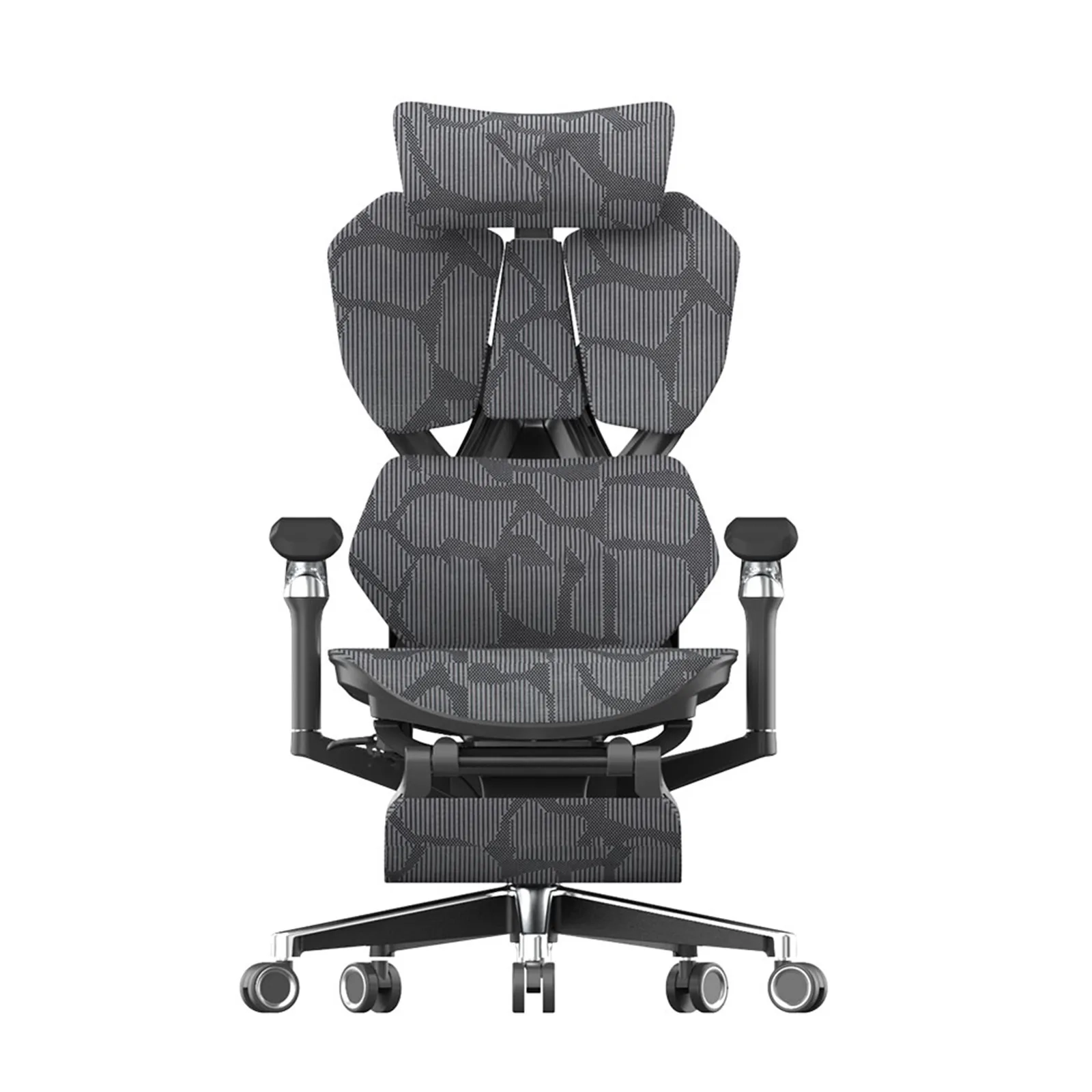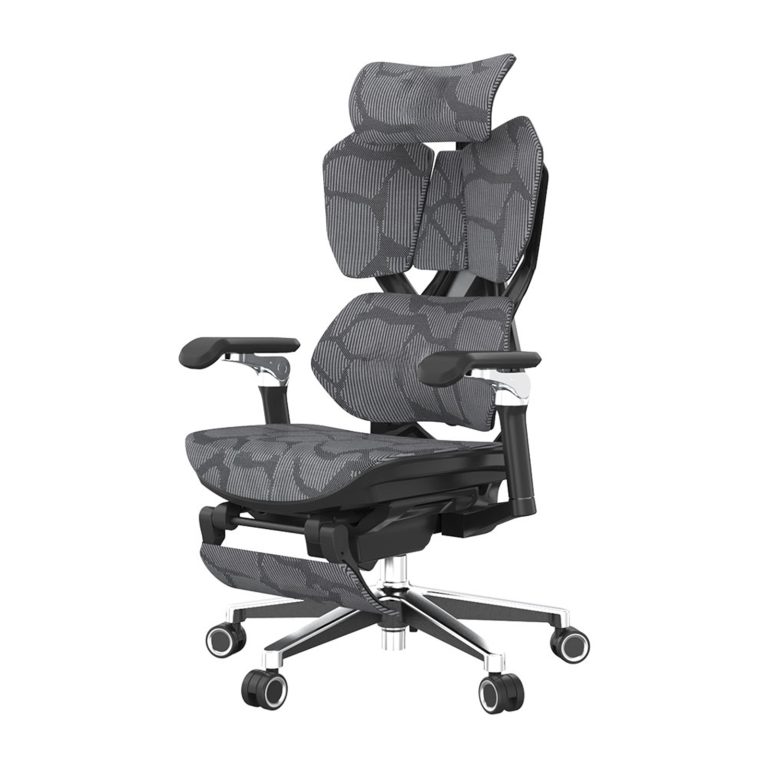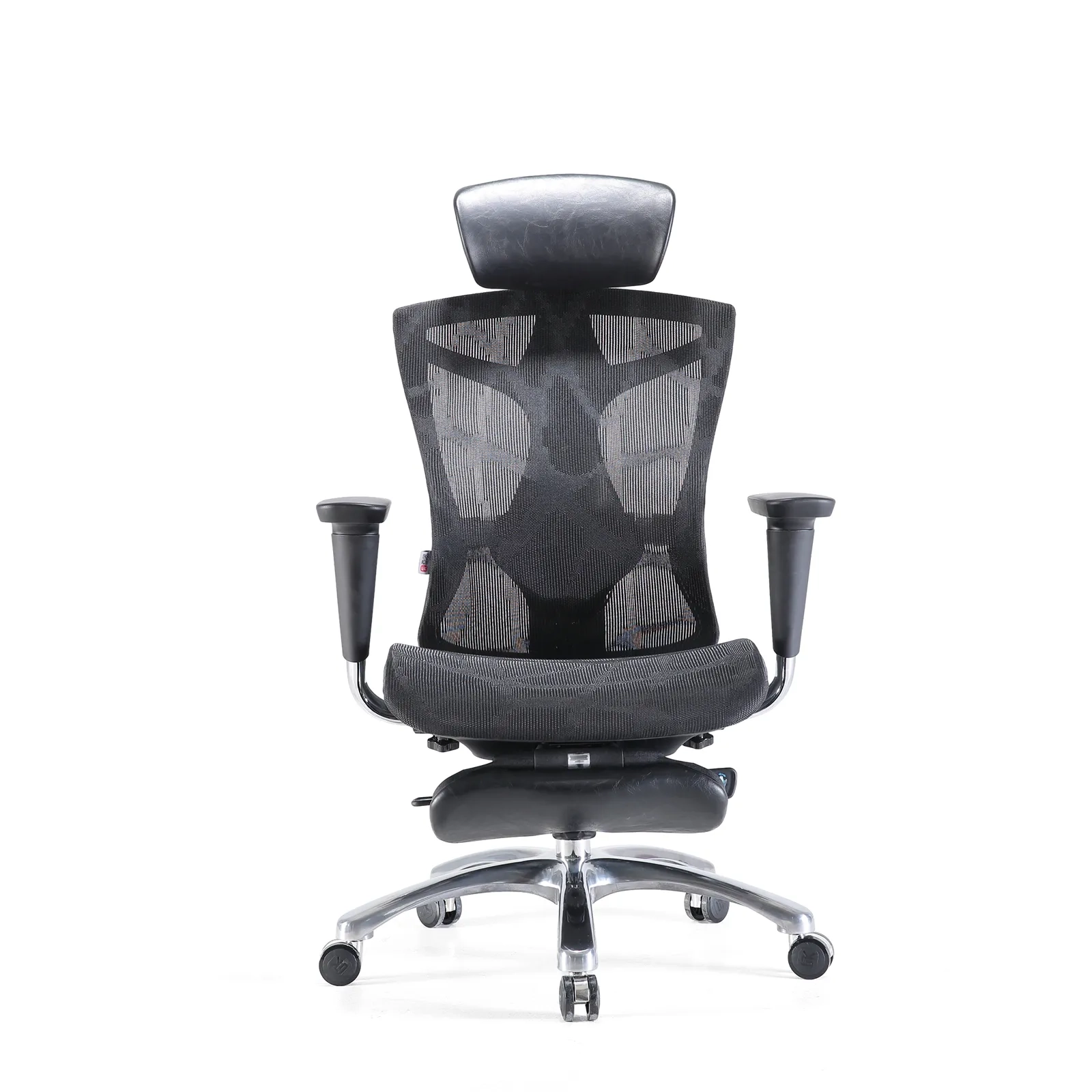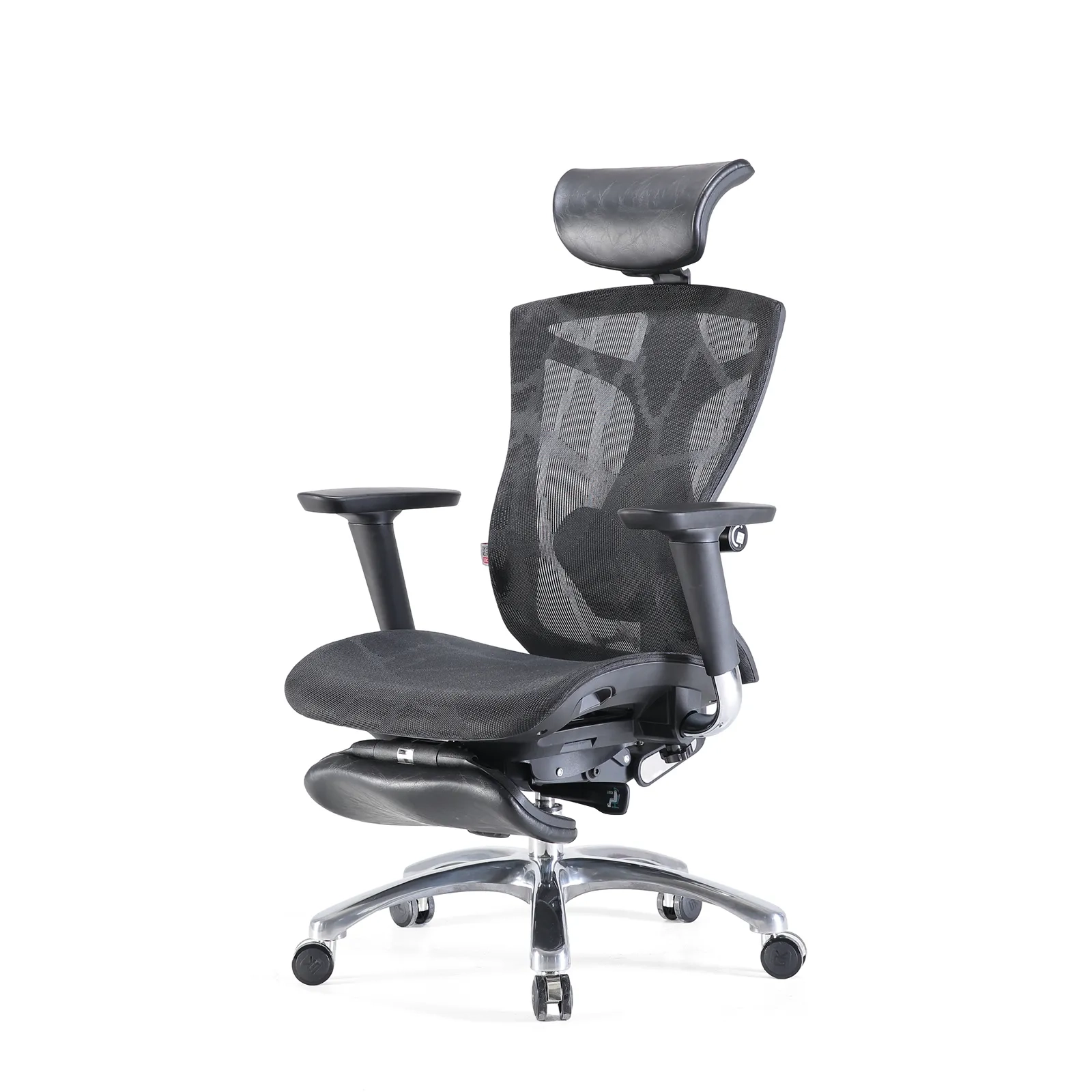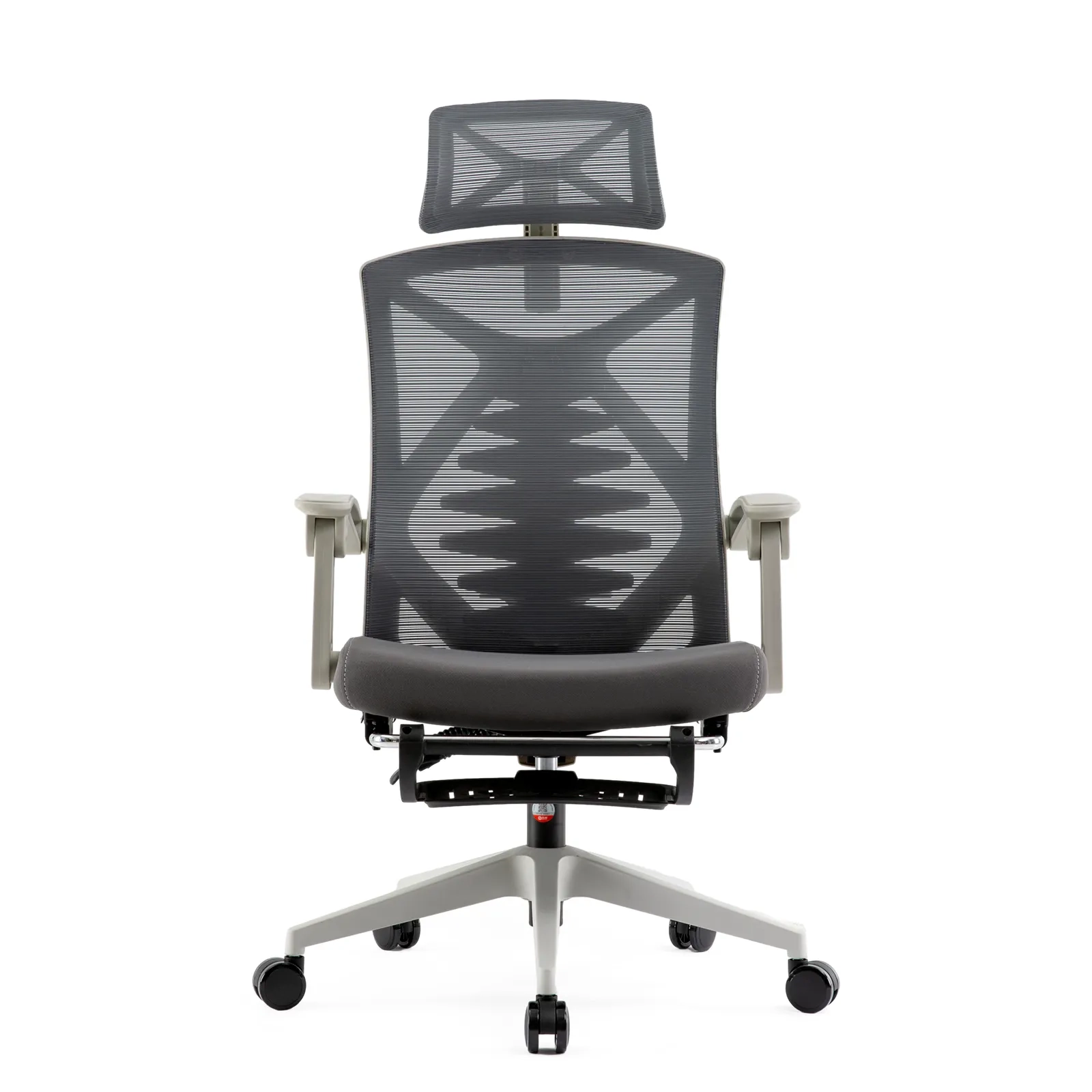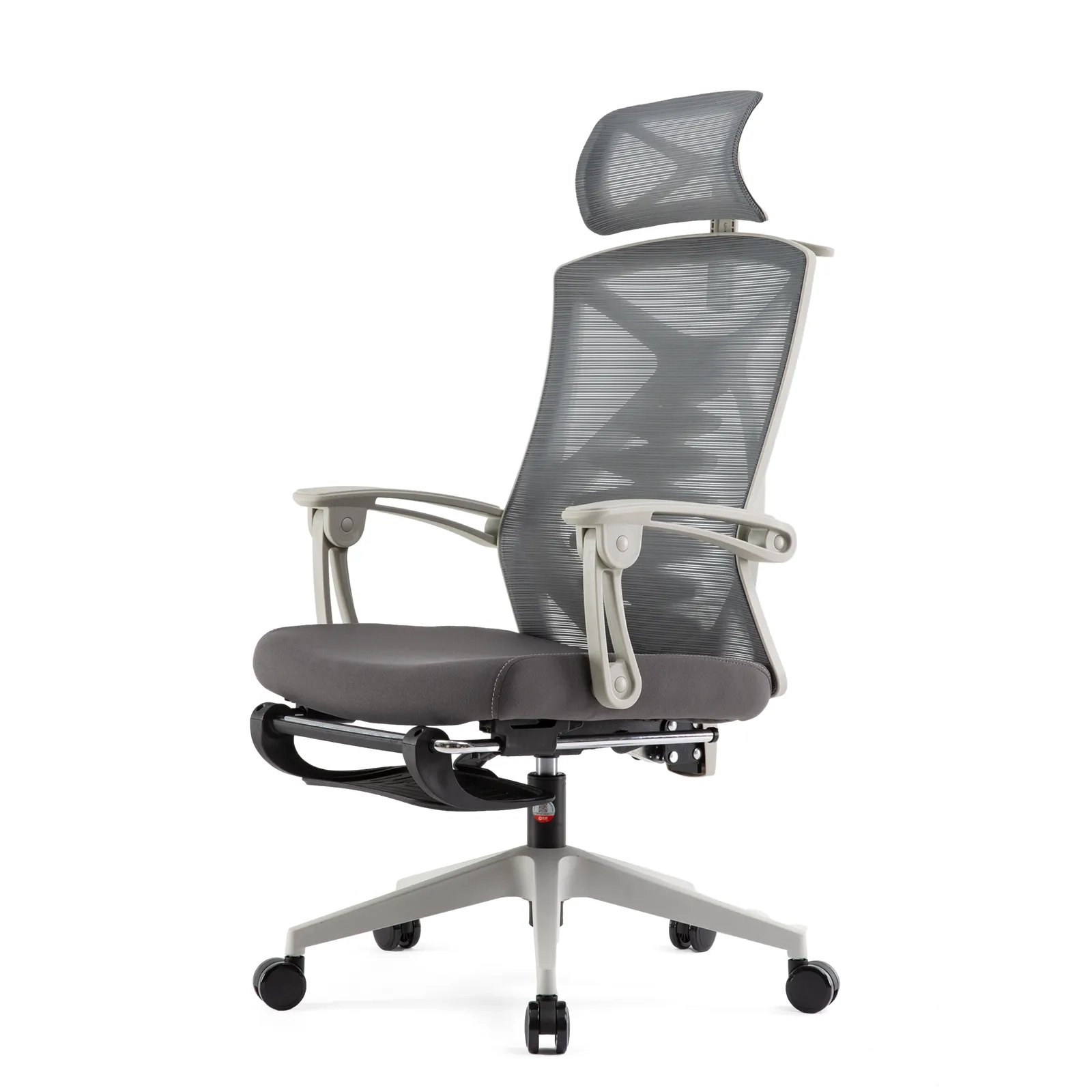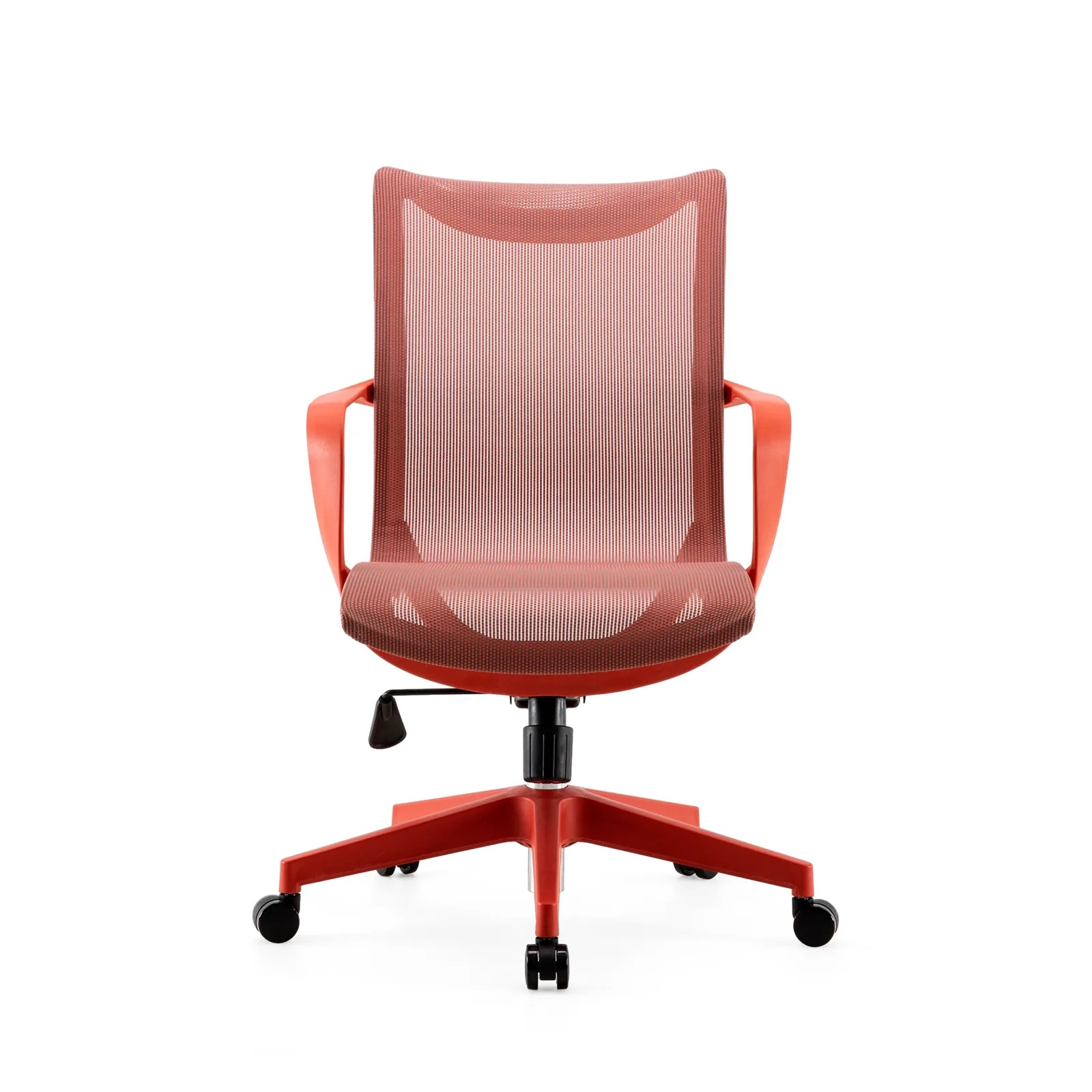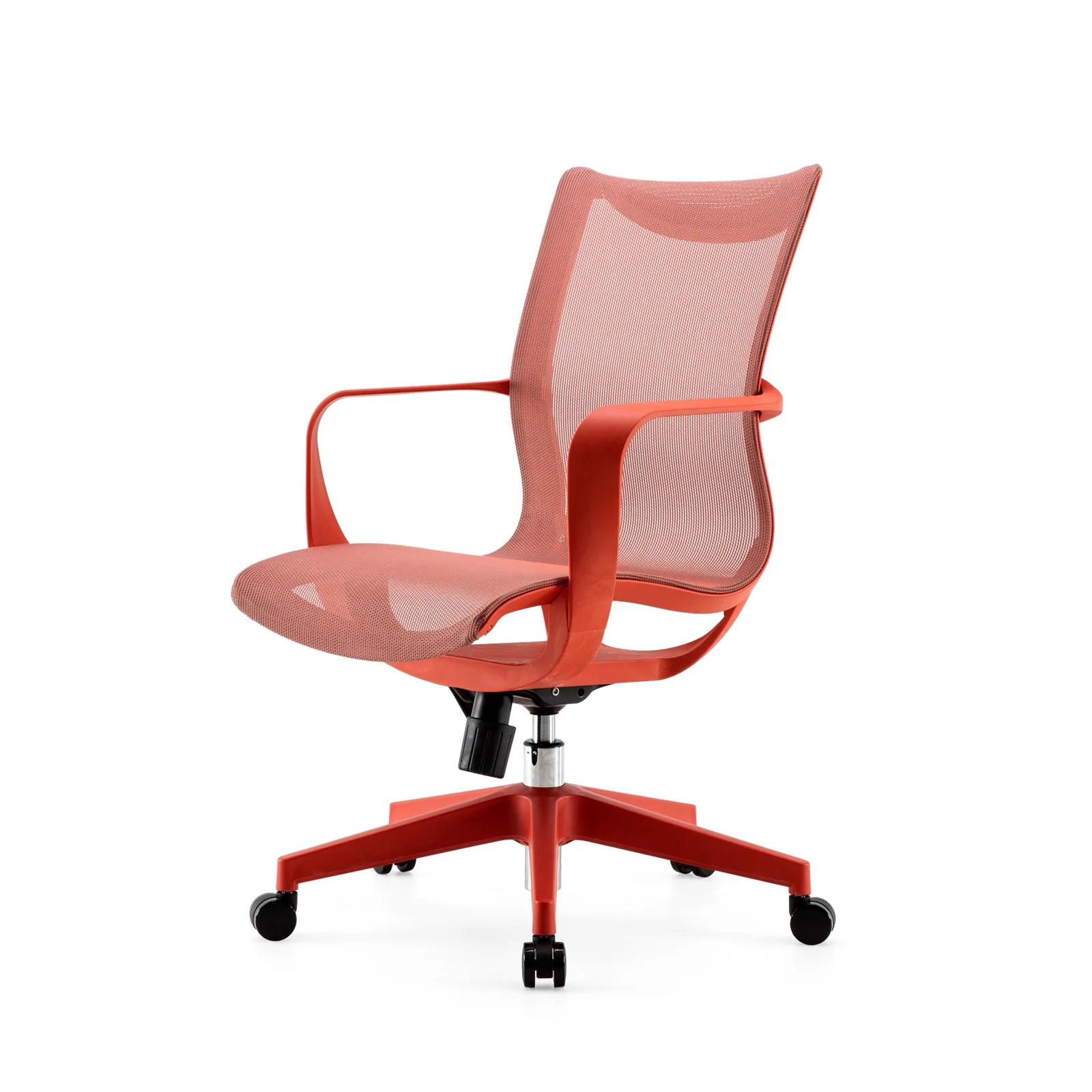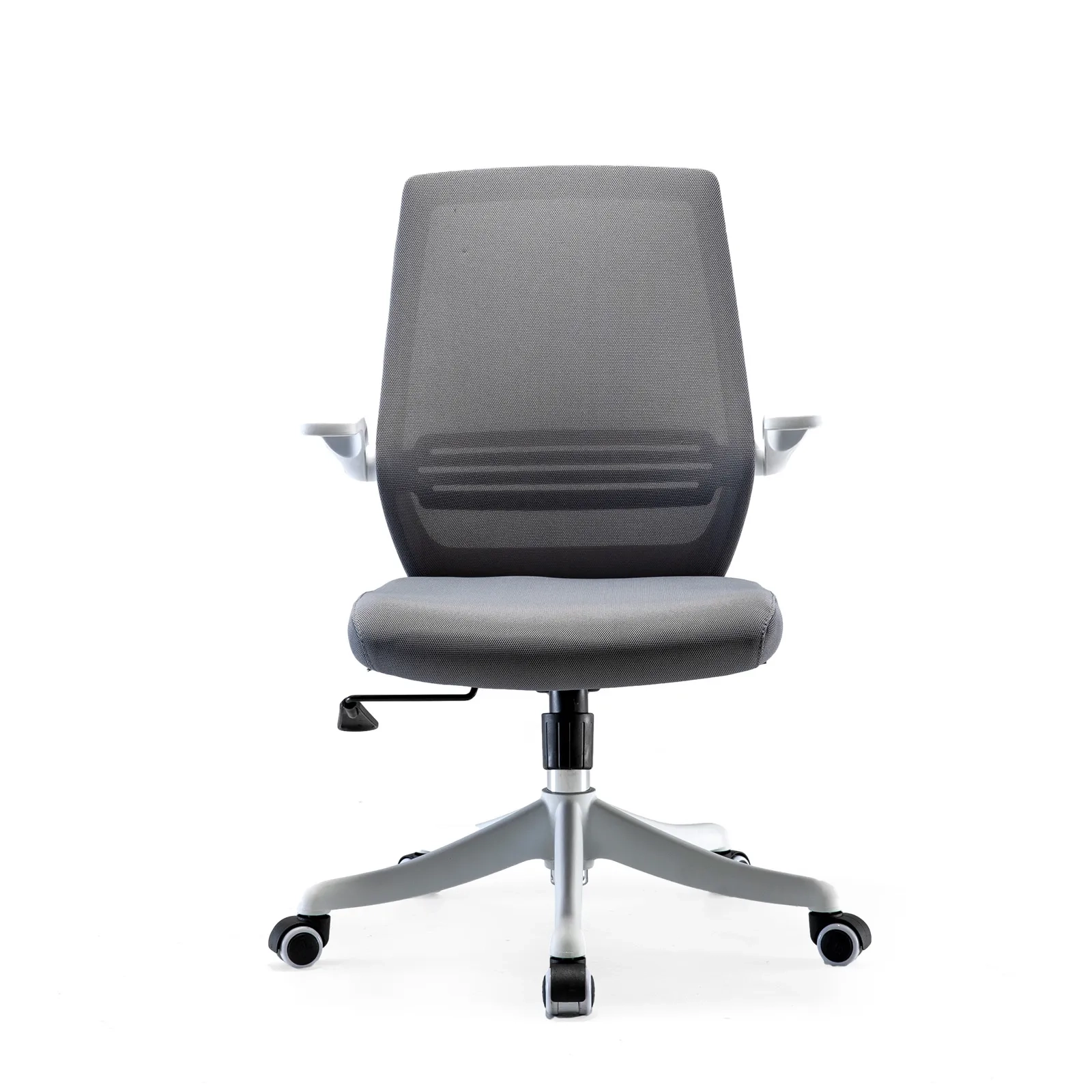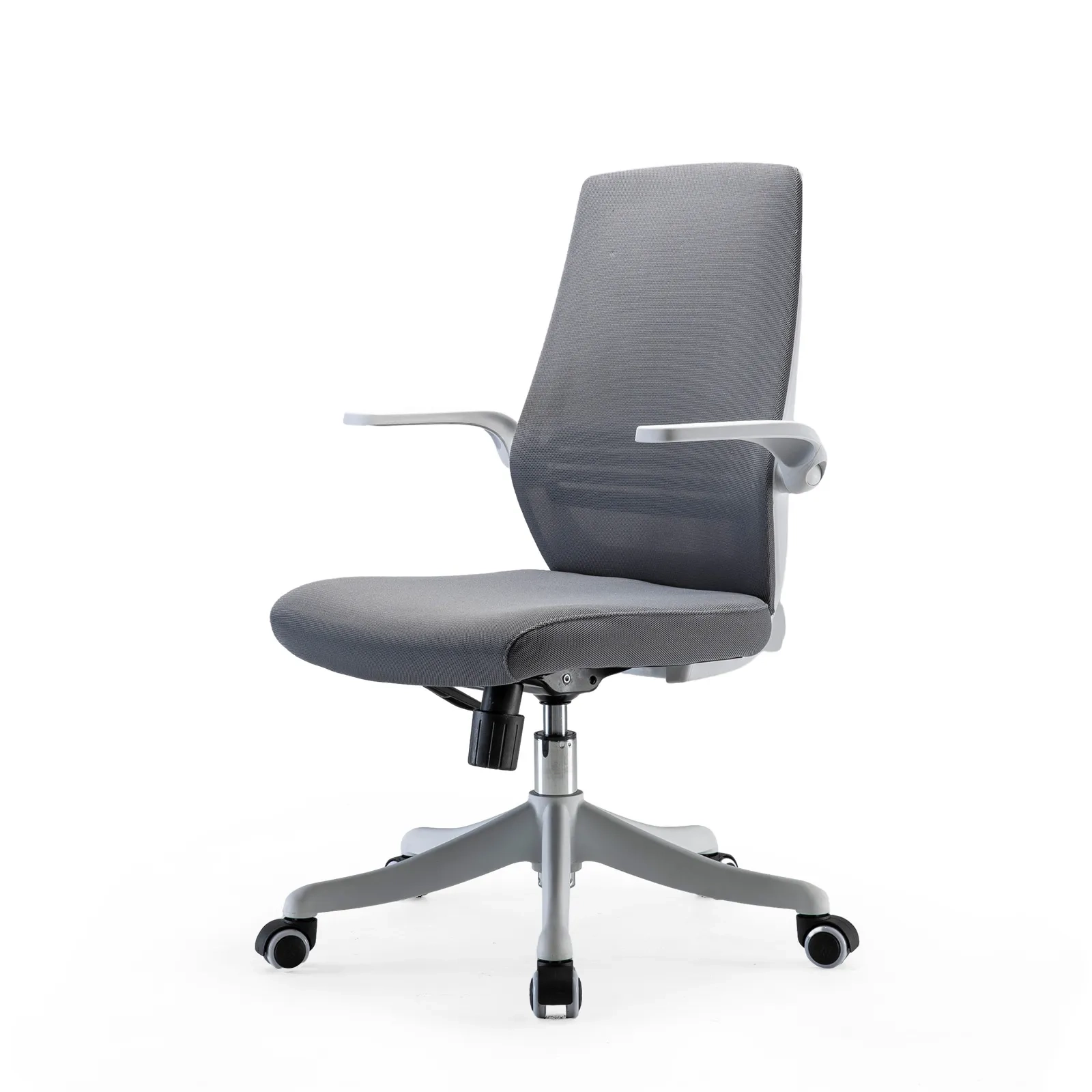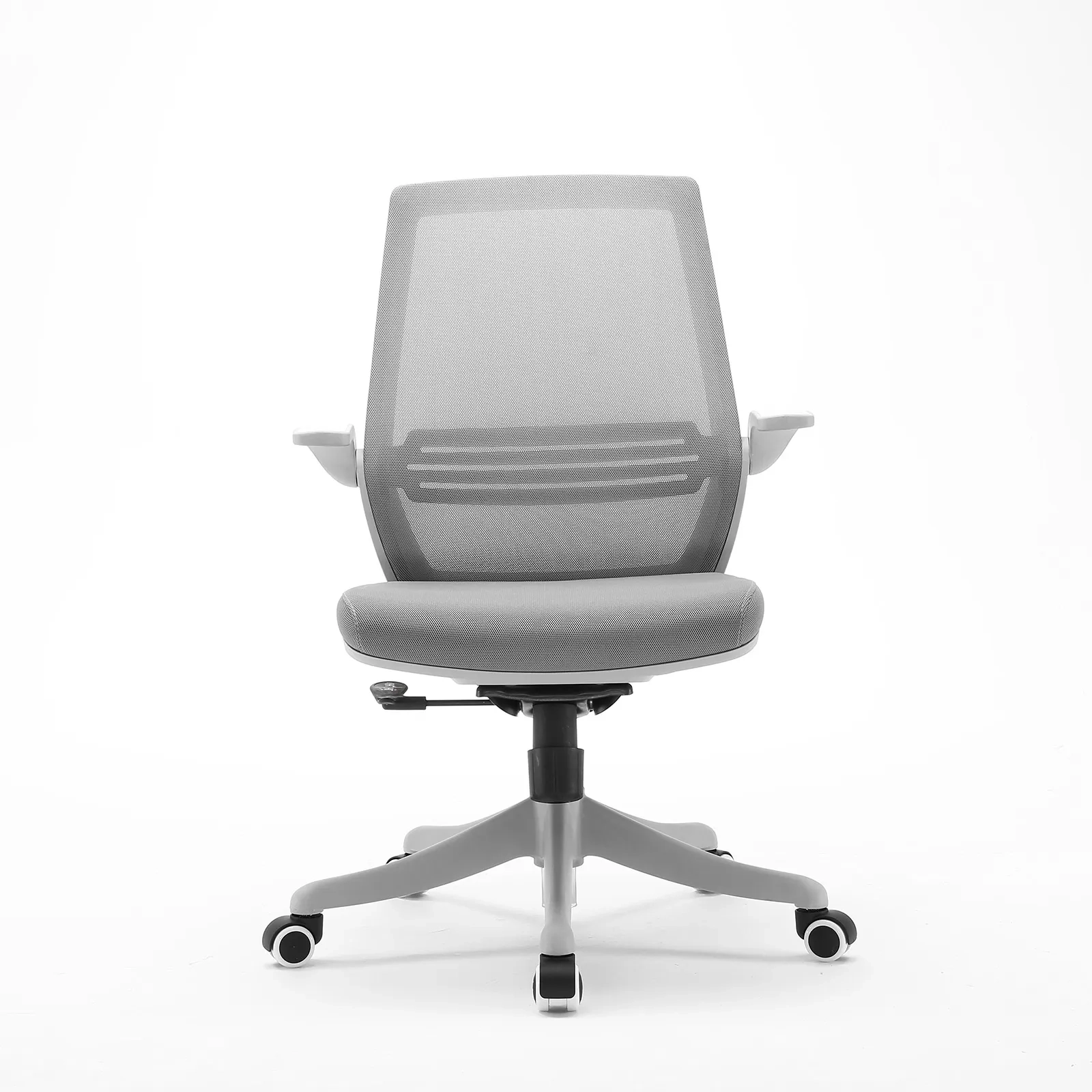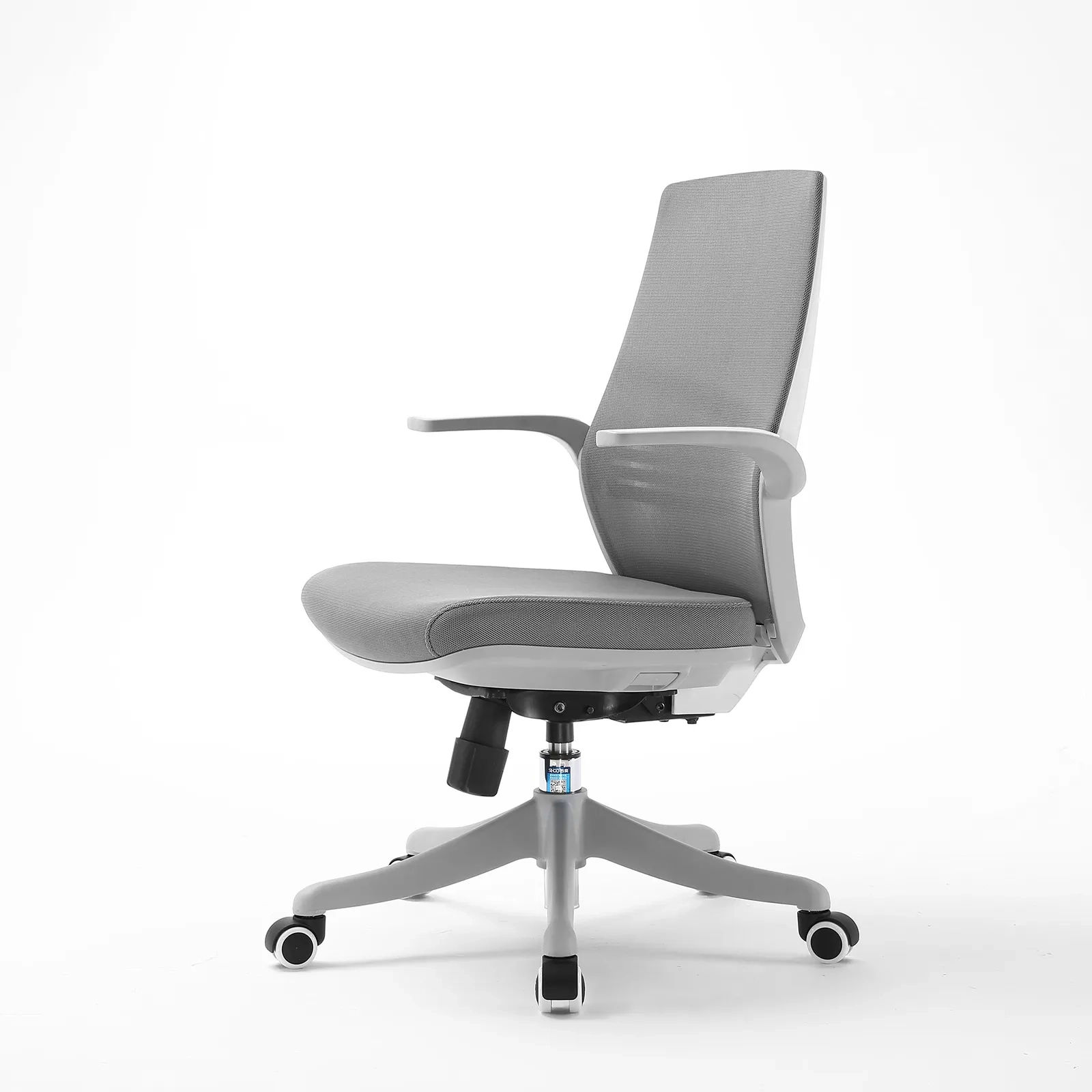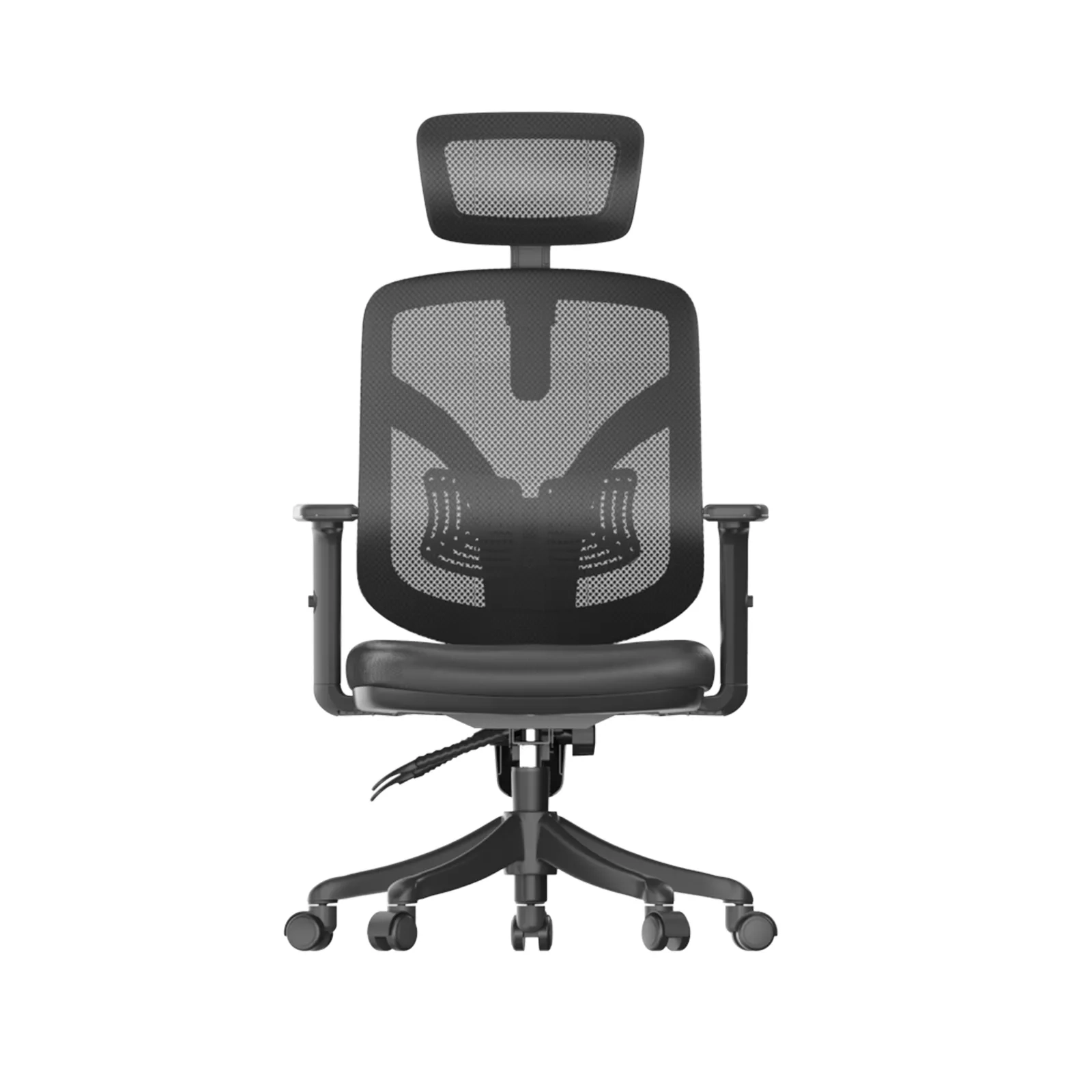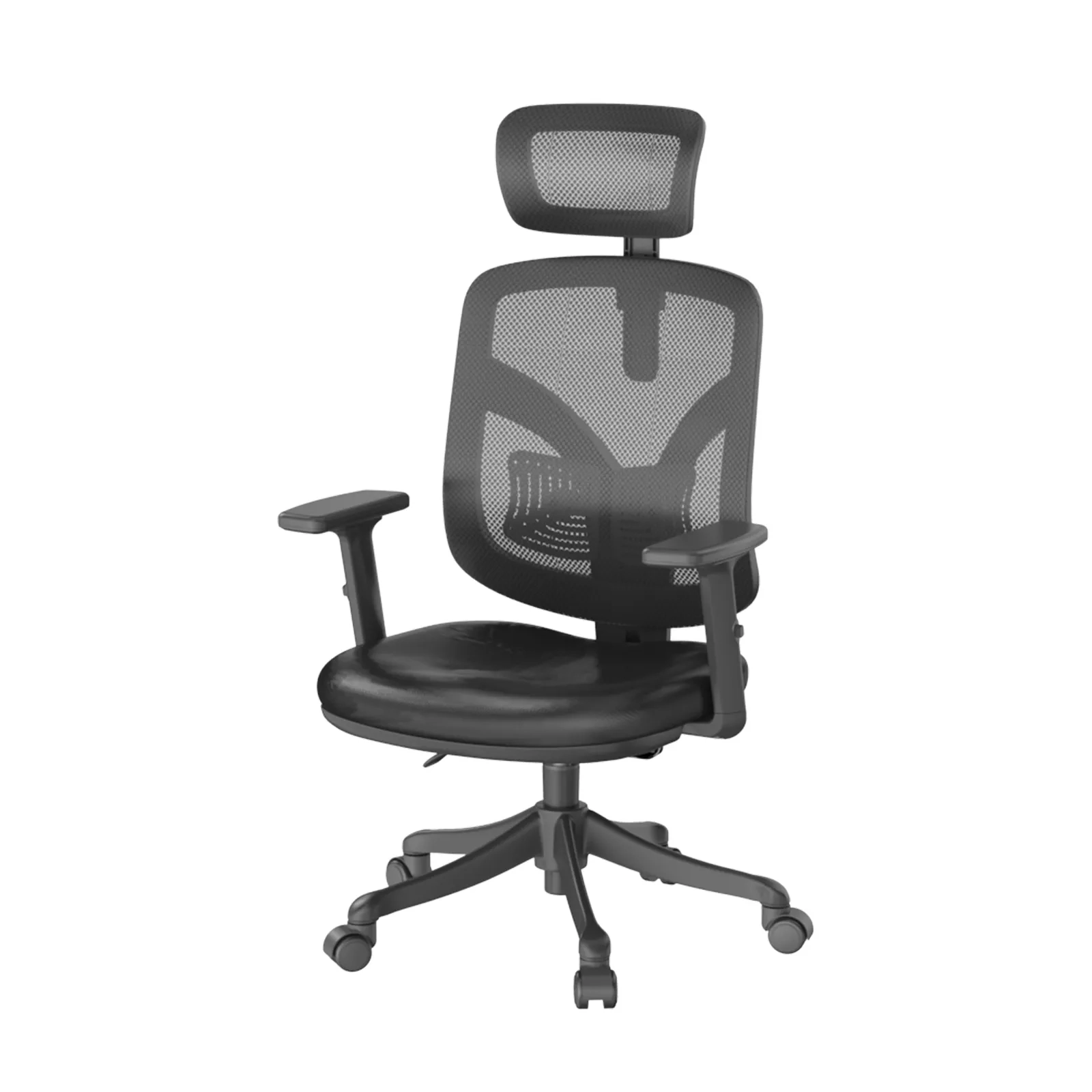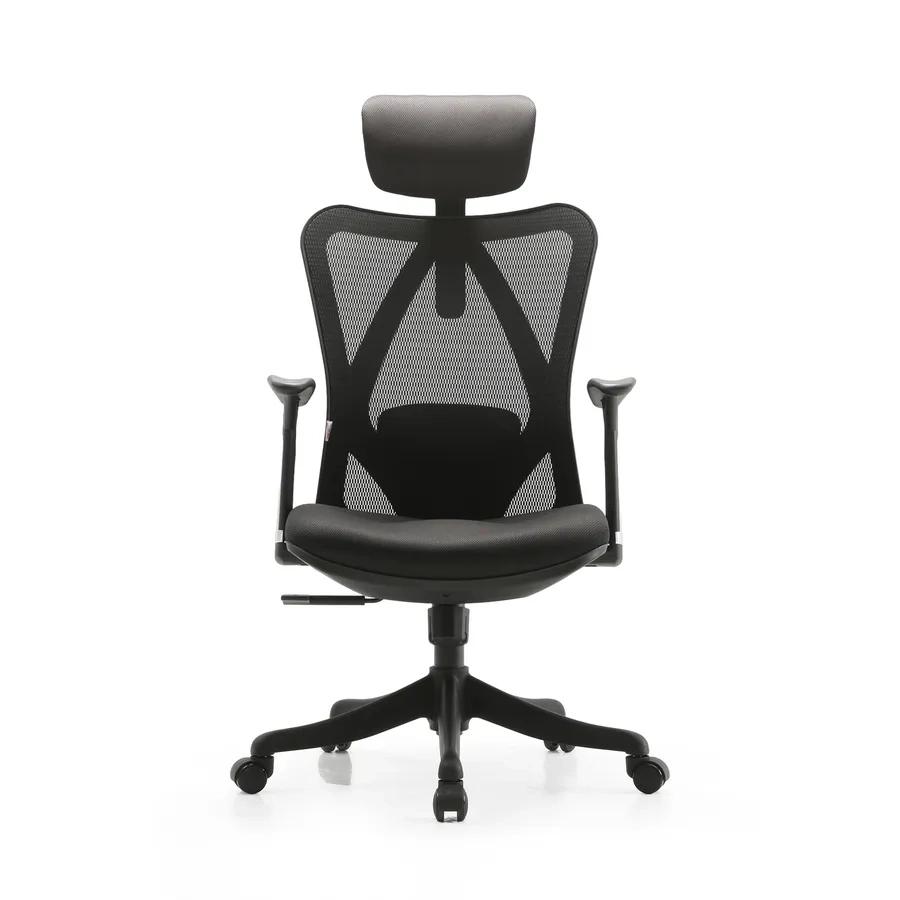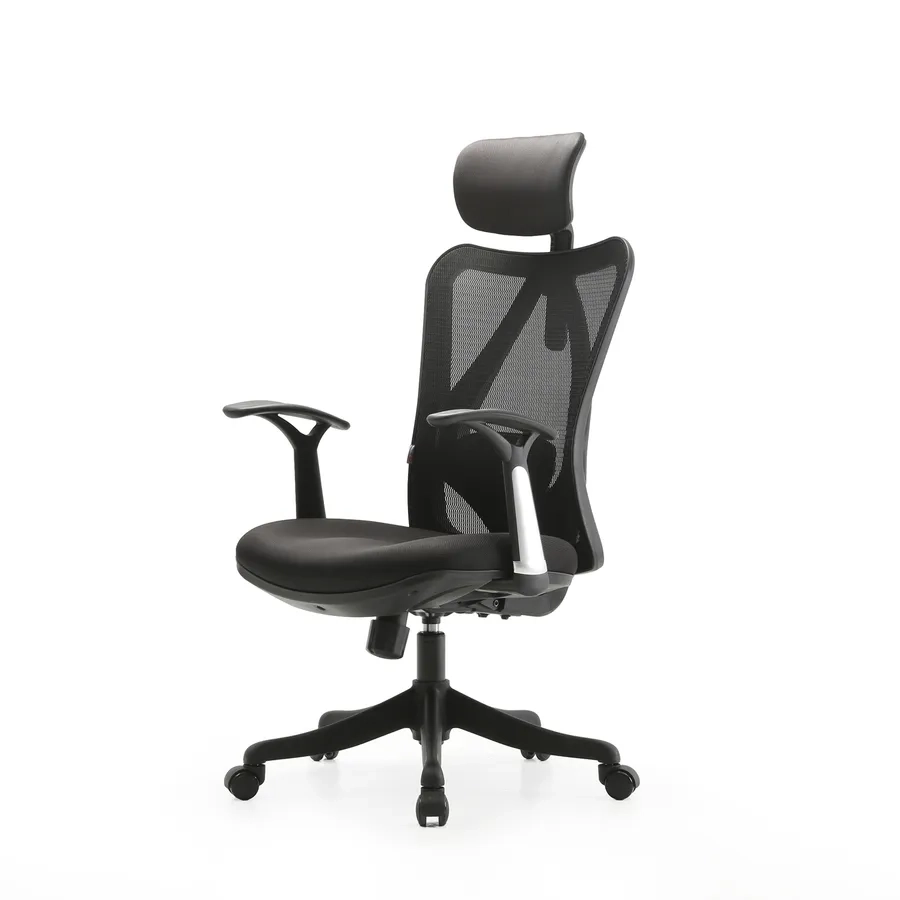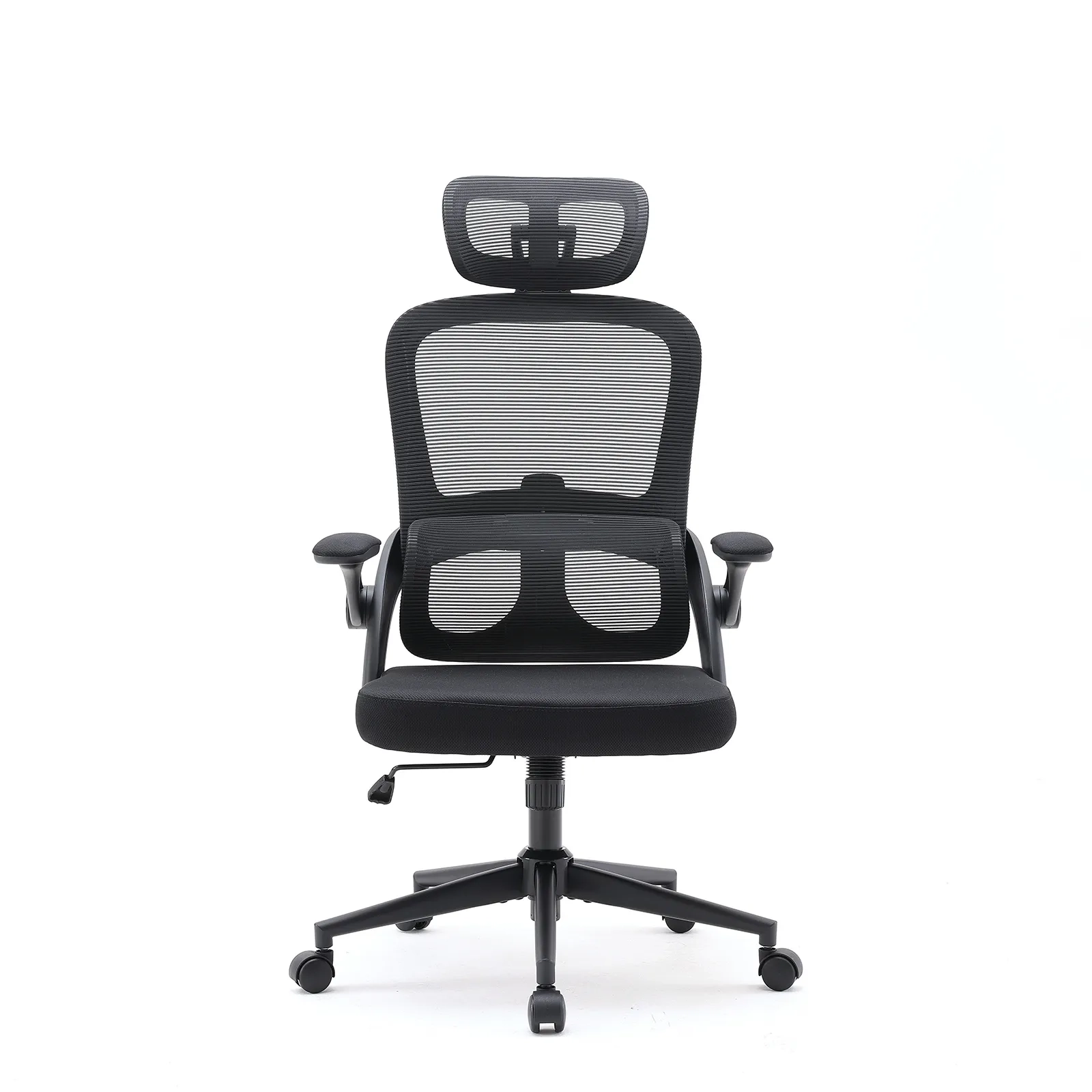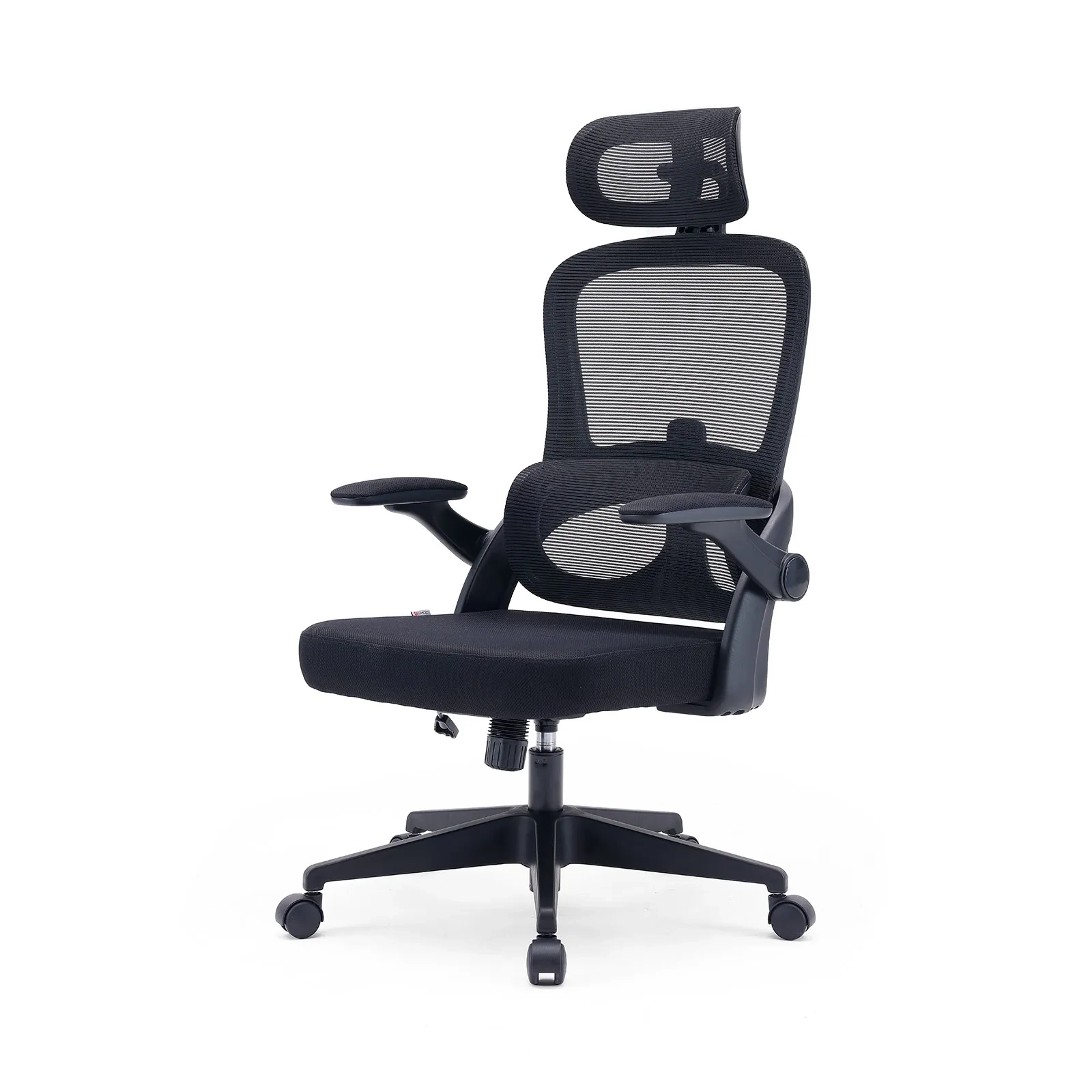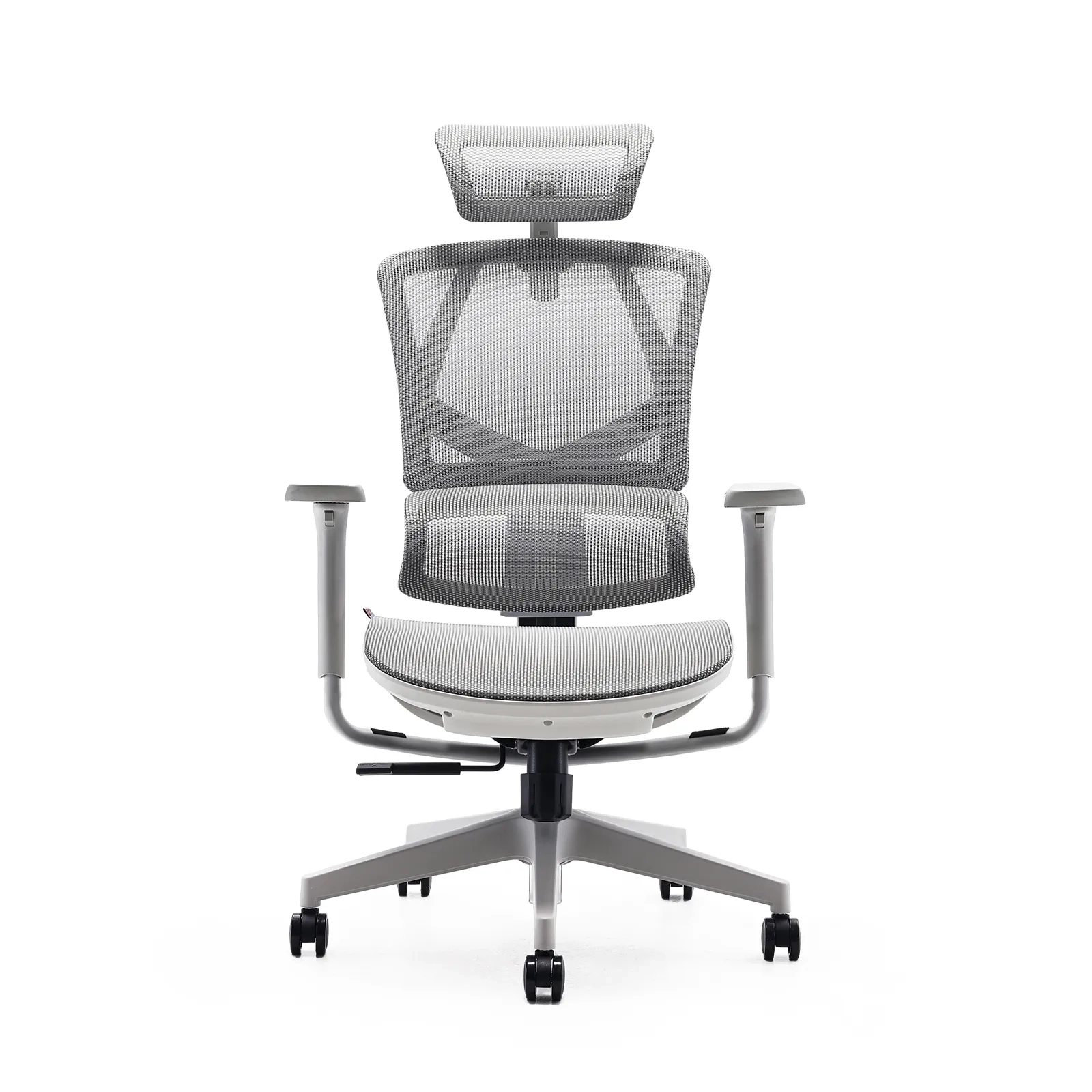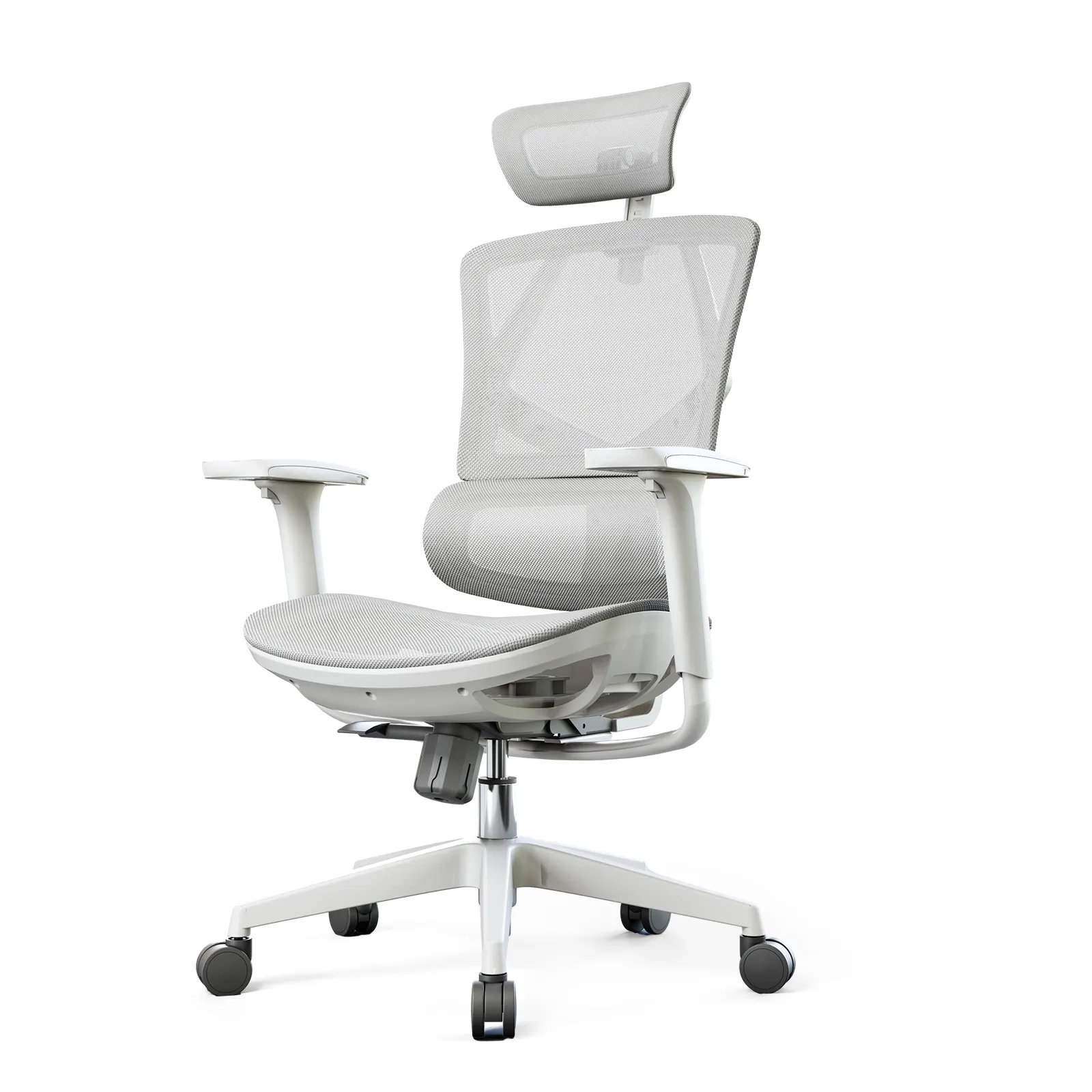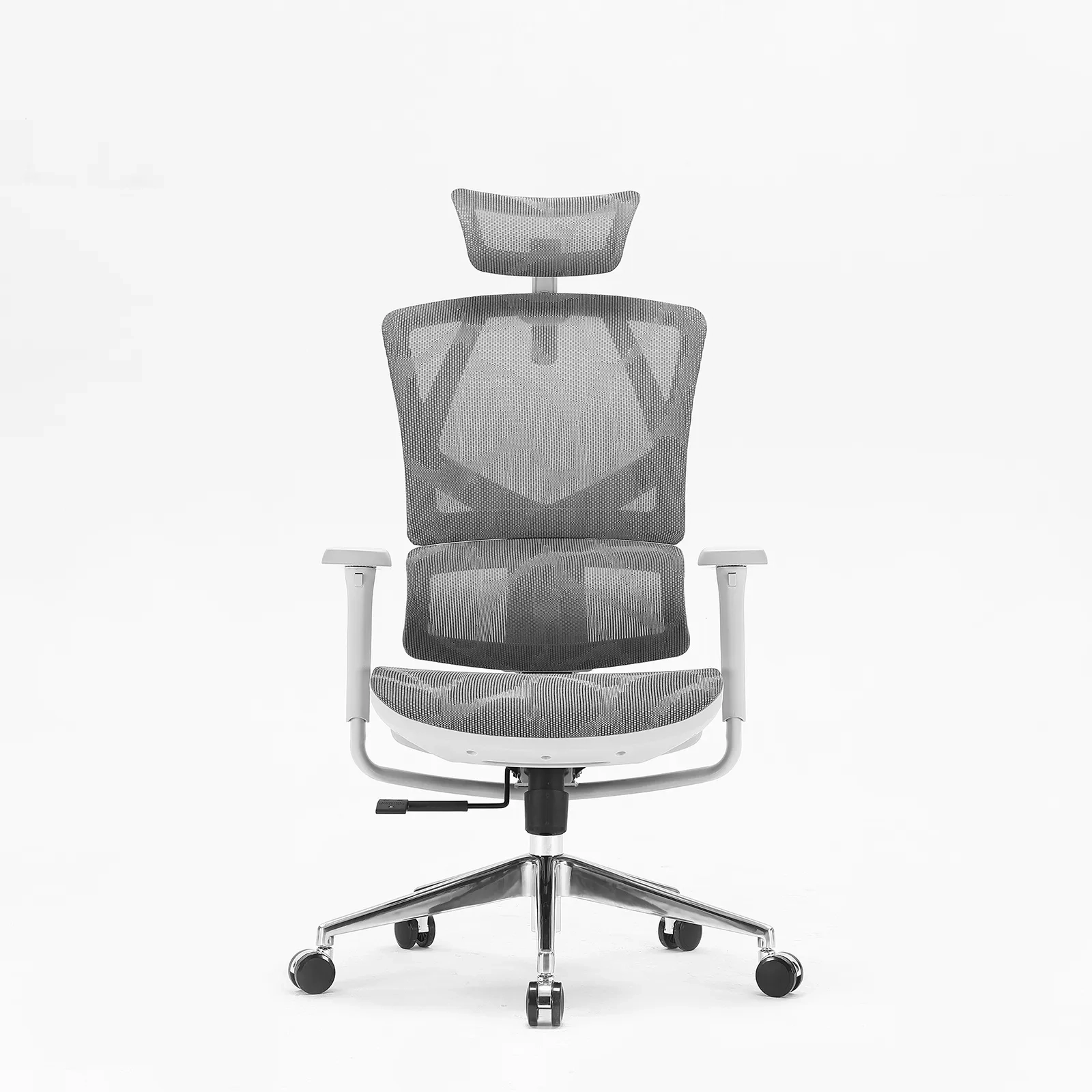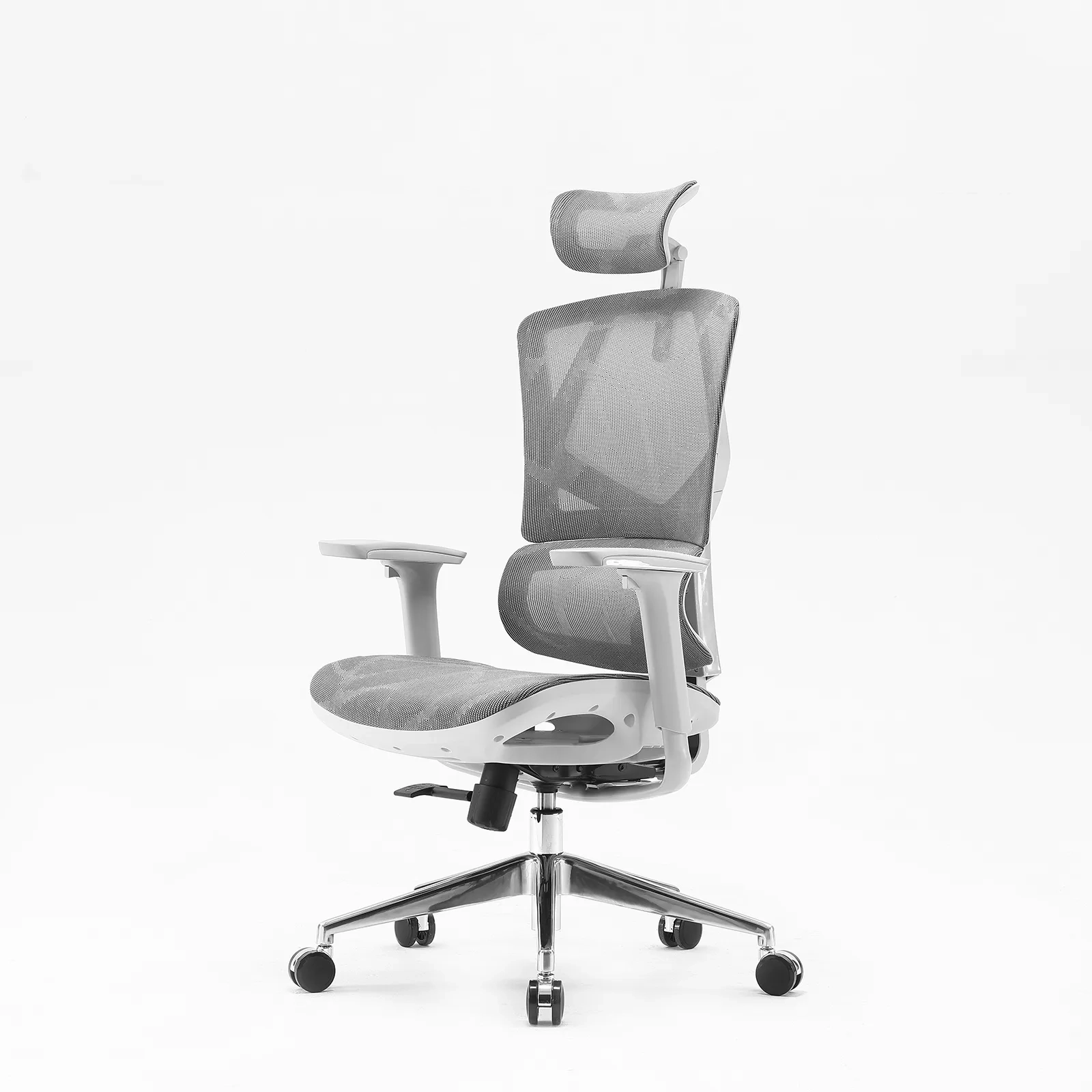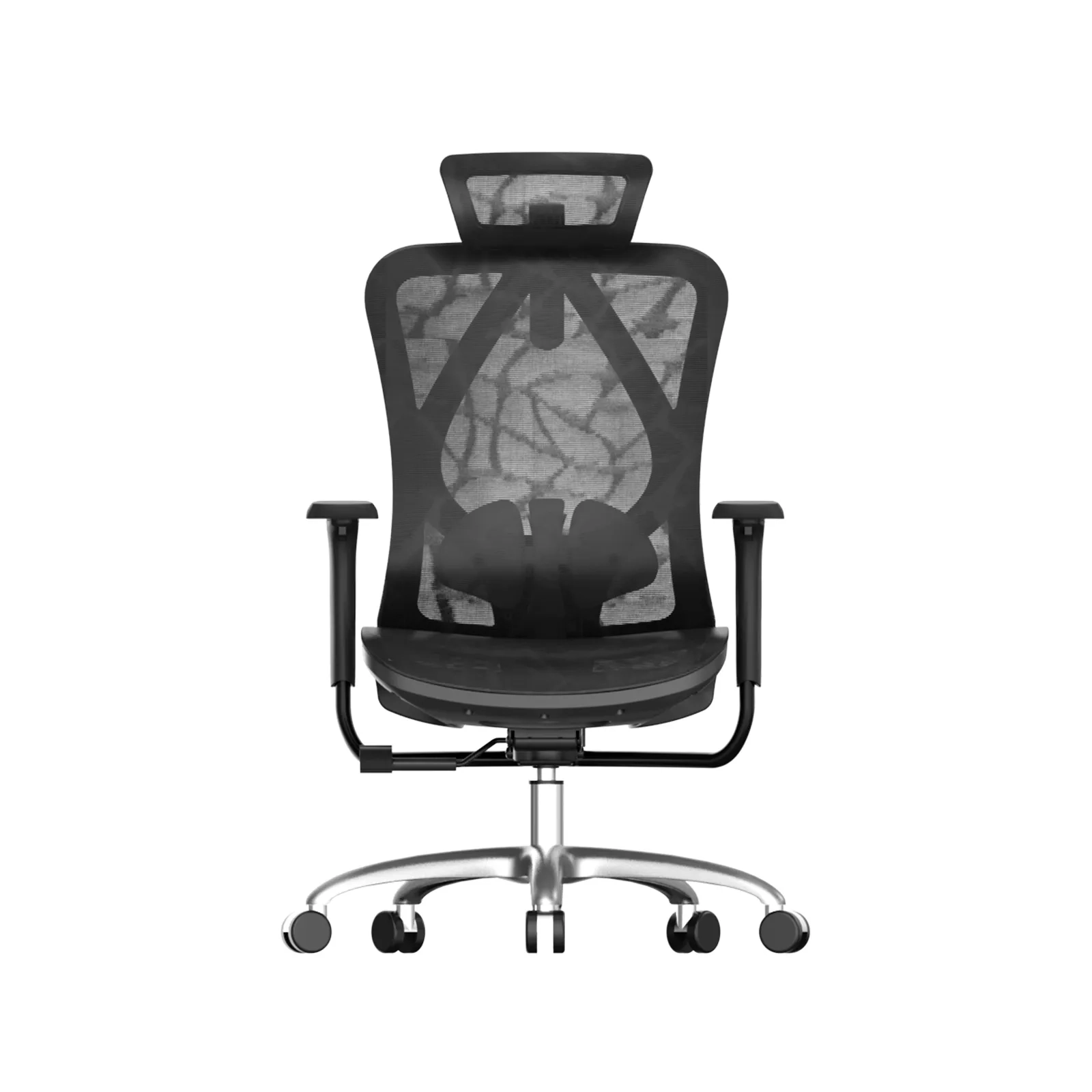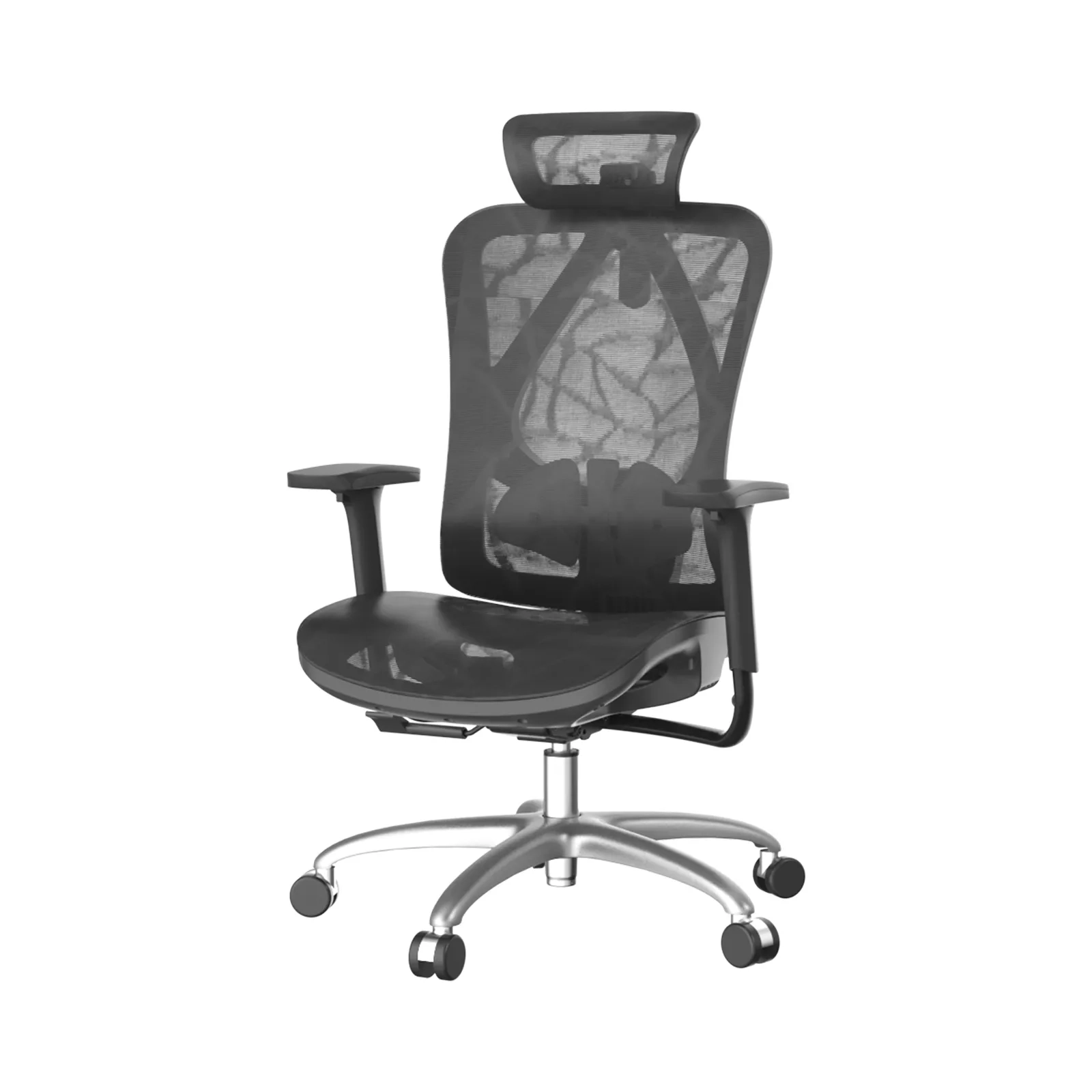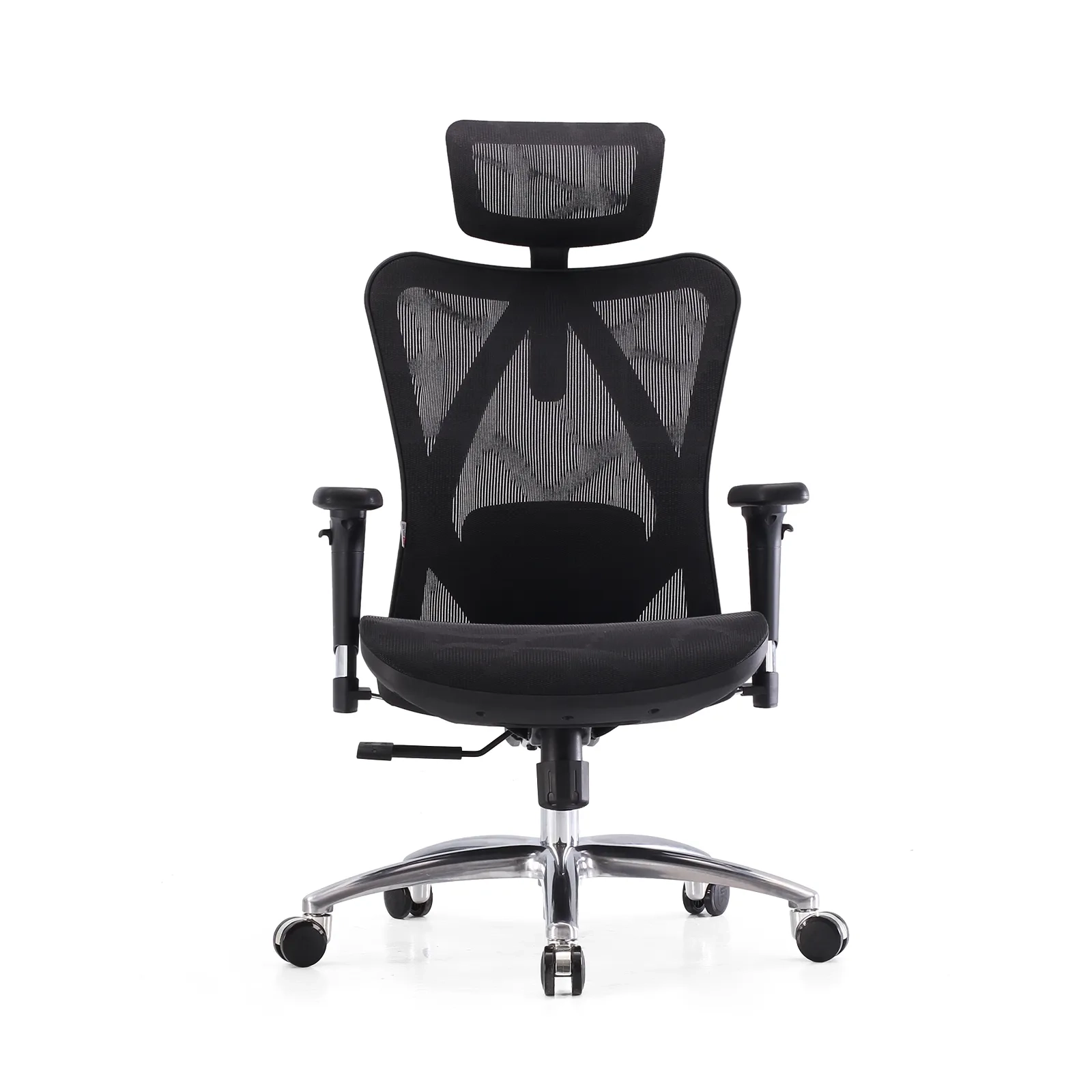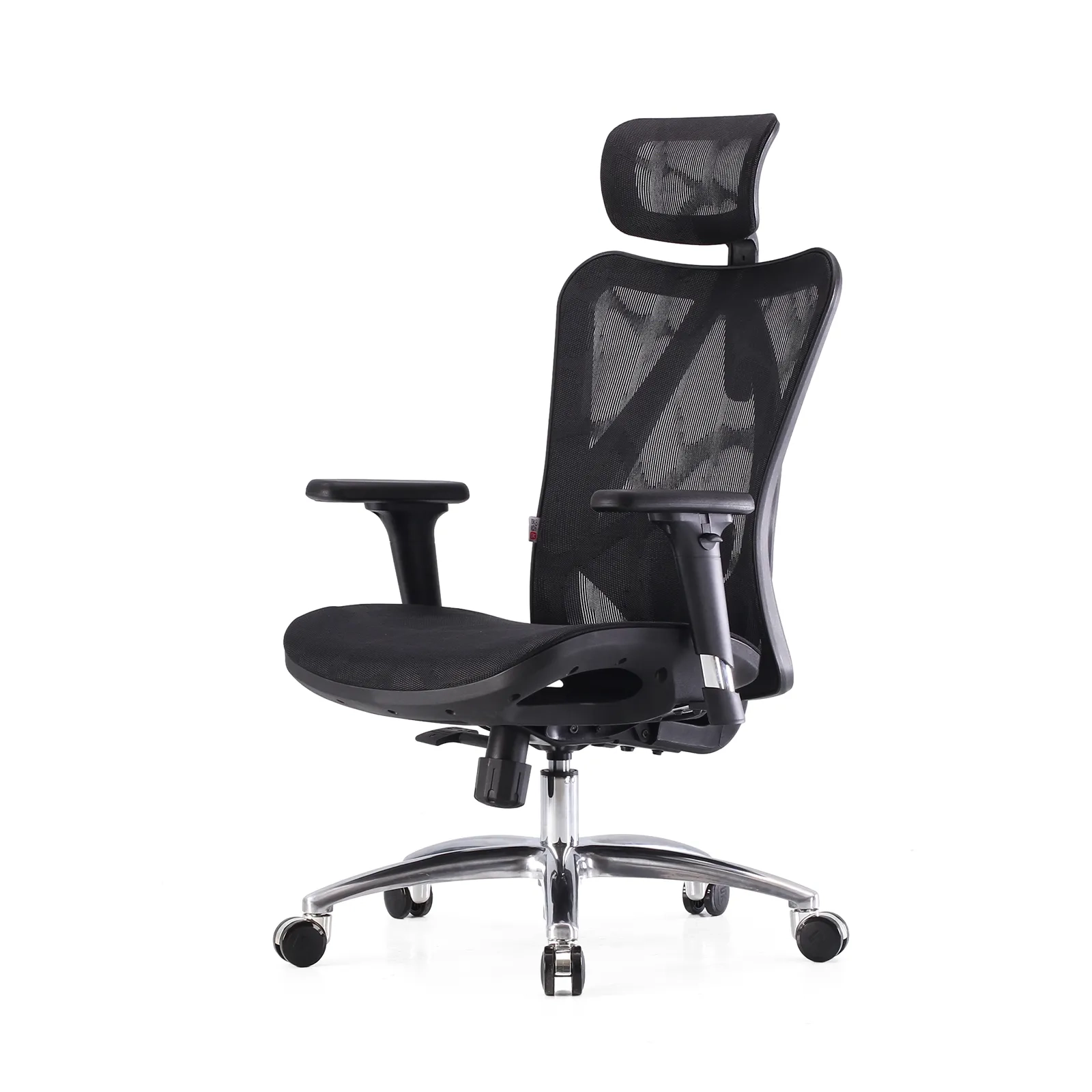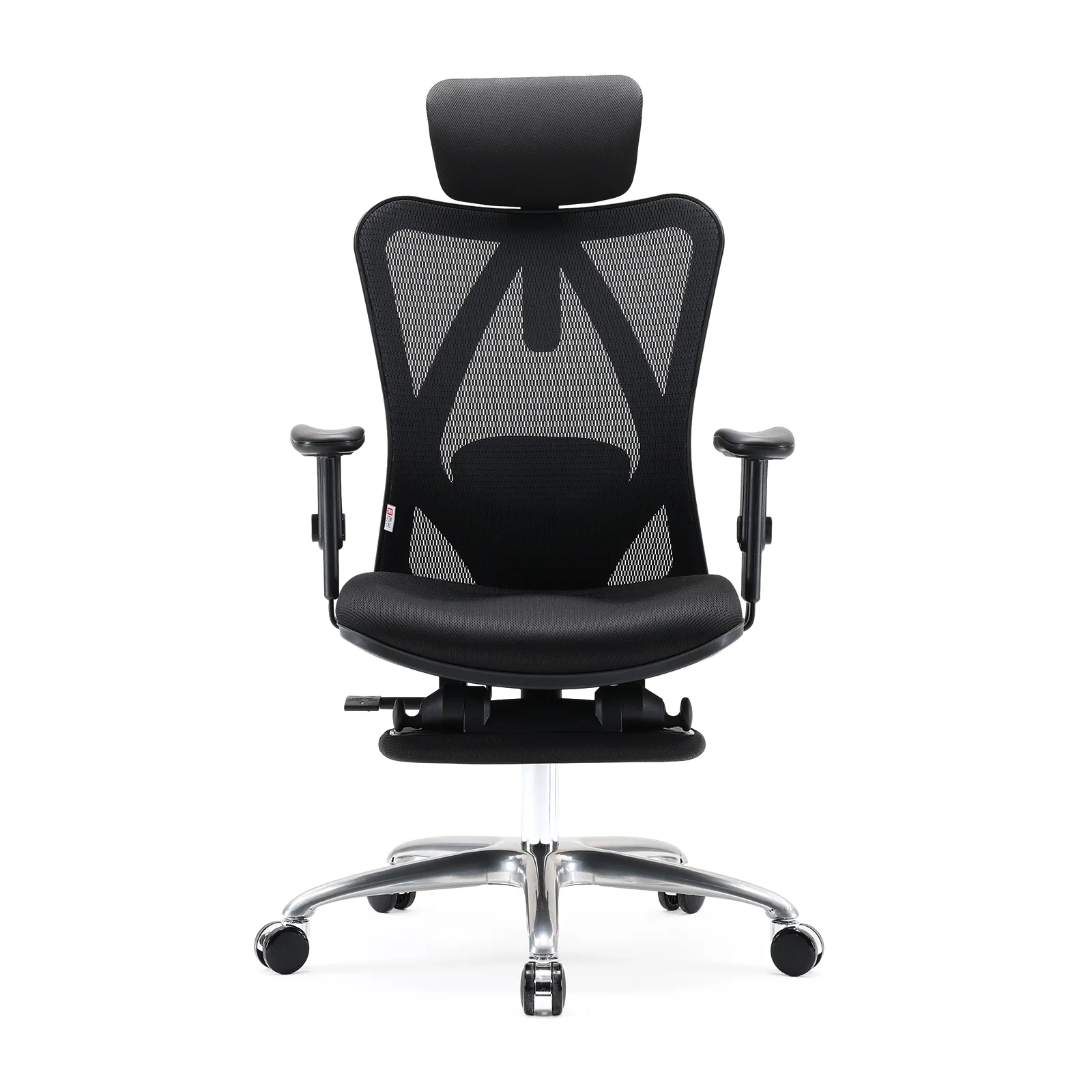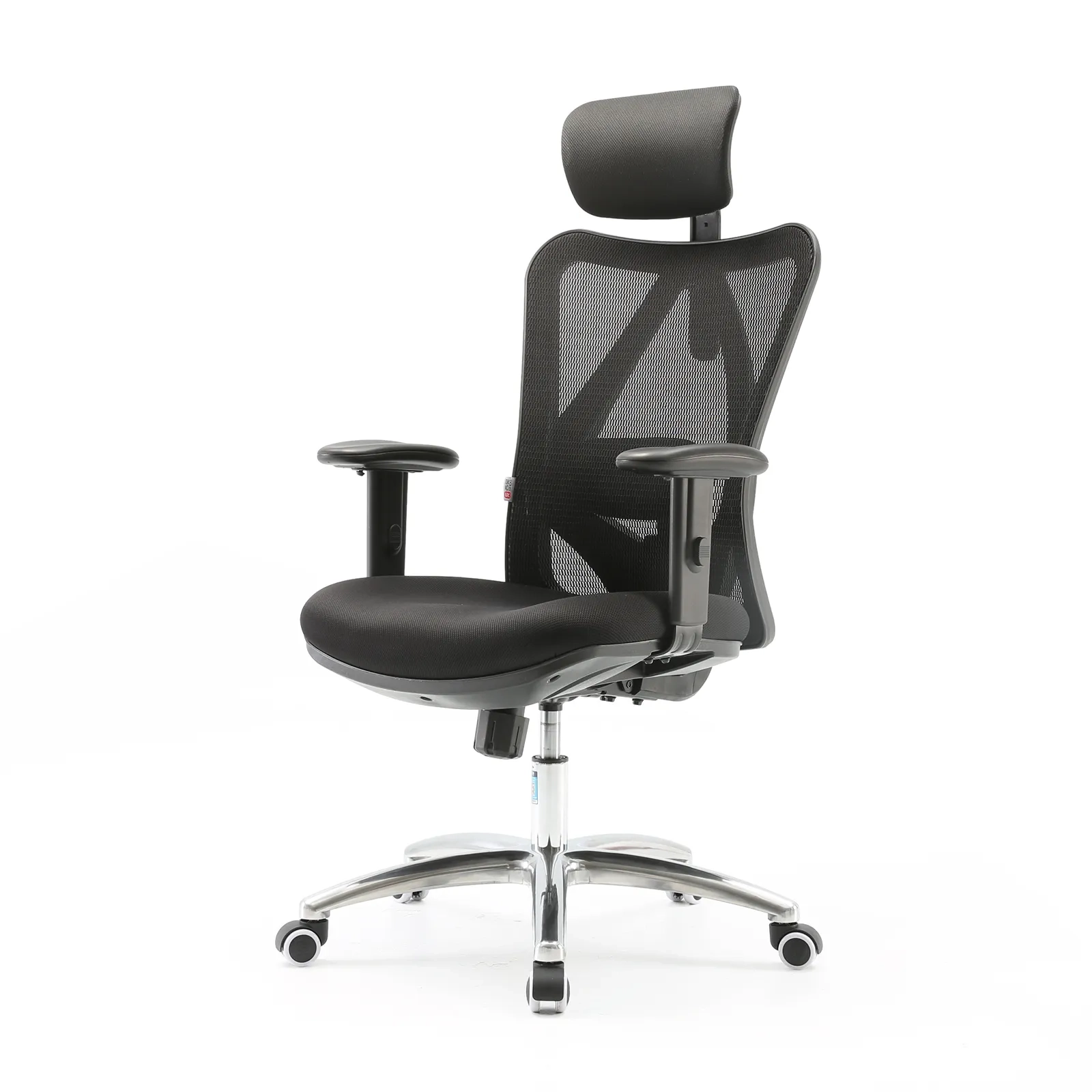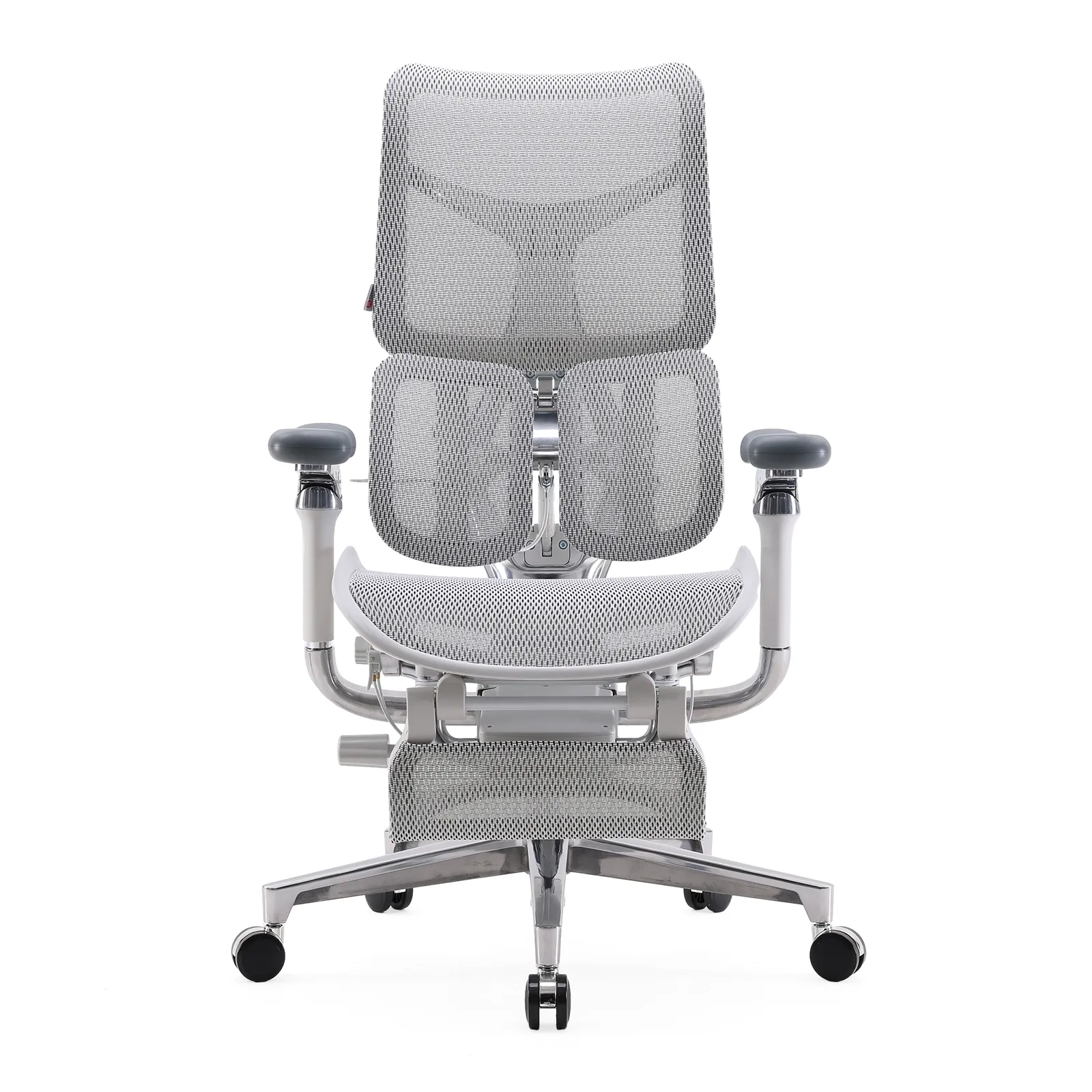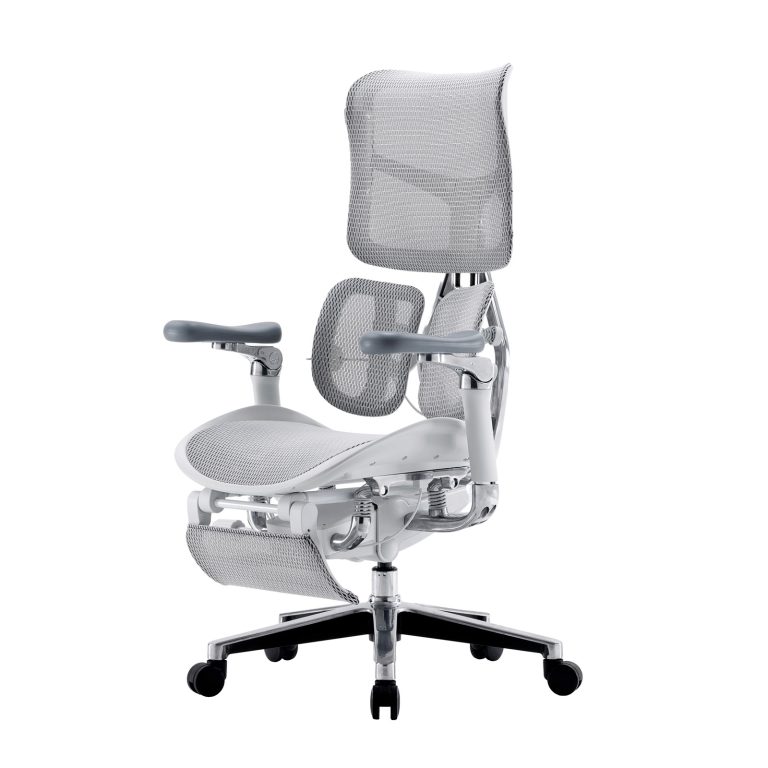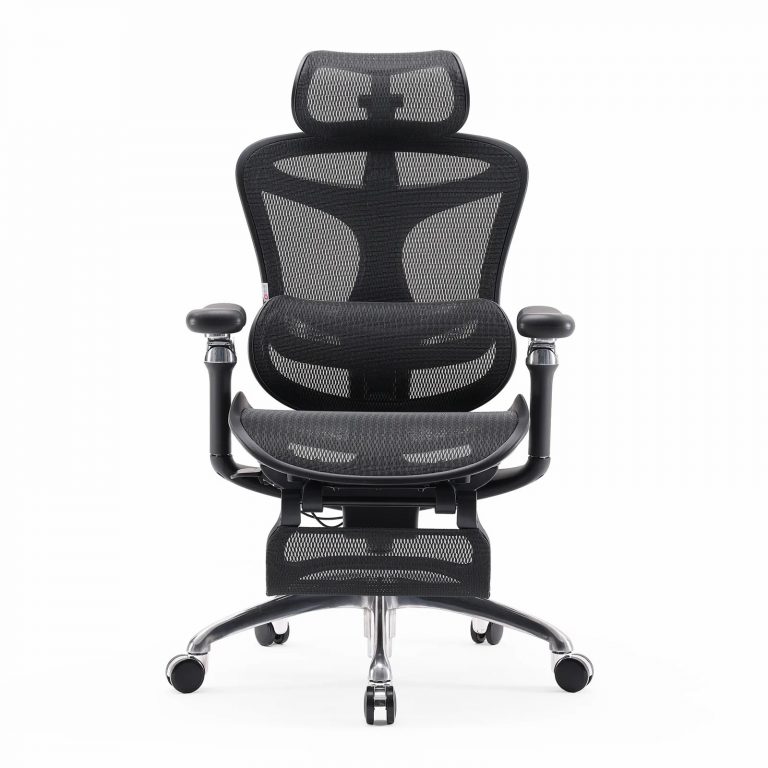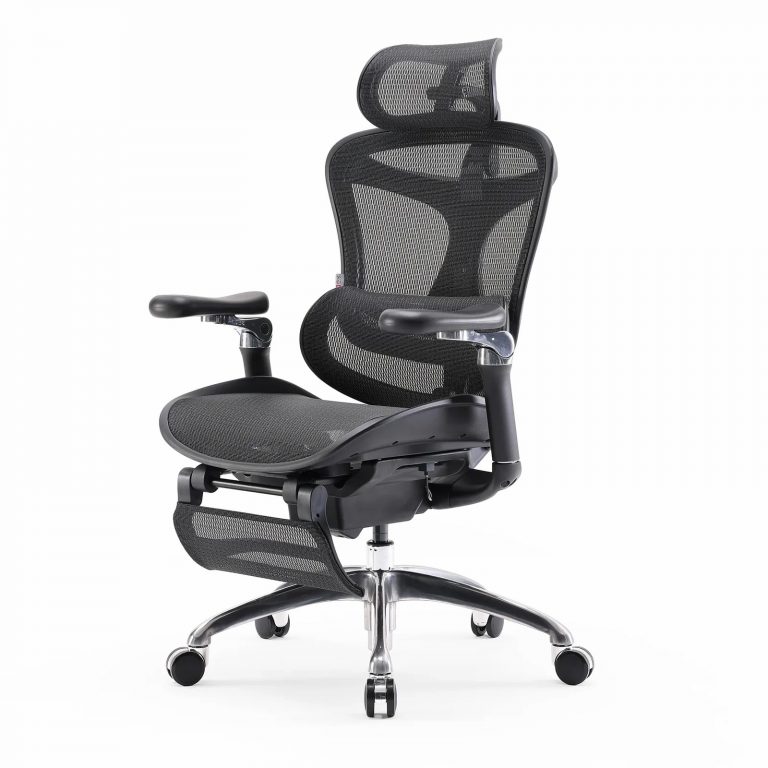









Sitting at a desk all day without proper foot support creates a lot of physical stress that most people just ignore until it hurts. When your feet dangle, the edge of your seat acts like a clamp on the back of your thighs. This messes with your circulation and breaks your body’s natural alignment, which is usually why you end up with that familiar lower back ache or numb legs by 3:00 PM. An office chair with footrest isn’t just for leaning back to take a nap; it’s a tool to fix your posture. By giving your feet a solid place to land, it keeps your hips and knees at a neutral 90° angle and actually makes you use the backrest of your chair. A 2022 study in Applied Ergonomics found that people using a footrest were much more likely to sit back properly, reducing the physical load on their spines.
Why You Need an Office Chair with a Footrest
For many, a footrest is often perceived as a luxury for “napping” rather than a critical ergonomic tool. However, for developers, and office workers spending over 8 hours a day seated, the “feet-on-the-floor” rule is frequently broken due to desk height mismatches. When your feet dangle or fail to maintain solid contact with a surface, the kinetic chain of your posture breaks, leading to chronic musculoskeletal issues.
The Science of Foot Positioning and Spinal Health
The main role of a footrest is to help maintain a neutral pelvic position. When feet lack support, the pelvis often tilts backward, flattening the natural inward curve of the lower spine (lumbar lordosis). This increases pressure on the intervertebral discs and strains the surrounding muscles.
An ergonomic office chair with footrest keeps your feet flat and your knees at roughly a 90–100° angle. This alignment stabilizes the pelvis and preserves the spine’s natural S-curve. Research shows that proper foot support encourages users to sit fully back in the chair instead of perching on the edge, which reduces forward-leaning habits and improves overall posture
“A footrest isn’t just a resting tool; it’s a postural anchor. By ensuring the feet are flat—whether on the floor or a pedal—we eliminate the gravitational pull that leads to slouching.”
How an Office Chair with Footrest Corrects Posture and Delivers 7 Health Benefits
Incorporating a footrest into your ergonomic setup is not a luxury—it is a physiological necessity for long-term spinal health. For professionals spending upwards of 8 to 10 hours seated, the addition of a footrest transforms a static chair into a dynamic support system.
1. Reducing Lower Back Pain
A footrest is the foundation of spinal alignment. When feet are elevated and supported, the pelvis is naturally guided into a neutral position, preventing the flattening of the lumbar curve. Clinical studies suggest that proper foot support can reduce lumbar disc pressure by up to 20% compared to dangling feet.
2. Encouraging Active Sitting & Micro-Movements
Static sitting is a primary driver of musculoskeletal disorders. A footrest allows for frequent shifts in center of gravity without breaking focus.
- Integrating “micro-movements” can increase caloric expenditure and reduce muscle fatigue by 15% over a workday.
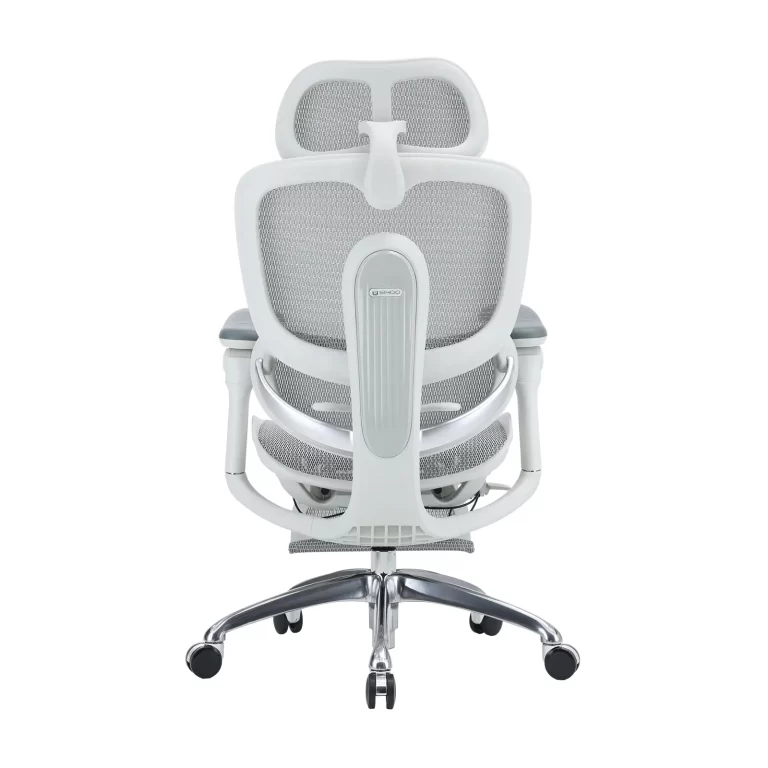
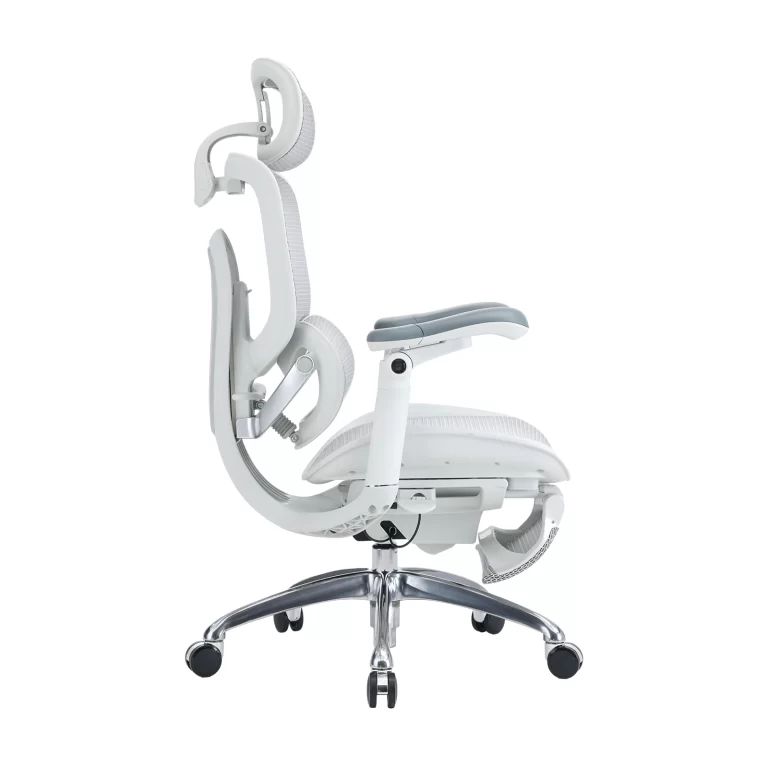
- The Sihoo C300 footrest supports a “mini-rocking” motion during reclined modes. By extending the legs onto the footrest while the backrest is in its dynamic tension mode, users can engage in light leg extensions, mimicking a rhythmic motion that keeps muscles engaged even during rest.
3. Boosting Circulation & Reducing DVT Risk
Prolonged sitting causes blood to pool in the lower extremities, increasing the risk of Deep Vein Thrombosis and edema. Occupational health reports indicate that elevating legs slightly above hip level can improve venous return flow by approximately 30%.
4. Preventing Varicose Veins and Leg Discomfort
Varicose veins occur when pressure on the leg veins increases, often due to the edge of the seat cutting off circulation. Up to 25% of adults suffer from some form of varicose veins, often exacerbated by “waterfall” seat edges that lack proper foot support.
5. Alleviating Foot Pain
Constant pressure on the soles of the feet against a hard floor, or uneven pressure from improper seating, can inflame the plantar fascia. Proper weight distribution across the plantar surface can reduce localized foot stress by 25-40%.
6. Minimizing Fatigue & Enhancing Cognitive Focus
Physical discomfort is a direct “brain drain.” When the body struggles to find a comfortable position, cognitive resources are diverted from tasks to pain management.
- Industry ergonomic benchmarks show that physical discomfort can lead to a 7% decrease in overall productivity.
- By providing a stable base for the legs, Sihoo chairs allow the nervous system to exit “stress mode.” This physical relaxation facilitates a “flow state,” allowing for deeper concentration and higher output during complex technical tasks.
7. Counteracting Sedentary Lifestyle Risks
Sedentary behavior is linked to metabolic syndrome and obesity. While a chair cannot replace exercise, it can facilitate healthier resting postures. Frequent postural changes—specifically switching between upright work and “L-shaped” rest—can help maintain a higher metabolic rate than static sitting.
Who Needs an Office Chair with Footrest the Most
An office chair with footrest is more than a comfort add-on—it directly addresses posture, circulation, and fatigue for specific user groups who spend long hours seated. An office chair with a footrest can boost comfort, posture, and productivity by helping maintain proper alignment and reducing fatigue during extended computer work.
Sedentary Office Workers and Remote Workers
Remote workers and full-time office professionals who log 8+ hours daily at a desk are prime candidates for an office chair with footrest. Prolonged sitting without foot support often leads to slouching, reduced blood flow, and mid-afternoon energy dips. An office chair with footrest help by allowing users to elevate their feet, promoting better posture and sustained focus.
People of Shorter Stature
Shorter users (often under average desk height) frequently experience thigh pressure and lower-back strain when their feet don’t reach the floor. An office chair with footrest eliminates this by providing a stable platform, improving leg alignment and reducing pressure points.
Individuals with Back Pain, Leg Pain, or Circulation Issues, Plus Gamers
Anyone dealing with lower-back strain, leg discomfort, or poor circulation from static sitting needs targeted support. Gamers in marathon sessions face the same issues amplified by intense focus.
Real Sihoo-aligned scenario for gamers: The X5 Pro is marketed as “Every gamer’s ally for marathon sessions, ensuring comfort with breathable mesh and full-body support” and “the best computer chair for long hours” with precise neck and lumbar adjustments. For non-gamers with pain issues, the same footrest + dynamic lumbar combo provides comparable relief during extended desk time.
Usuários Conscientes da Saúde
People prioritizing long-term wellness actively seek chairs that support natural movement and prevent issues before they start. Sihoo’s dynamic features make its office chairs with footrest ideal for this group.
If you fall into any of these categories, an office chairs with footrest—deliver measurable ergonomic benefits without generic claims. They’re built for real-world use: long remote workdays, gaming marathons, shorter statures, pain prevention, and proactive health.
How to Choose and Correctly Use an Office Chair with Footrest
Follow this quick checklist before buying:
- Test foot-to-floor contact – Sit at your desk. If your feet dangle or you perch forward, prioritize a chair with an adjustable, retractable footrest.
- Match height and weight ratings – Look for gas-lift height range and weight capacity that fits your body (most quality models support up to 330 lbs).
- Check workspace clearance – Measure under-desk space; retractable footrests (common on models like the Sihoo Doro C300) fold away when not needed.
Common Mistakes to Avoid
Even the best office chair with footrest can underperform if misused or poorly maintained.
- Incorrect footrest adjustment: Many users set the footrest too high or low, causing knees to angle incorrectly and negating posture benefits. Always adjust so feet rest flat and knees form a 90-degree angle.
- Overlooking adjustability: Treating the chair as “set it and forget it” instead of using the dynamic lumbar support, armrests, and footrest daily.
An office chair with footrest is a simple fix for a lot of long-term health problems. It’s not about being lazy—it’s about making sure your body isn’t fighting gravity all day while you’re trying to get work done.
Conclusion
An office chair with footrest is one of the simplest, most effective upgrades for anyone who sits 6+ hours a day. It supports proper lower-body alignment, encourages full backrest use, and helps reduce the common side effects of prolonged sitting. Whether you’re a remote worker, gamer, or shorter-stature professional, the right footrest-equipped chair can noticeably improve daily comfort and posture.
Ready to upgrade? Measure your current setup, check your desk clearance, and consider models with adjustable, retractable footrests like the Sihoo Doro series. Small changes in how you sit today can prevent bigger issues tomorrow.
Perguntas Frequentes
Is a footrest really necessary if my feet already touch the floor?
Even if your feet reach the floor, a footrest can still improve comfort and posture. It allows you to change positions, elevate your legs slightly, and reduce pressure on the thighs, which helps improve circulation and prevent fatigue.
Can an office chair with footrest help reduce lower back pain?
Yes. A footrest helps stabilize the pelvis and maintain the natural curve of the spine. This reduces strain on the lumbar region and can significantly alleviate lower back pain caused by prolonged sitting.
Can I use a footrest while reclining?
Yes, and it’s one of the key advantages. A footrest allows you to maintain proper leg support even when reclining, preventing pressure buildup under the thighs and ensuring continuous lumbar support.
Will an office chair with a footrest fit under my standard desk?
Most Sihoo models feature retractable or “flip-and-lock” footrests designed to fold away neatly when not in use. However, you should measure your under-desk clearance to ensure there is enough room for the footrest to extend without hitting desk legs or drawers.
1600x1600-4-768x768.jpg)
1600x1600-8-768x768.jpg)