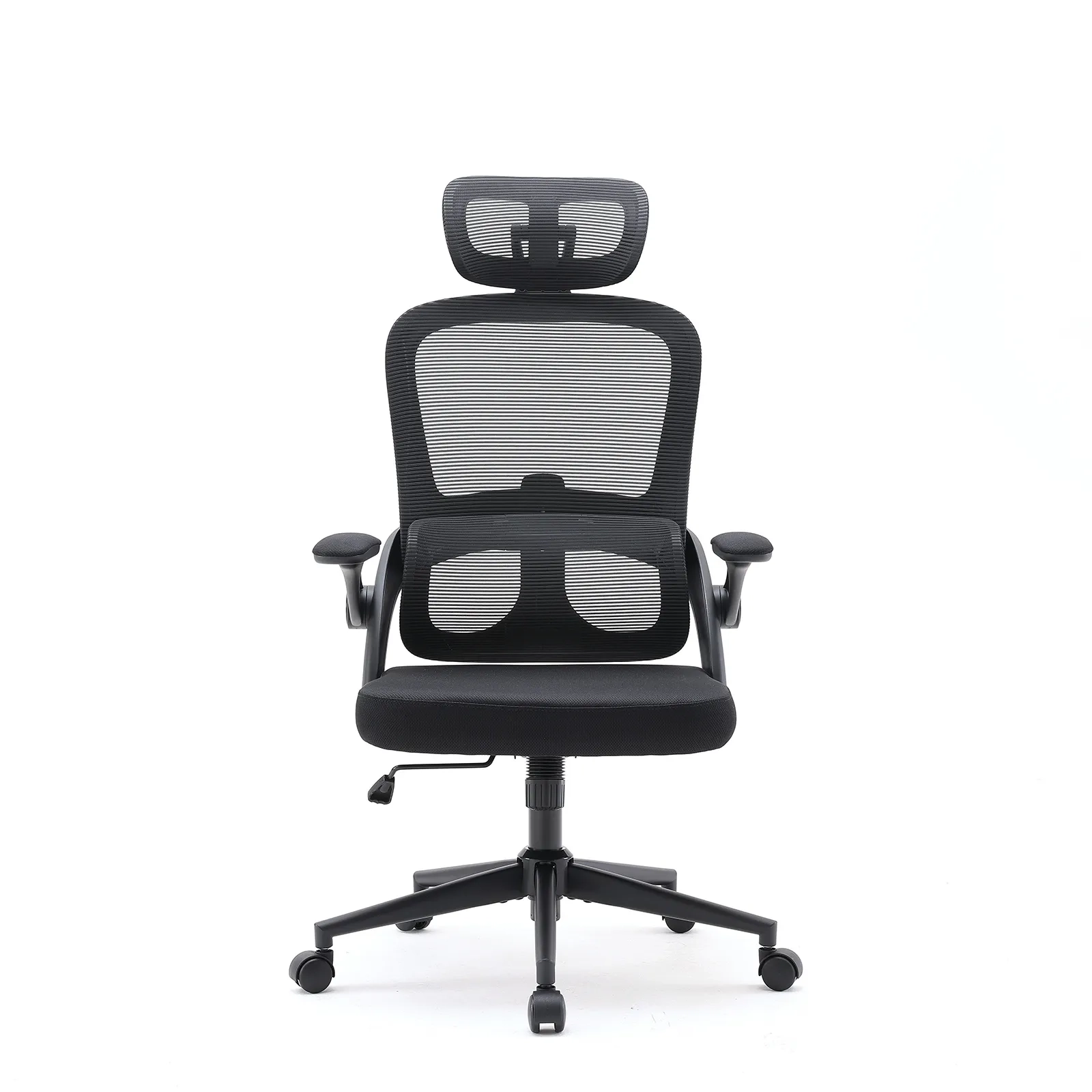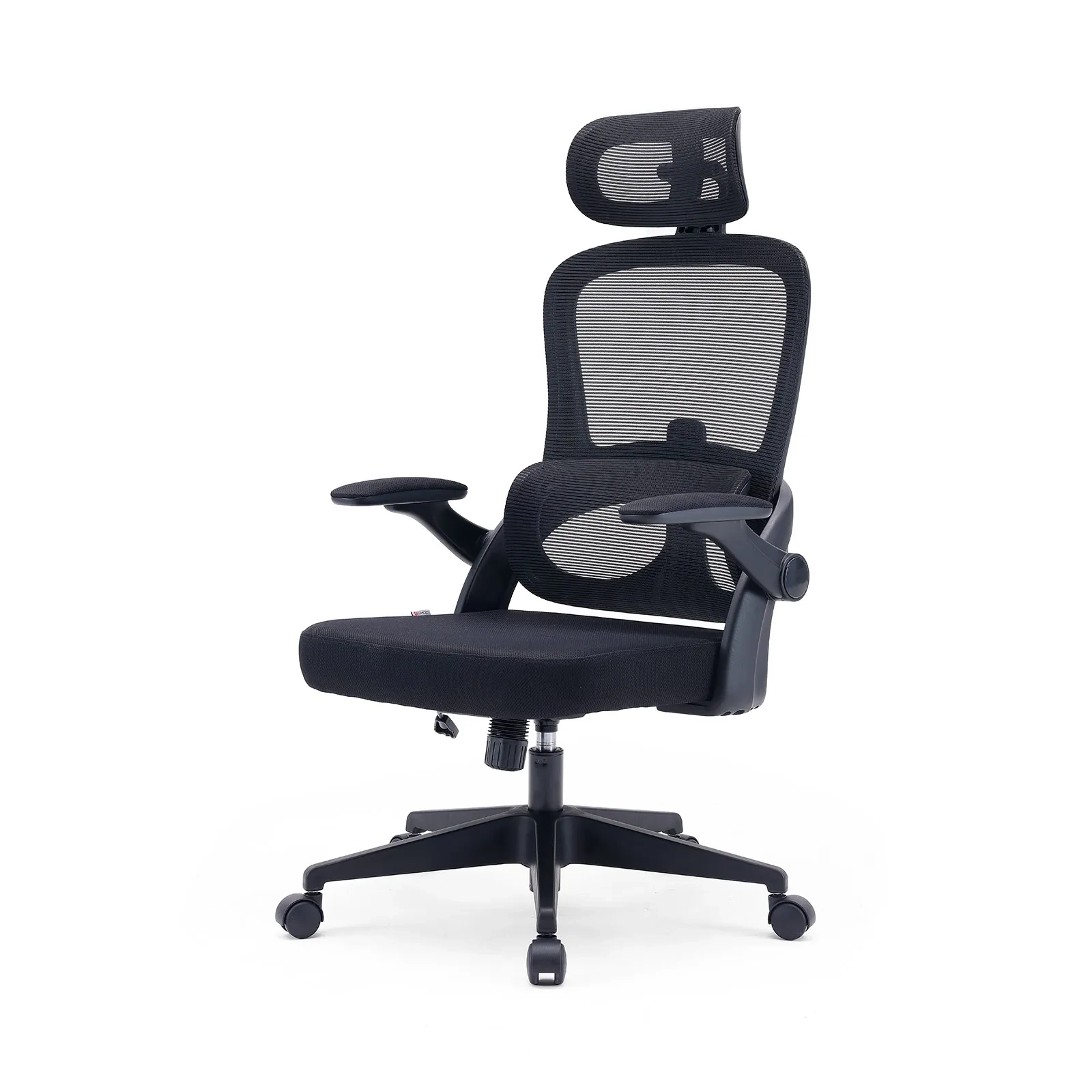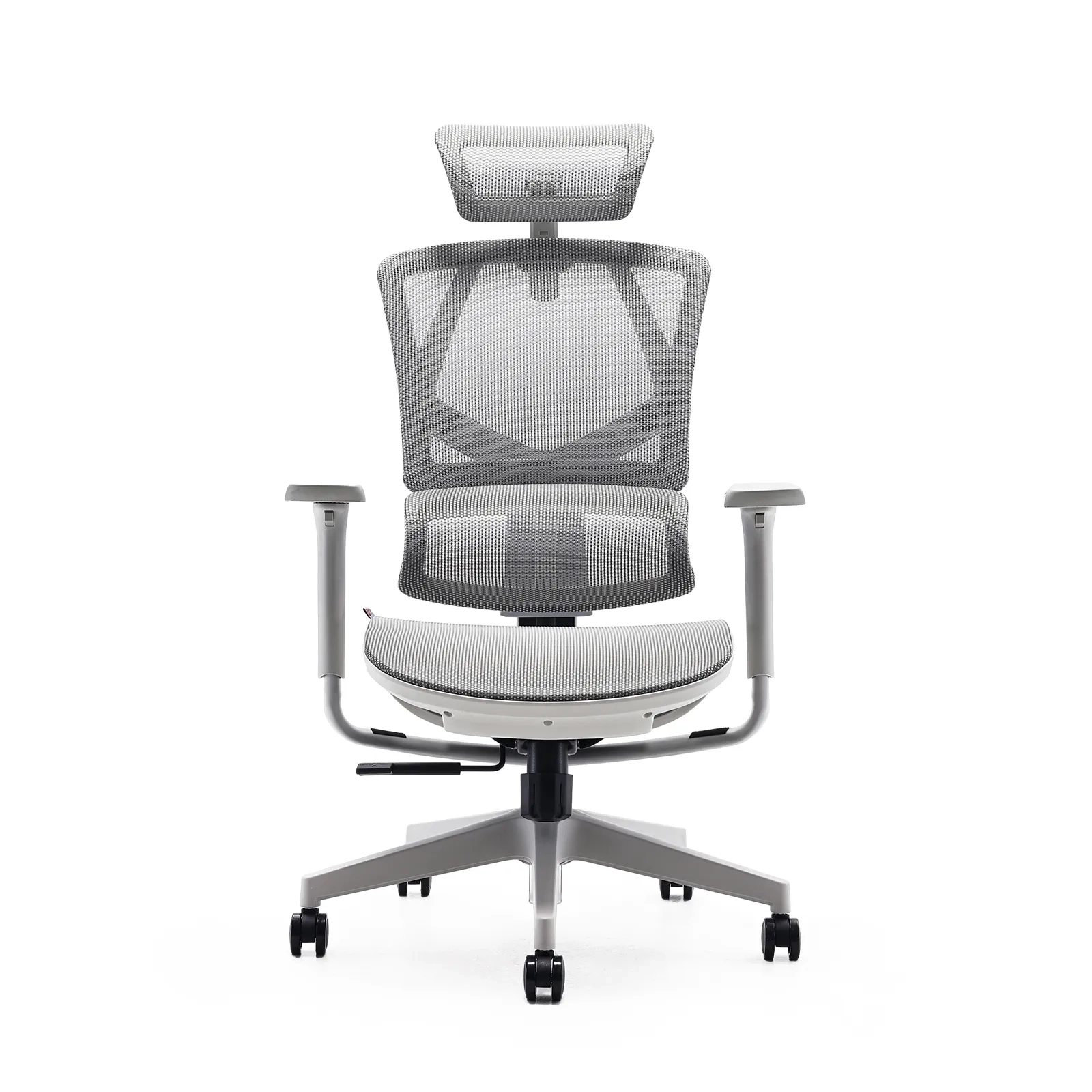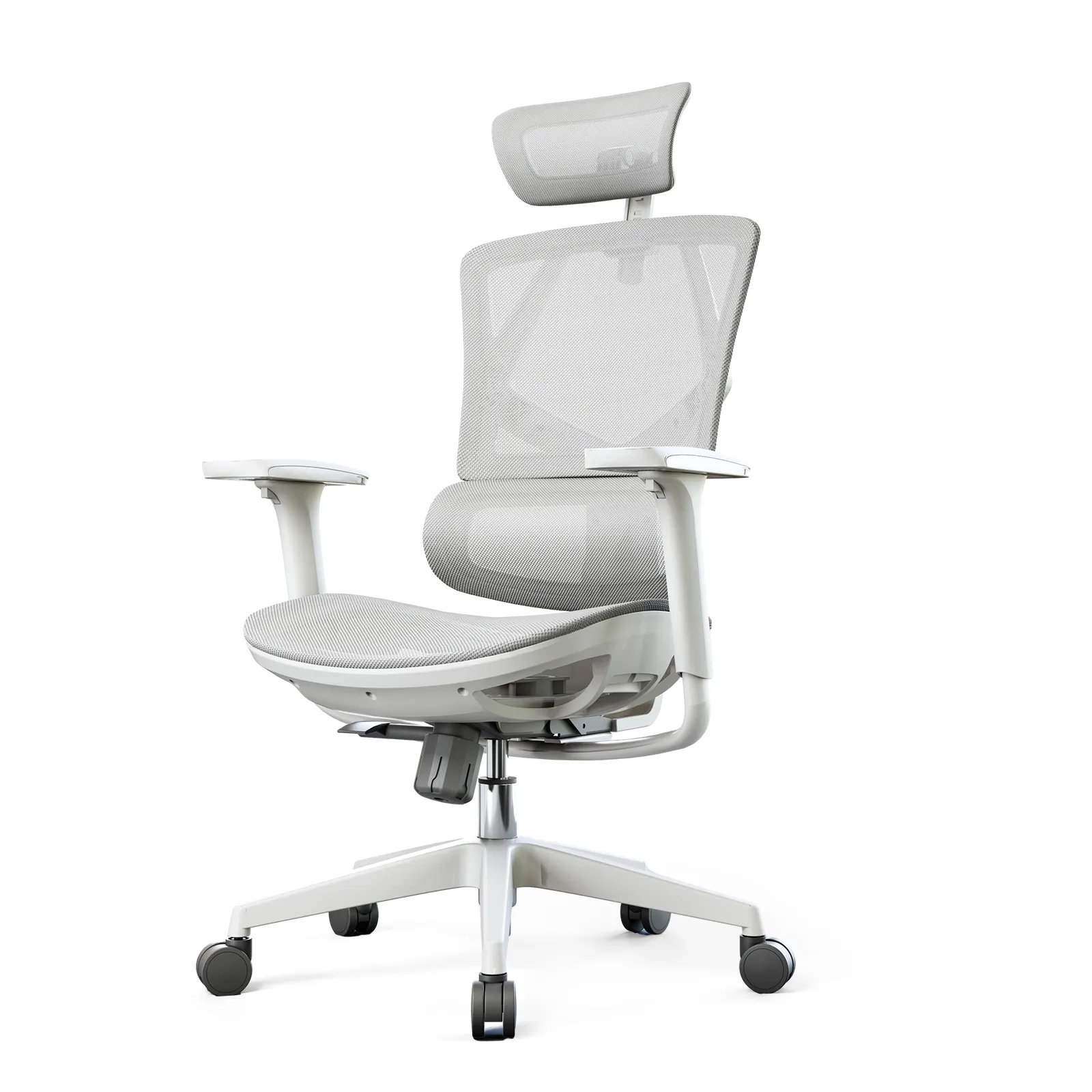









In today’s workplaces, your chair isn’t just furniture—it’s your daily companion. And in hot, humid environments, the wrong one can turn hours of work into a sweaty, uncomfortable slog. Heat builds up. Sweat sticks. Your back aches.
That’s why choosing the right chair matters more than ever. This article doesn’t sell you a product. It gives you the facts: how mesh office chair designs perform under real-world conditions, backed by ergonomics, material science, and user experience—no fluff, no hype.
Understanding Office Chair Materials
Not all chairs are created equal. Three main types dominate the market: leather, mesh, and fabric. Each has strengths—and weaknesses—especially in warm climates.
Leather and Faux Leather Chairs
Leather chairs exude authority. They’re the “executive” choice. But when the temperature rises, their elegance turns into a liability:
- Traps heat — The non-porous surface prevents airflow, turning your back into a sauna.
- Sweat and slip — Moisture builds up fast, making you slide around or stick uncomfortably.
- High maintenance — Sweat, oils, and UV exposure crack and stiffen the material over time. Most users never condition it—and pay the price.
Mesh Office Chairs
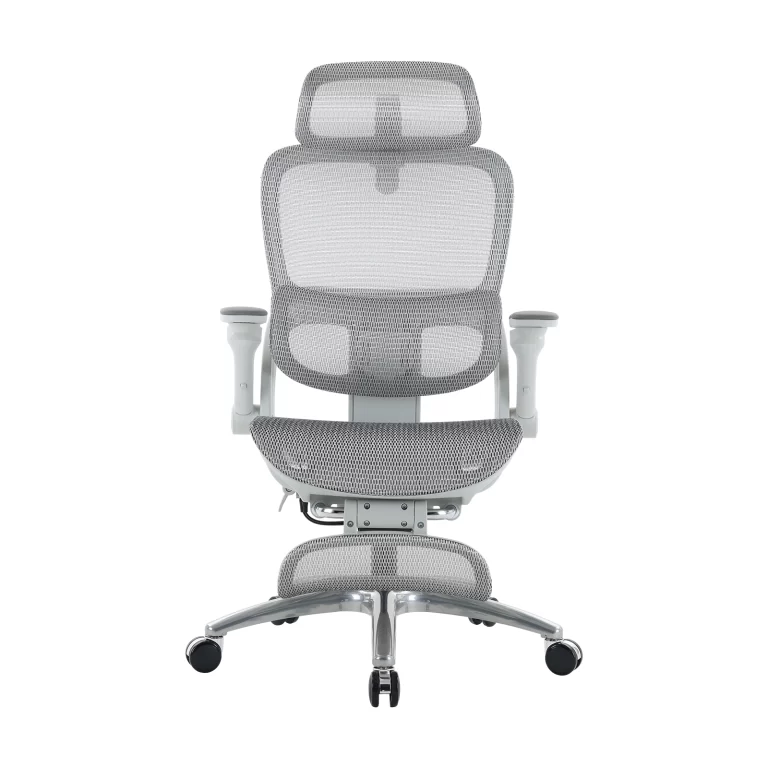
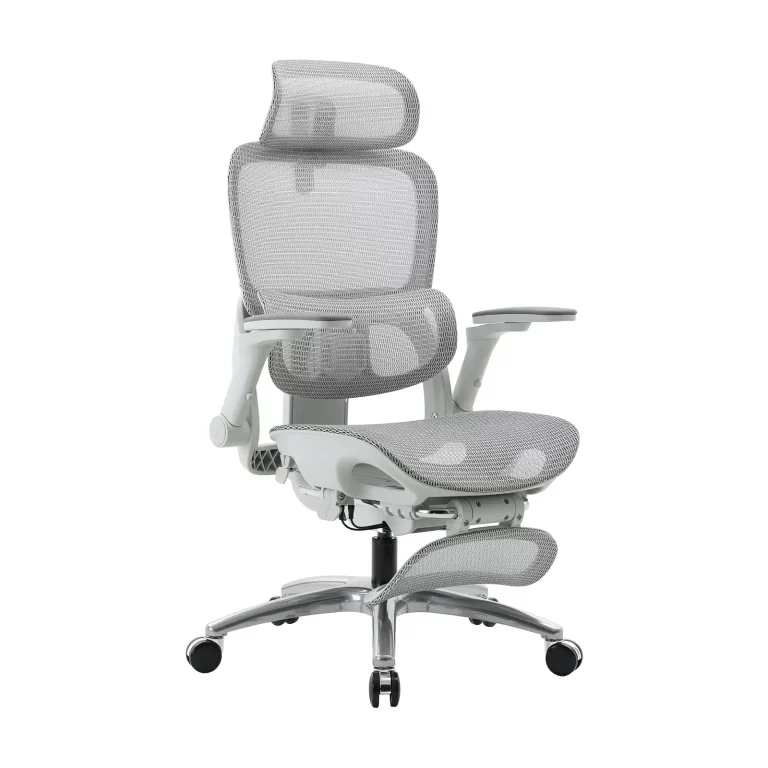
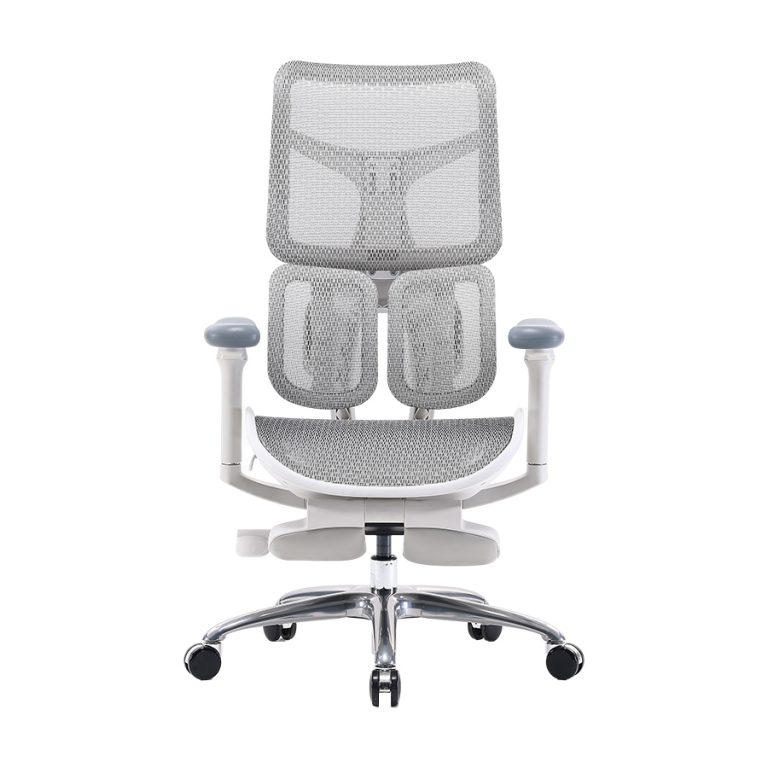
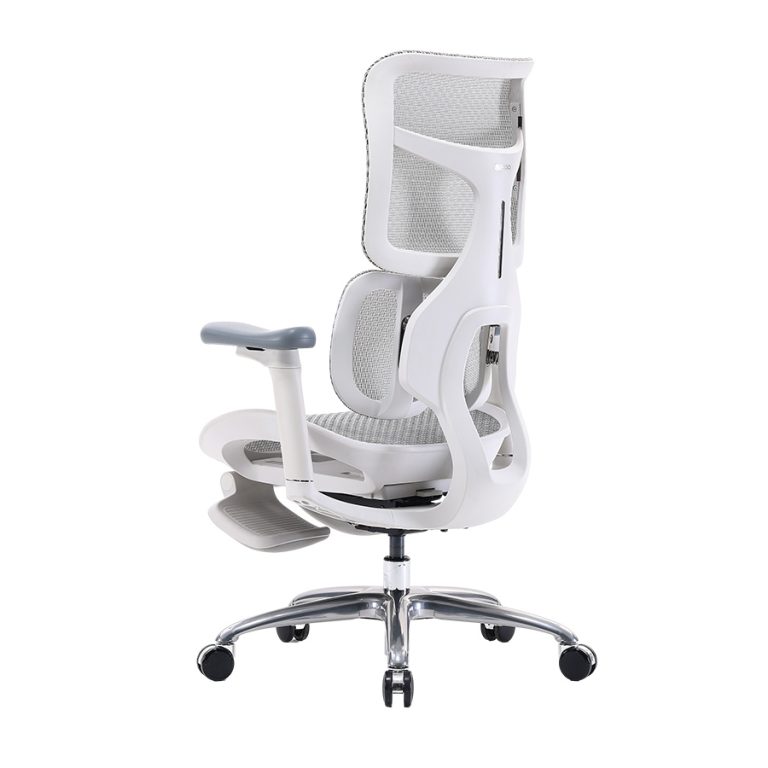
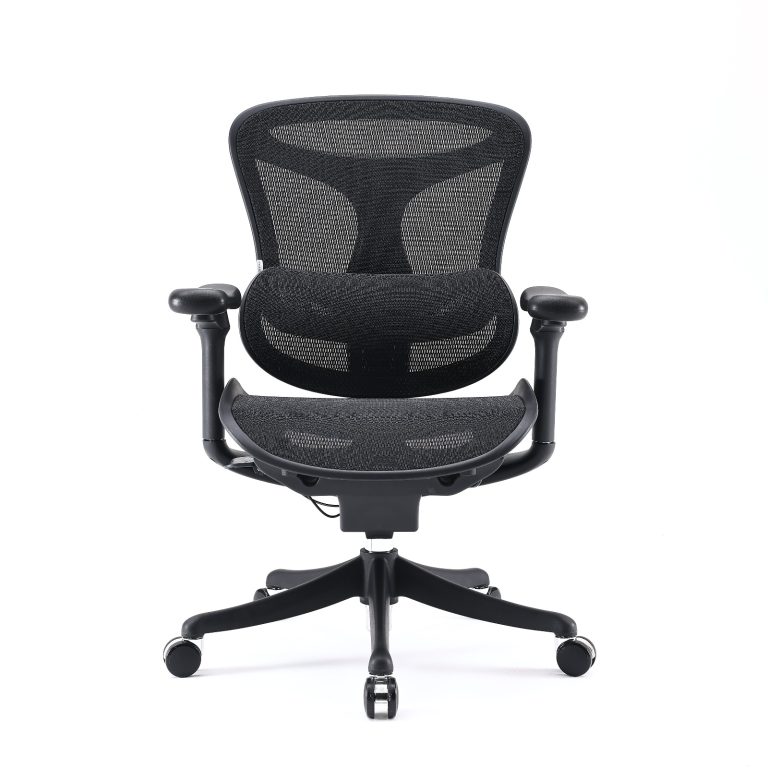
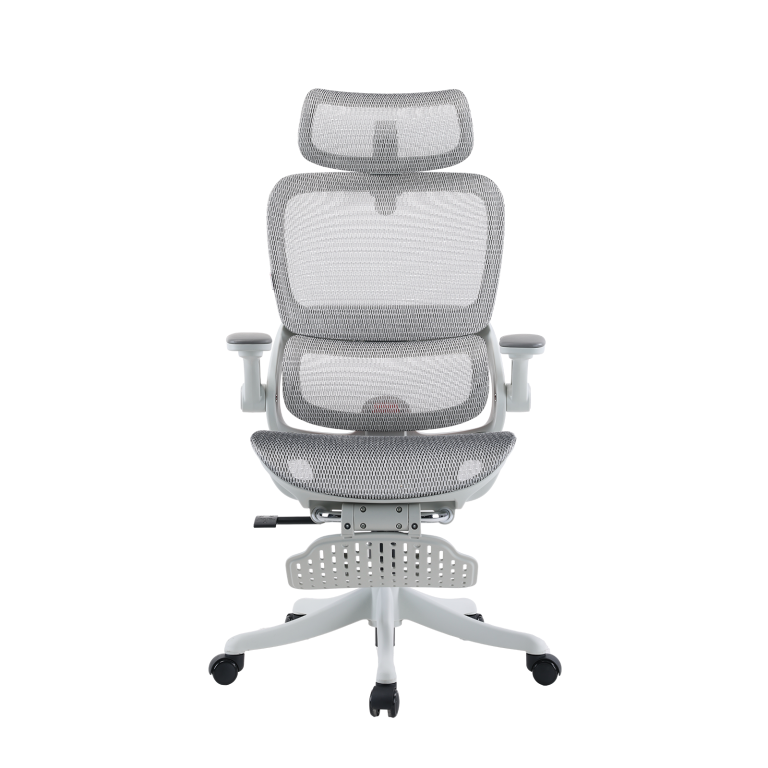
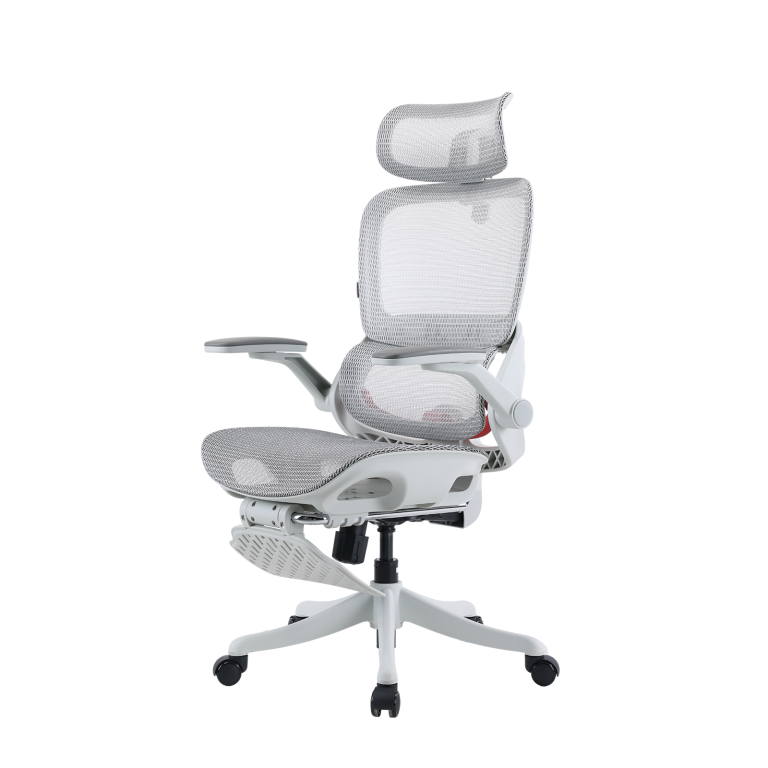
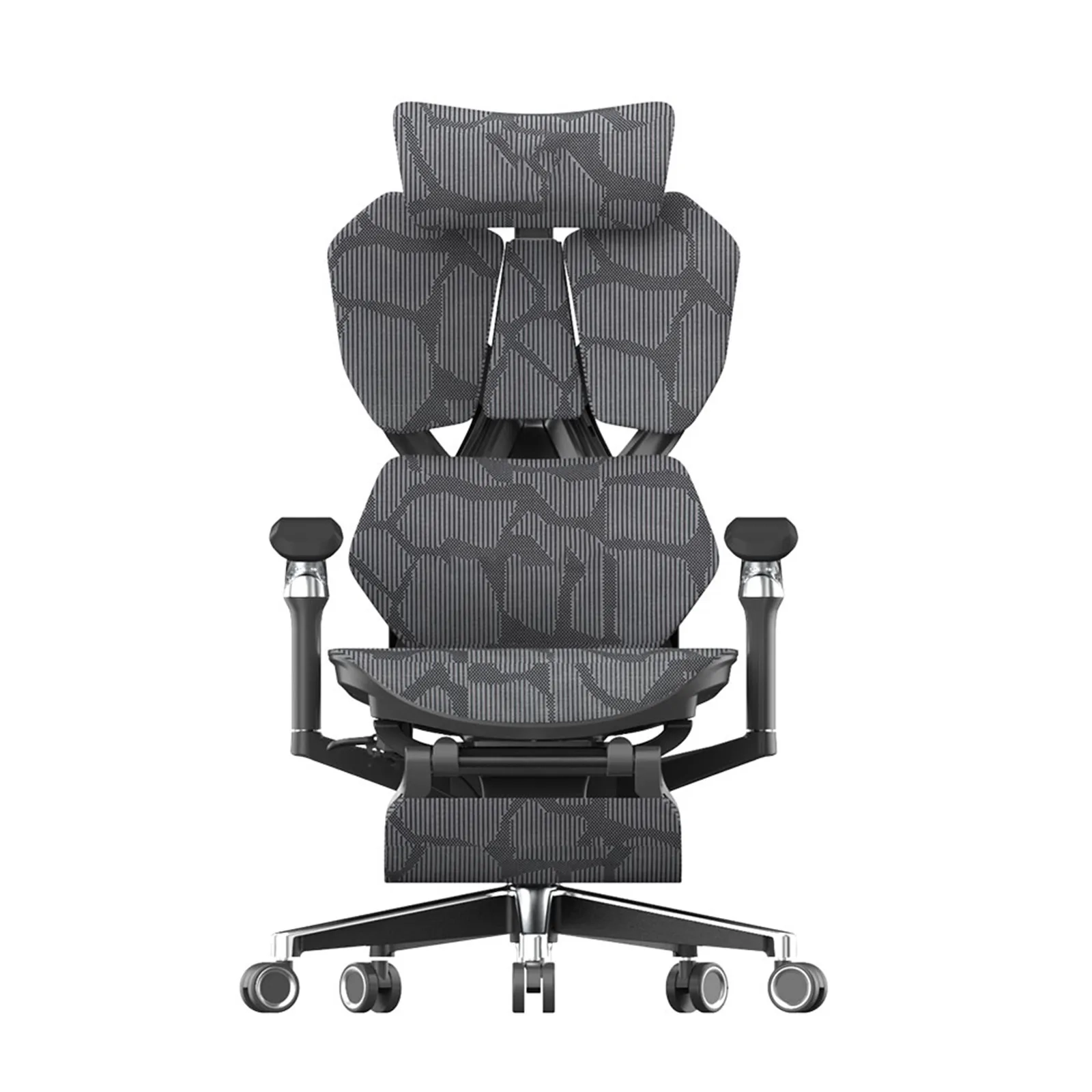
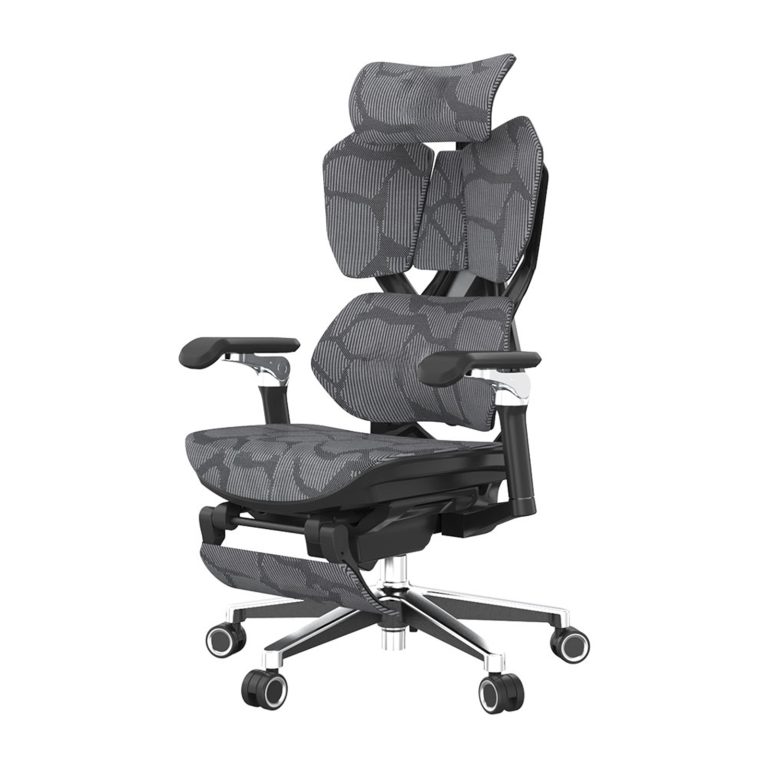
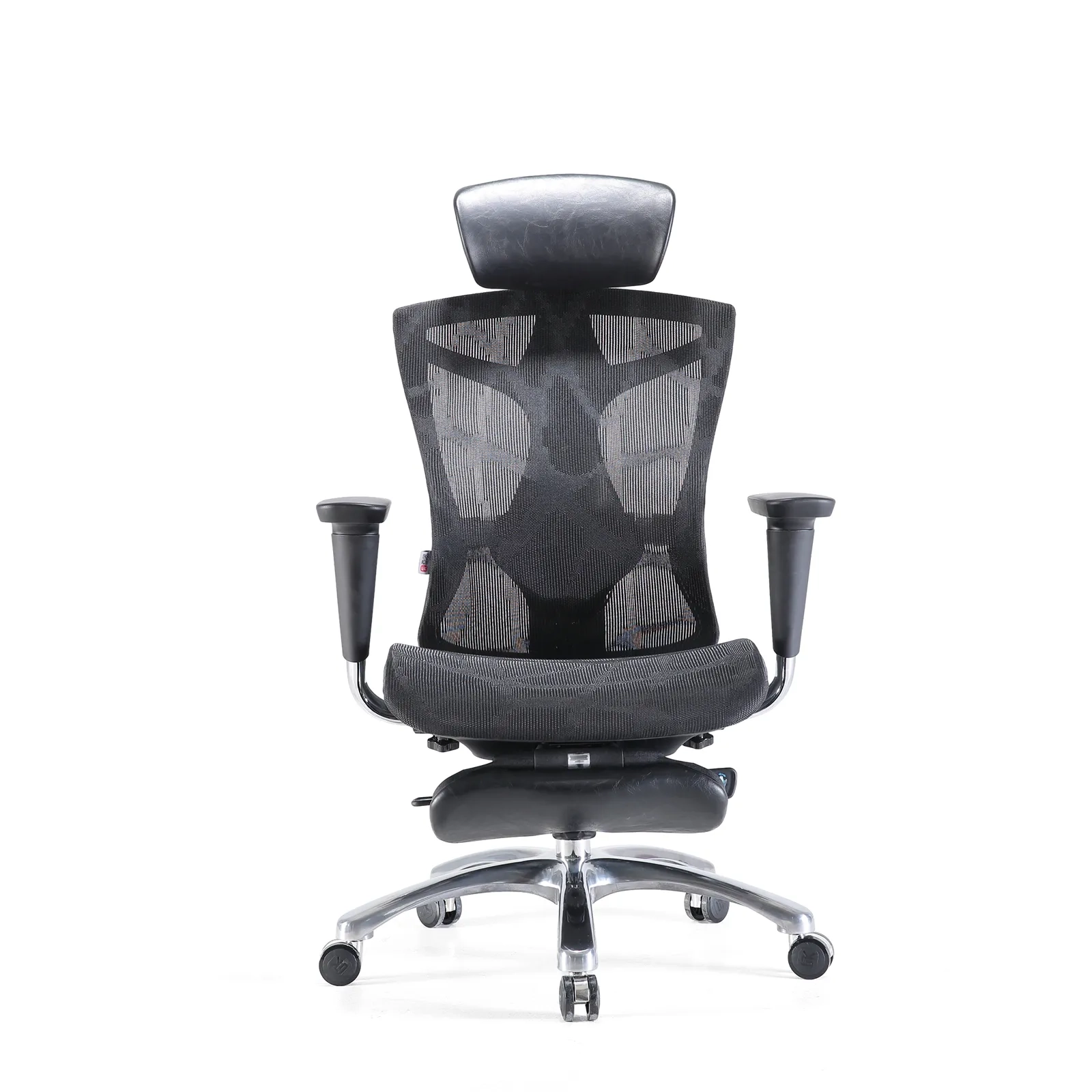
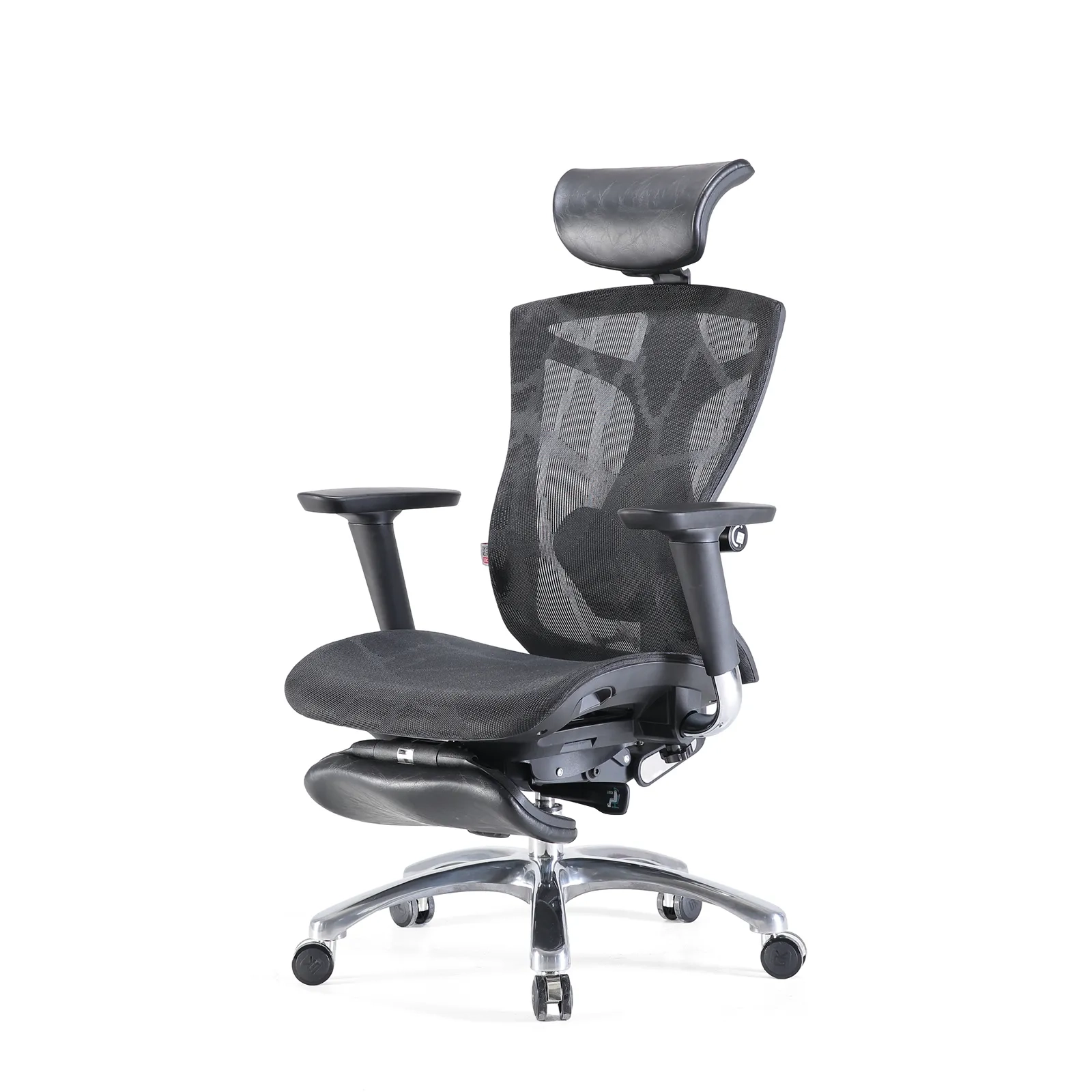
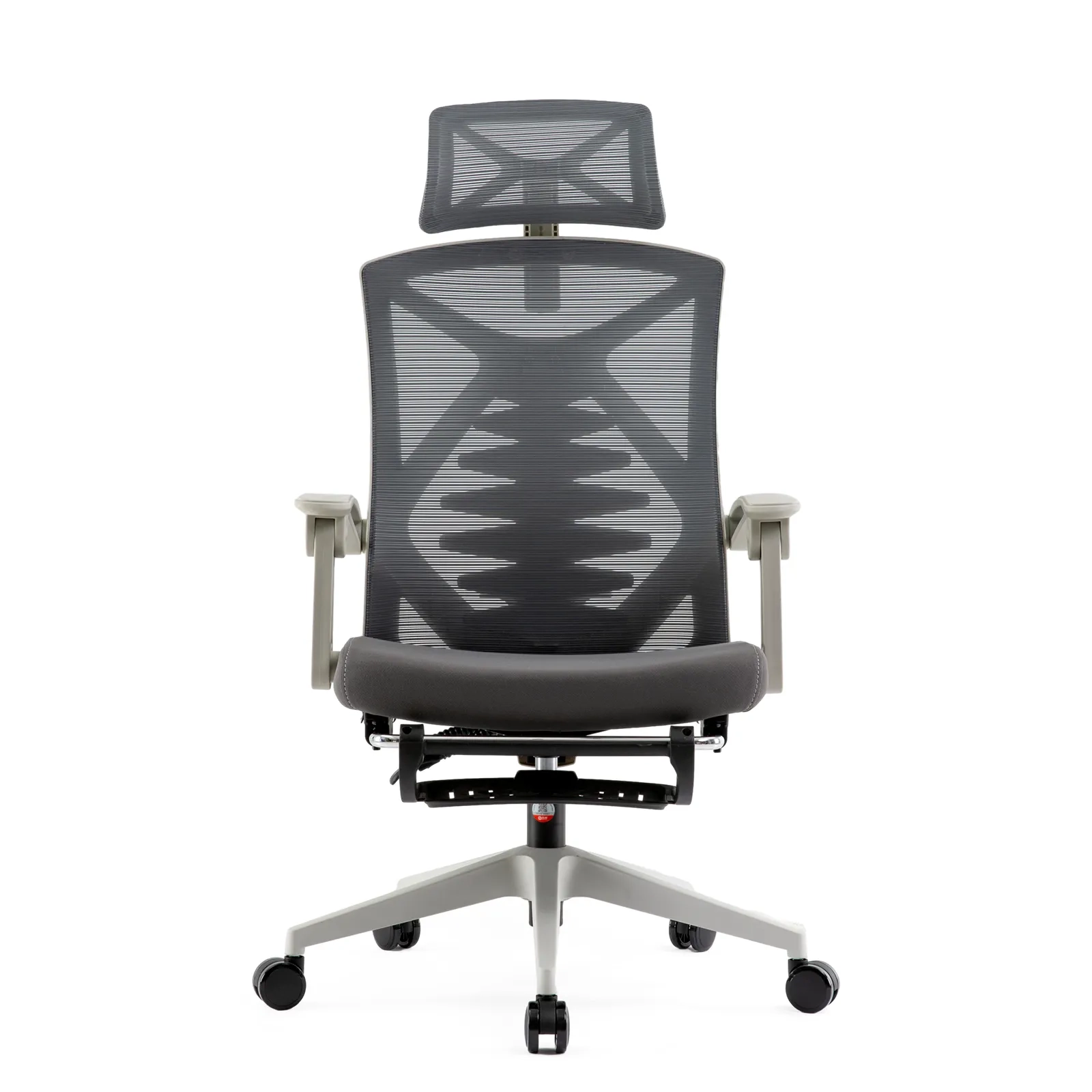
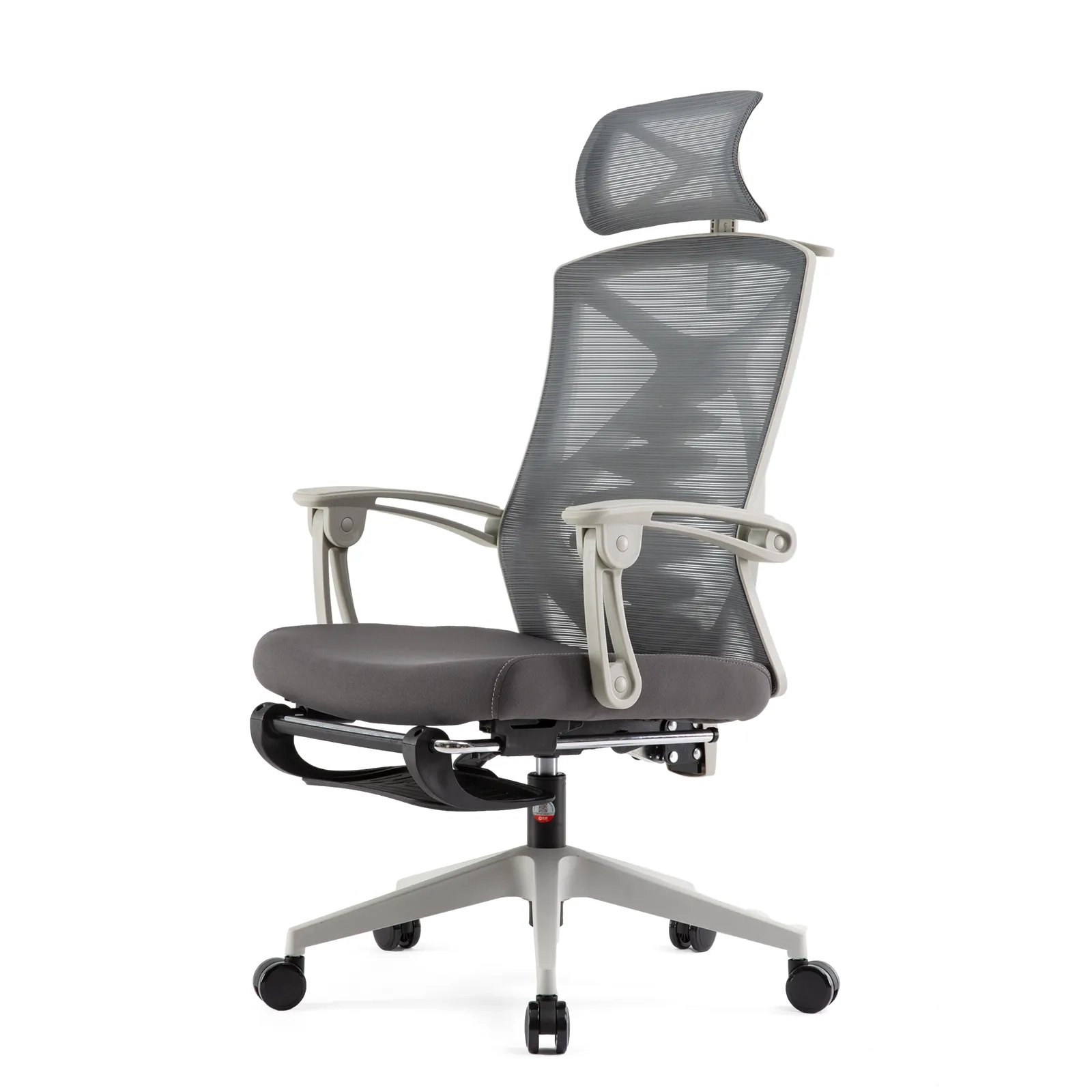
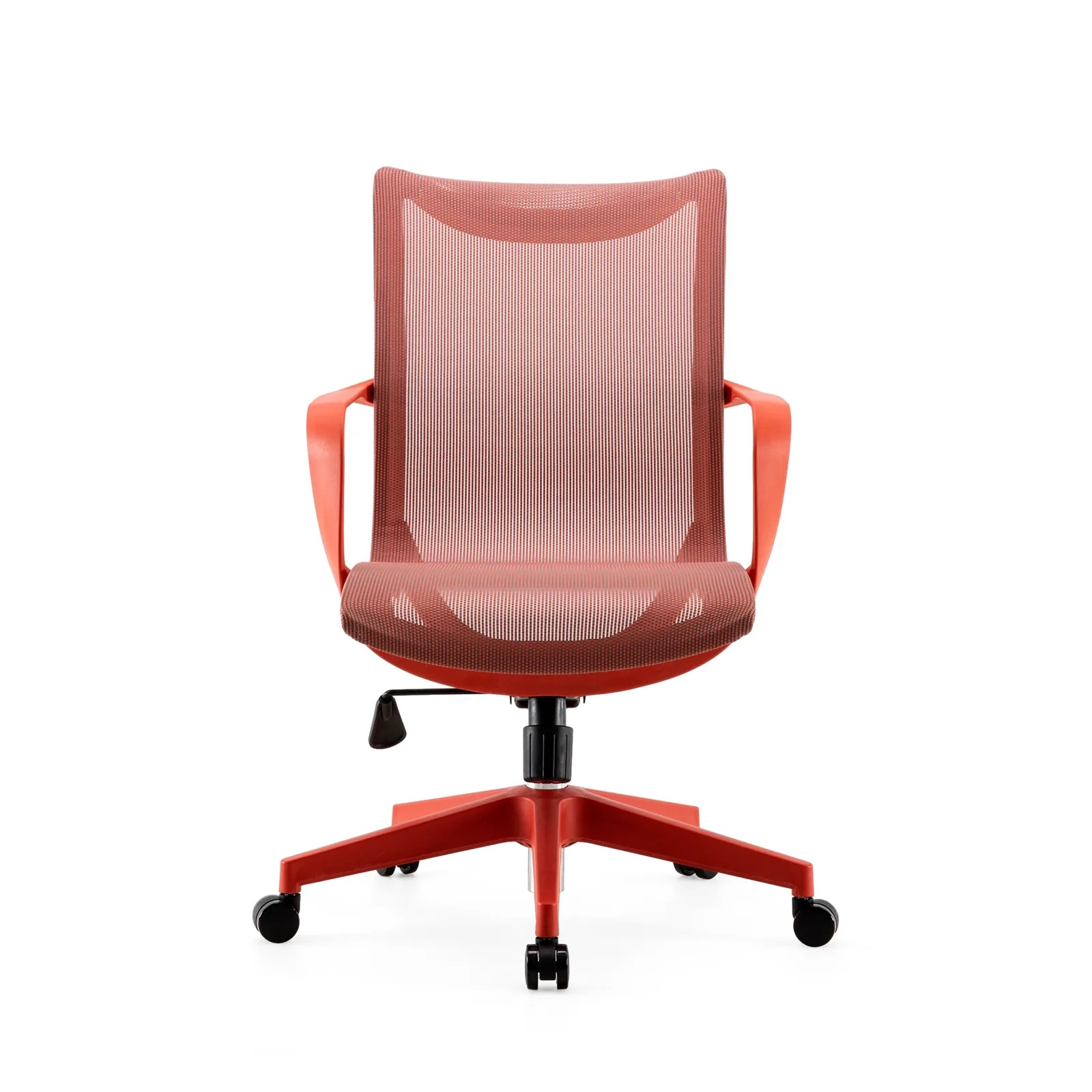
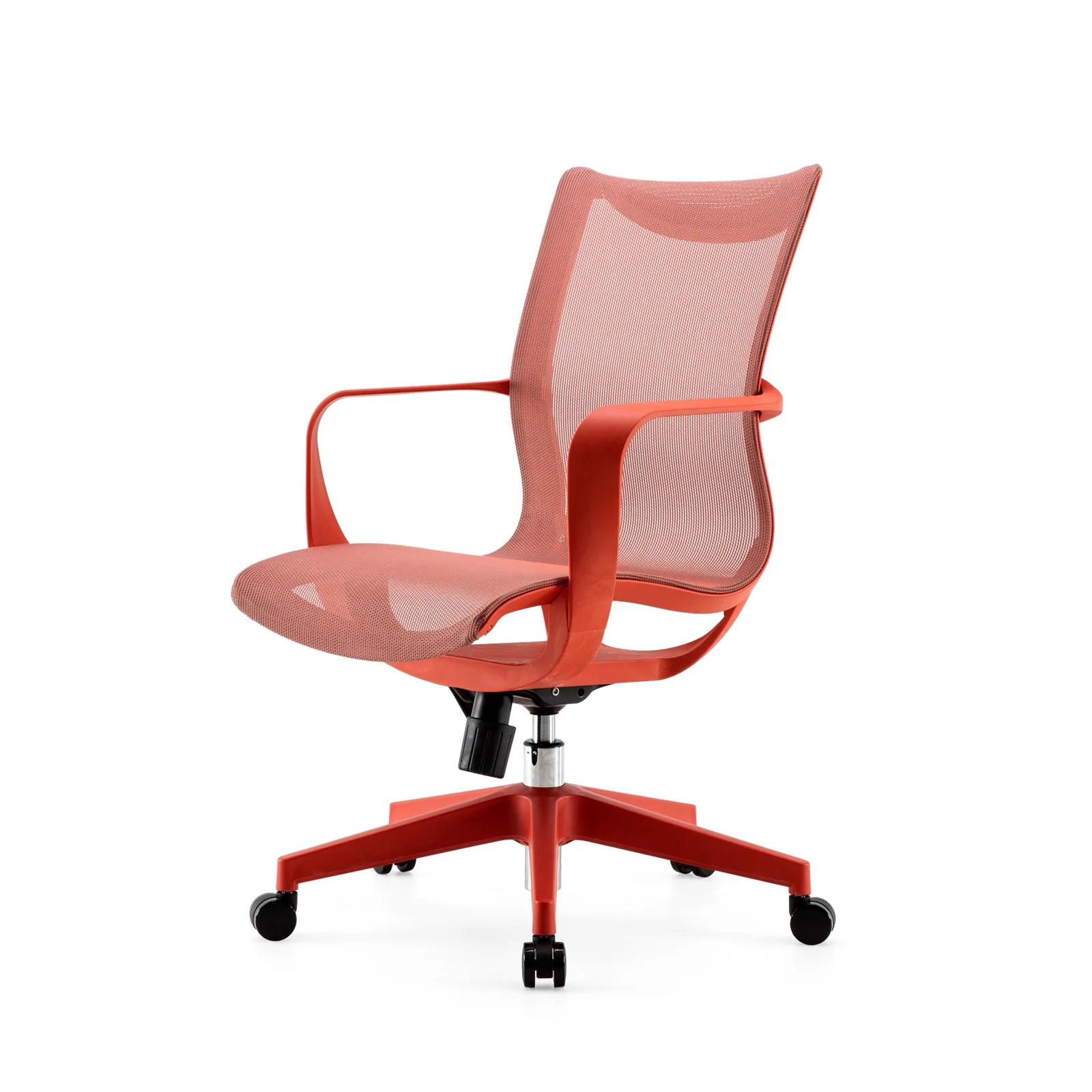
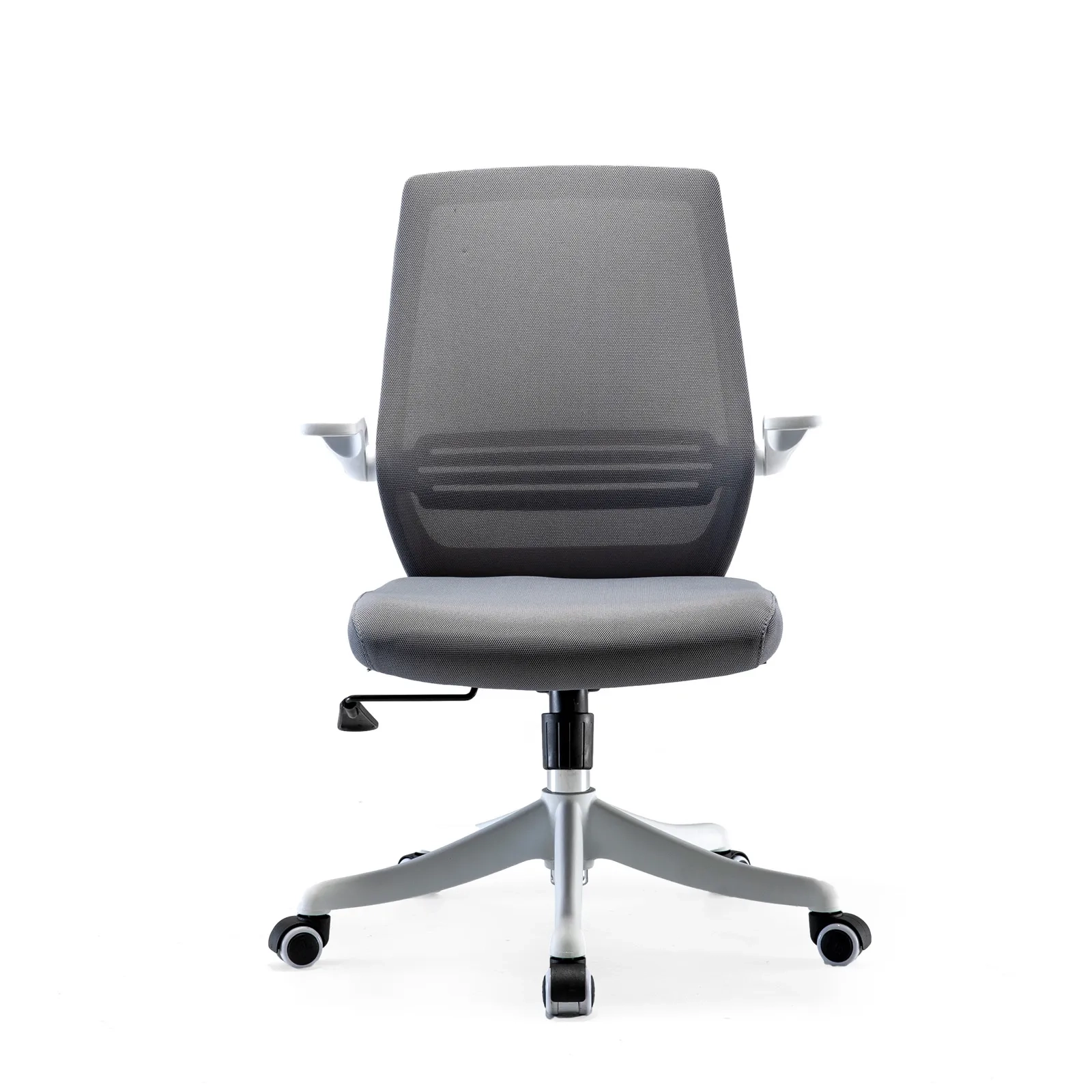
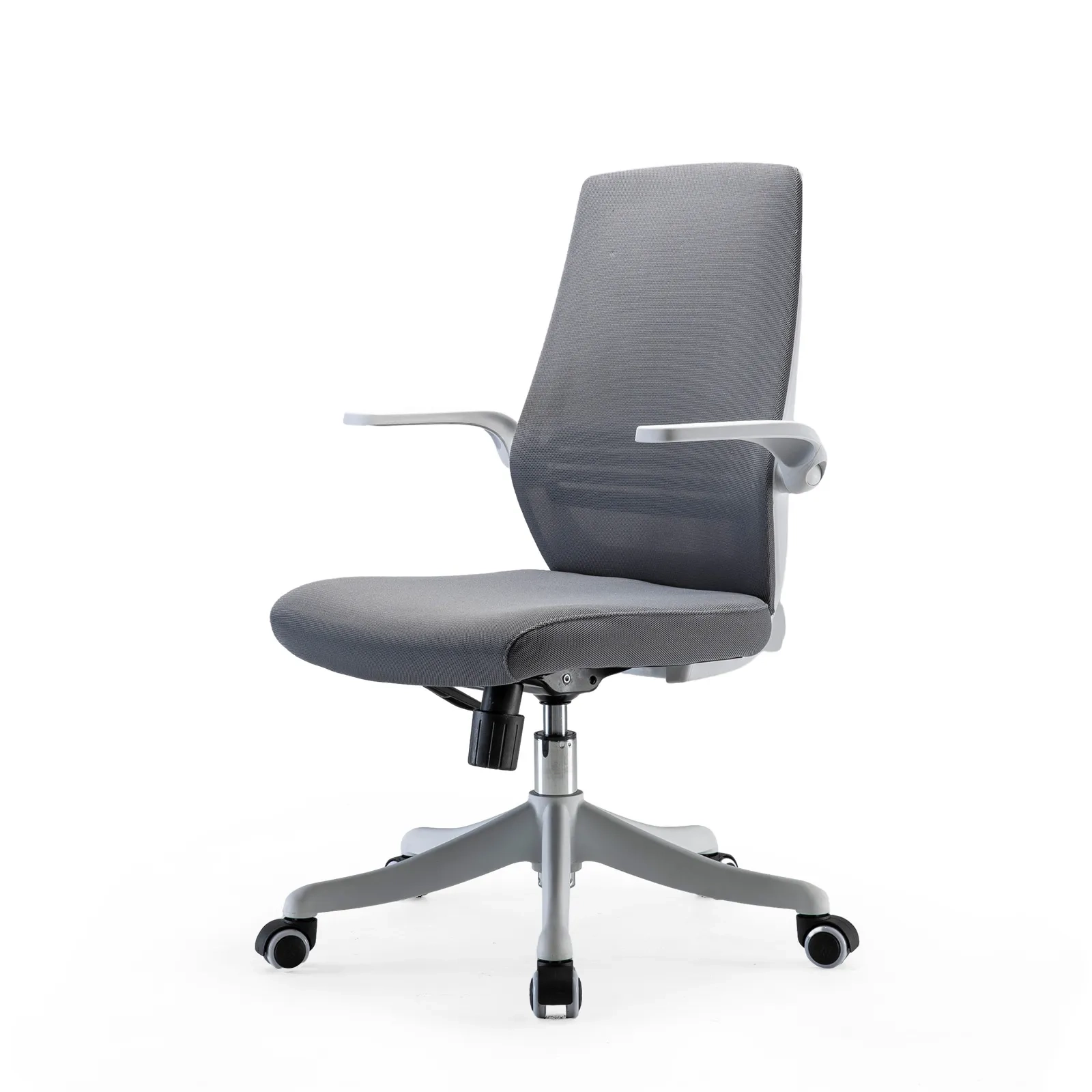
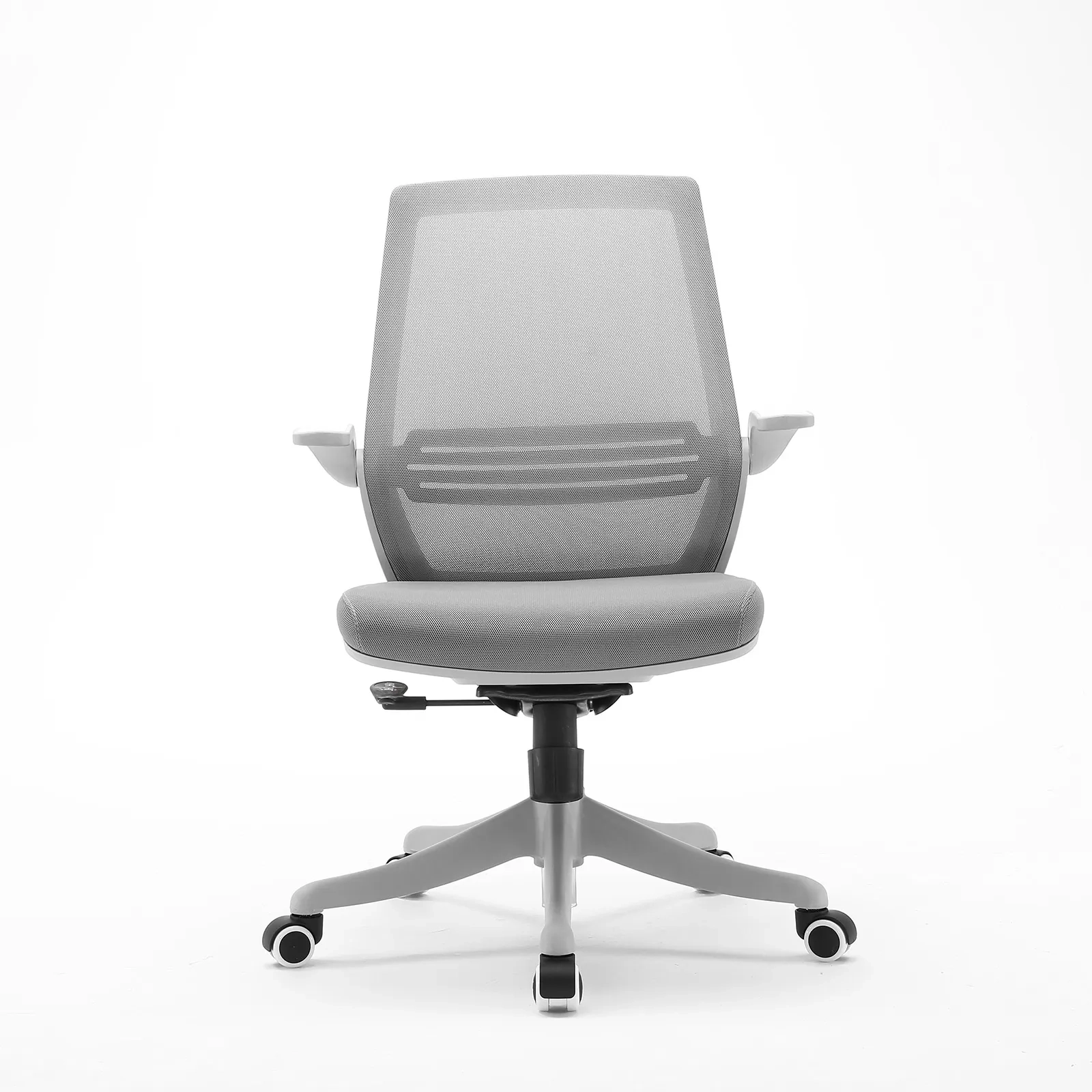
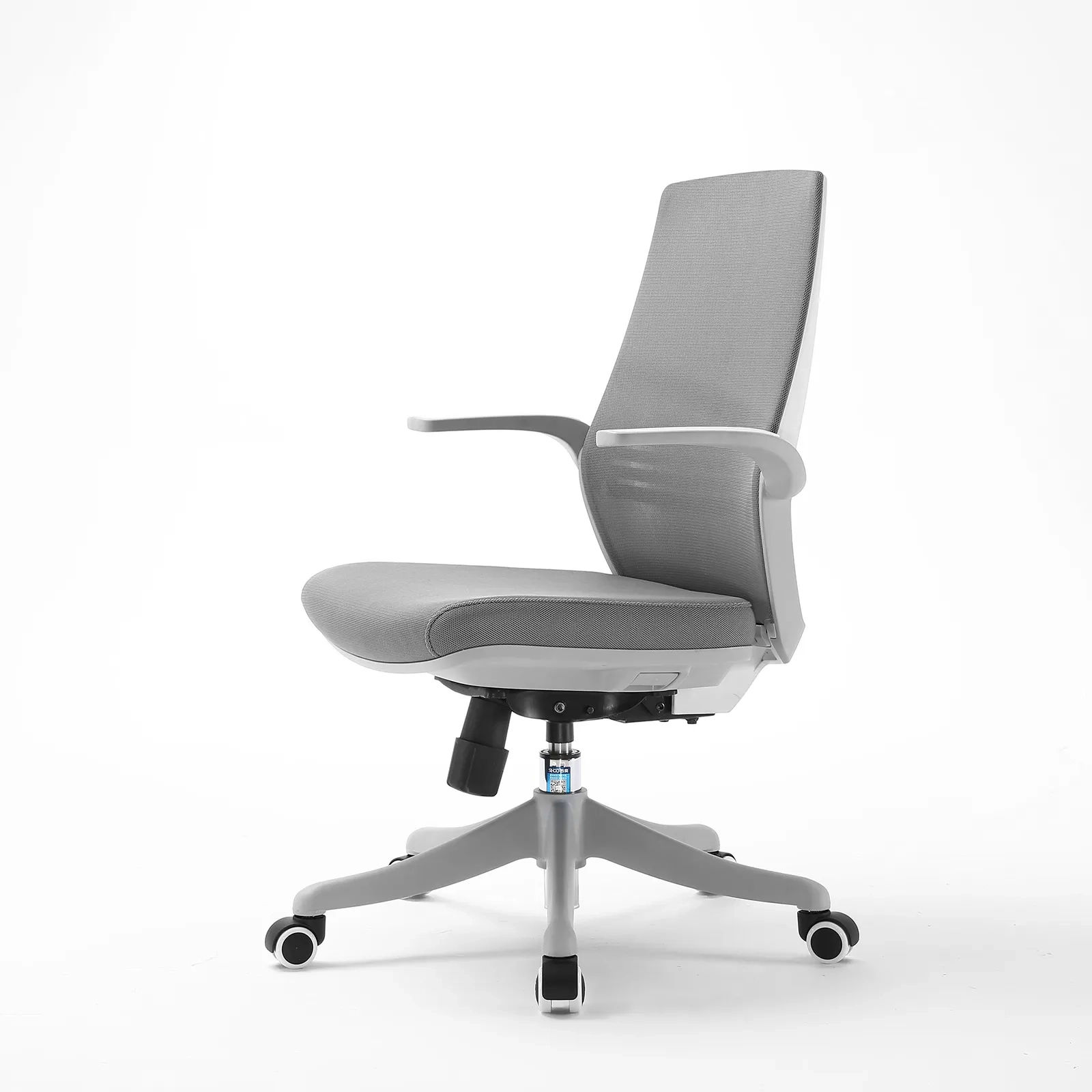
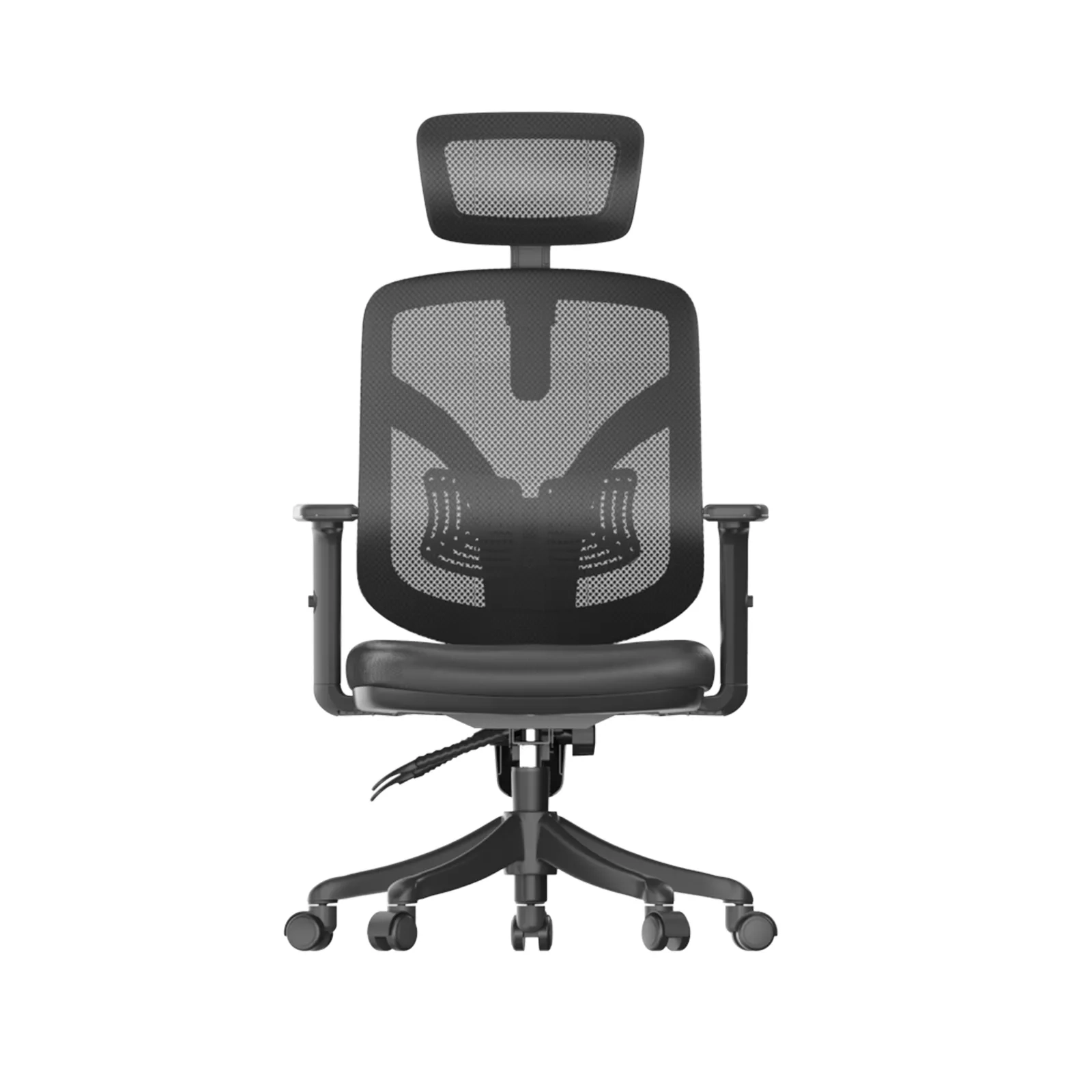
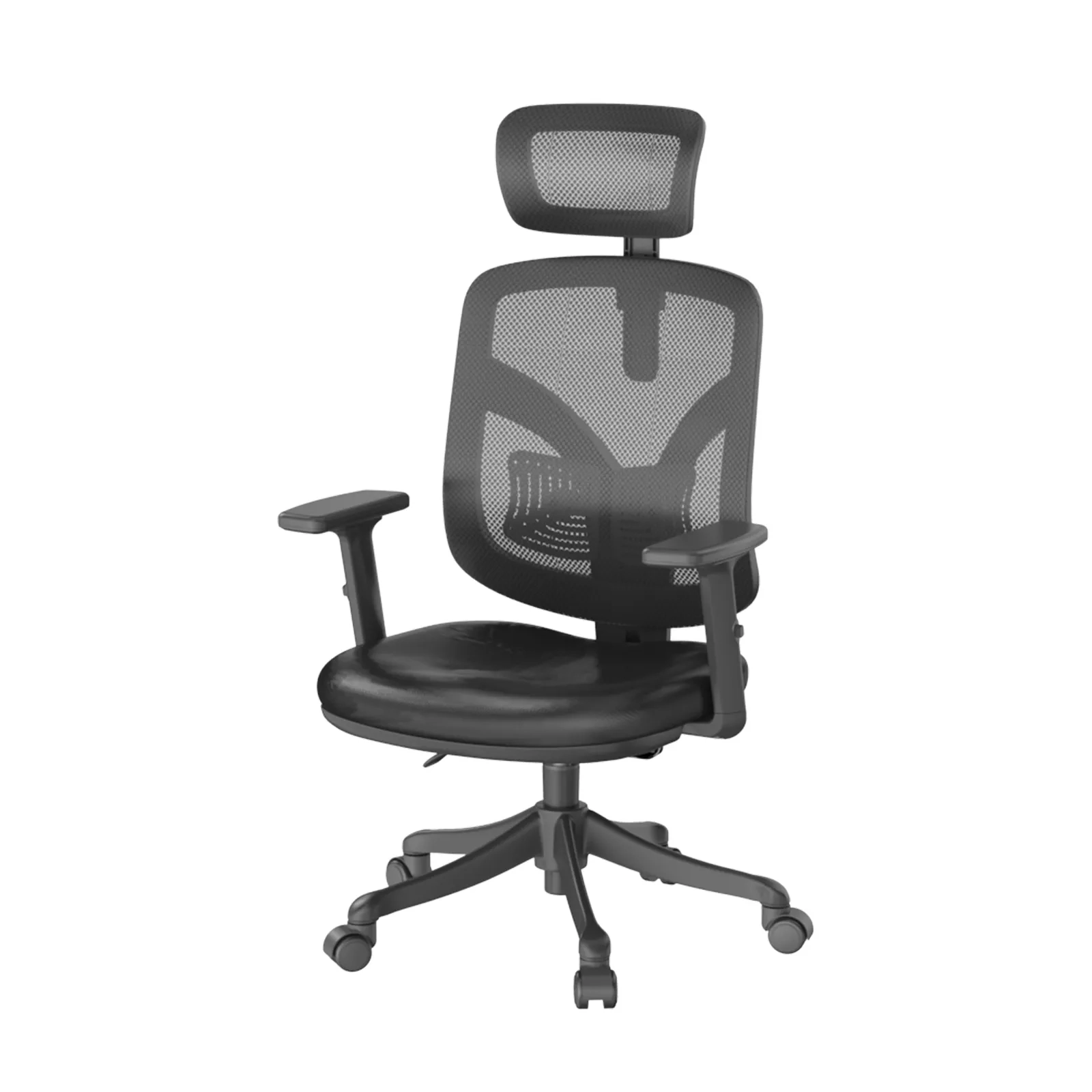
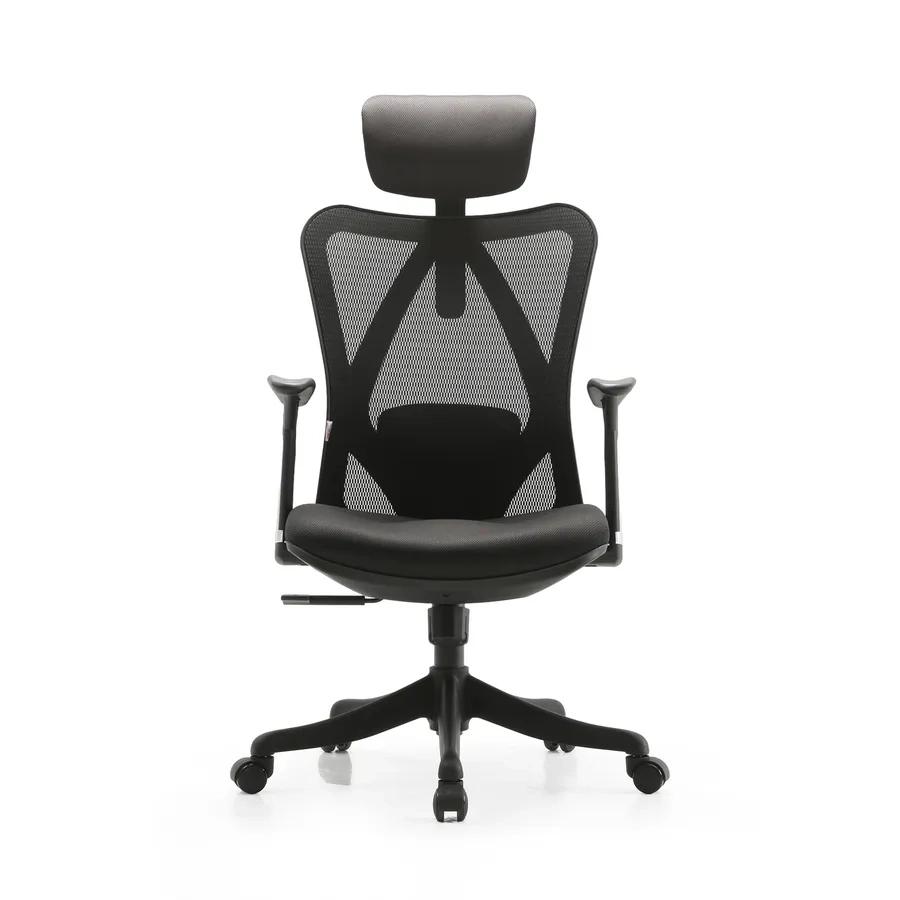
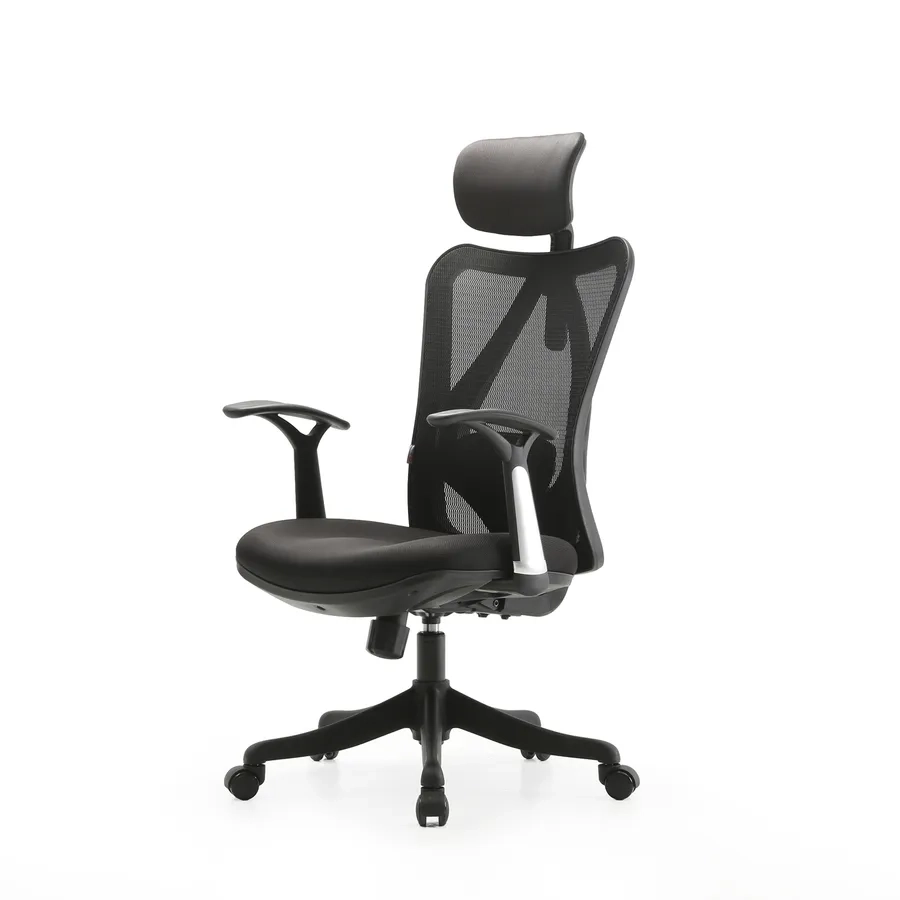
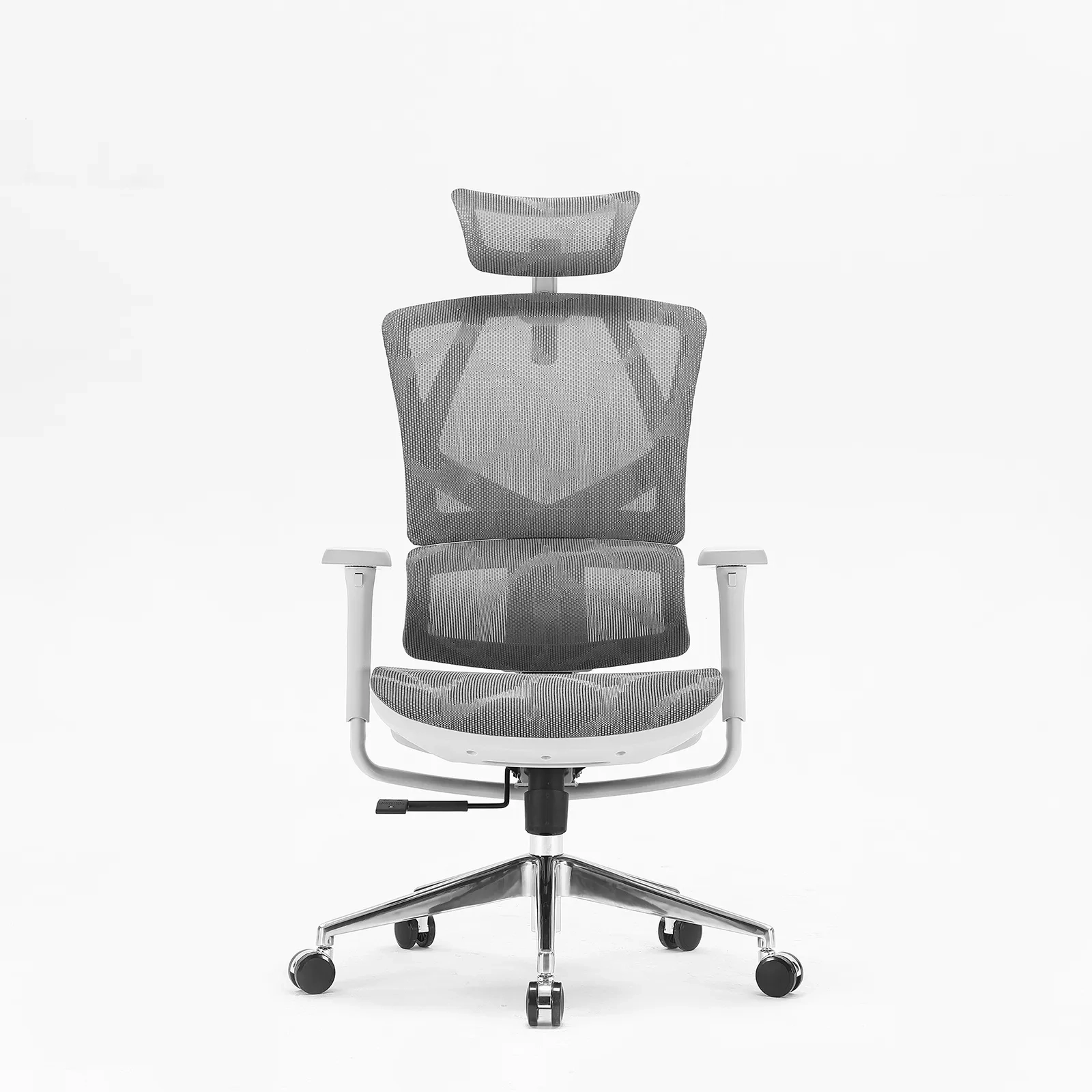
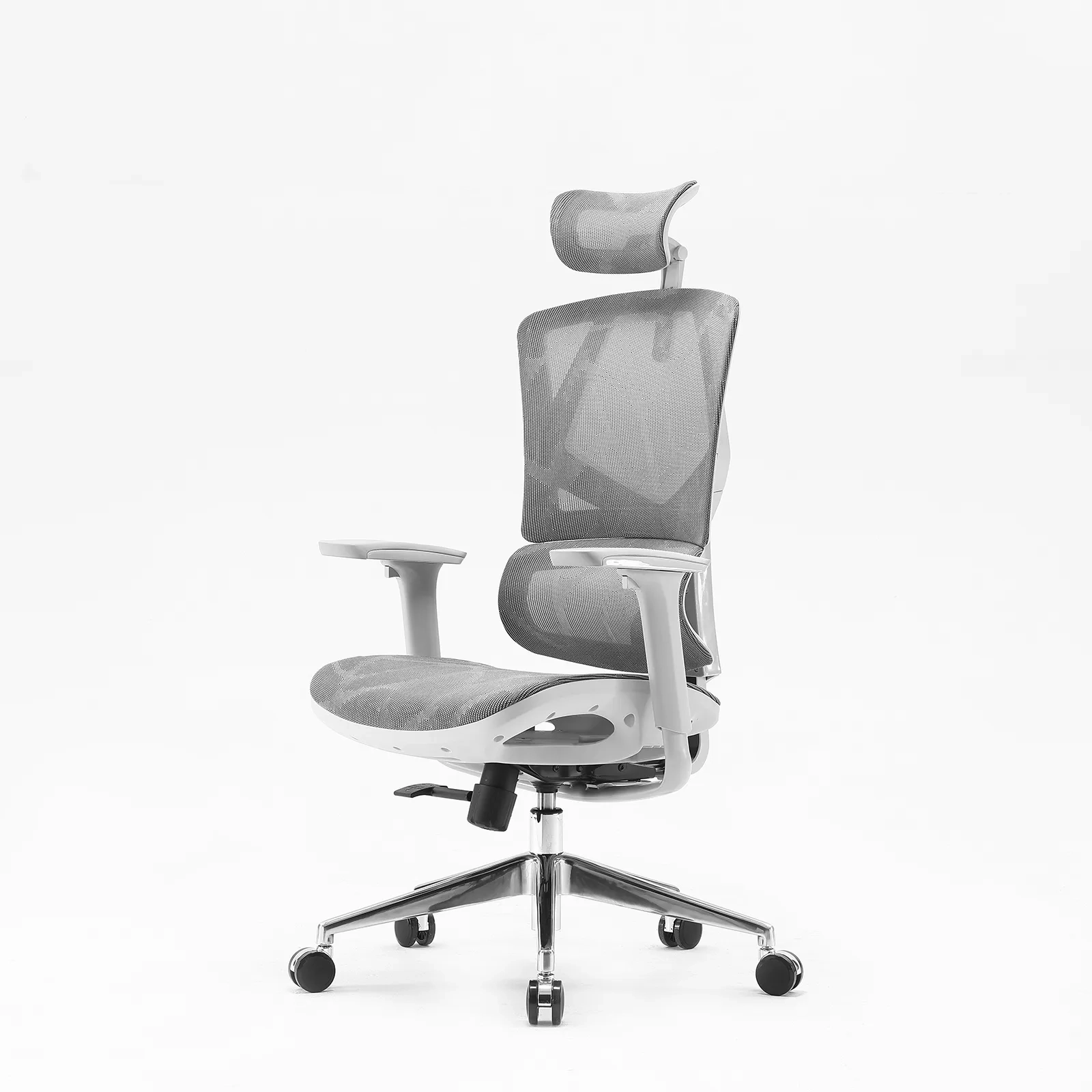
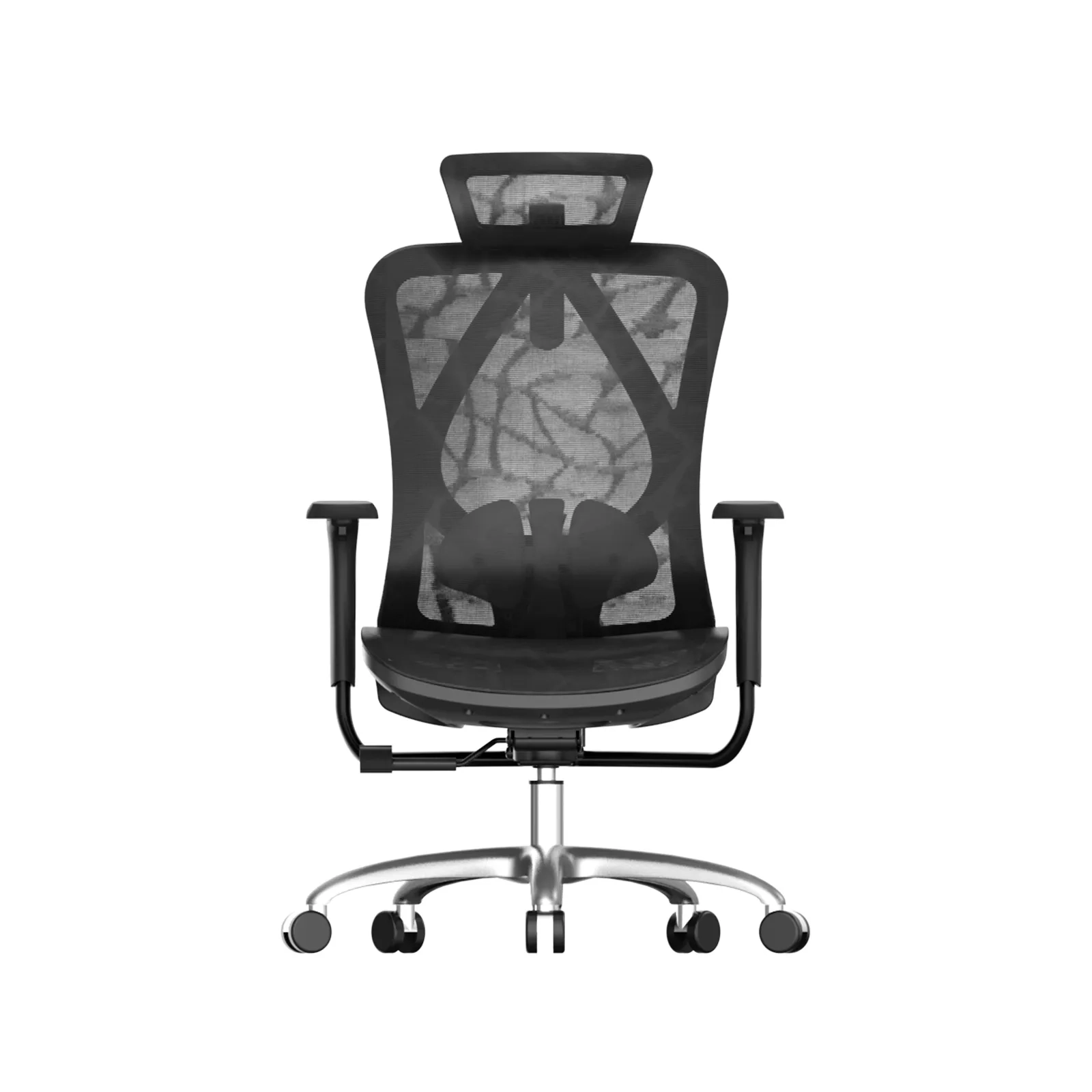
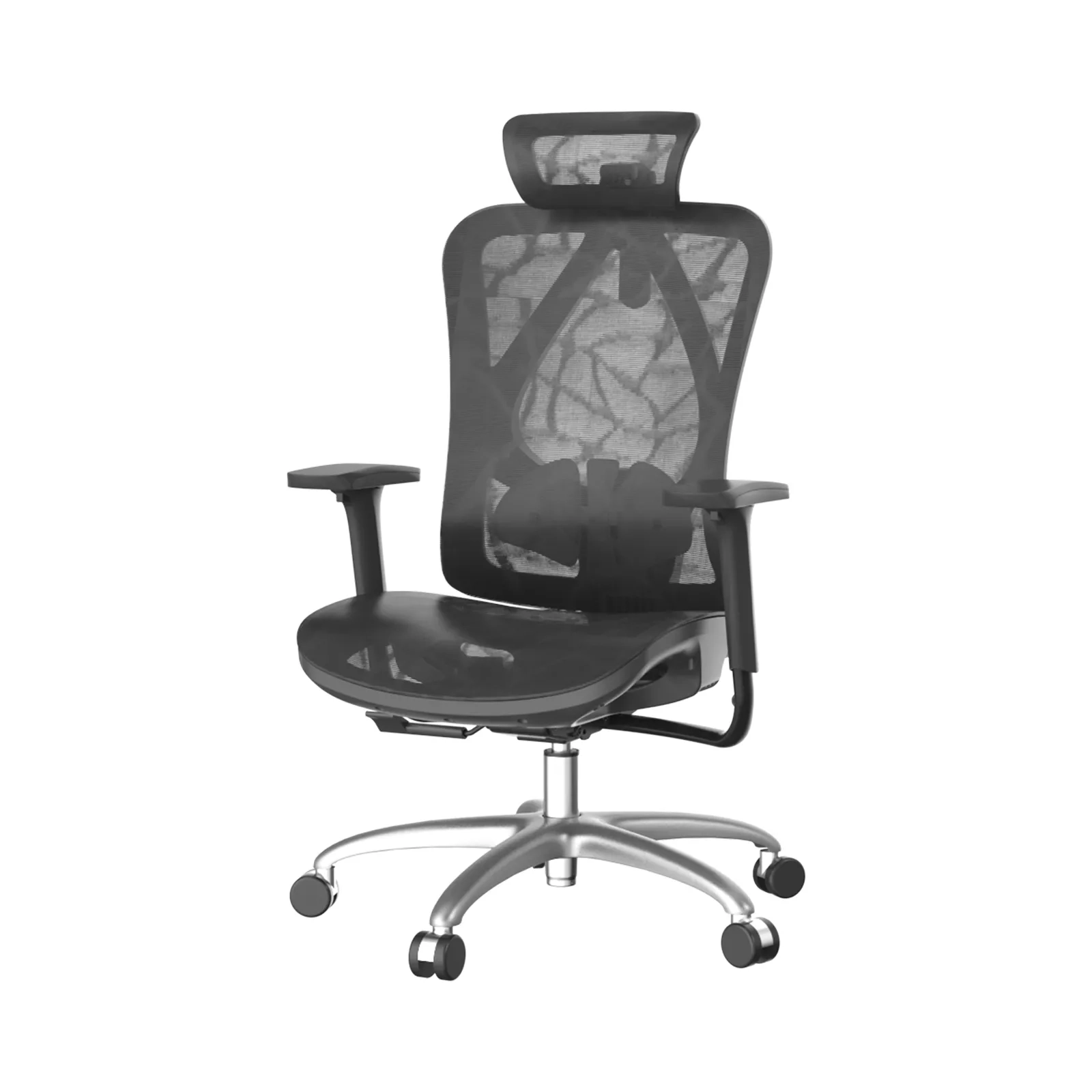
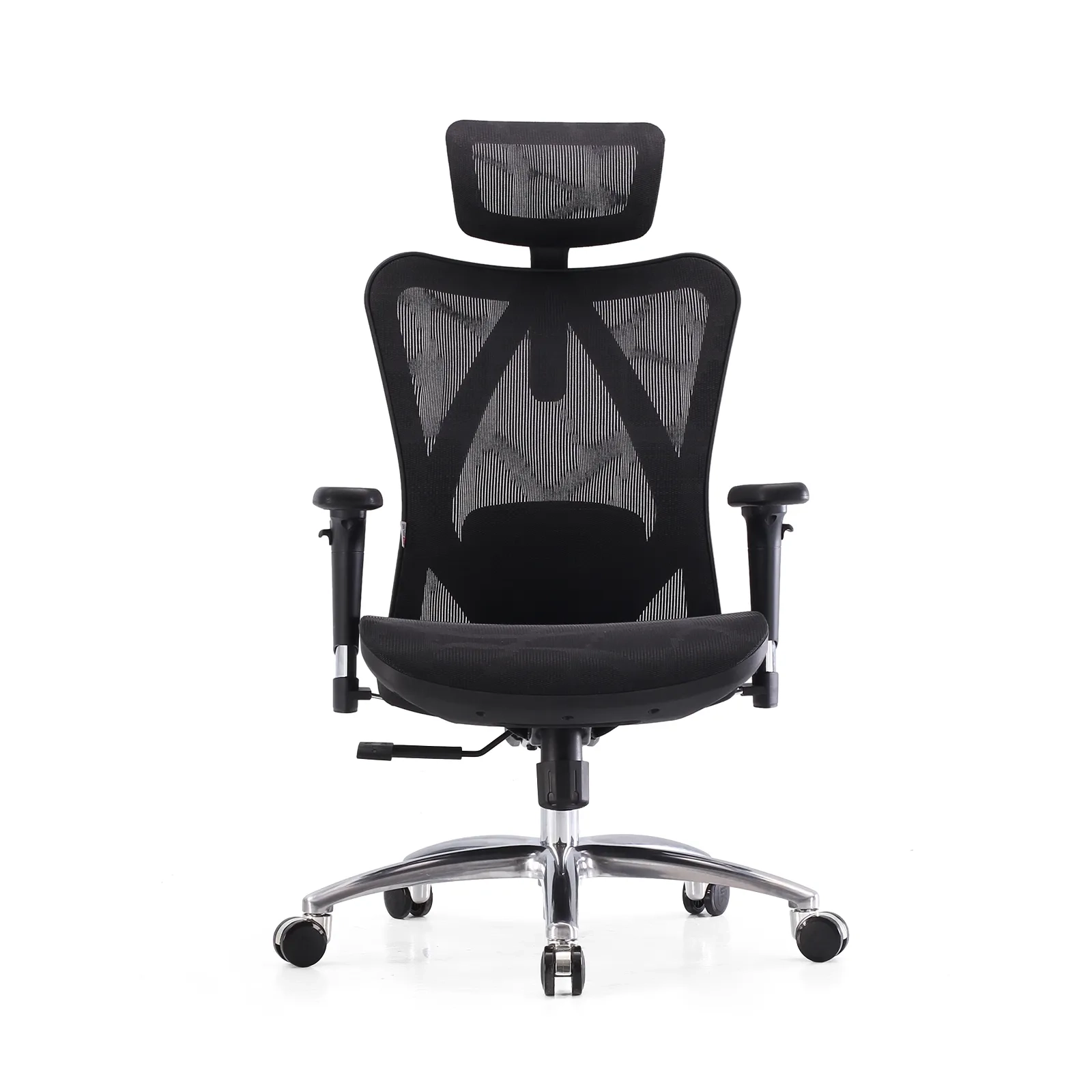
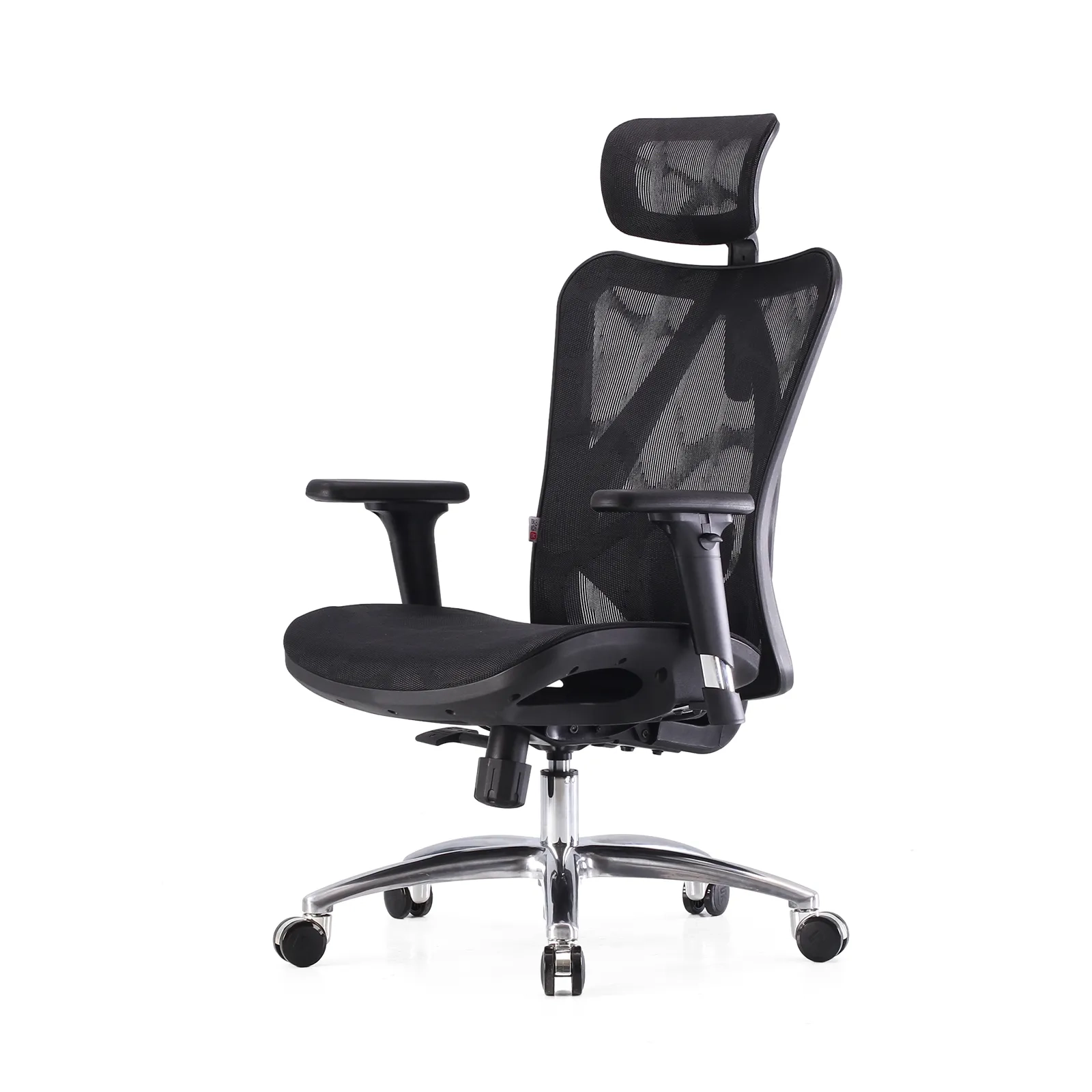
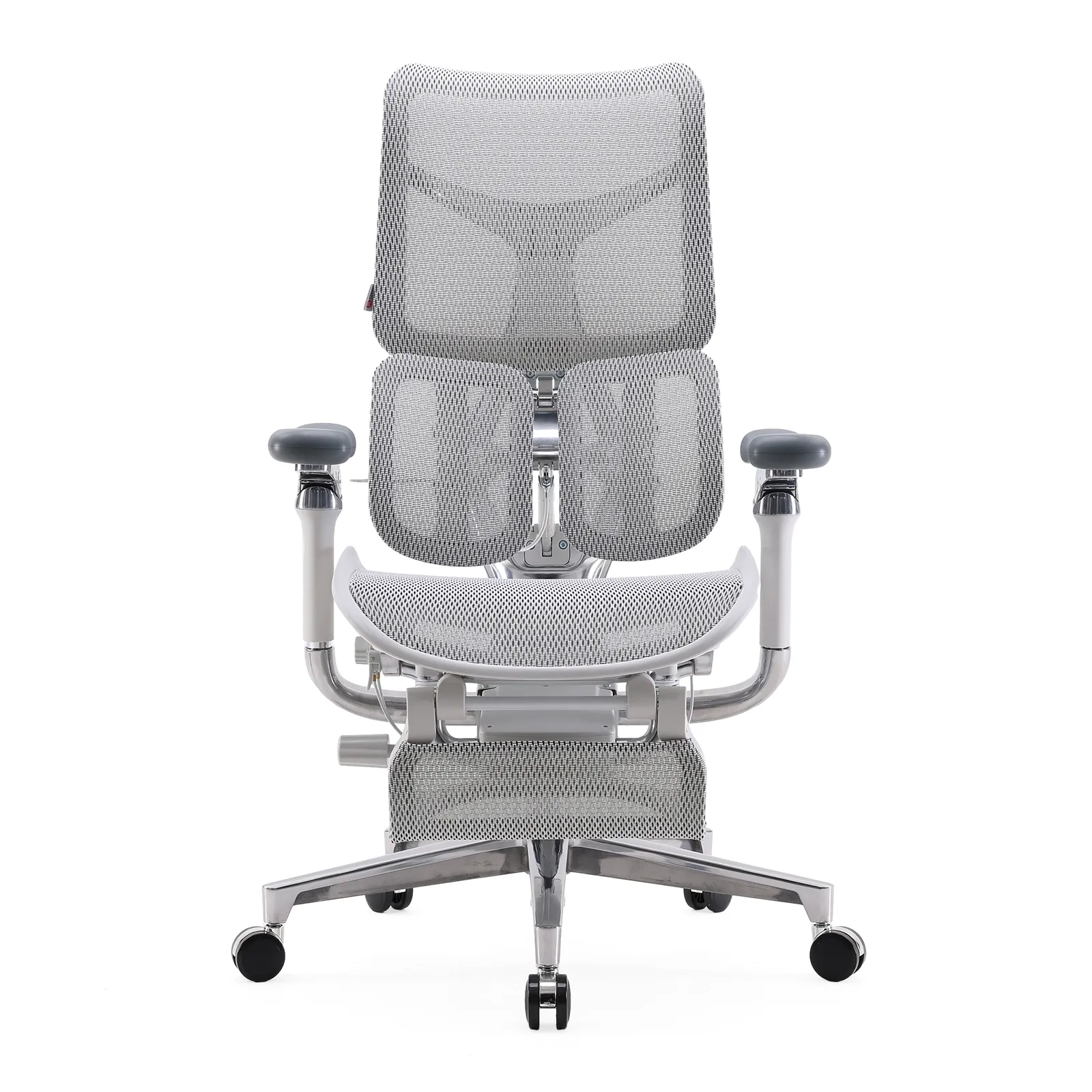
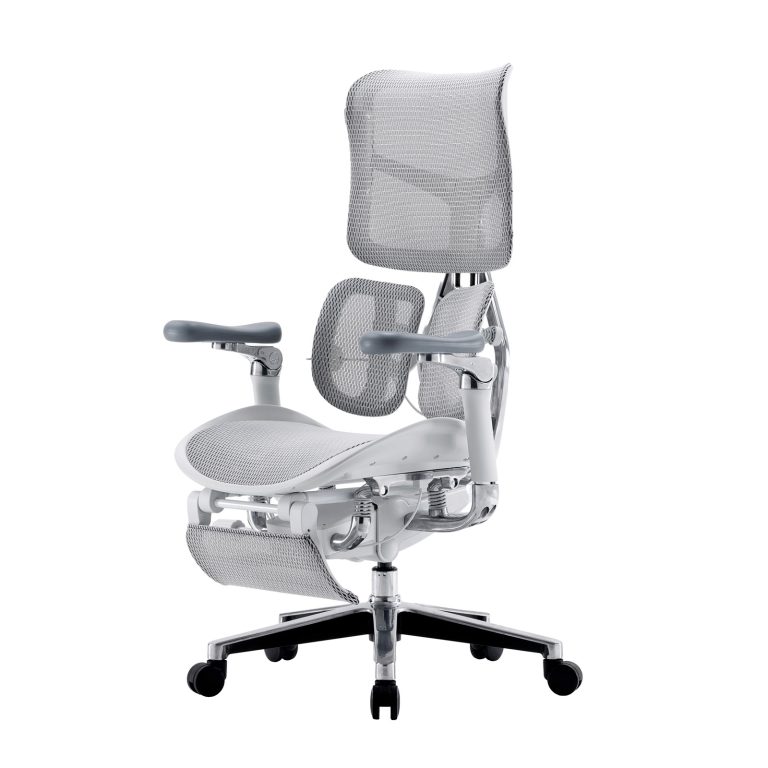
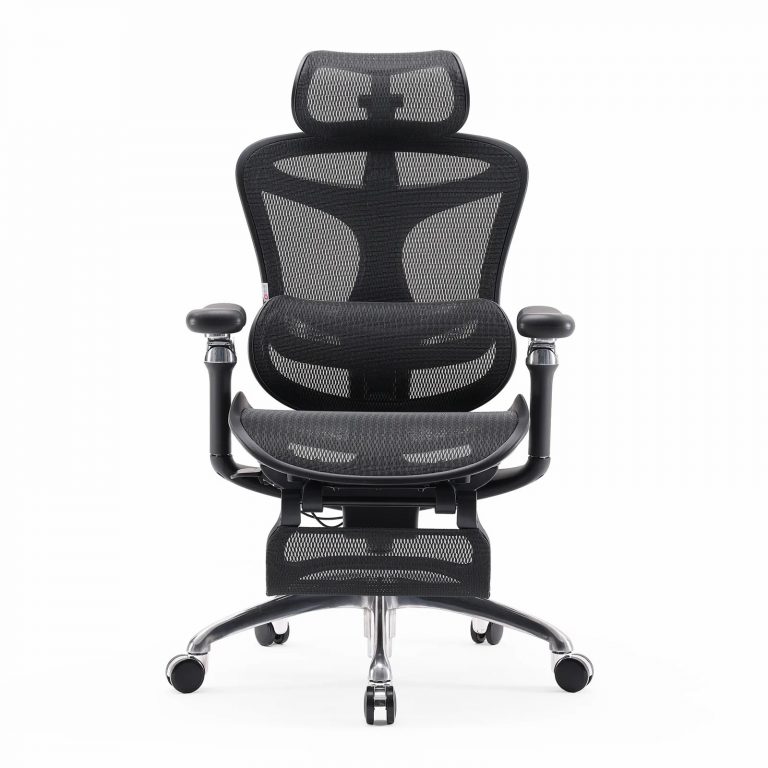
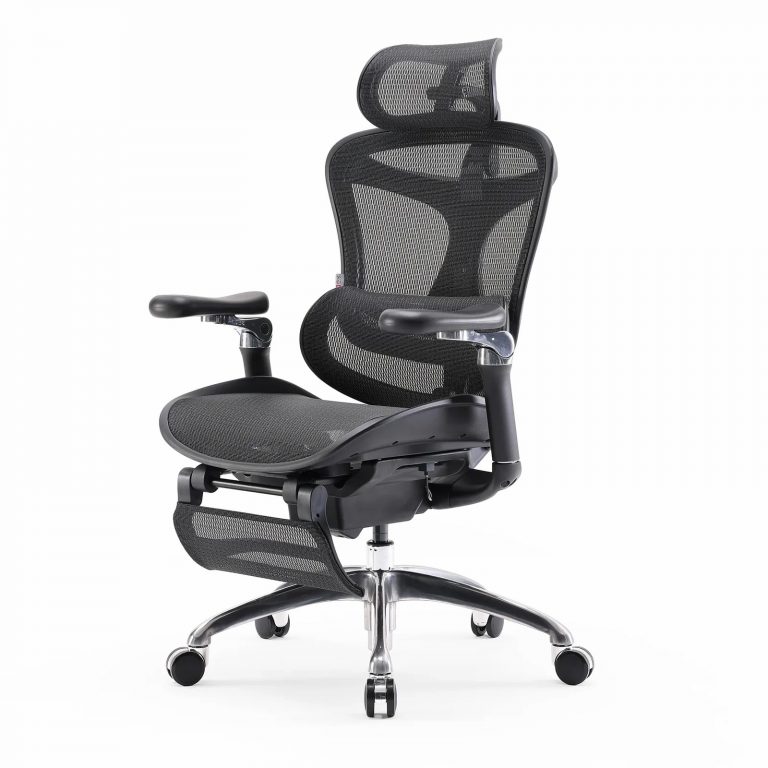
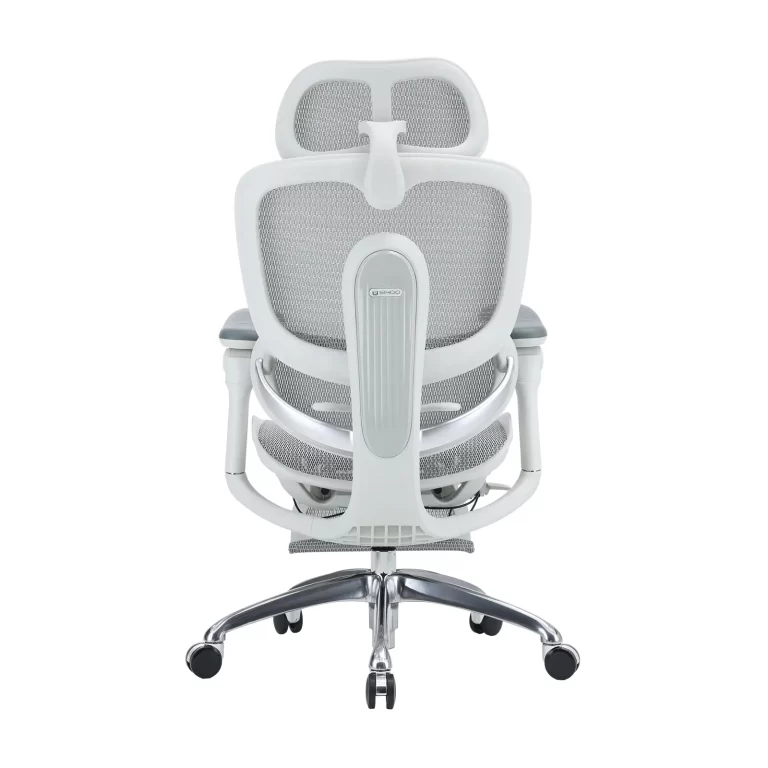
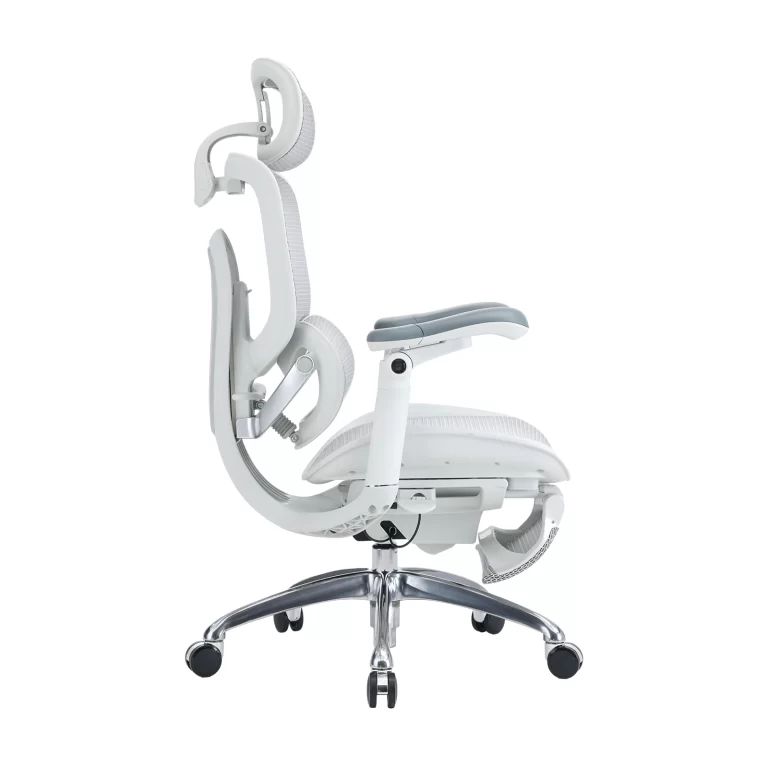
Enter the mesh office chair—a design born from the need to stay cool and supported.
- Built to breathe — Open-weave mesh allows air to flow freely across your back and seat, keeping skin dry and temperature stable.
- Adapts as you move — The fabric stretches slightly with your posture, distributing weight evenly and reducing pressure on your spine and hips.
- Low effort, high reward — No special cleaners. No conditioning. Just a quick wipe-down.
Unlike padded chairs that compress and retain heat, mesh ergonomic chair designs stay cool and supportive—hour after hour.
Fabric and Hybrid Alternatives
Fabric chairs offer softness, but their comfort comes at a cost. They’re more breathable than leather, but less so than mesh. Padding traps heat, and cleaning can be messy—especially in dusty or humid spaces. For long-term use in warm climates, they often fall short.
Why Comfort Isn’t Just About Feeling Good
It’s about staying focused. Productive. Healthy.
Sweating, Friction, and Skin Irritation
When temperatures reach 30°C (86°F) and humidity climbs above 60%, non-breathable surfaces can cause rapid moisture buildup. That’s not just unpleasant—it can lead to chafing, redness, and even minor skin irritation. A breathable office chair, like a mesh office chair, doesn’t just reduce sweat—it helps your body regulate itself naturally.
The Hidden Cost of Long Hours
Sitting for eight hours a day? Your spine is under constant pressure. Research shows uneven support—especially when combined with heat—triggers muscle tension and fatigue. A well-designed, high-back ergonomic office chair with a mesh back doesn’t just hold you up—it cools you down. The result? Less stiffness. Fewer breaks. More focus.
Heat, Concentration, and Performance
The U.S. Environmental Protection Agency (EPA) found that when room temperature exceeds 28°C (82°F), cognitive performance—typing speed, attention span, decision-making—drops by 10–15%. A cooling office seating solution, like a mesh office chair, helps your body stay in its optimal zone. You don’t need AC to work better—you just need the right chair.
The Real Advantages of Mesh

1. Unmatched Breathability
Lab tests under 32°C and 60% humidity show mesh office chair users experience a 2–4°C drop in back temperature compared to leather. Humidity levels on the skin drop nearly 20%. That’s not marginal—it’s transformative.
2. Support That Moves With You
An ergonomic mesh chair isn’t rigid. It responds. The weave subtly conforms to your spine’s natural S-curve, providing continuous, even pressure relief. When paired with a lumbar-support office chair, it becomes a powerful ally against chronic back pain, making it a top choice for anyone seeking ergonomic solutions for back pain.
3. Lightweight and Low Maintenance
No leather conditioner. No heavy frame. No fuss. Mesh office chair models are lighter, easier to reposition, and far more forgiving over time. In hot climates, where materials degrade faster, this isn’t a bonus—it’s a necessity.
Potential Drawbacks (And How to Avoid Them)
Mesh chairs aren’t magic. But their weaknesses are predictable—and easy to navigate.
- Mesh density matters — Too loose, and you lose support. Too tight, and airflow suffers. Look for high-density polyester with an elasticity range of 0.35–0.45.
- Weight limits — Standard models support 100–150 kg. If you need more, seek out big and tall mesh office chair variants with reinforced frames.
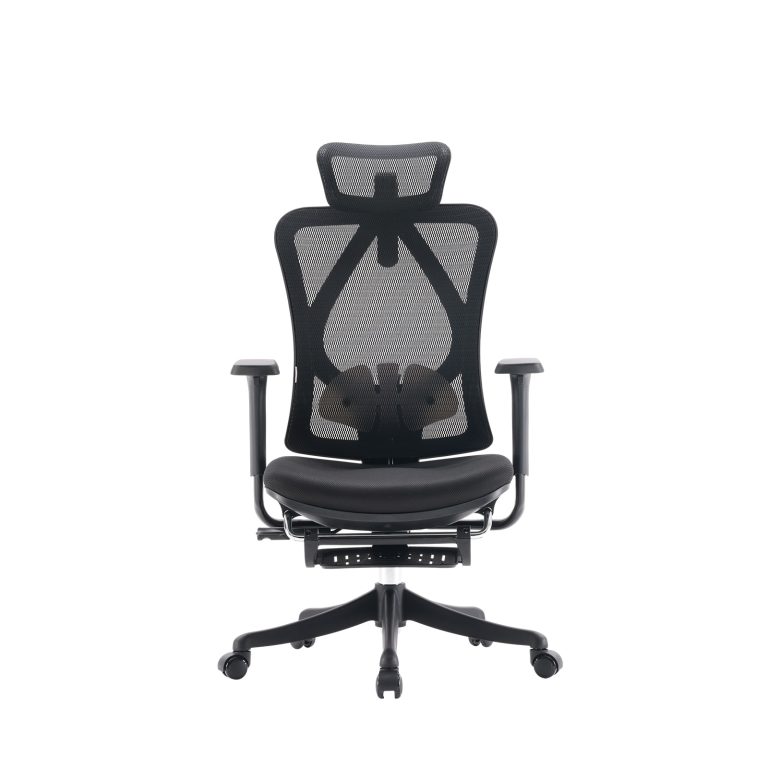
- Aesthetic limits — Mesh doesn’t always scream “executive.” If your environment demands formality, pair it with a sleek base. Black mesh office chair or white mesh office chair often bridge the gap between function and polish.
Real-World Data: Mesh vs. Leather
| MATERIAL | BACK TEMPERATURE (°C) | RELATIVE HUMIDITY (%) | COMFORT RATING (1-10) |
| Leather | 35 | 65 | 5 |
| Mesh | 31 | 52 | 8 |
In surveys across tropical and subtropical workplaces, over 70% of users reported significantly better comfort with mesh office chair during summer months. The most common complaint among leather users? “It feels like I’m sitting on a blanket.”
How to Choose the Right Mesh Chair

Key Features to Look For
- Mesh quality: High-density, stretch-resistant polyester. Avoid cheap, thin weaves.
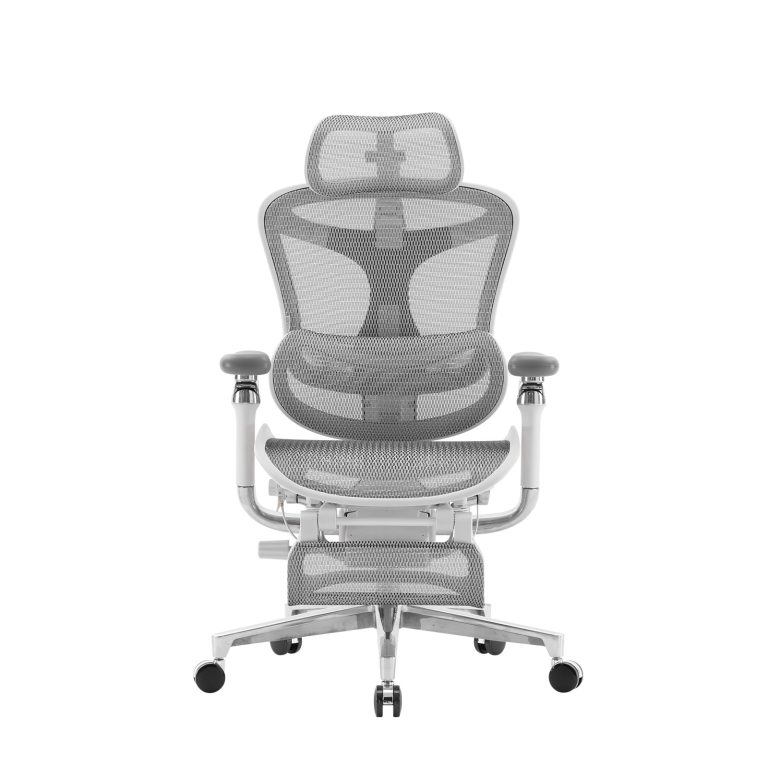
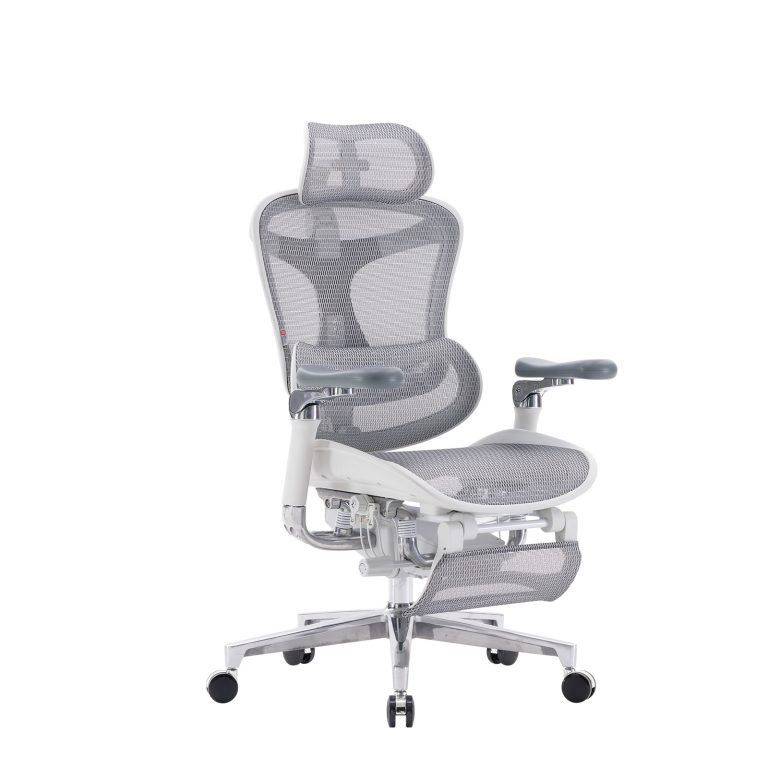
- Lumbar support: Must be integrated or adjustable. Don’t settle for a chair that just has a backrest—look for lumbar support office chair with a slider or dial.
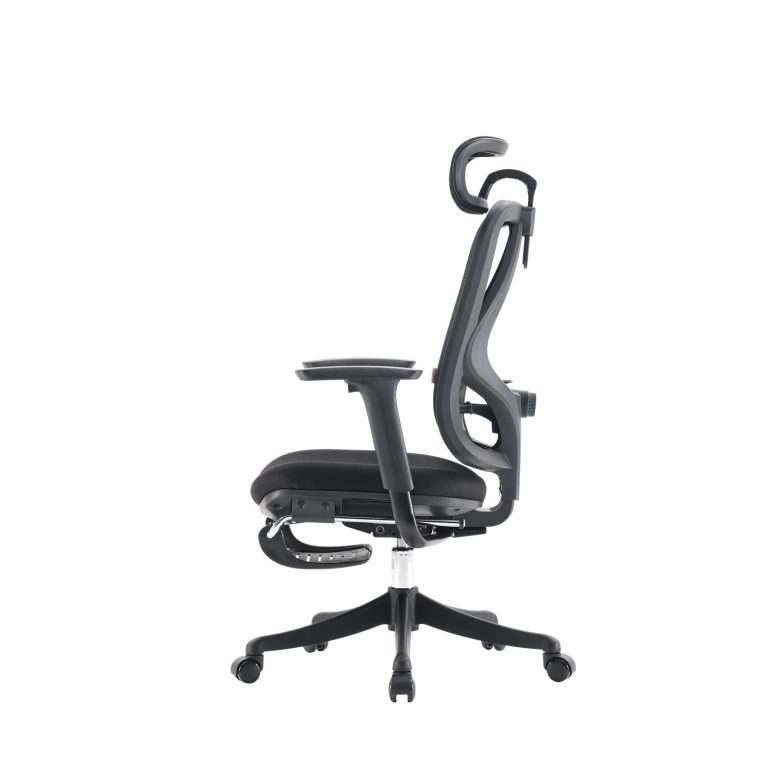
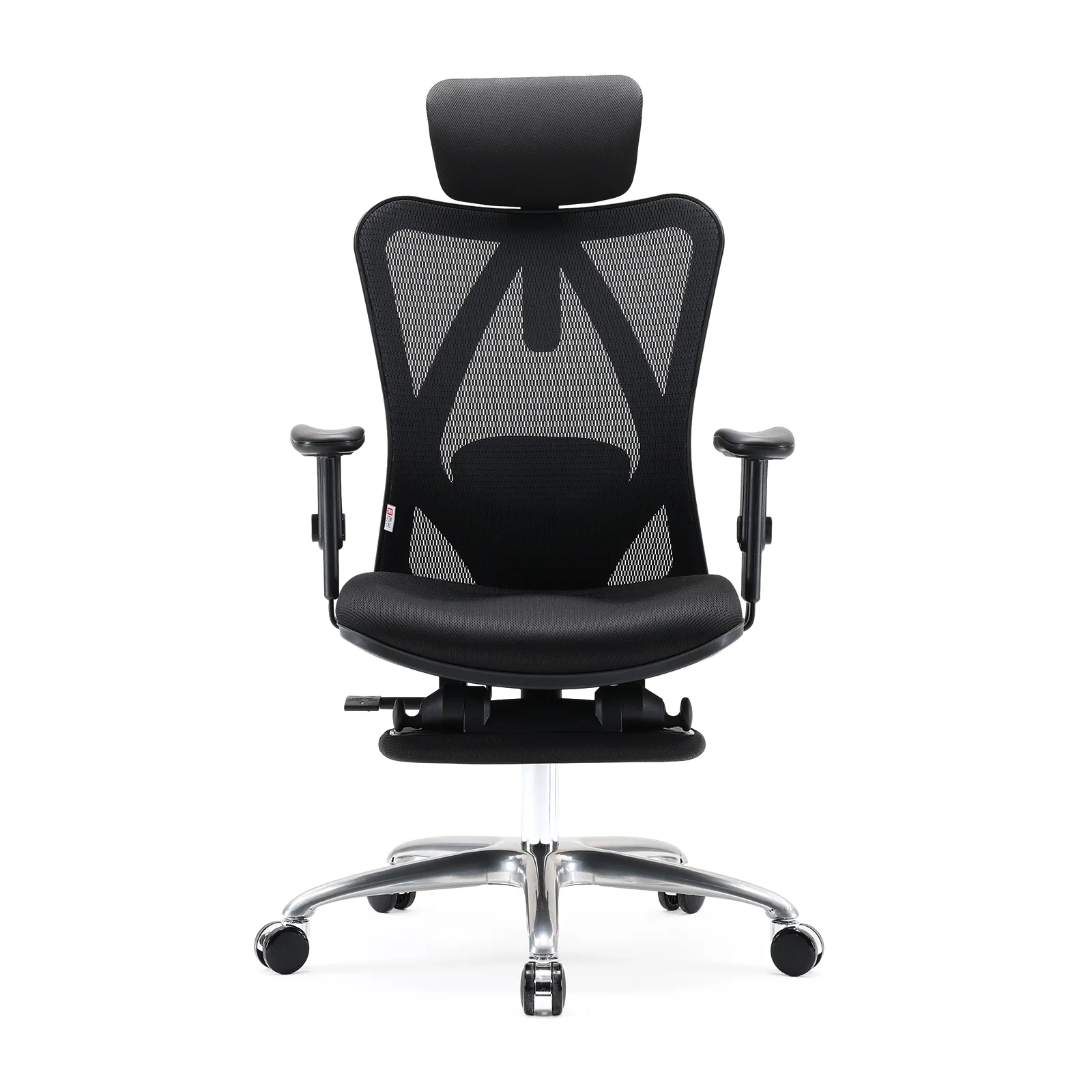
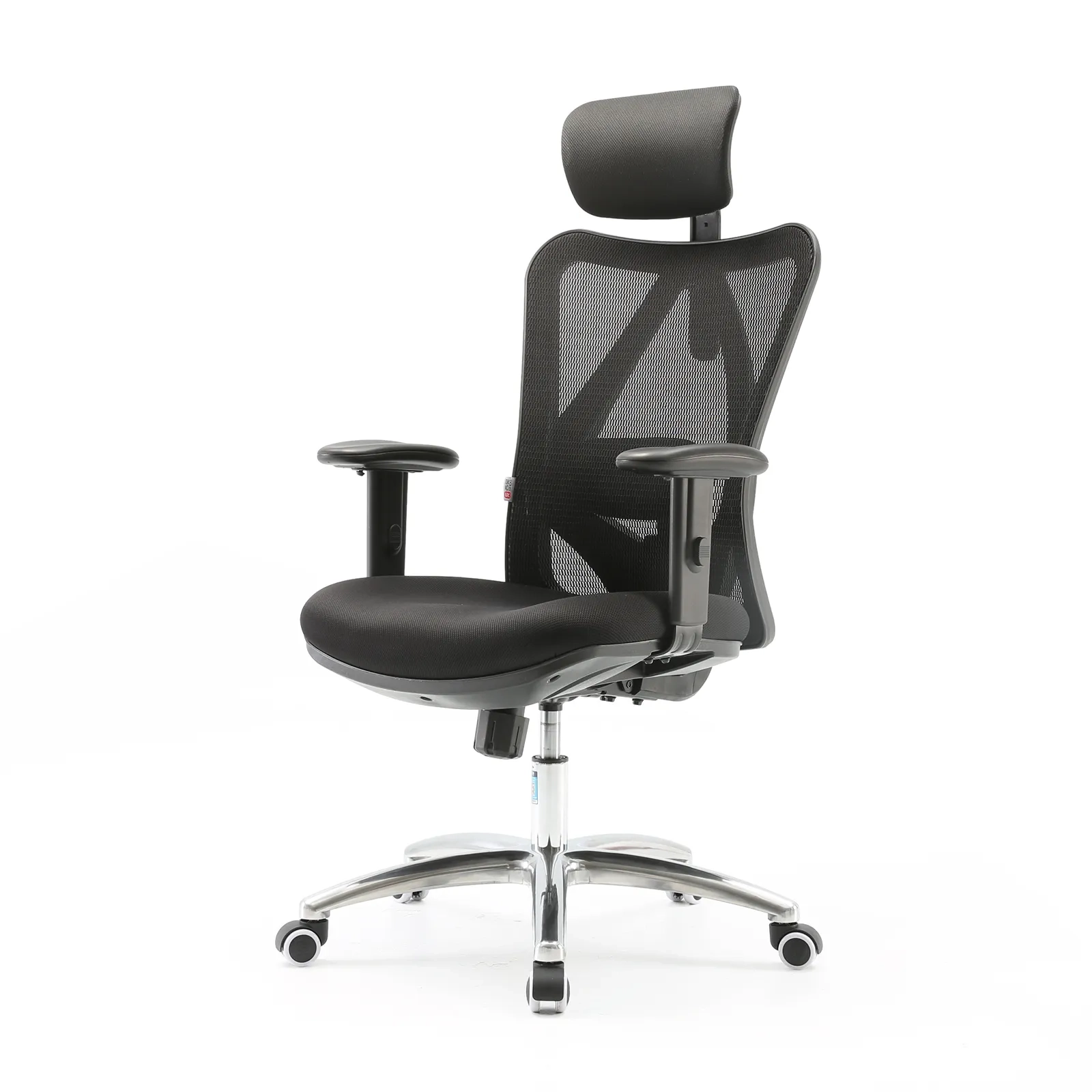
- Adjustability: A true adjustable office chair lets you fine-tune seat height, back recline, and armrest position. Office chair with adjustable arms is non-negotiable for keyboard users.
- Back height: High back office chair models provide better upper spine support—especially if you lean back often.
- Footrest compatibility: If you’re tall or spend hours typing, consider office chair with footrest options for full-body alignment.
Optimize Your Setup
- Use a small fan or desk ventilator to boost airflow around the chair.
- Clean the mesh monthly with a soft brush to prevent dust buildup that clogs pores.
- For extra comfort, add a thin, breathable seat cushion—never a thick foam pad, which defeats the purpose.
Conclusion: The Smart Choice for Warm Climates
Let’s cut through the noise.
In hot, humid environments, the mesh office chair outperforms leather, fabric, and even padded alternatives—not because it’s trendy, but because it’s engineered for human biology. It cools. It supports. It lasts.
For anyone who sits for long hours—whether in a corporate office, home workspace, or creative studio—the evidence is clear: mesh ergonomic chair delivers tangible improvements in comfort, focus, and long-term well-being.
When selecting your next chair, prioritize:
- Adjustable chair features,
- Lumbar support office chair integration,
- And the breathable performance of mesh office chair.
Forget “luxury.” Focus on comfortable office chair that works as hard as you do.
The future of office seating is smart, sustainable, and science-backed. But right now, the best solution is simple: a well-made mesh office chair.
1600x1600-4-768x768.jpg)
1600x1600-8-768x768.jpg)