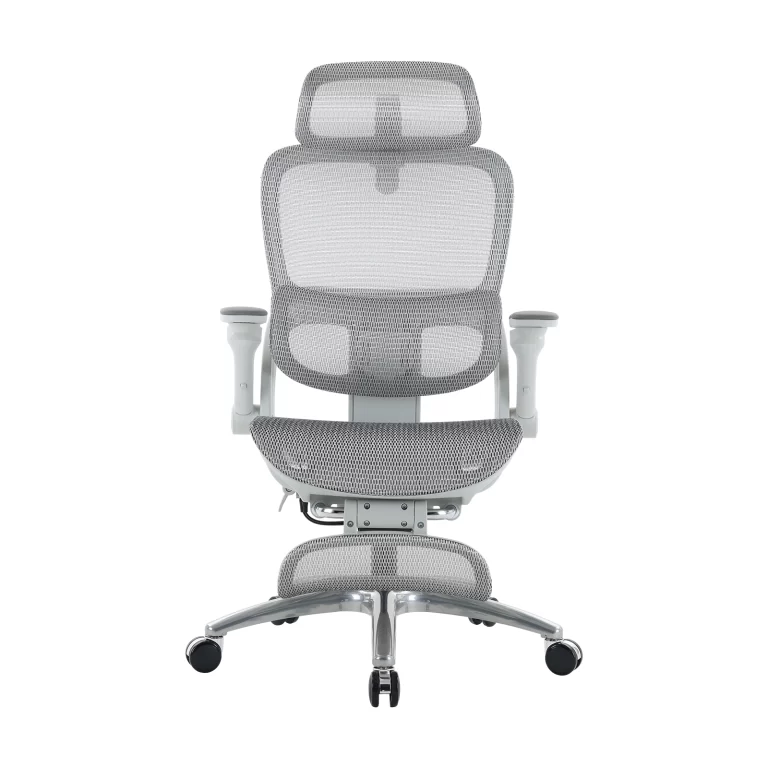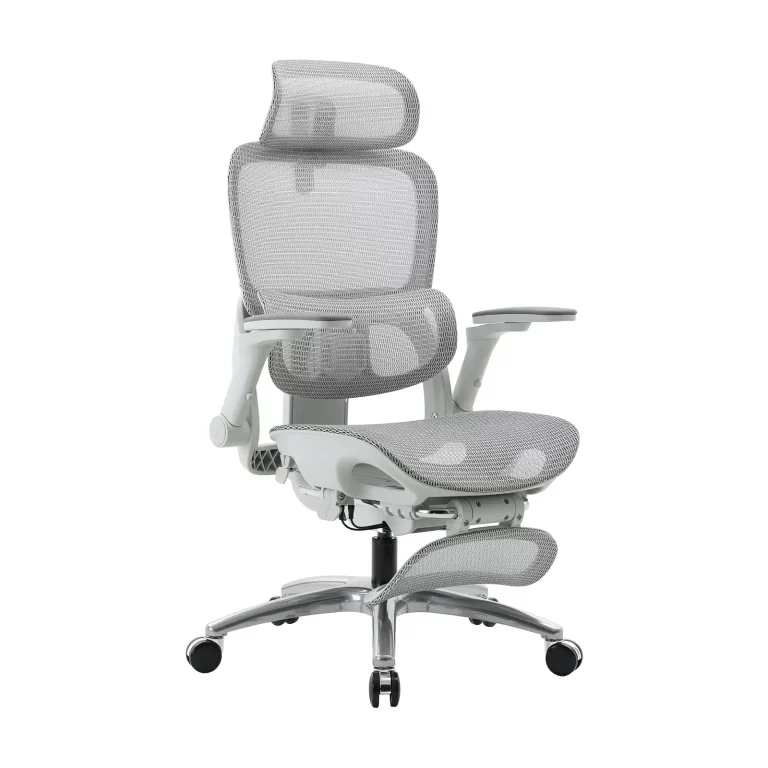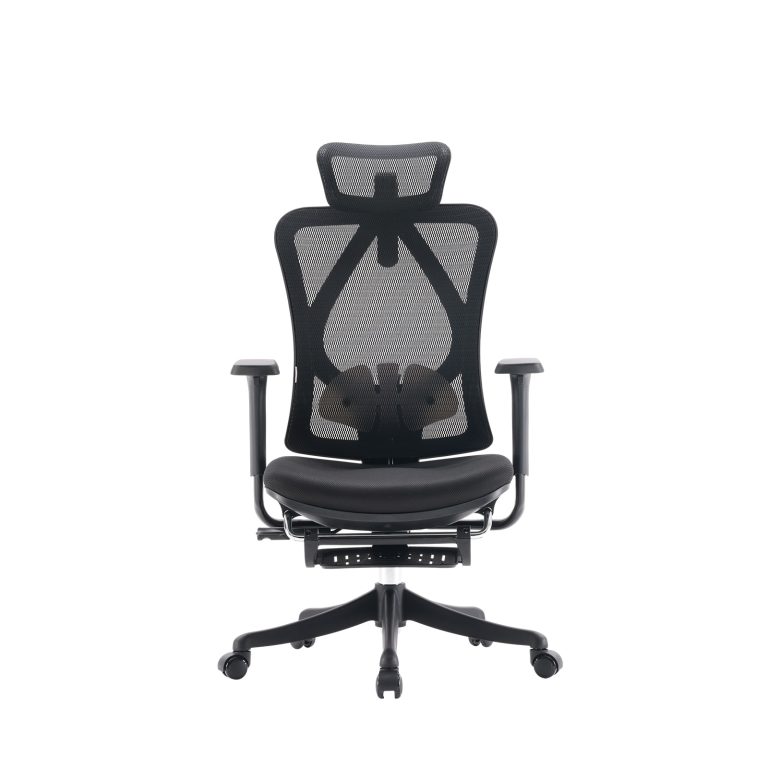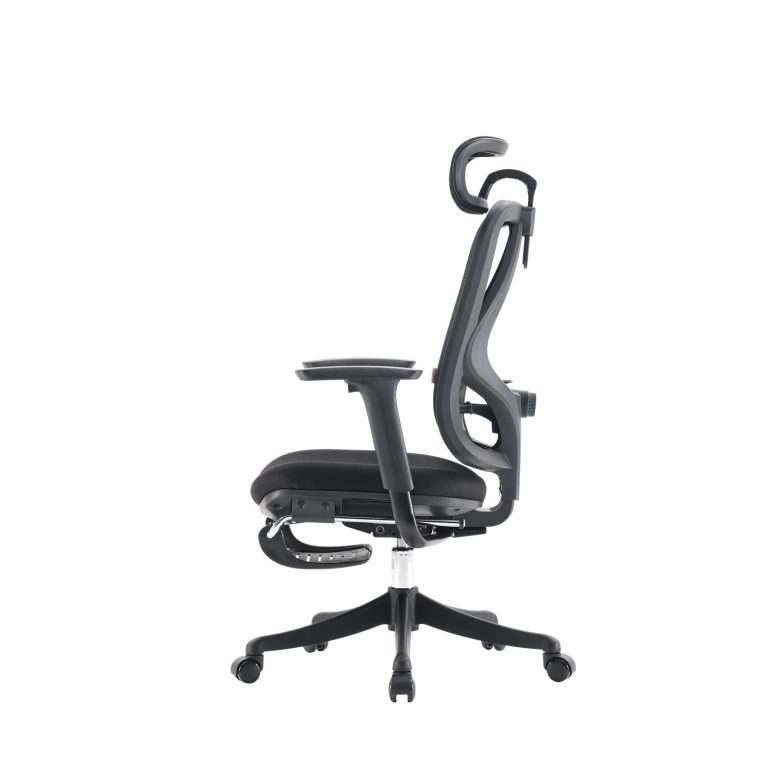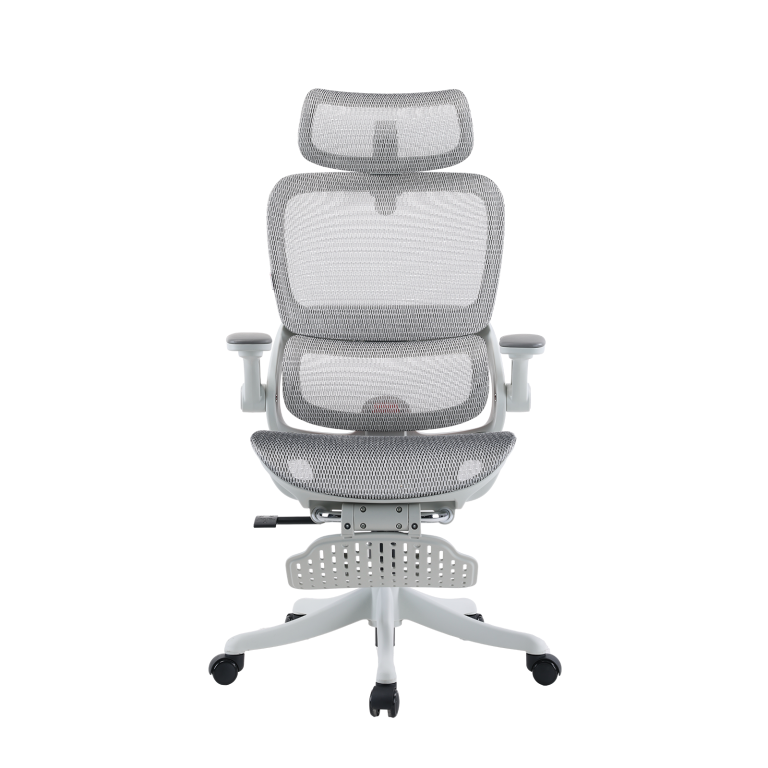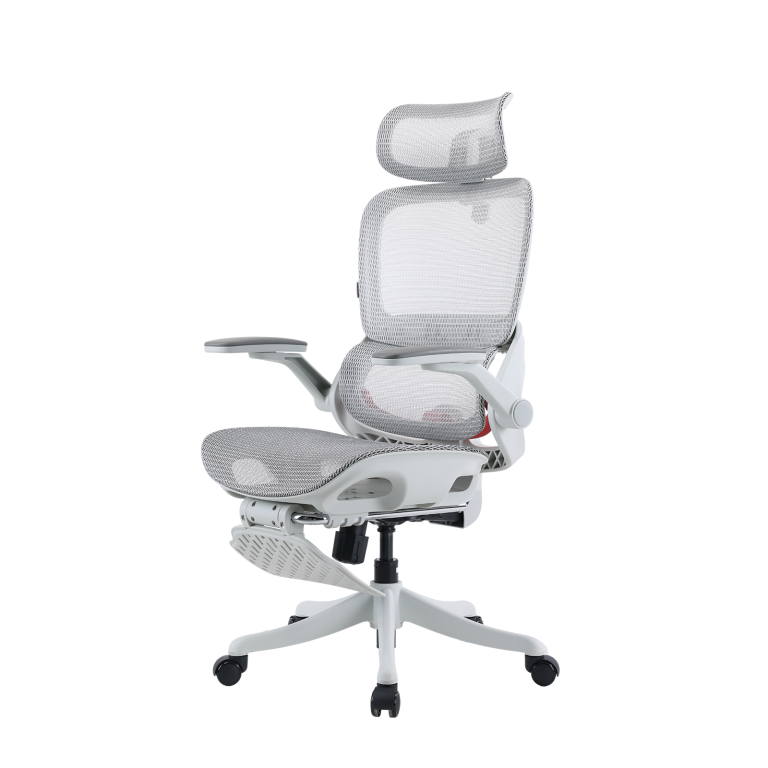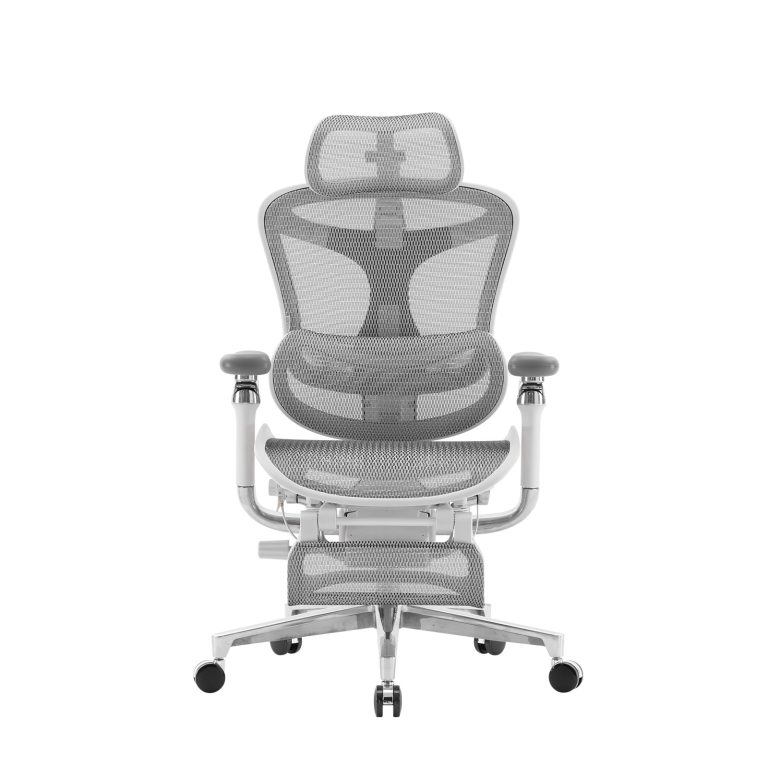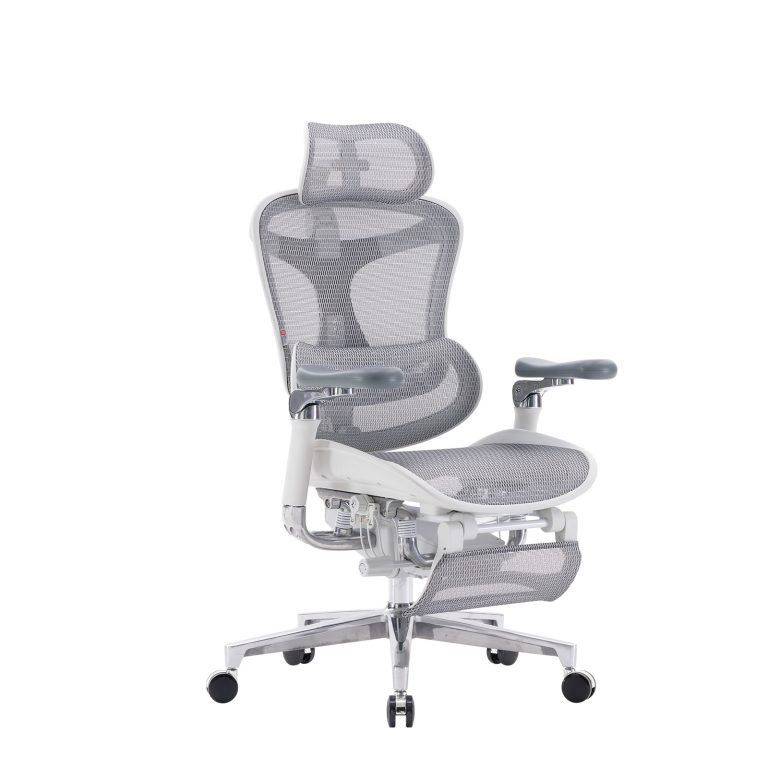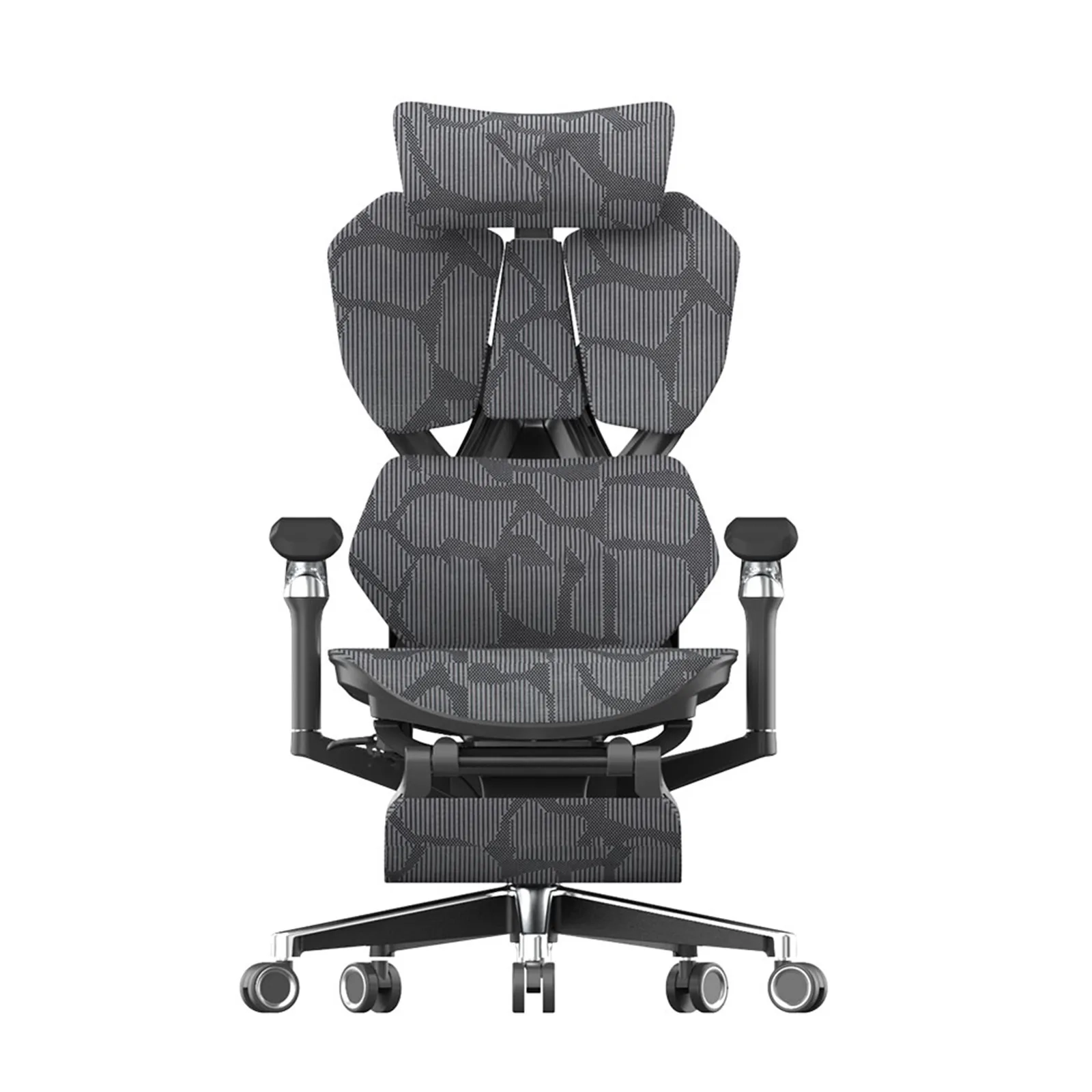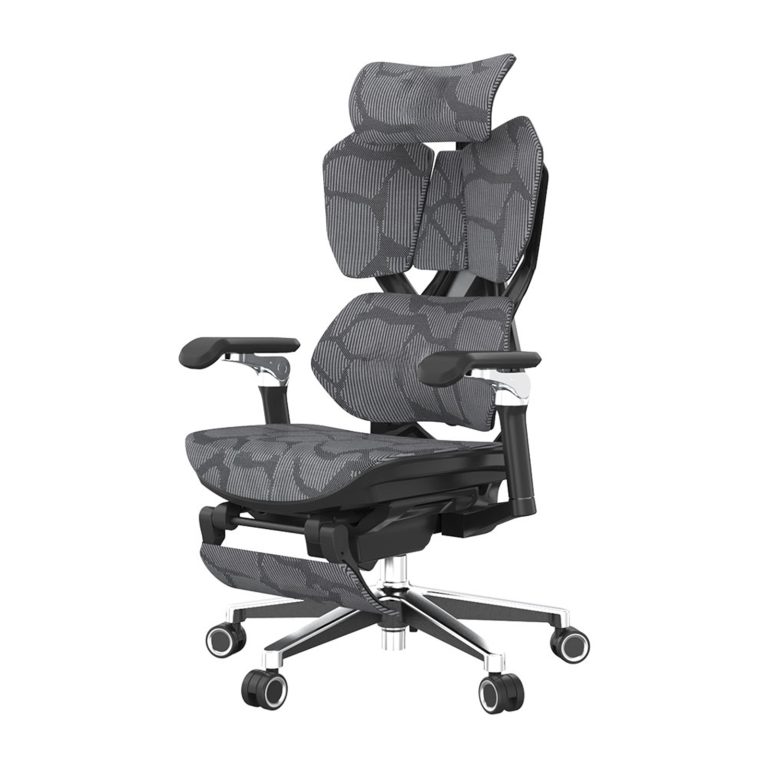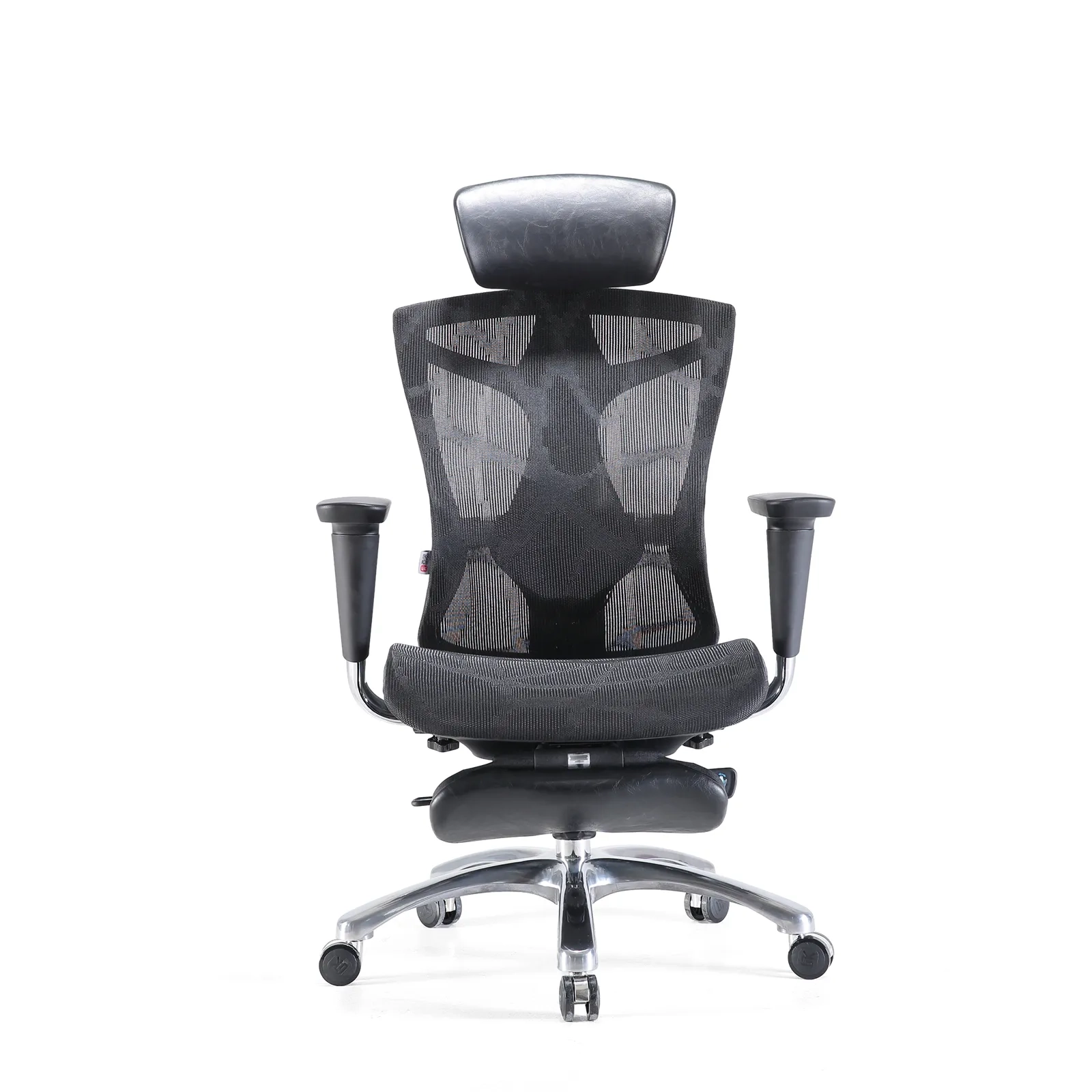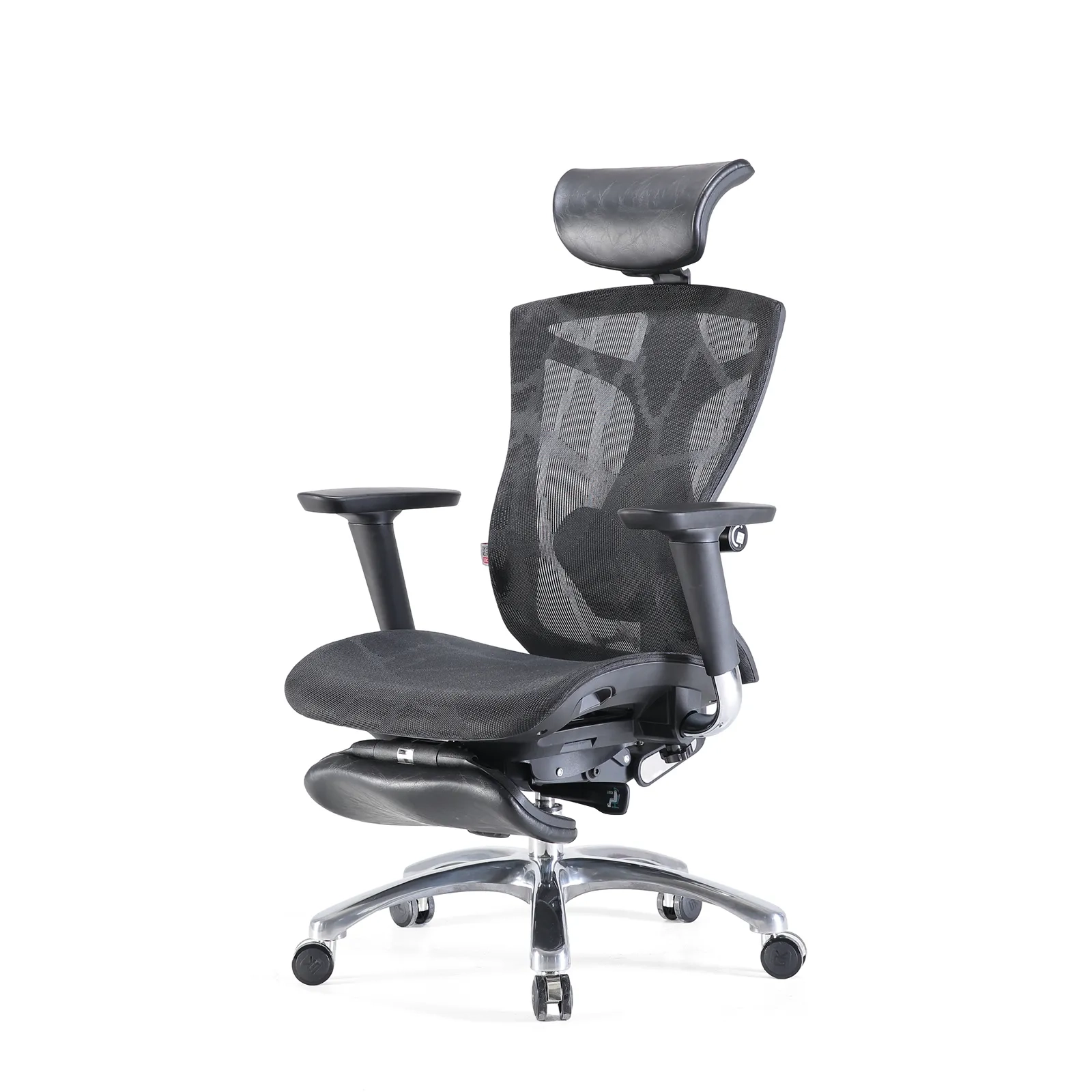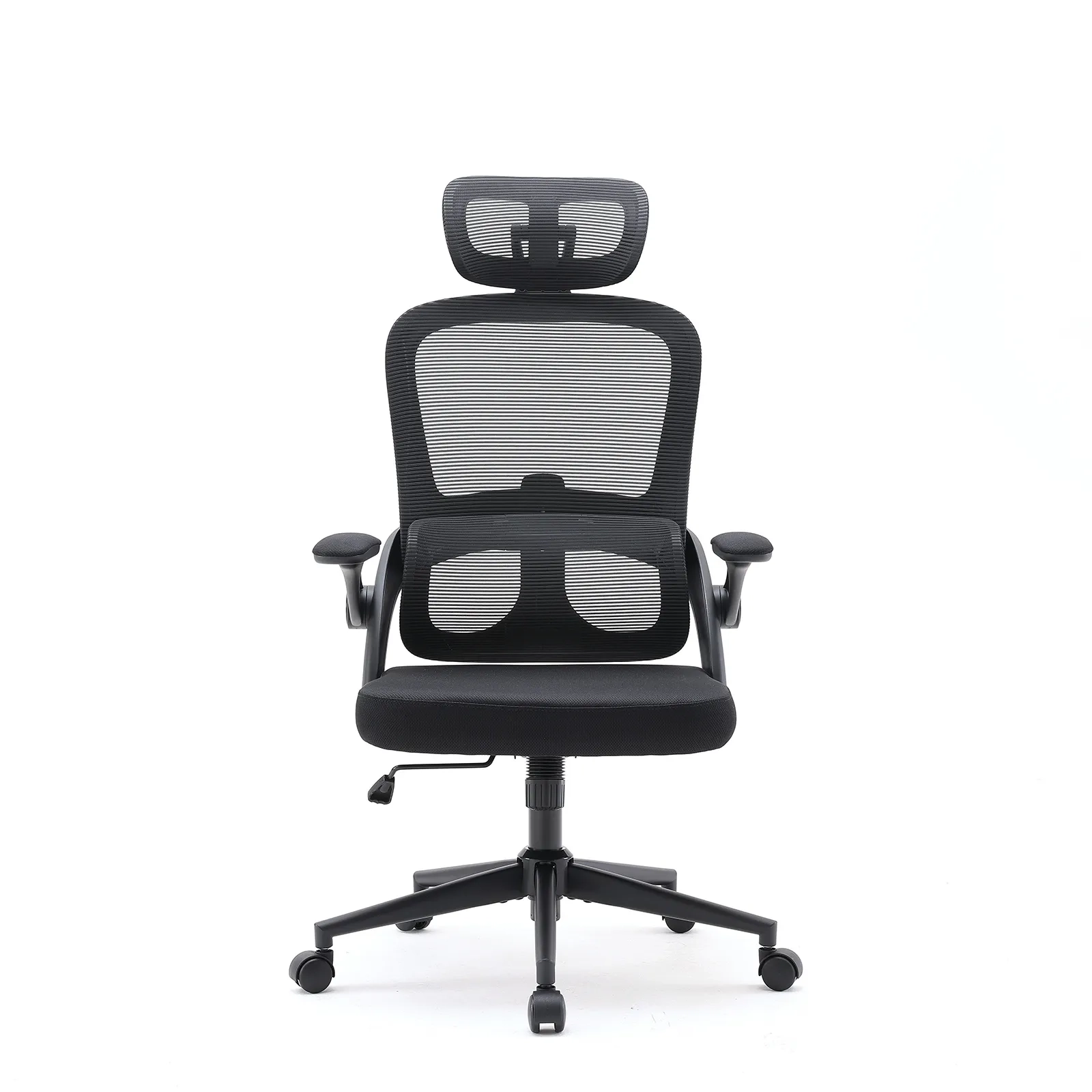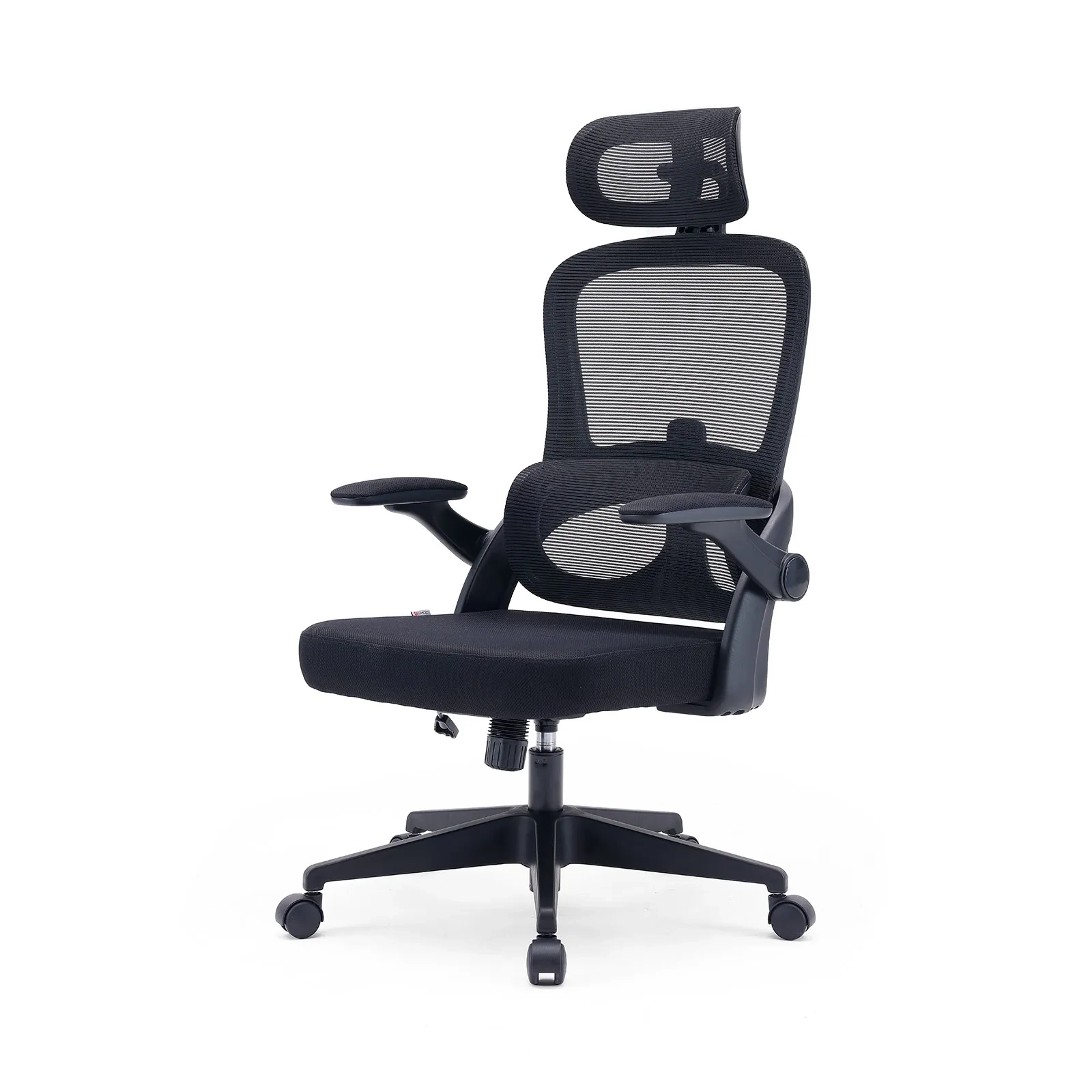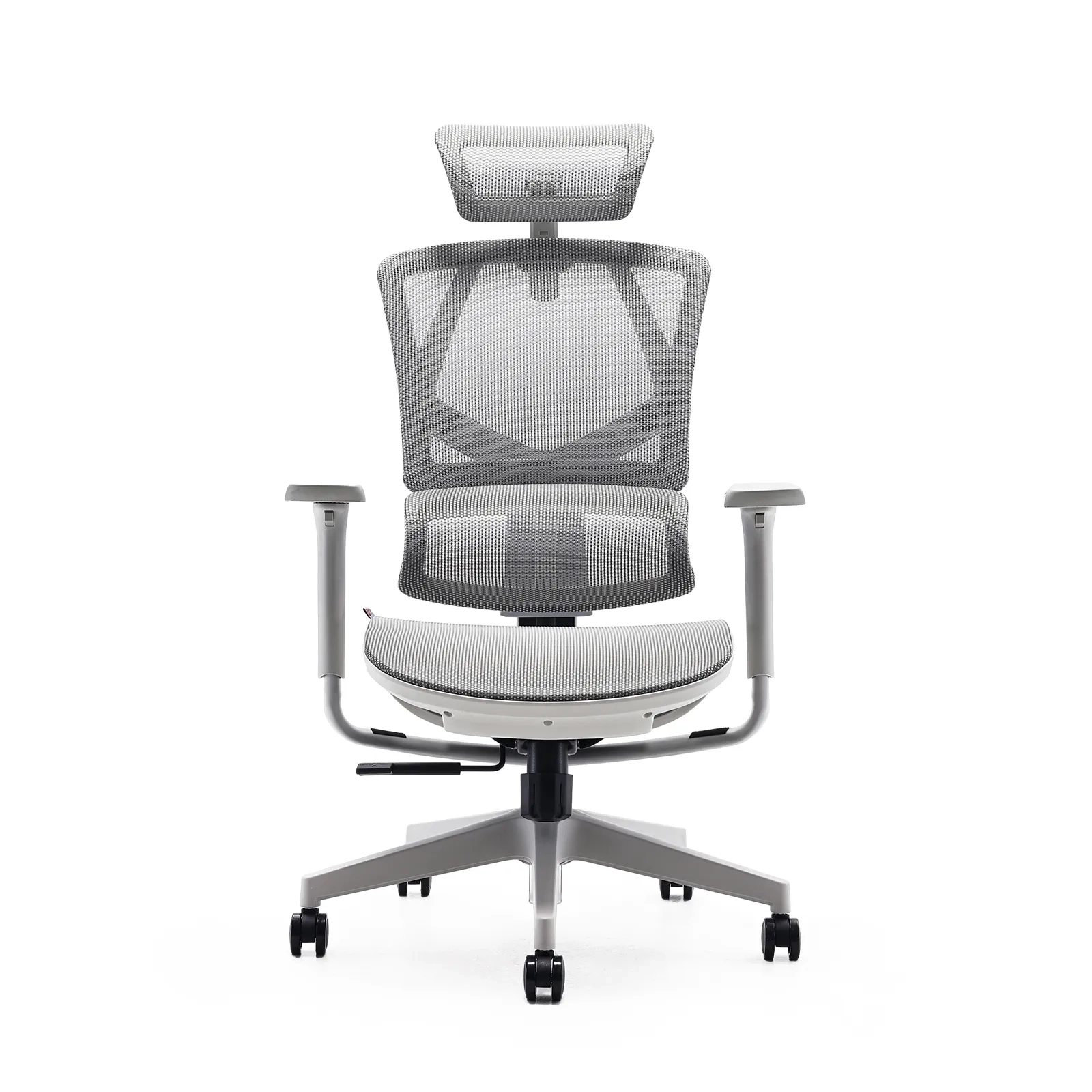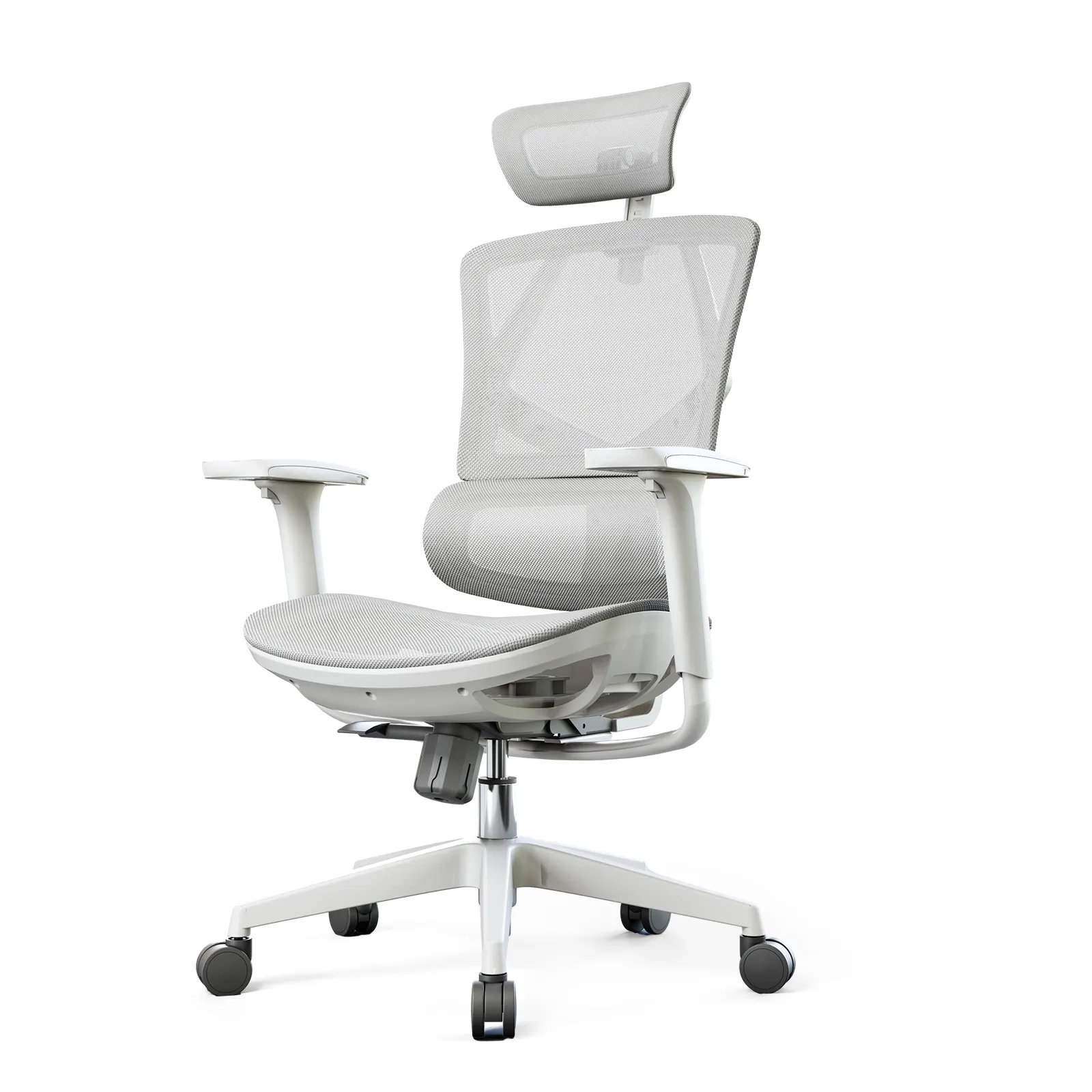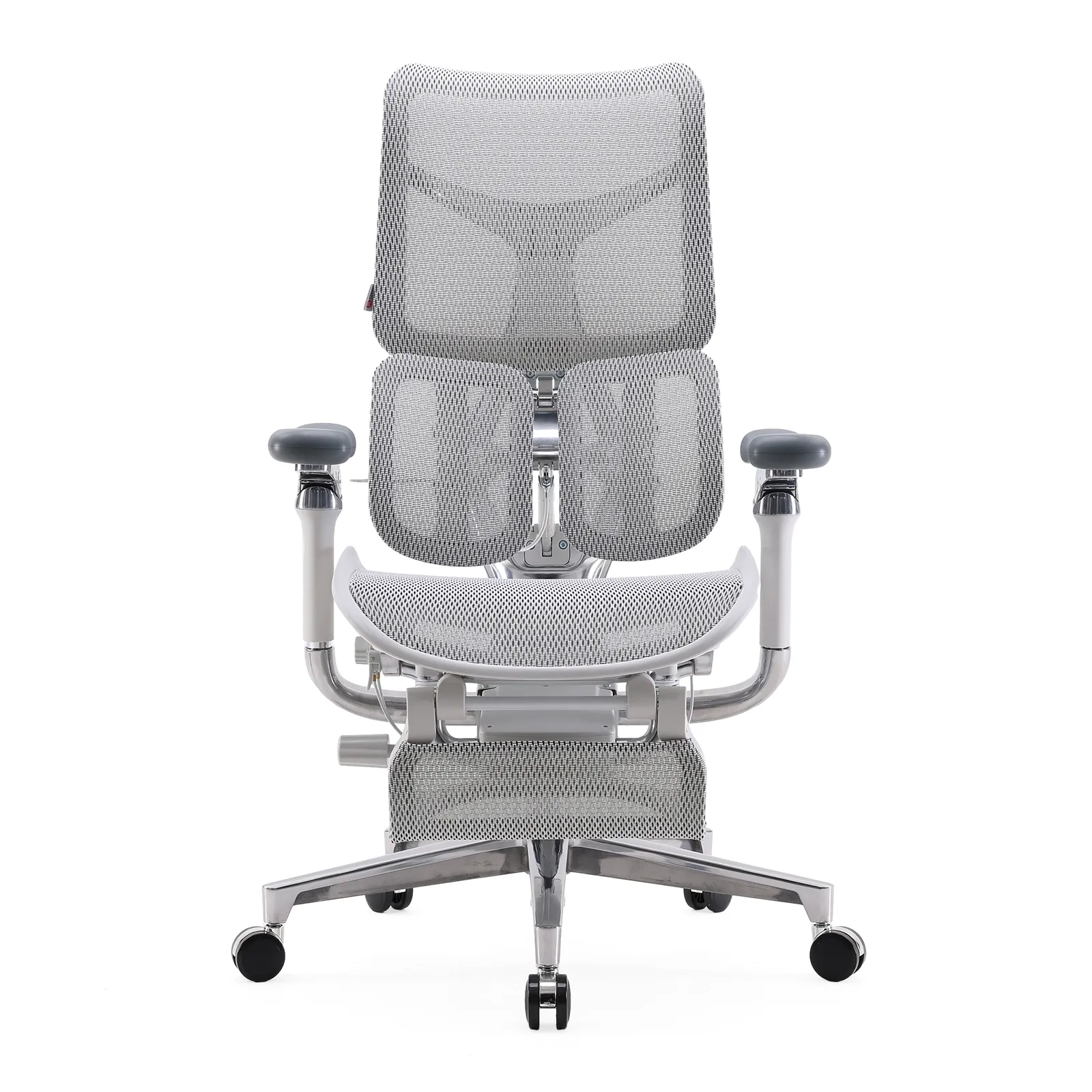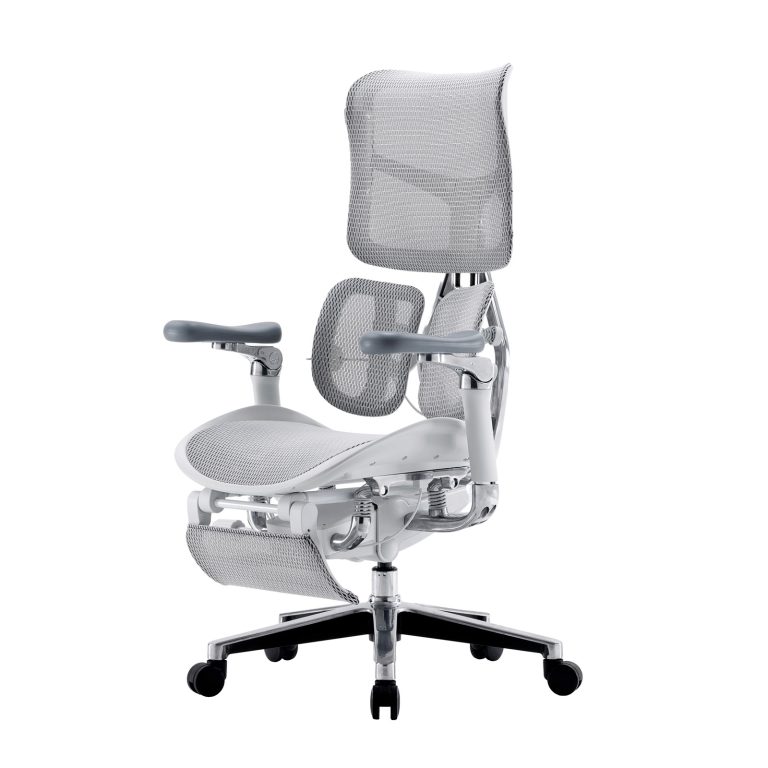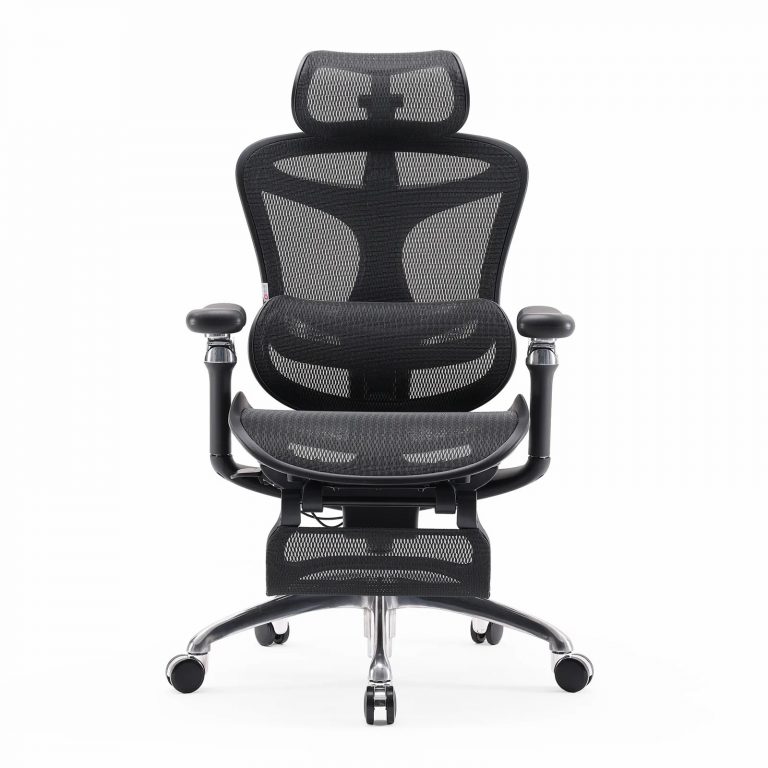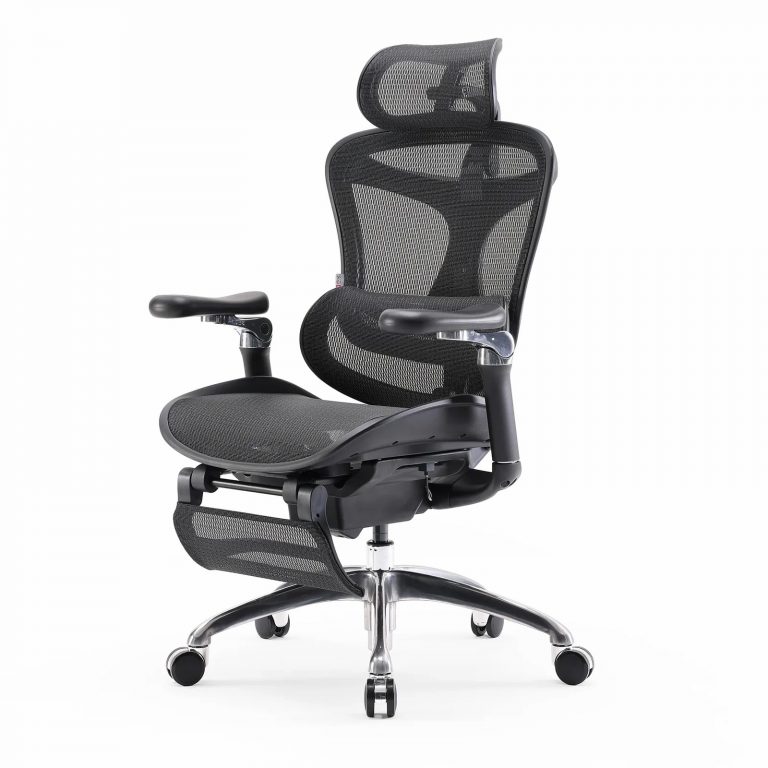









When you are dealing with osteoarthritis, recovering from surgery, or just noticing that getting older makes moving around tougher, your living room couch can start to feel like an enemy. Simply sitting down or trying to stand back up puts an enormous amount of stress on your knees and hips, turning a basic daily movement into a serious fall hazard.
Traditional recliners are great for a nap, but you still need decent leg and core strength to kick the footrest down or pull yourself out of the deep cushions. That is where a power lift chair comes in. It isn’t just an expensive armchair; it’s a piece of machinery designed to take the strain out of sitting. By lifting and tilting the whole frame forward, these chairs help you stand up without forcing your joints to do the heavy lifting. Brands like Sihoo have pushed these designs forward, turning what used to look like clunky medical gear into comfortable, safe furniture that helps people keep their independence at home.
The Internal Structure: Single Motor vs. Dual Motor Lift Chairs
To truly understand the value of a power lift chair, one must look beneath the plush upholstery and cushioning to examine the mechanical skeleton that powers the device. Unlike conventional reclining chairs that rely on manual body weight shifting and tension springs, a power lift chair is a highly synchronized electromechanical system engineered to lift several hundred pounds with whisper-quiet precision.
The Powerhouse: Linear Actuators and Heavy-Duty Steel Frames
At the foundation of every dependable power lift chair is its chassis. Premium lift chairs utilize an industrial-grade, heavy-duty alloy steel frame that has been treated with anti-corrosive coatings. This structural steel matrix serves two crucial functions: it provides a rigid, unyielding base that prevents the chair from tipping or warping when fully extended, and it safely distributes the user’s shifting center of gravity across a wide footprint. High-performance models are engineered with reinforced cross-beams and double-welded joints to achieve a robust weight capacity typically ranging from 300 to over 450 pounds.
The actual movement of the lift chair is executed by one or more electric linear actuators. A linear actuator is an advanced motor that converts rotational electrical energy into smooth, linear push-and-pull movements. These motors operate via a worm gear system that ensures steady, incremental velocity. This slow, controlled motion is essential for safety: any sudden jerks or rapid drops could compromise a user’s balance or cause acute pain to individuals recovering from spinal or abdominal surgeries.
Single Motor vs Dual Motor Mechanisms
When selecting a power lift chair, the configuration of the internal motors is one of the most critical structural decisions a buyer will make. The mechanical architecture generally falls into one of two categories:
| __OPENROUTER_FAILED__ | Single Motor Lift Chairs | Dual Motor Lift Chairs |
|---|---|---|
| Motor Count | One centralized linear actuator. | Two or more independent linear actuators. |
| Movement Style | Synchronized / Linked movement. | Independent movement of backrest and footrest. |
| Positional Variety | Limited to fixed, pre-set tracking pathways. | Infinite adjustment configurations. |
| Leg Elevation | Footrest cannot be raised without reclining back. | Footrest can be fully raised while back remains vertical. |
| Medical Benefit | Basic mobility assistance for standing up. | Advanced circulation control, edema relief, zero-g. |
| Price Point | Highly economical and budget-friendly. | Premium investment due to mechanical complexity. |
Single Motor Systems
In a single motor configuration, a solitary actuator controls both the backrest and the footrest simultaneously through a fixed mechanical linkage. When you press the button to recline, the footrest automatically rises as the backrest tilts backward. While highly reliable and cost-effective, single motor chairs offer limited situational flexibility. For instance, a user cannot sit perfectly upright to watch television or read a book while keeping their legs elevated to reduce lower limb swelling.
Dual Motor Systems
Conversely, dual motor systems feature separate, dedicated linear actuators for the backrest and the footrest. This independent wiring uncouples the movements entirely, offering an infinite array of custom positioning. A user can keep the backrest completely vertical at a 90-degree angle for dining or engaging in conversation while raising the footrest to maximum height to facilitate optimal venous blood flow.
Furthermore, dual motor systems allow the chair to achieve true flat-sleeping positions and advanced therapeutic angles, such as the Trendelenburg position (where the feet are elevated higher than the pelvis and heart) or the zero-gravity position, which mimics the posture astronauts assume during launch to distribute gravitational forces evenly across the skeletal framework.
The Blackout Backup
Since these chairs run on standard wall power, a power outage is a real risk. Getting stuck completely reclined during a blackout is dangerous if you can’t get out on your own.
To prevent this, reliable power supplies include a battery backup. Usually, this just means two standard 9V batteries installed in the power brick. It holds enough juice to run the motors for one or two full cycles, letting you get the chair back to a standing position so you aren’t trapped.
Premium Materials: Balancing Ergonomic Comfort and Longevity
The motors keep you safe, but the outside materials determine how comfortable you will be day after day. If you plan to spend hours in the chair, the cushioning and upholstery choices matter for both comfort and skin health.
Selecting the external fabric of a power lift chair requires balancing tactile comfort against practical maintenance. The two primary categories of high-performance upholstery each serve distinct user populations:
Tech-Fabric and High-Breathability Woven Cloth
For individuals who sit in their chairs for several consecutive hours, temperature regulation is a primary concern. Traditional vinyl or low-grade synthetic leathers trap body heat and ambient moisture, creating a hot, humid microclimate between the user’s skin and the chair. This accumulation of heat and sweat can lead to skin maceration and significantly accelerate the formation of painful pressure sores (decubitus ulcers).
Advanced tech-fabrics and high-density woven cloths resolve this issue through engineered microporous structures. These materials allow continuous airflow, wicking moisture away from the body and maintaining a cool, dry seating surface. Additionally, premium woven fabrics offer a natural, high-friction texture that prevents the user from slowly sliding forward out of the chair over time—a common issue with slick, glossy materials.
Anti-Microbial PU Leather and Medical-Grade Vinyl
For users managing medical conditions that involve fluid management challenges, such as urinary incontinence, or those who routinely consume meals and beverages while in the chair, non-porous surfaces are indispensable. Modern anti-microbial Polyurethane (PU) leather offers a soft, supple texture that closely mimics genuine top-grain leather while providing absolute fluid resistance.
These advanced polymers are treated with specialized finishes that resist degradation from harsh chemical disinfectants, allowing family members and professional caregivers to easily wipe down the chair with sanitizing wipes without drying out, cracking, or peeling the material. Furthermore, these medical-grade synthetic leathers act as an impermeable barrier, preventing liquid spills from penetrating into the internal foam cushioning where bacteria, mold, and unpleasant odors could otherwise thrive.
Cushioning Layers: High-Density Foam and Pocket Springs
The core internal support system of a premium lift chair determines whether the seating surface will maintain its therapeutic integrity over years of continuous deployment or sag prematurely, destroying its ergonomic value.
High-Density Polyurethane Foam
The primary comfort layer of an elite lift chair must utilize high-density, high-resilience (HR) polyurethane foam. Foam density is measured by weight per cubic foot, with premium furniture utilizing foam rated at 1.8 to 2.5 lbs/cu.ft. or higher. High-density foam features a tight, dense cellular structure that yields to the natural contours of the human body, providing exceptional pressure distribution across the ischial tuberosities (sitting bones) and thighs.
Cheap, low-density foams compress completely under sustained weight, leading to a phenomenon known as “bottoming out,” where the user’s skeletal frame presses directly against the rigid wooden or steel structural elements beneath, causing localized ischemia (restricted blood flow) and acute discomfort.
Independent Pocket Springs
To elevate support beyond standard block foam, advanced seating designs incorporate pocketed coil spring matrices directly within the seat core. This configuration mirrors the engineering found in high-end orthopedic mattresses. Each high-tensile steel wire coil is wrapped in its own individual fabric sleeve, allowing it to compress completely independently of the neighboring springs.
When integrated with Sihoo’s proprietary “Sitting Sense Technology,” this hybrid foam-and-spring assembly delivers a highly responsive resistance profile. Instead of providing a rigid, uniform surface, the seat dynamically adapts to the micro-movements of the user, offering localized counter-pressure where the body exerts the most force while maintaining plush compliance elsewhere. This active pressure-relief mechanism preserves the natural “S-curve” of the lumbar spine, preventing the pelvic tilting and lumbar slouching that often triggers chronic lower back pain during long periods of sitting.
The Core Benefits: Ergonomics and Spinal Comfort
Sitting is harder on your body than it looks. A bad chair forces you to slouch, flattening the lower back’s natural curve and putting uneven pressure on your spinal discs.
Spinal Decompression at 130 Degrees
A good lift chair is great for taking pressure off your spine. Research in Applied Ergonomics—which also tells us How to Choose a Reclining Office Chair for Work and Napping—shows that sitting upright at 90 degrees actually increases spinal disc pressure by 40% compared to standing.
The study found that a 130-degree recline is the best angle for your torso. At 130 degrees, the chair’s backrest takes on the weight your lower back usually has to carry. Your back muscles can relax completely, and disc pressure drops. Unlike lying flat at 180 degrees—which can trigger acid reflux or make it harder to breathe—the 130-degree angle keeps your airway clear while stretching out your spine.
Zero Gravity Benefits
Dual-motor chairs can also slide into a Zero-Gravity position. NASA came up with this to protect astronauts from intense G-forces by raising the legs slightly above the heart. Physically, this does a lot for your body. By elevating your legs, gravity helps your veins pump pooled fluid out of your ankles, easing swelling and varicose veins. It also rotates your pelvis into a neutral position, flattening your lower back against the cushion and stopping the pinching that fires up sciatica. Finally, it makes things easier on your heart since it doesn’t have to fight gravity as hard to pump blood around, which can lower blood pressure and improve circulation.
Smooth Tilting
To make these positions easy to use, premium chairs avoid cheap, clicky gear notches and use a stepless tilting system instead. This electronic control lets you stop the recline at any exact point. There are no sudden drops or loud clicks, which is crucial for people recovering from hip or knee replacements who can’t handle sudden movements.
Safer Homes, Less Strain on Caregivers
The lifting mechanism isn’t just a luxury feature; it prevents bad accidents.
Preventing Falls
Standing up from a low chair is tough. You have to lean forward, plant your feet, and push with your legs and core all at once. If your knees are stiff or your blood pressure drops when you stand, you can easily lose your balance and fall.
A power lift chair fixes this. As noted in the guide on How Power Lift Chairs Reduce Caregiver Strain and Improve Home Safety, the electric motors lift the whole seat up and tilt it forward slowly. Instead of pushing yourself up, the chair puts you right into a standing position with your feet flat on the floor, so you can just step away safely.
Protecting Caregivers
Helping someone out of a chair ruins a caregiver’s back. Pulling someone up by their arms or waist puts heavy strain on your spine, often causing pulled muscles or slipped discs. It is also bad for the patient—forceful pulling can tear fragile skin or displace sore shoulders.
A lift chair lets the machinery do the heavy lifting. The caregiver just stands by to guide a walker or cane into place, keeping everyone safe and preserving the patient’s dignity.
How to Assemble a Power Lift Chair
A common barrier preventing families from purchasing a power lift chair online is the anxiety surrounding delivery and assembly. Because these devices contain heavy steel frames and complex electrical components, buyers often worry that they will need an advanced toolkit or a professional technician to get the chair up and running.
Fortunately, modern ergonomic furniture engineering has embraced modular design. High-performance lift chairs are meticulously designed to be assembled completely tool-free, utilizing heavy-duty interlocking steel brackets and fool-proof electrical connections. Below is the definitive step-by-step methodology for safely unpacking and assembling your new power lift chair.
1. Unpack and Position the Base Chassis
Because the base chassis contains the heavy alloy steel frame and the primary linear actuator motors, it is the heaviest component of the shipment (often weighing between 80 to 110 lbs). Carefully cut open the shipping box, clear away all protective styrofoam inserts, and enlist a partner to help lift the base out of the box. Place the base chassis directly onto the floor in its permanent location. Ensure the room has a dedicated electrical wall outlet nearby and that the chair is positioned with at least 18 to 24 inches of clearance from the wall behind it. This ensures that when the backrest fully reclines, it will not collide with the drywall.
2. Slide the Backrest into the Interlocking Metal Guides
Locate the large backrest component. On the left and right exterior sides of the lower backrest, you will find pre-installed male metal slide rails. On the rear of the base chassis, there are corresponding female metal receiver sleeves. Lift the backrest up, align the male rails perfectly with the female sleeves, and guide the backrest downward. Push down firmly with your body weight on both sides of the top of the backrest until you hear a distinct, metallic ‘click’ from both sides. This sound indicates that the spring-loaded safety locks have engaged, securing the backrest onto the frame and preventing it from detaching when fully reclined.
3. Connect the Electronic Wiring Harnesses
Tip the chair slightly forward or reach underneath the rear fabric flap to access the electrical wiring bundle. Modern lift chairs utilize color-coded, ‘fool-proof’ plastic connectors to prevent accidental cross-wiring. Connect the heavy-gauge wire originating from the main linear actuator motor directly to the output wire of the power transformer box. Next, plug the wire from the hand-held remote control into the designated receiver port. Each connector features a integrated plastic locking tab; push them together until they snap tightly, and then thread the circular protective plastic screw-caps over the joints to prevent the wires from being pulled apart if the chair is moved across the floor.
4. Plug In and Execute the System Performance Test
Connect the main AC power cord from the transformer box into a surge-protected wall outlet. Before allowing a user to sit in the chair, conduct a complete unweighted test cycle using the hand remote. Press and hold the ‘Up’ button: observe whether the chair elevates smoothly and tilts forward without any stuttering or grinding sounds. Next, press the ‘Down’ / ‘Recline’ button to cycle the chair through its full extension, checking that the footrest deploys completely and the backrest reclines to its therapeutic angle. Pay close attention to the cables underneath the chair during this test cycle to ensure that no wires are pinched, crushed, or stretched taut by the moving steel framework.
Assembly Troubleshooting Checklist
If your lift chair does not respond immediately upon being plugged in, do not panic. Use this quick troubleshooting guide to diagnose the most common assembly oversights:
Issue: The remote control lights up, but the chair refuses to move.
- Solution: Check the connection between the power transformer box and the motor under the chair. If the locking tab is not completely snapped shut, the signal from the remote will pass through, but the motor will not receive sufficient amperage to actuate the heavy steel frame.
Issue: The chair operates perfectly but makes a loud squeaking sound when reclining.
- Solution: During transit, the metal slide rails on the backrest can occasionally shift slightly within their sleeves. Verify that both sides are completely locked down. If the noise persists, apply a tiny amount of medical-grade silicone lubricant spray directly into the metal slide tracks; avoid using oil-based WD-40, which can attract household dust and degrade over time.
Issue: The chair completely loses power when the lift function reaches its highest point.
- Solution: The main power cable underneath the base likely lacks sufficient slack. When the chair lifts up, it pulls the cable taut, causing the wall plug or the transformer connection to pull loose. Re-route the power cable through the frame’s rear cable-management loops to ensure there is ample slack throughout the entire range of motion.
Getting the Right Fit
A lift chair needs to match your body size, or it will cause poor posture and joint pain. Check these three measurements before buying:
- Seat height: Sit straight up with your back flat. Your feet should rest flat on the floor with your knees at a 90-degree angle. If the seat is too high, your feet dangle, pinching the blood vessels in your thighs. If it’s too low, your knees sit higher than your hips, straining your lower back.
- Seat depth: When sitting all the way back, you want a 1 to 2-inch gap between the back of your knees and the front edge of the cushion. If the seat is too deep, the cushion digs into your knees, cutting off circulation. If it’s too shallow, your thighs won’t have enough support, tiring out your core.
- Backrest height: The back needs to support your whole torso up to your head. When you recline, an unsupportive backrest lets your head drop backward, straining your neck. Look for a contoured headrest that keeps your neck in a comfortable, neutral position.
Sonuç
A power lift chair combines the utility of a mobility aid with the comfort of a regular recliner. By handling the sit-to-stand transition, it cuts down on home fall risks and protects caregivers from back injuries. Choosing high-quality foam, independent pocket springs, and breathable fabric means the chair will stay supportive for years. If you want to make your home a bit safer, take a look at the Official Sihoo website to see how their ergonomic designs can help you keep your independence.
1600x1600-4-768x768.jpg)
1600x1600-8-768x768.jpg)