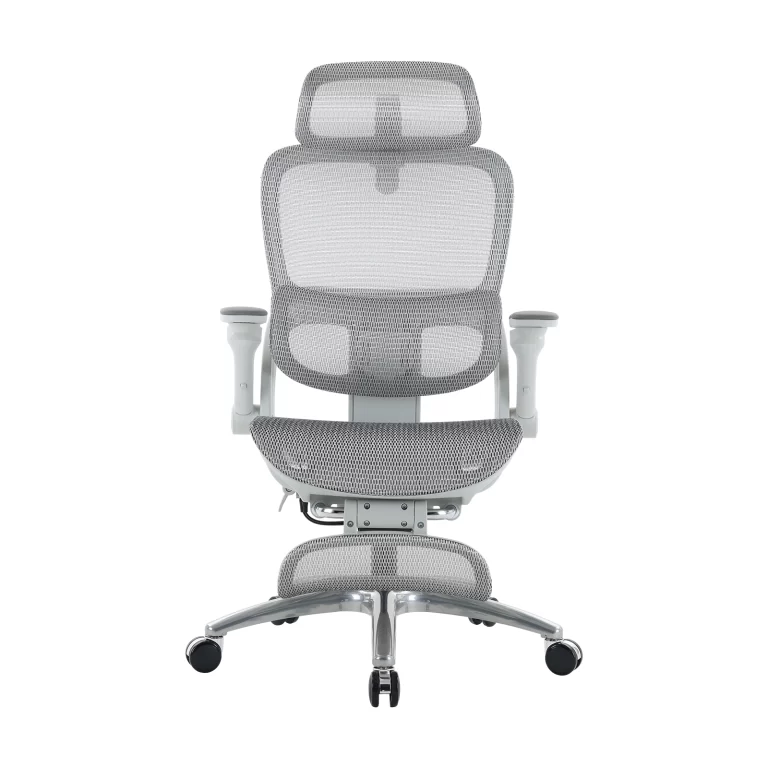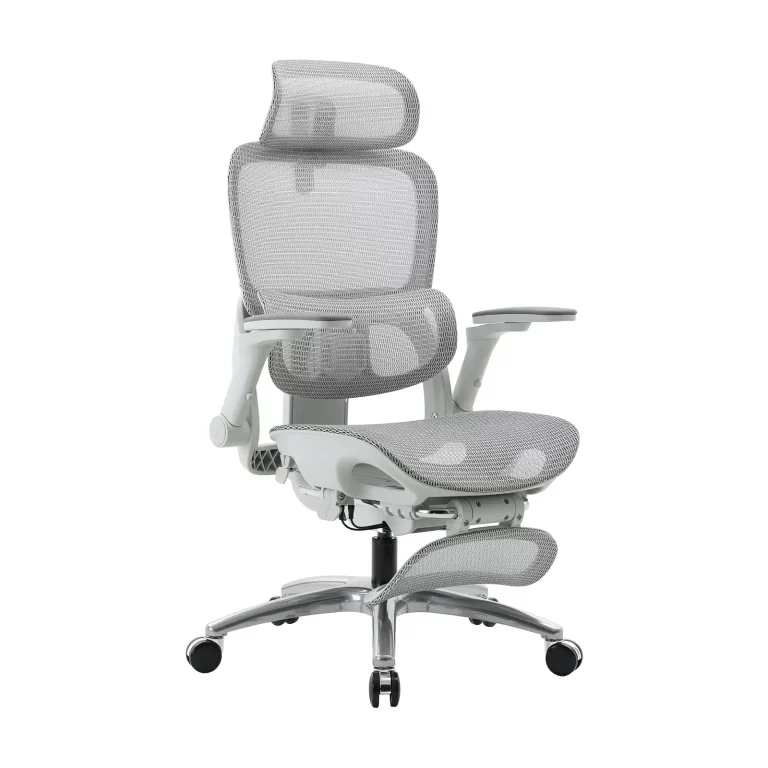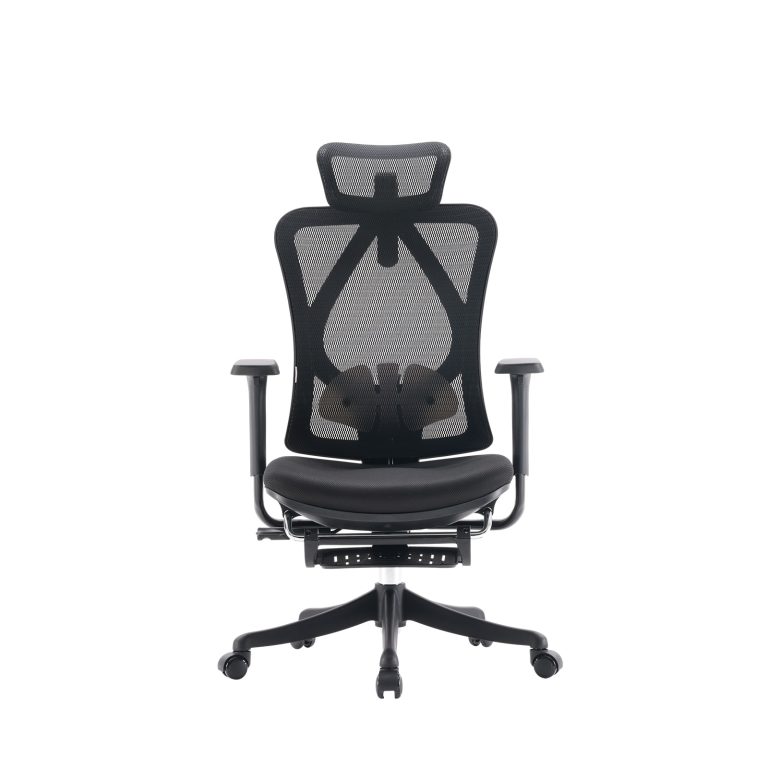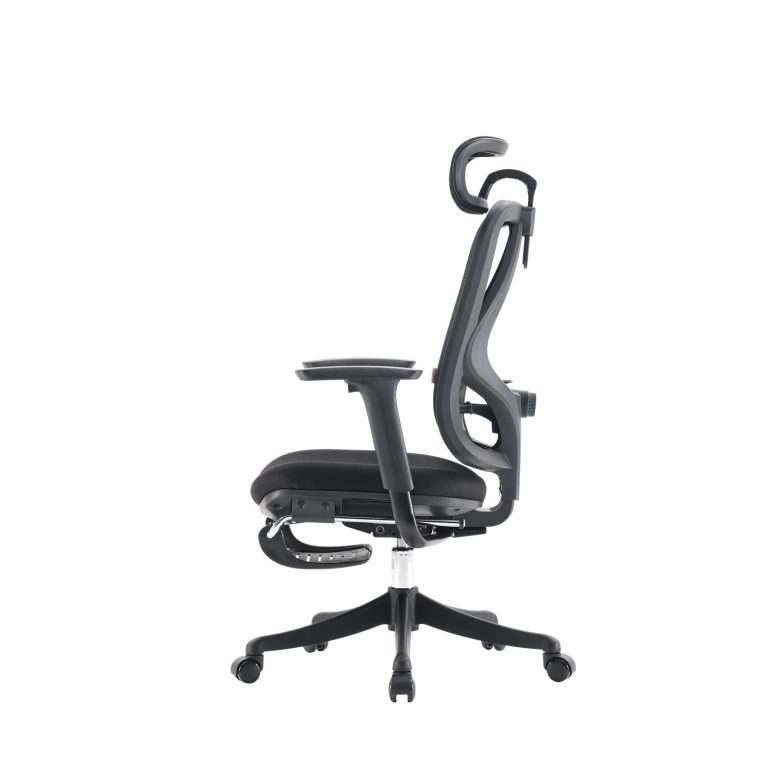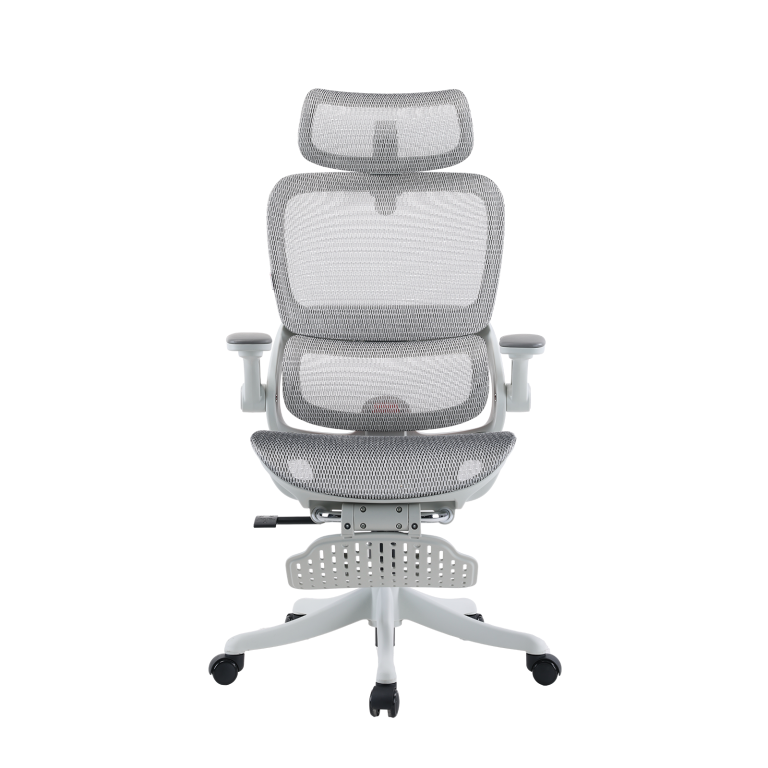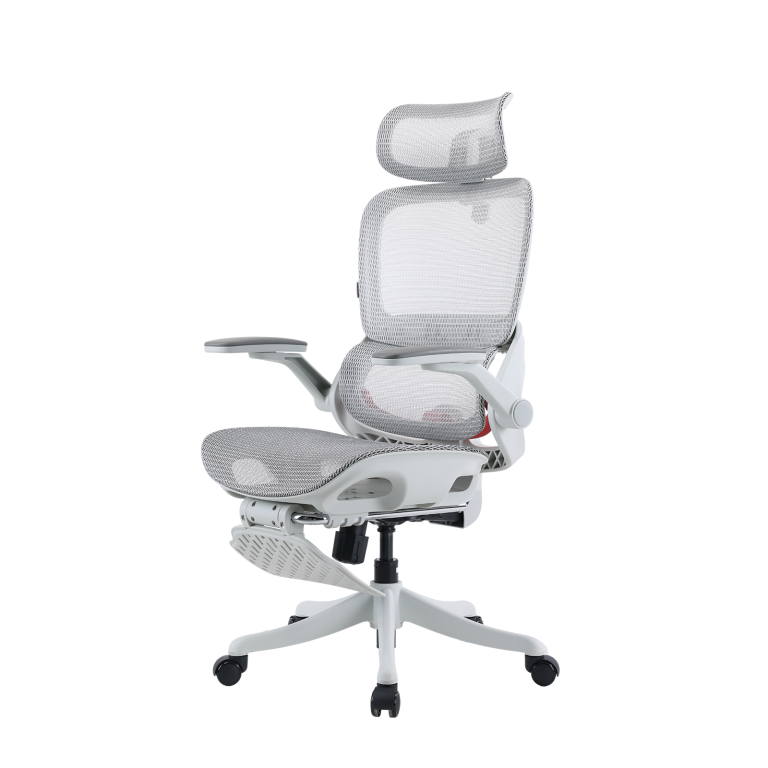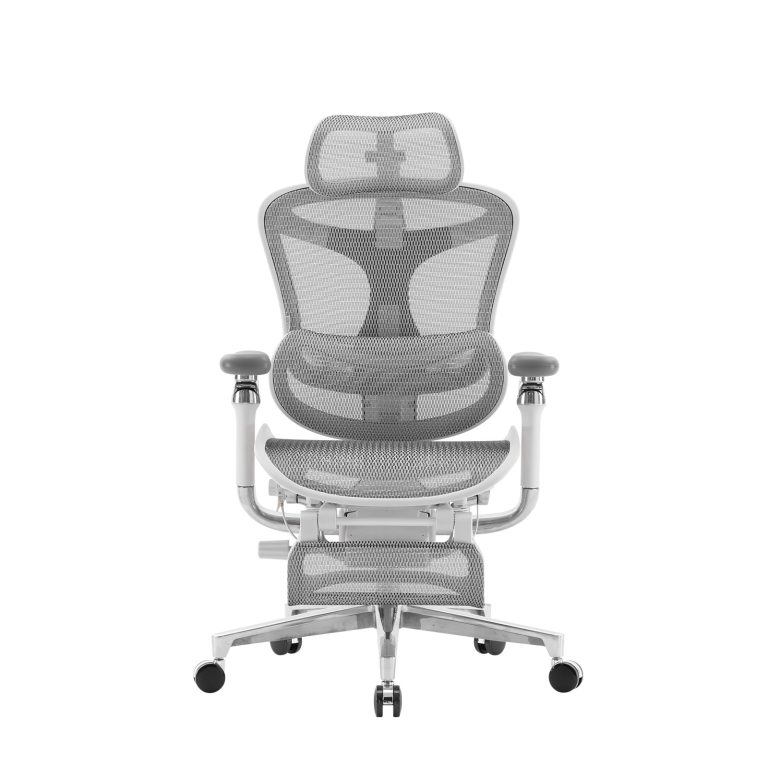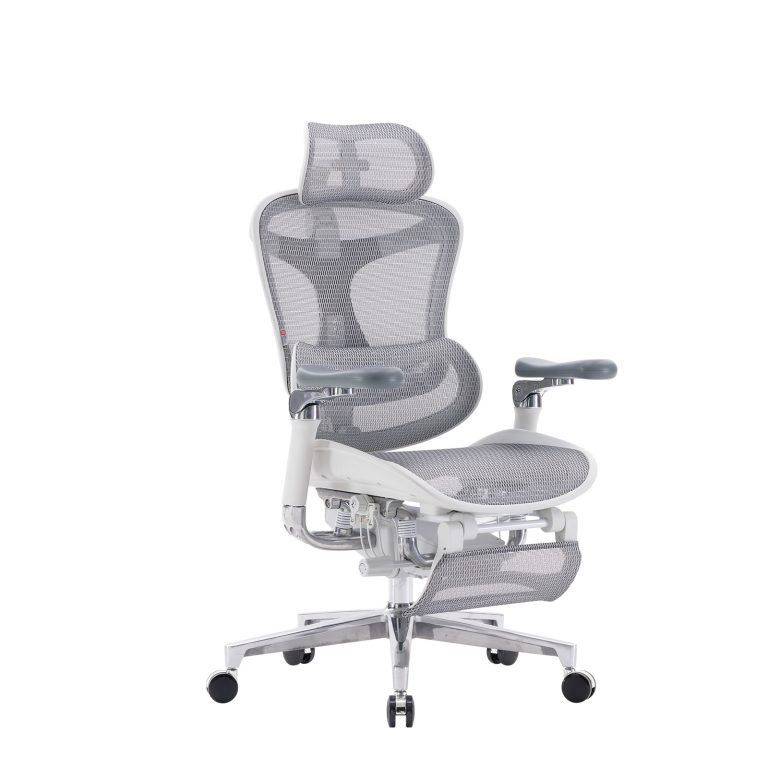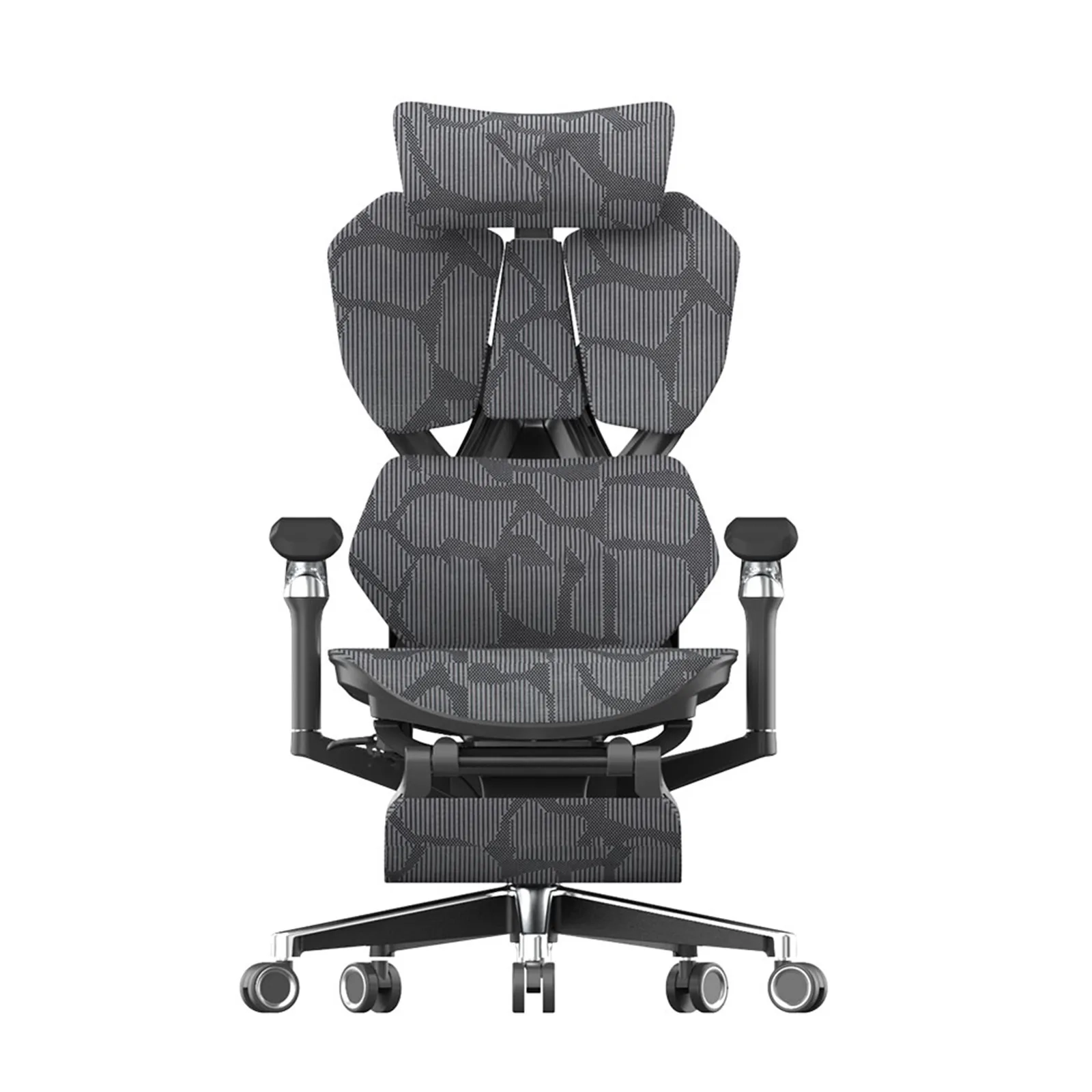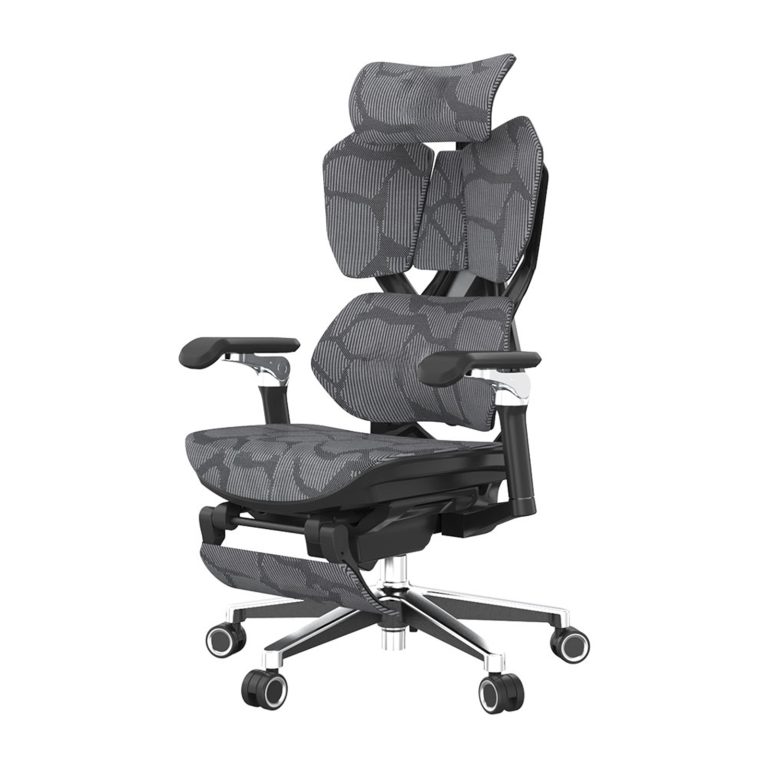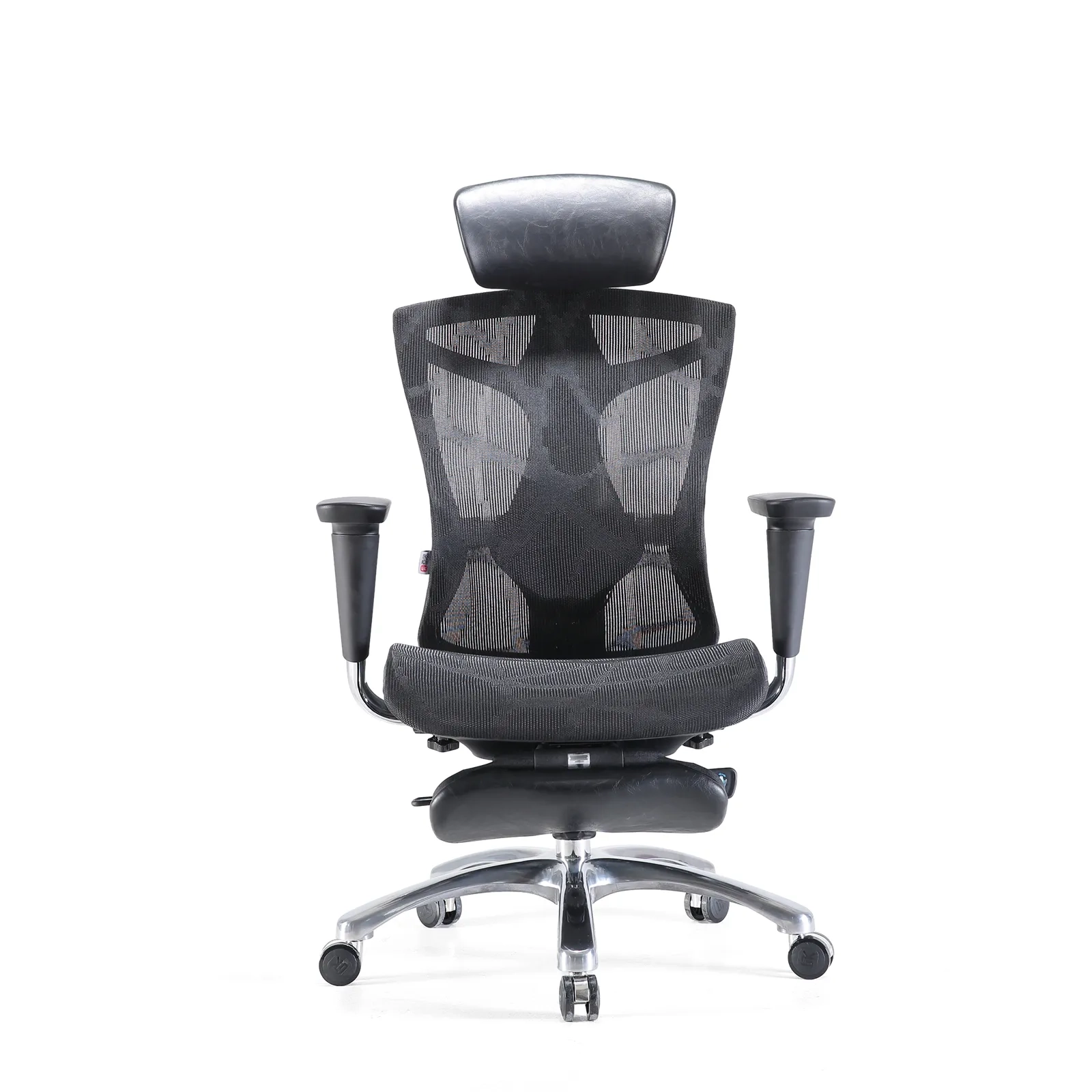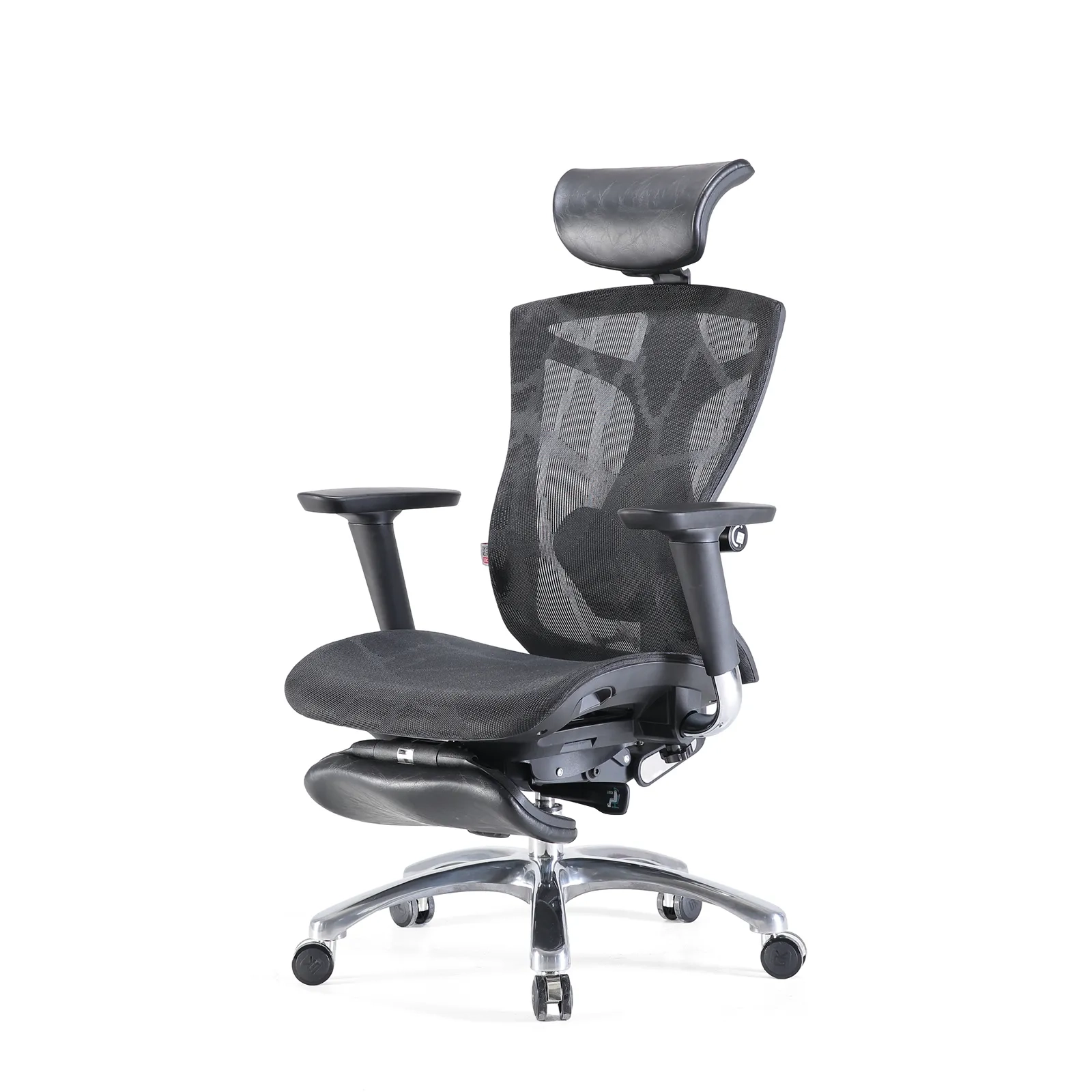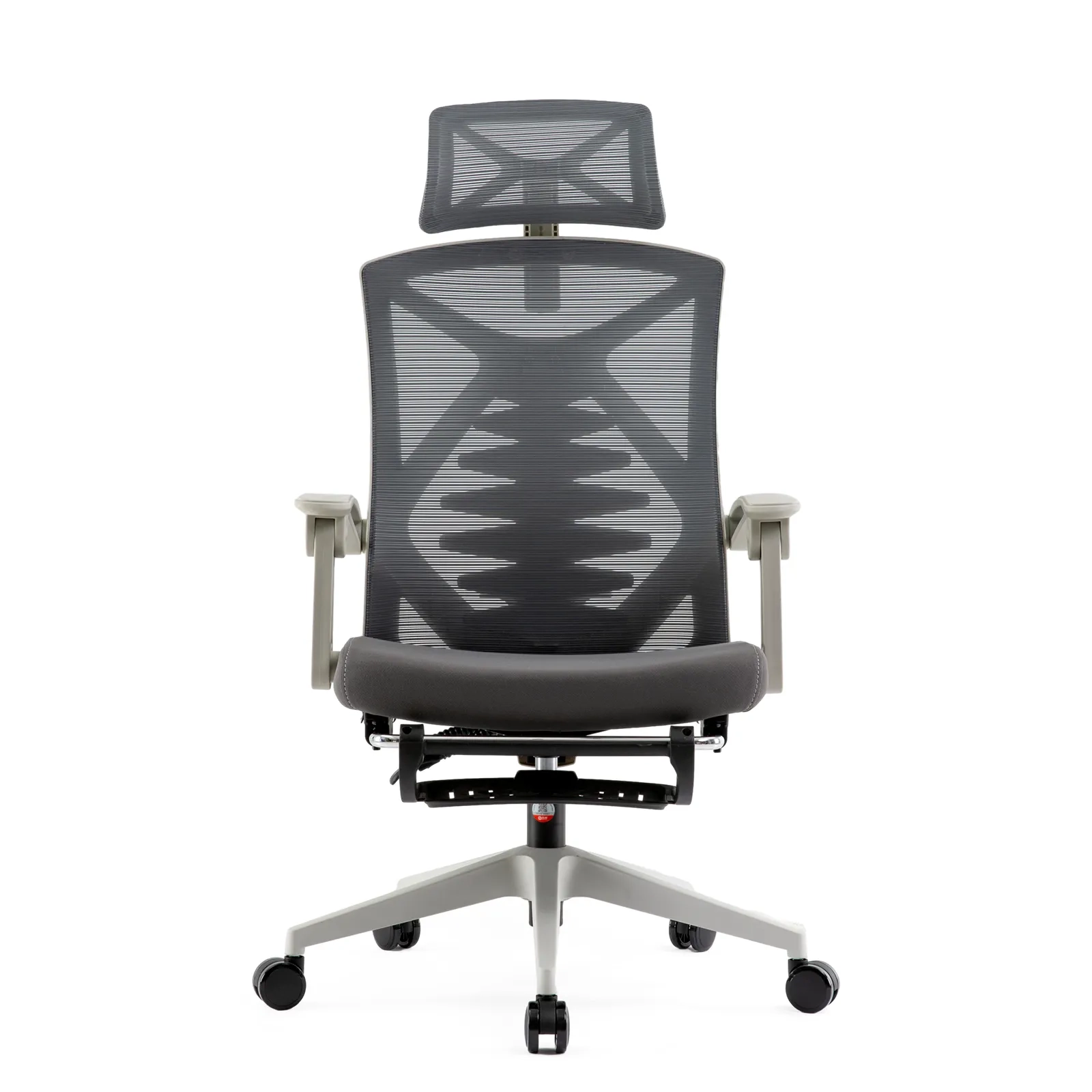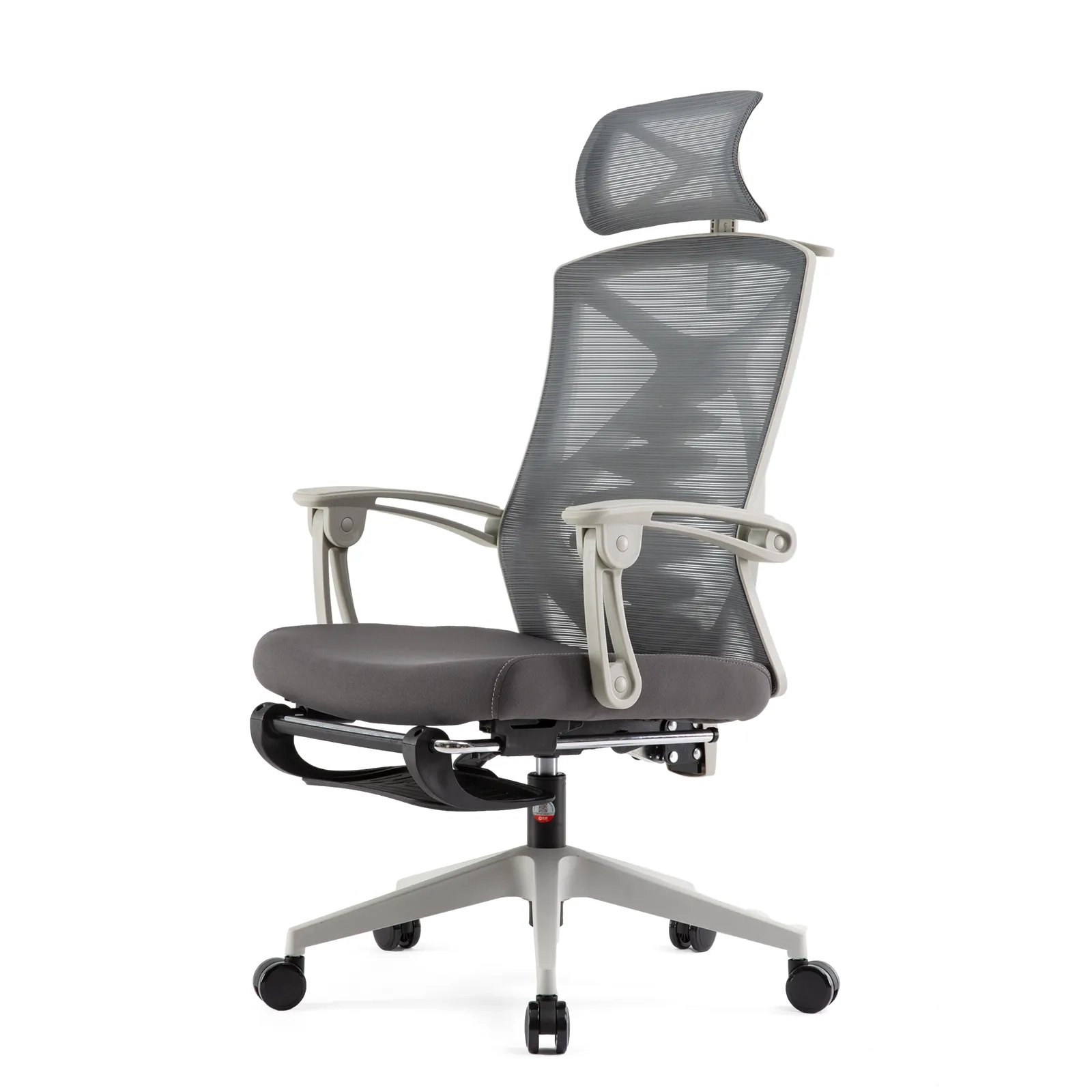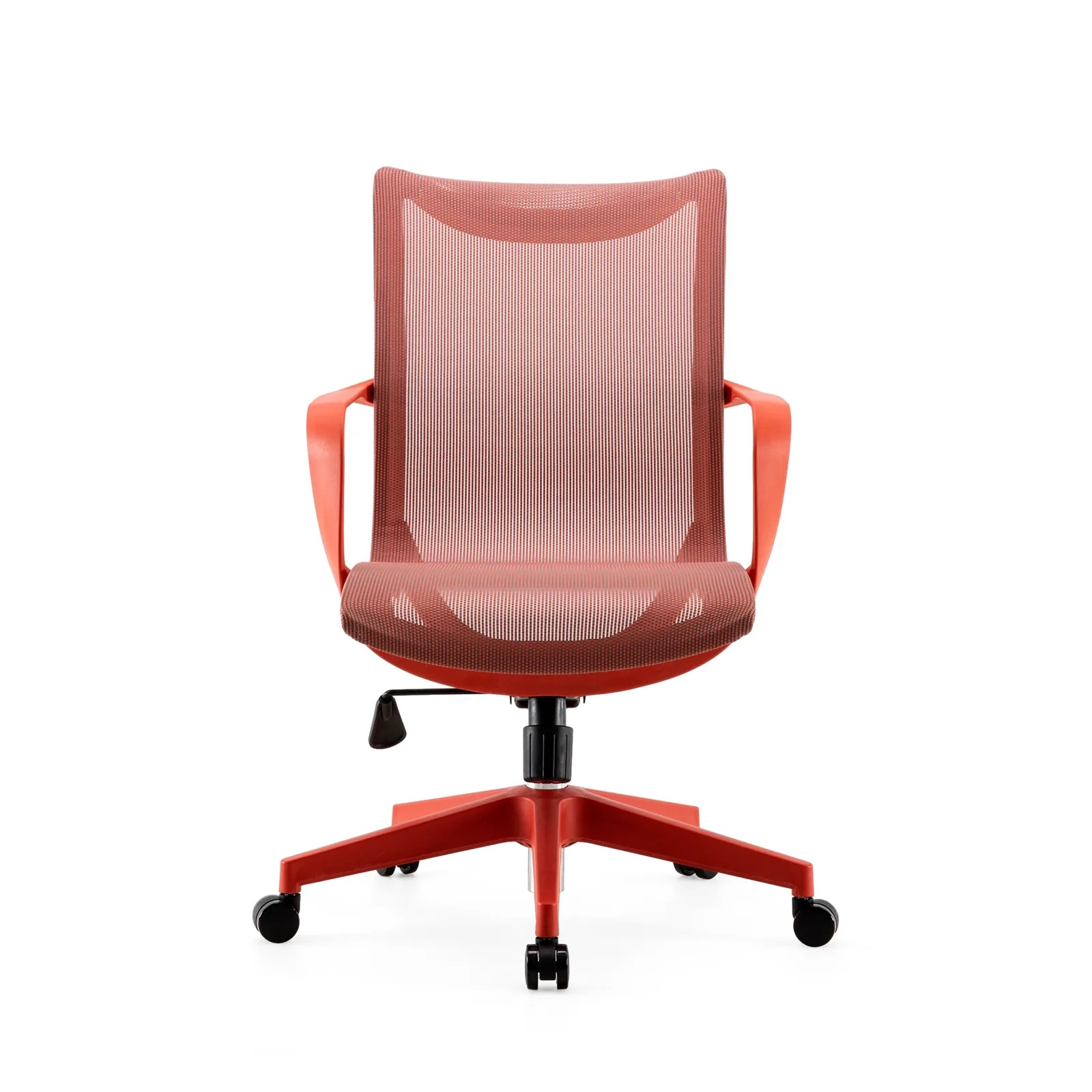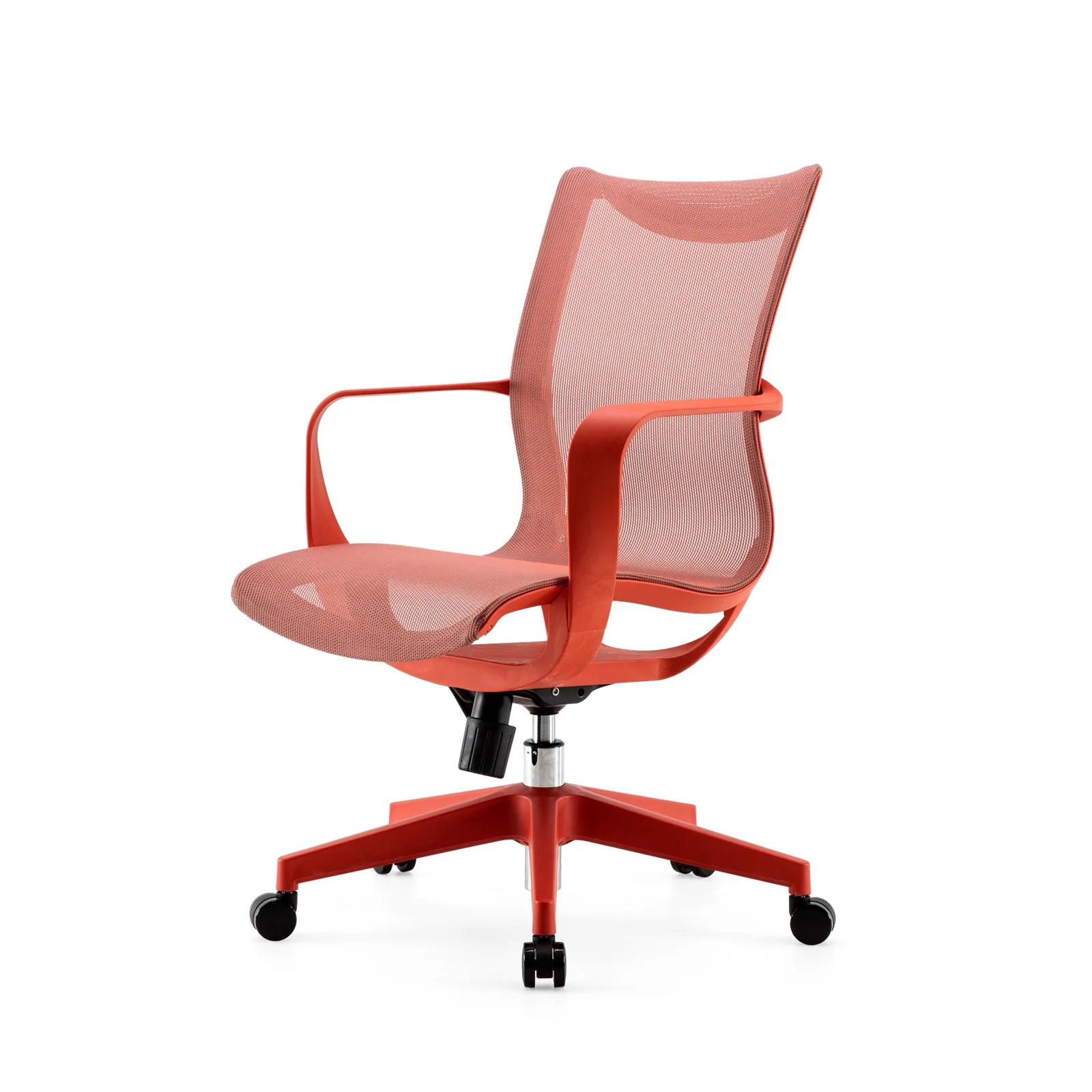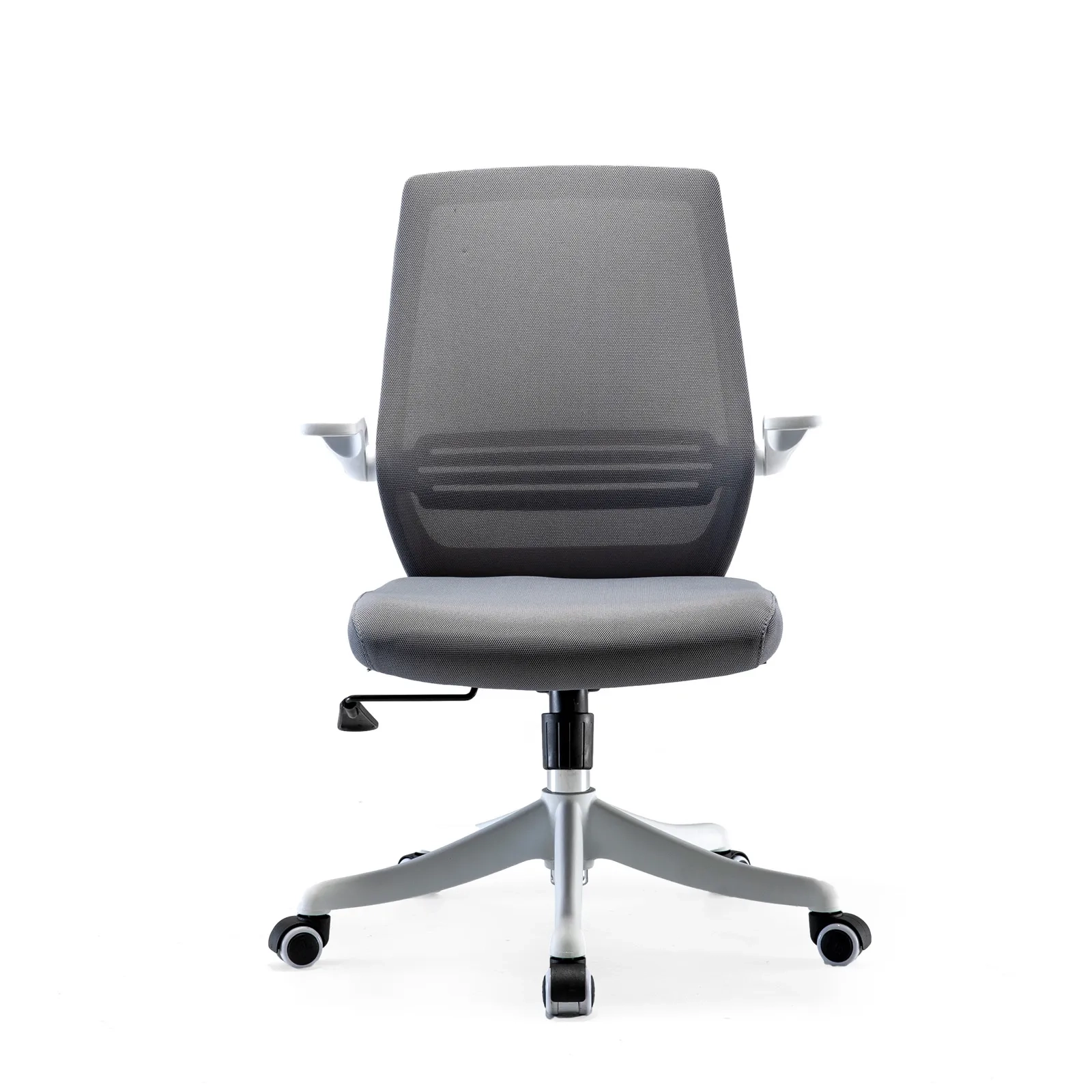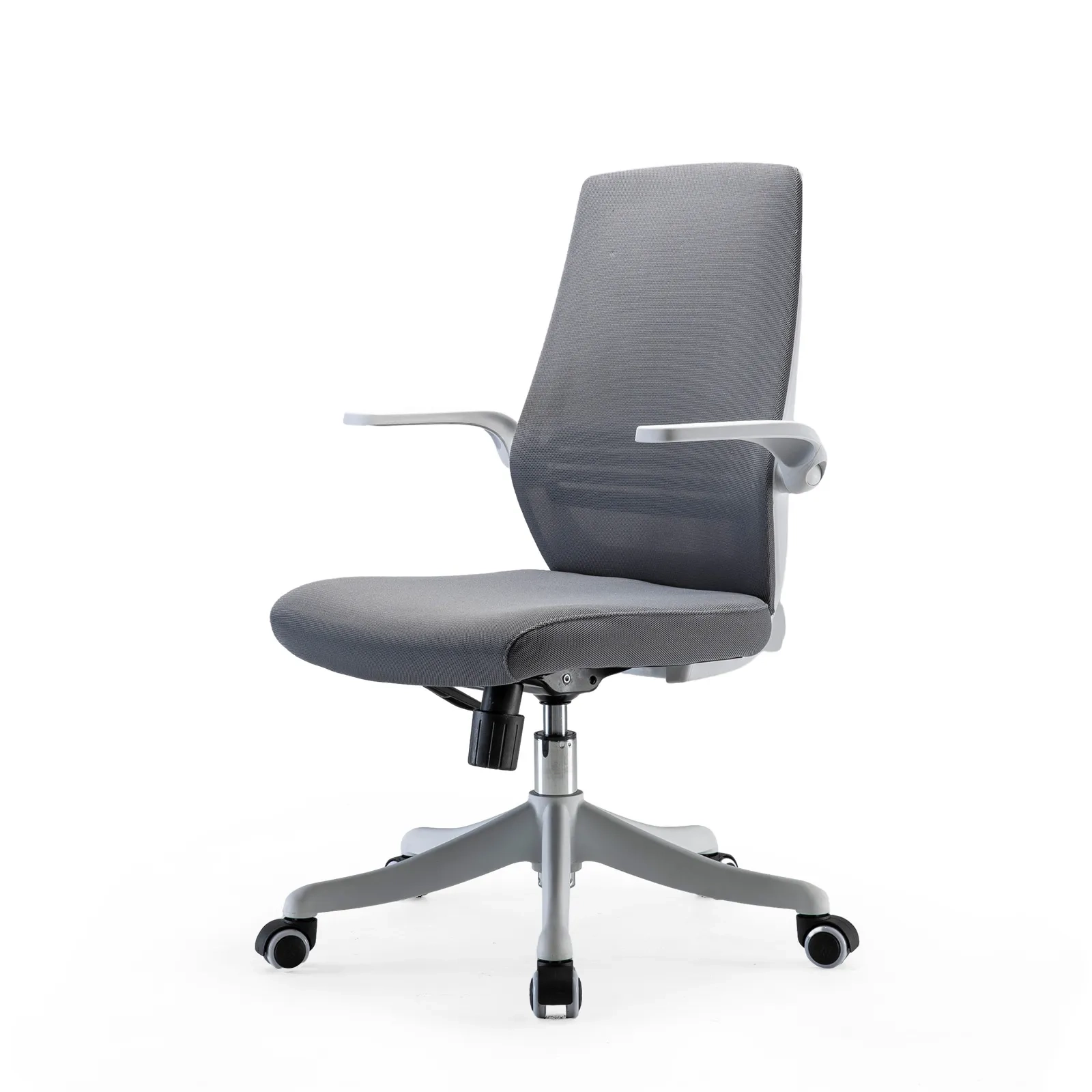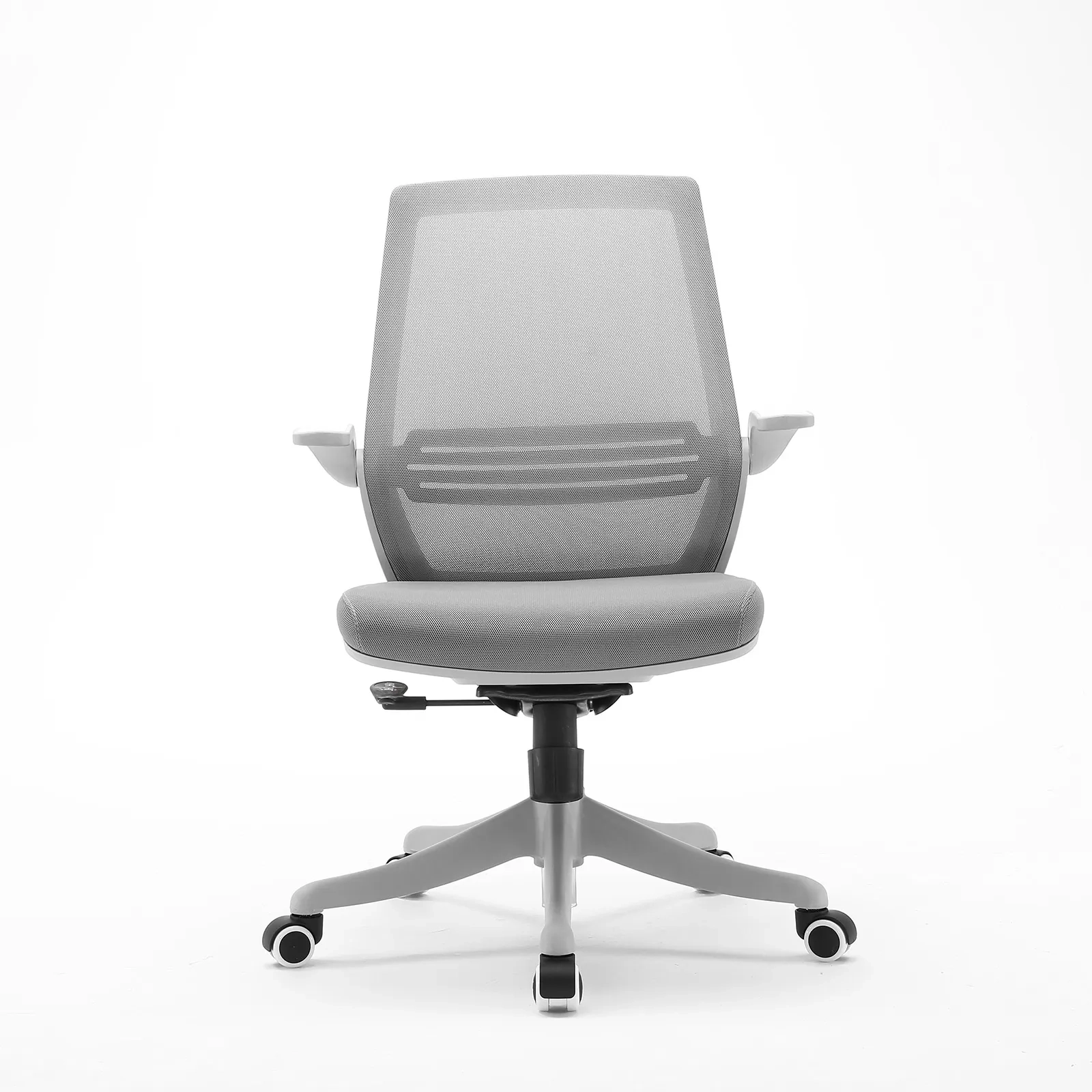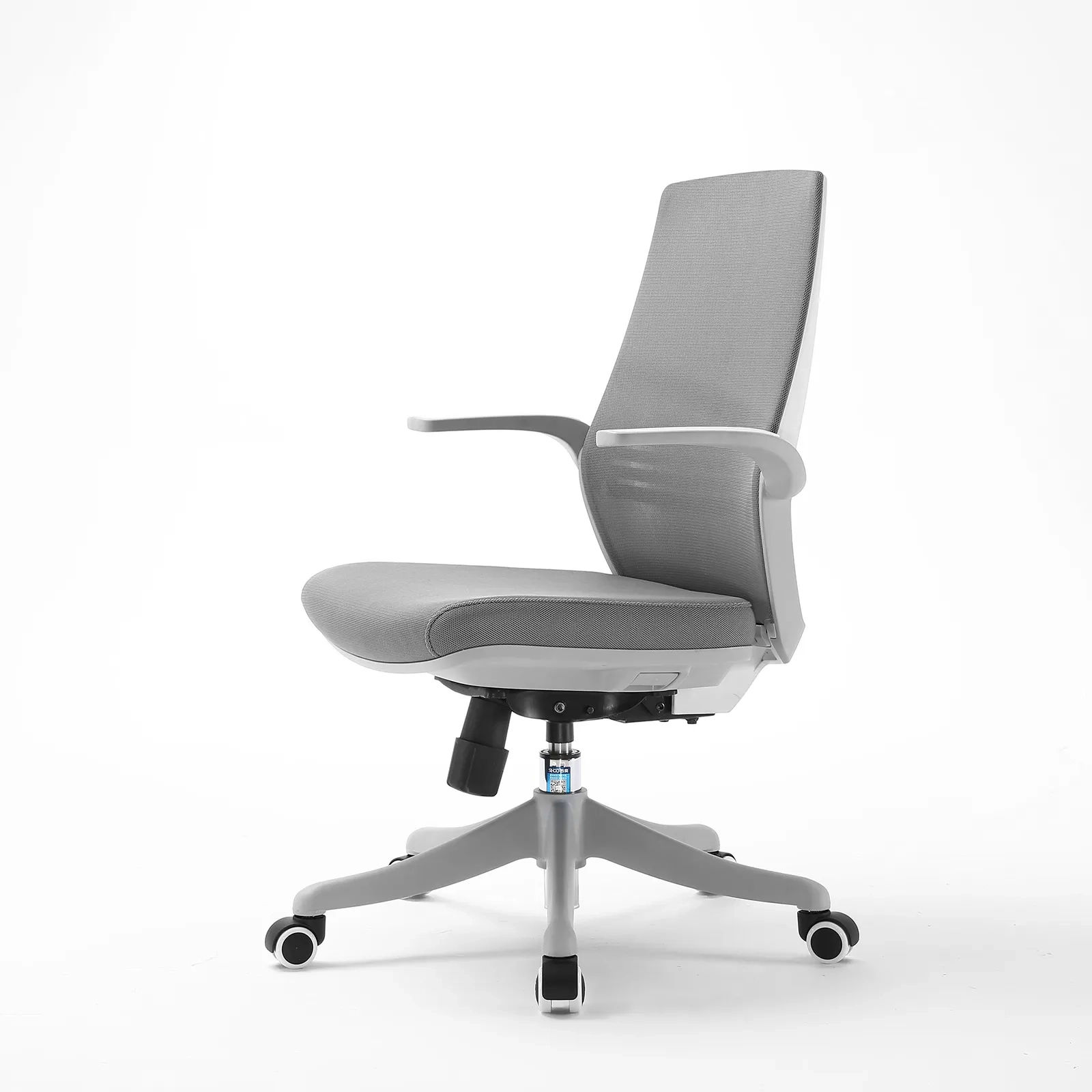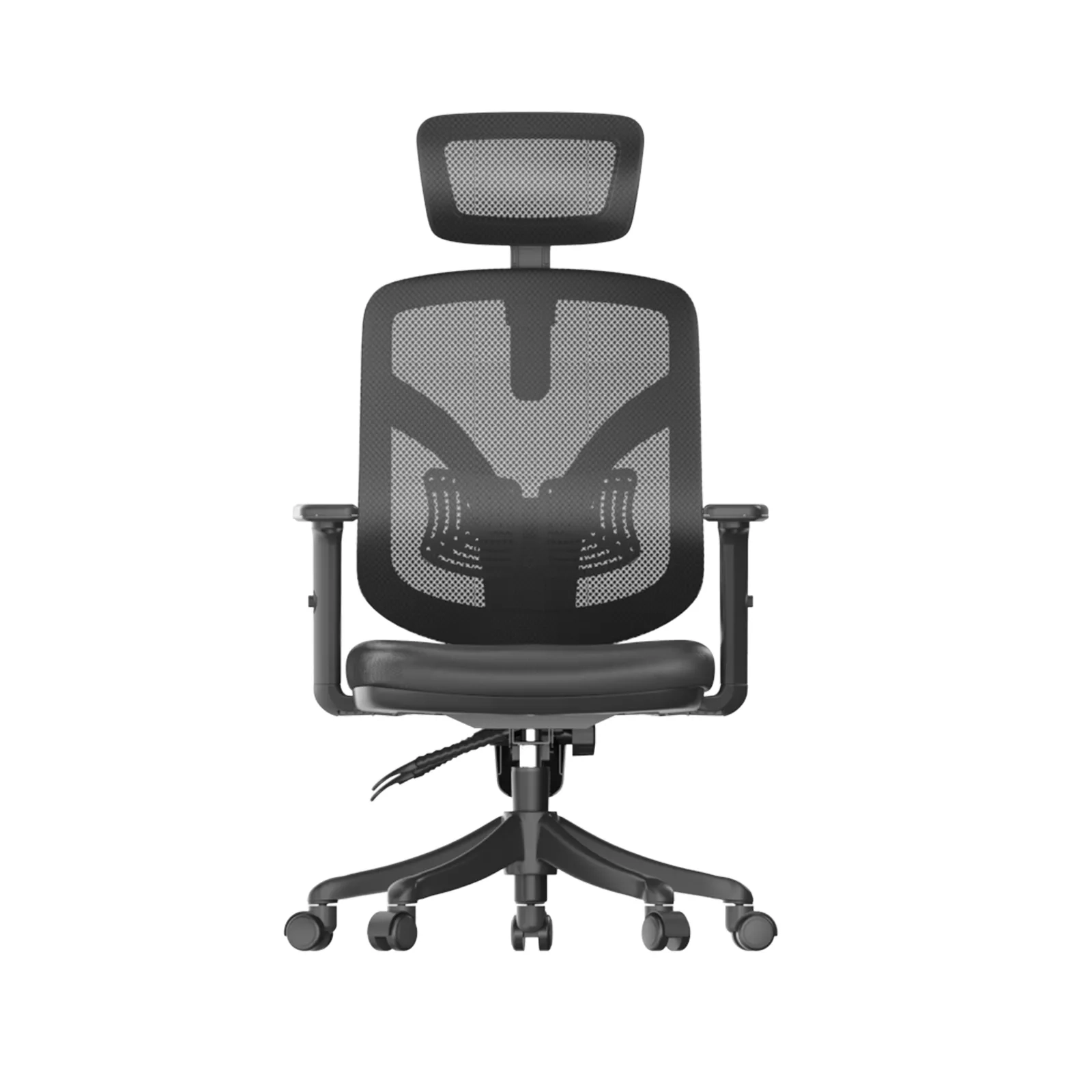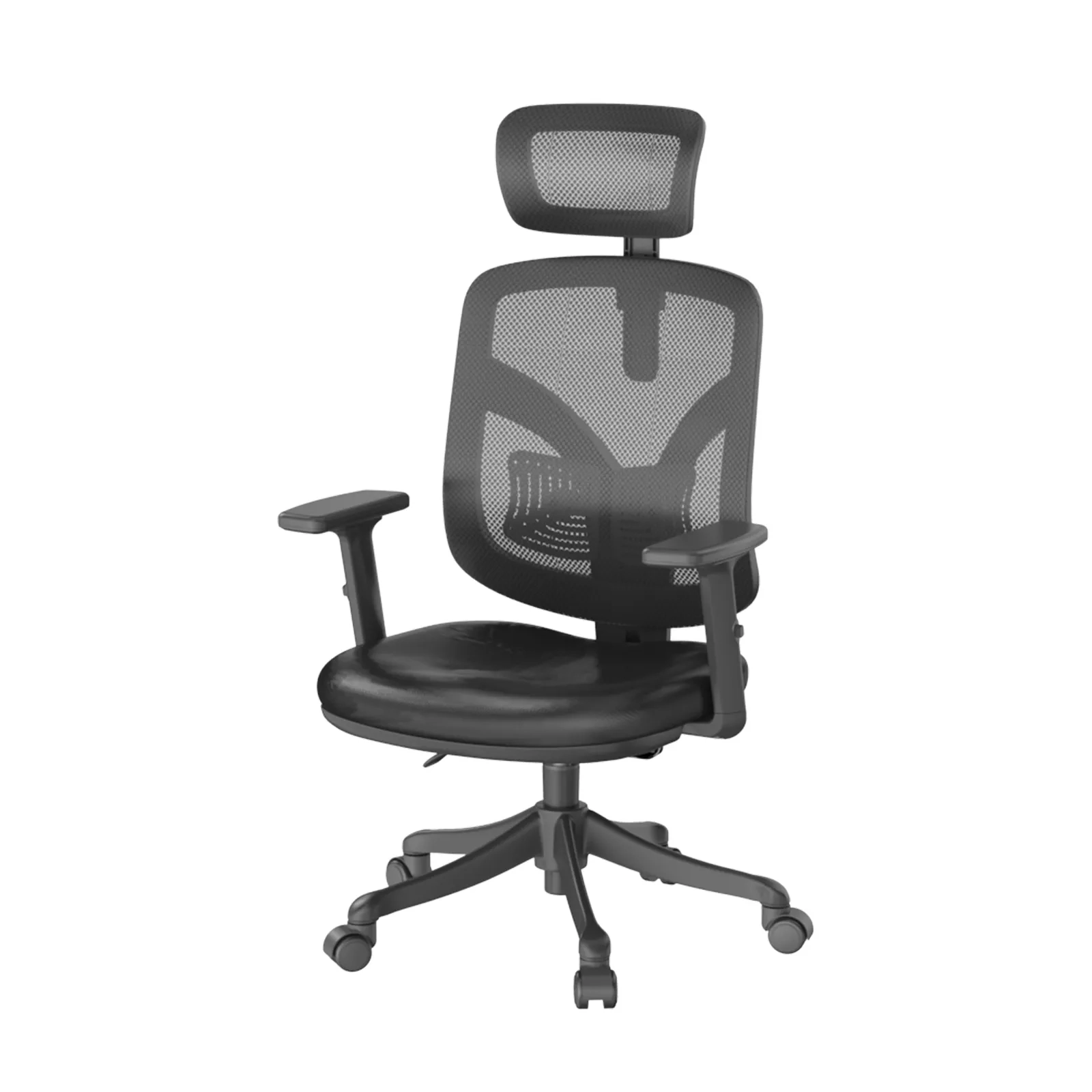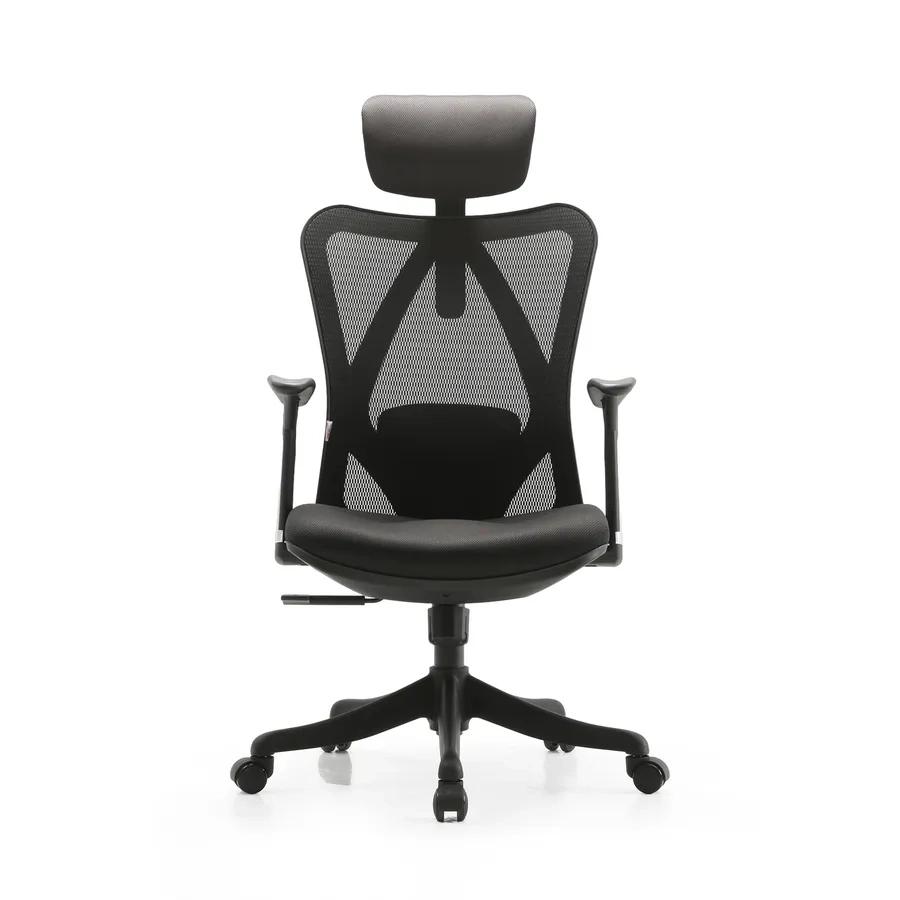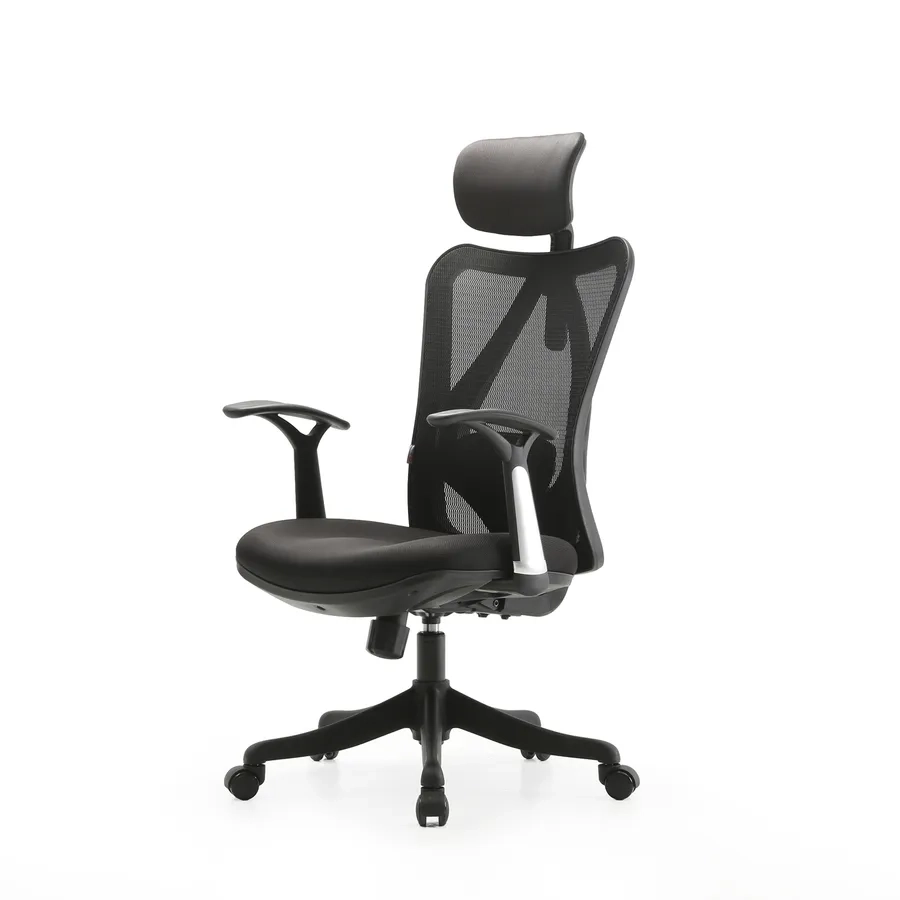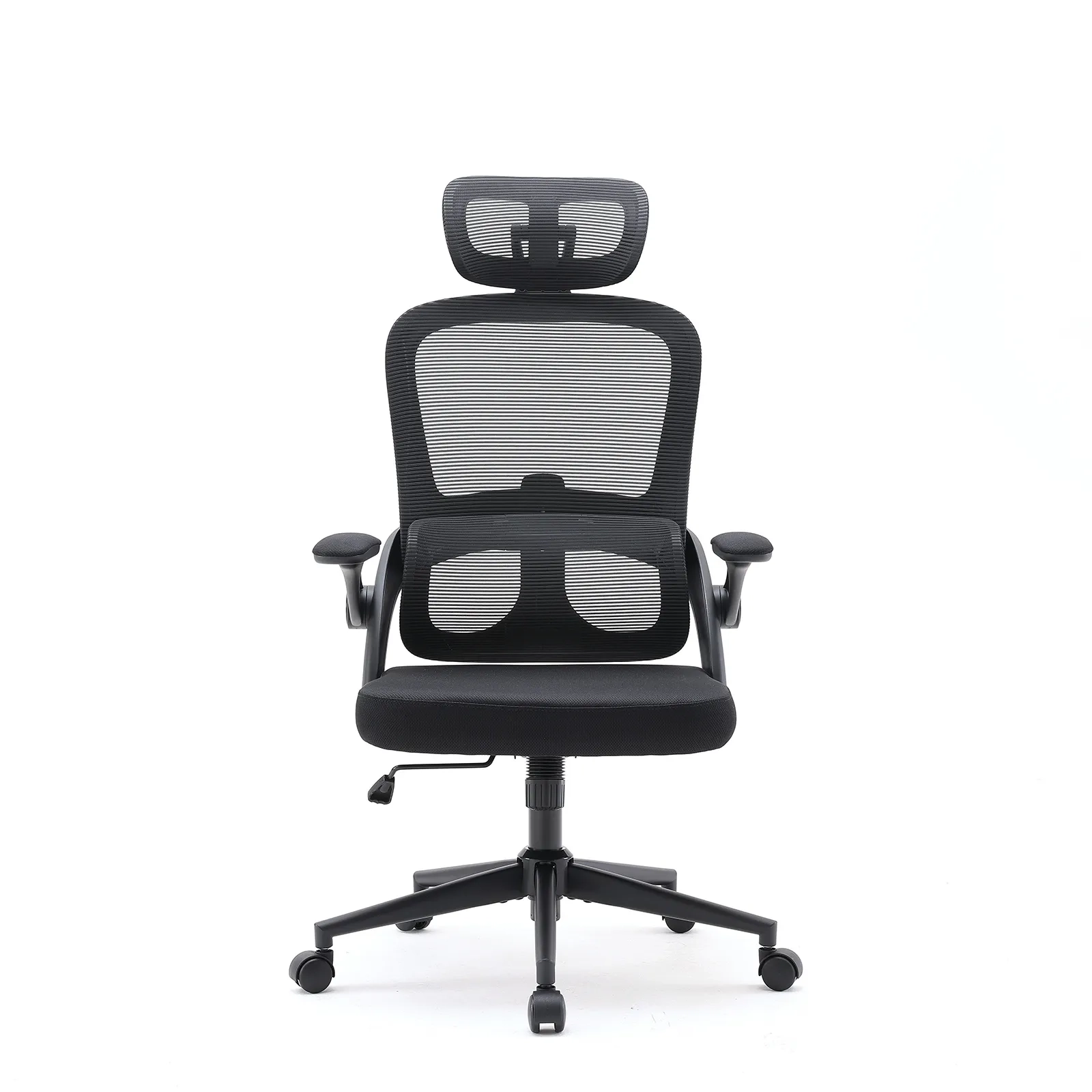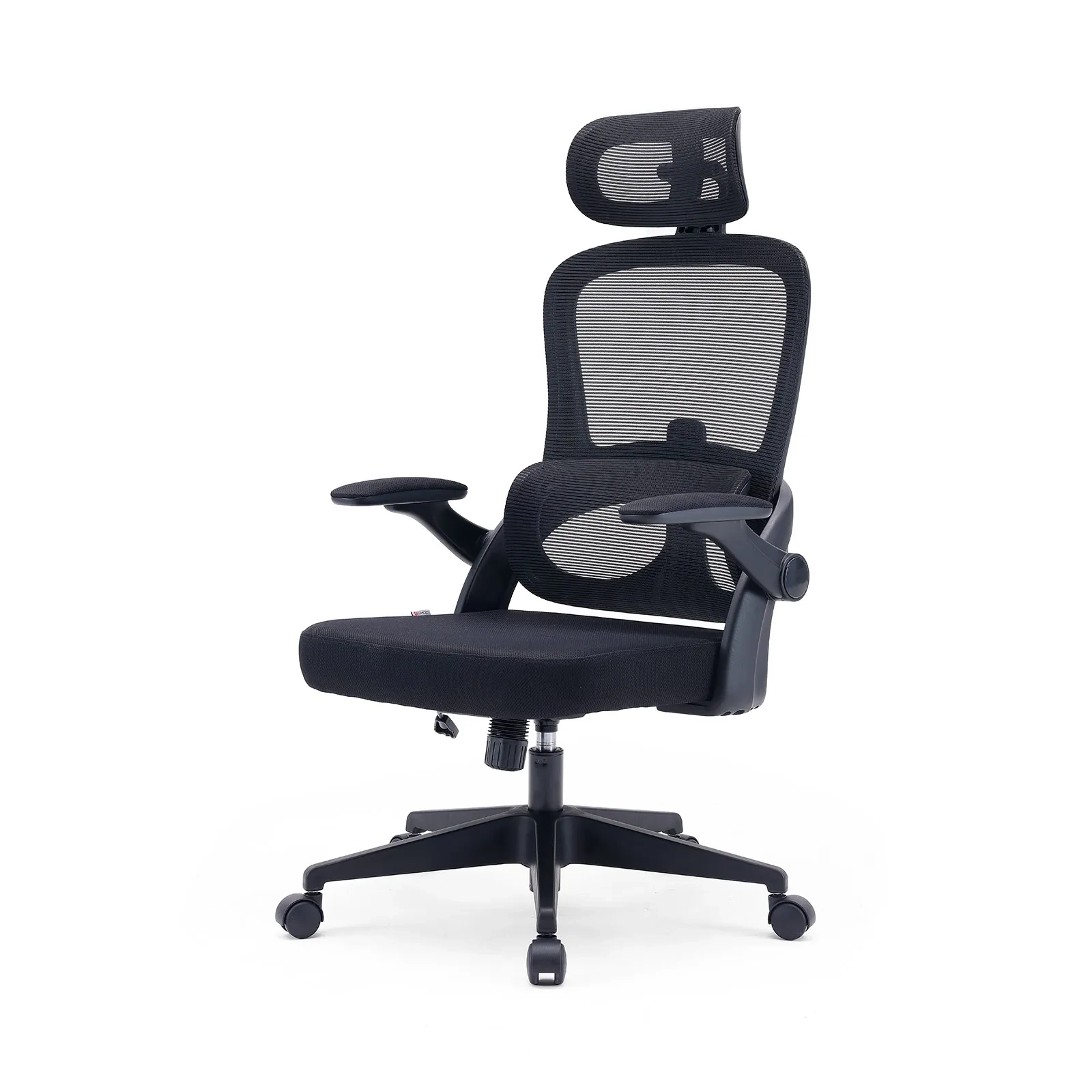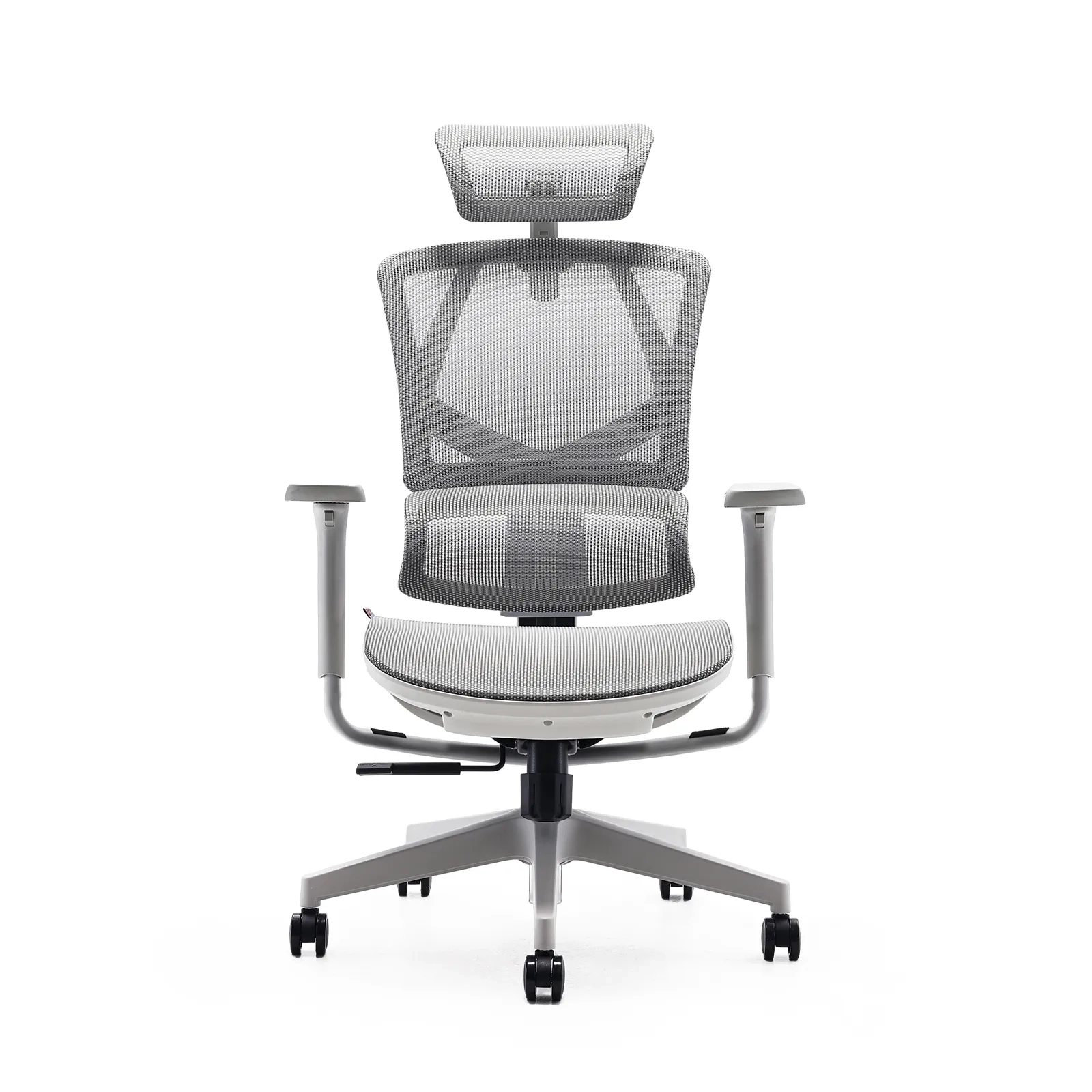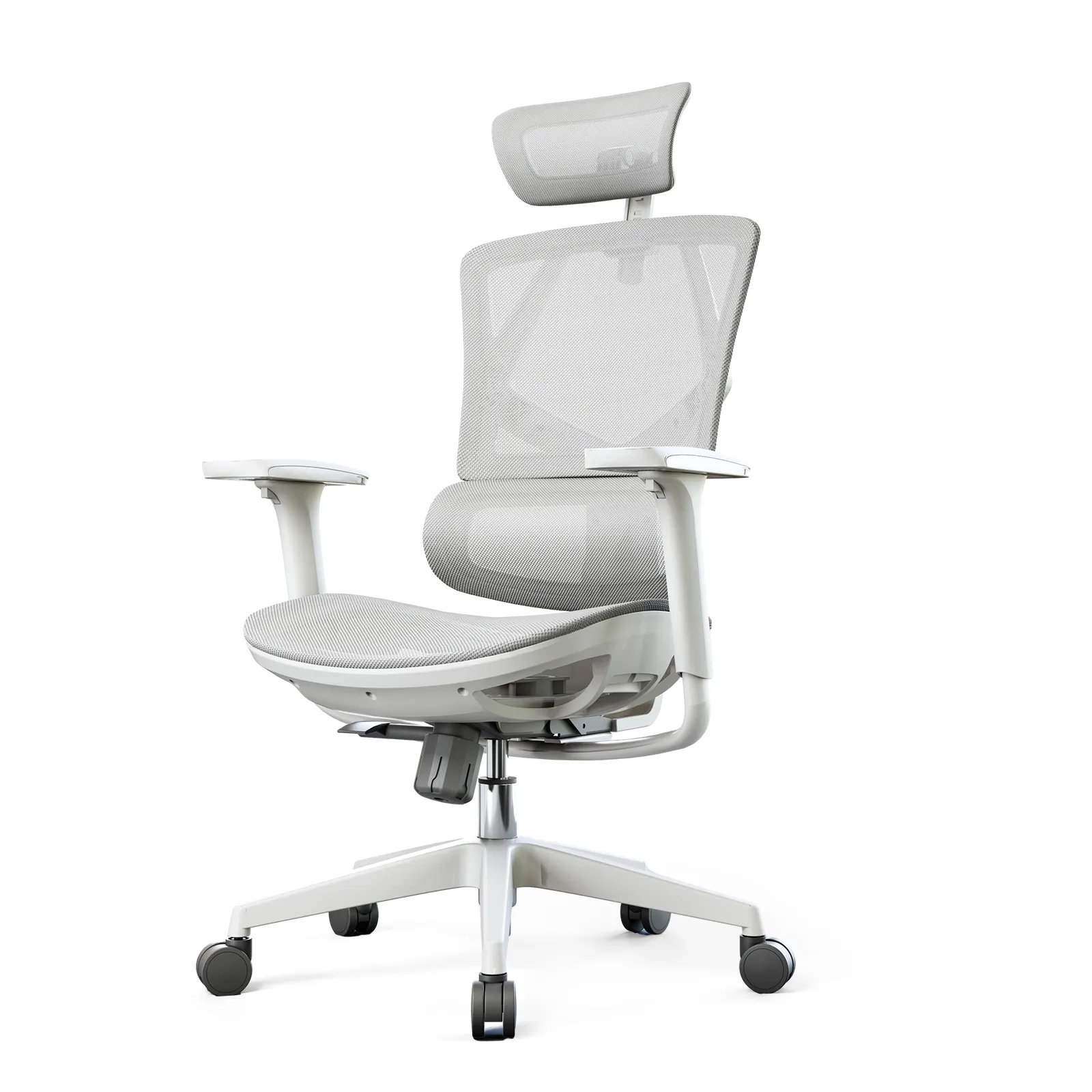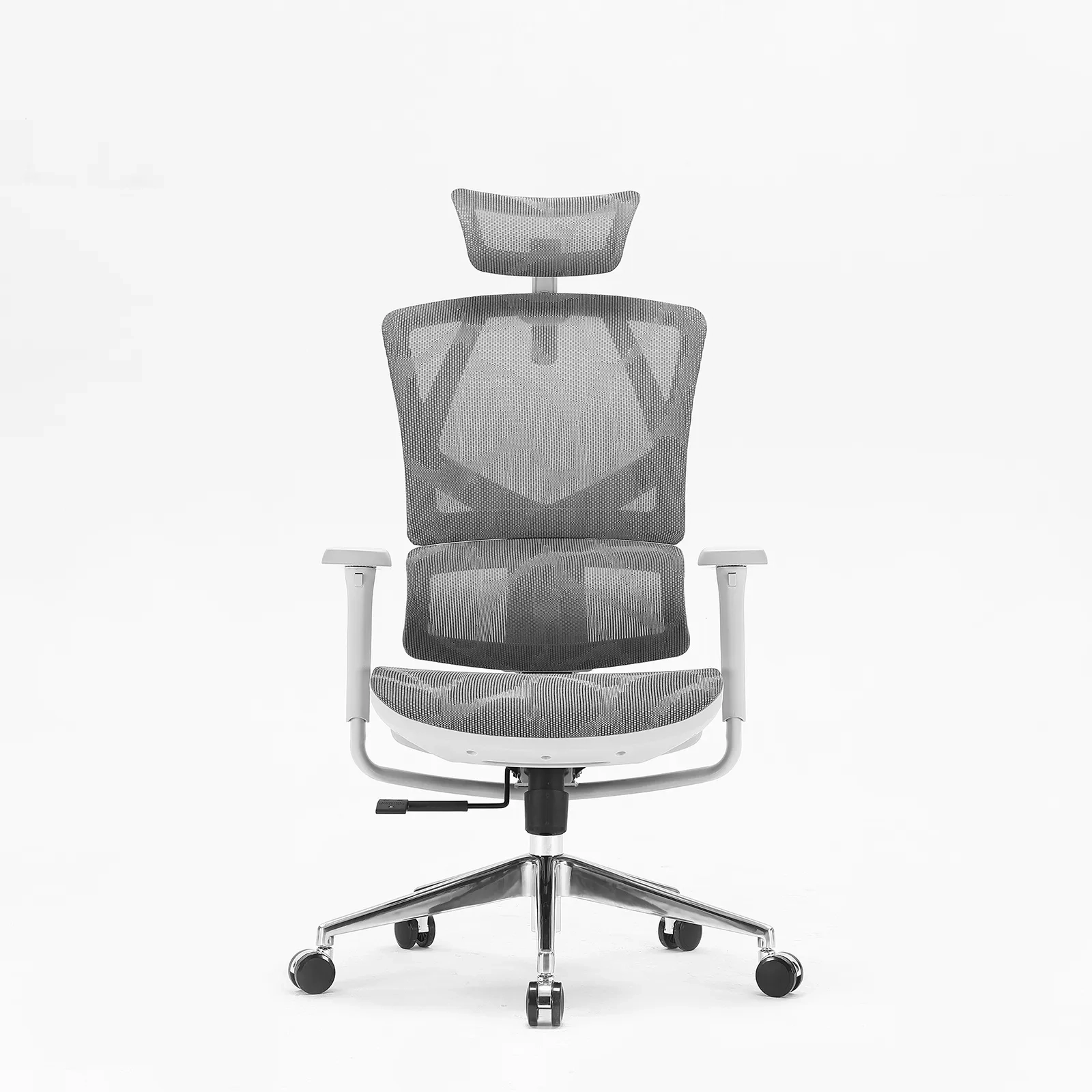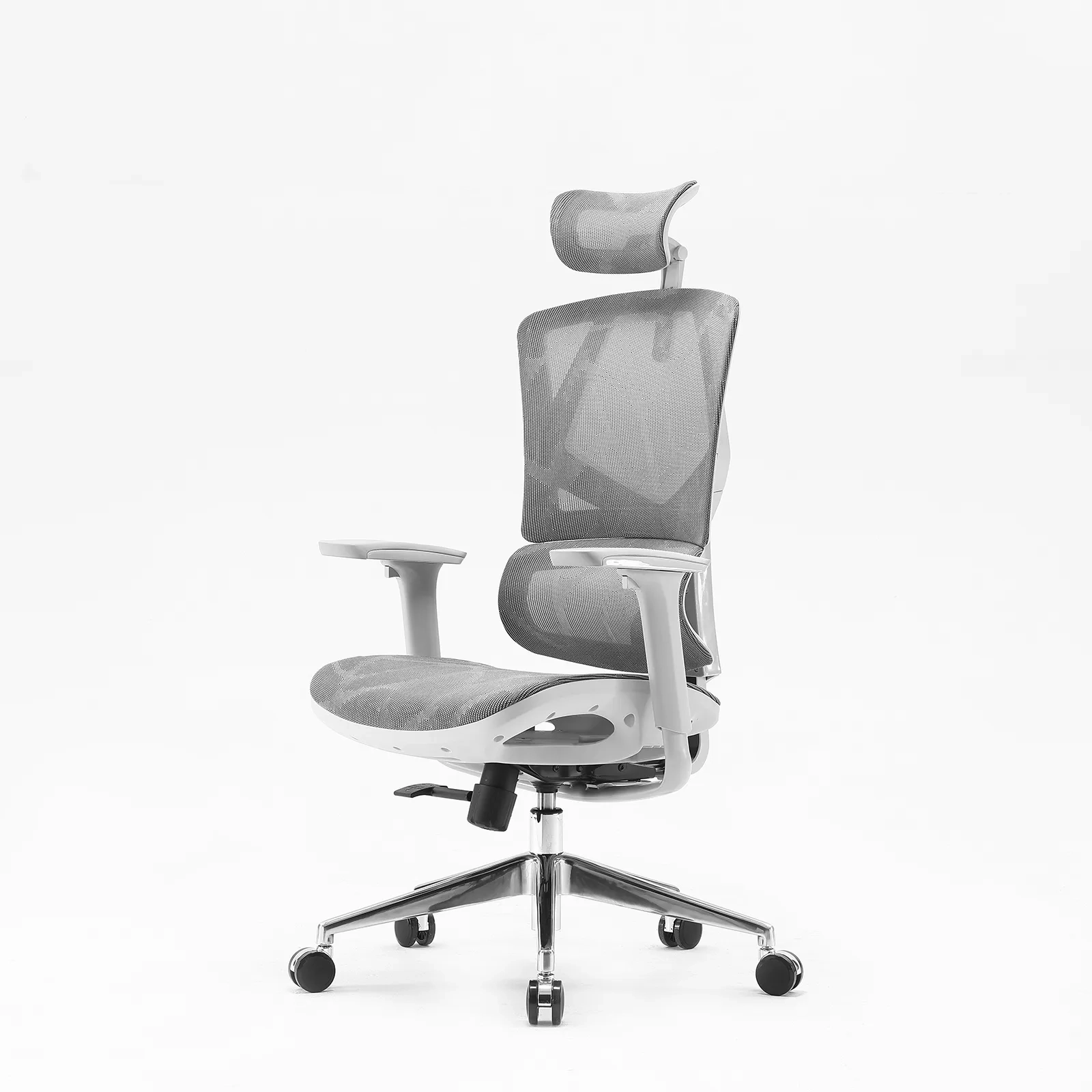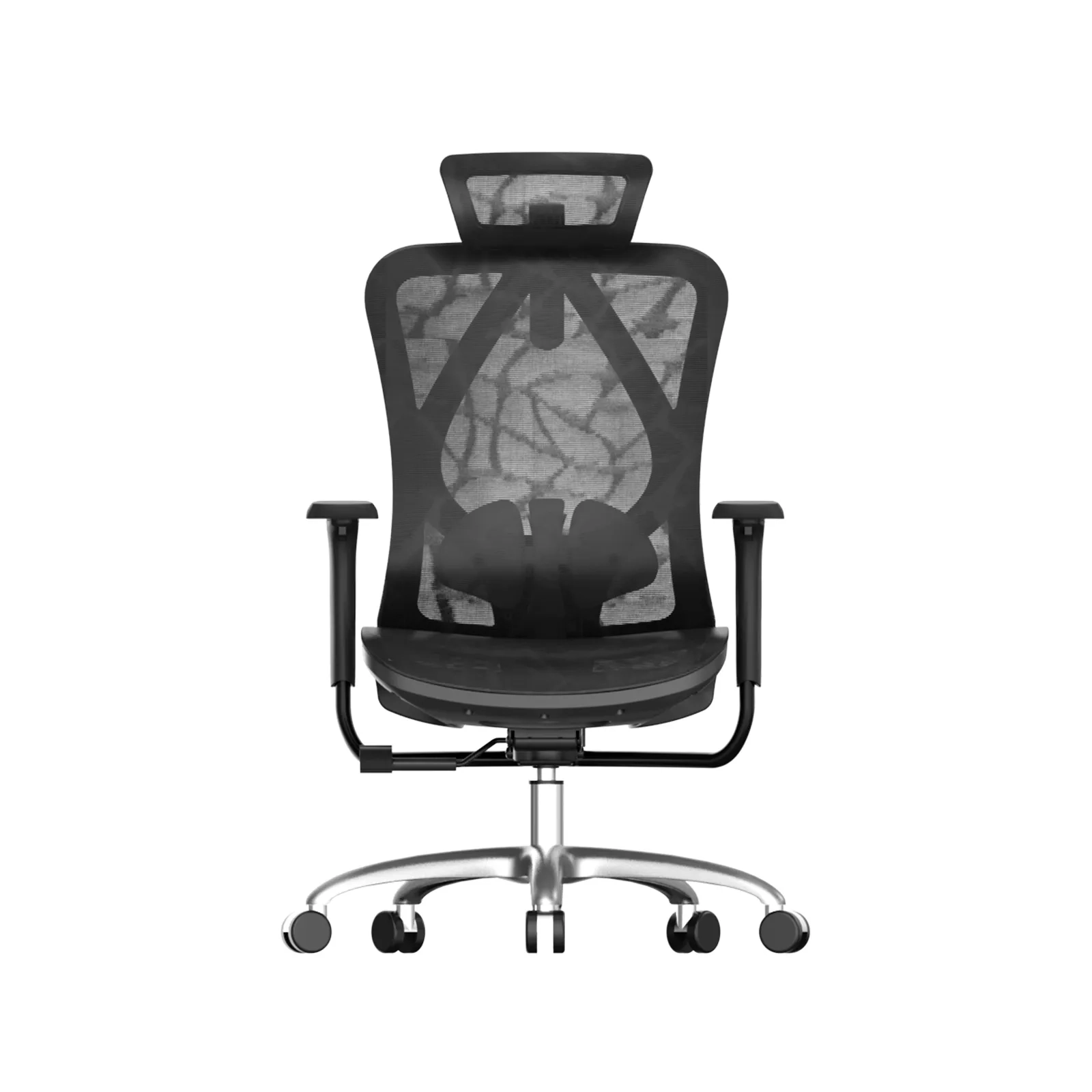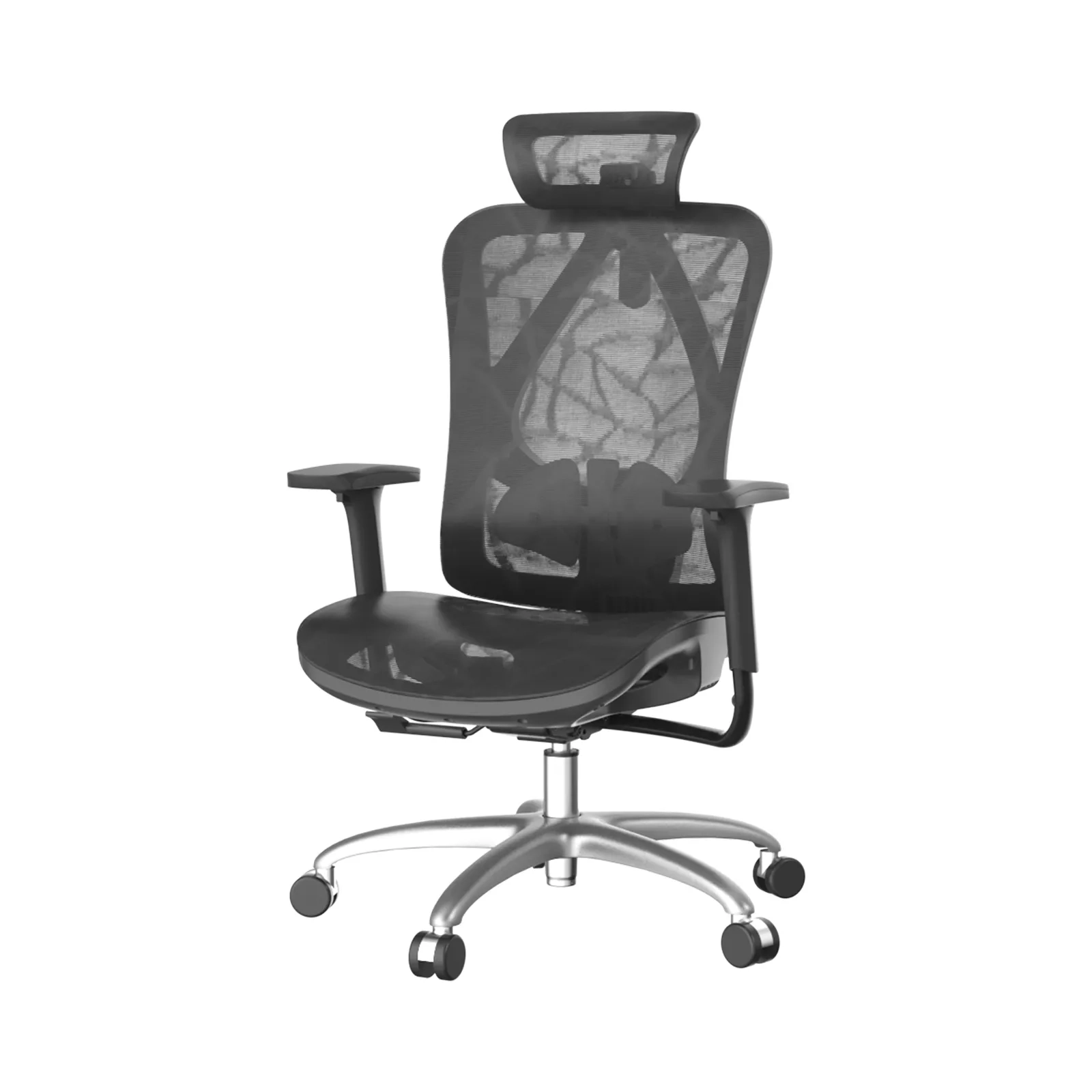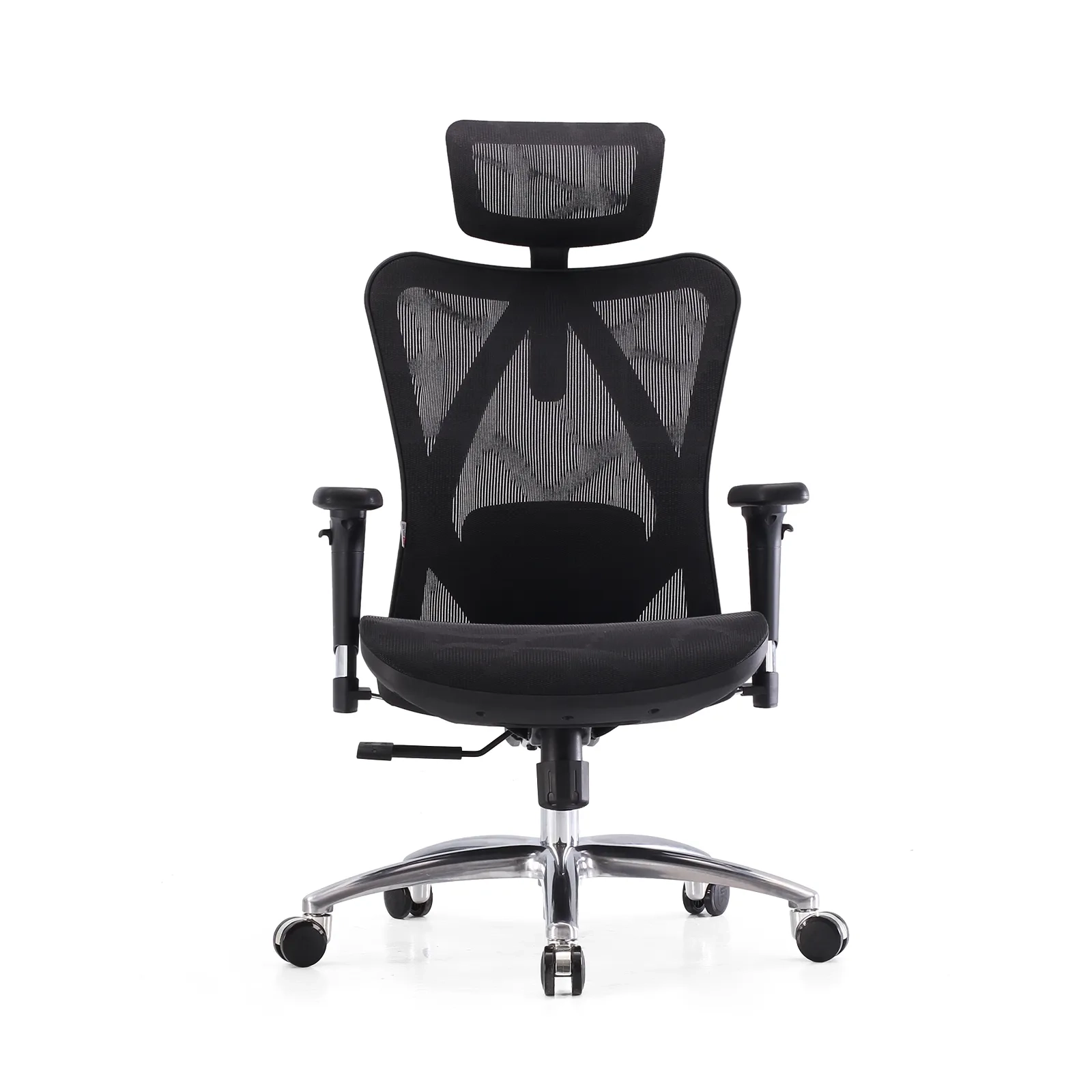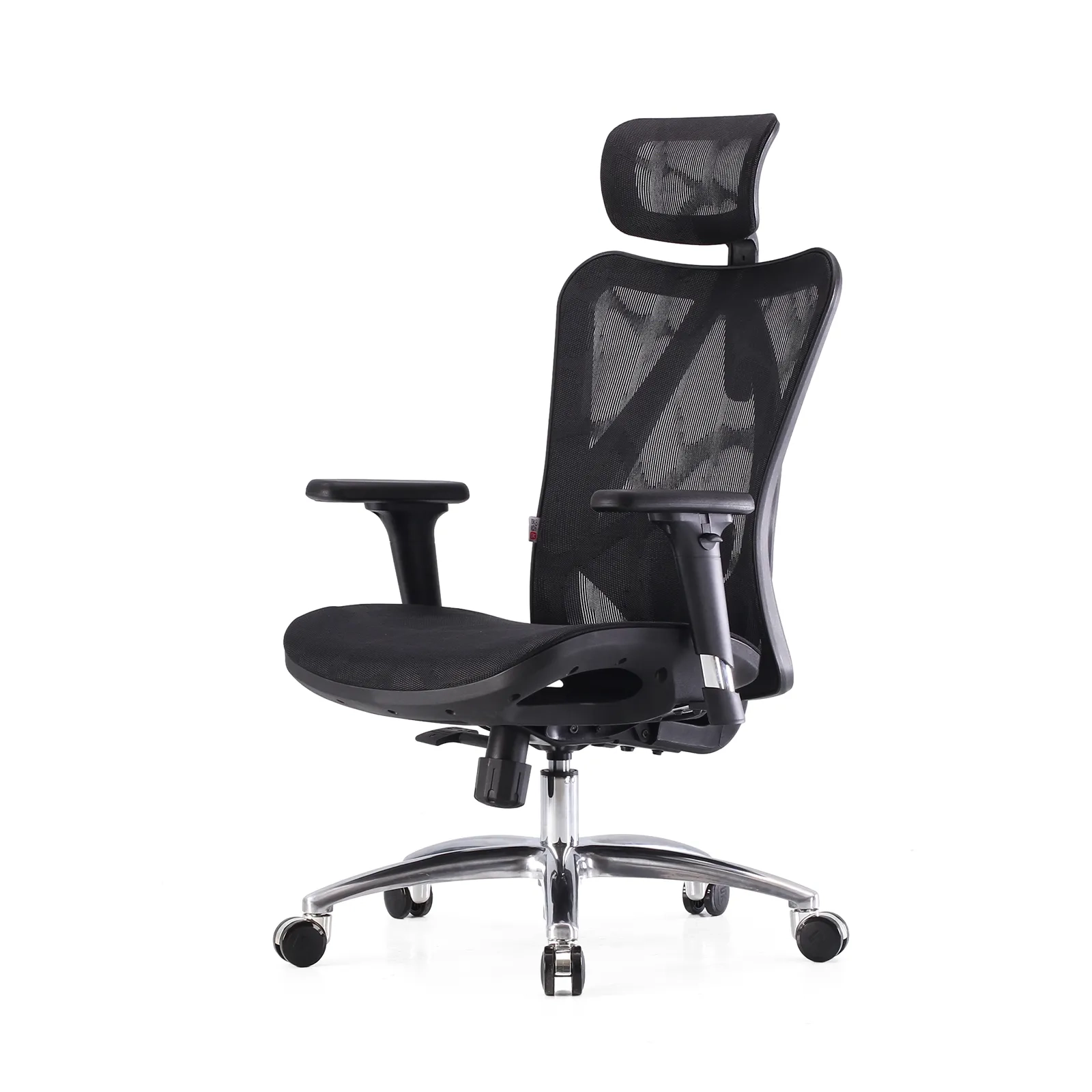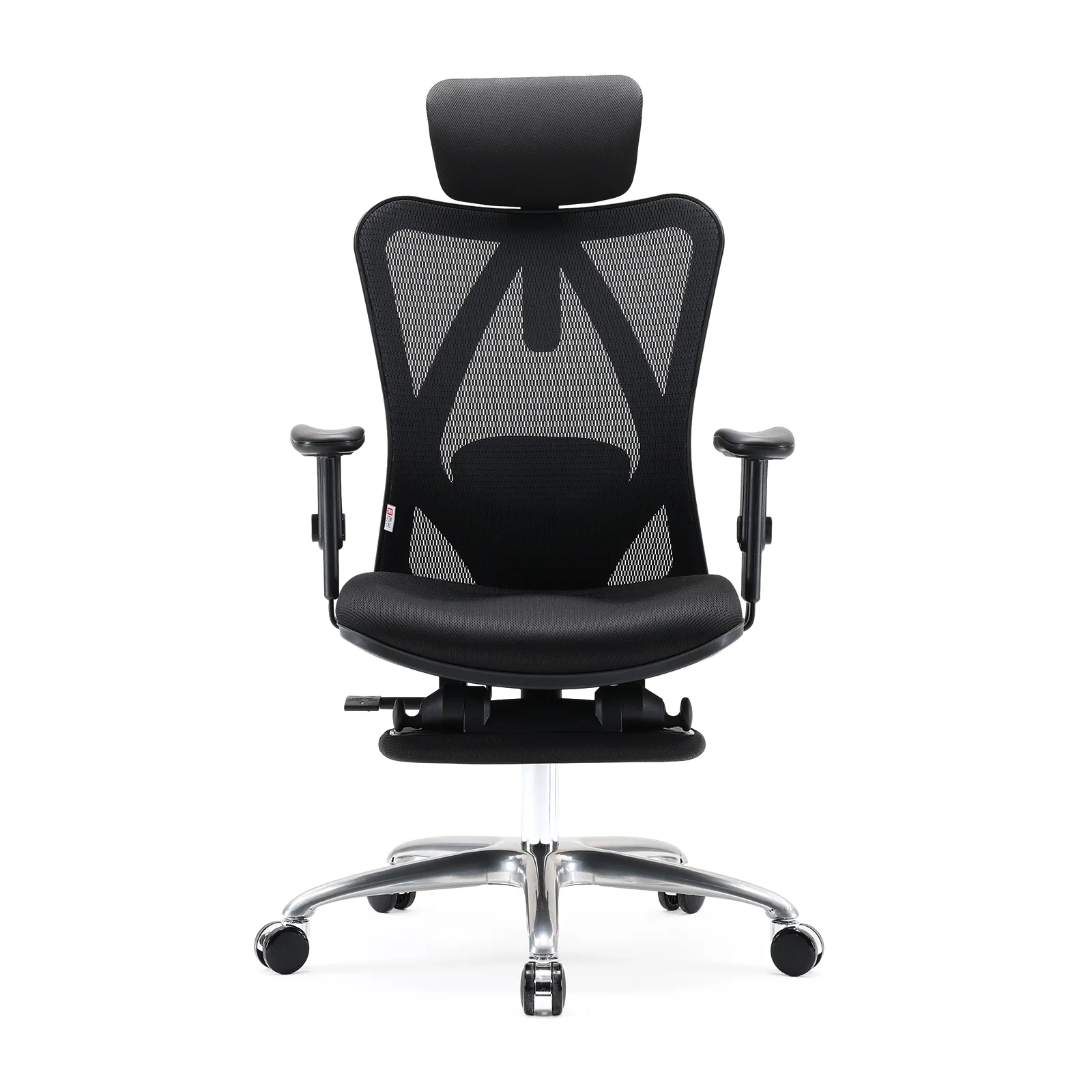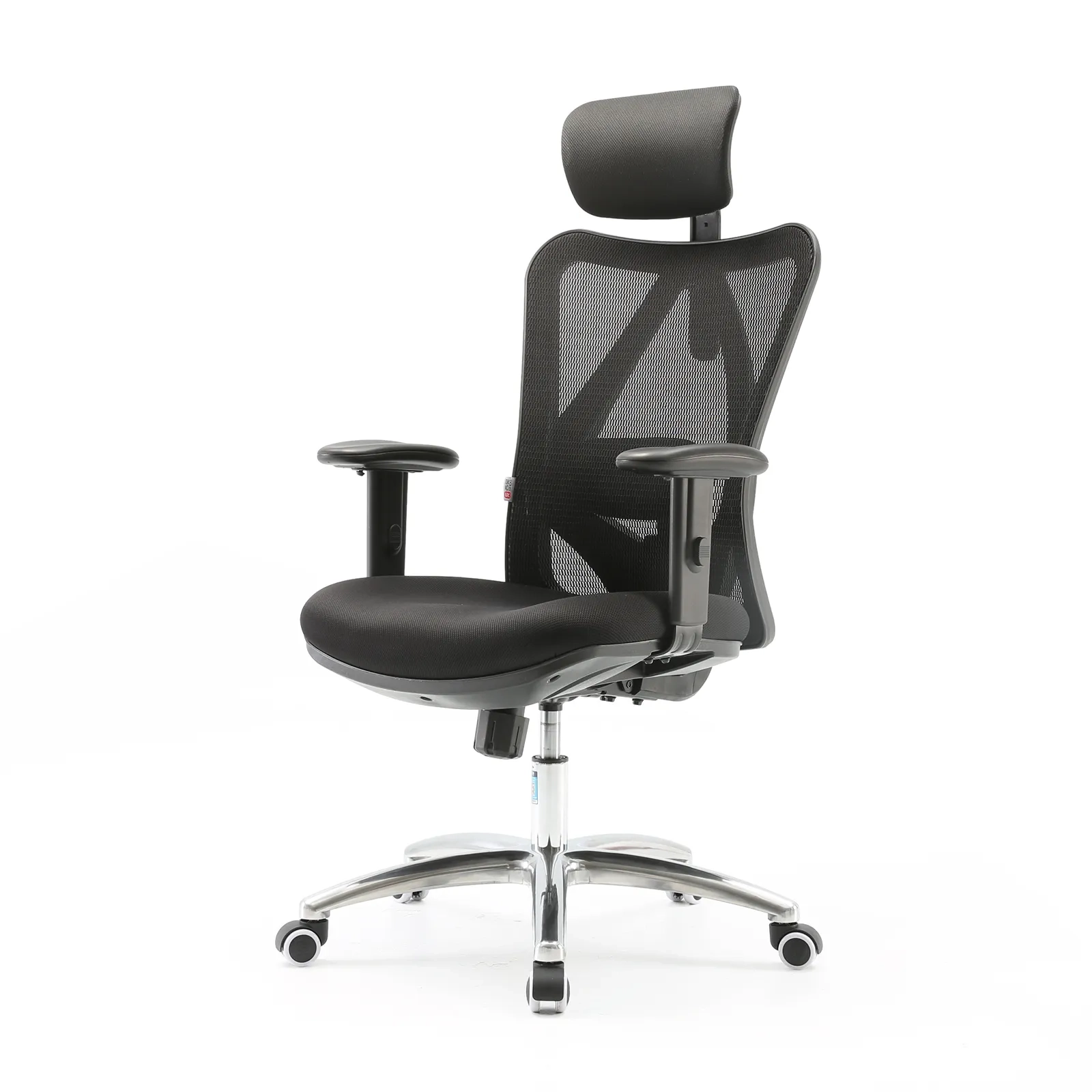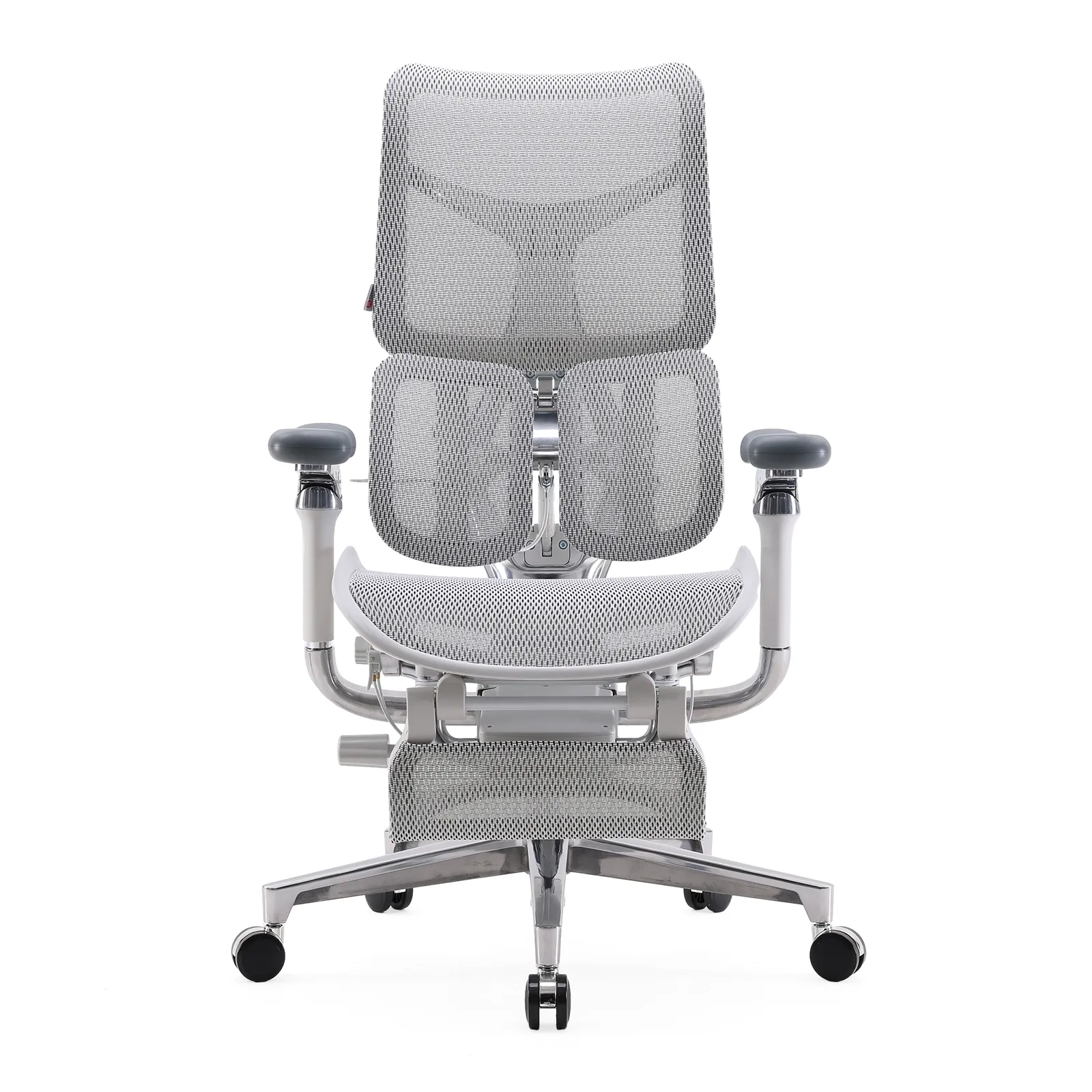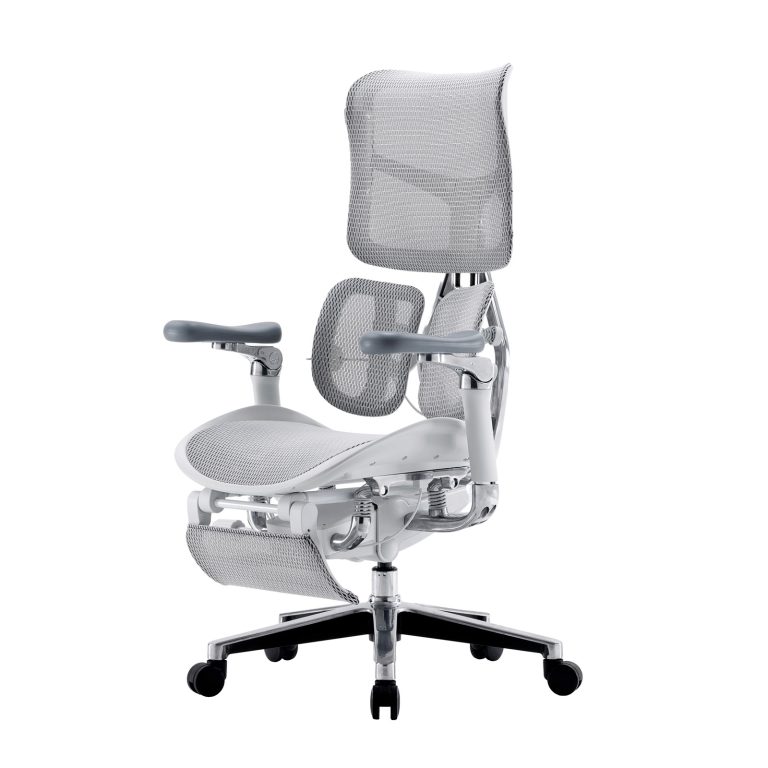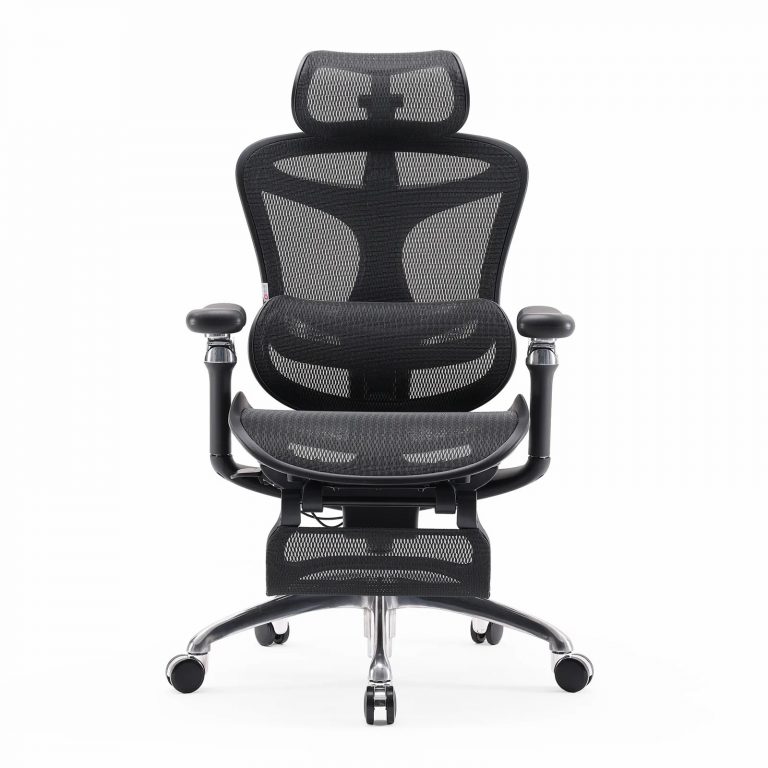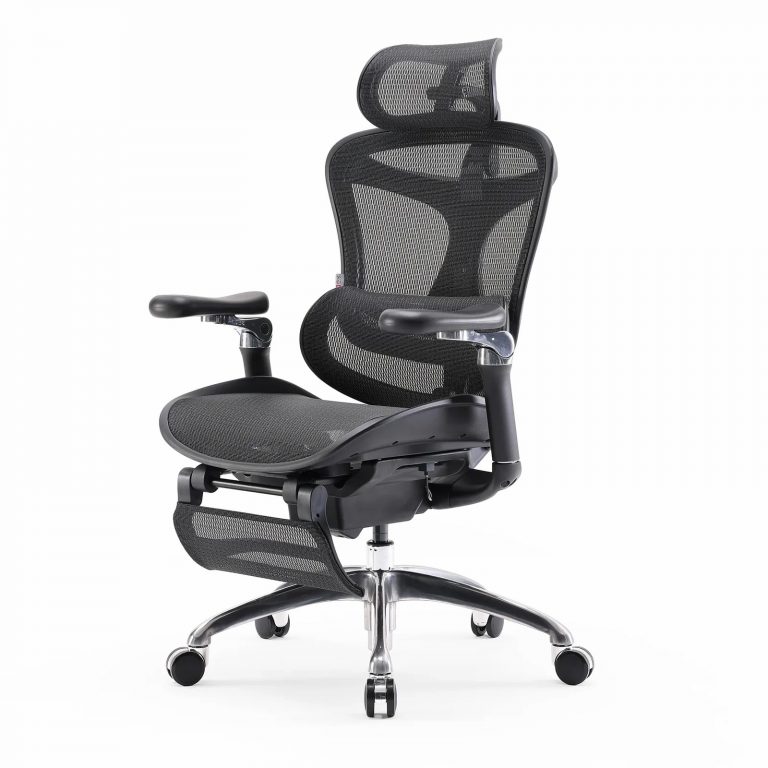









Finding the height adjustment lever on a modern office chair shouldn’t feel like a high-stakes scavenger hunt, yet many of us find ourselves fumbling blindly under the seat. If you are struggling to locate the controls on your chair with adjustable height, don’t panic—it is likely a deliberate design choice rather than a missing part. Modern ergonomic brands, such as Sihoo, often prioritize a “hidden” aesthetic to maintain sleek, minimalist silhouettes that fit seamlessly into contemporary workspaces. However, getting your posture right is non-negotiable for long-term health; you need your feet flat on the floor, your thighs parallel to the ground, and your elbows at a crisp 90-degree angle. This setup is the only real way to survive an eight-hour shift without feeling like a human pretzel by the time 5:00 PM rolls around.
Step 1: Locating the Hidden Lever
If you’ve recently purchased a modern chair with adjustable height, you might notice that the height lever feels “lower than expected” or even hard to find at first. This is not a defect—it’s a deliberate design choice rooted in ergonomics, safety, and mechanical efficiency.
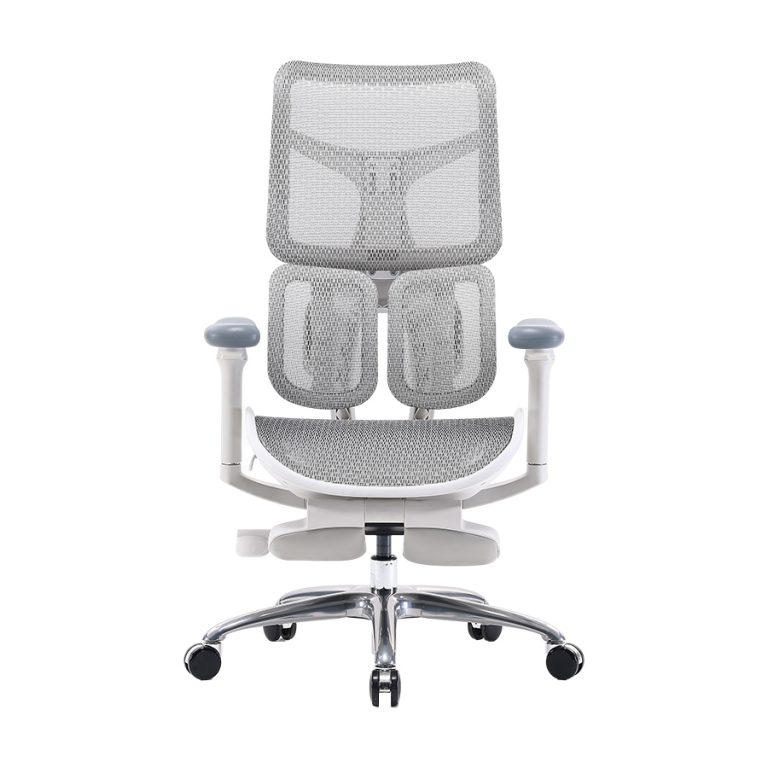
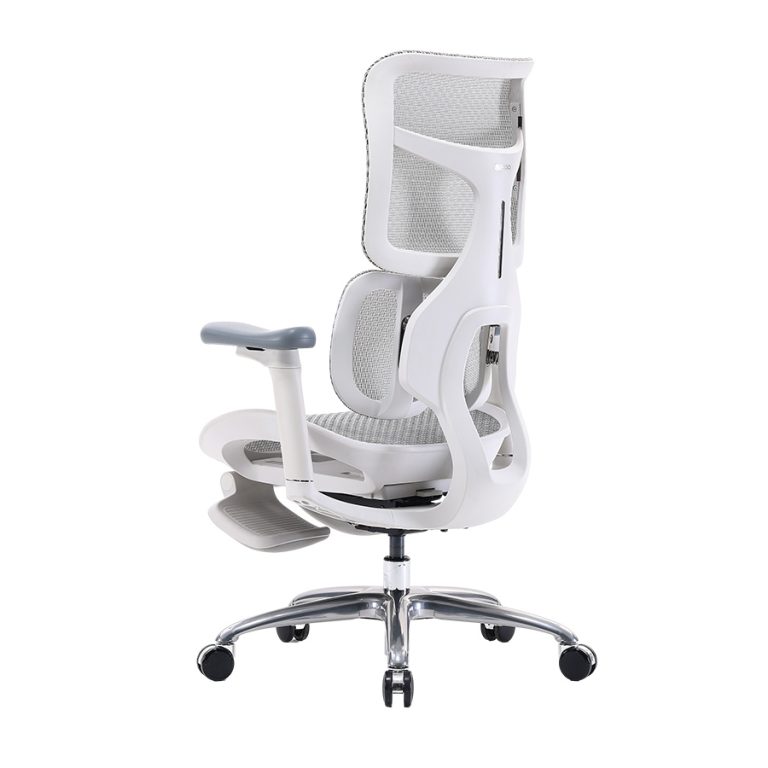
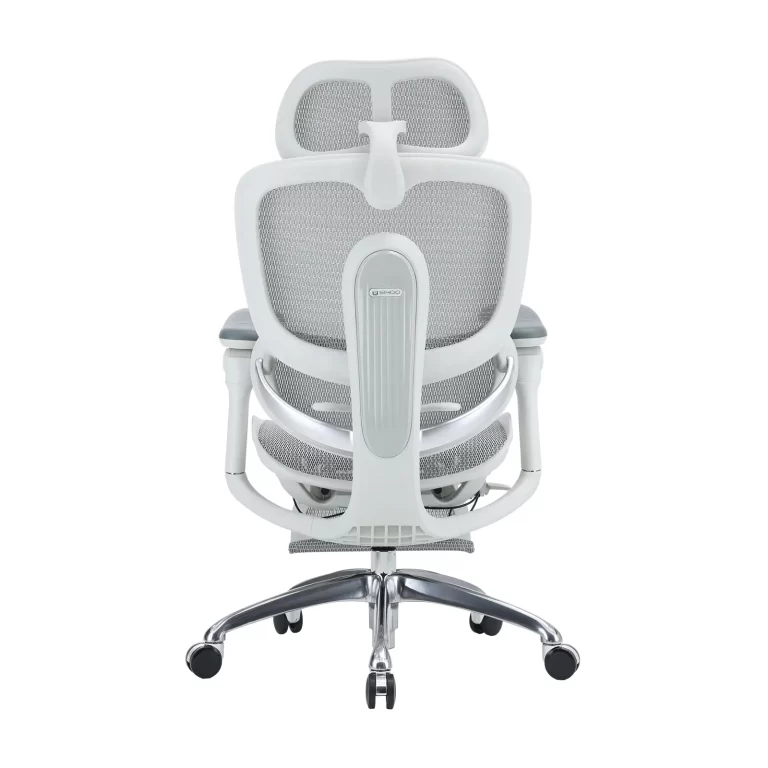
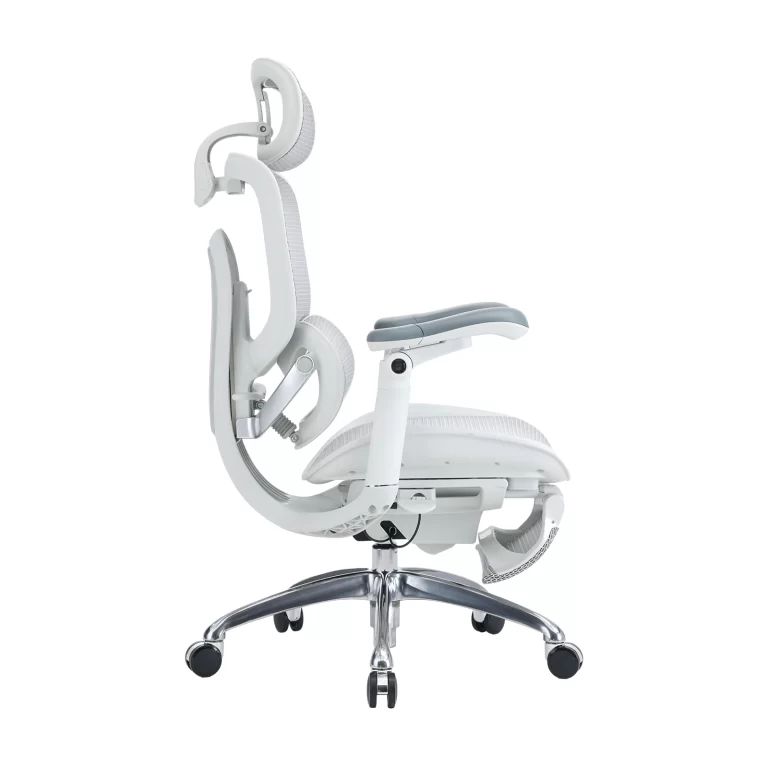
On advanced ergonomic models like the Sihoo Doro C300, the adjustment lever is often integrated closer to the seat mechanism rather than sticking out prominently. There are three practical reasons for this:
- Improved Aesthetics & Minimalism: Contemporary office chairs prioritize clean silhouettes. A low-profile or hidden lever reduces visual clutter and aligns with modern workspace design trends.
- Mechanical Balance & Durability: Positioning the lever closer to the seat mechanism shortens the internal linkage between the lever and the gas lift. This reduces mechanical play and improves long-term durability.
- Multi-Function Control Systems: Many ergonomic chairs now use single-lever or integrated control systems, where one lever manages multiple functions (height adjustment, tilt lock, or tilt tension). This integration often requires a more compact, centralized placement under the seat.
How to Find the Lever
If the lever isn’t immediately visible, follow this simple method:
- Sit or stand beside the chair and slightly tilt your upper body forward.
- Slide your dominant hand under the seat edge, starting from the right side.
- Feel along the underside toward the rear-right corner—this is where most manufacturers position the control lever.
- Look for a short paddle or flat handle attached to the mechanism plate (usually metal or reinforced nylon).
Tip: The lever is almost always on the right-hand side when seated, which has become an industry convention for intuitive operation.
Understanding the Mechanism Beneath
What you’re actually touching is not just a “lever,” but part of a mechanical control system connected to the gas lift cylinder. When you move it, you’re activating a valve that allows compressed gas inside the cylinder to expand or contract—this is what enables height adjustment.
Because of this direct mechanical linkage, manufacturers intentionally keep the lever close to the mechanism housing to:
- Reduce wear over time
- Improve responsiveness
- Ensure consistent performance under repeated use
Step 2: Clear the Space & Standardize Your Weight
Before adjusting any chair with adjustable height, the most overlooked step is also the most critical: remove external weight and control your body load. This ensures both accurate adjustment and long-term safety of the chair’s internal mechanism. Height adjustment relies on a pressure-sensitive system. If there are extra items on the seat—such as bags, laptops, or even leaning body weight—the gas lift cannot respond correctly.
- Too much weight: the chair may drop suddenly or feel “stuck”
- Too little or uneven weight: the chair may not lower at all
This is because the gas lift is designed to react to controlled, predictable load changes, not random pressure. Inside every modern chair with adjustable height is a sealed gas lift cylinder (pneumatic spring) filled with high-pressure nitrogen gas.
Here’s the simplified mechanism:
- When you pull the lever → a valve opens
- The compressed gas moves between chambers
- The seat either rises (if unloaded) or lowers (if weight is applied)
- Releasing the lever closes the valve and locks the height
According to engineering explanations of gas lift systems, the cylinder “uses compressed gas to support weight and enable smooth vertical movement when the valve is activated.”
What Makes a Reliable Gas Lift
Not all gas lifts are created equal. High-quality ergonomic chairs typically use Class 3 or Class 4 gas lifts, with Class 4 being the industry’s highest grade. These are commonly tested under standards from the Business and Institutional Furniture Manufacturers Association, specifically ANSI/BIFMA X5.1.
Key verified benchmarks include:
- Load capacity: Class 4 gas lifts typically support 300–350 lbs (136–159 kg)
- Static pressure resistance: Must withstand ≥150 kg load without structural failure
- Durability cycles: Tested for 100,000+ height adjustment cycles under repeated use
- Material quality: Uses thicker steel tubes and high-purity nitrogen for stability and safety
| ميزة | Standard Chair | Sihoo Ergonomic Series |
|---|---|---|
| Gas Lift Class | Class 2 or 3 | Class 4 |
| Nitrogen Purity | قياسي | High-Purity |
| Cycle Testing | 50,000 cycles | 100,000+ Height Adjustments |
Practical Tip for Accurate Adjustment
Before moving to the next step:
- Sit centered
- Keep your feet flat and stable
- Avoid leaning or shifting weight during adjustment
This ensures the gas lift responds precisely—giving you smooth, controlled height changes every time.
Step 3: The “Rise” Technique
To correctly raise your chair with adjustable height, you need to work with the gas lift system—not against it. This step is all about removing pressure so the internal mechanism can expand smoothly and lift the seat.
The Correct “Rise” Sequence
Follow this precise method for consistent results:
- Slightly lift your body off the seat (Unload your weight) Even a small reduction in pressure is enough. You don’t need to fully stand—just hover lightly above the cushion.
- Pull the lever upward This action opens the internal valve inside the gas lift cylinder.
- Let the chair rise naturally As the valve opens, the compressed gas expands and pushes the piston upward, lifting the seat.
- Release the lever at your desired height This locks the position instantly.
Why This Technique Works
A chair with adjustable height uses a pneumatic (gas lift) system filled with compressed nitrogen. When the lever is activated:
- The valve opens → pressure redistributes inside the cylinder
- With no body weight applied, the stored gas energy expands
- This expansion pushes the piston upward, raising the chair
As explained in ergonomic chair engineering resources, removing your weight allows the compressed gas to extend the piston and lift the seat smoothly. If you stay fully seated, your body weight counteracts this force—so the chair won’t rise.
What You Should Feel During Adjustment
When done correctly, you’ll notice:
- A smooth upward motion (not jerky or stuck)
- A controlled rebound force from the gas lift
- Immediate stop once you release the lever
High-quality gas lifts are specifically designed to provide stable, responsive vertical movement under controlled load changes
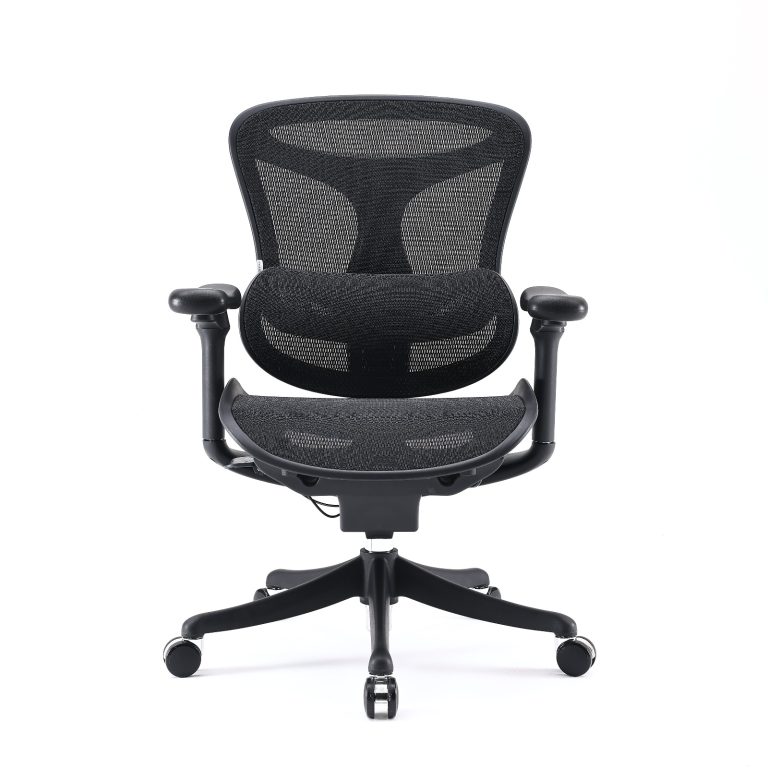
On models like the Sihoo M18, the control lever is engineered with:
- Shorter actuation travel → less effort needed to engage the valve
- Clear tactile feedback → you can feel exactly when the mechanism is activated
This matters because precise lever control directly affects how accurately you can adjust height—especially when fine-tuning your sitting posture.
Common Mistake to Avoid
Many users say their chair “won’t go up”—but the real issue is simple:
- Staying fully seated while pulling the lever
- Slightly unloading weight before activation
Step 4: The “Sit & Set” Technique
Lowering your chair with adjustable height is not about force—it’s about controlled body weight and precise timing. This step ensures you achieve a stable, ergonomic sitting position that aligns with your desk and posture.
The Correct “Sit & Set” Sequence
To safely decrease the seat height, follow this method:
- Sit firmly in the center of the seat, keep your hips fully supported and your weight evenly distributed. Avoid sitting on the edge, as this creates uneven pressure.
- Gently pull the lever upward, this opens the internal valve of the gas lift cylinder.
- Allow your body weight to press the chair down, your weight compresses the gas inside the cylinder, causing the seat to lower in a controlled motion.
- Release the lever at the desired height, the valve closes instantly, locking the chair in position.
Why This Technique Works
Unlike raising the chair, lowering requires applied force. When you sit on a chair with adjustable height:
- Your body weight compresses the gas inside the cylinder
- Pulling the lever opens the valve
- The internal pressure equalizes, allowing the seat to descend
If you are not fully seated—or if your weight is off-center—the chair may:
- Lower unevenly
- Drop too quickly
- Or fail to move at all
This is why centered, stable posture is essential during adjustment.
Feet Must Be Fully Supported
Once you’ve set the height, there is one non-negotiable indicator of correct positioning: Your feet should rest flat on the floor
According to ergonomic seating guidelines aligned with standards like BIFMA:
- A proper chair height allows feet to be fully supported on the floor or a footrest
- Knees should remain at approximately 90–110°
- Thighs should be roughly parallel to the ground
This foot contact acts as the foundation of your entire posture. Without it, your body compensates—often leading to slouching, leg pressure, and lower-back strain.
What If Your Feet Don’t Reach the Floor?
If your chair is already at its lowest setting and your feet are still not flat:
- Do NOT lower your desk posture to compensate
- Instead, use an ergonomic footrest
Research shows that unsupported feet can lead to poor posture and increased strain, while proper foot support helps maintain alignment and reduce discomfort.
A footrest helps:
- Stabilize your lower body
- Reduce pressure under the thighs
- Improve circulation and sitting comfort
Practical Tip for Precision Adjustment
- Lower the chair slowly, not in one quick drop
- Keep your core engaged to control descent
- Stop when your elbows align naturally with your desk height
Step 5: Fine-Tuning for Your Desk Height
At this stage, your chair with adjustable height should no longer be adjusted in isolation. True ergonomic comfort comes from synchronizing your chair height with your desk height, ensuring your entire upper body remains in a neutral, low-strain position.
Match Chair Height to Elbow Height
The most important rule in workstation ergonomics is simple:
Your elbows should rest at (or slightly above) desk level at a ~90° angle
- When your arms hang naturally, your forearms should be parallel to the desk surface
- Your shoulders should stay relaxed—not lifted or hunched
According to ergonomic guidelines aligned with Business and Institutional Furniture Manufacturers Association and workplace health recommendations:
- Ideal elbow angle: 90–110 degrees
- Desk height should align with seated elbow height
- Wrists should remain neutral (not bent upward)
This “elbow-height alignment” is widely considered the single most important metric for preventing shoulder and wrist strain during desk work.
How to Fine-Tune Your Chair (Practical Method)
Follow this adjustment loop:
- Sit upright with feet flat on the floor
- Let your arms hang naturally, then bend elbows to ~90°
- Adjust your chair height until:
- Your elbows align with the desk surface
- Your forearms can rest comfortably on the desk or armrests
- Check that your wrists stay straight when typing
On advanced ergonomic models like the Sihoo Doro S300, the armrests are designed to move in coordination with recline and posture changes. This means:
- When you lean back → armrests adjust to maintain arm support
- When you sit upright → they realign with desk height
This kind of dynamic linkage helps maintain consistent ergonomic positioning across different sitting angles—something static armrests cannot achieve.
Why Chair–Desk Synchronization Matters
If your chair and desk are not aligned:
- Desk too high / chair too low → shoulders lift → neck tension
- Desk too low / chair too high → wrists bend upward → wrist strain
Over time, these small mismatches can lead to:
- Shoulder fatigue
- Wrist discomfort
- Reduced typing efficiency
Research shows that maintaining a 90° elbow position with relaxed shoulders improves muscle efficiency and reduces strain during prolonged work sessions.
Why Is My Lever Not Responding?
Even a high-quality chair with adjustable height can occasionally feel unresponsive—but in most cases, the issue is not a defect. It’s usually related to mechanism position, weight distribution, or basic maintenance.
One of the most common causes is that the lever is not fully activating the internal valve.
- On many ergonomic chairs, the lever must be pulled or lifted to a specific angle to open the gas lift valve
- If the lever is only partially engaged, the valve remains closed—so the chair won’t move
Practical check:
- Try slightly increasing the lever travel (pull it a bit further)
- Ensure nothing is physically blocking the lever under the seat
Most issues with a chair with adjustable height stem from the pneumatic cylinder’s internal pressure. If the seat feels “spongy” or fails to hold its position, the gas lift valve may be obstructed by debris. Ensure the seat pan is level and that your weight is centered over the piston before engaging the actuator.
Insufficient or Incorrect Weight Application, Gas lift systems are load-sensitive, meaning they respond differently depending on how much weight is applied.
- Too little weight (common for lighter users): The chair may not lower because there isn’t enough force to compress the gas inside the cylinder
- Uneven weight distribution: Sitting off-center can prevent smooth vertical movement
According to general ergonomic chair design principles, gas lifts rely on body weight to compress the cylinder during downward adjustment, which explains why insufficient load can limit responsiveness.
Practical fix:
- Sit fully centered on the seat
- Apply steady downward pressure while engaging the lever
If the lever still doesn’t respond, check for mechanical wear or looseness.
Common maintenance points include:
- Loose screws in the seat mechanism (control plate)
- Misalignment between lever and actuator
- Debris or dust buildup under the seat
Simple routine check:
- Tighten visible screws under the seat every few months
- Ensure the lever moves freely without obstruction
If none of the above fixes work, the issue could be related to:
- Worn-out gas lift cylinder (common after years of heavy use)
- Internal valve failure
In such cases, replacement of the gas lift is usually required. Notably, gas lifts are modular components, meaning they can often be replaced without changing the entire chair.
Height-to-Seat Reference
While exact measurements vary, ergonomics research commonly suggests that seat height ≈ 25% of your body height (measured from floor to seat surface).
| User Height | Recommended Seat Height |
|---|---|
| 155–165 cm (5’1″–5’5″) | 38–43 cm (15–17 in) |
| 165–175 cm (5’5″–5’9″) | 40–48 cm (16–19 in) |
| 175–185 cm (5’9″–6’1″) | 43–51 cm (17–20 in) |
| 185–195 cm (6’1″–6’5″) | 46–54 cm (18–21 in) |
Final Takeaway
A properly adjusted chair with adjustable height is not just about comfort—it directly impacts:
- Posture alignment
- Muscle efficiency
- Long-term spinal health
Adjusting your chair shouldn’t be an afterthought. By taking five minutes to understand the mechanics of your chair with adjustable height and how it interacts with your body, you are making a long-term investment in your health. A well-tuned chair isn’t just a piece of furniture; it’s your most important tool for staying productive and pain-free.
1600x1600-4-768x768.jpg)
1600x1600-8-768x768.jpg)