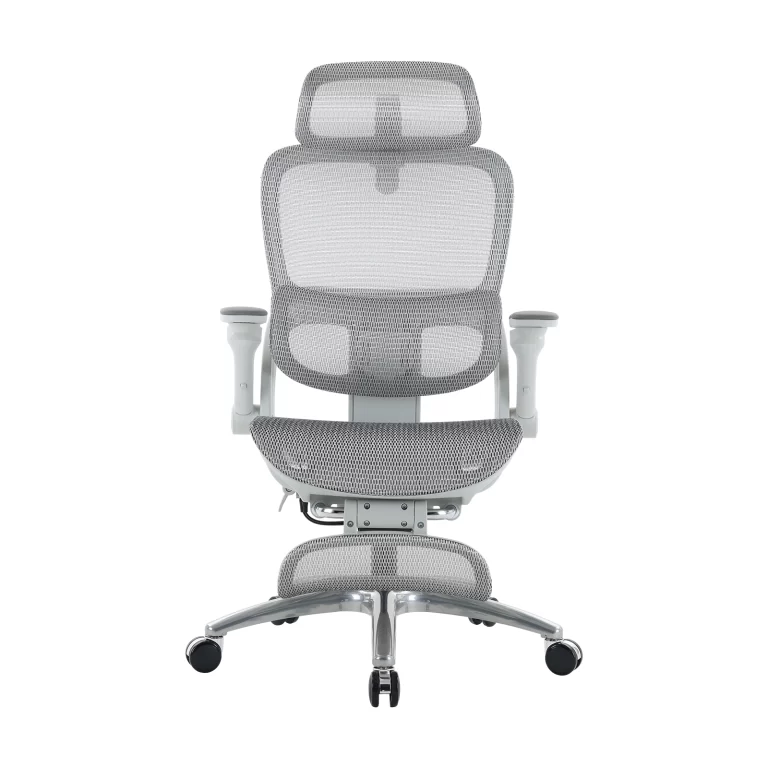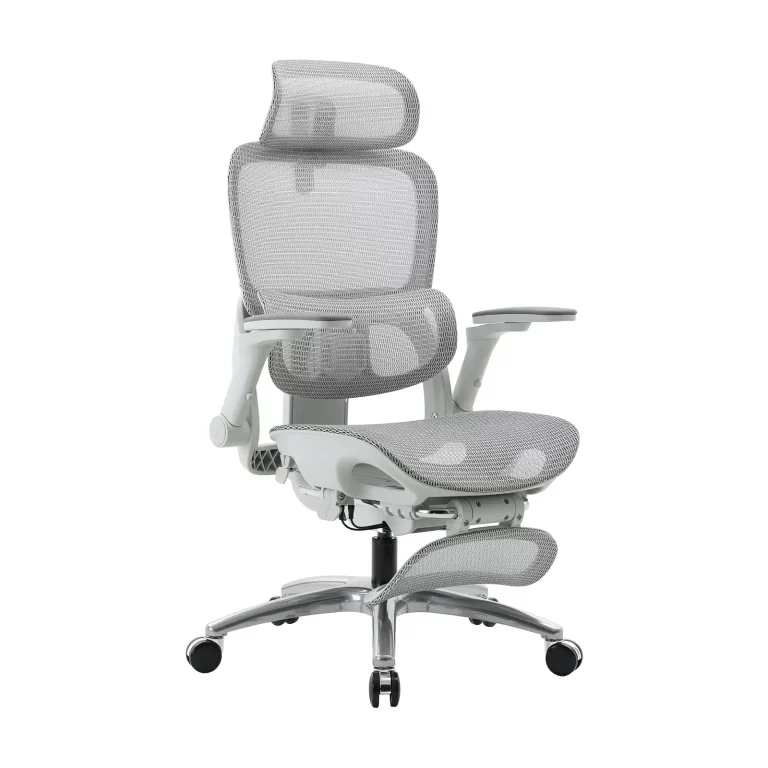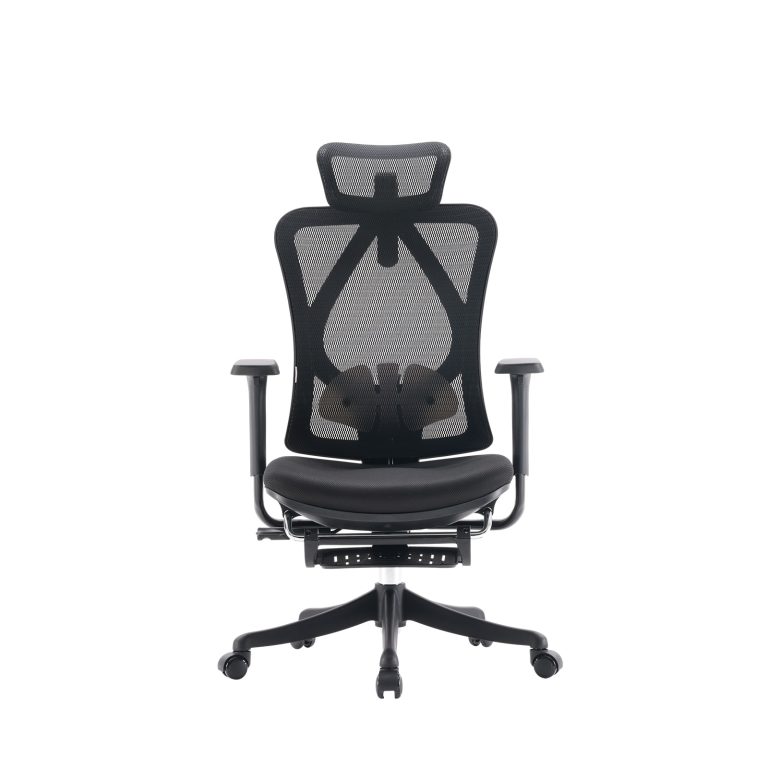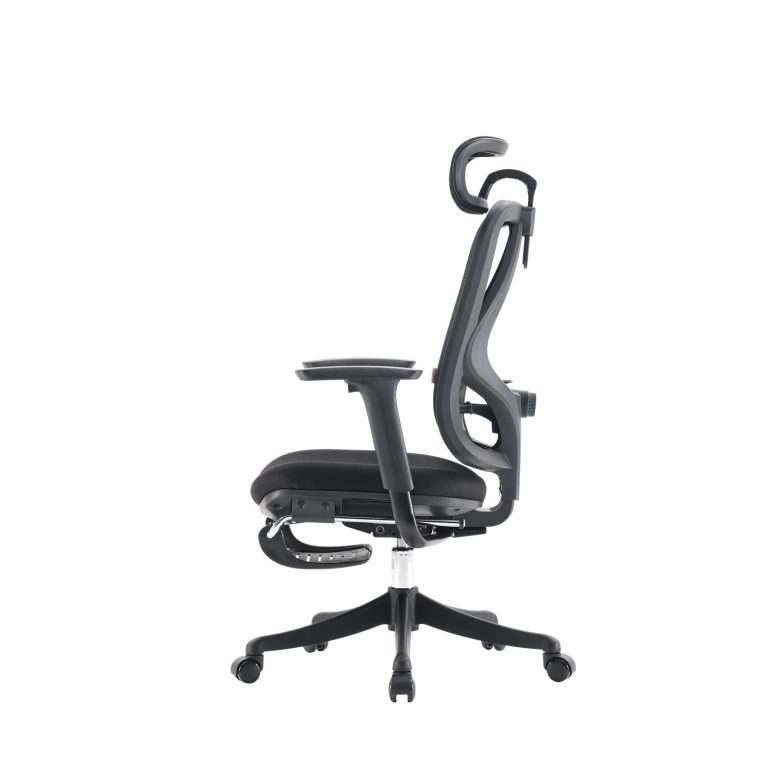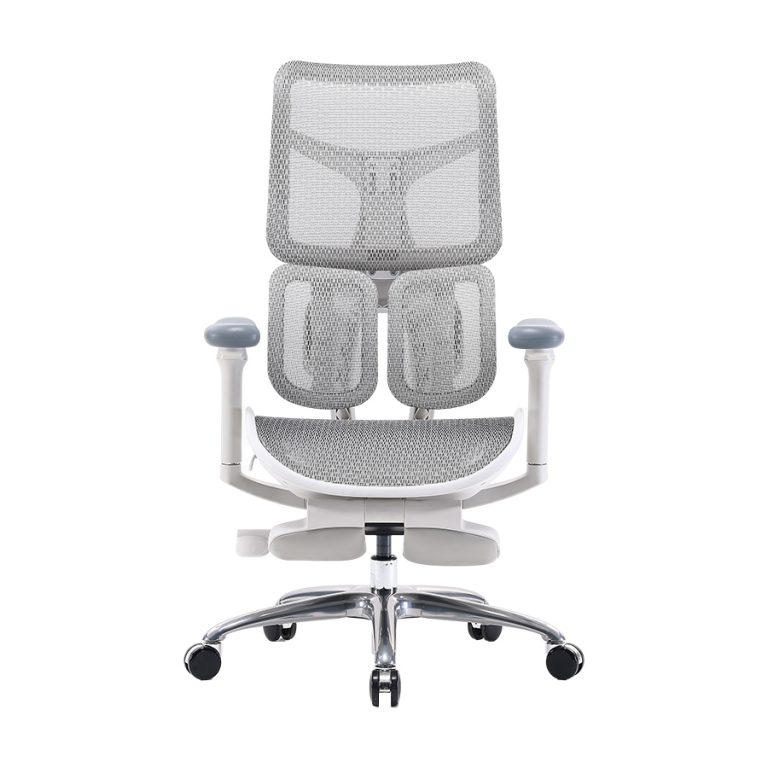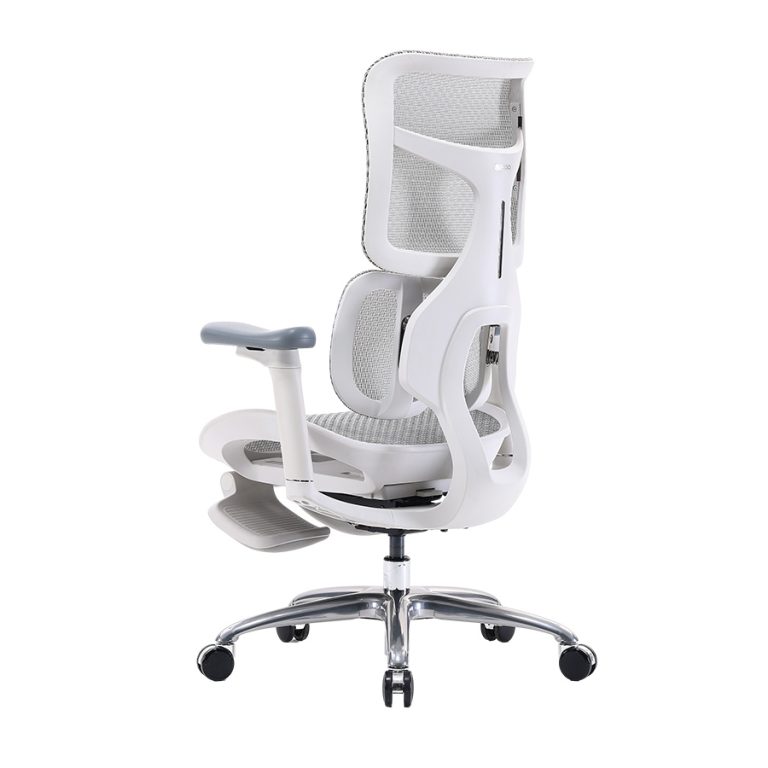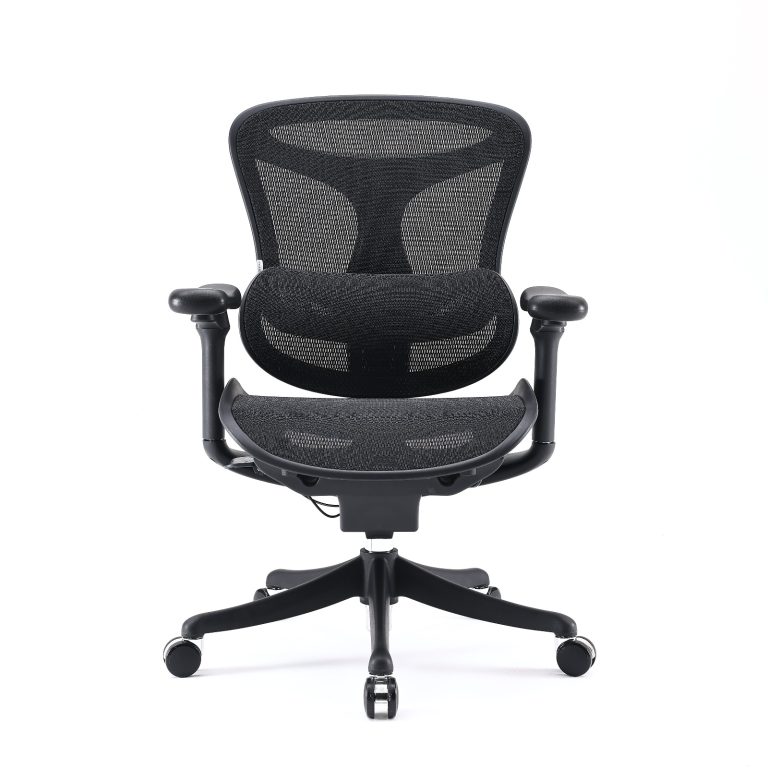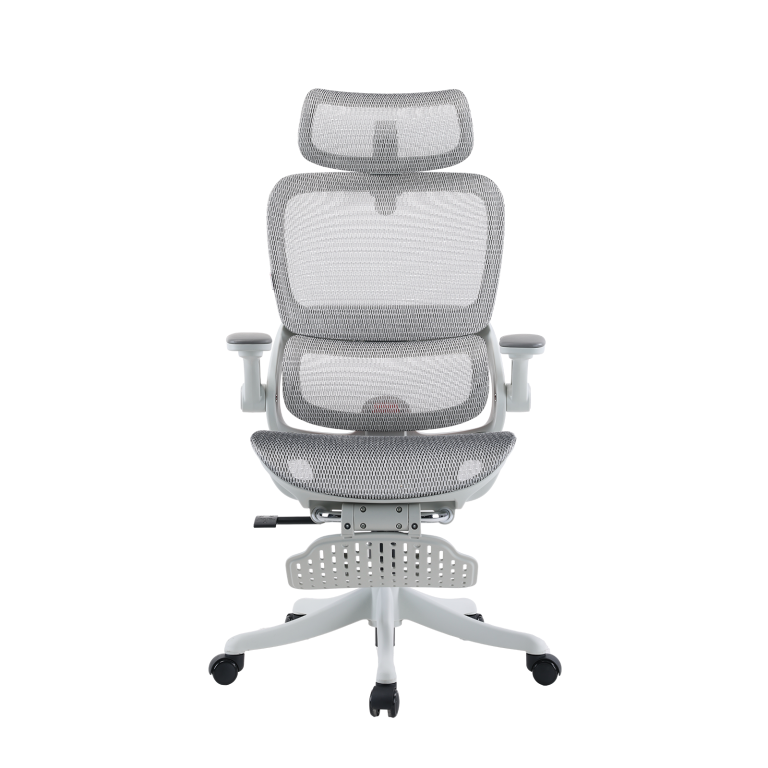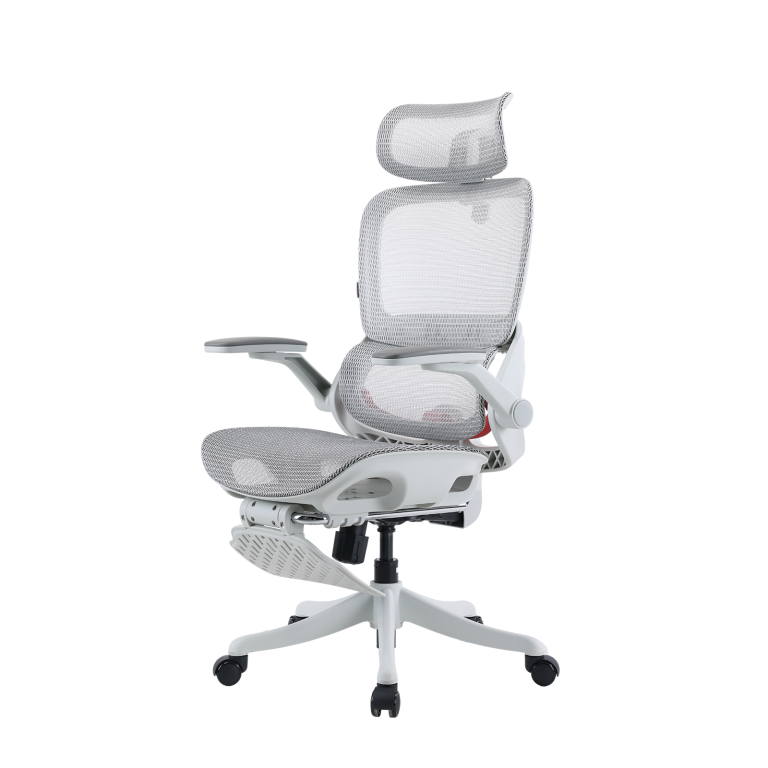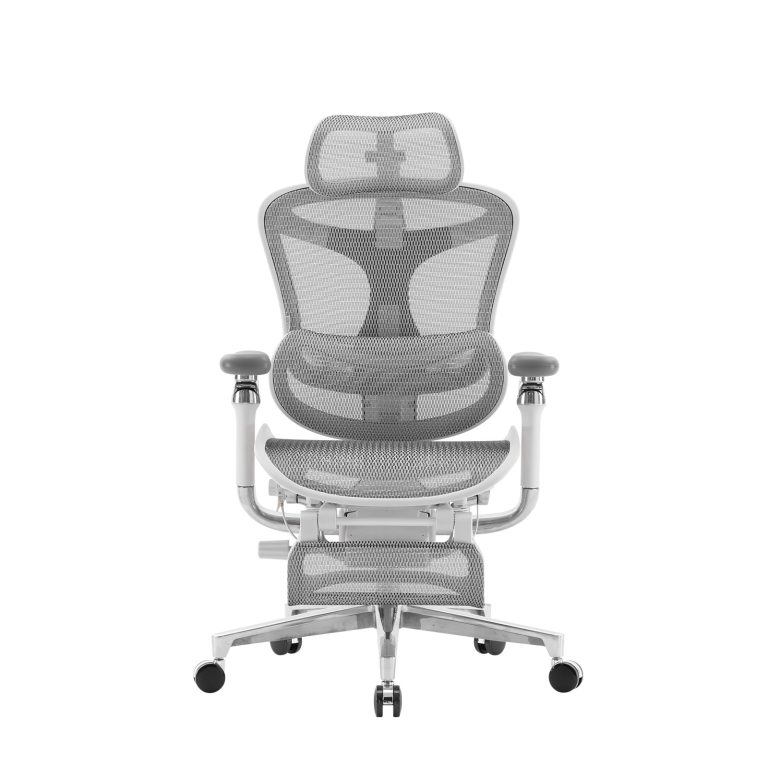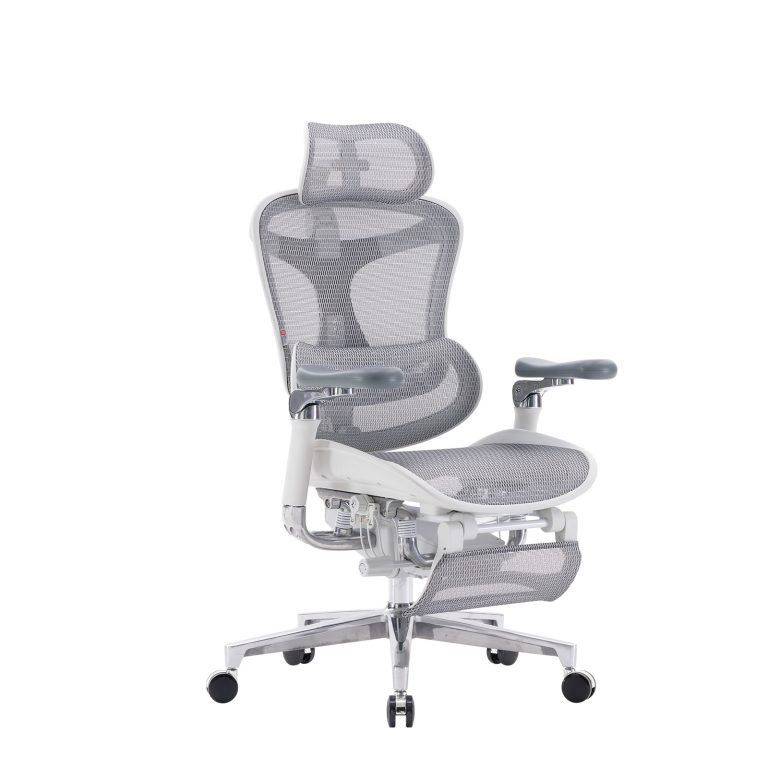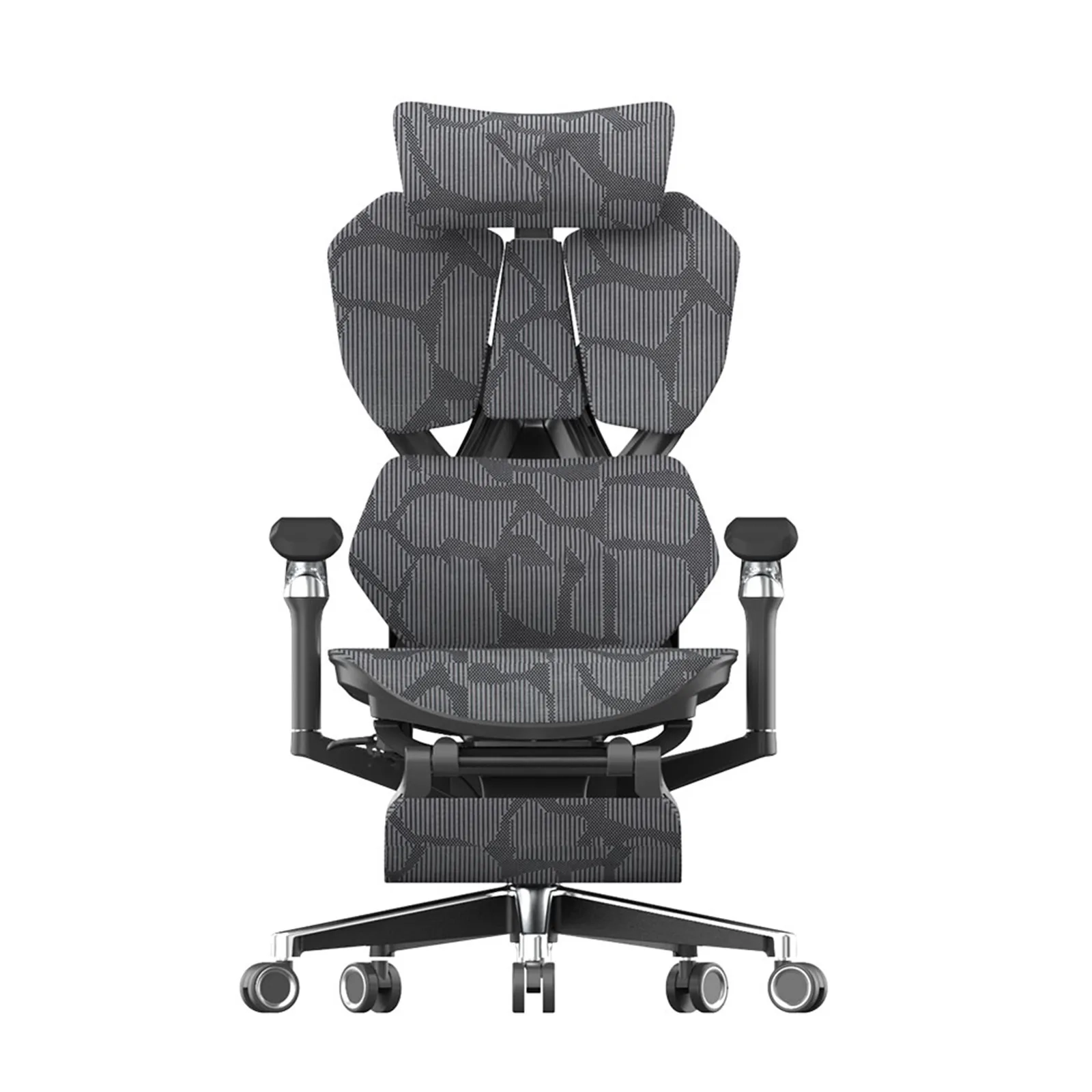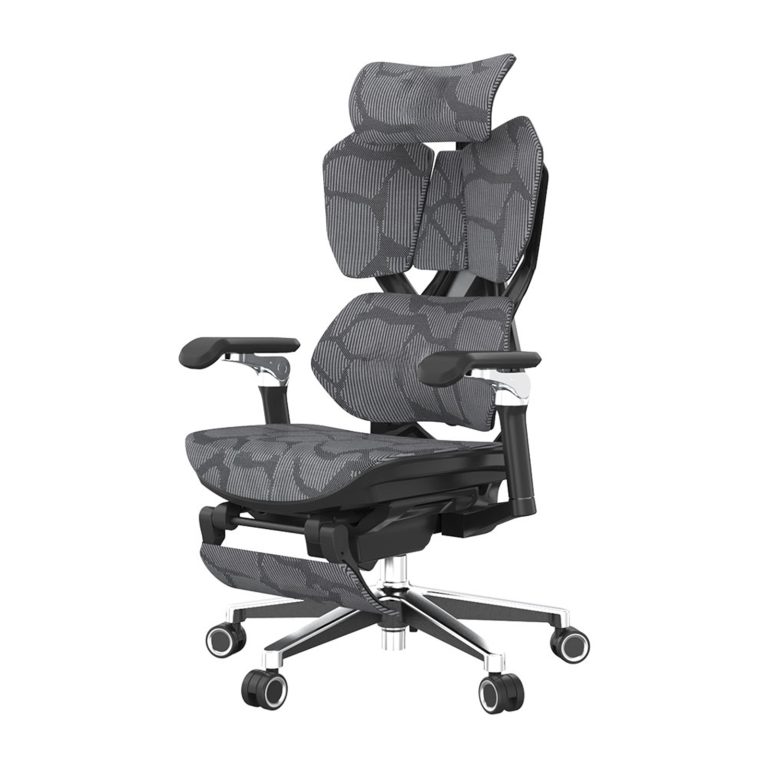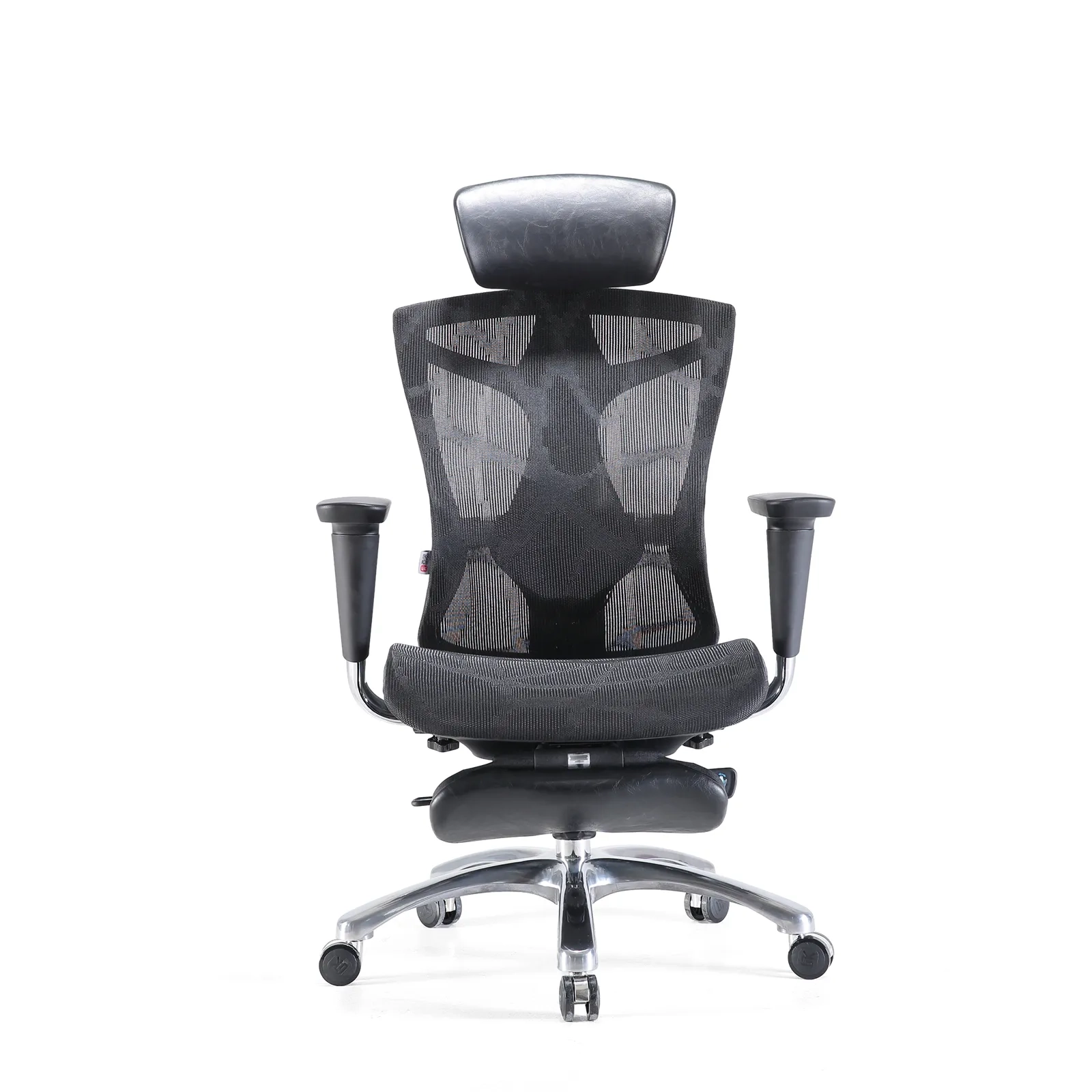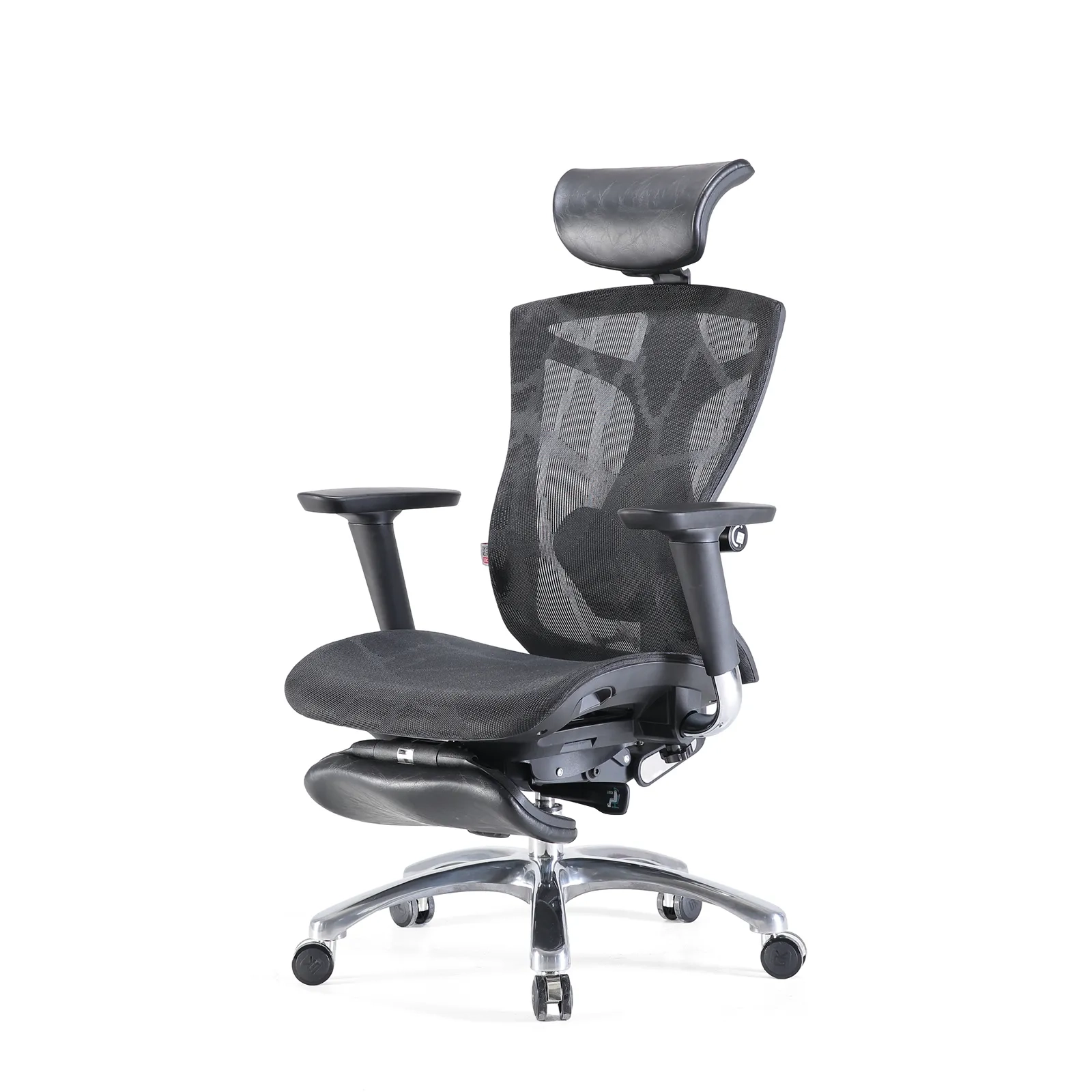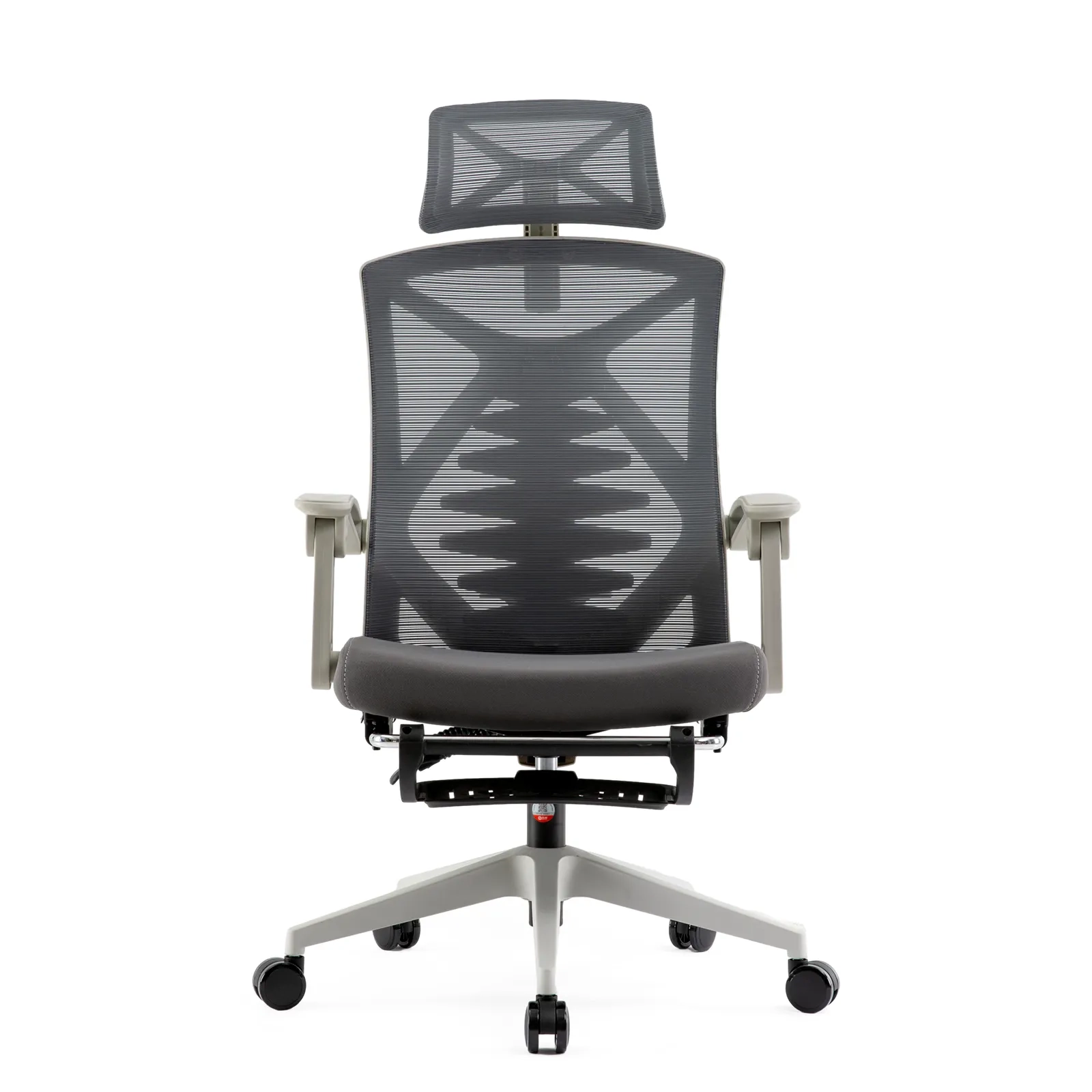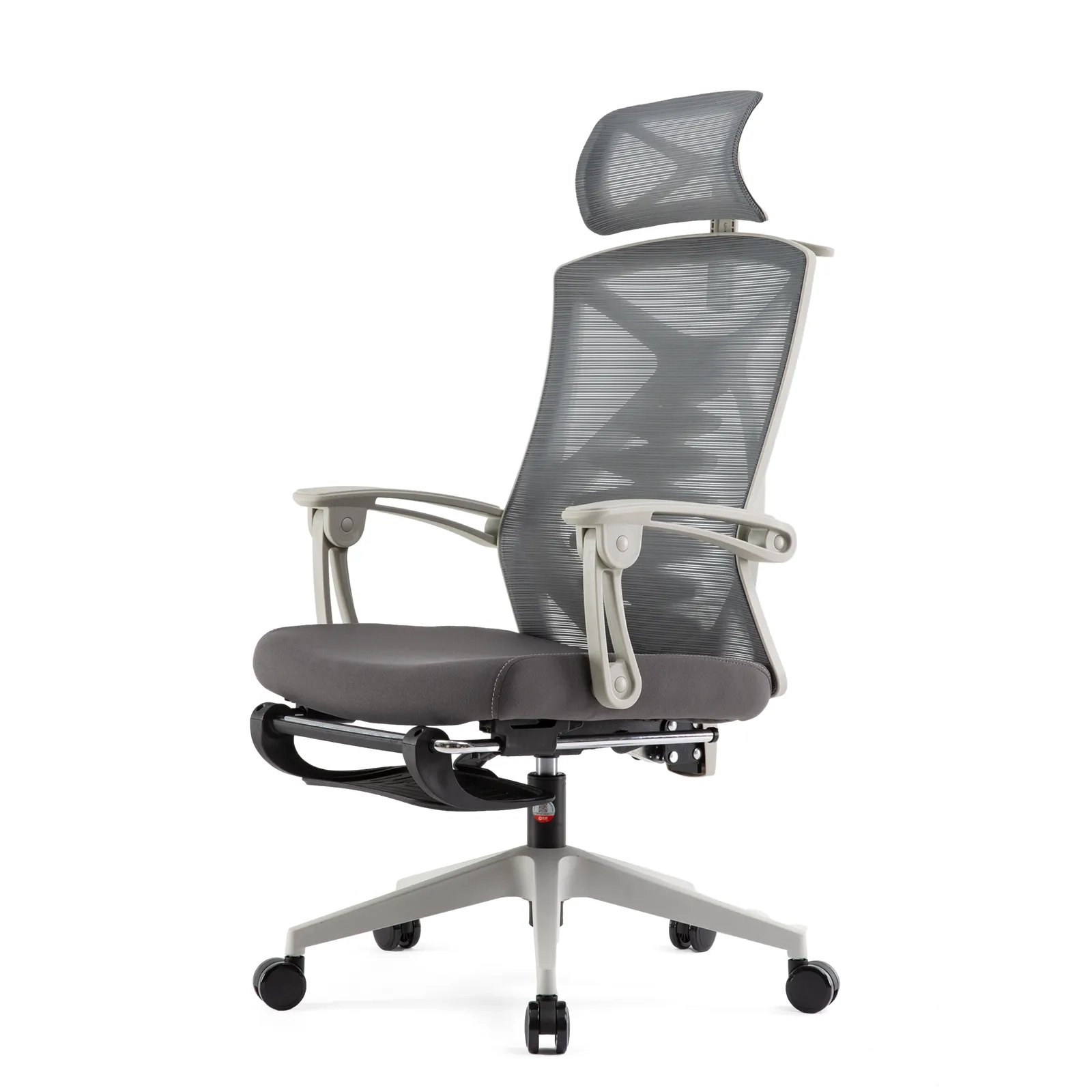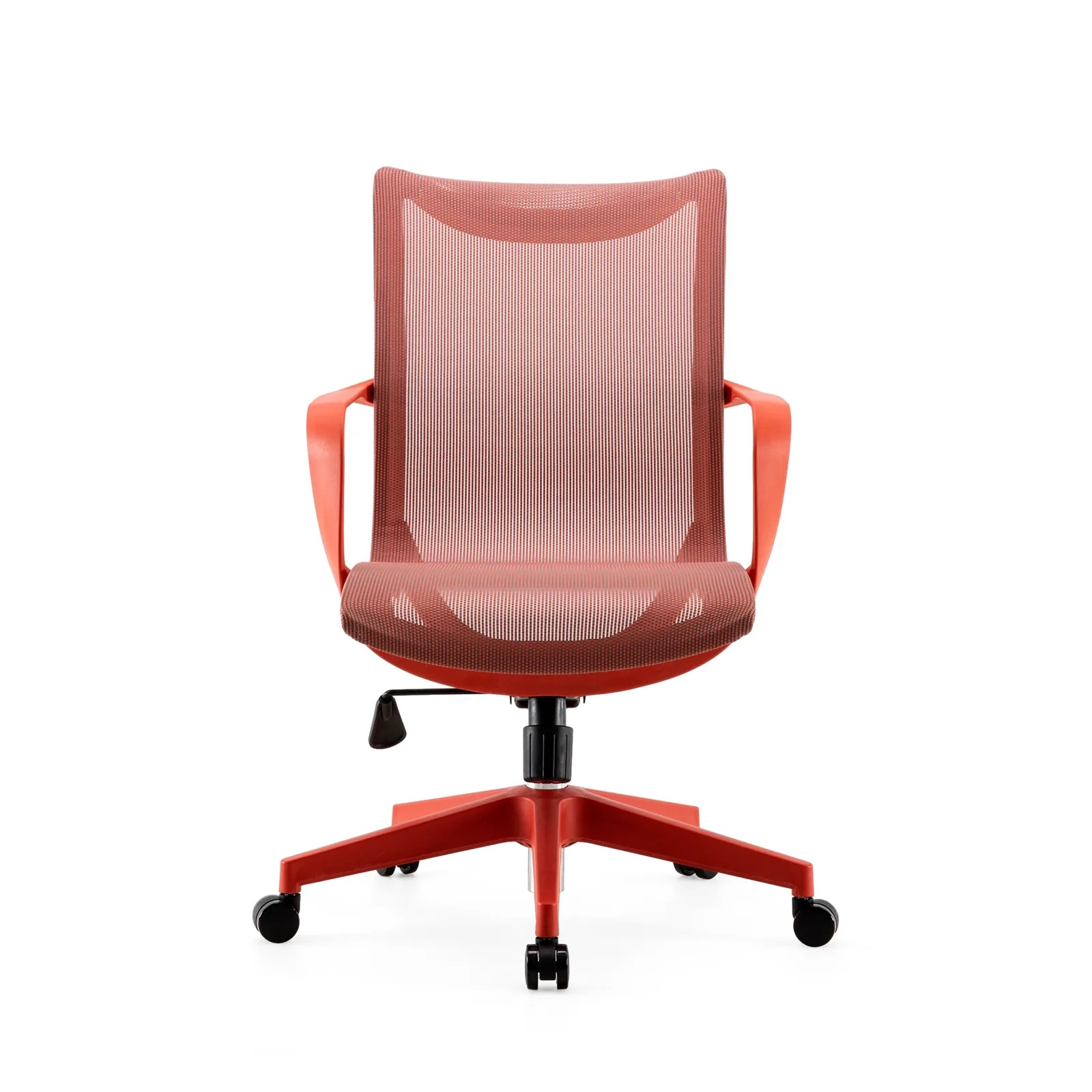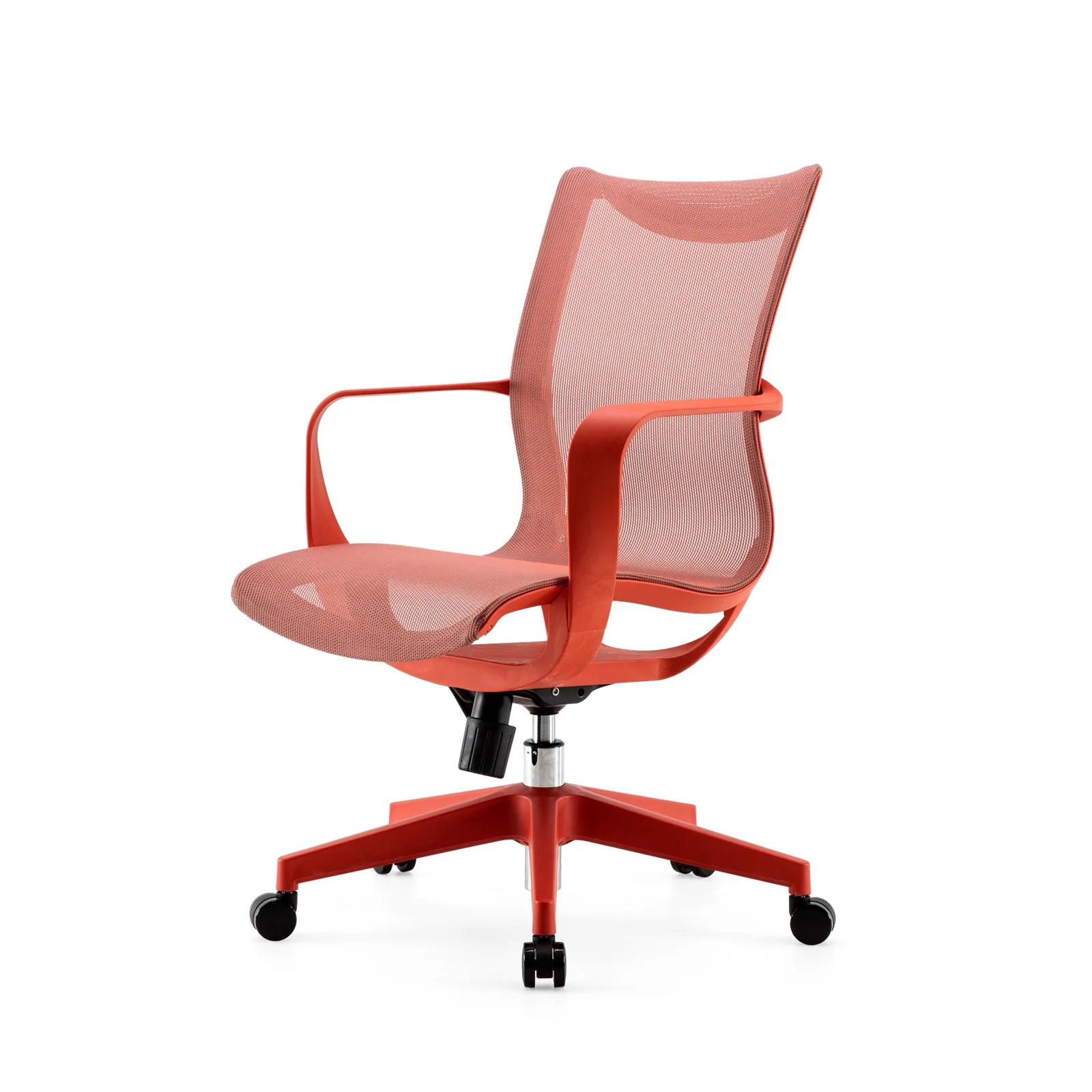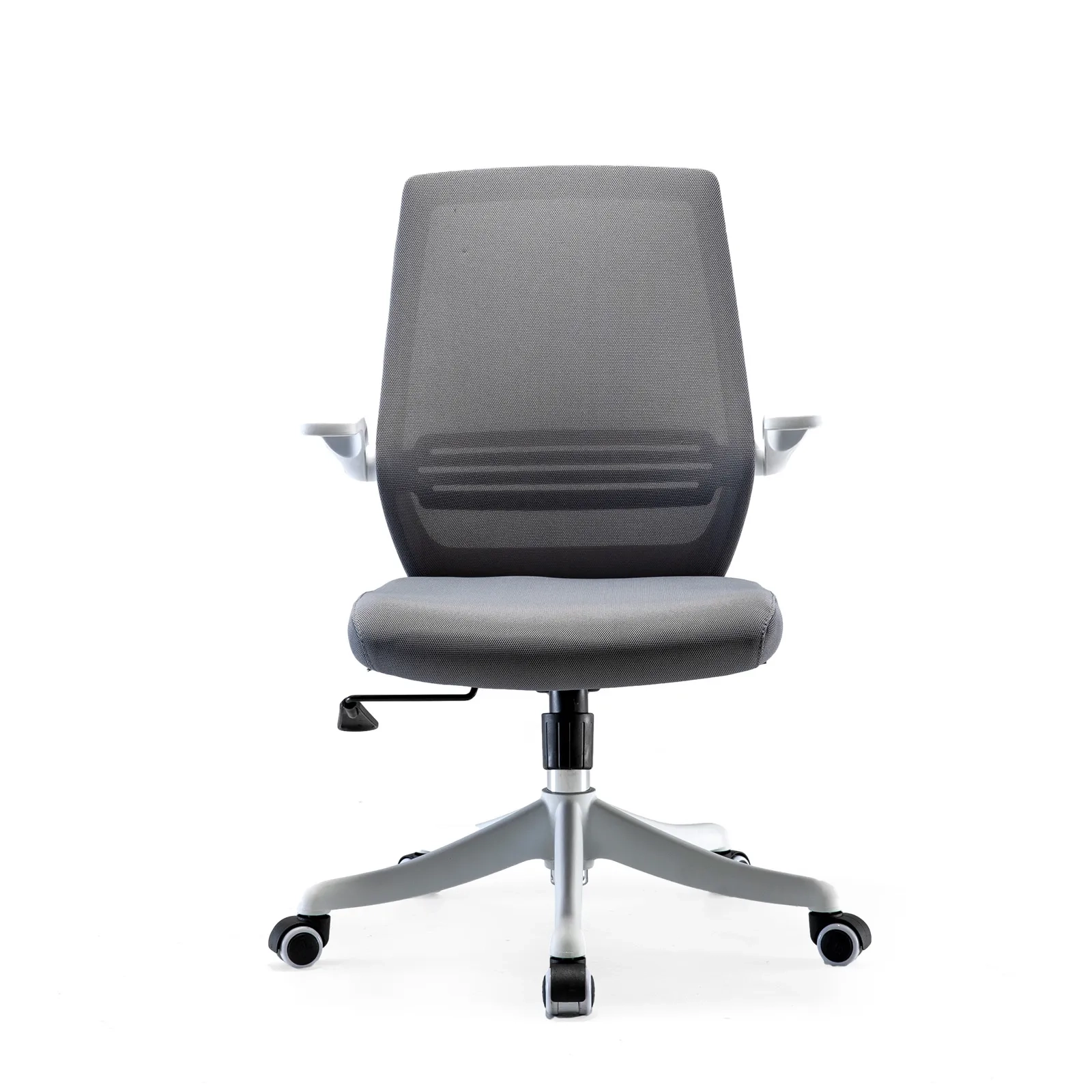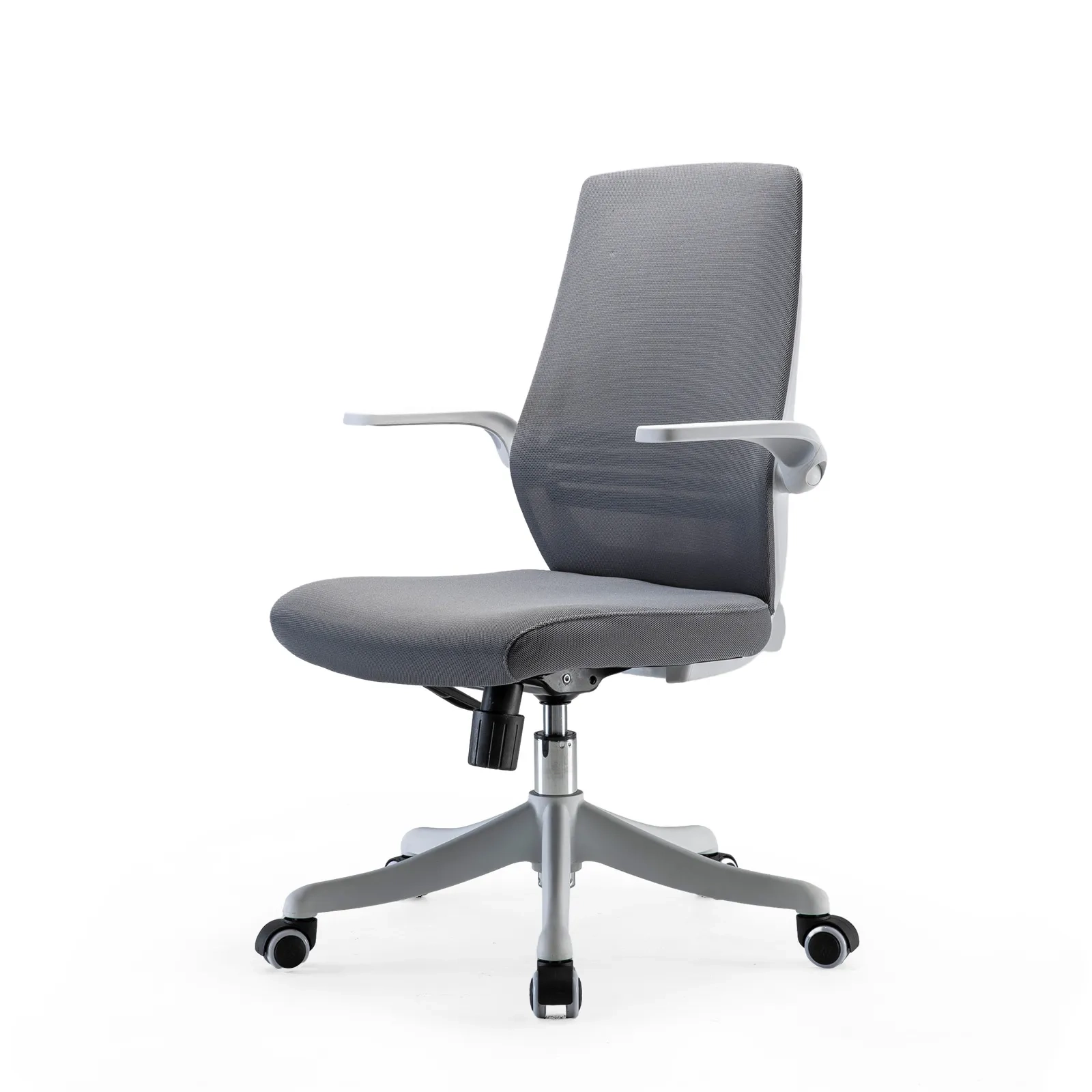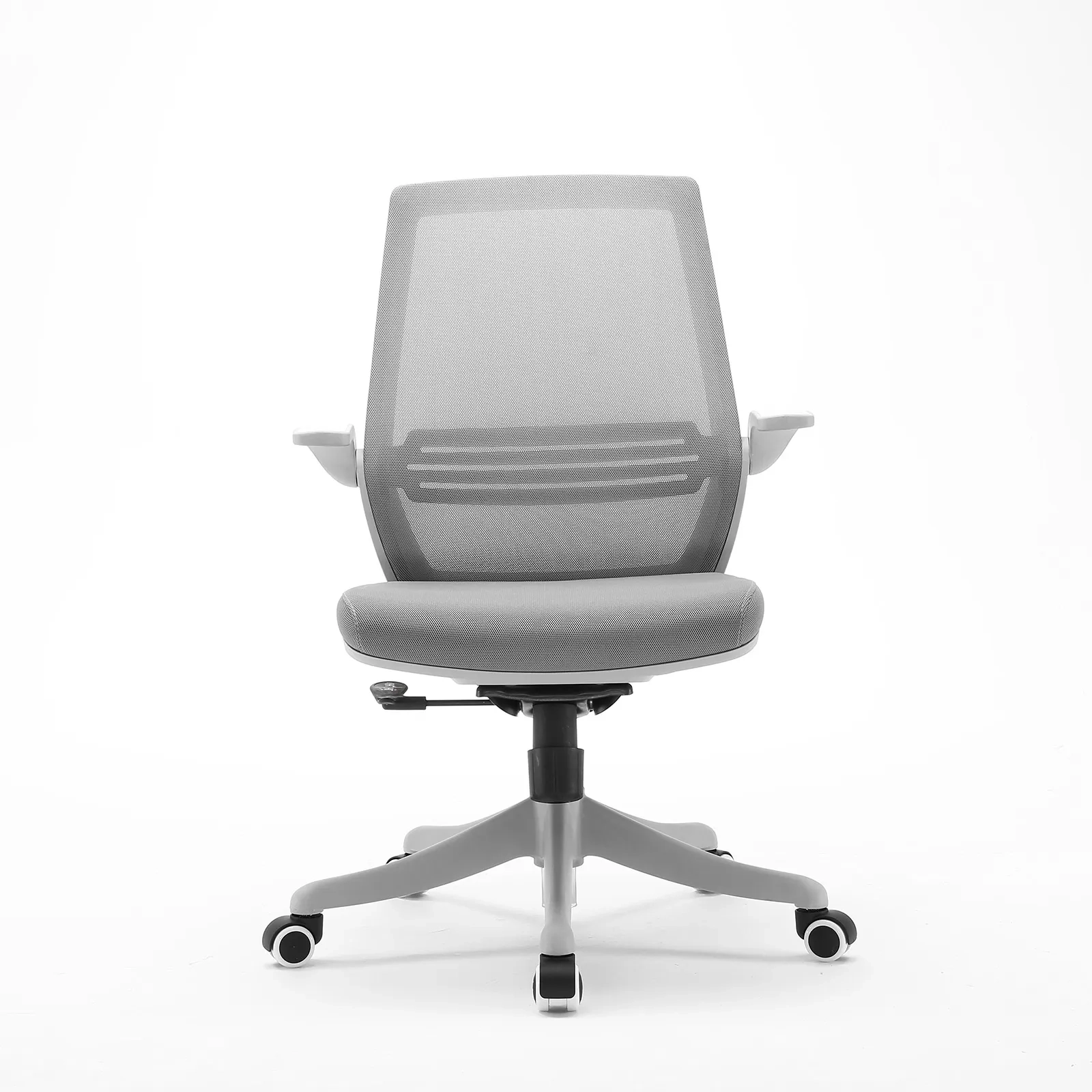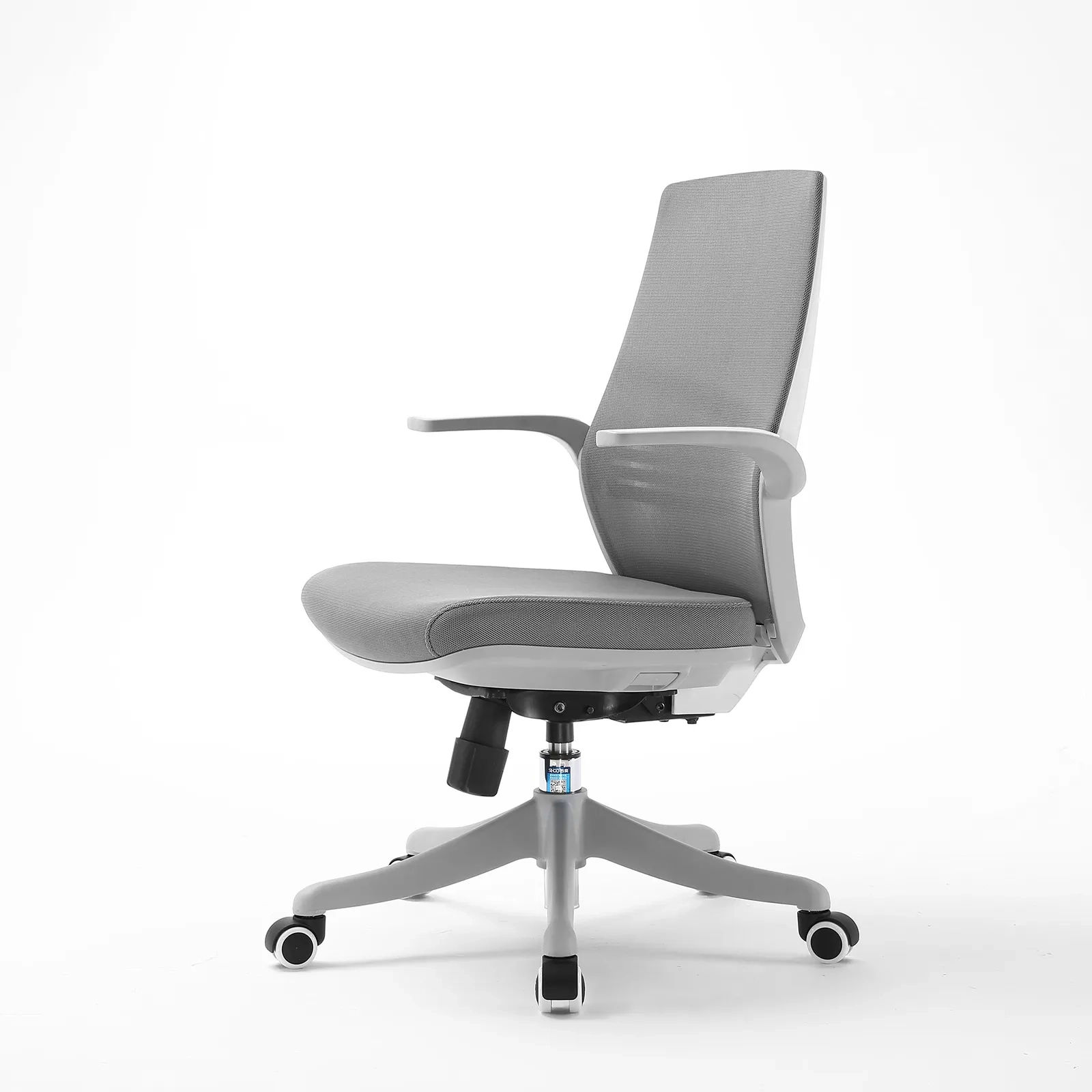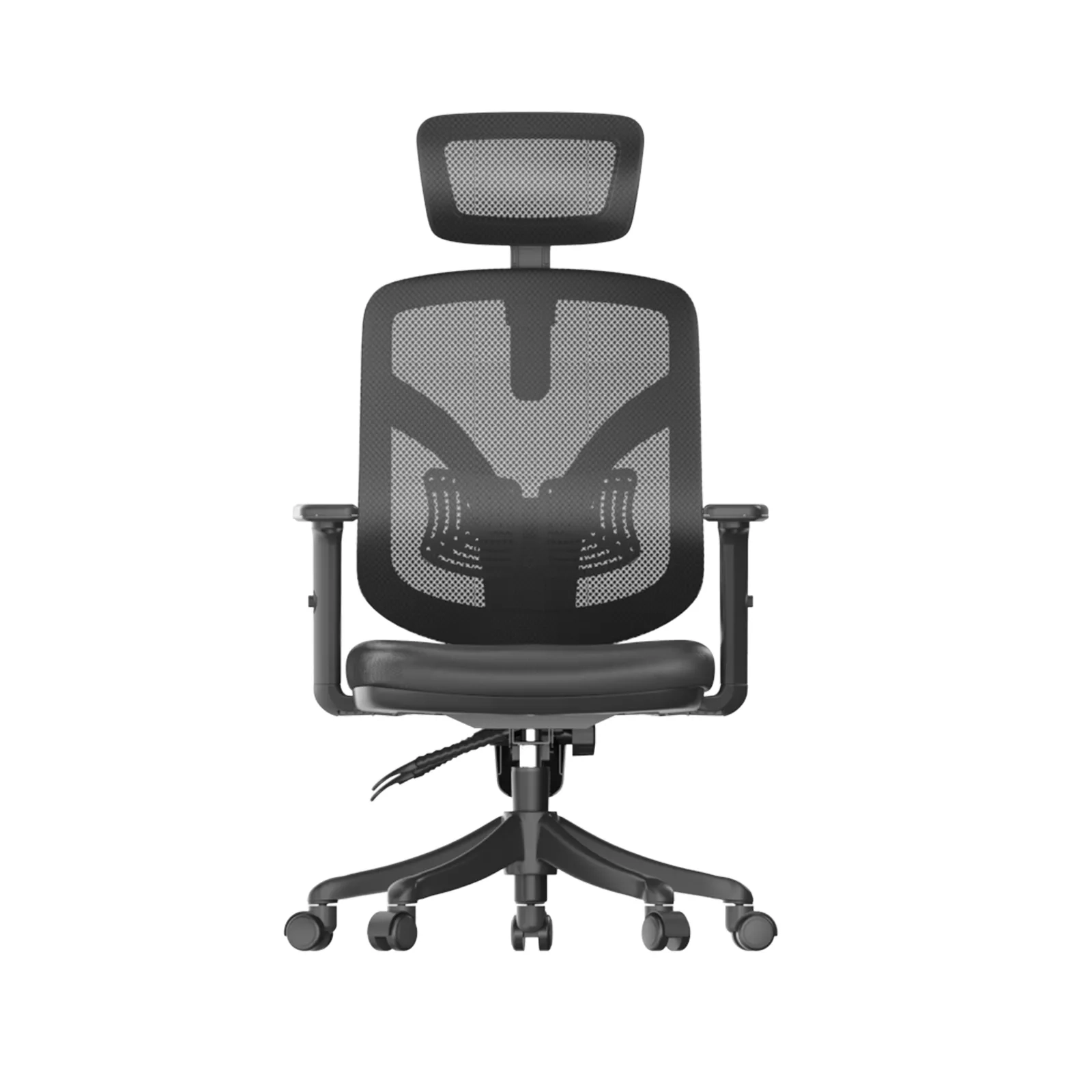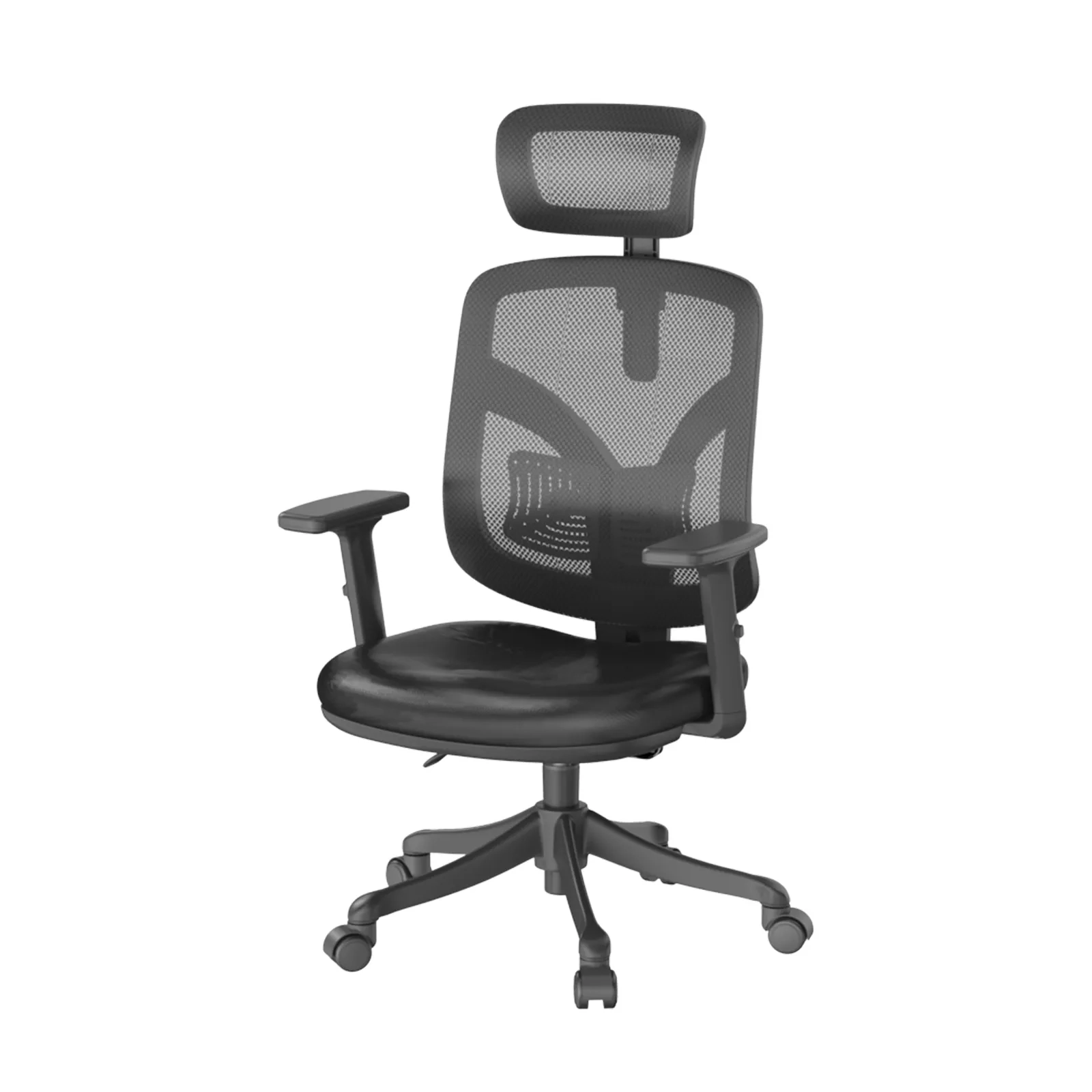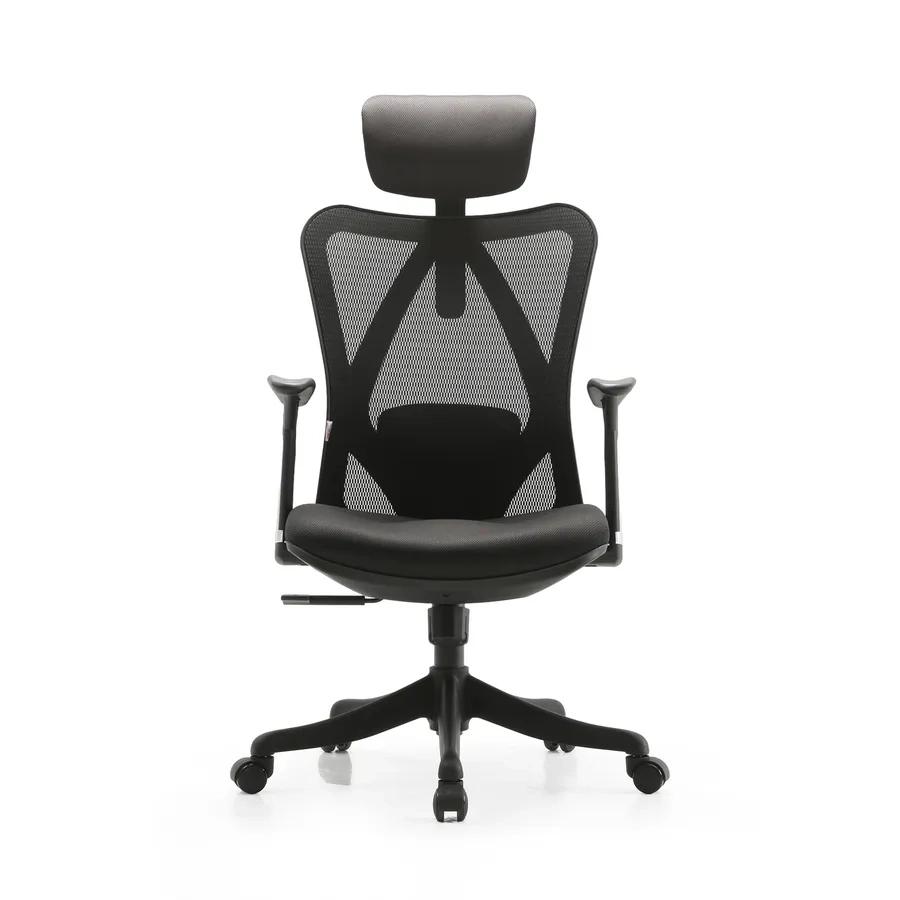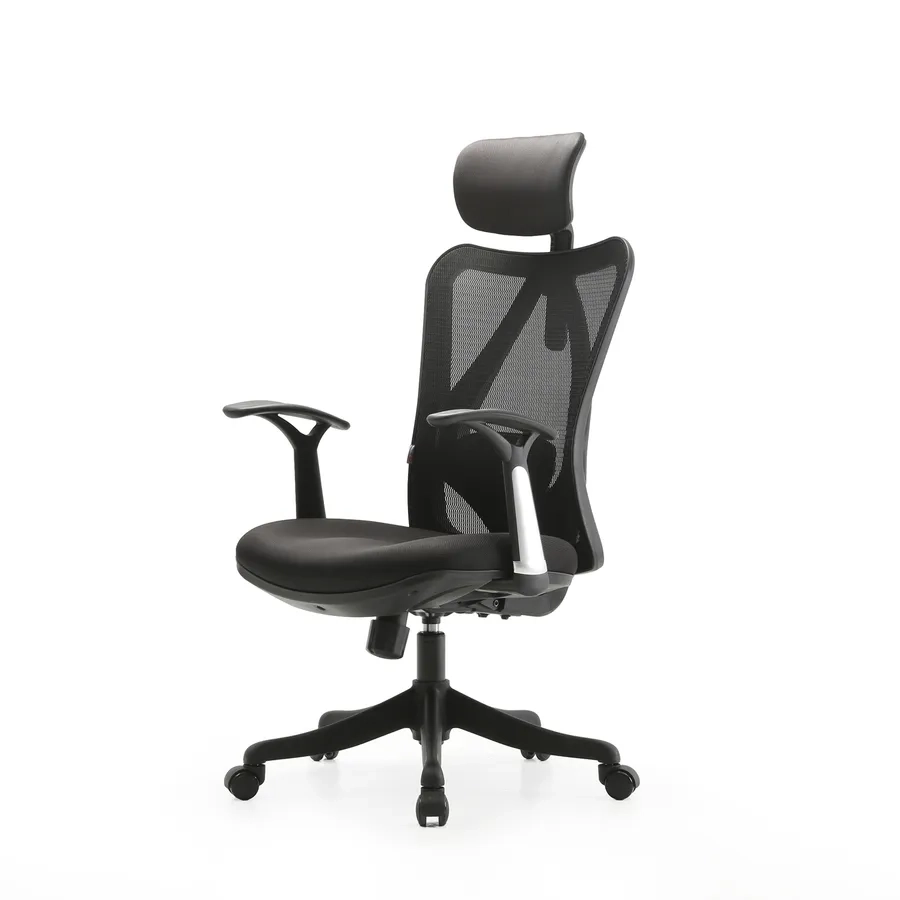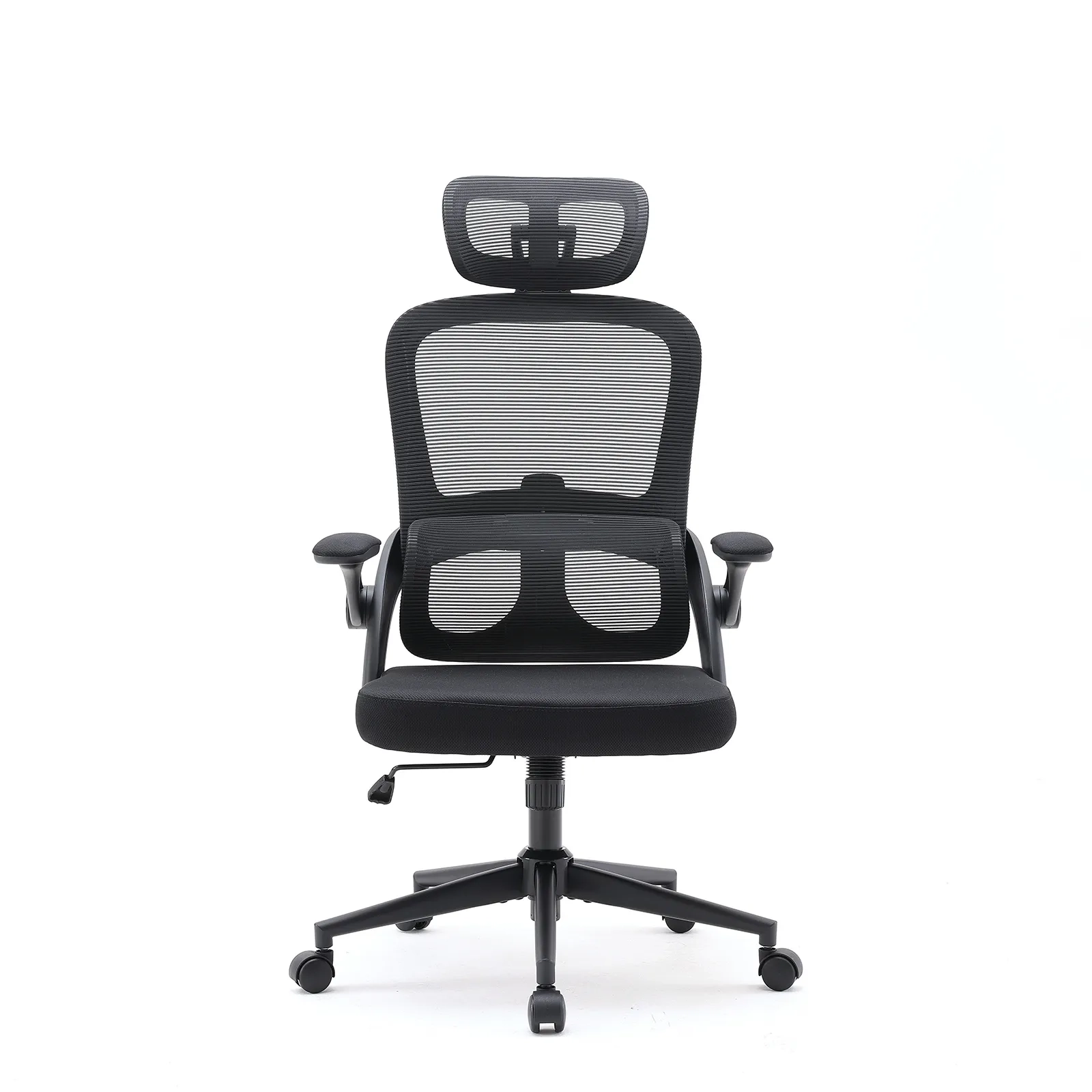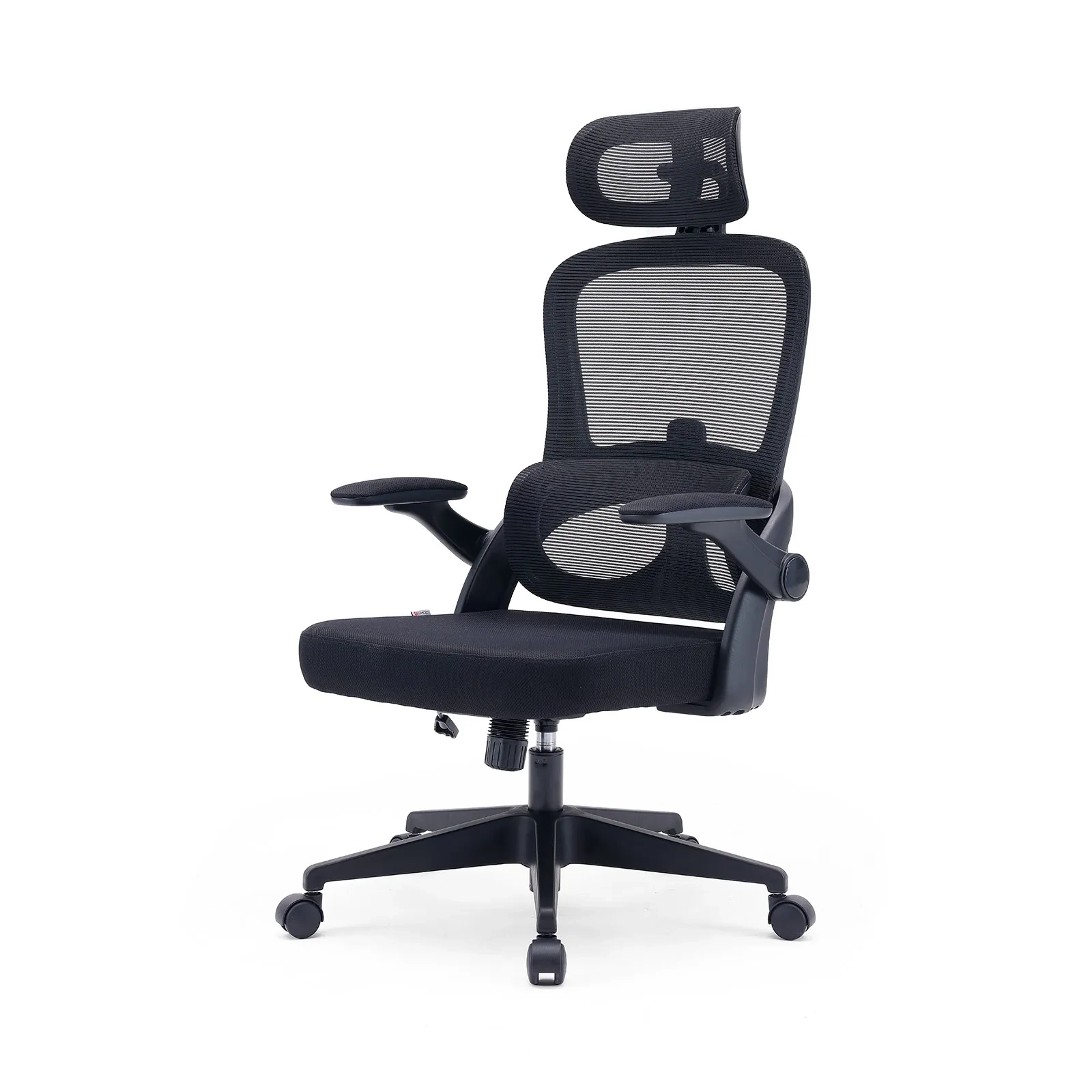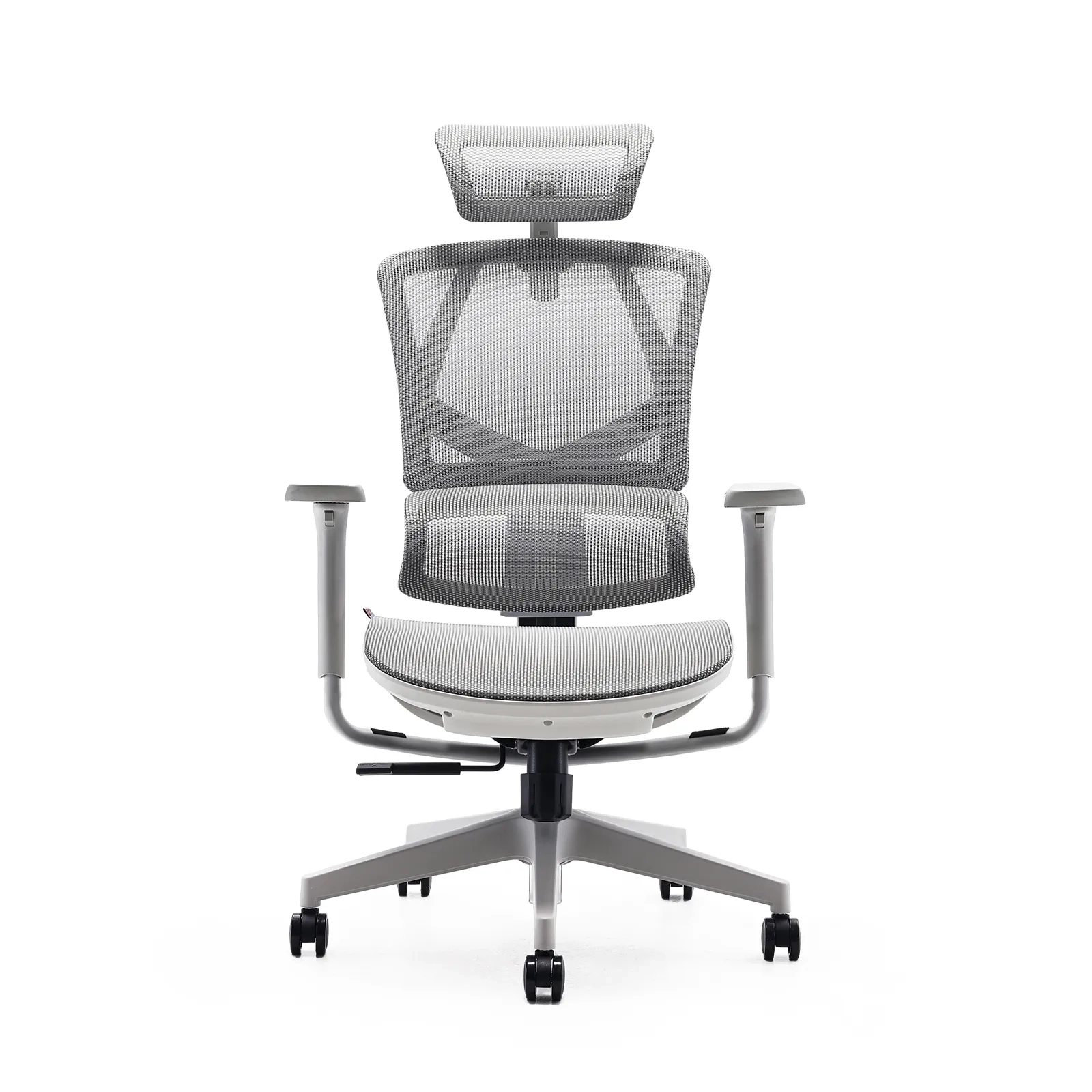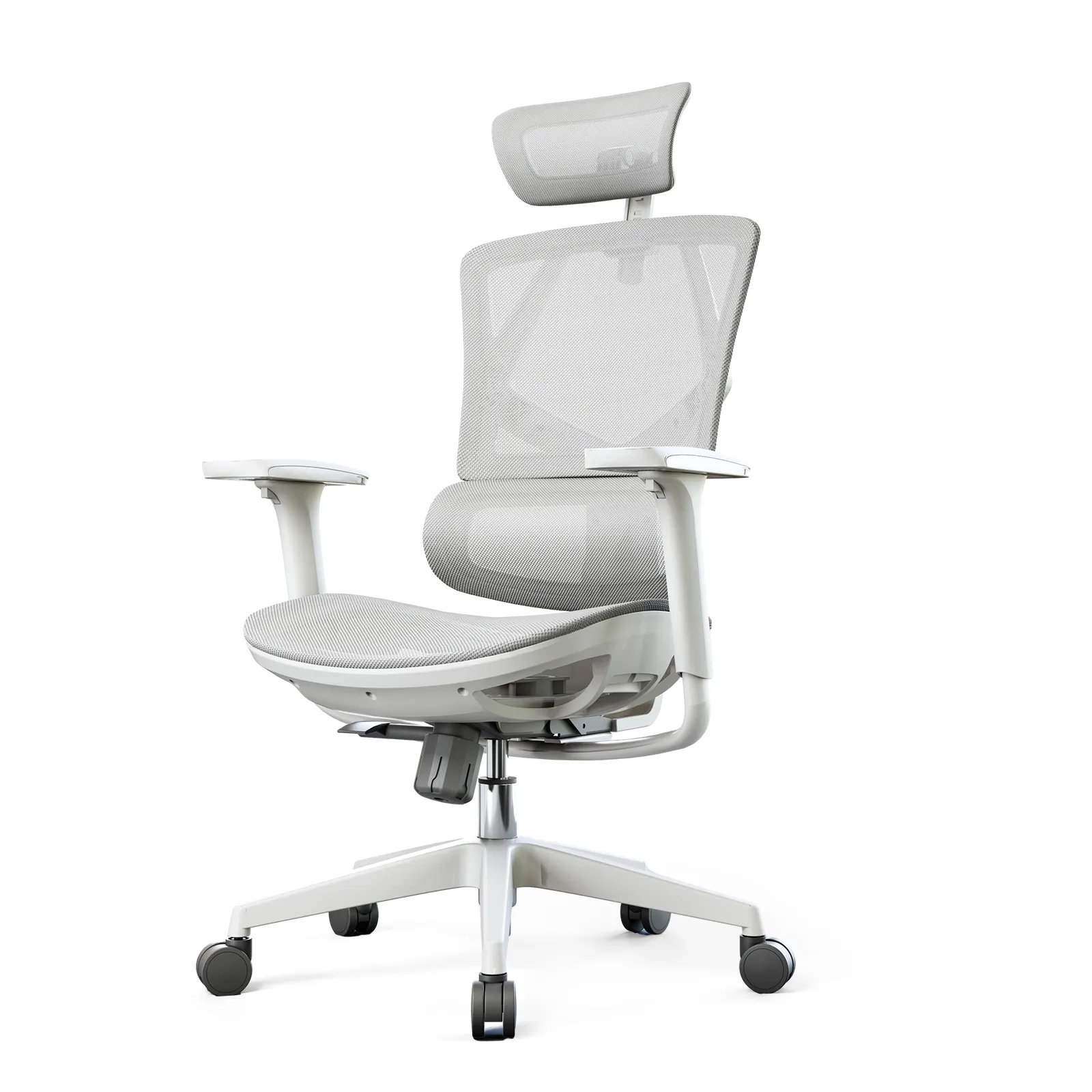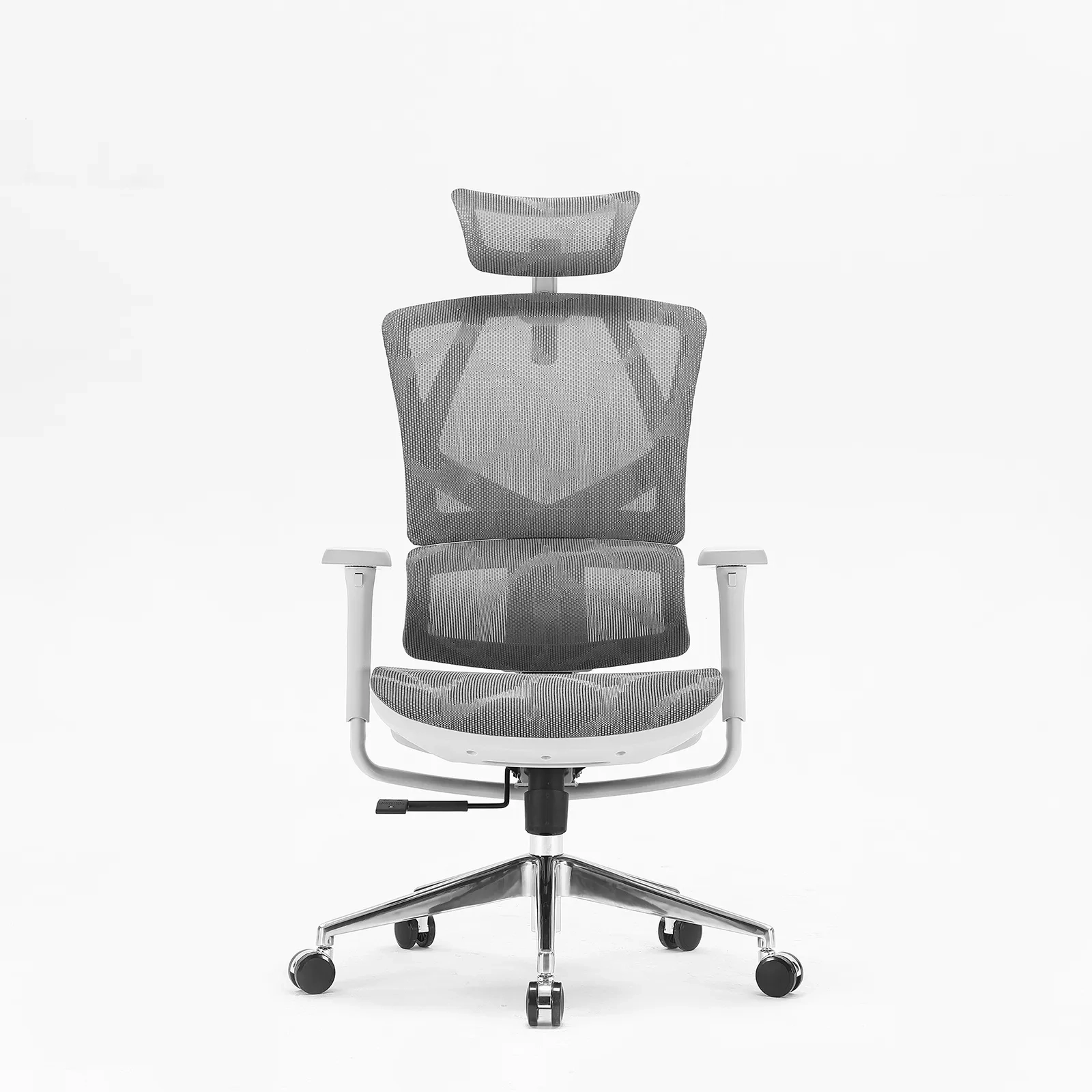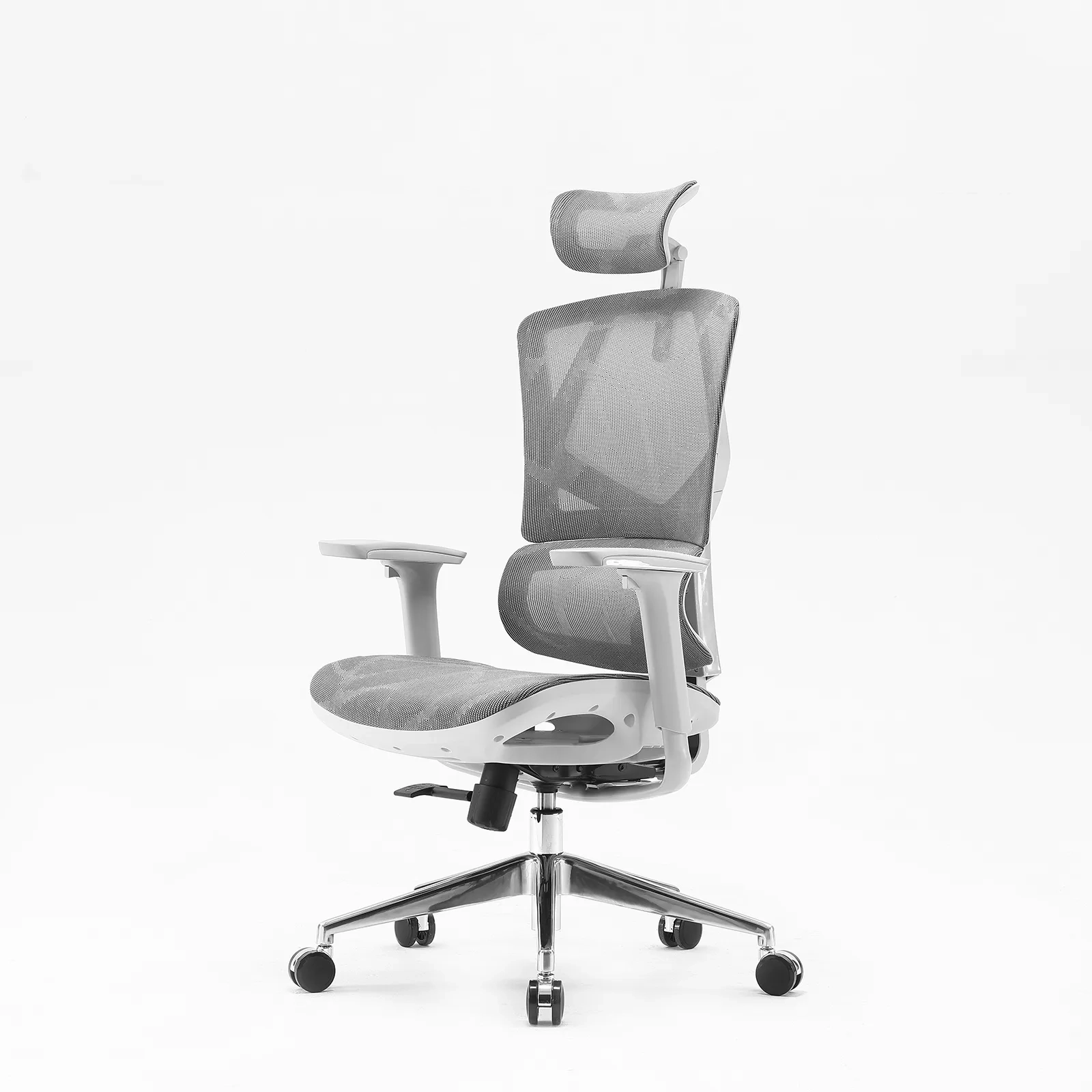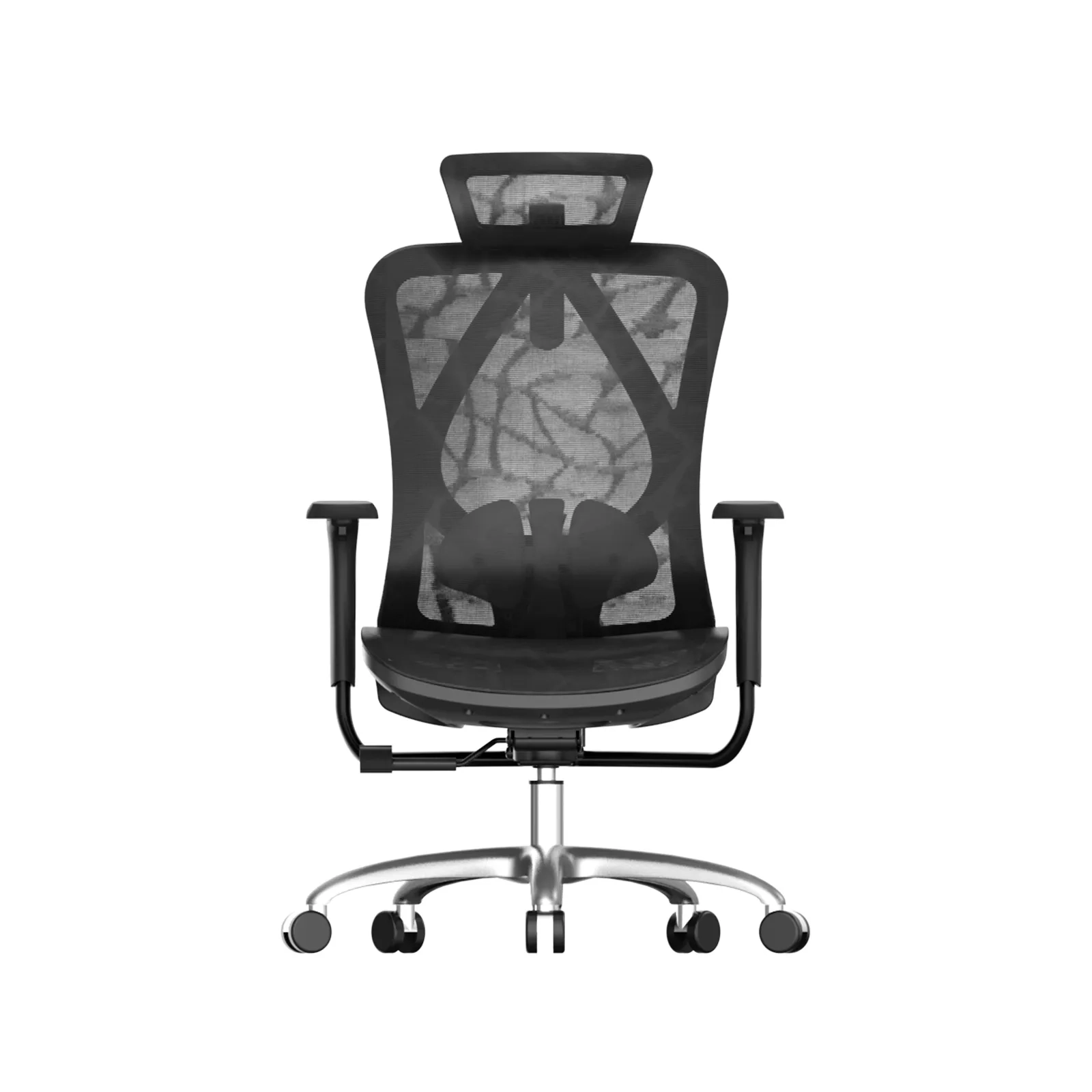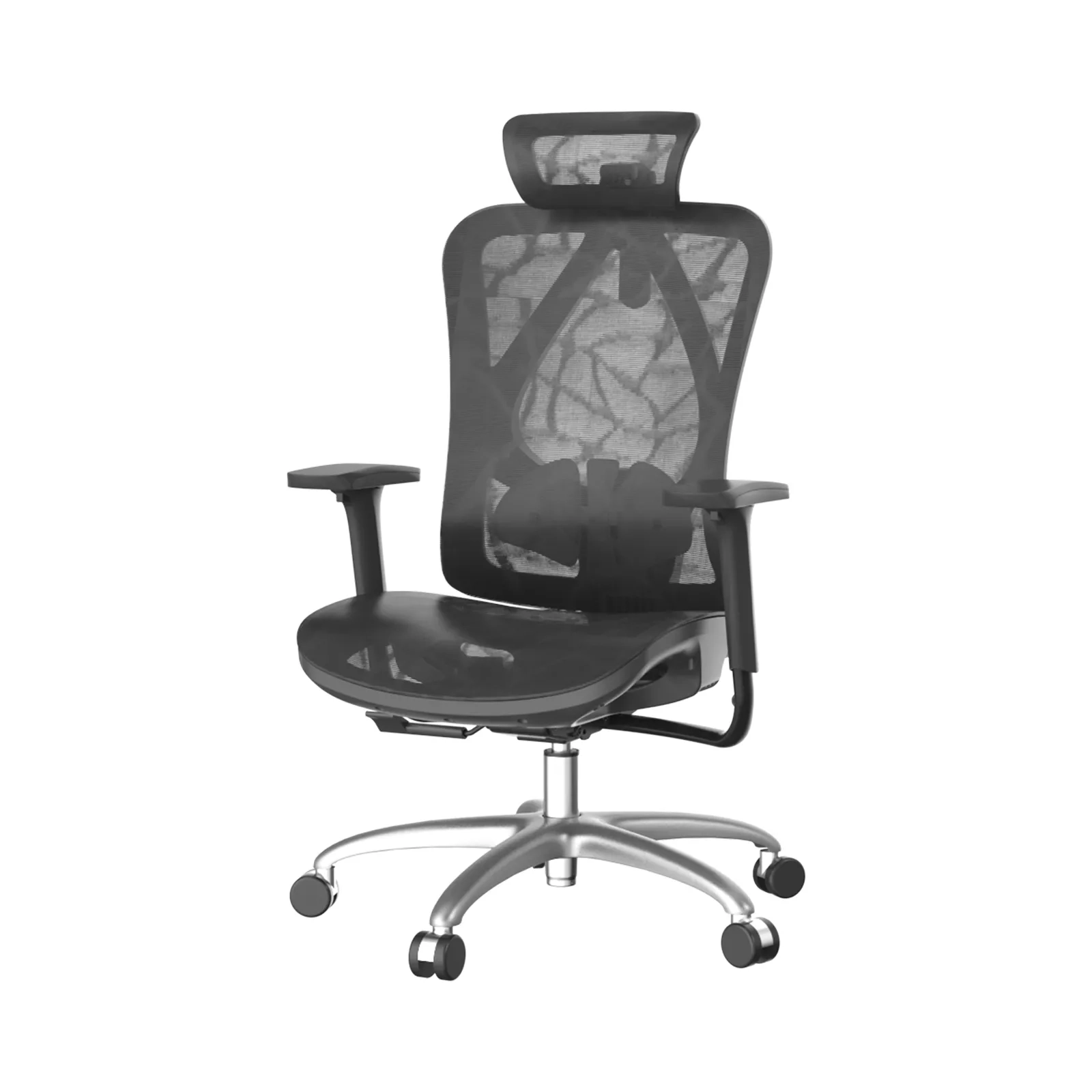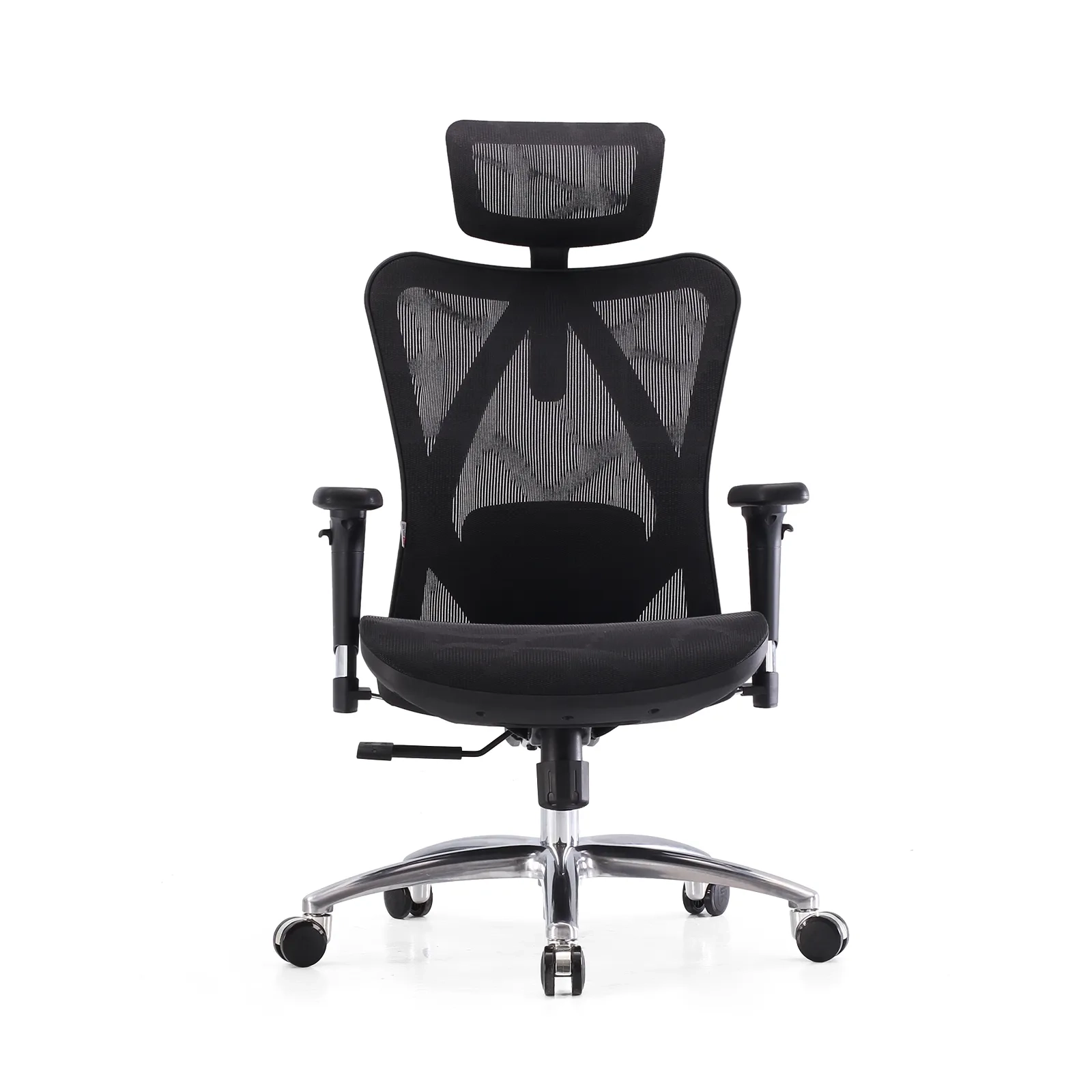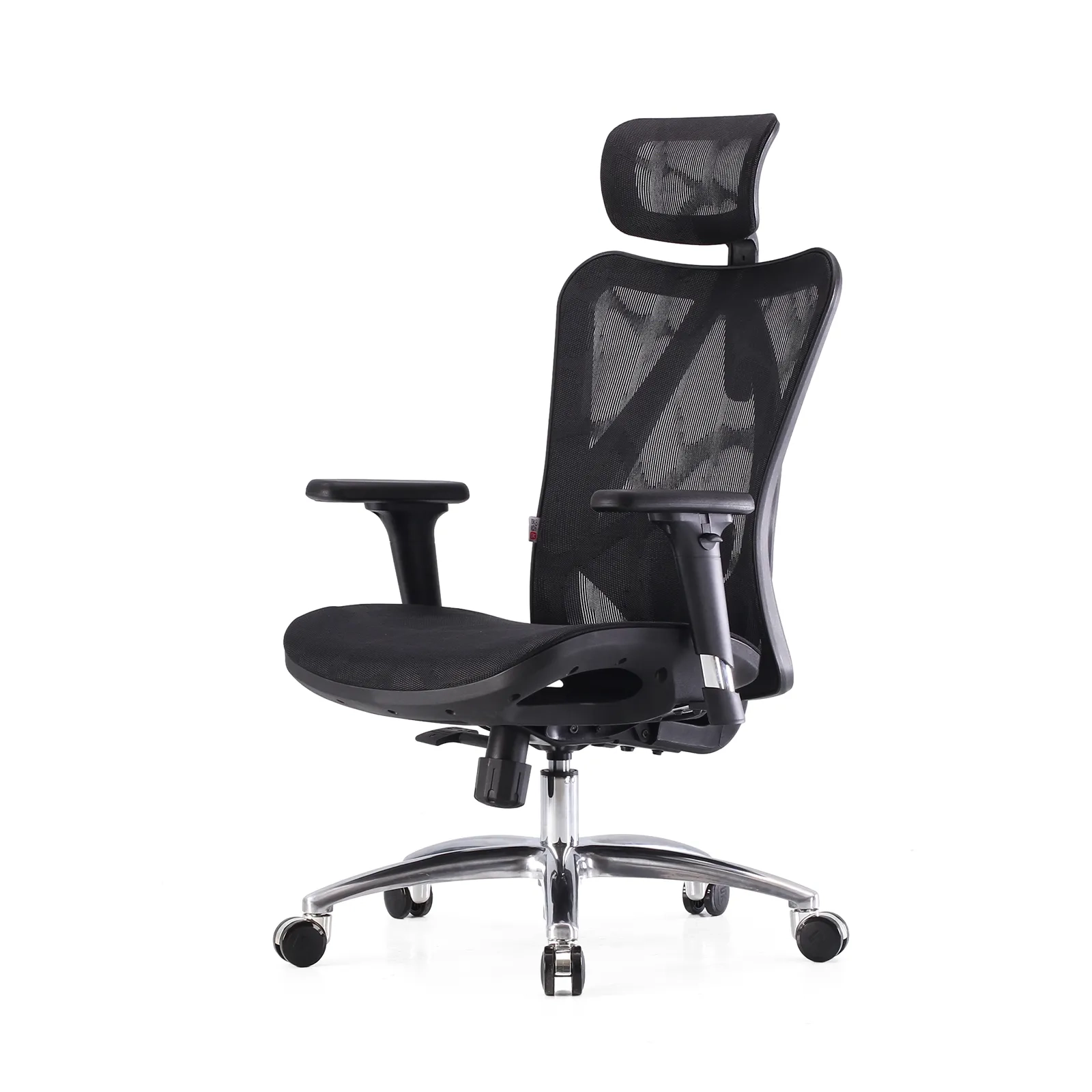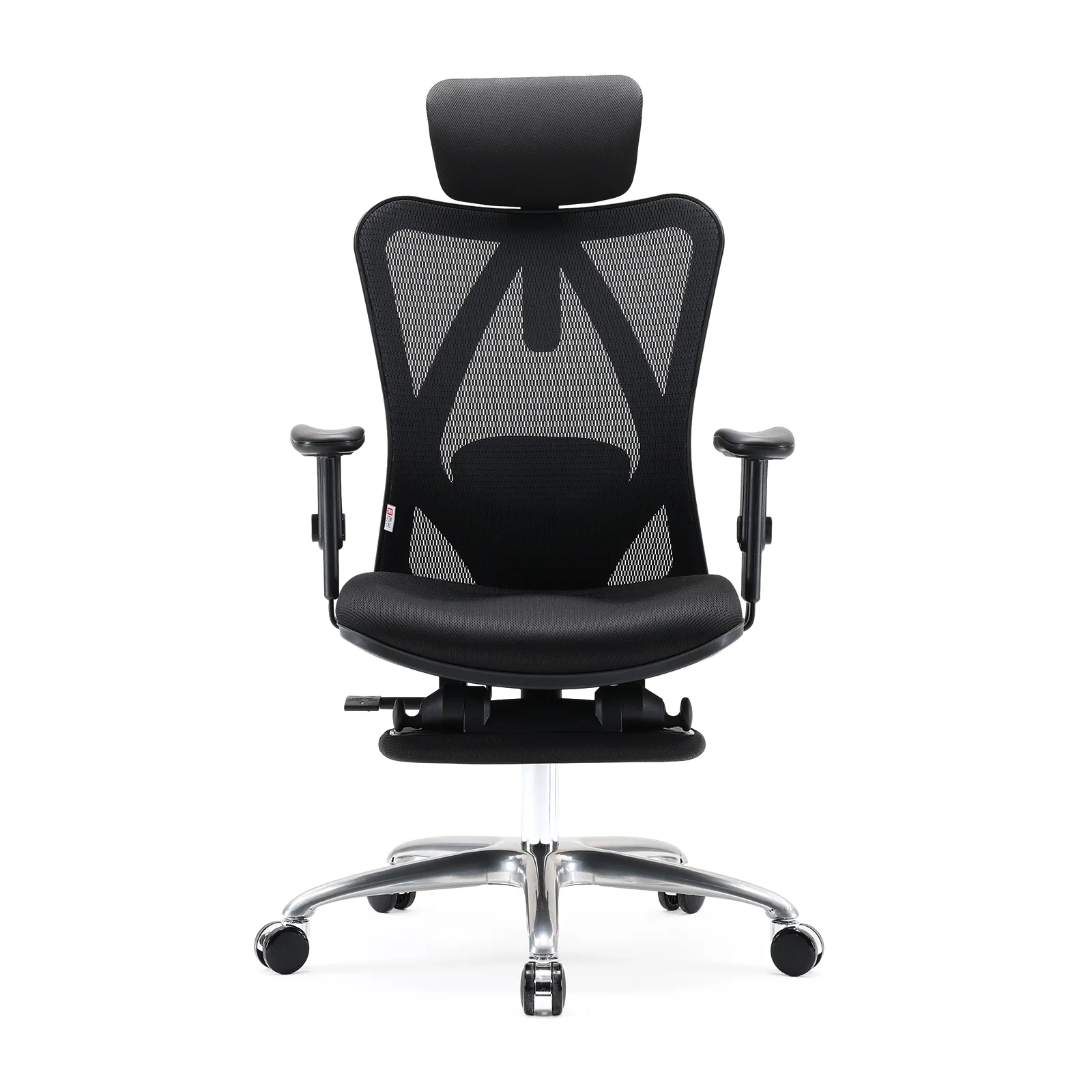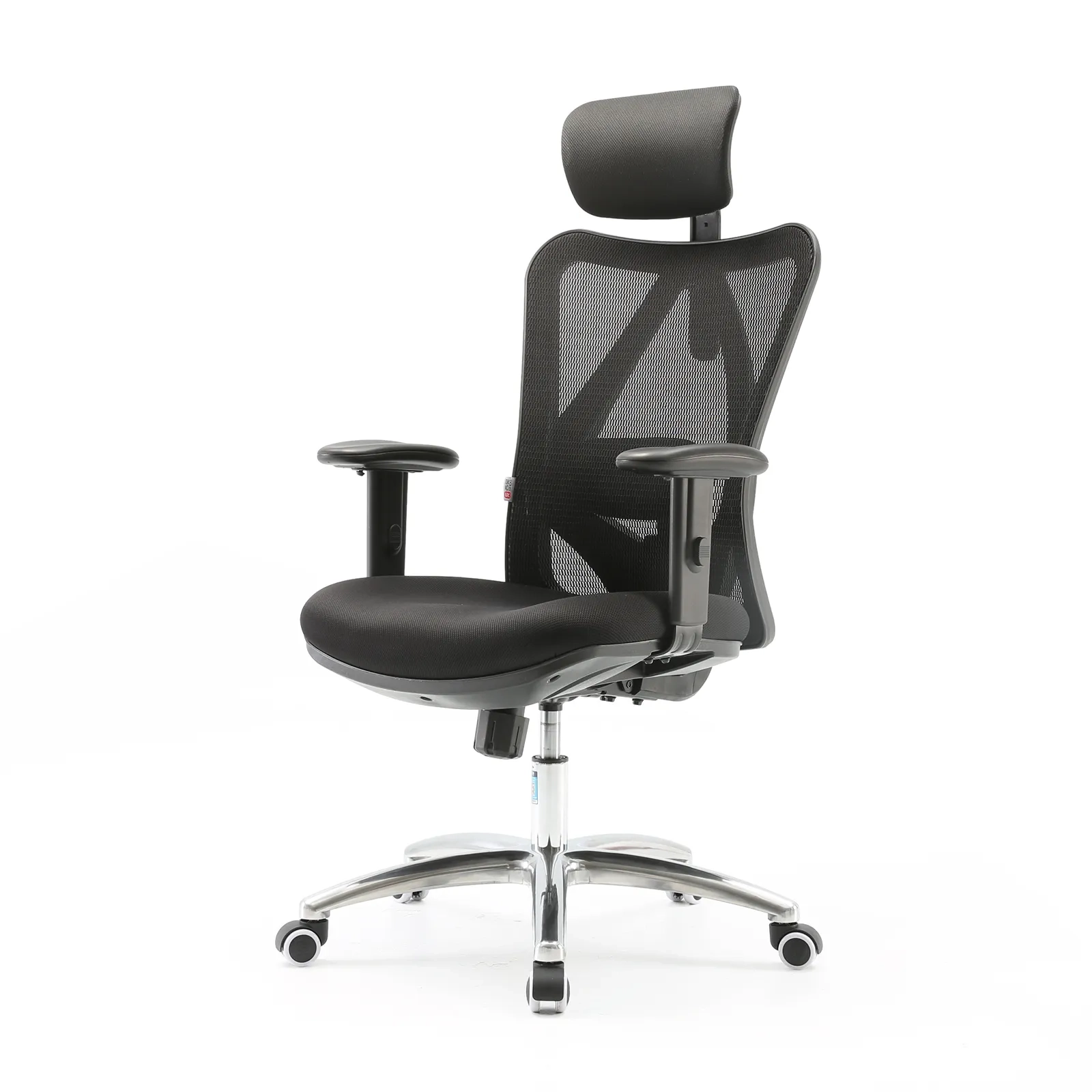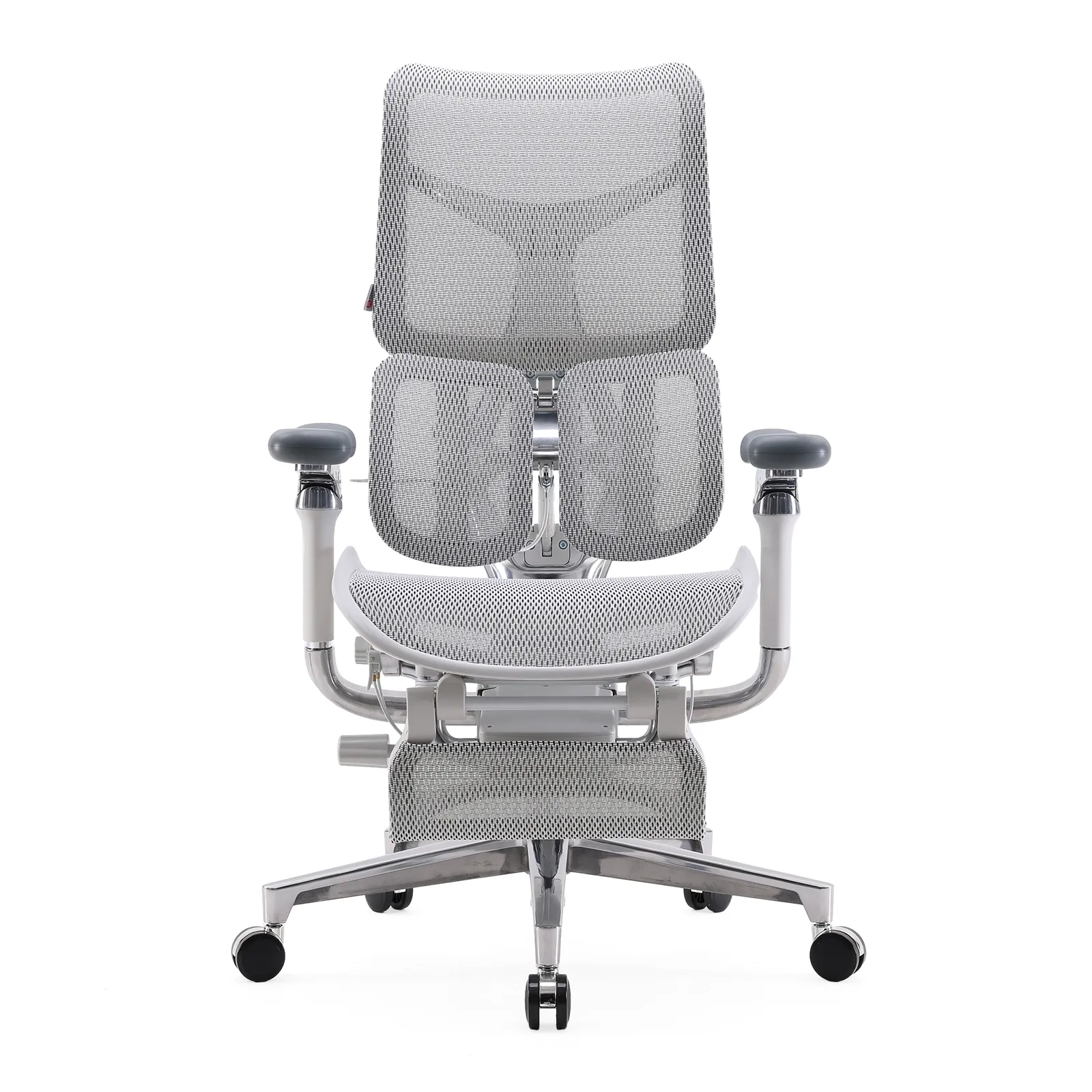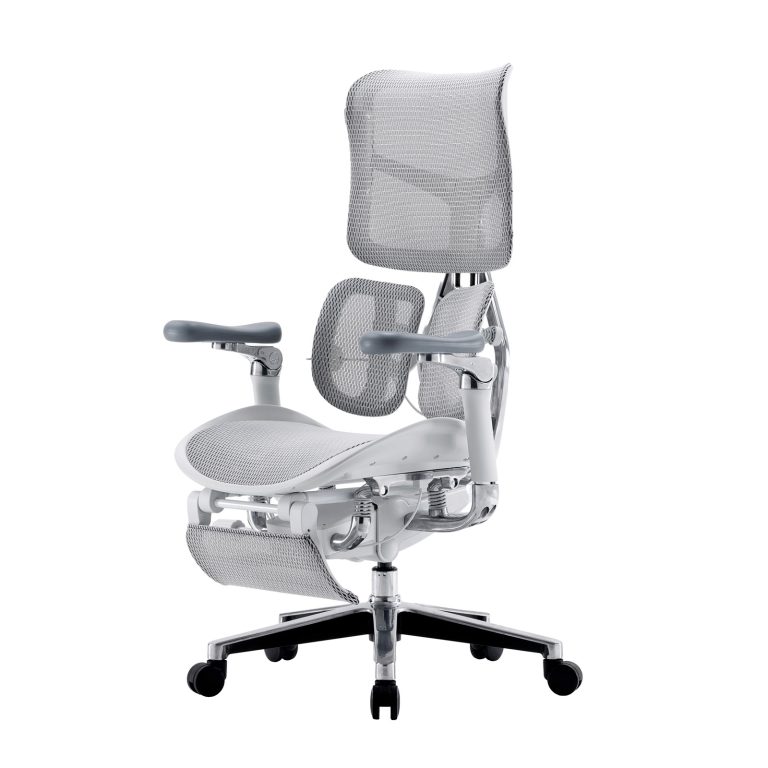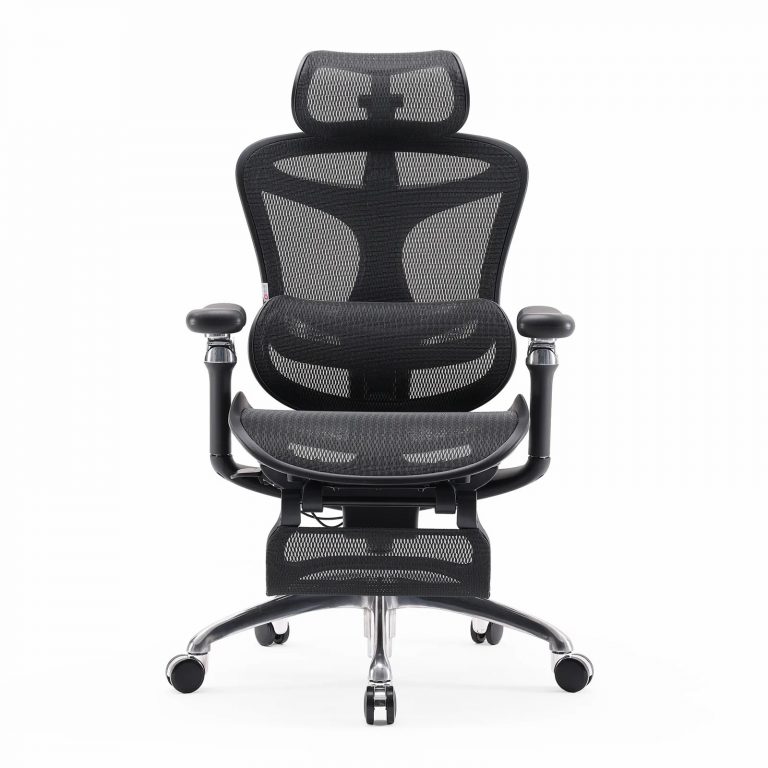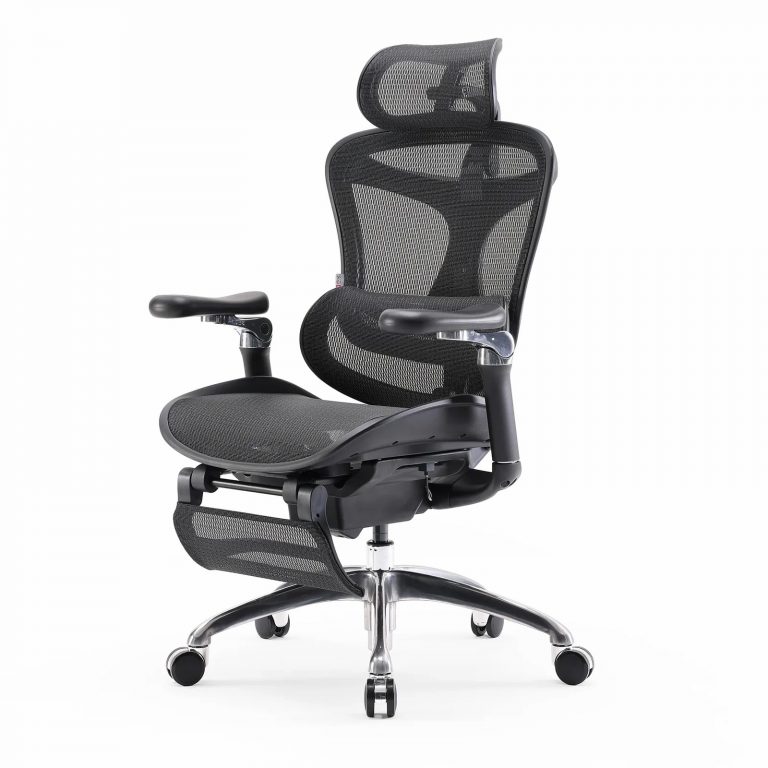









Understanding what truly makes an executive office chair comfortable for long hours of daily use requires looking far beyond surface-level softness or visual design. In real working environments—whether at home or in corporate offices—comfort is determined by how well a chair manages structure, materials, pressure distribution, and movement support over time.
Modern ergonomic chair brands such as SIHOO focus on this system-level design philosophy. Instead of treating comfort as a single feature, they engineer chairs as integrated mechanical systems that support posture, reduce strain, and adapt to different body types.
This article breaks down the executive office chair from a material and structural engineering perspective, explaining how each component contributes to real daily comfort.
Comfort Starts with Engineering, Not Cushioning
A common misconception is that a more comfortable executive office chair simply means a softer seat or thicker padding. In reality, excessive softness often leads to poor posture because the body sinks without proper support.
True comfort comes from:
- A stable internal frame that distributes weight correctly
- A breathable and tension-controlled backrest
- A lumbar system that actively supports spinal curvature
- A seat structure that balances pressure instead of concentrating it
In other words, comfort is a load management system, not a padding issue.
The Structural Skeleton of an Executive Office Chair
The internal frame is the least visible but most important part of any executive office chair. It determines durability, stability, and how forces are distributed across the chair.
Frame Materials and Their Real-World Role
Most ergonomic chairs use a combination of:
- Reinforced nylon (lightweight and flexible under pressure)
- Metal reinforcement (for structural stability)
- Aluminum alloy bases (for higher-end models requiring stronger load support)
Each material plays a specific role:
- Nylon provides flexibility without cracking under repeated stress
- Metal reinforcements stabilize high-pressure joints
- Aluminum alloy bases improve long-term durability and reduce wobble
Load Path Engineering
A properly designed executive office chair does not “hold weight” randomly. It channels force through a controlled path:
- Upper backrest absorbs initial pressure
- Lumbar system redistributes spinal load
- Seat base spreads hip pressure
- Gas lift stabilizes vertical force
- Five-star base disperses final ground pressure
If any part of this chain fails, discomfort appears quickly—often as lower back fatigue or uneven posture stress.
Backrest System: Mesh Tension vs Rigid Support Structures
The backrest defines how the upper body feels during long hours of sitting. Modern executive office chairs increasingly rely on tension-based mesh systems instead of rigid foam backs.
Mesh as a Mechanical Support Surface
High-quality mesh is not just breathable fabric—it is a tensioned structural material. It behaves like a suspended surface that adapts to body pressure.
Key properties include:
- Tensile strength (resistance to deformation)
- Elastic rebound (ability to return to original shape)
- Air permeability (thermal comfort regulation)
Instead of pushing against the back like foam, mesh distributes force evenly across the frame.
Ergonomic Curve Design
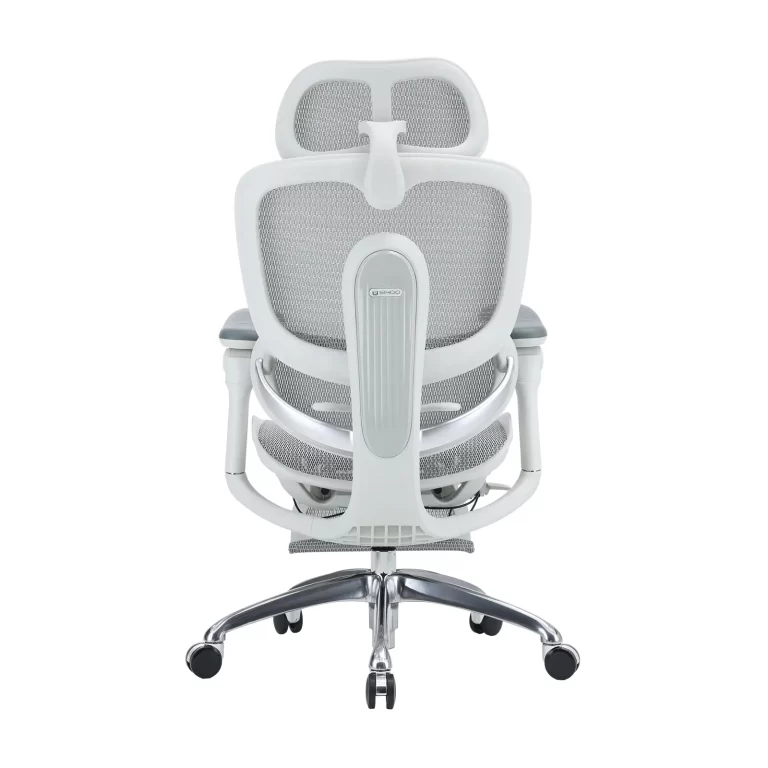
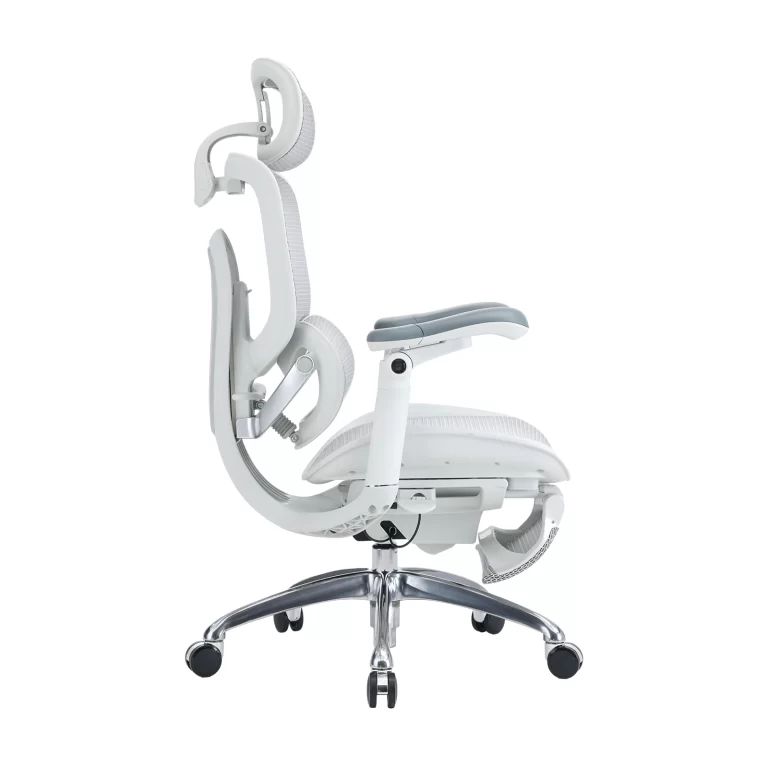
The backrest is typically designed in an S-shaped structure to follow natural spinal curvature:
- Cervical region (neck support alignment)
- Thoracic region (mid-back stability)
- Lumbar region (lower back pressure control)
This structure is not decorative—it is designed to maintain neutral spinal posture during prolonged sitting.
Without proper curvature alignment, users often experience:
- Forward head posture
- Rounded shoulders
- Lower back compression
Lumbar Support System: The Core of Executive Office Chair Comfort
Among all components, lumbar support has the greatest impact on daily comfort.
Static Lumbar Systems
Static lumbar support is fixed in position. It provides:
- Basic curvature support
- Structural simplicity
- Lower cost manufacturing
However, it cannot adapt to different body heights or sitting postures.
Adjustable Lumbar Systems
Adjustable lumbar support systems allow users to modify:
- Height positioning
- Depth pressure
- Support angle
This creates a personalized support zone that aligns with individual spinal curvature.
Dynamic Pressure Compensation
Advanced lumbar systems go beyond static adjustment by actively responding to movement. Instead of remaining fixed, they:
- Shift slightly with posture changes
- Maintain consistent spinal contact
- Reduce pressure spikes during leaning or recline
This is particularly important for users who switch between typing, reading, and reclining throughout the day.
Seat Cushion System: Pressure Distribution Science
The seat is where most body weight is concentrated, making it one of the most critical components of an executive office chair.
Foam-Based Cushion Structures
Traditional seat cushions often use layered foam systems:
- Top layer: comfort adaptation
- Middle layer: structural support
- Bottom layer: base stabilization
This layered approach helps balance softness and support, preventing the body from sinking too deeply.
Waterfall Seat Edge Design
Many ergonomic chairs incorporate a waterfall-style front edge, which:
- Reduces pressure behind the knees
- Supports healthy blood circulation
- Minimizes leg fatigue during long sitting sessions
This is especially important for users working 6–10 hours daily.
Mesh Suspension Seating
Some executive office chairs replace foam entirely with mesh suspension seats.
Benefits include:
- Even weight distribution across frame tension
- Improved airflow and heat reduction
- Reduced long-term compression fatigue
Armrest System: Upper Body Load Reduction Mechanism
Armrests are often underestimated, but they significantly influence shoulder and neck comfort.
Multi-Axis Adjustability
Modern executive office chairs offer:
- Height adjustment
- Horizontal sliding
- Rotational positioning
These adjustments help align arm position with desk height, reducing shoulder elevation stress.
Material Structure
Armrests typically combine:
- Soft PU surface padding for comfort
- Internal metal or reinforced plastic support for durability
This dual-layer structure ensures both comfort and long-term stability.
Ergonomic Impact
Proper armrest positioning:
- Reduces shoulder tension
- Prevents wrist strain
- Supports neutral typing posture
This becomes especially important in long computer-based work sessions.
Reclining Mechanism: Controlled Movement and Pressure Relief
A key feature of an executive office chair is its ability to support multiple working and resting positions.
Tilt Tension System
The tilt mechanism is usually based on spring or resistance systems that:
- Adjust reclining force based on body weight
- Maintain controlled movement resistance
- Prevent sudden backward drops
Functional Recline Zones
Most ergonomic chairs support multiple recline ranges:
- Upright (90°–100°): focused work
- Mid recline (100°–130°): relaxed tasks
- Deep recline (130°–145°): rest and decompression
Gas Lift and Base System: Stability and Safety Engineering
Gas Lift Cylinder Function
The gas lift system controls:
- Height adjustment
- Vertical load support
- Smooth motion control
It must maintain stability under continuous daily use.
Five-Star Base Structure
The base distributes weight evenly across five contact points, improving:
- Balance stability
- Anti-tilt safety
- Movement smoothness
Materials vary between reinforced nylon and aluminum alloy depending on product tier.
Breathability System: Thermal Comfort in Daily Use
Comfort is not only mechanical—it is also thermal.
Mesh Airflow Design
Mesh structures allow continuous airflow through:
- Backrest
- Seat surface
- Lumbar region
This reduces heat accumulation during long sitting periods.
Real-World Comfort Impact
In daily office environments, heat buildup can cause:
- Restlessness
- Increased shifting posture
- Reduced concentration
Breathable materials help maintain stable focus by reducing thermal discomfort.
Integrated System Design: How All Components Work Together
An executive office chair is not a collection of separate features—it is a coordinated system.
The interaction looks like this:
- Frame defines structural integrity
- Mesh defines pressure distribution
- Lumbar system defines spinal alignment
- Seat defines lower body support
- Armrests define upper body balance
- Recline system defines movement flexibility
When these systems work together, the result is sustained comfort over long working hours.
SIHOO Product Philosophy in Real Use Context
SIHOO builds its product lineup around different ergonomic needs:
- Entry-level ergonomic chairs: basic posture support and breathability
- Mid-range models: improved lumbar adjustment and mesh systems
- Advanced models: dynamic support systems and extended recline functionality
Rather than treating chairs as luxury furniture, SIHOO focuses on practical daily use scenarios such as:
- Remote work setups
- Office workstation environments
- Long-duration computer tasks
This makes their executive office chair designs more aligned with real-world usage patterns rather than purely aesthetic considerations.
Conclusion
The comfort of an executive office chair is ultimately determined by how well multiple systems work together under continuous daily load.
Key takeaways:
- Structure matters more than softness
- Materials define long-term durability and airflow
- Lumbar support determines spinal health
- Seat design controls pressure distribution
- Movement systems reduce fatigue over time
When all these elements are engineered correctly, an executive office chair becomes more than a seat—it becomes a daily posture support system designed for sustained productivity.
1600x1600-4-768x768.jpg)
1600x1600-8-768x768.jpg)