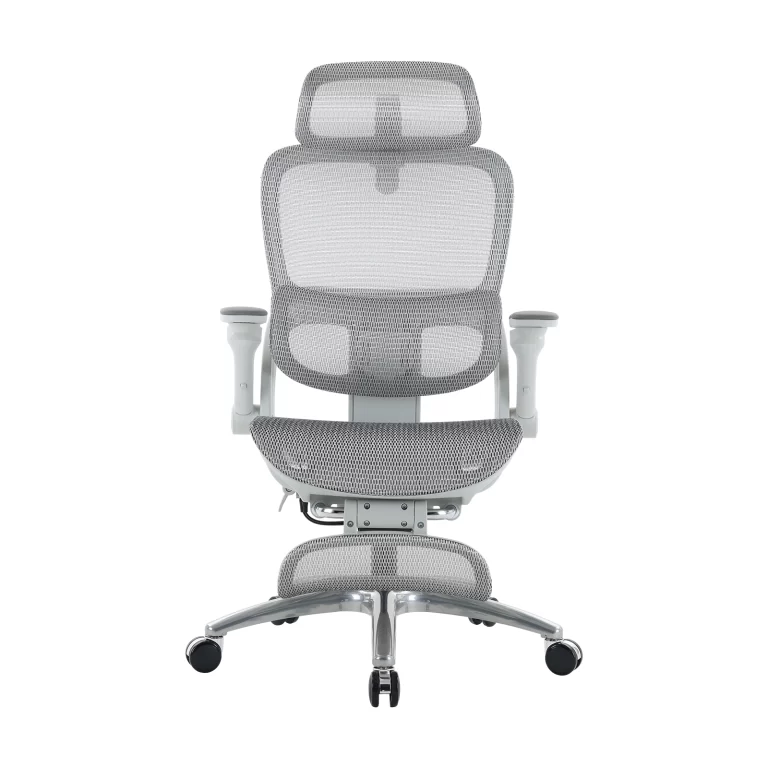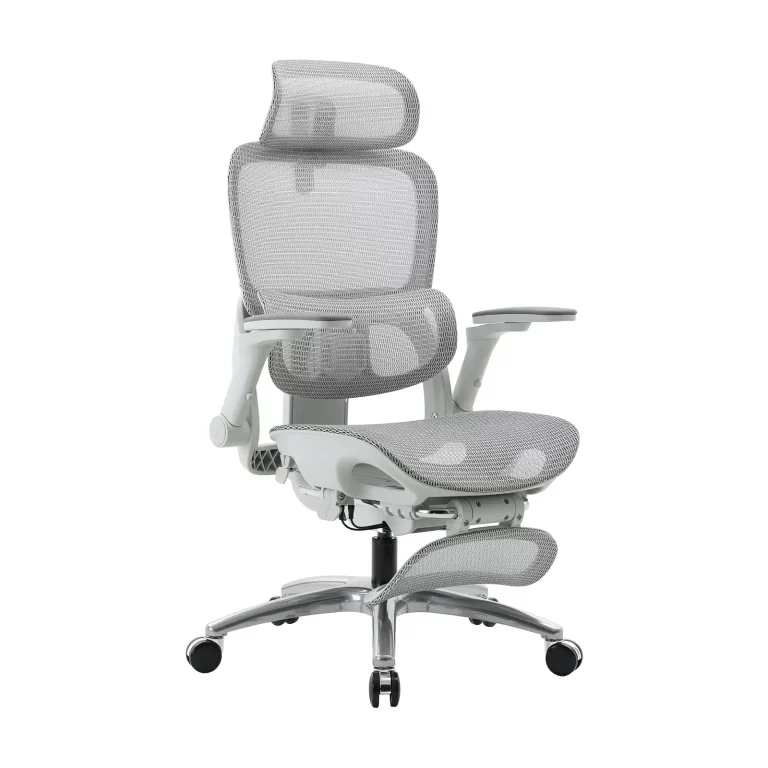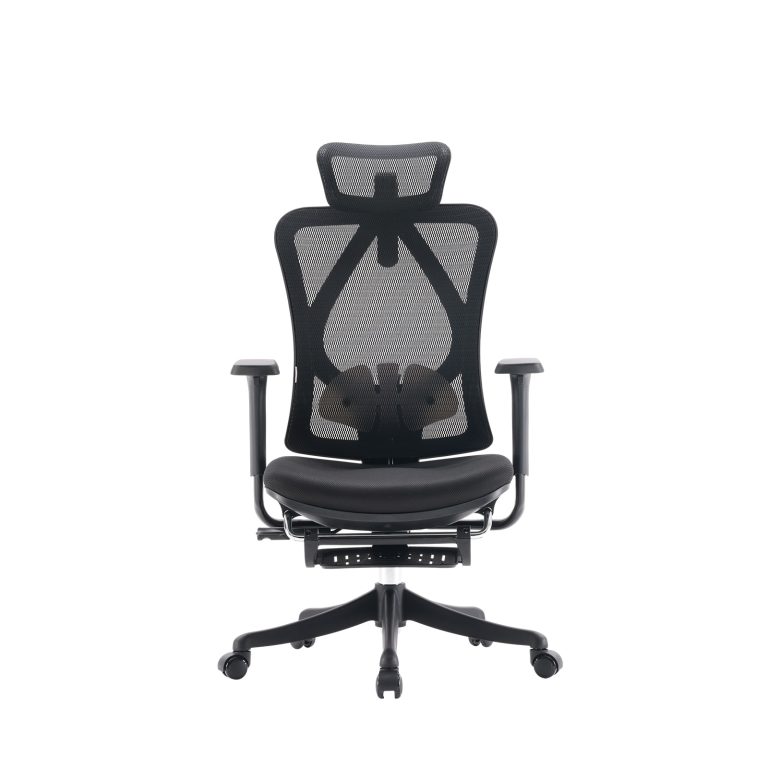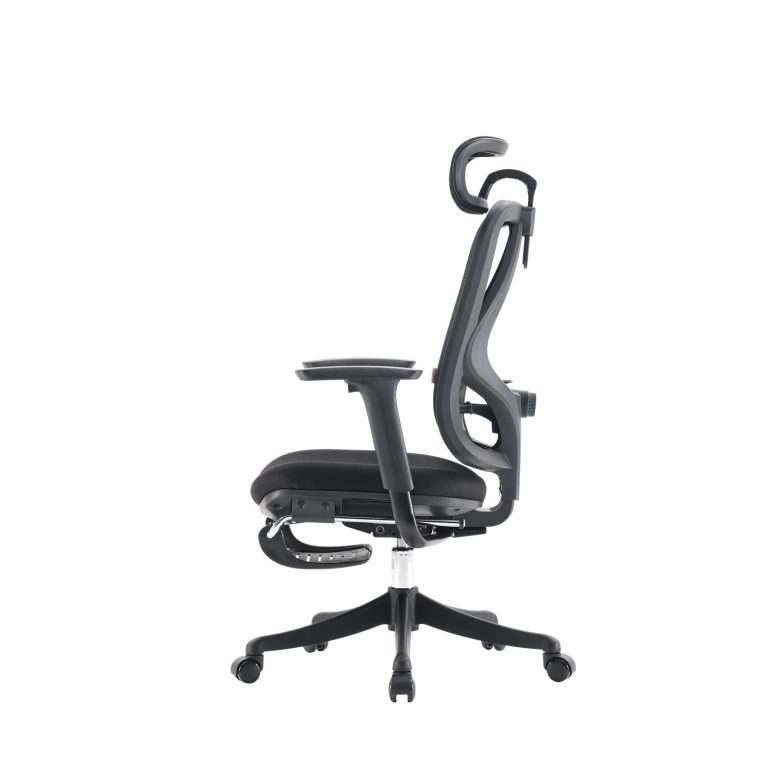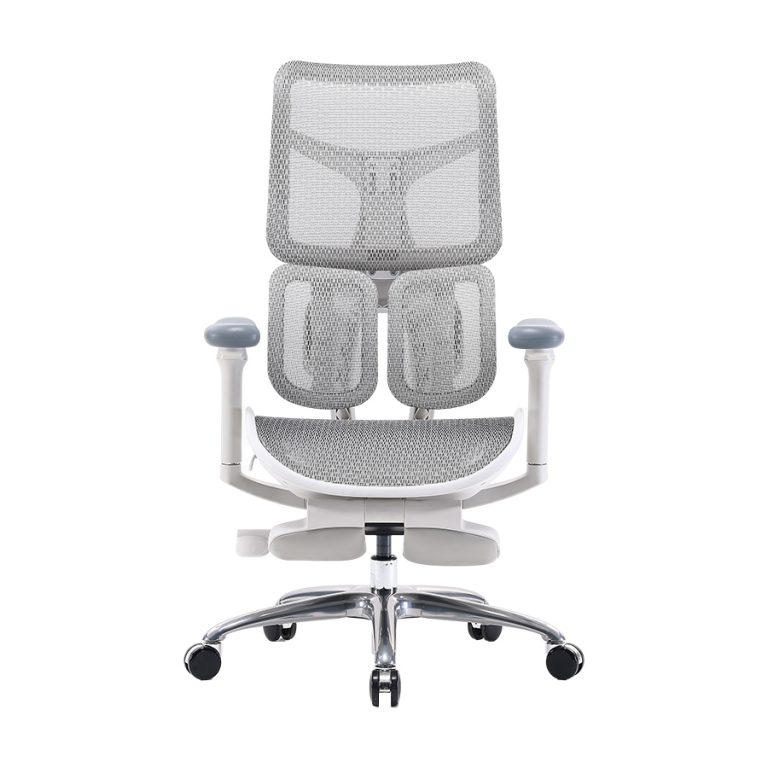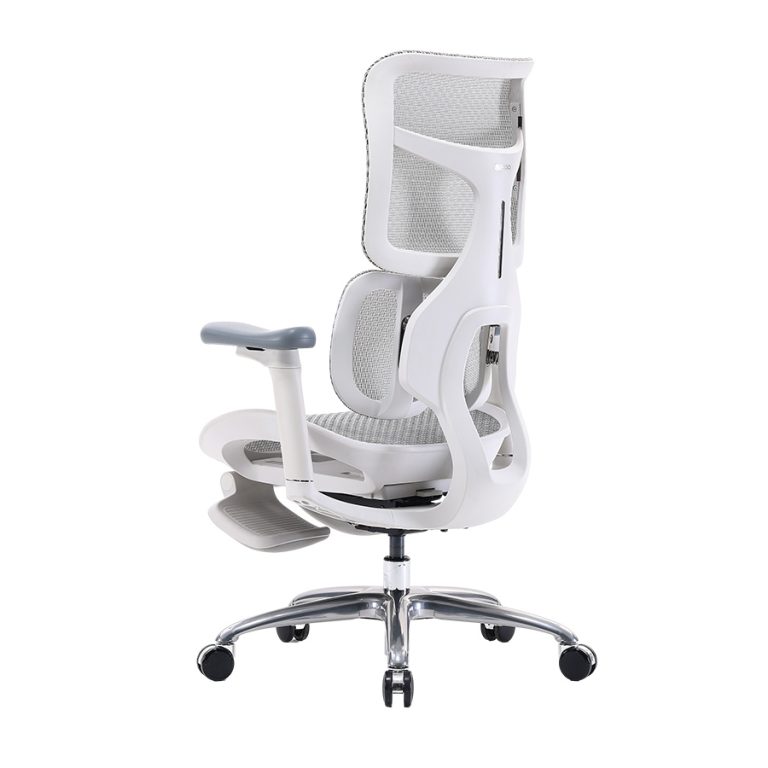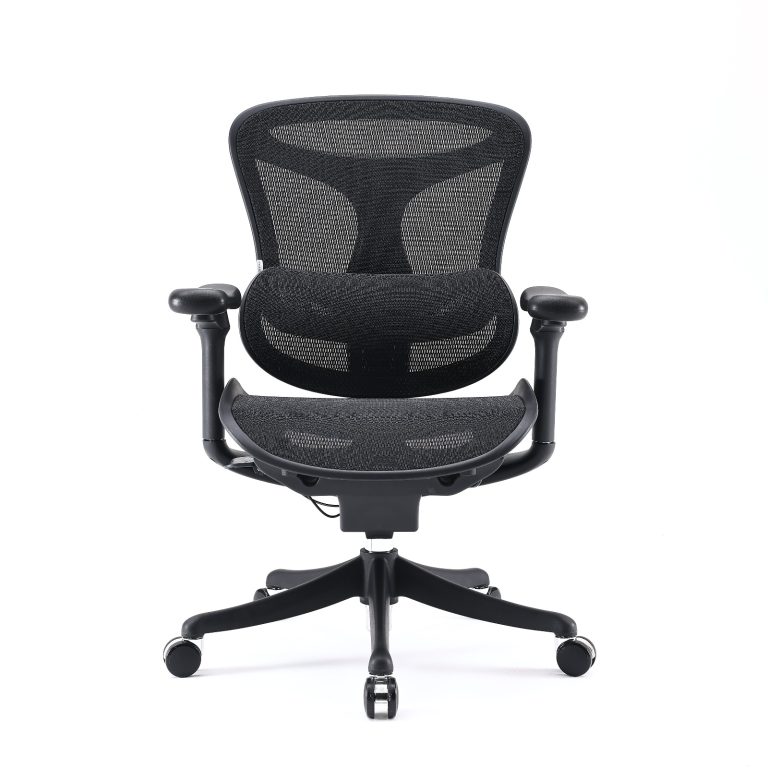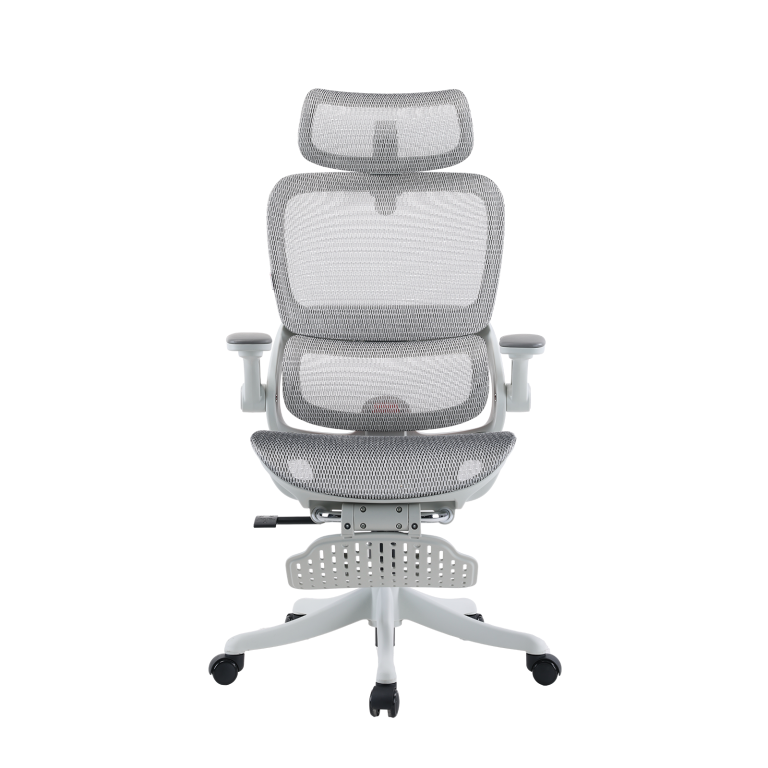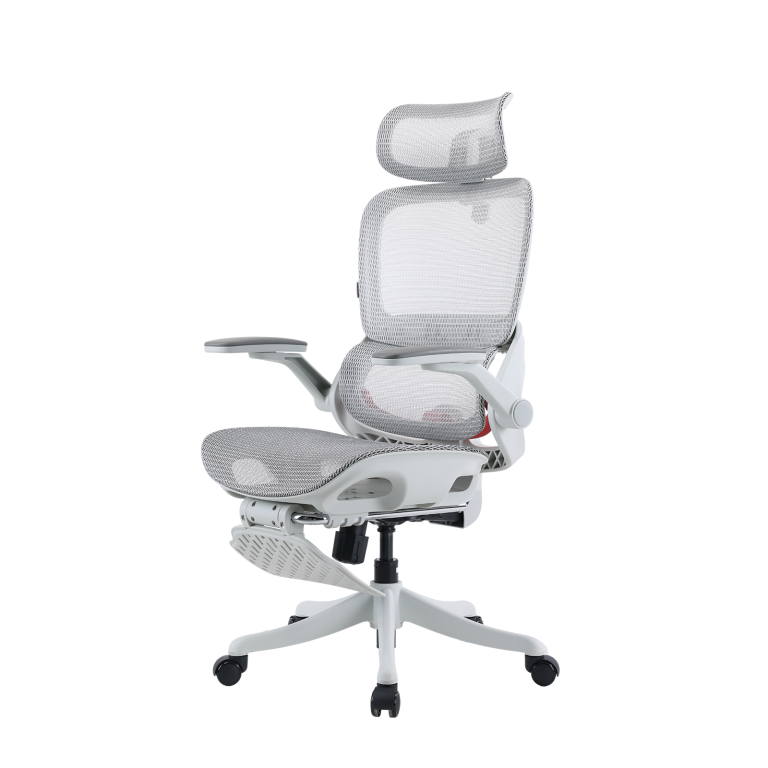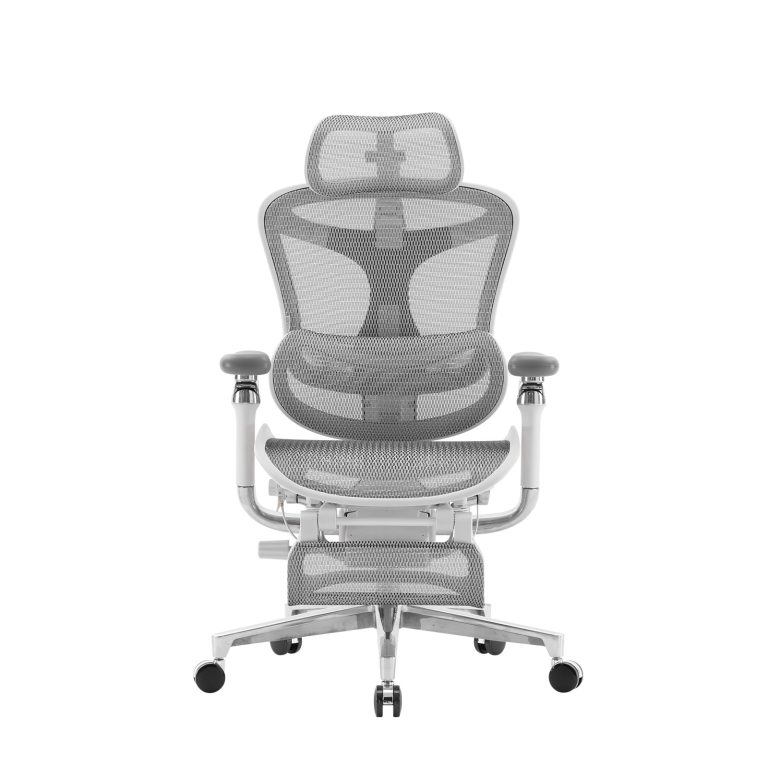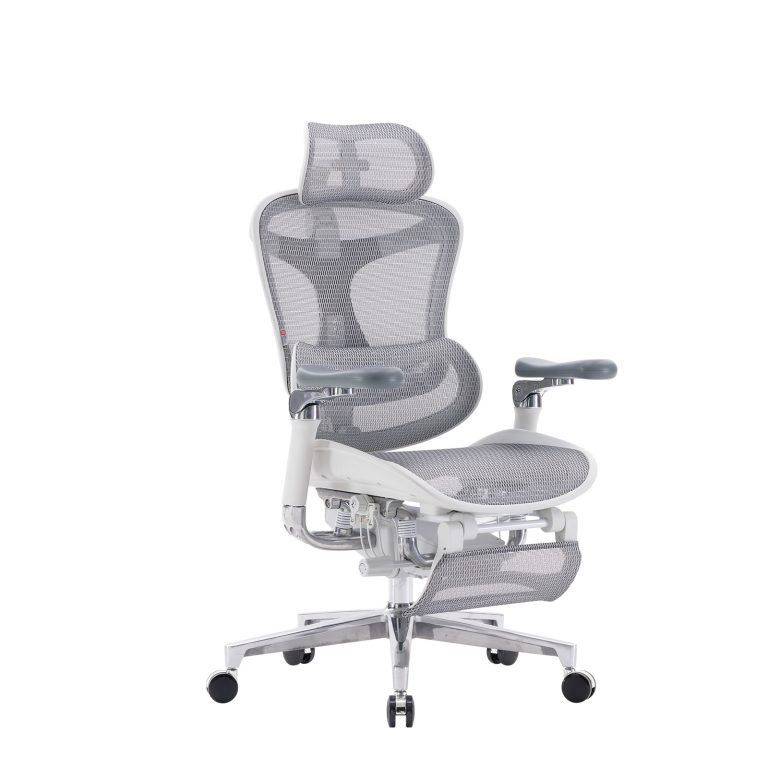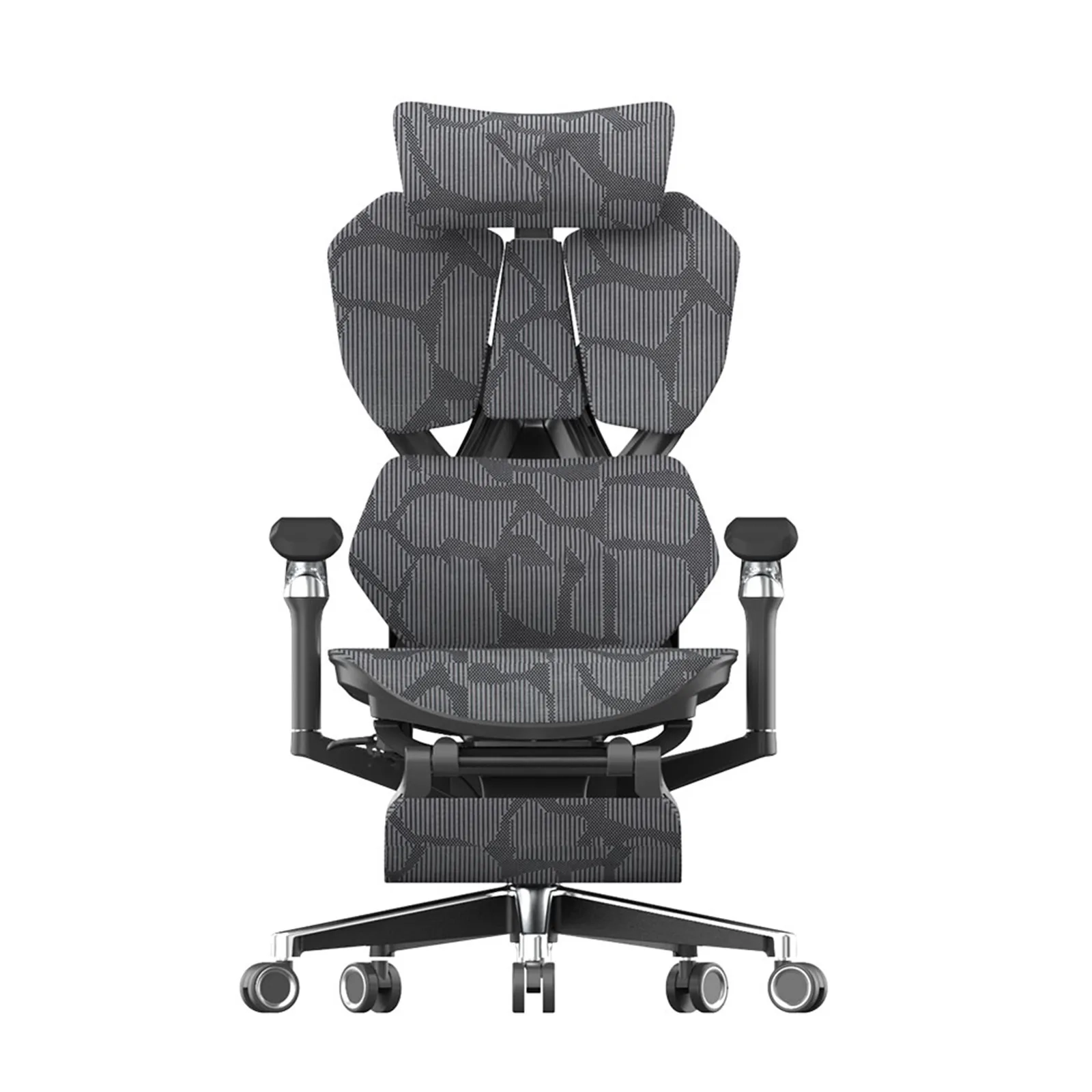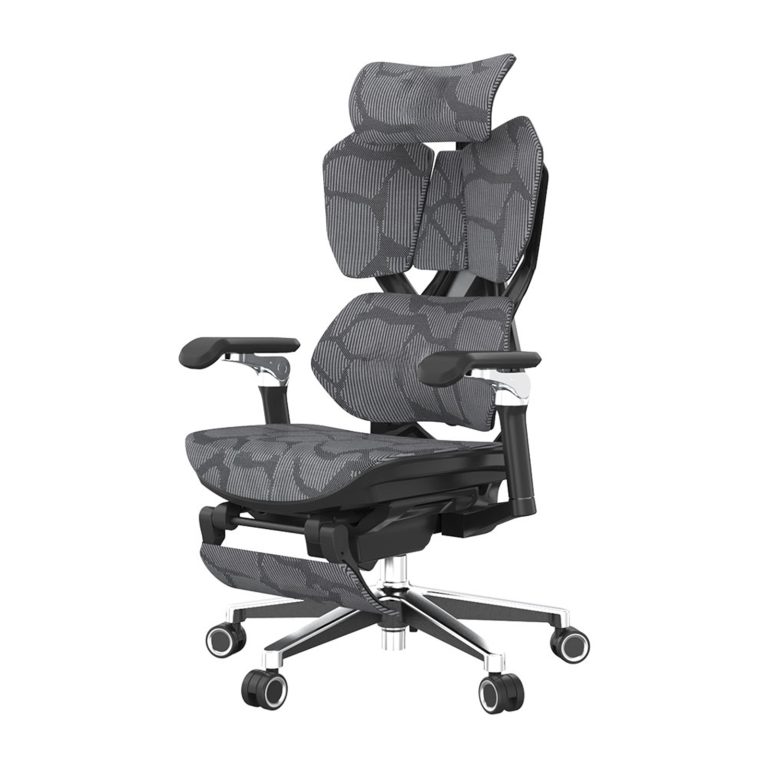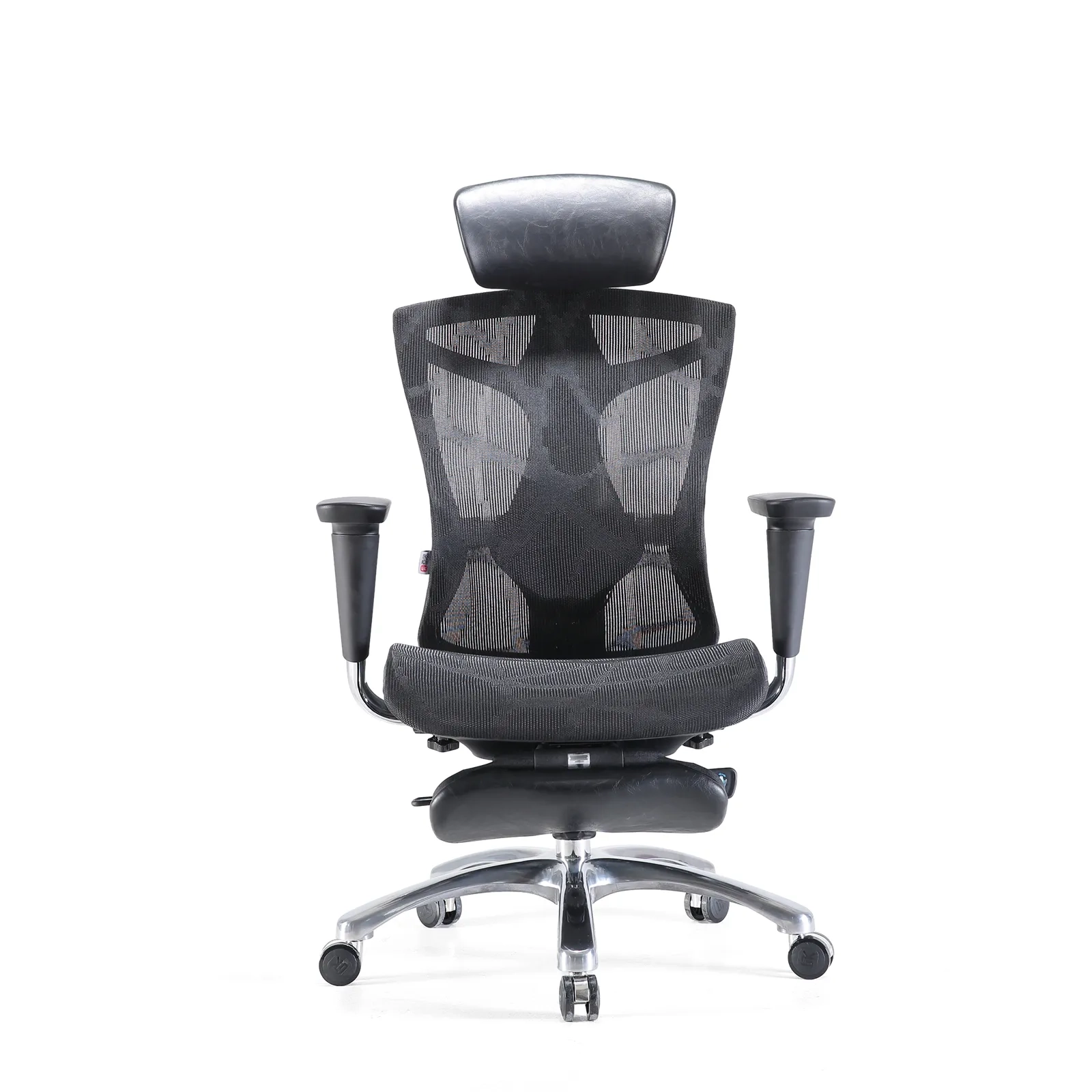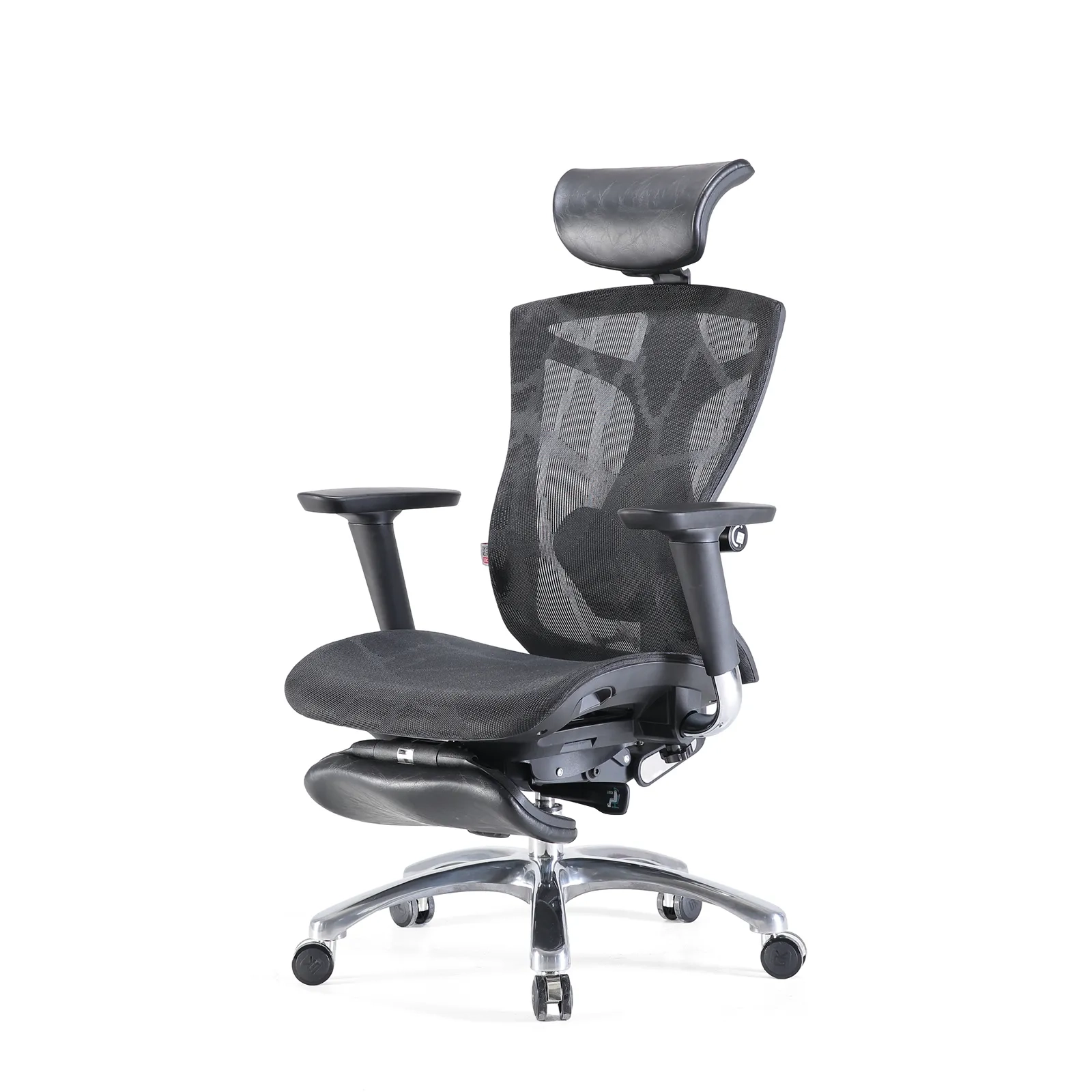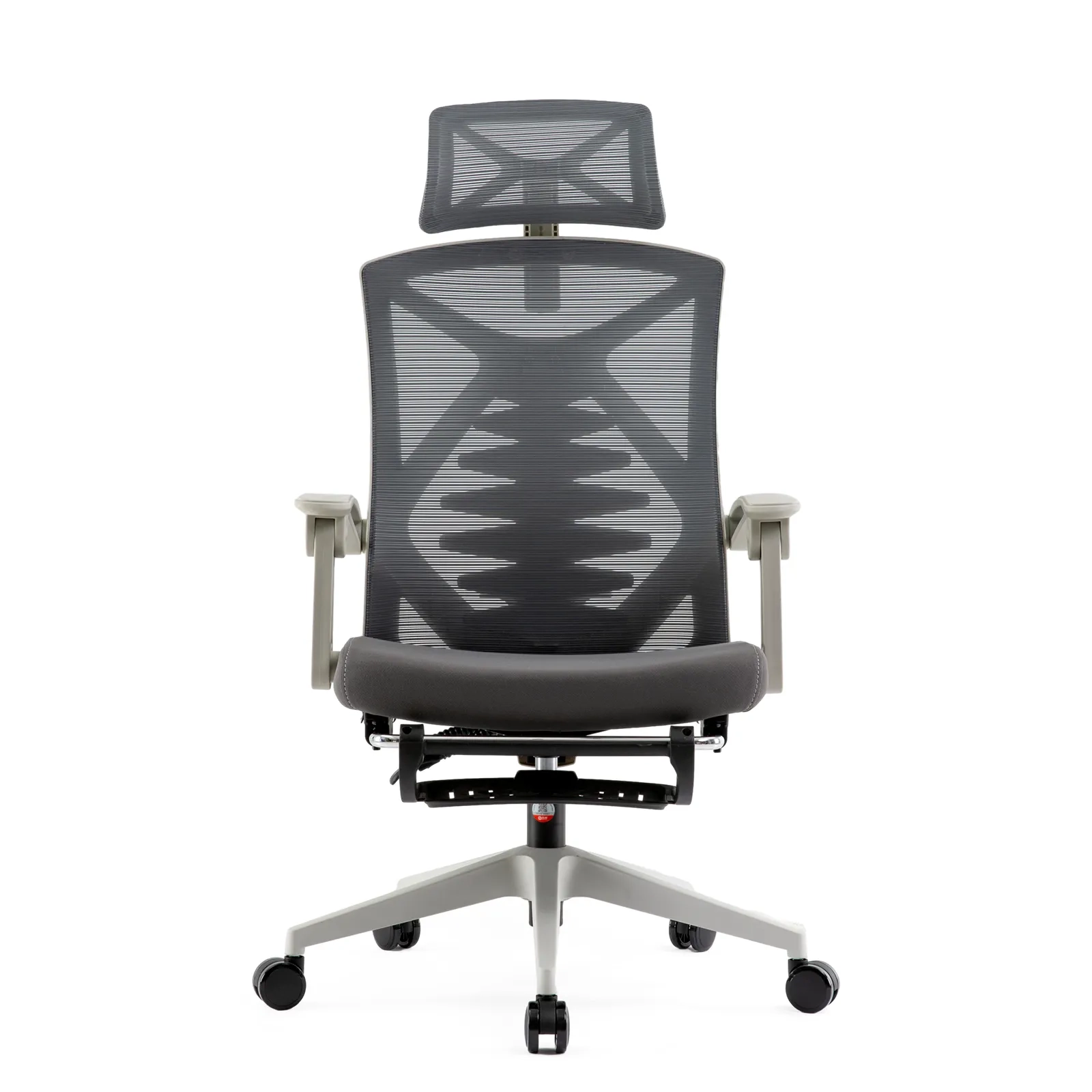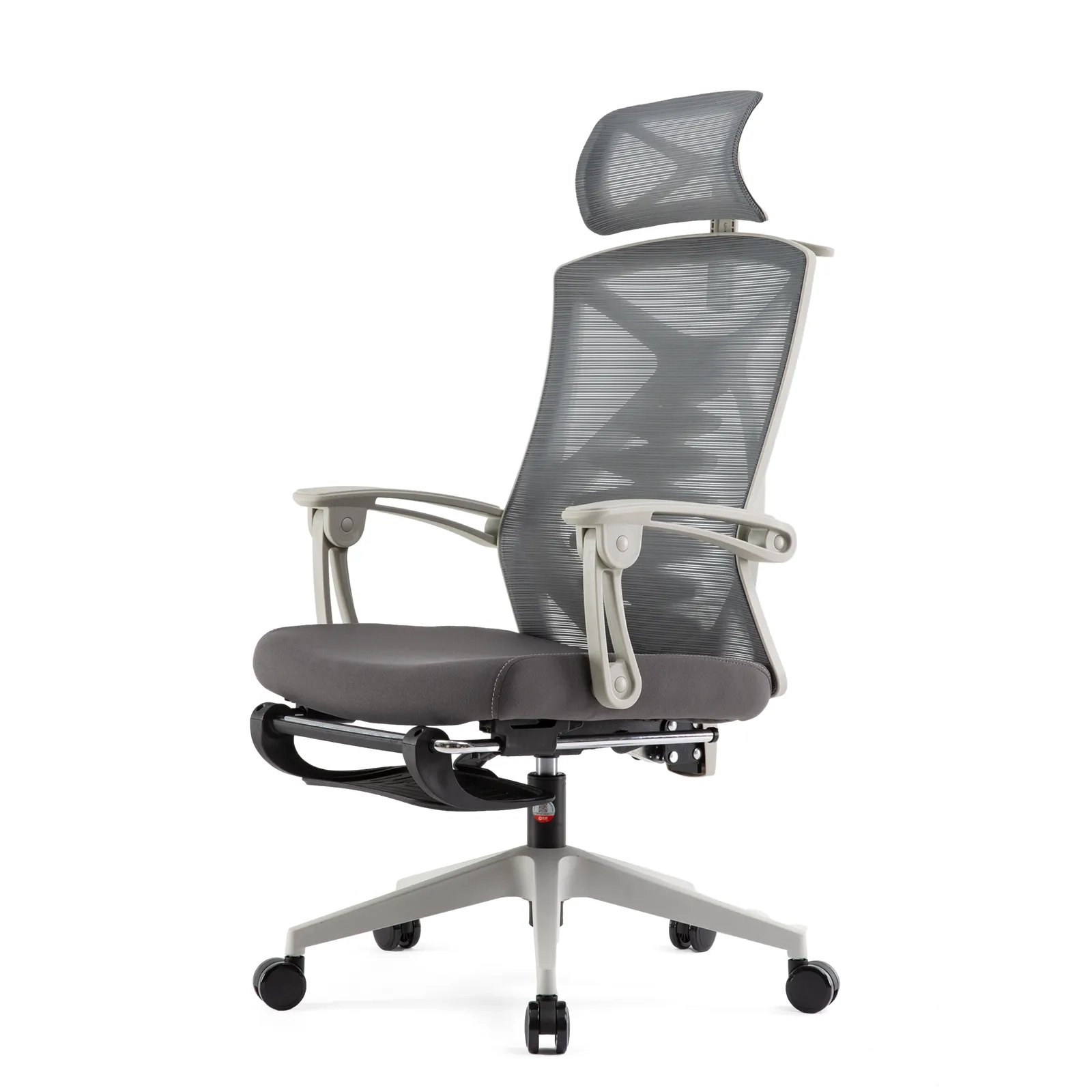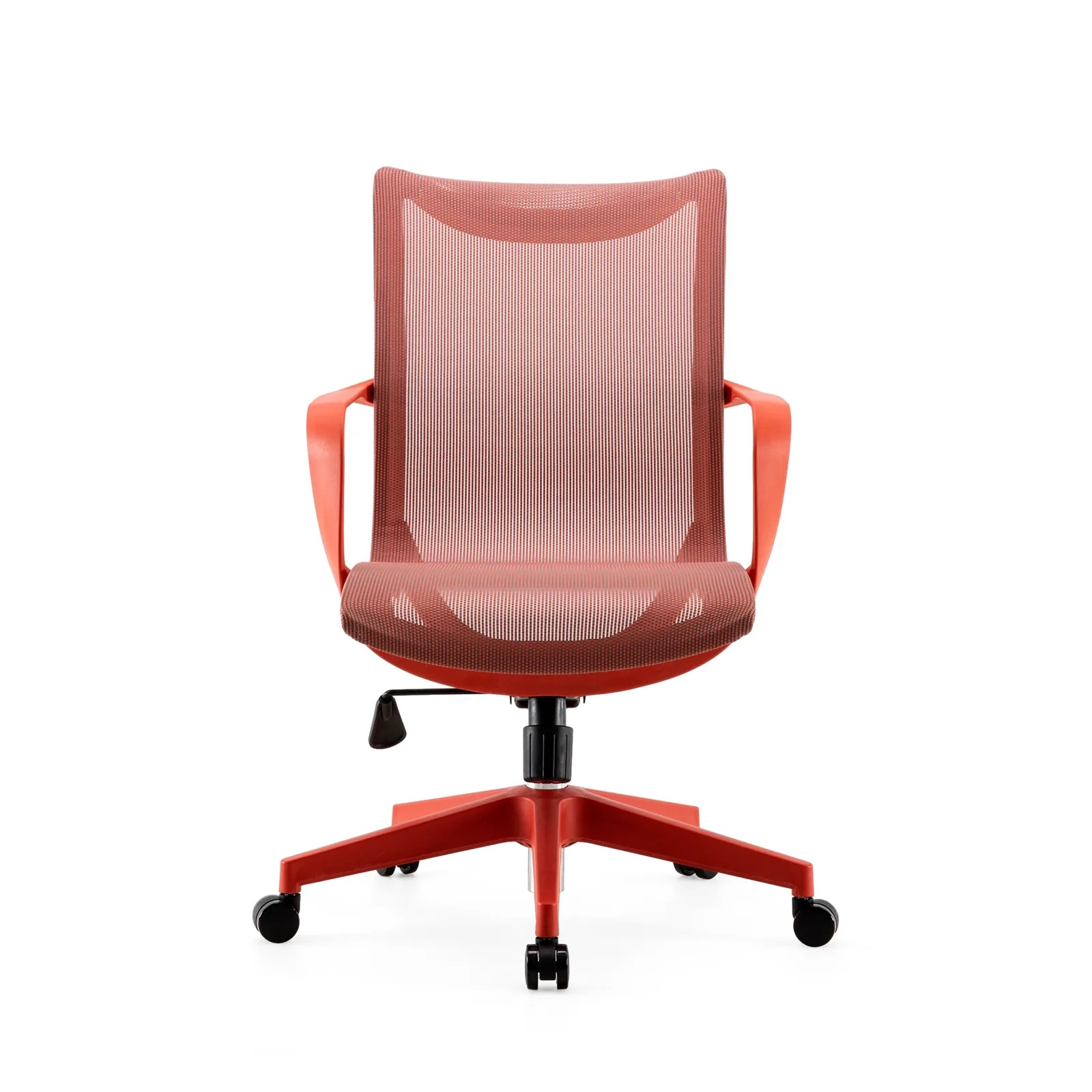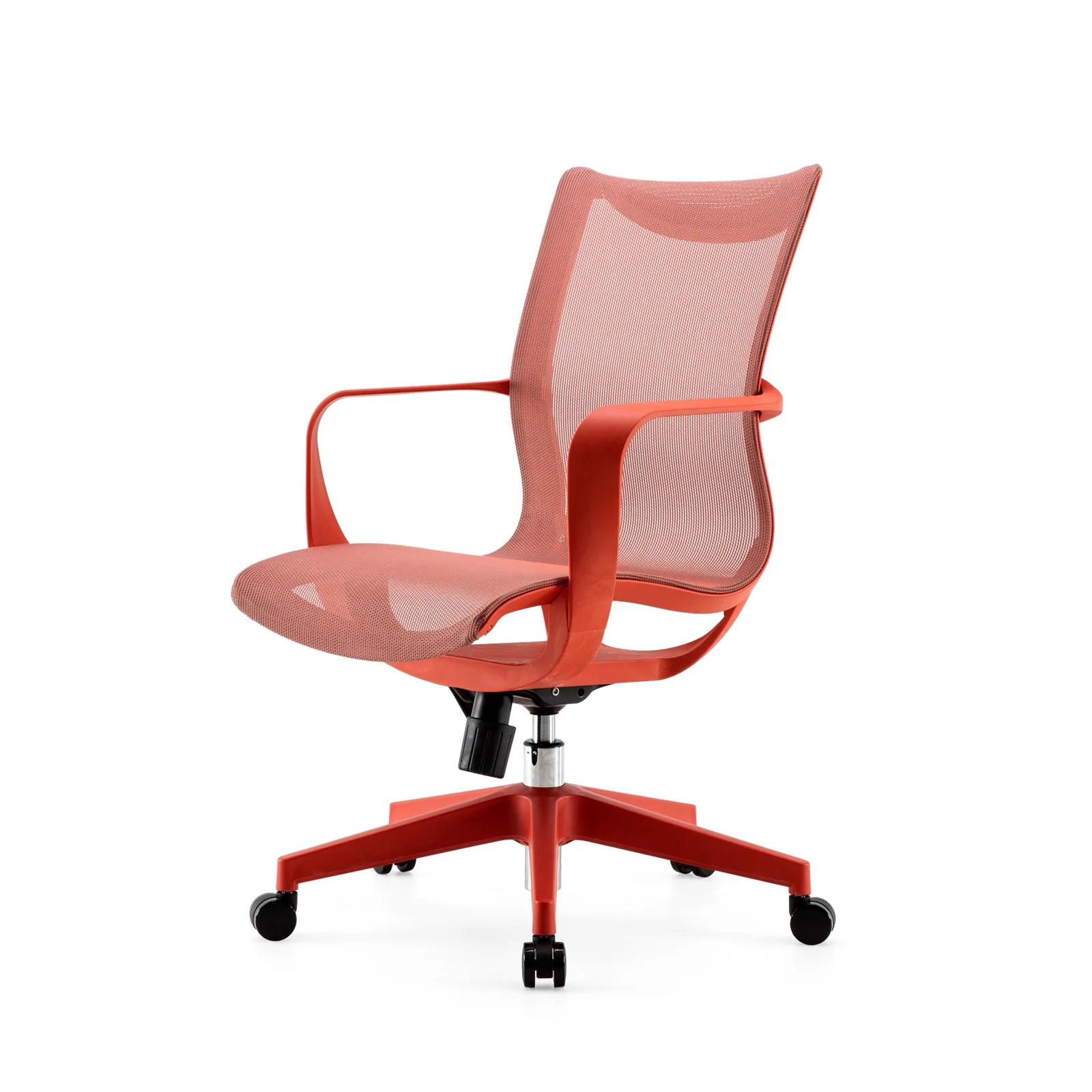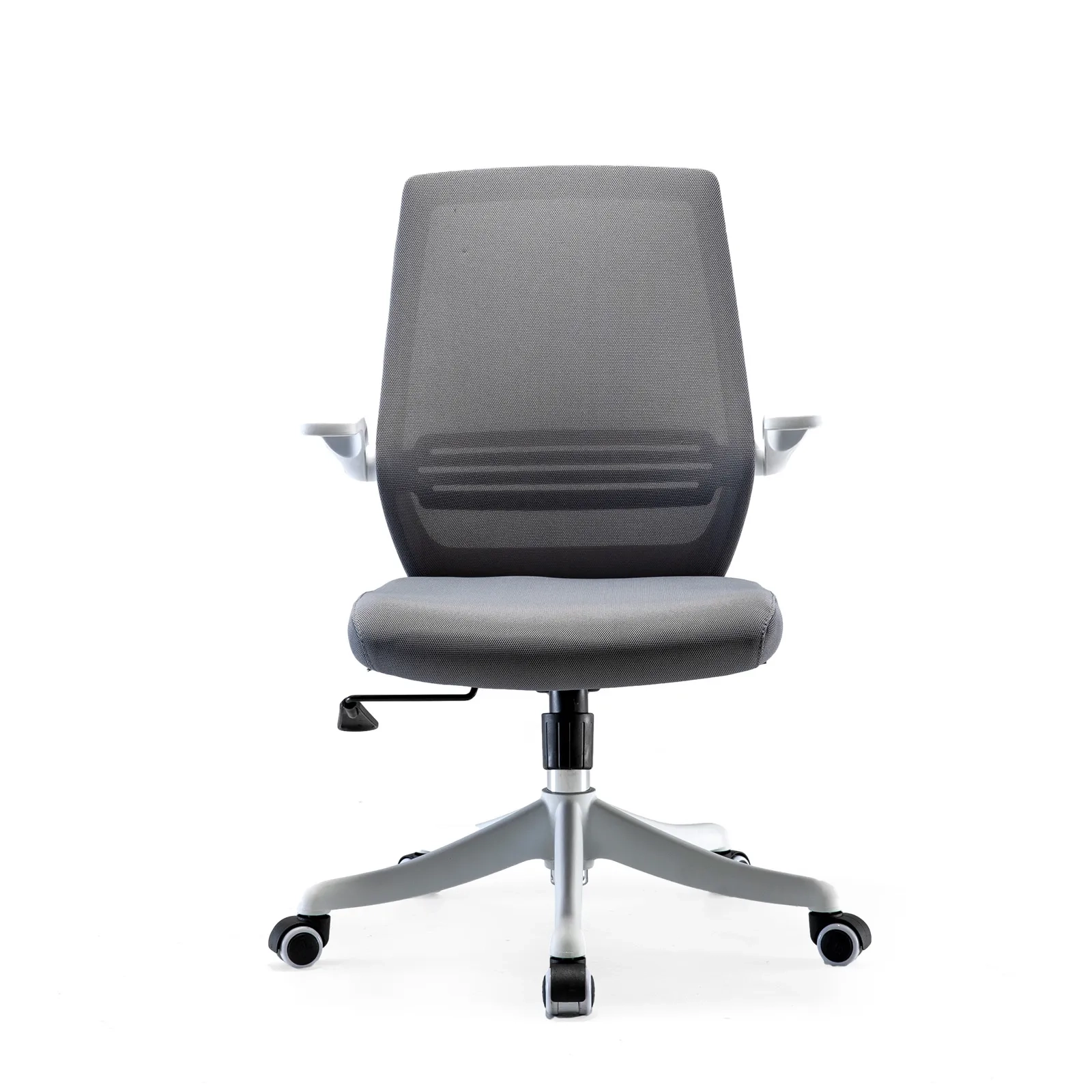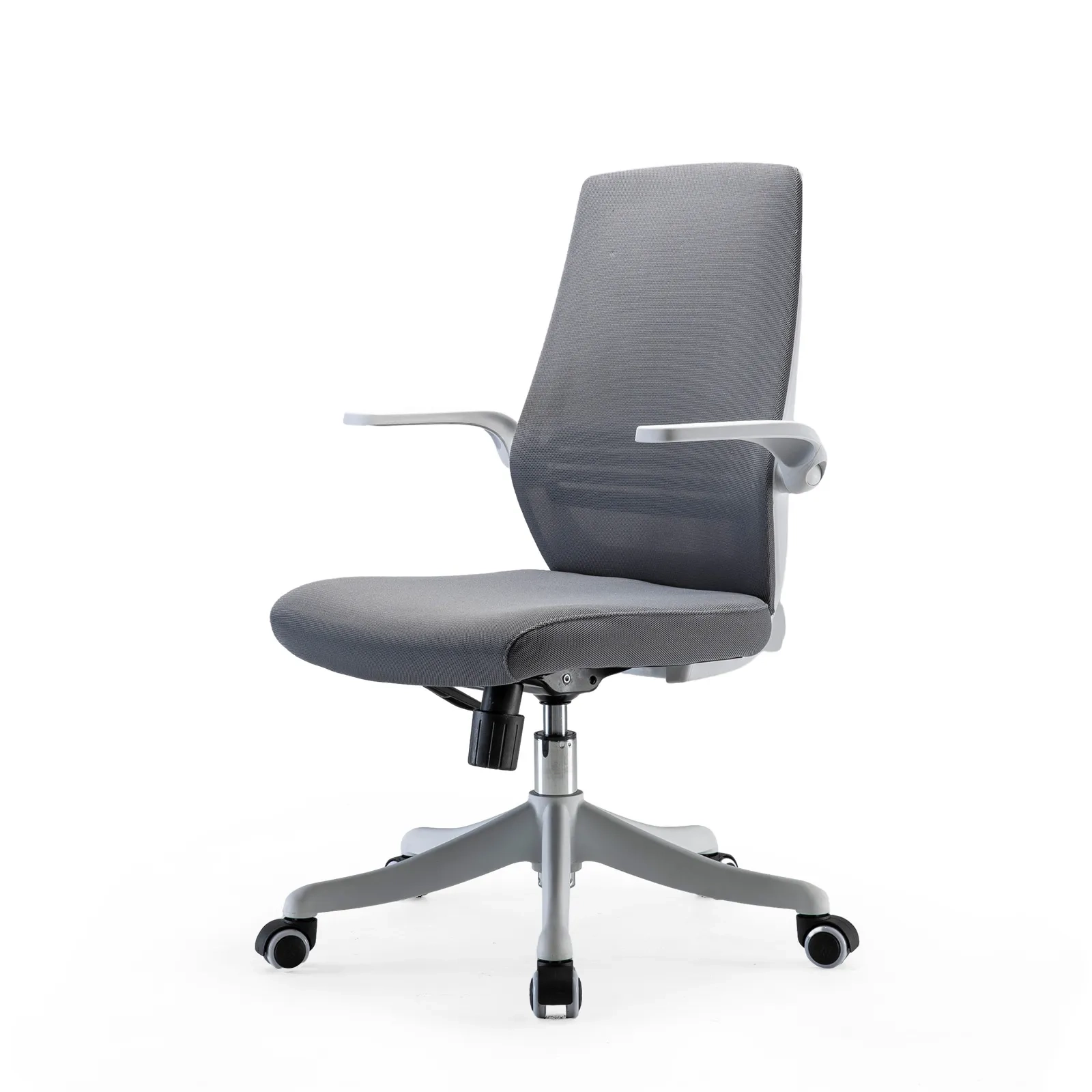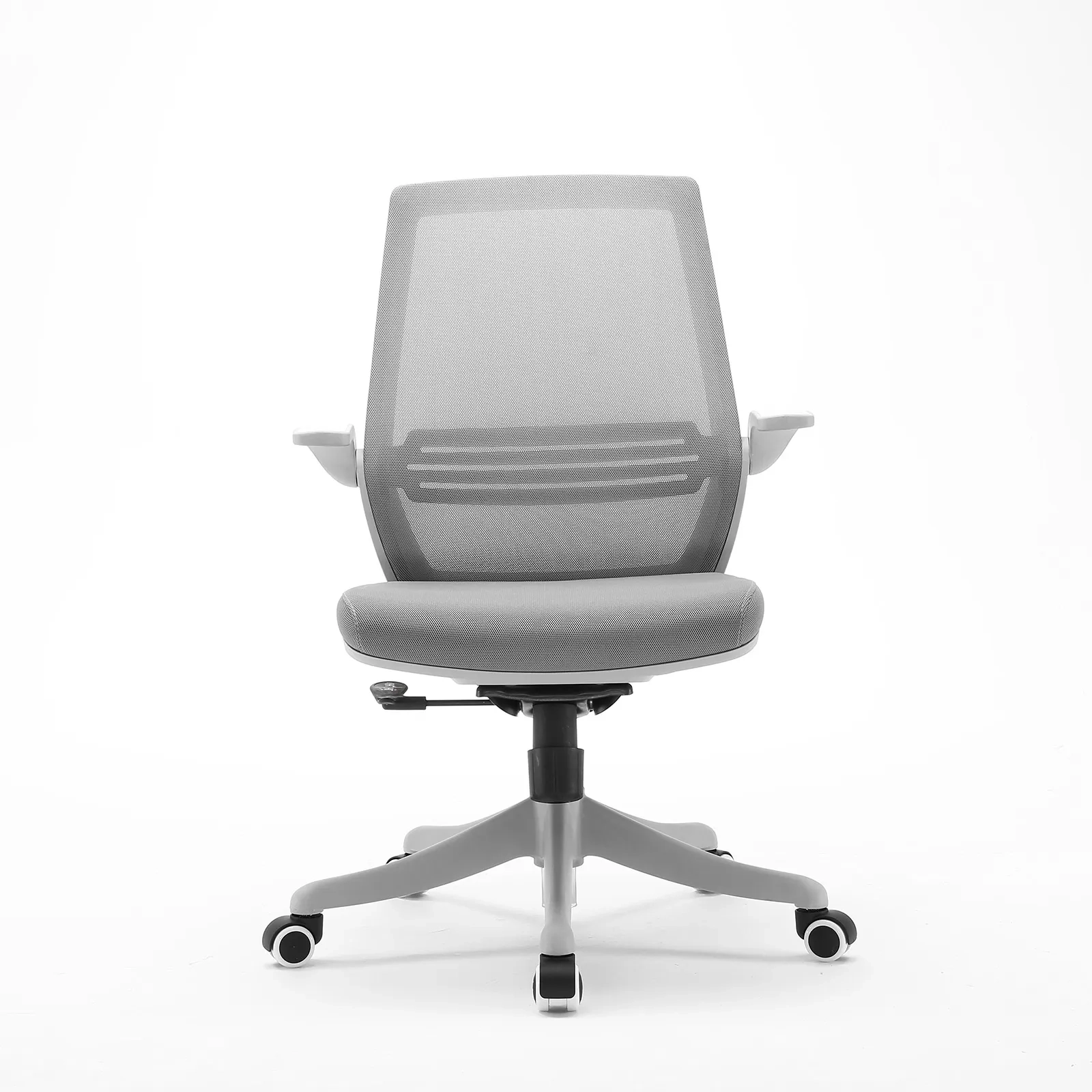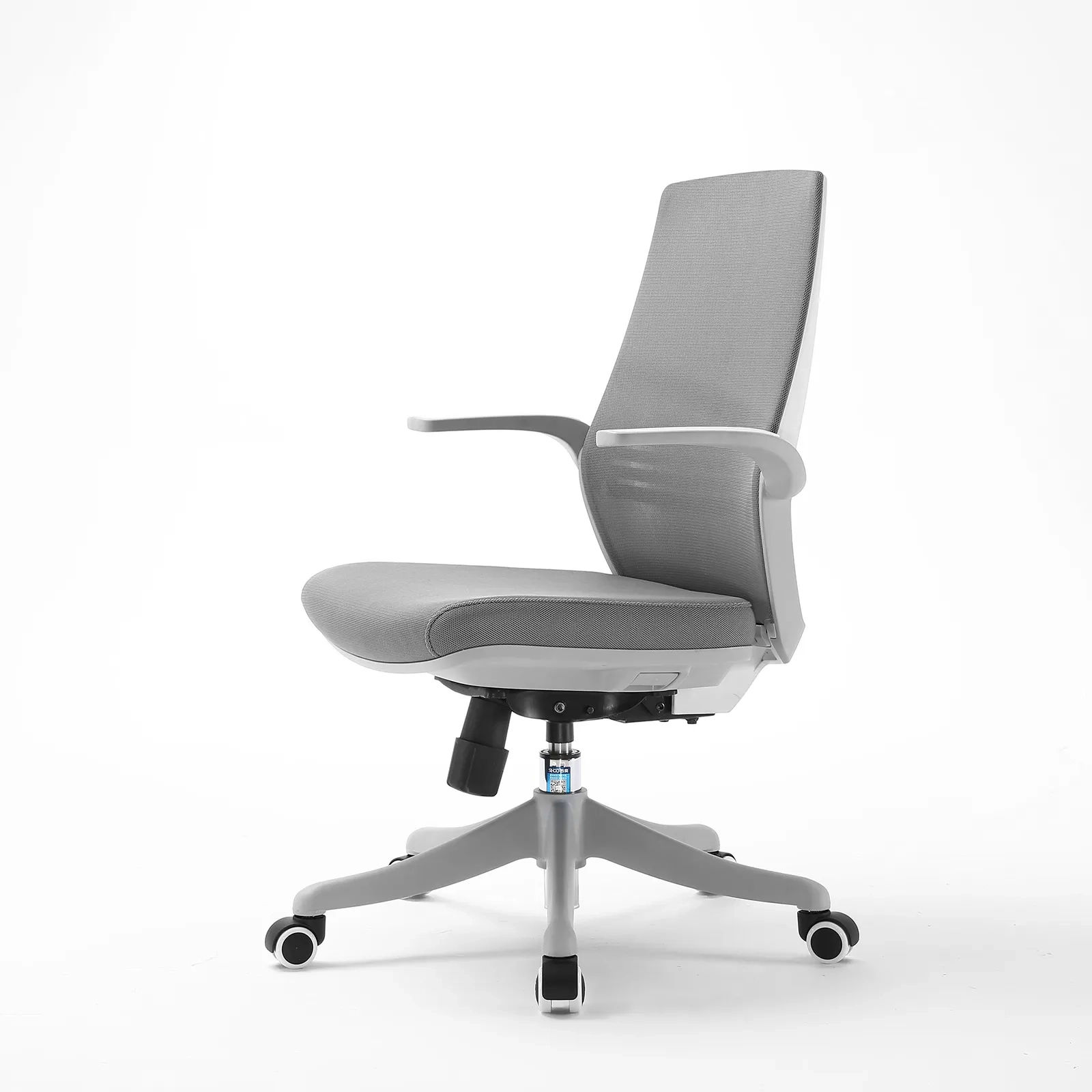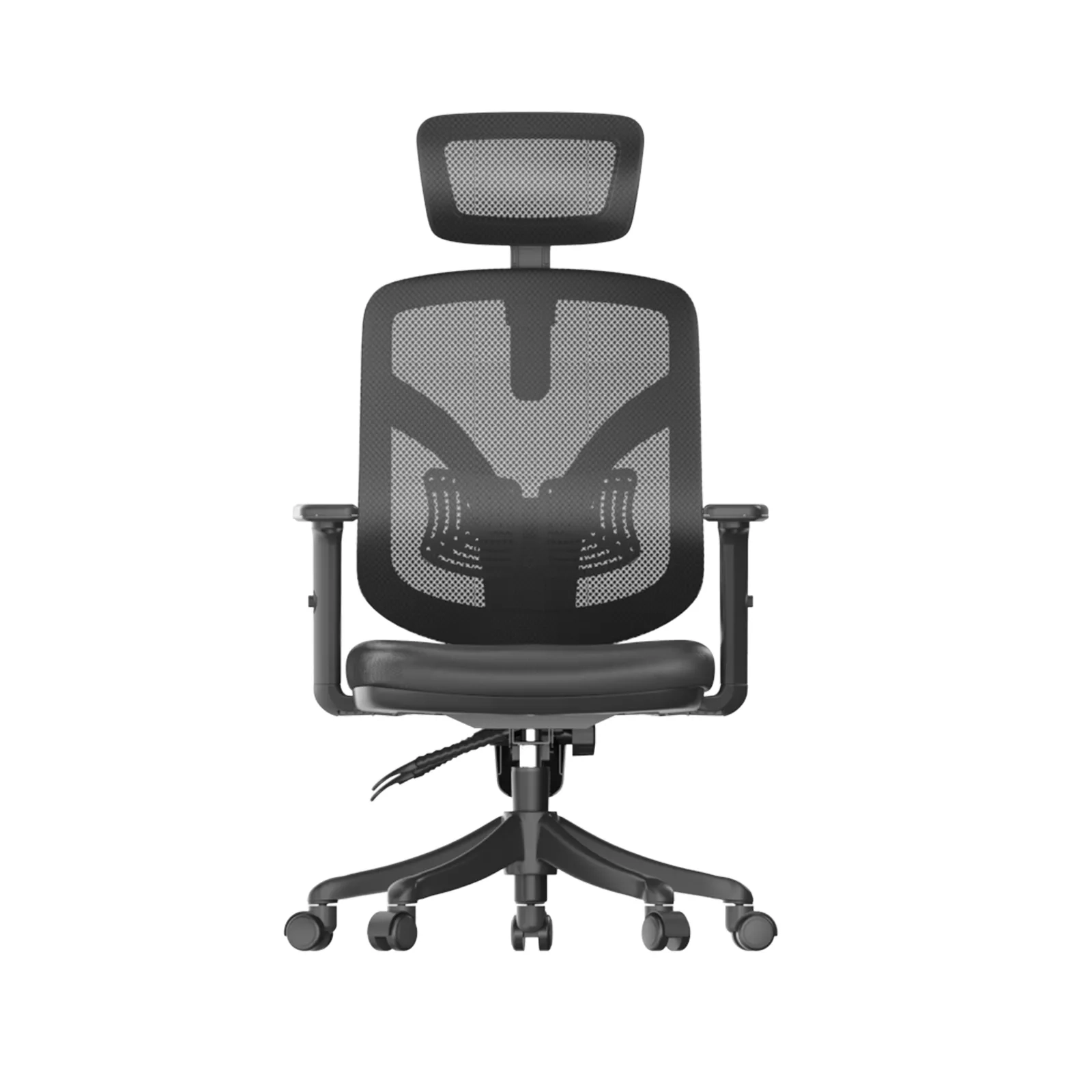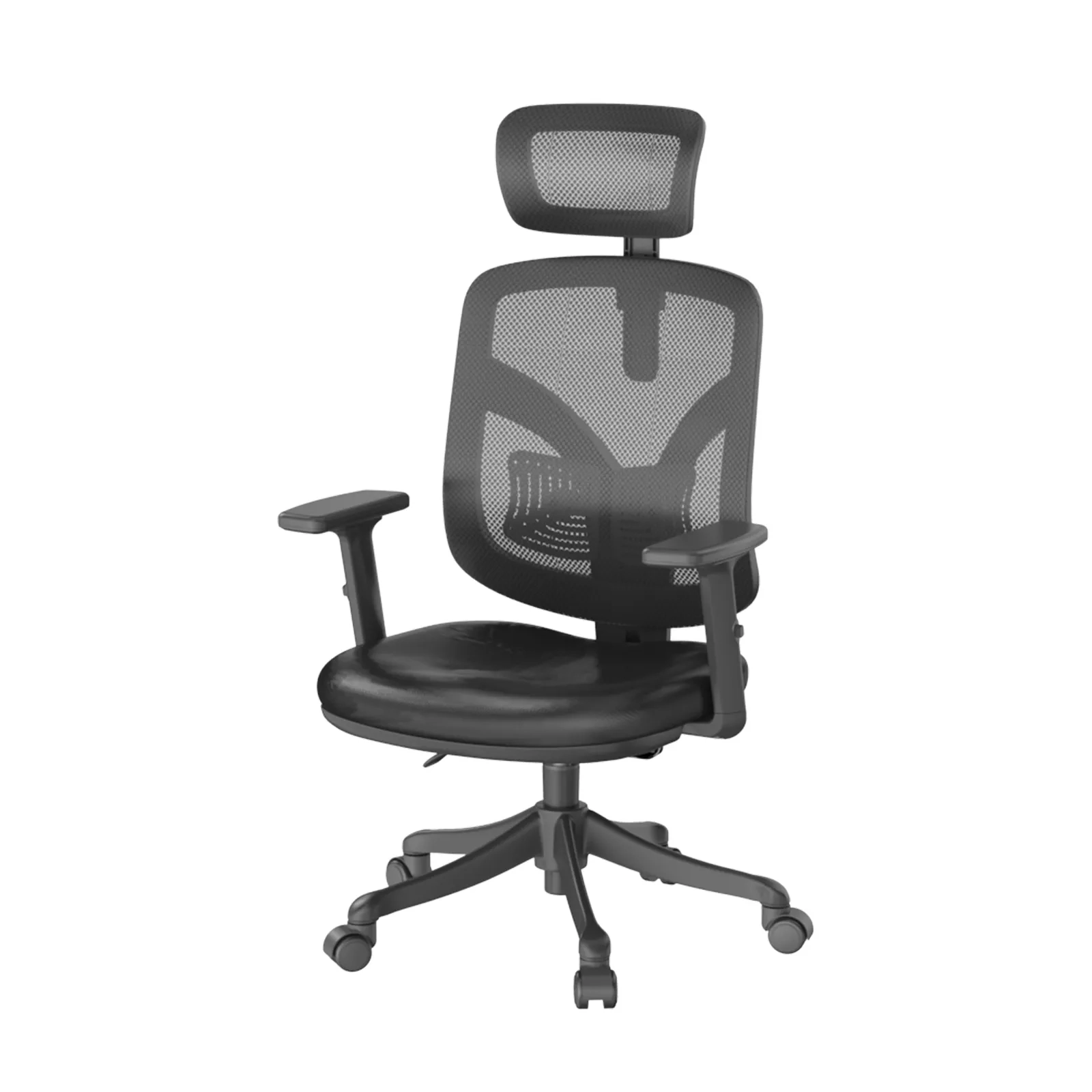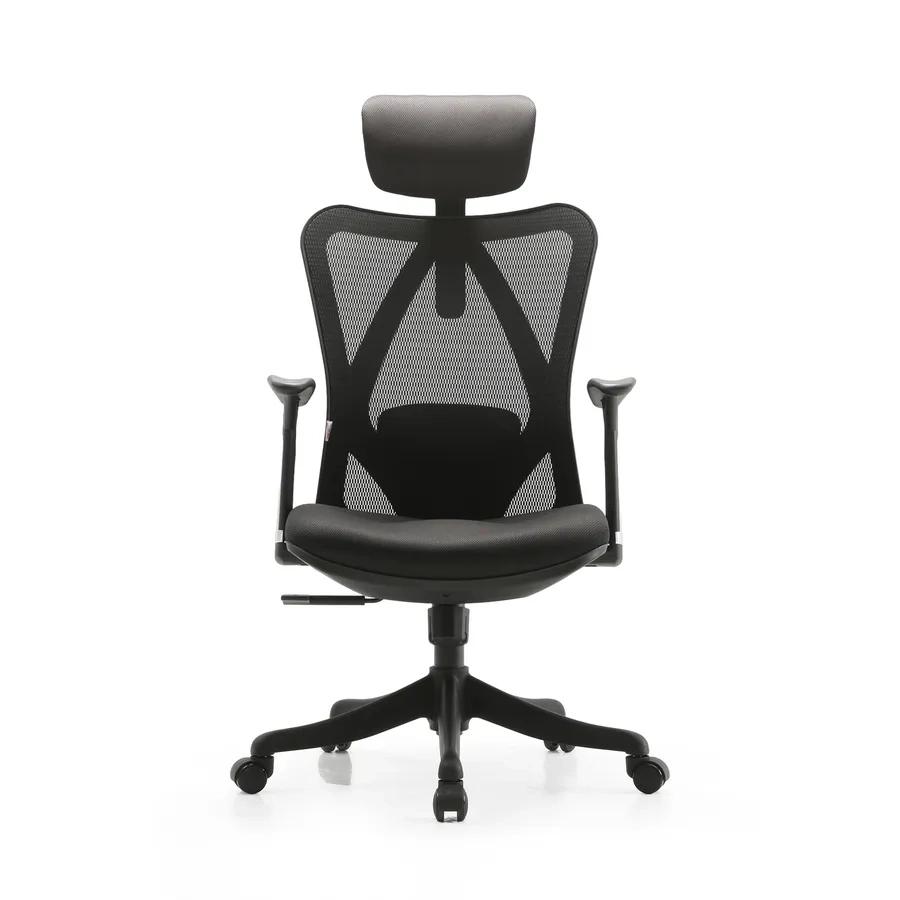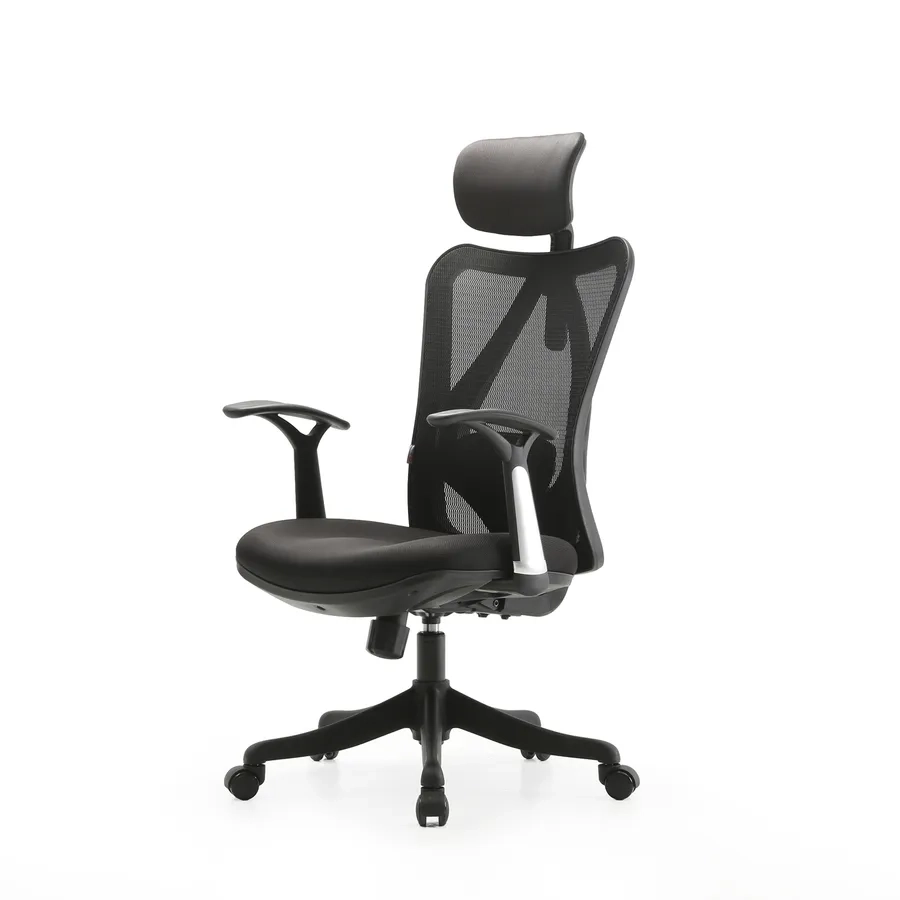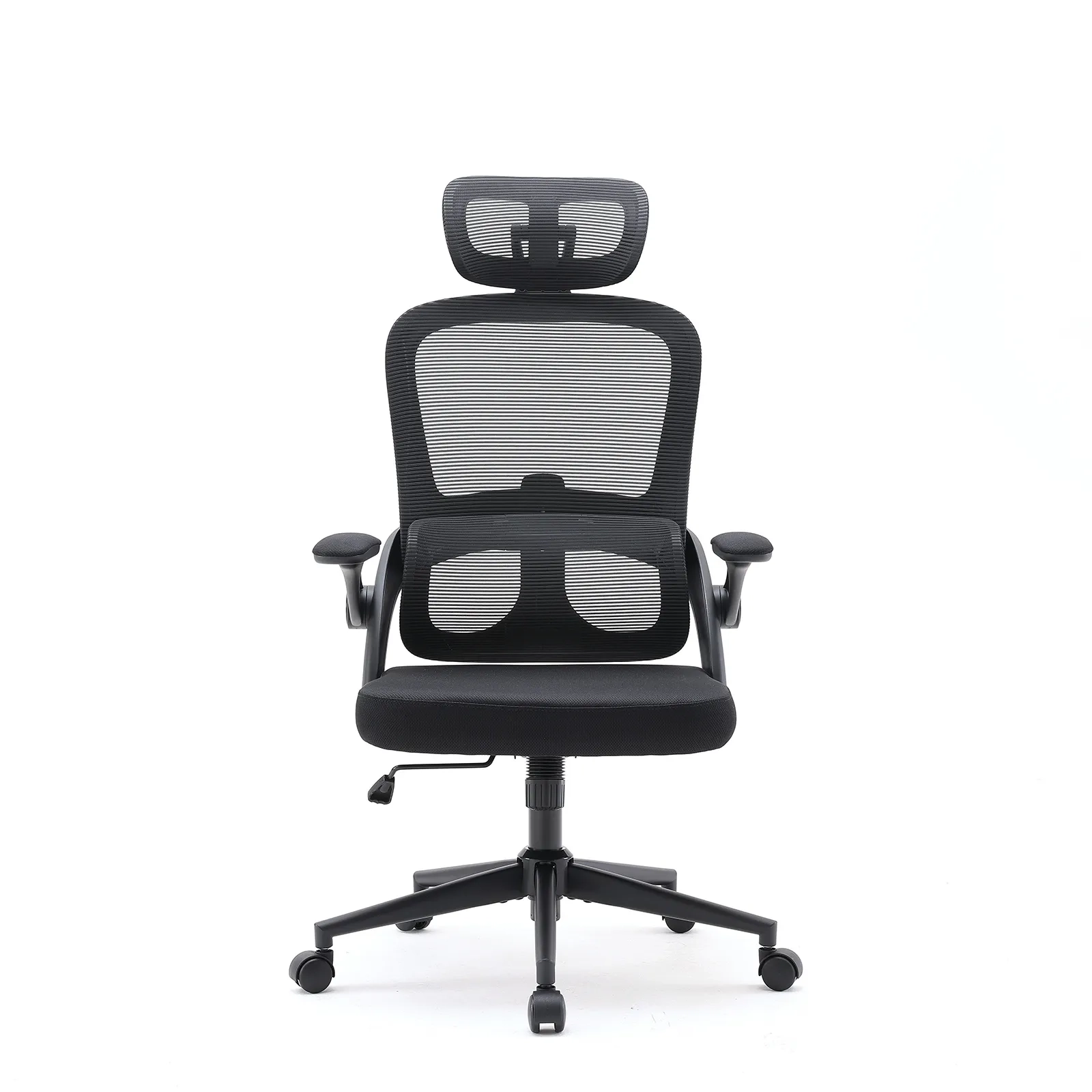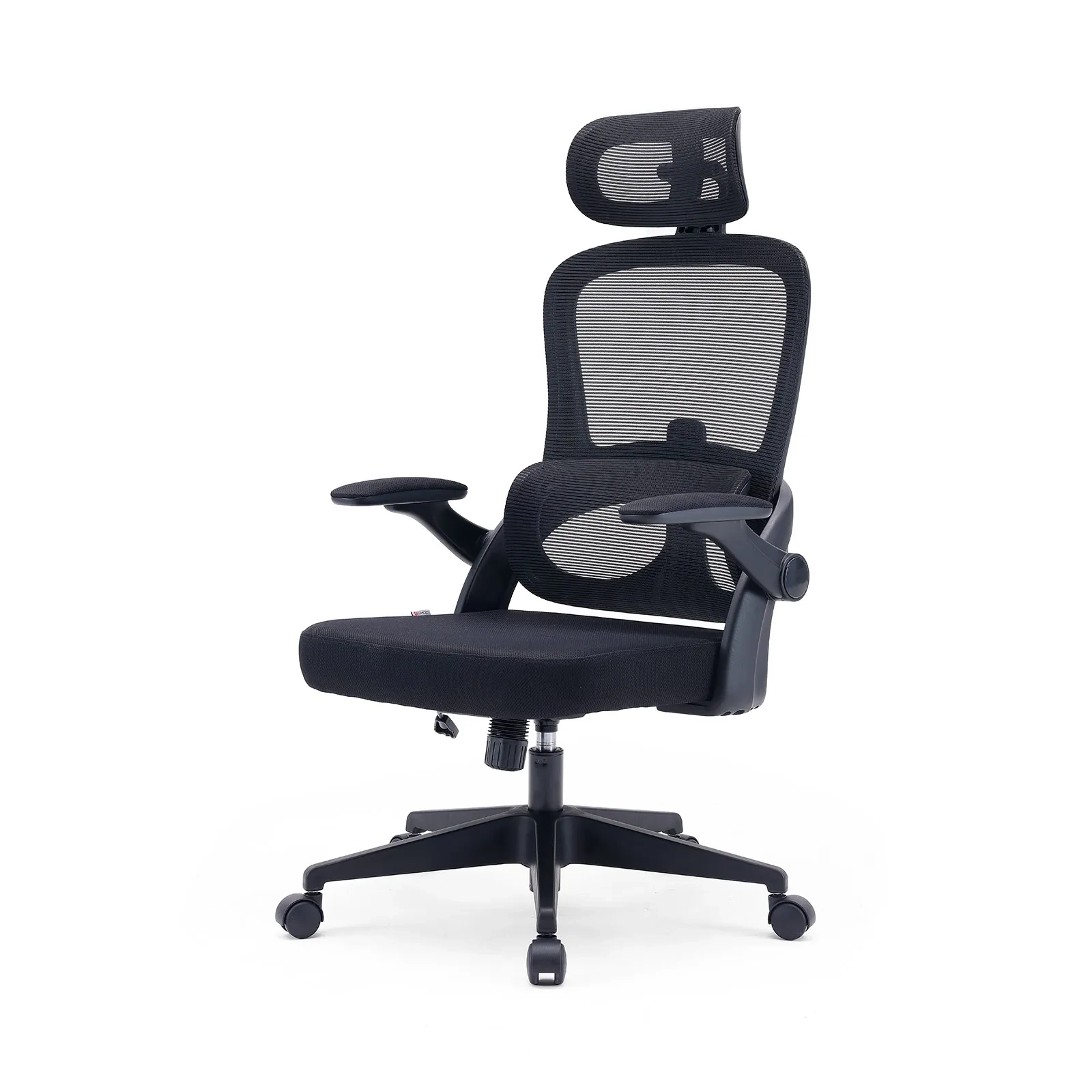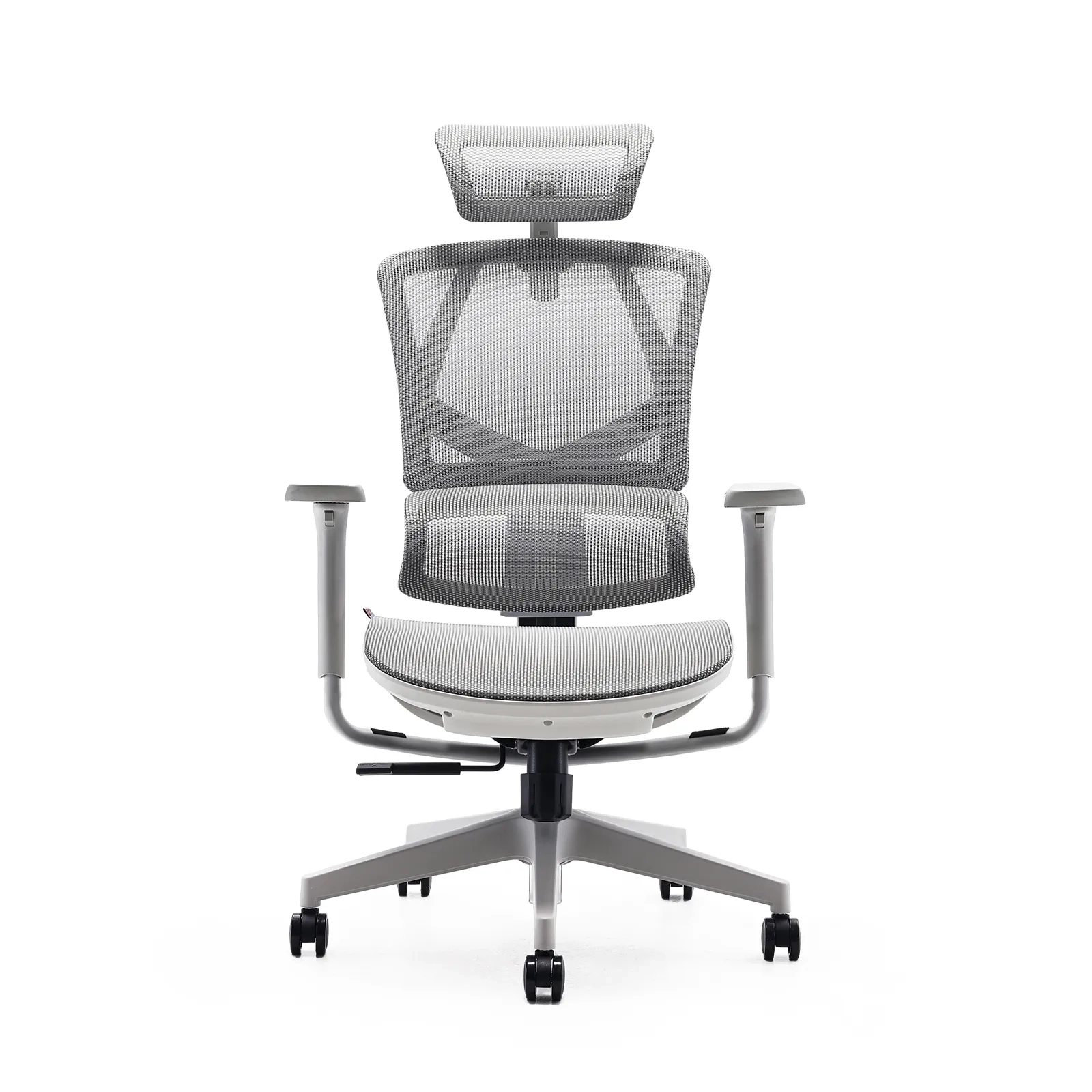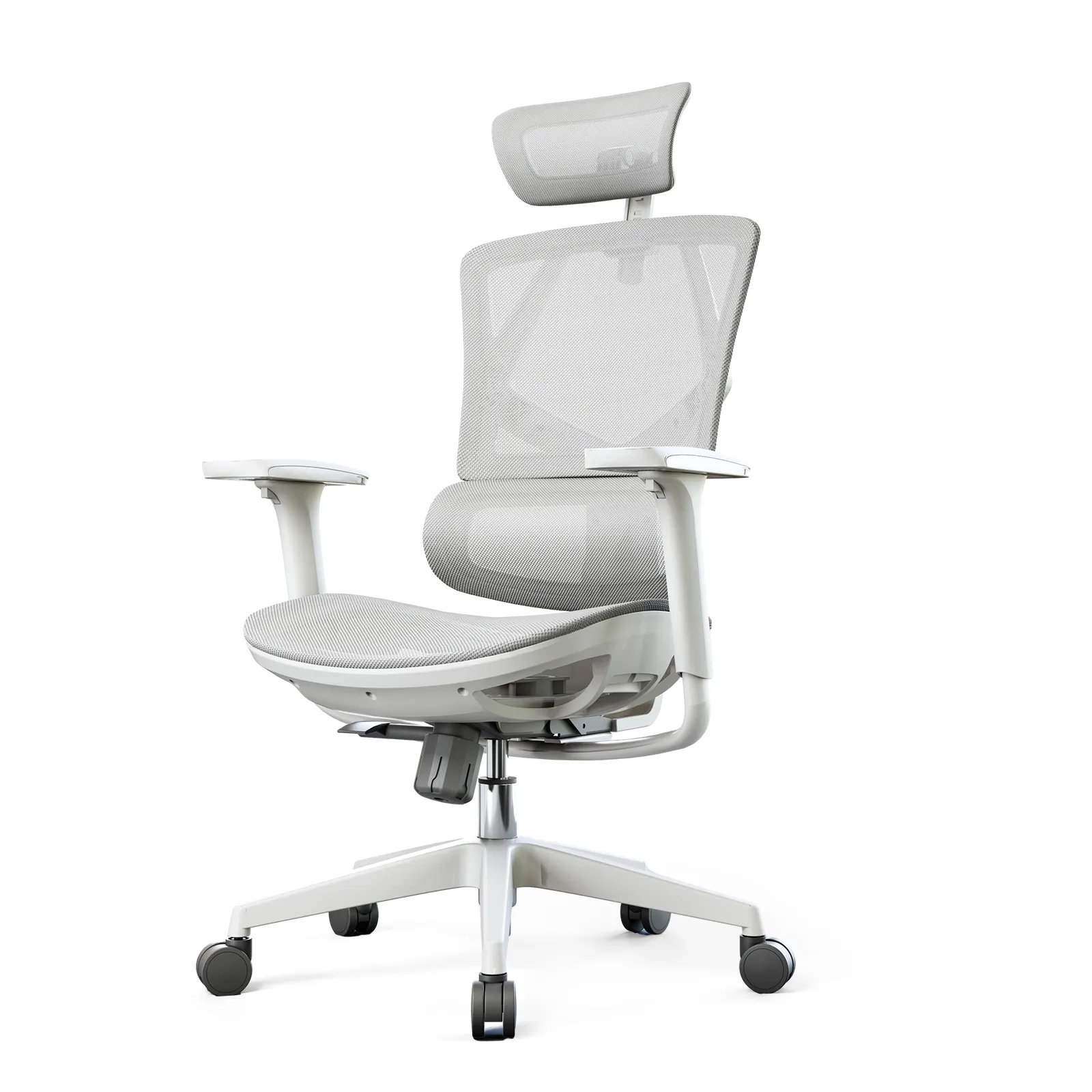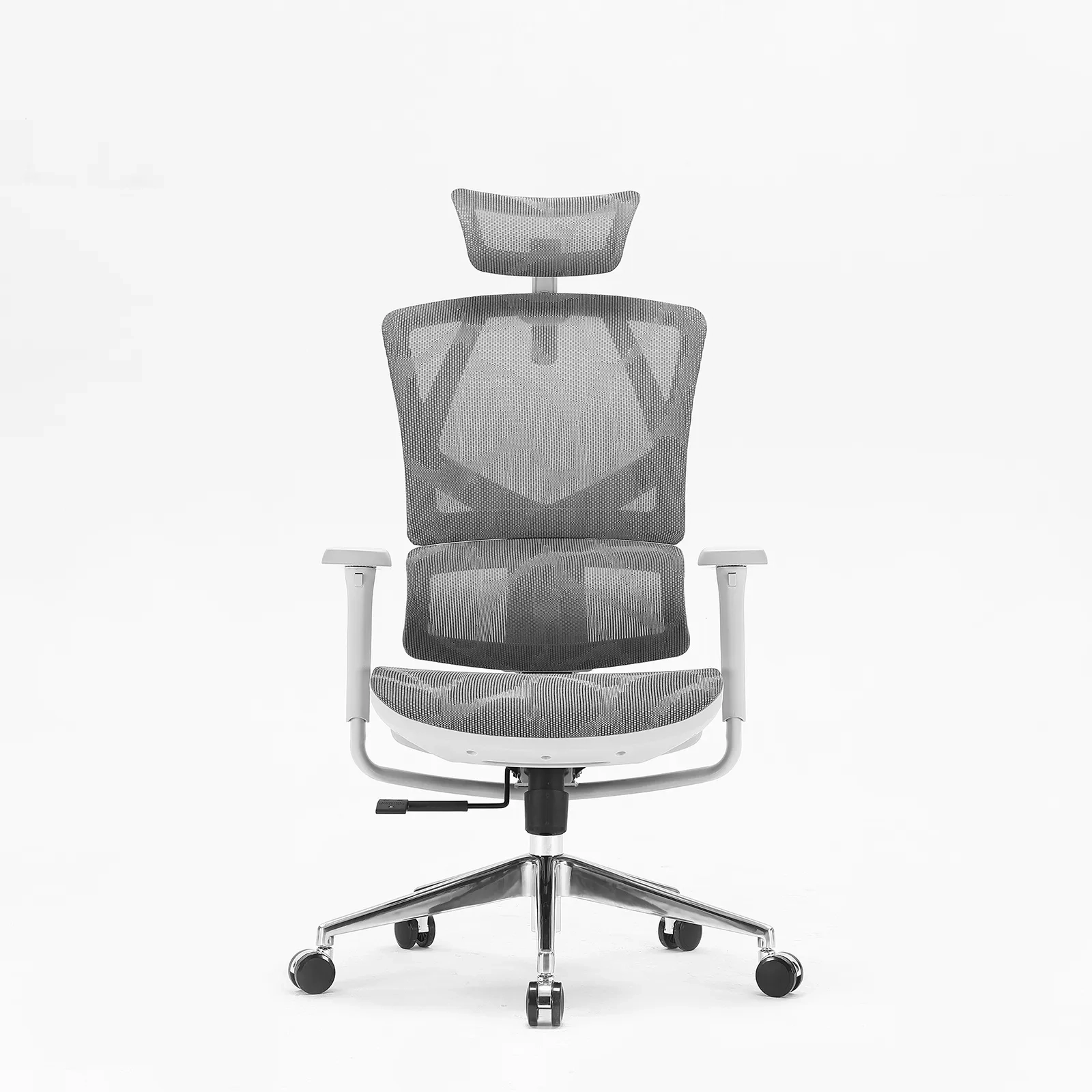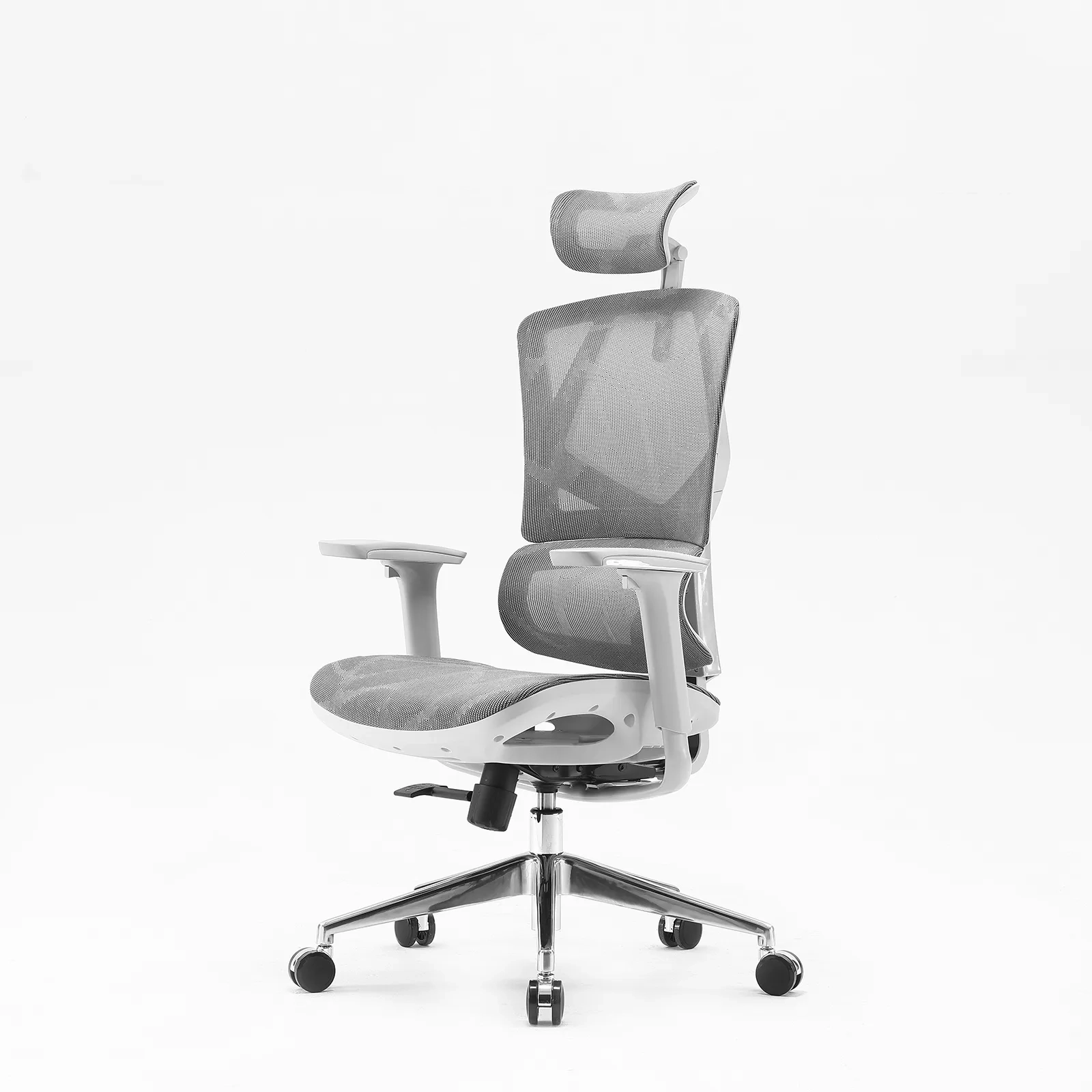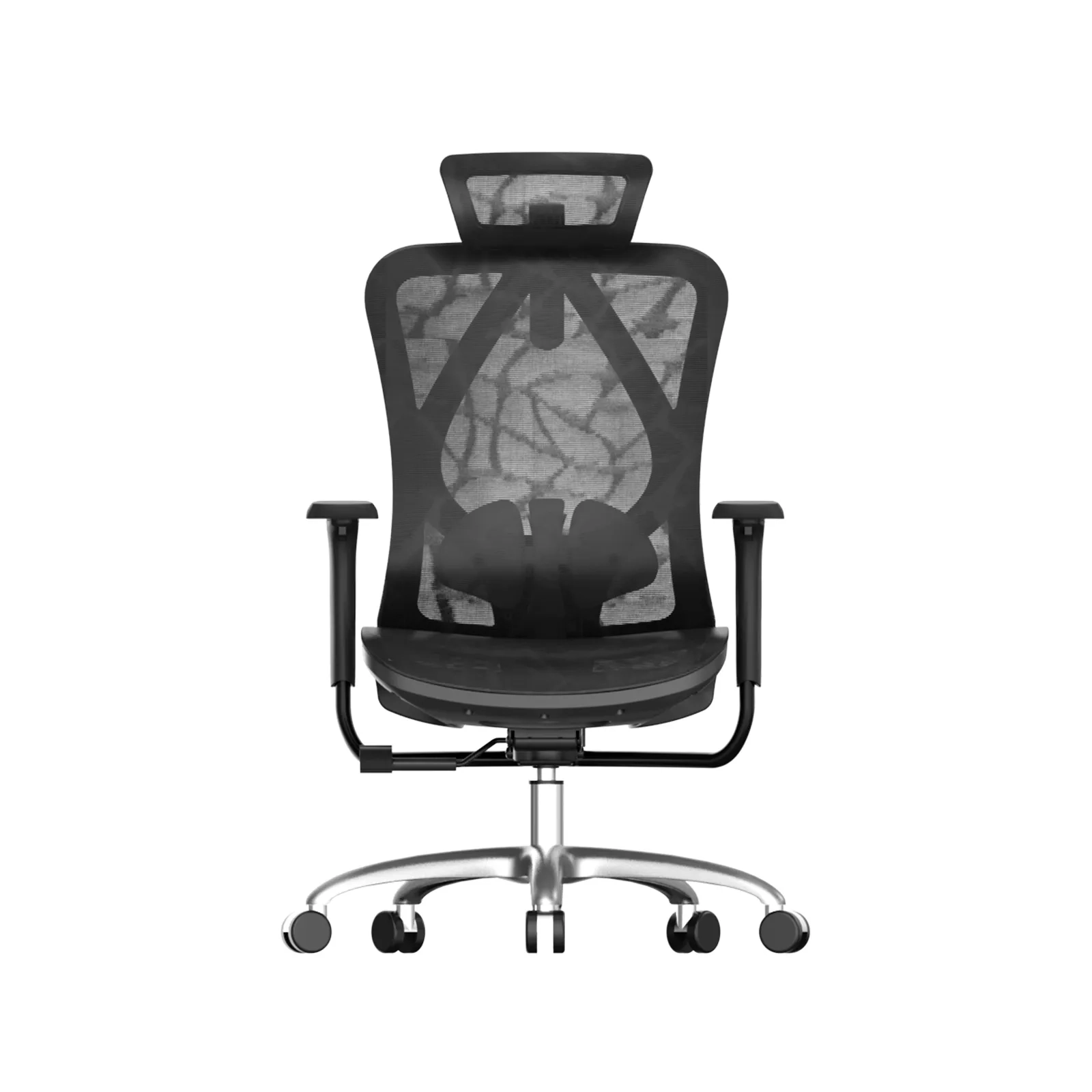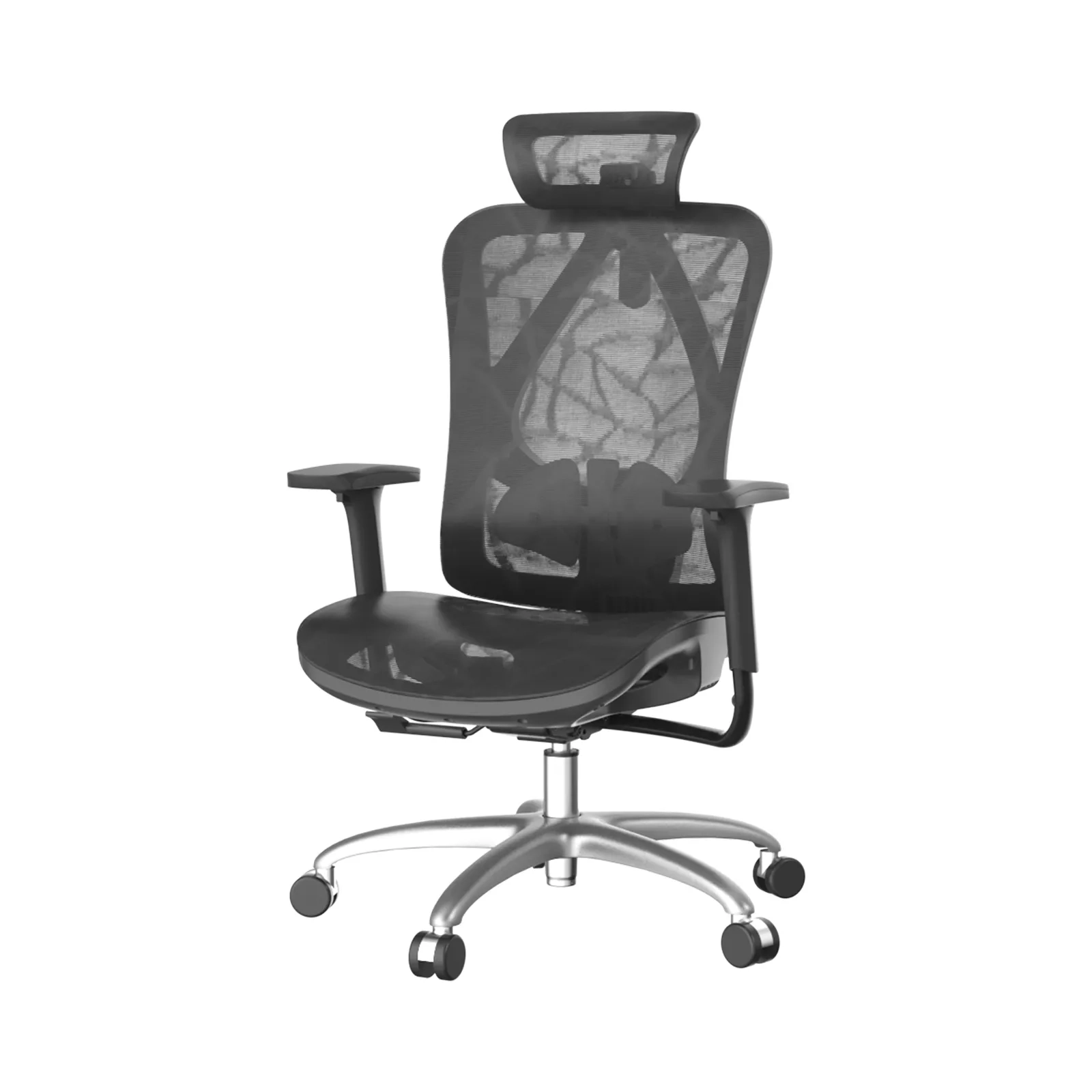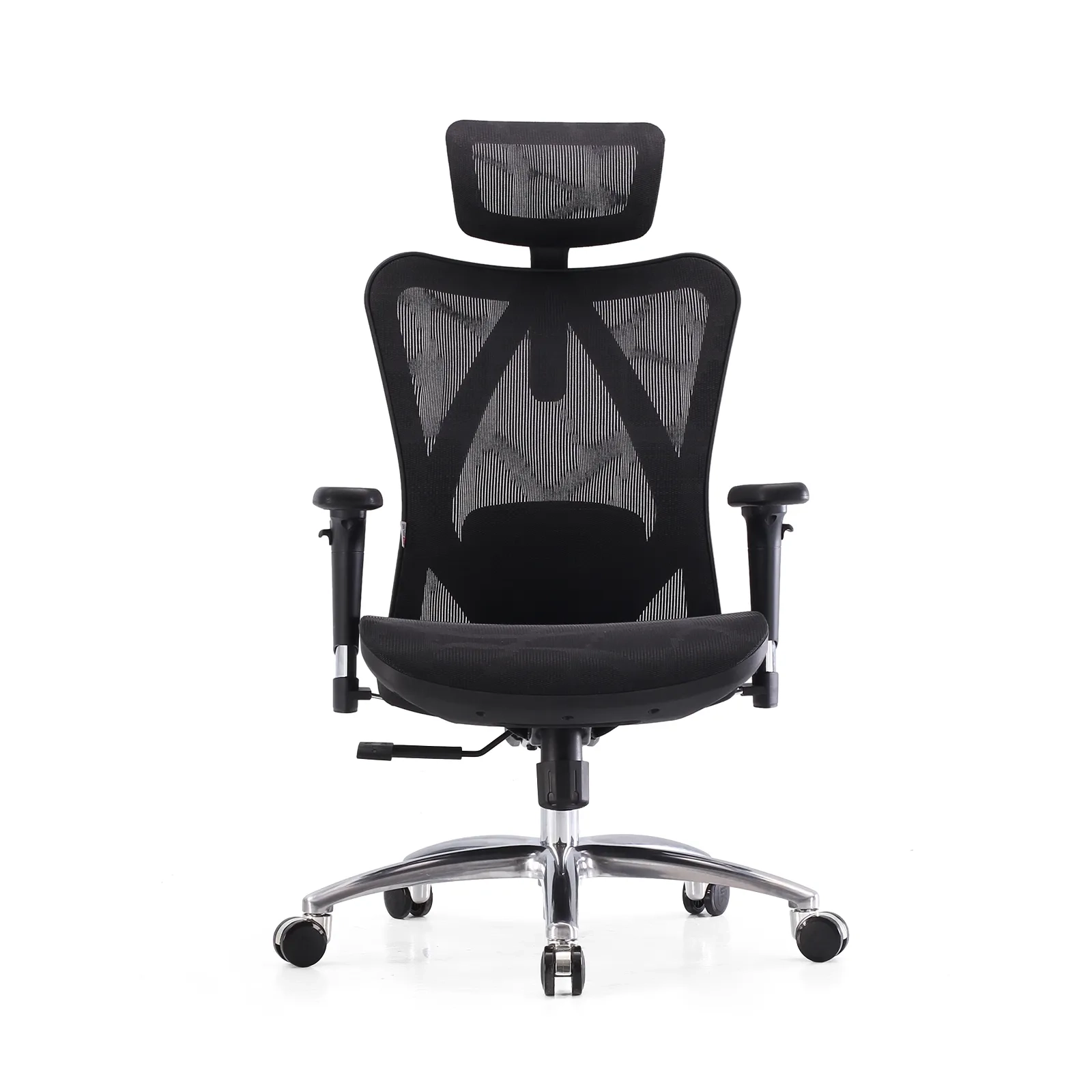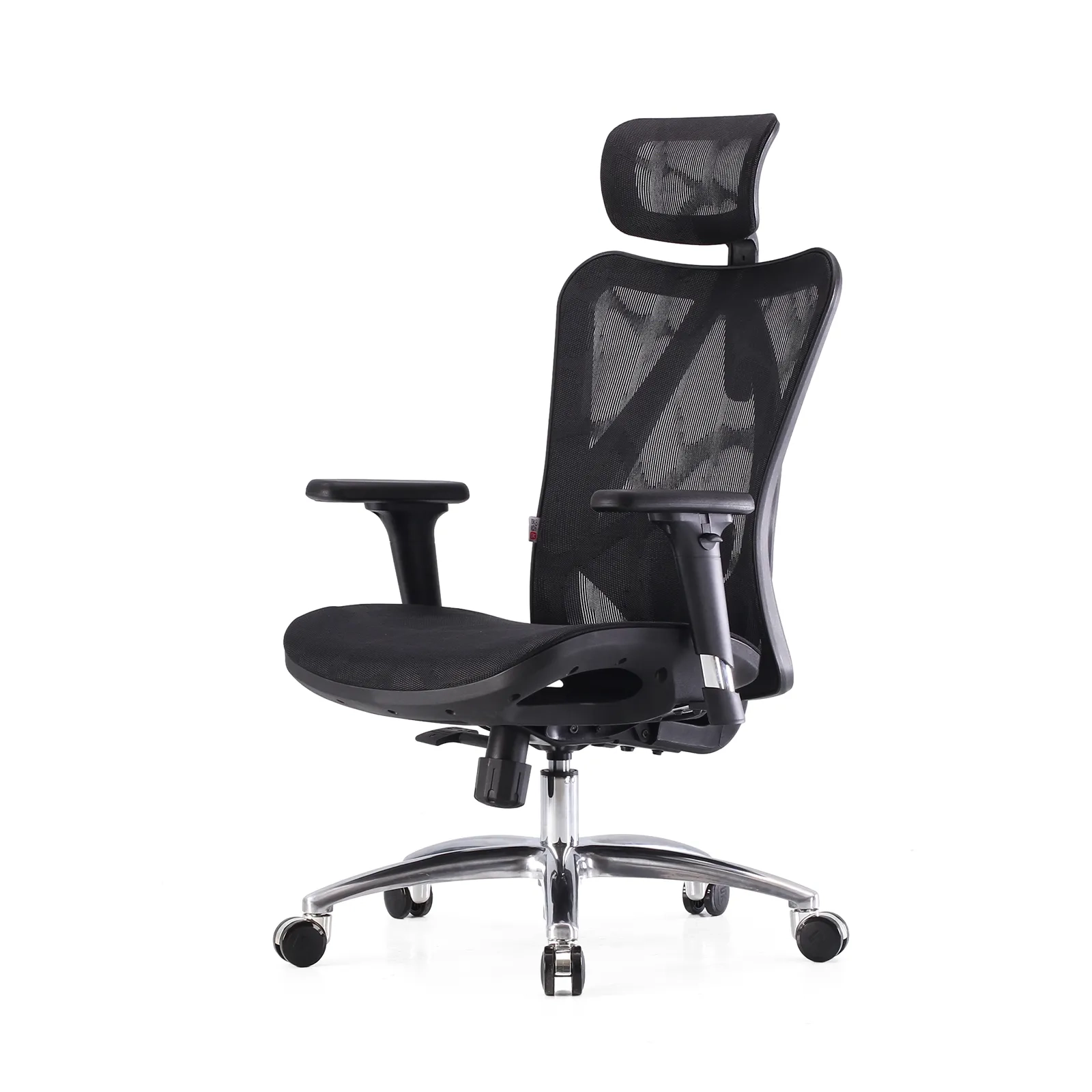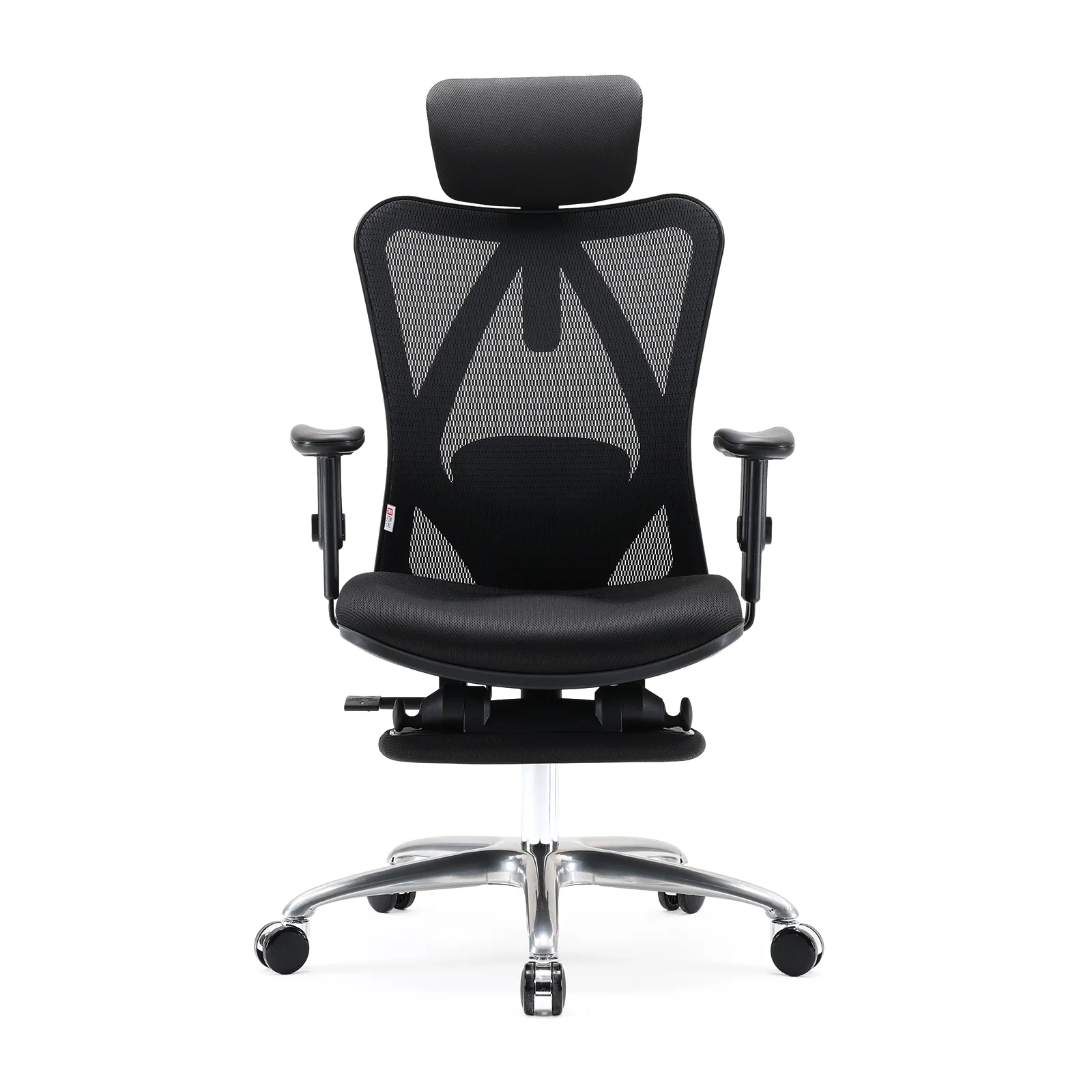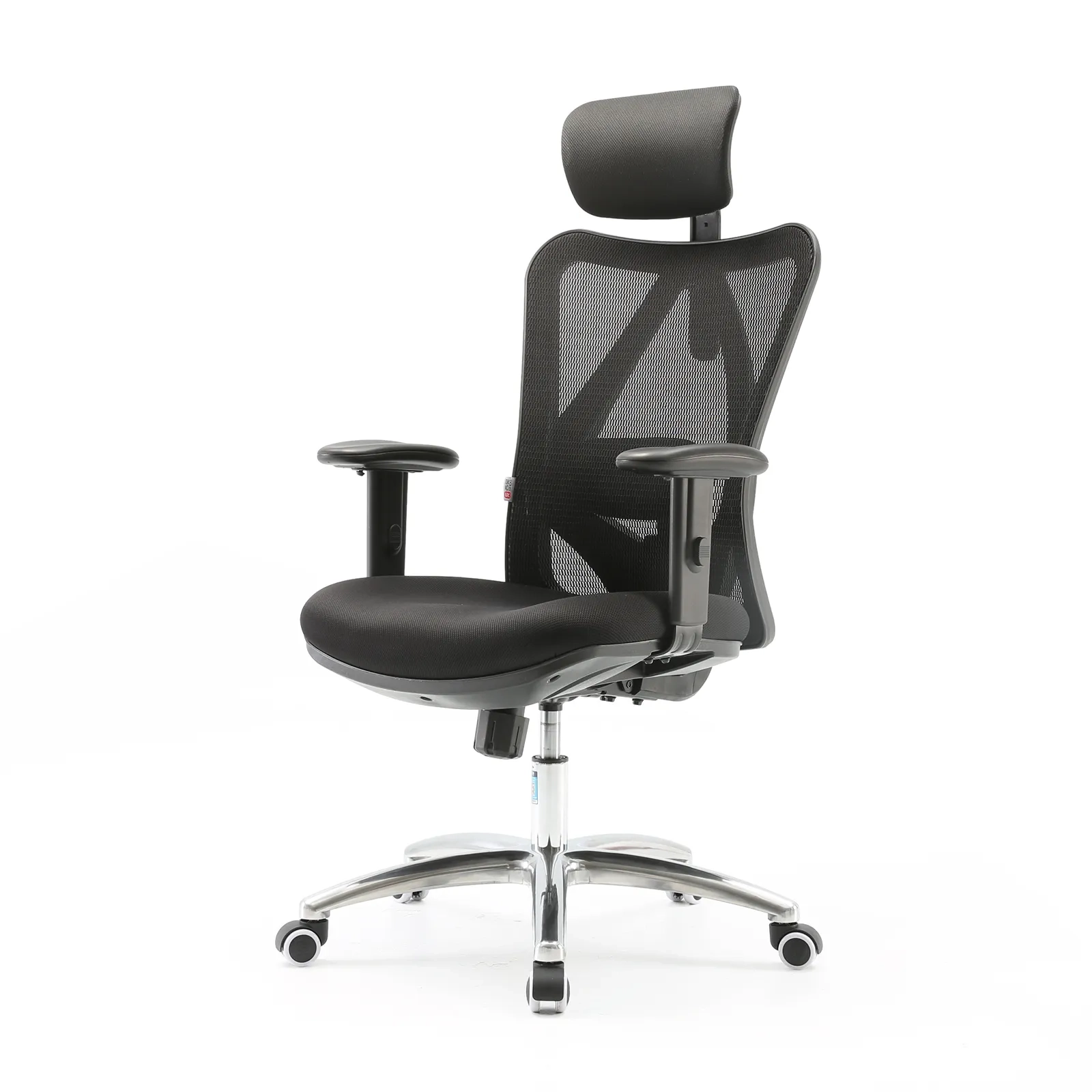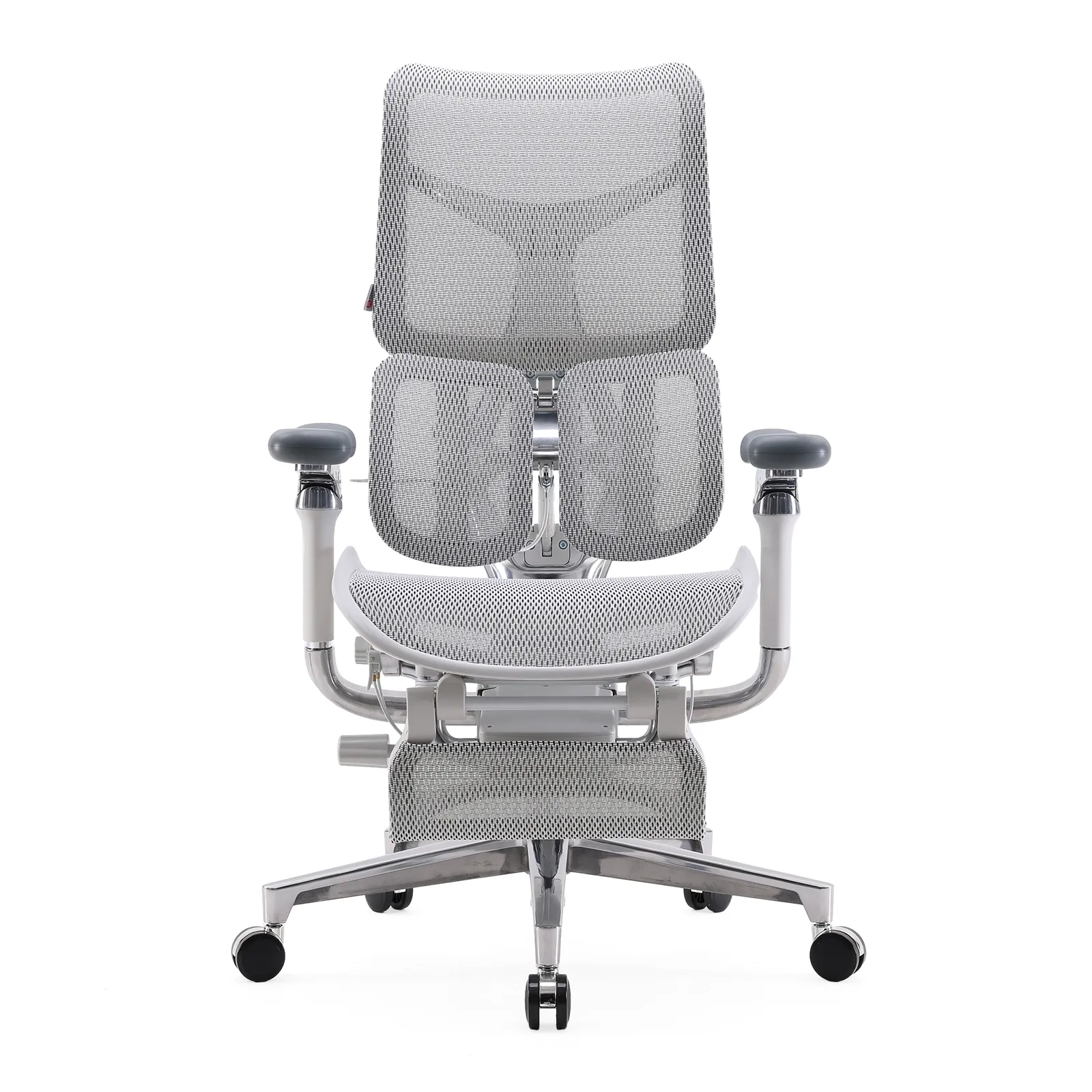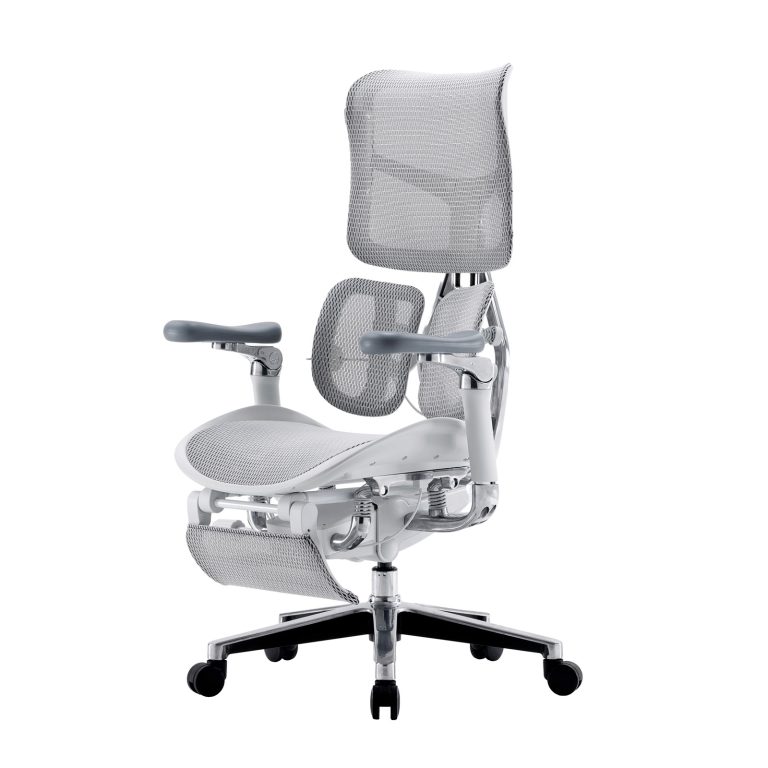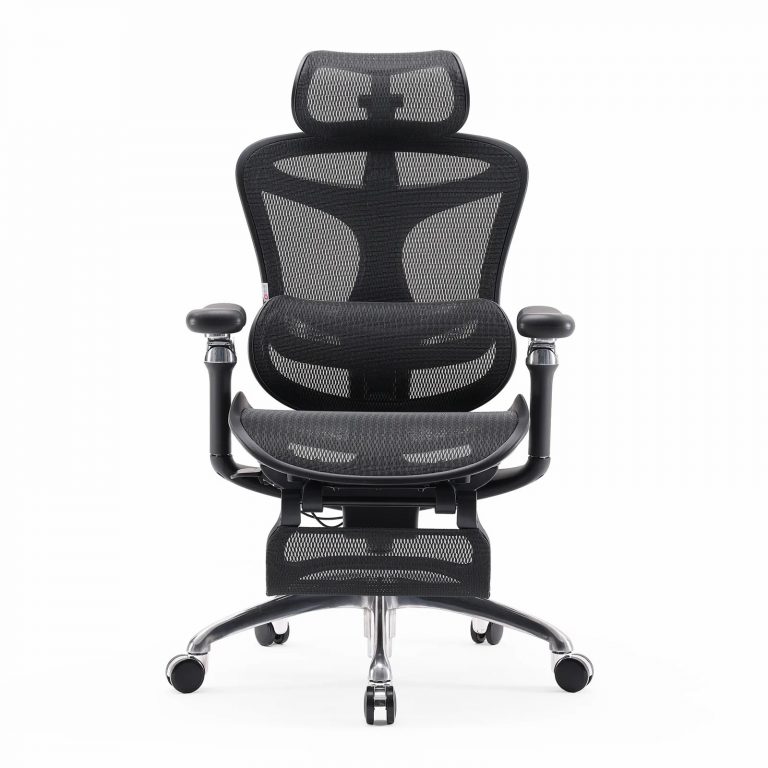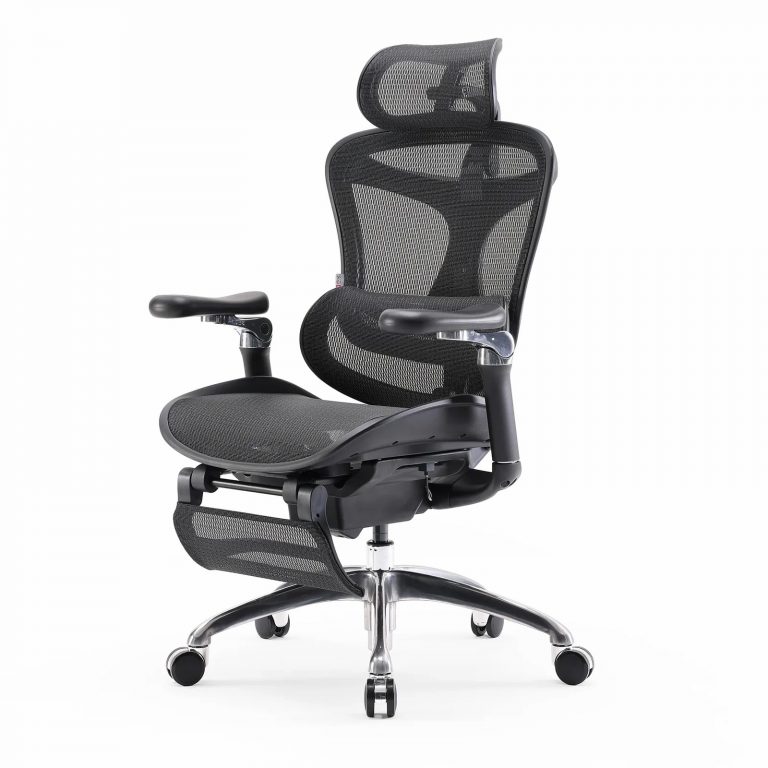









In today’s world of remote work and nonstop video meetings, your office chair is far more than just a place to sit—it’s a long-term investment in both productivity and physical well-being. That’s why more people are searching for specialized solutions like ergonomic chairs for back pain, the best office chairs for tall people, and mesh office chairs with headrests.
Among these features, the headrest has become a signature of mid-to-high-end models—often adding $50 to $200 to the price. But is that premium truly worth it?
1. Headrest Design: Real Support vs. Just for Show
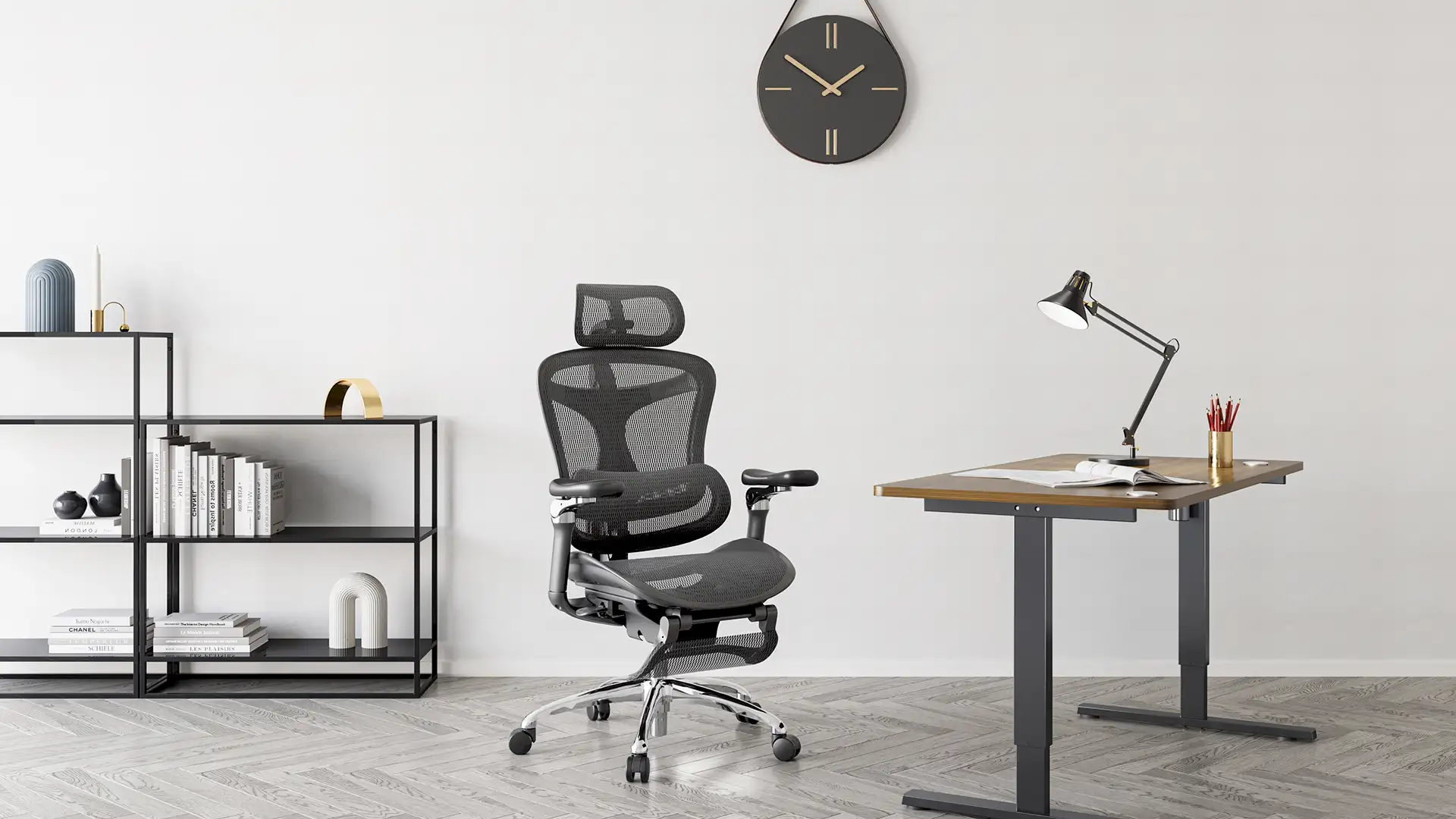
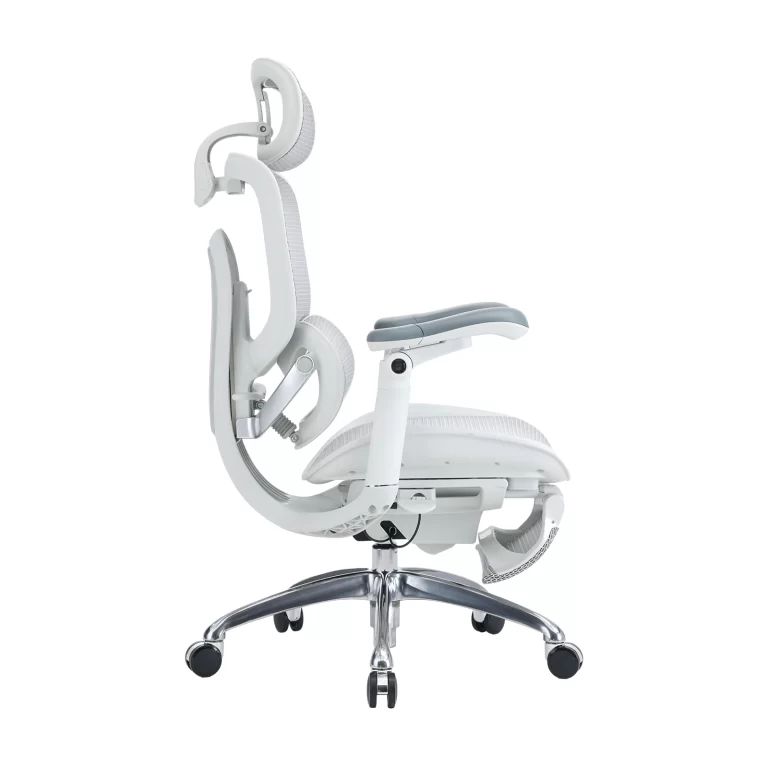
Not every chair labeled “with headrest” delivers actual ergonomic value. The difference lies in whether the headrest offers dynamic adjustability and intelligent integration—or is simply decorative.
1.1 What Makes a Headrest Actually Useful?
According to standards from the International Ergonomics Association (IEA), a truly effective ergonomic office chair with headrest should include:
- Height adjustment of at least 3 inches (8 cm) – critical for taller users seeking the best office chair for tall people
- Tilt range of 30° or more – so it stays aligned with your head as you recline
- Independent adjustment – not just moving in sync with the entire backrest
- Support surface of at least 120 cm² – to distribute pressure evenly and avoid strain
In contrast, many budget models feature rigid, fixed headrests that look sleek but provide zero functional neck support—making them little more than visual flair.
1.2 Mesh or Leather? Material Matters
A common dilemma: “Should I choose a mesh or leather office chair with headrest?”
- Mesh office chairs with headrests offer superior breathability—ideal for hot climates or all-day use. But basic mesh can feel flimsy; look for versions with memory foam padding in the headrest zone for real support.
- Leather office chairs provide firmer, more luxurious backing but may trap heat. If you go this route, choose perforated or ventilated designs to stay cool.
Regardless of material, the key is whether the headrest moves with your posture—especially when you lean back in a swivel office chair with arms—to keep your neck in a relaxed, neutral position.
2. Who Really Needs a Headrest? It’s Personal.
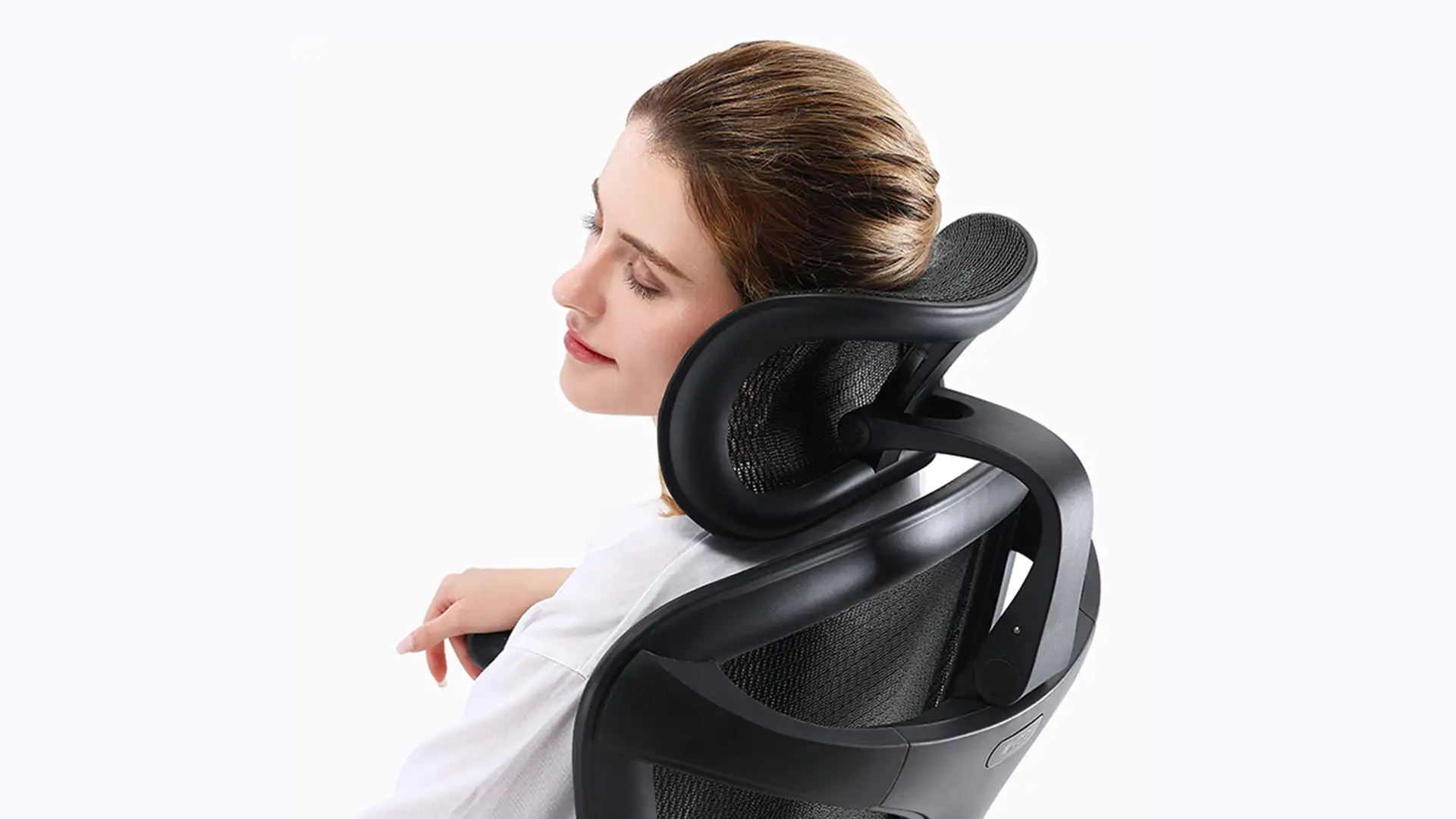
A headrest isn’t universally necessary. Whether it’s worth the splurge depends entirely on your body, habits, and health.
2.1 You’ll Likely Benefit If…
- You’re 6 feet (183 cm) or taller – standard backrests won’t reach your head; a high-back design with an adjustable headrest is practically essential
- You sit more than 6 hours a day – you’re in the core user group for the best chairs for long hours
- You already deal with neck, shoulder, or upper-back discomfort – pairing an ergonomic chair for back pain with proper head support can significantly ease muscle tension
- You frequently attend video calls or take short mental breaks – a headrest enables quick “micro-rests” that boost recovery
Research from The Spine Journal shows that properly used office chairs with neck support can reduce cervical spine load by over 40%, significantly reducing fatigue in the trapezius muscles.
2.2 You Might Not Need One If…
- You’re under 5’3” (160 cm) – the headrest may sit too high to be useful
- Your work requires constant forward-leaning (e.g., coding, graphic design)
- Your workspace is tight, limiting your ability to recline
2.3 Quick Self-Test: Do You Need Lumbar Support and a Headrest?
Many confuse lumbar and neck support needs. Here’s the key:
- Do I need lumbar support? → Almost always yes for regular sitters
- Do I need a headrest? → Only if you recline often or are on the taller side
Try this: Lean back to about 110 degrees. If there’s more than 3 inches (8 cm) of space between your head and the chair back, an adjustable headrest office chair is worth serious consideration.
3. Cost vs. Long-Term Value: Smart Spending
That $50–$200 headrest upgrade might seem steep—but it can pay off over years of use.
3.1 Typical Price Ranges by Need (2025)
| YOUR PRIORITY | RECOMMENDED FEATURES | PRICE RANGE |
| Back pain relief | Ergonomic chair + dynamic lumbar support | $250–$400 |
| Tall users | High-back + adjustable headrest | $300–$450 |
| All-day comfort | Mesh + headrest + lumbar + armrests | $280–$420 |
| Home office | Mesh office chair with headrest and arms | $220–$350 |
3.2 How to Buy an Ergonomic Office Chair Online—Safely
More shoppers are choosing to buy ergonomic office chairs online, but smart buyers:
- Choose brands offering at least a 30-day trial with free returns
- Confirm BIFMA or SGS certification for durability and safety
- Prefer local warehouse shipping (faster delivery, easier returns)
- Use the brand’s “Chair Finder” tool—input your height, weight, and daily sitting time to get matched with the ideal swivel office chair with arms and headrest
4. Buyer’s Checklist: Avoid “Fake Headrest” Traps
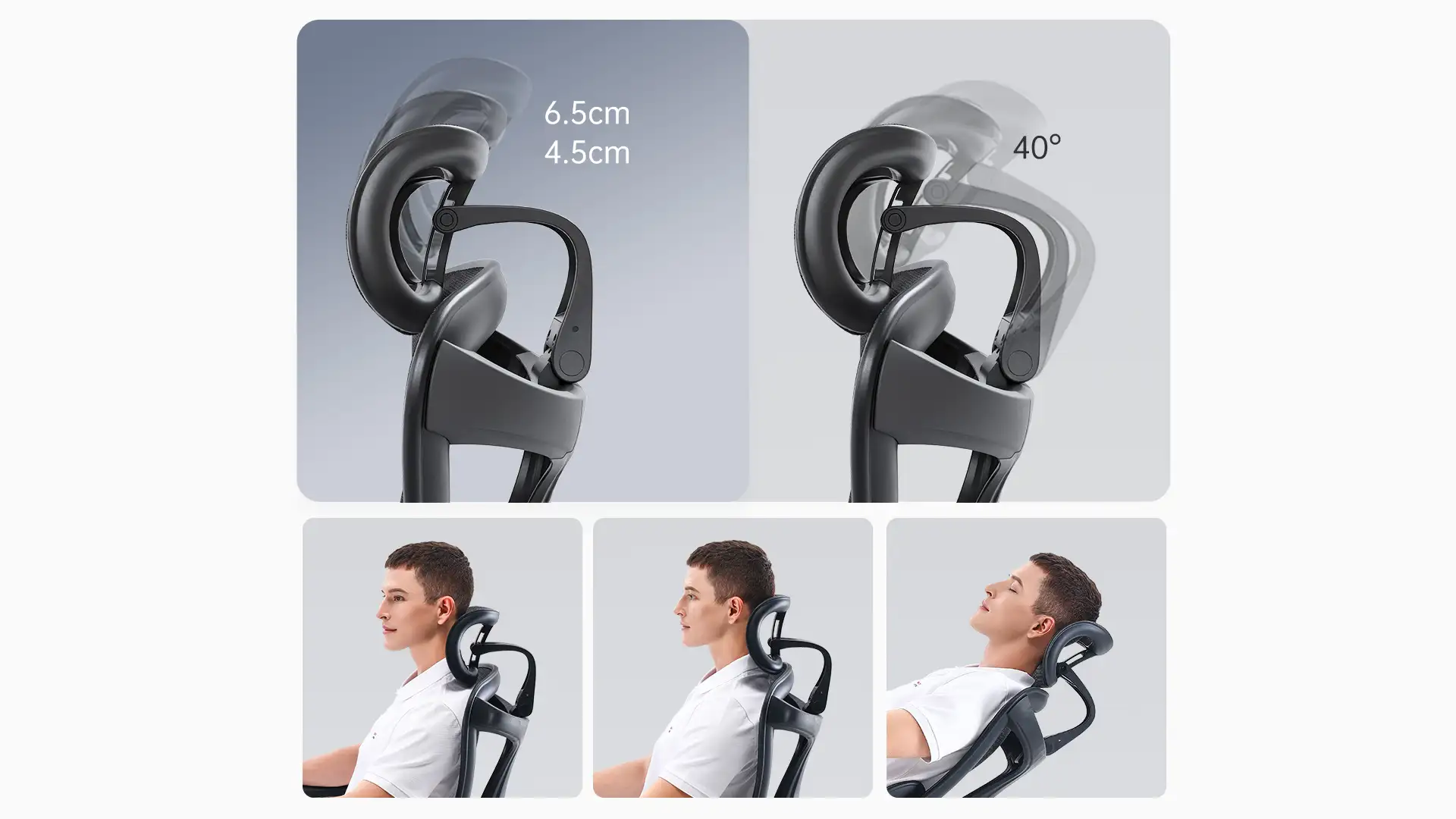
To ensure you’re getting a truly functional ergonomic office chair with headrest, verify:
✅ Can you adjust height and angle independently?
✅ Does it follow your head as you recline—not stay locked in place?
✅ Does it work with lumbar support? (Yes—you almost always need it.)
✅ Does the material balance support and breathability? (Mesh vs. leather: both have pros and cons.)
✅ Is there a 30-day comfort guarantee? (Because fit is personal—don’t guess!)
Pro tip: A quality mesh office chair with headrest should include high-density padding in the headrest area. Otherwise, it’s just mesh over a frame—stylish, but not supportive.
5. The Bottom Line: It’s About Fit, Not Features
So, is an office chair with headrest worth the extra cost? Only if it matches your needs.
- If you’re tall, sit all day, struggle with neck fatigue, or need a chair that supports quick mental resets during calls—then yes, a well-designed adjustable headrest office chair is a smart investment.
- But if you’re shorter, sit upright most of the time, or are budget-conscious, prioritize adjustable lumbar support and seat depth first—and skip the headrest for now.
No matter your choice—mesh or leather, basic or premium—the real question is:
Does it adapt to *your* body? Does it support *your* work style?
Before you hit “Buy Now” on that ergonomic office chair online, get clear on what you need. Because the best chair isn’t the most expensive one—it’s the one that understands you.
1600x1600-4-768x768.jpg)
1600x1600-8-768x768.jpg)