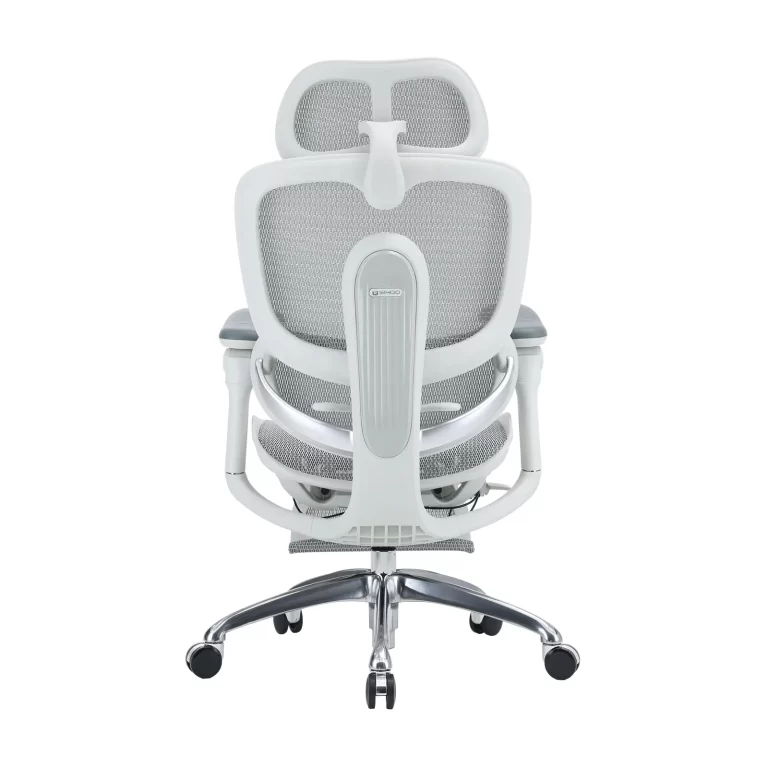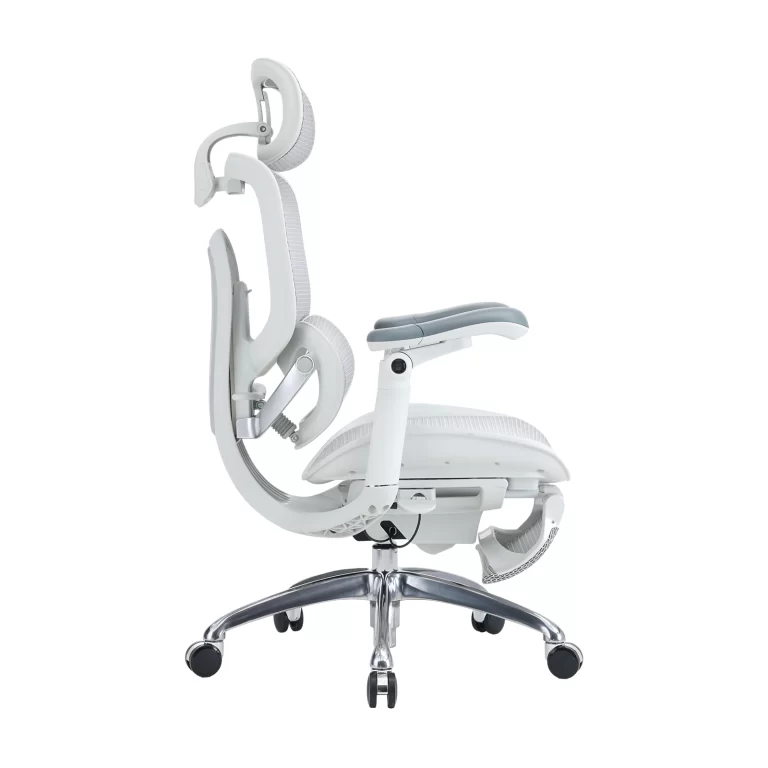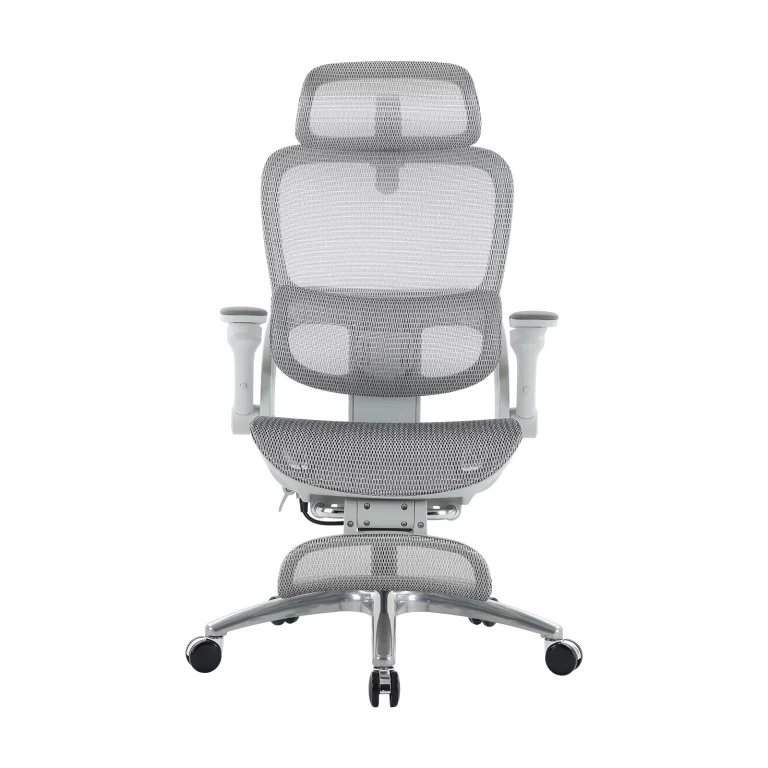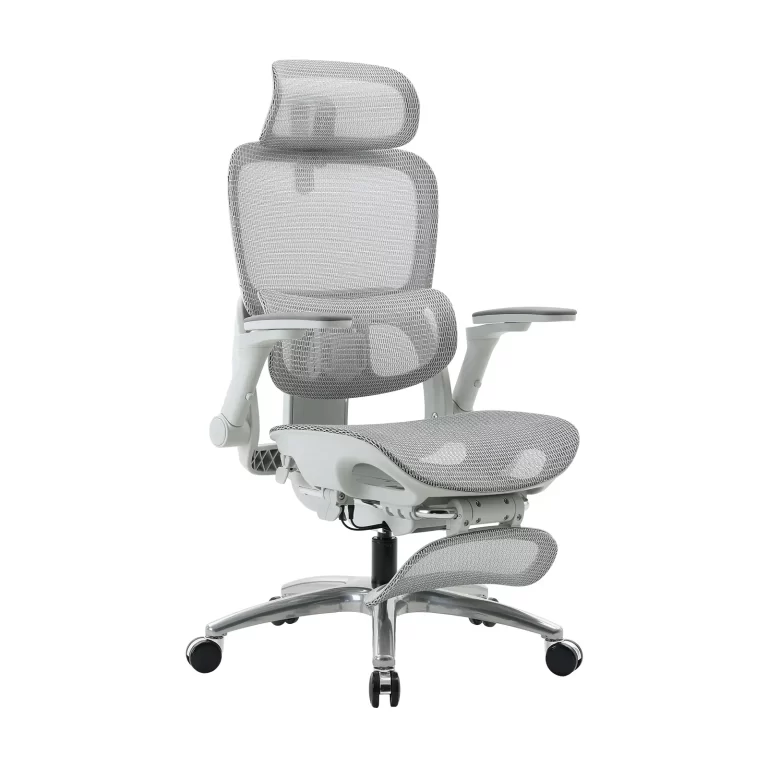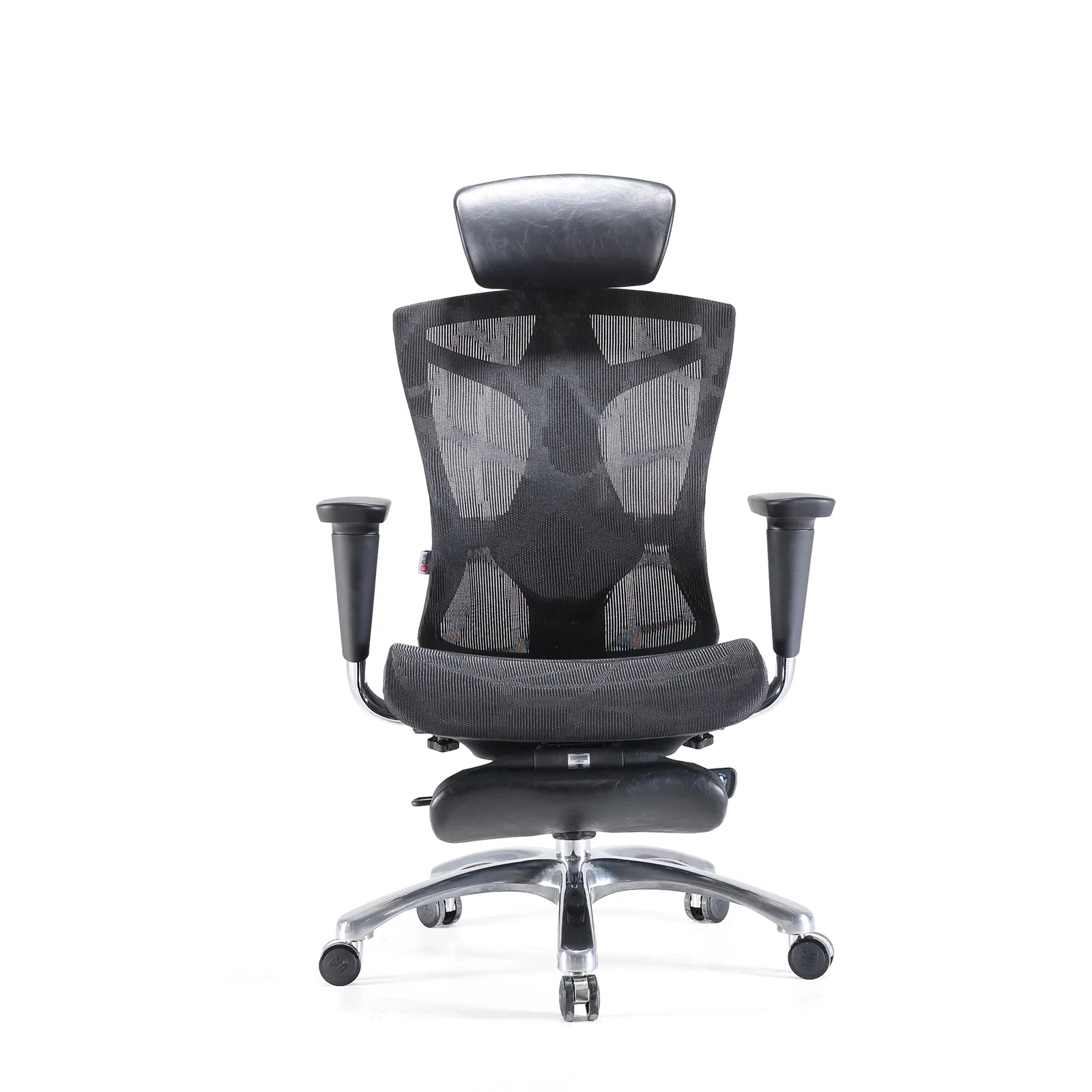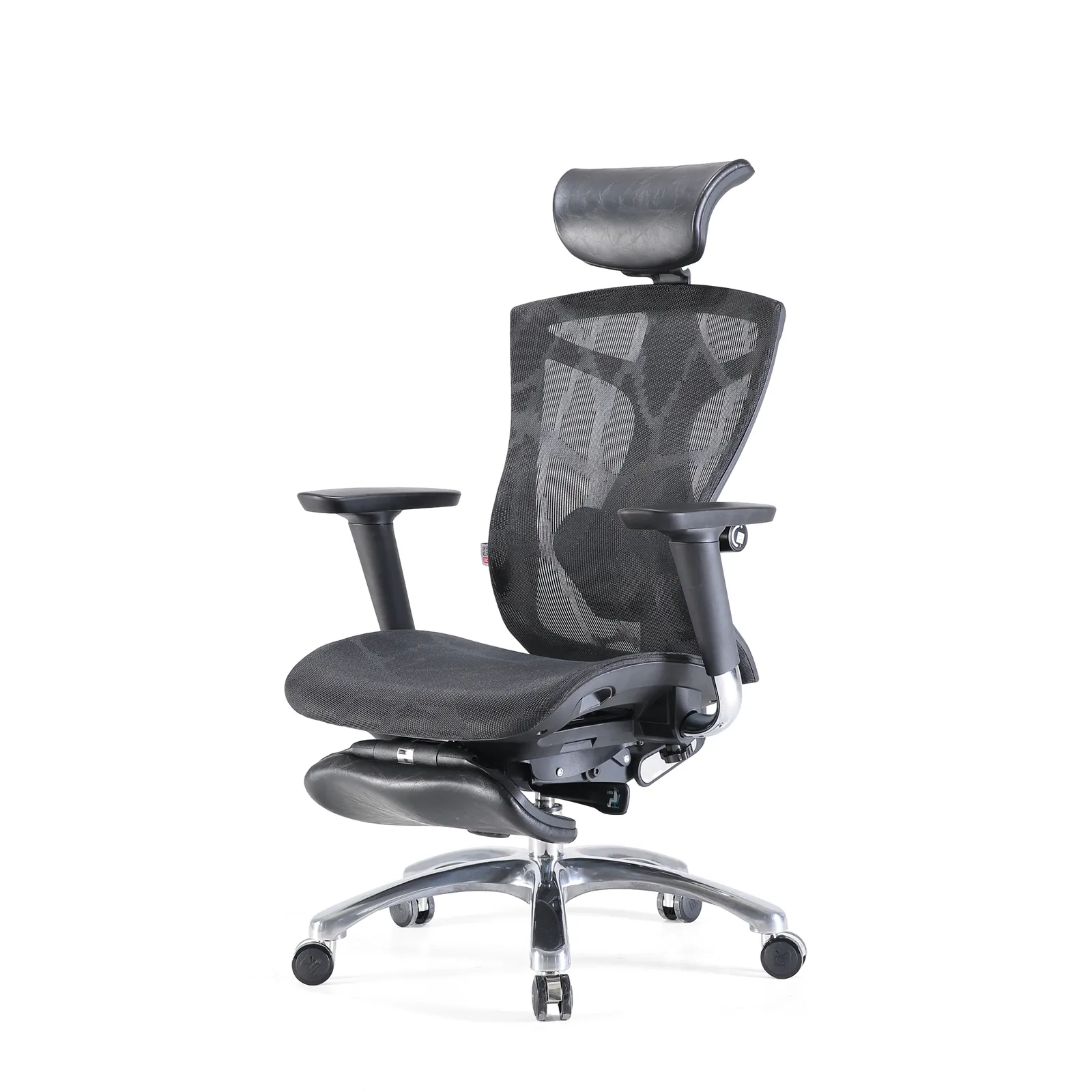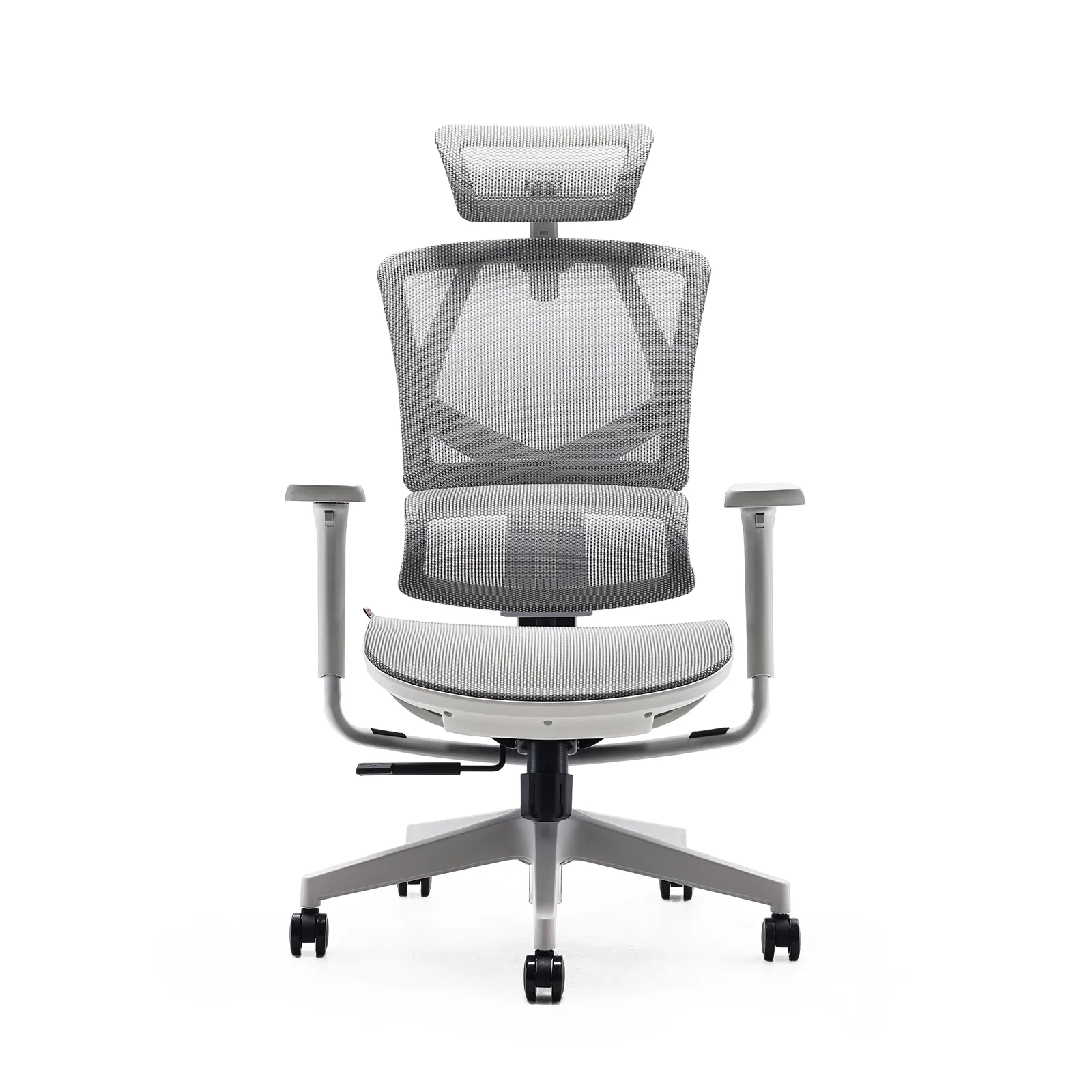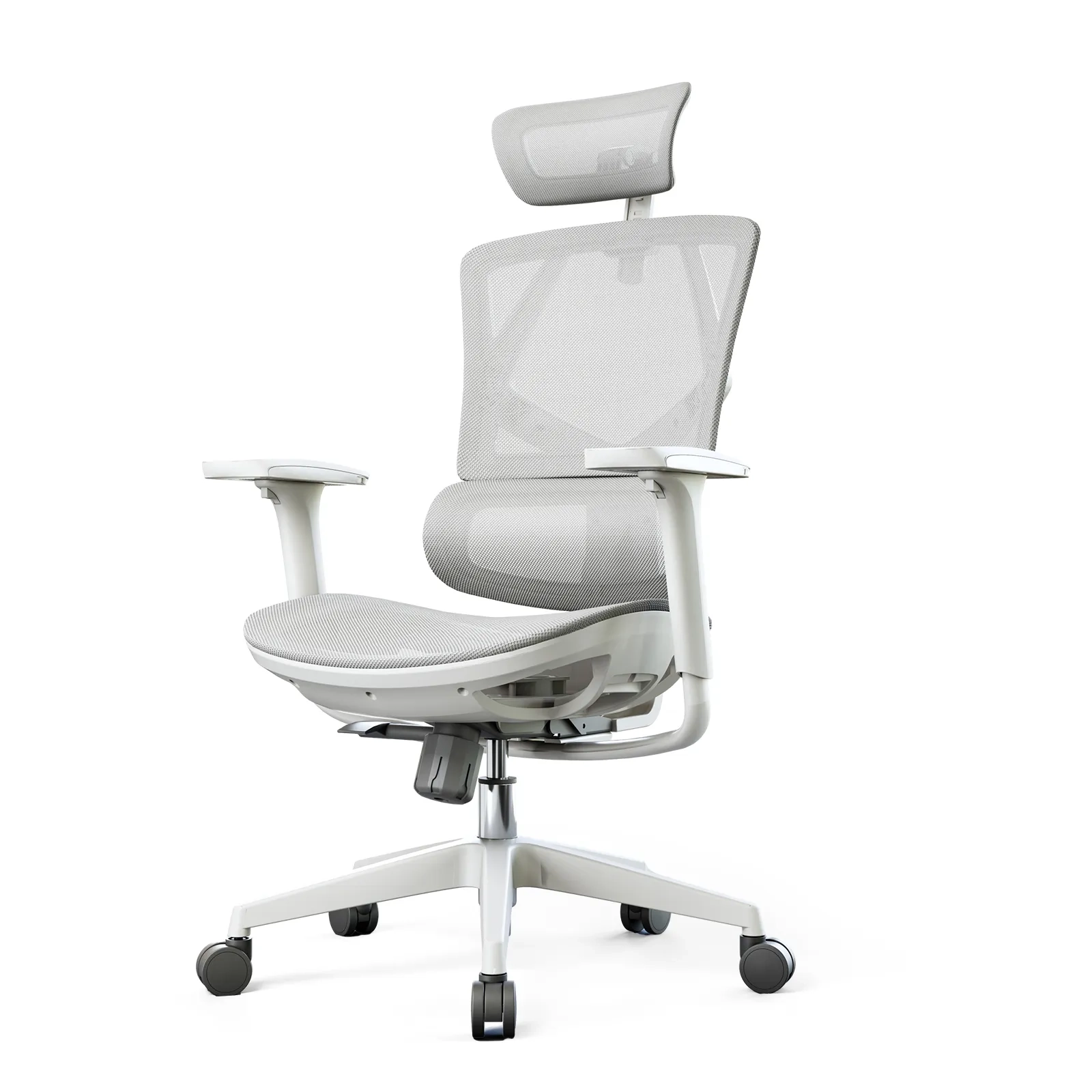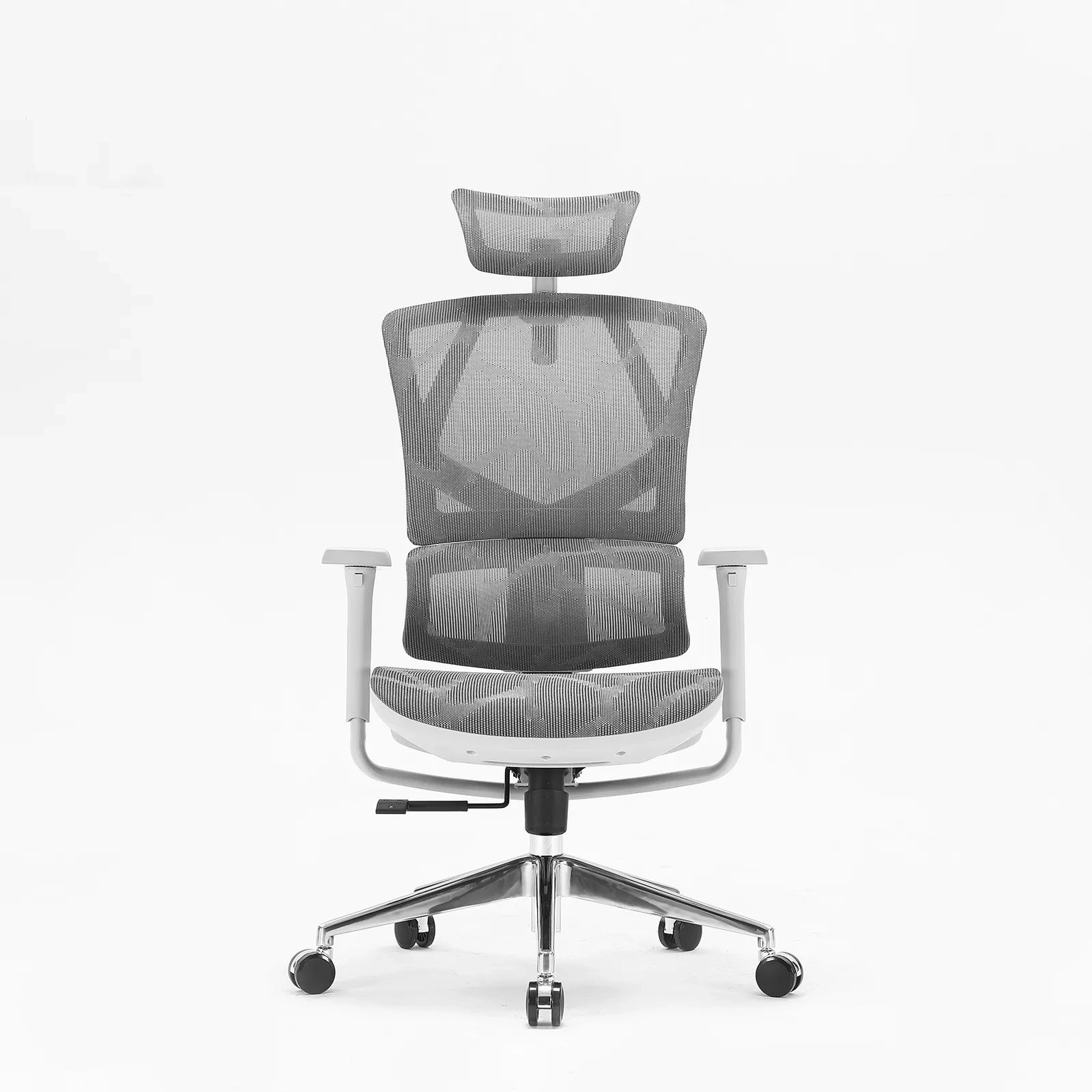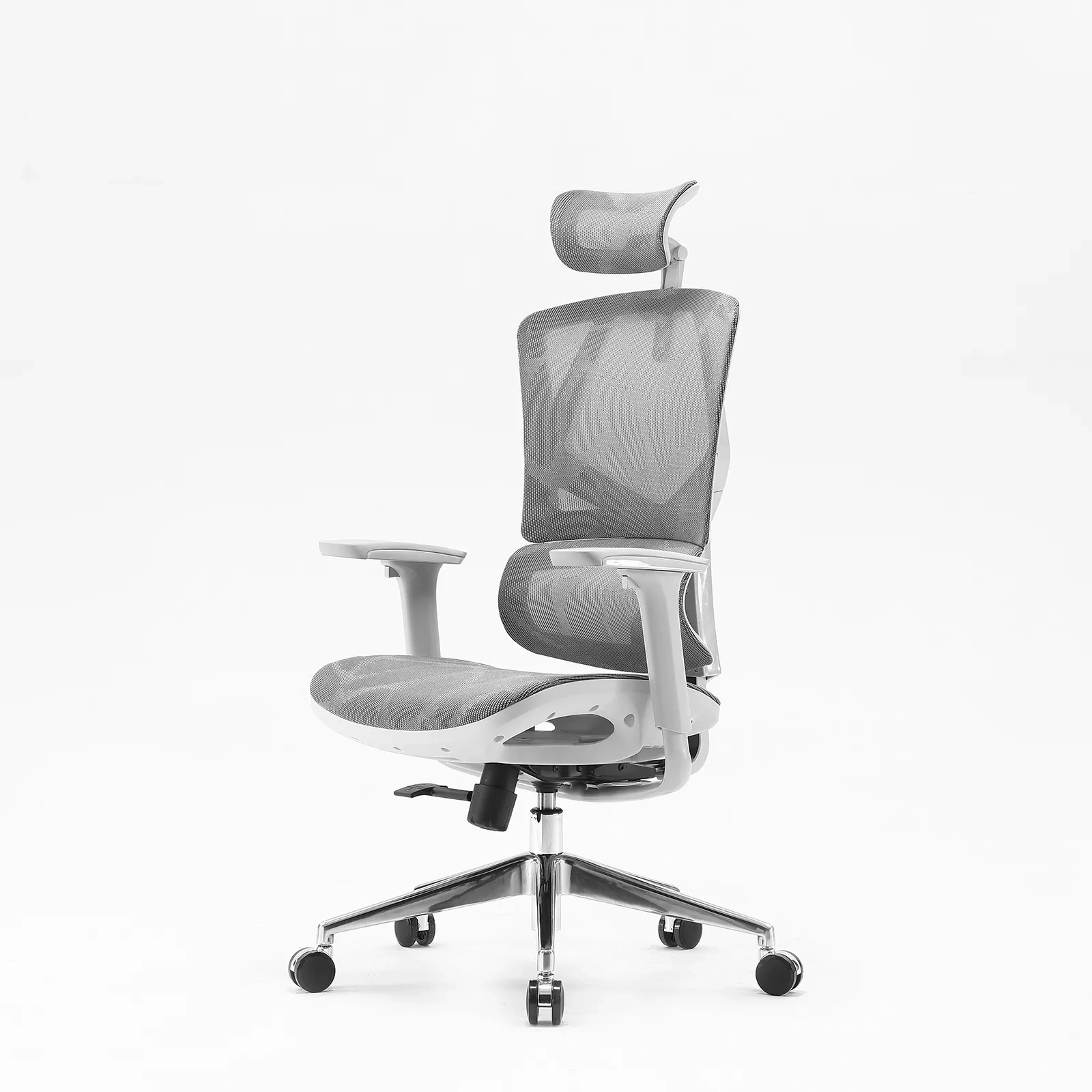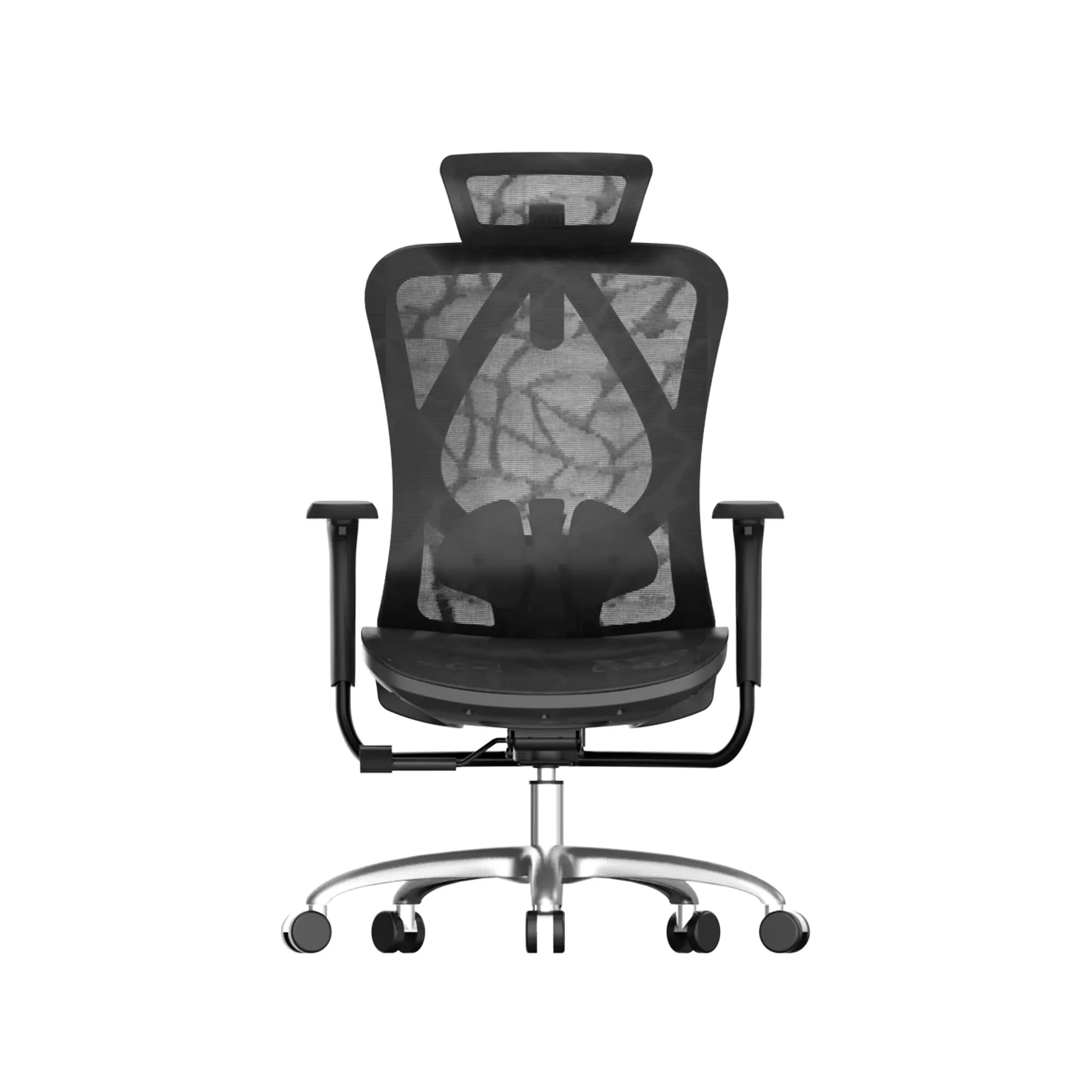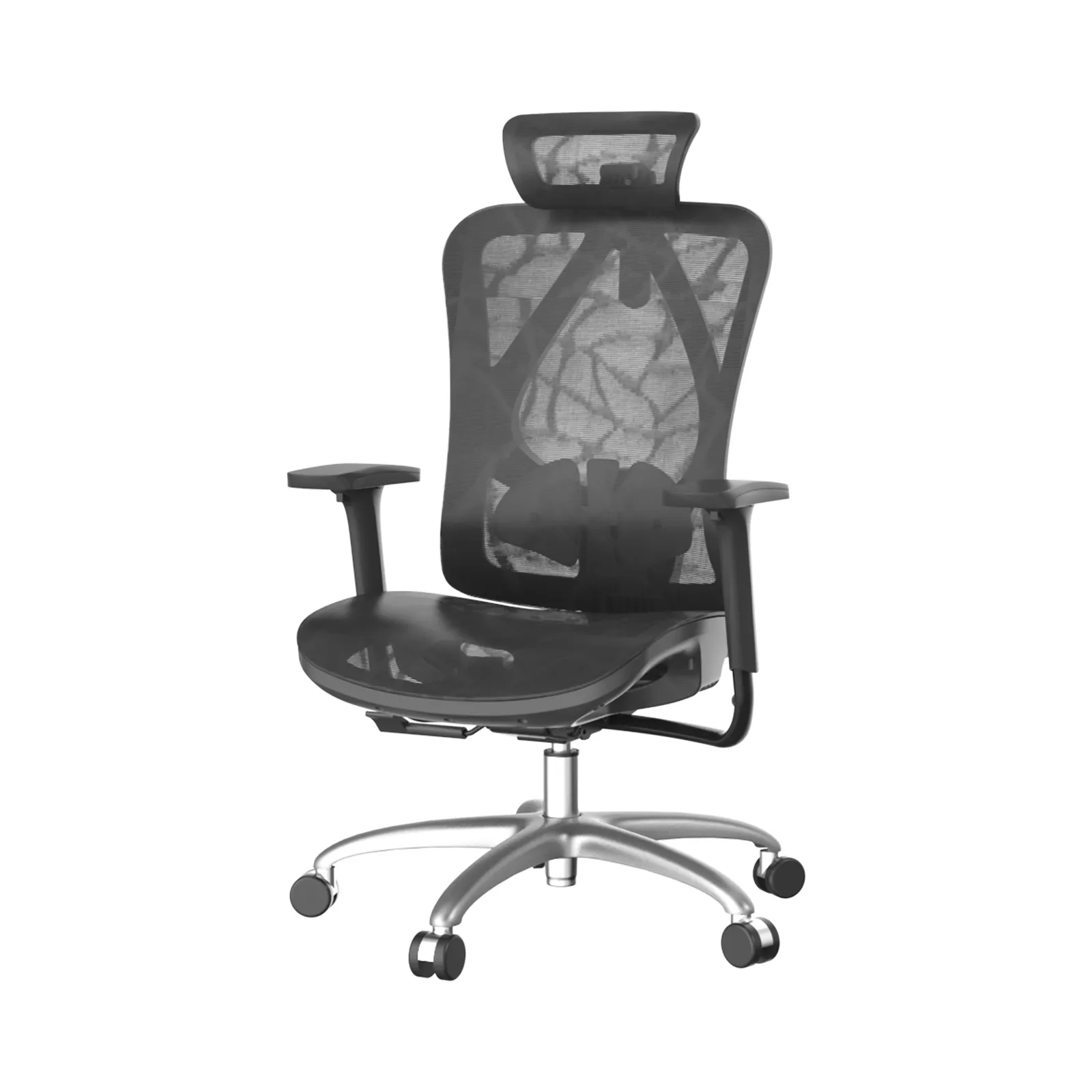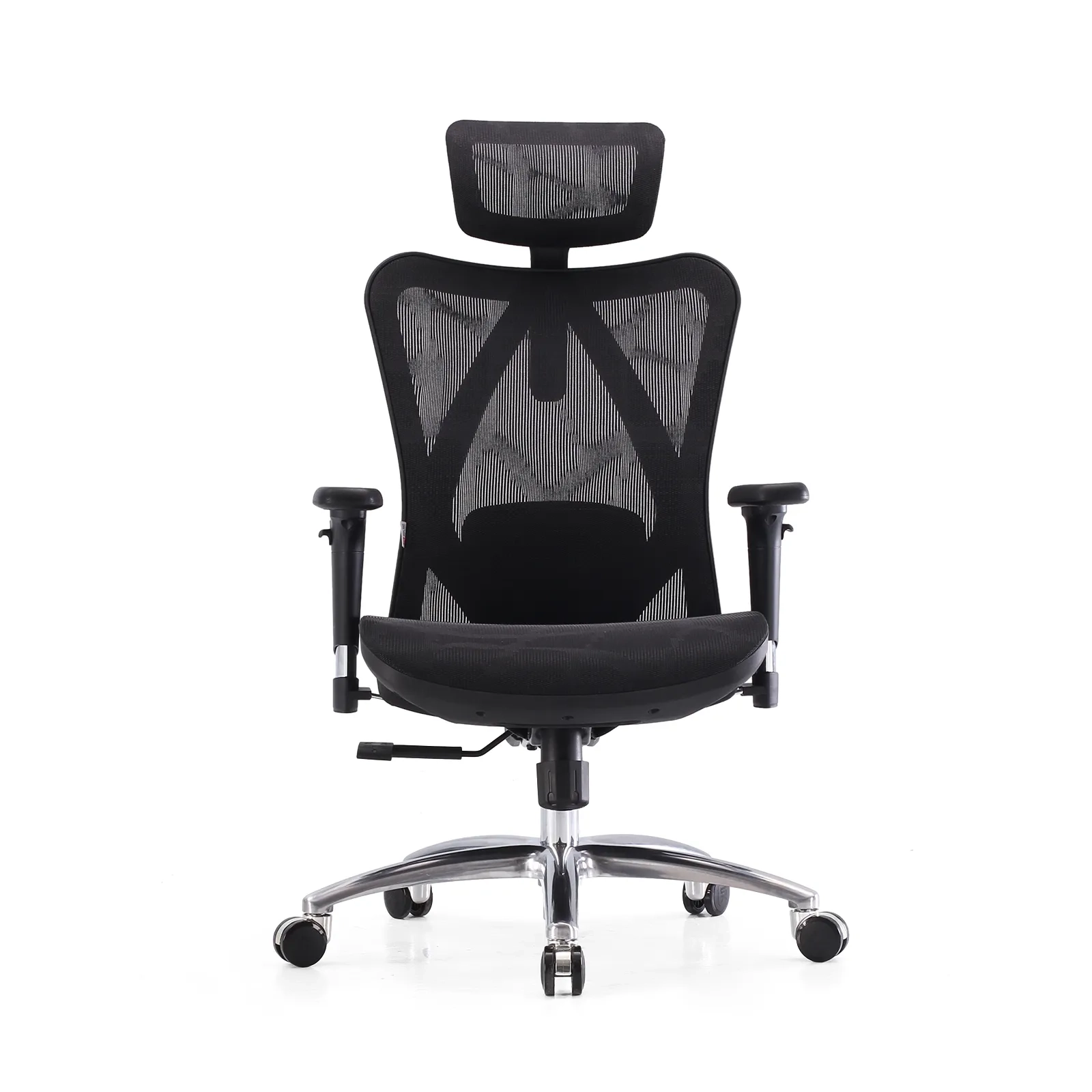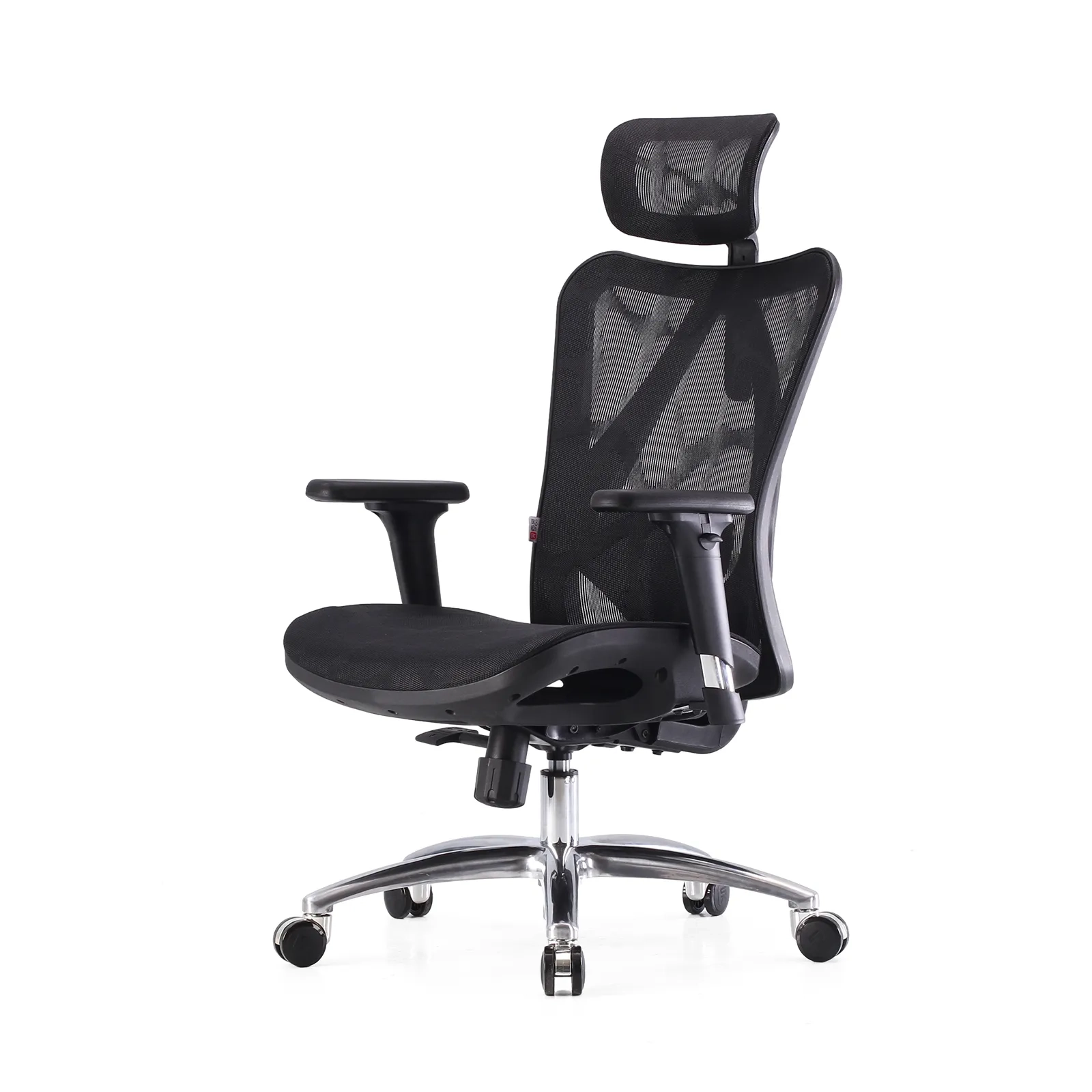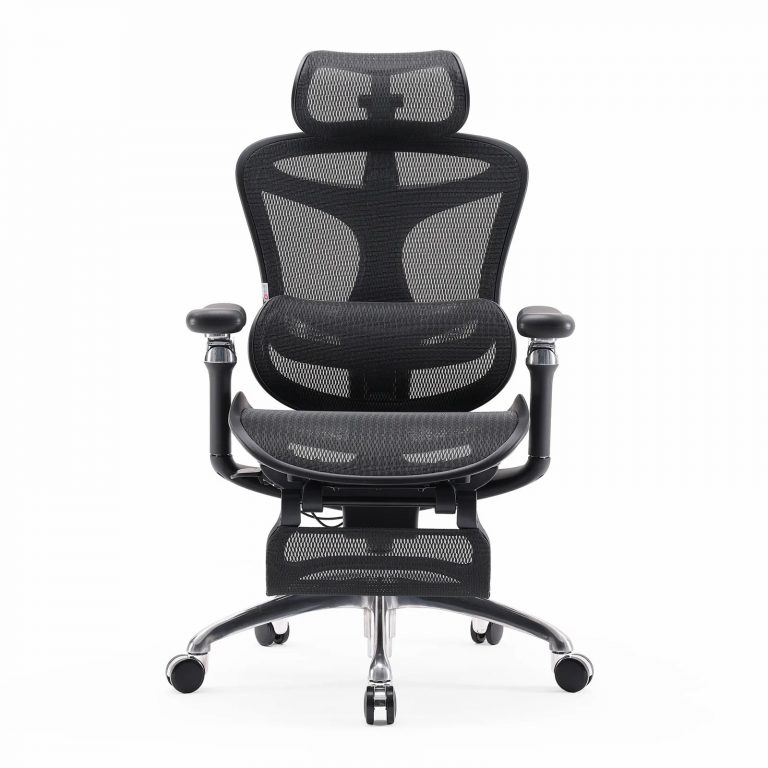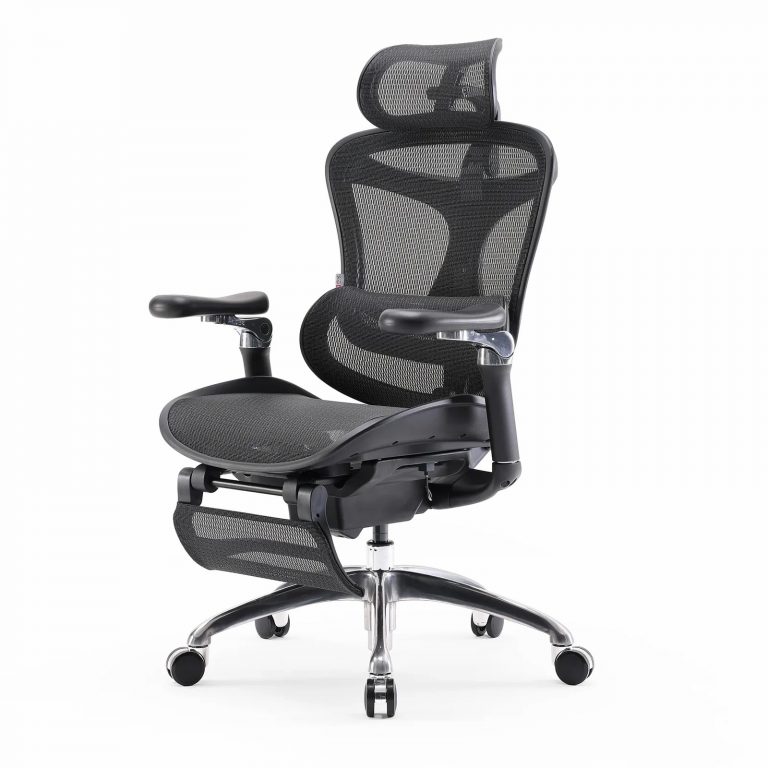









Launching an office chair under your own brand does not mean building a factory first. That is the practical promise of ergonomic chair OEM ODM. Under OEM, you supply the design or a prototype and a manufacturer builds it to your spec. Under ODM, the factory already has a finished, tested chair and you apply your logo, your color, and a few changes. Most distributor programs land on ODM because it ships faster and costs less to start. SIHOO designs and builds its chairs in house, with BIFMA, SGS, and TUV certified frames, and several models already support the mixed configurations a private label office chair program needs. This guide covers the OEM ODM split, what you can change on a bulk order, and how to open a custom project with an ergonomic chair manufacturer you can scale with.
OEM vs ODM: Two Ways to Build Your Chair Line
The fastest way to tell them apart is who draws the chair. In an OEM deal, the buyer owns the design. You hand the factory a spec or a prototype, and they make it. You keep control of the look and the engineering; they supply the capacity and the quality system. In an ODM deal, the factory owns a proven design and you choose from it, then brand it. SIHOO runs ODM the way most distributors want it: a mature, certified chair you private label and adjust, without starting from a blank page.
The difference hits your business in three places: lead time, tooling cost, and how much you can change. A true OEM build needs new tooling and a longer development run, which suits a brand with a genuinely new chair in mind. An ODM program skips that step because the structure, the mechanism, and the safety testing already exist. Because SIHOO designs and produces under one roof, a distributor can move from a catalog chair to a lightly branded one without reinventing it.
What You Can Customize on an Ergonomic Chair
You do not have to rebuild a chair to make it yours. Most custom ergonomic chairs keep the certified frame and mechanism intact and change only what the customer sees and feels. Sorting cosmetic changes from structural ones before you sign a quote saves time and money.
Cosmetic changes sit on a chair that is already certified and tested. Logo, color, mesh, packaging, and manuals add little risk or delay because nothing under the seat changes. Structural changes, like a new mechanism, a bigger base, or a higher weight rating, need fresh tooling and new testing, which push out lead time and raise the unit price. The distributors who get the best return customize the visible layer and leave the certified core alone, then repeat the winning build across reorders.
Logo and branding. The most common ask is a logo on the headrest, the base, or the seat, plus branded packaging and manuals. That alone turns a standard chair into a private label product with no structural work.
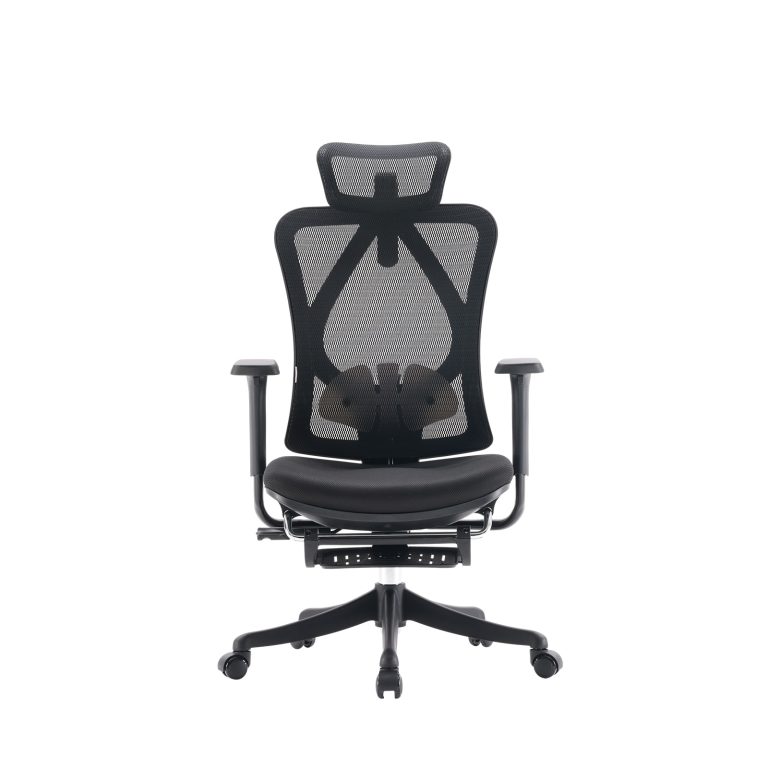
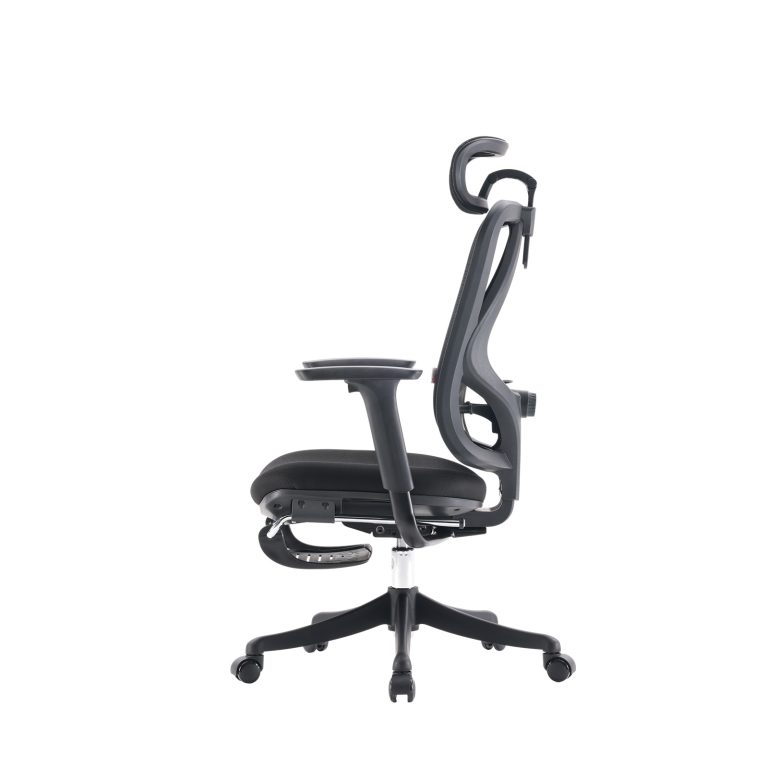
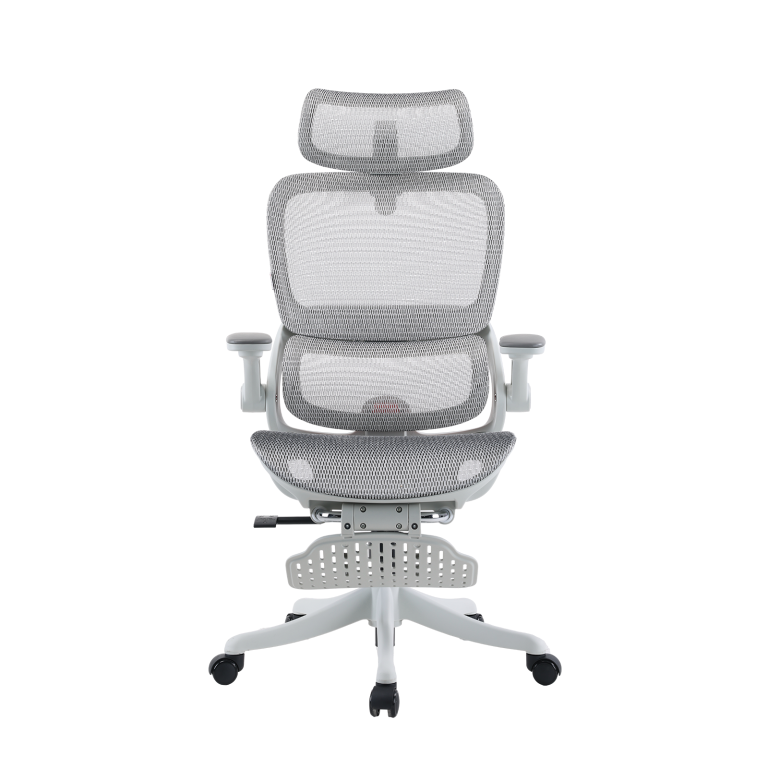
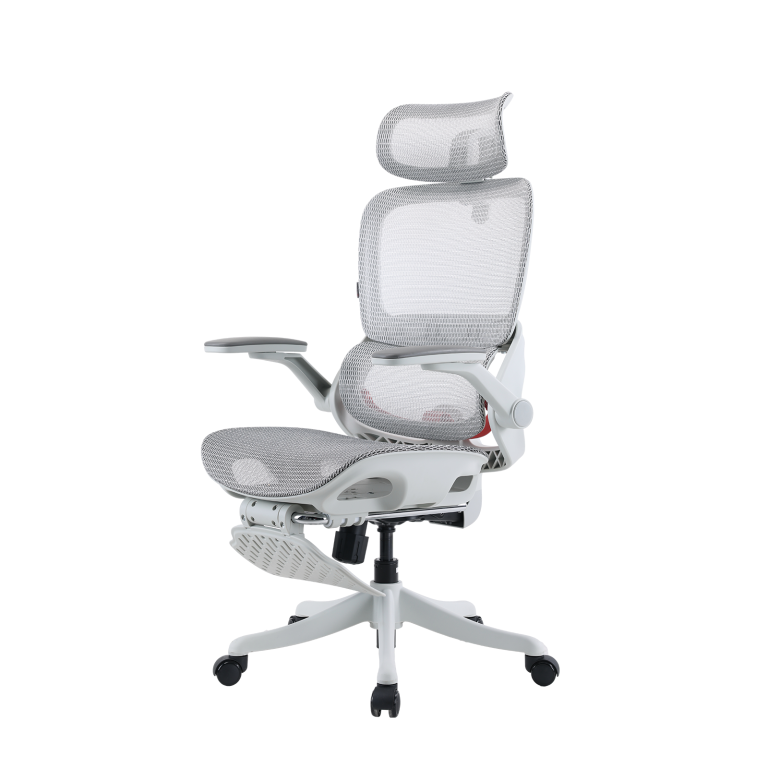
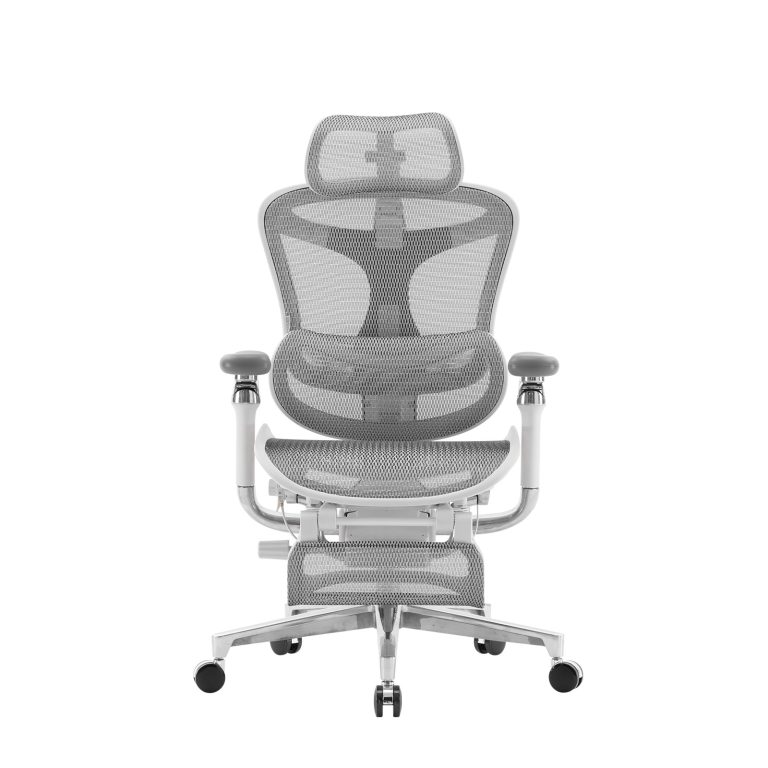
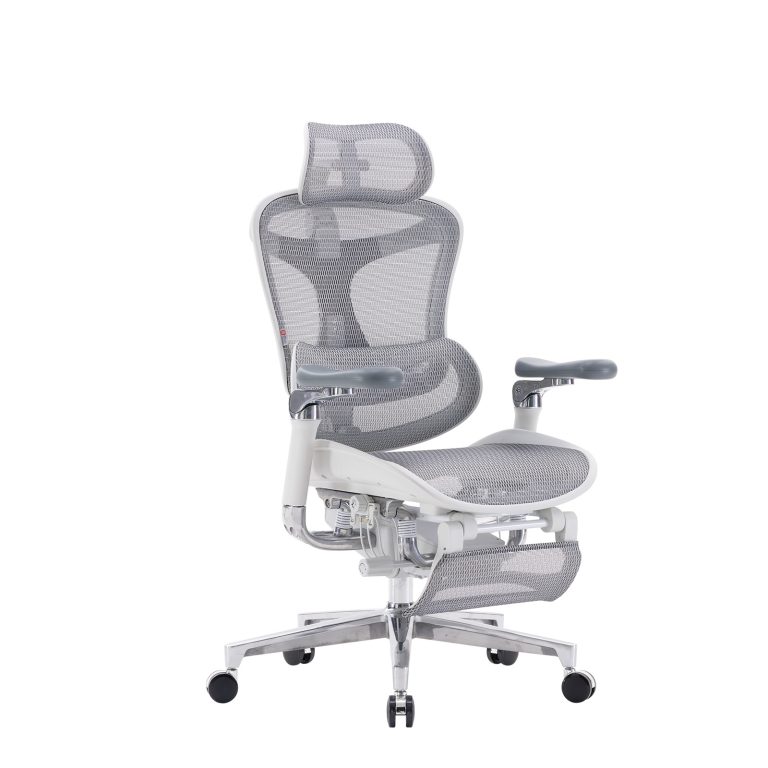
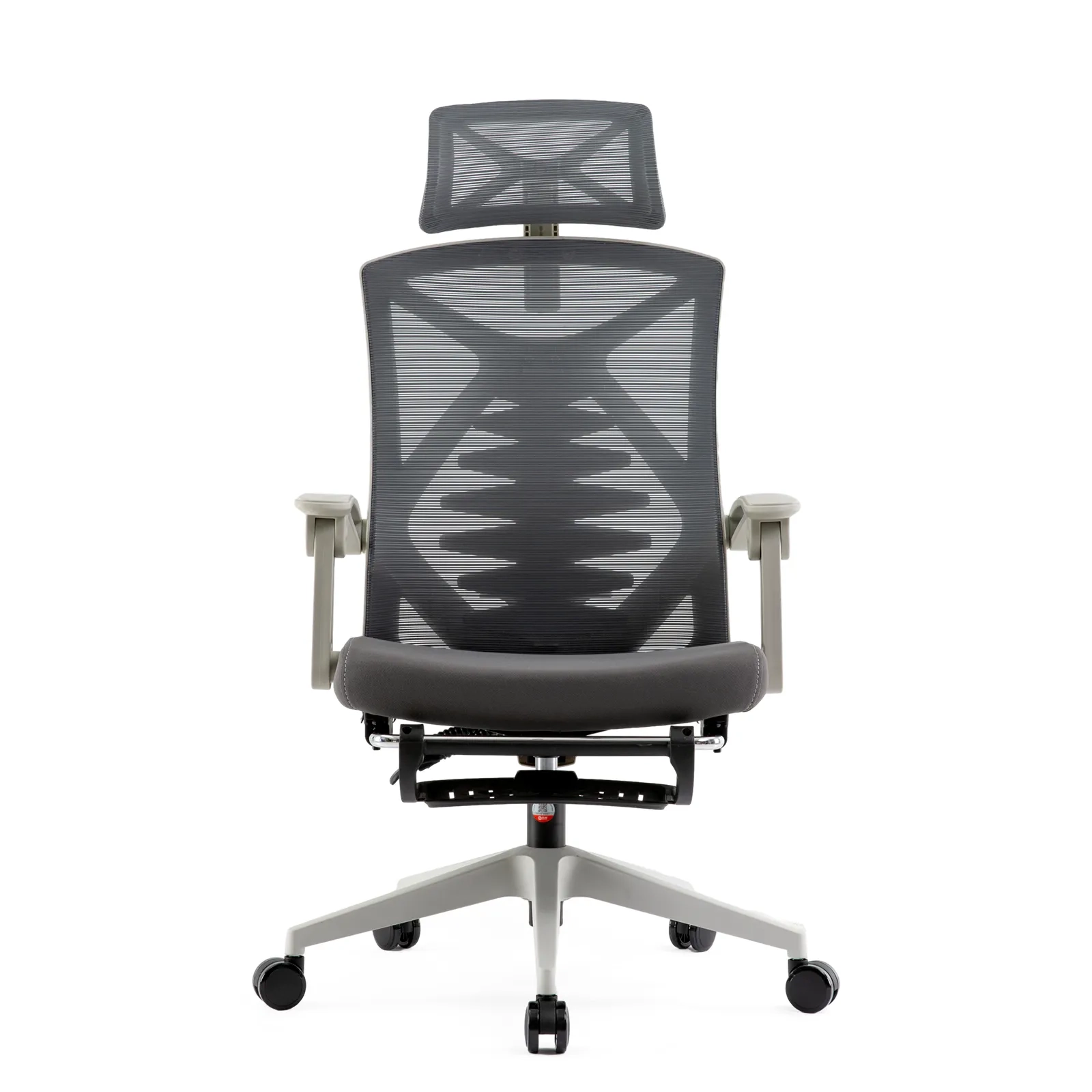
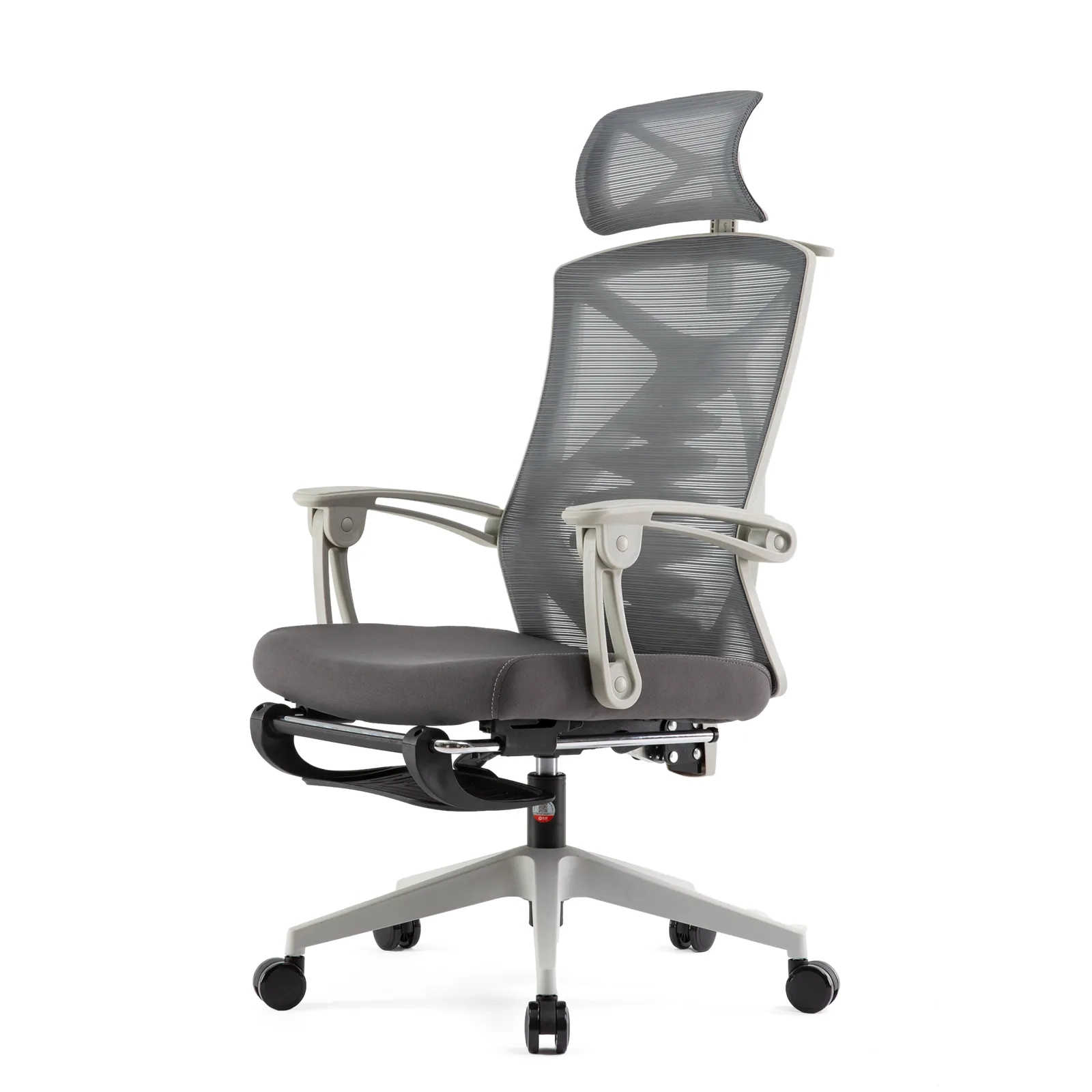
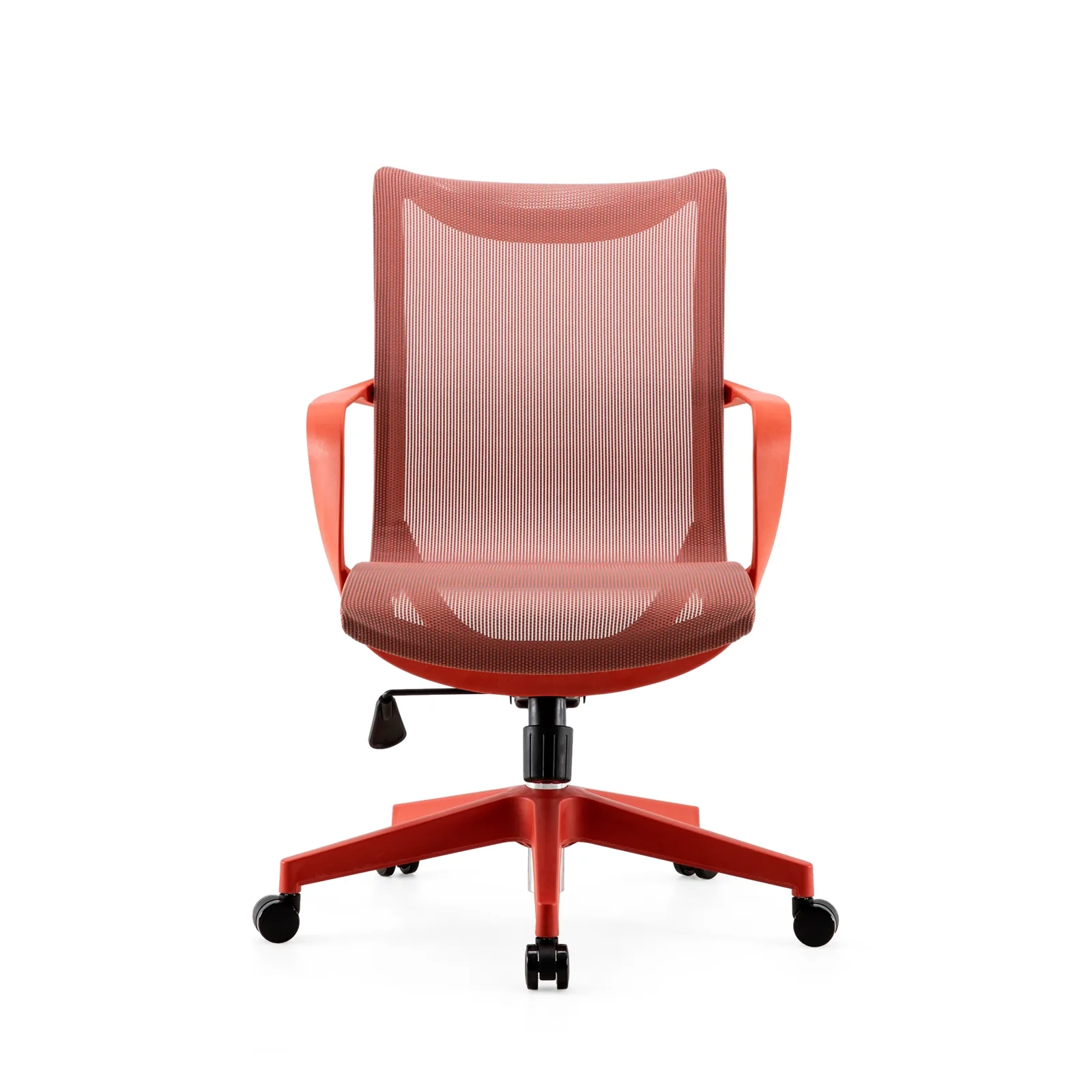
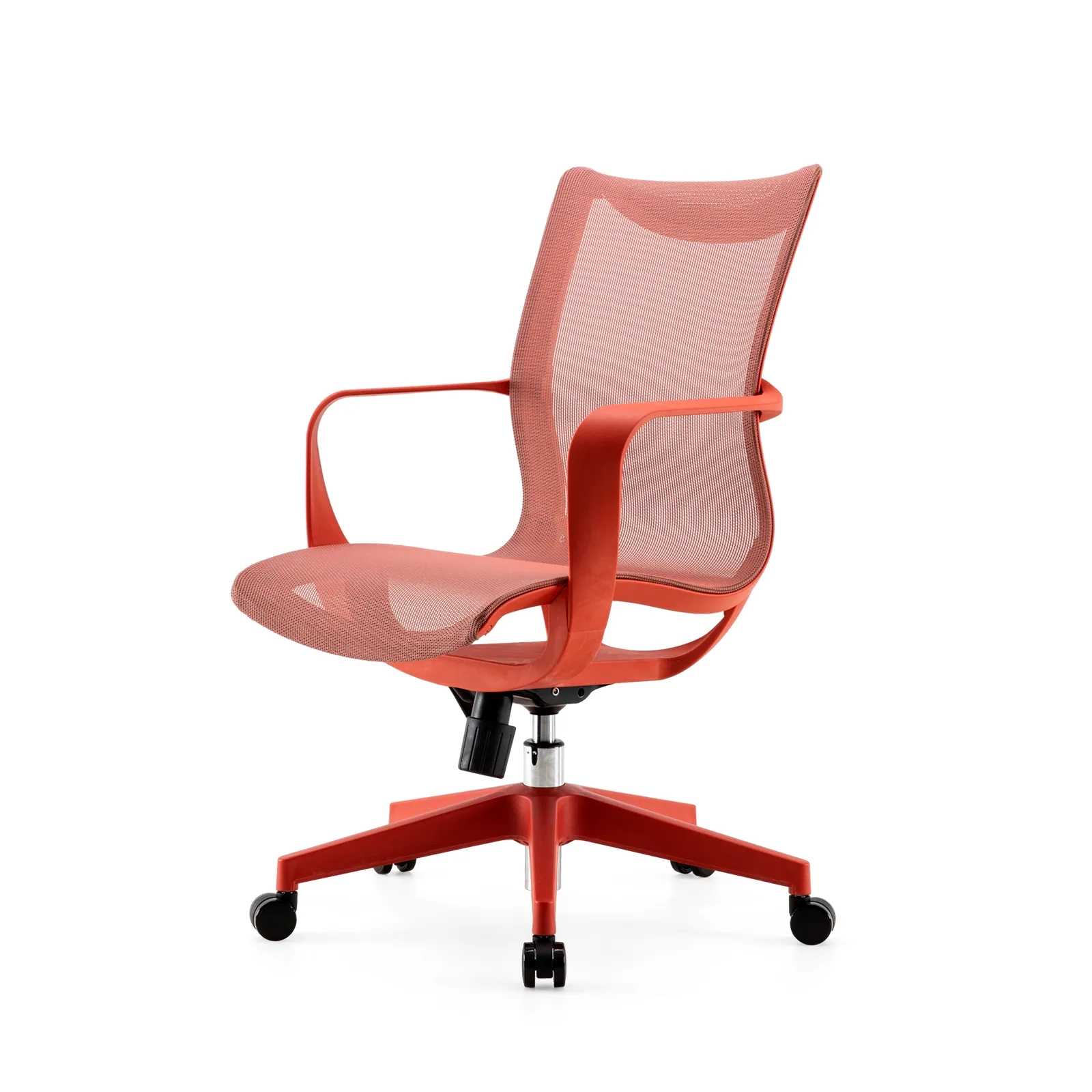
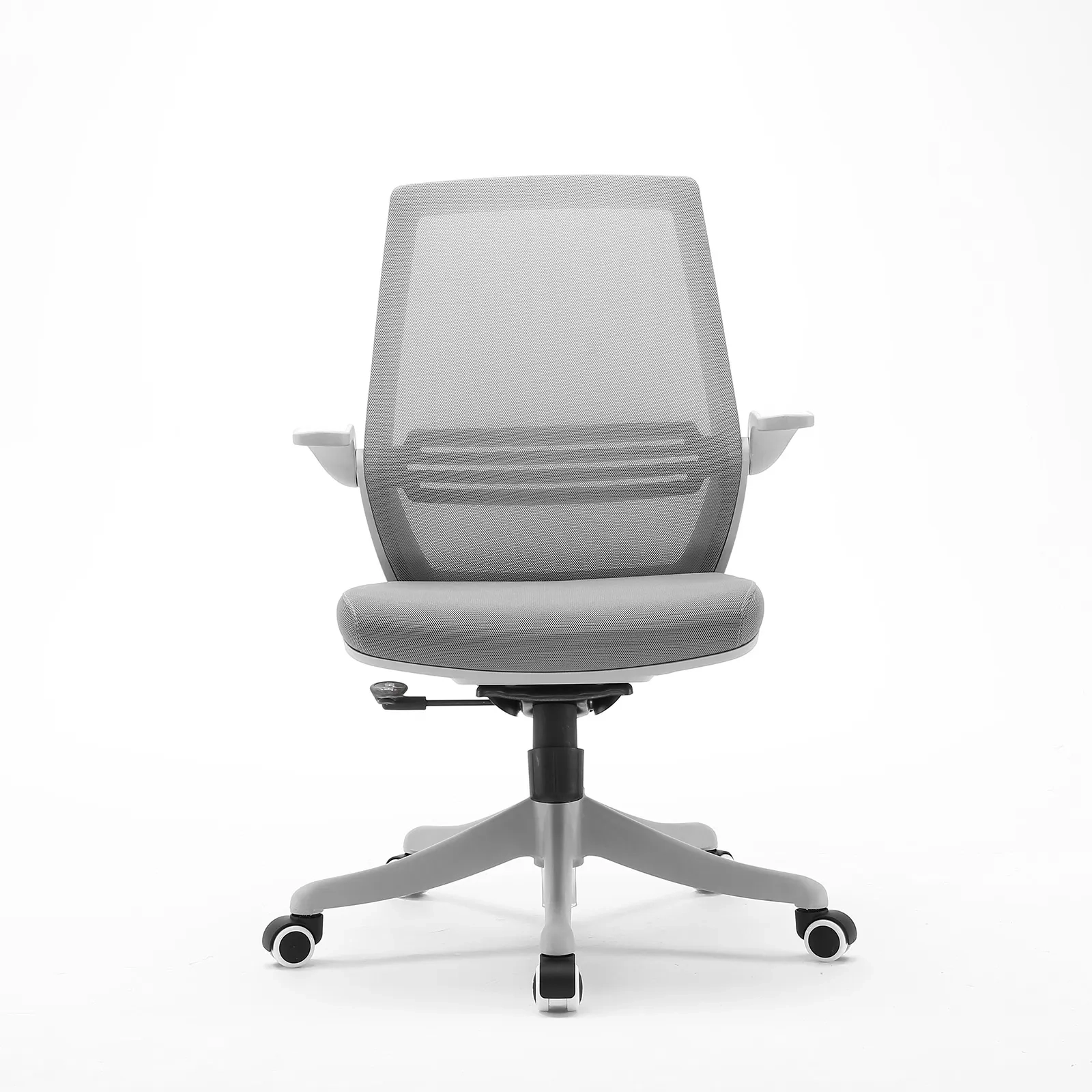
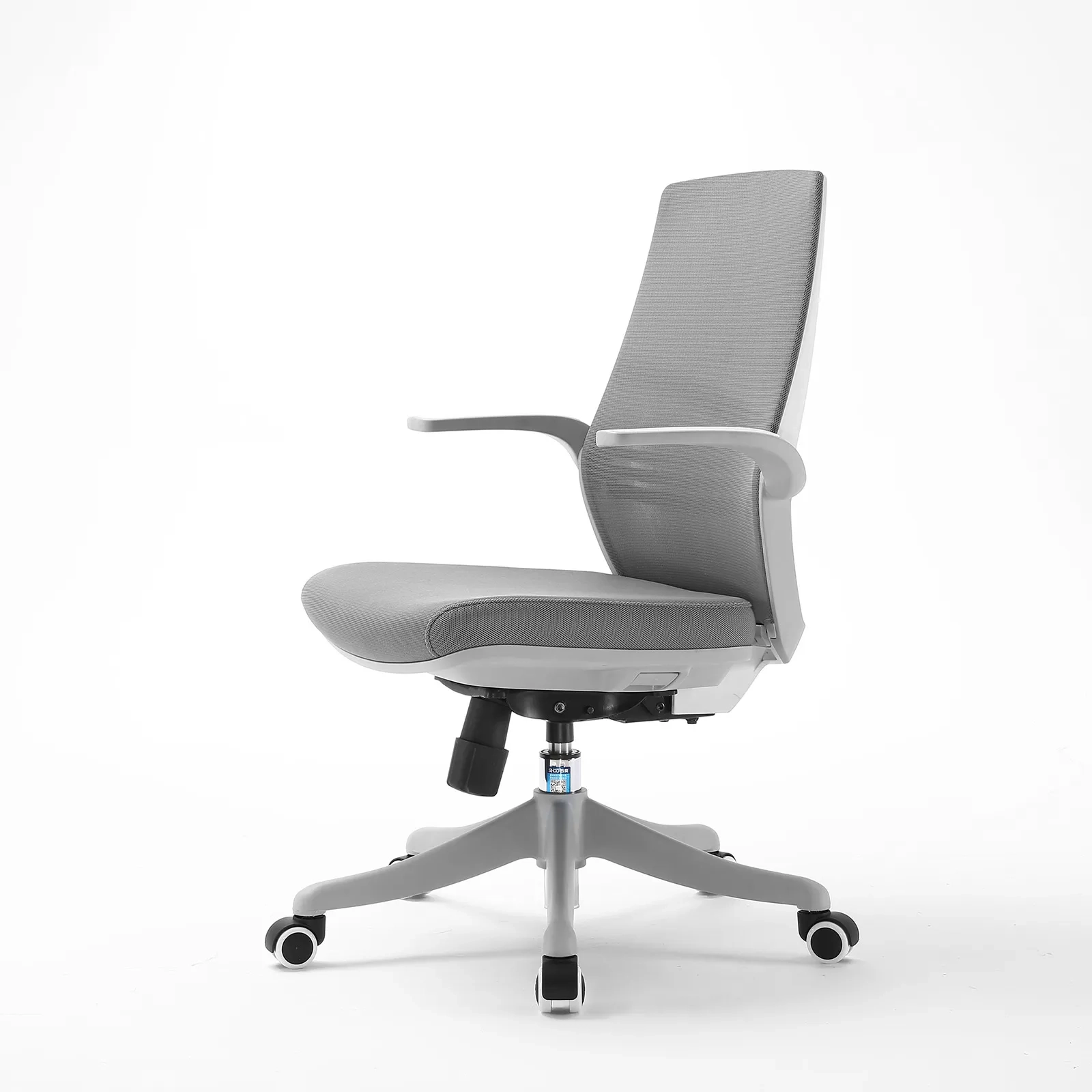
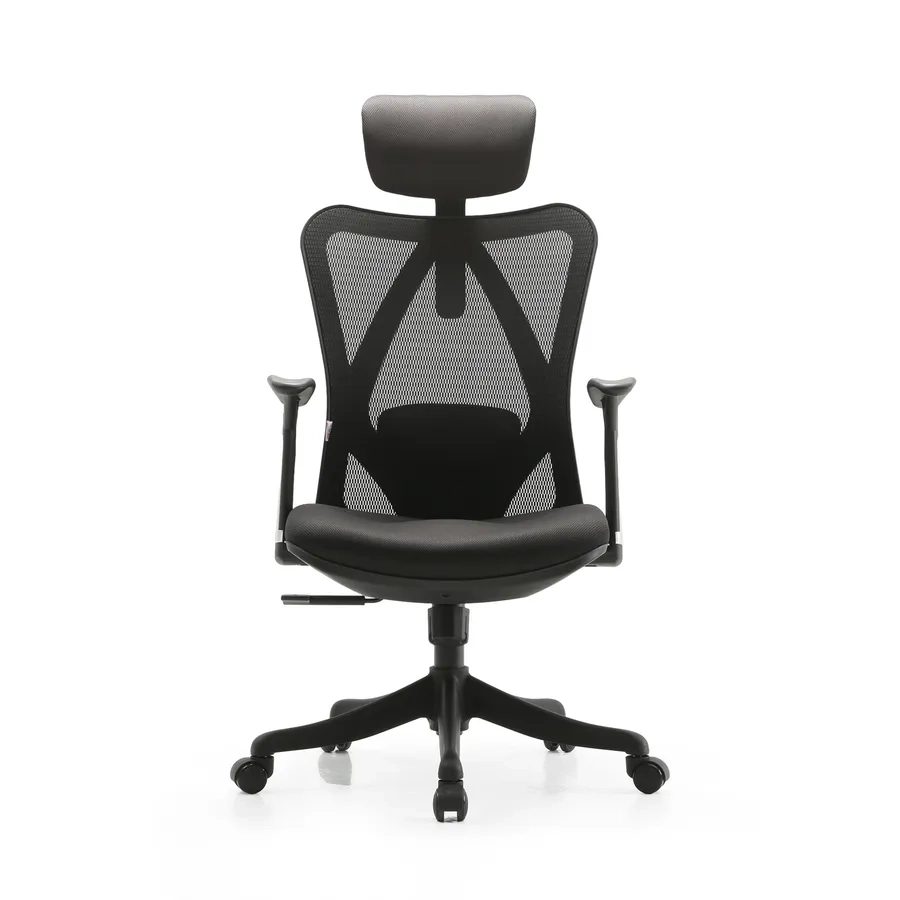
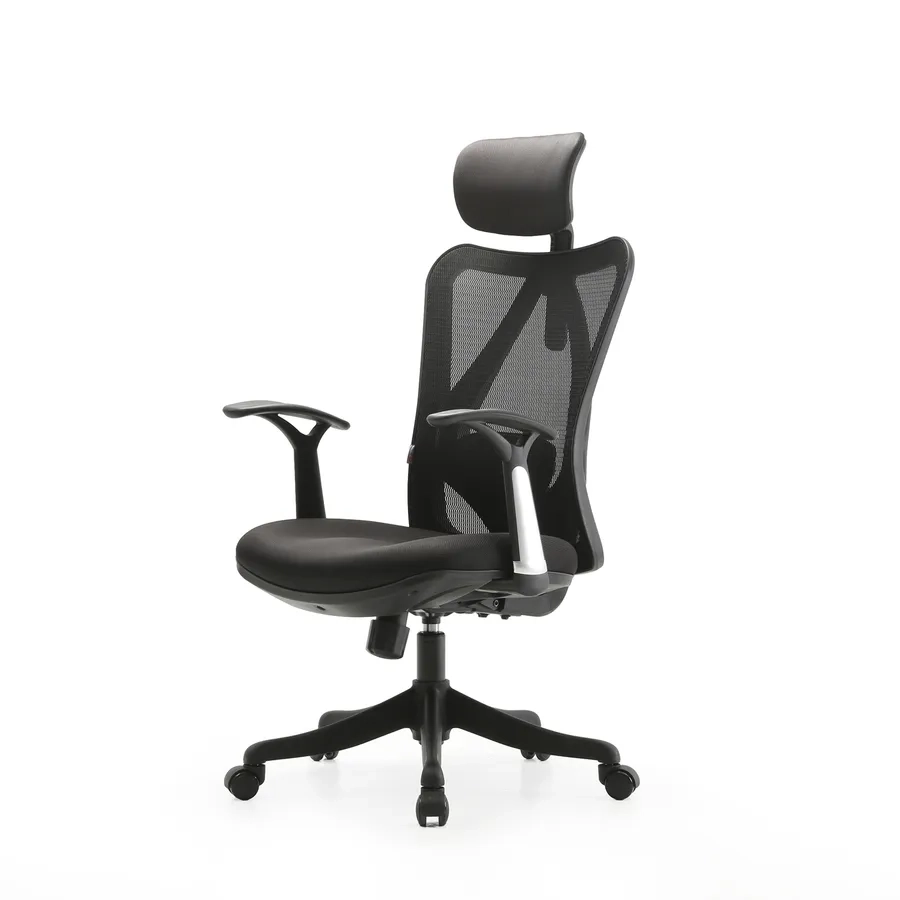
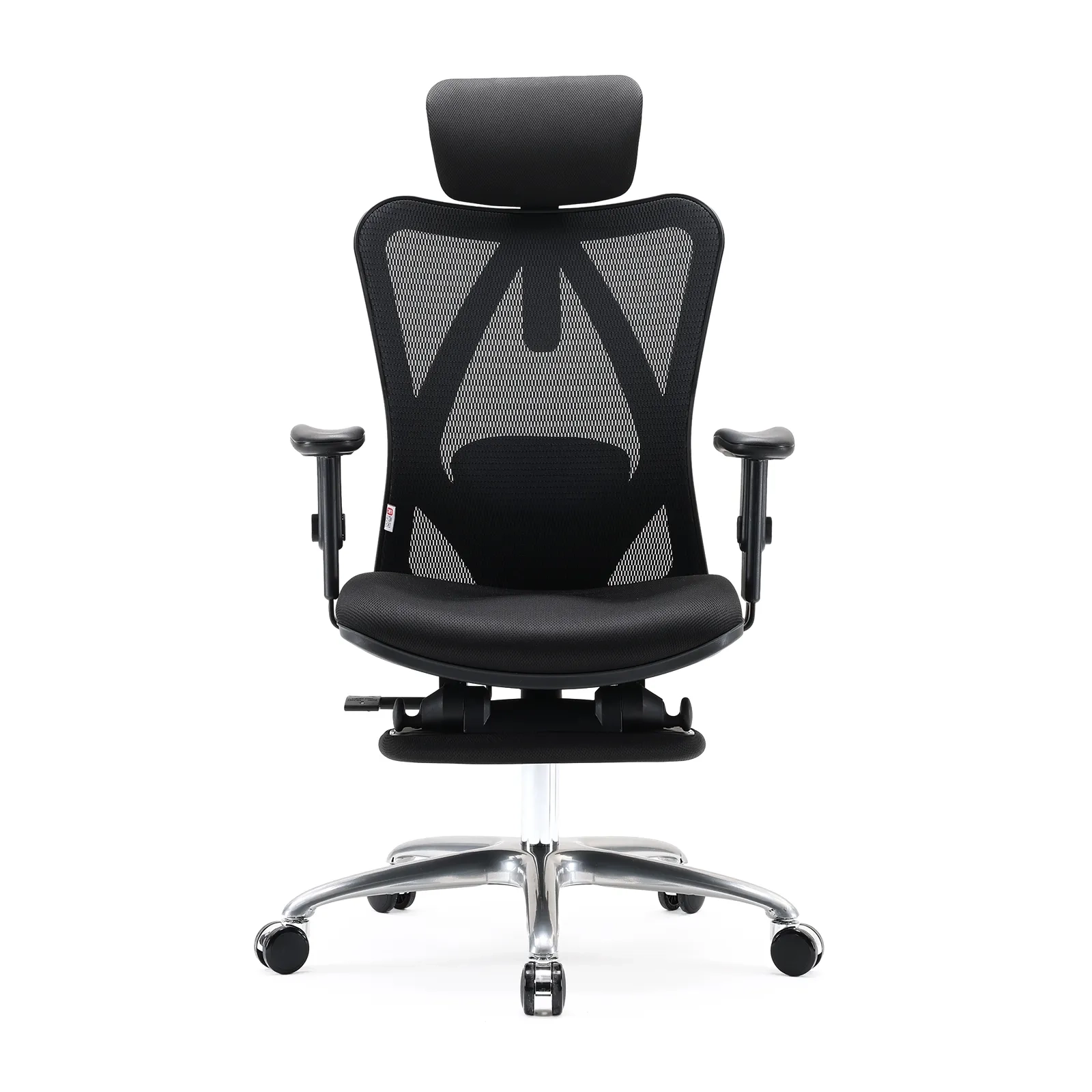
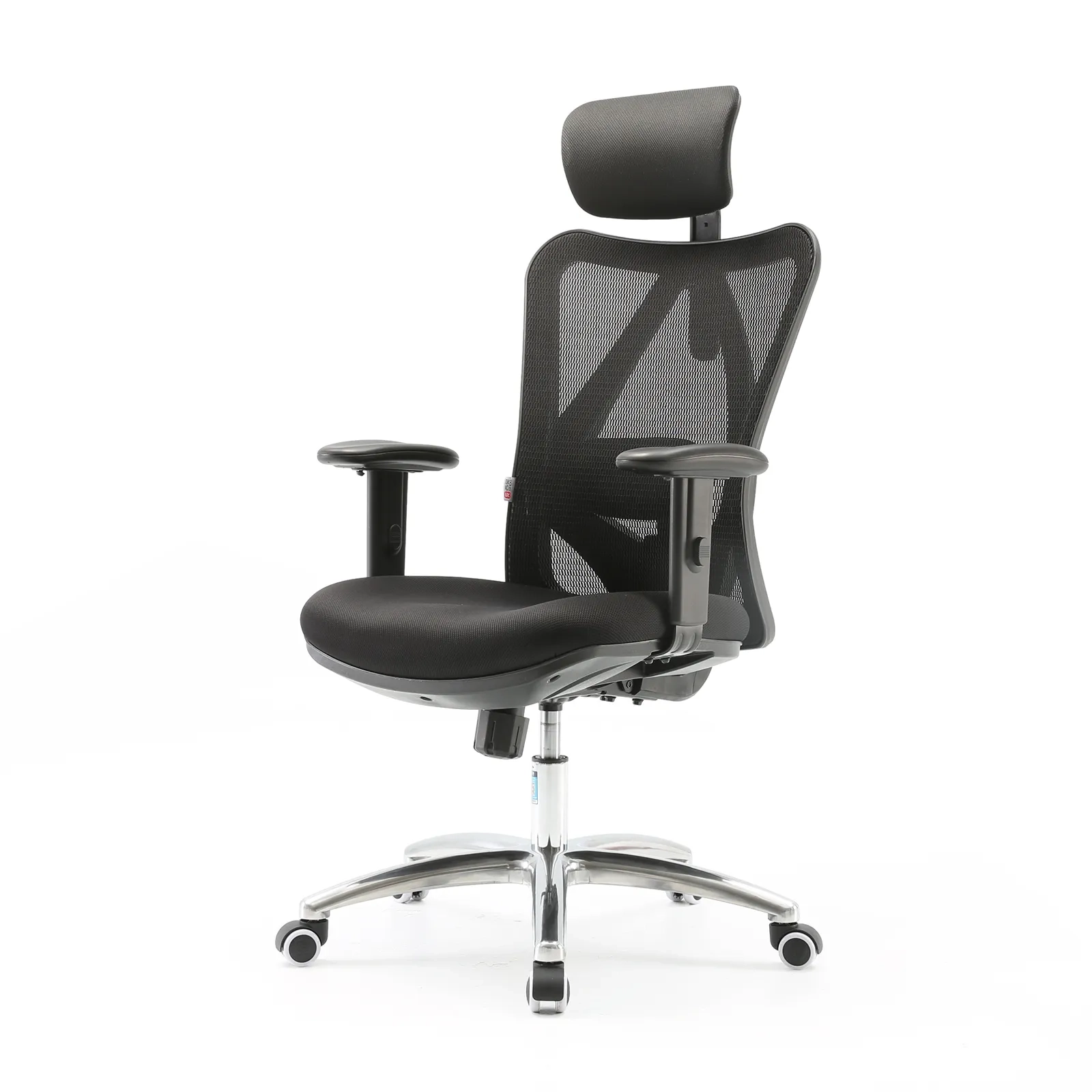
Color and mesh. Buyers want a chair that matches a brand palette. The M57 value ergonomic chair already ships beyond black and grey, with white frames and orange, blue, or red mesh. It is an easy base for a branded rollout.
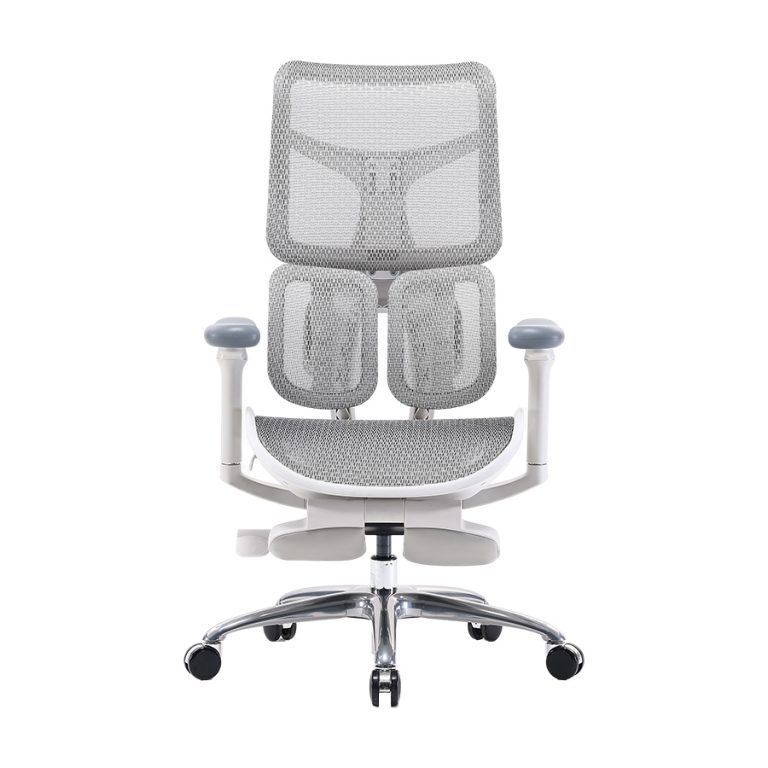
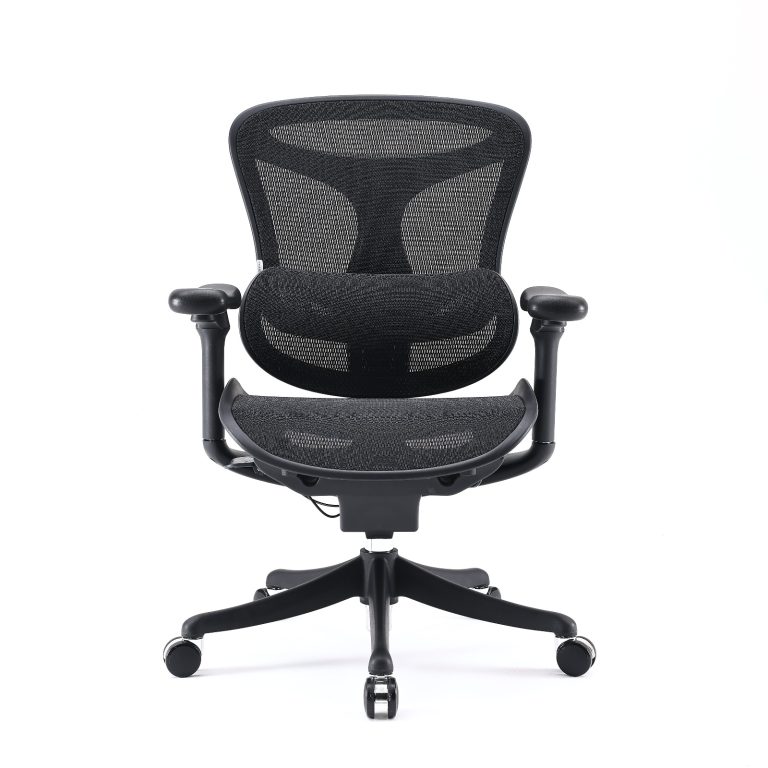
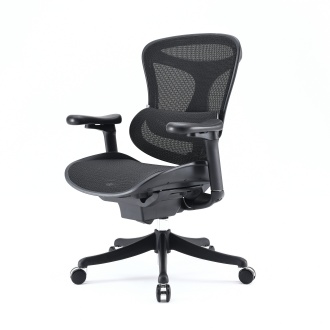
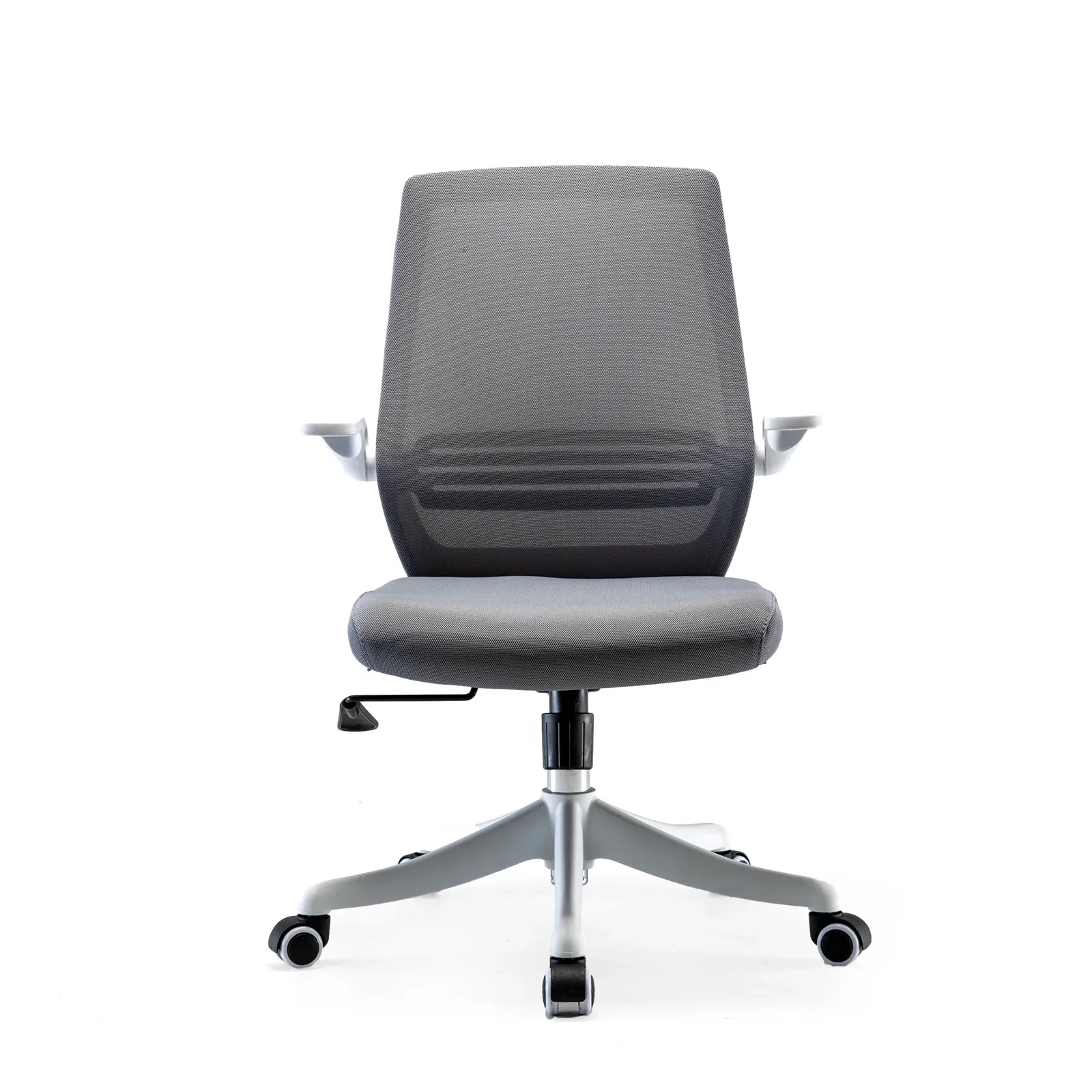
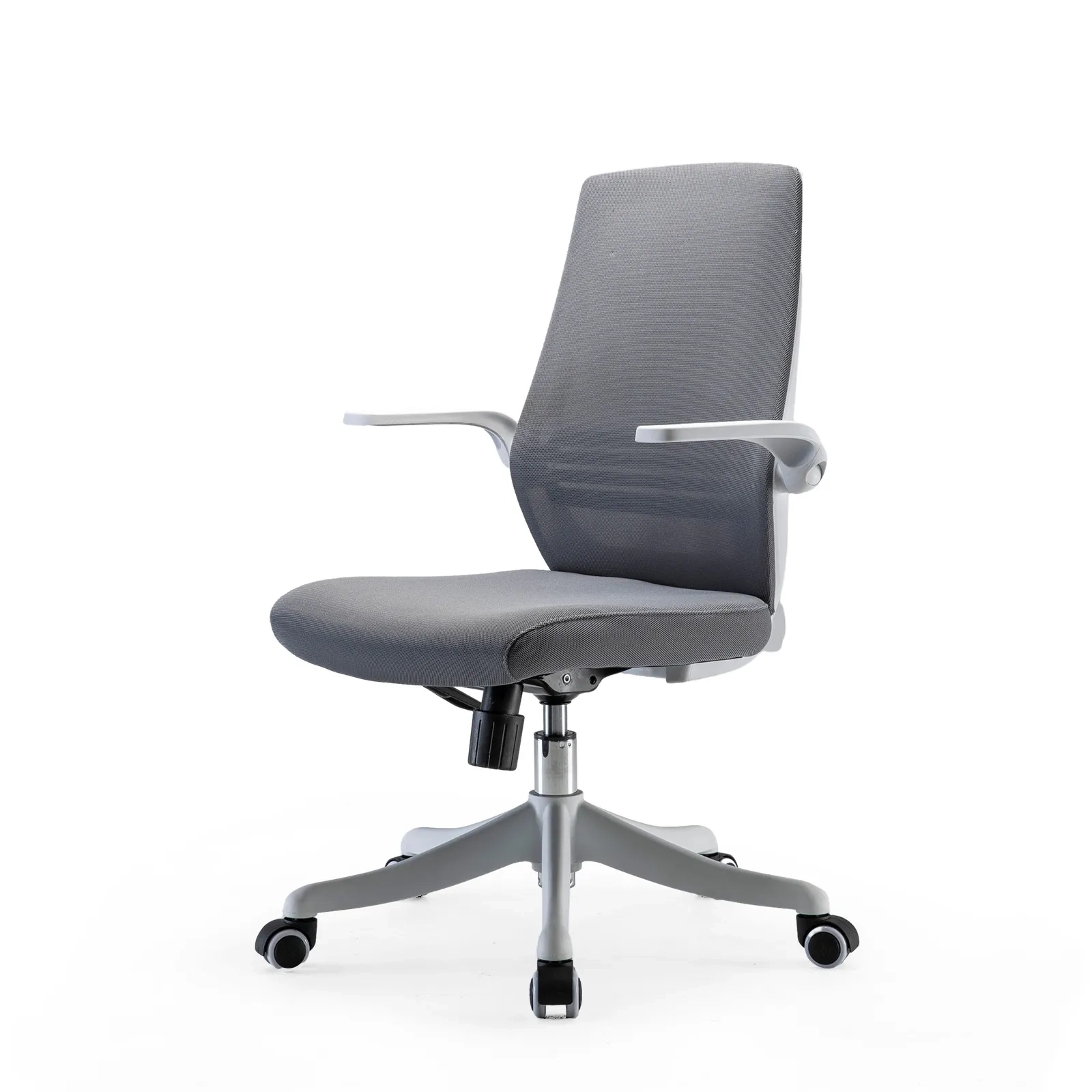
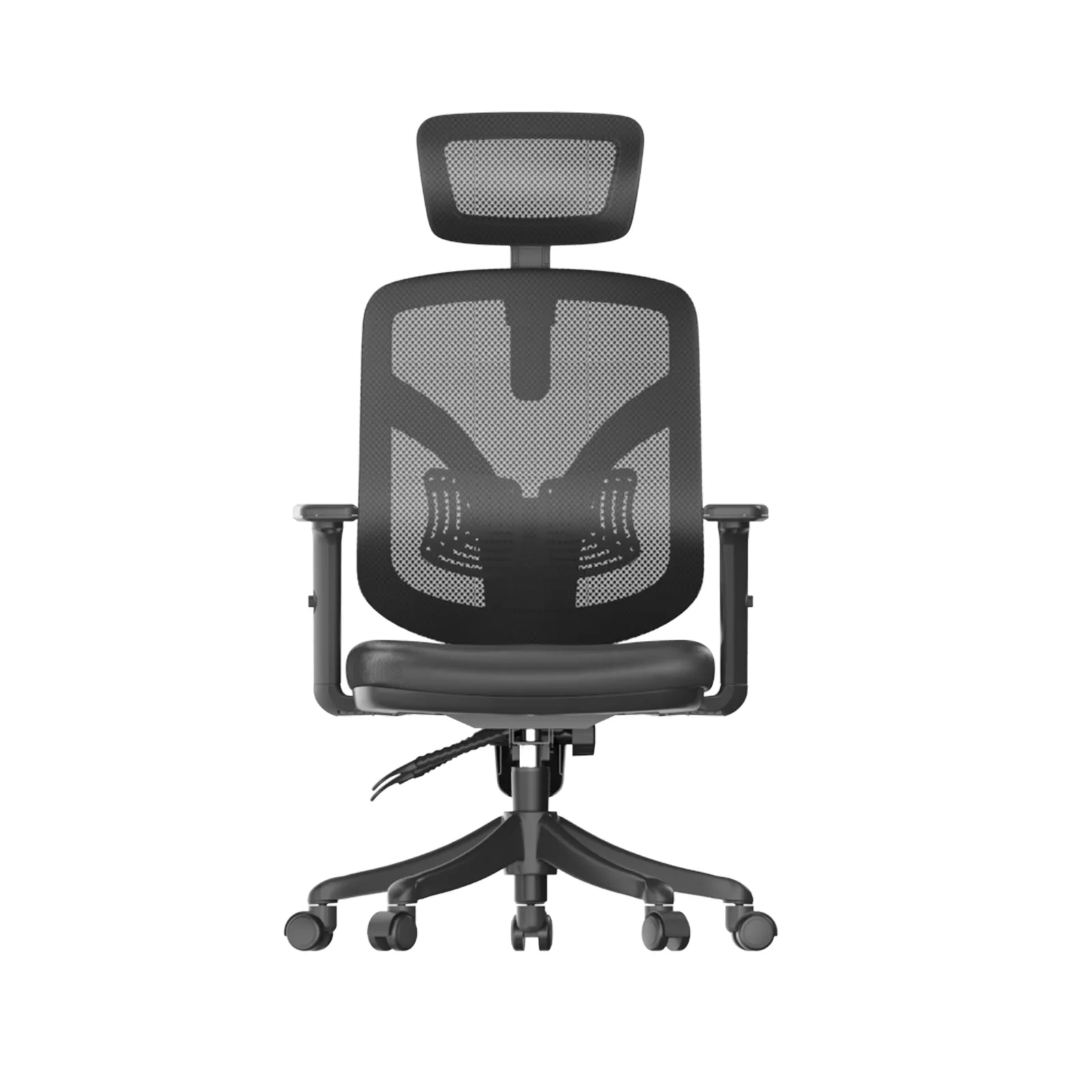
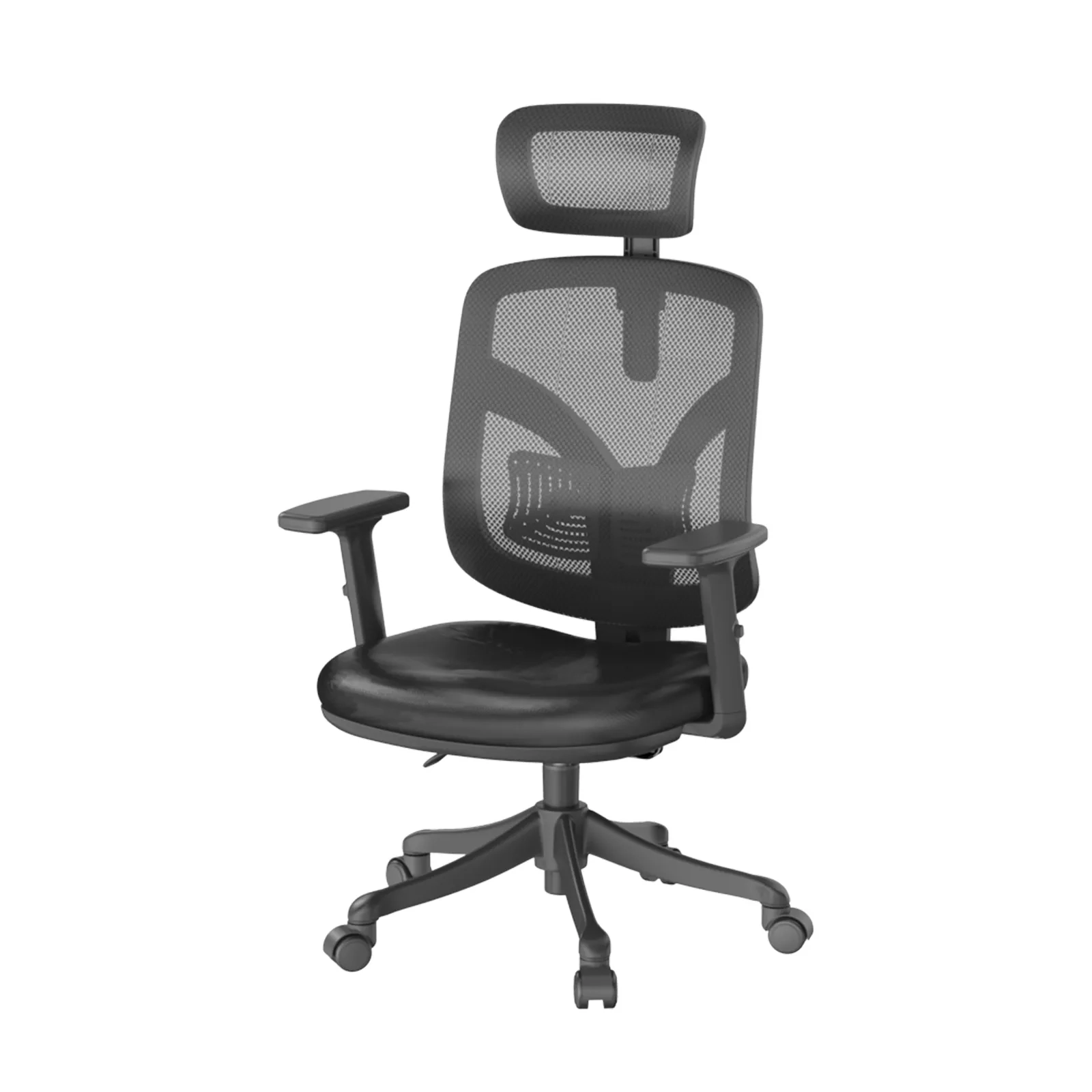
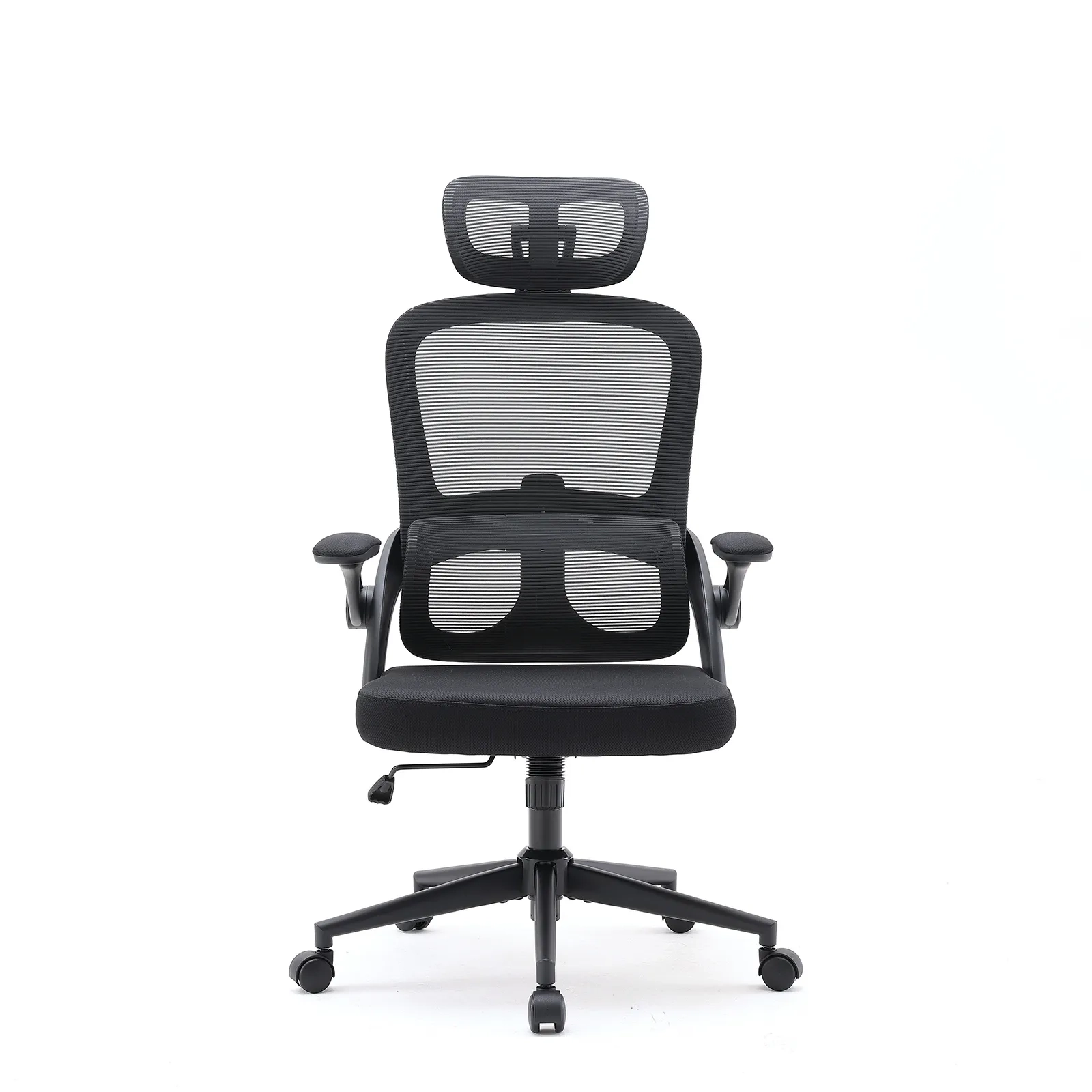
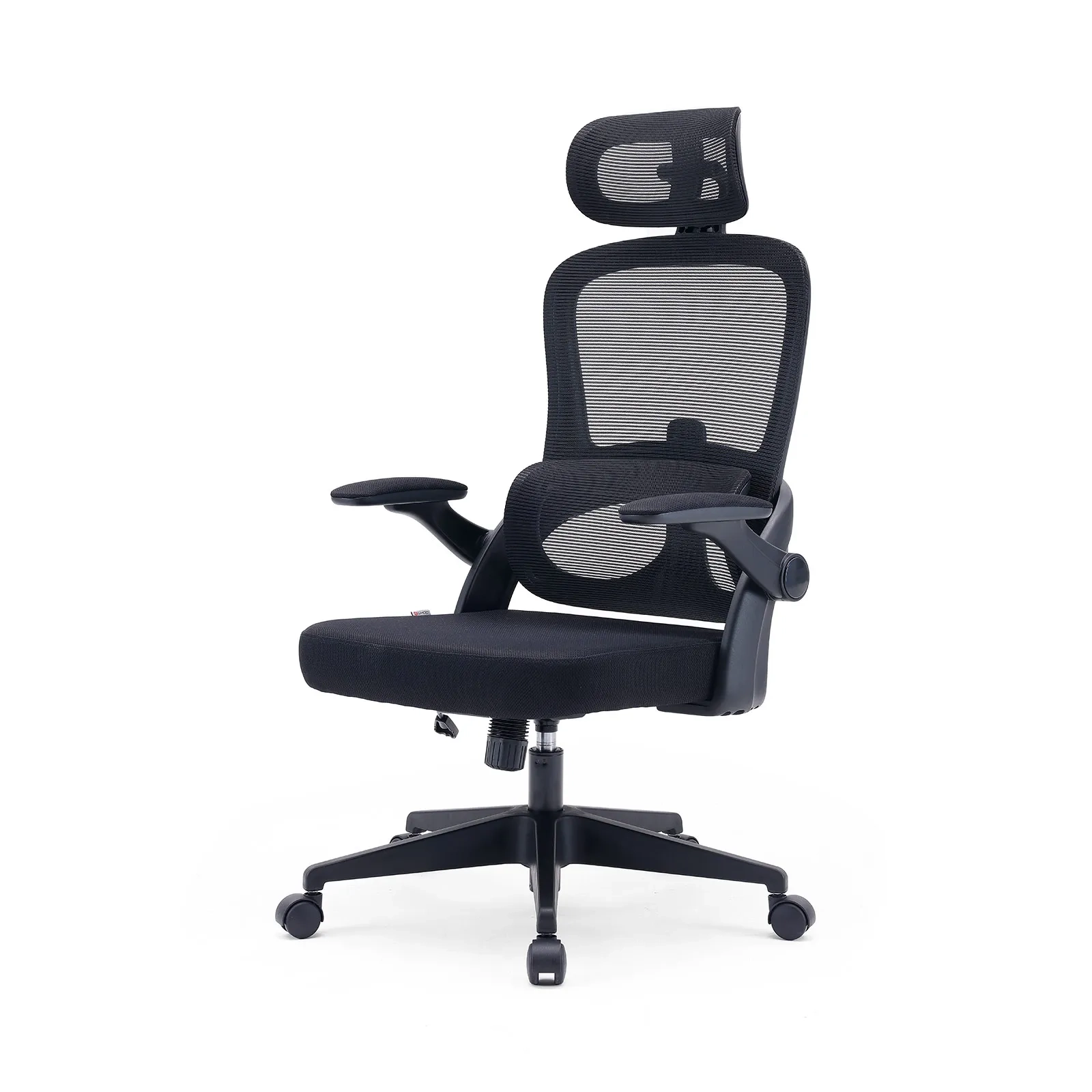
Armrest configuration. Armrests signal product tier at a glance. The adaptive lumbar office chair supports a 3D, 4D, or 6D armrest within one purchase order, so a distributor can mix configurations across a single shipment instead of locking to one spec.
Packaging, manuals, and labels. Multi language manuals, custom cartons, and SKU labels let a distributor receive chairs ready to shelve or drop ship. Low risk, high perceived value.
Mechanism and feature tier. Rather than redesign a mechanism, most programs pick from existing tiers such as basic tilt, weight sensing recline, or zero gravity, then brand on top. The safety certification stays intact.
Why In House OEM ODM Matters for B2B
A factory that designs and builds under one roof gives a B2B buyer something a trading company cannot: every unit in a container comes off the same tooling, mesh, and quality process. A 500 chair order looks and feels identical to the first sample. At scale, that consistency is what protects a distributor’s name.
Certifications are the second reason. SIHOO chairs list BIFMA and SGS, and some add TUV, meeting the commercial furniture safety baseline US and EU buyers expect. BIFMA sets the furniture safety and durability standard procurement teams check before they approve a bulk purchase. Buying from an ergonomic chair manufacturer that already holds these marks shortens your own compliance work. For a distributor, that means a private label office chair program can clear customs and procurement without re testing the base product.
In house production also tightens the loop when something needs changing. A label, a color, or a component goes through one team instead of bouncing between a broker and a distant plant. For distributors running seasonal or repeat orders, one accountable team keeps lead times predictable.
Customization in Practice: SIHOO Models That Already Flex
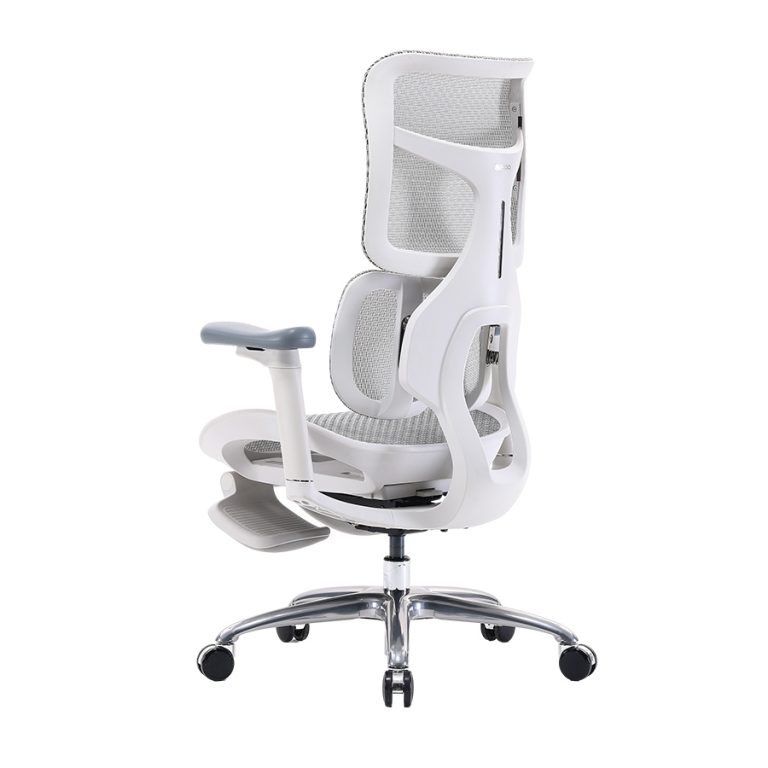
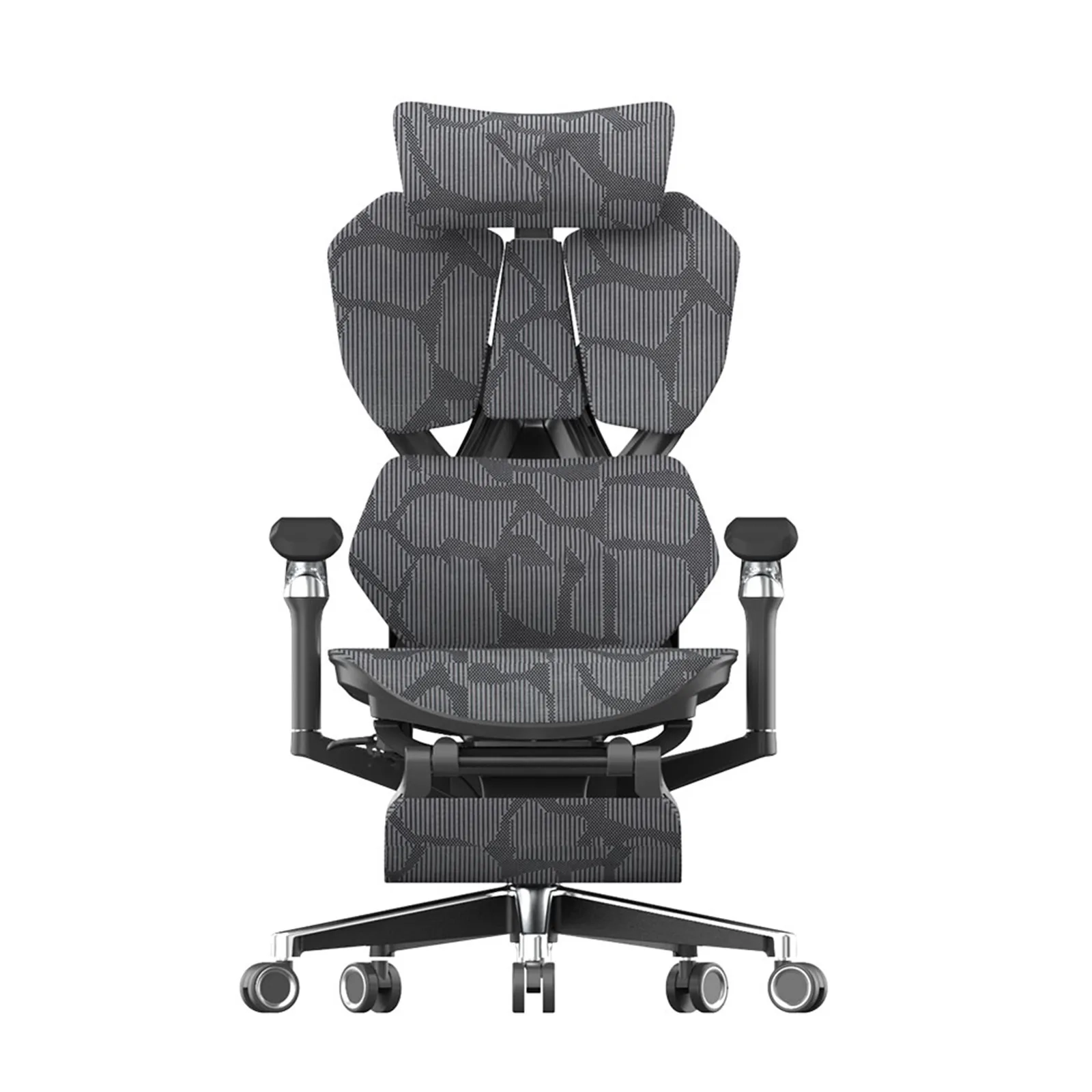
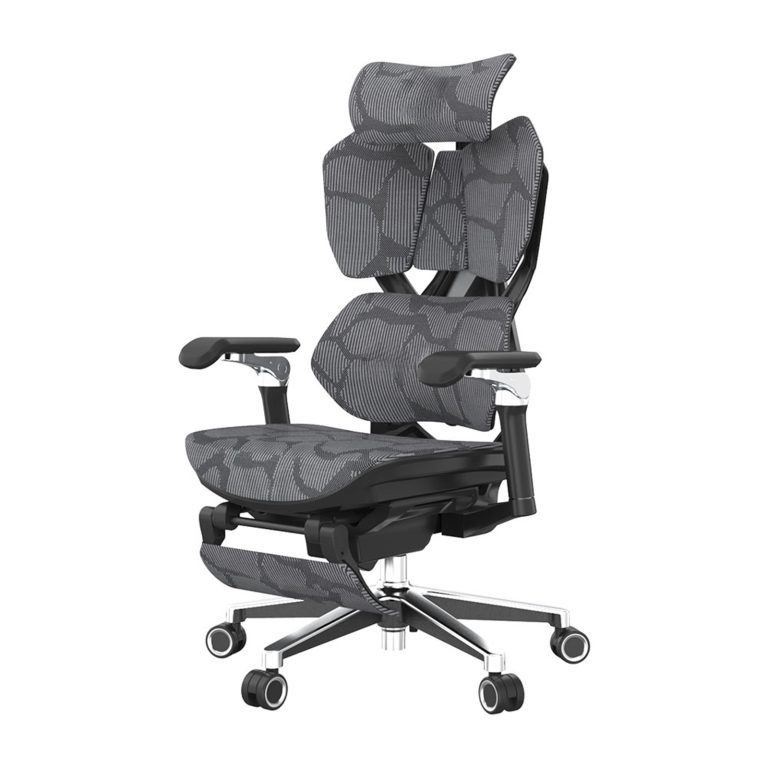
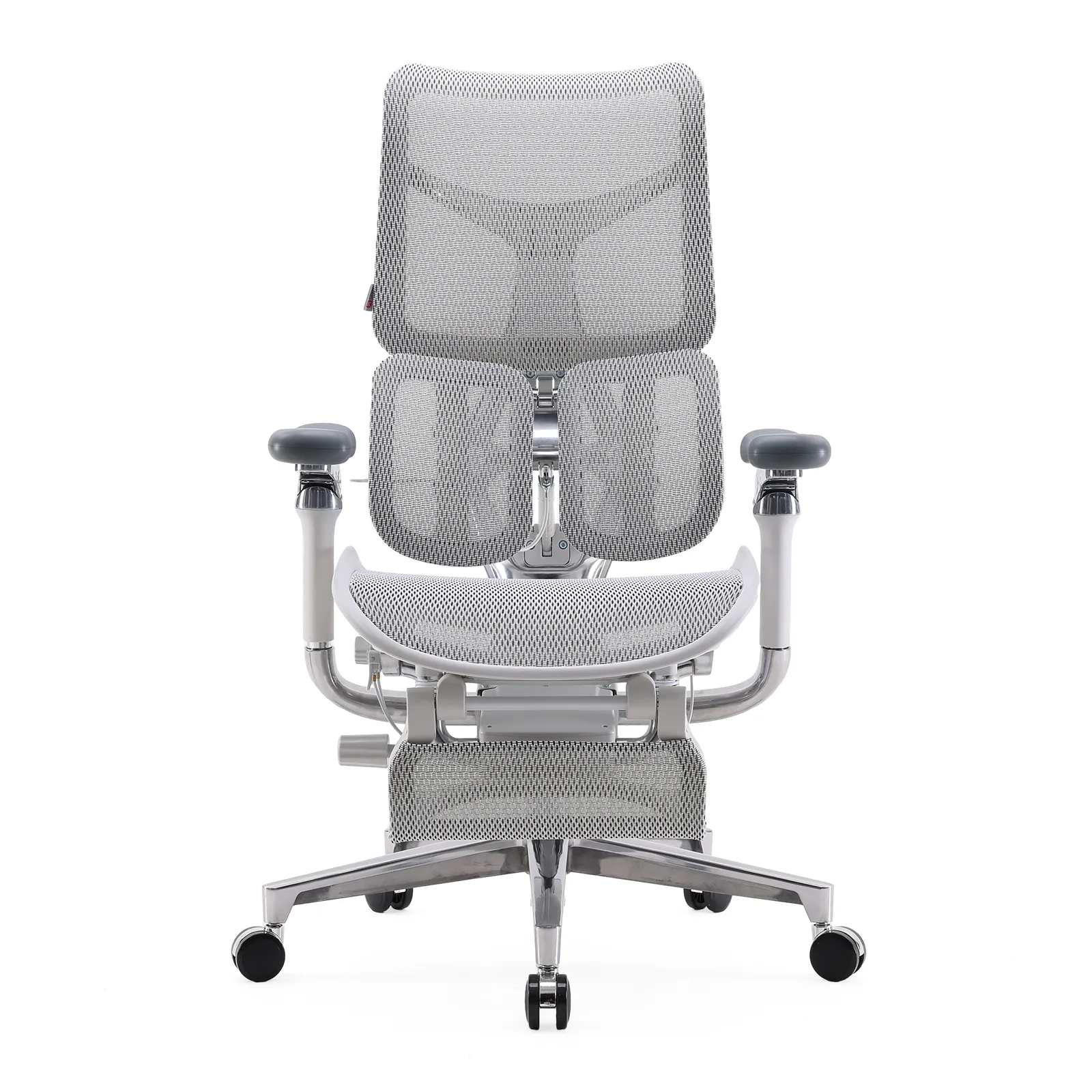
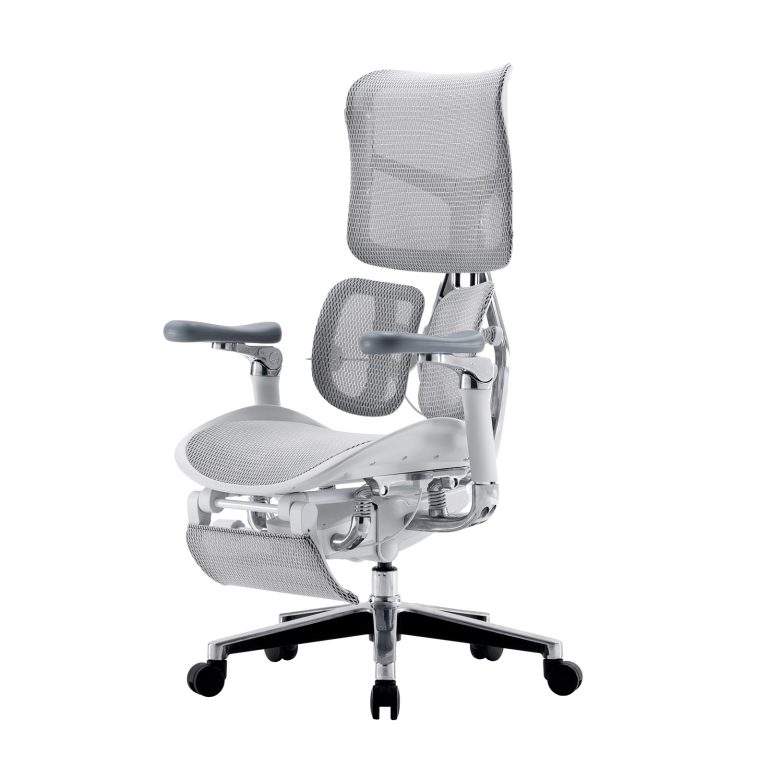
Three SIHOO models show how customization works on real, bulk ready products. The premium zero gravity model is the flagship, with an anti gravity recline and dual dynamic lumbar a brand can place at the top of a range. The adaptive lumbar office chair sits in the middle and supports mixed armrest configurations, useful when a distributor wants one SKU family with tiered options. The M57 value ergonomic chair is the proven volume model with the widest color range, built for staff floors and large deployments where brand color and cost both matter.
None of these needs a full redesign to carry a distributor’s brand. The frame, rating, and warranty ship as is; the changes layer on top: logo, color, armrest mix, packaging. That is the everyday work of SIHOO OEM ODM support, and it is the same path a white label ergonomic chair program follows when a buyer wants speed over a custom build.
MOQ, Lead Time, and How to Start a Custom Order
Minimum order quantity and lead time move with how deep the customization goes, so they are set per project rather than as a flat public number. Light private label work, such as logo, packaging, and color from existing options, clears a lower volume bar than a new mechanism or tooling. Anything beyond the standard catalog starts with sharing your brand, your target markets, and your expected volume, then getting a tailored quote.
A custom ergonomic chair project usually runs short: send your spec or brand brief, review the quote and lead time, approve a sample, then confirm the bulk order. Keeping the mechanism and certified frame unchanged is the fastest route because it avoids new testing and tooling. SIHOO can also mix models in one container, so a distributor balances a range with a flagship, a mid tier, and a value model in a single shipment. For wholesale pricing, MOQ, or custom configurations such as logo, color, or armrest mix, please contact us.
FAQ
What is the difference between OEM and ODM for chairs? OEM means the buyer supplies the design and the factory builds to spec. ODM means the factory supplies a proven design the buyer brands and lightly adjusts. Most distributor programs are ODM based.
What is the minimum order quantity for custom ergonomic chairs? MOQ depends on how deep the customization goes. Light private label work needs less volume than new tooling. Contact us with your expected volume and target market for a specific number.
Can I put my own logo on the chair and the box? Yes. Logo on the chair, branded cartons, and custom manuals are standard private label options that do not touch the certified frame.
Which SIHOO models support armrest or color customization? The C300 supports a 3D, 4D, or 6D armrest mix within one order. The M57 offers the widest color range, including white frames with orange, blue, or red mesh.
Are customized chairs still BIFMA certified? The base frames and mechanisms carry BIFMA, SGS, and in some cases TUV certification. Confirm per project that your specific customization keeps the certified configuration intact.
How long does a custom order take? Lead time tracks customization depth and volume. Sharing your brief early lets the factory quote an accurate window, and keeping the existing mechanism is the fastest path.
Can I mix models in one container? Yes. Distributors commonly mix a flagship, a mid tier, and a value model in one shipment to balance their range and freight.
Conclusion
Ergonomic chair OEM ODM is less about building from scratch and more about branding and tuning a proven, certified product to fit your market. For B2B buyers, the wins are speed, consistency, and compliance: keep the tested frame, change the logo, color, armrest, and packaging, and ship a private label range without new tooling. SIHOO backs this with in house design and production, BIFMA, SGS, and TUV certified frames, and models like the S300, C300, and M57 that already flex across configurations. Start with your brand brief and volume, and contact us to turn a standard chair into your own.