








Introduction
When spending long hours at a desk, shifting your posture is a natural way to relieve fatigue. If you are prone to crossing and recrossing your legs, you might wonder: Can you actually do this comfortably on a mesh office chair? The short answer is yes, but it depends heavily on the chair’s frame design and mesh tension. While traditional cushioned chairs offer a soft, flat surface, mesh chairs utilize a suspension system tightly bound by a perimeter frame. If the seat pan is too narrow or the frame lacks specific contouring, recrossing your legs can press your thighs against hard plastic edges, causing discomfort.
In this guide, we will analyze the biomechanics of leg-crossing on suspension mesh surfaces and look at how specific ergonomic designs—such as those found in Sihoo mesh chairs—can accommodate natural posture shifts without cutting off your circulation.
Understanding the Design of Mesh Chairs
Breathable Mesh Material
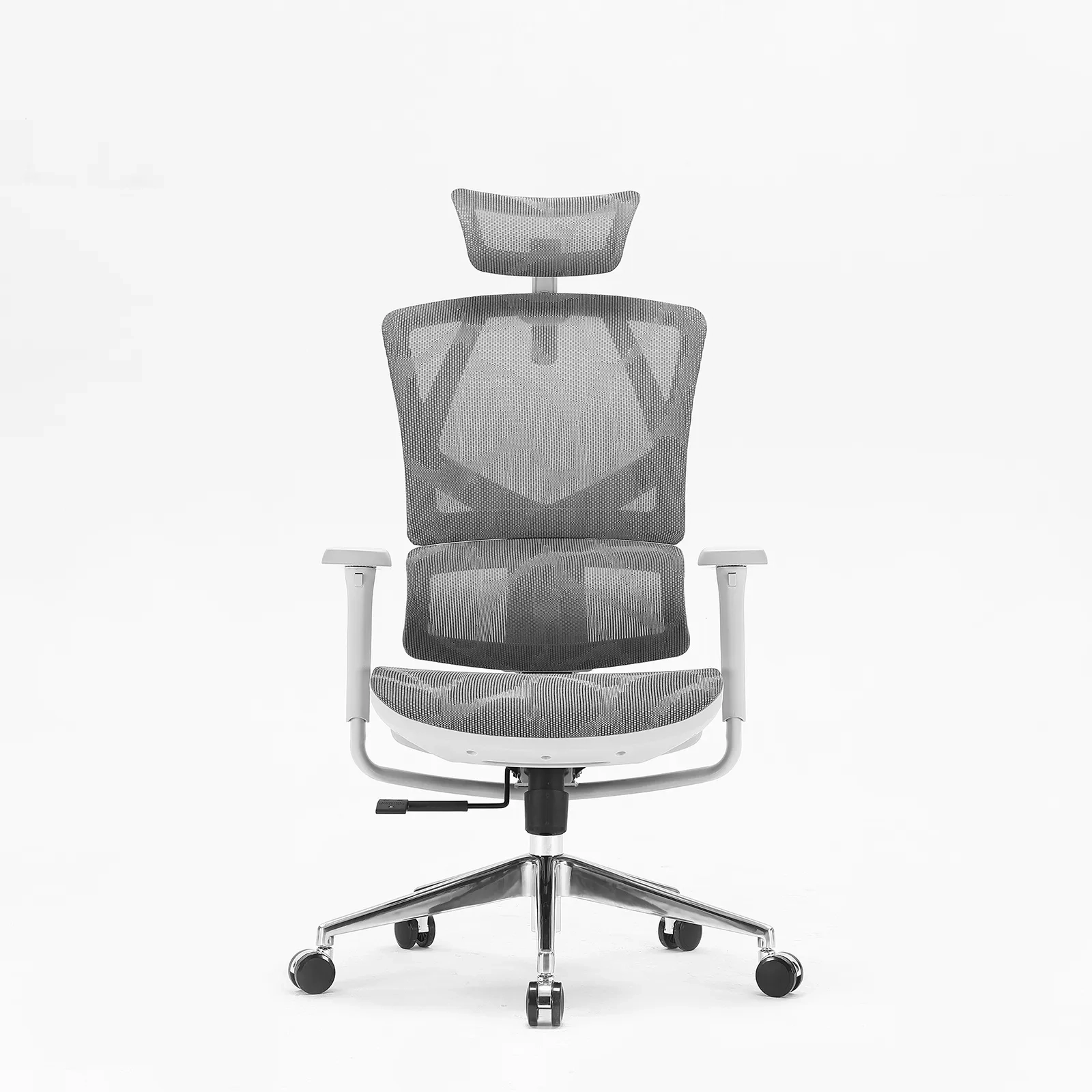
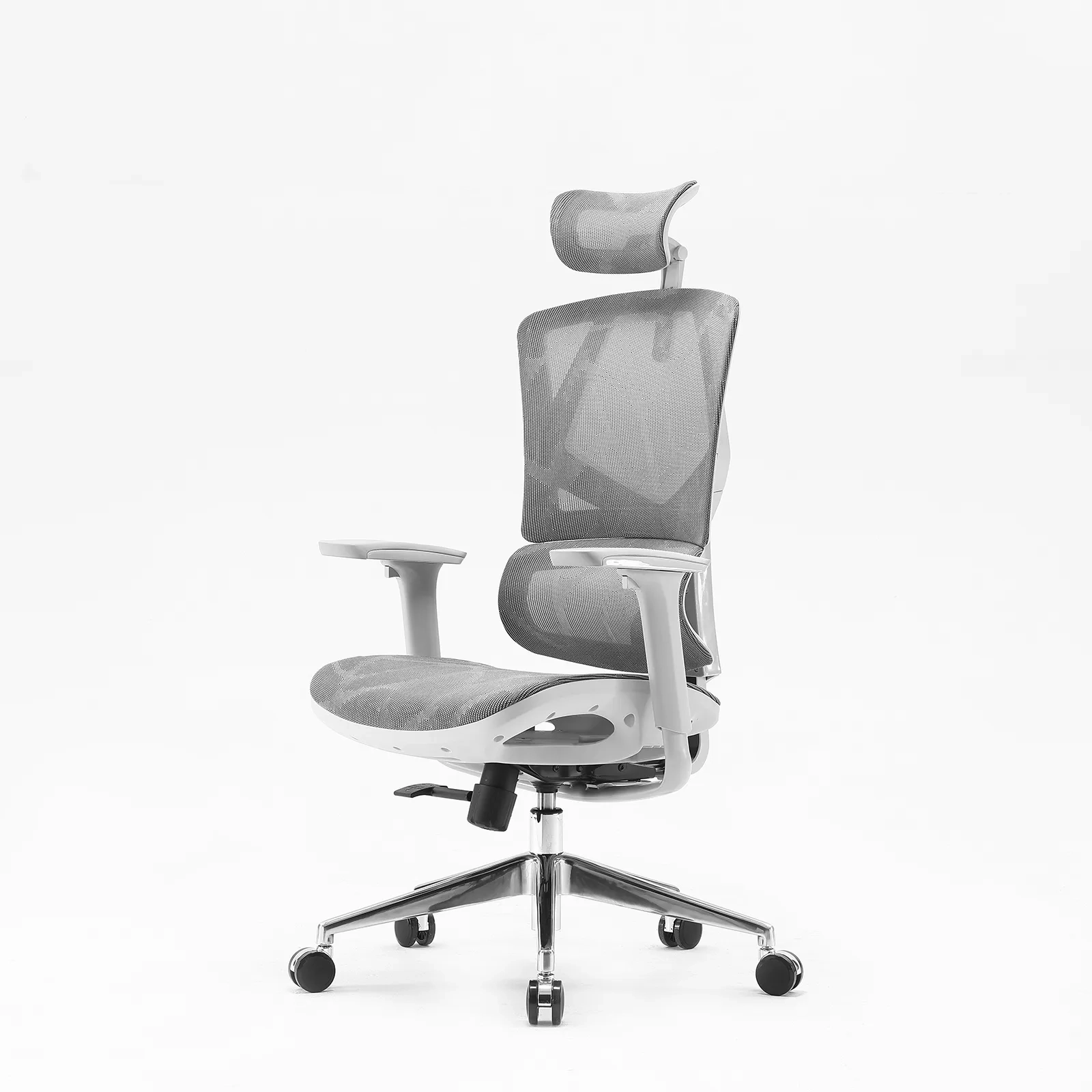
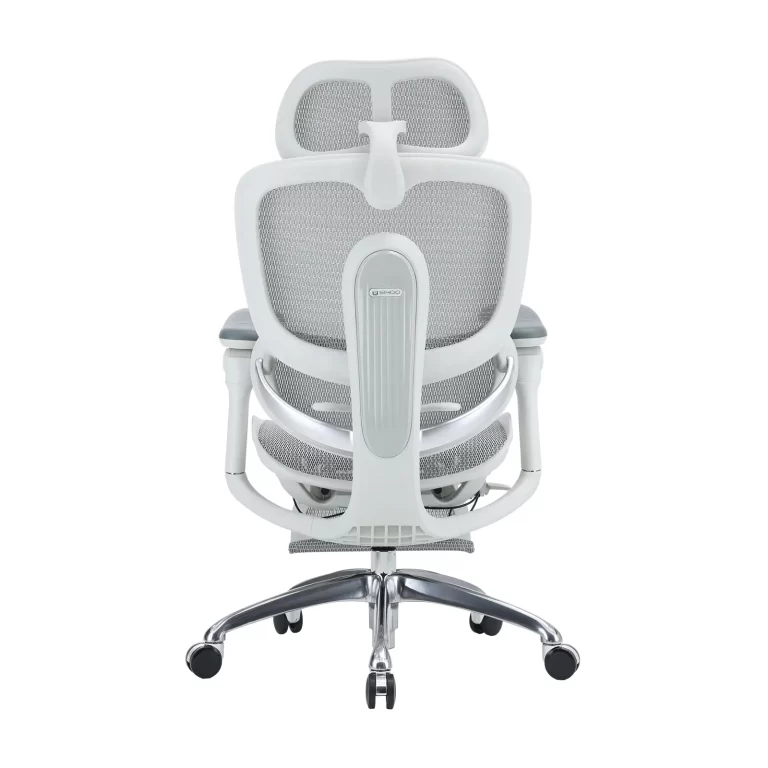
One of the defining features of a mesh chair is its breathable, flexible fabric. The mesh allows air to circulate, keeping you cool and reducing the discomfort caused by prolonged sitting. According to Sihoo, their mesh chairs use high-density, high-elasticity mesh fabric that balances softness and support Sihoo Official.
The mesh material also provides a degree of flexibility, which can accommodate minor movements such as shifting or recrossing your legs. Unlike rigid plastic or leather chairs, mesh conforms slightly to the shape of your body, reducing pressure points on your thighs and buttocks.
Características ajustables
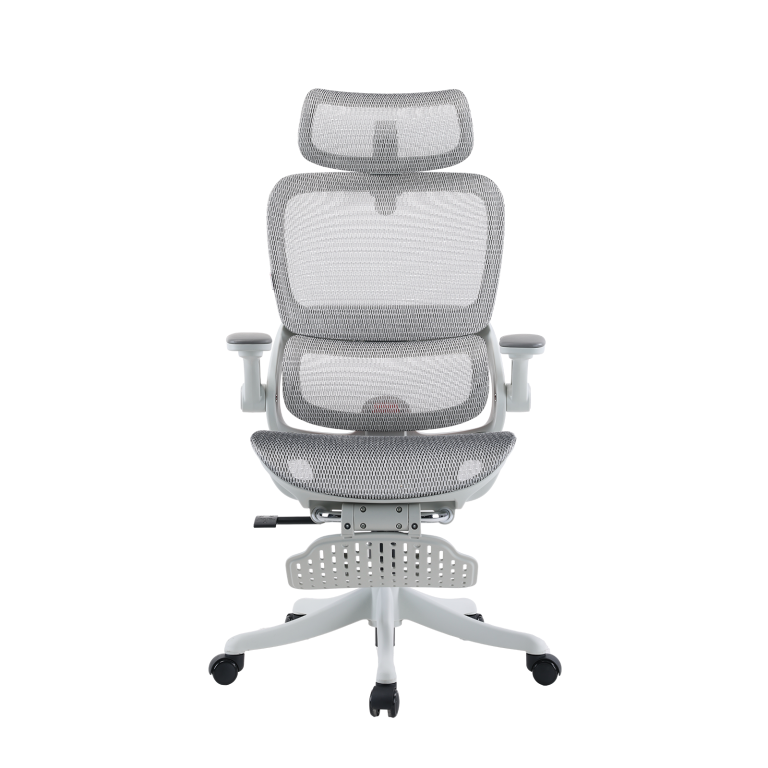
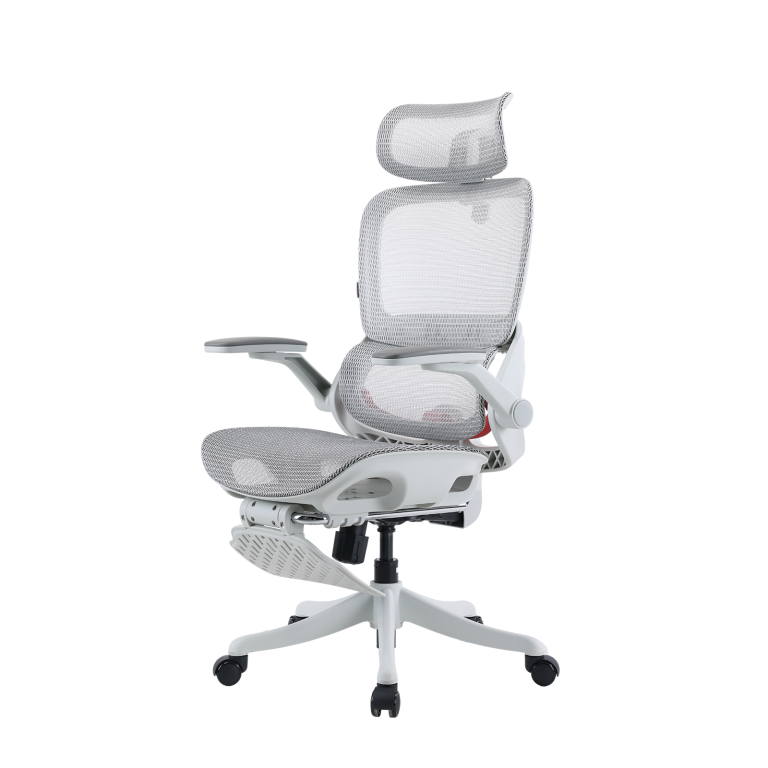
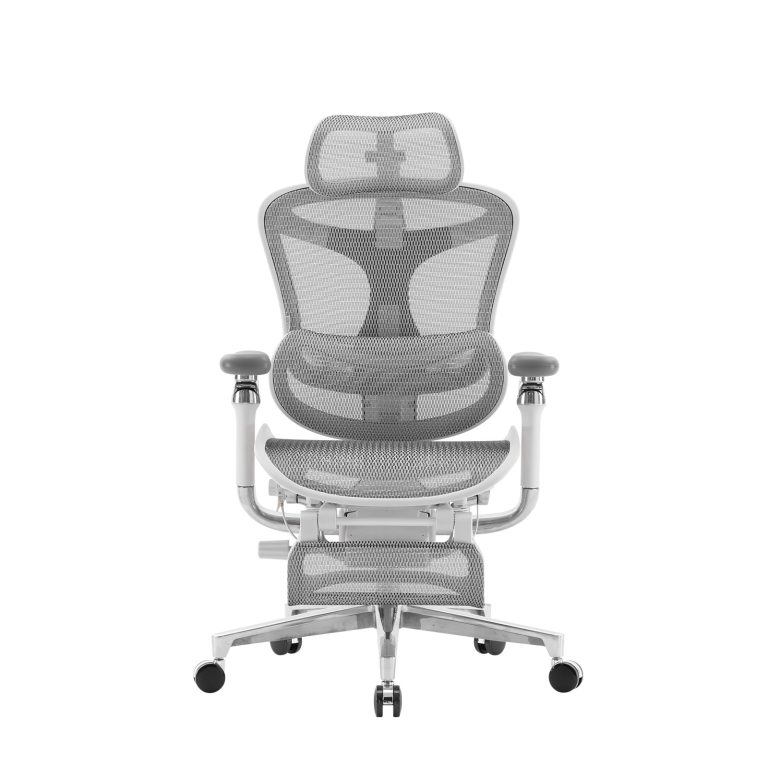
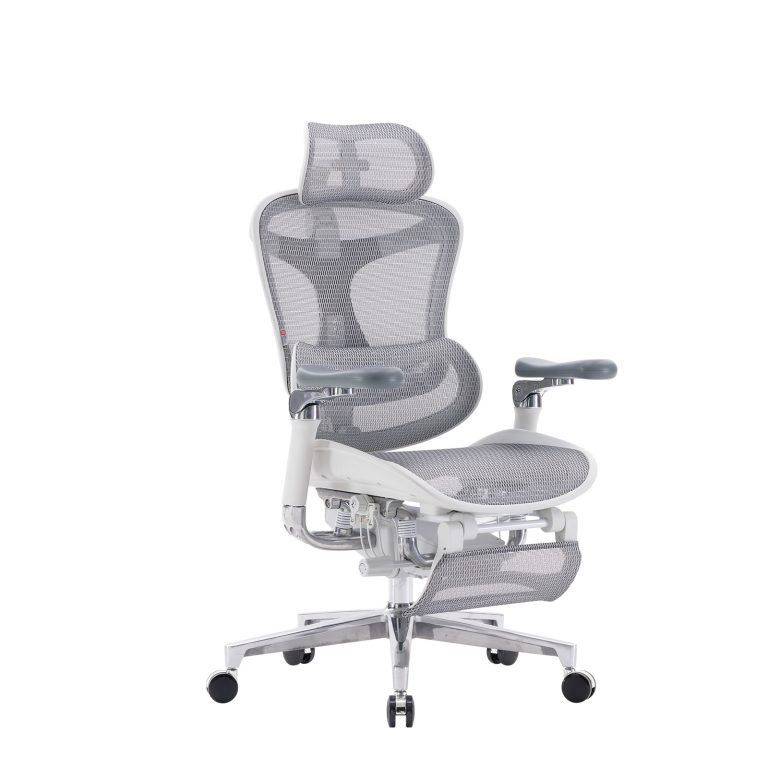
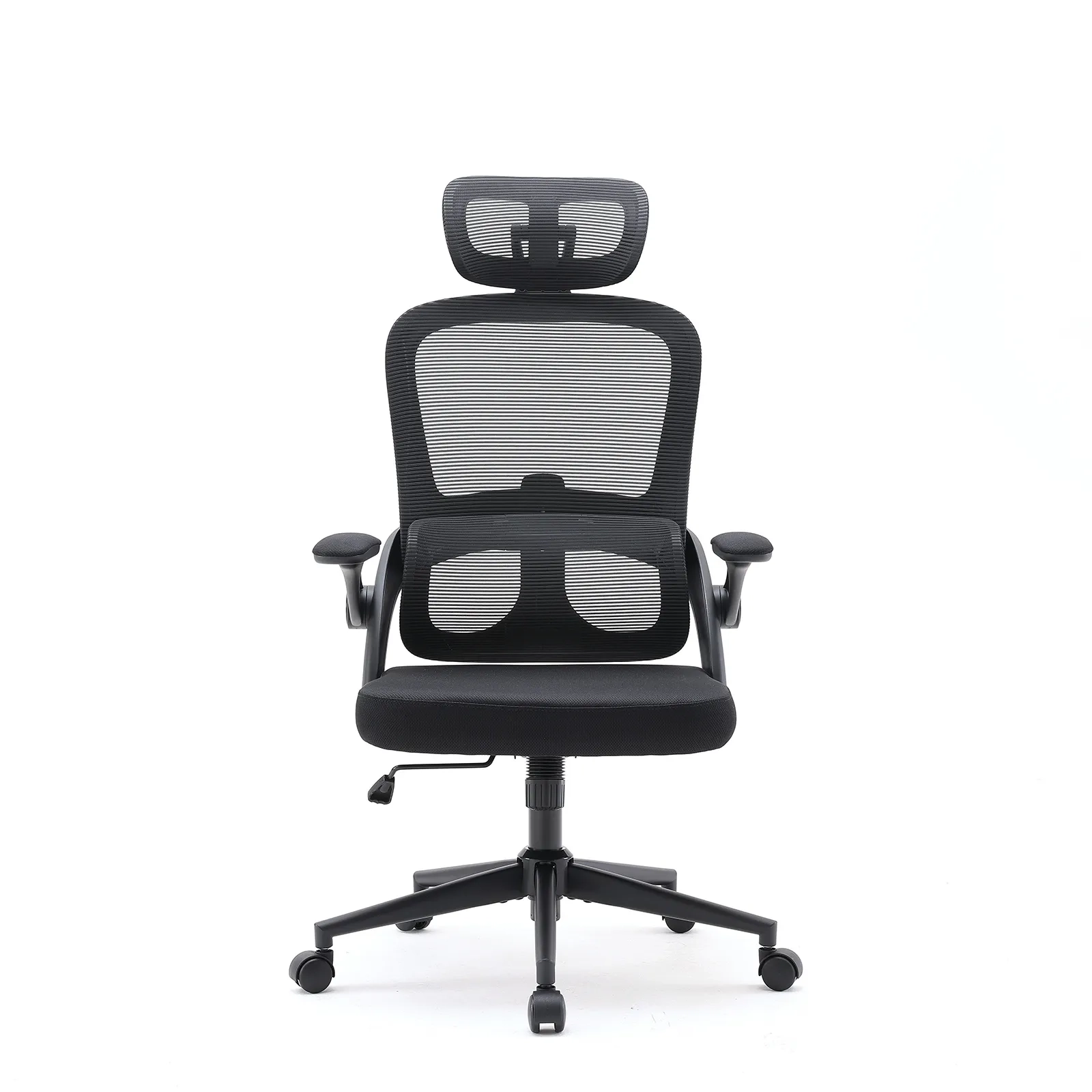
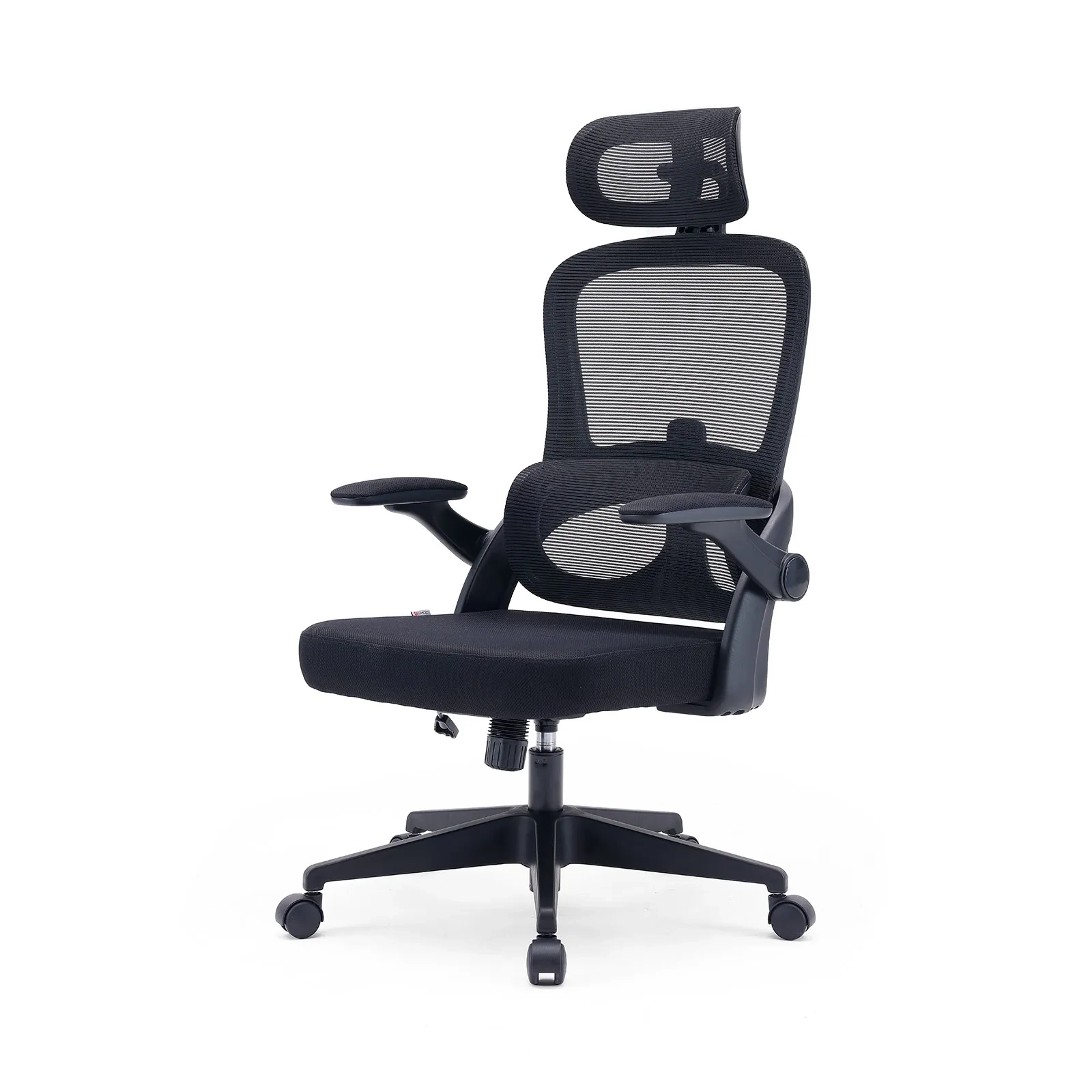
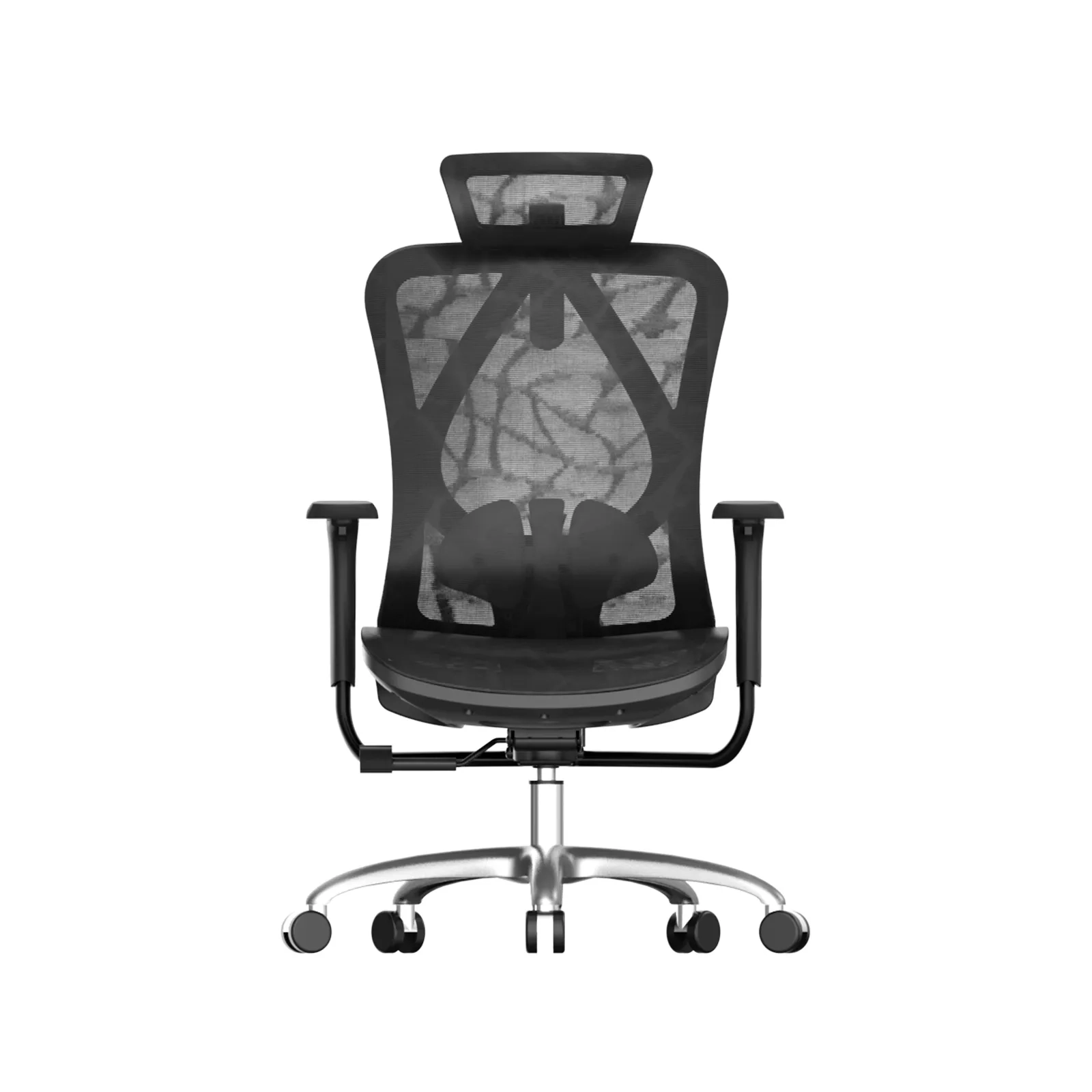
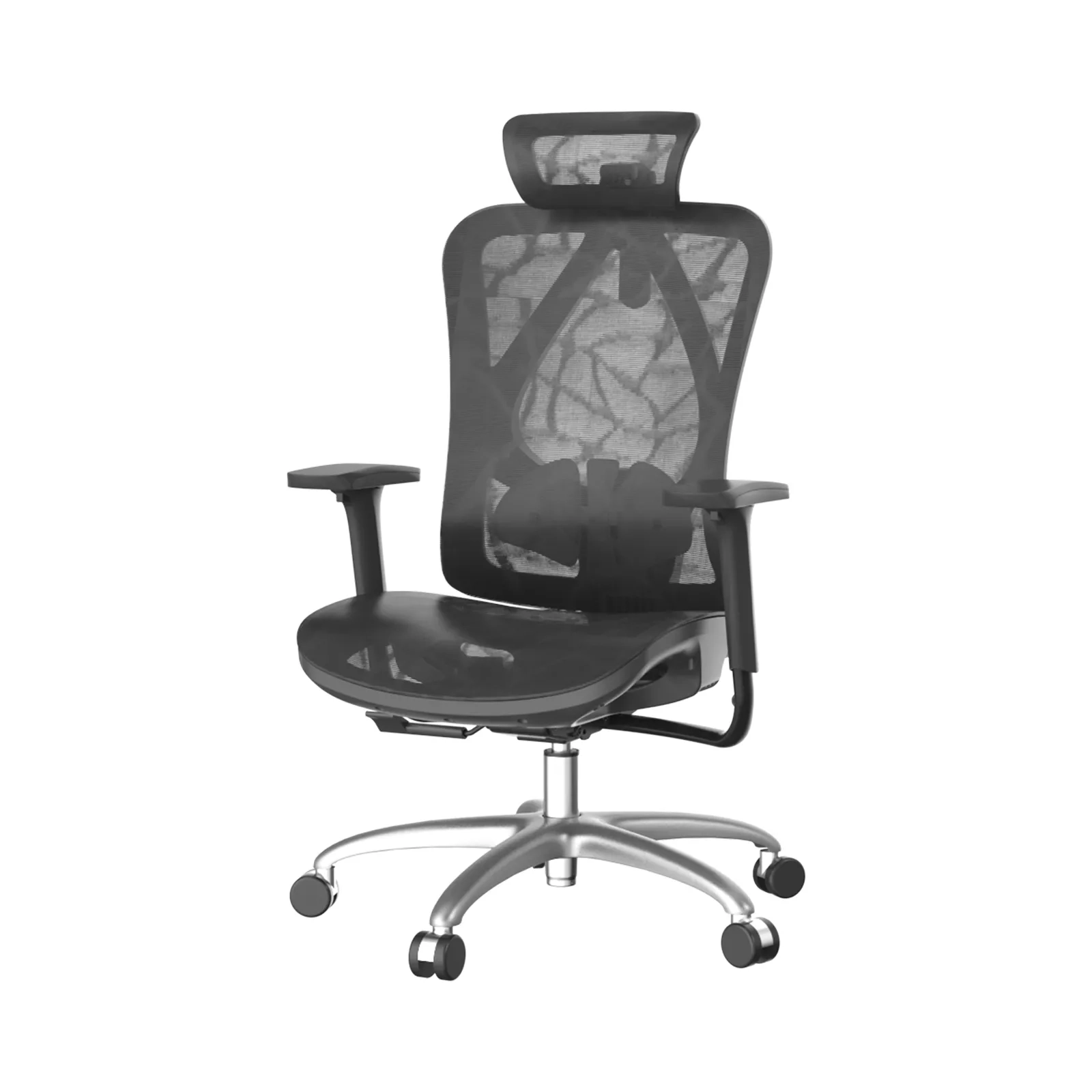
Another reason mesh chairs are favored for comfort is their adjustable design. Most quality mesh chairs, including Sihoo’s M18 and M57 models, offer:
- Seat Height Adjustment: Allows your feet to rest flat on the floor, promoting proper circulation.
- Backrest Tilt and Recline: Supports your spine while permitting natural movement when you recross your legs.
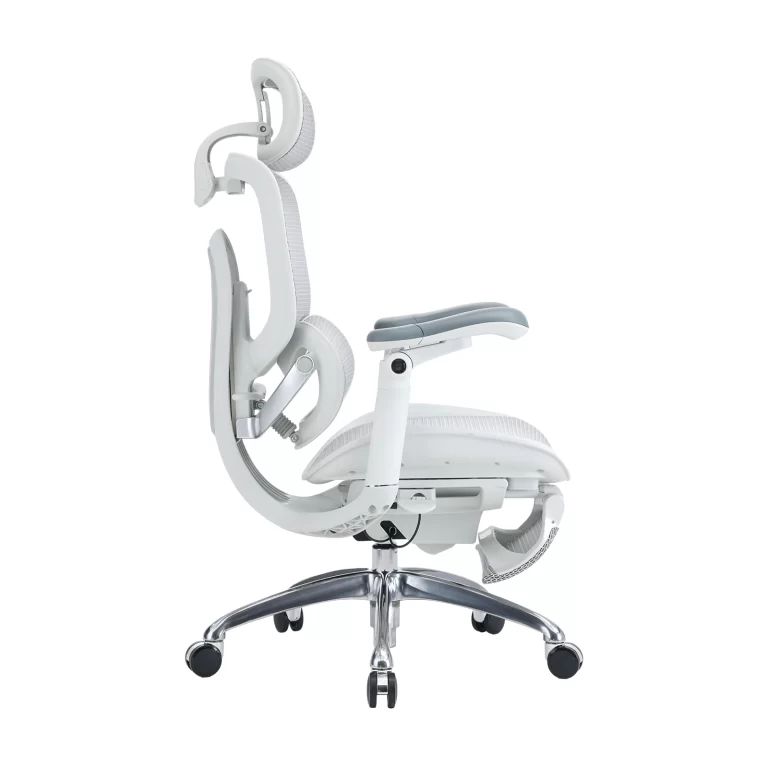
- Adjustable Armrests: Can be moved up, down, or sideways to provide clearance when crossing your legs.
These features are crucial because the ability to modify seat height and armrest positions directly affects leg comfort and mobility.
3D Adjustable Armrests for Clearances
Standard fixed armrests restrict lateral thigh movement, trapping your knees when you attempt to cross or recross your legs. Sihoo’s ergonomic models solve this spatial limitation through multi-directional adjustment mechanisms:
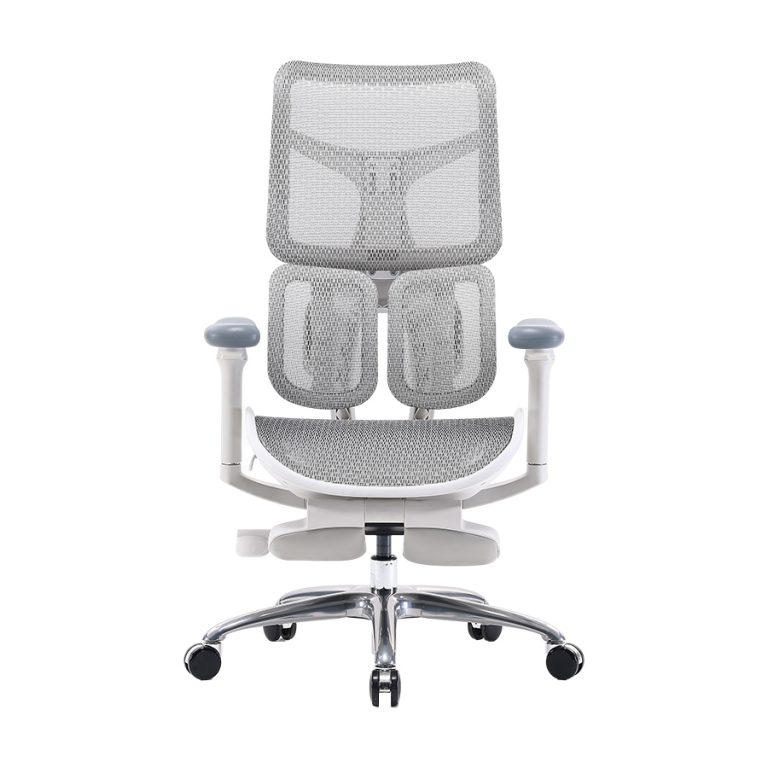
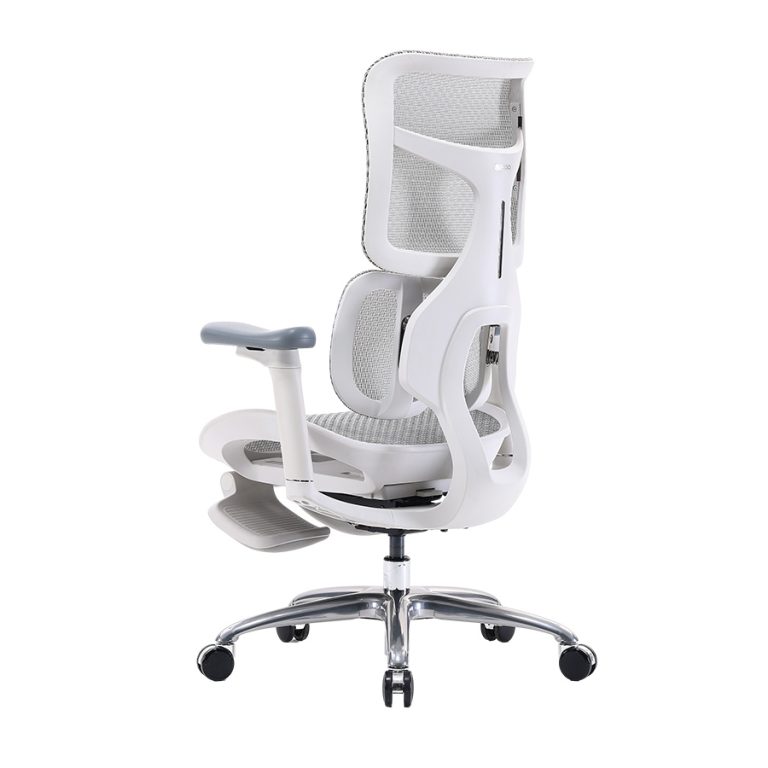
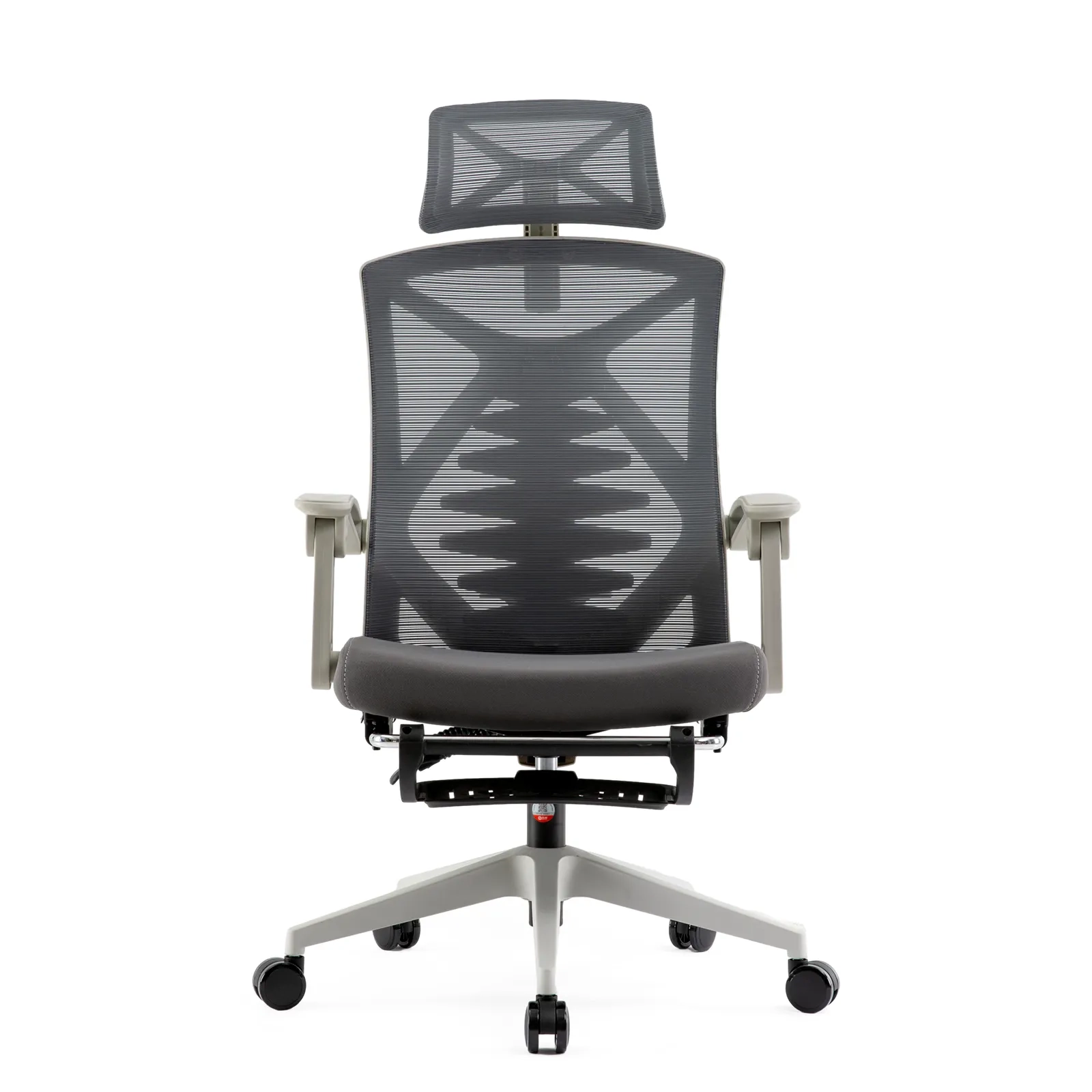
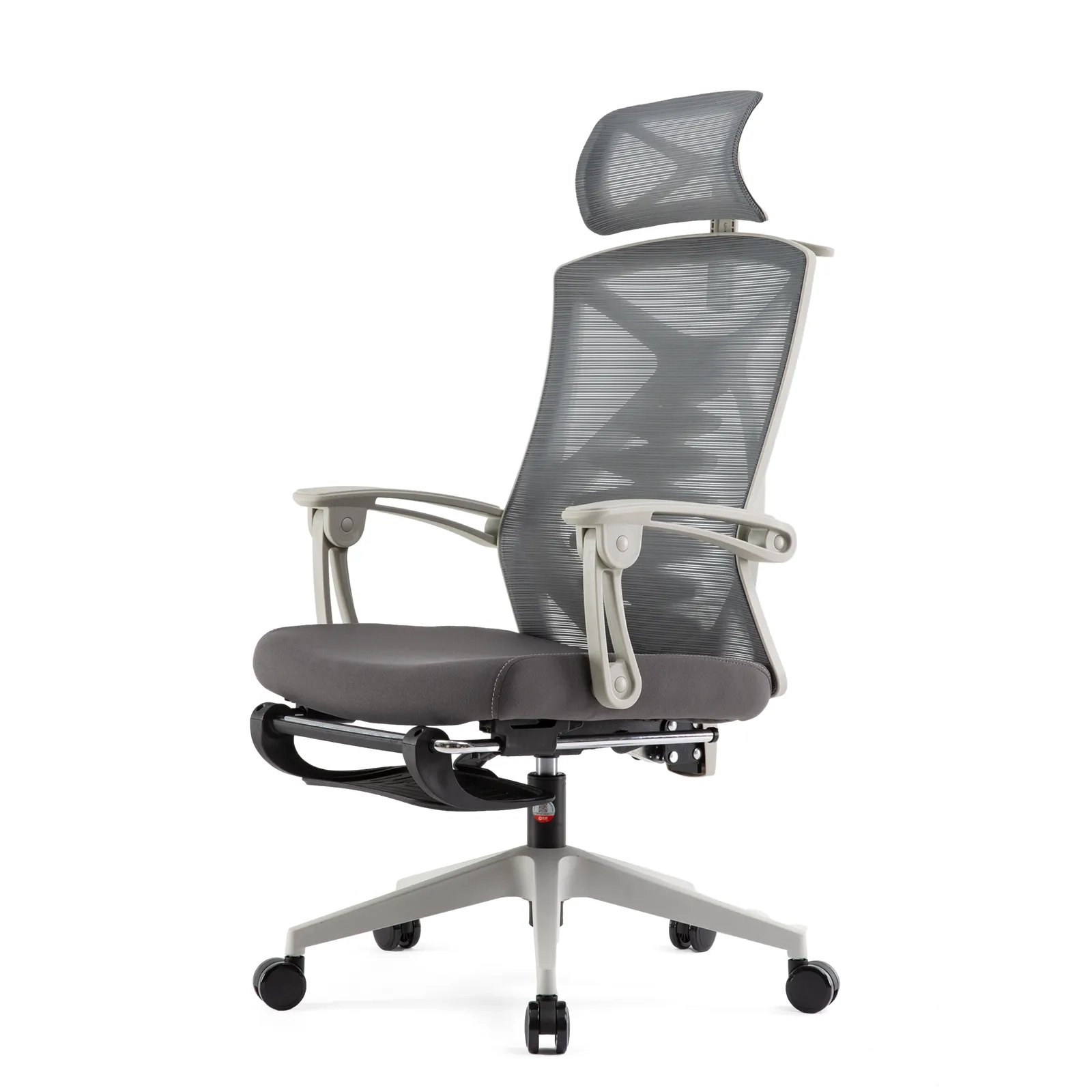
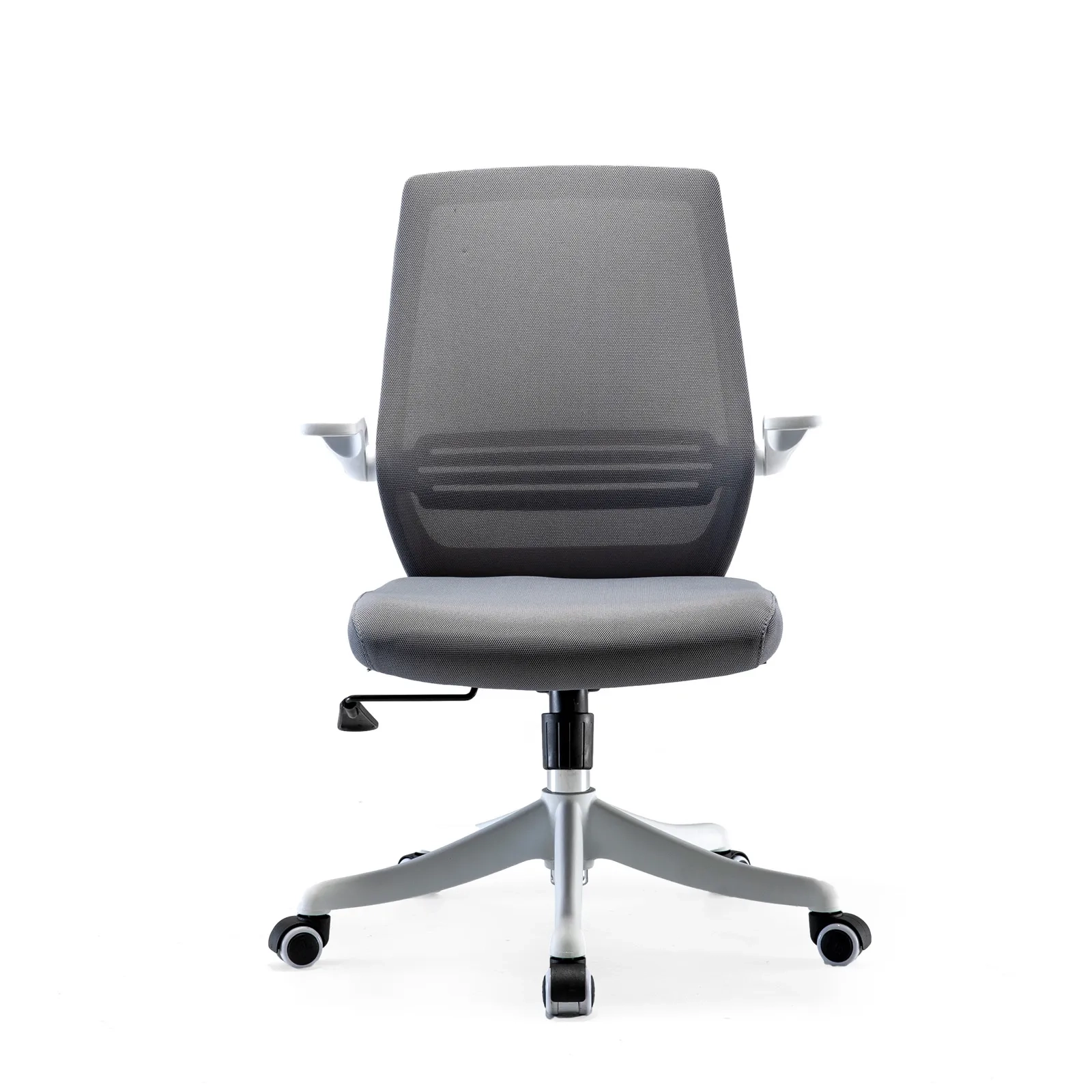
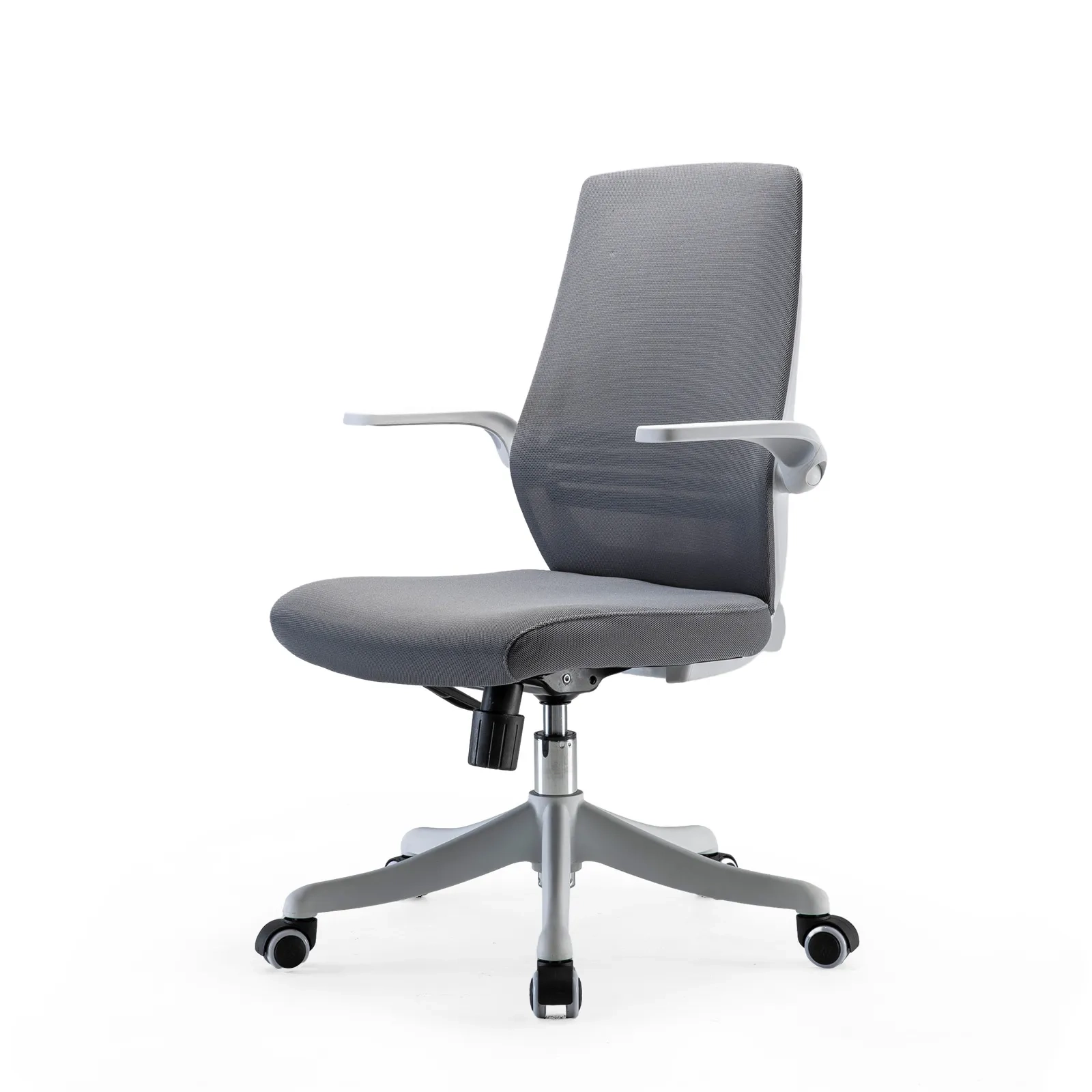
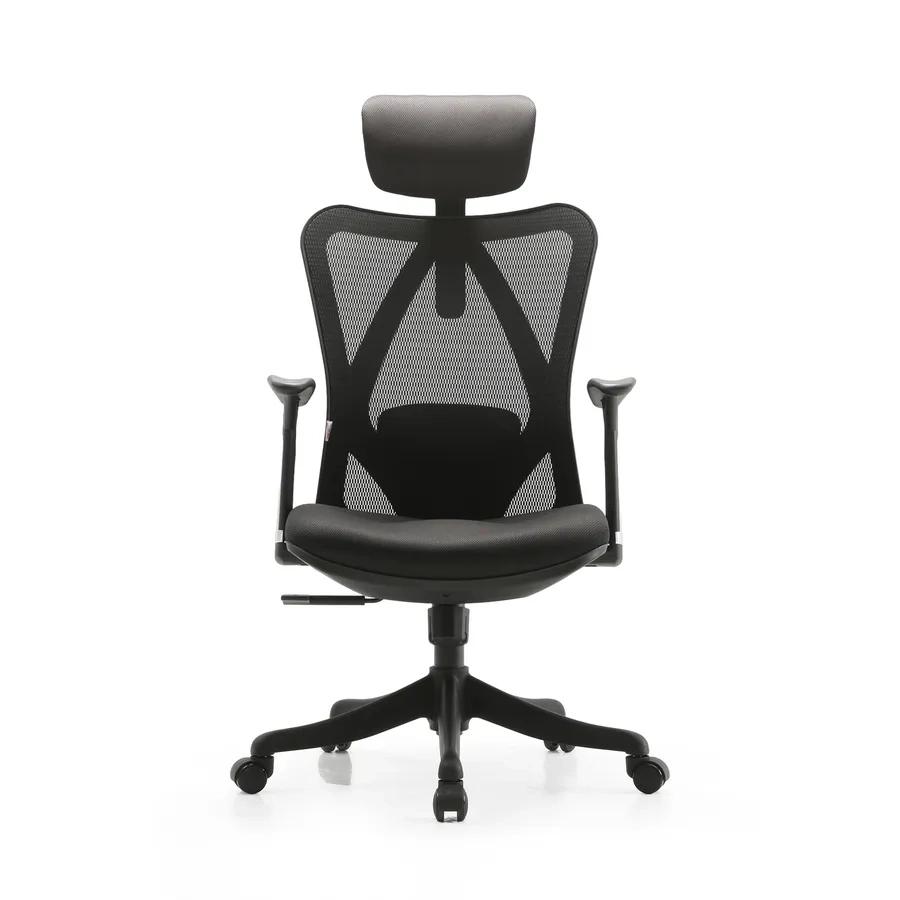
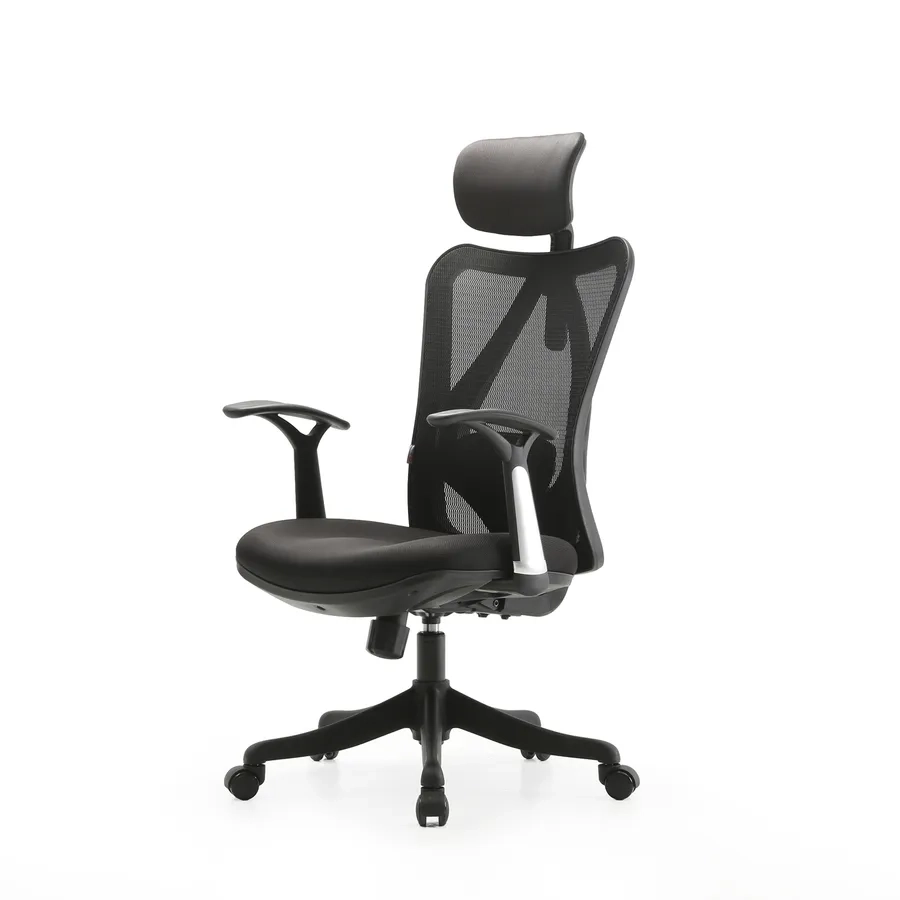
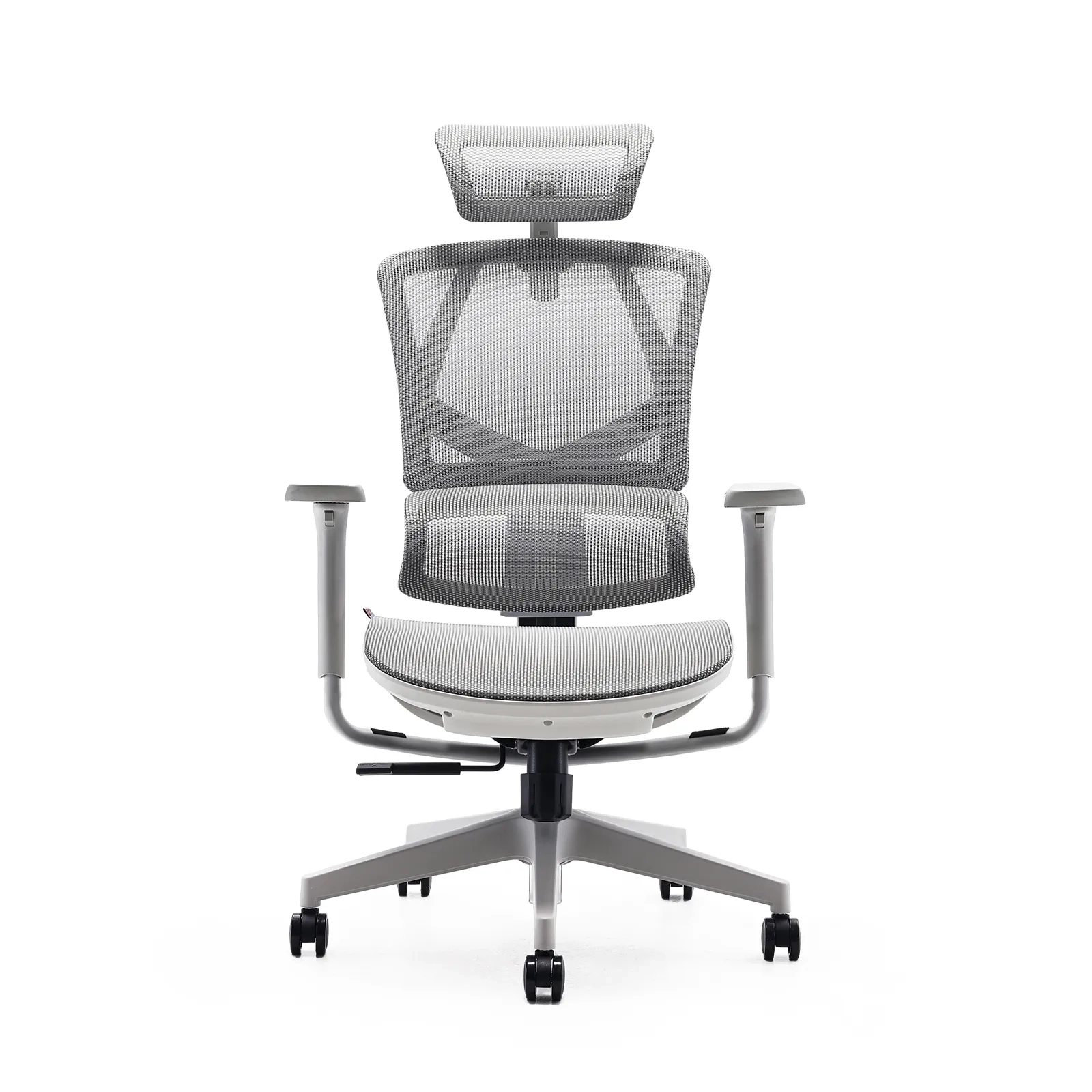
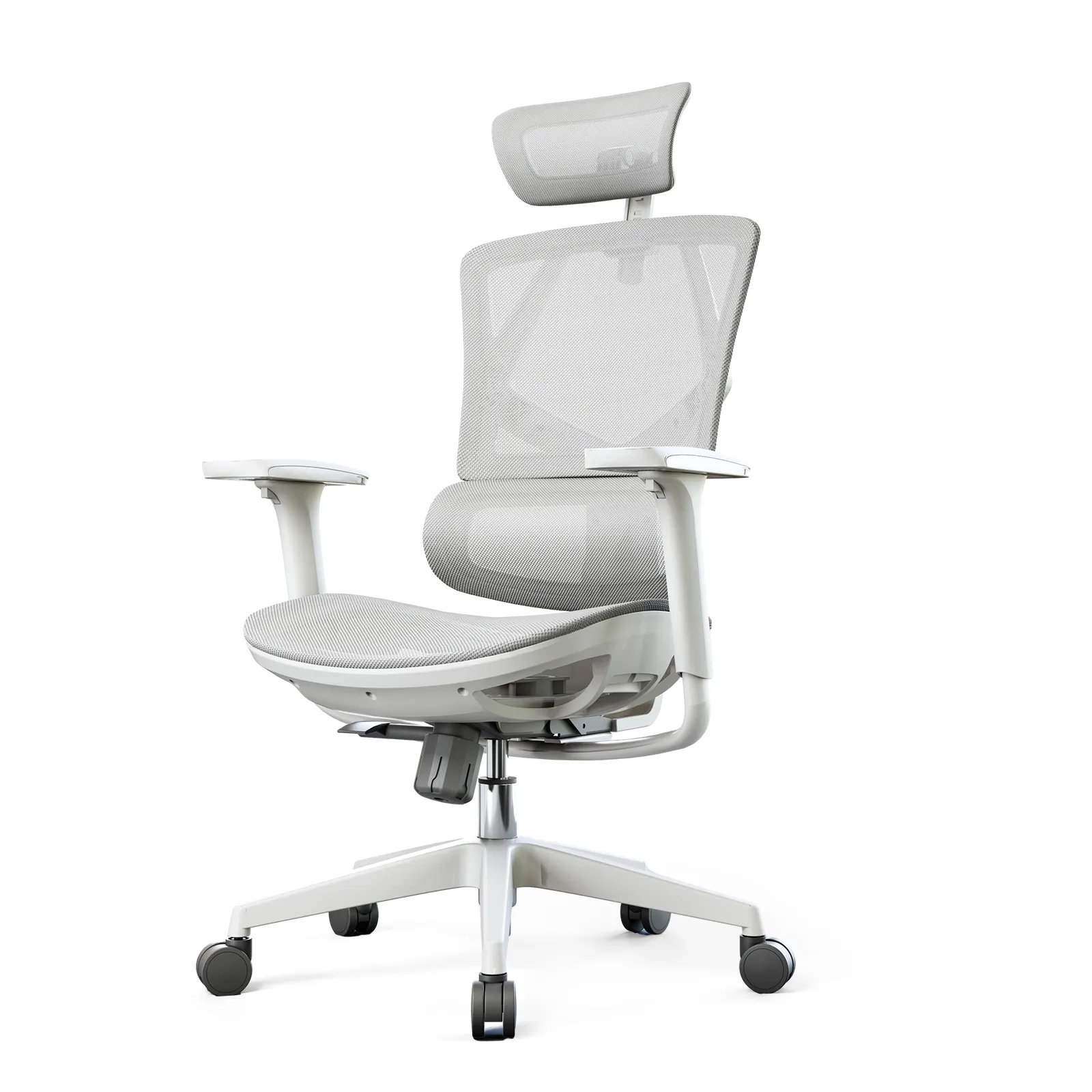
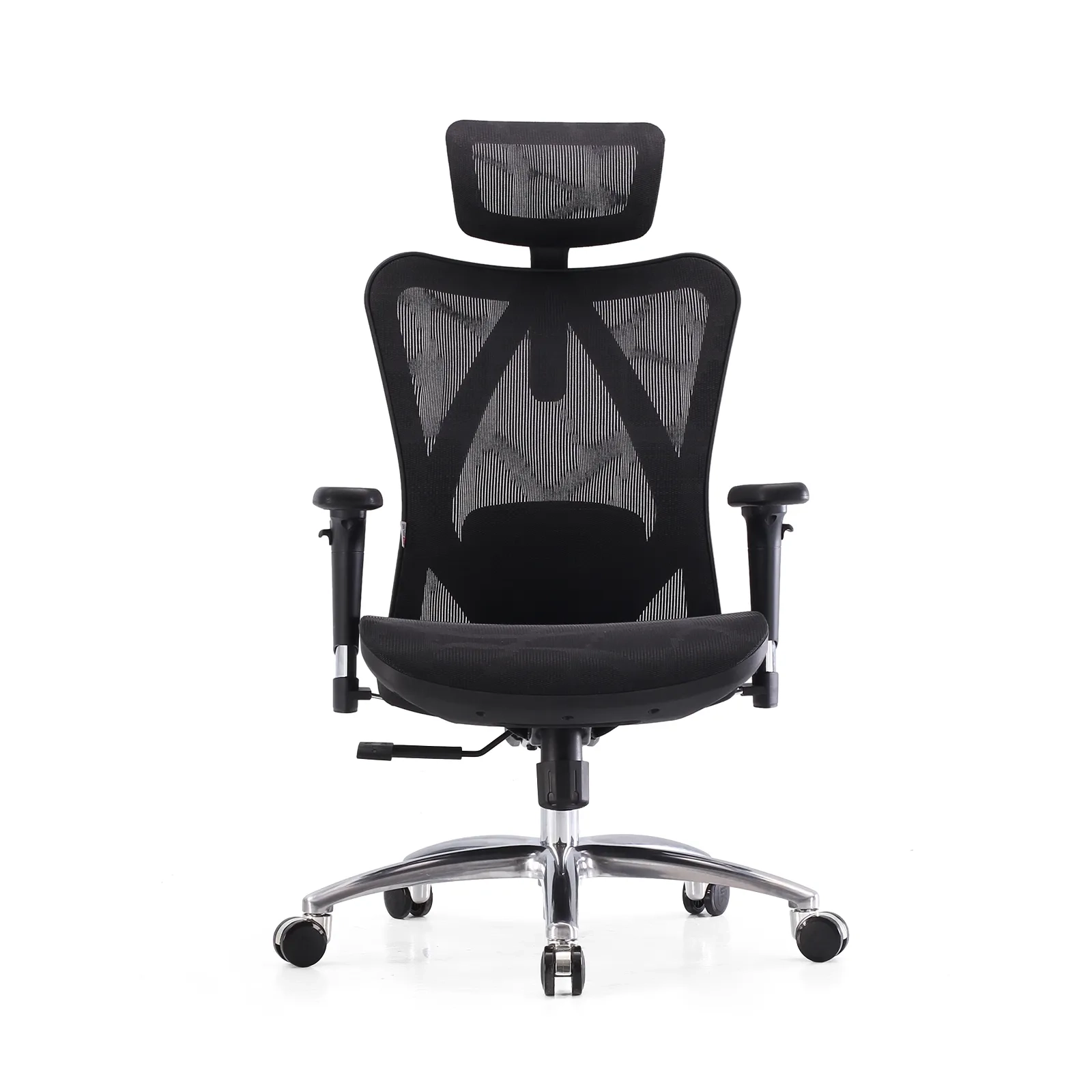
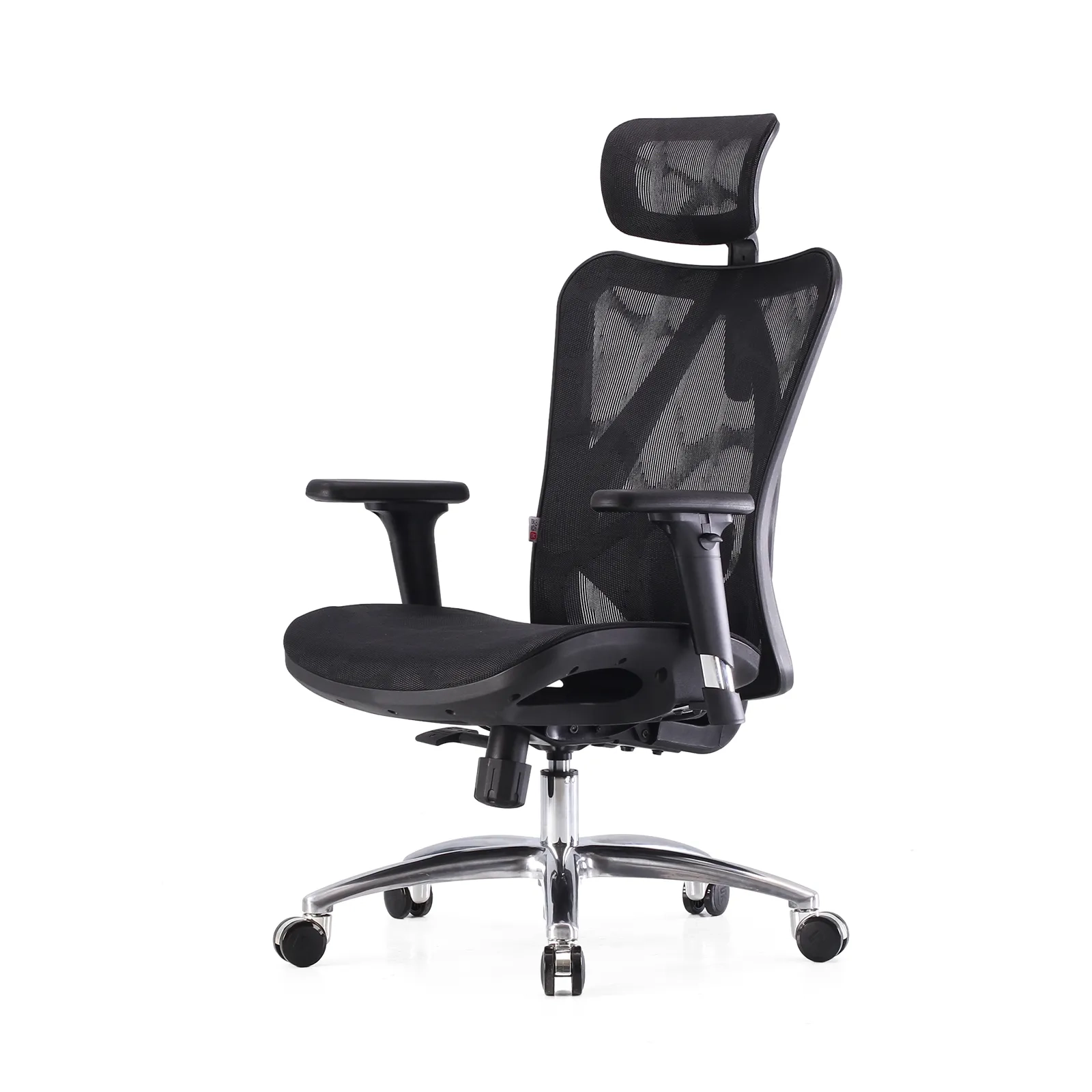
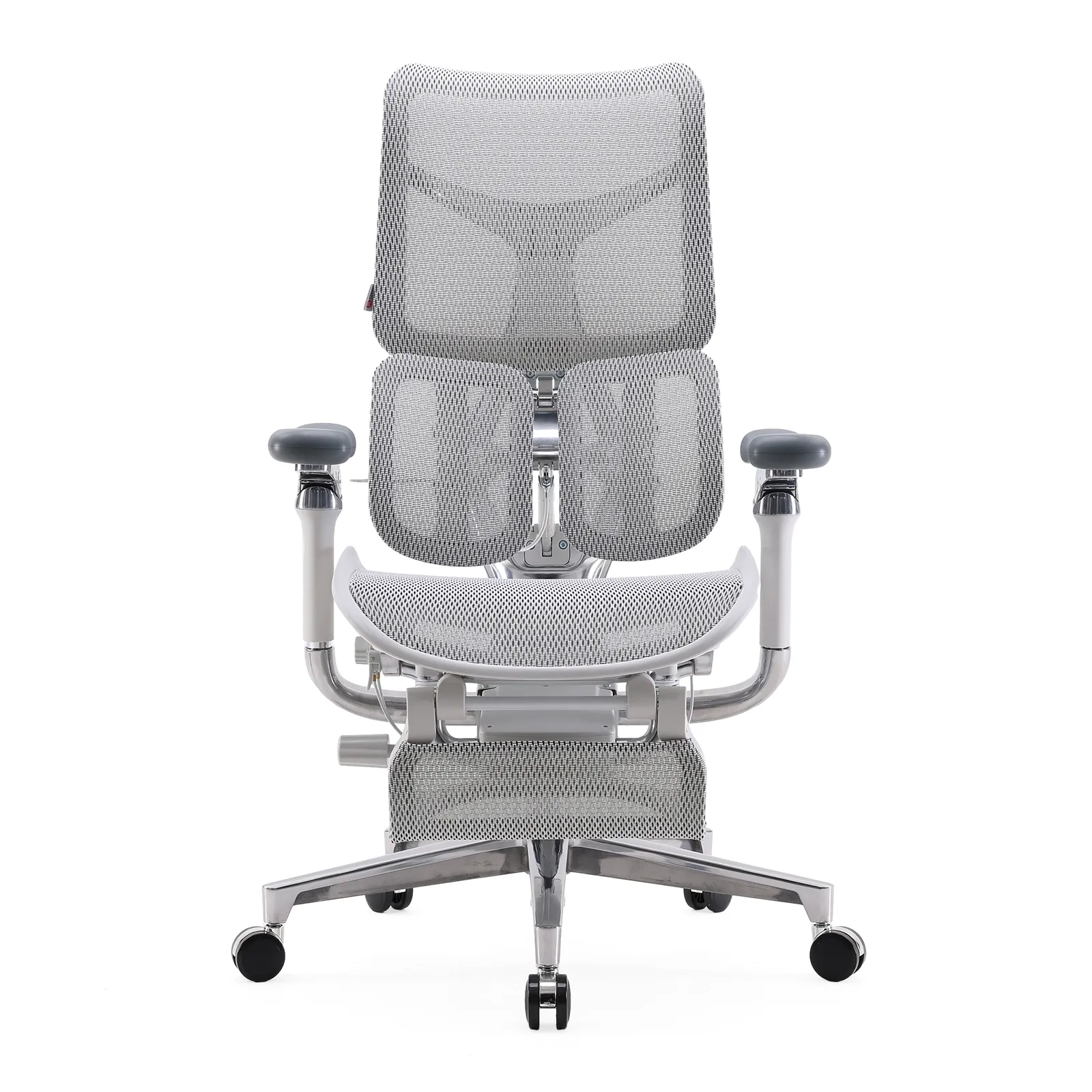
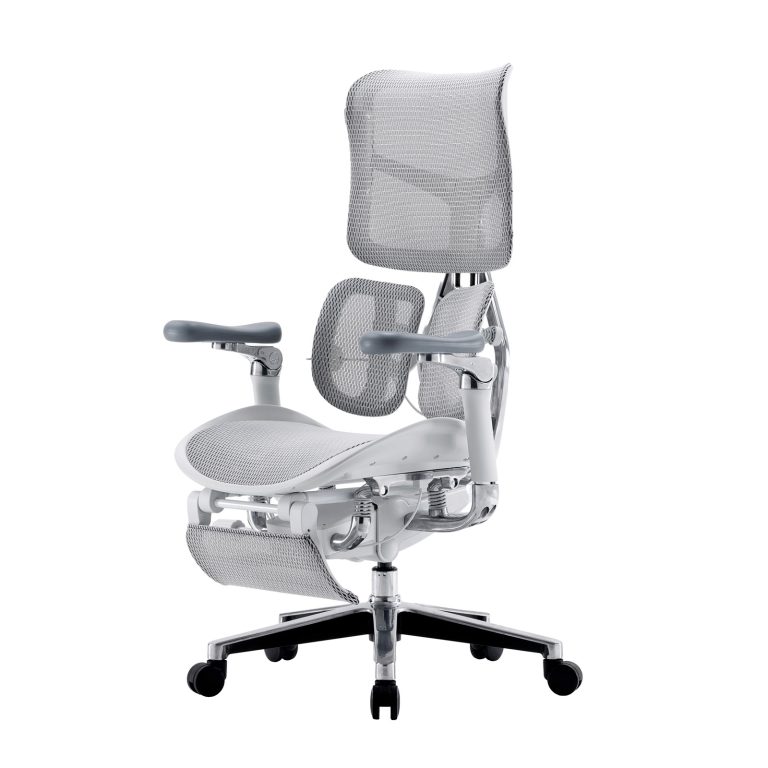
- 3D Armrests (Featured on Sihoo M57): These armrests adjust 7 cm vertically, 5 cm front-to-back, and pivot 34° horizontally inward or outward. By pivoting the armrests outward, you open up immediate lateral clearance for your upper knee, preventing your legs from hitting the armrest supports during a posture shift.
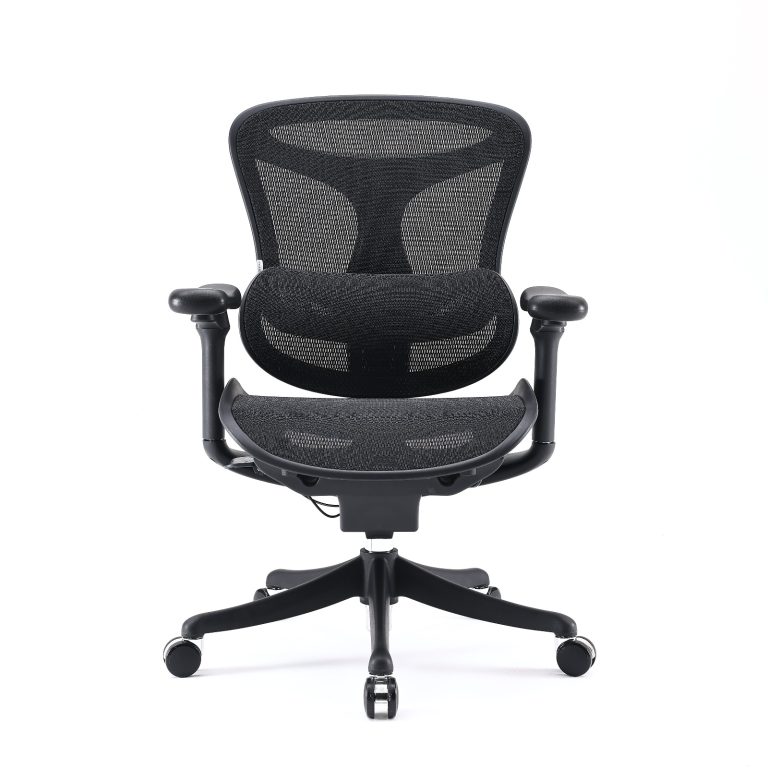
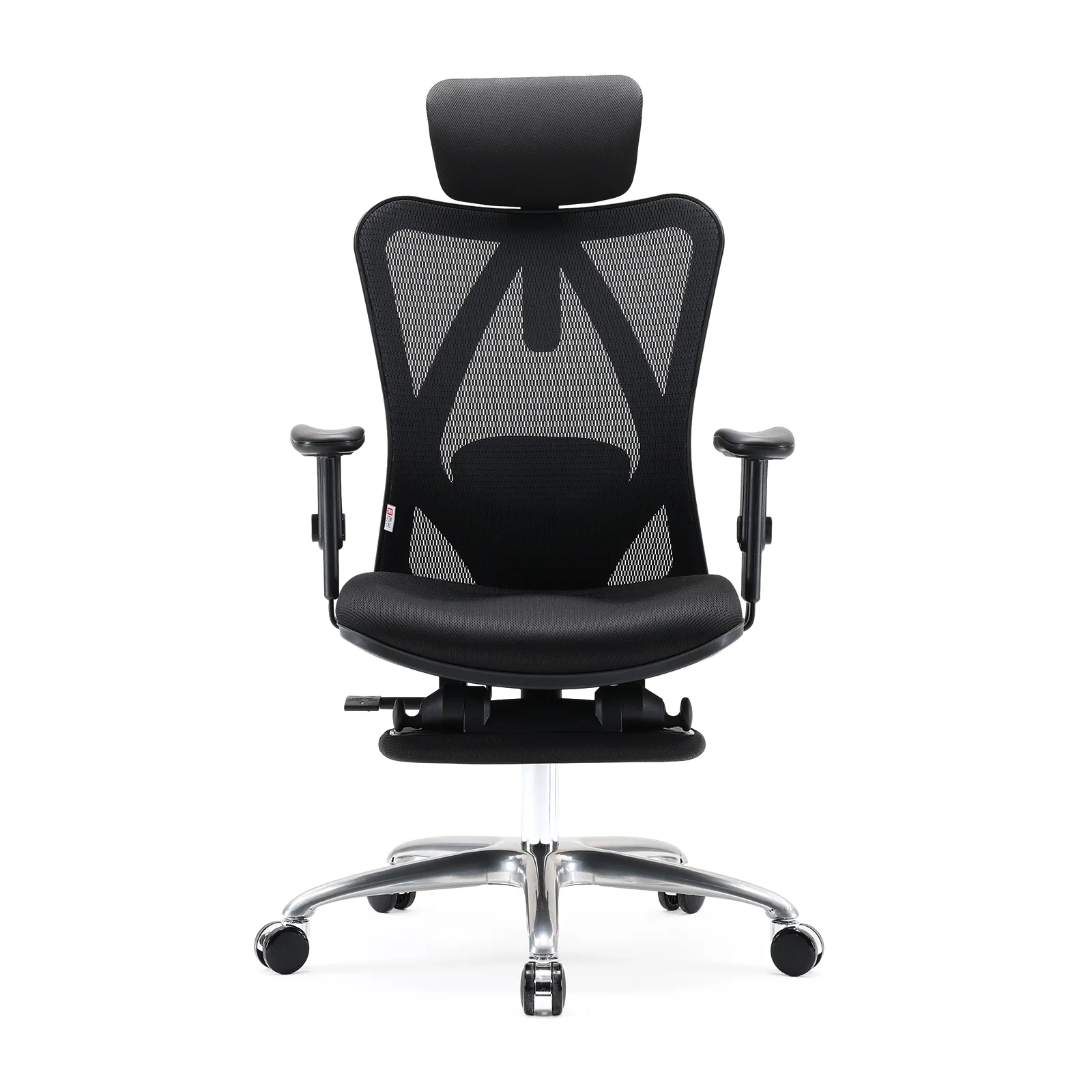
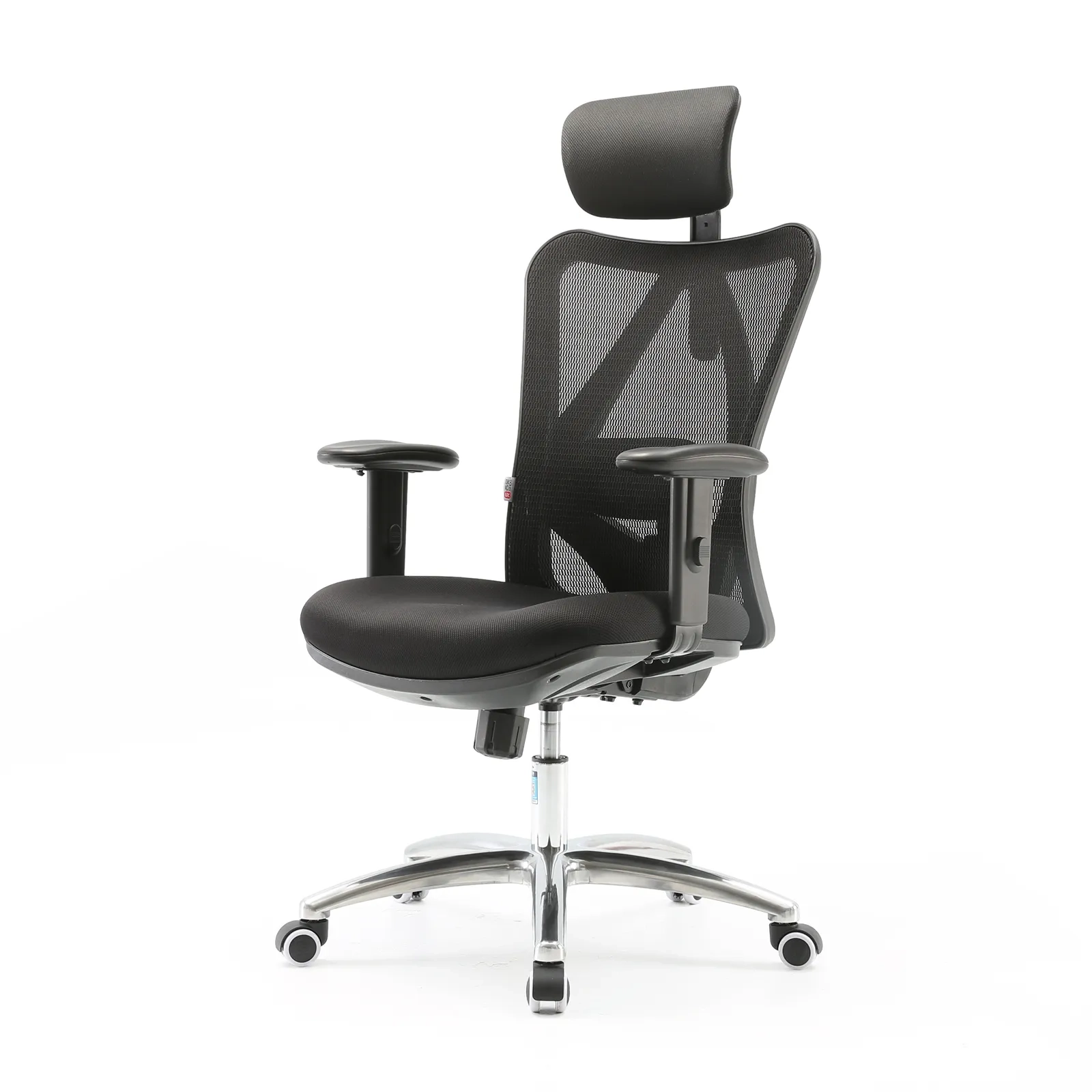
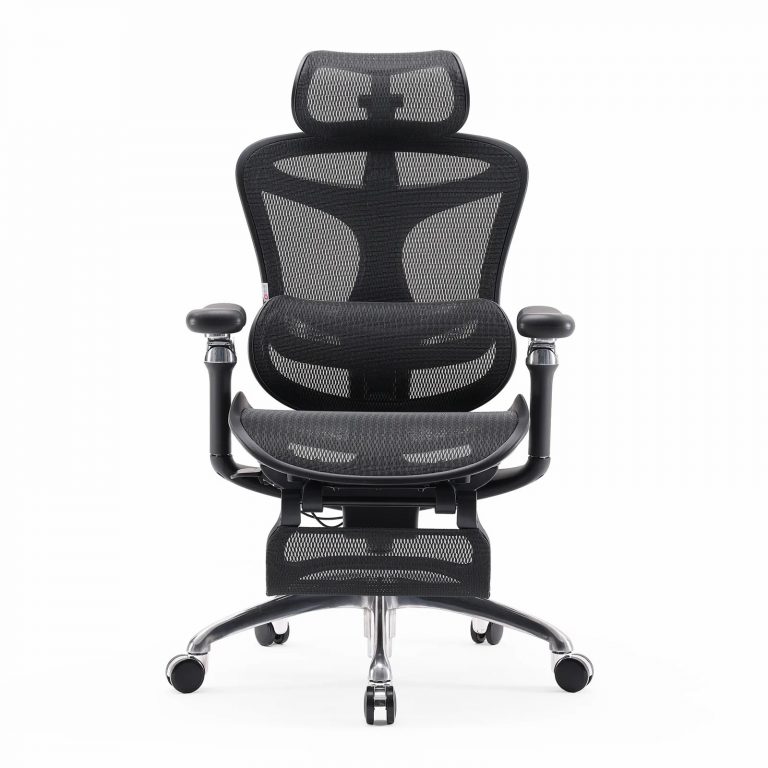
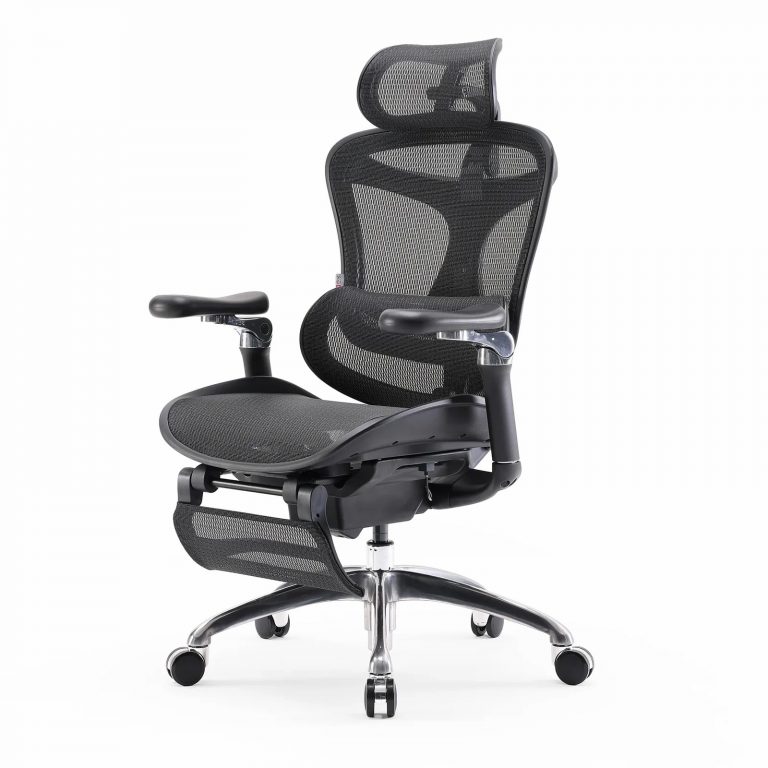
- Linkage Armrests (Featured on Sihoo M18): The armrests move in tandem with the backrest recline angle. When you lean back to shift your weight and recross your legs, the armrests automatically tilt back to maintain an ergonomic elbow angle while expanding the vertical space above the seat pan.
Product-Specific Seat Dimensions and Frame Materials
To cross your legs comfortably, the seat design must prevent your thighs from riding up against the structural outer frame. The layout varies significantly across ergonomic models:
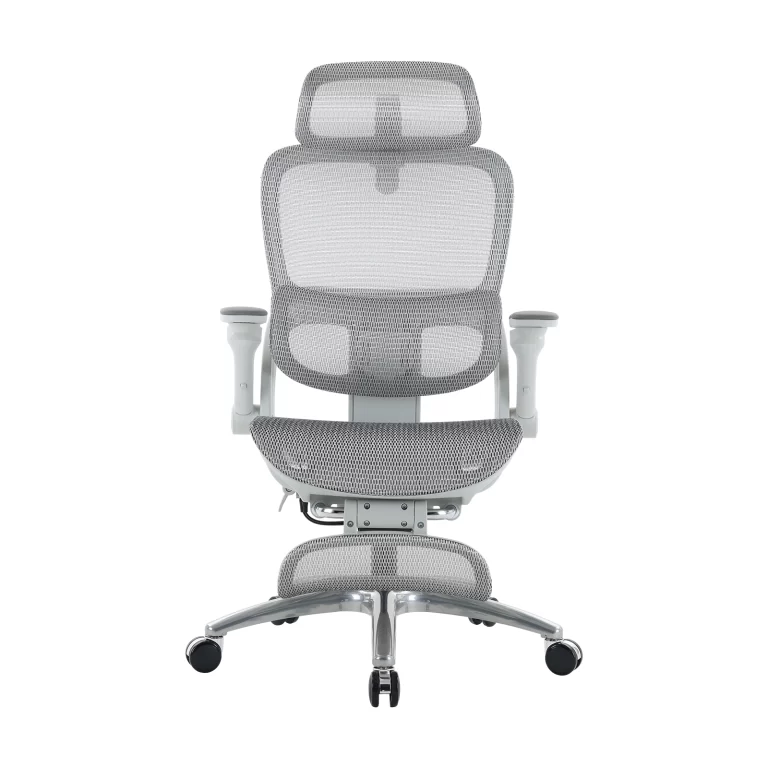
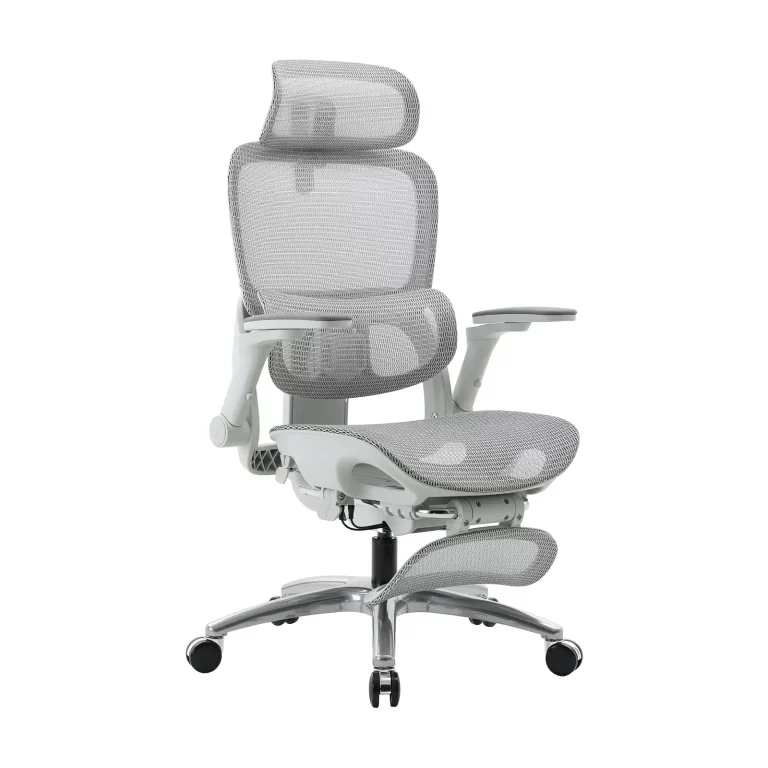
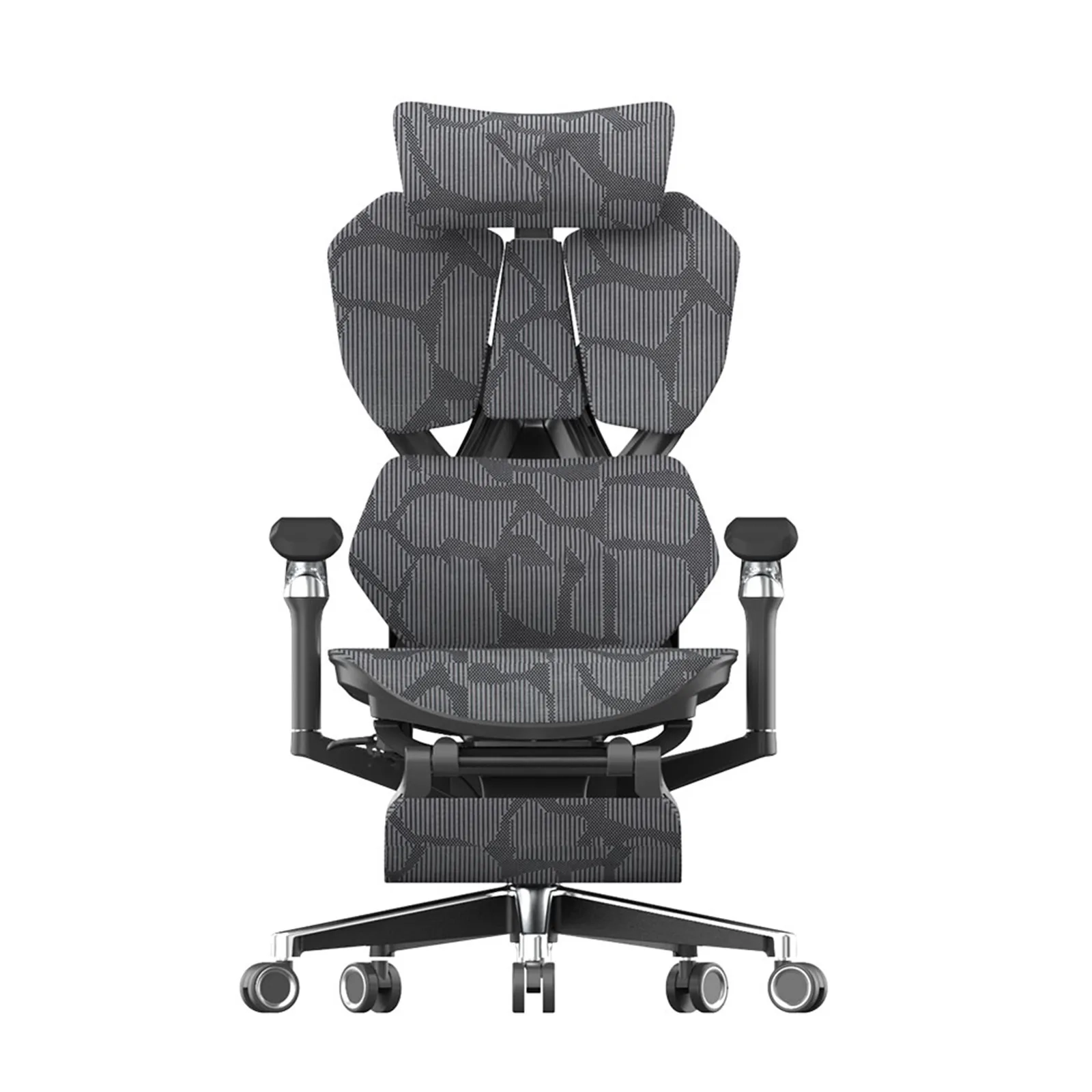
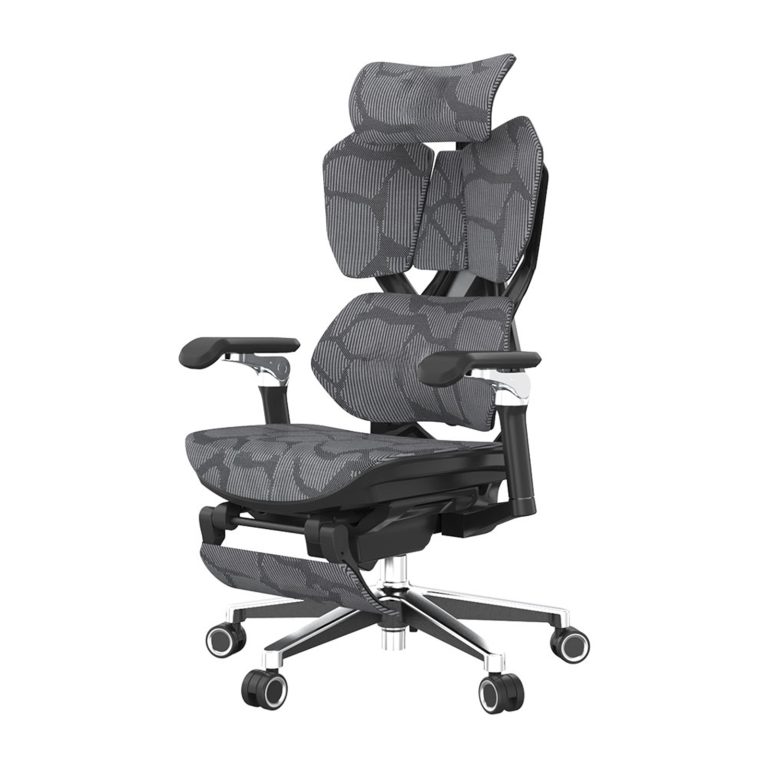
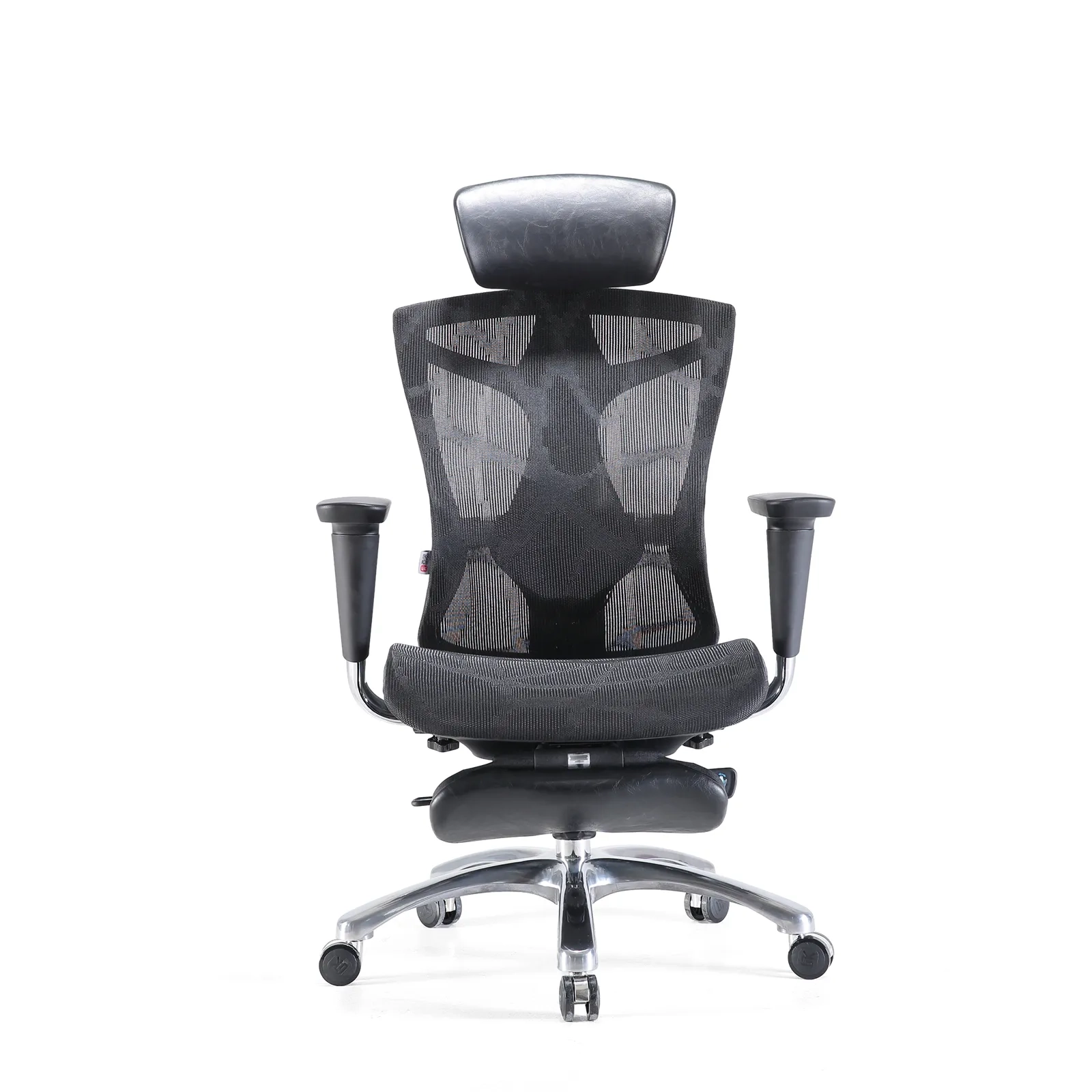
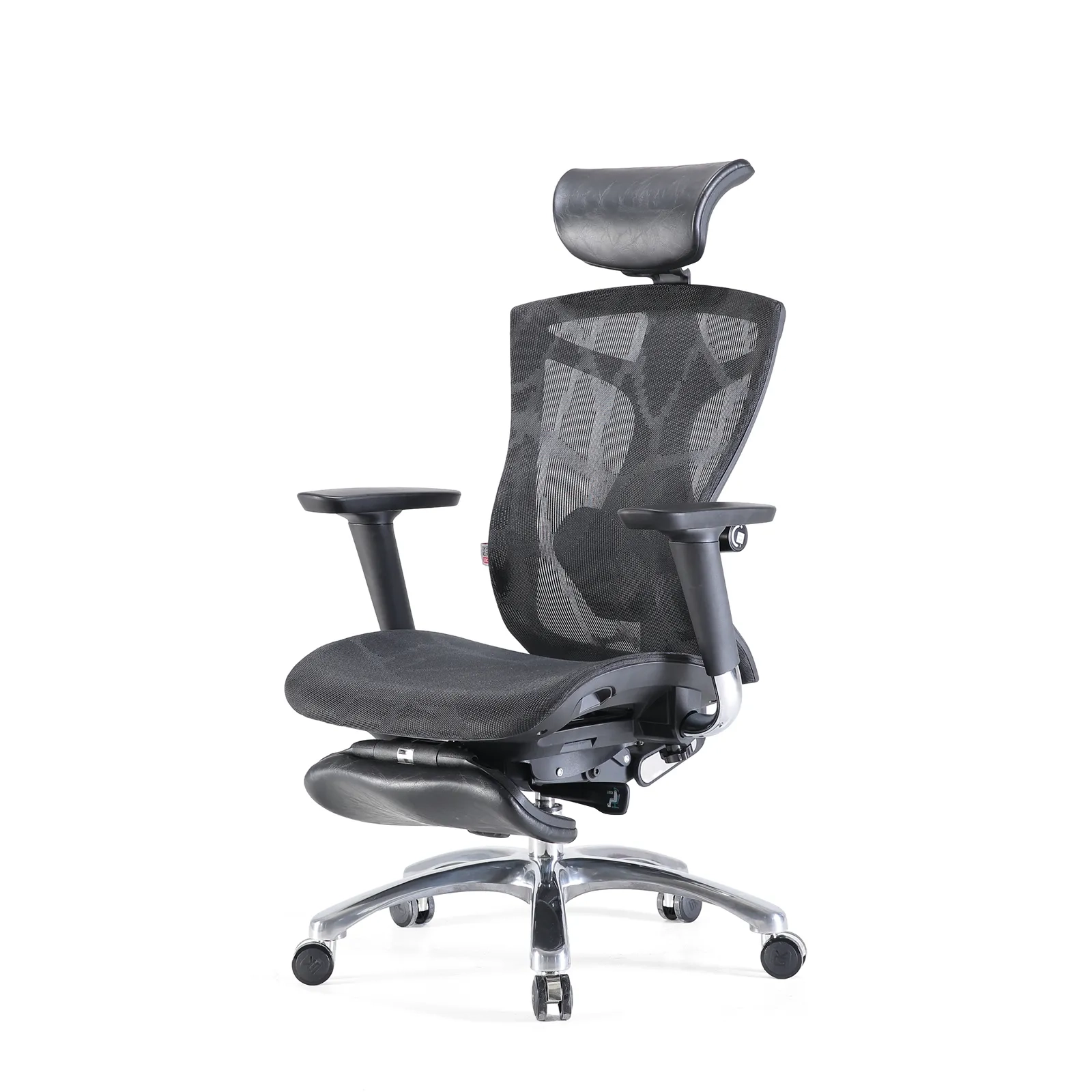
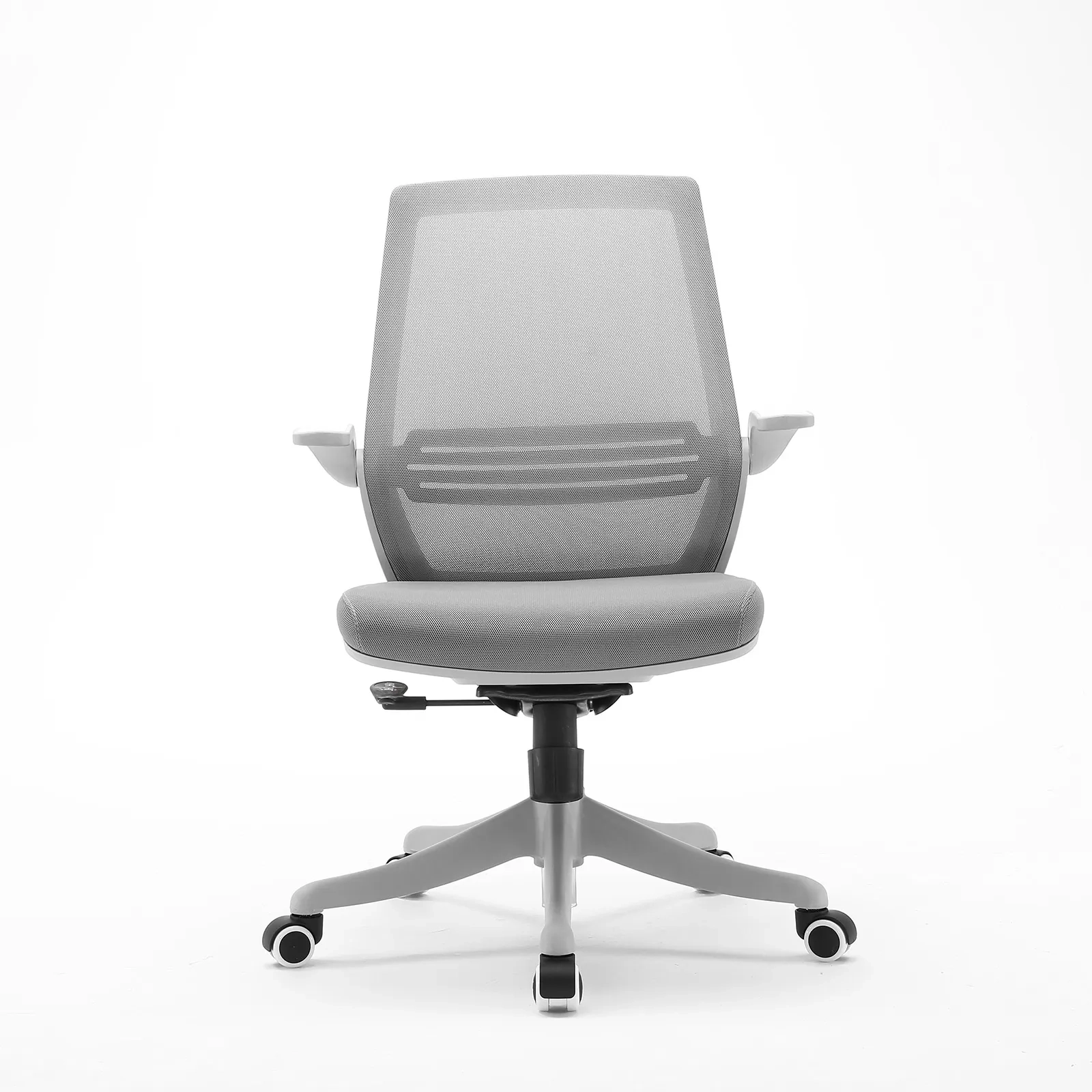
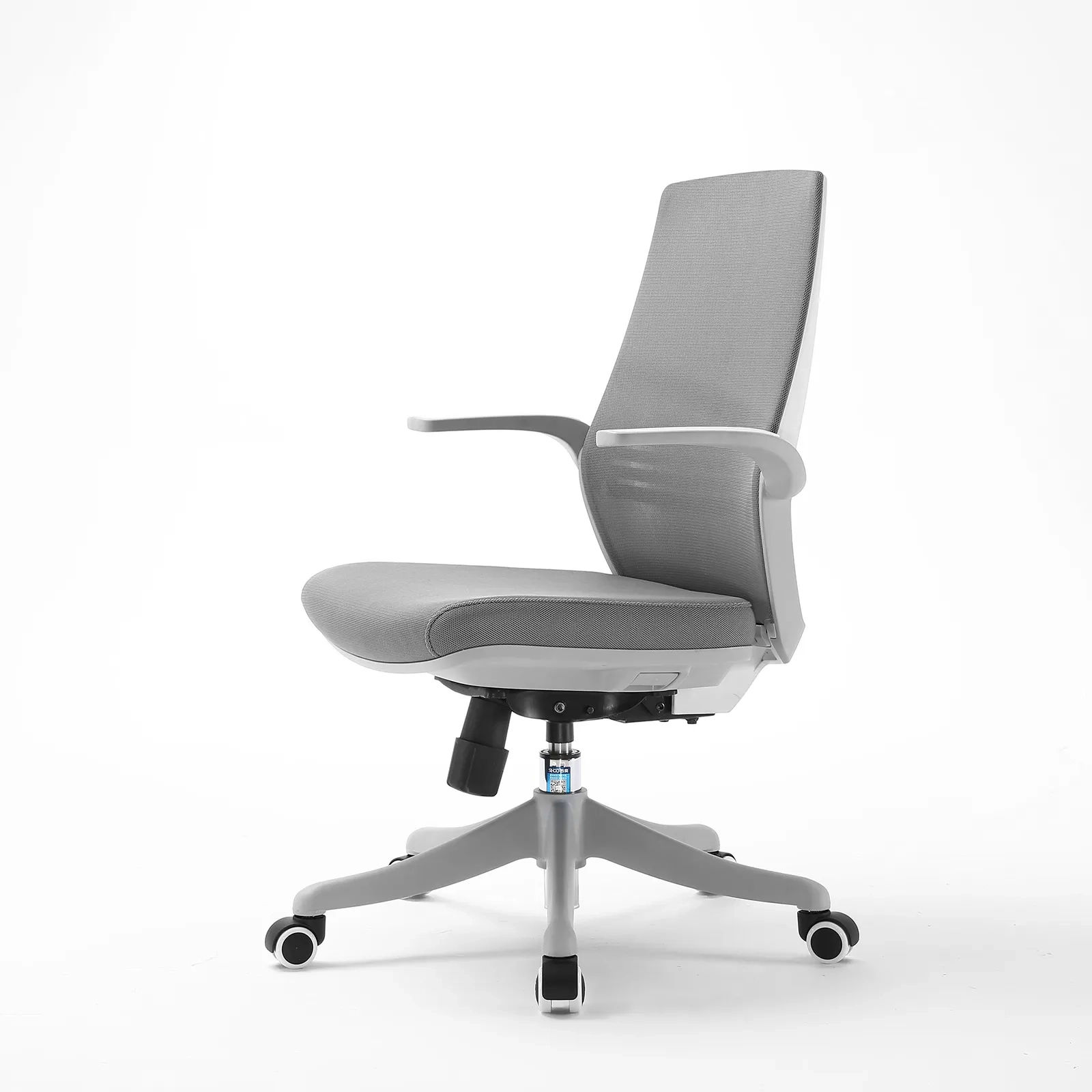
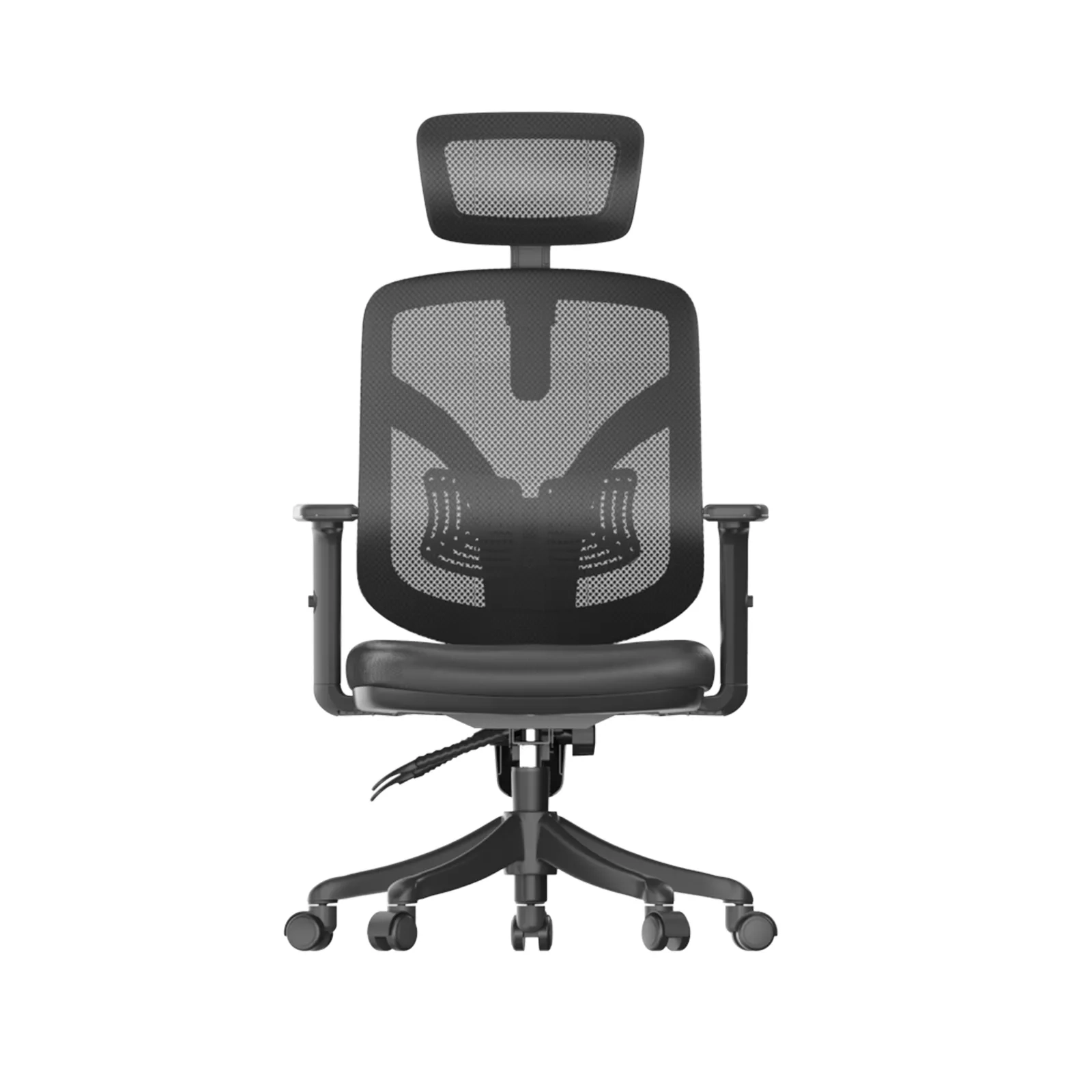
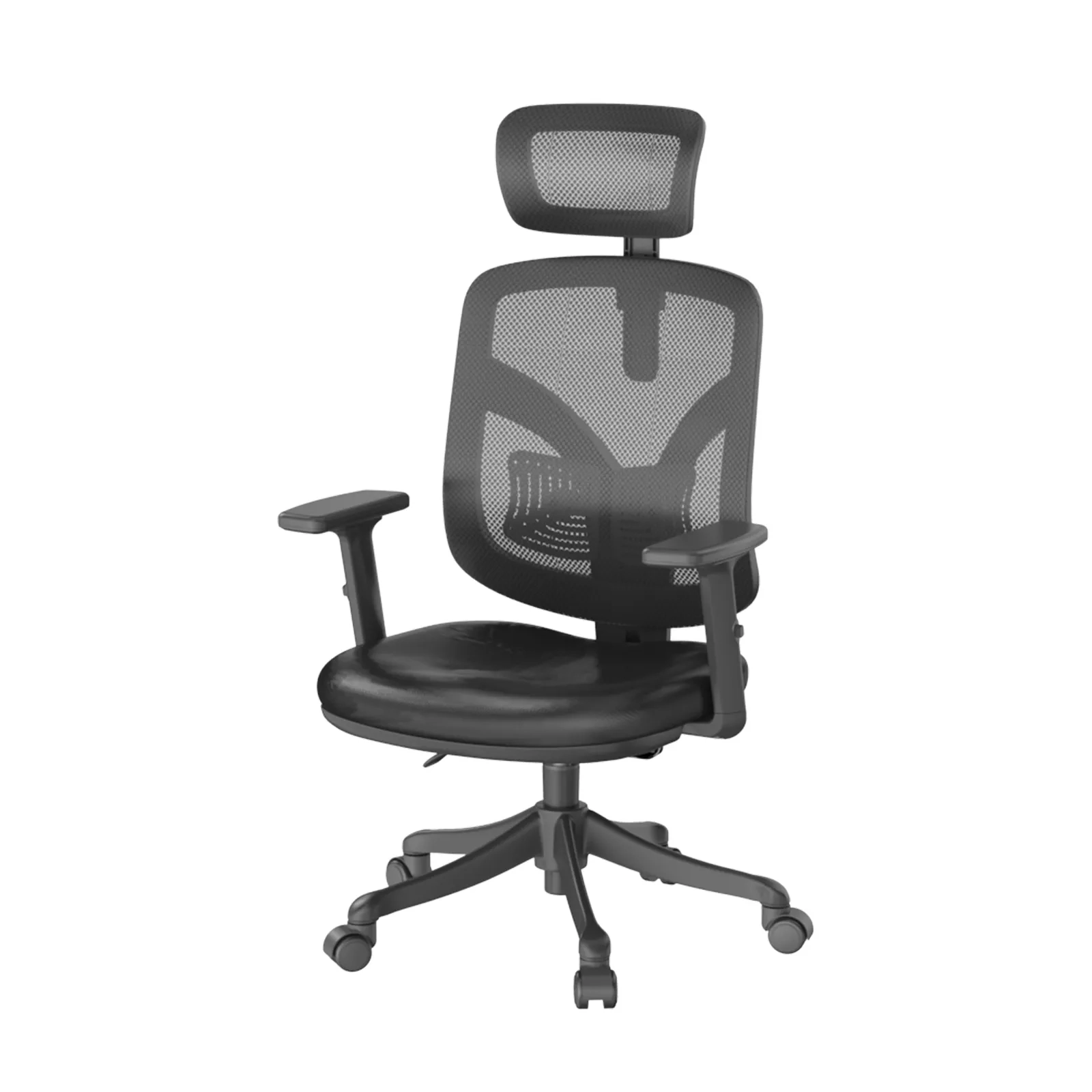
- Sihoo M57 (Full Mesh Design): This model features a wide, high-elasticity mesh seat pan (approximately 51 cm wide) bounded by an ergonomically curved frame. Crucially, it incorporates a waterfall front edge lined with high-density foam underneath the mesh. This reduces the downward pressure on your popliteal fossa (the back of your knees) when you lift and recross your legs.
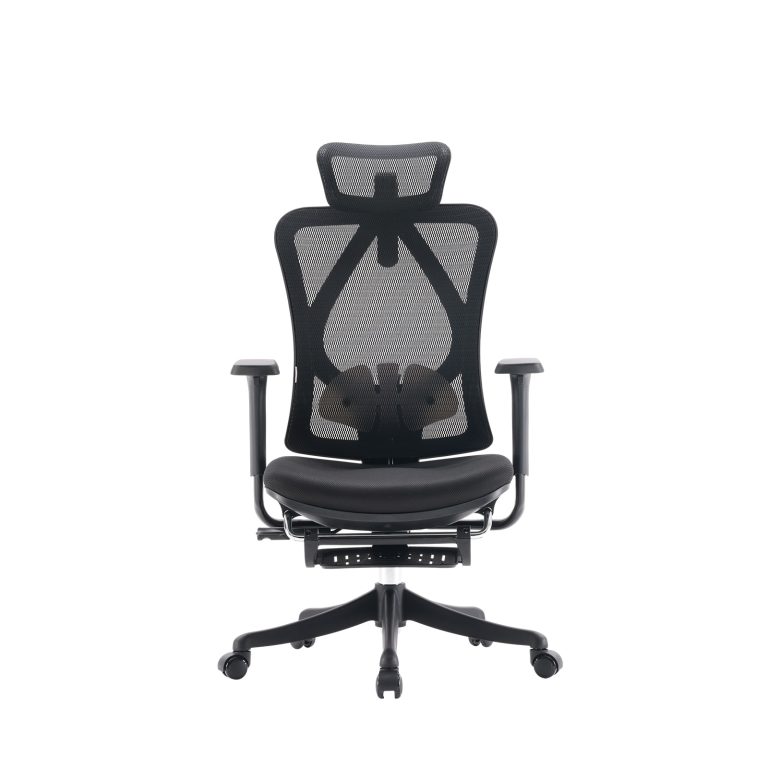
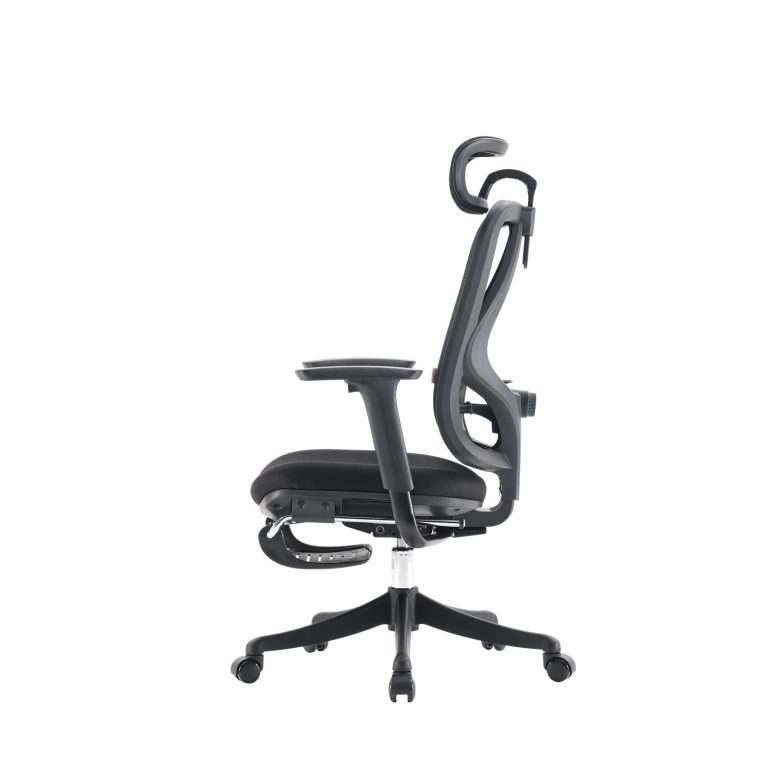
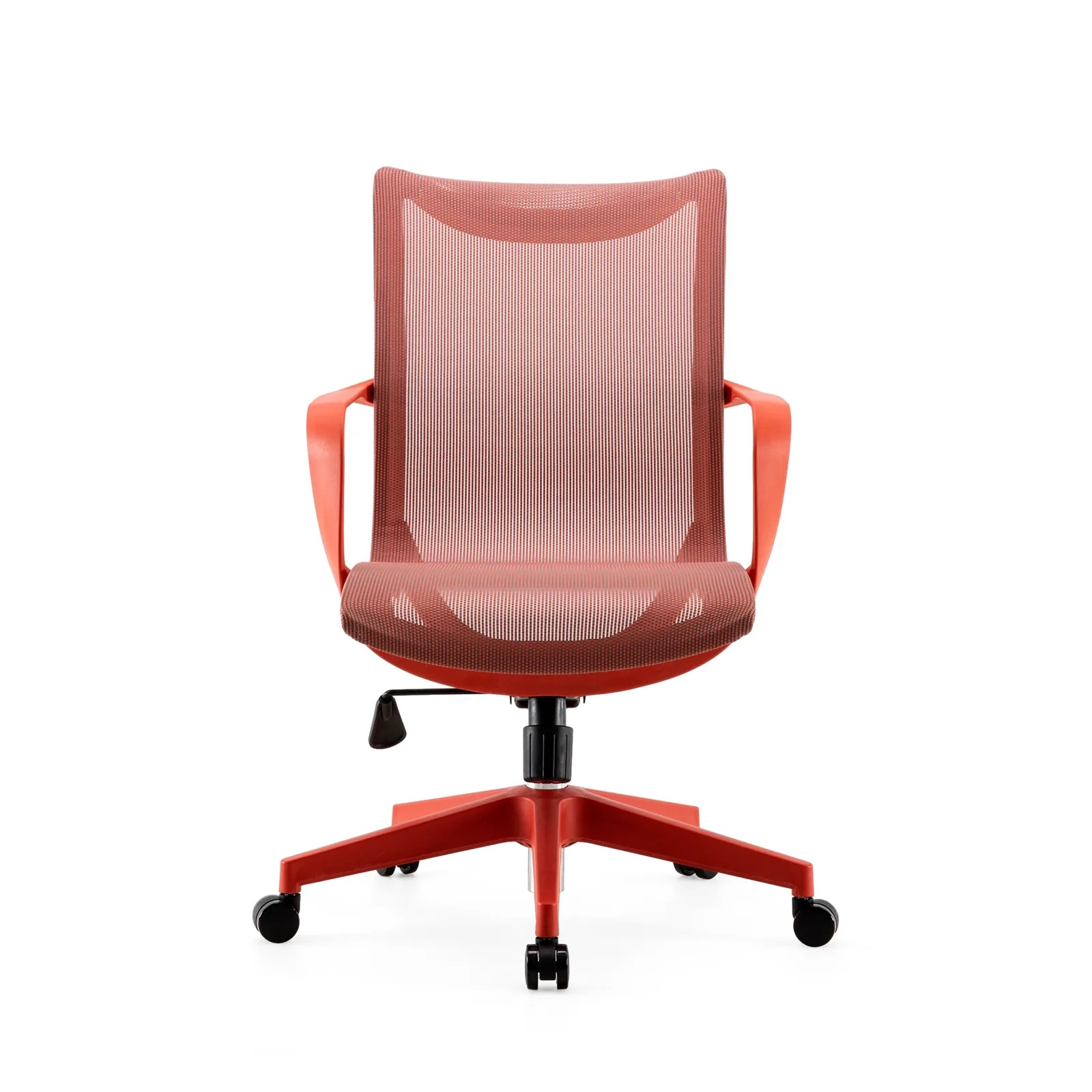
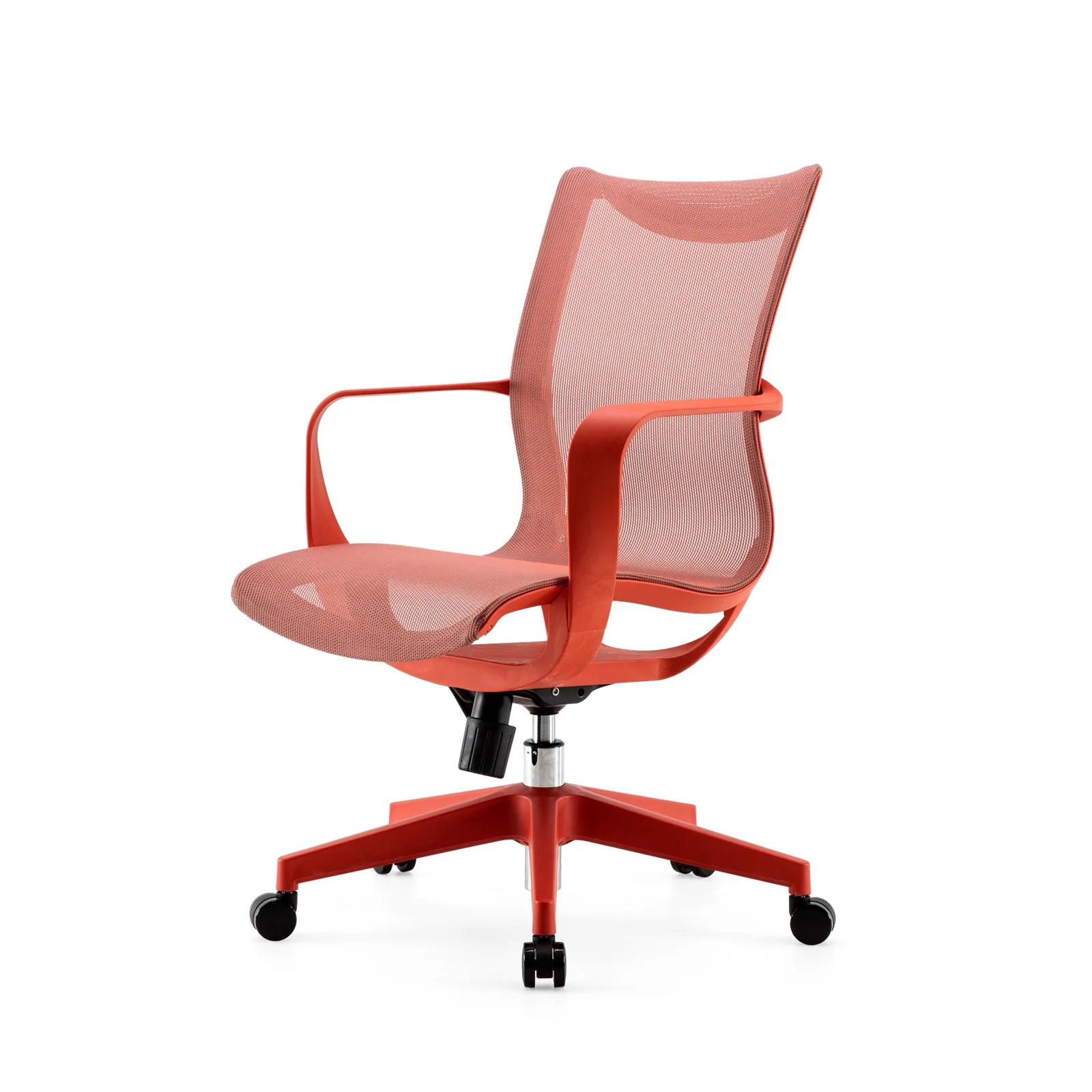
- Sihoo M18 (Hybrid Mesh-Cushion Design): For users who find full-mesh edges too rigid when sitting cross-legged, the M18 pairs a breathable mesh backrest with a dedicated contoured foam seat cushion. The W-shaped cushion design cradles the hips and provides a softer perimeter, making it highly forgiving for frequent leg-crossers who dislike the firm boundary of an all-mesh frame.
Profundidad y Ancho del Asiento
Seat dimensions play a key role in leg comfort. A chair that is too narrow or too shallow can make crossing your legs awkward or uncomfortable. Sihoo mesh chairs are designed with a spacious seat area—typically around 50-55 cm wide with adjustable depth—to accommodate different body types while allowing natural leg movement.
Why Crossing Legs Can Affect Comfort
The Biomechanics of Asymmetric Loading on Mesh Suspension
From an ergonomic perspective, crossing your legs shifts your entire upper body weight onto a single ischial tuberosity (sit bone) and increases pressure on the femoral nerve. On a traditional flat foam cushion, the foam compresses locally to absorb this uneven load.
On a mesh suspension seat, however, crossing your legs alters the tension vectors across the entire fabric plane. Because your weight is concentrated on a smaller surface area, the mesh deflects deeper in the center, which can pull the outer plastic frame tighter against your outer thighs.
To counteract this localized pressure, high-quality mesh chairs utilize targeted tensile zones. The high-elasticity mesh yarn woven into Sihoo chairs is engineered with variable resistance—supple in the center to cradle the pelvis, yet taut near the edges to maintain structural integrity. This prevents the “hammock effect,” ensuring that when you do recross your legs, your lower hip does not sink so deep that it contacts the hard underlying mechanisms of the seat cylinder.
How Mesh Chairs Influence Leg Support
The flexibility of mesh chairs provides some relief compared to rigid chairs. The seat contour and elastic mesh distribute weight more evenly, reducing localized pressure when you cross your legs. Additionally, the breathable mesh prevents heat buildup, which is common when legs are pressed together on padded seats.
Variation Among Users
Comfort while crossing legs varies by body type. Taller individuals may find standard mesh chairs too shallow, resulting in knees extending past the seat edge. Shorter individuals might experience dangling feet if the chair is not lowered enough. Sihoo’s adjustable mesh chairs help accommodate these differences, making leg recrossing more feasible for a broad range of users.
Advantages of Sihoo Mesh Chairs
Soporte lumbar
Sihoo mesh chairs incorporate ergonomic lumbar support that encourages proper spinal alignment. Maintaining a natural curve in your lower back indirectly supports leg comfort. When your spine is well-supported, you are less likely to experience tension or awkward positions when crossing legs.
Apoyabrazos ajustables
Crossing your legs comfortably requires space for your thighs and knees. Sihoo’s armrests can be adjusted inward or outward, providing extra room when changing leg positions. Users can recross legs without bumping into armrests, which is often a limitation of fixed-arm chairs.
Flexible Mesh Fabric
High-elasticity mesh, as used in Sihoo’s M57, stretches to adapt to minor movements. This means that even if you shift positions or recross your legs, the seat and backrest accommodate your posture without creating pressure points.
How to Sit Comfortably and Recross Legs on a Mesh Chair
Even with an ergonomic mesh chair, correct sitting posture is key to comfort.
Adjust Seat Height
- Ensure your feet are flat on the floor.
- Adjust the chair so that your thighs are parallel to the ground.
- A proper seat height reduces knee strain when crossing legs.
Adjust the Backrest Tilt
- Slightly recline the backrest to relieve pressure on the spine.
- A tilted backrest supports the pelvis and reduces tension on thighs.
Use Armrests Wisely
- Move armrests outward to create room for leg movement.
- Avoid pressing elbows on armrests when legs are crossed to maintain circulation.
Maintain a Neutral Posture
- Keep your spine straight and shoulders relaxed.
- Avoid crossing legs for prolonged periods; switch sides periodically.
- Sit with your hips at the back of the chair for maximum support.
Limitations and Considerations
While mesh chairs like Sihoo’s offer flexibility, not all chairs support prolonged leg crossing comfortably. Users with specific medical conditions or taller builds may need to consider:
- The depth of the seat: deeper seats are better for taller users.
- Armrest adjustability: non-adjustable armrests can block leg movement.
- Prolonged crossing: sitting cross-legged for hours can reduce circulation, regardless of chair quality.
Conclusión
Crossing and recrossing your legs on a mesh chair can be comfortable if the chair is ergonomically designed and properly adjusted. Sihoo mesh chairs, with their breathable fabric, adjustable features, and lumbar support, provide the flexibility needed for various sitting positions, including leg recrossing.
Remember, comfort is a combination of chair design, posture, and movement. Adjust your seat, make use of armrests, and take periodic breaks to maximize both comfort and health. By choosing the right mesh chair and following ergonomic principles, you can enjoy a more flexible and productive workday.
1600x1600-4-768x768.jpg)
1600x1600-8-768x768.jpg)