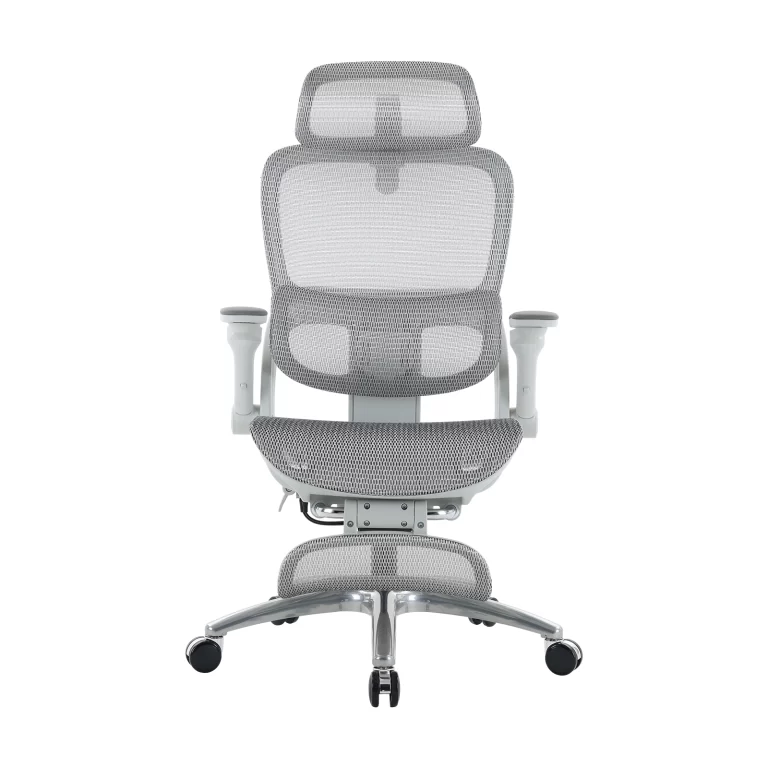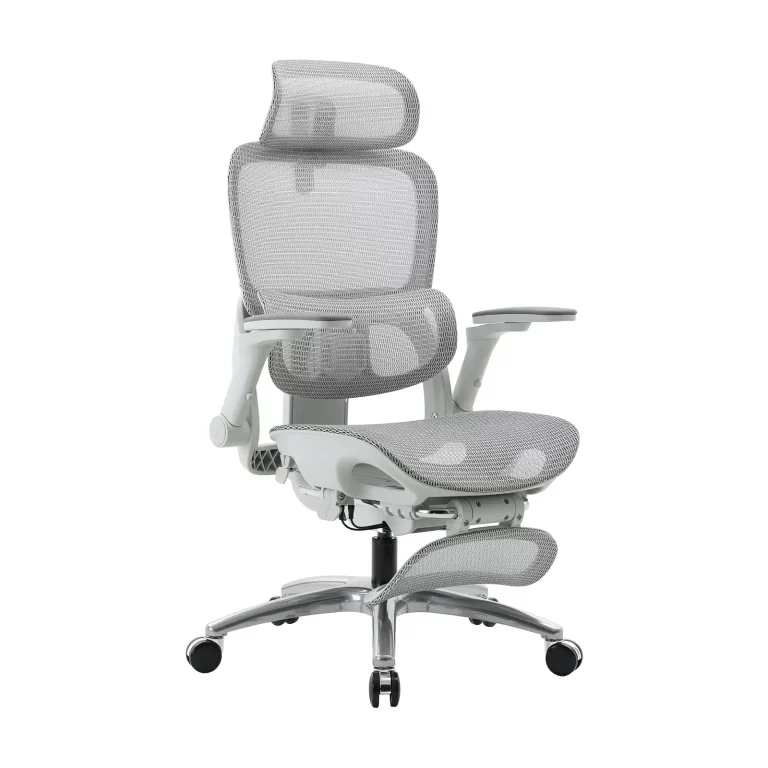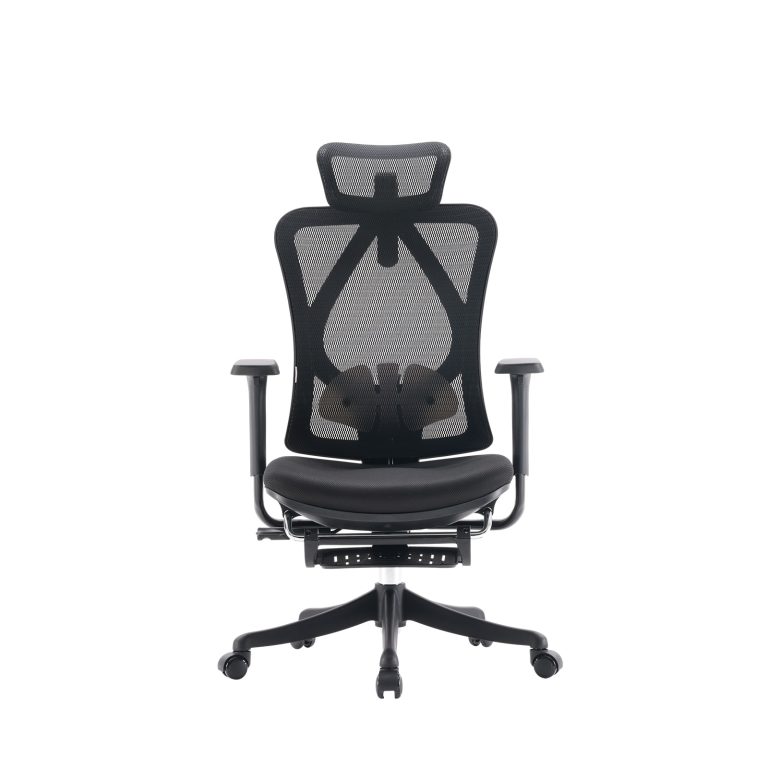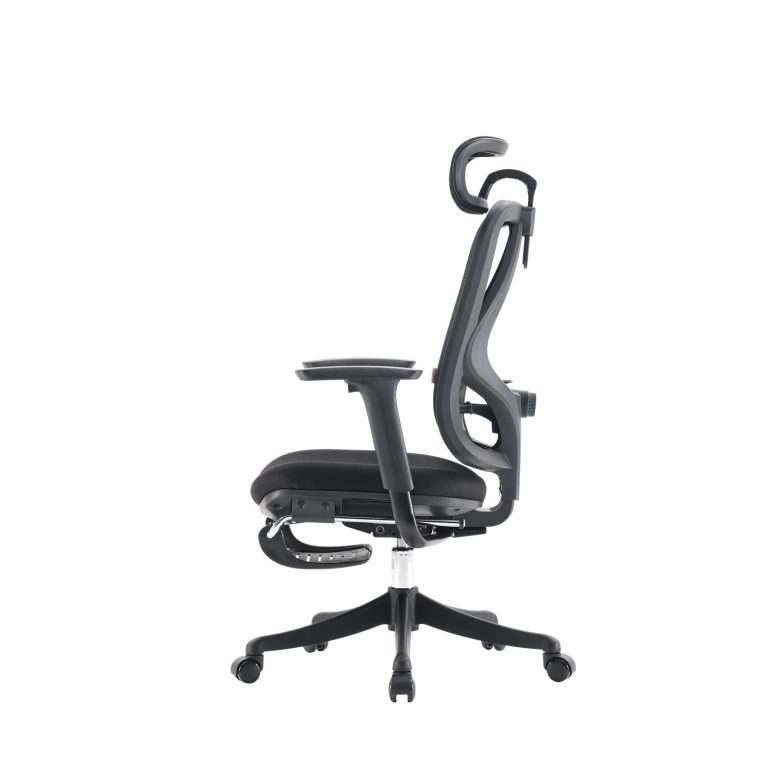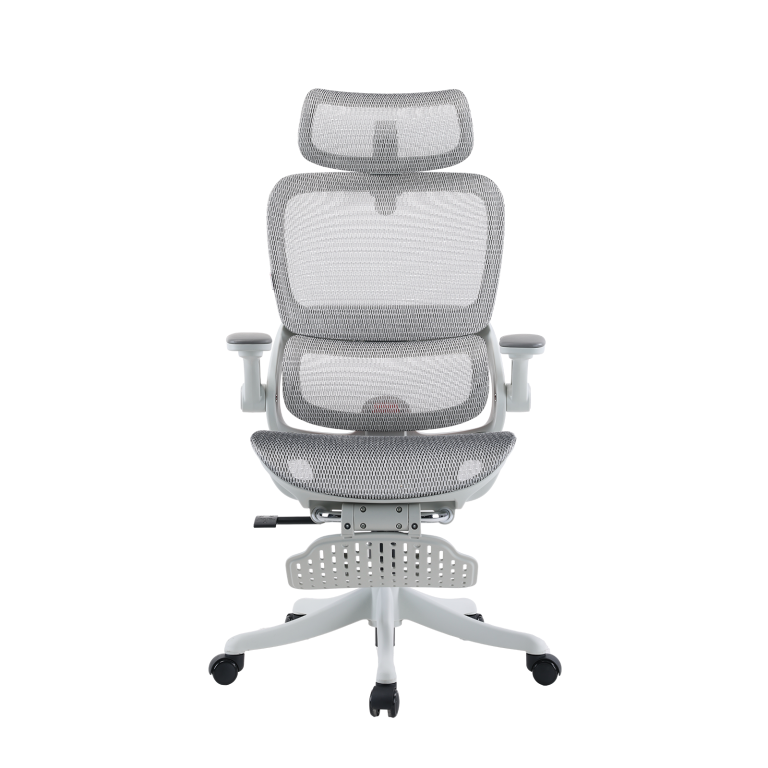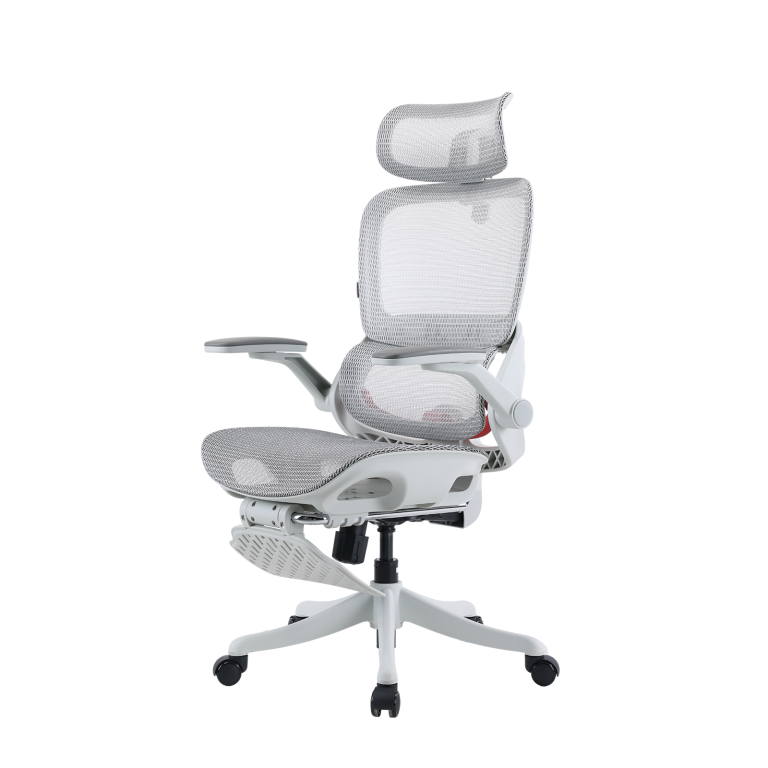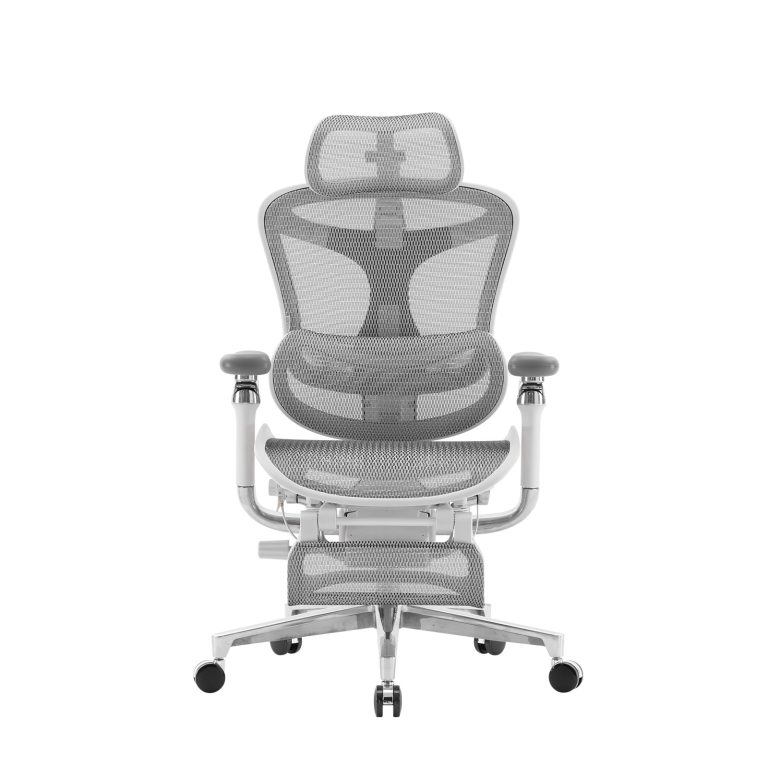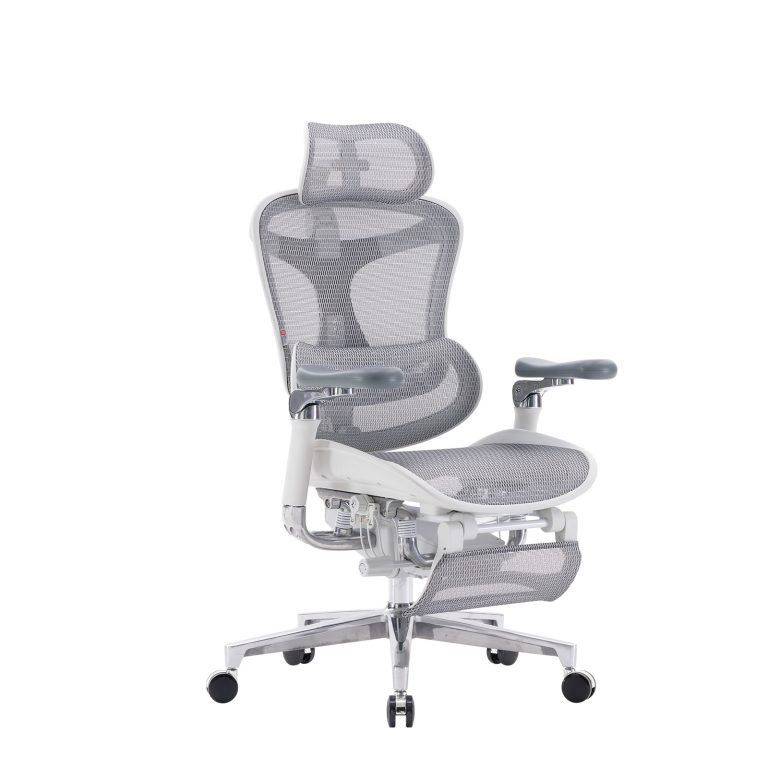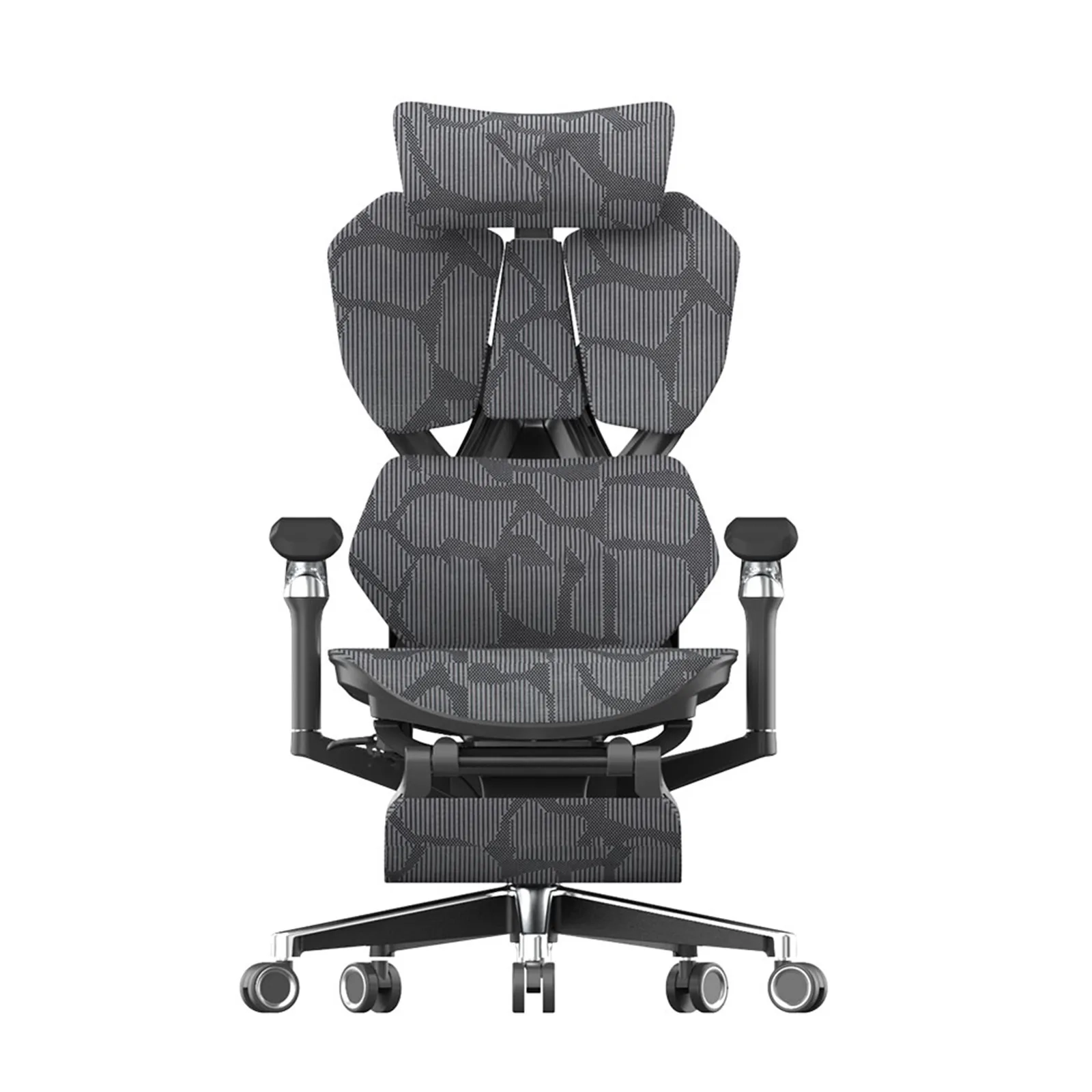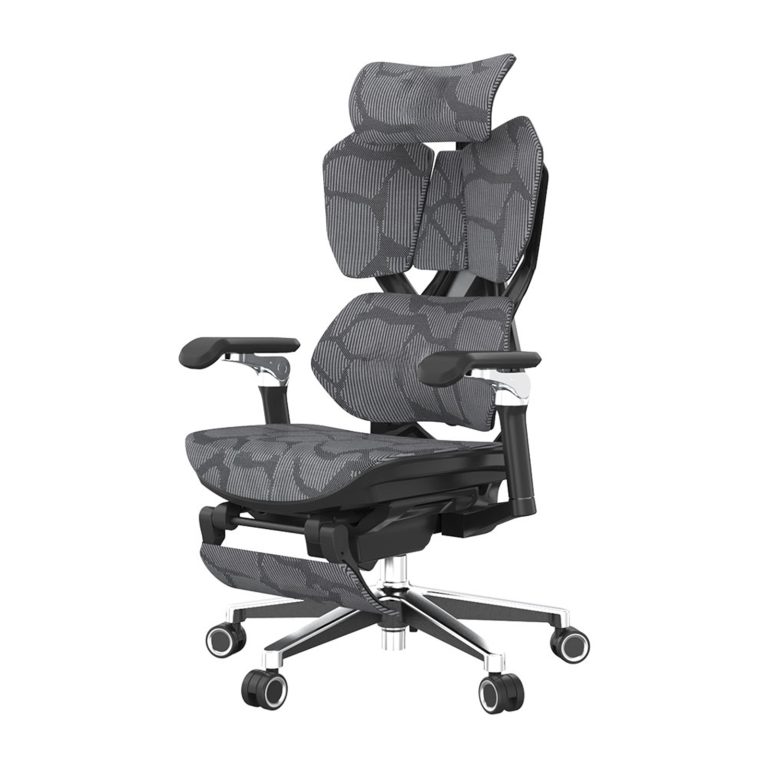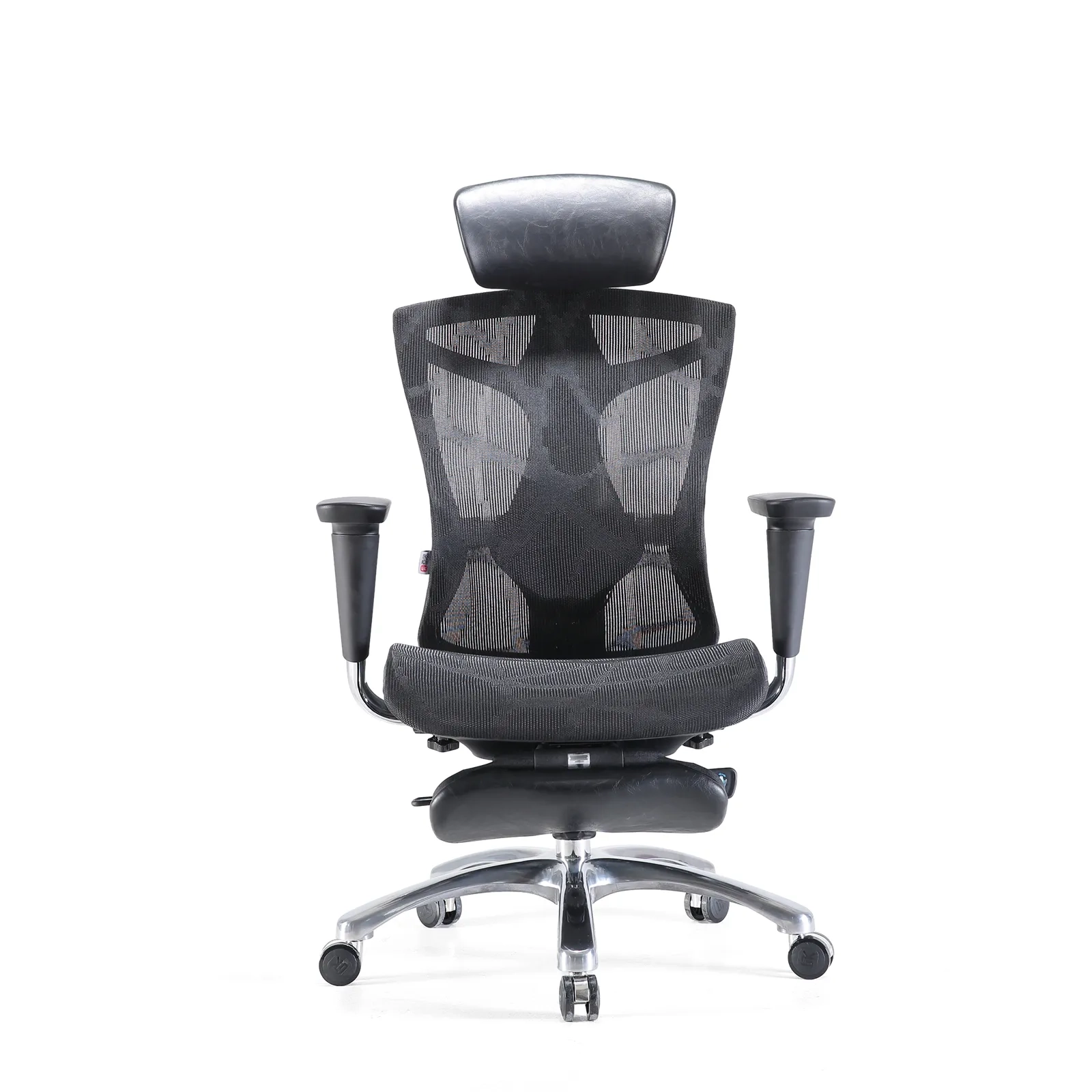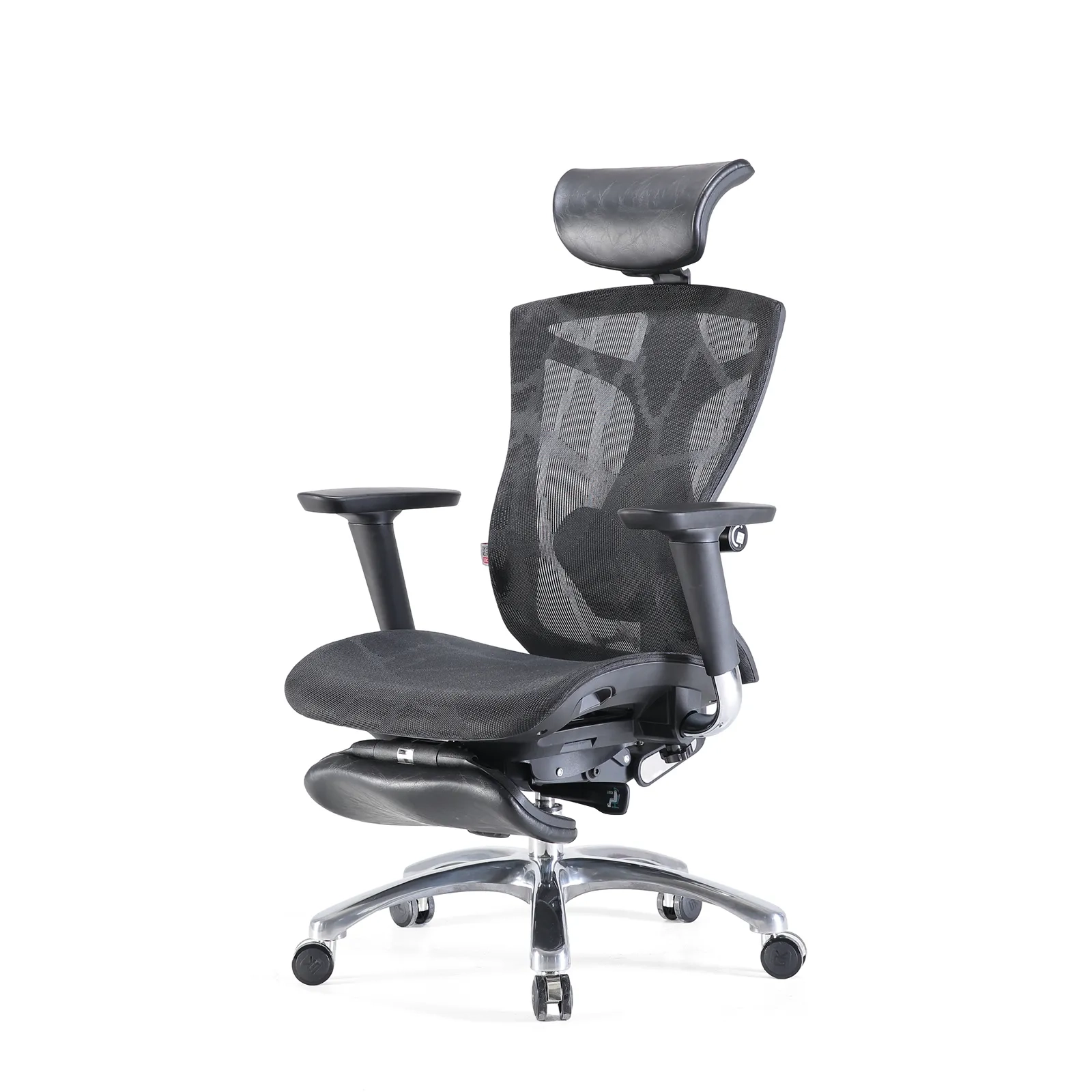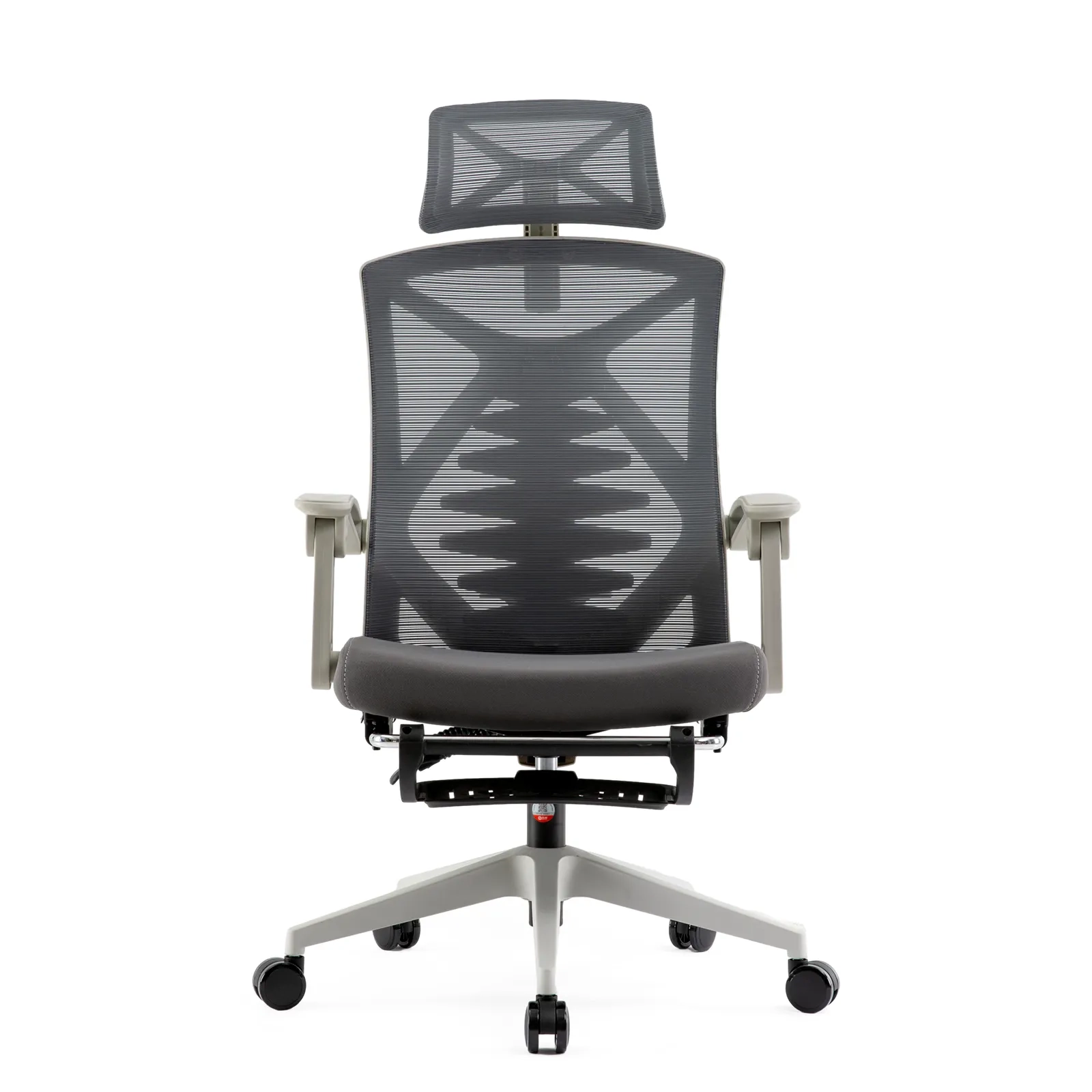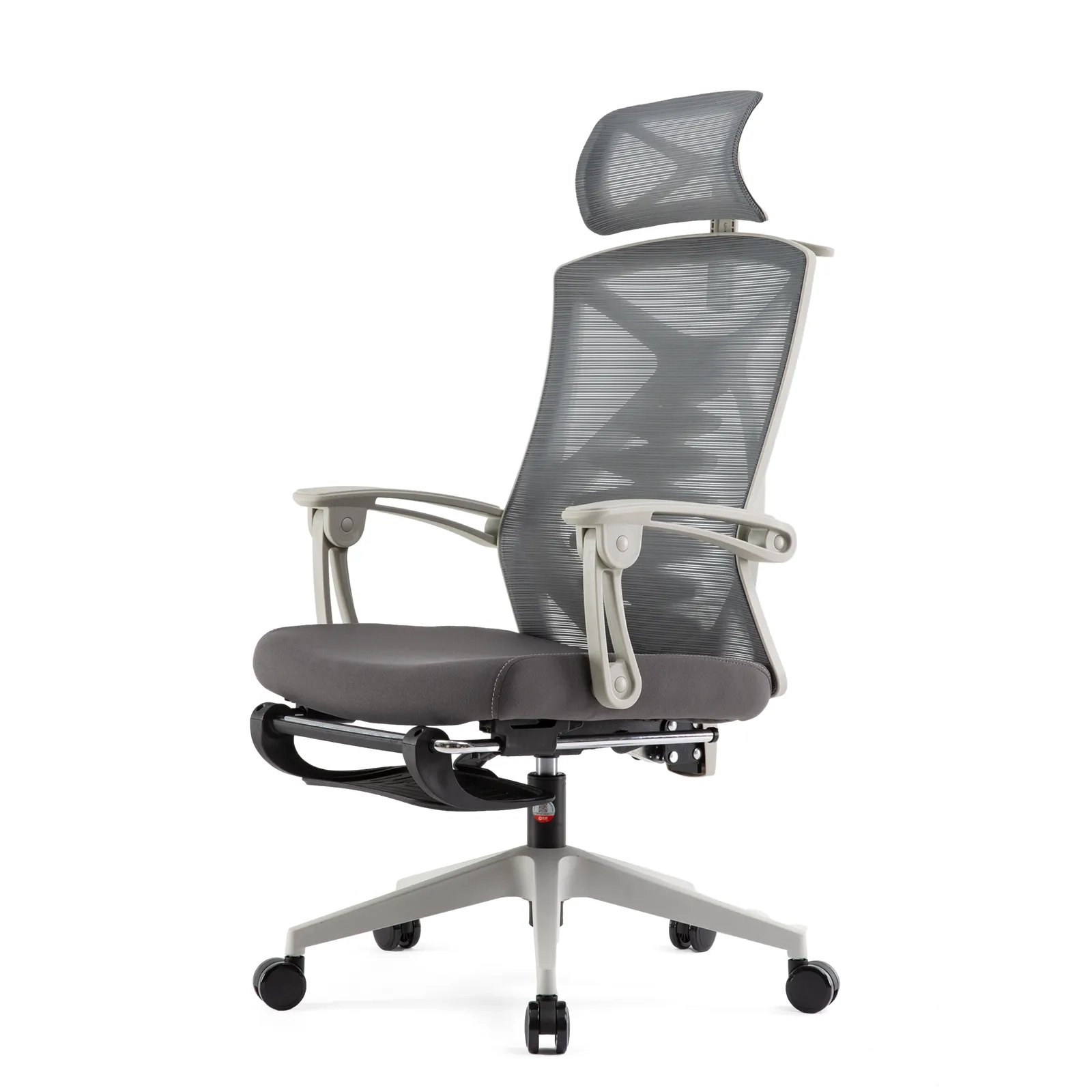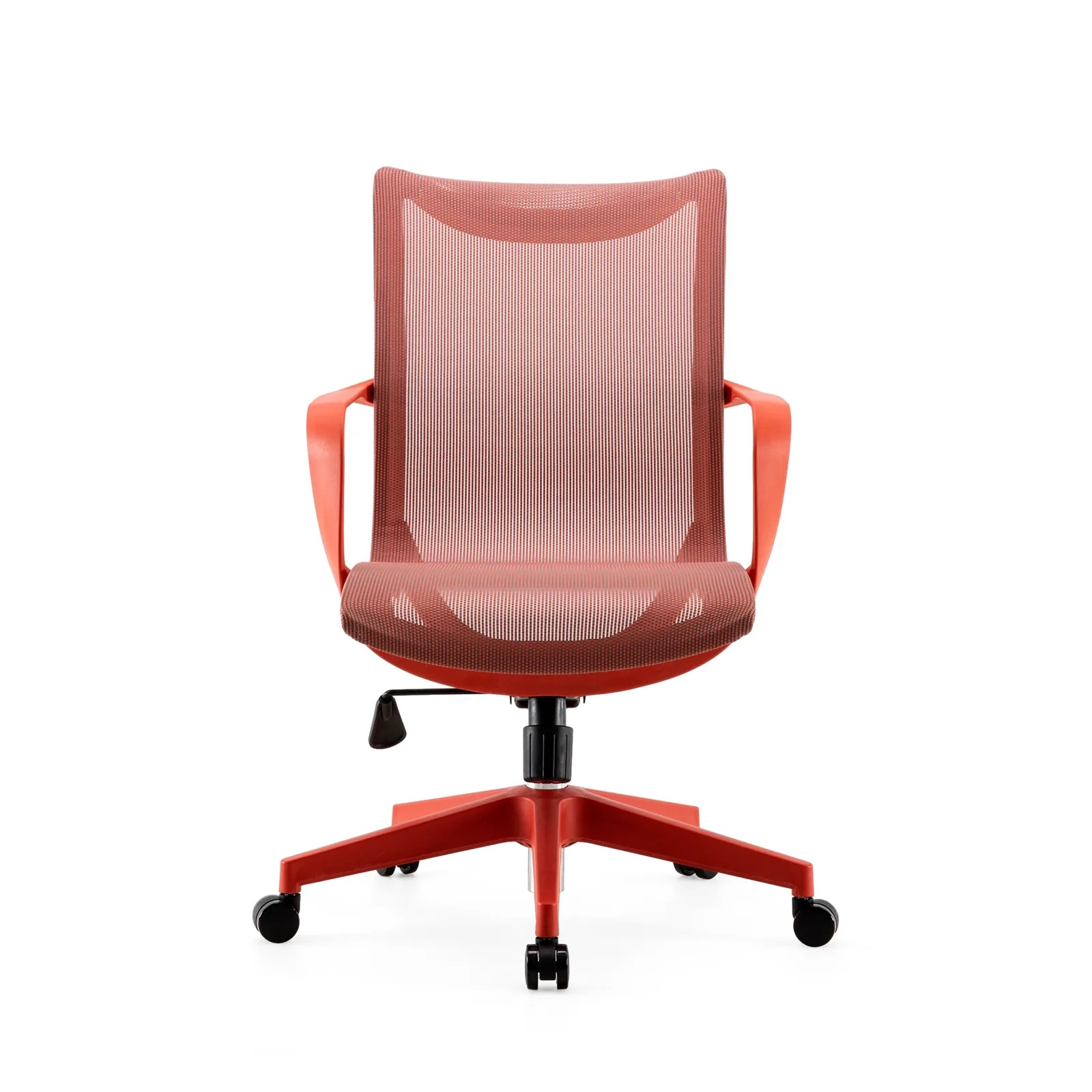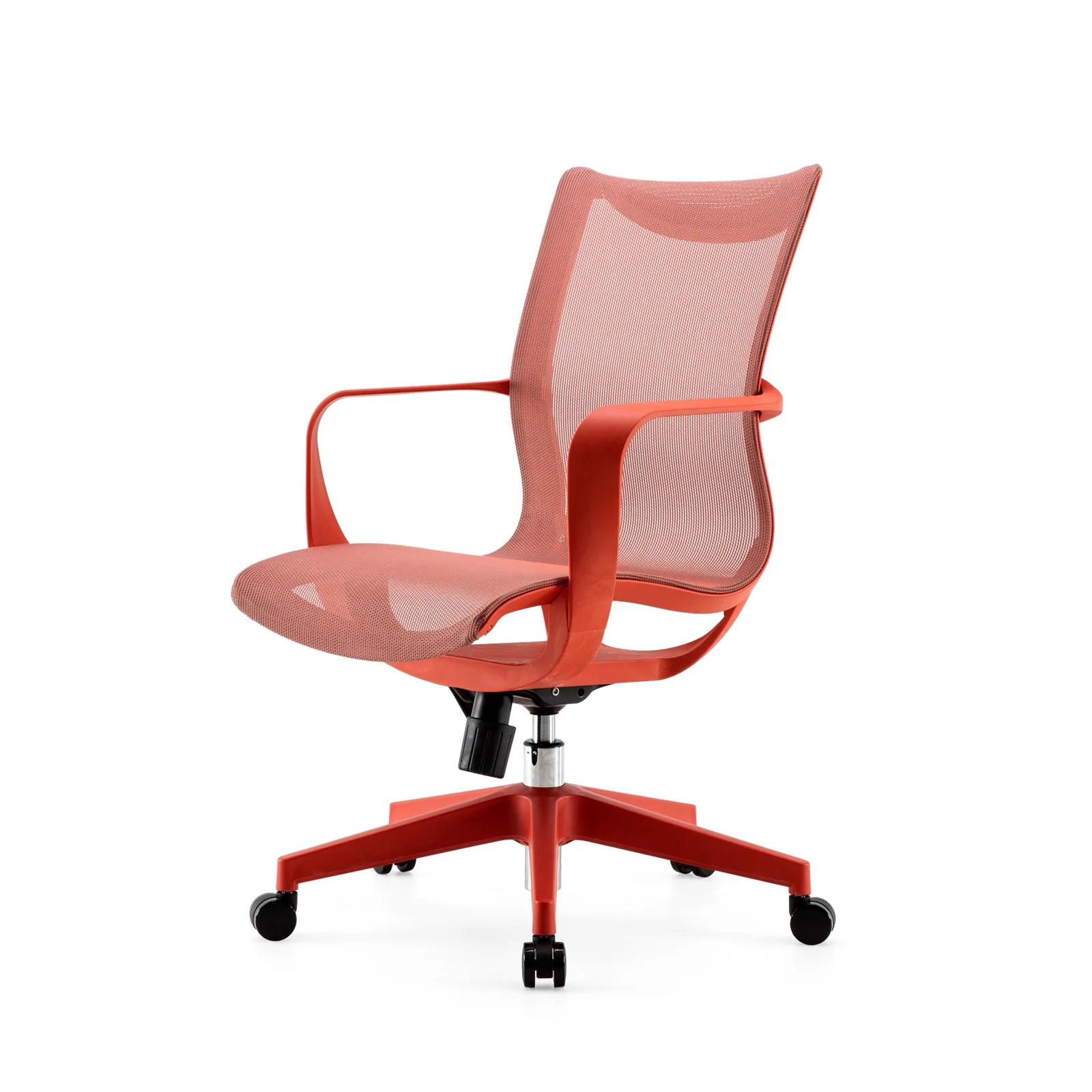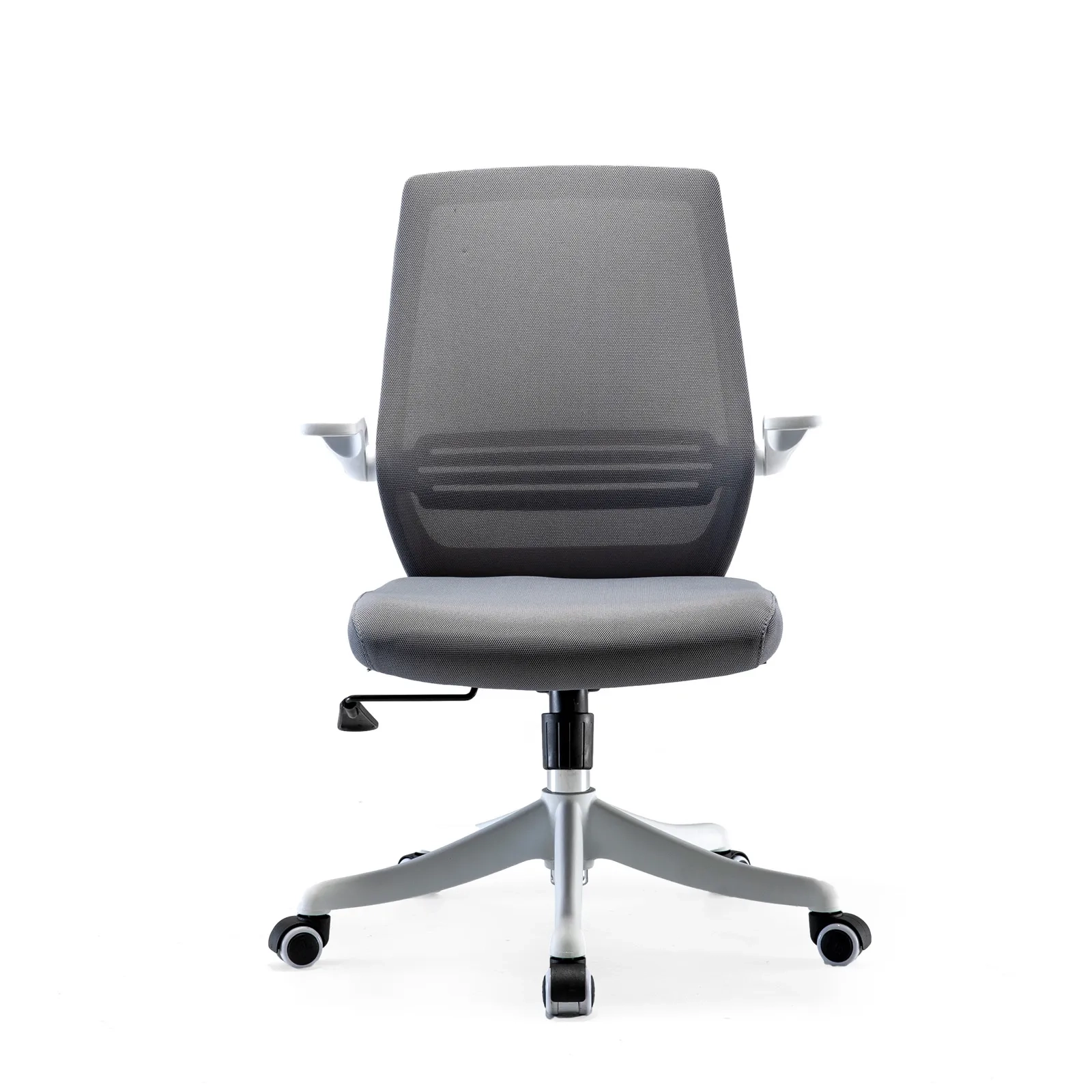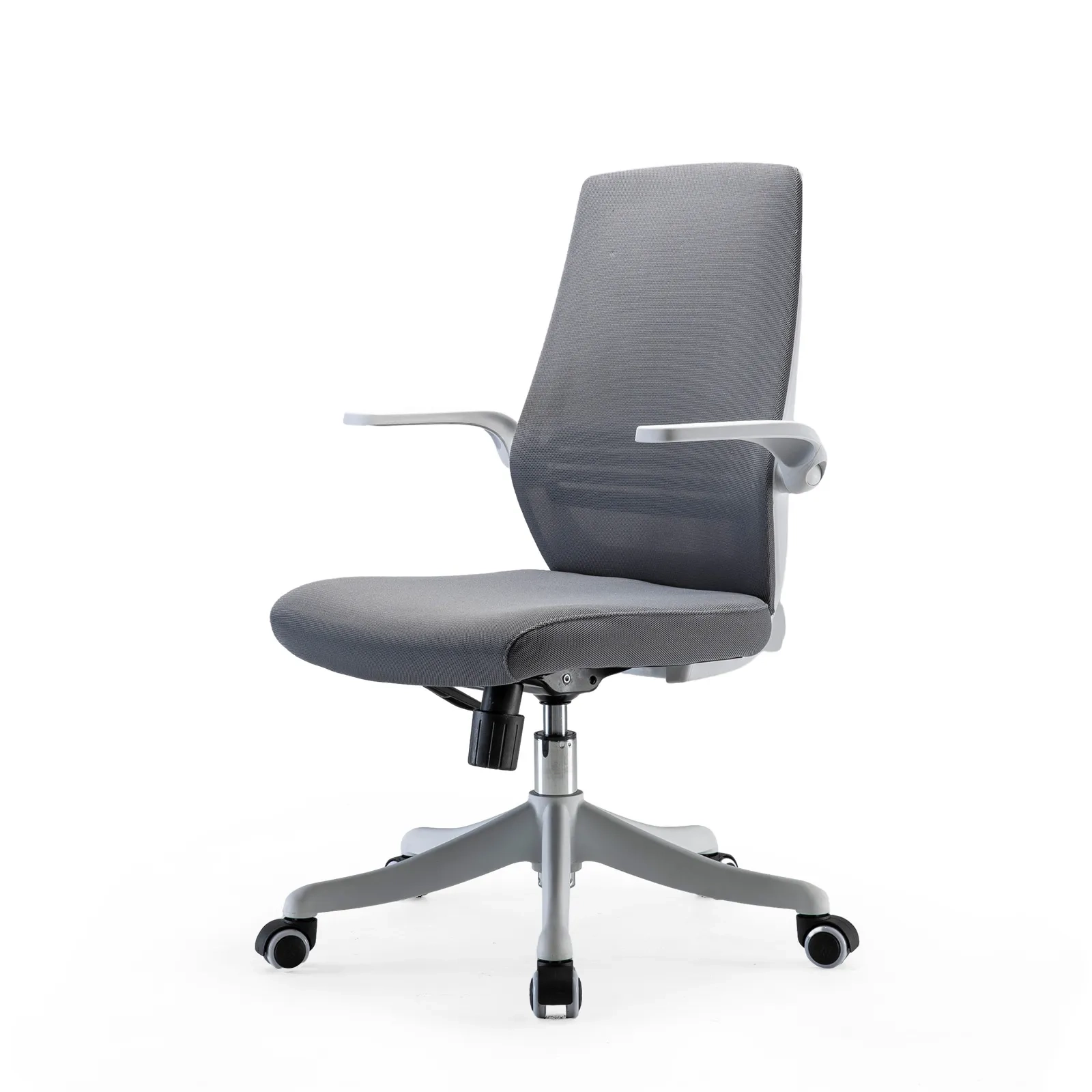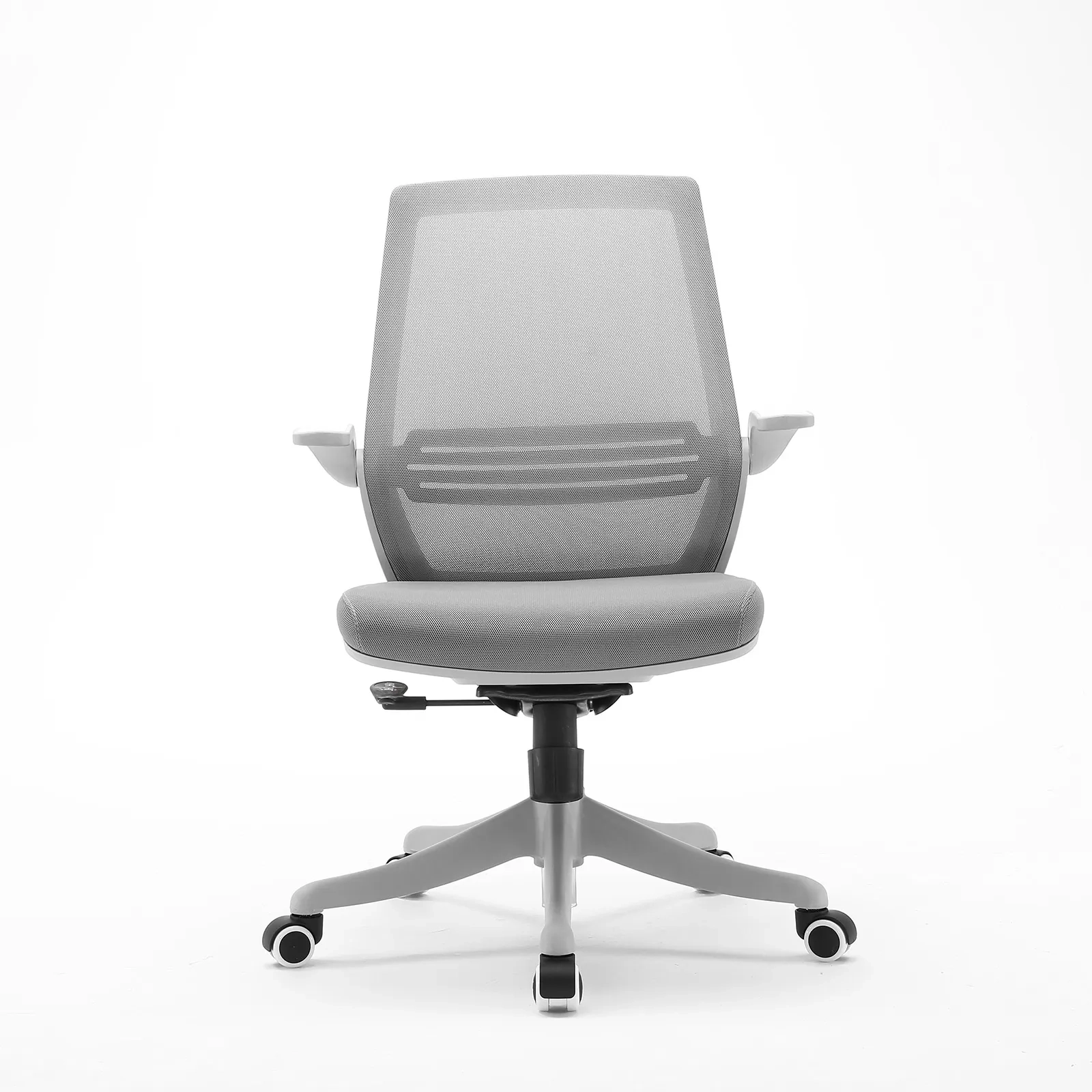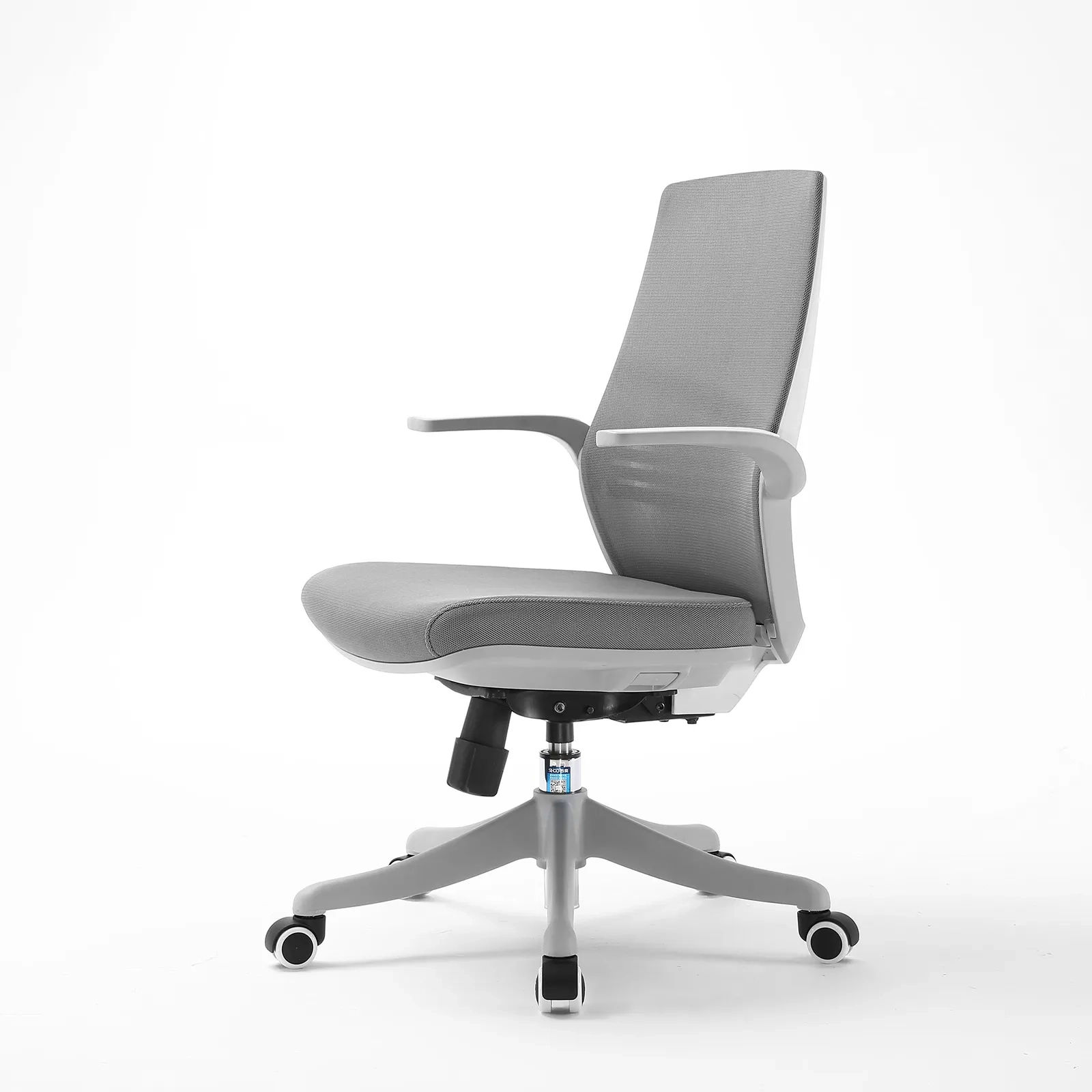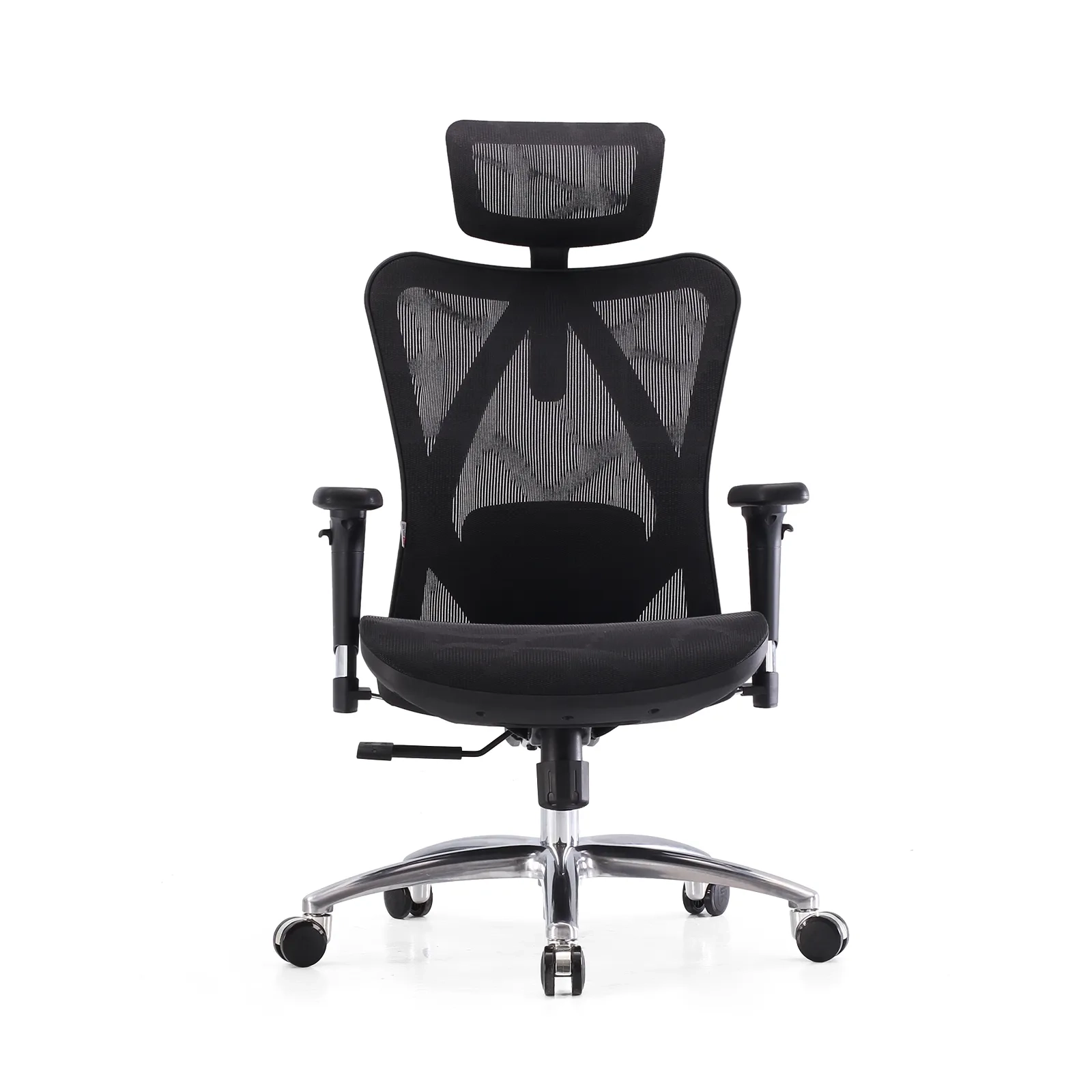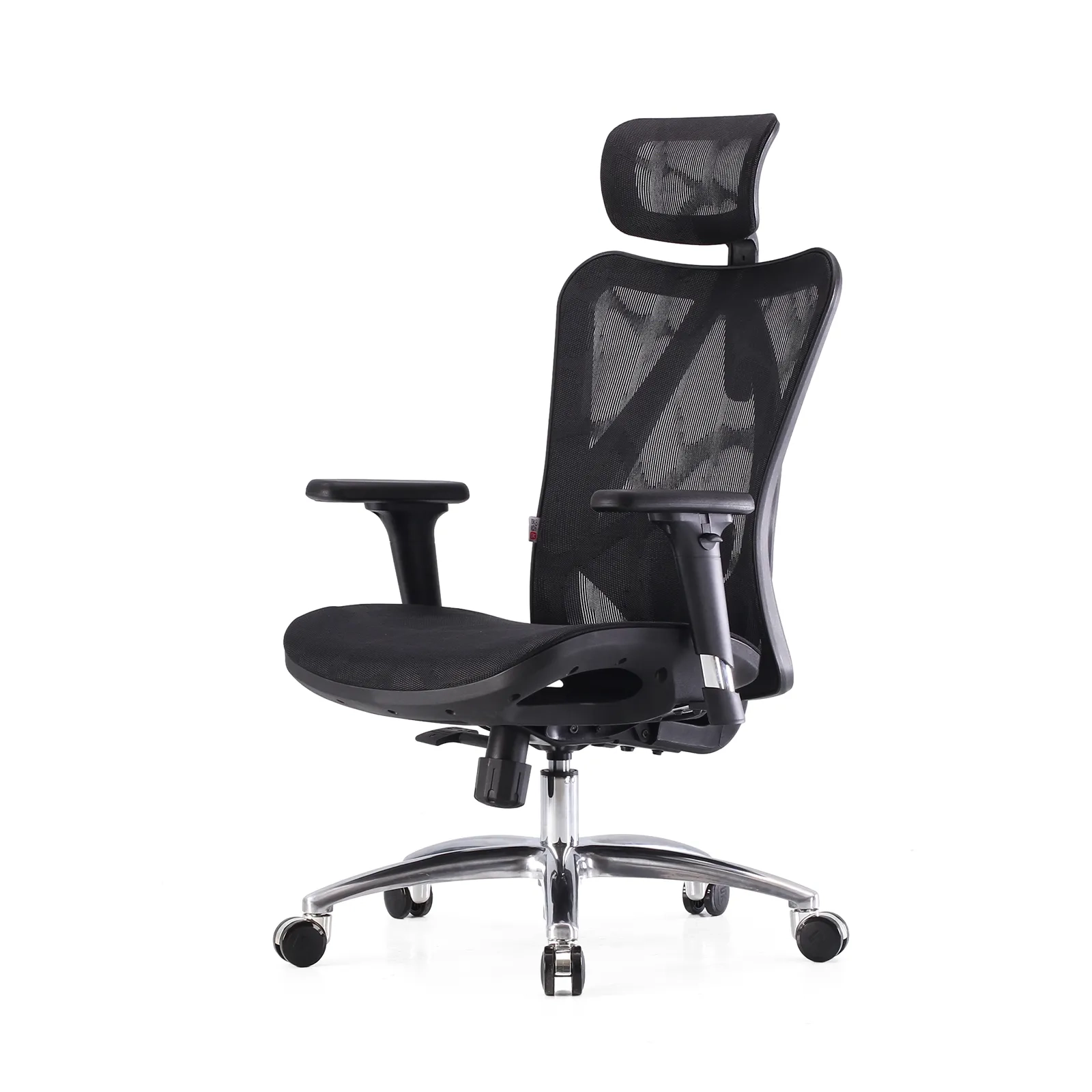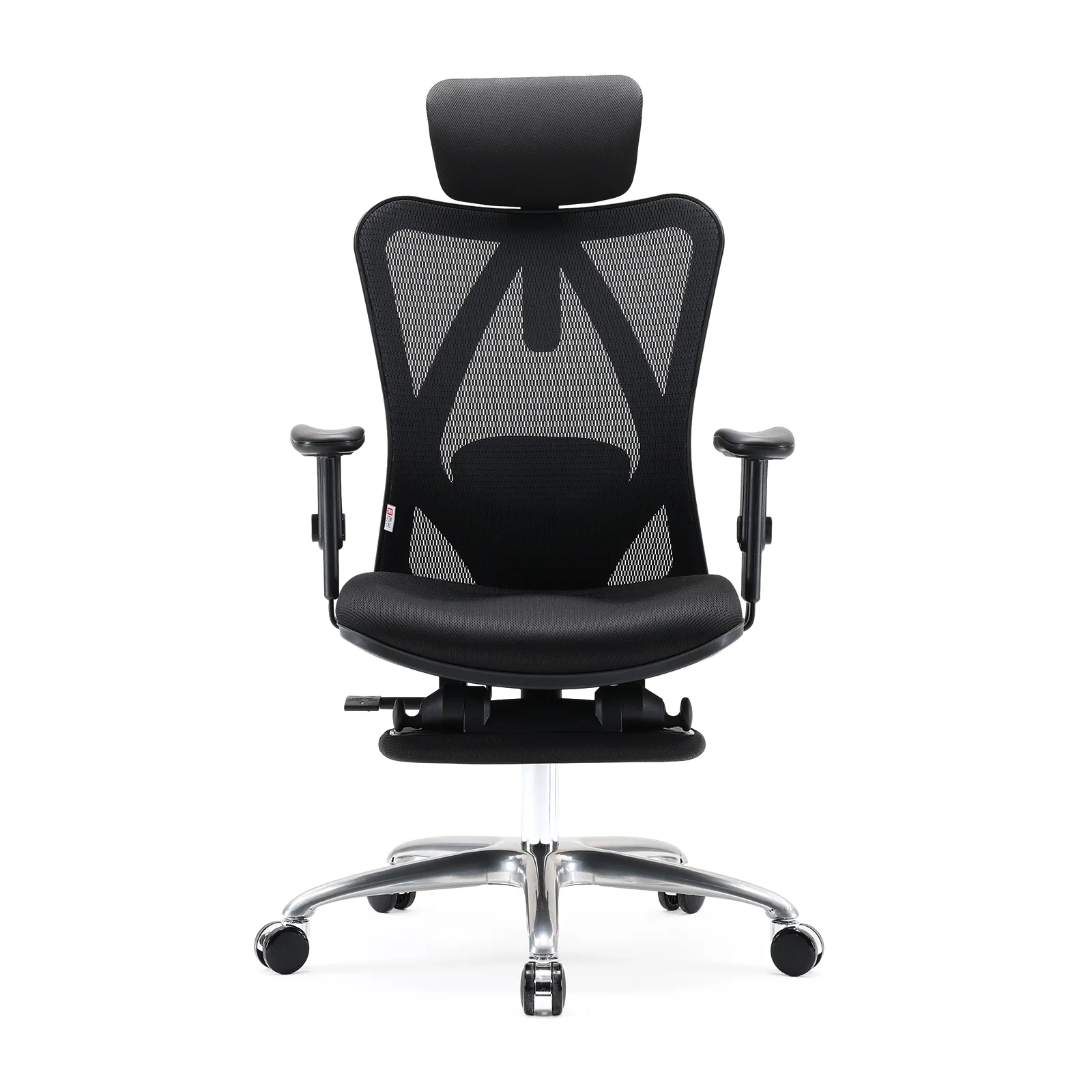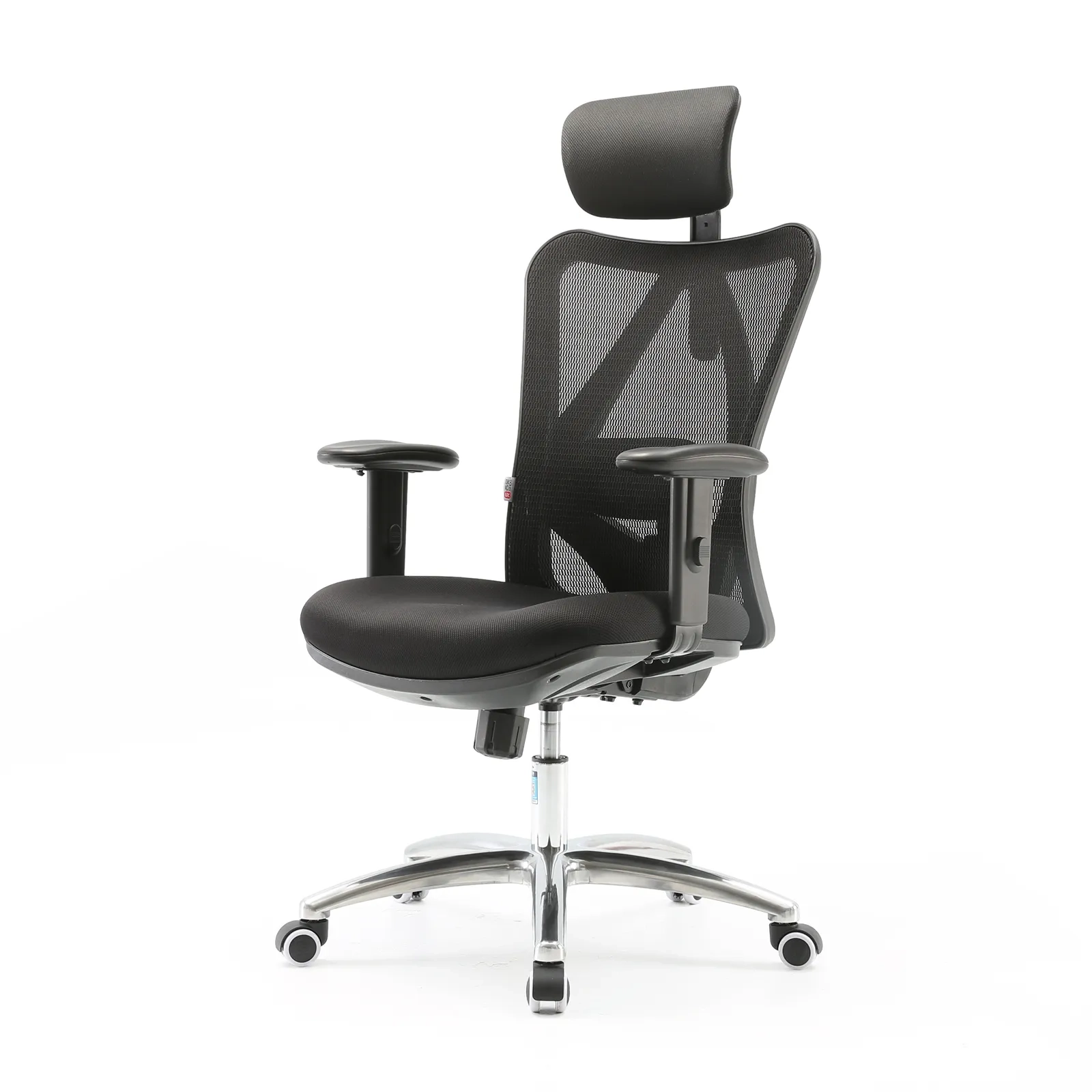









Choosing the best office desk chair starts with your body and your desk, not with a brand list. A chair suited to your height, weight and daily tasks will outperform a more expensive option that is poorly matched to you.. This guide walks through the decision in order, so you can choose with less doubt.
How to Use This Guide
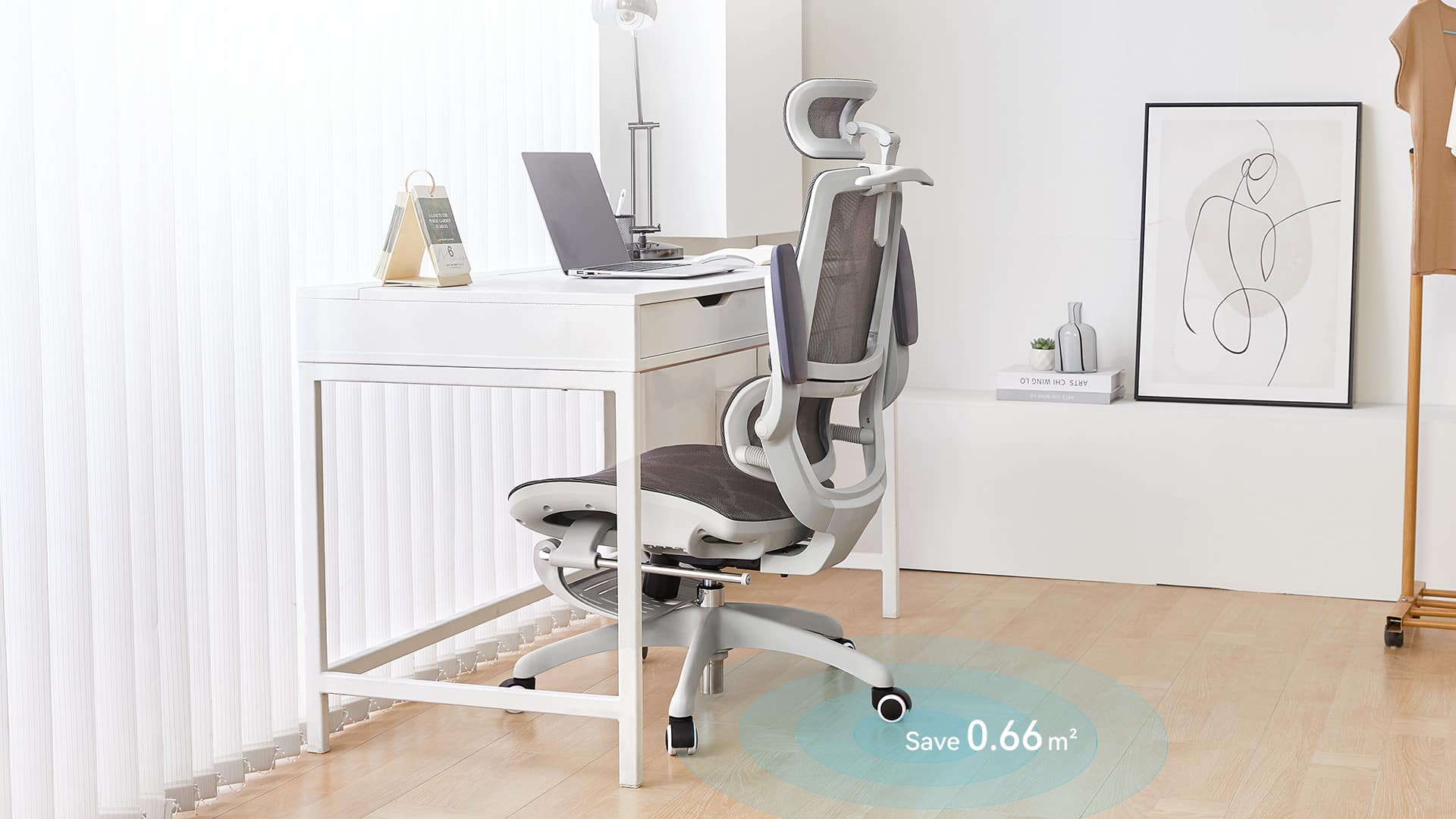
Work through the steps in order rather than jumping to a model. Each step removes a group of chairs that cannot fit you, which shrinks the decision fast. Buyers who start with a pre‑set brand shortlist often end up justifying a purchase before checking whether the chair fits their body.The order here puts your facts first and the chair last, which is the reliable way to avoid returns.
Measure Your Fit Range
Check the chair’s stated height and weight range against your own. If you are between 5’0″ and 6’3″ and up to about 330 lbs, most Sihoo ergonomic models fit. Outside that, prioritize the widest range you can find, because fit failure cannot be adjusted away.
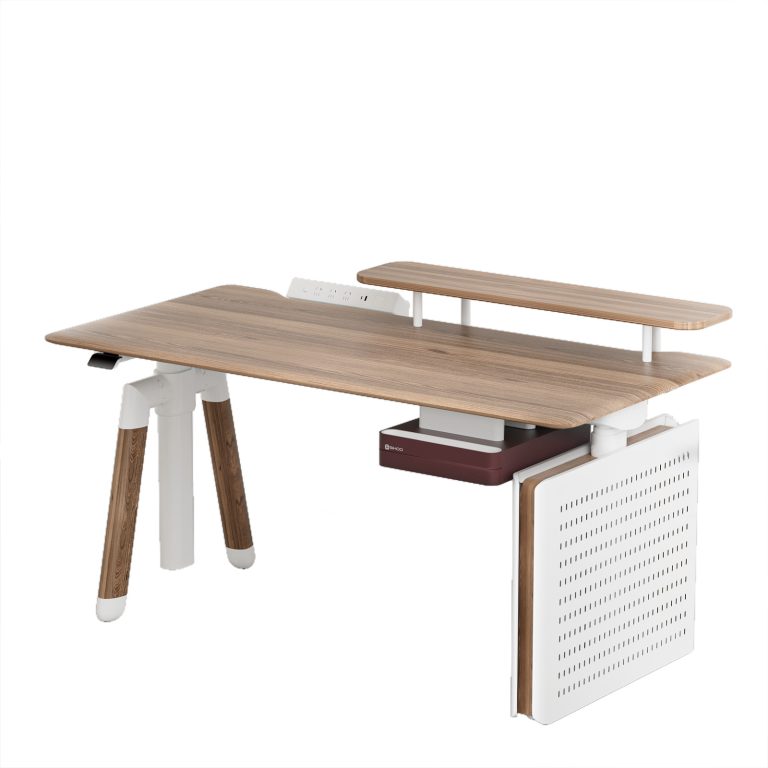
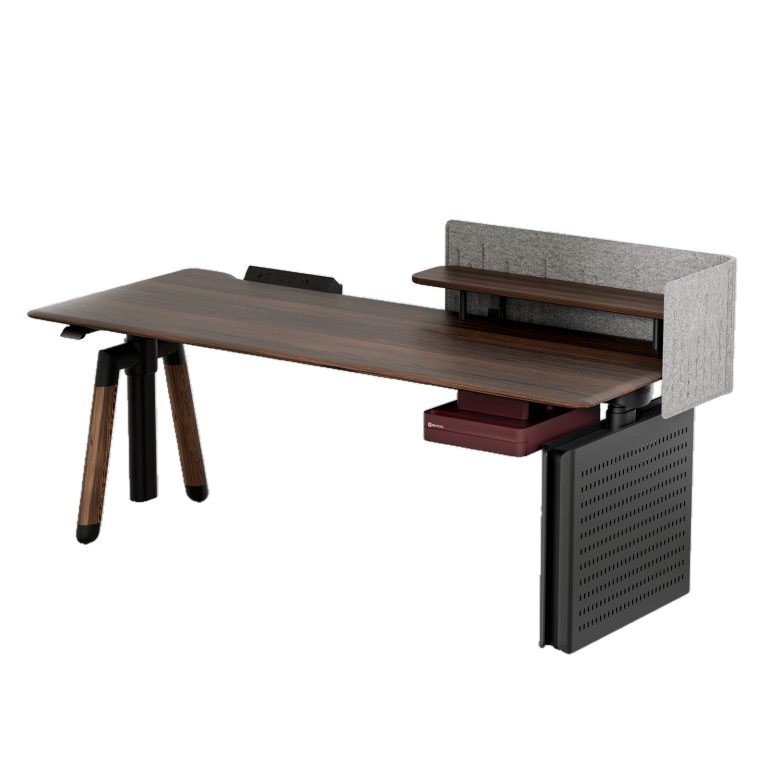
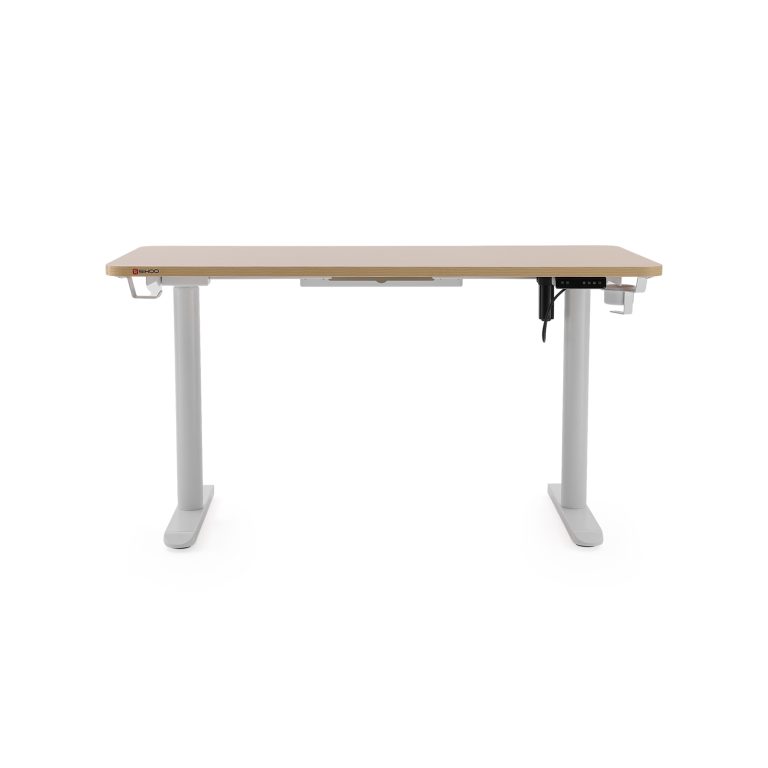
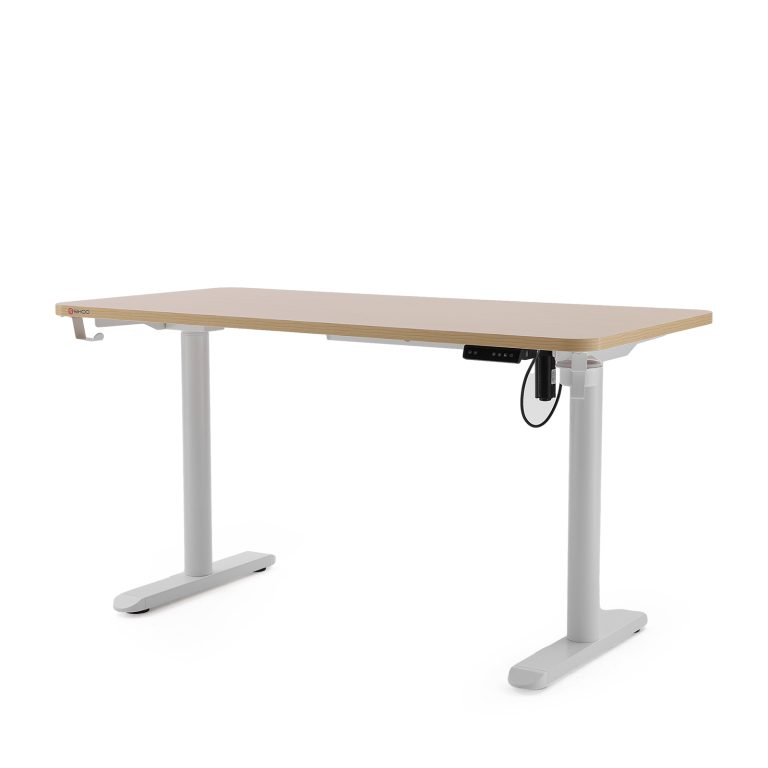
Match the Desk Type
| Desk setup | What to prioritize |
| Standard desk | Seat height range, armrest clearance |
| Standing desk combo | Easy height travel, stable base |
| Small desk | Slim profile, flip or compact arms |
| Shared desk | Quick-reset adjustments |
The desk shapes the chair more than people expect. A wide chair in a narrow room becomes a daily annoyance.
Reading Support Specs
When a listing says “dynamic lumbar,” it means the support moves with your spine instead of sitting at a fixed point. That matters most past four hours, when a static pad stops matching your posture. “Seat depth adjust” means the pan slides so your thighs are supported without pressure behind the knees. Learn these two phrases and most support claims become easy to compare.
Pick the Support Level
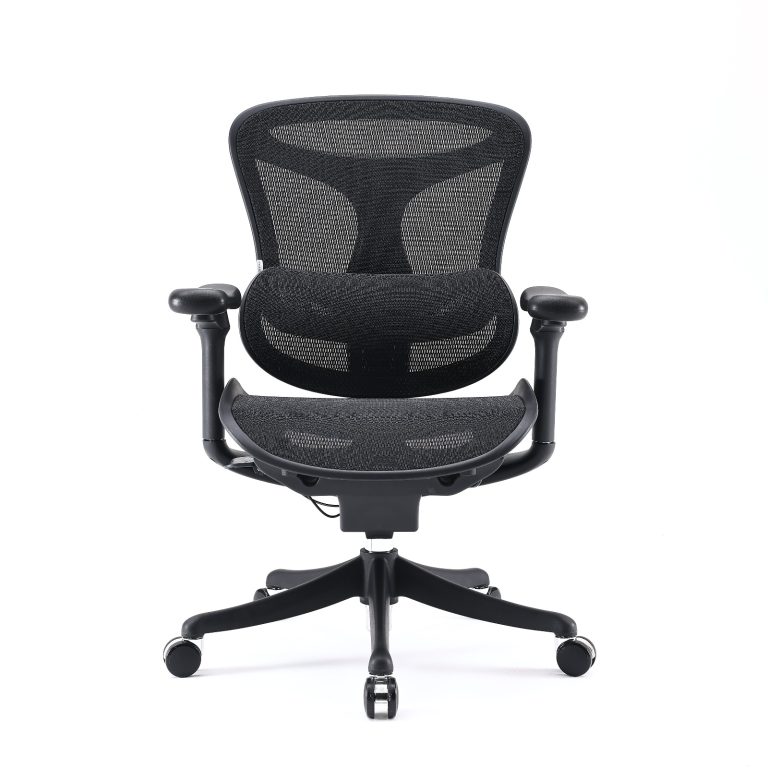
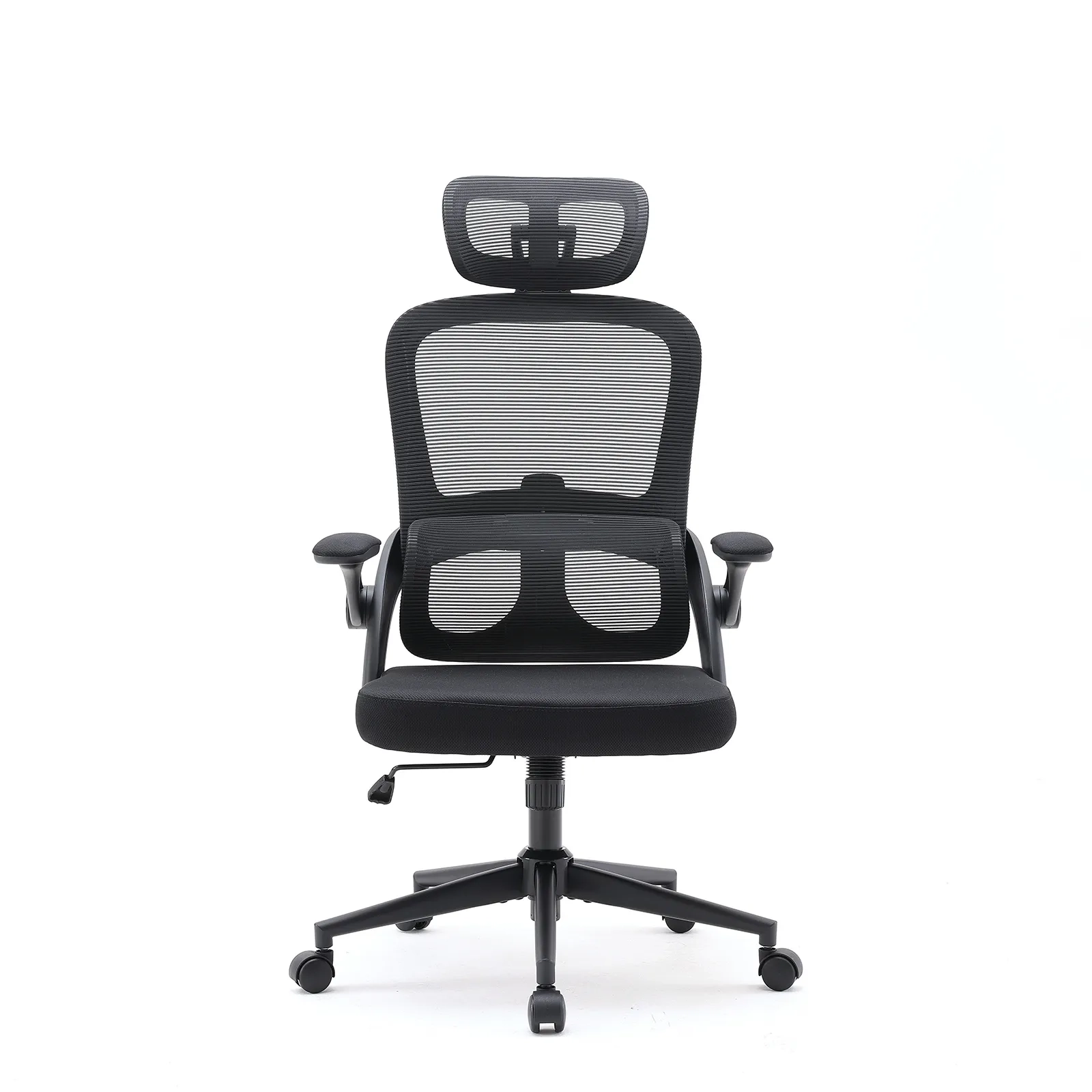
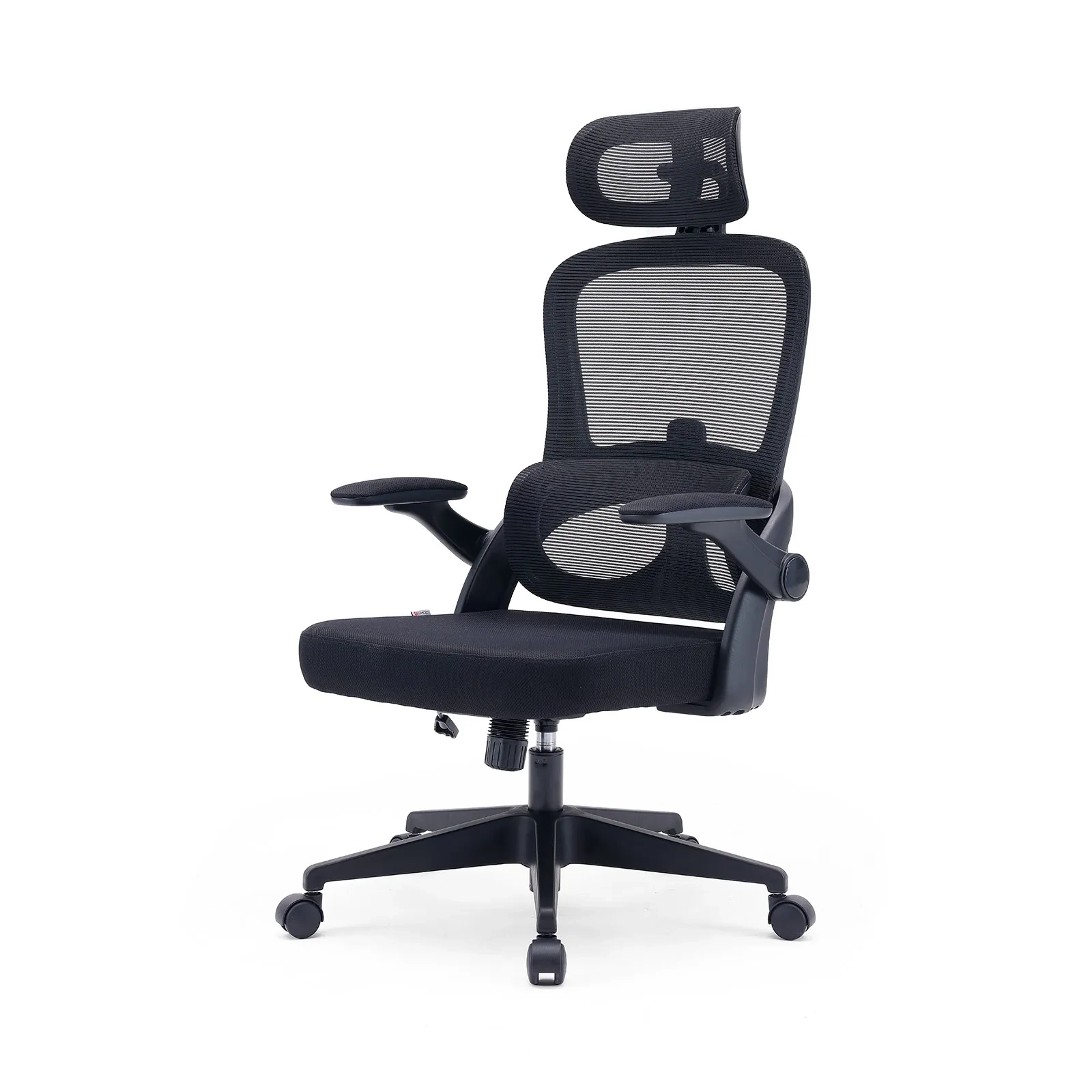
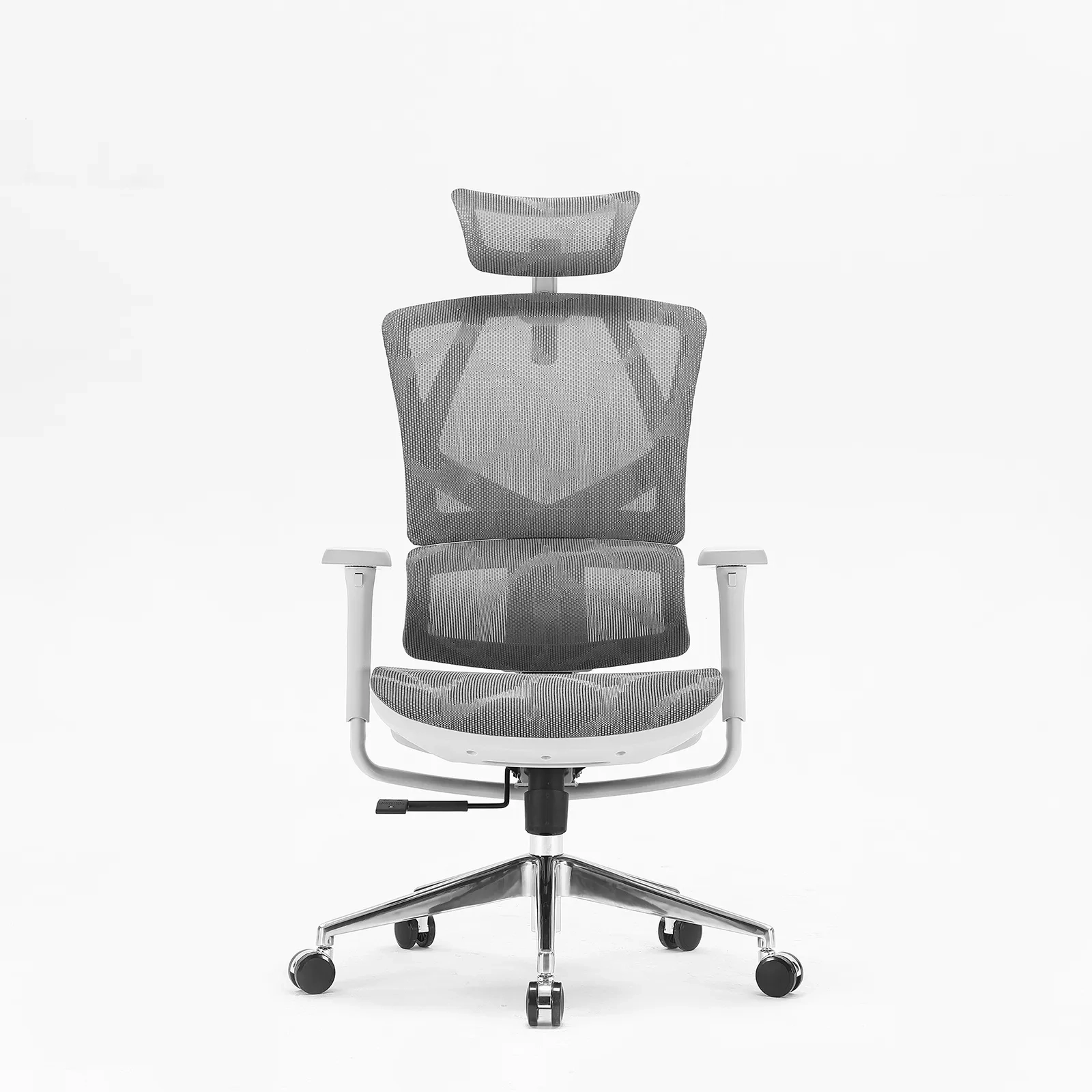
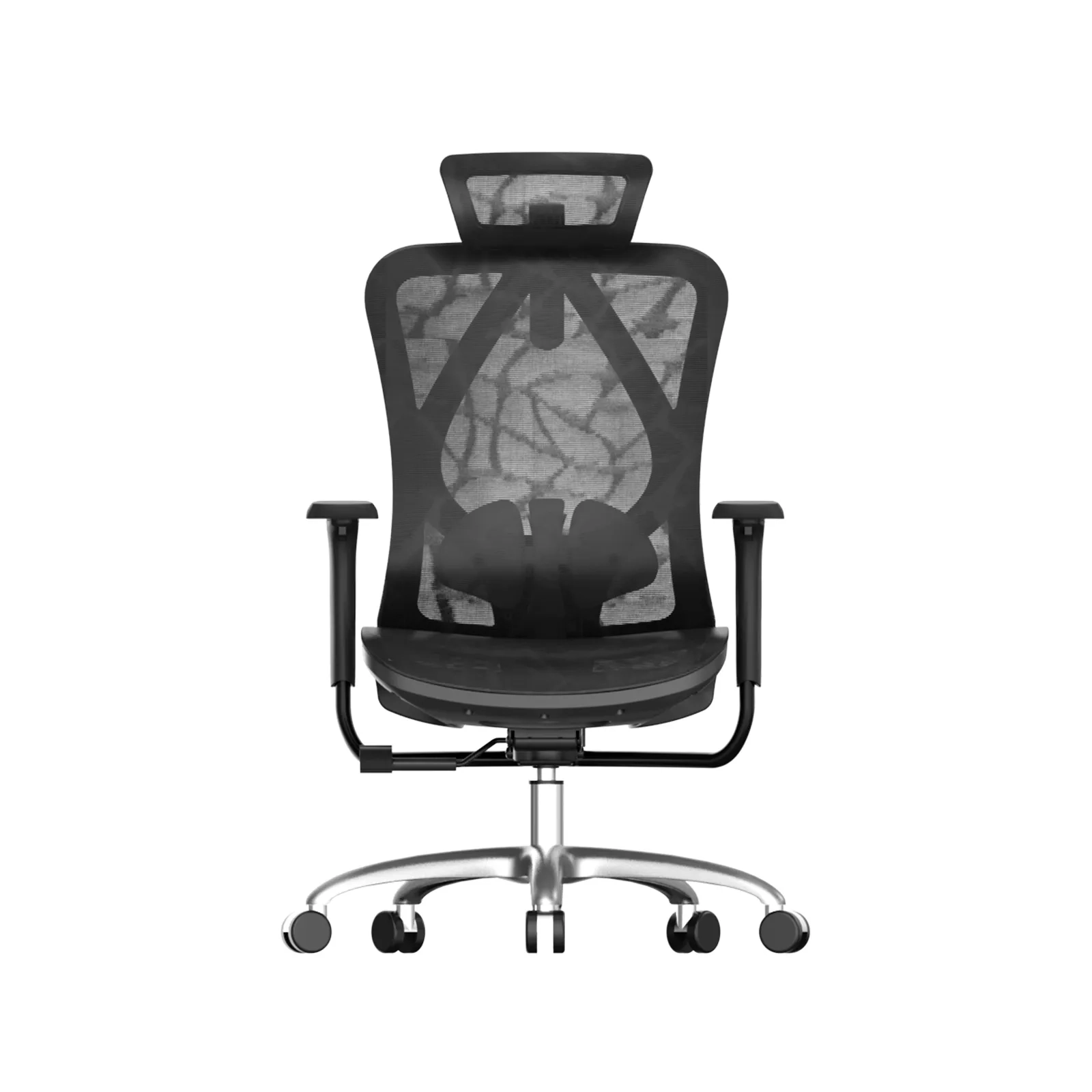
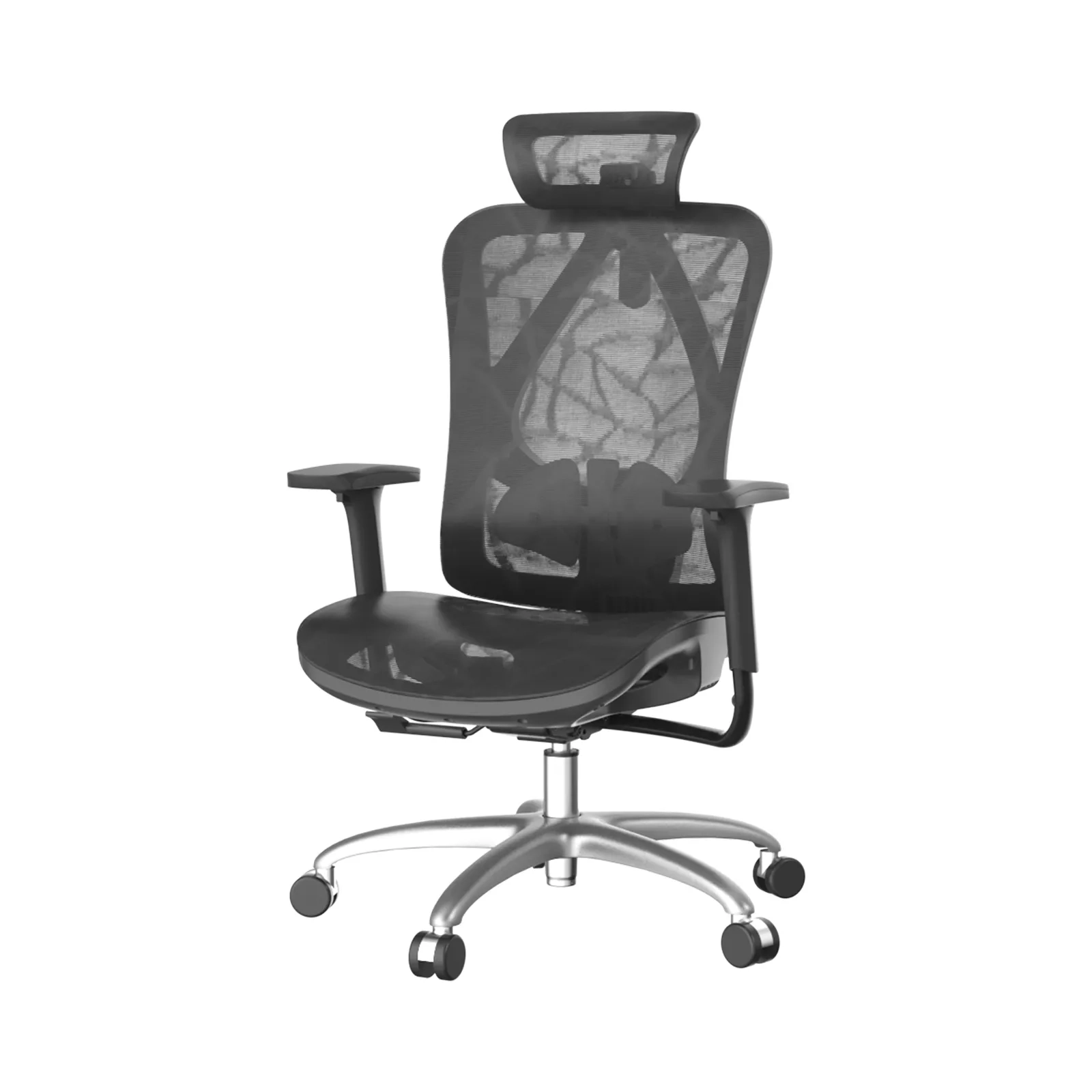
- Mild support need – Sihoo M18: adjustable lumbar and headrest at entry cost.
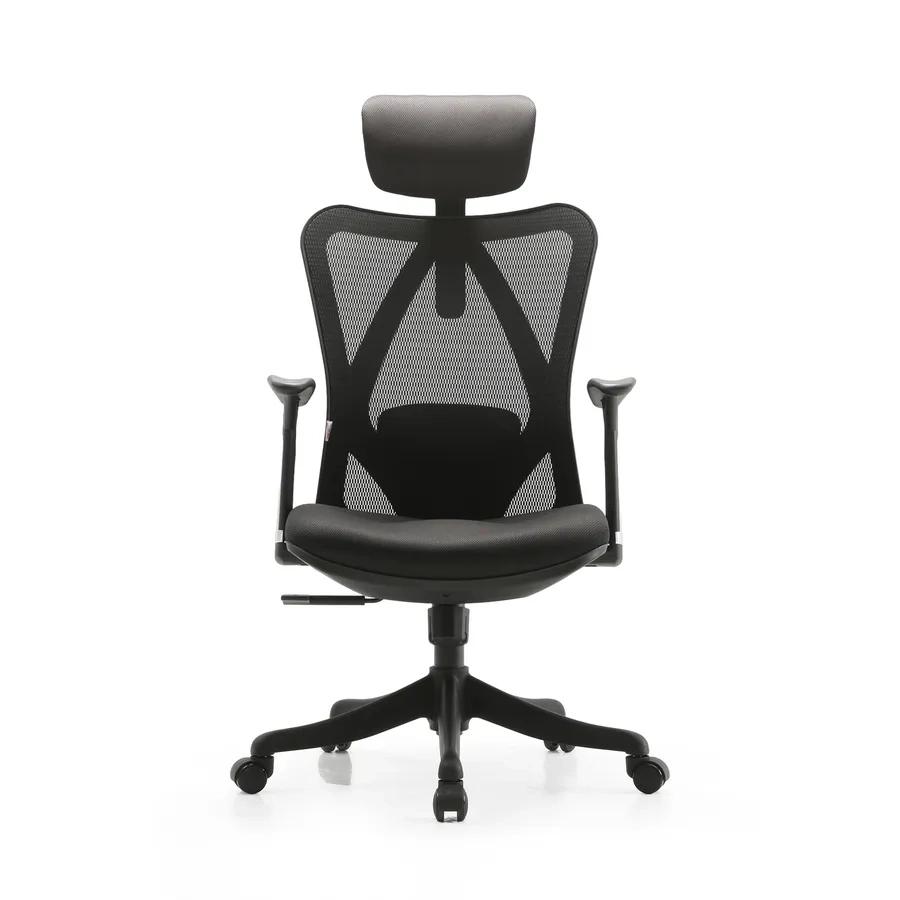
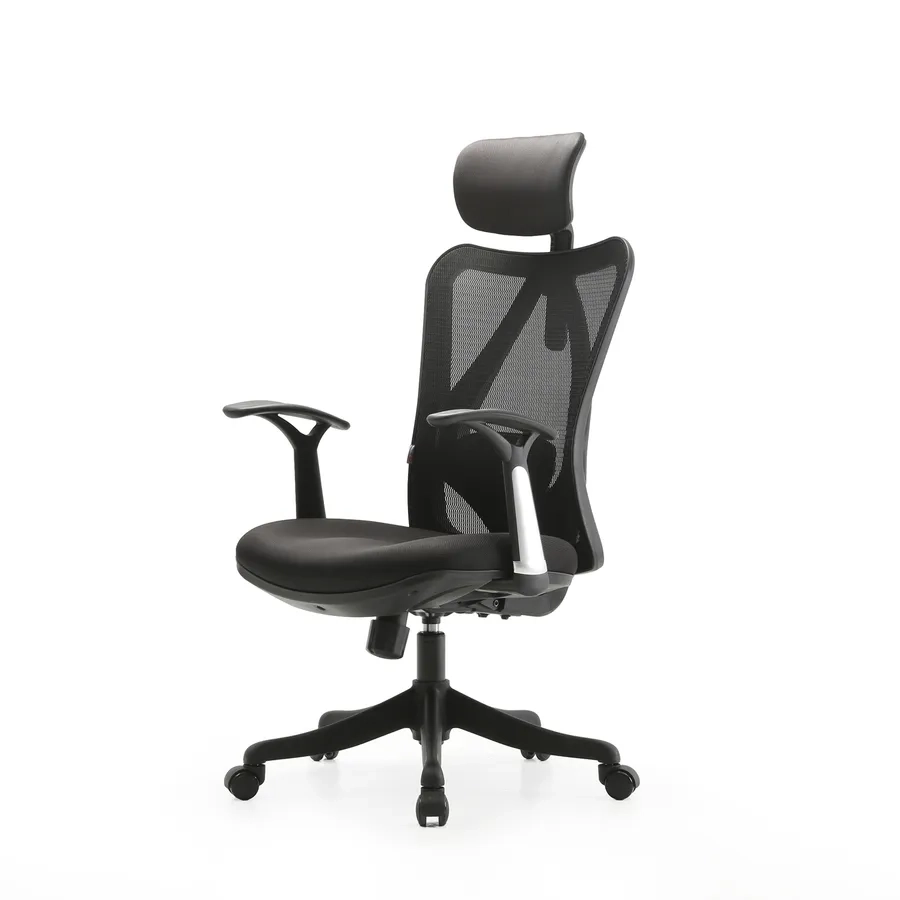
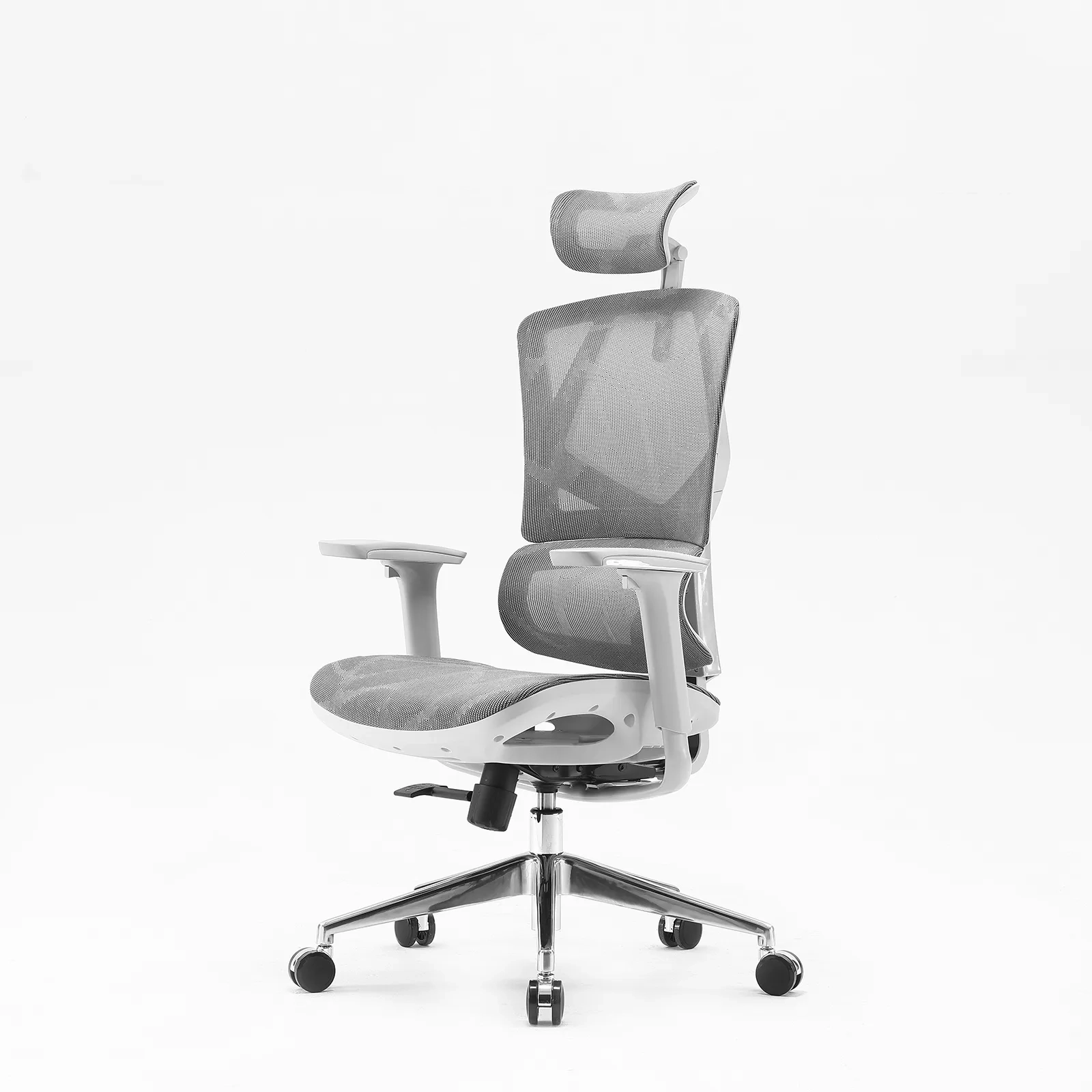
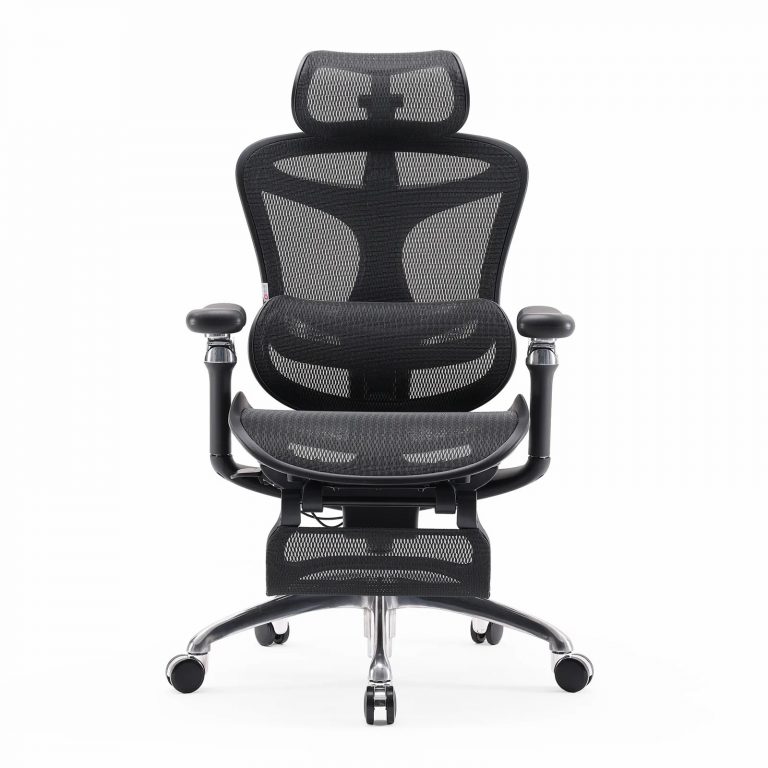
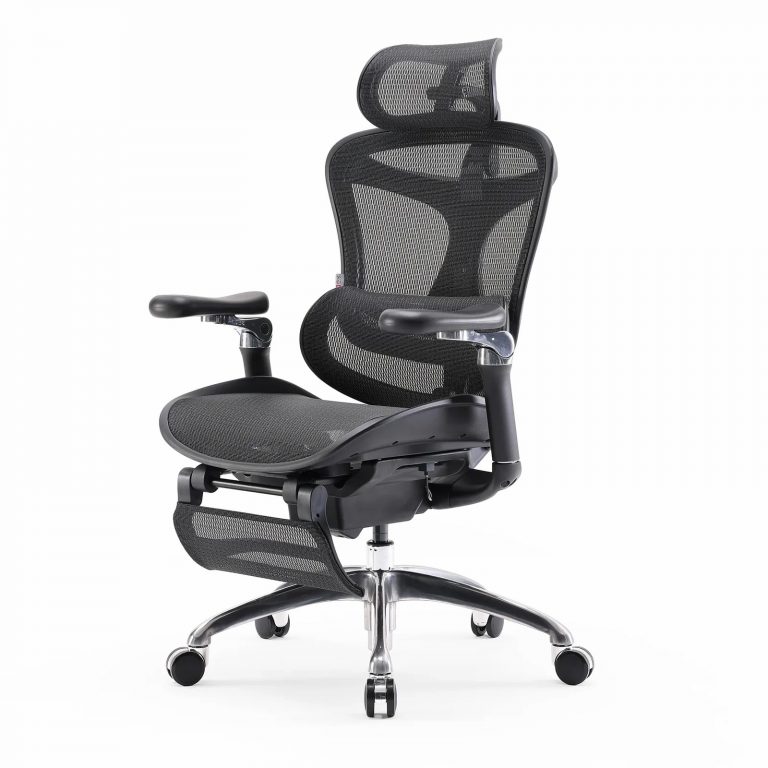
- Daily professional use – Sihoo M57: full mesh and 3D armrests.
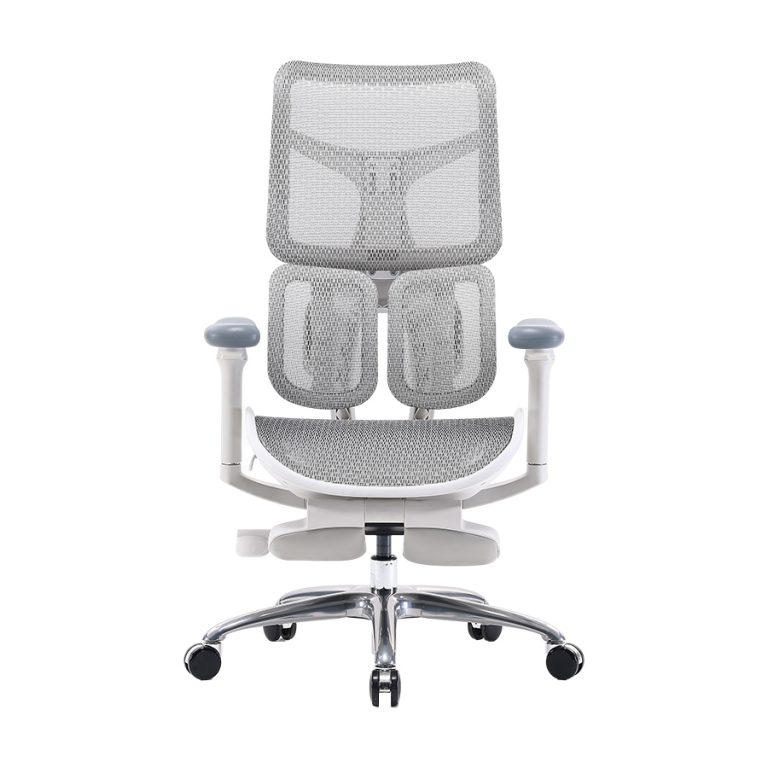
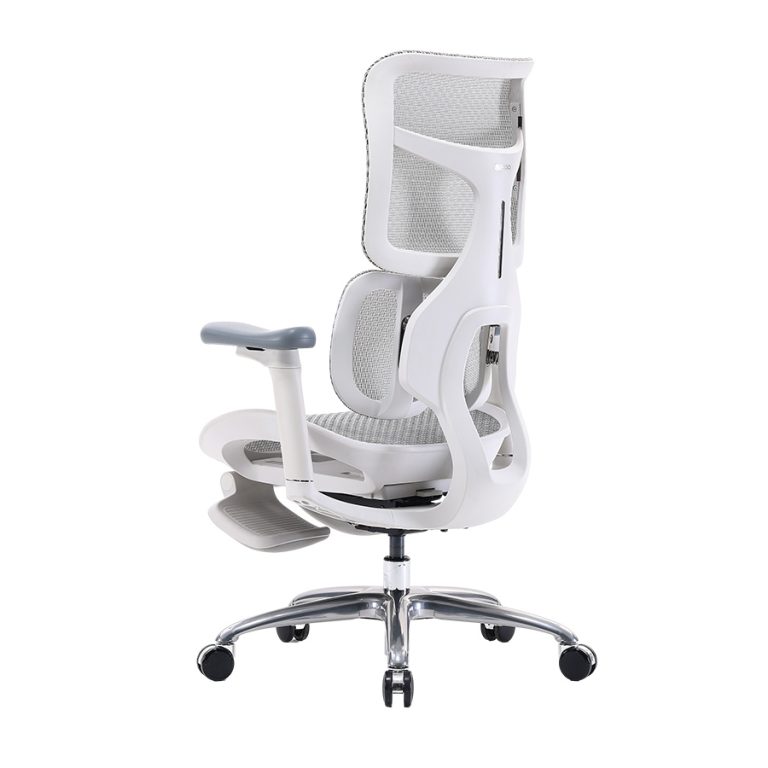
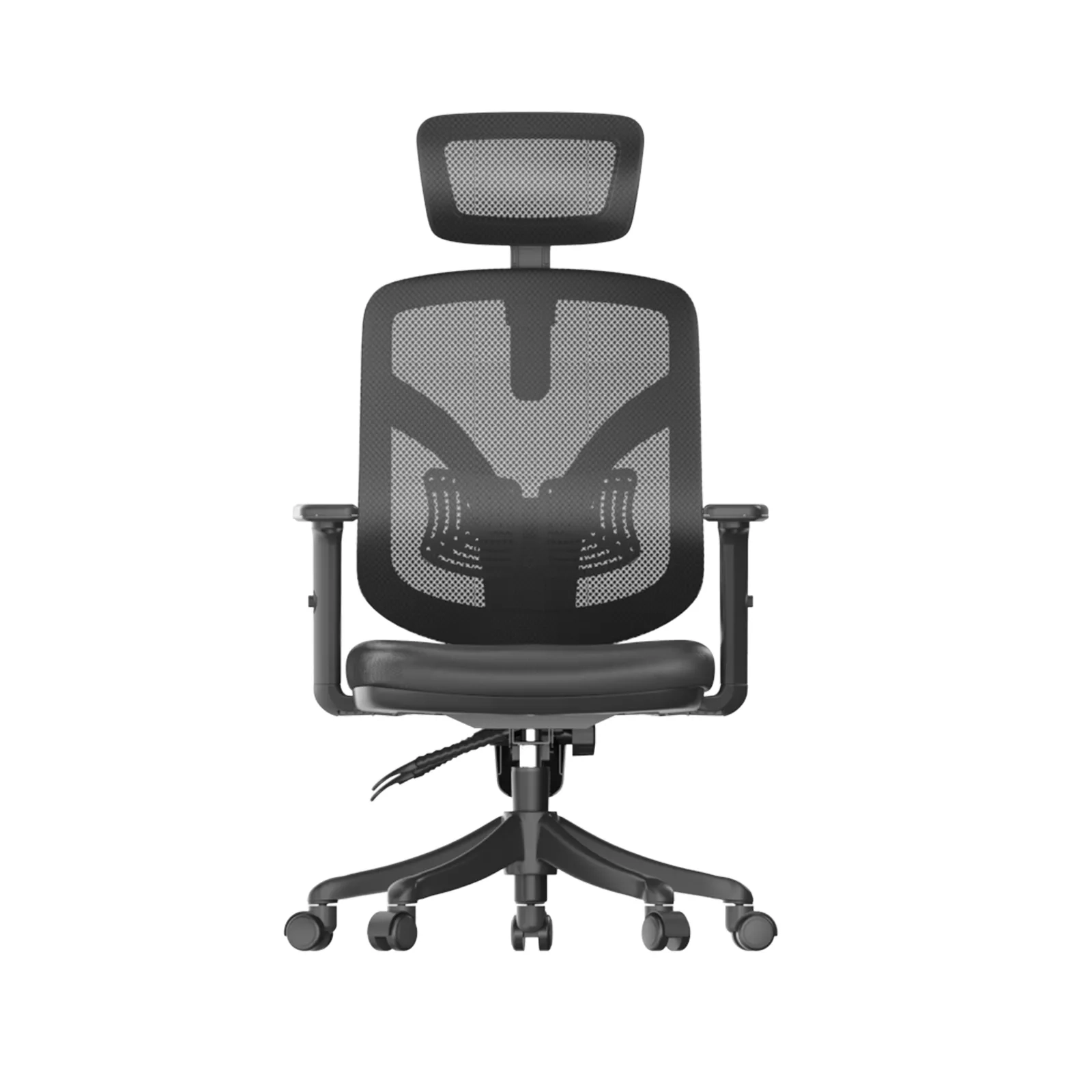
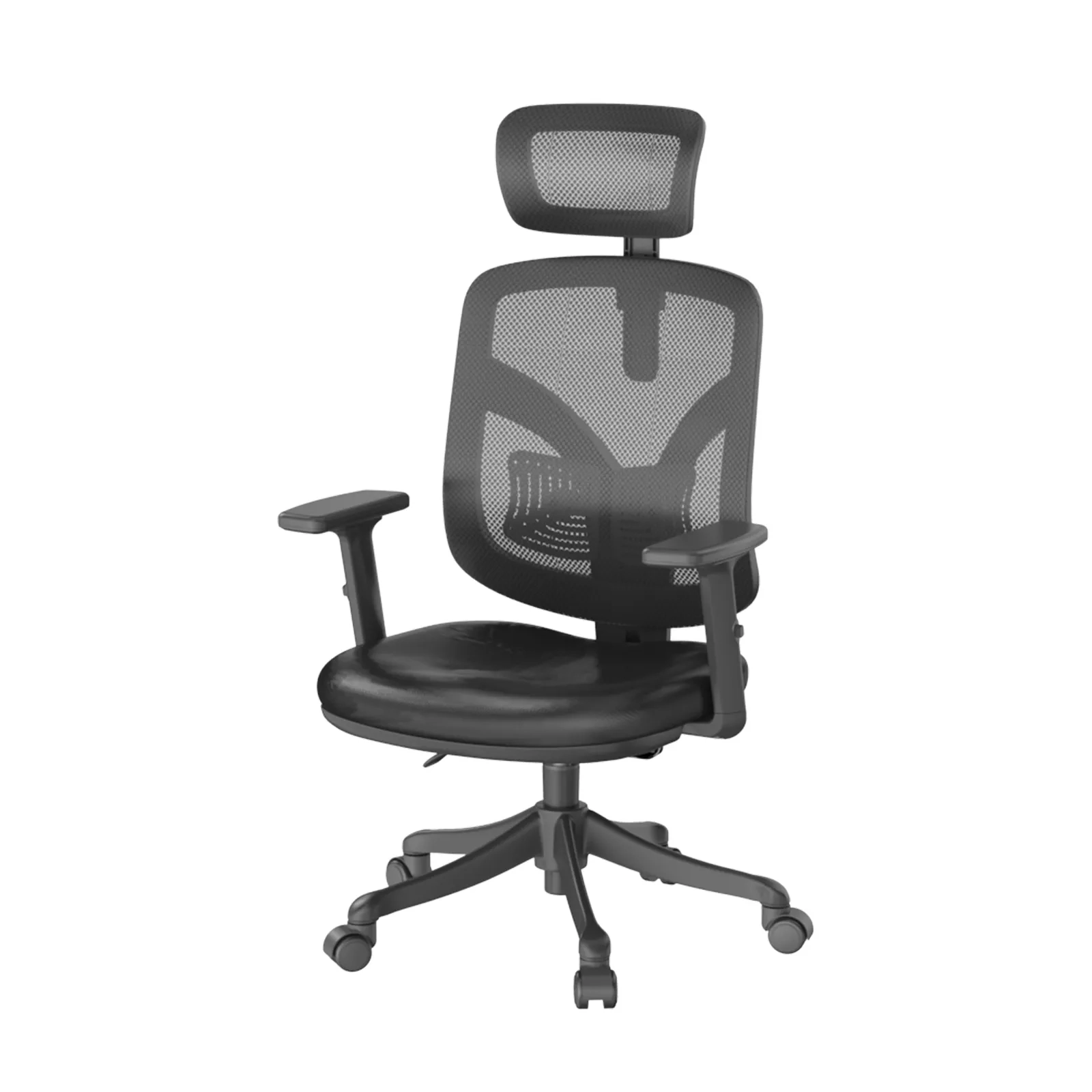
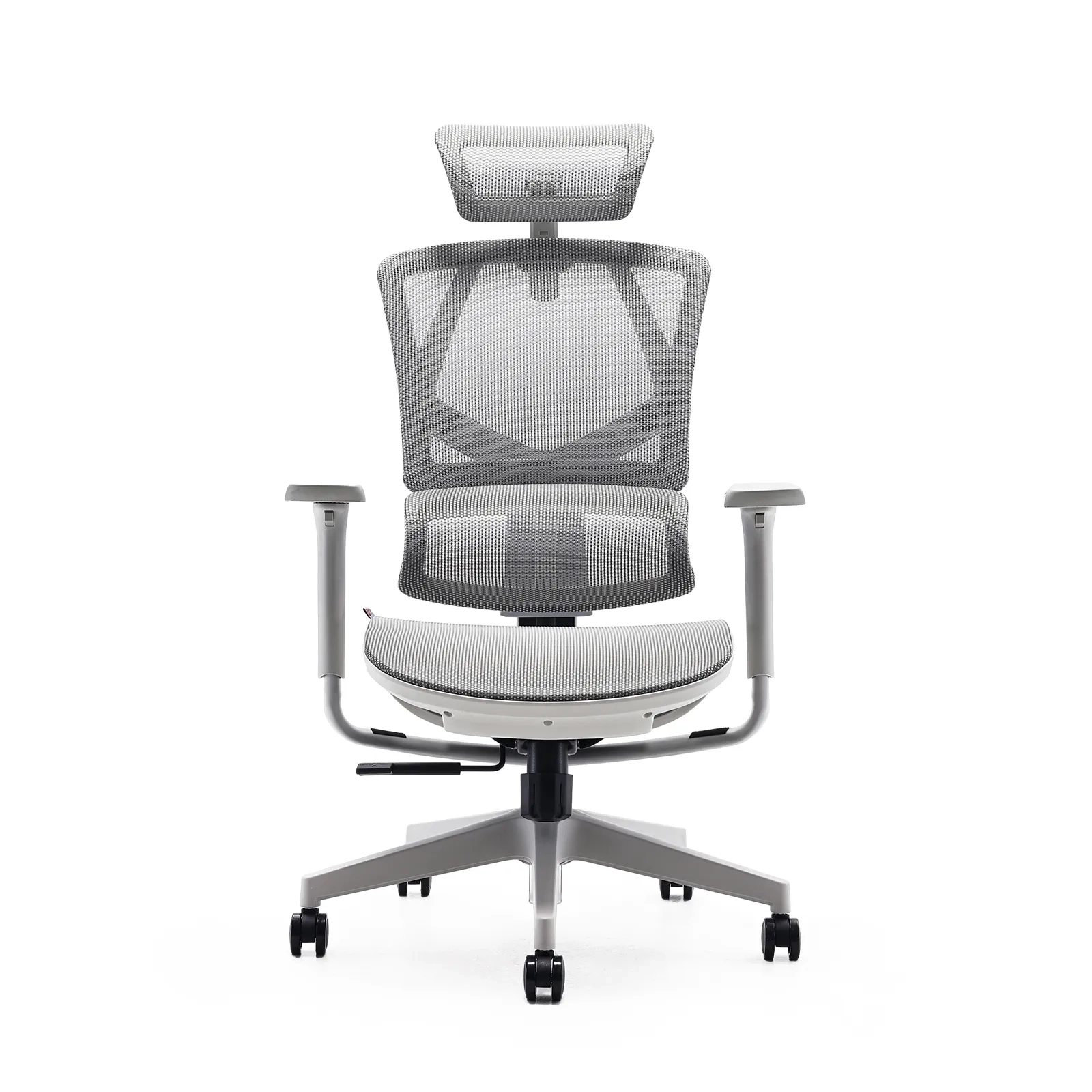
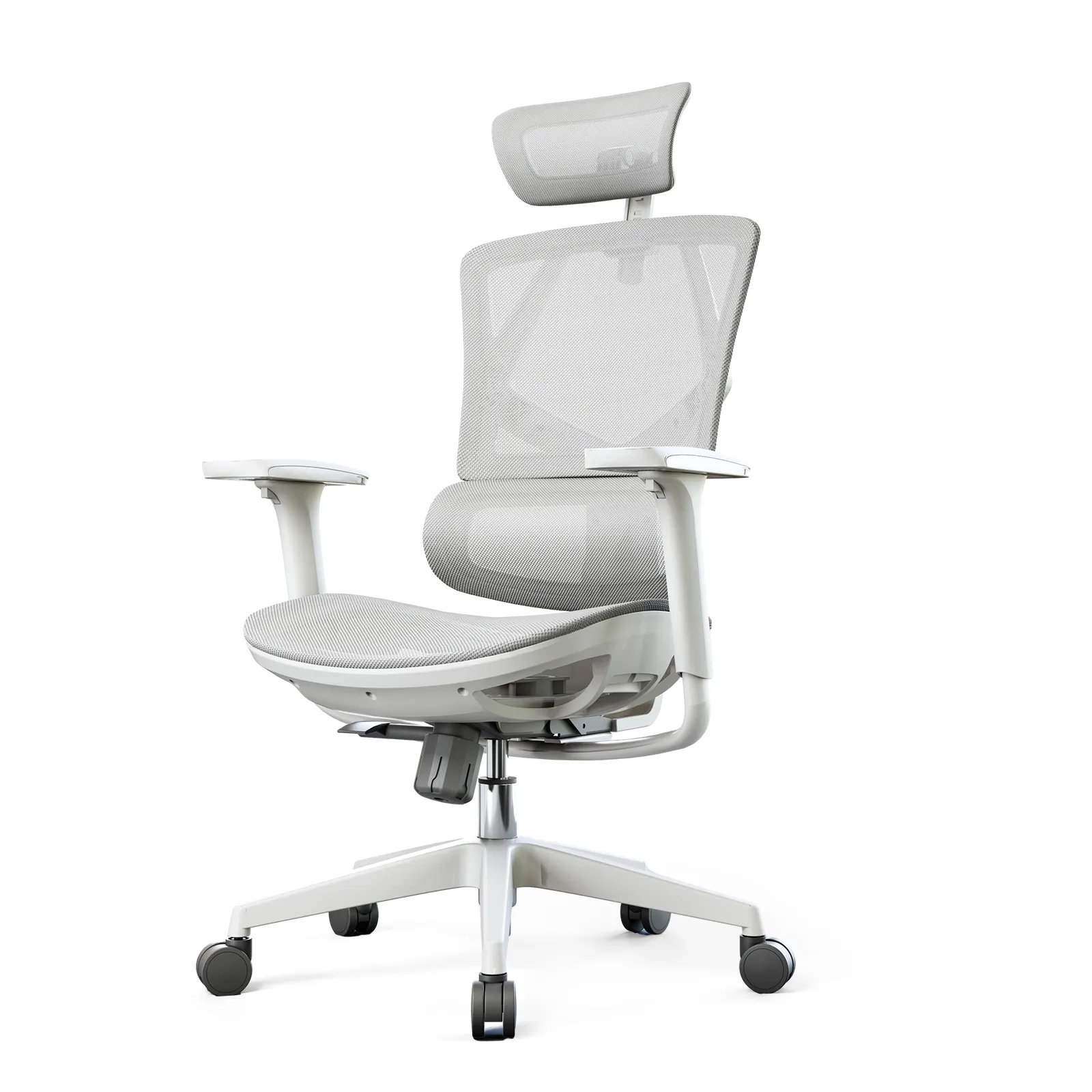
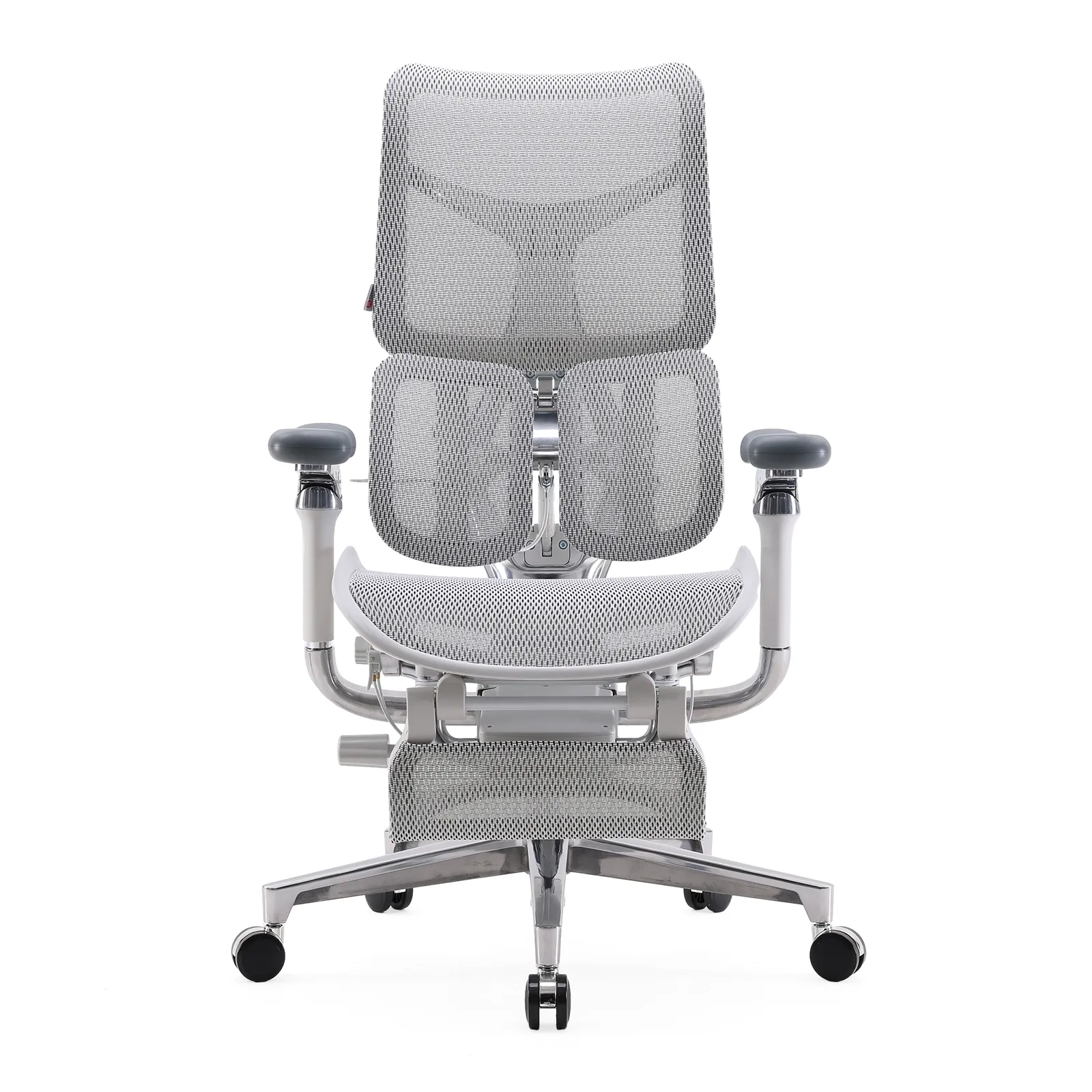
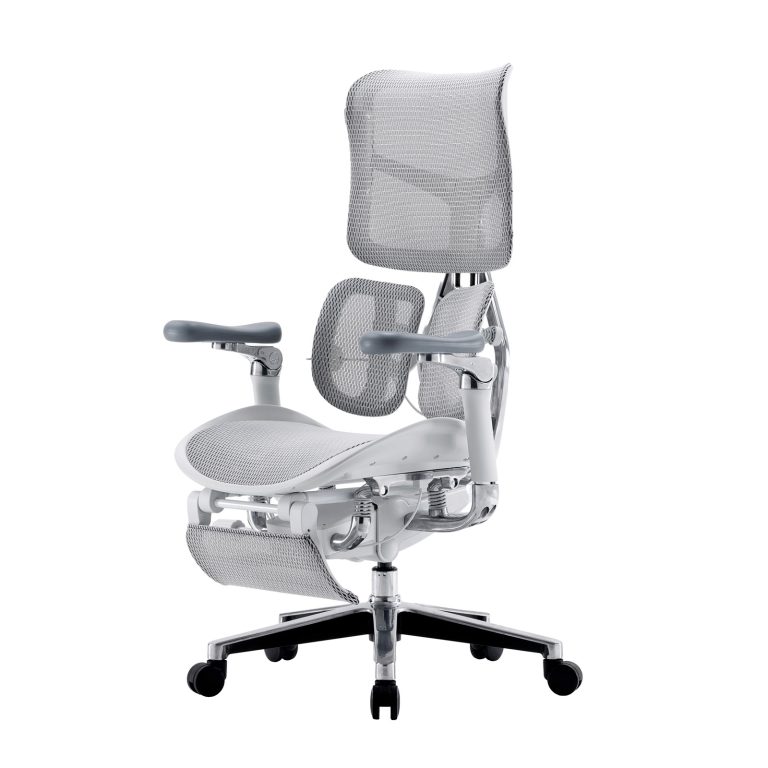
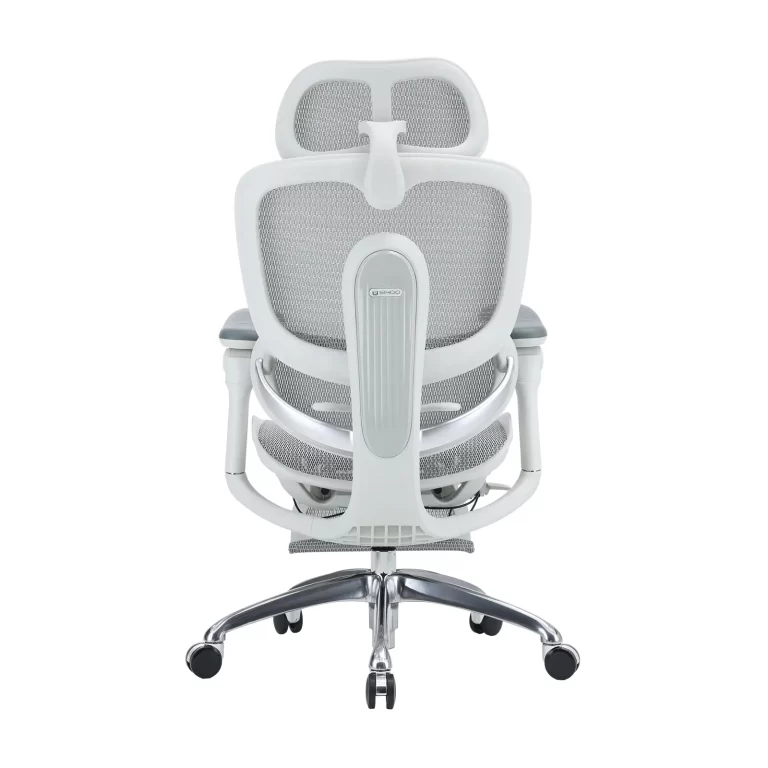
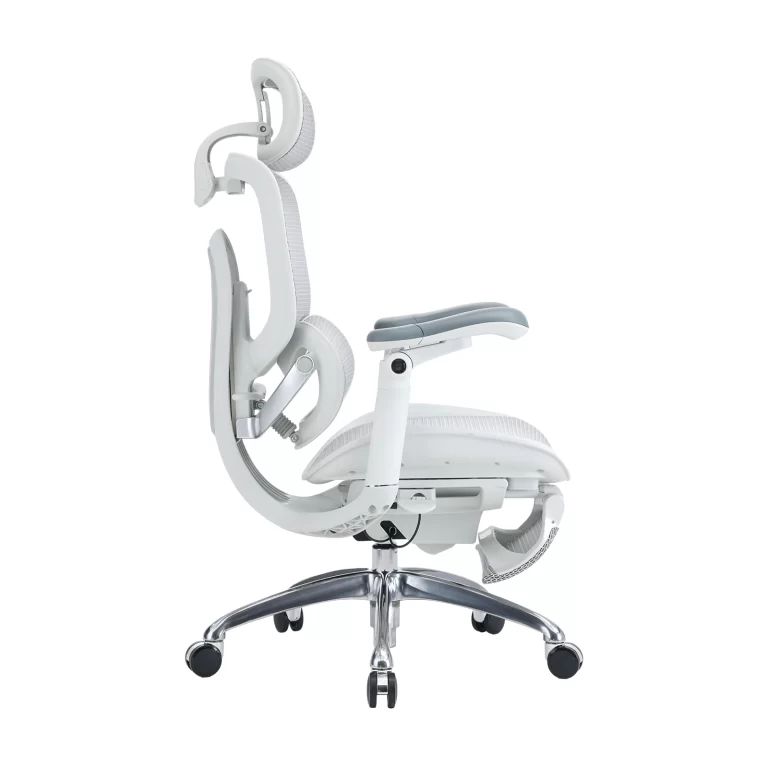
- Demanding all-day use – Sihoo Doro C300: dynamic lumbar and seat depth.
Support level should track your hours. Buying more than you need wastes money; buying less than you need costs comfort.
Check the Adjustments You Will Use
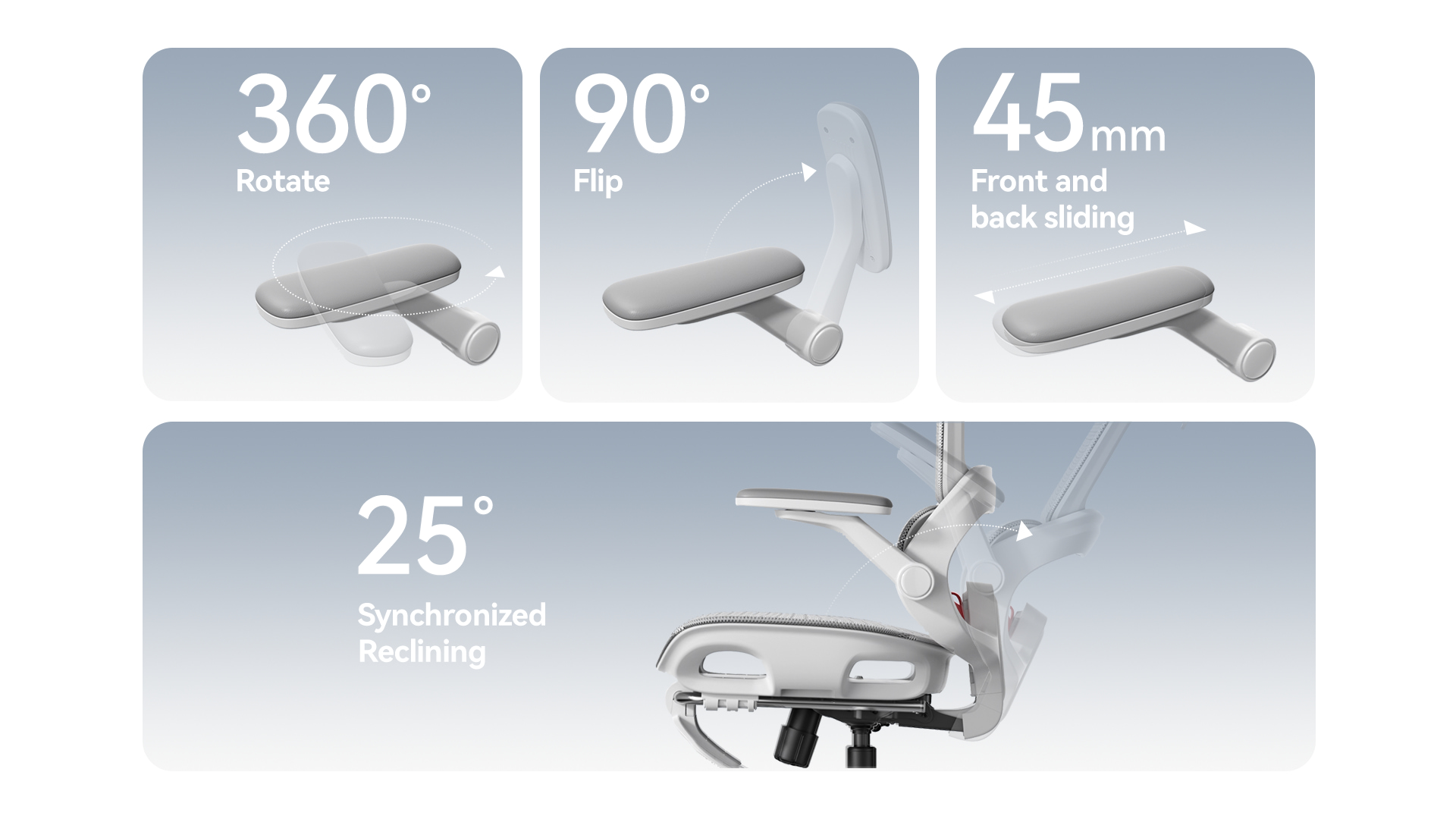
List the adjustments you will actually touch: height, lumbar, armrest, recline. Confirm each moves smoothly and stays put. Unused controls just add cost without benefit.
Confirm Material for Your Climate
Hot rooms favor mesh, as on the M57 and Doro C300. Cool or quiet offices may prefer a padded seat with mesh back, as on the M18. Material affects heat more than any spec sheet admits.
Reading Certification Labels
A BIFMA or SGS mark tells you the chair was tested for load and cycle life, not just assembled to look right. Pair that with a stated weight capacity and a warranty of at least three years. If a listing shows none of these, treat the support claims with caution, because there is no independent check behind them.
Verify Build Signals
Look for BIFMA or SGS certification, a stated capacity, and a warranty of at least three years. These beat marketing language because they reflect testing and accountability.
Test the Setup, Not Just the Chair
A good chair poorly set up still fails. Follow the fit steps: flat feet, supported thighs, relaxed shoulders, supported lower back. Spend ten minutes adjusting on day one and the chair pays back for years.
Common Choice Mistakes
Buying by price alone. Fit and support decide comfort more than the number on the tag.
Overbuying features. Unused controls add cost without comfort. Buy what you will touch.
Skipping the fit range. A wrong-size chair cannot be adjusted into a right one.
Forgetting setup. Even the correct chair feels wrong until it is adjusted to your body.
A Quick Decision Path
- Sit under 4 hours: M18 is enough.
- Sit 4 to 8 hours: M57.
- Sit 8+ hours or have back issues: Doro C300.
- Need a formal look: C500.
This path is a starting point. Your body may shift the answer, so use the fit checks first. Revisit it whenever your desk hours change, because the right chair follows your routine rather than the other way around.
Preguntas frecuentes
Should I buy before trying?
If you cannot try, rely on the stated fit range and a good return or warranty policy. Read the dimensions, not just the photos.
Does a higher price guarantee comfort?
No. Fit and adjustment use matter more than price, and an expensive chair left unadjusted helps no one.
How important is the base?
A stable five-star base prevents wobble and is part of certified build. It also protects floors and reduces noise.
Can one chair serve a household with different sizes?
Choose the widest-adjusting model, like the M57, and reset between users. Expect a short adjustment when switching.
What if I am between sizes?
Pick the chair whose range covers you with margin on both ends, since padding and clothing change effective fit.
What if I choose wrong?
Most mistakes are fixable by stepping one tier up or down the M18, M57, Doro C300 ladder, because the three cover entry, daily, and all-day needs.
Reading the Numbers on a Spec Sheet
Once you know your fit range, the spec sheet becomes a checklist rather than a mystery. Height range tells you who the chair fits; weight capacity tells you the safety margin; recline angle tells you how far you can shift load; armrest axes tell you how precisely you can settle the shoulders. Learn to read these four numbers and most listings become directly comparable. A chair that hides its range or capacity is telling you something, and it is rarely good.
A Note on Returns and Trials
A chair is a body-fitting product, so a short trial matters more than a low price. Buy from a seller that allows a return window of at least a week, then actually use the chair for full workdays during that window. Adjust everything before you judge. If the fit range matches and setup is correct yet you still feel uncomfortable, that is a clear sign to return it instead of putting up with it. Treat the trial as part of the decision, not as a formality.
If the chair fits but feels firm, that is normal for ergonomic support. Give it several days; discomfort from softness fades while support from firmness builds.
Key Takeaways
If you remember nothing else, remember that the chair follows the body, not the brand. A short checklist keeps the choice simple and the returns few.
- Fit beats brand – Confirm the height and weight range before you read a single feature, because no adjustment fixes a wrong size.
- Match support to hours – The M18 covers light use, the M57 covers daily work, and the Doro C300 covers all-day load.
- Setup is part of the chair – Ten minutes of adjusting on day one decides whether you feel the support or waste it.
- Trial protects the spend – A week of real use reveals more than a showroom sit, so keep the return window open.
Use the steps above in order and the model choice becomes small once your body facts are set. If your first pick still feels off after a week, revisit lumbar and armrest settings before assuming the model is wrong, because most early discomfort is setup, not the chair.
If you follow the steps and confirm the fit range, this guide is enough to buy confidently. The model choice becomes easy once the body facts are fixed first.
If your desk is unusual, prioritize seat height travel and armrest clearance. A compact or flip-arm model like the M57 handles odd desk shapes well.
Your Next Step
Your next step is simple: write down your height, weight, and daily desk hours, then walk the steps above in order. The right chair becomes clear once those facts are on paper, and you avoid the return loop that costs time and money.
Related guide: what makes a good office chair.
Final Thoughts
A comfortable office chair starts with a seat and back that fit your body, then adds the adjustments you use.
Choose by fit first, support second, material third. The Sihoo M18, M57, and Doro C300 form a clear step-up from entry to all-day premium.
Compare these in our best office chairs of 2026 roundup. For team or bulk needs, talk to SIHOO about wholesale.
1600x1600-4-768x768.jpg)
1600x1600-8-768x768.jpg)