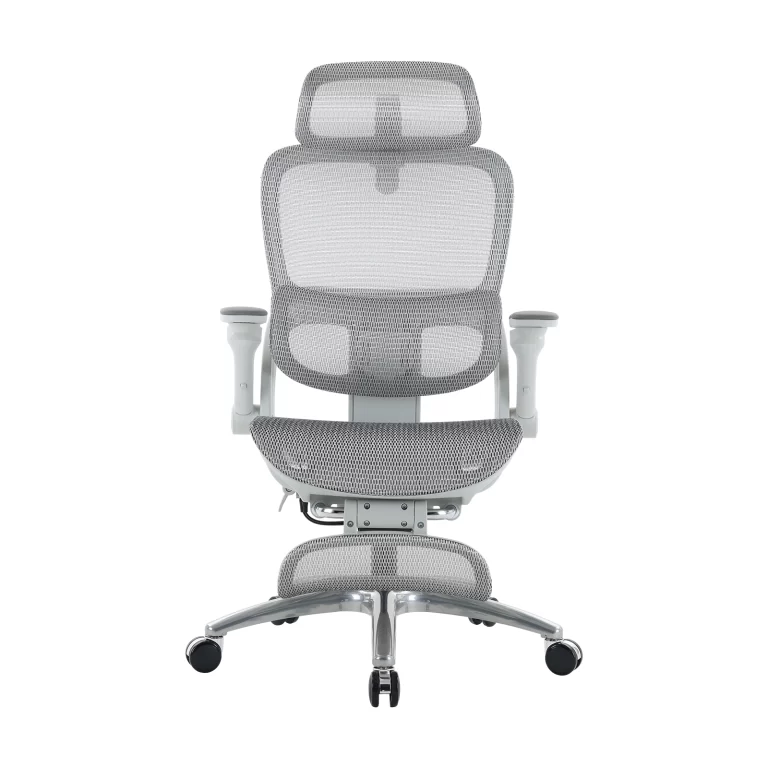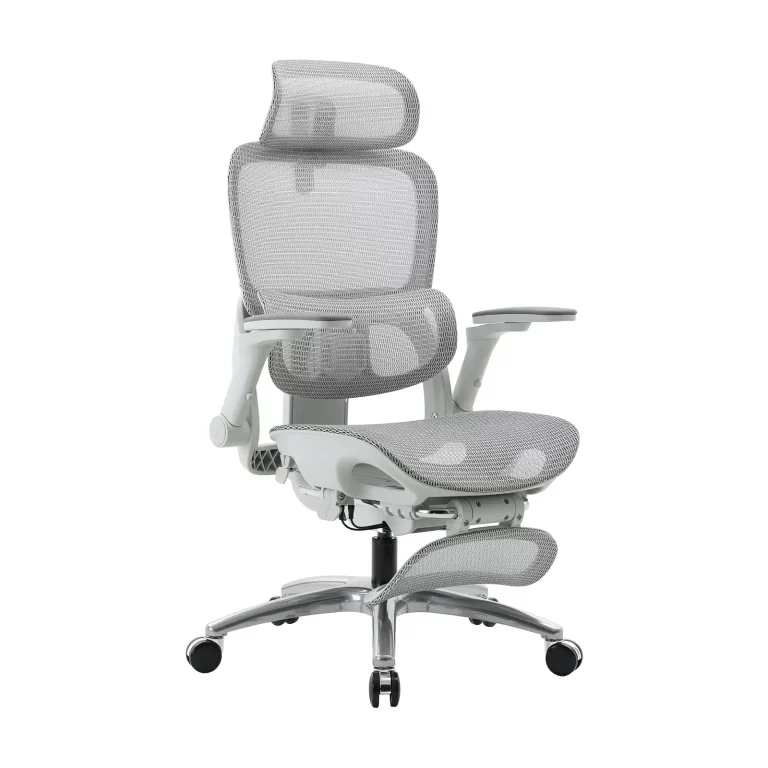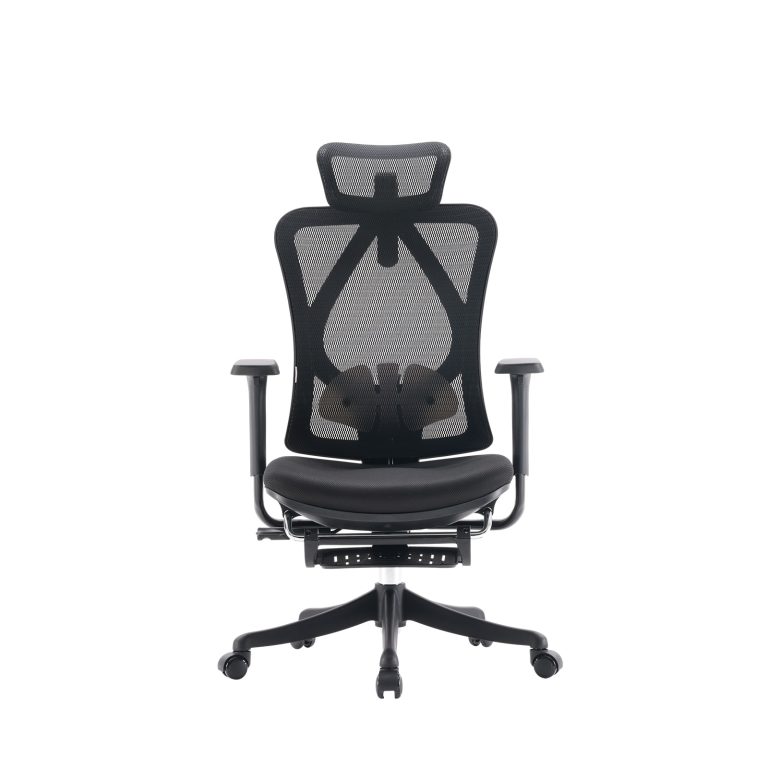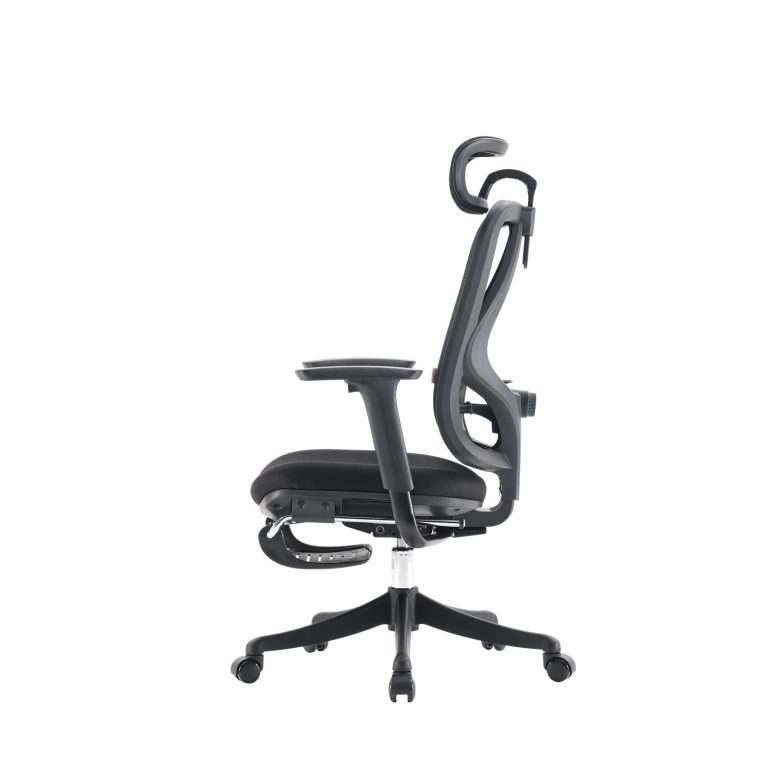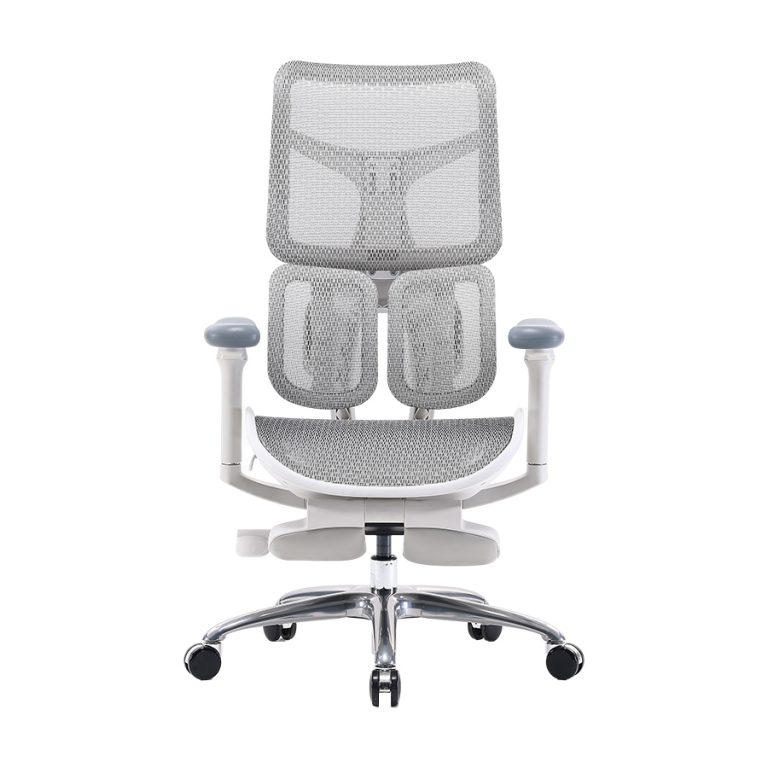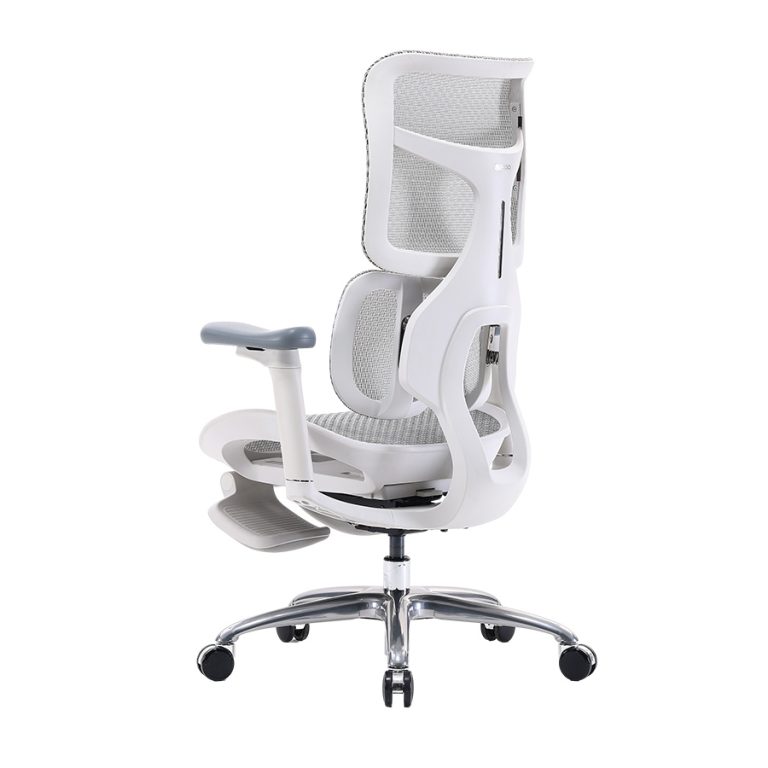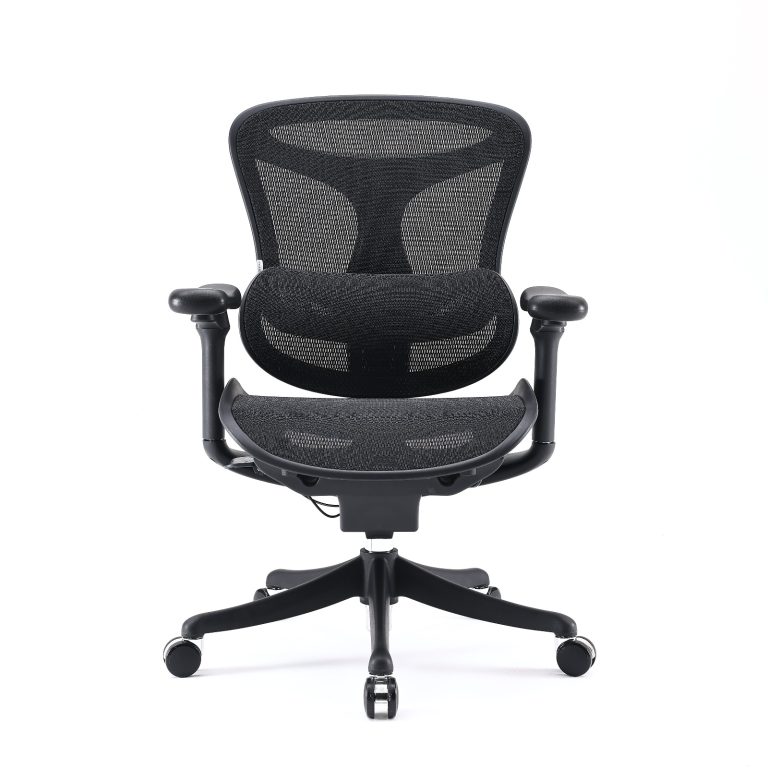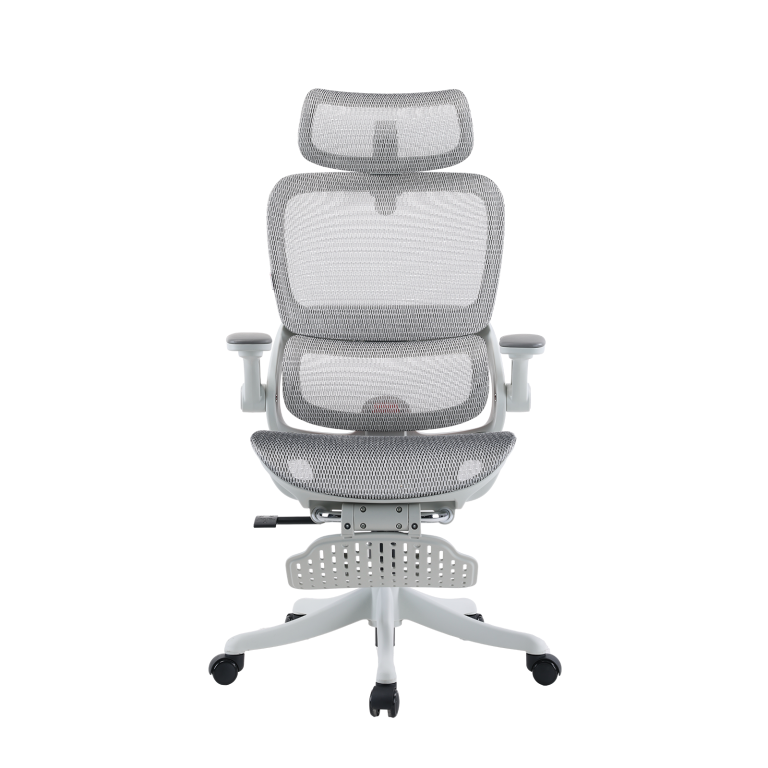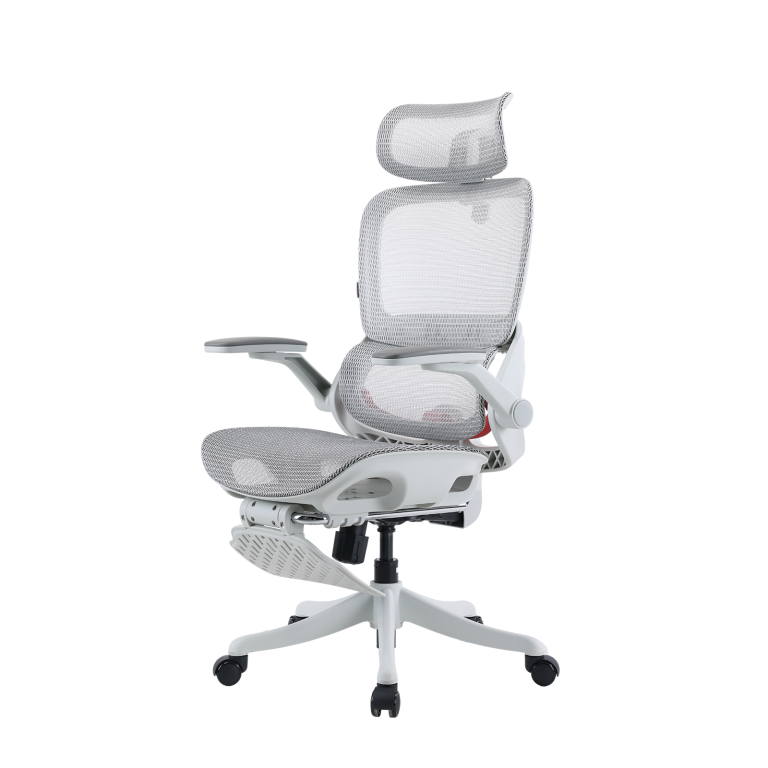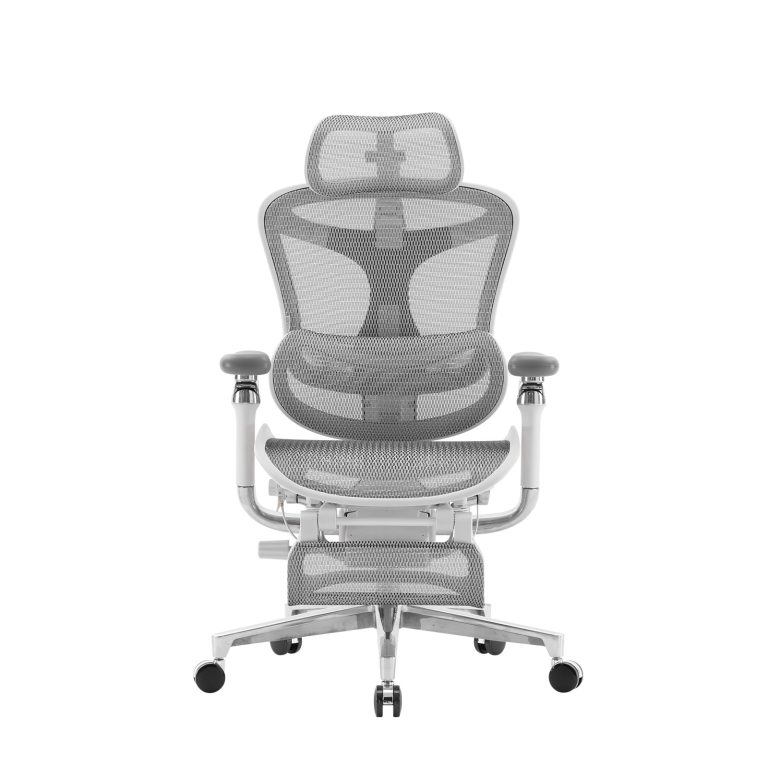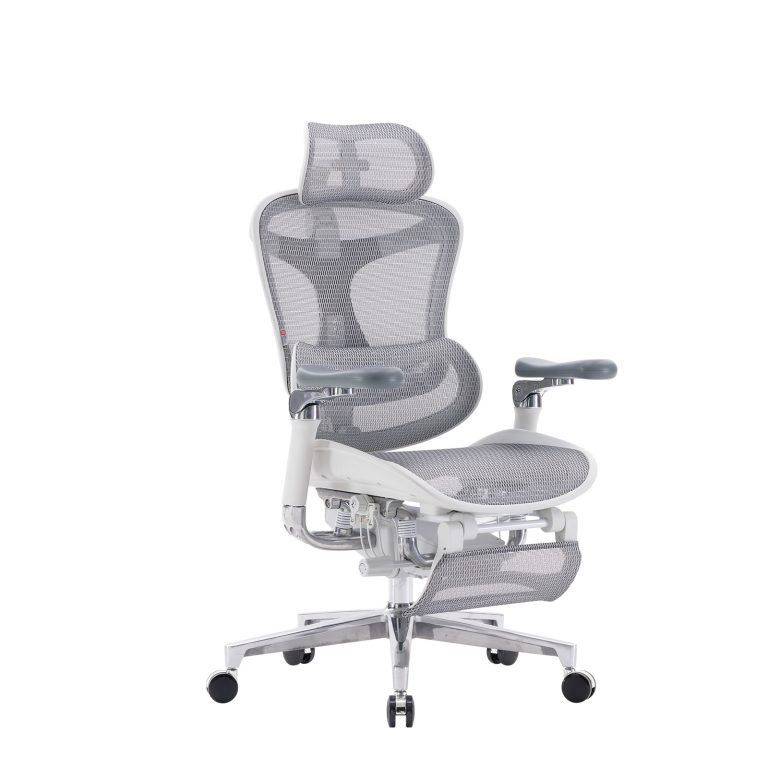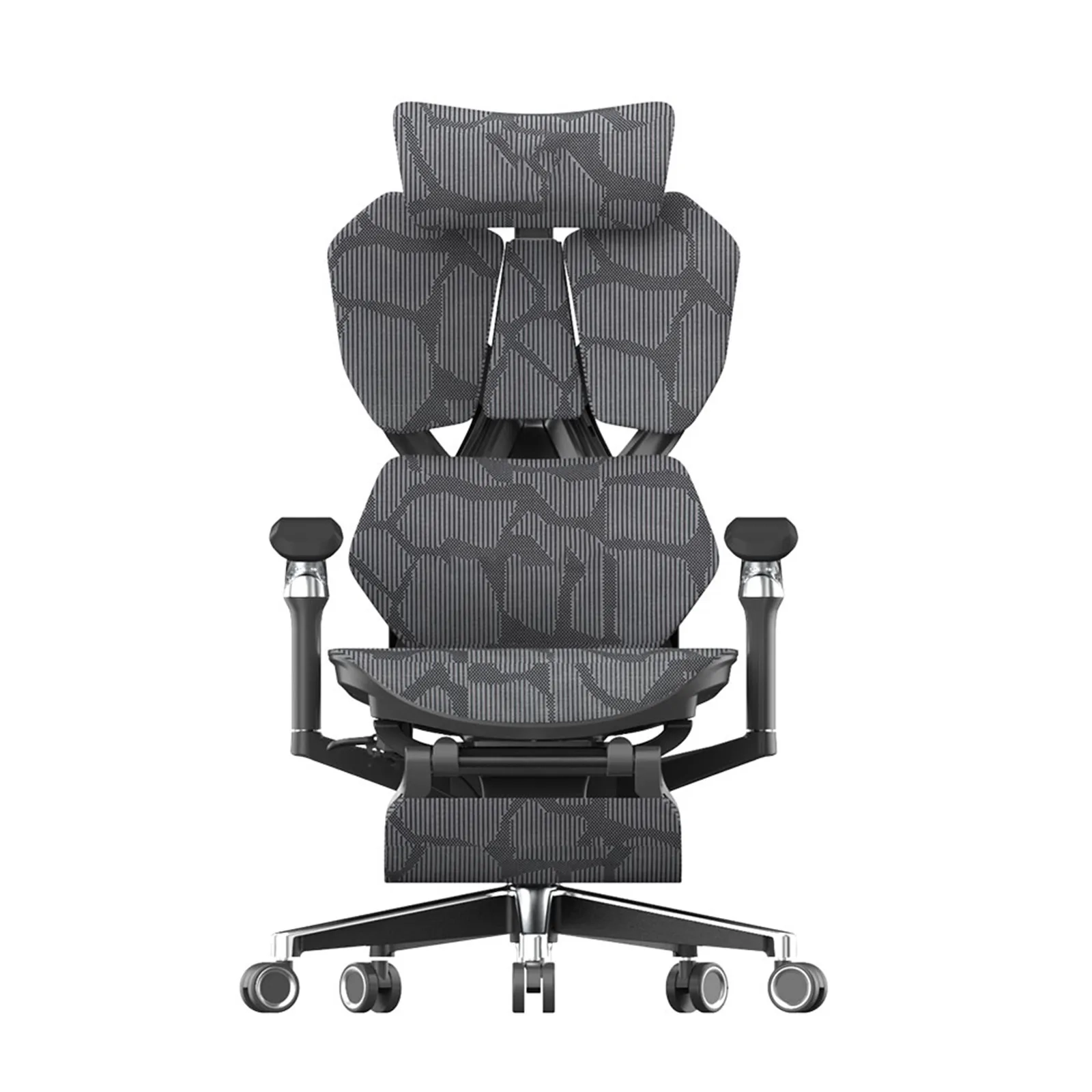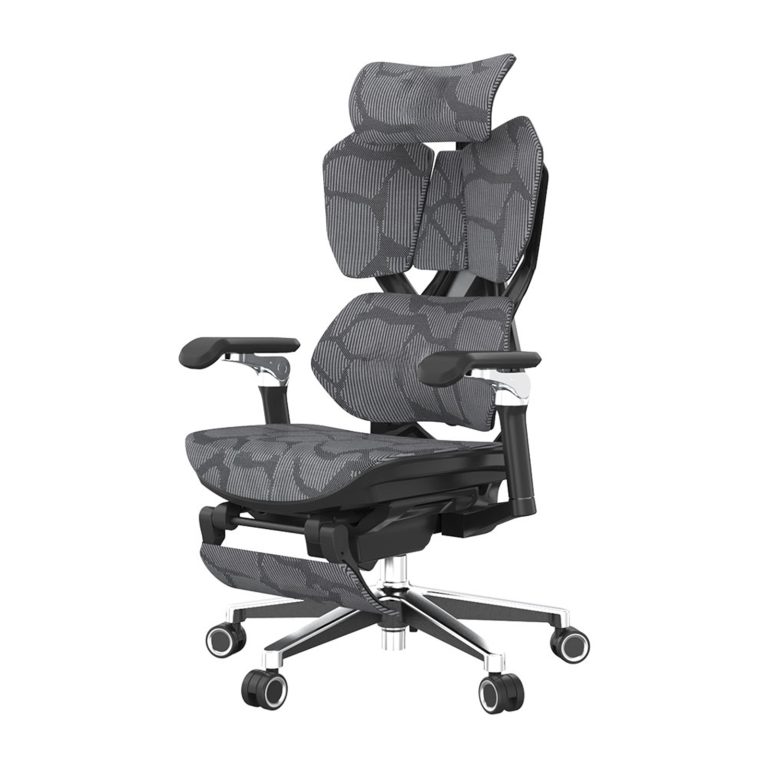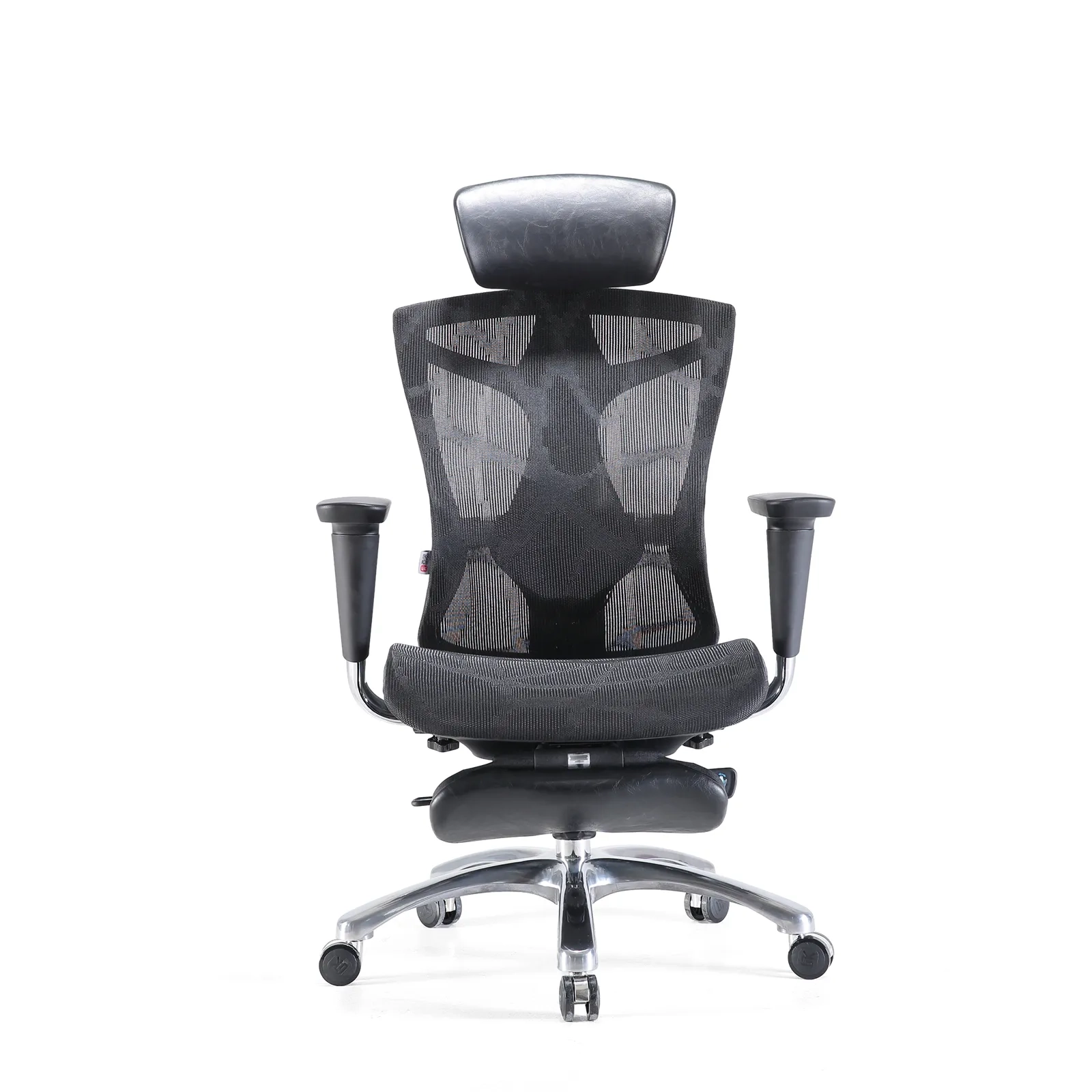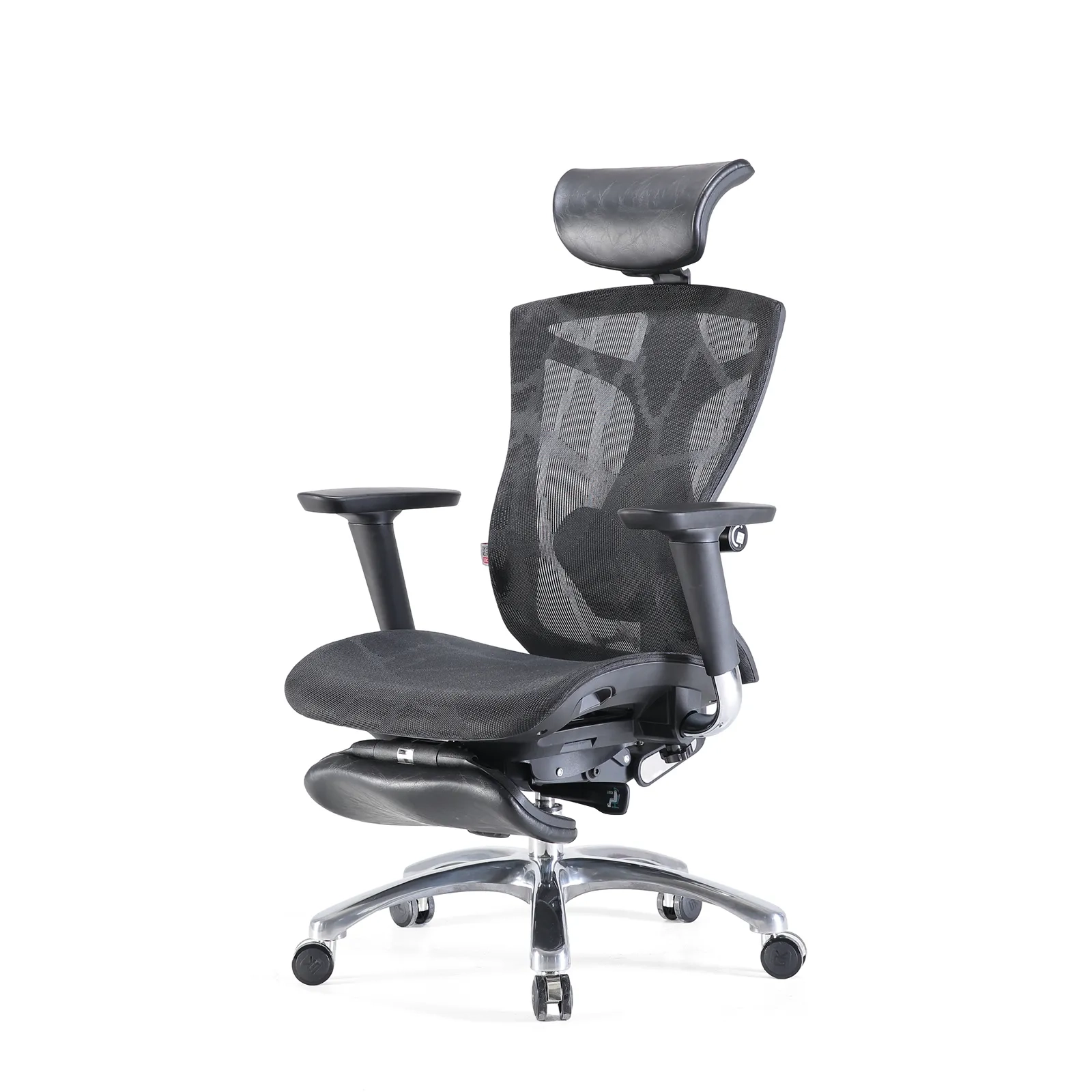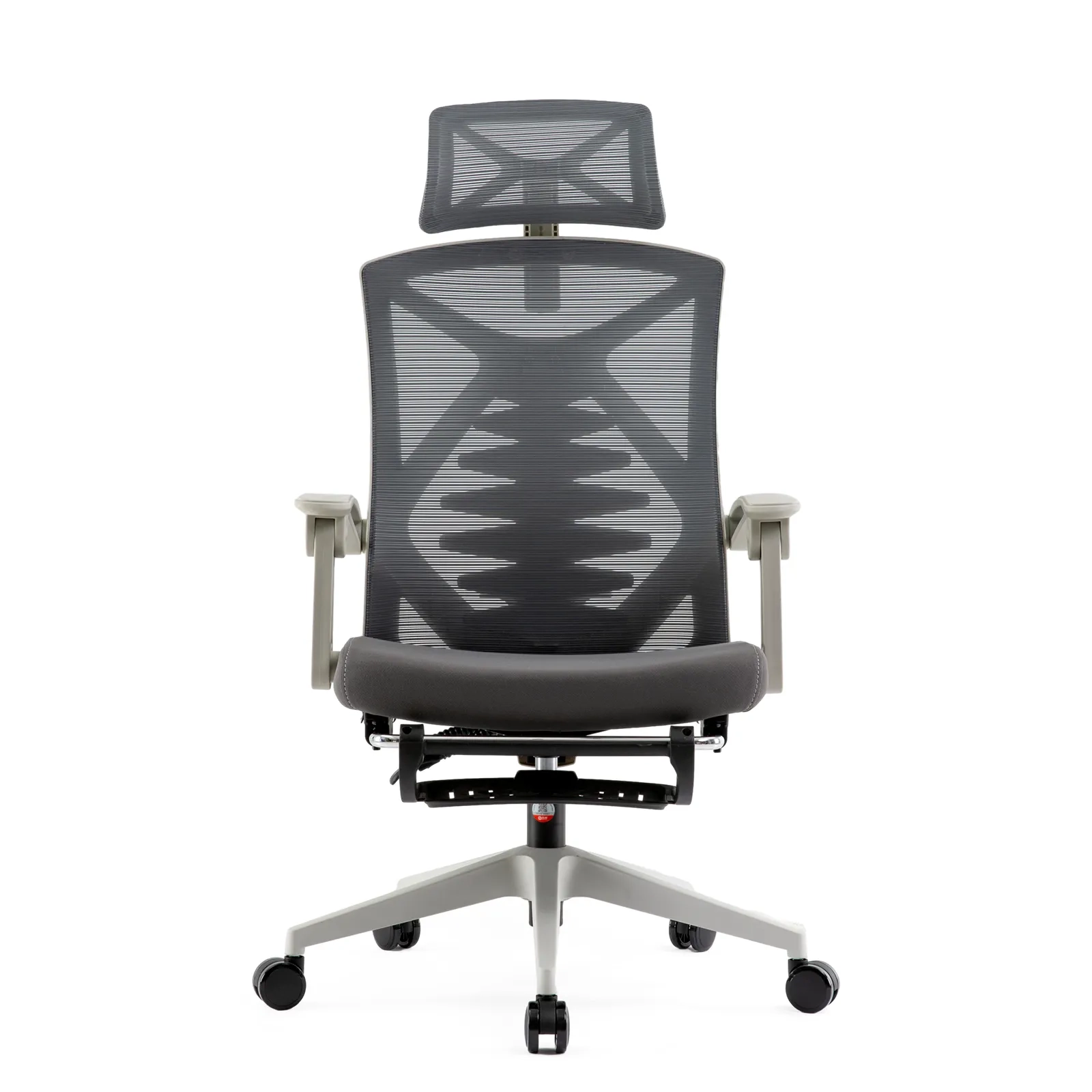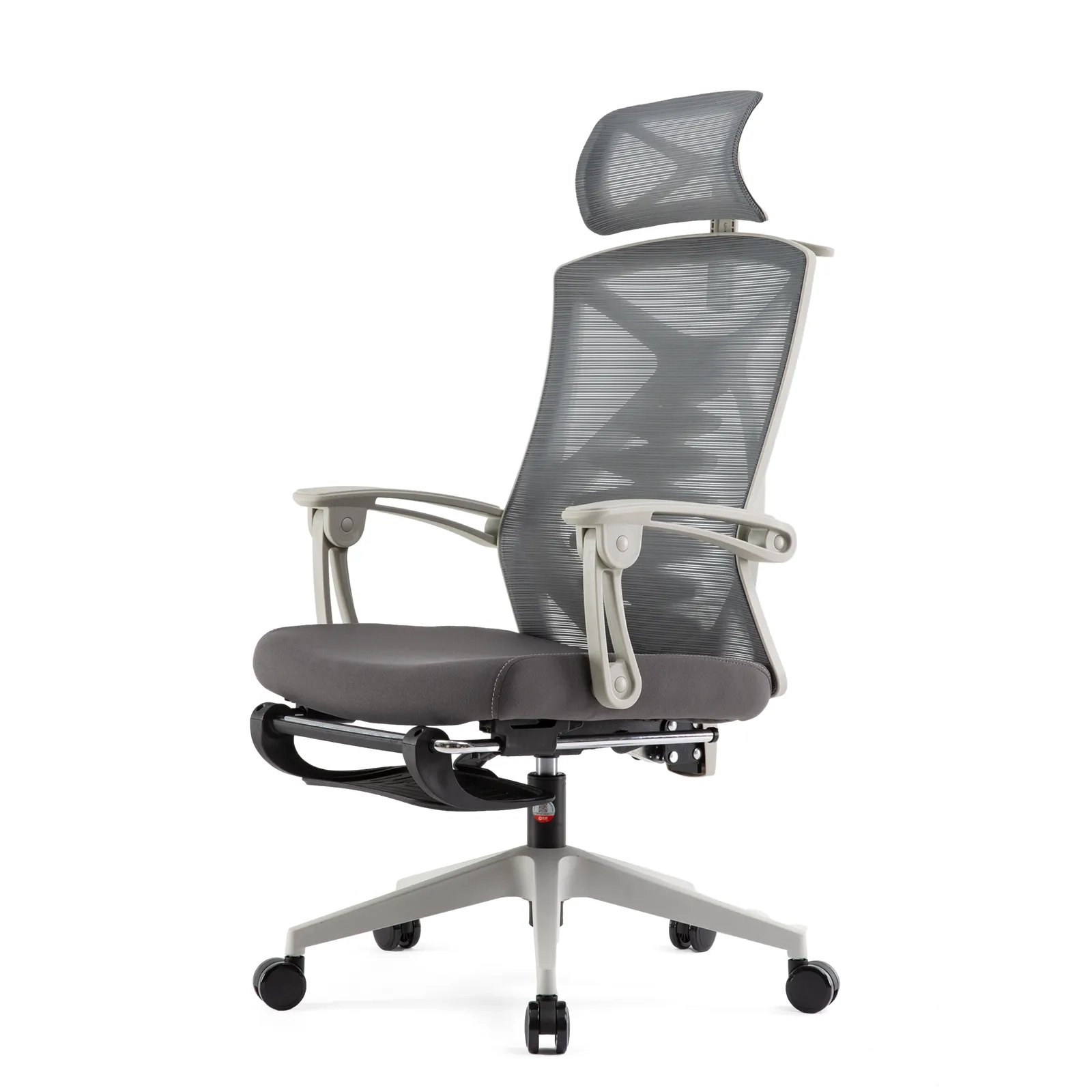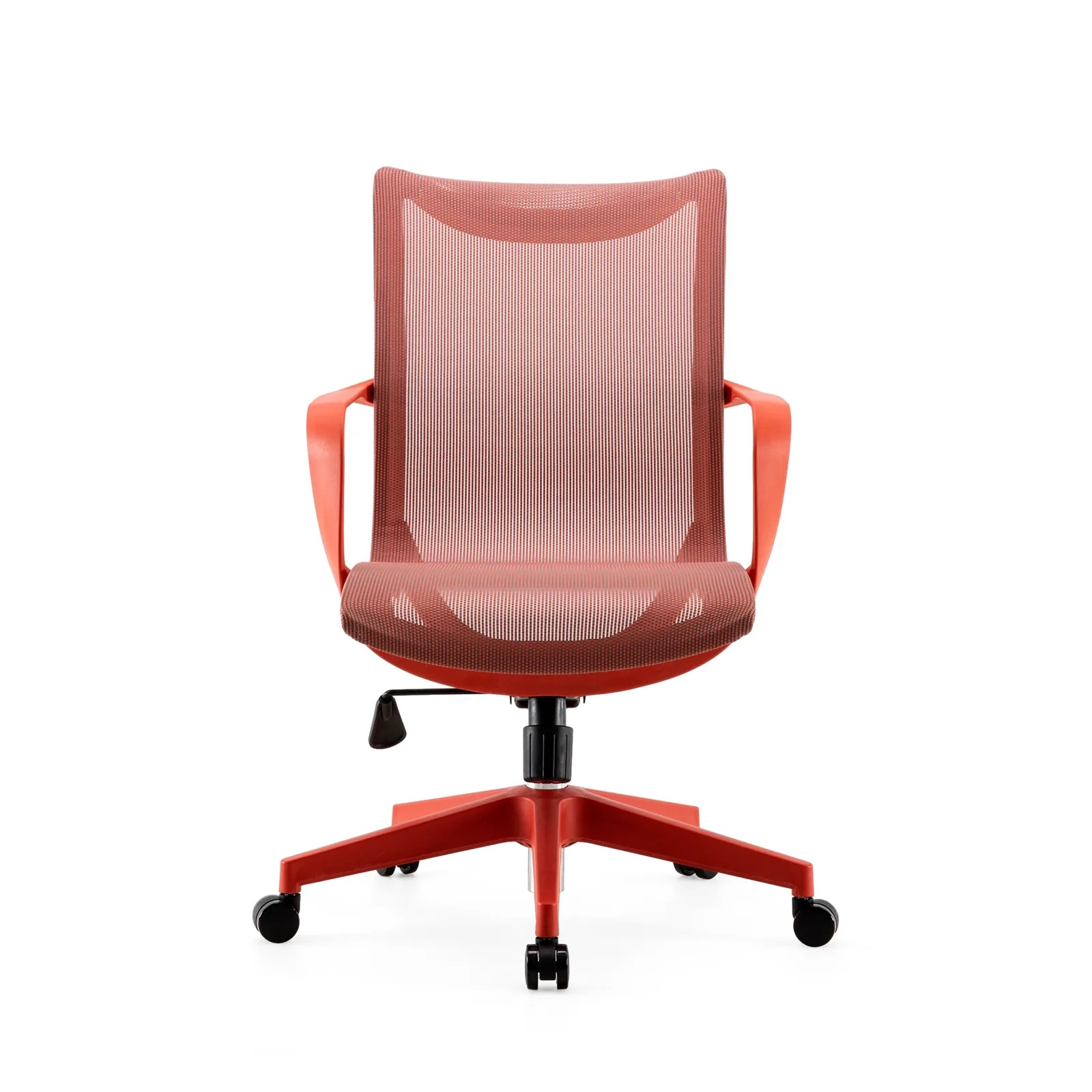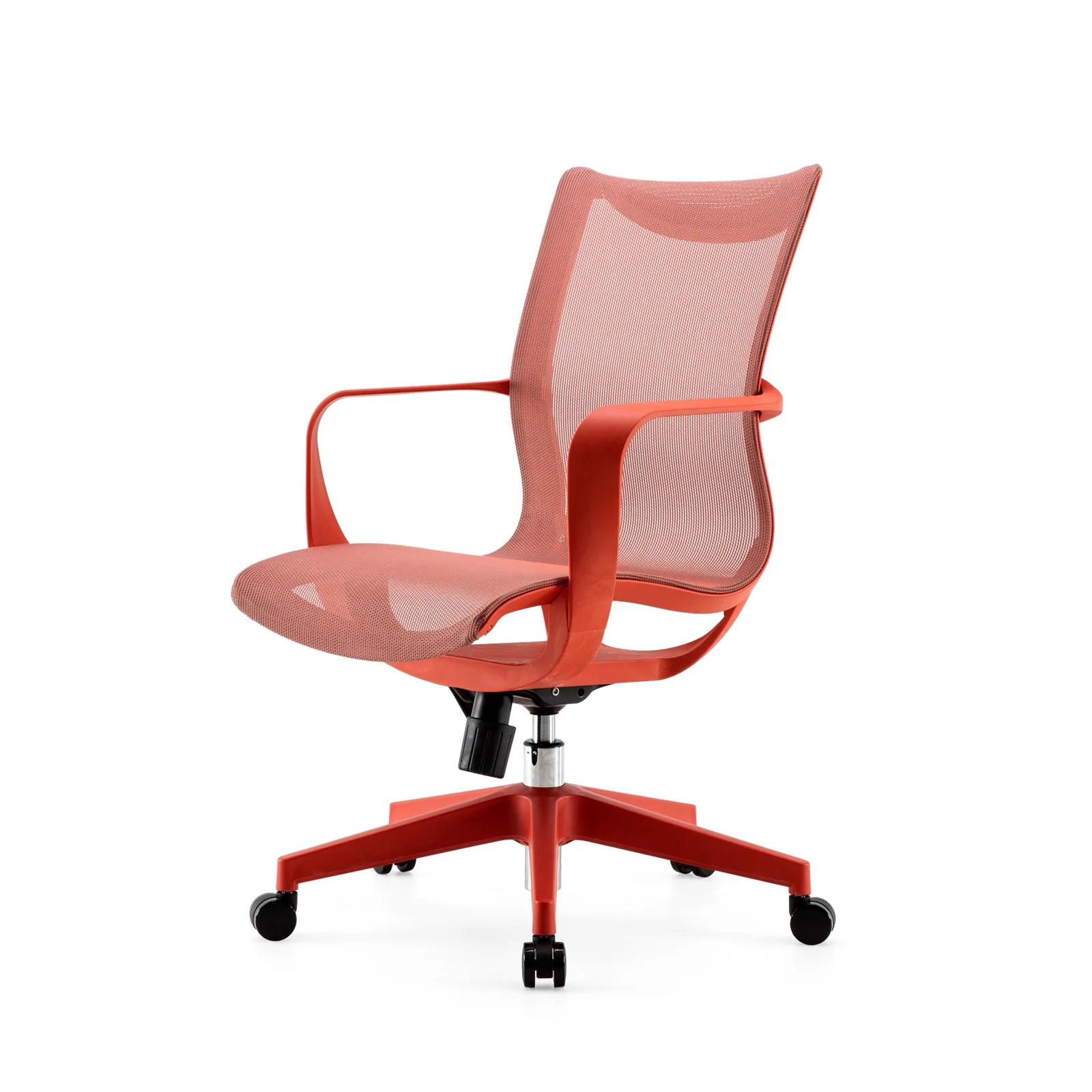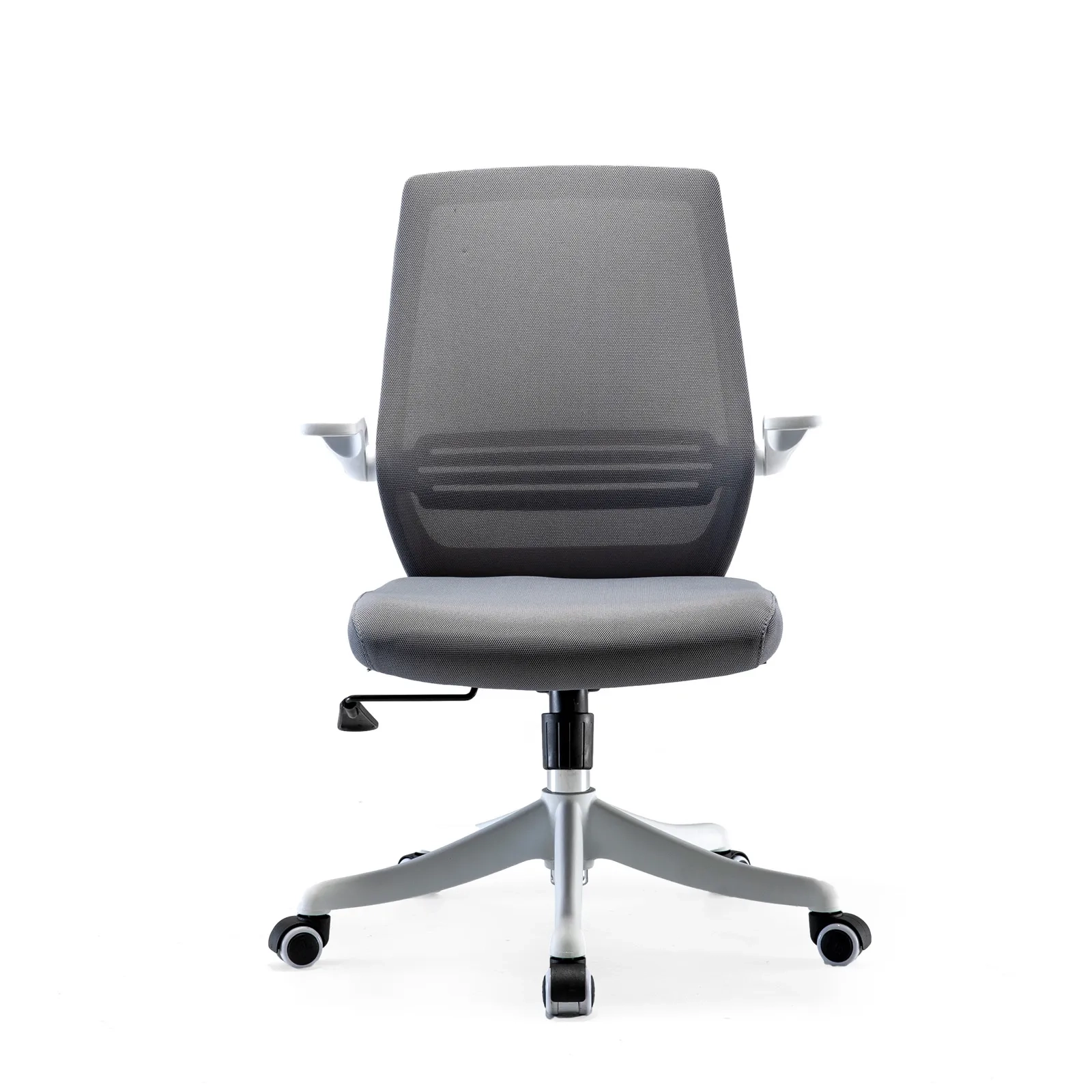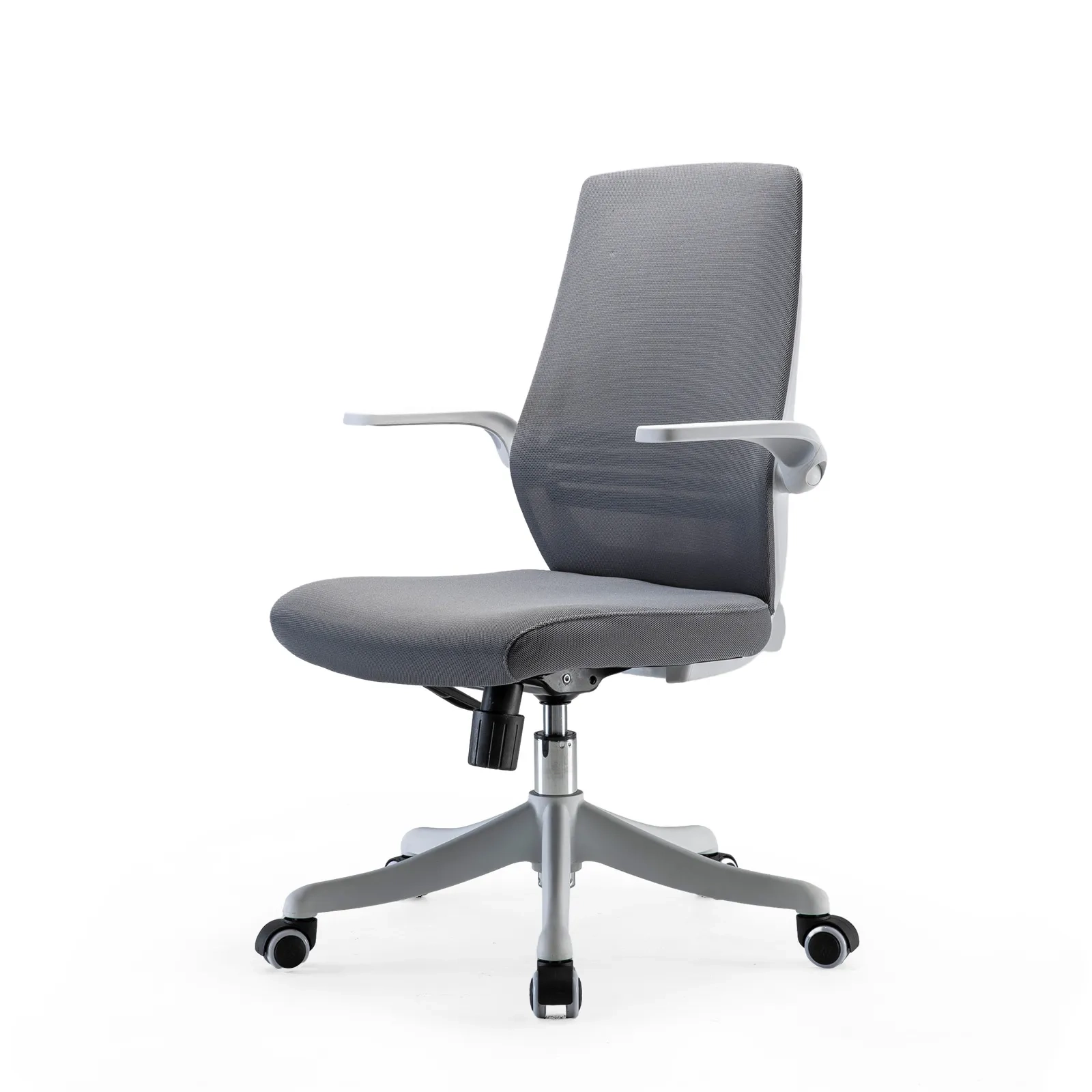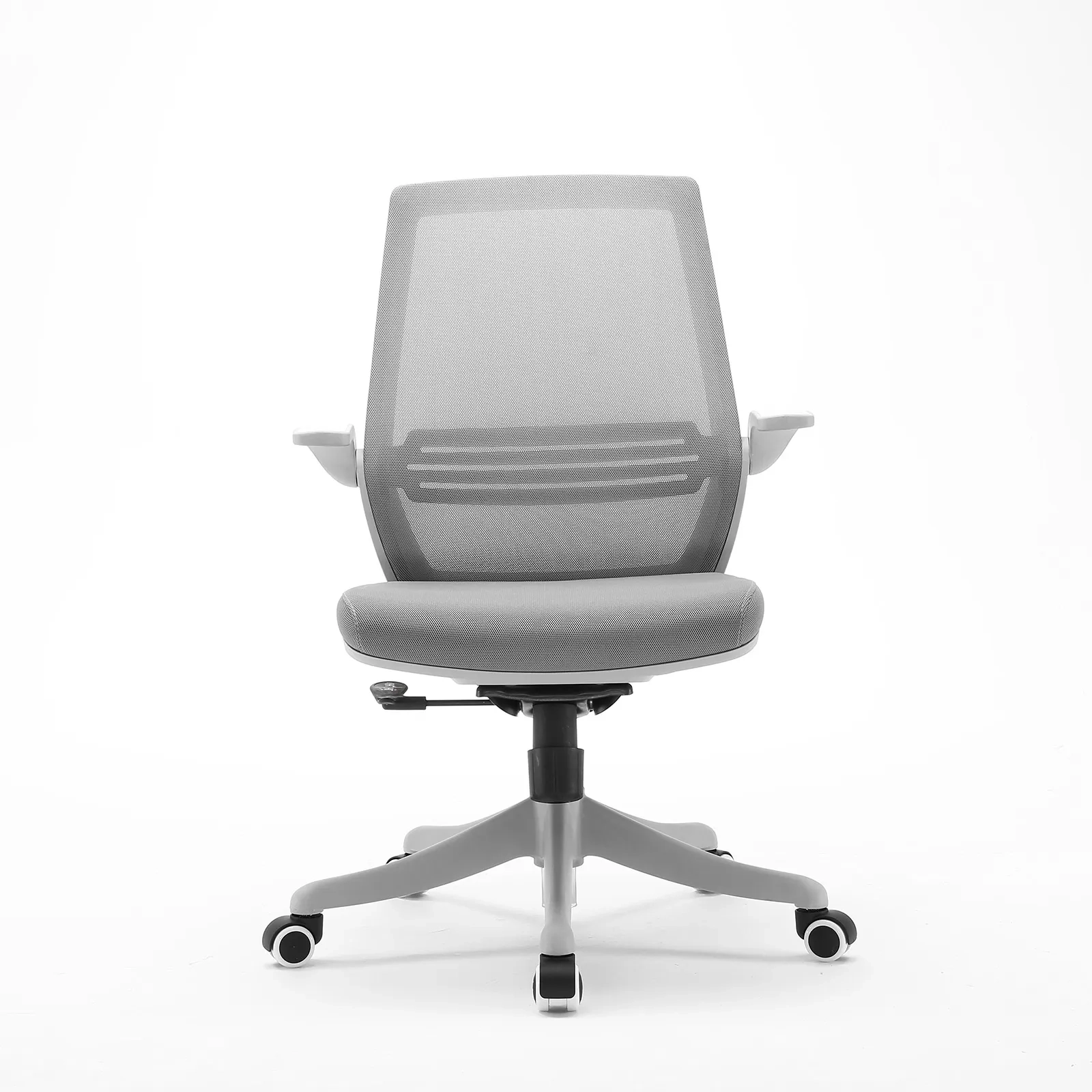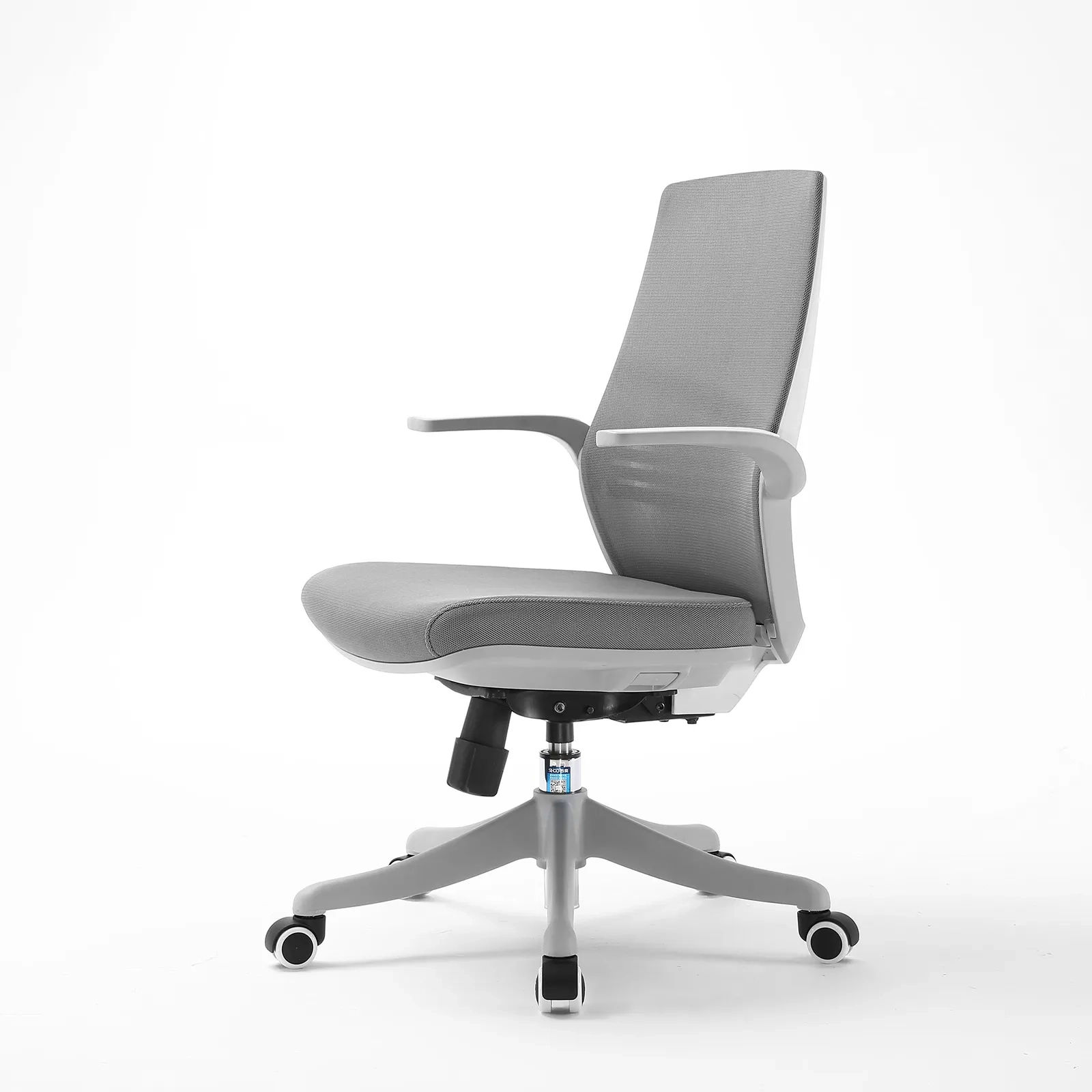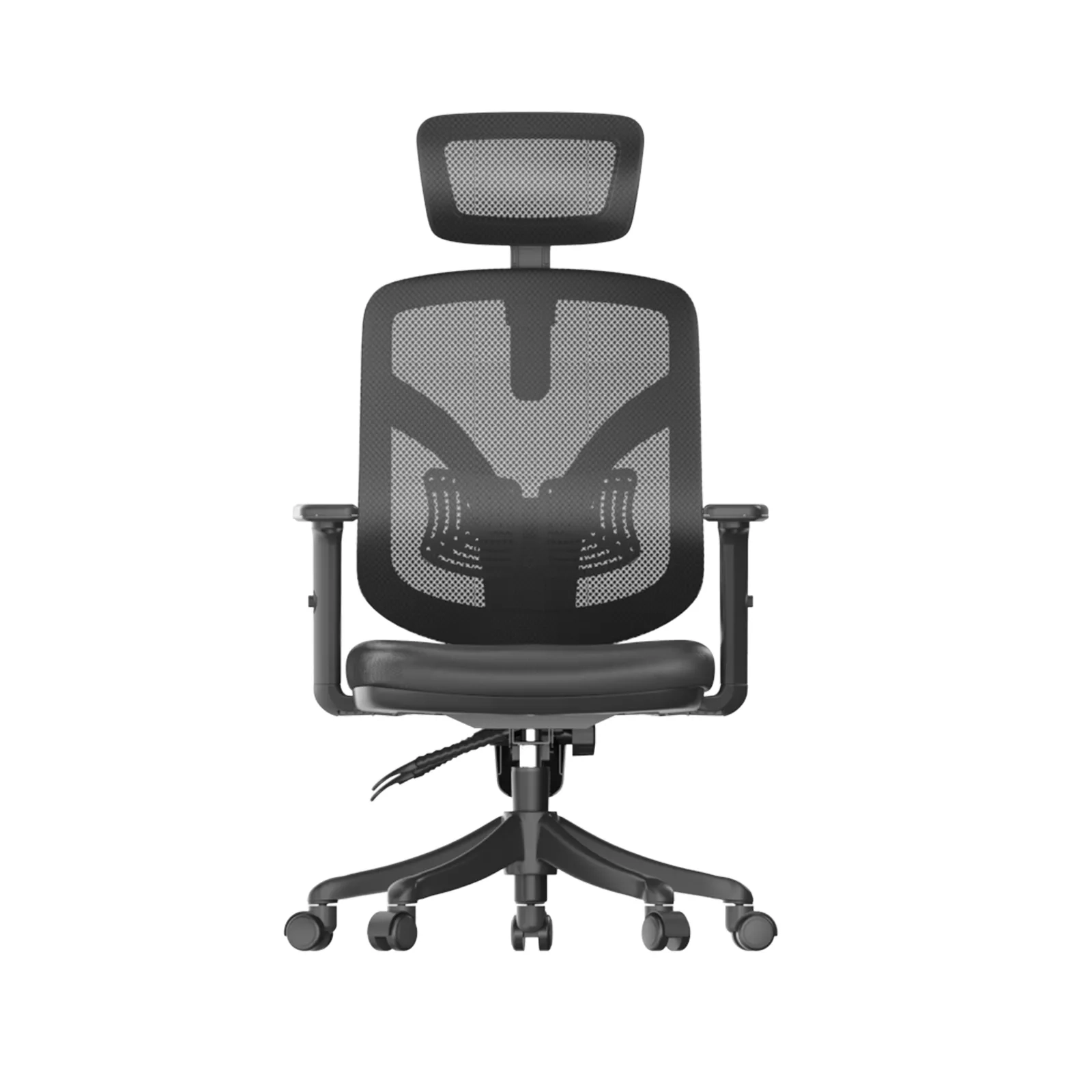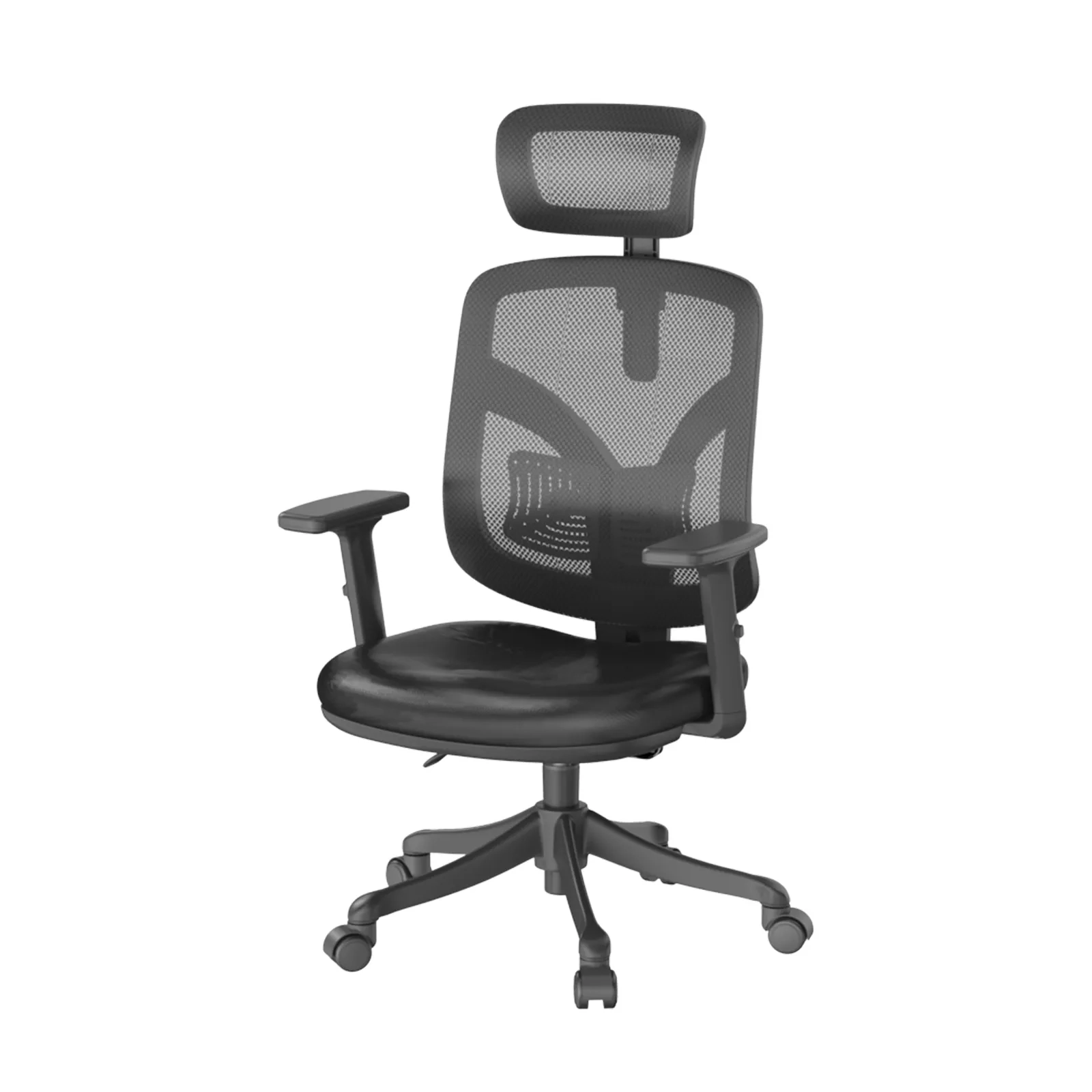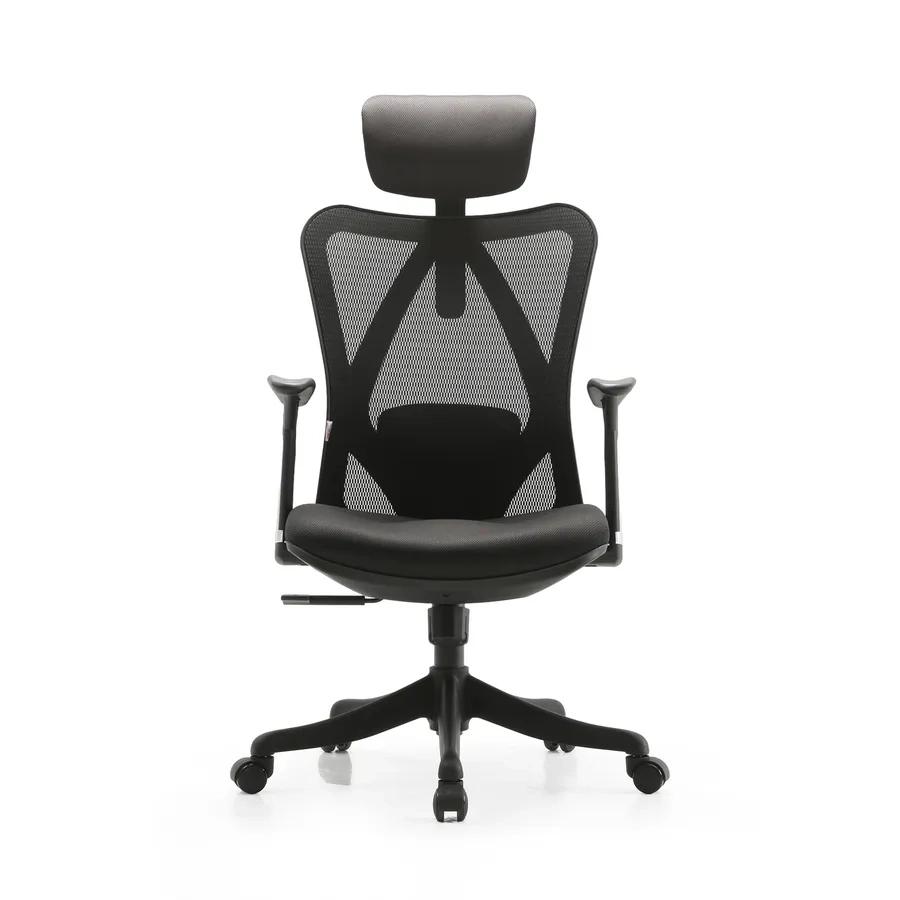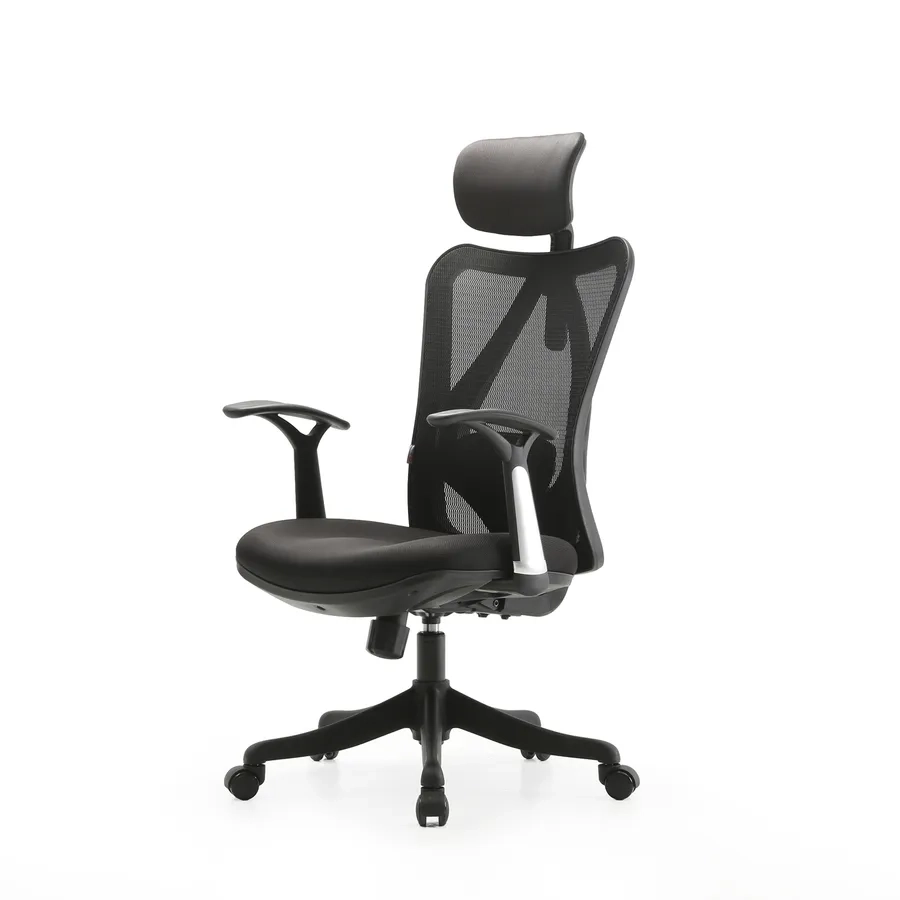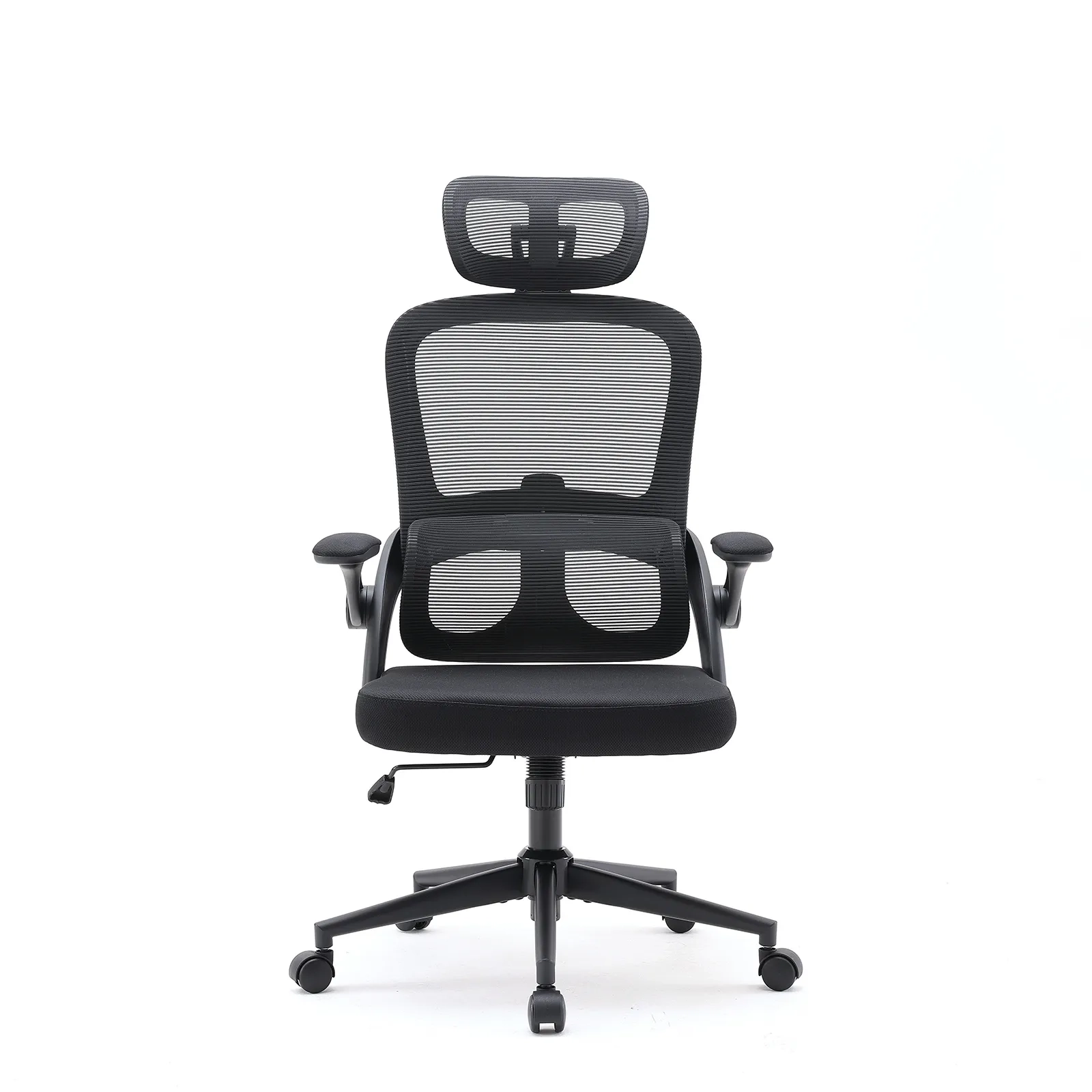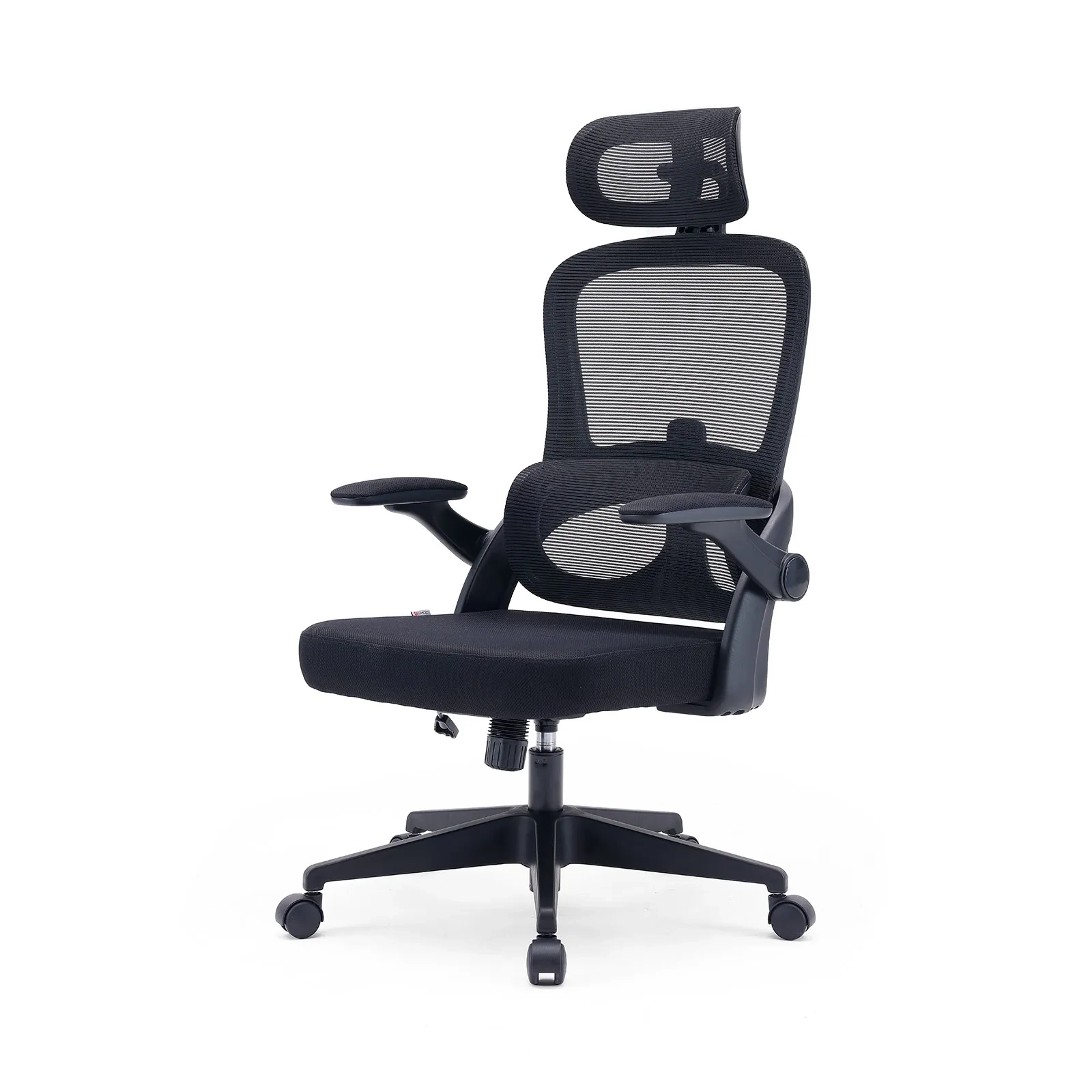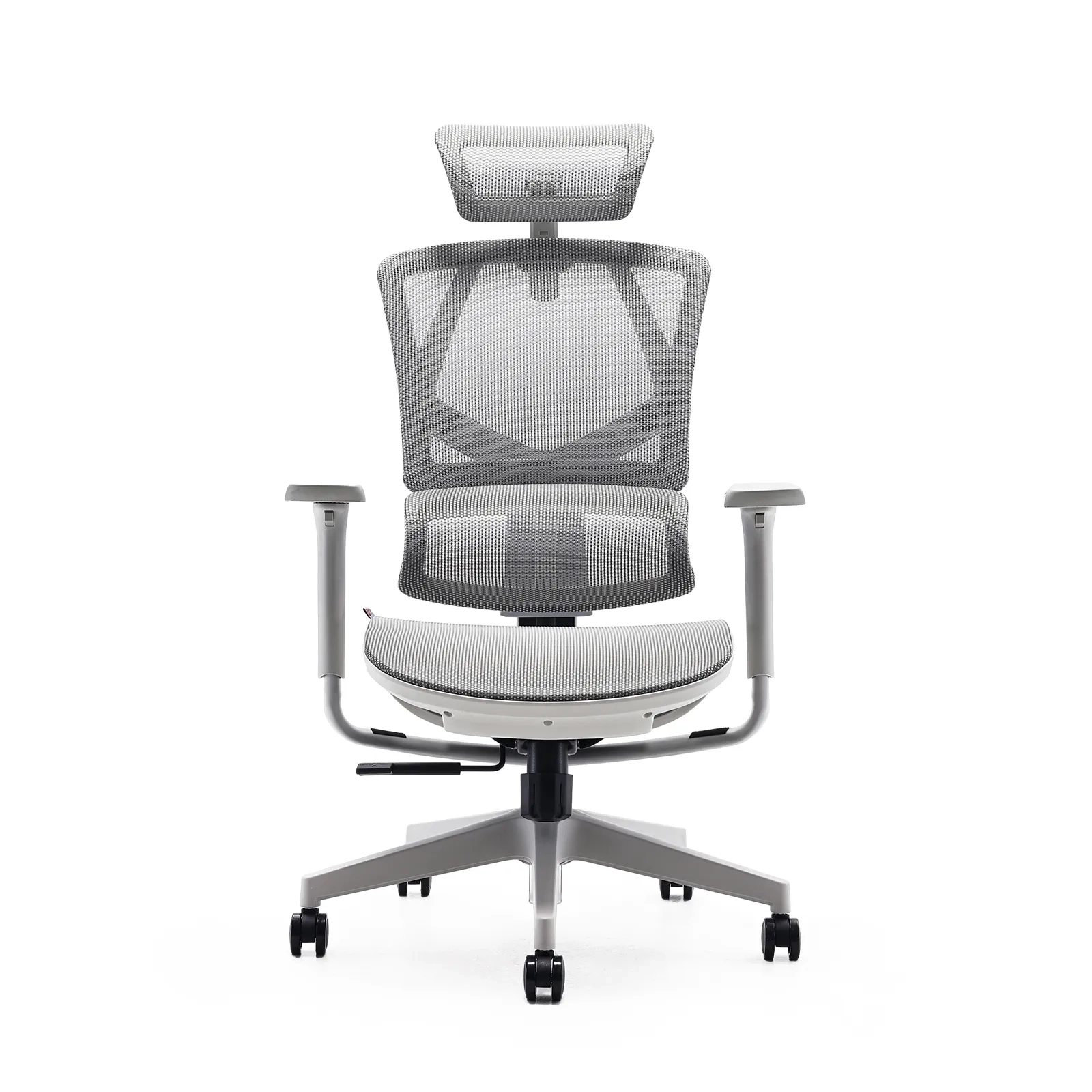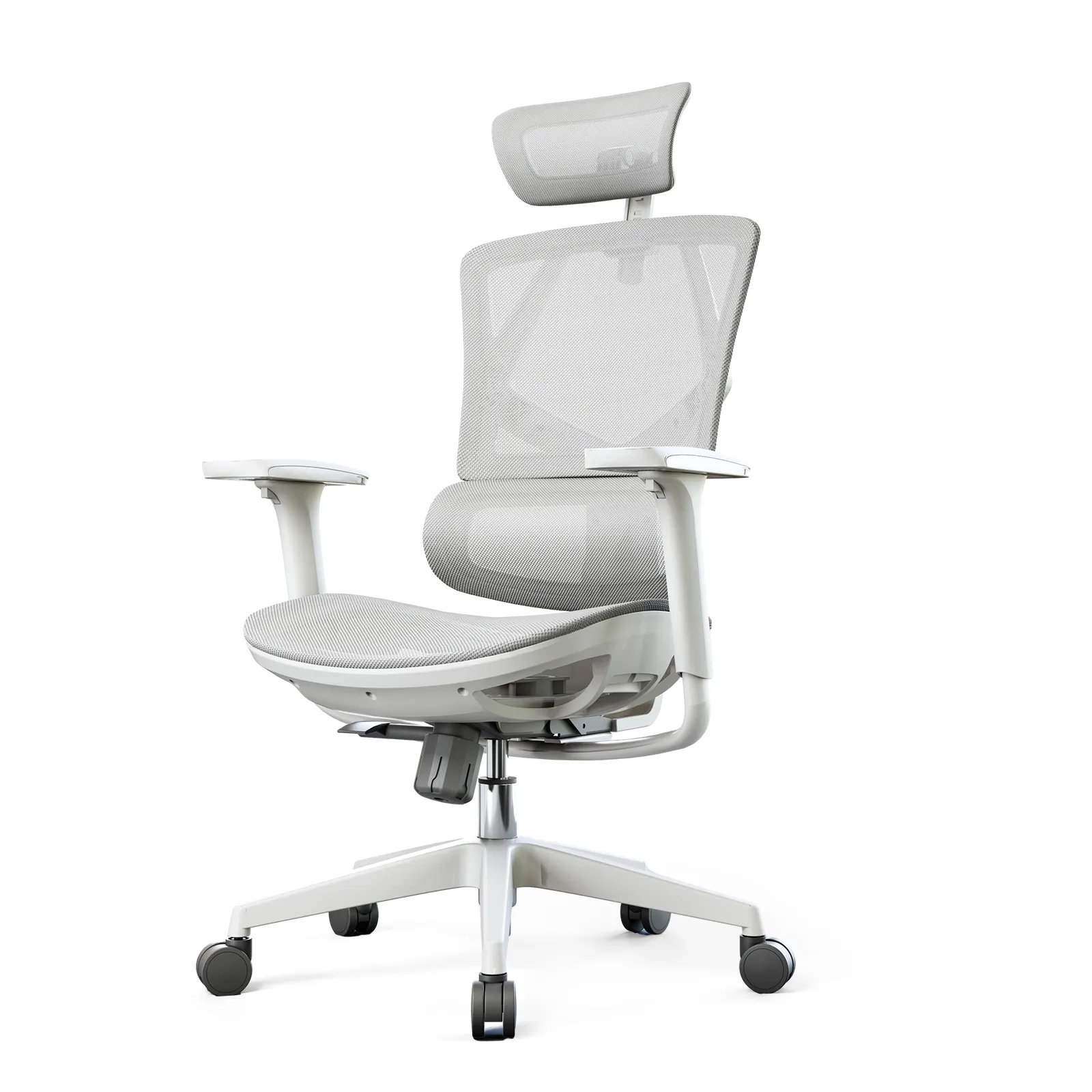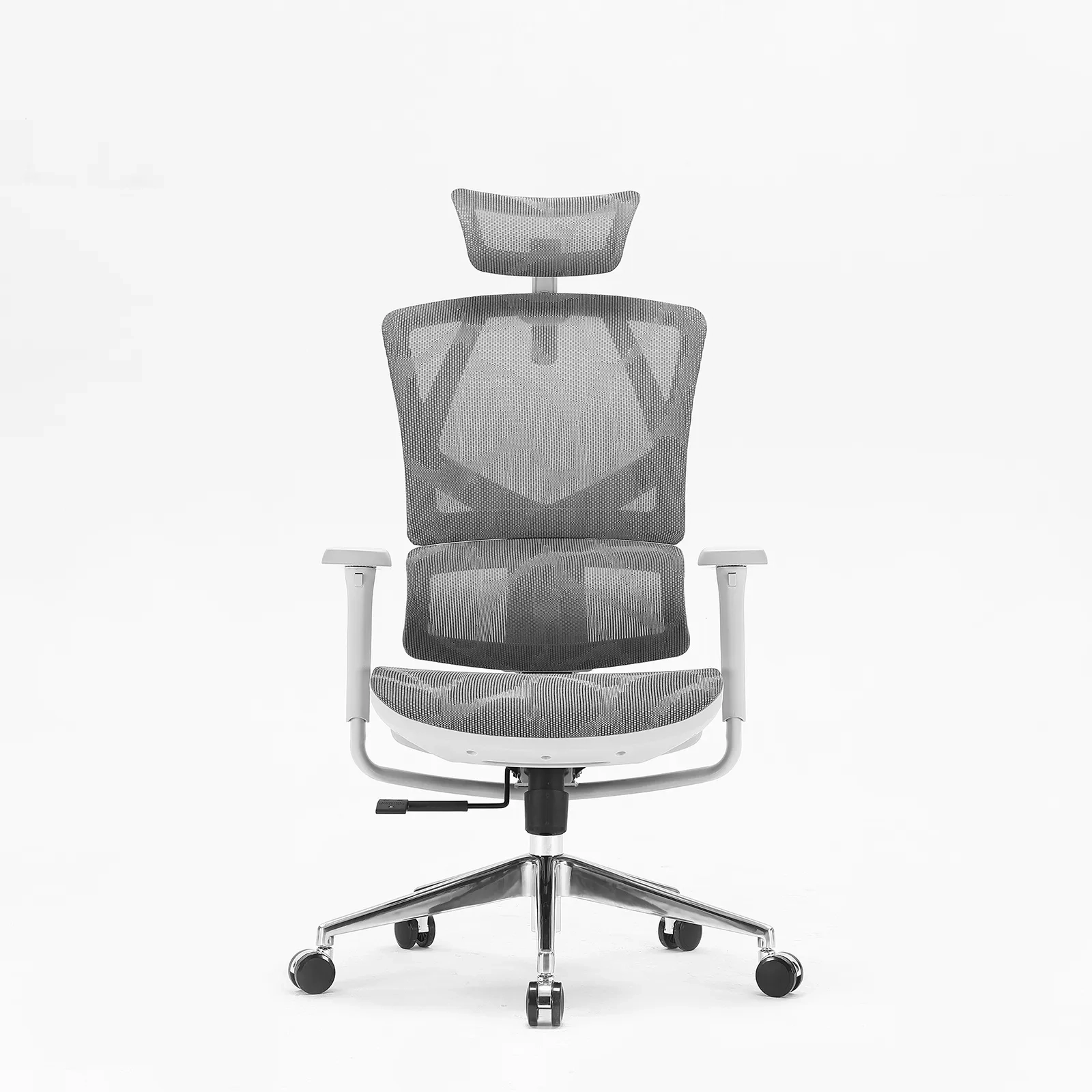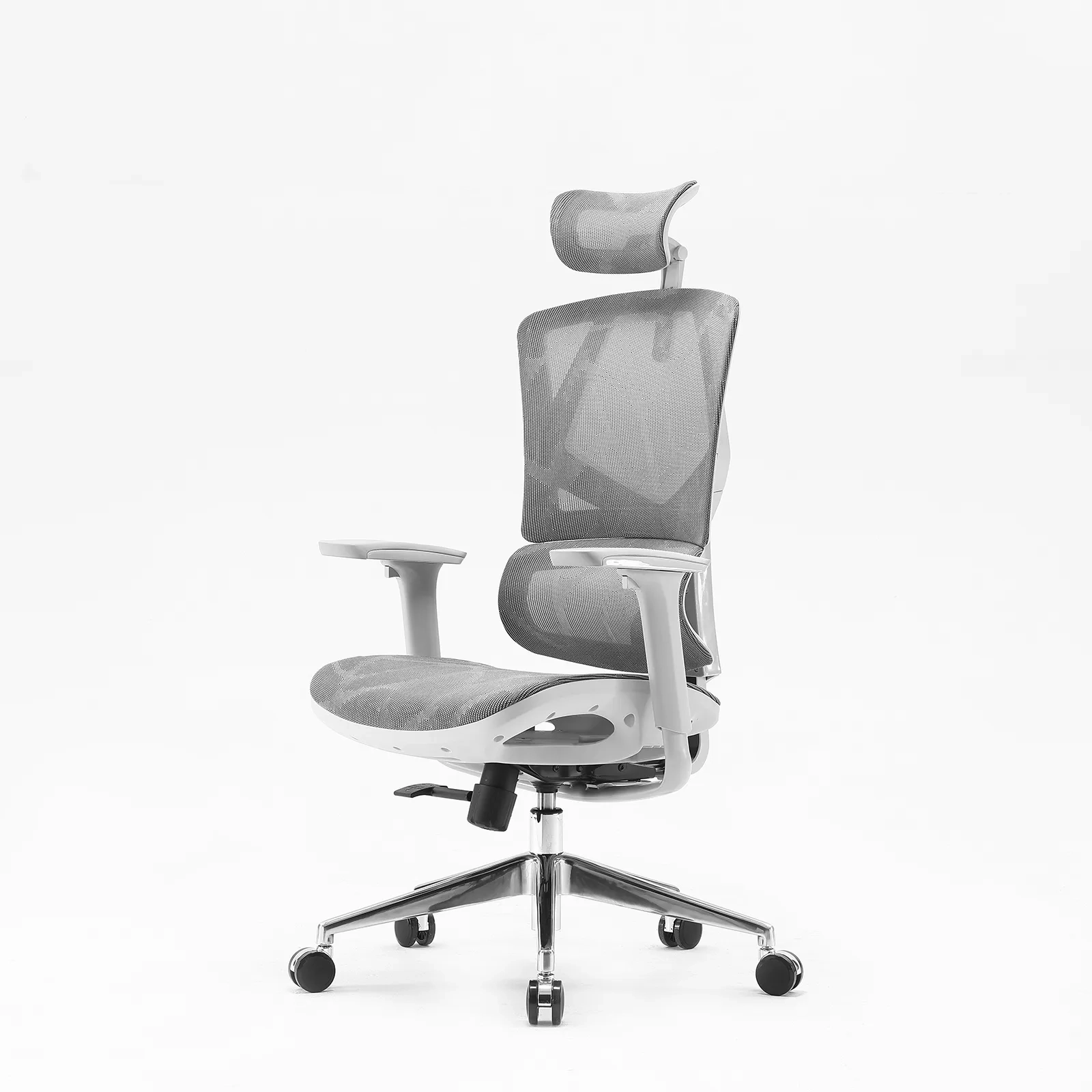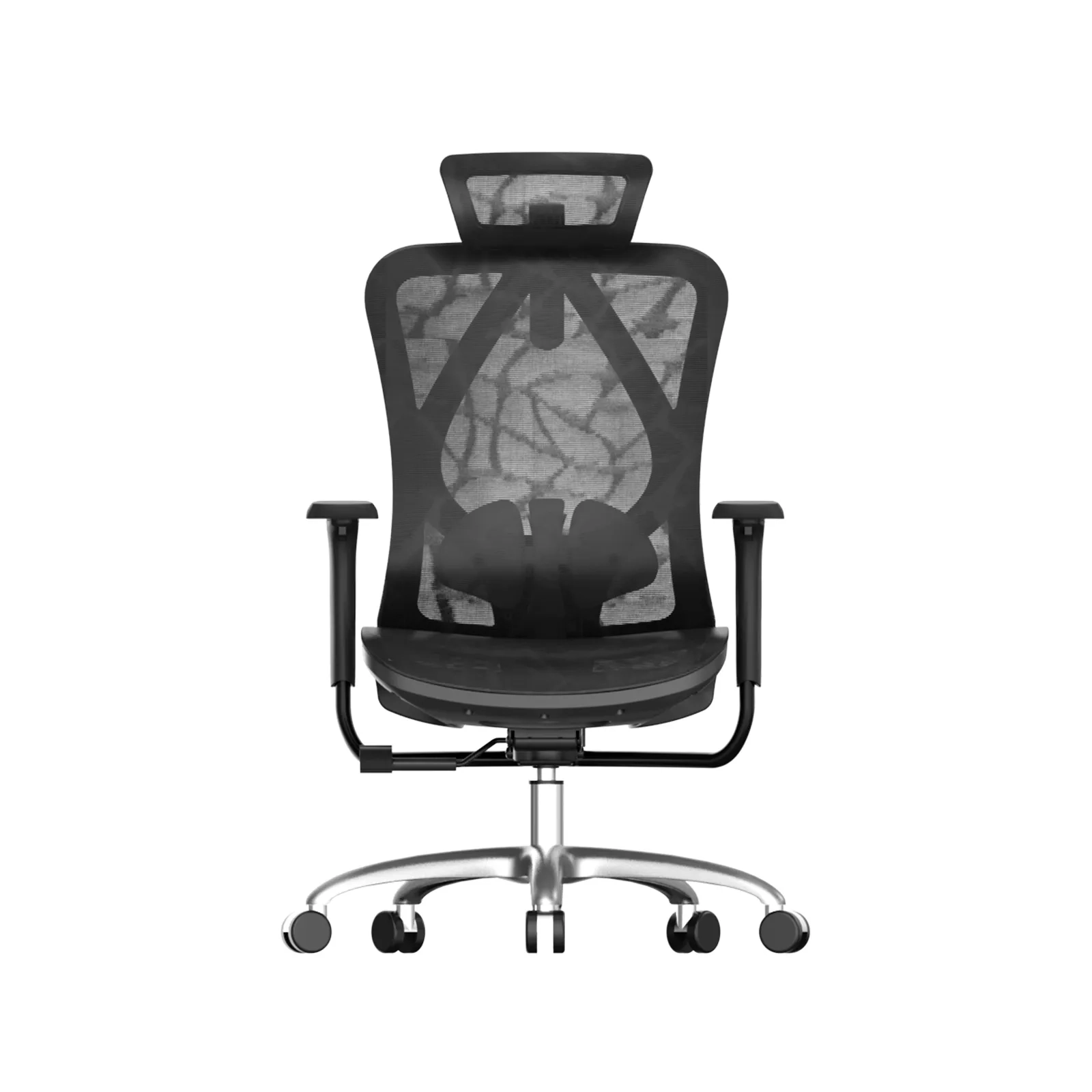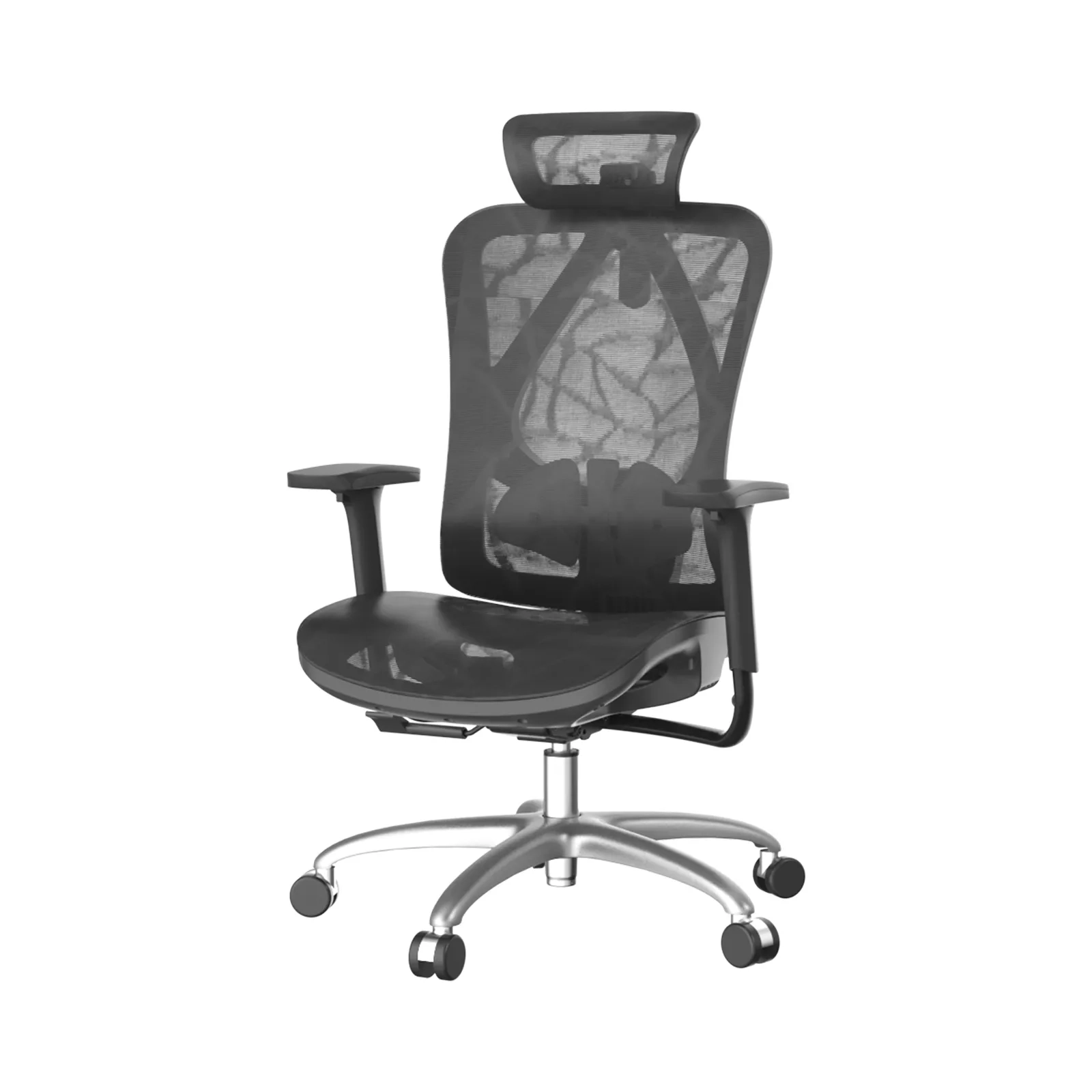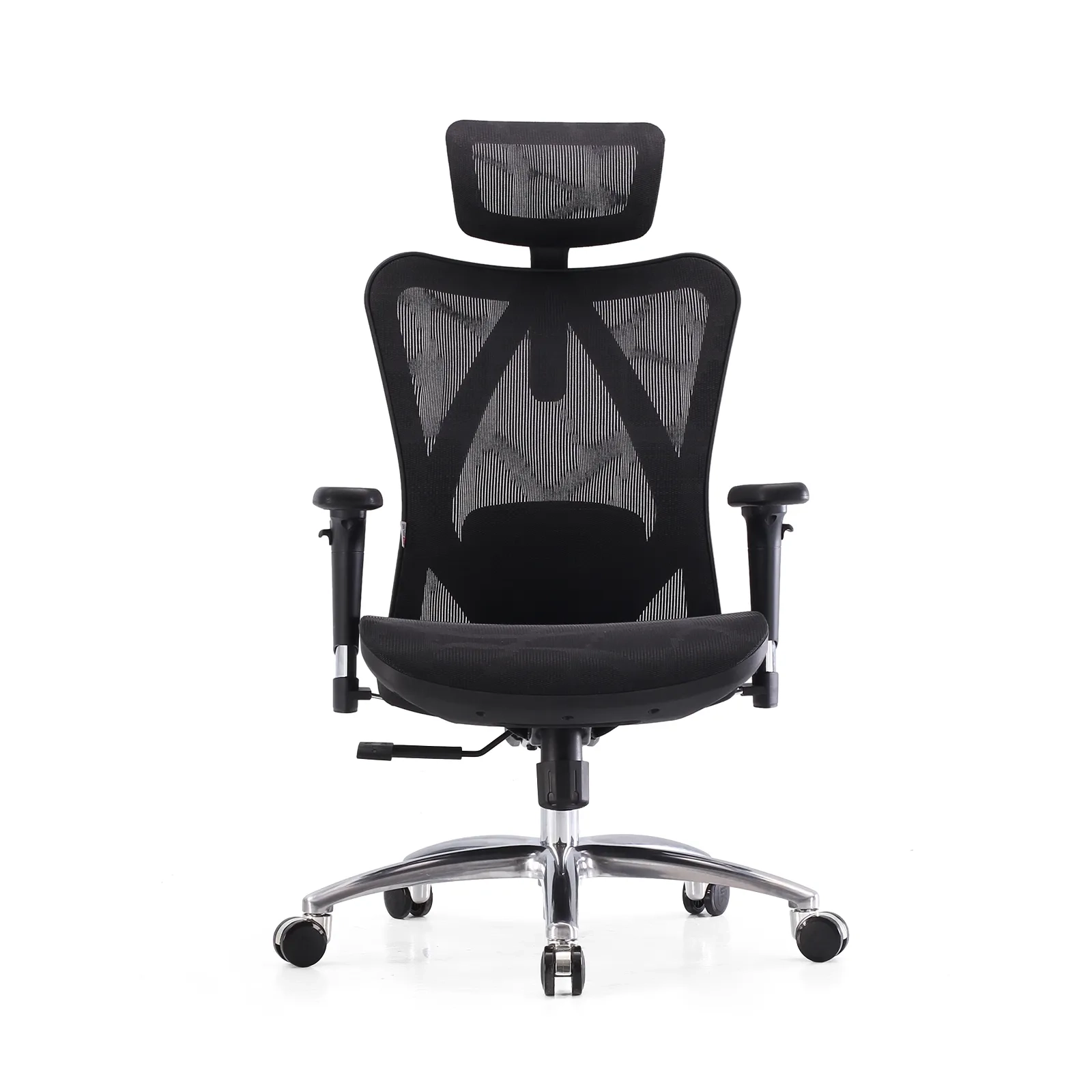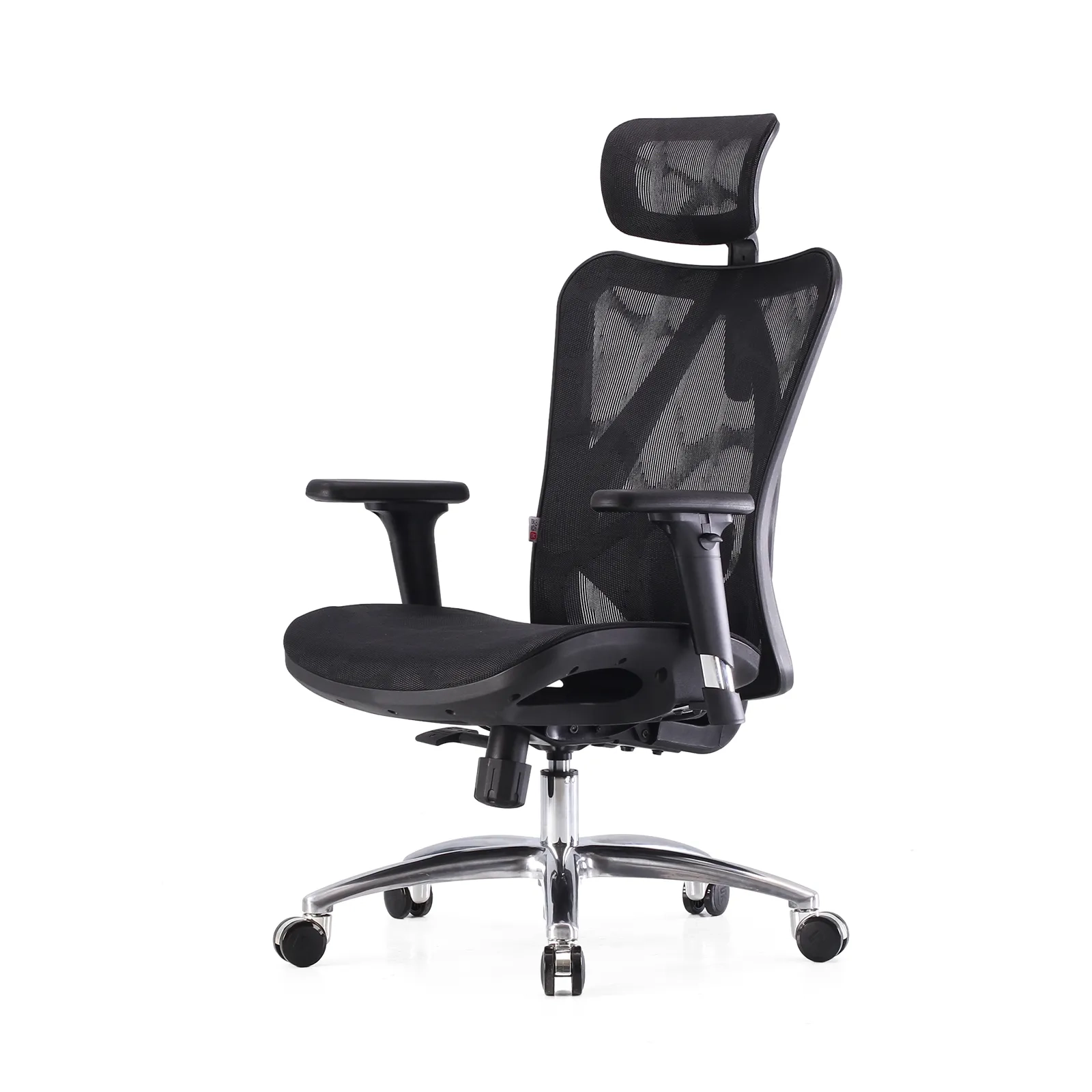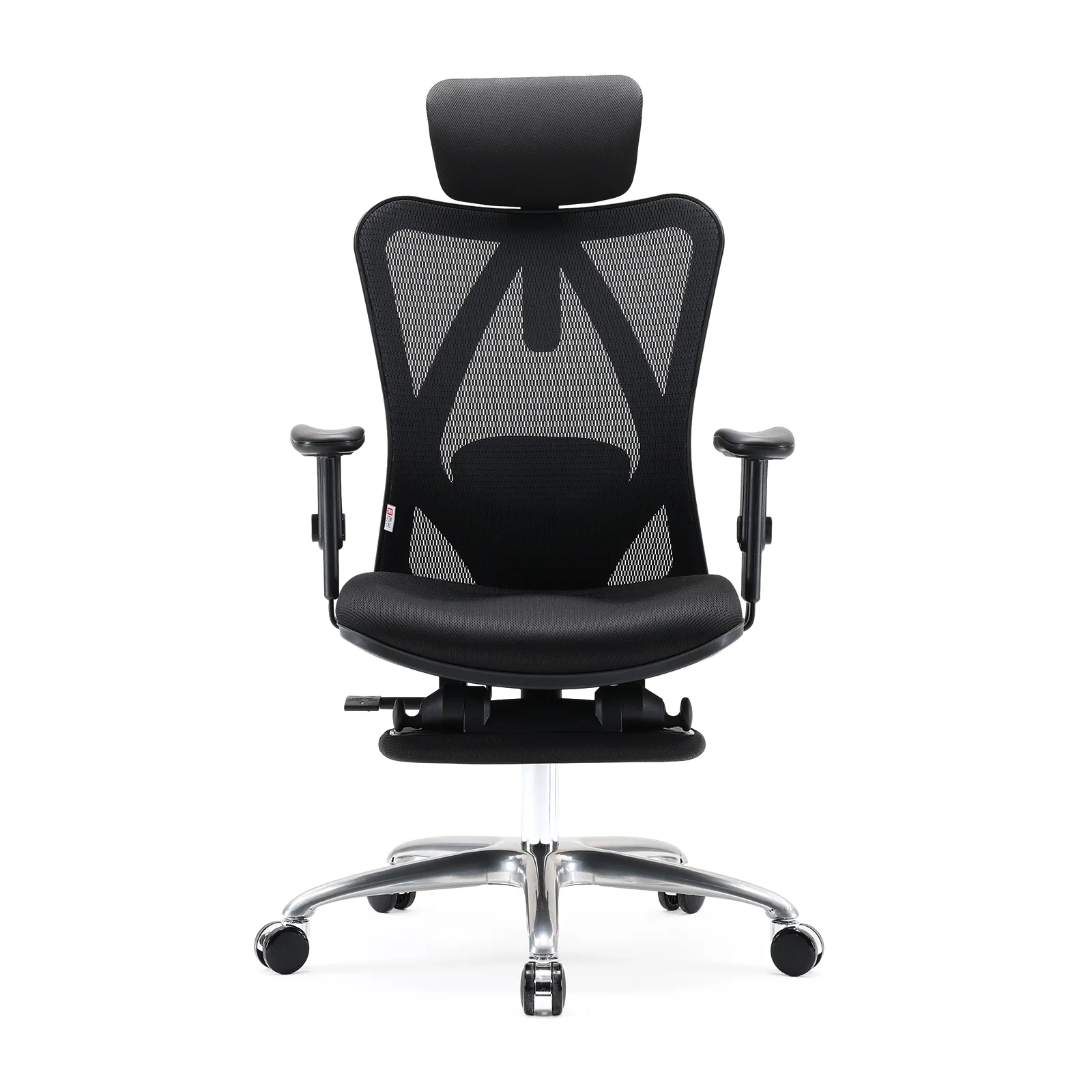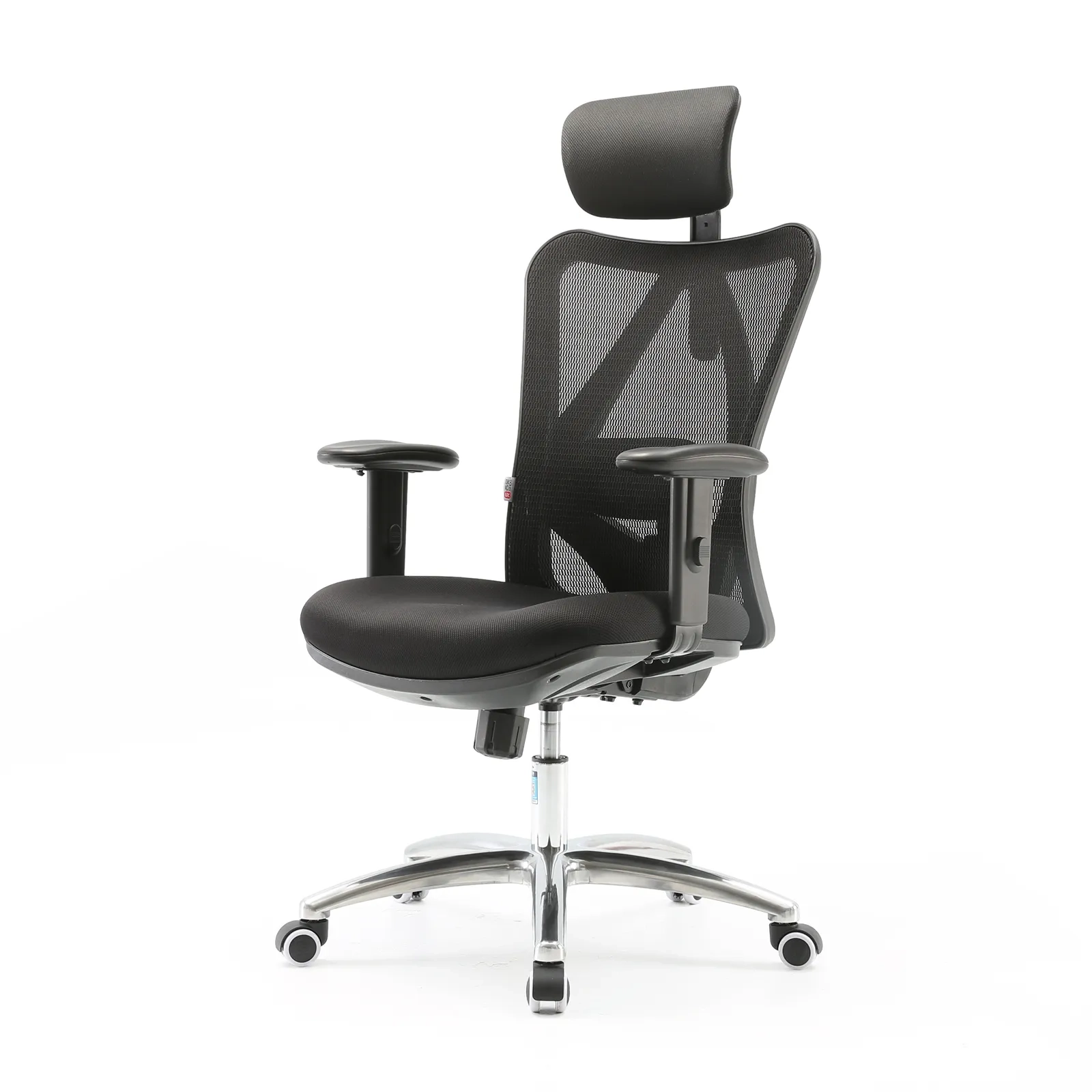









When distributors look at SIHOO, don’t stop at the brand name. Start with the basic buying questions: does the product range fit your market? Are the models easy to explain? What documents can you get? How do samples, resources, and partner inquiries actually work? A good SIHOO office chair manufacturer review makes those answers easy to find.
This guide lines up SIHOO’s public information in one sensible order before you contact the company. It isn’t a final promise — availability, MOQ, customization, reports, territory terms, pricing, and delivery still need direct confirmation from the SIHOO team.
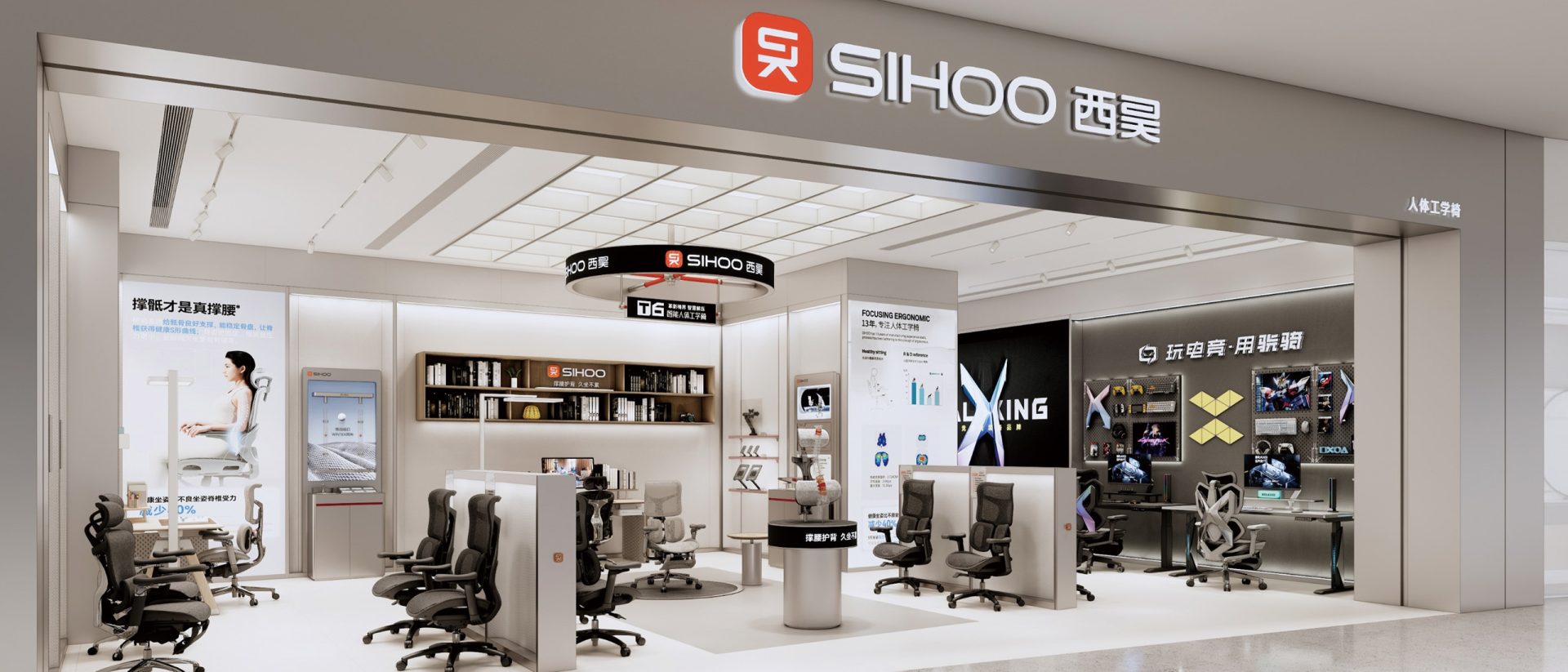
SIHOO distributor review at a glance
| Review area | What distributors should examine | Relevant SIHOO page |
| Company background | Brand focus and manufacturer positioning | About SIHOO |
| Product range | Chair and desk categories | Productos |
| Ergonomic development | Technology, studies, and patents | Core technologies |
| Wholesale category | Ergonomic chair assortment | Ergonomic chairs |
| Sales materials | Catalog and resources | Resources download |
| Partnership route | Distributor or partner inquiry | Become our partner |
| Direct questions | Market, product, and order inquiry | Contact SIHOO |
Next step is simple: match these public pages against your real buying needs.
1. Start with the target market, not the catalog
A distributor should write down these basics first:
- Country or region
- Existing dealer or sales network
- Main customer groups
- Expected price tiers
- Product categories already carried
- Gaps the SIHOO range might fill
- Required standards and documents
- Sales-volume expectations
That context allows SIHOO to recommend suitable product categories and models, and it helps you check whether the proposed models fit local use cases, price points, and channel margins.
For example, a corporate-project distributor will likely prioritize staff chairs, ergonomic task chairs, meeting chairs, and coordinated office solutions. A channel serving home-office and gaming customers may need a different assortment and stronger consumer-facing content.

2. Review the breadth and logic of the product range
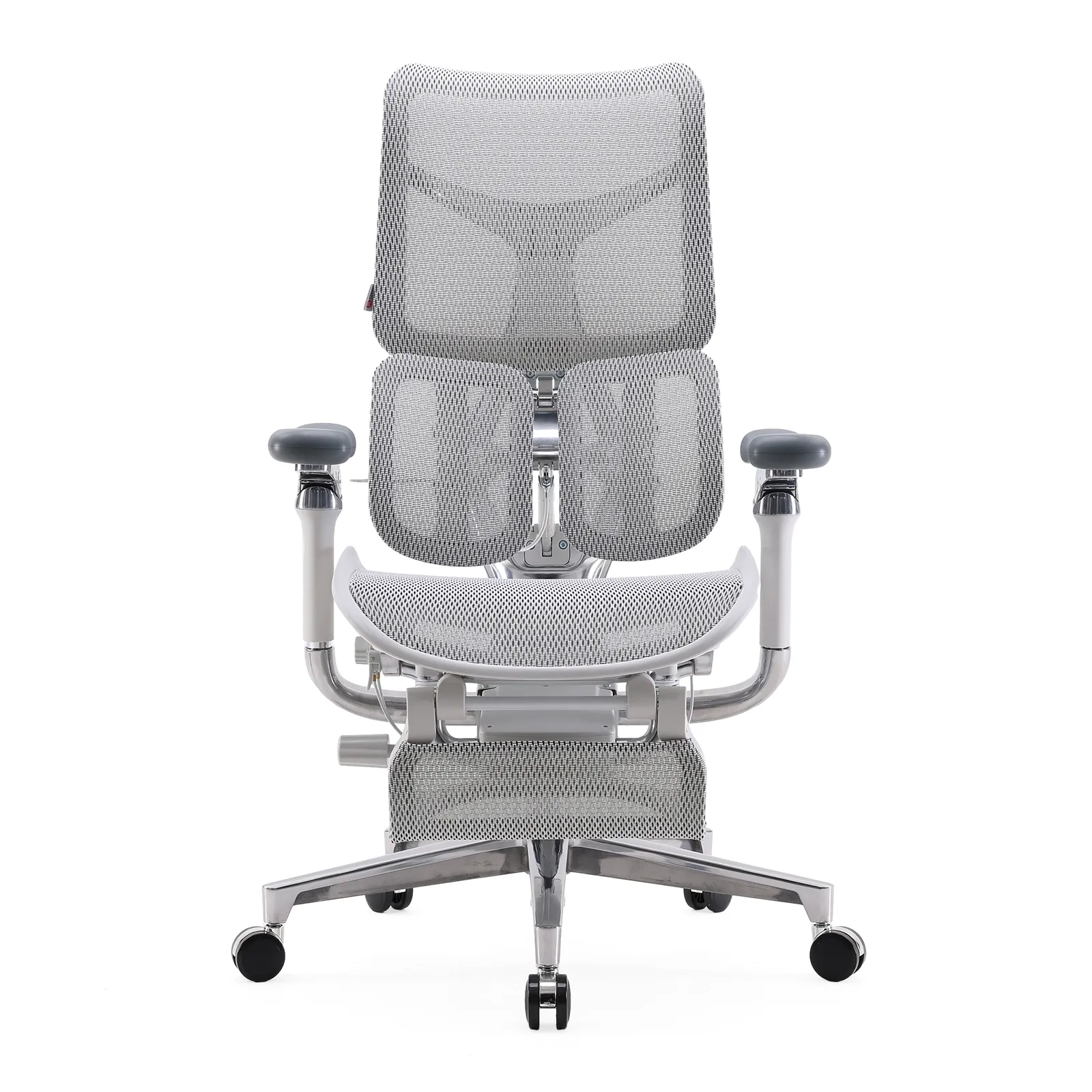
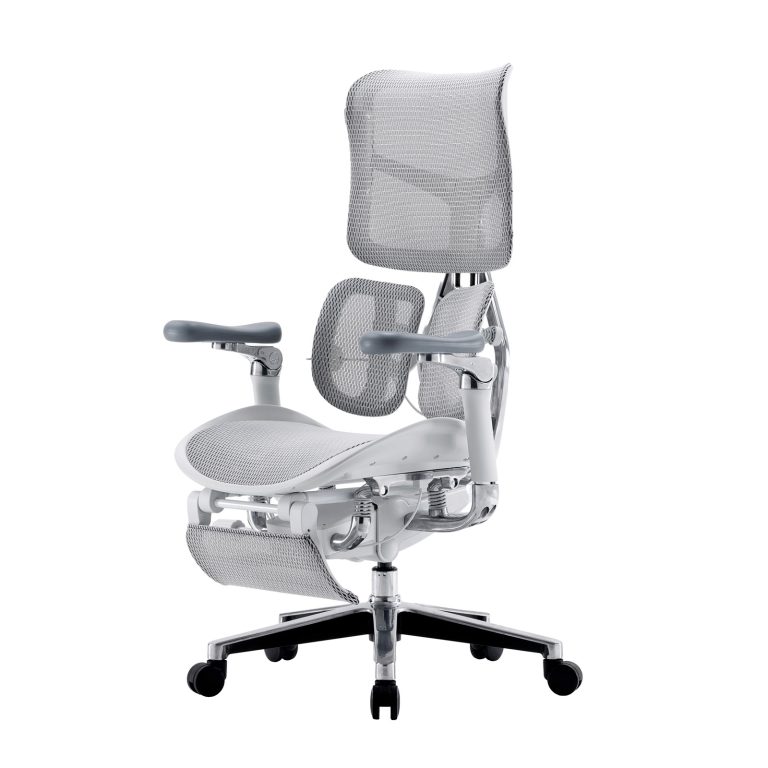
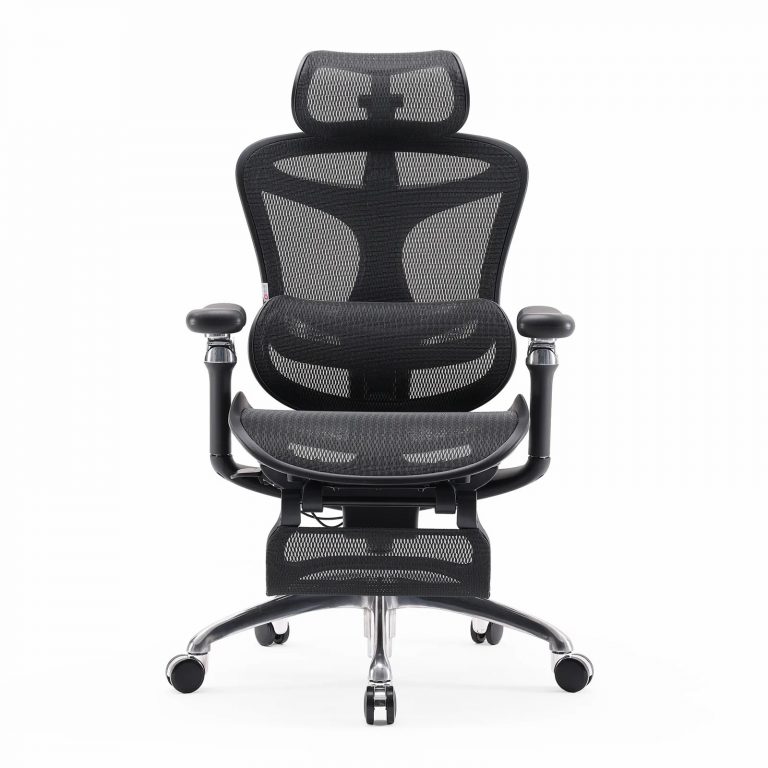
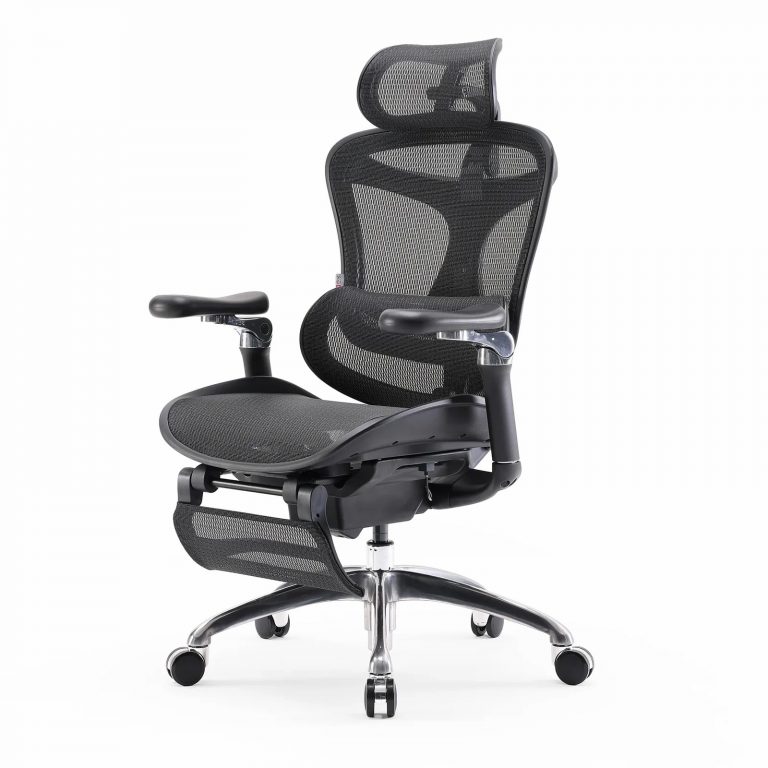
SIHOO’s wholesale site shows several seating and workspace categories, including:
- Ergonomic chairs
- Ergonomic office chairs
- Meeting chairs
- Gaming chairs
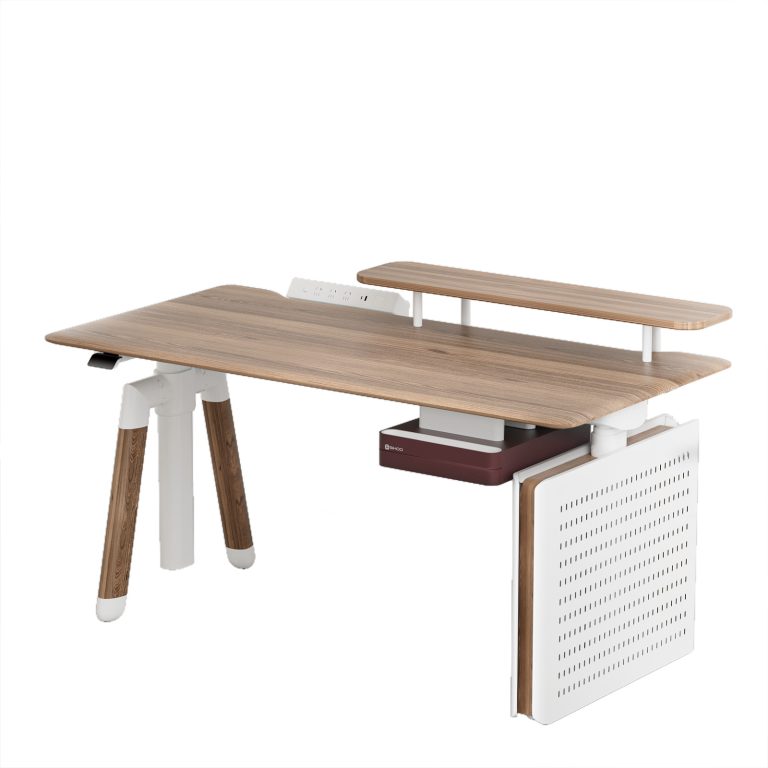
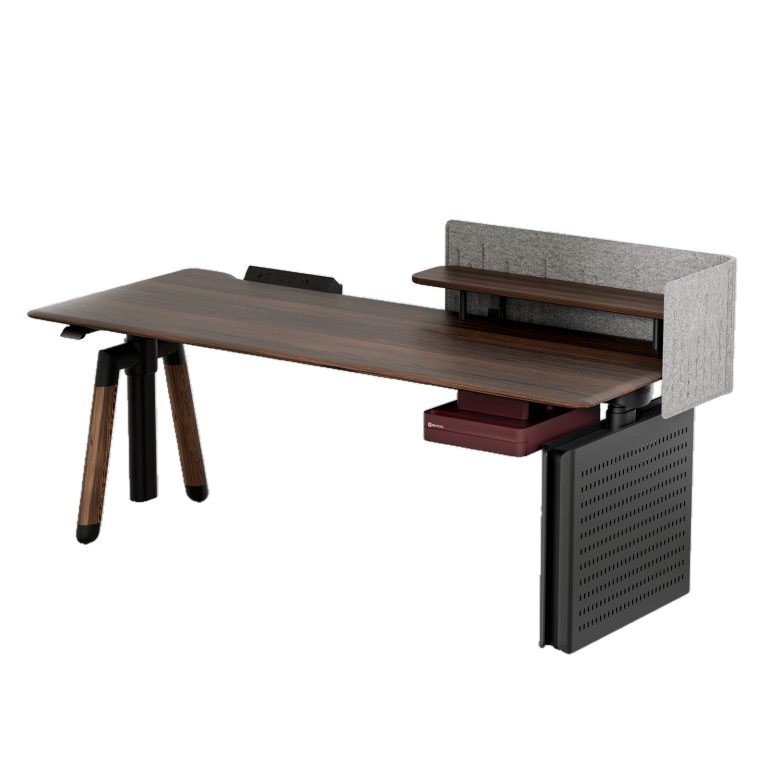
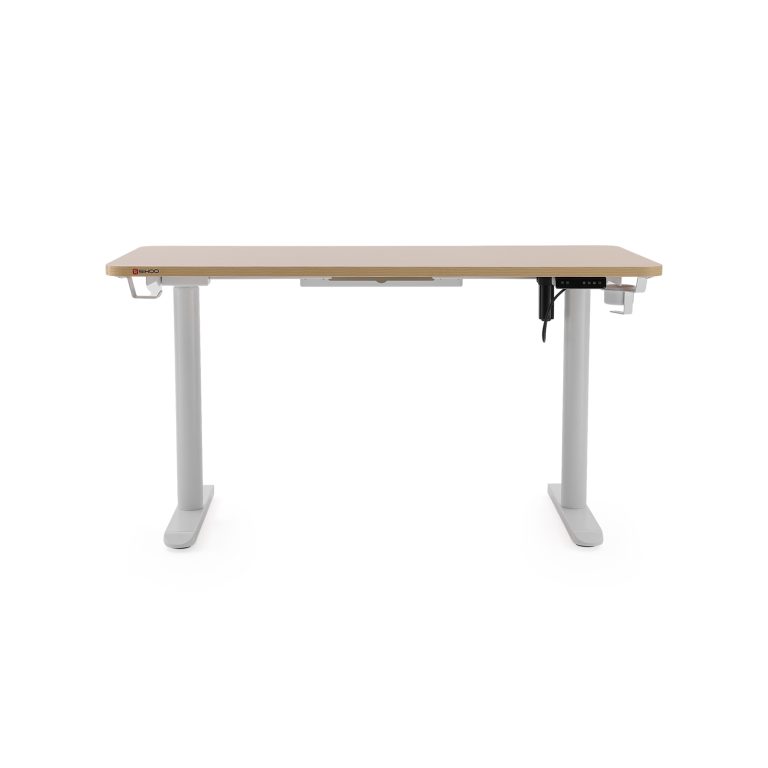
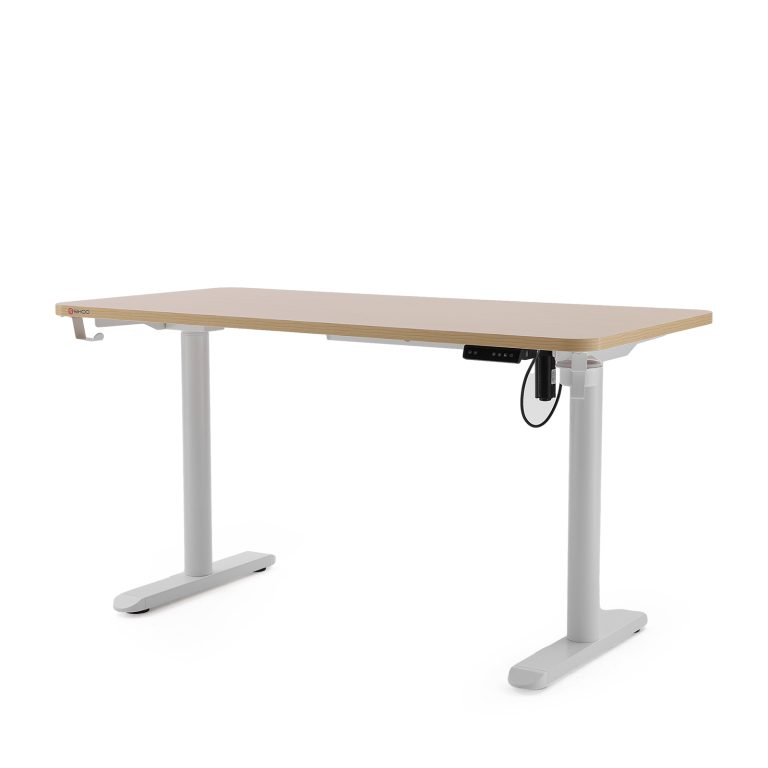
- Height-adjustable standing desks
A distributor shouldn’t assume every category belongs in the launch assortment. Ask SIHOO to explain:
- Which models are core or recurring
- Which models fit the target price tier
- Which products serve different user sizes or office roles
- Which categories share parts or service knowledge
- Which models have the required order-specific documents
- Which products are good for samples
For model-level review, start with these public product pages:
Write your questions down before you request quotations or samples. A focused assortment is far easier to teach, sell, stock, and support than a long list of chairs that all seem to do the same job.
3. Look at how SIHOO explains ergonomic development
An office chair manufacturer should be ready to explain the thinking behind its products. SIHOO publishes information about:
Distributors can use these pages to prep technical questions:
- Which technology applies to the selected model?
- What user problem is the feature built to solve?
- Which parts are adjustable?
- What user-height or use-case range was considered?
- Which claims can go into distributor marketing?
- Which diagrams, patents, reports, or training materials are available?
The final product page, technical sheet, and approved marketing material should describe things consistently.

4. Check product documents before market launch
Before you list a model, request the documents your destination market and channel need.
The package may include:
- Product spec sheet
- Dimensions and weight
- Material and component information
- Assembly instructions
- Product images and approved copy
- Packaging dimensions
- Relevant test reports
- Warranty terms
- Spare-parts information
- Care instructions
Check that model names, colors, functions, and claims match across all materials. If the local market needs language-specific manuals, labels, or warnings, confirm the workflow early.
5. Ask what distributor support is available
Different markets need different support. A distributor with an established sales team may mostly need technical documents and images. A new partner may need product training, assortment guidance, sample planning, and launch materials.
Questions worth discussing:
- What catalogs and technical sheets are available?
- Are product images or videos available for approved use?
- Can the team provide feature training?
- How are new products communicated?
- What support exists for samples?
- How are replacement parts identified?
- Can the distributor request market-specific materials?
- Which claims and brand assets are approved?
The SIHOO resources page is a logical starting point. Order-specific and market-specific needs should go through the partnership or contact process.
6. Clarify commercial terms directly
Public company and product pages don’t set the commercial terms for your specific buy. A distributor should request confirmation of:
- Available models
- MOQ by model, option, or order
- Sample policy
- Price and currency
- Payment terms
- Customization availability
- Packaging options
- Production timing
- Shipping terms
- Warranty and spare parts
- Territory or channel arrangements, where relevant
These terms vary by product, quantity, market, and timing. Don’t publish a general MOQ or lead-time promise in an article unless SIHOO has approved it as current public policy.
7. Plan after-sales before the first sale
A distributor’s reputation rides on how problems get handled. Before launch, agree on:
- Warranty scope
- Claim evidence
- Spare-parts process
- Part identification
- Technical support
- Customer communication responsibilities
- Escalation for repeated issues

Build your own local service policy on top of the confirmed manufacturer process. Don’t wait for the first claim to decide who responds.
8. Build a clear next-step path
A brand-trust article shouldn’t end with a vague homepage link. Readers at this stage need obvious next steps:
- Review the office chairs wholesale procurement checklist.
- Compare wholesale office chairs with retail buying when deciding the right purchasing route.
- Use the office chair supplier audit guide.
- Explore the SIHOO product range.
- Download or request SIHOO product resources.
- Submit a partnership inquiry with company and market information.
That path moves a prospective distributor from brand research to a prepared conversation.
Questions distributors should send SIHOO
Keep the first inquiry concise:
- Which models fit our target country and price tier?
- Which products should we sample first?
- What documents are available for those models?
- What MOQ applies to the proposed assortment?
- Which packaging or branding options are available?
- What product and marketing resources can be provided?
- How are warranty claims and spare parts handled?
- What information does SIHOO need to assess a partnership?
Add company, market, channel, quantity, and timing. Specific questions get more useful answers than a request for a general price list.
Final assessment
Distributors should work with an office chair manufacturer when the products, documents, service process, and business terms fit the target market. SIHOO’s public pages are a starting point for brand, product, technology, resources, and cooperation information — but every order detail still needs confirmation with the right team.
The real reason to consider a SIHOO office chair manufacturer relationship isn’t one shiny claim. It’s the chance to review a structured range, ask for useful technical and commercial information, and build a clear path from sample to distribution and after-sales support.
Become a SIHOO partner to introduce your company and target market. For product, order, or document questions, use the SIHOO contact page.
1600x1600-4-768x768.jpg)
1600x1600-8-768x768.jpg)