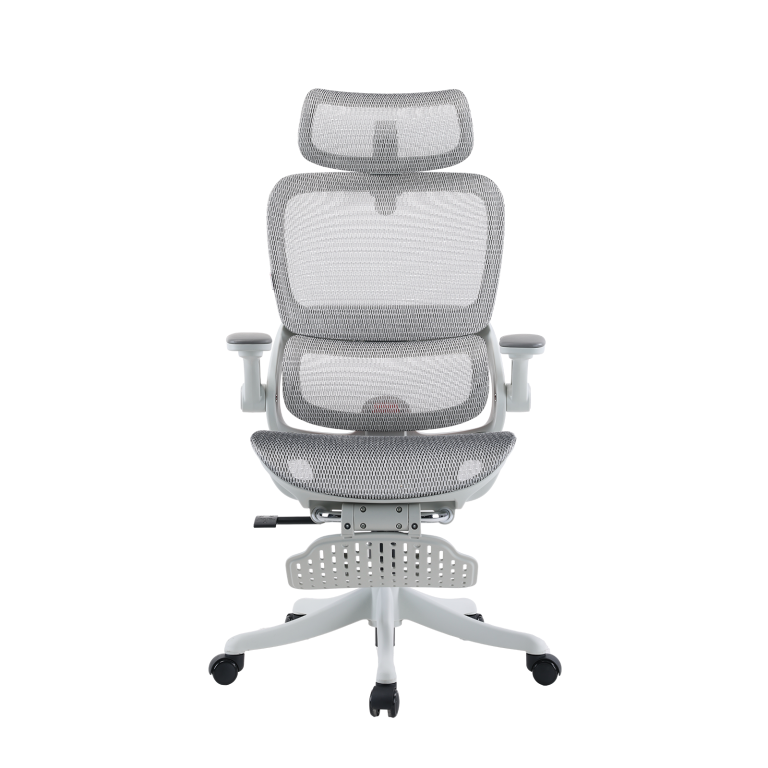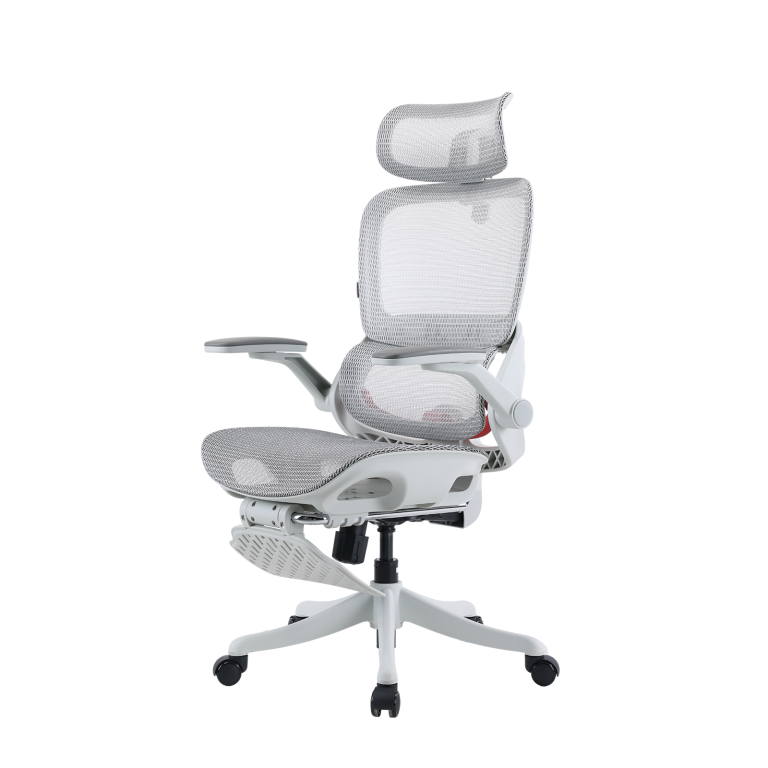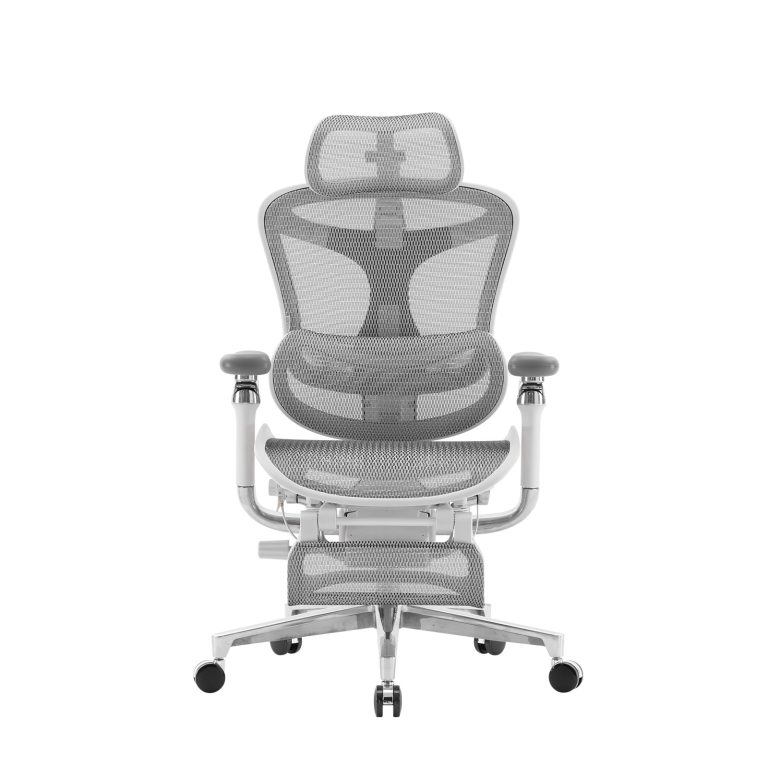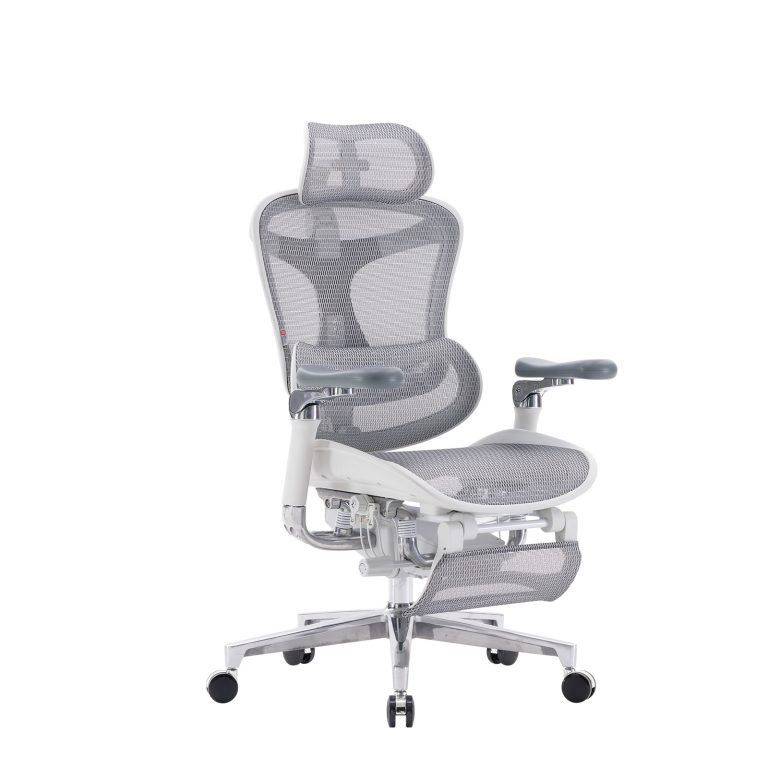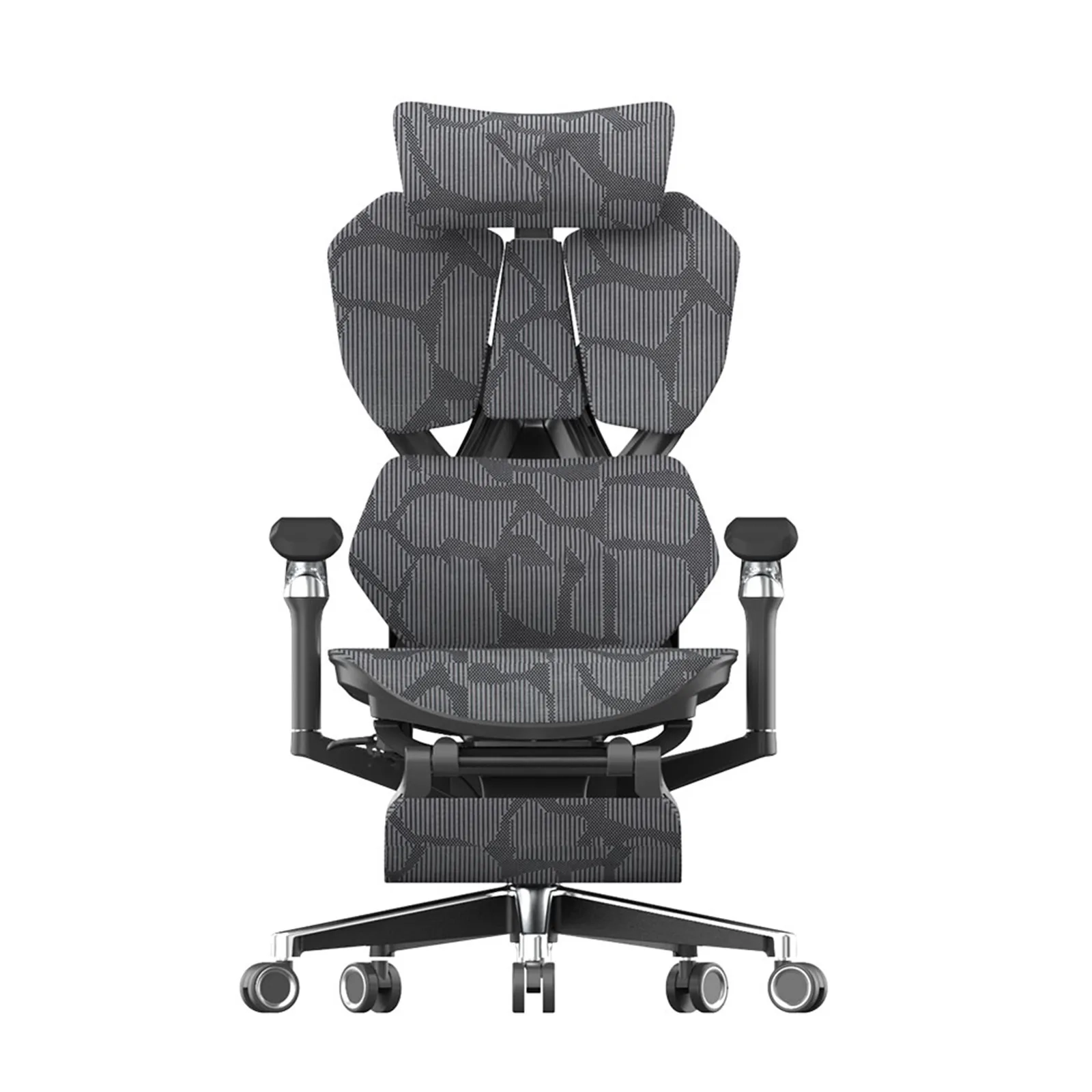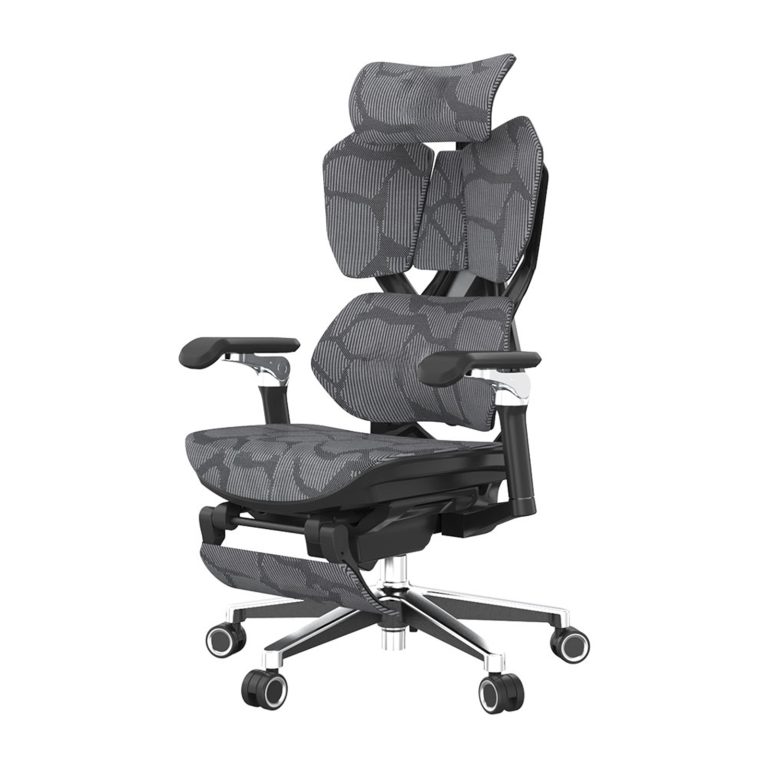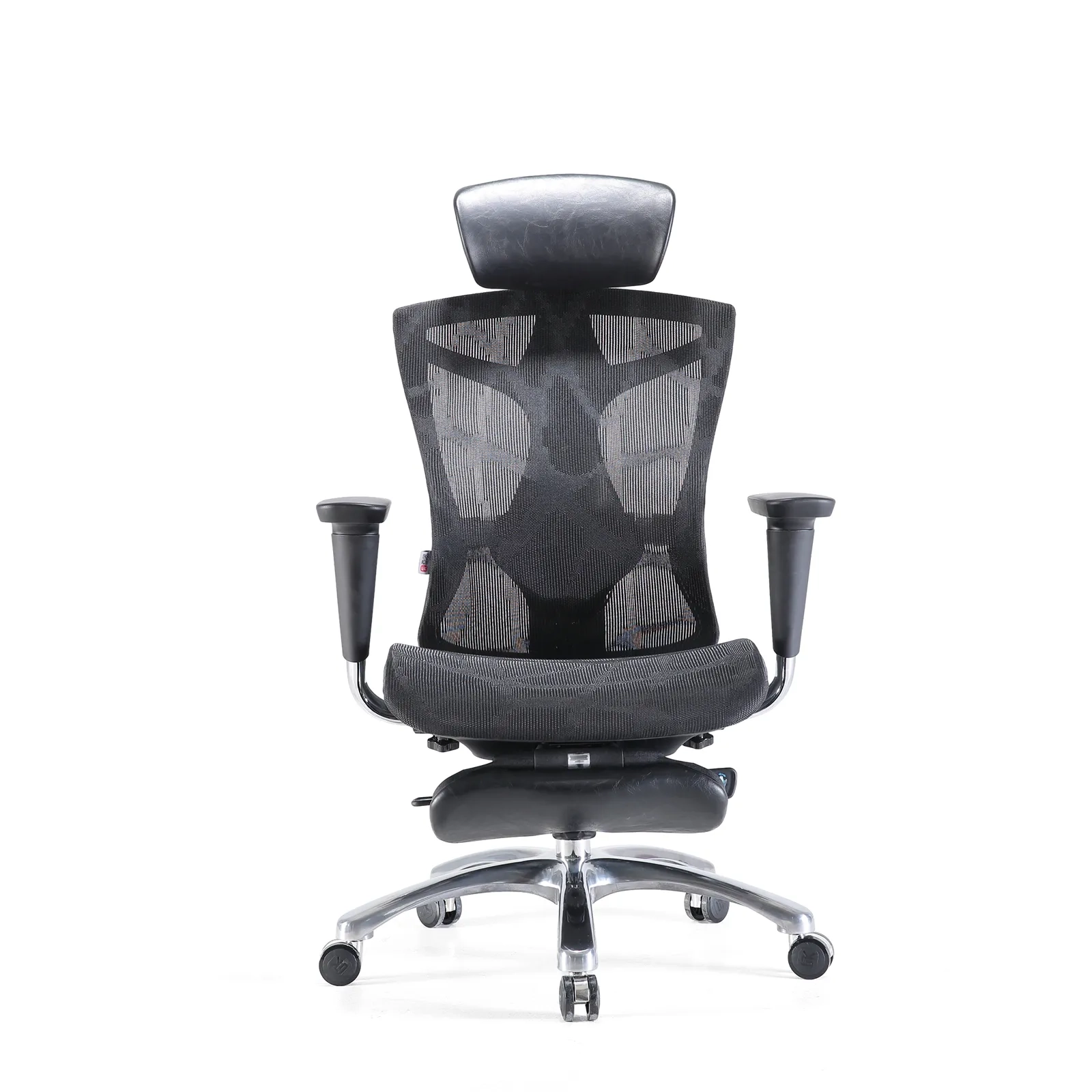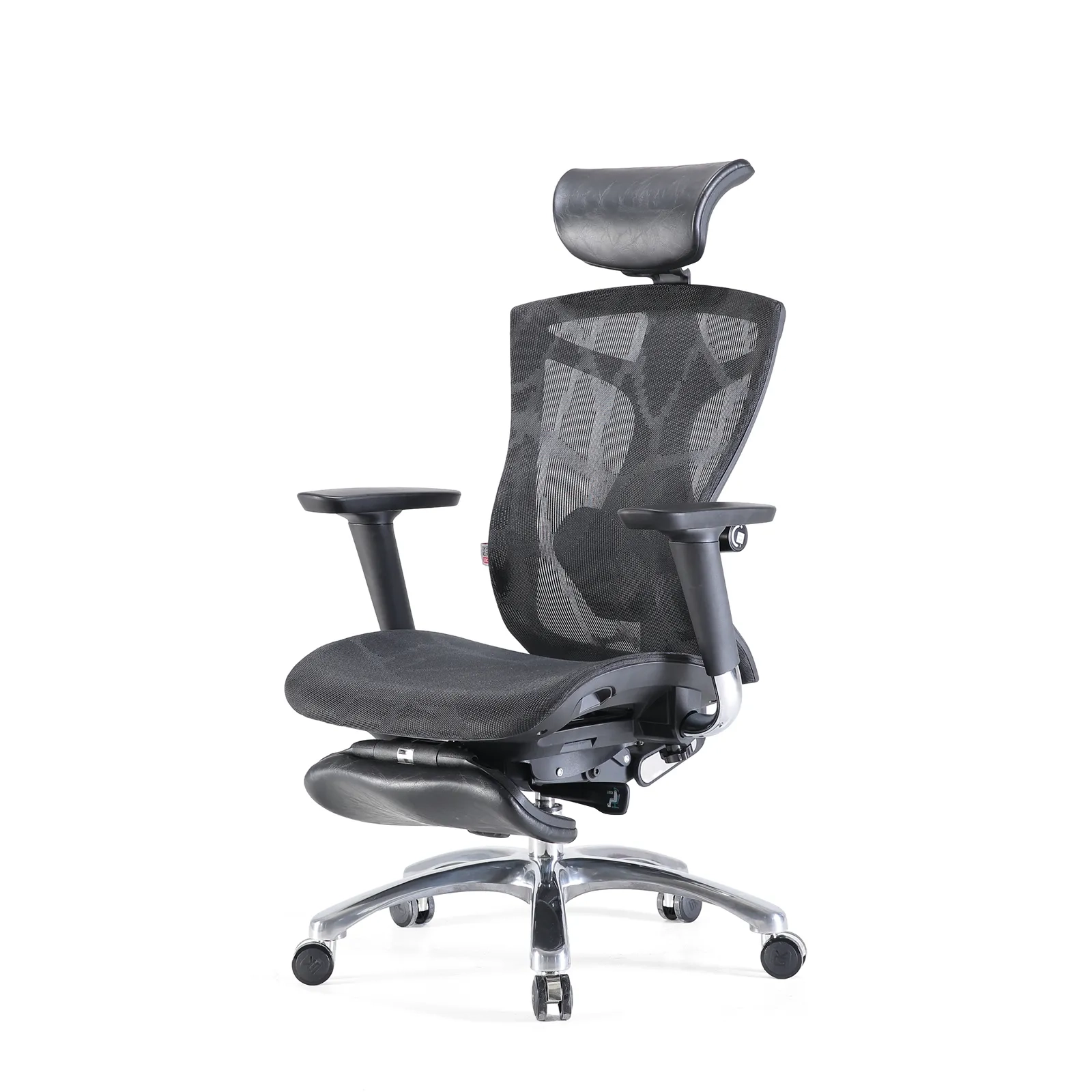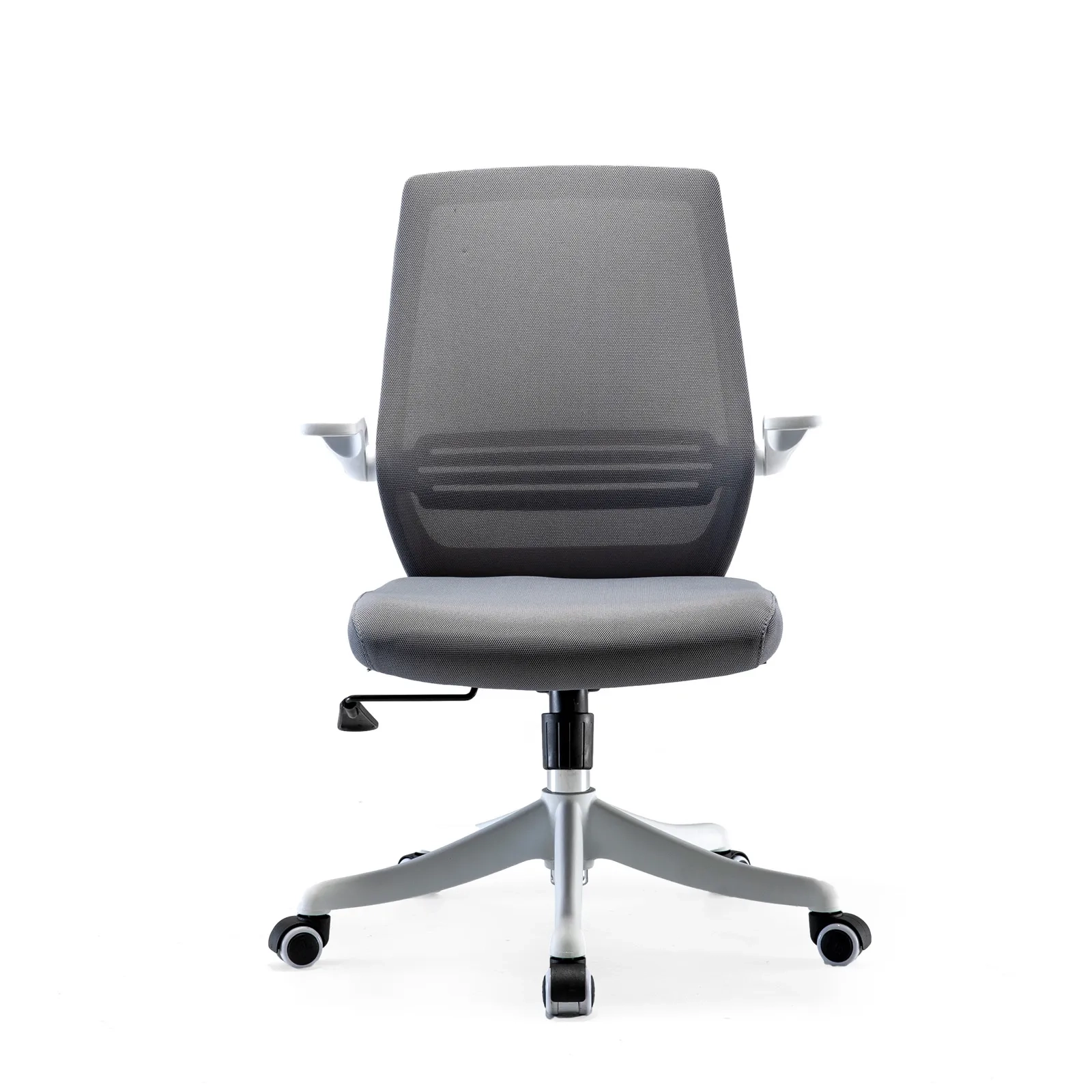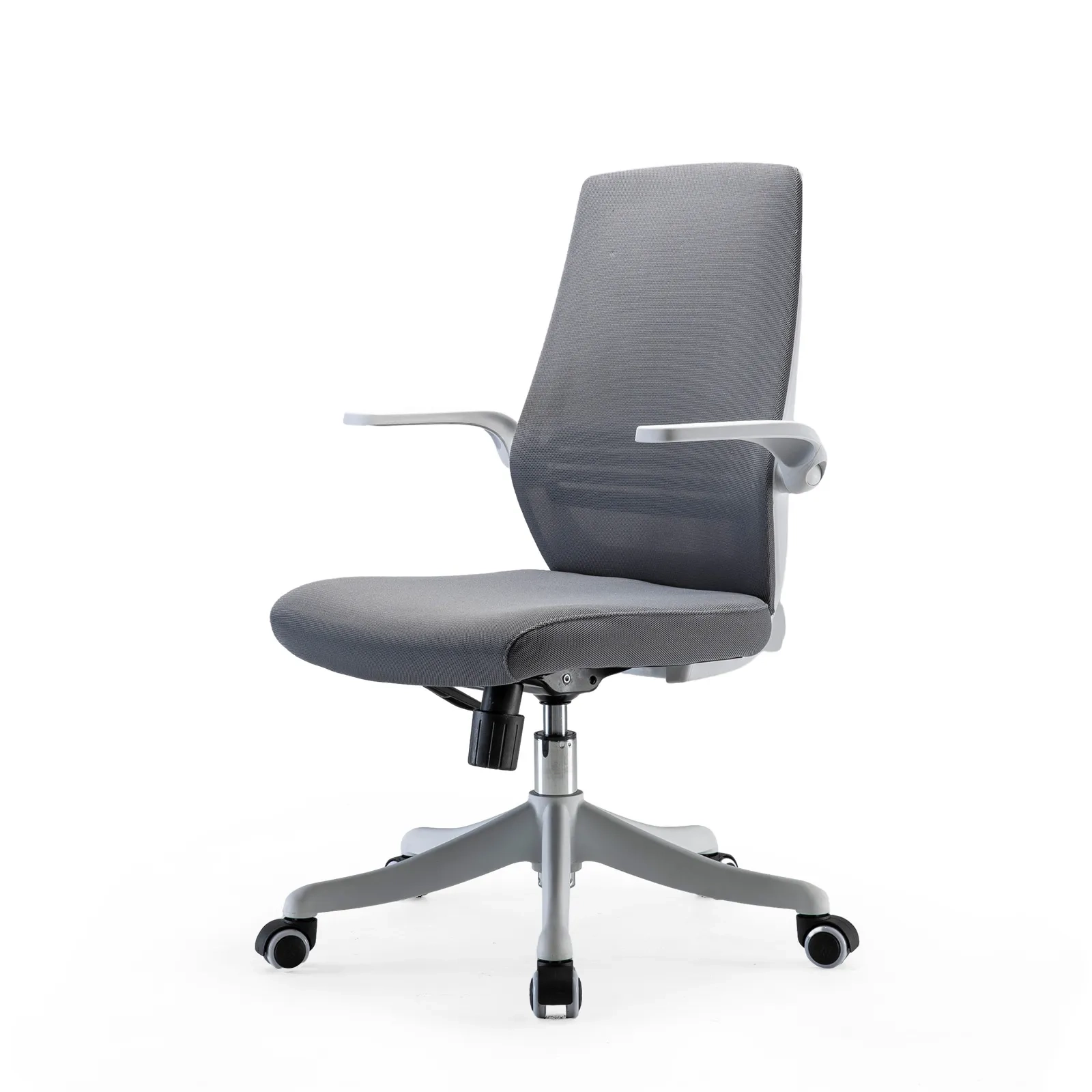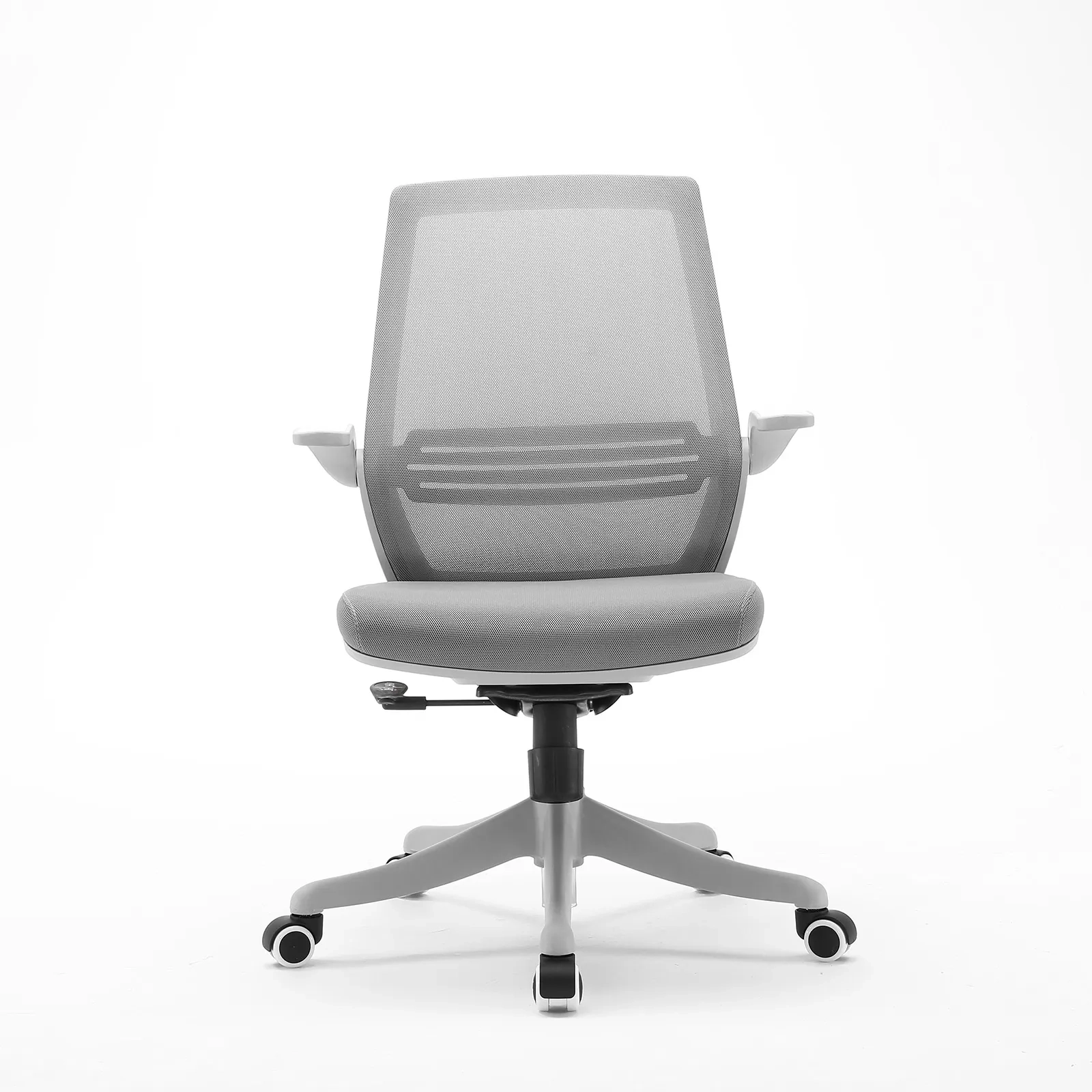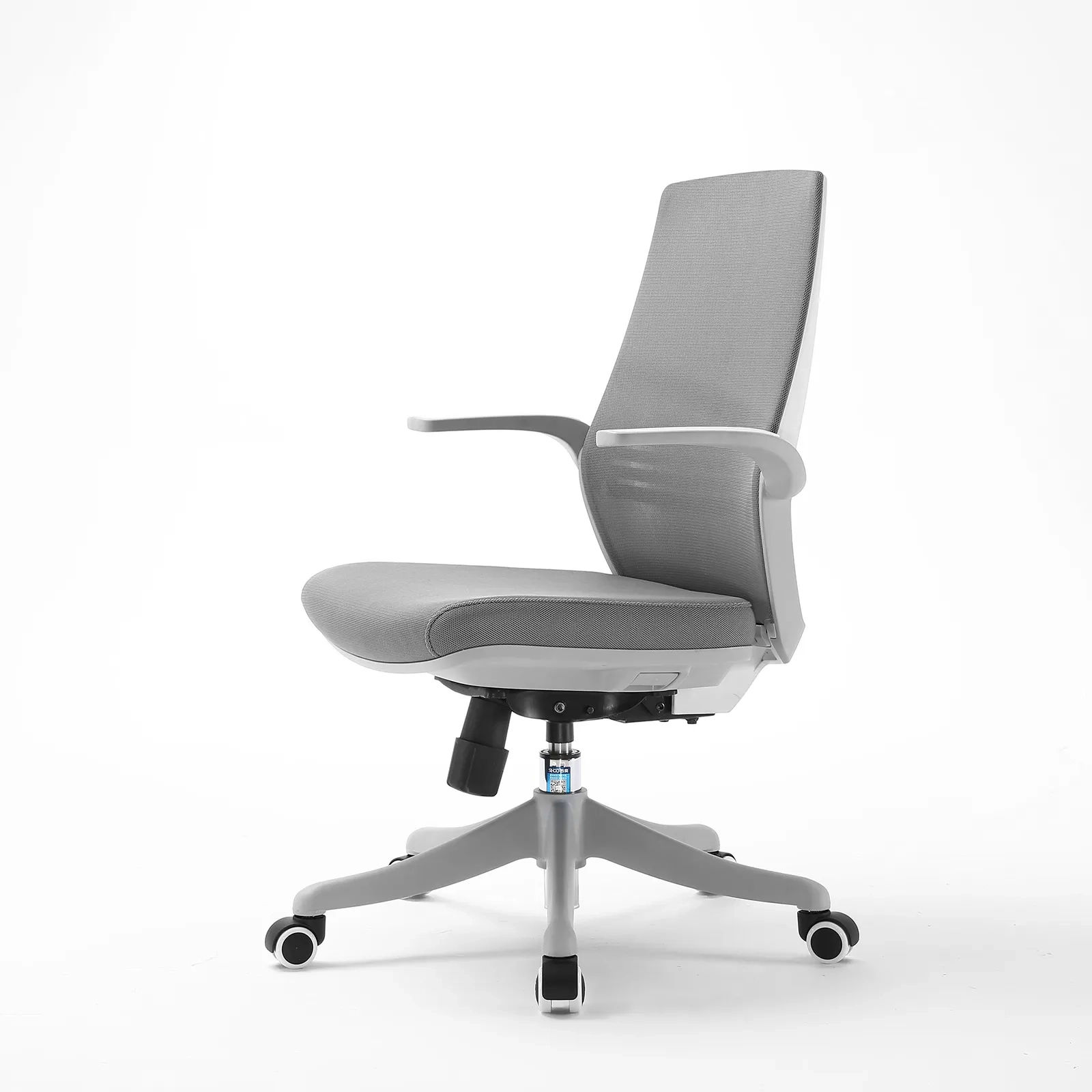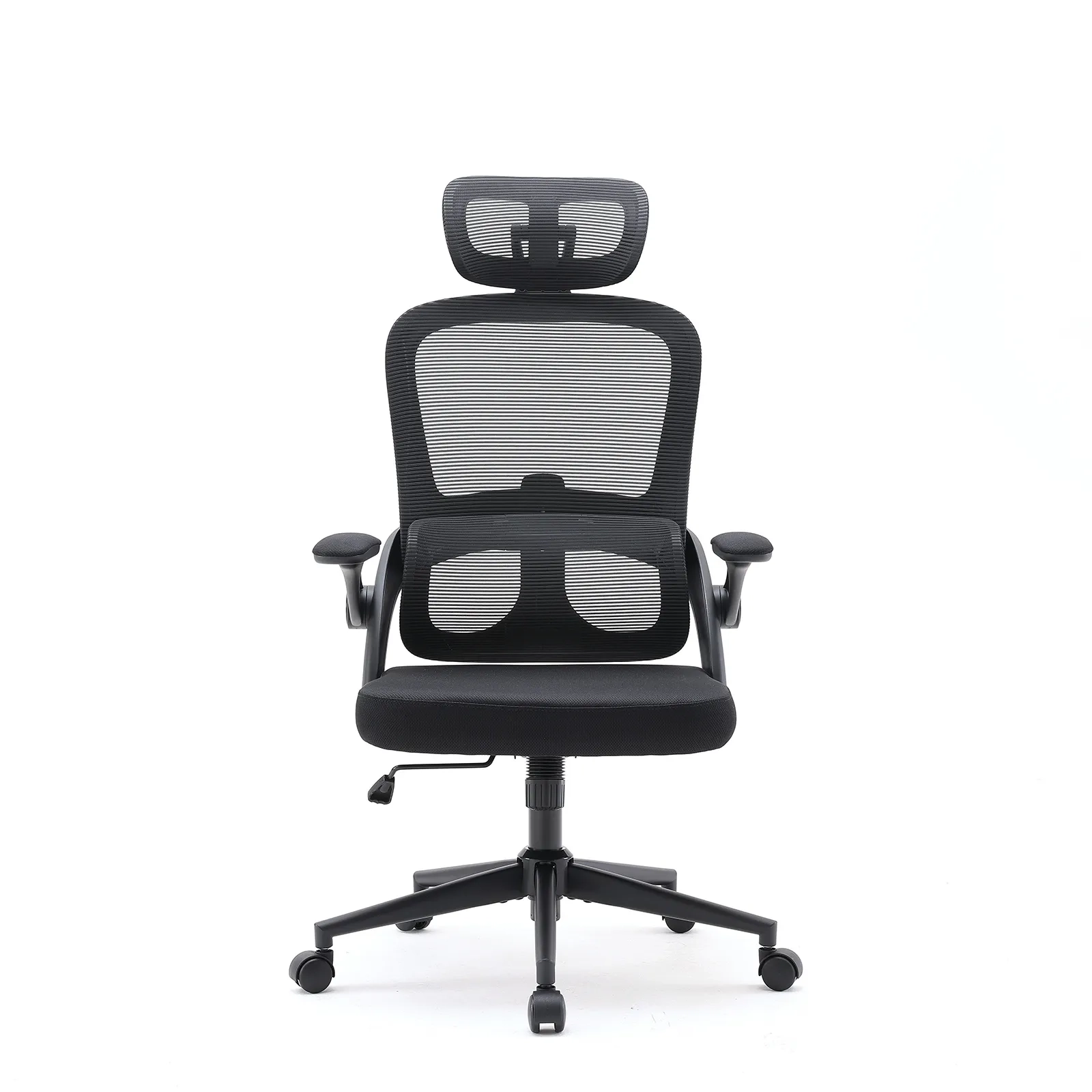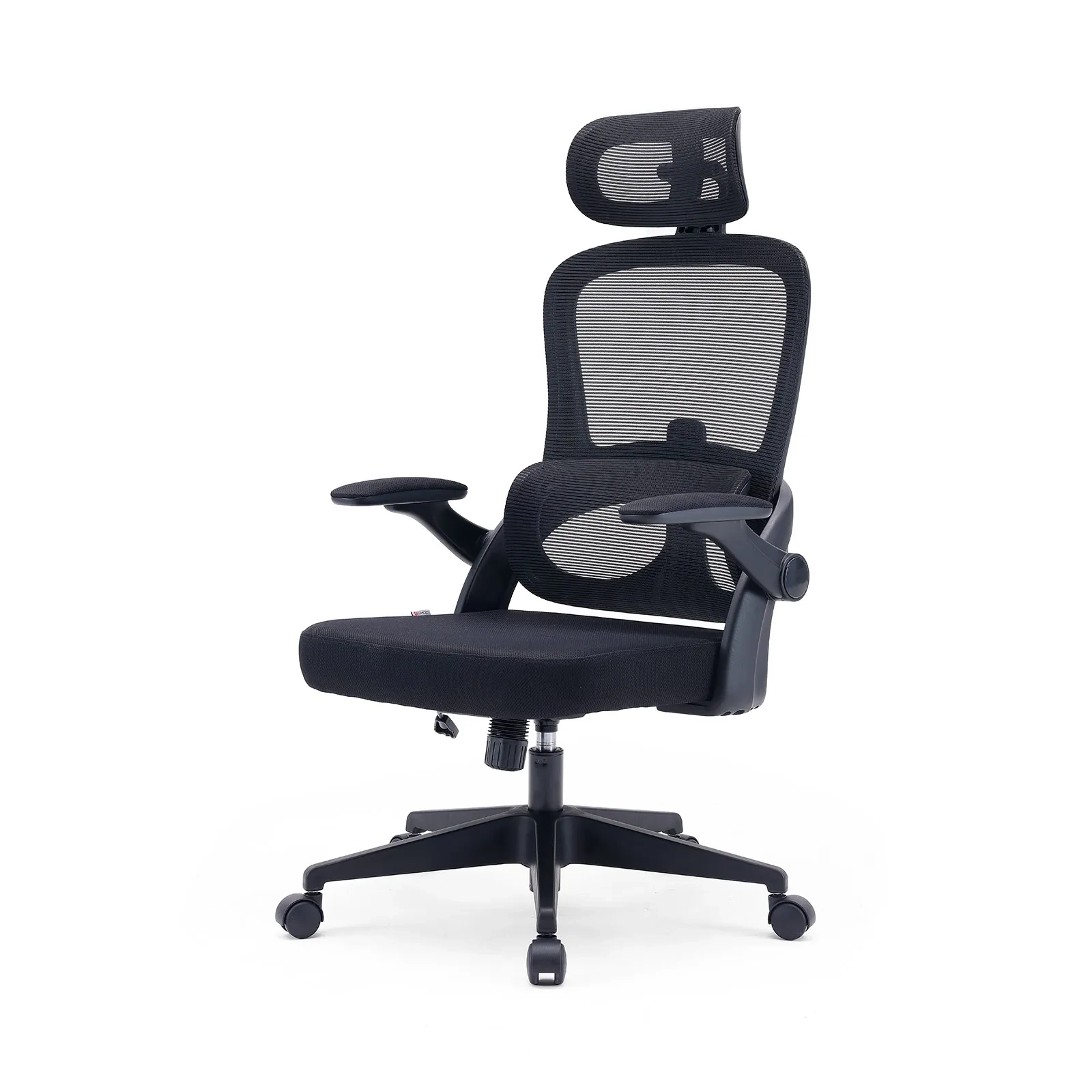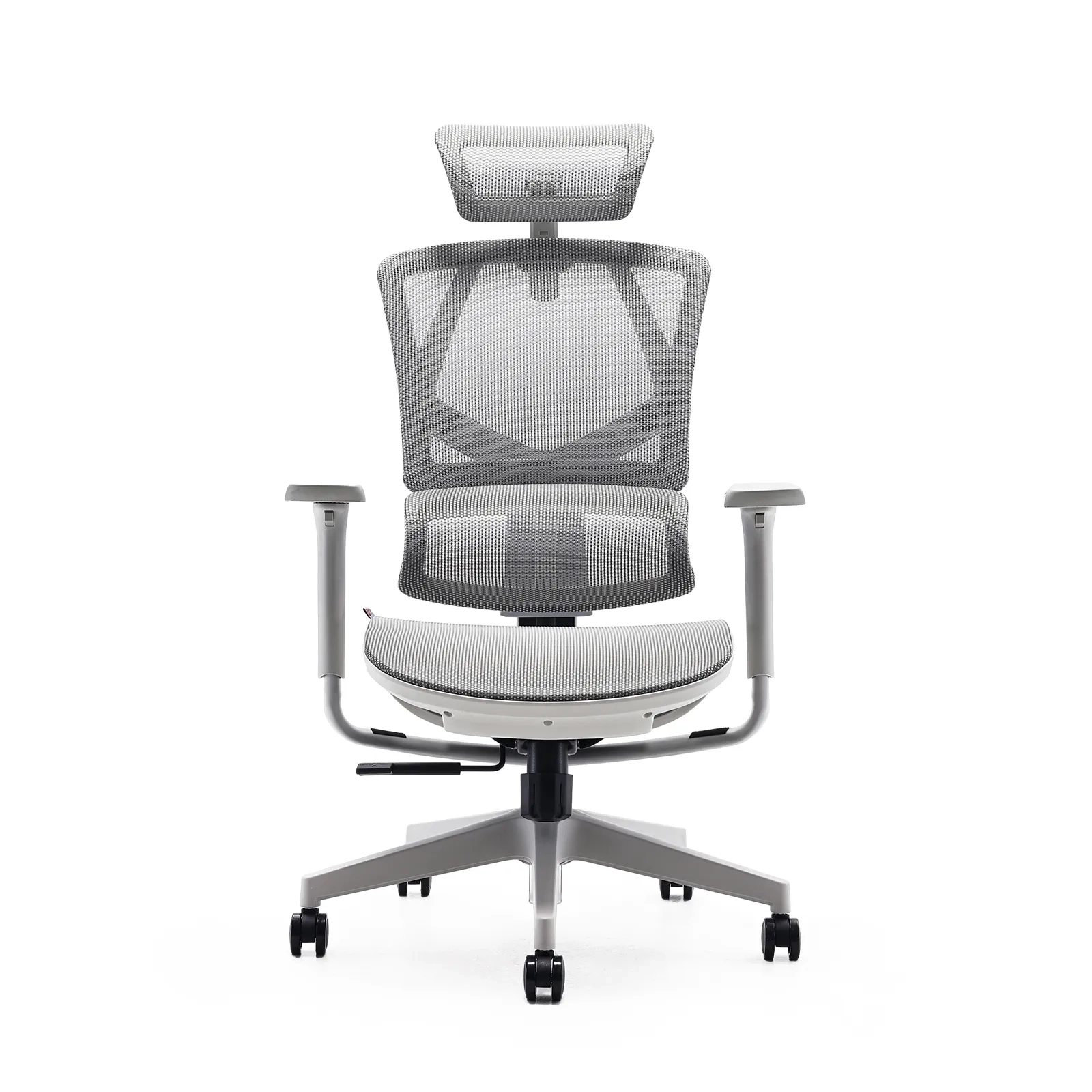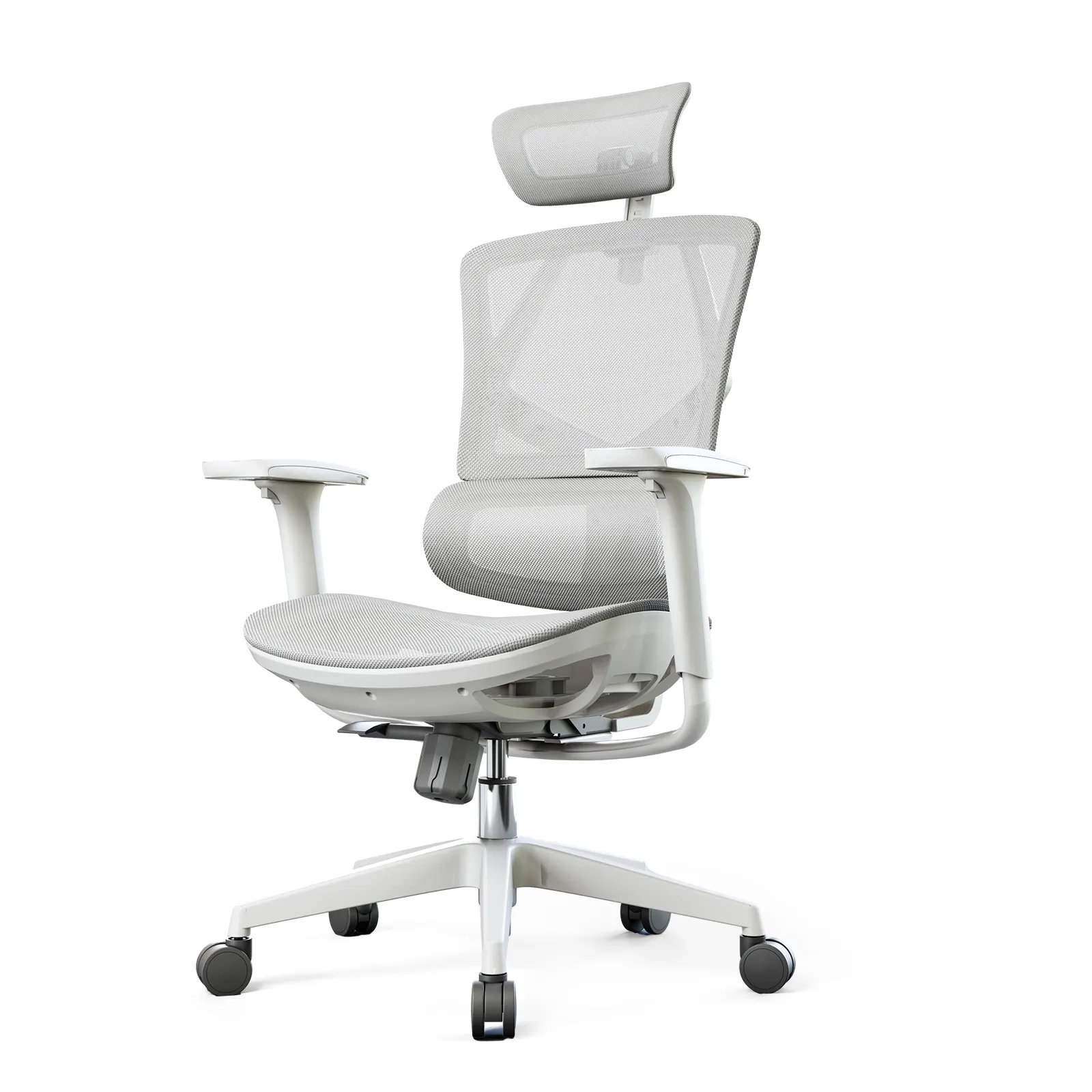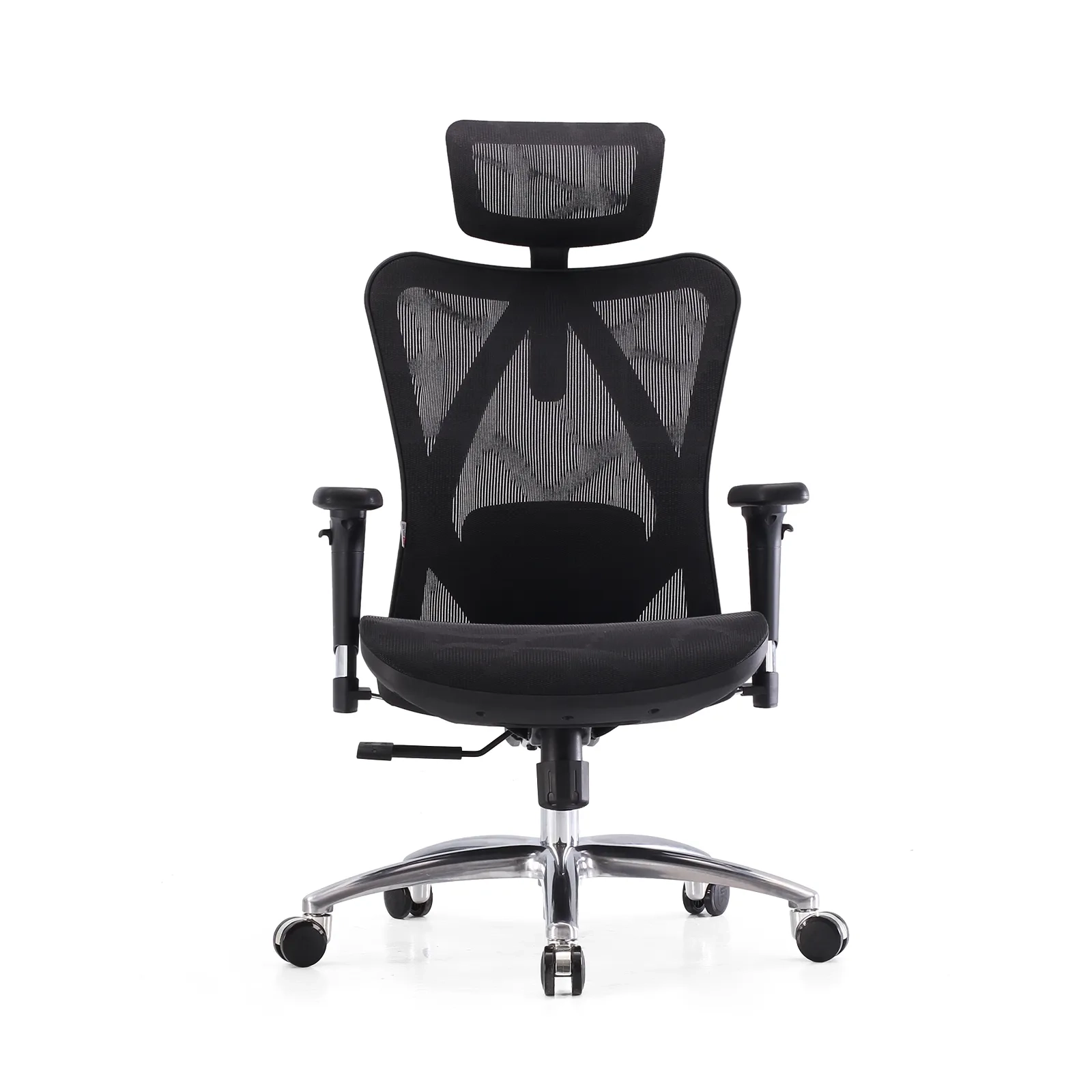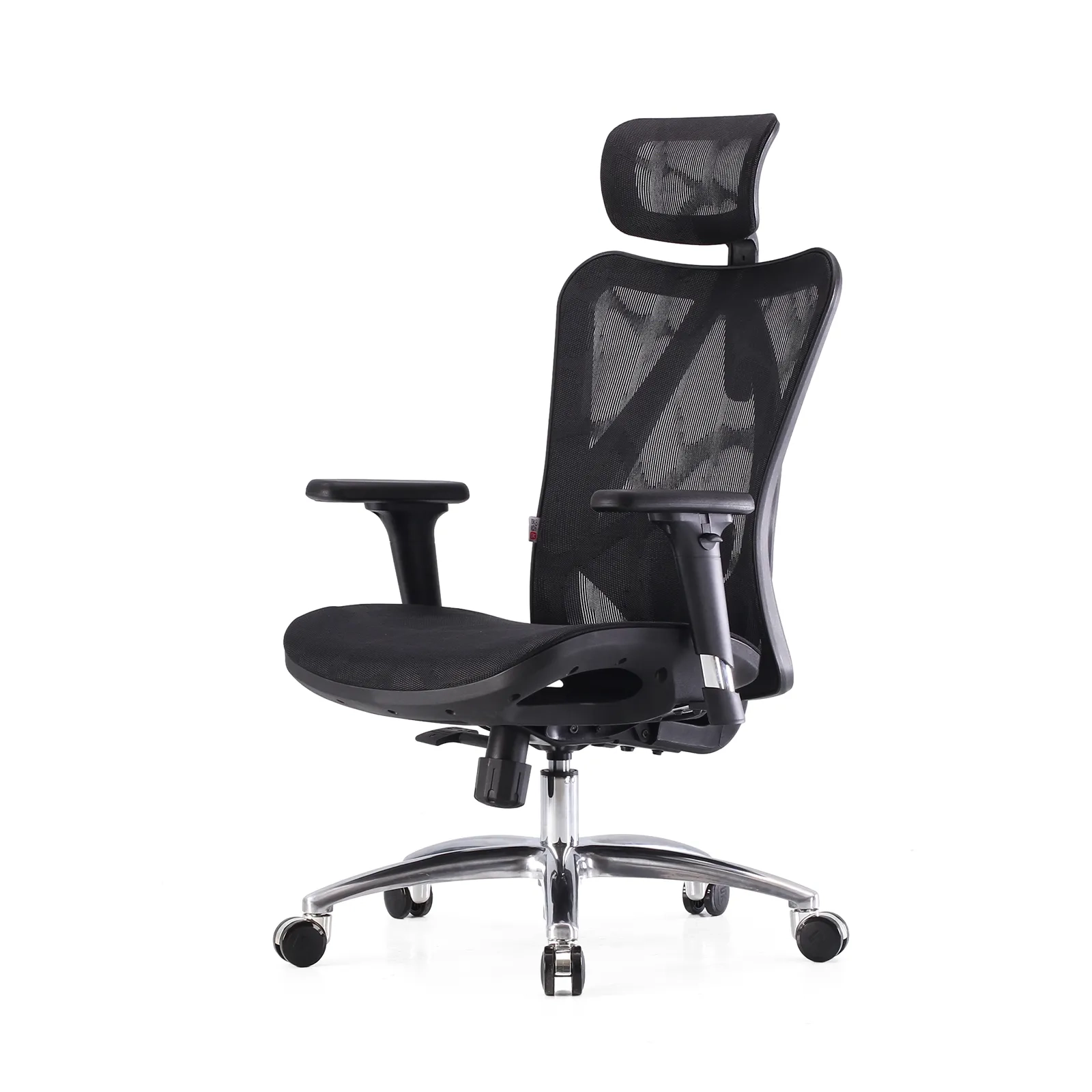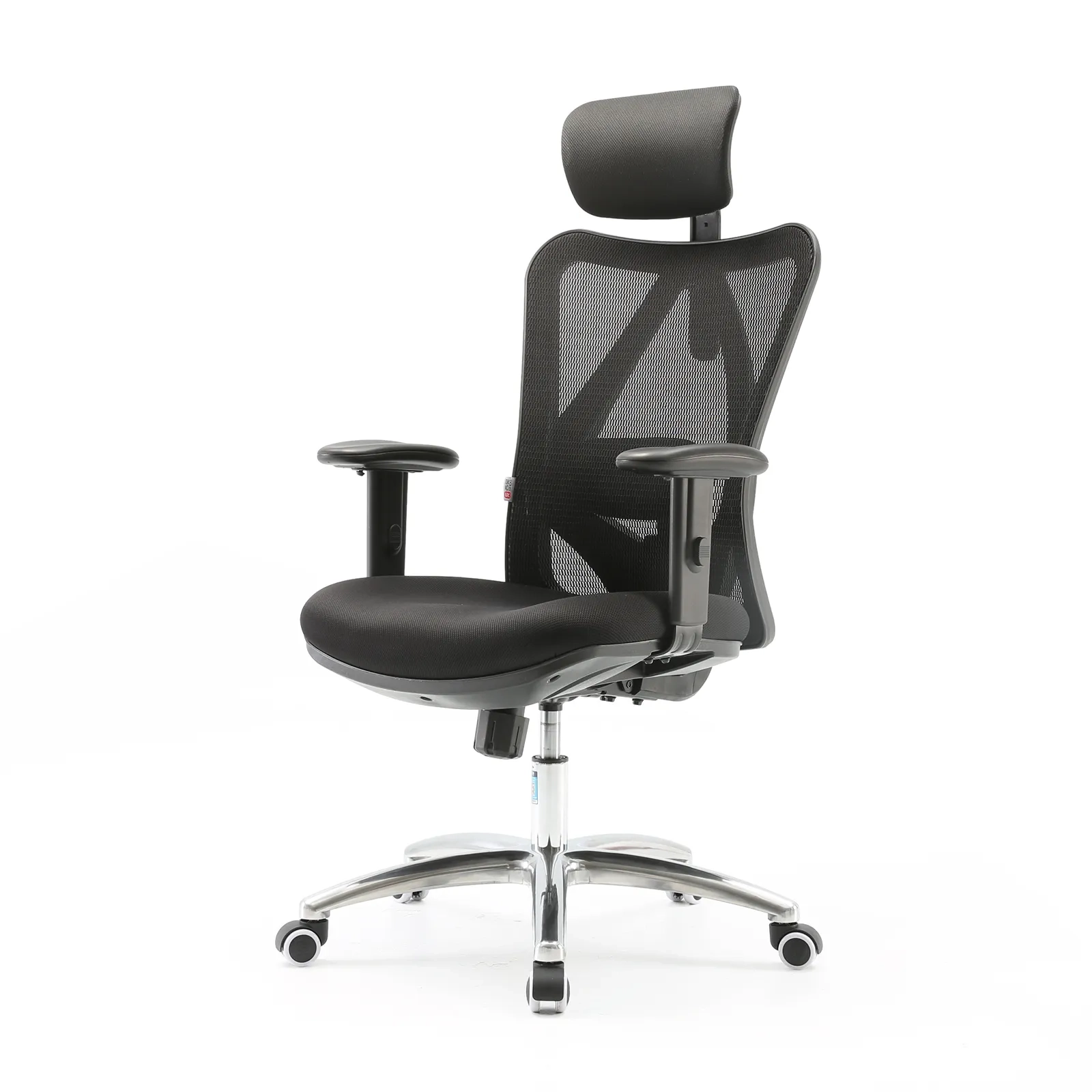









For most of us, sitting at a desk isn’t optional anymore. It’s just most of the day. Corporate office, home office, online class, design project, gaming session — if you’re in front of a screen, your chair is basically your co-worker. And like any co-worker, you want one that doesn’t make you miserable by 3 p.m. A regular office chair gives you a place to sit. That’s about it. But if you actually spend serious time in a chair, you start wanting more. You want something that adjusts to what you’re doing, whether you’re deep in a spreadsheet or leaning back for a five-minute break.
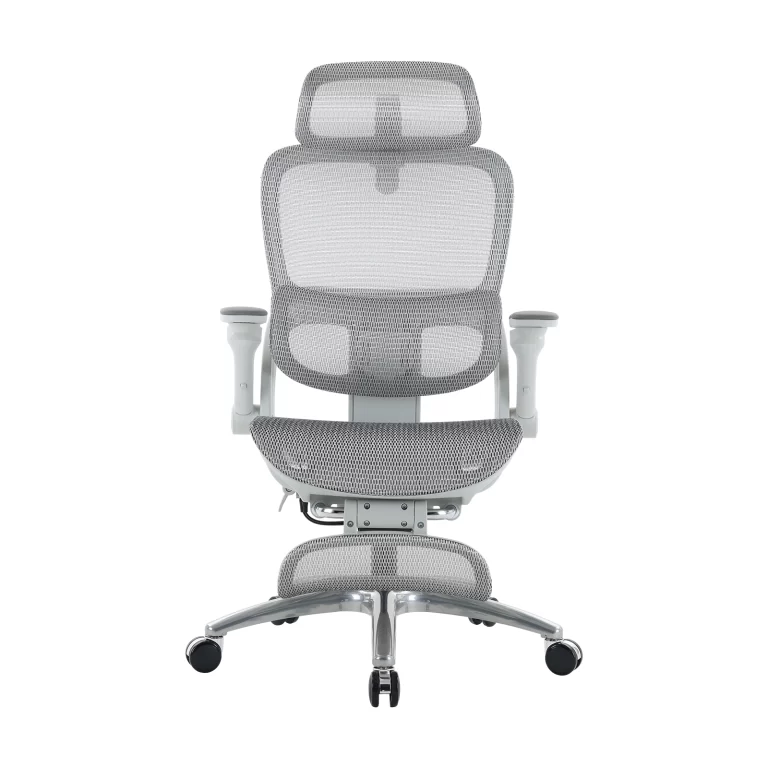
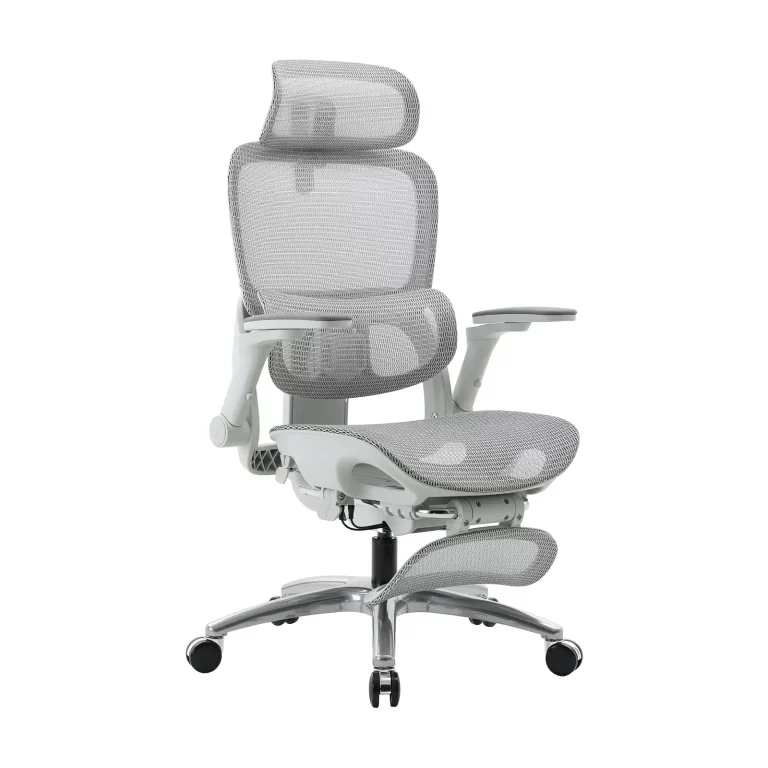
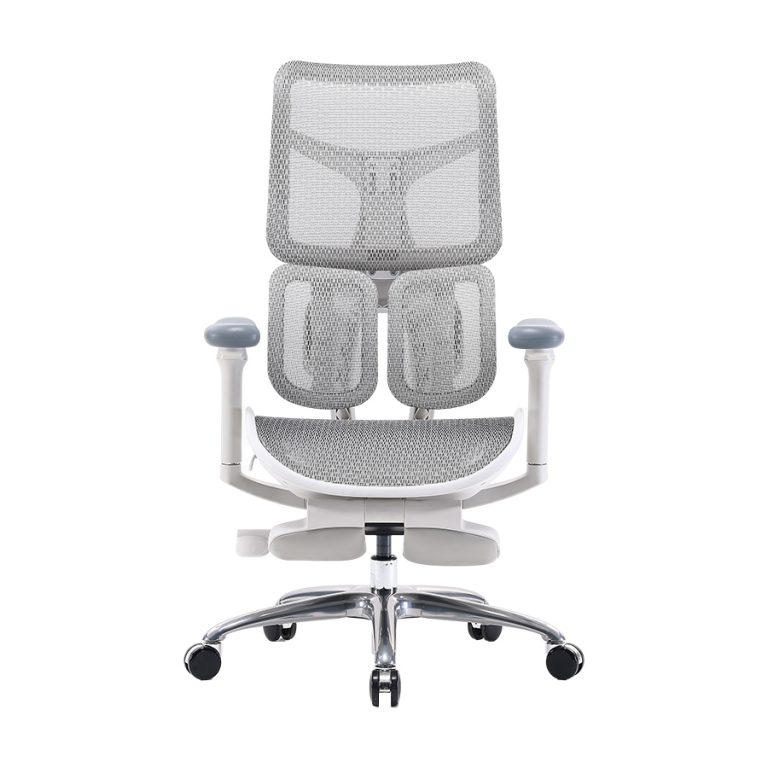
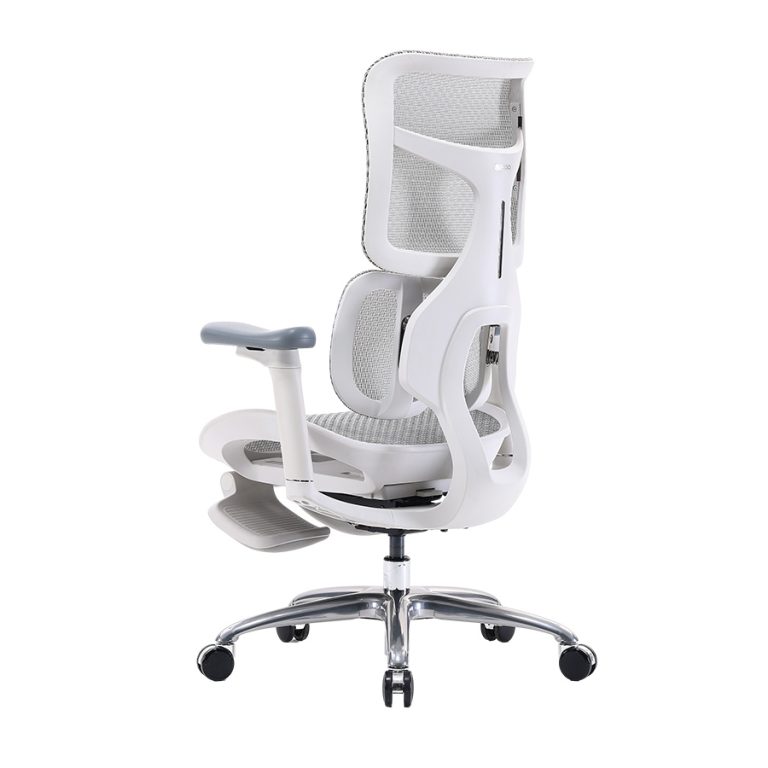
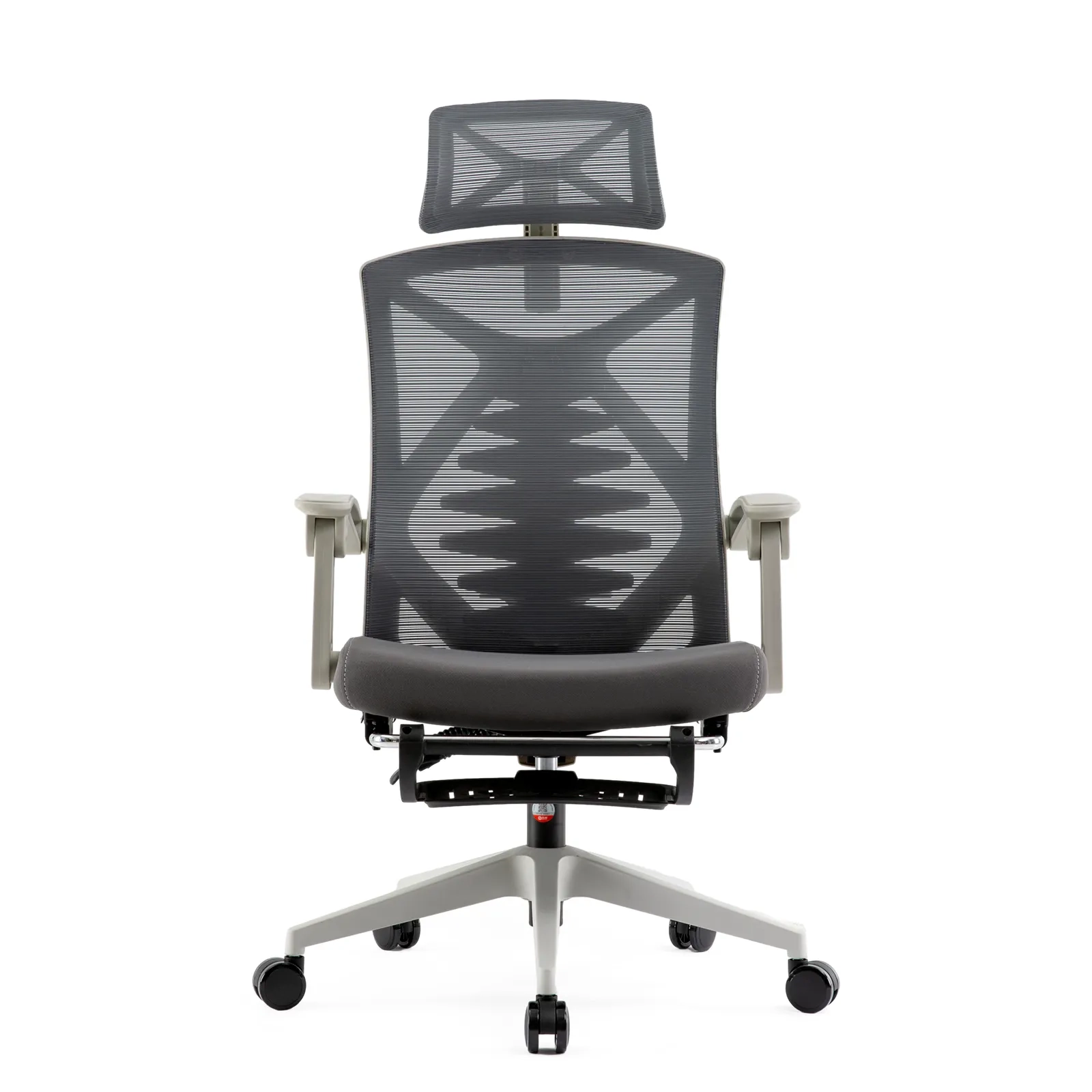
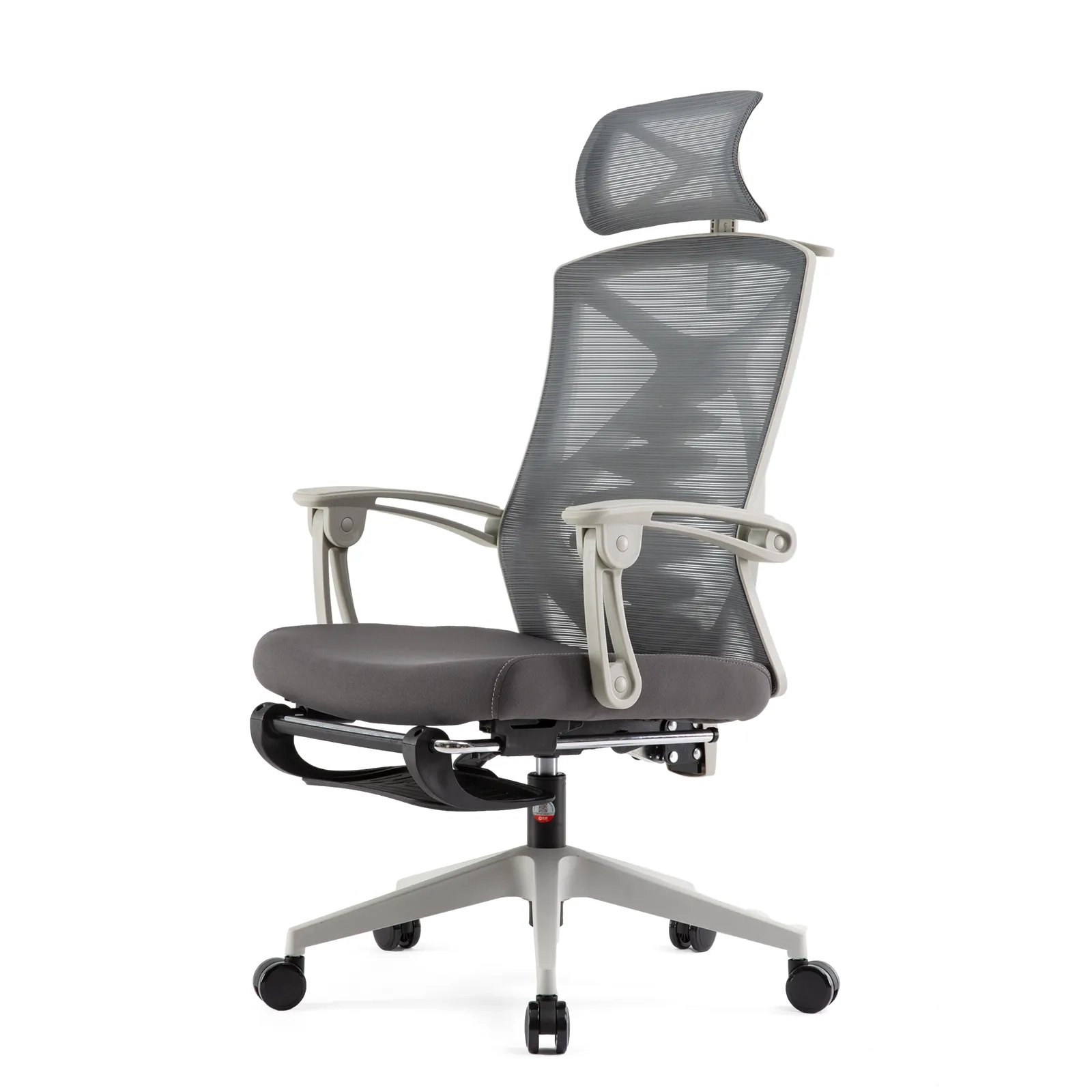
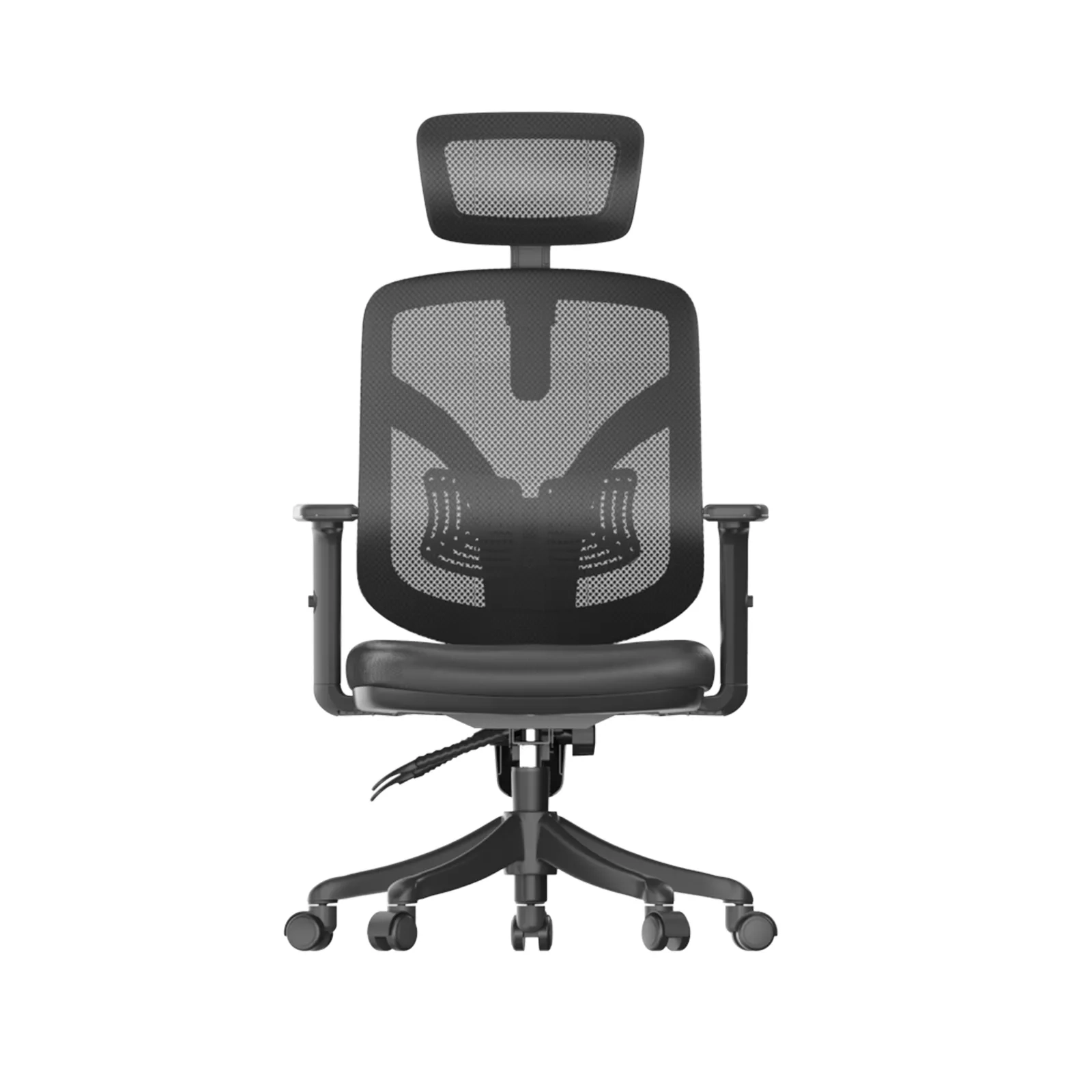
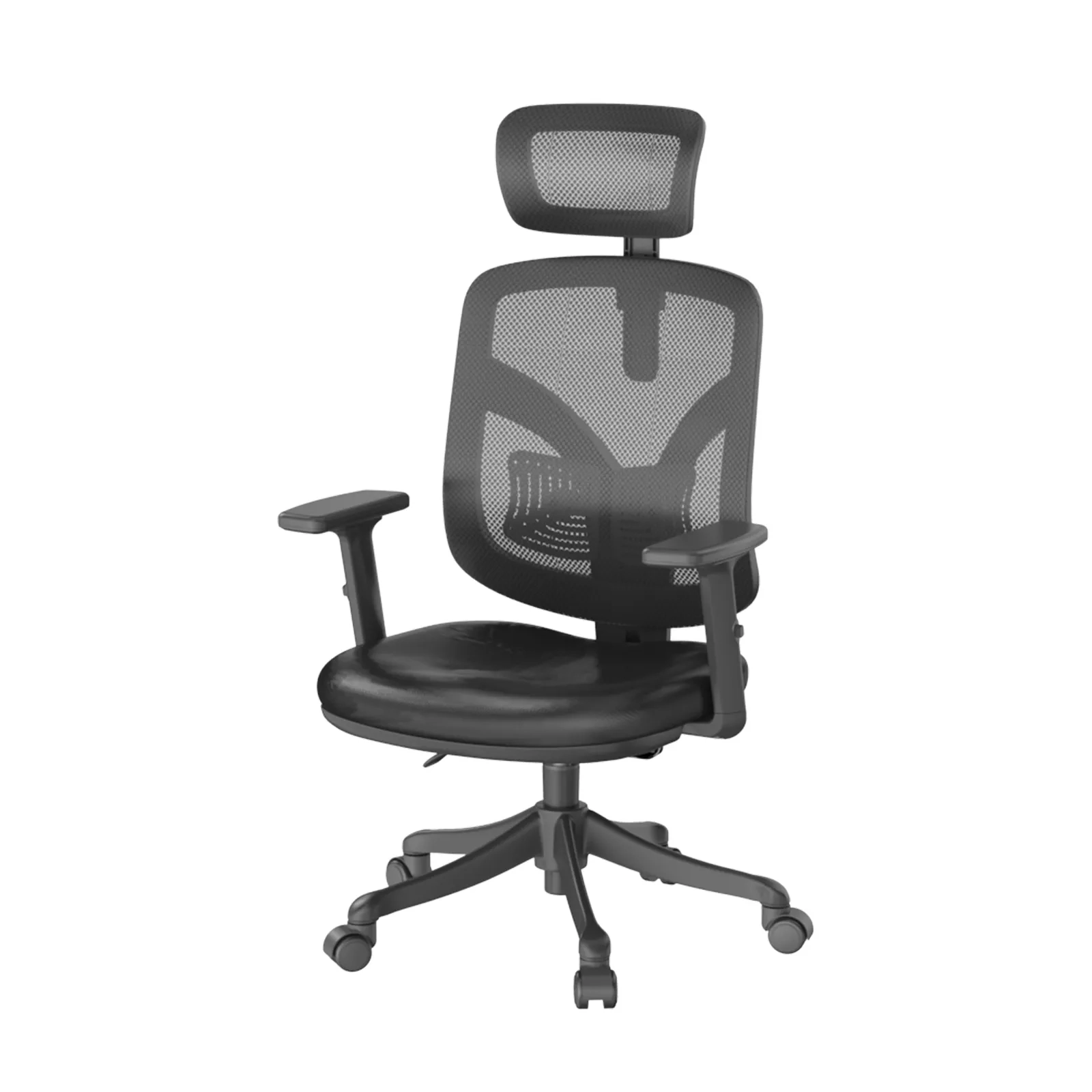
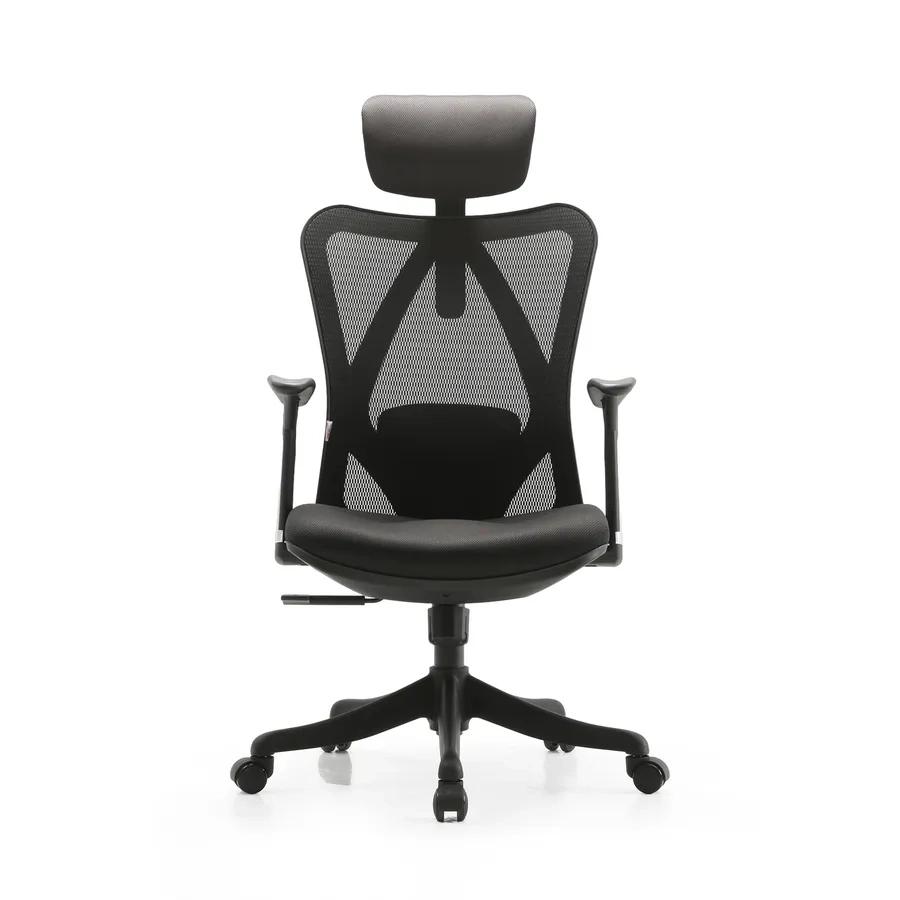
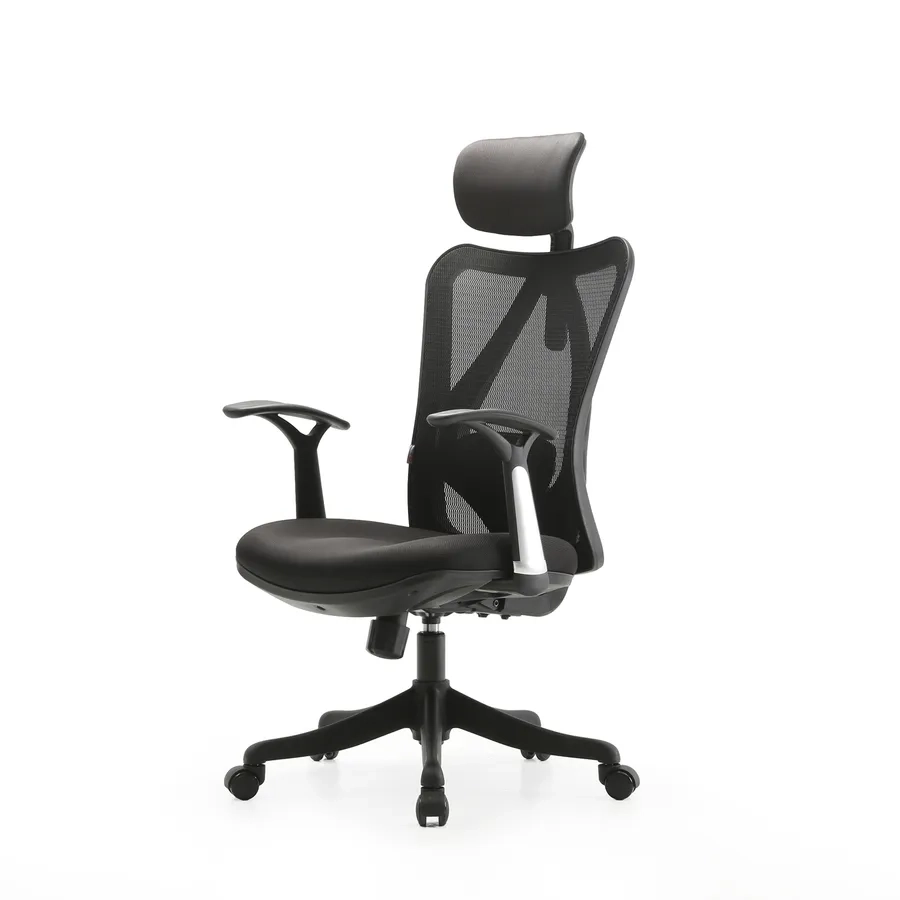
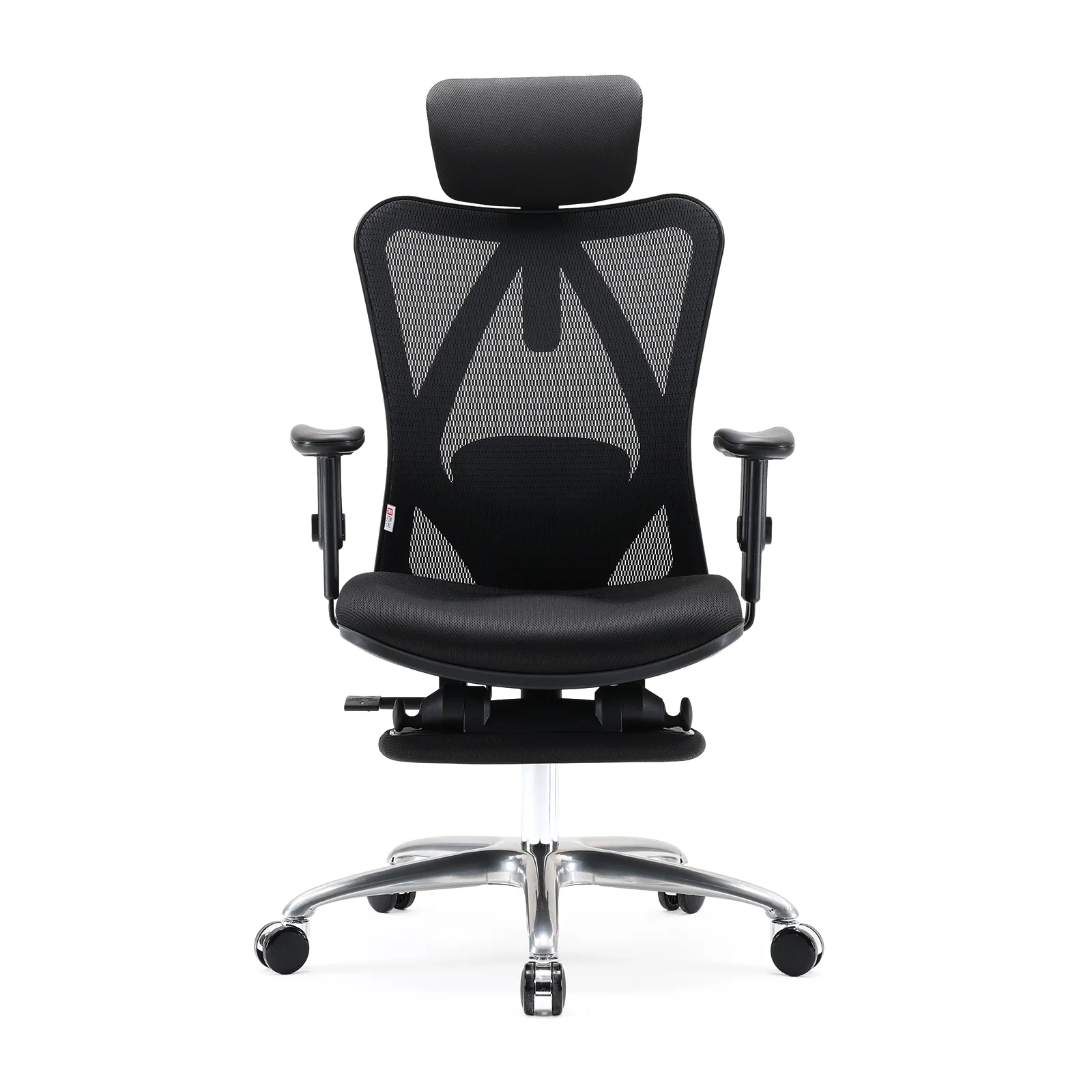
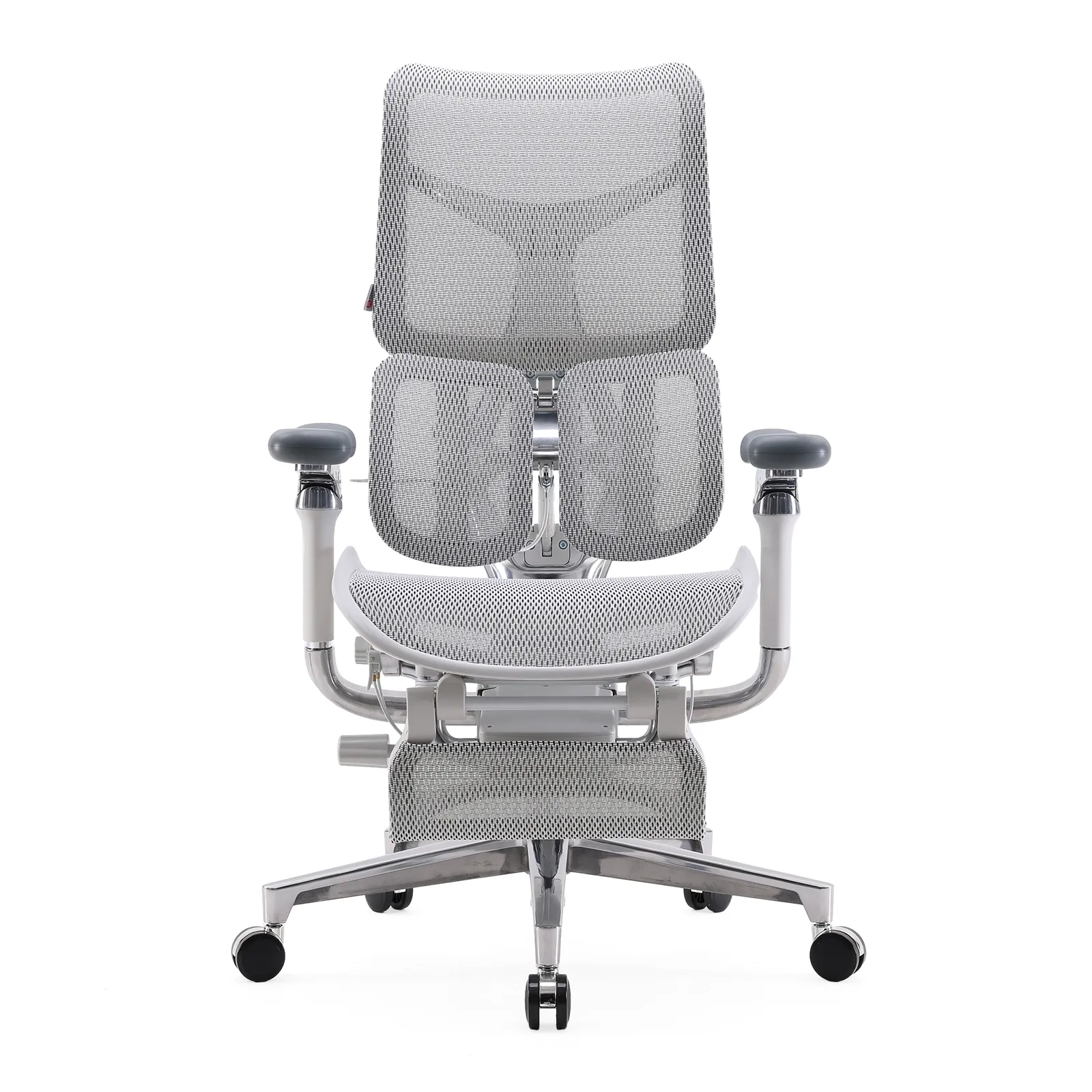
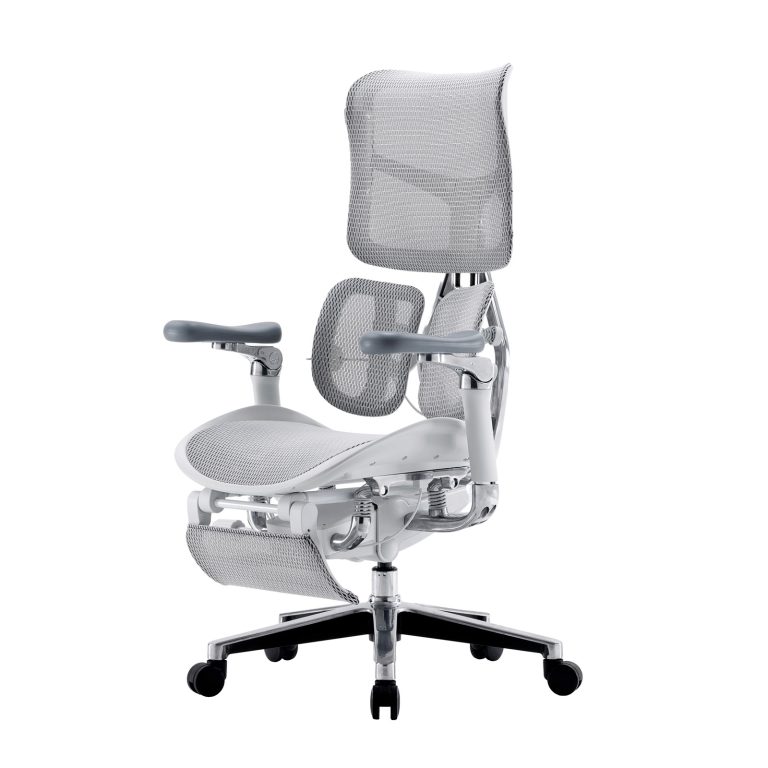
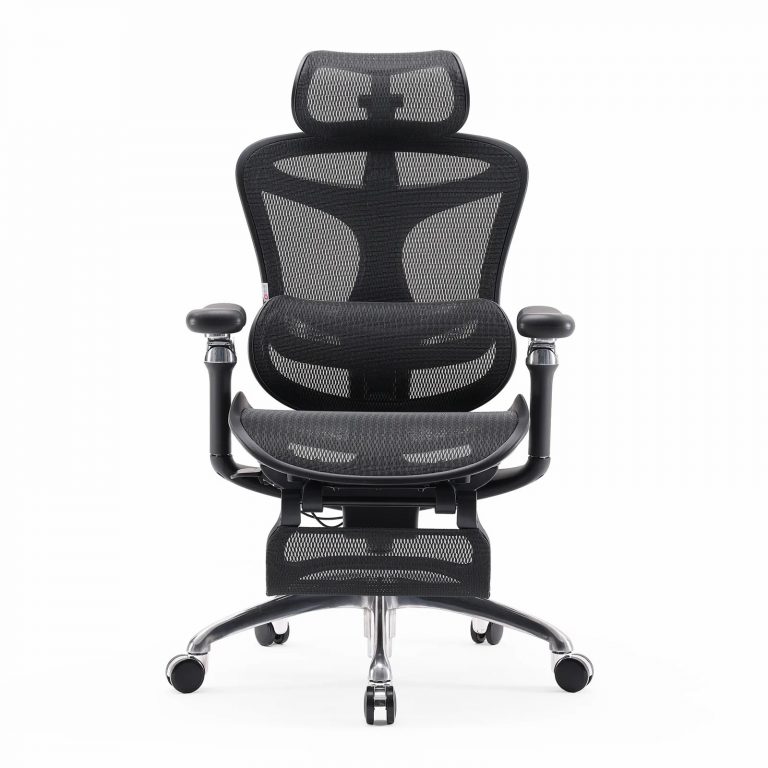
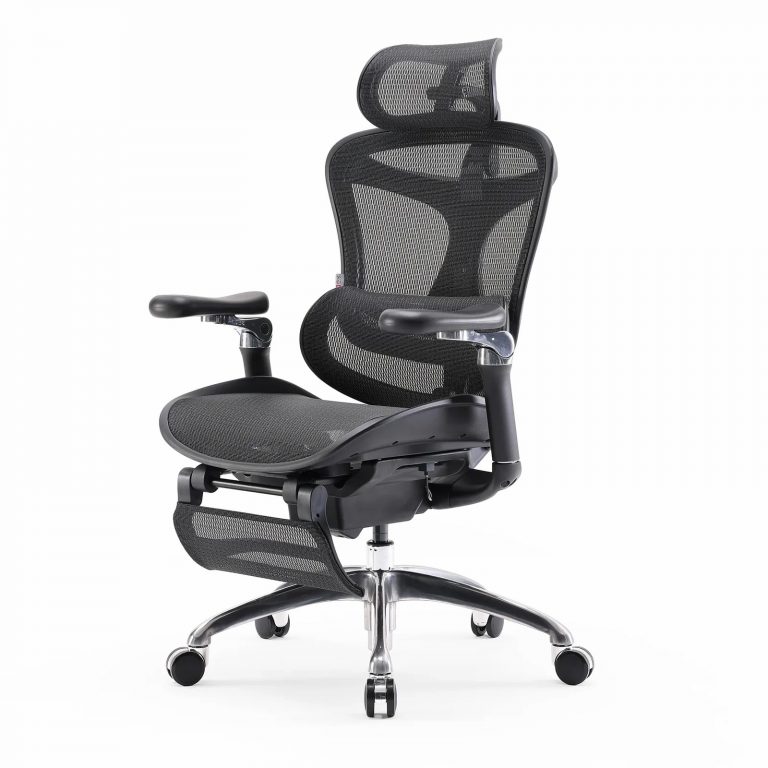
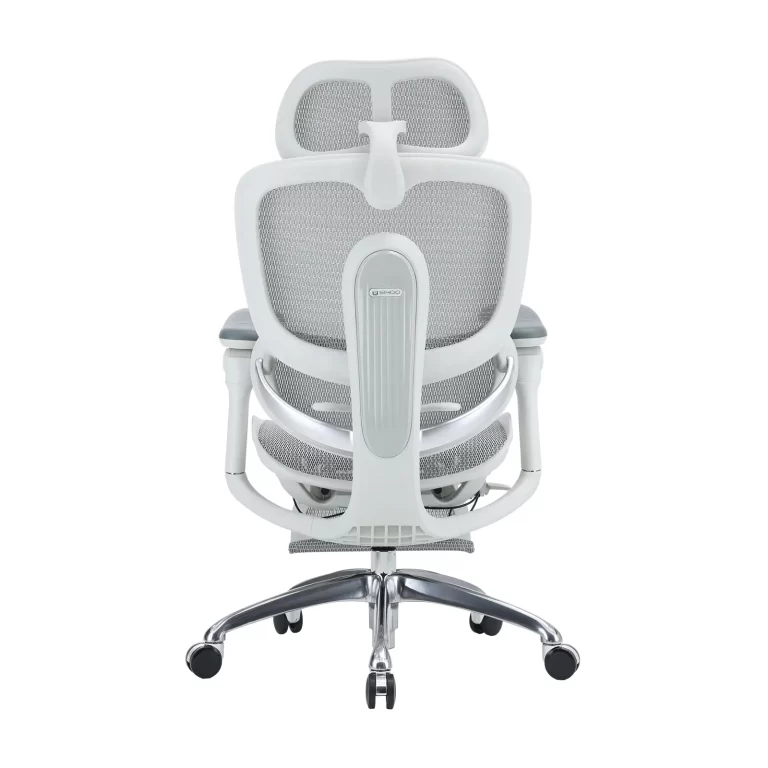
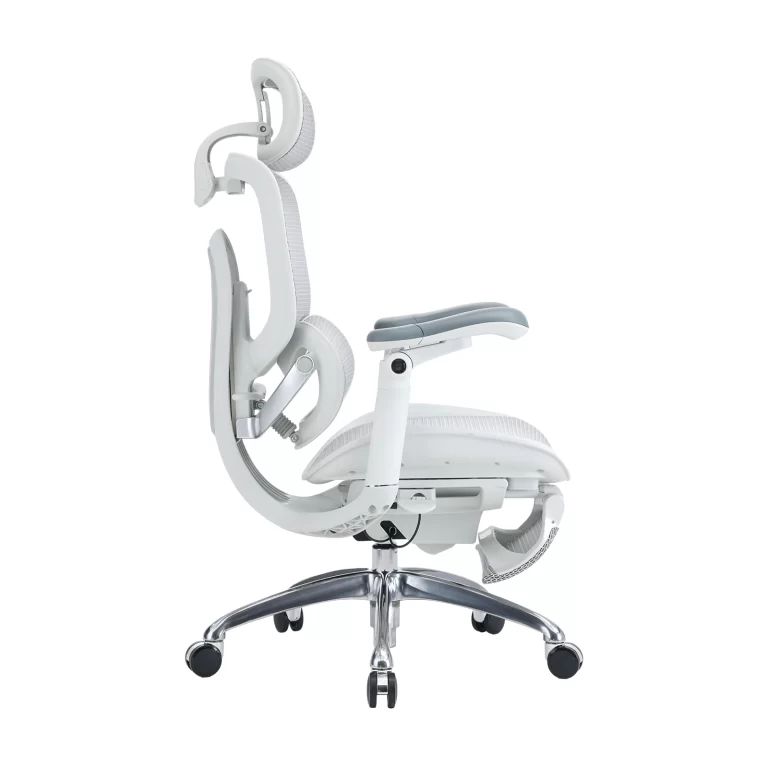
That’s where ergonomic design comes in. It’s not about soft cushions or a slick look. It’s about how the human body actually moves, and how a chair can support that over hours of sitting. An ergo office chair with footrest is built for people who need flexibility. A standard chair mostly works when you’re bolt upright. A chair with a built-in footrest lets you switch between work mode and rest mode without getting up.
Why lumbar support matters
Your lower back has a natural inward curve. Standing up, that curve keeps your spine aligned. Sitting for hours — especially at a computer — tends to flatten it. Without support, you slump, your shoulders round, and your neck creeps forward.
Adjustable lumbar support matters because one size doesn’t fit anyone. A fixed backrest might push in the wrong place for your body. Being able to move the support up or down, or change the firmness, means it actually matches your spine.
Most of us don’t notice ourselves slipping into bad posture. We lean toward the monitor. We sink into the backrest. We sit too close or too far. We stay locked in one position for hours. Often the real problem is the workstation setup and lack of movement, not just the chair. But a good ergonomic chair at least gives your body a better starting point.
Brands like Sihoo design chairs around this idea: dynamic lumbar support, adjustable armrests, seat depth adjustments, and flexible backrests. The point is that people come in different shapes and have different habits.
What a footrest actually changes
A footrest sounds like a nice extra. In practice, it’s one of those things you don’t appreciate until you use it.
During a normal day, you’re not working in one continuous burst. You write emails, join meetings, read documents, watch a training video, review designs, take a break. When you’re focused, you want to be upright. When you’re resting, you want to lean back.
A footrest gives the chair a second position. Instead of your legs dangling or your feet flat on the floor, you can elevate them and actually relax. That matters when you work from home and don’t have a couch five feet away. You can finish a long meeting, lean back, and read a few articles without leaving your desk.
That’s why chairs with footrests have gotten popular with remote workers, freelancers, and anyone who spends serious time at a desk.
Remote work and the home office
Remote and hybrid work have changed how people think about their home setups. A desk isn’t just a place to check email anymore. For a lot of people, it’s where they spend most of their working day.
In a traditional office, you get up and walk to a meeting room, grab coffee, or chat with a colleague. Those small movements add up. At home, it’s easy to stay in one spot for hours without realizing it.
An ergo office chair with footrest helps here because it lets you shift positions. You can sit upright for focused work, adjust slightly during video calls, and recline in the afternoon when you’re reading or watching training. It’s not a replacement for getting up and moving, but it makes the day less rigid.
Different activities, different needs
A desk isn’t just for work anymore. The same space might be used for online learning, design work, content creation, research, casual gaming, or reading. Each one asks something different from your chair.
If you’re editing video or designing graphics for hours, you need stable back support and fine-tuned adjustments. If you’re in online classes, you might sit for long stretches while taking notes. Gamers also sit for long sessions, and while gaming chairs look different from ergonomic office chairs, a lot of people want the same basics: solid back support, adjustable armrests, and a seat that stays comfortable.
In any of those cases, an adjustable chair is more useful than a basic chair that only works for short sitting.
Adjustable features that matter
Adjustability is the whole point of an ergonomic chair. People have different bodies, different desks, and different preferences. A chair that fits one person perfectly might be wrong for someone else.
Soporte lumbar
Lumbar support should sit against your lower back, not vaguely near it. Different people want different levels of firmness or positioning, which is why adjustable systems are worth having.
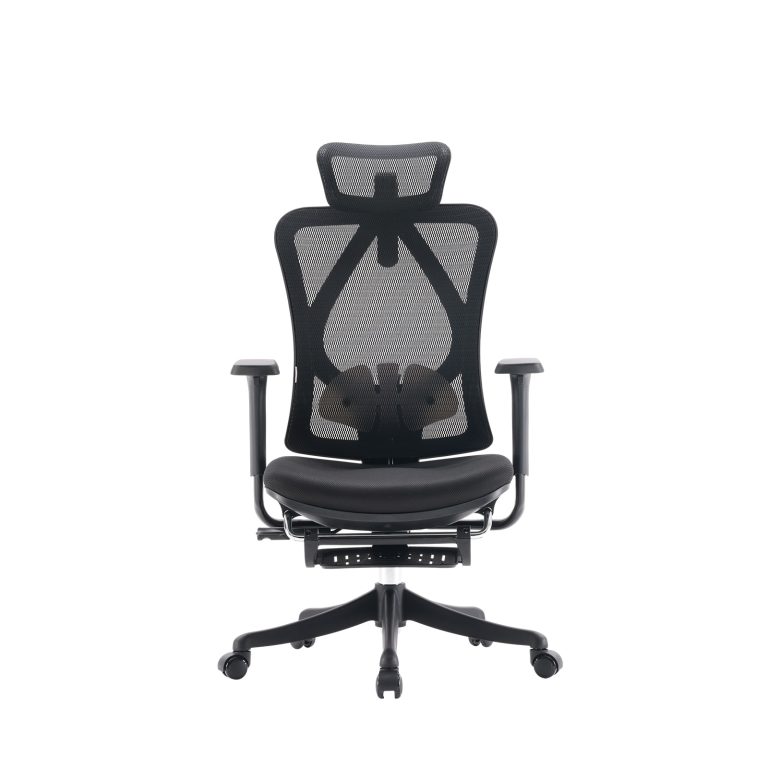
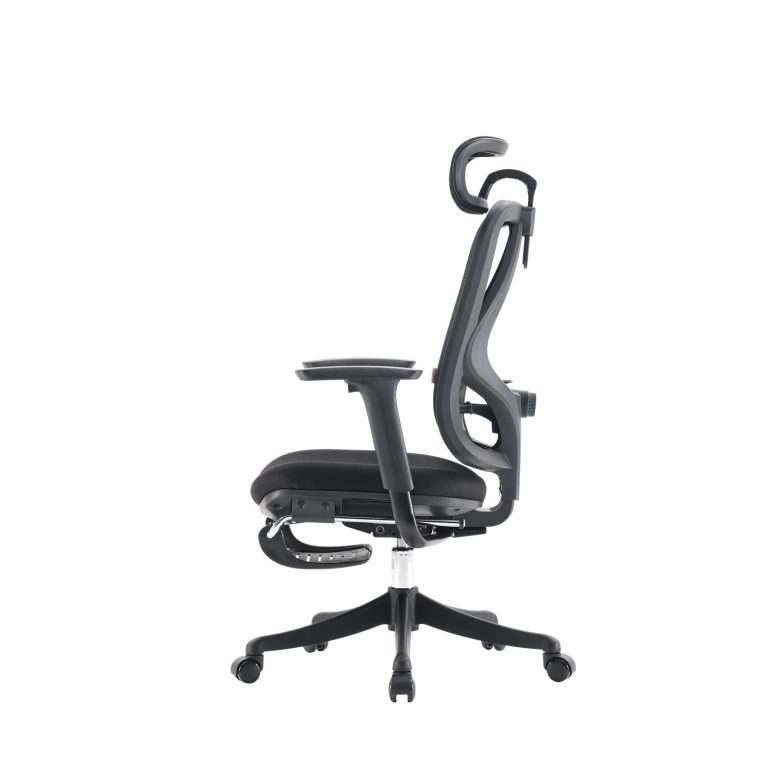
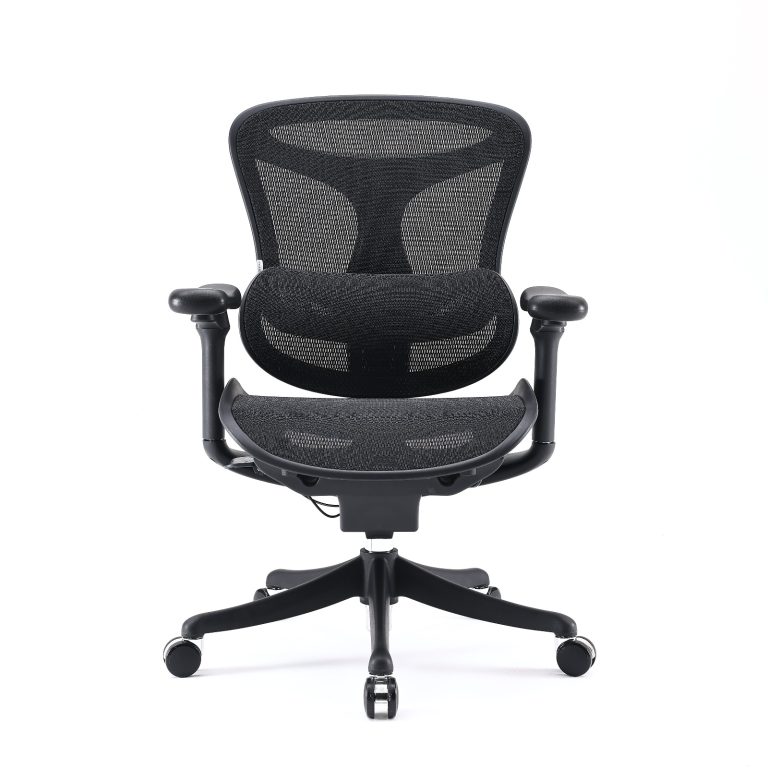
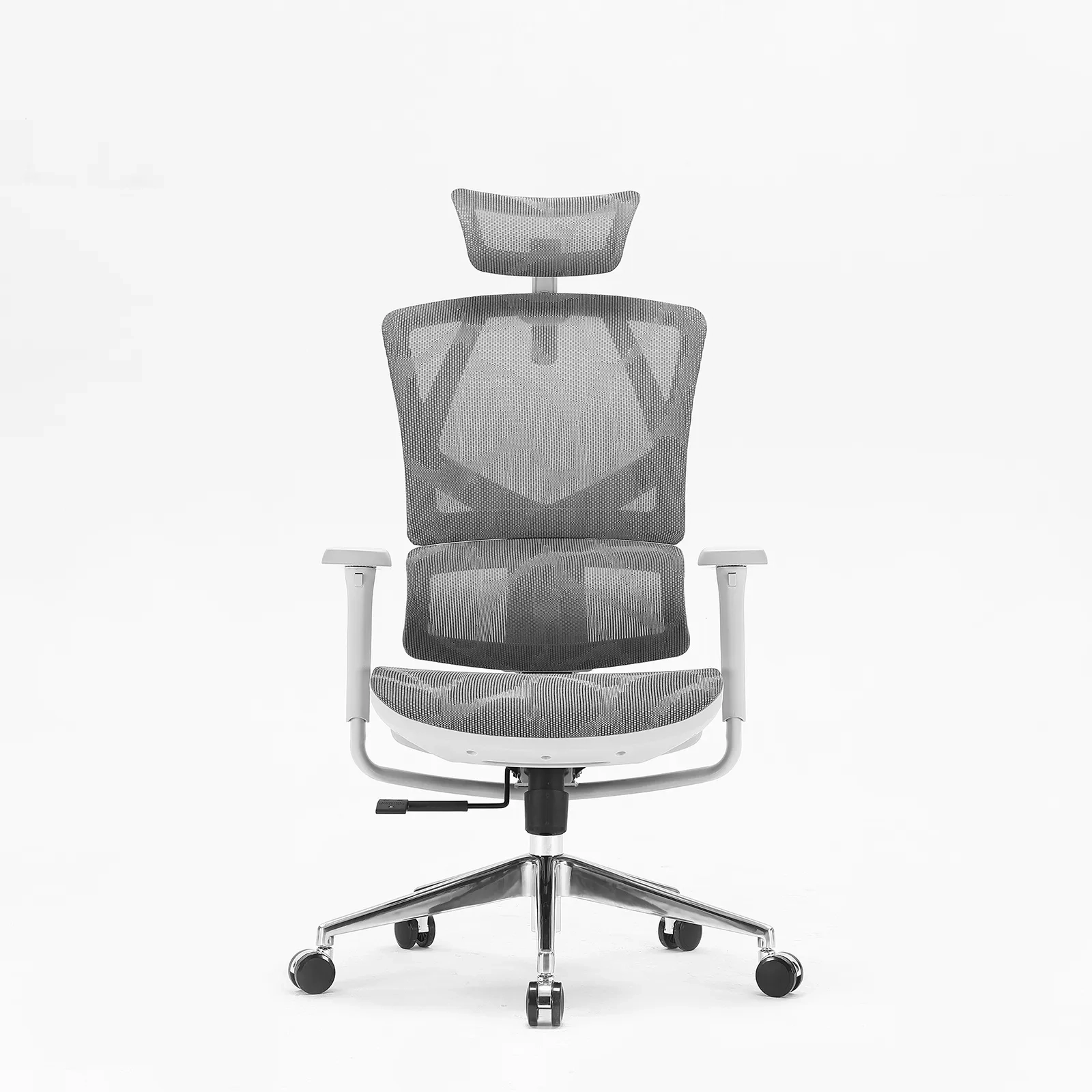
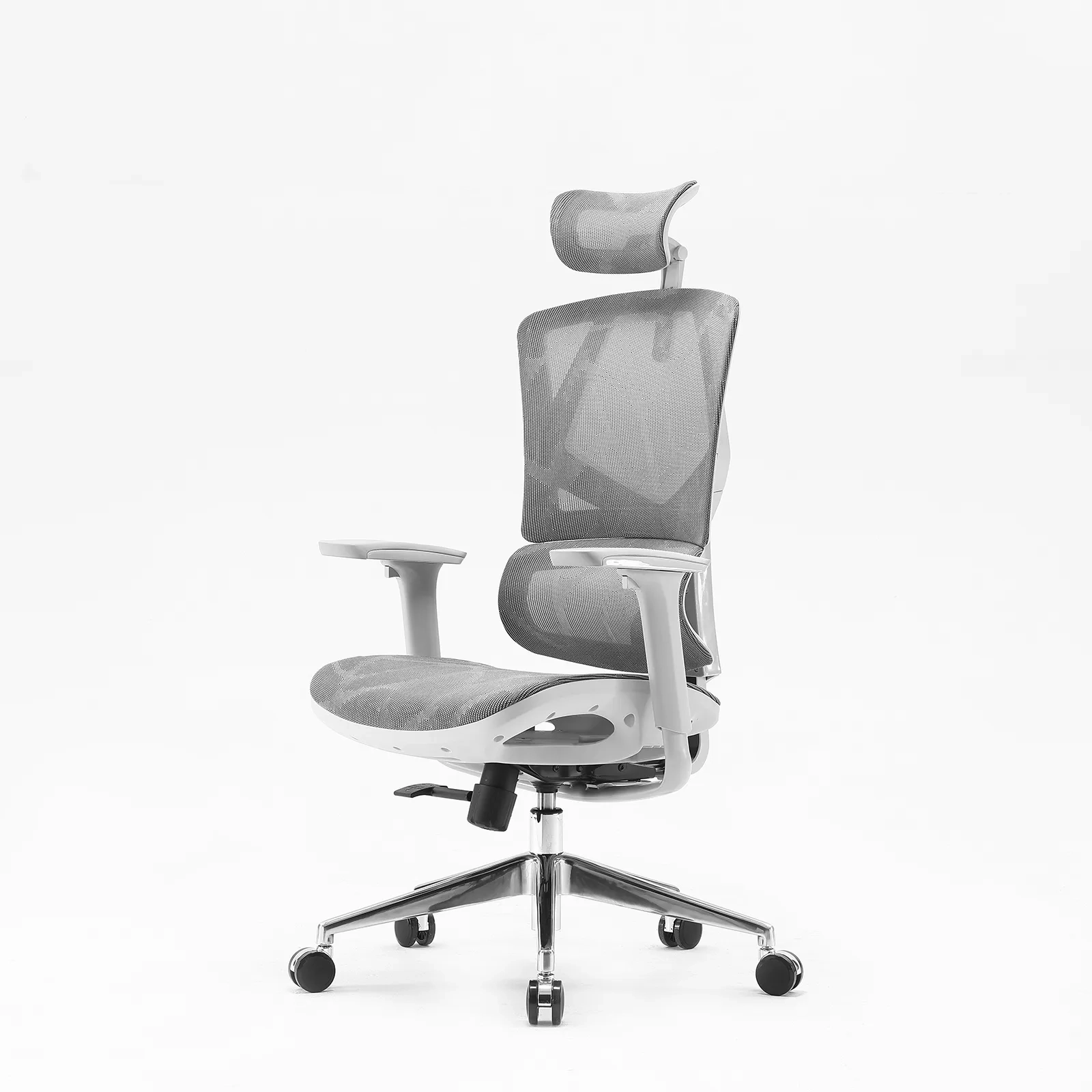
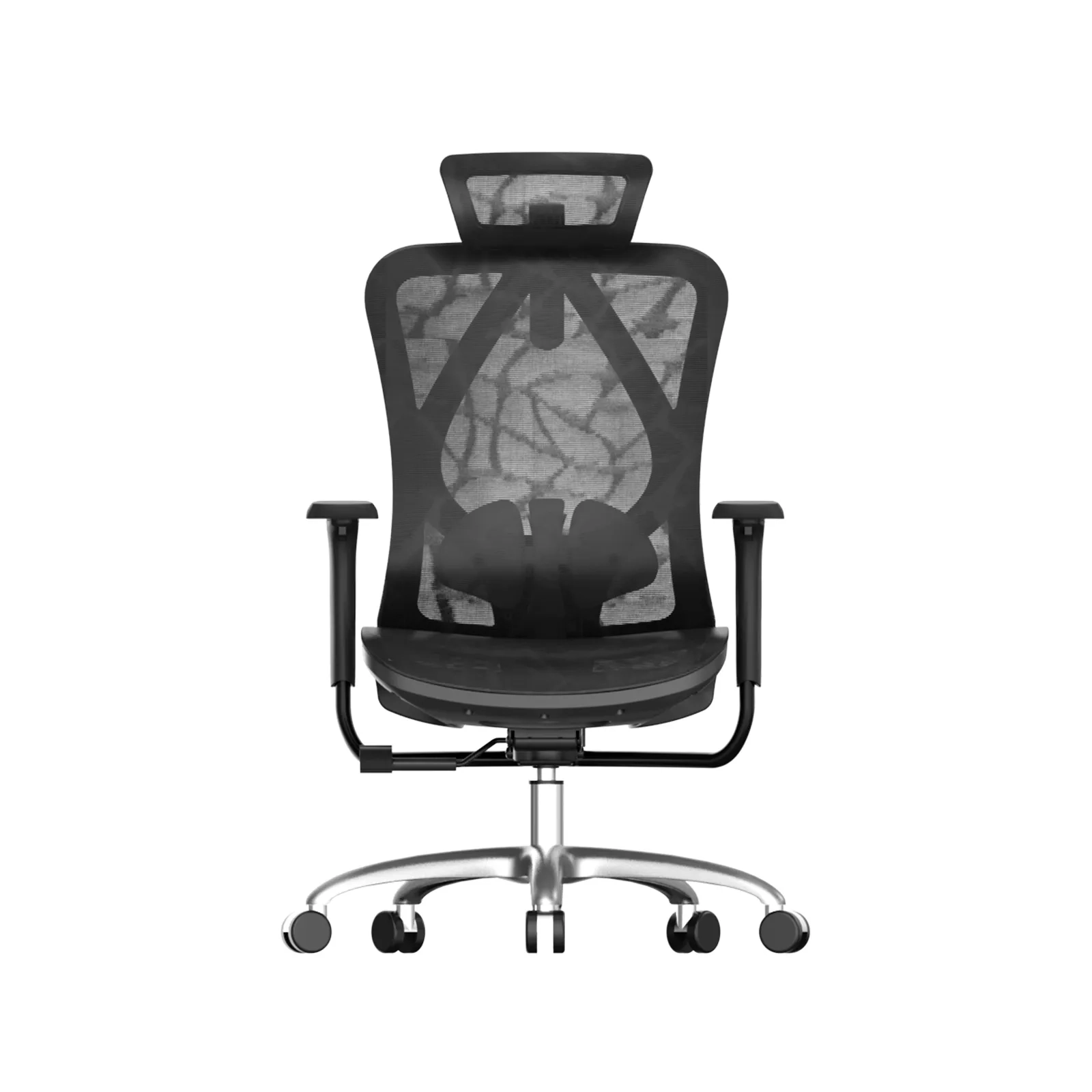
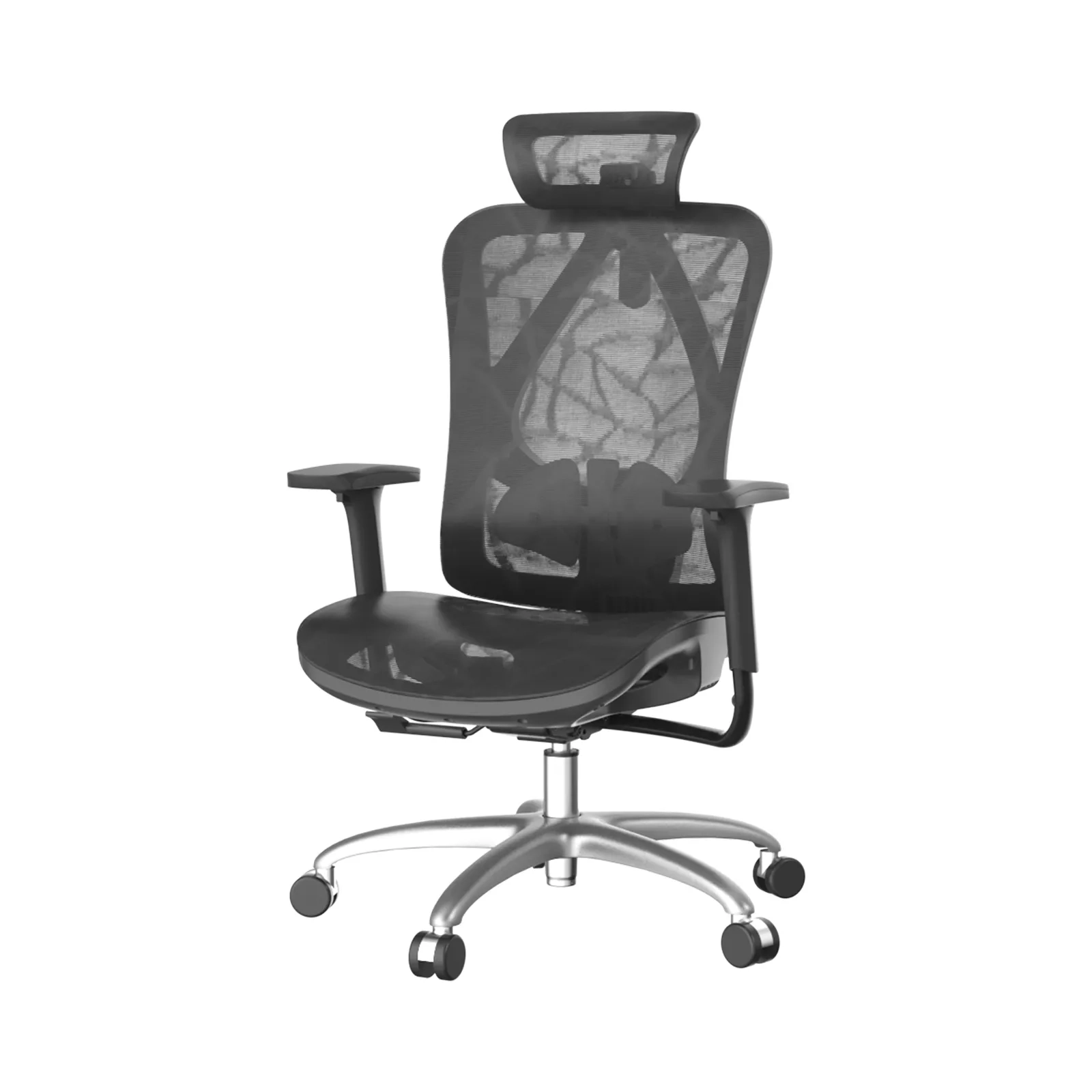
Sihoo, for example, focuses on adjustable support rather than pretending everyone fits the same mold. The Sihoo Doro C300 uses dynamic lumbar support that responds to your movement. The Sihoo S300 goes heavier on advanced ergonomic adjustments for people who want a more personalized setup. Paired with a footrest, these features let you build different seating positions for work, meetings, and breaks.
Reposabrazos
If your armrests are too high or too low, your shoulders and wrists pay for it. Adjustable armrests let you line your arms up with the desk surface so typing and mousing feel less strained.
Seat position
Seat depth and height adjust to your body. The goal isn’t to force everyone into one “correct” posture. It’s to give you options that match your build.
Reclining and footrest
Reclining plus a footrest gives you a way to switch from active work to rest. After a tough project, you might want to lean back and watch something or just decompress for ten minutes. The footrest supports your legs during that shift. It doesn’t replace movement, but it makes short rest periods more comfortable.
How to choose the right chair
When you’re picking a chair, think about how you actually use your desk, not just how the chair looks.
A good-looking chair that doesn’t fit your routine is still the wrong chair. Here are a few practical things to consider:
What do you do most
If you work eight hours a day at a computer, lumbar support and adjustability should be high on your list. If you only use your desk for shorter sessions, general comfort and flexibility matter more.
Can you adjust it
A good chair should let you tweak the setup. Ask yourself: can the backrest move? Are the armrests adjustable? Does the lumbar support move with you? Is the footrest actually usable for relaxing?
These questions help you evaluate whether a chair matches your workspace.
Does it match your desk
A chair doesn’t work alone. Desk height, monitor position, and keyboard placement all affect how comfortable you feel. Even a great chair won’t help if your monitor is too low and you’re constantly looking down.
Sitting habits matter too
The best chair in the world won’t fix everything. You still need to use it well. Simple habits make a difference:
- Change positions now and then
- Take short breaks to move between tasks
- Adjust the chair for different activities
- Keep your monitor at eye level
- Don’t sit perfectly still for hours
Think of the chair as part of a larger workspace system, not a magic fix. That’s especially true for remote workers and anyone who spends long hours at a computer. Having a chair that adapts to different situations makes the whole setup more practical.
A footrest fits modern life
The line between work and personal life has gotten blurry. A home office might be a workplace during the day, a learning space in the evening, a creative studio on weekends, and a place to relax after hours.
A footrest adds another layer of flexibility. After a few hours of focused work, you might want to read industry news, watch a video, or organize files. Those low-intensity moments are when elevating your legs makes the chair feel less like an office chair and more like a place to actually rest.
That’s why an ergo office chair with footrest makes sense for a lot of people. It’s not a replacement for movement or good posture, but it’s a practical comfort feature for spaces that do more than one job.
How Sihoo approaches it
Sihoo builds chairs around comfort, adjustability, and what people actually need in a workspace. Their models, including the Doro C300 and S300, use dynamic support systems and adjustable components so the chair works with your movement instead of locking you into one position.
Features that matter to their users include adjustable lumbar support, flexible backrests, customizable armrests, seat adjustments, reclining functions, and relaxation support. The idea is that furniture should fit your lifestyle, not just fill a functional gap.
Maintaining your chair
A decent chair is an investment. A few simple habits keep it working well:
Regular cleaning
Dust builds up faster than you think. Cleaning the surfaces regularly helps the chair stay comfortable and look decent.
Checking adjustable parts
Ergonomic chairs have lots of moving parts. Every so often, check that the adjustment mechanisms still move smoothly.
Use it as intended
Every chair has recommended usage conditions. Following the manufacturer’s instructions helps you avoid unnecessary wear.
Adjust before you give up on it
If a chair doesn’t feel comfortable, try adjusting the features before deciding it’s the wrong chair. Small tweaks to seat height, backrest angle, armrest position, or lumbar support can change the whole experience.
Conclusion
Modern work happens in one place, all the time. We work, learn, create, and relax in the same spaces. That’s made flexible furniture more important.
An ergo office chair with footrest — one with lumbar support, adjustable features, and a way to recline — gives you more control over how you sit. Its value isn’t in the extra features. It’s in letting you build a workspace that matches your actual routine.
Whether you’re working from home, managing creative projects, studying online, or spending long hours at a computer, choosing a chair based on support, adjustability, and your own habits will make the space more comfortable and more useful.
1600x1600-4-768x768.jpg)
1600x1600-8-768x768.jpg)