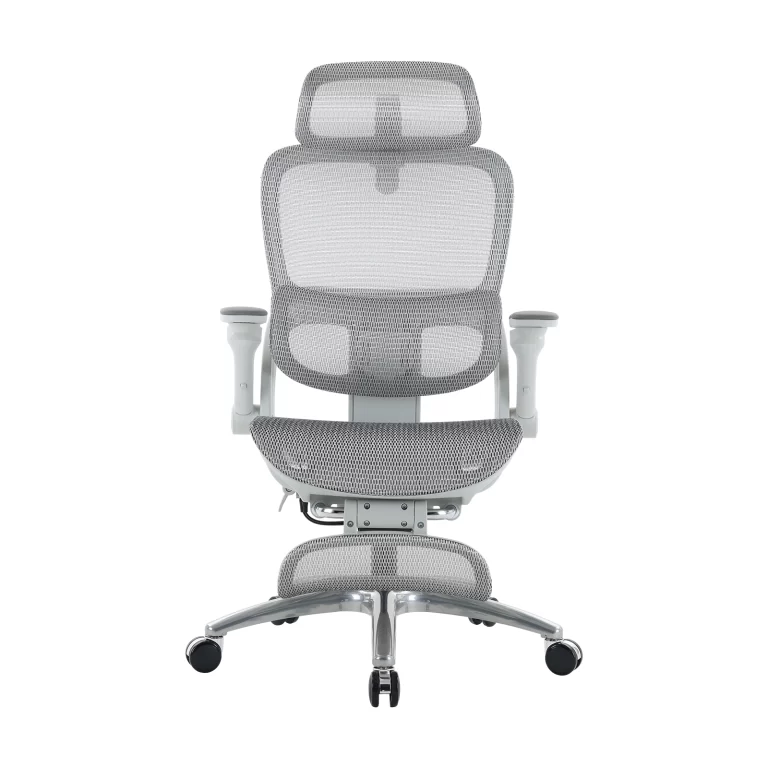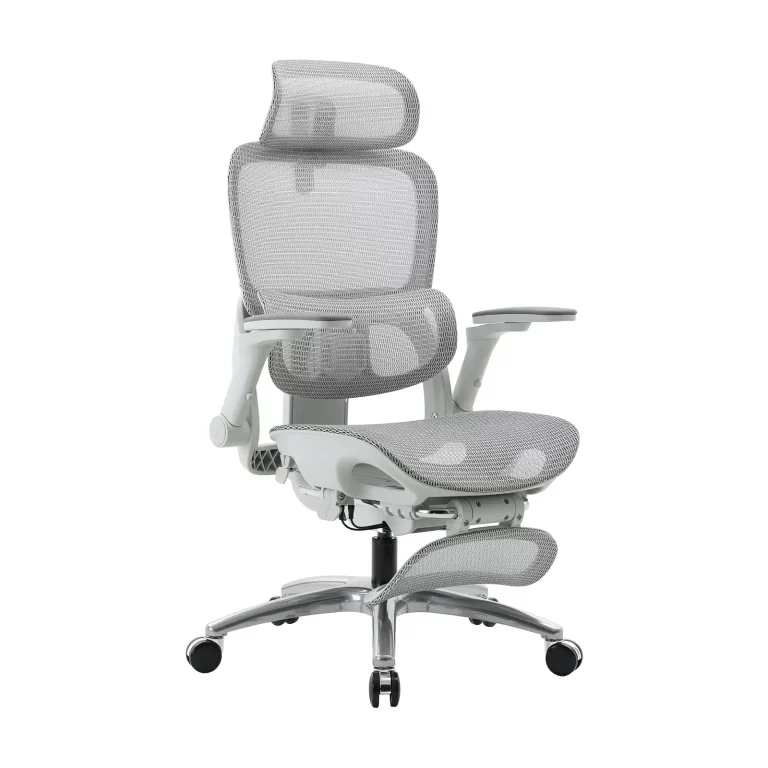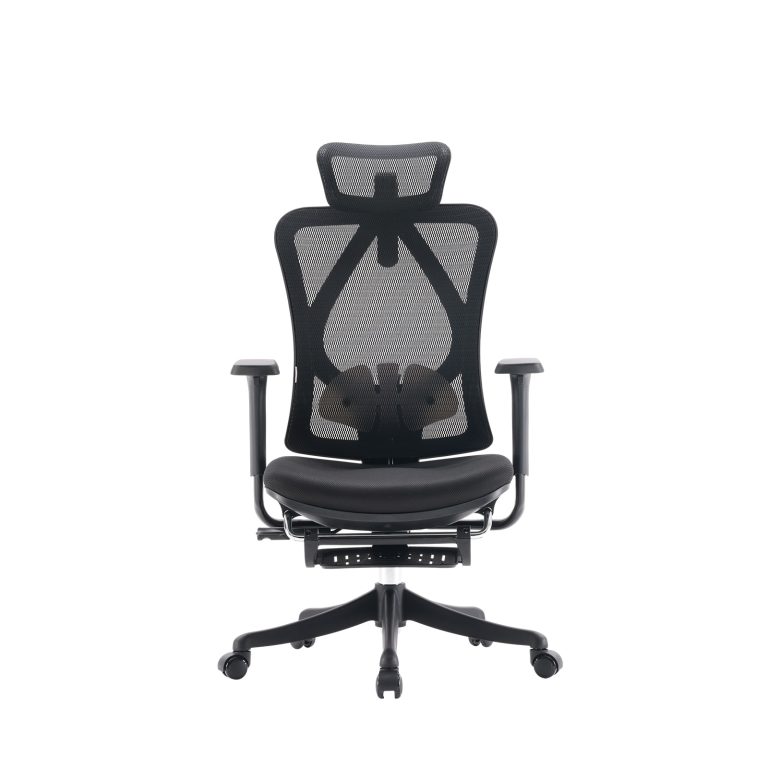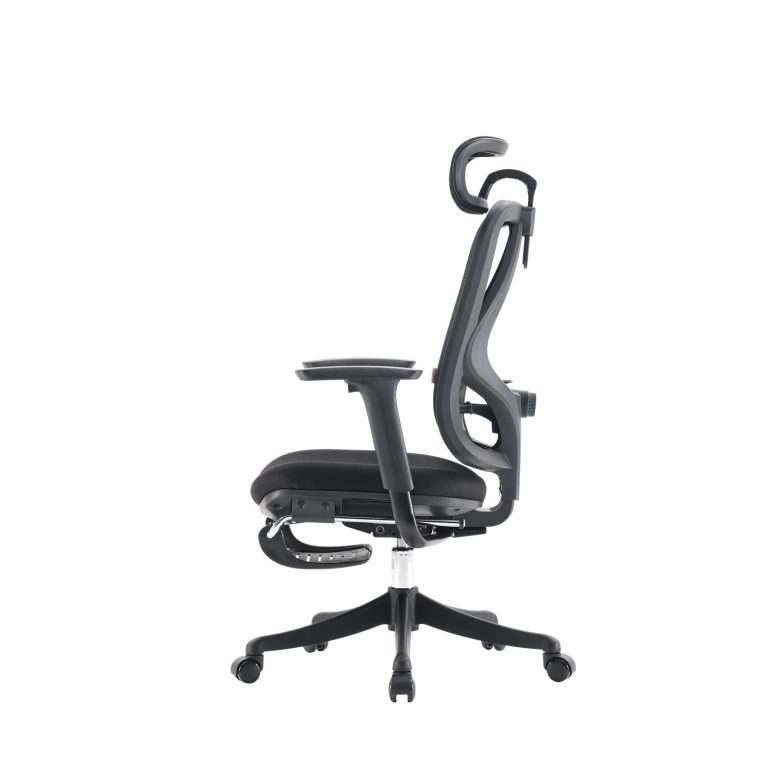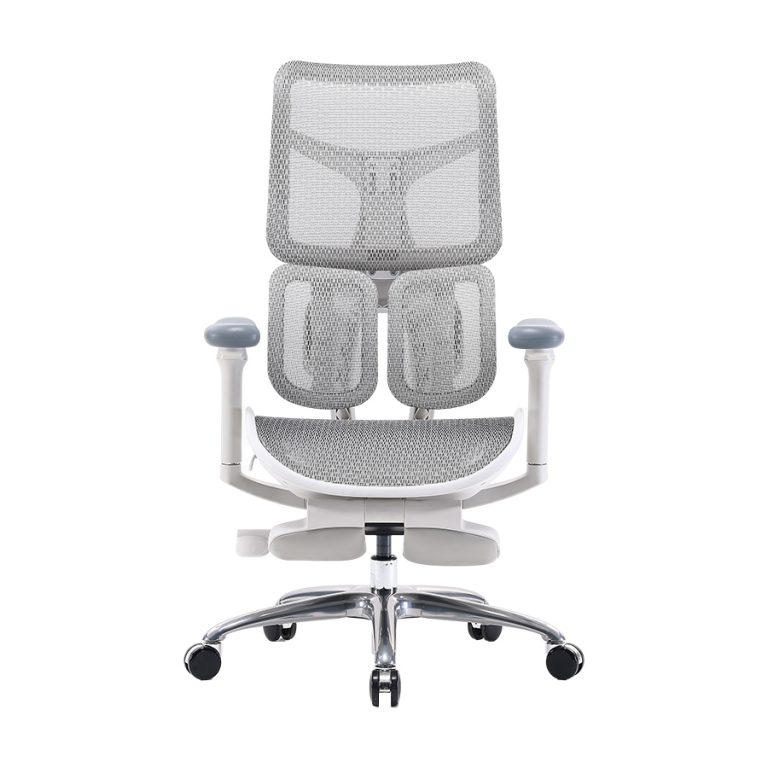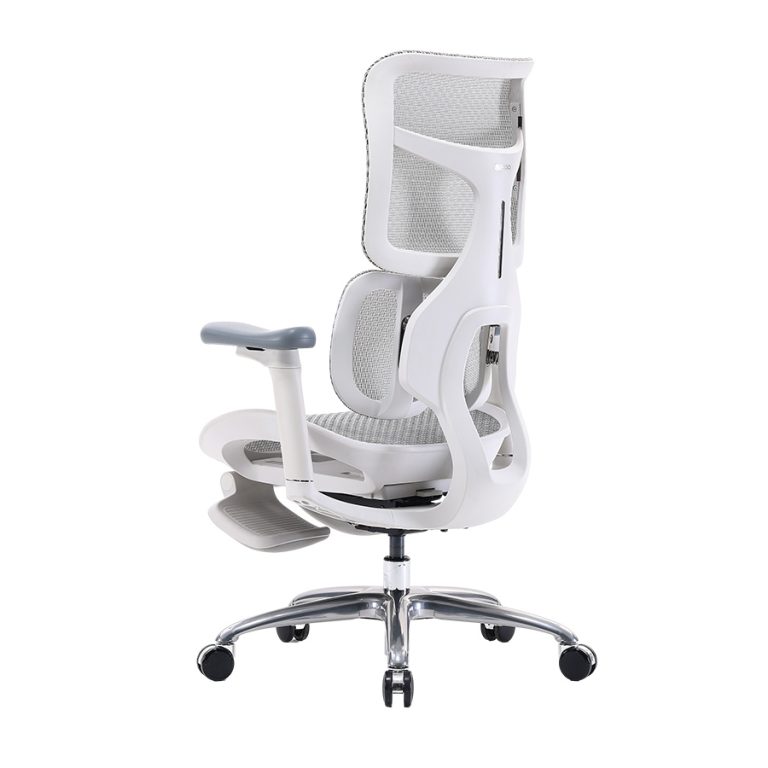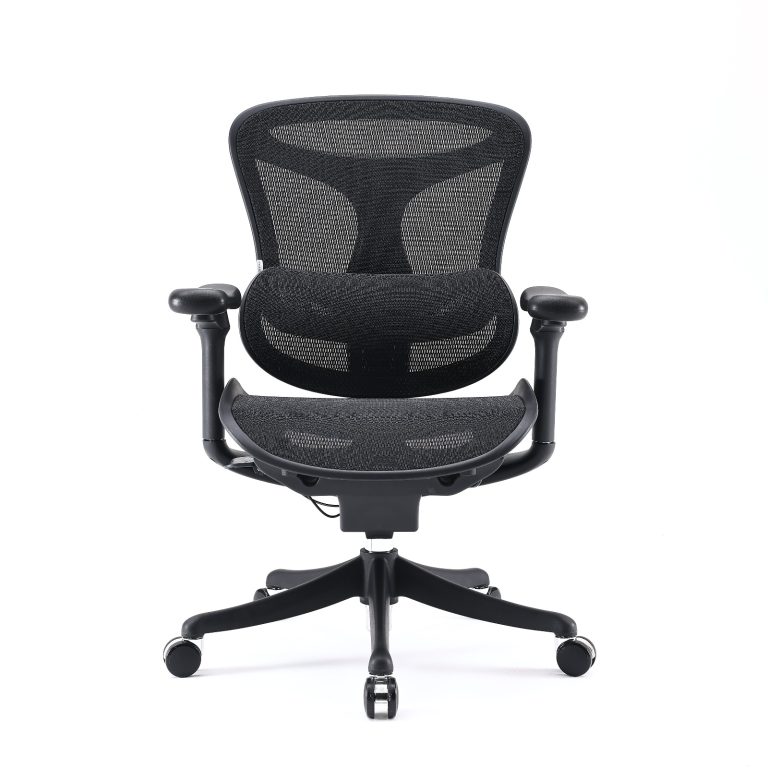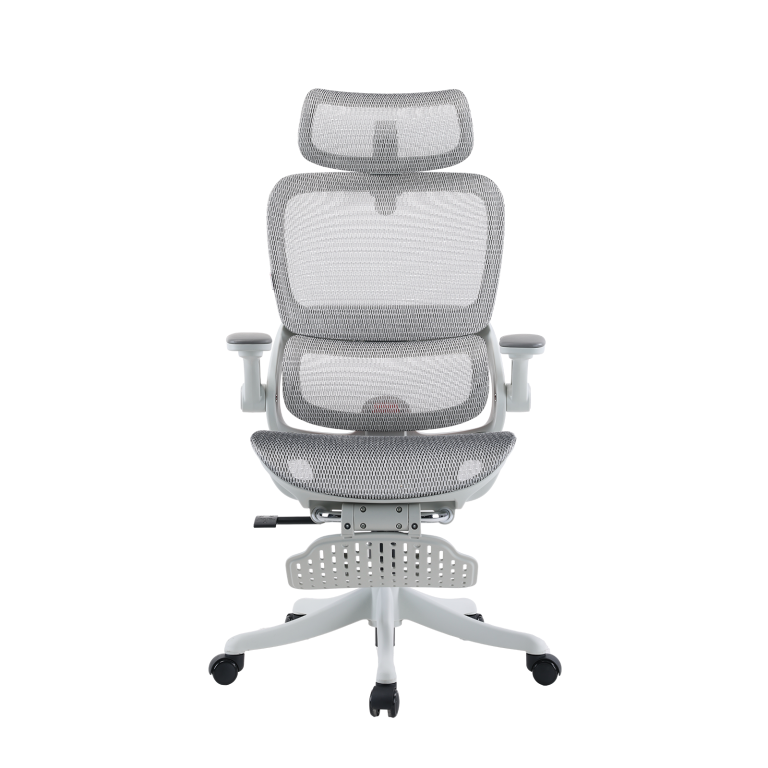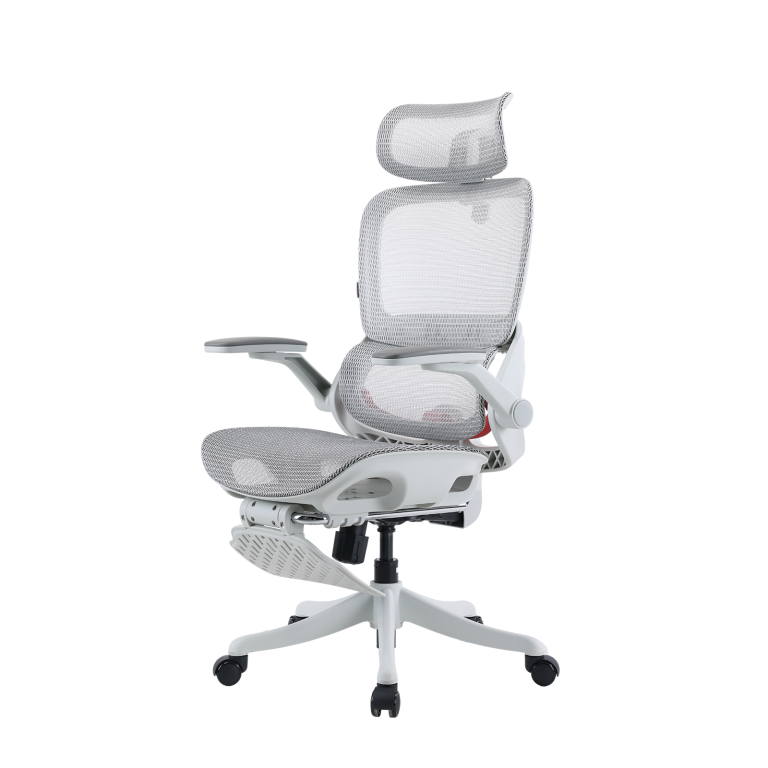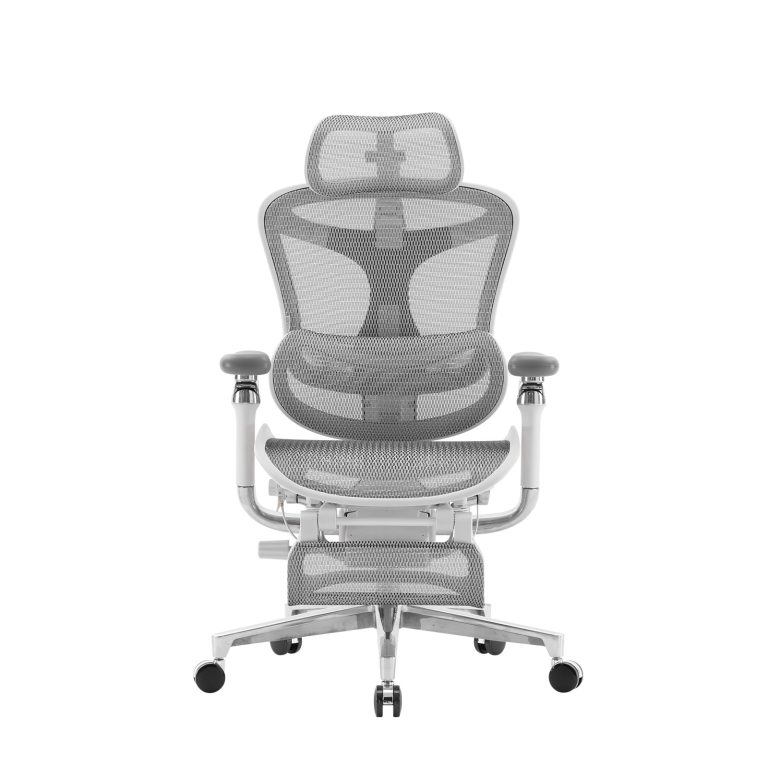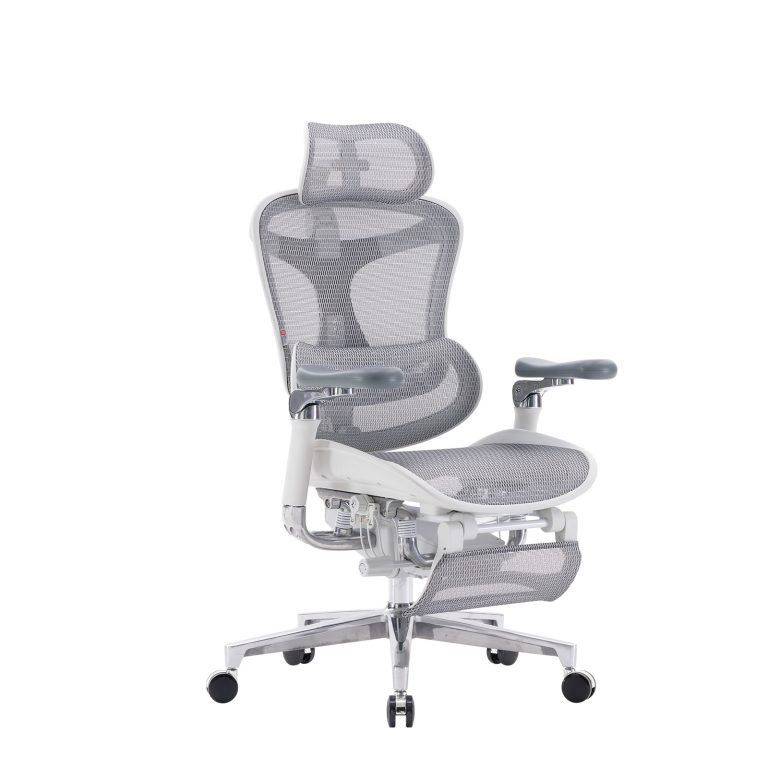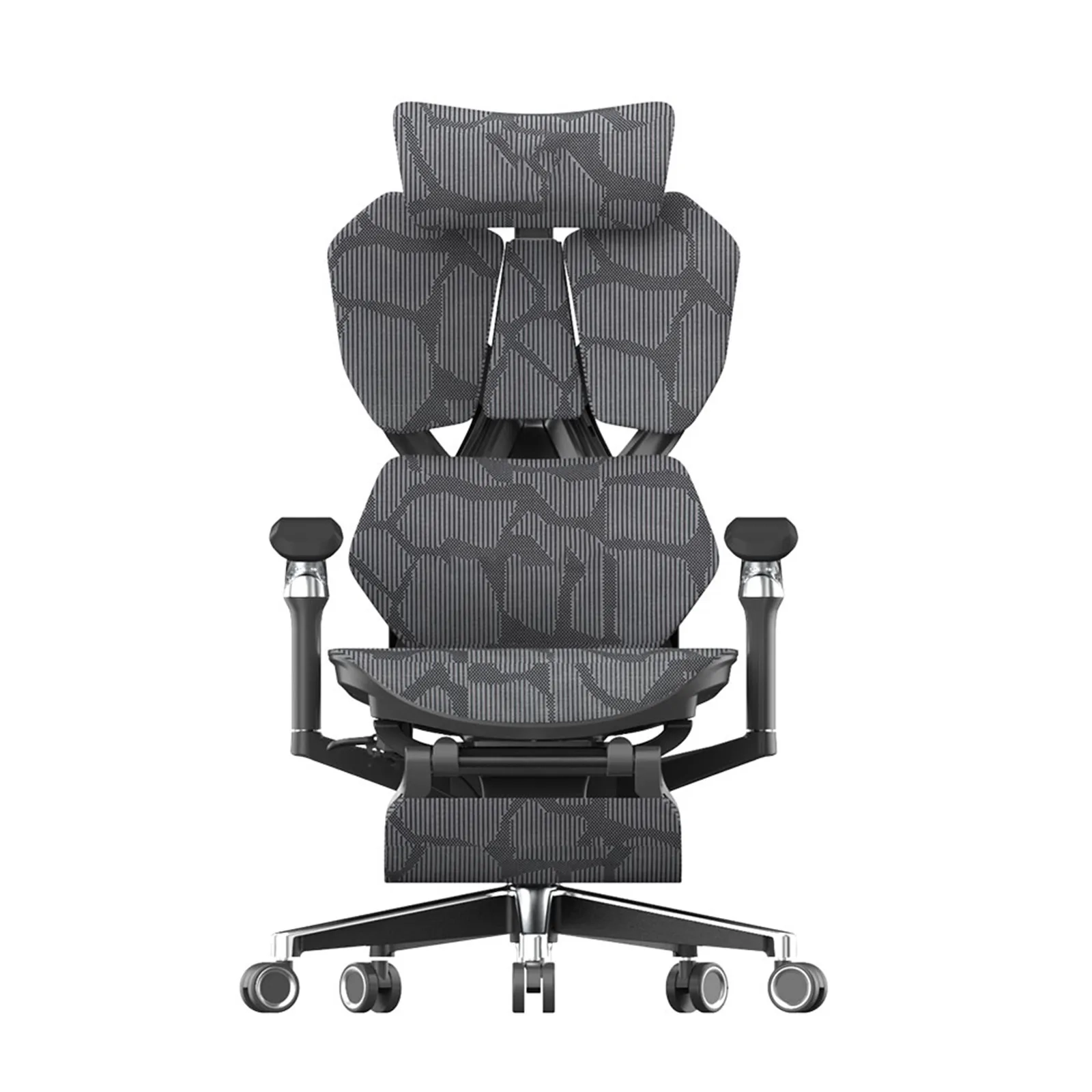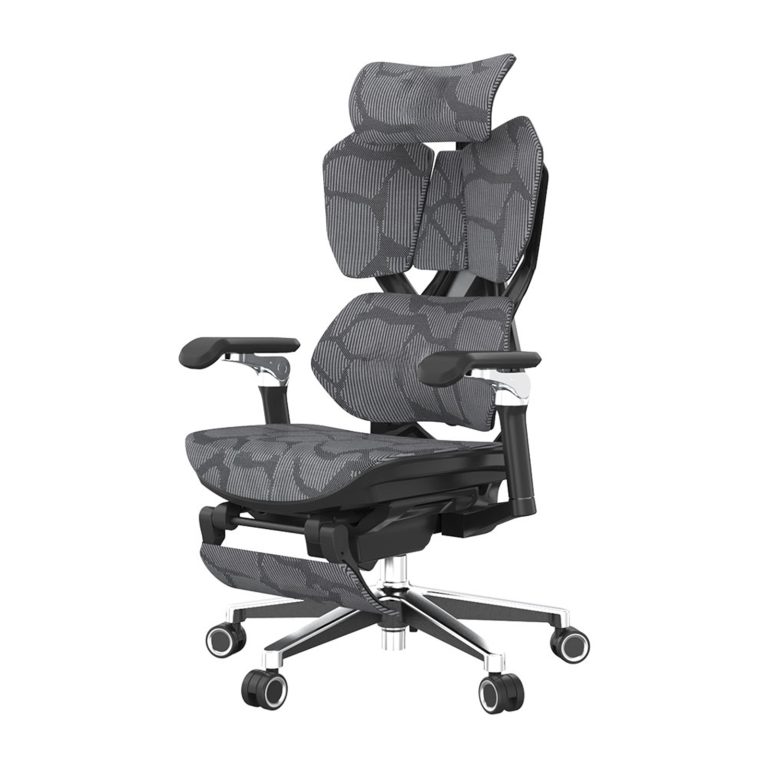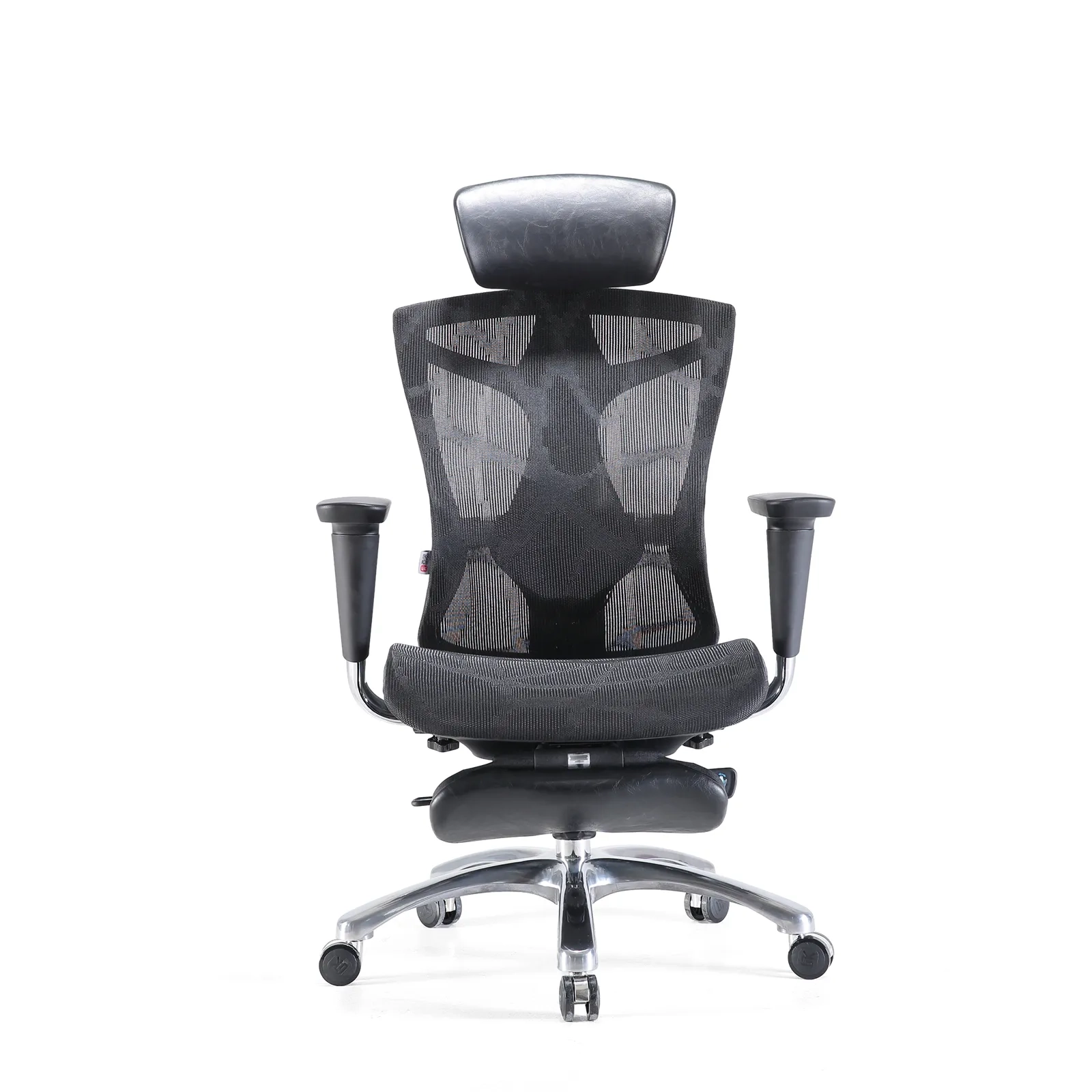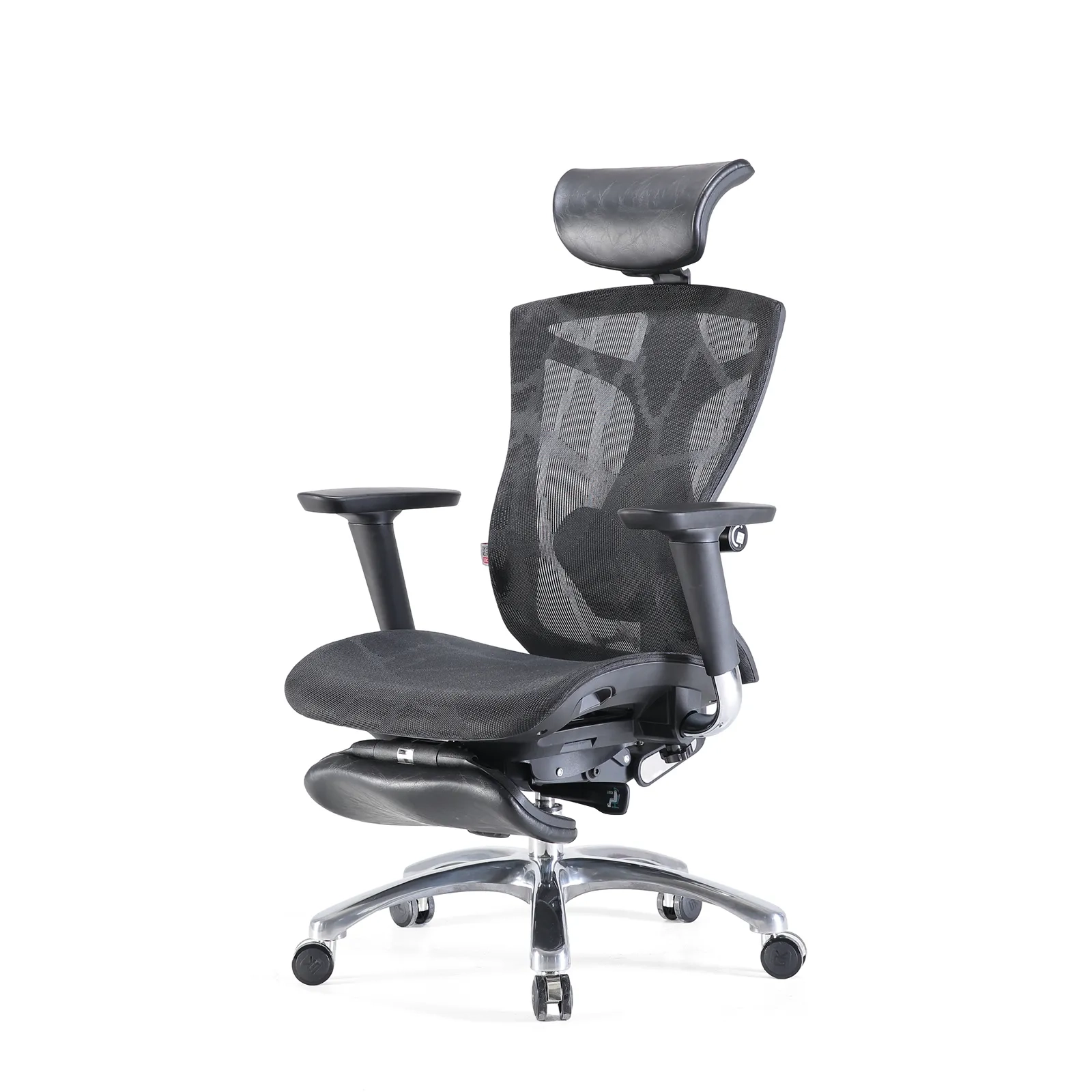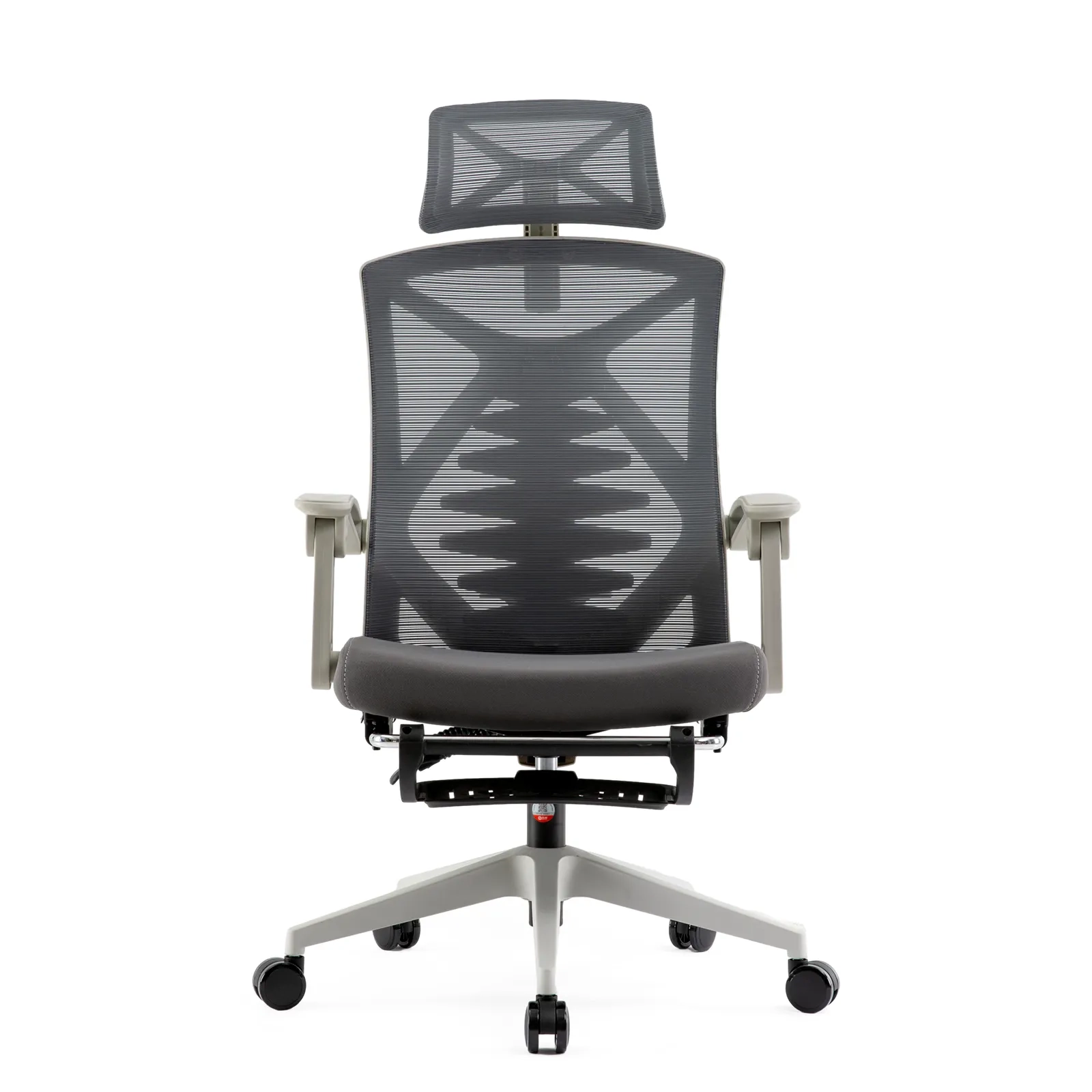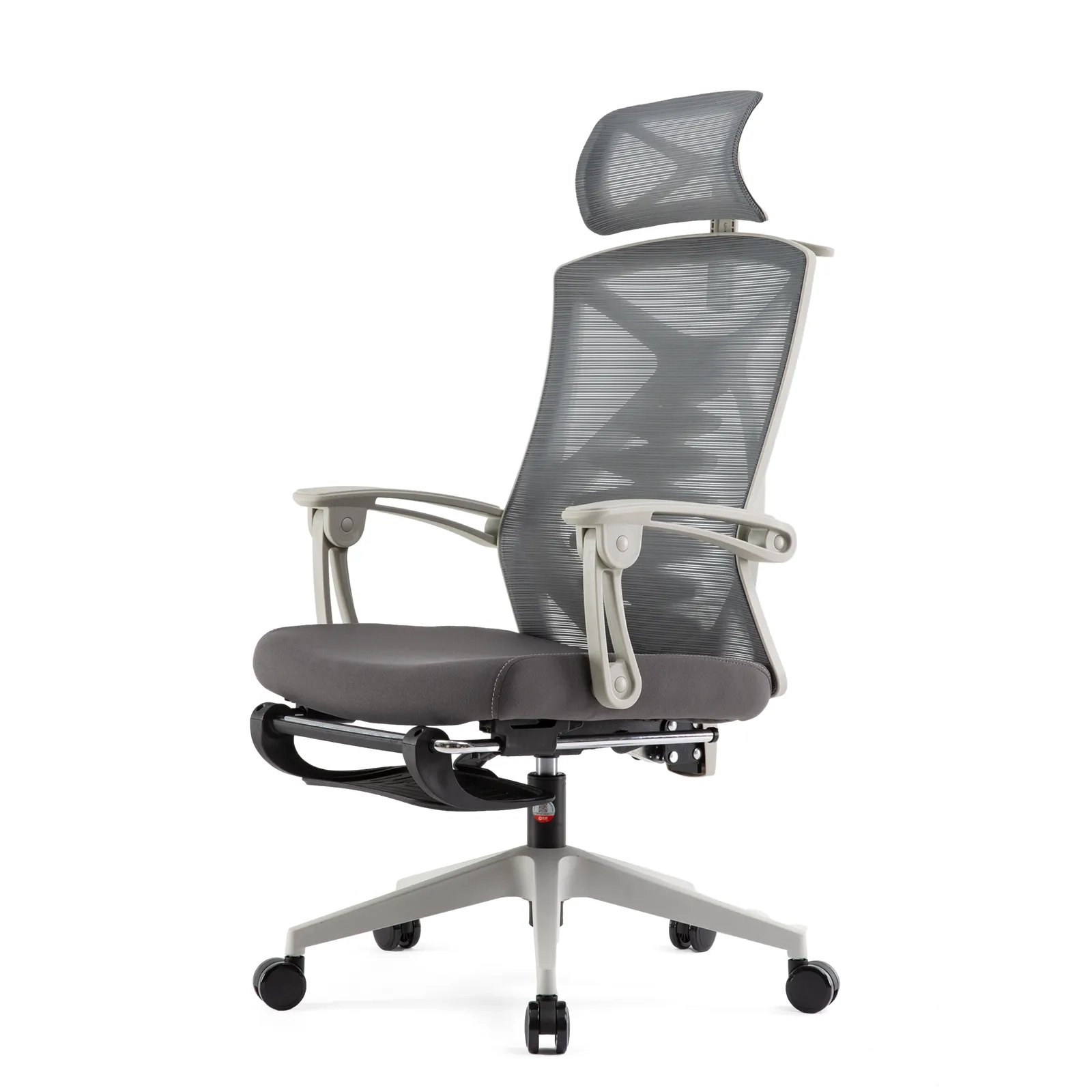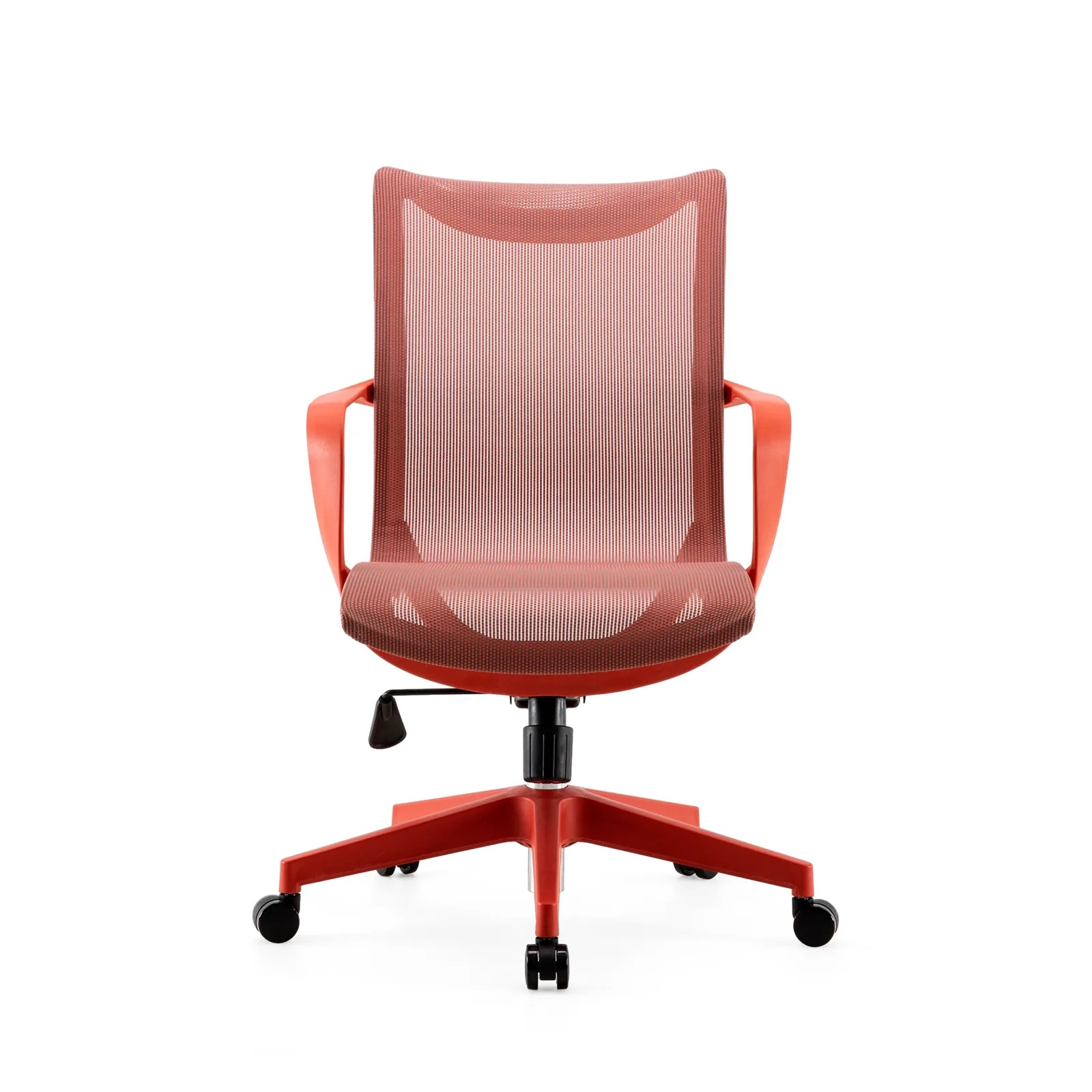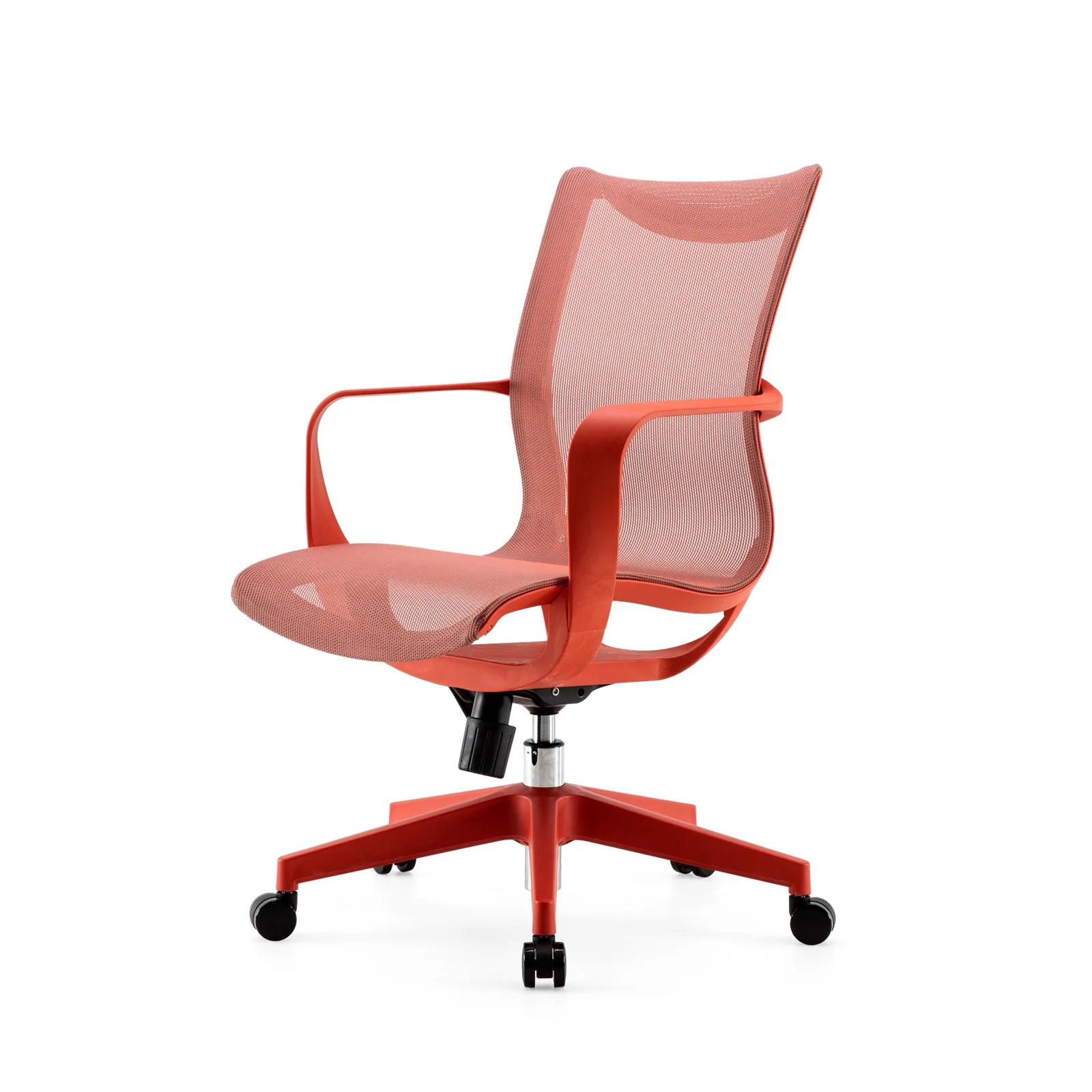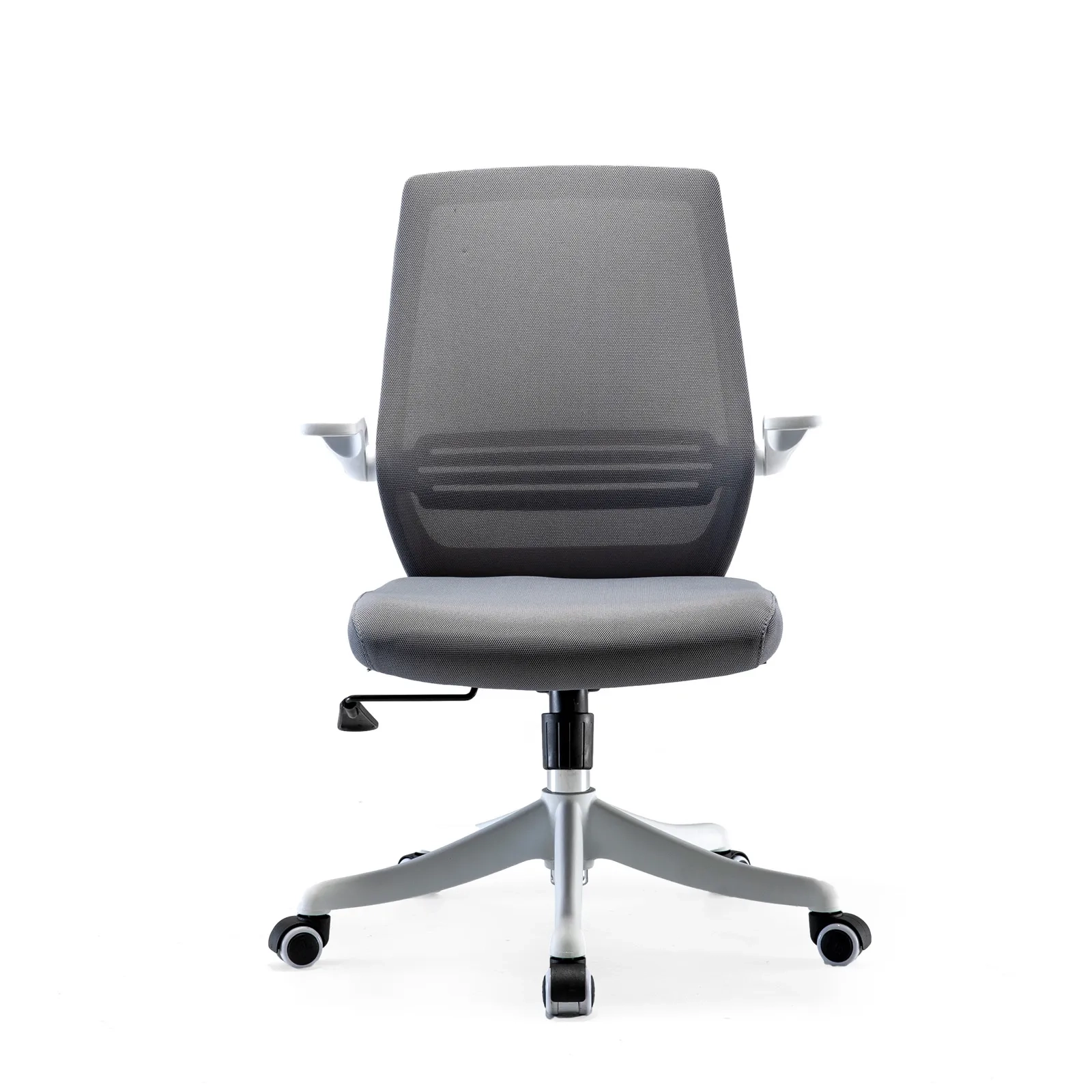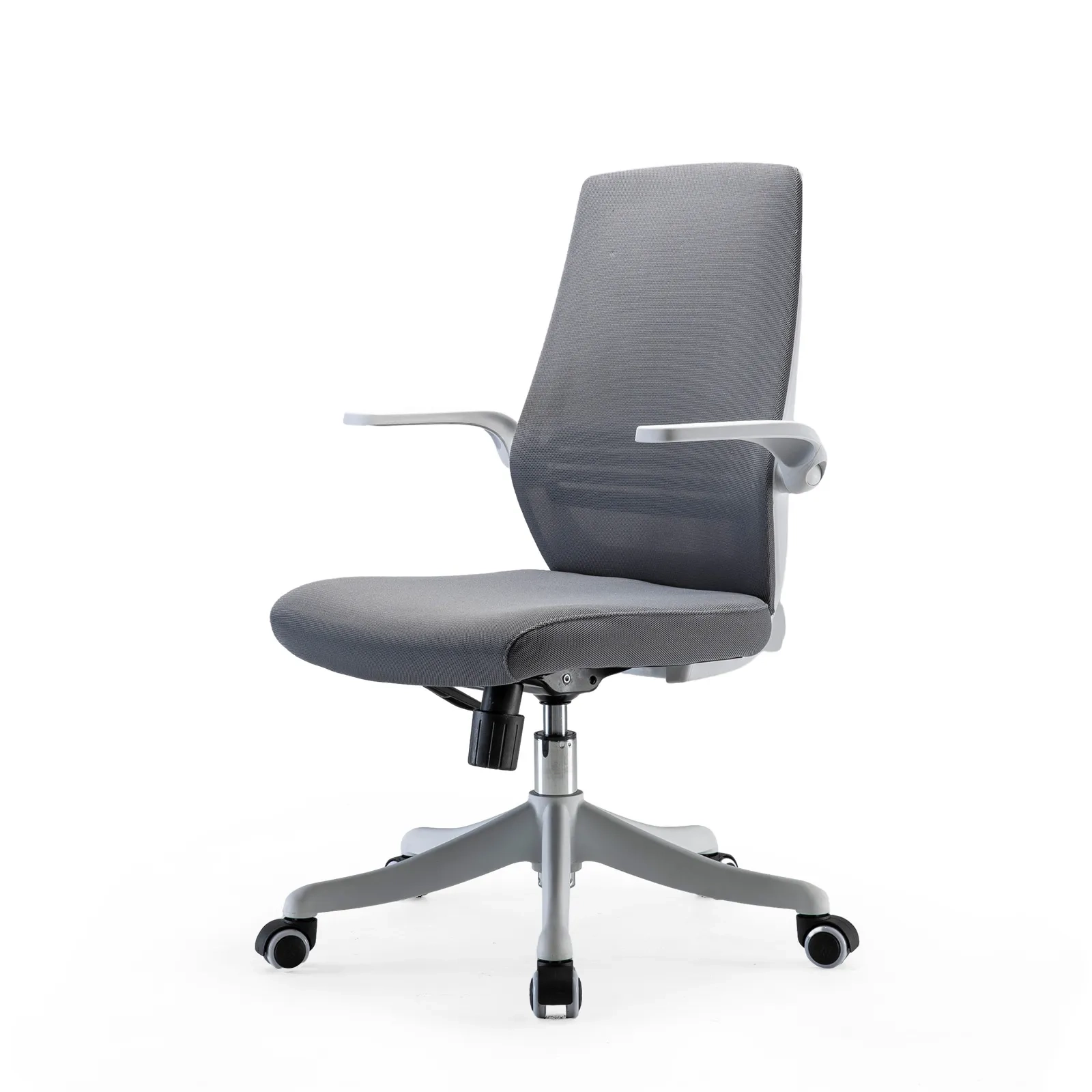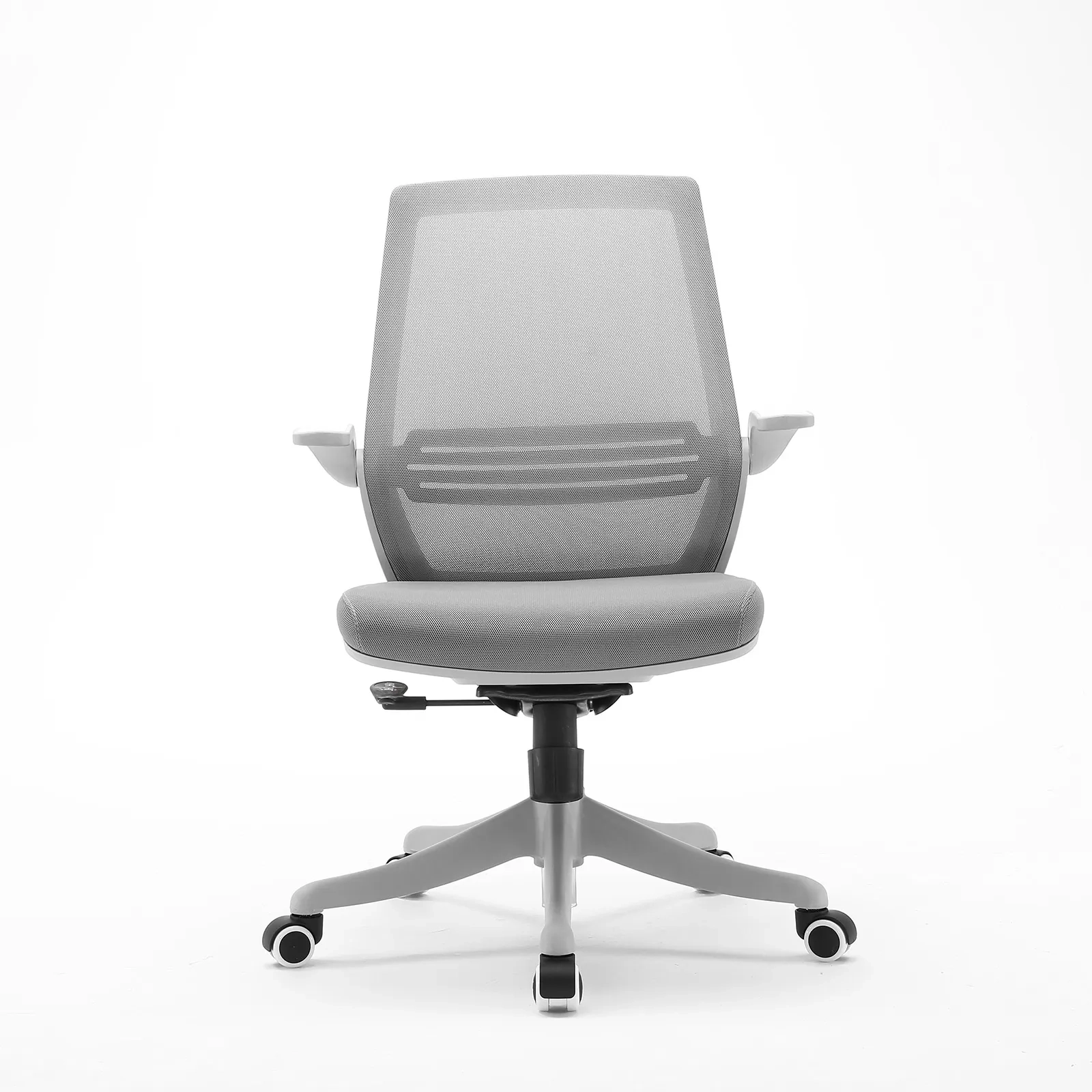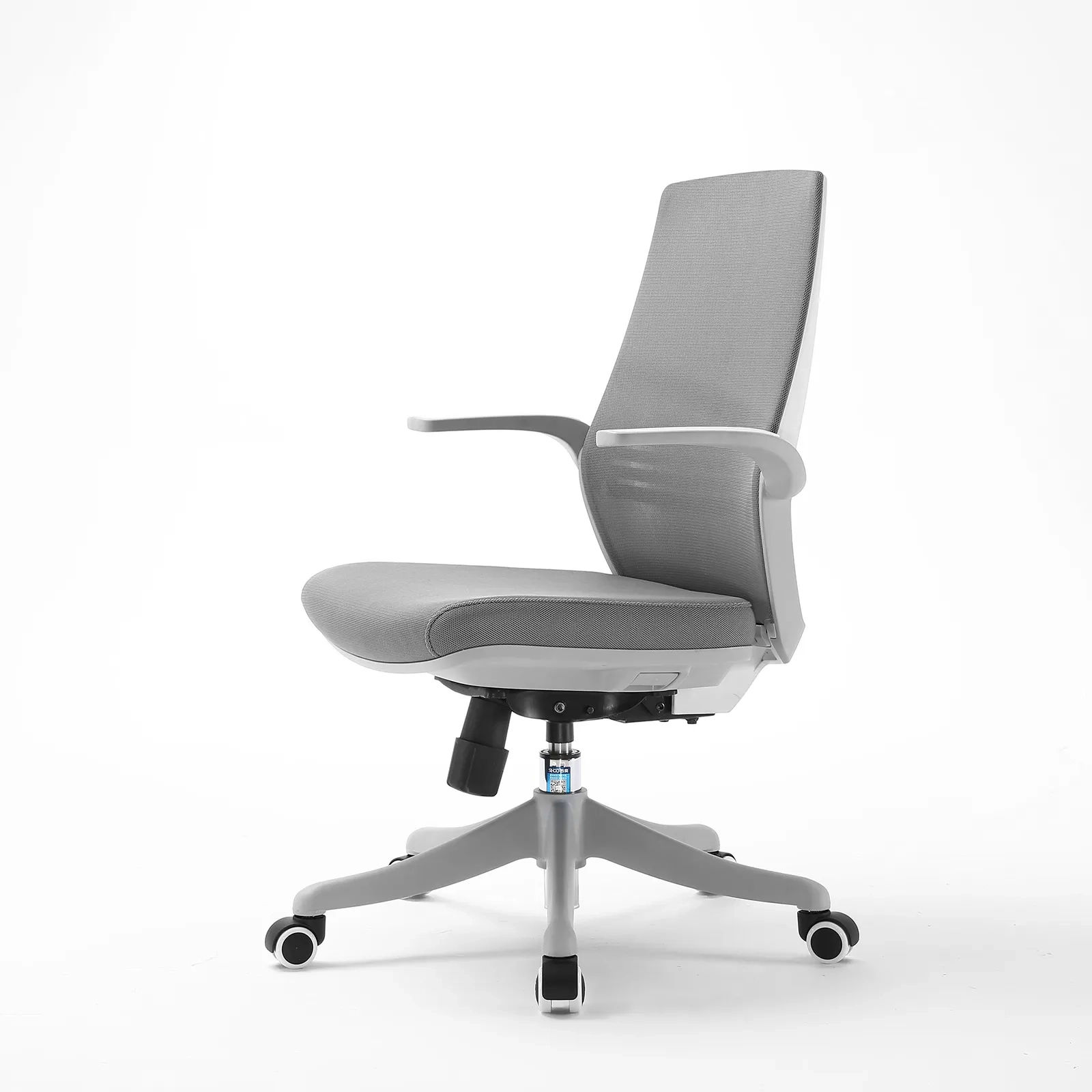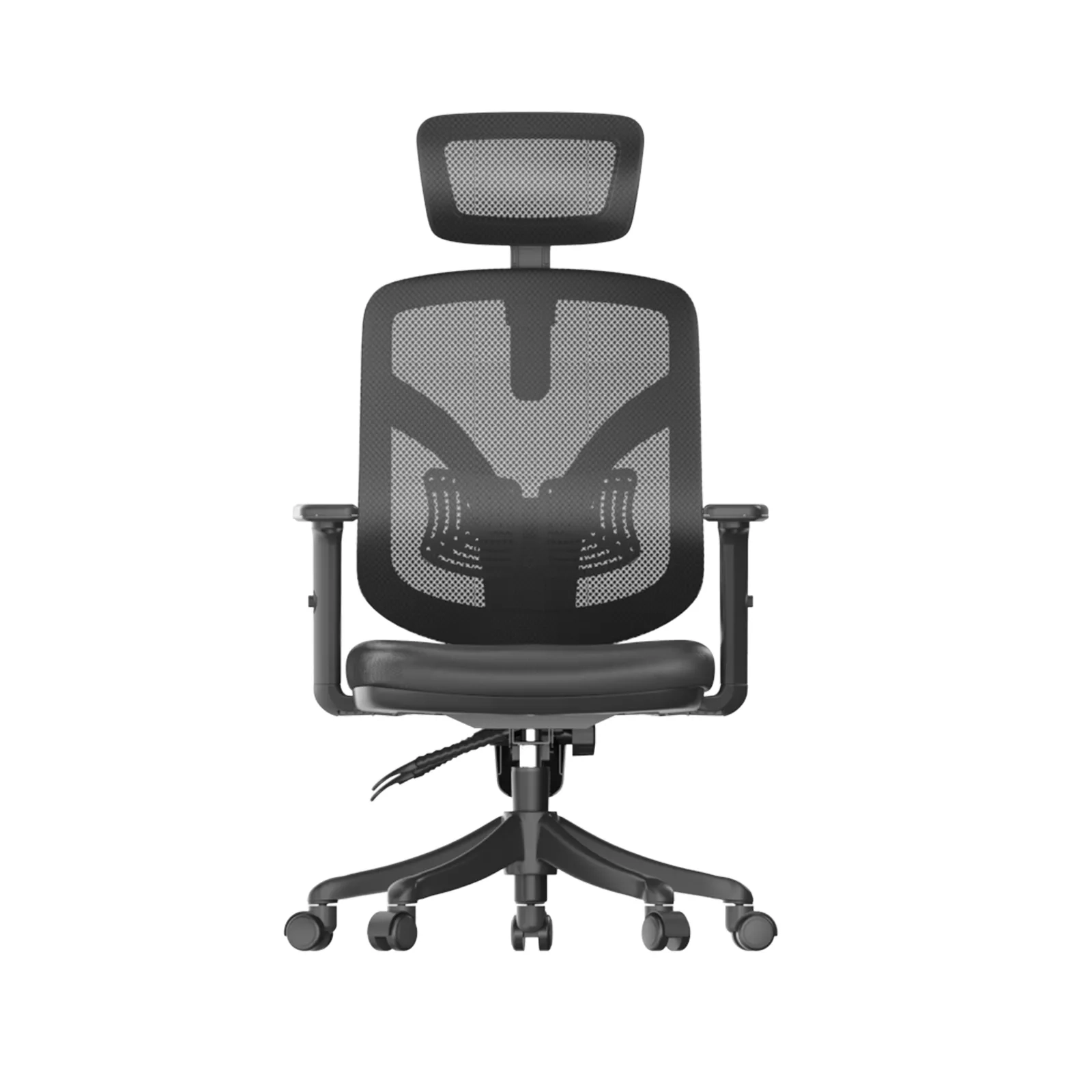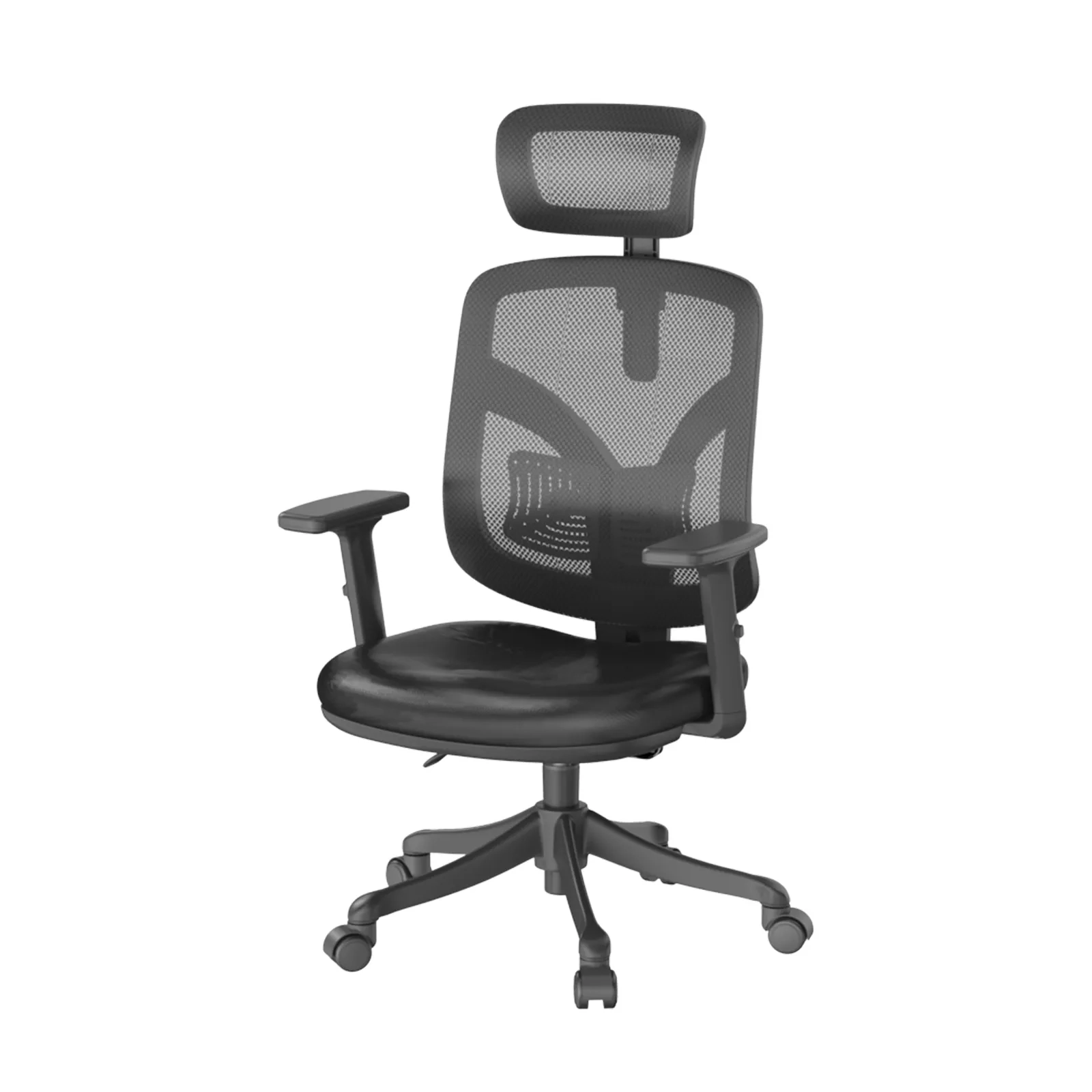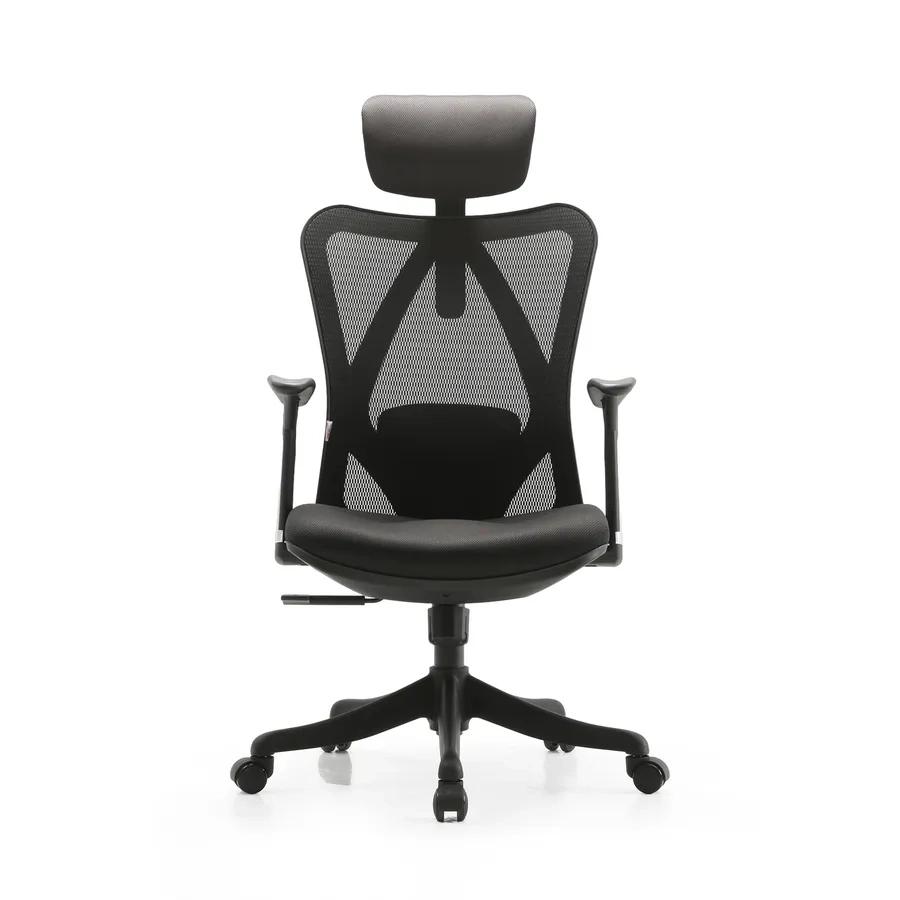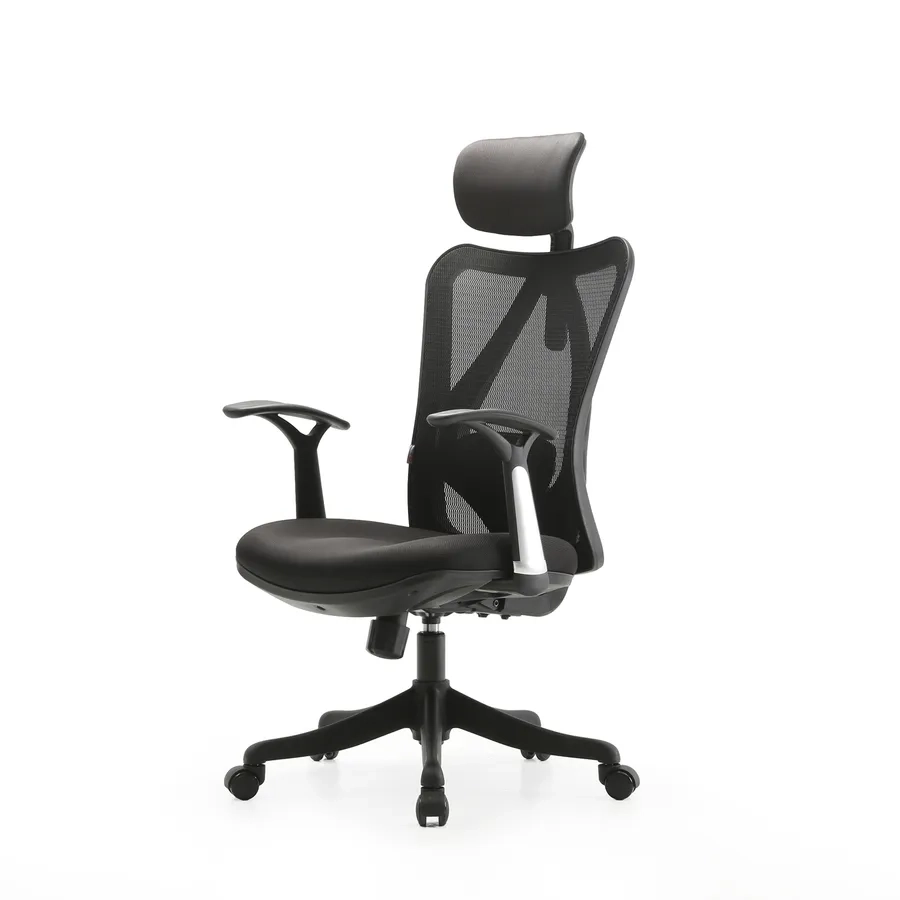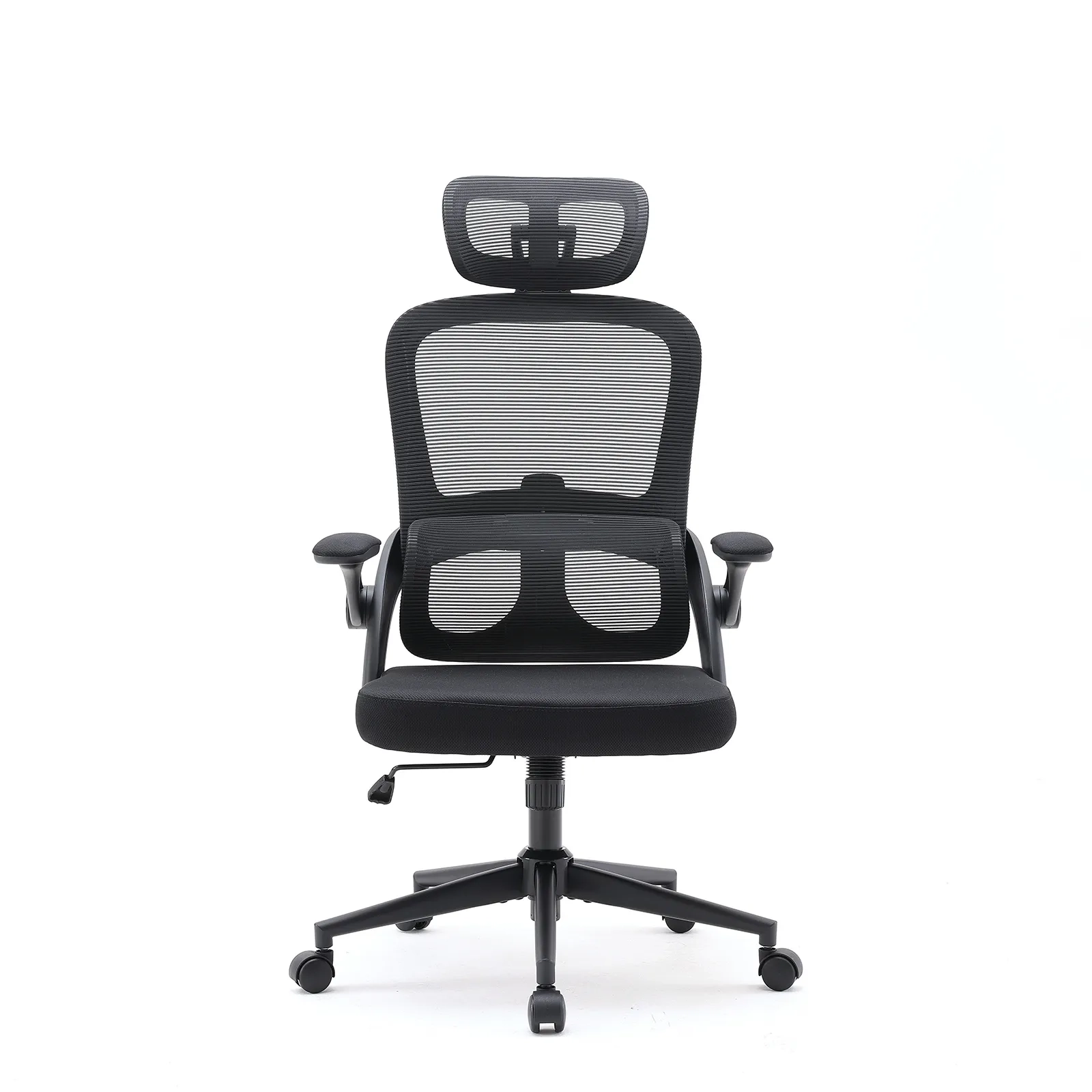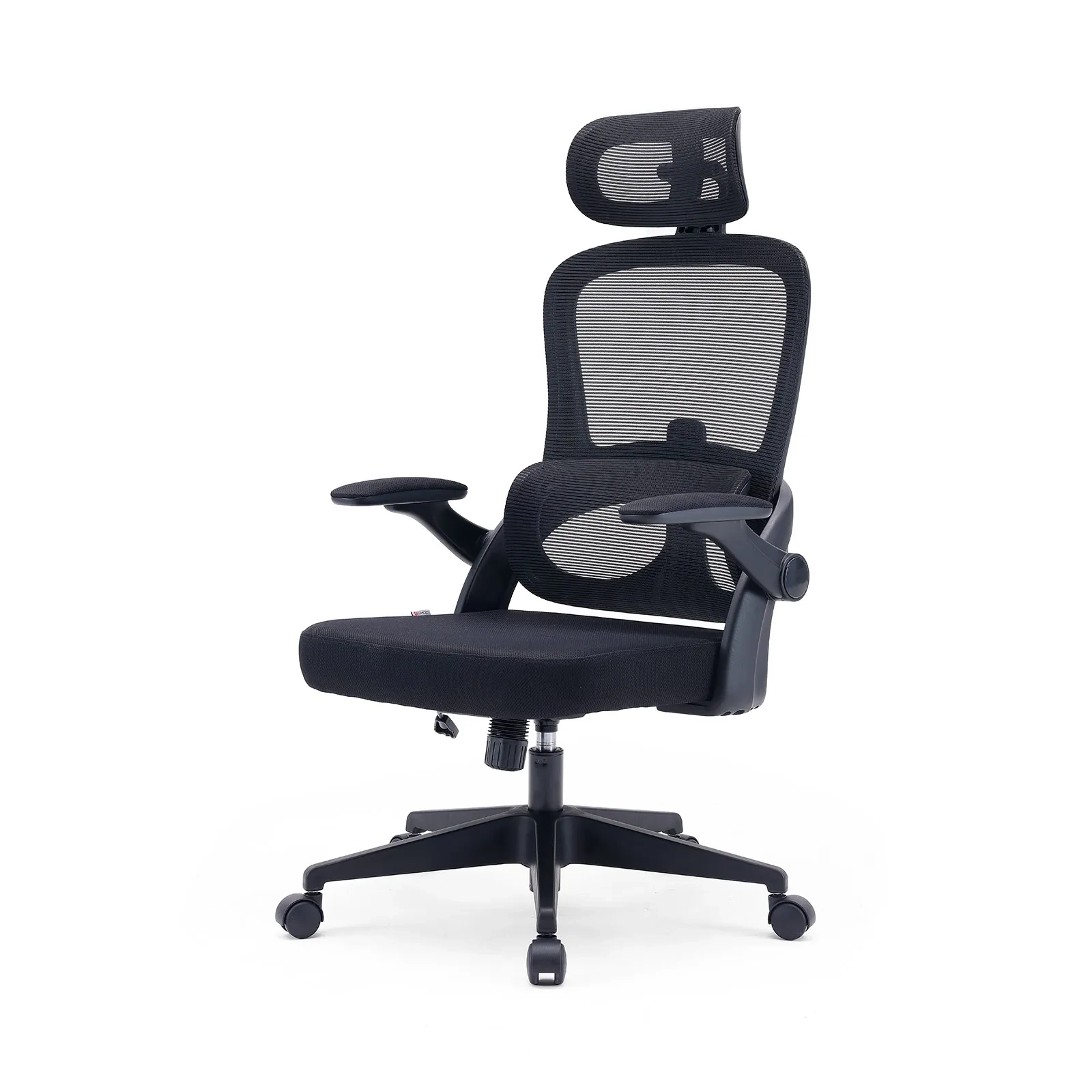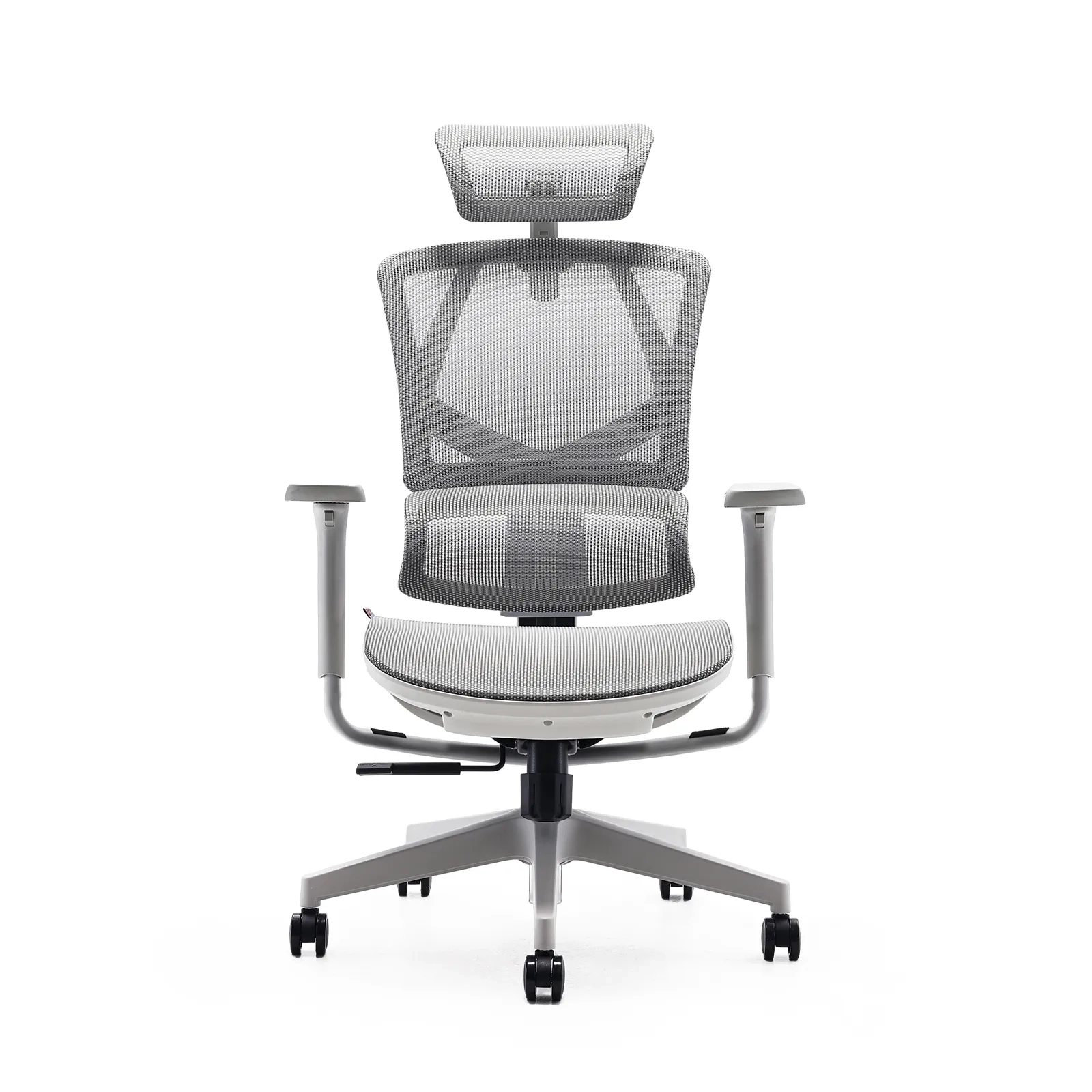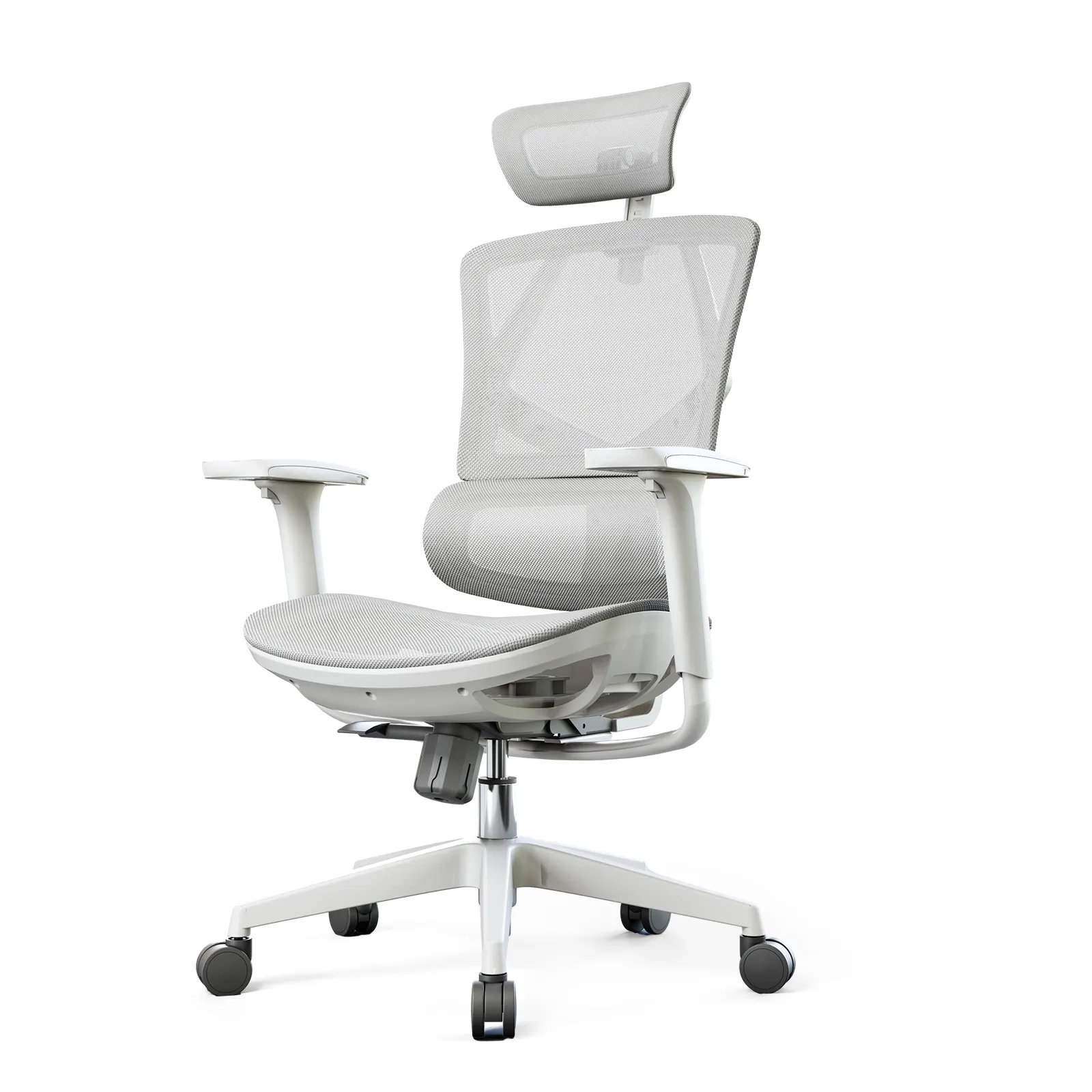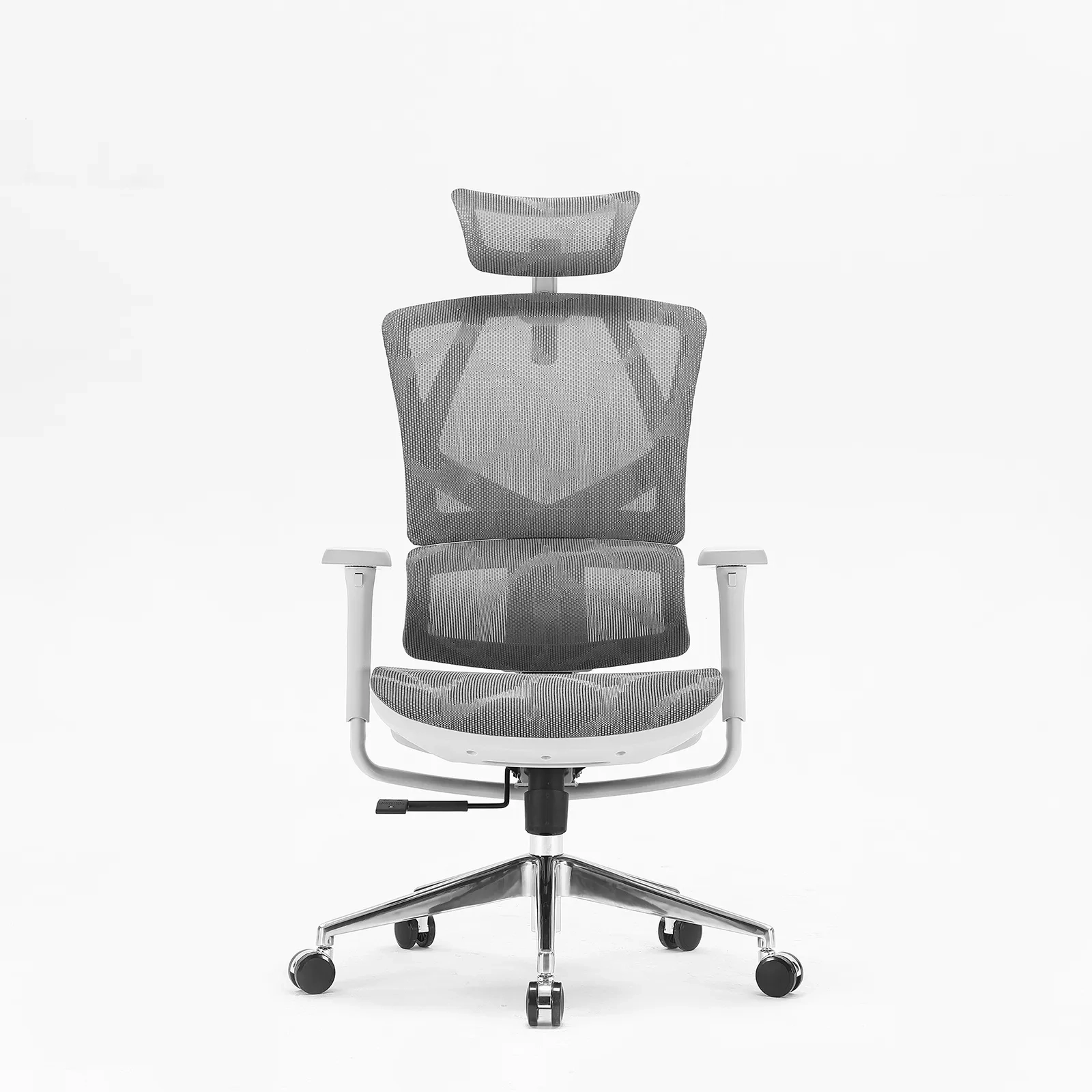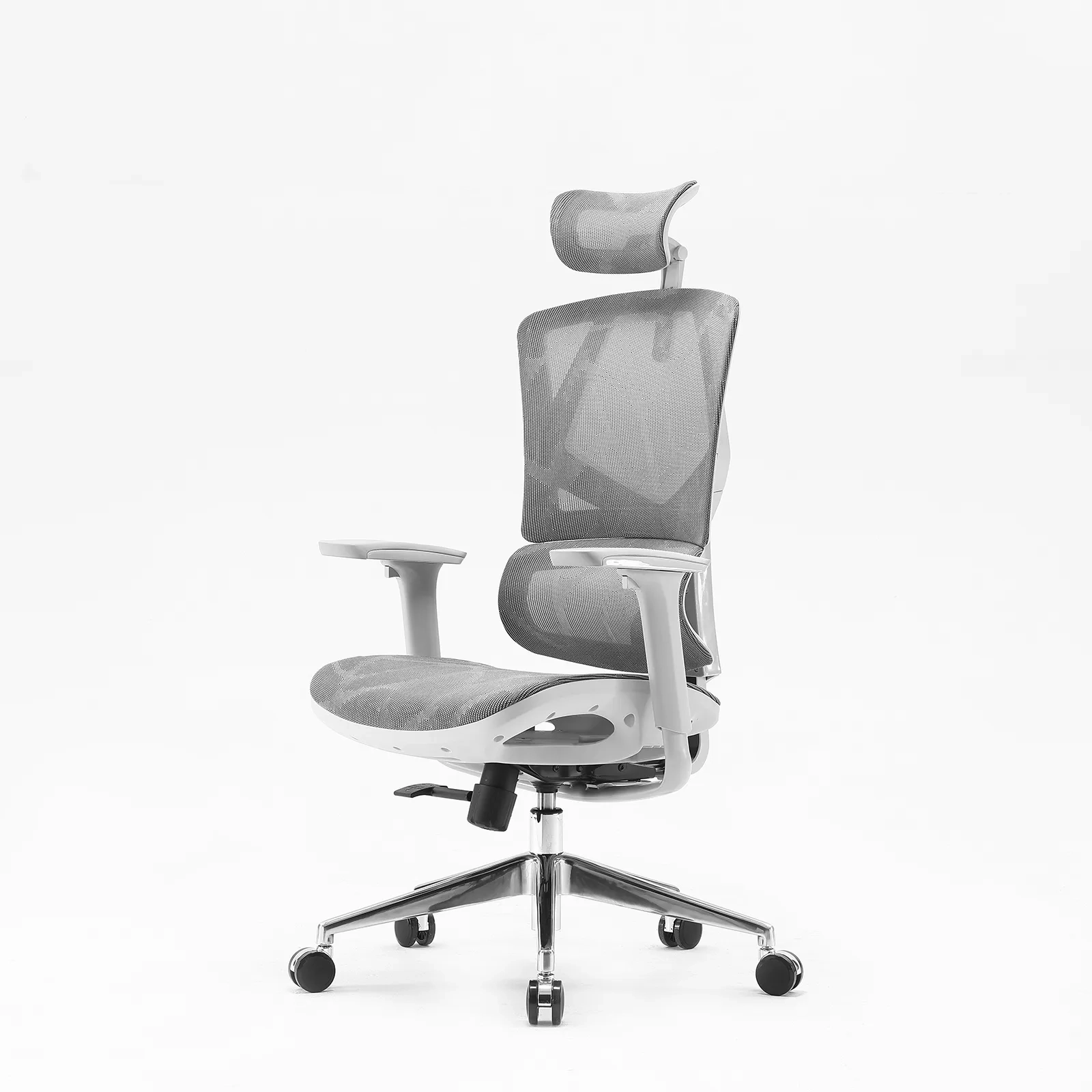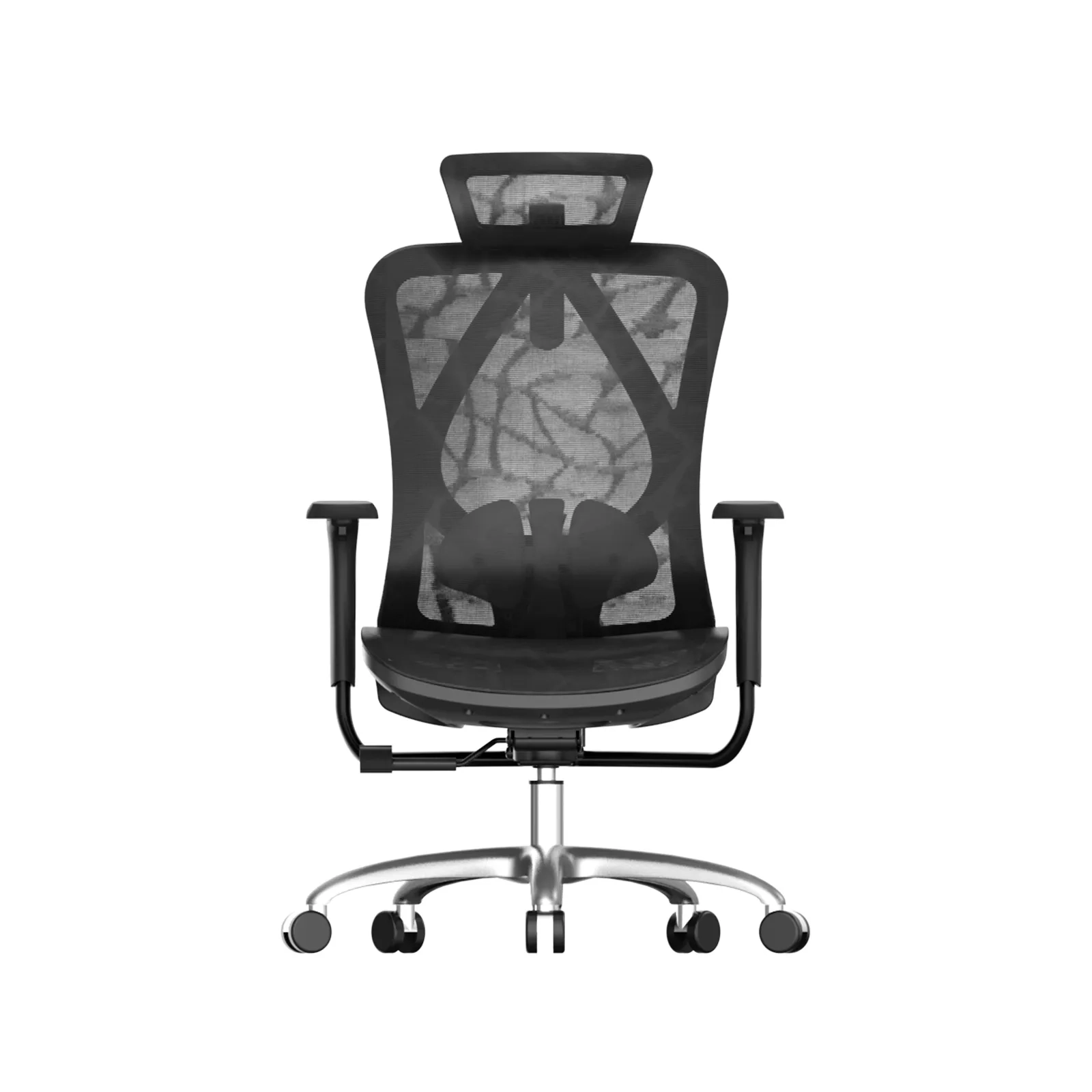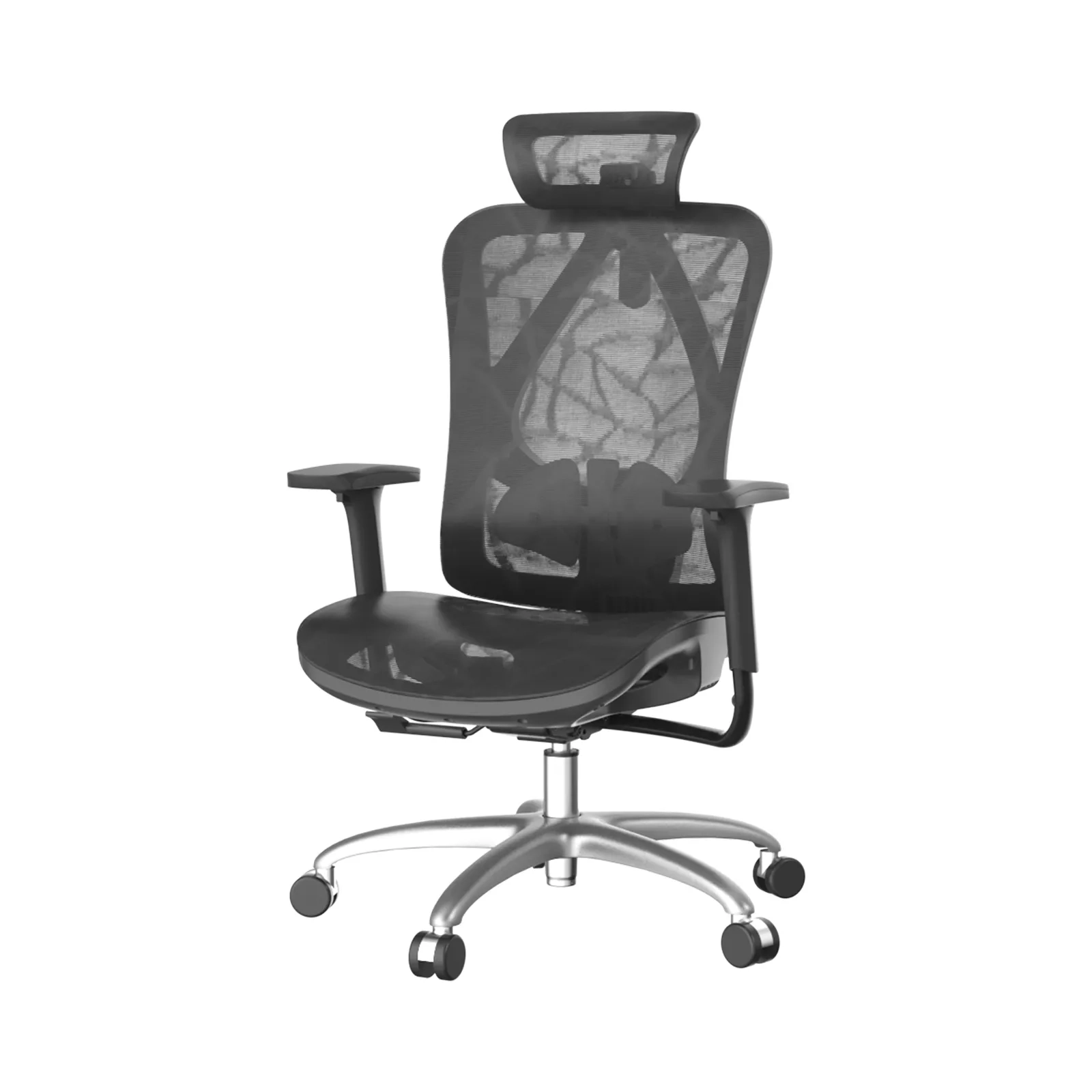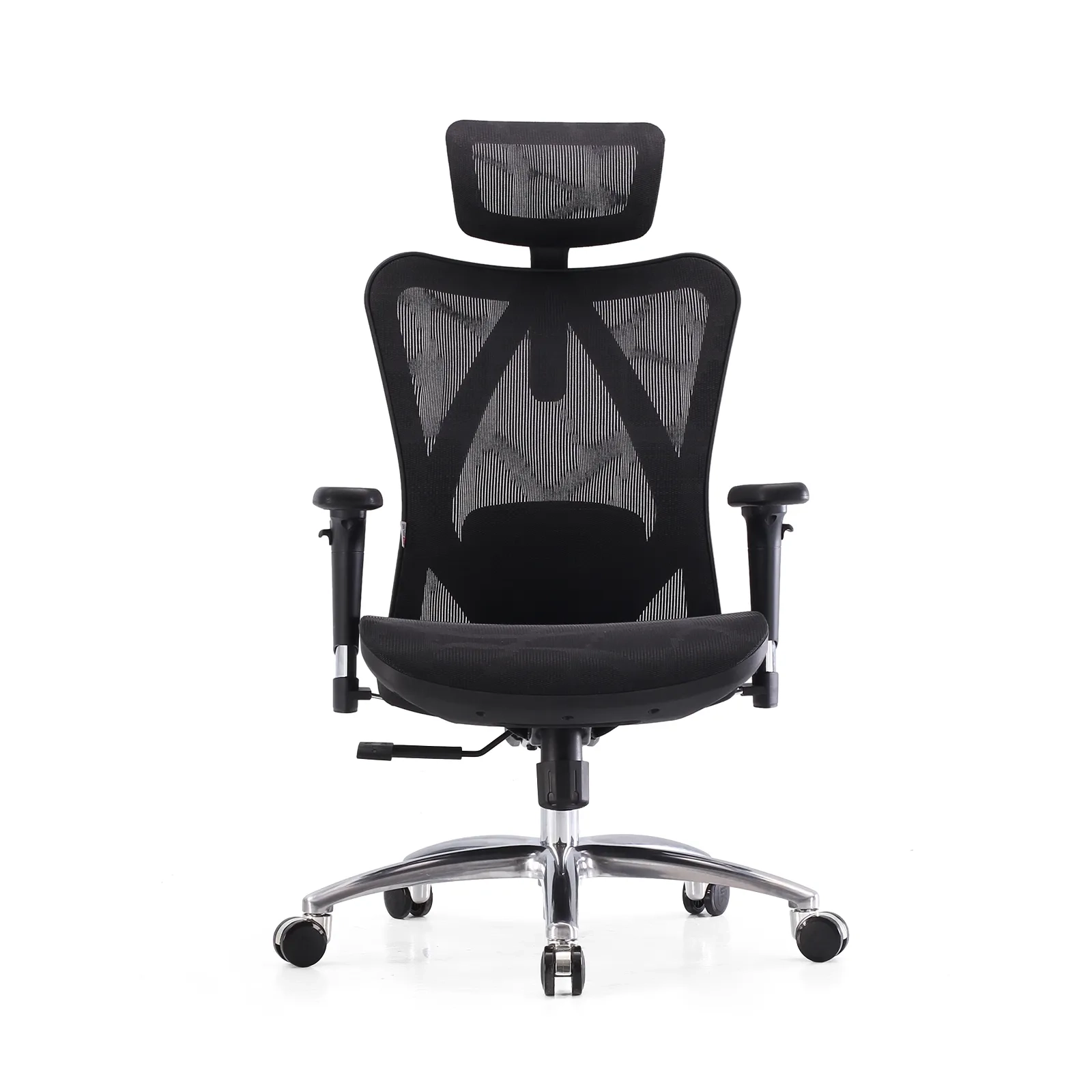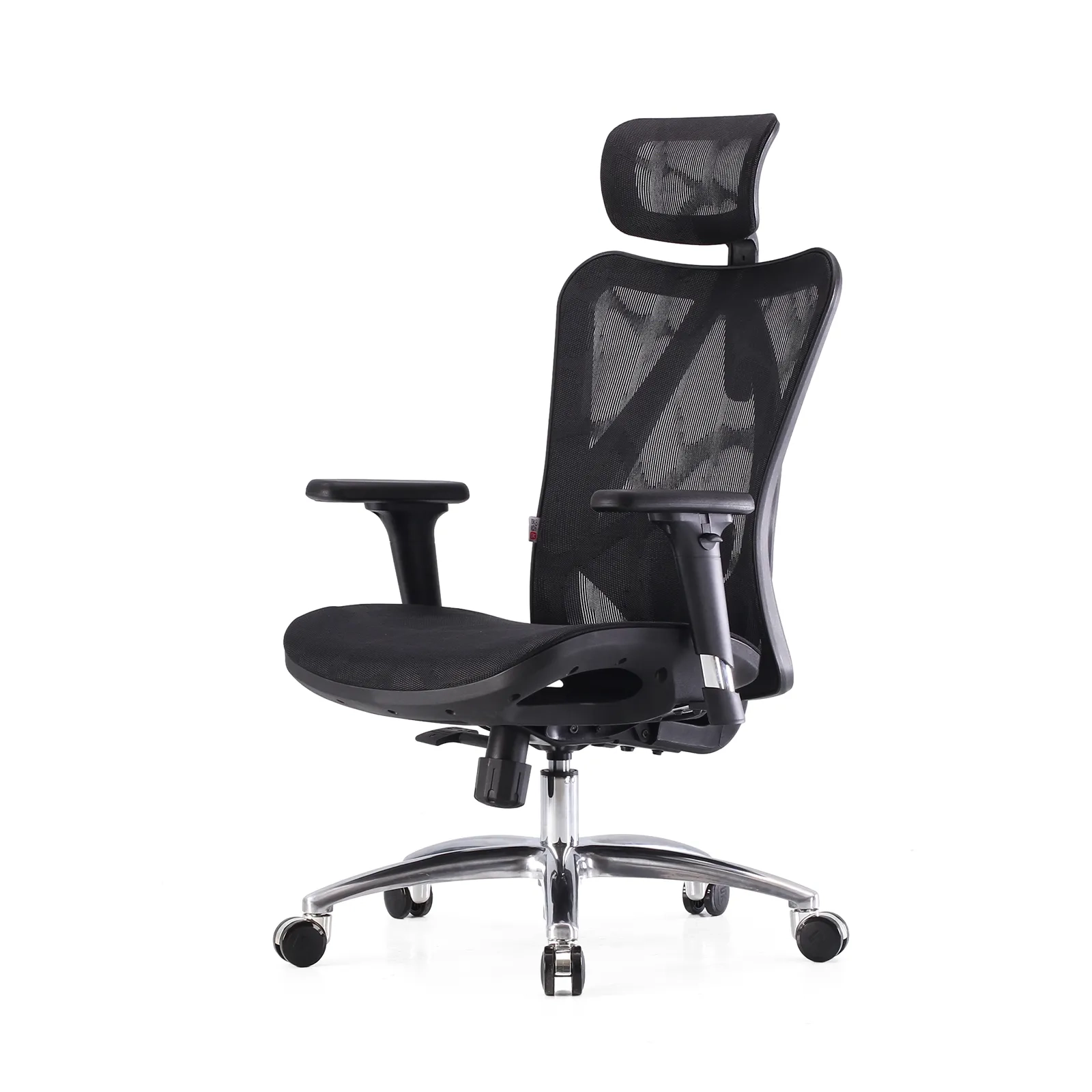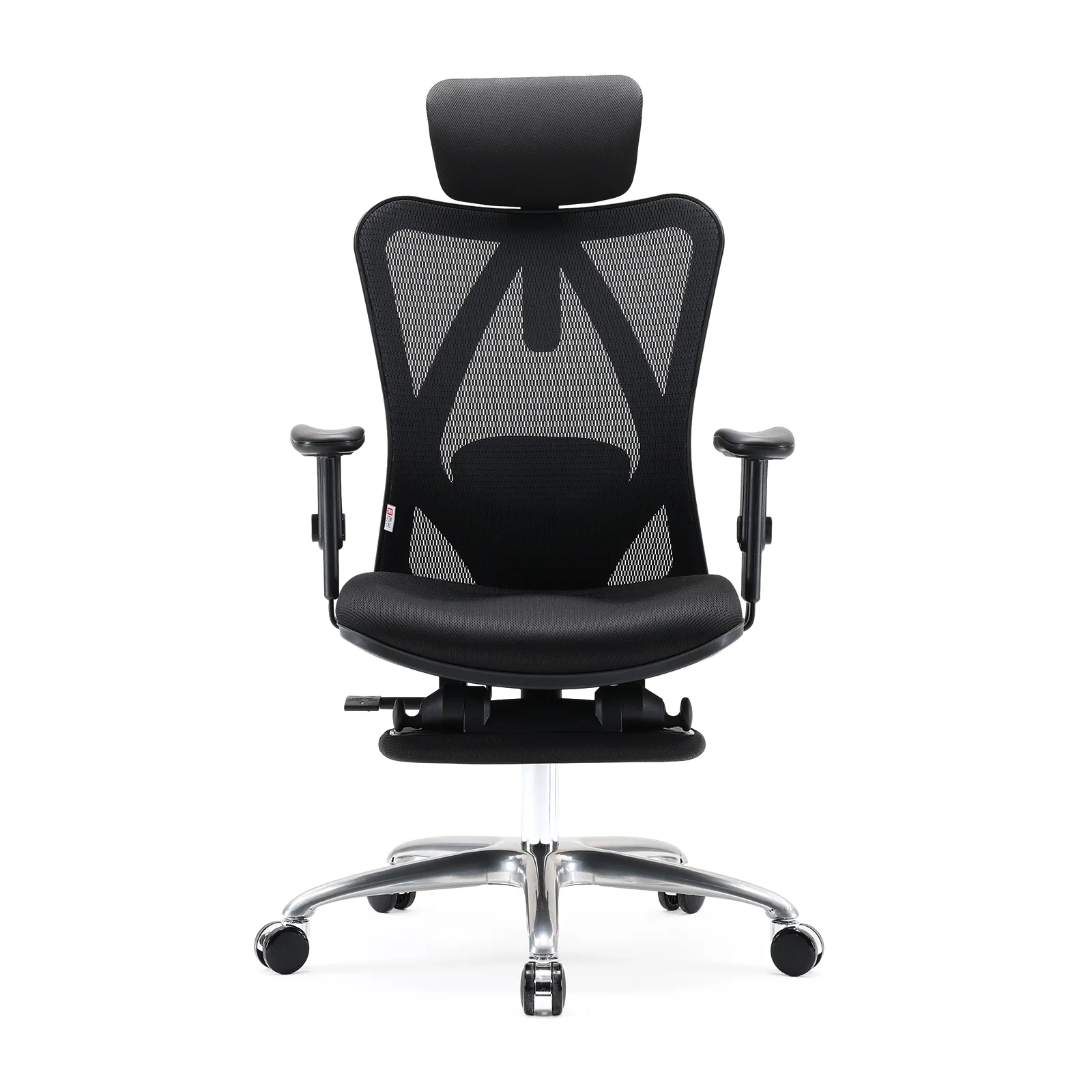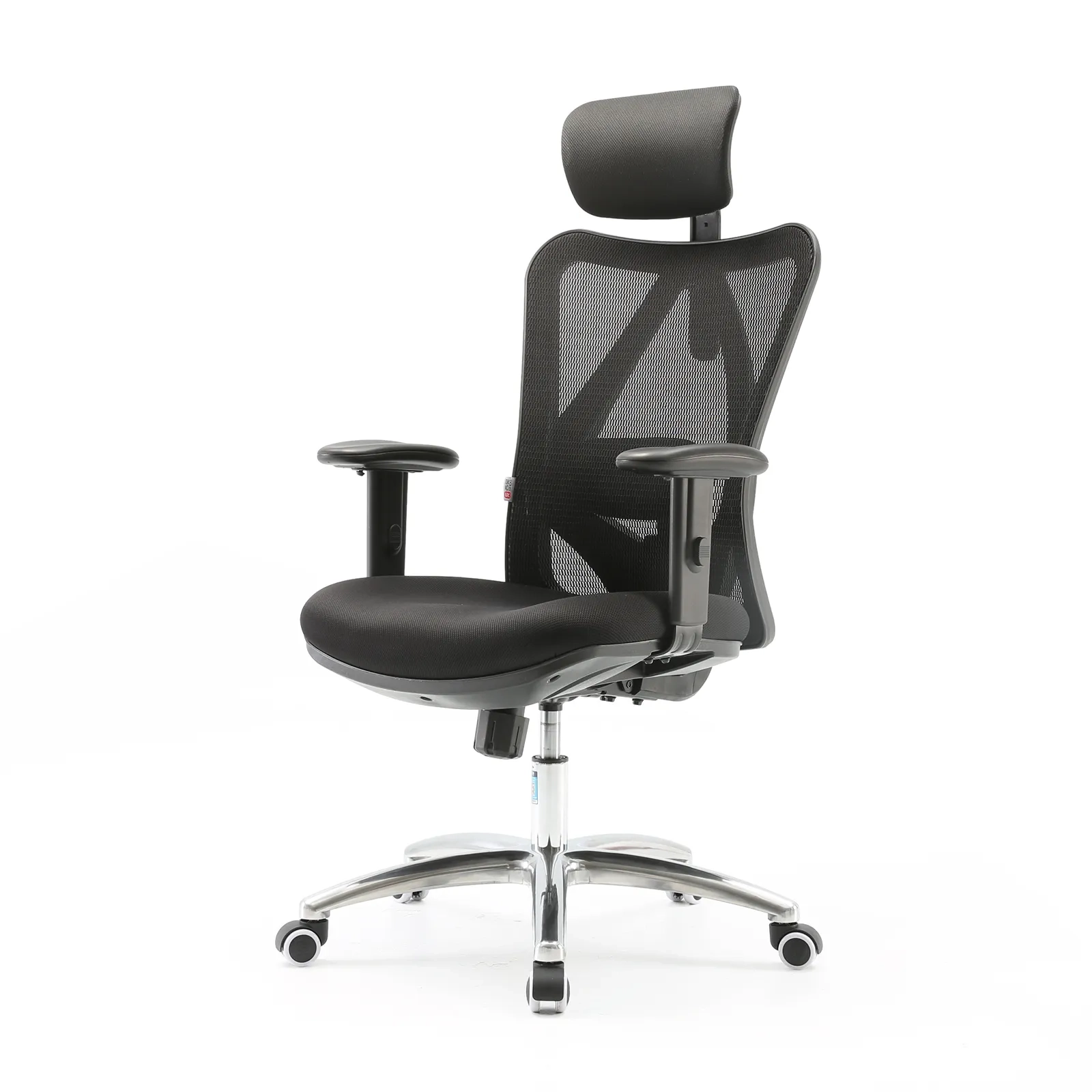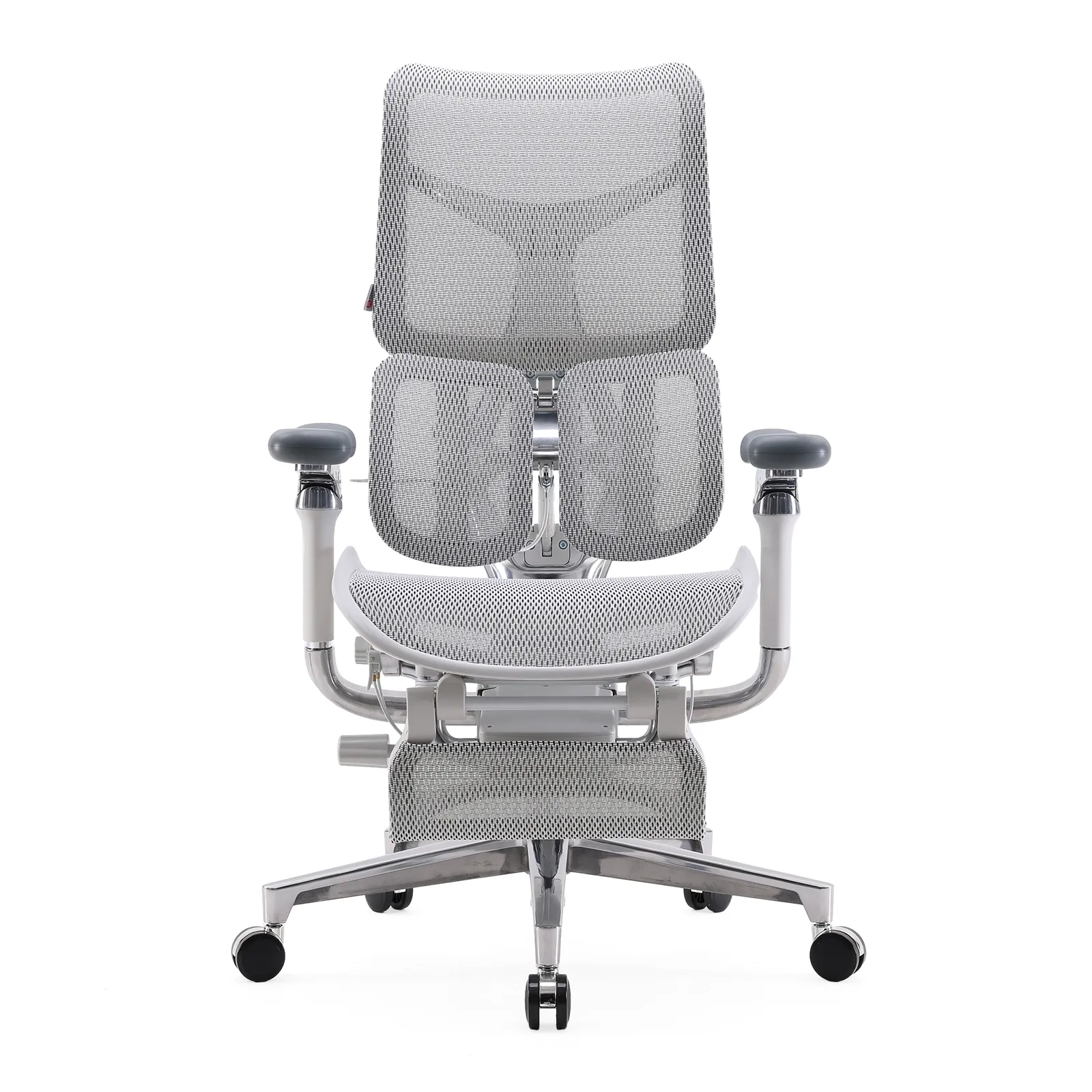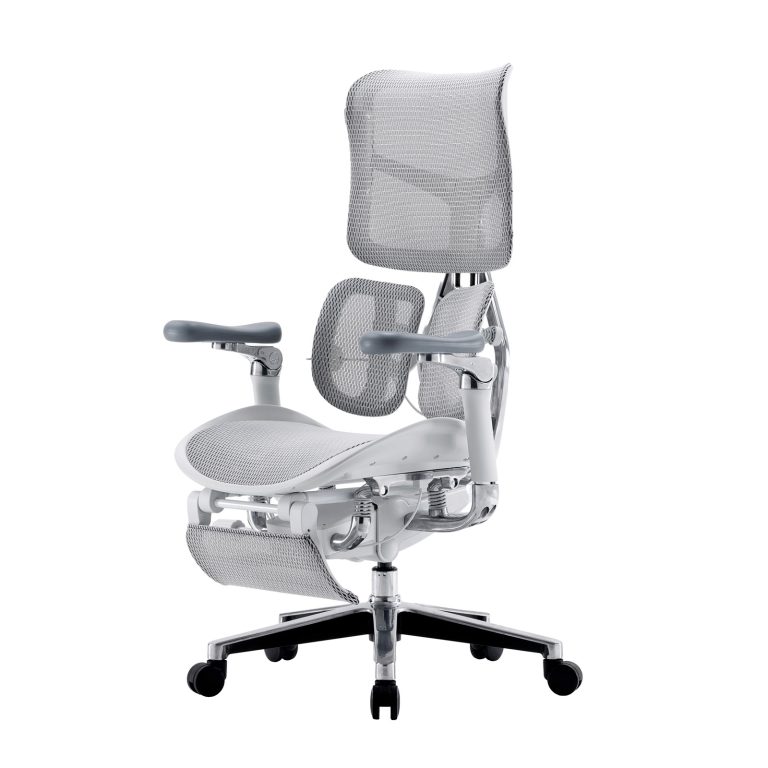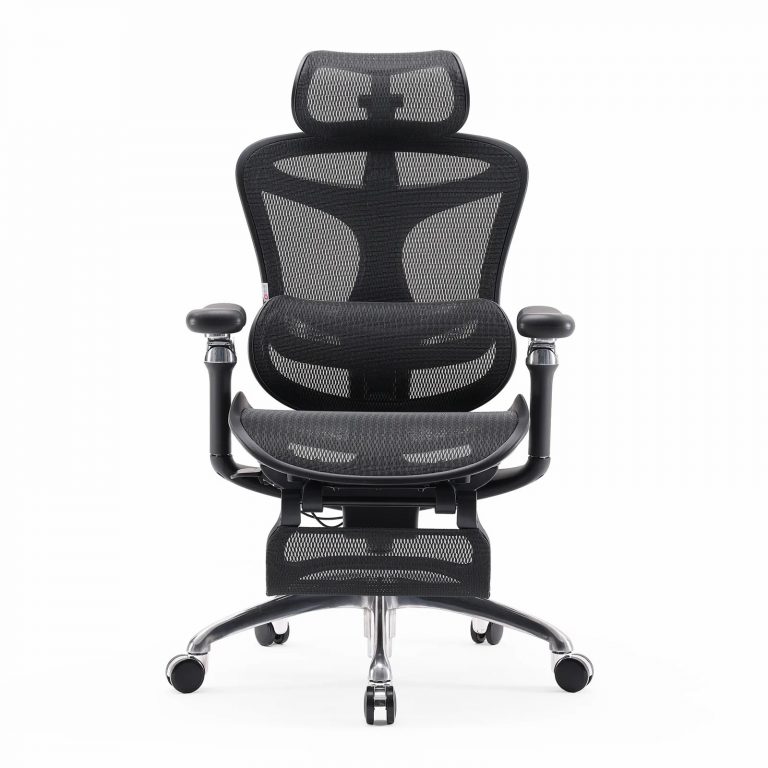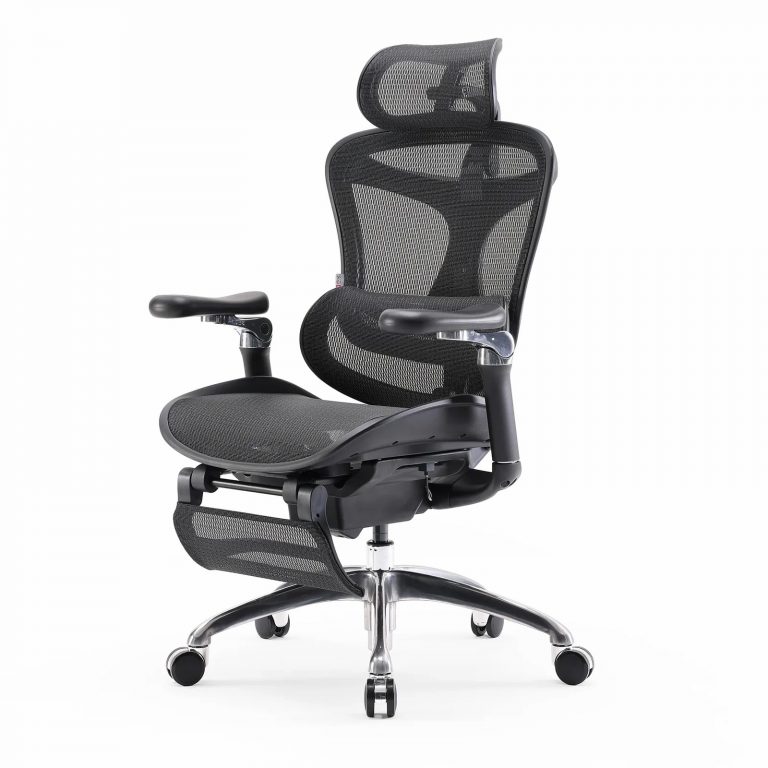









Before you ask a supplier for a price on an silla de oficina ergonómica, do one thing first: tell them exactly what chair you mean. Who’s going to sit in it? Where? What adjustments, materials, paperwork, and order terms do you actually need? If you skip that part, you’ll get quotes on chairs that look identical in the catalog but are worlds apart in lumbar support, seat size, armrests, recline, parts, packaging, and the support you’ll get after the sale.
For a wholesale or project order, settle on the outcome you want before you fall in love with a model name. Think of it like buying shoes for a whole team — you need to know the people, how long they’ll wear them, whether desks are shared or assigned, what documents you need, and your price band. The checklist below takes that fuzzy “I want an ergonomic chair” request and turns it into something suppliers can answer line by line.
The brief you should send
| Specification area | Buyer decision | Information to request |
| Target users | Height range, roles, shared or assigned seating | Recommended fit range and dimensions |
| Lumbar support | Fixed, adjustable, or dynamic | Adjustment method and supported models |
| Seat | Width, depth, material, adjustment | Measured dimensions and range |
| Armrests | Fixed, 2D, 3D, 4D, or other | Directions of movement and limits |
| Recline | Lock positions, tension, angle | Mechanism description |
| Back and seat material | Mesh, foam, upholstery, hybrid | Material spec and care |
| Components | Base, casters, mechanism, gas lift | Component details and relevant documents |
| Compliance | Destination or project needs | Model-specific reports |
| Packaging | Carton size, assembly format, labeling | Packaging spec |
| Service | Warranty, claims, spare parts | Written support procedure |
Send the same brief to every supplier you shortlist. That way you’re not quietly comparing a basic chair against a far more adjustable one and treating them as if they were the same thing.
1. Start with who’s actually using the chair
“Office worker” covers far too much. A chair at a shared workstation usually needs more adjustment than one built for a single known user. A manager’s chair may want a high back and a different look. A compact-office model may trade away some size just to save floor space.
So pin down:
- Typical height range of the users
- How many hours a day they’ll sit
- Assigned or shared seating
- Their main tasks
- Desk type and height
- Climate and ventilation
- Any load requirements
- Space limits
- The price tier you’re aiming for
If these chairs will go through distributors, focus on the buyer profiles you see most often instead of trying to fit everyone with one model.
2. Don’t let “lumbar support” stay vague
“Lumbar support” gets thrown around a lot. Ask how it actually works.
A few common types:
- Fixed contour: the backrest shape gives one support position.
- Height-adjustable lumbar: the user slides the lumbar area up or down.
- Depth-adjustable lumbar: you change how much pressure it pushes with.
- Dynamic lumbar: the support moves as the user shifts position.
- Split-back system: upper and lower back move or support differently.
Ask for diagrams, adjustment instructions, dimensions, and a model-specific explanation. And please — don’t market a chair as a cure for back pain. You can say it supports an ergonomic workstation setup or helps the user keep contact with the backrest, which is honest.
SIHOO publishes details about Tecnología Sitting Sense. Before you assume it’s in the model you’re considering, confirm which parts of that technology actually apply.
3. Match seat size to your market
Seat width and depth decide who the chair fits commercially. A seat that’s right for one group can feel too deep, too narrow, or too tall for another.
Get these numbers:
- Seat width
- Usable seat depth
- Seat-depth adjustment range
- Minimum and maximum seat height
- Cushion or mesh construction
- Front-edge shape
- Fit guidance, if they have it
For shared seating, lean on the adjustment range and controls that are easy to use. For a compact model, check that going smaller didn’t create a seat that doesn’t fit the people you’re buying for.
Don’t publish height or weight recommendations unless SIHOO has signed off on those exact figures for that model.
4. Spell out the armrests
Armrest terms aren’t consistent between suppliers. Don’t just ask for “4D armrests” — list the actual movements you need:
- Height
- Forward and backward
- Inward and outward
- Pivot angle
- Width adjustment
- Pad rotation or anything extra
Ask for the range of each movement and whether the armrests tuck under standard desk heights. Check they stay stable at the extremes. On a project, also think about whether piling on controls adds cost or training nobody asked for.
5. Get specific about recline
Recline can mean any of these:
- Backrest tilt
- Seat and back moving together
- Multiple lock positions
- Free recline
- Tension control
- Forward or upright task position
- Headrest support while reclining
Ask the supplier to explain the mechanism, the lock positions, the controls, and the max angle. Don’t pick by angle alone — how it feels and what it’s for matters far more, along with stability, user control, and part quality.
If you’re weighing office against executive models, the SIHOO ergonomic office chair category is a reasonable place to start the conversation.

6. Pick mesh or upholstery for a reason
Mesh keeps air moving and looks technical and modern. Upholstery gives a different look and feel. Hybrids mix both.
For mesh, ask:
- Is the mesh on the back, the seat, or both?
- How is the tension held?
- What frame holds it?
- How do you clean it?
- Can it be replaced?
- What material documents exist?
For foam or upholstery:
- Foam type and density
- What it’s made of
- Color options
- Abrasion or care info
- Cleaning guidance
- How it gets repaired or replaced
The “right” material depends on climate, sales channel, the project, price position, and what you expect from after-sales.
7. Separate the must-haves from the catalog filler
Every adjustment adds cost, parts, training, and potential service calls. So build a priority list:
Must have
The things your market or project can’t do without — seat-height range, lumbar adjustment, the right material, the documents you’re required to have.
Preferred
Features that strengthen the pitch but can be dropped if they push the price or lead time out of range.
Optional
Features for a premium SKU or a second model — an advanced headrest, wider recline, a footrest, extra armrest movement.
That structure lets suppliers propose more than one setup without losing the core need.
8. Ask for model-specific quality documents
Find out which reports and controls apply to the exact model and setup you’re buying. Depending on market, product, and buyer, that can include:
- Product test reports
- Component information
- Material documents
- Quality-control records
- Packaging data
- Assembly instructions
- Warranty terms
Match the report numbers, model references, setups, dates, and scope against the SIHOO team responsible.
9. Don’t forget packaging
A chair with lots of parts needs careful packaging and clear assembly steps. Ask for:
- Carton dimensions and gross weight
- Number of cartons
- Assembly format
- How hardware is packed
- Protection for mesh, frame, armrests, and mechanism
- Manual and label option
- Container-loading info
Packaging drives landed cost, damage risk, warehouse handling, and the user’s first impression. It belongs in the comparison, not as an afterthought.
10. Plan samples and sign-offs
Pick samples that represent the range you plan to sell. One sample might test the main ergonomic mechanism; another might test a value or premium position.
Your approval record should cover:
- Model and setup
- Color and material
- Adjustment package
- Components
- Accessories
- Packaging
- Manual and labels
- Corrections you asked for
Ask how the approved sample and spec will actually control production. If a component changes, decide now who has to approve it.
11. Put the commercial details in the quote request
Send:
- Company and market
- Sales channel or project type
- Estimated quantity
- Target users
- Required chair categories
- Must-have features
- Preferred and optional features
- Required documents
- Sample request
- Packaging or branding needs
- Delivery destination
- Desired timing
That gives SIHOO a much clearer brief. Only pull up model pages once the requirements are clear. For example:
Talk about a model only when it fits the need you’ve confirmed — not just because the name sounds familiar.
12. Compare quotes on one sheet
| Item | Supplier A | Supplier B | Supplier C |
| Model/setup | |||
| Target user fit | |||
| Lumbar type | |||
| Seat adjustment | |||
| Armrest movements | |||
| Recline mechanism | |||
| Material | |||
| Relevant reports | |||
| Carton volume | |||
| Sample status | |||
| Warranty/parts | |||
| Quoted terms |
Don’t score a blank box as a pass. Mark missing evidence as open, and put a name and a date on it.
Making the final call
The best wholesale silla de oficina ergonómica isn’t the one with the longest feature list. It’s the one whose fit, adjustments, materials, documents, packaging, price position, and service process match your market.
Write the brief first. Make every supplier answer the same points. Approve samples and changes in writing. Then procurement, sales, and after-sales are all working from the same definition of the product.
Request an ergonomic office chair wholesale recommendation or quotation with your market, quantity, user group, required features, destination, and sample needs. You can also review the SIHOO ergonomic office chair category before sending the brief.
1600x1600-4-768x768.jpg)
1600x1600-8-768x768.jpg)