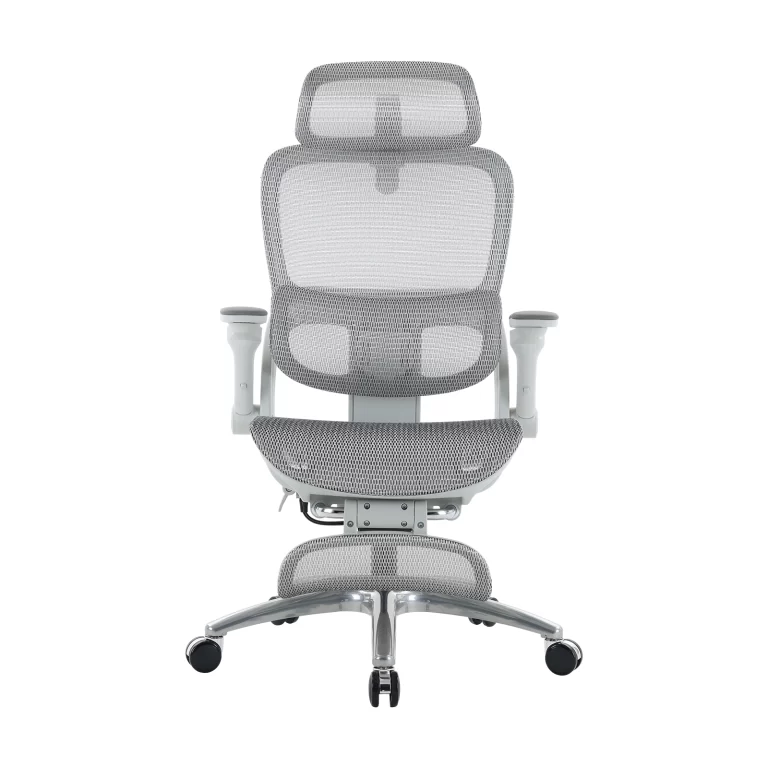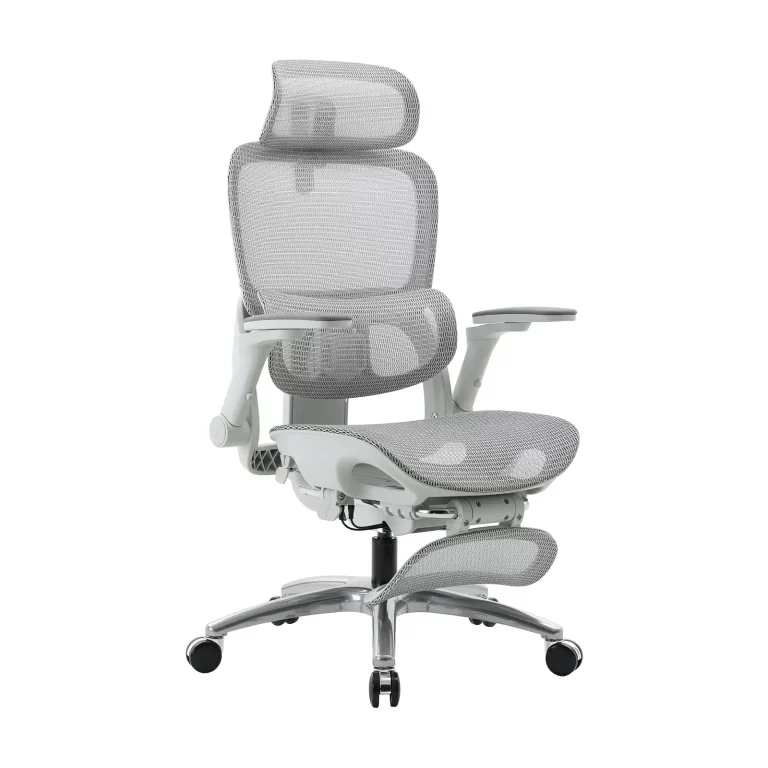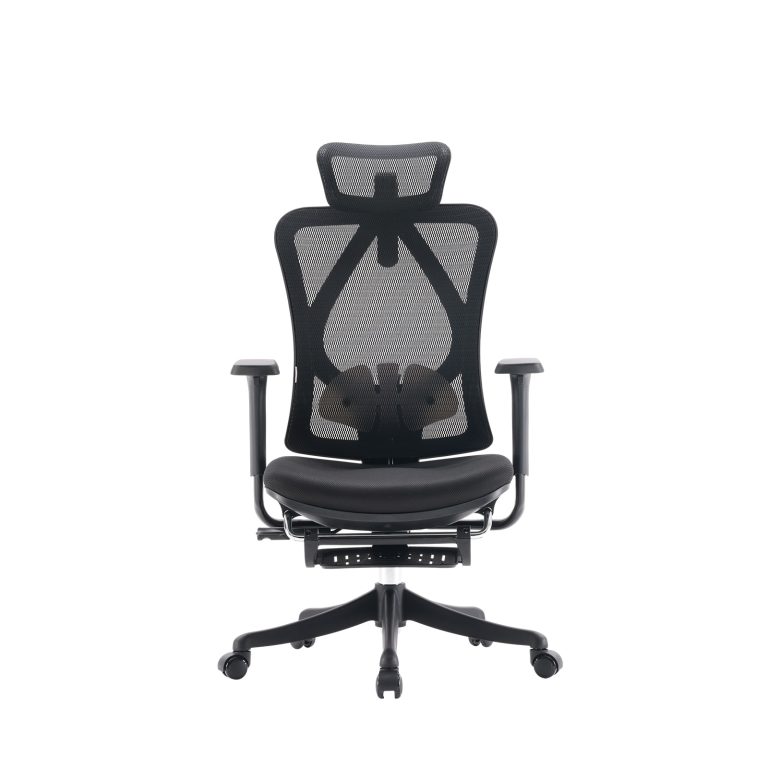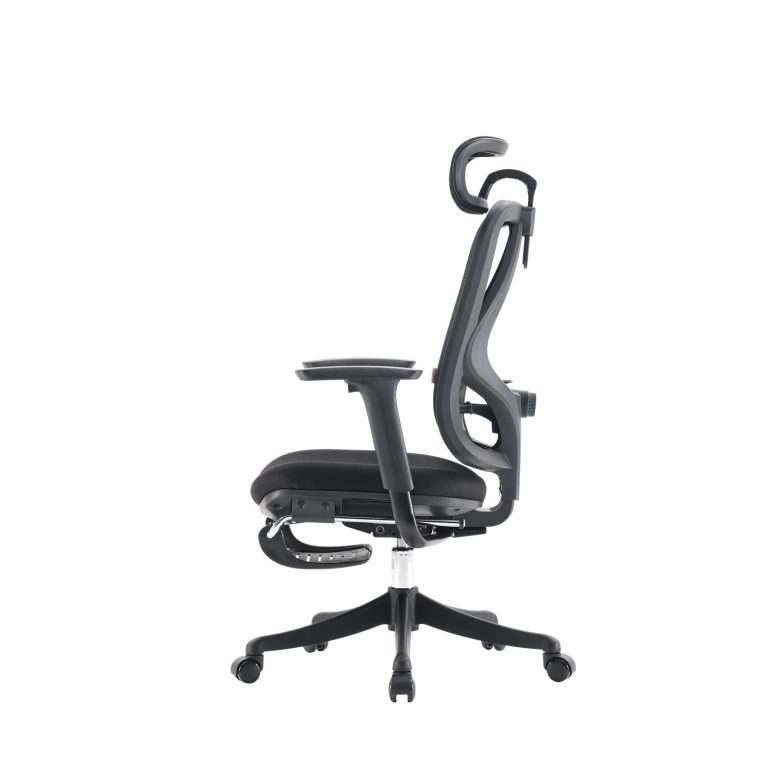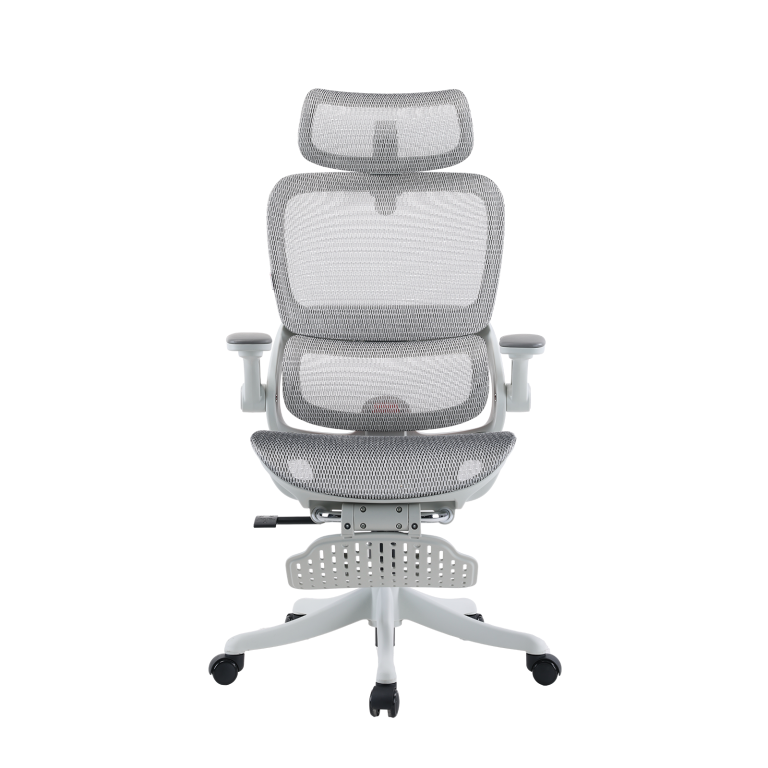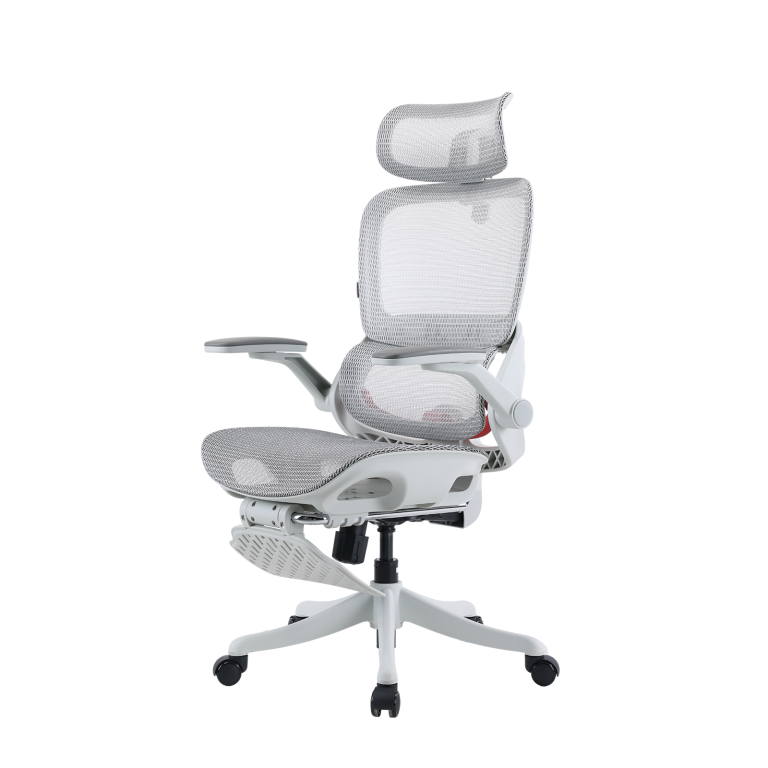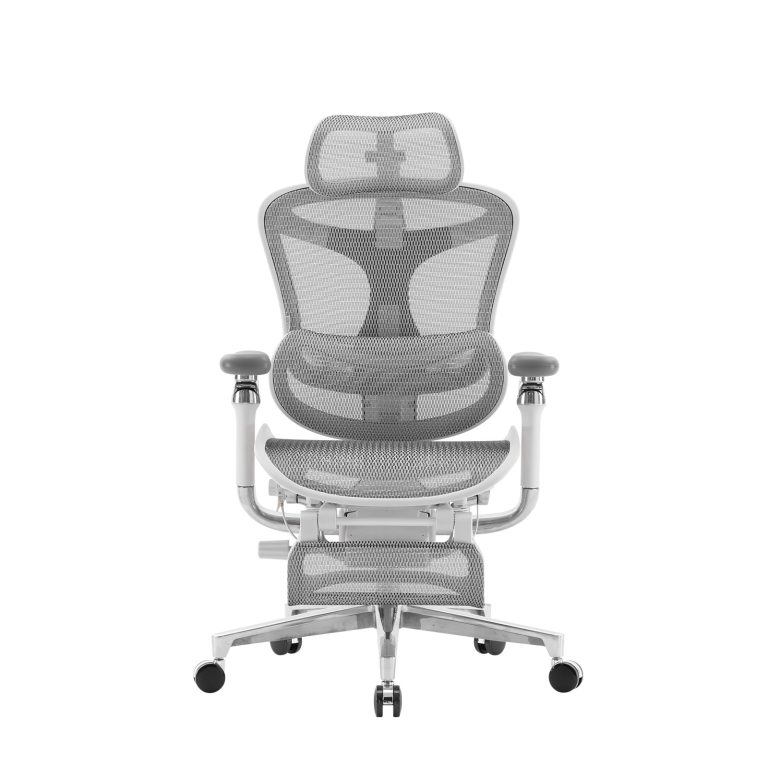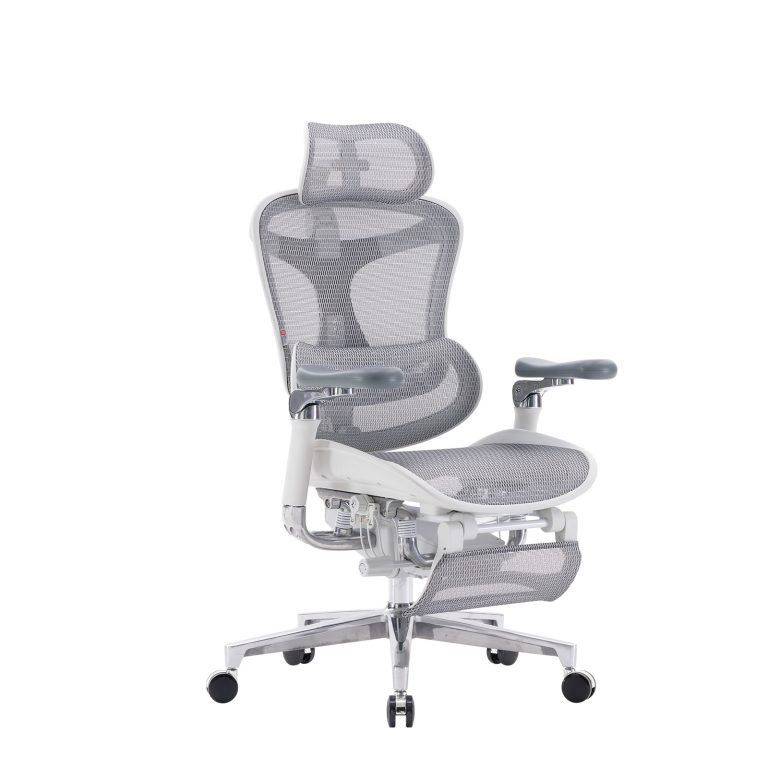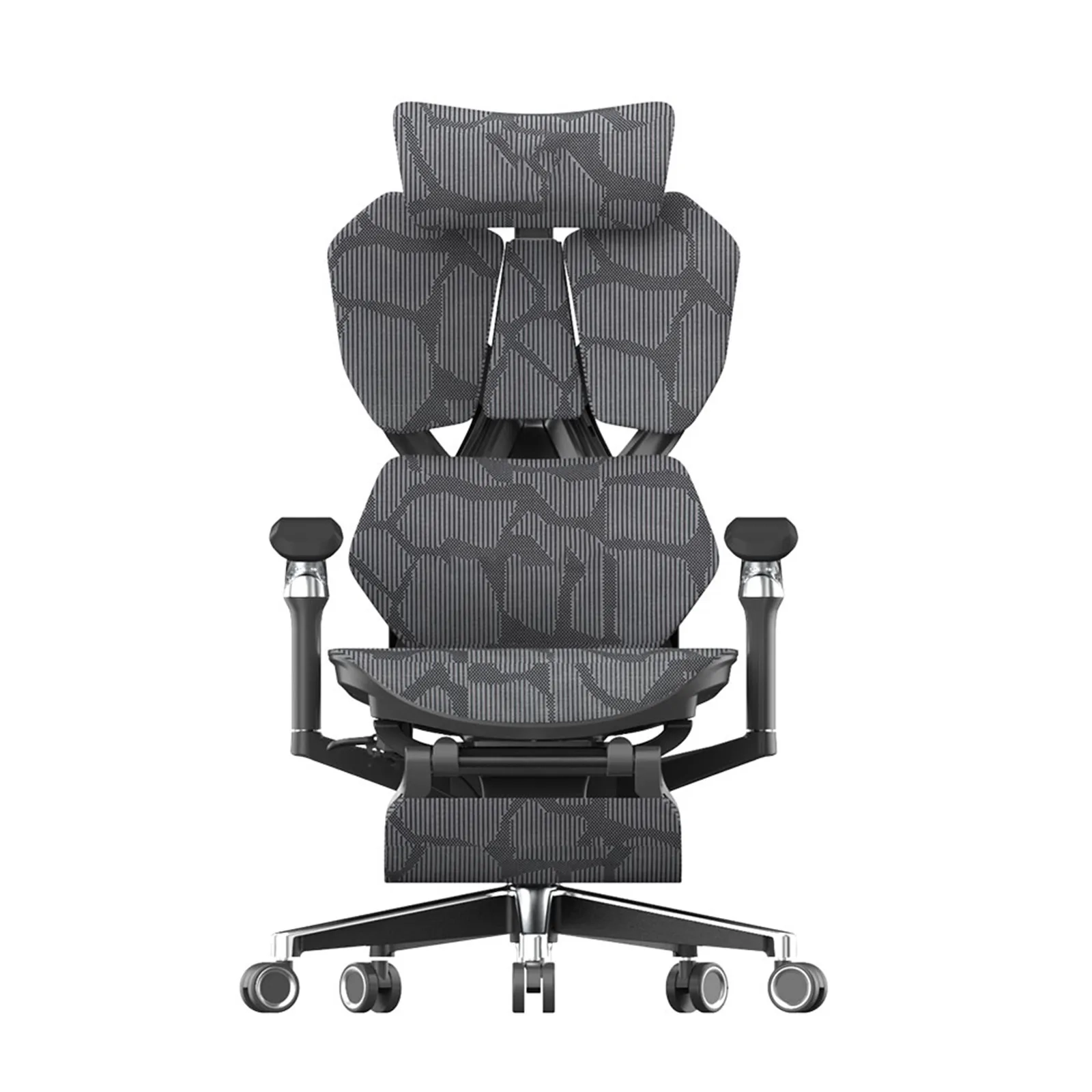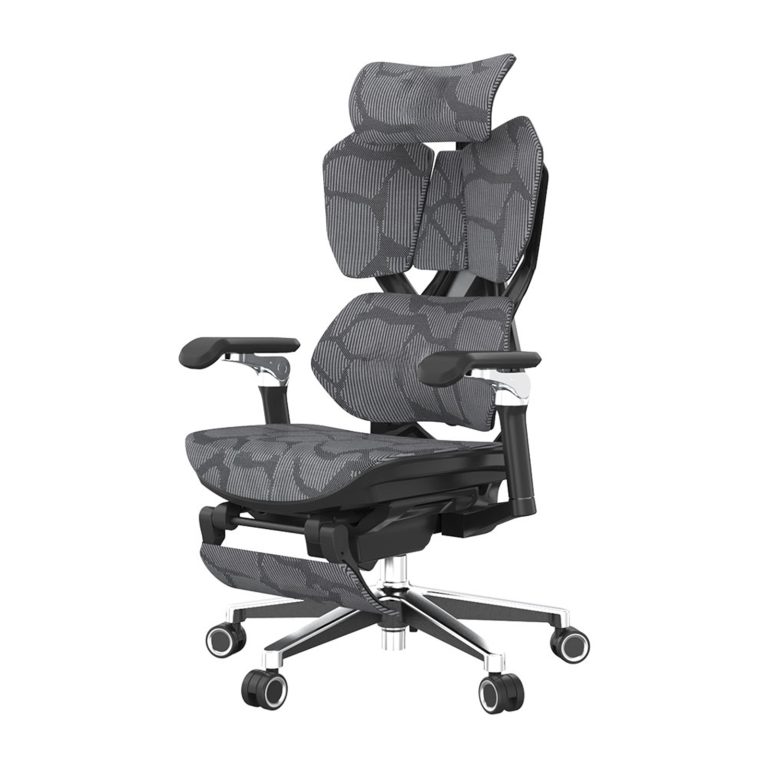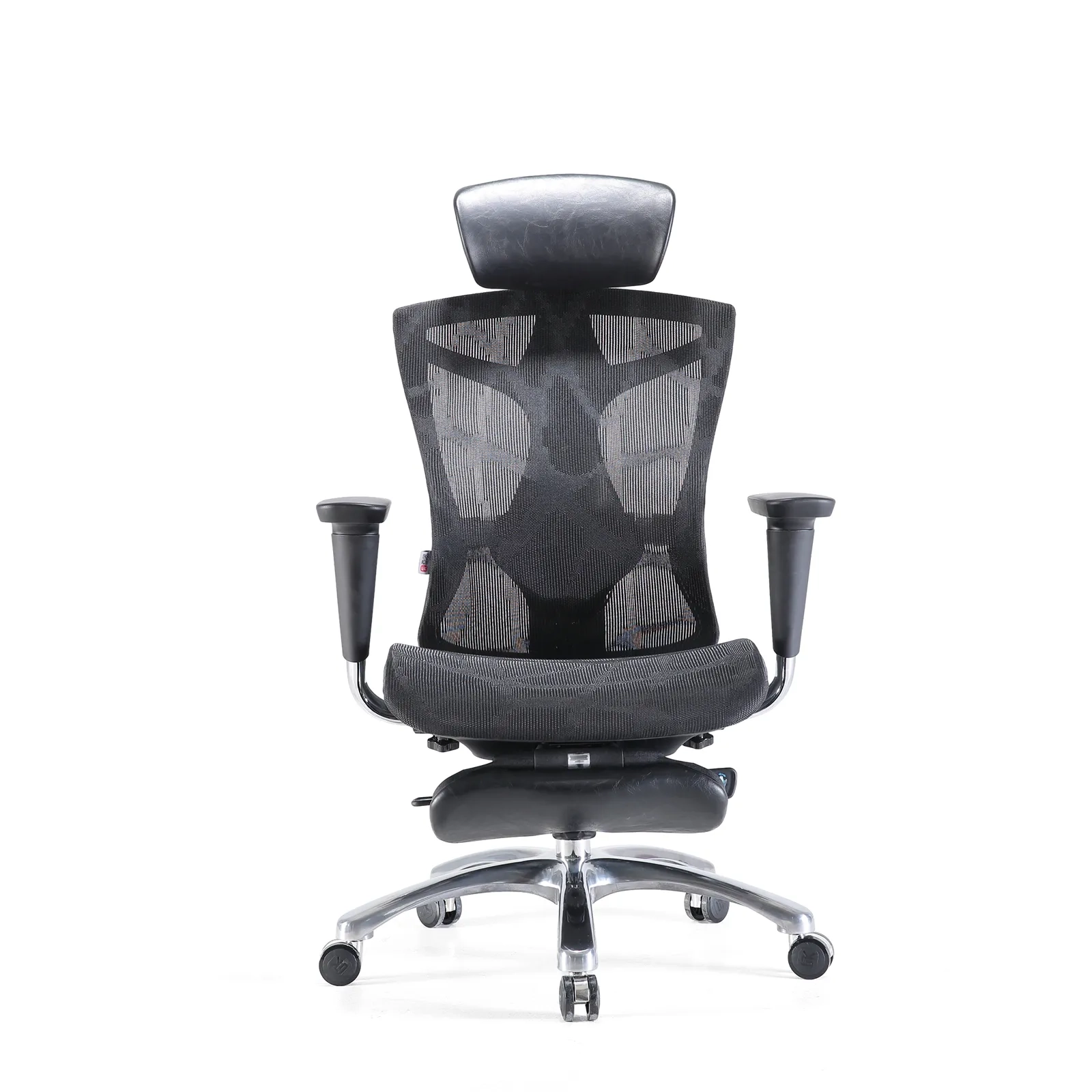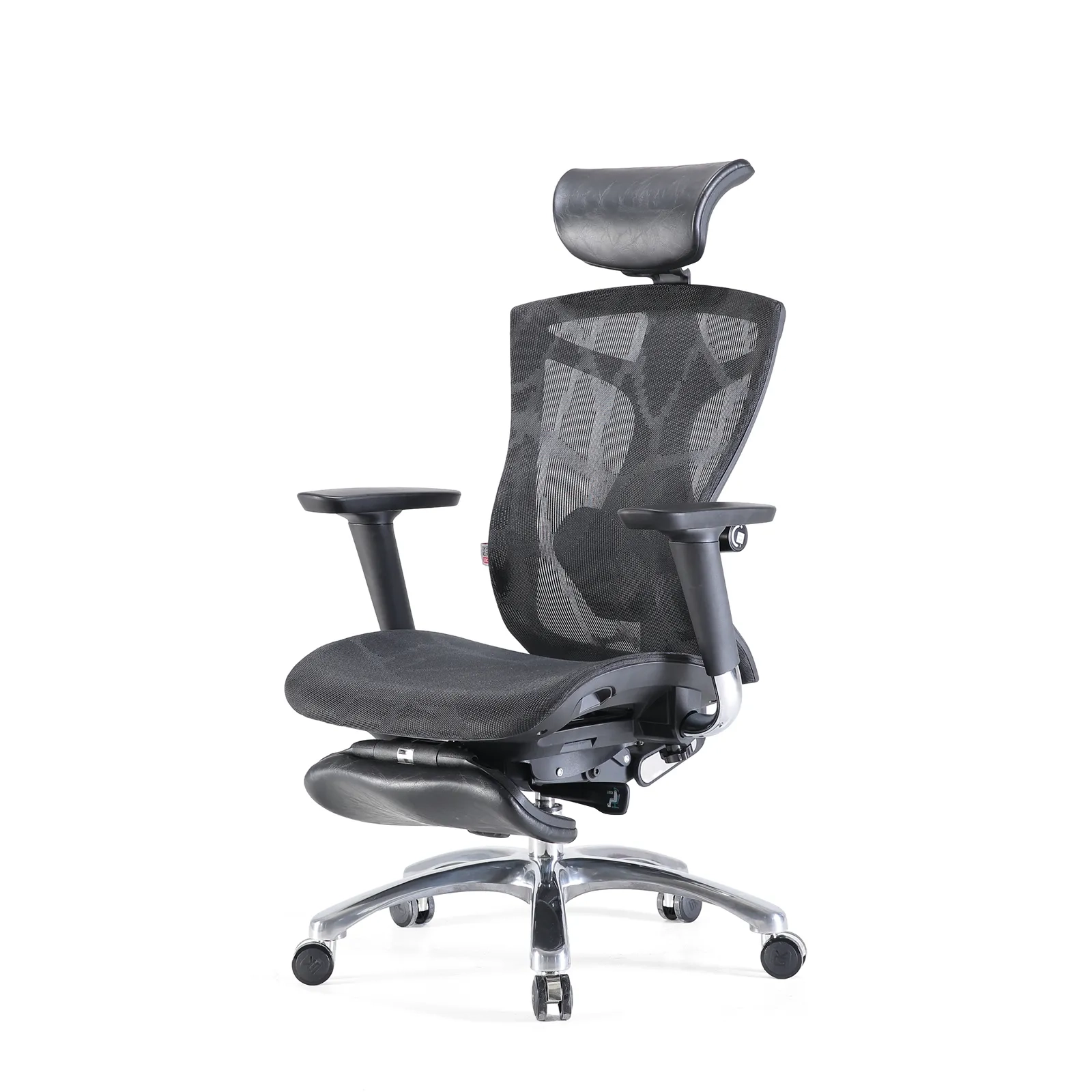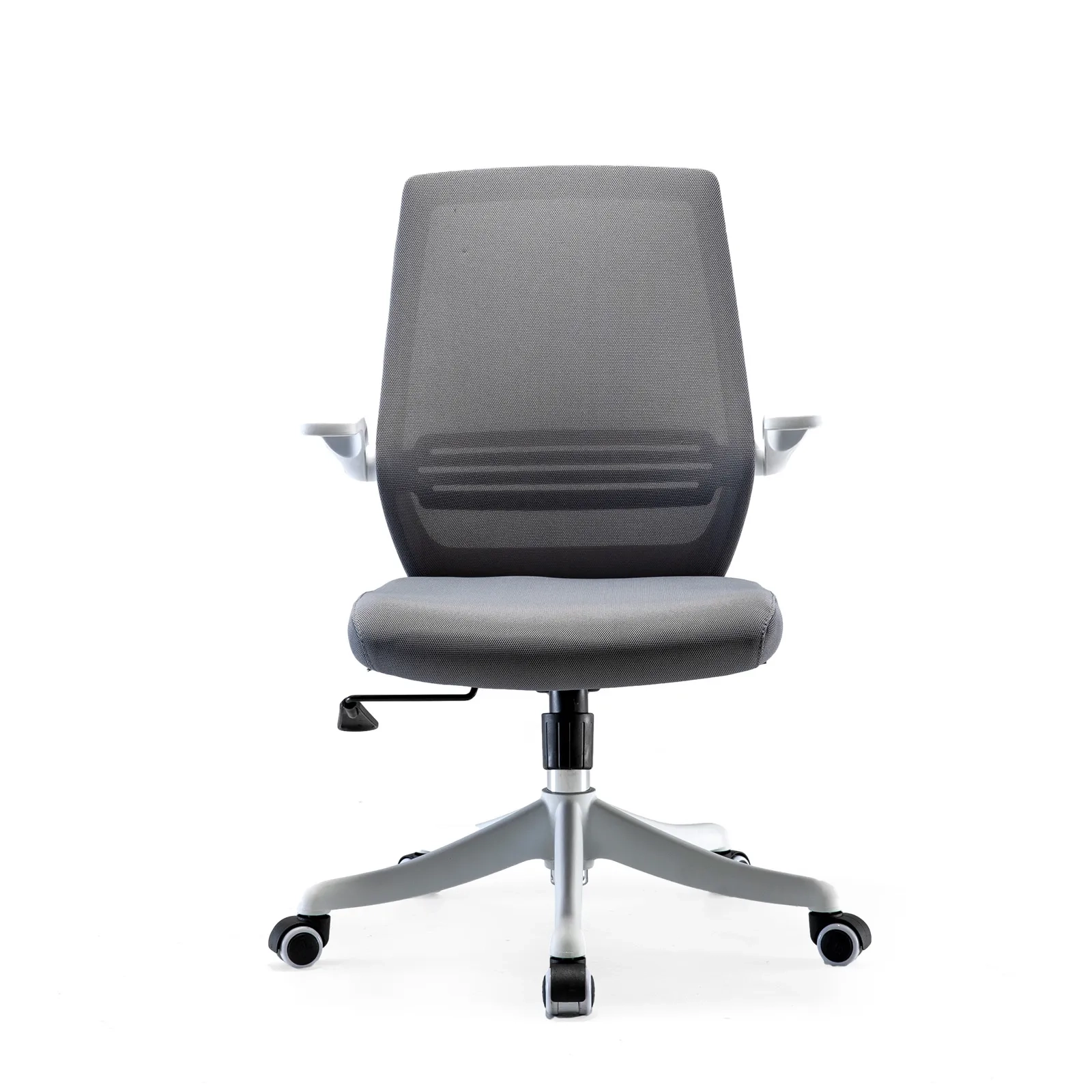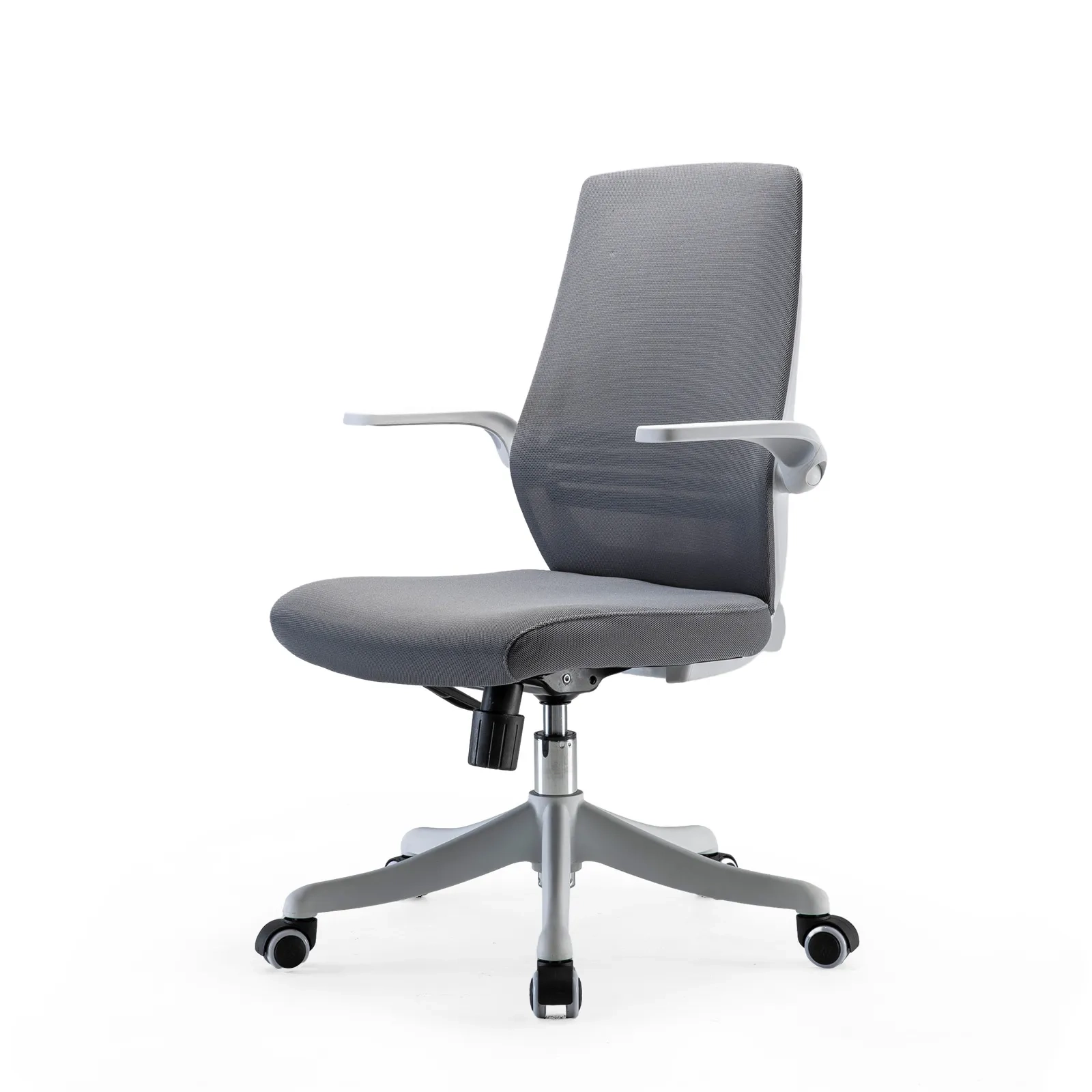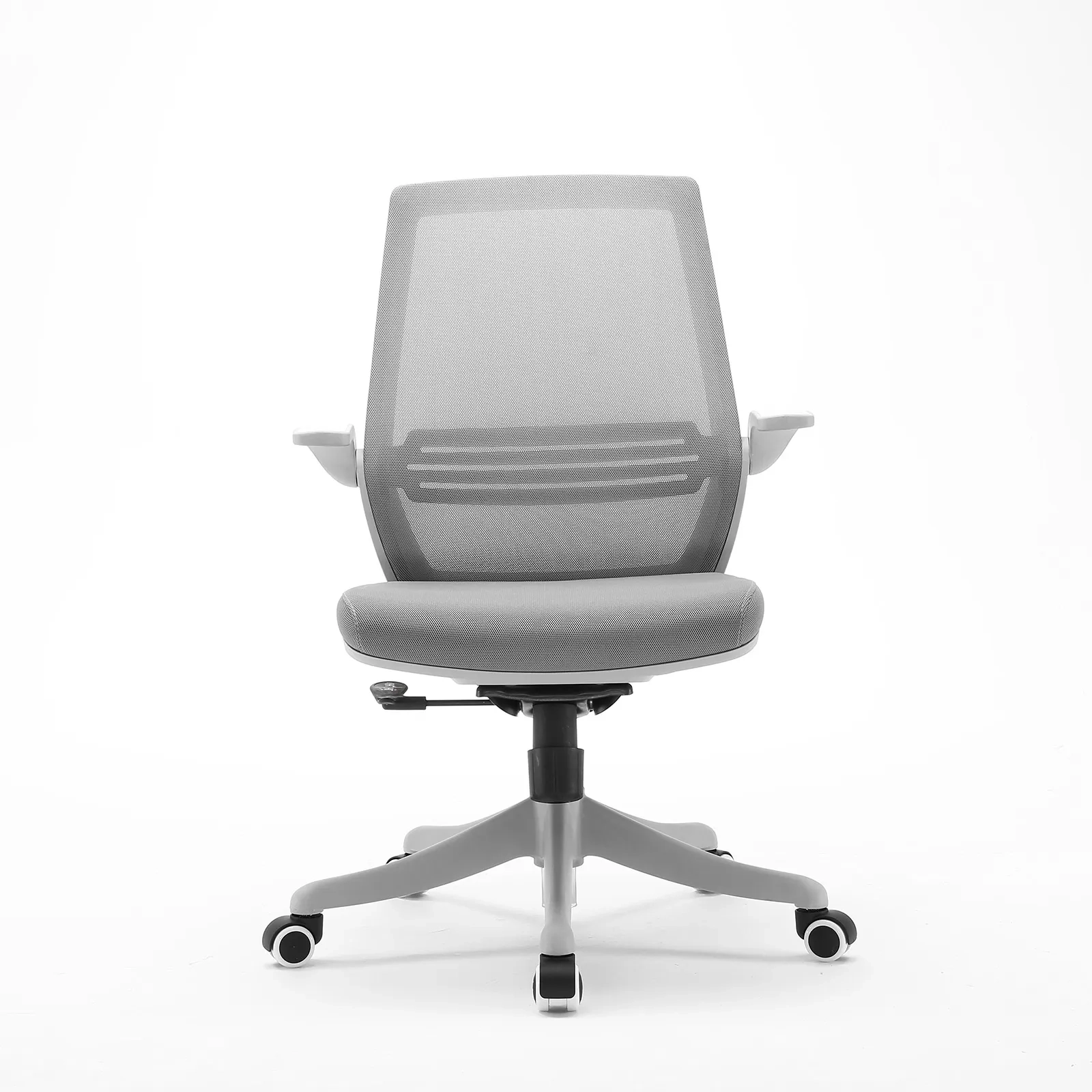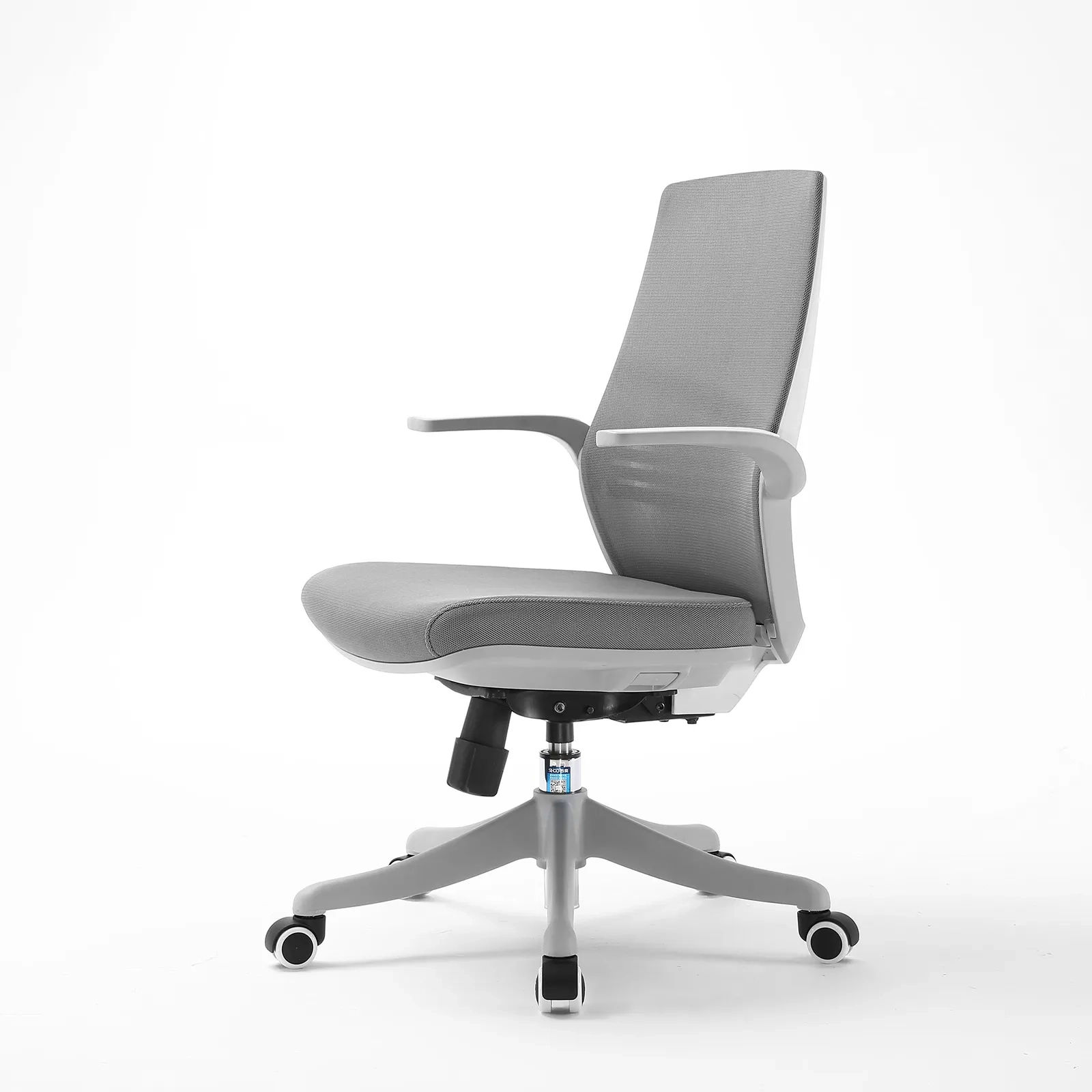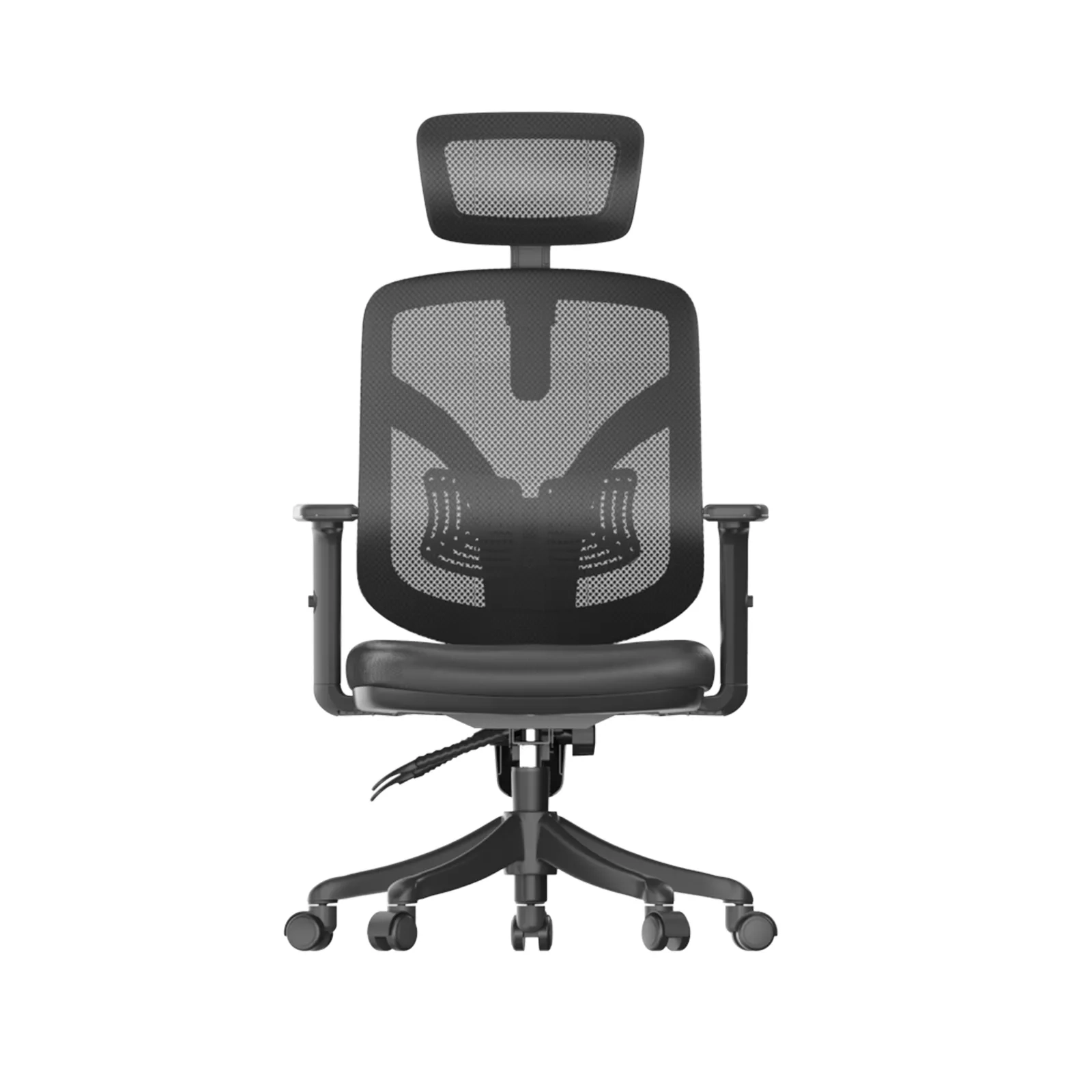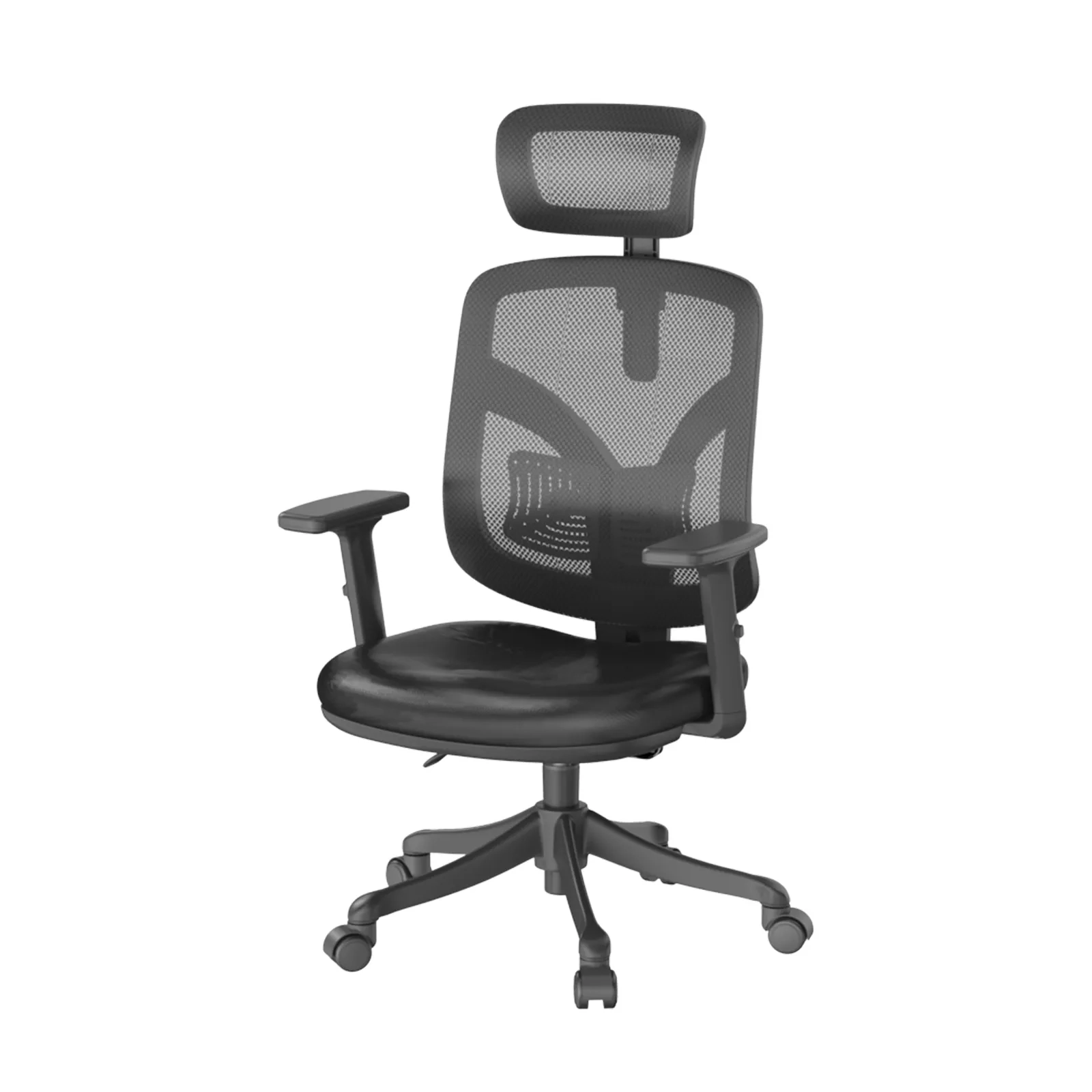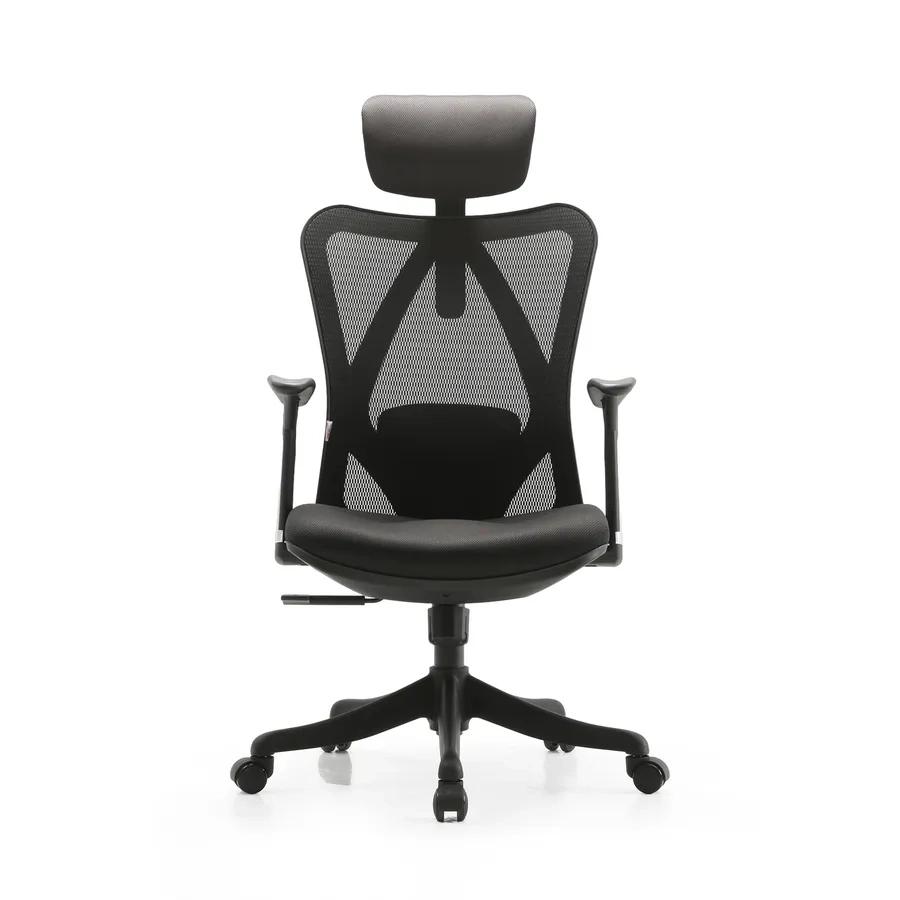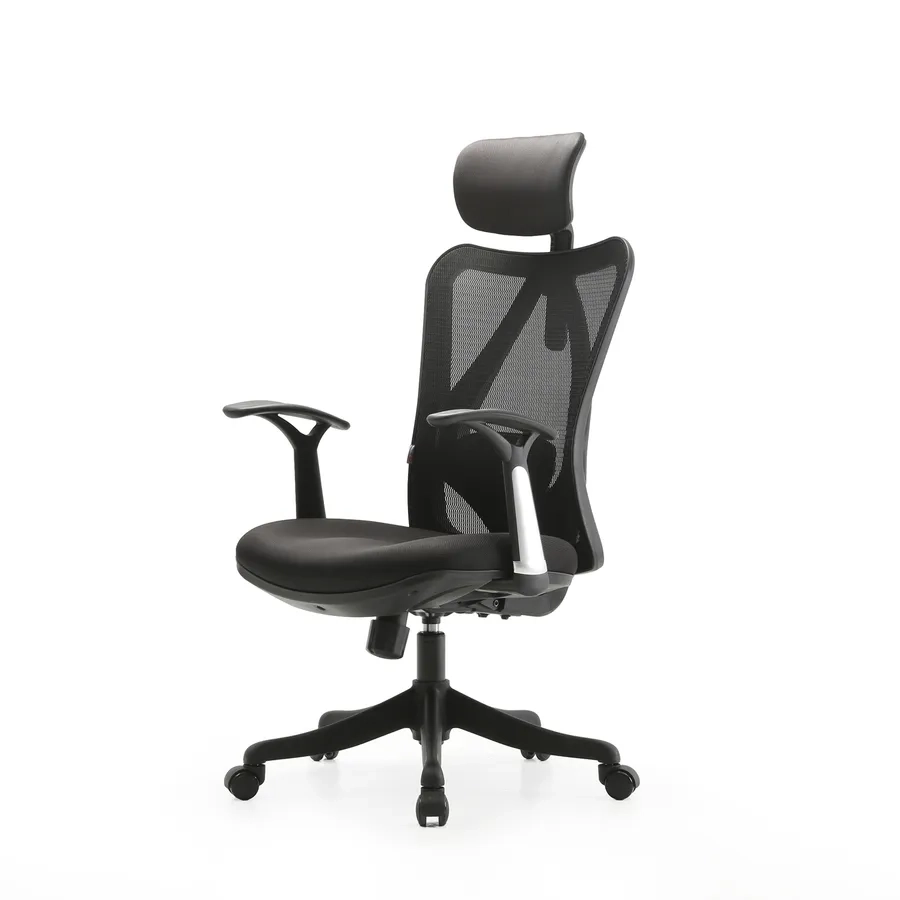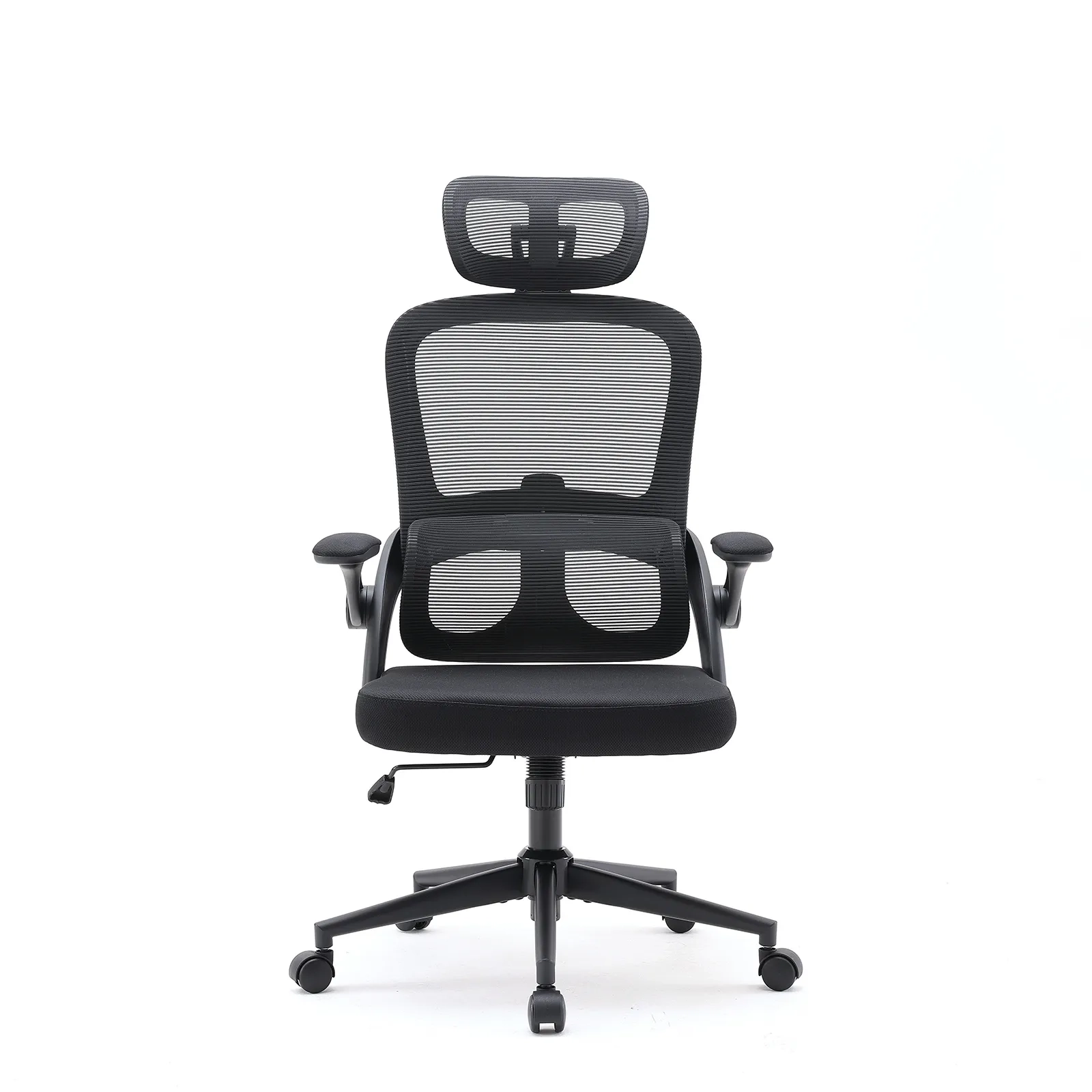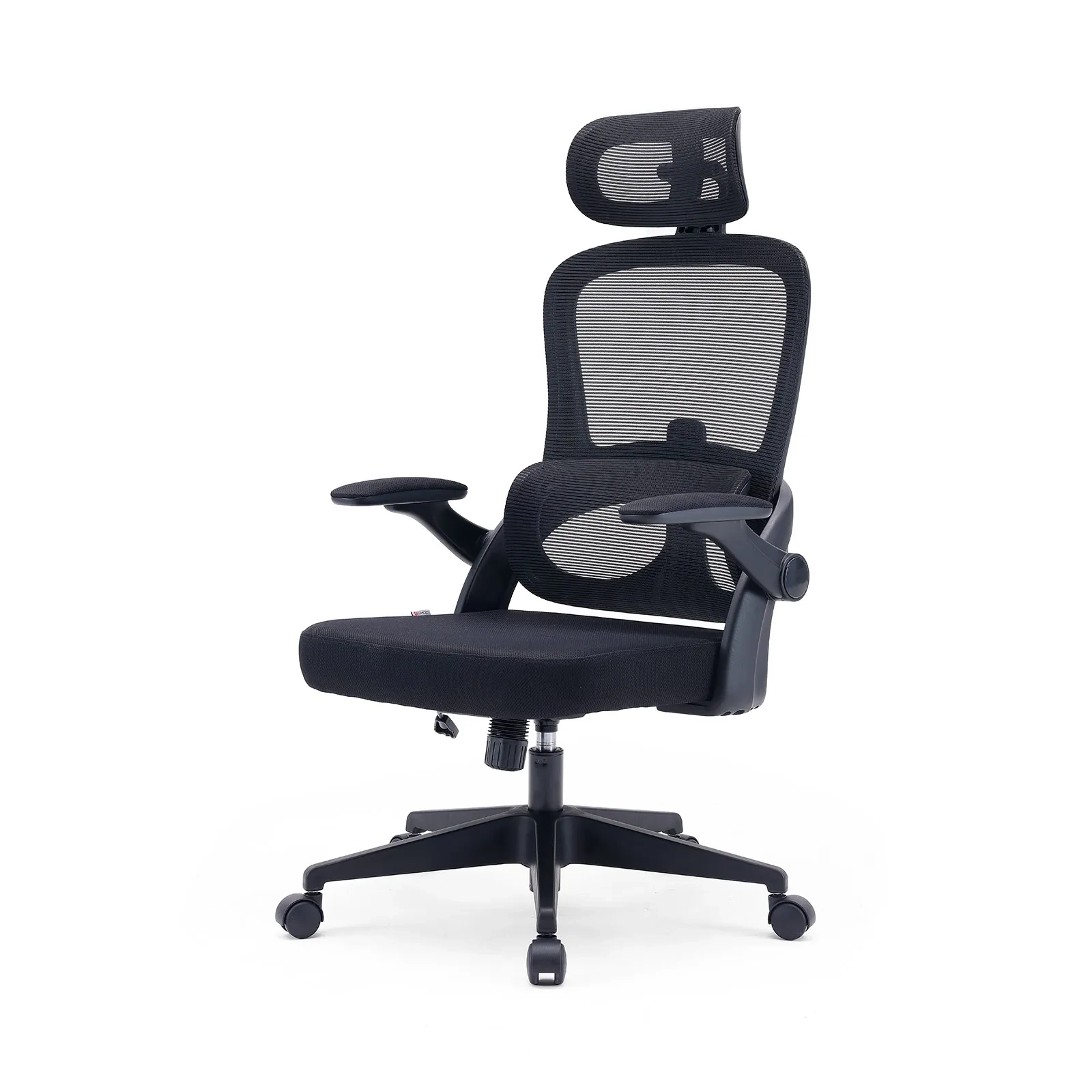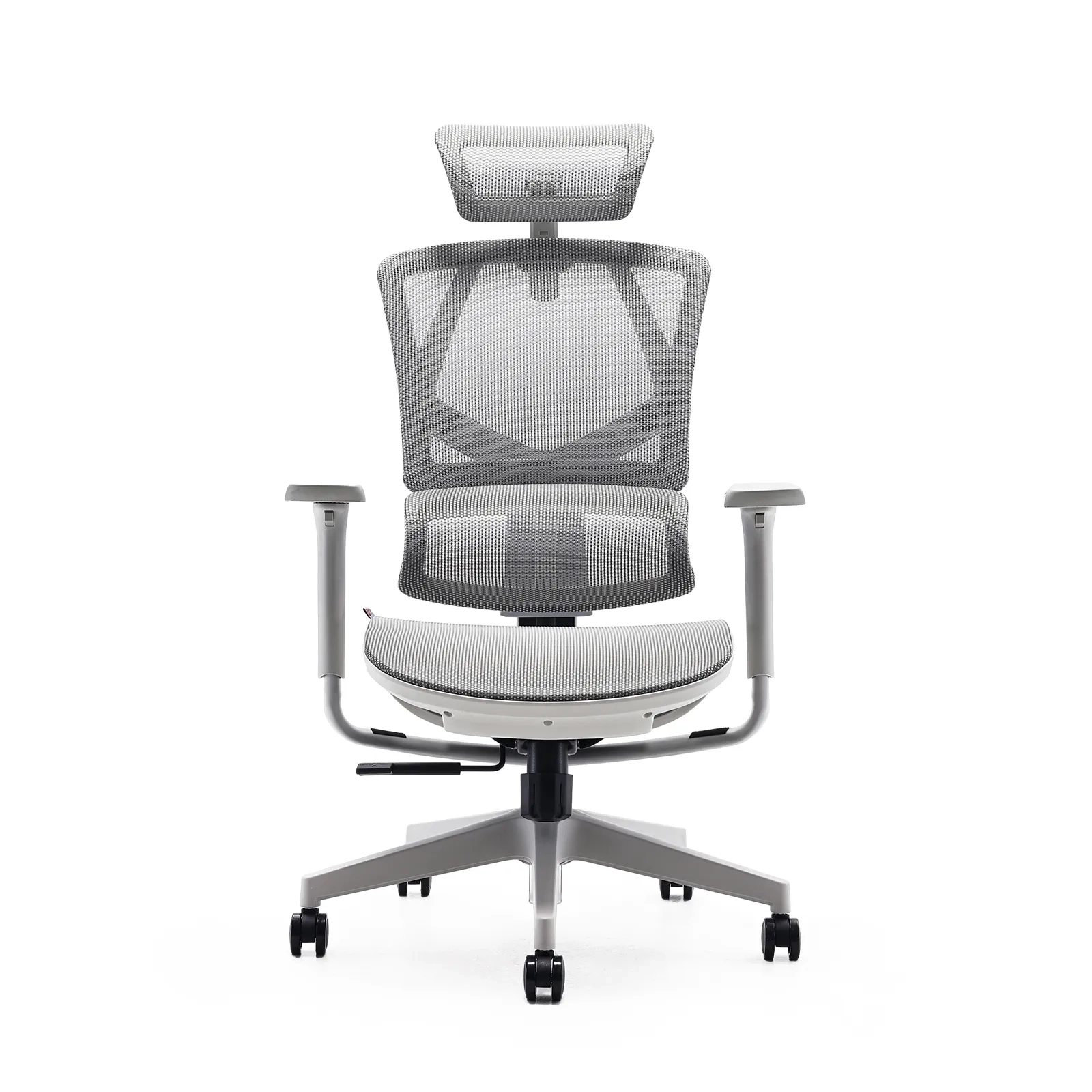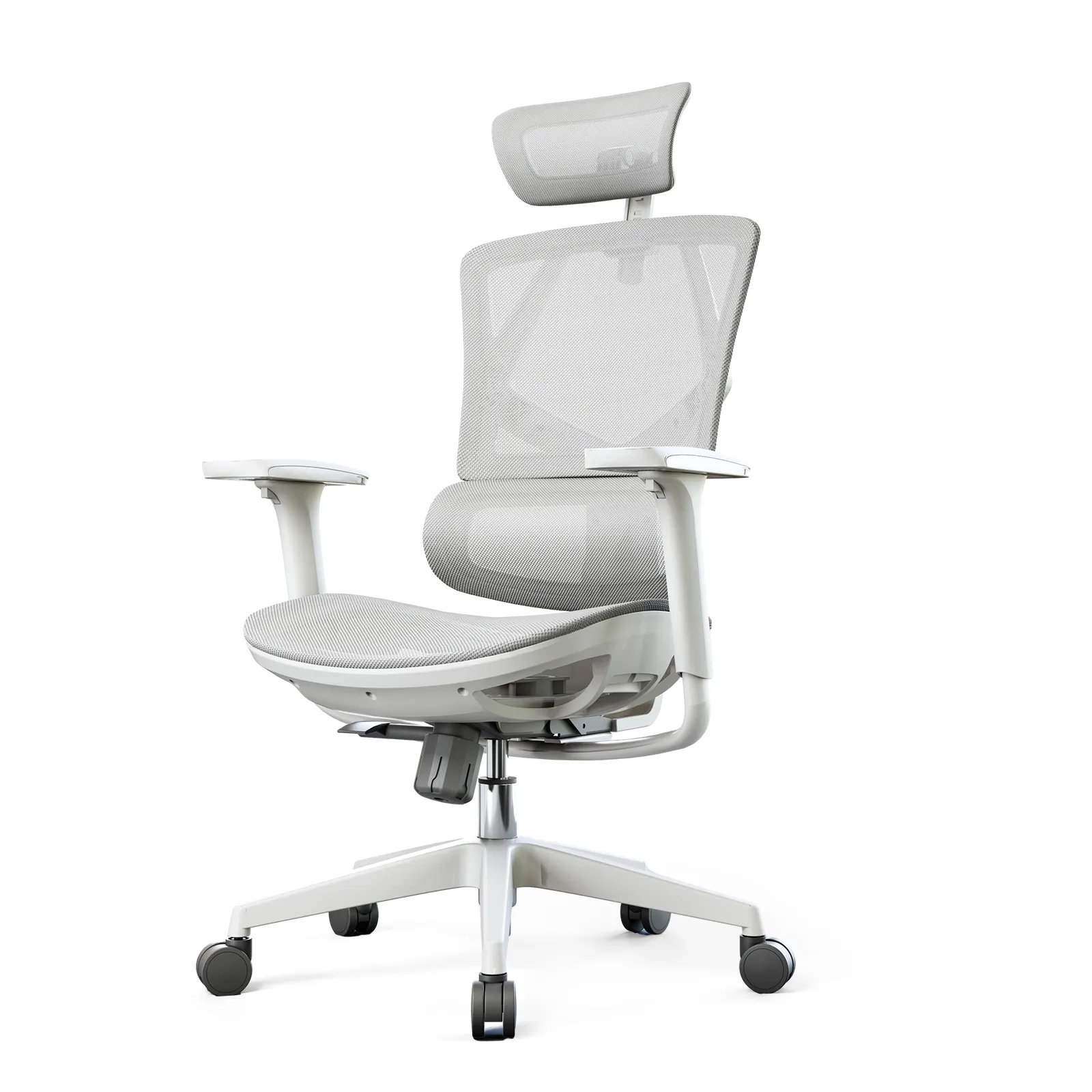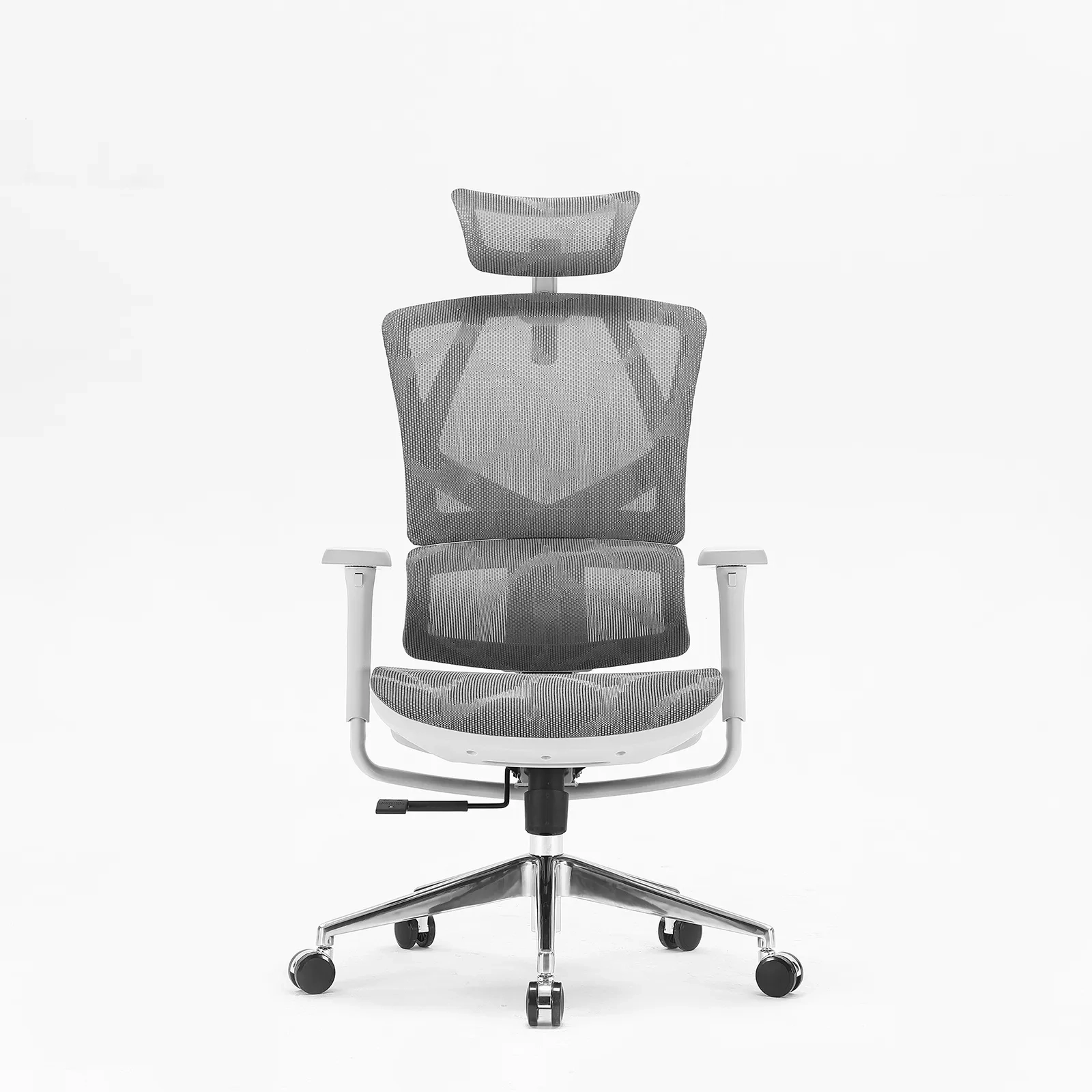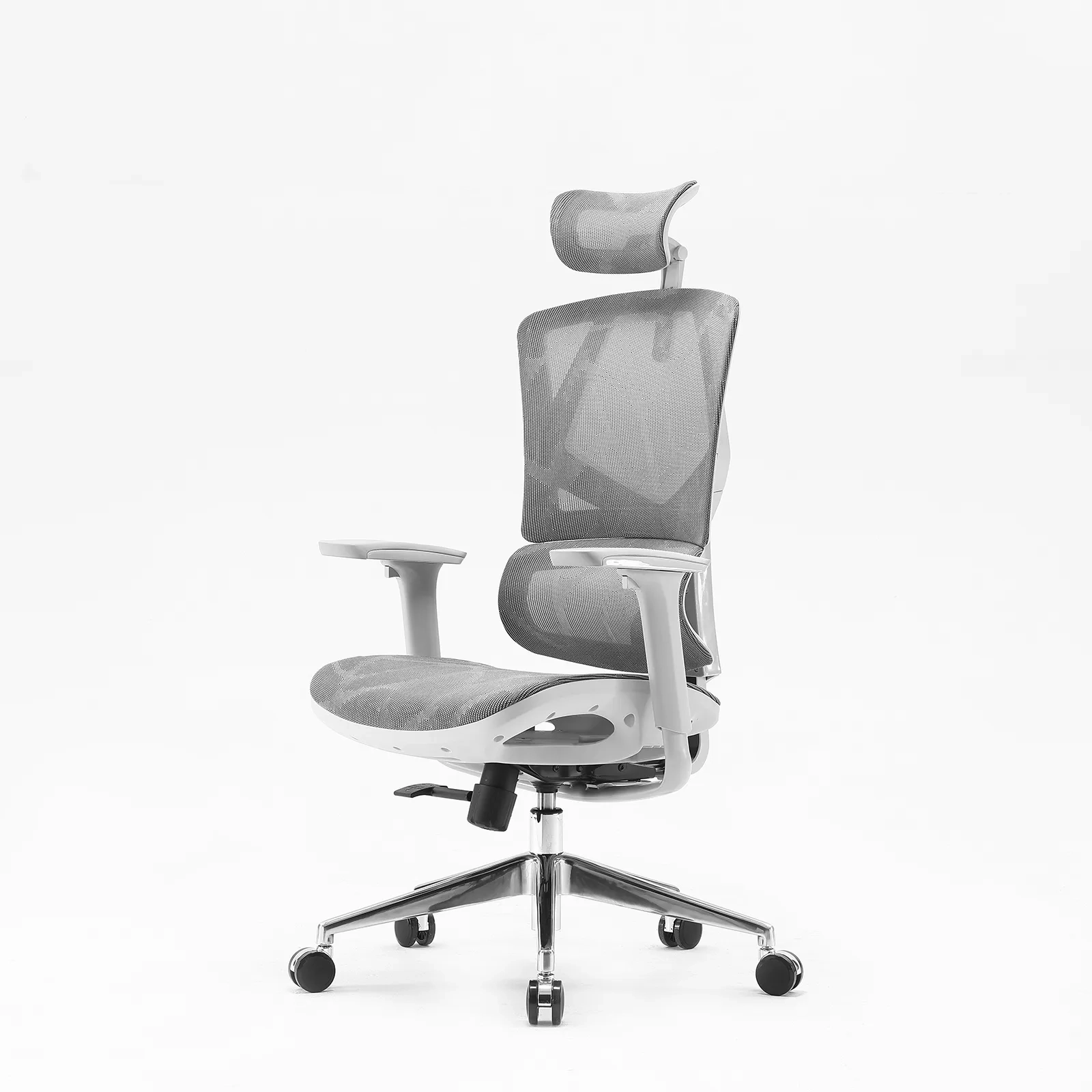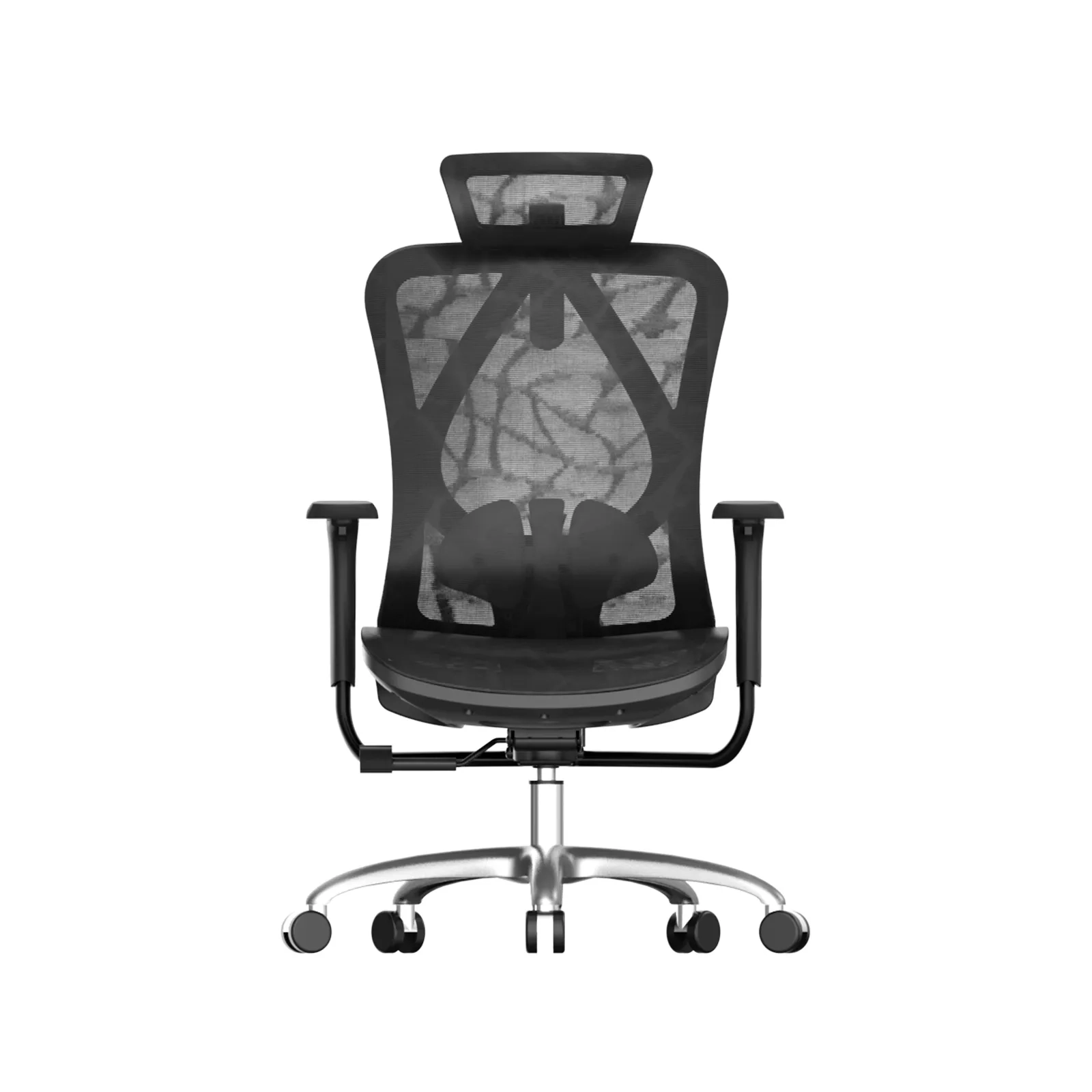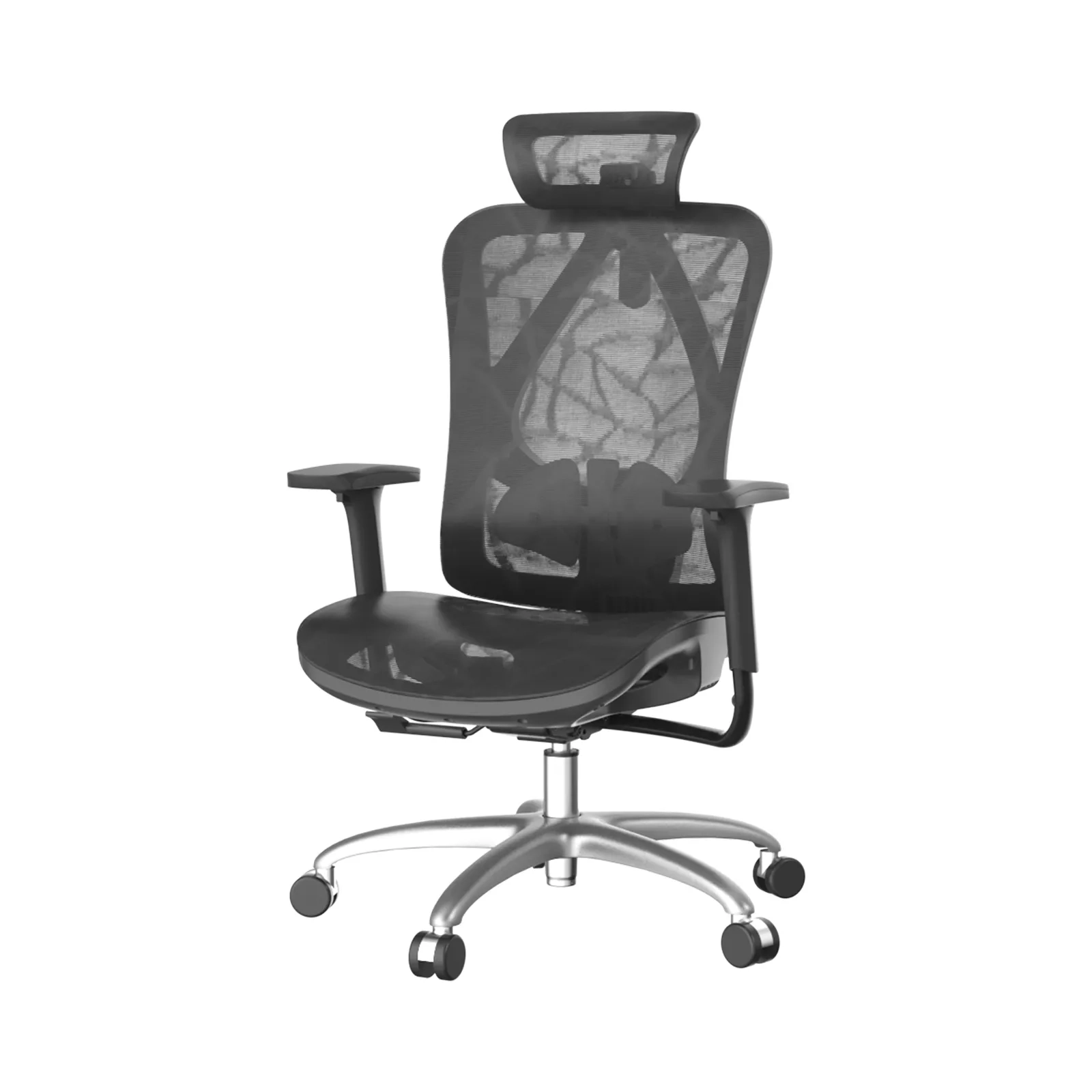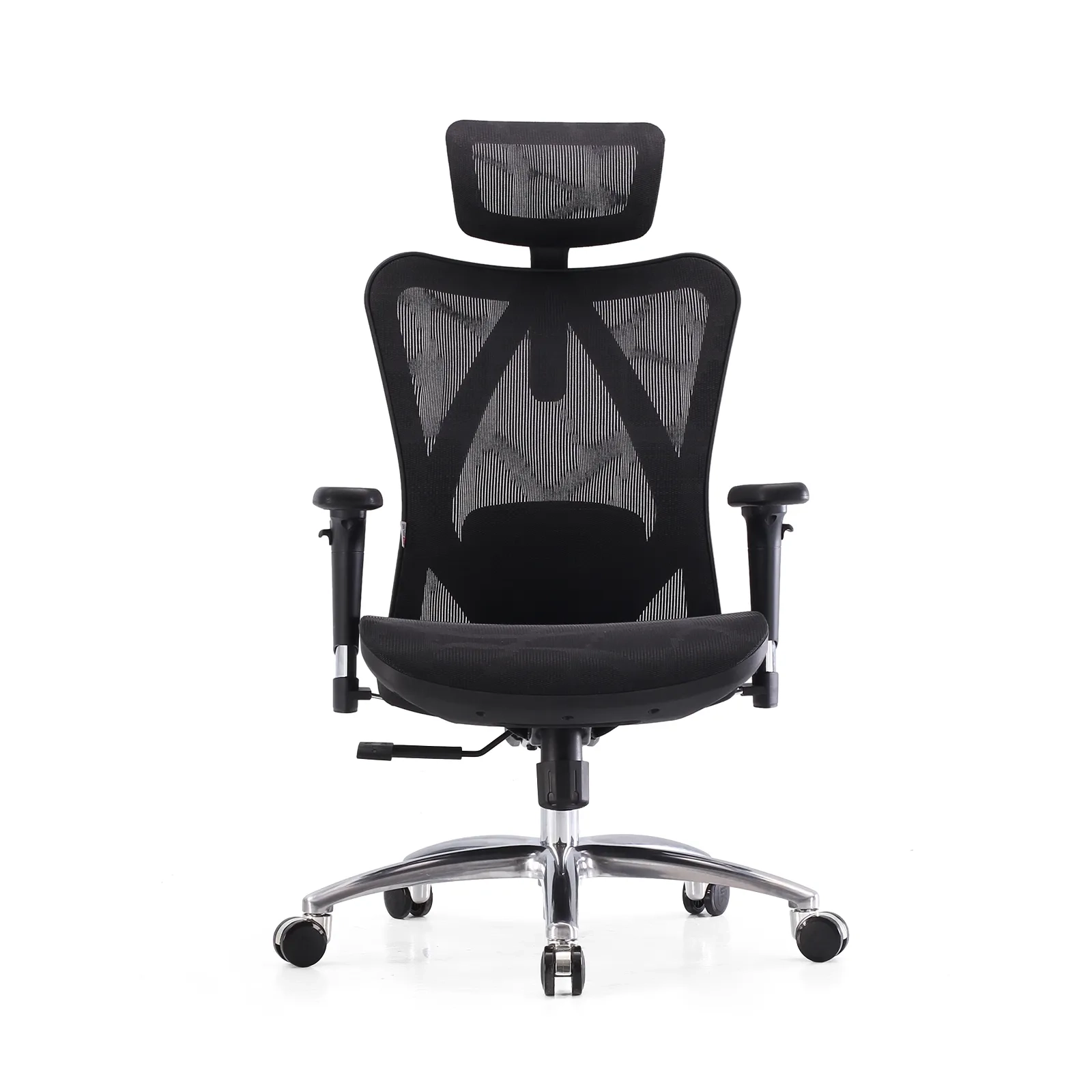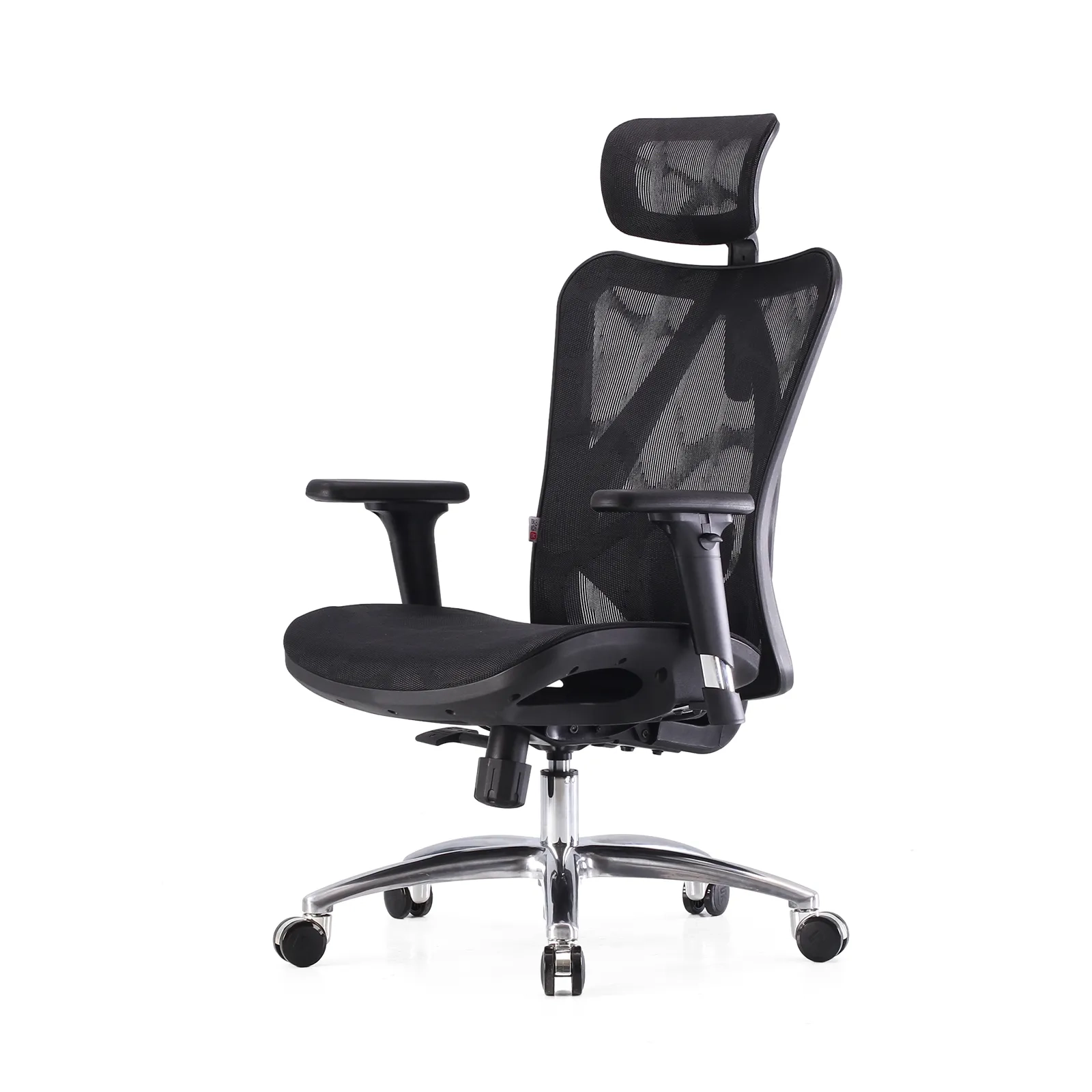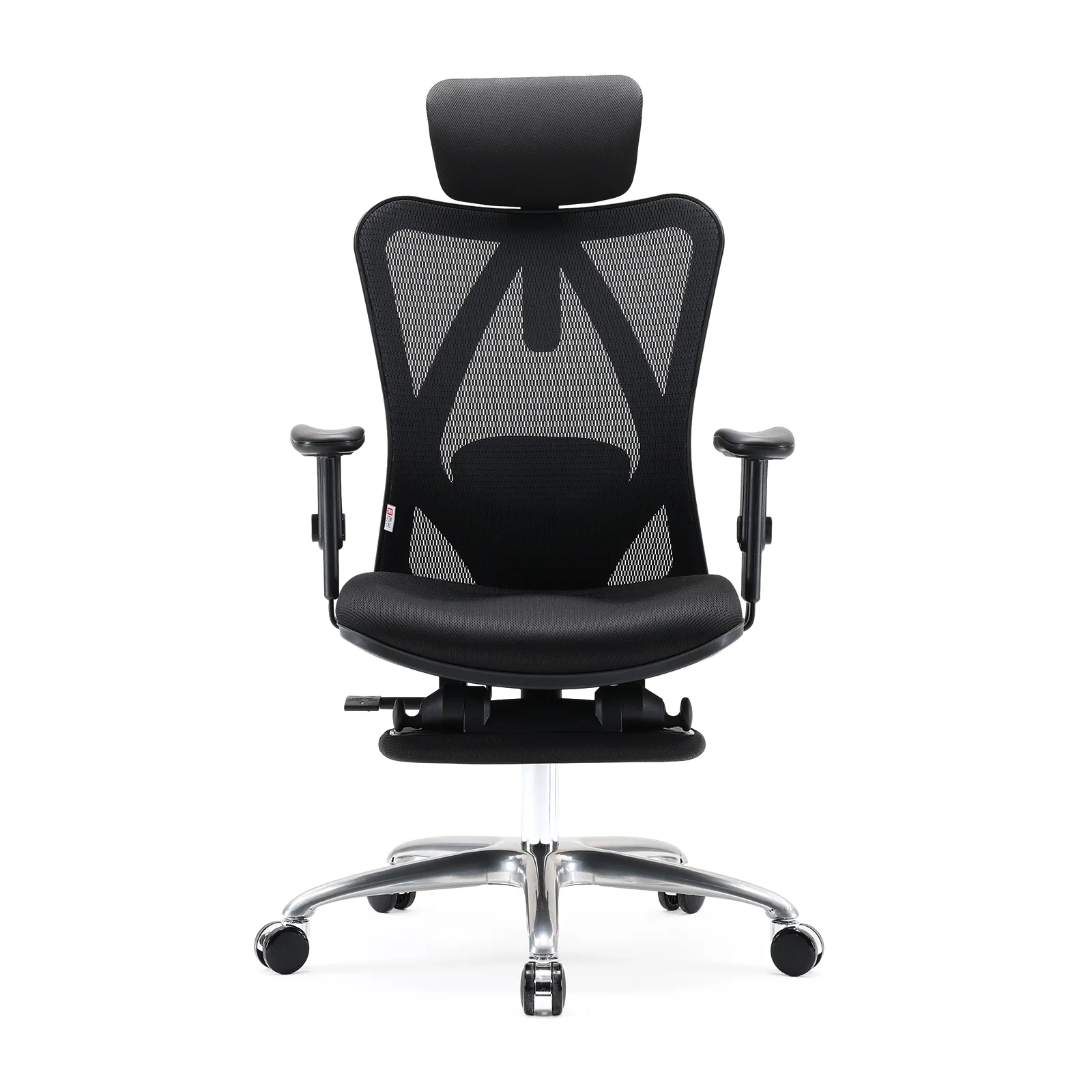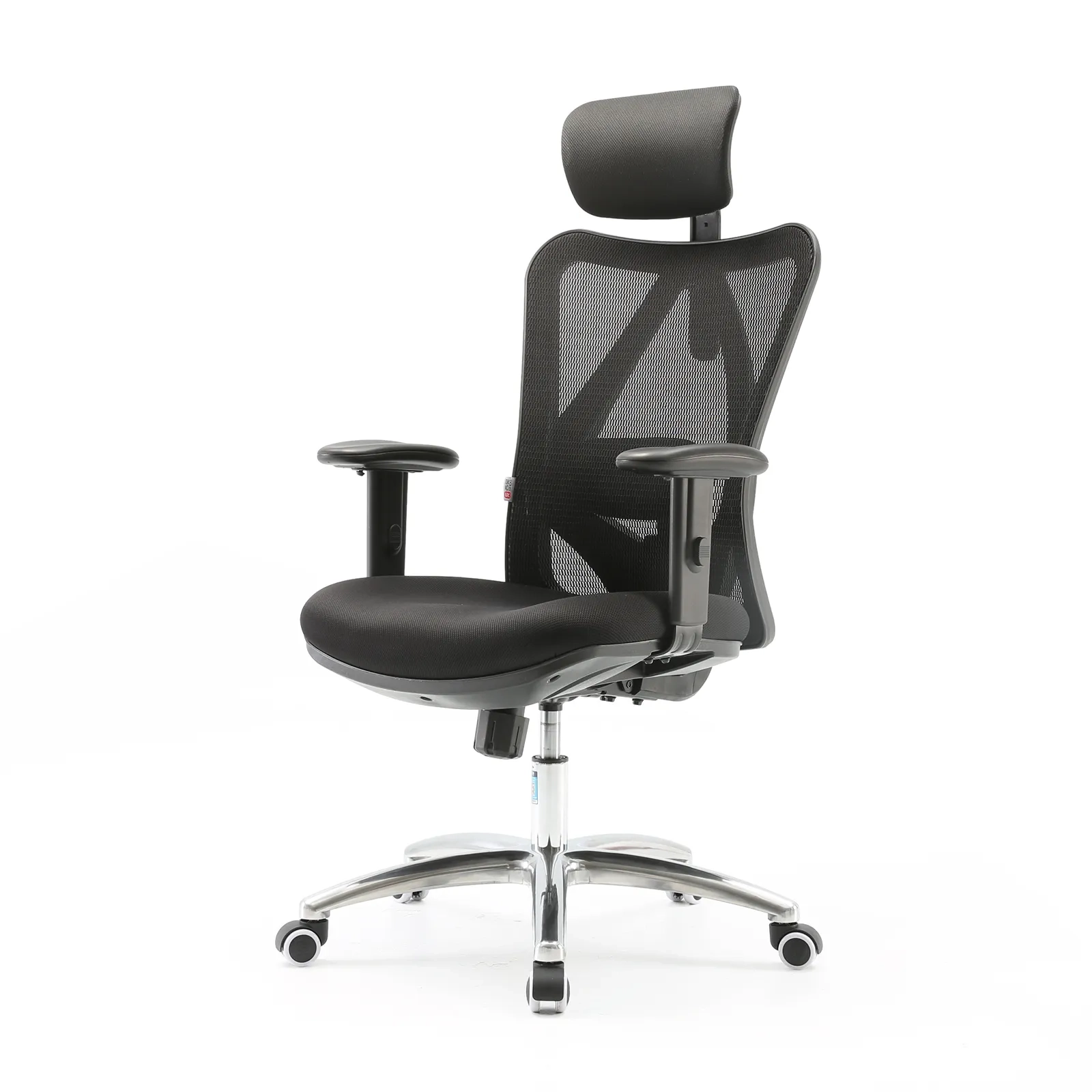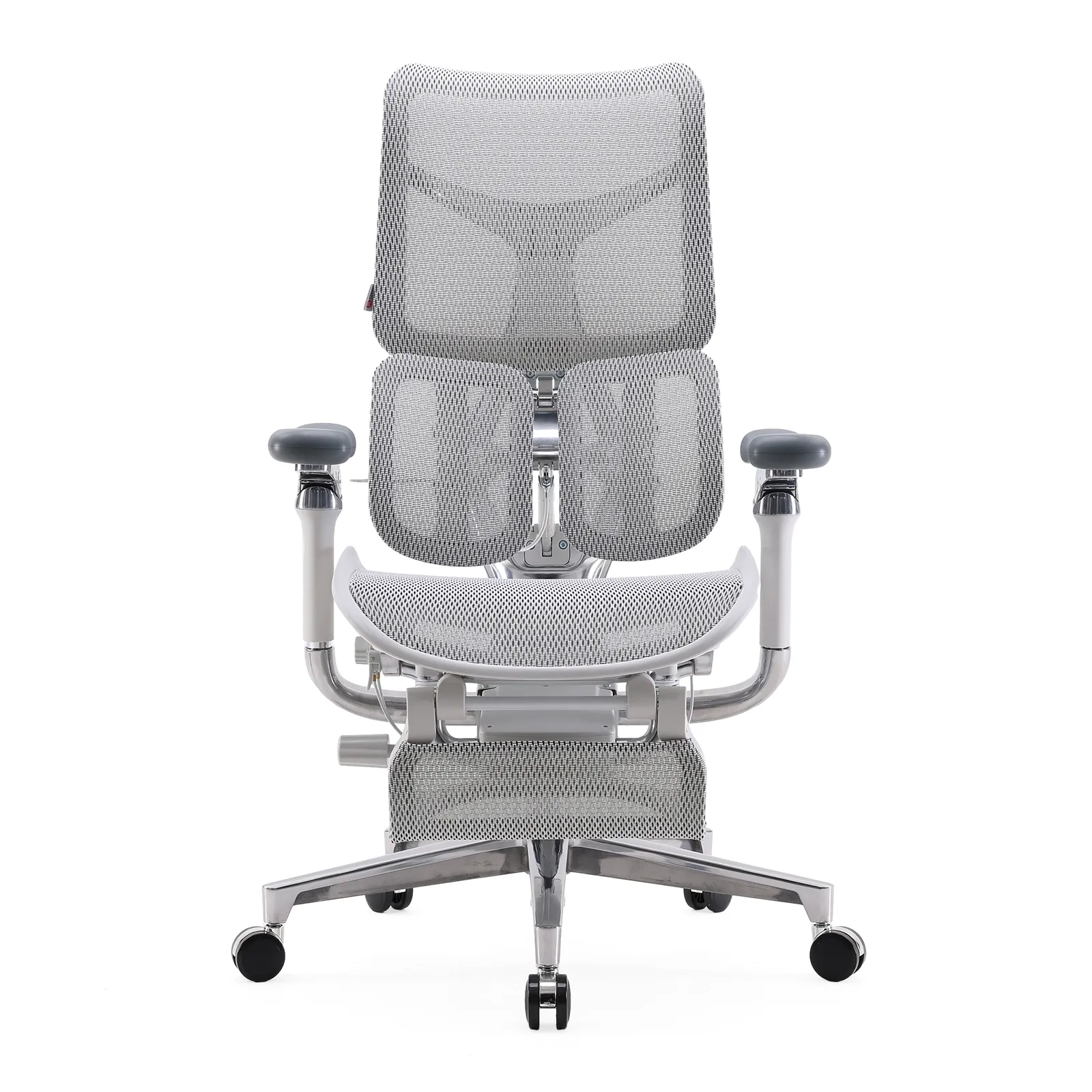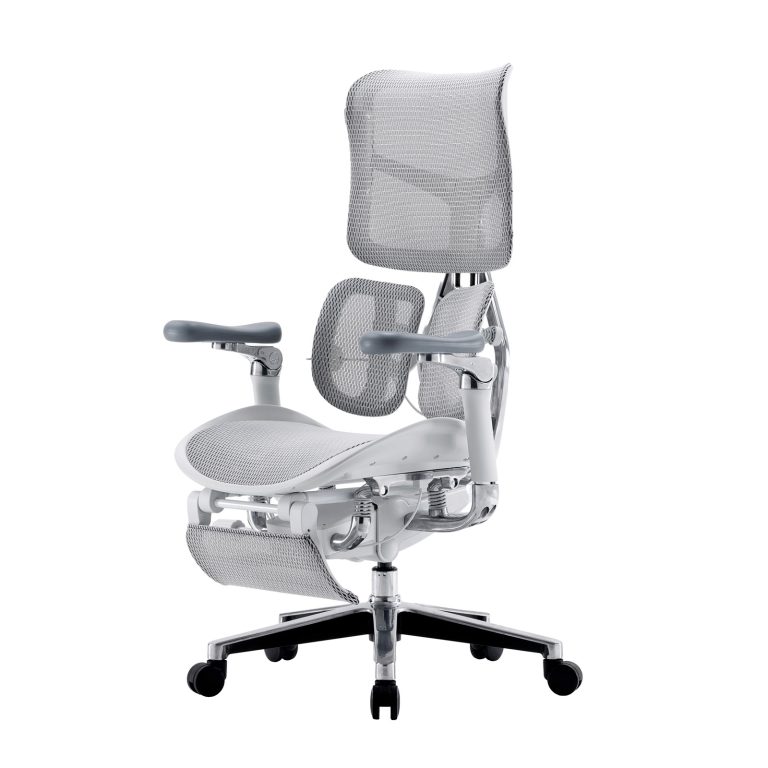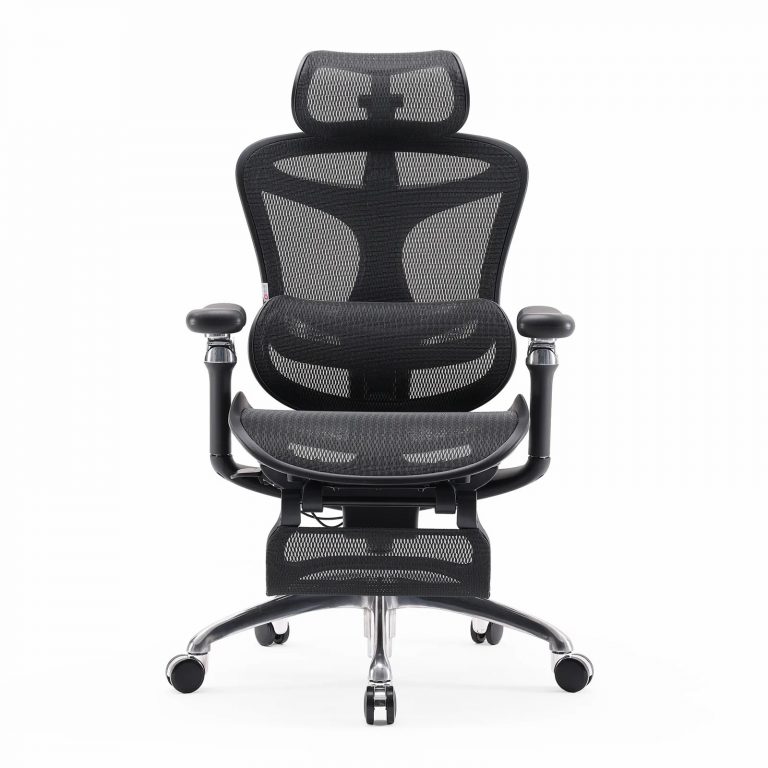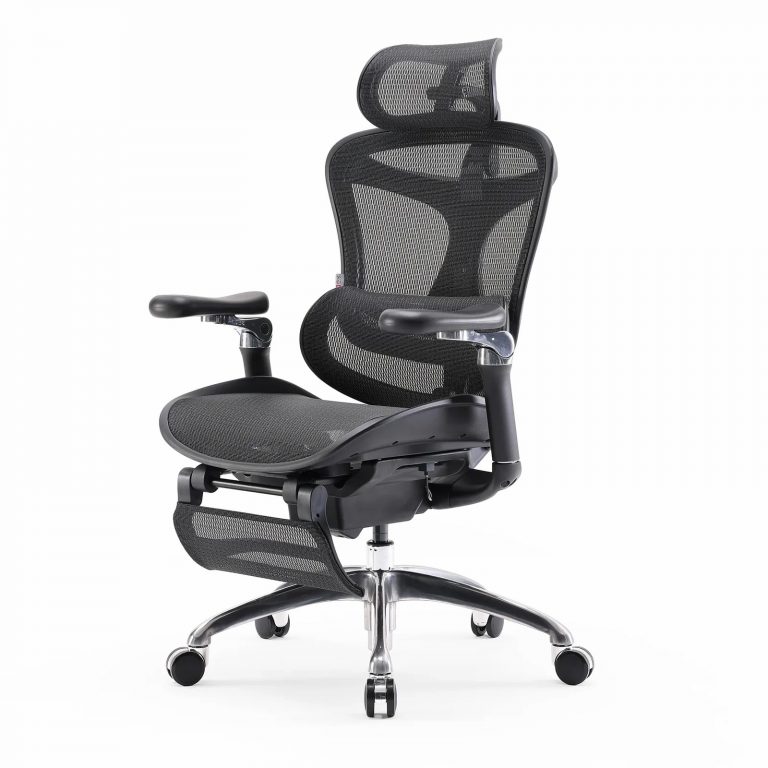









A mesh office chair moves air through the back and seat so heat does not build up during long sitting. For distributors and procurement teams, that single property opens several buyer segments: warm-climate offices, all-day desk work, and shared spaces where chairs run for many hours a day. If you are shortlisting models for a catalog or a bulk order, start from the what is a mesh office chair explainer, then match each option below to the buyer it fits.
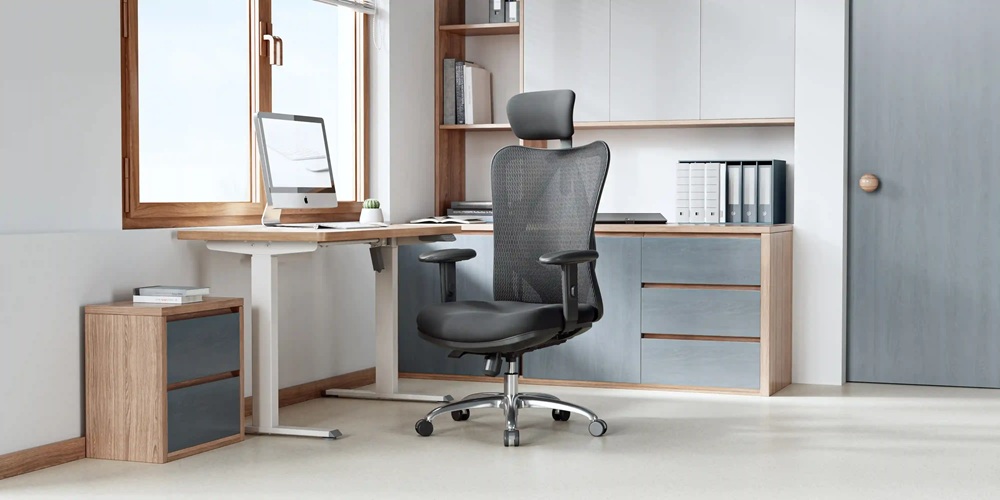
This guide lists nine mesh chair types we see requested most in B2B orders. They are not lab-tested rankings; they are curated by function and buyer need. We focus on breathability, adjustability, and which workspace each one serves.
Quick picks at a glance
| # | Chair type | Best for | Breathability |
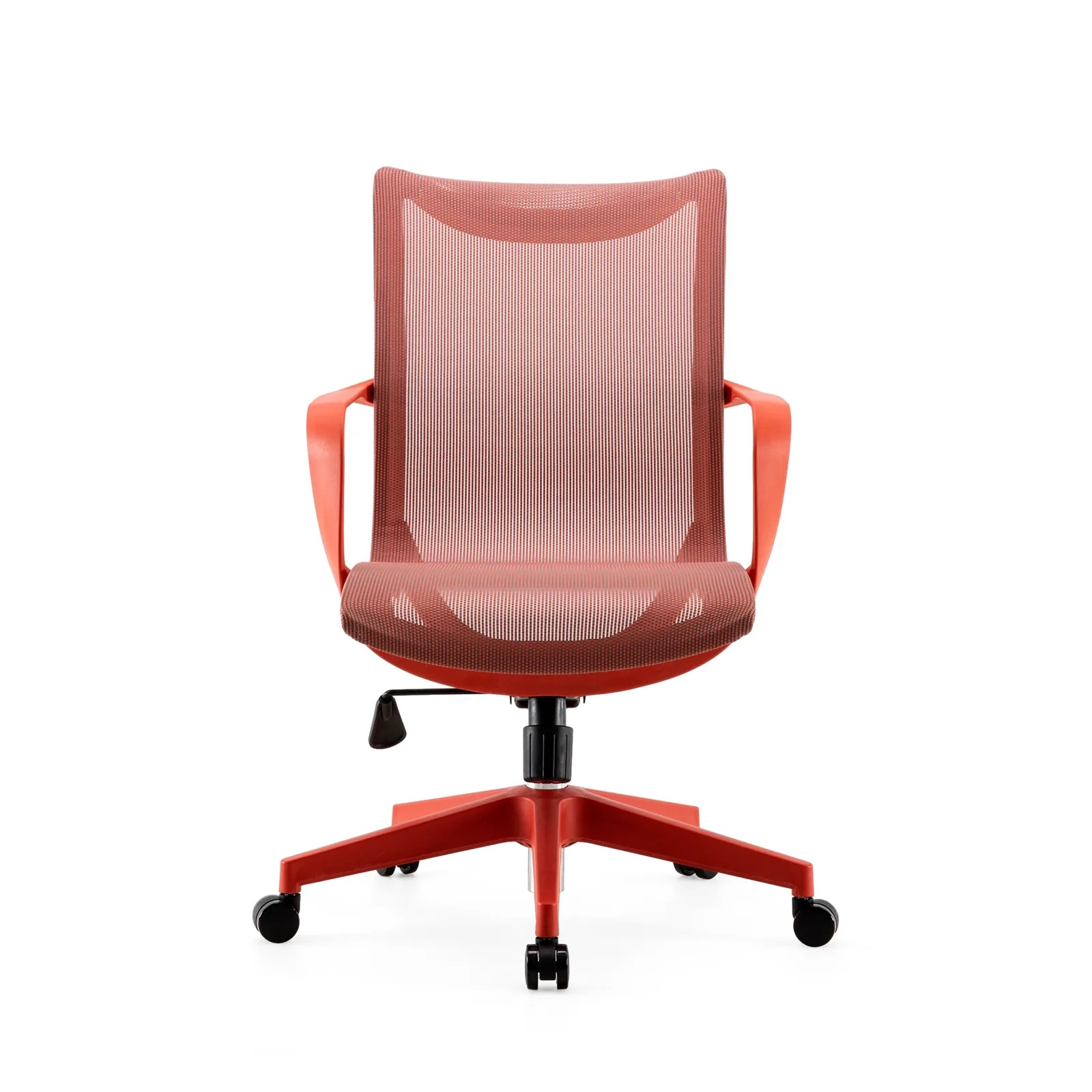
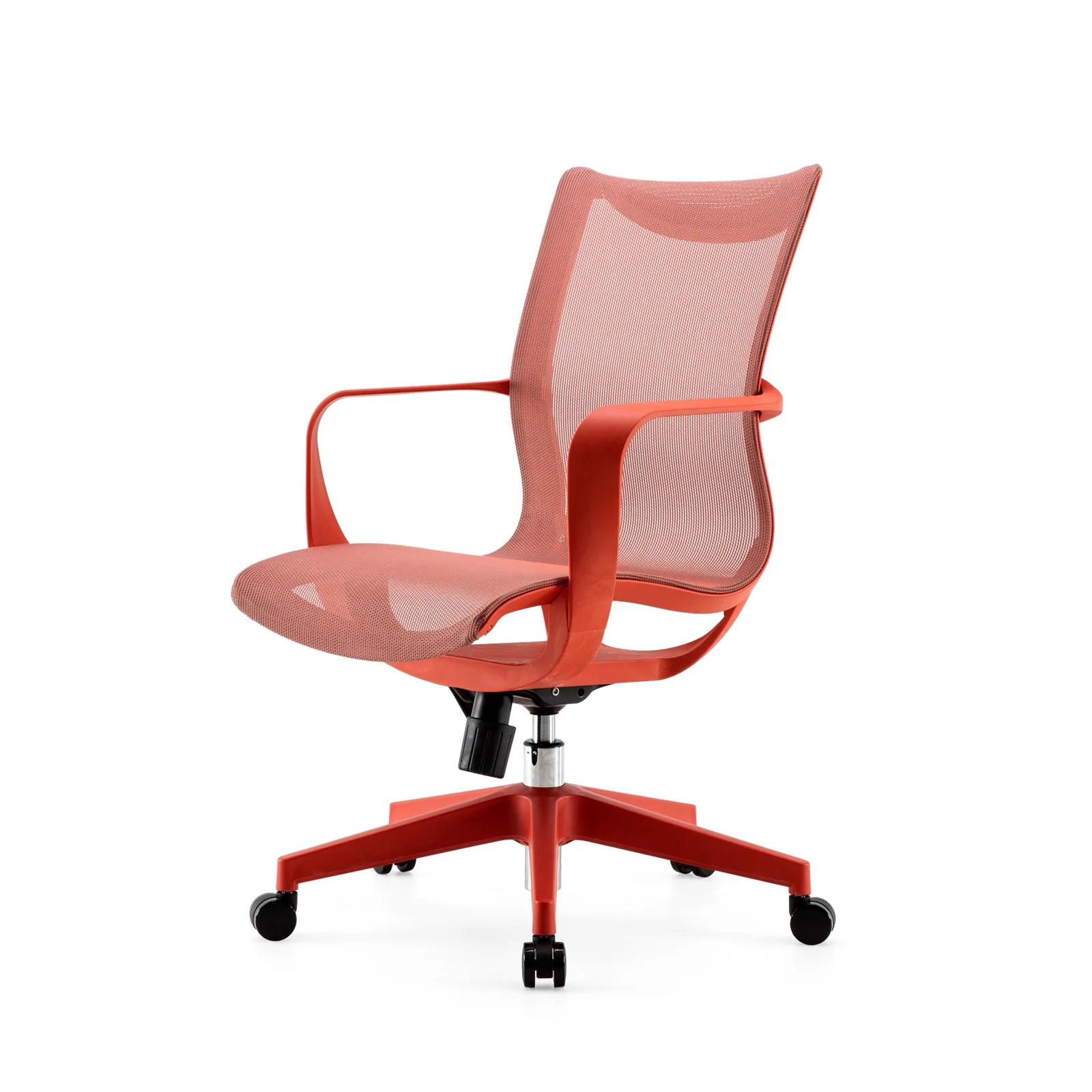
| 1 | Full-mesh task chair | Warm-climate all-day sitting | Full back + seat |
| 2 | Mesh-back with padded seat | Mixed comfort preference | Back only |
| 3 | High-back mesh executive | Long-hour leadership roles | Full back |
| 4 | Big-and-tall mesh | Tall users, meeting rooms | Full back |
| 5 | Mesh with adjustable lumbar | Back-support focus | Back only |
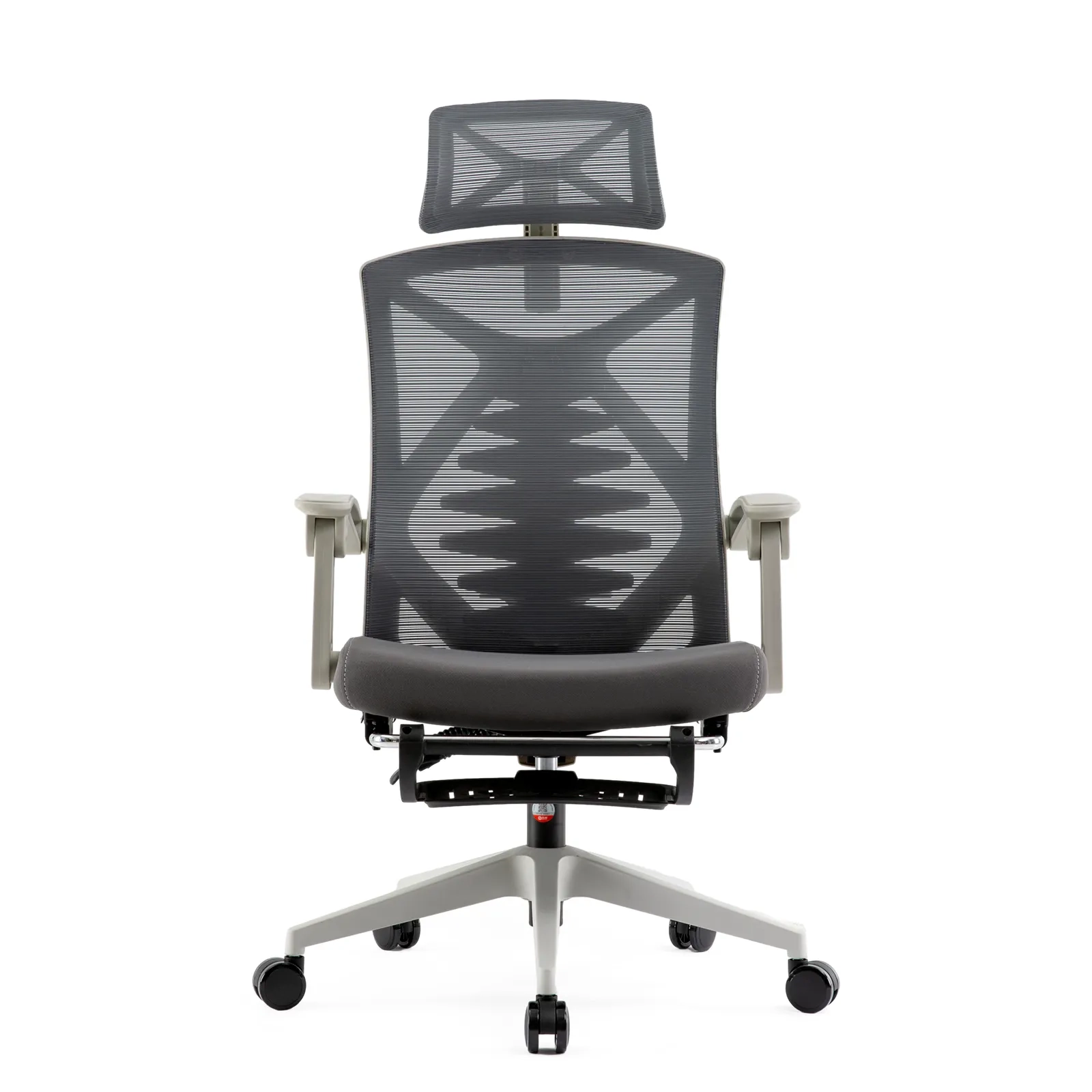
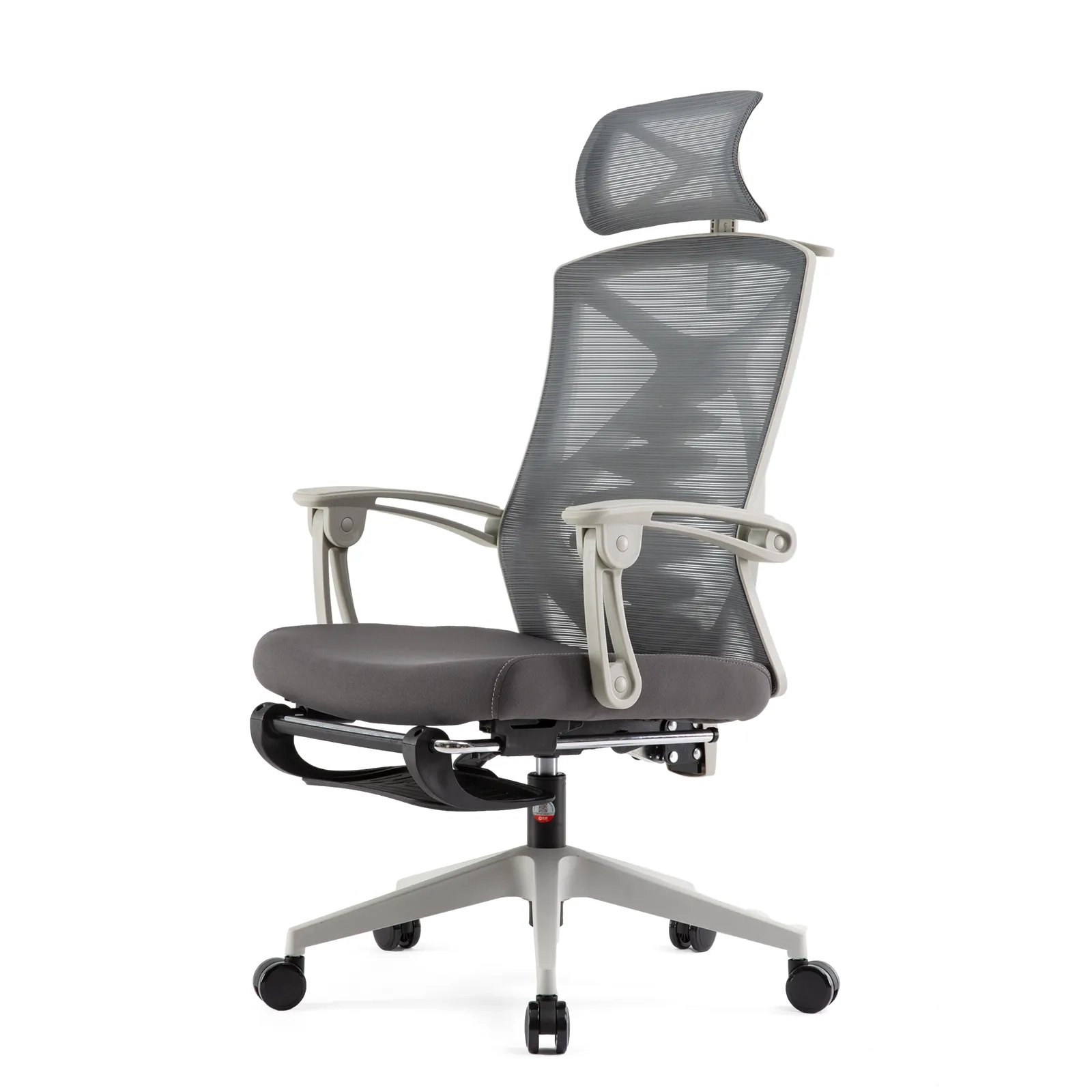
| 6 | Mesh with headrest | Neck relief seekers | Back only |
| 7 | Mesh with footrest | Leg-pressure relief | Back only |
| 8 | Lightweight mesh visitor chair | Reception and waiting areas | Back only |
| 9 | Stackable mesh training chair | Training rooms | Back only |
What actually makes a mesh chair “breathable”
Mesh is a woven polymer or nylon grid stretched over a frame. Air passes through the open weave, so the contact area stays cooler than a padded foam back. Two factors decide comfort:
Openness of the weave. A tighter weave looks solid but still breathes; a coarse weave breathes more but shows more through the back.
Suspension quality. Good mesh acts like a hammock, flexing with the spine. Poor mesh sags or presses in one spot.
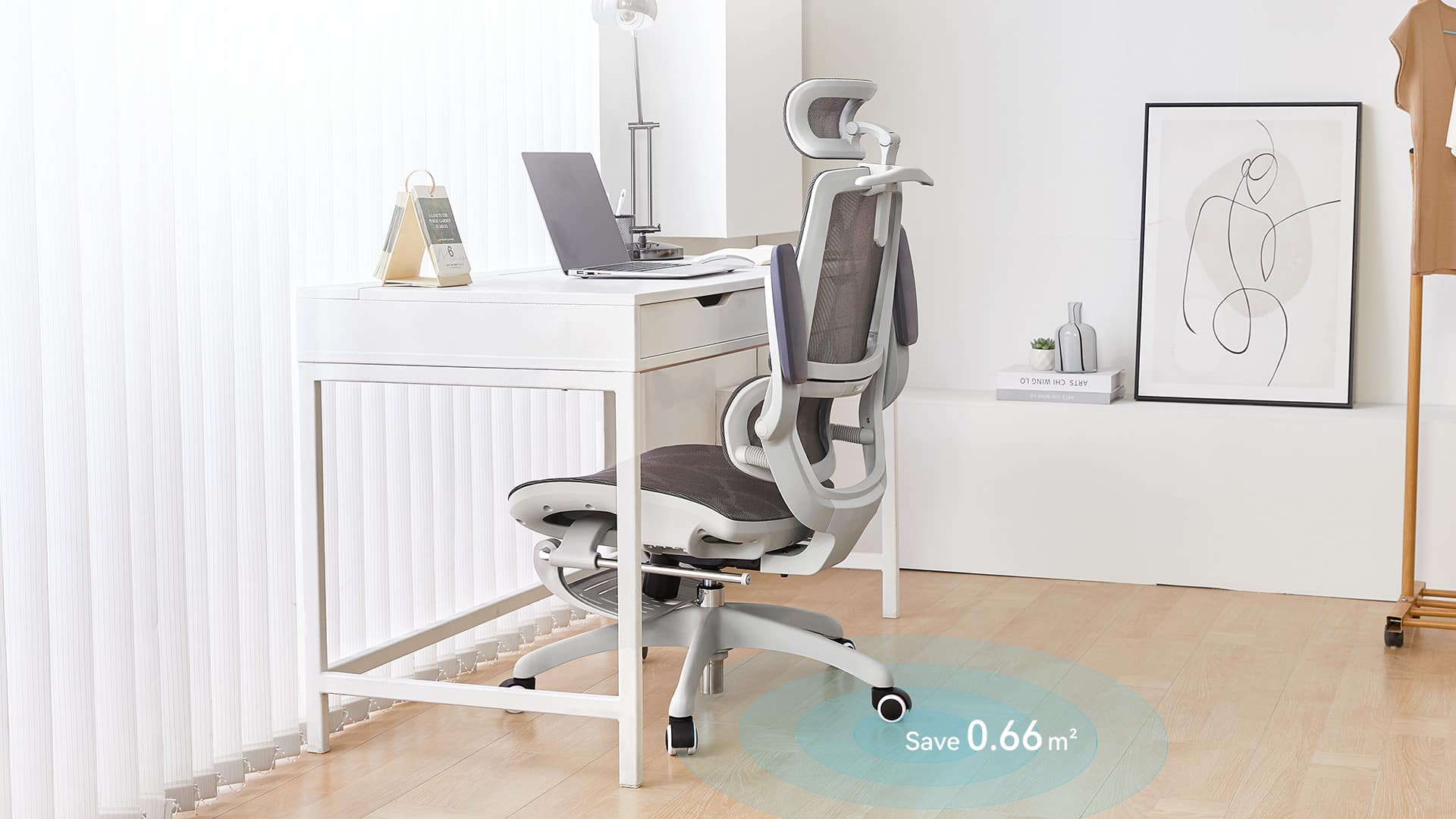
Breathability helps most in warm rooms and during long sessions. For buyers in hot regions, a full-mesh seat matters more than a mesh back alone. That is why ergonomic mesh office chair designs pair a ventilated back with a contoured mesh seat. For hot-region specifics, see our mesh back office chair for hot climates guide.
The nine options, by buyer need
1. Full-mesh task chair
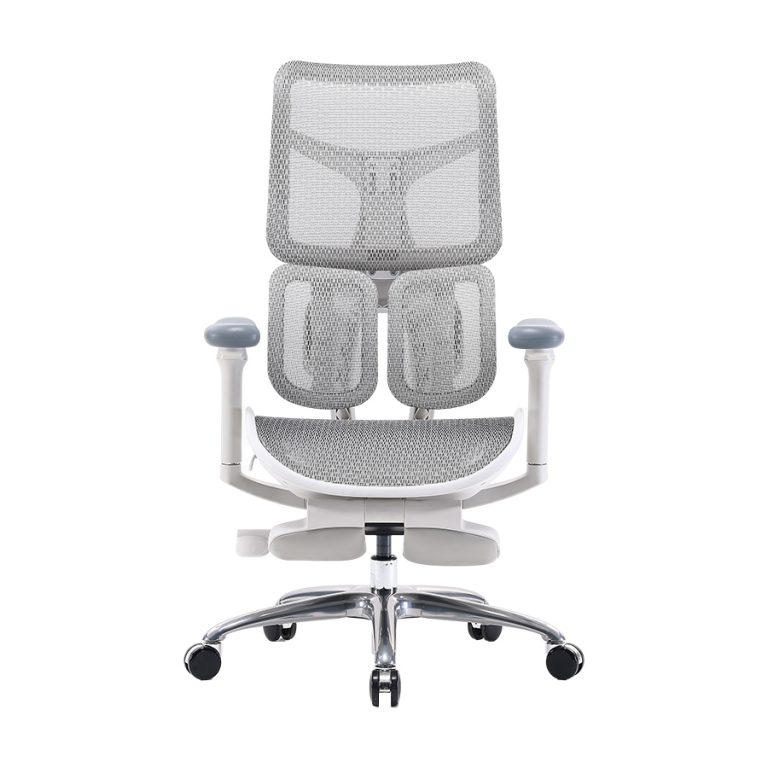
For all-day sitters in warm climates, a full-mesh back and seat keep contact areas cool. SIHOO’s S300 fits this segment: it pairs a breathable mesh build with a contoured seat for long shifts. Best for hot, non-air-conditioned offices and shared desks where chairs run all day.
2. Mesh-back with padded seat
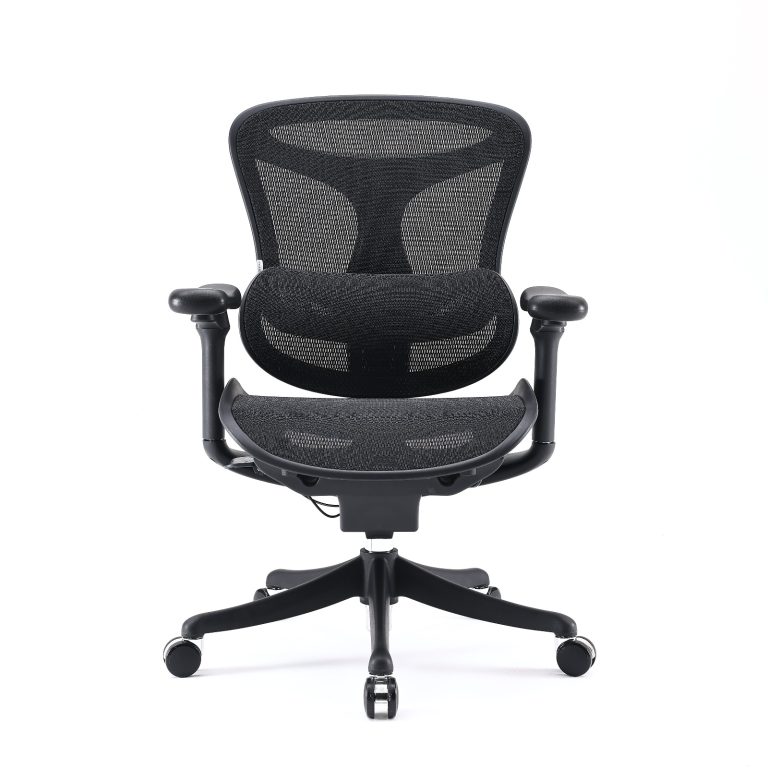
Some users want airflow at the back but a cushioned seat under the thighs. This build keeps the breathable back and adds foam below. The M57 is a practical default for mixed teams, SMB fit-outs, and buyers who are not ready for a full-mesh seat.
3. High-back mesh executive
Leadership roles sit for long hours and still want a chair that presents well in meeting rooms. A high-back mesh executive chair combines a breathable back with upper-back and shoulder support. The C300 targets this segment with dynamic lumbar and a tall mesh frame.
4. Big-and-tall mesh
Tall or heavy users need a rated frame, not just a larger seat. A big-and-tall mesh chair pairs a reinforced frame with a high back and stronger lumbar contact. The V1 is built for this group and for meeting-room setups where users vary in size.
5. Mesh with back support
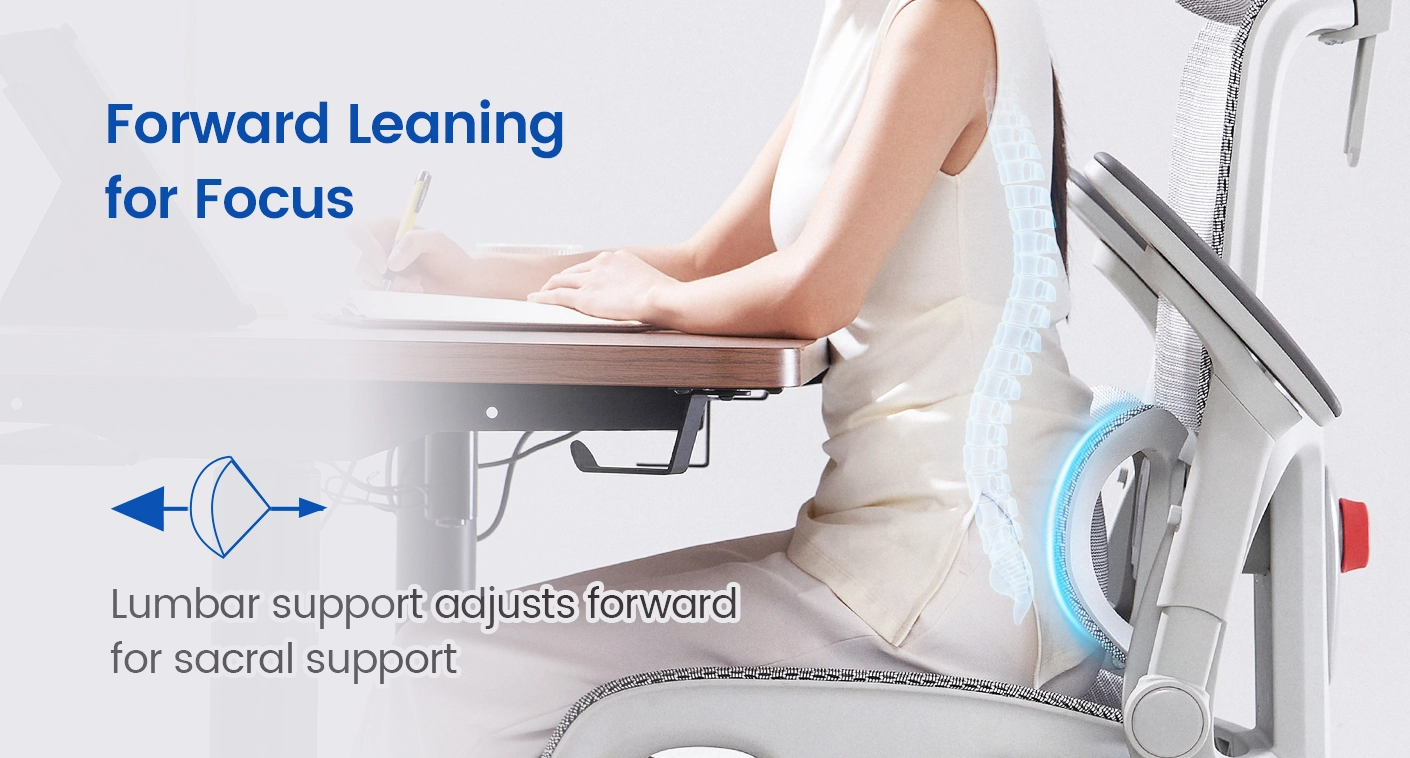
For buyers who want more lower-back contact than a standard mesh back provides, this type adds adjustable or dynamic lumbar support. It suits mixed teams with different body types and reduces complaints when one chair serves several users.
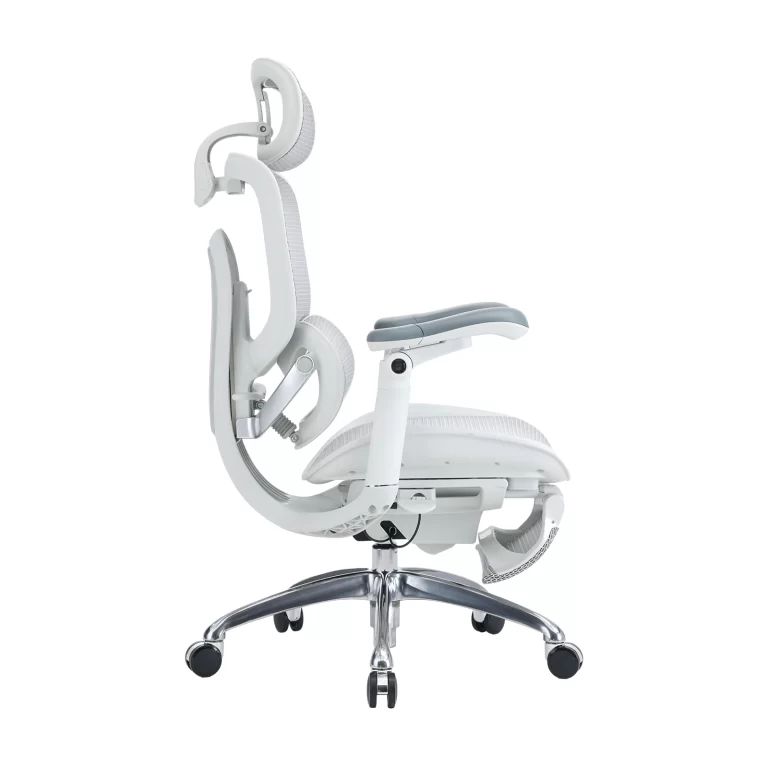
6. Mesh with headrest
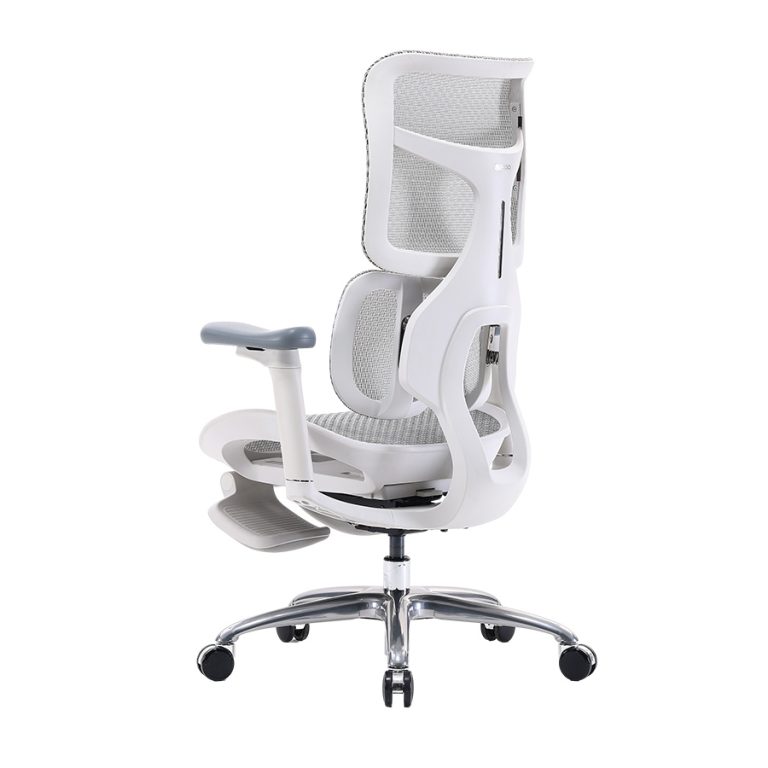
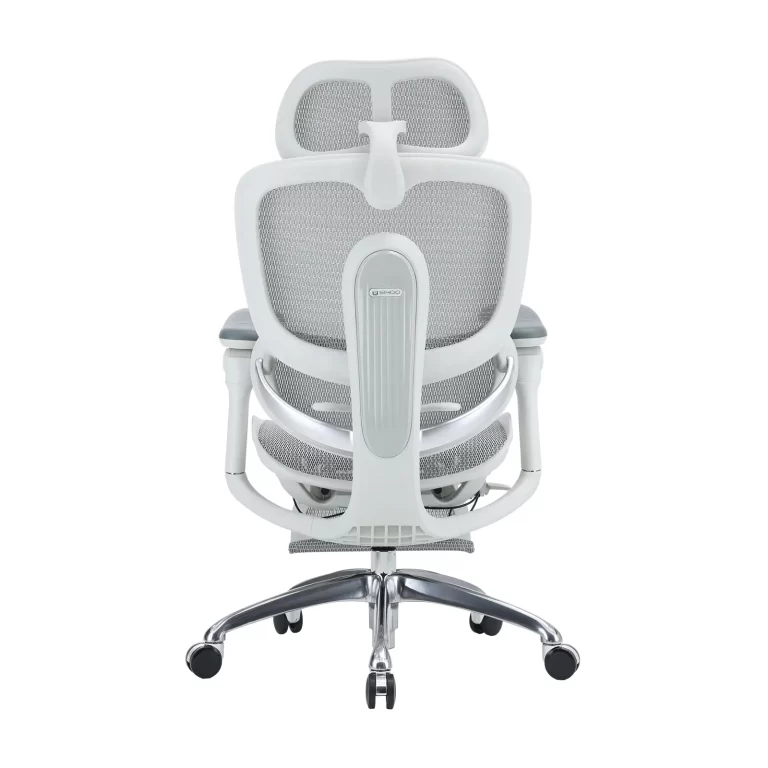
Users who recline during breaks or take calls in a leaned-back position often ask for a headrest. A mesh back with an adjustable headrest supports the neck without adding heat at the contact area. Popular in home-office and executive segments.
7. Mesh with footrest
For leg-pressure relief during breaks, a pull-out footrest extends the chair into a rest posture. Popular in home-office and gaming-adjacent segments, but relevant anywhere users recline.
8. Lightweight mesh visitor chair
Reception and waiting areas need chairs that look professional and stay cool in lobbies with little airflow. Lightweight mesh keeps these spaces ventilated without heavy frames.
9. Stackable mesh training chair
Training rooms cycle chairs in and out daily. Stackable mesh cuts storage volume and stays breathable through full-day sessions. A practical SKU for education and corporate-training buyers.
Comparison: full mesh vs mesh-back-only
| Factor | Full mesh | Mesh-back only |
| Heat control | Back and seat | Back only |
| Seat feel | Firm, suspended | Cushioned |
| Best climate | Hot | Mild |
| Shipping weight | Lighter | Heavier (foam) |
Neither is “better” in the abstract. Full mesh wins in heat; mesh-back-only wins for users who dislike an all-mesh seat. Match the model to the region and the complaint.
How to choose for a bulk order
- Map the climate. Hot markets → full mesh. Mild → mesh-back with padded seat.
- Map the role. Executives → high-back. Tall users → big-and-tall. Visitors → lightweight.
- Check adjustability. At minimum: seat height, back tilt, and lumbar. More adjustment means broader fit.
- Plan spare parts. Mesh is durable but frames and arms wear. Confirm spare-part availability before a large commit.
- Sample first. Order one unit per model you intend to stock. Sit in it for a full day before scaling.
- For distributors, MOQ, sample lead time, and certification requests should go through the SIHOO partnership page rather than a retail cart.
Materials and frame notes for distributors
Quality in a mesh chair lives in two places buyers rarely see: the weave and the frame. The mesh itself is usually nylon or polyester. Nylon holds tension longer and resists stretching; polyester feels softer but can relax over years. Neither is right or wrong, but the spec should stay consistent across a bulk lot so chairs feel the same on arrival.

The frame carries the real risk. Glass-filled nylon frames are light and strong for most users; metal frames add weight and cost but suit big-and-tall models where the load is higher. For the V1 and other tall-user chairs, confirm the frame rating before quoting.
Casters matter more than they look. Hard floors need soft-wheel casters; carpet needs hard wheels. Shipping the wrong caster to a market creates returns that have nothing to do with the chair. A five-star base spreads load better than a four-star base, which can tip under a leaning user. These details separate a chair that lasts three years from one that fails in one.
Regional stocking strategy
Allocate the nine types by climate and role, not by personal taste. Hot, non-air-conditioned markets should lead with full mesh and mesh-back-with-padded-seat for users who want some cushion. Mild-climate markets can carry more mesh-back-only and executive models. Executive and meeting-room demand is steady across regions, so the C300 and V1 deserve shelf space everywhere. Training and visitor chairs sell in waves tied to fit-out projects, so stock them against confirmed orders rather than on spec.
A balanced container for a warm market might run 40 percent full mesh, 30 percent mesh-back, 20 percent executive, and 10 percent visitor or training. Adjust the mix after the first reorder data arrives.
How to verify on arrival
A simple receiving check prevents most complaints:
- Press the mesh at several points; it should flex and return without a permanent dent.
- Rock the chair; the base should not creak or twist.
- Roll casters on the floor type the buyer uses; they should move without marking.
- Work the tilt and lumbar; movement should be smooth, not notched.
- Check the lumbar contact; it should meet the small of the back, not press a single point.
- For distributors, MOQ, sample lead time, and certification requests should go through the SIHOO partnership page rather than a retail cart.
Common mistakes buyers make
Buyers often pick by photo. A mesh chair that looks supportive in a catalog can have a flat back that does nothing. Train your sales team to lead with two questions: how hot is the room, and how long will the user sit. Those answers select the model faster than any spec sheet.
Another mistake is ignoring seat depth; a deep seat cuts circulation for shorter users even when the back is perfect. A third is stacking one model for everyone; mixed teams need at least two seat-depth or lumbar options. Finally, buyers underestimate spare parts. Arms, casters, and lumbar pads wear first, so confirm they are orderable before the first container ships.
FAQ
Does mesh last as long as padded foam?
Mesh resists sagging because it has no foam to compress. Frame and connectors wear instead. Ask suppliers about frame warranty terms.
Is full mesh uncomfortable for some users?
Yes. Some buyers find an all-mesh seat too firm. That is why mesh-back-with-padded-seat models stay popular in mixed teams.
Can mesh chairs support tall or heavy users?
Only rated models can. The V1 is built for tall users and meeting rooms; confirm weight rating per SKU before quoting.
Are mesh chairs harder to clean?
Surface dust wipes off. Mesh does not trap crumbs like seams in padded chairs, which helps in shared spaces.
Can I order these with custom branding?
OEM scope depends on tooling and MOQ. Raise it early on the SIHOO partnership page so lead times are realistic.
Final thoughts
Mesh chairs are not one product but a family matched to climate, role, and room. For a 2026 catalog, cover full mesh for hot markets, mesh-back for mixed teams, and high-back or big-and-tall for leadership and tall users. Compare the nine types above against your buyer list, then request samples through the SIHOO partnership page before a large order.
1600x1600-4-768x768.jpg)
1600x1600-8-768x768.jpg)