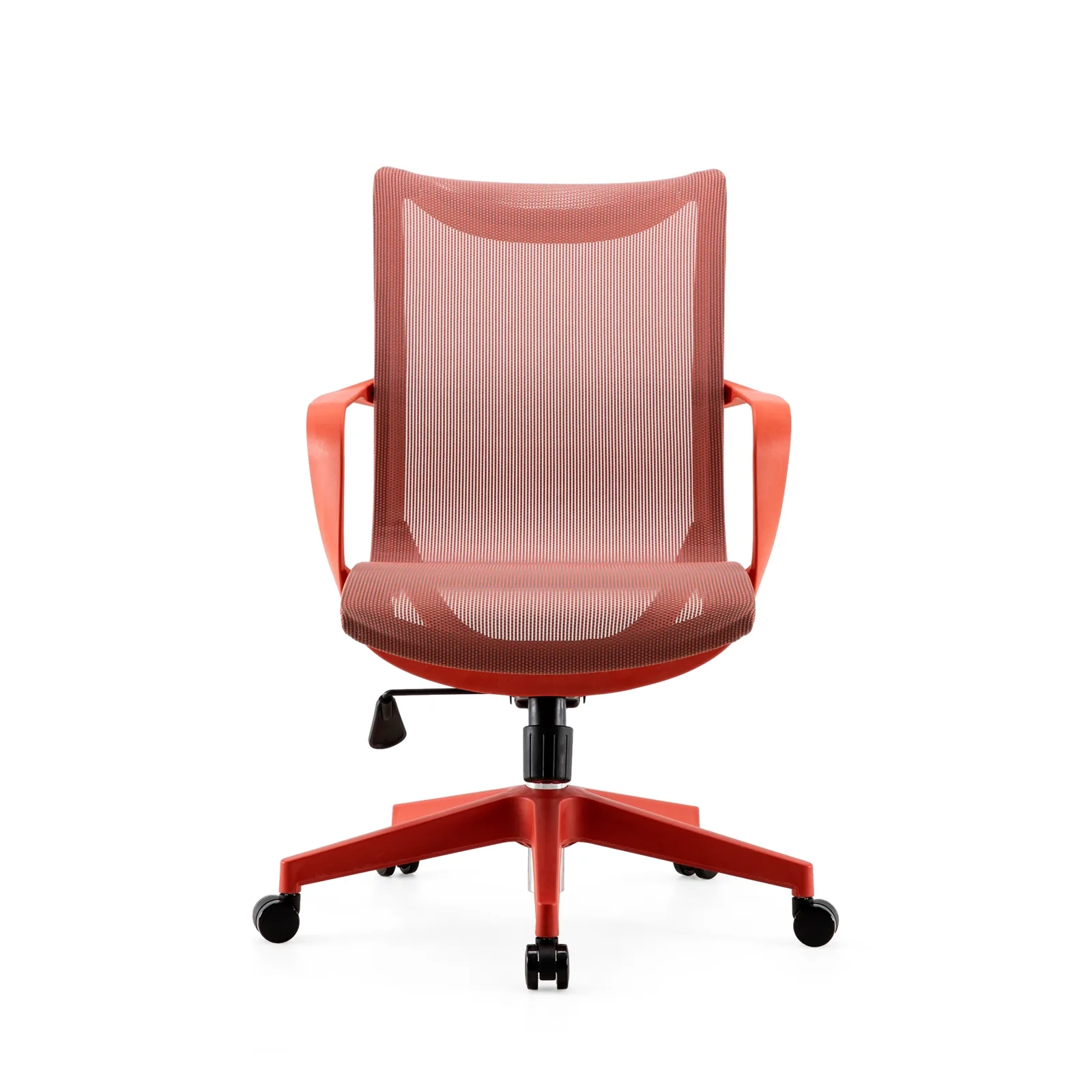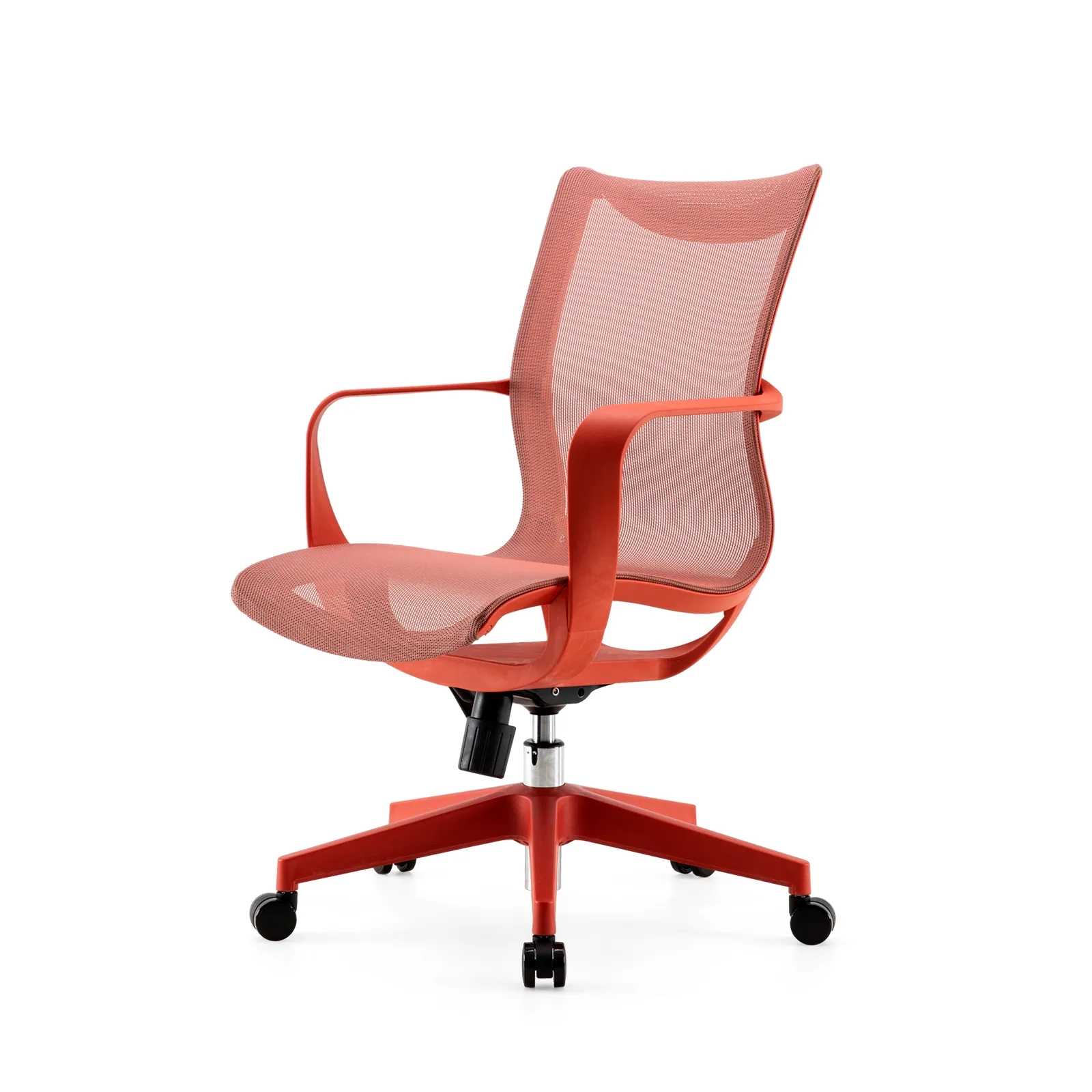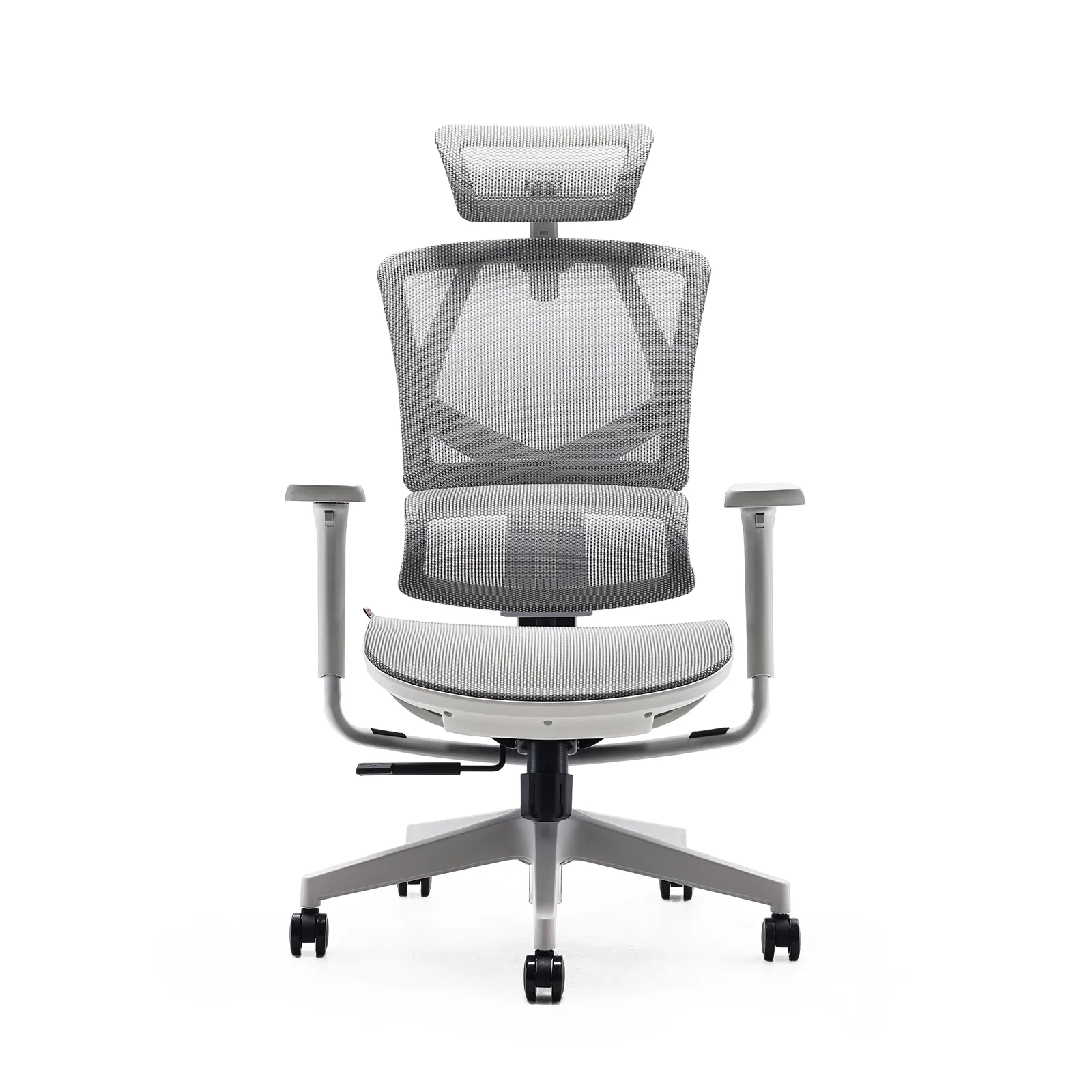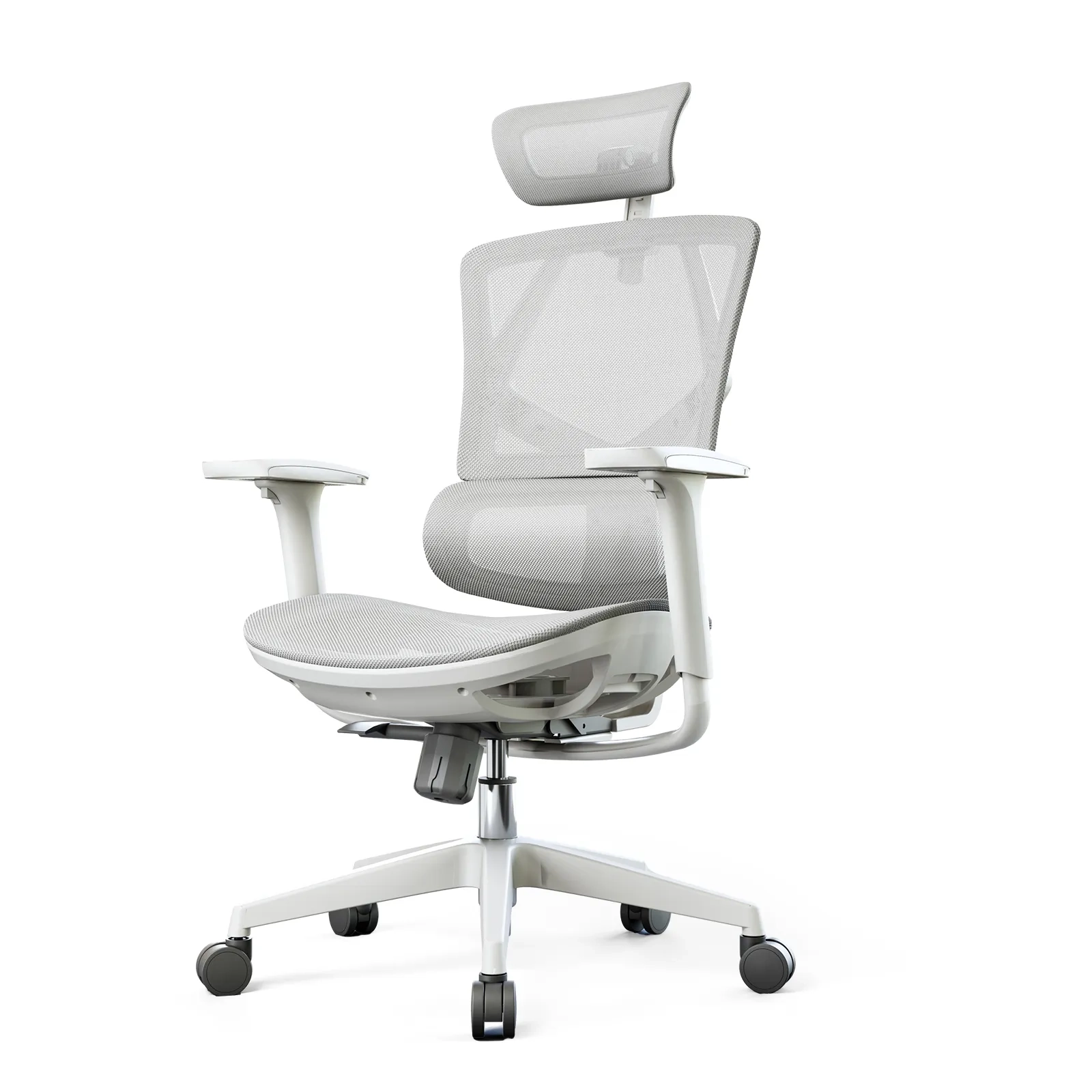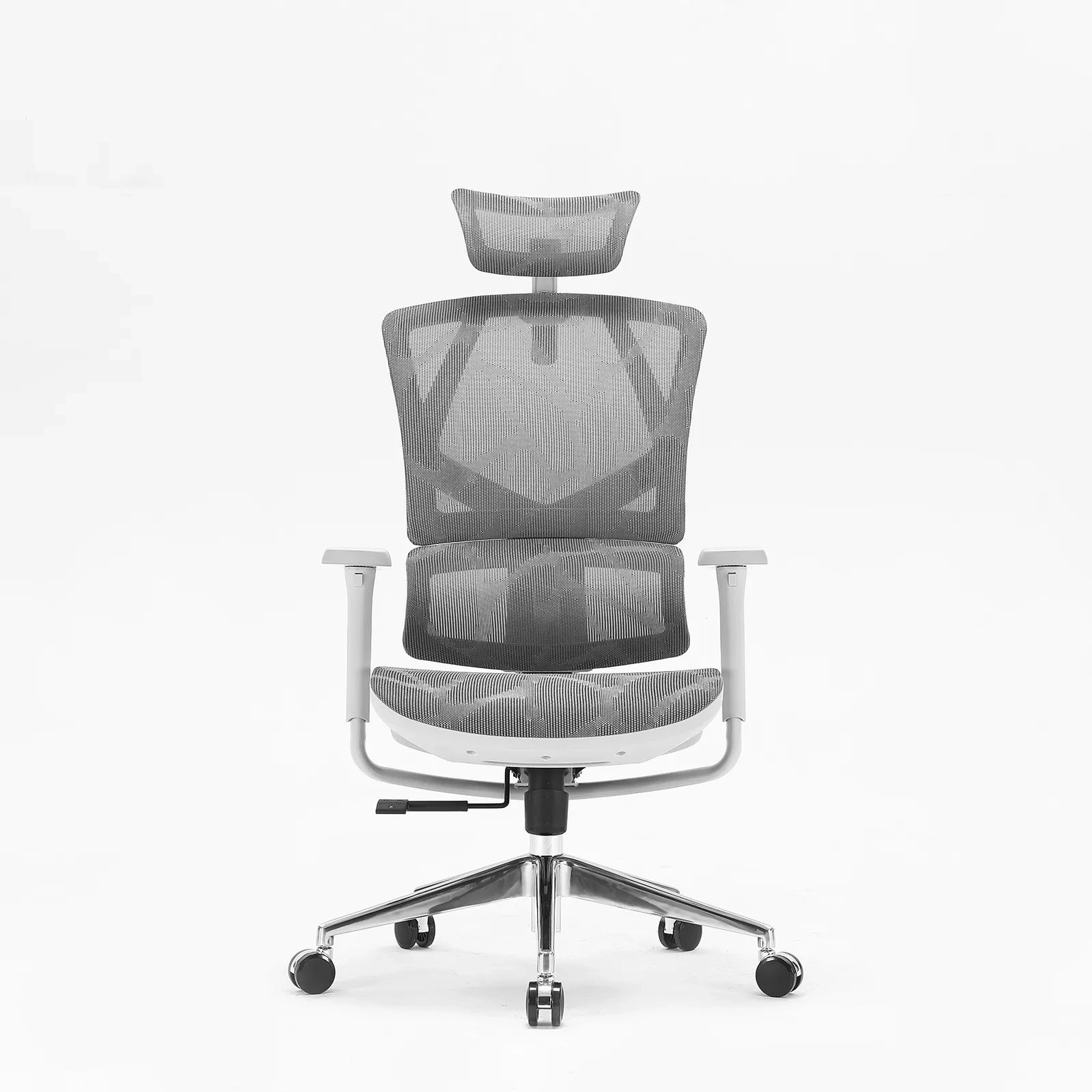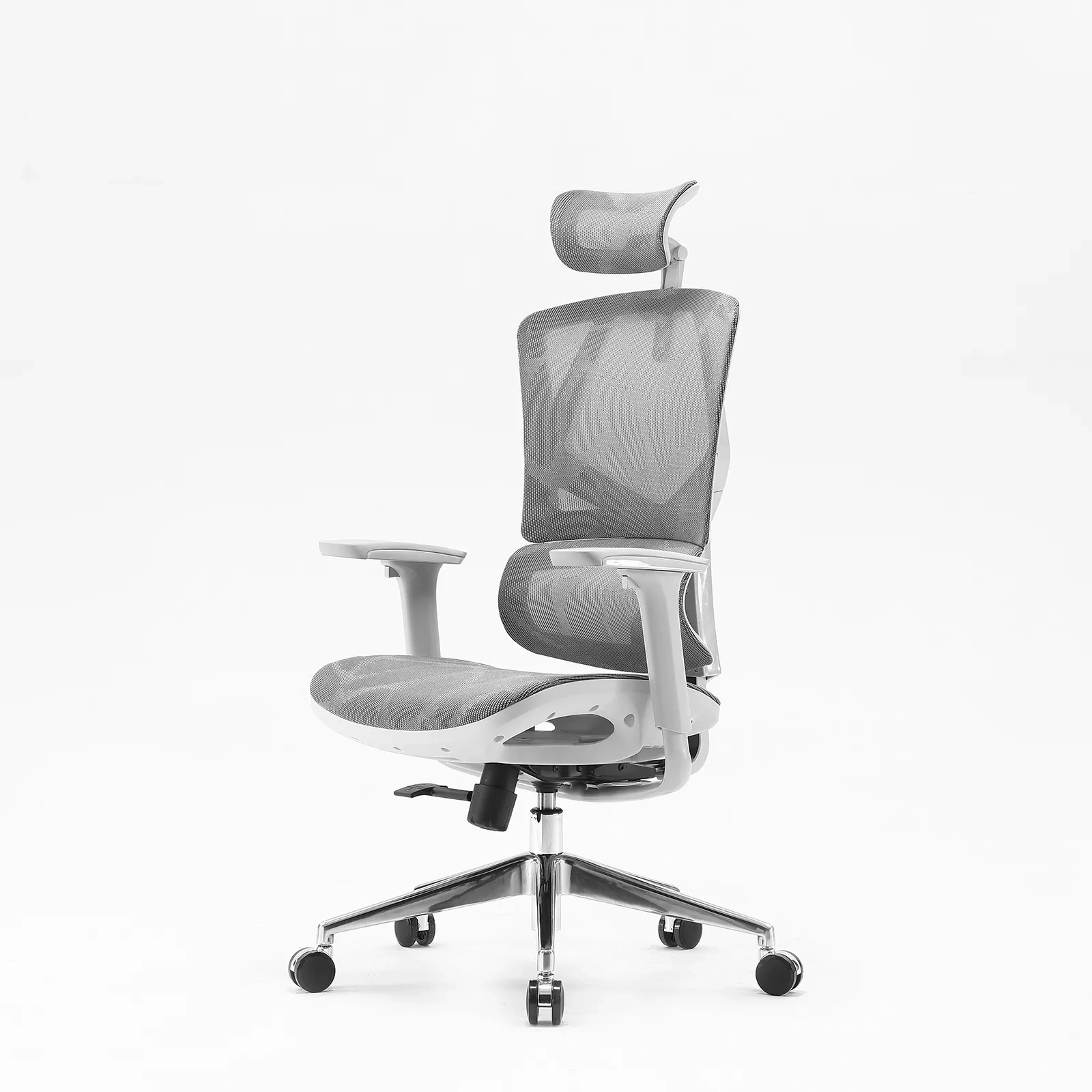









When you furnish an office, the chair carries the room. It sets the mood of the space and decides how people sit through an eight hour day. Mesh and leather are the two materials most buyers weigh, and they pull an office furniture plan in opposite directions. One keeps the room light and cool, the other looks formal and solid.
This comparison goes past the spec sheets and treats the chair as part of an office furniture setup. A chair that works in a quiet private office can fall flat in a shared open plan, and a leather seat that impresses a client can turn sticky in a warm room with no airflow. Match the chair to the room, the climate, and the wear it will take. Mesh suits most offices. Leather suits a few. The sections below show where each one fits.
Breathability: Mesh Wins for Long Office Hours
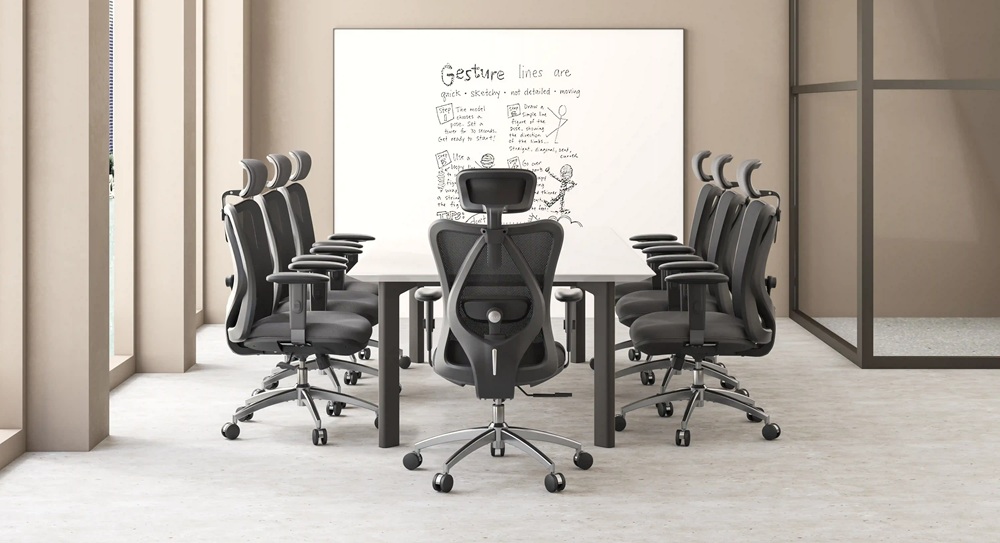
A mesh office chair keeps air moving across the back because the weave is open. On a warm afternoon or in a room packed with equipment, that gap matters. People stay dry through the third and fourth hour instead of shifting to find a cool spot. The chair needs only normal ventilation.
Leather holds heat against the body. The surface feels good for the first ten minutes, then it warms and stays warm because nothing breathes. In a private office with steady air conditioning this is manageable, but comfort depends on the air conditioning. In a shared office or a space with weak cooling it becomes the reason people avoid the chair by early afternoon.
El guide to mesh chairs in hot climates covers this in detail. For most offices that run people eight hours a day, mesh is the safer pick because heat and posture work together when you score a workstation, and the open back does both jobs at once.
Cleaning and Upkeep: Two Different Jobs
Mesh is low effort. A damp cloth handles crumbs and dust, and a vacuum with a brush head clears the weave a few times a year. There is no product to buy and no schedule to keep, which is why it works in a room nobody formally maintains.
Leather needs more. A leather seat needs conditioning two to four times a year to stop the surface from drying and cracking, and it shows rings from water or sweat if you skip it. In a one person office that is a small habit. In a shared office where no one is in charge of it, the chair goes dull and cracked within a couple of years, and BIFMA durability research tracks how upkeep and material together drive chair lifespan in real use. Leather care follows standard furniture conditioning steps you can pick up from any supplier.
El materials explainer on mesh, fabric, and leather lays out the care steps side by side. For a busy office furniture plan, mesh costs less time and fewer supplies.
Durability in a Shared Office
Mesh stands up to daily use well. The frame and base take the load, and the weave handles normal movement. The one weak point is a snag. A sharp corner or a pen left in a pocket can catch a thread, and a torn panel is hard to repair cleanly, so mesh rewards a tidy desk edge.
Leather wears differently. Good leather ages into a patina, but only with care. Without conditioning it cracks, and it marks from ink, keys, and belt buckles far faster than mesh. A shared office with high traffic is where leather shows its age first, because the people using it are not the people maintaining it.
For a room that many people use, mesh needs less and tolerates more. For a low traffic executive office, leather can hold up and look better while doing so, which is why the two materials show up in different parts of the same building.
Cost and How Long Each Lasts
Mesh chairs start lower. A solid ergonomic mesh chair costs less to build because the back is a woven panel, not a padded and stitched shell. You get adjustable support without a high entry price, and the lower cost makes it practical to fit a whole floor.
Leather starts higher. The material and the stitching cost more, and the chair needs the conditioning upkeep above to reach its lifespan. Spend on leather and skip the care, and you shorten the very life you paid for. The true cost is the upkeep routine, not the purchase price.
Neither material is permanent. Mesh fails at the weave, leather fails at the surface. The chair that lasts is the one whose upkeep matches the office around it, so total cost of ownership matters more than the sticker price when you plan furniture for a team.
Look and How Each Fits the Furniture
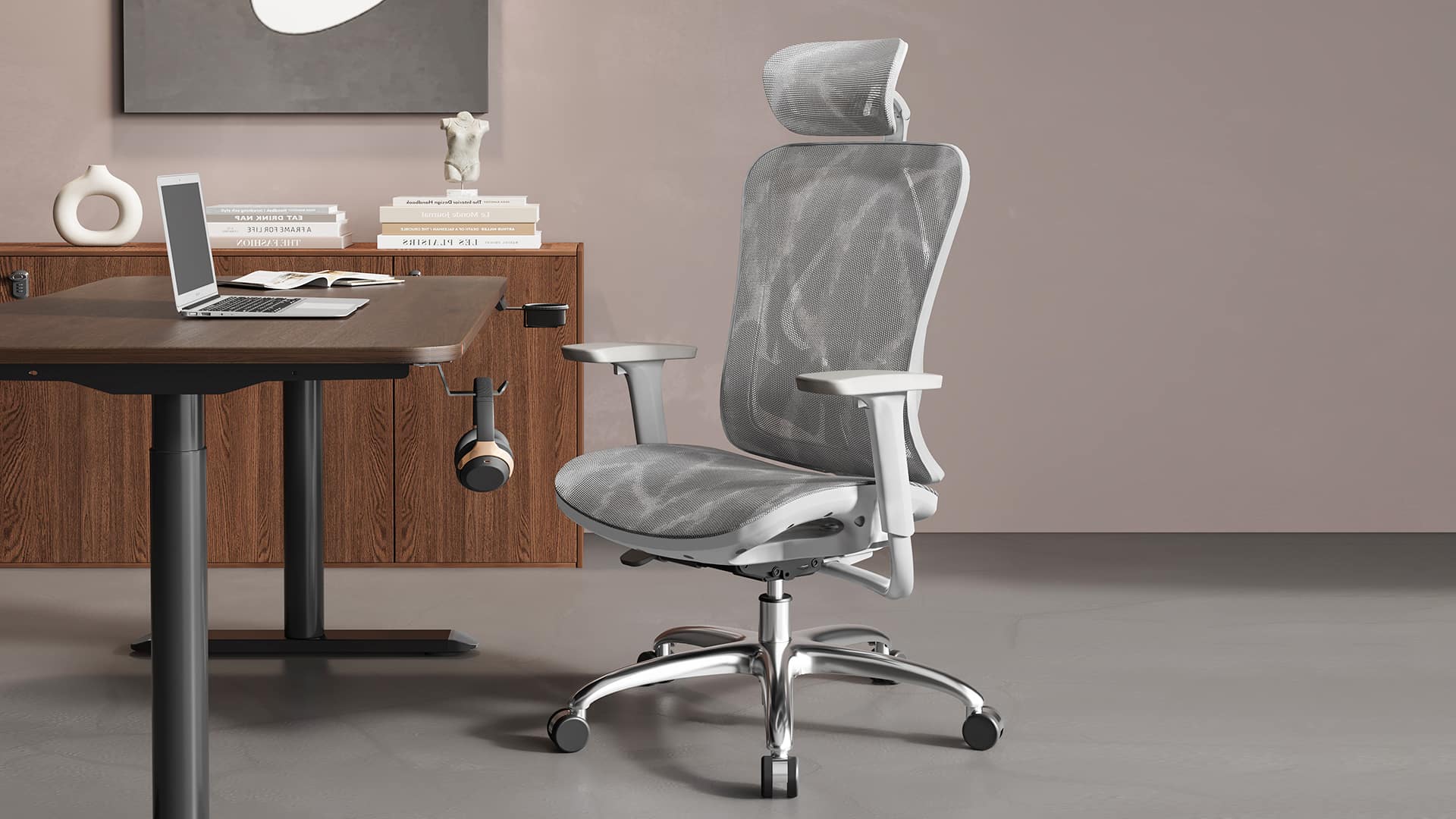
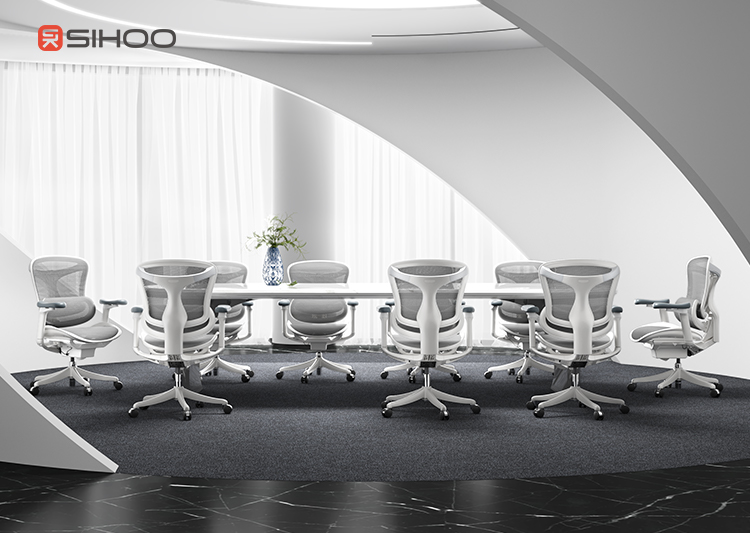
Mesh looks modern. The open back looks light, so it suits open plan rooms, glass desks, and bright neutral palettes. It does not dominate a small office, and it pairs with the pale wood and white frames common in new fit outs.
Leather looks formal. A leather seat is a heavier piece that anchors a room, which is why it shows up in corner offices and boardrooms. It pairs with wood and dark tones better than with a minimalist white setup, and it needs the surrounding furniture to match its weight. The ergonomic chairs category shows how mesh models sit inside a broader office furniture range.
When you plan office furniture around the chair, think about the desk and storage already in the room. Mesh disappears into a clean setup. Leather becomes the statement piece, which works until the rest of the furniture fails to match it. The chair style signals the room type at a glance.
Support and Daily Comfort
Mesh flexes with the back. The panel gives a little as you move, so it follows the spine instead of holding a fixed shape. Most mesh chairs pair the back with an adjustable lumbar so you can set the pressure, and the give helps during long typing blocks.
Leather sits on foam. The pad feels soft on contact, but foam breaks down and the support flattens over years. A leather chair still needs real lumbar and recline to support a full day of sitting, the same as mesh. Comfort links to movement and fit, not the seat surface, and basic ergonomics frames the same point, so both materials depend on the adjustments underneath.
El mesh back buying guide covers the adjustment points that matter. Comfort depends on fit and movement; the covering alone does not decide it.
Mesh vs Leather at a Glance
The sections above cover each point on its own. The table pulls them together so you can scan the two chairs side by side before you read the product picks.
| Dimension | Mesh Office Chair | Leather Office Chair |
|---|---|---|
| Breathability | Open weave lets air pass; the back stays dry | Sealed surface traps body heat |
| Warm room behavior | Stays cool through a full day | Feels sticky once the room warms |
| Sitting feel | Panel flexes with the back and follows the spine | Foam pad feels soft at first, then flattens over years |
| Back support | Flexes with movement; pairs with adjustable lumbar | Needs real lumbar and recline; foam breaks down |
| Look | Modern and light; fits open plan and pale desks | Formal and heavy; anchors boardrooms |
| Cleaning | Wipe or vacuum; no products needed | Wipe plus conditioning two to four times a year |
| Upkeep | Almost none | Routine conditioning or the surface cracks |
| Shared-use wear | Shrugs off daily use; snags if a thread catches | Marks from ink and keys; cracks without care |
| Entry price | Lower to build and buy | Higher material and stitching cost |
| Dust and allergens | Weave traps some dust; a vacuum clears it | Wipes clean; less dust trapped in the surface |
| Best fit | Open plan, hot, or shared rooms | Private, low traffic executive offices |
Which One Belongs in Your Office Furniture Plan
Pick by the room, not by habit. An open plan, a warm office, or a seat many people share points to mesh every time. The cooling, the easy cleaning, and the lower upkeep keep the furniture plan working without a caretaker, and the chair stays usable all day, which leather rarely does in the same heat.
A private office with few users and a formal brief can carry leather. The chair becomes part of the room’s image, and the slower traffic lets the material last. Just build the conditioning into the office routine before you buy, or the shine fades fast.
If the plan covers both kinds of rooms, mesh for the floor and leather for the office is a common split. The corporate office case for mesh shows why most fleets still land on mesh for the majority of seats, while leather stays the exception for the rooms that warrant it.
Quick Decision Checklist
- Count the people. One or two users leans leather; a shared seat leans mesh.
- Check the cooling. Weak or warm air leans mesh hard.
- Name the owner. If no one will condition leather, choose mesh.
- Match the room. Open plan and light desks lean mesh; boardroom and wood lean leather.
- Set the budget for care. Leather costs after purchase, mesh mostly before it.
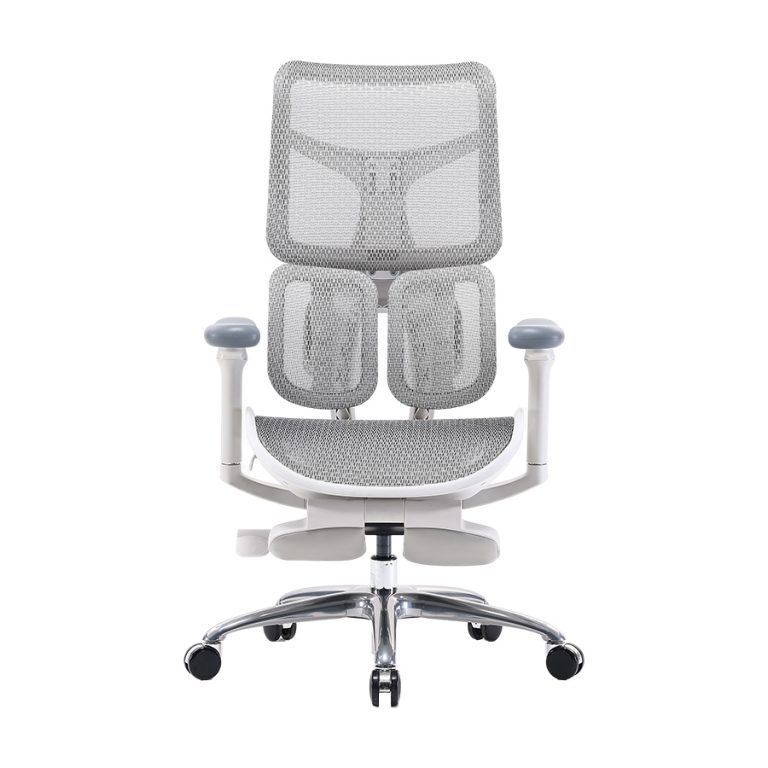
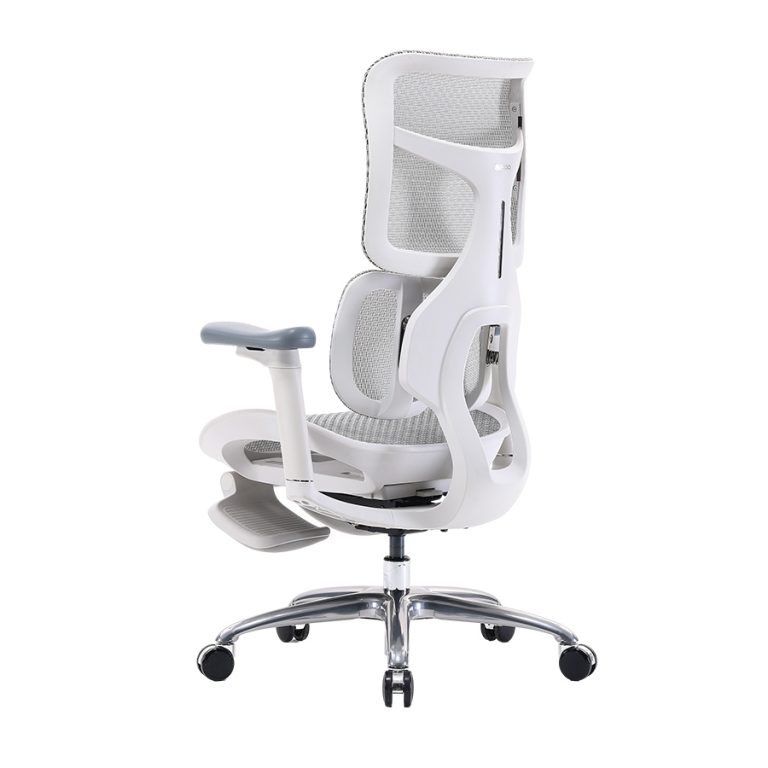
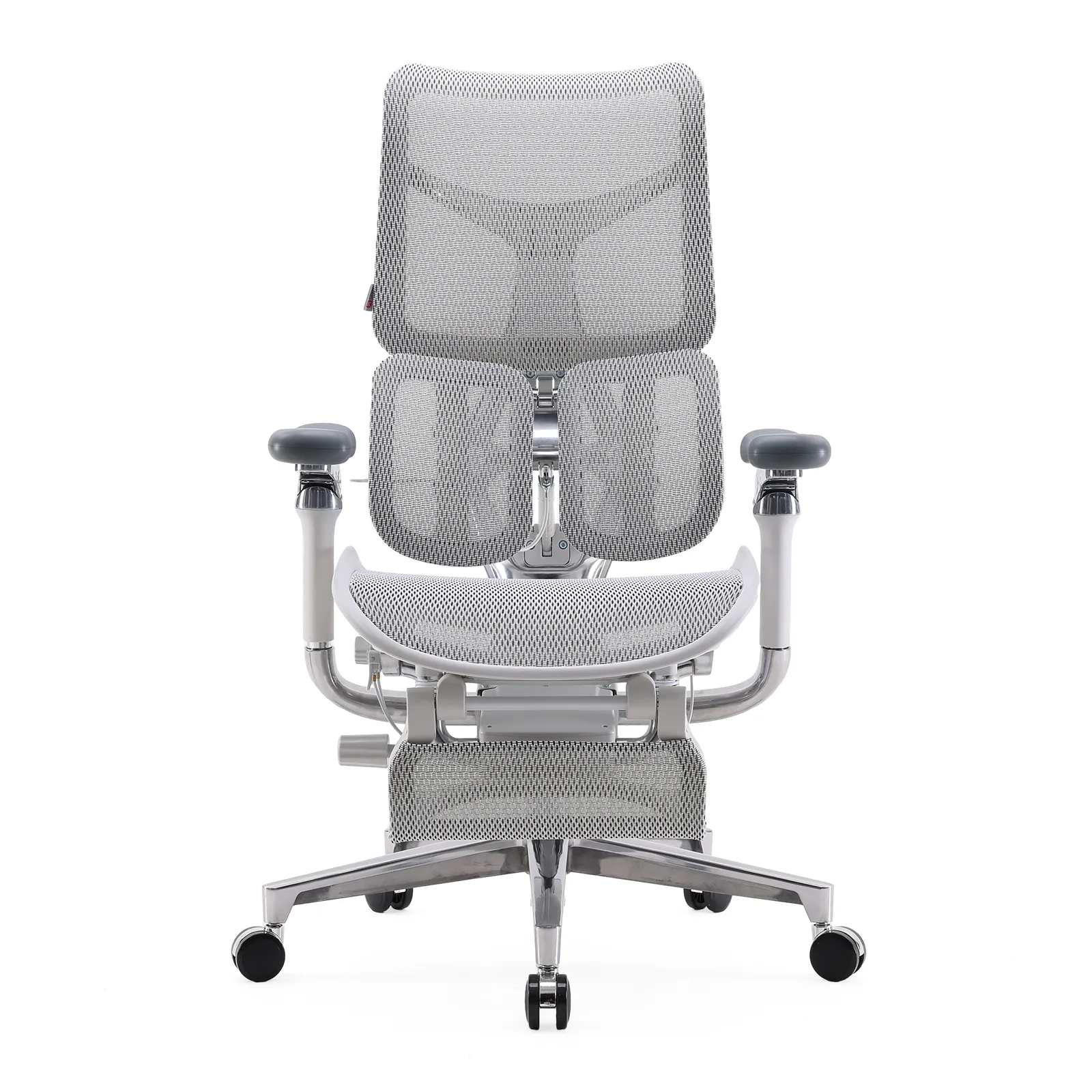
SIHOO S300: Full Mesh With Anti Gravity Recline
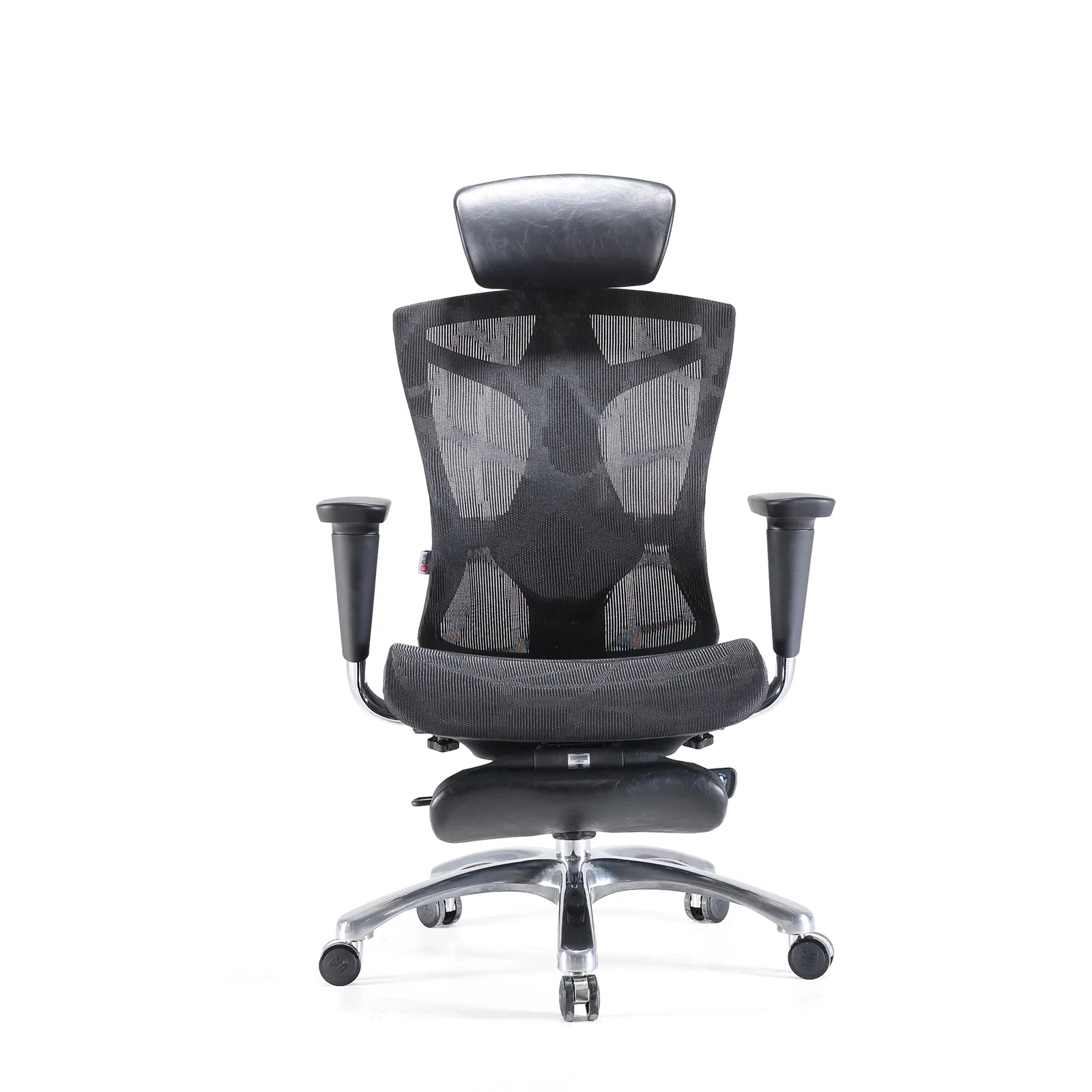
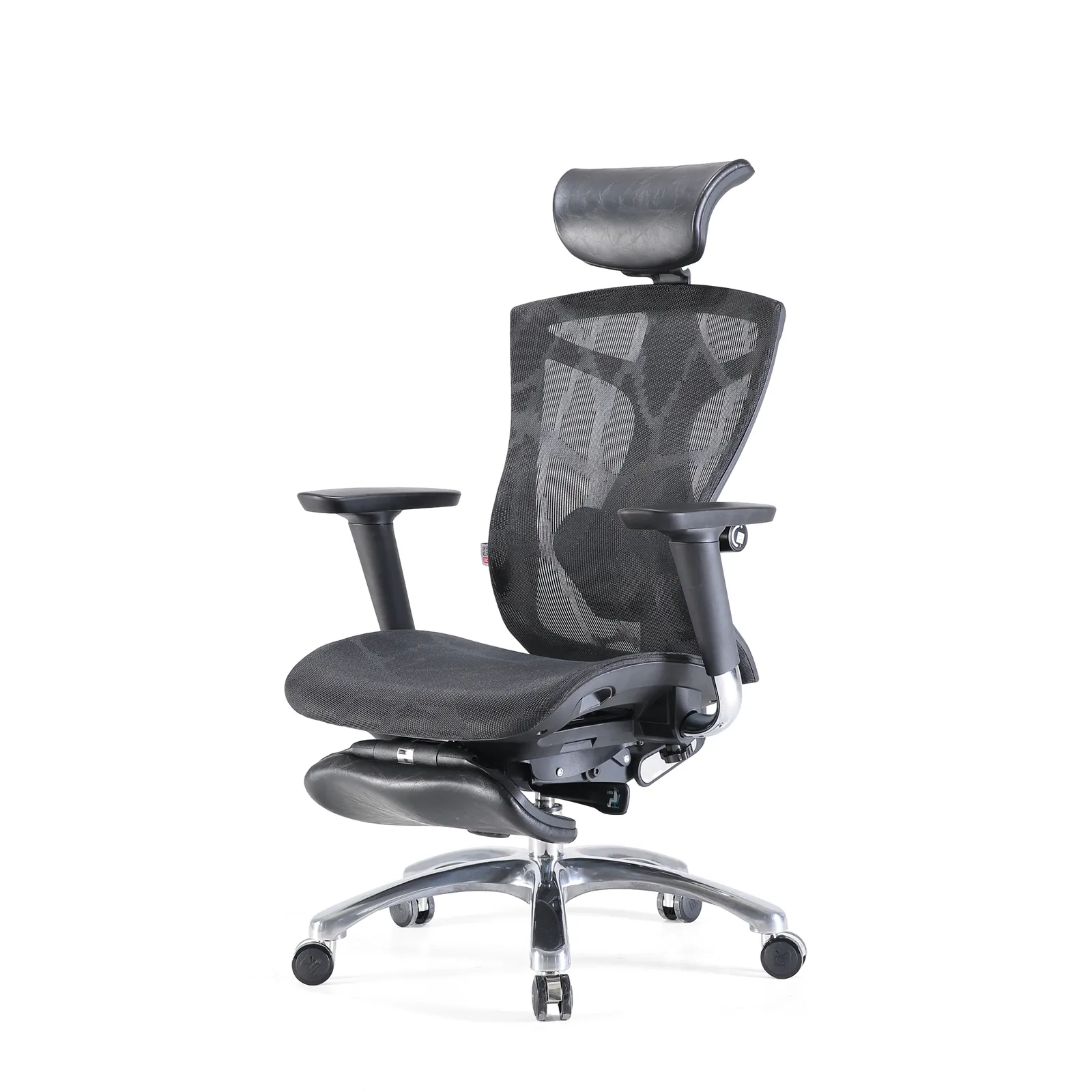
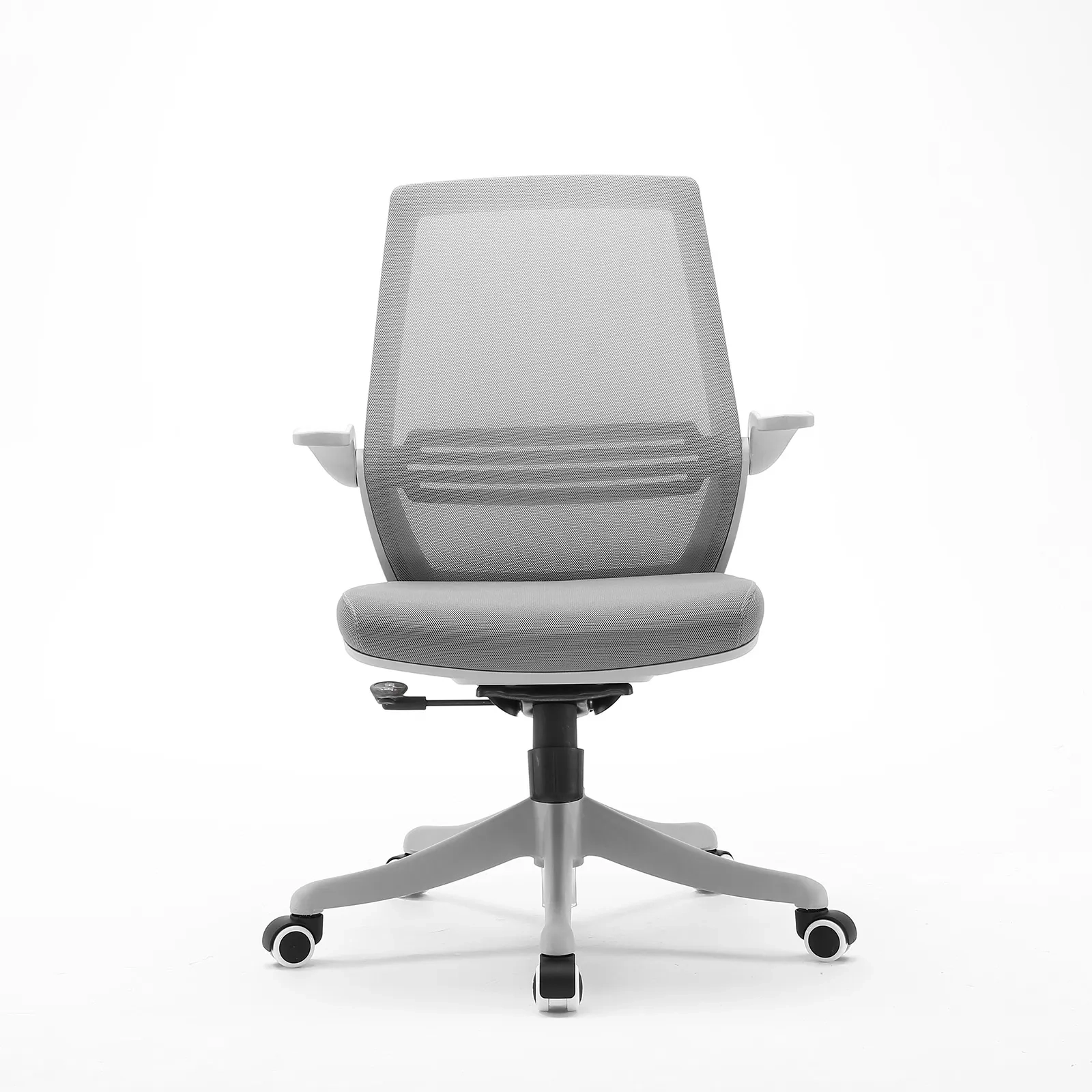
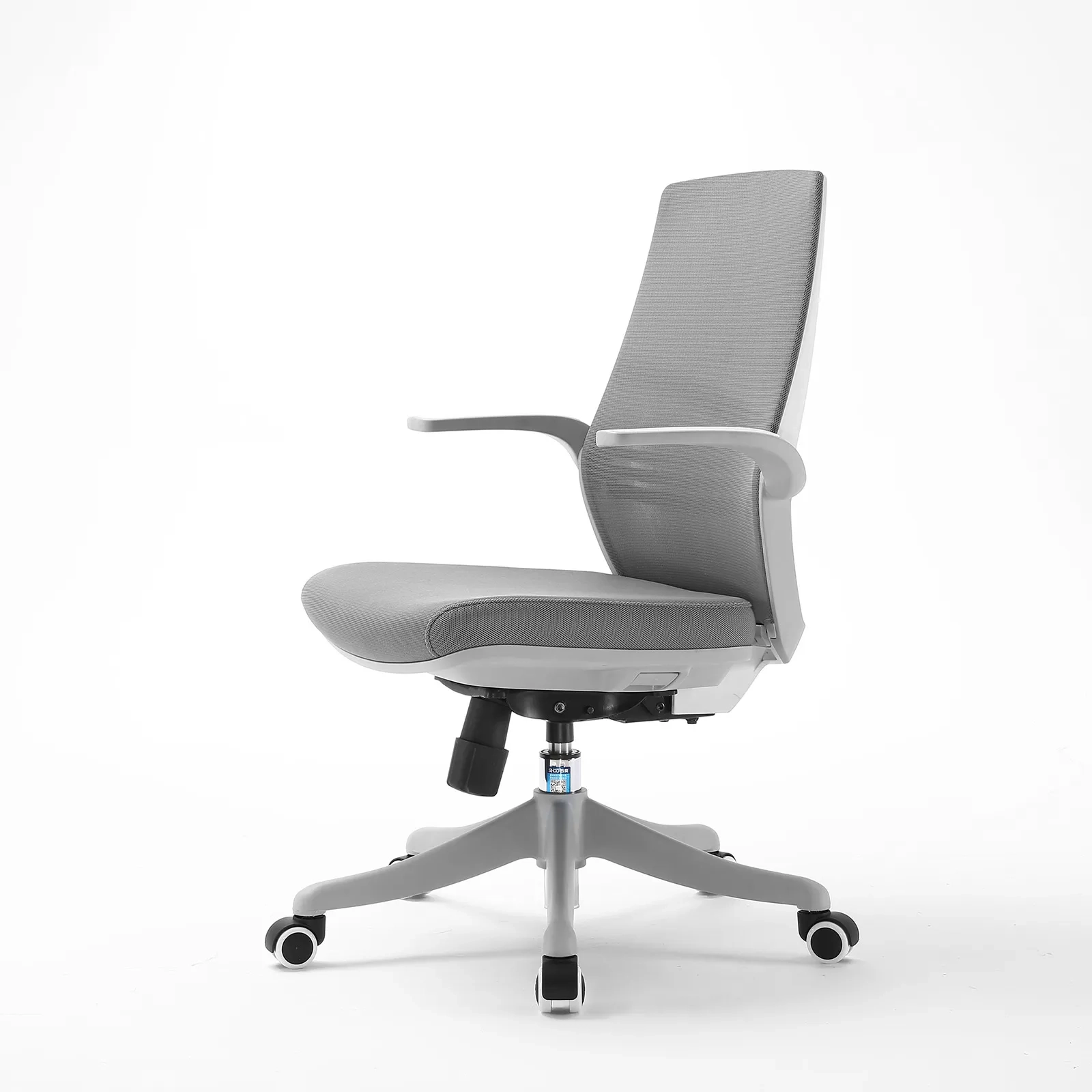
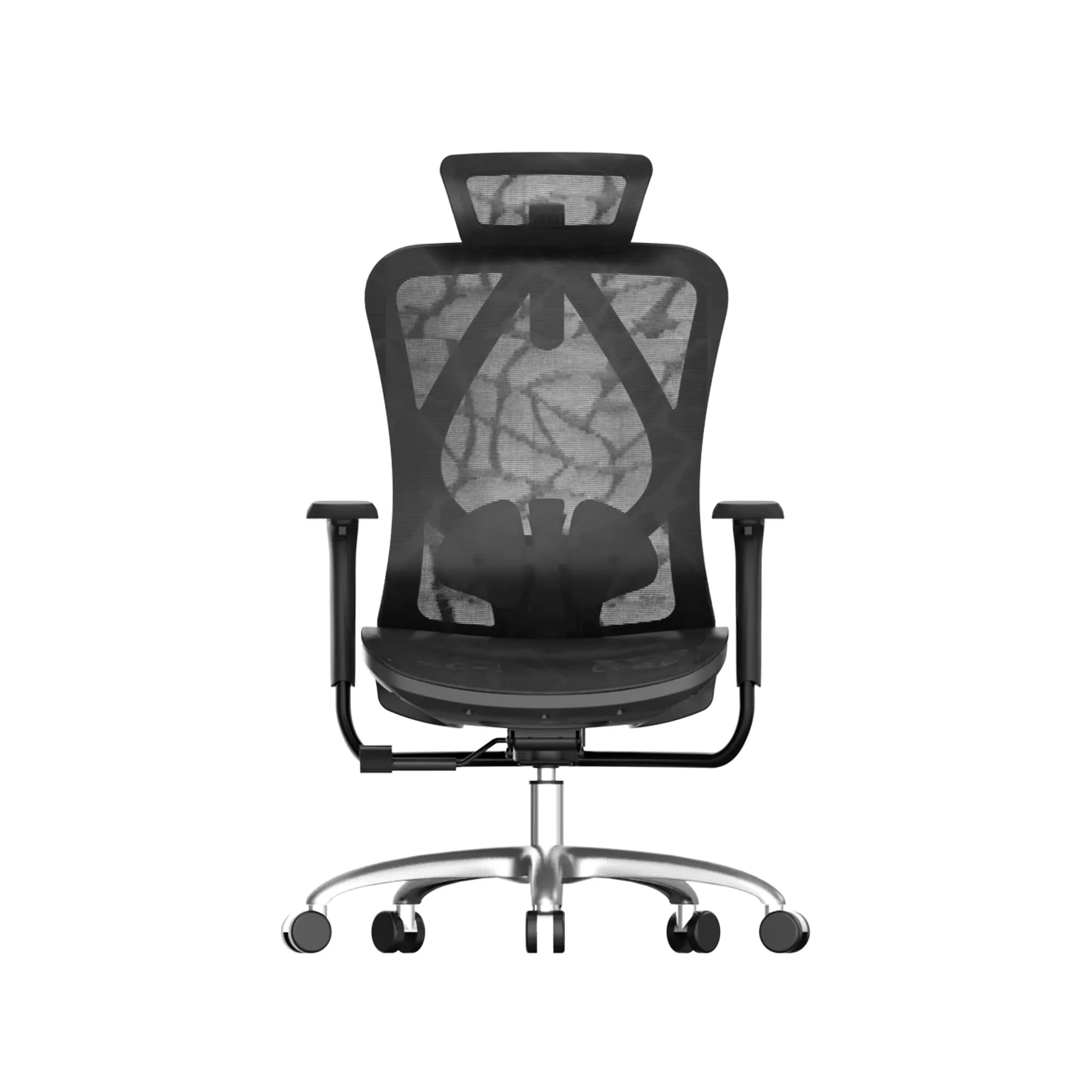
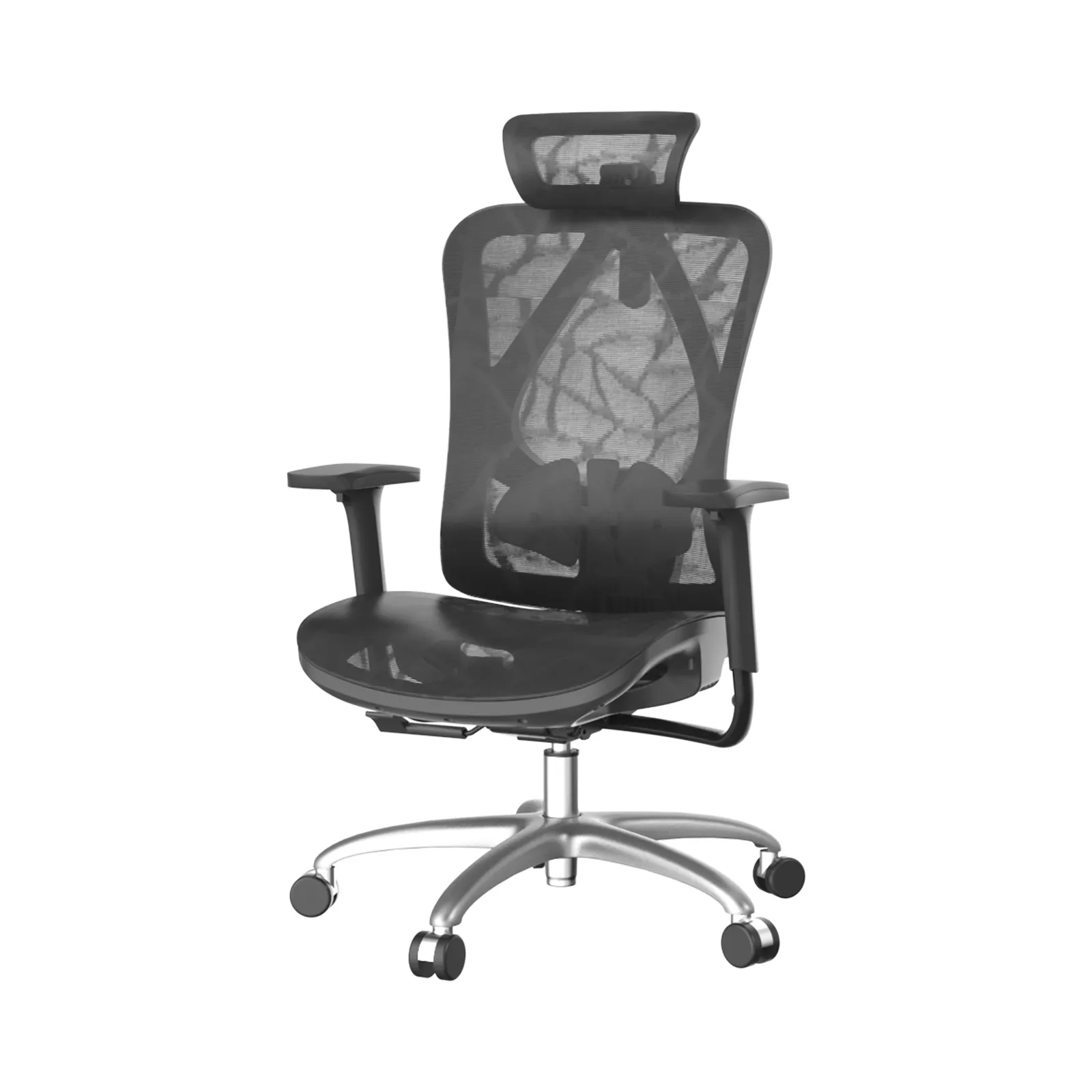
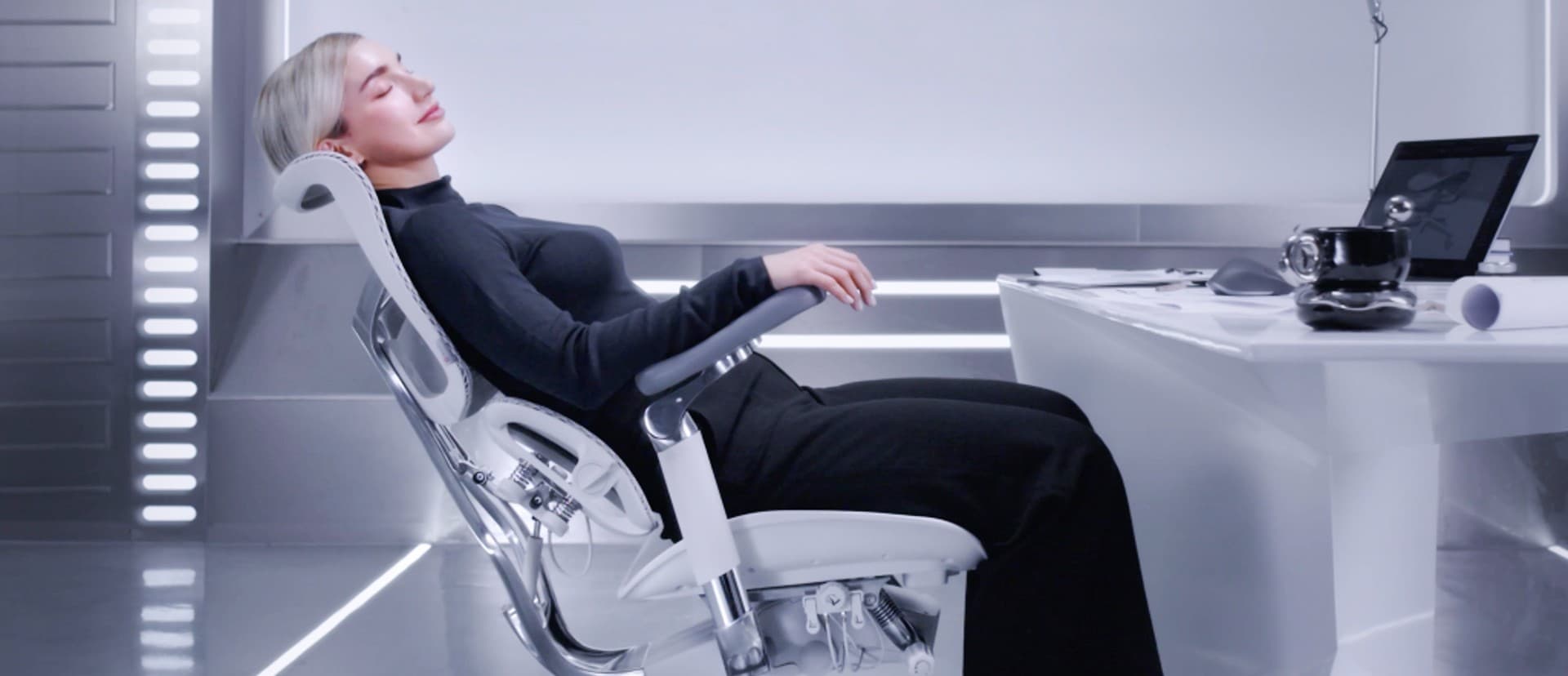
El SIHOO S300 uses a full mesh upholstery with an Italian velvet weave that stays breathable through long sessions. The anti gravity recline responds to body weight, so you lean back without pulling a lever, and the zero pressure seat cuts the hard edge under the thighs.
For an office furniture plan it is the light, modern pick that fits a clean desk setup, and the recline gives a real reset between meetings, with a spec list and color options on the product page before you place it in a room.
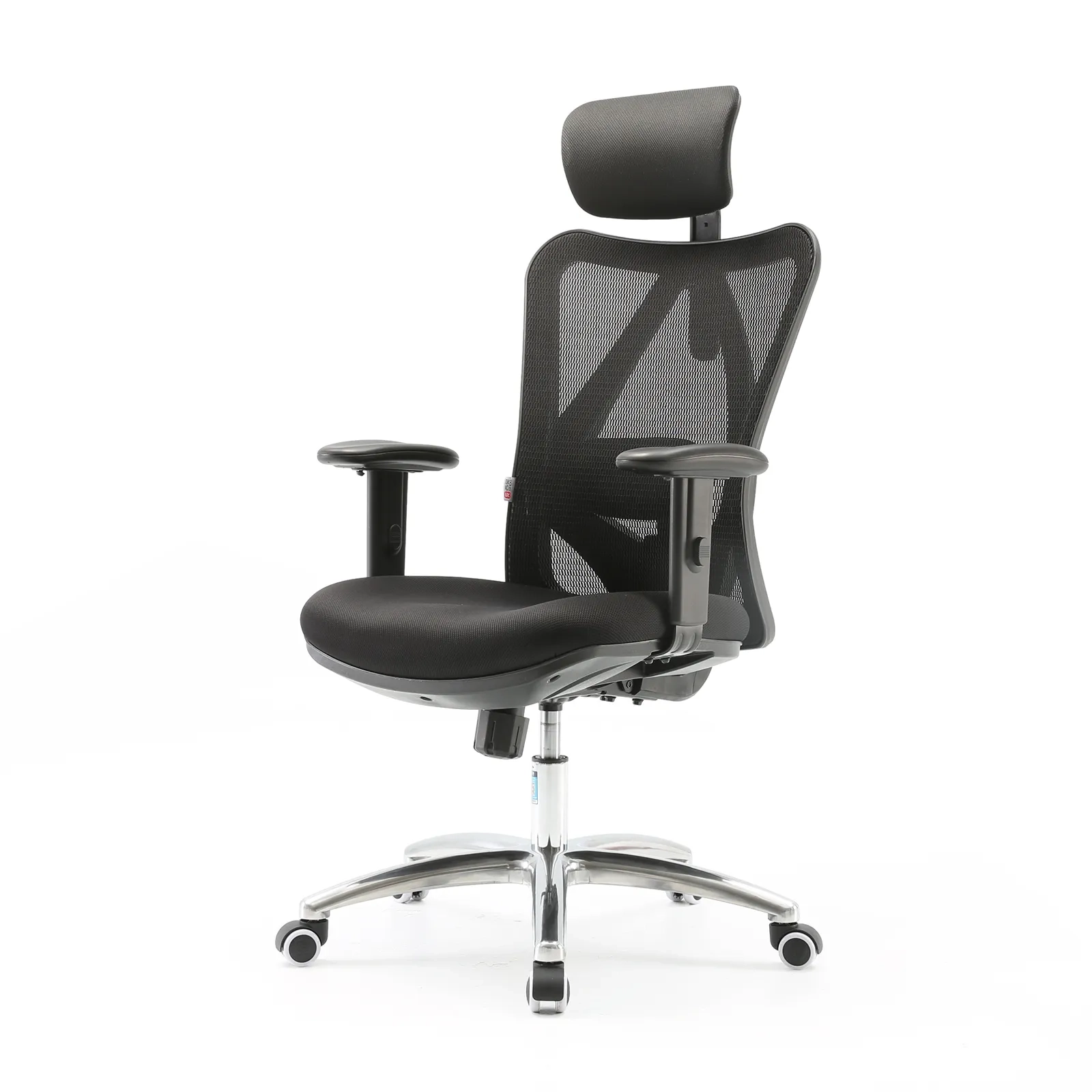
SIHOO M57: PE Mesh, the Adjustable Entry Pick
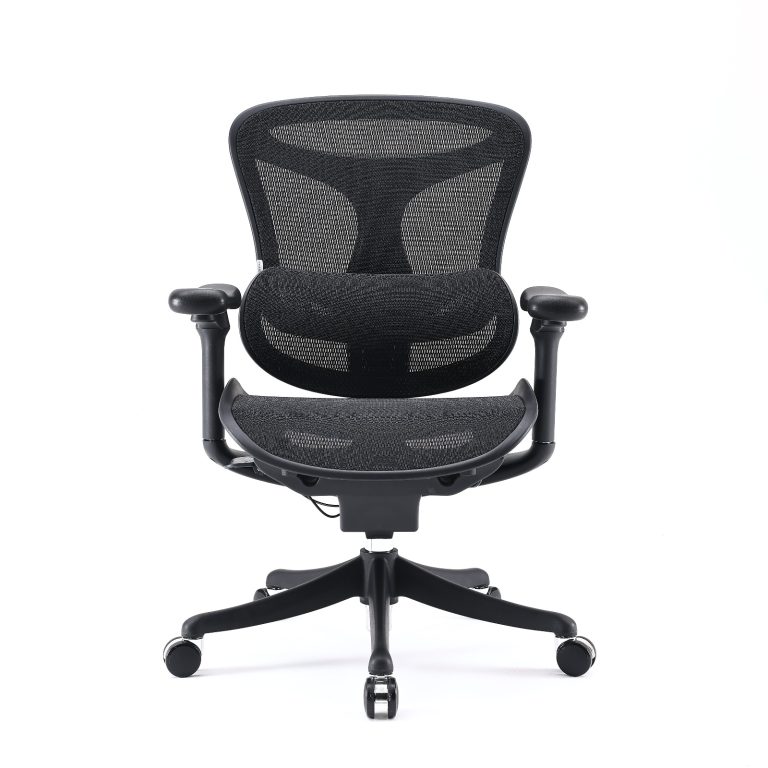
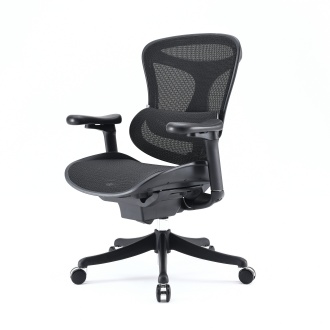
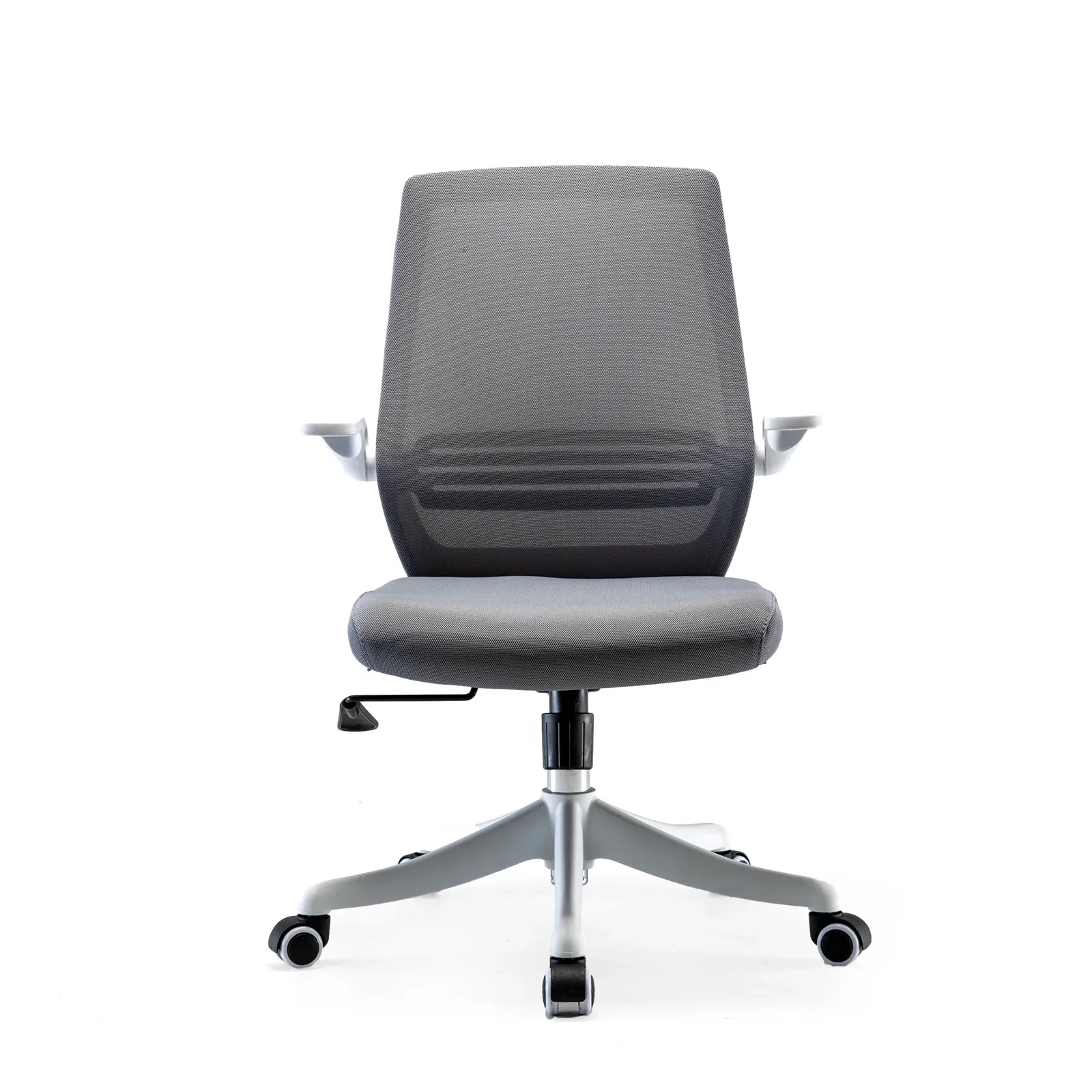
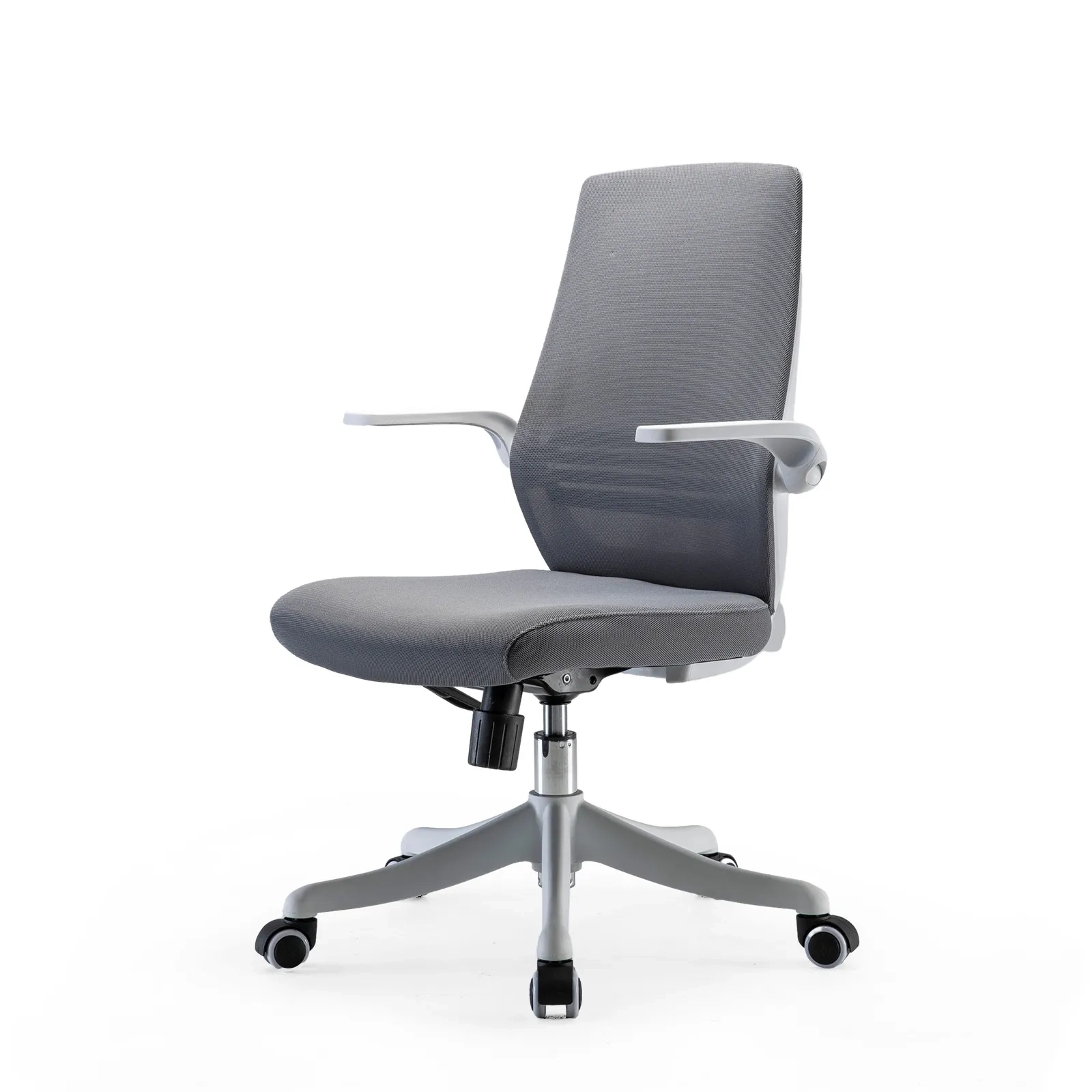
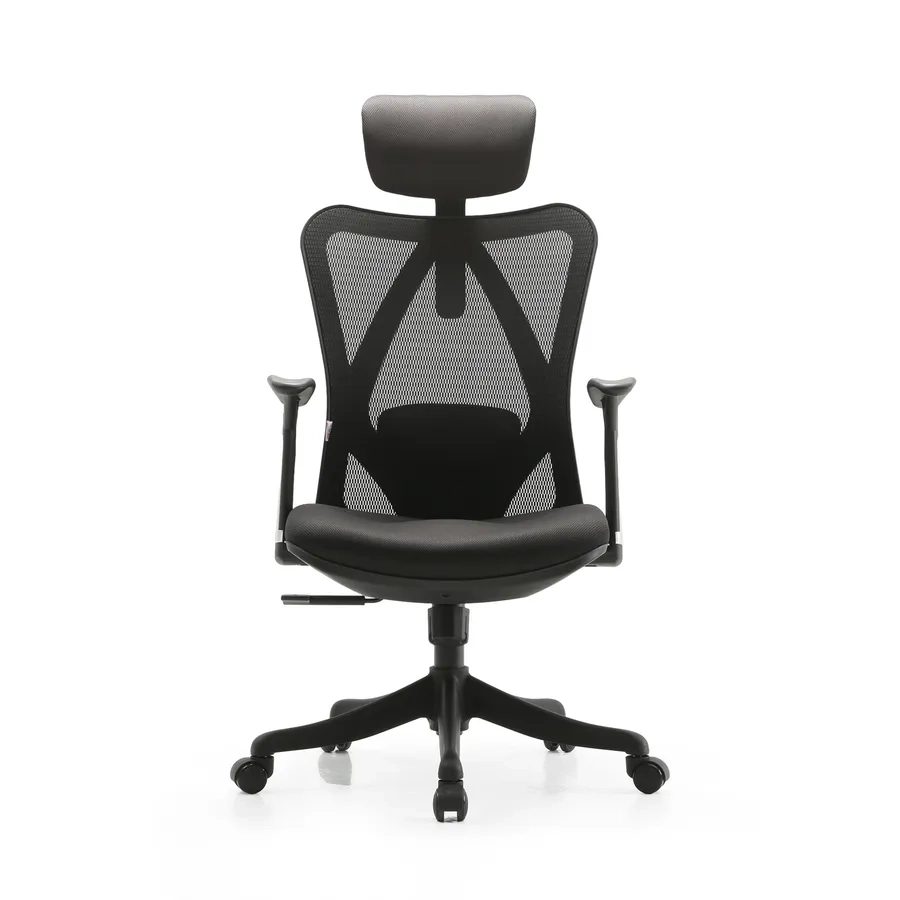
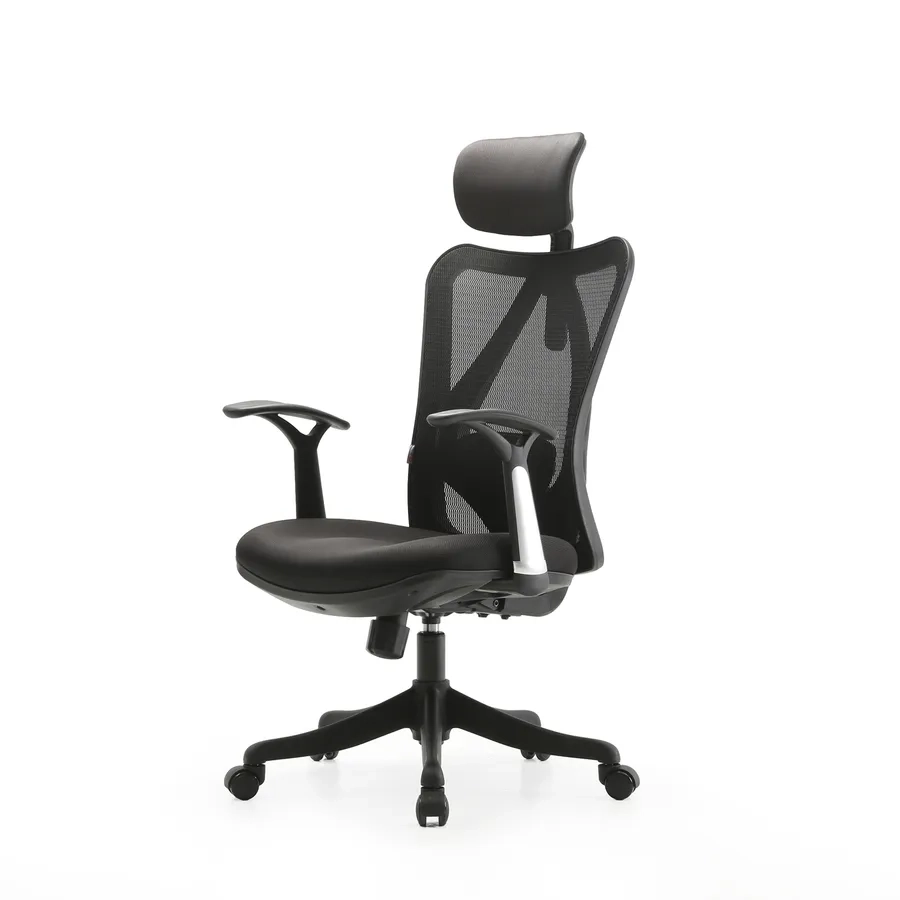
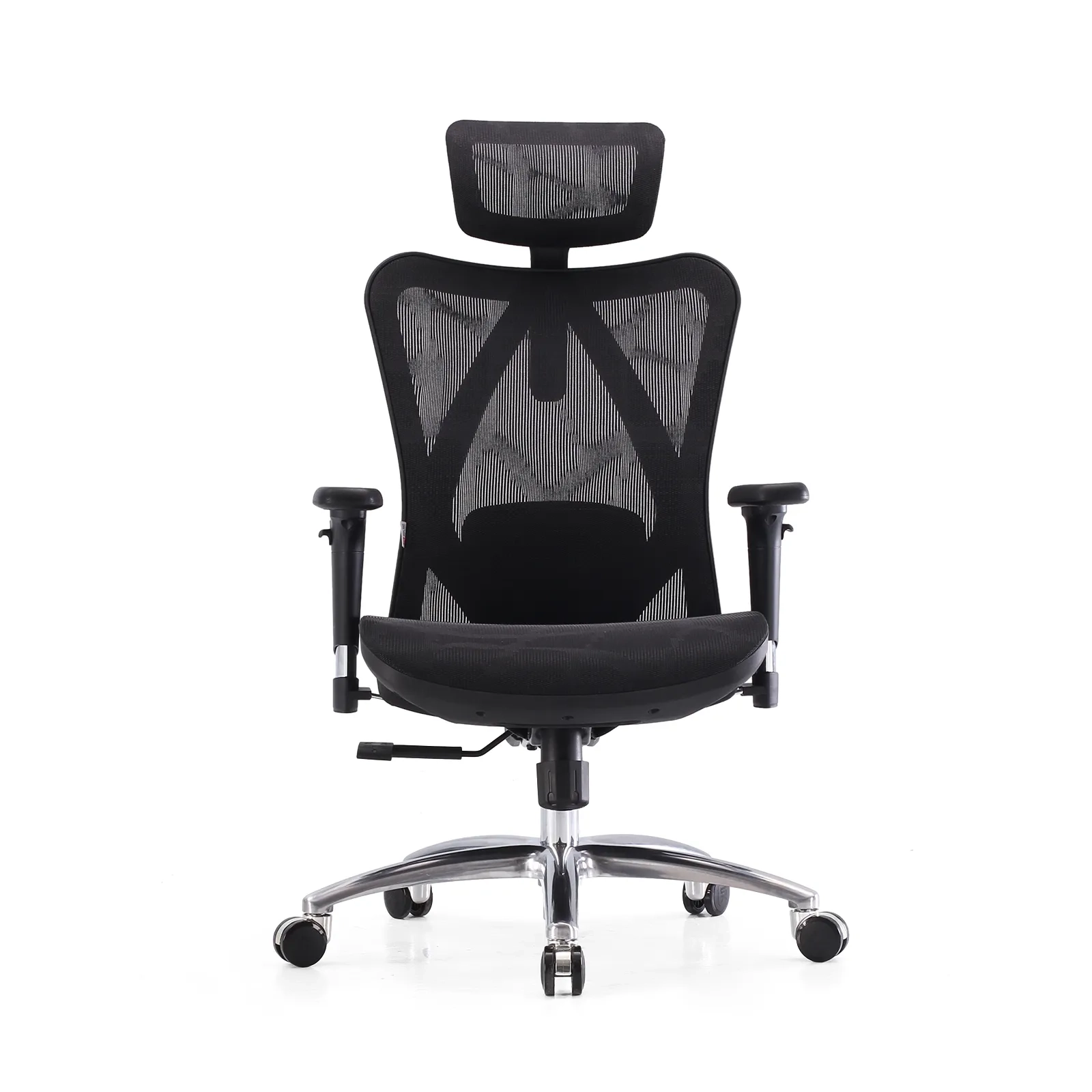
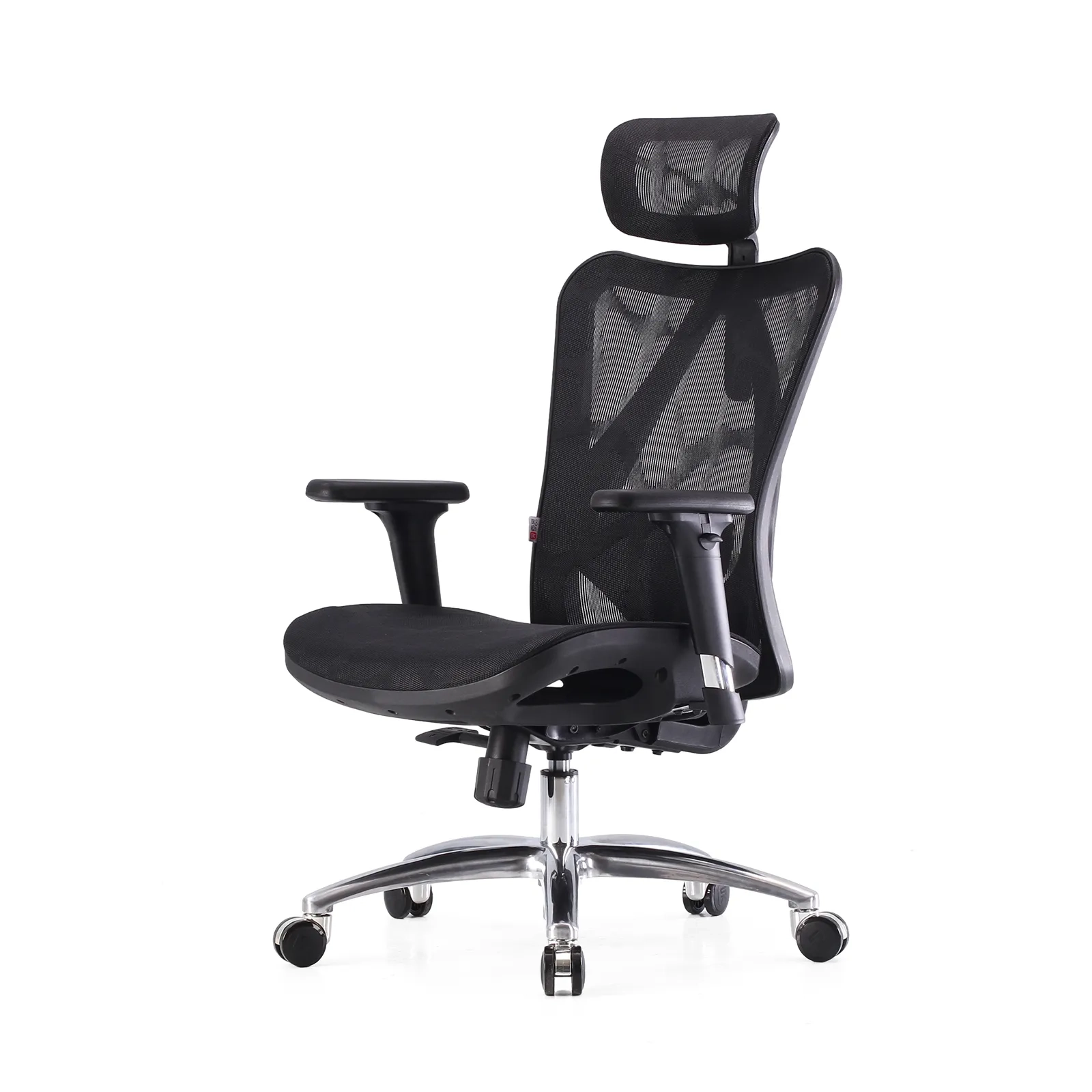
El SIHOO M57 builds the back from PE and polyester mesh that holds its shape and stays cool. It carries the core adjustments, seat height, tilt, and lumbar, at a price that fits a whole floor of chairs.
Shared offices and first hires tend to start here because every person gets the same fit, and the mesh keeps the row of seats consistent in look across a team order.
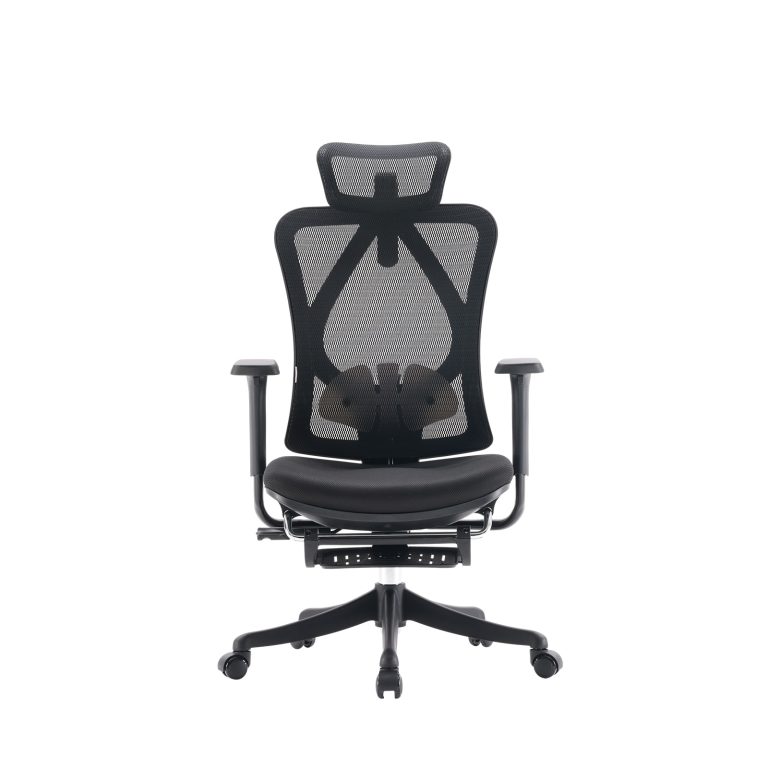
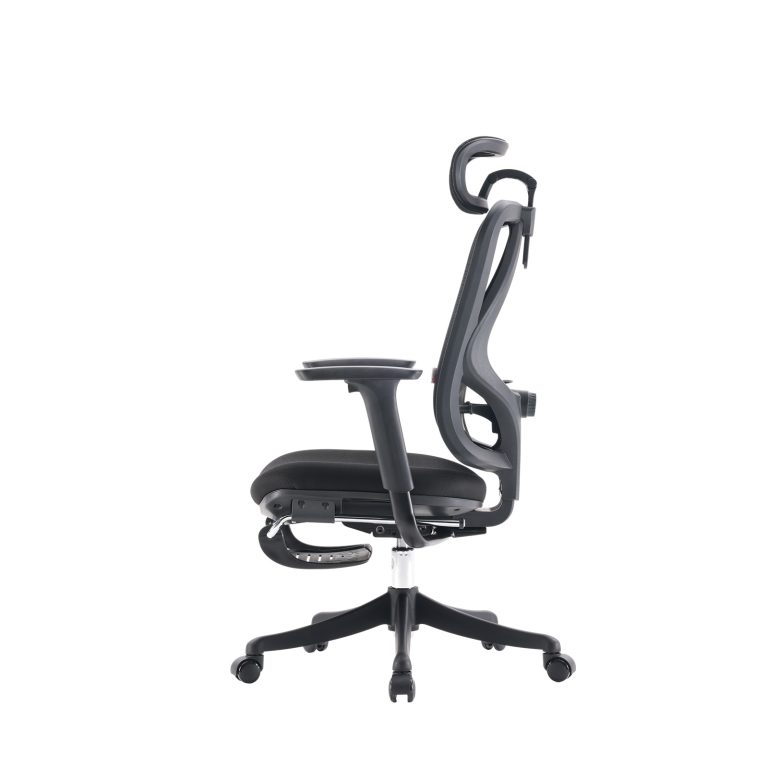
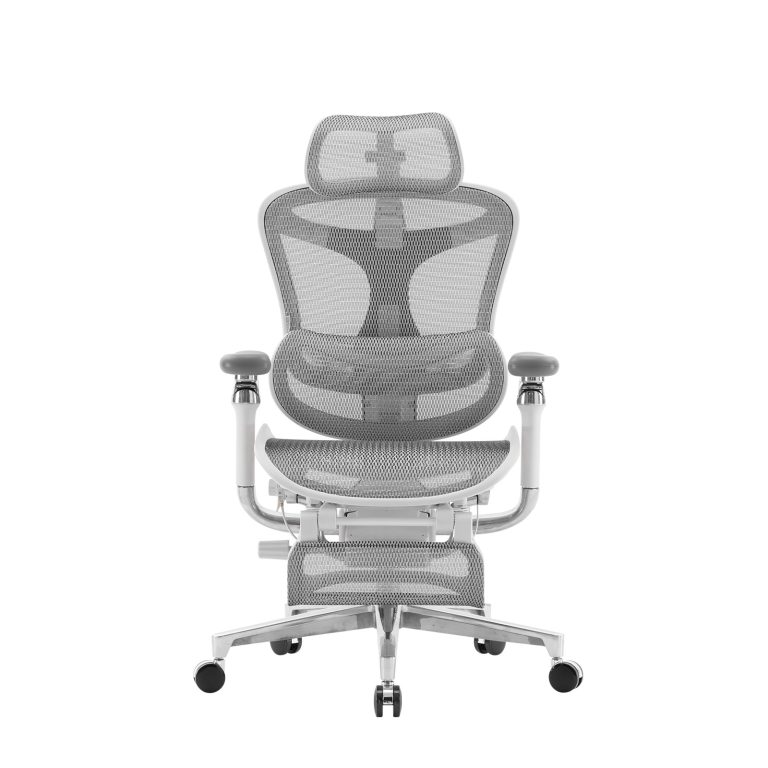
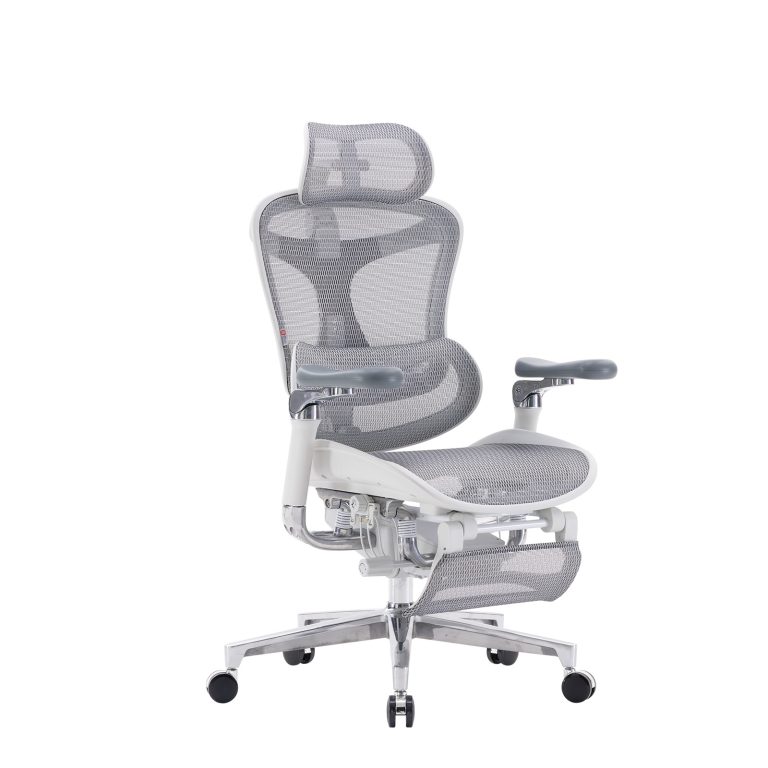
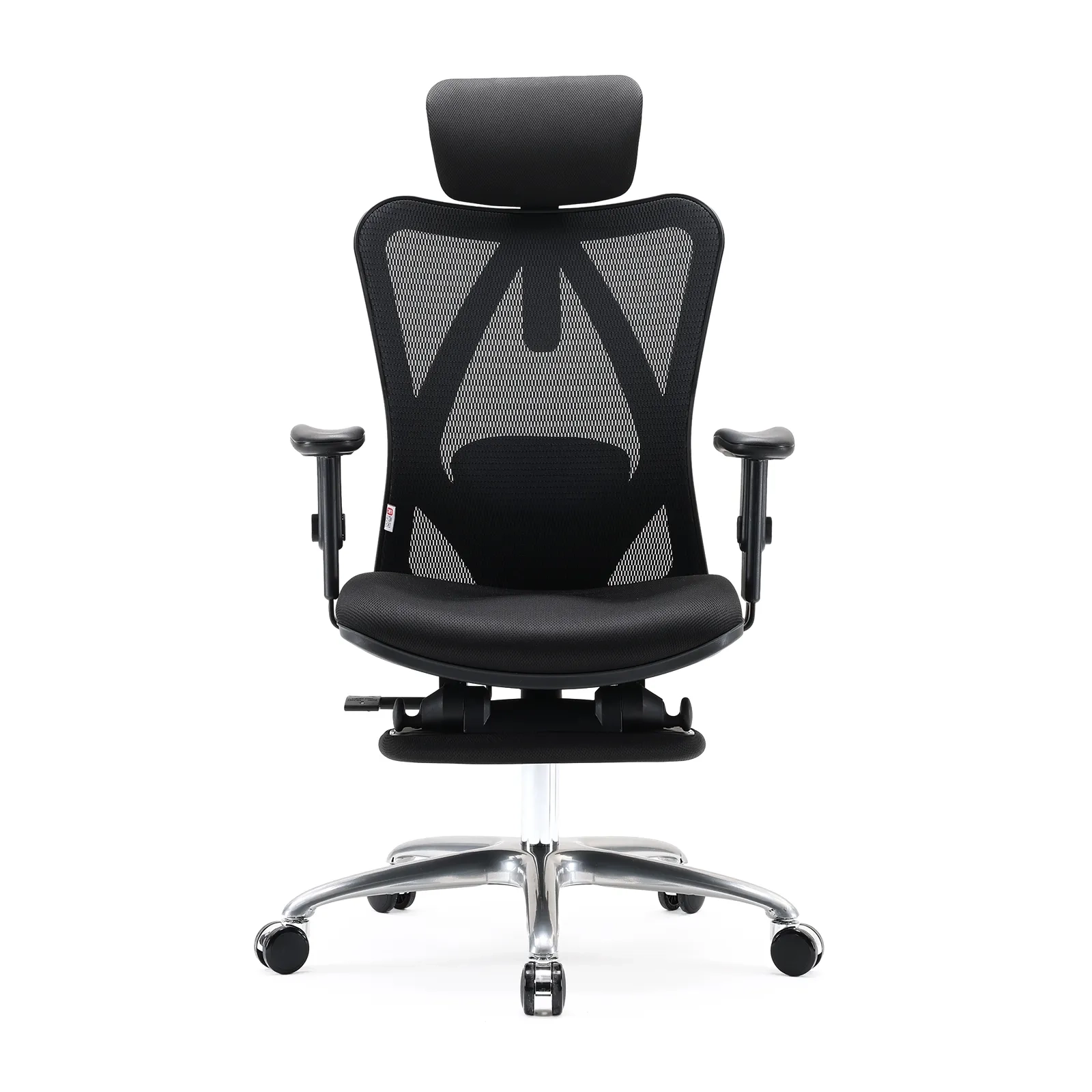
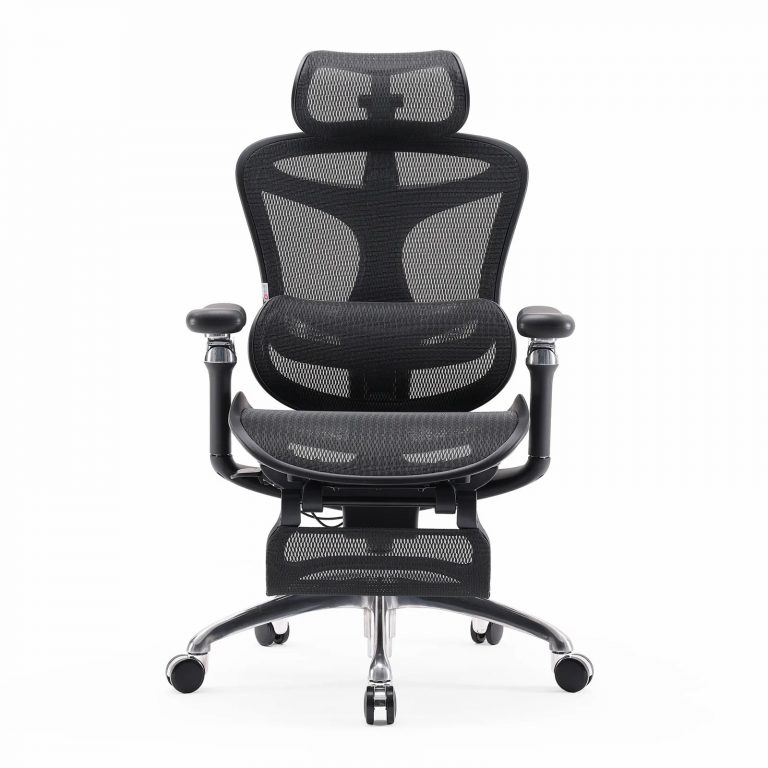
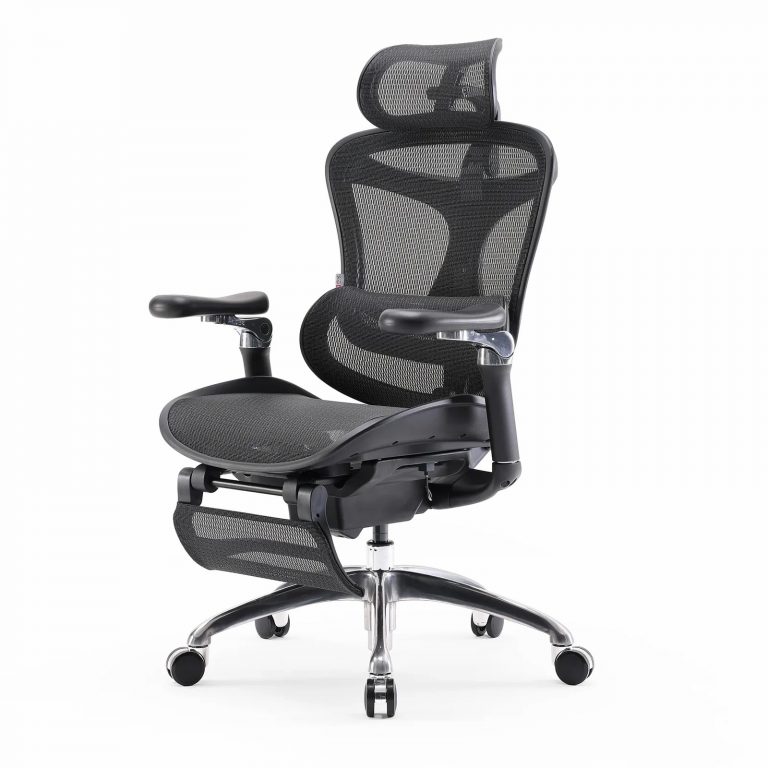
SIHOO C300: Full Mesh With an Optional Footrest
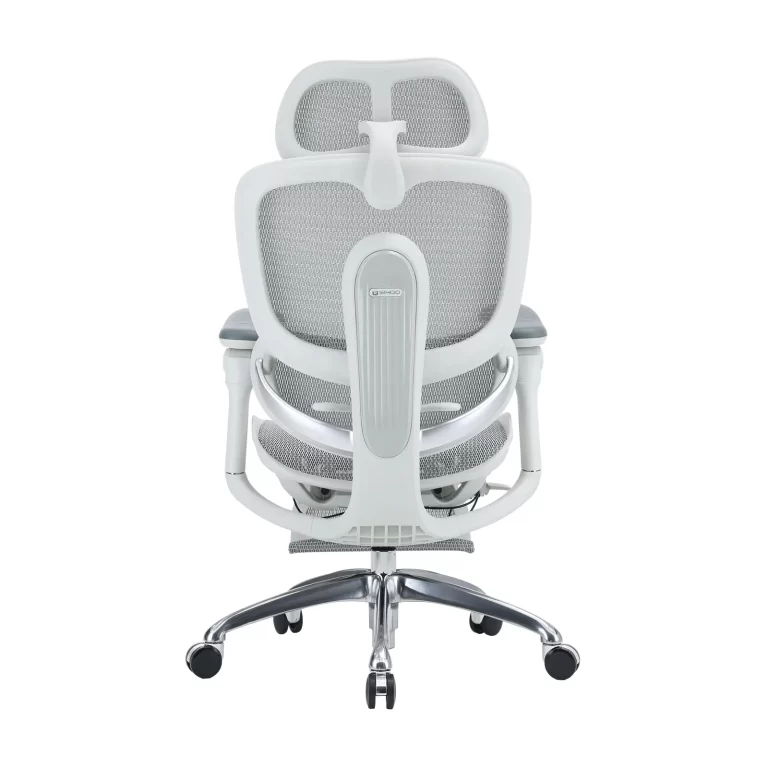
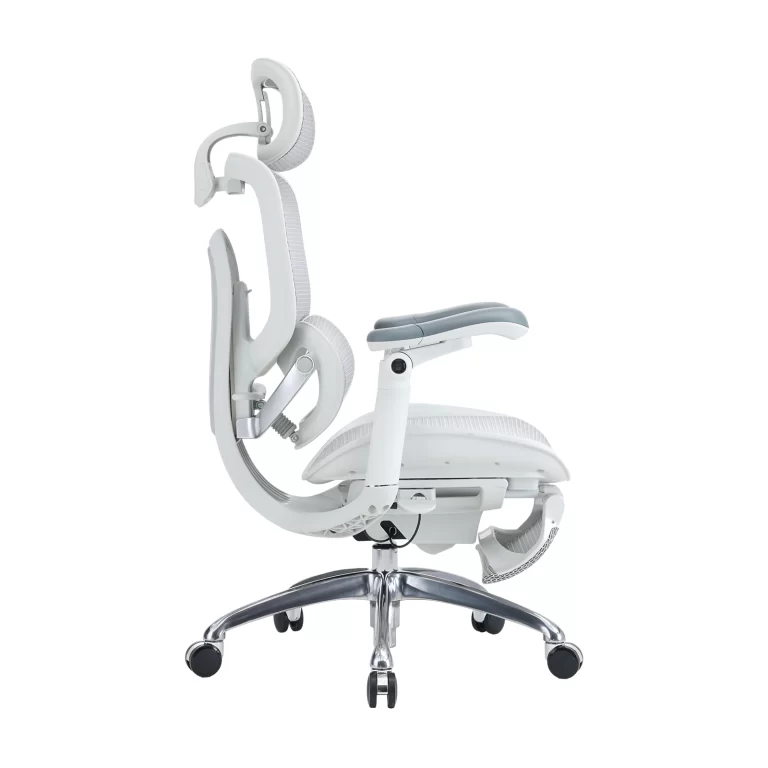
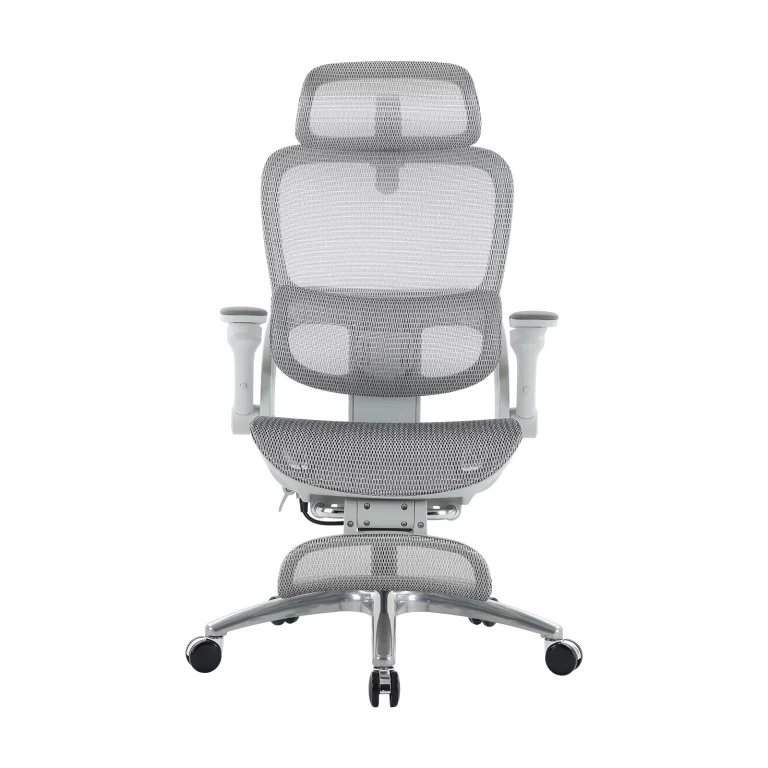
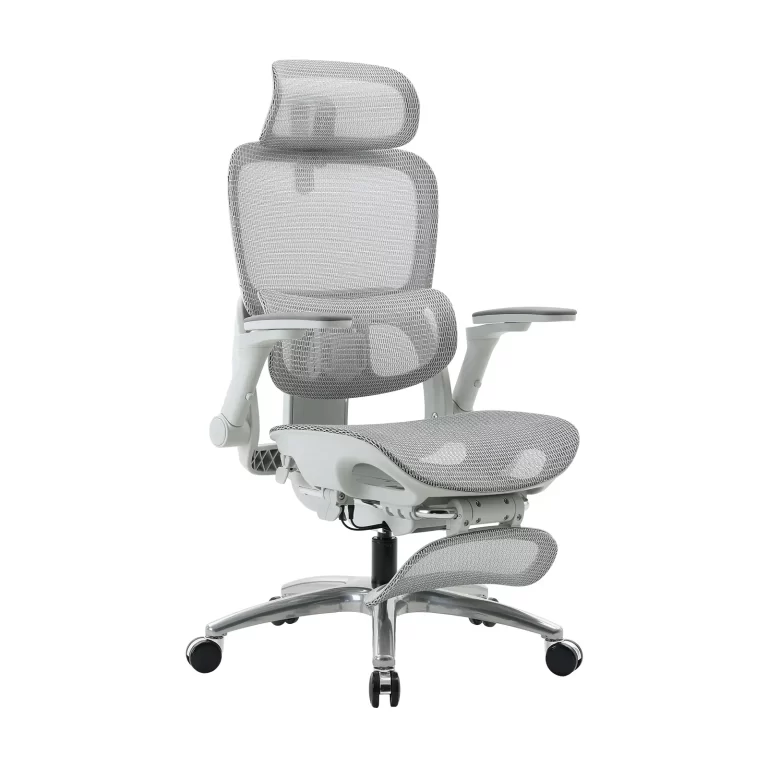
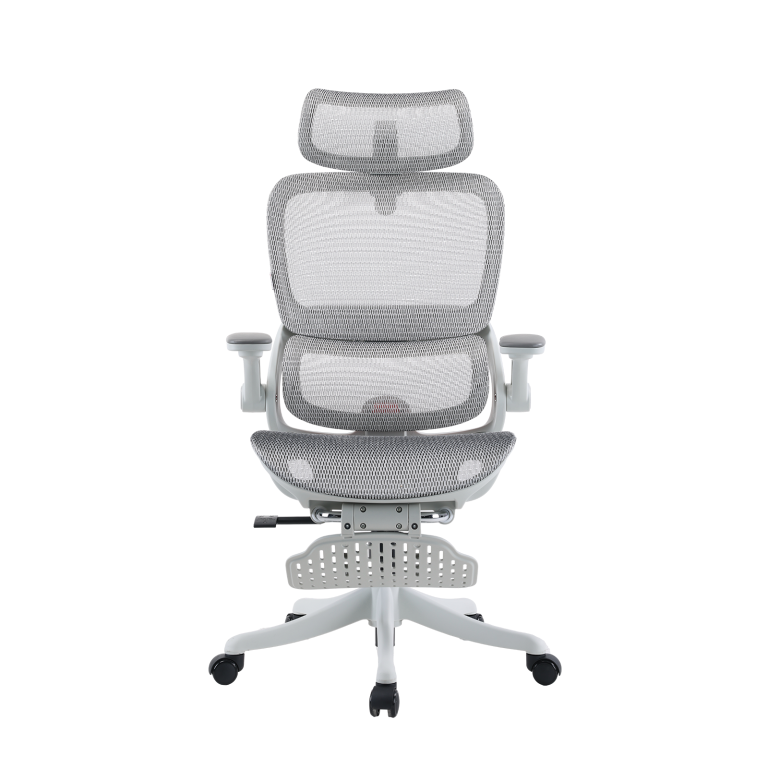
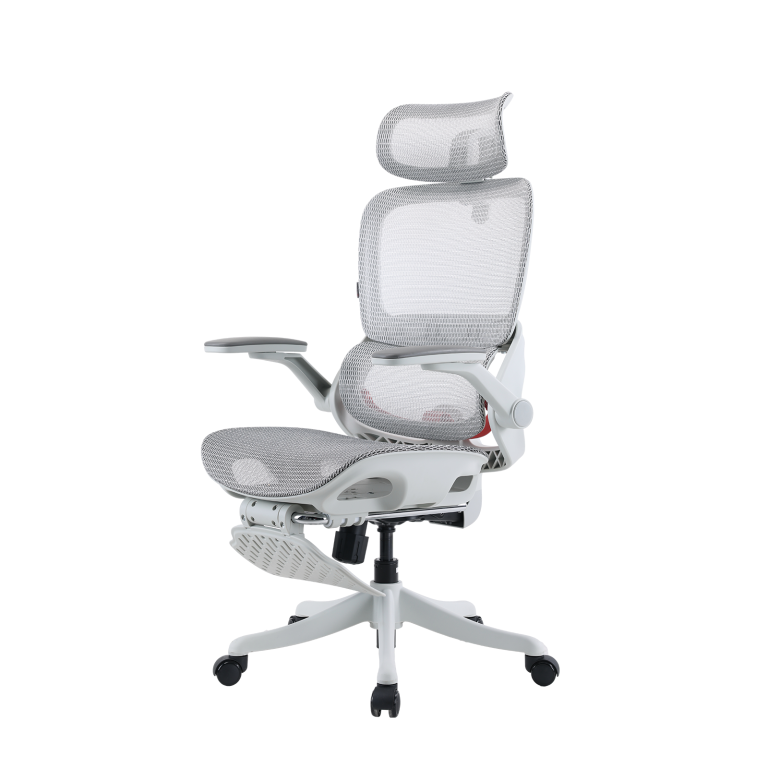
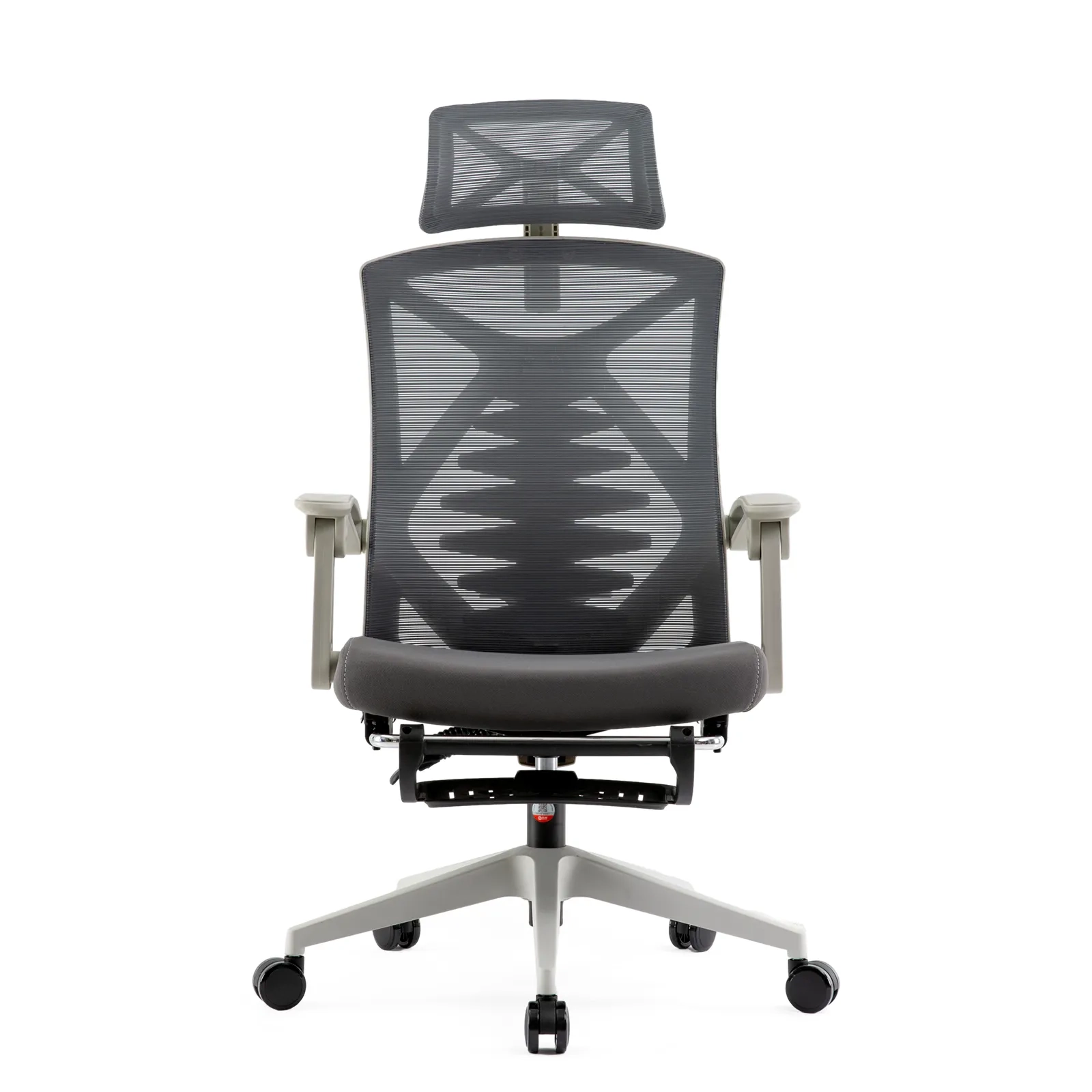
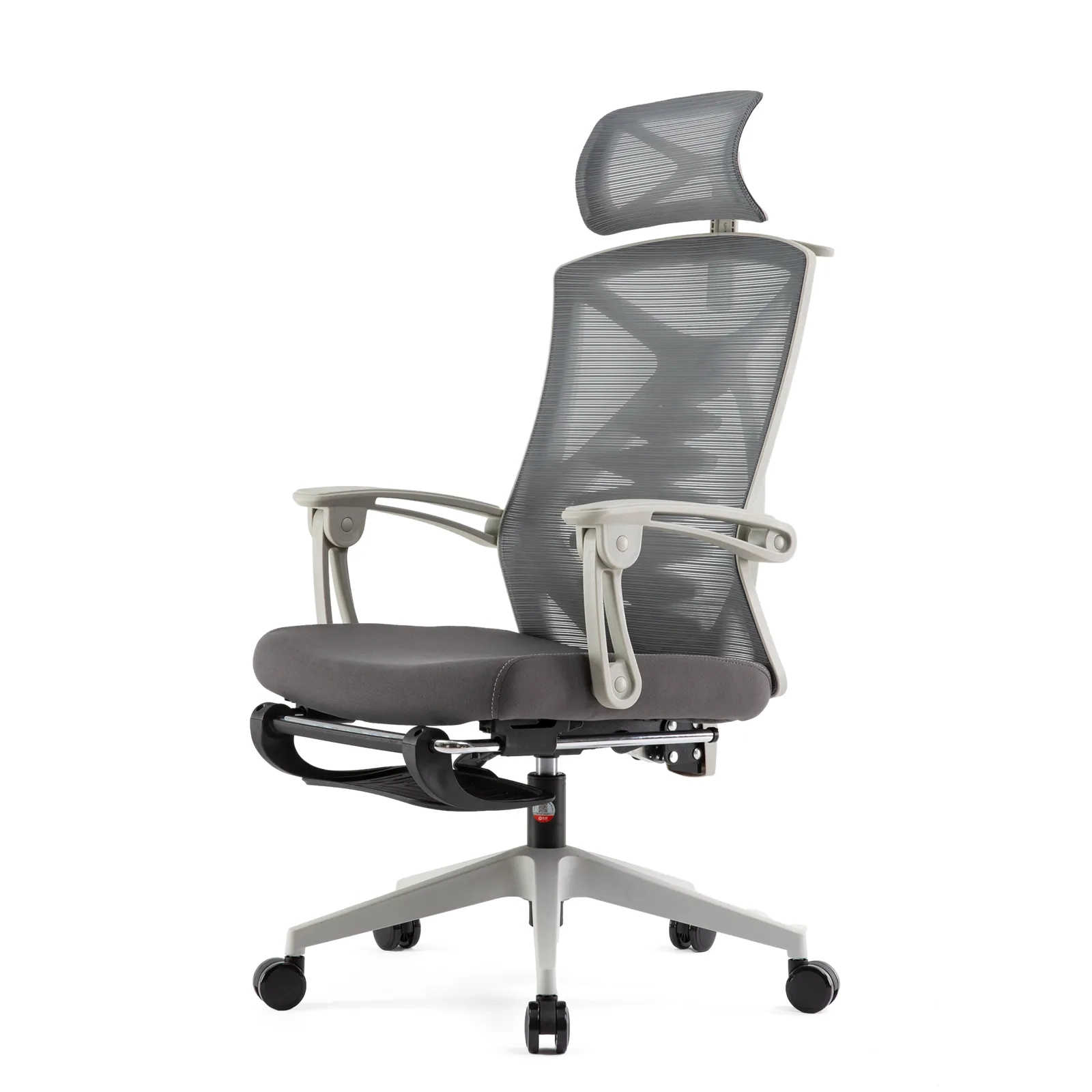
El SIHOO C300 is a full mesh chair with a footrest you can add or skip. The footrest extends for a short recline break and folds away for focused work, which suits a desk that flips between typing and reading.
In a home office or a quiet workspace the footrest pays off during long afternoons, and the optional fit means you only pay for it where the day uses it, so the order matches the room.
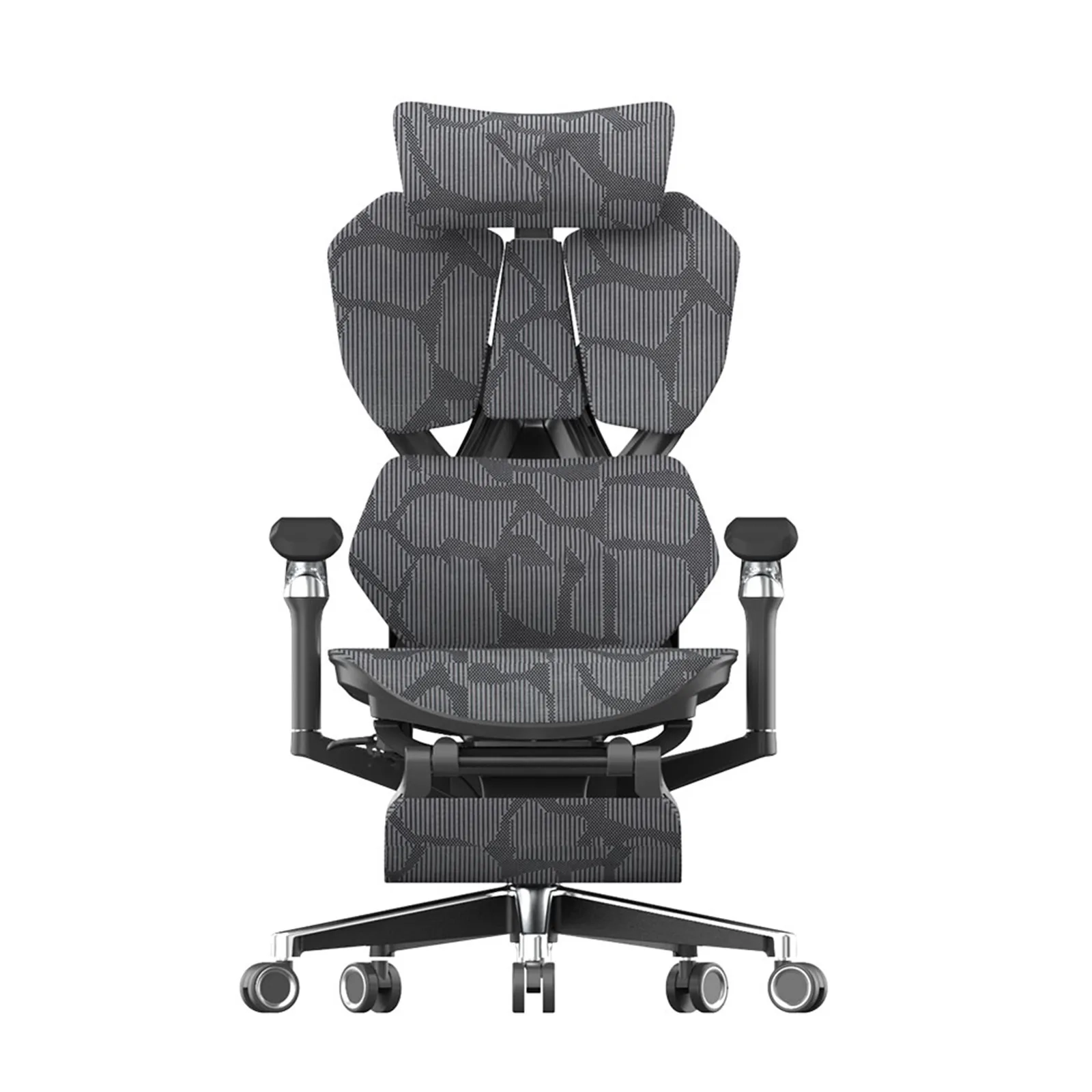
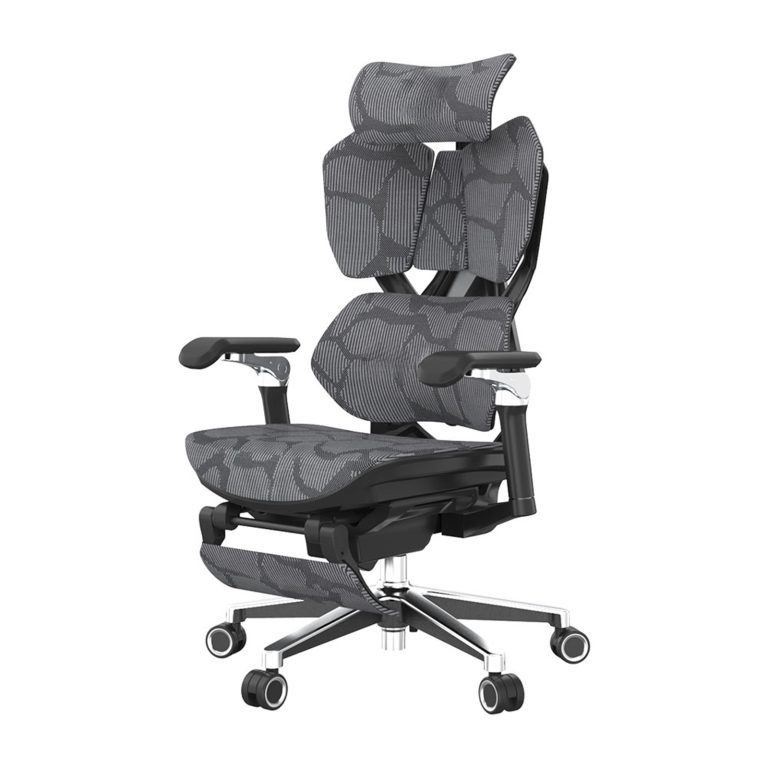
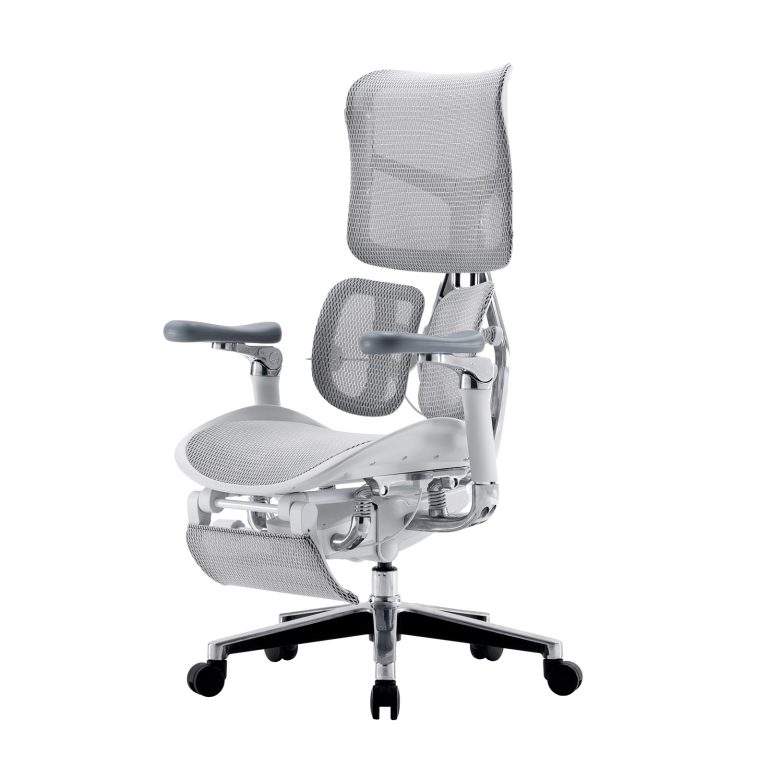
SIHOO V1: High Back Dragon Mesh for Tall Users
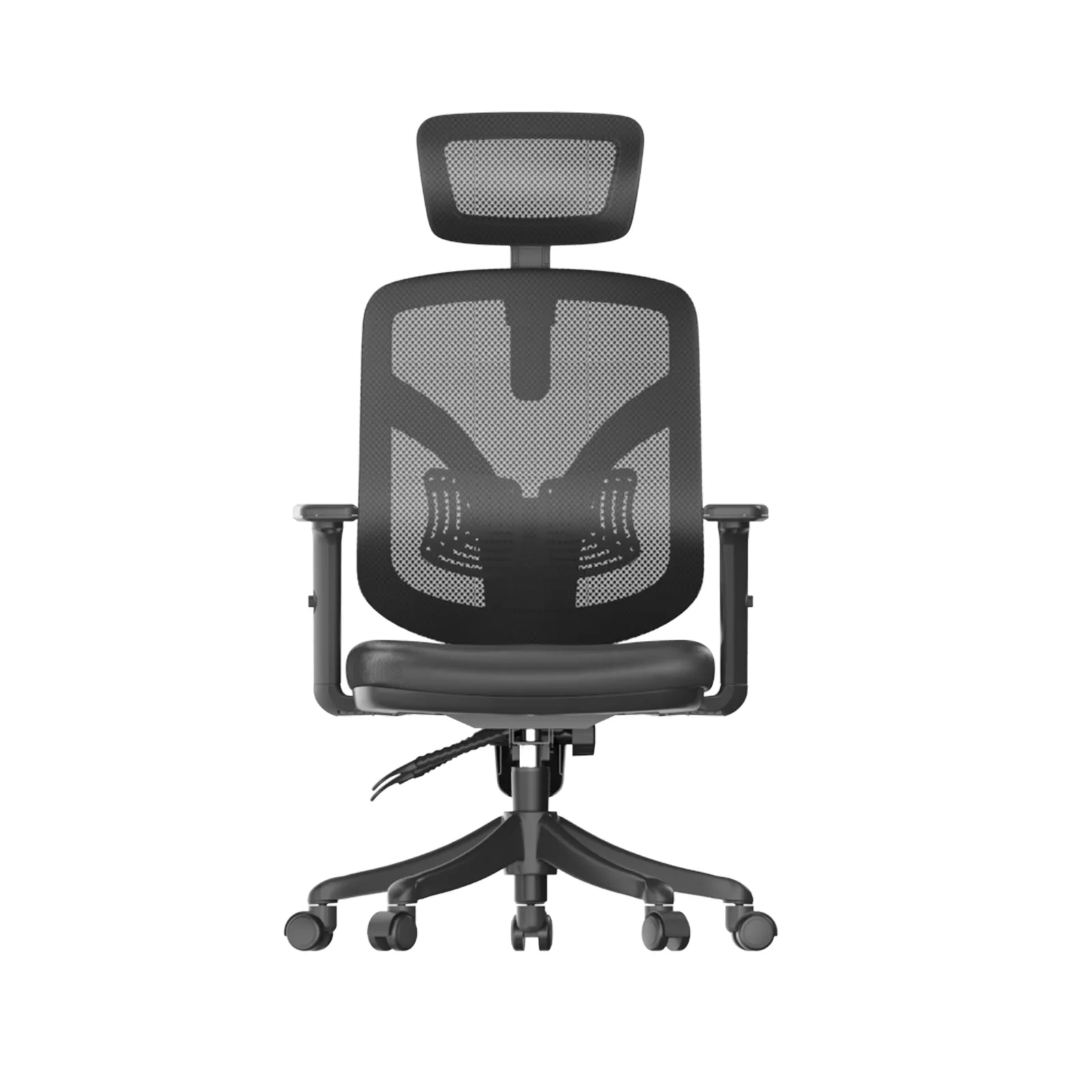
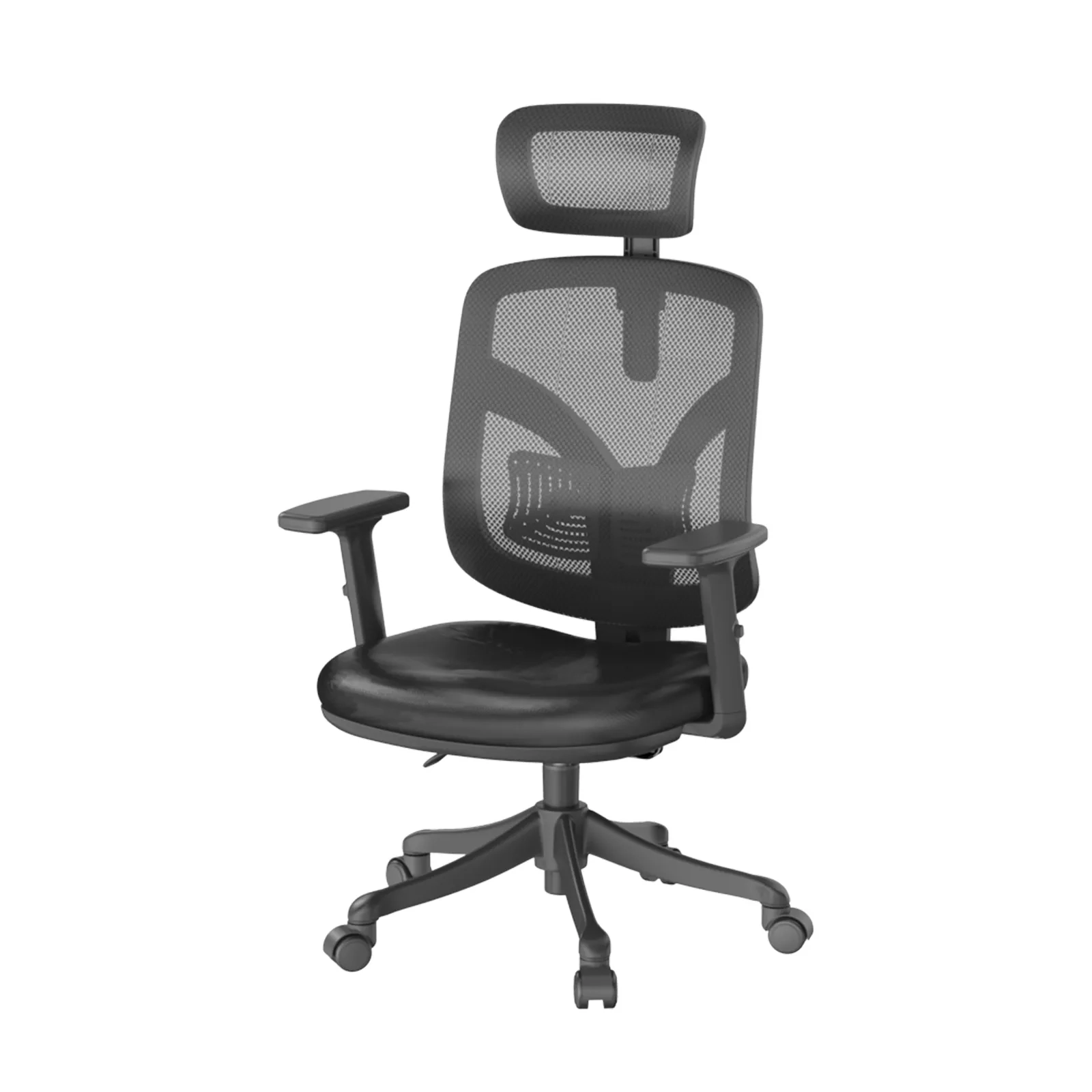
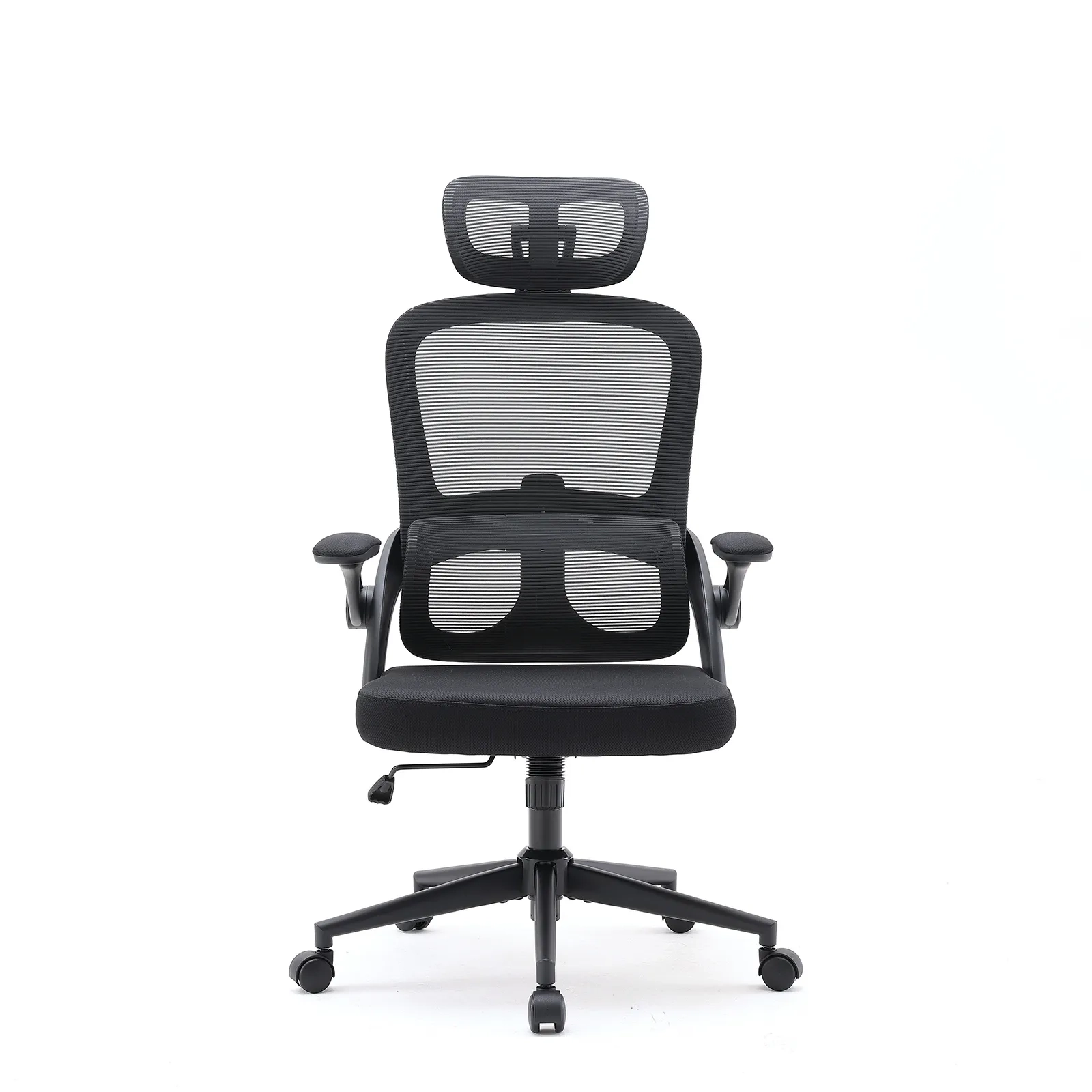
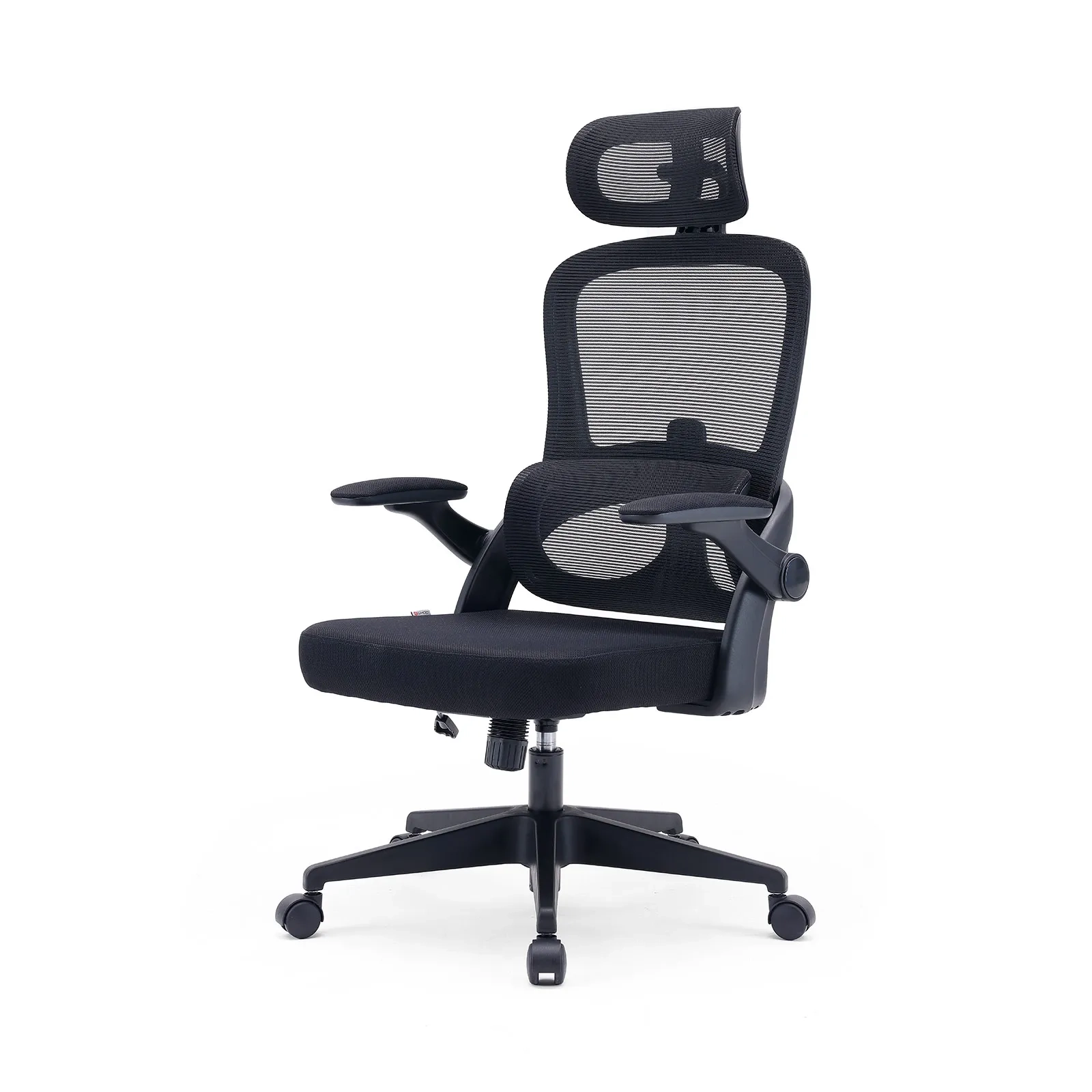
El SIHOO V1 uses a dragon pattern mesh across a high back that reaches the shoulders and neck. Taller users get support where shorter chairs stop, and the mesh keeps the upper back cool through a full shift.
For an office furniture plan with mixed heights, the V1 covers the people a mid back chair leaves out, so the furniture fits the whole team rather than the average one.
Preguntas frecuentes
Is a mesh chair more breathable than a leather one? Yes. The woven back lets air pass, while leather seals the surface and holds body heat. In a warm or shared office the difference shows within the first hour of sitting, and it grows through the afternoon.
Do leather office chairs last longer than mesh? Not by default. Leather can age well, but only with regular conditioning. Mesh lasts longer in busy offices because it asks for almost no care and shrugs off daily use.
Which is easier to keep clean in a busy office? Mesh. A cloth and occasional vacuum handle it. Leather needs a conditioning routine that a shared office rarely keeps up, and it stains from water and ink faster than mesh does.
Do mesh office chairs cost less than leather? Usually. The woven back costs less to make than a stitched leather shell, so mesh enters at a lower price for the same adjustment range, and the lower cost fits a full floor.
Can a mesh chair look right in a formal office? It can. Modern executive rooms use mesh in neutral frames, and the open back reads clean rather than basic. Leather still reads more traditional, but mesh no longer means plain.
Which chair suits a hot or shared office? Mesh. The airflow keeps the seat usable through a full day, and the low upkeep fits a room many people use. Leather tends to feel sticky once the room warms, and it needs the cooling to stay comfortable.
Conclusion
For most office furniture plans, mesh is the safer everyday chair. It stays cool, it cleans fast, and it fits open plan rooms without a care routine. Leather fits a private, low traffic office where the formal look matters and someone handles the conditioning.
SIHOO covers the mesh side with four real models, from the full mesh S300 with anti gravity recline to the high back V1 for tall users. See the ergonomic office chair category or any of the four product pages to check specs before you plan the room, and use the checklist above to settle mesh versus leather for each space.