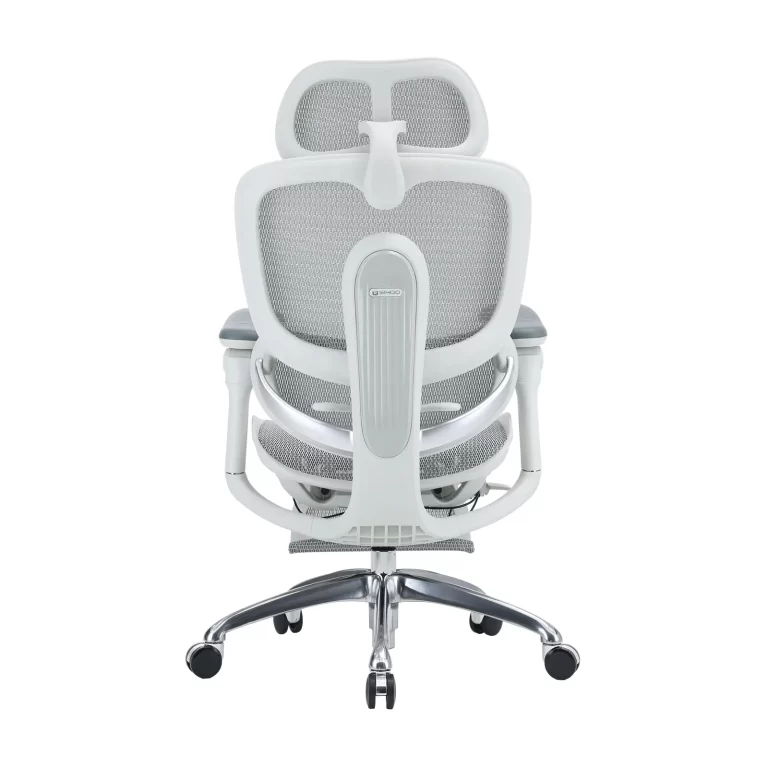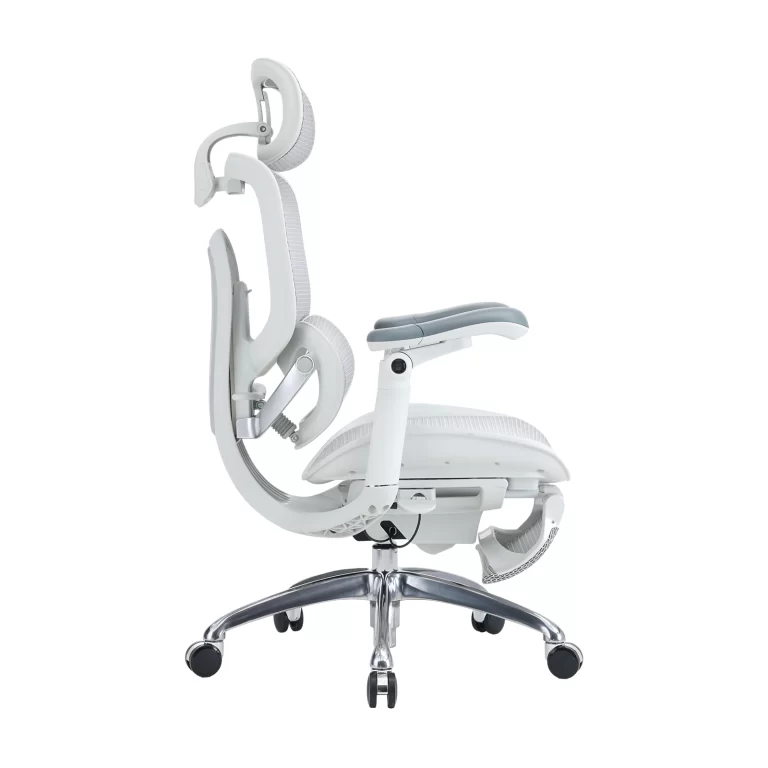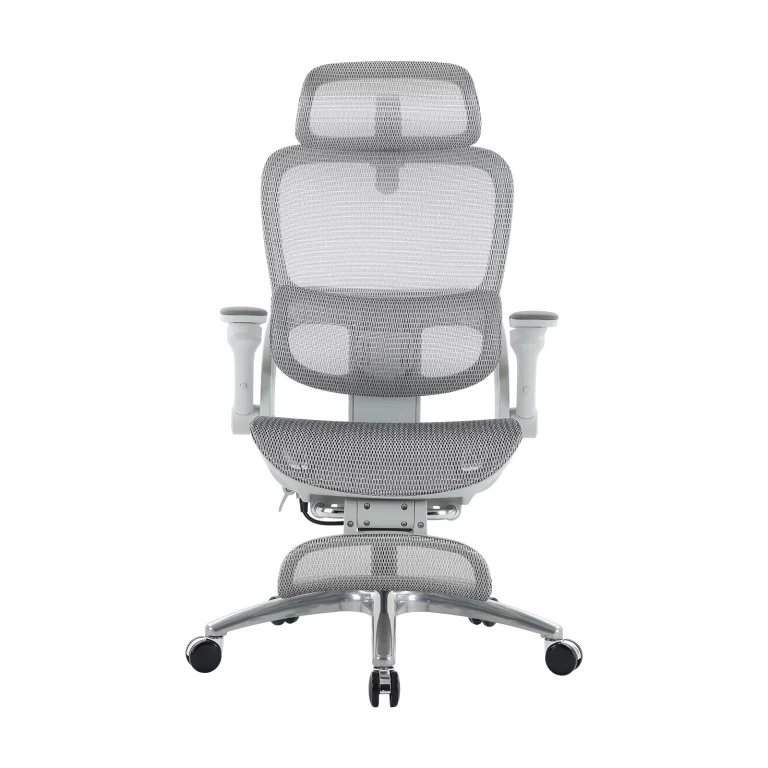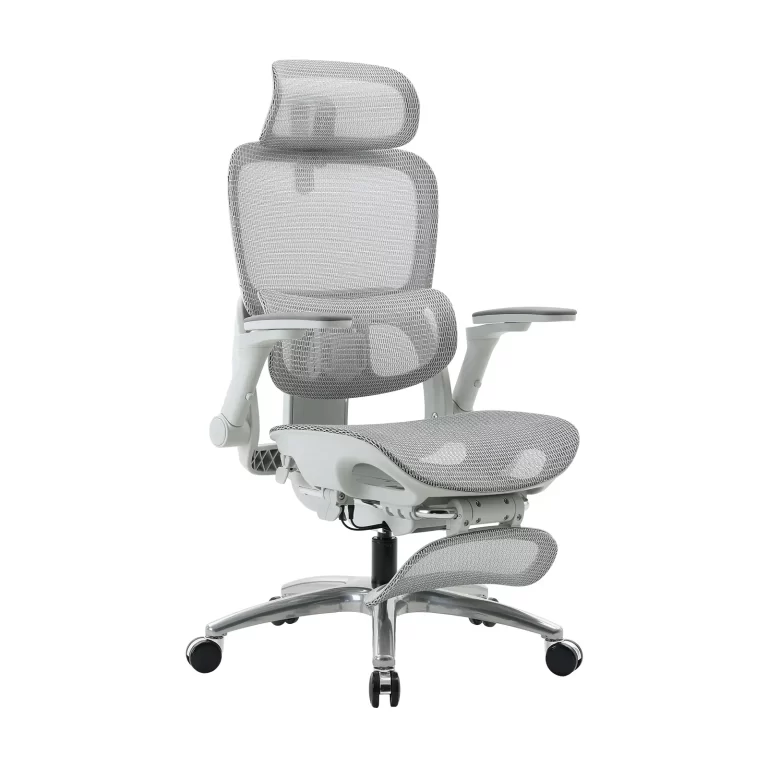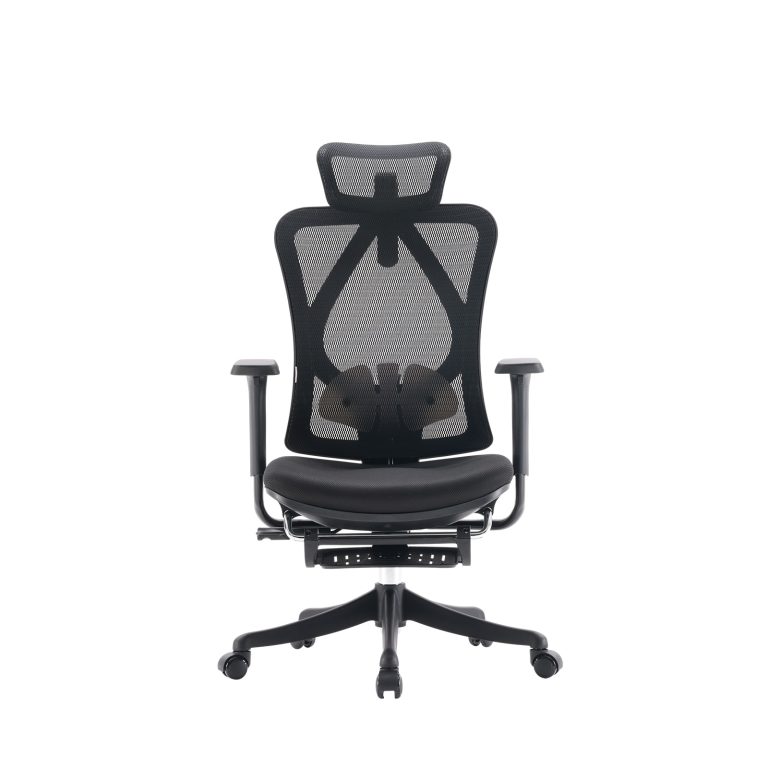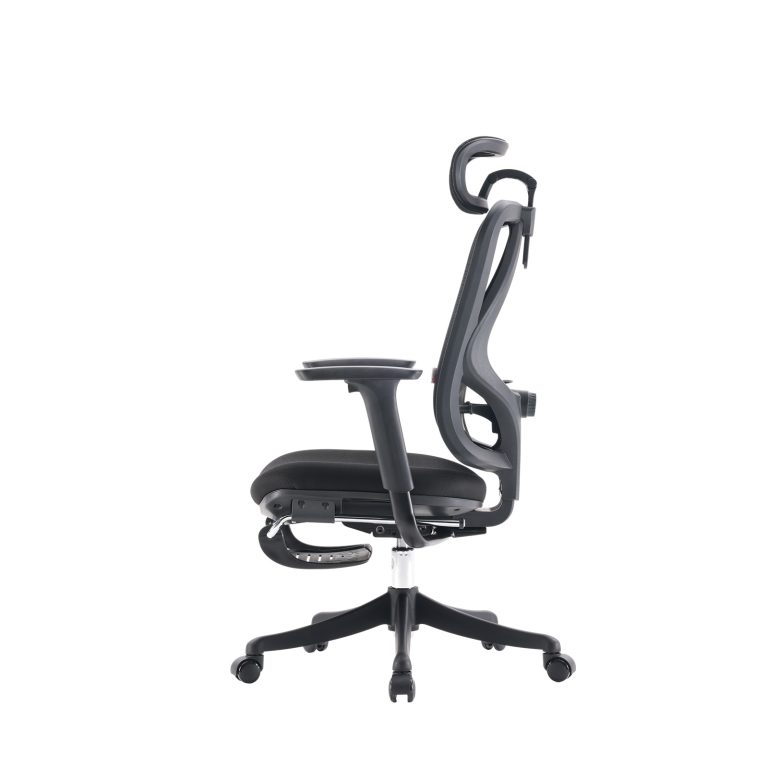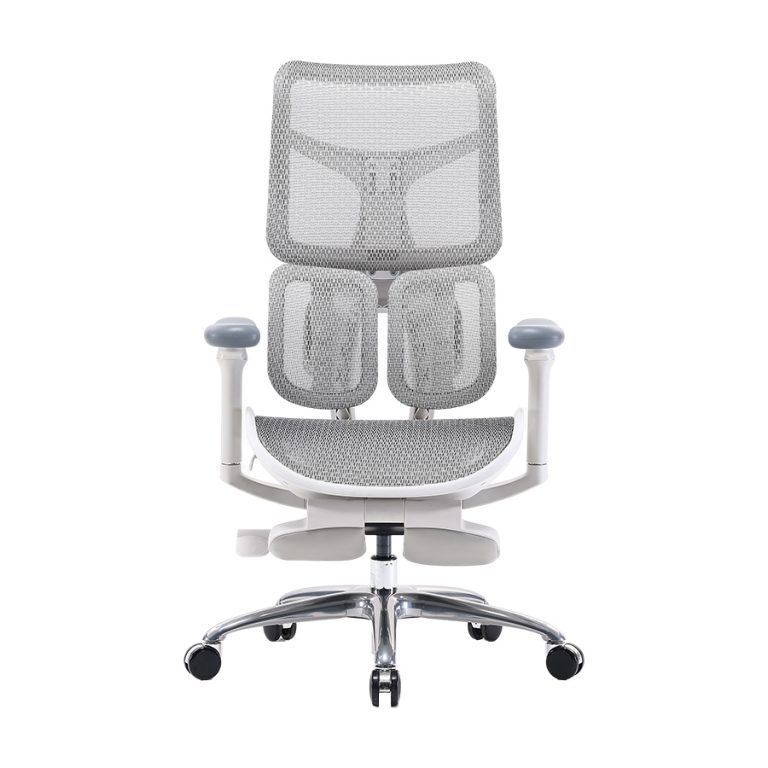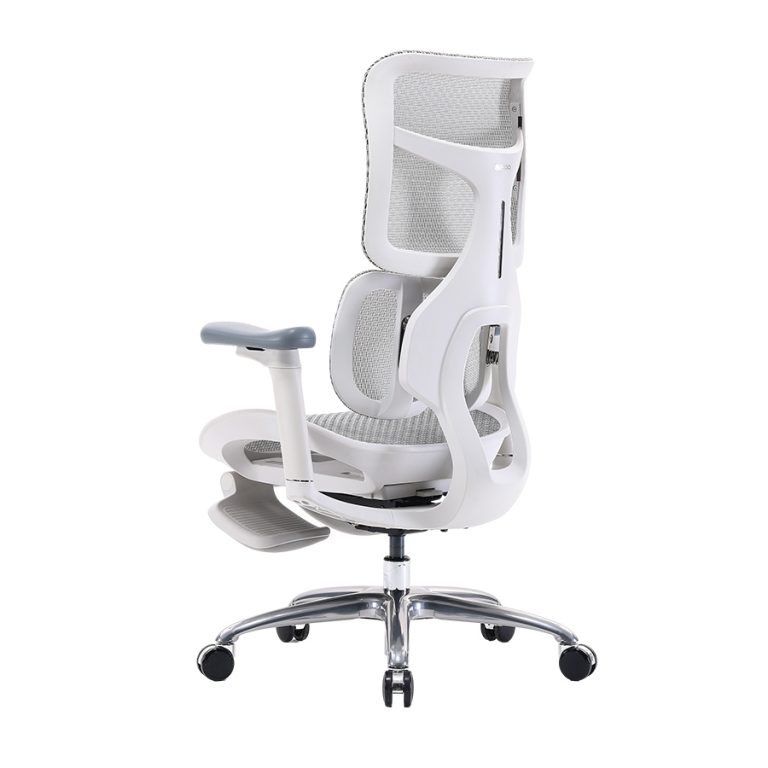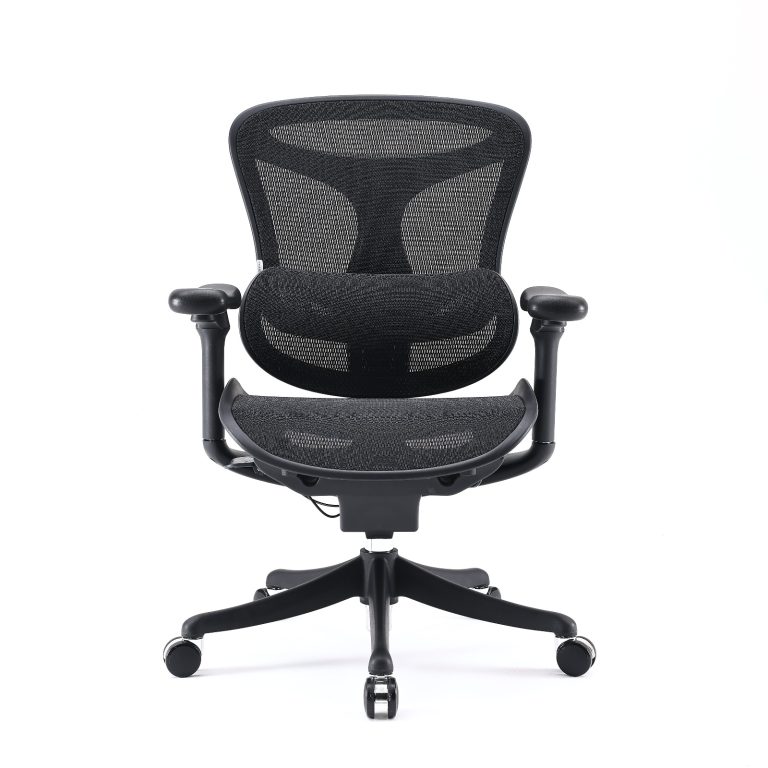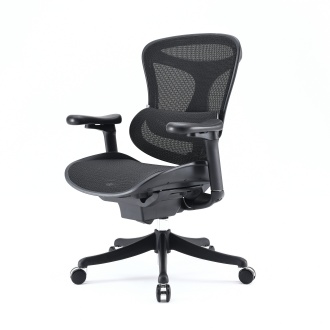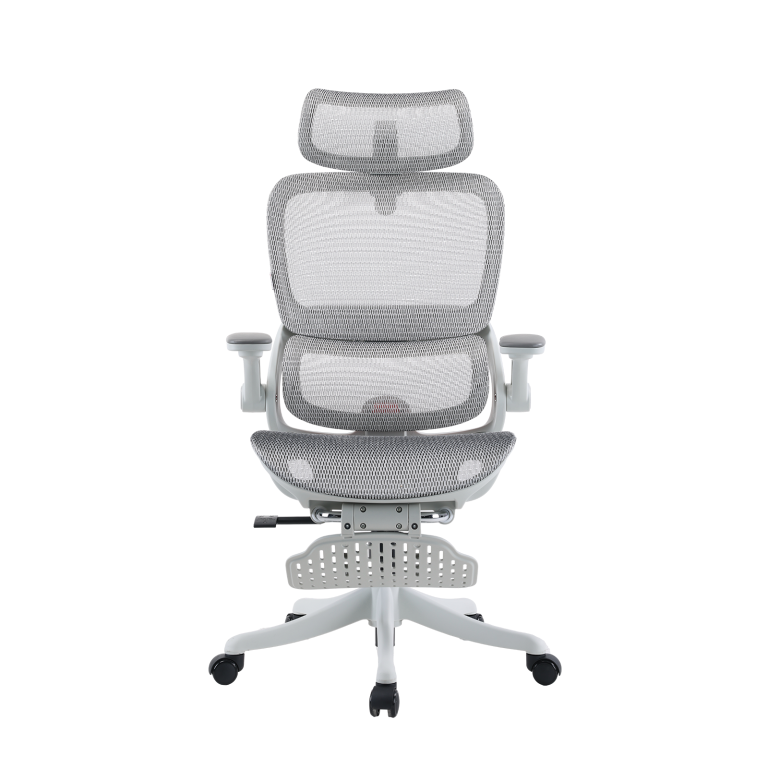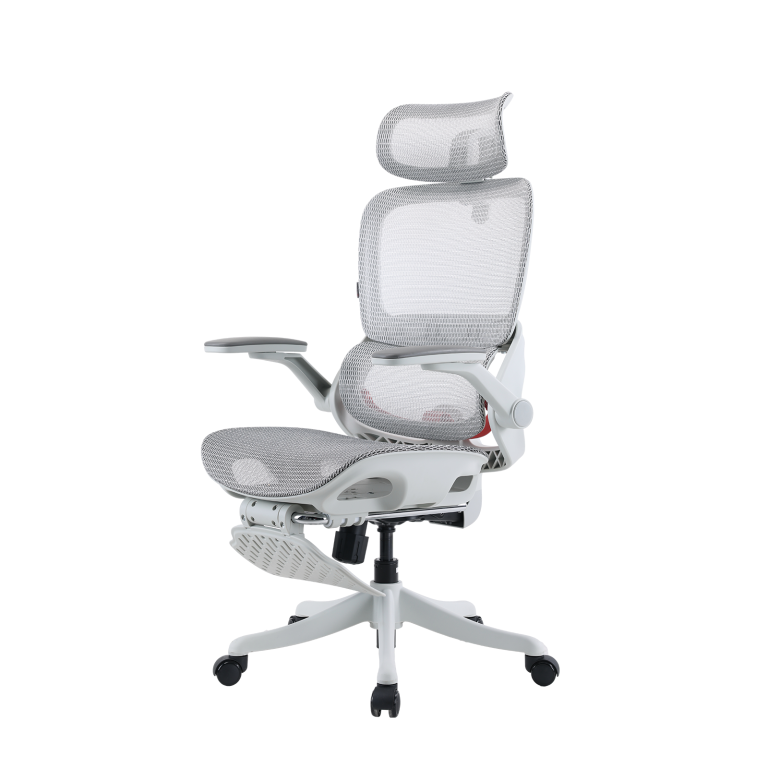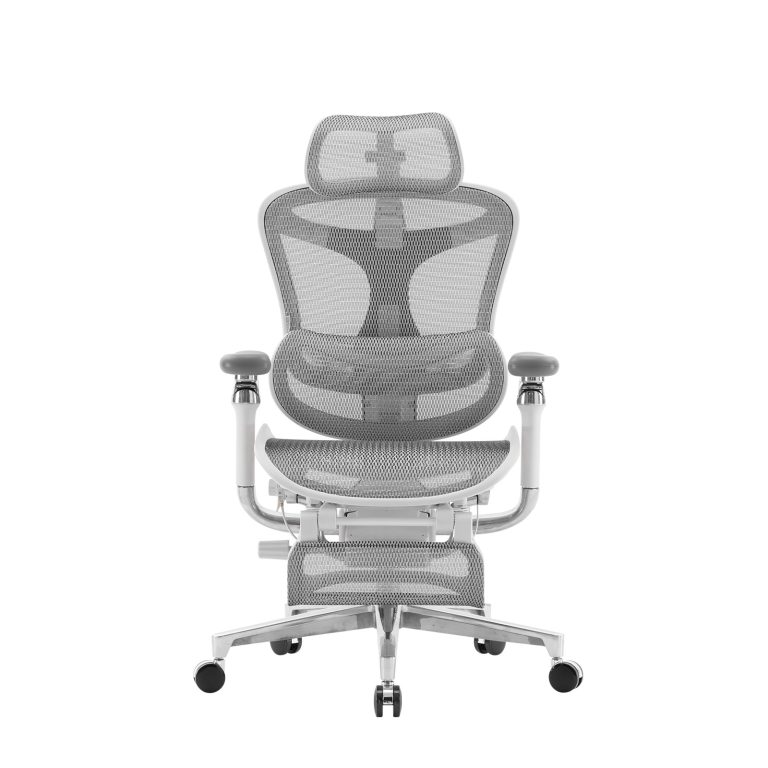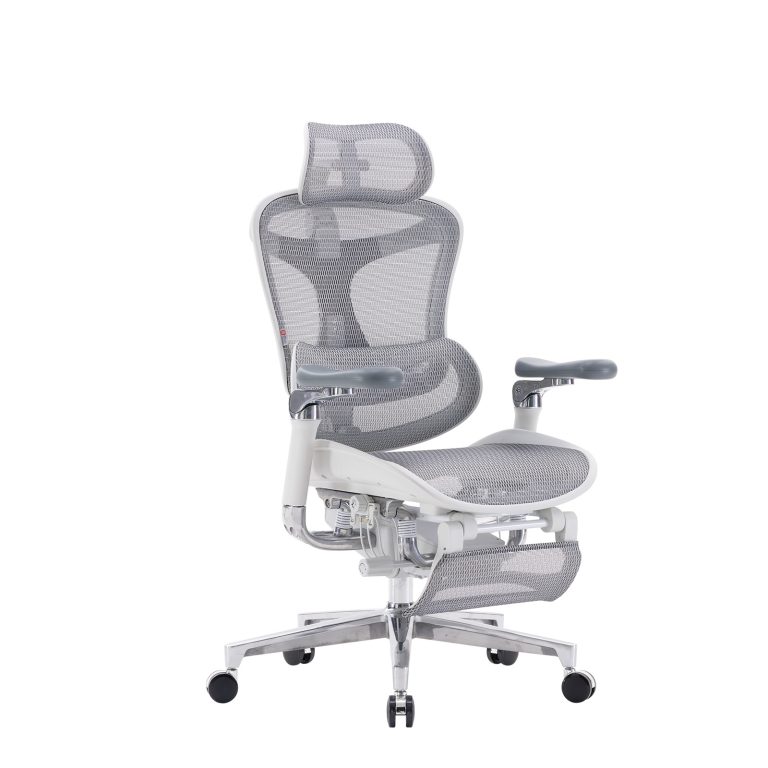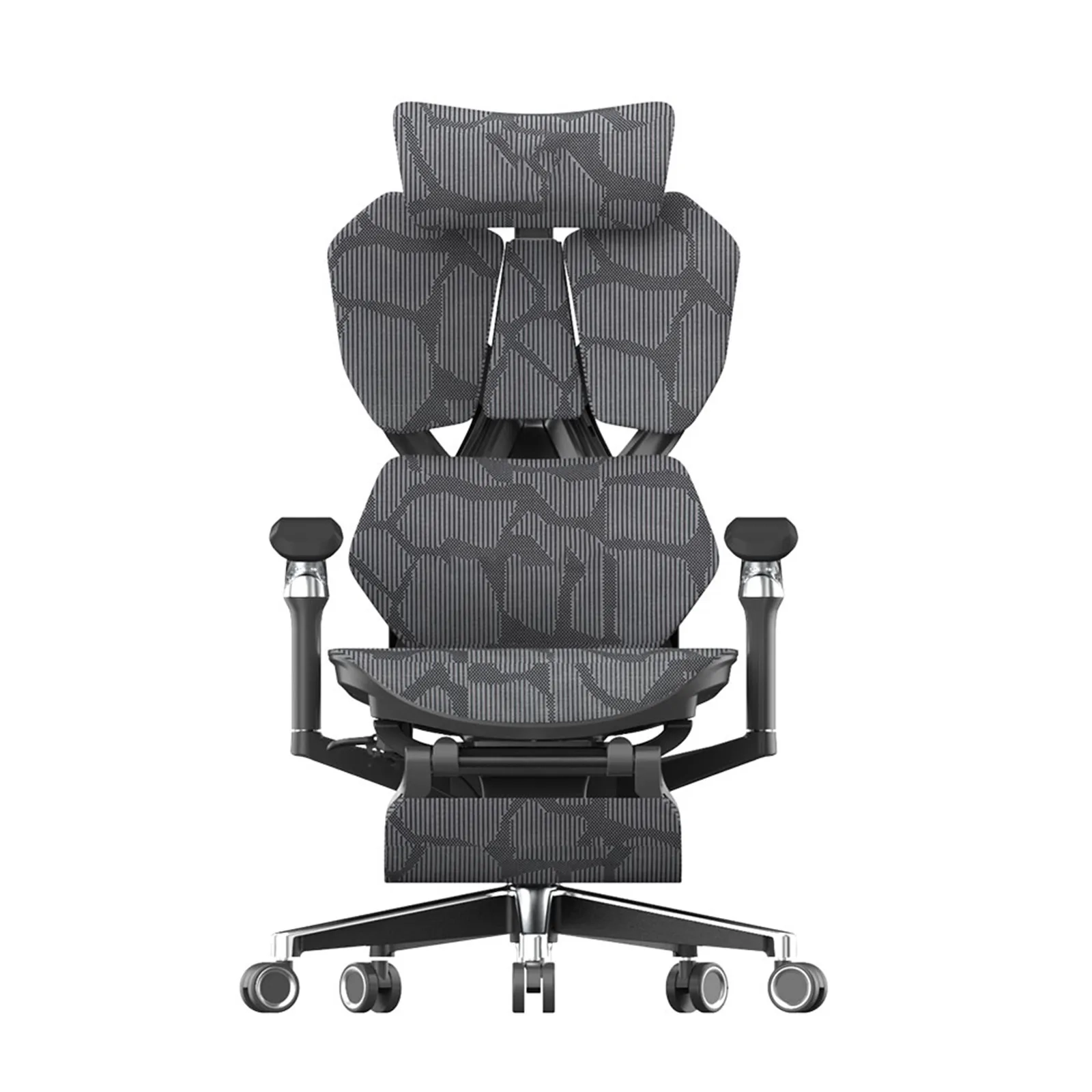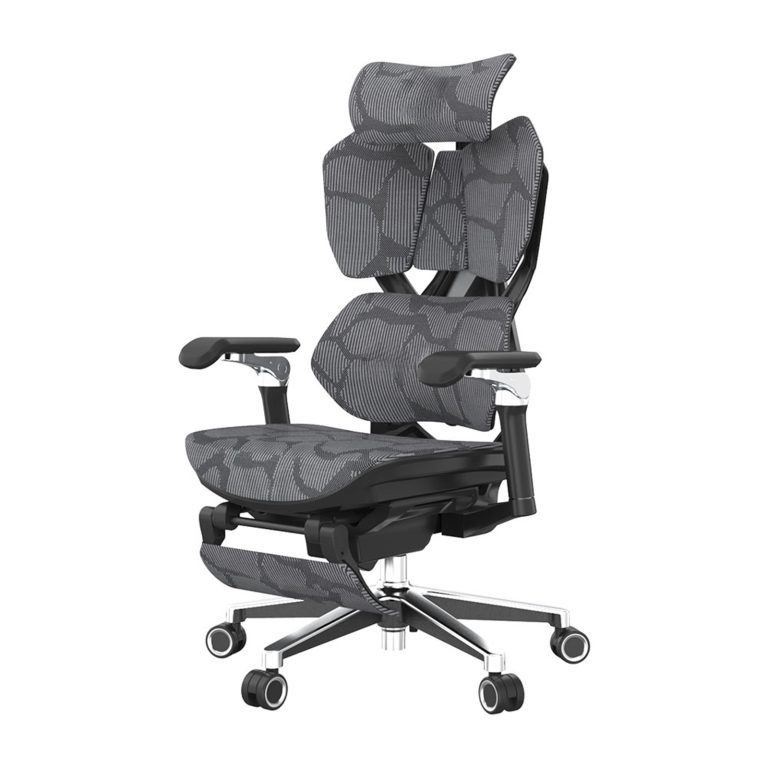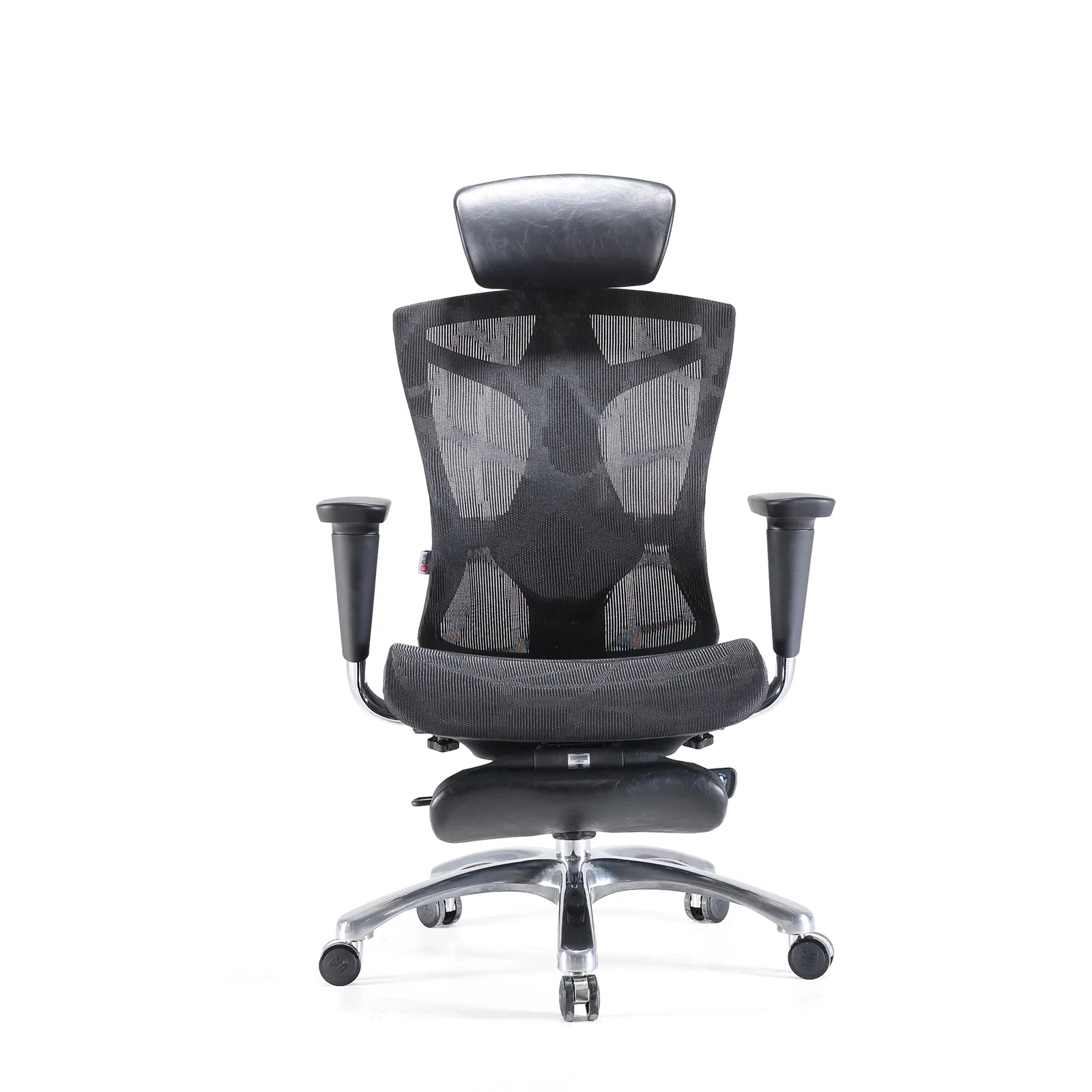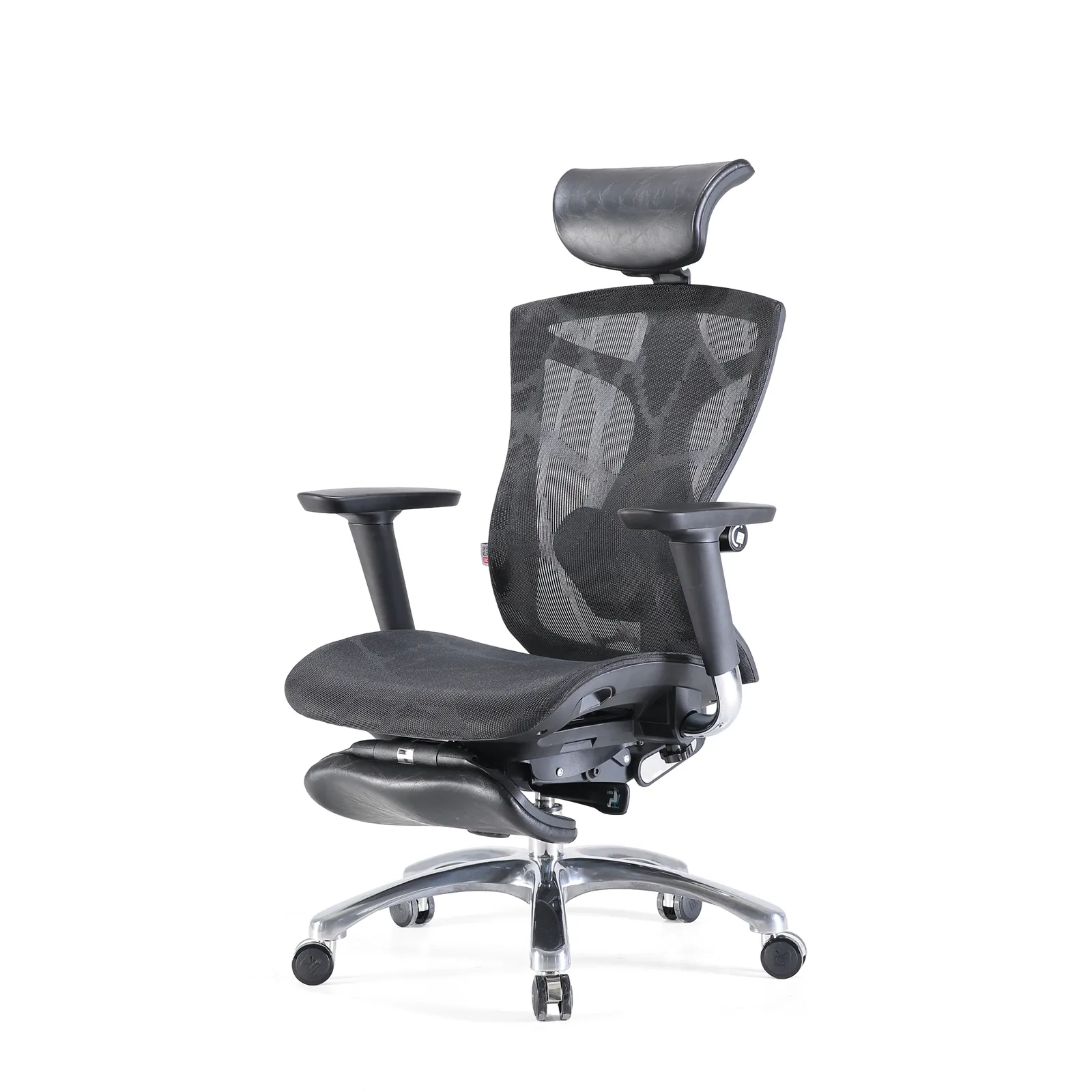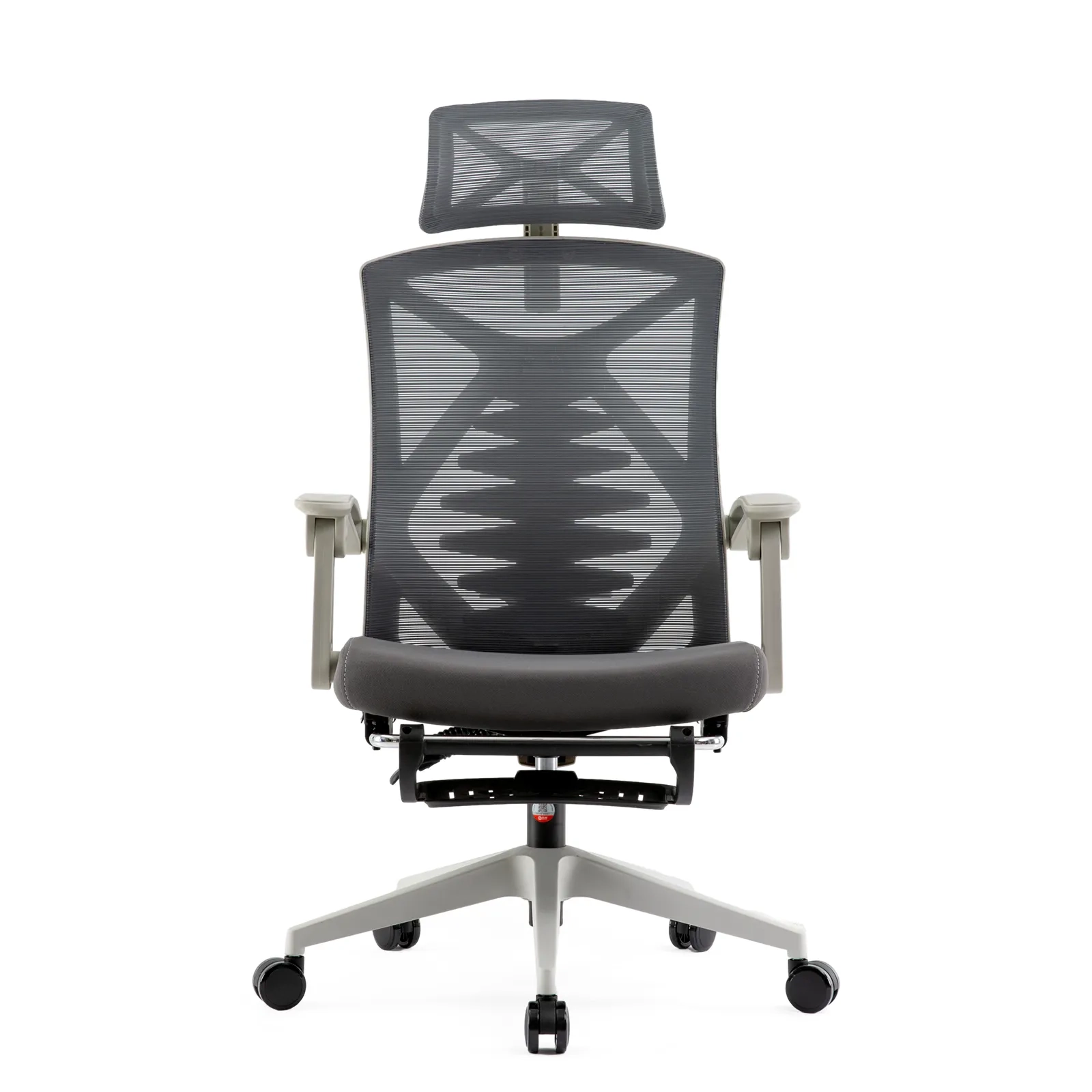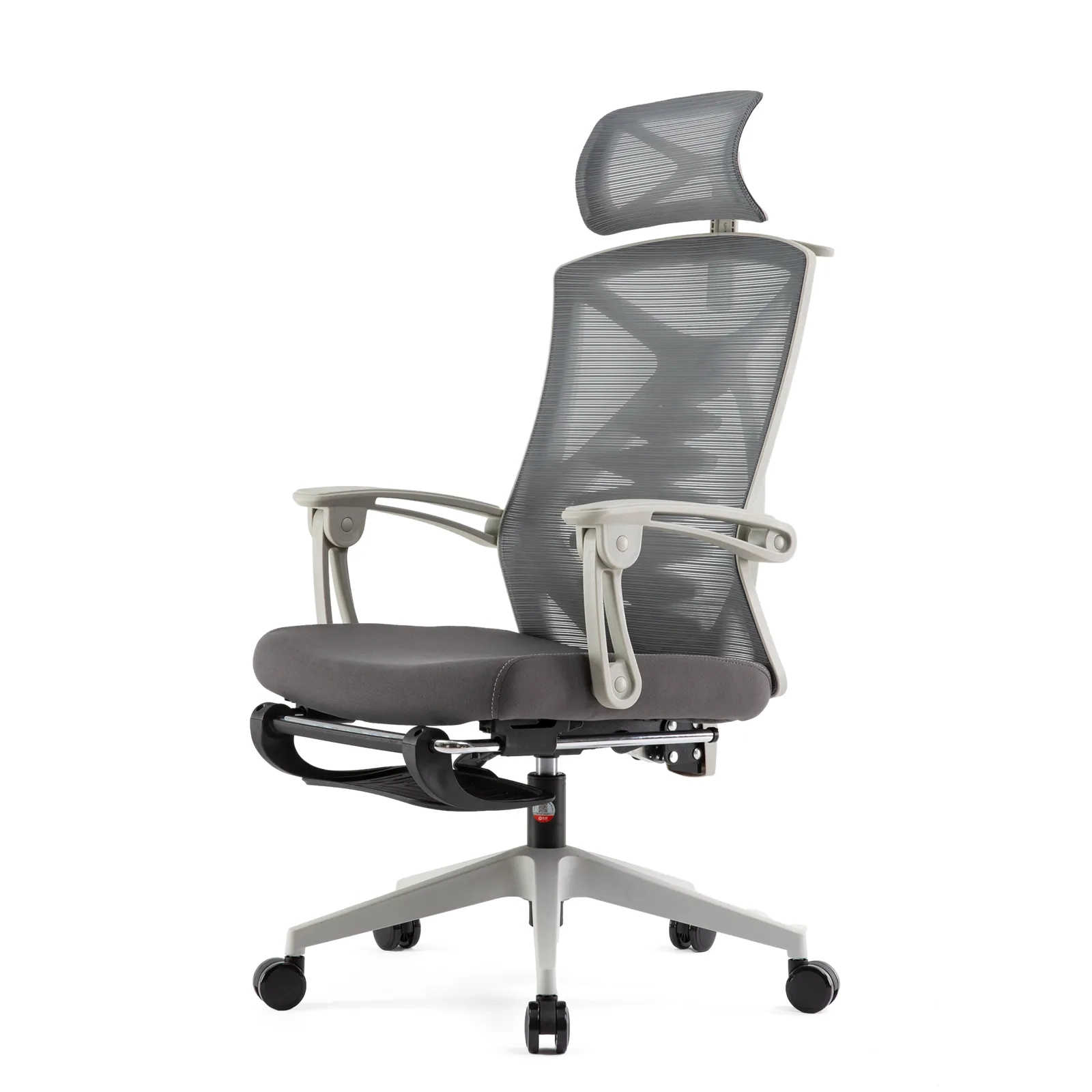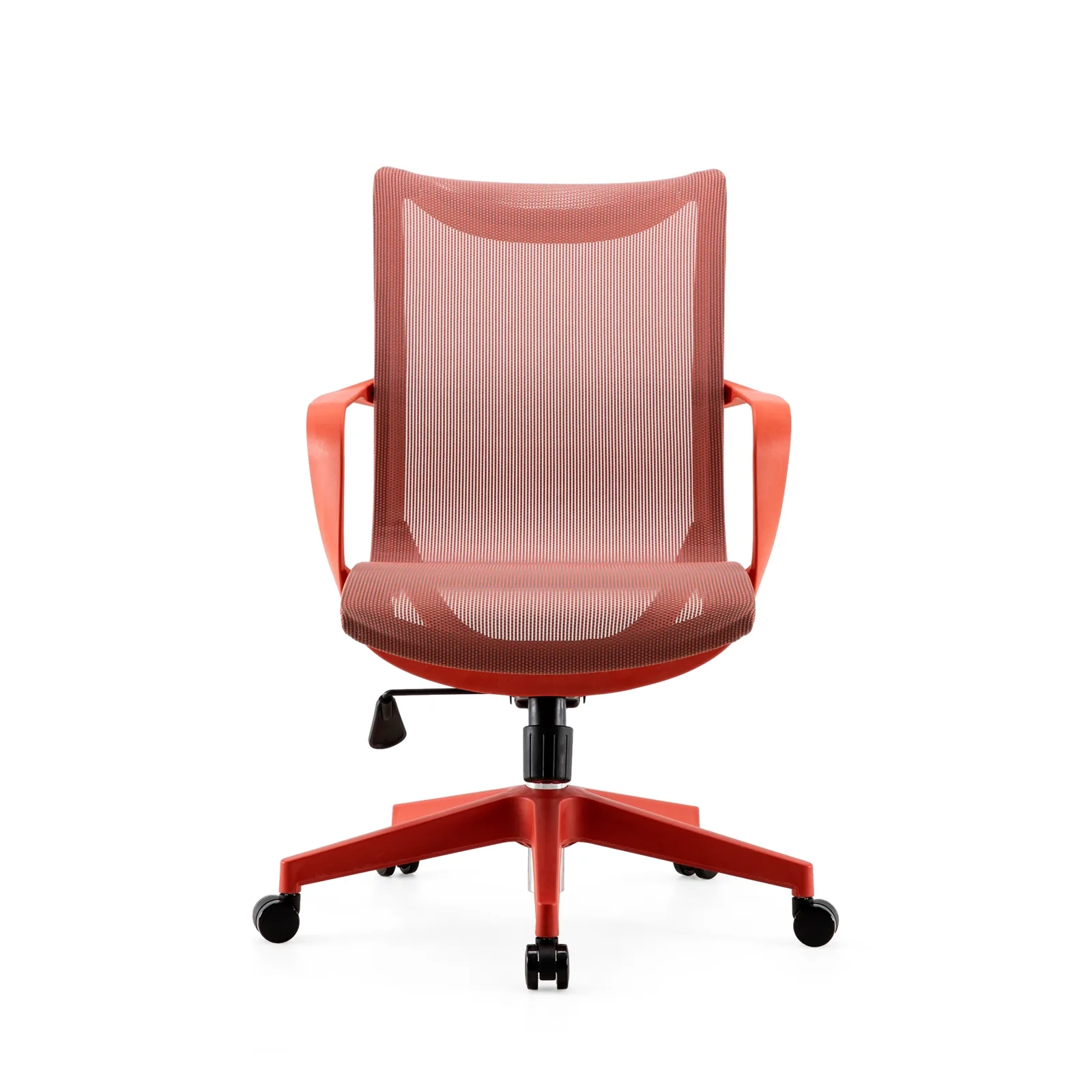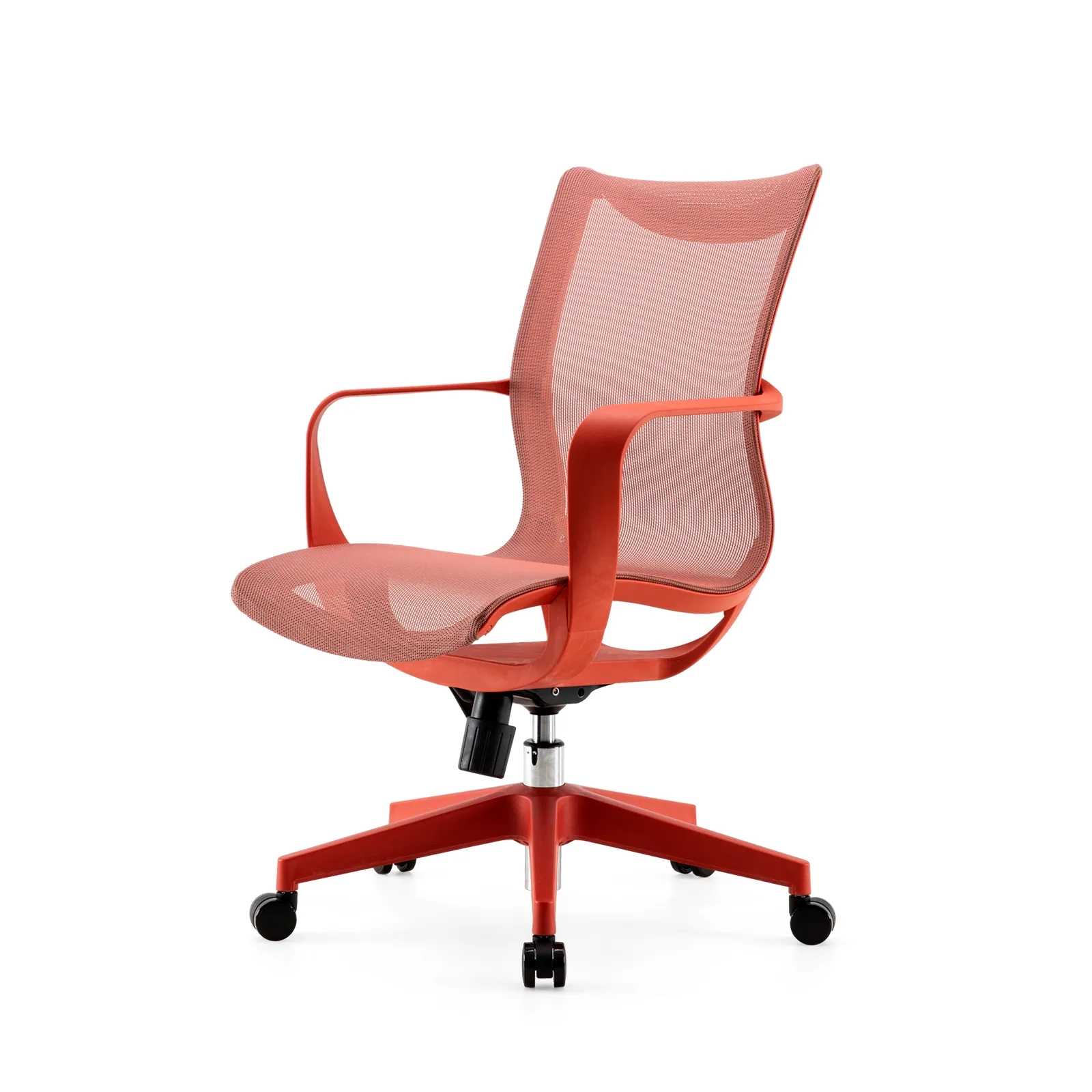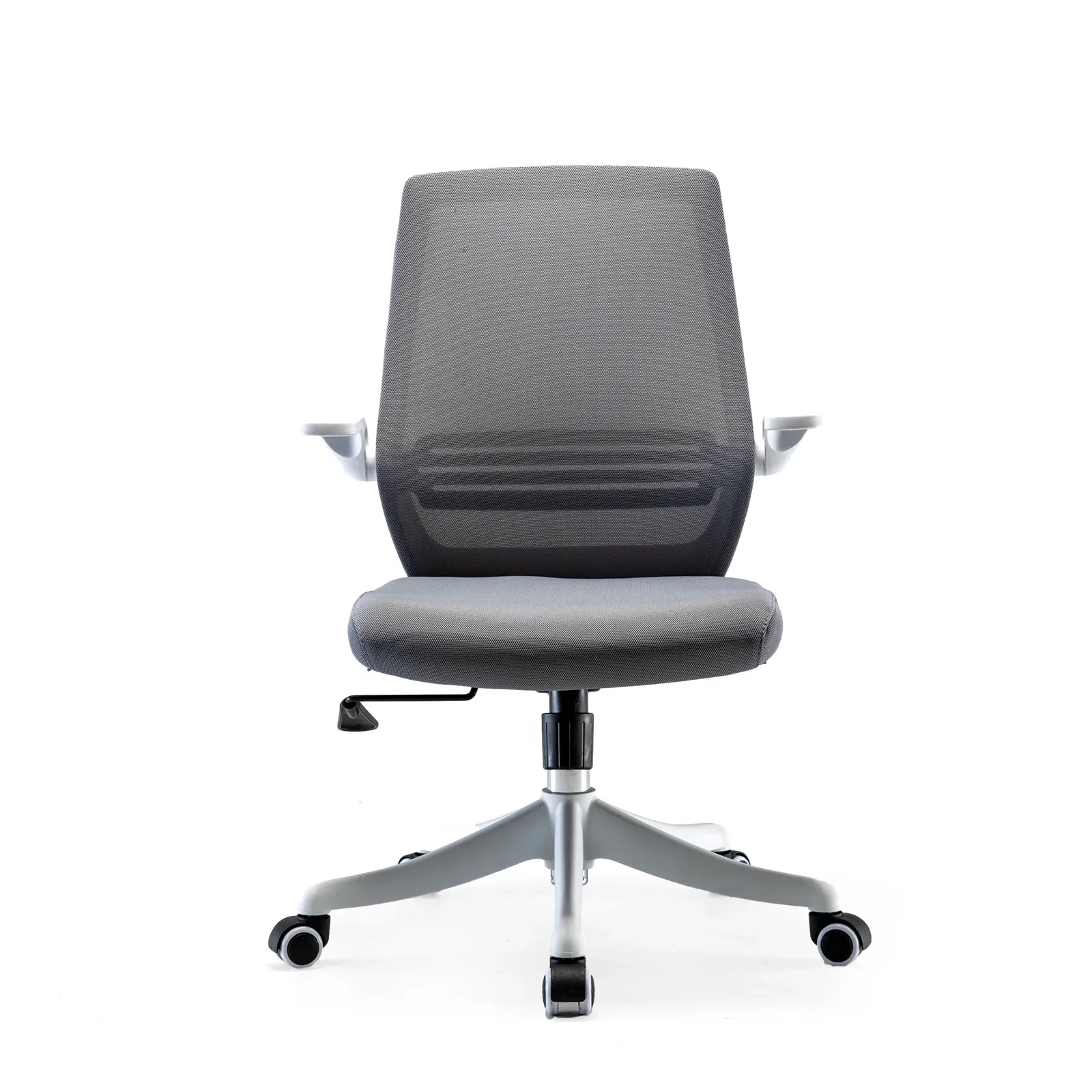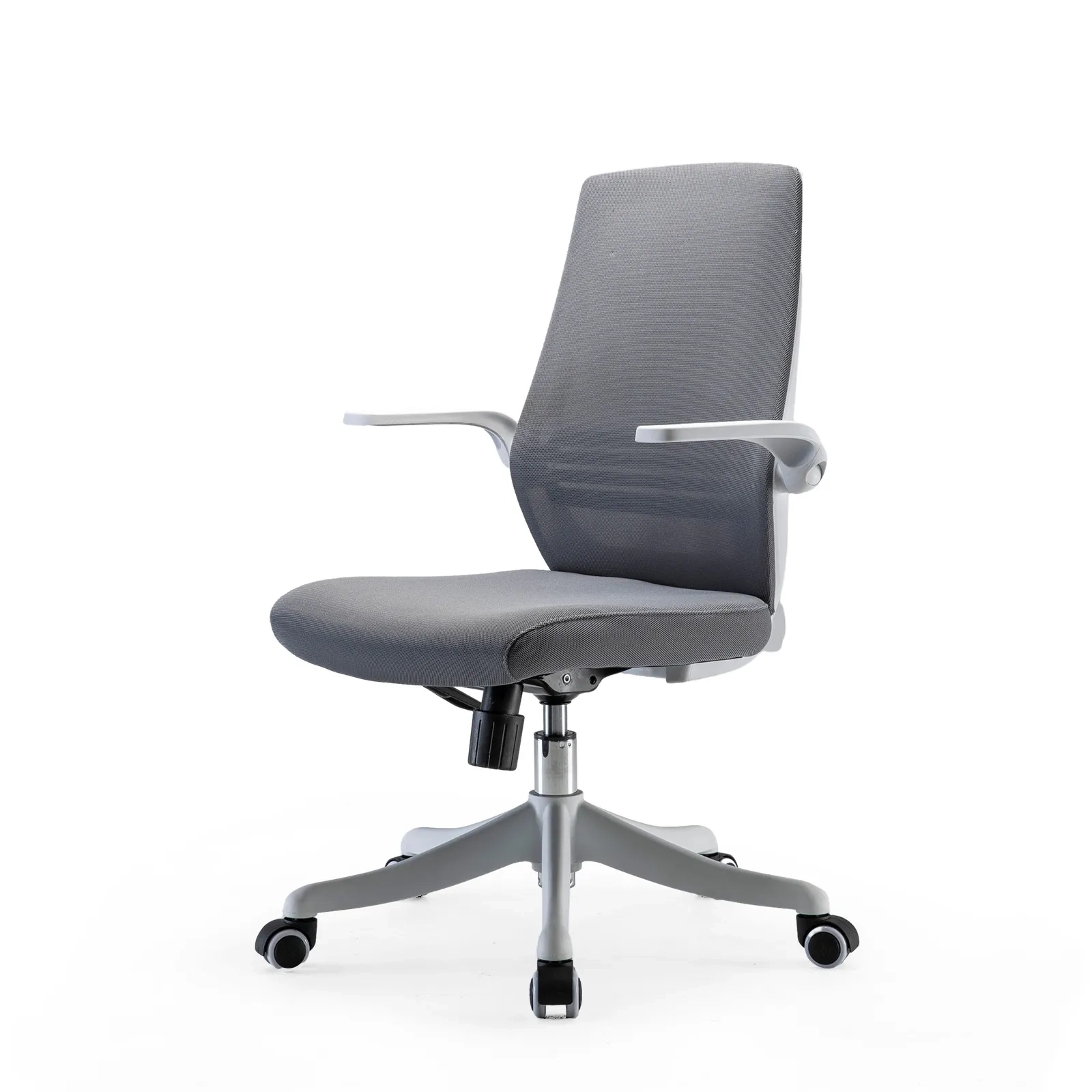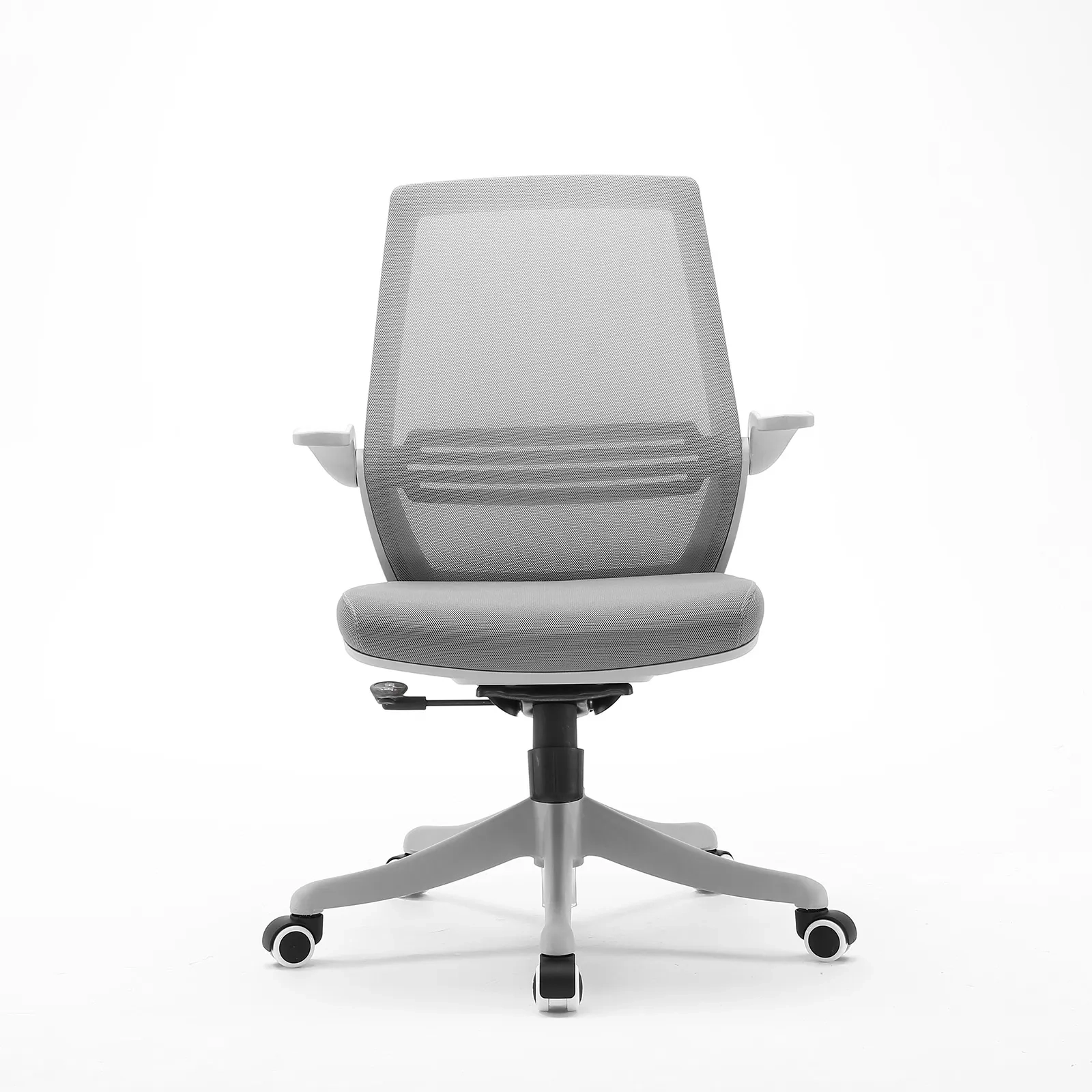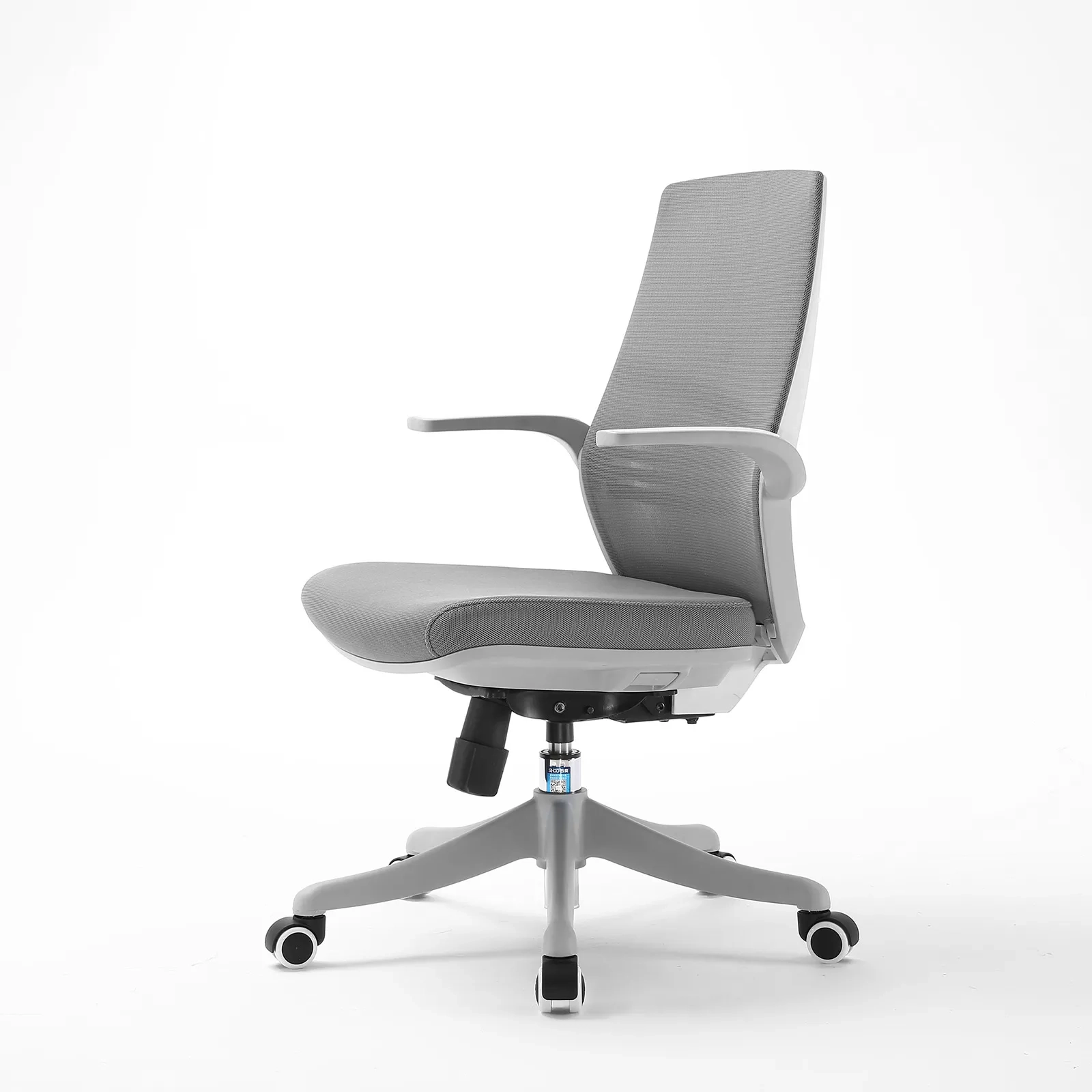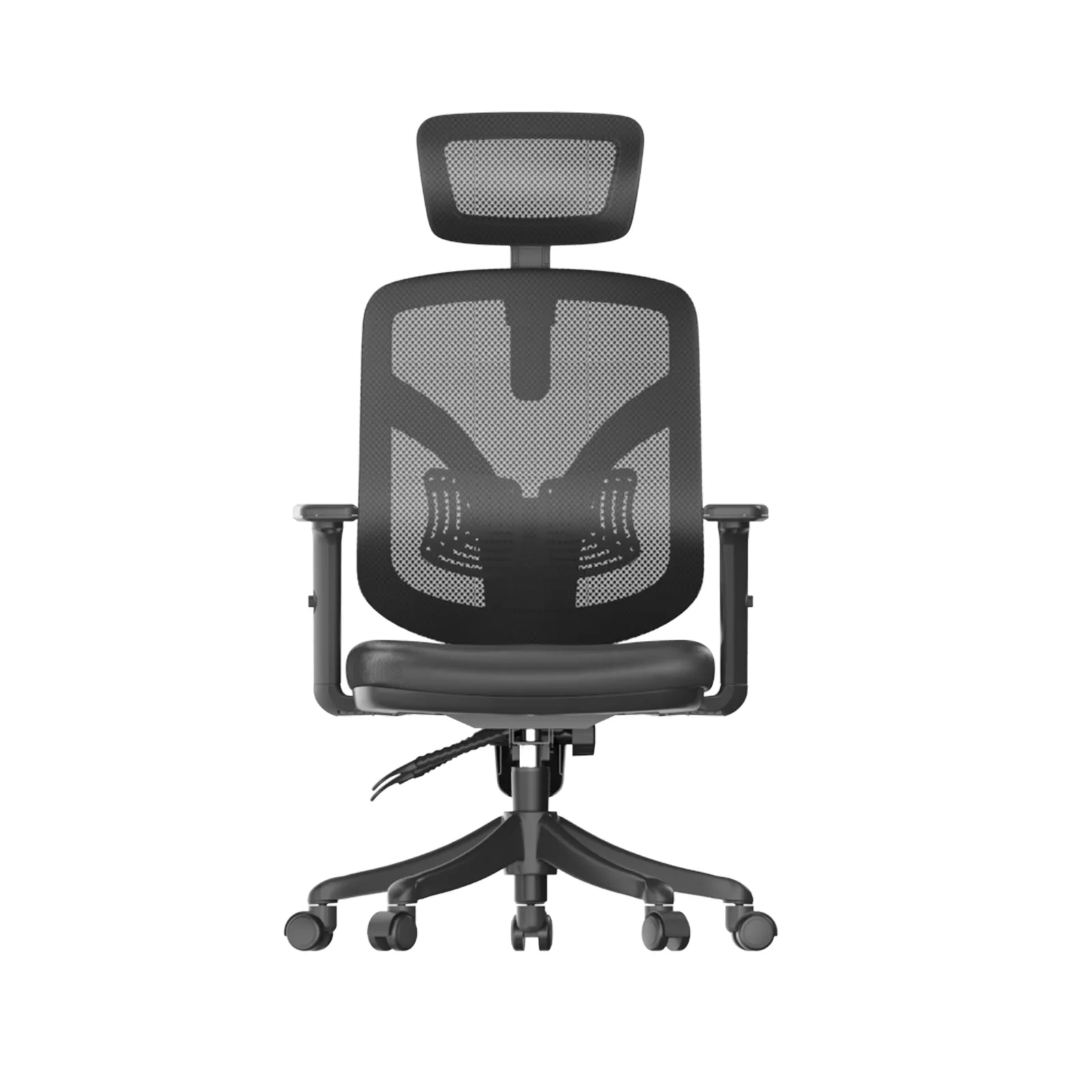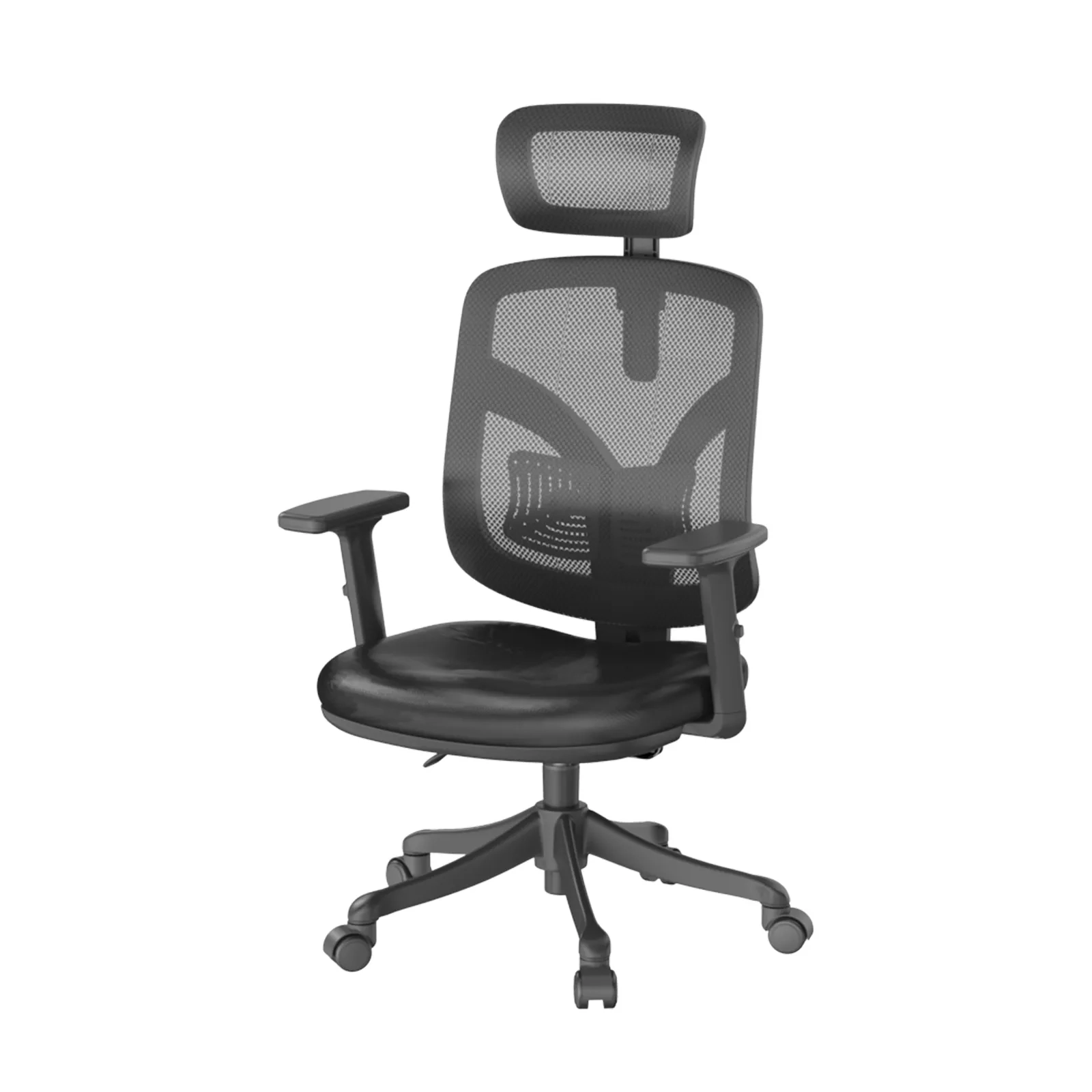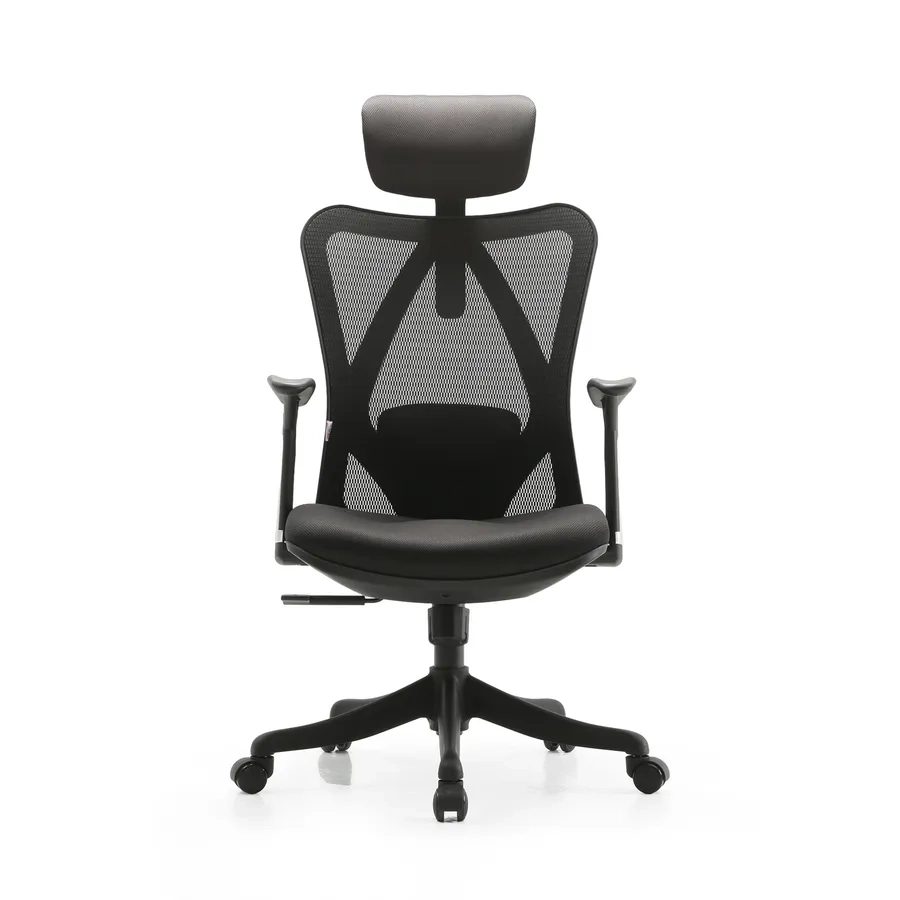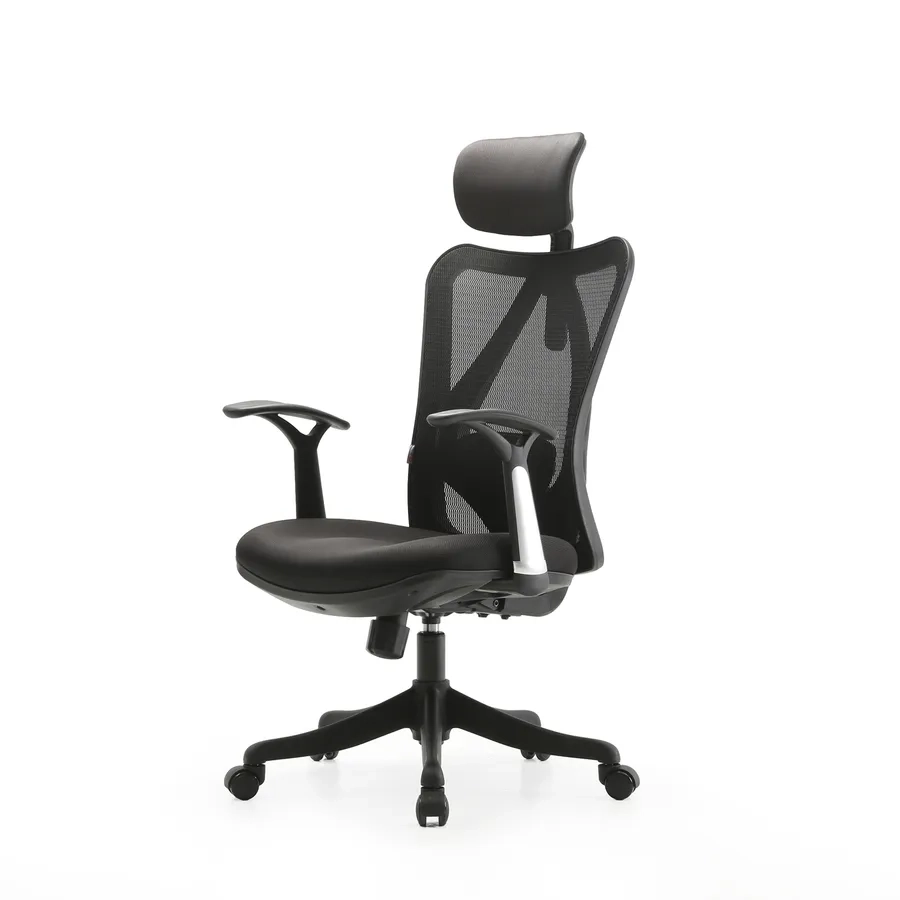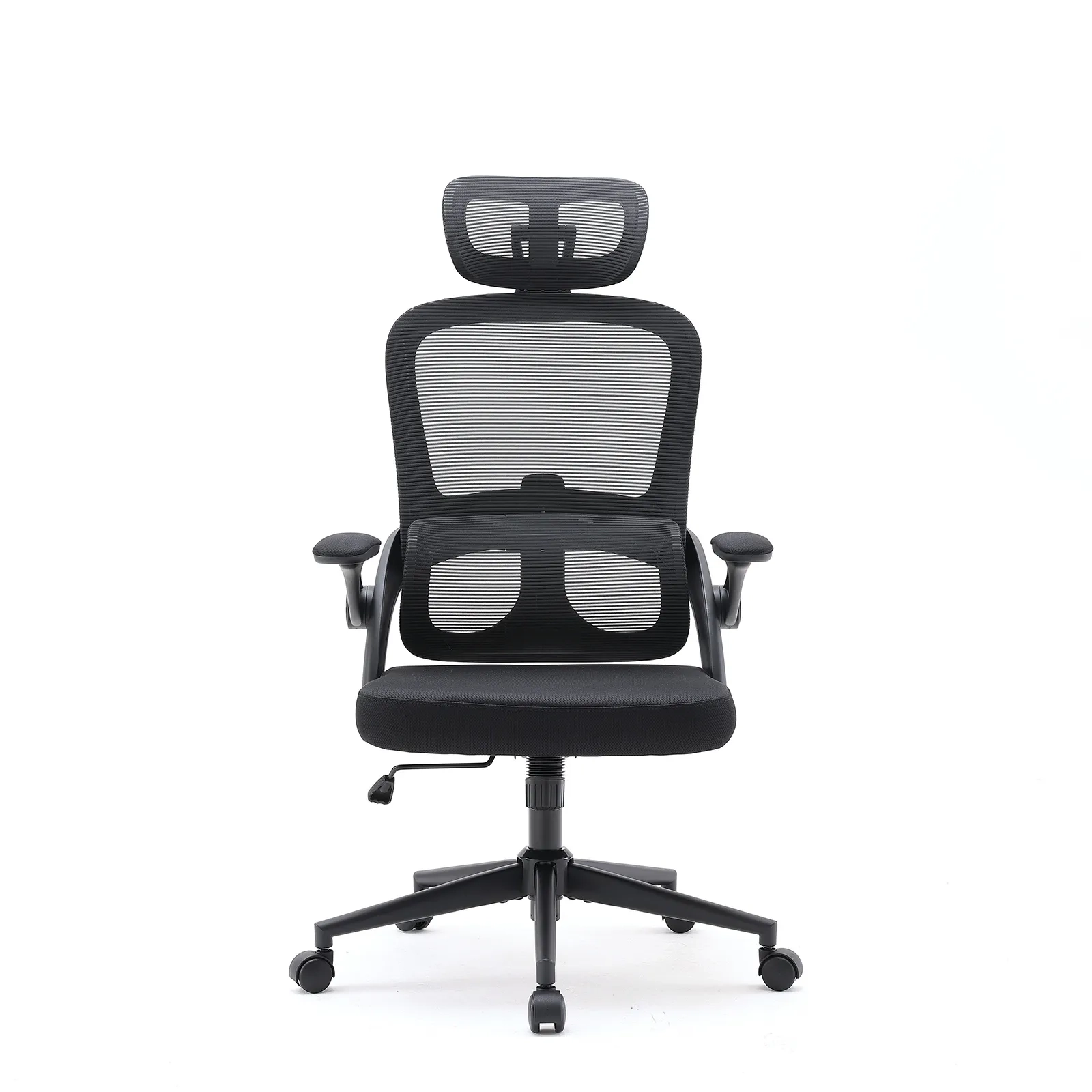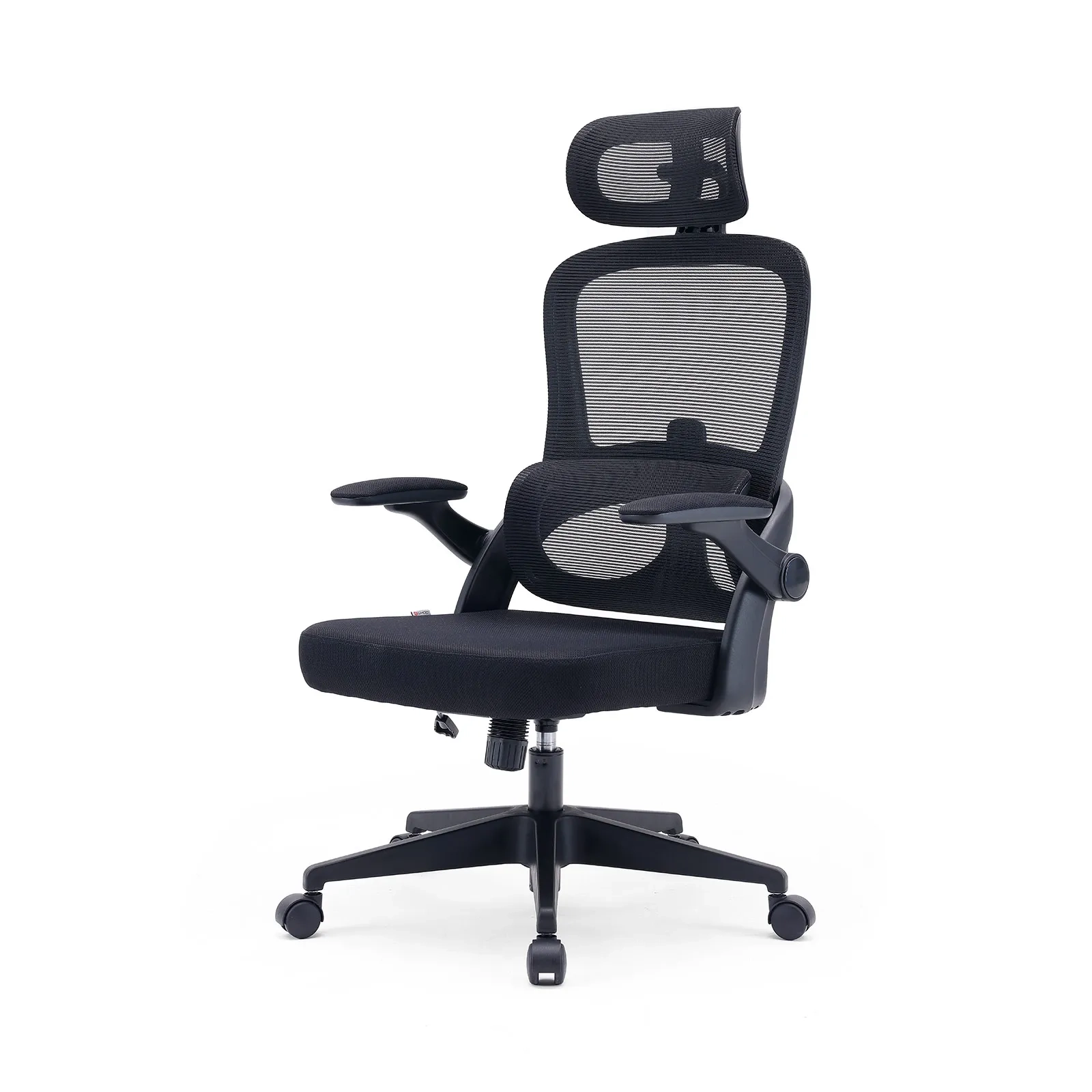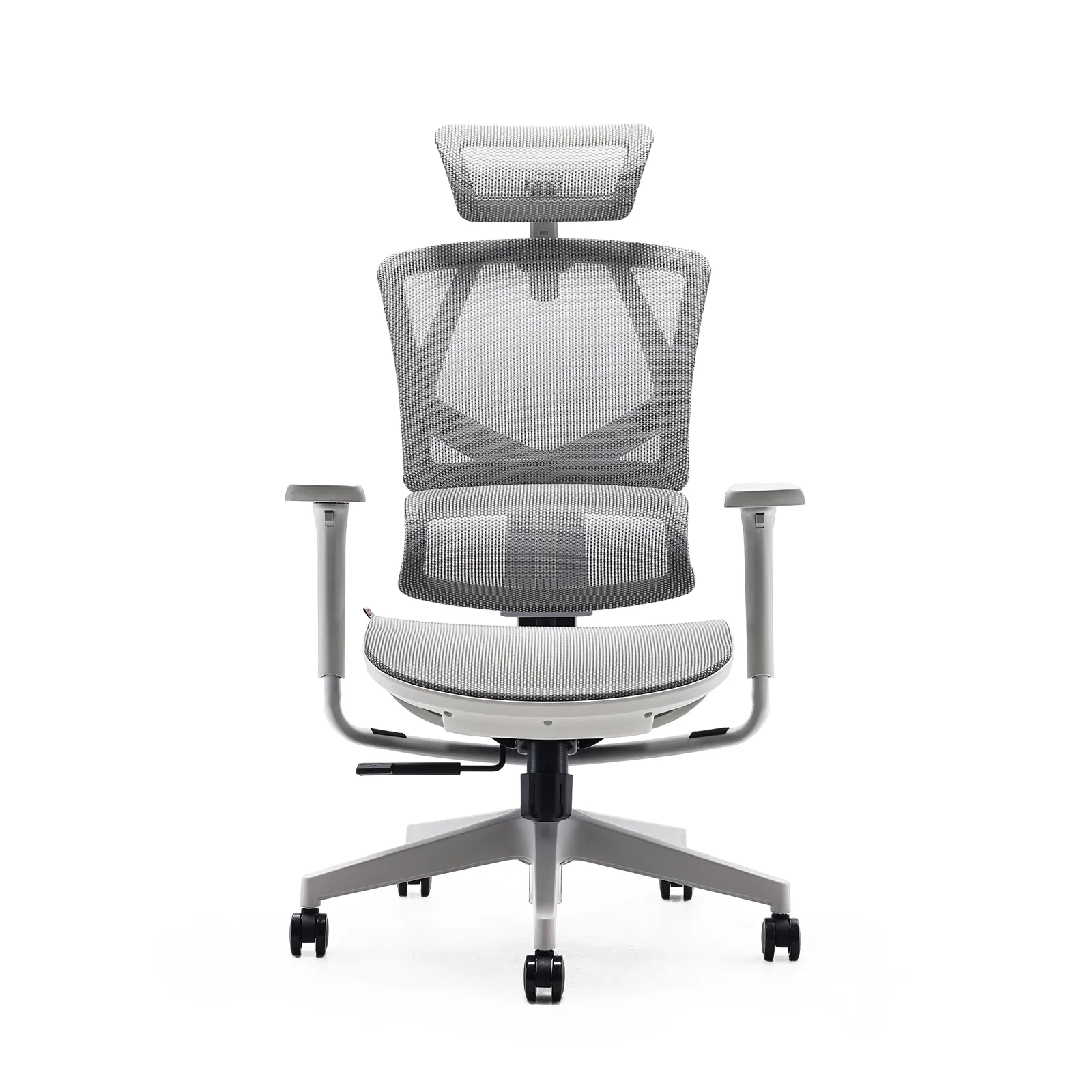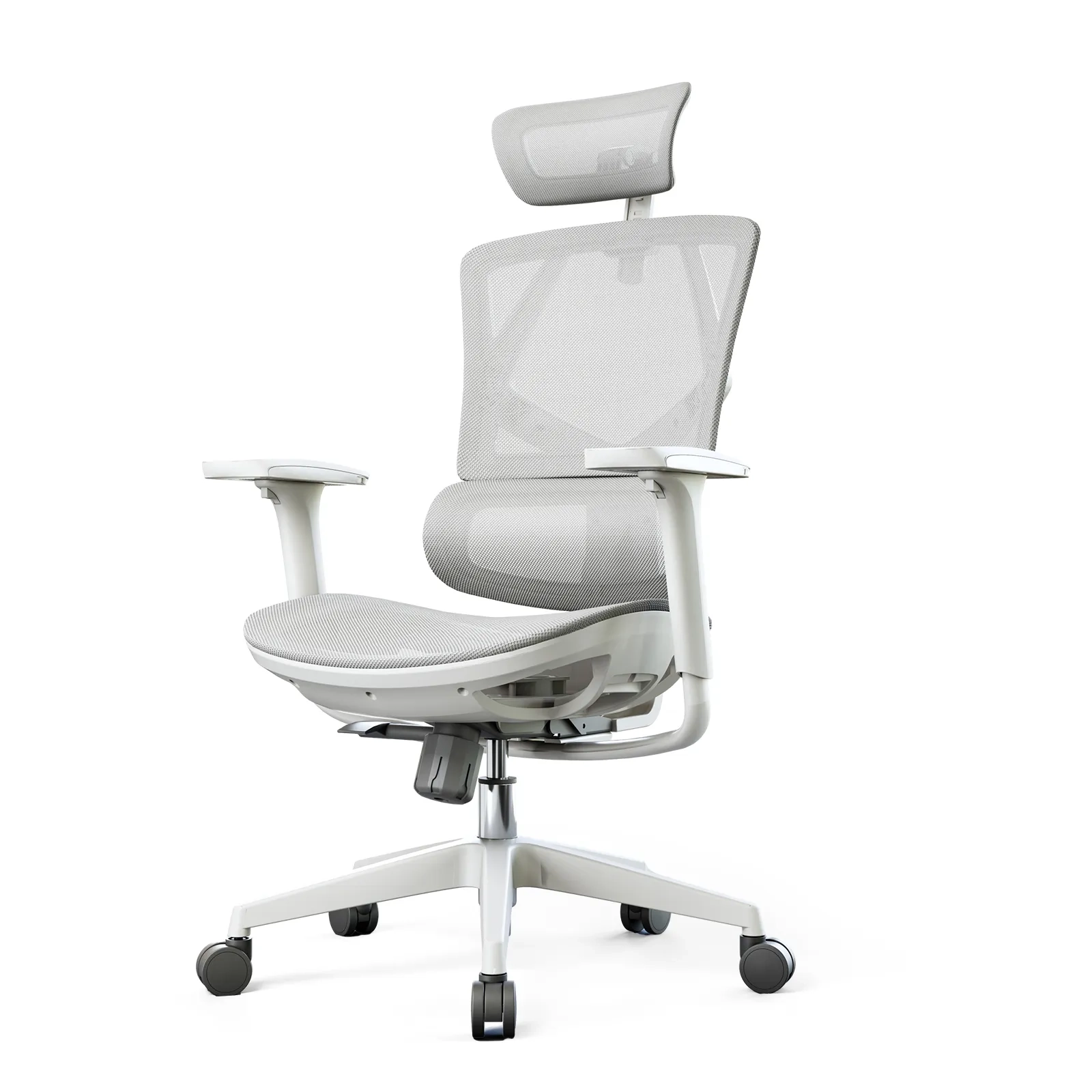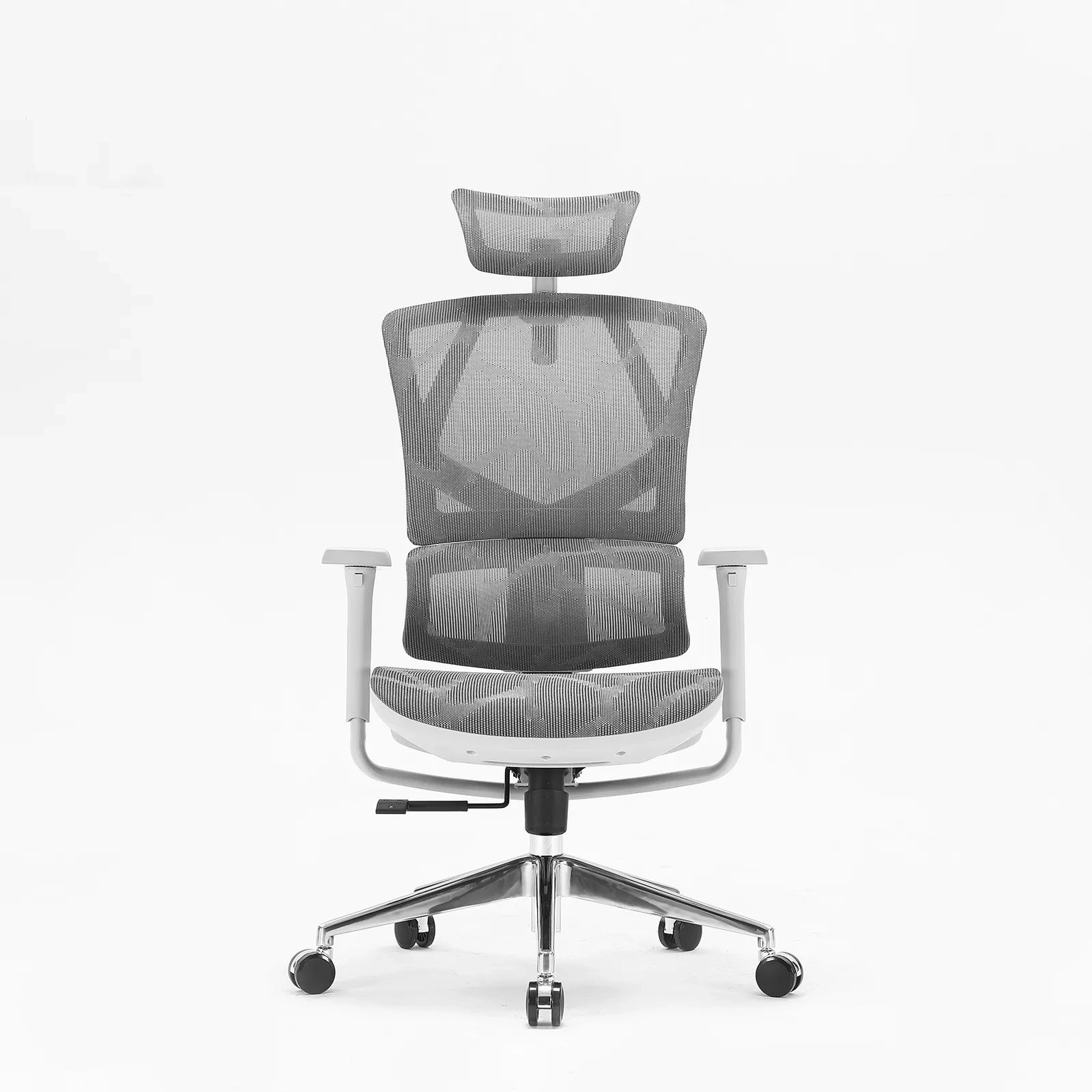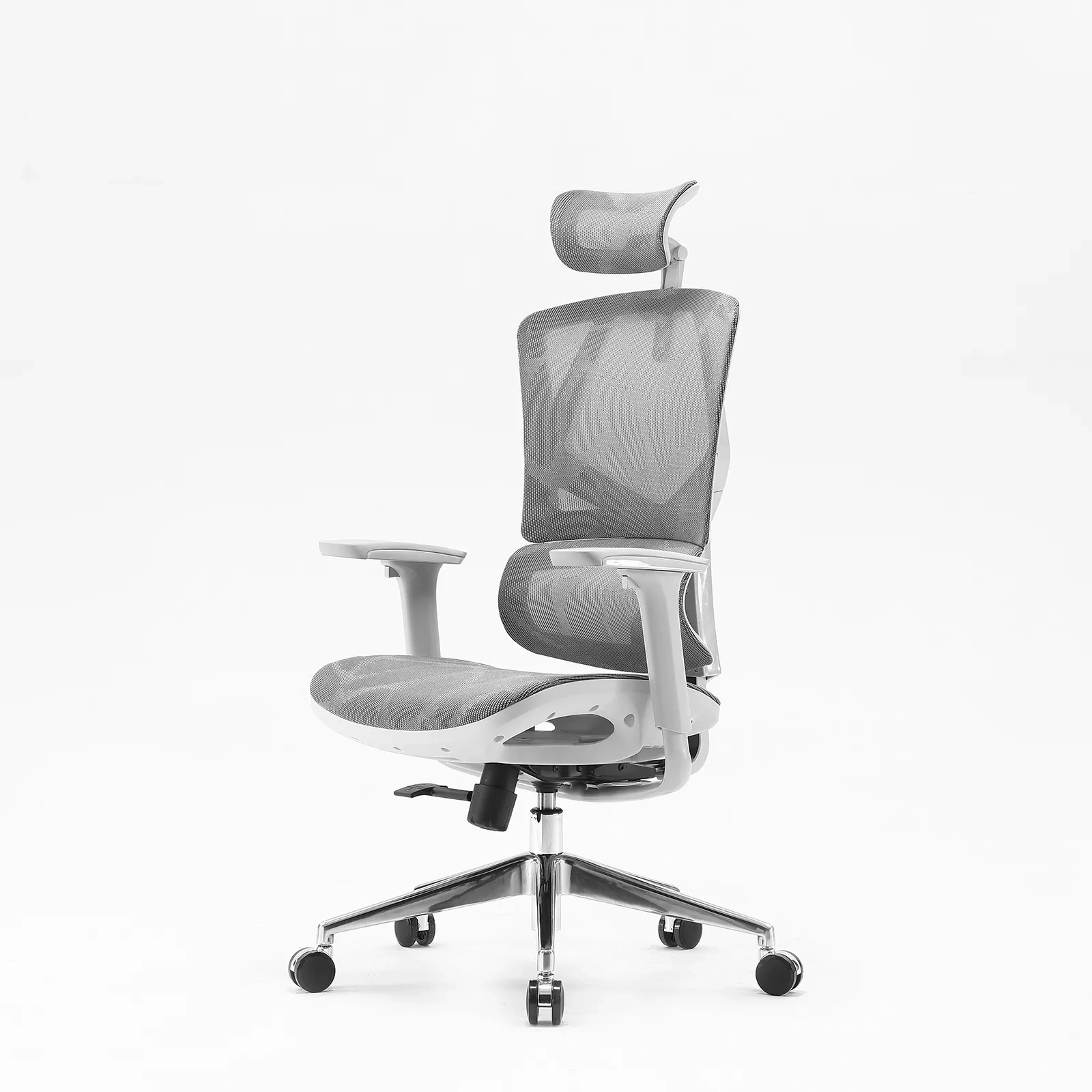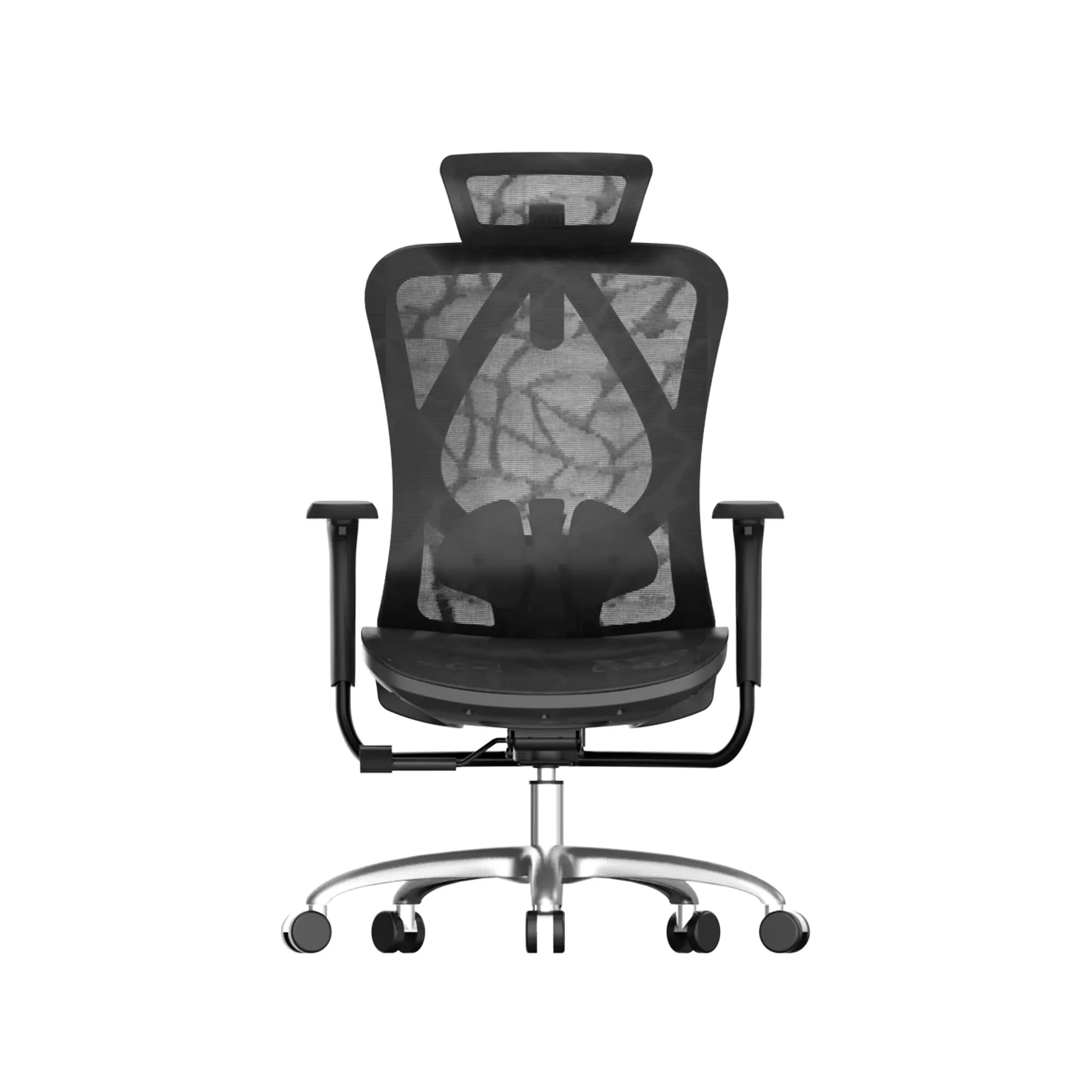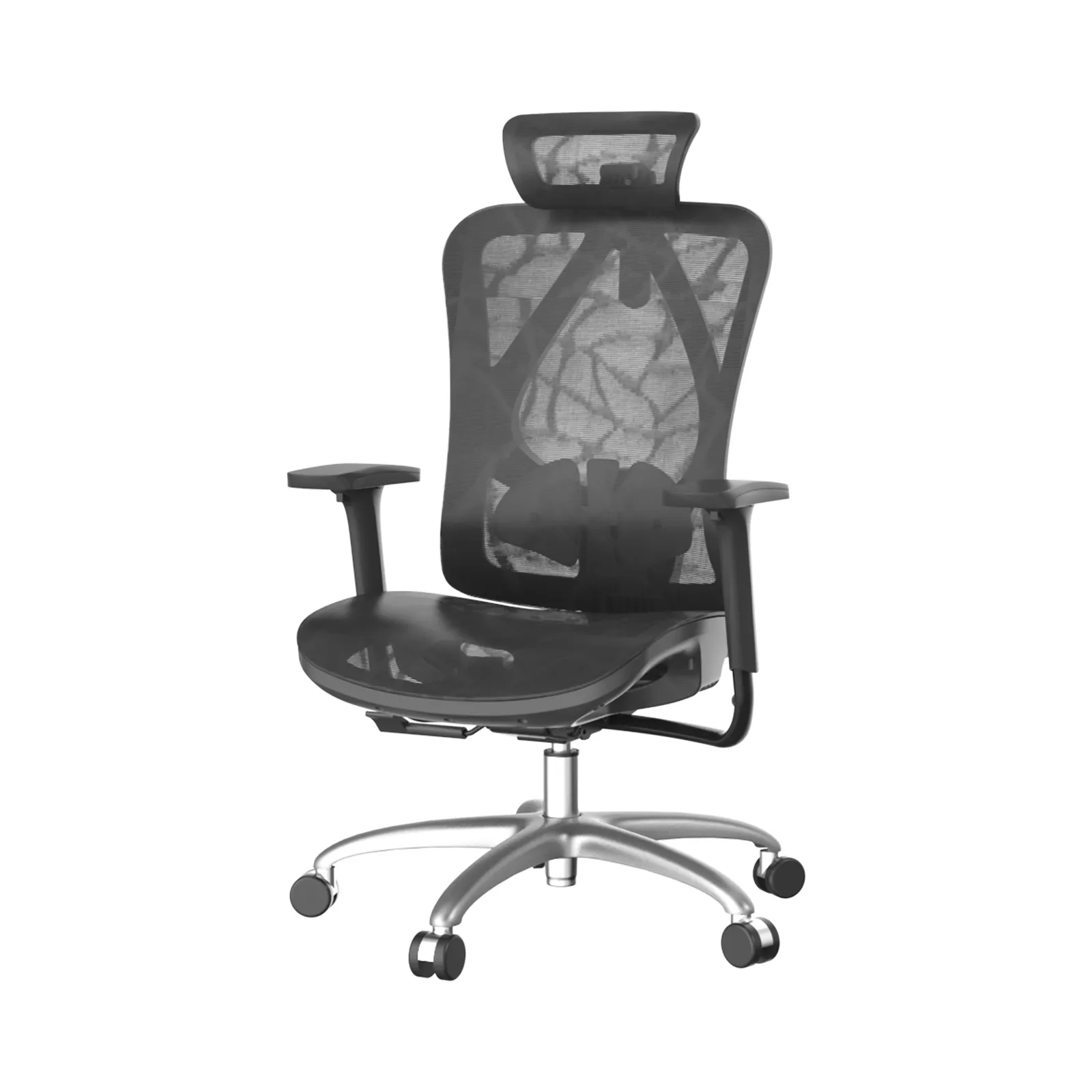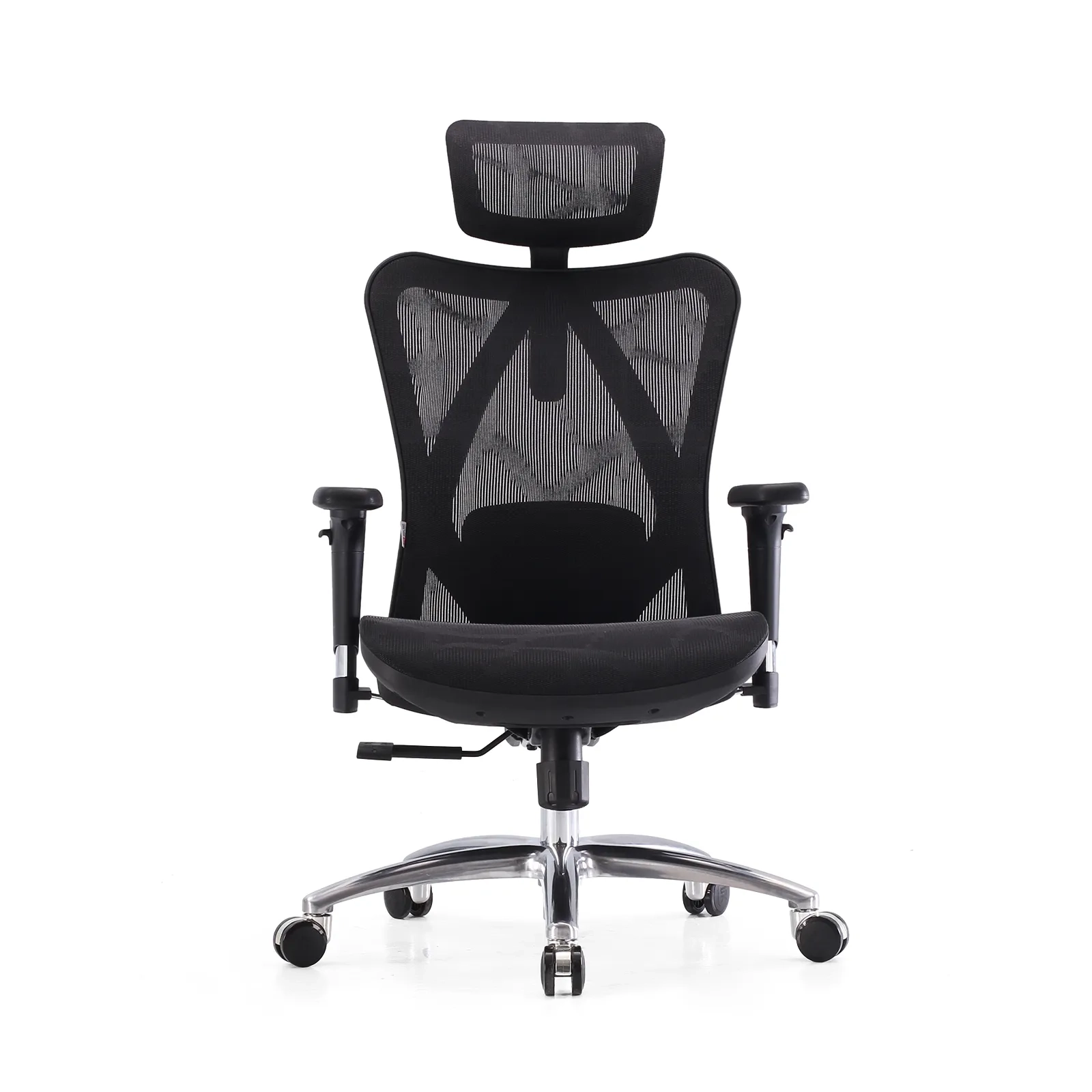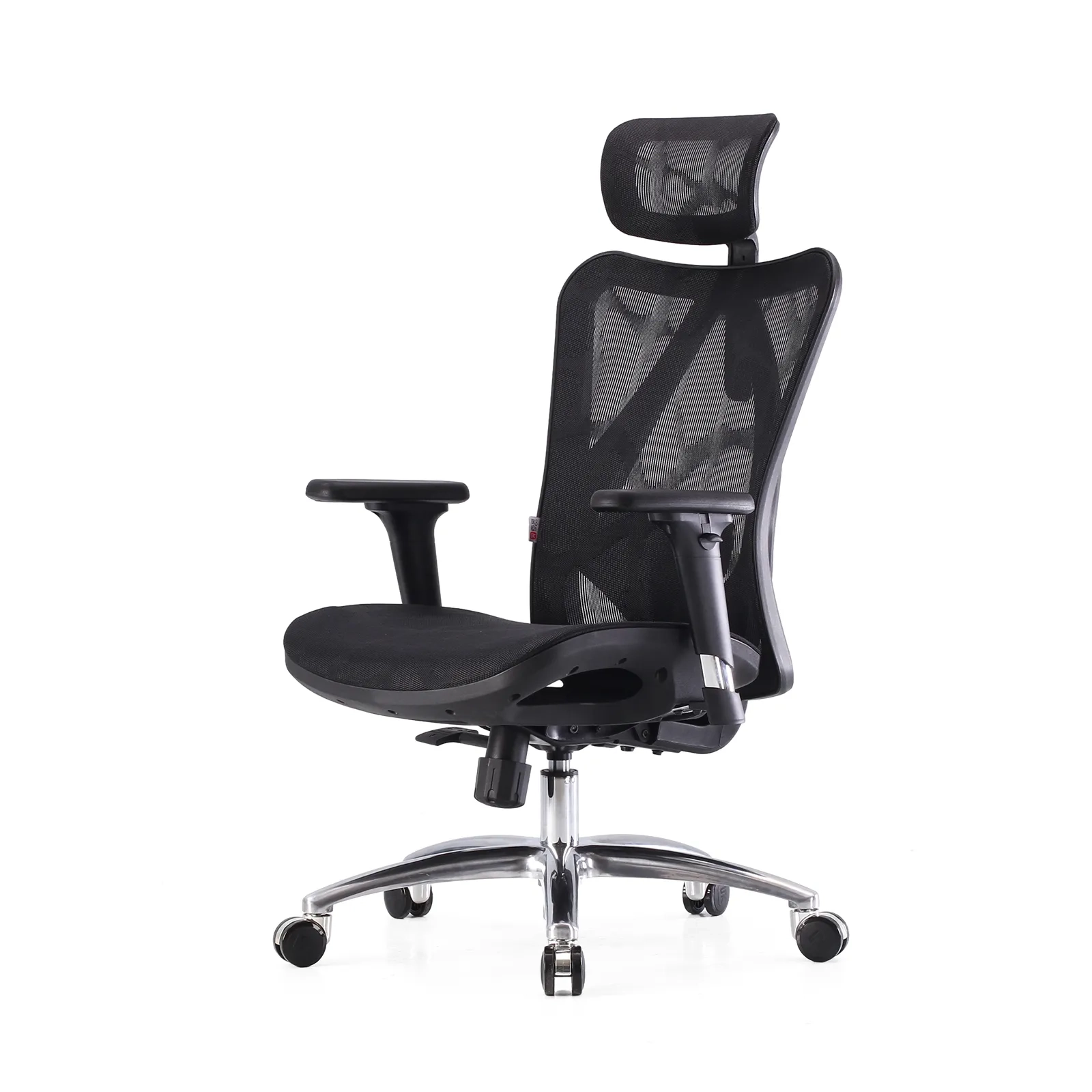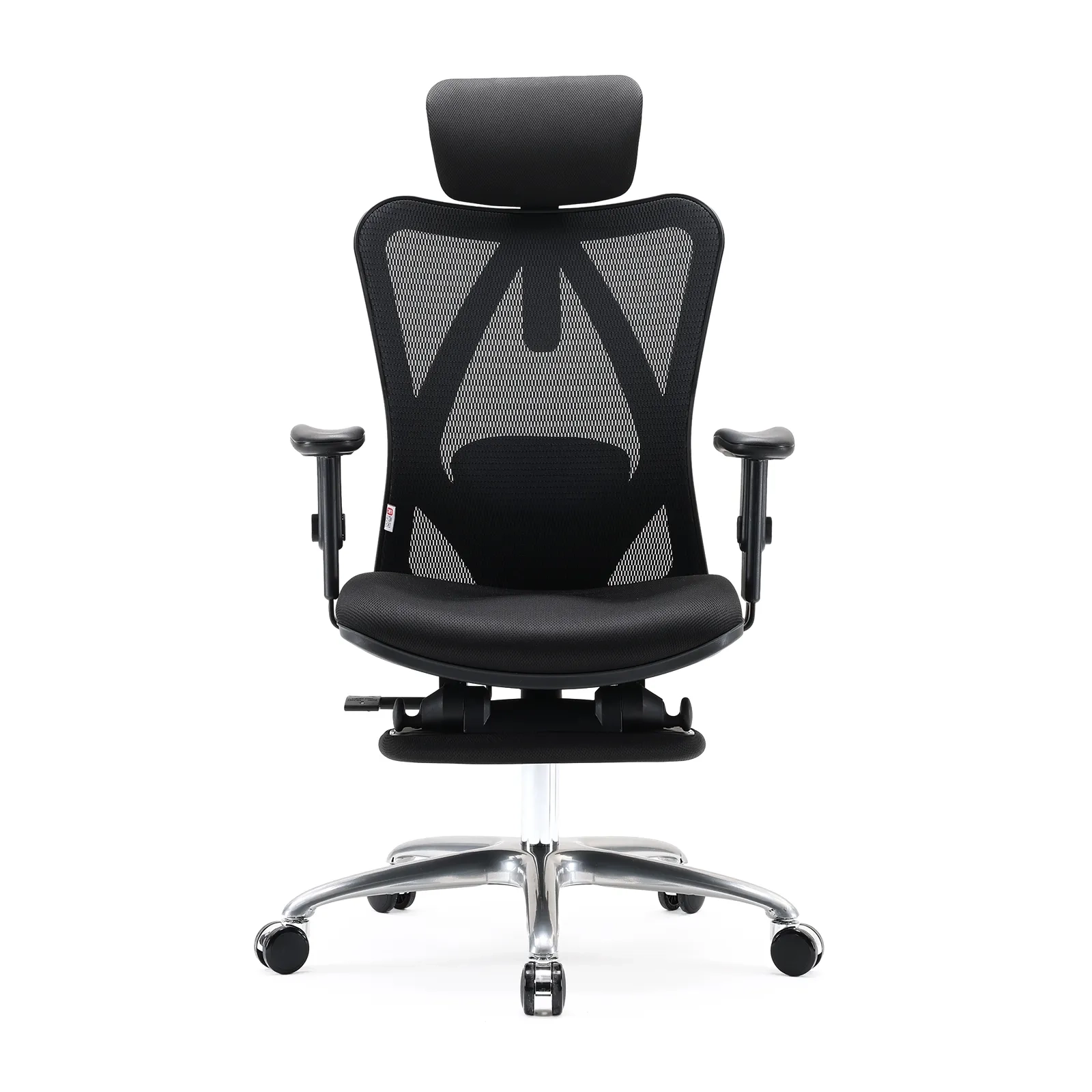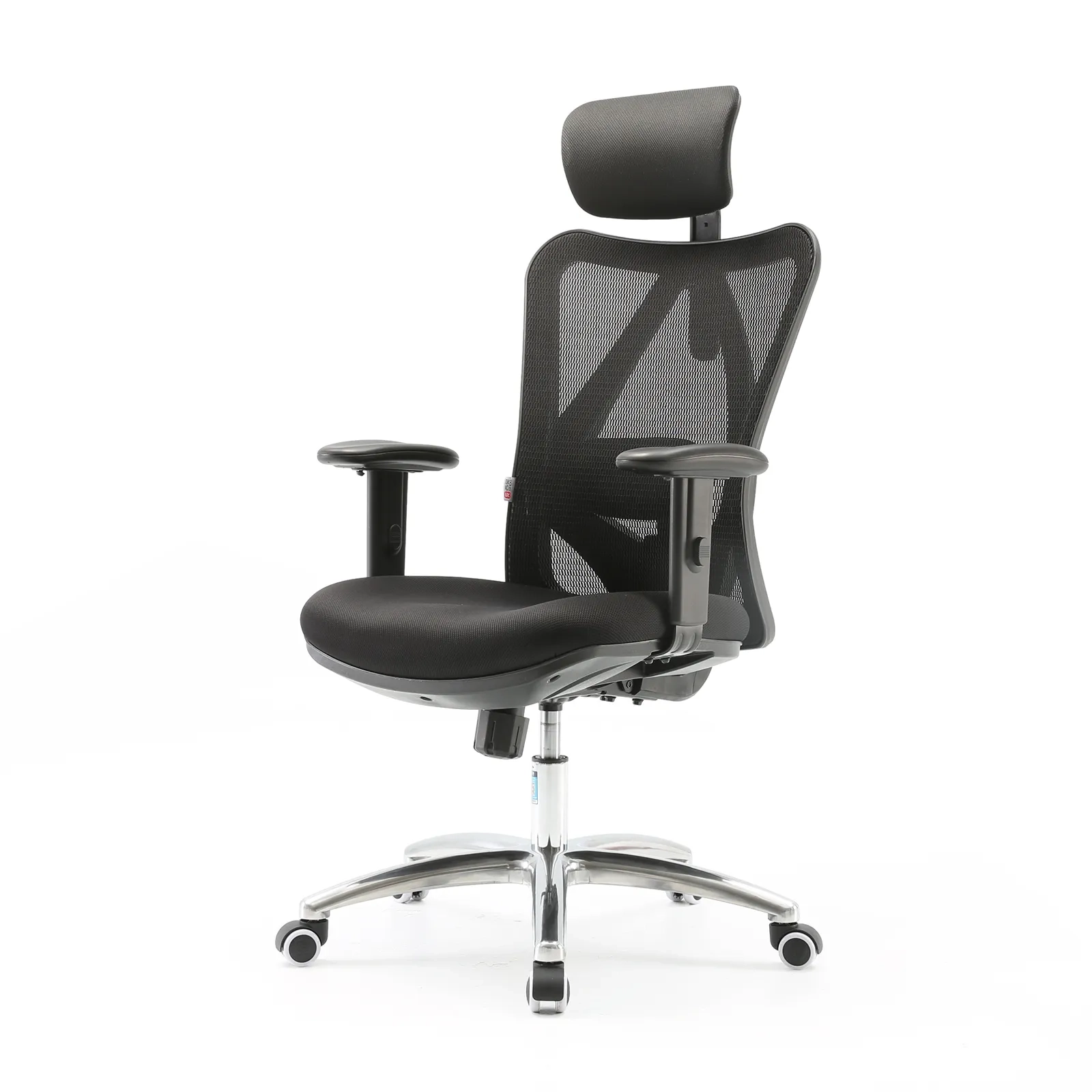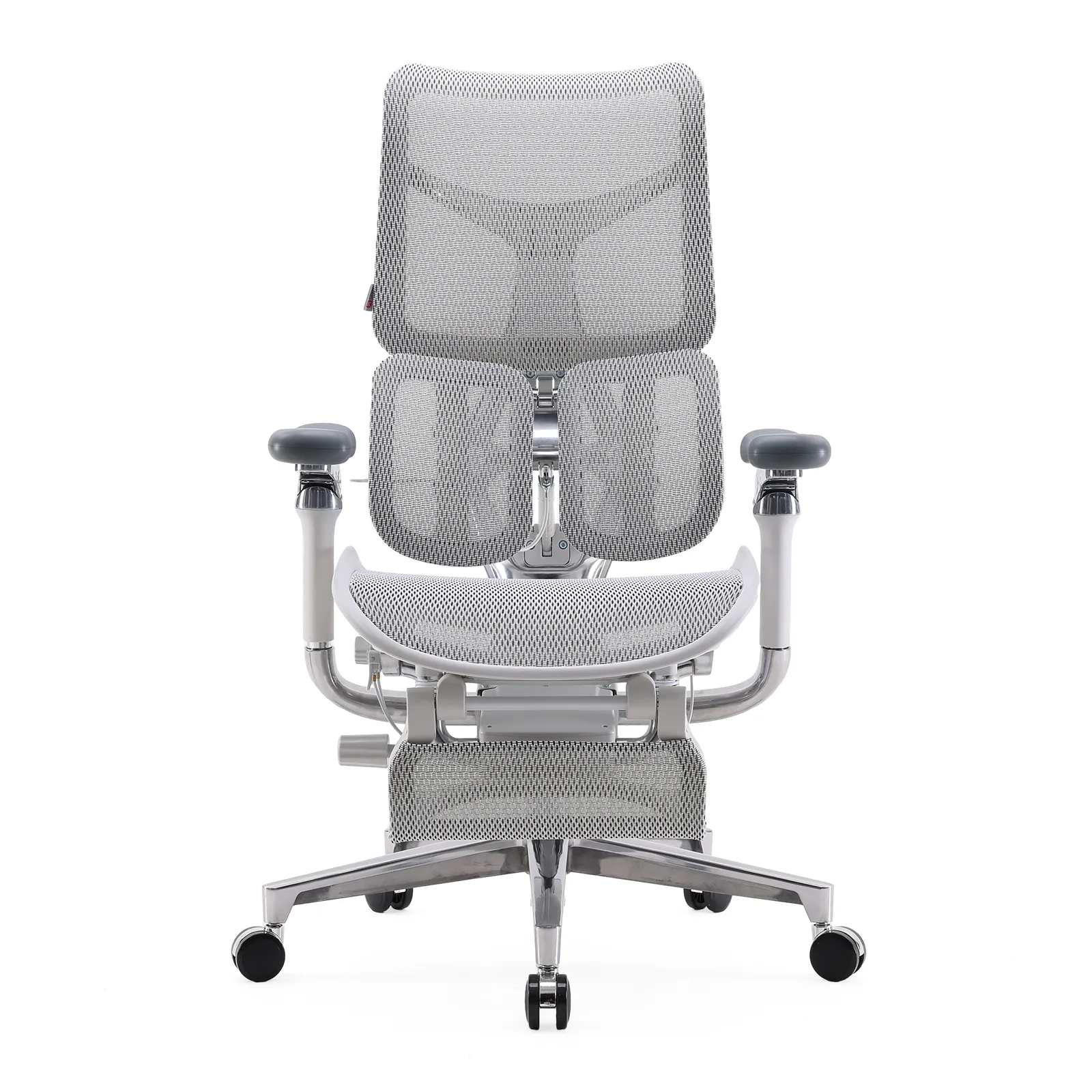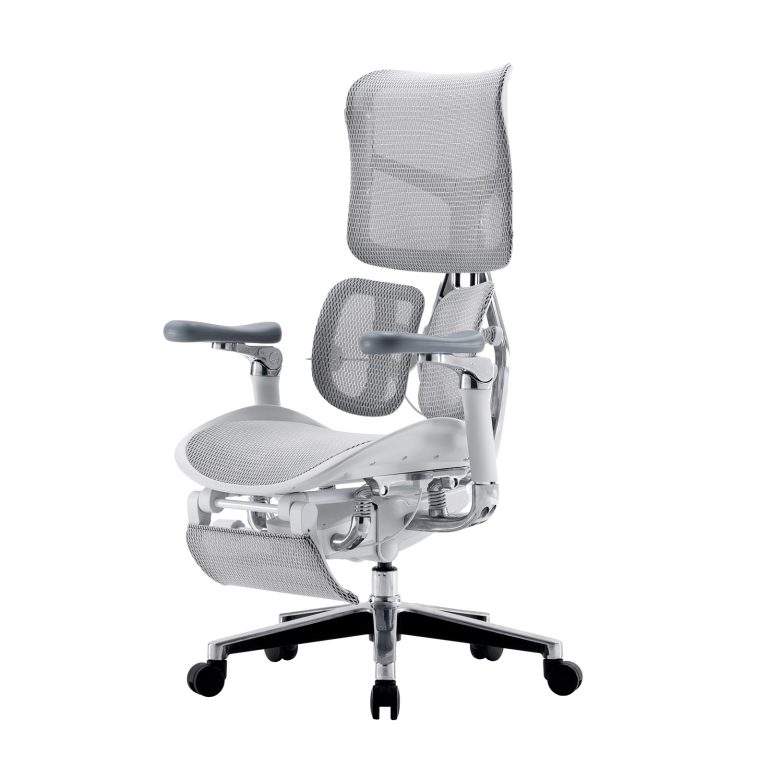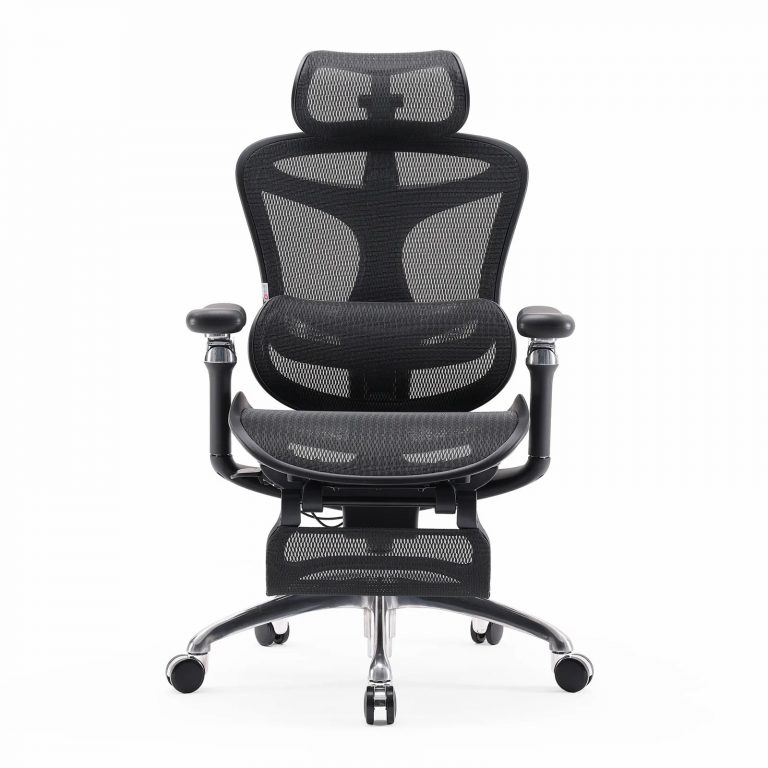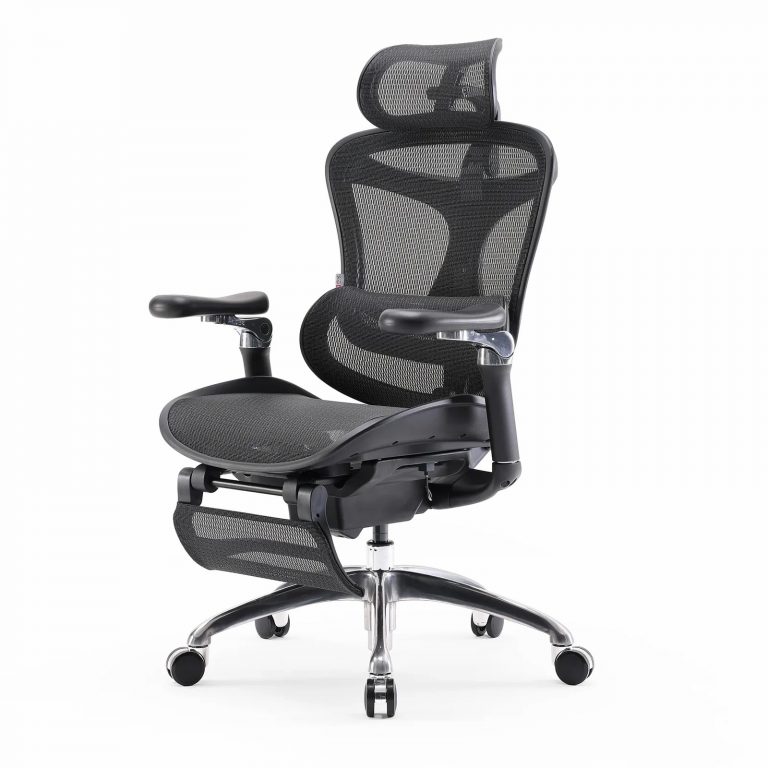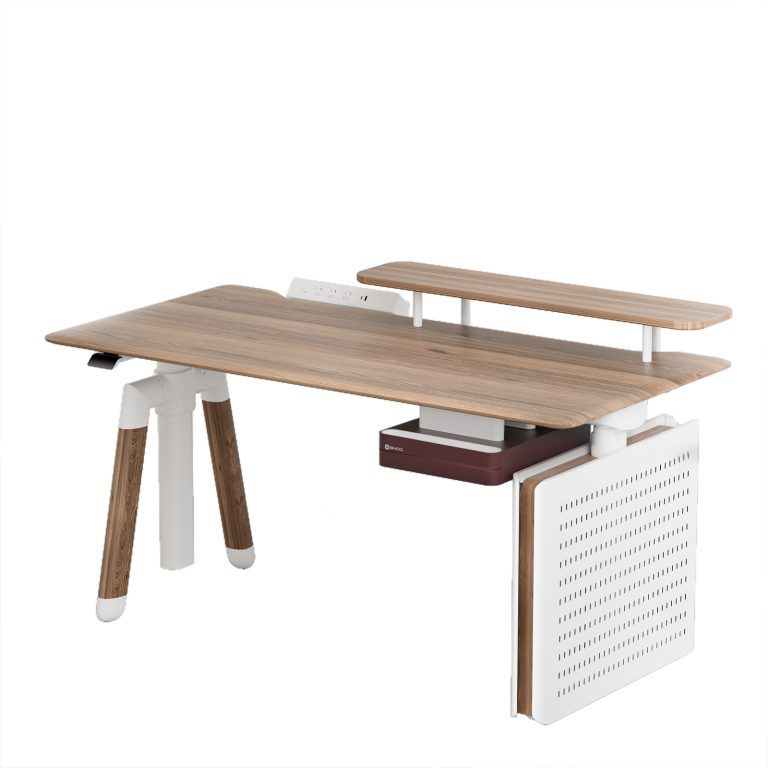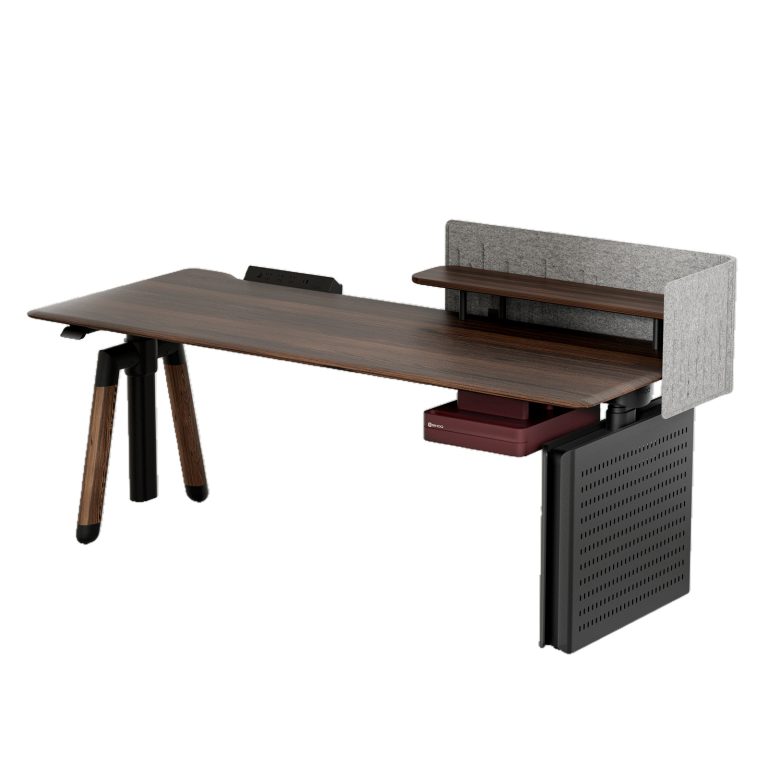









An executive office chair is the seat that anchors a leadership workspace: a private office, a boardroom, or a client-facing desk where the chair signals how a company treats the people who sit in it for eight hours a day. For distributors and procurement teams, that means a distinct buyer segment with its own requirements around presence, durability, and bulk consistency. Start from the executive desk chair explainer if you need to separate the category from a standard task chair, then match each option below to the room and the buyer it serves.
This guide lists seven executive office chair types we see requested most in B2B orders for 2026. None are “tested” in a lab sense; they are curated by function, materials, and the workspace each one fits. We focus on back support, adjustability, and which environment each model serves best.
Quick picks at a glance
| # | Chair type | Best for | Key support |
|---|---|---|---|
| 1 | High-back with dynamic lumbar | Long-hour leadership use | Dynamic lumbar |
| 2 | Mesh executive, ventilated | Warm-climate offices | Full mesh back |
| 3 | Padded high-back for meeting rooms | Boardrooms, waiting | High-back cushion |
| 4 | Wide-base tall-user frame | Tall executives, venues | Wider base |
| 5 | Mid-back leather-look chair | Guest and side desks | Compact back |
| 6 | Reclining break-recovery chair | Private offices | Recline + rest |
| 7 | High-volume SMB executive | Mixed teams, fleets | Balanced build |
What actually sets an executive chair apart
An executive chair earns the label through posture support and build quality, not through a taller base or a thicker pad. Four parts decide whether a leader stays comfortable through back-to-back meetings:
- Back height. A high back supports the upper spine and shoulders, which slump first during long sits. Most executive roles need that upper support more than a compact task chair does.
- Lumbar contact. The lower back needs a curve that meets the small of the back. Fixed lumbar beats none, but height- or depth-adjustable lumbar fits more body types across a mixed leadership team.
- Recline and tilt. A recline range lets the user shift load off the spine between calls. A locked-forward posture is the fast route to end-of-day aches.
- Materials. Leather-look and full mesh change how the chair reads in a room and how it behaves in heat. The luxury office chair for the corner office guide covers the presence side; this guide stays on function and procurement.
For the comfort-deep-dive angle, see our published what makes an executive office chair comfortable for daily use article, which pairs well with the picks below.
The seven options, by workspace
1. High-back with dynamic lumbar
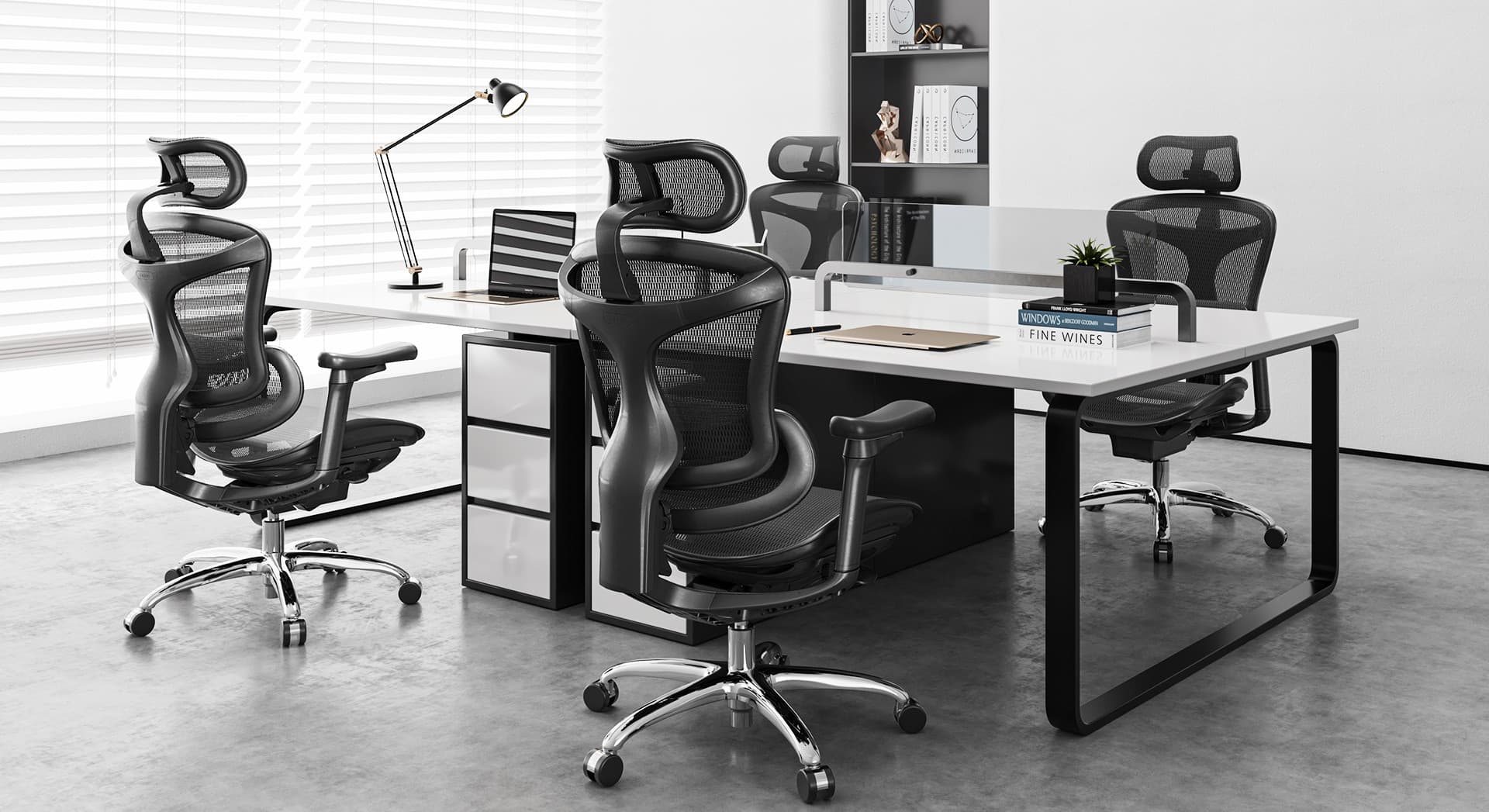
Long-hour leadership use is the core executive case. The C300 targets long-hour use with a high mesh back and dynamic lumbar that tracks the spine. Place it in private offices and executive RFQs where chairs run for many hours a day and presence matters as much as comfort.
2. Mesh executive, ventilated
For all-day sitters in warm climates, a full-mesh back keeps contact areas cool when the air conditioning does not keep up. SIHOO’s S300 fits this segment: a breathable mesh build with the adjustability a long session demands. Stock this for markets where heat is a daily complaint, not a seasonal one.
3. Padded high-back for meeting rooms
Boardrooms and waiting areas need chairs that look composed and stay comfortable through long sessions. The V1 covers tall users and meeting-room layouts with a high-back frame, and it works as both a primary chair and a staged seat in a conference area.
4. Wide-base tall-user frame
Tall executives and venue setups need a wider, taller back and a stronger base. The V1 also serves this need with a wider stance and higher back, so it doubles as the tall-user option inside an executive fit-out. Confirm the weight rating per SKU before quoting a large order.
5. Mid-back leather-look chair
Guest desks and side offices want a compact, formal seat without the bulk of a full high-back. A mid-back leather-look chair reads professional and ships lighter. It is a safe default for reception-adjacent seating where the user sits for shorter stretches.
6. Reclining break-recovery chair
For private offices where the user reclines during calls or between meetings, a recline range extends the chair into a rest posture. This type suits principals who spend long days at the desk and want load relief without leaving the room.
7. High-volume SMB executive
Mixed teams and SMB fleets need one executive-grade chair that scales. The M57 serves high-volume SMB orders with a mesh back for ventilation plus a padded seat for users who dislike all-mesh contact. It is the pragmatic default for fleets that must feel consistent across a building.
Materials and build notes for procurement
Quality in an executive chair lives in two places buyers rarely see: the weave or upholstery, and the frame. Full mesh resists sagging because it has no foam to compress, and it stays cool in warm rooms. Leather-look padded chairs read more formal but trap heat and eventually show wear at the edges. The frame carries the real risk: glass-filled nylon is light and strong for most users, while metal adds weight and cost but suits tall-user and high-cycle models. The executive office chair wholesale guide goes deeper on bulk sourcing, but the rule holds for any volume order: keep the spec consistent across a lot so every chair feels the same on arrival.
Casters matter more than they look. Hard floors need soft-wheel casters; carpet needs hard wheels. Shipping the wrong caster to a market creates returns that have nothing to do with the chair. A five-star base spreads load better than a four-star base, which can tip under a leaning user.
How to choose for a leadership office or bulk order
- Map the room. Private office and long hours: high-back with dynamic lumbar. Boardroom: padded high-back. Warm market: full mesh.
- Map the body. Tall users and venues: wider base and higher back. Mixed teams: one consistent model.
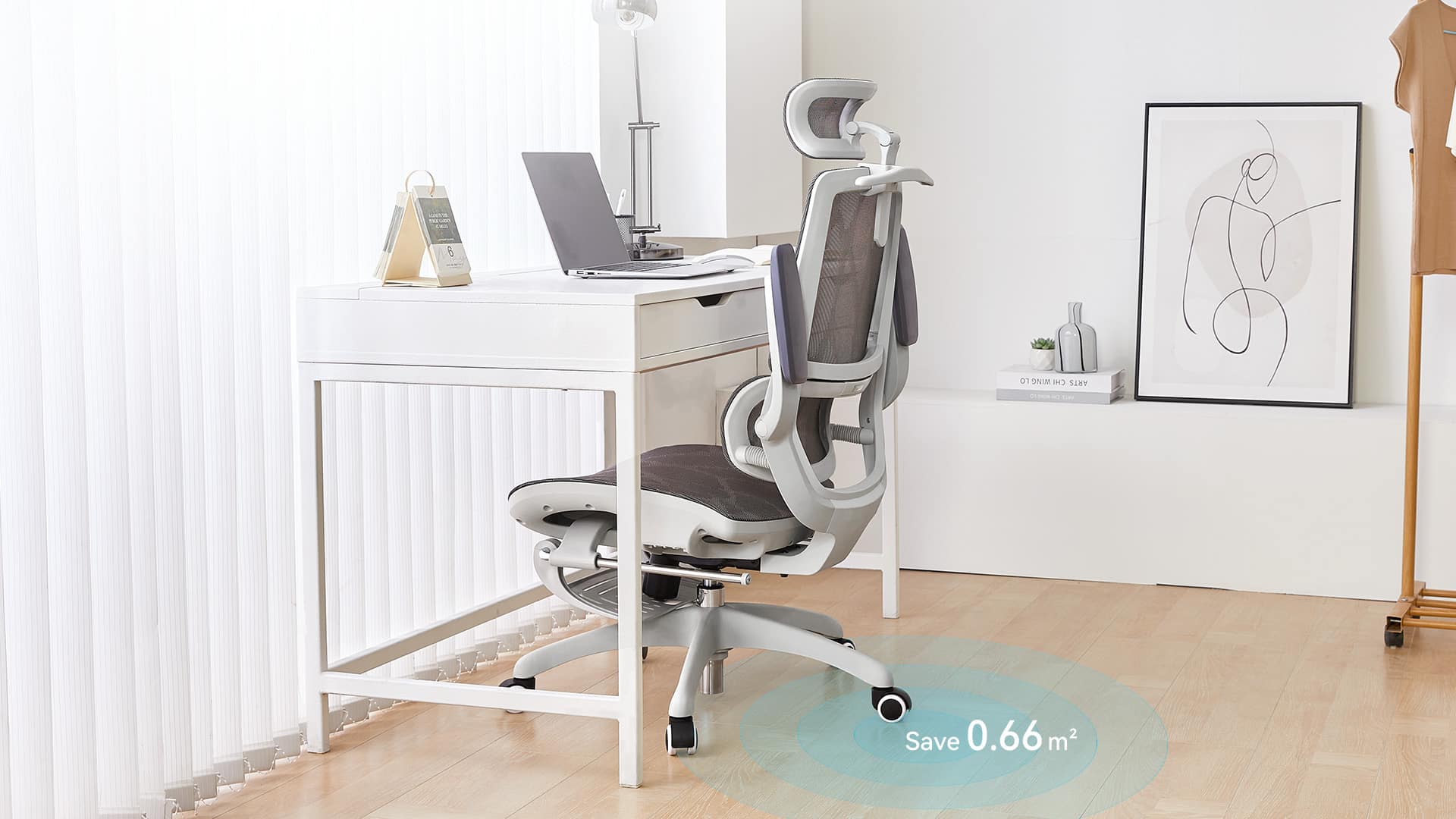
- Check adjustability. At minimum: seat height, back tilt, lumbar. Arms adjustable for desk-heavy roles.
- Plan spare parts. Arms, casters, and lumbar pads wear first. Confirm they are orderable before the first container ships.
- Sample first. Order one unit per model you intend to stock. Sit it for a full day before scaling.
Commercial furniture standards from groups like BIFMA give procurement teams a baseline for durability and stability testing. Ask suppliers which standards their chairs meet before committing to a spec.
Common mistakes buyers make
Buyers often pick by photo. An executive chair that looks supportive in a catalog can have a flat back that does nothing for the spine. Train your sales team to lead with two questions: how long will the user sit, and how hot is the room. Those answers select the model faster than any spec sheet. Another mistake is ignoring seat depth; a deep seat cuts circulation for shorter users even when the back is perfect. A third is stacking one model for everyone; mixed leadership teams need at least two back-height or lumbar options. Finally, buyers underestimate spare parts, so confirm arms, casters, and lumbar pads are orderable before the first container ships.
FAQ
Does mesh last as long as padded leather-look chairs? Mesh resists sagging because it has no foam to compress. Frame and connectors wear instead. Ask suppliers about frame warranty terms per SKU.
Is a high back necessary for an executive chair? For private offices and long hours, yes. The upper spine and shoulders need support that a mid-back chair does not provide. Guest and side desks can use a mid-back without loss.
Can executive chairs support tall or heavy users? Only rated models can. The V1 is built for tall users and meeting rooms; confirm the weight rating per SKU before quoting.
Are executive chairs harder to clean than task chairs? Surface dust and marks wipe off both. Mesh does not trap crumbs like seams in padded chairs, which helps in shared boardrooms.
How should distributors present executive chairs to corporate buyers? Lead with the room and the user, not the sticker. Show how a high-back mesh model serves a private office and how a mesh task-executive hybrid serves a dense desk floor, then let the buyer match the chair to the space rather than to a price point.
Final thoughts
Executive chairs are not one product but a family matched to room, climate, and body. For a 2026 catalog, cover a high-back with dynamic lumbar for long-hour leadership use, full mesh for warm markets, and a high-volume SMB model for mixed fleets. Compare the seven types above against your buyer list, then request samples through the SIHOO partnership page before a large order.