








Introduction
I’ve spent way too much time obsessing over chairs lately, and I’ve realized the biggest myth in furniture is that you have to choose between a “statement piece” and a chair that won’t ruin your back. By 2026, that gap is luckily becoming less of an issue. But here’s the reality: real comfort isn’t about how soft a cushion feels for the first five minutes. It’s a mechanical problem. We’re talking about tiny tweaks—the angle of an armrest or the specific density of the foam. OSHA even points out that sitting with bad posture can jack up the pressure on your spinal discs by 40%.
Optimized Seat Depth
Most people never look at seat depth, but it’s usually why your legs feel heavy after an hour. If the seat is too deep, the edge is going to press right into the back of your knees and mess with your blood flow. If it’s too shallow, your thighs aren’t supported, and all that pressure goes straight to your sit-bones.
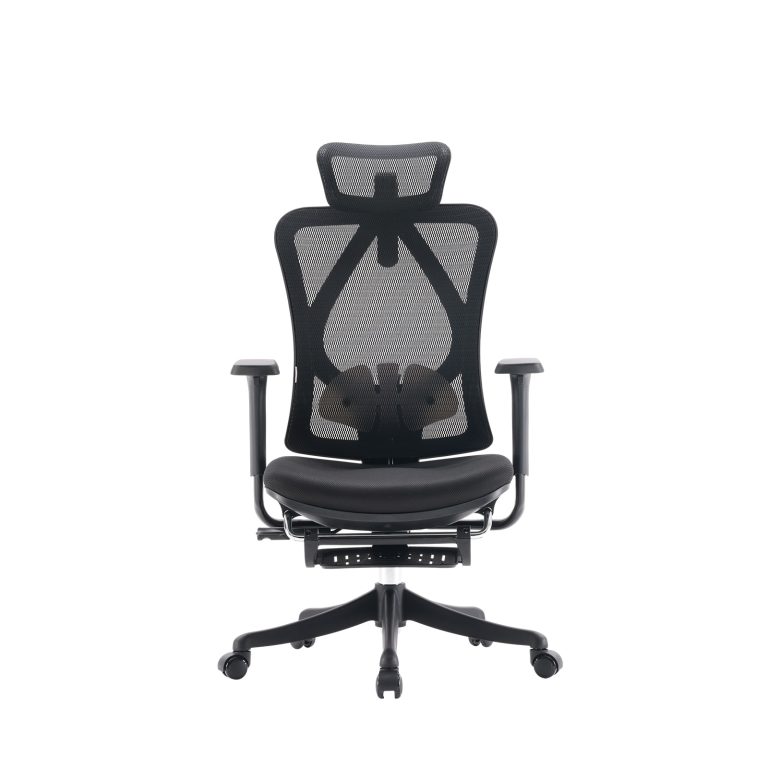
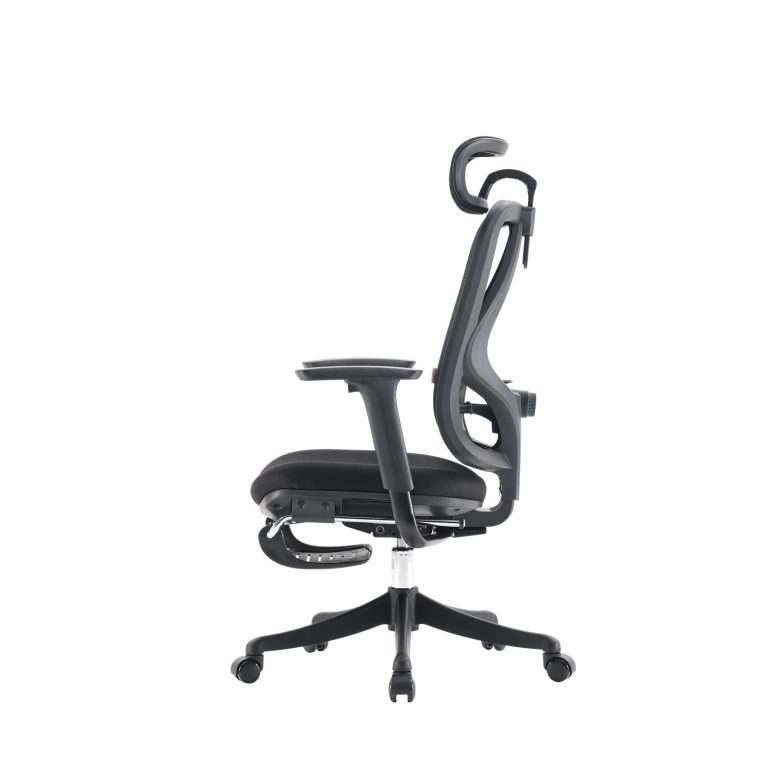
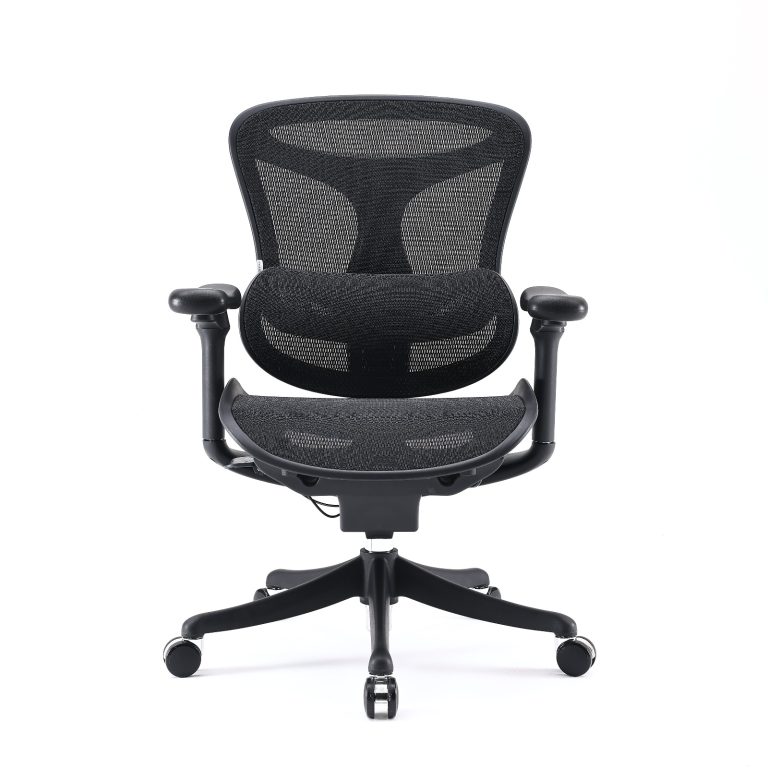
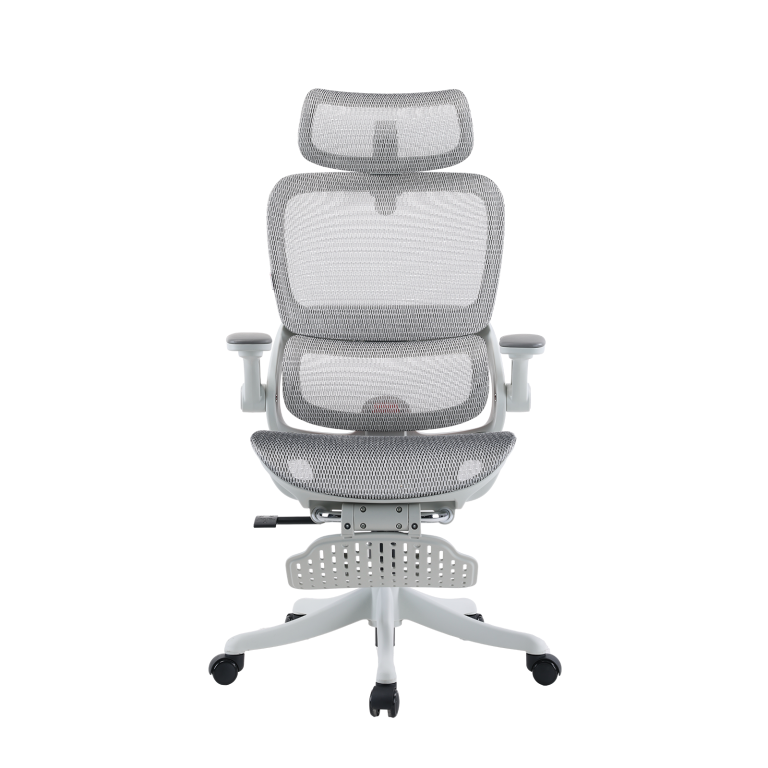
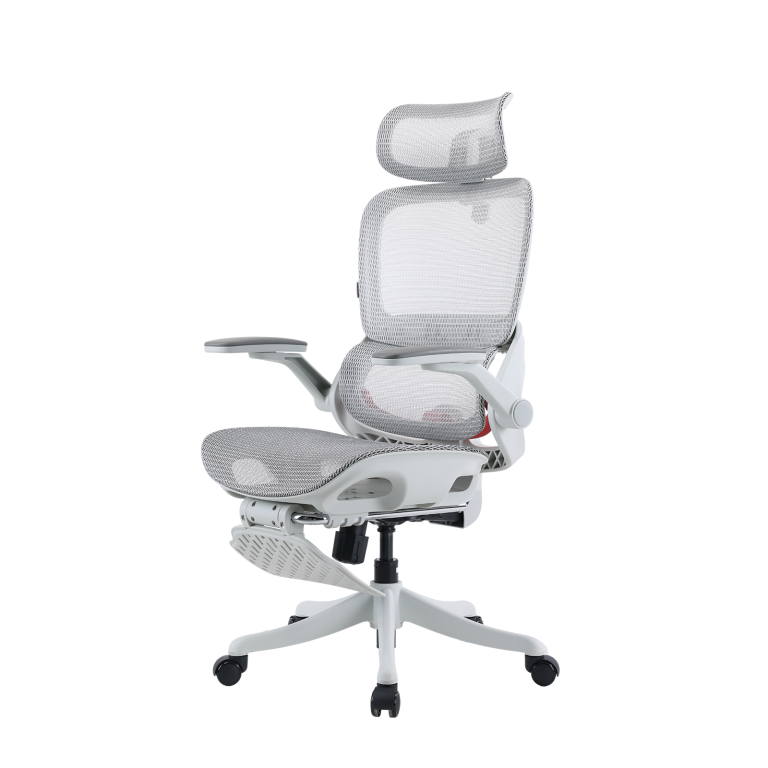
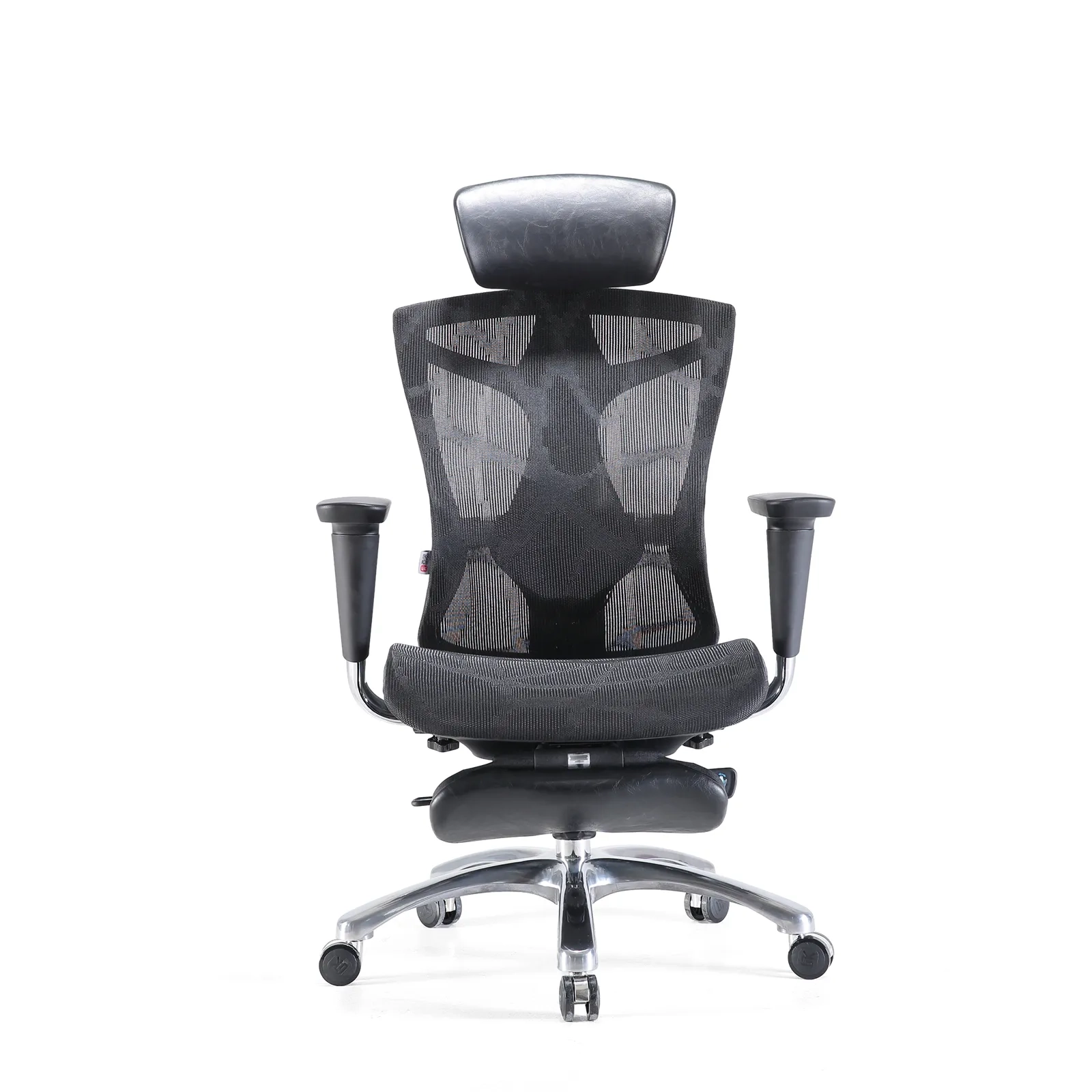
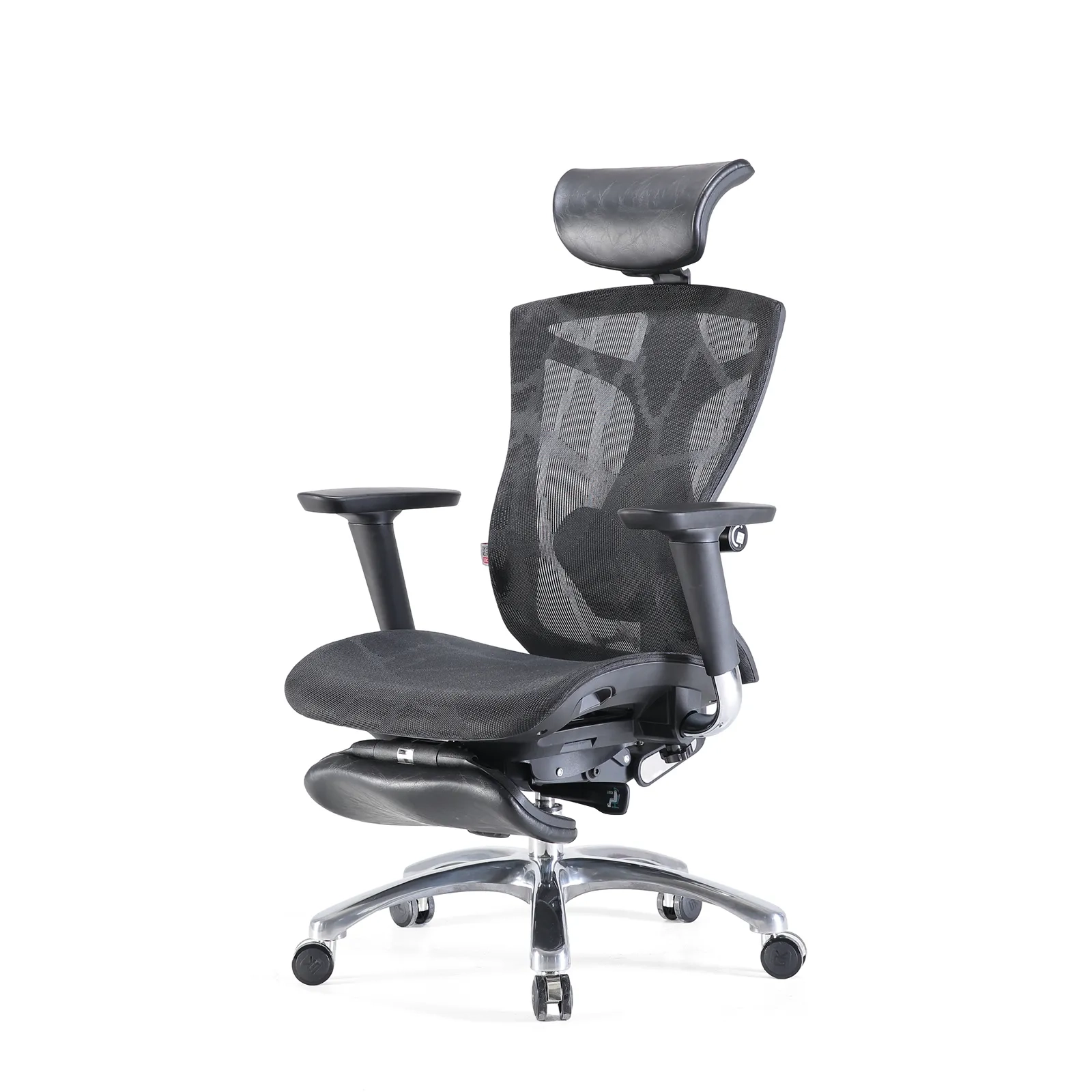
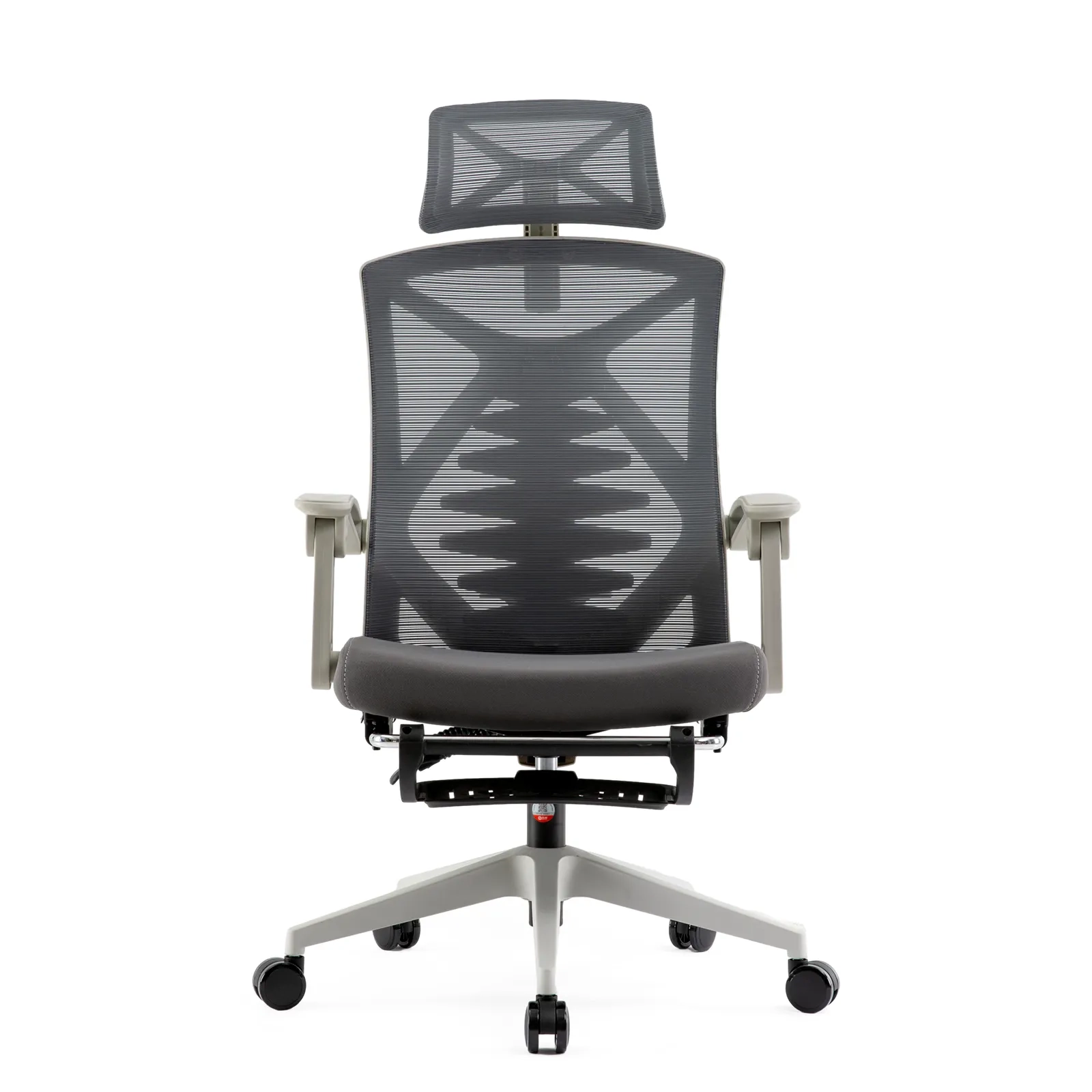
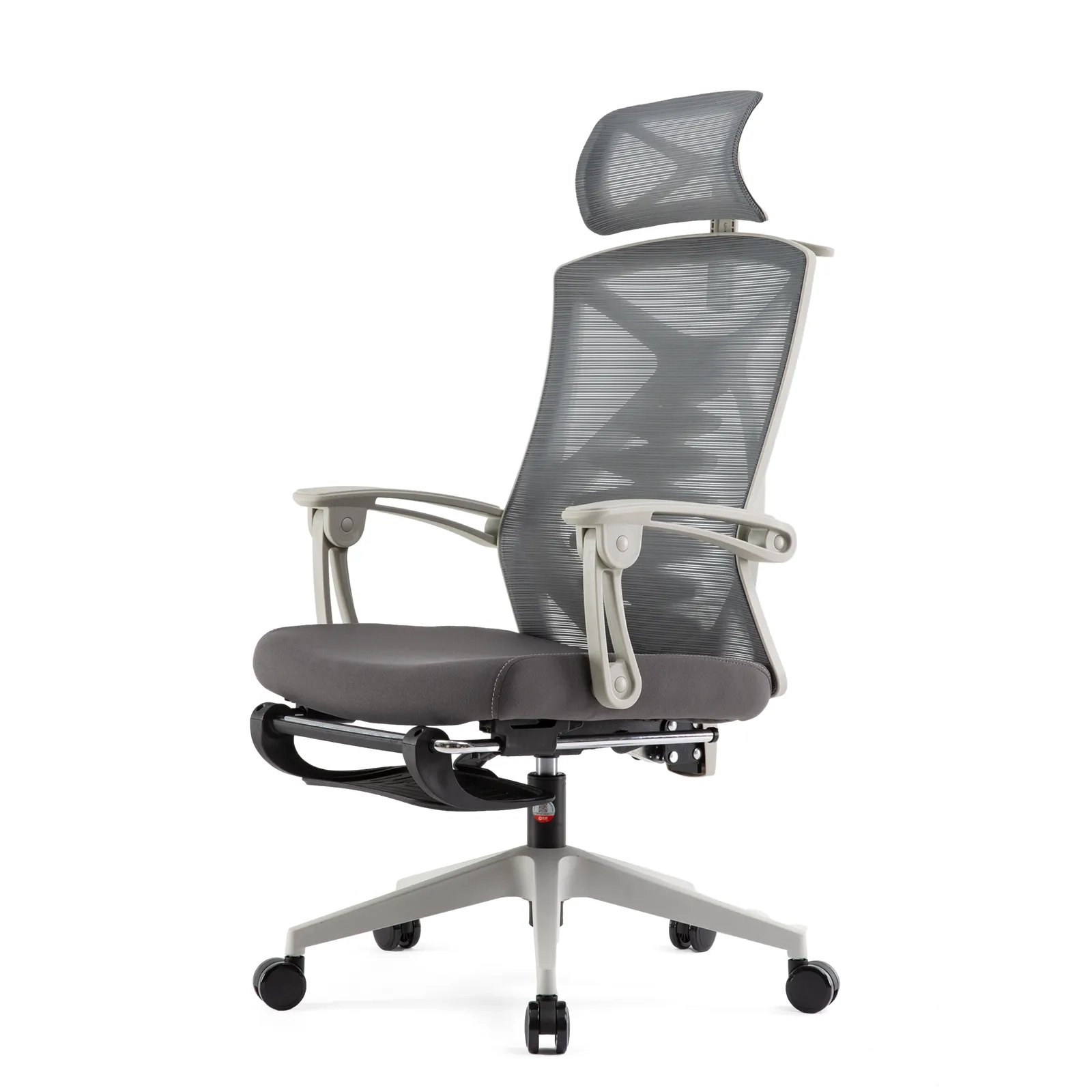
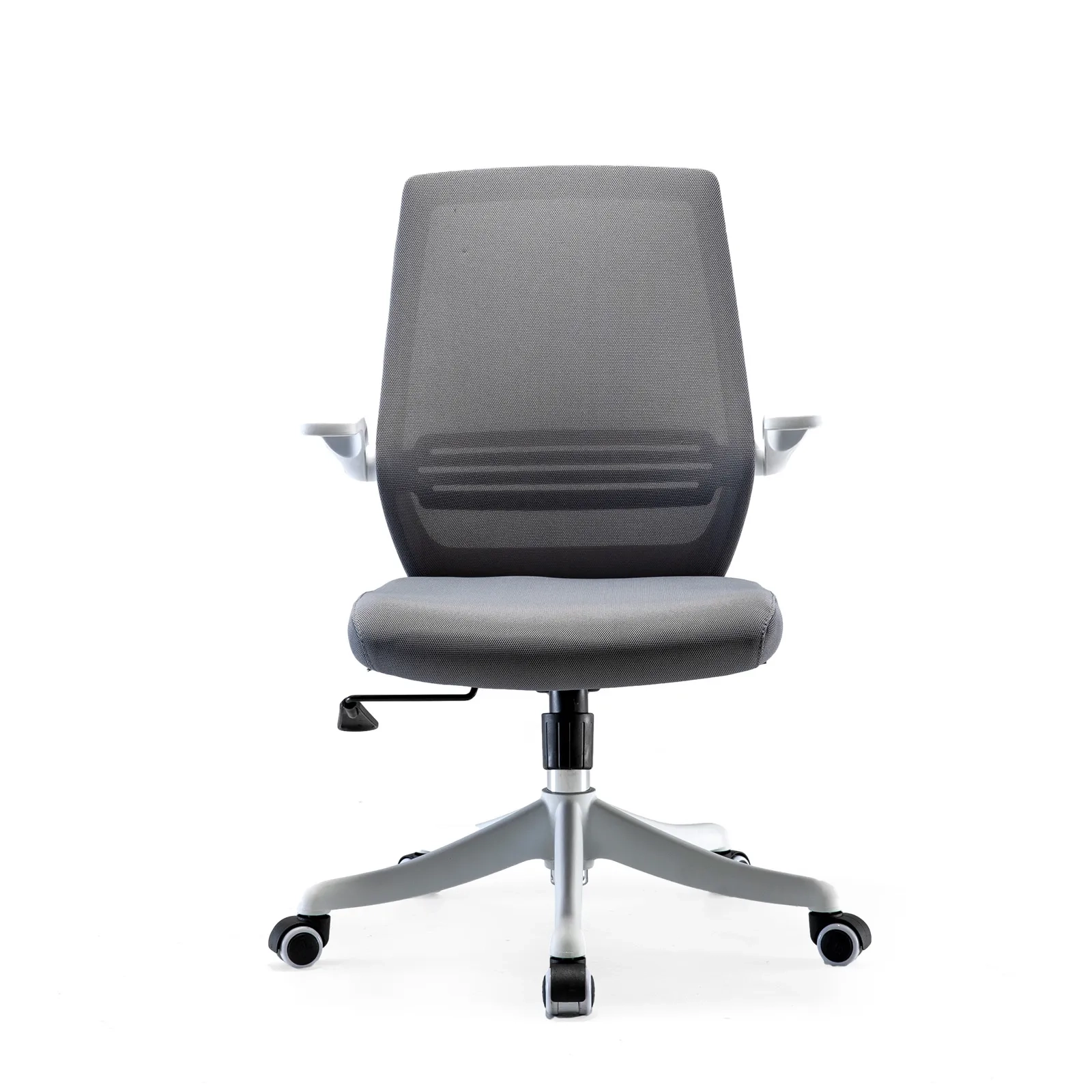
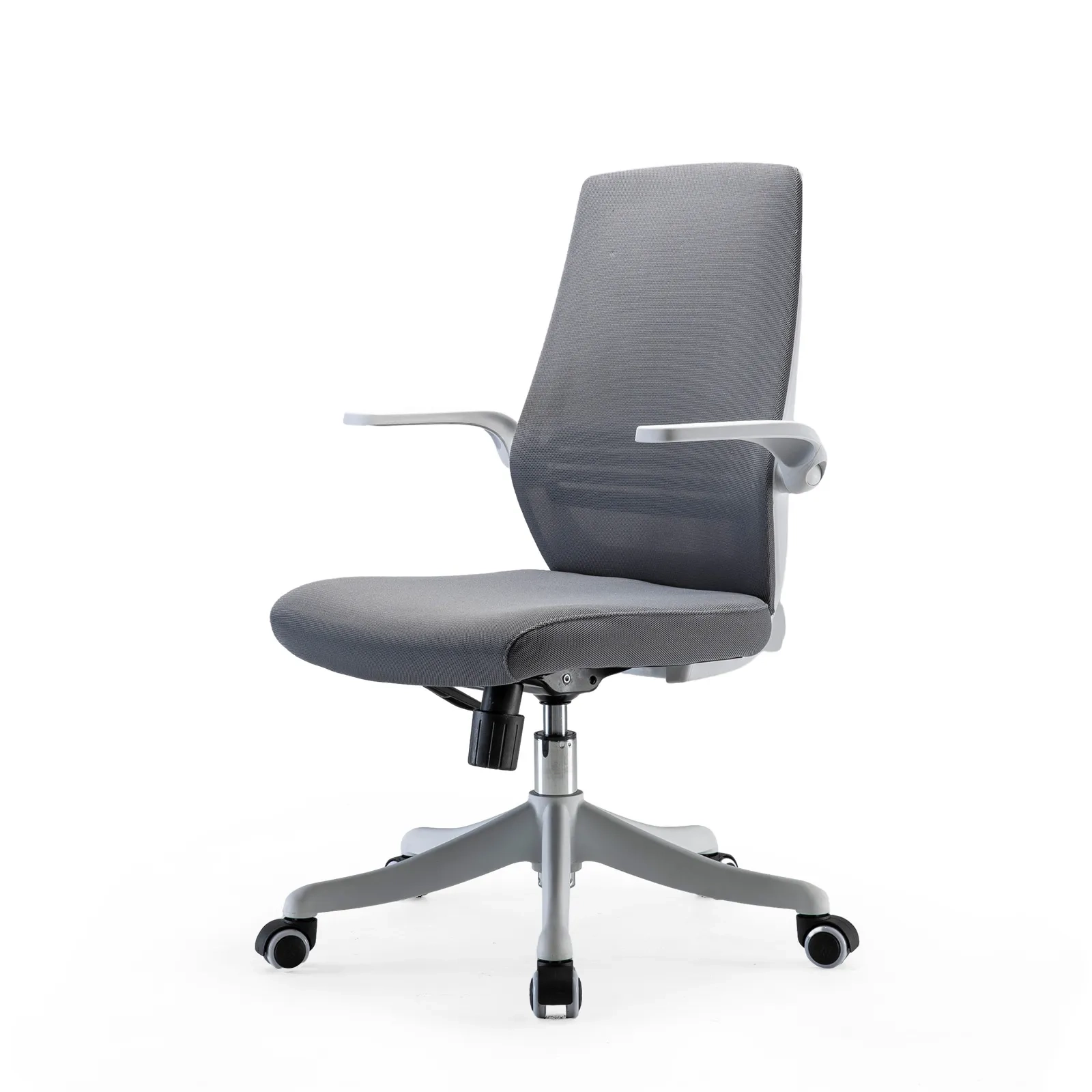
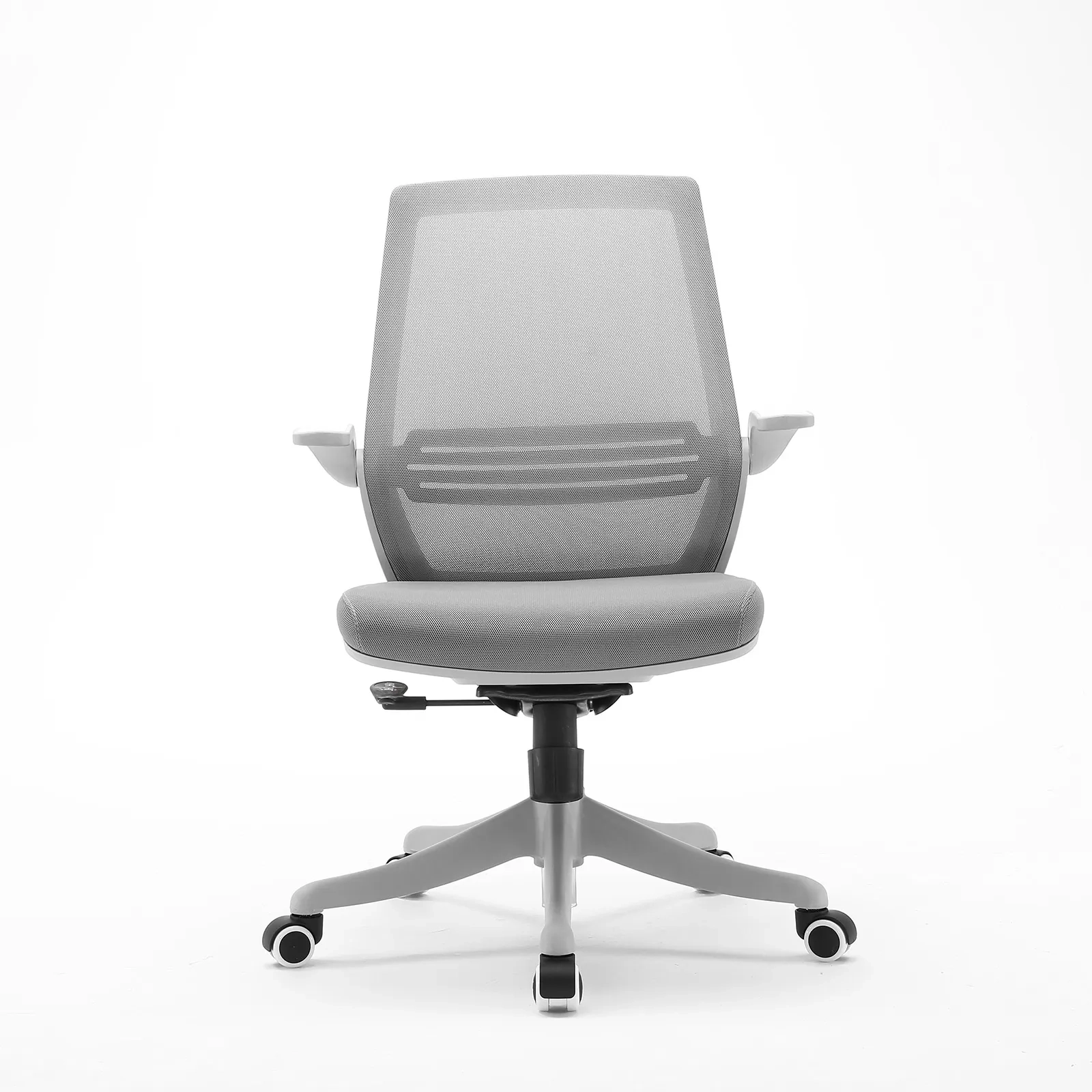
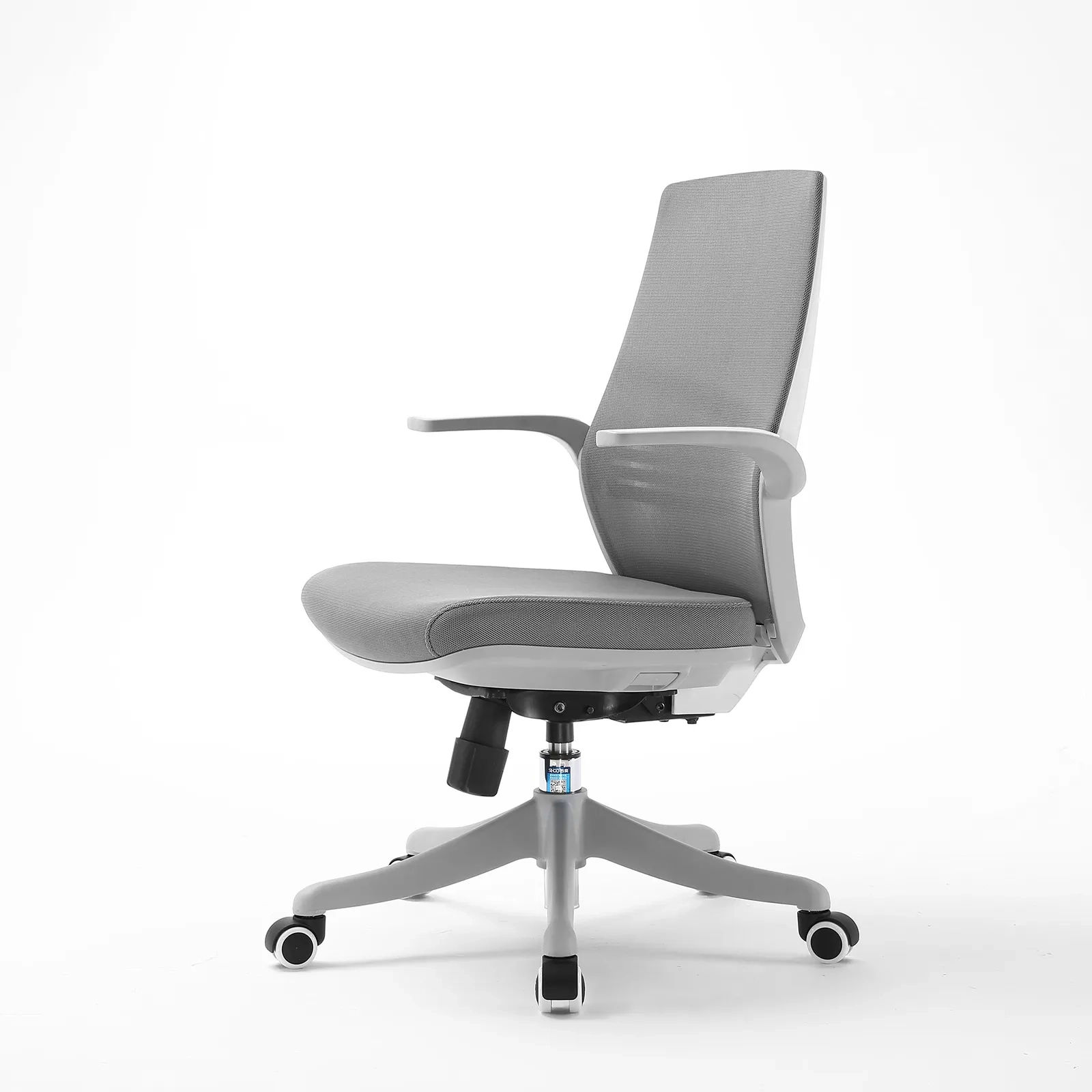
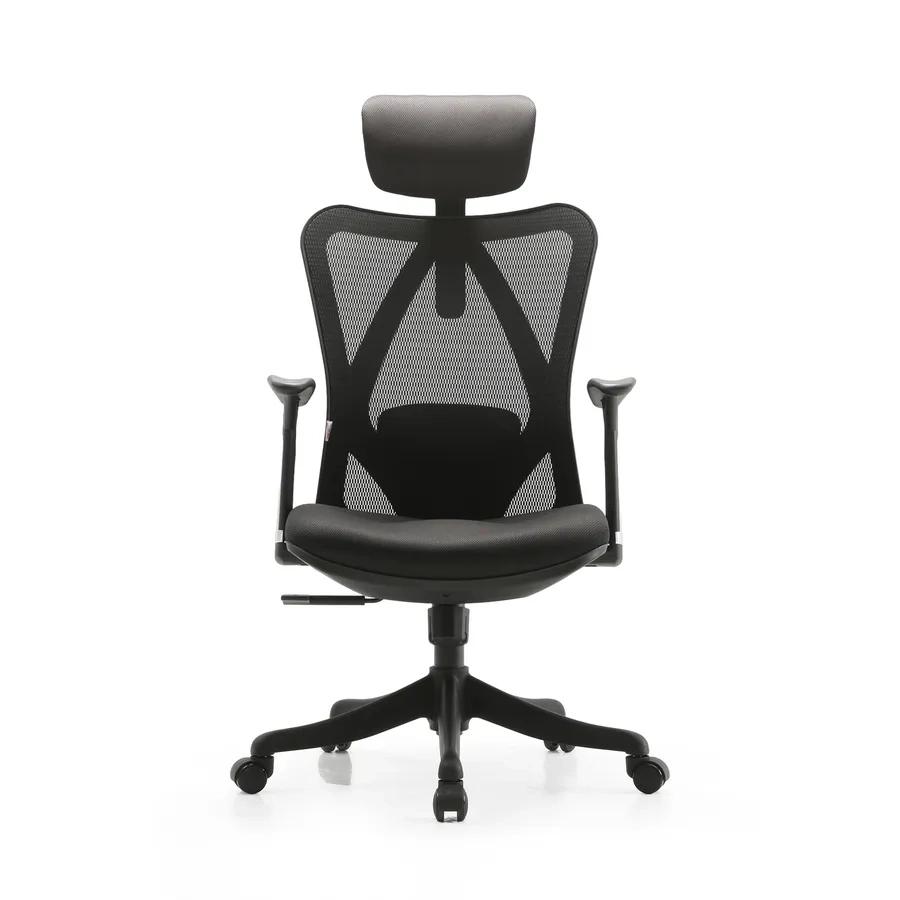
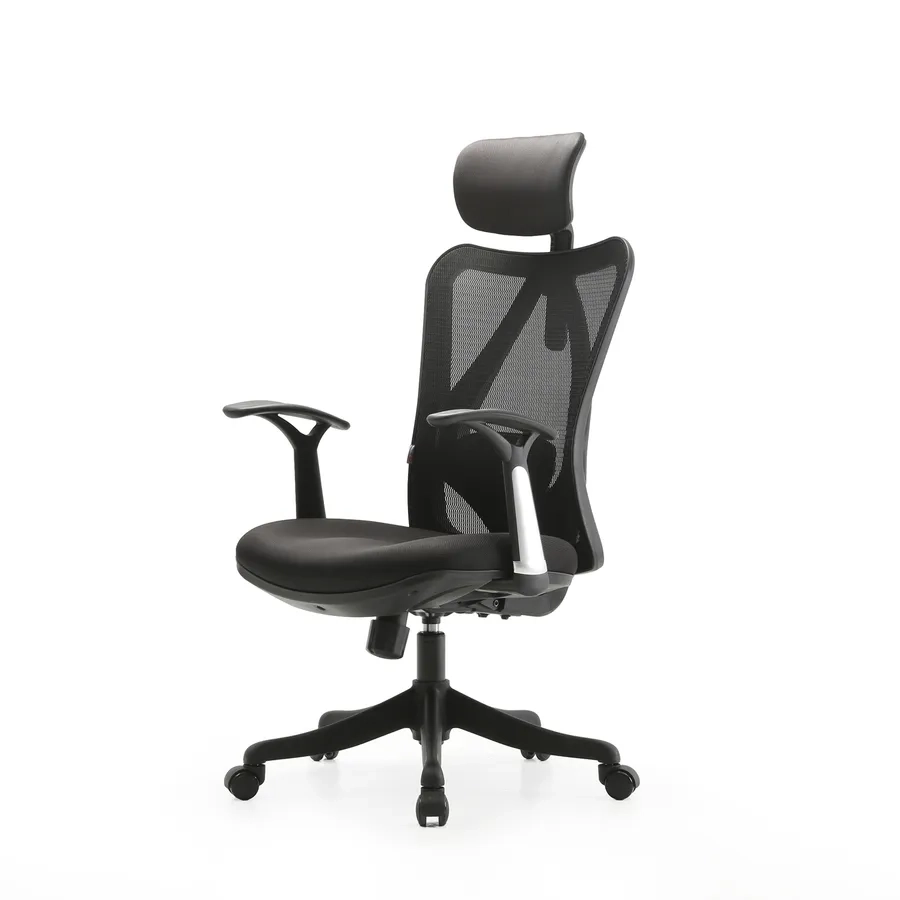
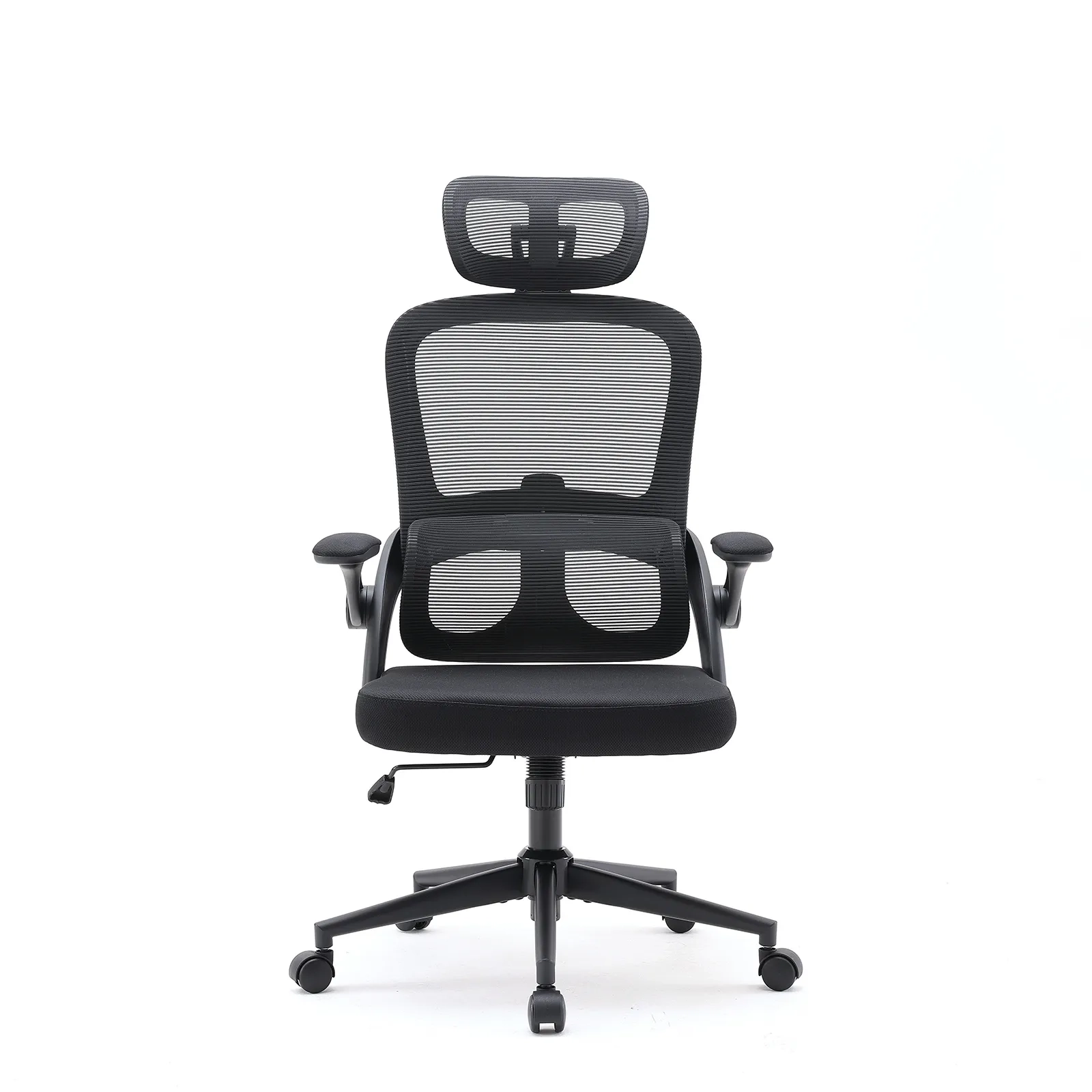
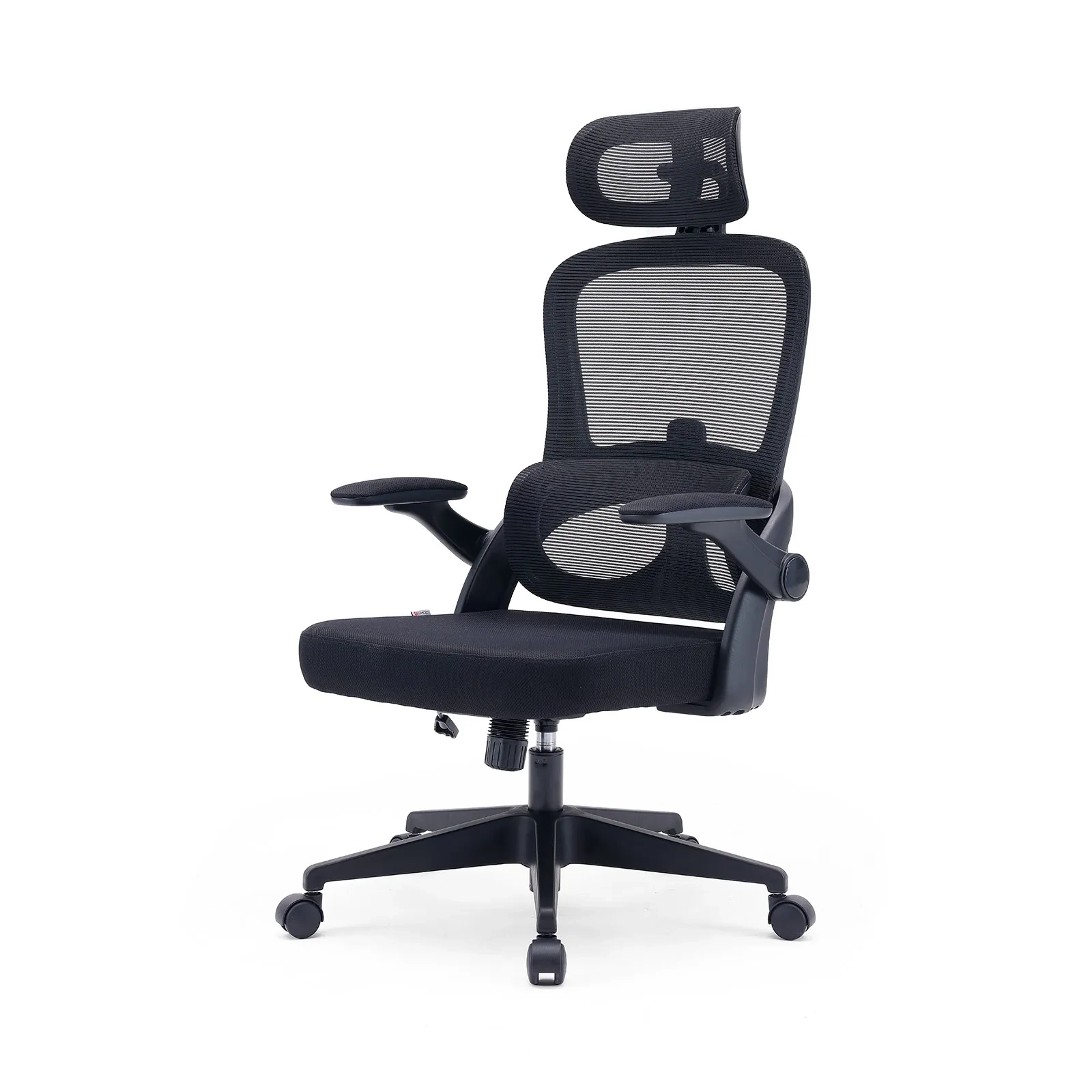
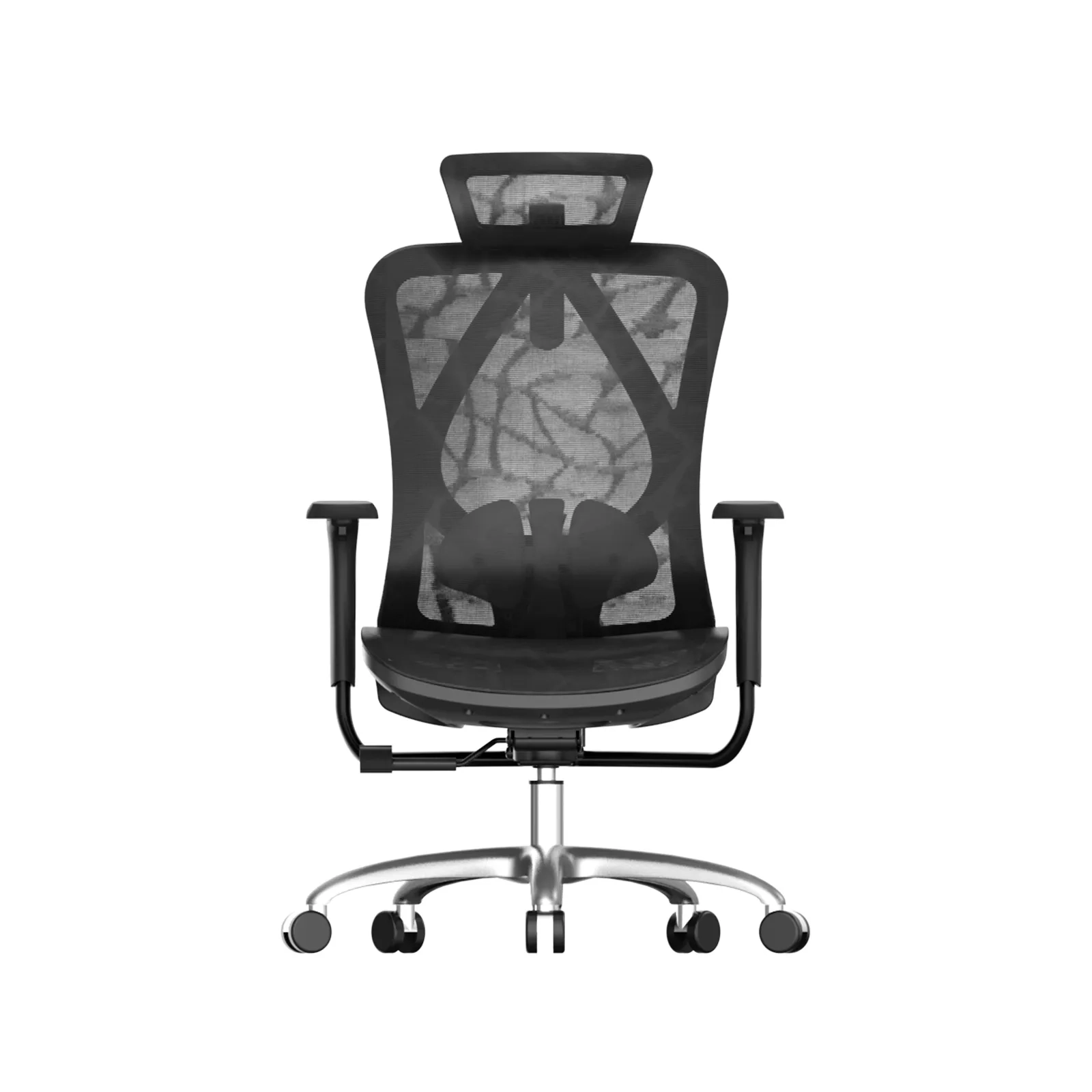
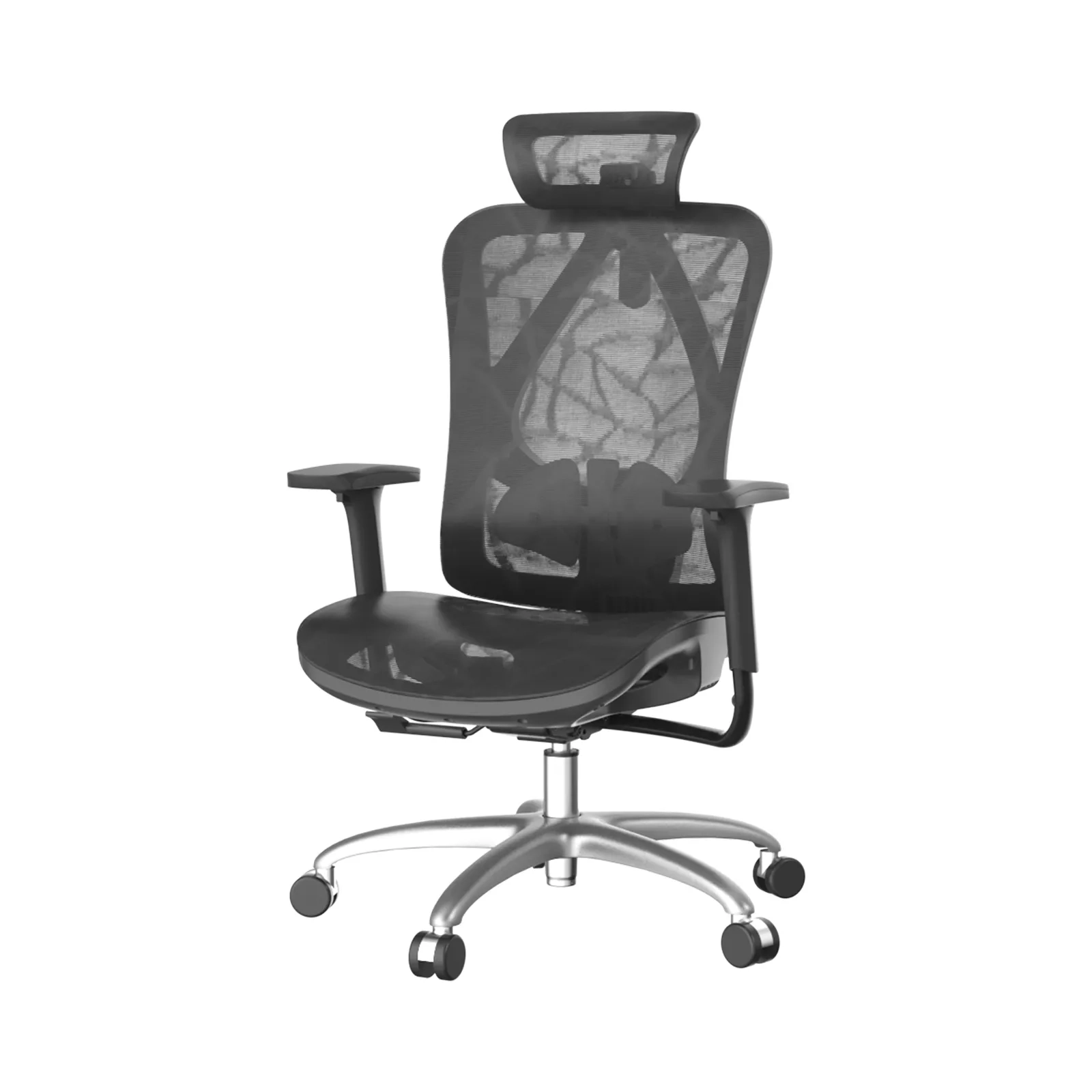
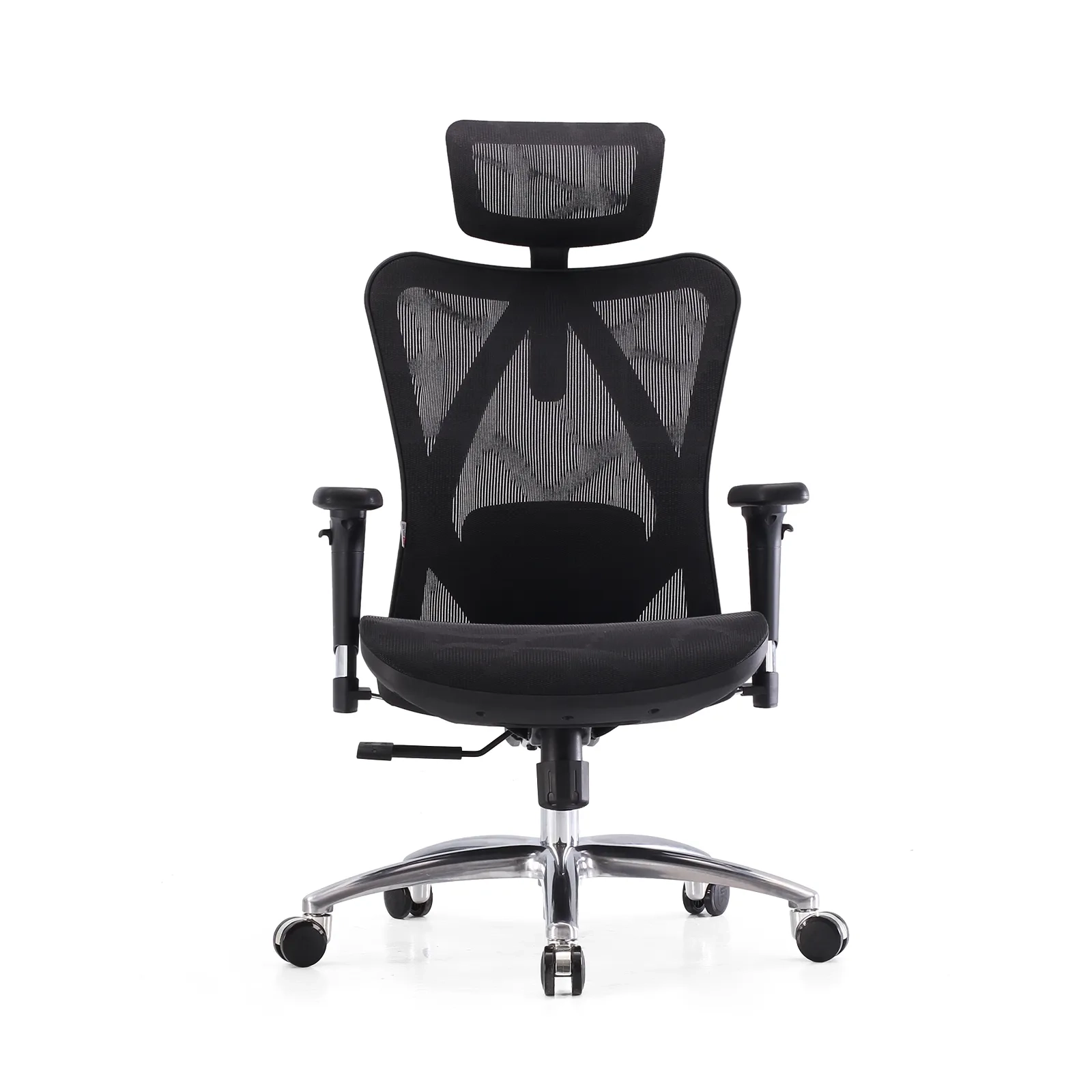
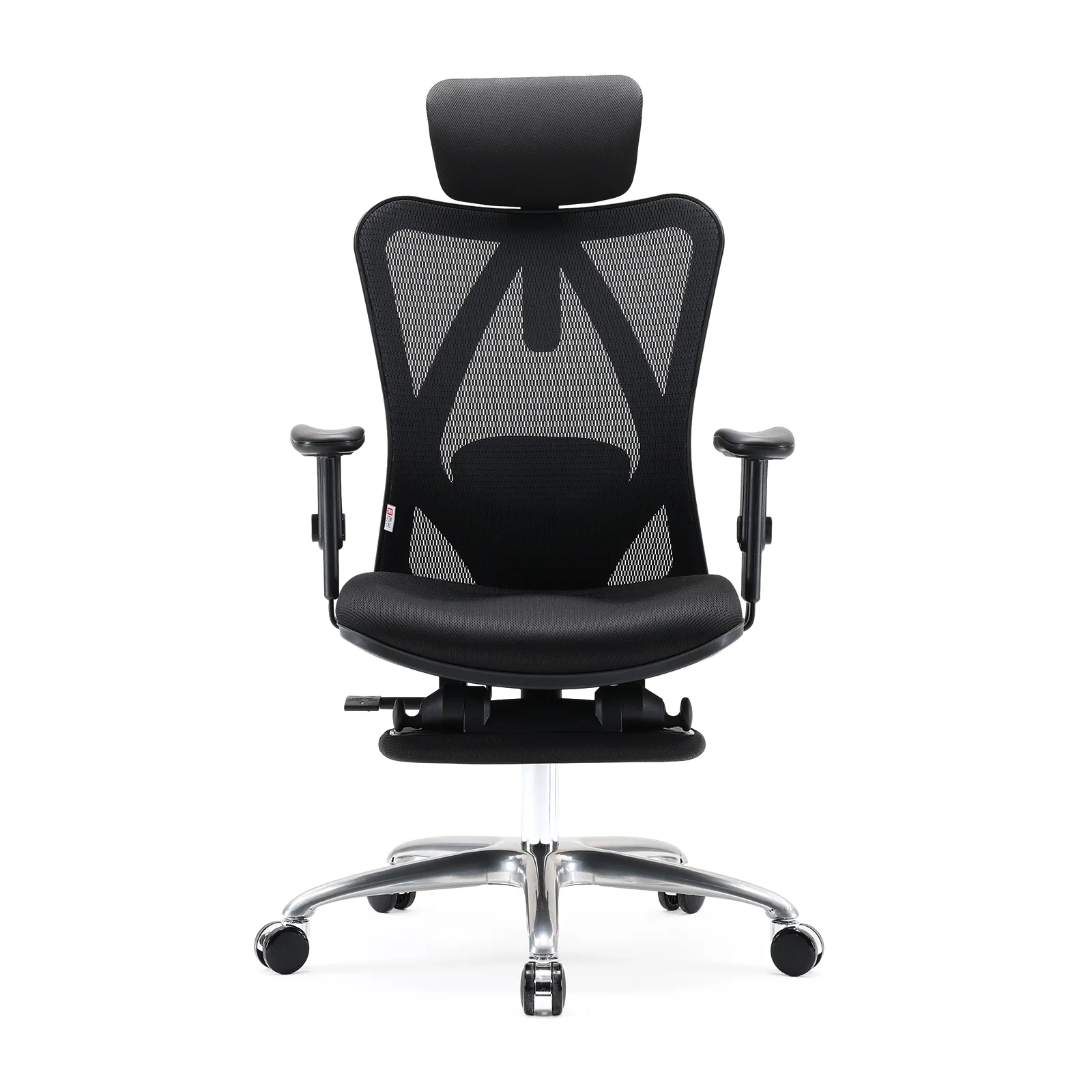
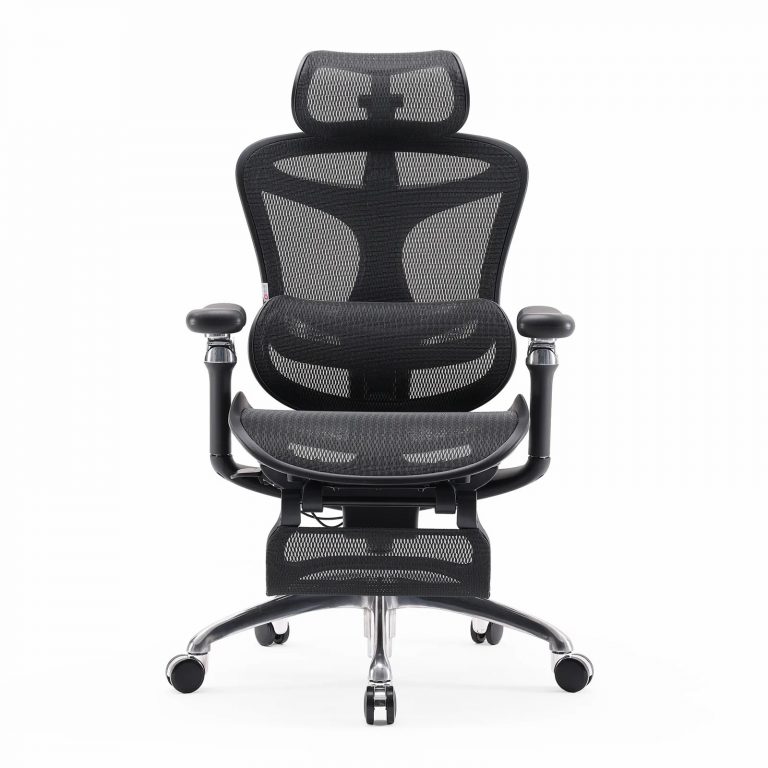
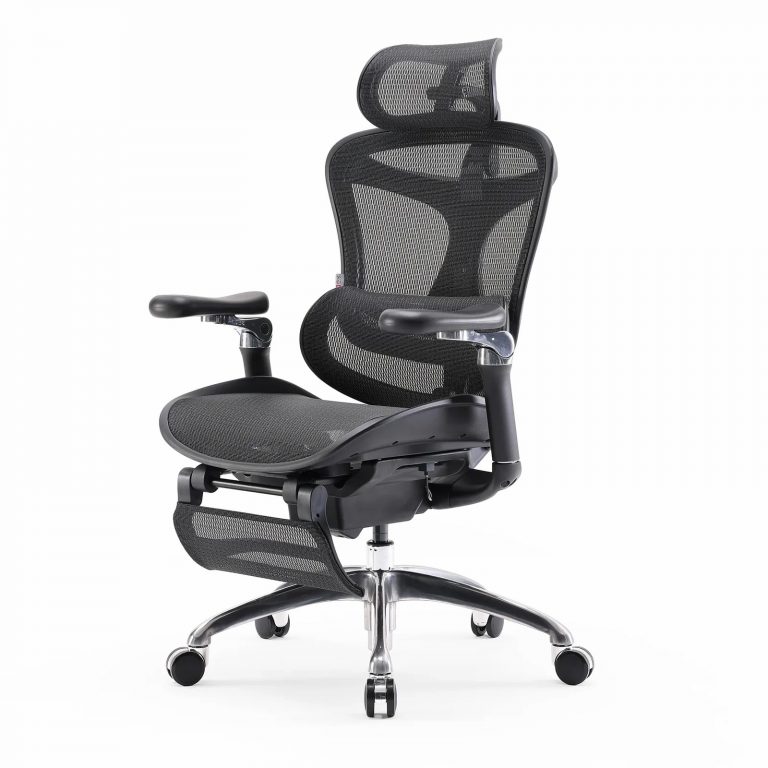
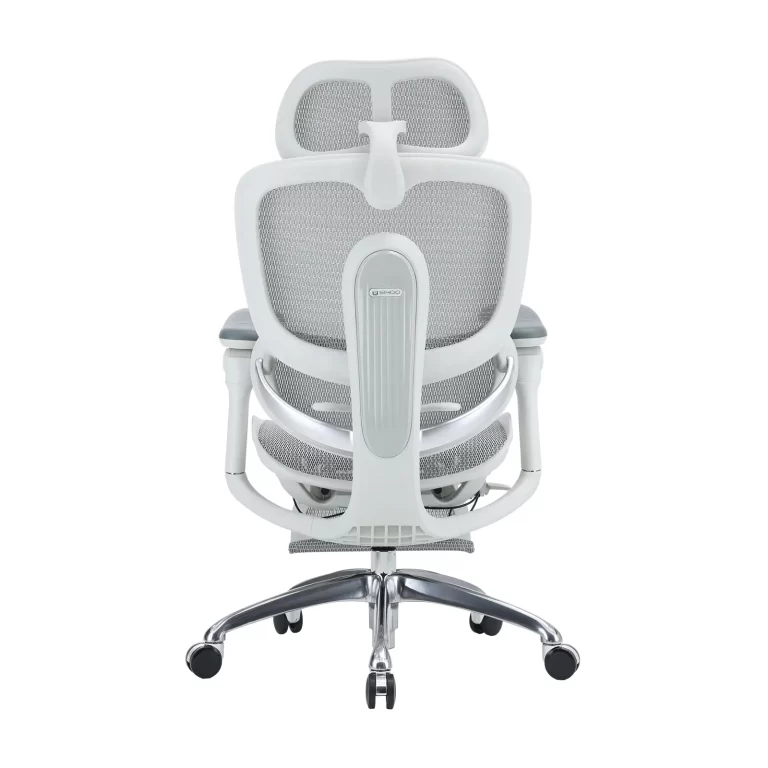
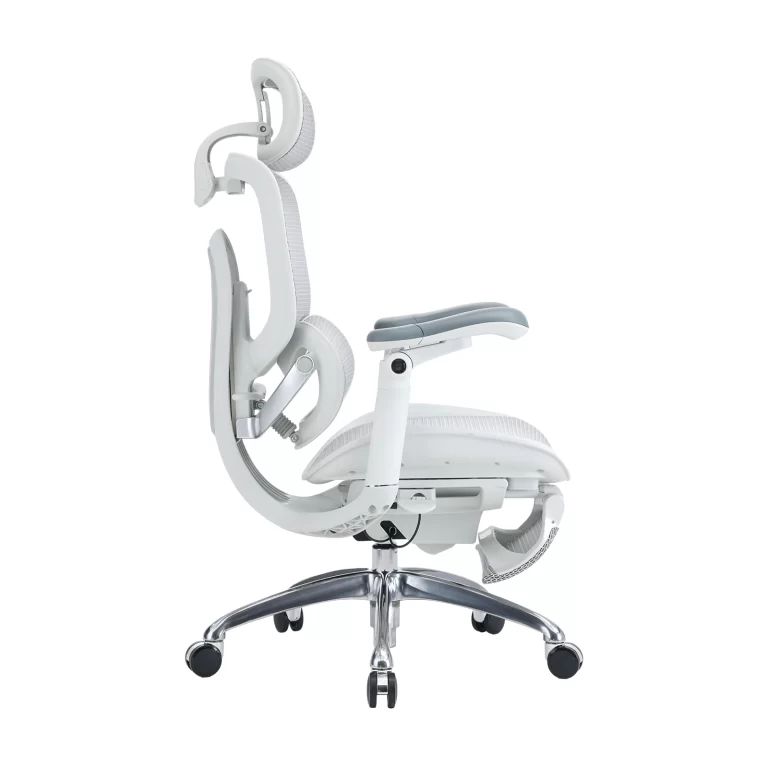
I always suggest the “finger test.” You want about a two or three-finger gap between the seat edge and your knees. The Sihoo M18 handles this well with a seat that slides about 5cm. It sounds like a tiny detail, but if you have shorter or longer legs than the “average” person, it’s a lifesaver. Healthline has even noted that getting this right can drop lower back discomfort by 30% just by letting you actually sit back into the lumbar support.
The 3cm Difference
Your spine isn’t a straight line; it’s an S-curve. If a chair doesn’t have an adjustable lumbar “apex,” it’s just a sculpture, not a tool. That support needs to hit right between your L3 and L5 vertebrae. If it’s off by even 2 or 3 centimeters, you’re going to feel that dull ache by mid-afternoon.
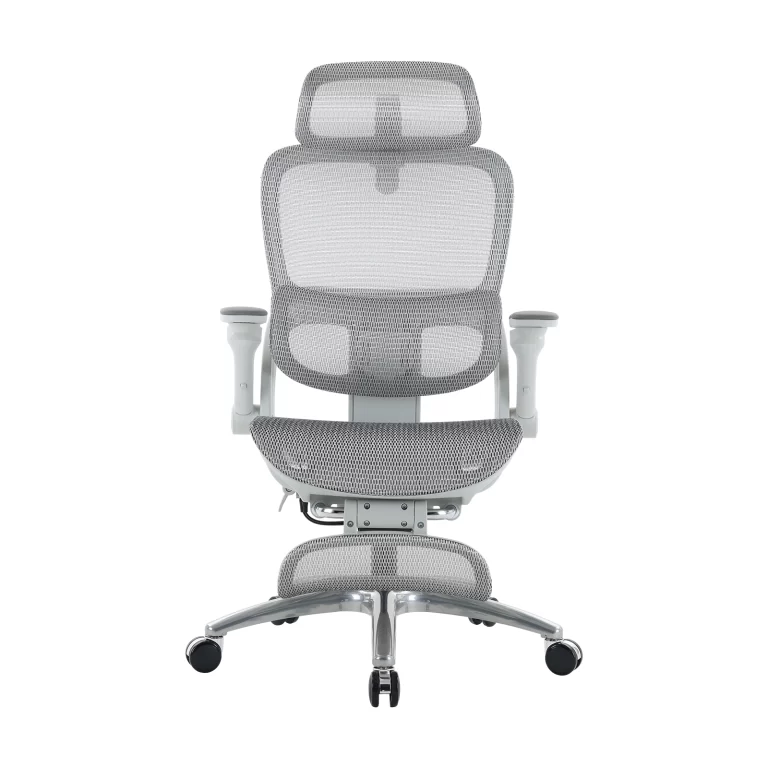
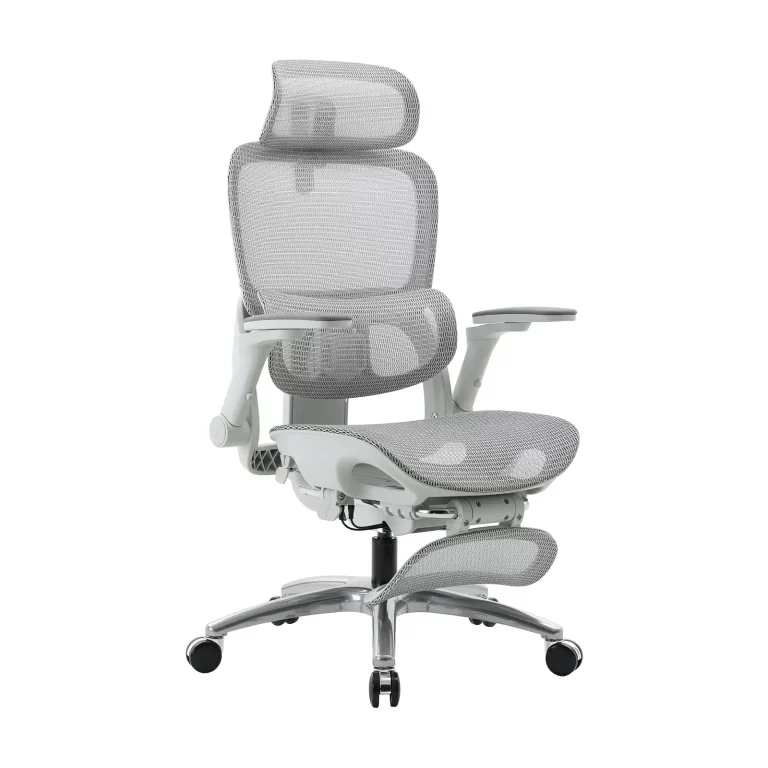
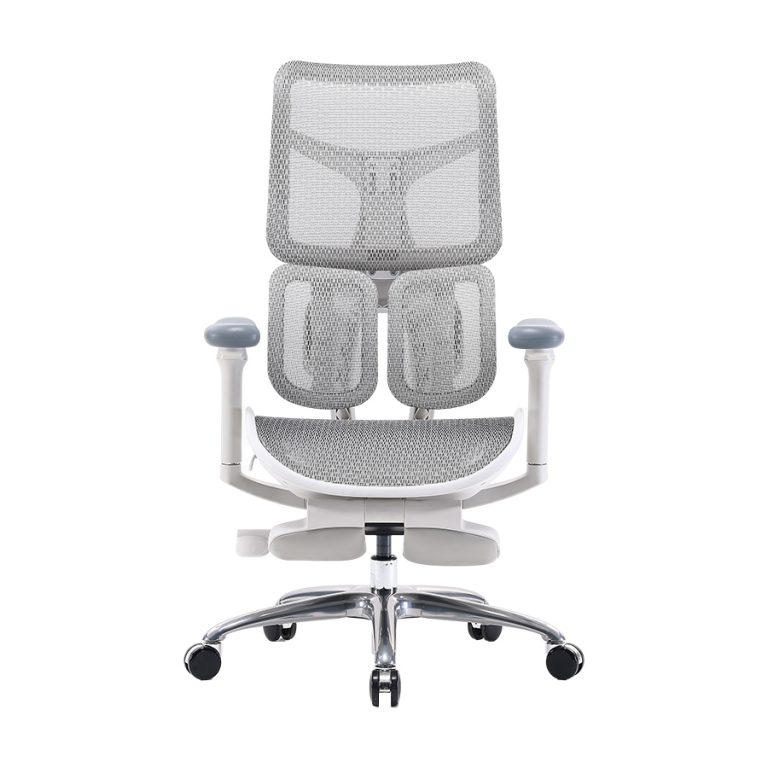
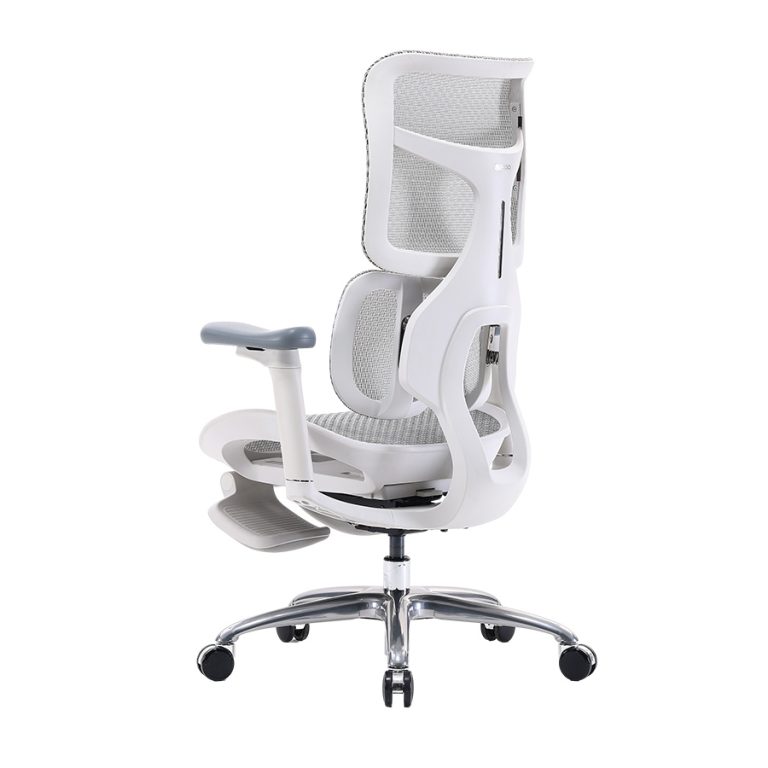
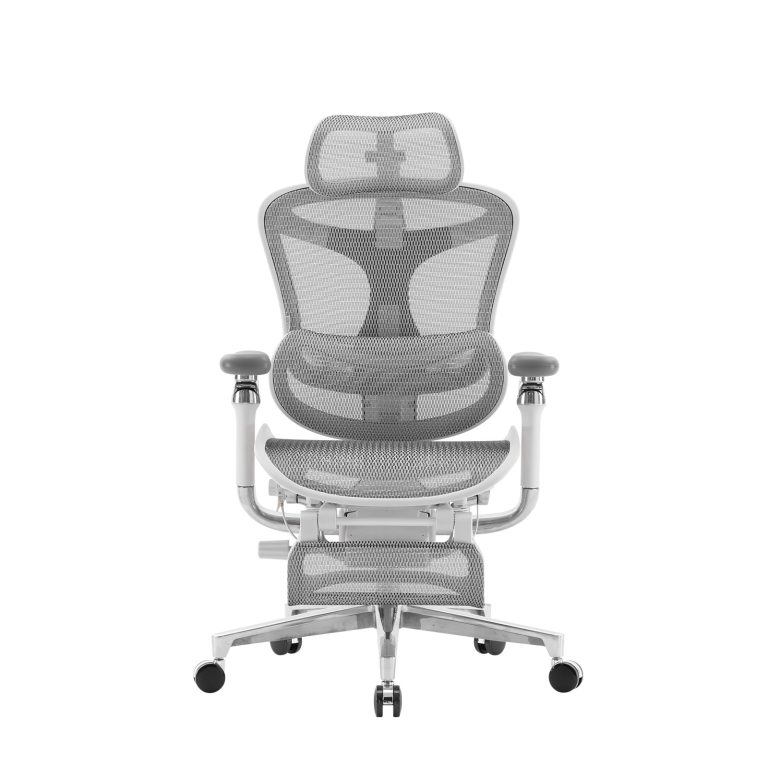
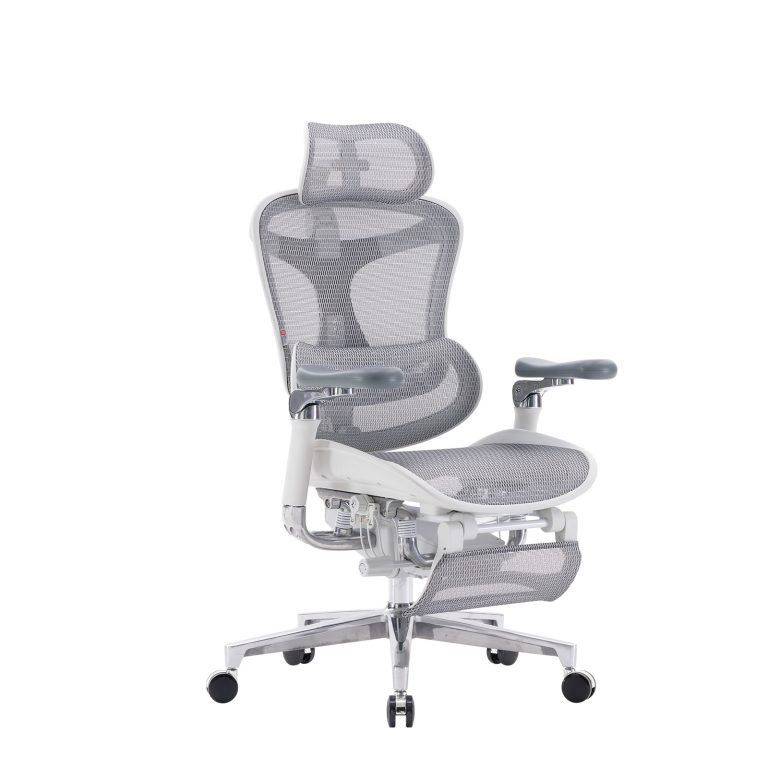
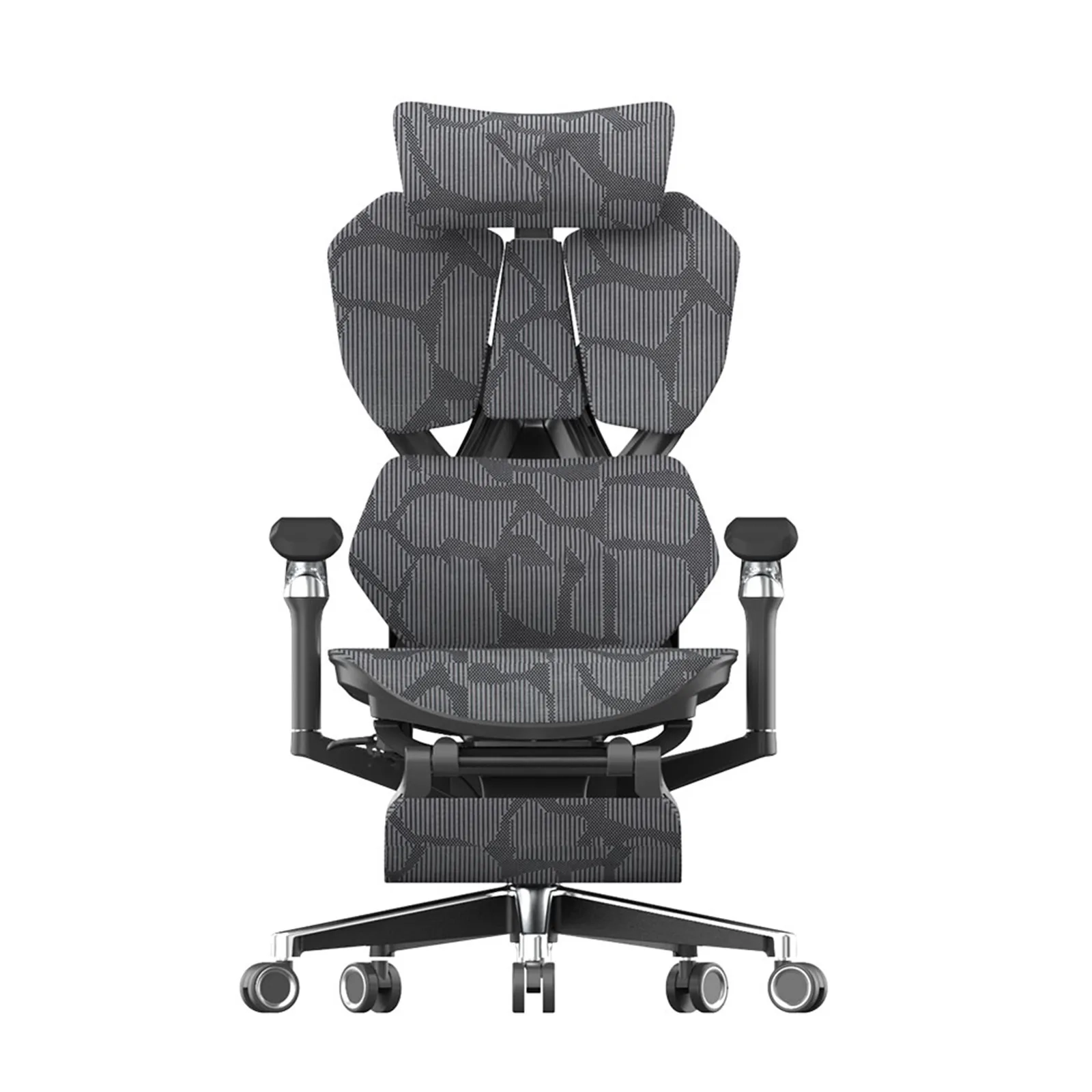
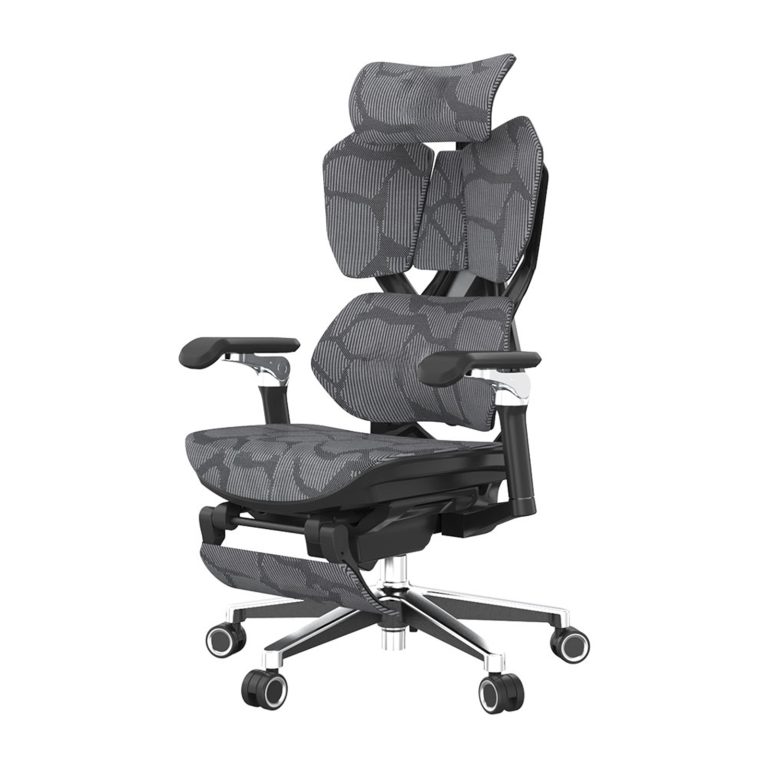
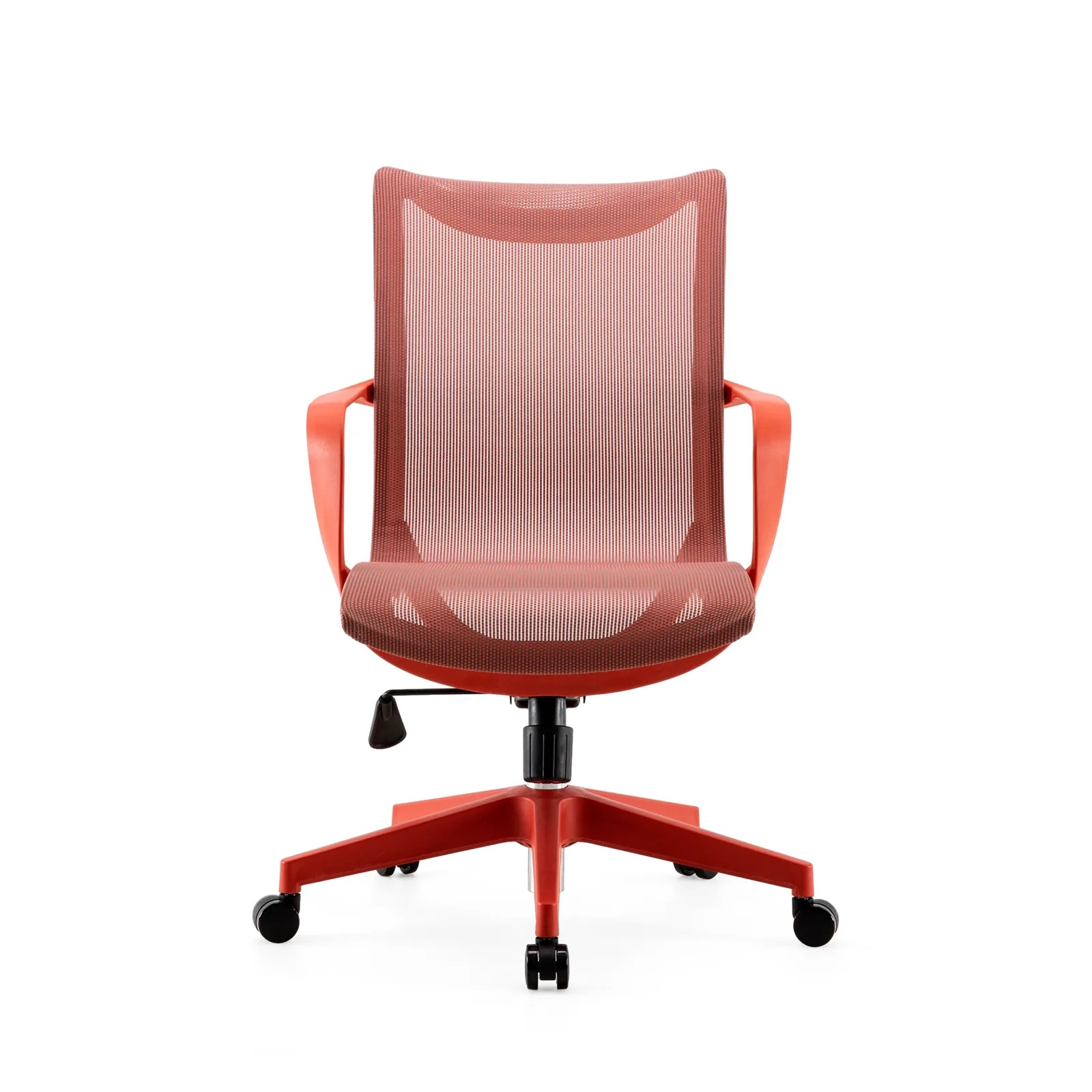
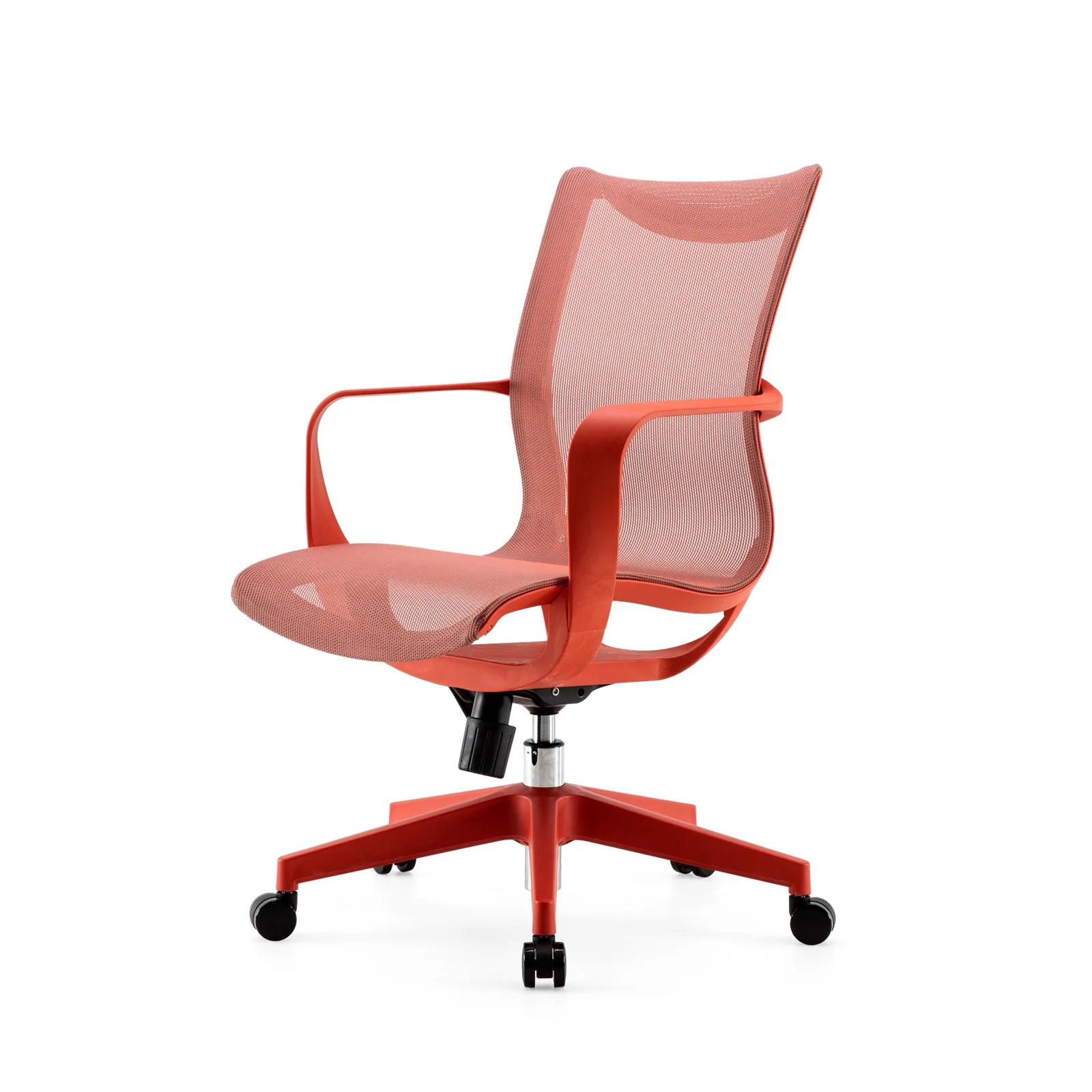
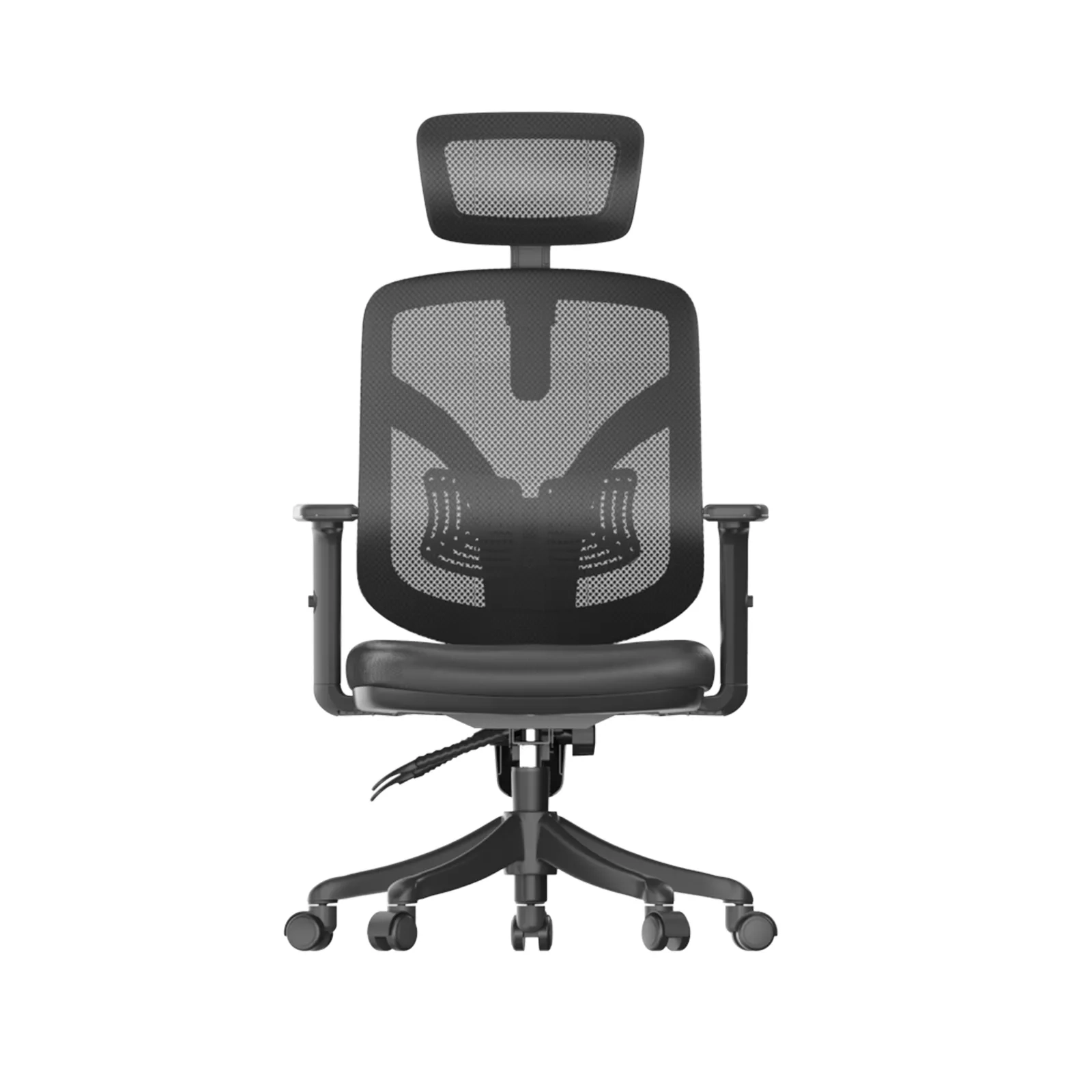
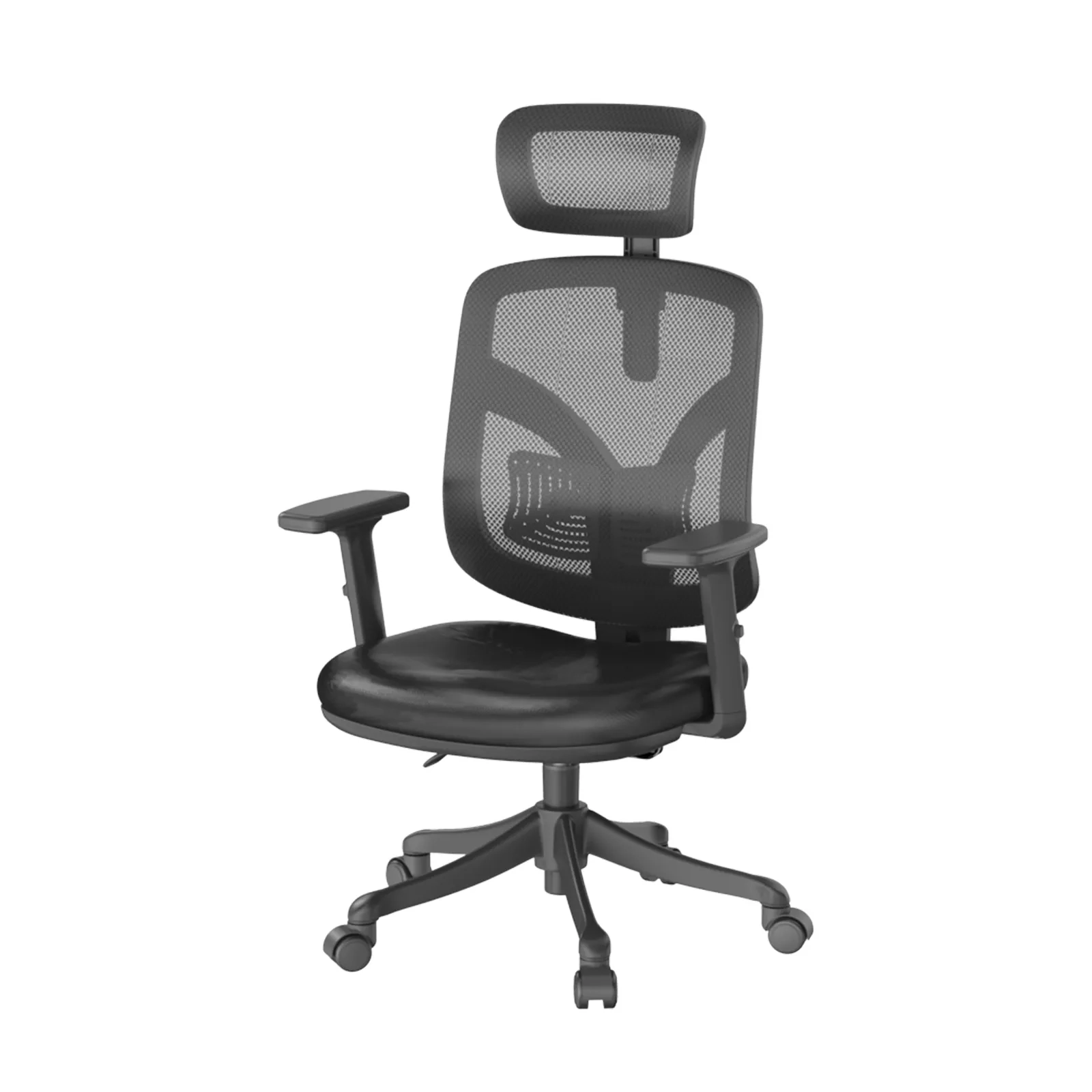
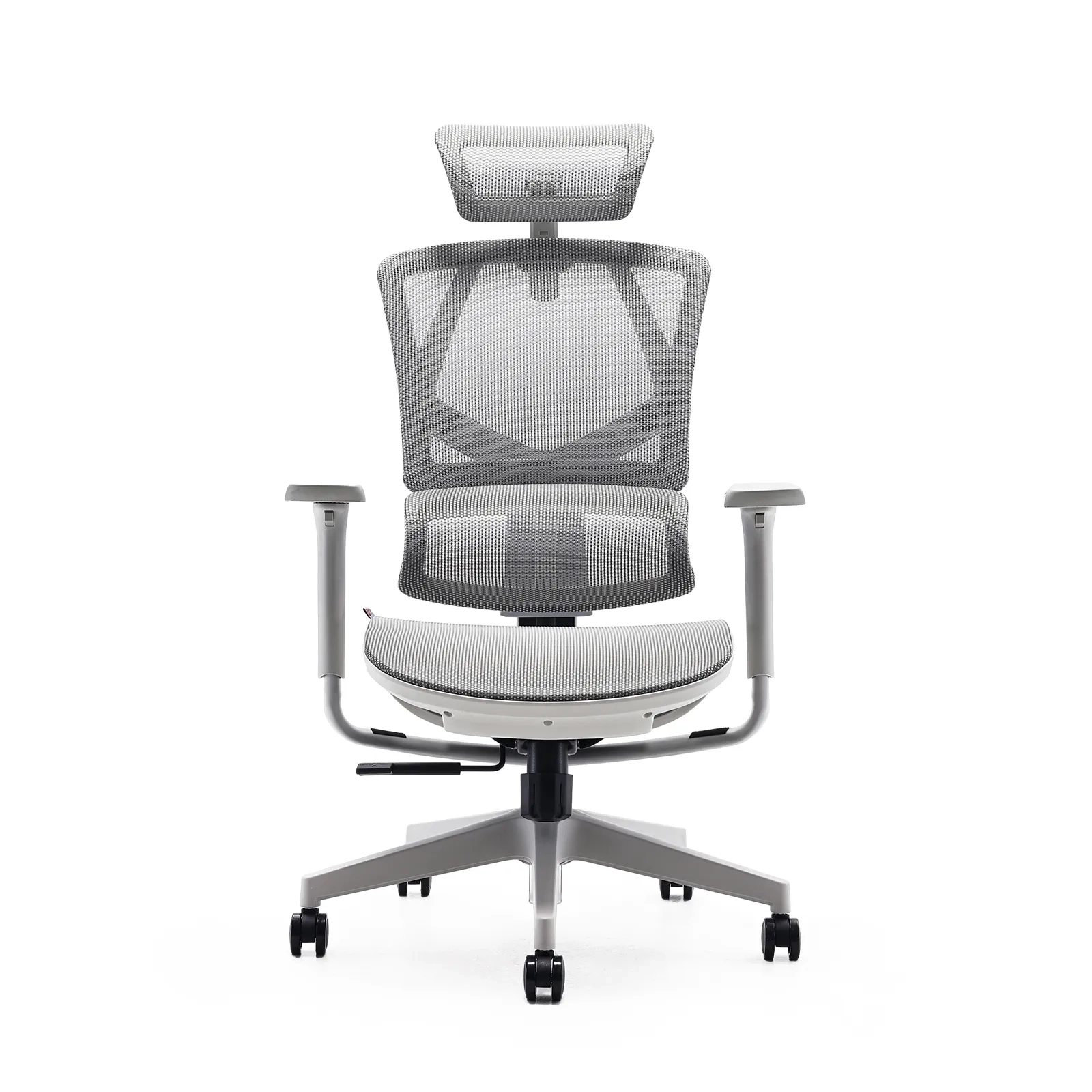
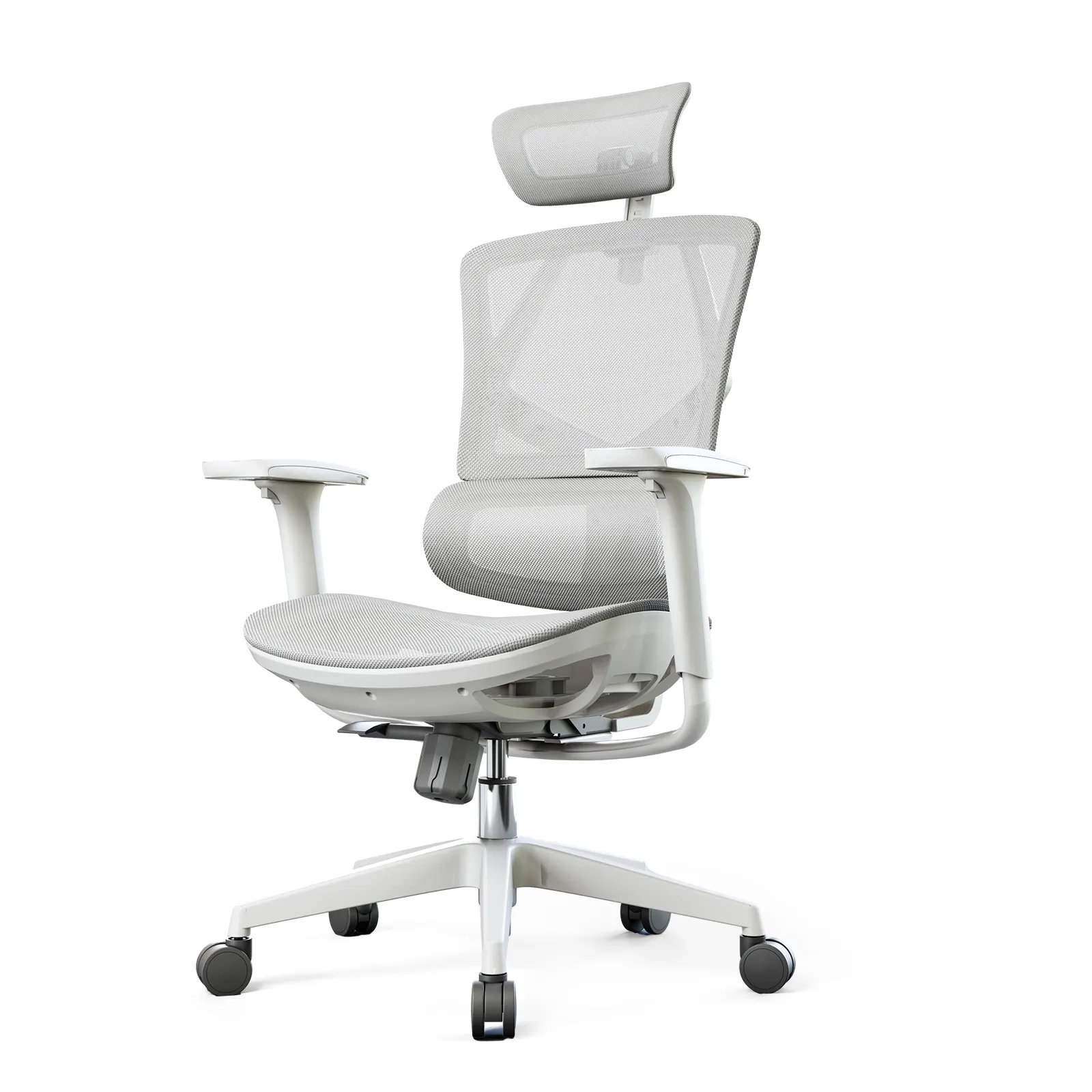
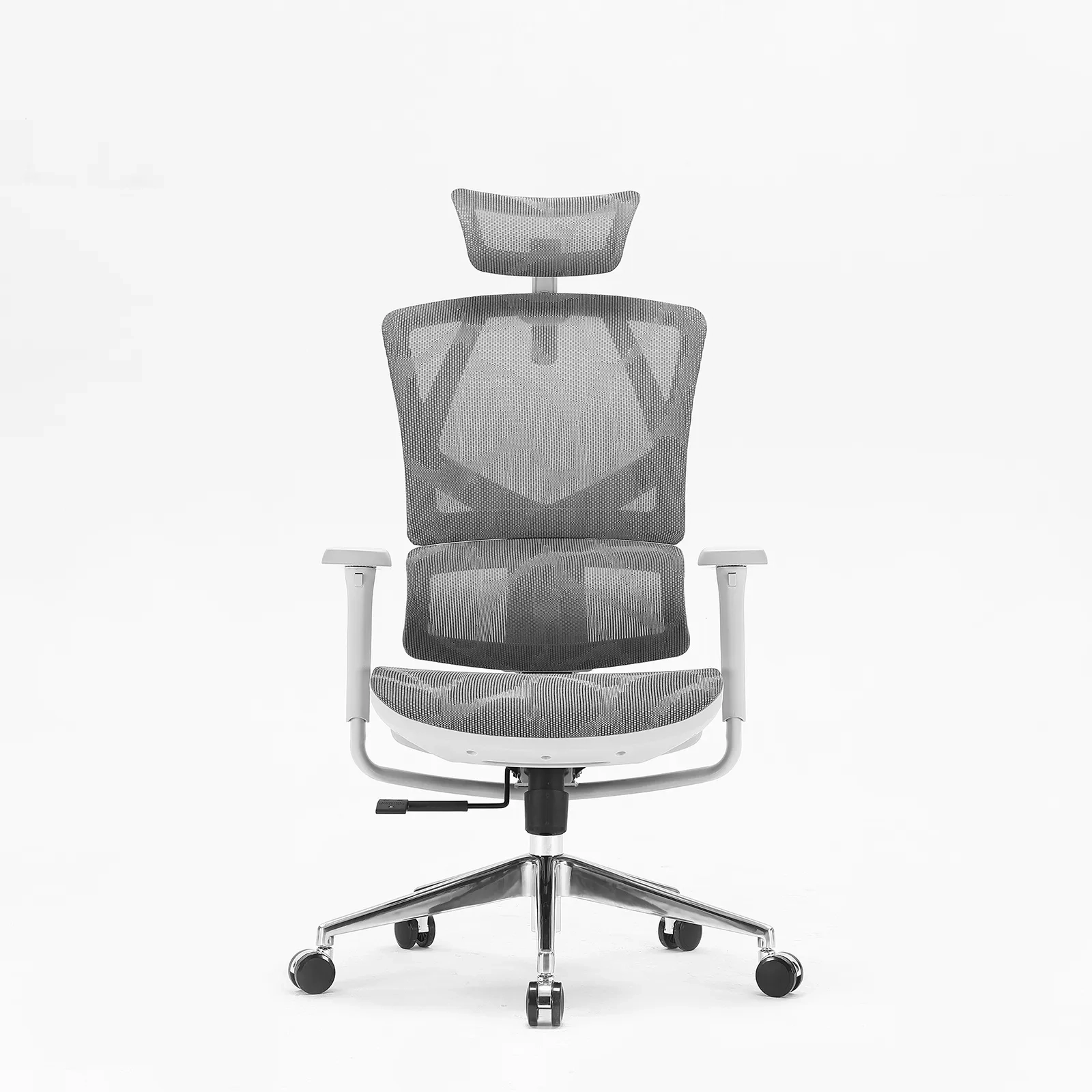
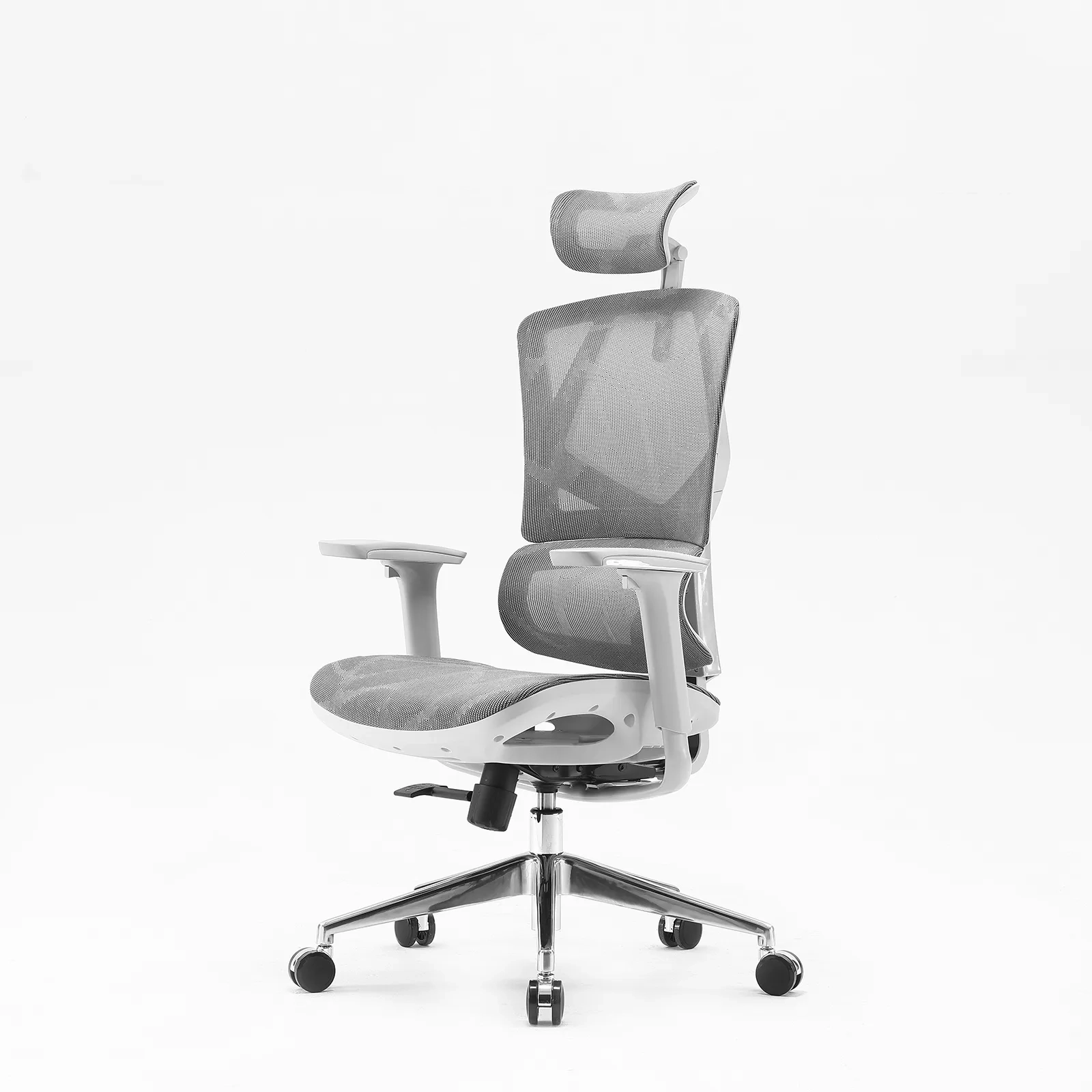
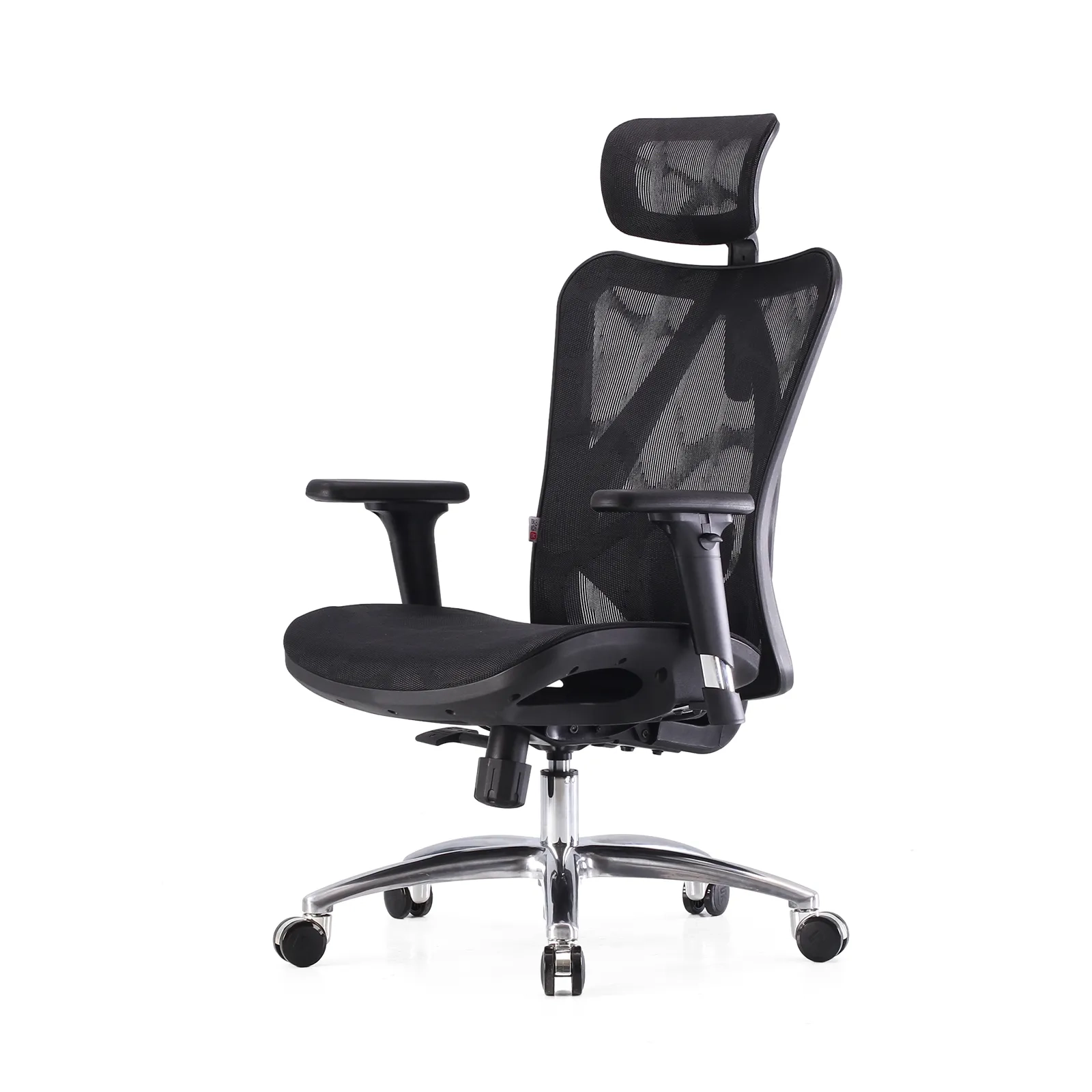
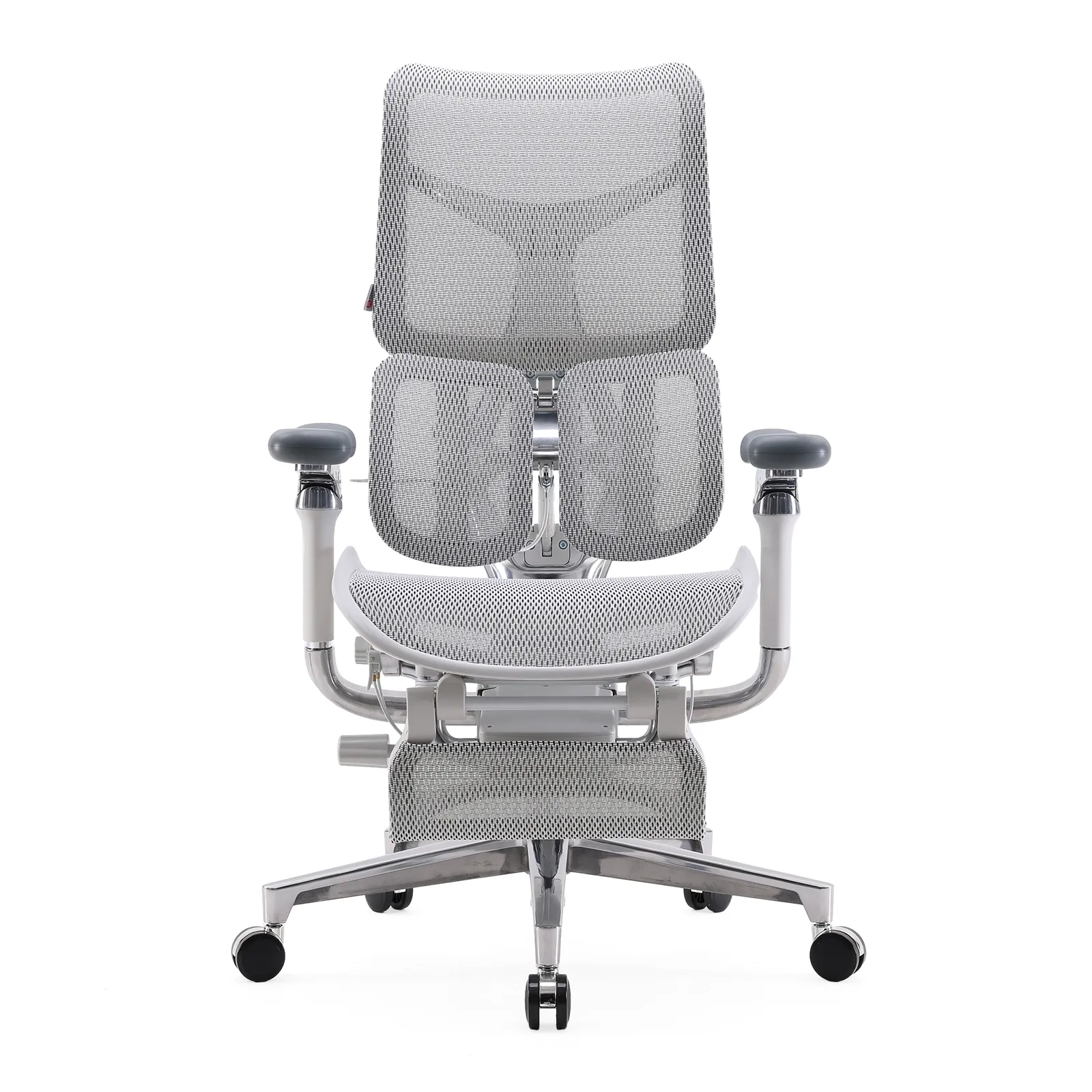
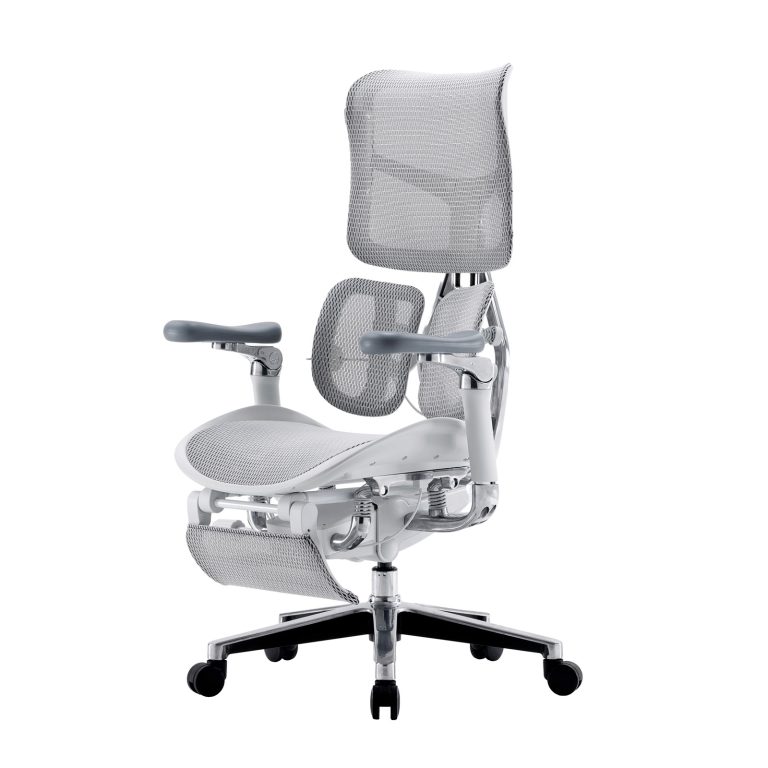
The Sihoo Doro S300 uses a dual-part lumbar system that you can move up or down by 5cm. More importantly, it has this “Gravity-Tracking” thing where the angle adjusts itself as you lean or shift, so it’s always touching your back. When you’re trying out a chair, make sure that lumbar piece fills the natural gap in your spine without feeling like it’s poking you or forcing you to lean forward.
Saving Your Neck
Armrests aren’t just for resting your arms; they’re there to keep your shoulders from doing all the work. If they’re too wide, your elbows flare out and you end up with a tight neck and sore traps. You want your elbows at 90 degrees with your shoulders completely relaxed.
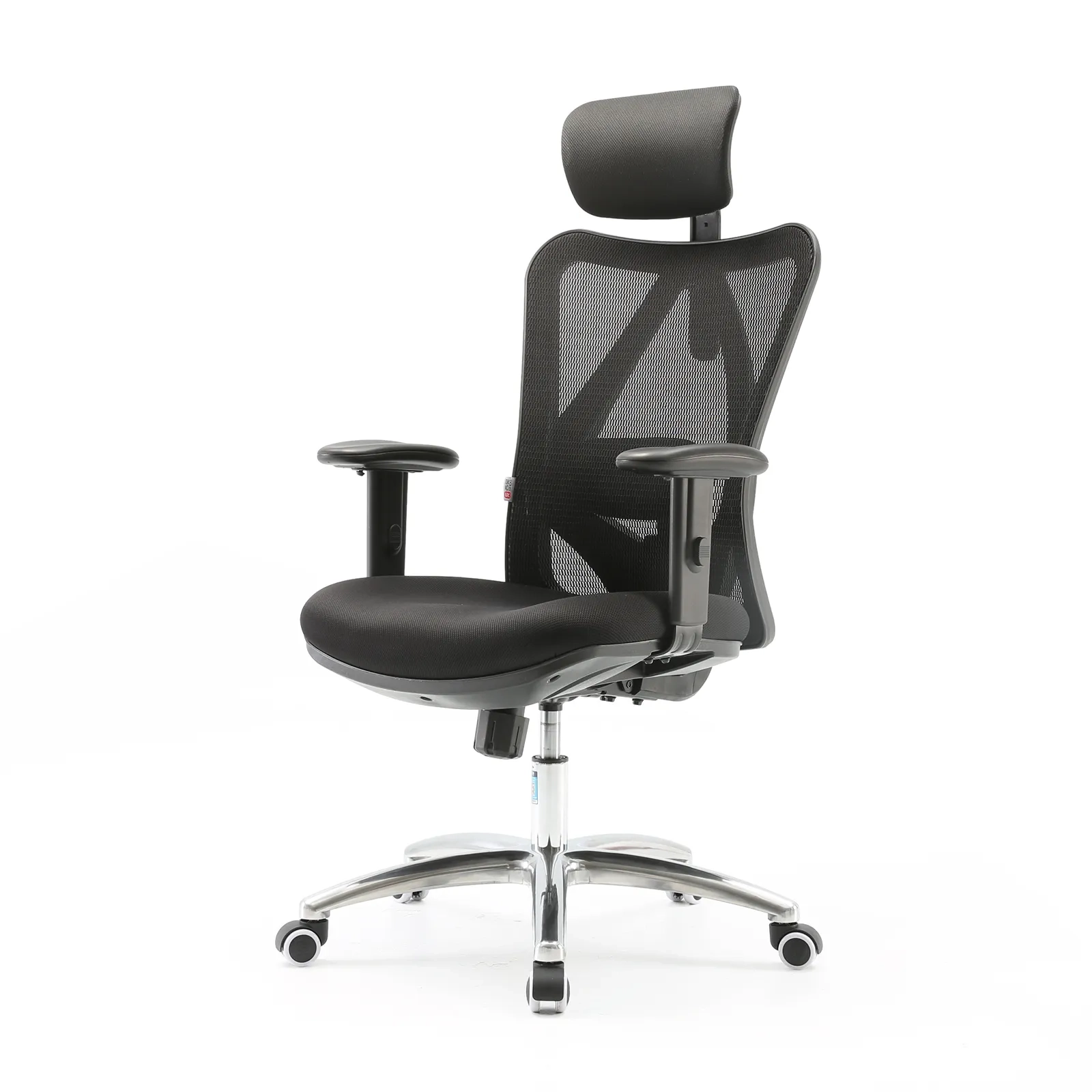
The M18 uses “3D” armrests—height, depth, and pivot. That pivot is actually the most useful part for modern work. If you’re typing on a laptop, you can angle the armrests inward to support your forearms while you work on those narrow keyboards. Just set the height so they barely touch the bottom of your forearms. Any higher and you’ll be shrugging; any lower and you’ll start slouching to one side.
Breathable Materials
“Design chairs” often fail by choosing aesthetics (like leather or thick foam) over thermoregulation. The human body loses significant heat through the back and thighs. Heat buildup leads to “active sitting fatigue,” where the user shifts constantly to find a cool spot, breaking focus.
The Doro S300 uses a specialized high-tensile mesh that optimizes air permeability. This material doesn’t just breathe; it distributes weight across the weave to prevent pressure “hot spots.” Studies on workplace environmental factors suggest that maintaining optimal skin temperature during long sessions can improve cognitive endurance and comfort by 15%-20%.
The 110-Degree Rule
Static sitting is the enemy of health. The “Neutral Body Posture” defined by NASA suggests a trunk-to-thigh angle of approximately 110° to 130° is optimal for reducing spinal load.
Even a slight recline of 10 degrees lets the chair’s backrest carry your weight instead of your vertebrae. The M18 has a multi-angle lock, so you can stay at 90 degrees for deep focus and then pop it back to 115 degrees when you’re just thinking or on a call. Try to take a “micro-break” every hour—lean back for two minutes to let your spinal discs rehydrate.
Style and Substance
You want a chair that looks like it belongs in your home.
- Minimalist Mesh: Great for high-intensity work where you need to stay cool.
- Sustainable Fabrics: I’d look for OEKO-TEX certified polyesters. They feel much more like “real” furniture and less like a corporate cubicle.
- Slim Geometry: Modern materials allow for much thinner frames that still support that 110° to 130° neutral body posture suggested by NASA.
Matching Chairs to Your Daily Grind
Managing Physical Fatigue
For those who spend 8 to 12 hours a day tethered to a desk—software engineers, data analysts, or gamers—the chair is less of a piece of furniture and more of a support skeleton.
- The “Hunch” Factor: After four hours of deep focus, most people naturally lean forward or slouch. The Sihoo M18 addresses this reality with high-rebound cushions that don’t bottom out by midday.
- Mechanical Durability: In a high-intensity environment, you aren’t just sitting; you are shifting, reclining, and putting constant stress on the gas lift and casters. A “workhorse” model is built for this friction, prioritizing a thick mesh and a sturdy frame over minimalist aesthetics.
- Thermal Regulation: Real-life long-form work generates body heat. High-intensity chairs prioritize breathable materials to prevent the discomfort of “hot spots” during a marathon session.
The Shift in Posture
Creative work, such as design or high-level consulting, often involves a different physical rhythm. You might be on a 20-minute call, followed by a period of sketching, then standing up to look at a mood board.
- Adaptive Movement: In a creative suite or executive home office, a chair like the Sihoo Doro S300 serves a dynamic user. Its gravity-sensing mechanisms allow for seamless reclining without manual knob-turning, matching the fluid nature of brainstorming.
- Visual Integration: In a modern home office, the chair is part of the living environment. The “aerospace-grade” aesthetic and sleek lines of the S300 ensure that the room feels like an office by day and a curated living space by night, avoiding the bulky “office cubicle” look.
- The Psychological Edge: There is a documented “prestige” factor in professional environments. An executive chair provides the necessary lumbar support for a meeting while maintaining a visual profile that commands authority and reflects a polished professional identity.
| Feature | High-Intensity (M18) | Creative/Executive (Doro S300) |
|---|---|---|
| Primary Goal | Sustained physical endurance | Fluid movement & visual style |
| Typical User | Coders, Writers, Students | Designers, Executives, Hybrid Workers |
| Space Fit | Dedicated workstations | Modern home offices, boardrooms |
Conclusion
In 2026, the best comfortable design chair is no longer a static object. It is a piece of adaptive technology. By focusing on micro-details like seat depth, lumbar angles, and thermal regulation, brands like Sihoo ensure that “design” is more than just a look—it’s a performance standard. When shopping, remember: if you can’t adjust the detail, you can’t customize your comfort.
1600x1600-4-768x768.jpg)
1600x1600-8-768x768.jpg)