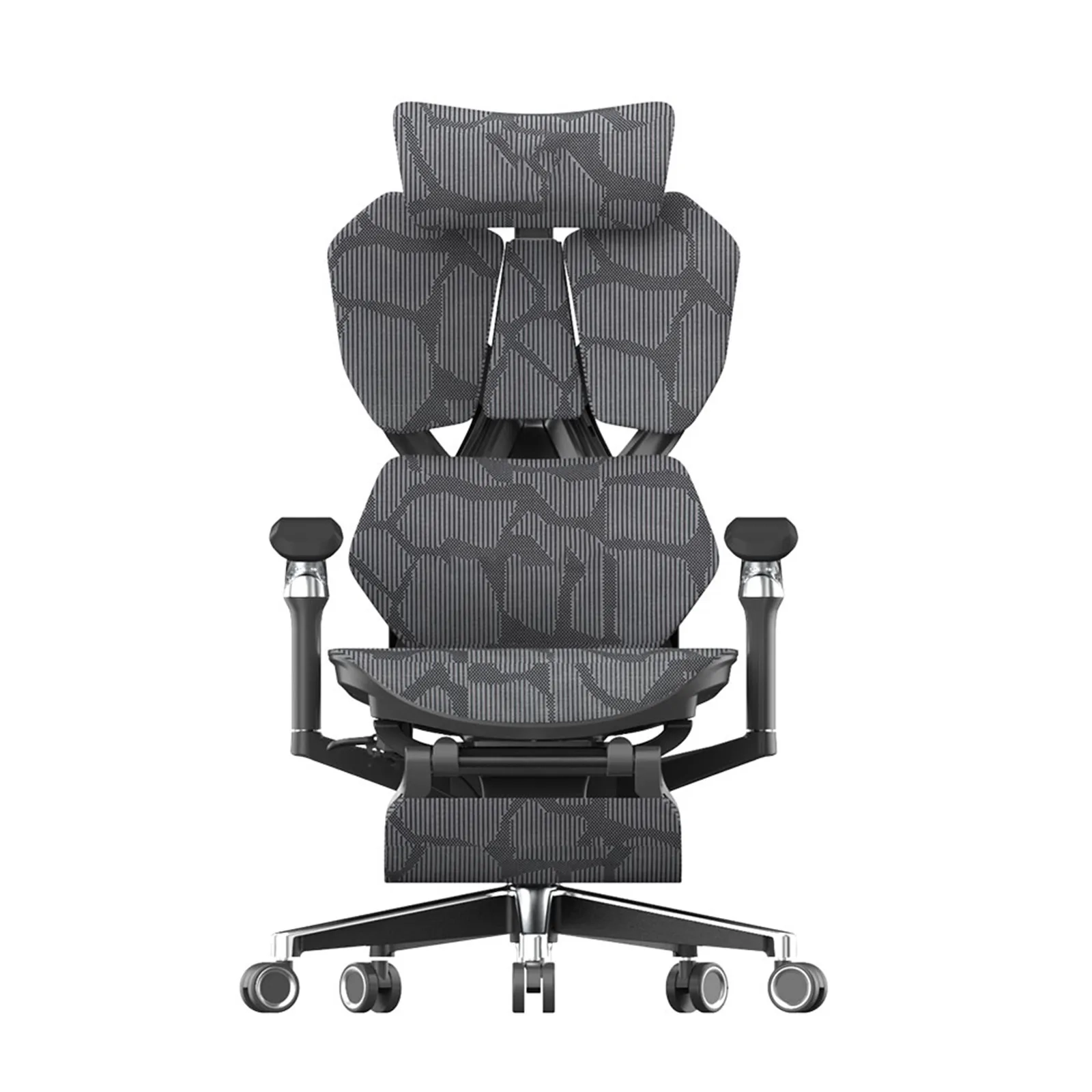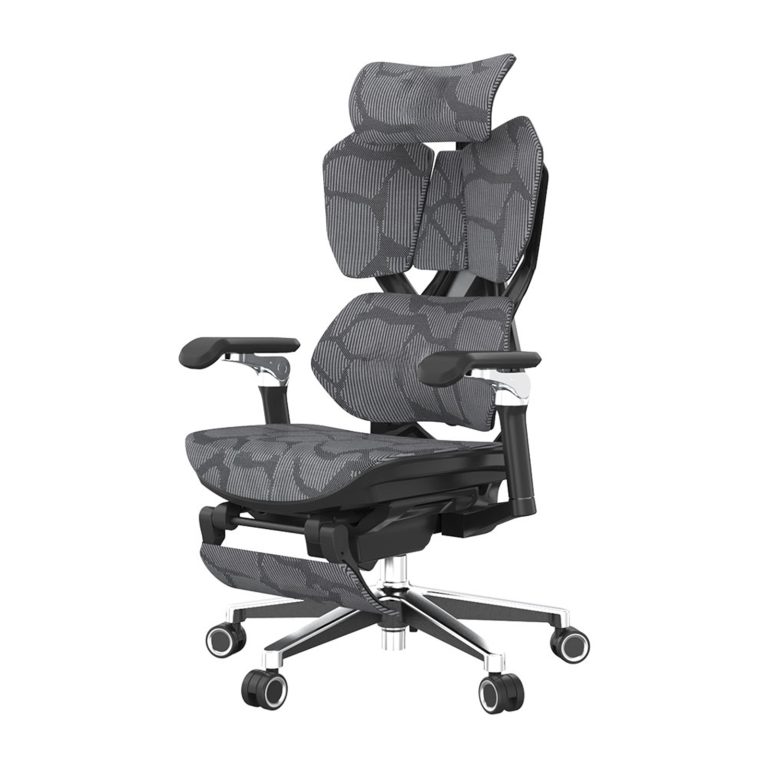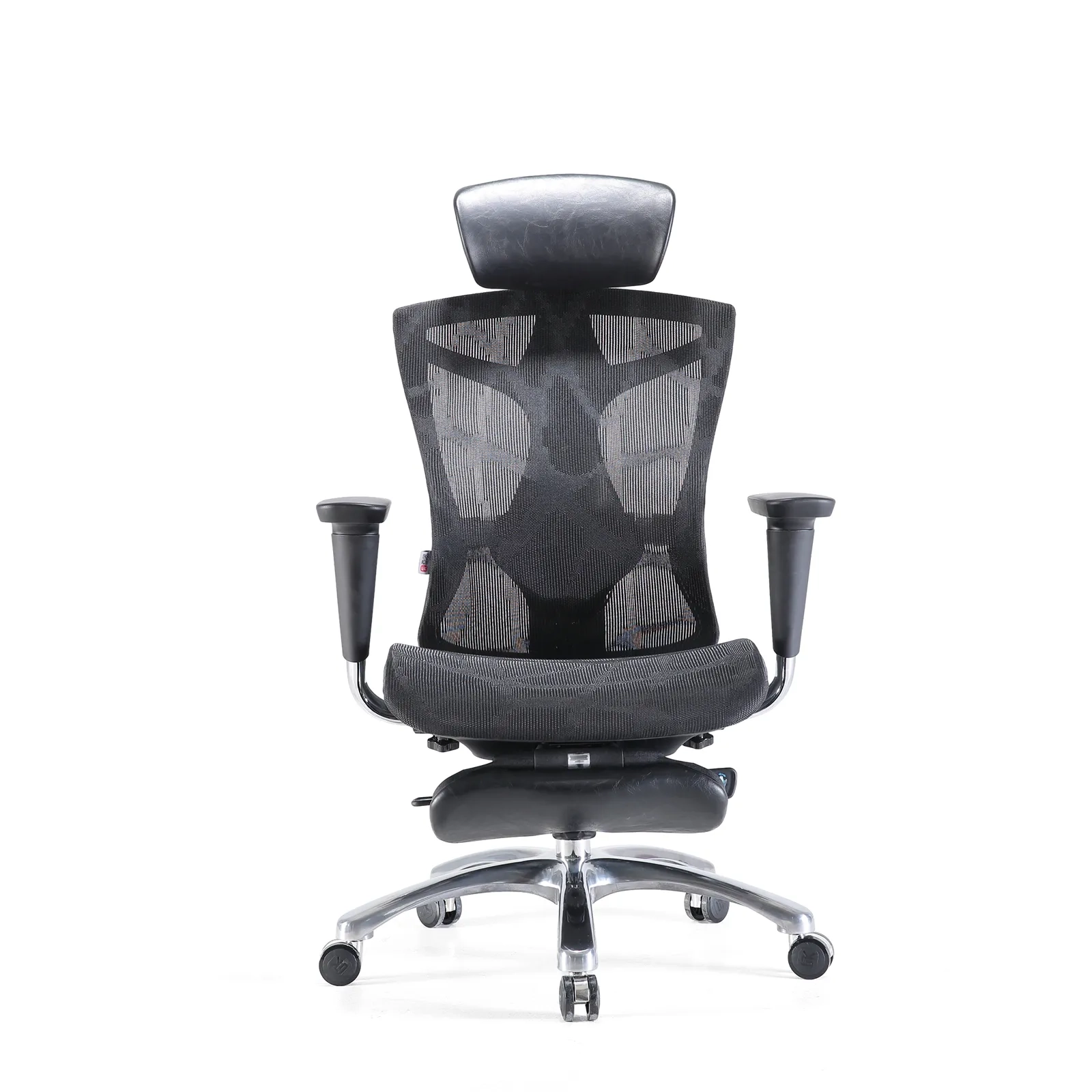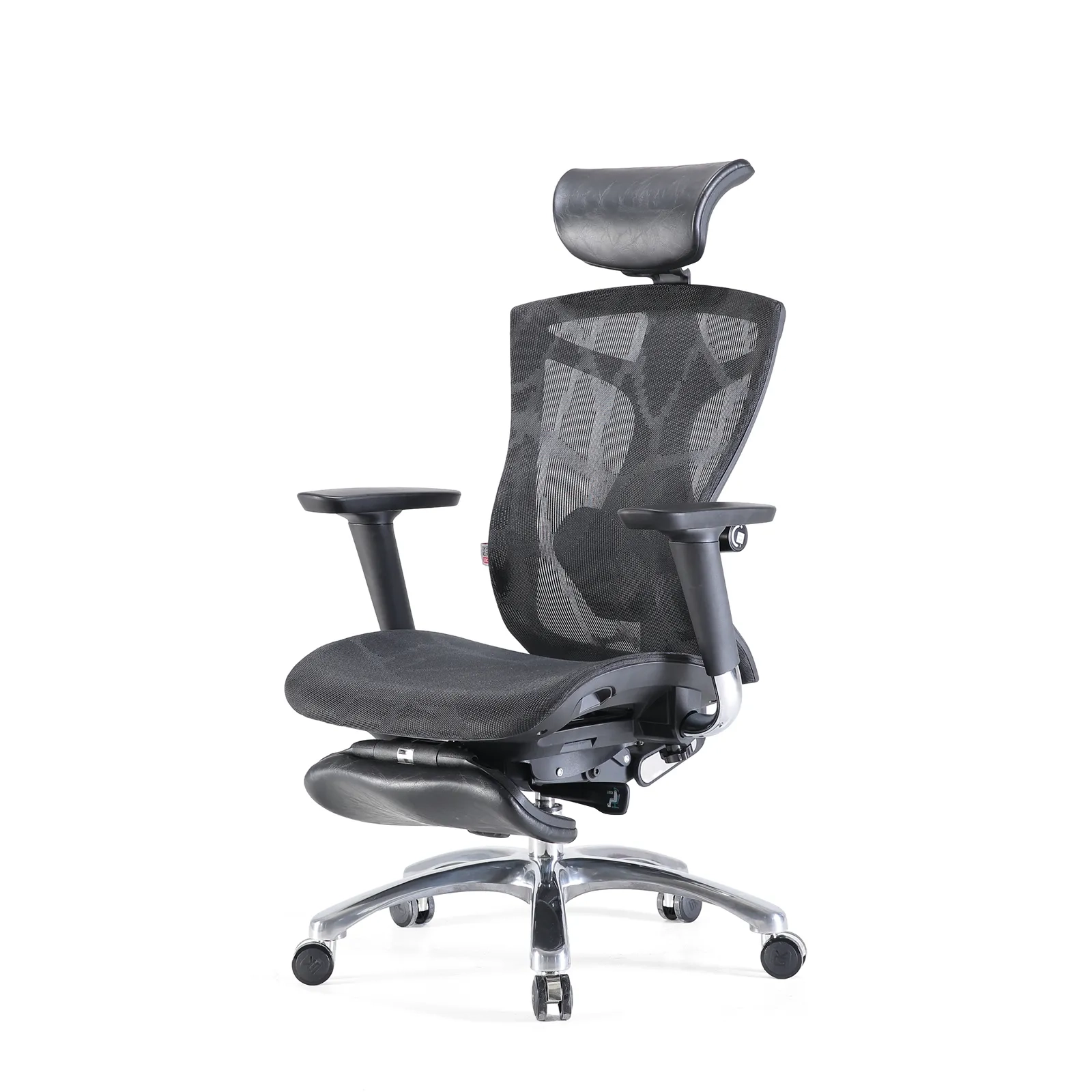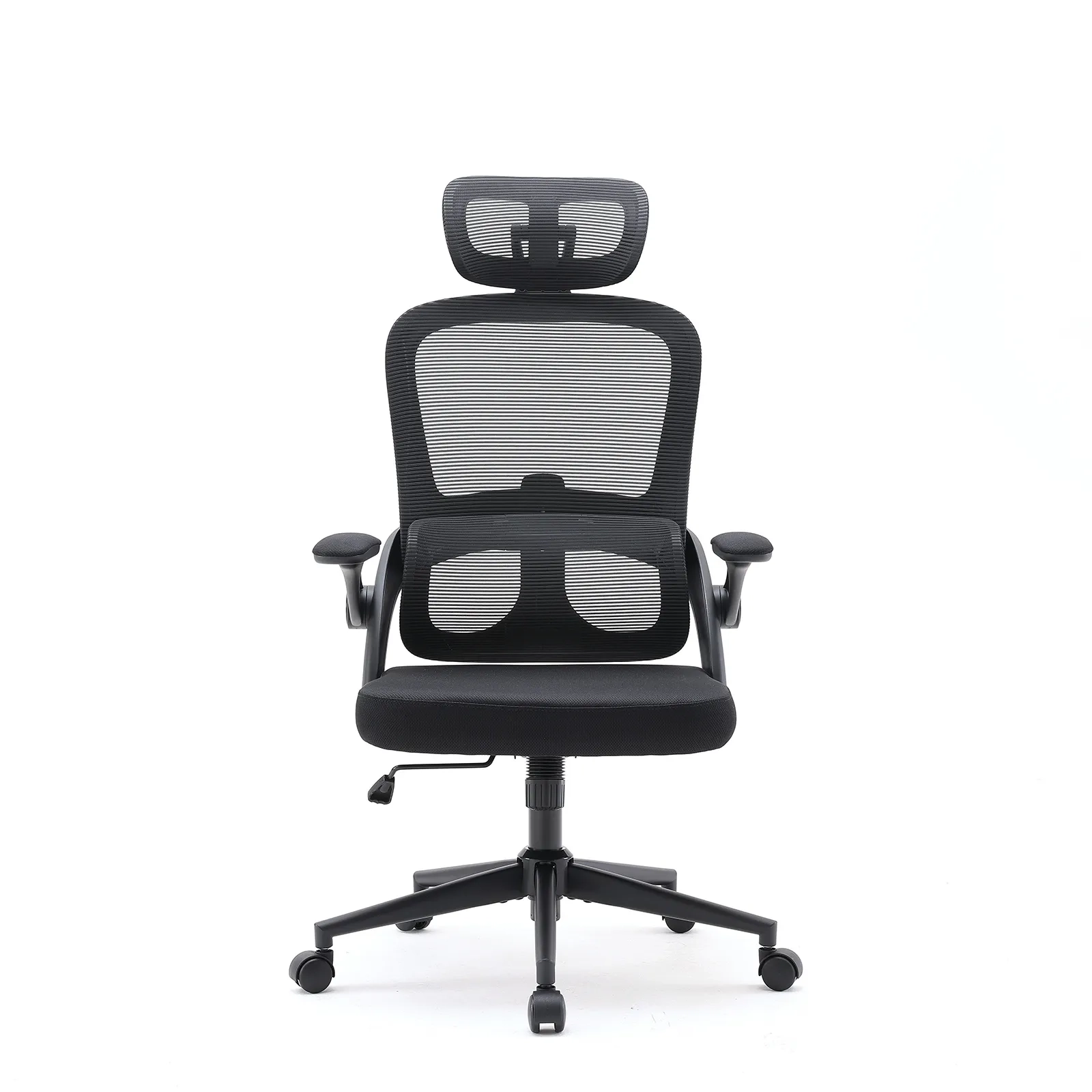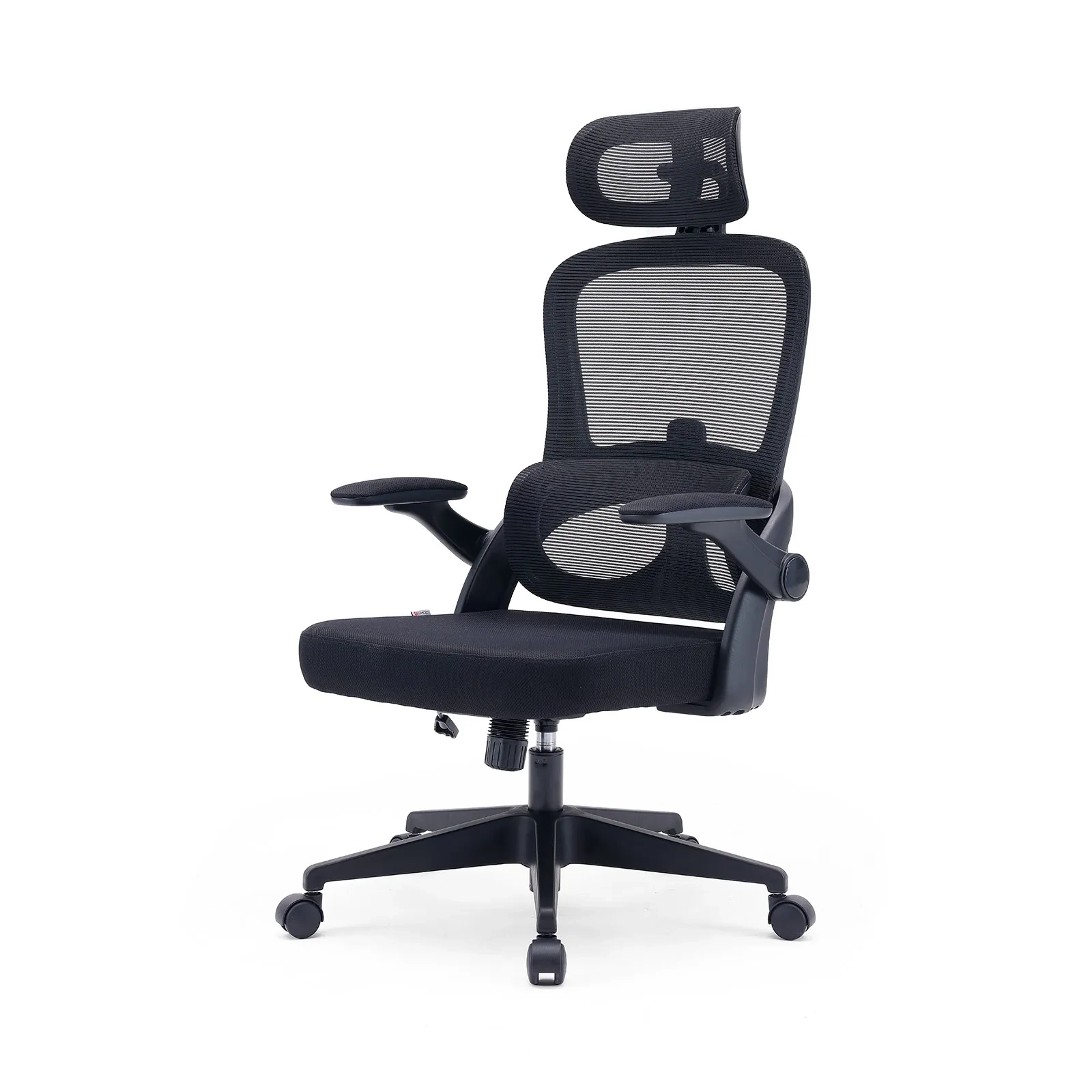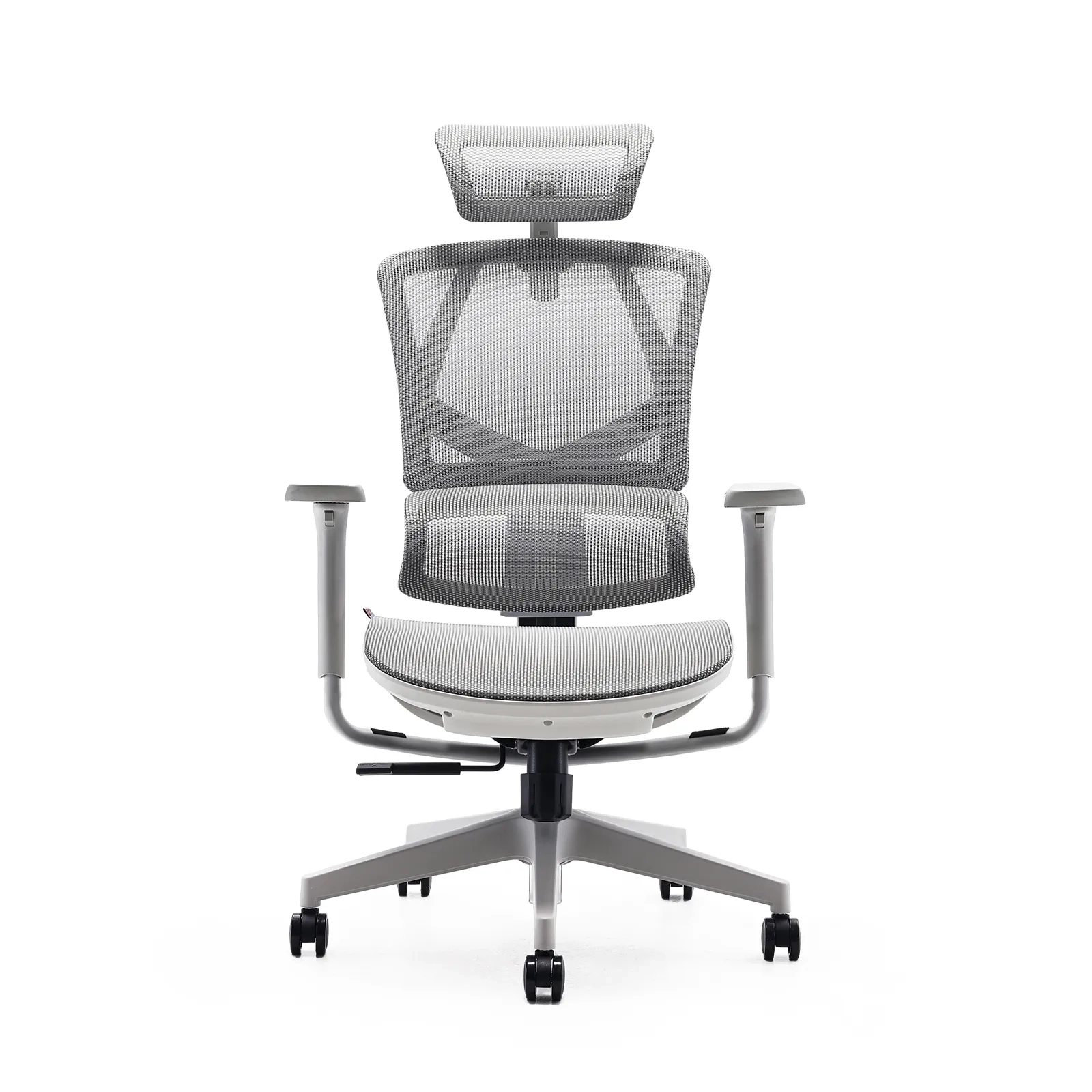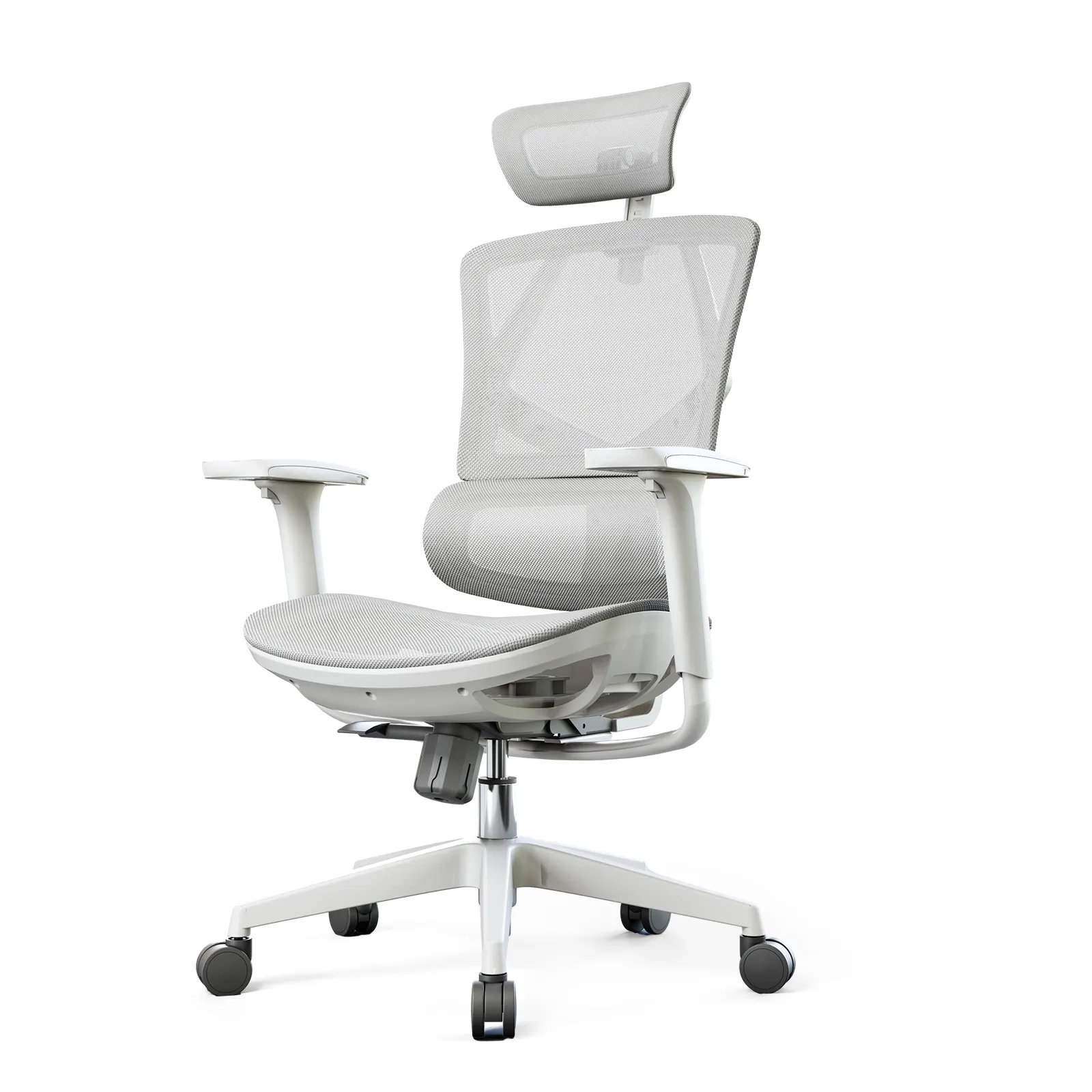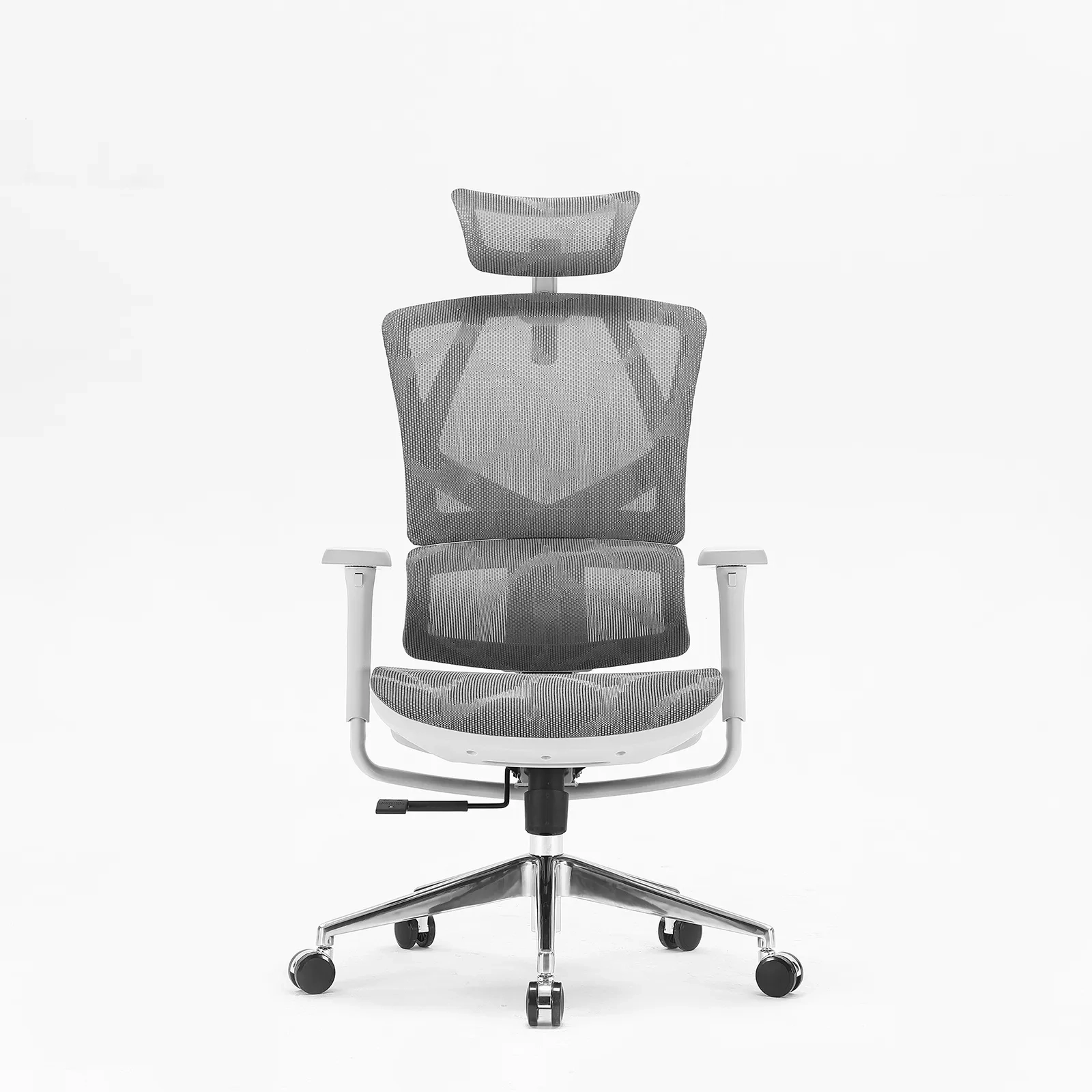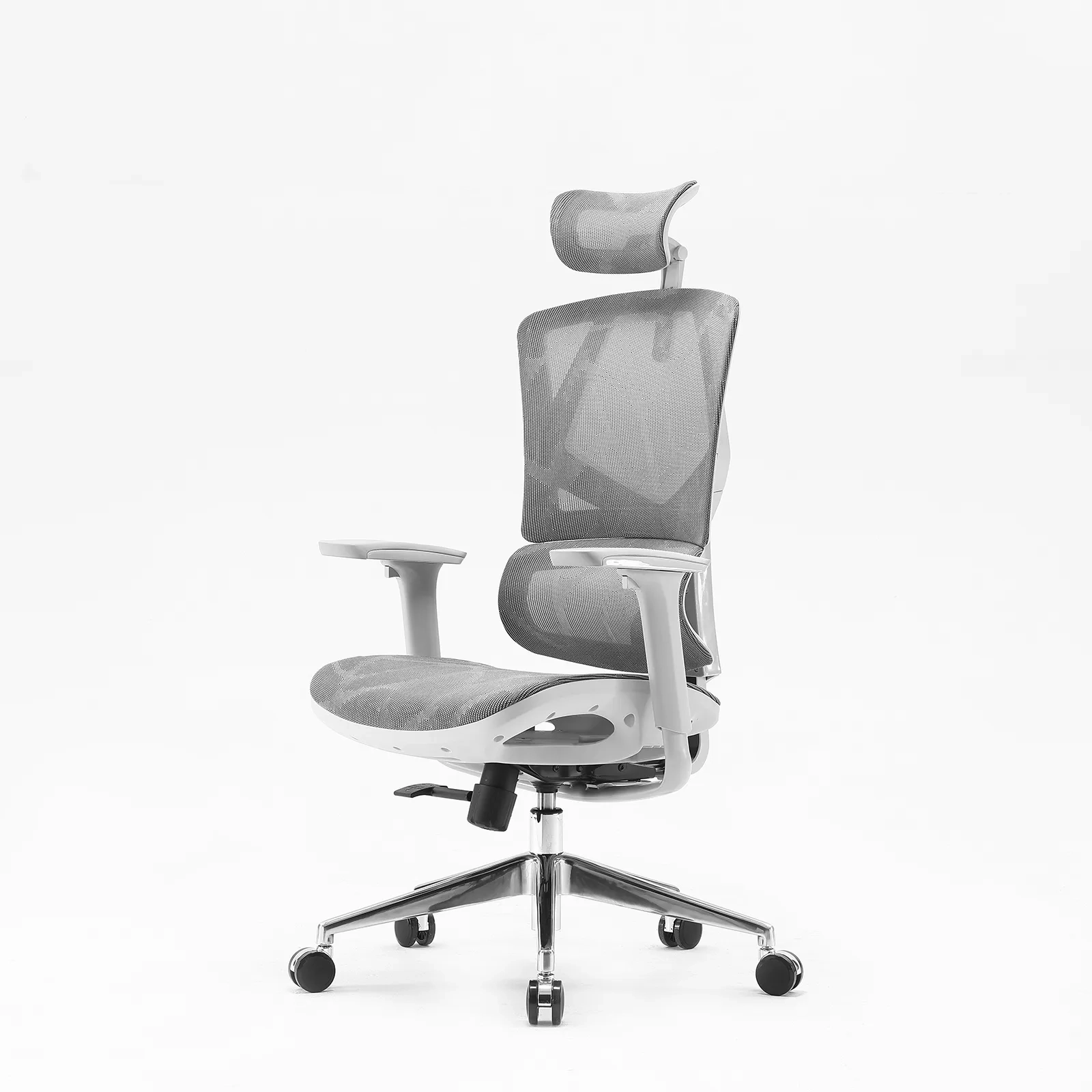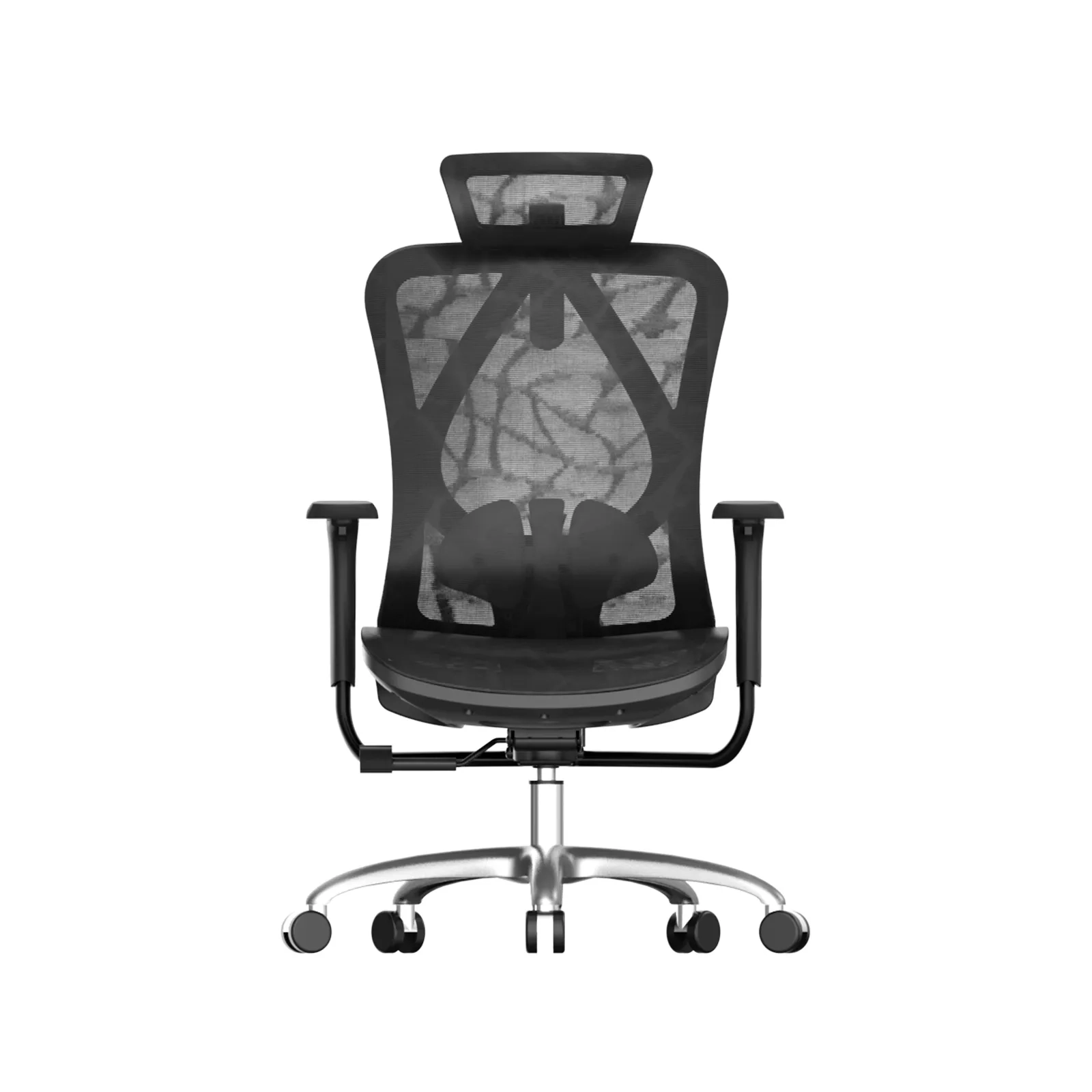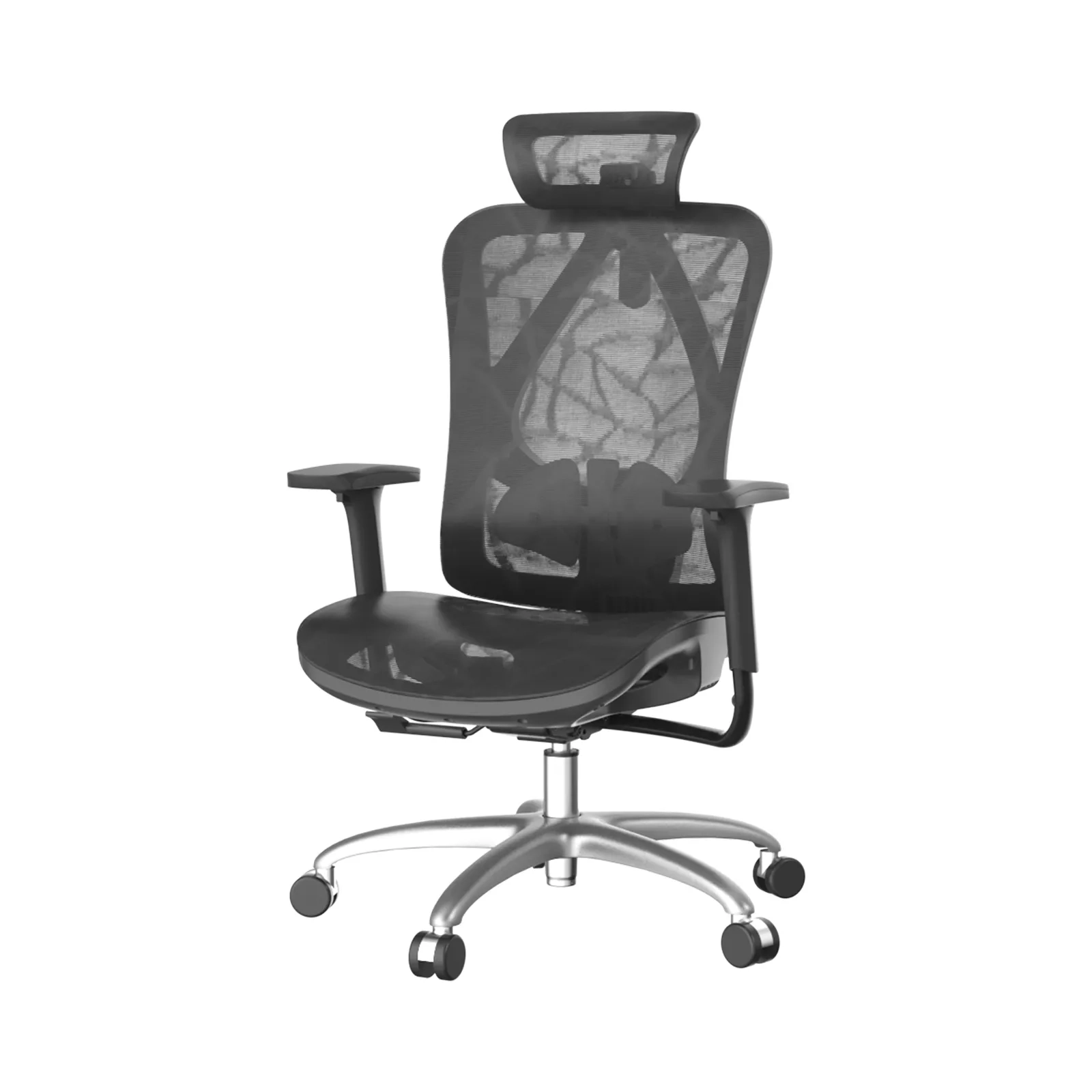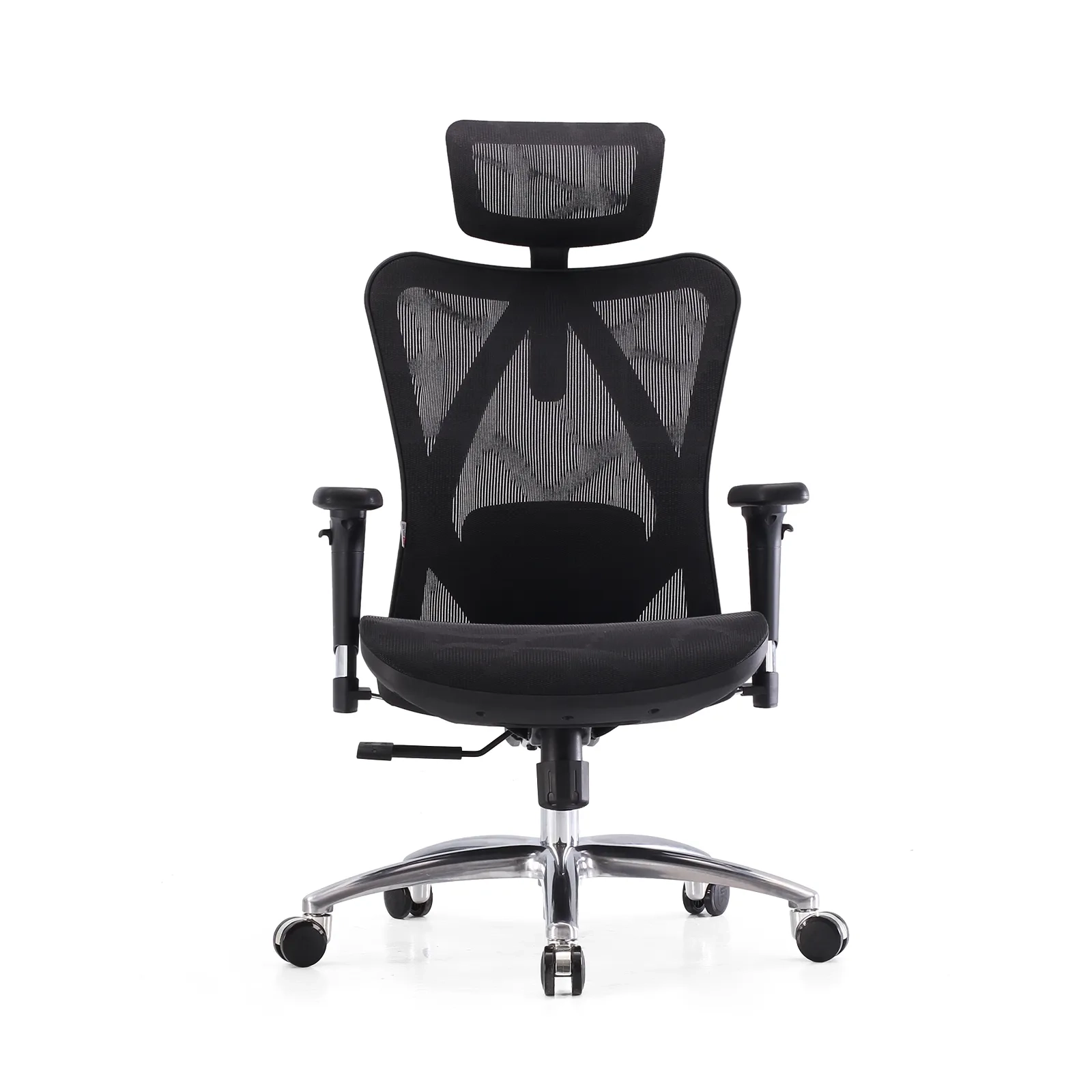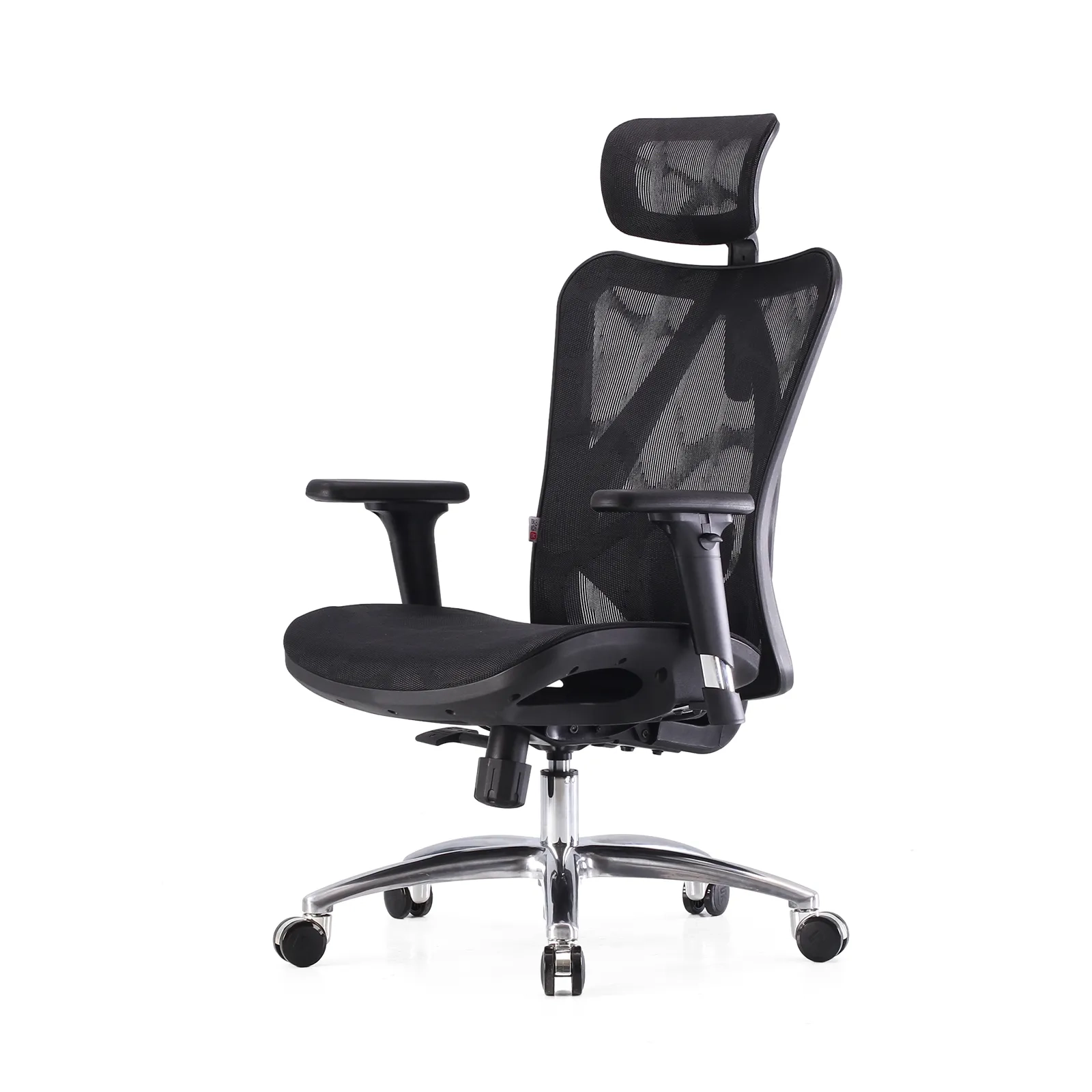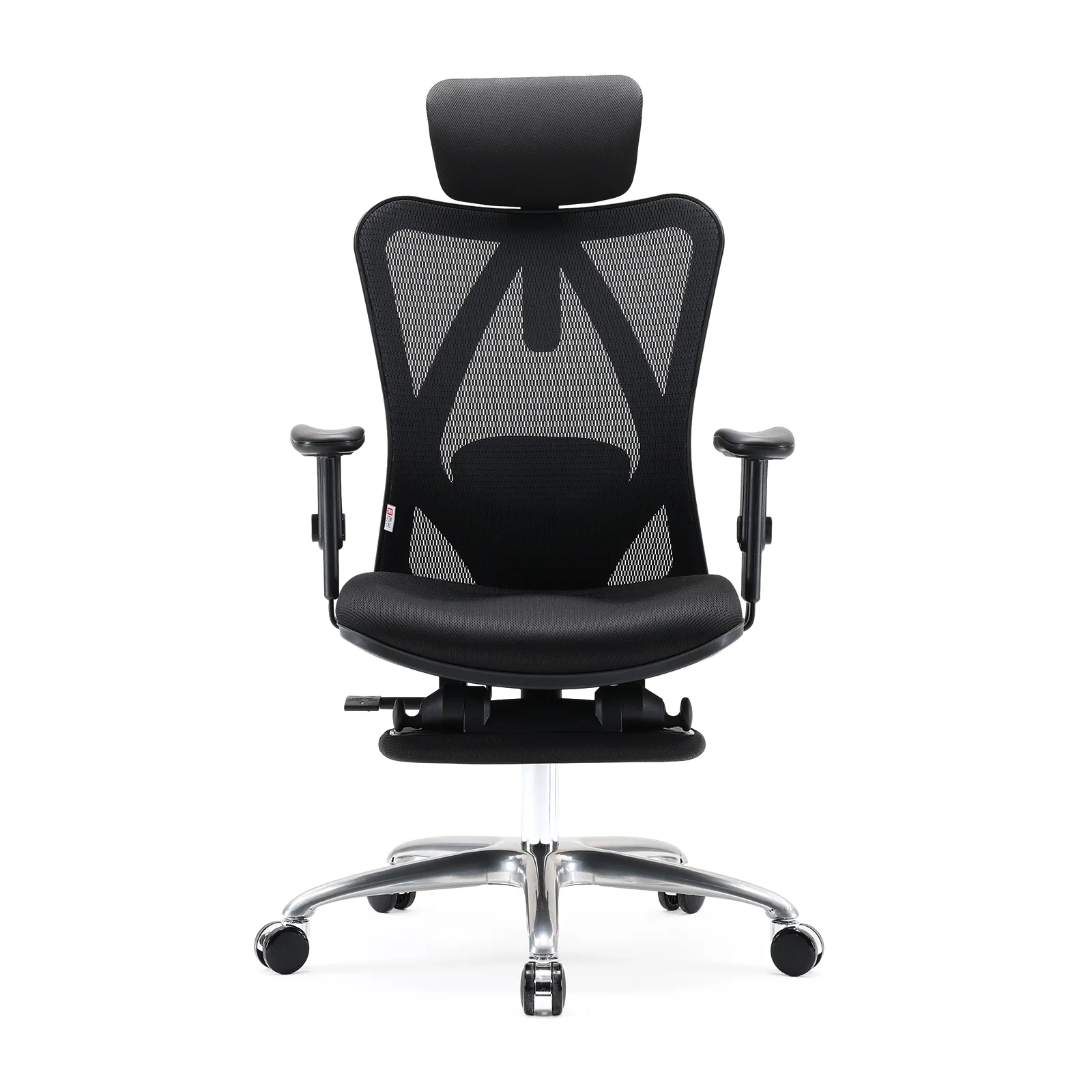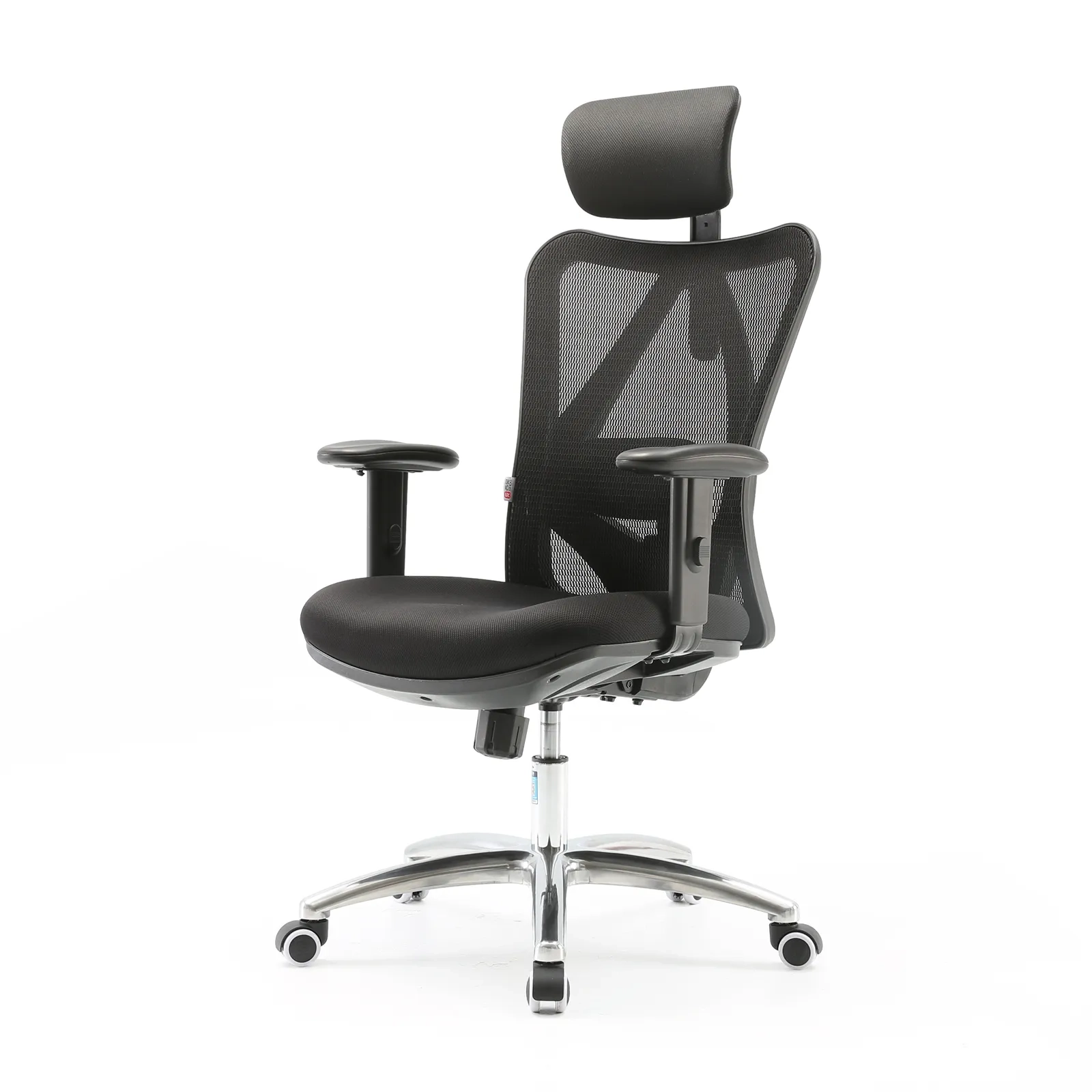









An office chair supplier audit really comes down to three fundamental questions. Can this supplier deliver the same product again and again? Can the team provide documents and service your market needs? Will the relationship still remain reliable after the first shipment? A polished catalog or a low quote can’t answer any of those by itself.
For a bulk order, check the company, products, quality process, documents, sample, packaging, delivery plan, and after-sales workflow. Write down proof, not feelings. If something’s missing, ask for it — don’t fill the gap with a assumptions.

Supplier audit scorecard
| Audit area | Evidence to request | Warning sign |
| Company identity | Registration and business information | Company details are inconsistent |
| Product focus | Current catalog and category history | Unrelated products with little seating knowledge |
| R&D capability | Development process, patents, technical materials | Features cannot be explained clearly |
| Quality control | Inspection process and records | Only general “high quality” claims |
| Product documents | Specifications and relevant reports | Reports do not match the model |
| Sample | Production-representative setup | Sample differs from quotation or spec sheet |
| Packaging | Carton data and protection method | No clear packaging standard |
| Delivery | Model-specific timeline and responsibilities | Unrealistic or vague promises |
| After-sales | Written warranty and parts process | No owner for claims or parts |
Run the same scorecard for every shortlisted supplier. A simple pass or fail is too blunt — note what’s confirmed, what’s still open, and who’s going to answer it.

1. Check who’s actually behind the quotation
First, figure out who you’re really dealing with. The legal business, website, email domain, quotation, bank details, and sales contact should line up, or at least have a clear explanation. If a trading company, an export company, and a factory are all in the mix, ask what each one does.
Look at:
- Registered company name
- Business address
- Main product categories
- Years focused on office seating
- Export markets or customer types
- Contact responsible for the order
- Contact responsible for technical questions
- Contact responsible for claims
The goal isn’t to reject every multi-company structure. It’s to know who controls production, who signs the agreement, who gets paid, and who stays accountable after the goods ship.
Start with the public background. SIHOO buyers can read the company’s brand story и about SIHOO page. Then ask for order-specific details through the official contact channel.
2. See if the product range fits your market
A big catalog only helps if each model has a clear job. Ask the supplier to suggest a range based on your country, channel, price tier, and user groups.
Look for:
- Entry, middle, and premium price positions
- Staff, ergonomic, executive, meeting, or gaming categories
- Compact and high-back options
- Mesh and upholstered alternatives
- Shared components or service parts
- Models suited to repeat project orders
Ask why each recommended model belongs in your assortment. A supplier who knows the product should be ready to explain the target user, the main feature difference, the expected channel, and any limitations.
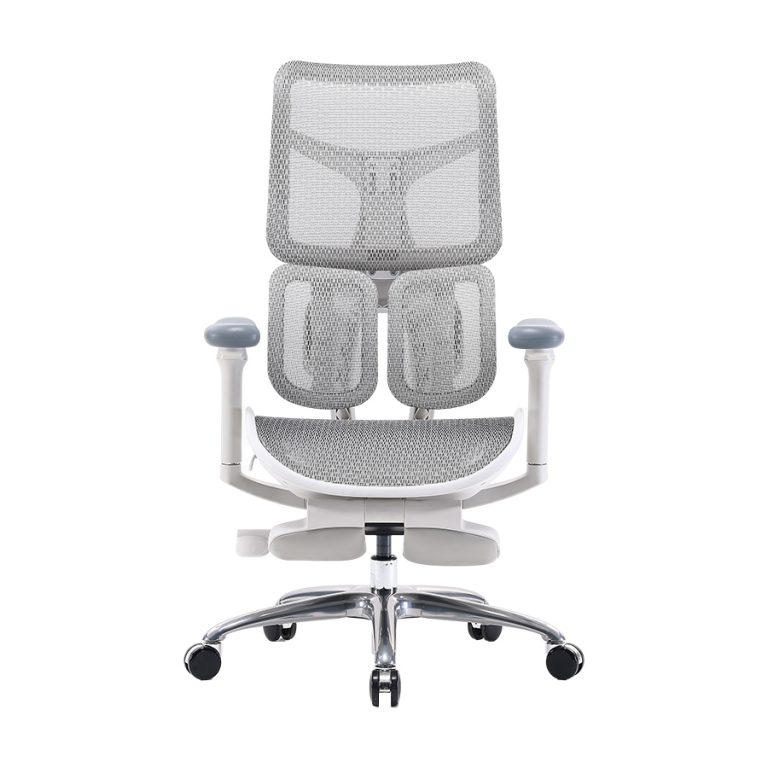
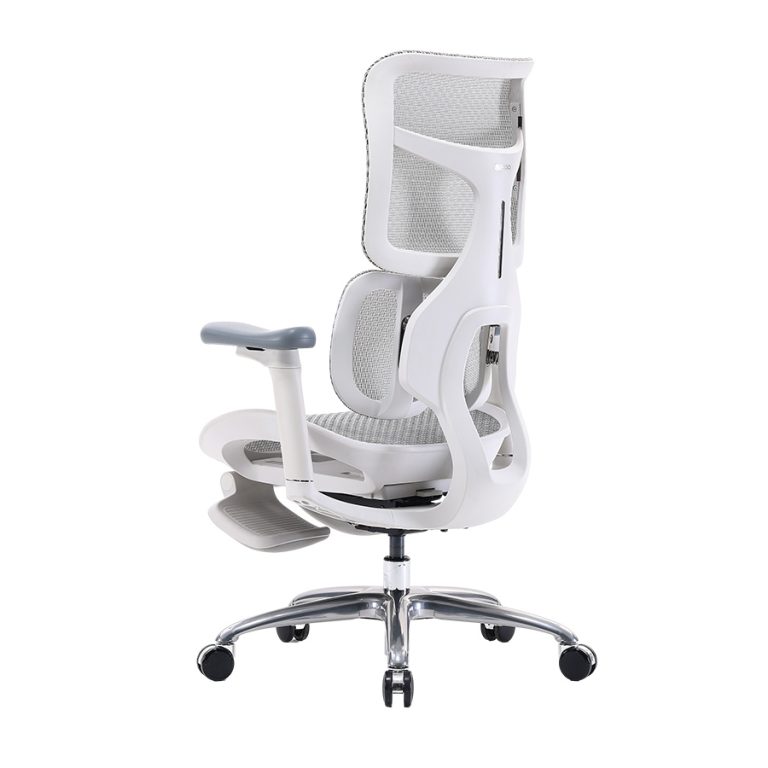
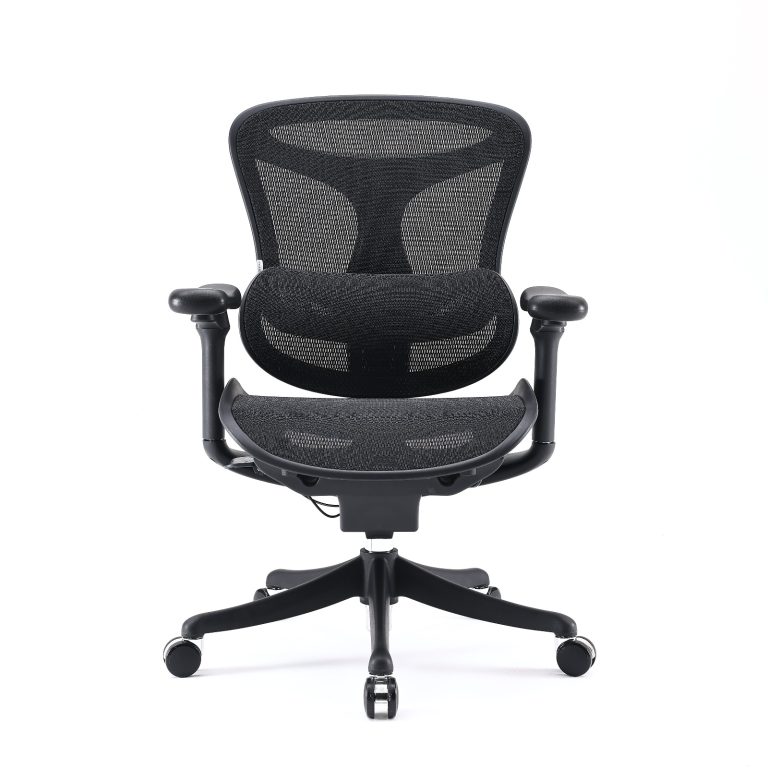
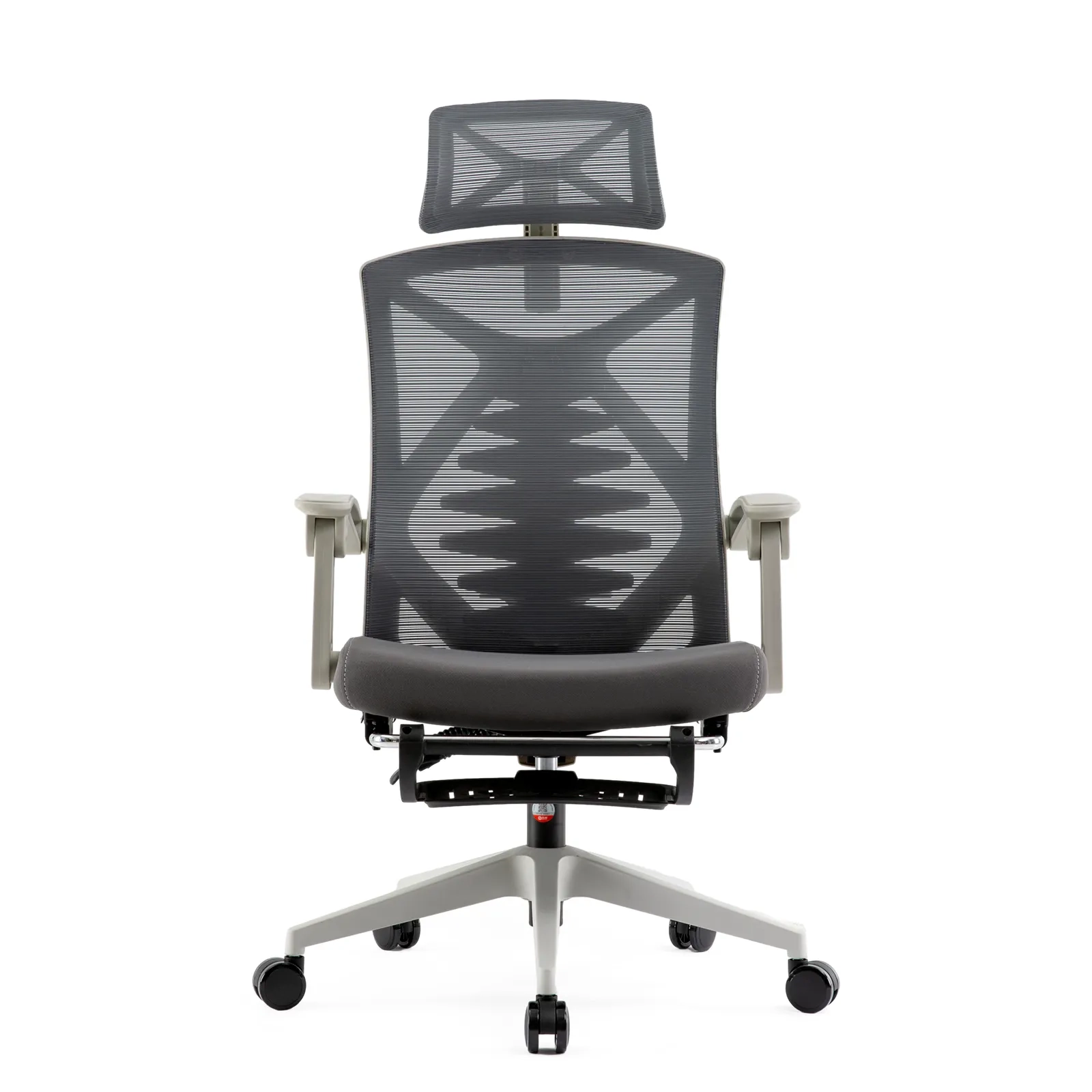
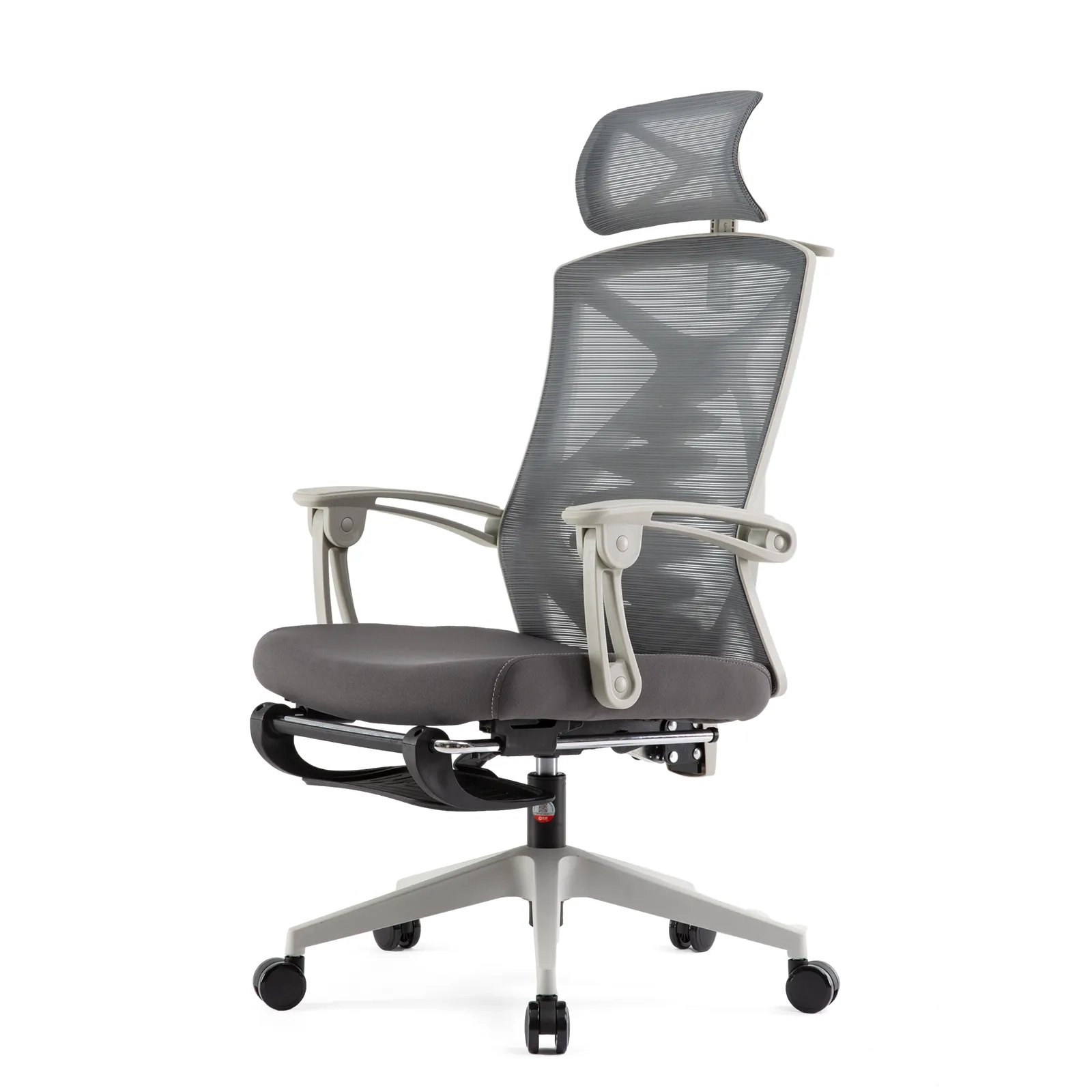
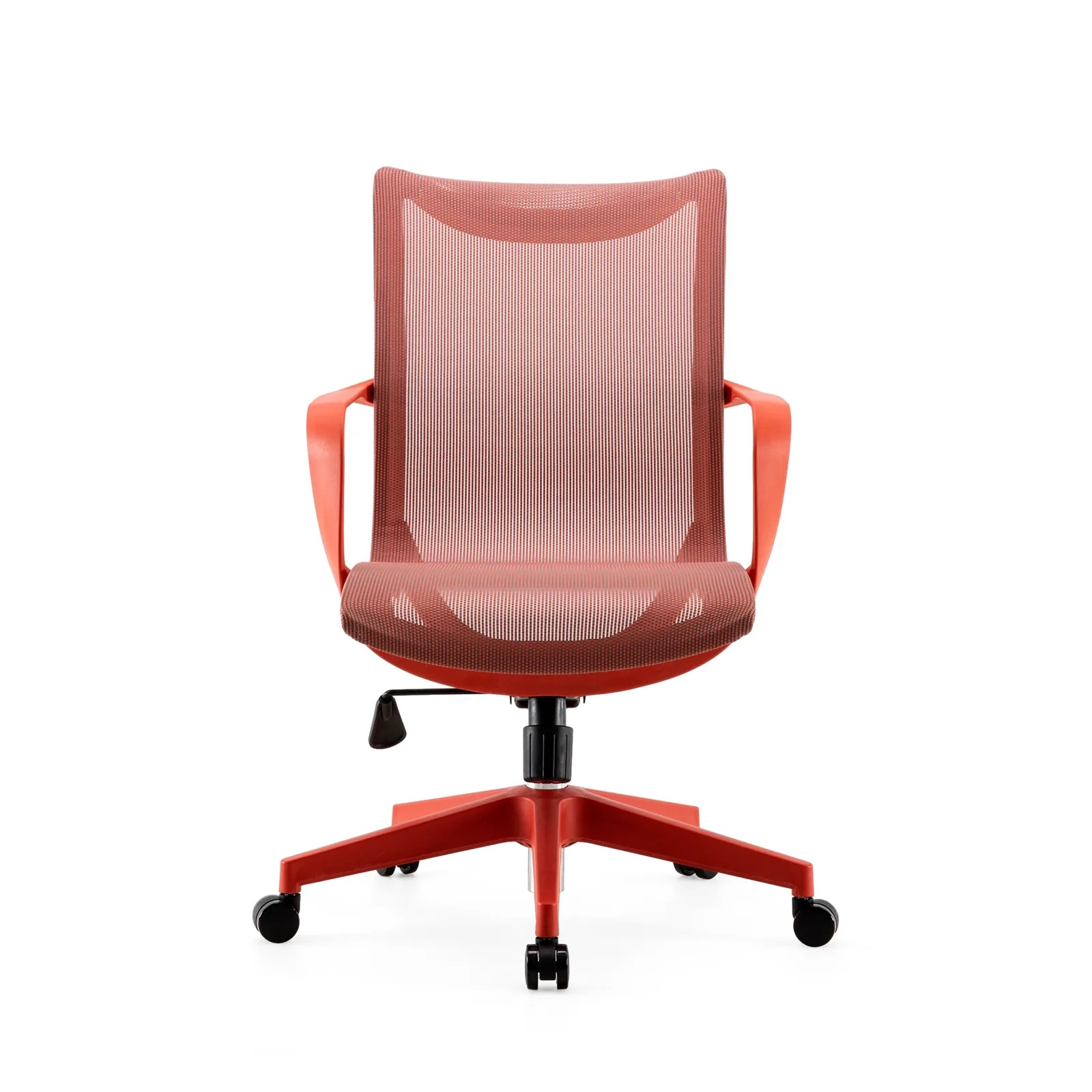
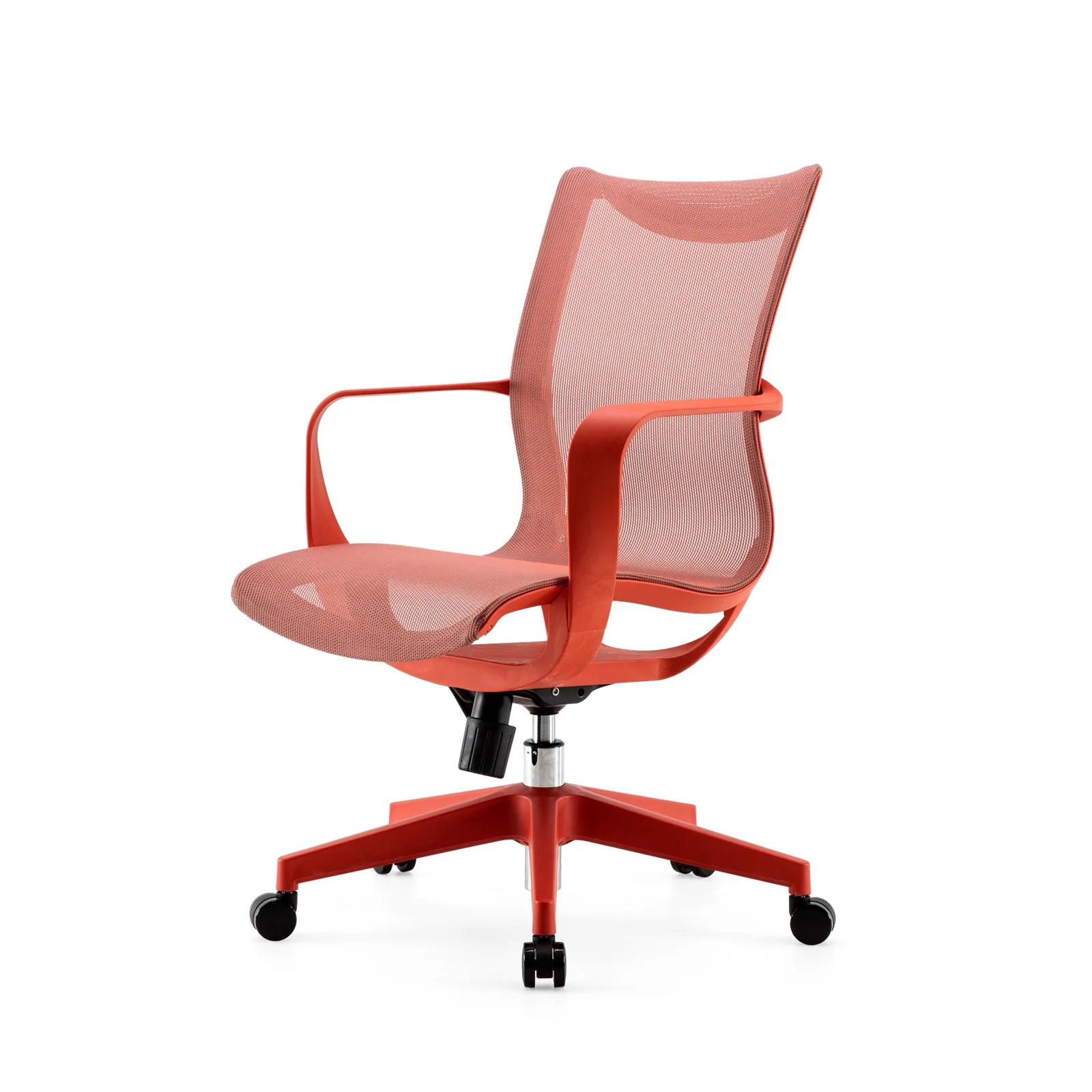
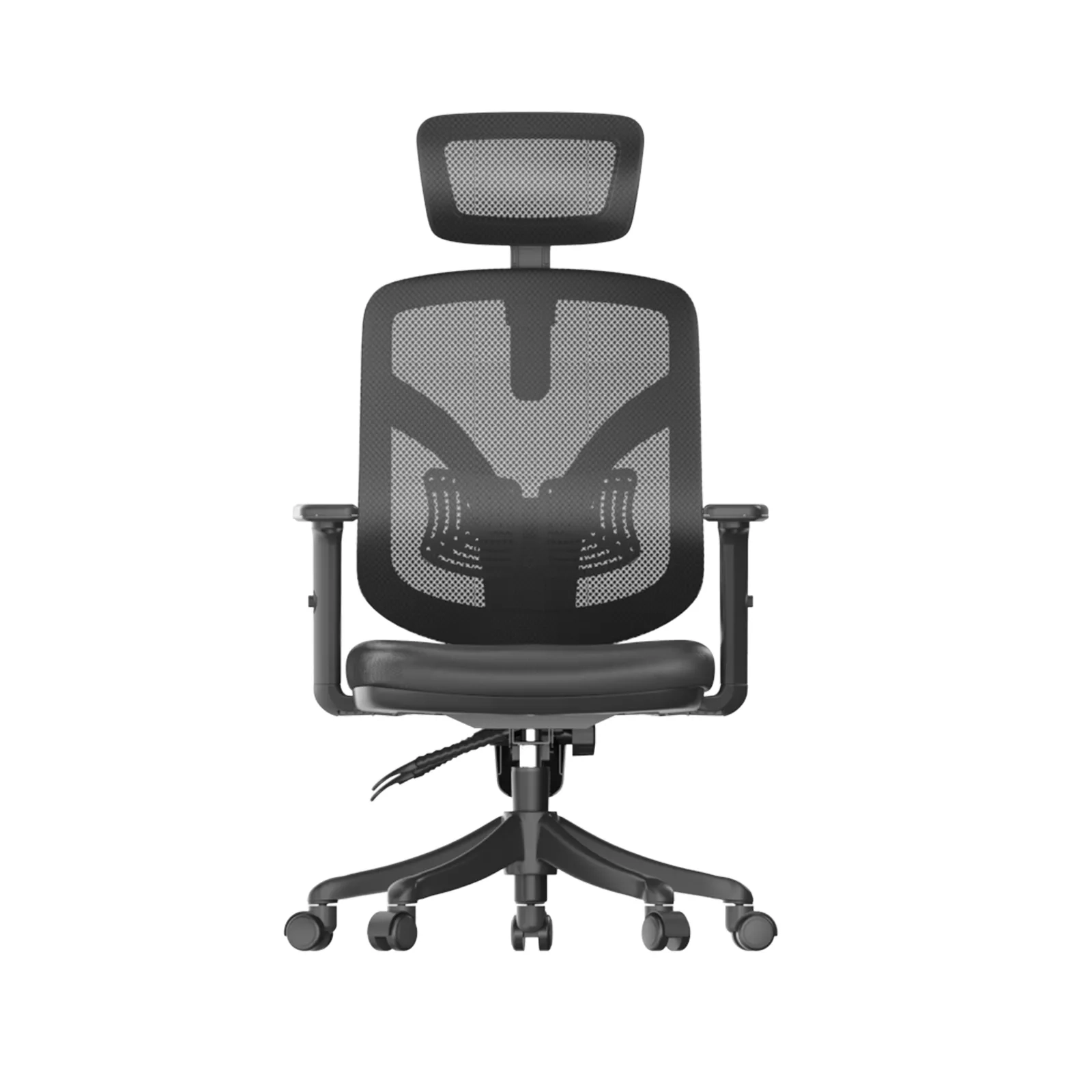
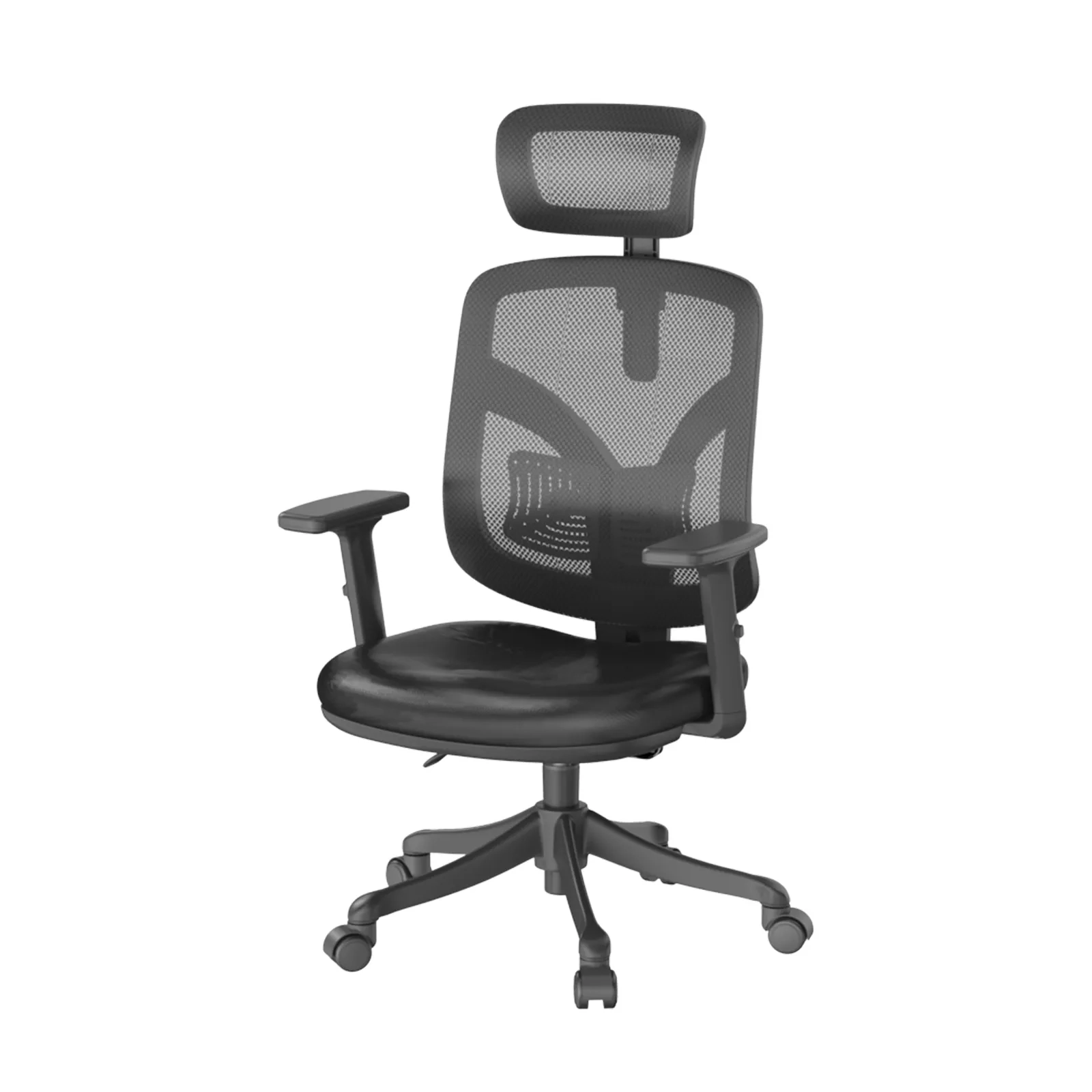
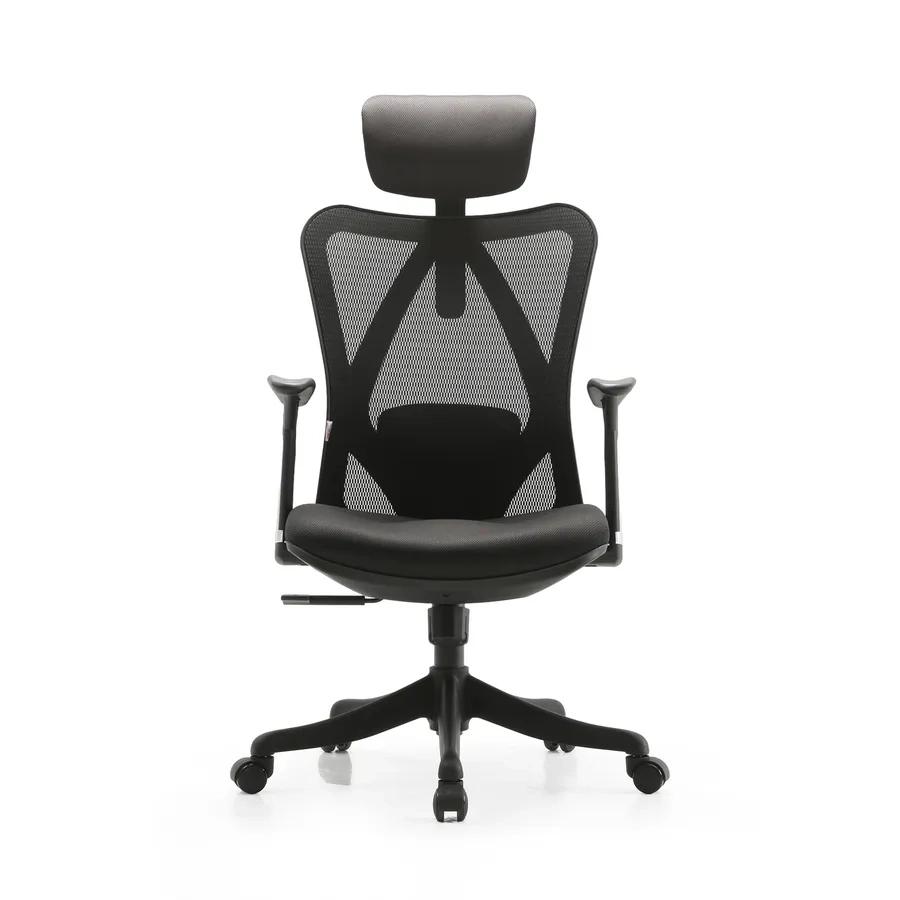
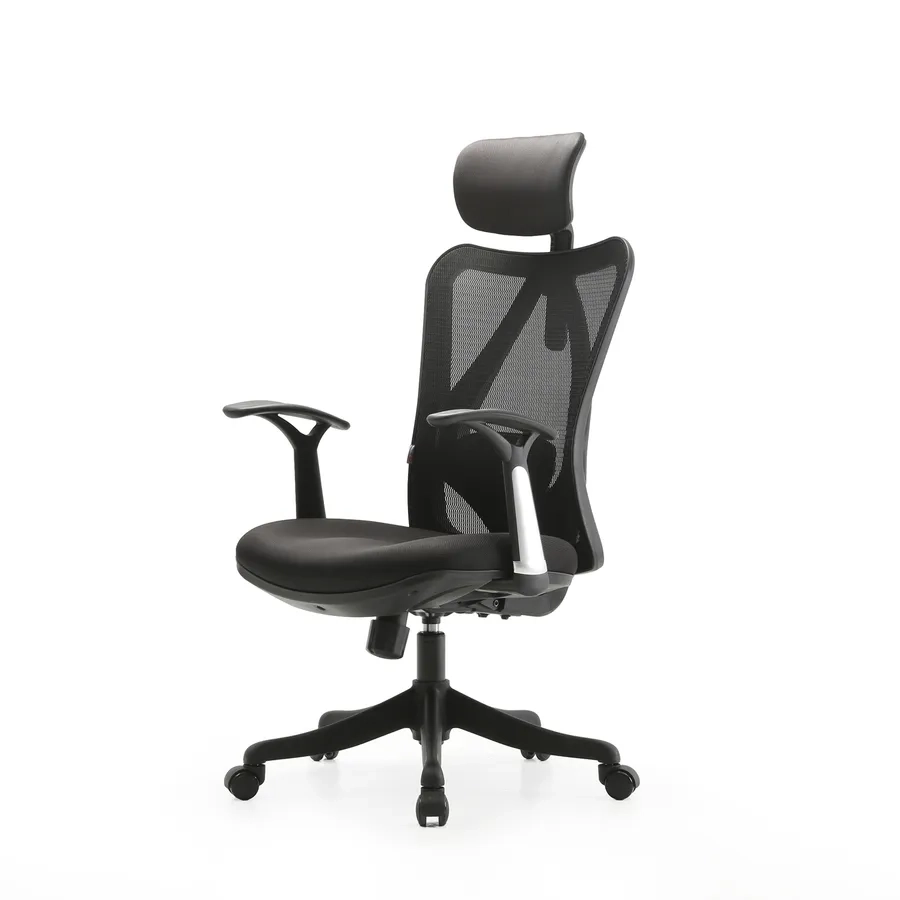
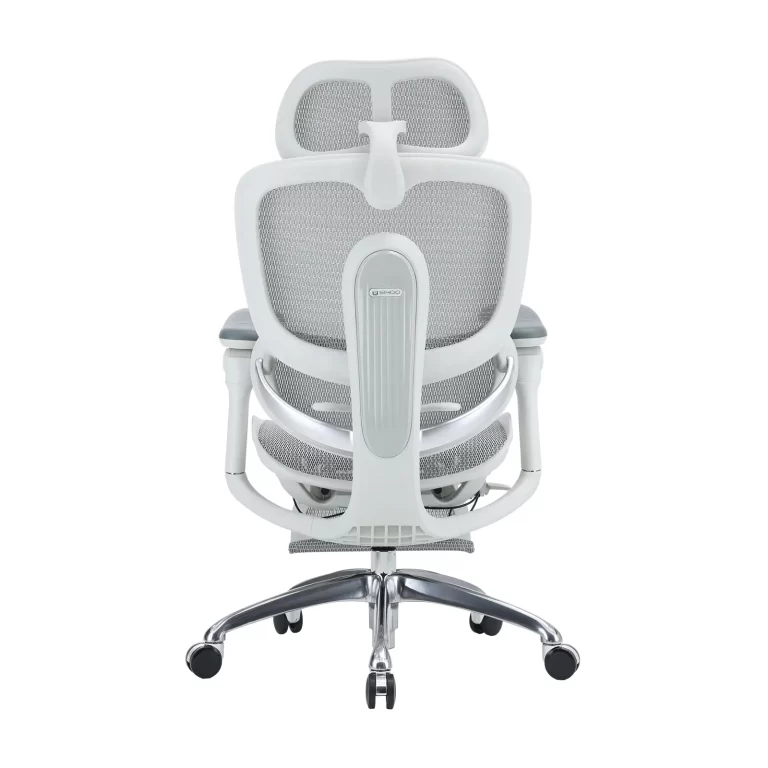
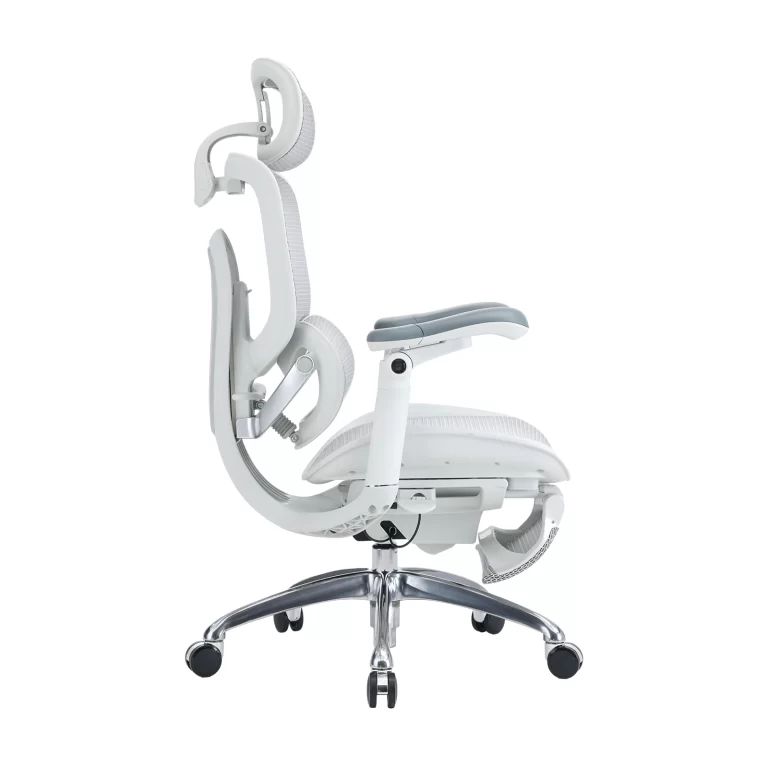
Use the SIHOO product overview to spot categories before you ask for a tailored recommendation. If the audit goes model-level, open a few examples:
Treat those pages as a starting point, then ask SIHOO to confirm current specs, documents, MOQ, and availability for your market.

3. Review development and technical capability
Ergonomic seating is more than looks. The supplier should be able to explain how the backrest, lumbar system, recline, armrests, seat, mesh, frame, and controls work together.
Ask for evidence such as:
- Product-development workflow
- Technical drawings or spec sheets
- Patent information where relevant
- Mechanism and component explanations
- User-fit considerations
- Material selection rationale
- Change-control process for production
Technical pages are useful, but don’t copy them blindly — use them to ask sharper questions. SIHOO shares background on:
Before making a purchase decision, ask the relevant SIHOO team which claims and technologies apply to each model you’ve selected.
4. Examine the quality-control process
“Quality control” should describe a process, not a slogan. Ask where checks happen, what gets recorded, and what happens when a product does not meet the approved specification.
The process may include:
- Incoming material or component checks
- In-process assembly checks
- Functional checks
- Appearance checks
- Packaging checks
- Final inspection
- Corrective action and reinspection
Ask the supplier to spell out the inspection criteria for your product. For a larger or higher-risk order, discuss whether a pre-shipment inspection makes sense, and who defines the sampling method and acceptance criteria.
Don’t assume a general factory certificate proves the performance of every model. Product-level evidence should match the model, setup, and standard being evaluated.
5. Match reports to the selected model
Buyers often get a report that looks relevant but covers a different model, material, or setup. Check:
- Model name or code
- Product description
- Configuration
- Test standard and edition
- Testing organization
- Report date
- Result scope
- Any exclusions or limitations
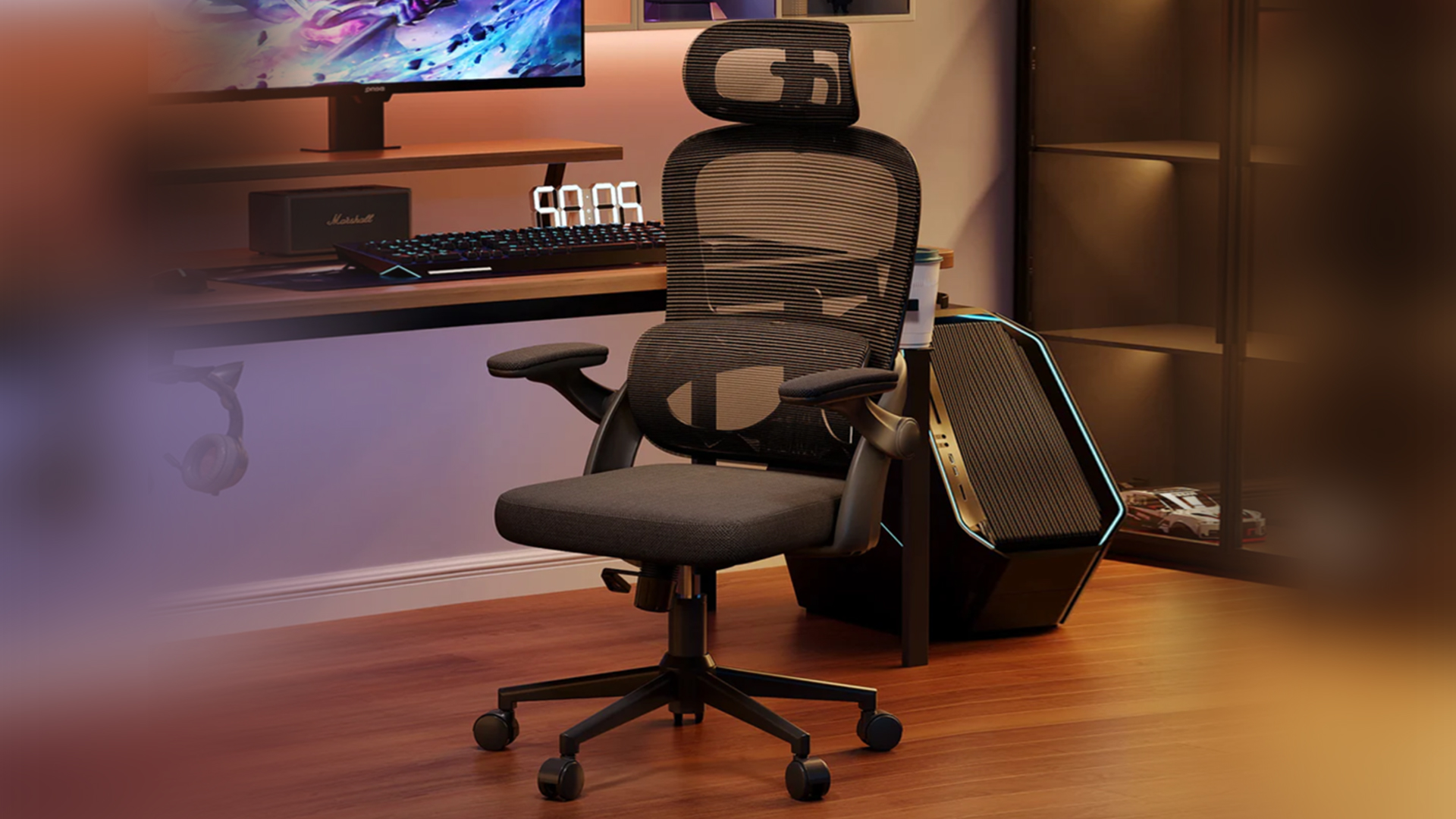
The supplier should identify which documents apply to the chair you selected. If your destination market or project needs extra compliance, write that requirement down before you order.
6. Use samples to check commercial fit
A sample audit should cover more than comfort. It should confirm the product suits your channel and that the production order can be controlled.
Check:
- Dimensions against the spec
- Adjustment range and control clarity
- Stability of armrests and mechanisms
- Lumbar-support movement
- Recline behavior
- Mesh or upholstery finish
- Frame, casters, and base
- Assembly steps and hardware
- Carton condition and internal protection
- Labeling and documents
Photograph the sample and create an approval record. Mark every change you ask for after the review. Then confirm whether the approved sample, the written specifications, or another document becomes the reference for production.
7. Review packaging and logistics readiness
Packaging decides whether a good chair arrives in good condition. Ask for:
- Carton dimensions and weight
- Number of cartons per chair
- Packing method
- Protection for frames, mesh, armrests, and hardware
- Container-loading information
- Barcode and shipping-mark options
- Manual languages
- Assembly format
Project buyers should also confirm delivery sequencing and site-handling needs. Distributors should check whether the packaging and instructions suit warehouse and dealer operations.
Don’t confirm production or delivery dates until the product, quantity, customization, packaging, and shipping terms are clear.
8. Audit communication quality
How a supplier communicates during the sales process is a preview of how they’ll talk during production and warranty claims. See whether they:
- Answer the question you actually asked
- Separate confirmed facts from estimates
- Update documents after changes
- Name the responsible team
- Raise risks early
- Give realistic timelines
- Keep model names and specs consistent
A fast reply is nice, but accuracy and follow-through matter more. Record the key decisions in writing and keep one current version of the spec.
9. Understand after-sales support
Ask how the supplier handles claims across borders and through several channel layers.
The review should cover:
- Warranty period and exclusions
- Claim-submission process
- Required photos, videos, or serial information
- Spare-parts list
- Part-number system
- Packaging and shipping of parts
- Technical guidance
- Escalation path for repeated issues
The supplier should explain what’s included, what isn’t, and who determines whether a claim is valid. Then translate that process into your own dealer or project policy.

10. Ask about commercial and partnership suppor
For distributors, the partnership may also require:
- Product catalog
- Technical sheets
- Images and video assets
- Packaging information
- Sample support
- Product training
- Launch materials
- Exhibition or market coordination
Ask which resources are standard and which need a separate agreement. SIHOO provides a resources center and a partnership application channel for B2B inquiries.
Red flags during an audit
Pause and dig deeper when:
- Model names change across documents
- The quotation lacks a clear spec
- Test reports can’t be tied to the product
- The sample uses unapproved components
- The supplier avoids talking about warranty handling
- Every question gets a generic marketing answer
- Delivery promises ignore customization or quantity
- Bank or company details change without a documented reason
- The supplier pushes you to skip sample or approval steps
One red flag might have a reasonable explanation. Several unresolved inconsistencies together signal a higher-risk order.
What to put in the first audit request
Send:
- Company and business model
- Target country and channel
- Product categories
- Estimated quantity
- Required features
- Target price position
- Required documents
- Sample needs
- Packaging or branding needs
- Expected delivery window
That makes the audit relevant. The supplier can reply with evidence for the actual opportunity instead of a generic company deck.
Making the final supplier decision
Choose an office chair supplier that turns promises into documents and repeatable steps. The best supplier isn’t always the one with the longest catalog or the lowest first price. It’s the one that understands your market, defines the chair clearly, controls quality, plans delivery honestly, and still supports the order after it ships.
Use this audit together with the office chairs wholesale procurement checklist before you compare final quotations.
Distributors already weighing the brand can continue with the SIHOO office chair manufacturer guide to review product, technology, resource, and partnership routes.
To request SIHOO company, product, or supplier-capability information, contact the SIHOO team. You can also review why SIHOO positions itself as an office chair supplier and manufacturer before you write the inquiry.
1600x1600-4-768x768.jpg)
1600x1600-8-768x768.jpg)