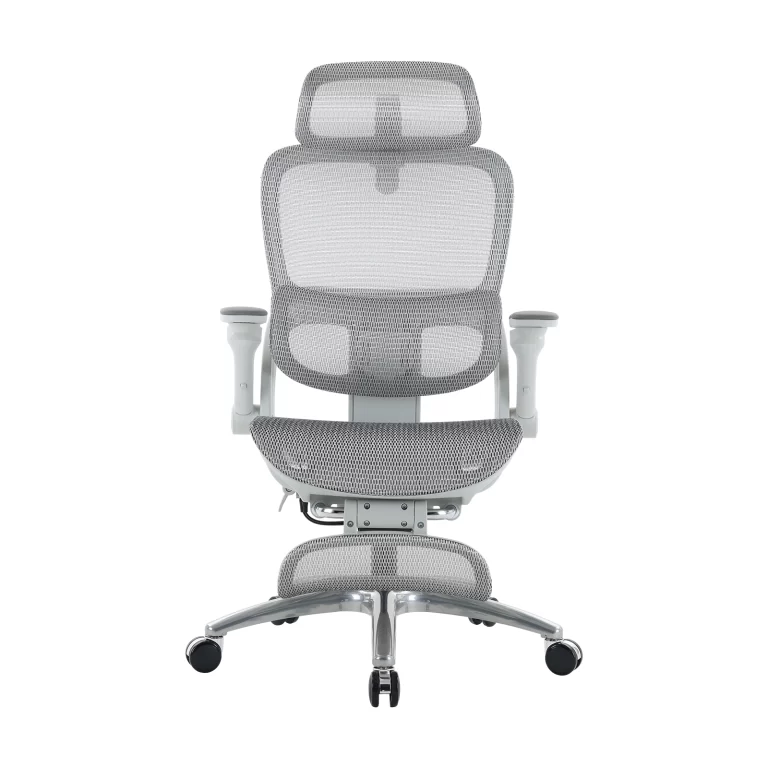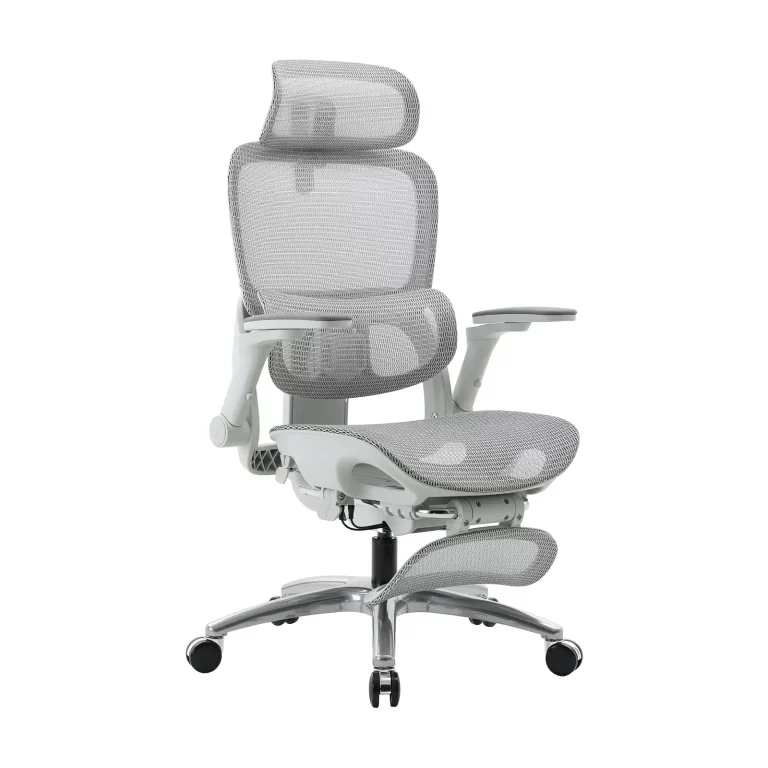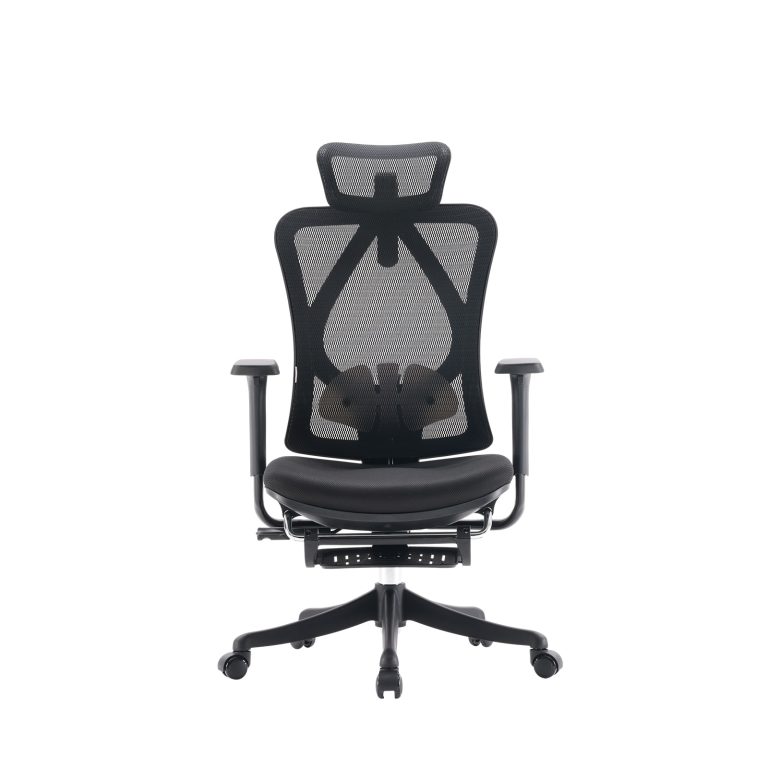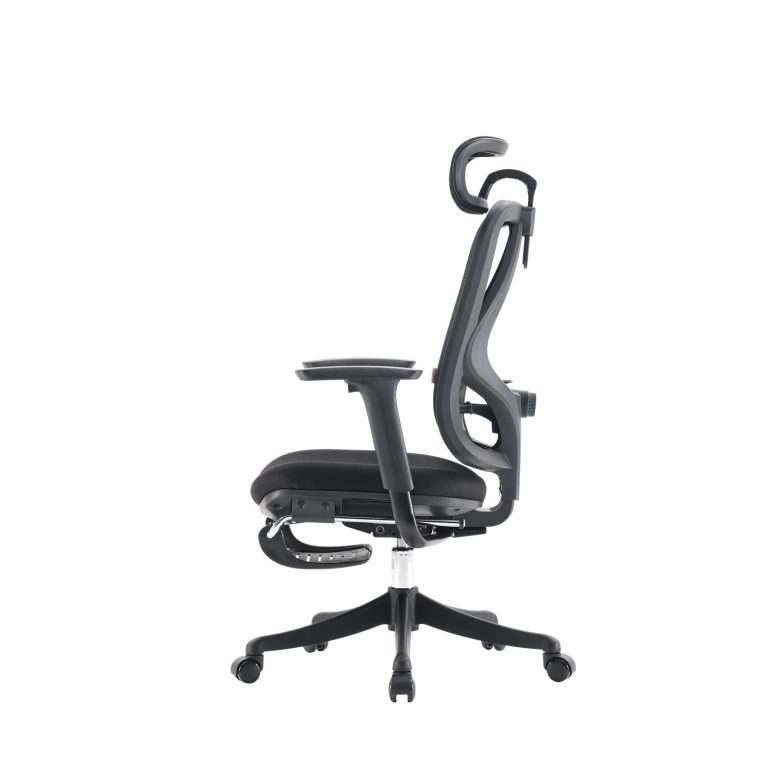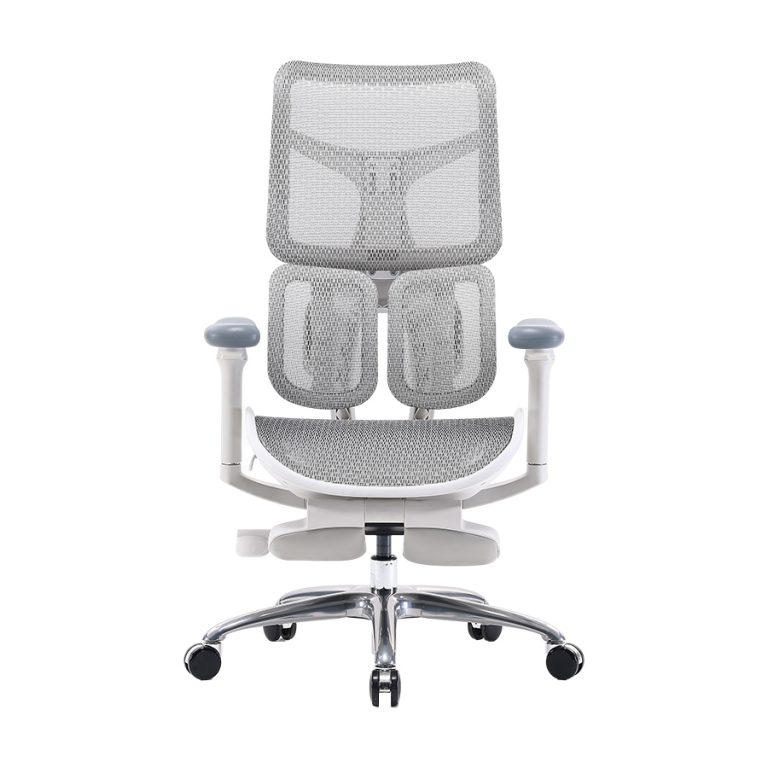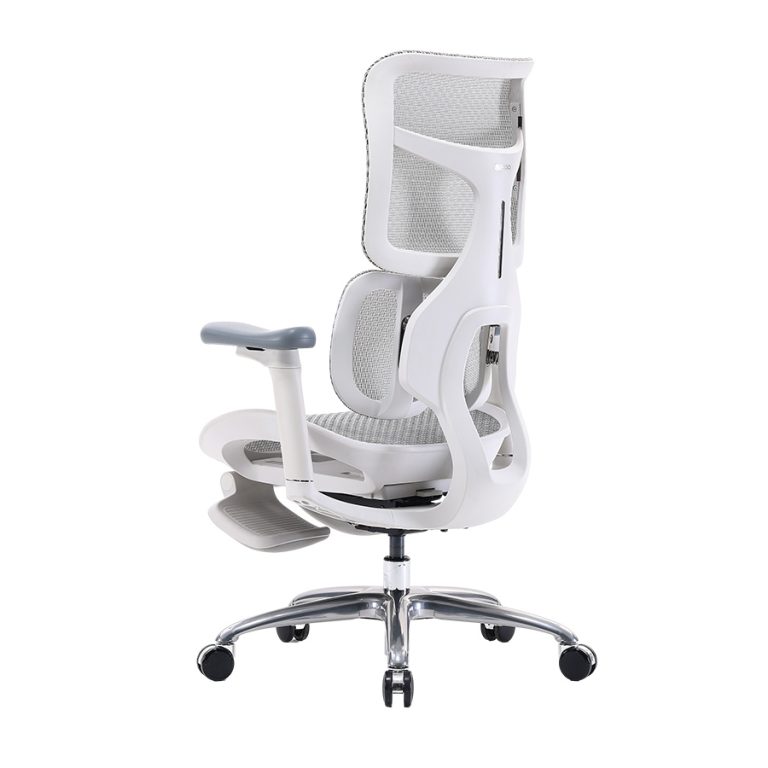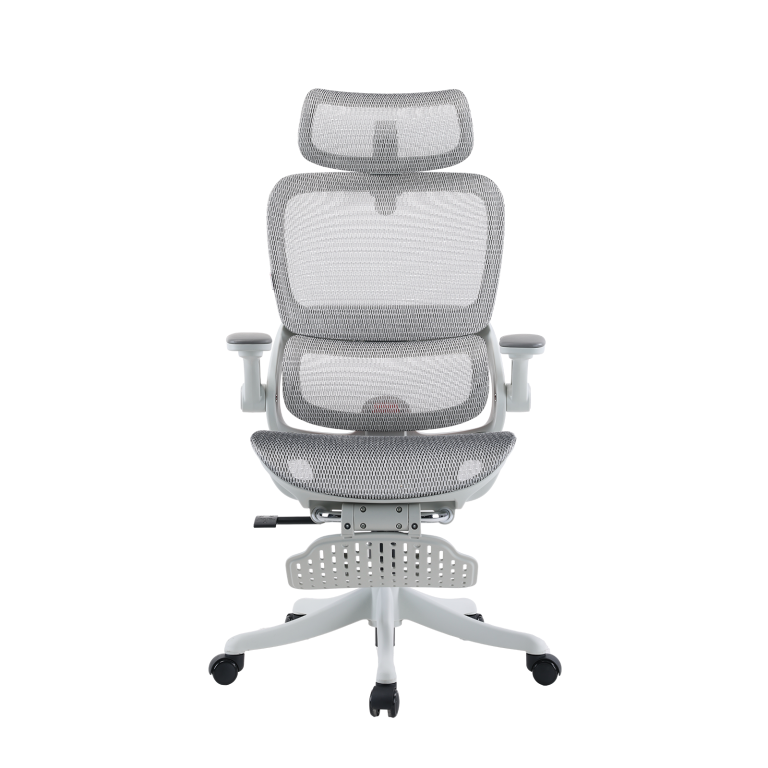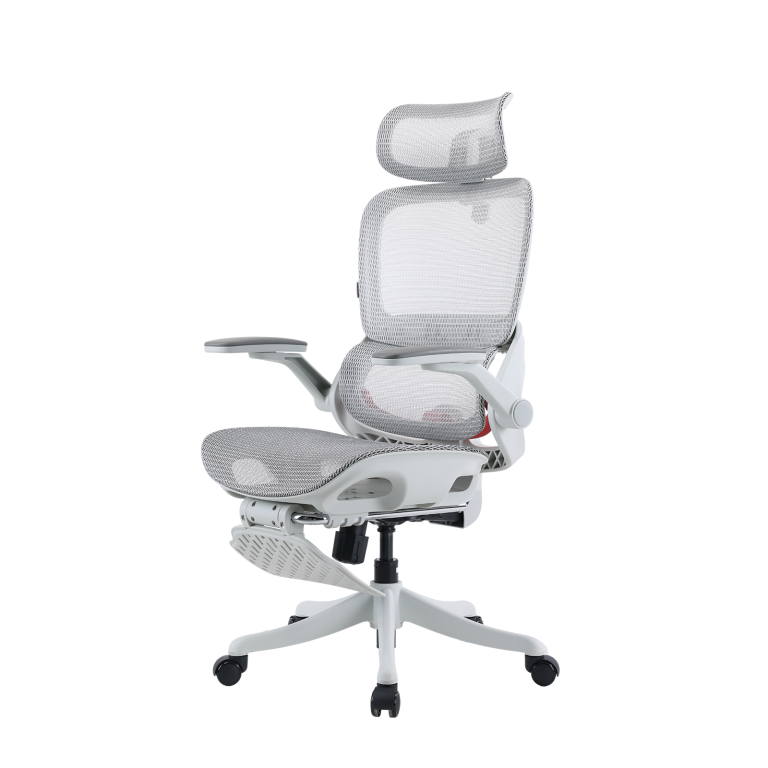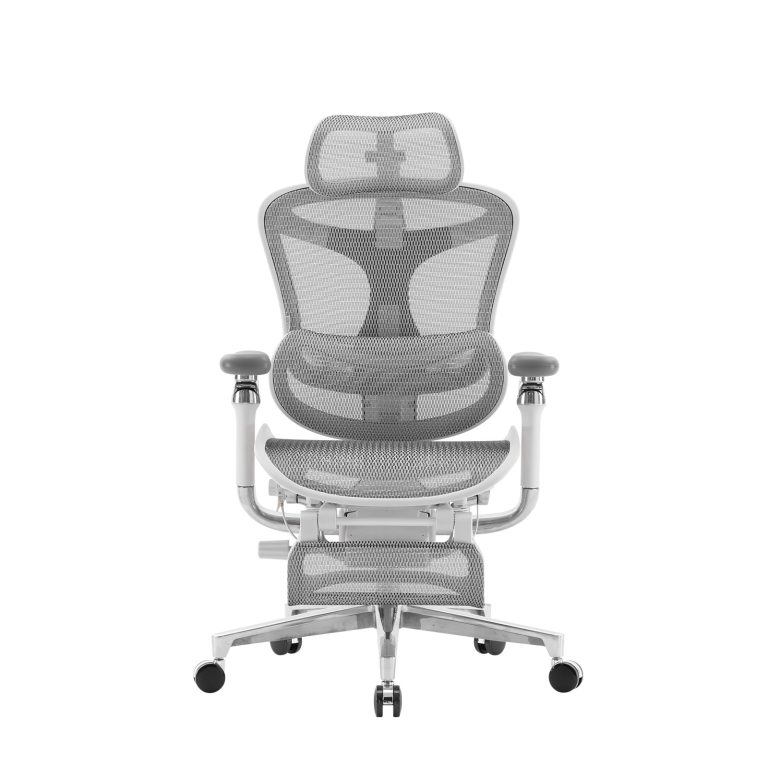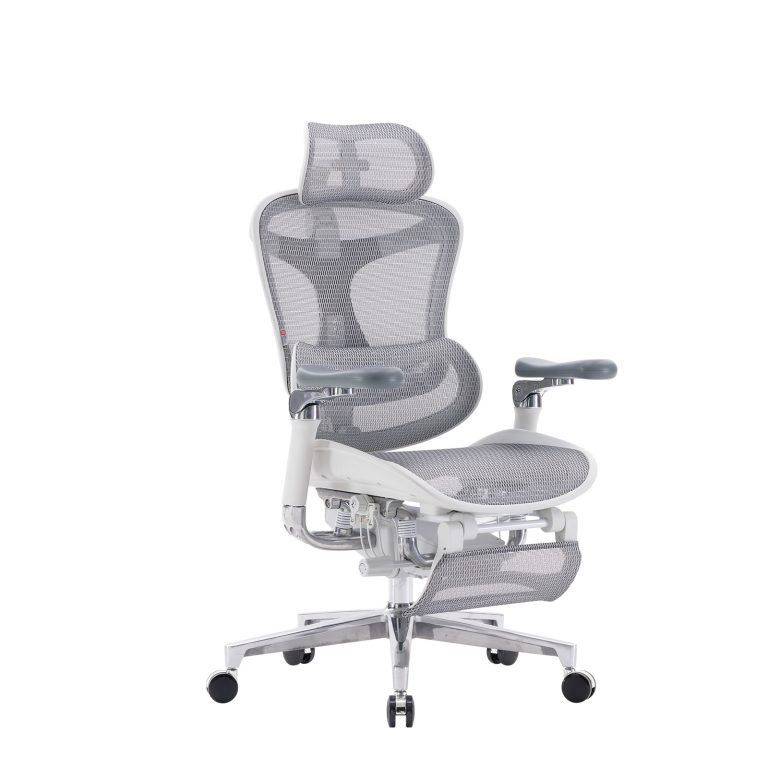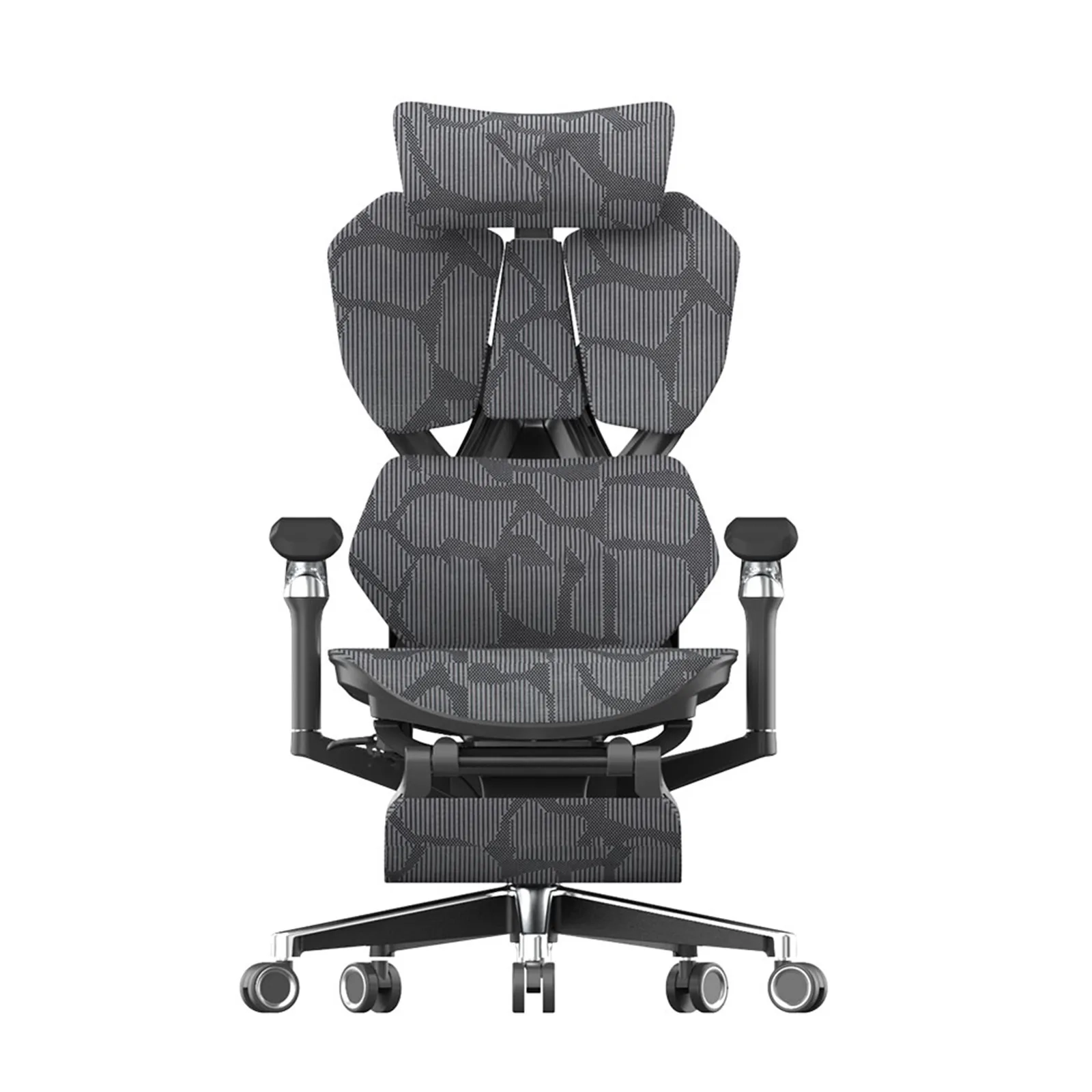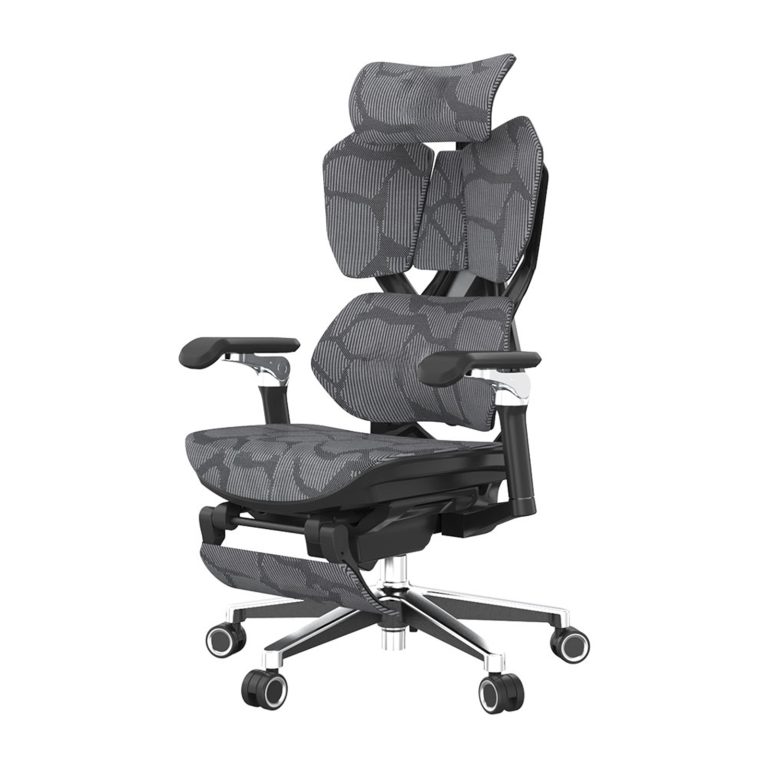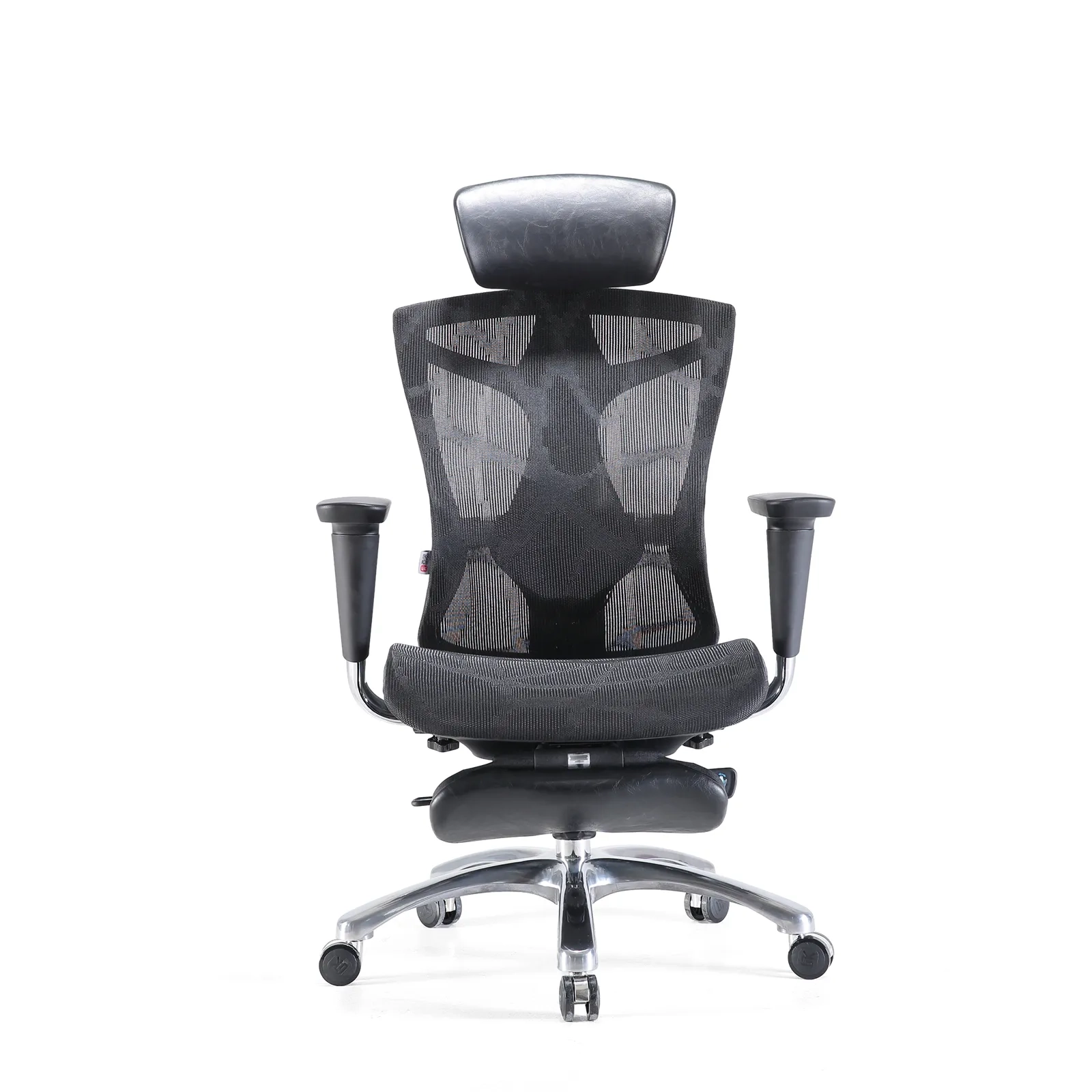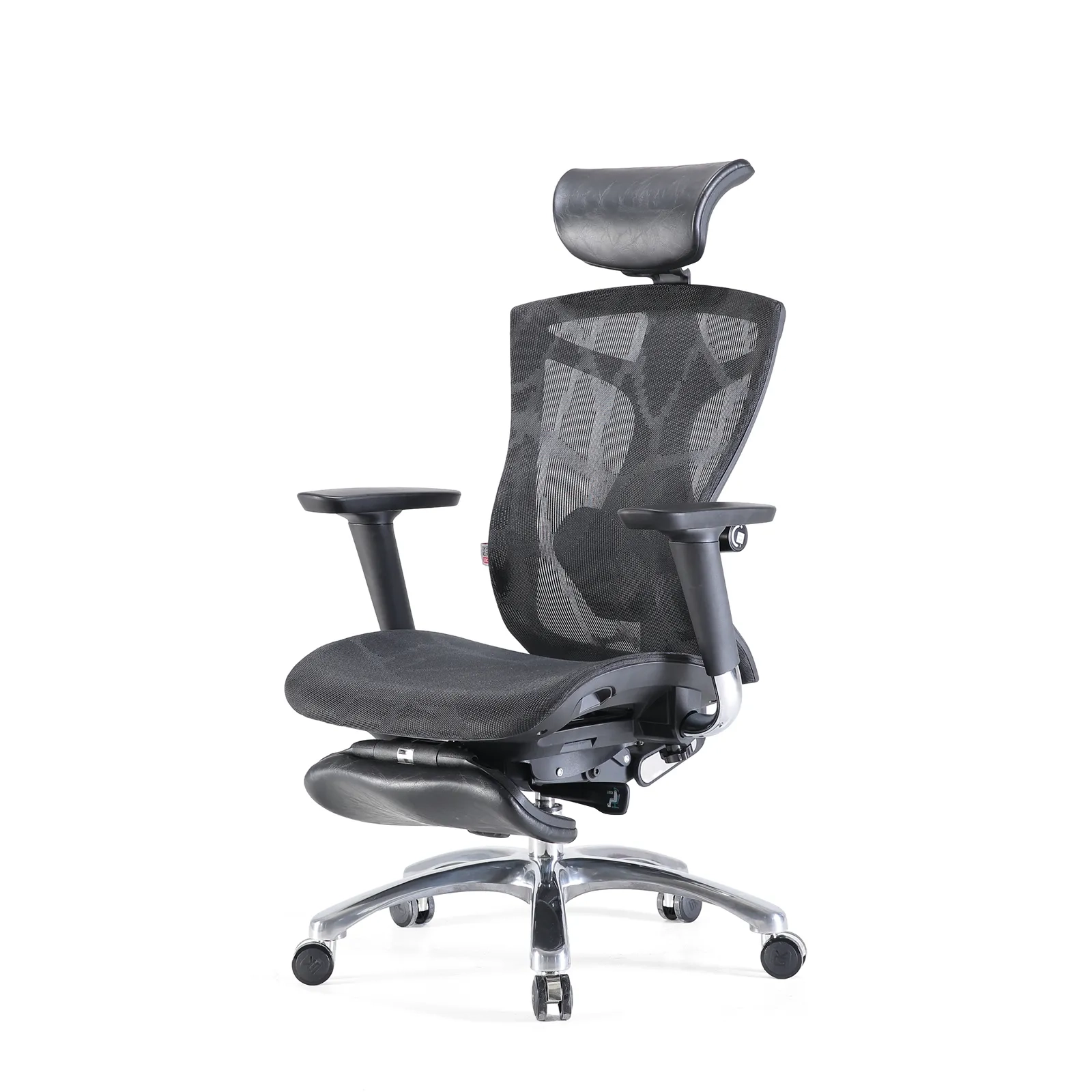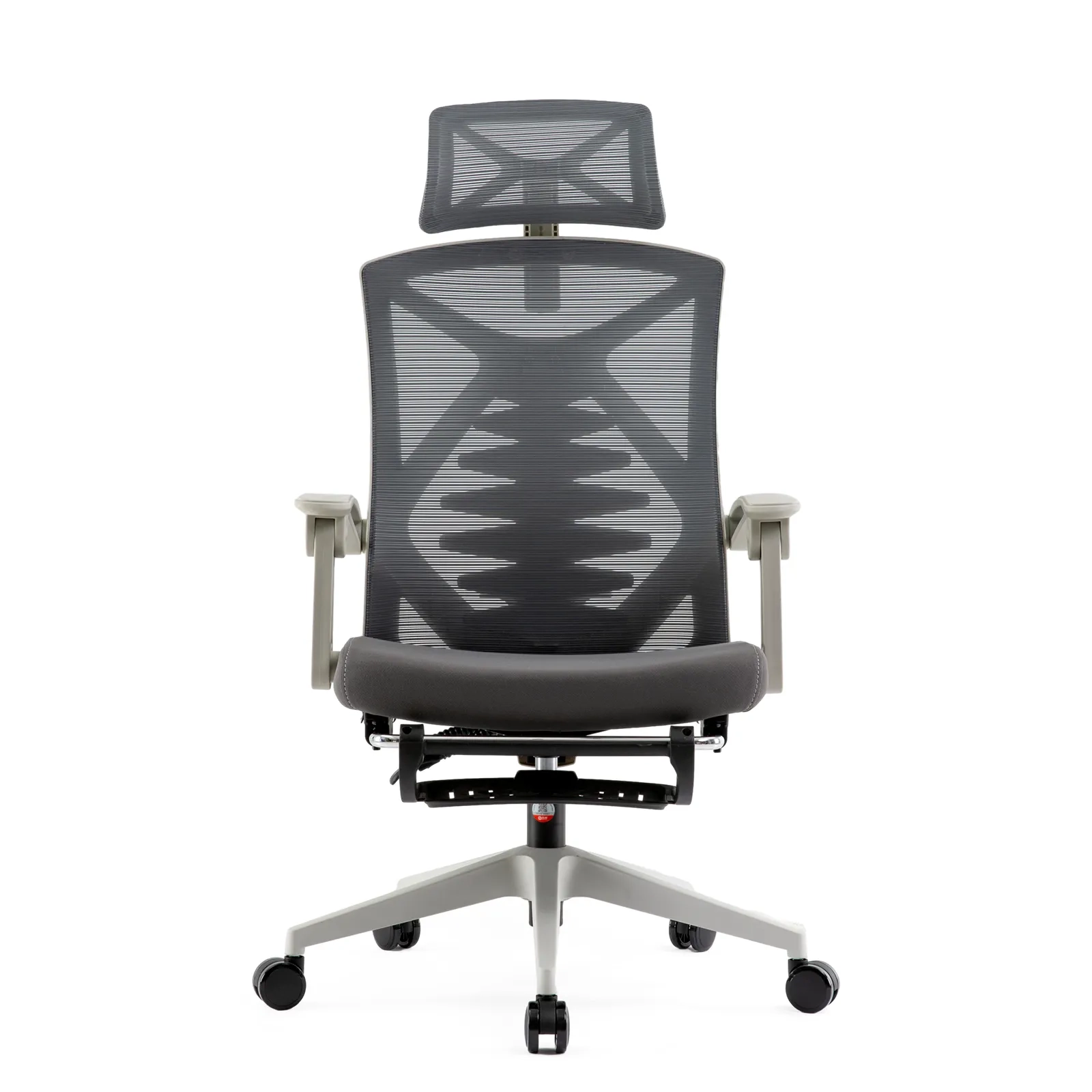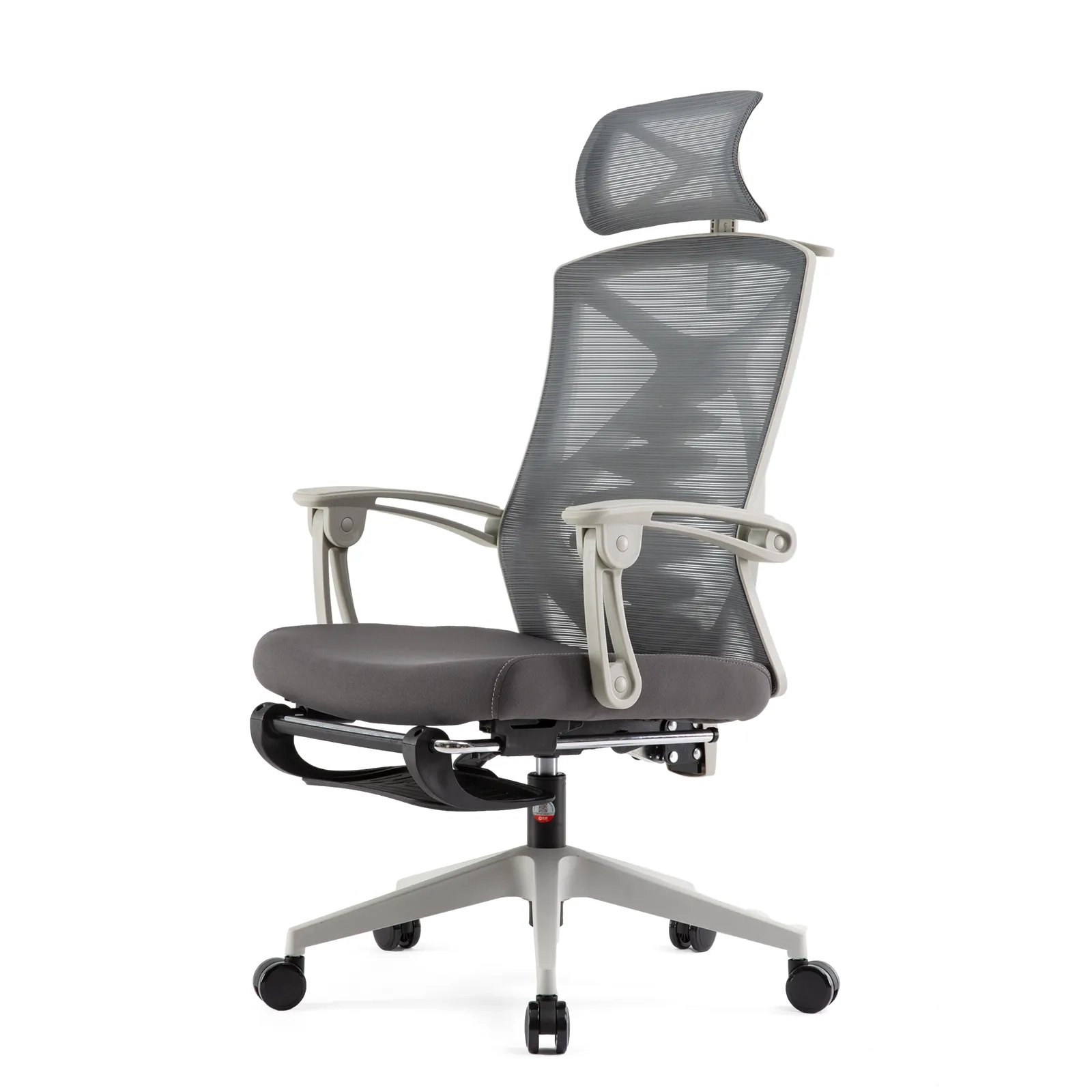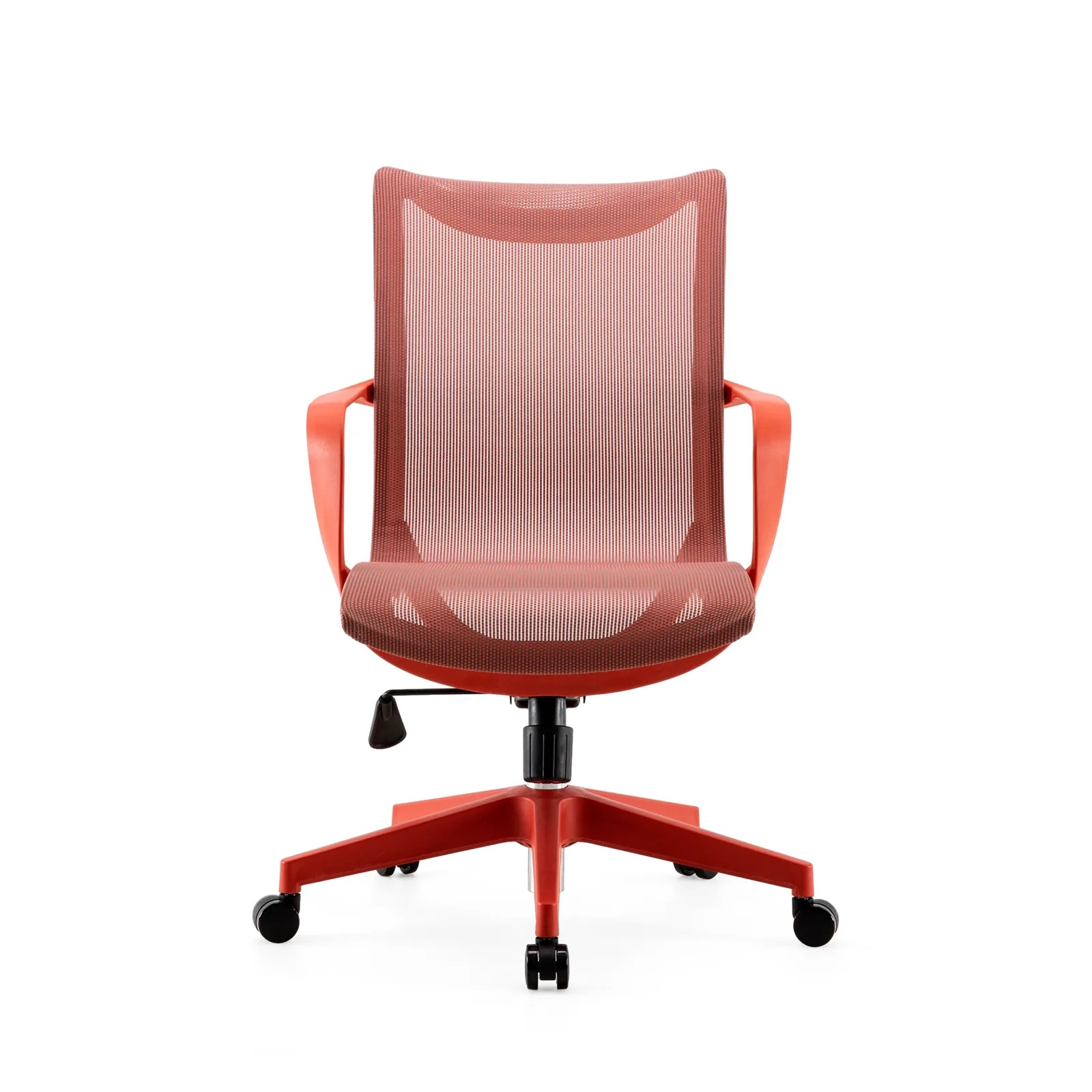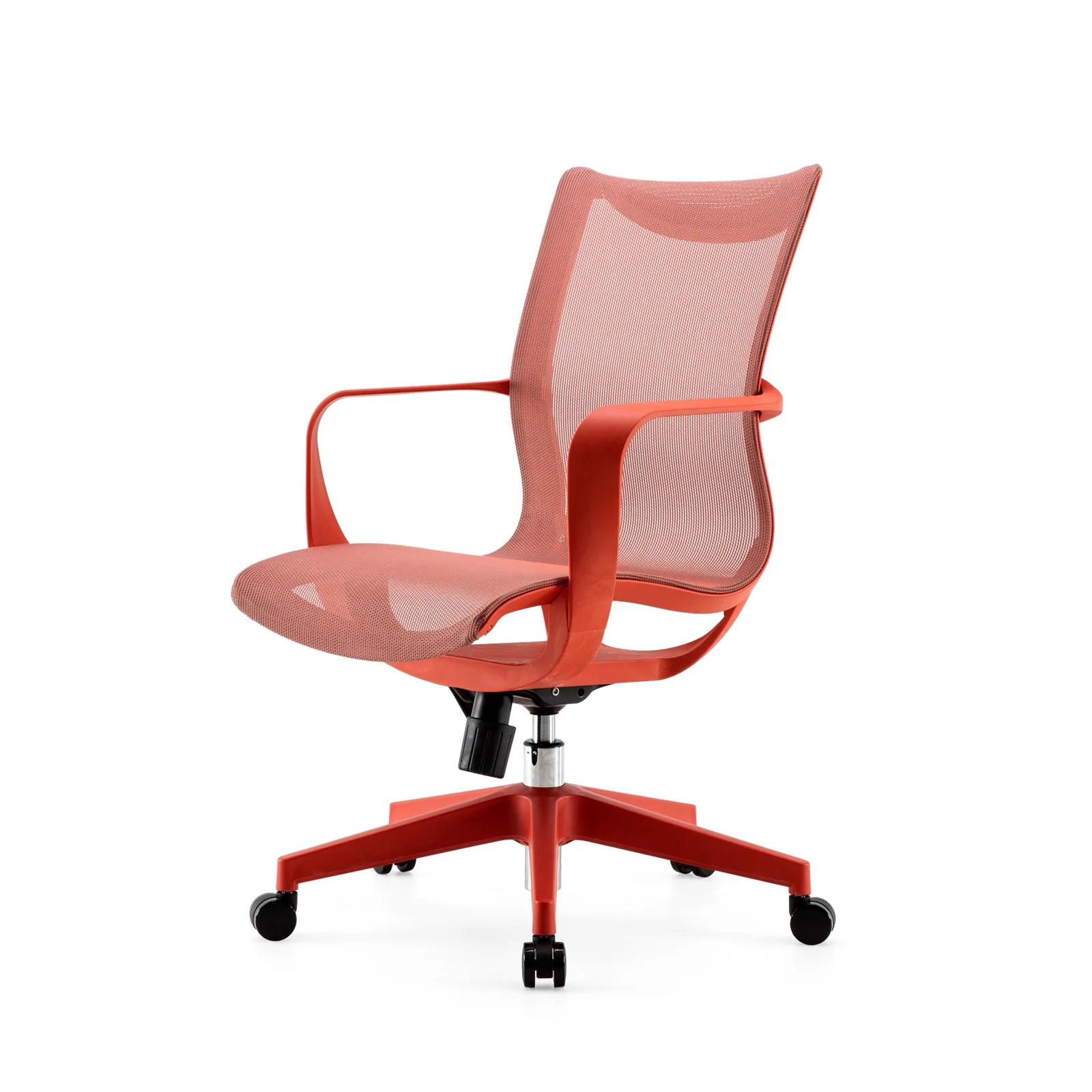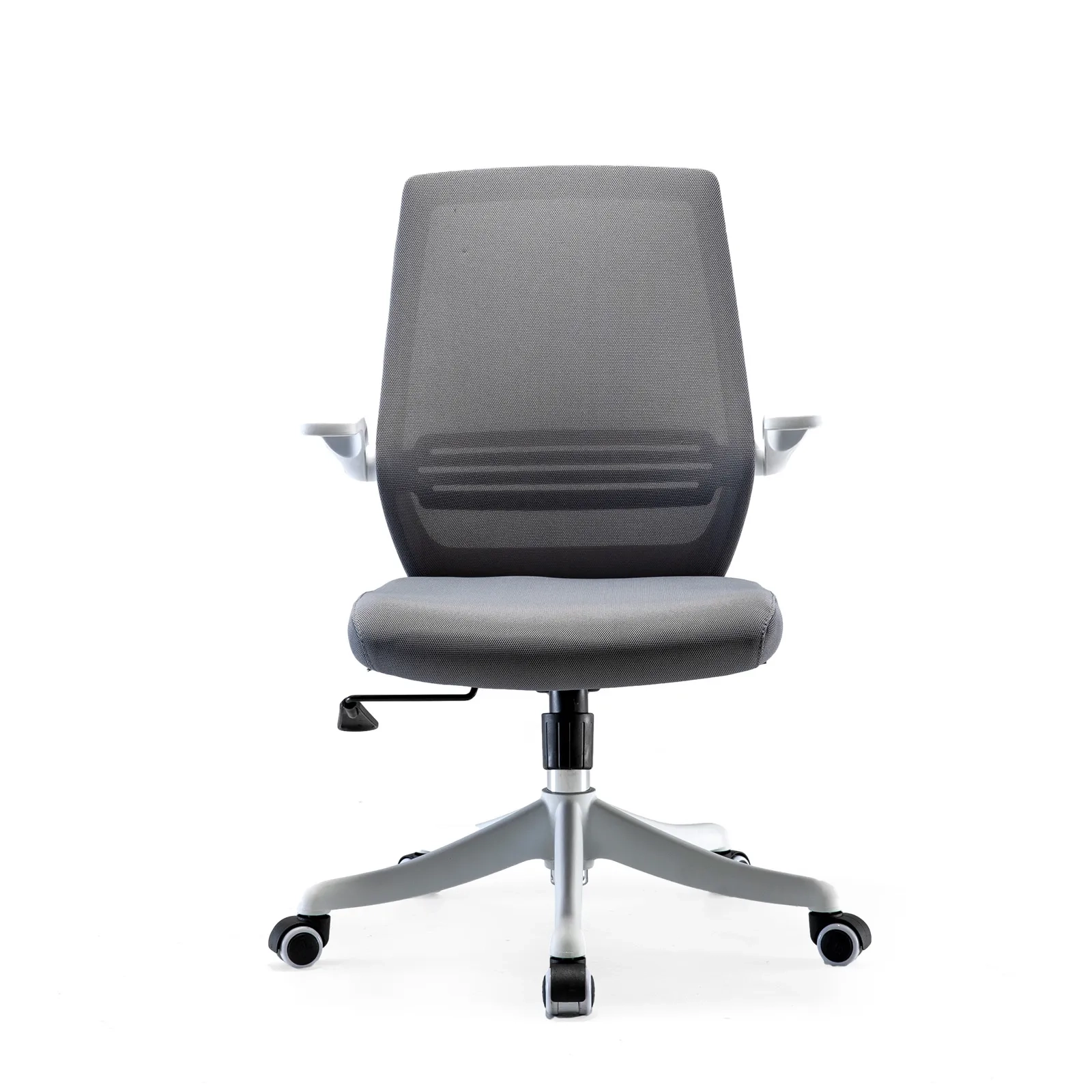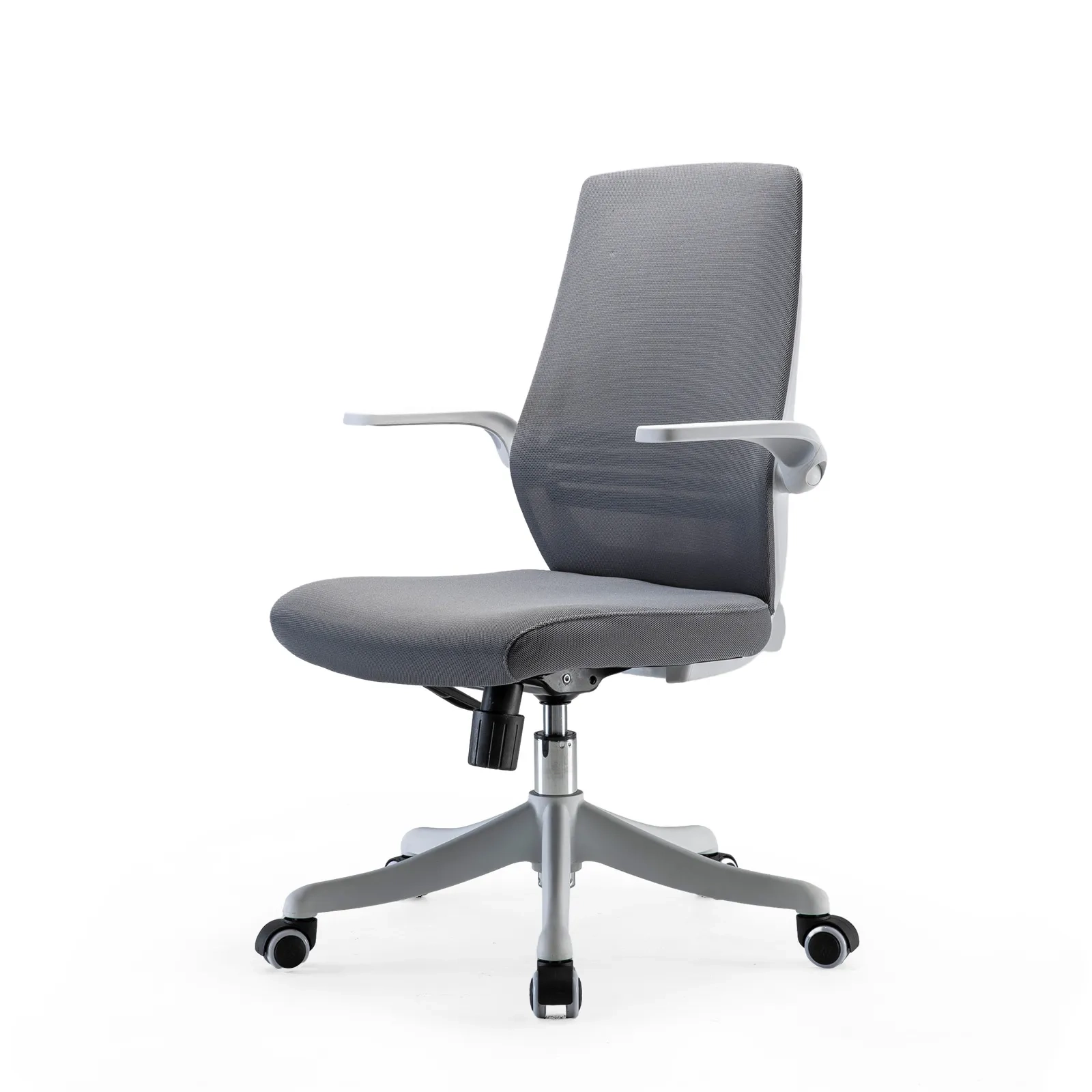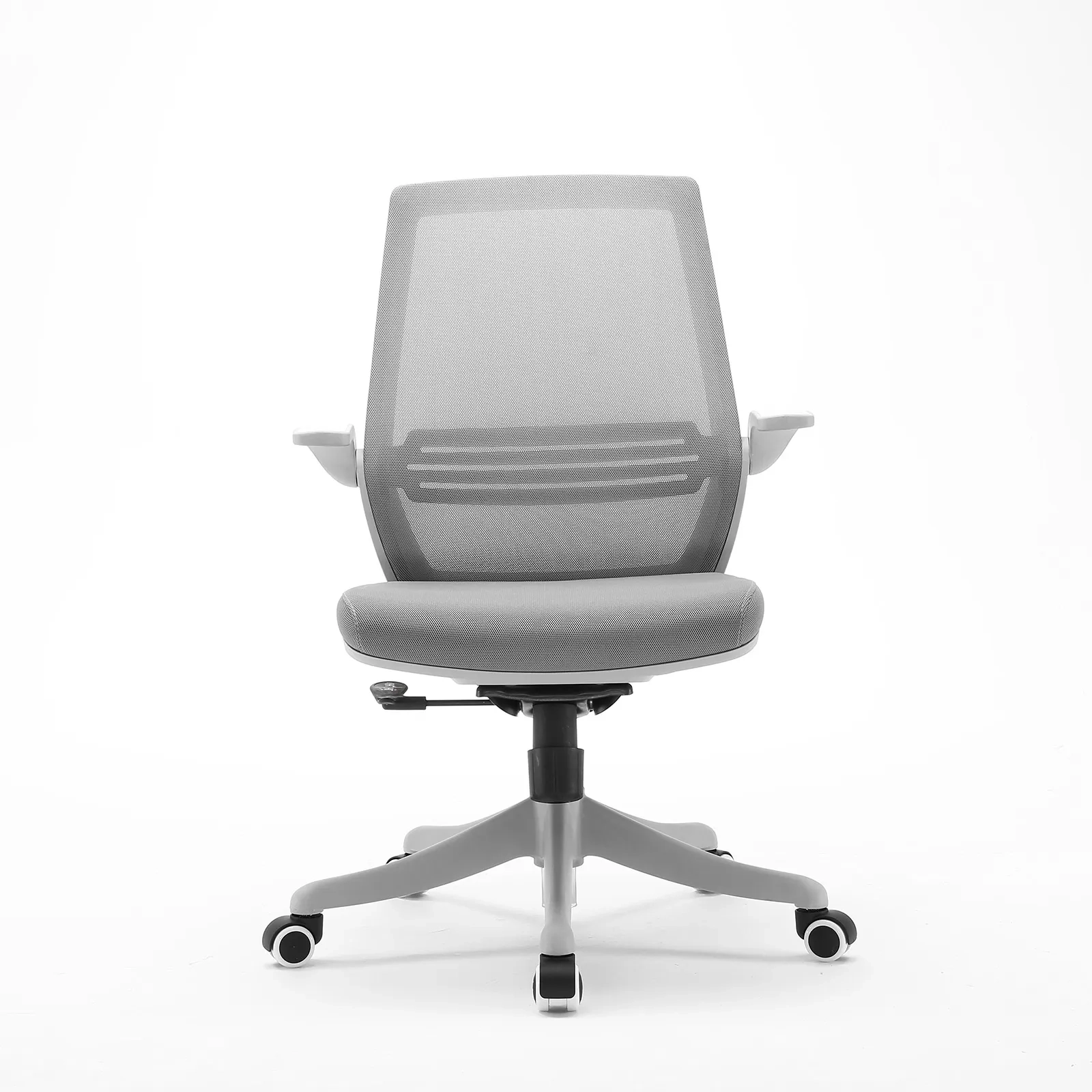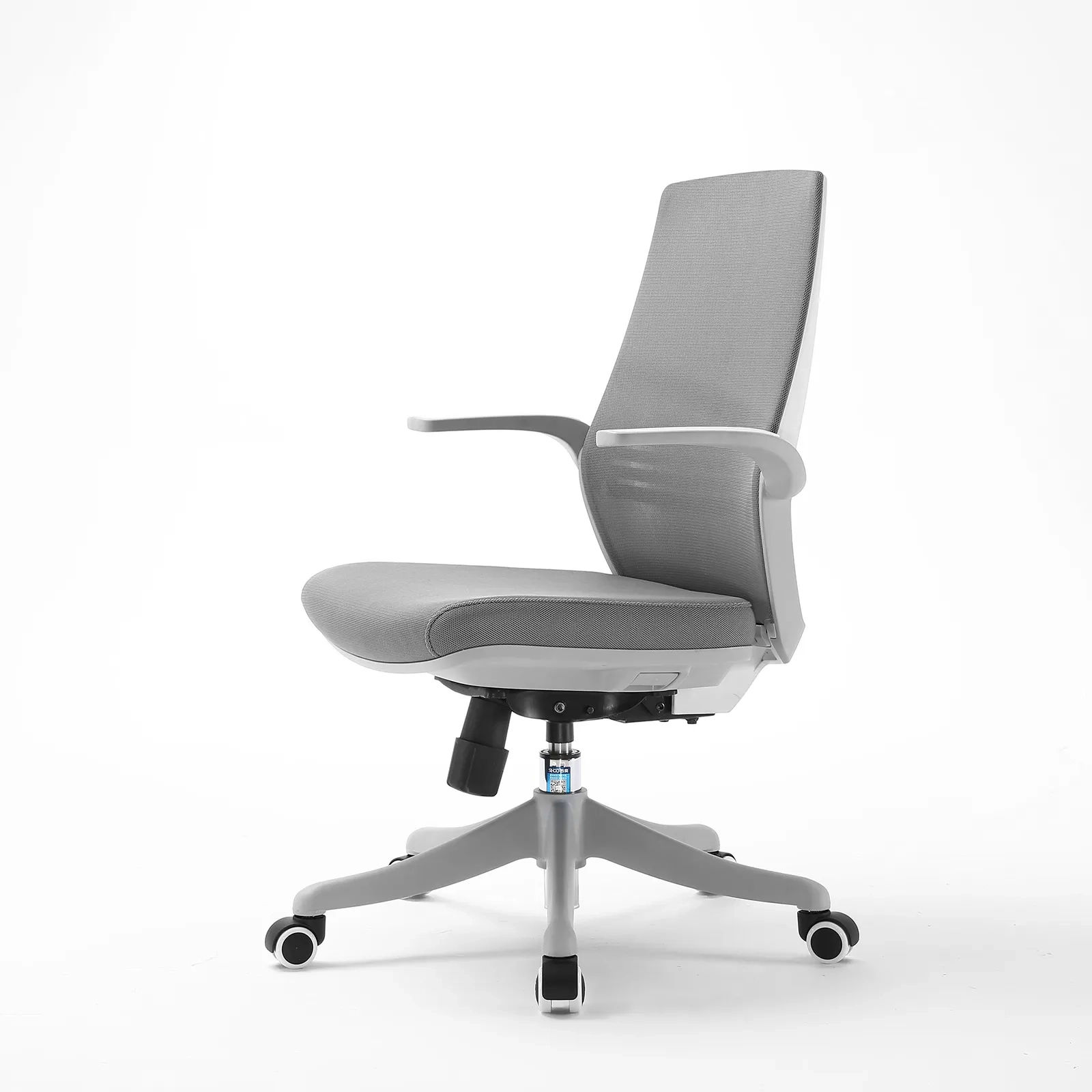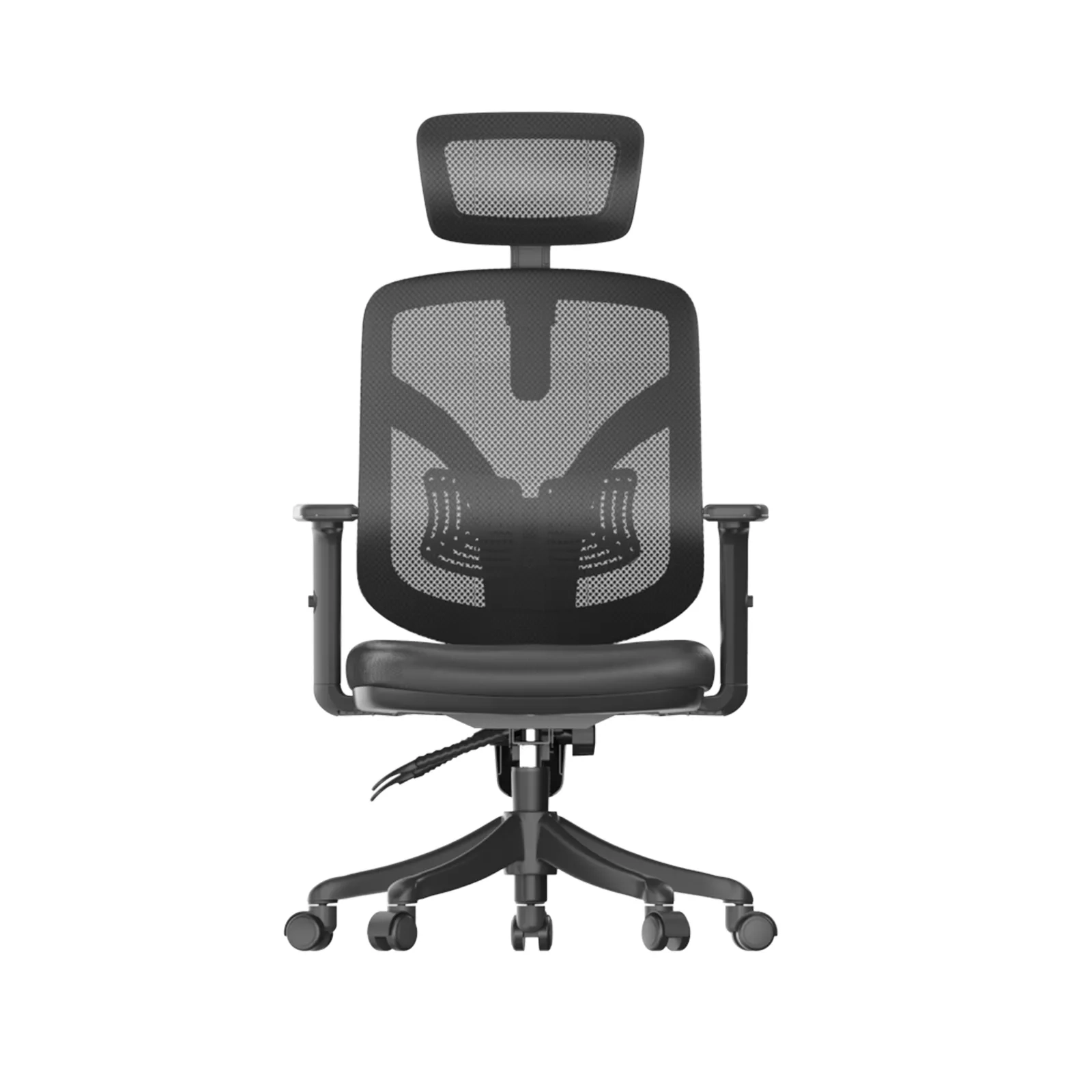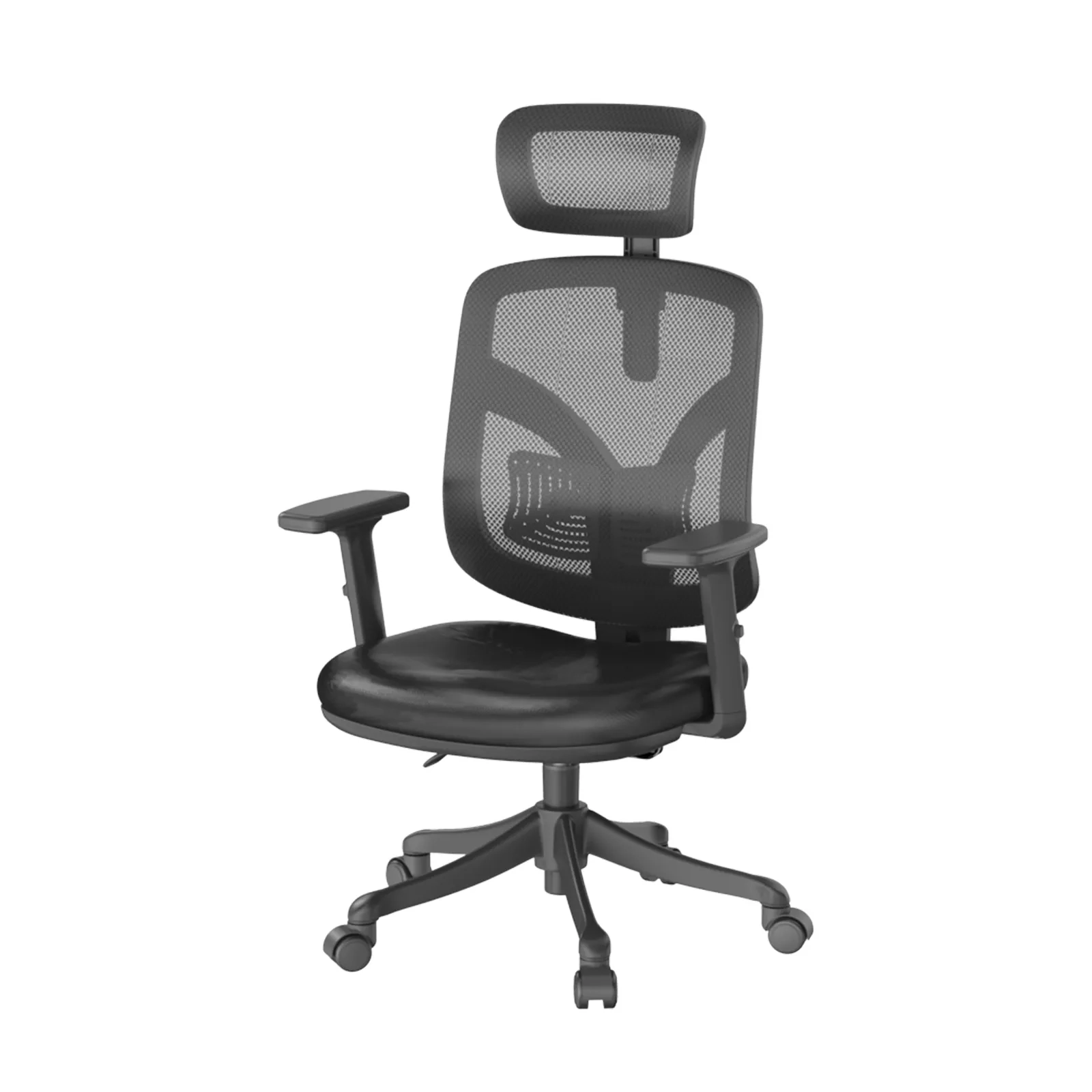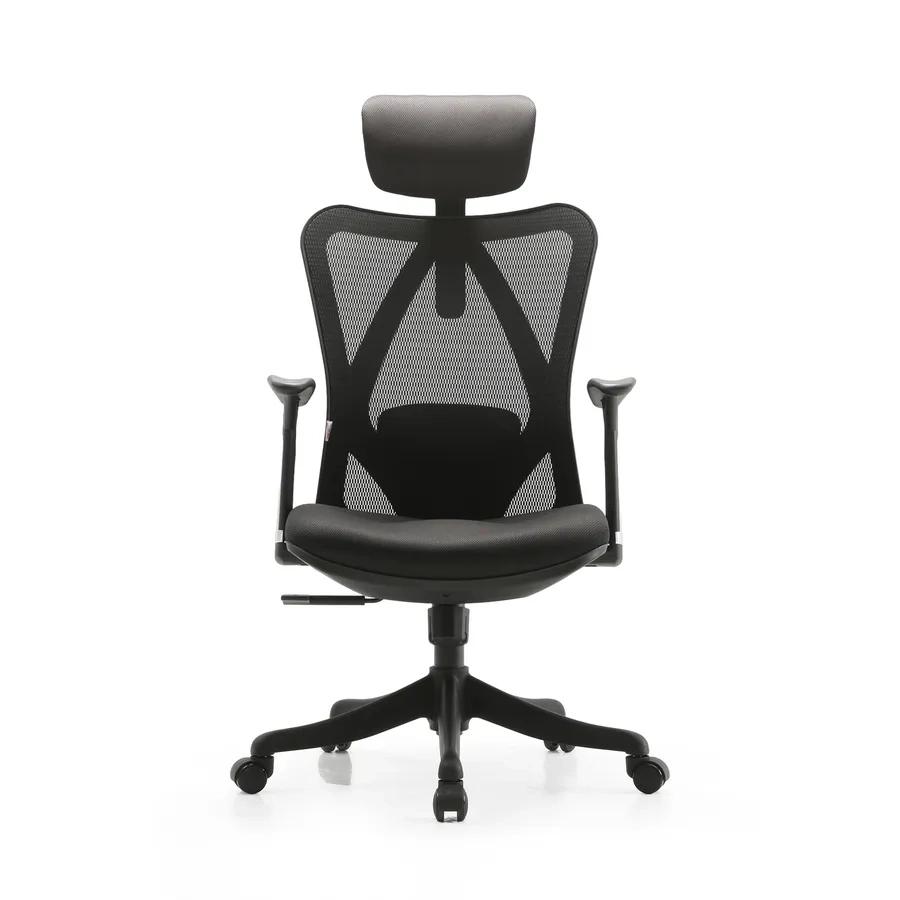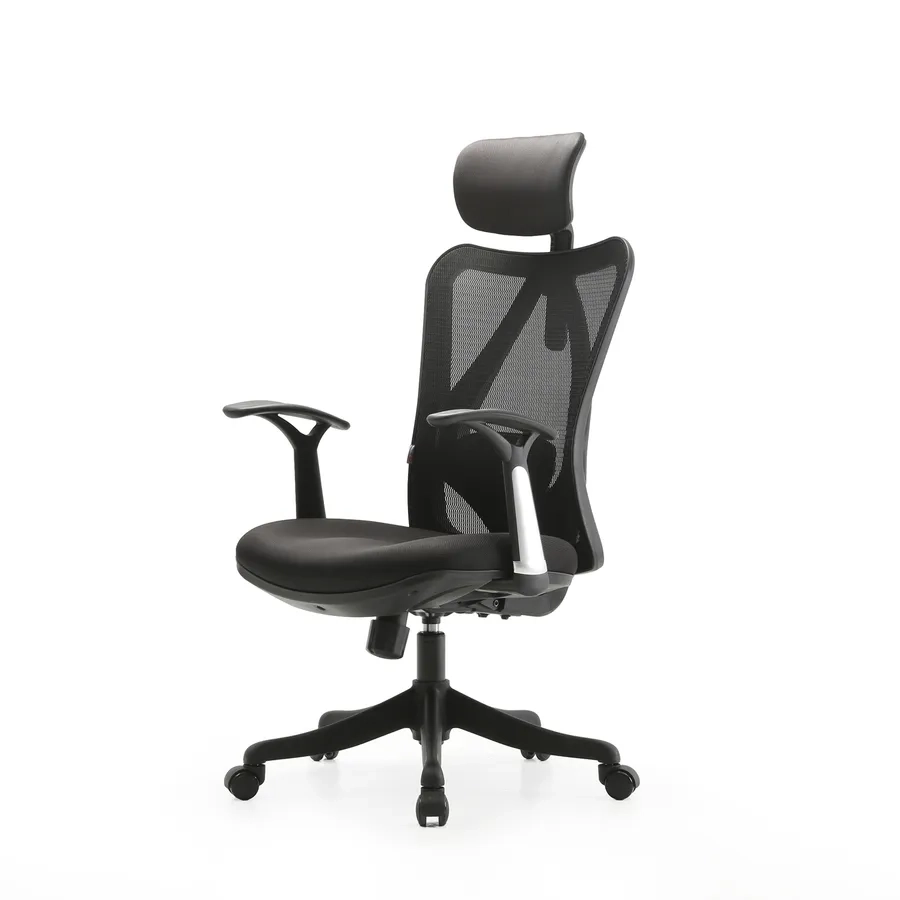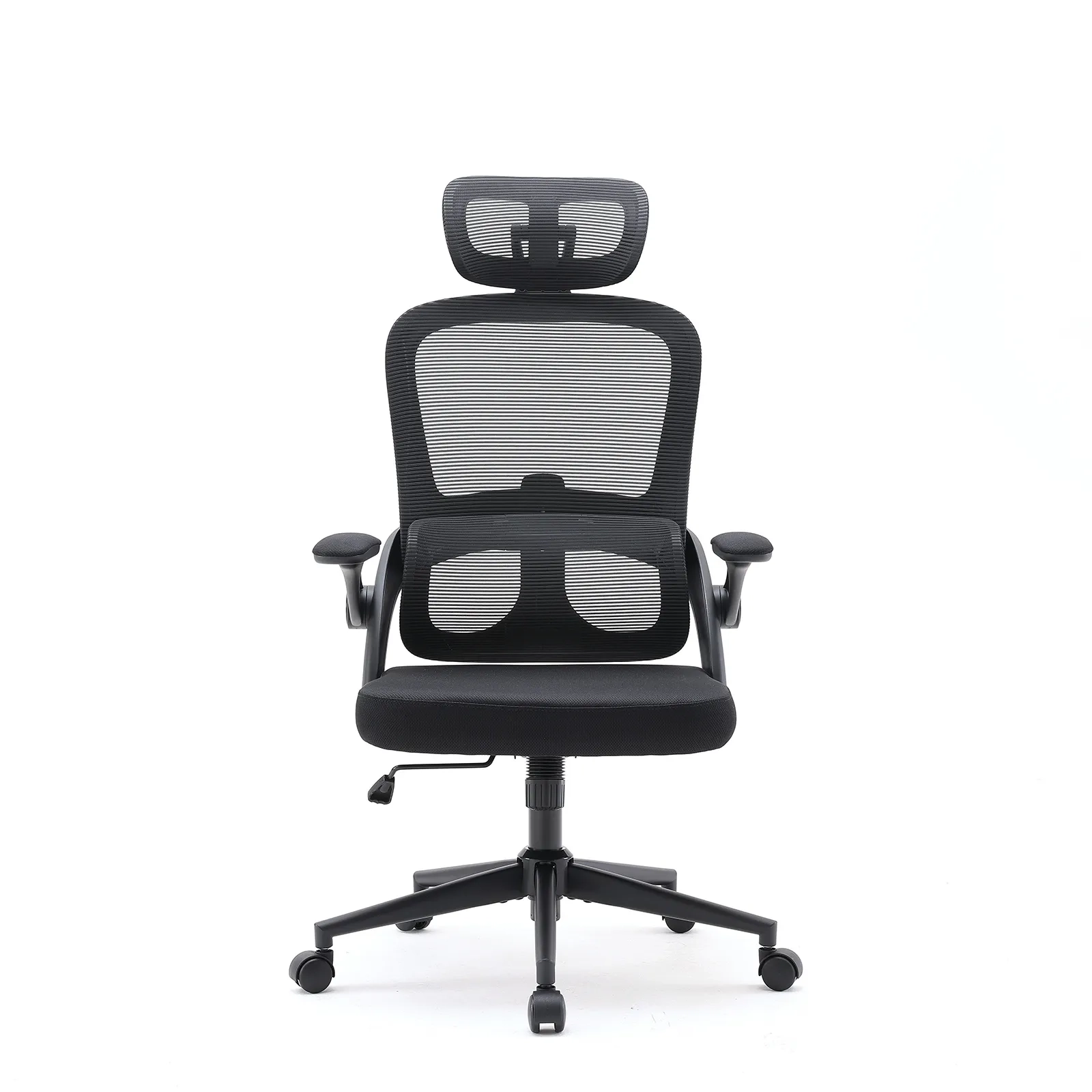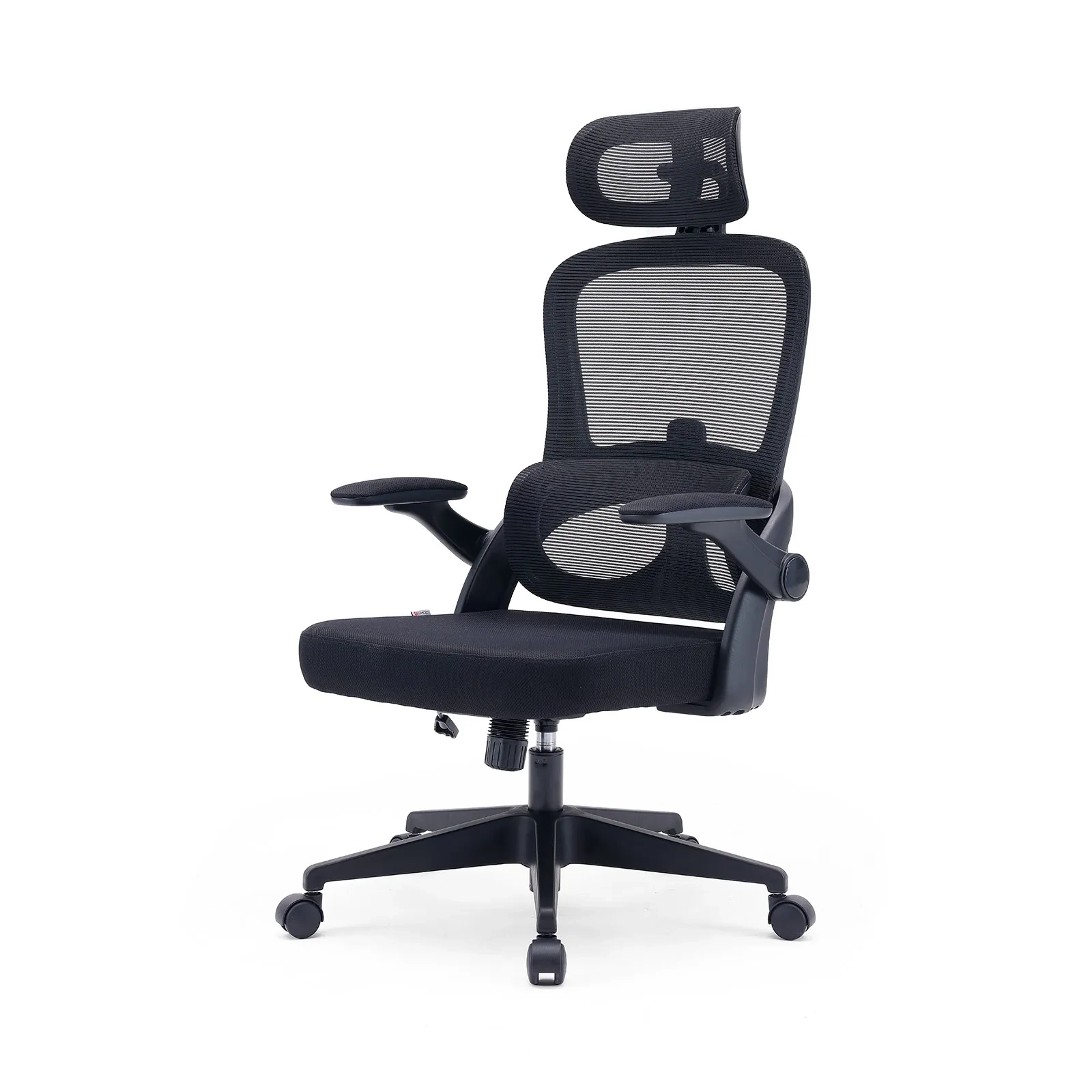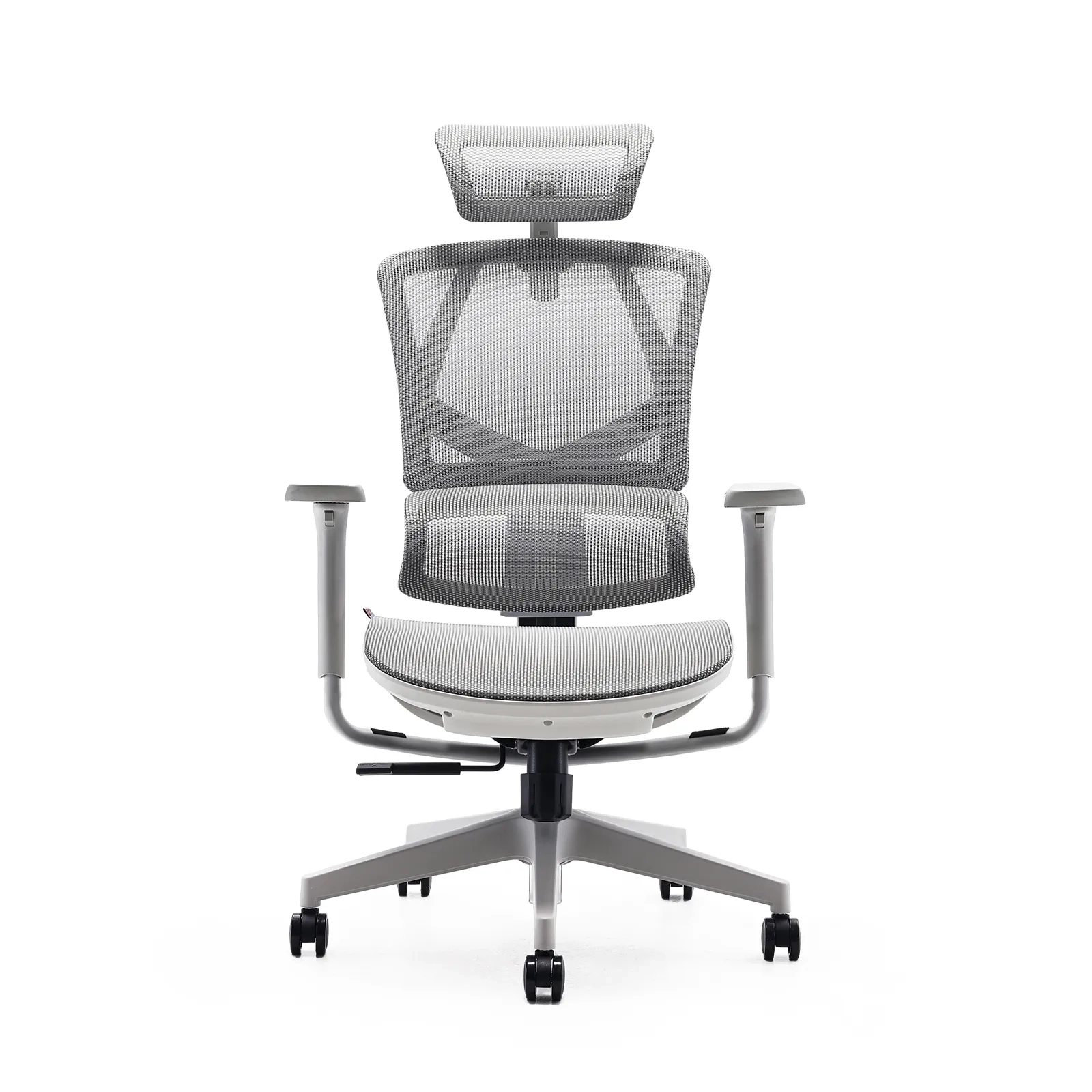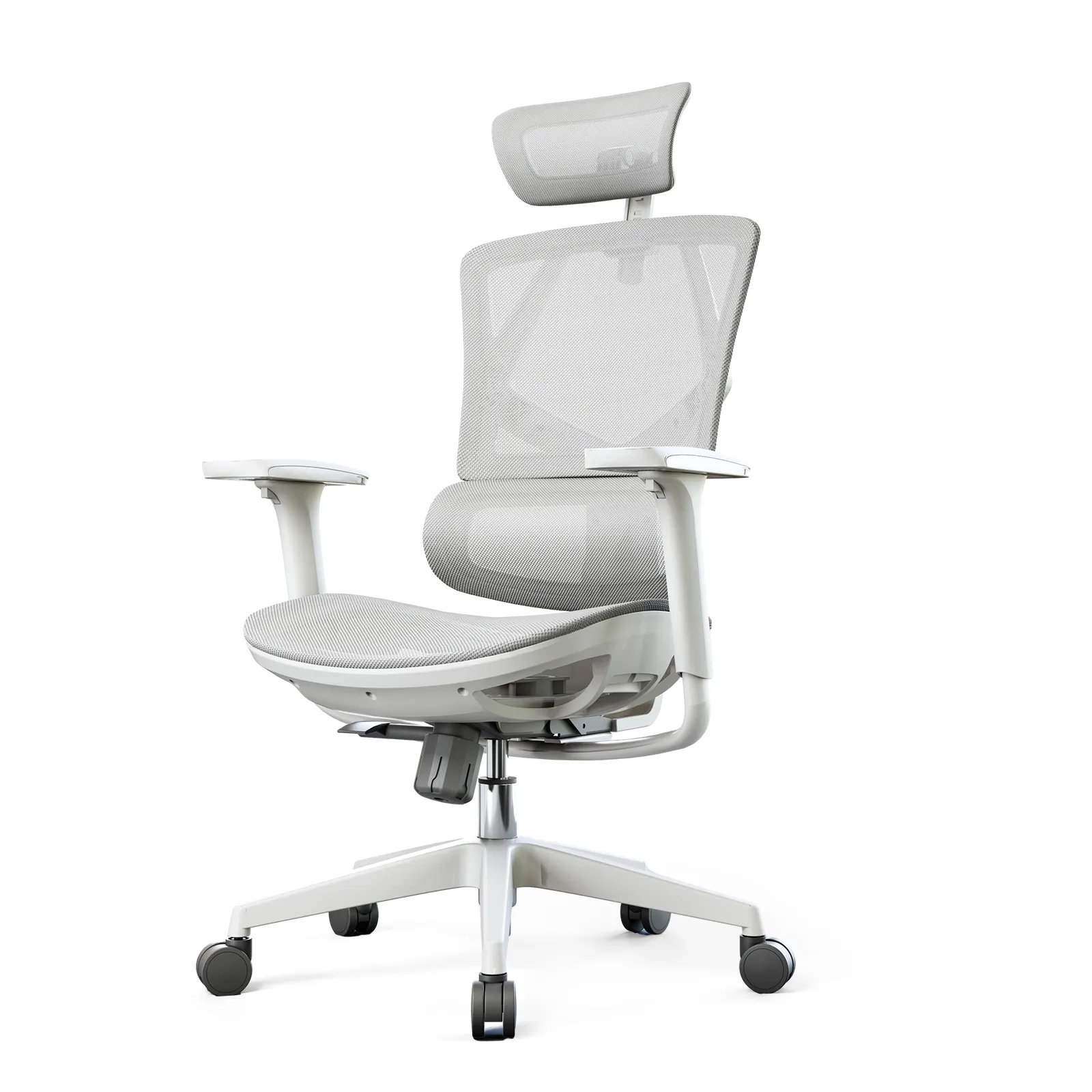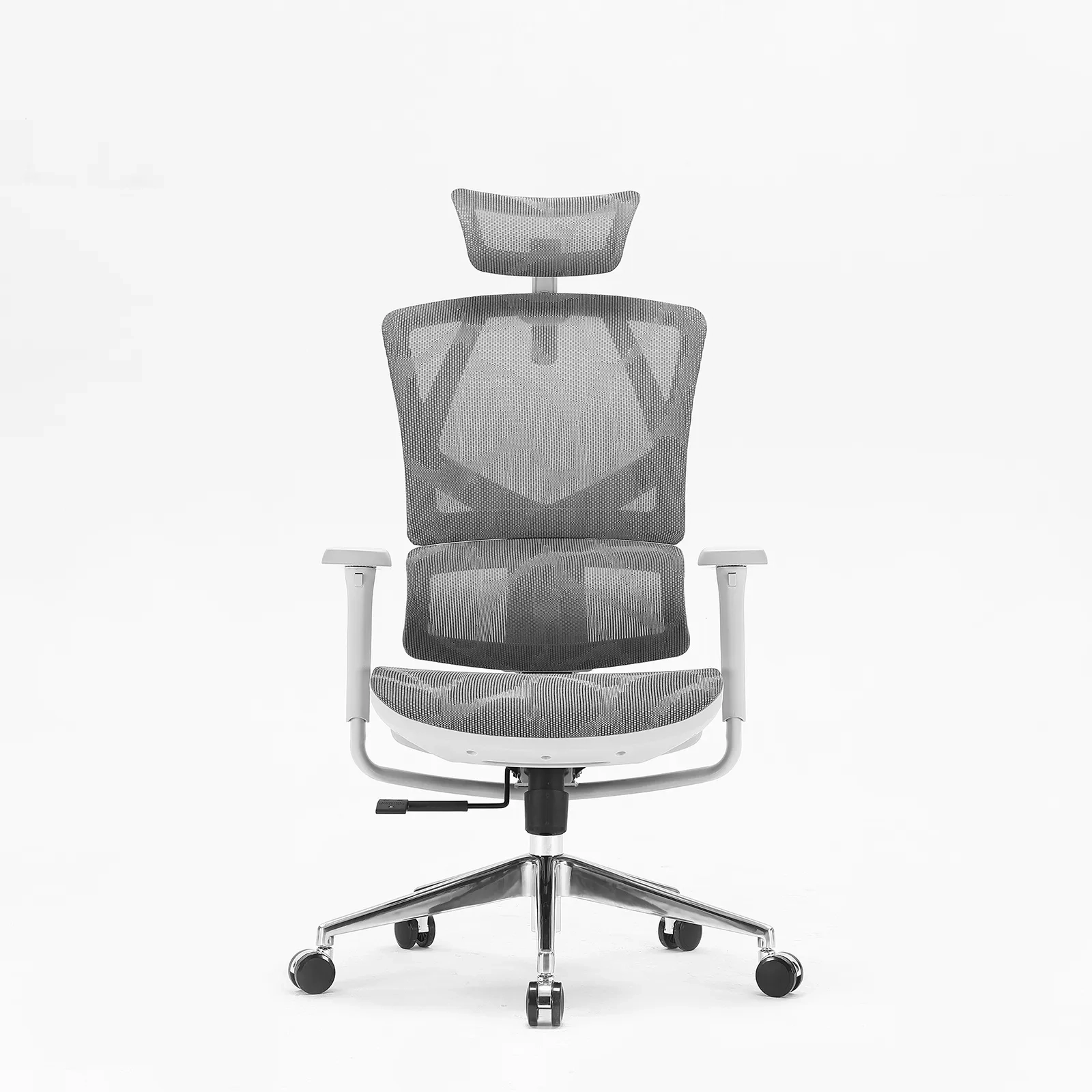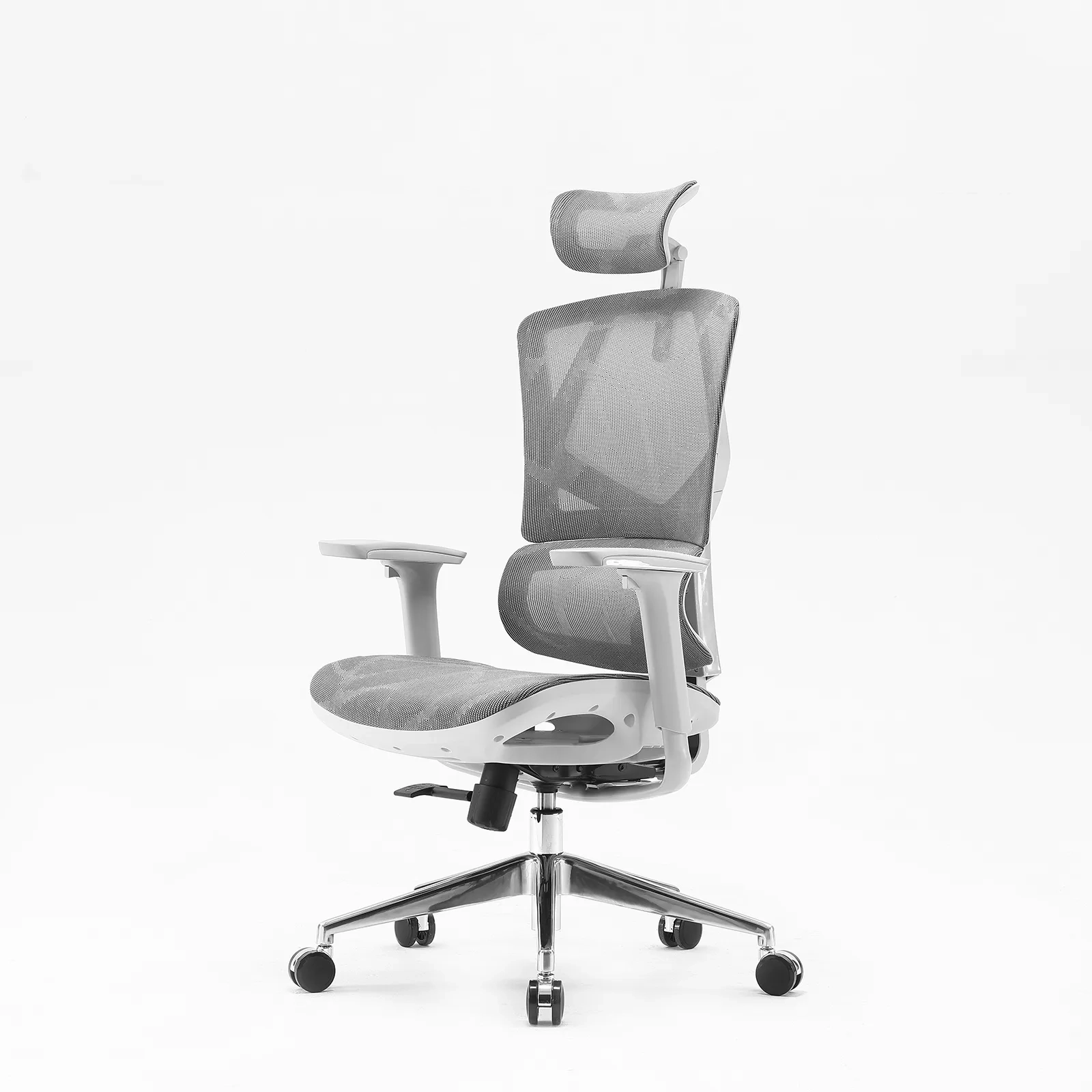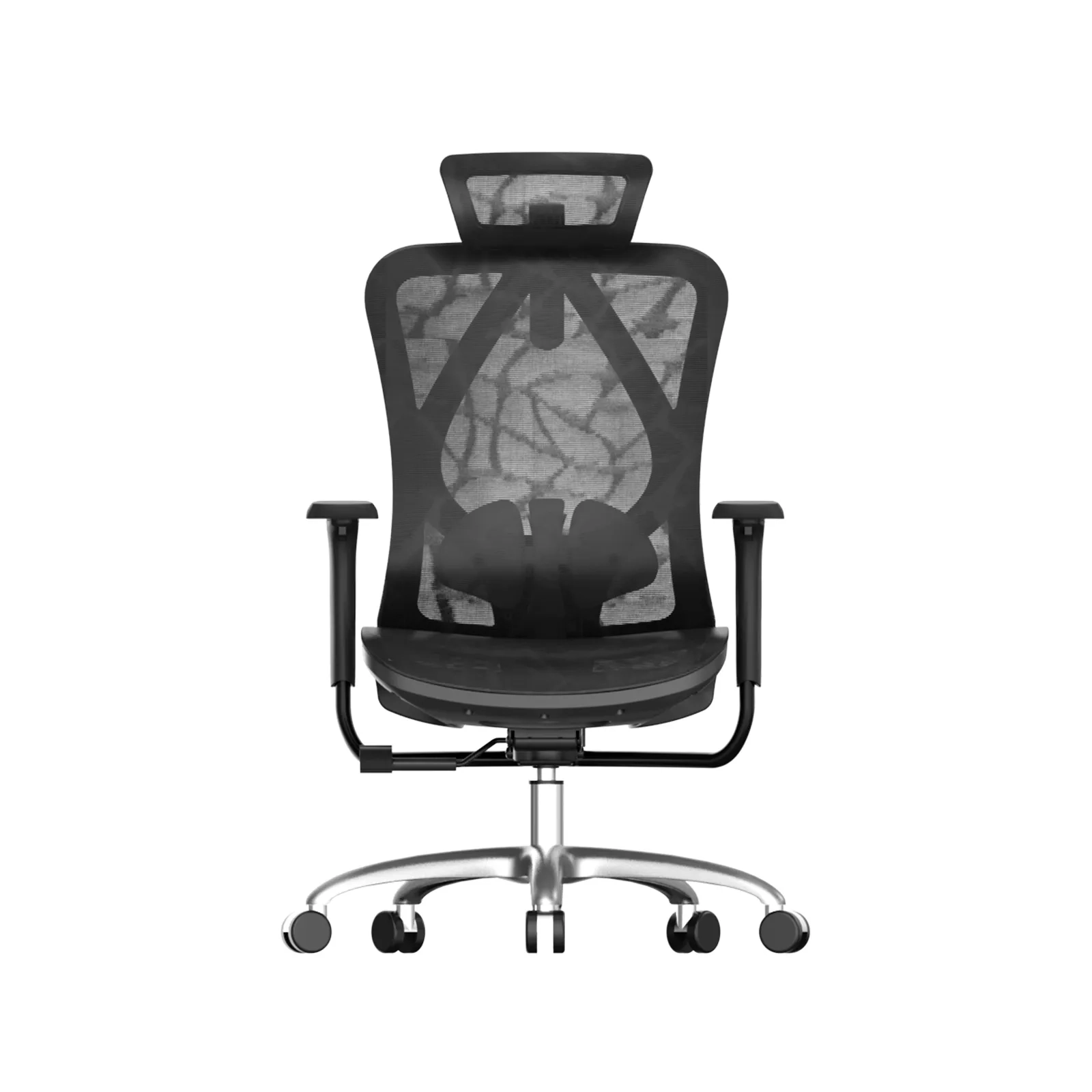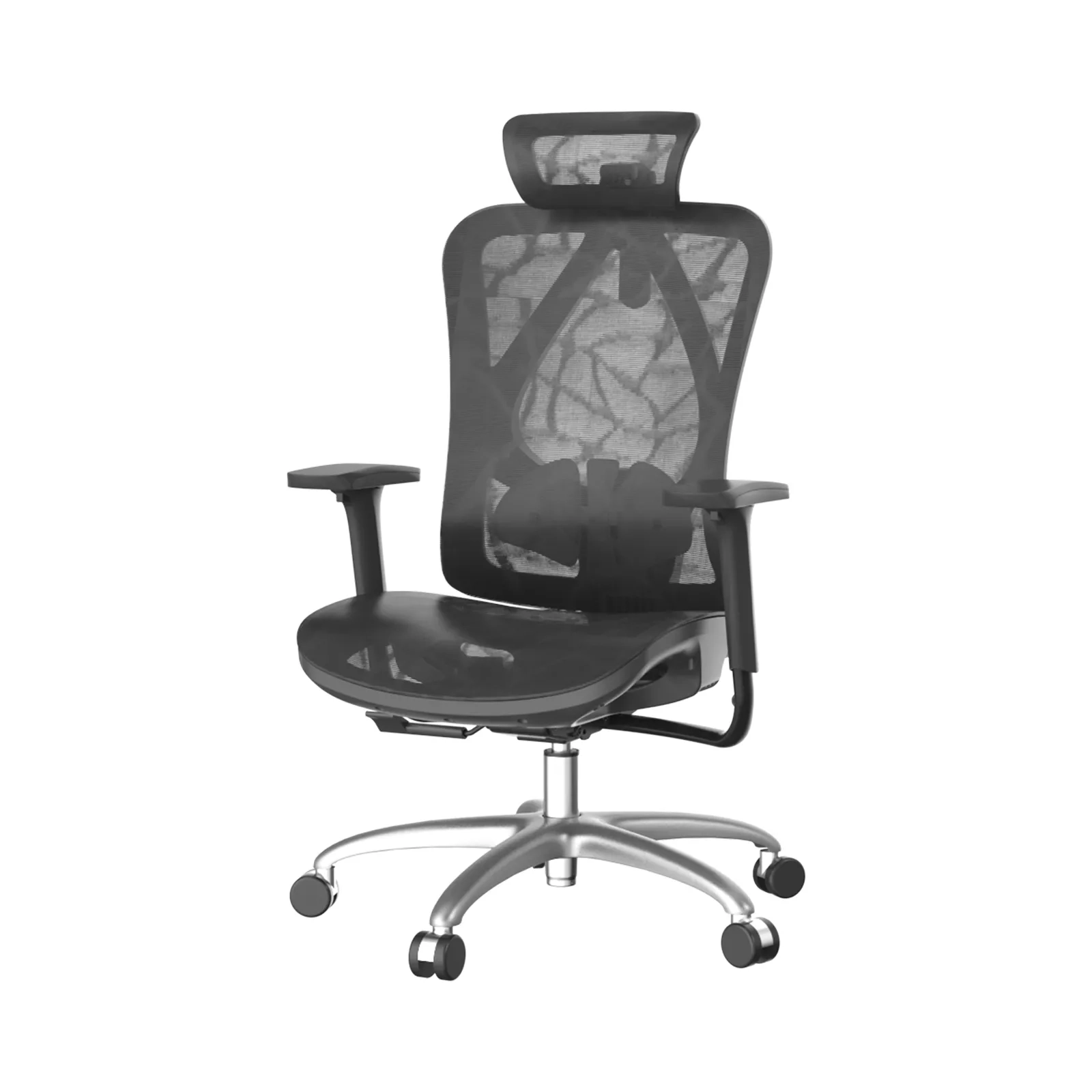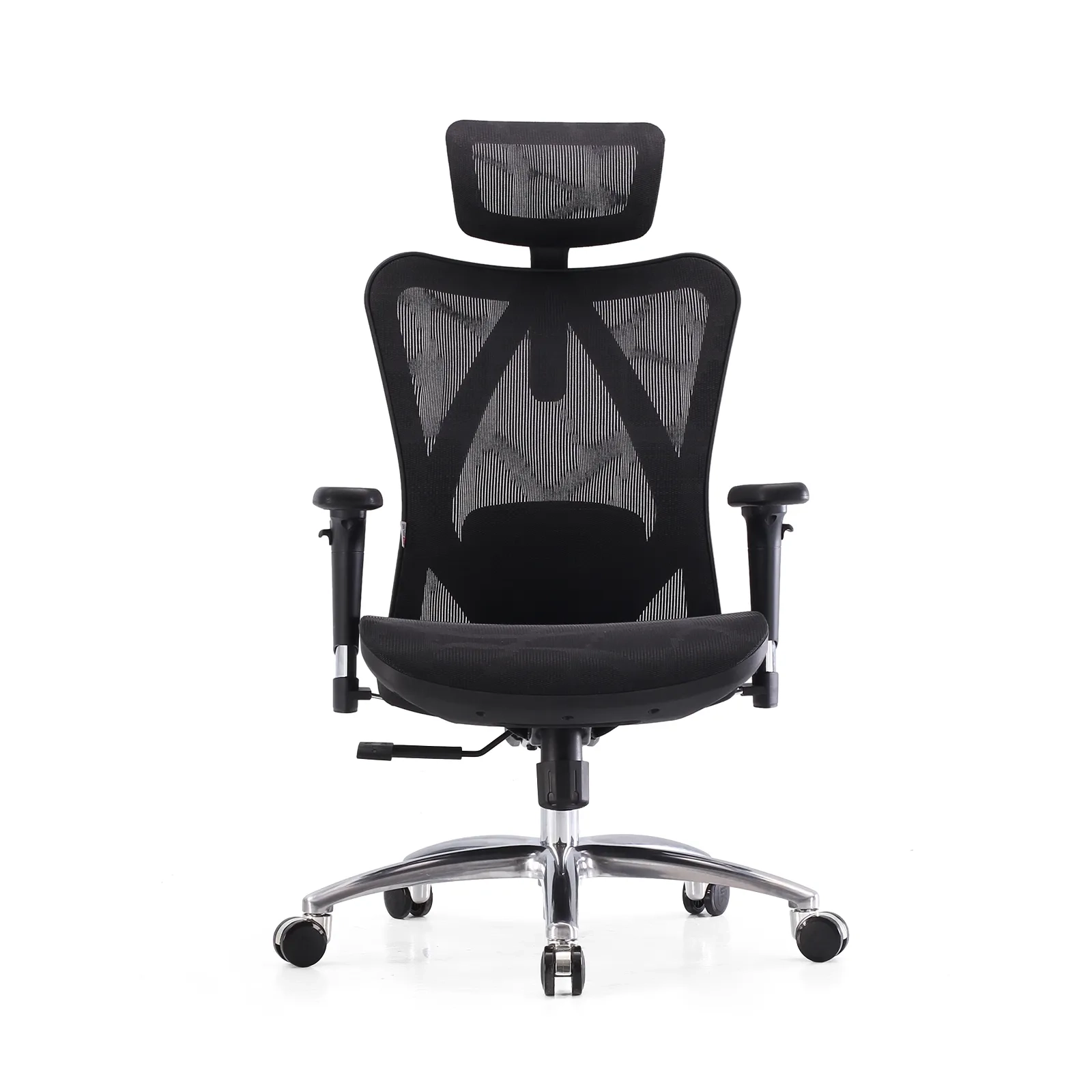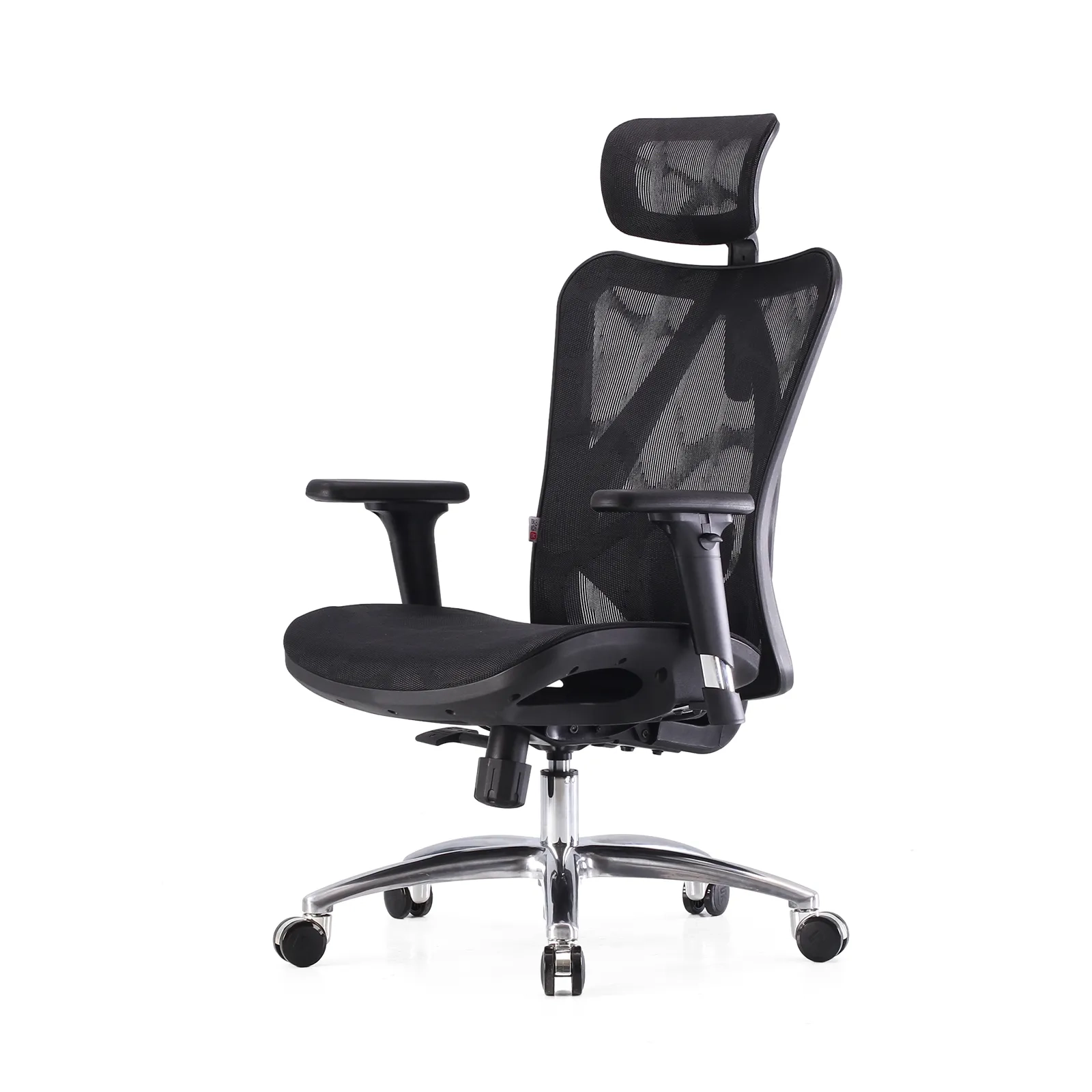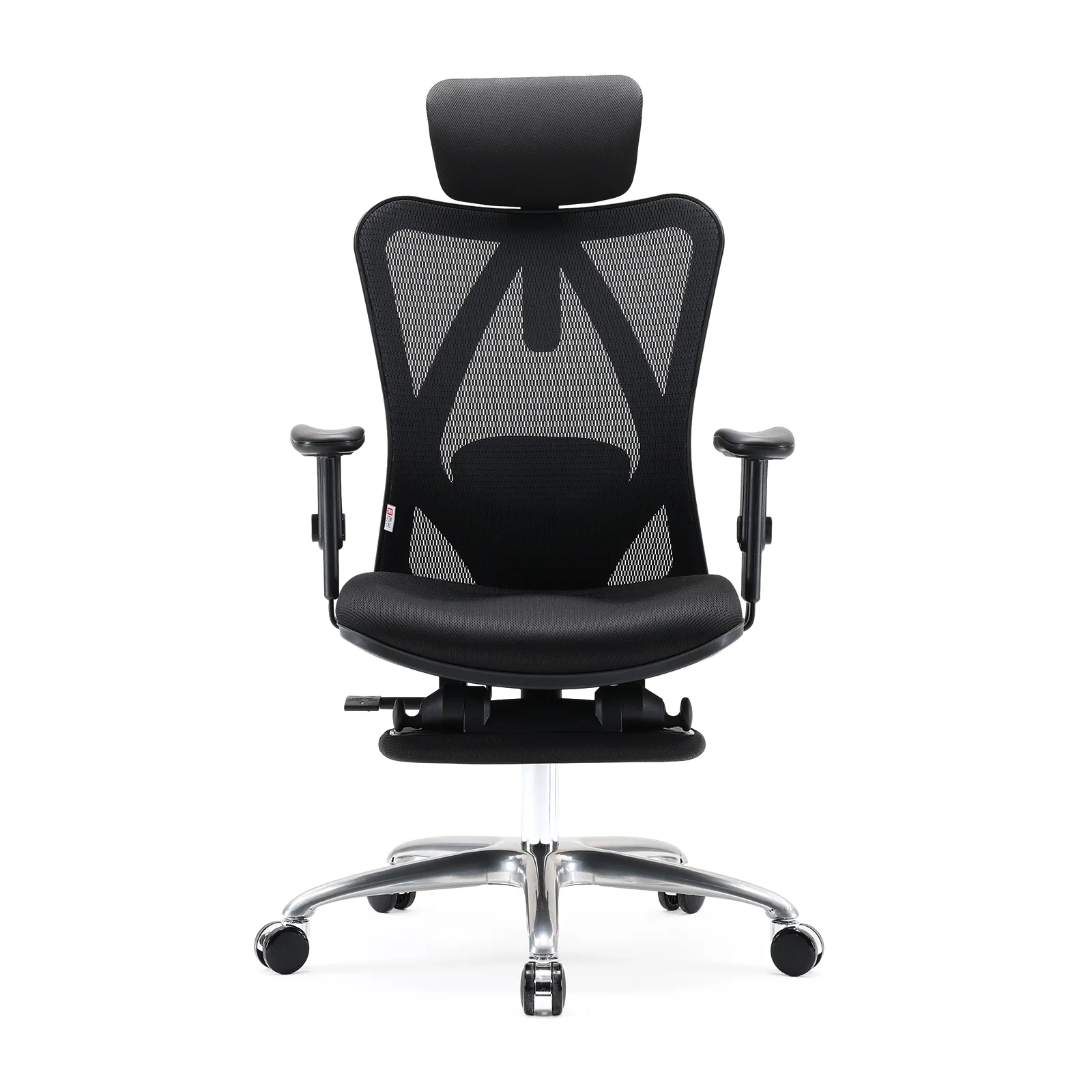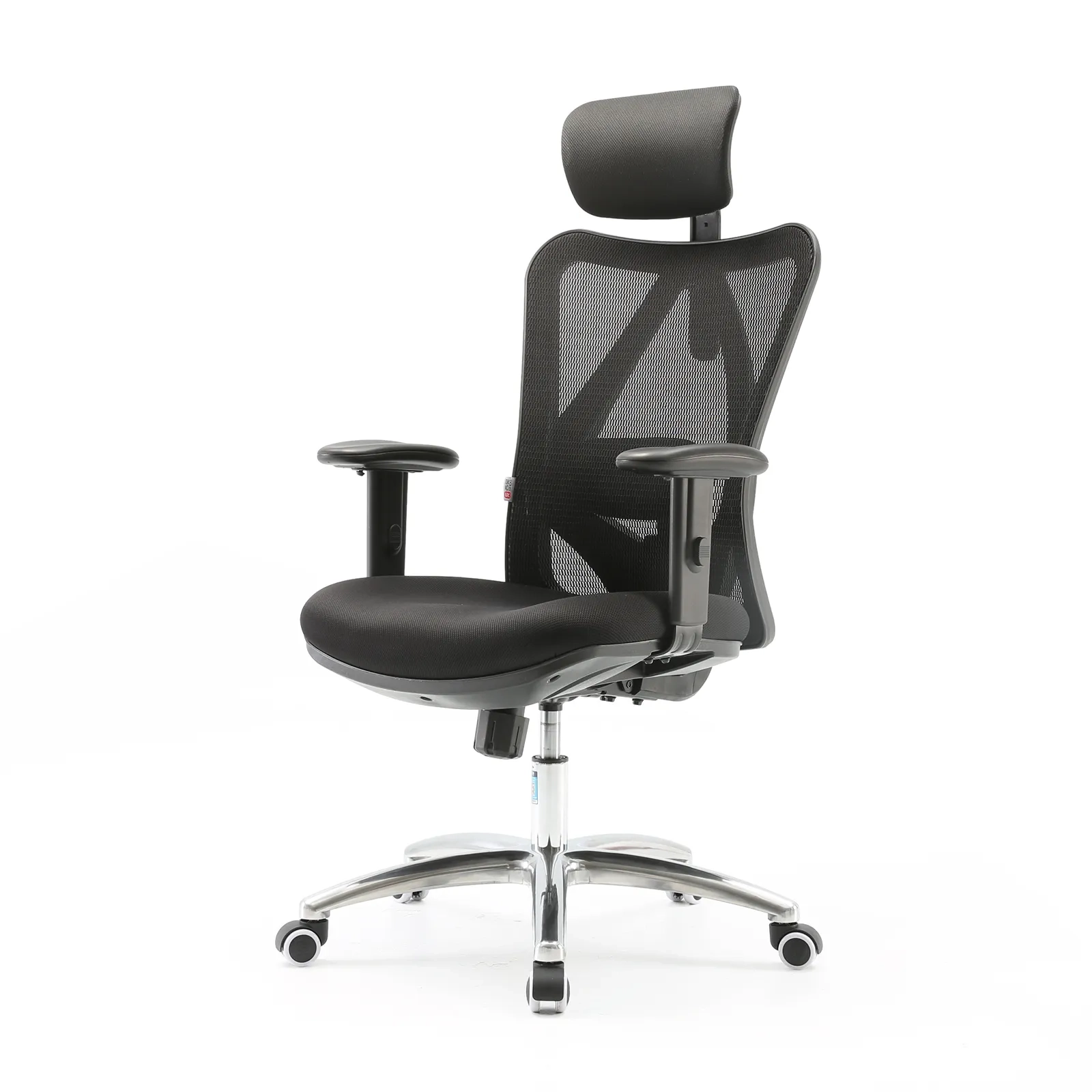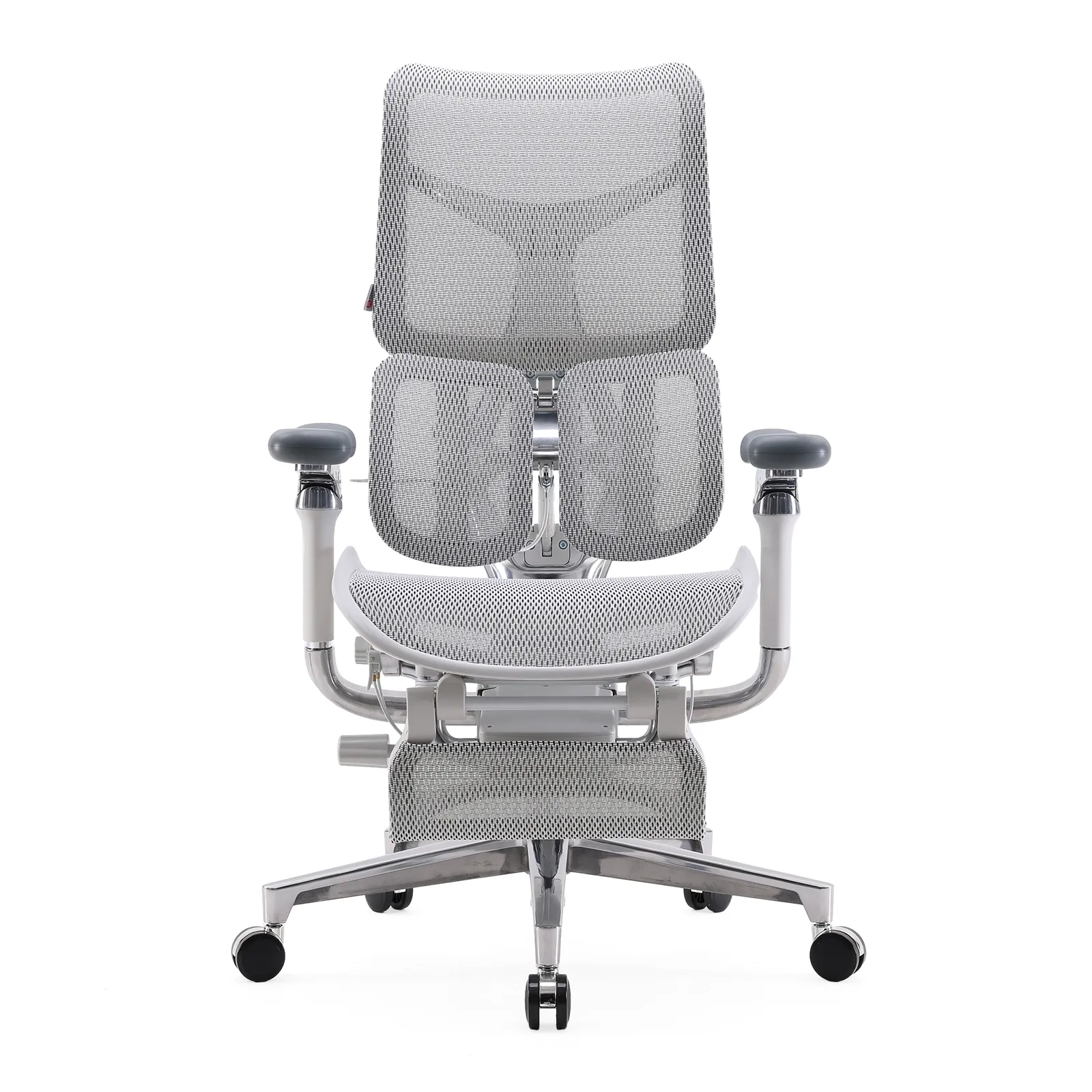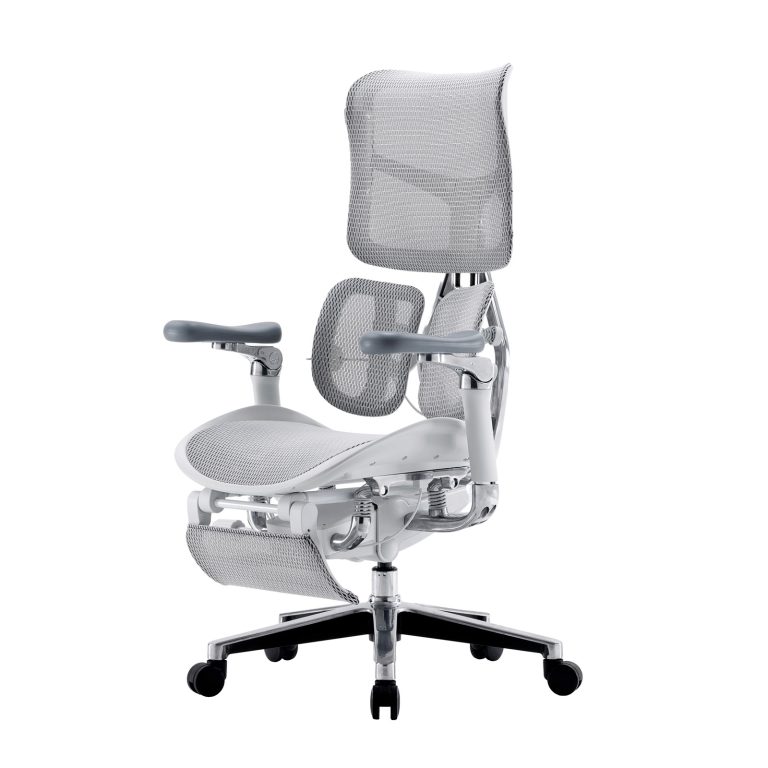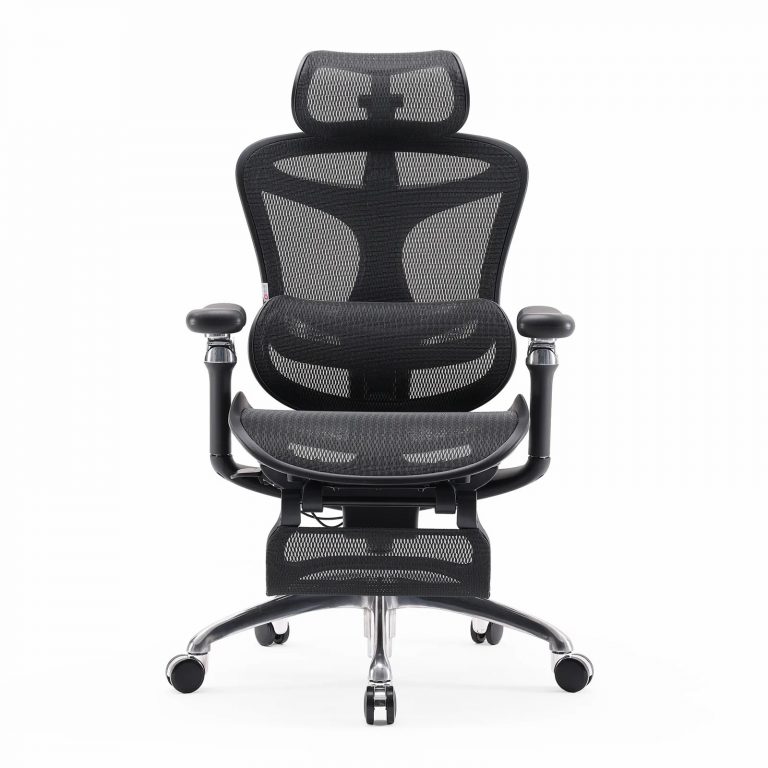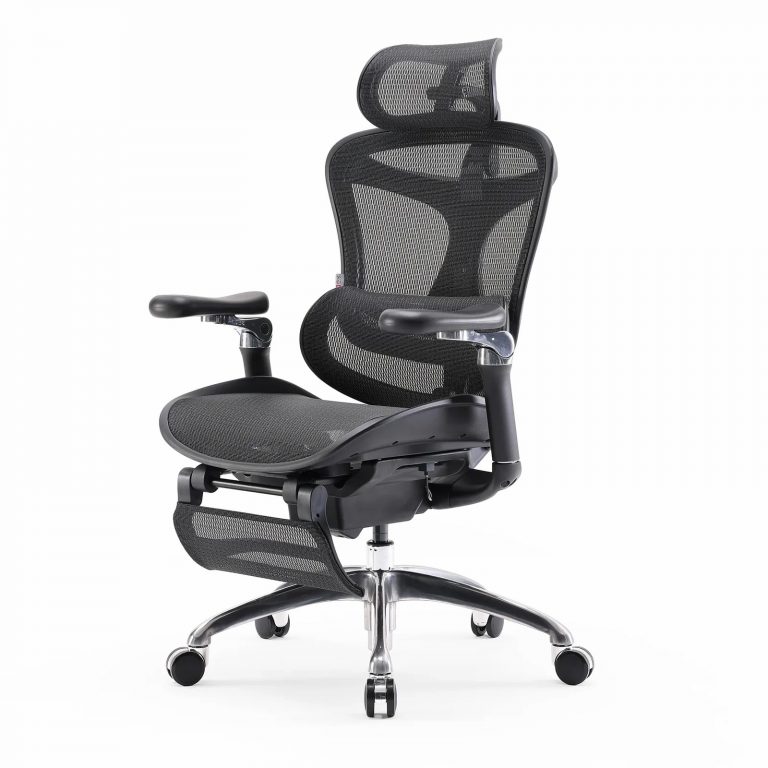









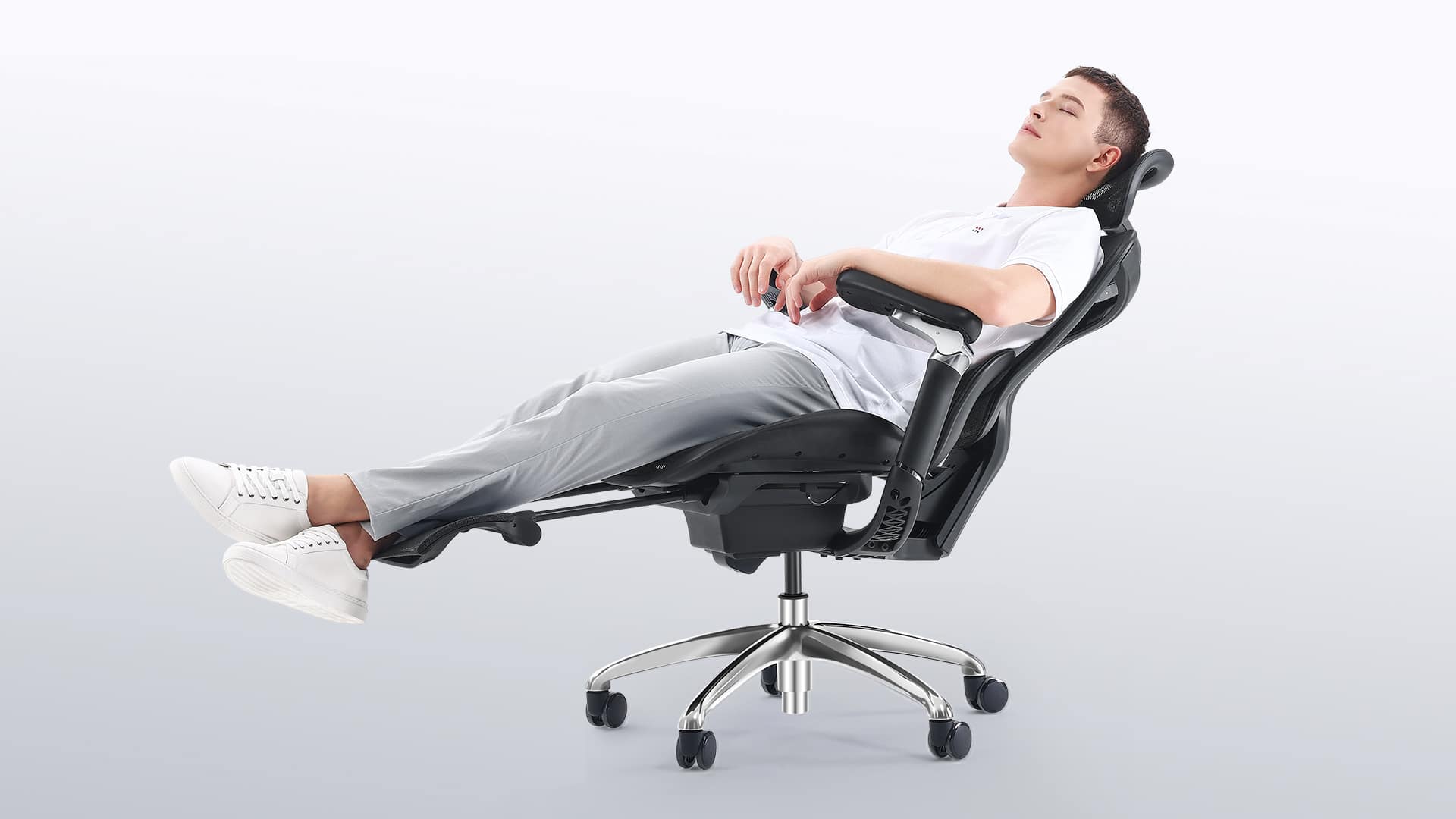
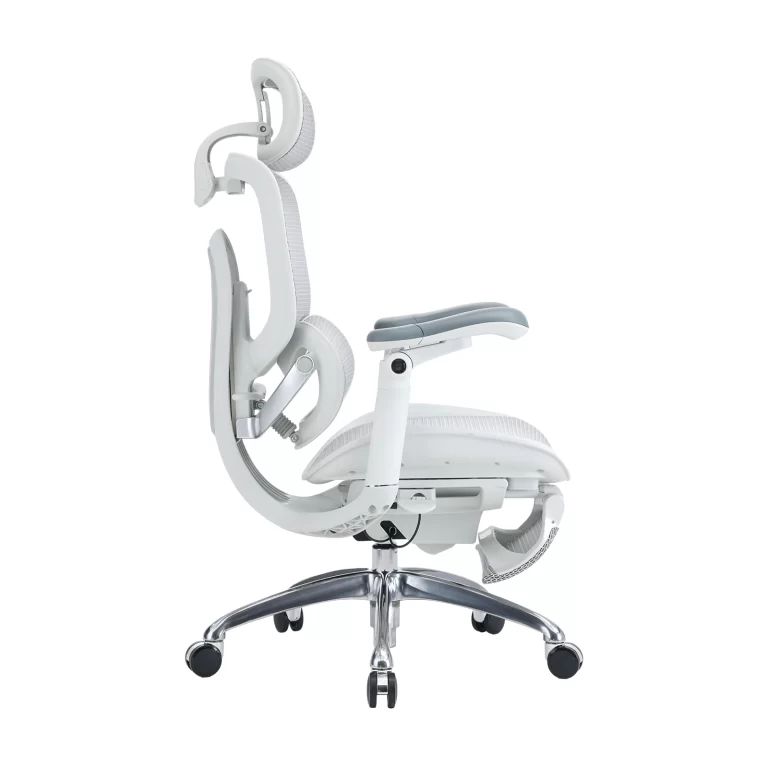
An office chair with a footrest adds a rest posture to the workday: the user can recline, extend the footrest, and shift spinal load off the lower back during breaks. For distributors and procurement teams, that opens buyer segments beyond the standard task chair: break rooms, meeting spaces, and remote workers who sit long hours at home. If you are shortlisting models for a catalog or a bulk order, start from the office chair with footrest explainer to see why buyers want one, then match each option below to the buyer it fits.
This guide lists eight office-chair-with-footrest types we see requested most in B2B orders. None are “tested” in a lab sense; they are curated by function and buyer need. We focus on recline range, breathability, and which workspace each one serves.
Quick picks at a glance
| # | Chair type | Best for | Recline |
|---|---|---|---|
| 1 | Full-mesh recliner with footrest | Warm rooms, long sits | Wide |
| 2 | High-back executive recliner | Long-hour leadership | Wide |
| 3 | Big-and-tall recliner | Tall users, meeting rooms | Wide |
| 4 | Mesh-back padded recliner | Mixed comfort | Средний |
| 5 | Headrest recliner | Neck relief | Средний |
| 6 | Compact break-room recliner | Small spaces | Средний |
| 7 | Visitor recliner | Reception, waiting | Ограниченный |
| 8 | Lightweight training recliner | Training rooms | Ограниченный |
What a footrest actually adds
A footrest turns a chair from a fixed sit into a two-posture seat. During work, the user sits upright at task height. During a break, the user reclines and extends the footrest, which drops knee load and lets the lower back unload. The benefit is recovery between focus blocks, not a medical fix. For the mechanism behind it, see the ergonomic office chair with footrest deep-dive. For the category split, see footrest chair vs standard office chair.
The eight options, by buyer need
1. Full-mesh recliner with footrest
For all-day sitters in warm climates, a full-mesh back and seat keep contact areas cool while the footrest handles break recovery. SIHOO’s S300 fits this segment: a breathable mesh build with the adjustability a long sit demands. Stock this for markets where heat is a daily complaint.
2. High-back executive recliner
Leadership roles run long hours and want upper-back and shoulder support plus a recline for breaks. The C300 targets long-hour use, with a high mesh back and dynamic lumbar. Place it in executive-spec RFQs and corner-office fit-outs.
3. Big-and-tall recliner
Tall users and meeting rooms need a wider, taller back and a stronger base. The V1 covers tall users and meeting-room layouts with a high-back frame. It works as both a primary chair and a boardroom piece.
4. Mesh-back padded recliner
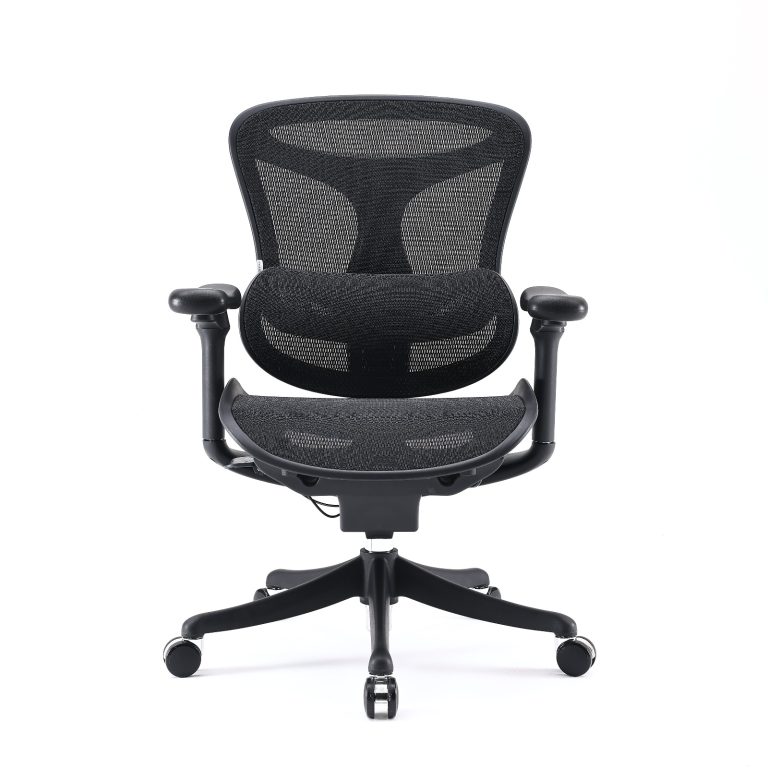
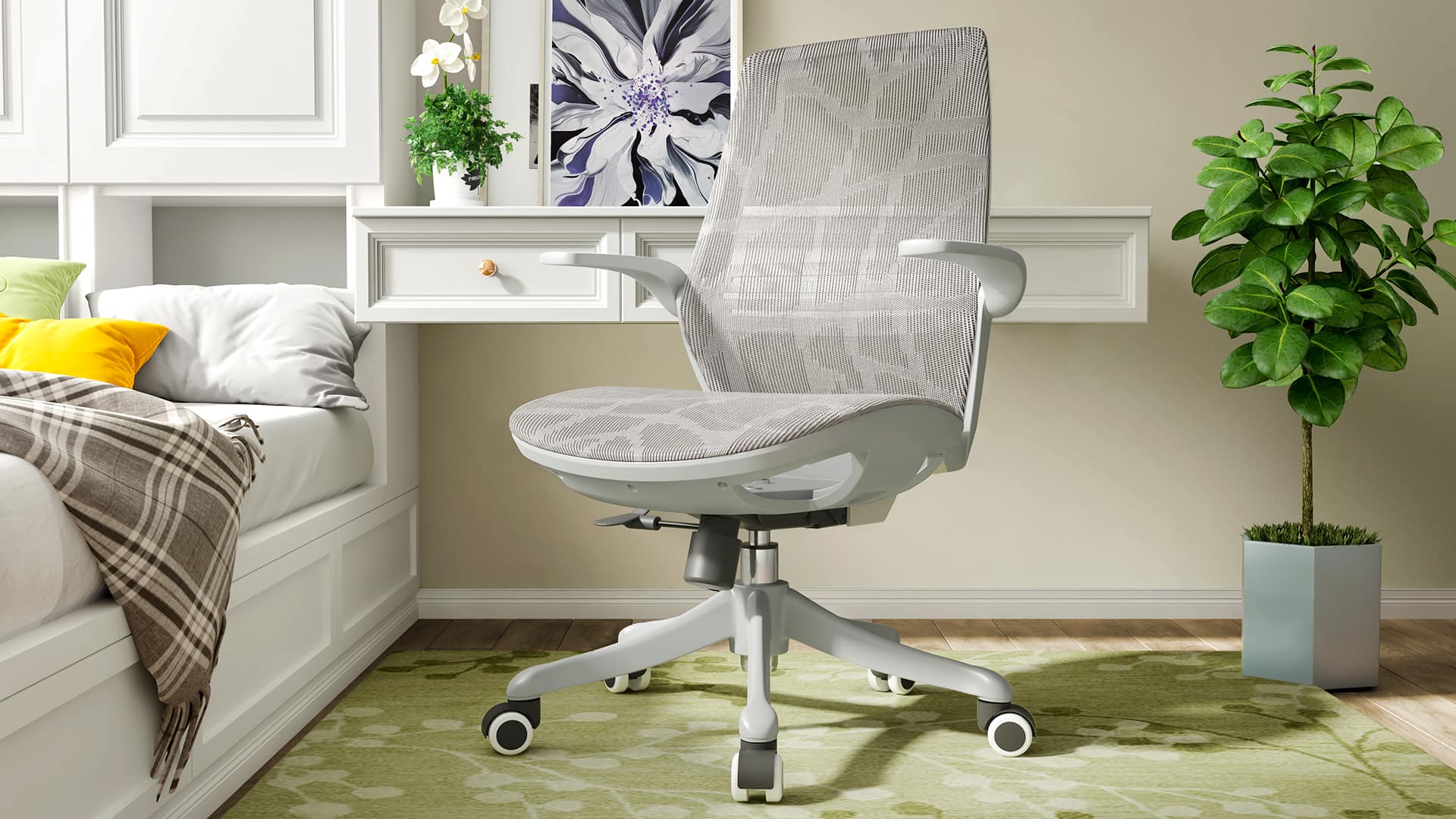
Some buyers want airflow at the back but prefer a cushioned seat. The M57 serves high-volume SMB orders here: a mesh back for ventilation plus a padded seat for those who dislike all-mesh contact. It is a safe default for mixed teams.
5. Headrest recliner
Neck relief seekers add a headrest to the high back. Useful for reclined reading or video calls. Headrests are often removable, which helps bulk shipping and spare-parts planning.
6. Compact break-room recliner
Small break rooms need a chair that reclines without eating floor space. A compact frame with a hidden footrest serves offices where the break area is tight.
7. Visitor recliner
Reception and waiting areas need chairs that look professional and recline gently for long waits. Lightweight mesh keeps these spaces ventilated without heavy frames.
8. Lightweight training recliner
Training rooms cycle chairs daily. A light recliner with a simple footrest cuts fatigue through full-day sessions. A practical SKU for education and corporate-training buyers.
Comparison: footrest vs no footrest
| Factor | С подставкой для ног | Standard |
|---|---|---|
| Break recovery | Recline + leg support | Tilt only |
| Knee load at rest | __OPENROUTER_FAILED__ | Выше |
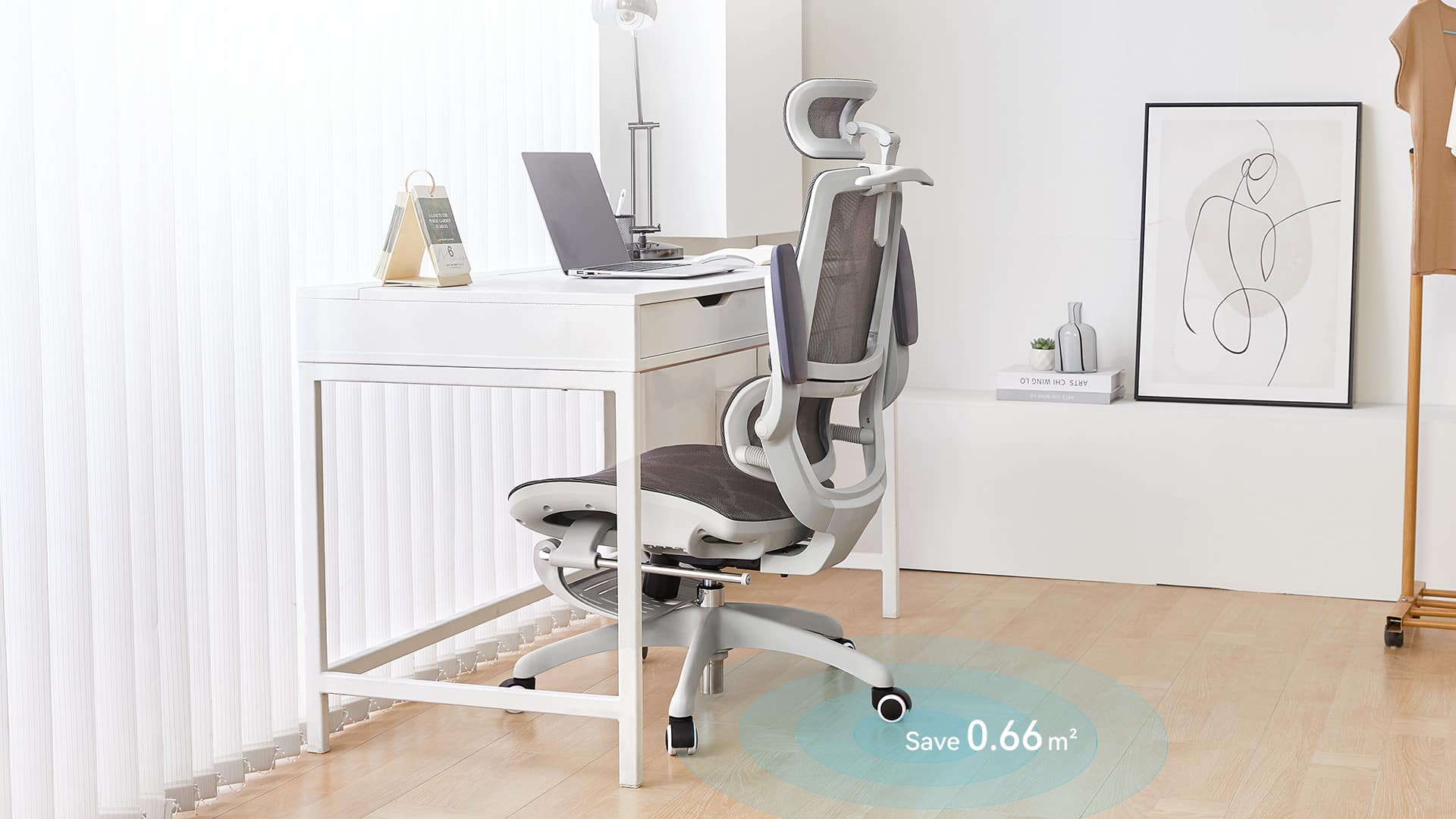
| Floor space | Slightly more | Less |
| Цена | Выше | __OPENROUTER_FAILED__ |
Neither is “better” in the abstract. A footrest wins for break recovery; a standard chair wins for compact, task-focused spaces. Match the model to the room.
How to choose for a bulk order
- Map the room. Break rooms and meeting spaces → recliners. Tight desks → standard.
- Map the climate. Hot markets → full mesh. Mild → mesh-back with padded seat.
- Check recline and footrest. Confirm recline locks and the footrest extends smoothly.
- Plan spare parts. Footrest hinges and casters wear first. Confirm availability before a large commit.
- Sample first. Order one unit per model. Sit it through a work-and-break cycle before scaling.
For distributors, MOQ, sample lead time, and certification requests should go through the SIHOO partnership page rather than a retail cart.
Materials and frame notes for distributors
Quality in a recliner lives in the recline hinge and the frame. The hinge carries the user through daily recline cycles; a weak hinge develops play within months. Ask suppliers for cycle-test counts and confirm the footrest locks without drift. The frame carries the load. Glass-filled nylon frames are light and strong for most users; metal frames add weight and cost but suit big-and-tall models where the load is higher. For the V1 and other tall-user chairs, confirm the frame rating before quoting.
Casters matter more than they look. Hard floors need soft-wheel casters; carpet needs hard wheels. Shipping the wrong caster to a market creates returns that have nothing to do with the chair. A five-star base spreads load better than a four-star base.
Regional stocking strategy
Allocate the eight types by room and climate, not by personal taste. Hot, non-air-conditioned markets should lead with full mesh recliners. Executive and meeting-room demand is steady across regions, so the C300 and V1 deserve shelf space everywhere. Break-room and training demand sells in waves tied to fit-out projects, so stock those against confirmed orders. A balanced container for a warm market might run 40 percent full mesh, 30 percent mesh-back, 20 percent executive, and 10 percent visitor or training. Adjust the mix after the first reorder data arrives.
How to verify on arrival
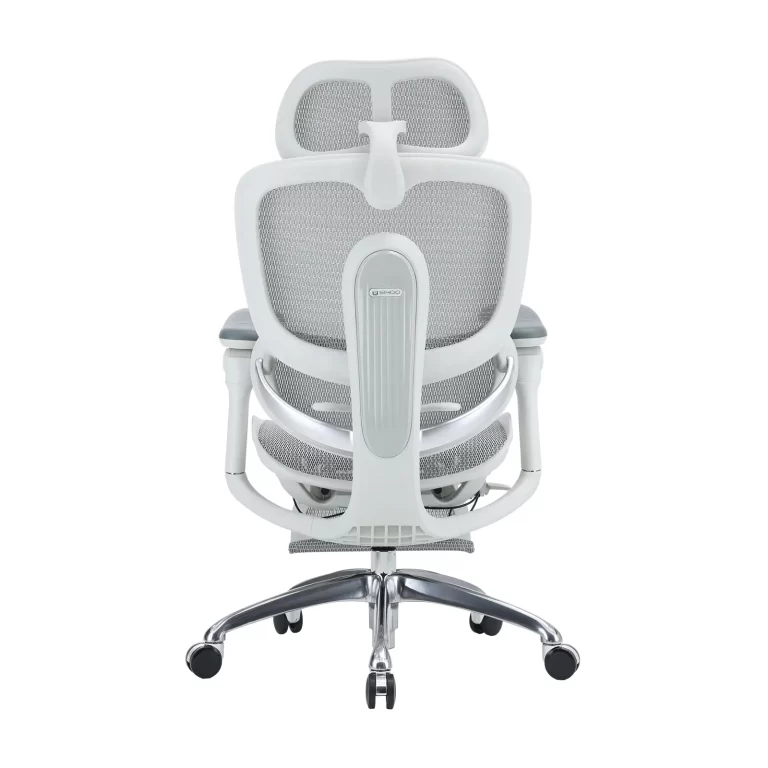
- Extend and retract the footrest; it should move without binding.
- Recline and lock; the angle should hold without creeping.
- Press the mesh at several points; it should flex and return.
- Rock the chair; the base should not creak or twist.
- Check the lumbar contact; it should meet the small of the back, not press a single point.
Keep one unit per model as a benchmark sample so future lots can be compared against it. When a lot feels different from the benchmark, pause and ask the supplier before distributing.
Common mistakes buyers make
Buyers often pick by photo and miss the footrest hinge quality, then hear about play after a few months. Train your sales team to lead with two questions: where will the chair sit, and how long will the user recline. Those answers select the model faster than any spec sheet. Another mistake is ignoring seat depth; a deep seat cuts circulation for shorter users even when the back is perfect. A third is stacking one model for everyone; mixed spaces need at least two seat-depth or lumbar options. Finally, buyers underestimate spare parts. Footrest hinges and casters wear first, so confirm they are orderable before the first container ships.
Price tiers distributors should expect
Footrest recliners sit above a standard task chair on cost because of the recline hardware and hinge, not because the support is better during work. In a 2026 catalog, plan a clear ladder: entry full-mesh recliners for hot markets, mid mesh-back-with-padded-seat models for mixed teams, and upper-mid high-back executive recliners for leadership fit-outs. Keep the ladder organized by feature, not by brand tier, so a buyer can move up or down without re-learning the line. Confirm landed cost, duty, and the replacement-hinge price per SKU before setting the ladder, because those three numbers decide the real margin more than the list price does. A clean tier also helps sales teams quote faster and helps service teams stock the correct spare hinge.
ЧАСТО ЗАДАВАЕМЫЕ ВОПРОСЫ
Does a footrest replace standing breaks? No. A footrest supports break recovery; it does not replace standing up. Hourly breaks still matter.
Is full mesh uncomfortable for some users? Yes. Some buyers find an all-mesh seat too firm. That is why mesh-back-with-padded-seat models stay popular in mixed teams.
Can footrest chairs support tall or heavy users? Only rated models can. The V1 is built for tall users and meeting rooms; confirm weight rating per SKU before quoting.
Are footrest chairs harder to clean? Surface dust wipes off mesh. The footrest adds a hinge to check, not a cleaning problem.
Final thoughts
Office chairs with footrests are not one product but a family matched to room, climate, and break habit. For a 2026 catalog, cover full mesh recliners for hot markets, high-back recliners for long-hour use, and compact models for tight break rooms. Compare the eight types above against your buyer list, then request samples through the SIHOO partnership page.
1600x1600-4-768x768.jpg)
1600x1600-8-768x768.jpg)