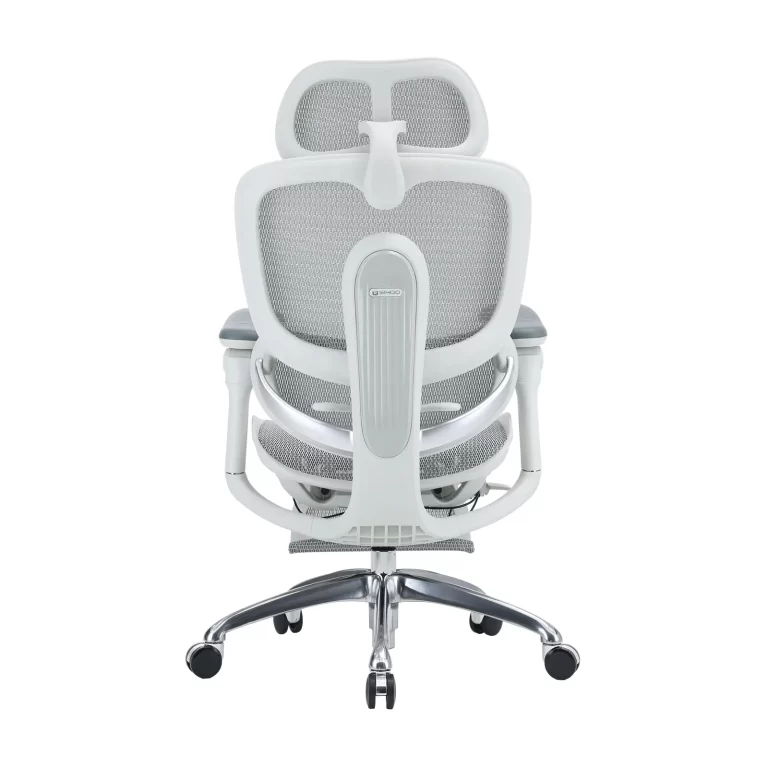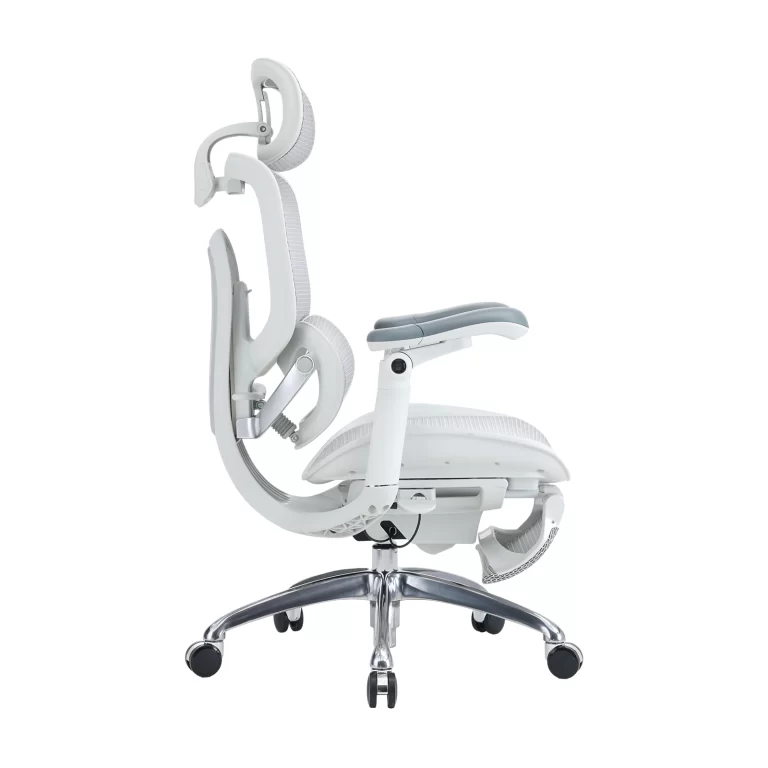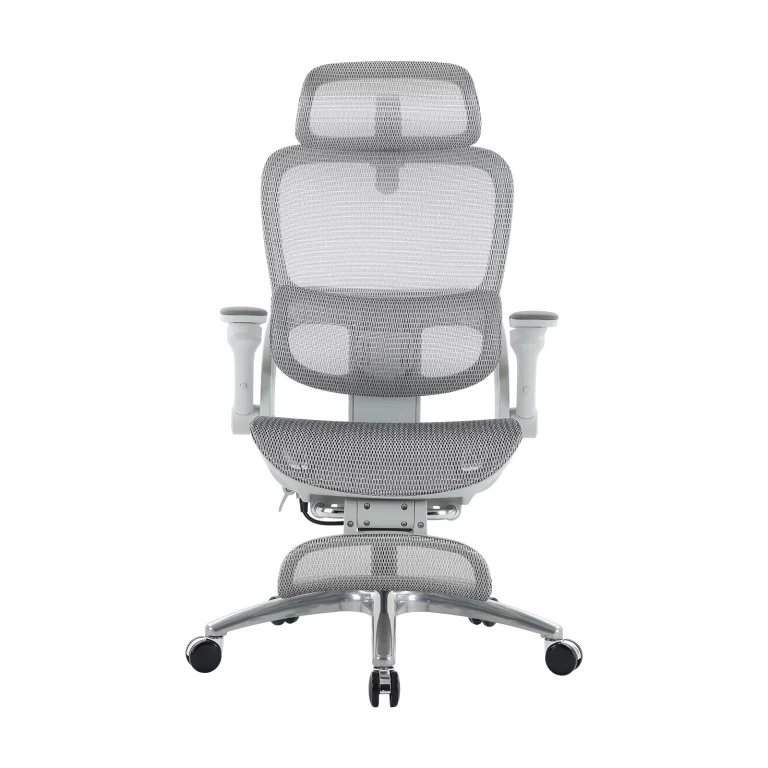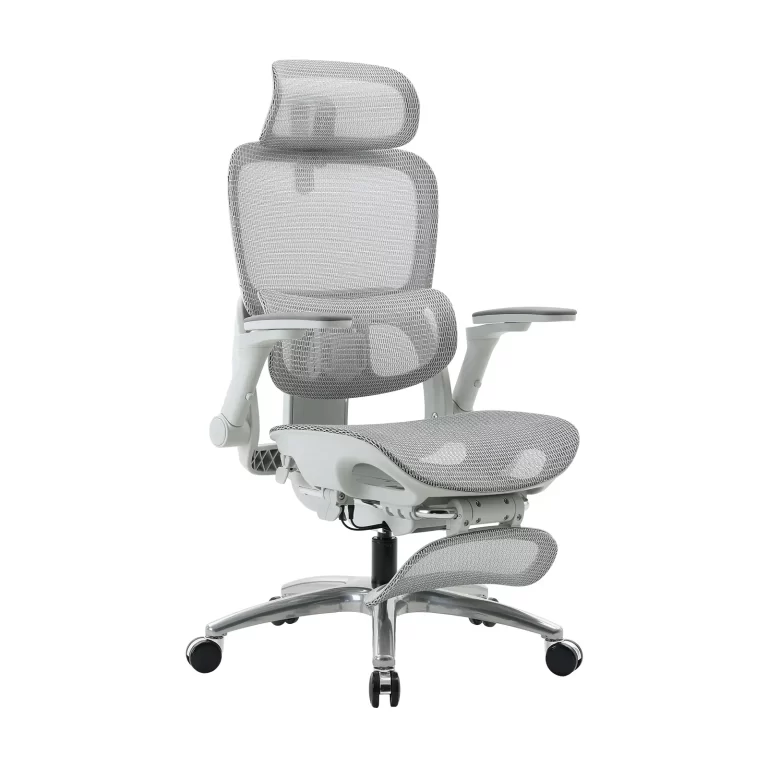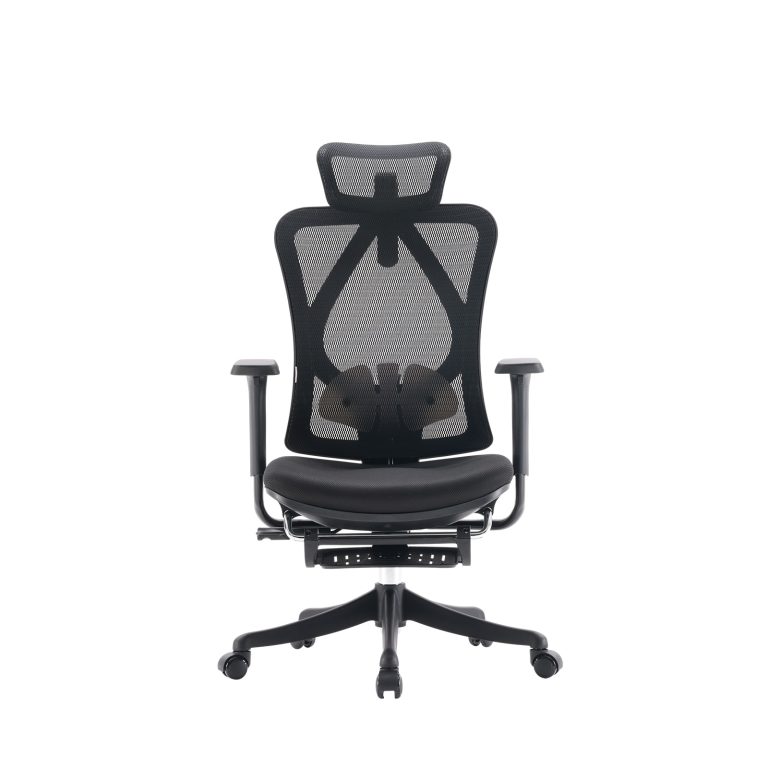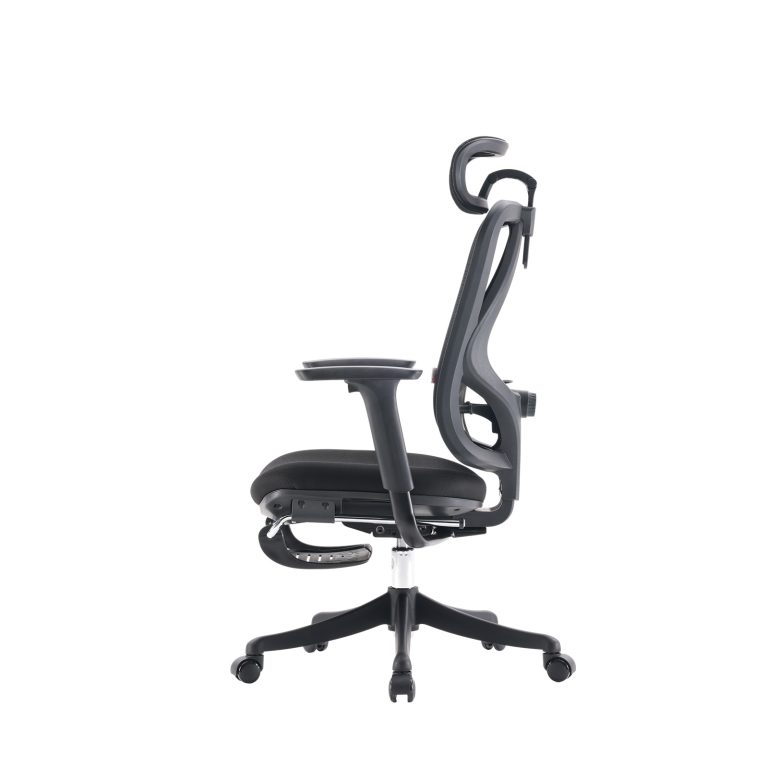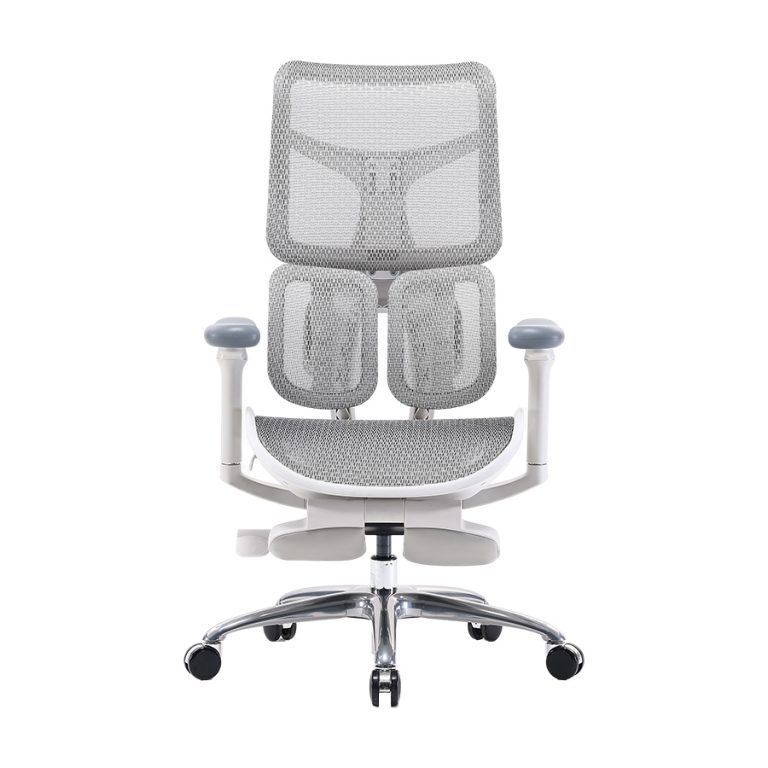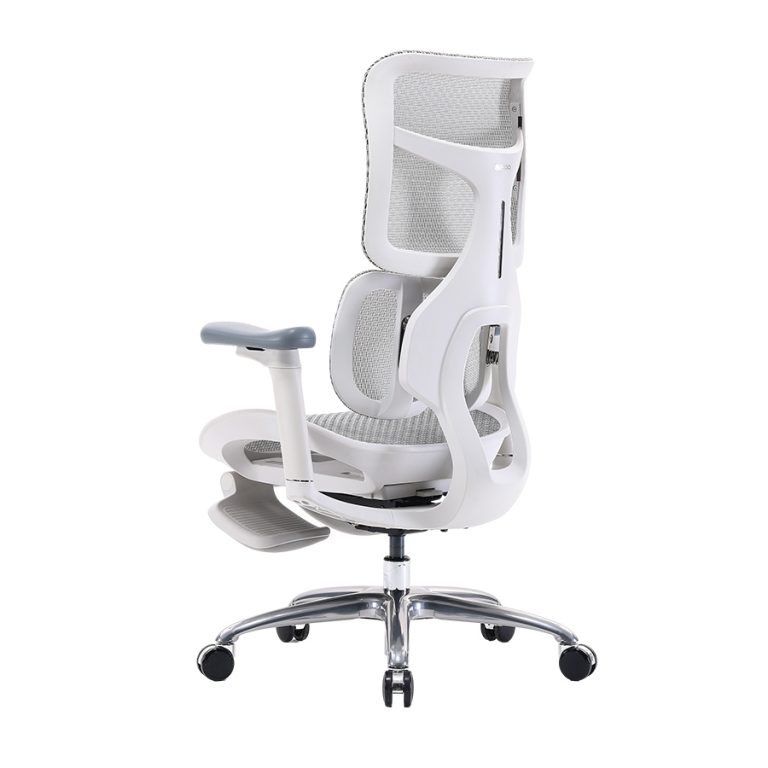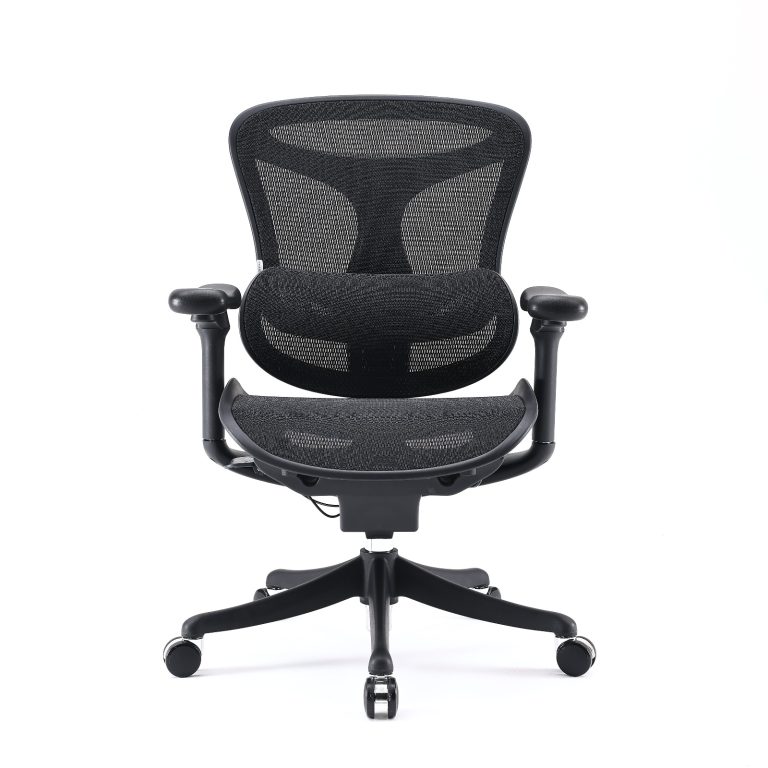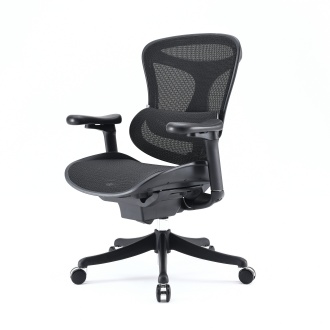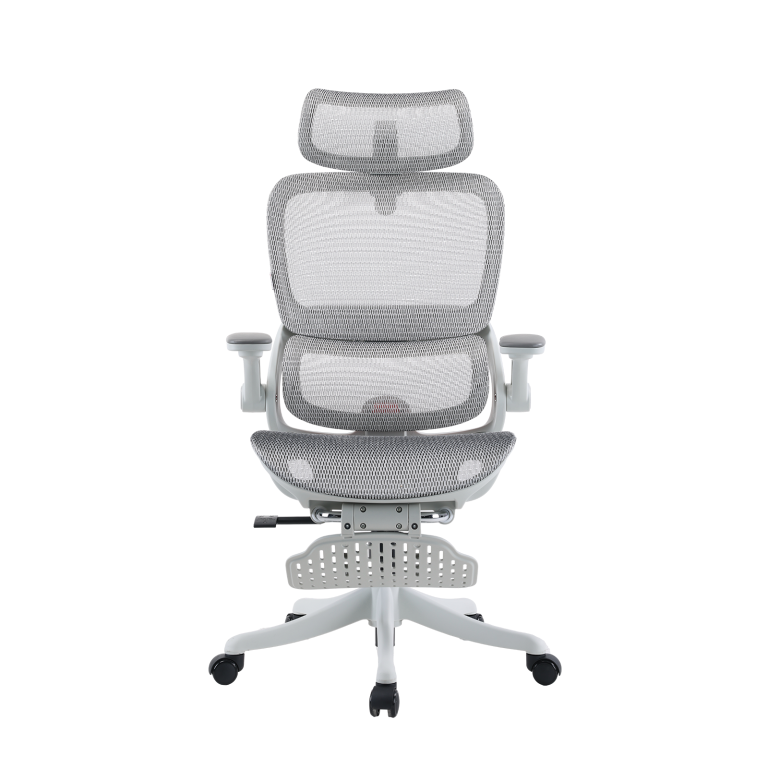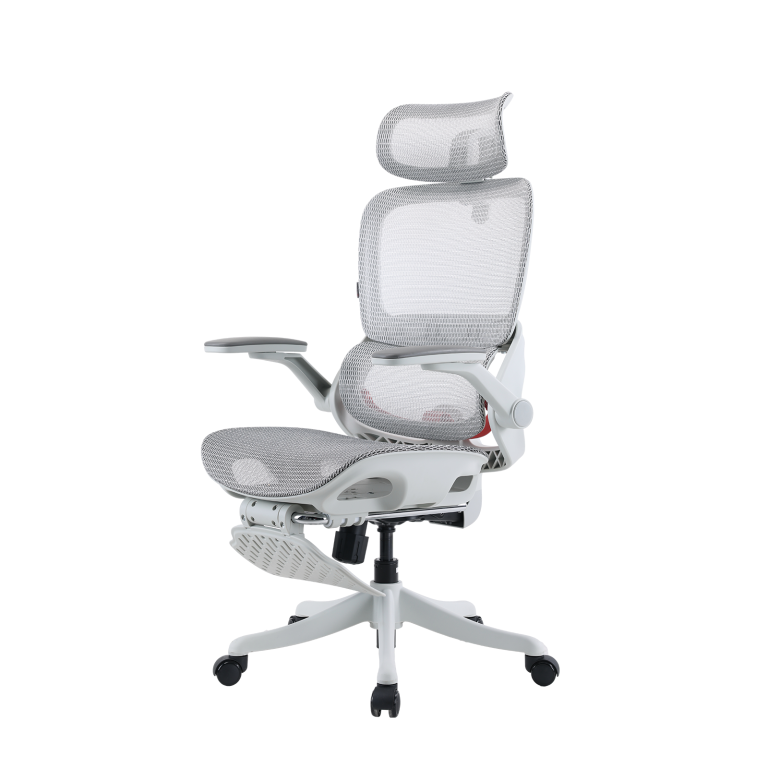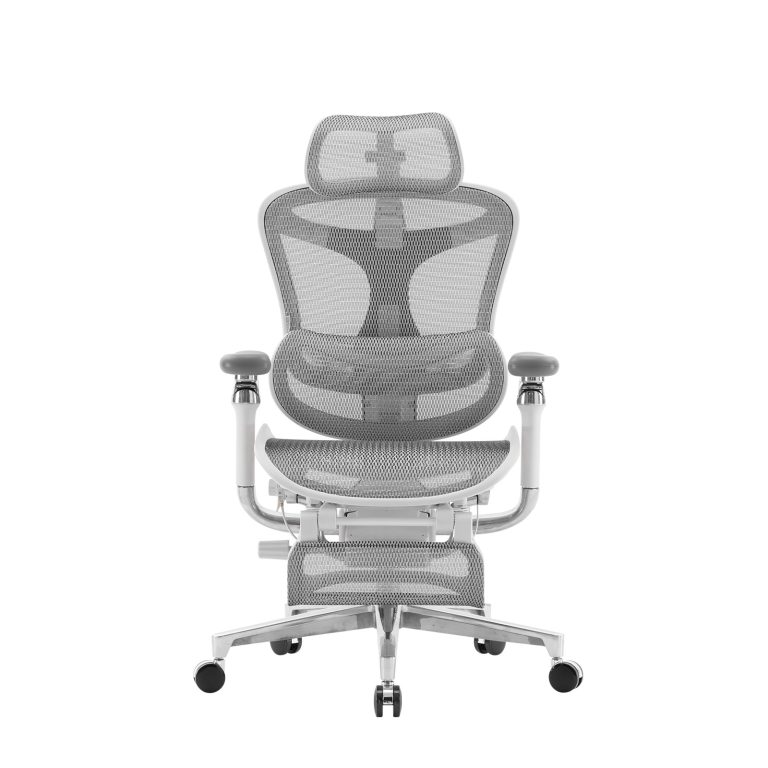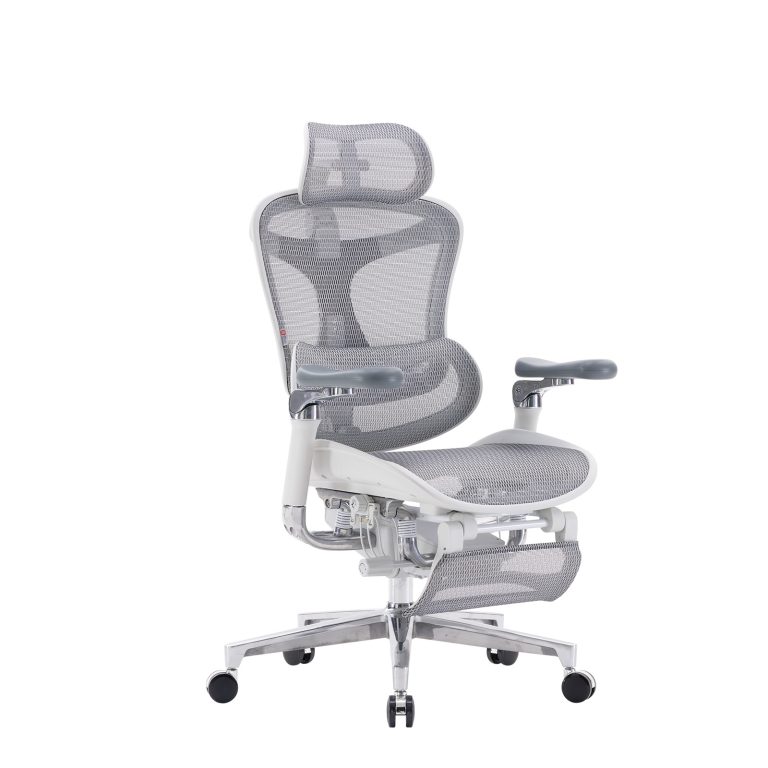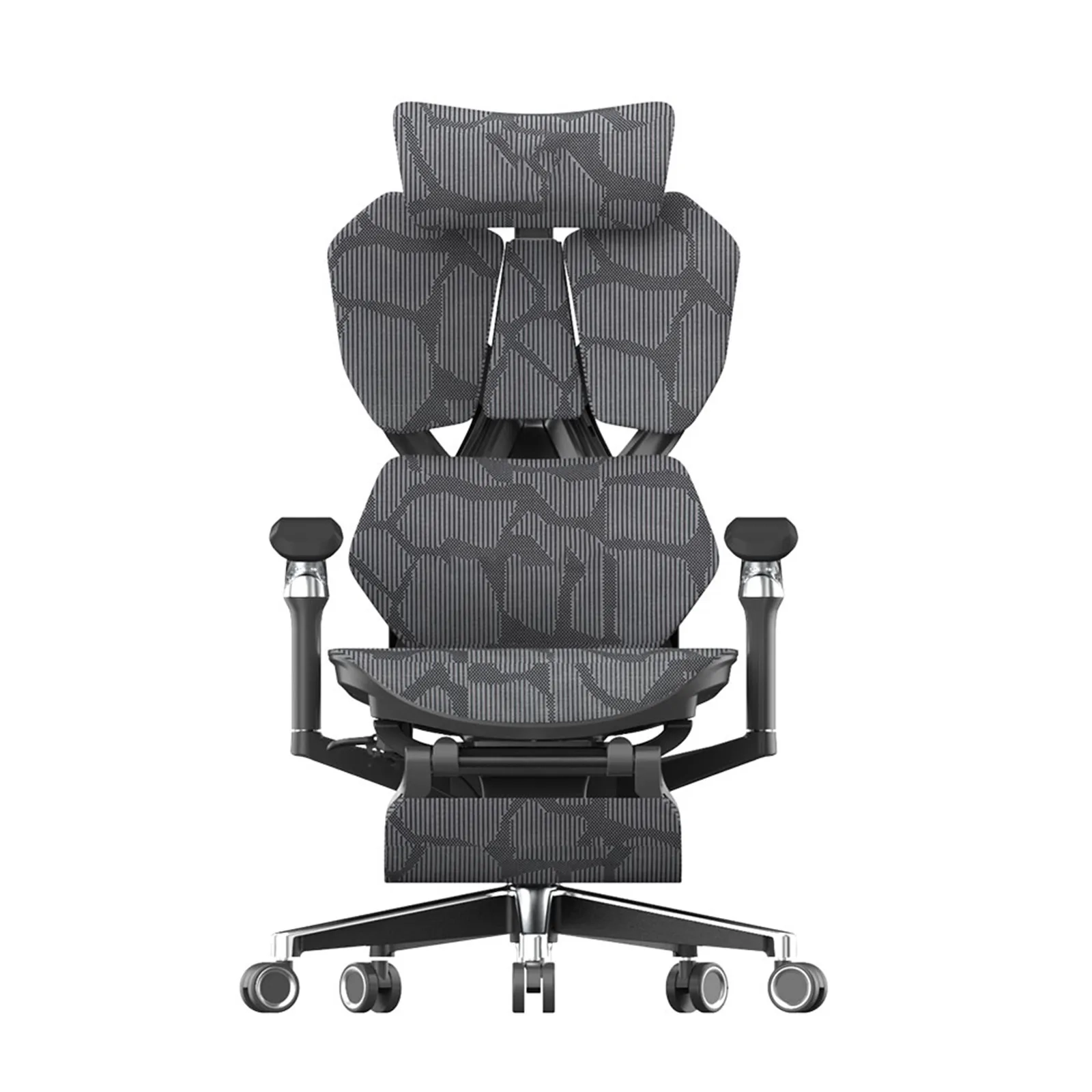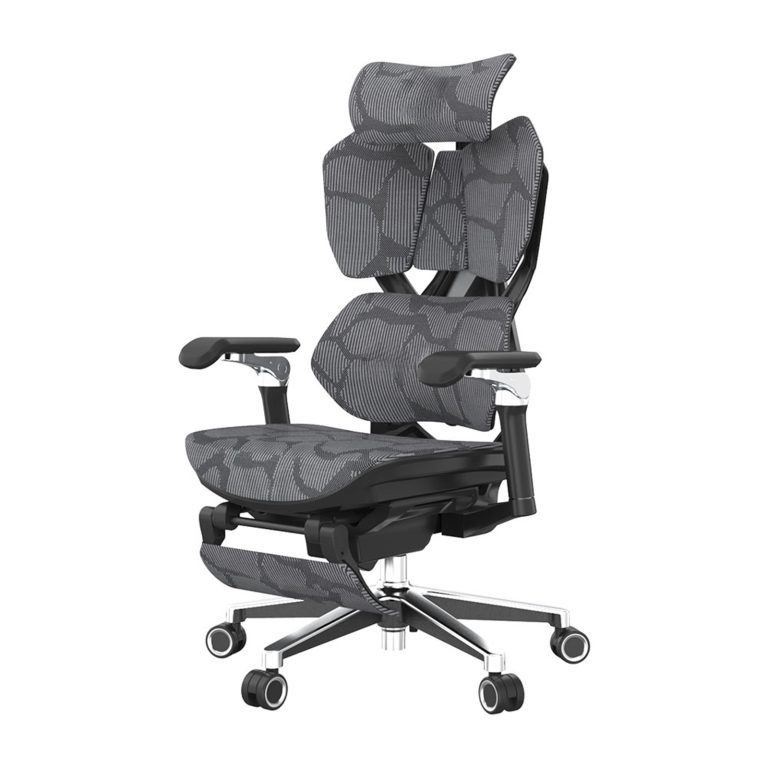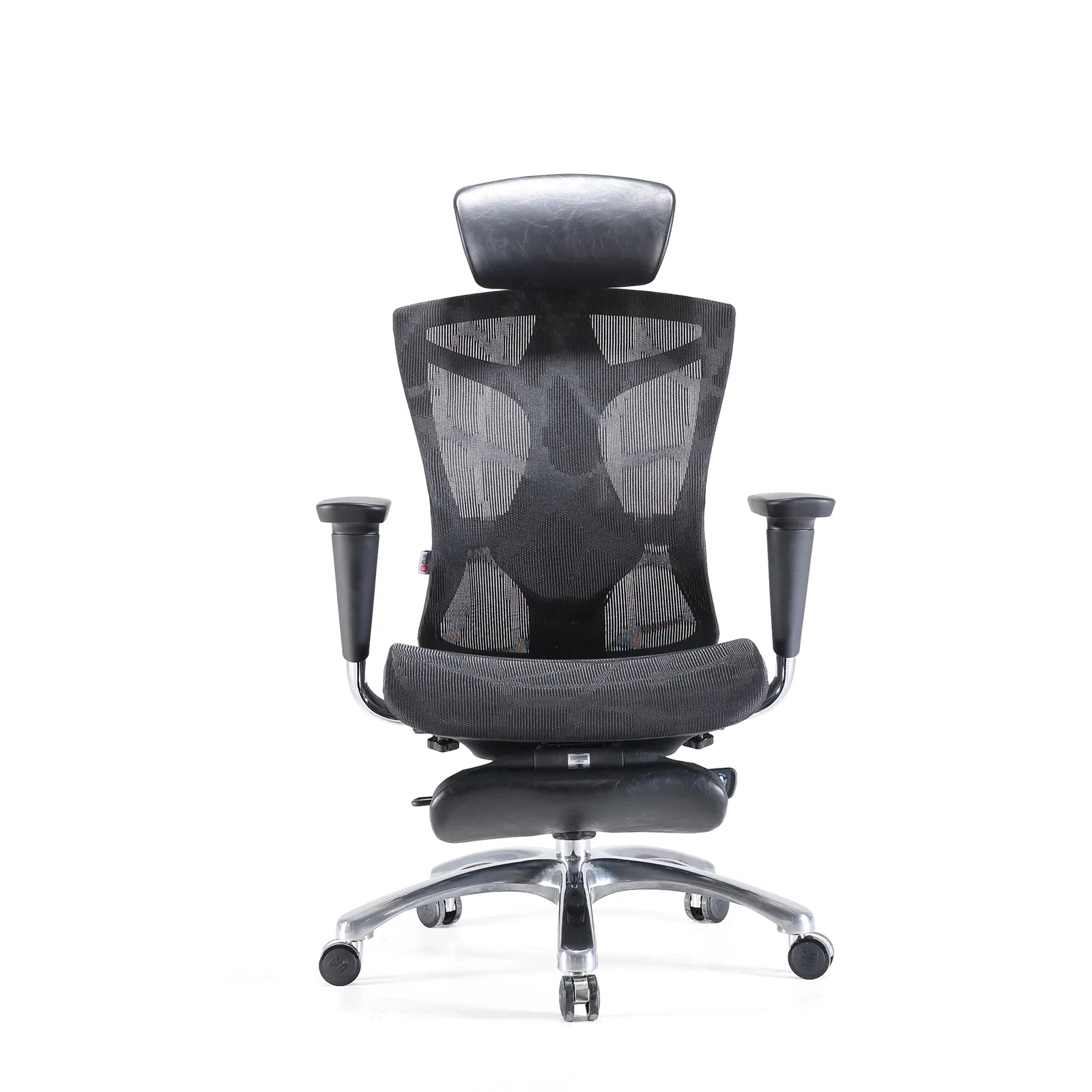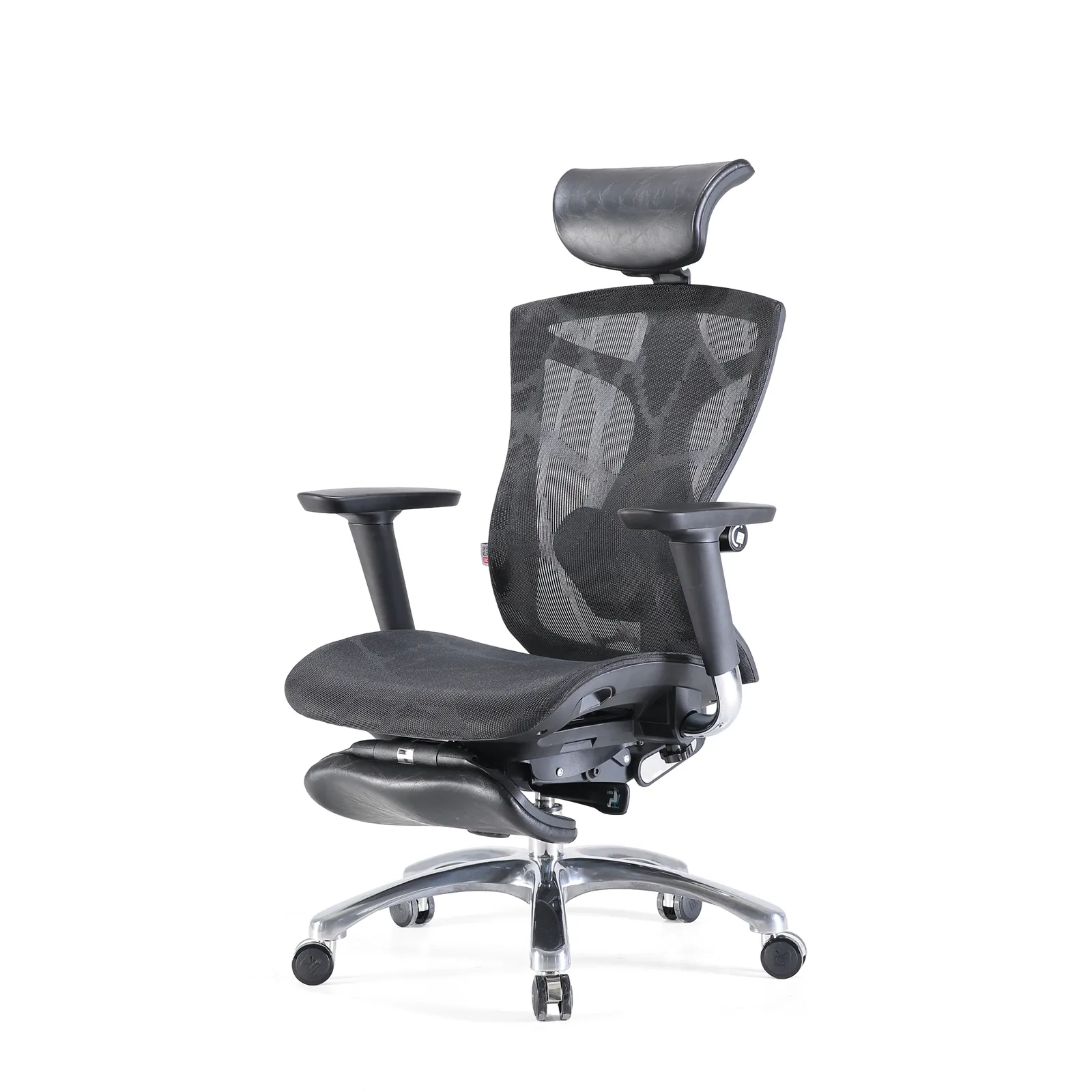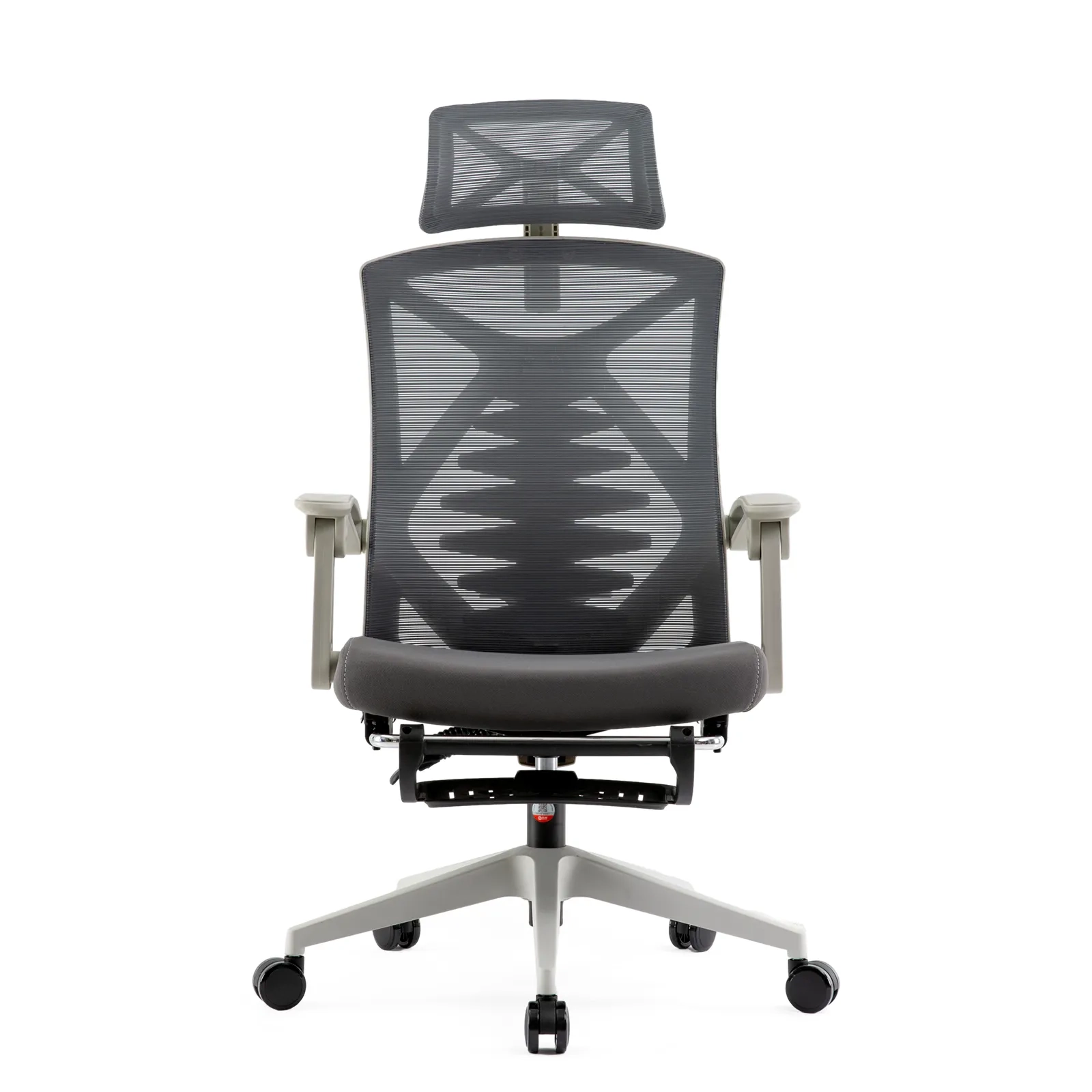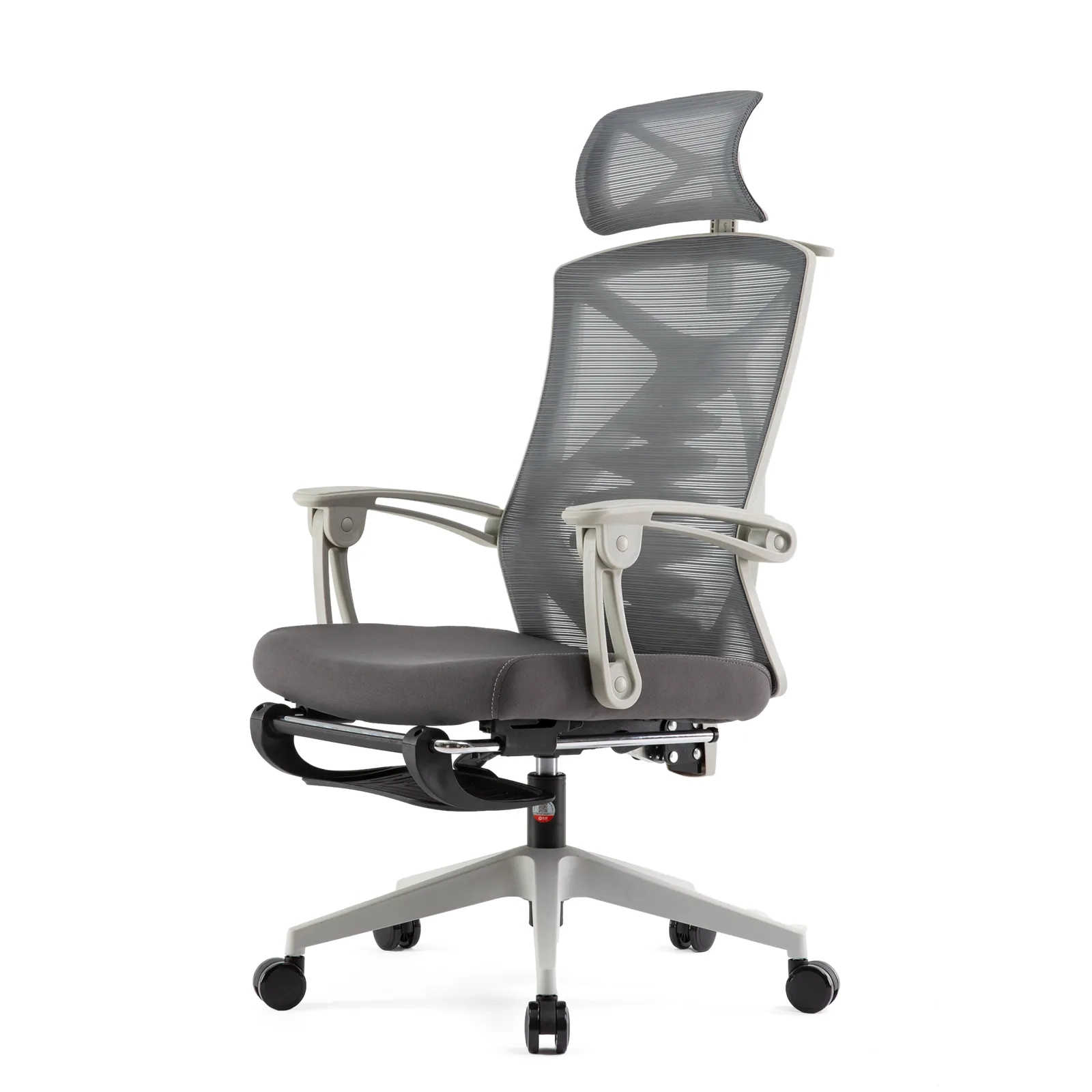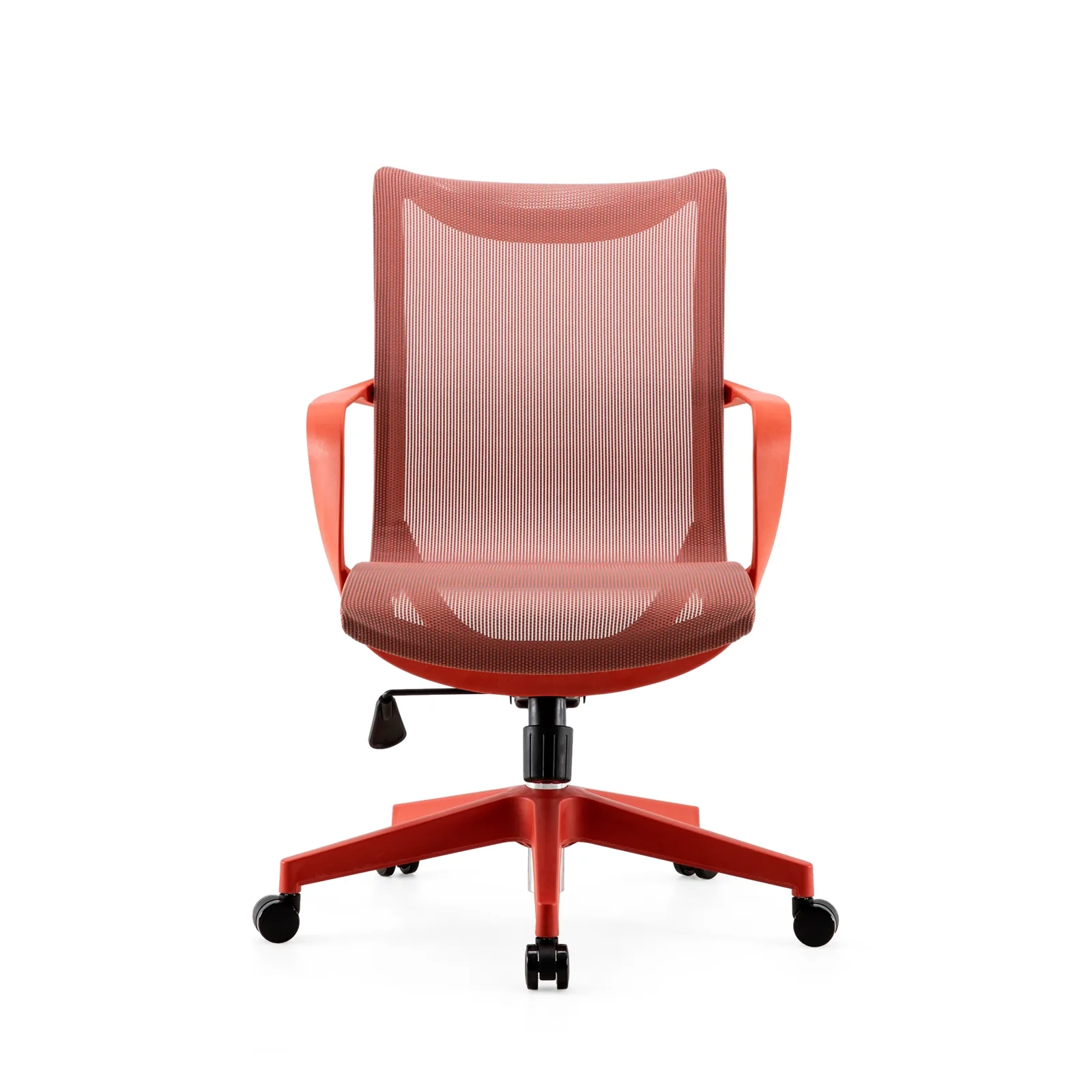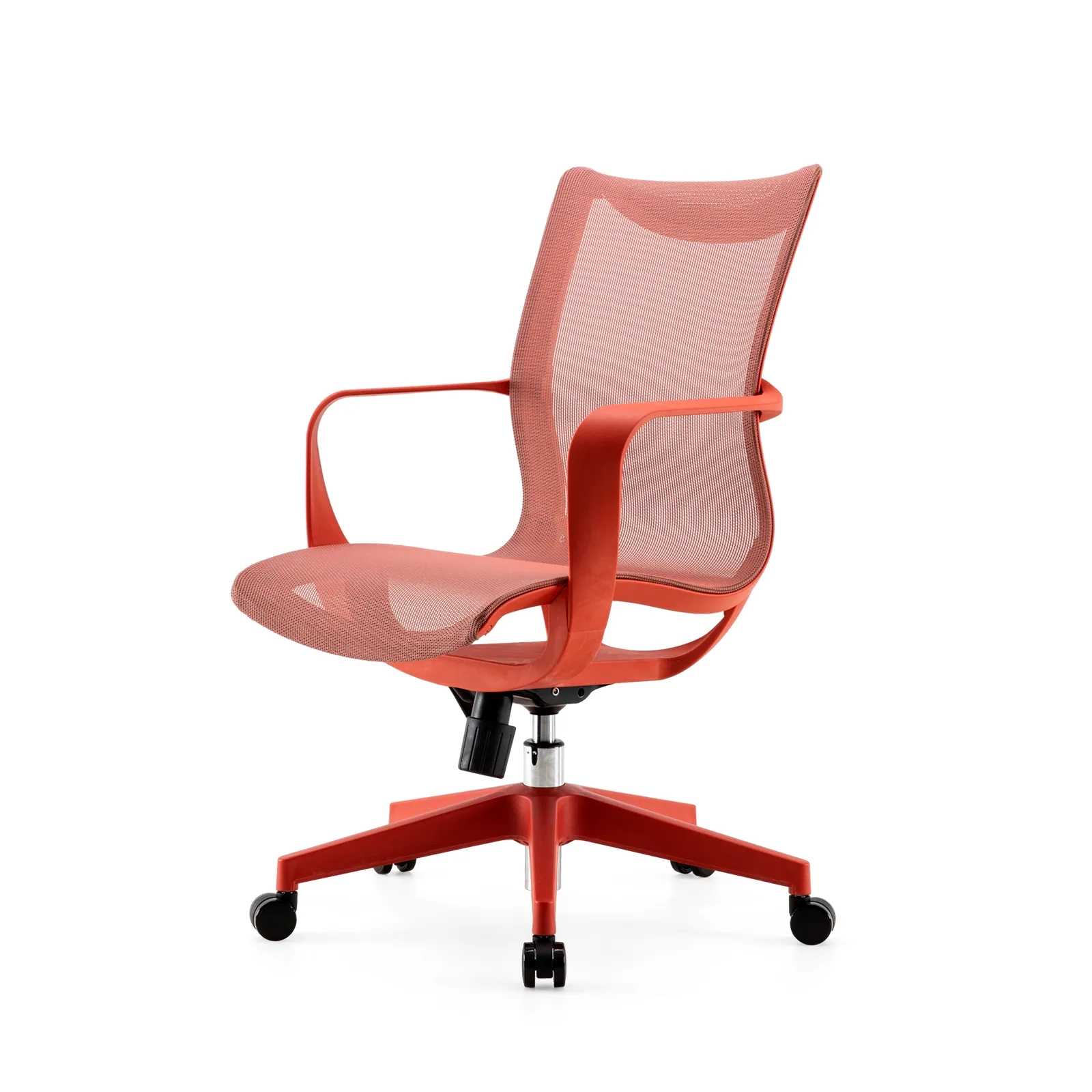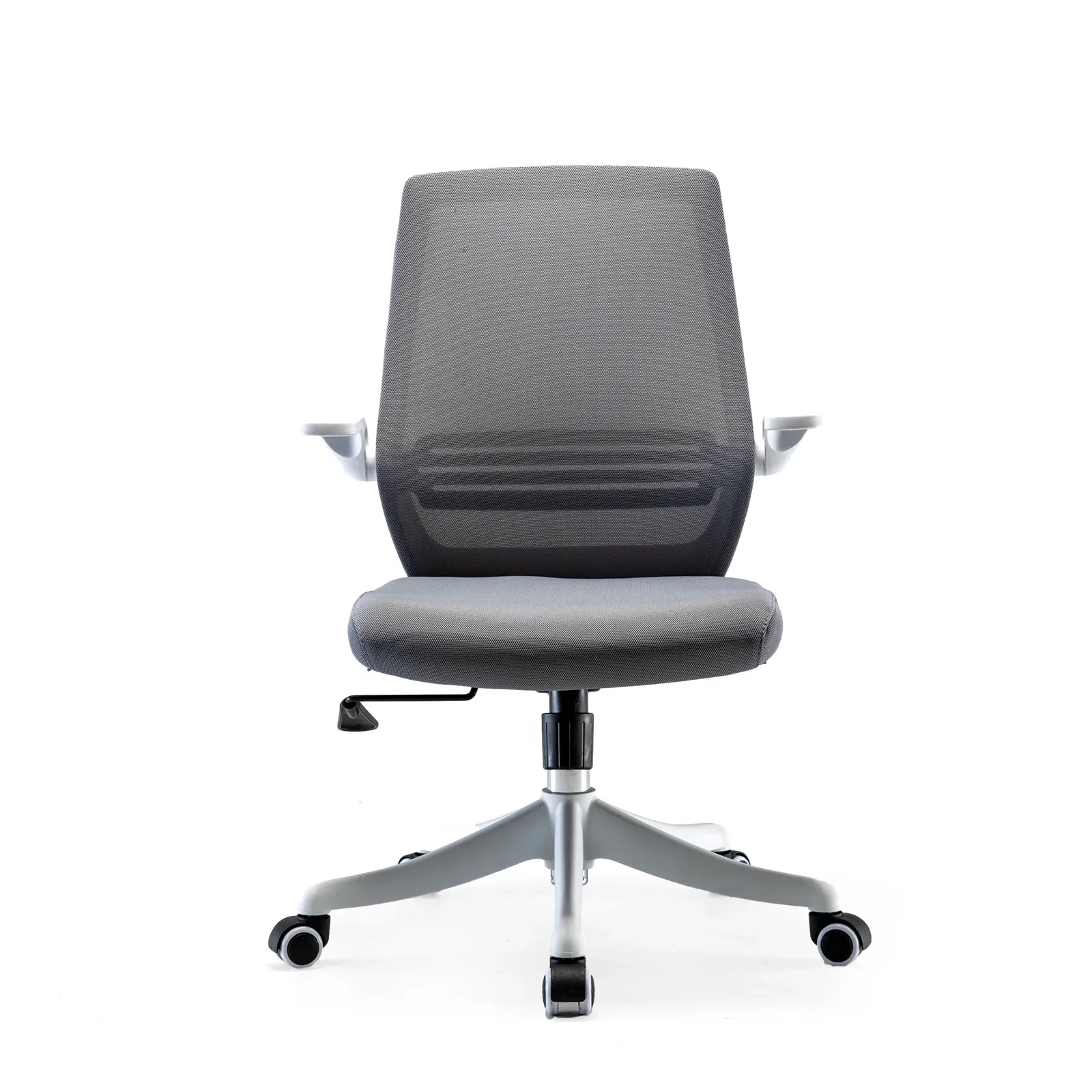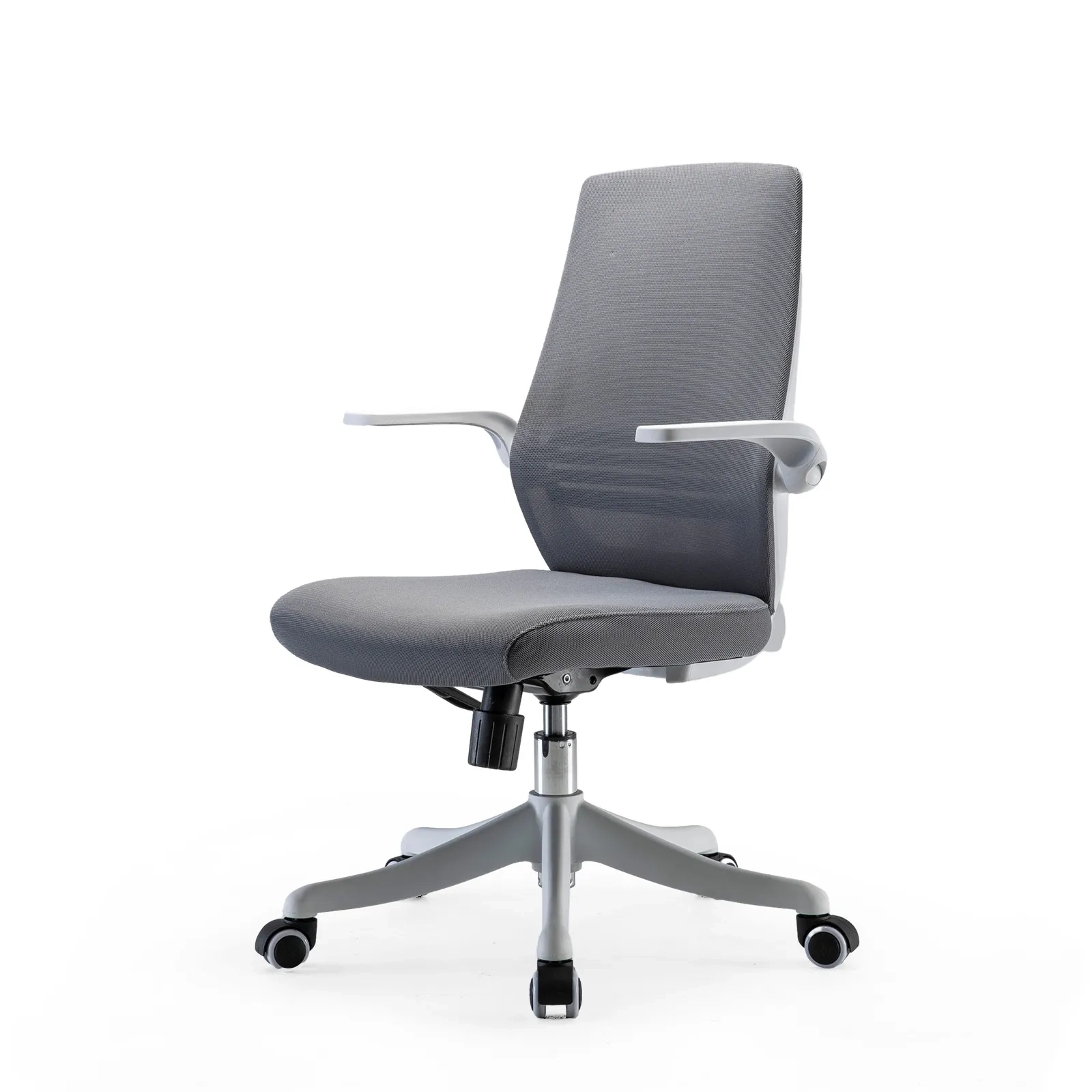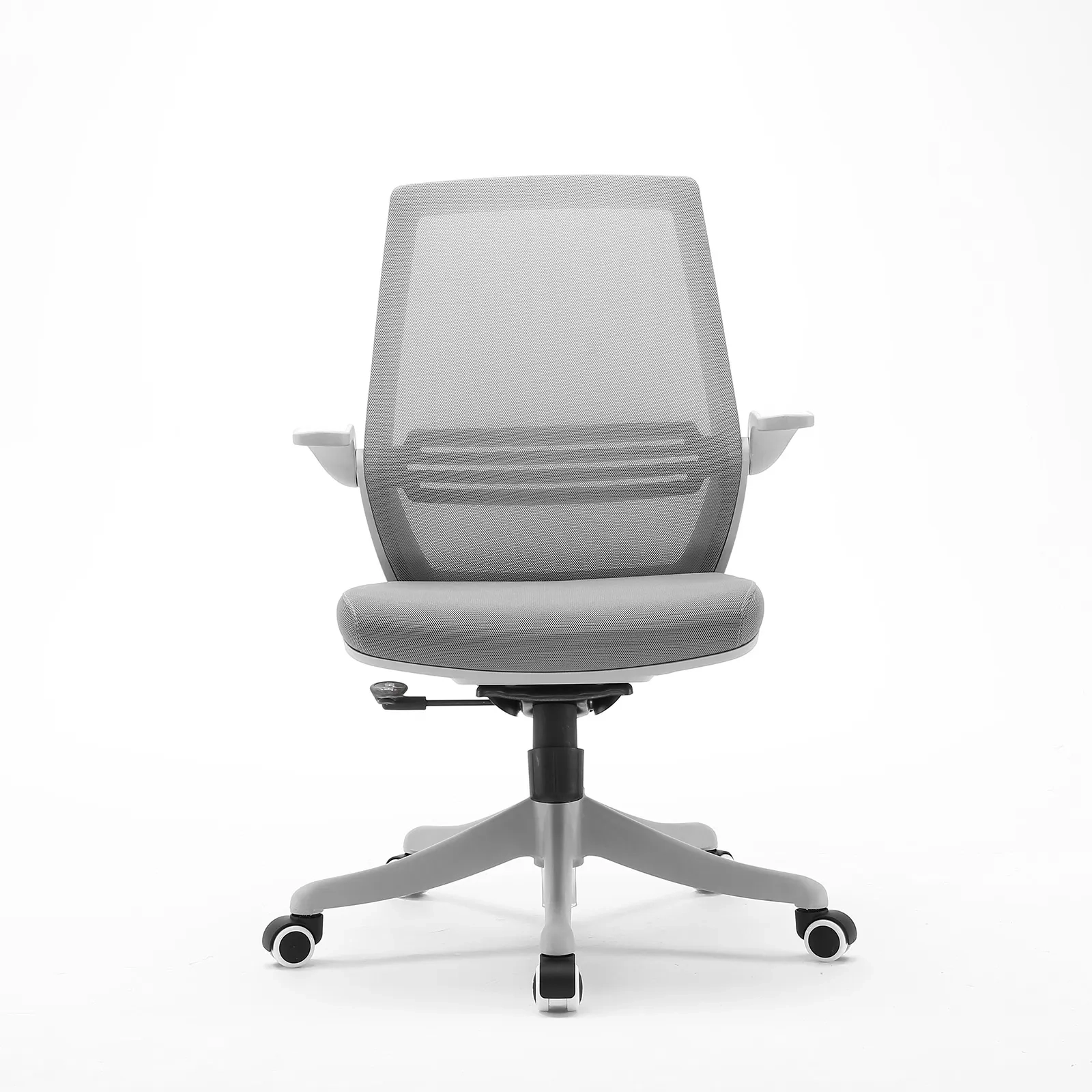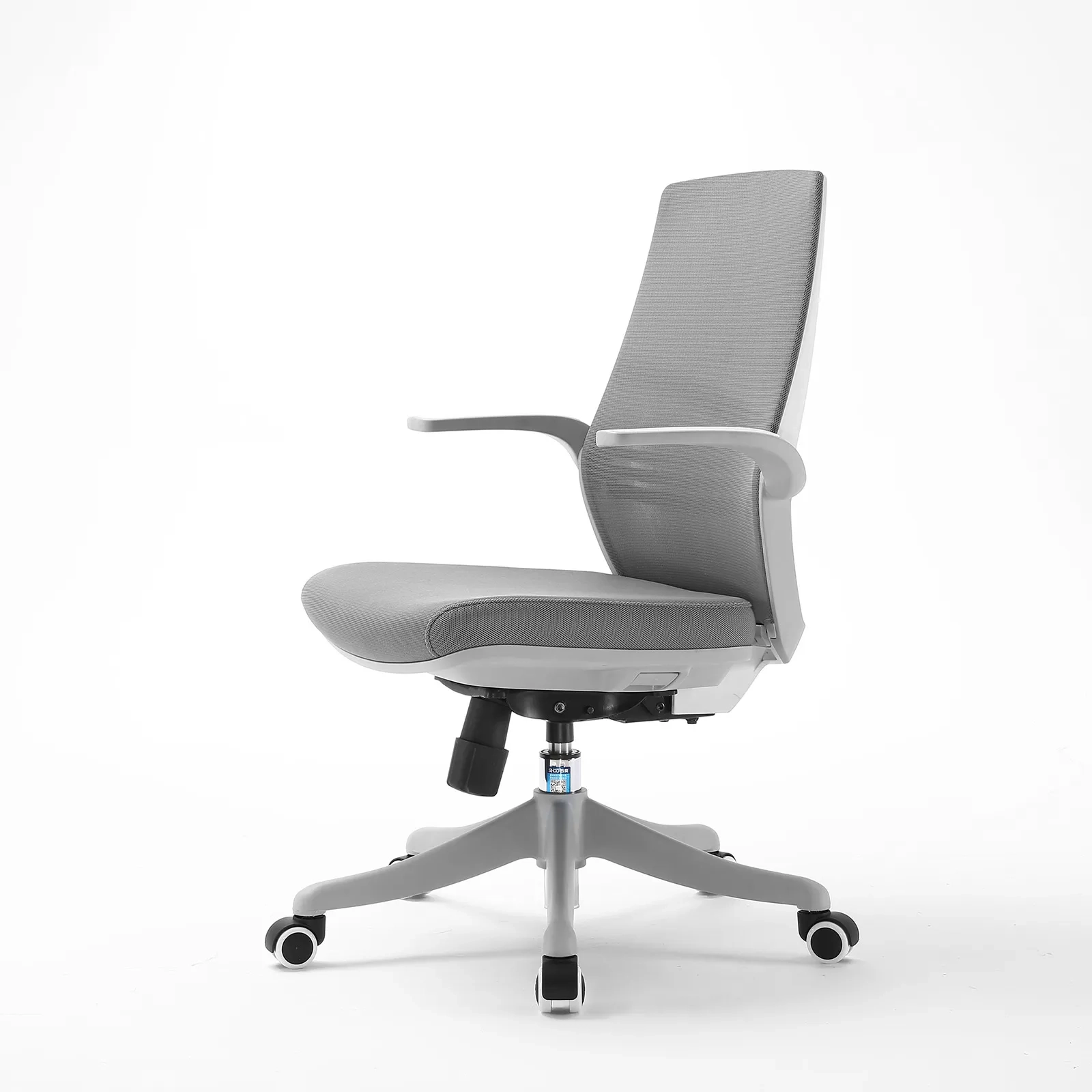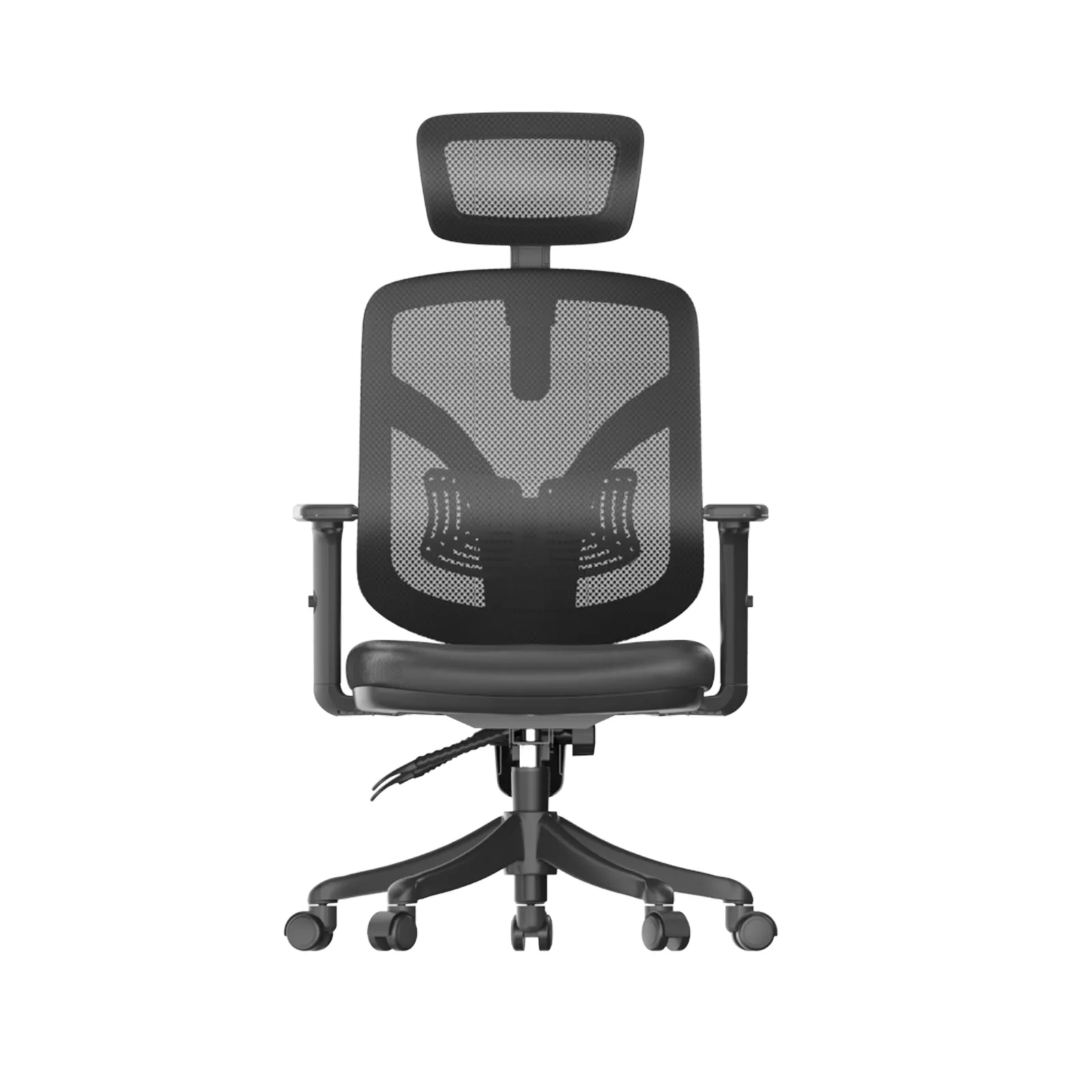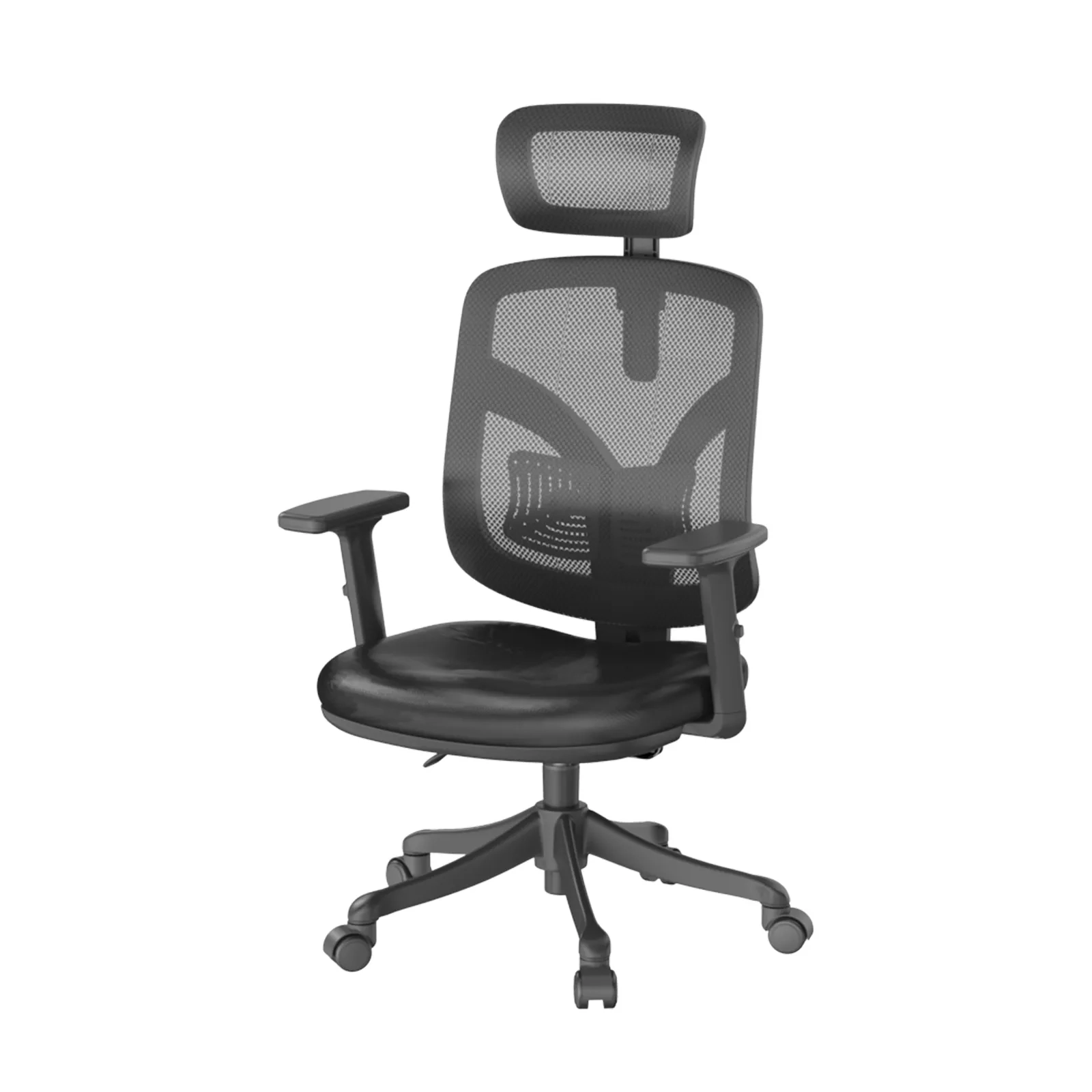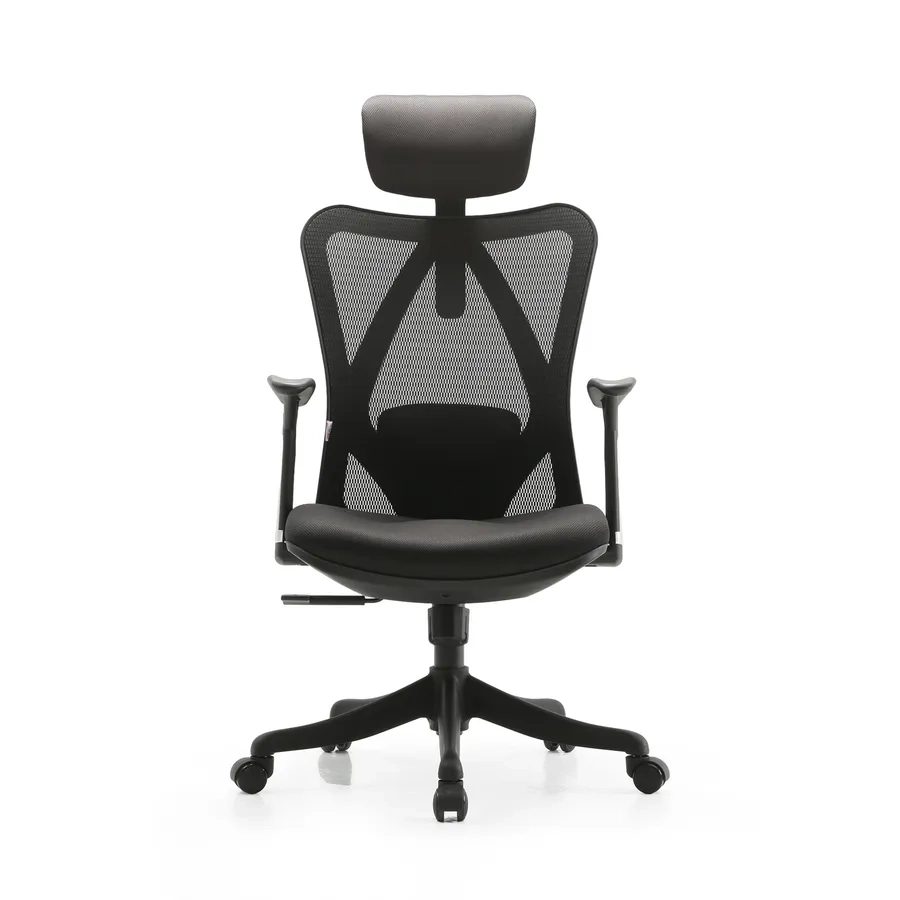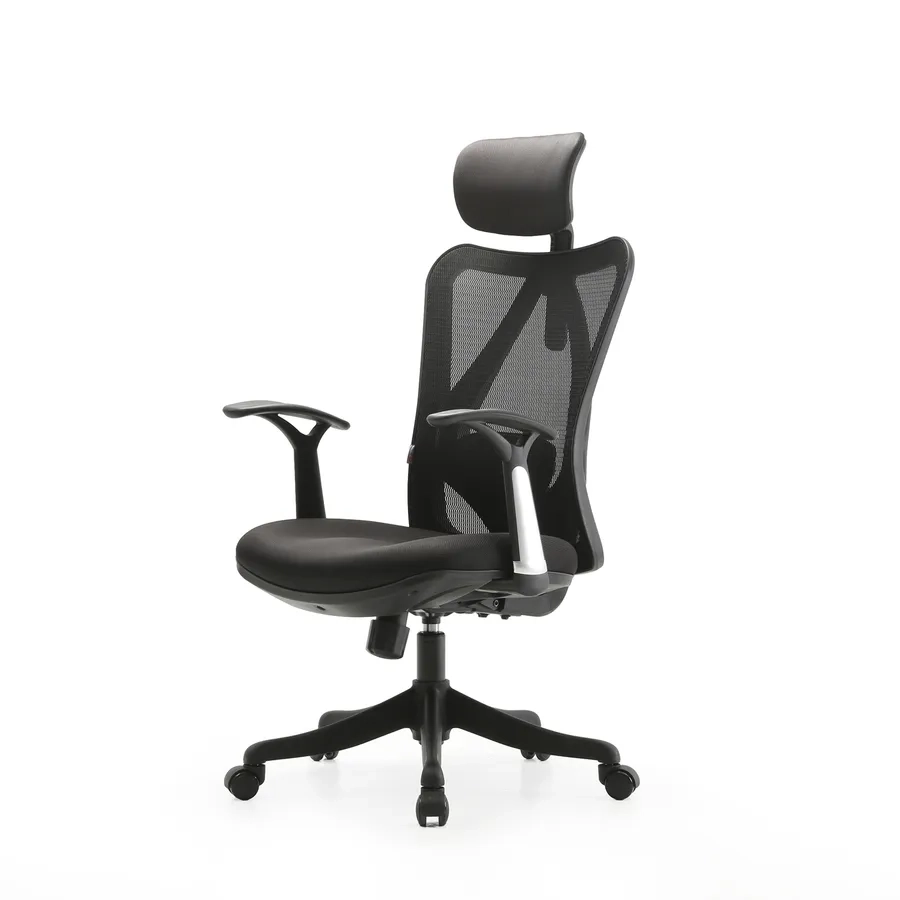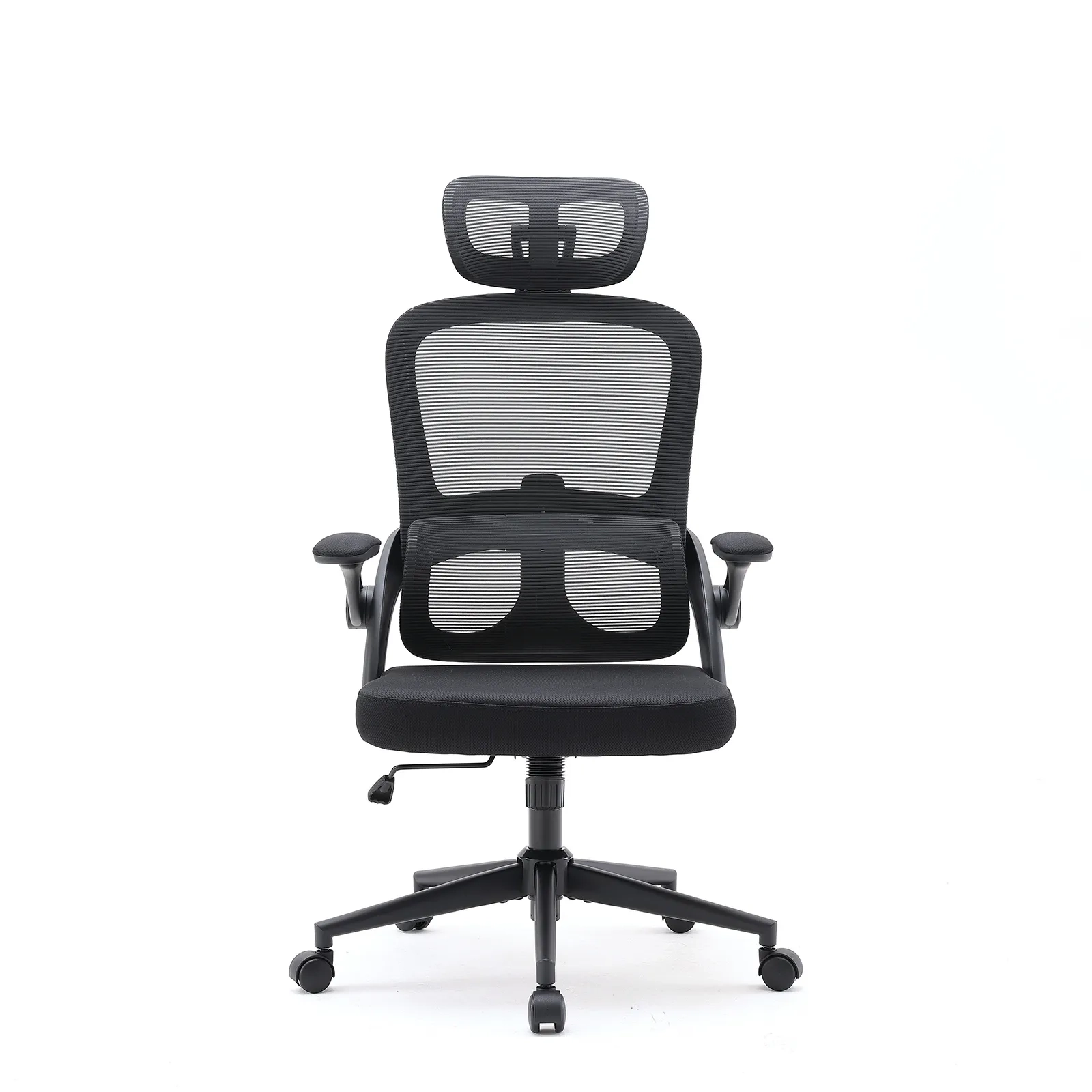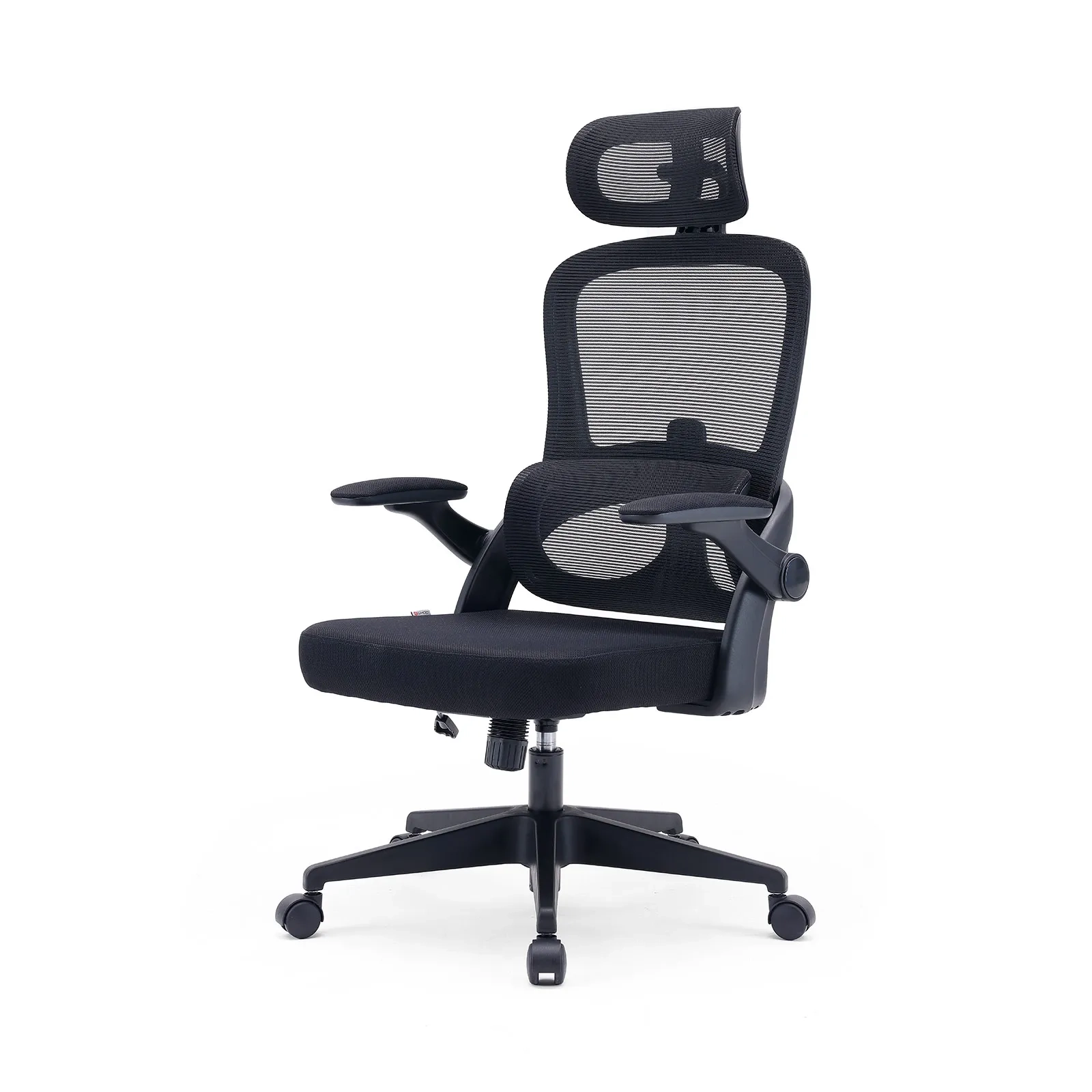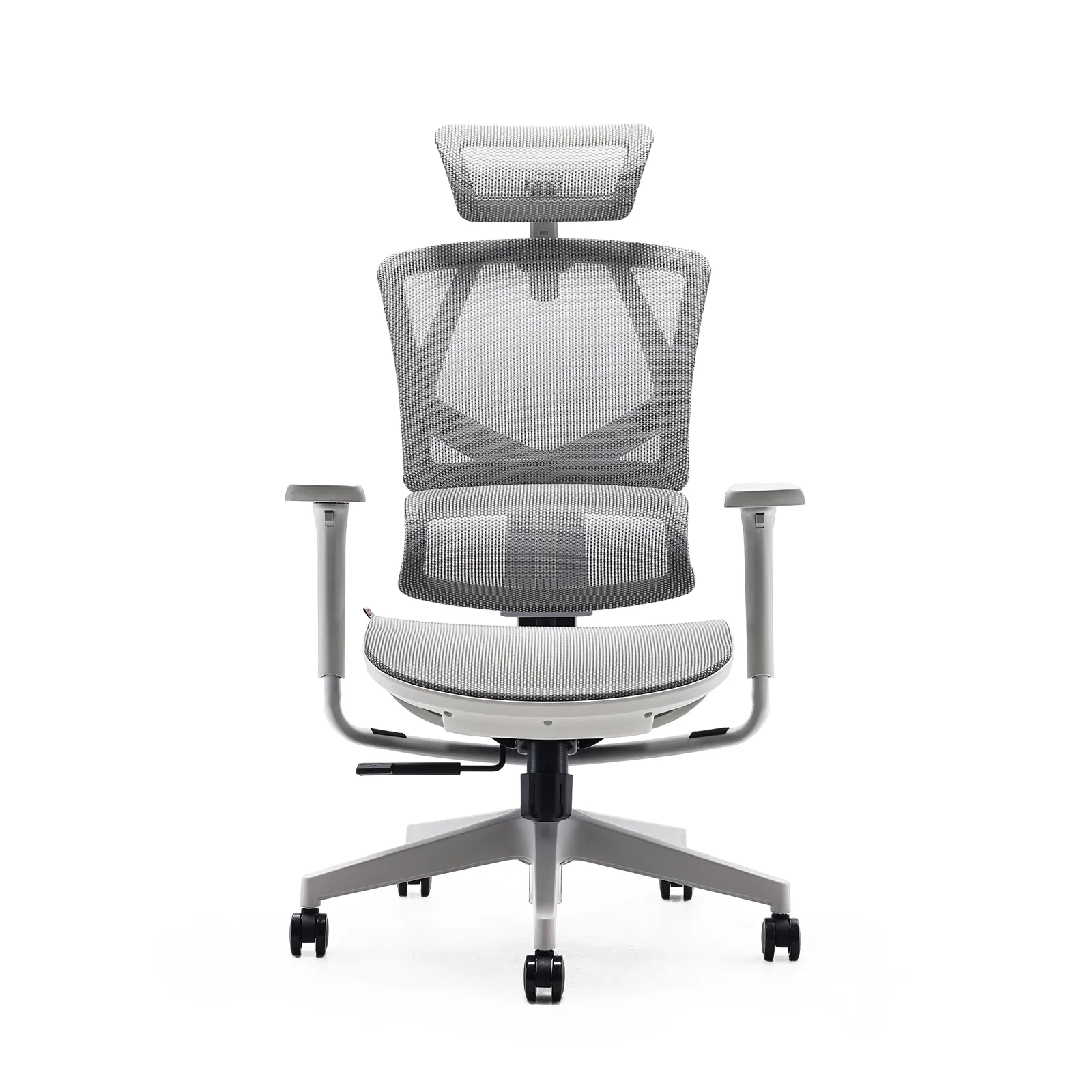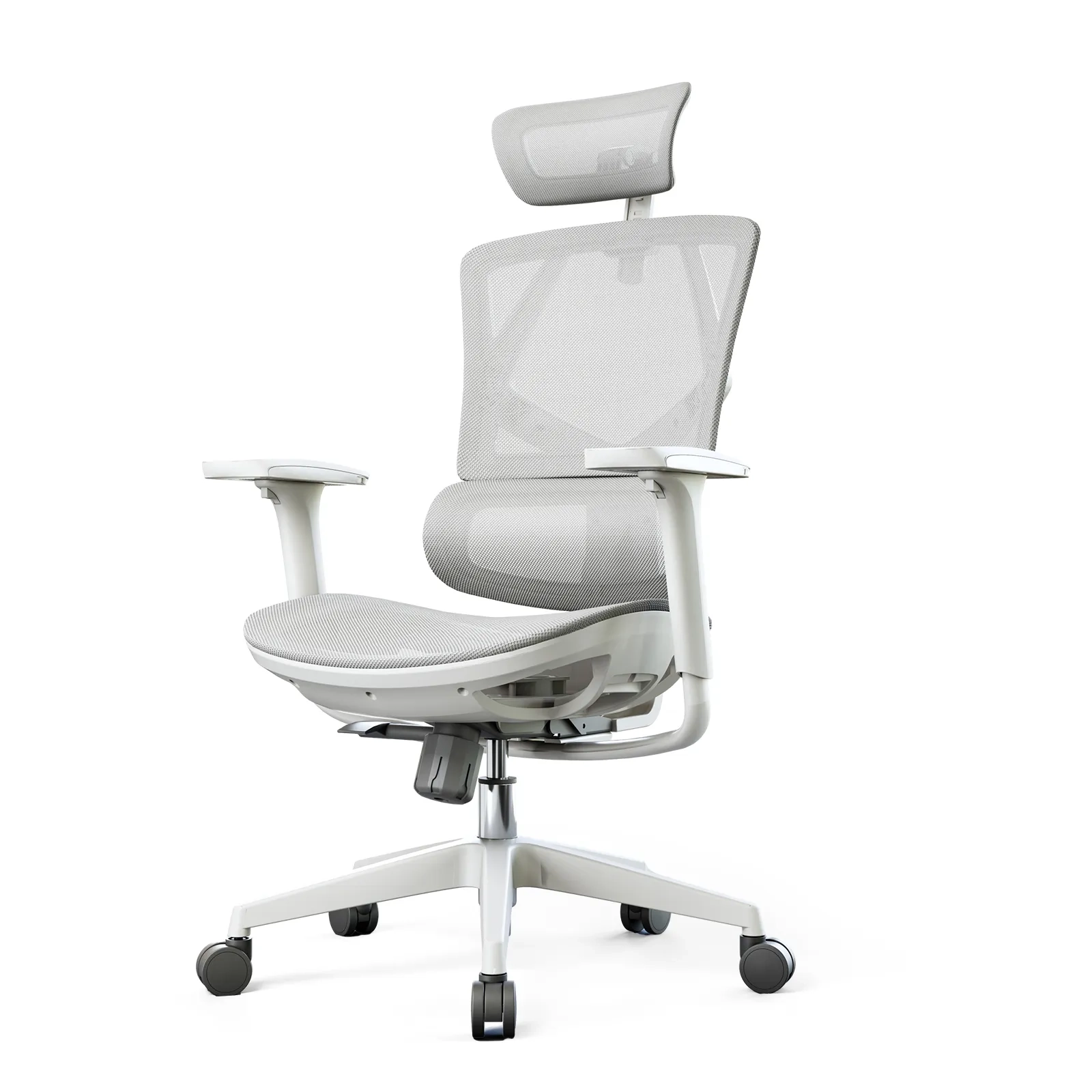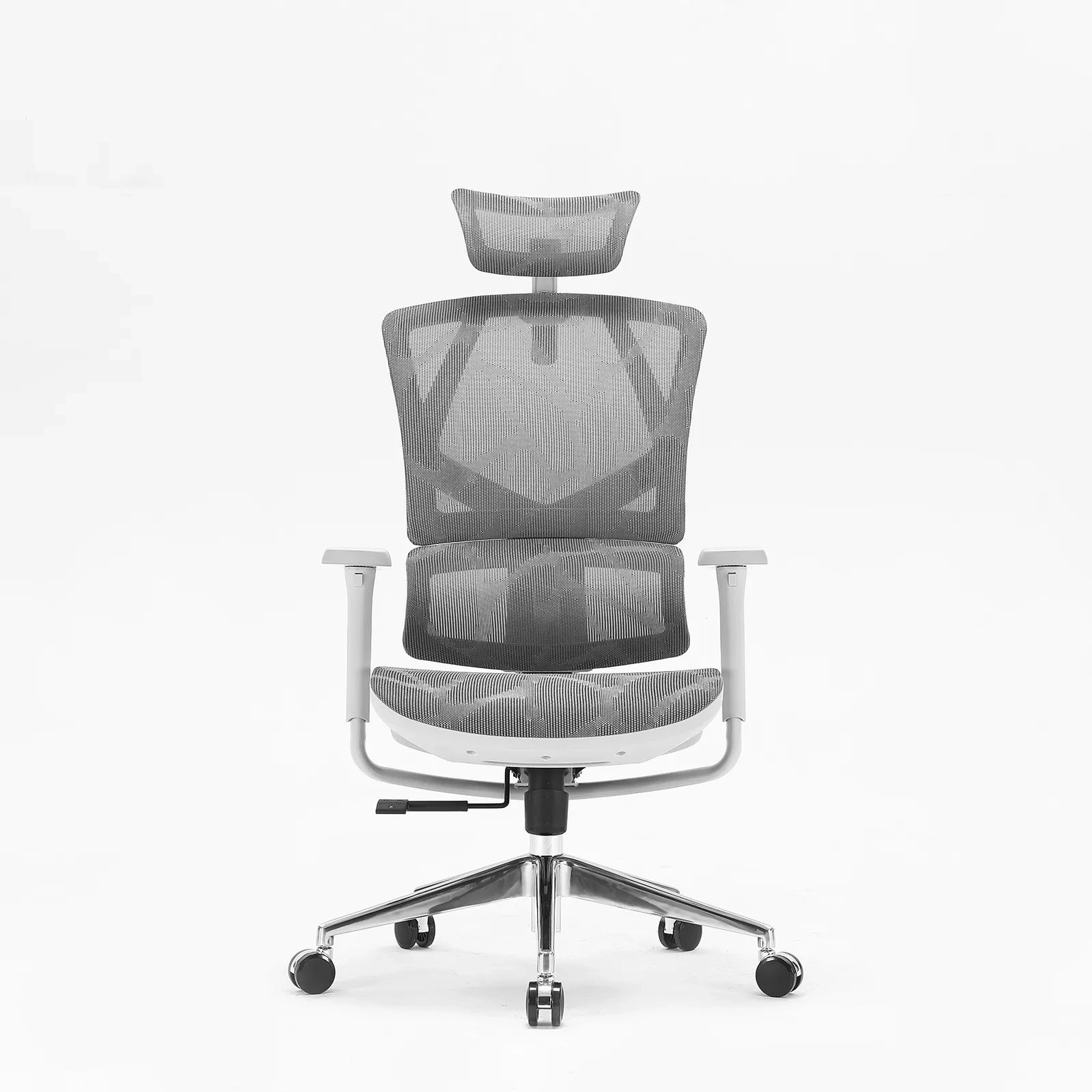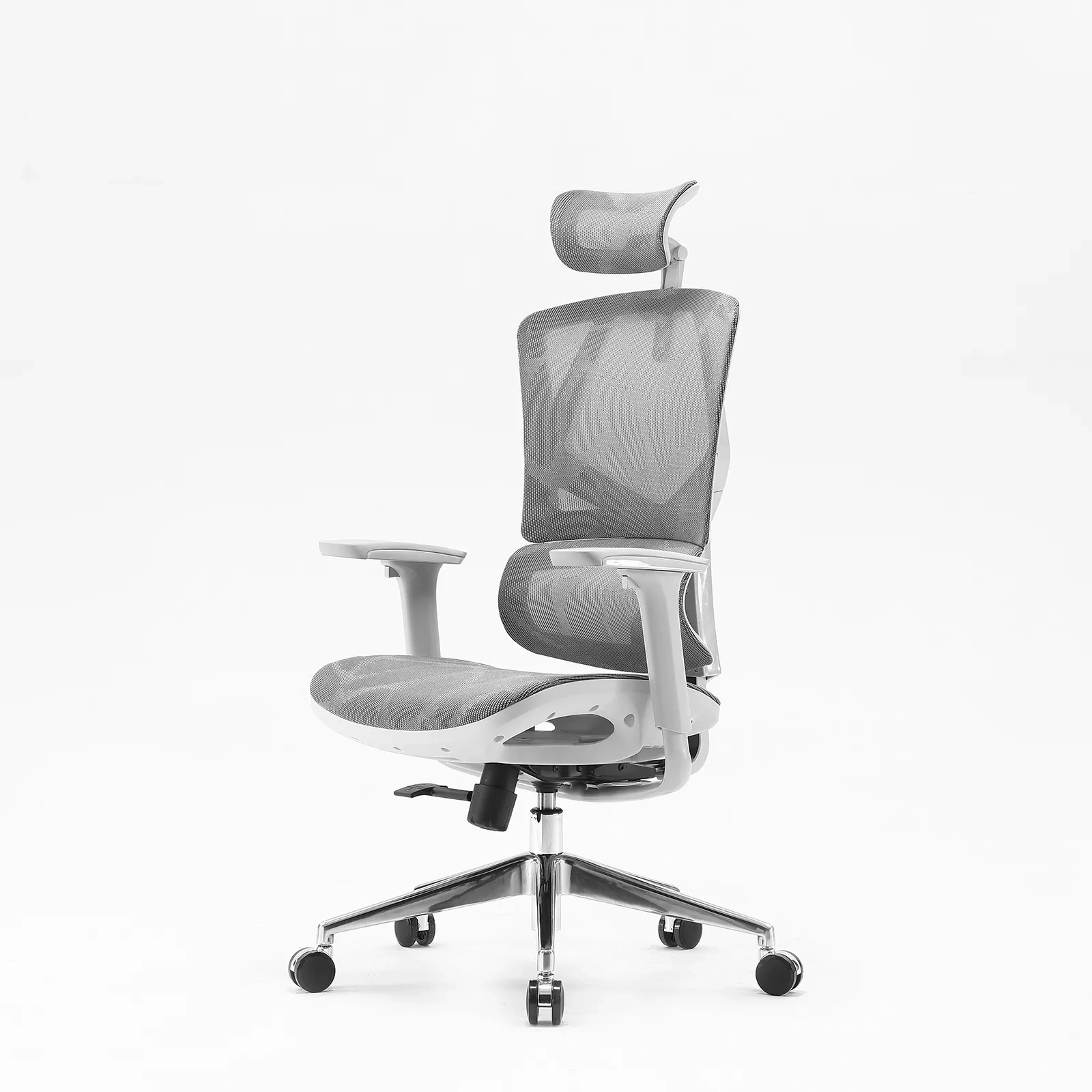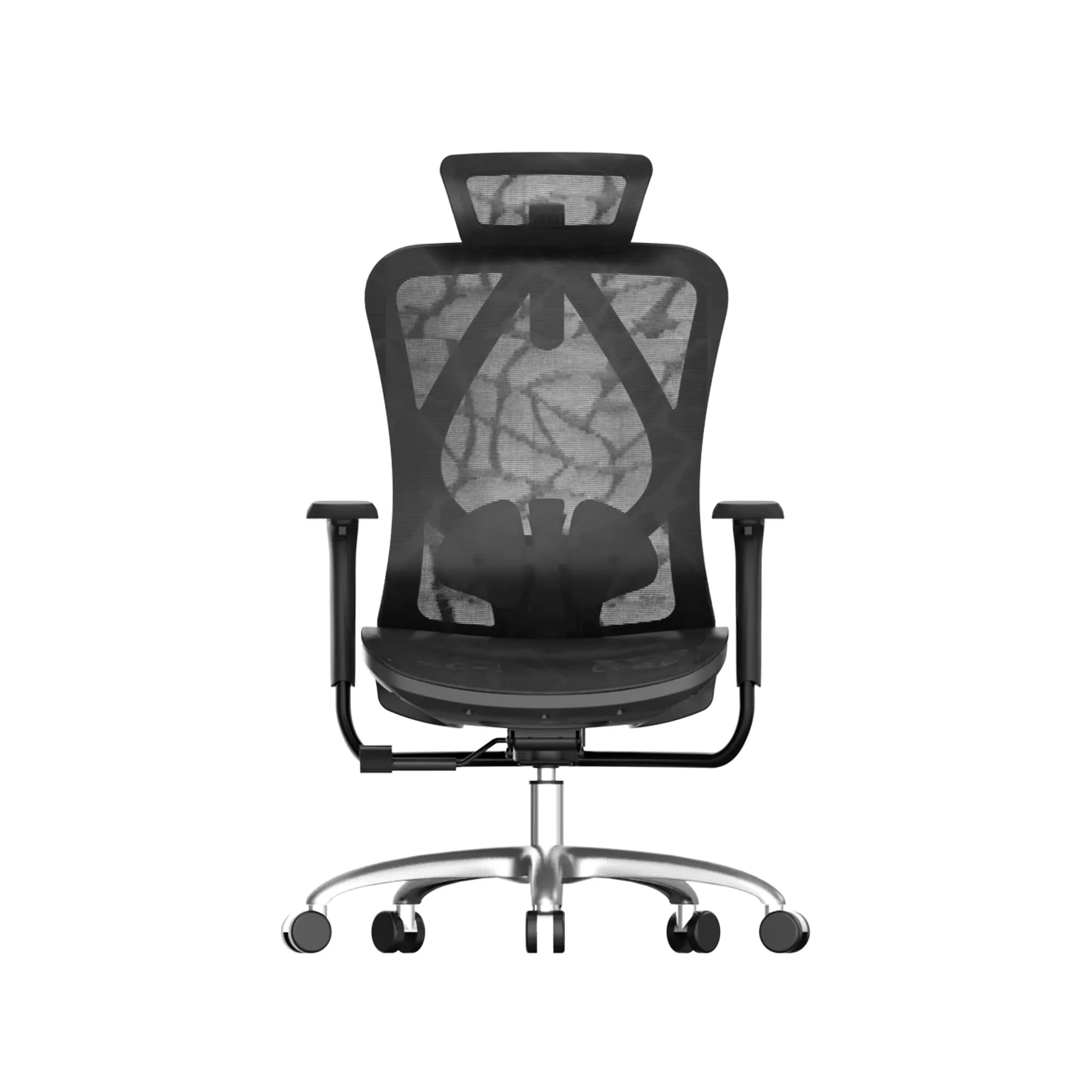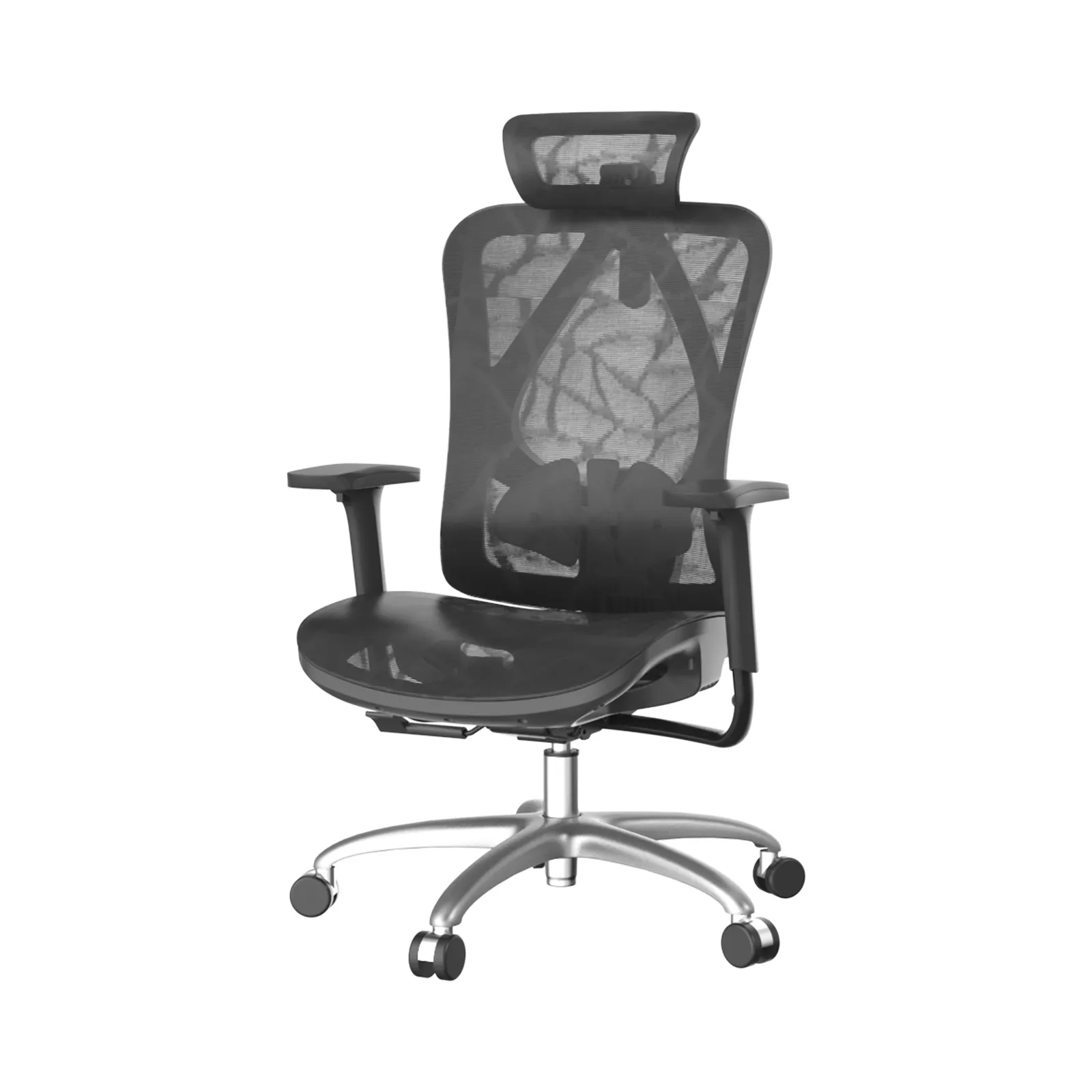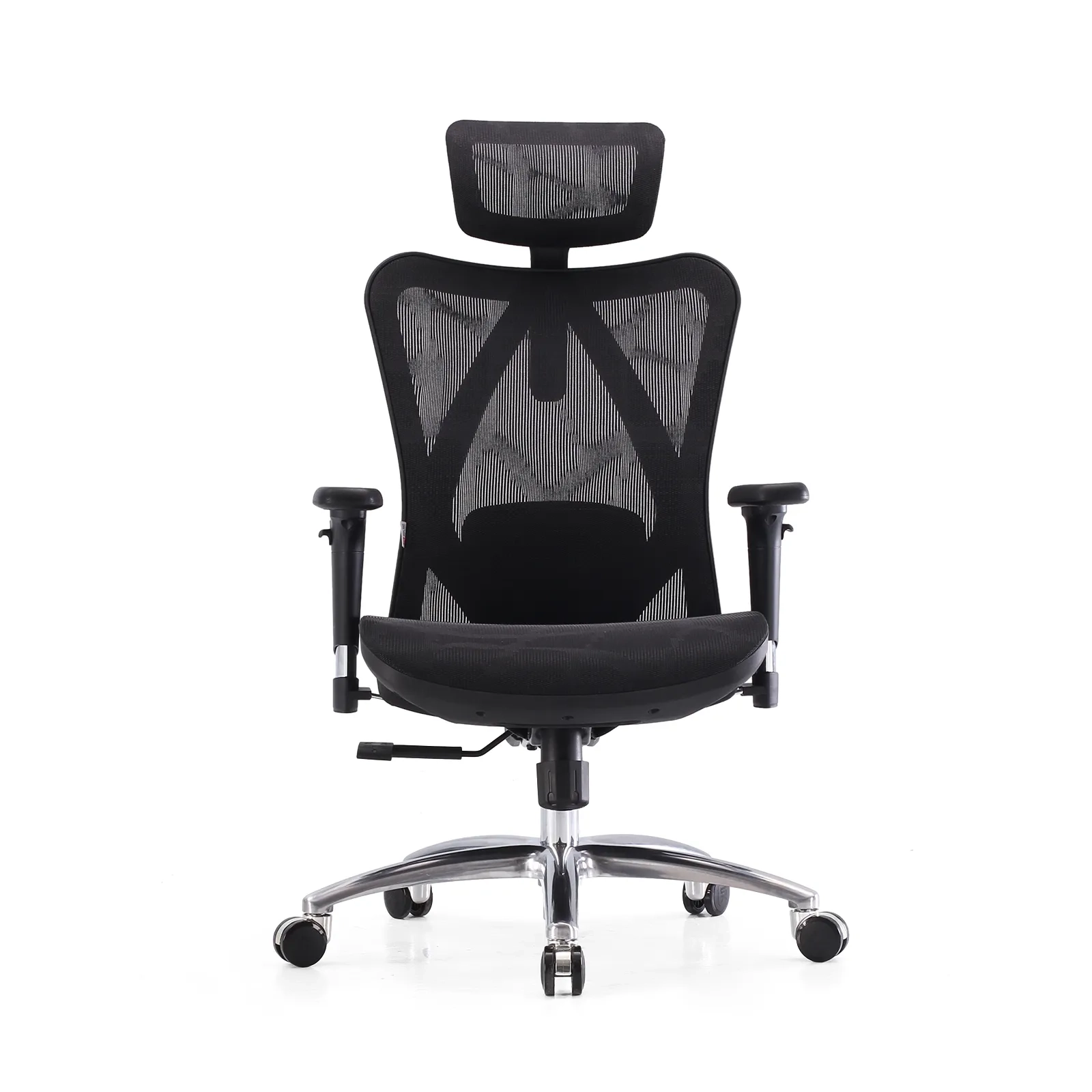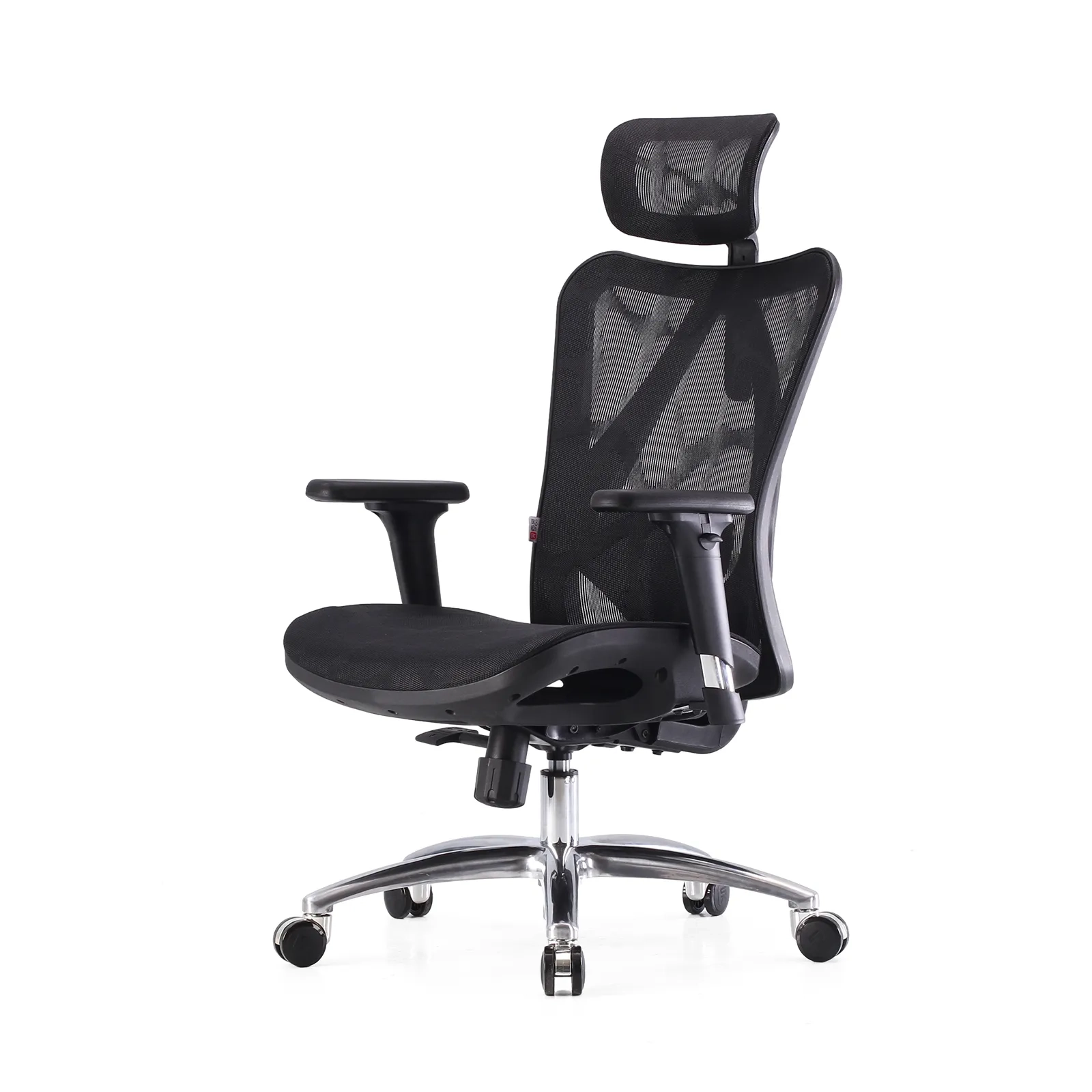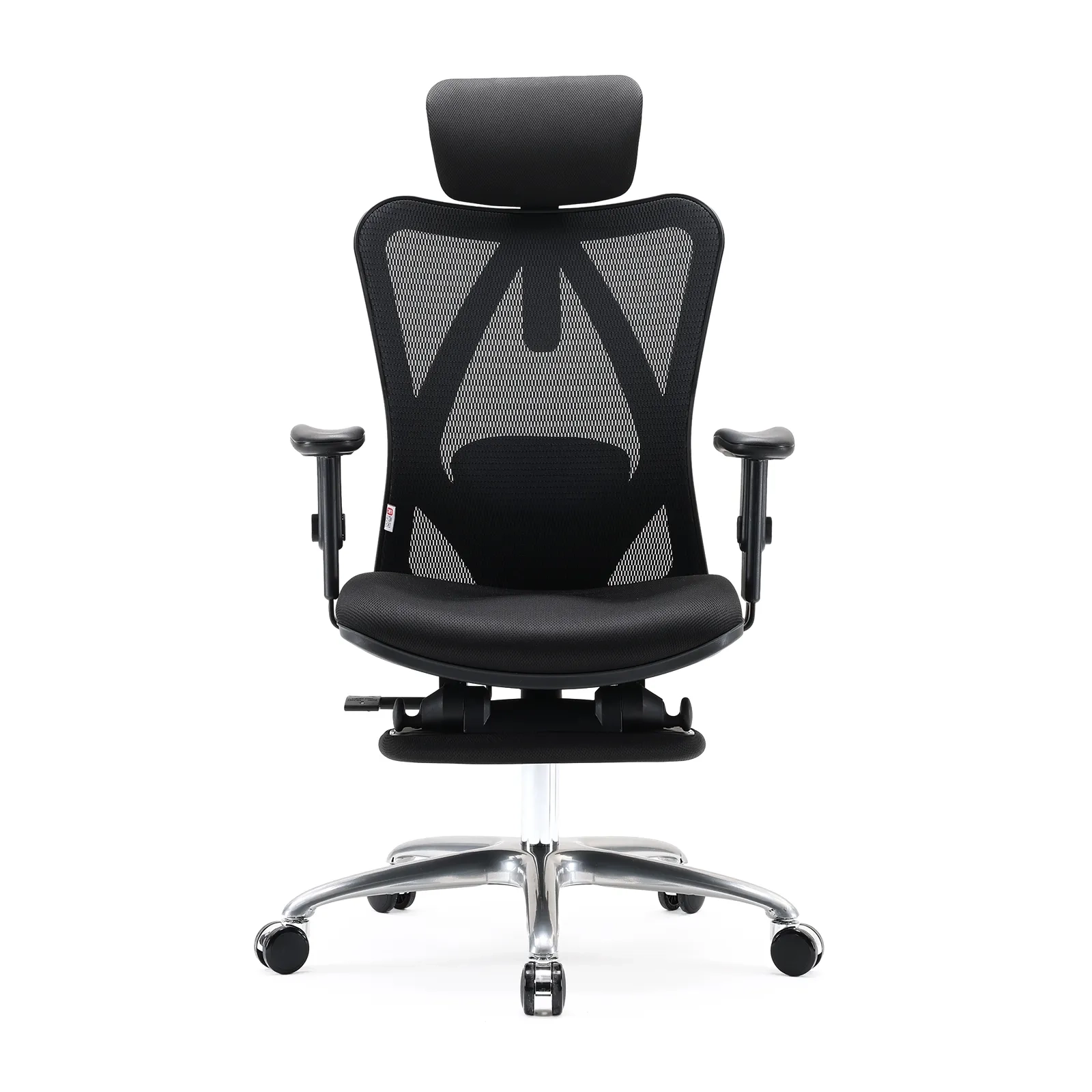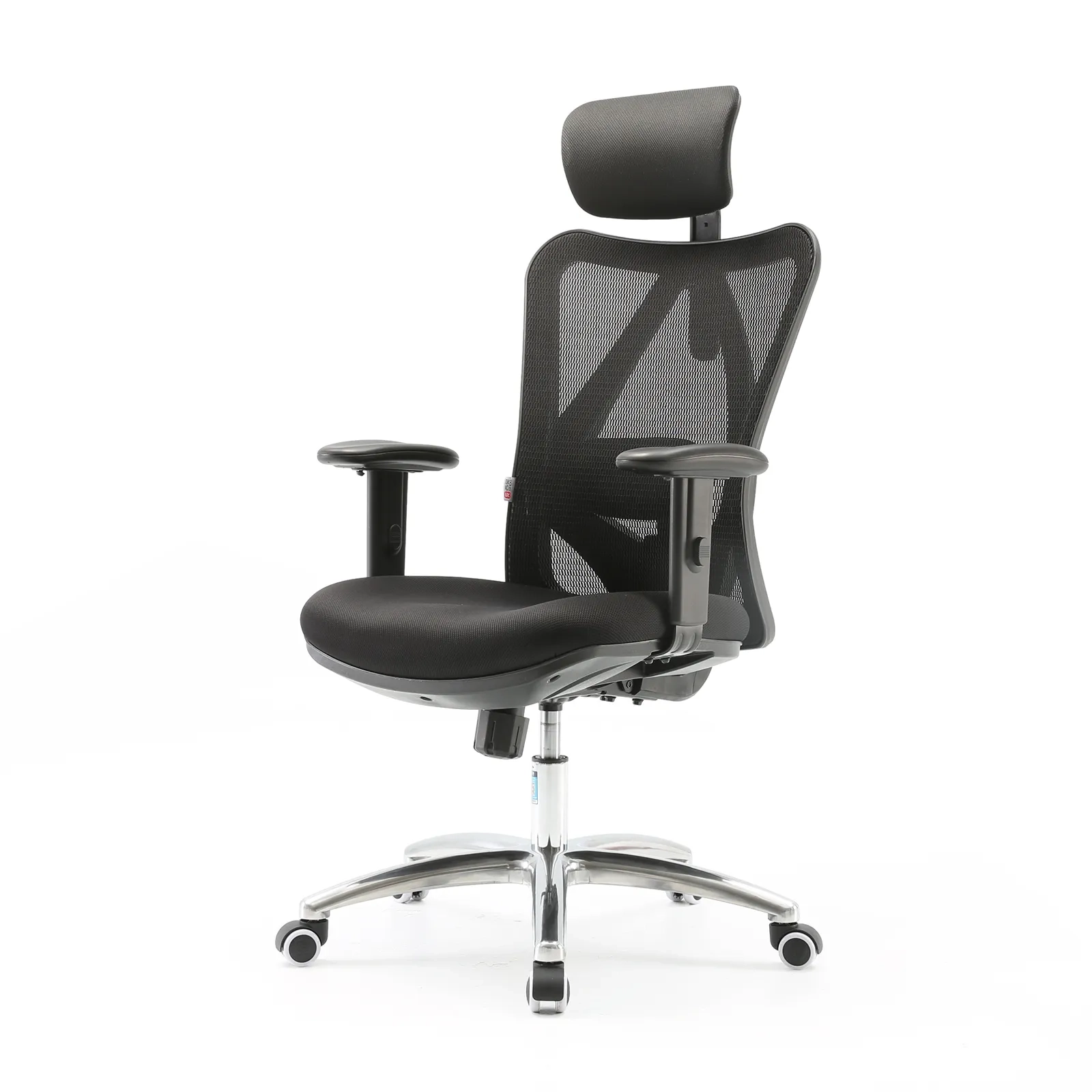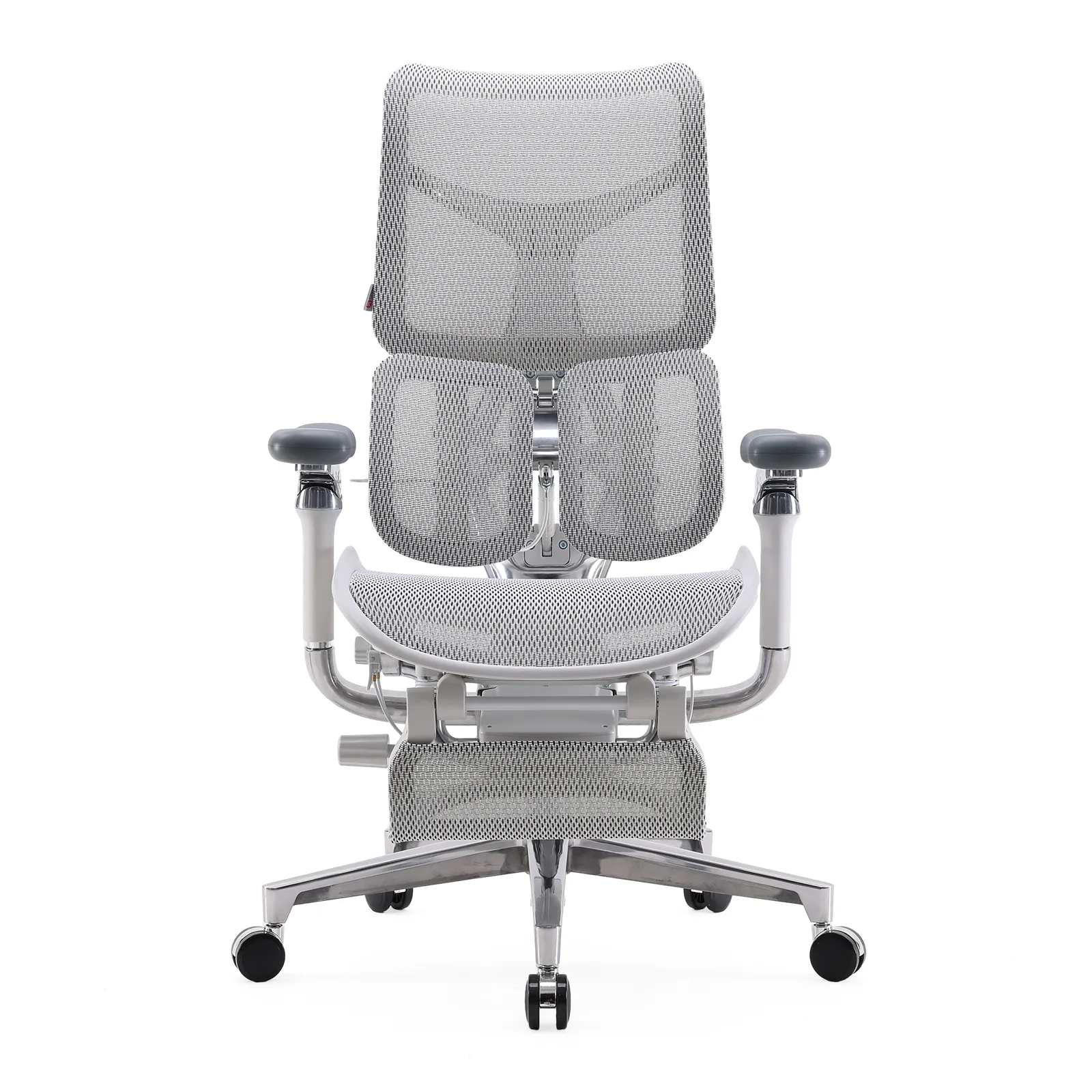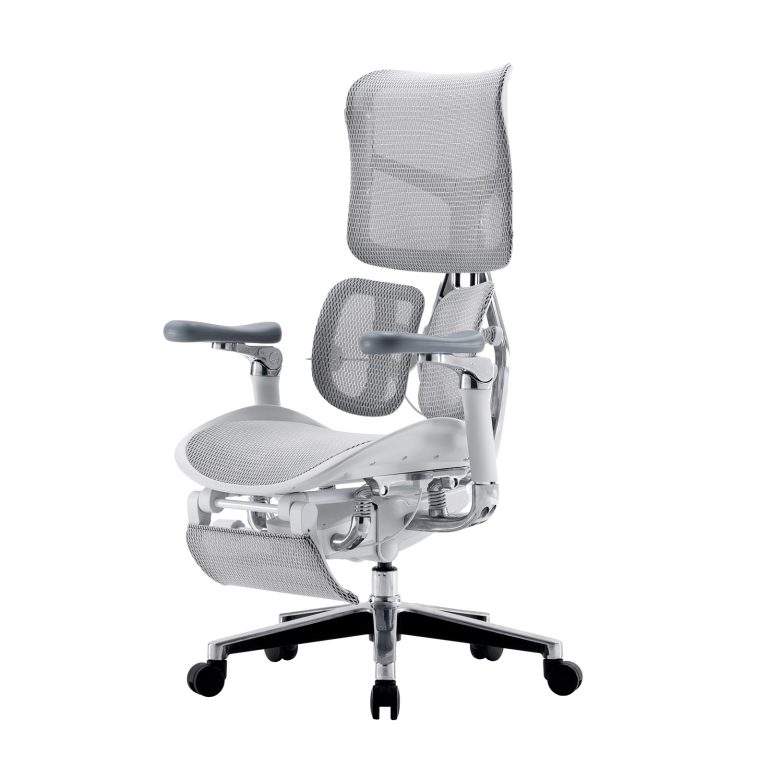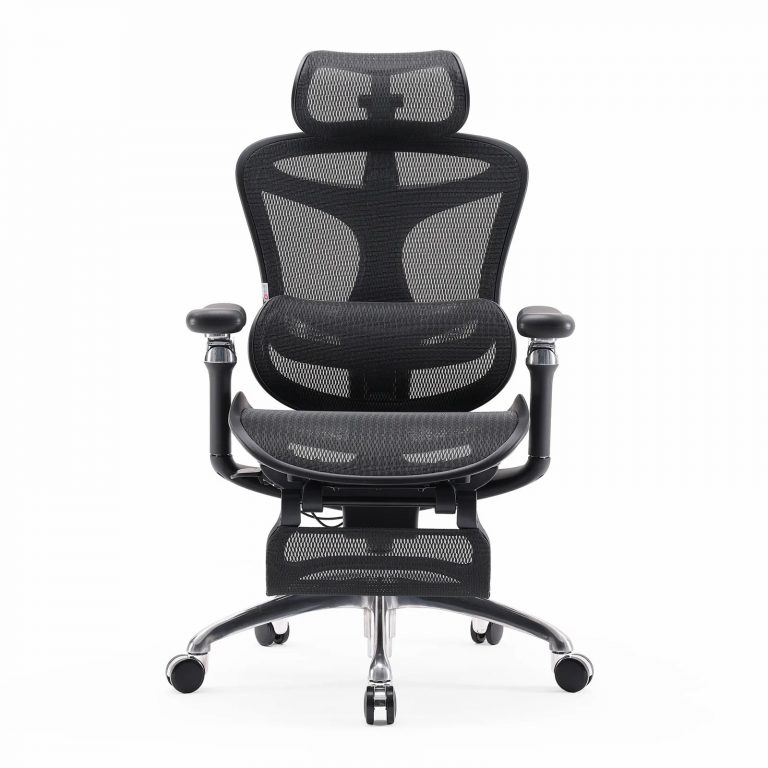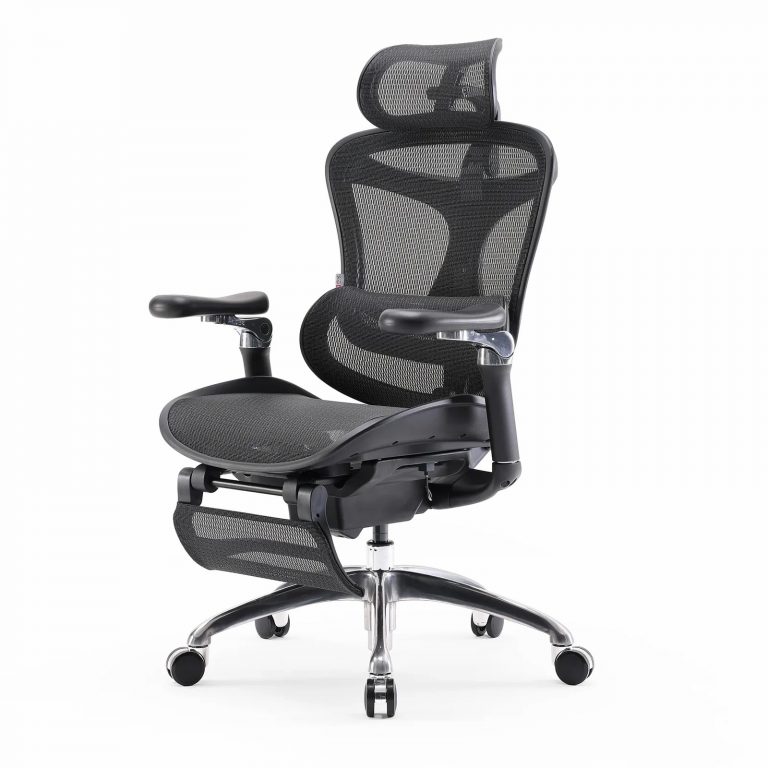









When you shop for a modern office chair in 2026, your body and your daily sitting habit matter more than the look. A chair that photographs well is not the same as one that stays comfortable through a long day. SIHOO makes four models for the needs people raise most often, and none outranks the others. The S300 targets lower back support at a steady desk. The M57 suits shared seats that different people use. The C300 (Doro C300) adds a recline and footrest for long shifts and breaks. The V1 supports the neck and upper back through long sitting. The rest of this guide compares the four and explains what to check before you order. The ergonomic office chair range shows where they sit in the full line.
What makes an office chair modern
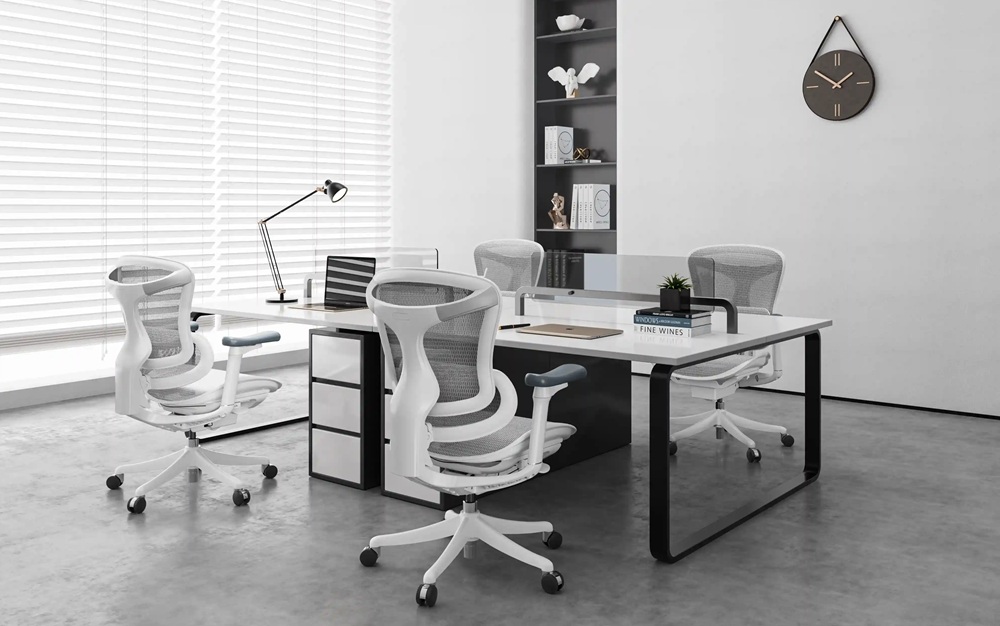
Most of what keeps you comfortable after six hours is hidden in a product photo: the lumbar support, the recline tension, and how the backrest tracks your spine as you shift. Mesh backs caught on because they move air across your back during long sits, and that starts to matter once the room warms up in the afternoon. Armrests and seat height look basic, yet they decide whether a chair fits five people or just the one who assembled it.
A modern label mostly means the chair is built around support and adjustment, and the shape is secondary. That should shape your budget: money spent on the mechanism that holds you at hour six pays off more than money spent on styling. Adjustable lumbar is the part OSHA’s ergonomics guidance points to as the biggest factor in cutting back pain at a workstation, so check for it before you weigh looks. The frame material also matters more than it looks, since a weak base or arm joint fails long before the mesh does, and a modern chair can ease tailbone pressure once the seat pan and recline are set up right. For background on how the office chair changed as a product, the office chair overview covers the design history.
The four chairs at a glance
The table below lines up the four SIHOO models on the points that decide comfort and fit. Load ratings, seat dimensions, and adjustment ranges are on each product page, and you should check them against your own height and build before you decide. The full SIHOO collection lists specs and current options for every model.
| Model | Best fit | Back and support | Подставка для ног | Recommended for |
|---|---|---|---|---|
| SIHOO S300 | Lower back, all day desk work | High back mesh, dynamic lumbar with anti gravity mechanism | No | Single desks, focused work, lower back focus |
| SIHOO M57 | Shared desks, hot desking | Breathable mesh, adjustable armrests | No | Flexible floors, rotating seats, visitor heavy spaces |
| SIHOO C300 (Doro C300) | Reclined recovery, long shifts | High back mesh, three tier support system | Optional | Long shifts, break recovery, reclined rest |
| SIHOO V1 | Long hours, neck and upper back | High back, built in head support | No | Long sitting, neck and upper back focus |
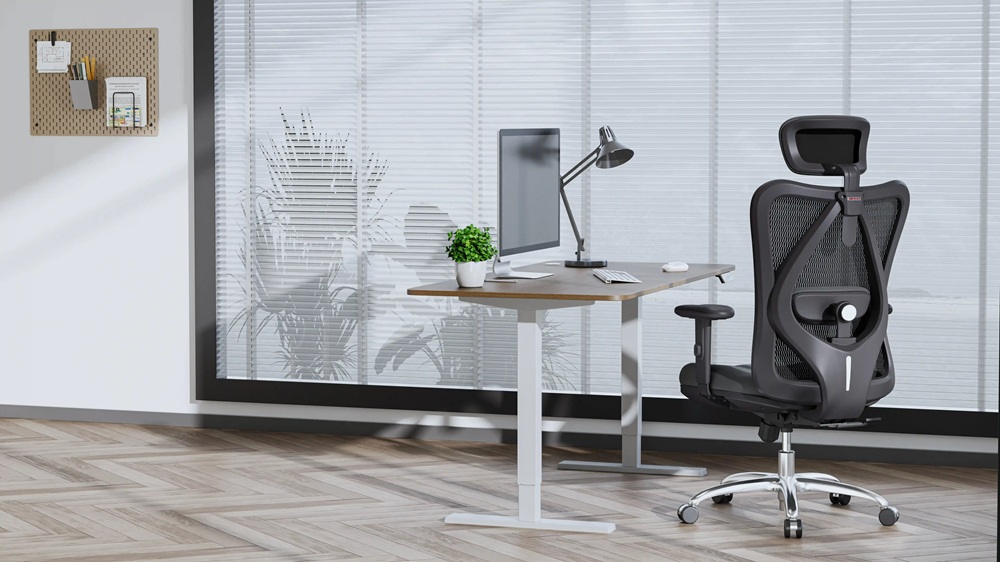
SIHOO S300 for lower back and all day desk work
The S300 is the chair to reach for when lower back pain is the complaint and the seat stays at one desk most of the day. Its dynamic lumbar moves with the small of your back, which a fixed lumbar curve cannot do because it stays put as your posture shifts. For an eight hour workstation day, that movement beats a thicker cushion: the lumbar keeps supporting you through shifts instead of only at one angle. The anti gravity mechanism lets the backrest give as you lean, so the support follows you.
The seat uses breathable mesh that keeps air moving on long, warm afternoons, and the armrests adjust so your shoulders relax instead of hunching toward the desk. No footrest means a smaller footprint under a standard desk and an easy slide in and out during the day. If your routine is one chair, one desk, and long focused sessions, start here.
One thing buyers miss: set the lumbar before judging the chair. Plenty of people decide a chair is wrong in the first minute, then never touch the adjustment, when the real issue was a lumbar knob left at the factory setting. Spend two minutes on seat height, lumbar, and armrest position and the whole day feels different. Do it on every ergonomic chair you try. The correct sitting posture guide shows the order to set a chair so the support lands where your spine needs it.
See the SIHOO S300 product page for full dimensions, load rating, and current options.
SIHOO M57 for shared desks and rotating seats
The M57 fits rooms where the same chair meets different bodies every day. Breathable mesh keeps it comfortable across users, and adjustable armrests let each person set the height without a long routine. On a shared floor or a home office two people share, the chair you can reset in thirty seconds is the one people use.
It is the simpler model, which suits shared seating: it works the same for the tenth person as for the first. The backrest and seat suit a wide range of builds, and the recline is simple enough that nobody needs the manual. A study that doubles as a guest room, or a small office with rotating seats, gets the consistency that matters more than extra features.
The M57 also works with a proper sit stand setup if you split the day between sitting and standing. For shared seating, fit matters more than a long feature list, because a chair nobody adjusts will not help. To see how it compares against other everyday models, the what makes a good office chair piece separates the features worth paying for from the ones that are mostly marketing.
See the SIHOO M57 product page for full dimensions, load rating, and current options.
SIHOO C300 for reclined recovery and long shifts
The C300 (Doro C300) uses a three tier support system that spreads contact across the back, shoulders, and lumbar at once. The optional footrest changes how you use the chair on breaks: pull it out, recline a few degrees, and your lower back takes a different load than it does sitting upright. For shift work where people sit for long blocks and then rest in the same chair, that rest mode is what the C300 is built for.
The recline opens far enough to read or close your eyes without the chair feeling like it will tip, and the three tier system keeps your shoulders from rounding forward when you lean back. That matters because neck and upper back pain often start the moment someone reclines to rest and has nothing to rest their head against. The C300 gives the head something to lean on in that moment.
If you are choosing between a footrest and none, the footrest guide goes through who benefits and who does not. On the C300 the footrest is optional, so order the version that matches how you will use the chair, and skip the footrest if it will stay folded. The reclining office chair guide helps if you plan to rest in the chair during the day and want to know what to check first.
See the SIHOO C300 product page for full dimensions, load rating, and current options.
SIHOO V1 for long hours and neck support
The V1 is built for long sitting where the strain climbs from the lower back up into the neck and upper back. The high back with built in head support keeps the upper spine aligned when you lean back to read or think, which is usually when neck pain starts. If your day mixes typing with reading and calls, that head support stops being a nice to have.
The backrest runs higher than a mid back chair, so the upper back stays supported instead of holding itself up. That is why it still helps at hour eight when a shorter back has given up. The mechanism stays simple, with no footrest and no extra steps, so anyone can sit down and get to work without setting anything up.
If neck pain is your main complaint, the headrest article explains why upper back support changes posture more than people expect. The V1 is the SIHOO model for problems above the shoulders. For a wider look at chairs built for extended sitting, the long hours roundup compares options across brands and price points.
See the SIHOO V1 product page for full dimensions, load rating, and current options.
What to look for when buying a modern office chair
Before you compare models, check the things that decide whether a chair fits you. They apply to any modern office chair you consider.
Seat depth is the one buyers miss most. A backrest can be perfect while the seat cuts circulation because it runs too long for your legs. If the seat front presses behind your knees, the seat is too long no matter how good the backrest is. The circulation article covers how seat length and cushion firmness interact, and it is worth reading before you buy from a photo.
Lumbar support comes next. Look for a lumbar you can adjust, not a fixed curve, because your lower back position moves through the day. The high back selection guide breaks down lumbar travel, recline, and back height in plain terms, and the lumbar support explainer compares dynamic, mechanical, and fixed systems so the spec sheet makes sense.
Body type shifts the shortlist too. Taller users need more back height and seat length; broader frames need a wider seat and a stable base. The body type guide maps builds to features so you are not guessing, and the tall person guide covers the seat and back length issues taller buyers hit most.
Last, pick mesh or padded. Mesh wins on heat for long, warm sits; padded wins on first sit softness. For most all day desk work mesh is the safer pick, and the full ergonomic chair range lets you compare both. Weight capacity and warranty close the list: chairs that meet BIFMA performance standards are tested for years of daily use, and a chair that fits on day one should still fit after a year of sitting.
Match the chair to your day
They are not graded by quality, so let the complaint decide, not the price tag. Lower back pain at a fixed desk: S300. A room with rotating seats: M57. Long shifts with breaks in the chair: C300. Long hours with neck strain: V1.
If you want help narrowing it down, the long hours roundup compares chairs built for extended sitting, and the back pain explainer covers which features matter. The ergonomic versus office chair piece helps if you are not sure the two terms mean the same thing. One chair rarely fits a whole home or office, since different bodies and tasks share the same space, so a mix is normal. Mayo Clinic notes that prolonged sitting raises health risks regardless of the chair, so take movement breaks whatever you buy.
Common mistakes to avoid
The obvious mistake is buying from a photo. A chair looks supportive in a render and feels wrong after two hours, because the render hides lumbar travel and recline tension. The next is skipping seat depth, covered above. The third is treating one model as the answer for every body, which is why a mix beats forcing one chair on everyone.
People also skip setup. A good chair left at factory settings helps less than a basic chair someone adjusted. Two minutes on seat height, lumbar, and armrest position changes the whole day. CDC NIOSH ergonomics resources back up that workstation setup and posture matter as much as the chair. The posture guide shows the order to set a chair, and for a fuller checklist the what makes a good office chair piece separates features worth paying for from marketing.
ЧАСТО ЗАДАВАЕМЫЕ ВОПРОСЫ
What should I look for first in a modern office chair? Start with seat depth, adjustable lumbar, and a mesh that fits your build. Seat depth controls circulation. Lumbar controls back support through the day. Mesh controls heat on long sits. Check all three against your height and weight before anything else, because a chair that fails one of them will feel wrong whatever the rest looks like.
Are mesh office chairs better than padded ones for long hours? For most all day desk work, mesh is the safer pick because it moves air across the back and stays cool into the afternoon. Padded seats feel softer in the first minute but trap heat and compress over a long sit. Go padded only if you sit in short blocks or care more about a soft first impression than all day support.
Which SIHOO chair is best for lower back pain? The S300 is built around lower back support, with dynamic lumbar that follows the small of your back as you move, and it suits a fixed desk with long focused sessions. If the pain sits higher, near the neck, the V1 fits better because of its high back and built in head support, so match the chair to where the pain lands.
Do modern office chairs need a headrest? Not always. A headrest matters most for people who recline to rest or get neck pain during long sits, which is why the V1 includes built in head support. If you sit upright all day and never lean back, a headrest adds little, and a mid back model may serve you better than paying for support you will not use.
How do I tell if the seat depth is right for me? Sit back fully, then check the gap behind your knees. Two to three fingers should fit between the seat front and the back of your knees. If the seat presses your knees or you cannot sit all the way back, the seat is too long. This one check rules out more bad fits than any spec sheet, so do it before you buy.
Can a modern office chair really help with back pain? It can lower the load that causes pain, mostly through adjustable lumbar and correct seat height, but it is not a medical fix. OSHA’s ergonomics page and the back pain explainer both say chair setup and movement breaks matter as much as the chair. Use the chair alongside a posture routine; see a clinician for pain that persists.
What is the difference between a modern and a traditional office chair? A traditional chair usually fixes the back at one angle with basic padding, while a modern chair is built around adjustment: movable lumbar, recline tension, and seat depth you can set. The modern versus traditional piece lays out the tradeoffs if you are choosing between the two looks for the same room.
Final thoughts
A modern office chair is worth buying for its support and adjustment, not its styling. The S300, M57, C300, and V1 cover the four needs people raise most: lower back focus, shared desks, rest during long shifts, and neck support for long hours. Pick by complaint and body, check seat depth and lumbar before you buy, and the chair will suit the work you do. Browse the full SIHOO chair collection or the ergonomic office chair category to compare specs and find the model that matches your day.