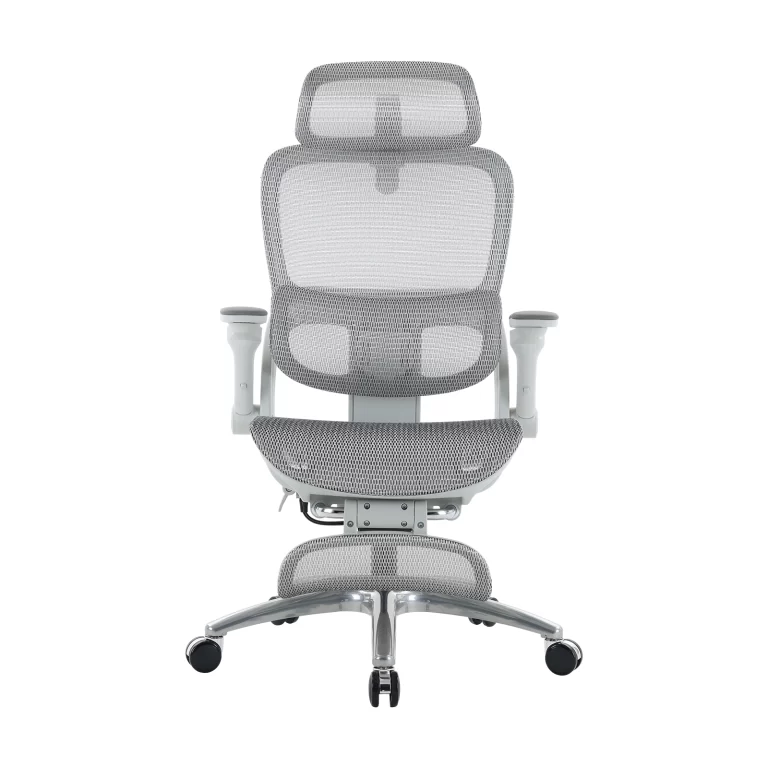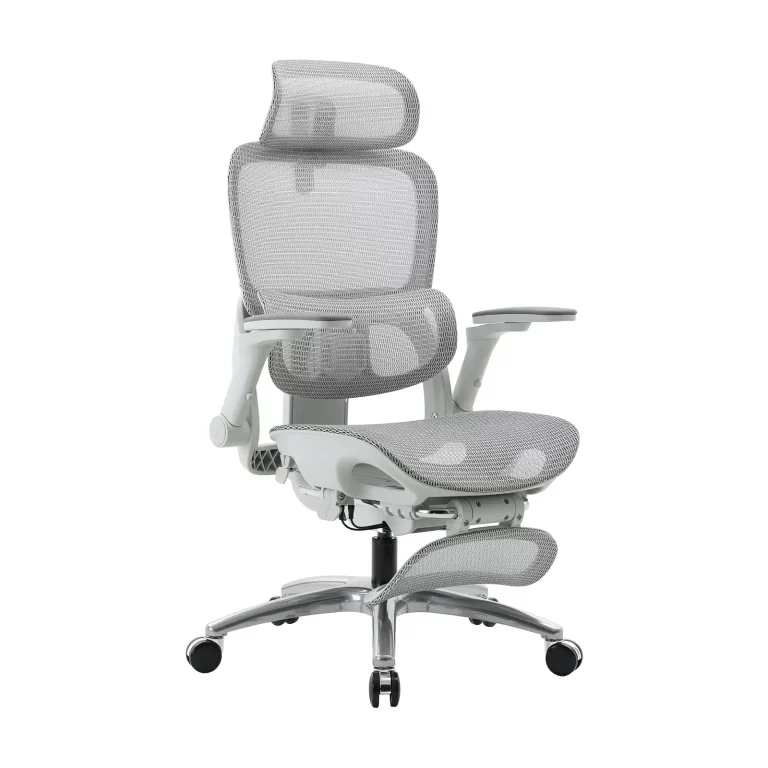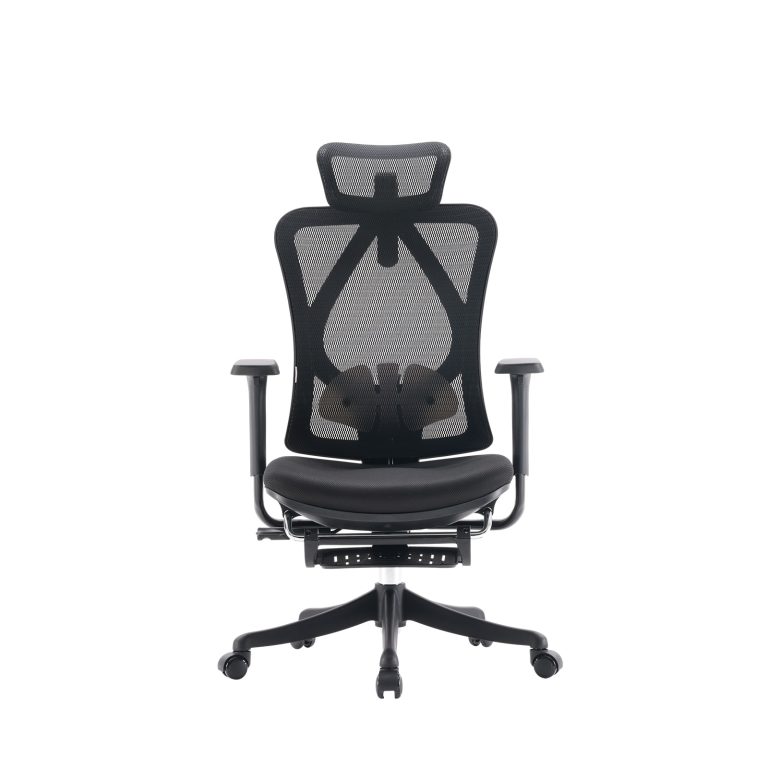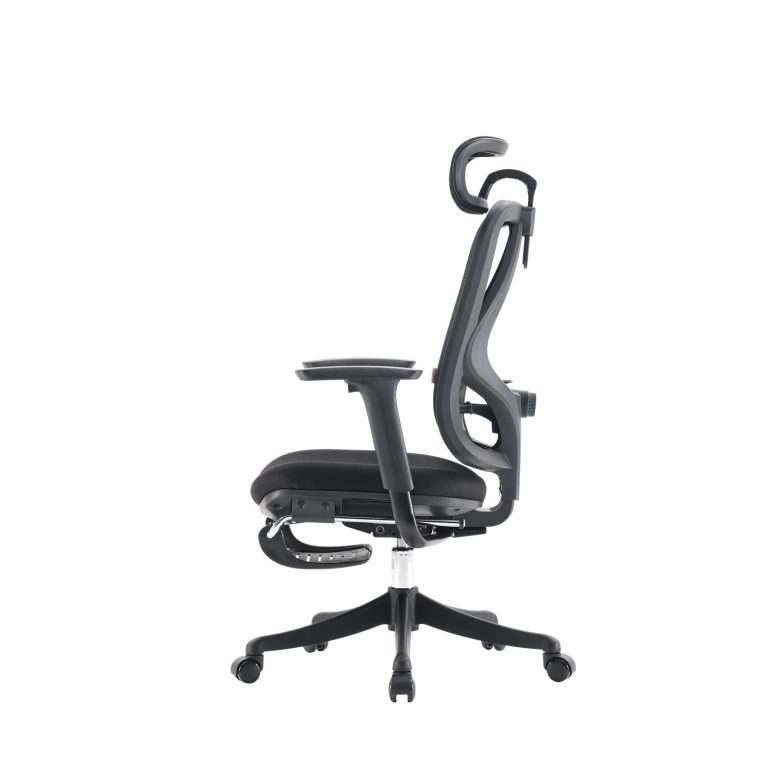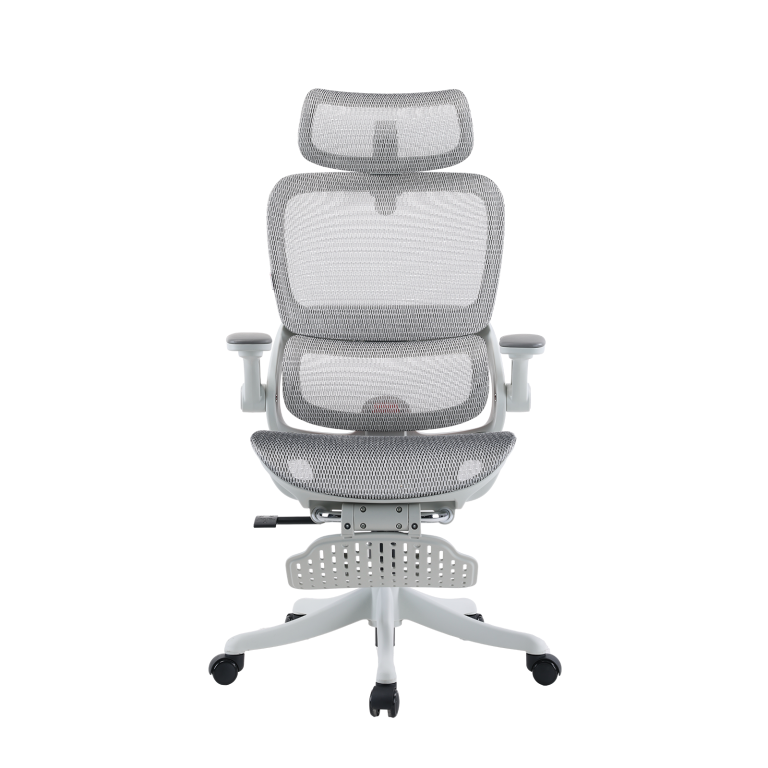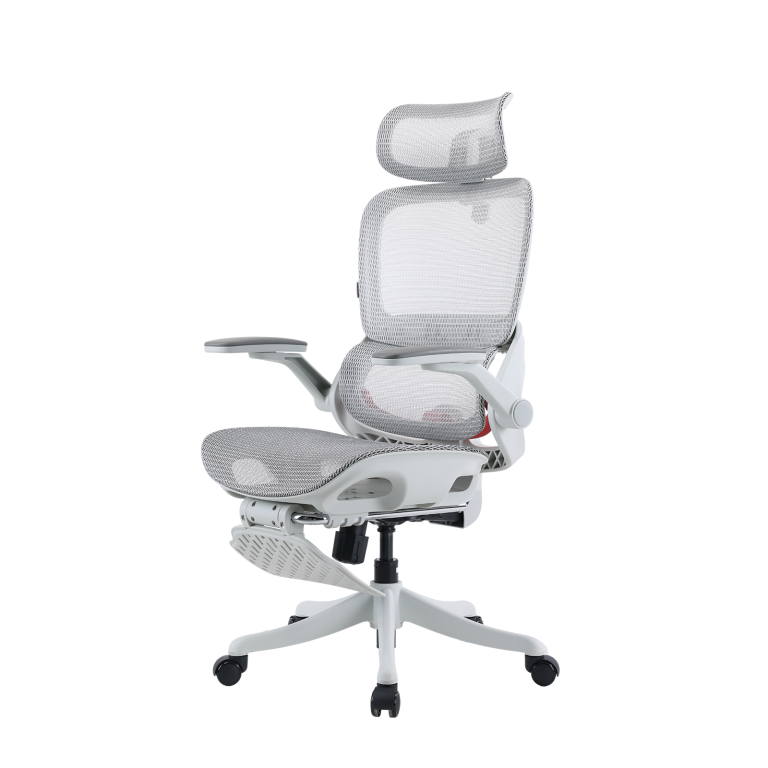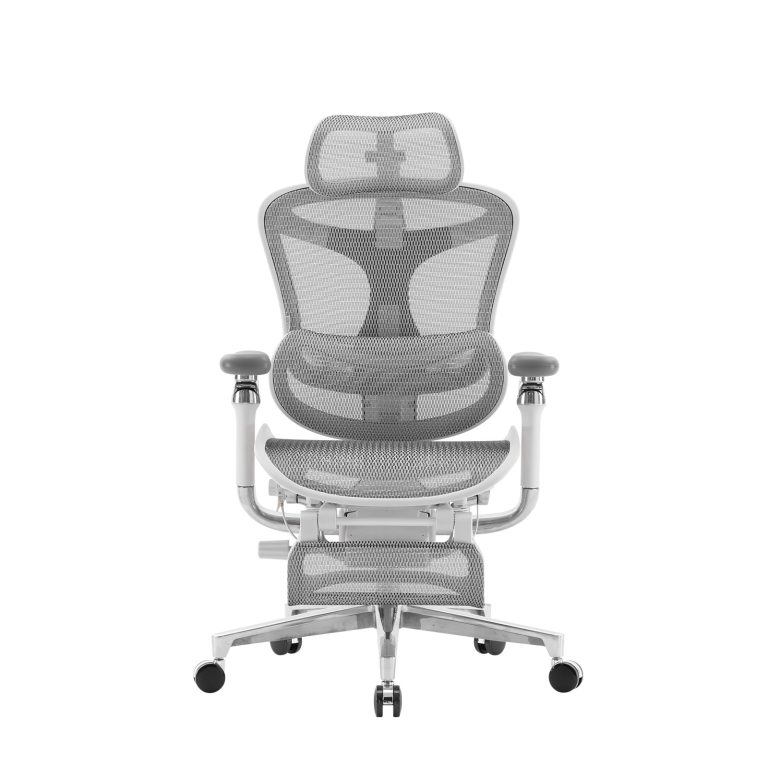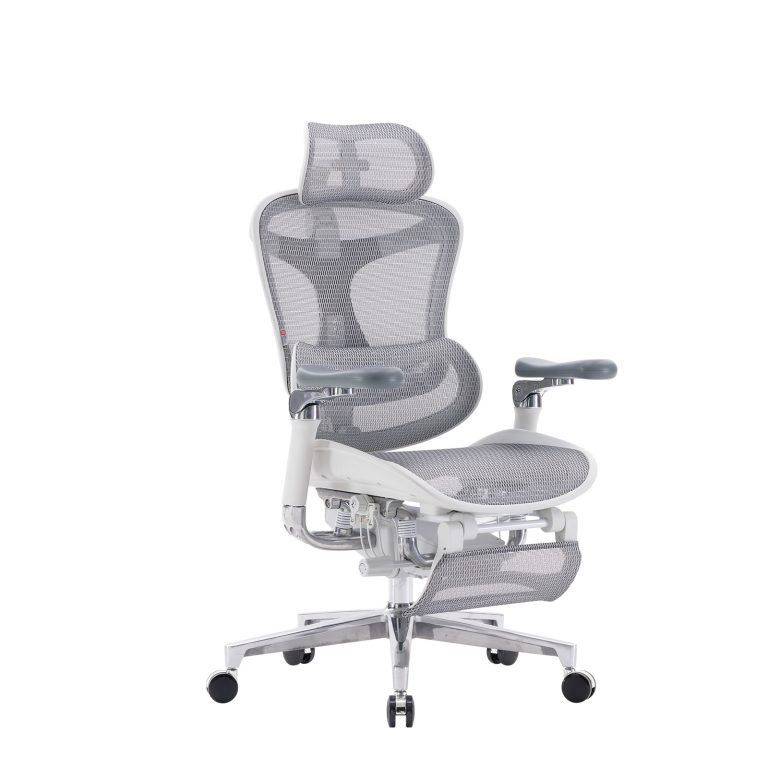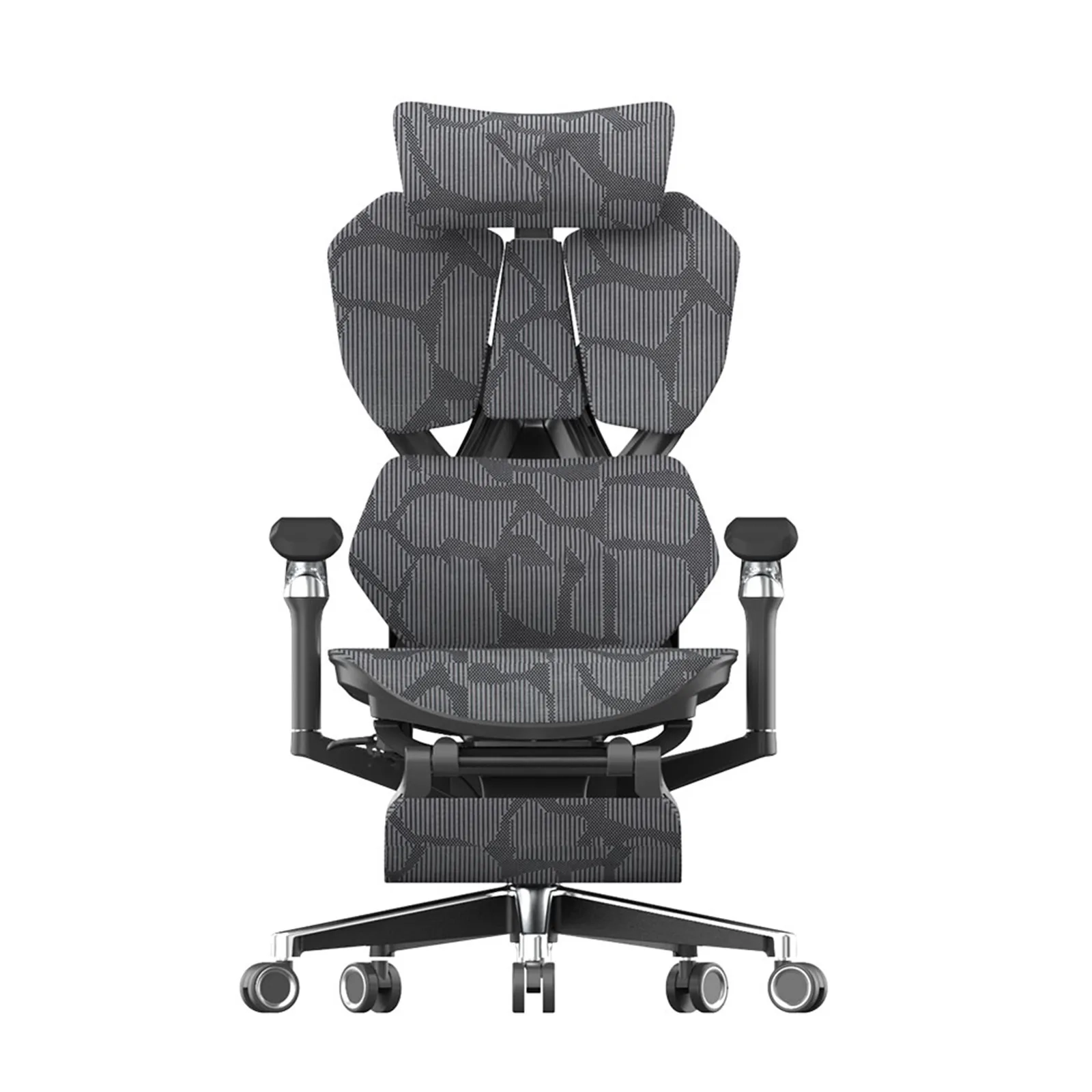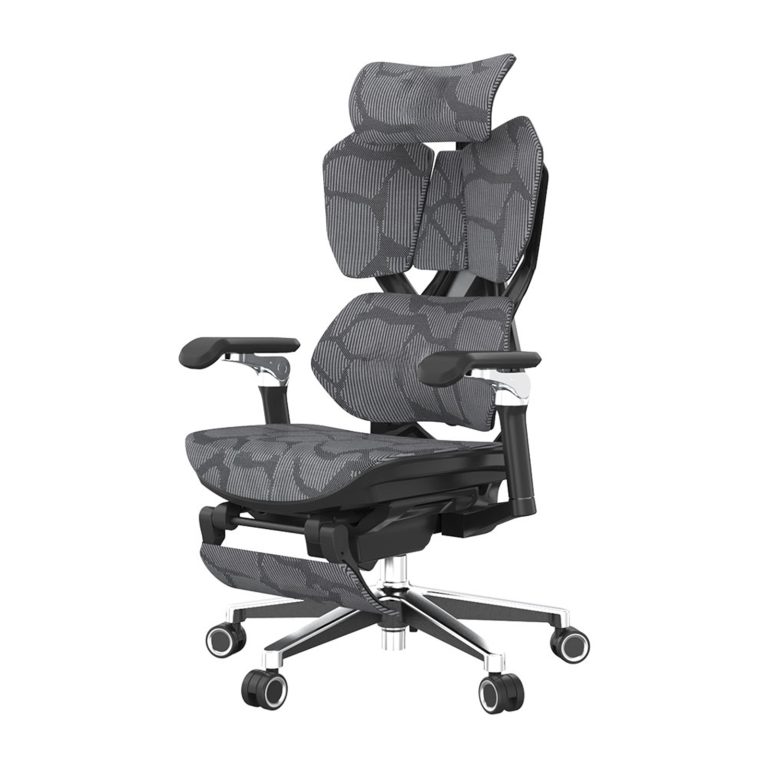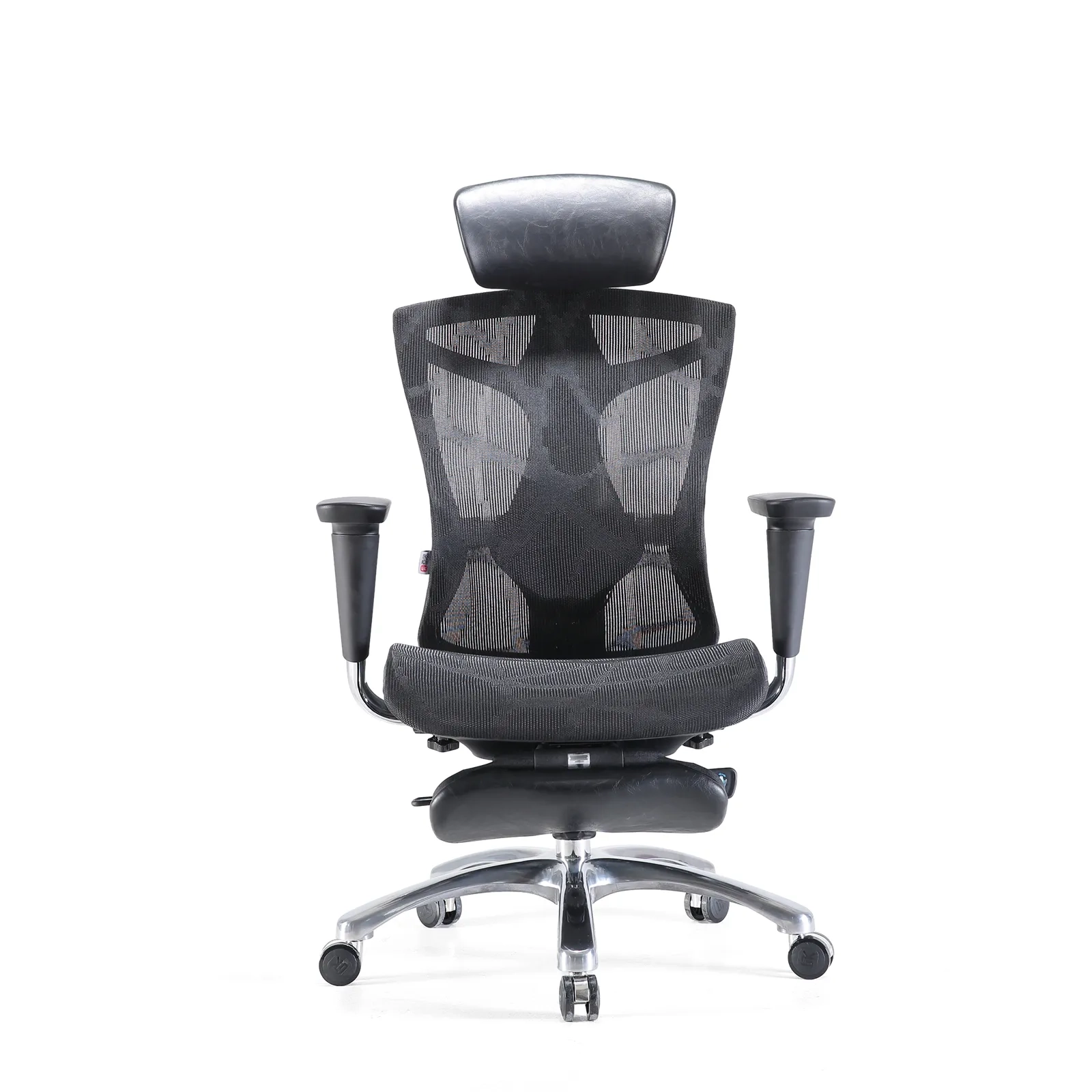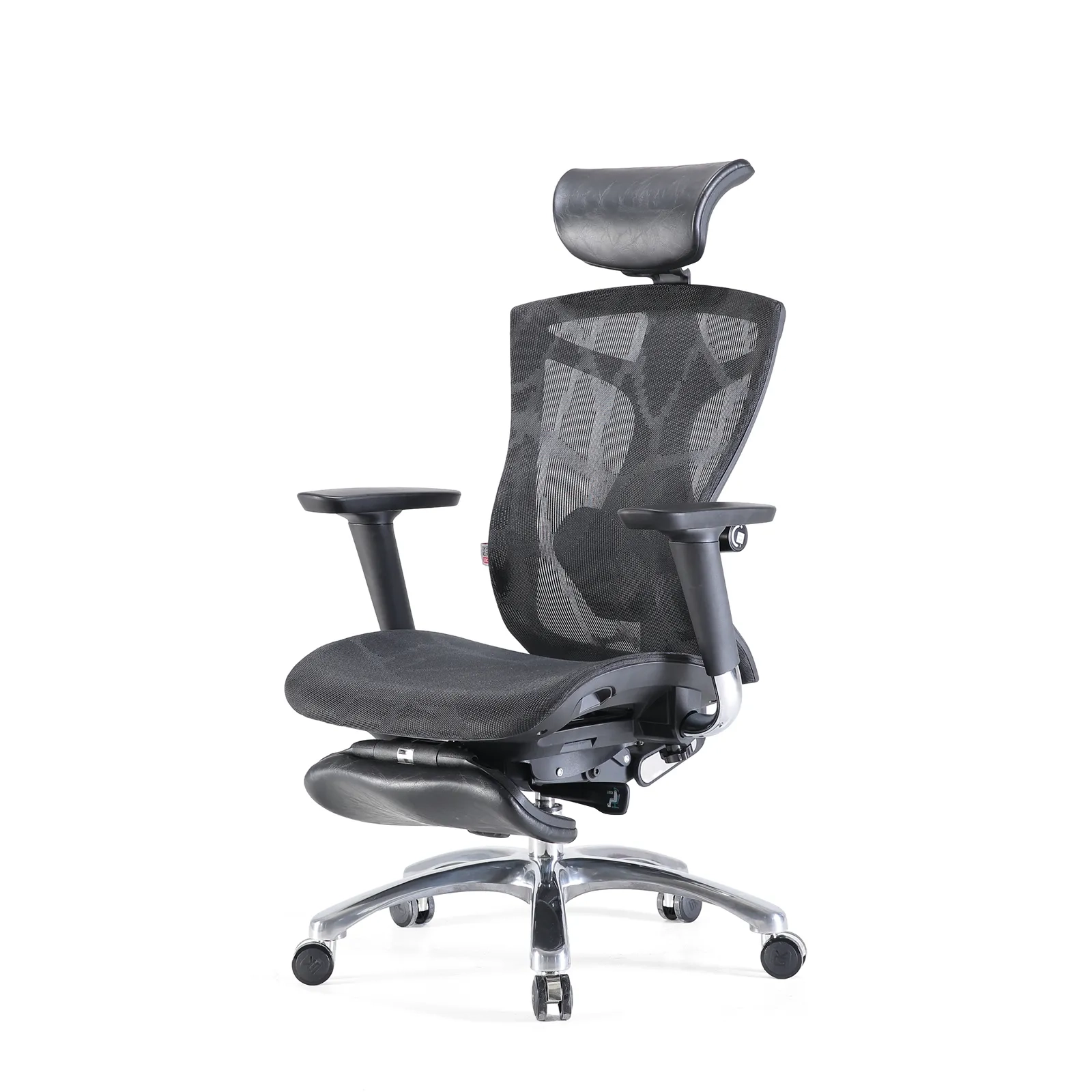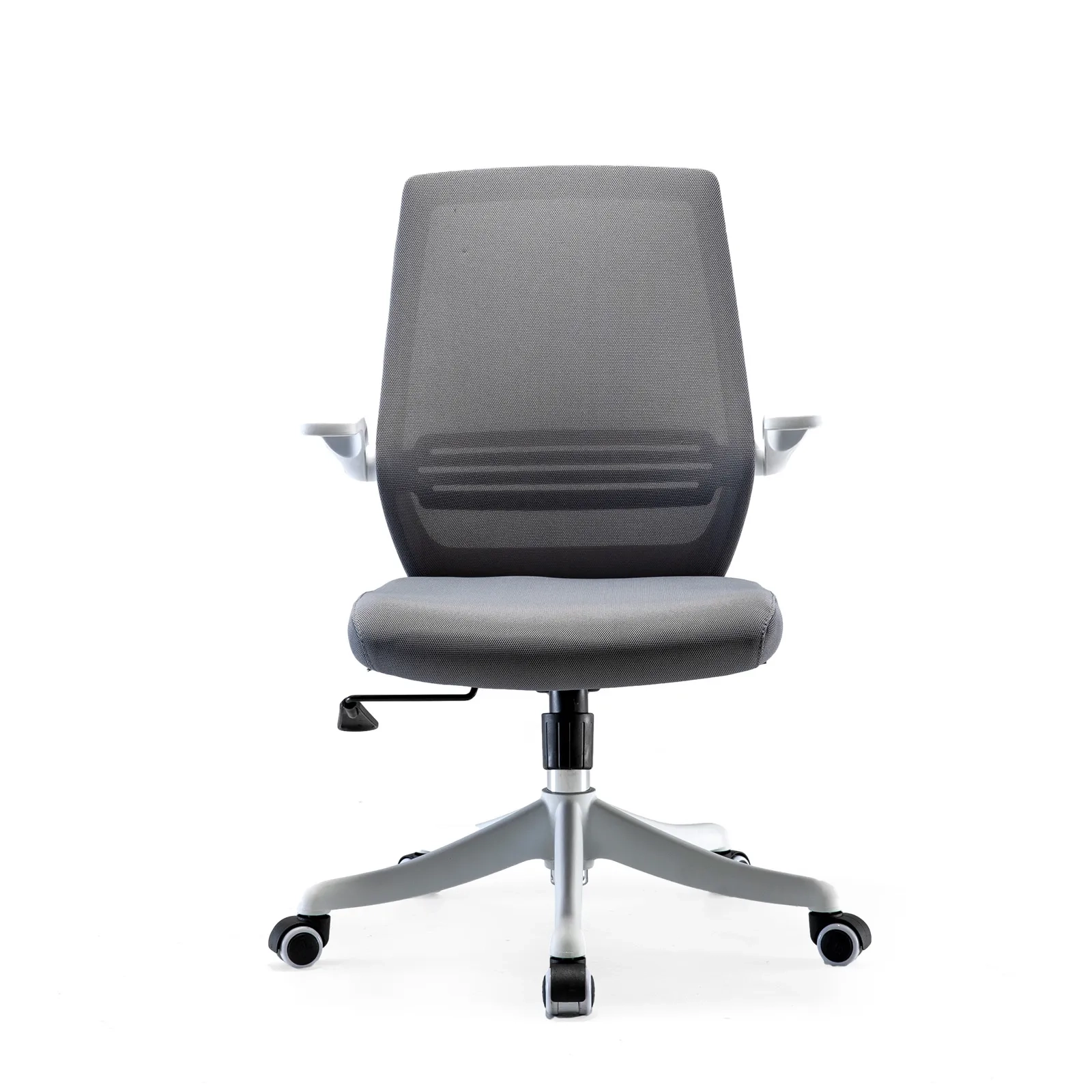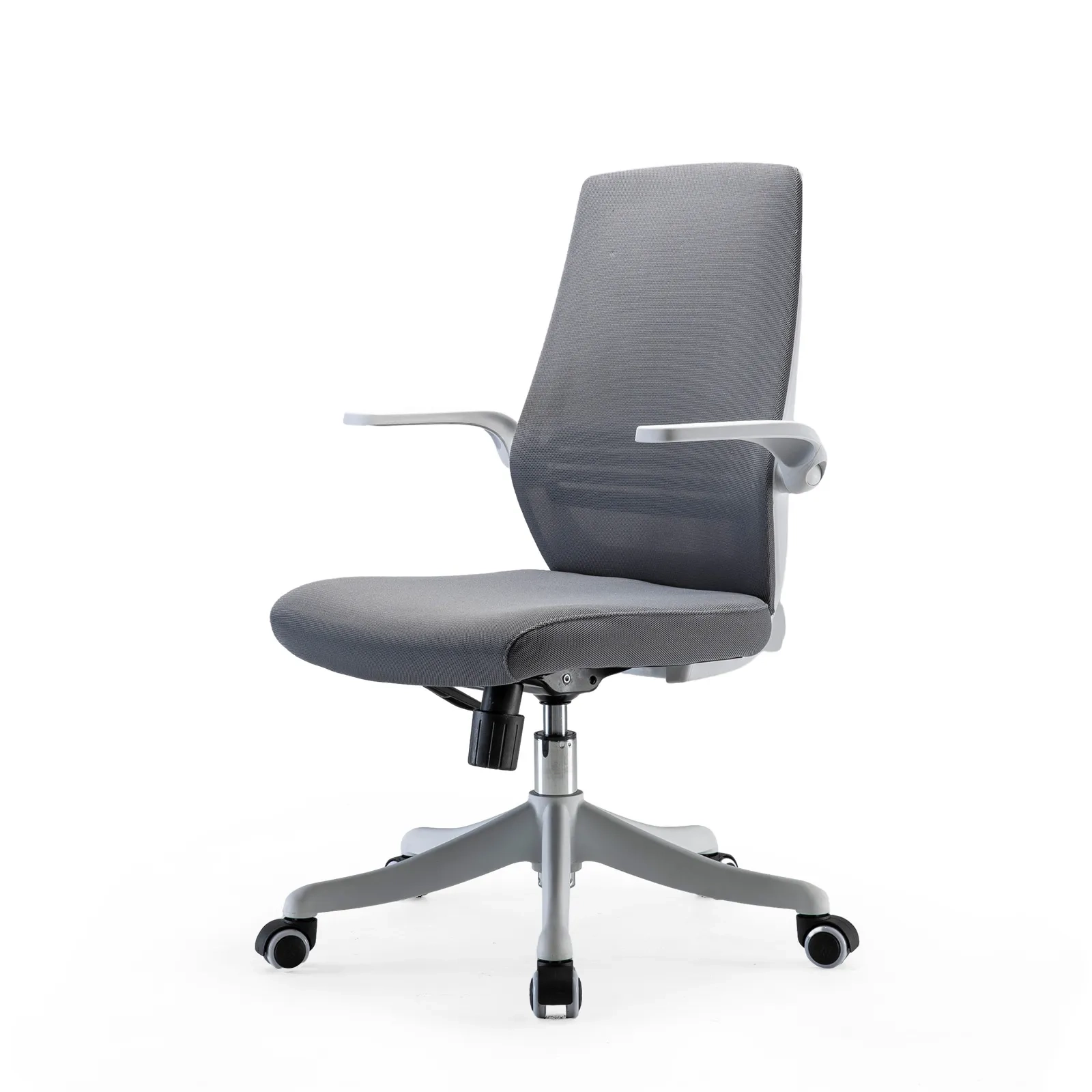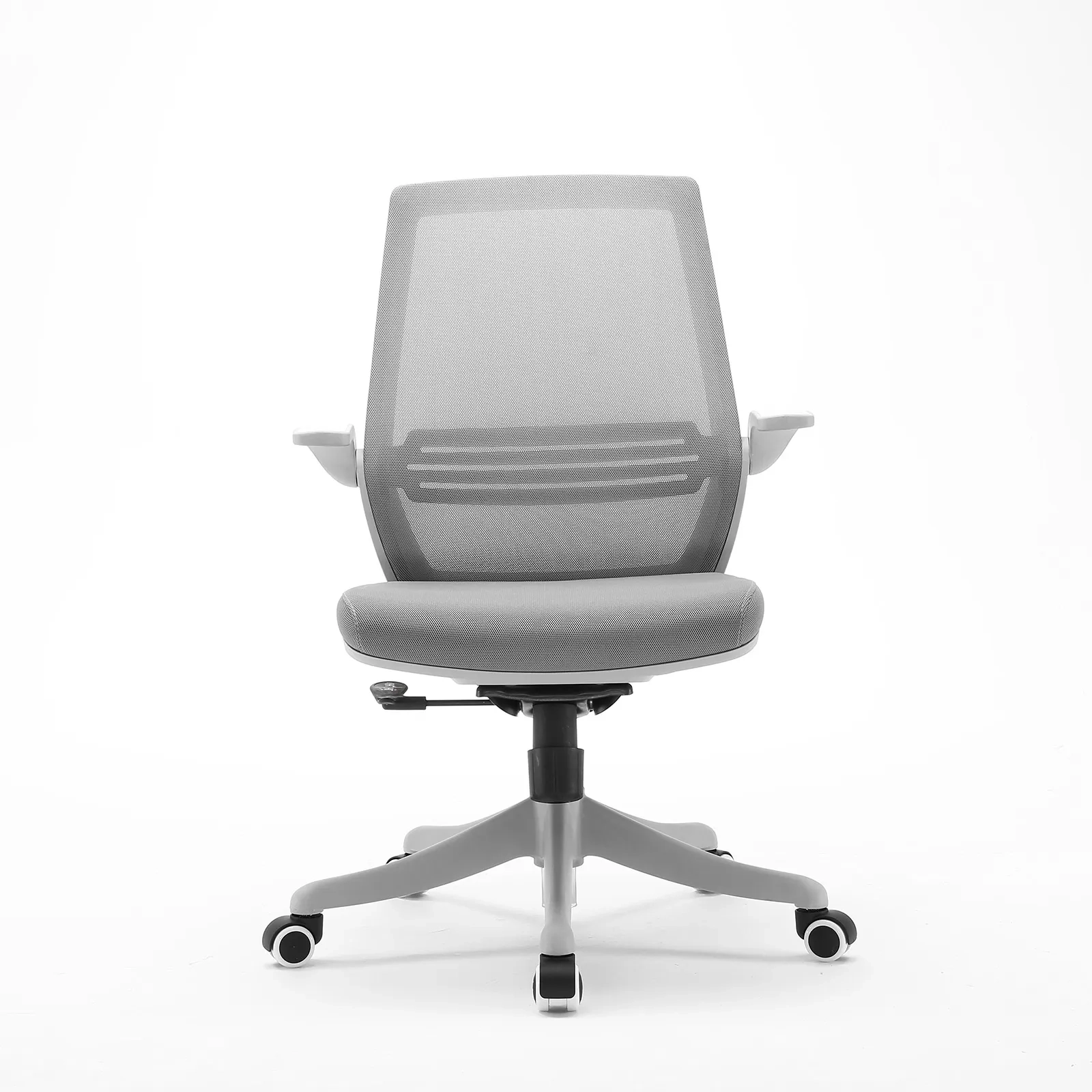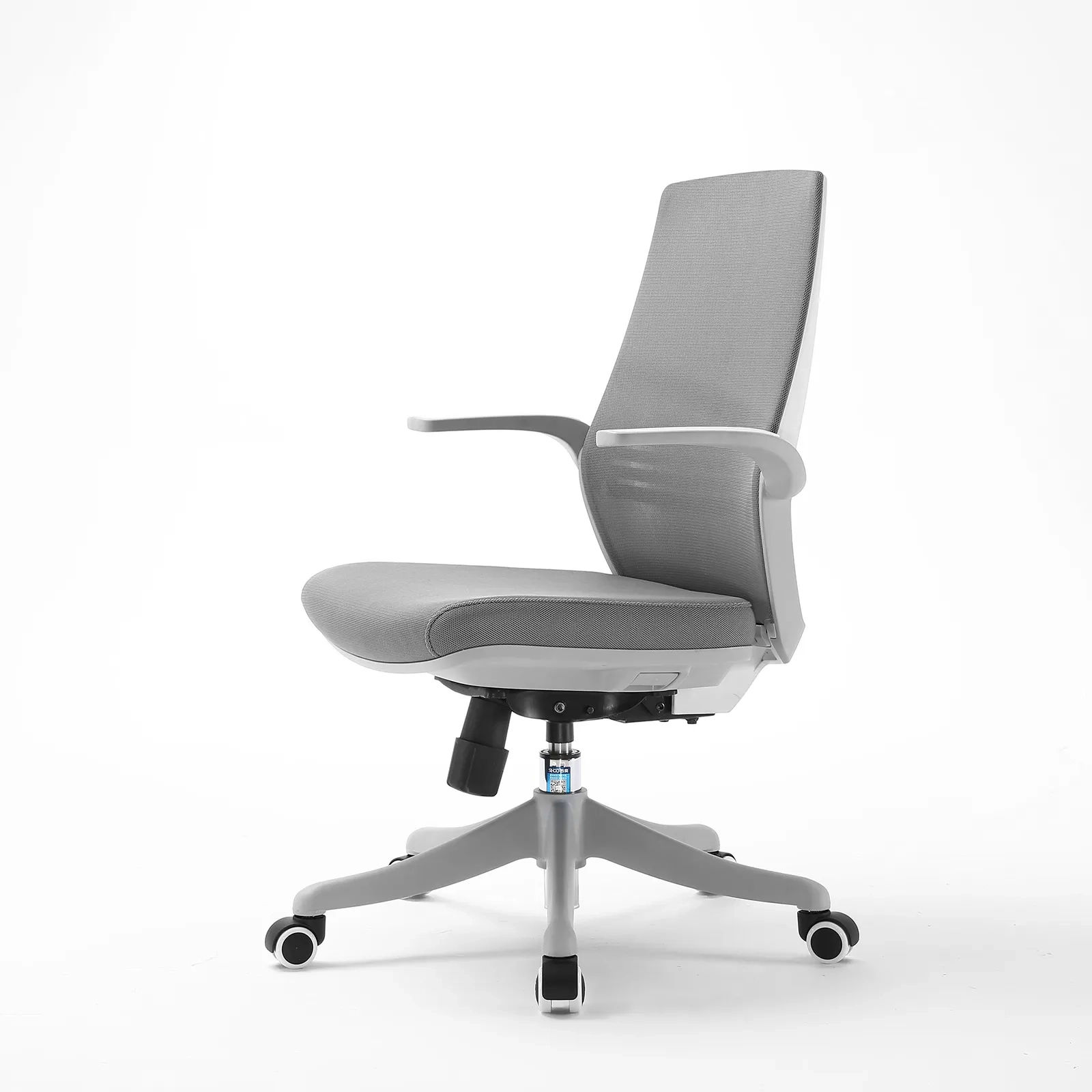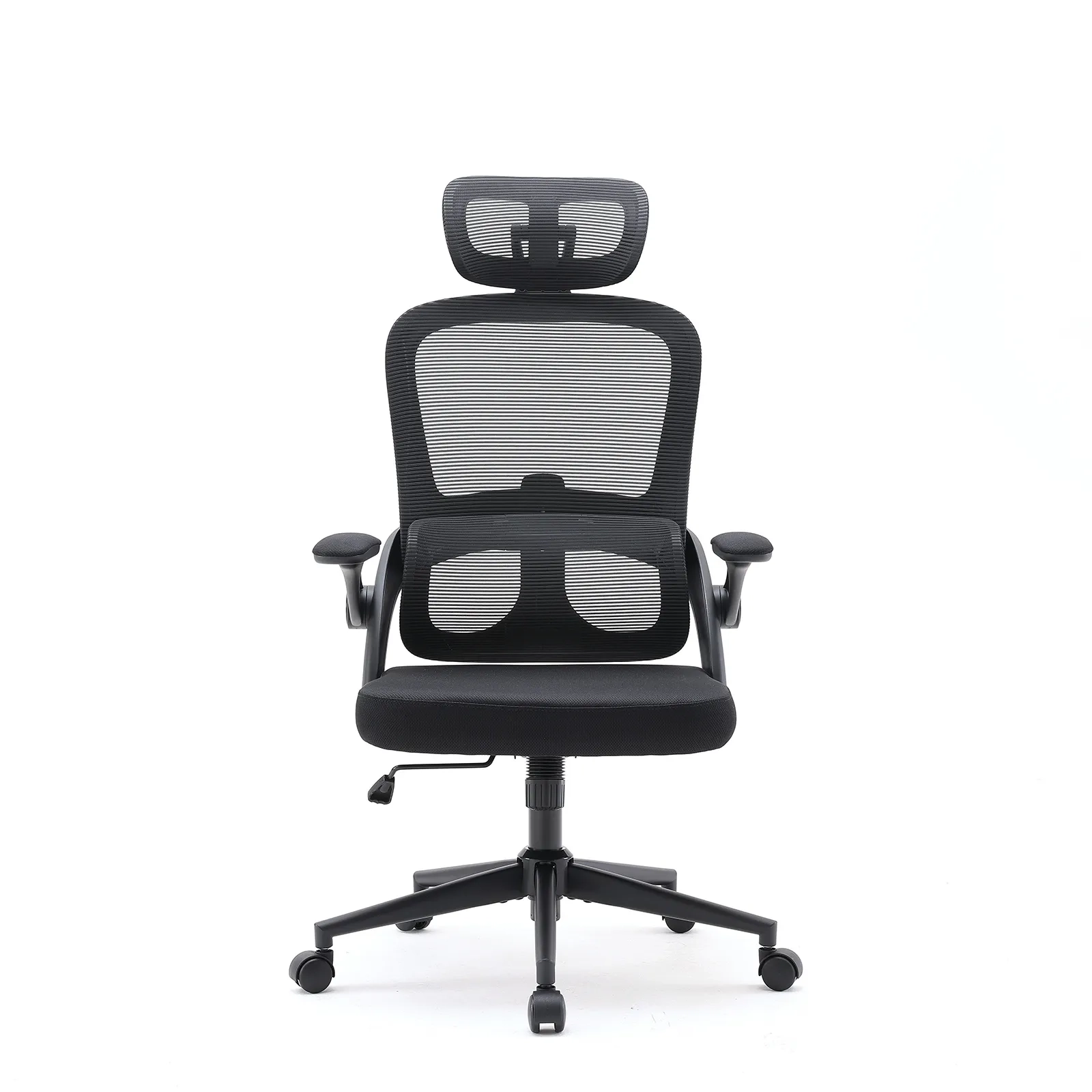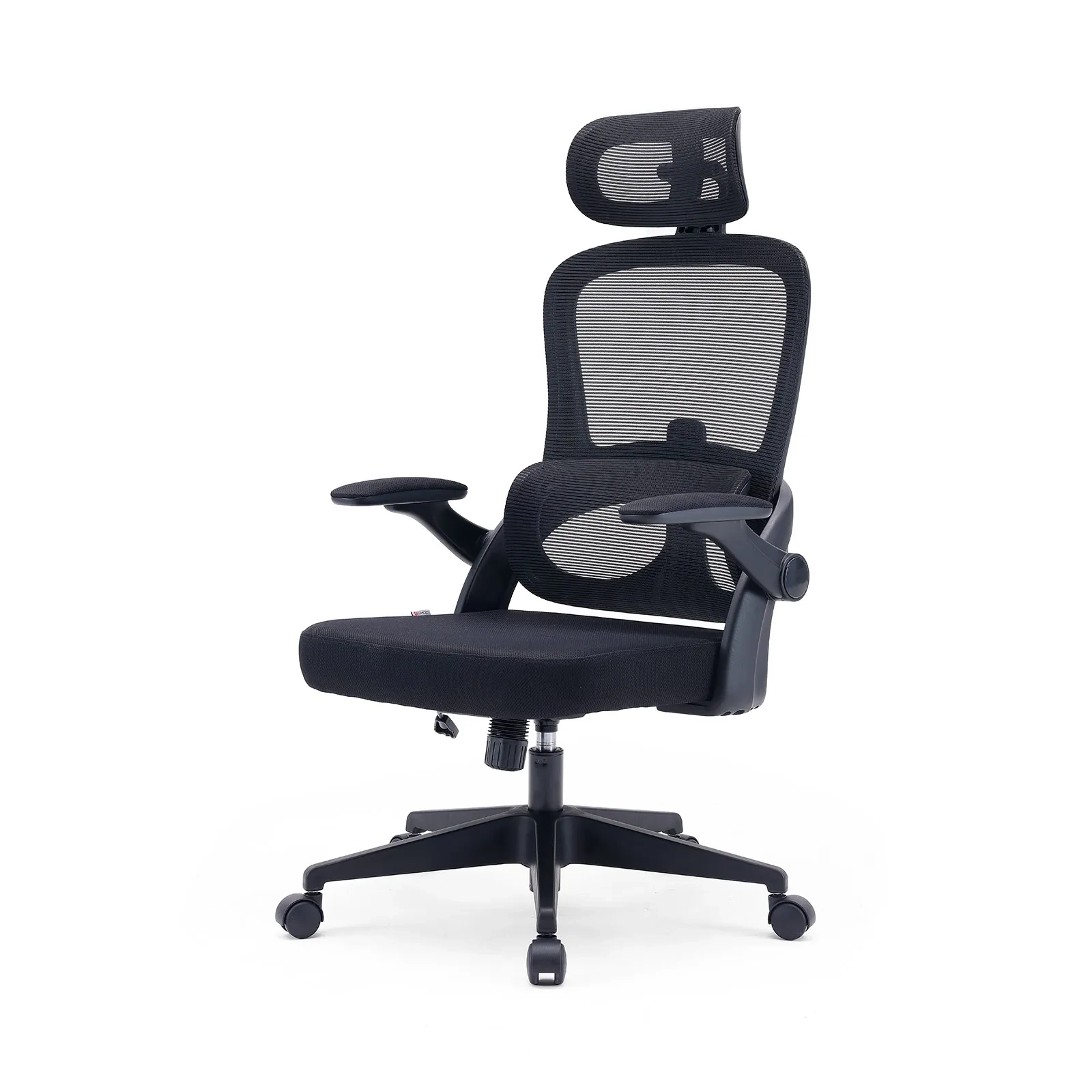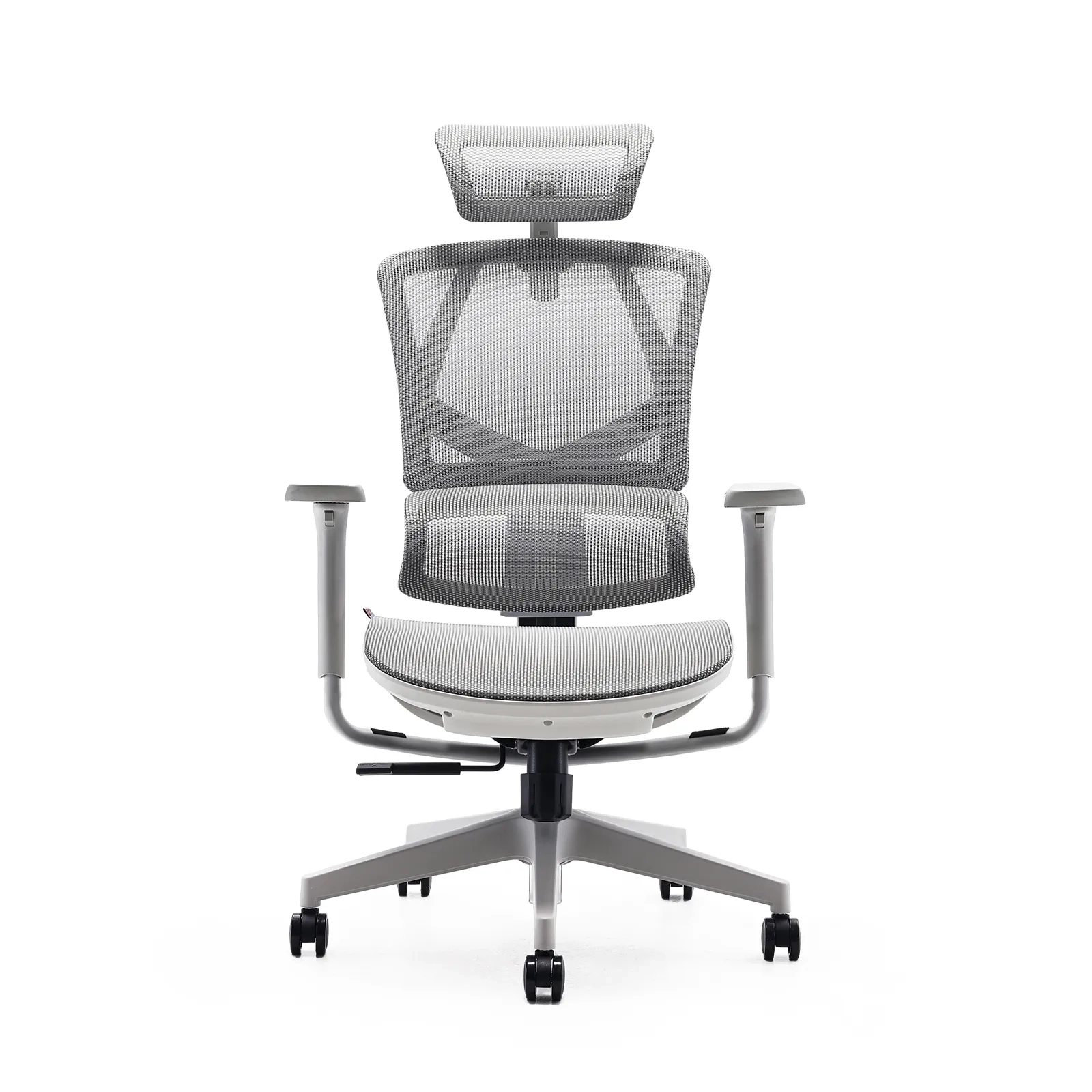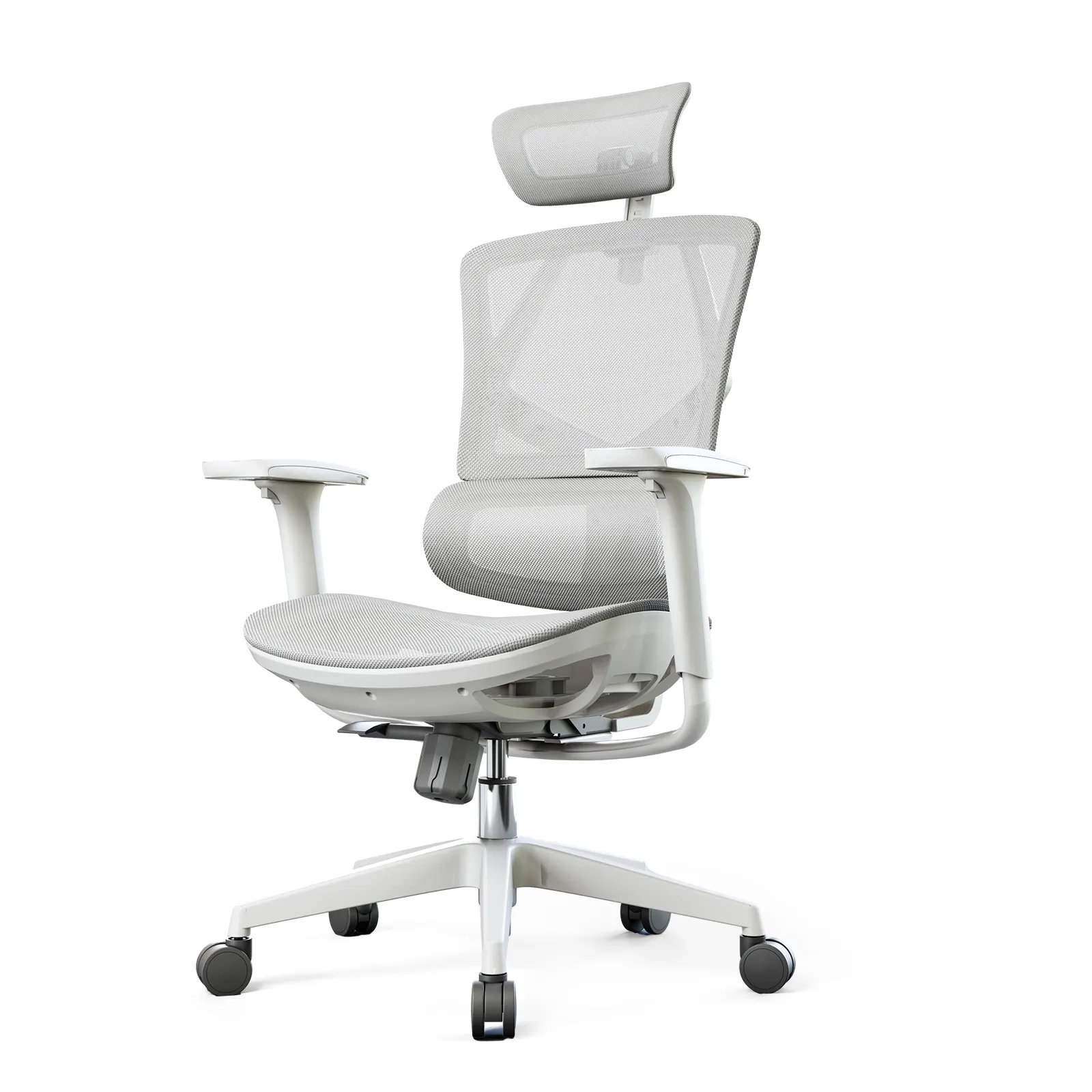









In today’s competitive business environment, employee comfort and health directly impact productivity, retention, and overall workplace satisfaction. A well-chosen staff chair is one of the most important investments a company can make. With employees spending 6–8 hours daily seated, the right ergonomic staff chair can reduce musculoskeletal issues, boost focus, and support diverse body types and job roles.
This comprehensive guide walks you through selecting the ideal staff chair for your team. We’ll cover employee needs assessment, essential features, tailored recommendations, and real-world benefits backed by research. As a leading provider of ergonomic office solutions, Sihoo offers a range of high-quality, adjustable staff chairs designed to meet these varied requirements.
Why Staff Chair Selection Matters for Modern Workplaces
Poor seating contributes to back pain, neck strain, and decreased productivity. Studies show that providing ergonomic chairs along with proper training can increase productivity by up to 17.7%.
Diverse workforces require different solutions:
- Tall employees need higher seat ranges and stronger lumbar support.
- Petite staff benefit from adjustable seat depth.
- Desk-bound IT teams prioritize dynamic lumbar support.
- Managers may prefer reclining mechanisms for brief relaxation.
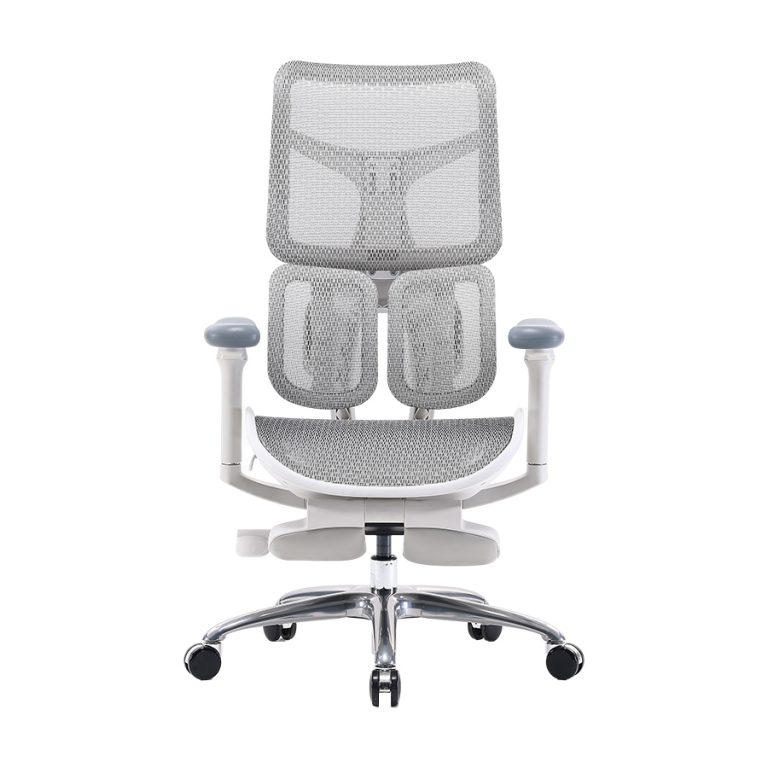
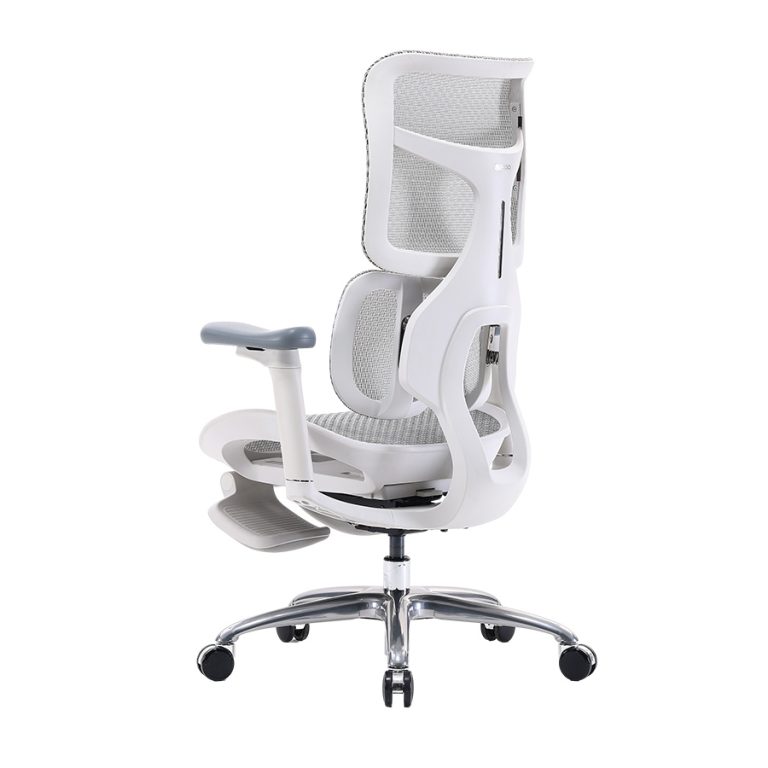
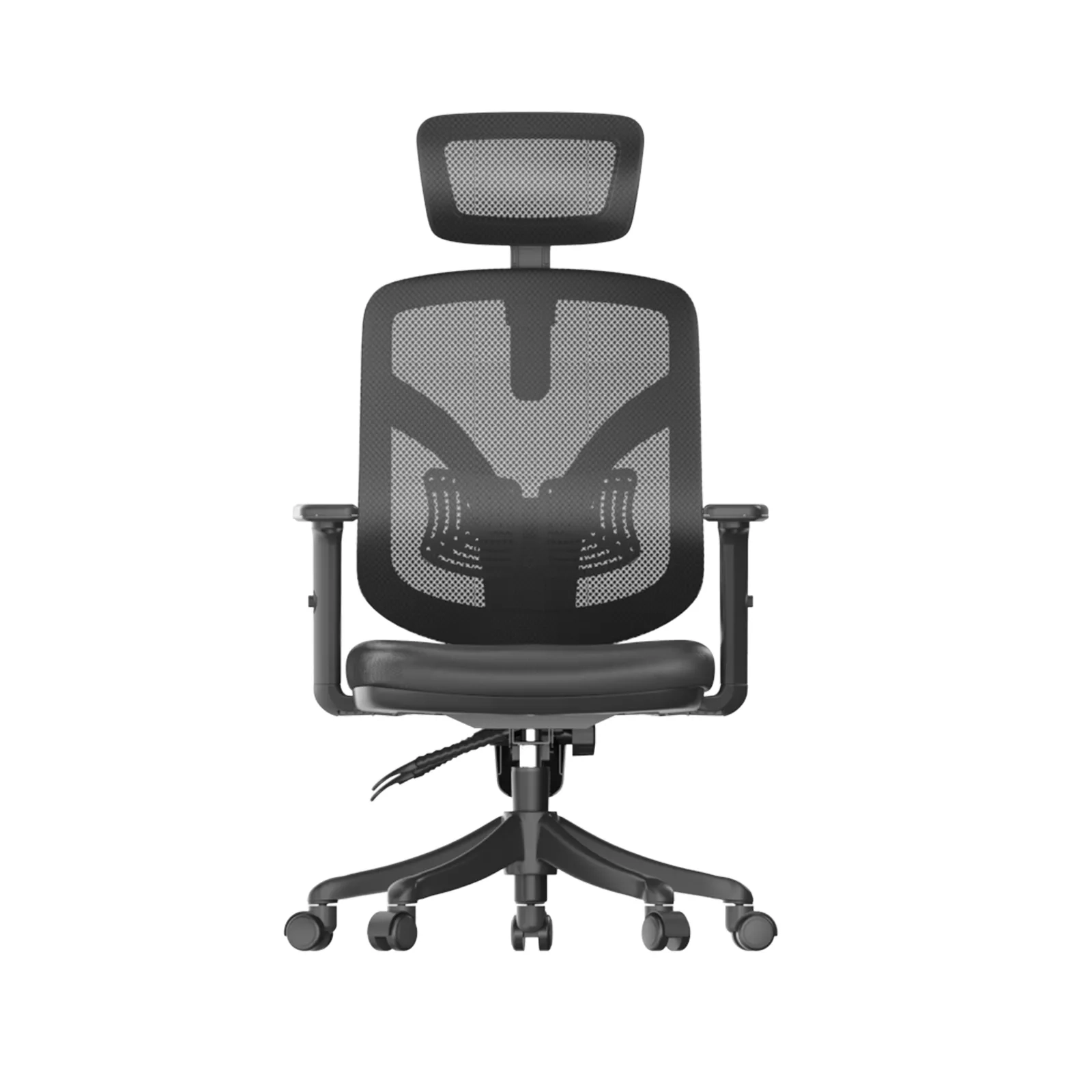
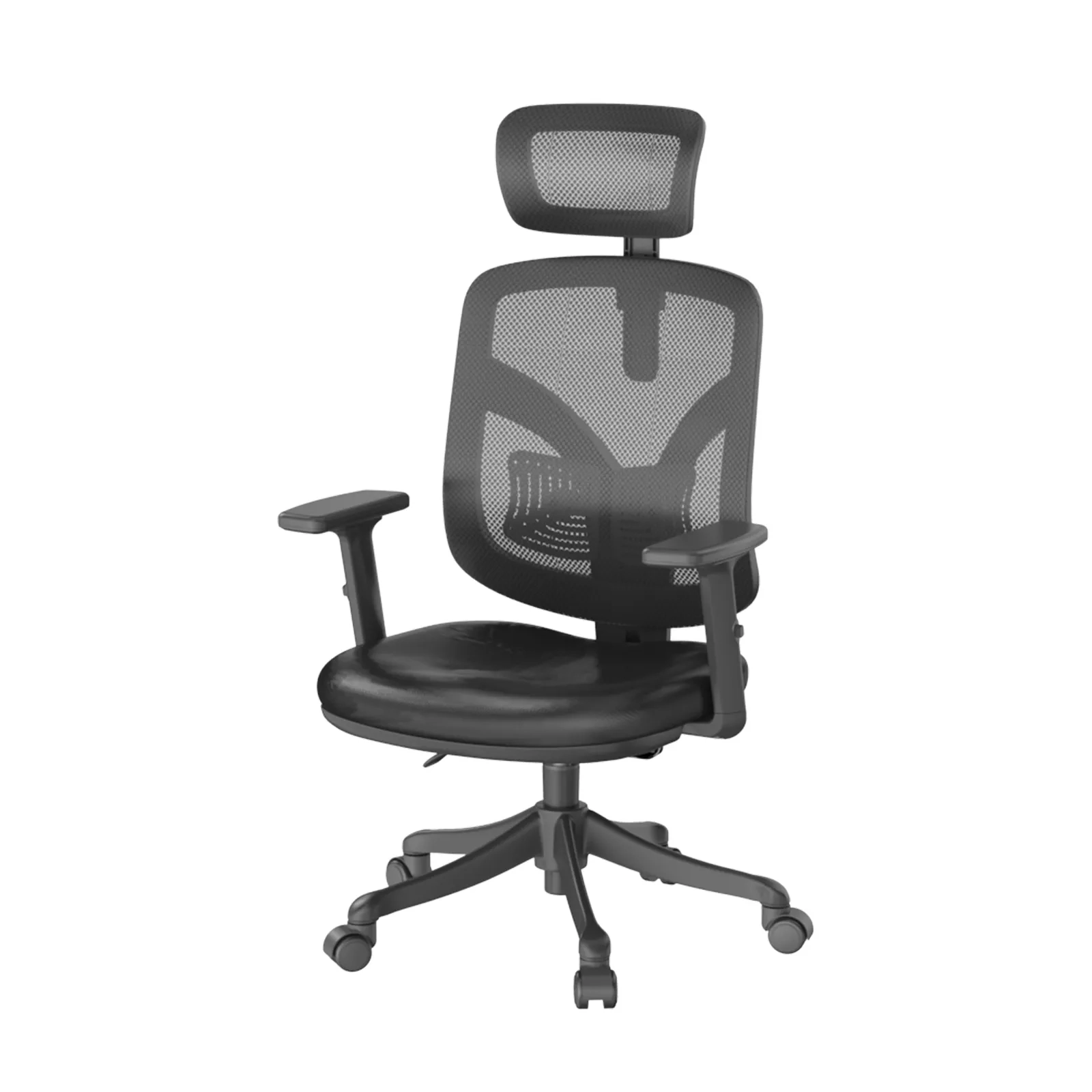
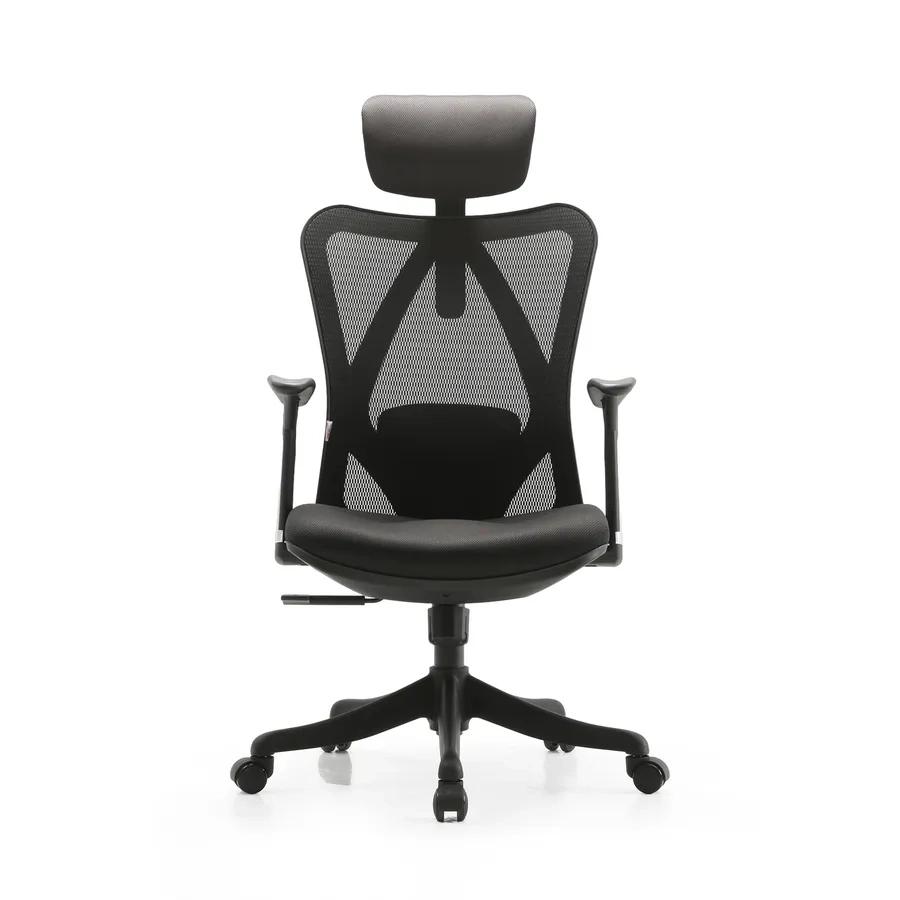
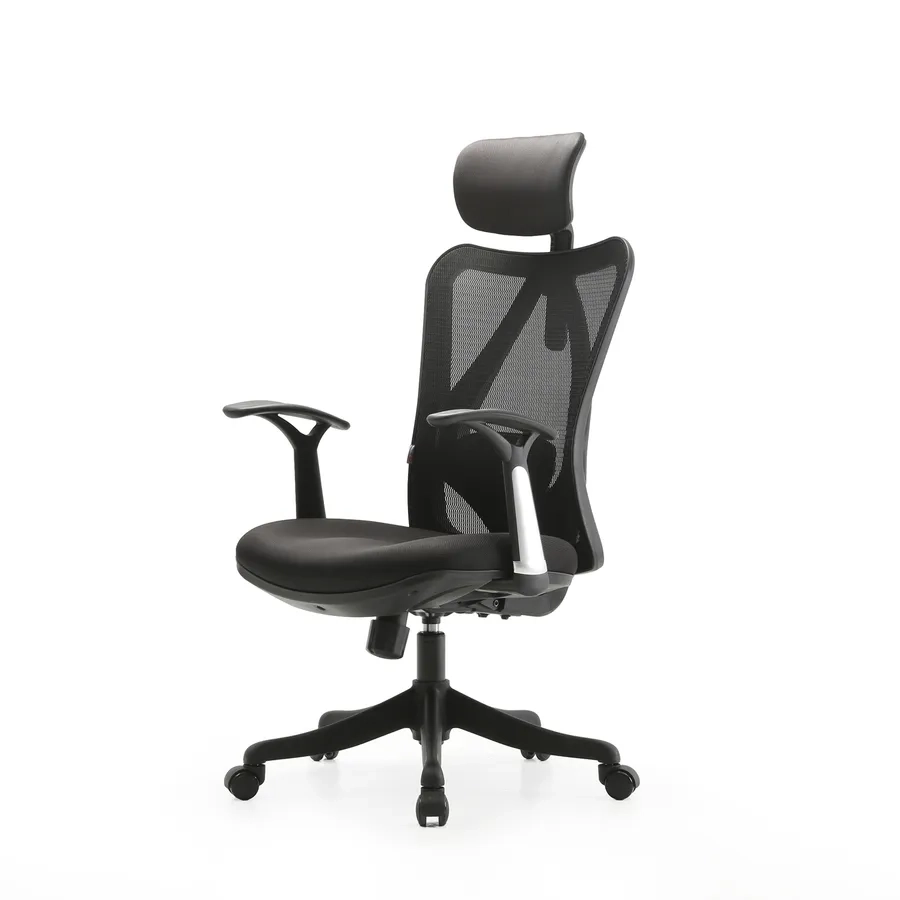
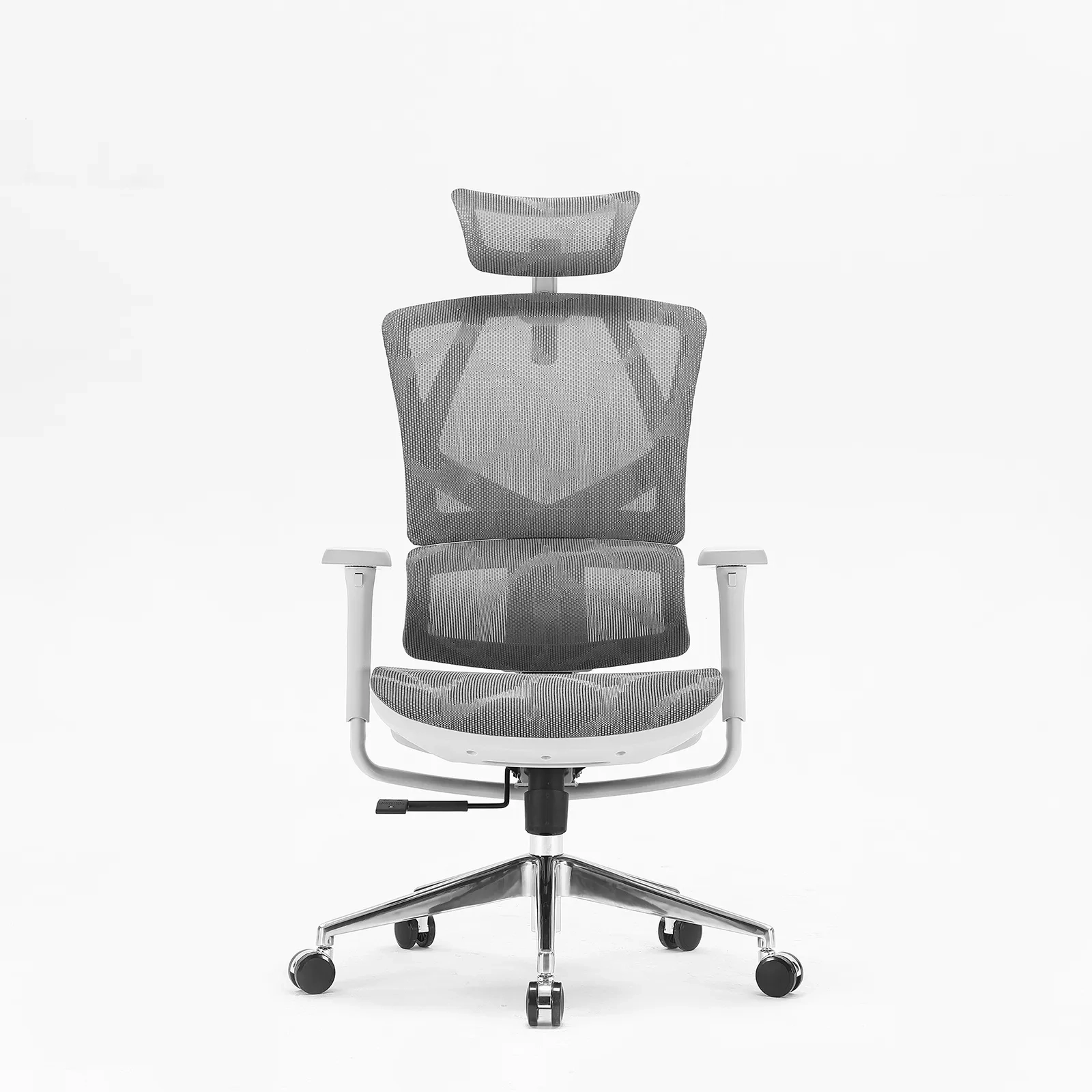
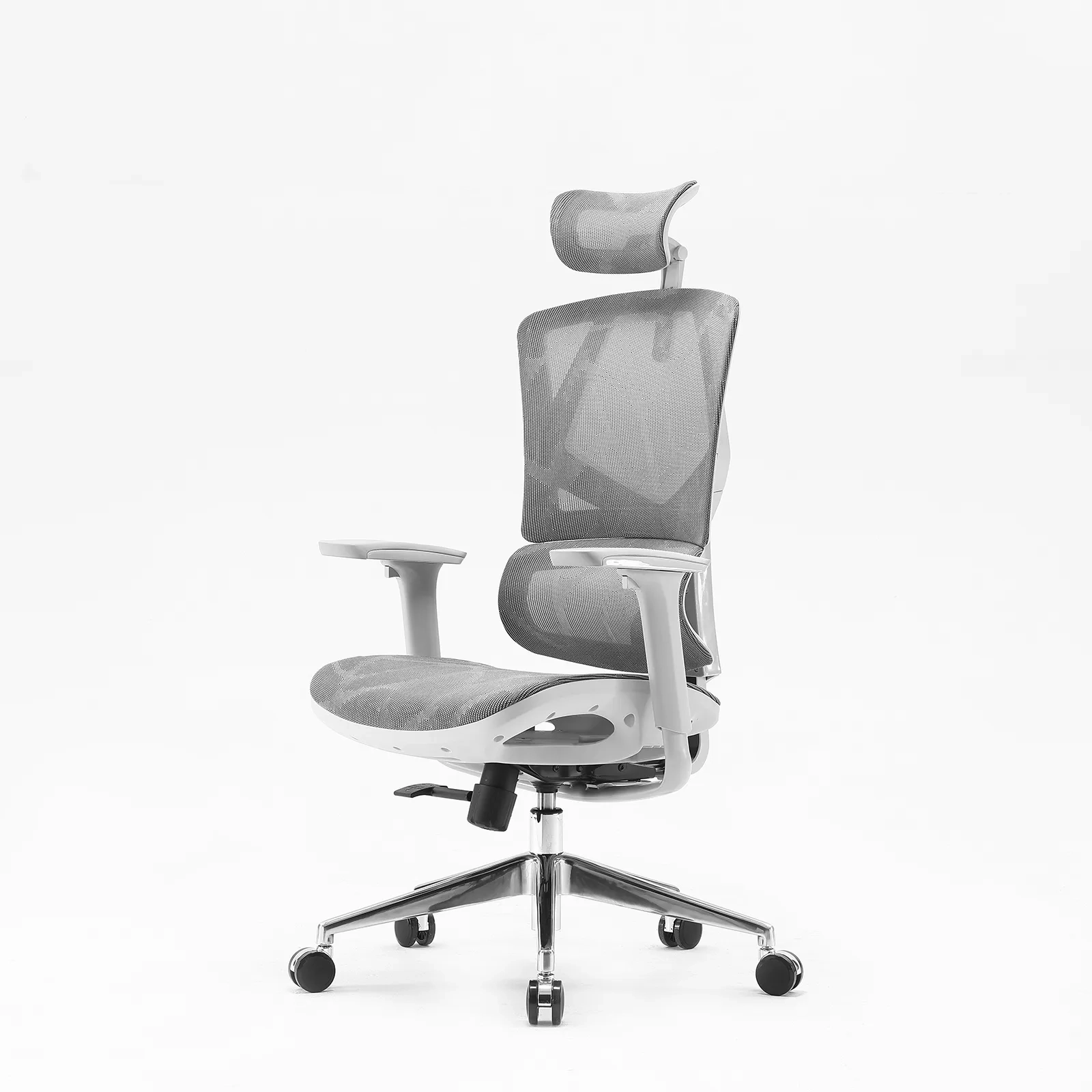
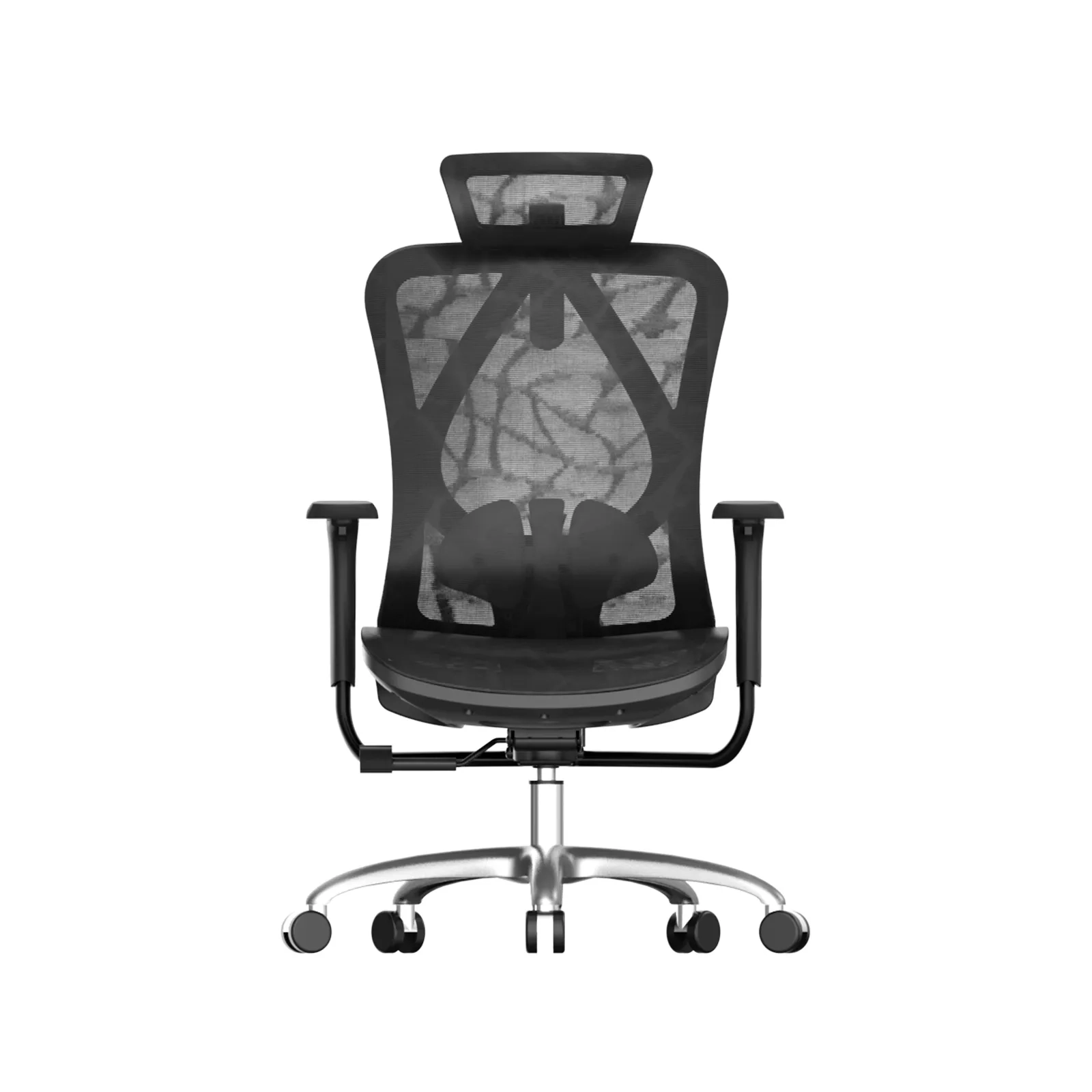
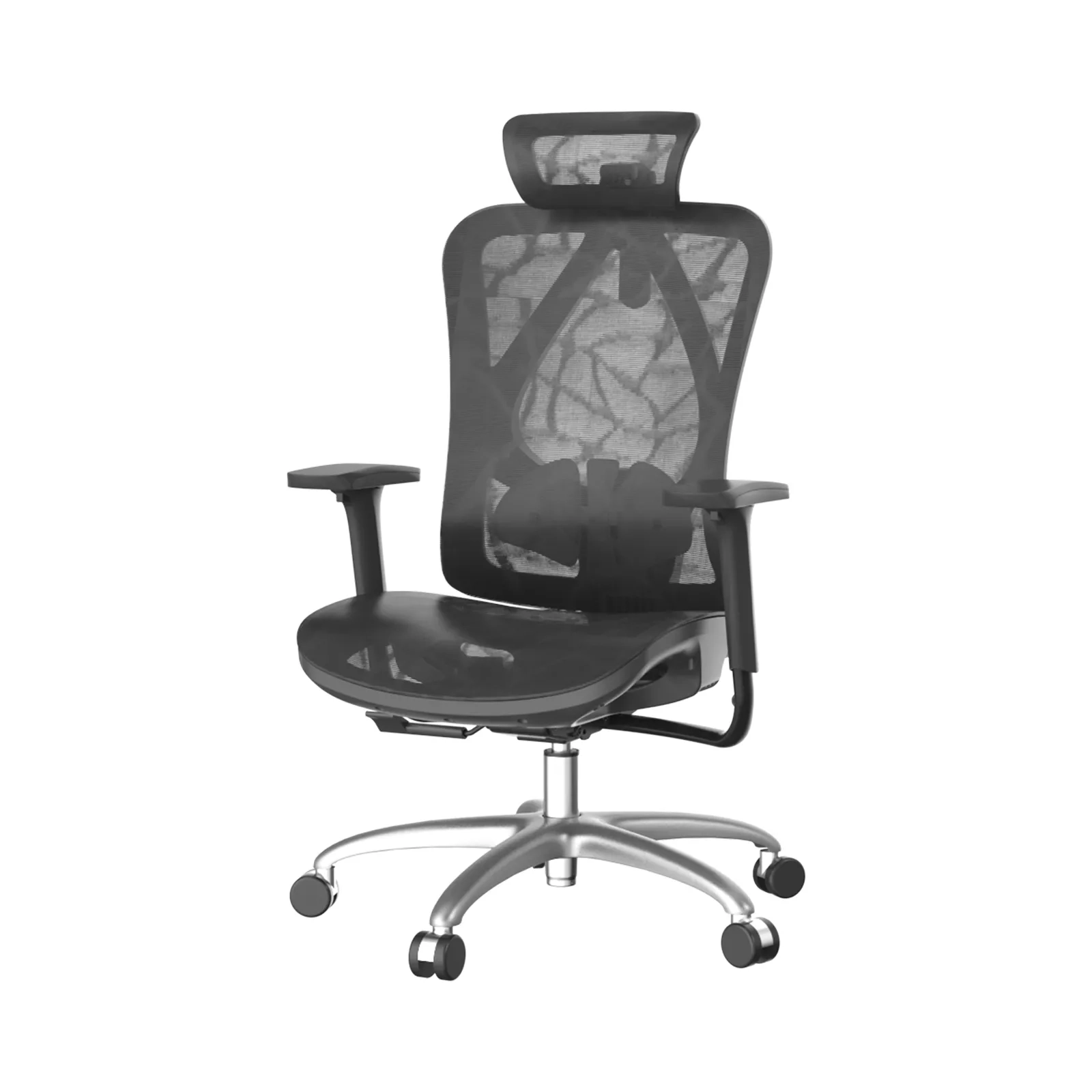
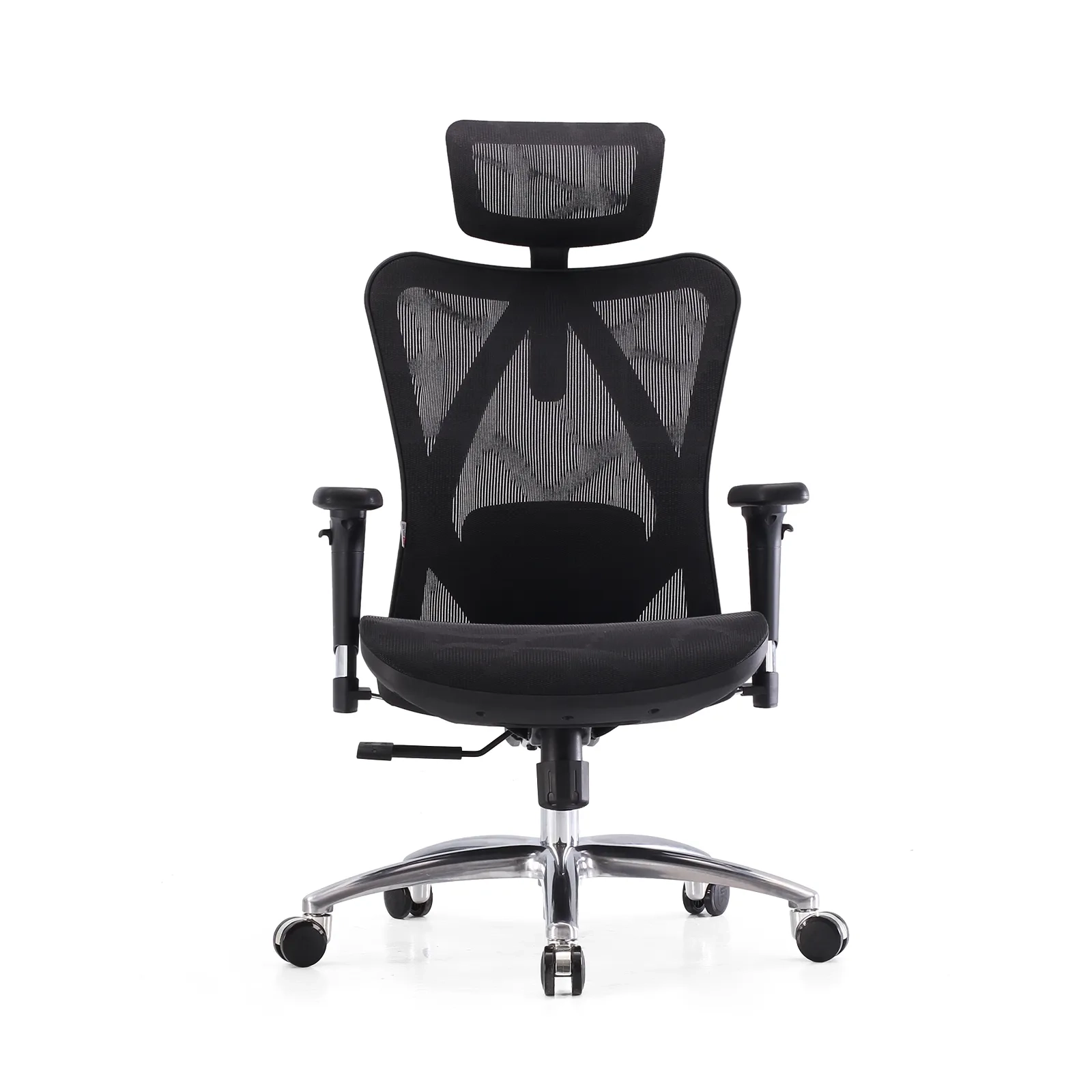
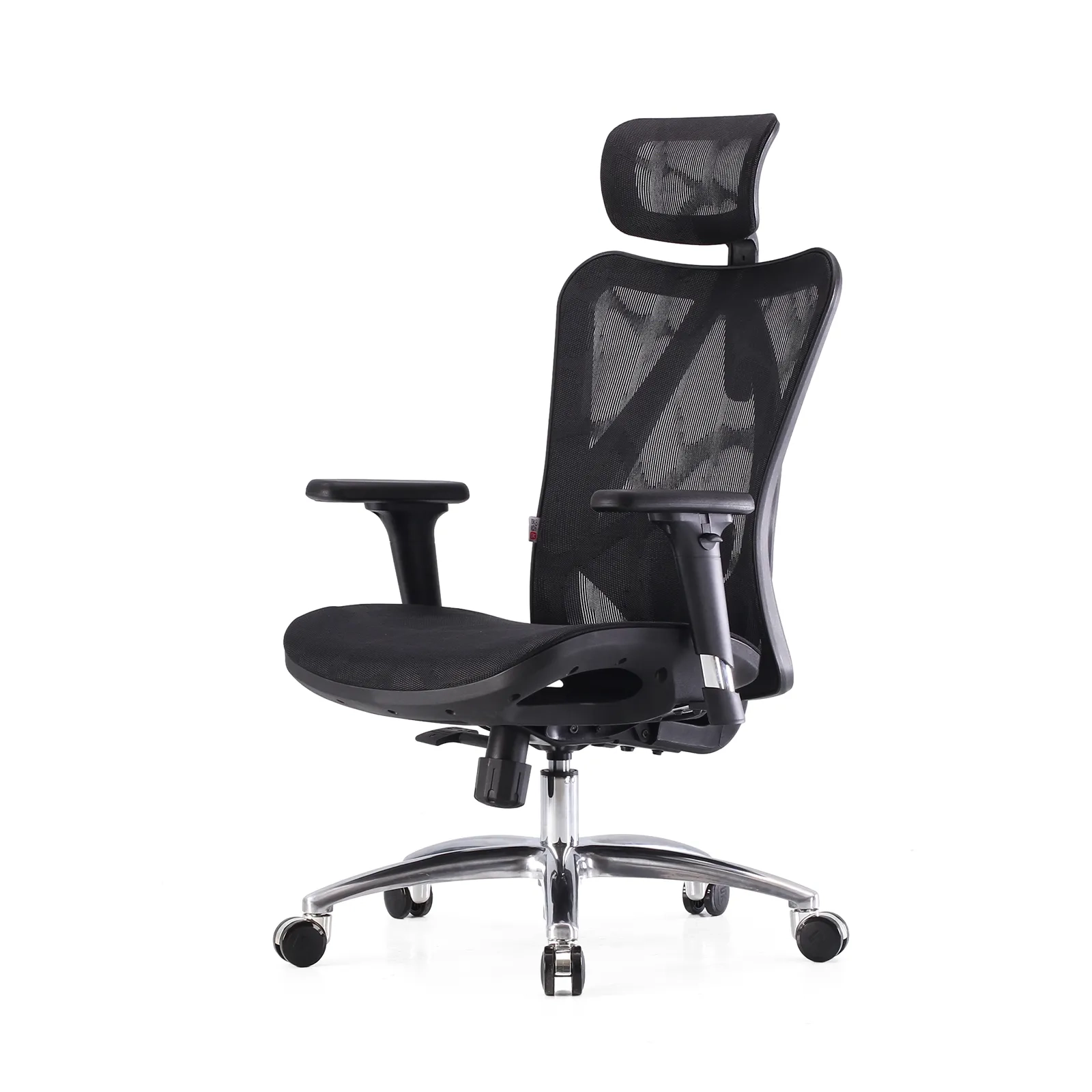
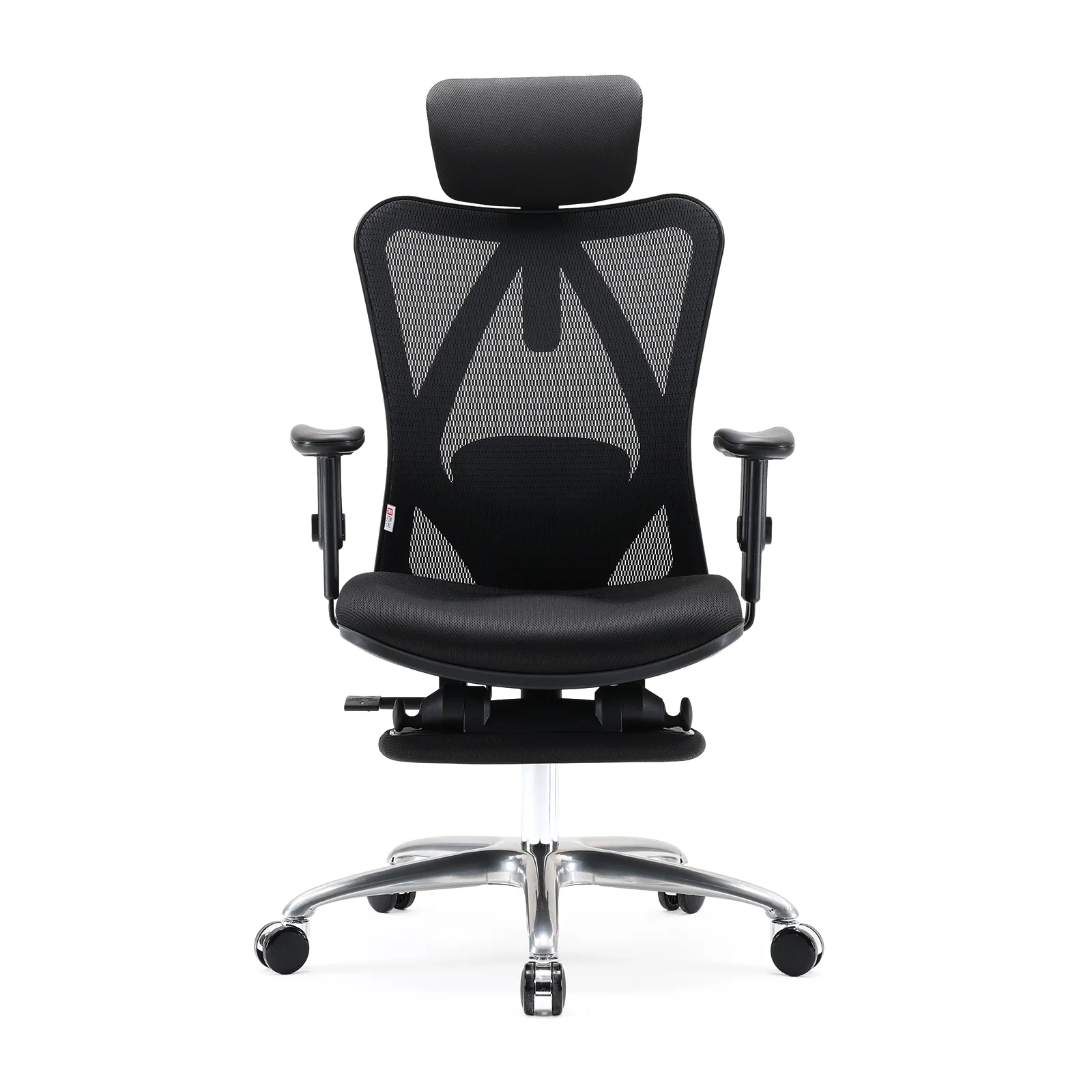
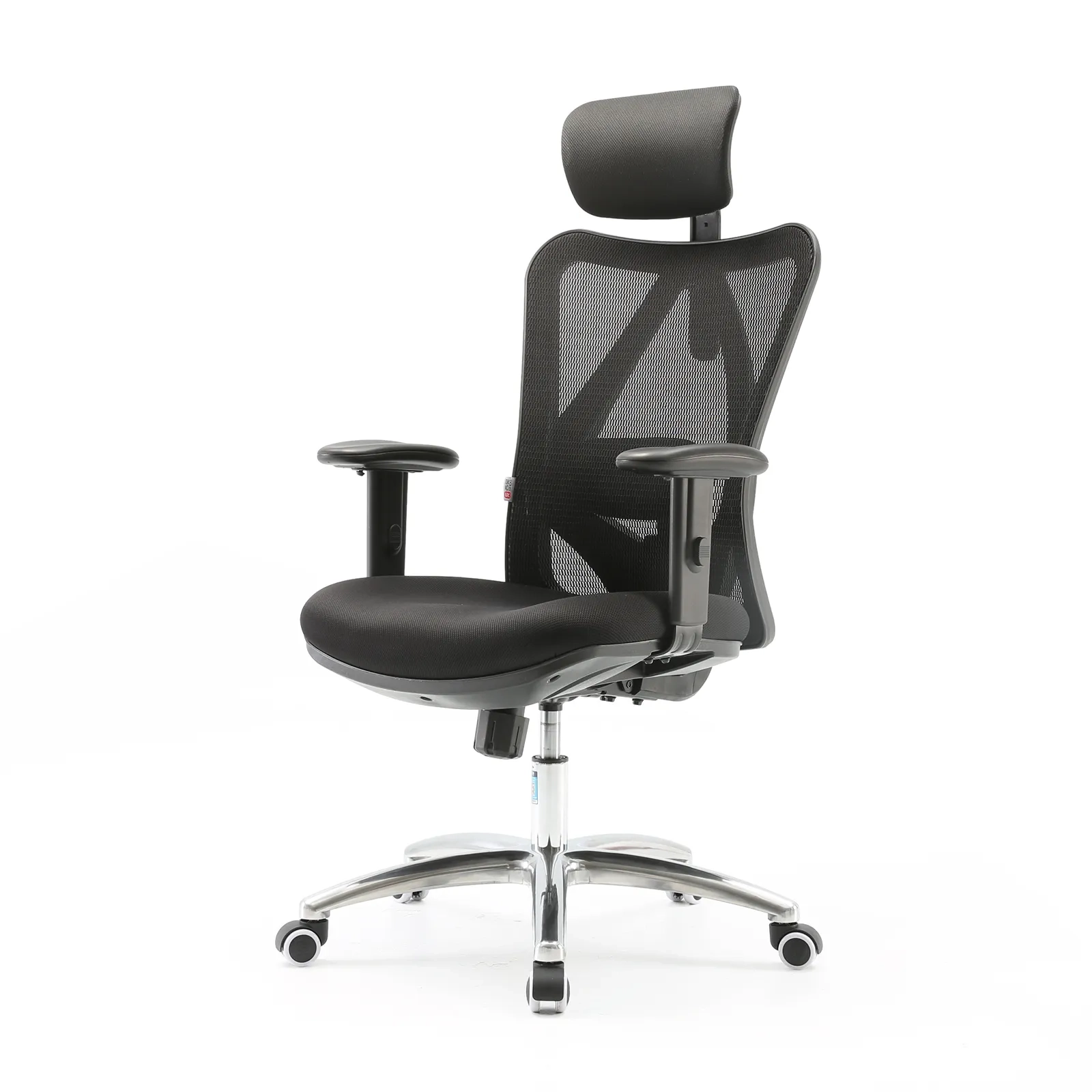
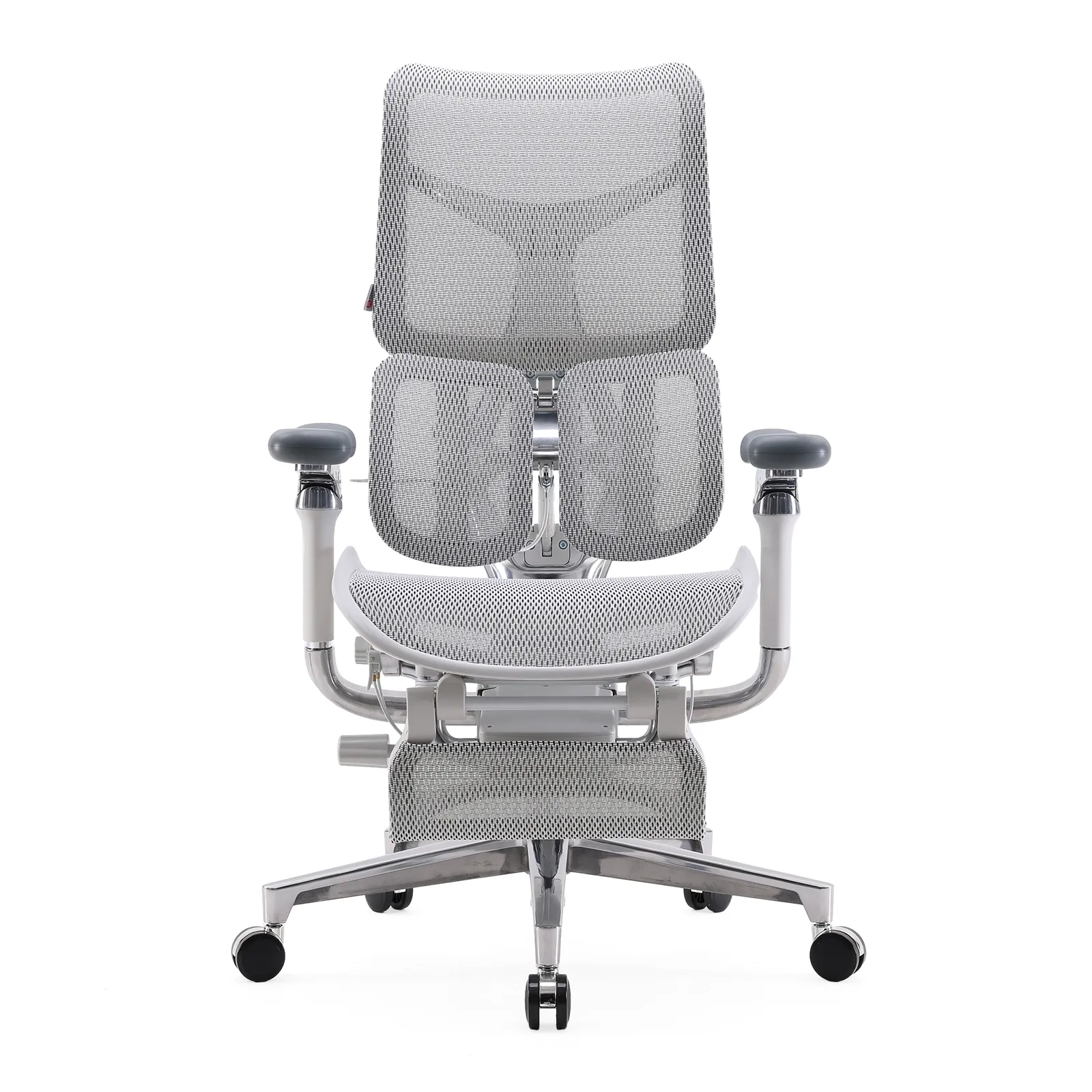
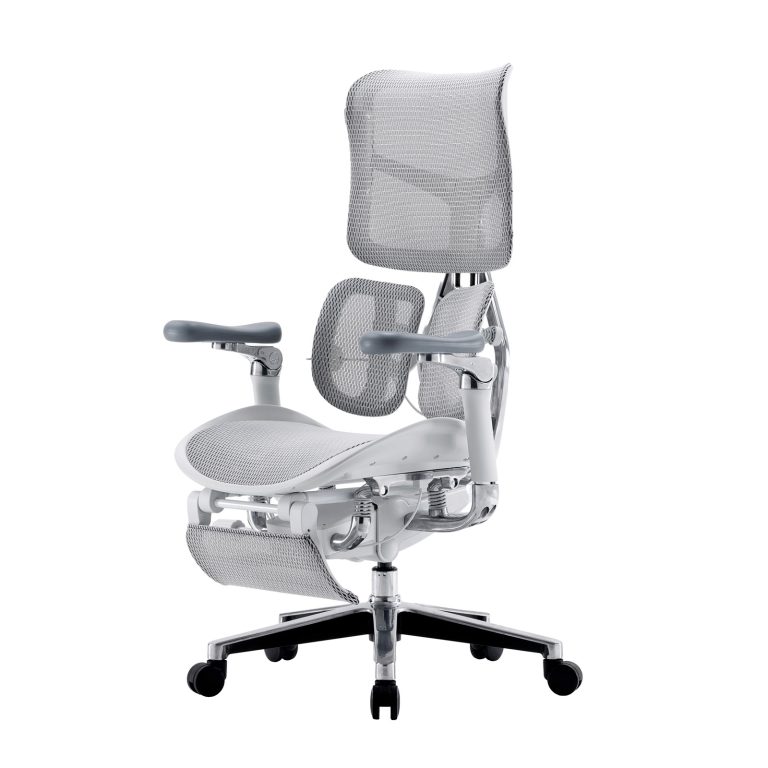
Sihoo specializes in ergonomic office furniture with models like the Doro C300, S300, and M18, trusted by users worldwide for their innovative features and durability.
Step 1: Understand Your Employees’ Needs
Before purchasing staff chairs, conduct a thorough assessment of your team’s requirements.
Key factors to evaluate:
- Body size and height: Seat height should accommodate 5th to 95th percentile users. Standard ranges are typically 16–21 inches.
- Work patterns: Highly sedentary roles (e.g., programmers, customer service) need superior lumbar and dynamic support. Mobile roles (sales, managers) benefit from lightweight, flexible designs.
- Health concerns: Employees with existing back pain require adjustable lumbar support. Those with neck issues need proper headrests.
- Workspace constraints: Open-plan offices may favor compact or stackable visitor staff chairs.
Practical tip: Distribute a short ergonomic survey or partner with an occupational therapist for assessments. This data-driven approach ensures higher adoption rates and ROI.
Step 2: Key Features to Look for in a Quality Staff Chair
A good ergonomic staff chair should offer full customization. Here are the must-have features:
Adjustability
- Seat height adjustment
- Seat depth adjustment (important for shorter and taller users)
- Tilt tension and lock
- Armrest height, width, depth, and angle (ideally 4D or 6D)
การรองรับบั้นเอว
Dynamic or adjustable lumbar is critical. Poor lumbar support is a leading cause of lower back pain in office workers.
Backrest and Headrest
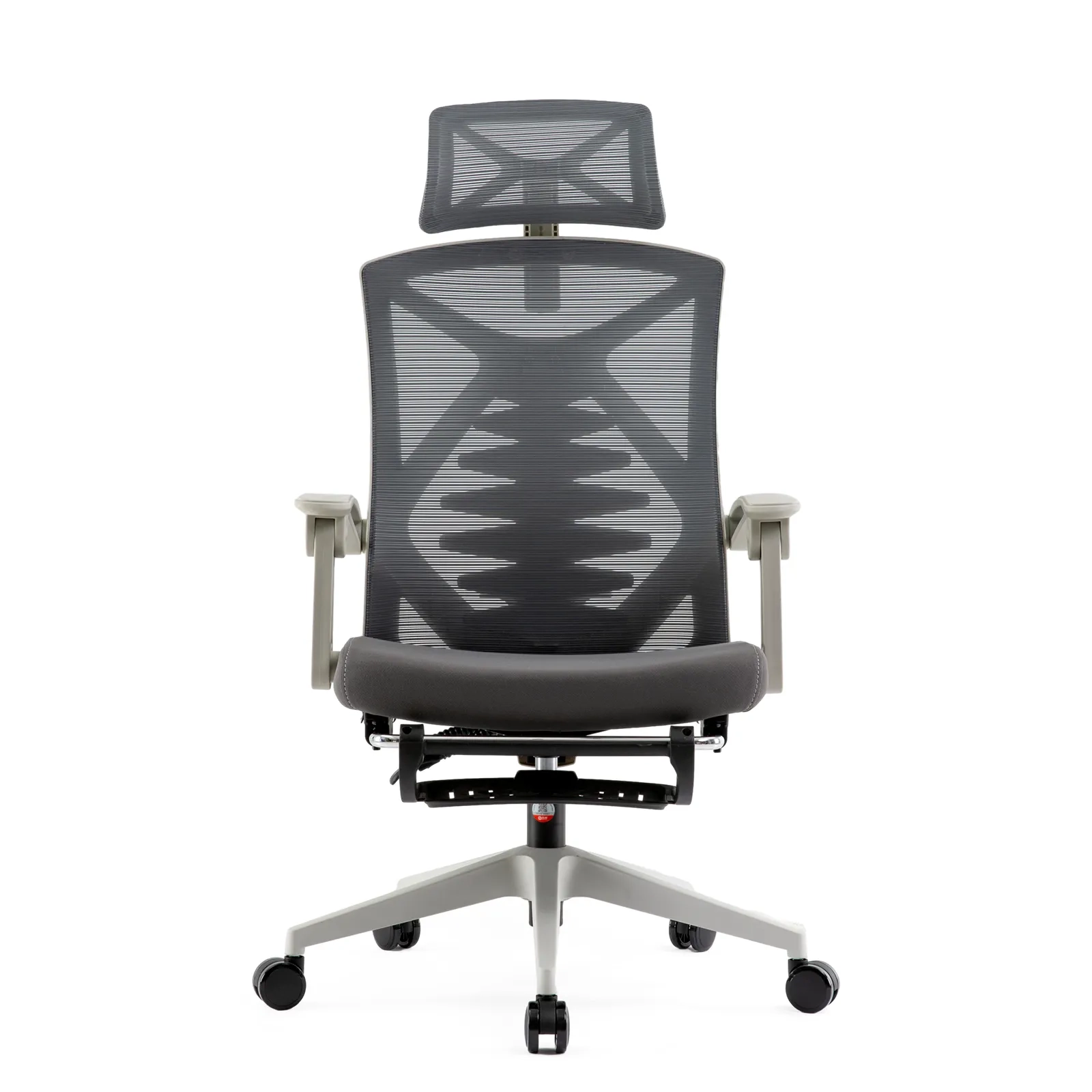
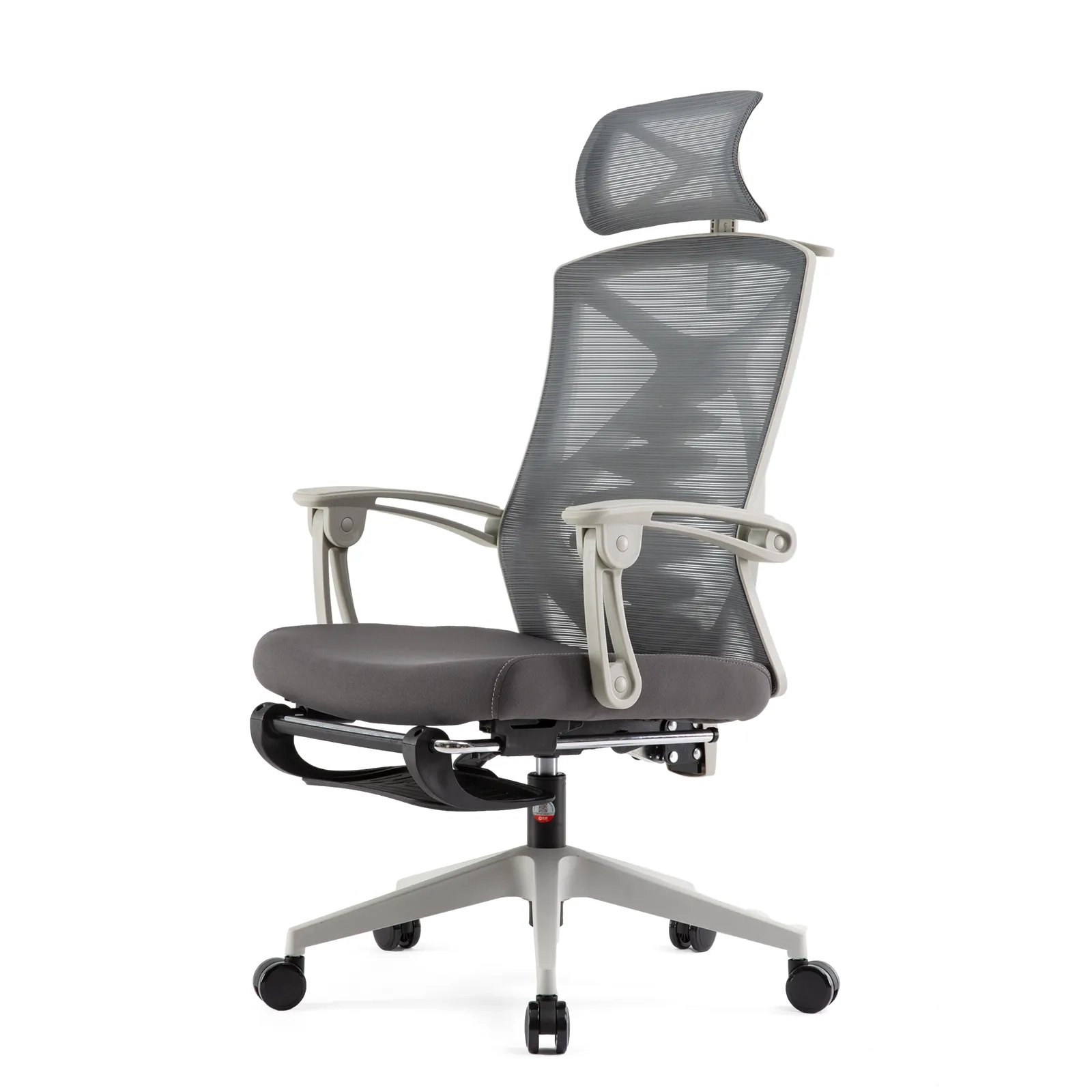
- High-back or mid-back designs
- Breathable mesh for airflow
- Adjustable or integrated headrest
Seat Cushion
- Waterfall edge to reduce pressure on thighs
- High-density foam or shock-absorbing systems
- Breathable materials
Durability and Certifications
- BIFMA testing for safety and strength
- Weight capacity (at least 250–330 lbs for general use)
- Warranty (3–5 years preferred)
Step 3: Matching Staff Chairs to Different Employee Types
For Desk-Based/IT Employees (Prolonged Sitting)
These roles demand maximum lumbar support and adjustability.
Recommendation: Sihoo Doro C300 or S300.
The C300’s dynamic lumbar and 6D armrests adapt to posture shifts, reducing fatigue during long coding or data-entry sessions. The S300’s weight-sensing mechanism automatically adjusts recline resistance.
For Tall or Big & Tall Staff
Standard chairs often feel cramped.
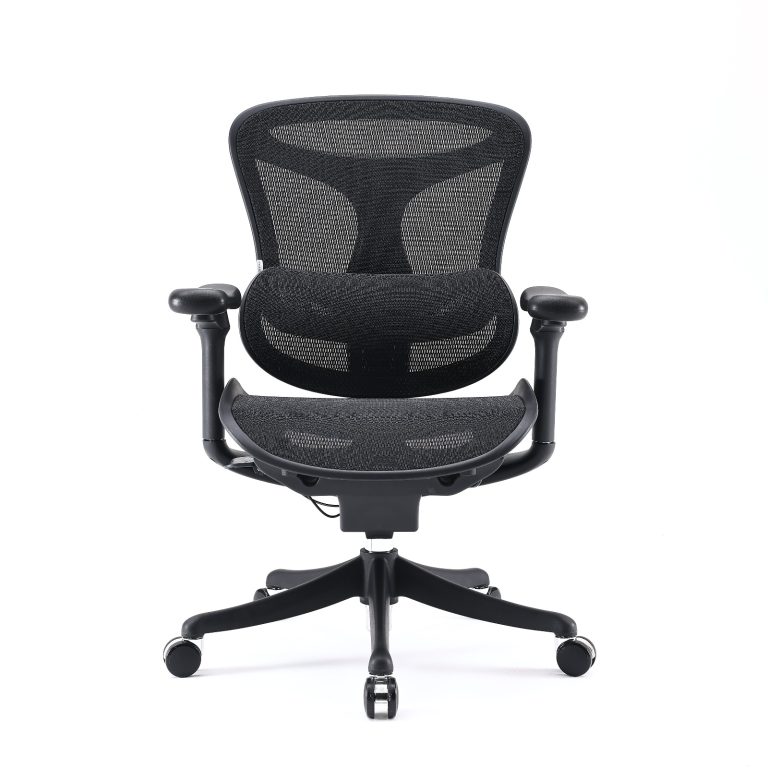
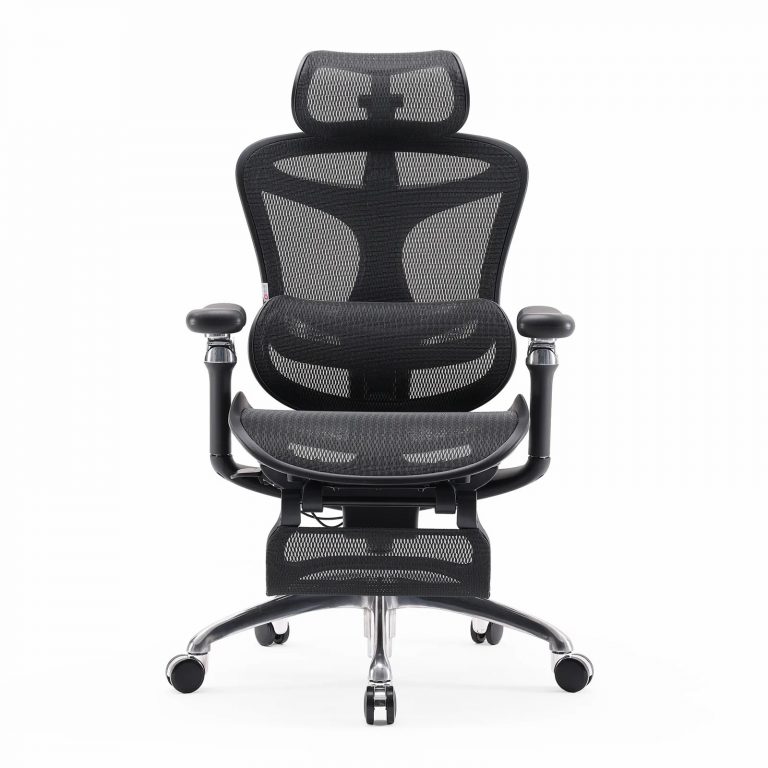
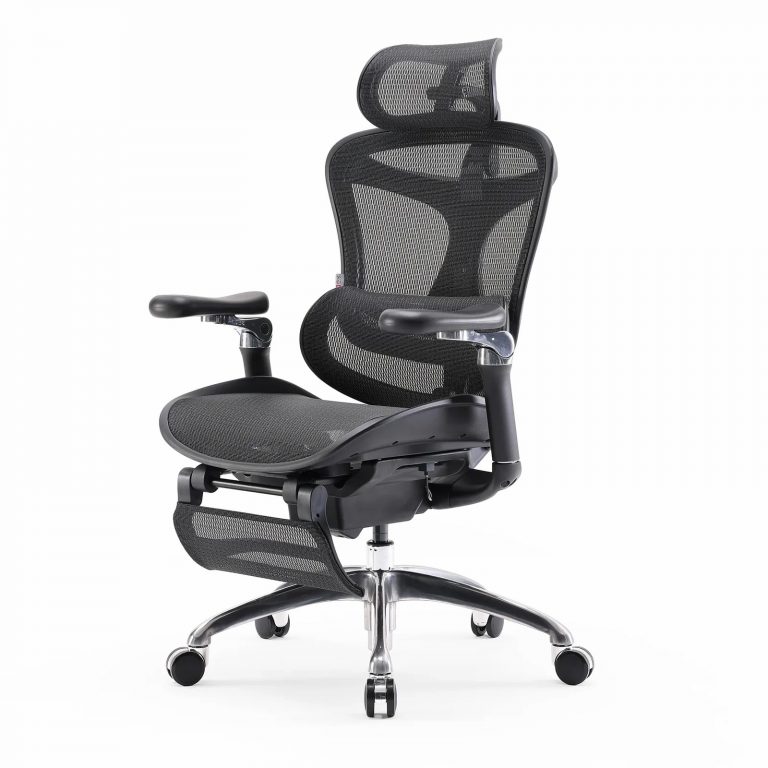
Recommendation: Sihoo M18.
With a wider seat, robust frame, adjustable headrest, and strong lumbar support, it comfortably accommodates users up to 330 lbs and taller statures. Testers praise its 4-way lumbar customization.
For Petite or Female Employees
Shorter users need lower minimum seat heights and adjustable depth to avoid pressure behind the knees.
Recommendation: Models with wide height ranges like the C300 or entry-level adjustable Sihoo chairs. Look for seat heights starting around 16 inches and shorter seat pans.
For Managers and Meeting-Heavy Roles
Comfort during calls and meetings is key.
Recommendation: Sihoo M77 visitor/meeting chairs or high-end executive options with smooth recline. The M77 series offers flexibility and strength suitable for collaborative spaces.
For Hybrid/Remote-Capable Teams
Lightweight, easy-to-move chairs work well.
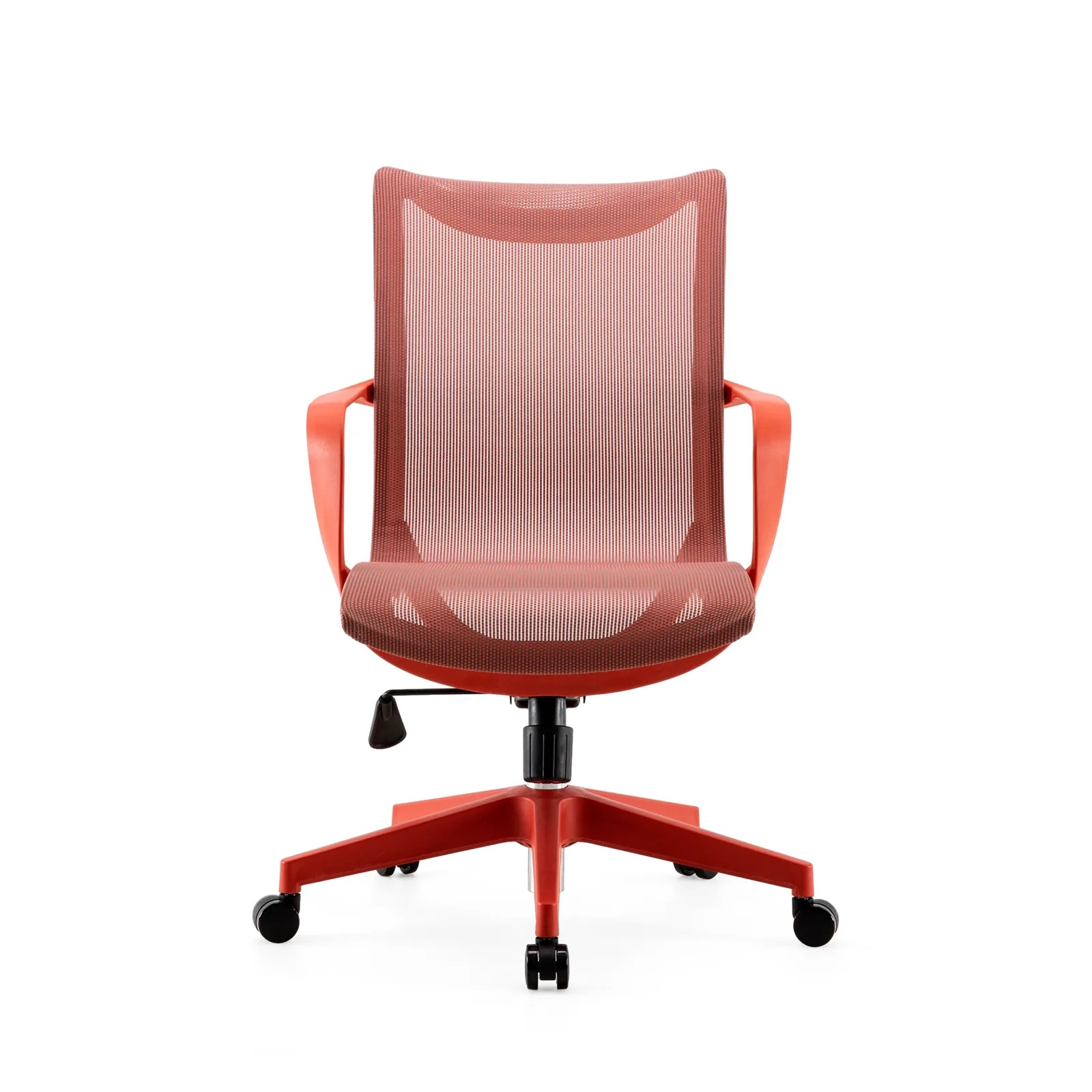
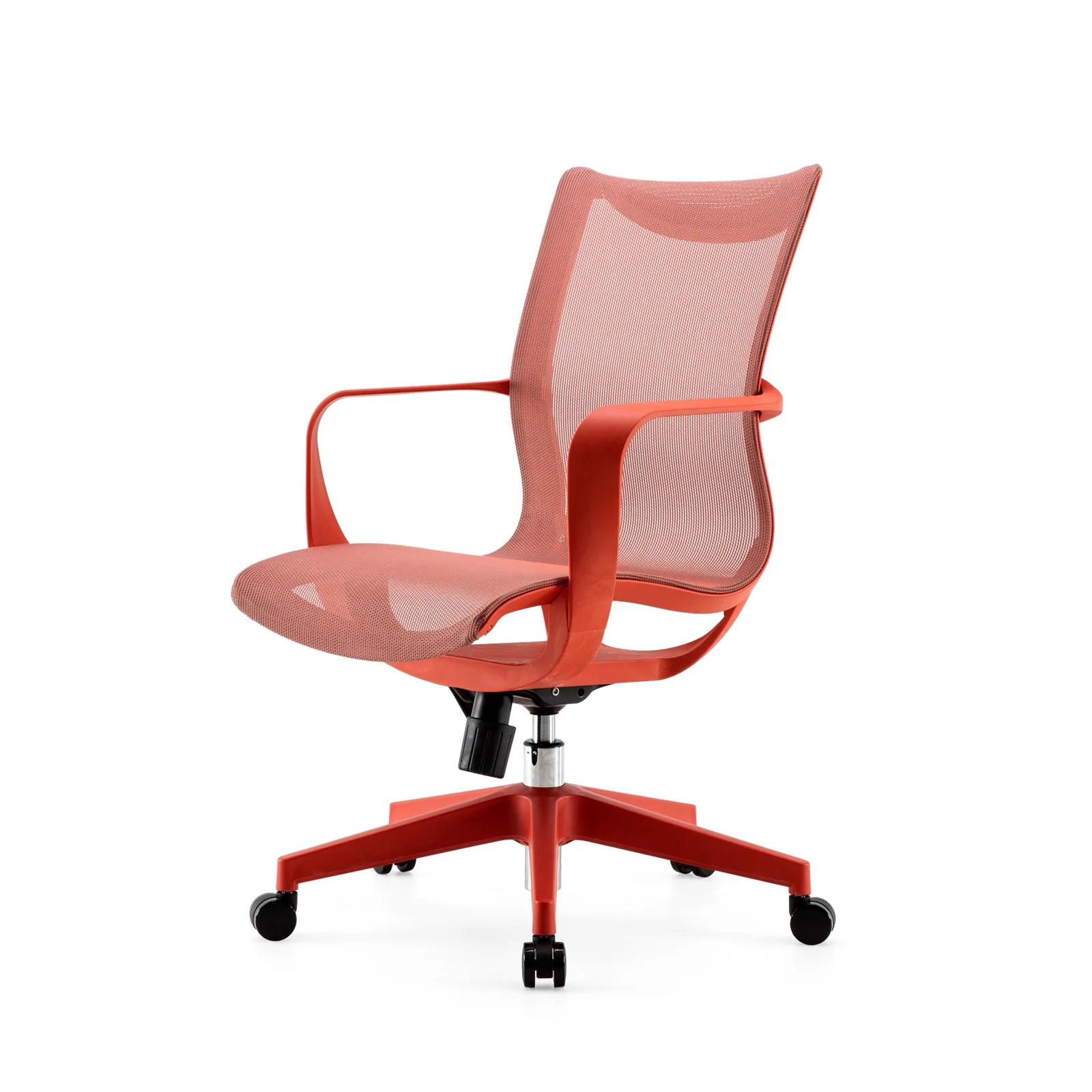
Recommendation: Versatile mid-range Sihoo models with foldable or compact armrests.
Step 4: The Role of Ergonomics in Employee Wellness and Productivity
Investing in proper staff chairs yields measurable returns:
- Health Benefits: Ergonomic seating reduces musculoskeletal disorders. Proper lumbar support helps maintain the spine’s natural curve.
- Productivity Gains: Research indicates ergonomic interventions, including chairs, can boost output by 10–17.7%. One study found 70% of employees reported better performance after switching to ergonomic chairs.
- Reduced Absenteeism: Fewer pain-related sick days translate to cost savings.
- Employee Satisfaction: 87% of workers in ergonomic environments report higher motivation.
Sihoo chairs incorporate advanced technologies like Body Movement Tracking and dynamic support systems. Many Fortune 500 companies trust similar ergonomic solutions for their workspaces. With 5-year warranties on premium Doro series models, they offer excellent long-term value.
Step 5: How to Test and Purchase Staff Chairs
Best Practices:
- Request samples or visit showrooms for trial sitting (at least 30–60 minutes).
- Consider bulk purchasing discounts for office-wide rollouts.
- Balance budget with quality — mid-range ergonomic chairs like Sihoo’s often deliver premium features at accessible prices.
- Check return policies and warranties.
Common Mistakes to Avoid:
- Choosing based solely on price or aesthetics.
- Ignoring adjustability.
- Purchasing one-size-fits-all without considering team diversity.
When buying staff chairs in volume, contact manufacturers like Sihoo directly for corporate solutions, customization, and competitive pricing.
Conclusion
Selecting the right staff chair is more than furnishing an office — it’s investing in your employees’ well-being and your company’s success. By understanding individual needs, prioritizing ergonomic features, and choosing proven solutions like those from Sihoo, you create a workspace where everyone can perform at their best.
Explore Sihoo’s full range of ergonomic staff chairs, from the adaptable C300 and S300 to the supportive M18. Their focus on dynamic support, premium materials, and user-centric design makes them an excellent choice for modern offices.
คำถามที่พบบ่อย
What is the best staff chair for back pain?
Models with dynamic or 4-way adjustable lumbar support, such as the Sihoo C300 or M18.
Are mesh staff chairs better than fabric?
Mesh generally offers superior breathability for all-day sitting, though both can be ergonomic when well-designed.
How do I convince management to invest in better staff chairs?
Present productivity studies (17.7% gains) and potential reductions in health-related costs.
1600x1600-4-768x768.jpg)
1600x1600-8-768x768.jpg)