








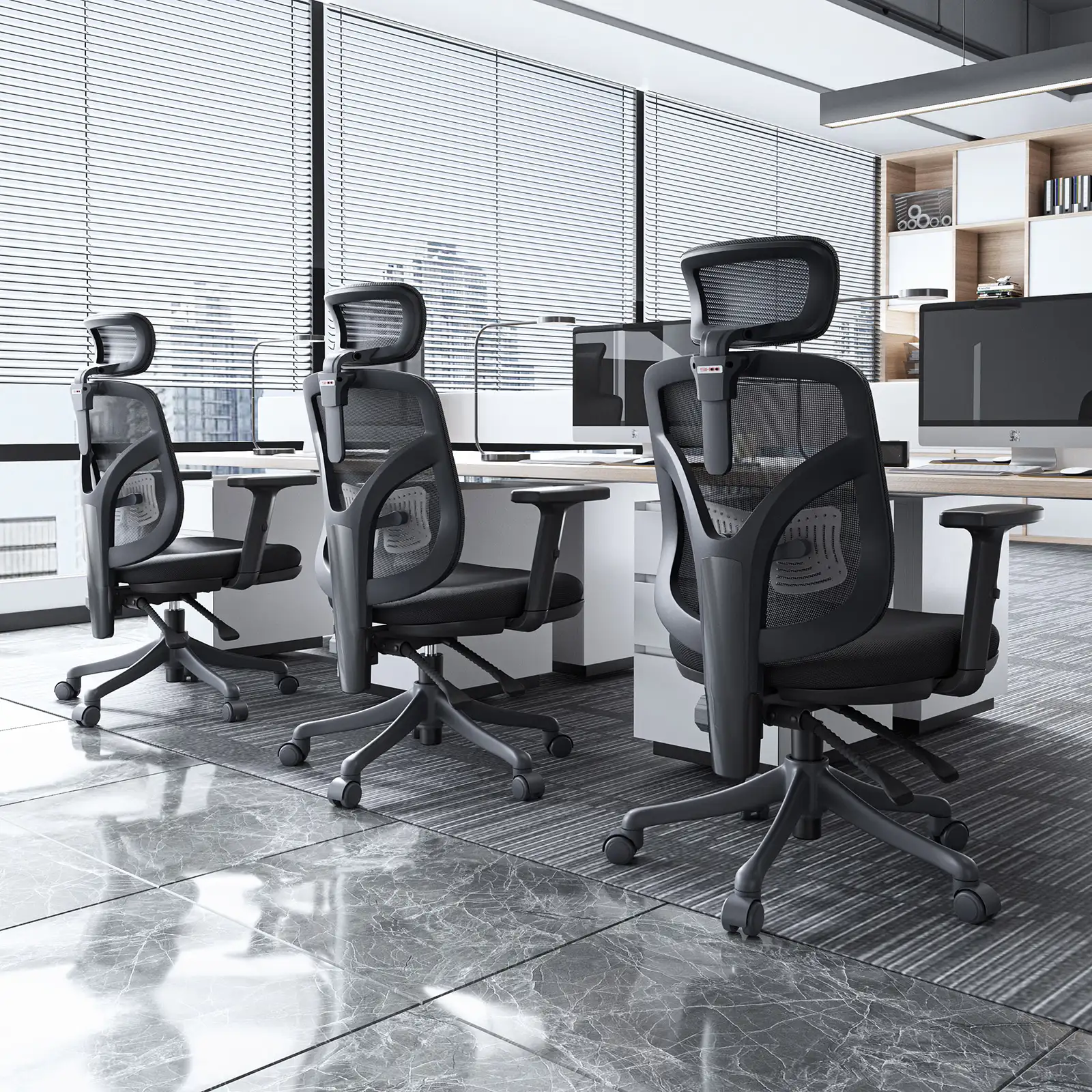
A Data-Driven Guide Based on Usage Intensity and Ergonomic Degradation
In today’s workplace, an office chair is far more than just a place to sit—it’s a critical ergonomic tool that directly impacts employee health, focus, and productivity. According to the International Ergonomics Association (IEA), nearly 68% of office workers have experienced lower back pain, neck stiffness, or sciatic pressure due to inadequate seating. In almost half of these cases, the root cause isn’t poor initial quality—but functional degradation from prolonged use.
So, how long should an office chair really last? Five years? Seven? Or “as long as it still works”? This article provides a practical, science-backed framework to help HR professionals, procurement managers, and remote workers make informed decisions—based on material science, usage patterns, and clear failure indicators.
The Gap Between Theoretical Lifespan and Real-World Performance
Industry standards—such as BIFMA X5.1 (U.S.) and EN 1335 (Europe)—typically rate a well-designed ergonomic office chair for a 7–10 year service life. But this assumes ideal lab conditions: 8 hours of daily use, a 75 kg user, and stable temperature/humidity.
Reality is far messier. Three key variables drastically shorten actual usability:
1. Usage Intensity: Time Is the Ultimate Wear Factor
Full-time office workers sit for over 2,000 hours per year. This constant stress accelerates wear on three critical components:
- Gas lift seal degradation → unstable height or slow sinking
- Foam fatigue in the seat cushion → loss of resilience, >15mm permanent indentation
- Loosening of adjustment mechanisms → wobbly armrests or creaking backrests
Studies show that chairs used more than 6 hours daily typically lose 30% of their functional lifespan.
2. User Physiology: One Size Rarely Fits All
Most chairs are designed for the 5th–95th percentile of body dimensions. Users over 90 kg, or under 155 cm / over 185 cm tall, place excessive strain on frames and gas lifts—speeding up metal fatigue and structural failure.
3. Material Quality: What’s Under the Surface Matters
- Base: Aluminum alloy (tensile strength ≥300 MPa) vastly outperforms reinforced engineering plastic (~120–150 MPa)
- Seat foam: High-density cold-cure foam (≥45 kg/m³) shows ≤10% permanent deformation after 50,000 compression cycles; standard polyurethane often collapses within 2–3 years
- Back fabric: High-elasticity mesh (e.g., PA66 + glass fiber) resists UV and creep for 8+ years; PU leather cracks easily in dry climates
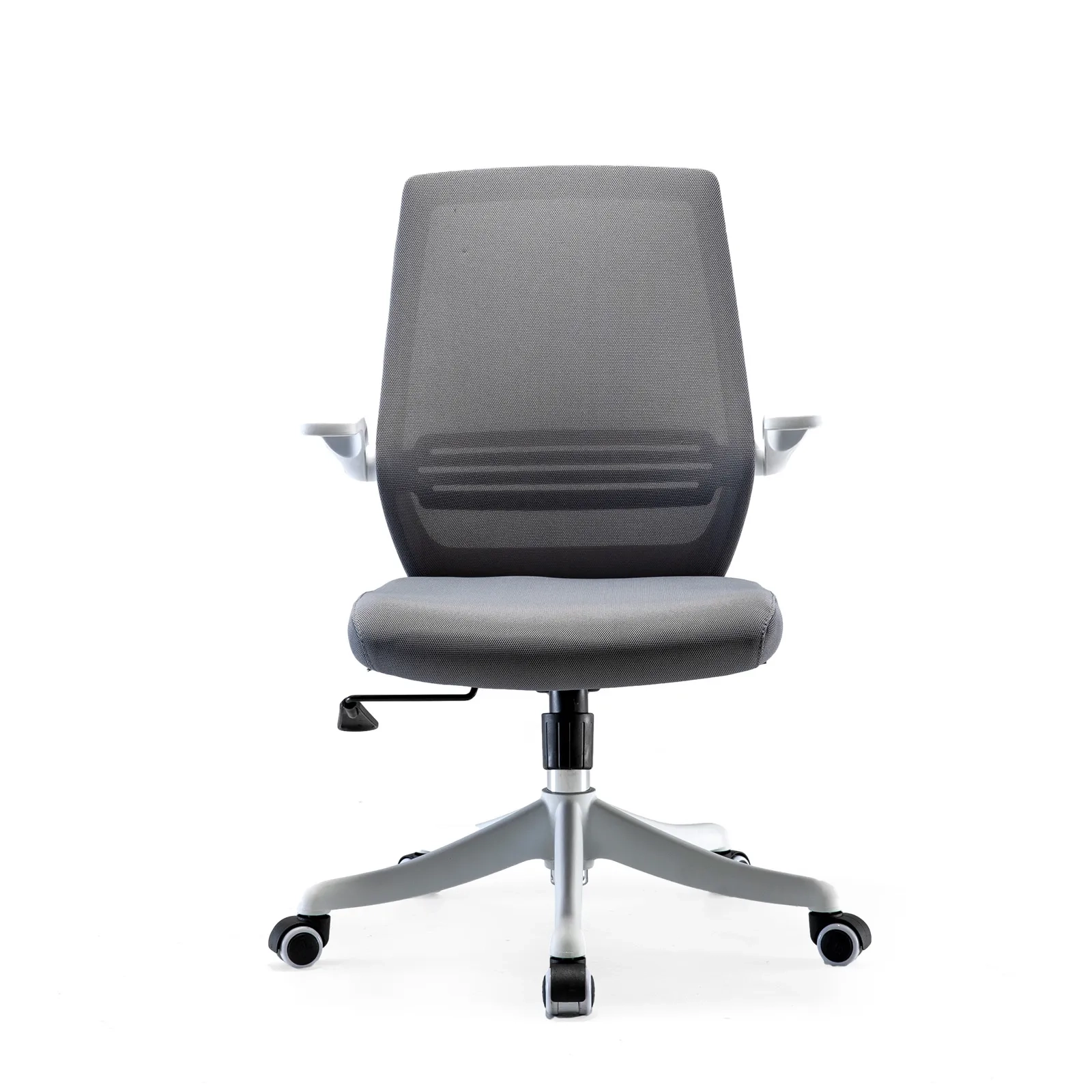
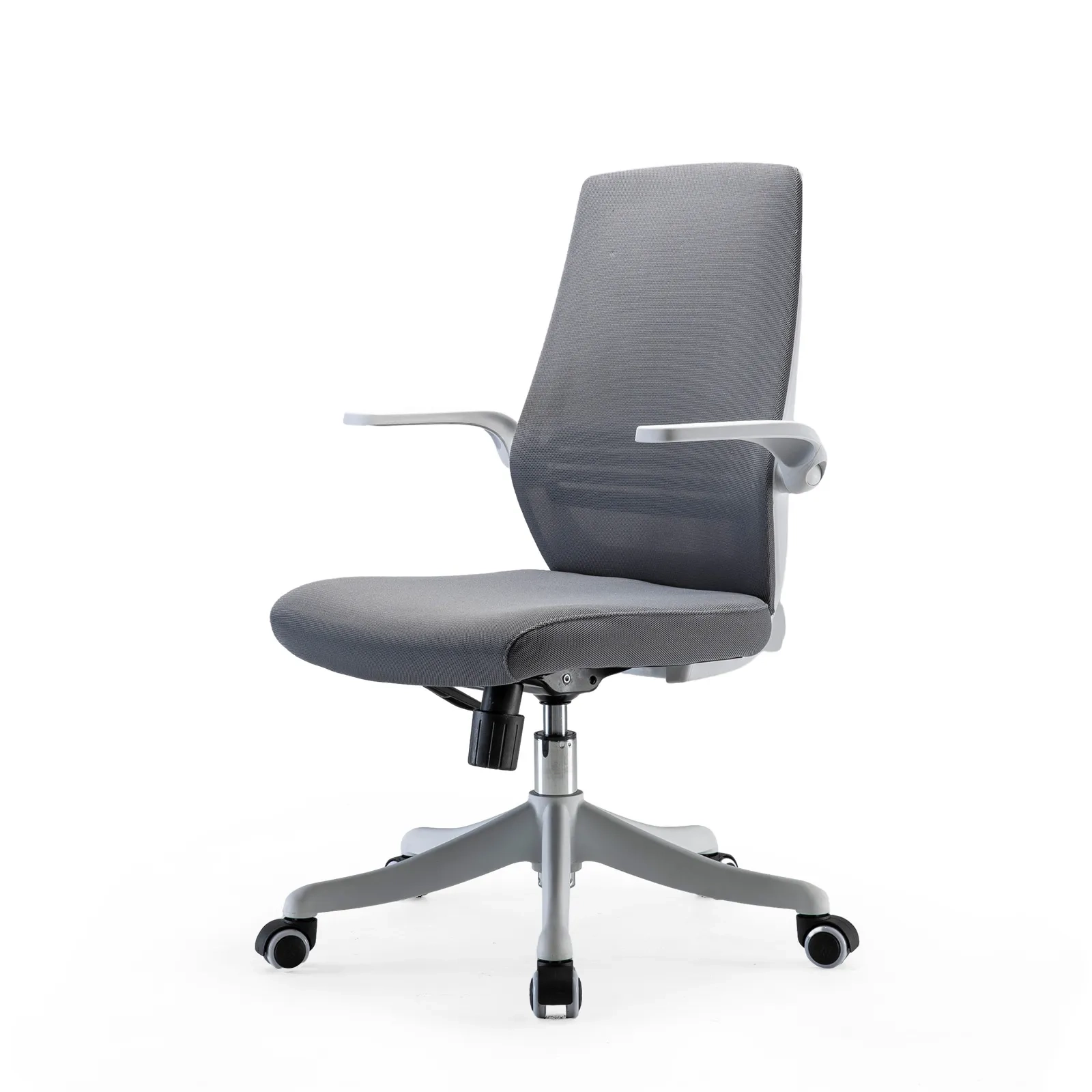
This explains why the mesh office chair has become the gold standard for intensive, all-day use. Many enterprises also opt for mesh office chair to standardize their office environment.
7 Clear Signs It’s Time to Replace Your Chair
Don’t wait for total failure. Watch for these early indicators of functional decline:
1. Gas Lift Malfunction
If your chair slowly sinks (>1 cm/hour), won’t lock height, or hisses when adjusting, the nitrogen seal has likely failed—posing a safety risk. If users find that adjusting the chair height with the lever no longer works, it is typically the failure of the internal mechanism.
2. Permanent Seat Deformation
If the cushion doesn’t rebound within 10 seconds after you stand up, or it shows indentation over 15mm, it means the cushion can no longer distribute pressure evenly.
3. Lumbar Support Failure
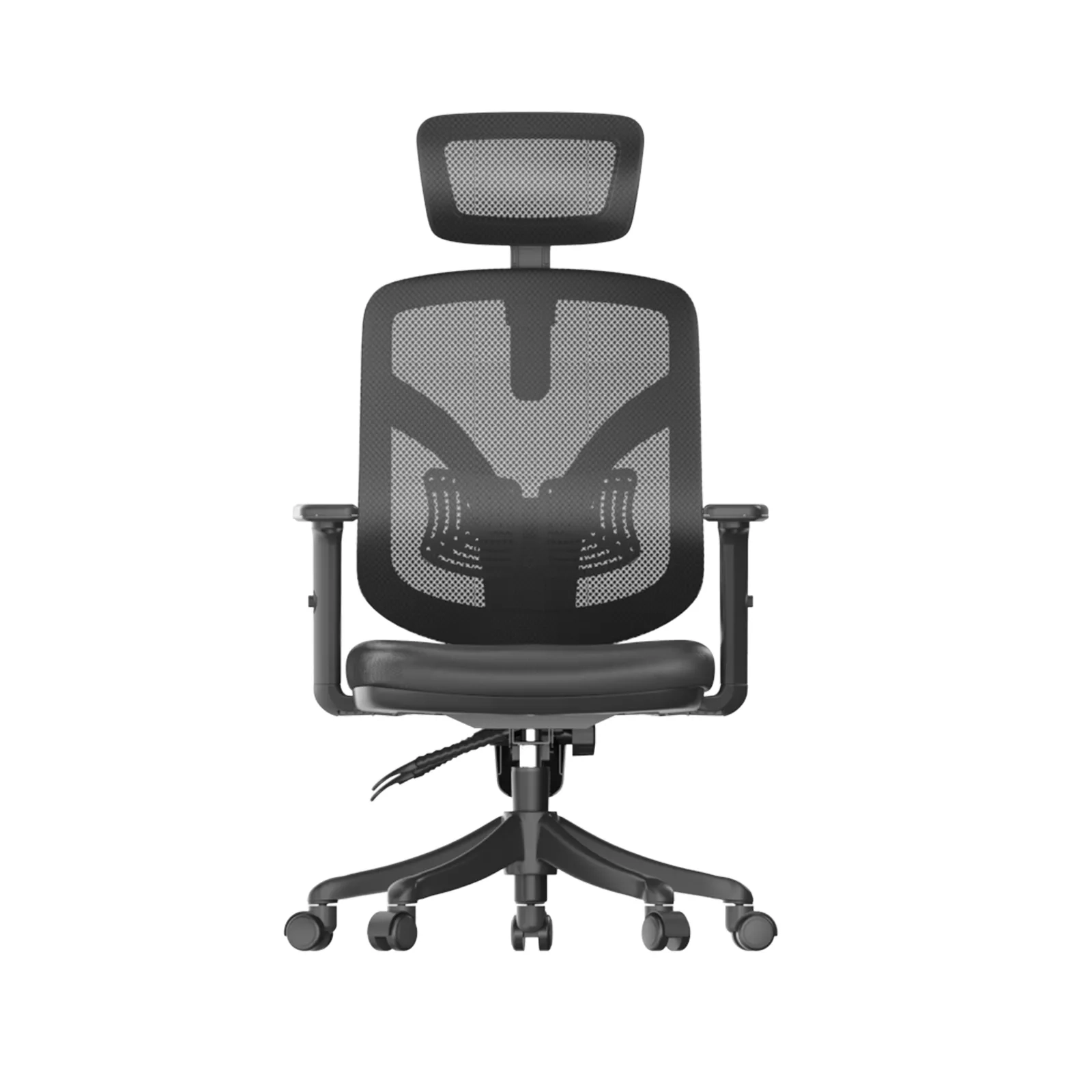
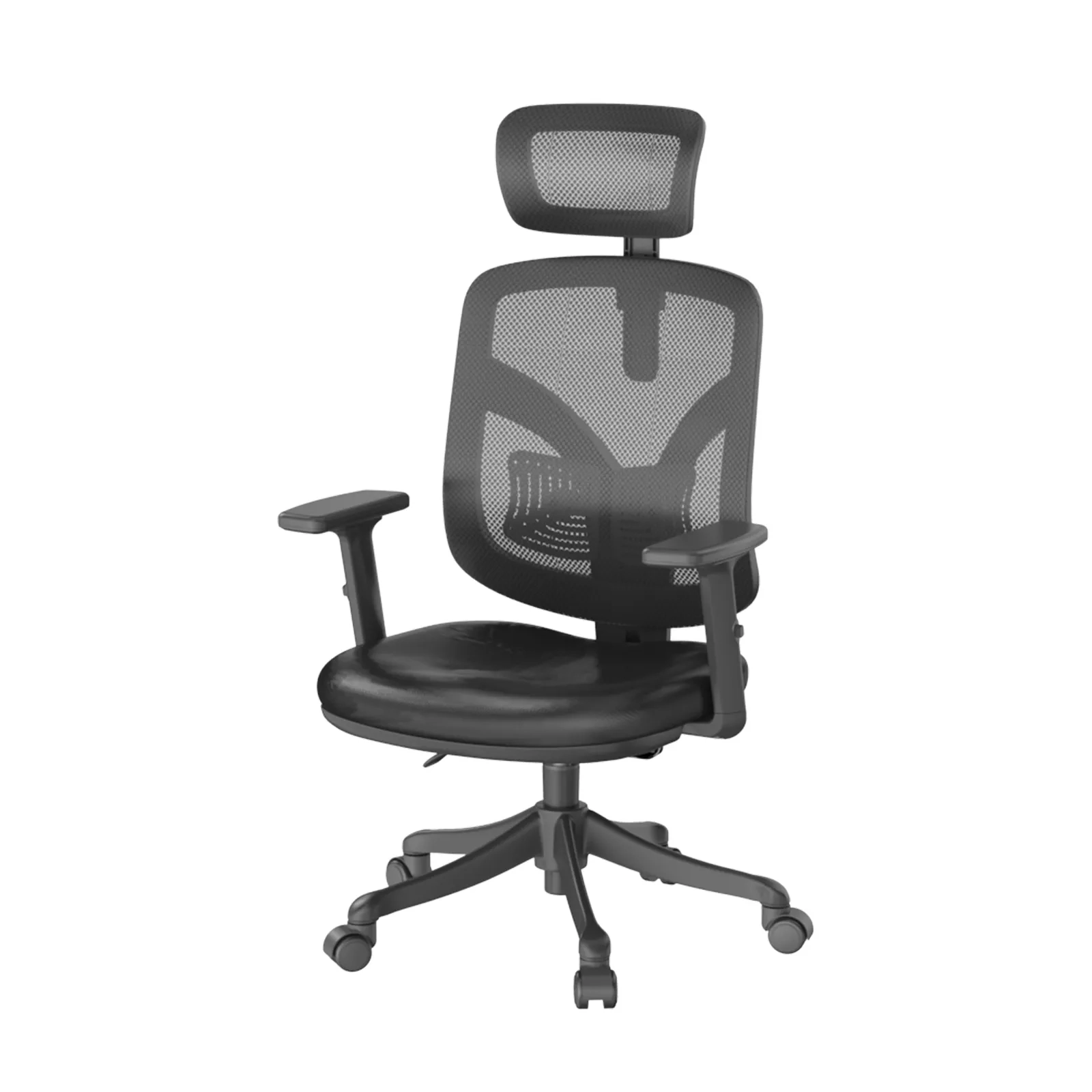
Effective lumbar support must align with the L3–L5 vertebrae to maintain the spine’s natural curve. A proper lumbar support office chair or the best lumbar support office chair should offer adjustable, contouring support that moves with the user.
4. Loose or Unstable Armrests
A desk chair or an office chair with adjustable arms can significantly reduce shoulder and neck strain by matching individual workstation setups.
5. Creaking or Cracking in the Base
This signals material fatigue and warrants replacement.
6. Recurring Lower Back Pain
If pain persists despite posture adjustments, consider whether you need an ergonomic chair for back pain for alleviating lower back pain..
7. Stiff or Damaging Casters
Sticking wheels or floor scratches reflect broader structural instability.
Replacement Strategies by Use Case
For Enterprises
- High-intensity roles: Evaluate every 5 years
- Consider a comfortable desk chair or a high back office chair to boost employee satisfaction
For Individuals
- If you’re tall or heavy, a big and tall mesh office chair offers better support
- For executive settings, an executive office chair or boss chair conveys professionalism
Maintenance Tips to Extend Lifespan
- Clean mesh chair office surfaces regularly
- Avoid standing on the seat or rapid spinning
- Inspect structure every 6 months
Three High-Performance Chair Configurations
1. Dynamic Lumbar Support
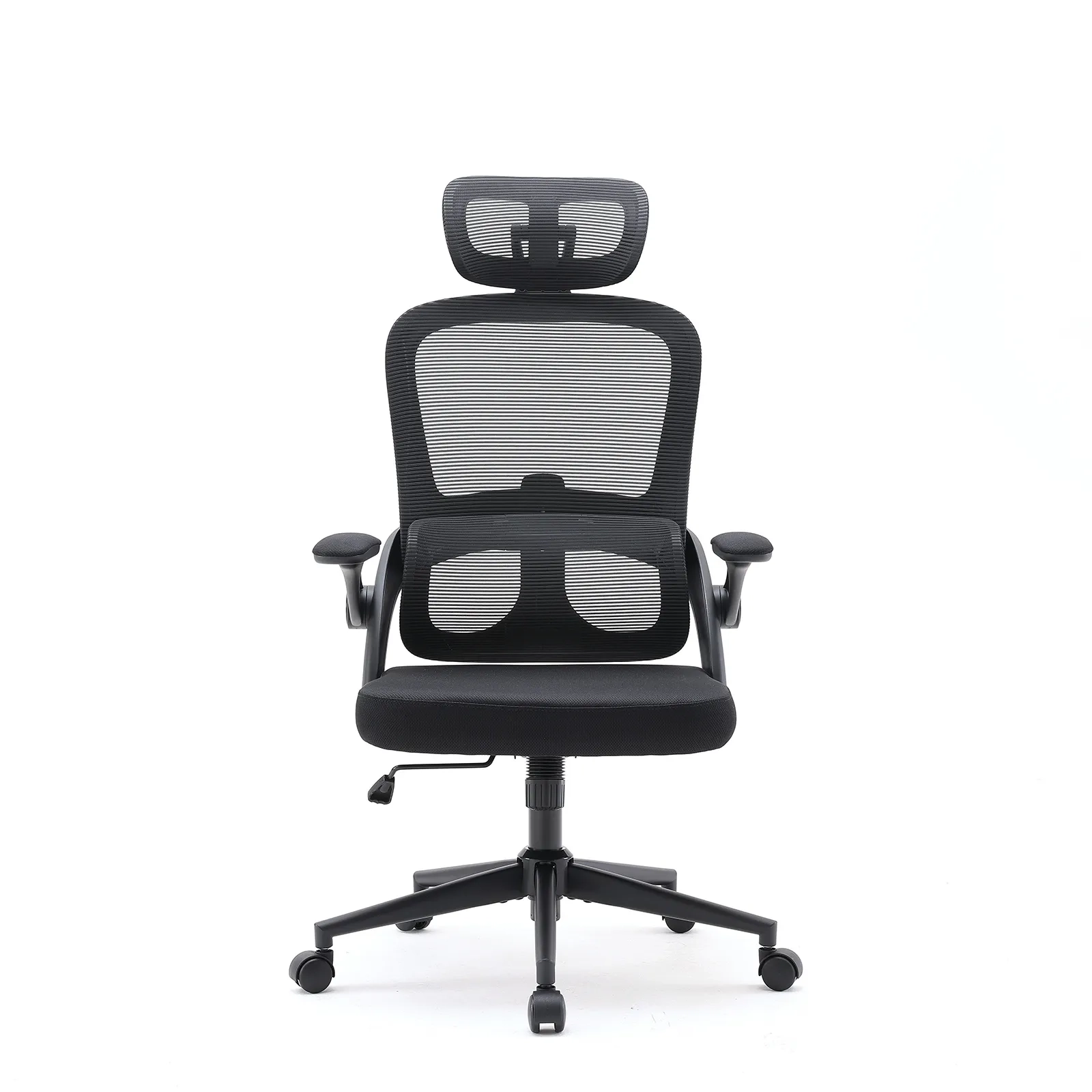
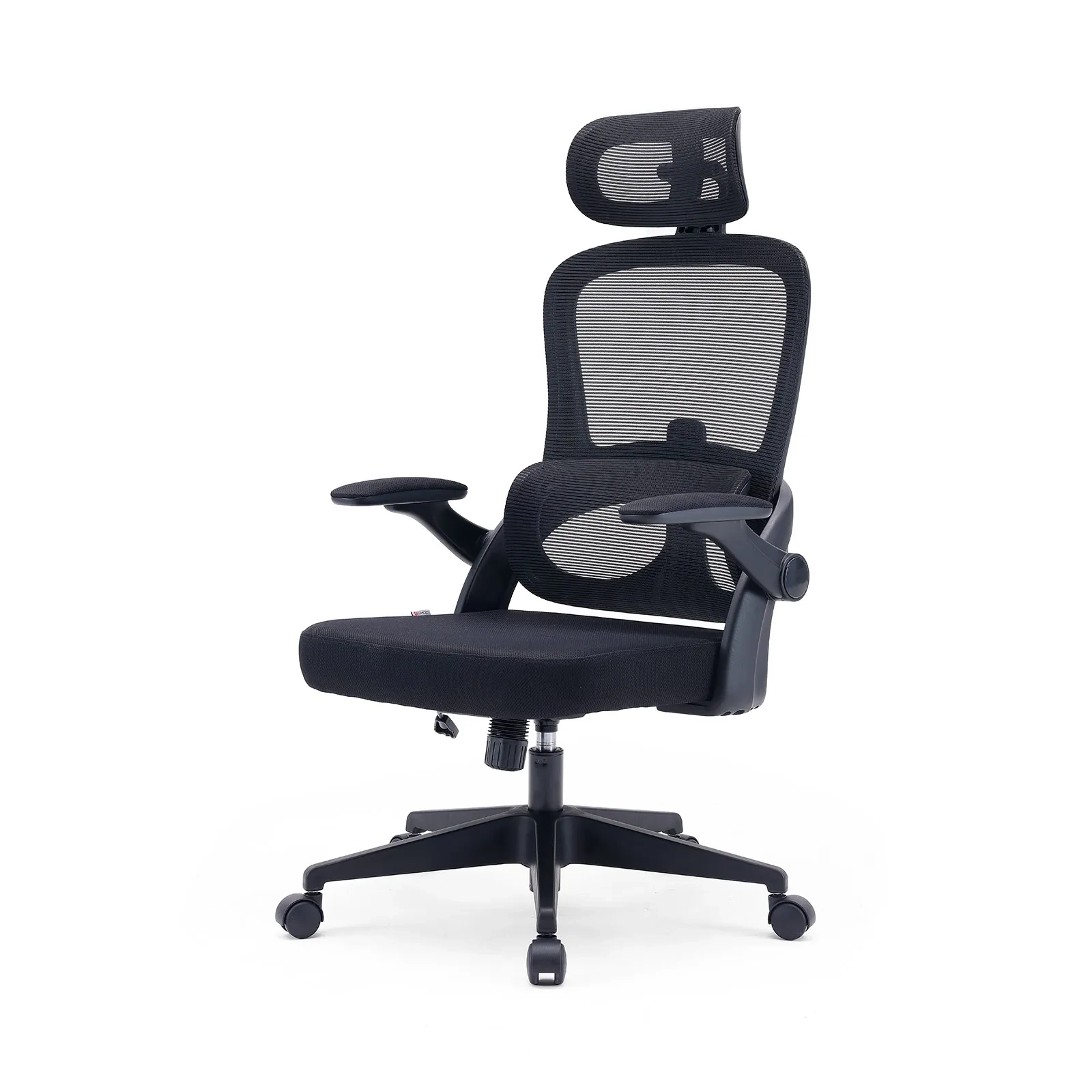
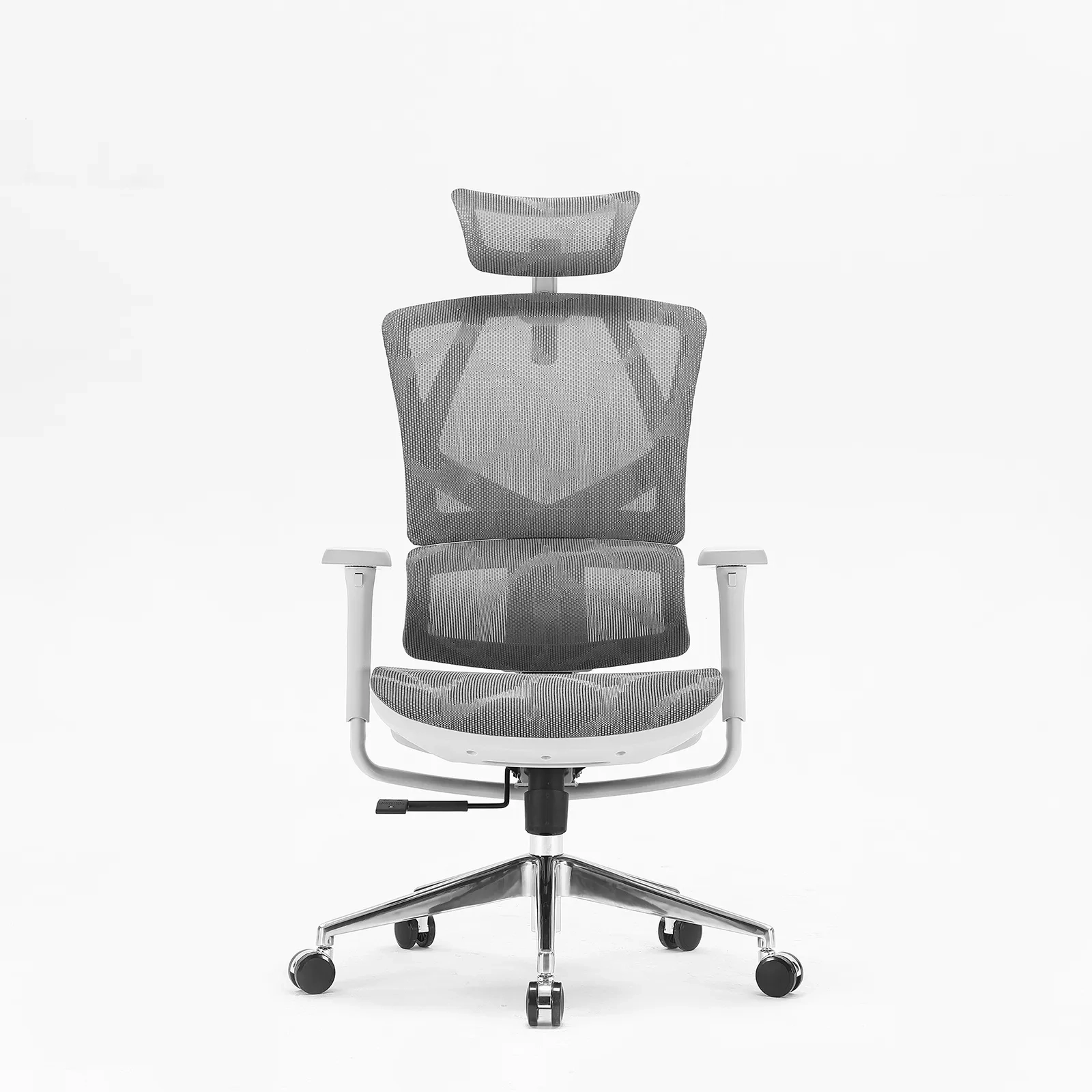
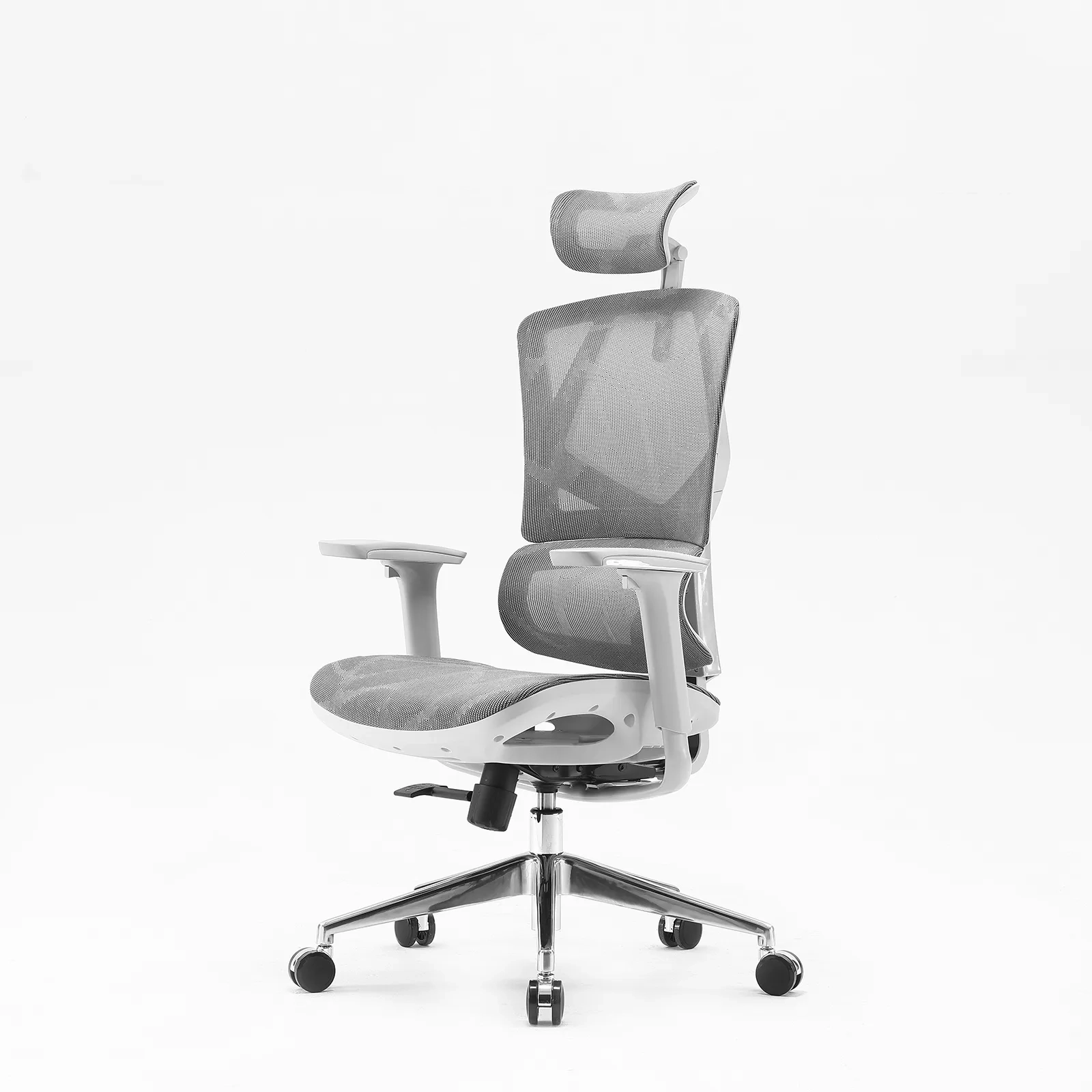
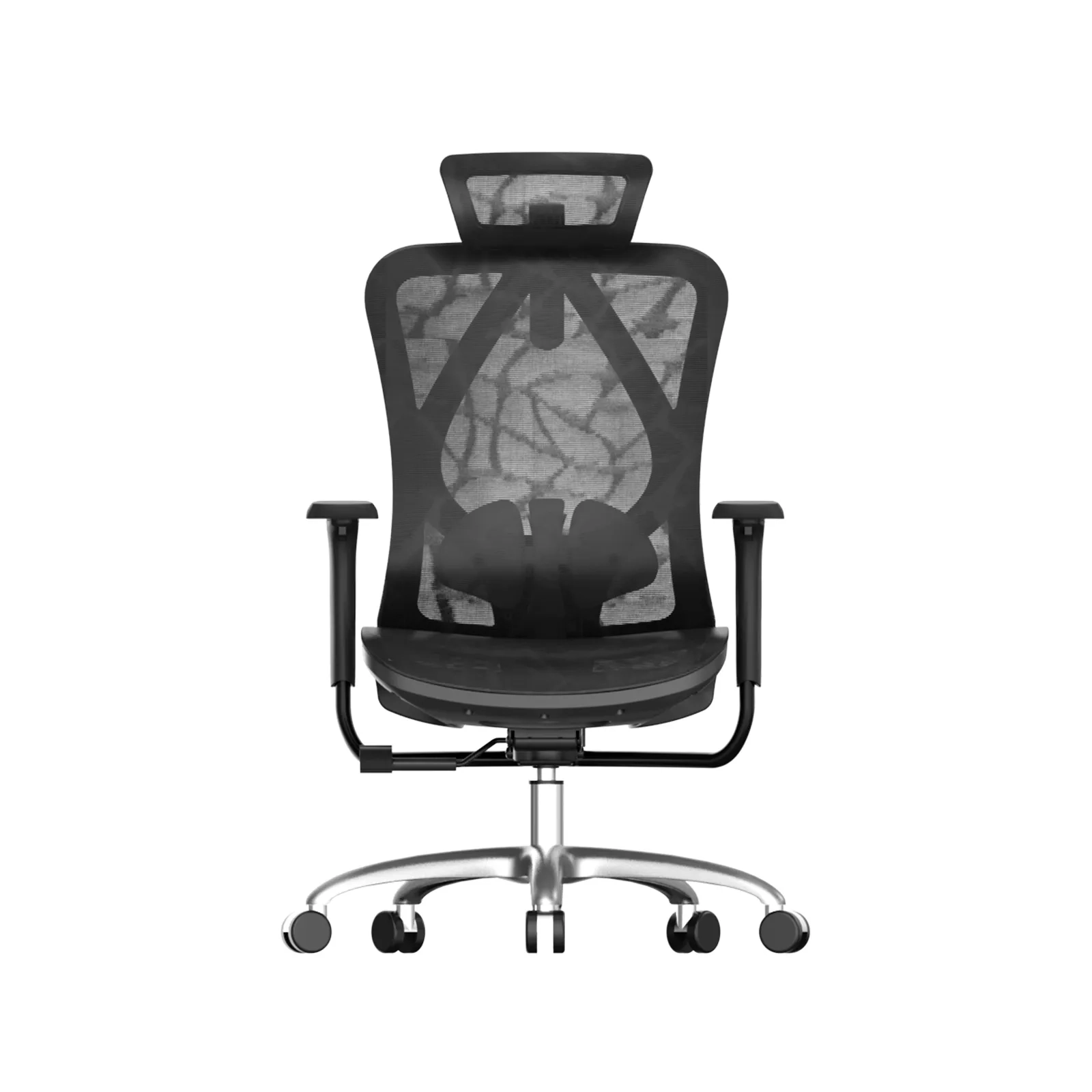
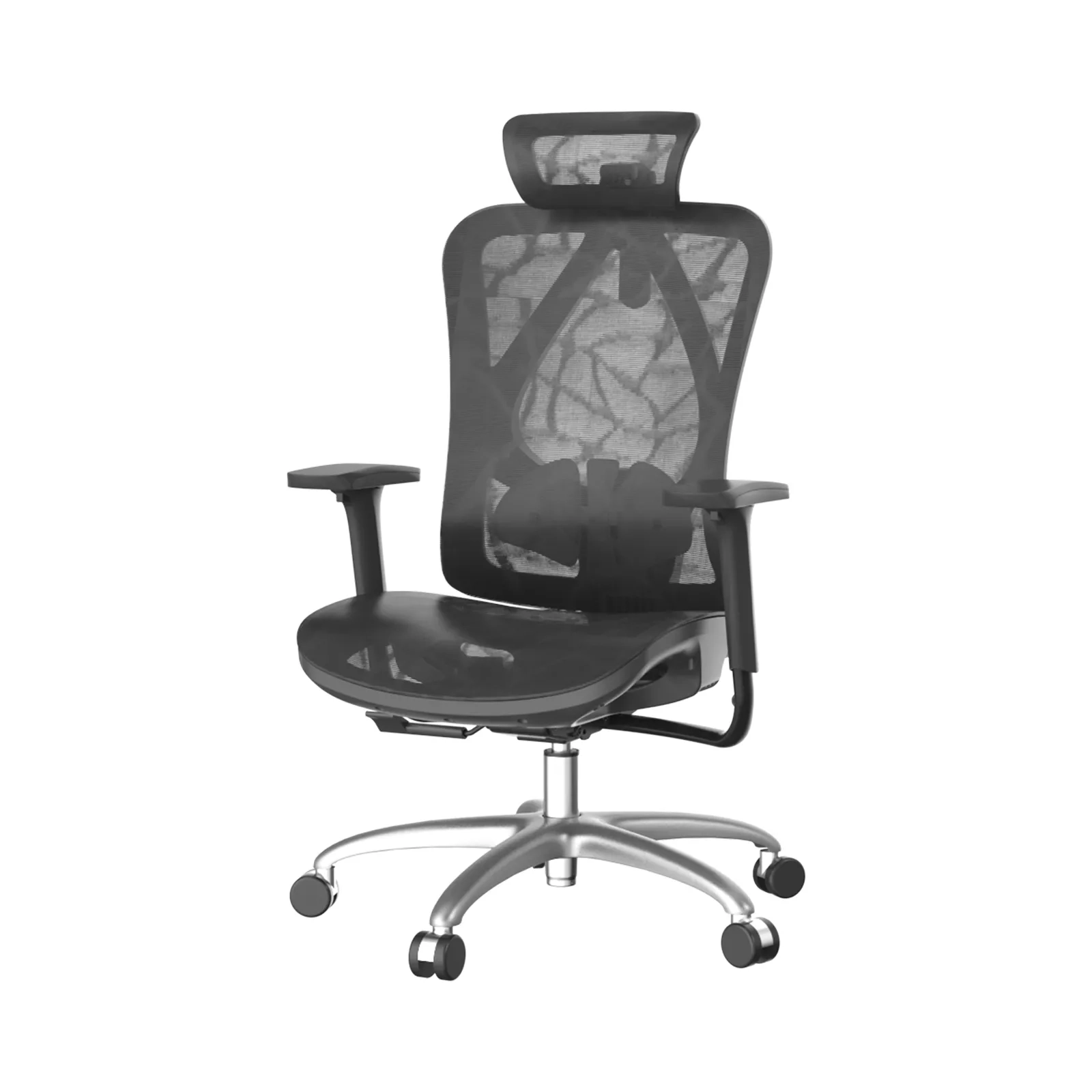
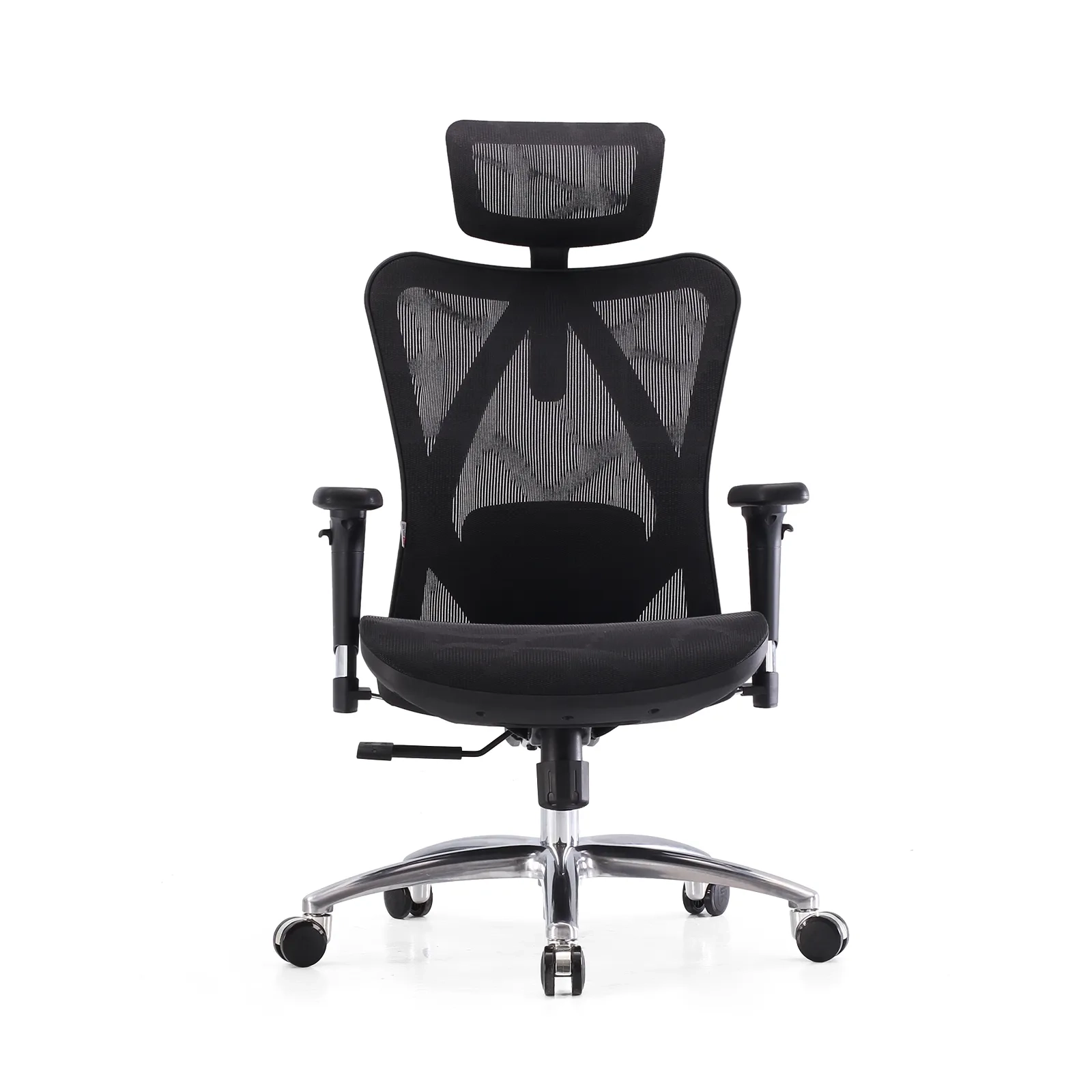
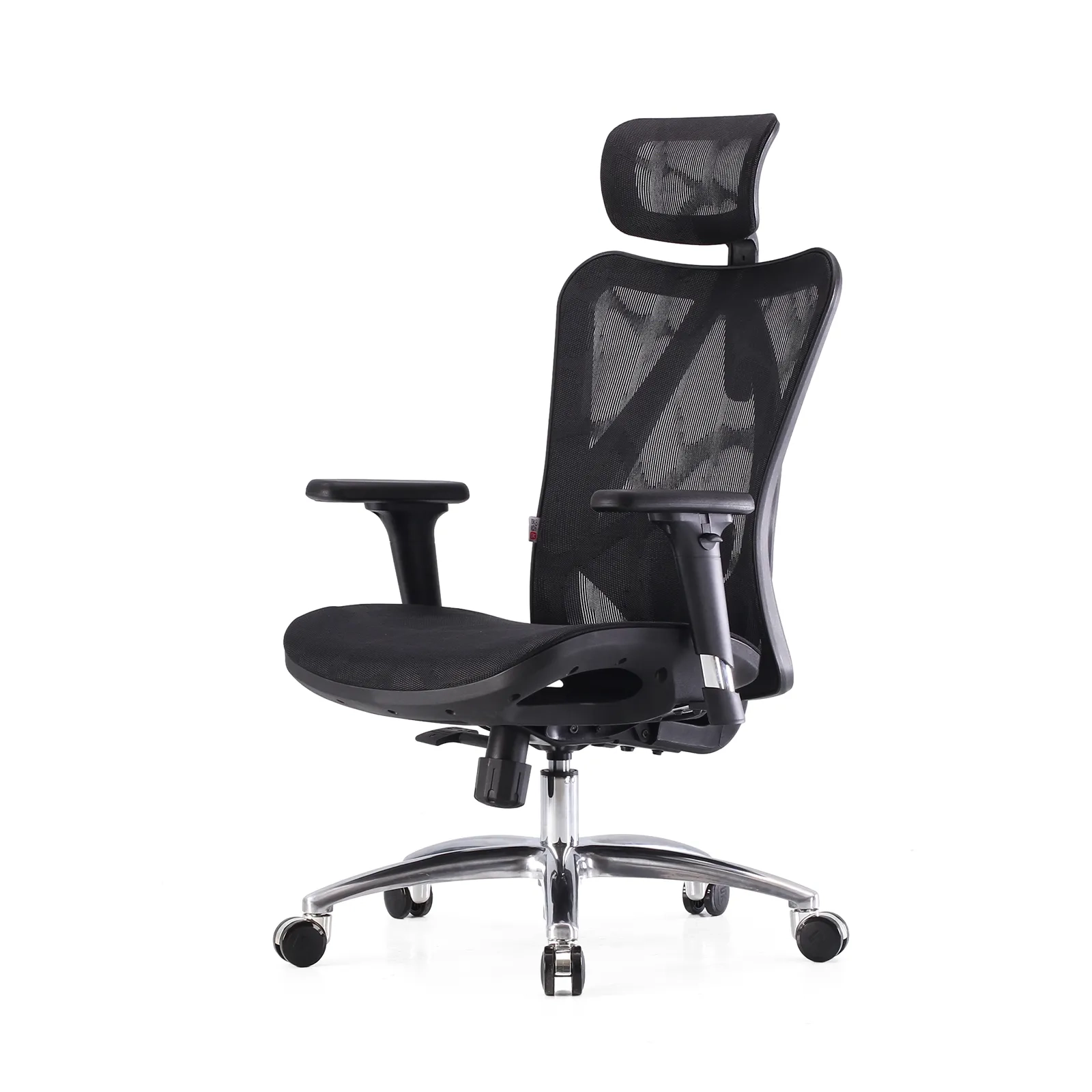
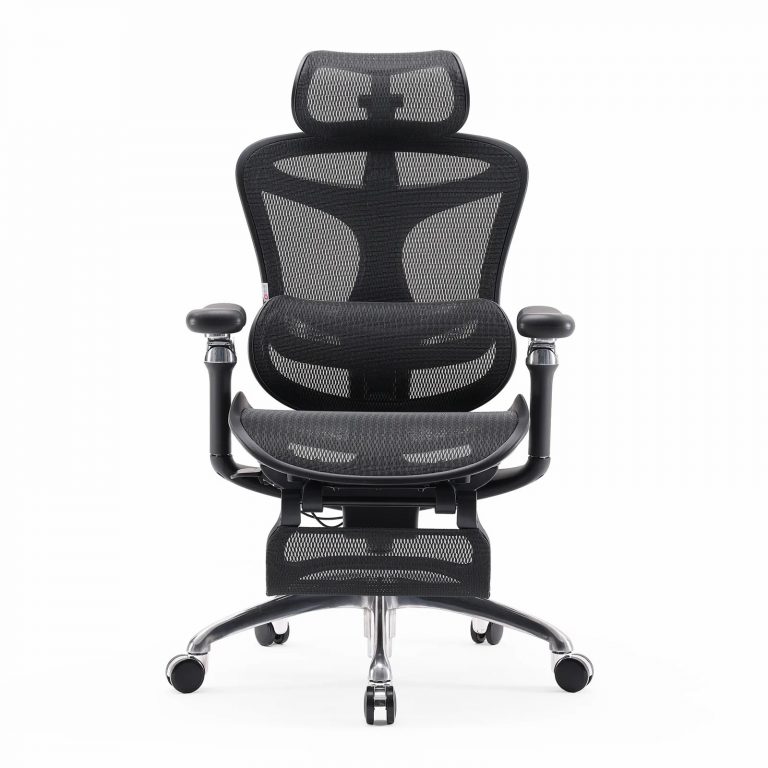
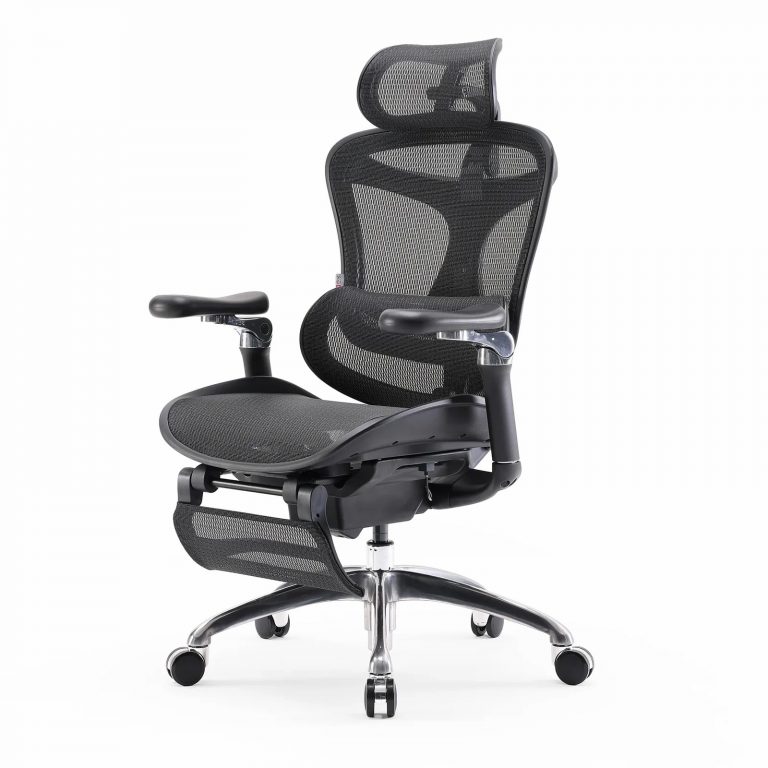
Models like the SIHOO Doro C300 suit users needing reliable office chair lumbar support functionality.
2. Full-Body Support
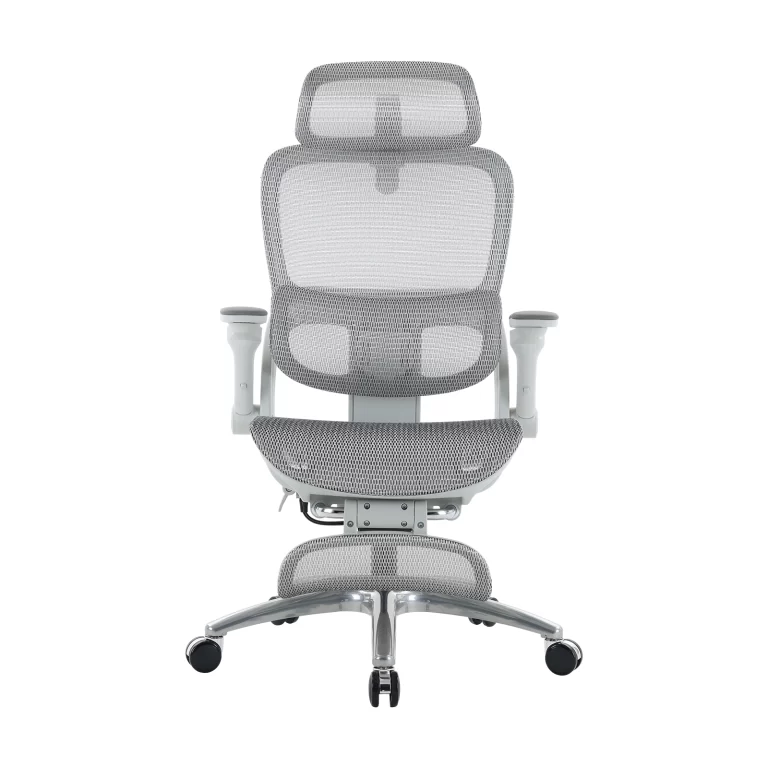
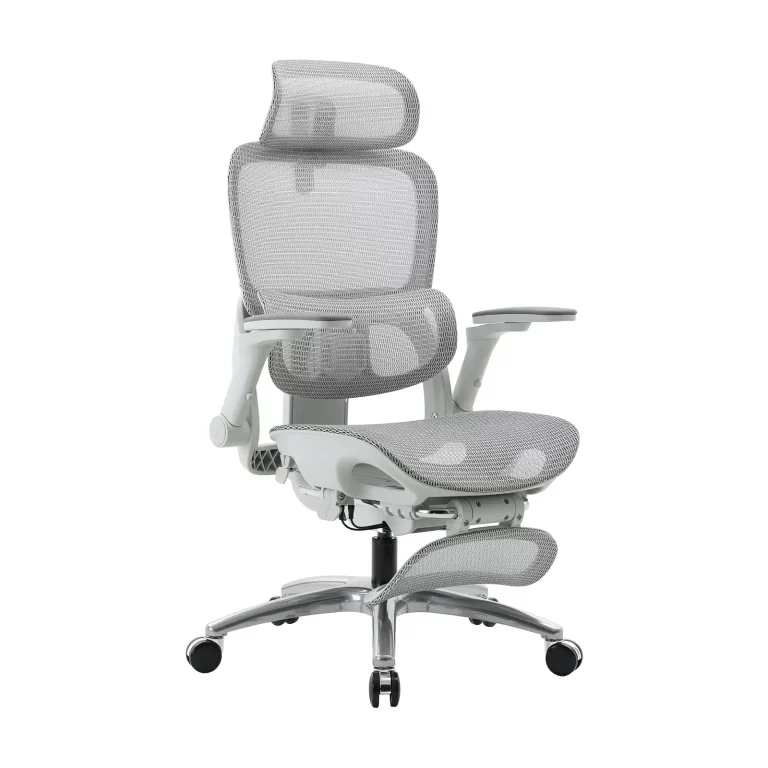
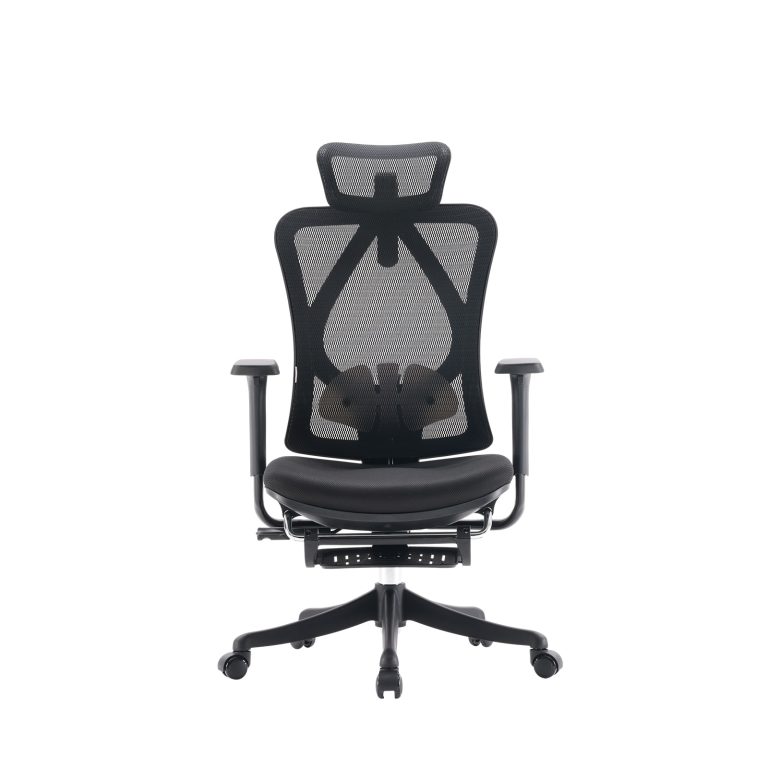
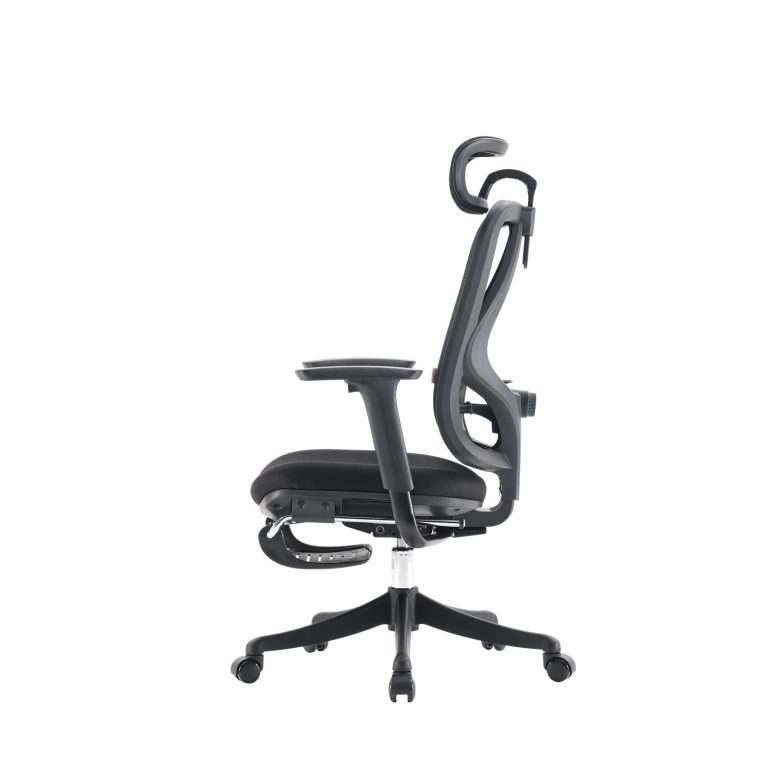
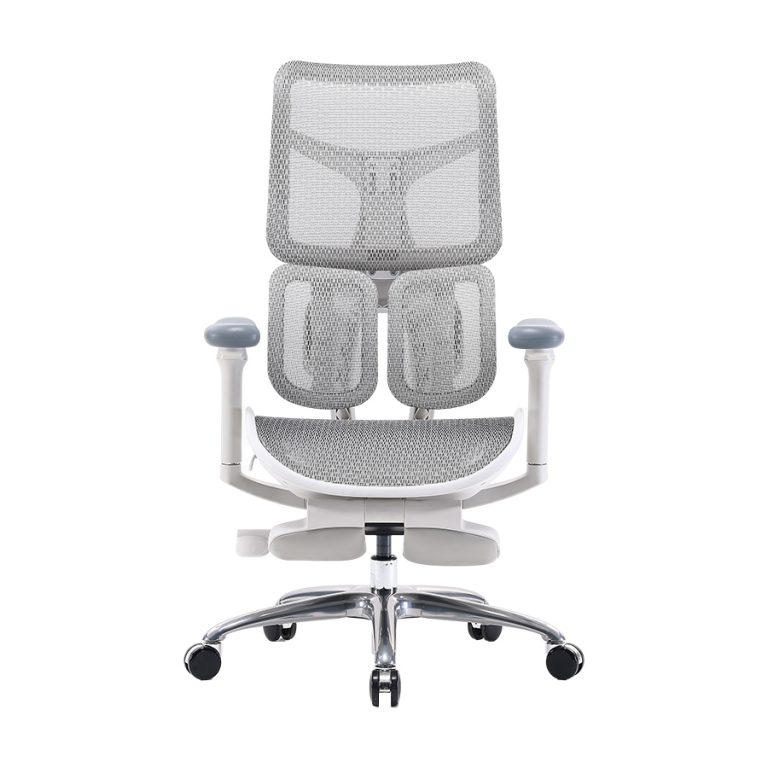
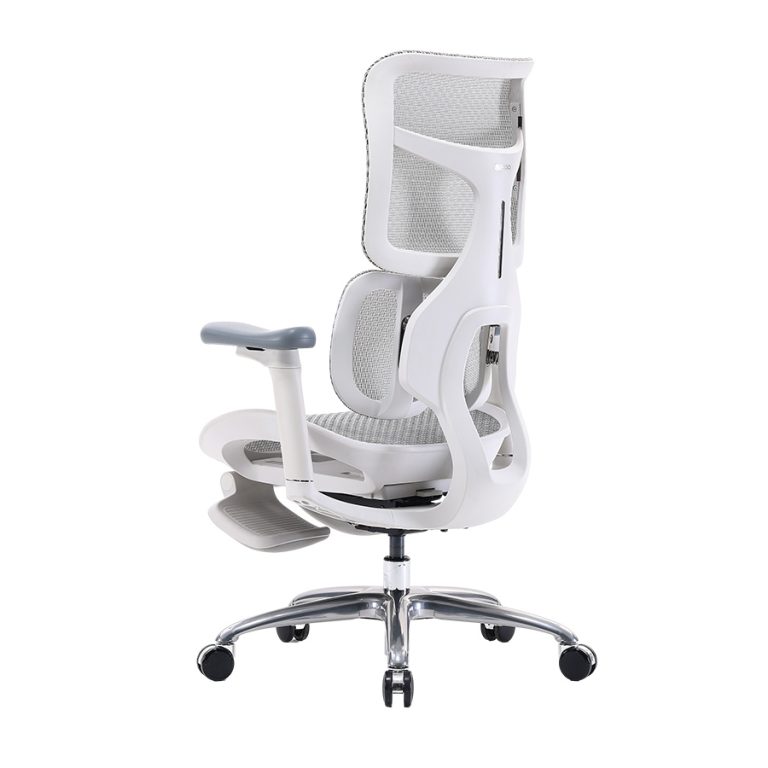
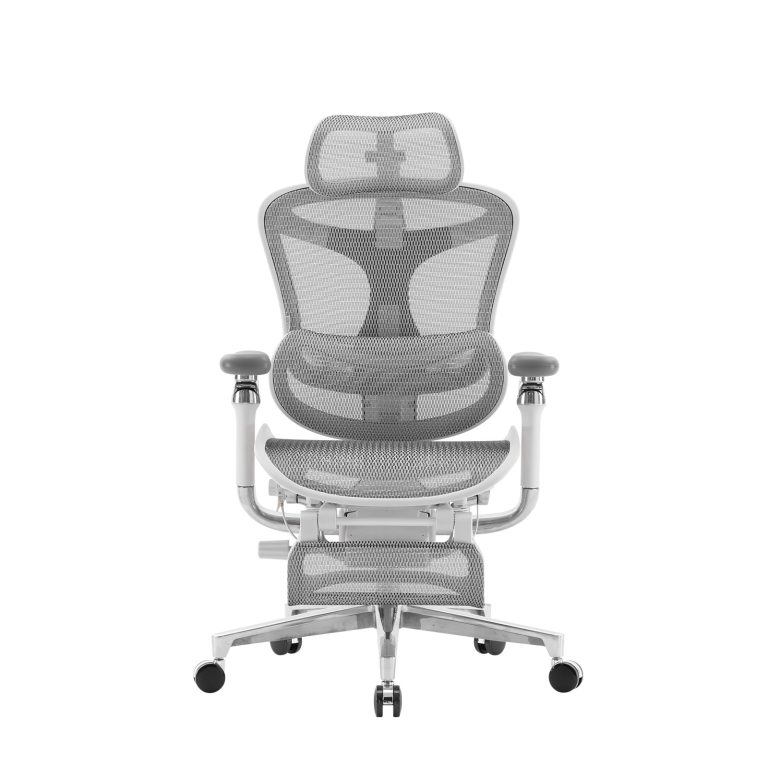
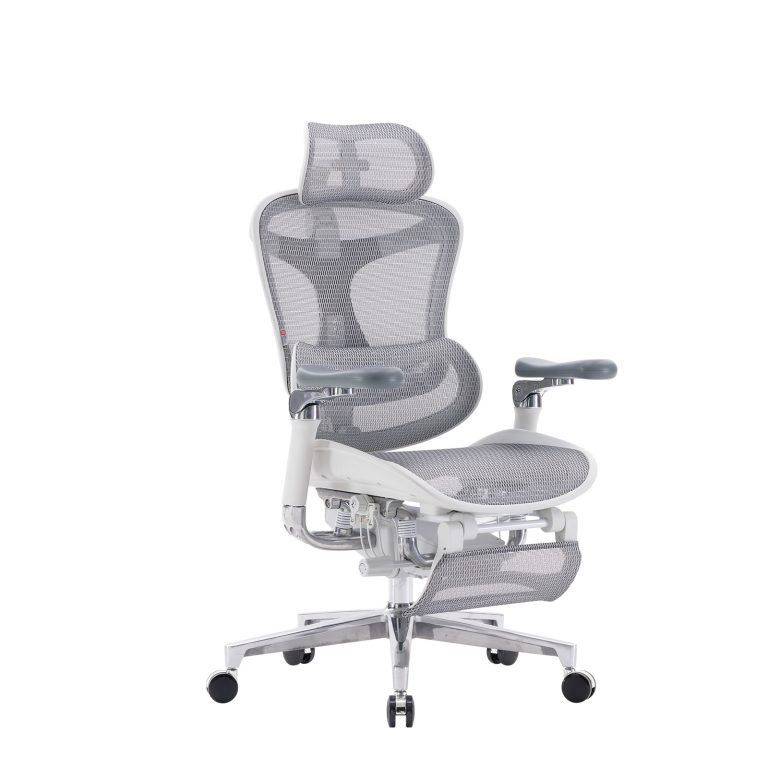
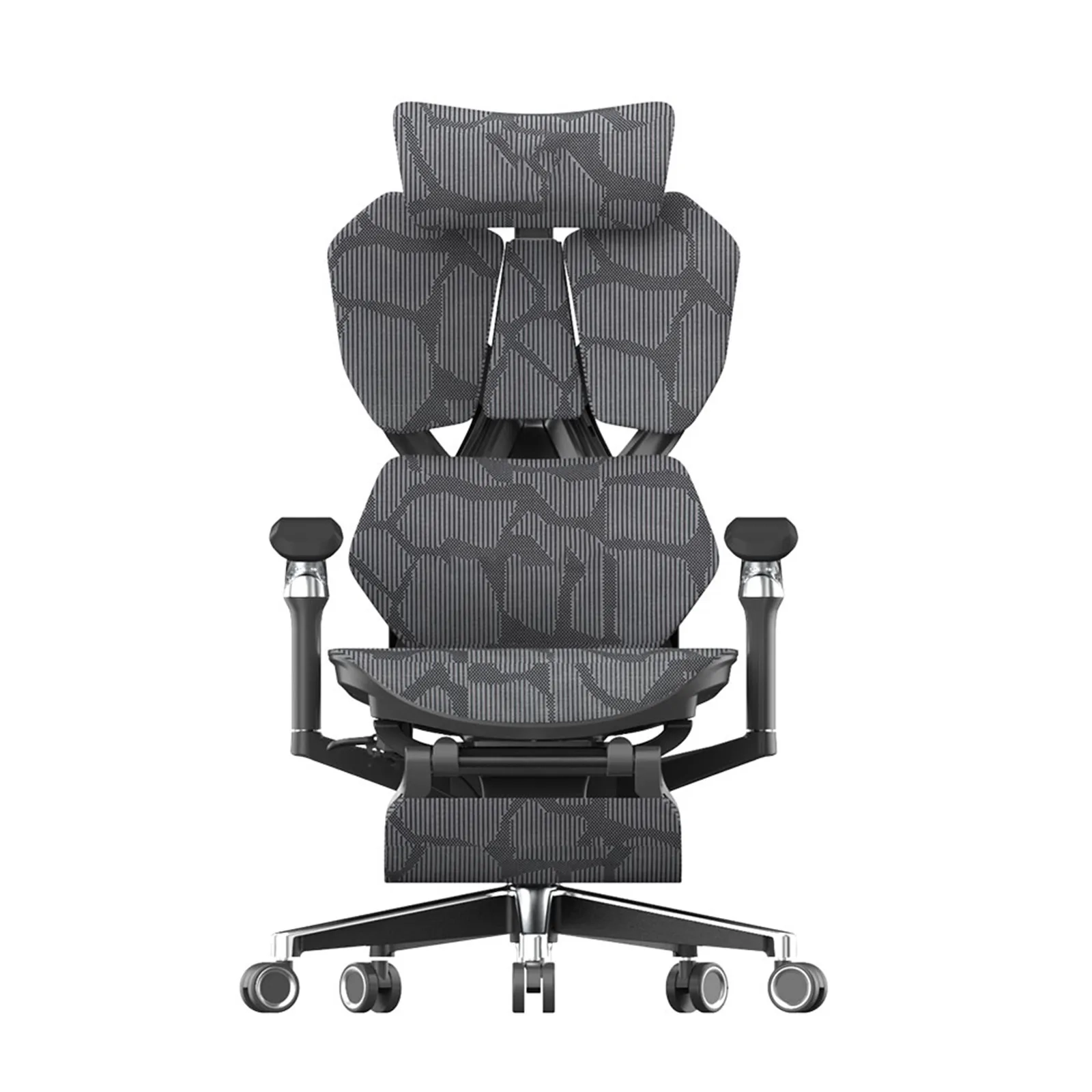
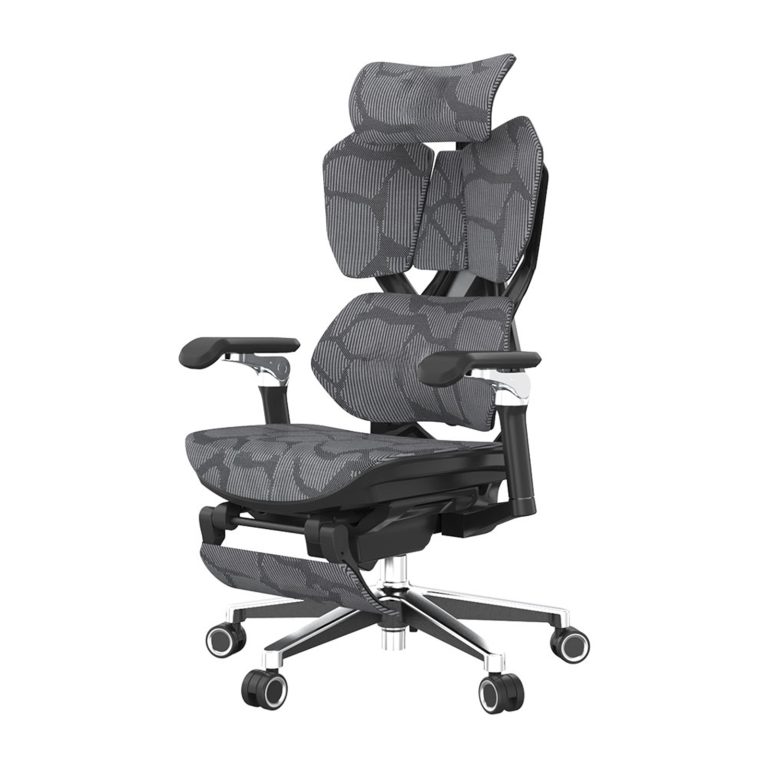
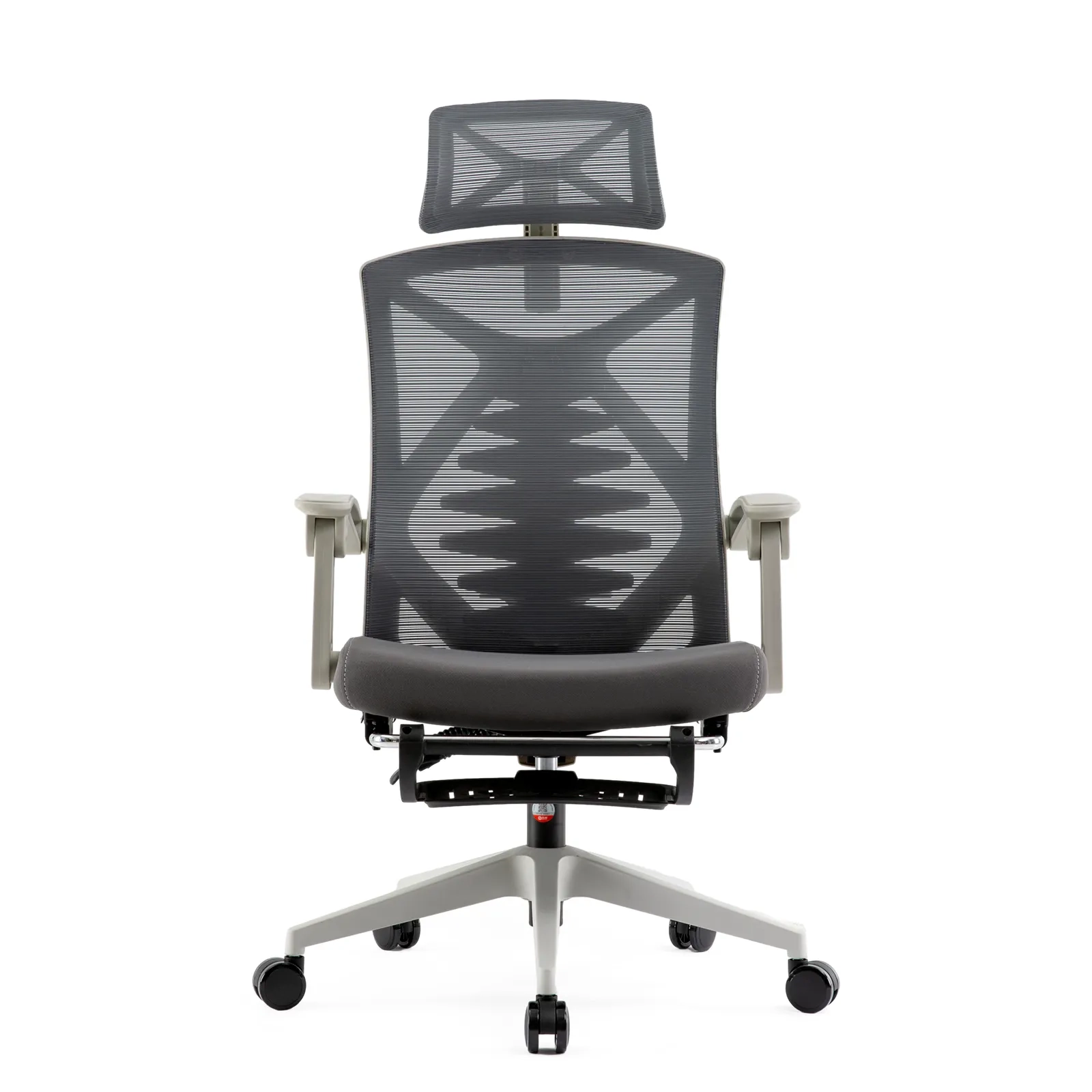
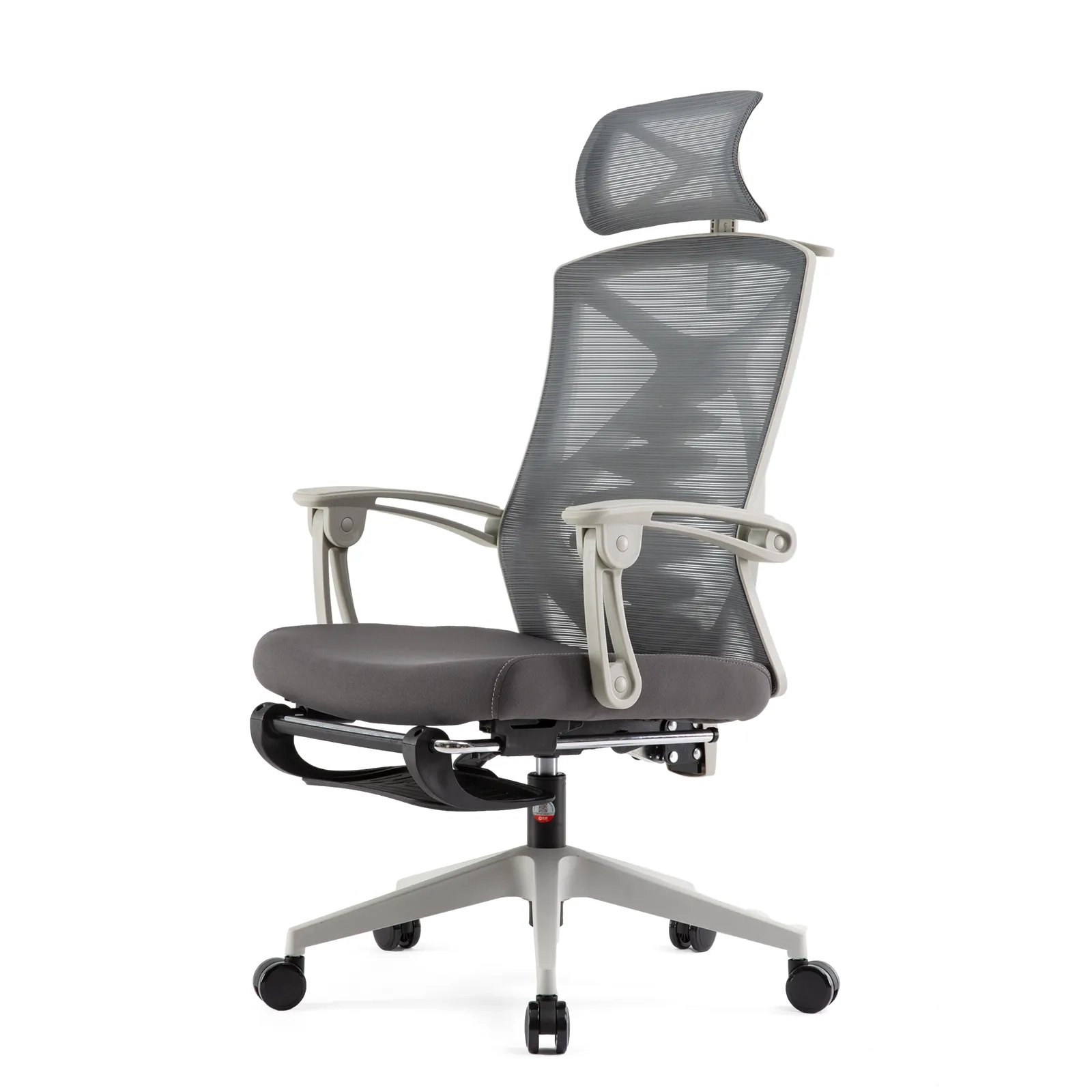
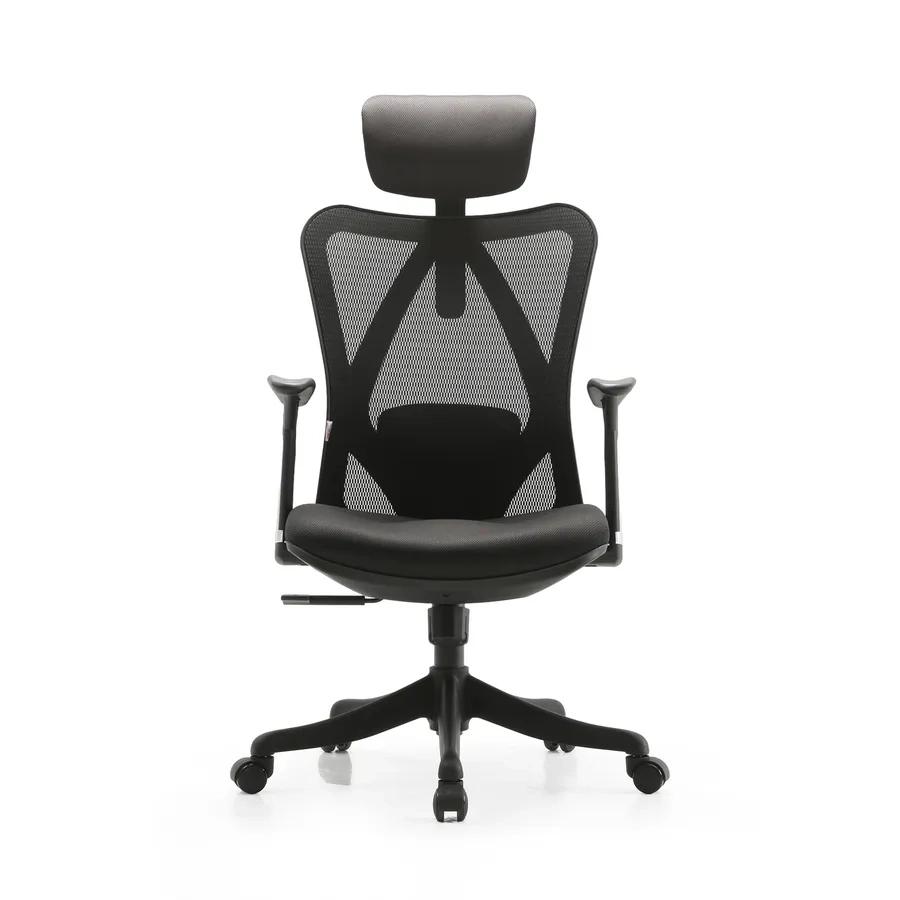
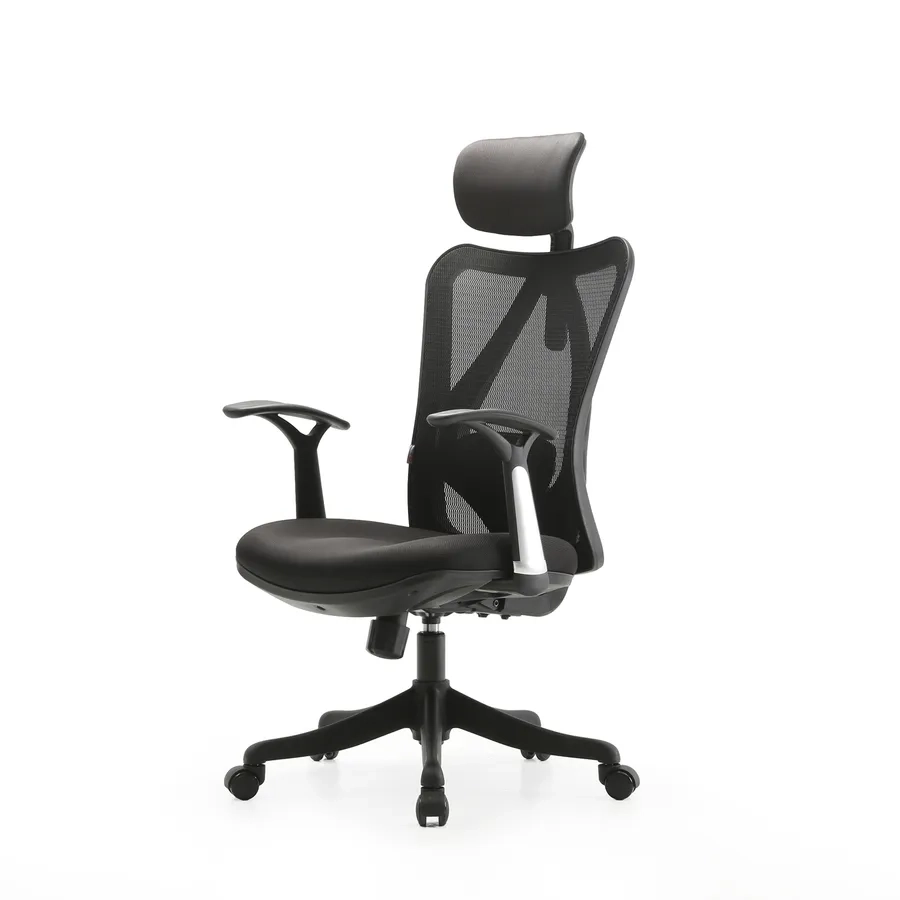
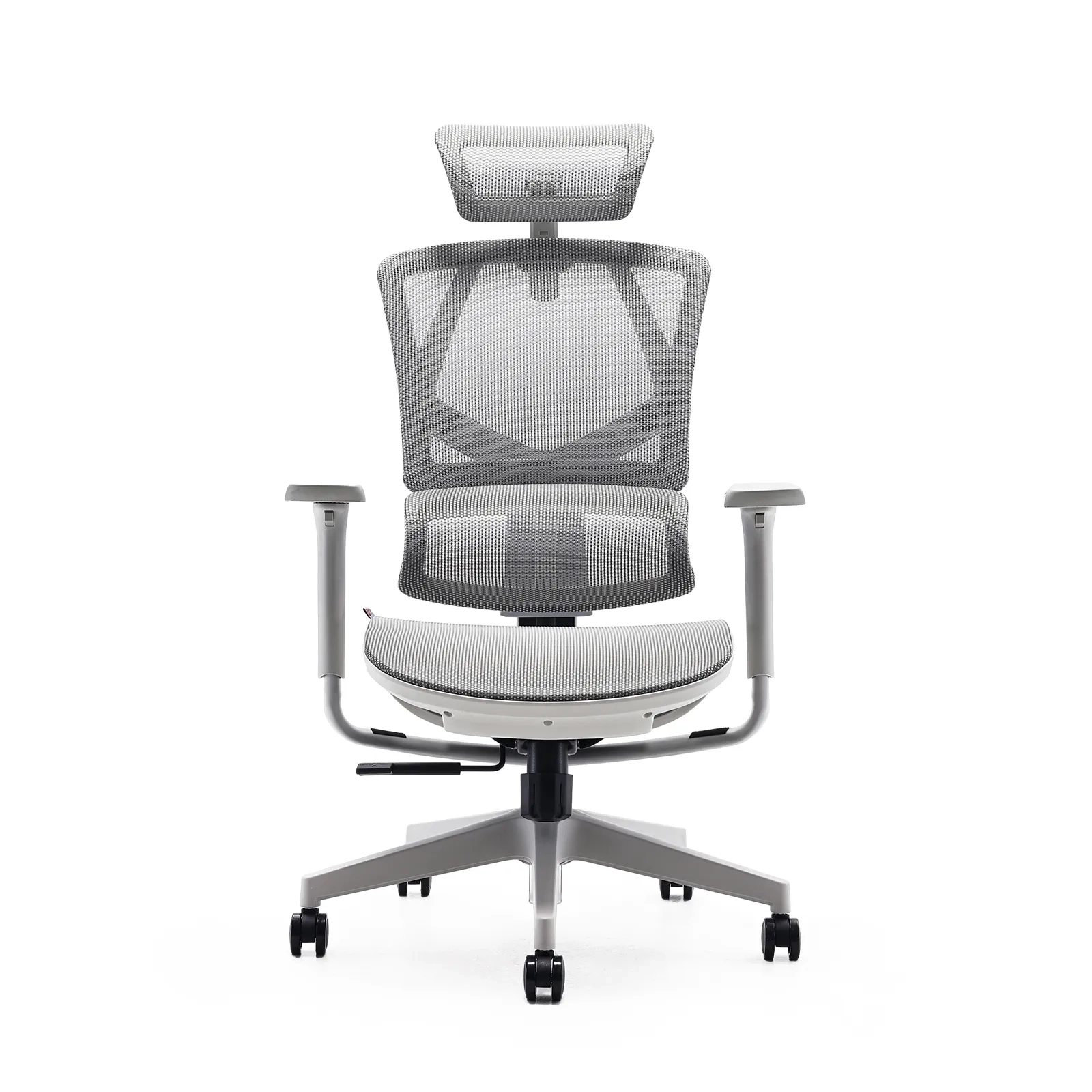
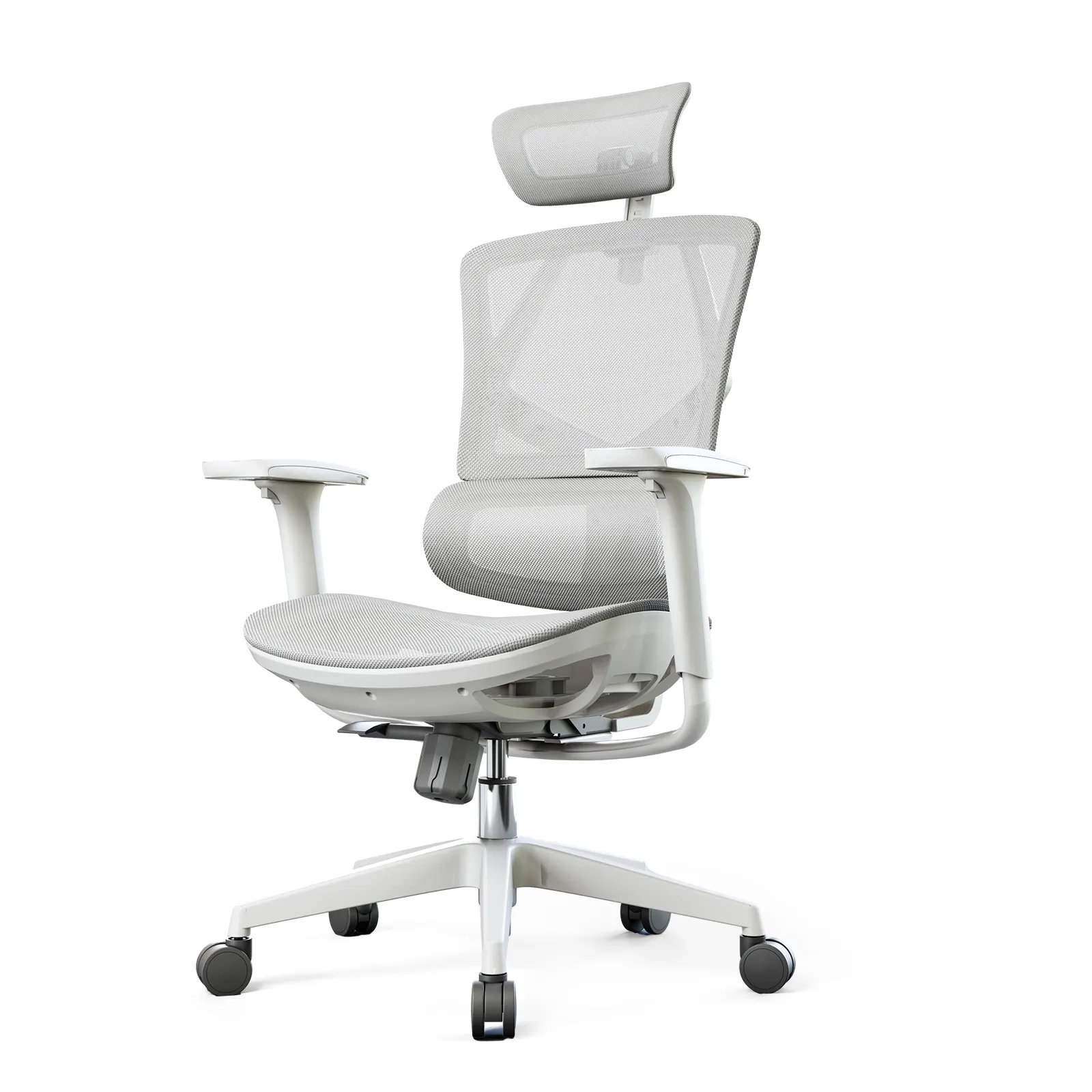
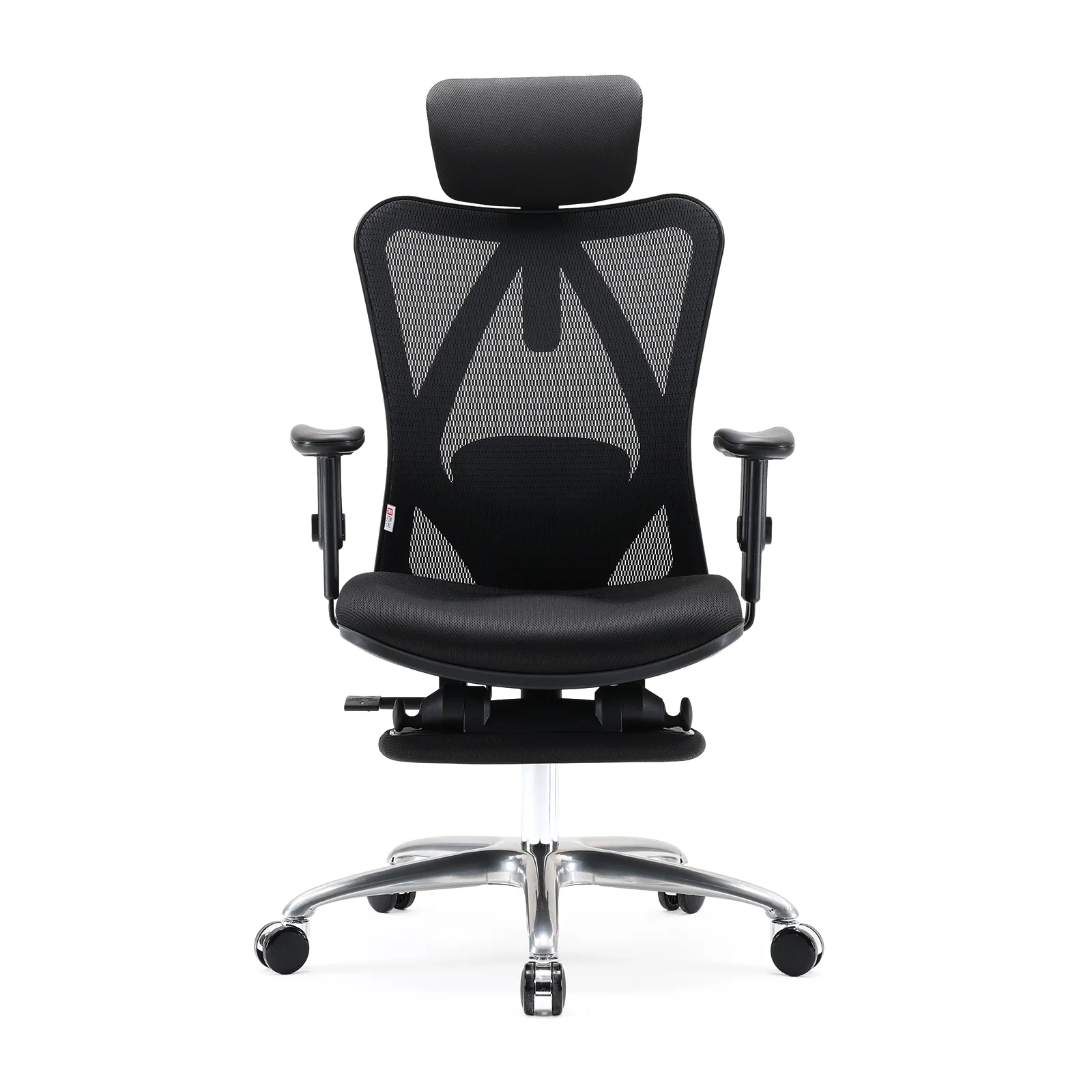
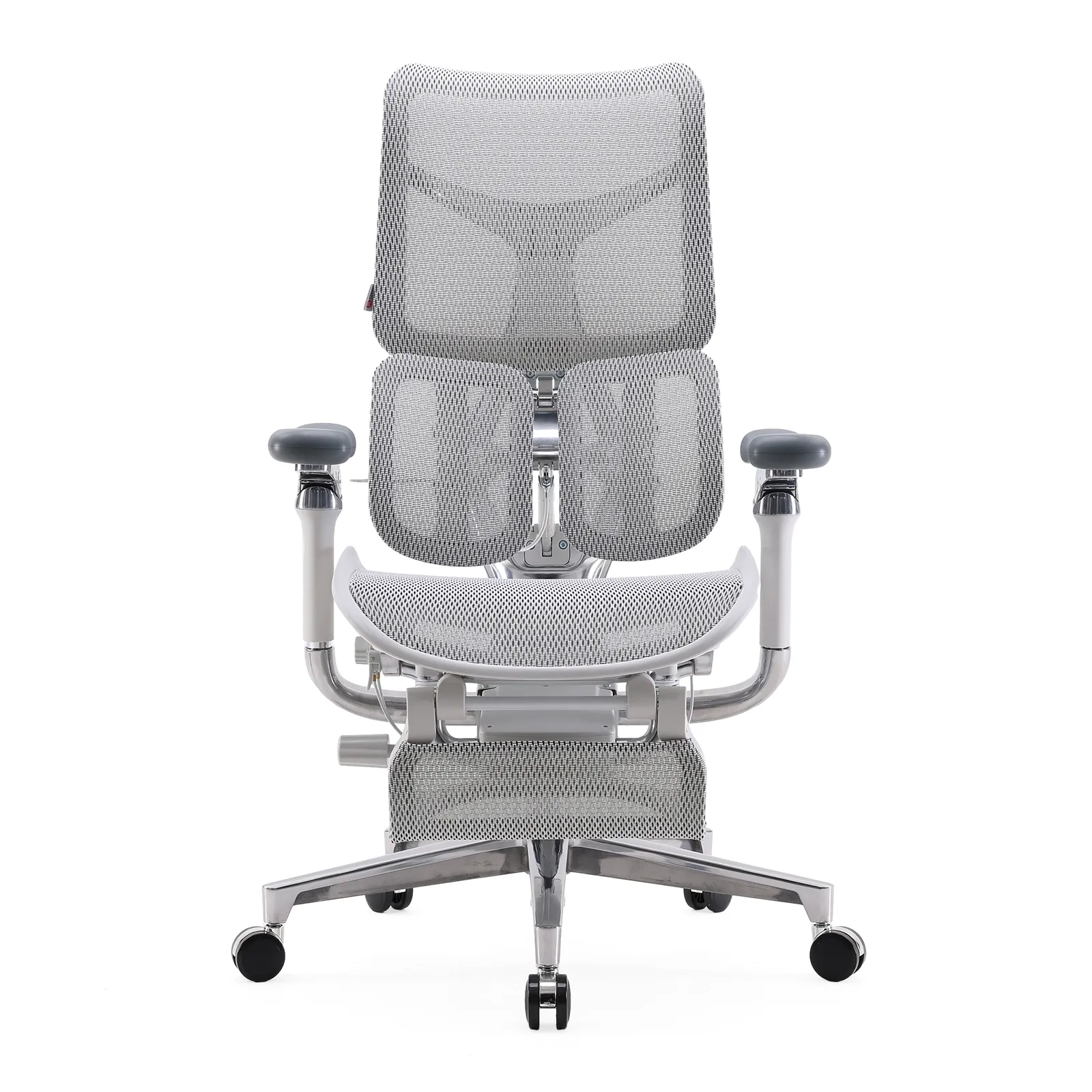
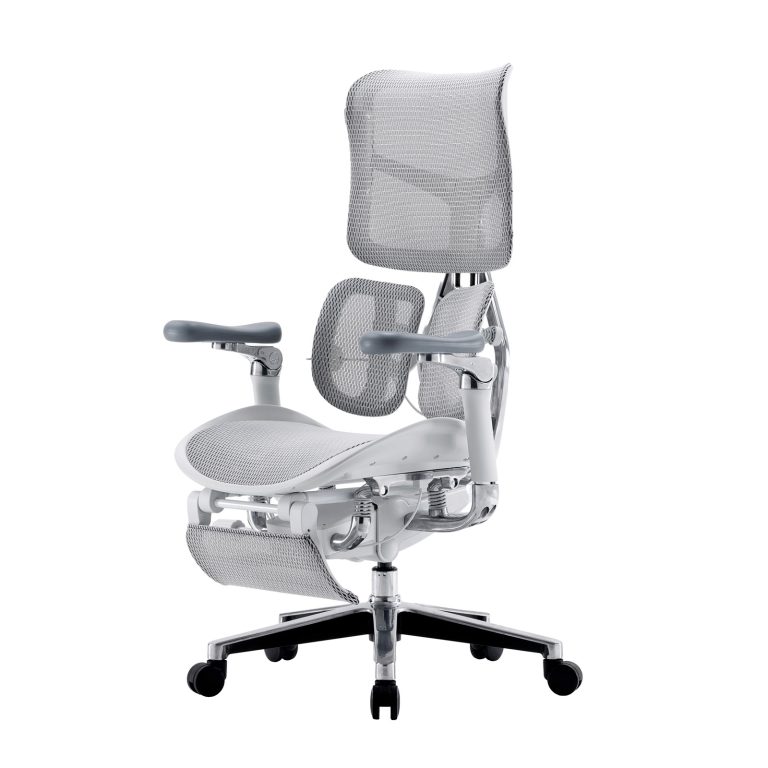
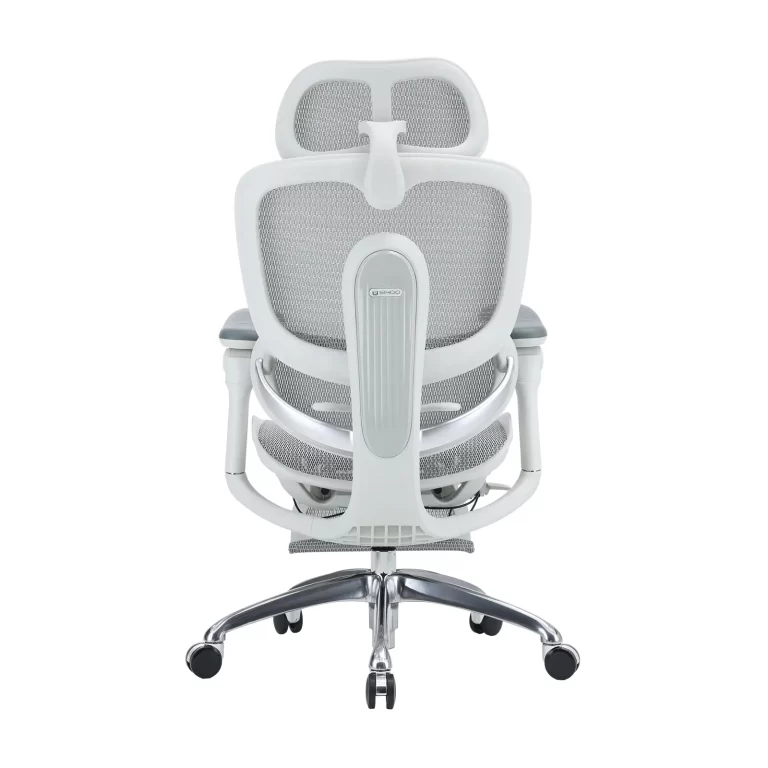
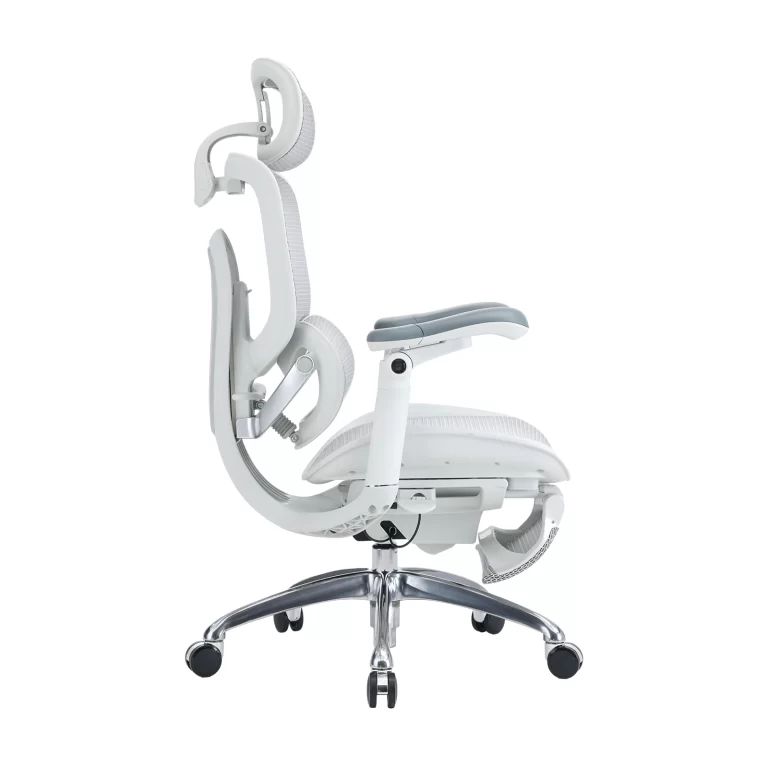
El SIHOO M57 is a high back office chair. For relaxation, consider an office chair with footrest such as M57 to provide full-body support.
3. Precision Adjustment
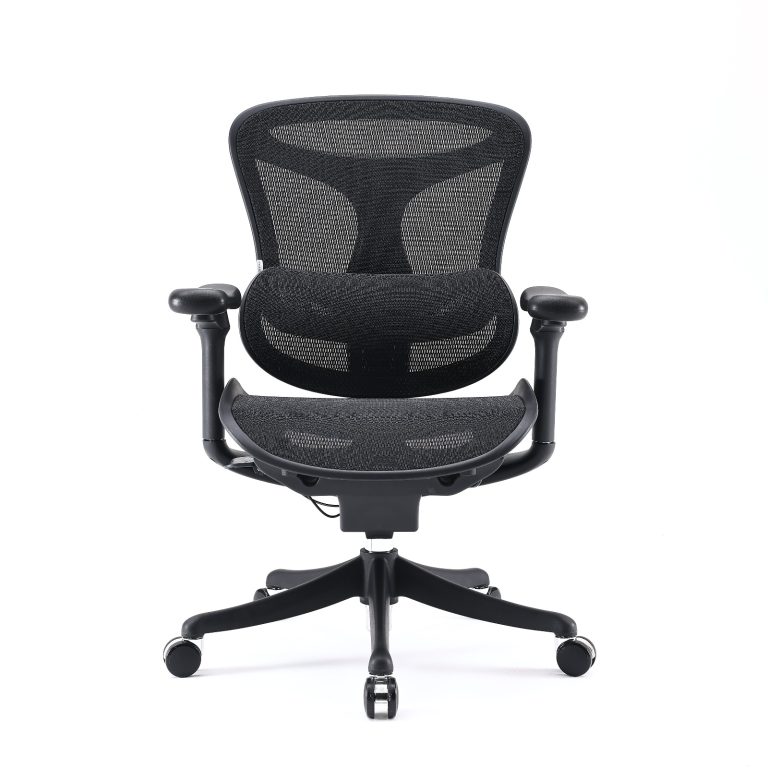
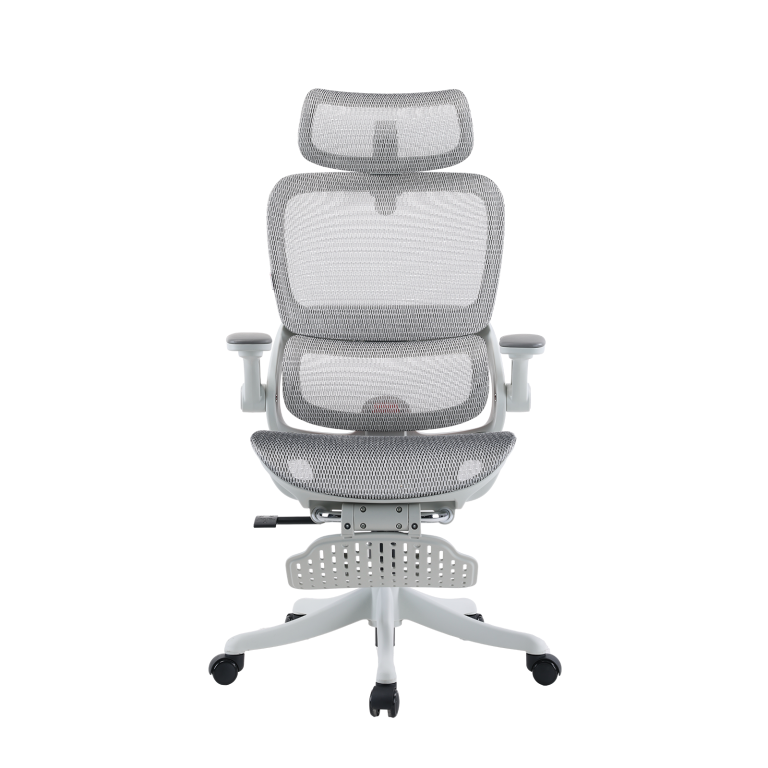
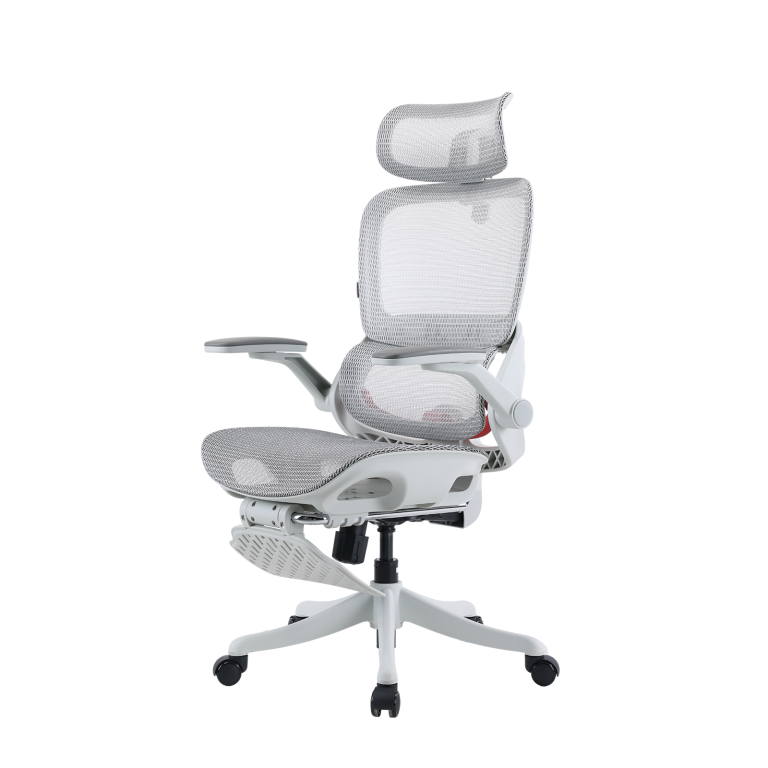
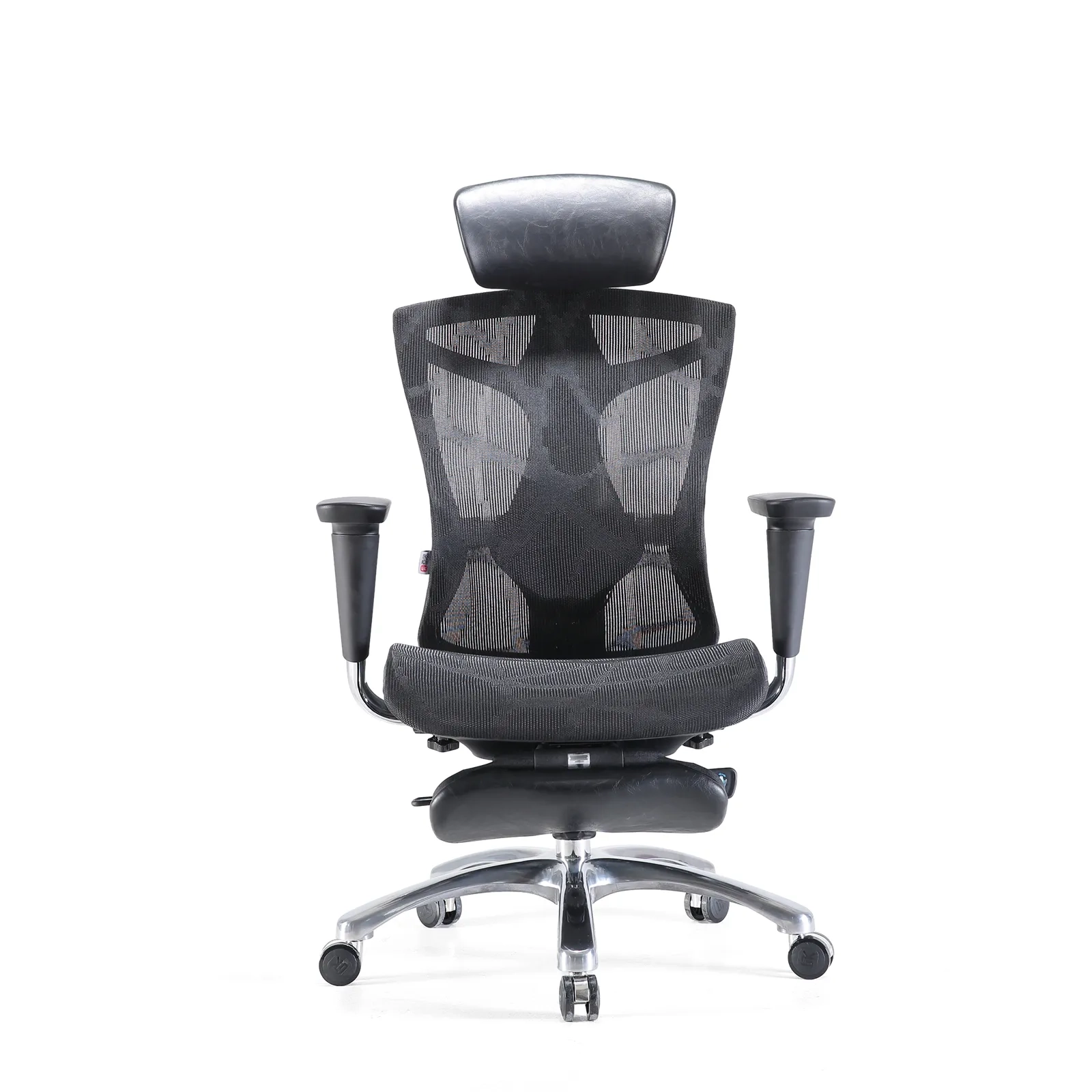
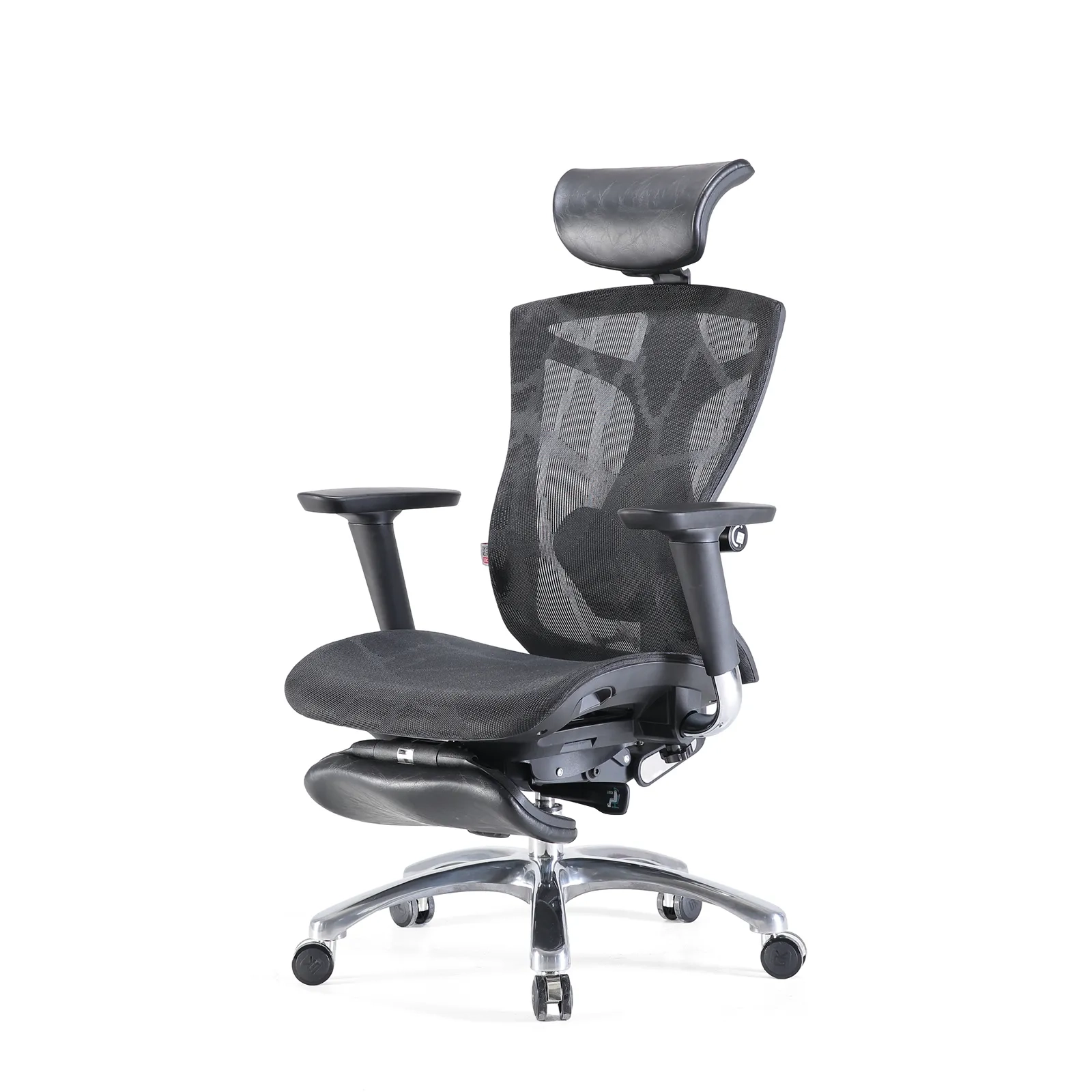
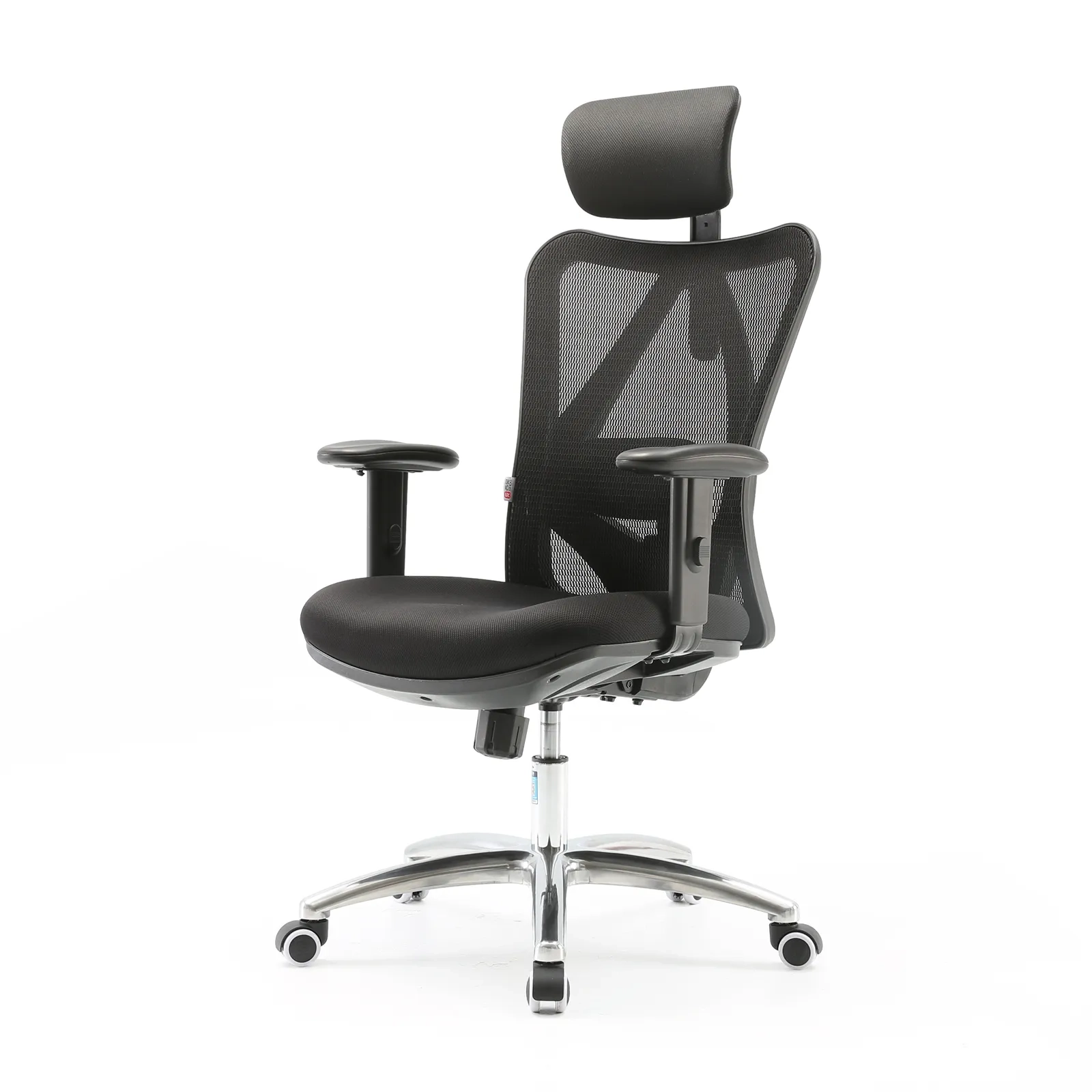
El SIHOO V1 features adjustable seat depth, enabling a fine-tuned fit. Combined with adjustable chair or adjustable desk chair capabilities, it meets the demands of professional users.
Selection Tips:
- For breathability → ergonomic mesh chair or mesh office chair
- For height control → adjustable height office chair or chair height adjustable
- For desk pairing → desk chair with adjustable height
Final Thoughts
Proactive evaluation is an investment in long-term health and productivity. Choosing a truly suitable adjustable office chair is far more valuable than simply making do.
1600x1600-4-768x768.jpg)
1600x1600-8-768x768.jpg)