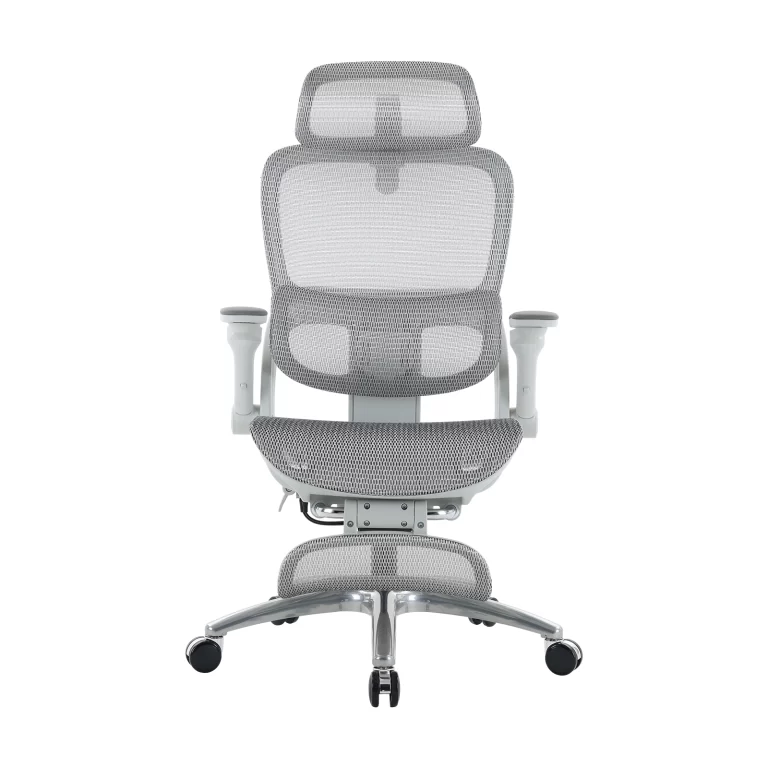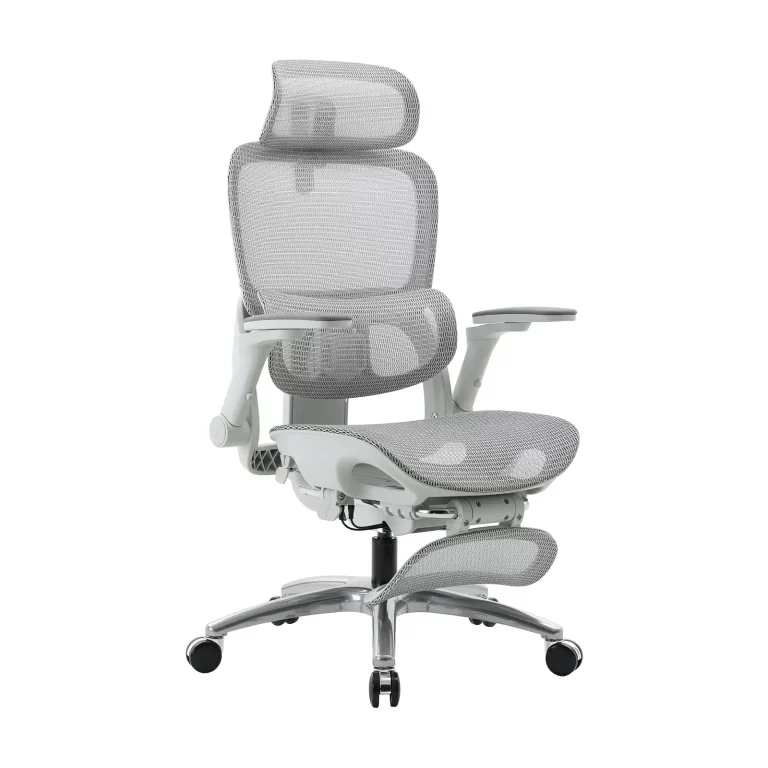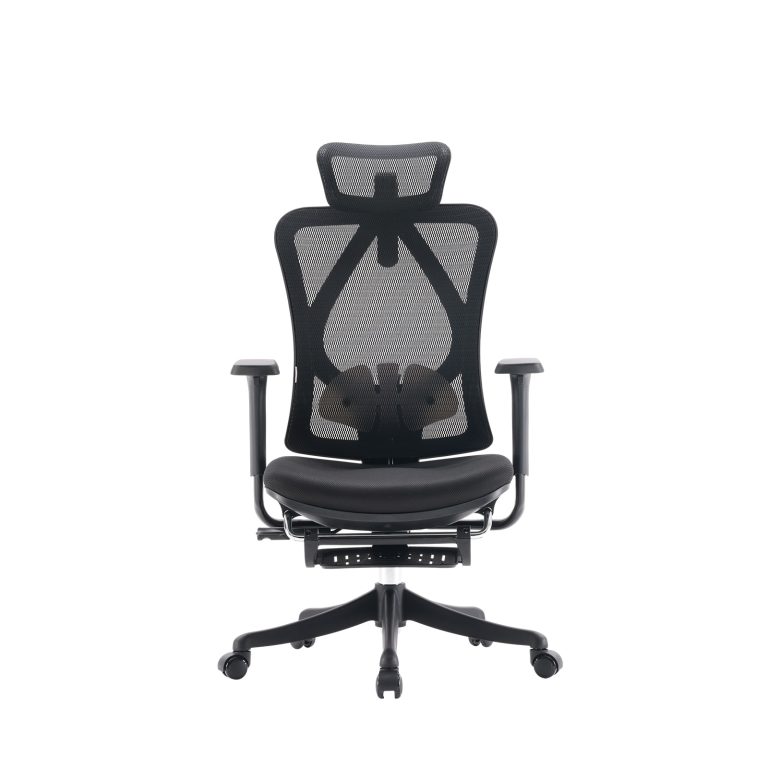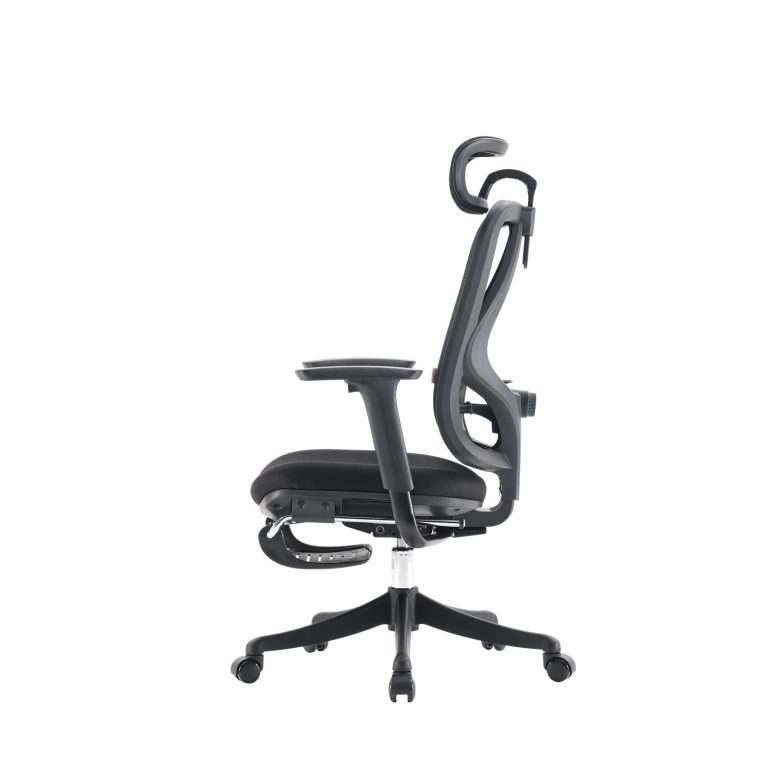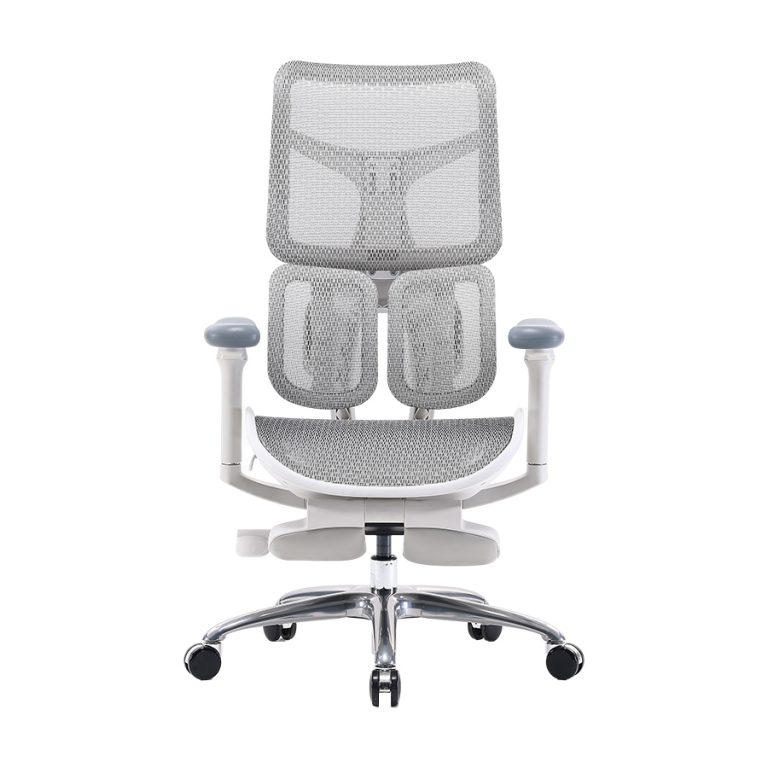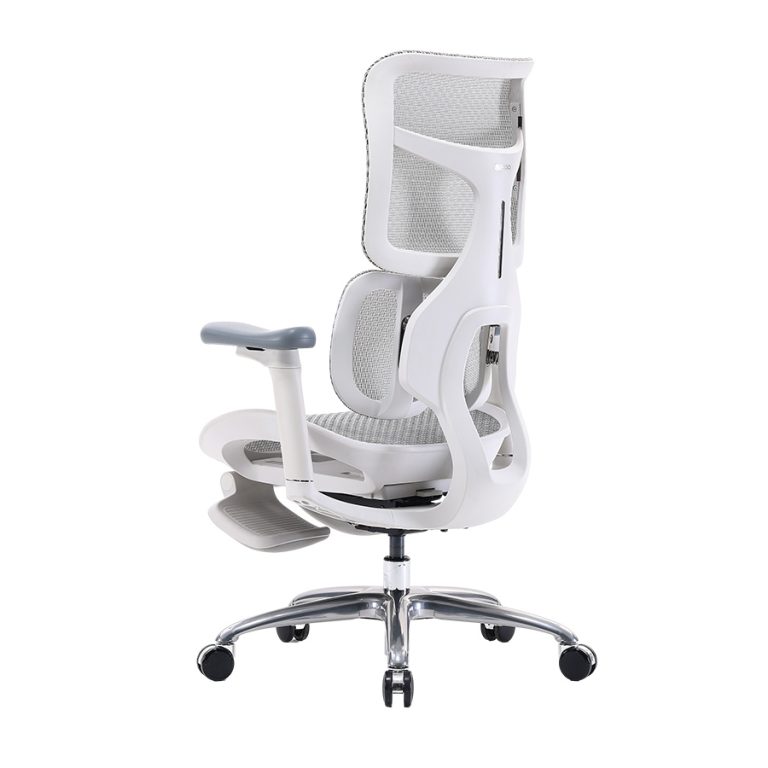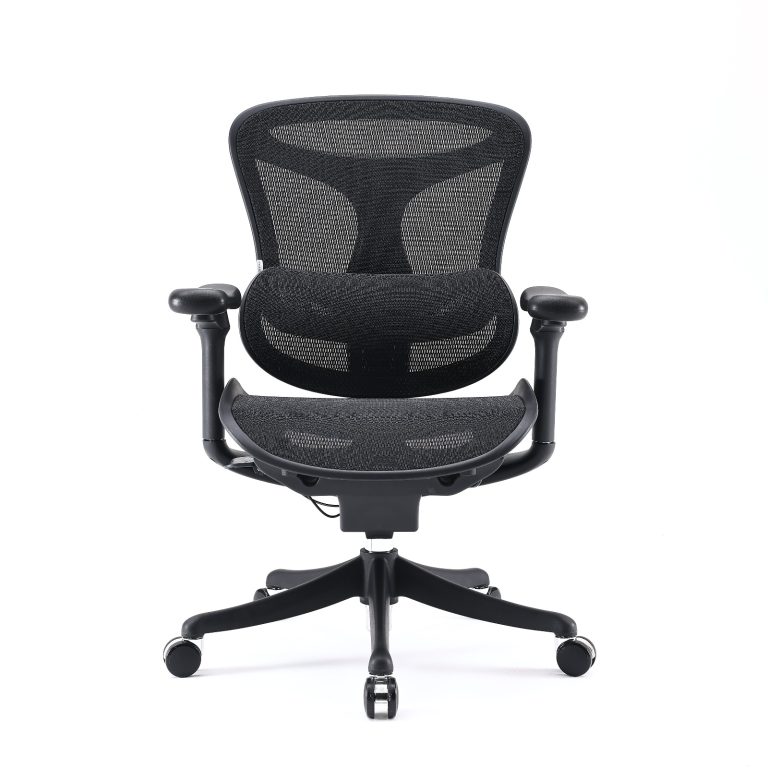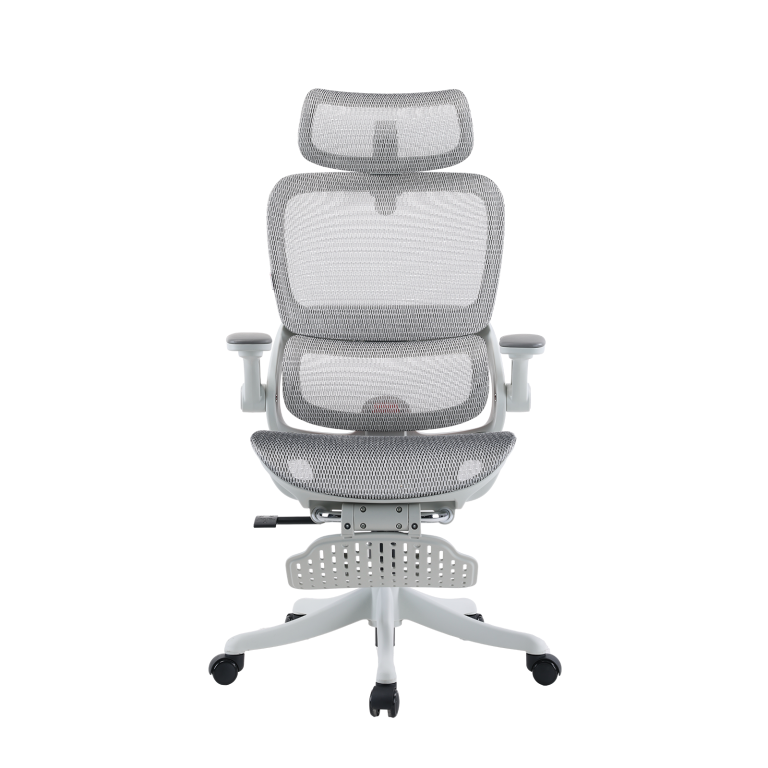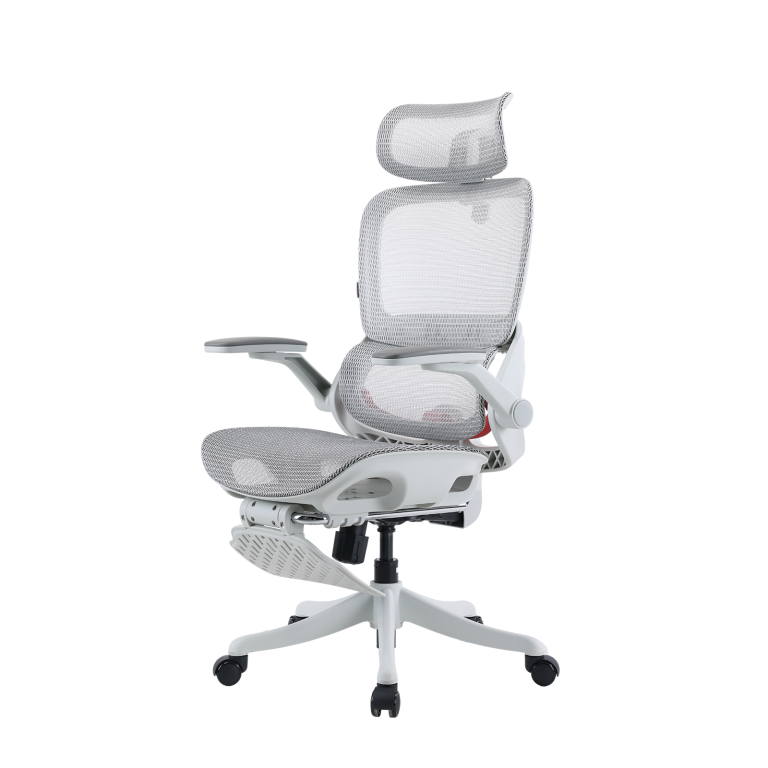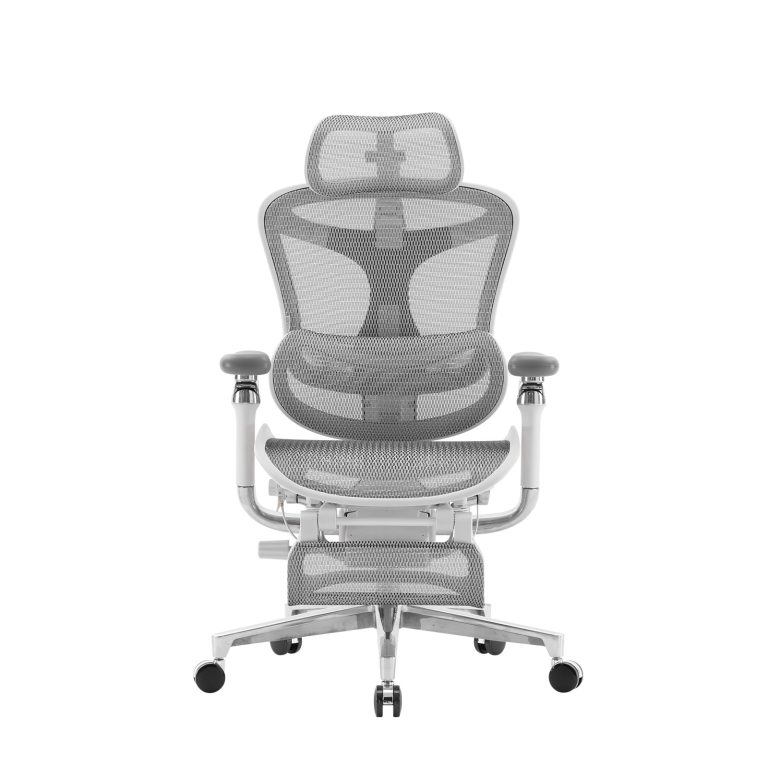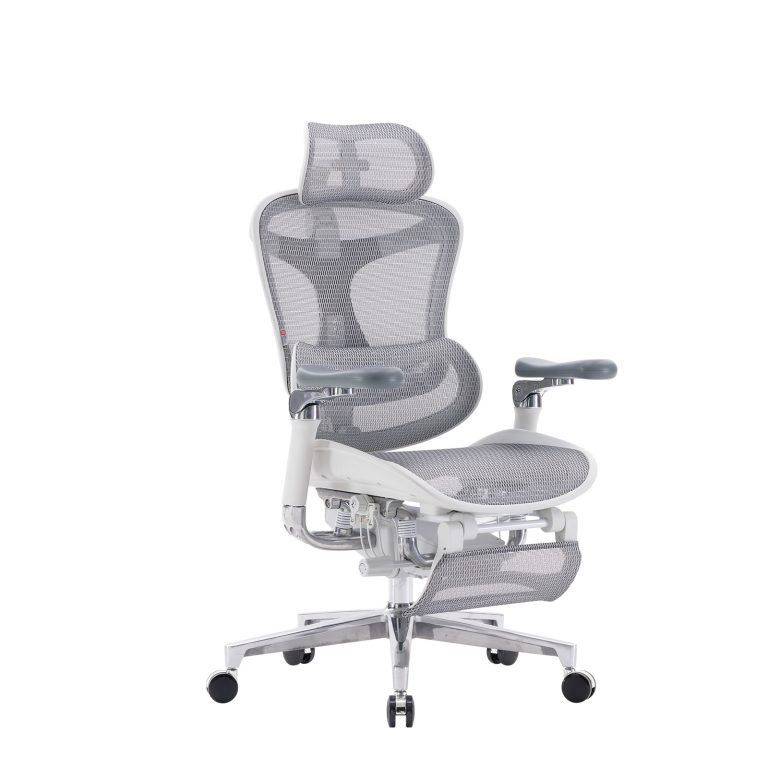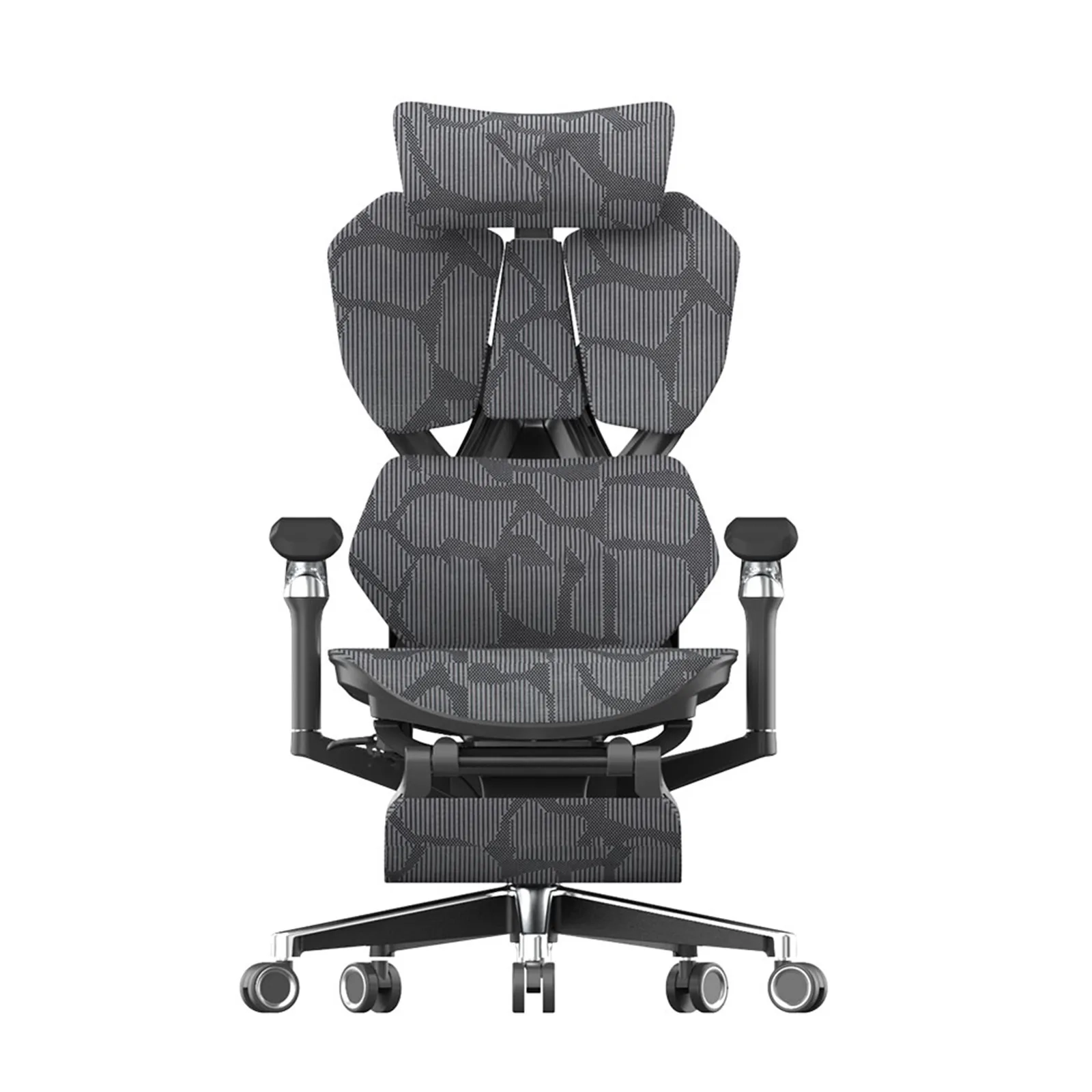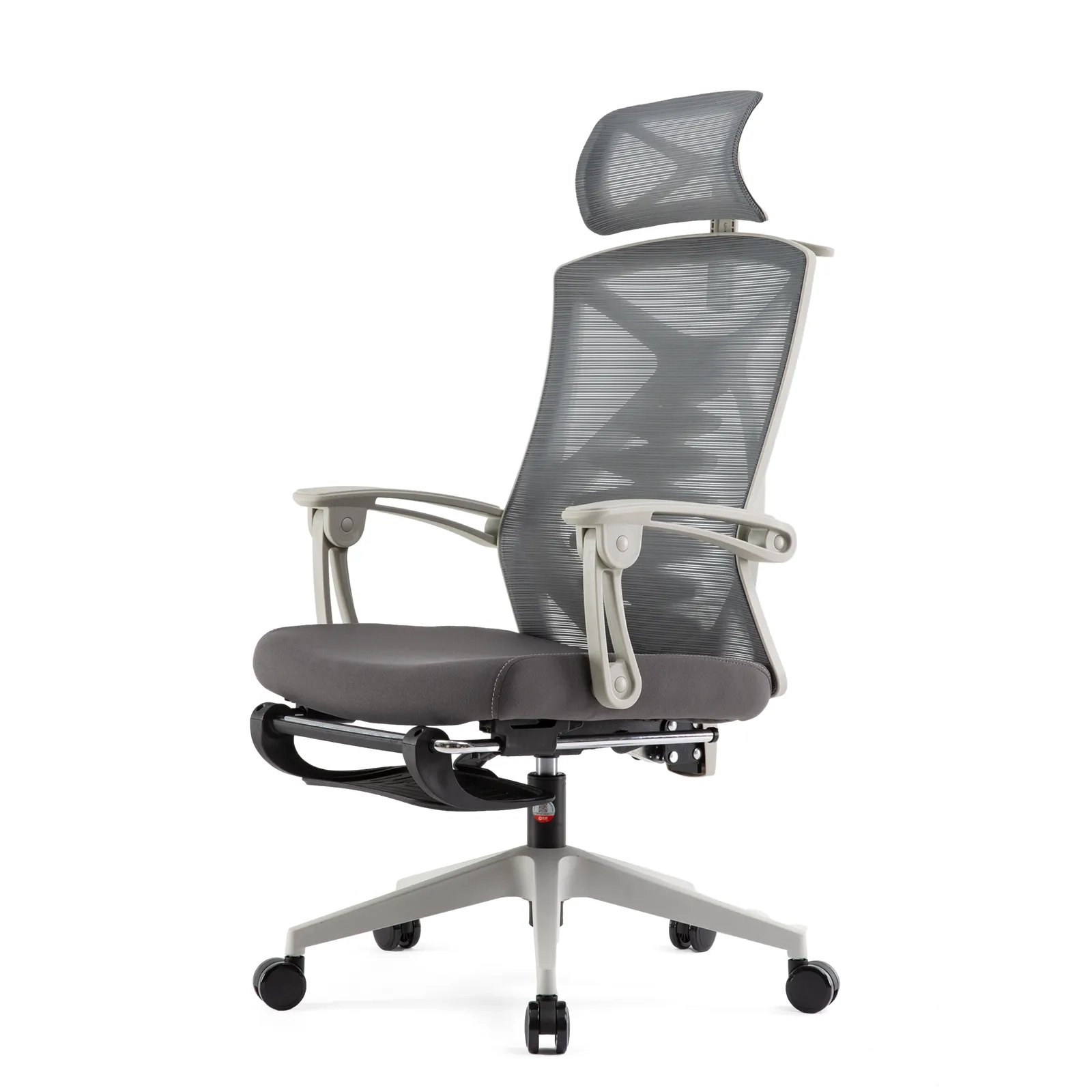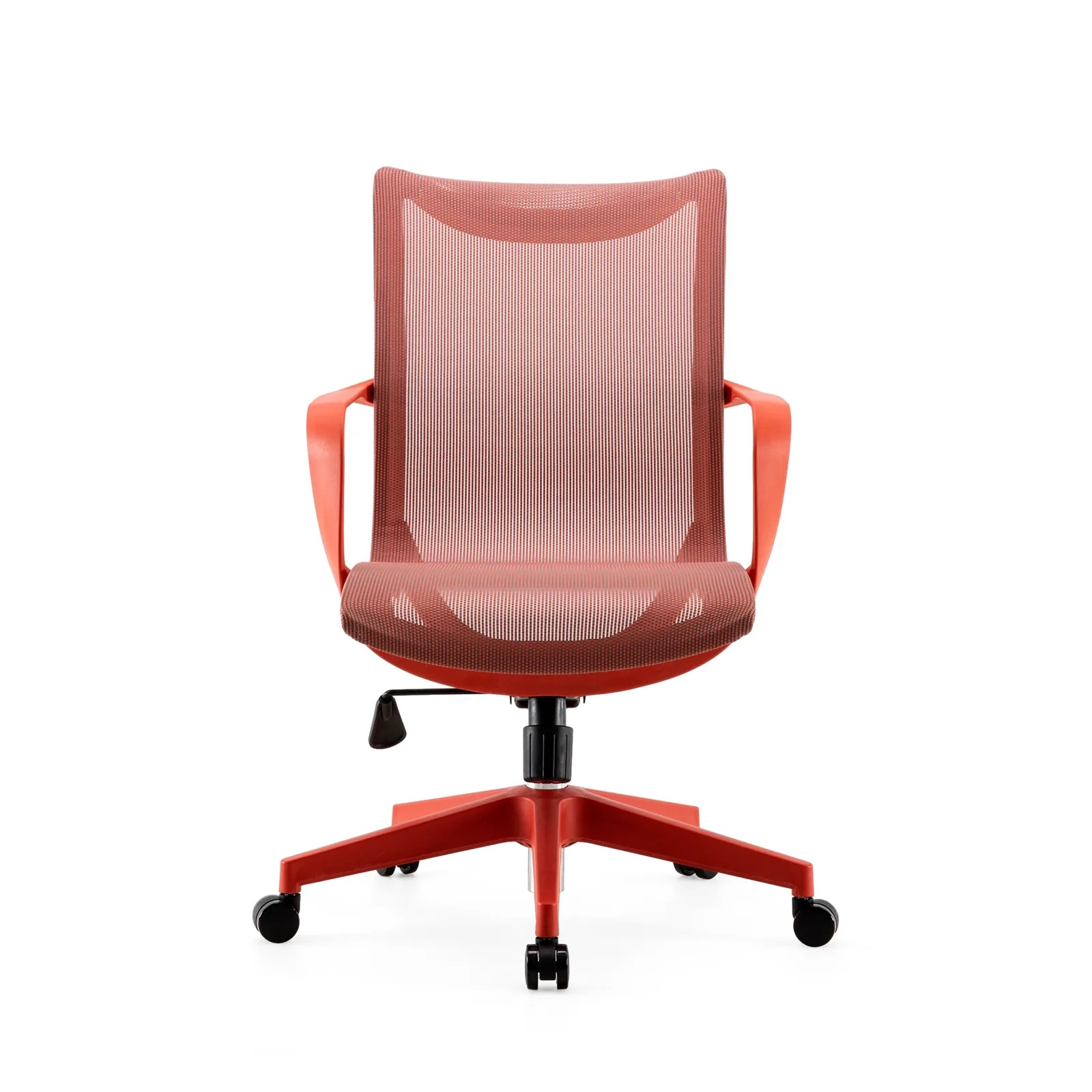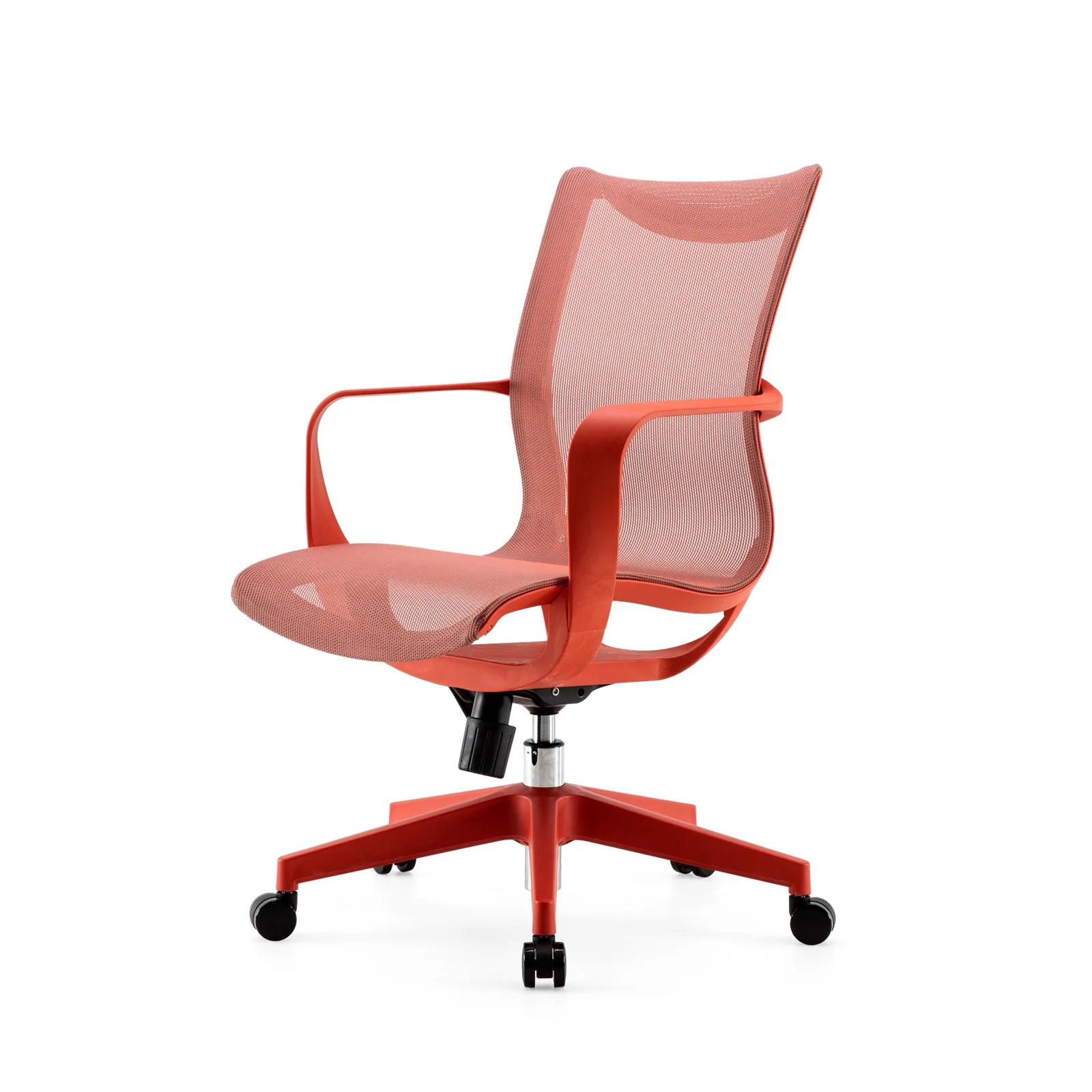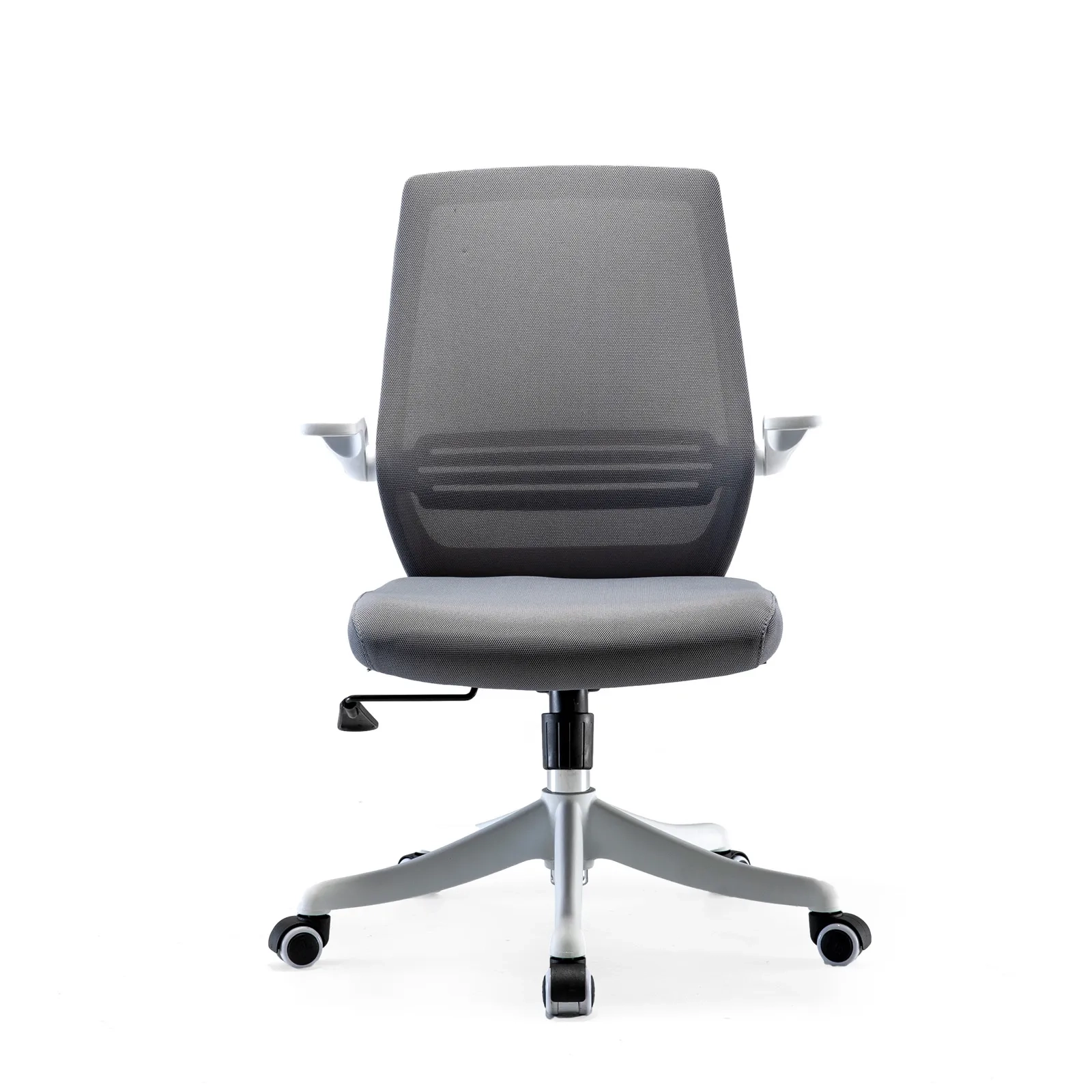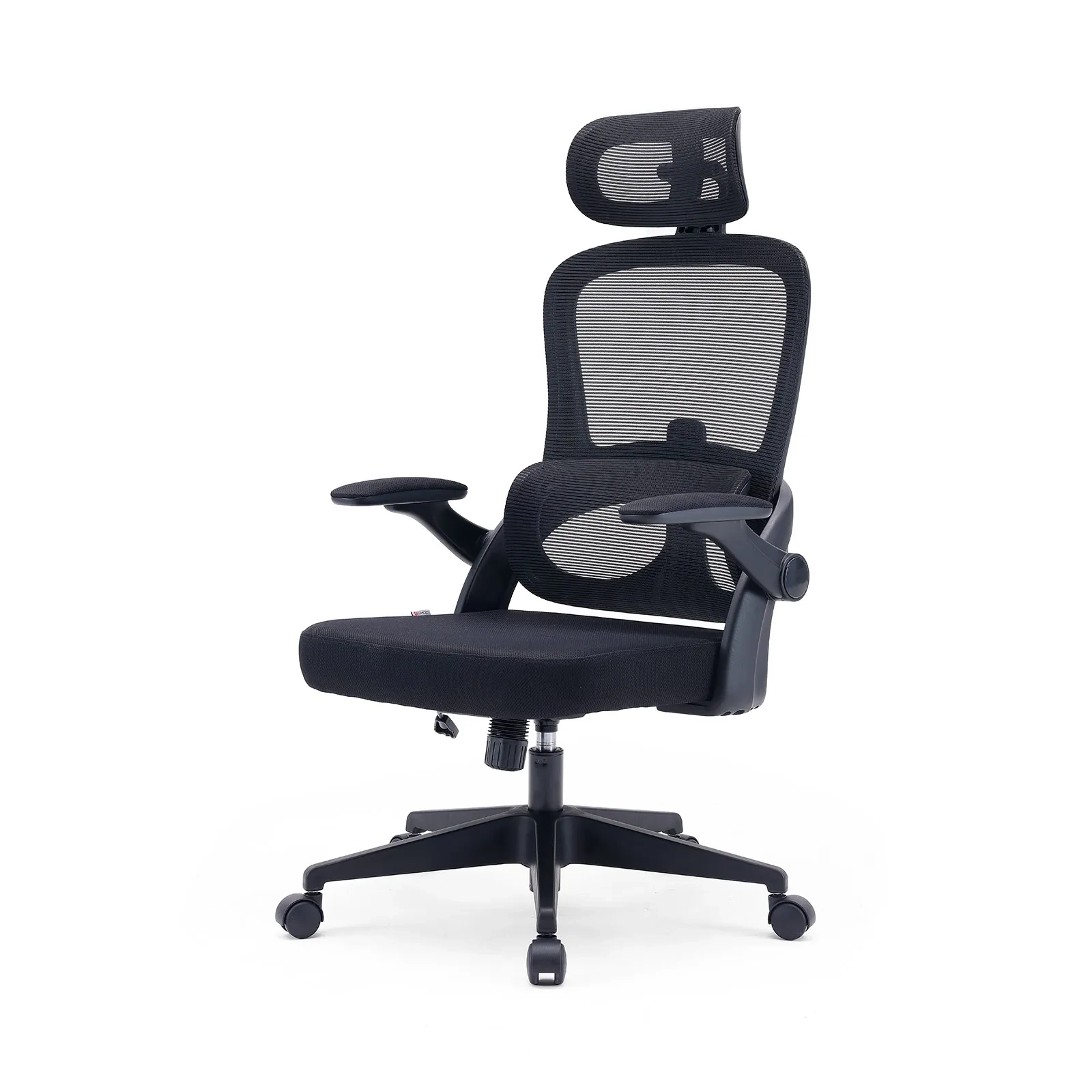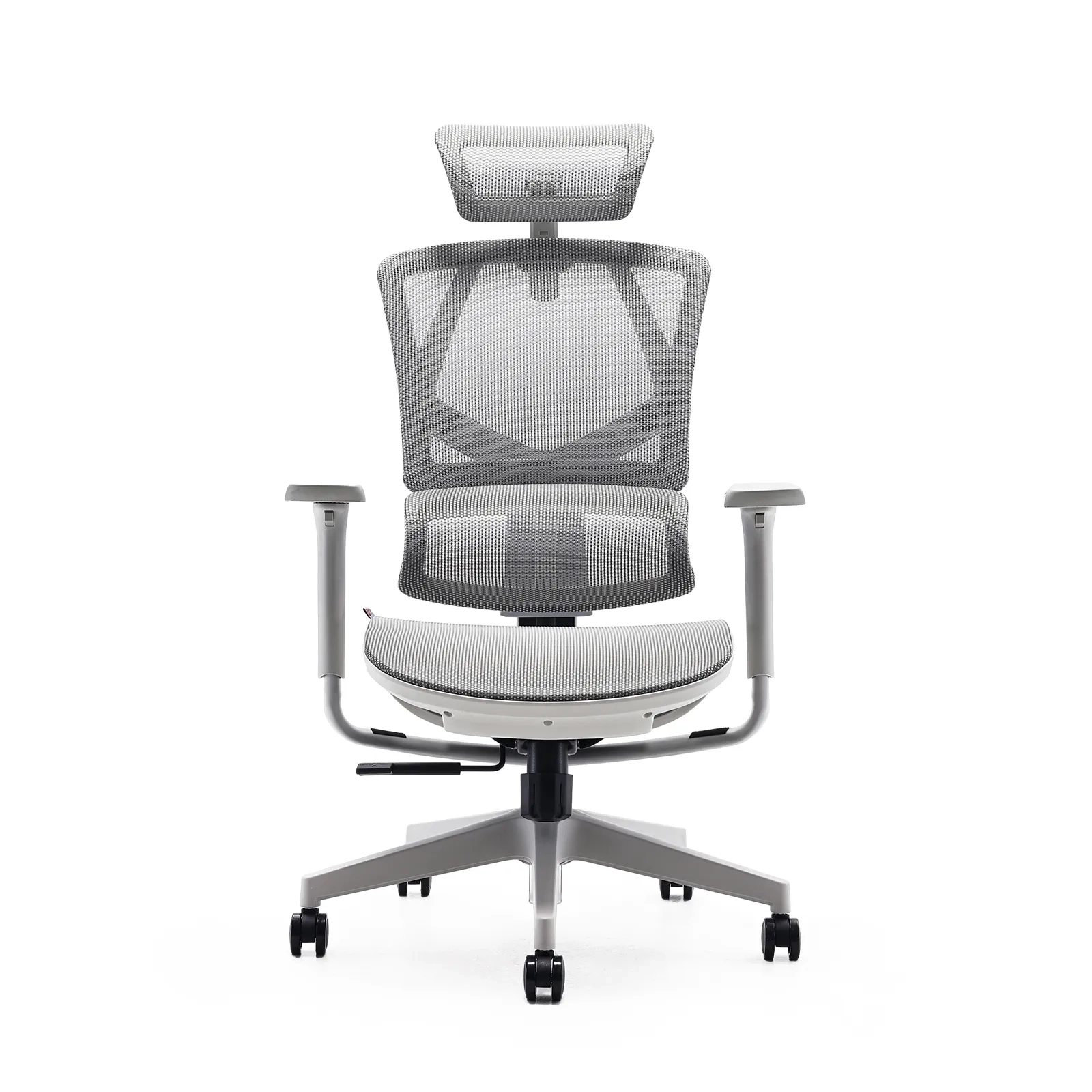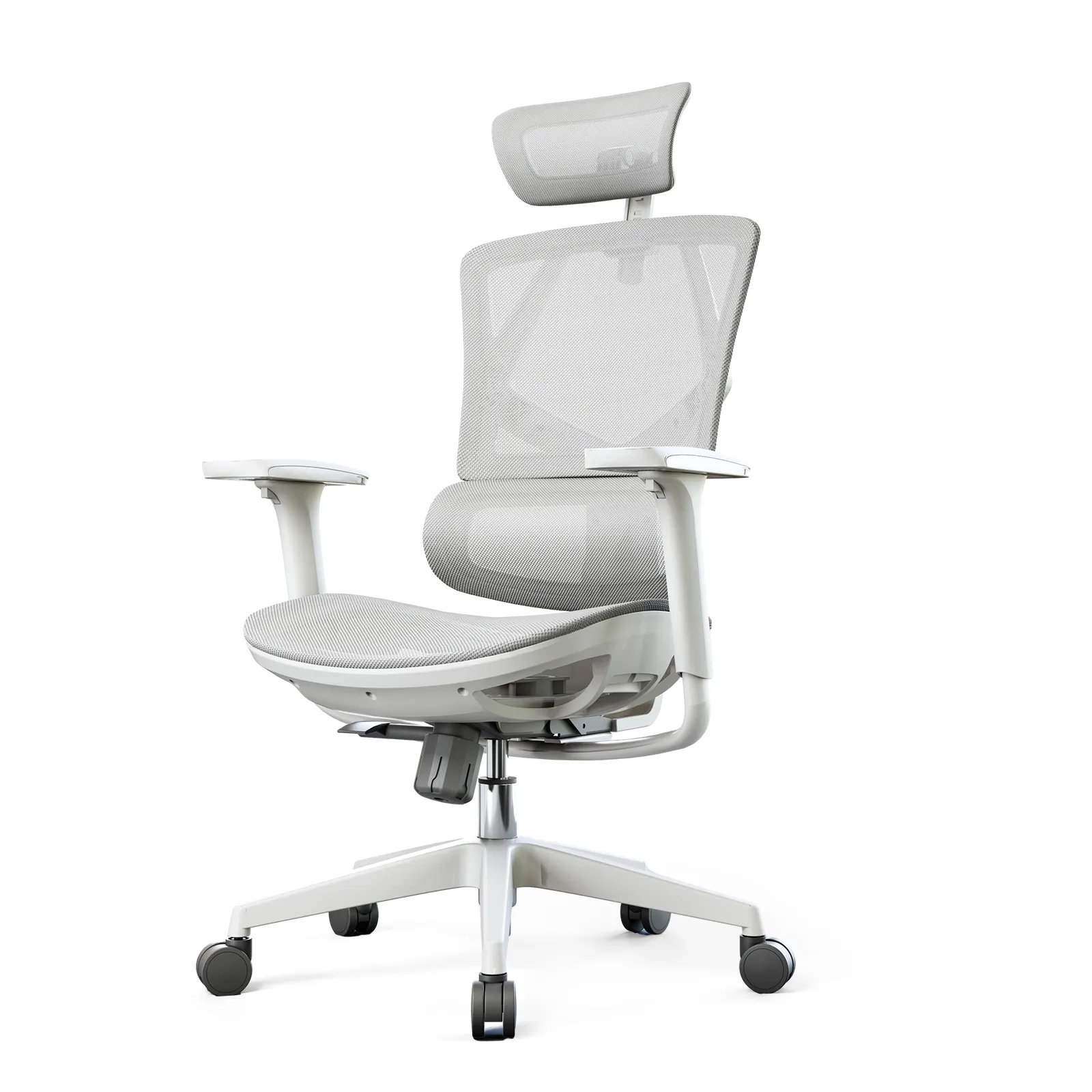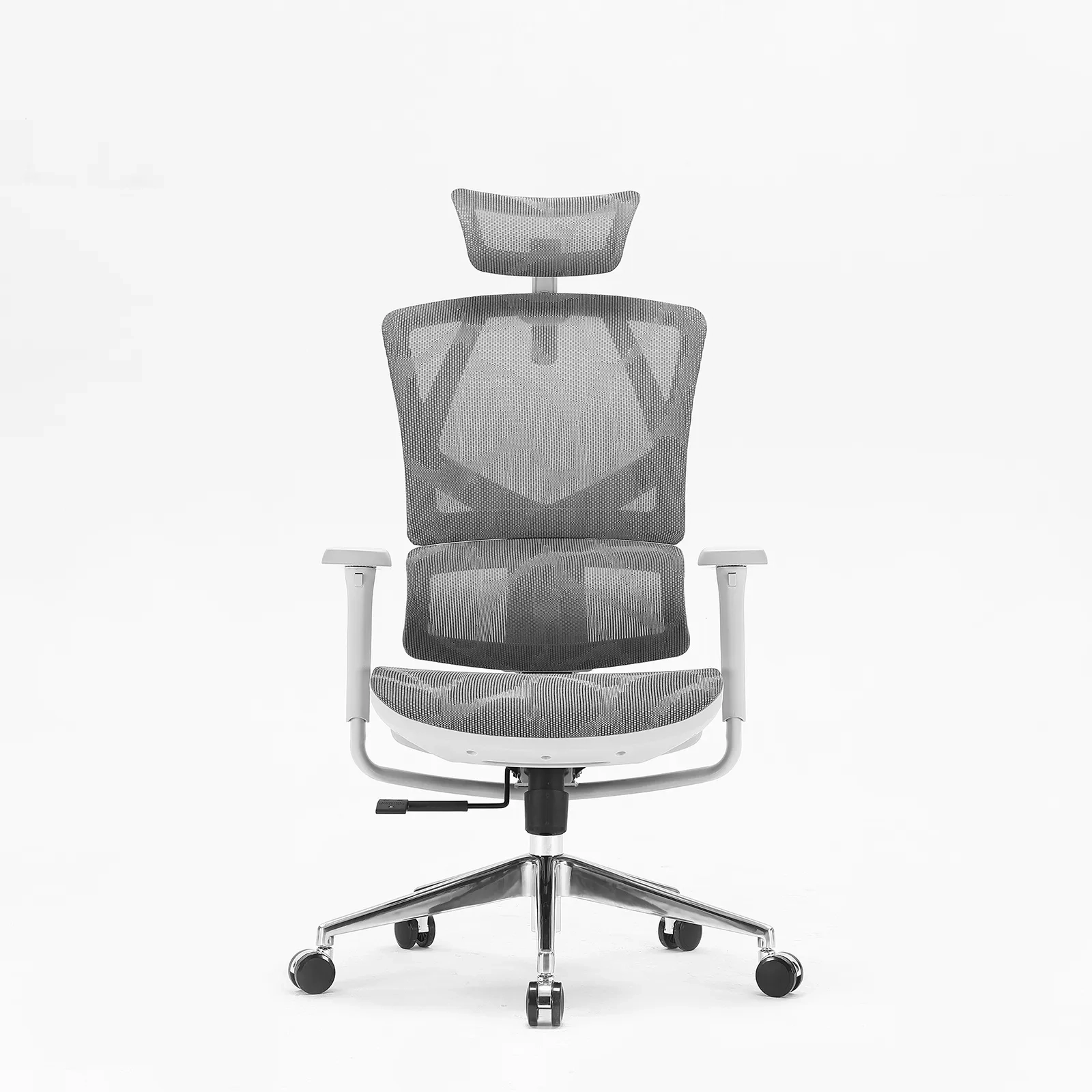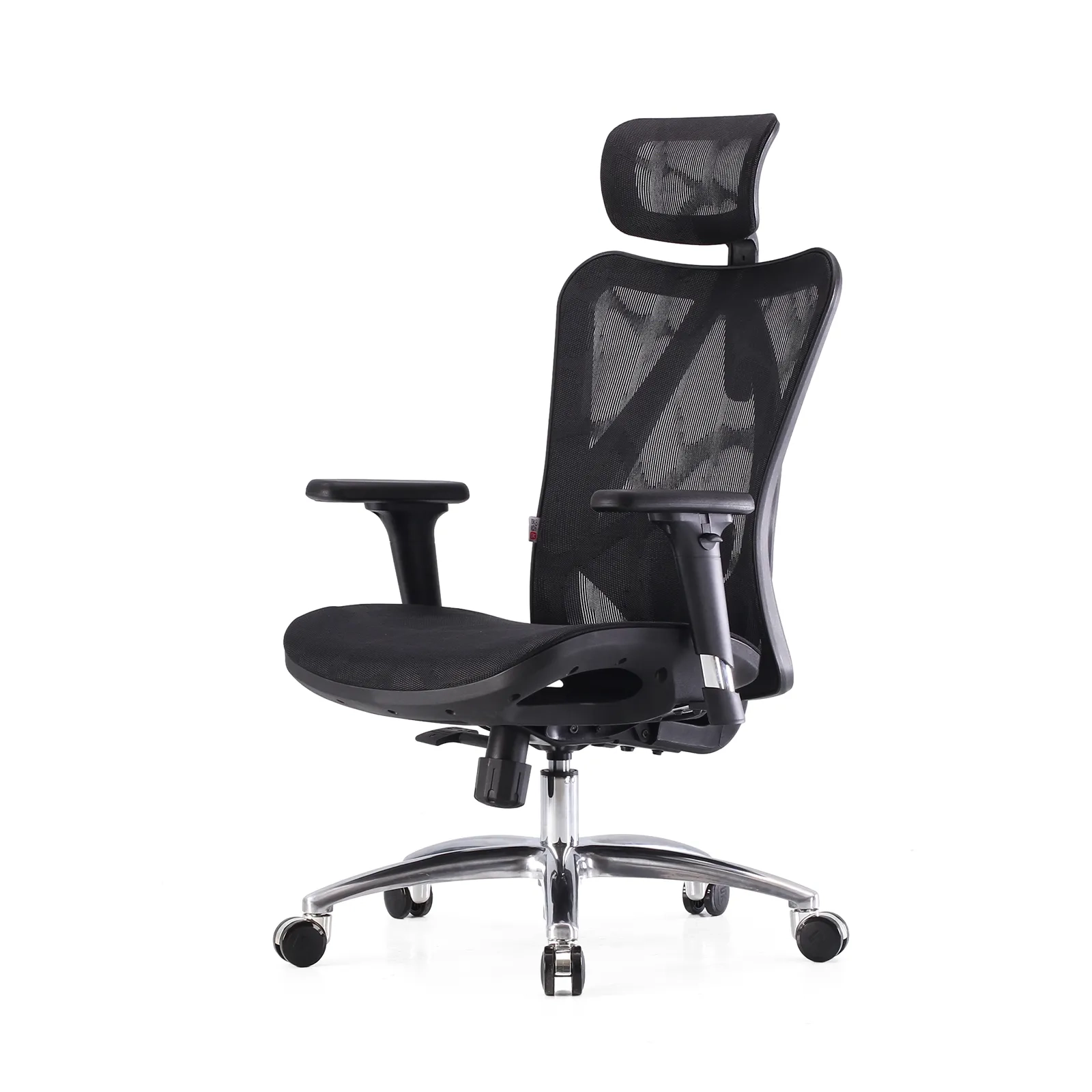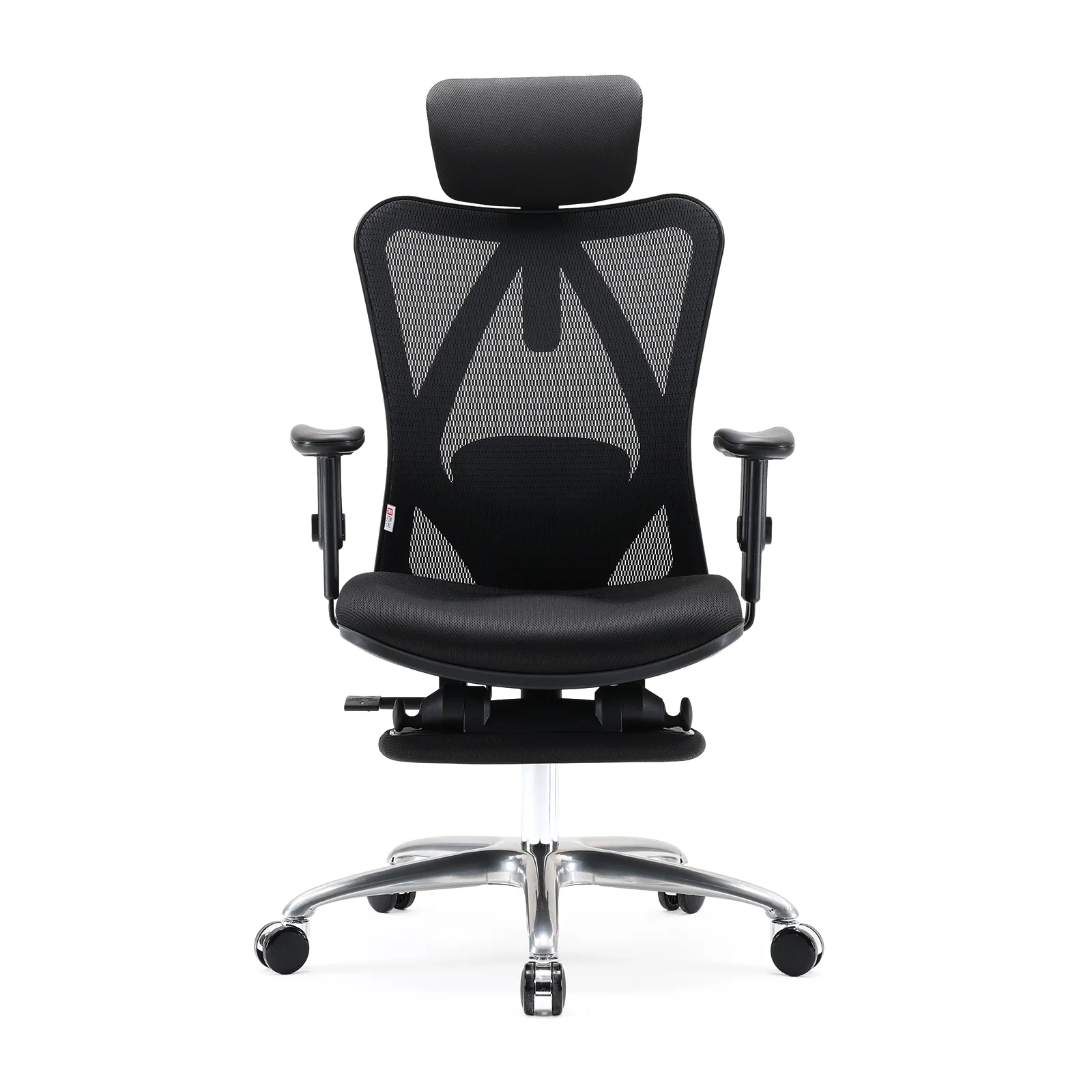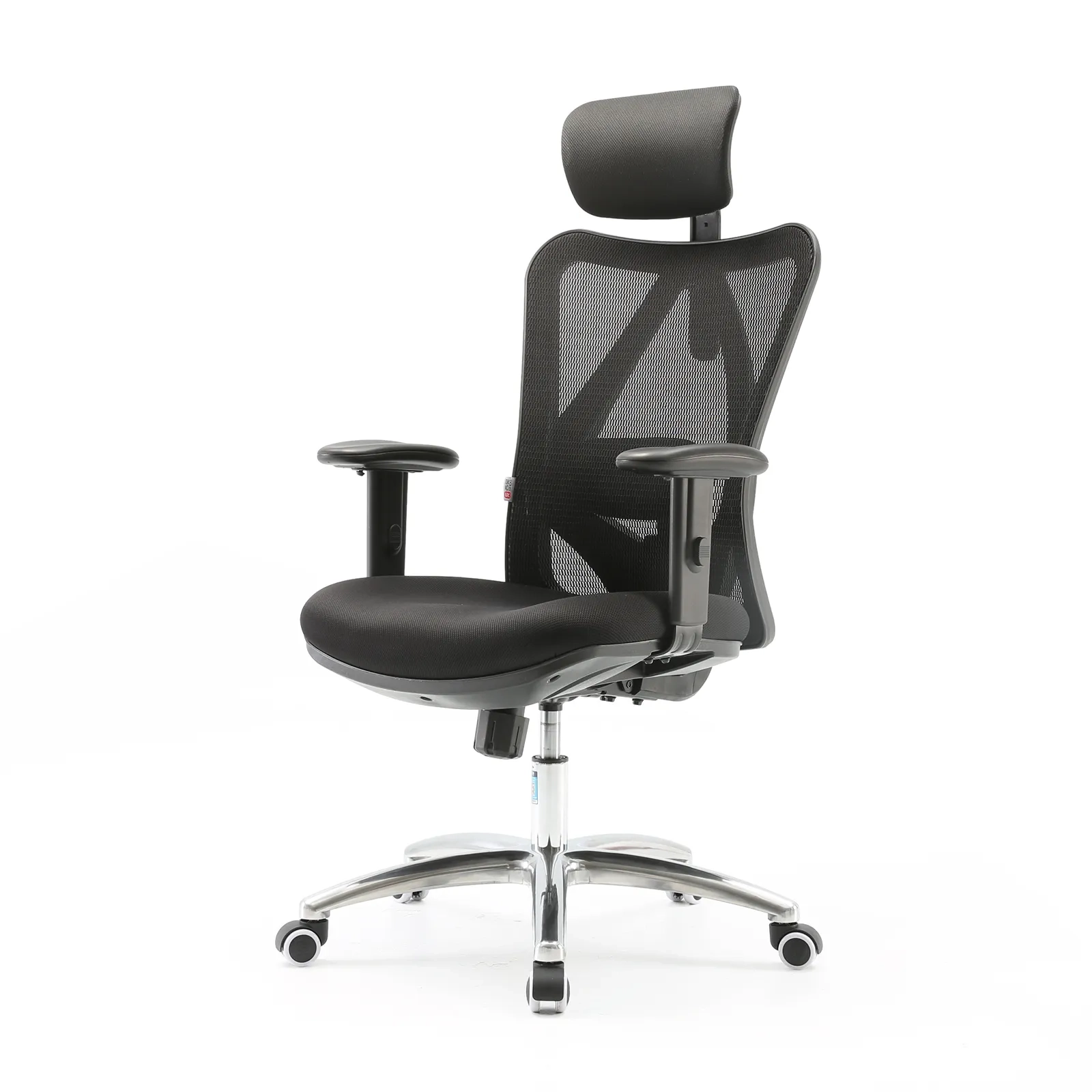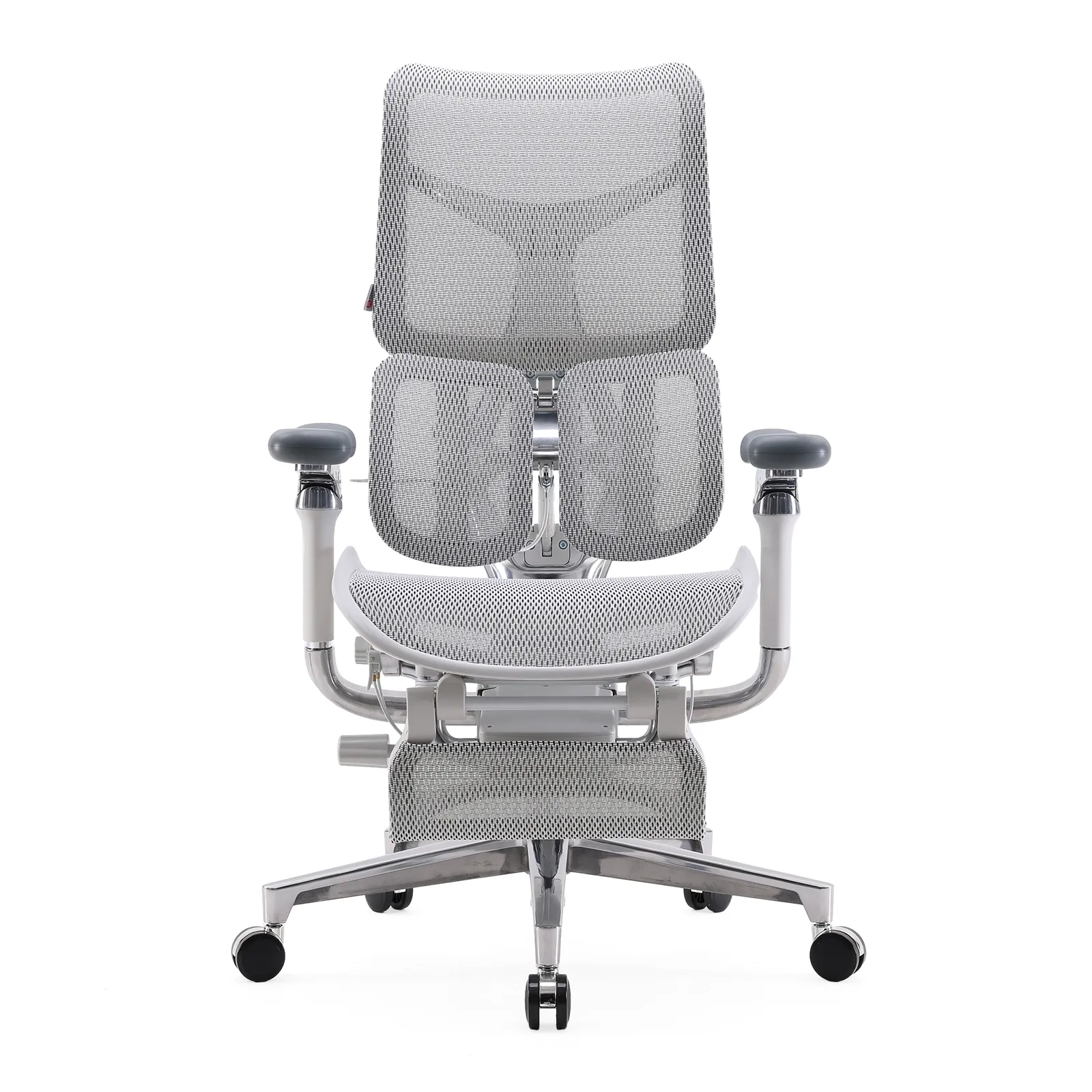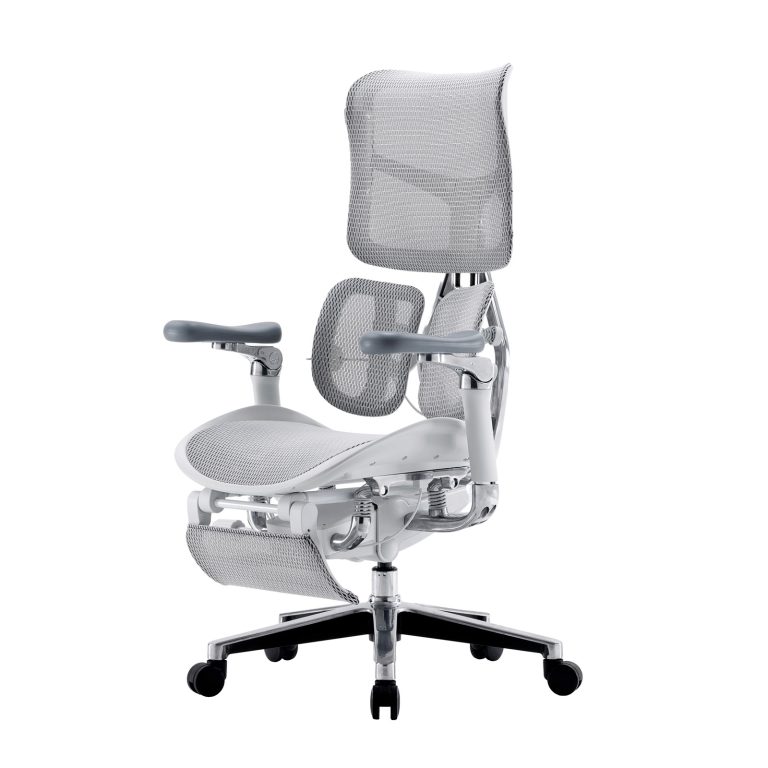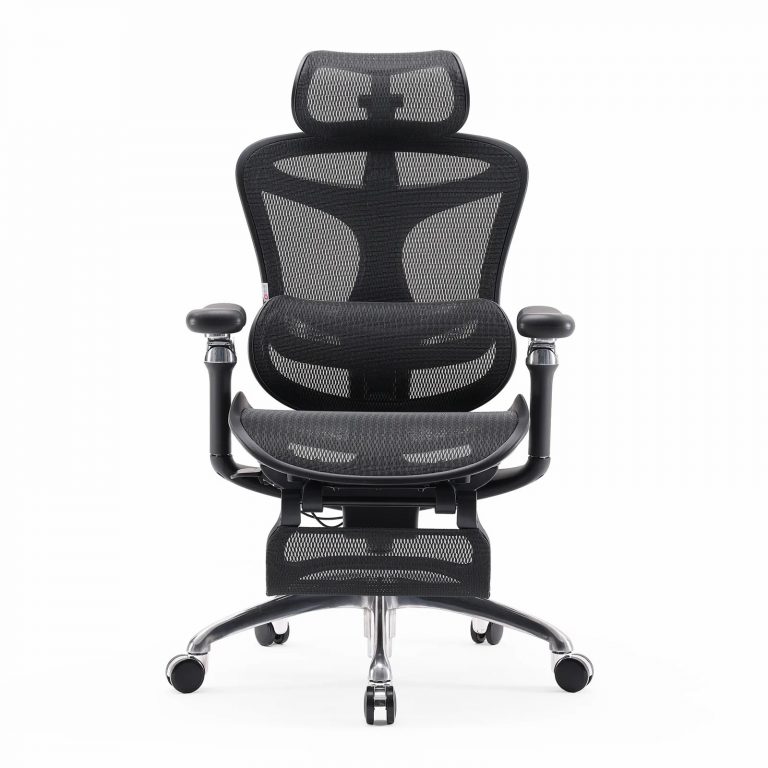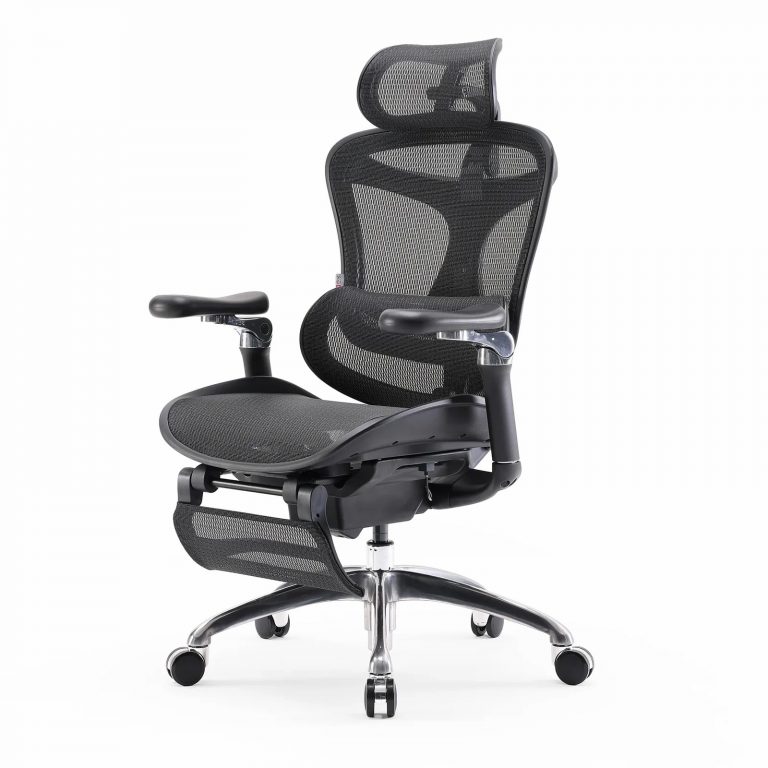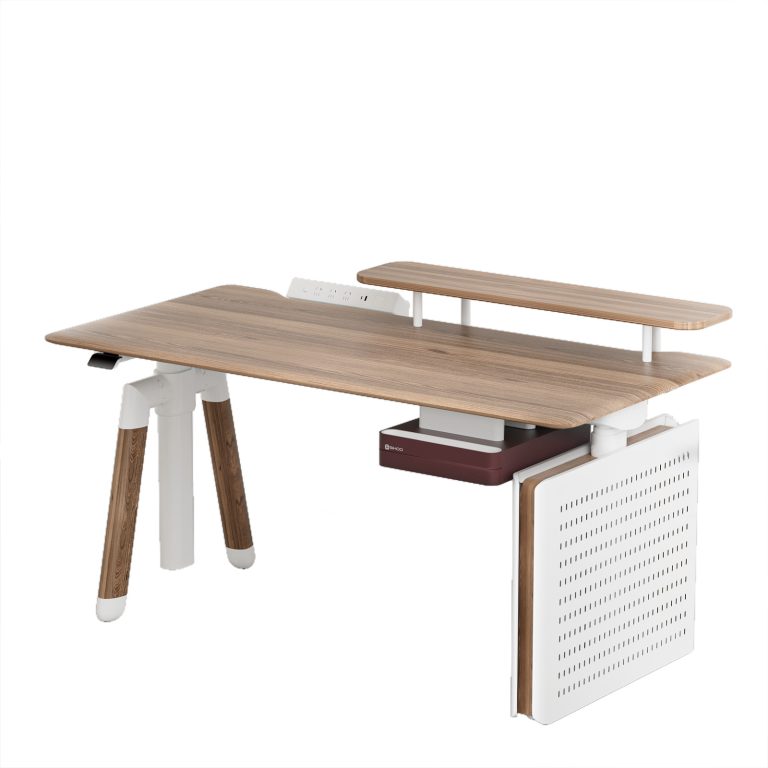









Before you start chasing prices on a wholesale office chair wholesale order, do one unglamorous thing first: write a short brief. Think of it like giving someone directions before you hand them the car keys — tell them the market, the chair types, the rough order size, which documents matter, where it’s shipping, and what warranty you expect. Do that, and every supplier you talk to is answering the same question instead of guessing what you want.
For importers and distributors, the cheapest chair is rarely the safest one. You also need a product range that fits your market, specs that stay stable across batches, documents you can actually use, packaging that survives the trip, spare parts when something breaks, and a team that replies in plain language. Use the checklist below like a worksheet: fill it in before you commit to a bulk order.
The checklist at a glance
| Procurement area | What to define | What to ask the supplier |
| Target market | Country, channel, price tier, buyer profile | Which chair lines suit this market? |
| Product range | Staff, ergonomic, executive, meeting, or gaming chairs | Can models be combined in one order? |
| Quantity | Estimated units by model or category | What MOQ applies to each model? |
| Samples | Models and features to check | What is the sample process and lead time? |
| Compliance | Standards required by the destination market | Which reports can be provided for the selected model? |
| Customization | Color, packaging, logo, manuals, labeling | Which options are available and at what volume? |
| Delivery | Destination, deadline, shipping terms | What production and dispatch timeline should be expected? |
| Warranty | Coverage, spare parts, claim handling | How are overseas claims and replacement parts managed? |
Treat this table as page one of your buying brief. It saves you from the most common mistake we see: asking for a price before the supplier even knows what you’re trying to buy.
1. Nail down the market before you pick products
The same chair mix won’t work for every market. A hot, humid market may require more breathable mesh. A project supplier needs chairs for desks, meeting rooms, and manager offices. A small-space home-office channel wants smaller chairs in simpler cartons. So start with the market, then choose the chairs — not the other way around.
Put these in the brief:
- Destination country or region
- Sales channel: distributor, dealer network, project sales, online marketplace, or retail
- Intended customer: corporate offices, home-office buyers, gamers, students, or premium users
- Expected retail or project price tier
- Preferred materials, colors, and feature level
- Any local labeling, documents, or compliance needs
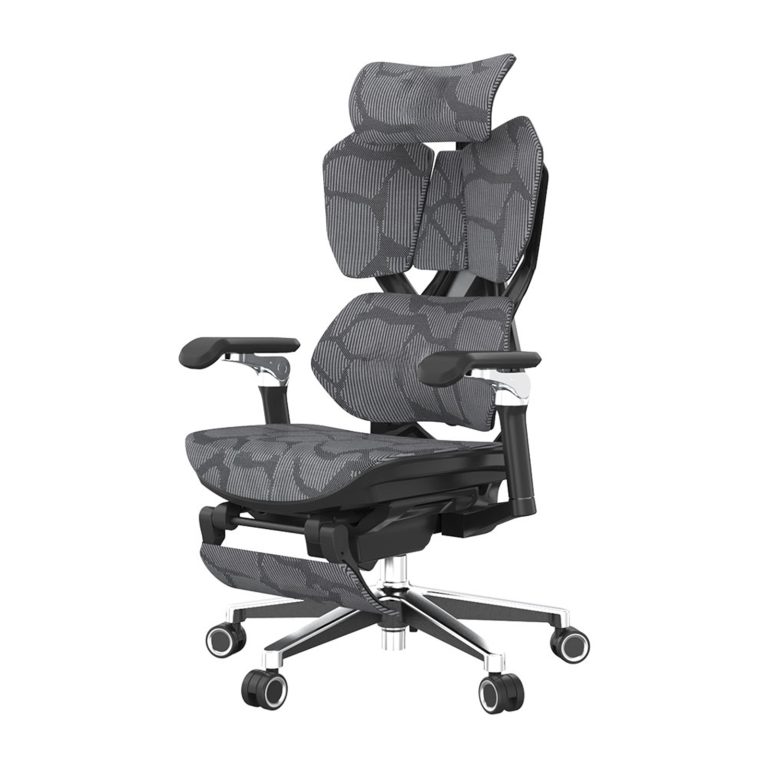
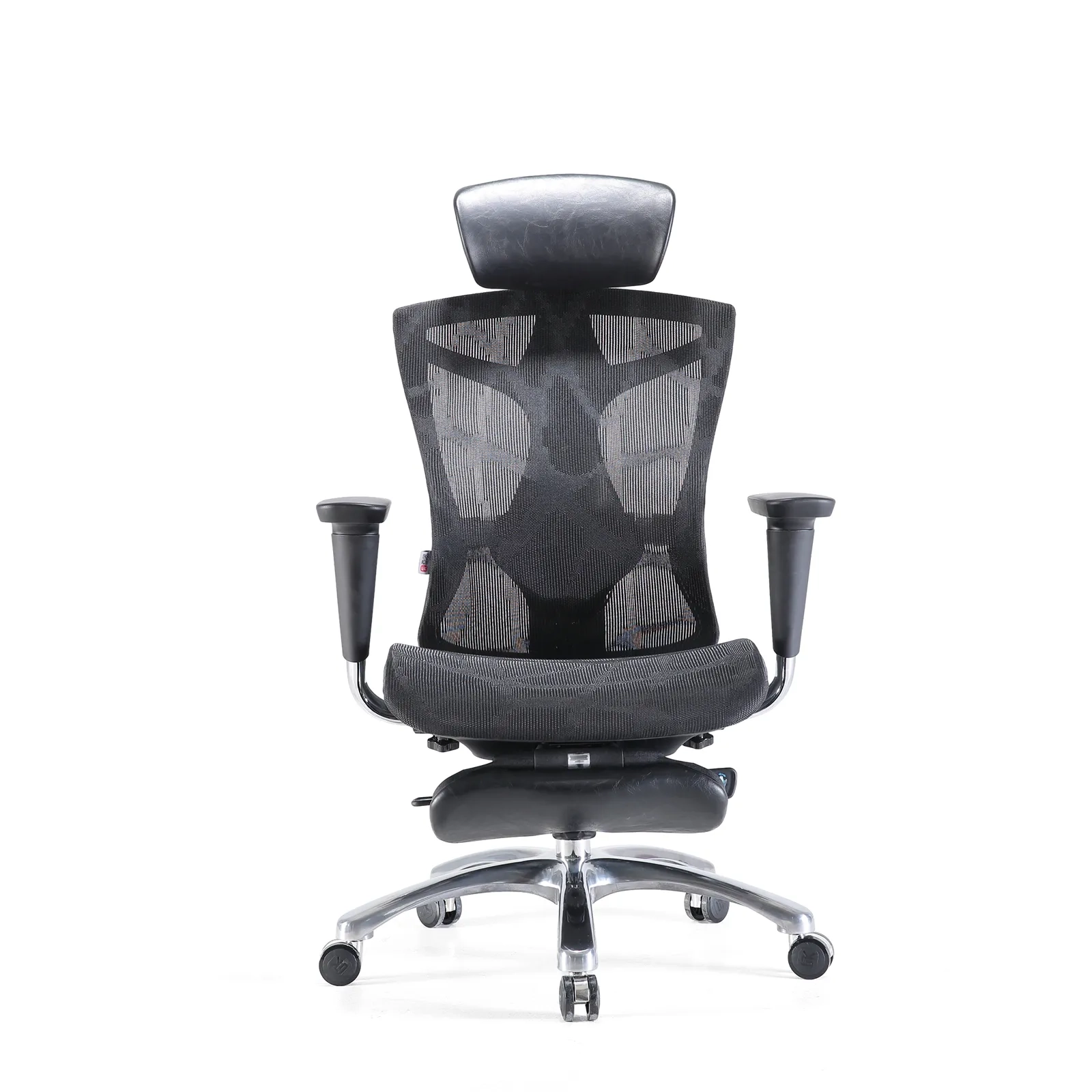
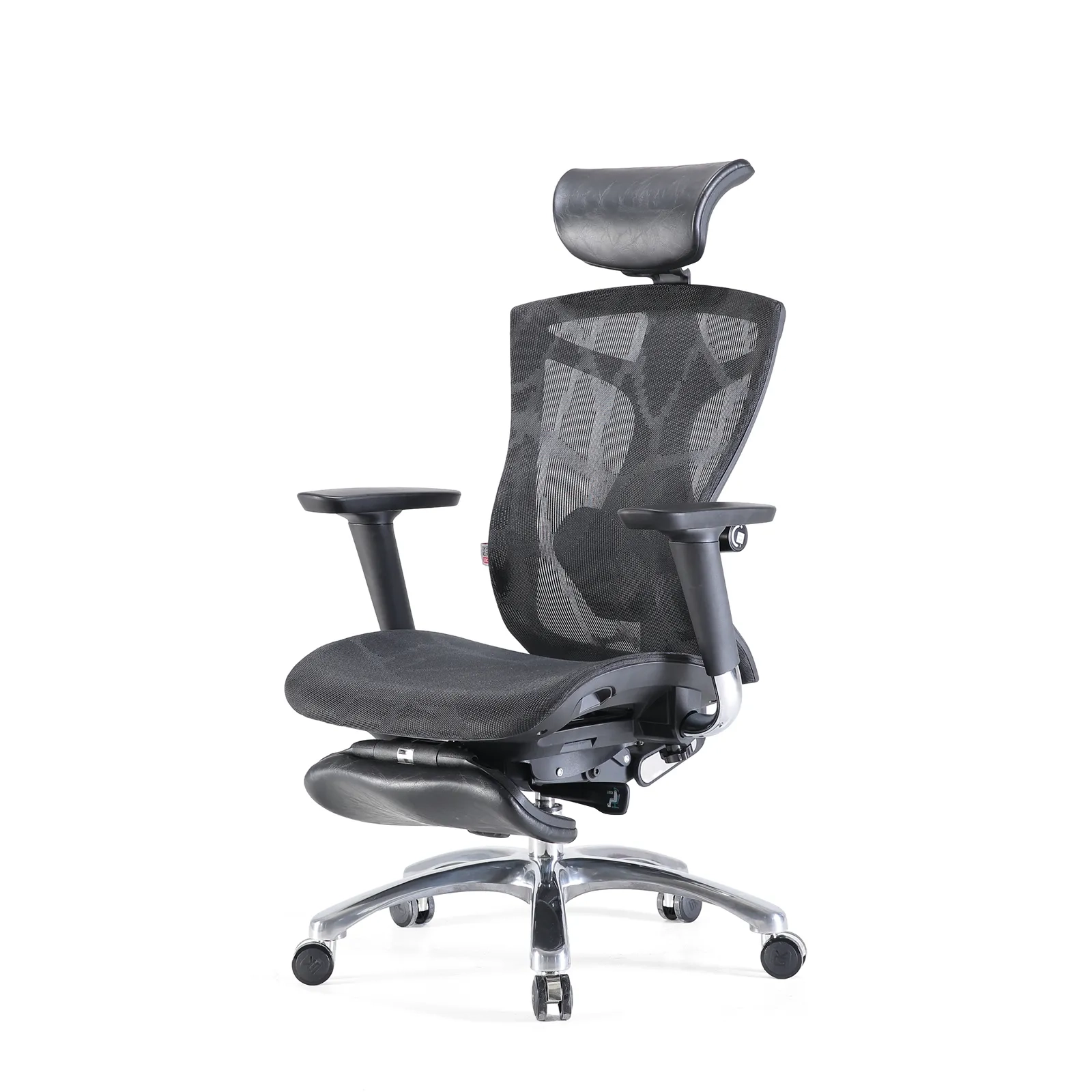
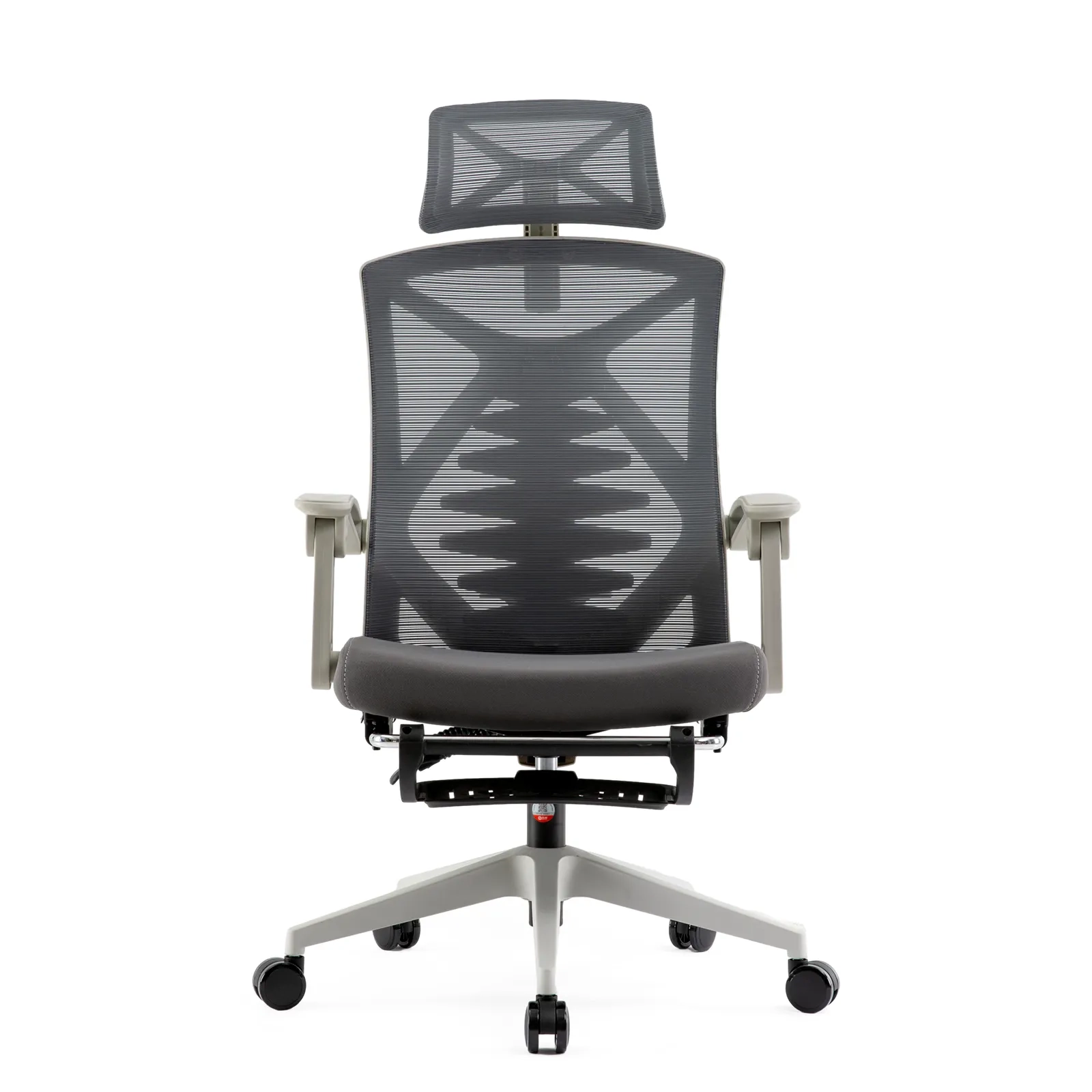
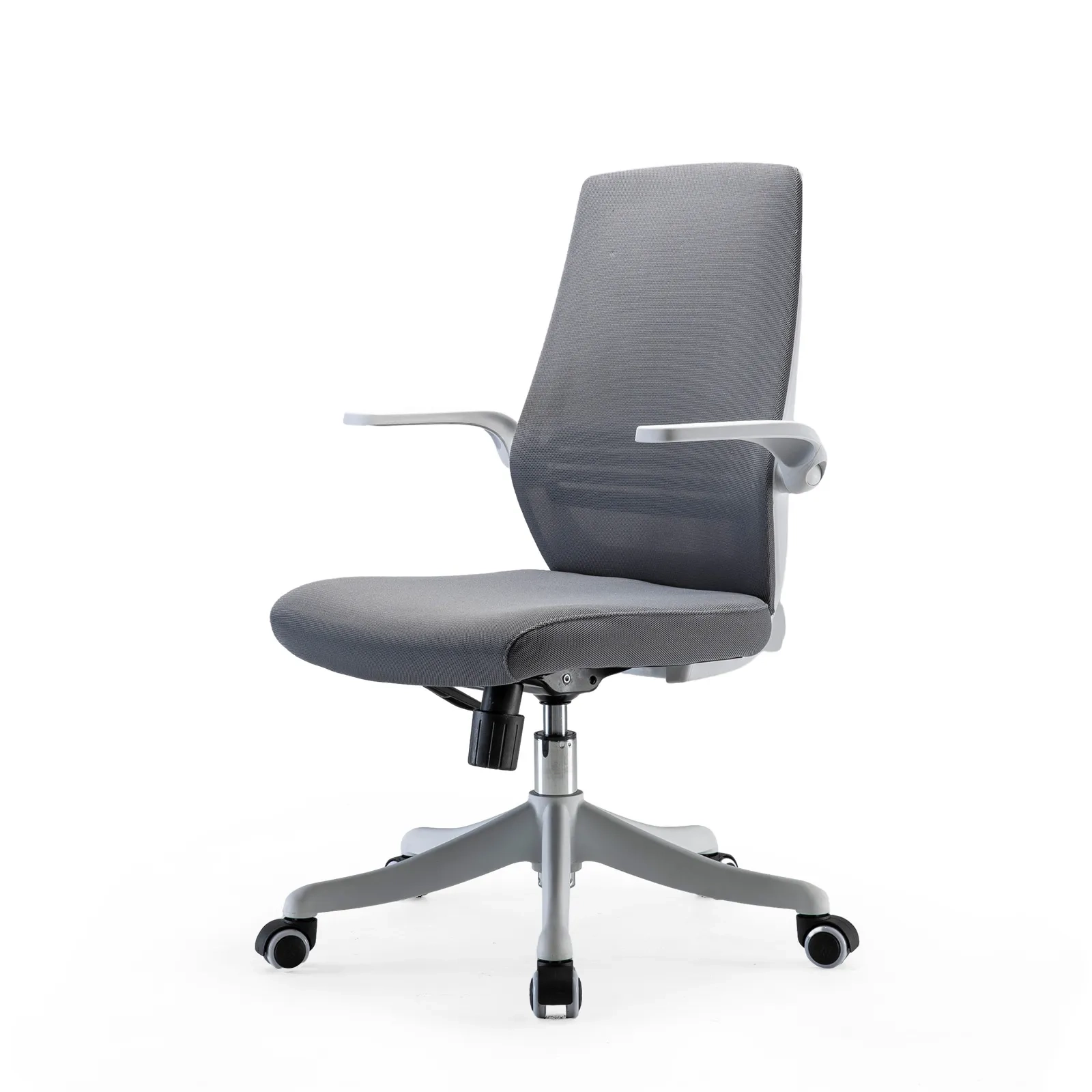
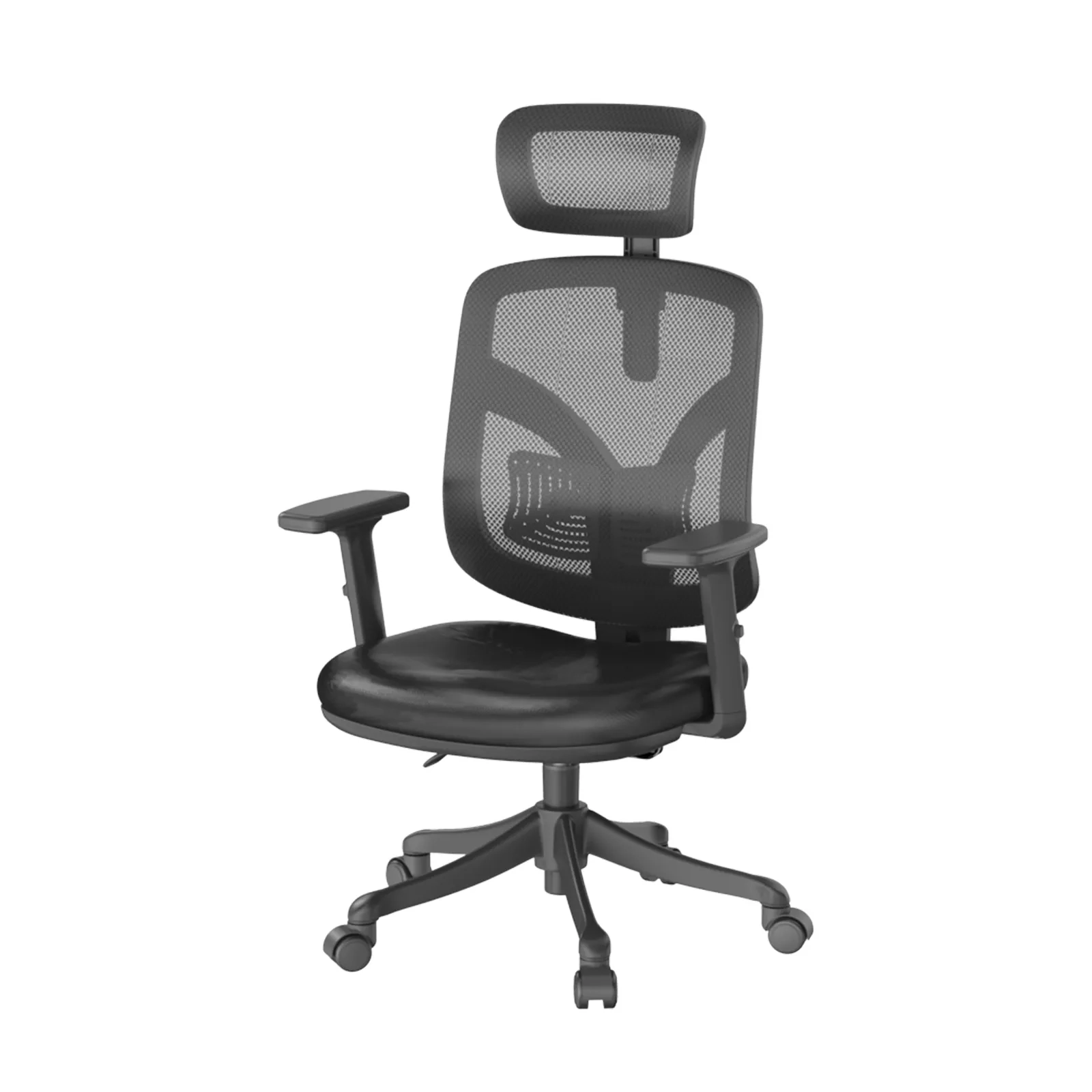
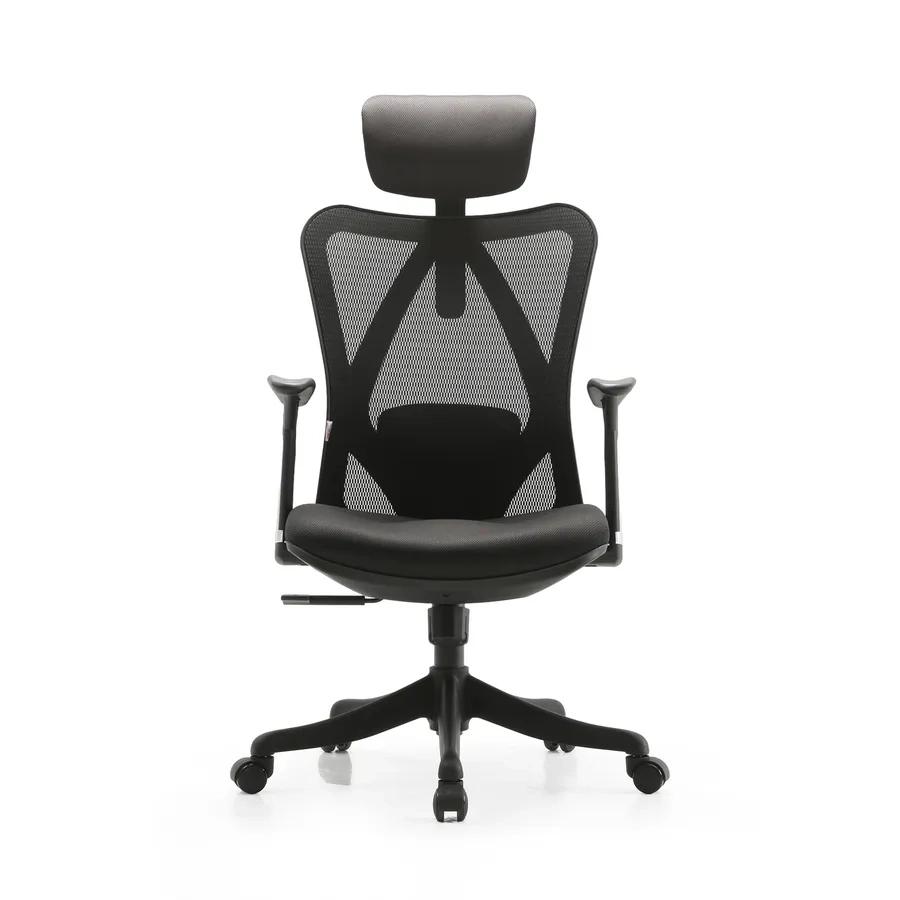
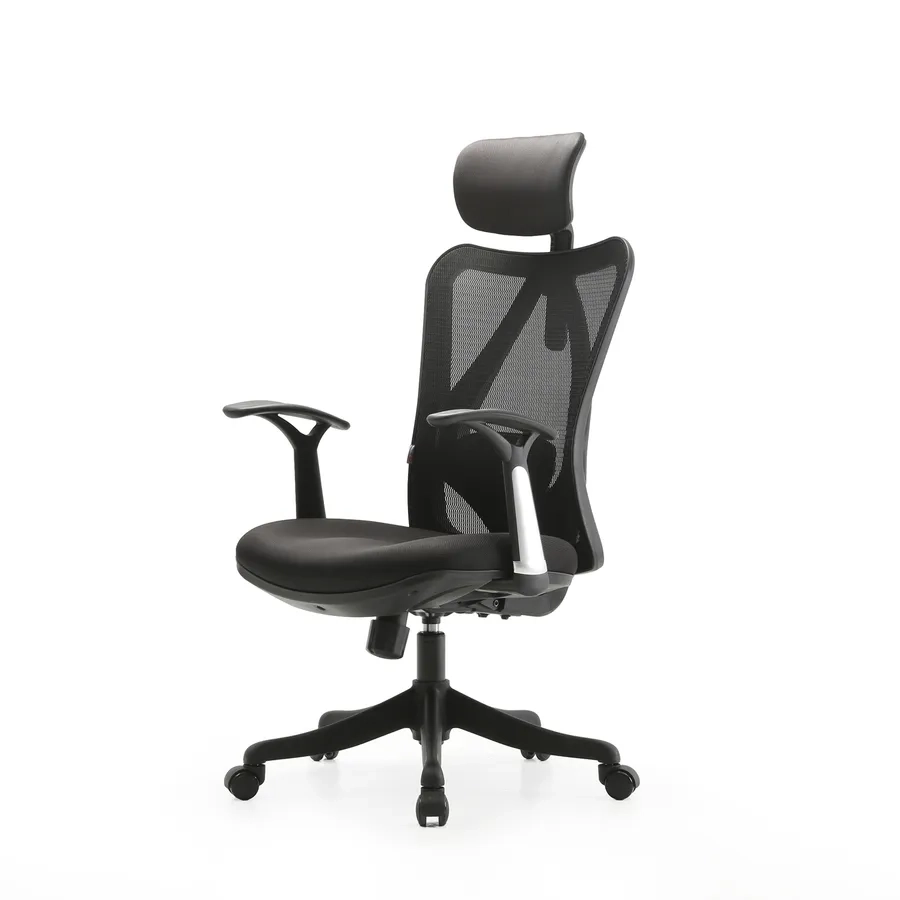
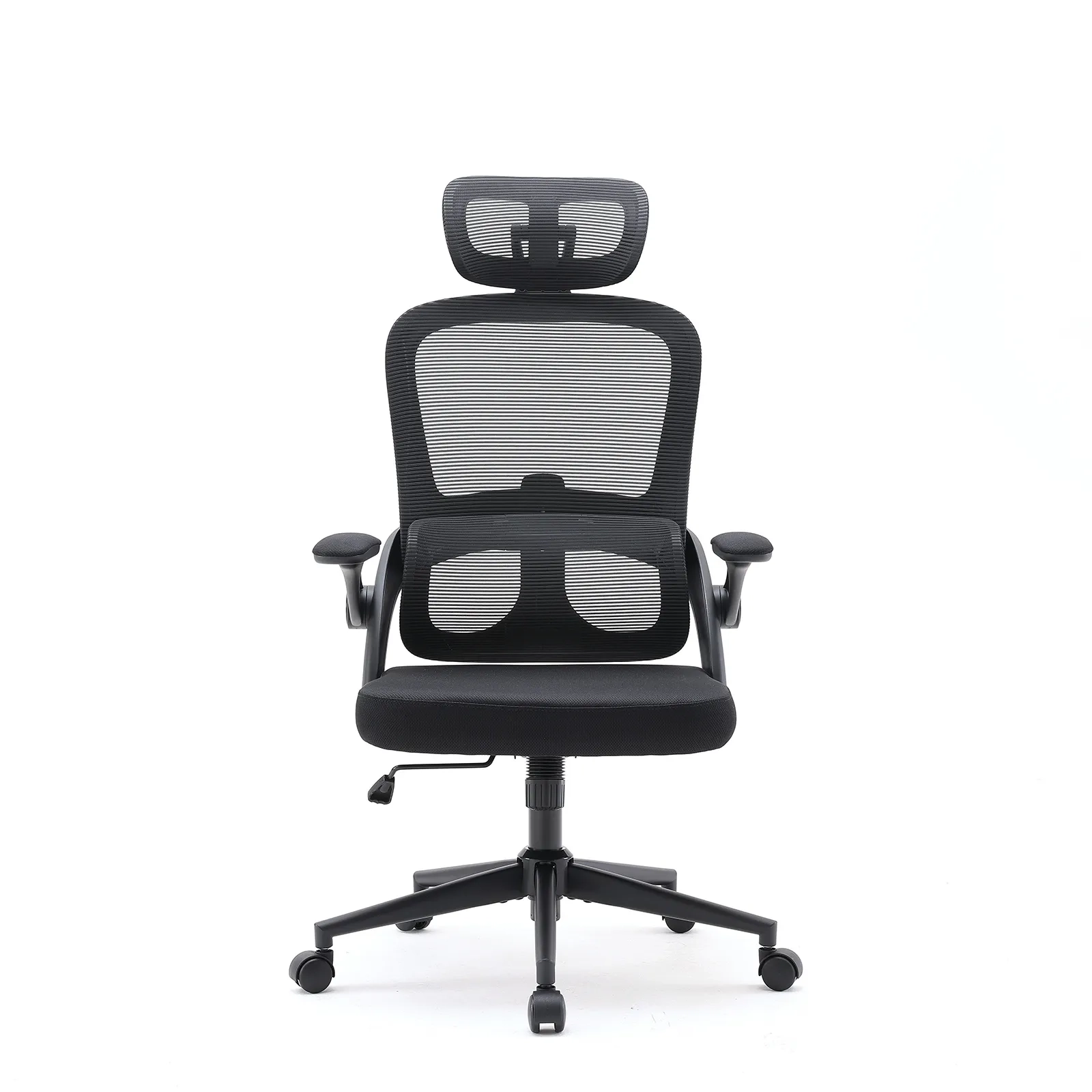
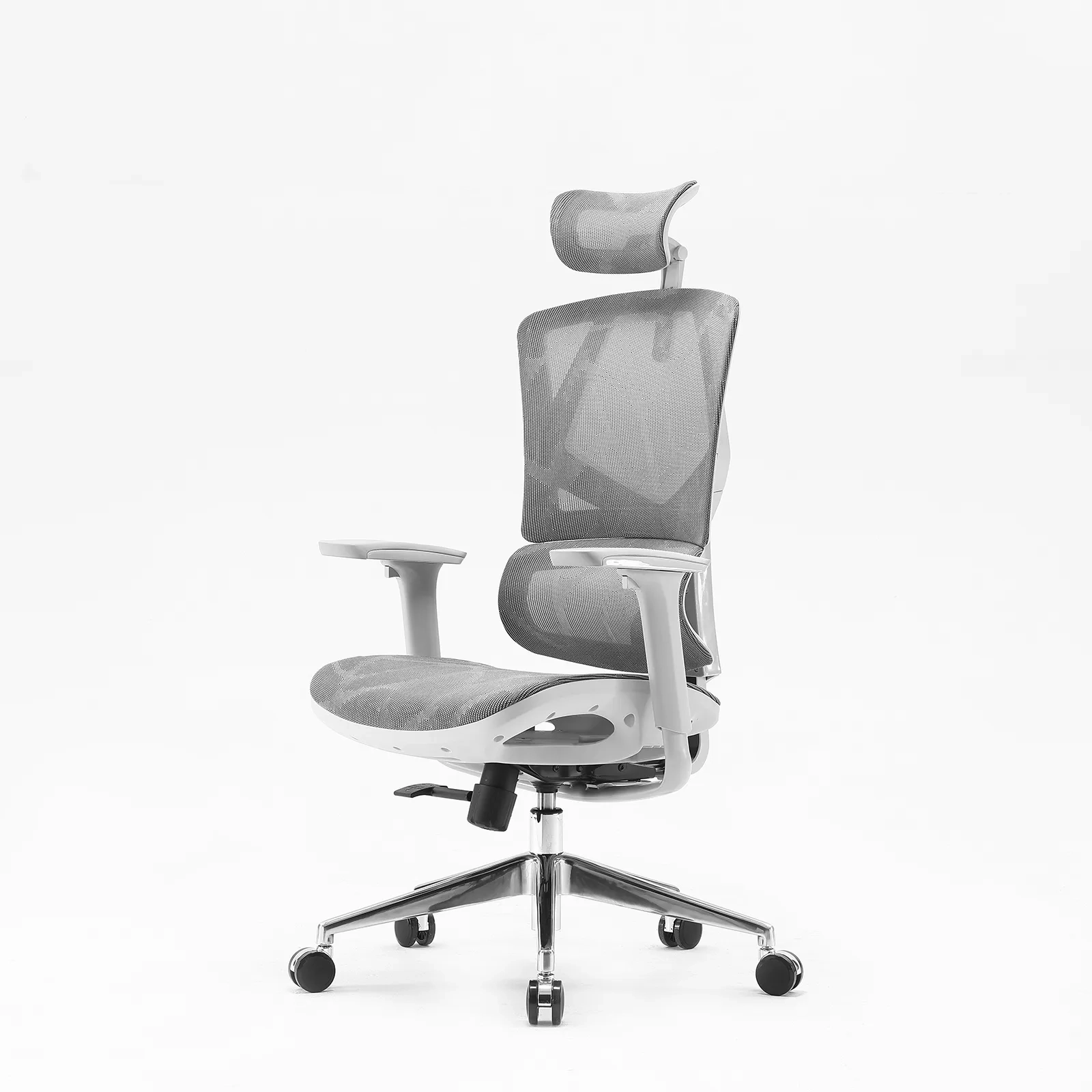
Get the big picture down before you start naming model numbers. If you want to see how SIHOO’s range is structured, browse the ergonomic chairs wholesale collection — or, if you’re comparing several categories, the complete SIHOO product range.
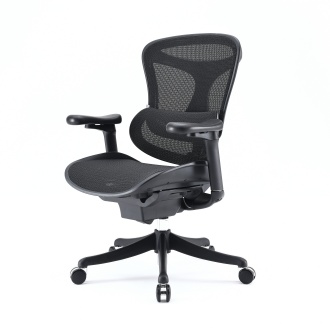
2. Build a category mix, not a single hero chair
Wholesale buying is a portfolio decision. One eye-catching model might open doors, but a useful catalog needs enough variety to cover different users and different project needs.
A sensible starting assortment usually has:
- Core staff chair: a practical workhorse for general workstations and repeat project demand.
- Ergonomic feature model: enhanced adjustment for people sitting eight hours a day.
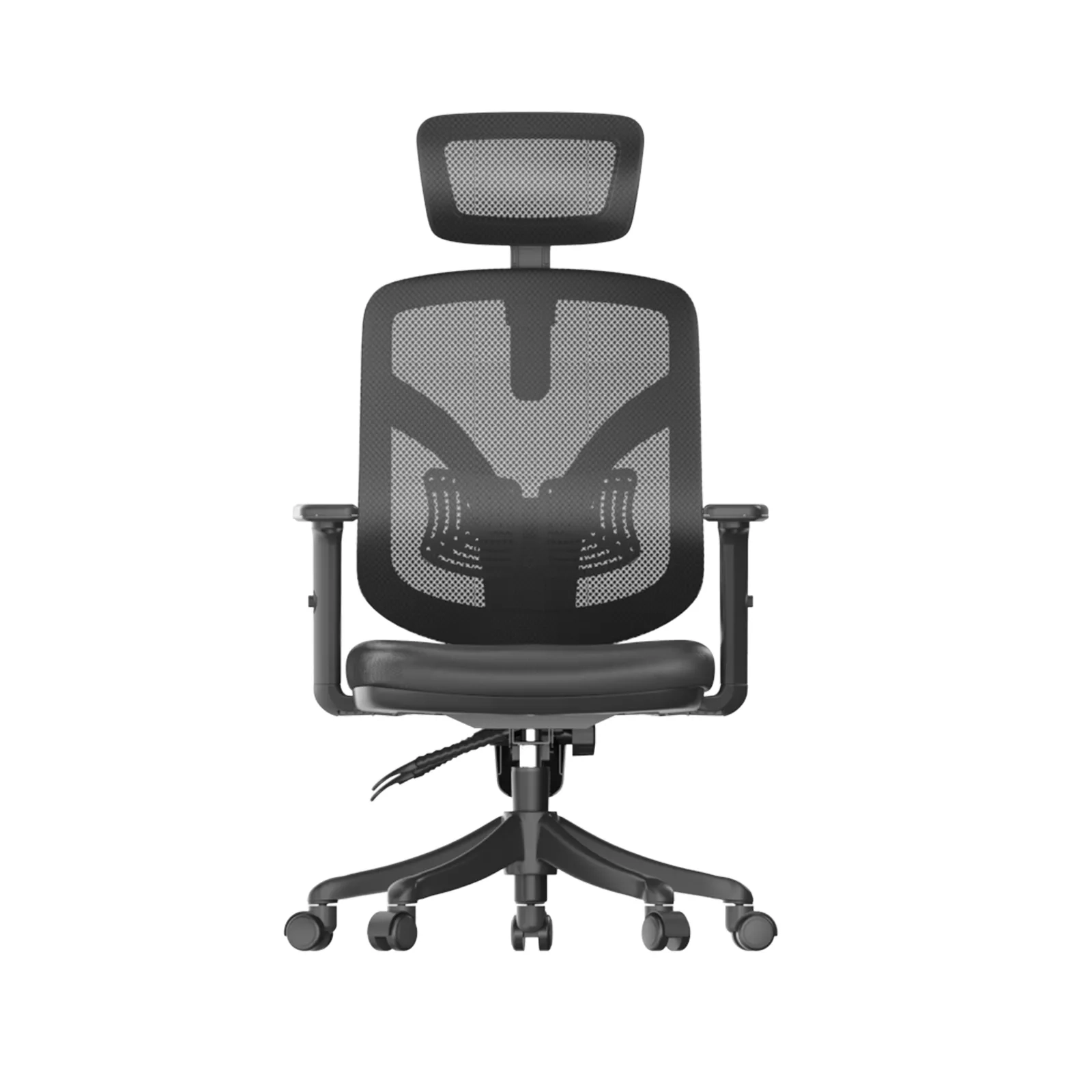
- Executive or high-back model: something visually different for executive offices and premium channels.
- Meeting chair: lighter or more compact for conference rooms, reception, and shared spaces.
- Special-use option: a gaming crossover, footrest chair, or compact model — only if there is real demand in your market.
Don’t pad the catalog just to make it look bigger. Every SKU should have a clear user, a price position, and a reason to exist. And ask the supplier which models share components, packaging dimensions, or spare parts — operational simplicity matters as much as variety does.
3. Order the right sample, not every sample
A sample earns its keep only when it answers a specific question. Instead of buying three chairs that look nearly identical, pick samples that represent different mechanisms, materials, or market positions.
When you evaluate, score each one on:
- Assembly clarity and the instructions included
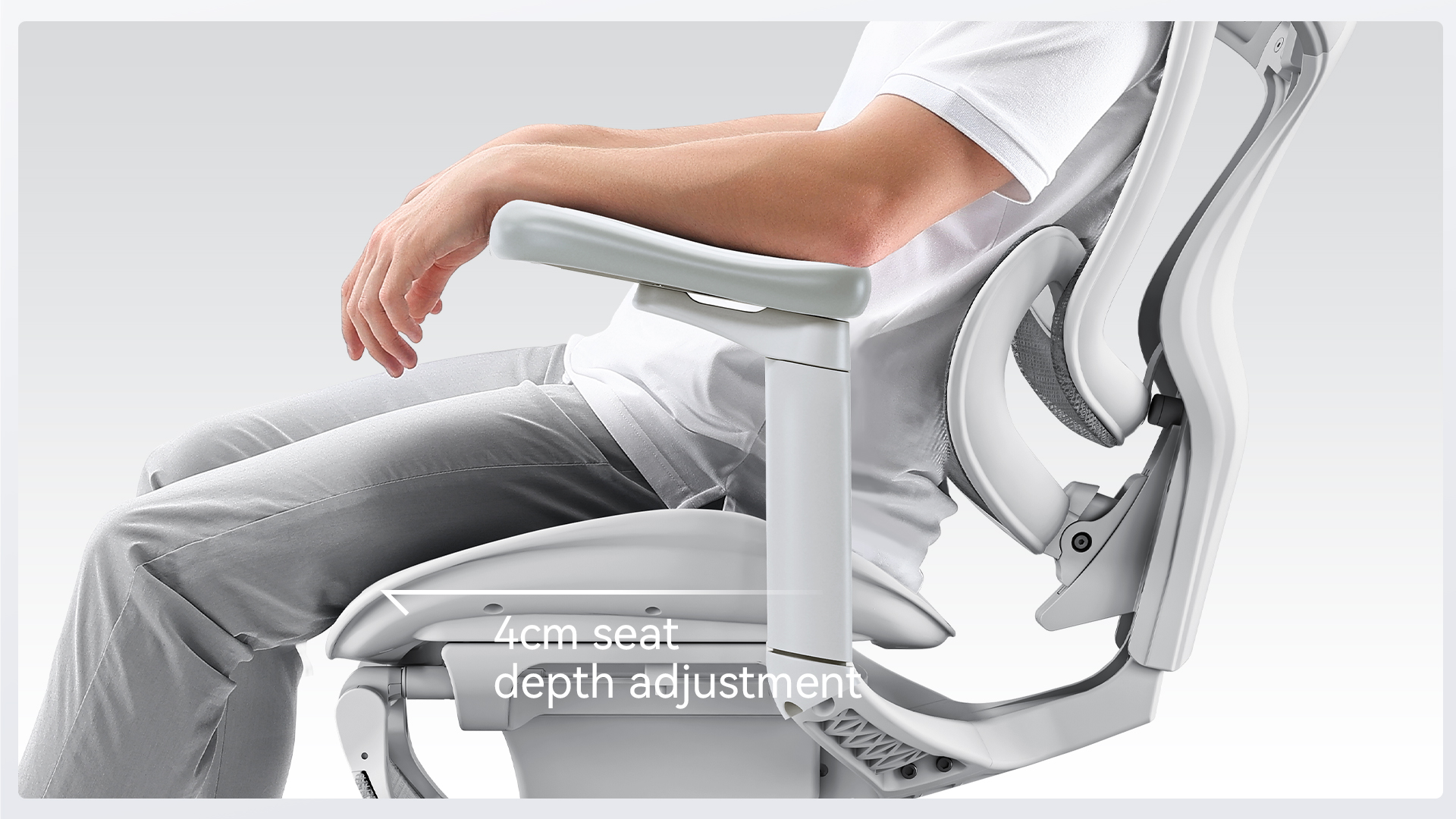
- Seat-height and seat-depth range
- Lumbar-support type and how it adjusts
- Armrest movement and stability
- Recline controls and tension
- Mesh or upholstery finish
- Frame, base, casters, and gas lift
- Packaging protection and carton labeling
- How easy parts are to identify later
Get measurements, photos, and notes from more than one person — ideally users with different body sizes, with different work habits. This isn’t formal testing, but it quickly shows whether the chair fits real users and where it sits commercially.
One more thing: ask whether the production version will use the same materials, mechanism, packaging, and accessories as the sample you approved. Document the answer in the purchase agreement or related documents

4. Check standards and documents model by model
If a supplier references ANSI/BIFMA or any other standard, check it against the exact chair you’re buying. A factory often runs several chair families with different configurations, so don’t assume one report covers the whole catalog.
Ask for the documents your destination market and selected model actually need. Depending on the order, that list can include:
- Product test reports
- Material information
- Gas-lift or component documents
- Carton and packaging specs
- Assembly instructions
- Product dimensions and weight
- Care and maintenance guidance
- Warranty terms
5. Compare total landed cost, not just unit price
The quotation is only one slice of the cost. A cheaper chair can eat that saving back through bigger cartons, more assembly time, or more replacement parts. A pricier model can carve out a clearer premium position and dodge direct price comparison in your market.
Put these in the commercial comparison:
- Unit price by model and quantity tier
- Sample cost and sample shipping
- Packaging volume and container efficiency
- Custom packaging, manuals, and labels
- Inspection or document costs
- Freight and destination charges
- Spare parts and after-sales handling
- Expected claim-management workload
Use the same assumptions for every supplier. If one quote leaves out a cost that another includes, flag it instead of pretending the totals are equal.
For the bigger picture on bulk versus retail, see Wholesale Office Chairs vs Retail Buying.
6. Confirm customization before you commit to it
Customization can mean color, upholstery, logo placement, carton artwork, manuals, labels, even model naming. Whether it’s possible usually comes down to order quantity, component availability, and production scheduling.
Before you promise a customized product to a customer, confirm:
- Which parts can actually be customized
- The minimum quantity for each option
- Whether a setup or tooling charge applies
- Color or material approval procedure
- Artwork format and approval deadline
- Effect on production lead time
- Whether customized spare parts will still be available
Keep an approval record or otherwise documented approval for colors, packaging, and labels. A difference that looks harmless at the sample stage can become costly once when repeated across a whole shipment.
7. Treat packaging and delivery as product features
For an importer, packaging quality drives your damage rate, warehouse handling, customer experience, and final margin. Ask for carton dimensions, gross and net weight, loading info, assembly format, and protection details.
Worth asking directly:
- Ships fully knocked down or partially assembled?
- Which parts get extra protection?
- Are small hardware bits clearly packed and labeled?
- Can barcodes, model labels, and destination marks be added?
- How many cartons per chair?
- Estimated production time after approval?
- Which shipping terms can they quote?
Don’t publish or promise a delivery date until the supplier confirms it for your specific models, quantity, customization, and order period.
8. Look hard at warranty and spare parts
A wholesale chair program doesn’t end at delivery. You need a practical way to identify parts, file claims, and support the customers downstream customers
Get the supplier to explain:
- Warranty duration and exclusions
- Evidence required for claims
- Parts list and part numbering
- Availability of casters, armrests, mechanisms, gas lifts, and other service parts
- How replacement parts are packed and shipped
- Whether technical documents or assembly guides are available
- Who takes responsibility if the sales contact changes
Clear after-sales procedures take the guesswork out of distribution and project work. If the policy isn’t written down, ask for it before you place the order.
9. Audit the supplier behind the quotation
A strong quotation doesn’t prove the factory can build or support what it’s selling. Look at product focus, development process, quality control, export experience, how they communicate, and whether they can support your channel.
Practical checks:
- Does the supplier actually specialize in this seating category?
- Can the team explain mechanisms and materials without hand-waving?
- Do product documents stay consistent across quotation, catalog, and sample?
- Can they give a realistic approval and production timeline?
- Are responsibilities clear when something goes wrong?
- Is there a stable contact path for partnership and after-sales?
For a deeper framework, the separate guide on how to audit an office chair supplier walks through it step by step.
10. Send a complete inquiry
A complete inquiry helps the supplier recommend the right products and cuts the email ping-pong. Include:
- Company name, website, and business type
- Destination country and sales channel
- Product categories or models of interest
- Estimated quantity by model
- Target price position or project budget range
- Required documents or standards
- Customization needs
- Sample needs
- Delivery destination and preferred timing
- Questions about warranty, parts, and partnership support
Avoid sending just “please send your best price.” It’s quick to write and impossible to answer well — the supplier can’t tell if you mean a trial order, a national distribution program, or a one-time office fit-out.
1600x1600-1.jpg)
Common mistakes in office chairs wholesale
Selecting by photos alone. Pictures don’t show adjustment range, how the mechanism feels, packaging, documents, or service. Use images to shortlist, then check the specs.
Comparing quotations built on different assumptions. Two prices can hide different packaging, materials, accessories, shipping terms, or quantities. Normalize the scope before you compare totals.
Treating every certification statement as equal. Ask which model and setup a document covers. A general factory claim is not product-level proof.
Ignoring the downstream customer. The end user, dealer, or project client will need assembly help, warranty answers, and replacement parts. Build that into the decision.
Using the homepage as the only next step. A B2B reader needs a direct path to act. Link to the relevant category, catalog resource, partnership page, or contact form based on what the article is for.
Making the final call
The right office chairs wholesale partner isn’t the one with the lowest first quote. Pick the supplier whose chairs fit your market, whose documents match the models you chose, whose samples answer real questions, and whose team can still support you after delivery.
Write the brief first. Compare suppliers against the same checklist. Write down every assumption that matters. That’s what gives importers and distributors a cleaner negotiation and fewer nasty surprises after the order ships.
Ready to talk through a wholesale program? Request the SIHOO catalog and partnership information. Or contact SIHOO with your target market, quantity, product categories, and delivery country.
1600x1600-4-768x768.jpg)
1600x1600-8-768x768.jpg)