








In today’s hyper-connected digital workplace, prolonged sitting has become the default for professionals around the globe. The World Health Organization (WHO) ranks physical inactivity as the fourth leading risk factor for global mortality—just behind high blood pressure, tobacco use, and elevated blood glucose. According to a 2023 global health report from The Lancet, adults now spend an average of over 8.5 hours per day seated, with office workers making up a staggering 76% of that total.
But static sitting does more than just stiffen your back—it’s tied to metabolic dysfunction, cardiovascular disease, and declining mental sharpness. Research dating back to Nachemson (1981) shows that sitting increases pressure on the lumbar discs by more than 40% compared to standing. Add poor posture into the mix, and that pressure can nearly double.
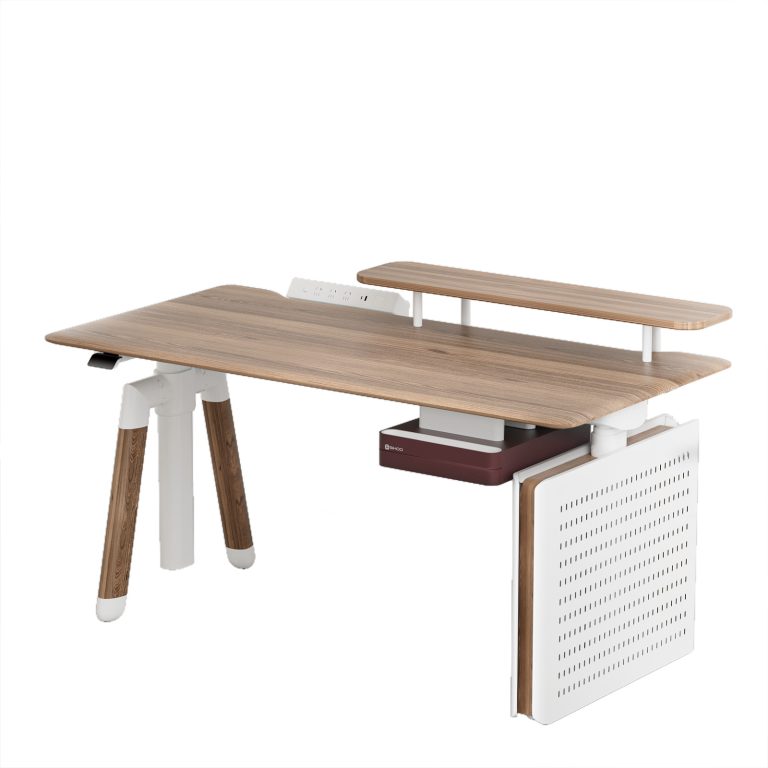
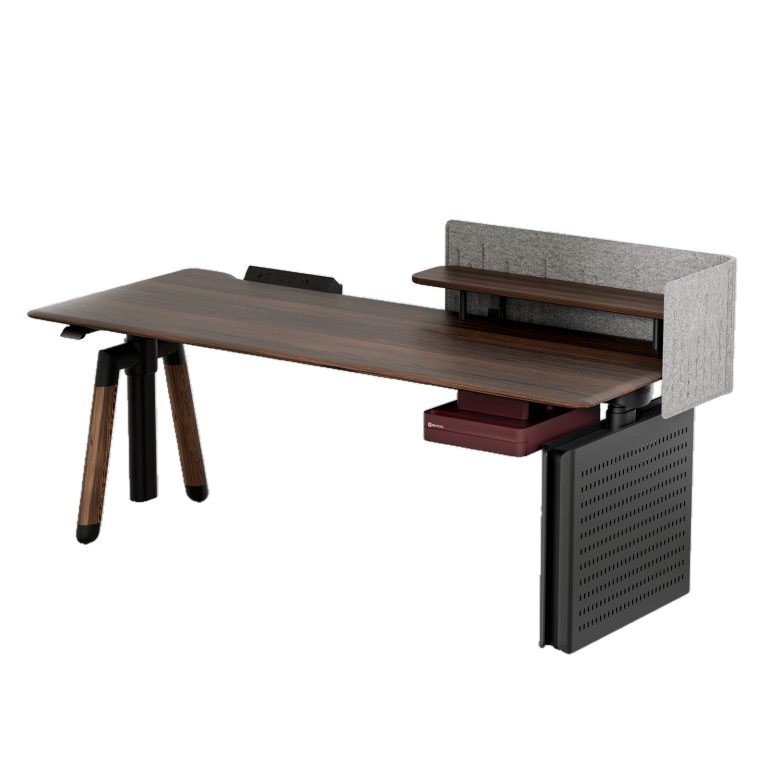
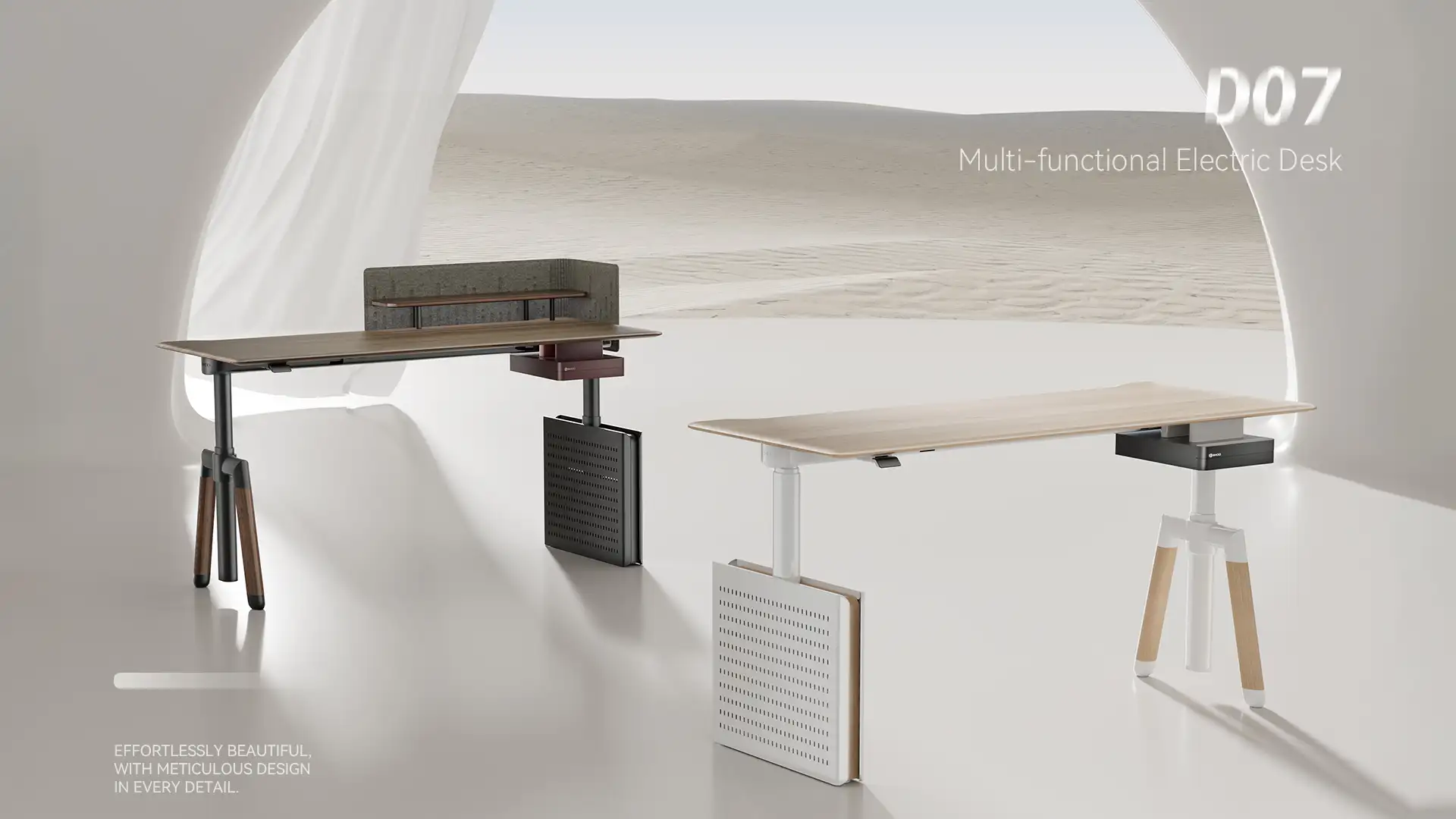
Enter the electric standing desk—a cornerstone of modern ergonomic workspace design. Once considered a luxury reserved for executive offices, height-adjustable desks are now mainstream solutions for both remote workers seeking a home office standing desk and companies outfitting teams with ergonomic standing desks. Their real power lies in enabling effortless transitions between sitting and standing, supporting both long-term well-being and day-to-day productivity.
1. The Hidden Cost of Sitting: A “Silent Epidemic” at Work
1.1 Spinal Stress and Musculoskeletal Strain
The human spine is naturally S-shaped when standing—an elegant design built for shock absorption and even weight distribution. But sitting—especially while slouching or hunching over a keyboard—flattens or even reverses the lumbar curve, dramatically increasing pressure on the discs. Studies show seated disc pressure is 1.4 times higher than when standing; if you’re leaning forward, it jumps to 1.8 times.
Over time, this leads to chronic conditions like lower back pain, disc herniation, and loss of cervical curvature—collectively known as Work-Related Musculoskeletal Disorders (WMSDs). According to the U.S. Occupational Safety and Health Administration (OSHA), WMSDs account for 33% of all reported occupational illnesses, costing businesses billions each year in lost productivity and healthcare expenses.
1.2 Sluggish Metabolism and Foggy Focus
Sitting doesn’t just strain your spine—it slows your entire metabolism. Prolonged inactivity suppresses lipoprotein lipase (LPL), a key enzyme for breaking down fat, and increases insulin resistance. A longitudinal study published in Diabetologia found that people who sit more than six hours a day have a 91% higher risk of developing type 2 diabetes than those who sit fewer than three.
Cognitively, the effects are equally real. Reduced blood flow to the legs means less oxygen reaches the brain. Researchers at UC Irvine discovered that after just 50 minutes of uninterrupted sitting, participants’ focus dropped by 23% and error rates climbed by 18%. That mid-afternoon energy crash? It’s not laziness—it’s biology.
2. How Electric Standing Desks Work—and Why They Matter
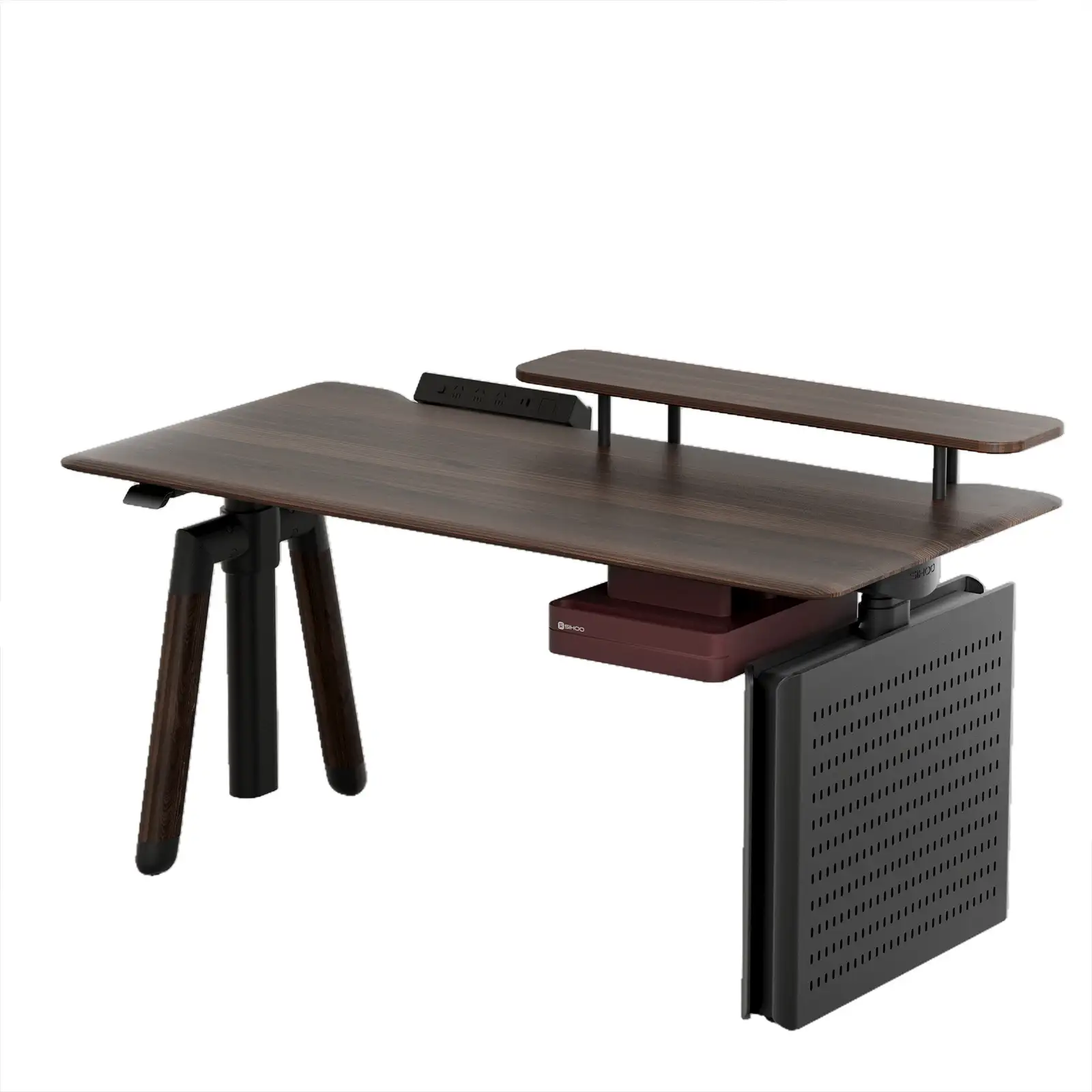
2.1 What Is an Electric Standing Desk?
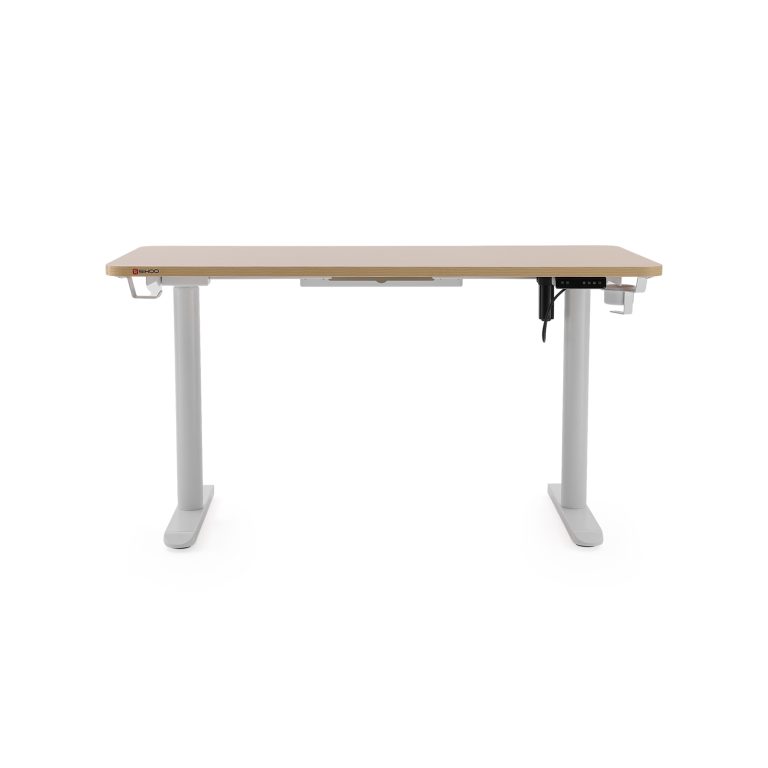
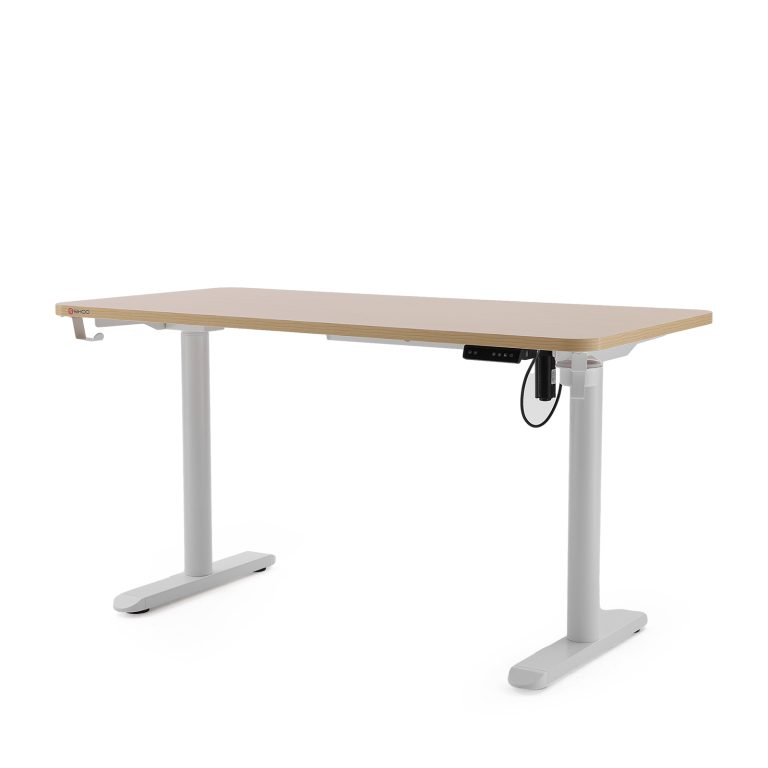
Also known as a motorized standing desk, adjustable office desk, or sit-stand desk, this smart furniture uses electric actuators to raise and lower the work surface at the touch of a button. Key components include one or two motors, a control panel (often with memory presets), a rigid frame, and eco-friendly desktop materials.
Unlike fixed-height desks, modern height-adjustable desks let you shift postures naturally throughout the day—transforming passive sitting into active, dynamic work.
2.2 Personalized Ergonomics: No More “One-Size-Fits-All”
Ideal ergonomic posture (per ISO 9241-5) requires:
- Feet flat on the floor, thighs parallel to the ground
- Elbows bent between 90° and 110°, with forearms supported
- Top of the monitor at or slightly below eye level, 50–70 cm away
- Lower back fully supported to maintain the spine’s natural curve
But standard desks—typically 75 cm tall—are only optimal for people around 175 cm (5’9″). Shorter or taller individuals are forced into awkward compromises. That’s where specialized options like a standing desk for tall people come in, offering maximum heights of 125 cm or more to keep elbows at that crucial 90° angle while standing.
Advanced smart standing desks go even further—featuring automatic reminders, usage tracking, and ambient light sensors to make healthy habits effortless.
3. Fixing Posture the Smart Way: It’s About Movement, Not Perfection
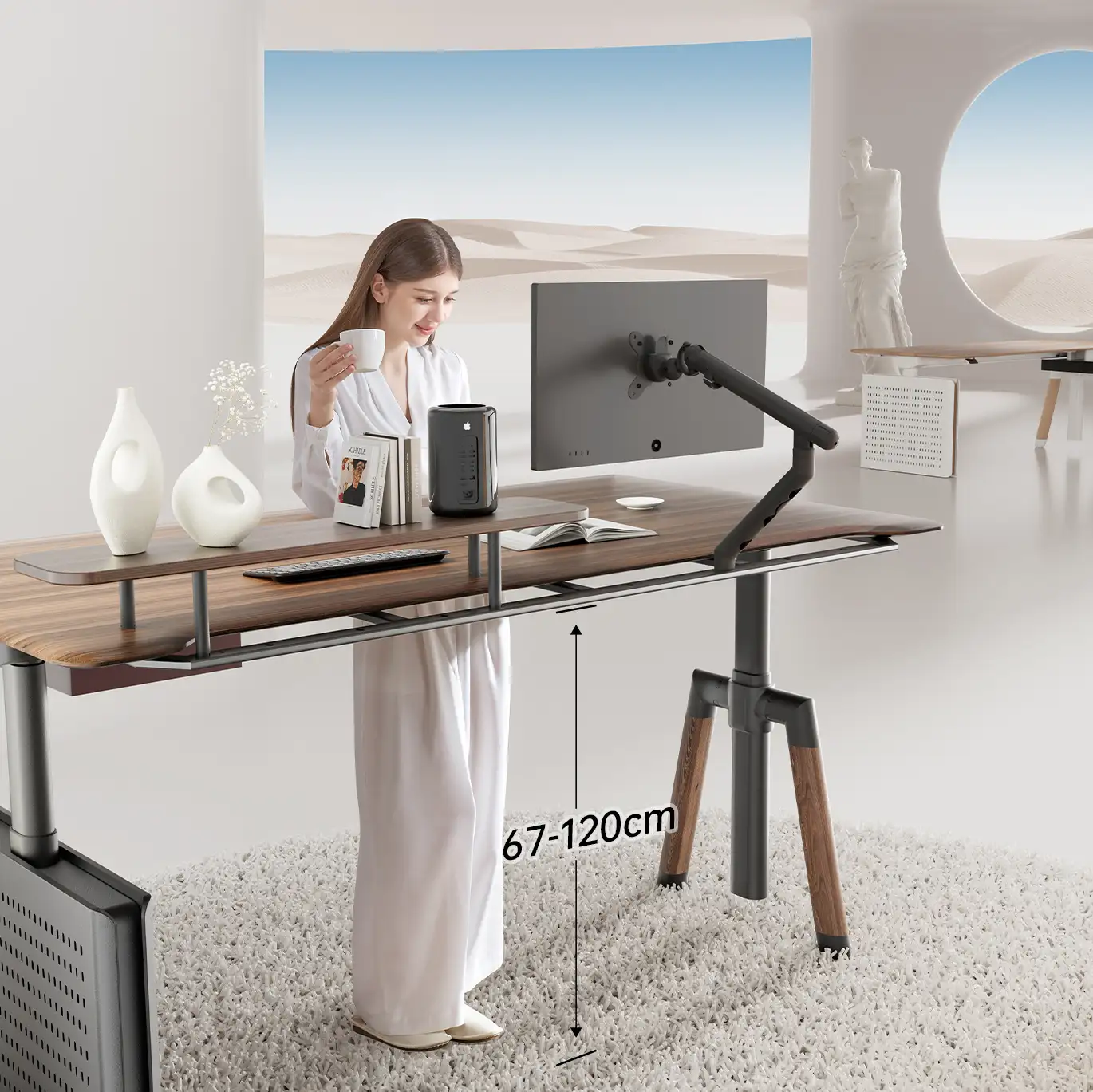
3.1 Dynamic Work > “Perfect” Sitting
The human body wasn’t built to stay still—even in so-called “perfect” posture. After about 30 minutes, any static position leads to muscle fatigue and reduced circulation. Modern ergonomics has shifted from chasing a single “ideal” pose to encouraging dynamic postural alternation.
A sit-stand desk makes this easy. Research from the University of Waterloo (2021) shows that standing for just 5–10 minutes every half hour reduces lumbar disc pressure by 35% and boosts leg blood flow by 28%. These small movements prevent stiffness and help maintain steady energy levels.
Many programmable standing desks store multiple height presets—“typing,” “video call,” “reading”—so switching postures takes just one tap.
3.2 Standing Right: Form Matters
Good standing posture means:
- Feet shoulder-width apart
- Knees slightly bent
- Core gently engaged
Pair your desk with an anti-fatigue mat to reduce strain on your feet and joints. And don’t overlook surface size: if you use dual monitors, opt for a desk at least 140 cm wide. Dual-motor standing desks offer superior stability and load capacity (often 100 kg+), with synchronized lifting that prevents wobble or tilt.
4. The Productivity Payoff: What Science Says
4.1 Standing Sharpens the Mind
Standing mildly activates the sympathetic nervous system, raising heart rate by 5–10 beats per minute and increasing cerebral blood flow by approximately 15%. This subtle boost enhances alertness and mental processing speed. In a Cornell University study, employees using ergonomic standing desks completed logic and creative tasks 12% faster with 9% fewer errors.
Even better: changing posture acts as a mental reset. When you’re stuck on a problem, standing up and adjusting your adjustable office desk can break unproductive thought loops and spark fresh ideas.
4.2 Build a Rhythm That Works
Try the 20-8-2 rule:
- 20 minutes sitting: for focused tasks like coding or design
- 8 minutes standing: for calls, reading, or brainstorming
- 2 minutes moving: stretch, walk, or hydrate
For remote workers, a quiet, compact home office standing desk fits seamlessly into small spaces—delivering professional-grade ergonomics without sacrificing style.
5. Choosing the Right Desk: For Tall Users, Home Offices, and Beyond
5.1 Match the Desk to Your Needs
- Standing desk for tall people: Look for models with a maximum height of at least 125 cm—many modern desks comfortably accommodate users up to 195 cm (6’5″).
- Home office standing desk: Prioritize quiet operation (≤50 dB), clean cable management, and a footprint under 140 cm to suit compact living spaces.
- Dual-motor standing desk: Best for heavy setups (dual monitors, printers, etc.), offering smoother, more powerful lifting and higher weight capacity.
- Programmable standing desk: 3–4 memory presets make posture switching effortless for multitaskers and frequent video callers.
5.2 Don’t Skip Safety and Durability
A high-quality motorized standing desk should include:
- Anti-collision sensors: automatically stops and reverses if it hits an obstacle
- BIFMA certification: tested for 100,000+ lift cycles for long-term reliability
- Integrated cable management: keeps your workspace tidy and safe
- Low-VOC materials: meets E1 or CARB Phase 2 emissions standards for healthier indoor air
Reputable brands now offer full BIFMA-certified lines with multi-year warranties—proof of serious engineering and lasting performance.
5.3 Buying Tips: Individual vs. Business
- For businesses: Invest in robust, long-warranty ergonomic standing desks to reduce absenteeism, turnover, and healthcare costs.
- For first-time buyers: An entry-level height-adjustable desk with dual motors and basic memory functions delivers excellent value without overspending.
6. The Bigger Picture: Health, Happiness, and ROI
An electric standing desk isn’t just a personal wellness tool—it’s a strategic investment. According to Deloitte’s 2024 Global Human Capital Trends Report, companies that provide ergonomic workstations see 21% higher employee engagement and 17% fewer sick days.
Financially, a quality adjustable office desk lasts 10+ years. At under $1 per day (based on 8-hour daily use), it’s one of the highest-return productivity tools you can buy—paying dividends in health, focus, and output.
FAQ: Quick Answers to Common Questions
Q: Are standing desks suitable for tall people?
A: Absolutely—just choose a model with a max height of at least 125 cm. Many modern electric desks support users up to 195 cm (6’5″) when paired with proper footwear and an anti-fatigue mat.
Q: What’s the best standing desk for home use?
A: Look for a quiet, space-efficient home office standing desk with dual motors, at least three memory presets, and a desktop width of 120 cm or more for dual-monitor setups.
Q: Dual-motor vs. single-motor—what’s the difference?
A: Dual-motor desks lift faster, handle heavier loads (100 kg+), and operate more smoothly—perfect for professional or multi-device workstations. Single-motor models work well for lighter, simpler setups.
Q: Are “smart” features worth it?
A: If you struggle to build consistent habits, yes. Automatic reminders and one-touch height presets significantly increase long-term usage.
Final Thought: Work Smarter by Moving More
Electric standing desks aren’t a passing trend—they’re a return to human-centered work. Whether you choose a premium ergonomic standing desk or a practical sit-stand desk, the goal is the same: make your workday healthier, more adaptable, and more sustainable.
Choosing the right height-adjustable desk is an act of self-respect—a commitment to your body, your mind, and your career. And whether you’re a freelancer, remote worker, or team leader, you can start today: stand up, stretch, and rediscover what it truly means to work well.
Next Step:
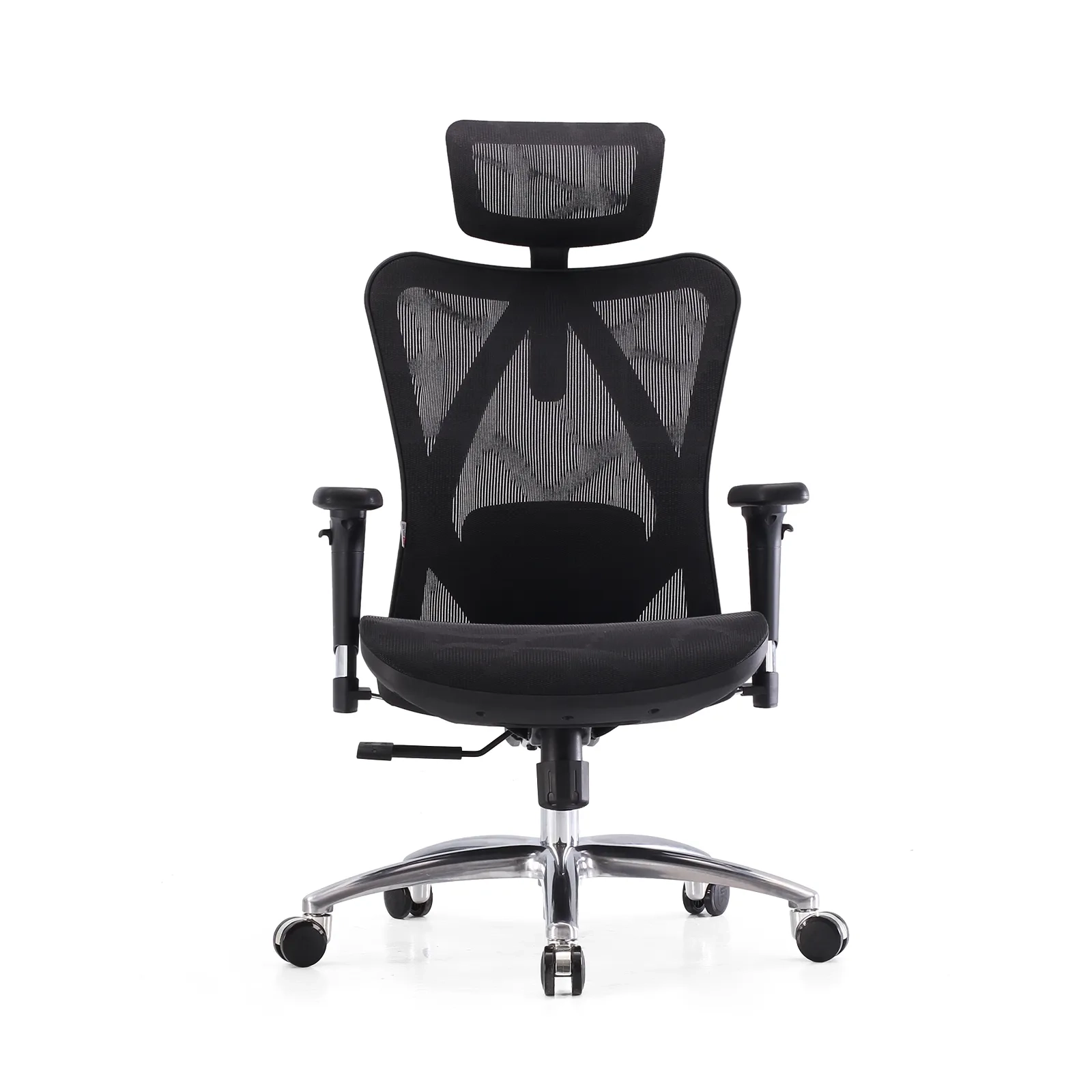
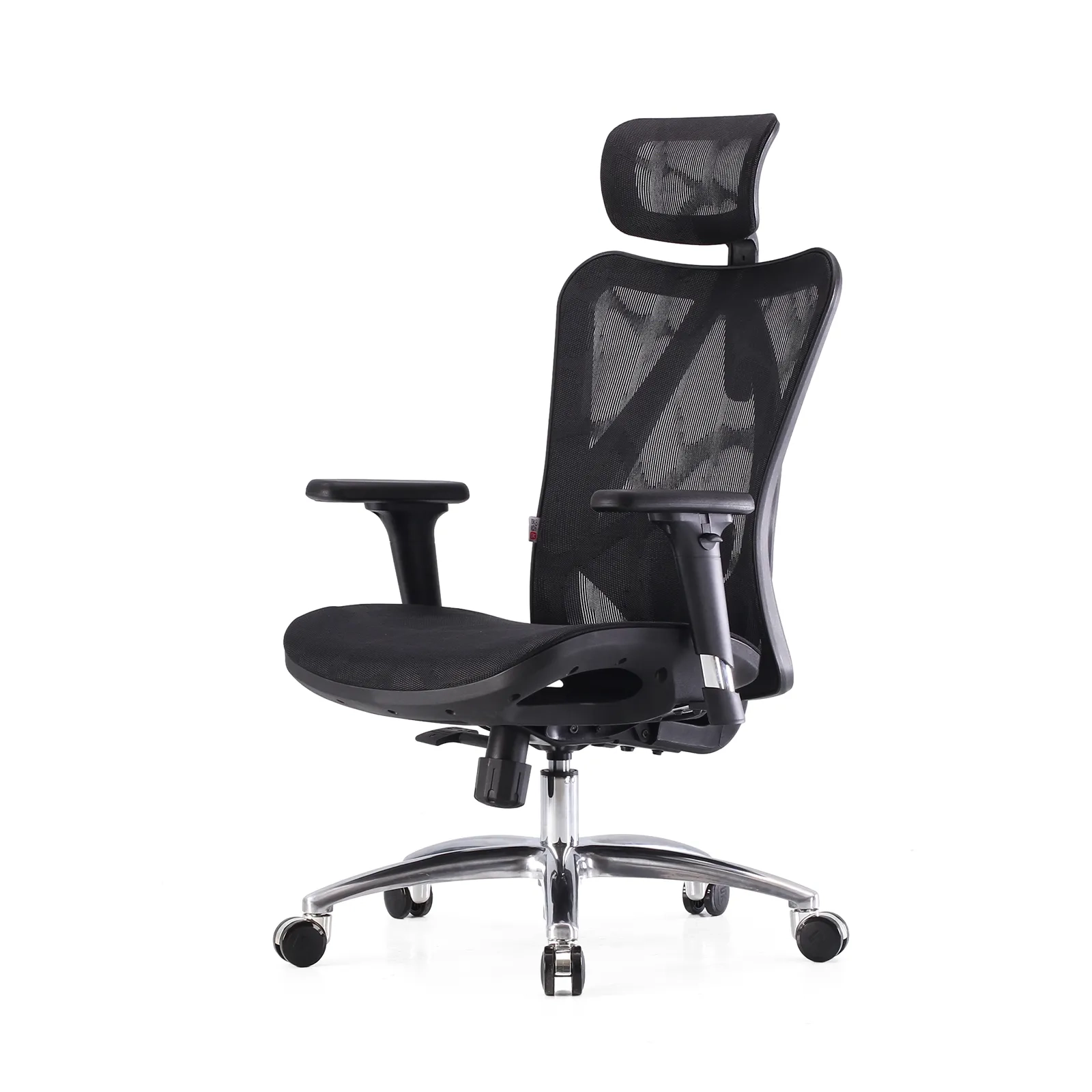
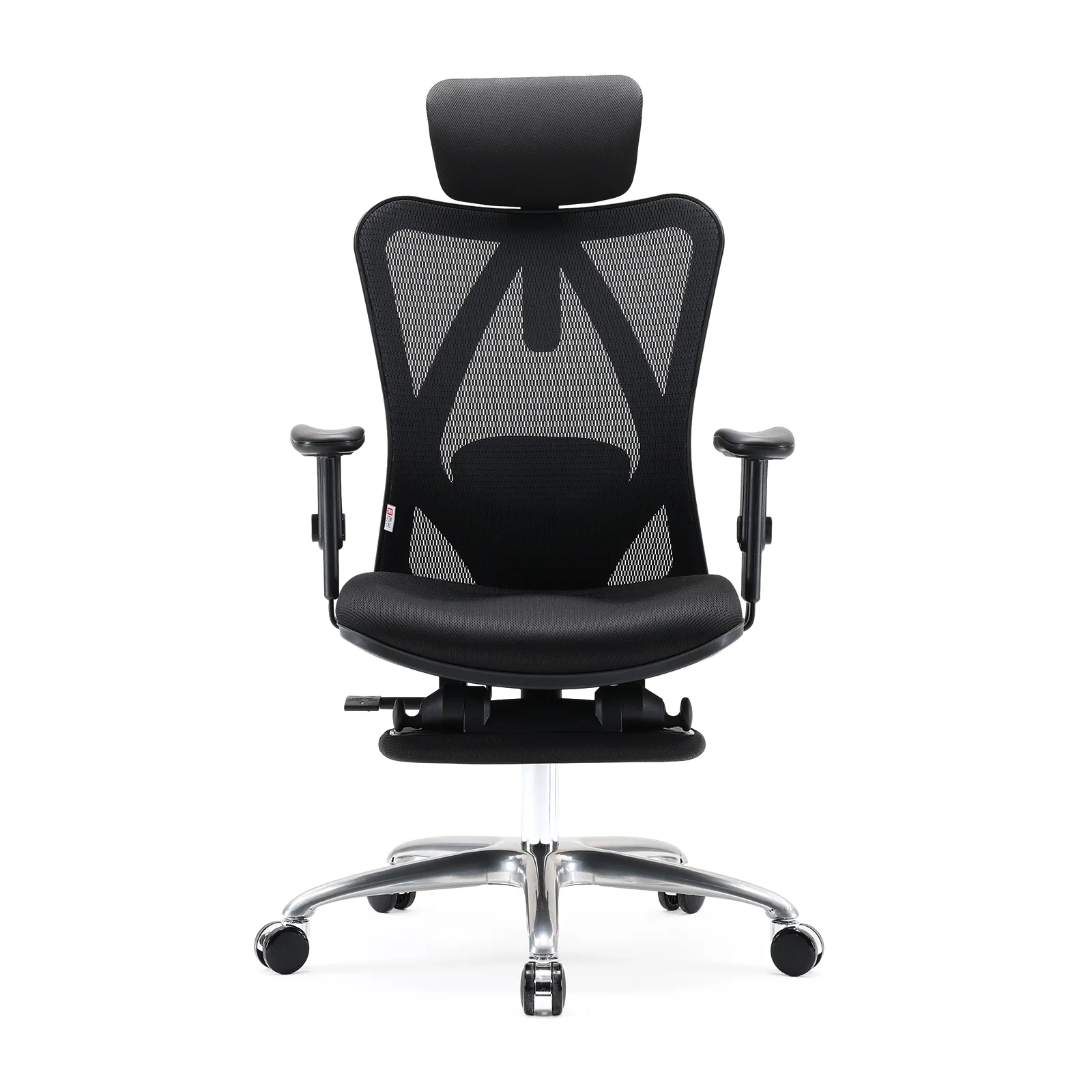
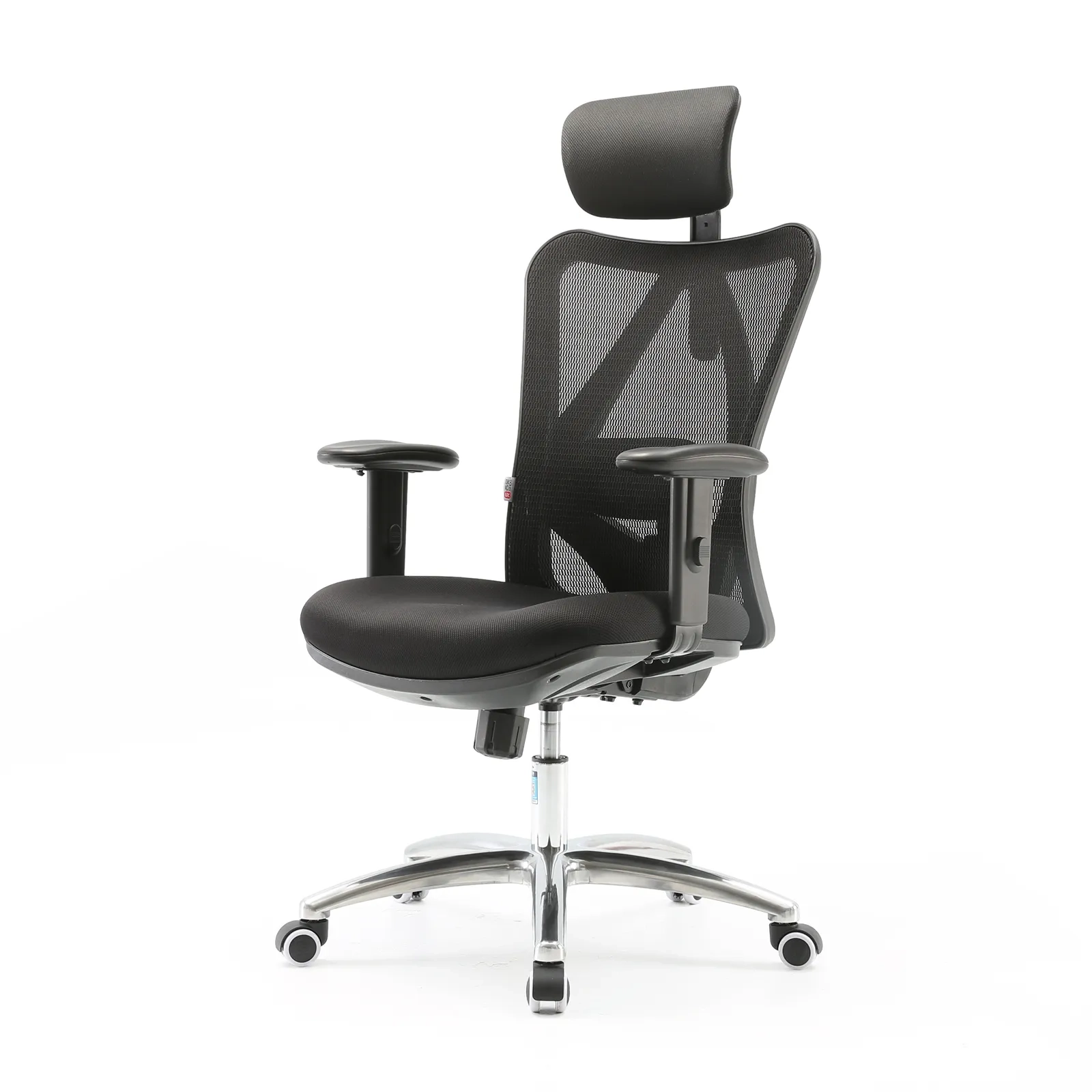
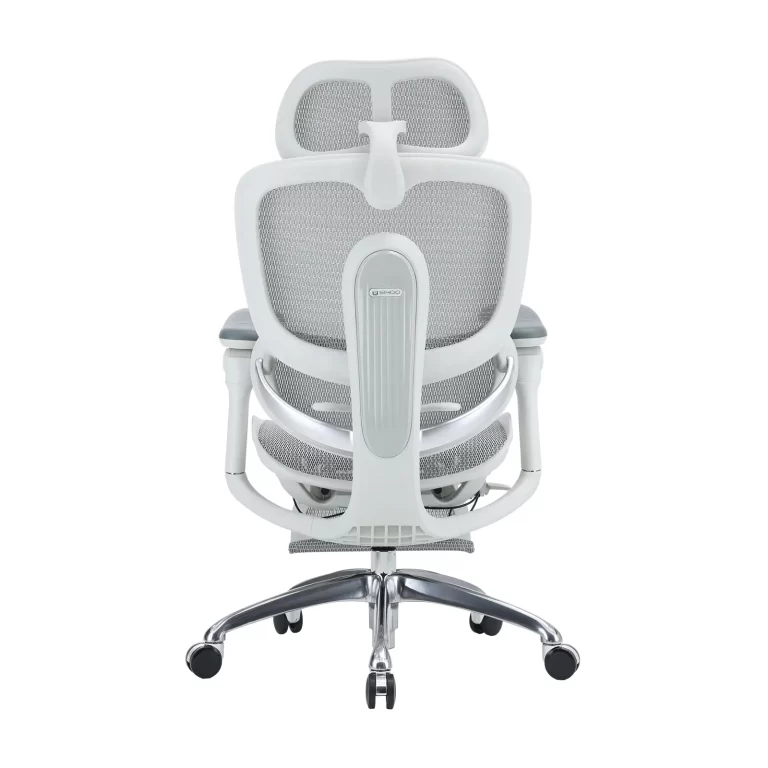
Before buying, measure your seated and standing elbow height. Then match your needs to the right category—like a dual-motor standing desk for heavy setups or a standing desk for tall people for proper ergonomics. Look for models with BIFMA certification, quiet operation, and solid warranty support. Pair yours with an ergonomic chair and monitor arm to build a complete, health-forward workspace.
1600x1600-4-768x768.jpg)
1600x1600-8-768x768.jpg)