








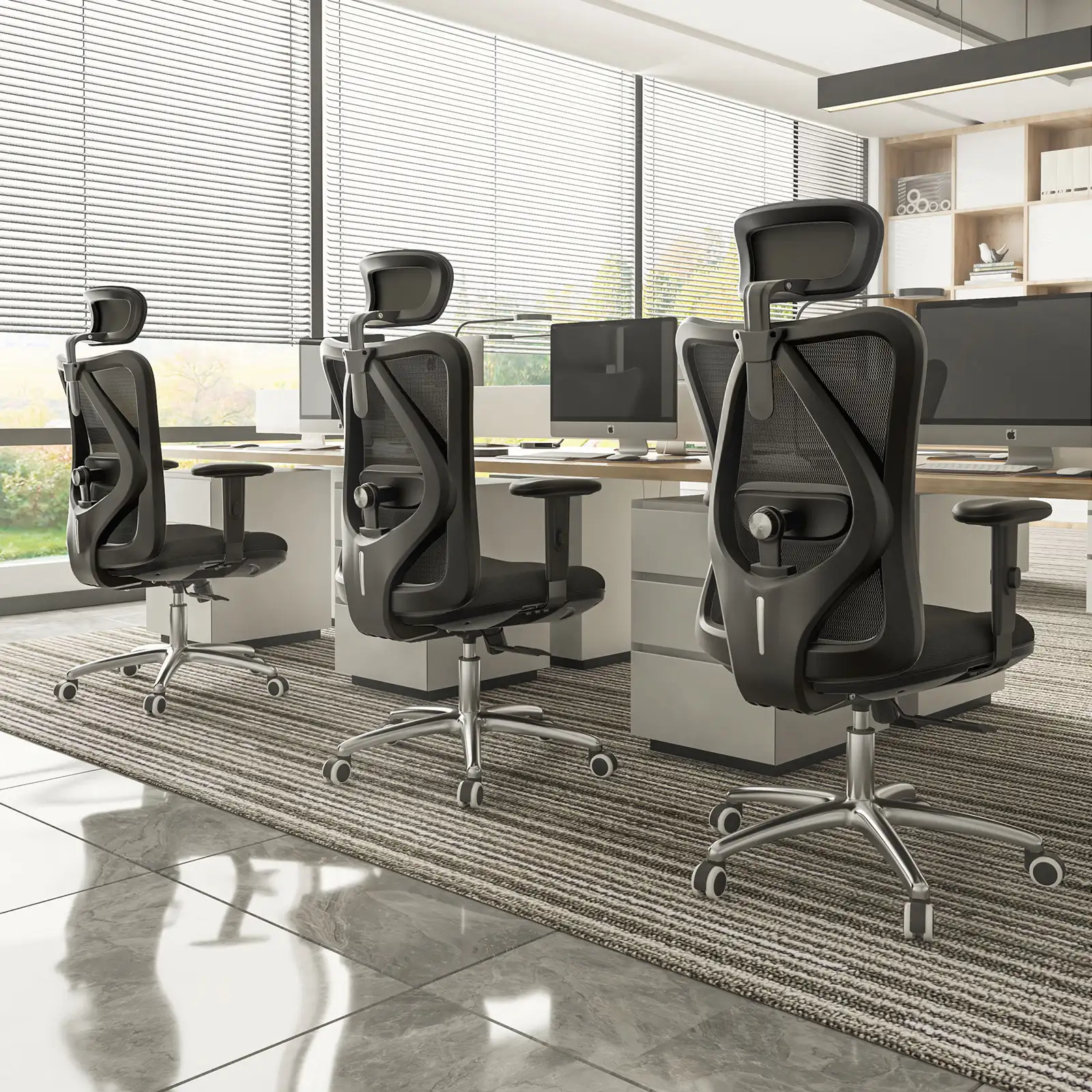
Why Material Choice Makes or Breaks Your Office Chair Purchase
An office chair is far more than just a piece of furniture—it’s a long-term investment in employee health, productivity, and workplace culture. In bulk procurement scenarios, the choice of material directly impacts comfort, durability, maintenance costs, climate adaptability, and even brand perception.
For procurement managers, selecting based solely on appearance or upfront cost often leads to high failure rates, frequent replacements, and employee dissatisfaction. This guide breaks down the technical pros and cons of the three dominant office chair materials—mesh, fabric, and leather—and offers a practical framework to help you balance budget, functionality, and sustainability. Whether you’re equipping remote teams with a home office chair or outfitting a corporate headquarters with commercial grade office chair solutions, making an informed material decision is your first step toward success.
Core Materials: Technical Performance and Real-World Behavior
1. Mesh
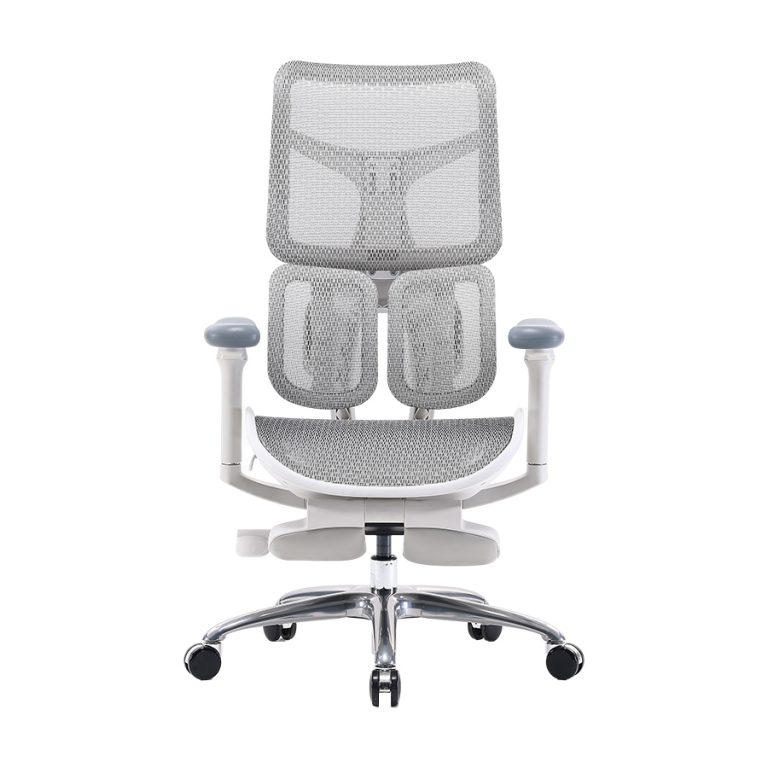
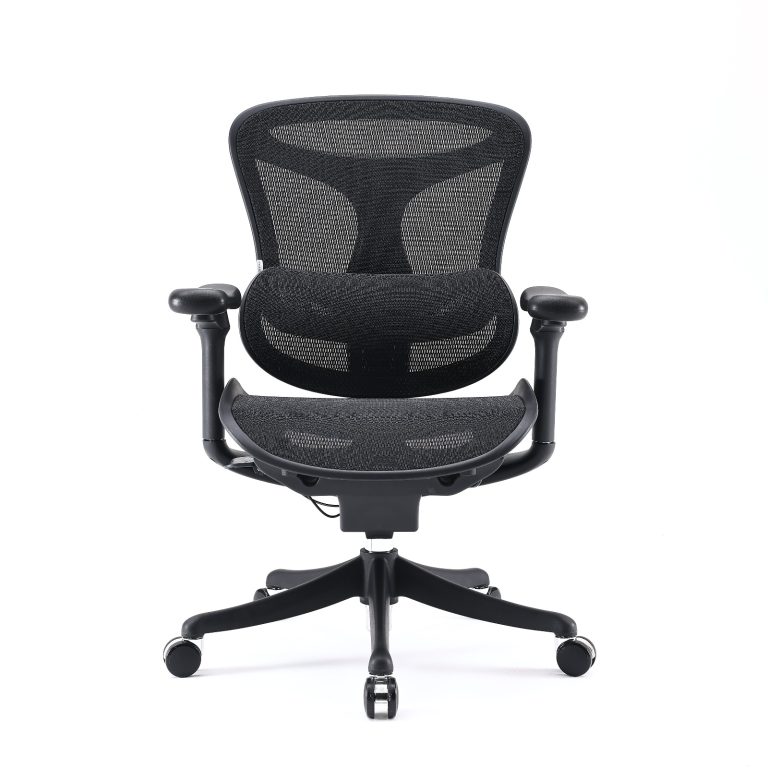
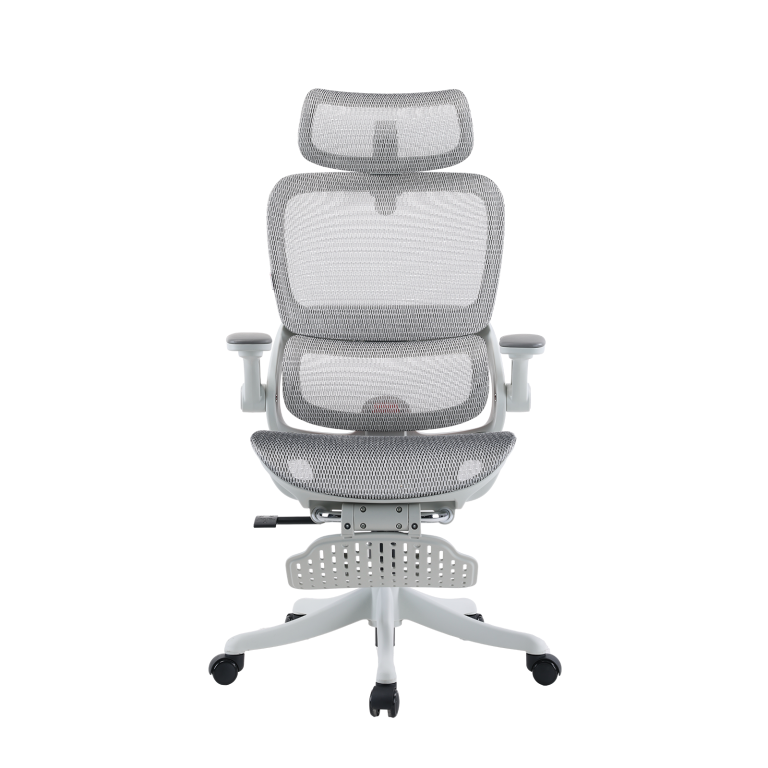
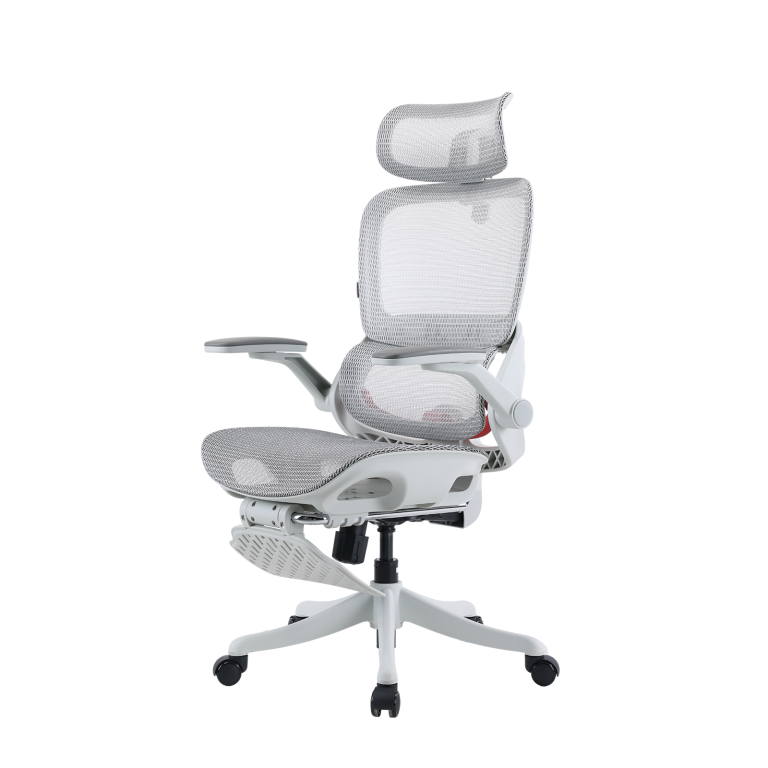
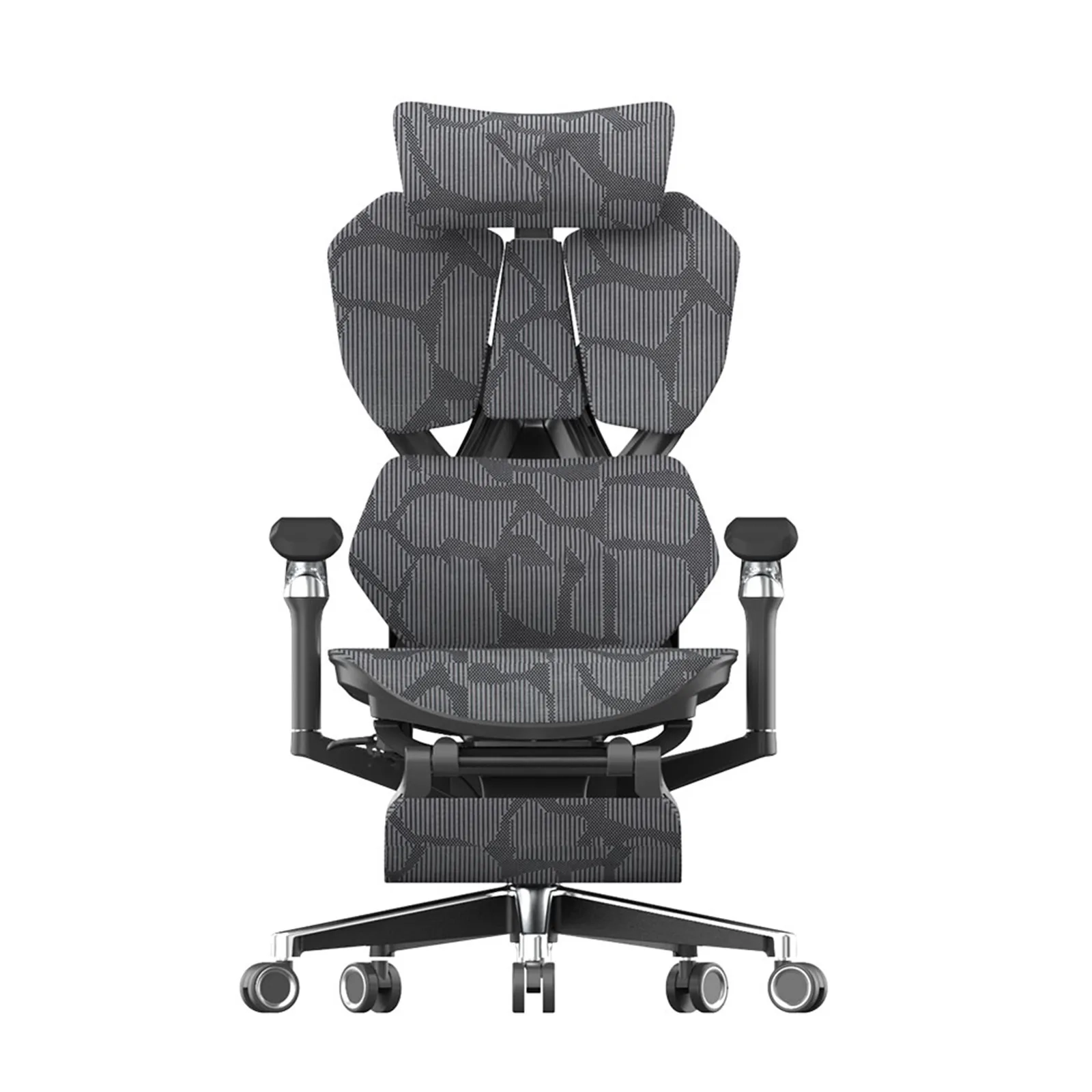
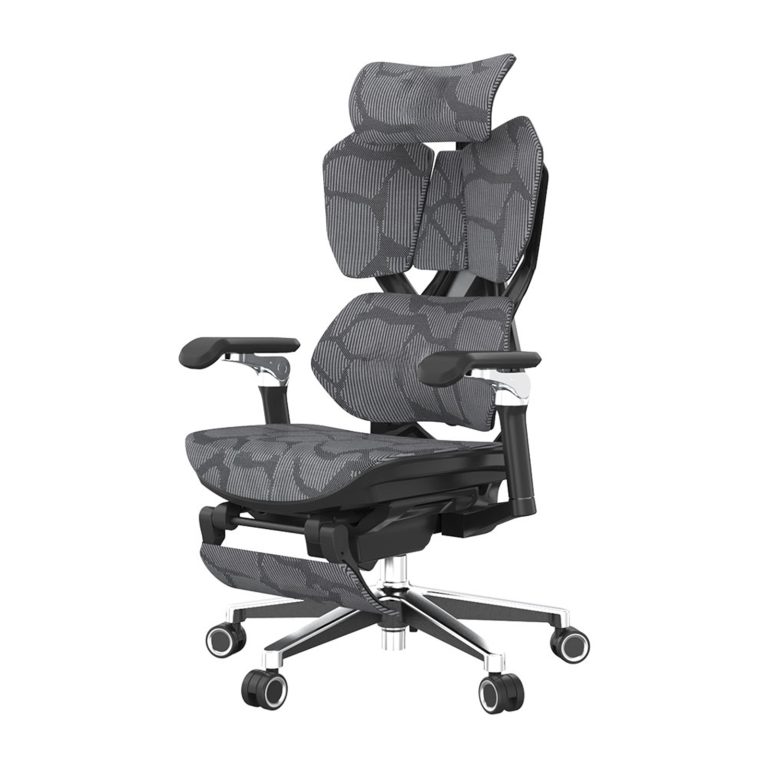
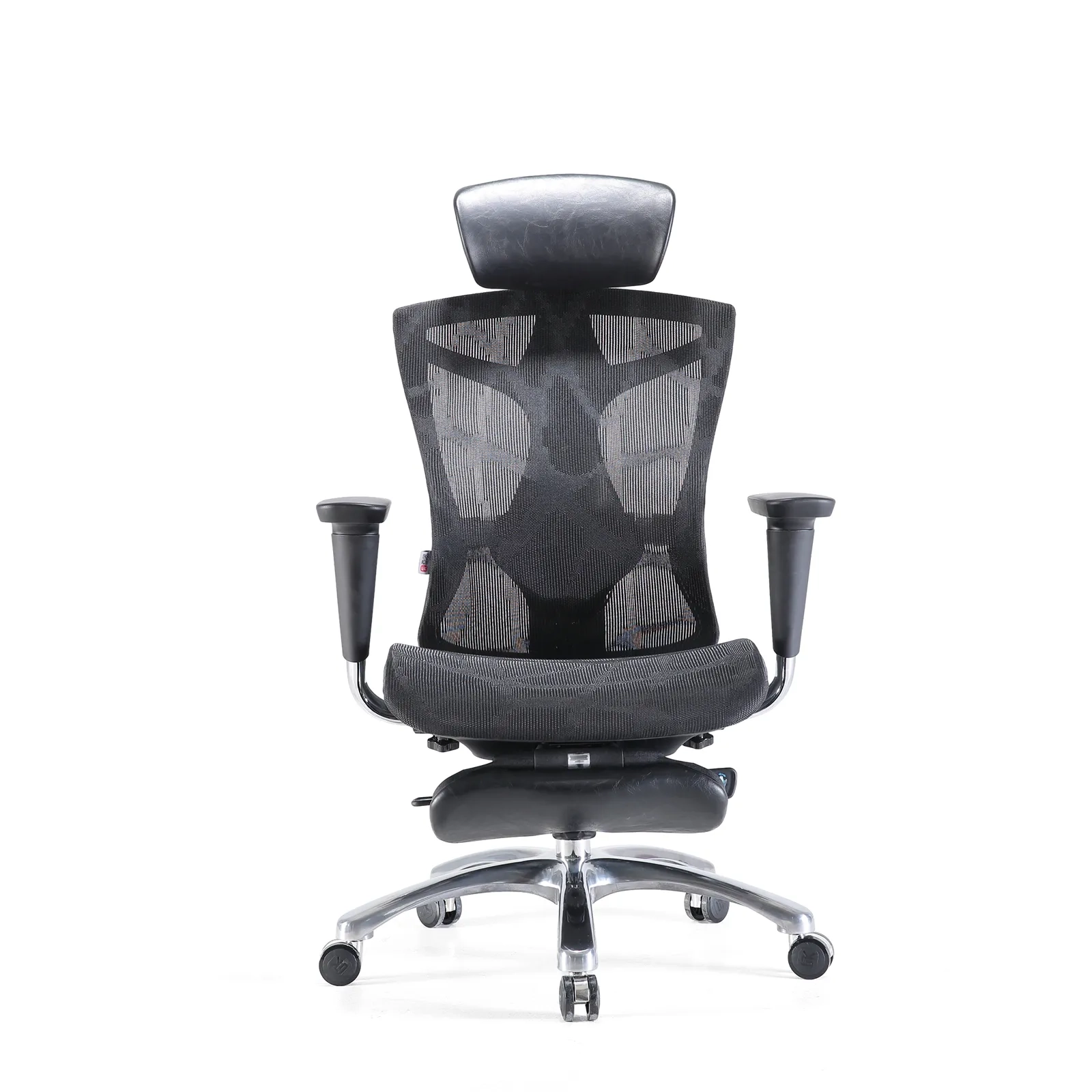
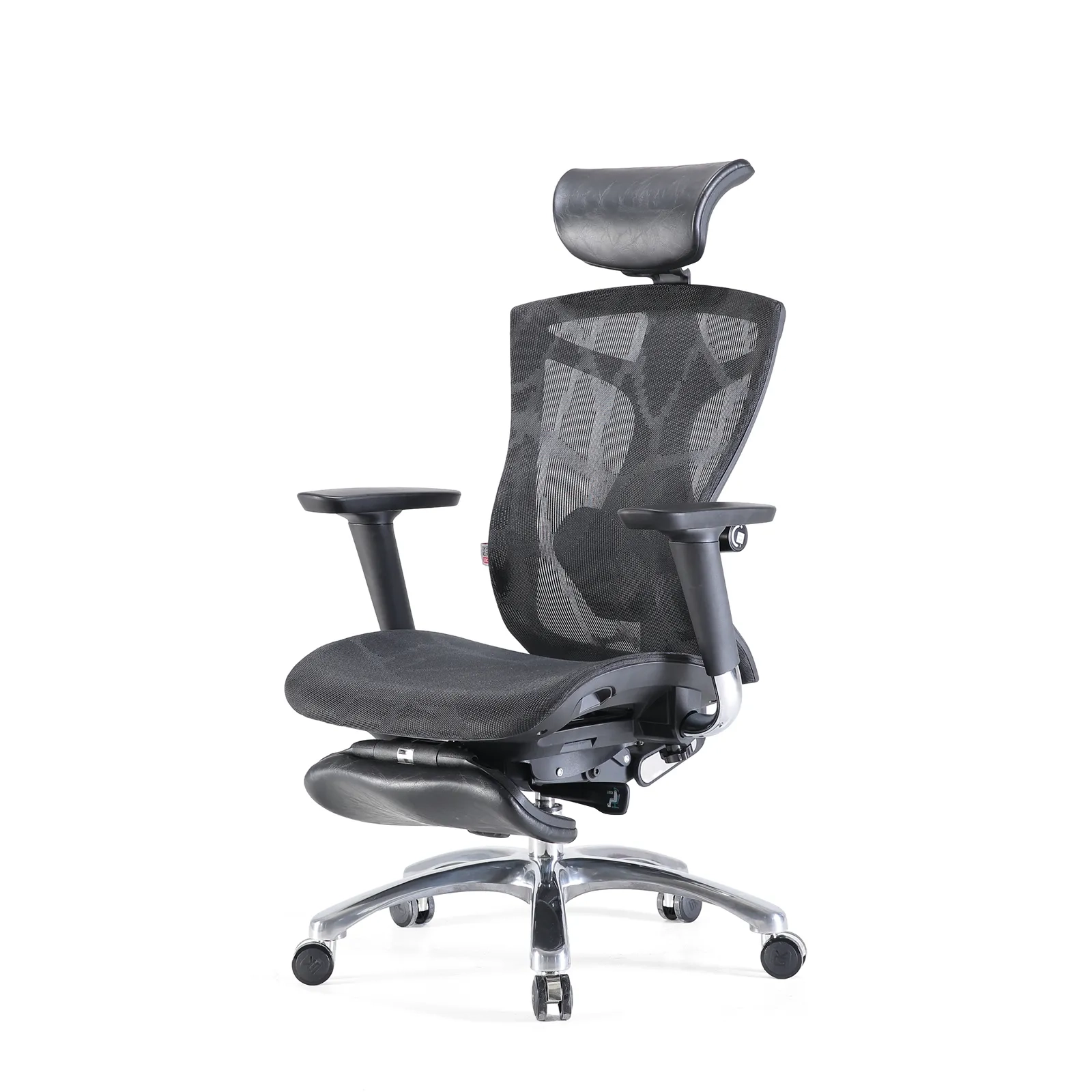
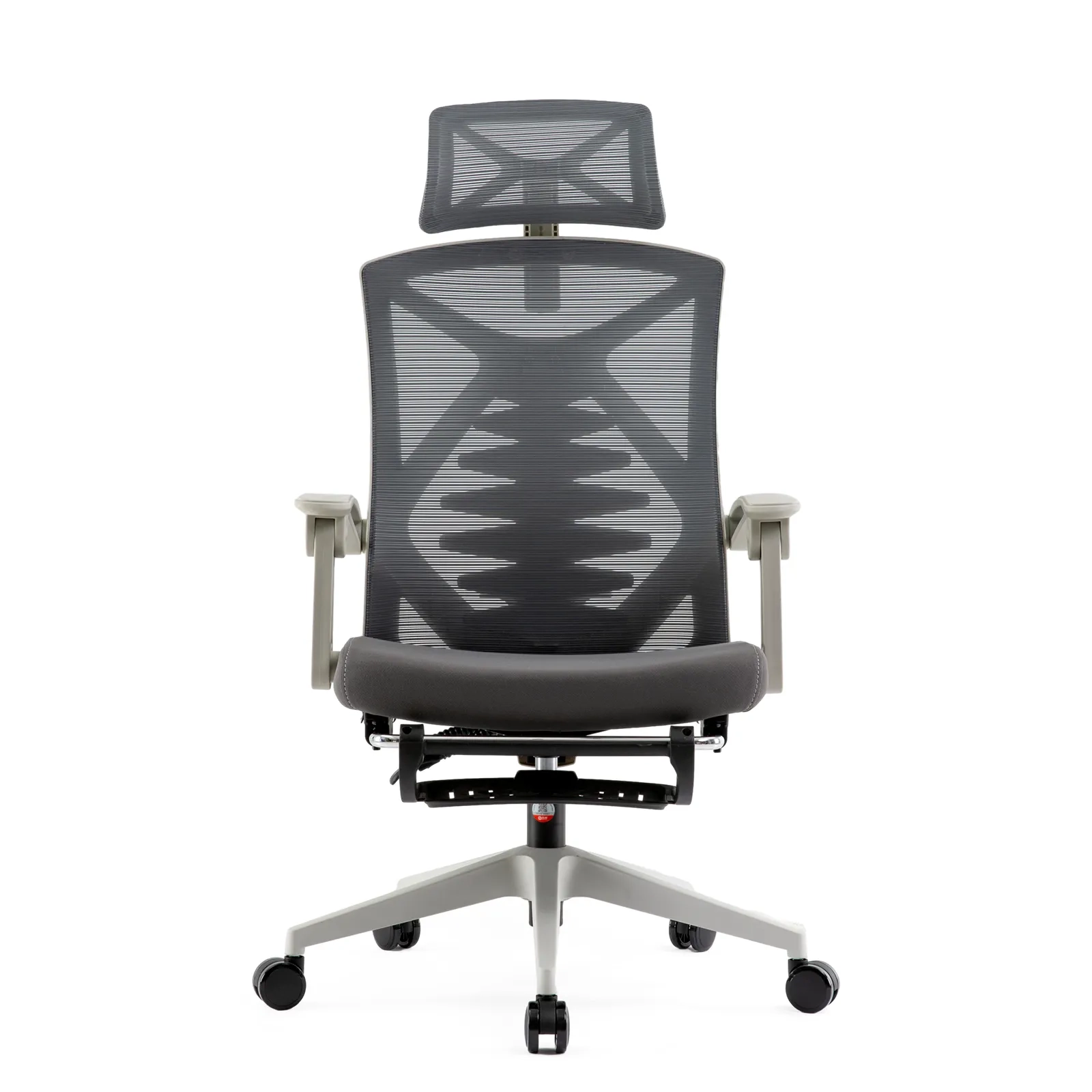
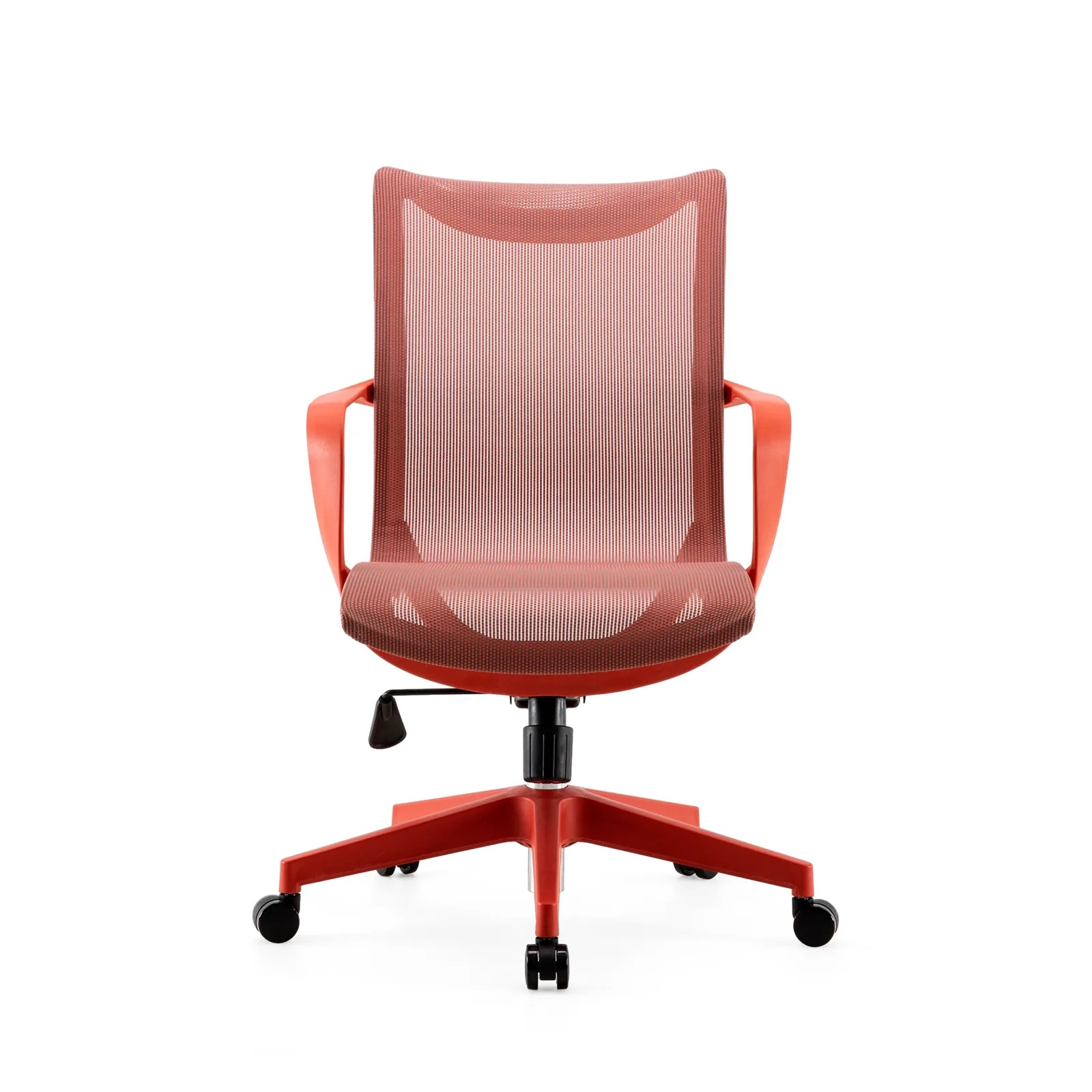
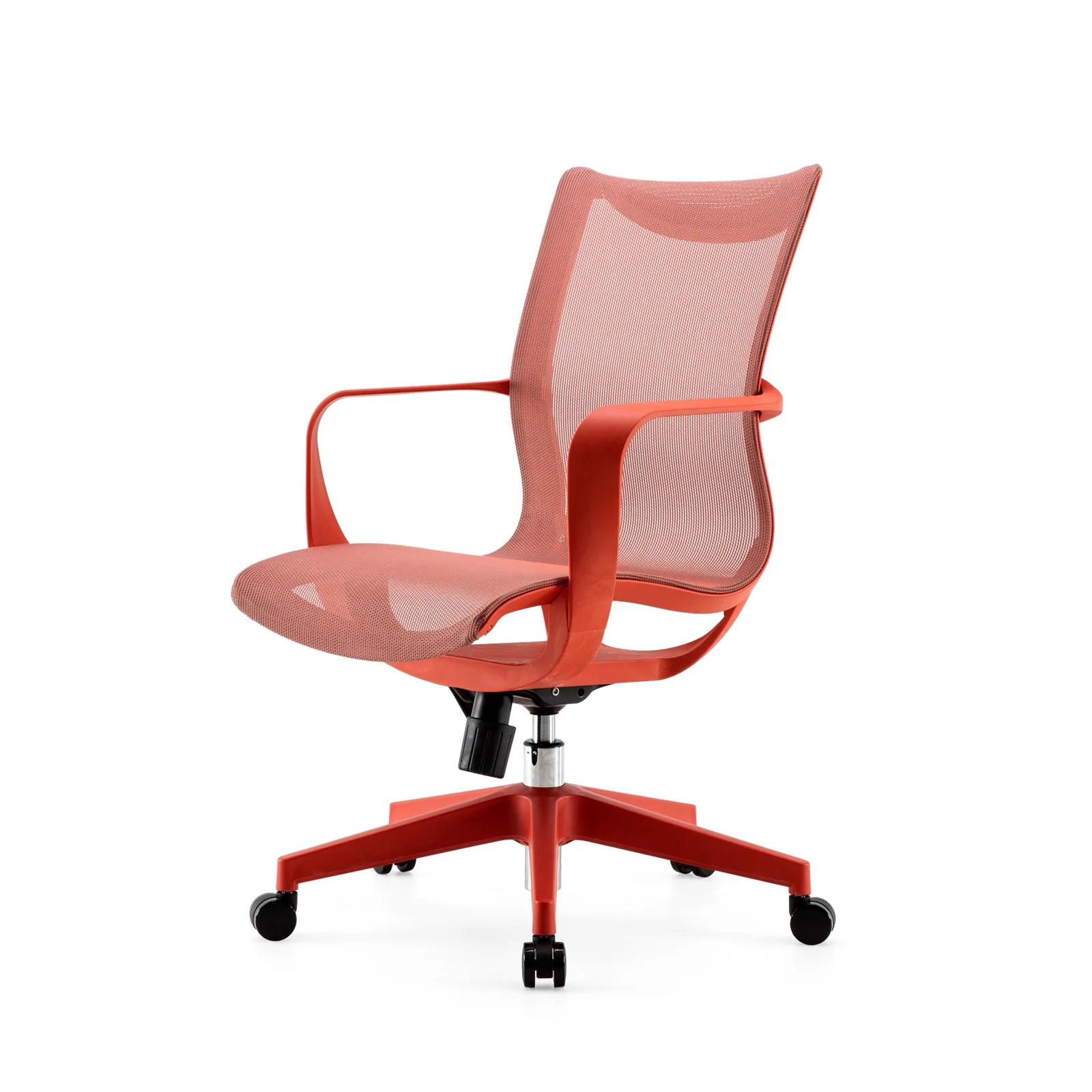
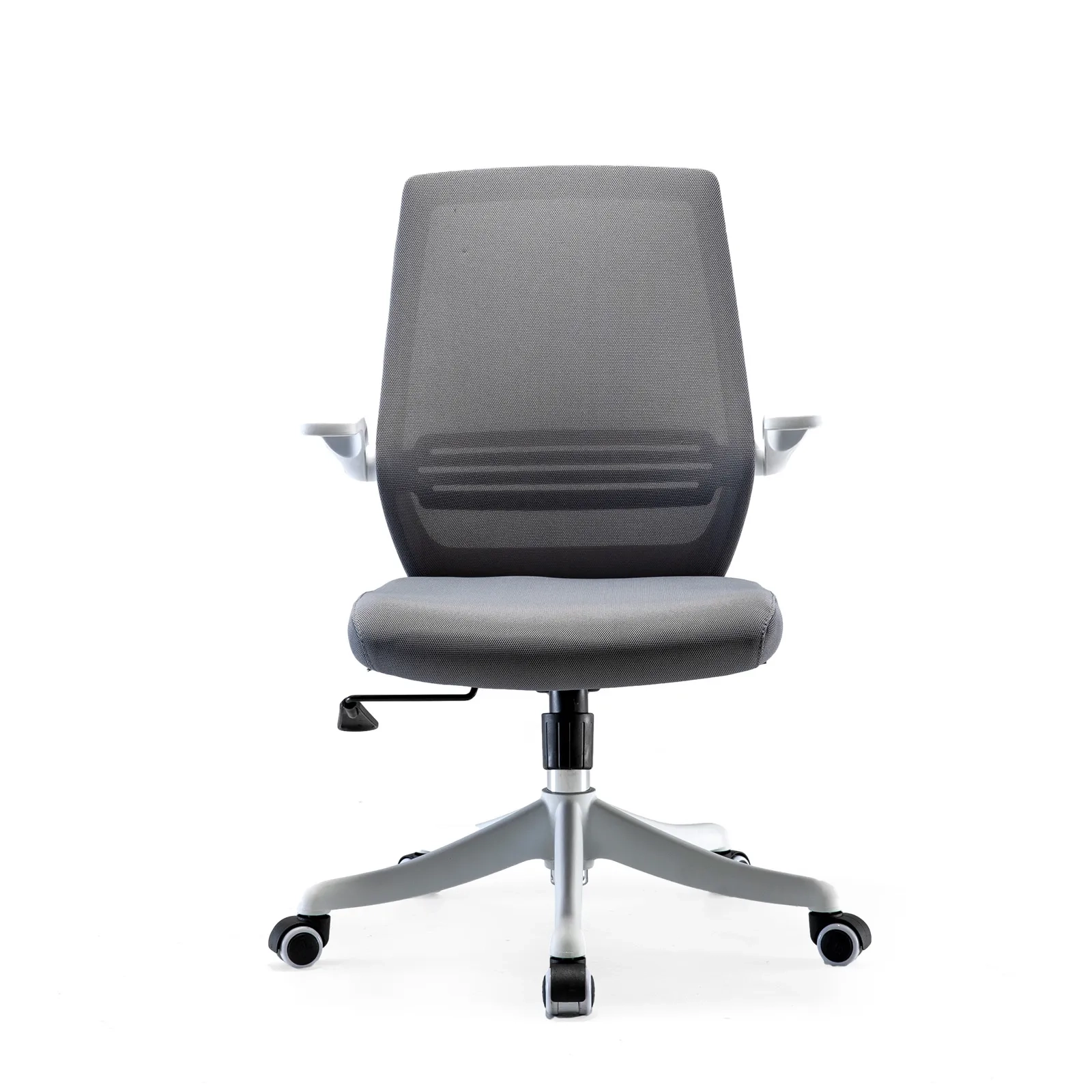
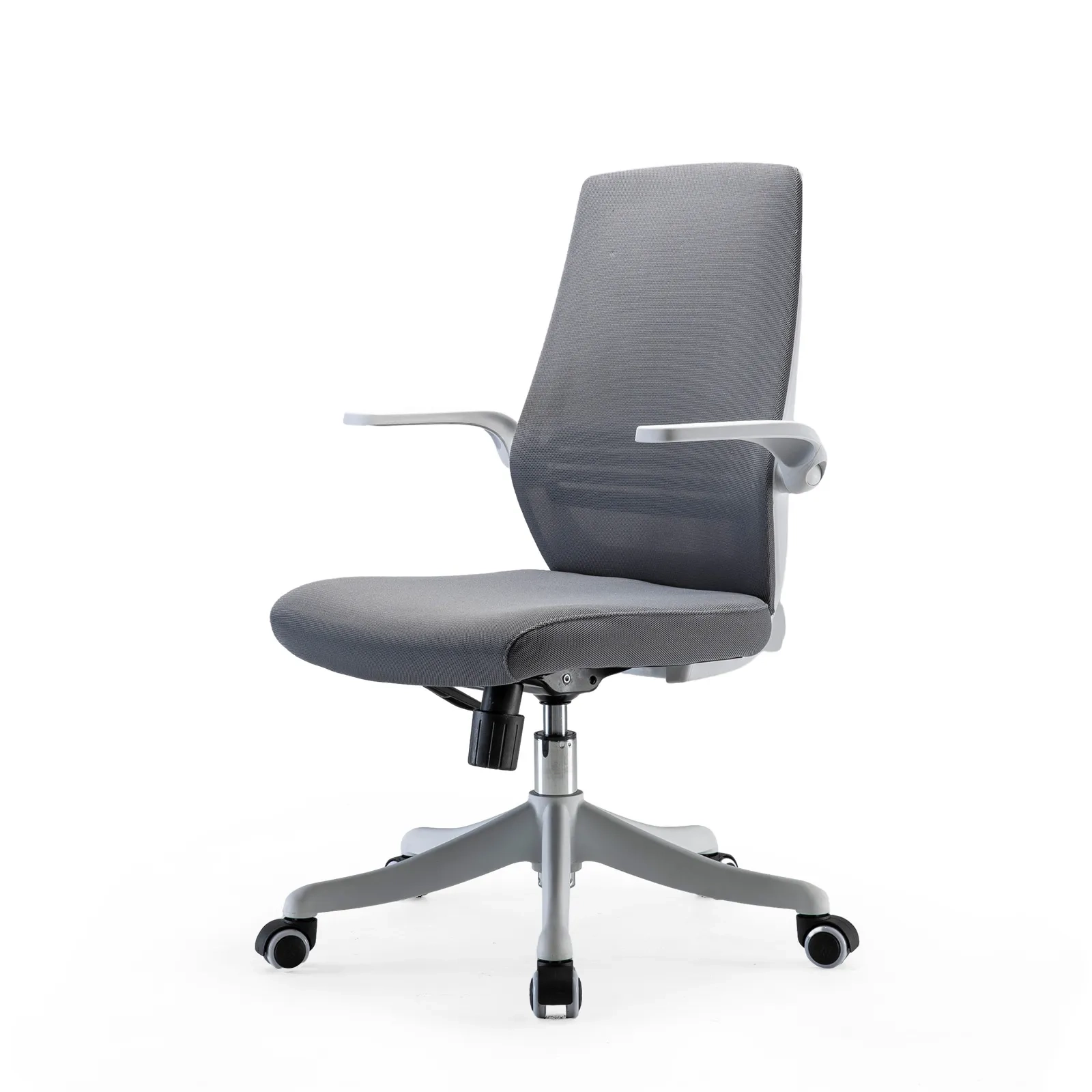
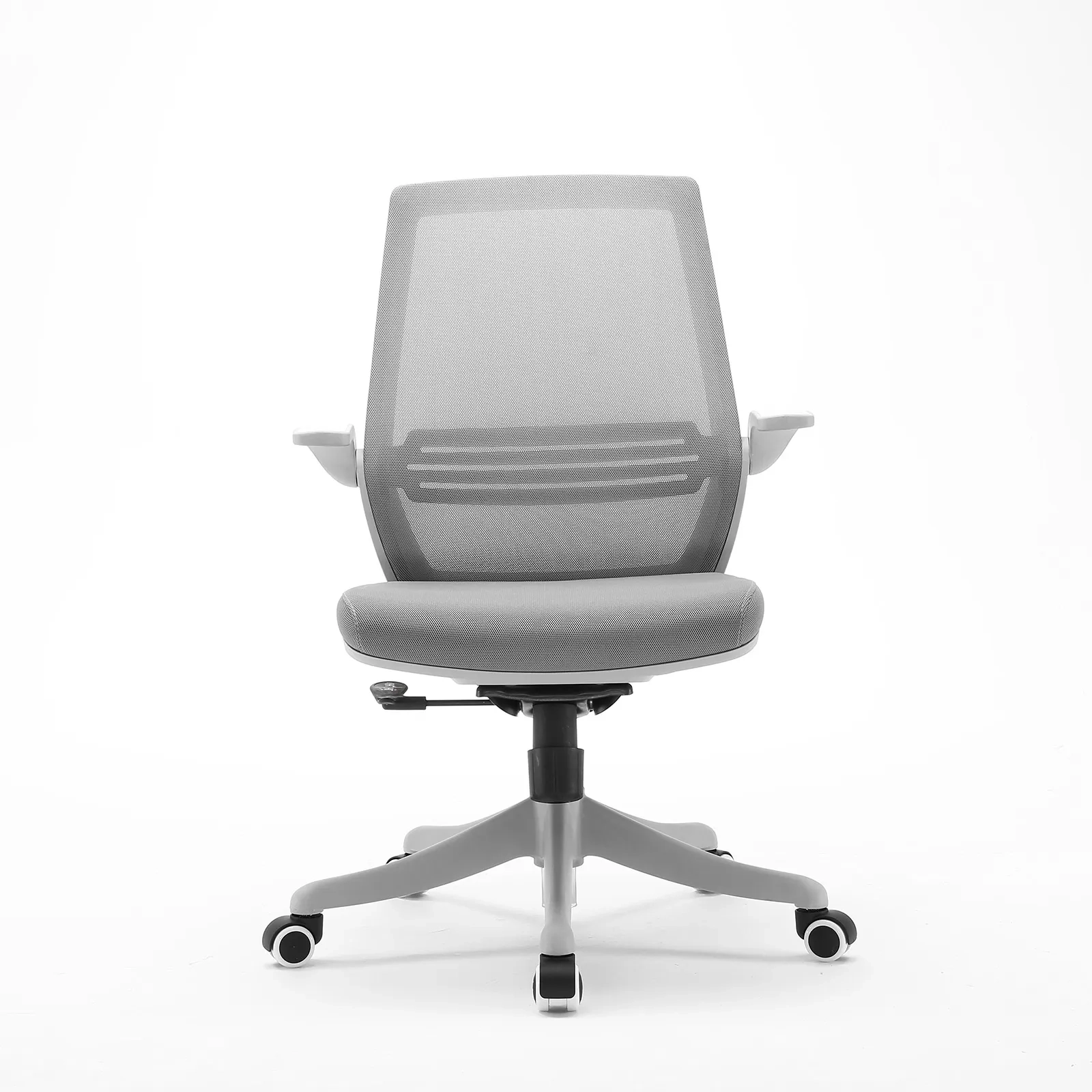
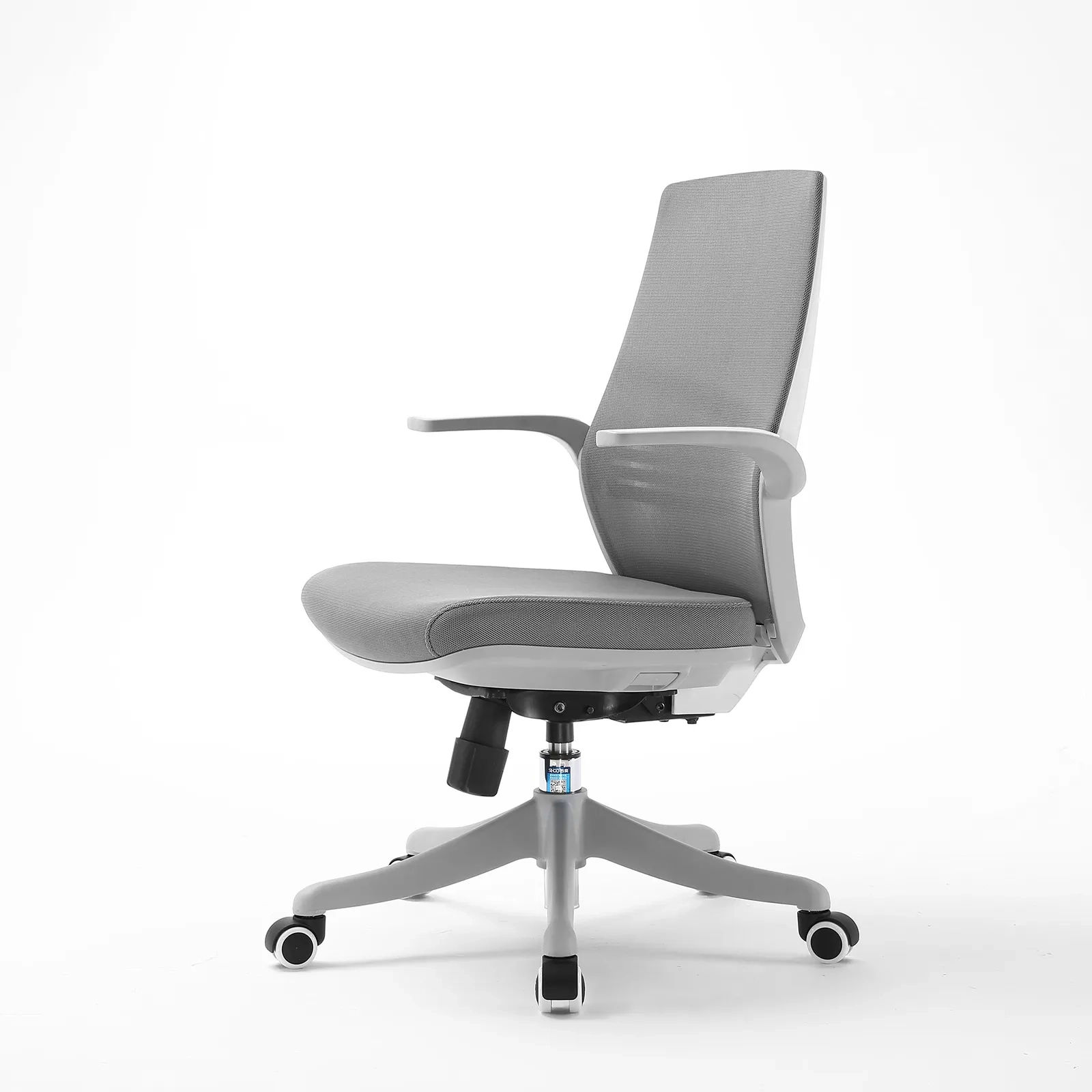
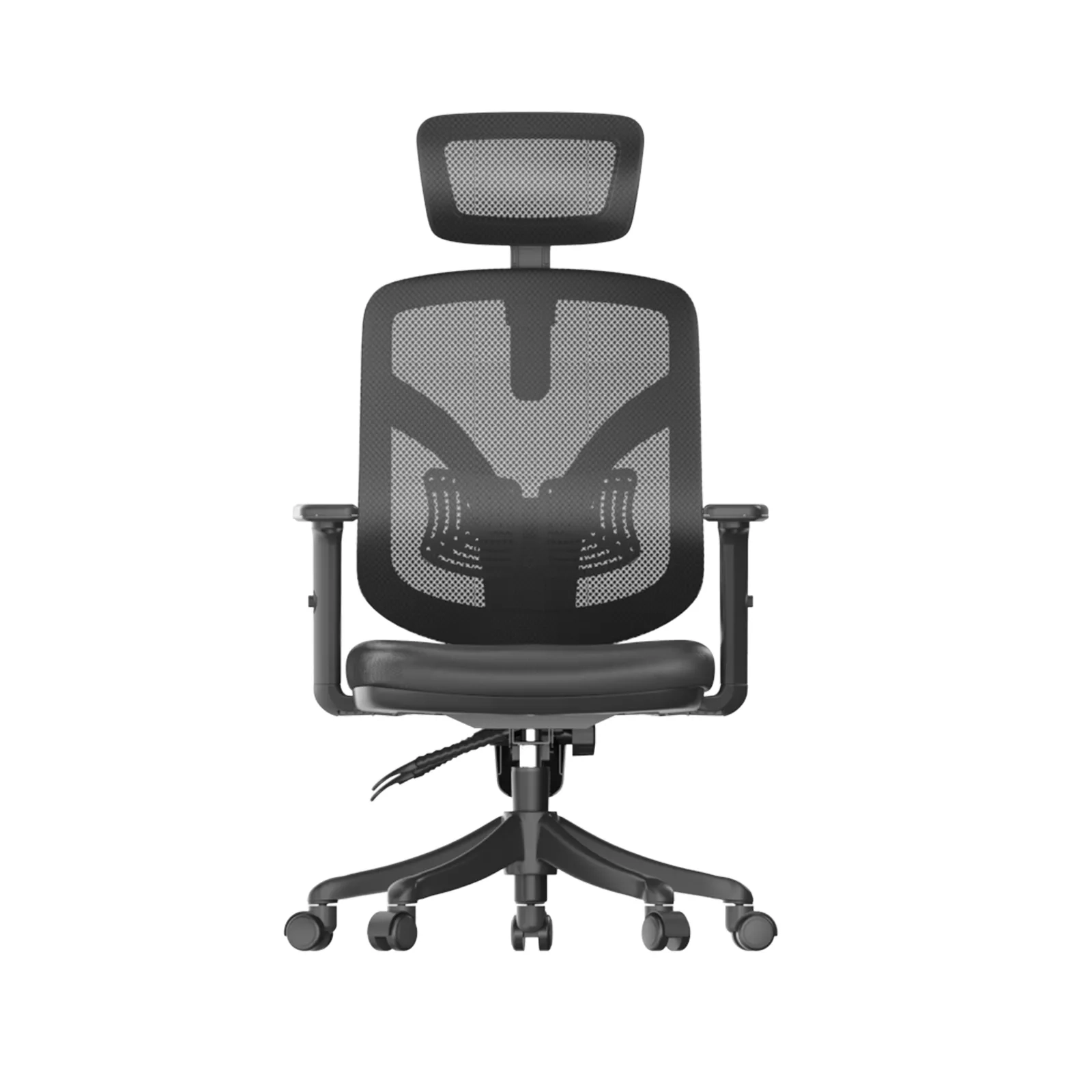
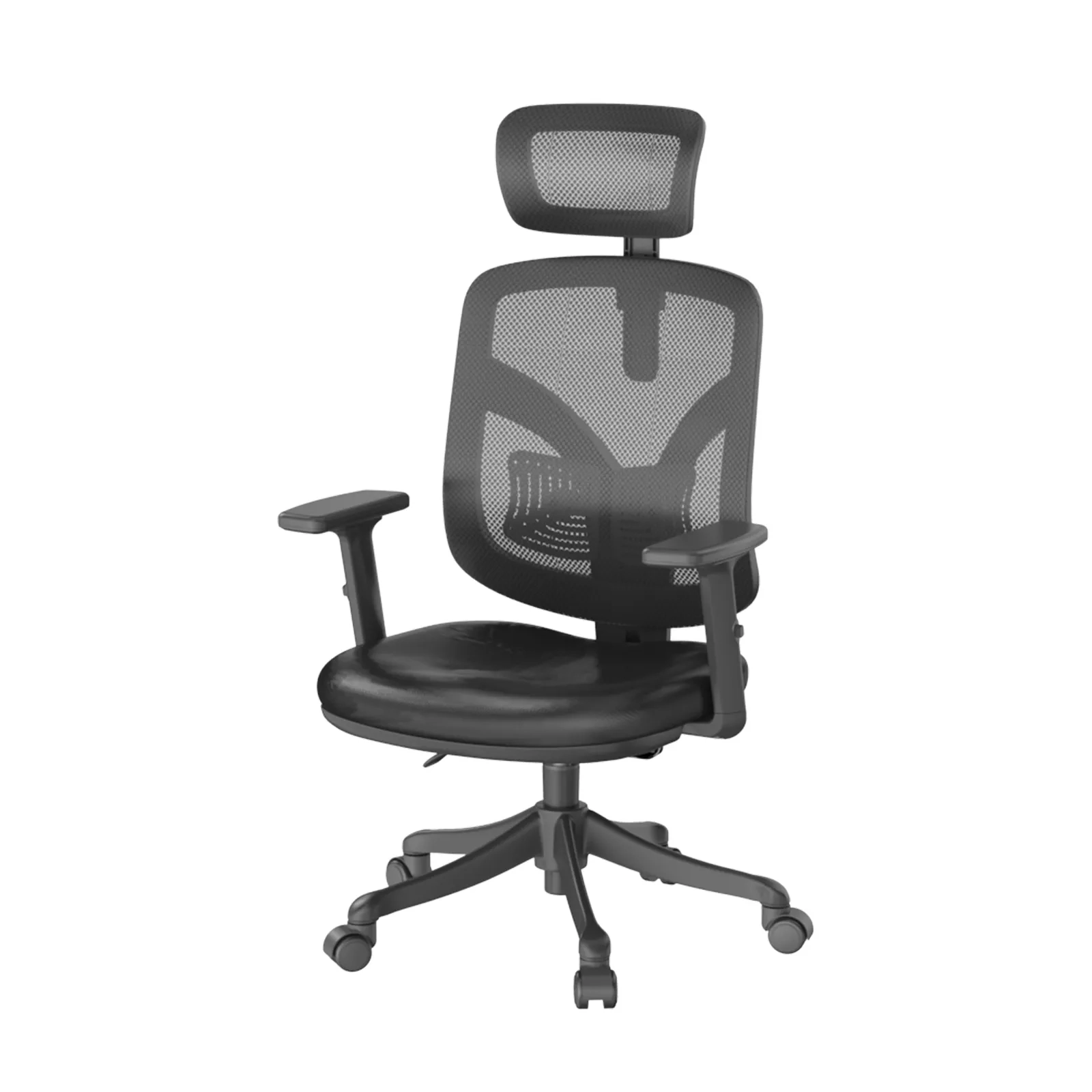
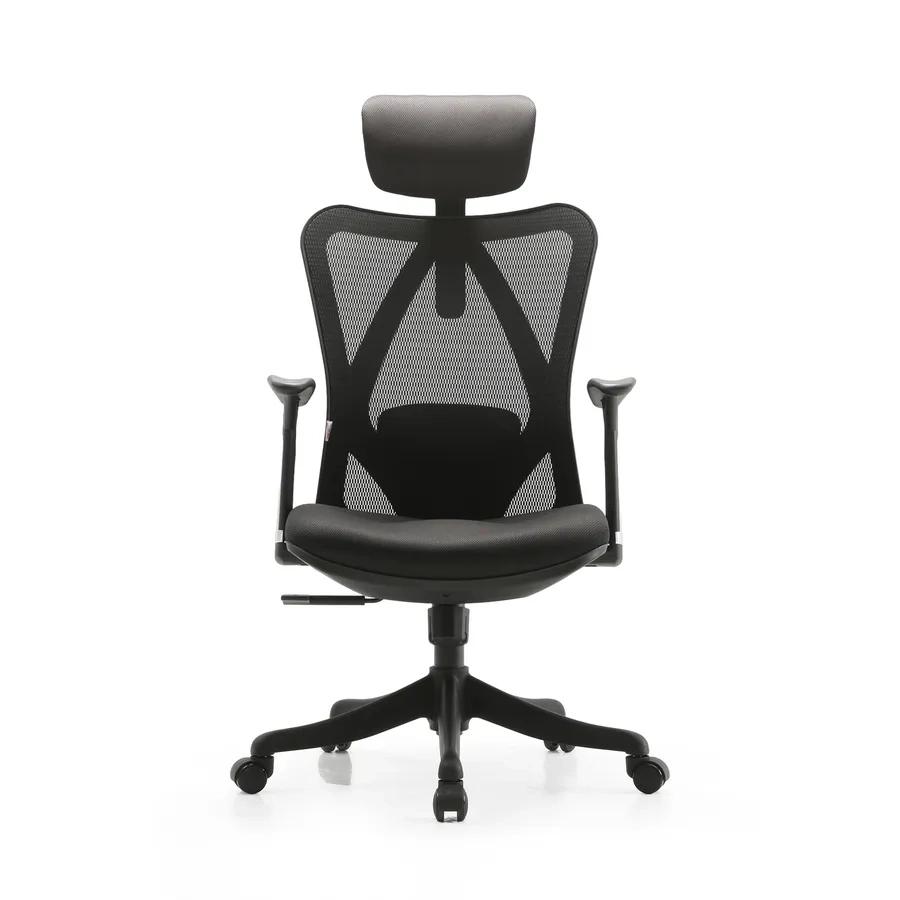
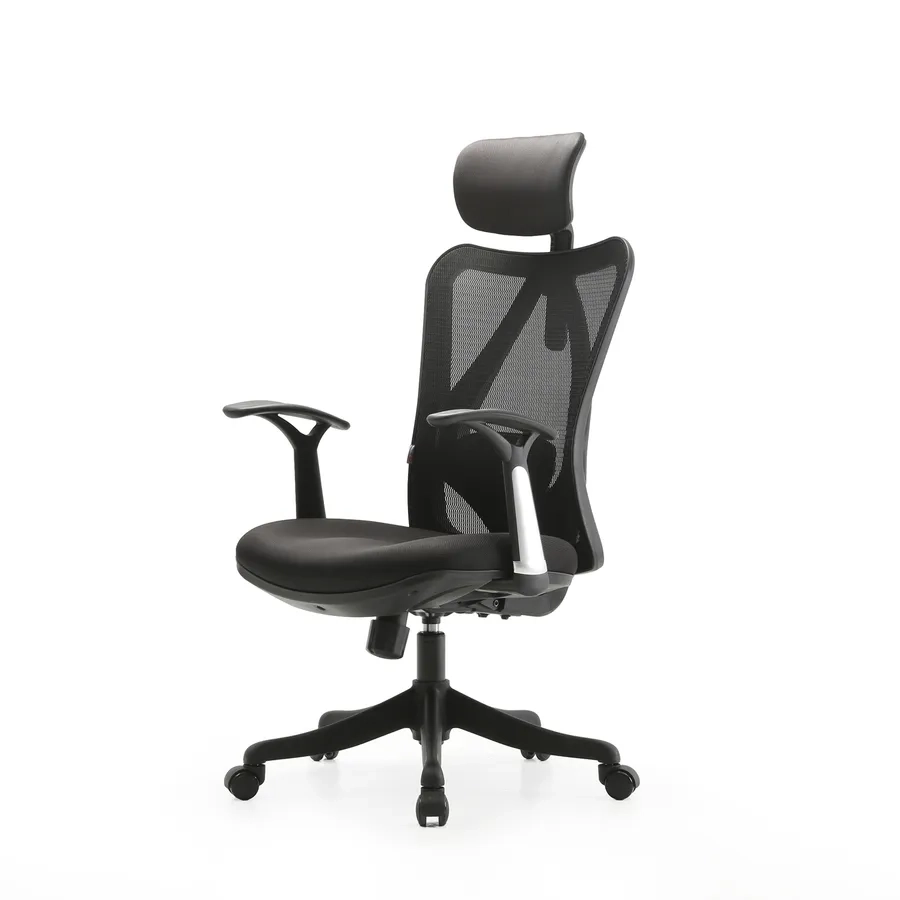
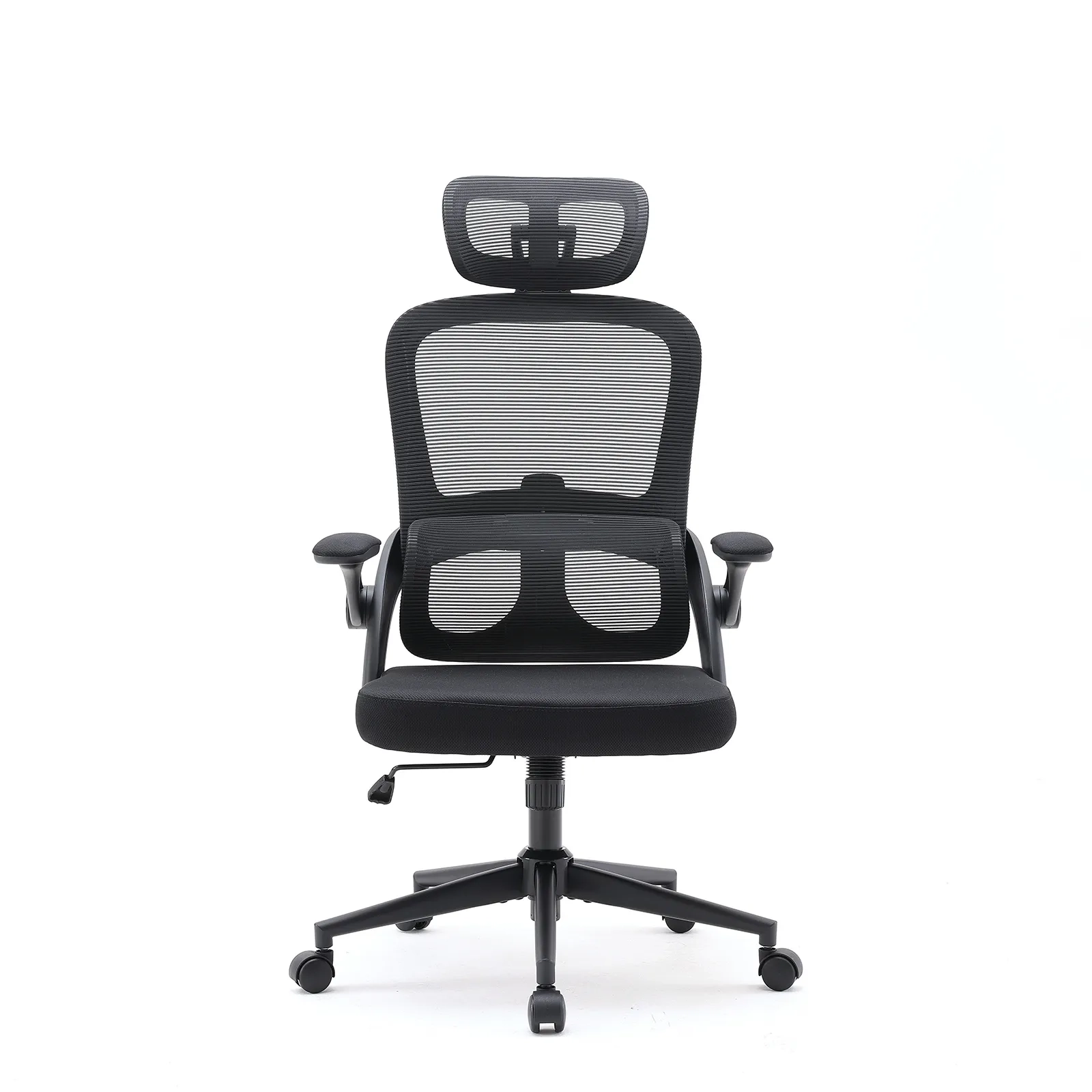
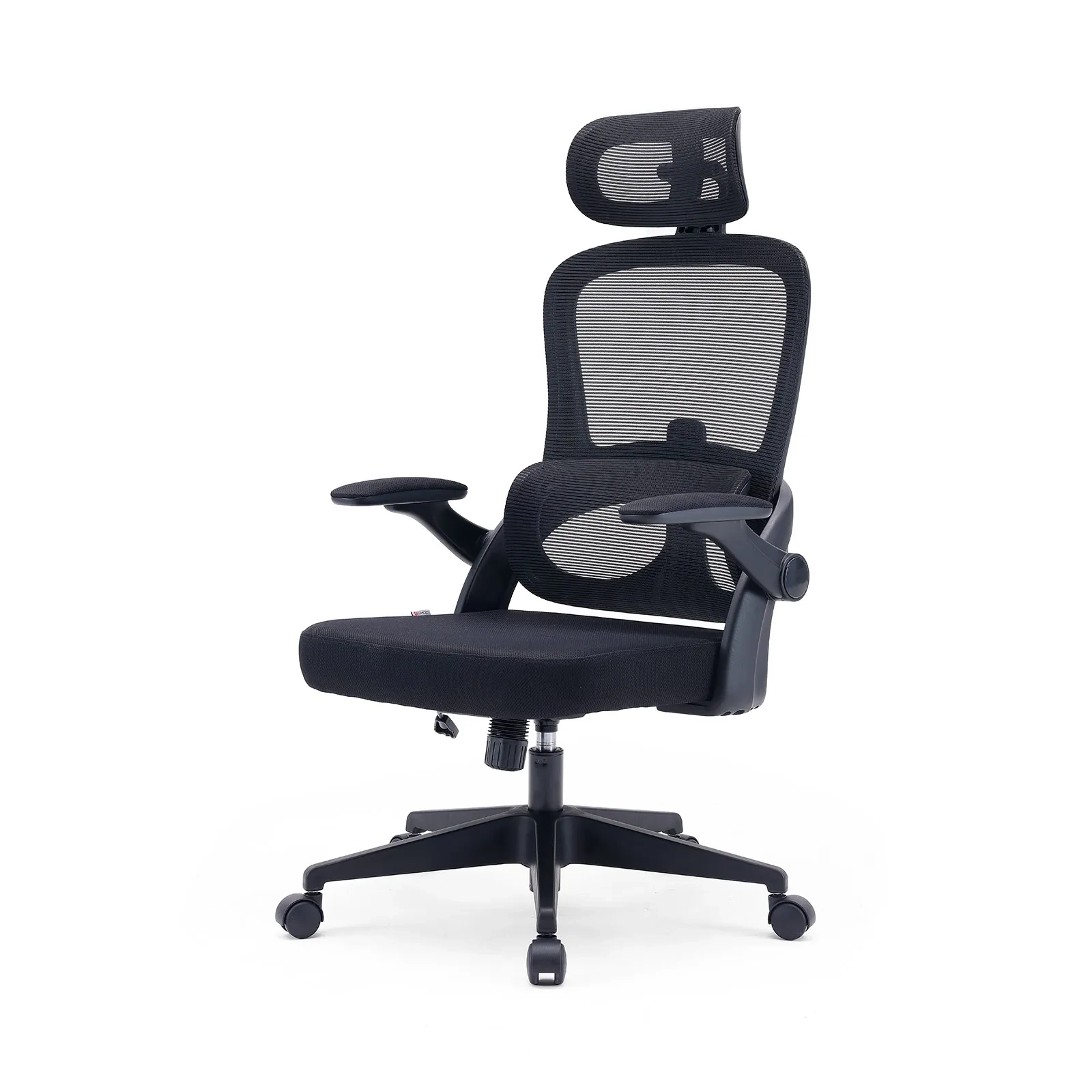
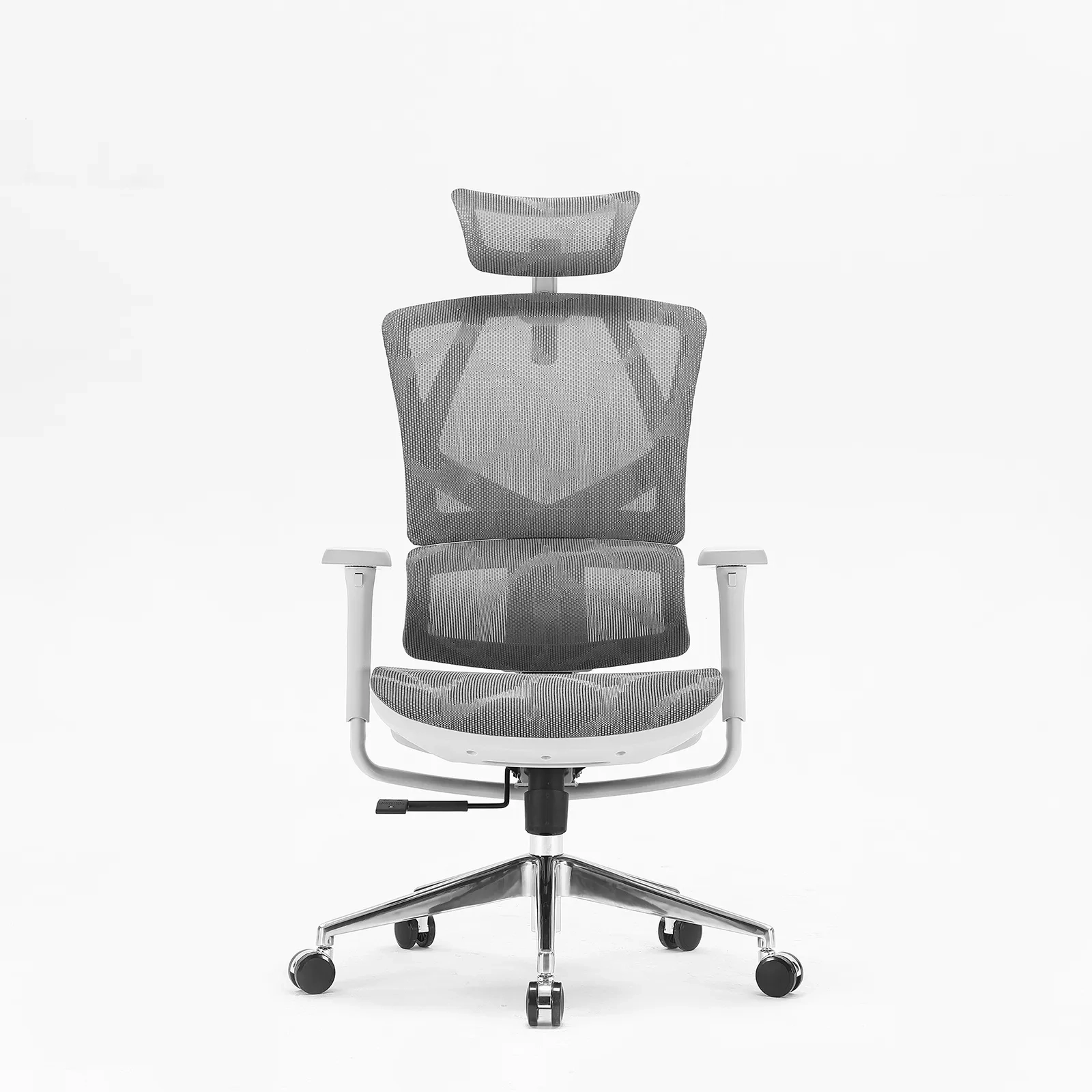
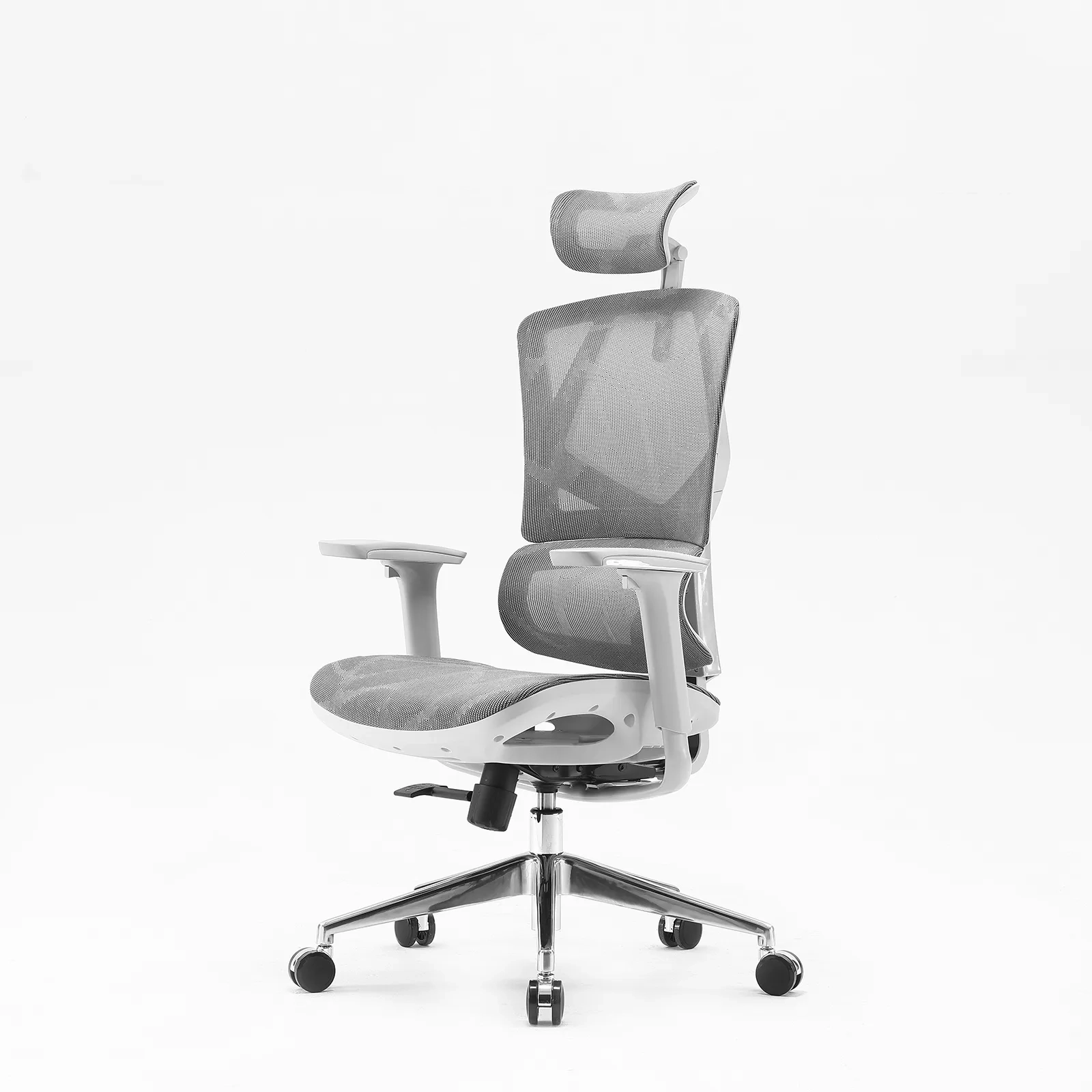
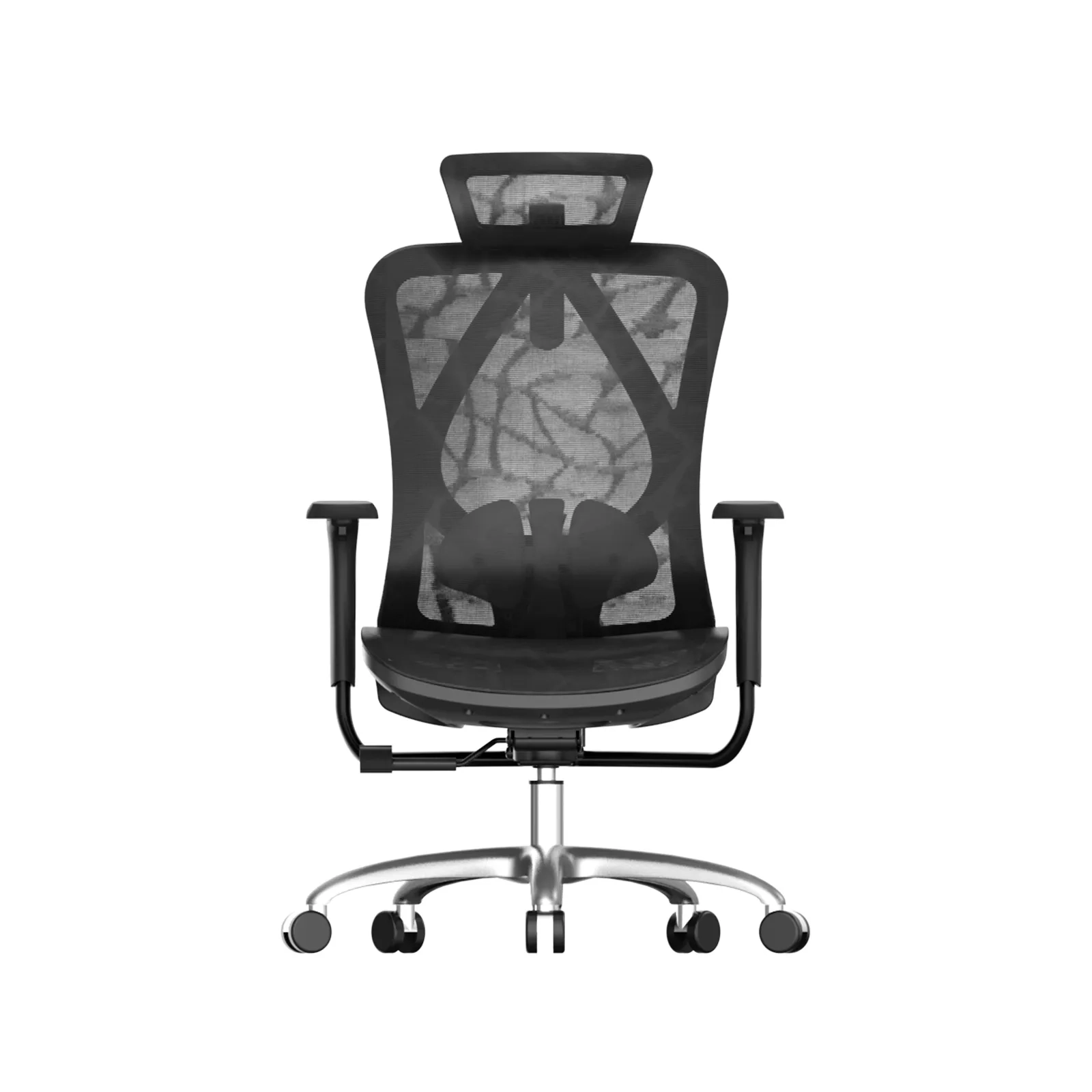
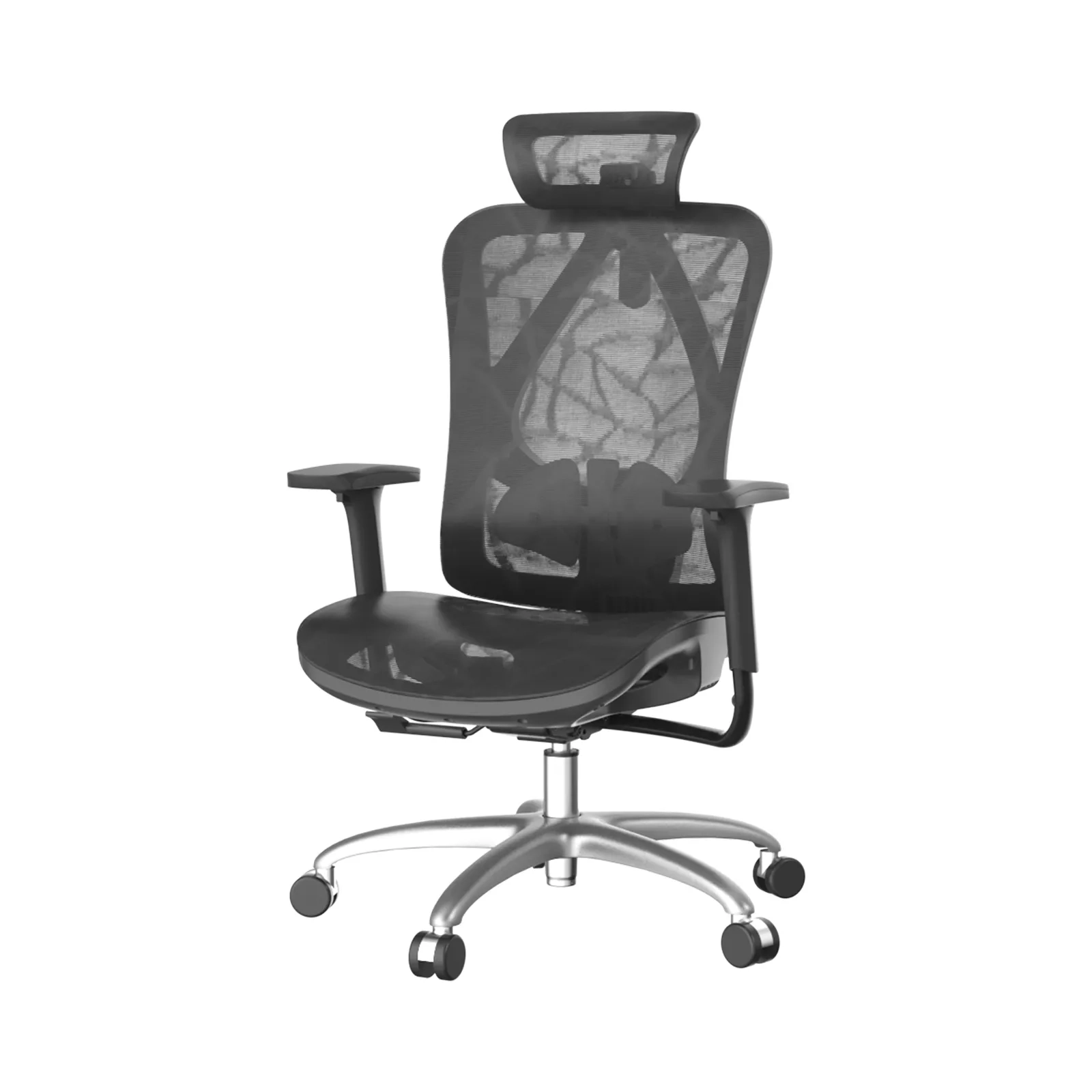
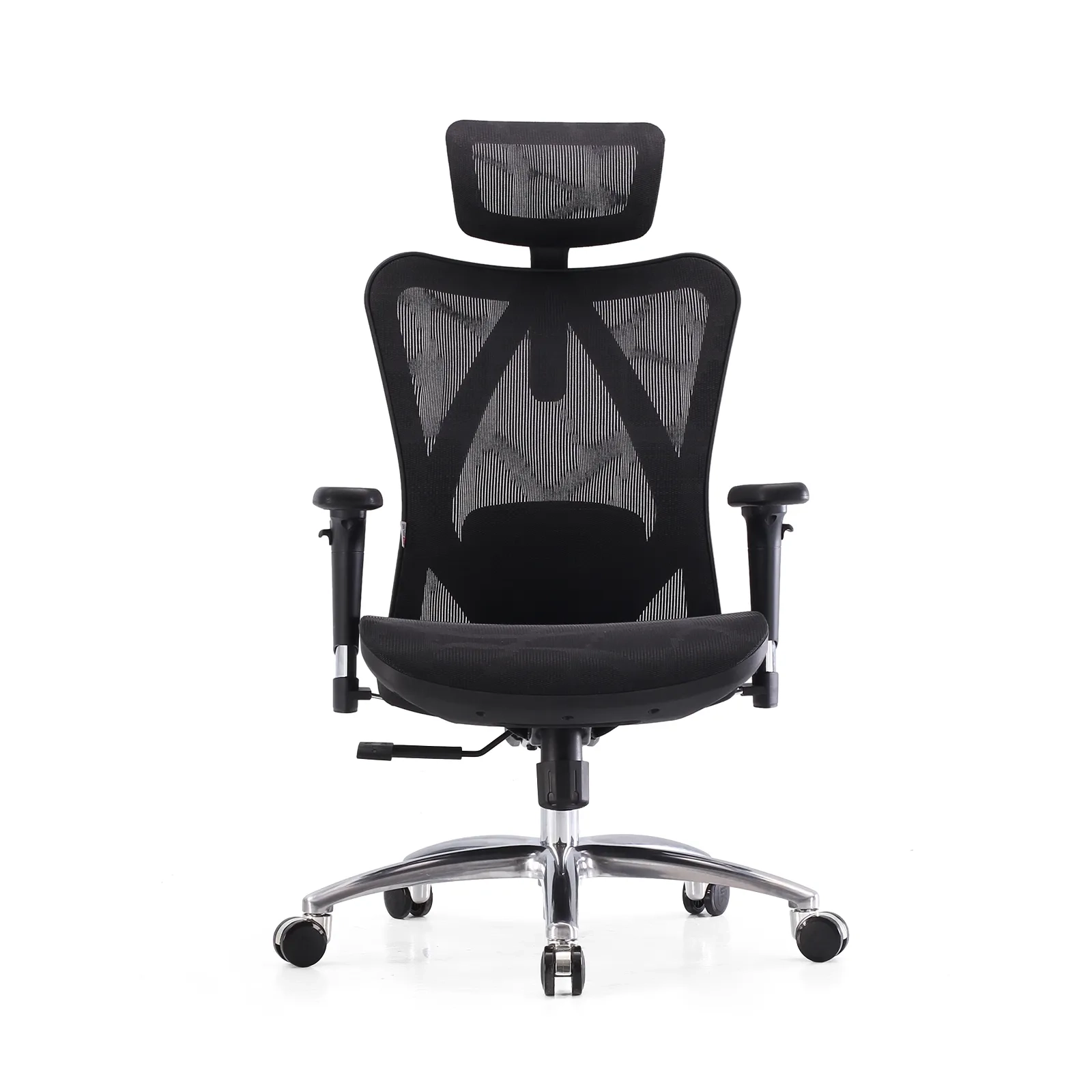
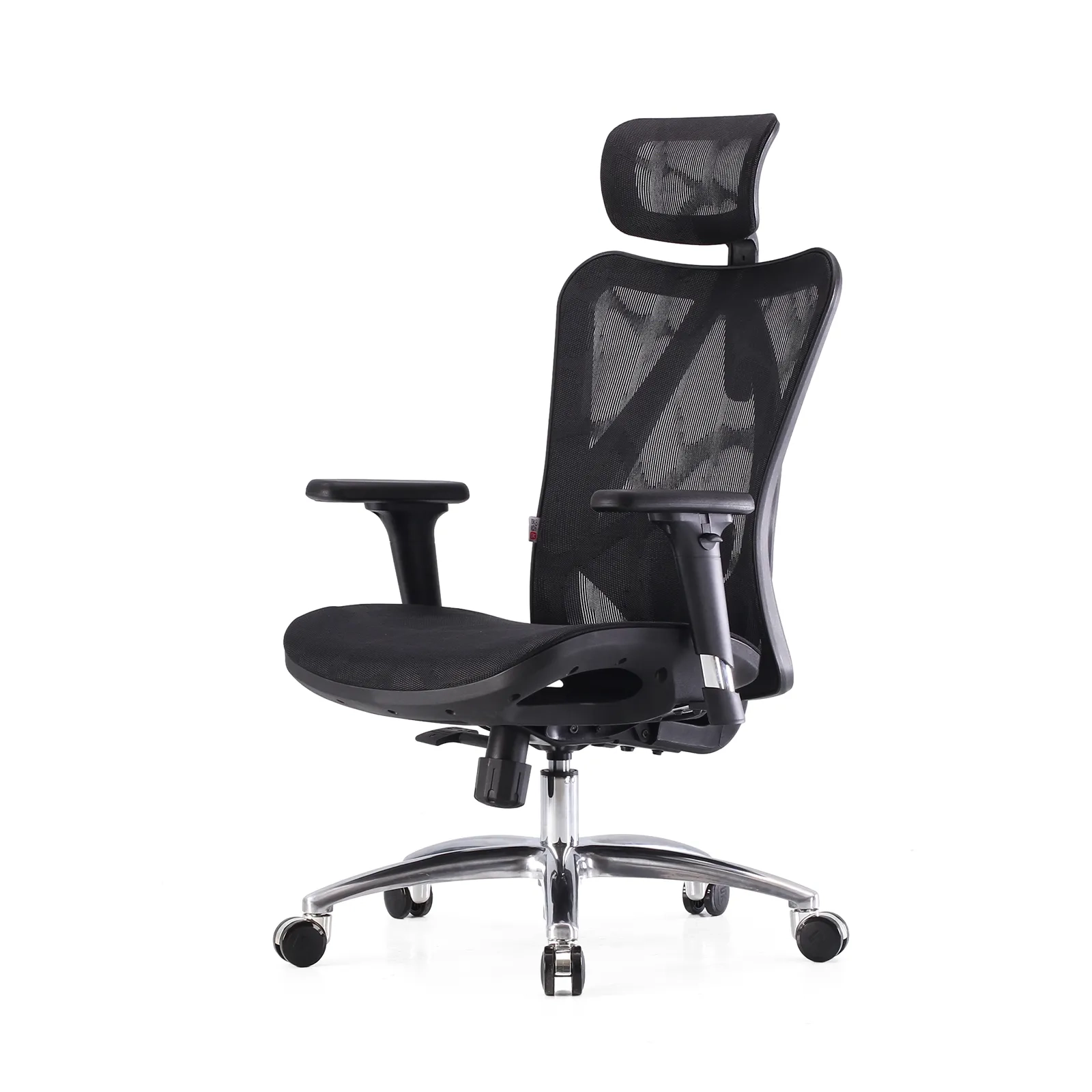
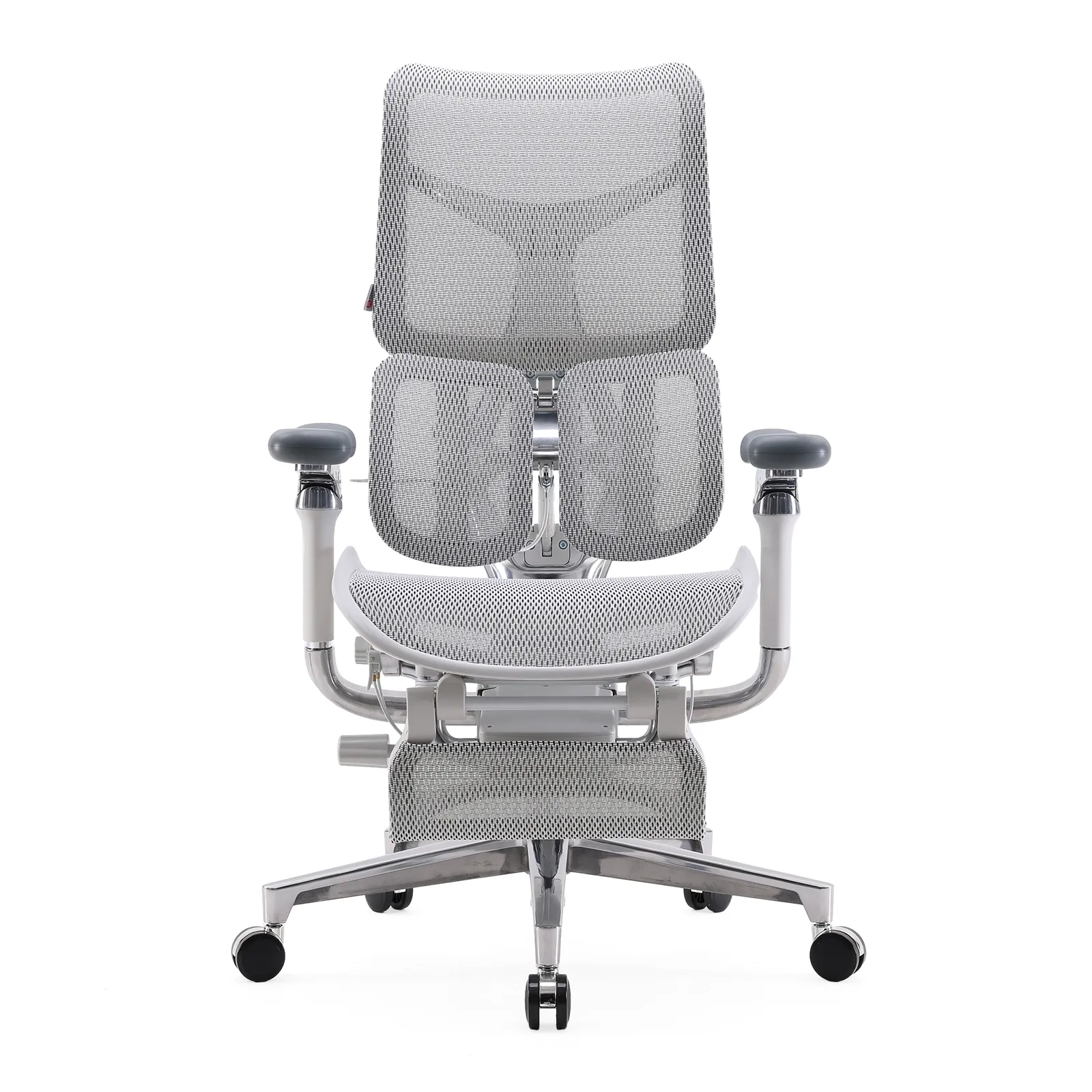
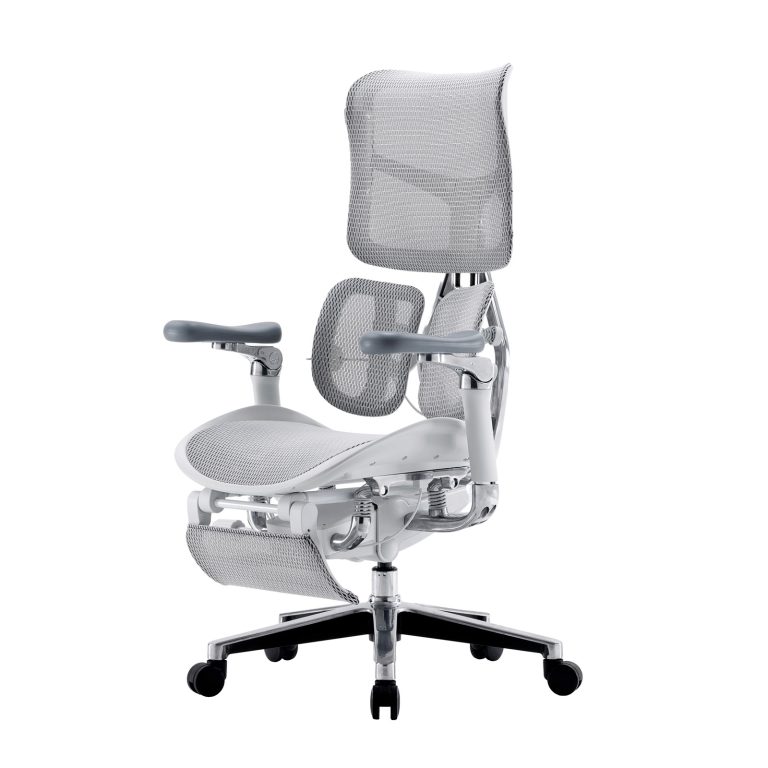
Construction & Engineering Modern mesh is typically woven from high-elasticity polyester or nylon fibers in a 3D suspended structure with precisely calibrated breathability.
Advantages
- Exceptional airflow: Ideal for hot or humid climates—no more sweaty backs during long workdays.
- Lightweight: Easy to move, stack, and reconfigure in agile workspaces.
- Low maintenance: Resists stains and wipes clean with a damp cloth.
- High resilience: Premium mesh retains over 90% of its elasticity even after years of daily use.
Drawbacks
- Firmer support may lack the plush “hug” some users prefer.
- High-performance blends (e.g., Lycra-infused) increase cost.
- Aesthetic leans towards utilitarianism—less suited for executive reception areas.
Best for: Open-plan offices, call centers, remote work setups, and tropical regions.
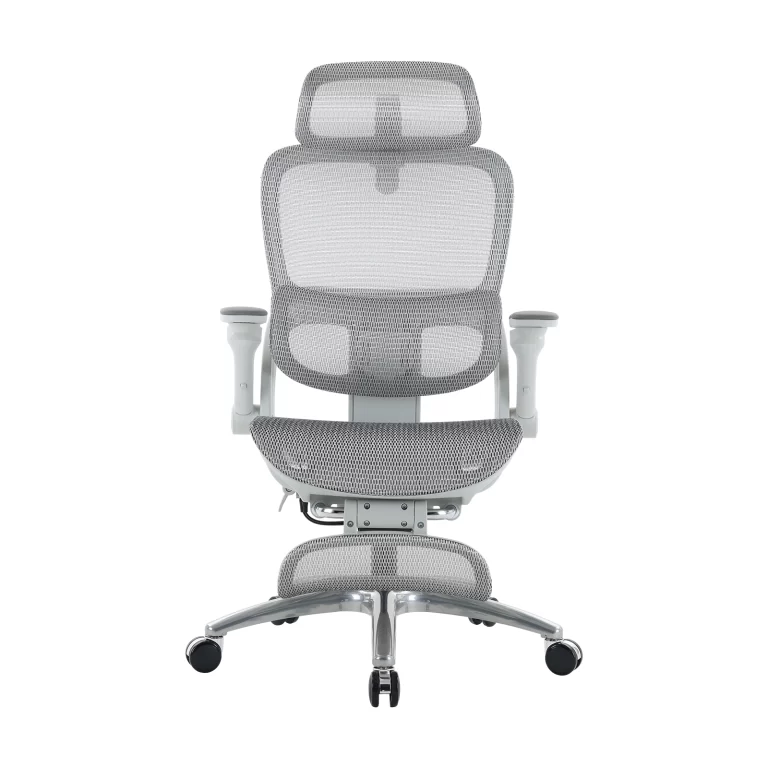
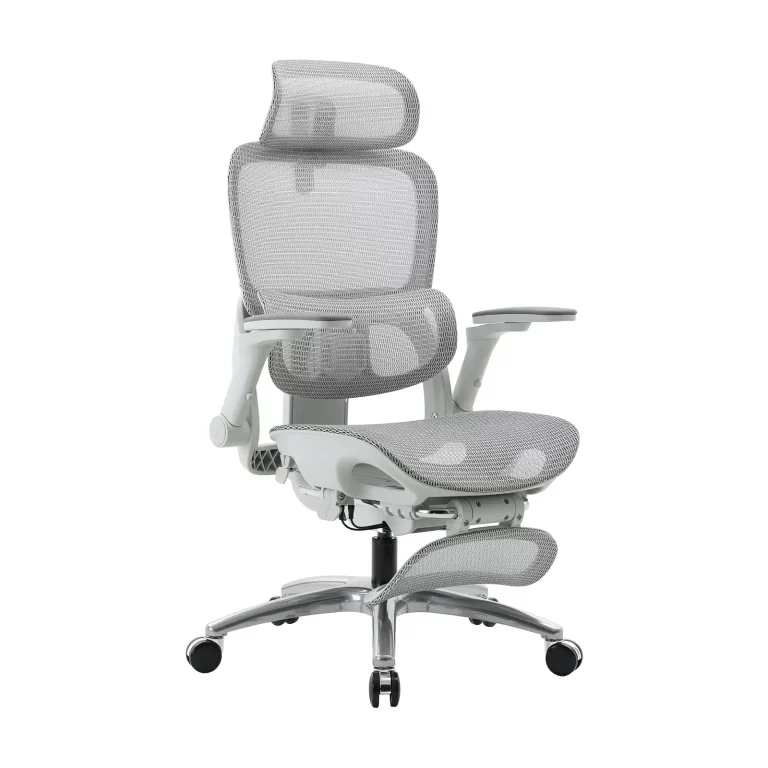
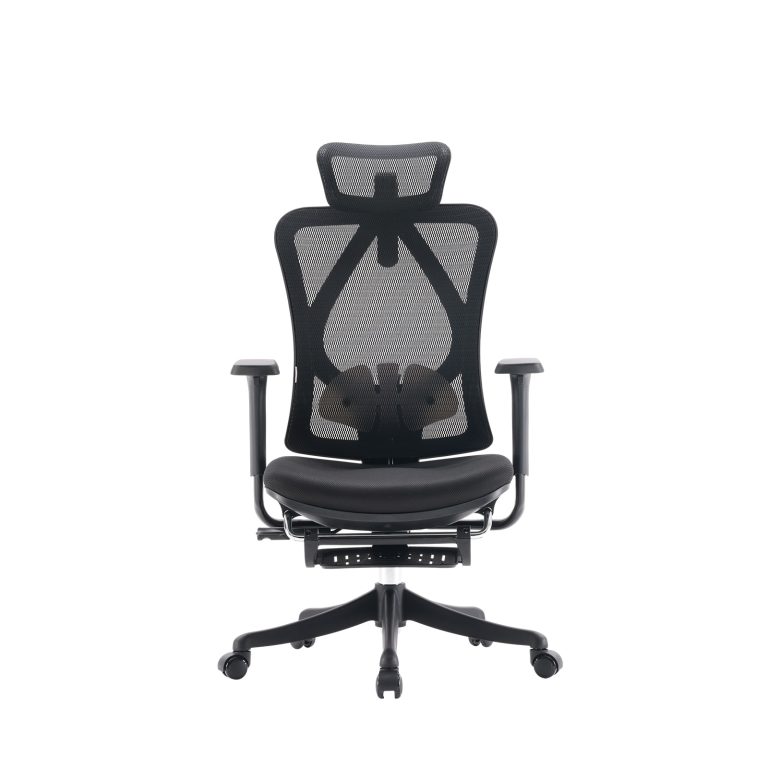
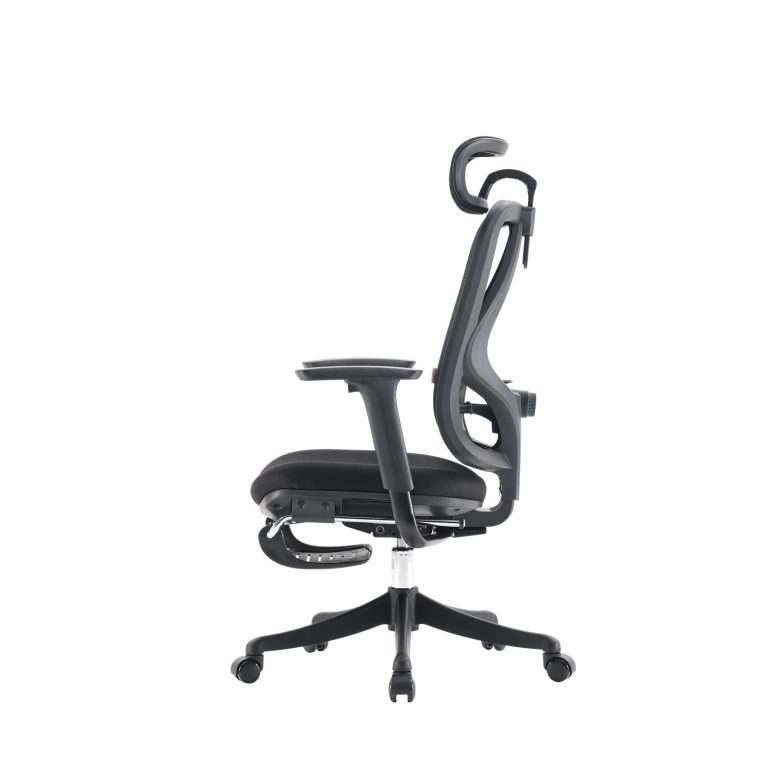
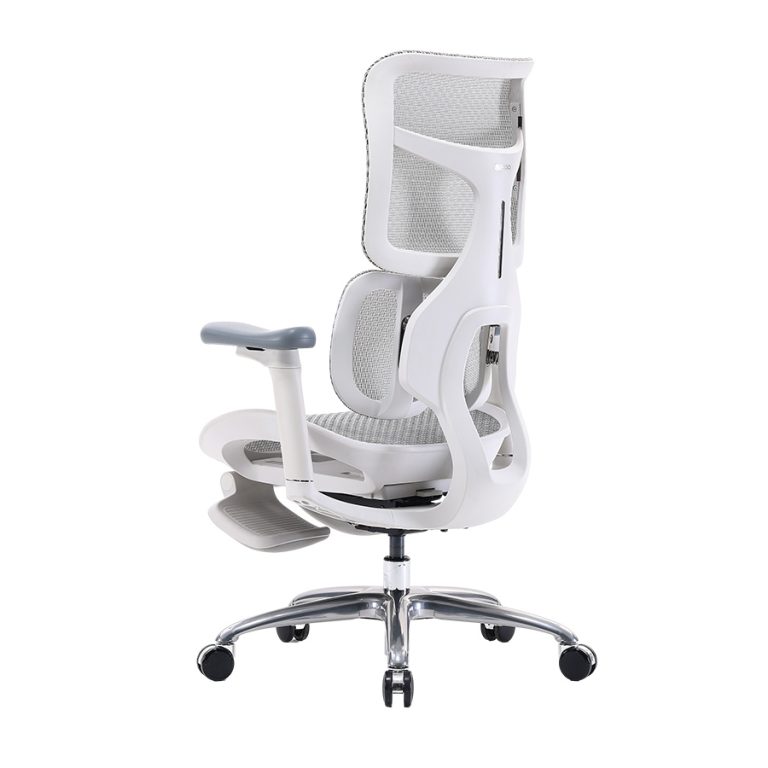
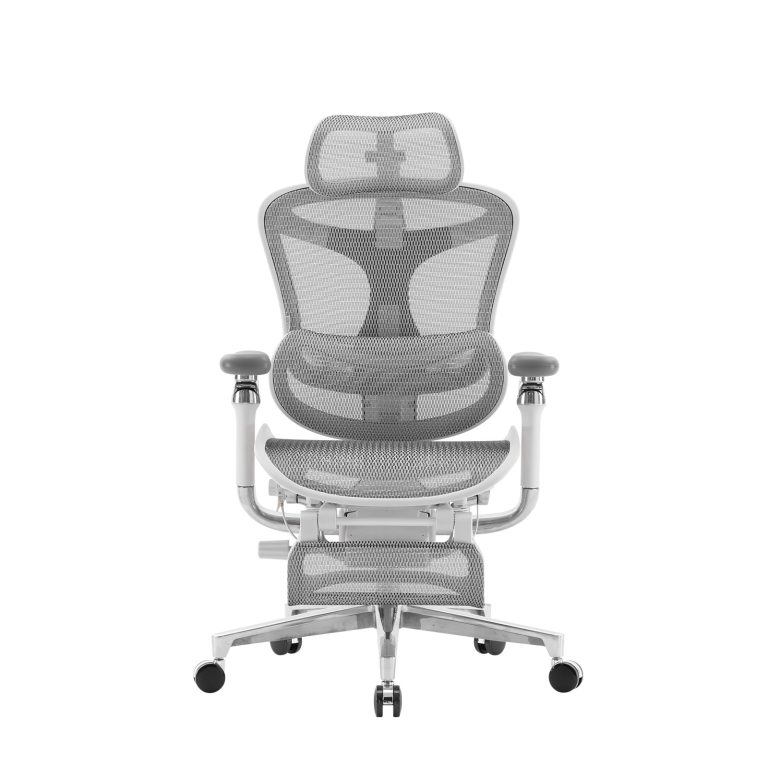
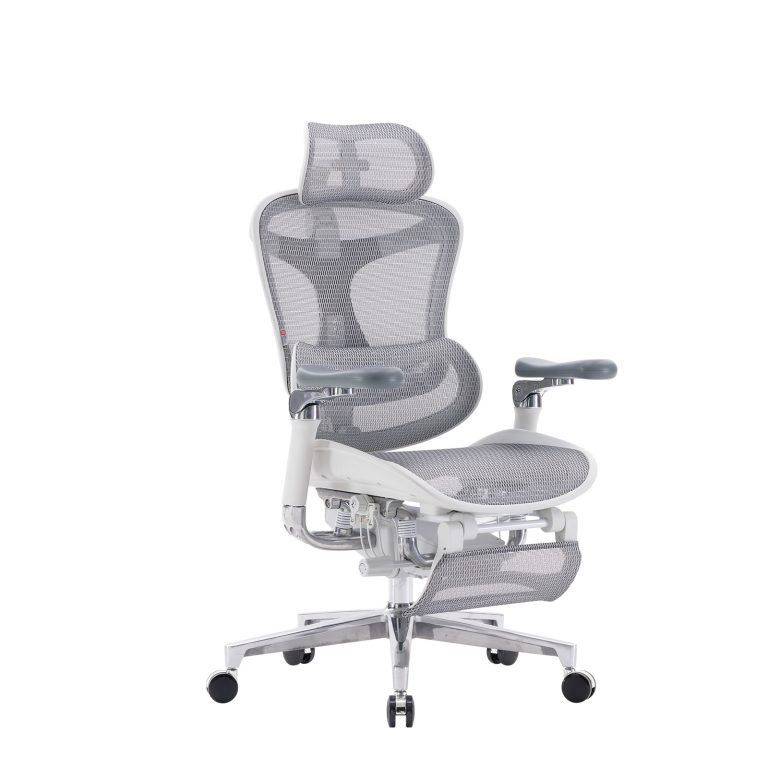
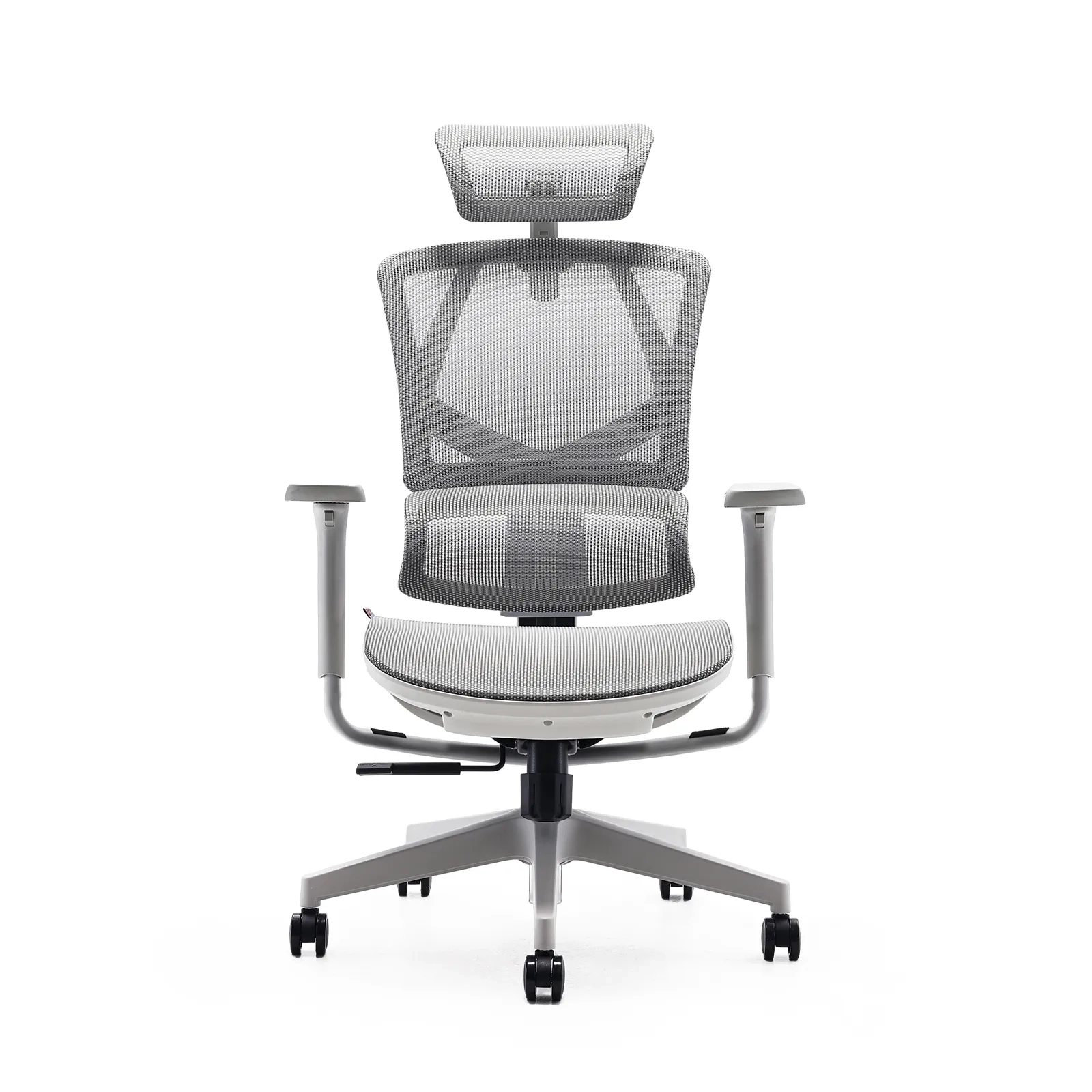
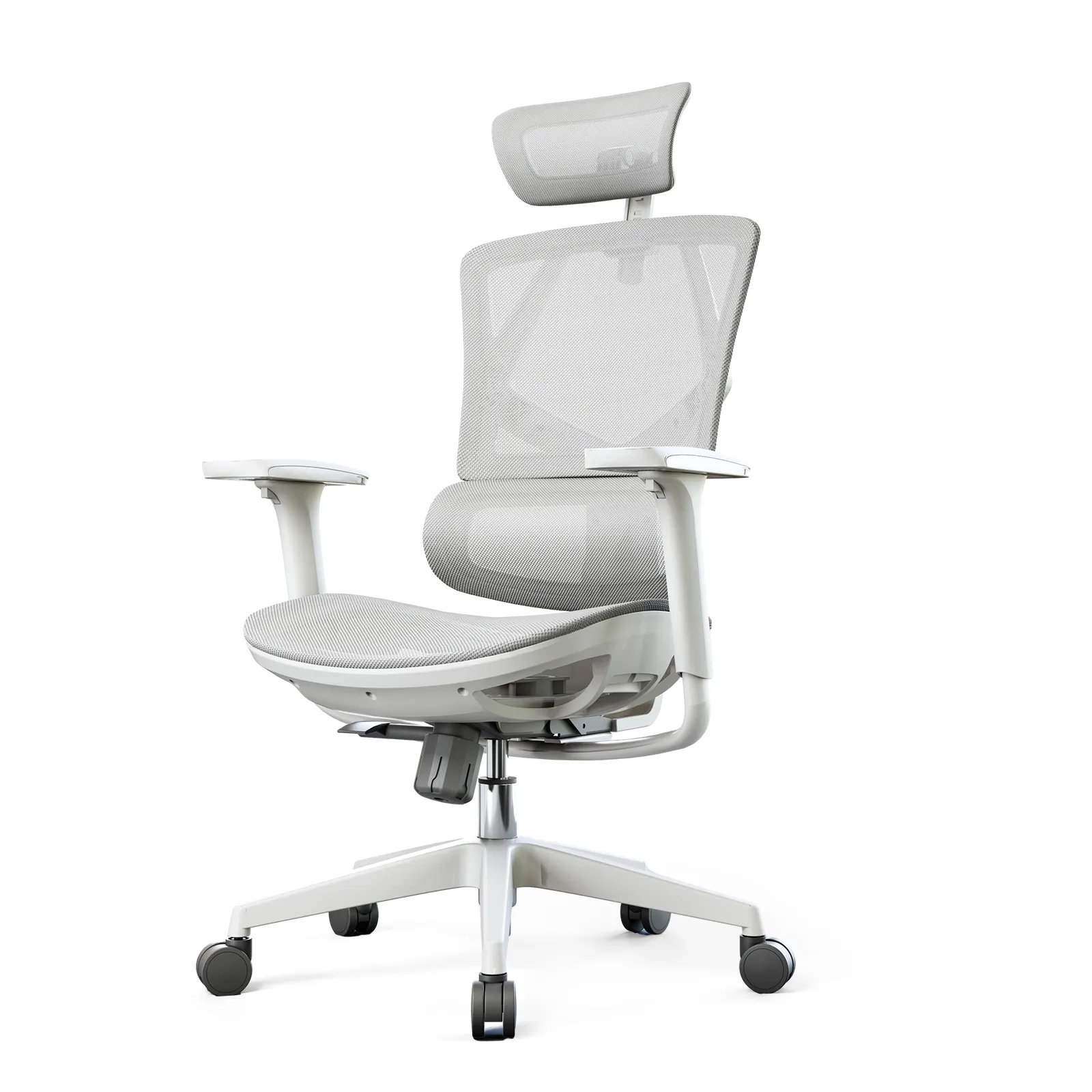
Industry Insight: Leading ergonomic office chair brands now use high-density, SGS-tested mesh. For example, Сиху integrates ocean-recycled PET into models like the M57 и M18, combining performance with sustainability—making the mesh office chair a top choice for high-usage environments.
2. Fabric (Upholstered Textile)
Common Types Polyester, wool blends, and performance fabrics like Crypton® with built-in stain resistance.
Advantages
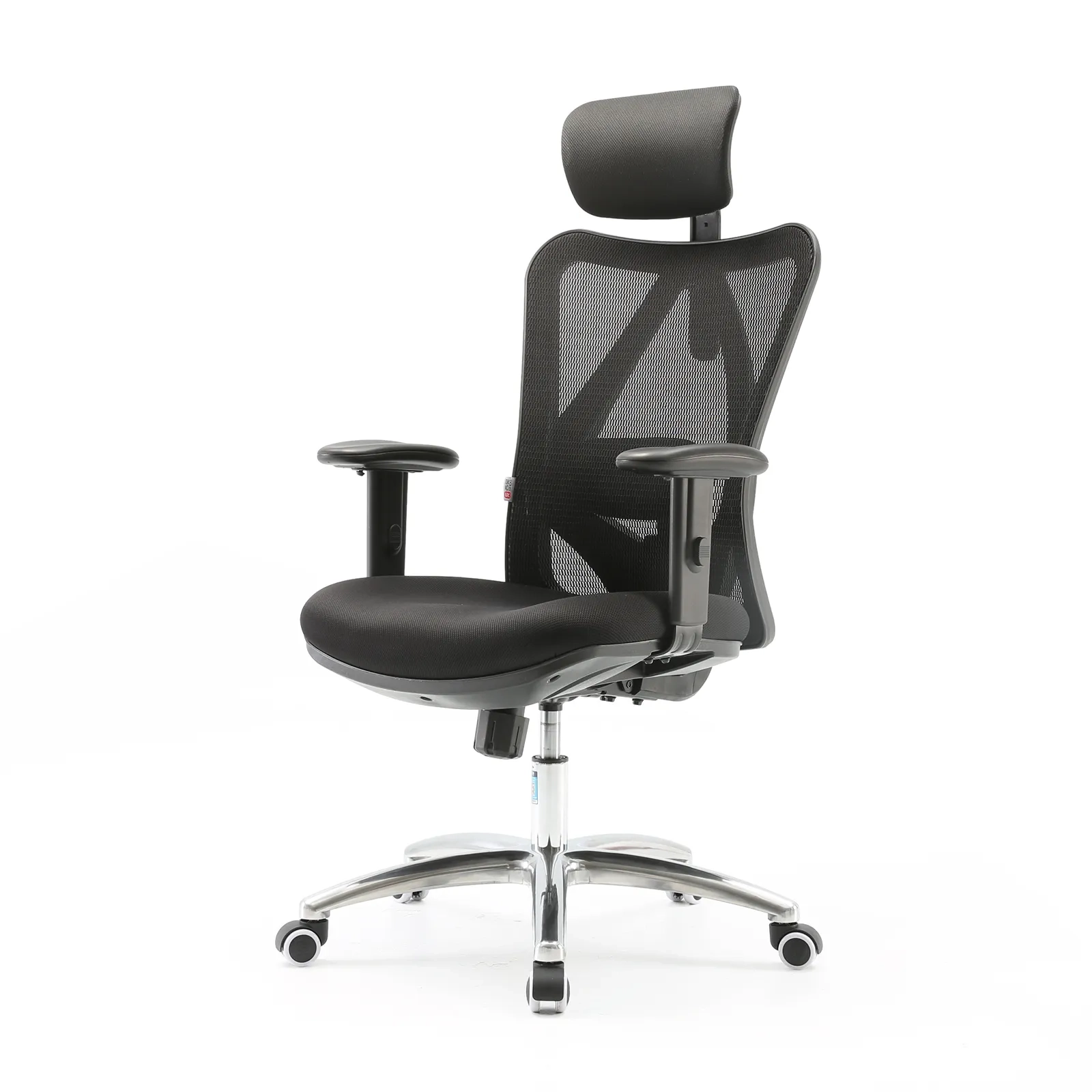
- Soft, inviting comfort for extended sitting sessions.
- Rich color and texture options to match modern interior design.
- Sound-absorbing properties that reduce noise in collaborative spaces.
Drawbacks
- Moderate breathability can feel stuffy in summer.
- Prone to absorbing dust, oils, and spills—especially light colors.
- Durability hinges on weave density; look for Martindale ratings ≥30,000 cycles for commercial use.
Procurement Tip: Always prioritize fabrics certified for flame resistance (e.g., CAL 117, BS 5852) and anti-static performance. For creative teams, a truly comfortable office chair in premium fabric often boosts morale more than a flashy—but stiff—alternative.
Best for: Creative studios, executive offices, meeting rooms, and design-forward coworking spaces.
3. Leather (Genuine & Synthetic)
Types
- Full-grain / Top-grain leather: Natural, luxurious, but premium-priced.
- PU leather (synthetic): Cost-effective, but less durable over time.
Advantages
- Premium aesthetic that conveys professionalism and trust.
- Smooth, wipeable surface for effortless daily cleaning.
- Long lifespan: High-quality genuine leather can last 10+ years in low-traffic settings.
Drawbacks
- Poor breathability leads to heat buildup and discomfort in warm conditions.
- Genuine leather requires conditioning to prevent cracking and UV damage.
- PU leather degrades faster in dry or hot environments, often peeling or fading.
Compliance Note: Some markets restrict animal-derived leather imports. For synthetics, verify low-VOC emissions (e.g., GREENGUARD certification).
Best for: Executive suites, client reception areas, law firms, and financial institutions—where image matters more than all-day ergonomics. In these settings, a classic executive office chair silently reinforces your brand’s credibility.
Decision Matrix: Matching Material to Your Needs
| FACTOR | MESH | FABRIC | LEATHER |
| Price Range ($/chair) | $80–$250 | $100–$300 | $200–$800+ |
| Usage Intensity | High (8h+/day) | Medium-High | Medium (<6h/day) |
| Climate Suitability | Hot/Humid | Temperate/AC | Dry/Climate-Controlled |
| Maintenance | Низкий | Средний | High (genuine) / Low (PU) |
| Brand Image | Functional | Creative/Welcoming | Premium/Authoritative |
| Устойчивое развитие | Recycled polyester | Natural fibers | High carbon footprint |
Procurement Insight: High-performance mesh ergonomic chairs typically wholesale around $150–$200. Brands like Sihoo offer 3-year warranties across their lineup (5 years on premium models like the M90D), covering frames, gas lifts, and mechanisms—dramatically reducing long-term risk. For teams with back health concerns, prioritize an office chair with lumbar support. And when scaling quickly, office chairs wholesale channels deliver significant cost efficiency without compromising quality.
Industry Trends: Where Materials Are Headed
- Mesh: Now made from recycled ocean plastics and treated with antimicrobial coatings.
- Ткань: Nano-stain tech and bio-based fibers (e.g., corn-derived PLA) are gaining traction.
- Leather Alternatives: Plant-tanned hides and mycelium (mushroom) leather offer sustainable luxury.
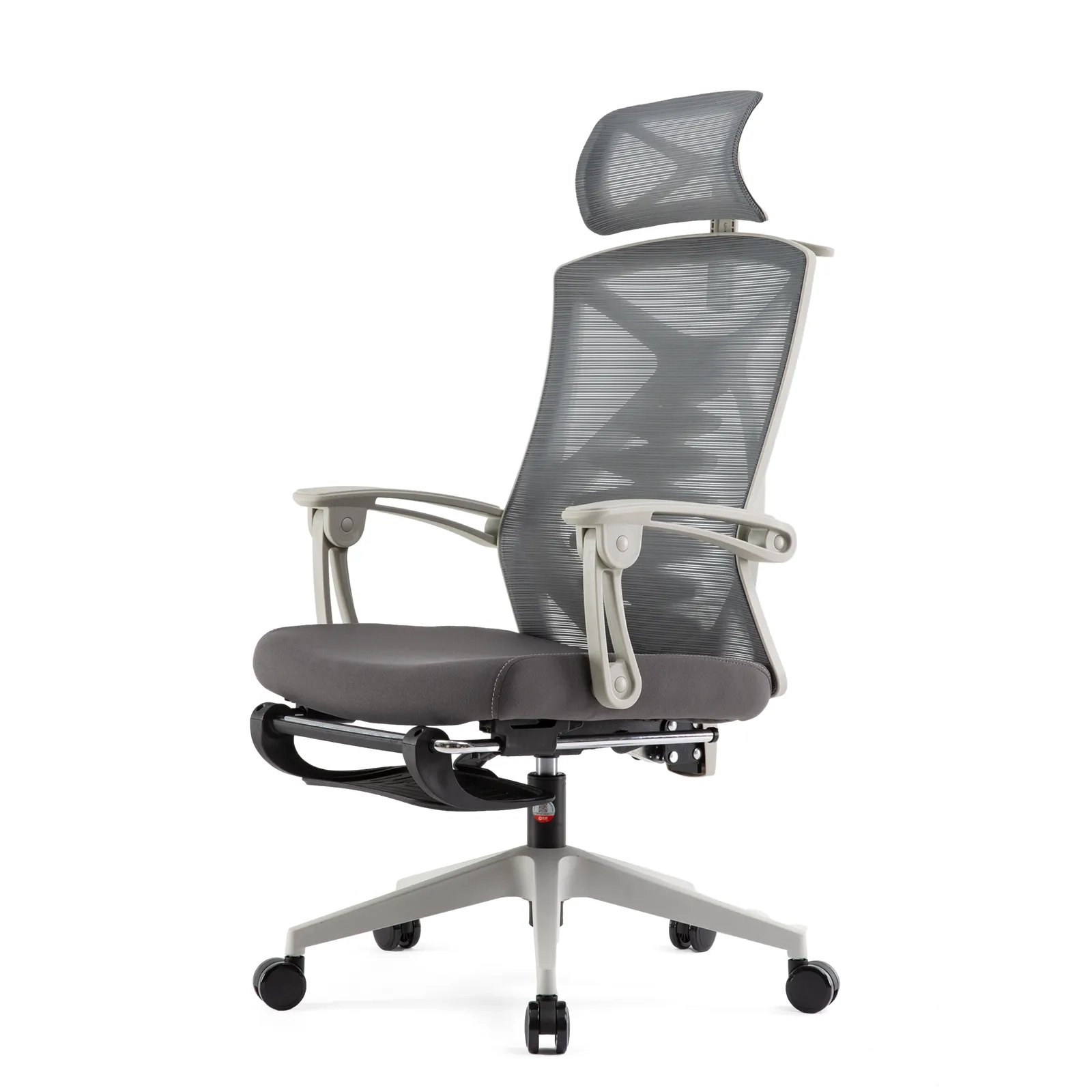
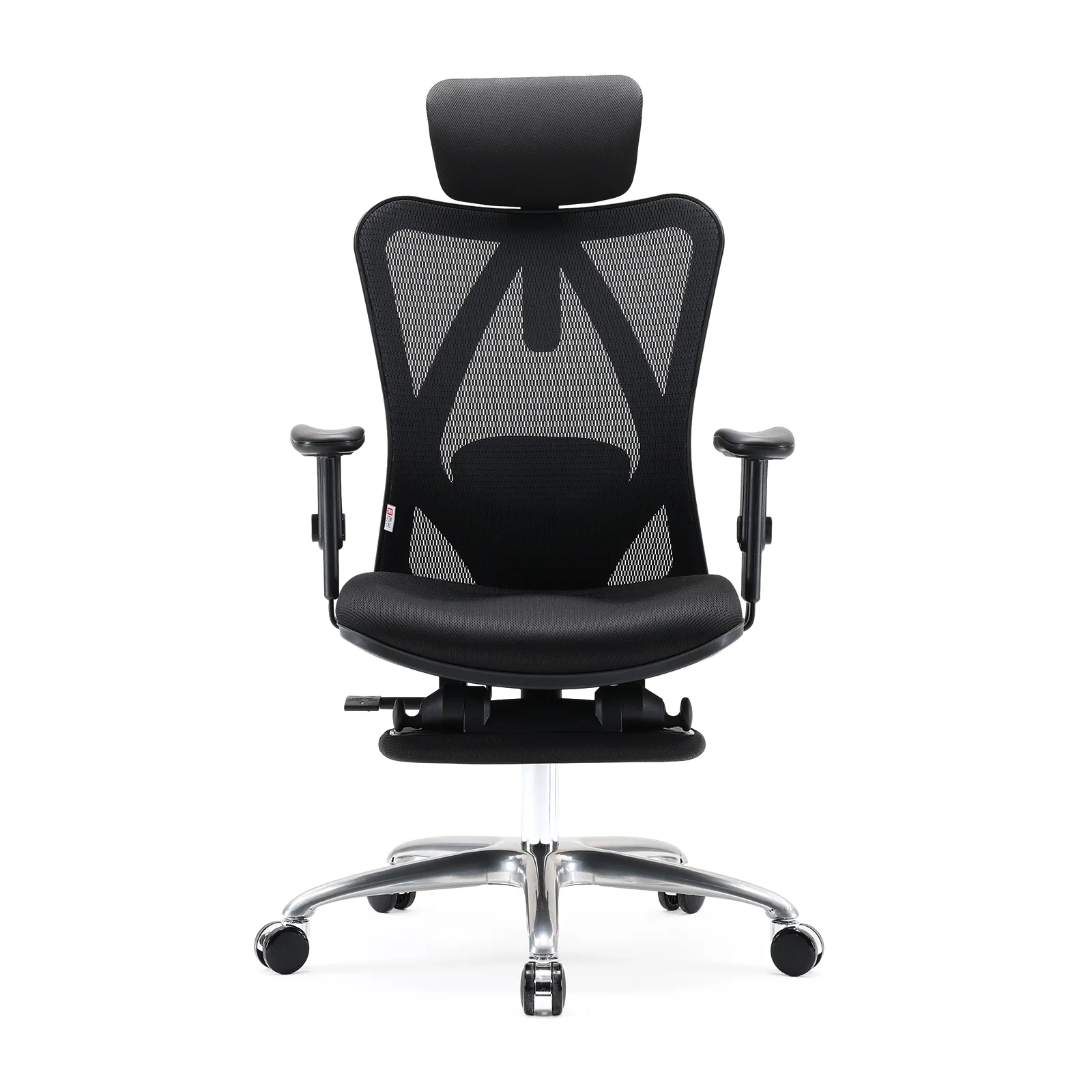
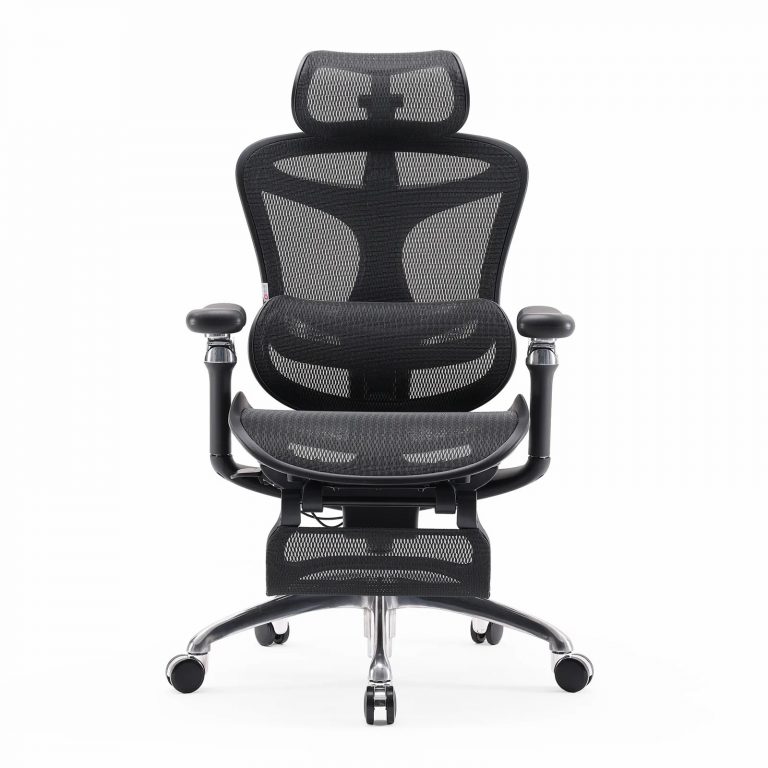
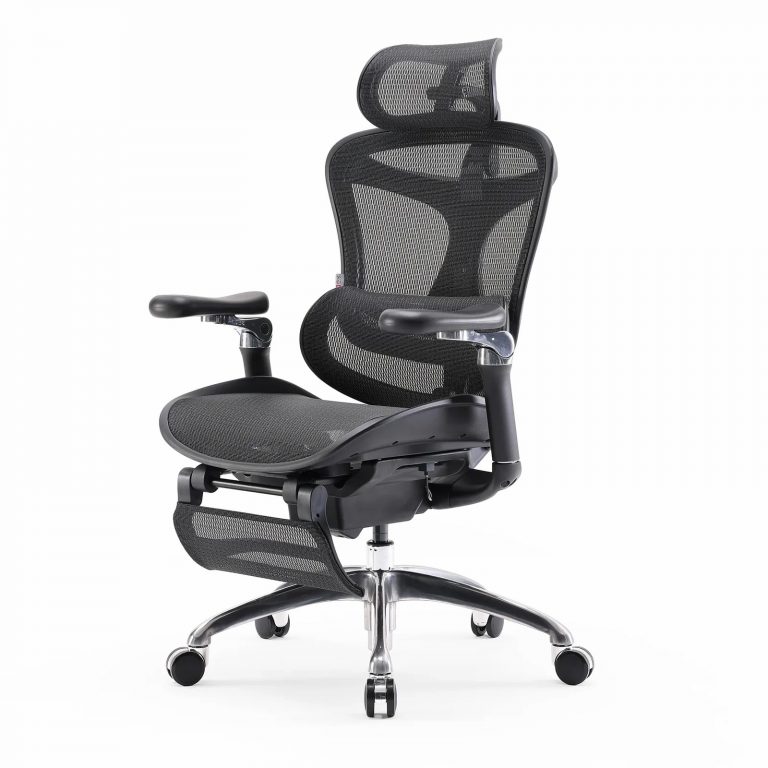
Smart Procurement Tip: Ask suppliers for material traceability reports and certifications like OEKO-TEX® or Cradle to Cradle. Today’s best-in-class best ergonomic office chair balances eco-conscious materials with precision ergonomics. For instance, an ergonomic mesh office chair with dynamic lumbar support has become the gold standard for open offices. Meanwhile, the best ergonomic office chair with footrest is rising in demand for wellness-focused workplaces. And for deep-focus roles, a high back mesh office chair provides critical neck and shoulder support.
Conclusion: There’s No “Best”—Only “Right for You”
Material choice isn’t about finding the “perfect” chair—it’s about aligning with real-world needs, workplace culture, and long-term values. Always run a pilot test with a small batch before full rollout, and gather honest feedback from end users.
Remember: material is just one piece of the puzzle. Equally critical are ergonomic engineering, frame integrity, gas lift class (always insist on Class 4), and post-purchase support.
A great supplier doesn’t just sell chairs—they partner with you on workplace well-being. If you’re wondering how to choose an ergonomic chair, start with these questions:
- Do the arms adjust in 4D?
- Is the lumbar support adaptive or static?
- Can it handle 8+ hours of daily use?
For employees with chronic discomfort, an ergonomic office chair for back pain or good office chair for back pain often outperforms “plush” designs that lack structural support. And in hot, humid climates, the best mesh office chair—with its superior breathability—is frequently the best ergonomic office desk chair by default.
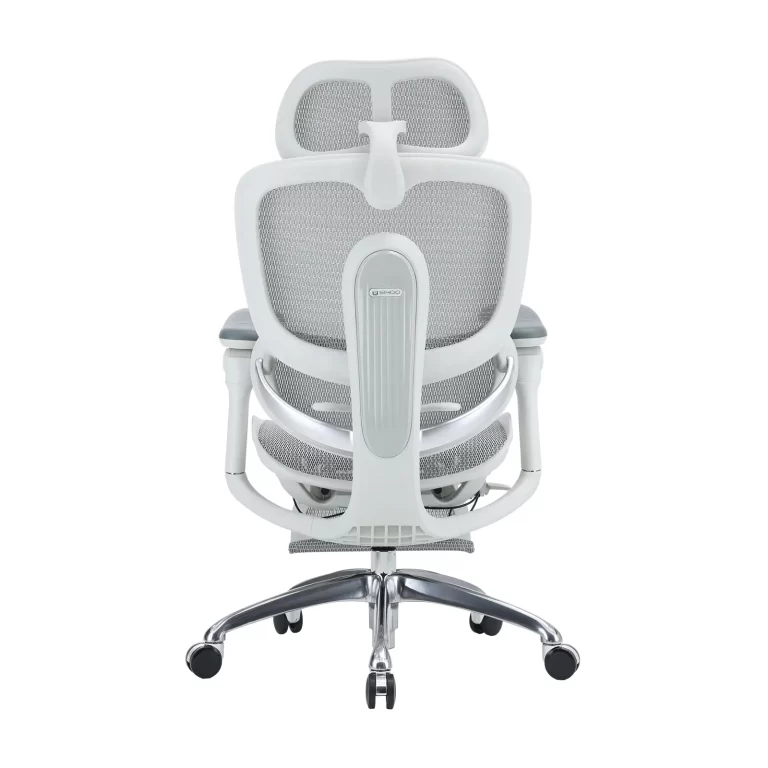
1600x1600-4-768x768.jpg)
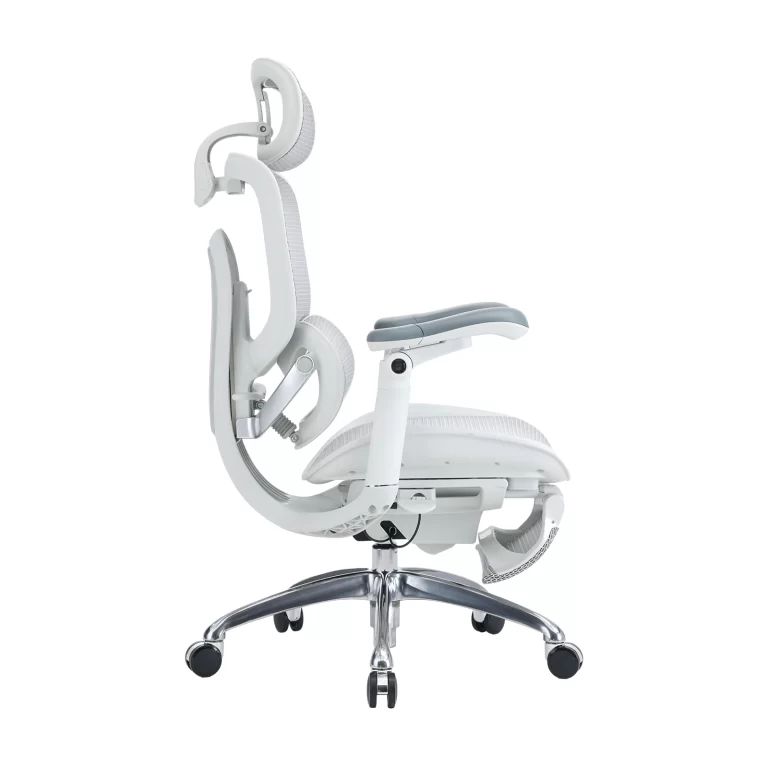
1600x1600-8-768x768.jpg)