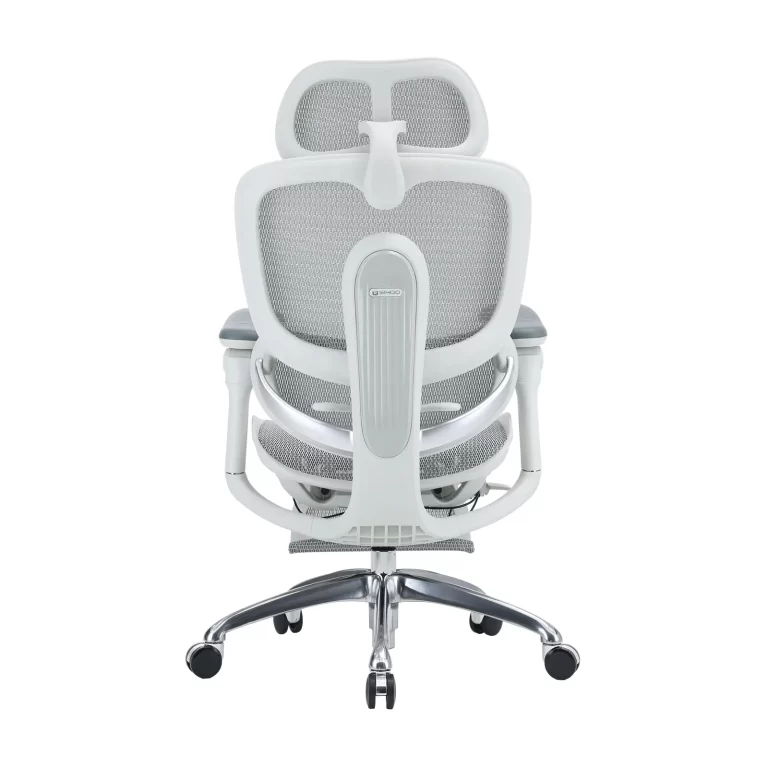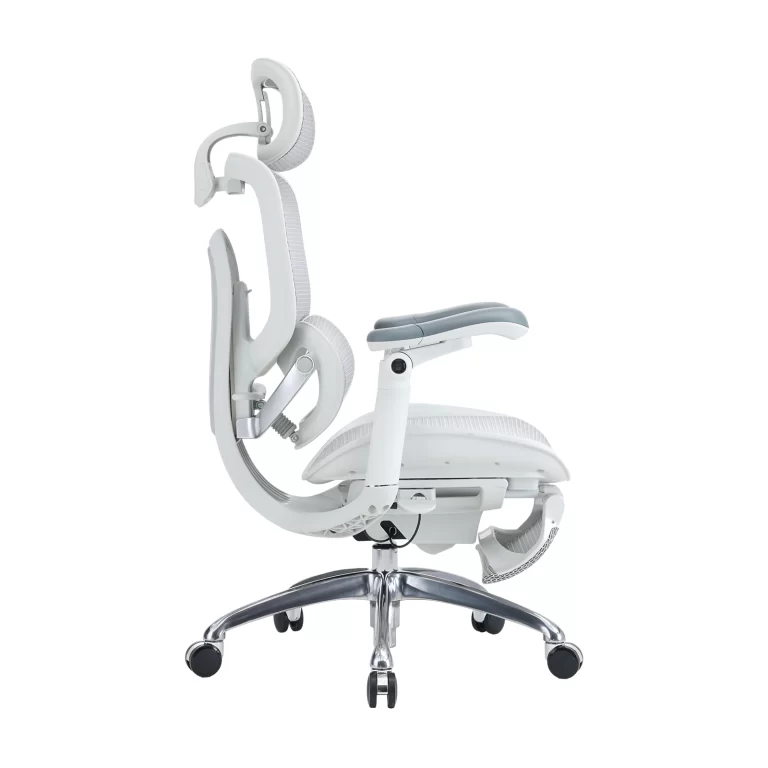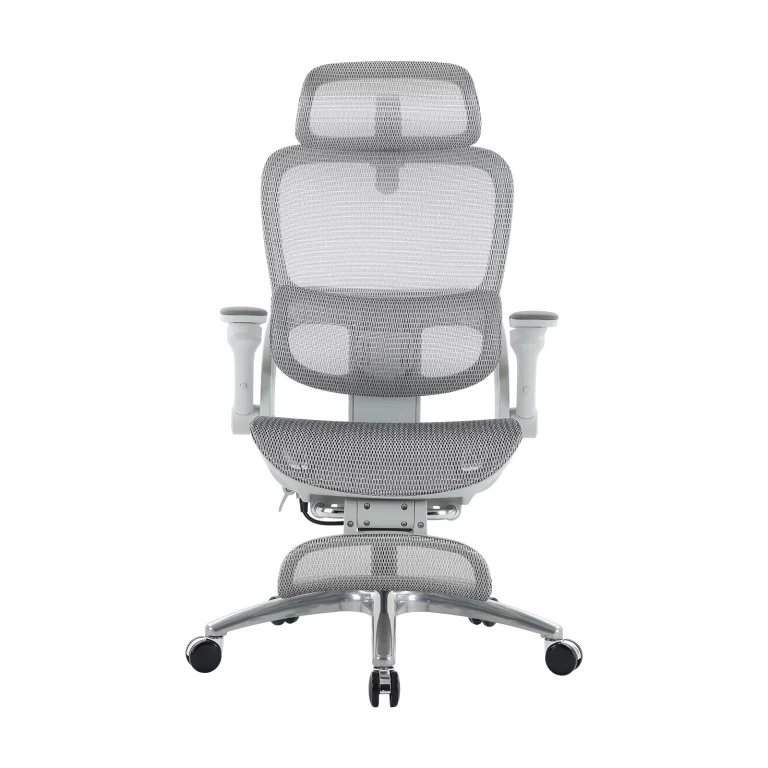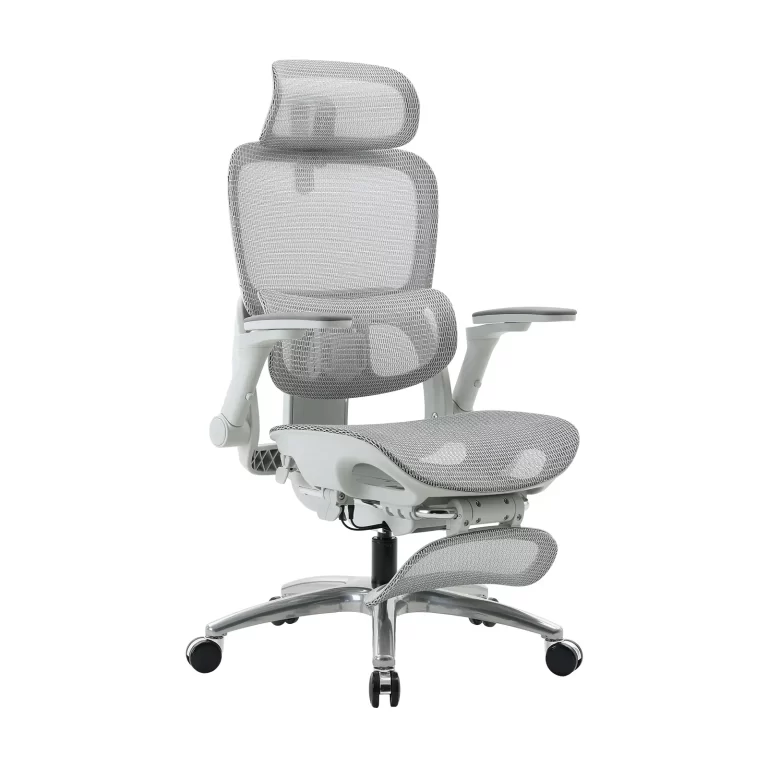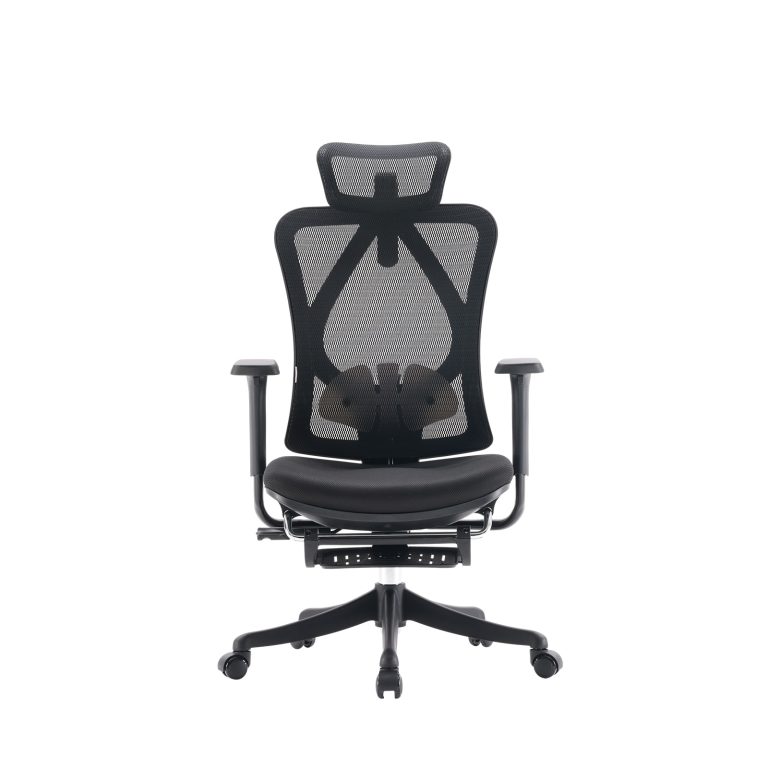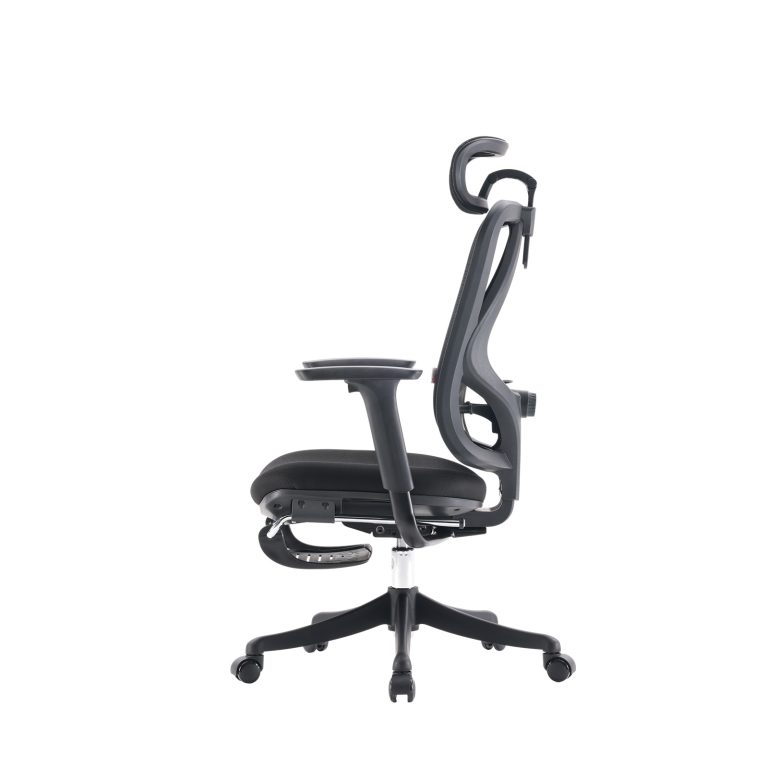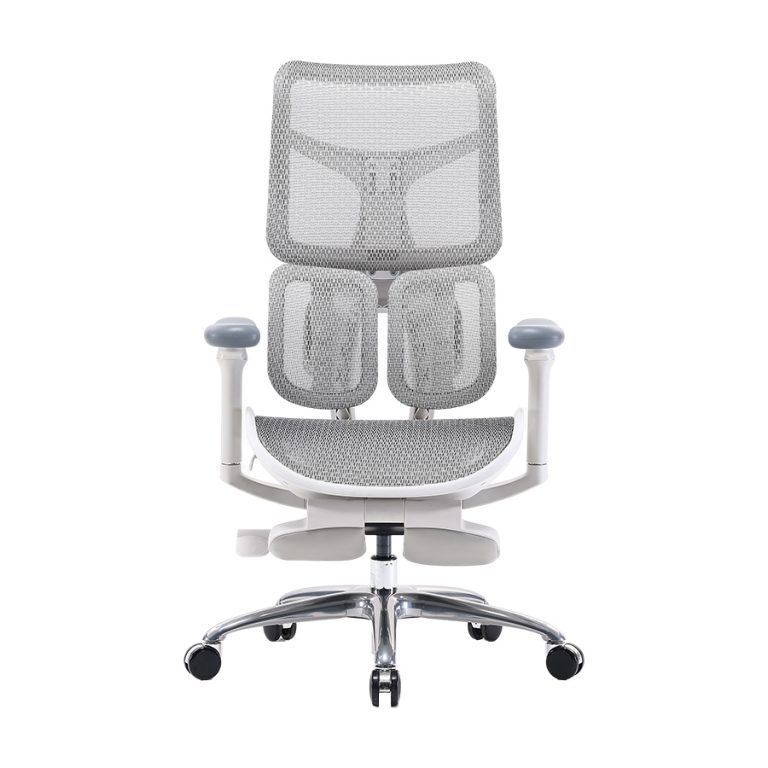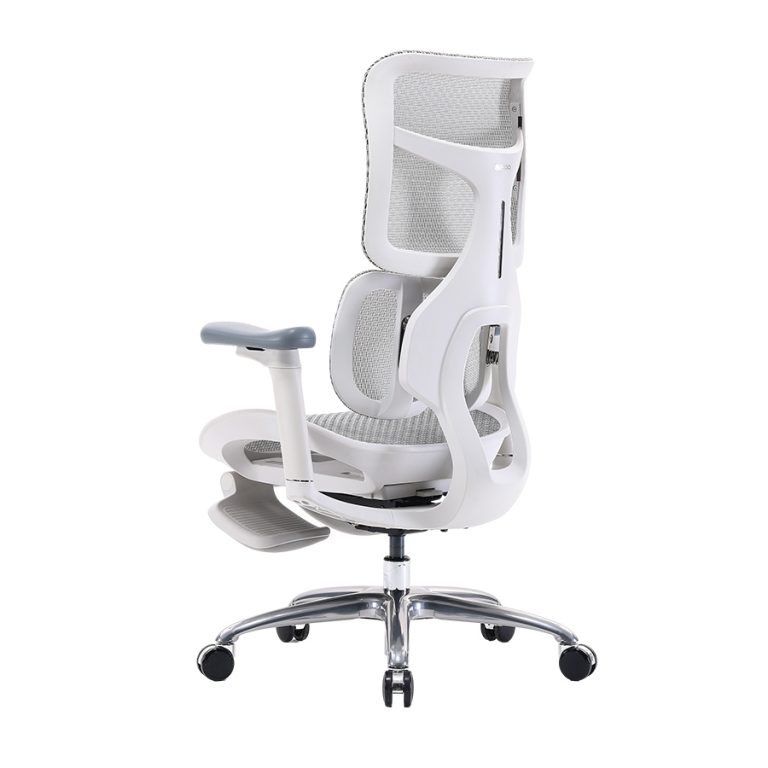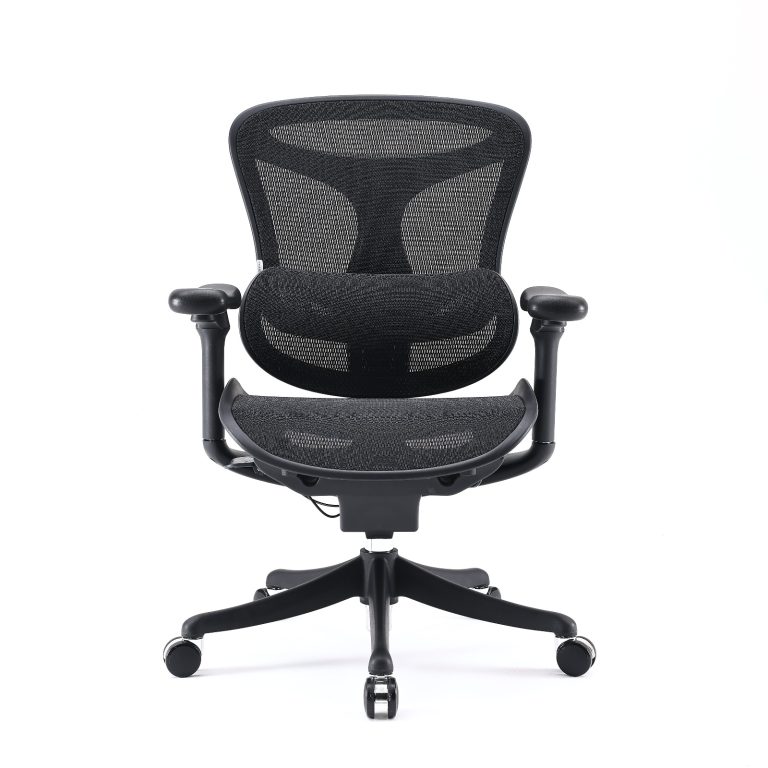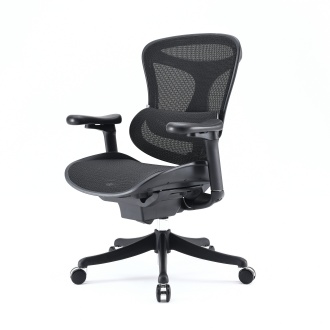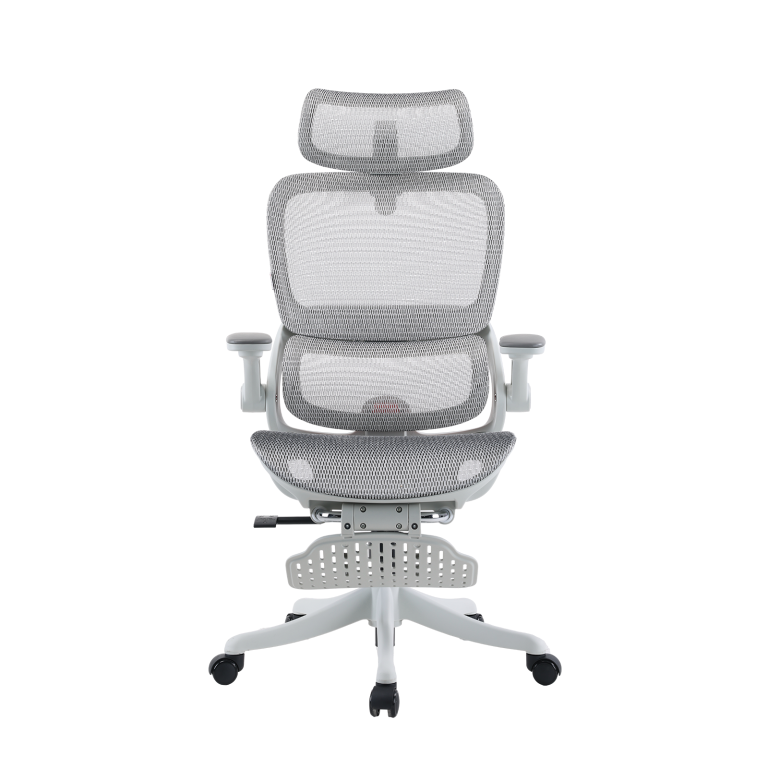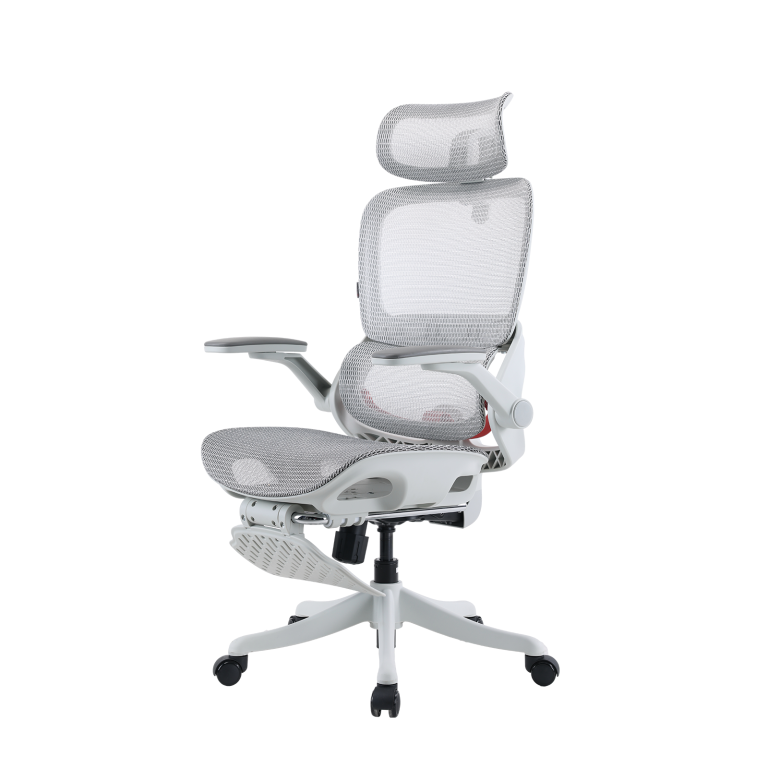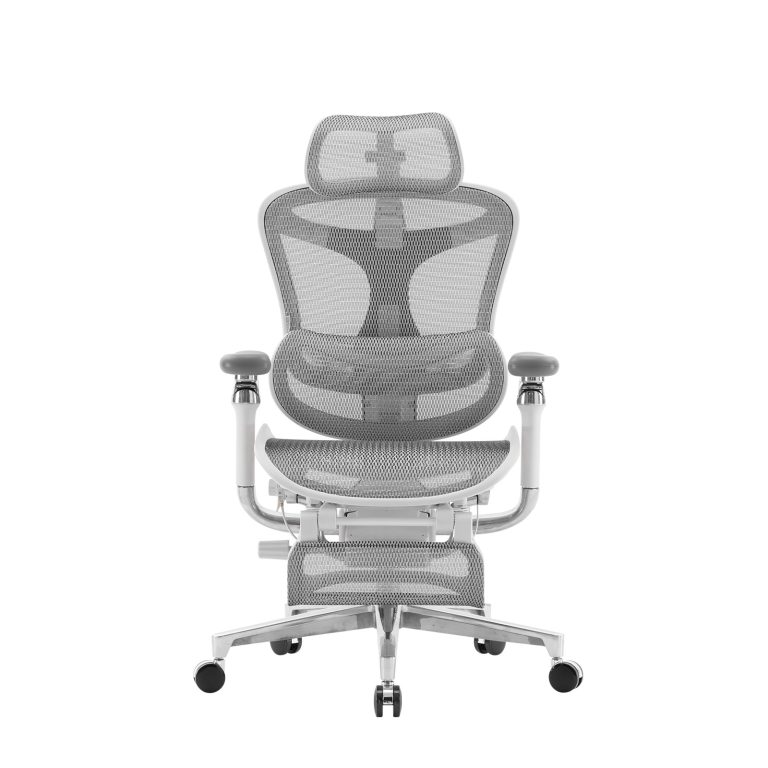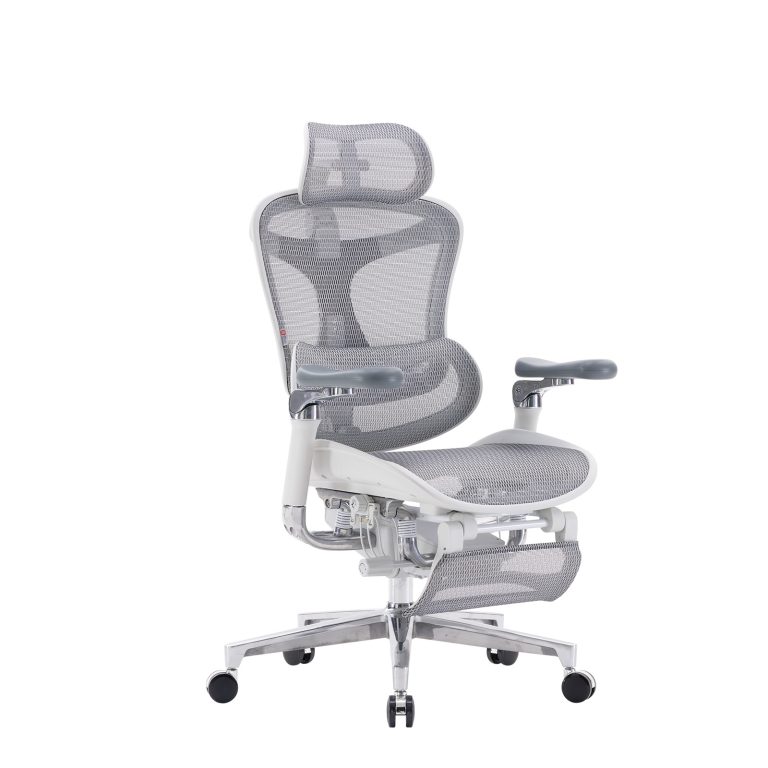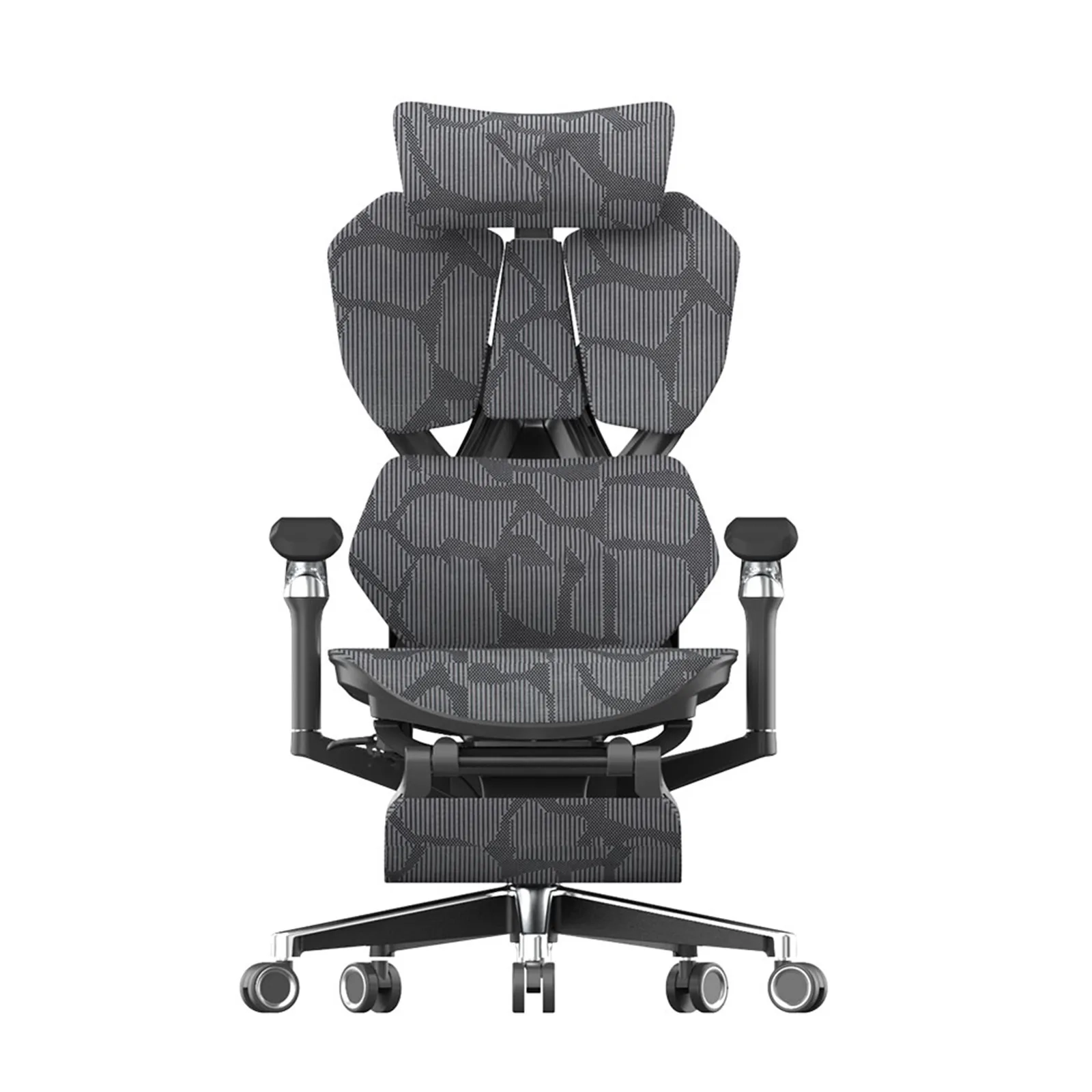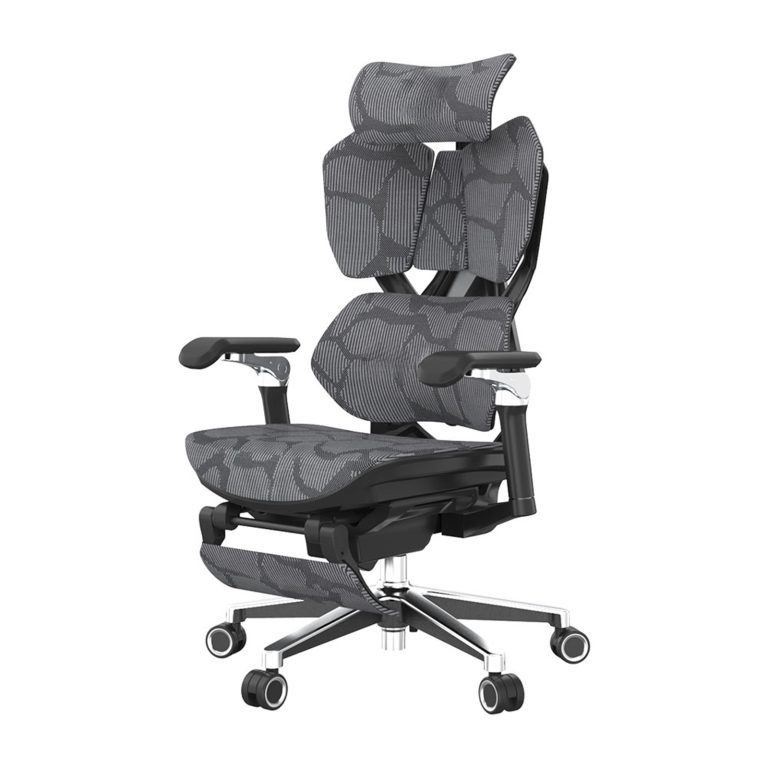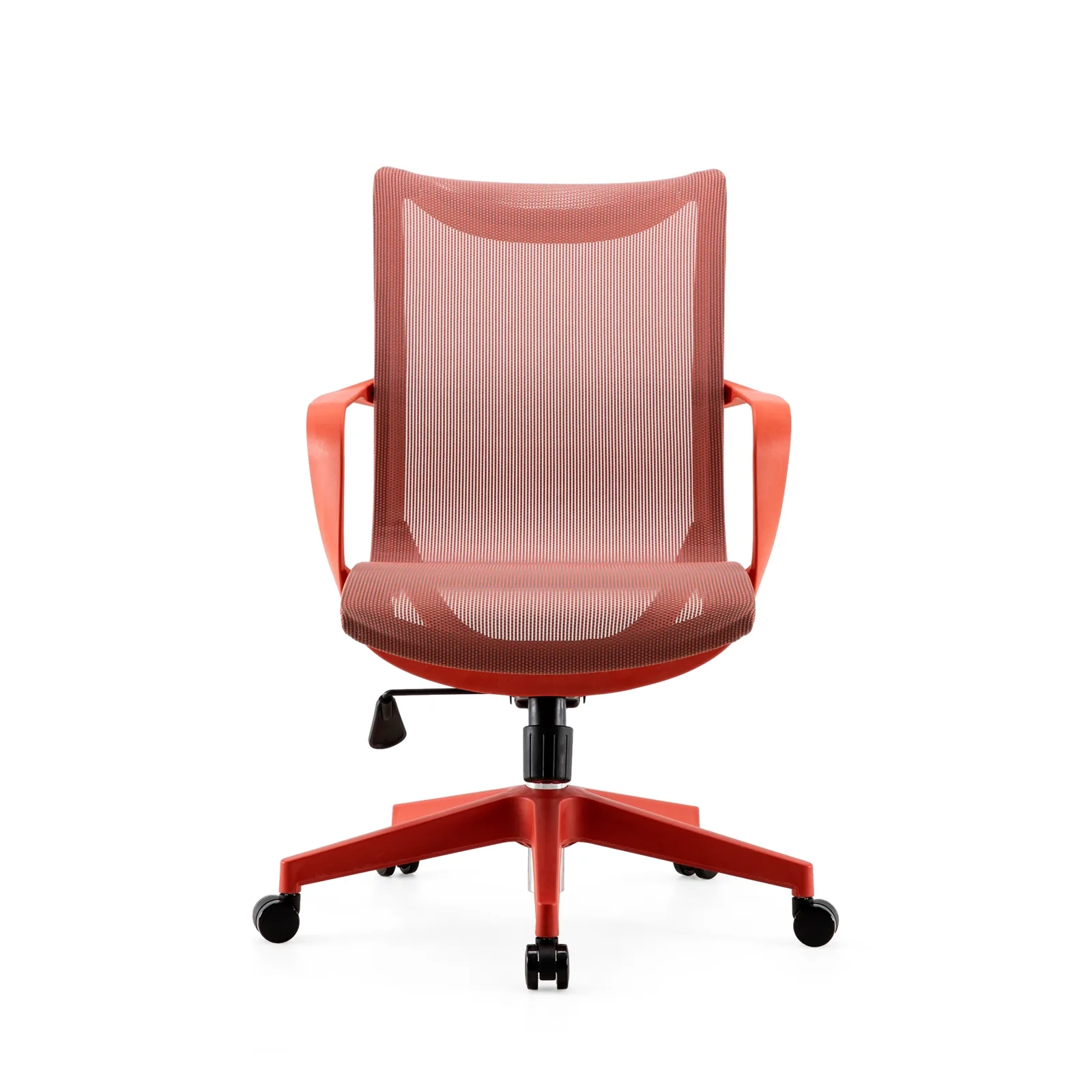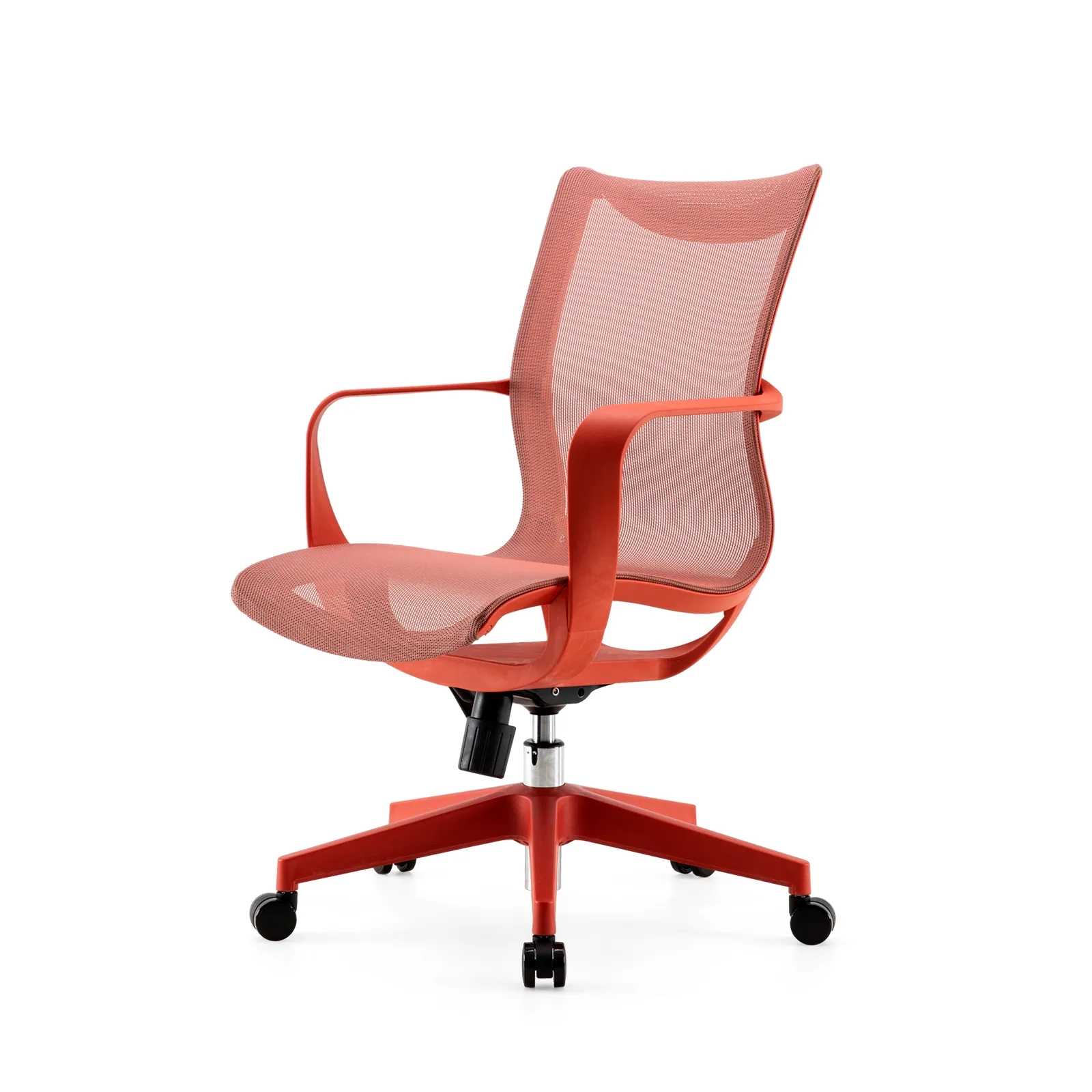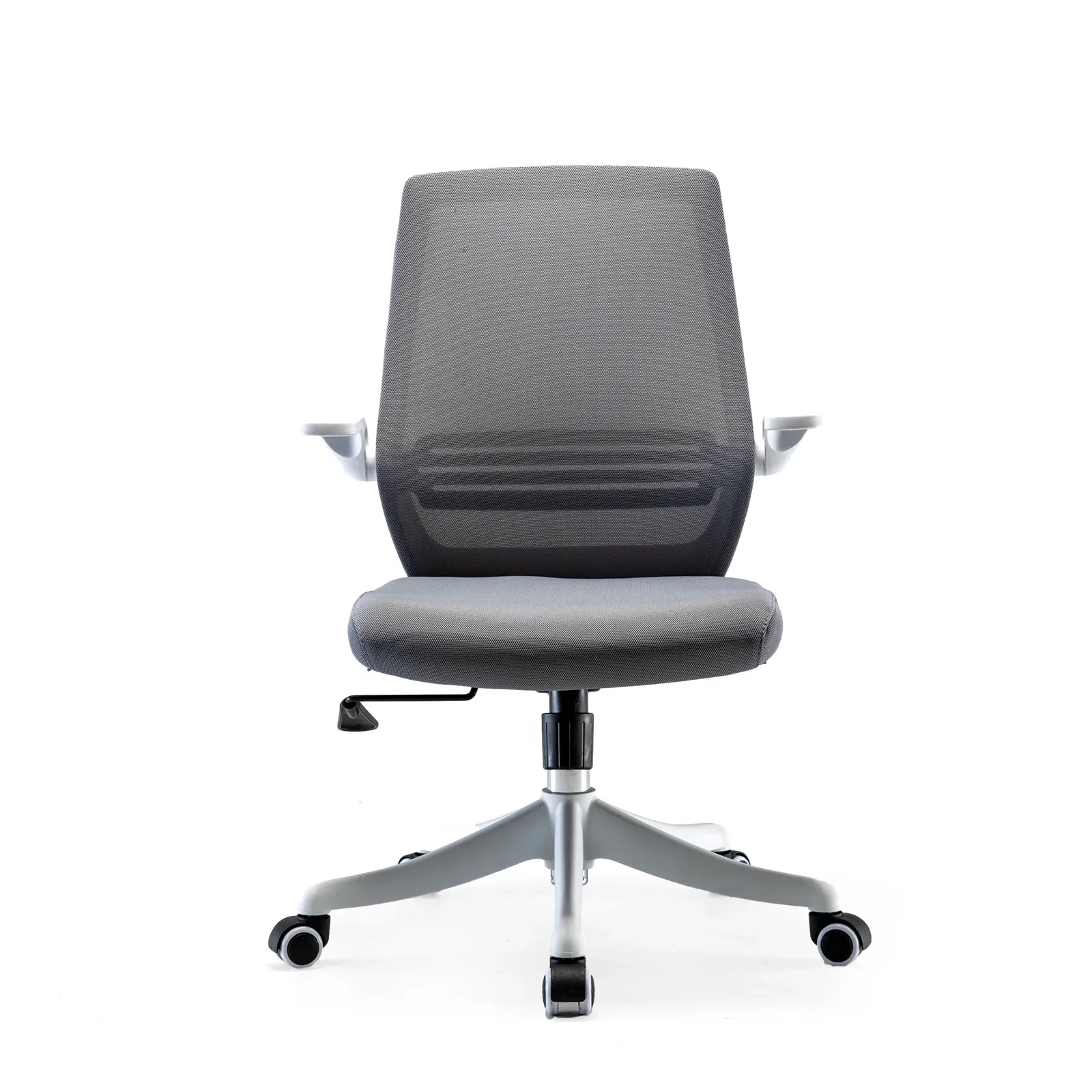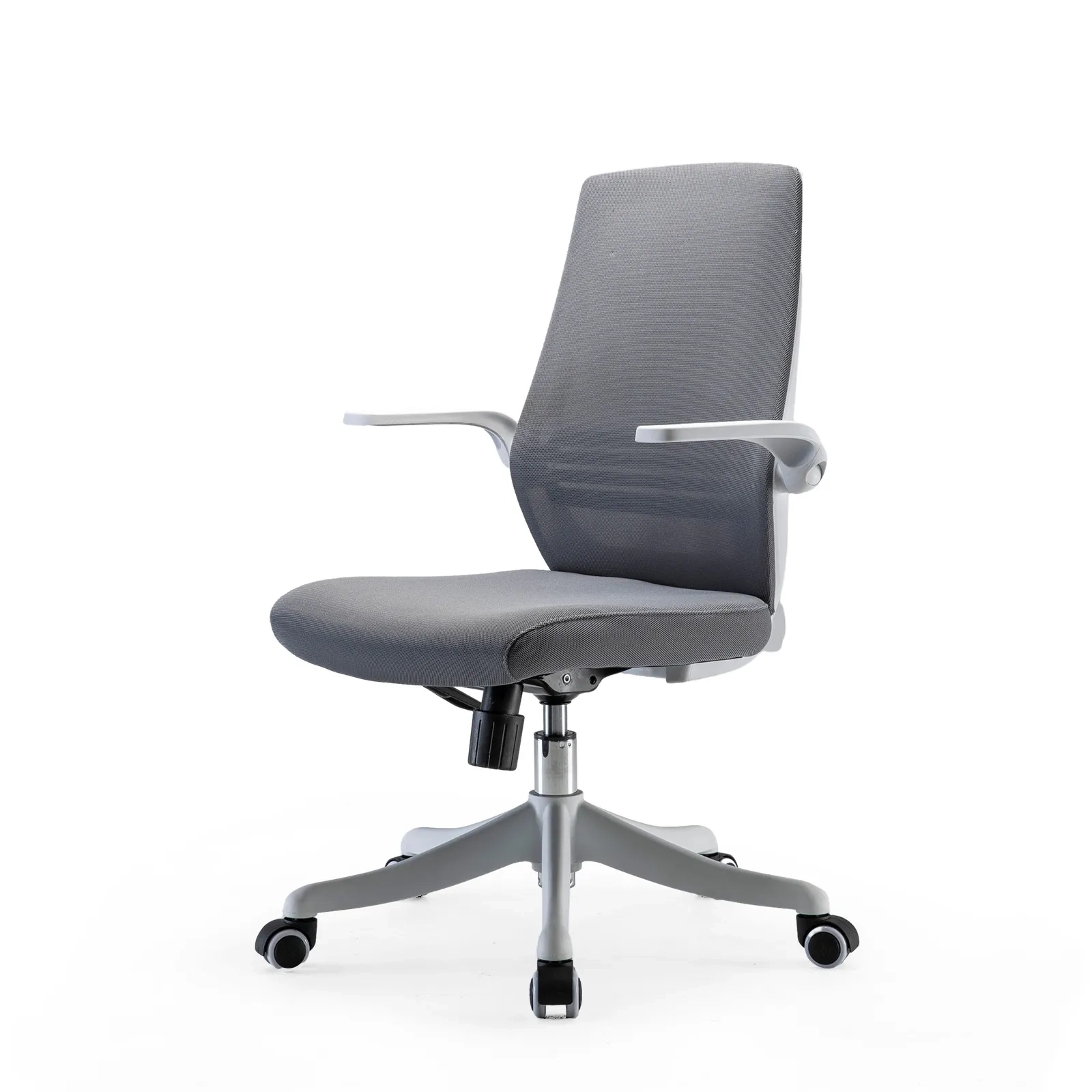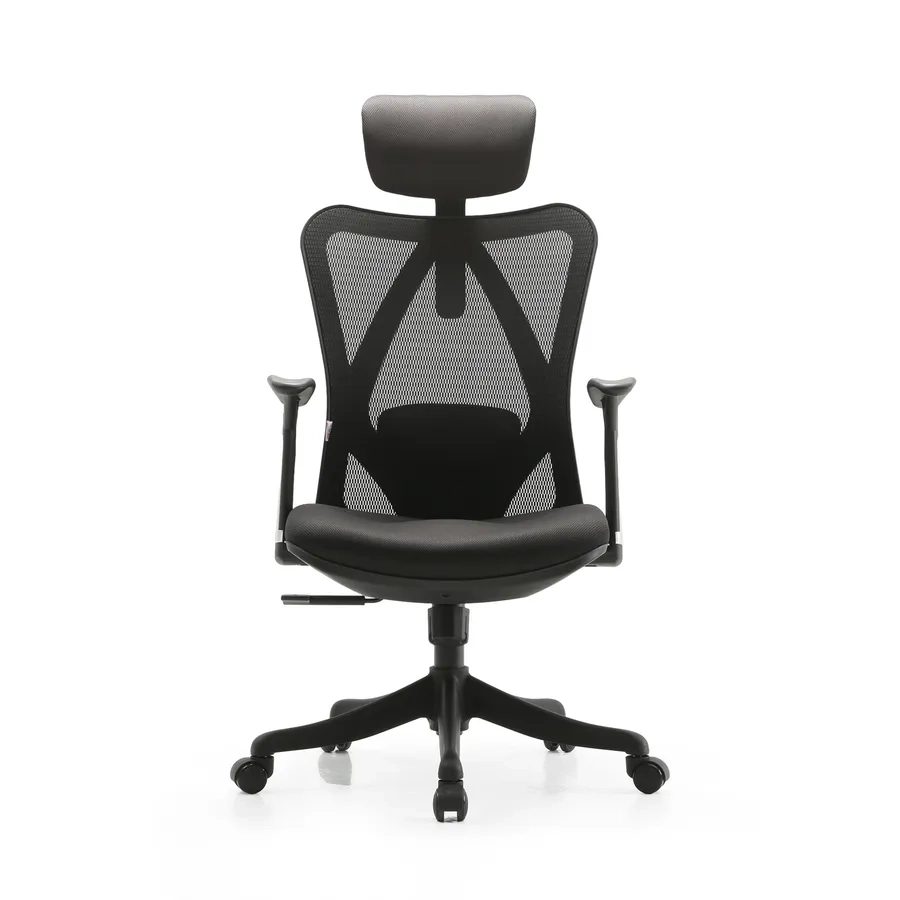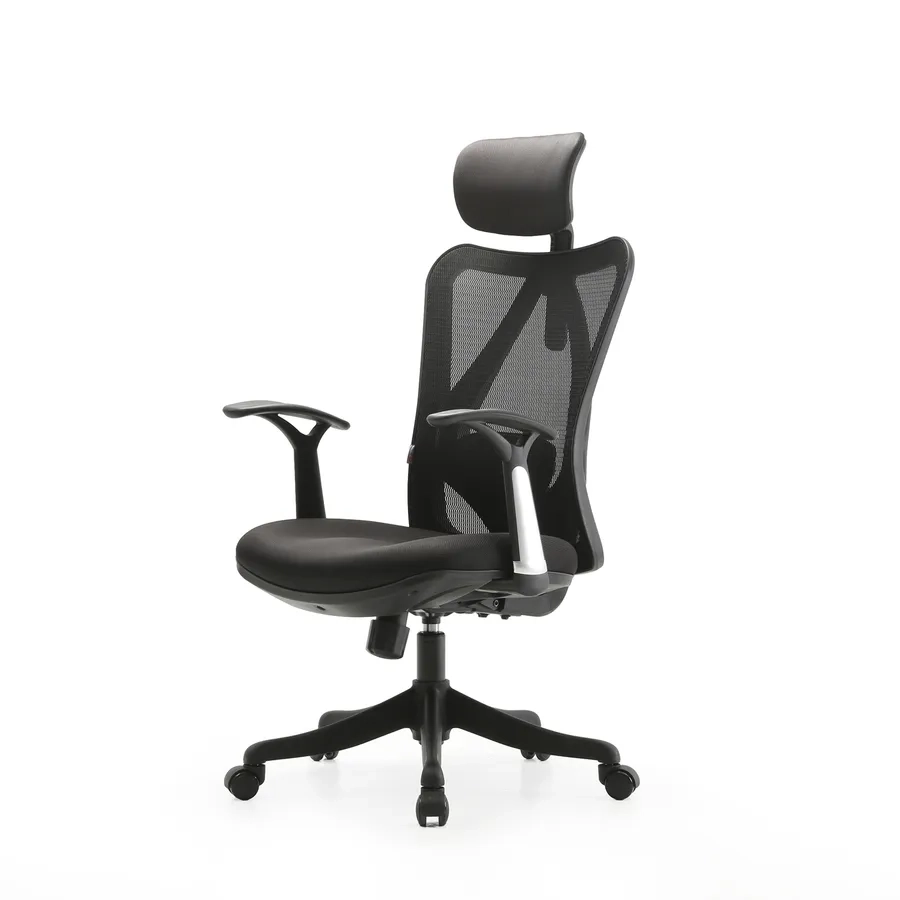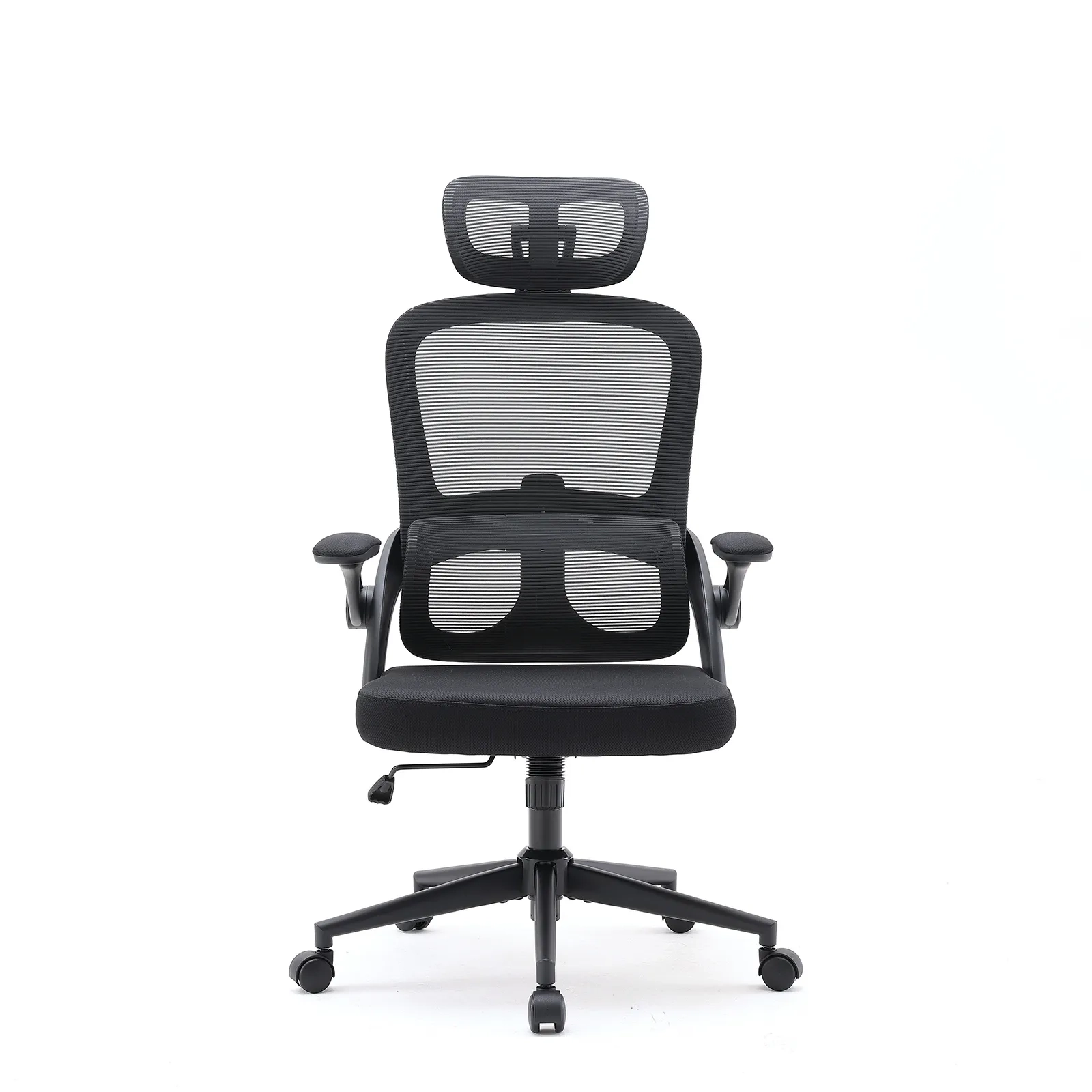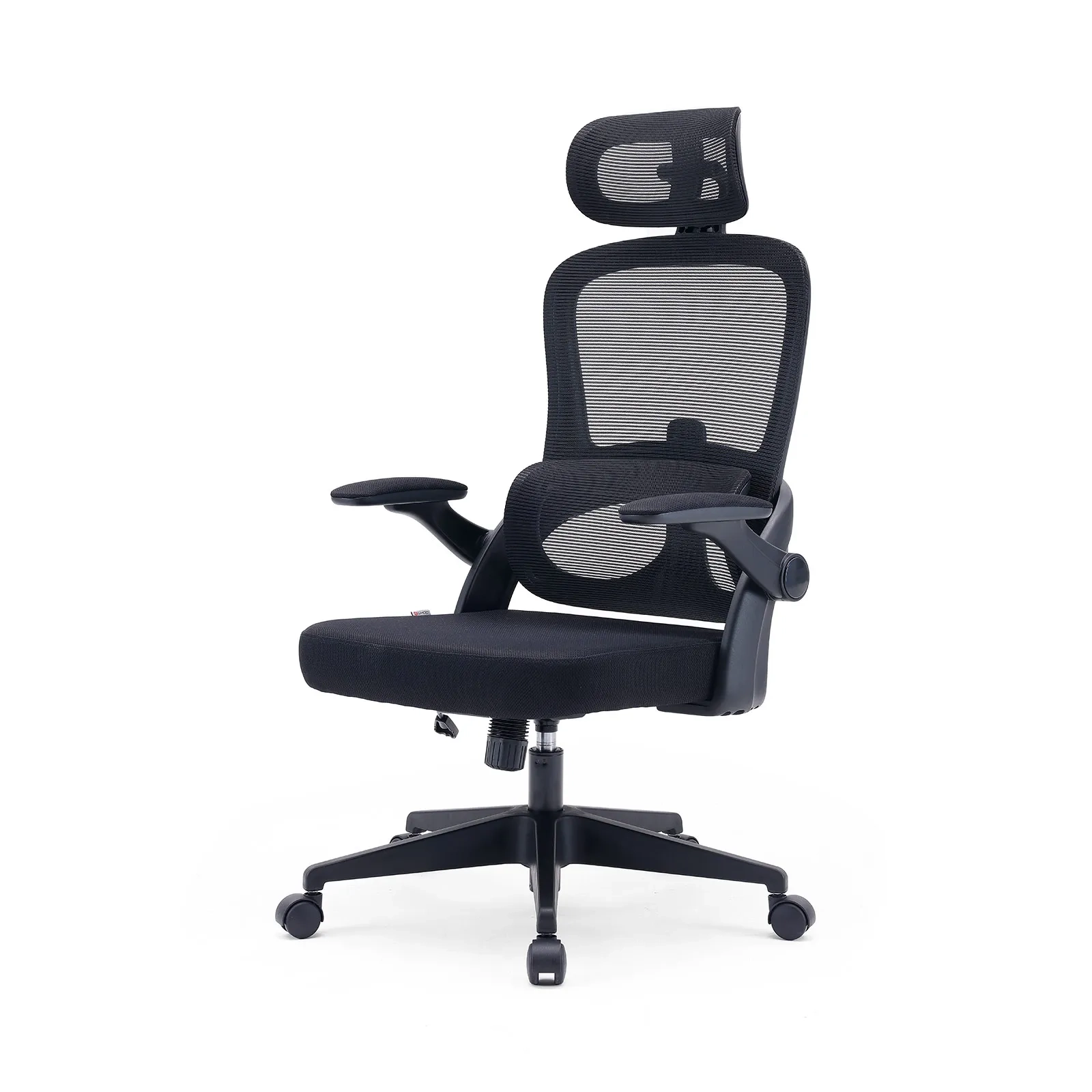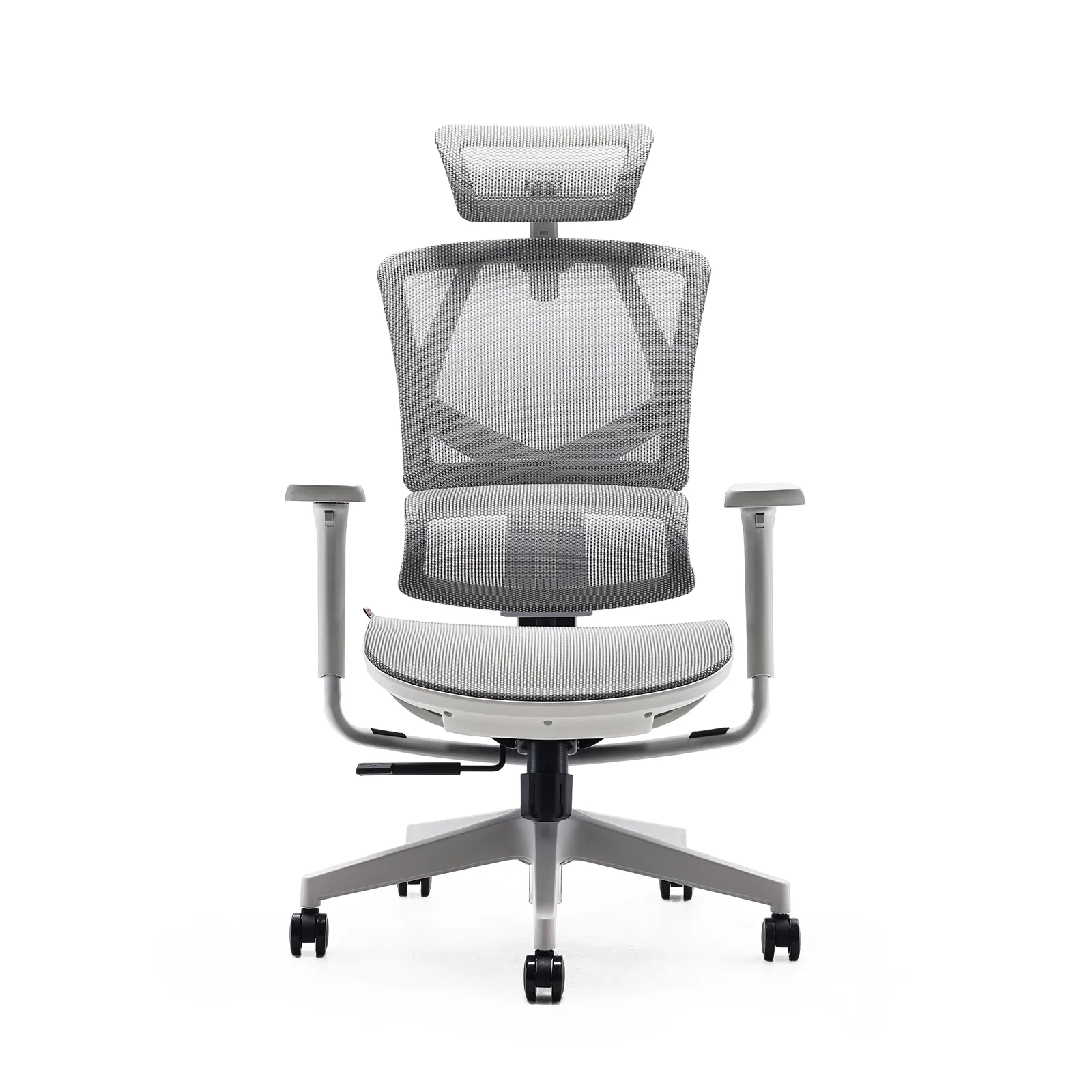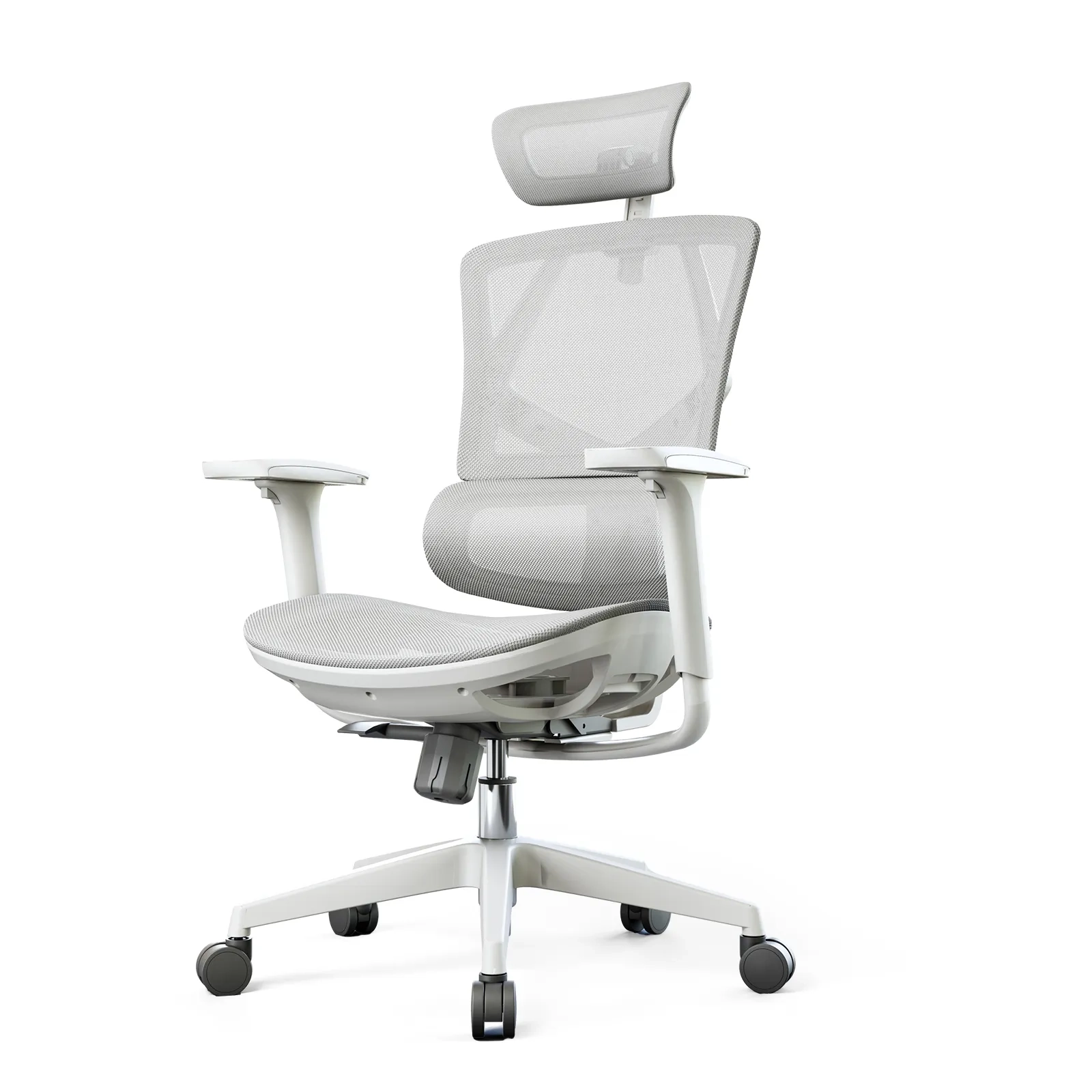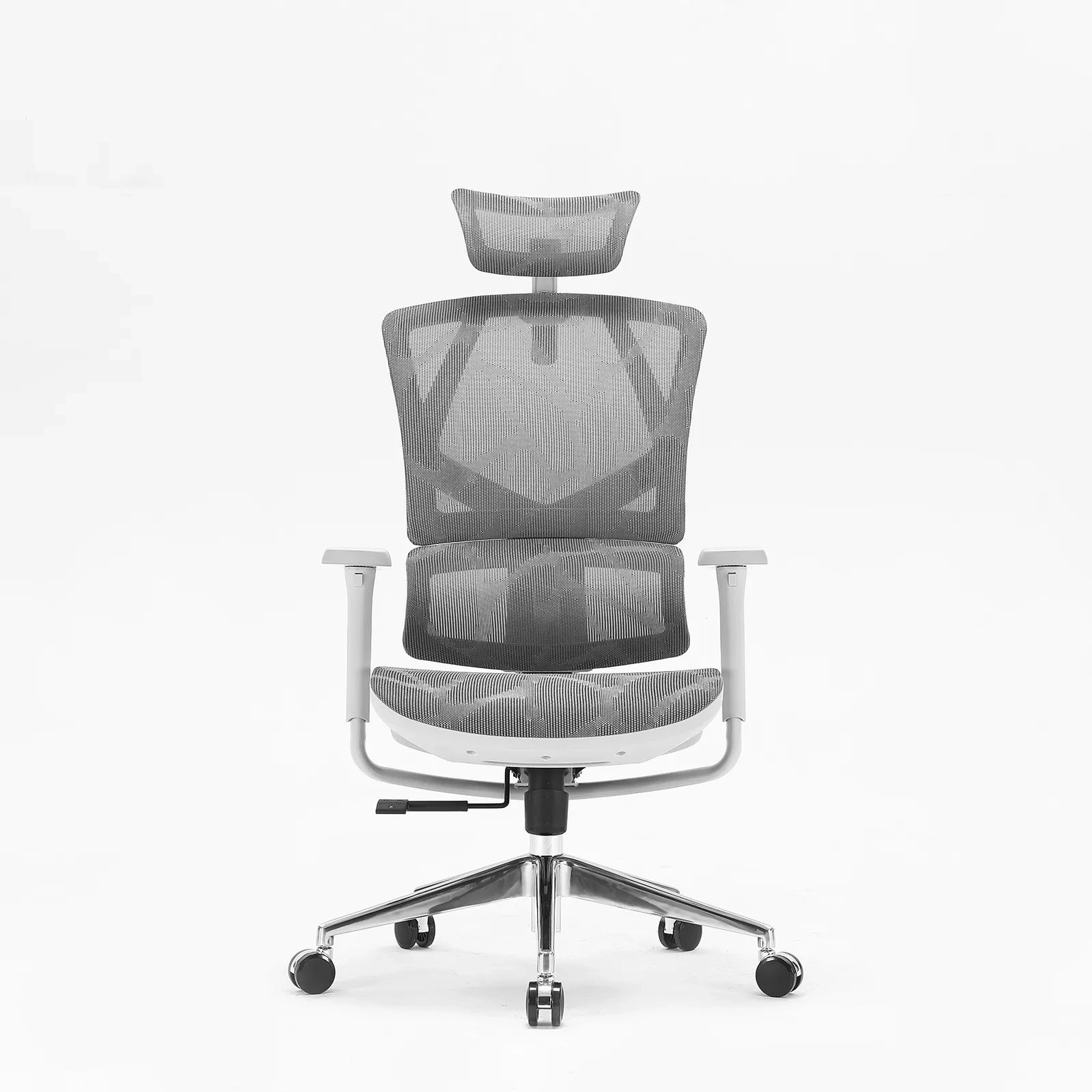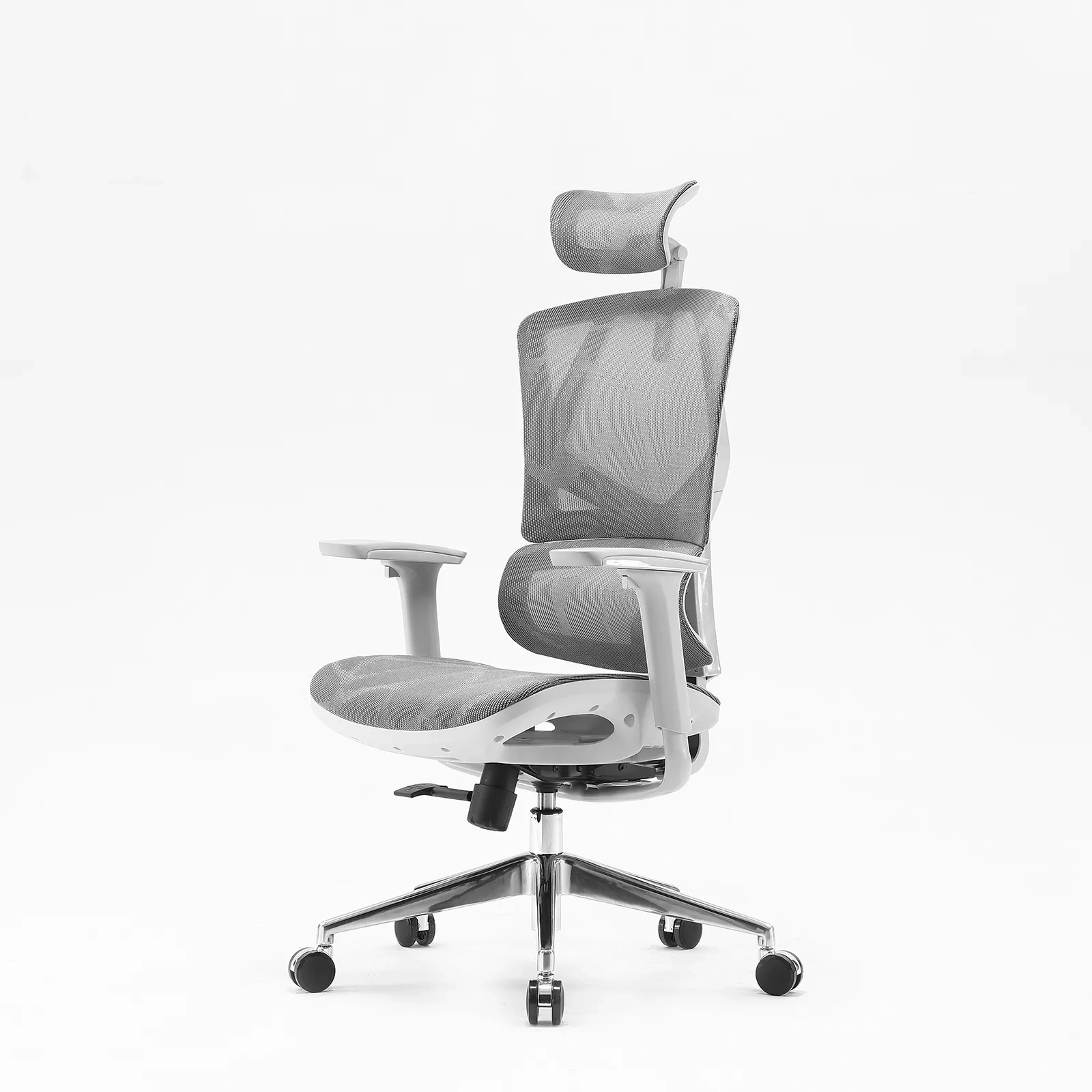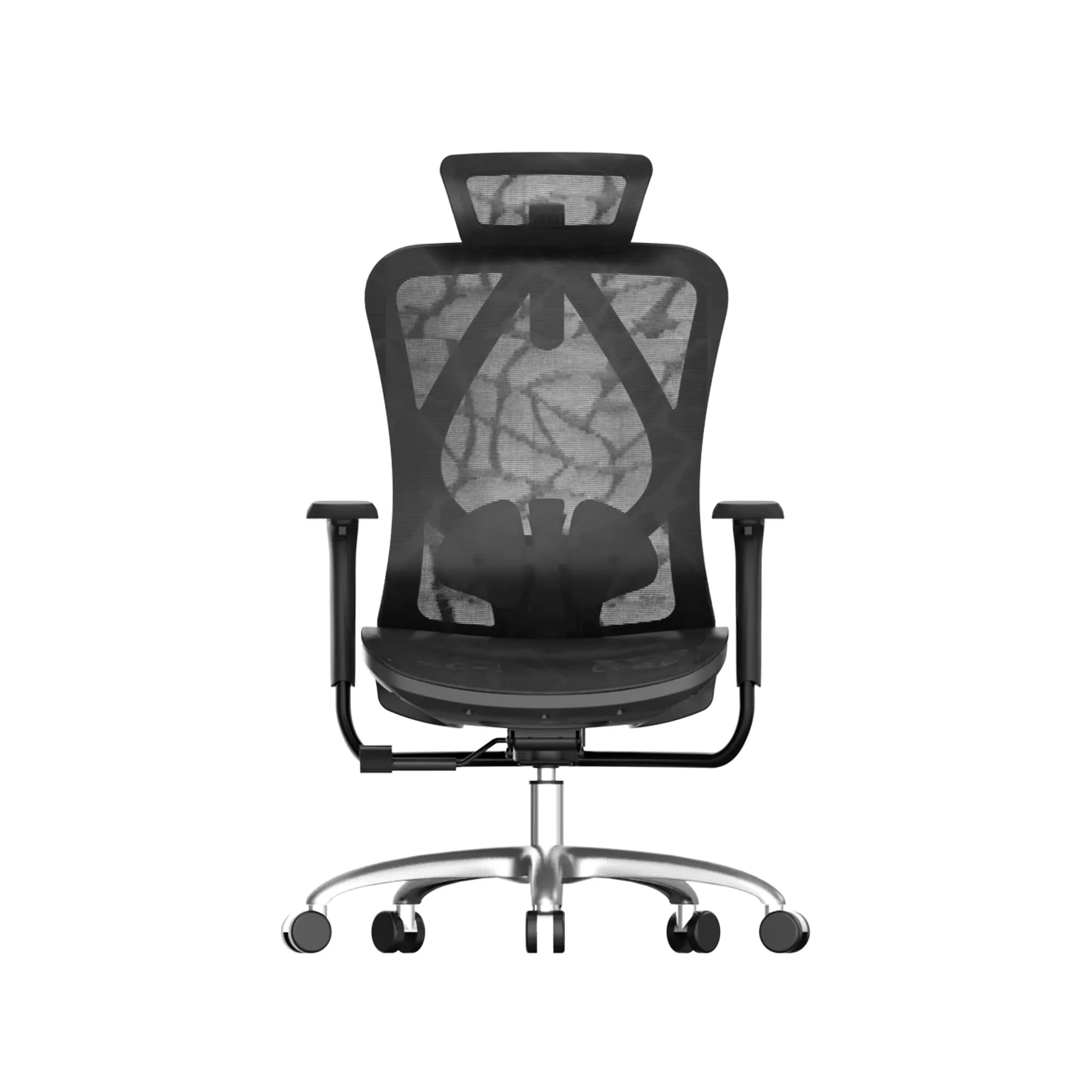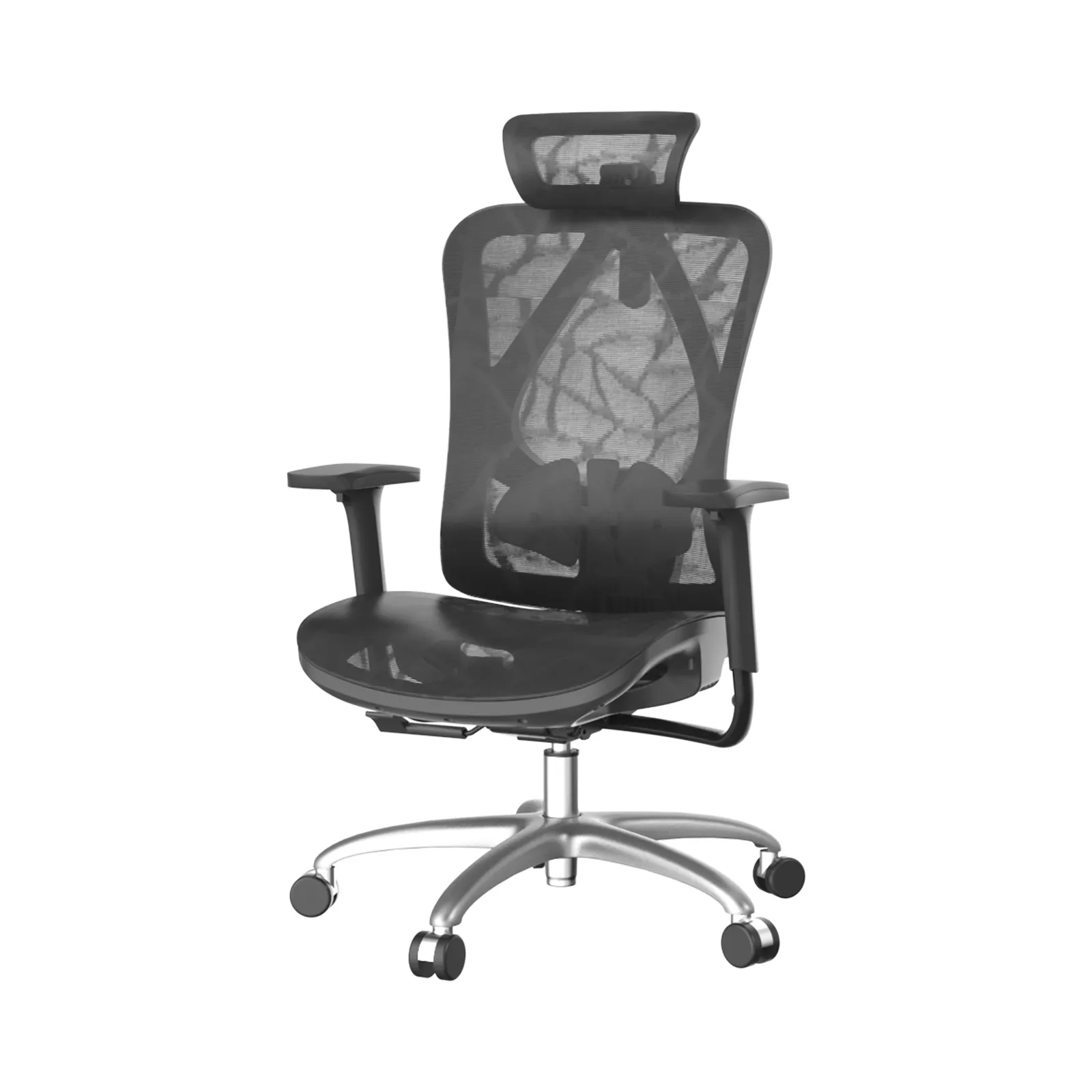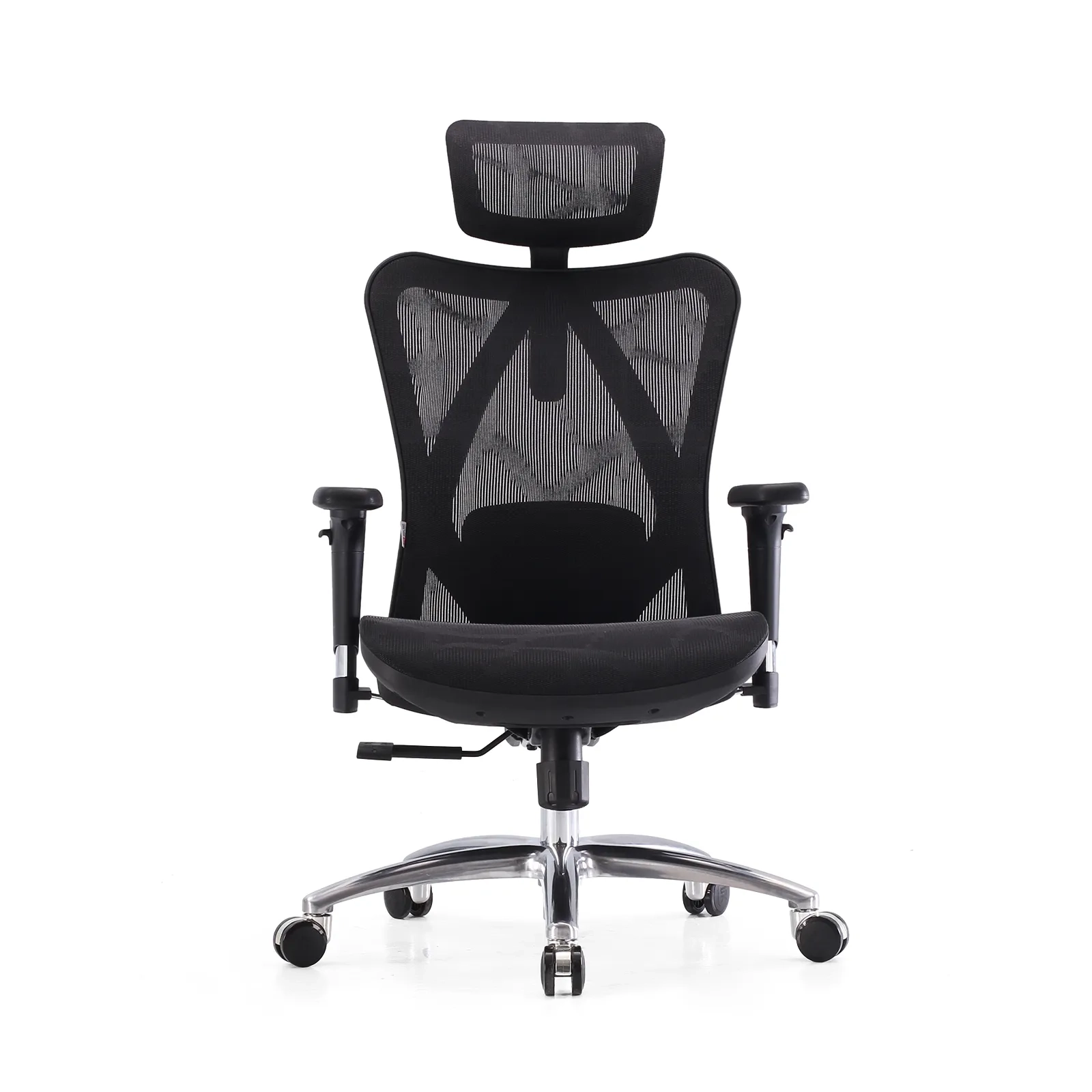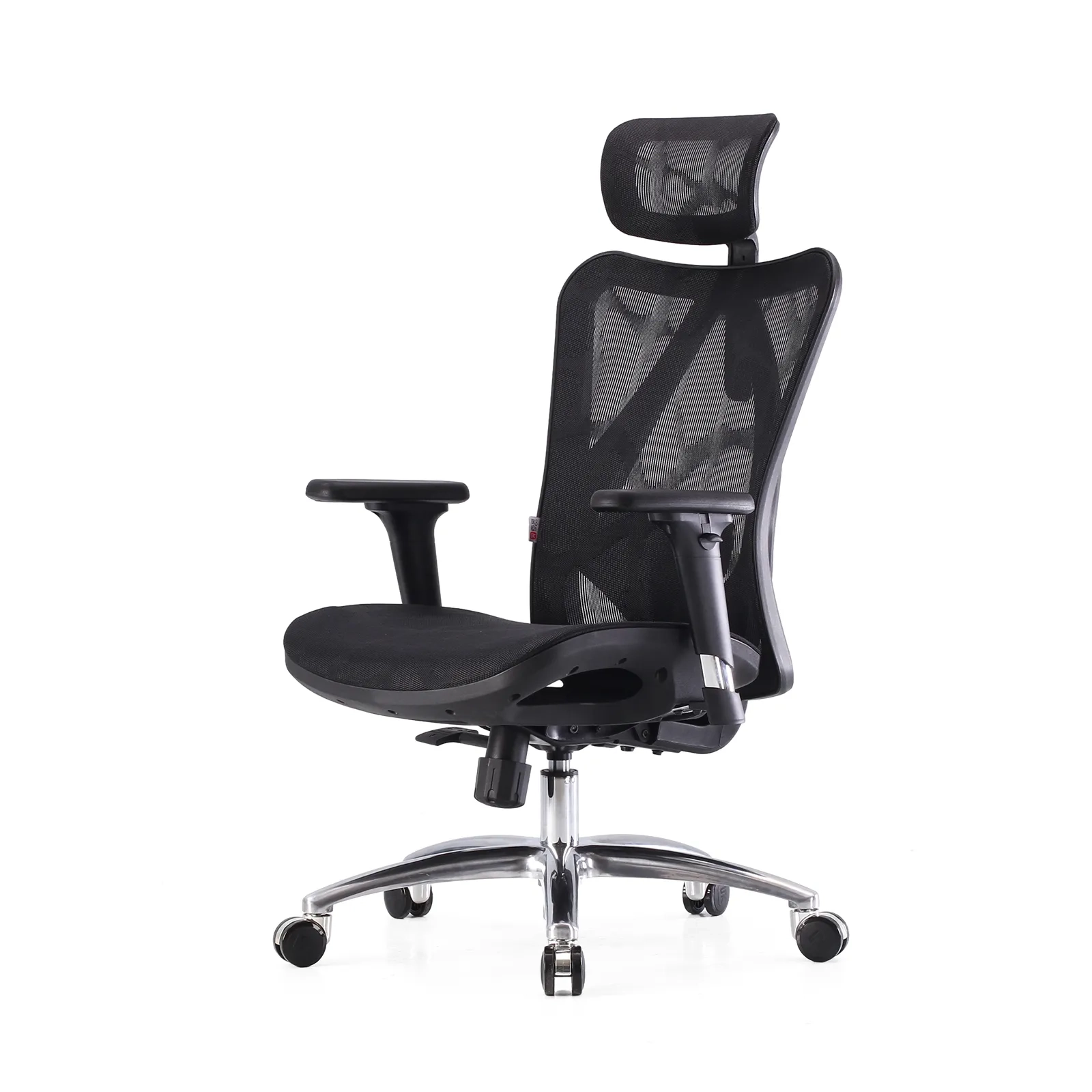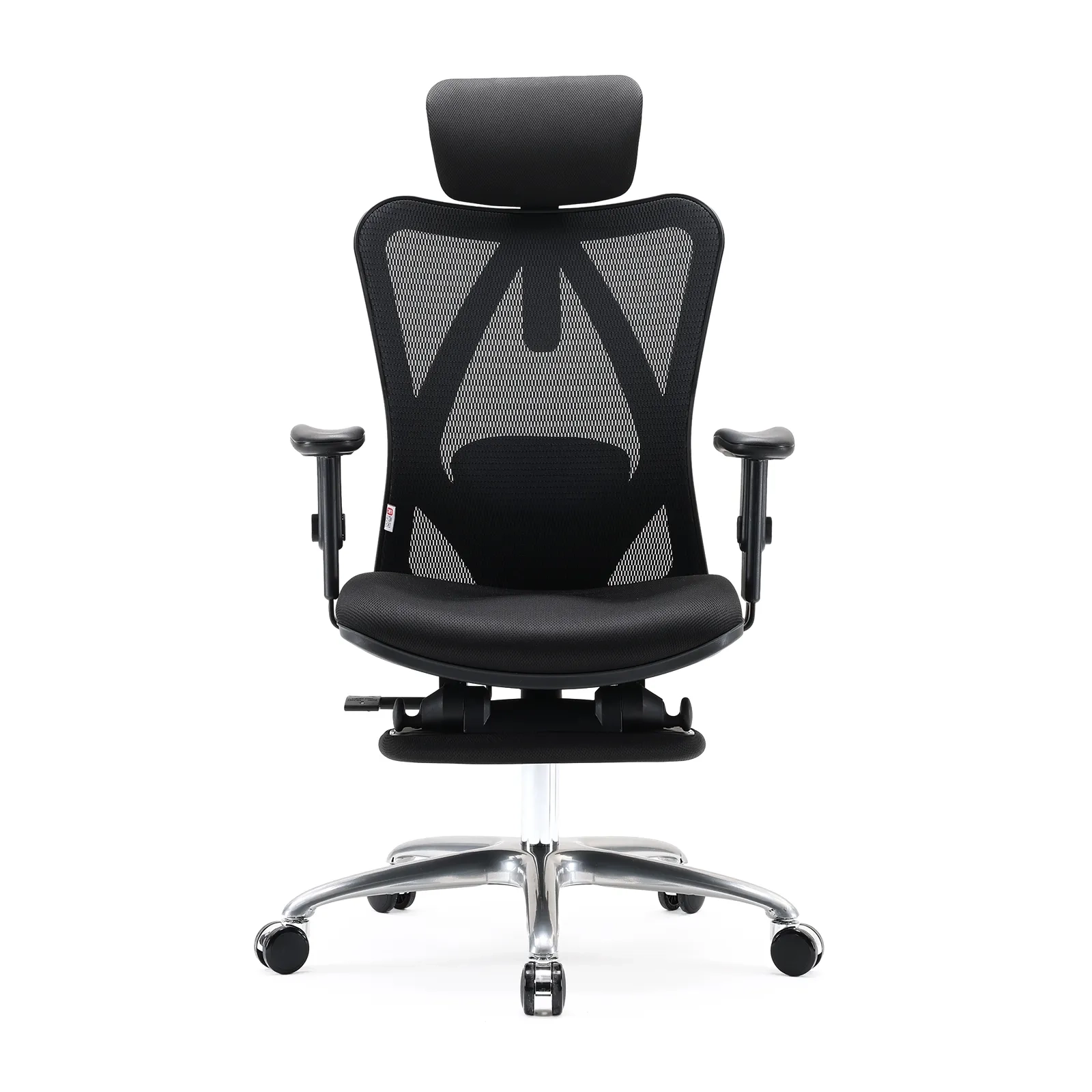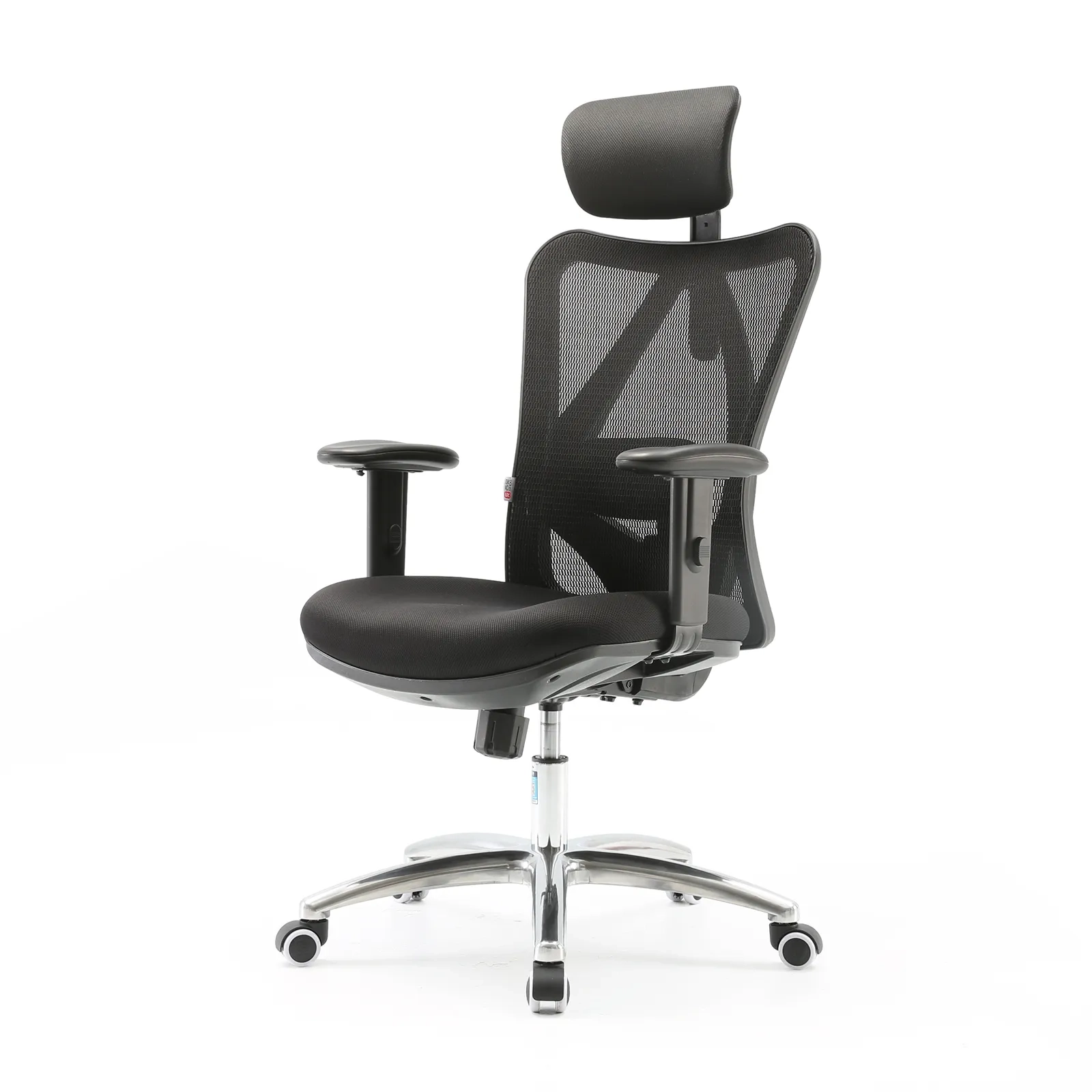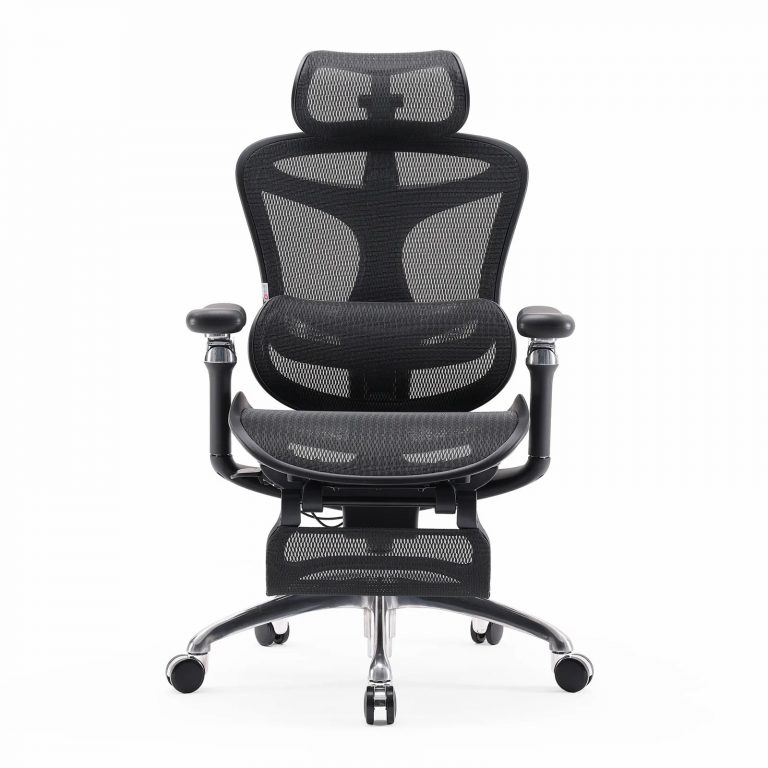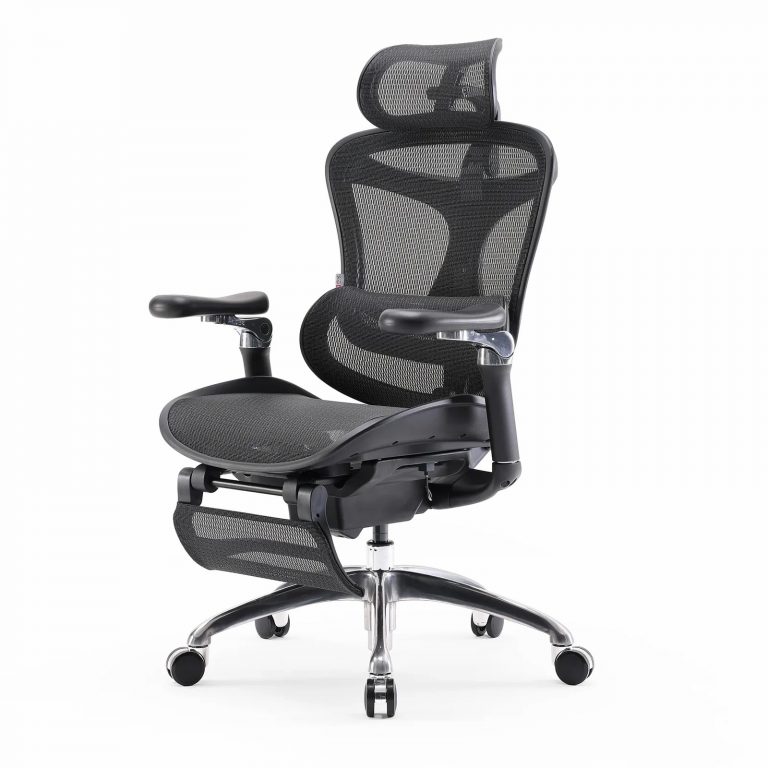









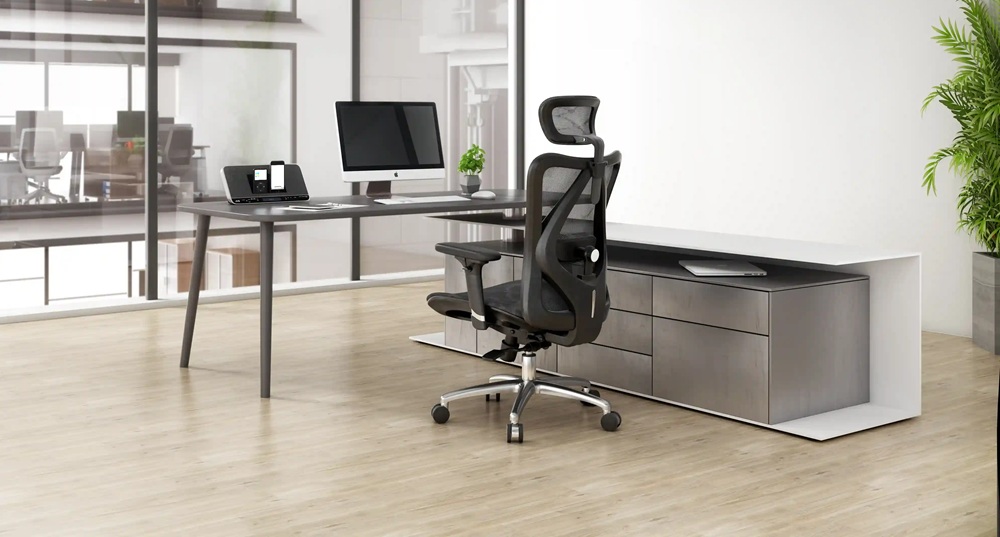
Walk into any leadership office and the chair tells you something before anyone speaks. The seat behind the desk sets the tone, and the person in it feels that tone for six or eight hours a day. Picking one well is less about price and more about fit: a chair that holds the spine and stays cool through a long afternoon beats a showy one that leaves you sore by five.
This guide breaks the choice into five checks: back height and lumbar, seat pressure relief, material and upkeep, recline and movement, and how the chair lives in its room. The aim is to help one person choose one good chair, so the talk stays on comfort and fit rather than a spec sheet. Four SIHOO mesh models close the piece to show how the checks map to real seats.
Start With the Back: Height and Lumbar
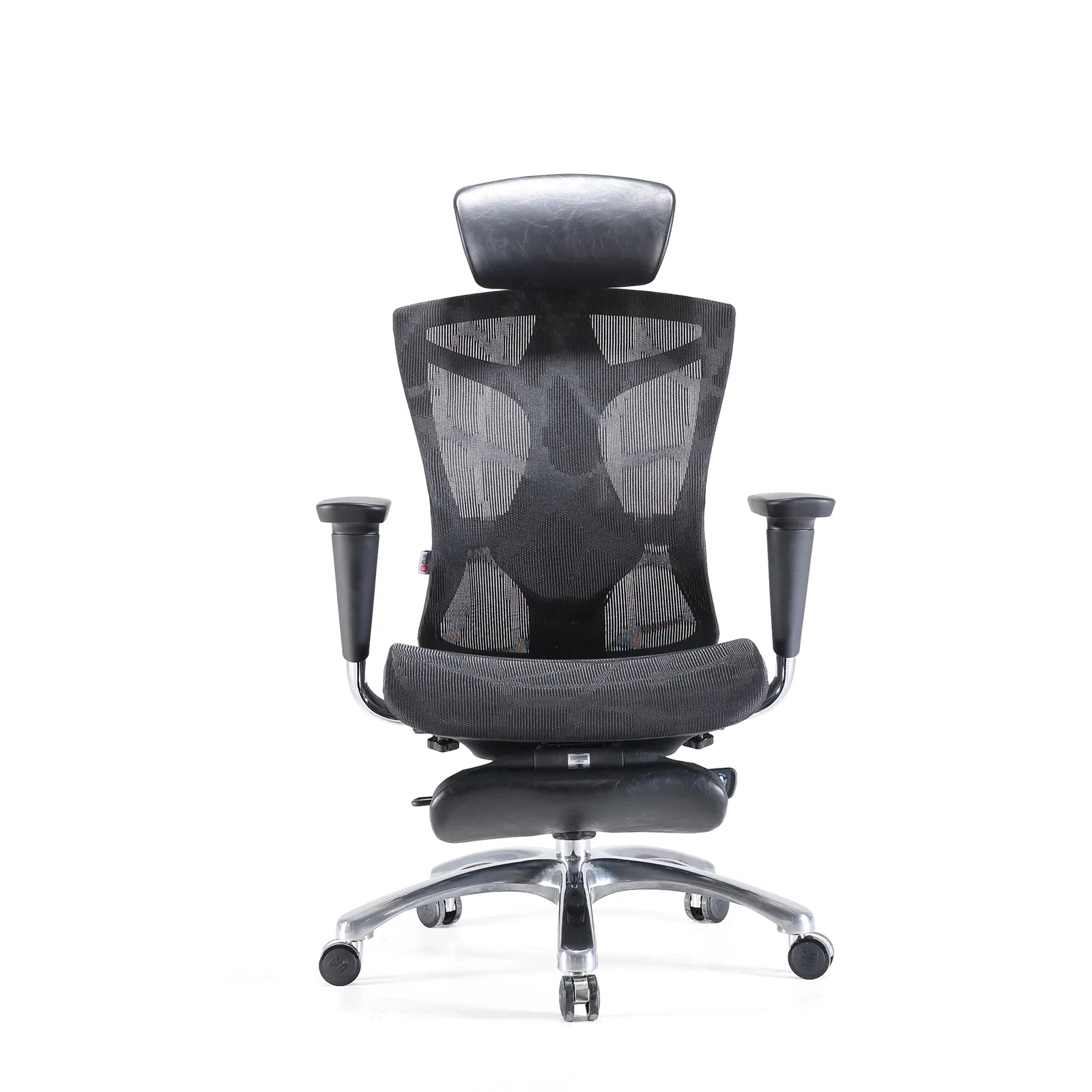
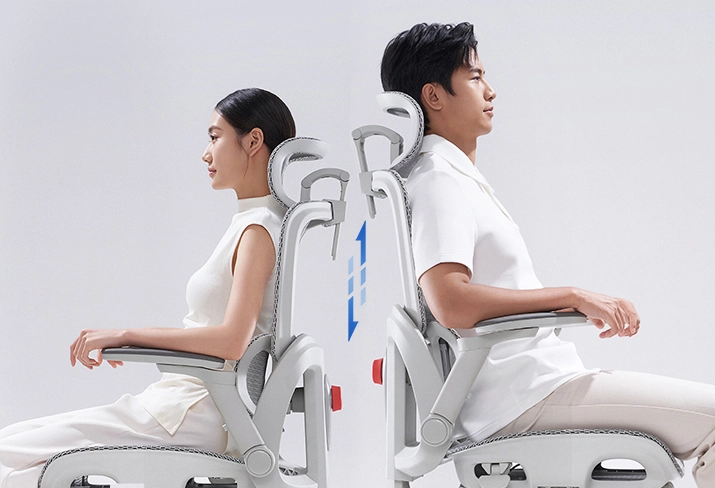
Most people feel back pain before they can name the cause, and the backrest is usually where it starts. A short task chair stops at the mid back, which leaves the shoulders and upper spine floating without support once the day runs long. An executive office chair should reach the shoulders or higher, with a lumbar section you can move to match your own curve.
Two numbers matter more than any marketing line. First, back height: the distance from the seat up to the top of the back. Second, lumbar position: how far above the seat the support sits, and whether it moves. The table below shows the typical ranges you will find across common ergonomic and executive models, mapped to body height, so you can check a chair against your own frame instead of a guess.
| Your height | Back rest height from seat | Where the back should reach | Lumbar support above seat |
|---|---|---|---|
| 150-160 cm | 55-62 cm | Mid to upper back | 16-20 cm |
| 160-170 cm | 60-68 cm | Shoulders | 18-21 cm |
| 170-180 cm | 65-73 cm | Shoulders to neck | 19-22 cm |
| 180-190 cm | 72-80 cm | Neck | 20-23 cm |
| 190 cm and up | 78-88 cm | Above the neck | 21-25 cm |
A high back that meets the neck takes load off the upper spine, which counts most for people who sit six hours straight. Adjustable lumbar beats a fixed bulge because one static pad fits a single torso and irritates the rest; a dial or slider with roughly 5-8 cm of travel meets whoever sits down next. The guide to mesh back chairs walks through the adjustment points that separate a real support system from a padded shell.
If you check one thing only, check the back. The chair that holds the spine is the one still in use at the end of the day.
Seat and Pressure Relief
Sit on a flat seat for two or three hours and the legs tell you the problem before your brain does. The thighs start to tingle, a hard line forms under the knees, and blood slows where the seat pins your weight to one narrow band. That numbness is not weakness. It is the seat pressing load into a single edge instead of spreading it, and by the third hour the meeting you sat through leaves you stiff instead of rested.
The fix is a seat that relieves pressure rather than creating it. Weight should fan out across the whole panel, not pile onto the front edge under the legs. A contoured front edge removes that hard line so the thigh stays supported without a cutting seam. Across the hips, a surface that flexes as you shift keeps circulation moving better than a flat pad that locks you in one spot. Foam does this with thickness; mesh does it with a panel that gives a little with every move.
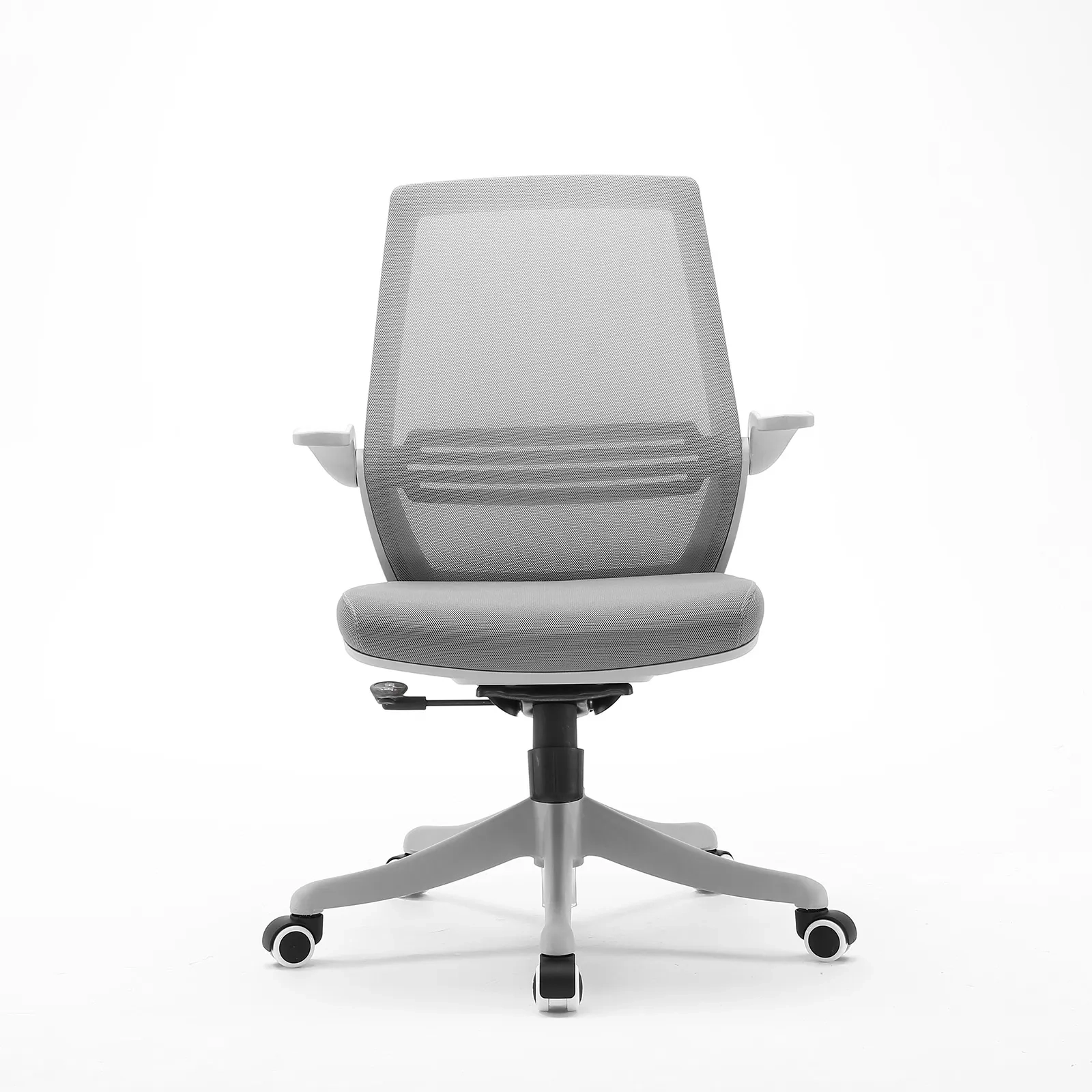
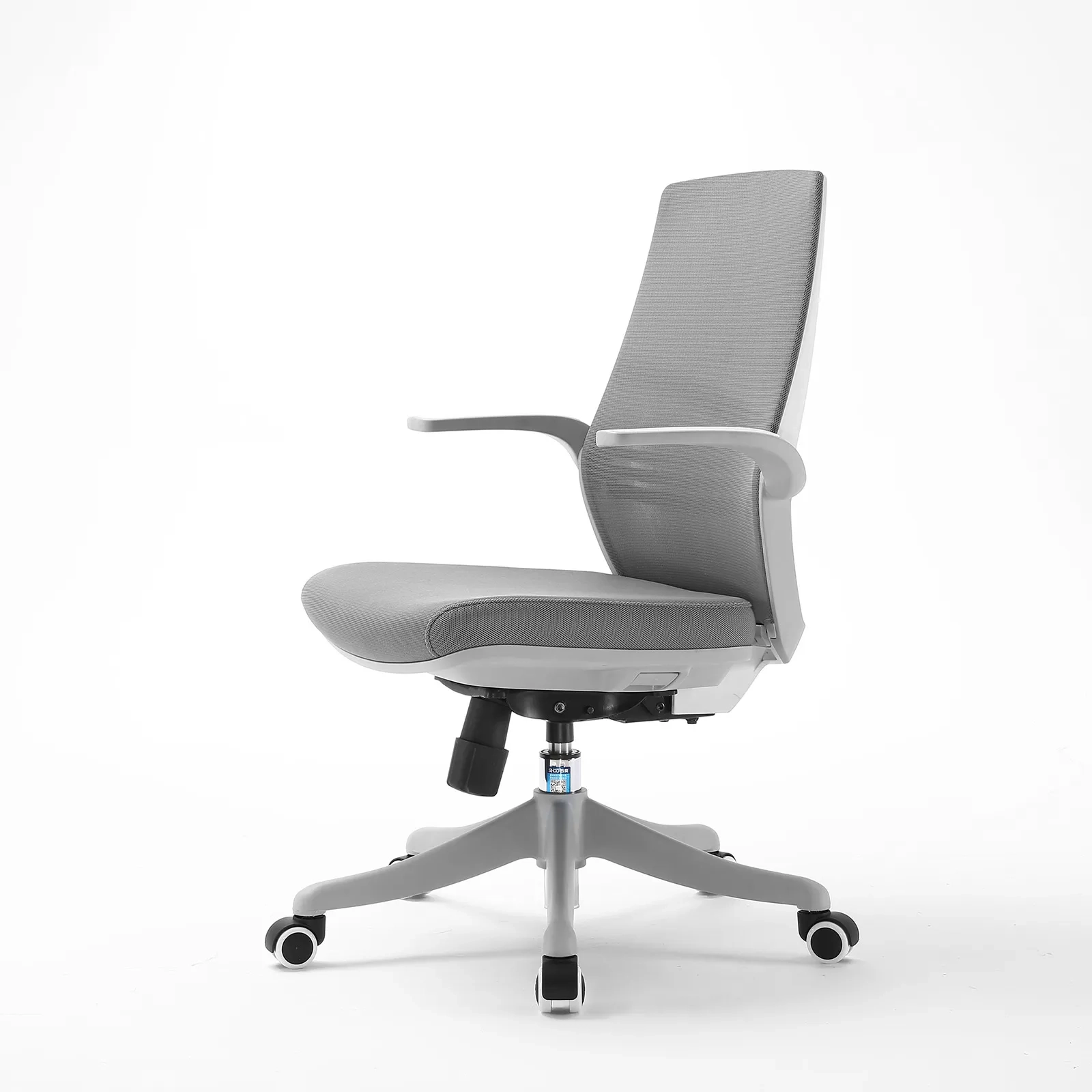
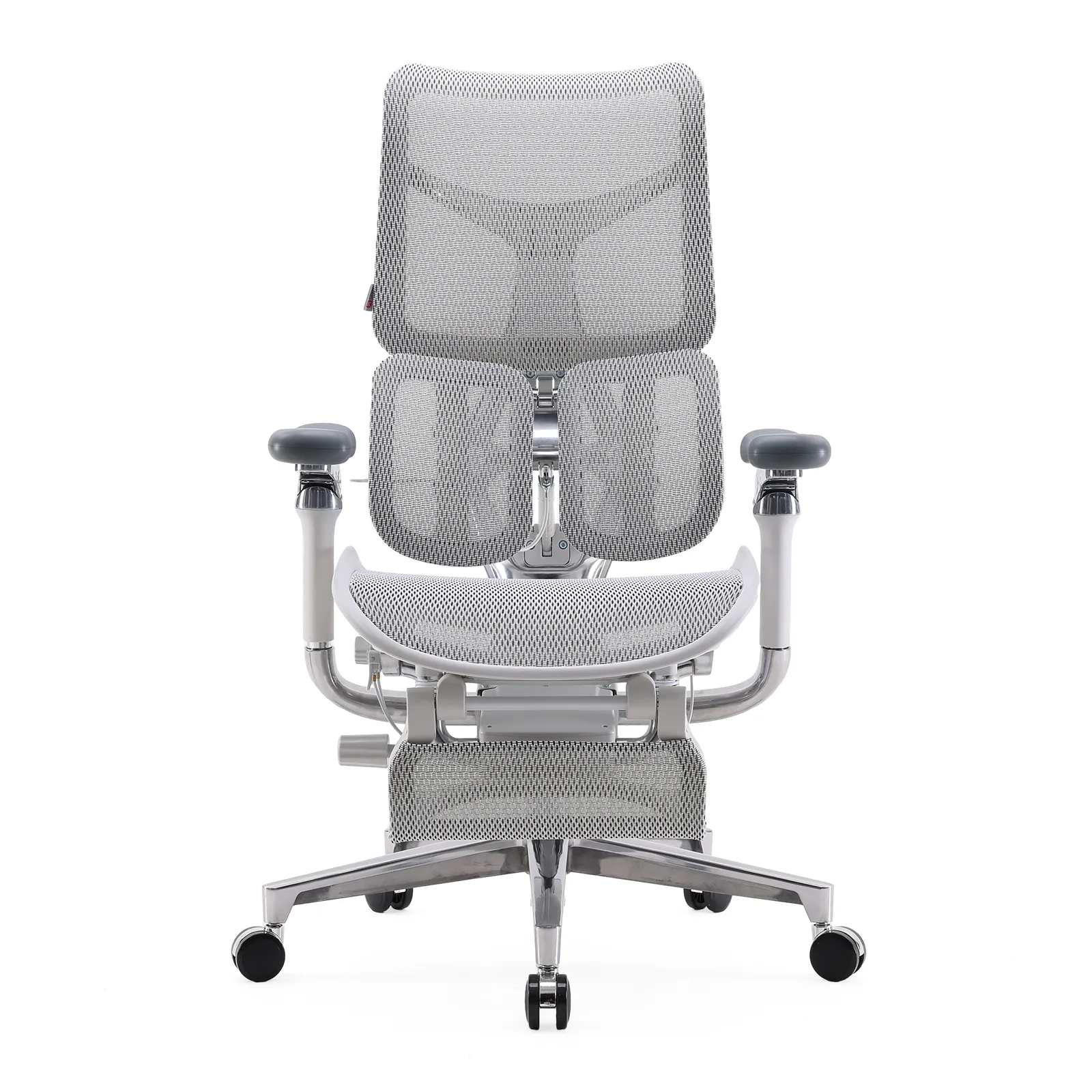
El SIHOO S300 uses a zero pressure seat that drops the front edge entirely, which is why it reads as a step up from a basic task chair even before you lean back. The point is simple: comfort over a full day comes from give, not from density. Skip any seat that feels like one firm block, because that block is exactly what numbs the legs by hour three.
Material: Mesh vs Leather for an Executive Seat
Material is the choice that decides upkeep more than any other. Leather looks formal and reads as traditional, but it needs conditioning two to four times a year and marks from ink, keys, and sweat the moment that routine slips. Mesh stays breathable and asks for almost nothing: a damp cloth clears crumbs, and a brush head on a vacuum clears the weave a few times a year.
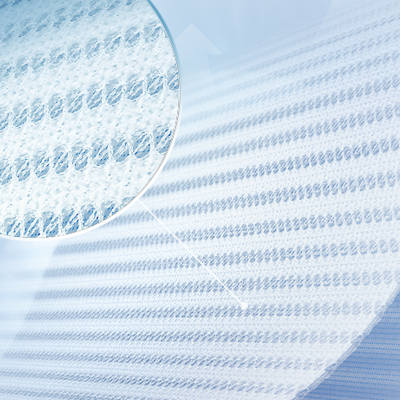
For a leadership office the split is honest. Leather suits a low traffic private room where someone handles the care and the formal look carries weight. Mesh suits nearly everything else, because it stays cool in a warm room and clean in a shared one. A luxury office chair in neutral mesh reads composed in a boardroom and never needs a conditioning calendar. The materials explainer on mesh, fabric, and leather lays the care steps side by side.
SIHOO builds mesh ergonomic chairs across the range, so the executive picks lean modern and breathable rather than leather. That is a fit decision, not a gap: a high back executive office chair in neutral mesh reads clean in a boardroom and skips the work leather demands.
Recline and Movement Support
A chair locked upright all day works against the body. The spine wants to move, and a recline that answers weight lets it. Look for a tilt that travels with you instead of a single click stop, plus a way to set the tension so the chair neither flings back nor refuses to budge.
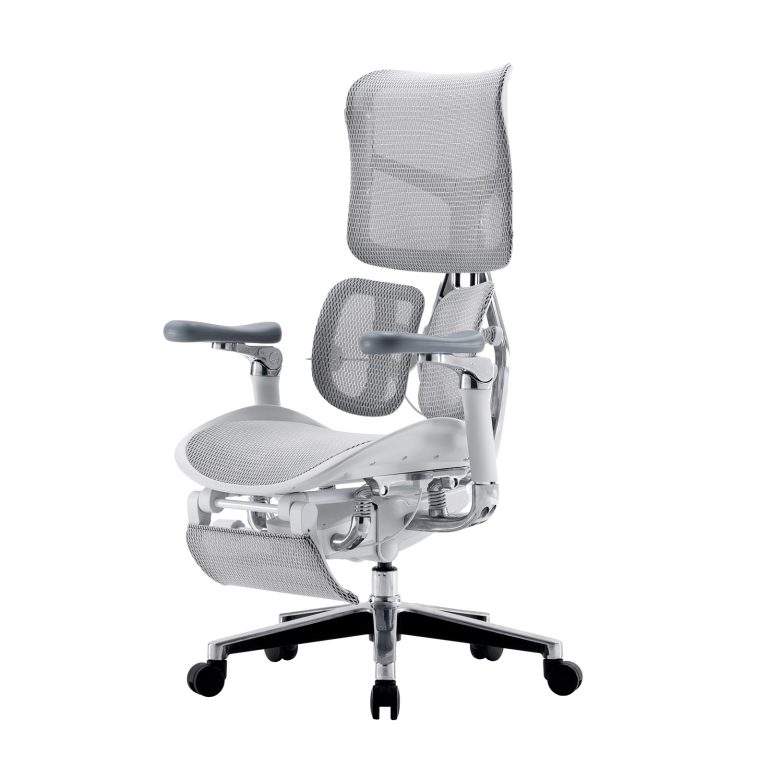
El SIHOO S300 carries an anti gravity recline that answers body weight, so you lean back without reaching for a lever. That movement turns a between-meetings pause into a real reset, the part a static chair cannot offer. Recline also eases the lower back during long calls, when most people would otherwise freeze in one pose. Add a short footrest and the break feels complete rather than partial.
Movement support is not a luxury add on. It is the line between a chair you leave at five and a chair that leaves you sore at five.
Build and Durability for Daily Use
An executive chair gets used hard even when it looks calm. The parts that carry load tell the story: the base, the gas lift, and the frame where the back meets the seat. A five star base and a rated gas cylinder are the floor, not a feature worth praising.
Durability also tracks with care, and BIFMA durability research shows how material and upkeep together drive chair life in real offices. Mesh asks for almost none and tolerates daily use well, while leather needs the routine above or the surface cracks. For a chair meant to look composed in a leadership room months after it arrives, the care burden matters as much as the build.
Pick the chair whose upkeep matches the room around it. The strongest frame still fails if the material is left alone.
Match the Chair to the Room
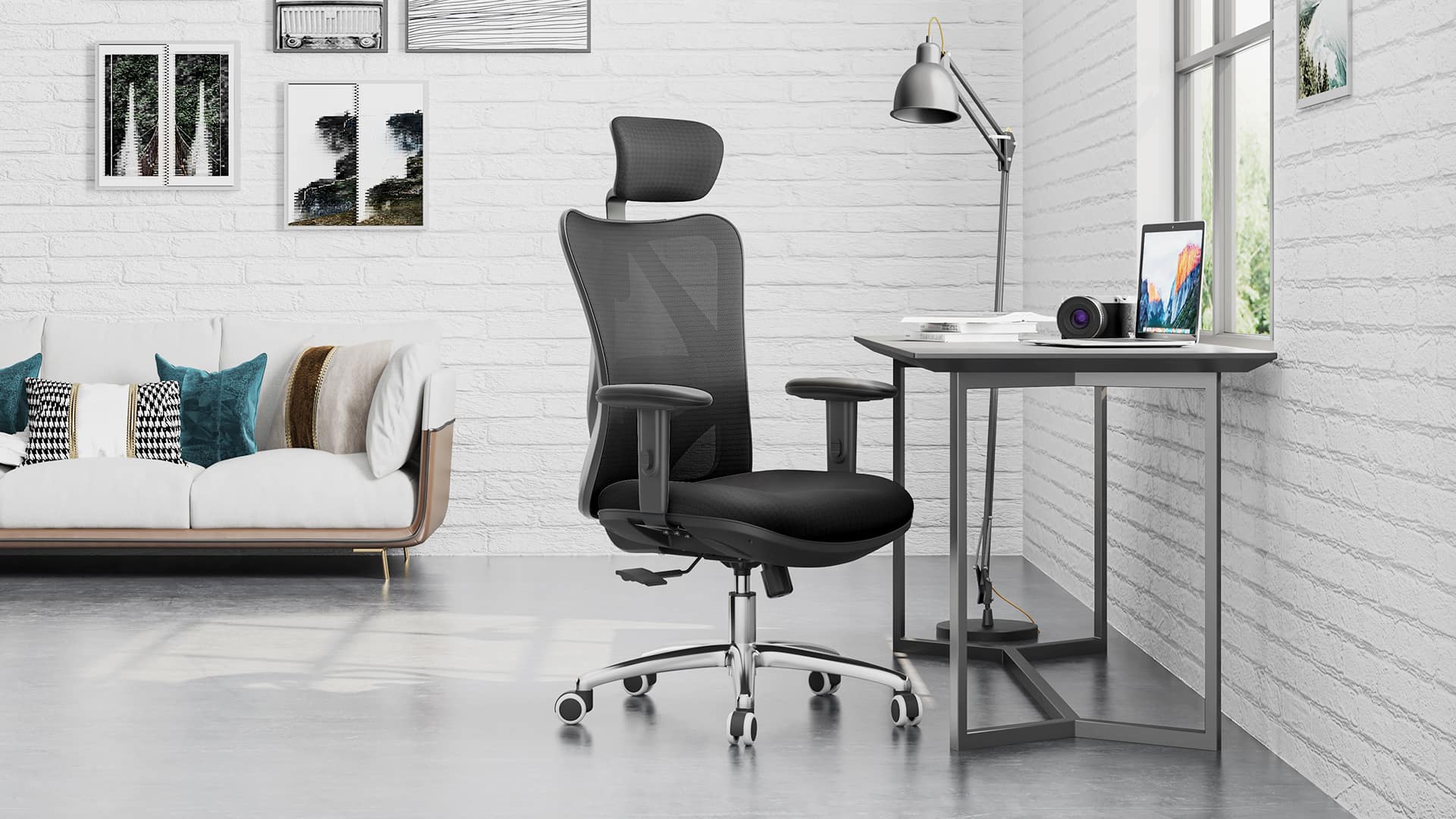
The same chair lands differently in different rooms. A private office with few users can carry a heavier, more formal seat. A shared leadership space, or a desk many people use, wants something that stays cool and clean without a caretaker. A client facing desk wants the chair to read intentional, not expensive for its own sake.
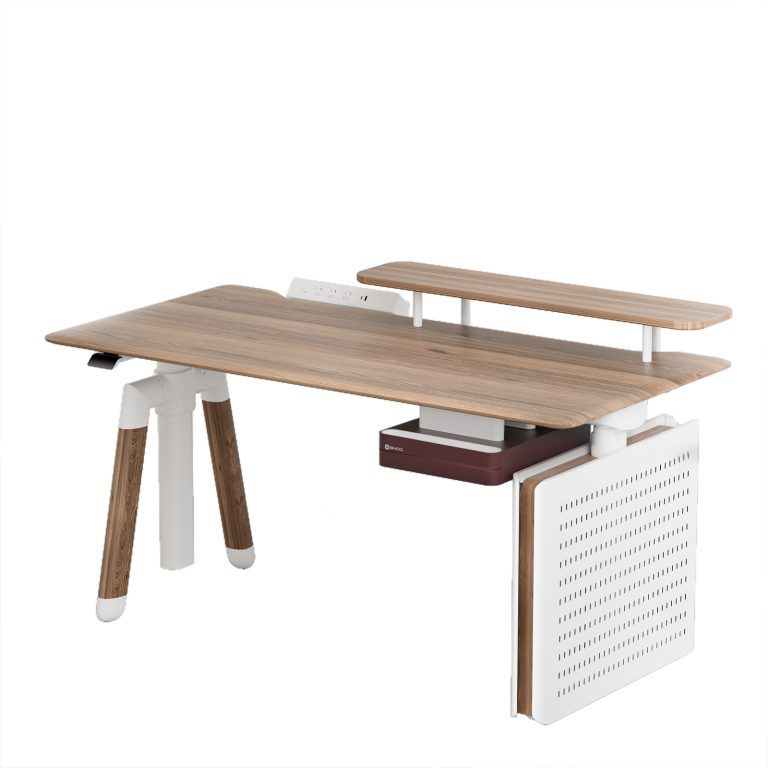
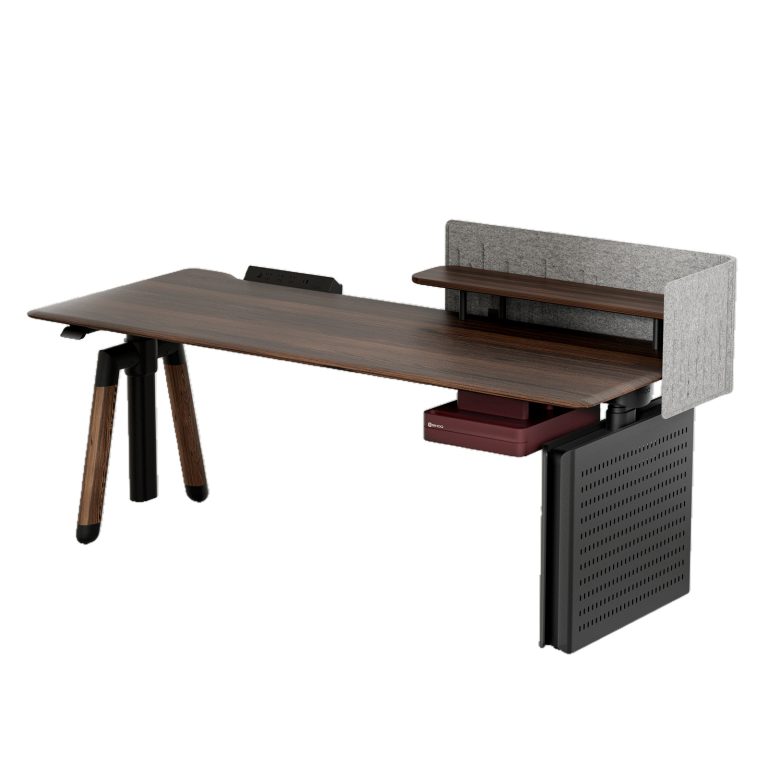
When you plan office furniture around the chair, look at the desk and storage already in the room. Mesh disappears into a clean setup; a bold leather seat becomes the statement piece, which works only until the rest of the furniture fails to match it. The corporate case for mesh shows why most fleets still land on mesh for the majority of seats.
One note worth saying out loud: if the chair is only for your own daily use at home and no one else sees it, you can drop most of the matching talk. Color and room fit stop mattering when the only person judging the chair is you. Pick the one that feels right after a full day, because for solo home use comfort beats presentation every time.
A quick rule for shared rooms: match the chair to the traffic and the climate, then to the look.
Executive Chair for a Hot or Shared Room
Heat and traffic decide more than looks. In a warm room with weak cooling, a sealed leather seat turns sticky by early afternoon, while a mesh back keeps air moving and stays dry through the third and fourth hour. In a shared office, mesh also wins on care: nobody conditions it, so it does not crack the way neglected leather does. The guide to mesh chairs in hot climates covers the room factors in detail.
If the room runs warm or many people use the seat, treat mesh as the default and leather as the exception. An executive chair in a hot or shared room has to hold up every day, and mesh does that with less help from the people around it.
Quick Buying Checklist
- Back height: high back that reaches the shoulders or neck, scaled to your height.
- Lumbar: adjustable with 5-8 cm of travel, not a fixed bulge.
- Seat: pressure relief at the thigh edge and across the hips.
- Material: mesh for shared or warm rooms, leather only with a care routine.
- Recline: weight responsive, with set tension.
- Build: five star base, rated gas lift, frame that meets the load.
- Room: private and low traffic leans formal; shared and warm leans mesh.
Set the Adjustments on Day One
Comfort arrives after setup, not before it. On day one, set four things. Seat height so the feet sit flat and the knees bend at a right angle. Lumbar so the support meets the small of the back without pushing. Recline tension so the chair leans with your weight instead of fighting it. Armrests so the shoulders stay relaxed and the elbows sit near the body.
Spend ten minutes on these and the same chair feels different from the showroom. Skip them and even a good executive chair leaves you sore, because the frame only works once it matches the person in it. The adjustments are the bridge between a well built chair and a chair that fits the day in front of you.
SIHOO Models for an Executive Setup
SIHOO builds mesh ergonomic chairs, so the executive picks below lean modern and breathable. Each one fits a different leadership room, and the model name links to its product page for the full spec.
SIHOO S300: Full Mesh With Anti Gravity Recline
El SIHOO S300 uses a full mesh upholstery with an Italian velvet weave that stays breathable through long sessions. The anti gravity recline responds to body weight, so you lean back without pulling a lever, and the zero pressure seat cuts the hard edge under the thighs. For a leadership office it is the light, modern pick that pairs with a clean desk and gives a real reset between meetings.
SIHOO V1: High Back Dragon Mesh for Tall Users
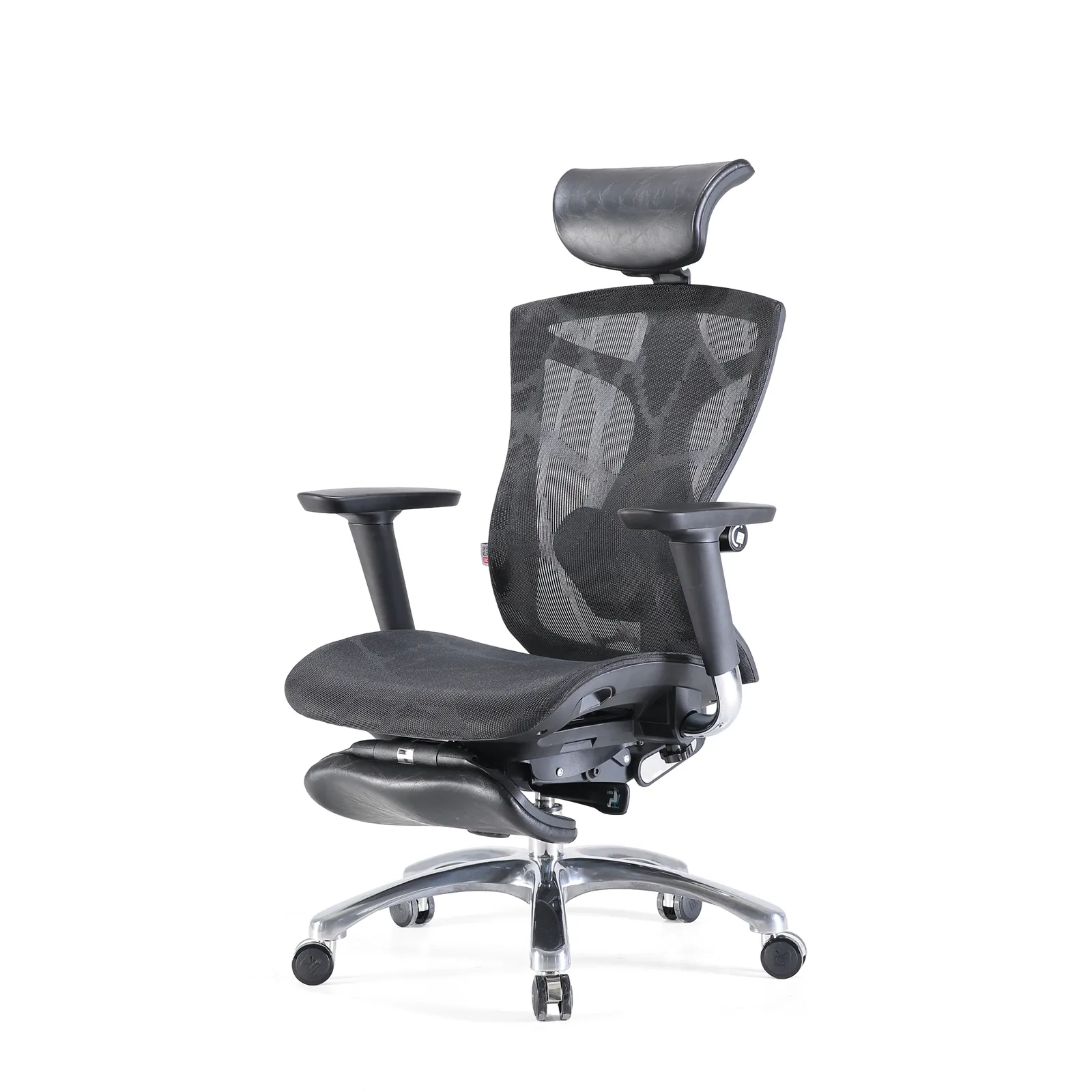
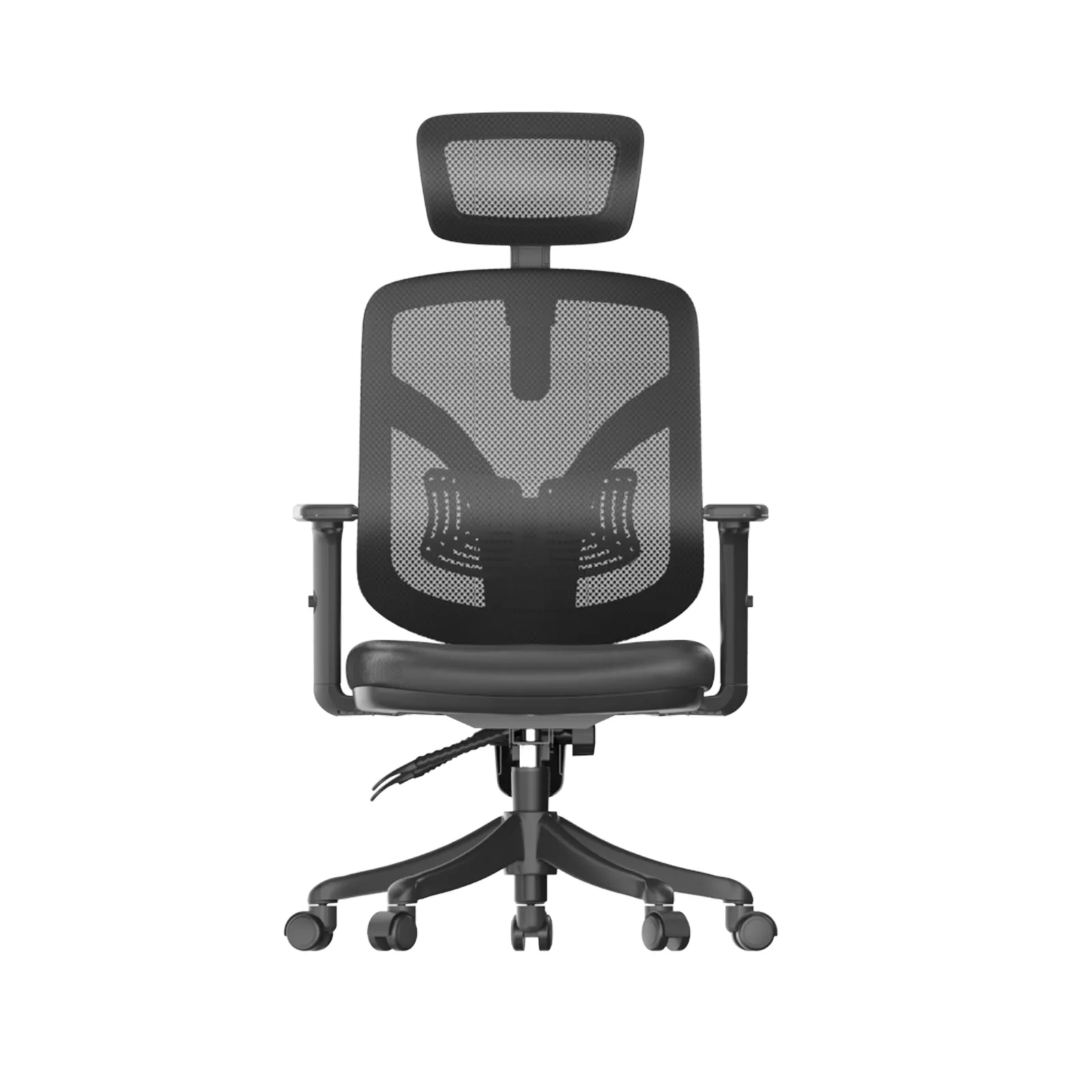
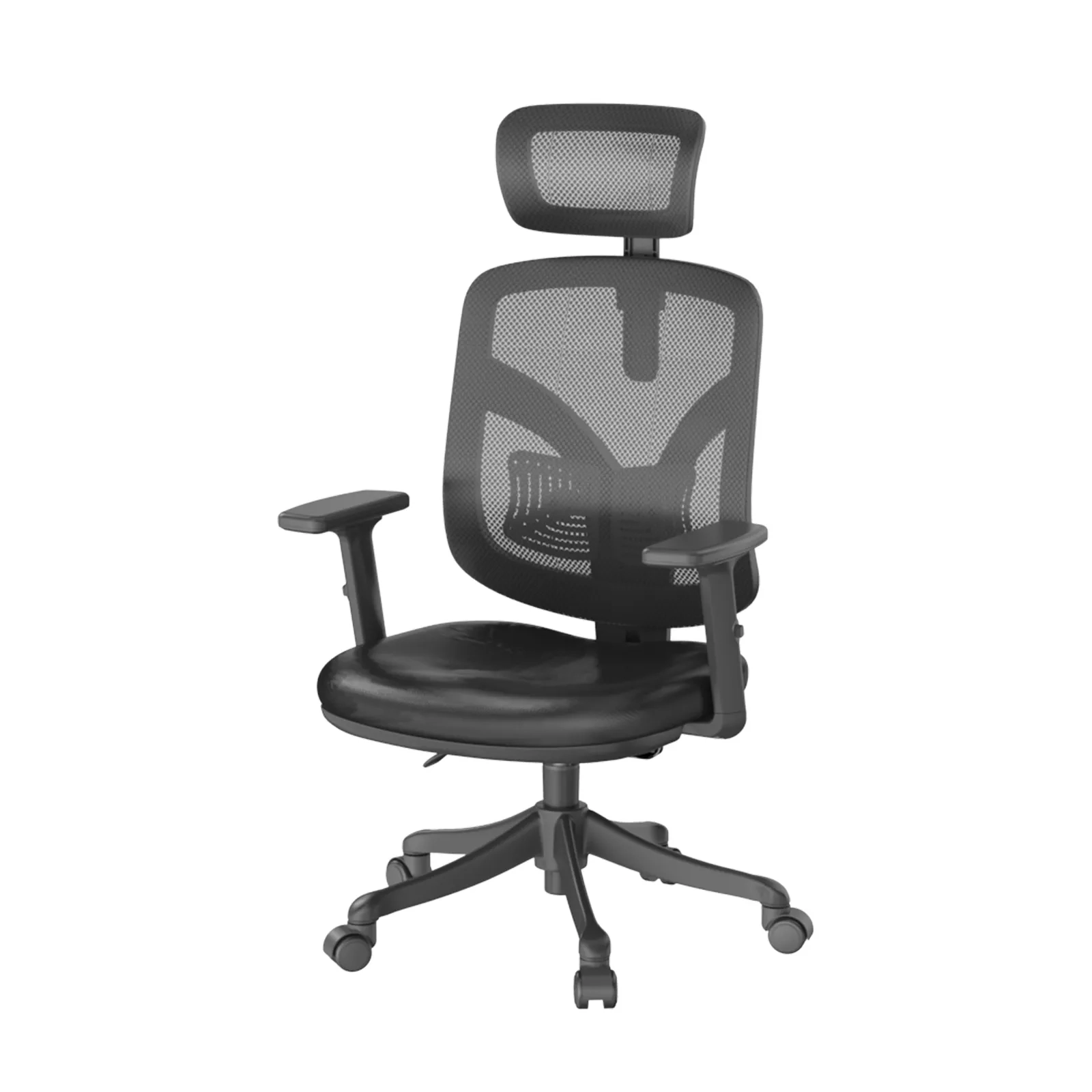
El SIHOO V1 uses a dragon pattern mesh across a high back that reaches the shoulders and neck. Taller users get support where shorter chairs stop, and the mesh keeps the upper back cool through a full shift. In a private office or a boardroom with mixed heights, the V1 covers the people a mid back chair leaves out.
SIHOO M57: PE Mesh, the Adjustable Entry Pick
El SIHOO M57 builds the back from PE and polyester mesh that holds its shape and stays cool. It carries the core adjustments, seat height, tilt, and lumbar, at a price that fits a whole floor. First hires and shared leadership spaces tend to start here because every person gets the same fit.
SIHOO C300: Full Mesh With an Optional Footrest
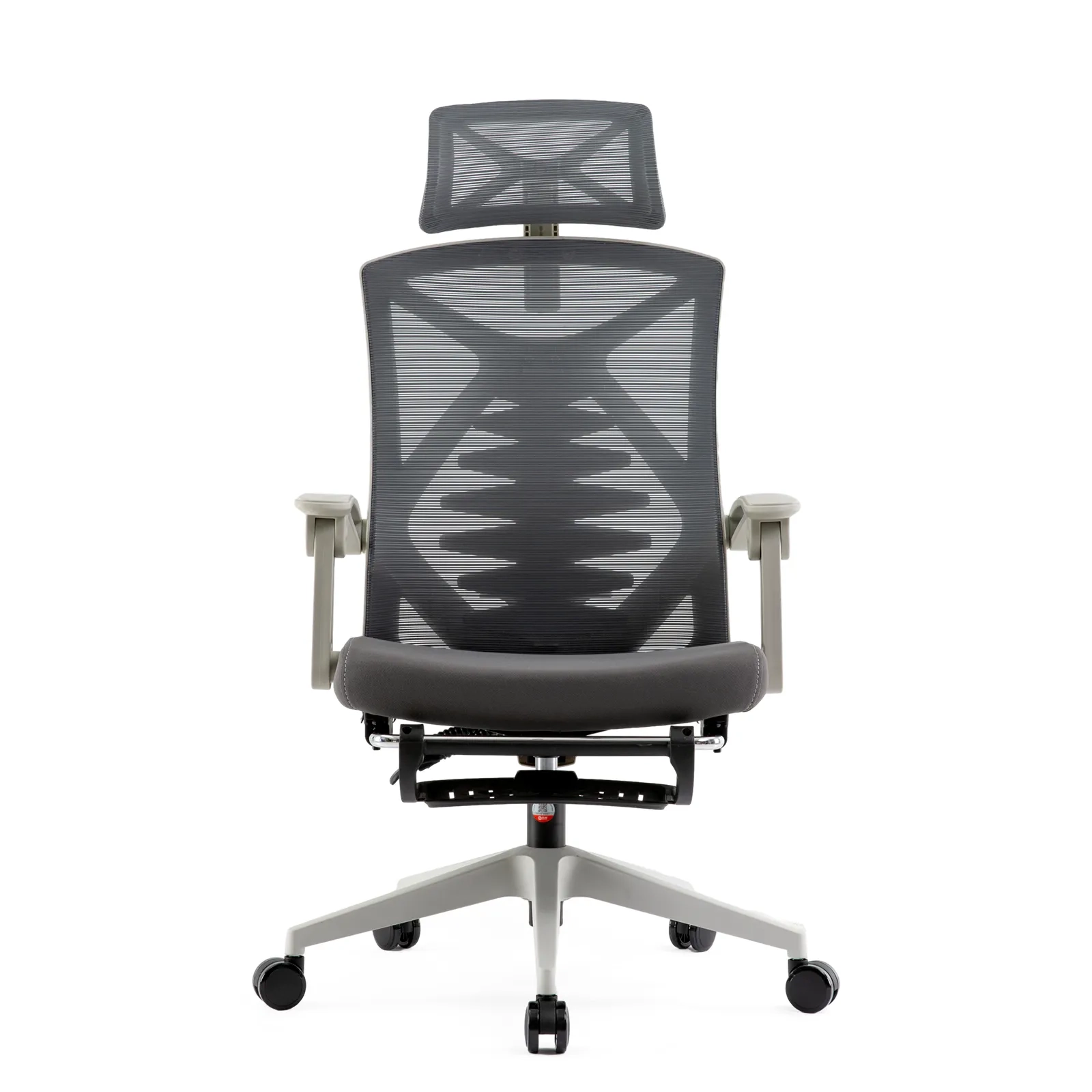
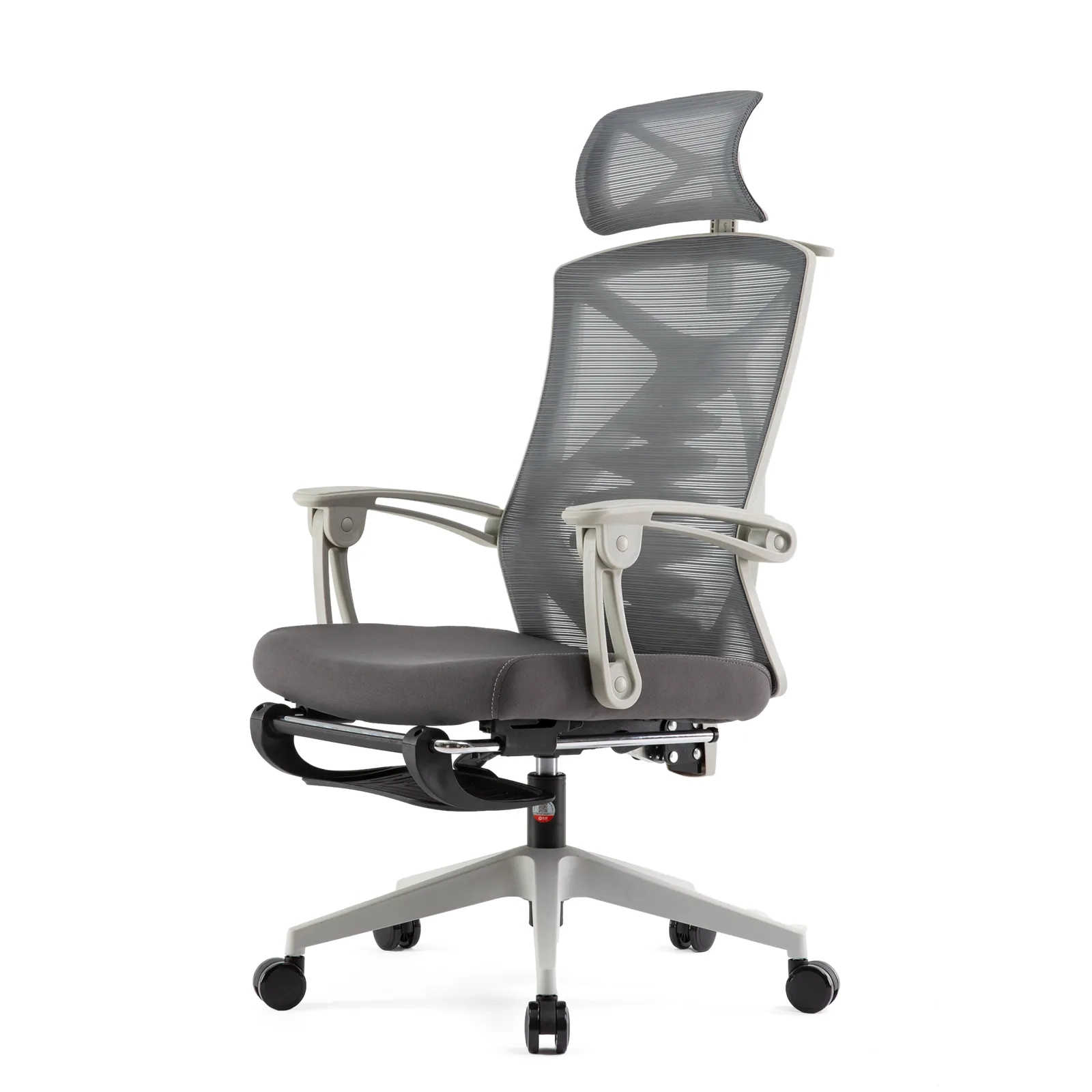
El SIHOO C300 is a full mesh chair with a footrest you can add or skip. The footrest extends for a short recline break and folds away for focused work, which suits a desk that flips between typing and reading. In a home office or a quiet workspace the footrest pays off during long afternoons.
Preguntas frecuentes
What is the difference between an executive chair and a regular office chair? The visible gap is the back. An executive chair usually carries a back of 60-80 cm measured from the seat and a stronger, adjustable lumbar system, while a task chair runs 45-55 cm and skips the leadership finish. The taller back is what you notice first; the lumbar range is what you feel after hour four. Materials also differ, with executive seats leaning formal so they signal how a company treats the people in the room.
Should an executive office chair be leather or mesh? It depends on the room, and the data leans mesh for most cases. Leather needs conditioning two to four times a year and marks from ink, keys, and sweat the moment that routine slips. Mesh stays cool and clean with almost no care, which fits shared or warm rooms. SIHOO builds mesh across the range, so the executive picks lean modern rather than leather.
What back height should an executive chair have? Aim for a back that reaches at least the shoulders, and scale it to your height. People 160-170 cm do well with a 60-68 cm back from the seat; 170-180 cm with 65-73 cm so it meets the shoulders and neck; 180 cm and up with 72-82 cm so the top reaches the neck. The table in the back section maps each height range to the part of the spine it should cover. A mid back chair under 55 cm leaves the shoulders and upper spine unsupported through a long day, which is the gap a real executive back closes.
How much lumbar support does an executive chair need? The support should sit about 18-22 cm above the seat for most adults, which lines up with the L1-L5 curve, and it should move at least 5-8 cm so it meets different torsos. A fixed pad placed at one height helps only the person it was built for. Look for a dial or slider with that travel rather than a static bulge, because the next person to sit down will not share your exact curve.
Is a high back office chair better for long hours? For most people who sit six or more hours, yes. A high back that reaches the shoulders or neck removes the unsupported gap a mid back chair leaves above the shoulder blades, where load builds by the third hour. With a high back, the upper spine stays held instead of floating, and paired with adjustable lumbar the whole spine gets support rather than just the lower section.
Can mesh look formal enough for an executive office? It can. Modern executive rooms use mesh in neutral frames, and the open back reads clean rather than basic. Leather still reads more traditional, but mesh no longer means plain, and it skips the conditioning routine leather demands. For a boardroom that wants composed over ostentatious, neutral mesh is the safer long term pick.
Before You Buy
Five checks settle the choice: back height and lumbar, seat pressure relief, material and upkeep, recline and movement, and fit with the room. Get those right and the chair supports long days and still looks composed months later. SIHOO covers the mesh side with four real models, from the full mesh S300 with anti gravity recline to the high back V1 for tall users. See the ergonomic office chair category or any of the four product pages to check specs before you choose, and use the checklist above to settle the details for your room.