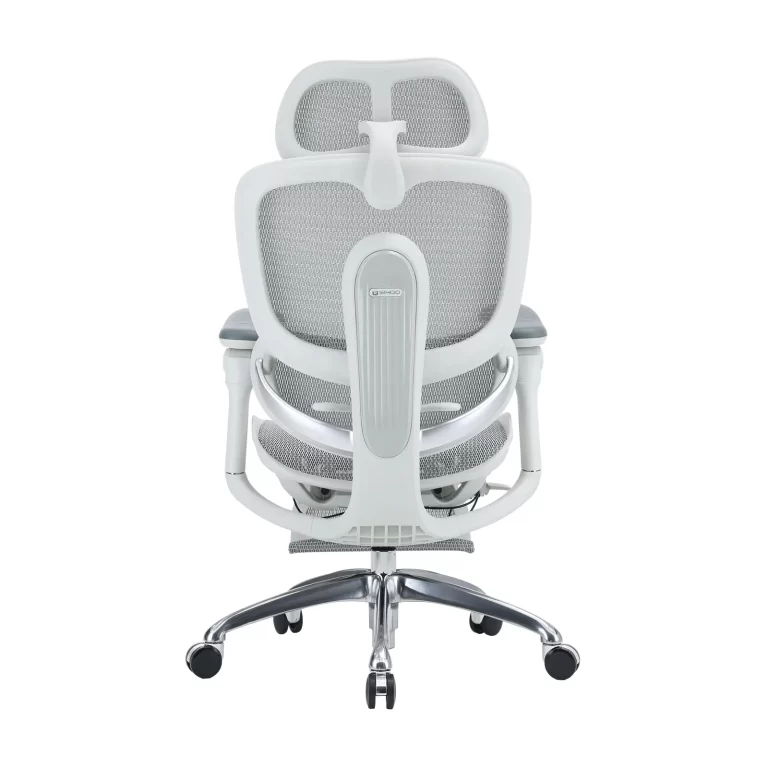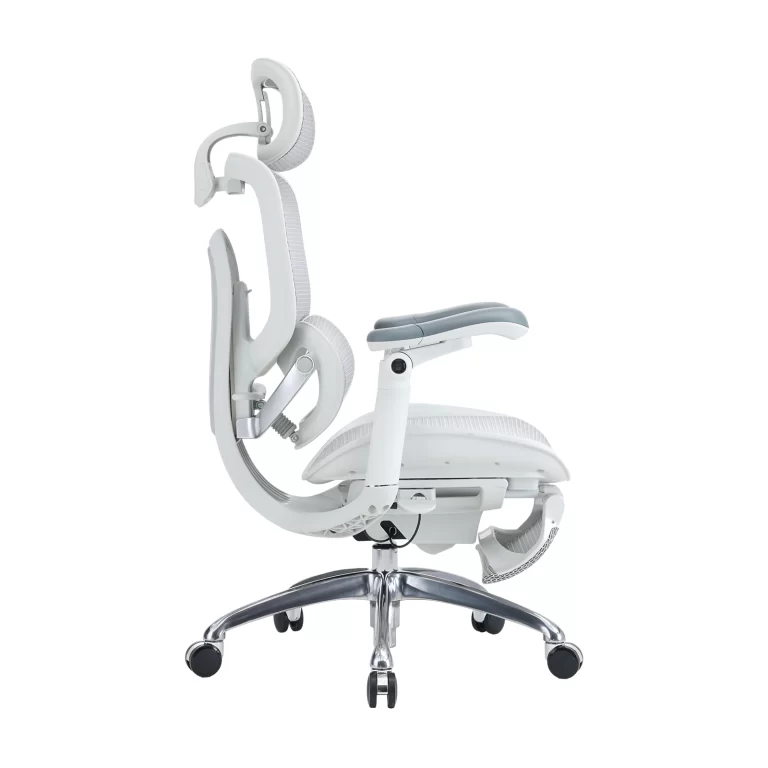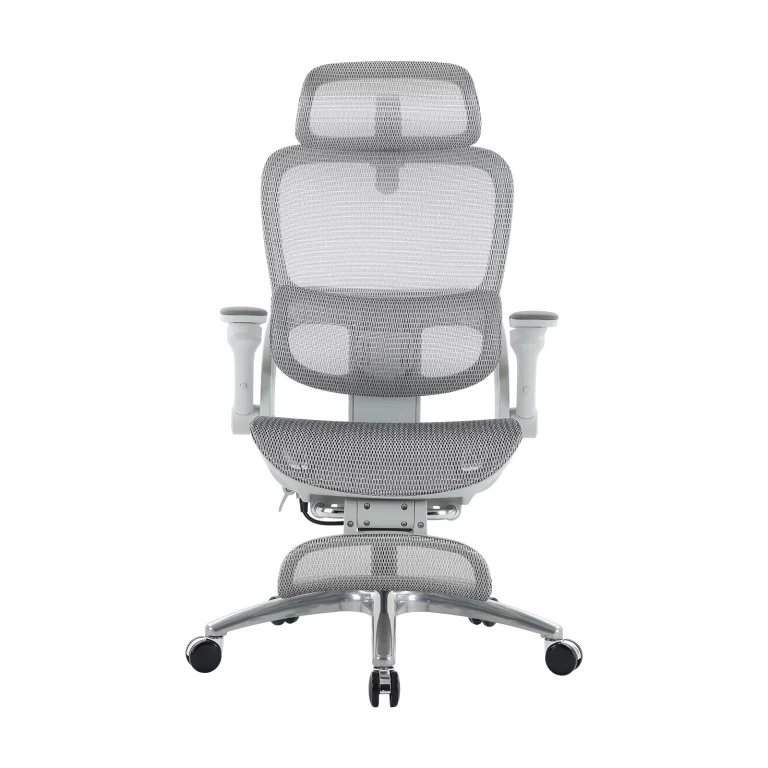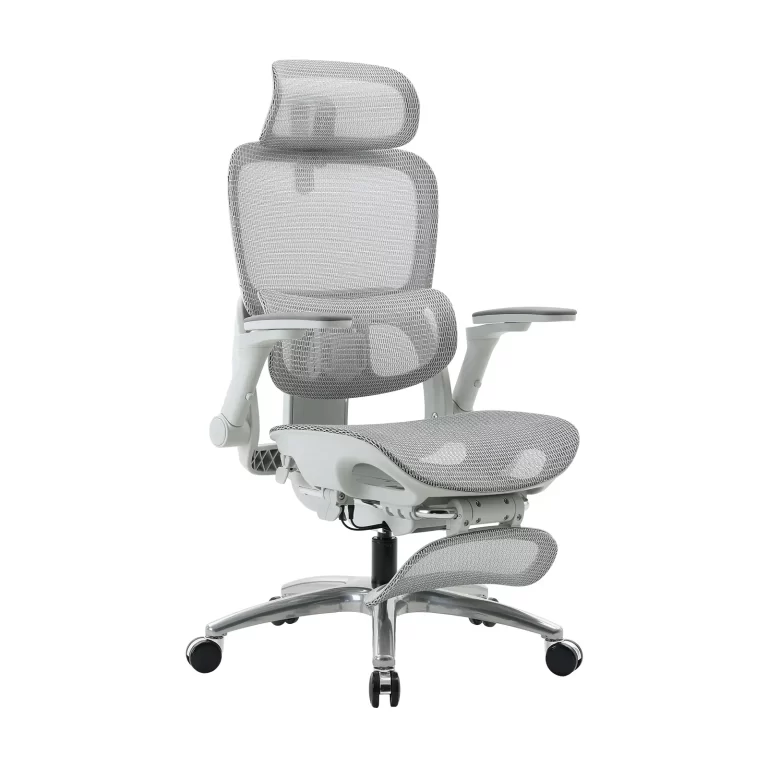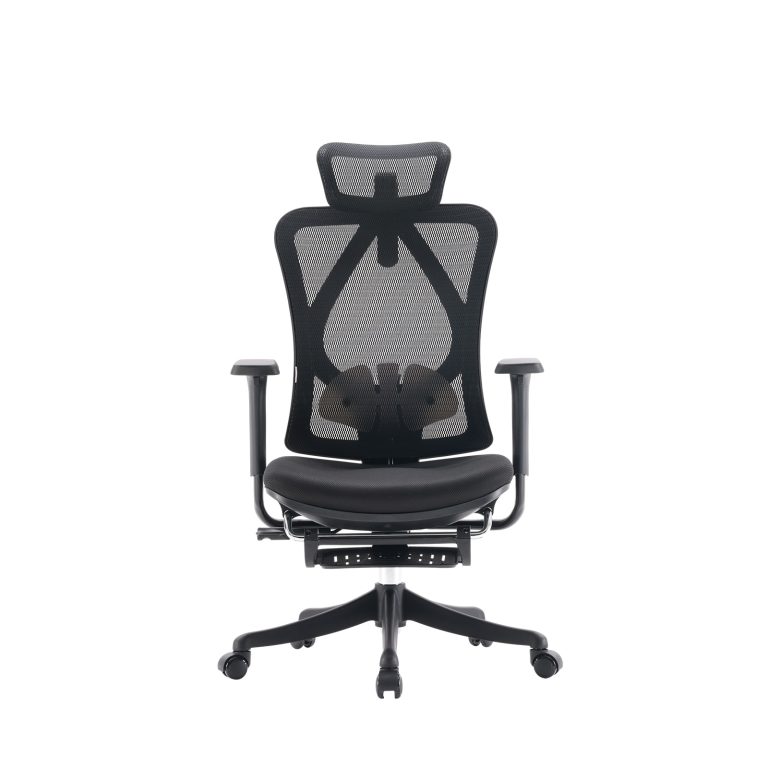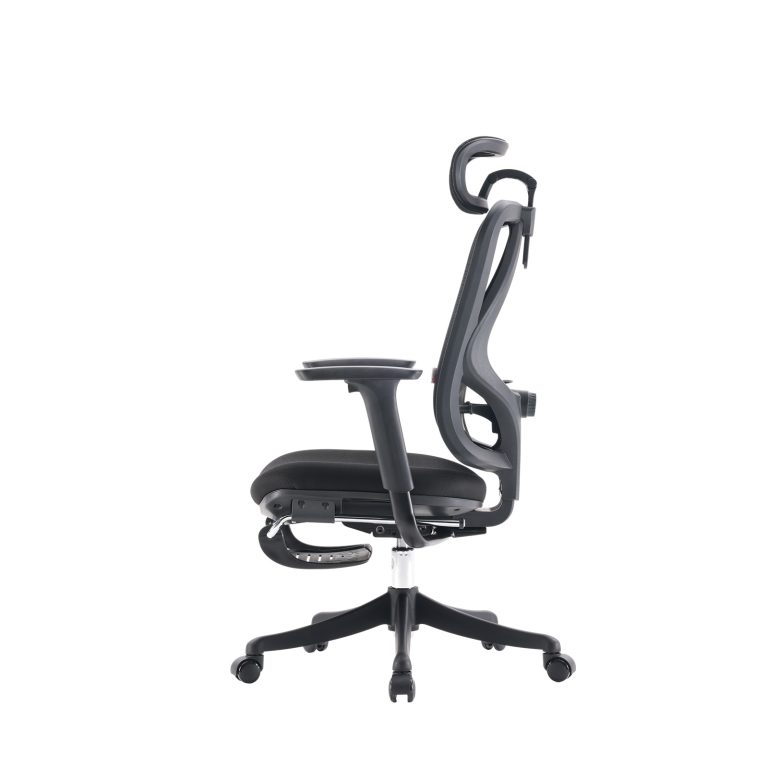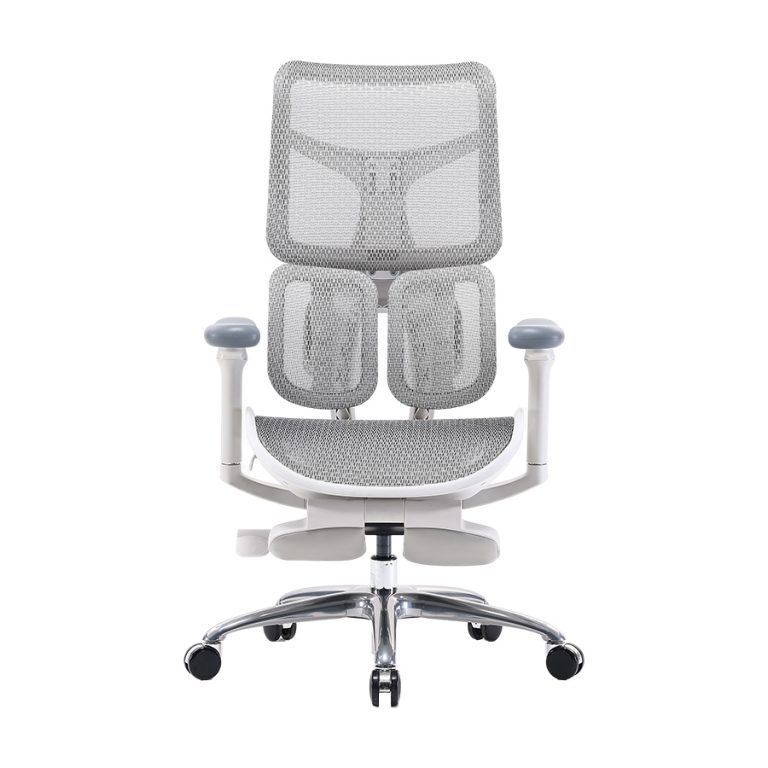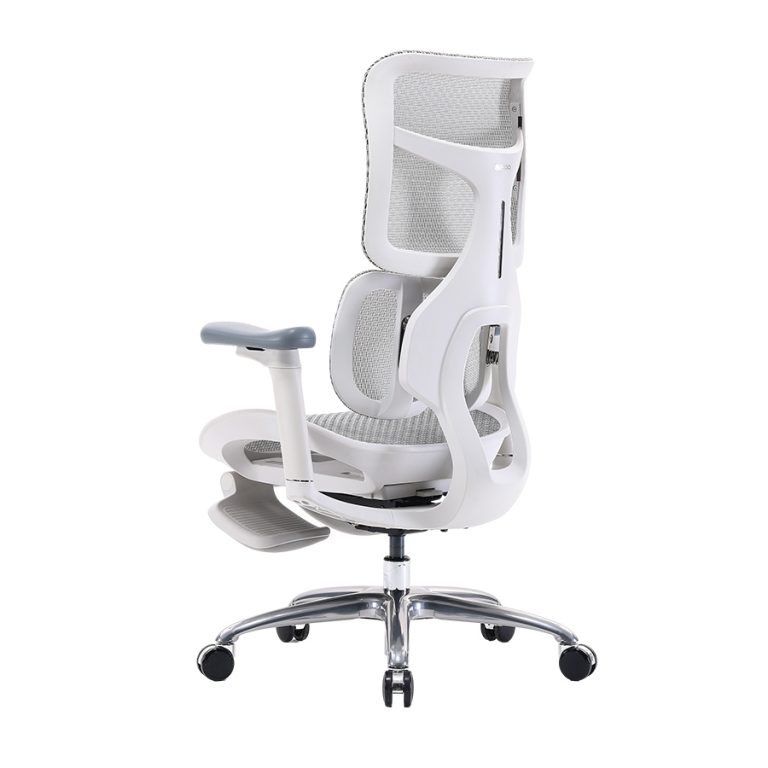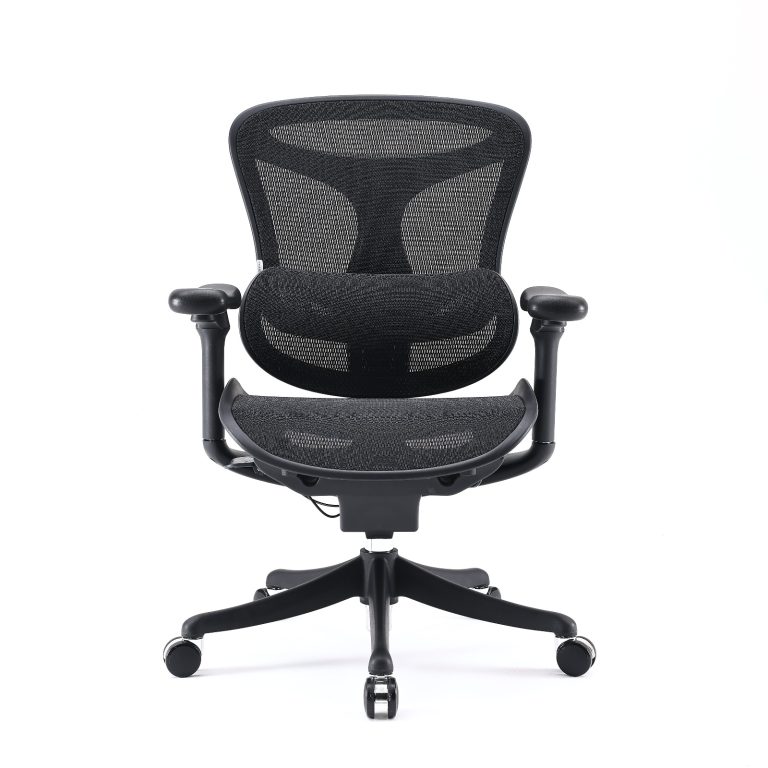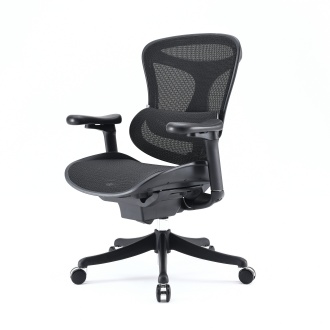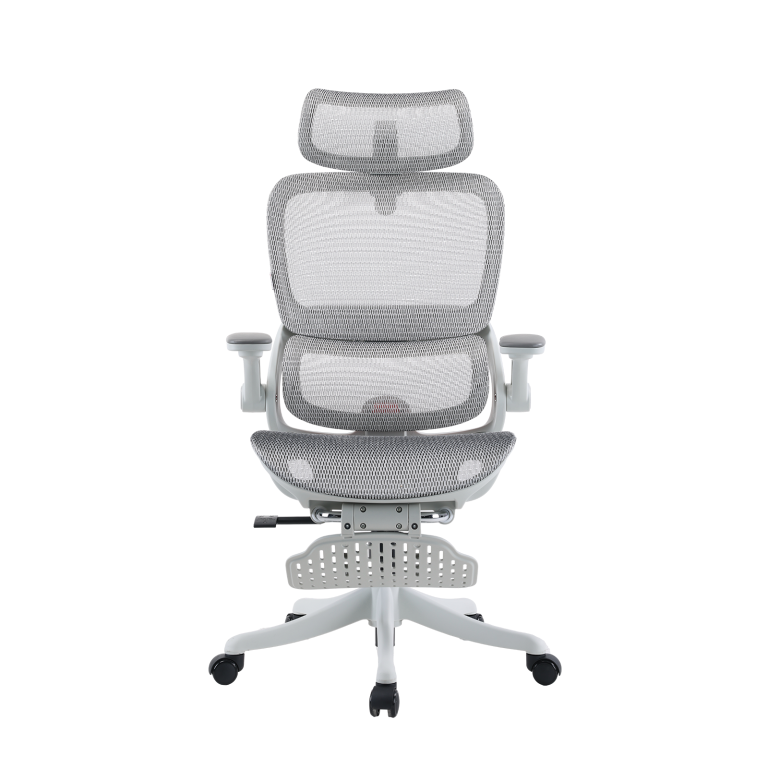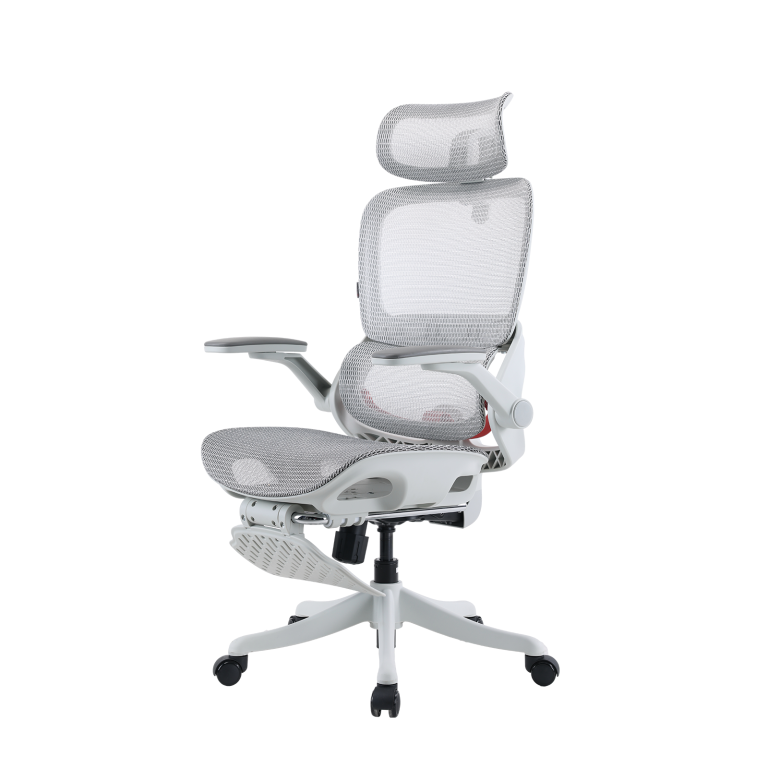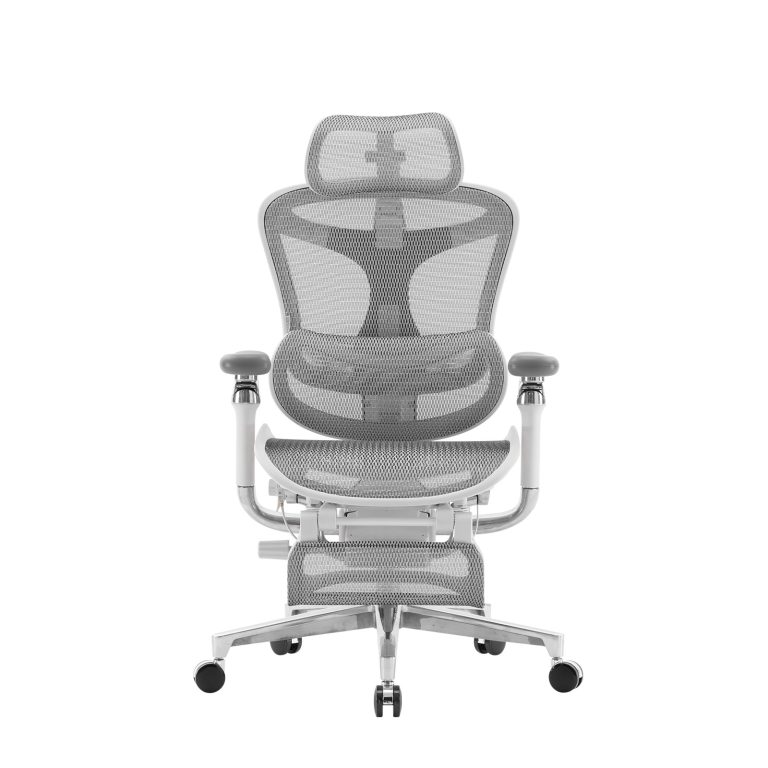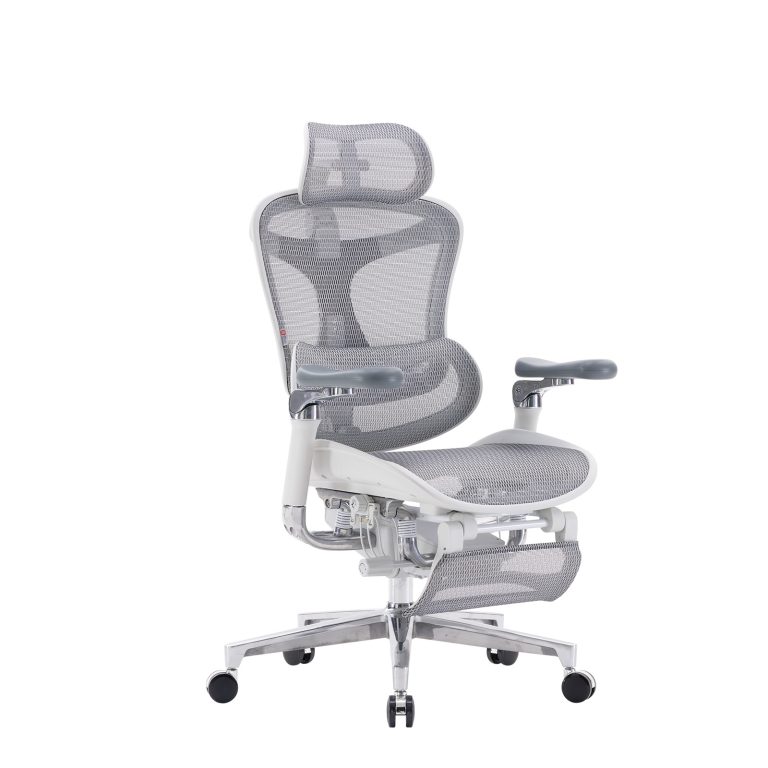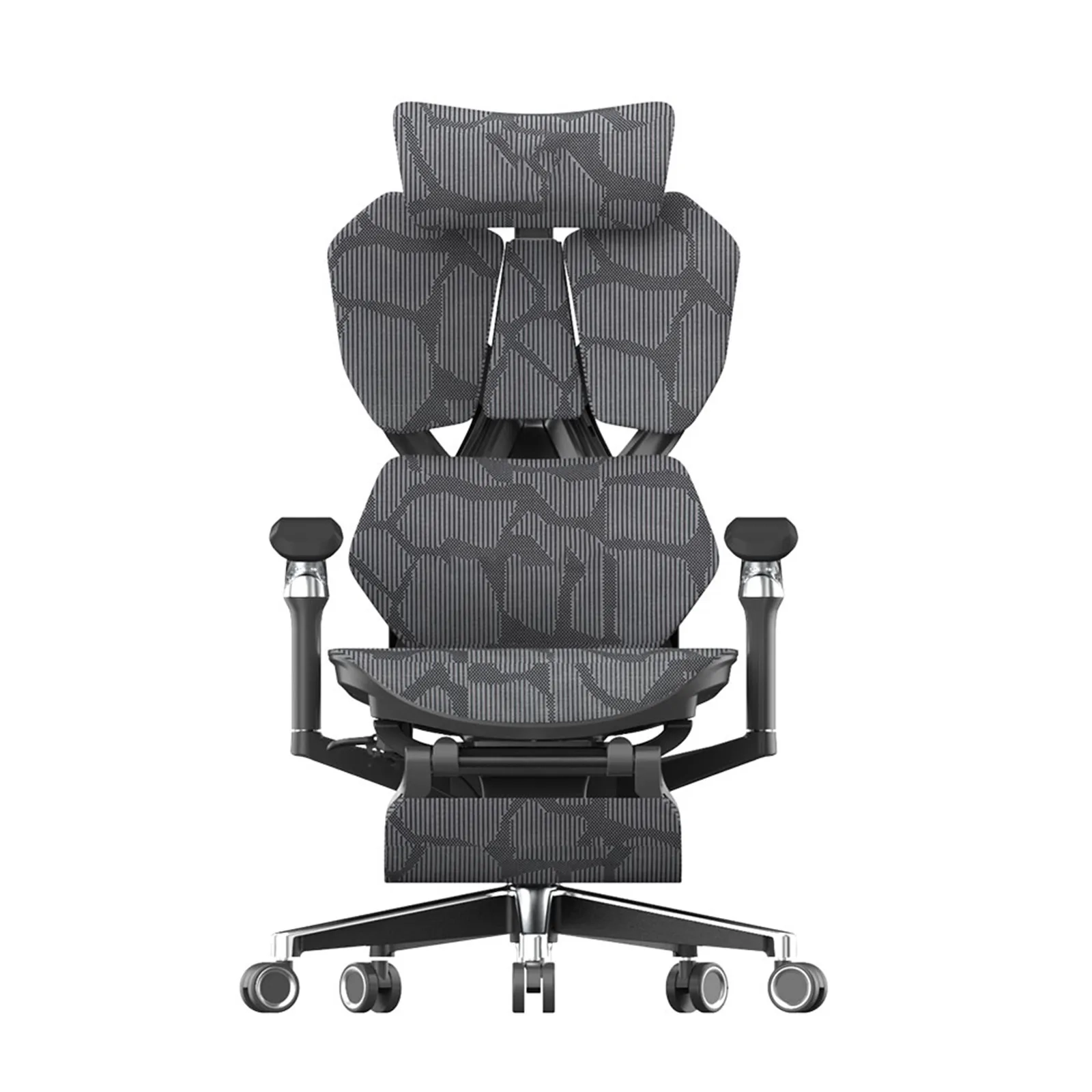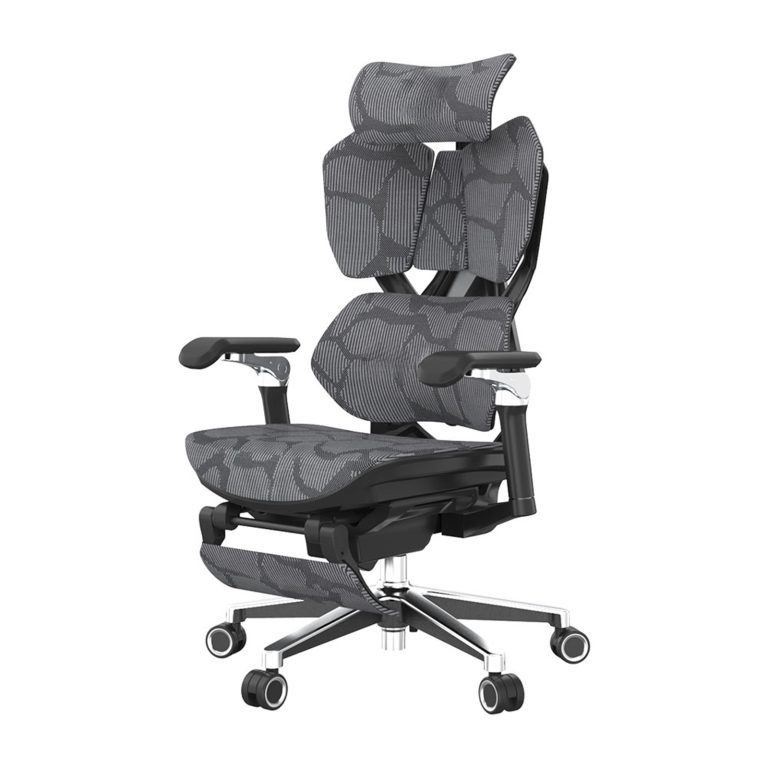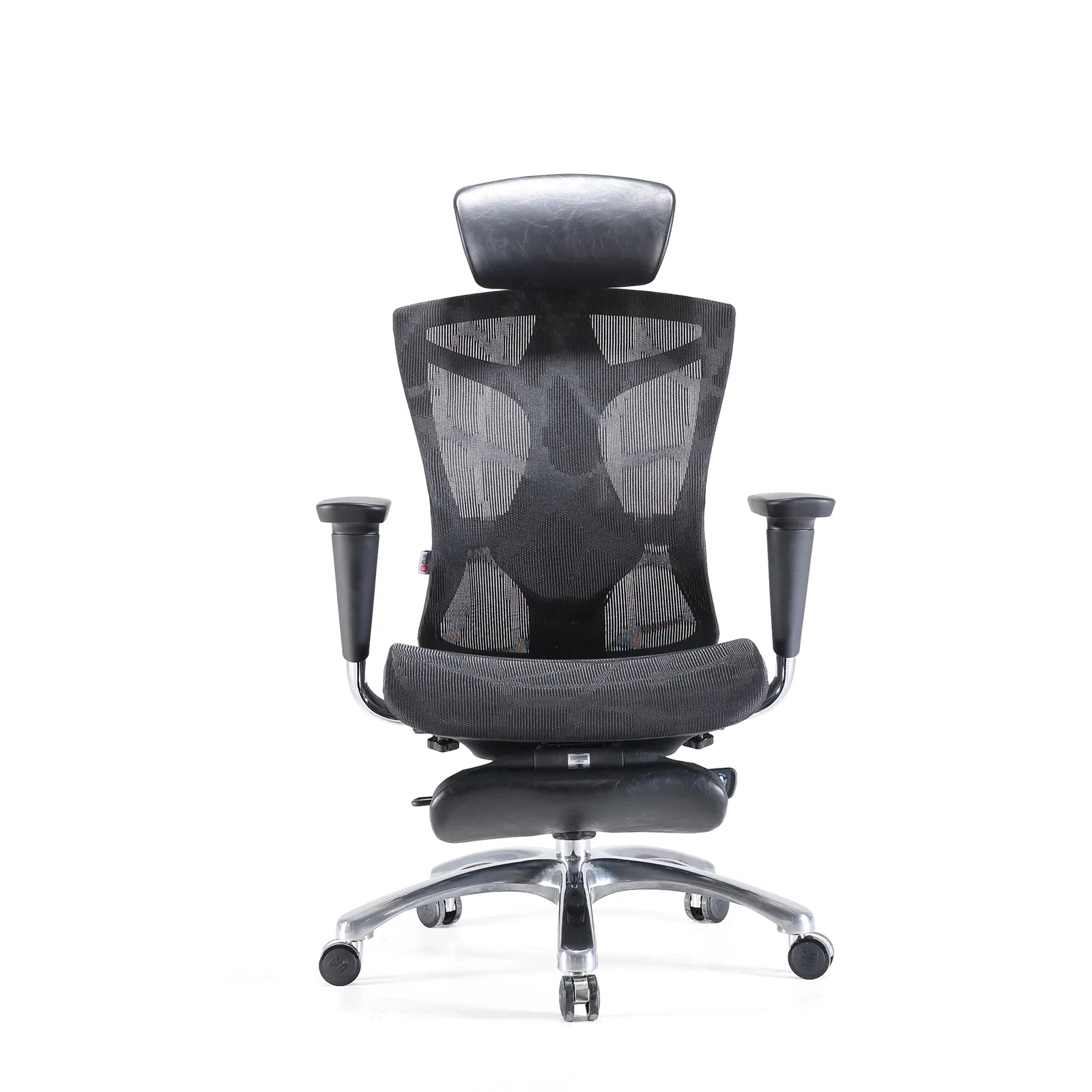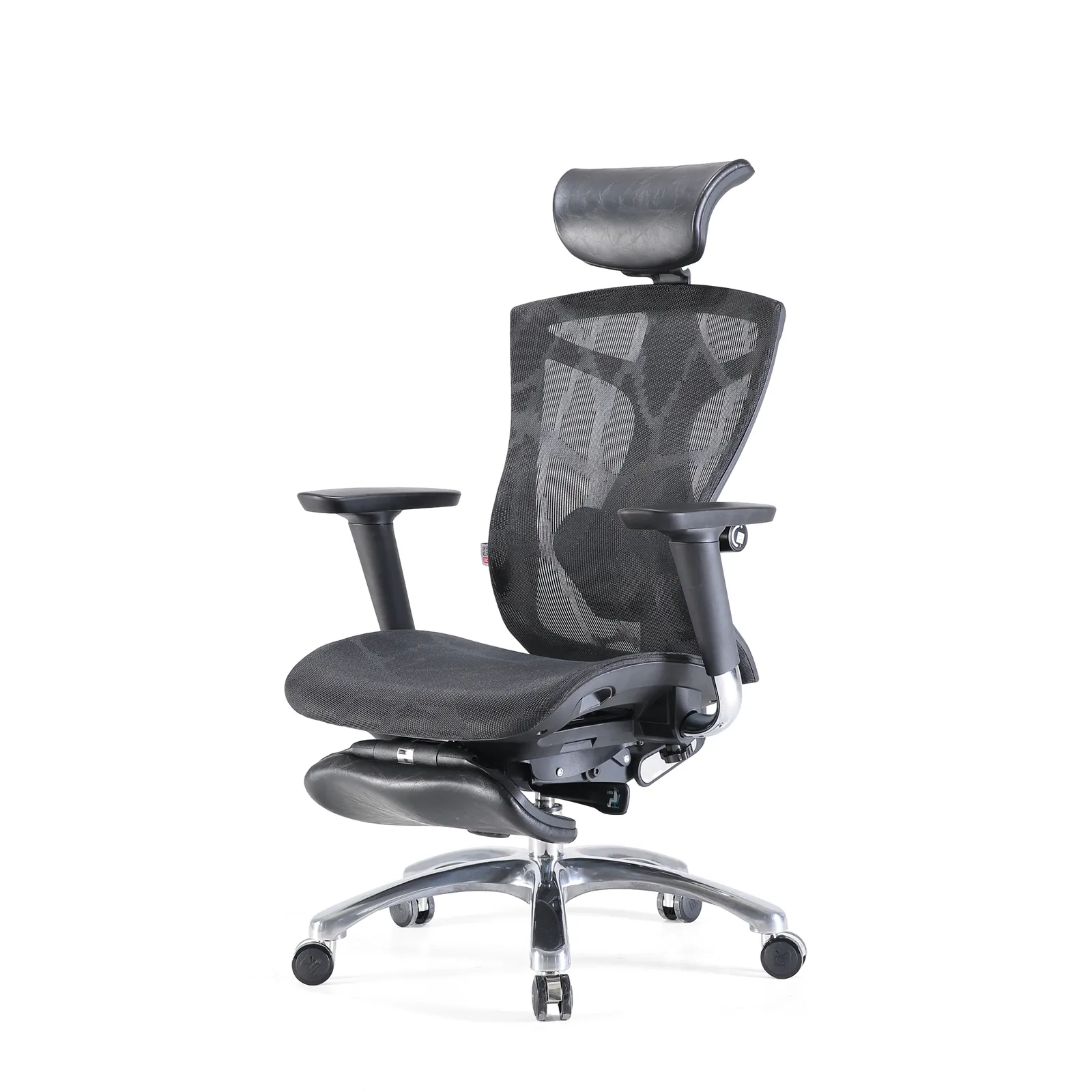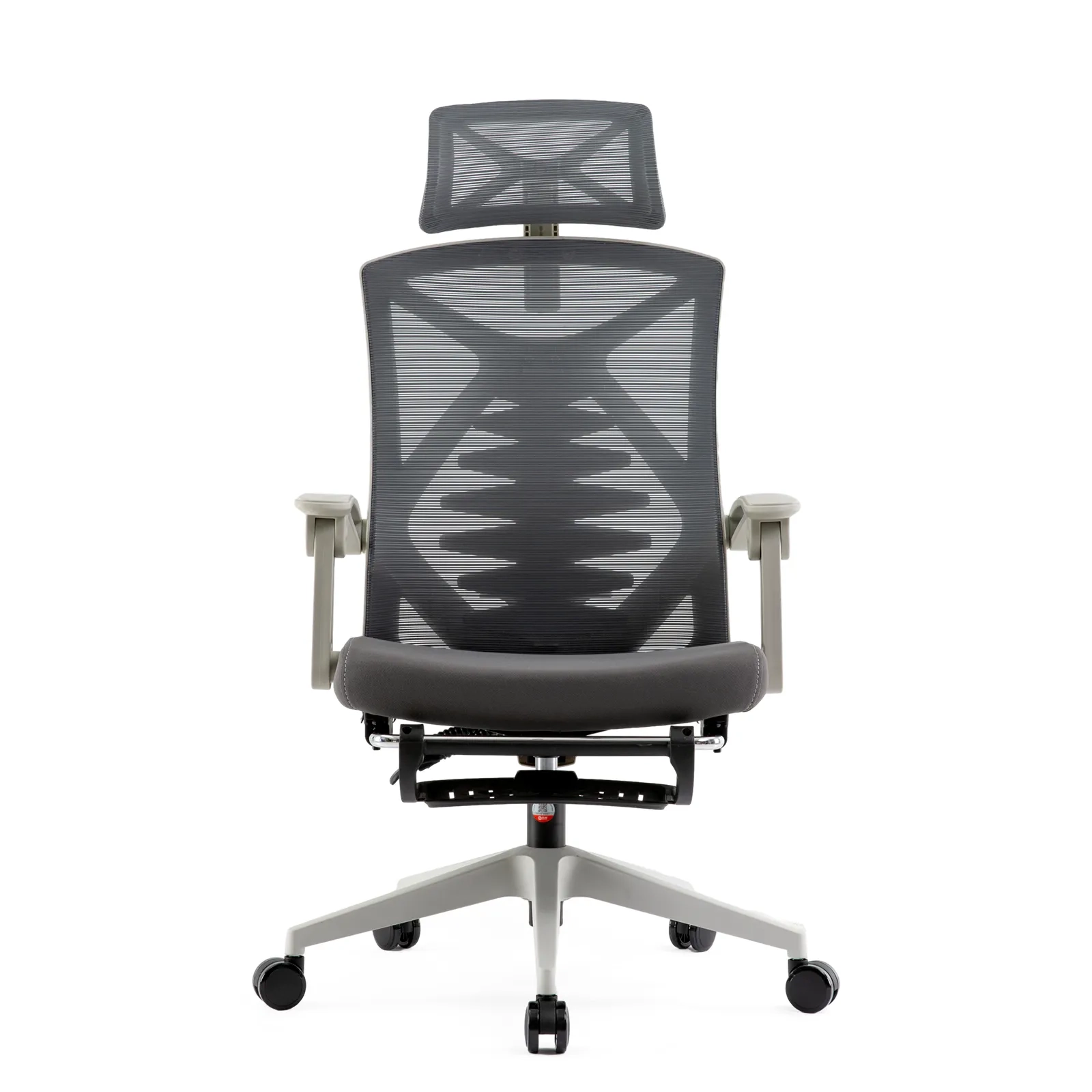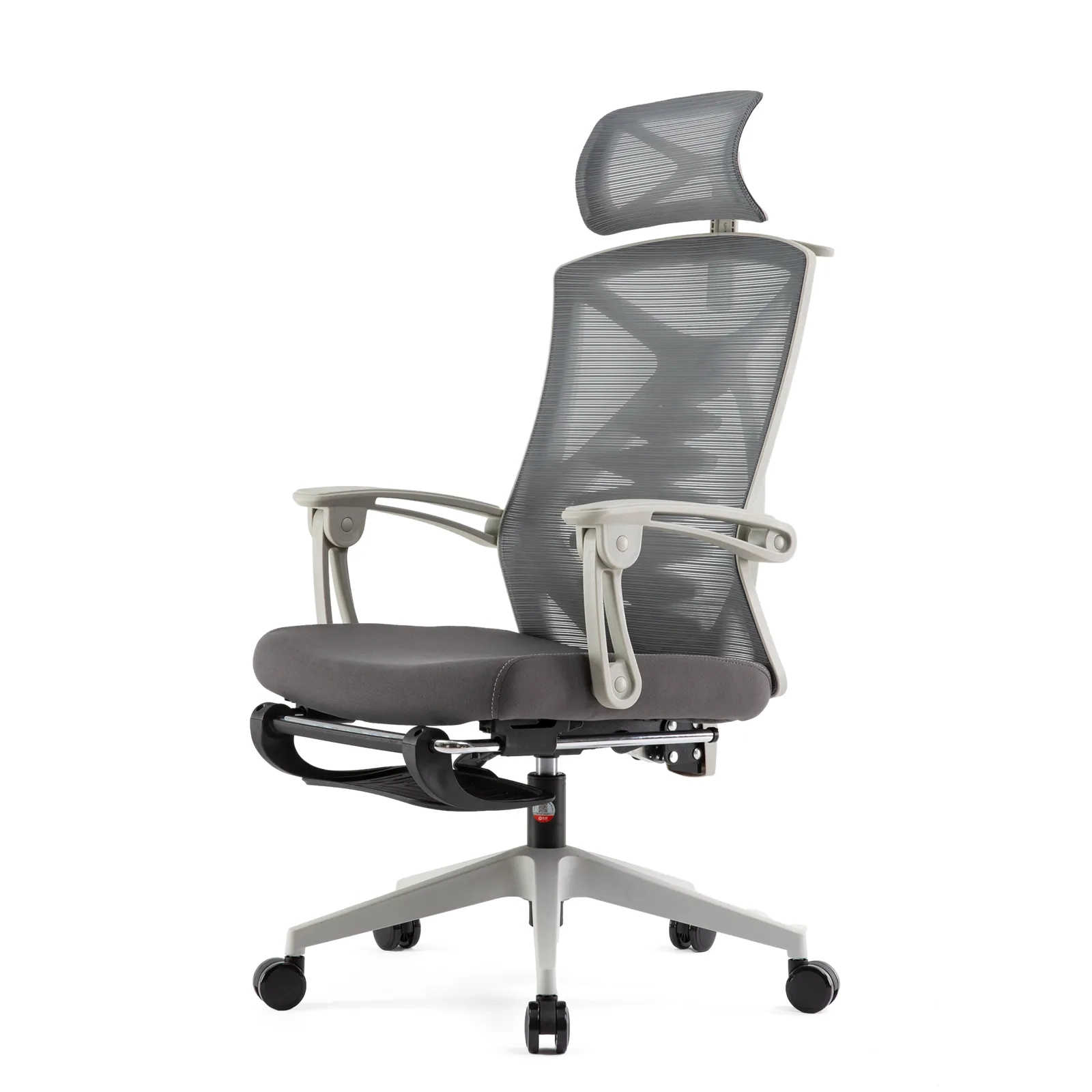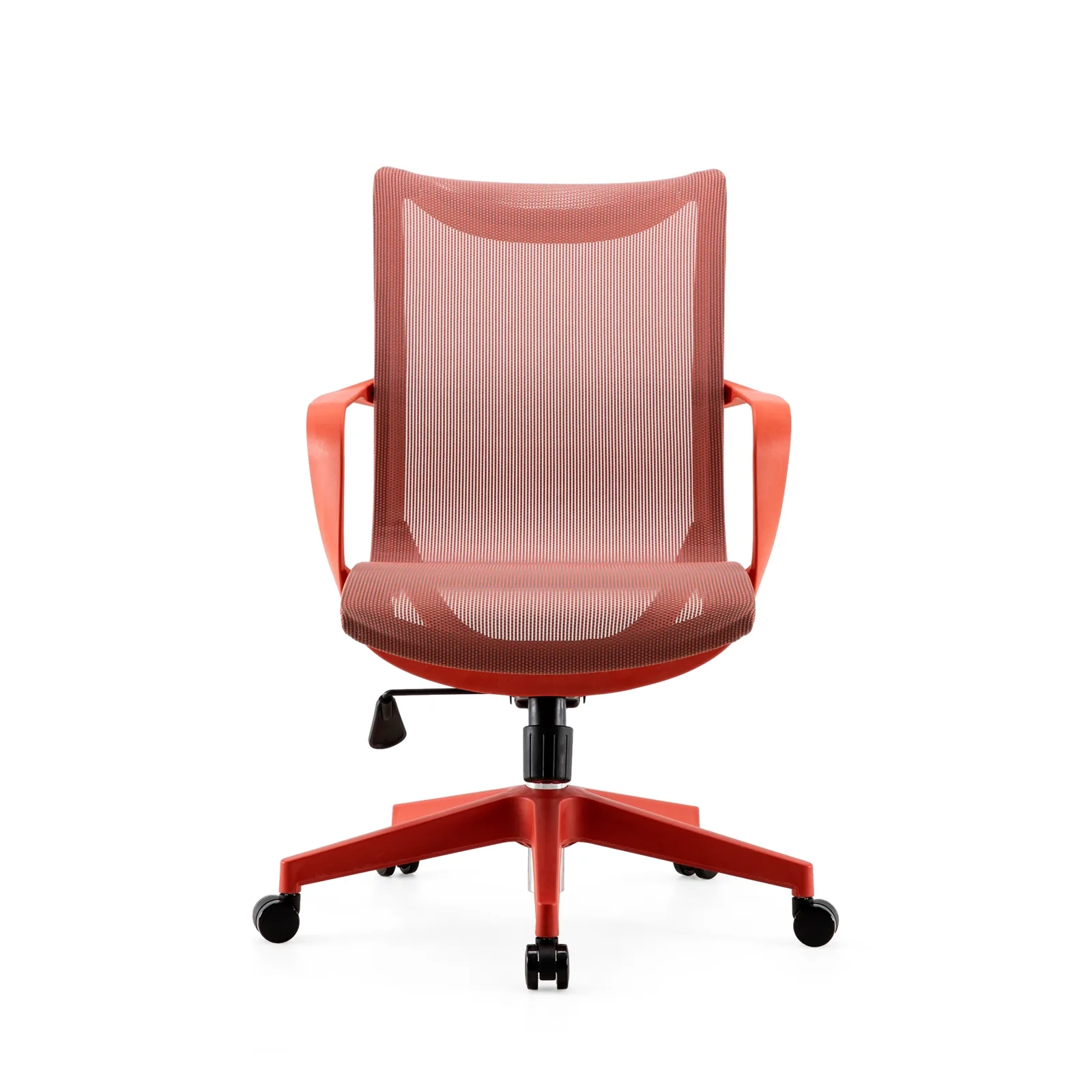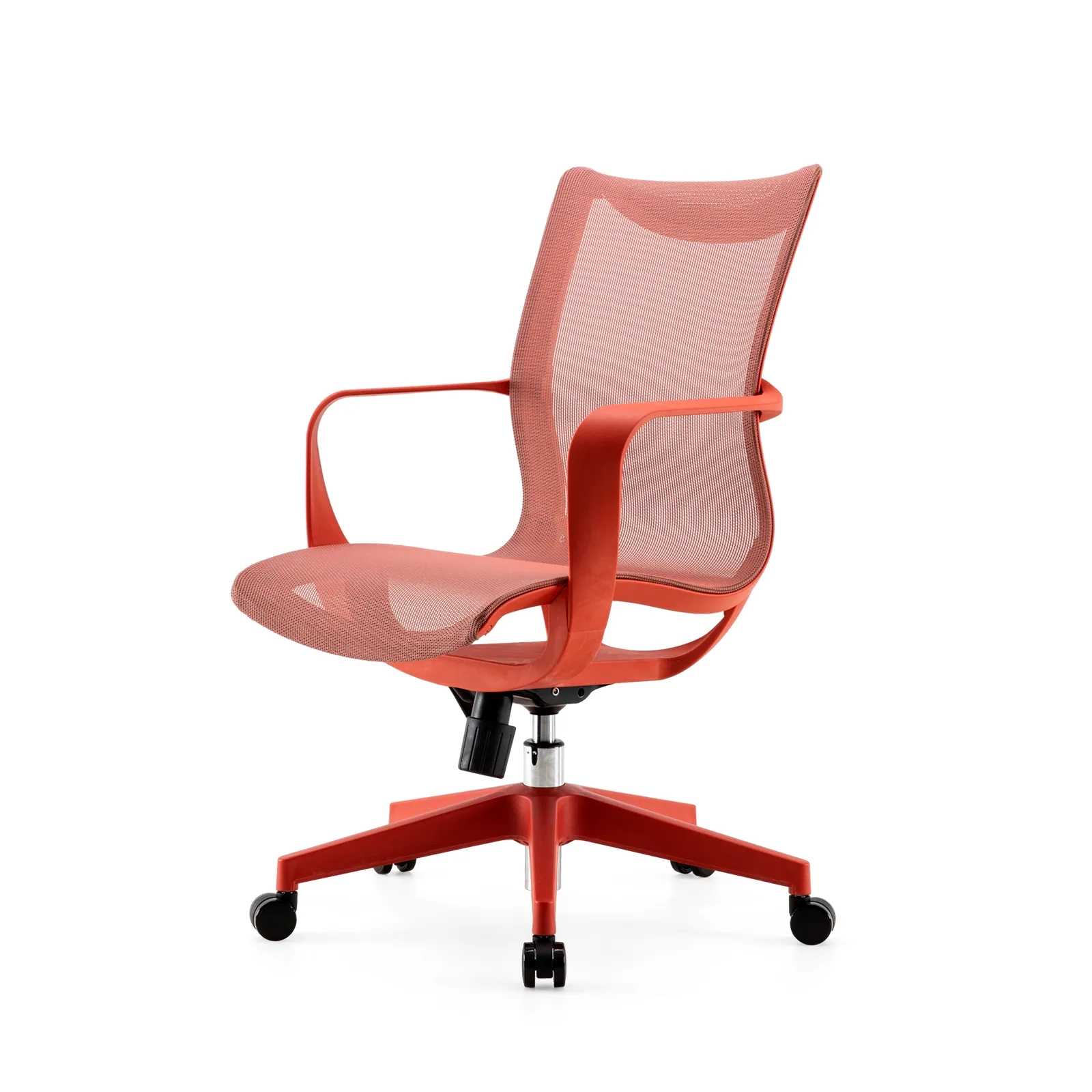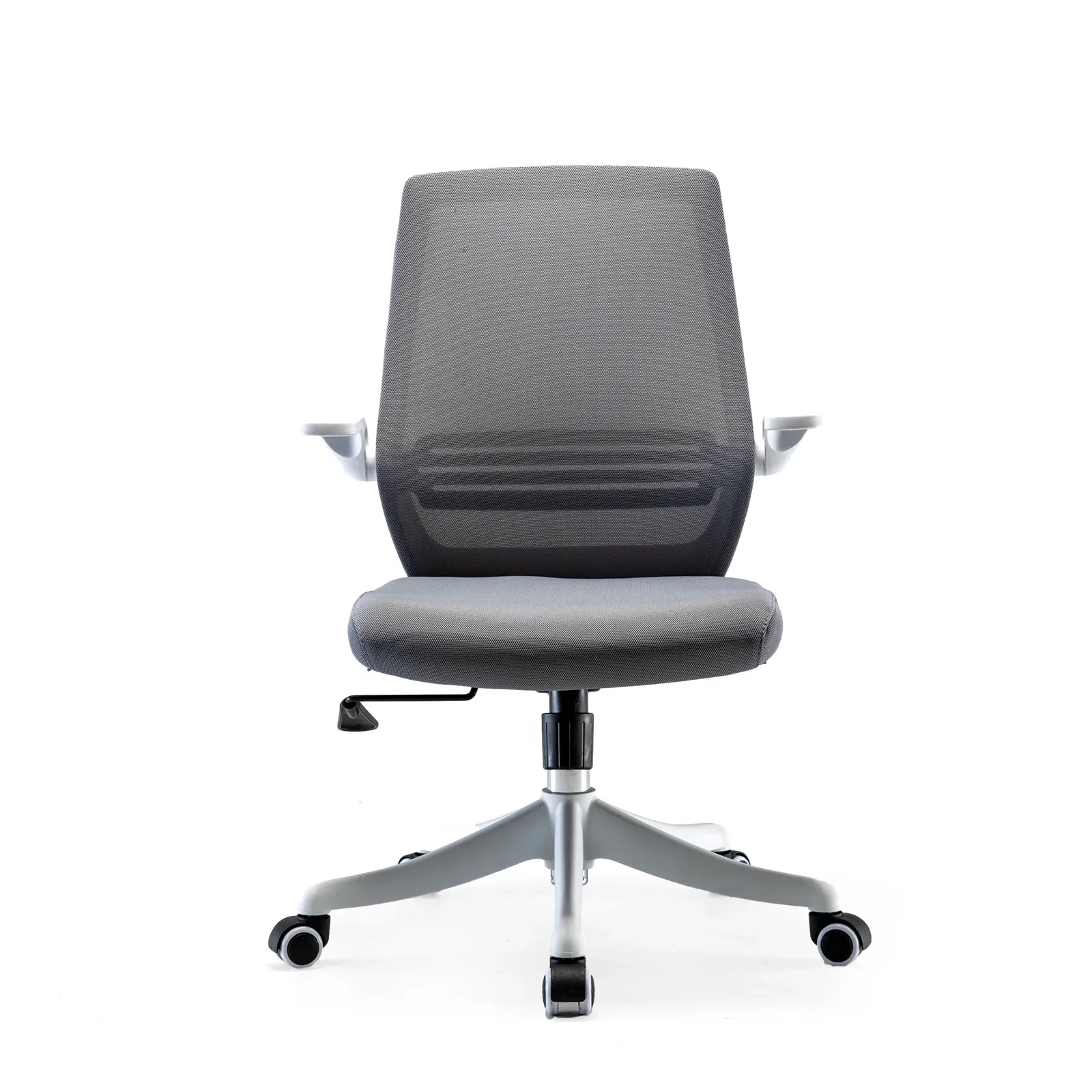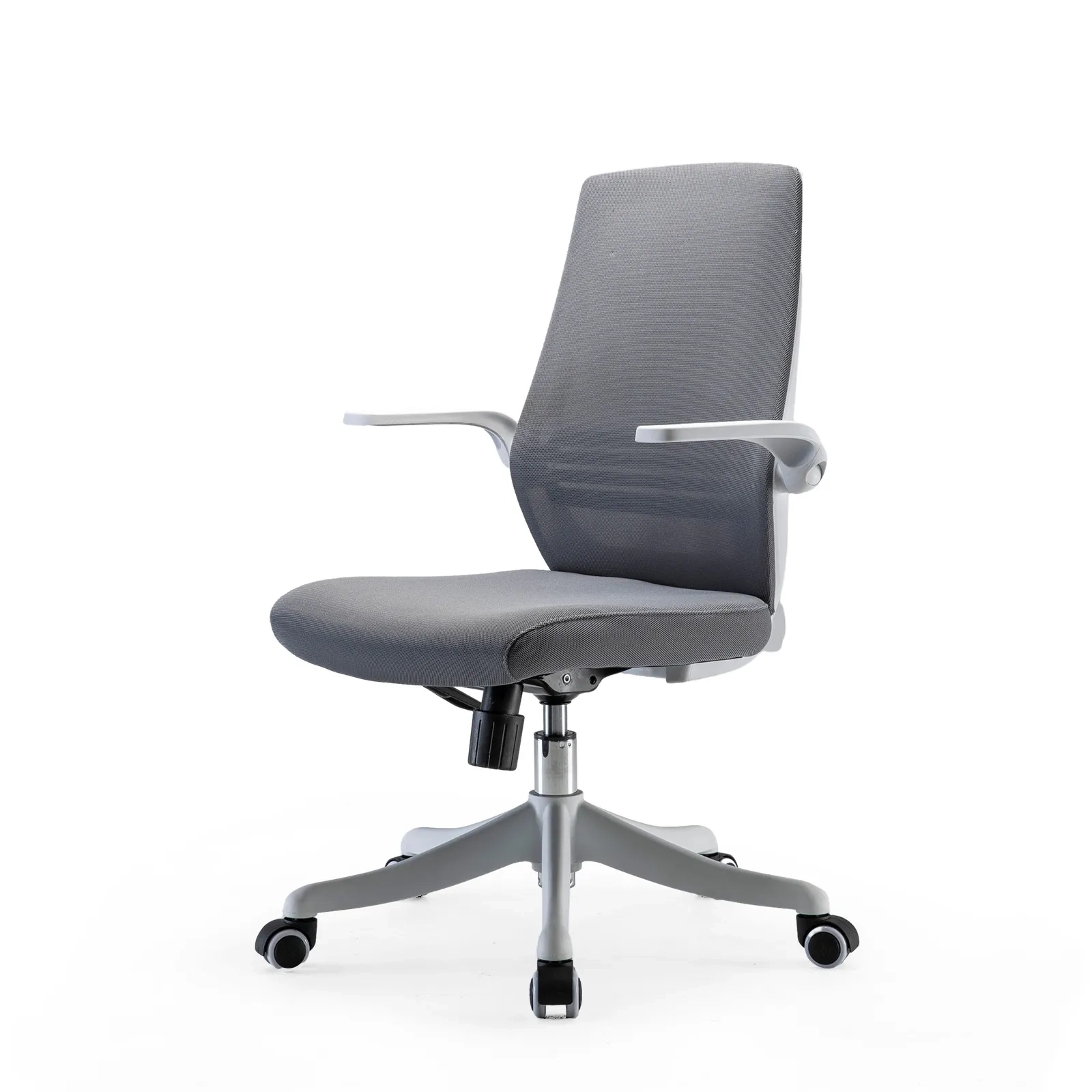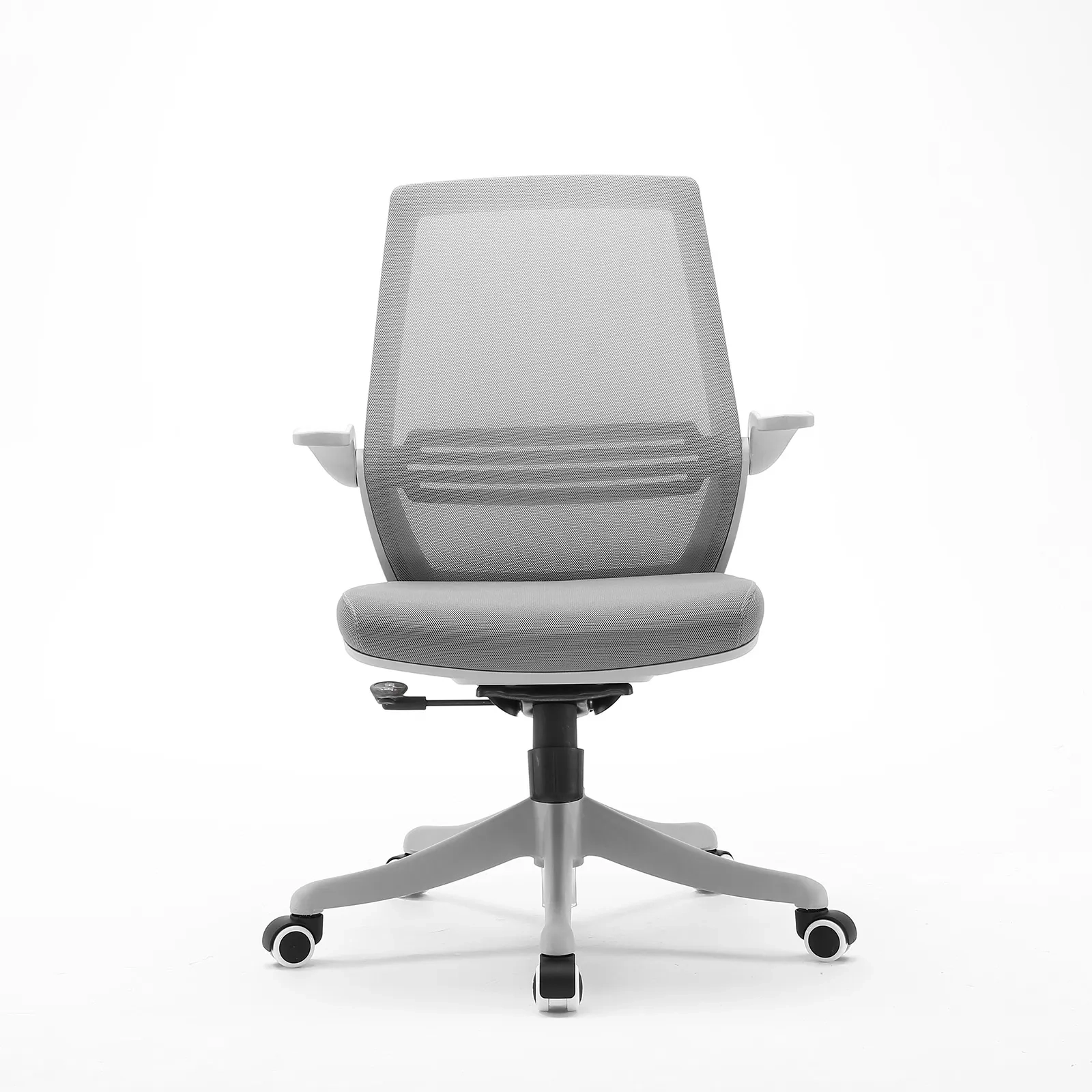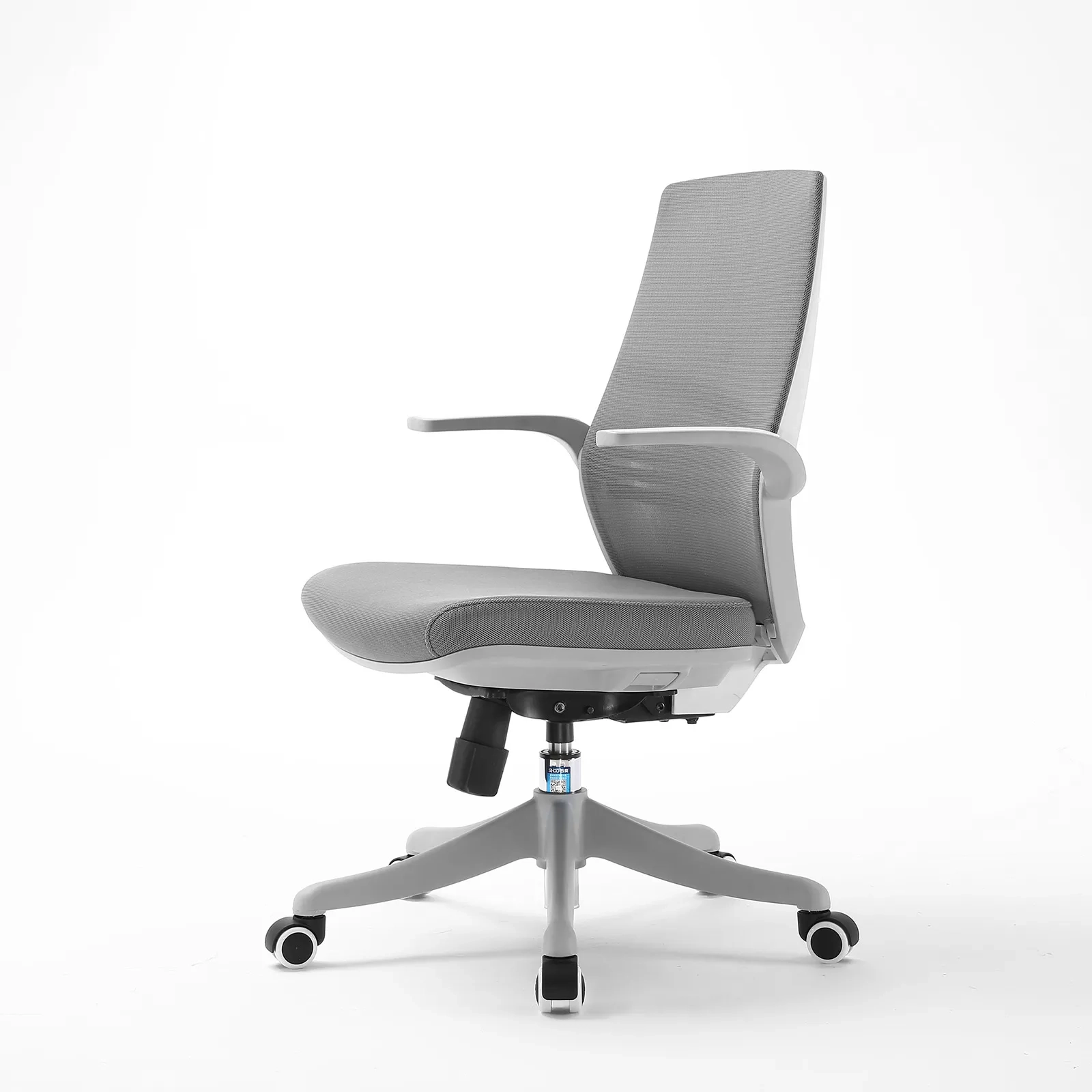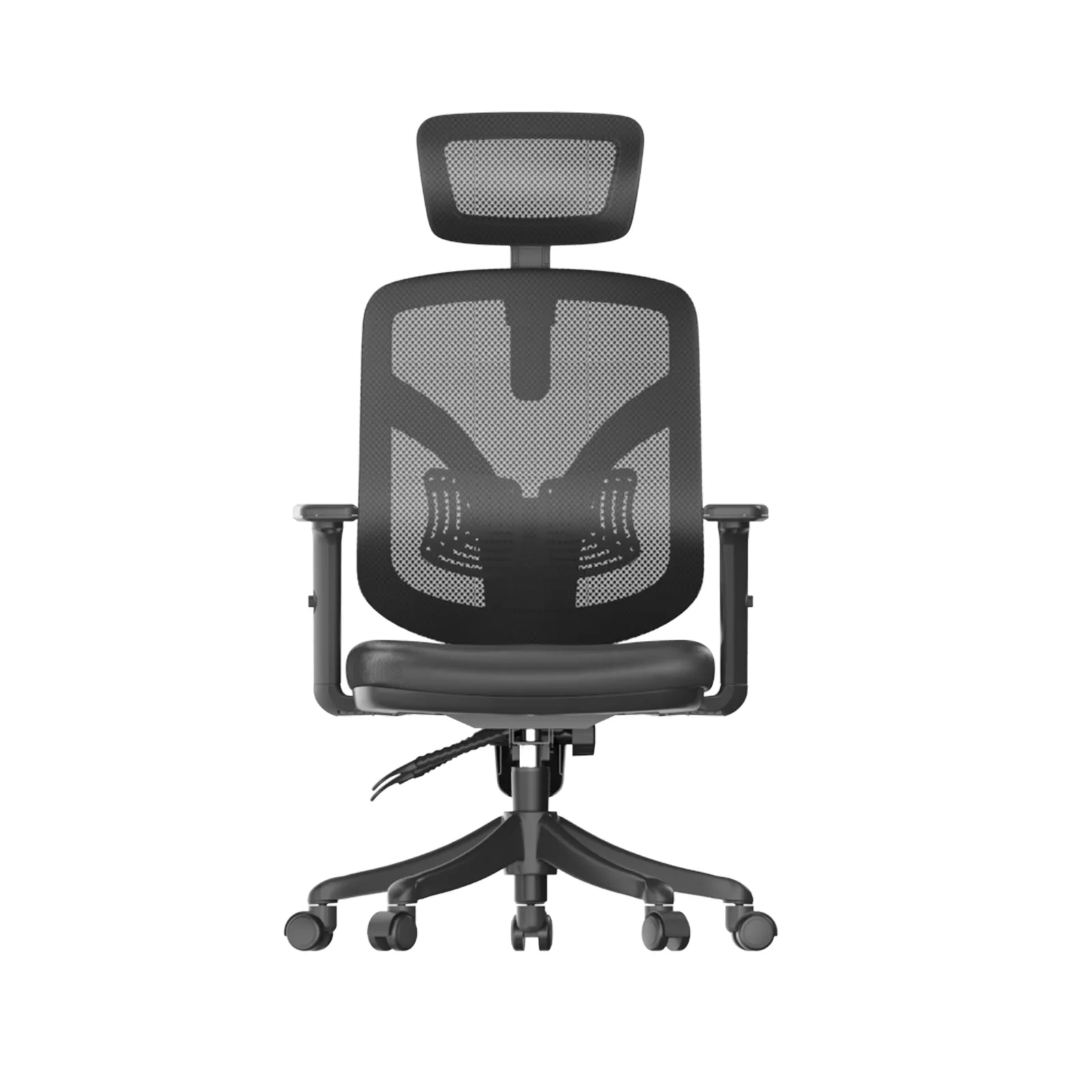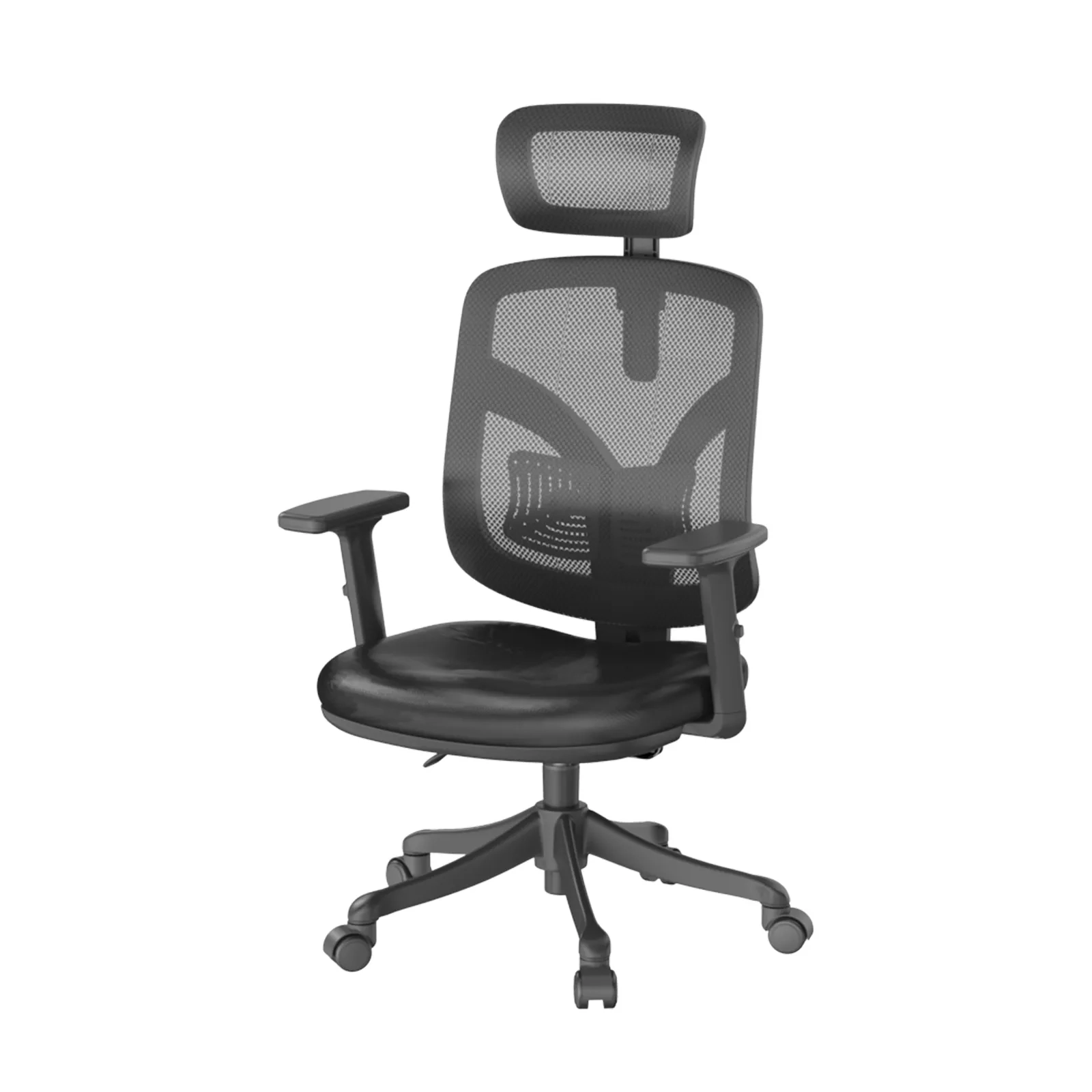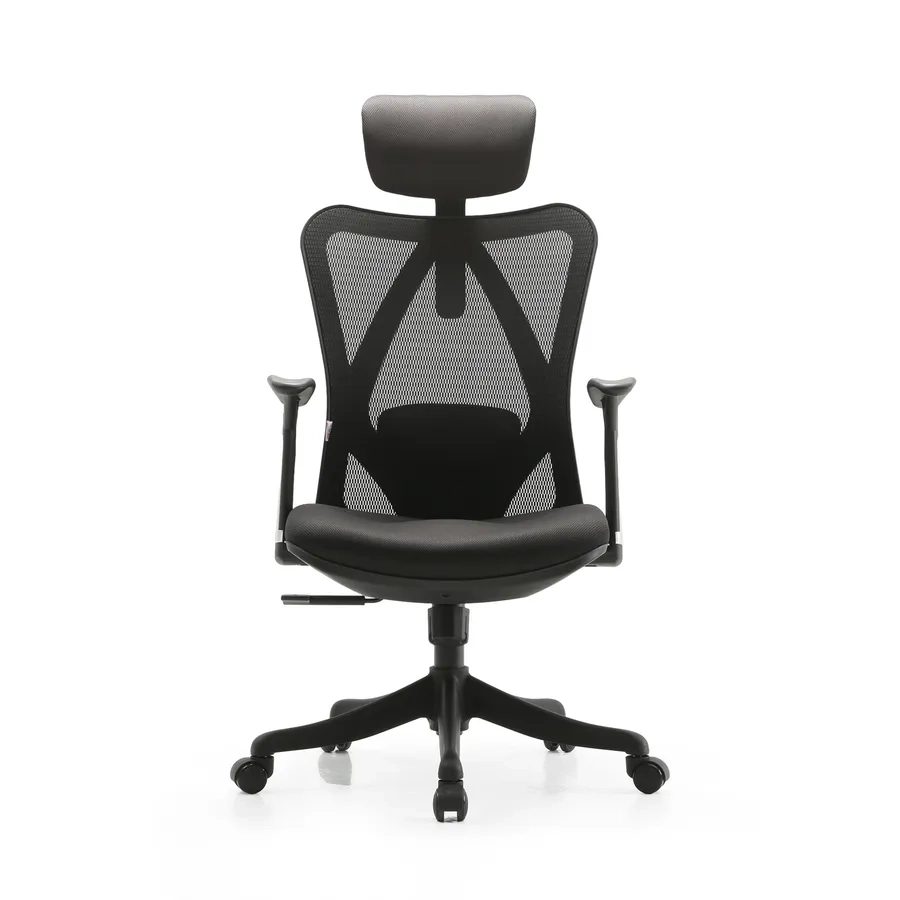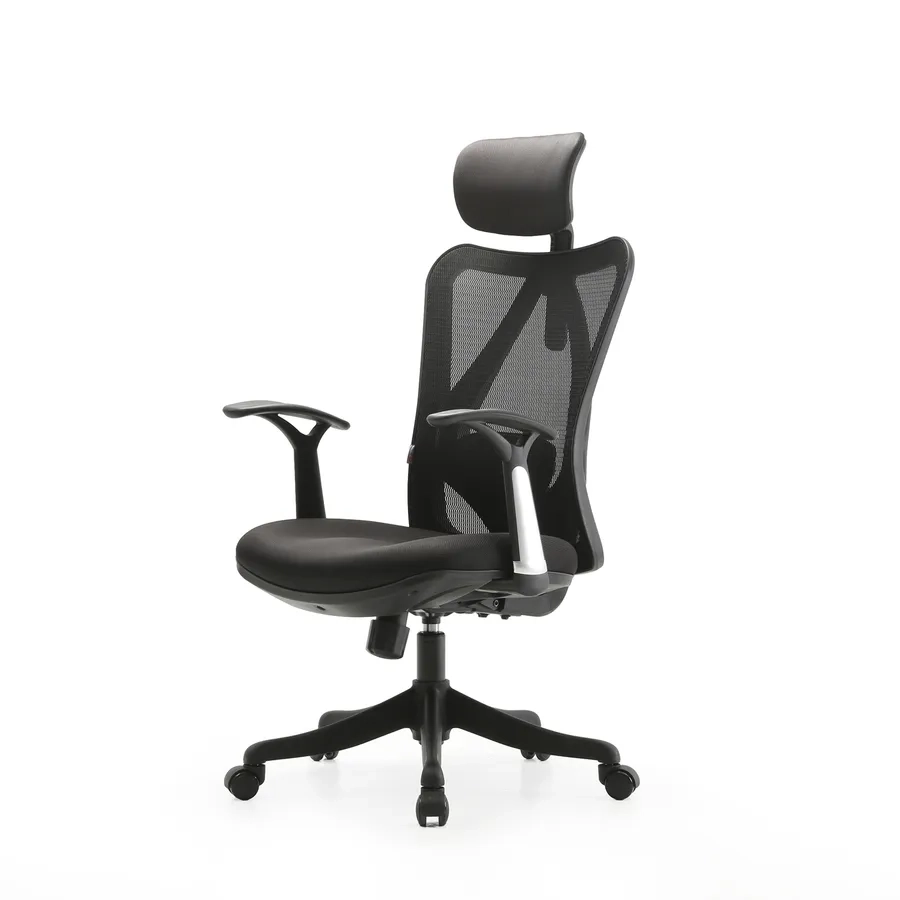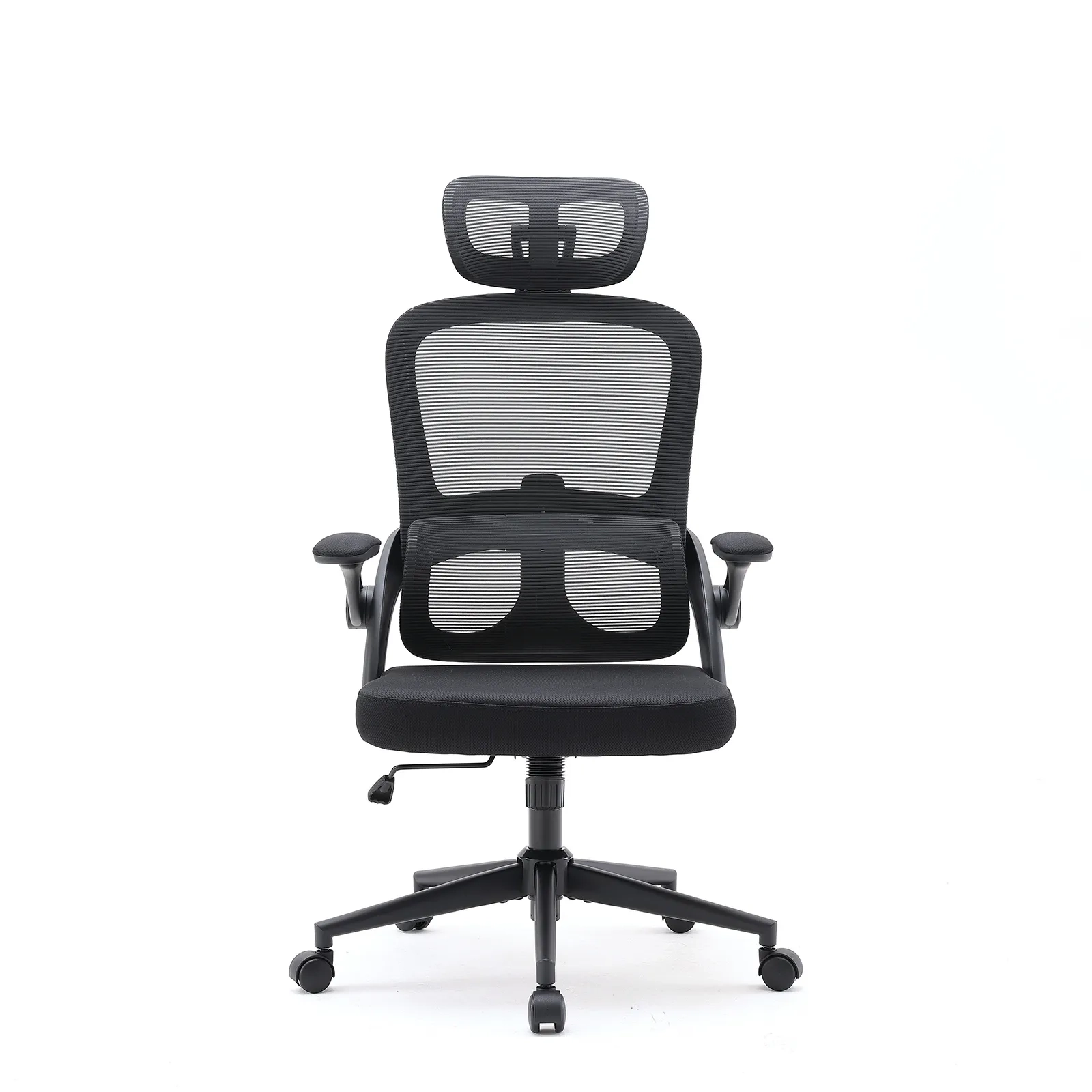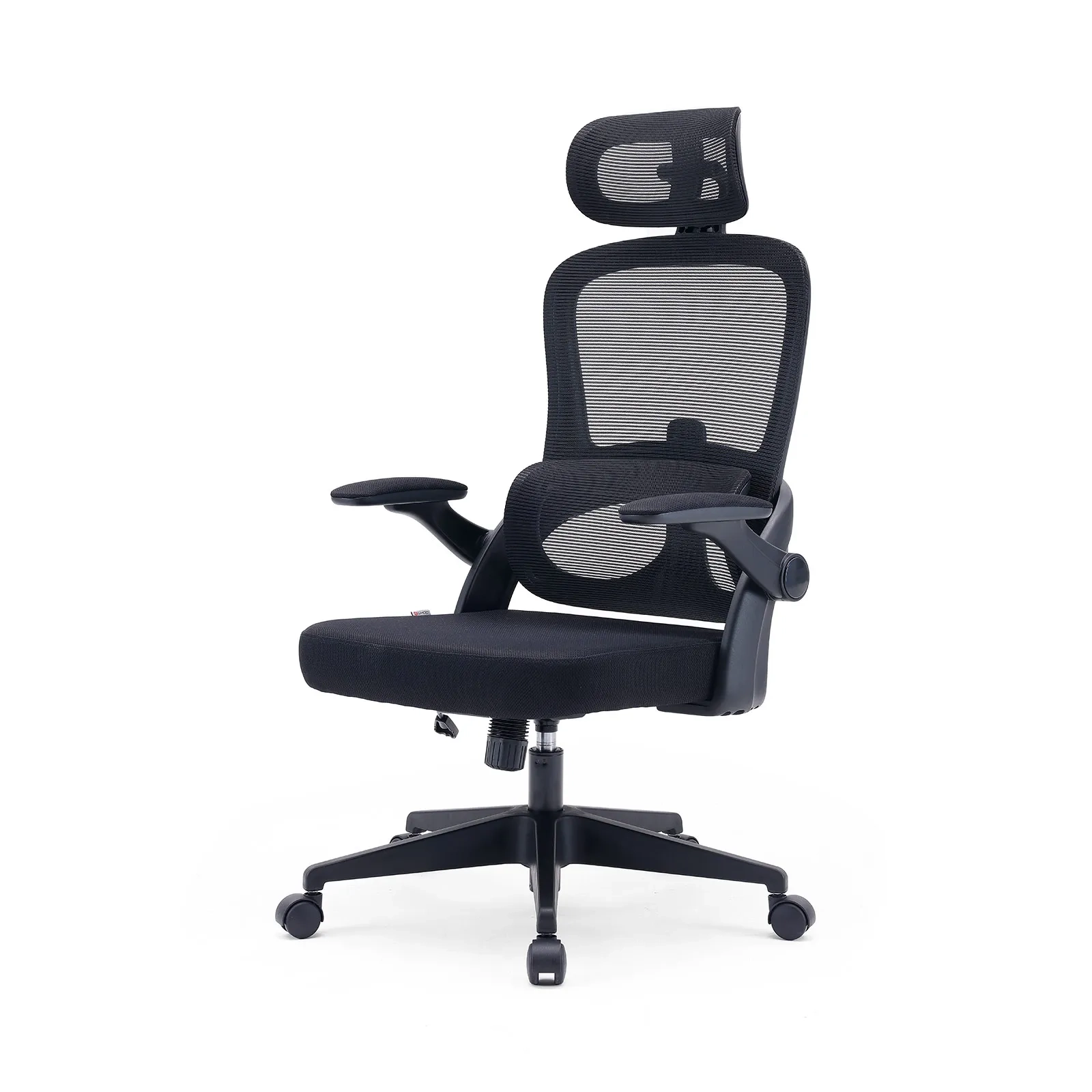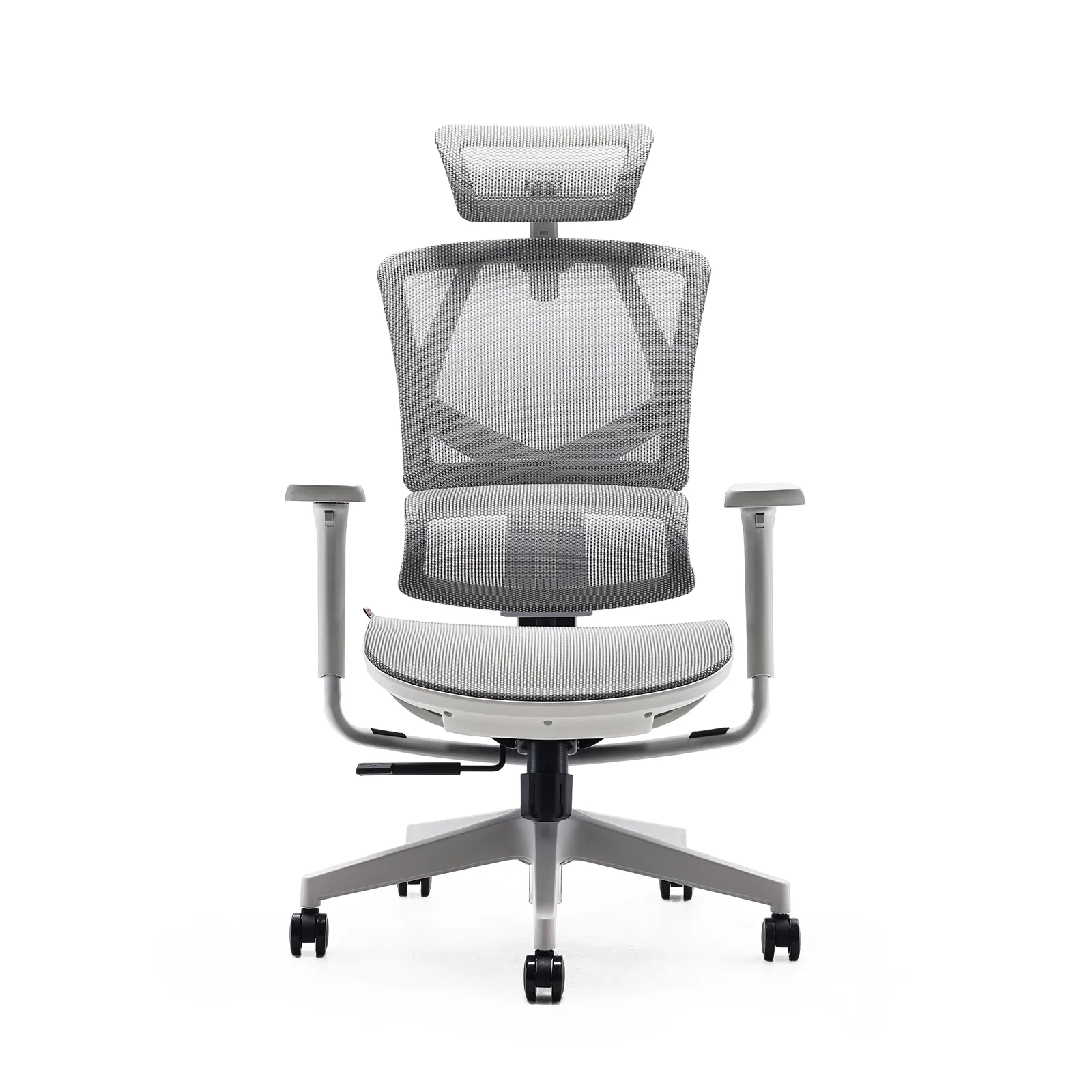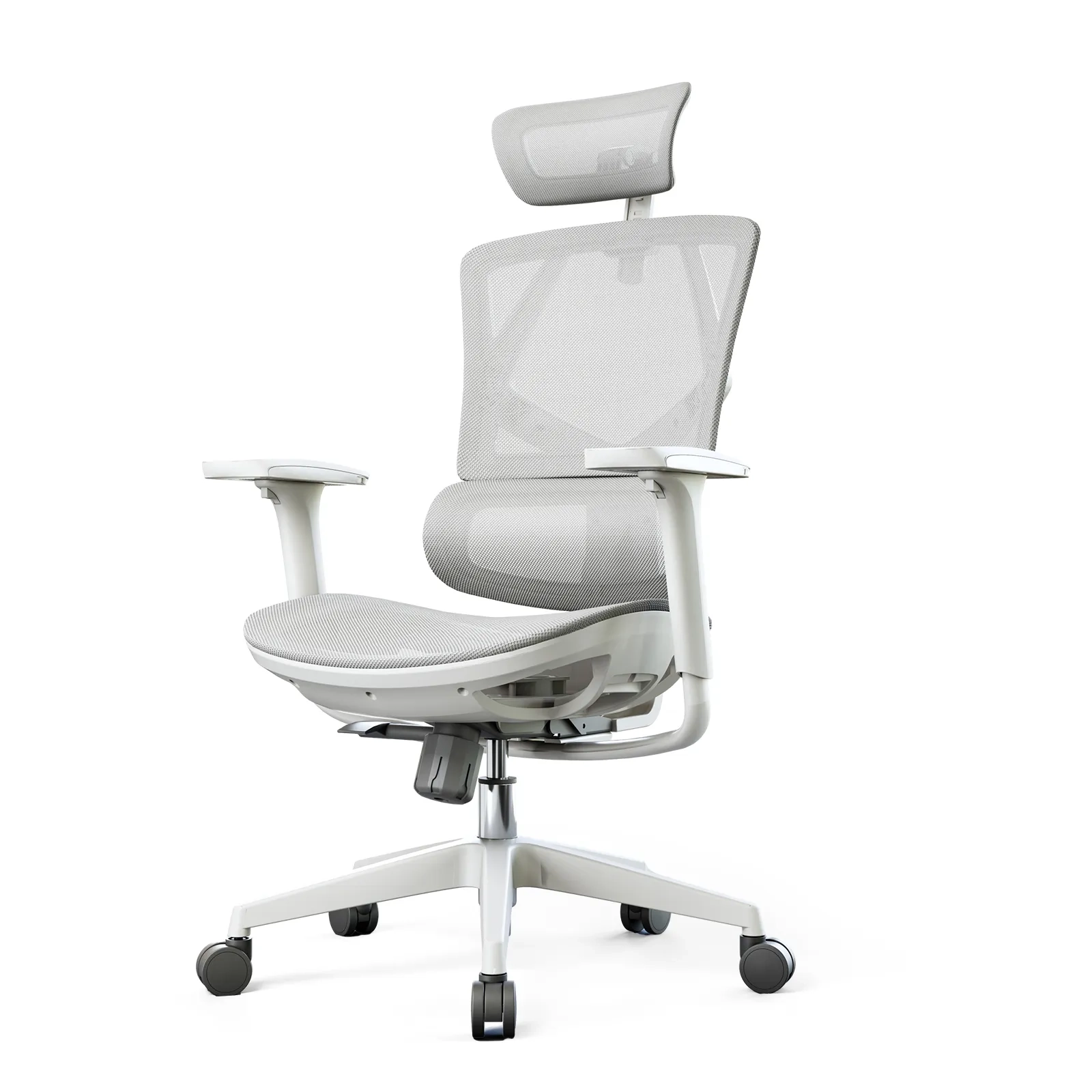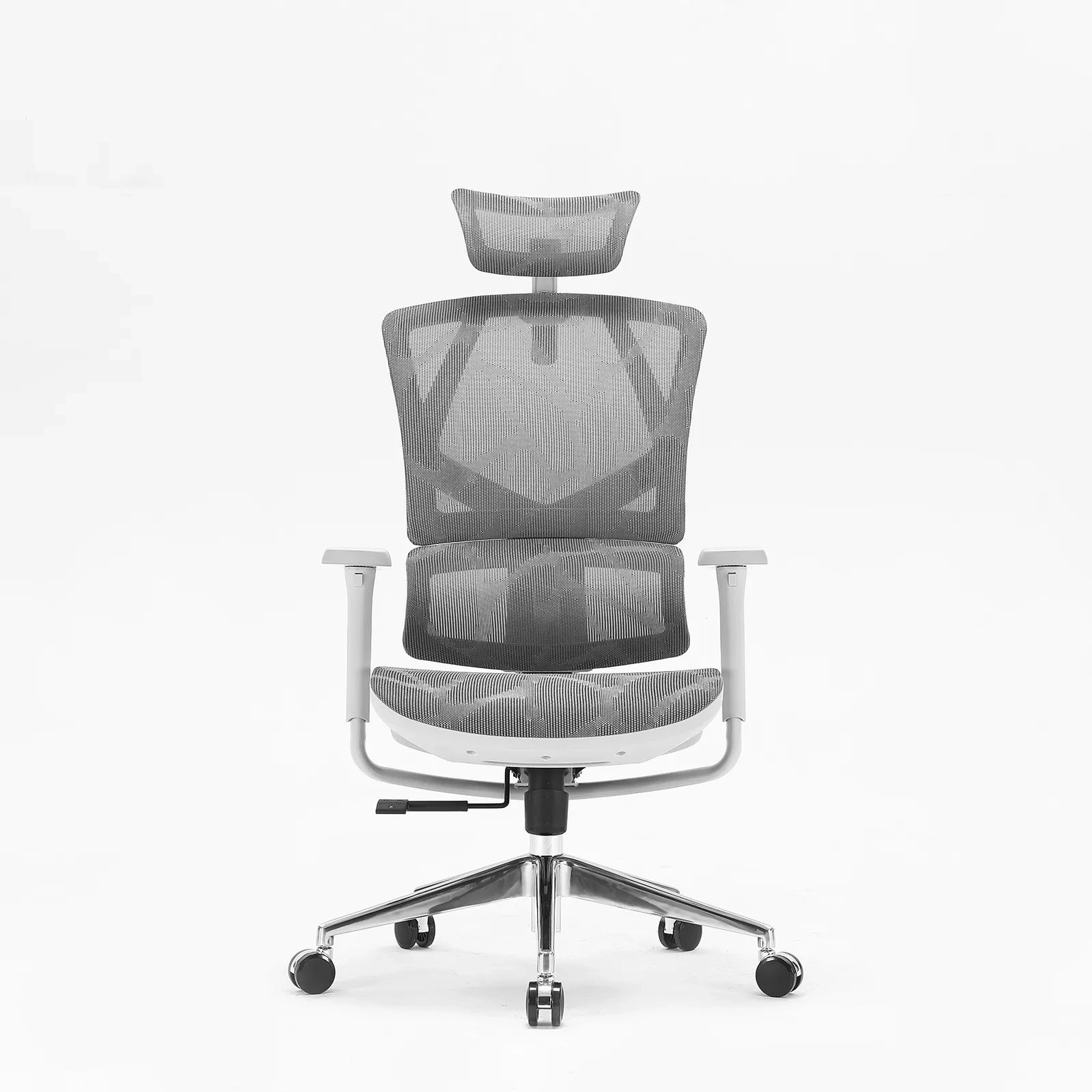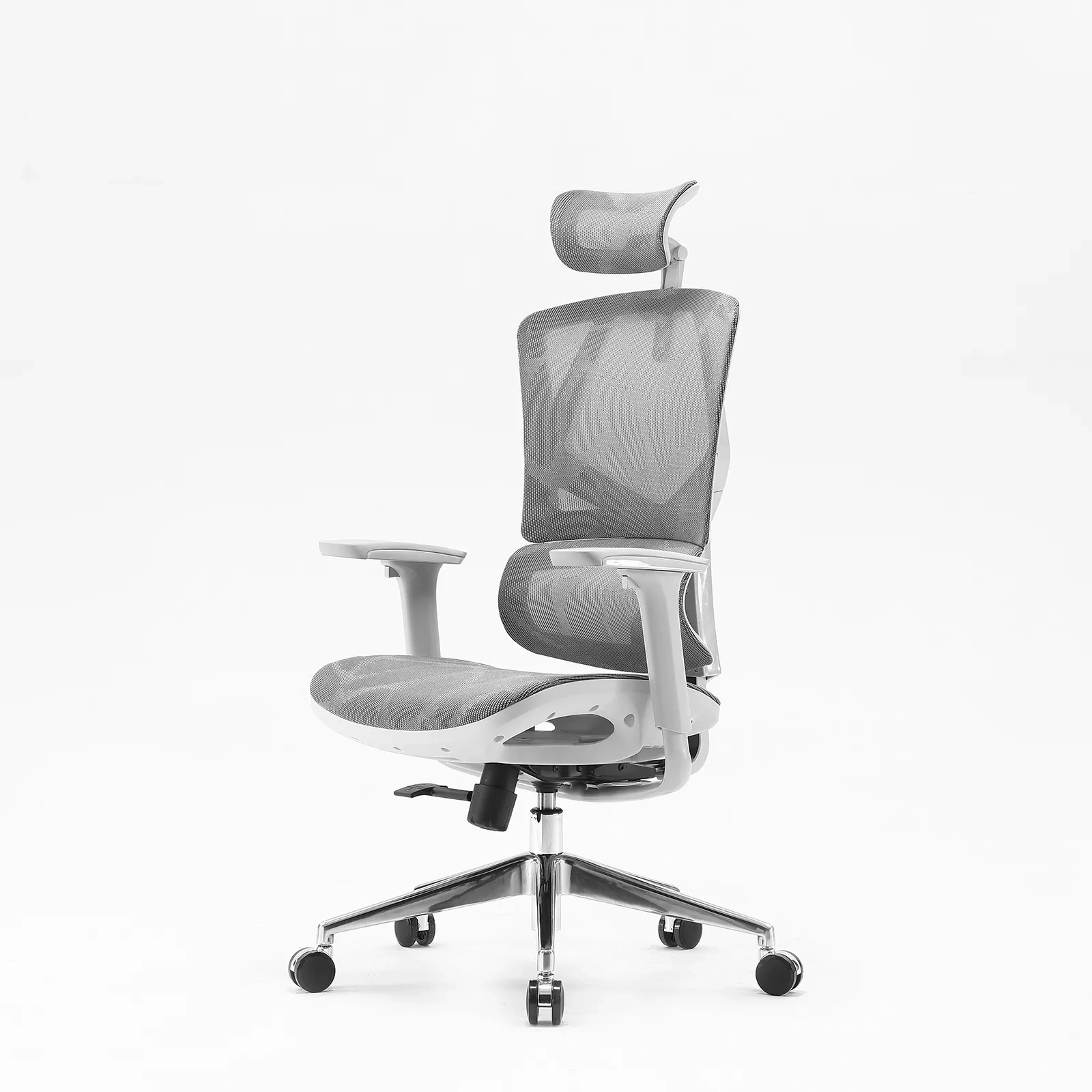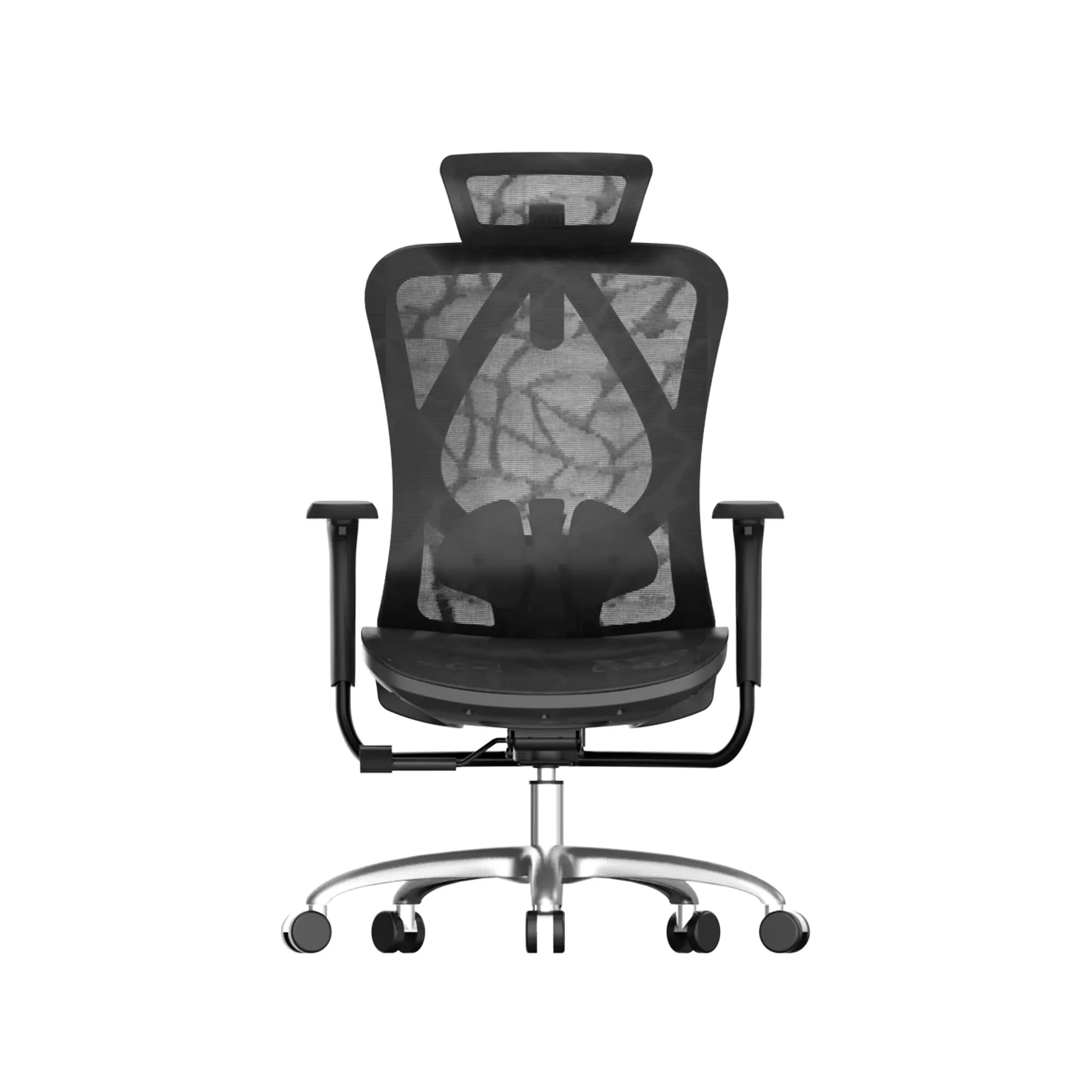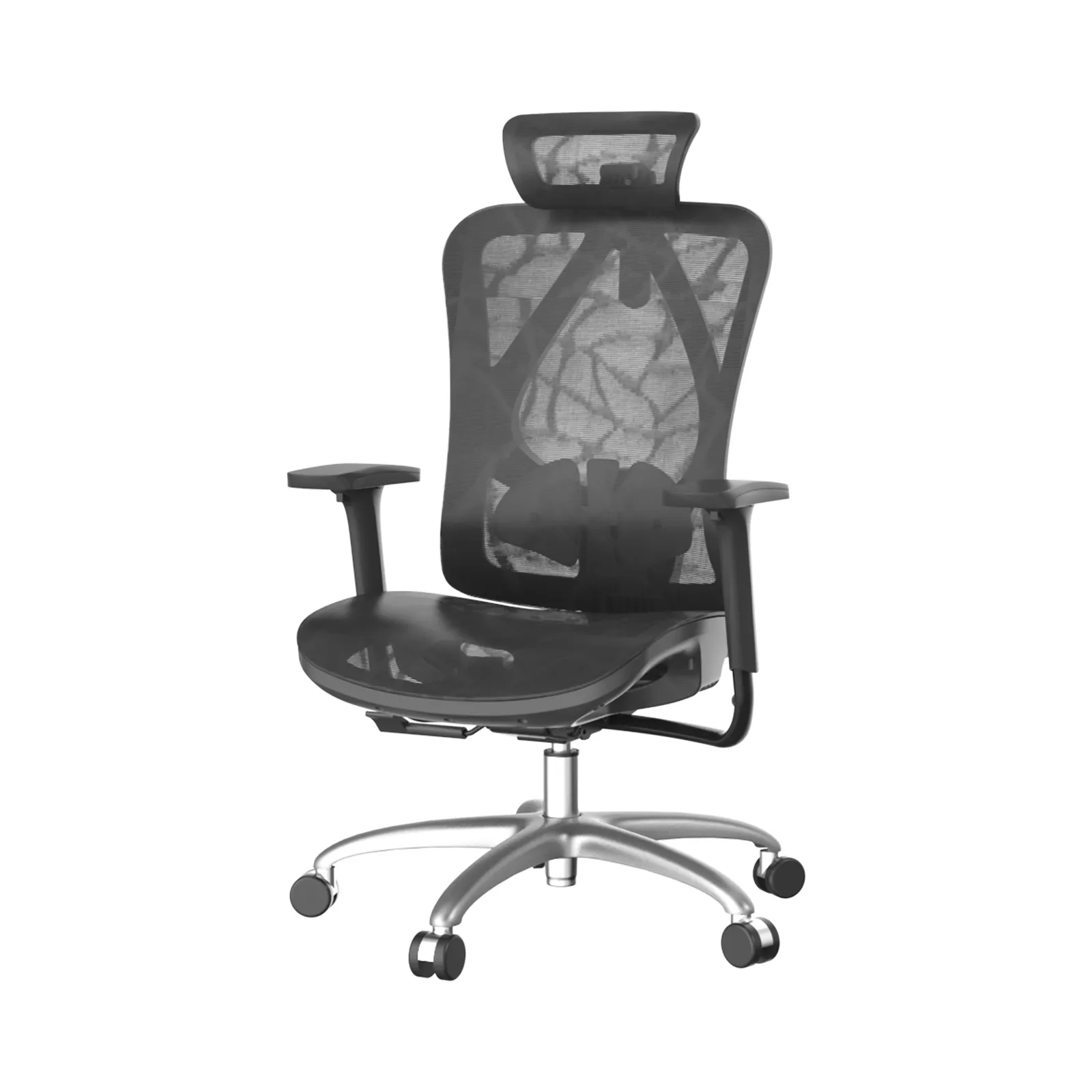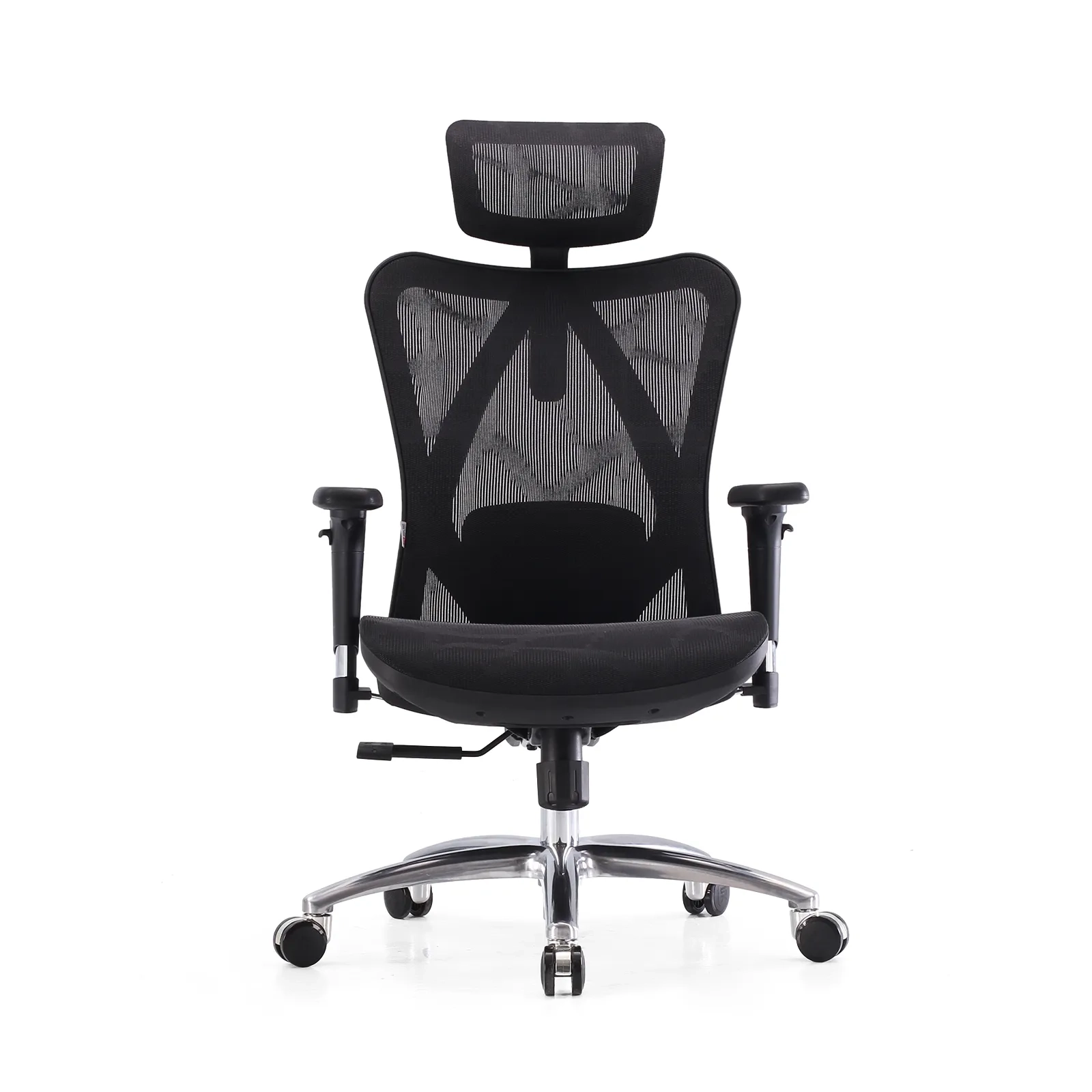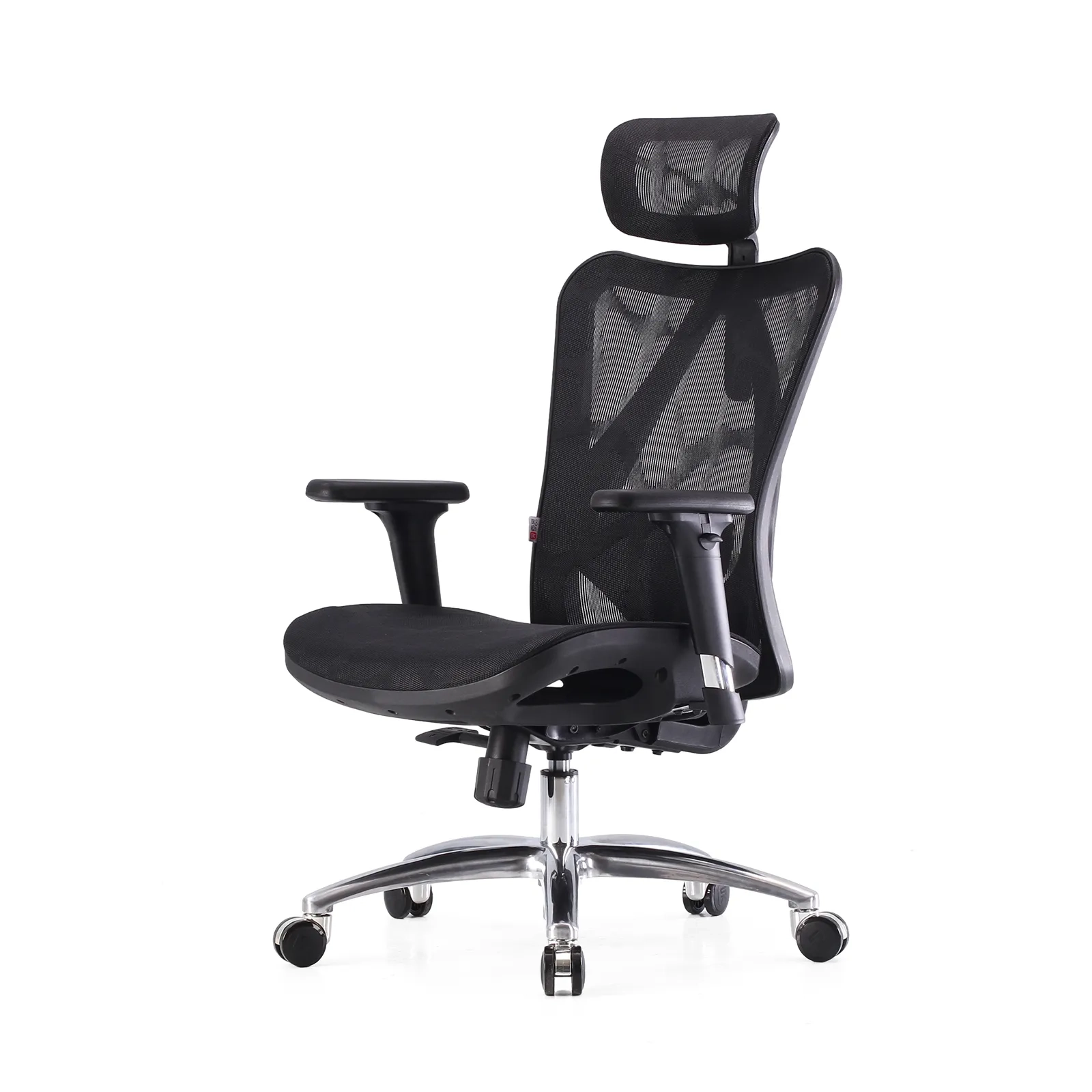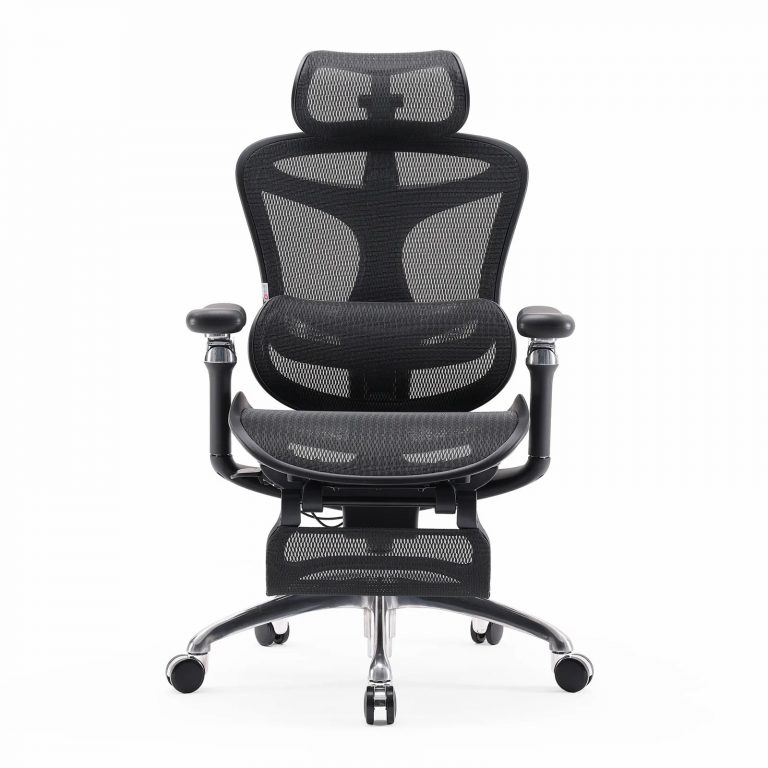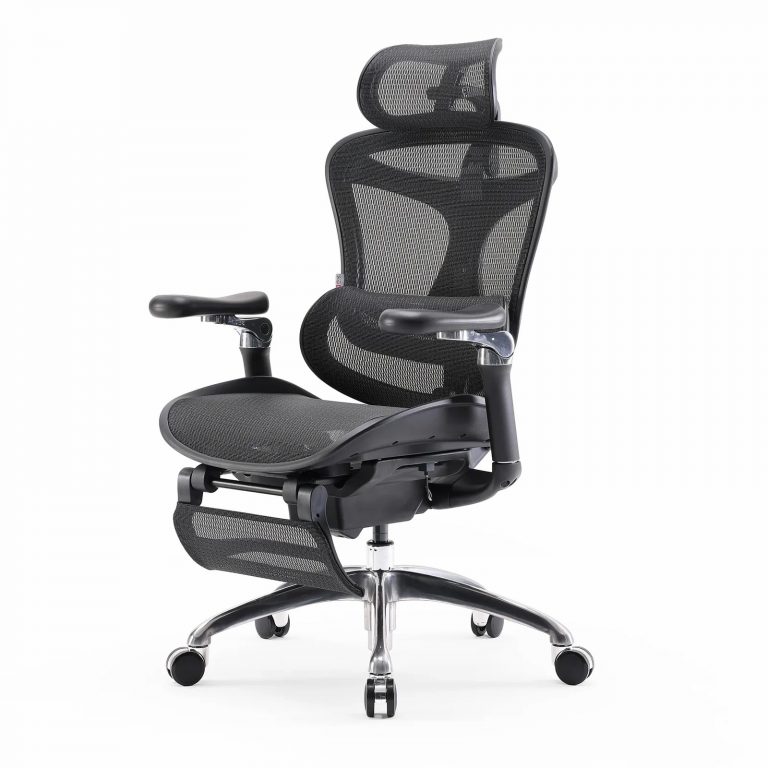









A mesh office chair for a heavy person lives or dies by one number: the stated maximum load. A chair rated 150 kg is built on a different base, gas lift, and chassis than one rated 120 kg, and you should never trust a heavy duty label that hides the figure. SIHOO’s mesh lineup publishes real maximum loads from 120 kg up to 150 kg, so you can match the rating to your body weight instead of guessing. This guide covers five SIHOO mesh chairs with their actual ratings, explains the three load parts that matter, and shows how to leave a safe margin. Start with the printed number, confirm the base and lift back it up, and the mesh becomes the comfort layer on a frame that holds.
Start With the Stated Weight Rating
The weight rating is the first filter, and most buyers skip it. A standard task chair is usually rated around 113-136 kg (250-300 lb), which fits average users but leaves no margin for a heavier person who also leans, shifts, and reaches during the day. For a heavy duty mesh office chair, look for a stated rating that clears your weight with room to spare.
The table below maps the common classes so you can read a spec sheet instead of a slogan. These are market ranges across standard and heavy-duty seating, not one brand’s numbers.
| Chair class | Typical stated rating | Who it fits |
|---|---|---|
| Standard task chair | 113-136 kg (250-300 lb) | Average users, light use |
| Heavy-duty mesh | 136-150 kg (300-330 lb) | Heavier users, daily use |
| Compact or visitor | 100-120 kg (220-265 lb) | Lighter users, hot-desk, reception |
Certification matters as much as the printed number. BIFMA durability research sets the test baseline most contract chairs are measured against, so a BIFMA-rated component tells you the base and lift were tested to a standard rather than guessed. Treat the rating as the floor: if two chairs list the same number, the one with certified parts wins. SIHOO builds BIFMA or SGS tested load parts into the range, and the regional spec pages publish a maximum user weight for each model.
The Base, Gas Lift, and Chassis Carry the Load
Two parts fail first when a chair is under-rated, and both sit under the seat. The base is the star frame that spreads weight to the floor; a five-star base does this far better than a four-star, which can tip when a heavier user leans. The gas lift is the column that sets height, and its class decides how much it holds before it slowly drops.
For a mesh office chair weight limit decision, look for a five-star base in aluminum or steel and a gas lift marked Class 3 or Class 4. Class 4 is the stronger grade and the one you want for daily heavy use. A thickened explosion-proof mechanism in the chassis is the other signal: it is the plate that ties the base, lift, and seat together, and a reinforced one stops the wobble that low-grade plates develop after a few months. Every SIHOO model below carries these load parts, scaled to its rated capacity.
Seat Width and Depth for a Larger Frame
Width decides whether the thighs sit on the pan or hang off it. A narrow task seat forces a heavier user to perch, which pushes pressure to the edge and numbs the legs early. Depth decides whether the back of the knees clears the seat front; too deep and the backrest stops supporting the spine because the user slides forward to escape the pressure.
A weight limit is only half the story. The seat shape does the other half. A waterfall front edge eases the line under the thighs, and an adjustable seat depth lets the same chair fit a short and a tall user without a custom build. If you can only check one seat number, check depth: a pan that matches the thigh length keeps the backrest doing its job, and that is what separates a chair you tolerate from one you forget you are sitting in.
Mesh vs Leather for Heavier Users
Material is where heat enters the decision. A heavier frame makes more skin contact and generates more warmth, so a sealed leather seat turns sticky by the second hour while a mesh back keeps air moving. Mesh also asks for almost no care, which matters when the chair is used hard every day.
Leather still reads formal and suits a private office where someone handles conditioning. For a heavy person in a shared or warm room, mesh is the safer long-term pick because it stays cool and clean without a routine. SIHOO builds mesh across the range, so the heavy-duty frames below come in breathable weave rather than leather. A neutral mesh in a boardroom reads composed and skips the cracking that neglected leather shows after a year.
SIHOO Mesh Chairs by Stated Max Load
The figures below are the maximum user weights published on SIHOO regional product spec pages (sihoooffice.com regional sites, sihoo.com.au, sihoo.my, hk.sihooxchair.com, de.sihoo.com), checked in October 2026. The wholesale B2B site does not print per-model load, so regional specs are the source of record.
| Model | Stated max load | Mesh type | Best for |
|---|---|---|---|
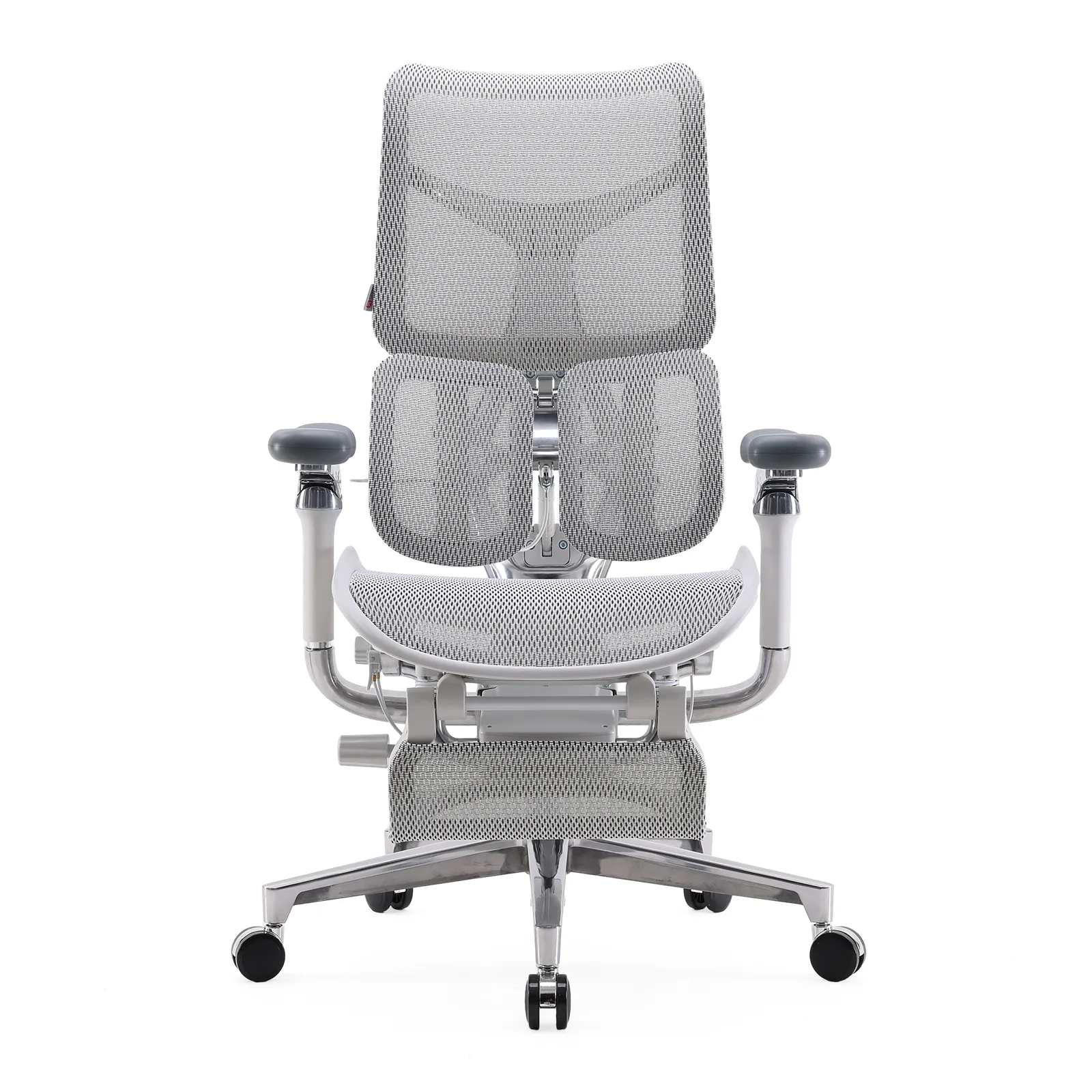
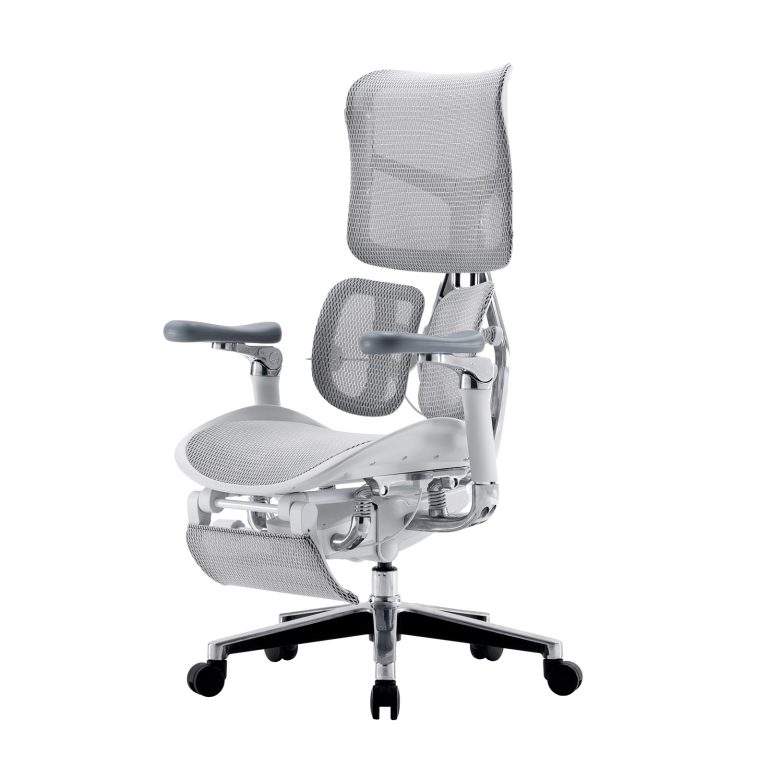
| Doro C300 Pro V2 | 150 kg (330 lb) | Full mesh back and seat | Users up to about 135 kg who want the top rating |
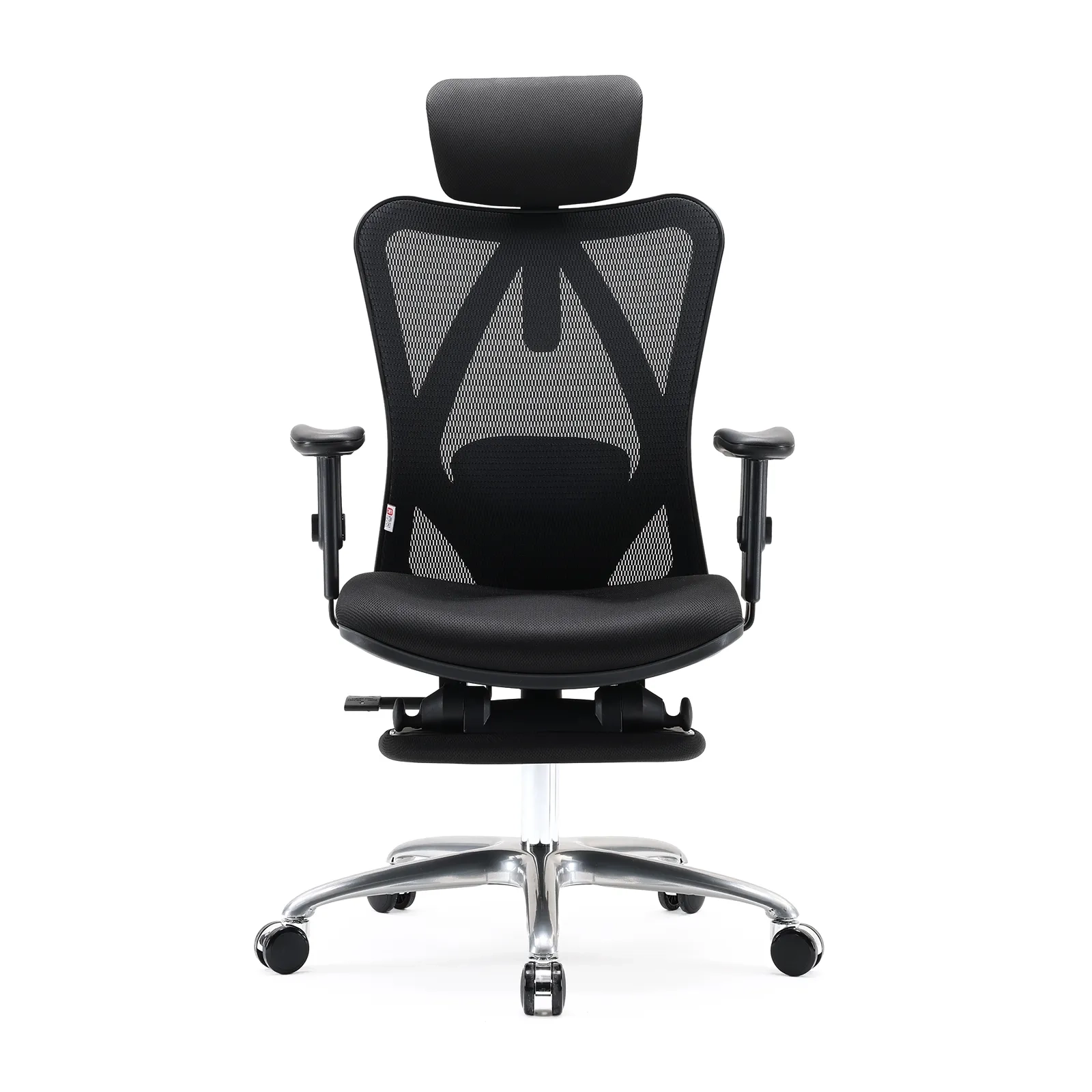
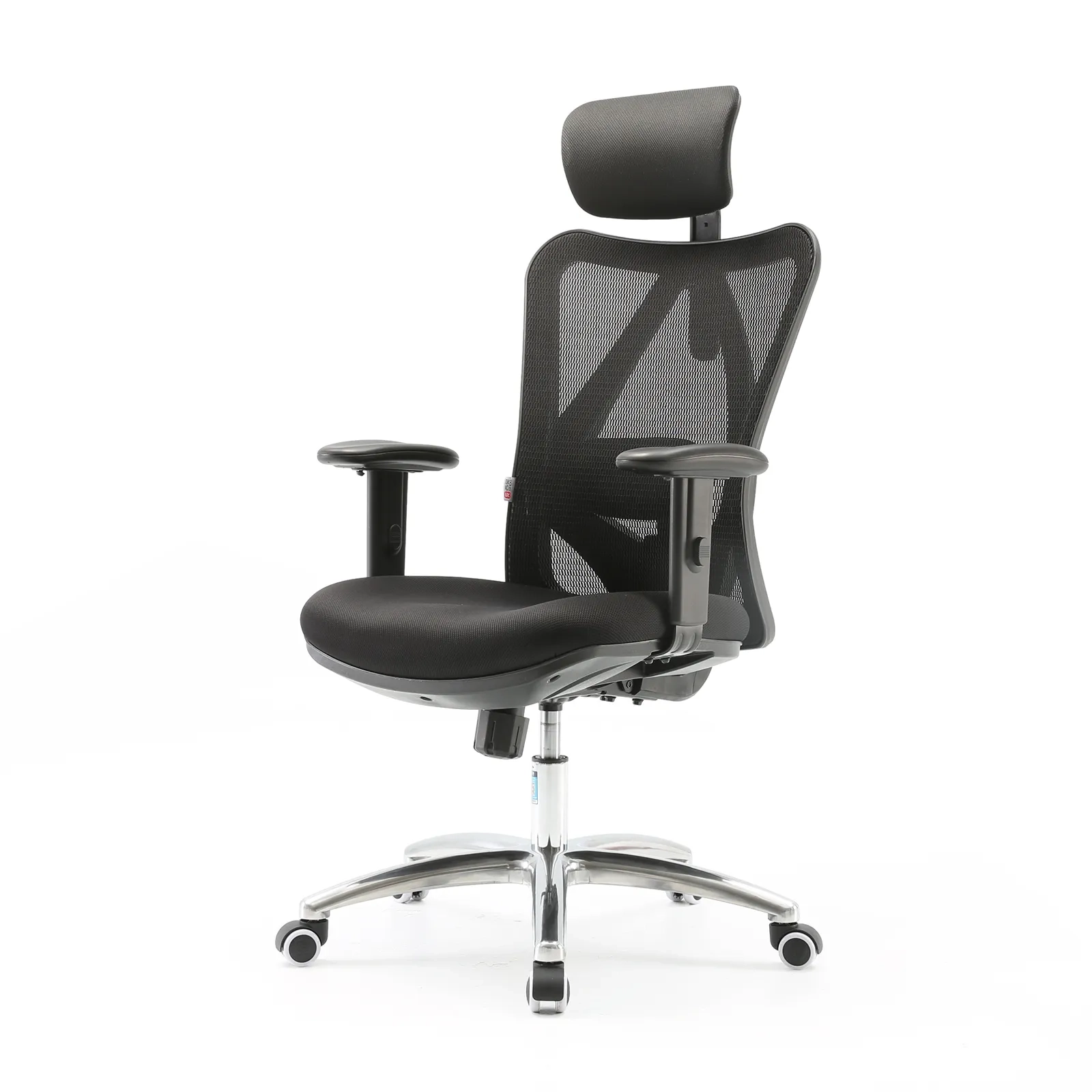
| M57 | 150 kg (330 lb) | Mesh back, padded seat | Best-selling high-capacity mesh |
| Doro C300 | 136 kg (300 lb) | Full mesh back and seat | Mid-high capacity, popular daily driver |
| Doro C500 | 135 kg | Full mesh back and seat | Slightly lower rating, wide seat option |
| B300 Pro | 120 kg | Mesh back, padded seat | Compact frame, lighter end of the range |
Doro C300 Pro V2 (150 kg)
El Doro C300 Pro V2 is the highest-rated mesh chair in this set at 150 kg. It uses a full mesh back and seat for airflow, a Class 4 gas lift, and SIHOO’s self-adaptive lumbar support that tracks your lower back as you move. For a heavy person who wants maximum headroom, this is the safest pick of the five. The trade is a firmer seat mesh and a higher price than the padded-seat models, but the rating is the ceiling of the current range.
M57 (150 kg)
El M57 shares the 150 kg rating but pairs a mesh back with a padded seat, which some users prefer for all-day comfort. It is SIHOO’s long-running best seller, with a breathable back, adjustable armrests, and a tilt mechanism built for the rated load. If you want the top capacity without a full-mesh seat, the M57 is the practical choice and the easiest one to source in volume.
Doro C300 (136 kg)
El Doro C300 lands at 136 kg, a strong mid-high rating with a full mesh back and seat. It keeps the same adaptive lumbar system as the Pro V2 in a slightly lower-rated frame, with an aluminum base and a waterfall seat you can depth-adjust. This is the pick for users in the 100-125 kg range who still want a fully breathable mesh chair at a lower cost than the 150 kg models.
Doro C500 (135 kg)
El Doro C500 is rated 135 kg and stands out for a wider seat option, useful for broader users who fit inside the load limit. Like the C300 it is full mesh front to back, with a Class 4 lift and an anti-gravity recline. Choose it when seat width matters as much as the rating and you sit near the 120 kg mark but want the full-mesh feel.
B300 Pro (120 kg)
El B300 Pro is the compact option at 120 kg, with a mesh back and a padded seat. It is honest about its place: best for users up to around 105-110 kg who want a smaller footprint. Do not treat it as a heavy duty chair; it is the entry of this range and should be matched to lighter weights and part-time or hot-desk use rather than eight-hour loads.
How to Match the Rating to Your Body Weight
Use a margin, not the edge. A chair rated 150 kg is comfortable and safe for daily use up to roughly 130-140 kg, leaving room for dynamic loads when you lean, shift, or recline. A 120 kg chair is right for users up to about 105 kg. Buying at the limit wears parts faster and risks the gas lift, so pick the rating one tier above your current weight and the chair stays stable for years. For a 120 kg body, choose a 150 kg model such as the C300 Pro V2 or M57; for 100 kg, the 136 kg C300 is a sound match with headroom.
Quick Checklist Before You Buy
- Weight rating: clears your weight with margin; heavy-duty mesh runs 136 kg to 150 kg.
- Base: five-star aluminum or steel, not four-star.
- Gas lift: Class 3 minimum, Class 4 for daily heavy use.
- Mechanism: thickened explosion-proof chassis, not a thin plate.
- Seat: waterfall front, adjustable depth for thigh fit.
- Back: high back to shoulders or neck, adjustable lumbar.
- Material: mesh for warm or shared rooms, leather only with care.
- Cert: BIFMA or SGS rated parts where listed.
Preguntas frecuentes
What weight limit should a mesh office chair for a heavy person have? Look for a stated rating that clears your weight with margin. In the SIHOO mesh range, heavy-duty models reach 150 kg (330 lb) and the mid-capacity C300 sits at 136 kg (300 lb), while the compact B300 Pro is 120 kg. A BIFMA or SGS rated base and gas lift tell you the number was tested, not just printed.
Is a mesh office chair strong enough for a heavy person? The mesh is not the weak point. The base, gas lift, and chassis carry the load, so strength comes from a five-star aluminum or steel base, a Class 3 or Class 4 gas lift, and a thickened explosion-proof mechanism. SIHOO builds those into the C300 Pro V2, M57, C300, C500, and B300 Pro, so the mesh is the comfort layer on top of a rated frame.
Should a heavy person choose mesh or leather? Mesh for most cases. A heavier frame makes more contact and heat, and mesh stays cool and needs almost no care, while leather needs conditioning a few times a year or it cracks. Leather still suits a private office where someone handles the upkeep, but mesh is the safer daily pick for warm or shared rooms.
What load should I buy for a 120 kg body weight? Pick a 150 kg chair such as the Doro C300 Pro V2 or the M57 rather than a 120-135 kg model, so you stay well inside the certified range and leave margin for dynamic movement through the day.
Do padded-seat models rate lower than full mesh? Not always. In this set the M57 (padded seat) rates 150 kg while the full-mesh C300 and C500 sit at 136-135 kg, and the padded-seat B300 Pro is 120 kg. Capacity tracks the frame and base, not the seat material.
Before You Buy
Picking a mesh office chair for heavy person comes down to four checks: a stated weight rating with margin, a five-star reinforced base, a Class 3 or Class 4 gas lift, and a seat sized to the frame. Get those right and the mesh is the comfort layer on a chair that holds up for years. SIHOO covers the need from the 120 kg compact B300 Pro up to the 150 kg heavy-duty group led by the C300 Pro V2 and M57, with the 136 kg C300 and 135 kg C500 in between. See the ergonomic office chair category or the product pages to check specs before you choose, and use the checklist above to settle the details for your weight and room.